



A good pixie cut doesn’t erase length; it edits out the dead weight.
Pixie haircuts for women in their 40s work best when they feel deliberate, not fussy. The right version can sharpen the jaw, soften a strong forehead, or make fine hair look fuller without pretending it has more density than it does.
Hair also tends to change in this decade. Some people notice a little less fullness at the crown, some get more wave than they ever had before, and some wake up with texture that seems to have developed a personality overnight. A cut that respects those changes is worth far more than one that fights them.
The styles below lean on shape, movement, and easy styling time. Some are polished enough for a blazer and a swipe of lip color; some are rougher and cooler with almost no effort. The useful part is this: a pixie should make your face look rested, your neck look longer, and your morning routine feel lighter.
1. Classic Soft Pixie
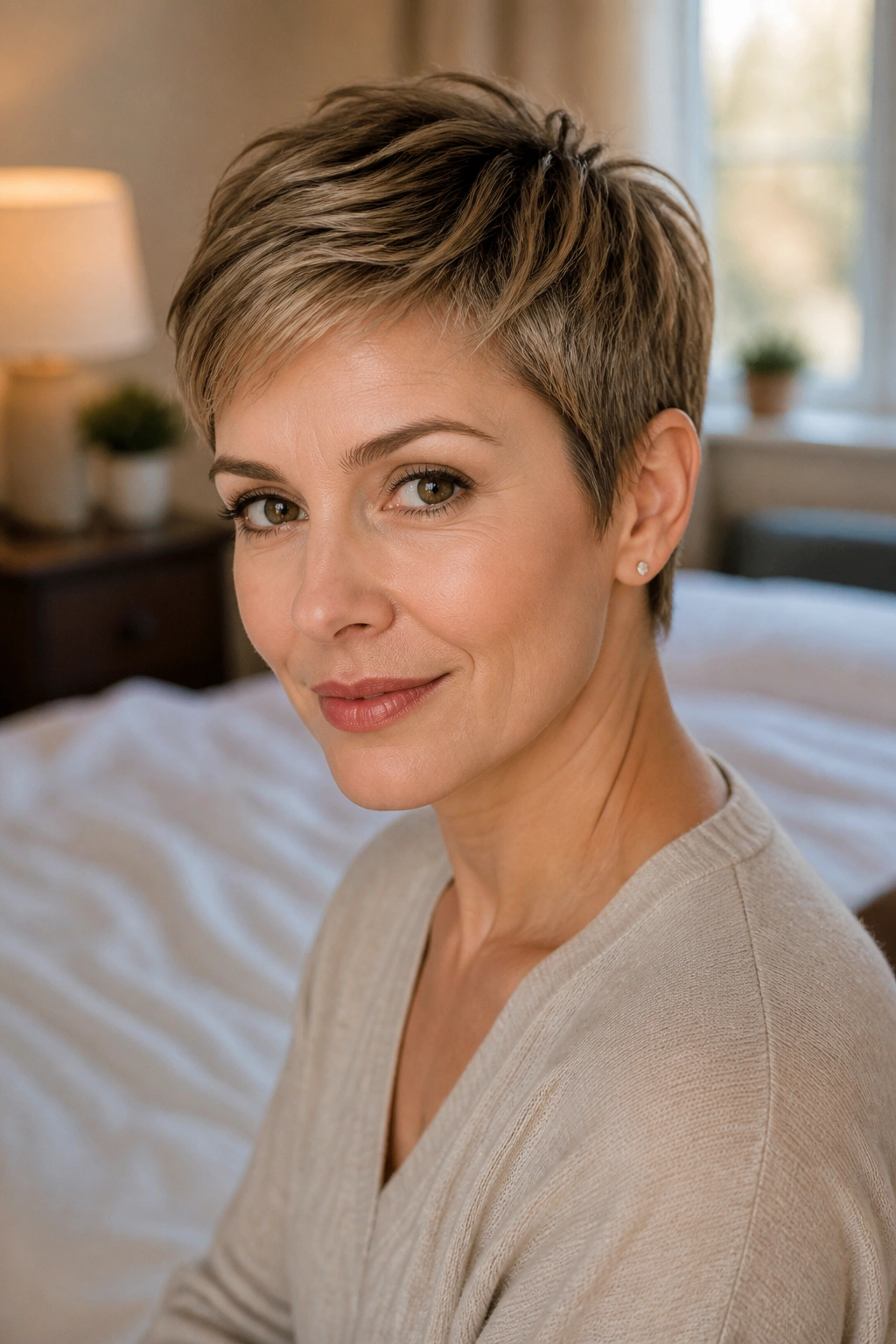
A classic soft pixie is the one I reach for when someone wants change without drama. Keep the sides close, leave a little more length through the top, and soften the edges instead of cutting them blunt. The result feels neat, but not stiff.
Why It Works
The shape gives you lift at the crown and keeps the nape clean, which matters more than people think. A good stylist will point-cut the fringe and temple area so the cut moves instead of sitting like a helmet.
- Top length: about 1.5 to 2.5 inches
- Sides: tapered, not shaved
- Best for: first-time pixie wearers
- Styling: a pea-sized dab of cream or paste
Ask for softness around the ears. That tiny detail keeps the cut from feeling severe.
2. Layered Pixie With Crown Lift
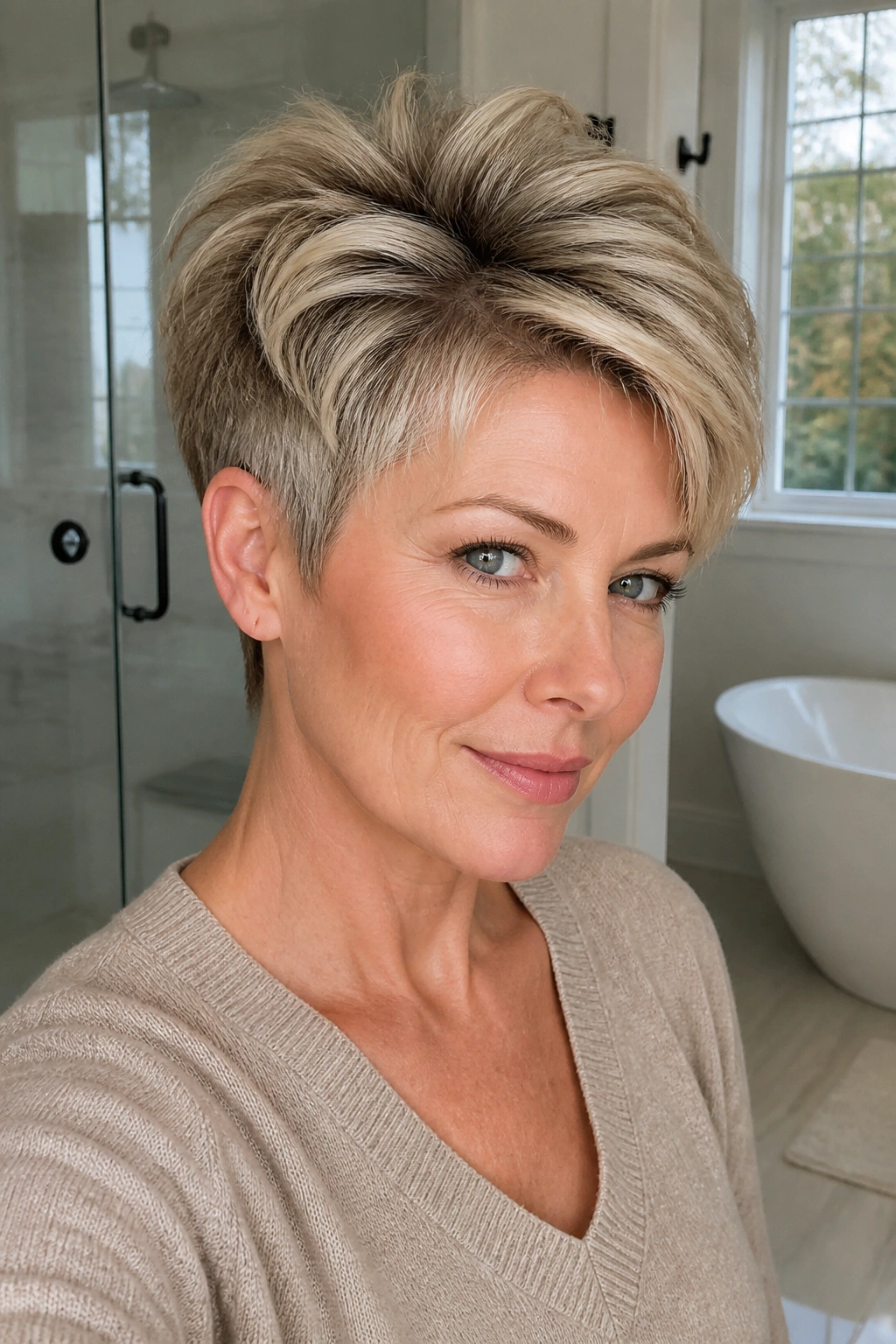
Fine hair loves this cut. The stacked layers at the crown create the illusion of fullness without making the sides bulky, which is exactly why it flatters a lot of women in their 40s who want more body up top.
A layered pixie with crown lift looks especially good if your hair falls flat by noon. Blow-dry the roots with a small round brush, or use your fingers and a root-lifting spray if you hate fussing. The goal is not big hair. The goal is a bit of bend and air.
Use this one if you want your face to look a little more open and your hair to look like it has more personality. It’s one of those cuts that can read polished in the morning and slightly undone by evening, which I think is a plus.
3. Side-Swept Fringe Pixie
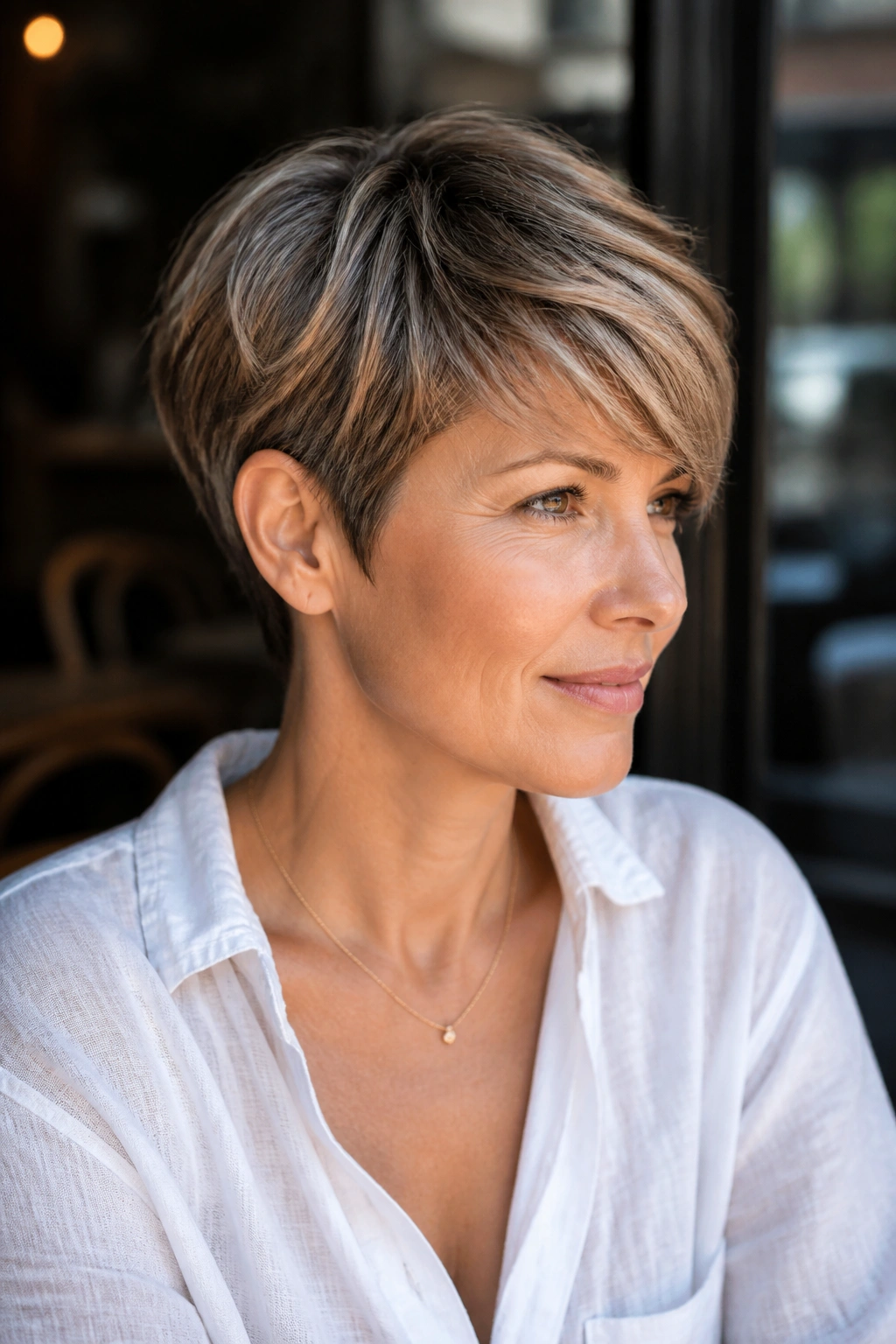
Why does a side-swept fringe matter so much? Because it takes pressure off the forehead and gives the whole cut a softer line. If your face feels longer than you want, or your hairline has changed shape over time, this version is quietly useful.
The fringe should start heavy enough to sweep, then thin out toward the temple so it doesn’t collapse into one solid block. I like this on square and heart-shaped faces. It also plays well with glasses, since the bang can skim just above the frame instead of fighting it.
How to Wear It
- Blow-dry the fringe first, side to side
- Use a lightweight cream, not a sticky wax
- Tuck one side behind the ear for a clean finish
It’s a friendly cut. Not fussy.
4. Tapered Nape Pixie
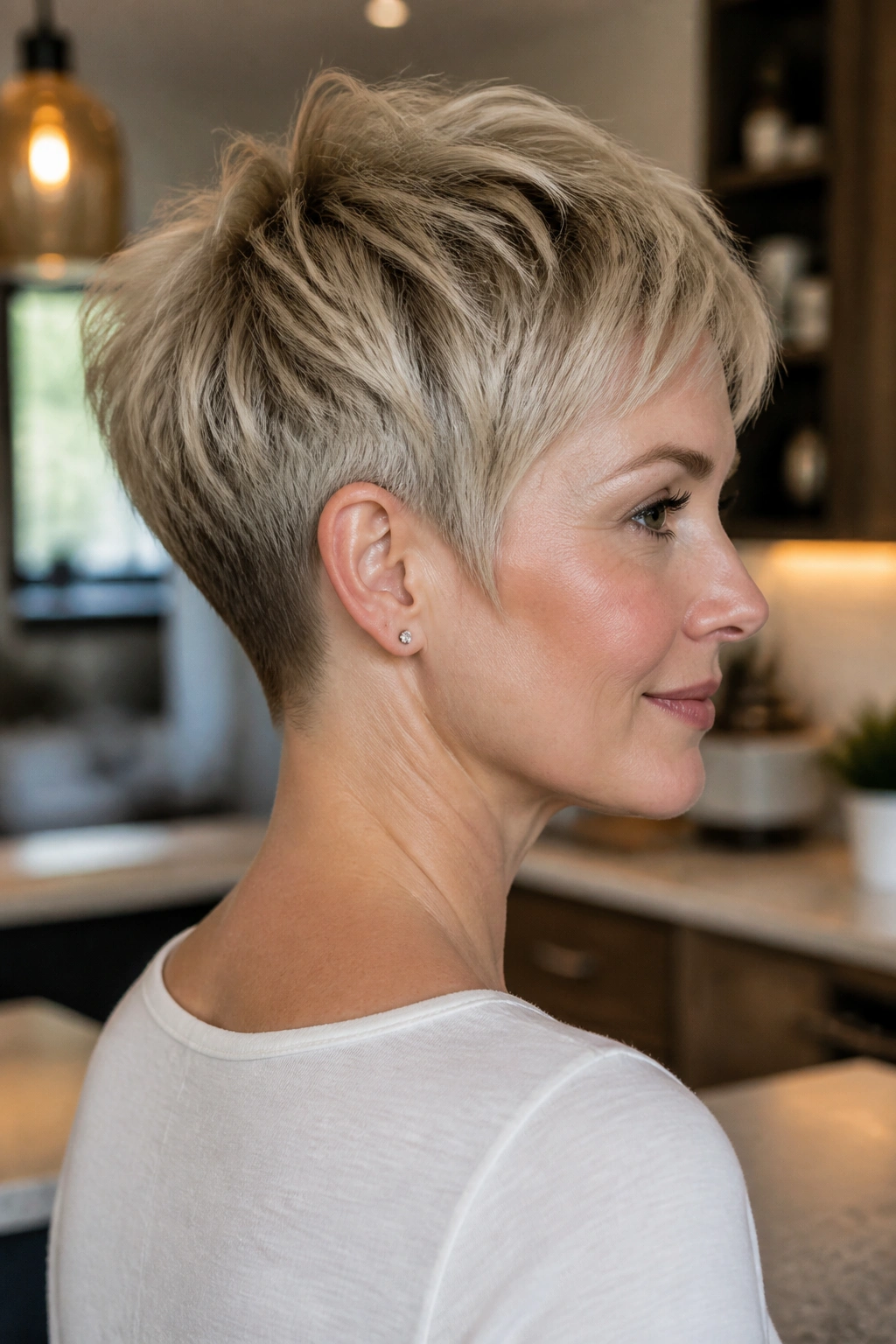
A tapered nape pixie looks sharp from the back, and that matters more than most salon photos admit. The short taper at the neck gives the cut a clean finish, while the top stays slightly longer so the style still has movement.
Picture this: you turn your head and the neckline looks crisp, but the top layers still have enough length to brush forward or sideways. That balance keeps the haircut from reading too hard or too masculine. It’s neat, yes, but also easy to wear with earrings, collars, and a red lip.
- Best for: thick or straight hair
- Maintenance: trim every 4 to 6 weeks
- Styling product: matte paste or light pomade
A tidy nape can make an entire cut look more expensive. Odd, but true.
5. Choppy Textured Pixie
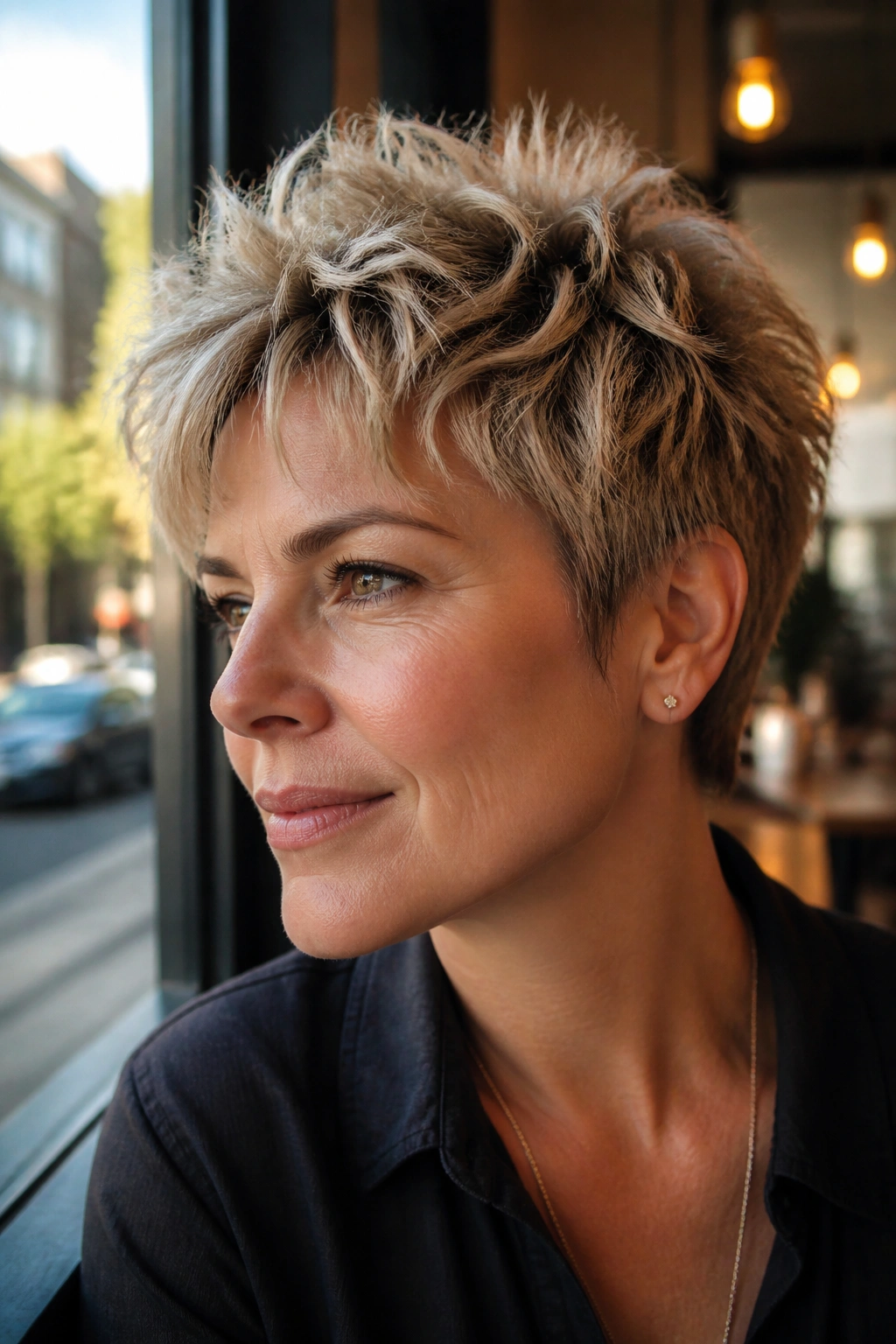
A choppy pixie is for anyone who wants a bit of edge without a full punk mood. The trick is irregular layers. Not sloppy ones. Just enough unevenness that the ends separate and move instead of sitting in one flat shape.
This cut works especially well on hair that has natural grip or a little wave. A stylist can use point cutting or a razor on the ends, but I wouldn’t go too aggressive if your hair frizzes easily. Too much razoring can make the top puff out in dry weather.
Short, broken layers give the cut a lived-in feel. That’s the point. It should look like your hair has opinions.
6. Long-Top Pixie
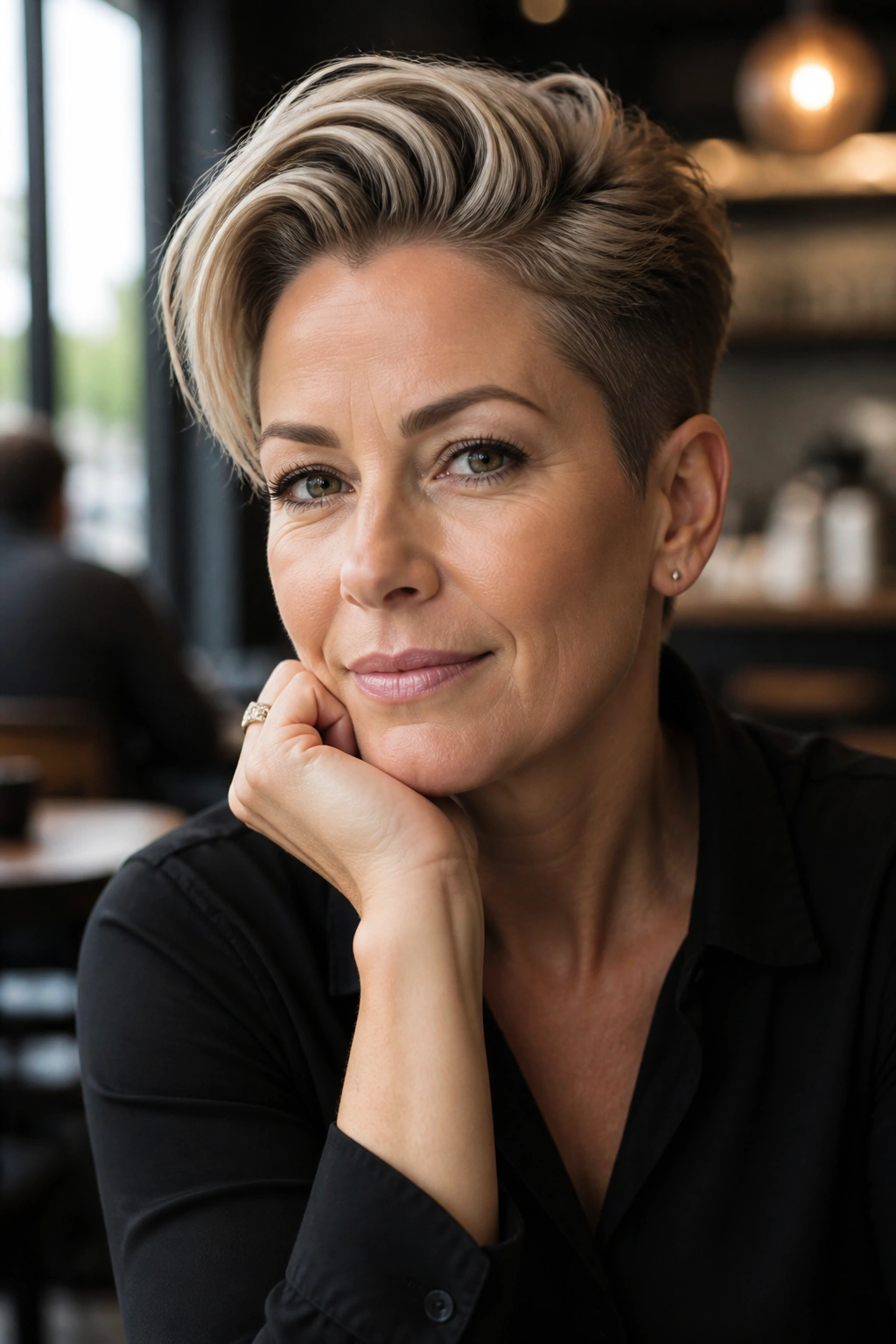
If you like options, this is the one. A long-top pixie gives you enough hair on top to sweep back, part deeply, or push forward when you want a moodier look.
That longer top also helps if the lower half of your face is narrower and you want a little more balance above the jaw. Ask for the sides to stay tight while the top keeps around 3 inches, sometimes a touch more if your hair lies flat. You can tuck the top behind one ear, spike it slightly, or smooth it down for a cleaner finish.
This cut is good when you do not want to style the same way every day. It gives you room to change your mind.
7. Curly Pixie
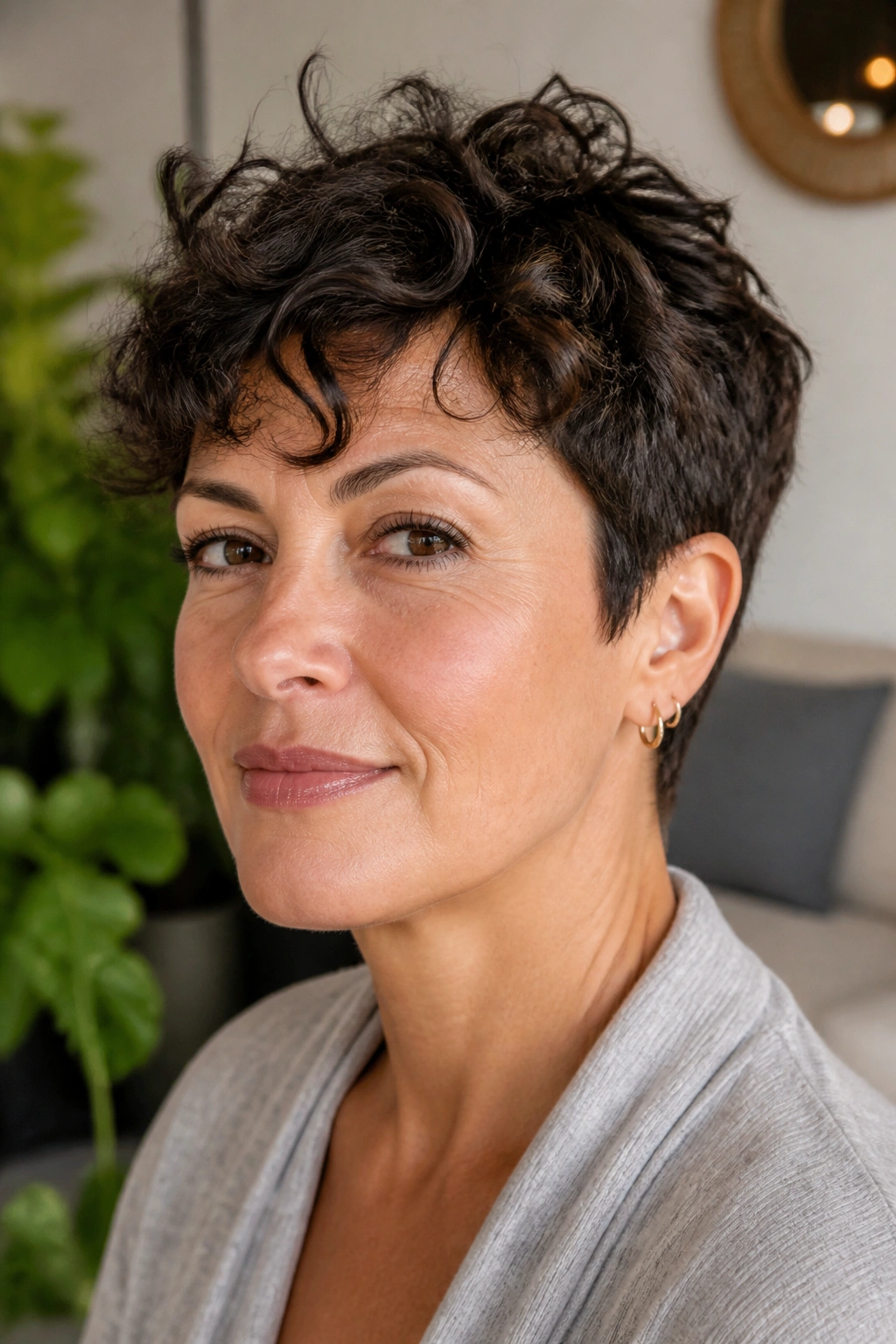
Curly hair in a pixie needs shape, not restraint. If the cut is too short everywhere, the curls spring up like they’re trying to escape. Leave enough length on top for the curl pattern to show, and trim the sides close enough that the outline stays neat.
What Makes It Different
The best curly pixies are cut dry or mostly dry, because curls lie to you when they’re wet. A good stylist will shape around the curl clumps, not against them. That keeps the finish rounded and soft rather than mushroomy.
- Use a curl cream, not a heavy gel
- Diffuse on low heat for 5 to 8 minutes
- Leave the top longer than the sides
- Avoid blunt bangs if your curls are springy
Cutting curls wet can backfire fast. The shrinkage surprise is real.
8. Wavy Tousled Pixie
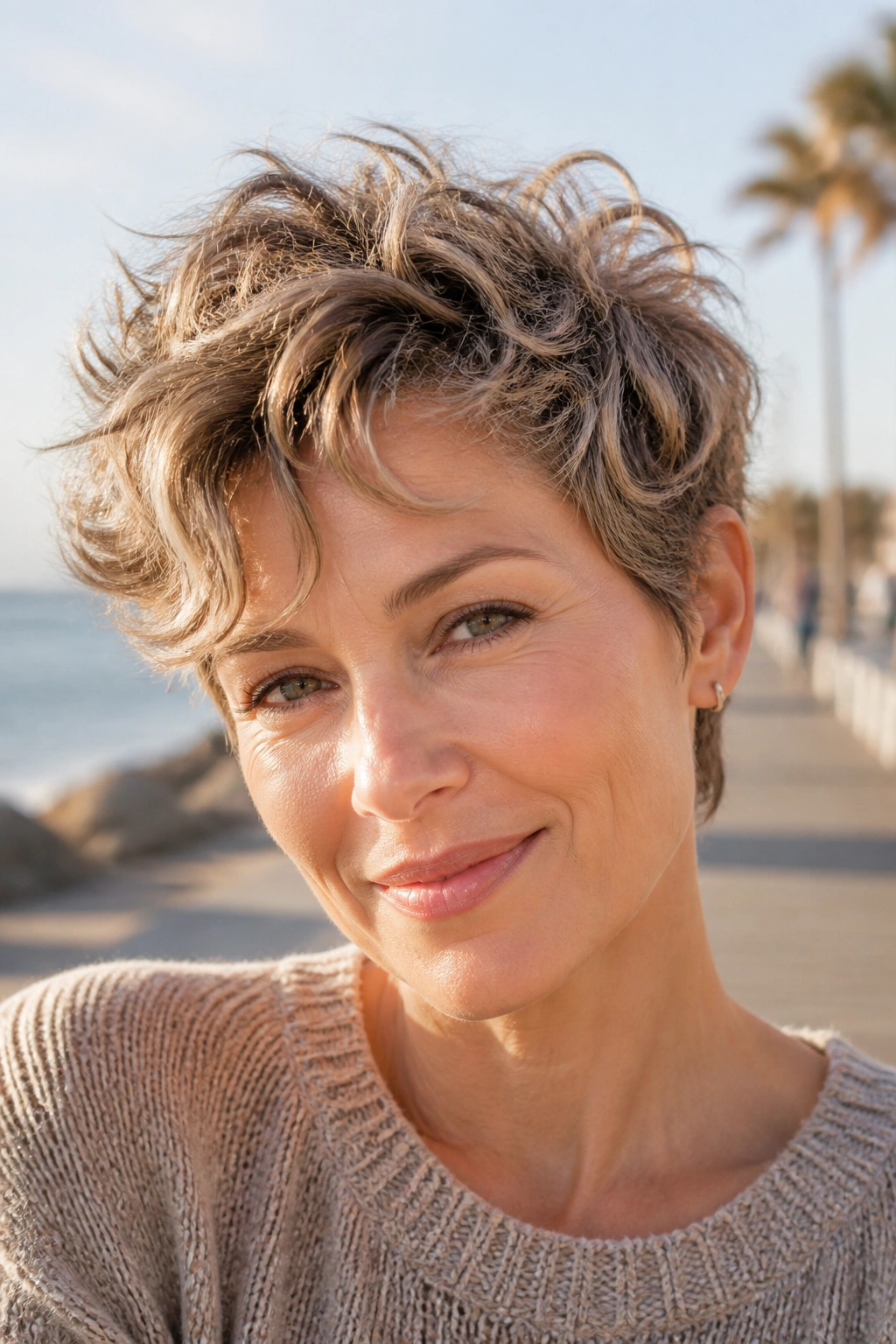
A wavy tousled pixie is one of those cuts that looks expensive even when it wasn’t hard to style. The waves break up the shape so the haircut feels airy, not over-controlled, and that suits hair with natural bend.
The key is leaving enough length through the top and crown to let the waves fall where they want. If the sides are trimmed a touch tighter, the movement up top stands out more. Use a salt spray if your hair is fine, or a small amount of mousse if it tends to droop. Then scrunch and leave it alone.
This one is especially good if you want something relaxed but not messy. There’s a difference.
9. Feathered Pixie
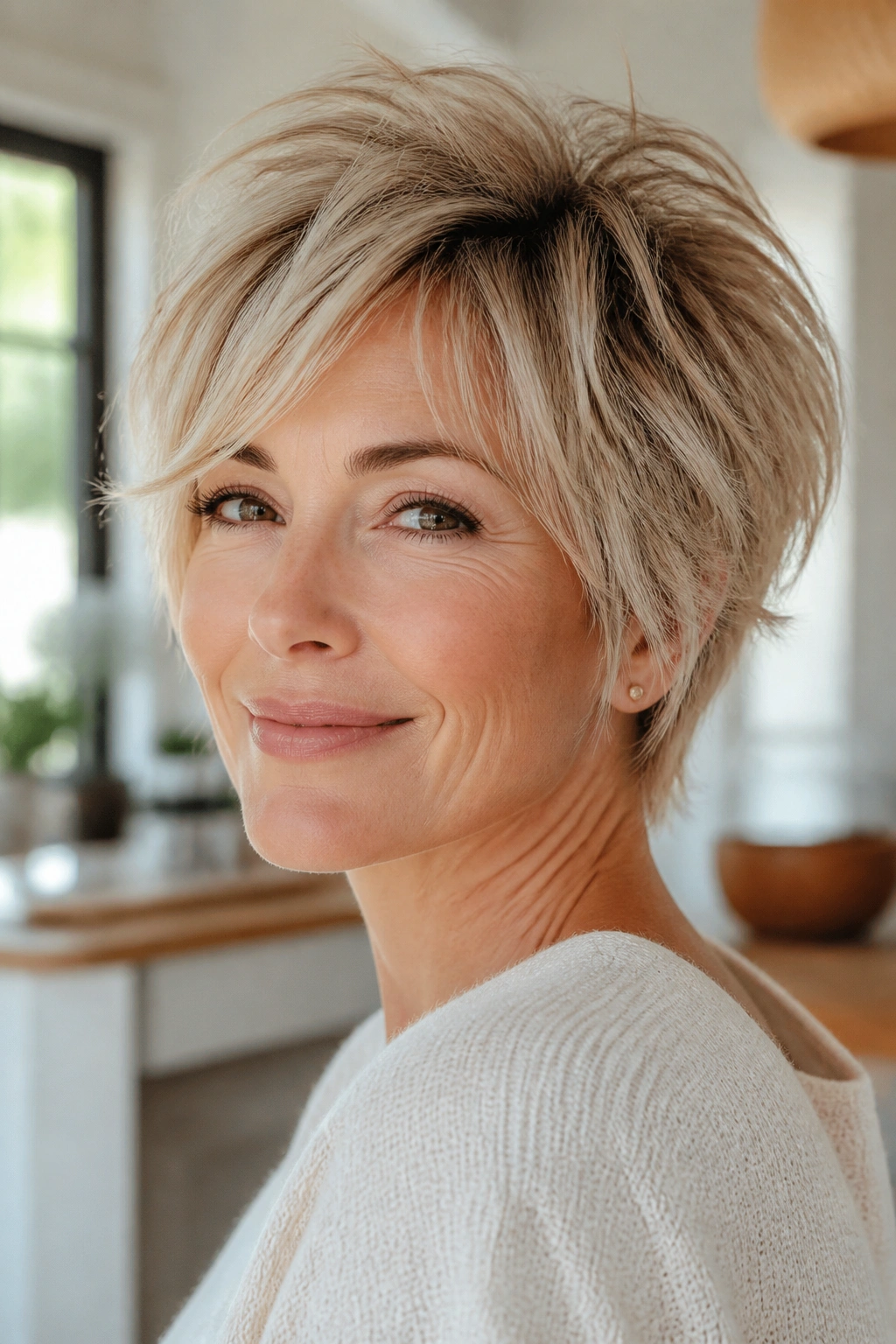
Does feathering sound dated? It can, if it’s done badly. Done well, though, a feathered pixie makes the cut feel light and fluid, especially around the temples and crown where heavy lines can age a face fast.
The layers should flick away from the face in thin, soft sections. That keeps the haircut from looking dense or blocky. I like feathering on medium-density hair because it opens up the shape without stripping away too much fullness.
A round brush can help, but you do not need a salon blowout every time. Dry the roots, bend the ends with your fingers, and let the piecey bits do their job. That’s enough.
10. Undercut Pixie
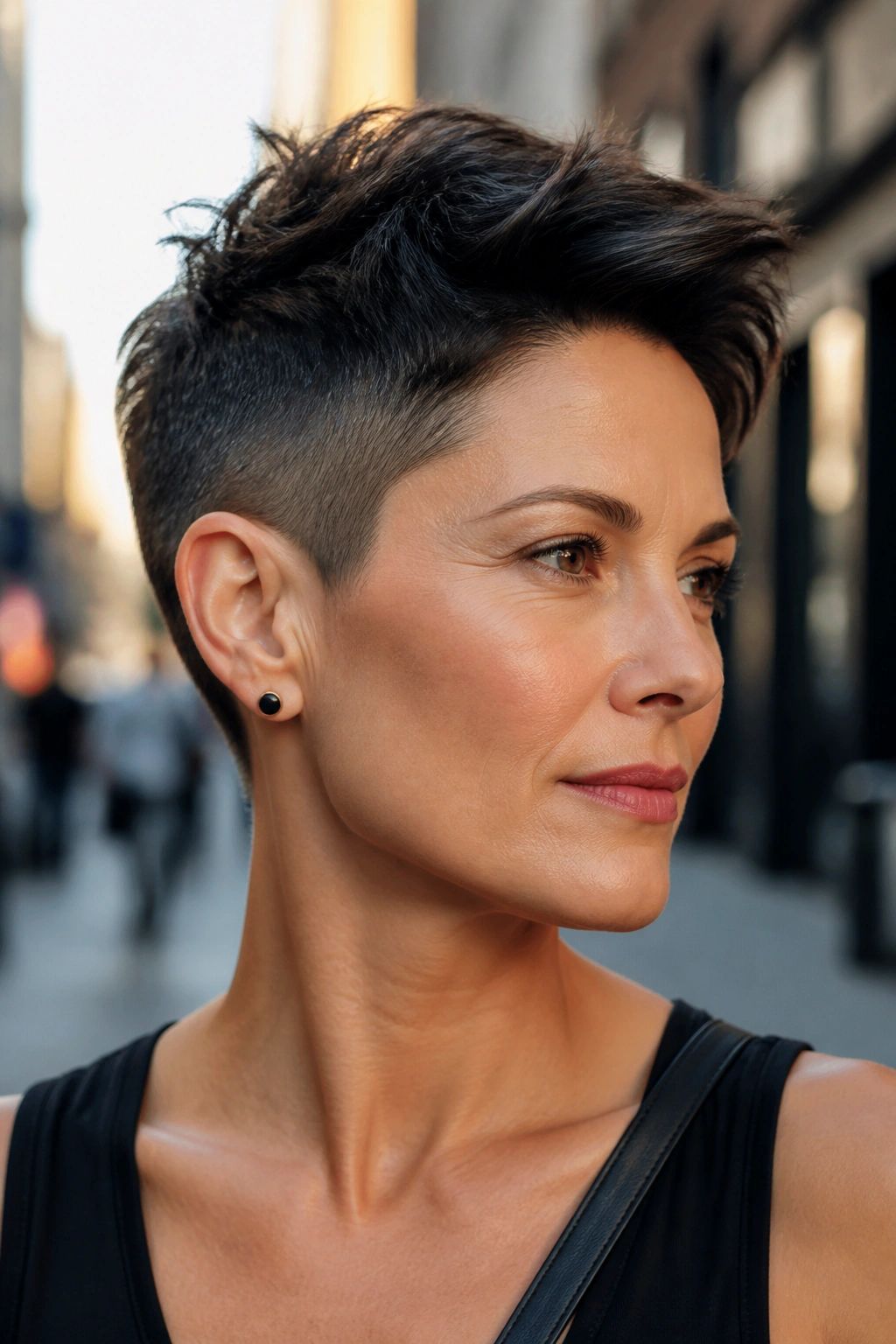
An undercut pixie is for someone who wants contrast. Short on the sides and back, longer on top, and a little bolder than the standard soft crop. It removes bulk at the bottom, which is useful if your hair is thick or puffs out around the ears.
The undercut does not have to scream. A half-inch to one inch shorter underneath can be plenty. That subtle difference gives the top more lift and makes styling easier because the shape is already doing half the work.
- Best for: thick, heavy, or coarse hair
- Works well with: bold earrings and clean collars
- Ask for: a soft blend, not a hard line
If you like structure, this one has it.
11. Asymmetrical Pixie
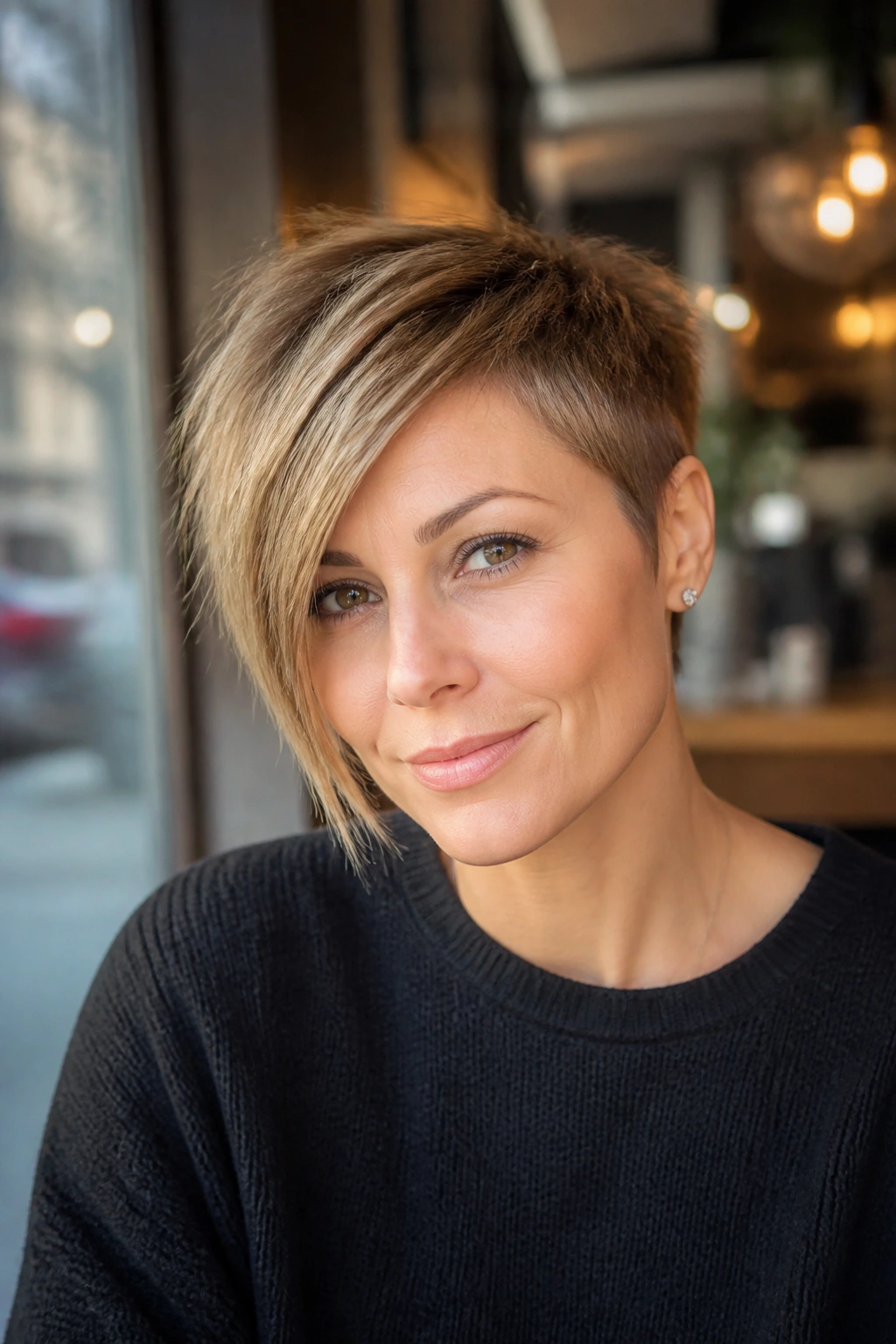
An asymmetrical pixie feels modern because it refuses to be perfectly even. One side sits a little longer, usually through the fringe or temple area, and that slight imbalance makes the whole haircut look intentional.
This cut can be a smart move if one side of your face feels stronger than the other, or if you simply want something with more visual interest. Keep the shorter side tight and the longer side swept across the forehead or cheekbone. The difference only needs to be an inch or two to matter.
It’s a good style when straight symmetry feels too neat. A little asymmetry keeps the face lively.
12. Rounded Pixie With Bangs
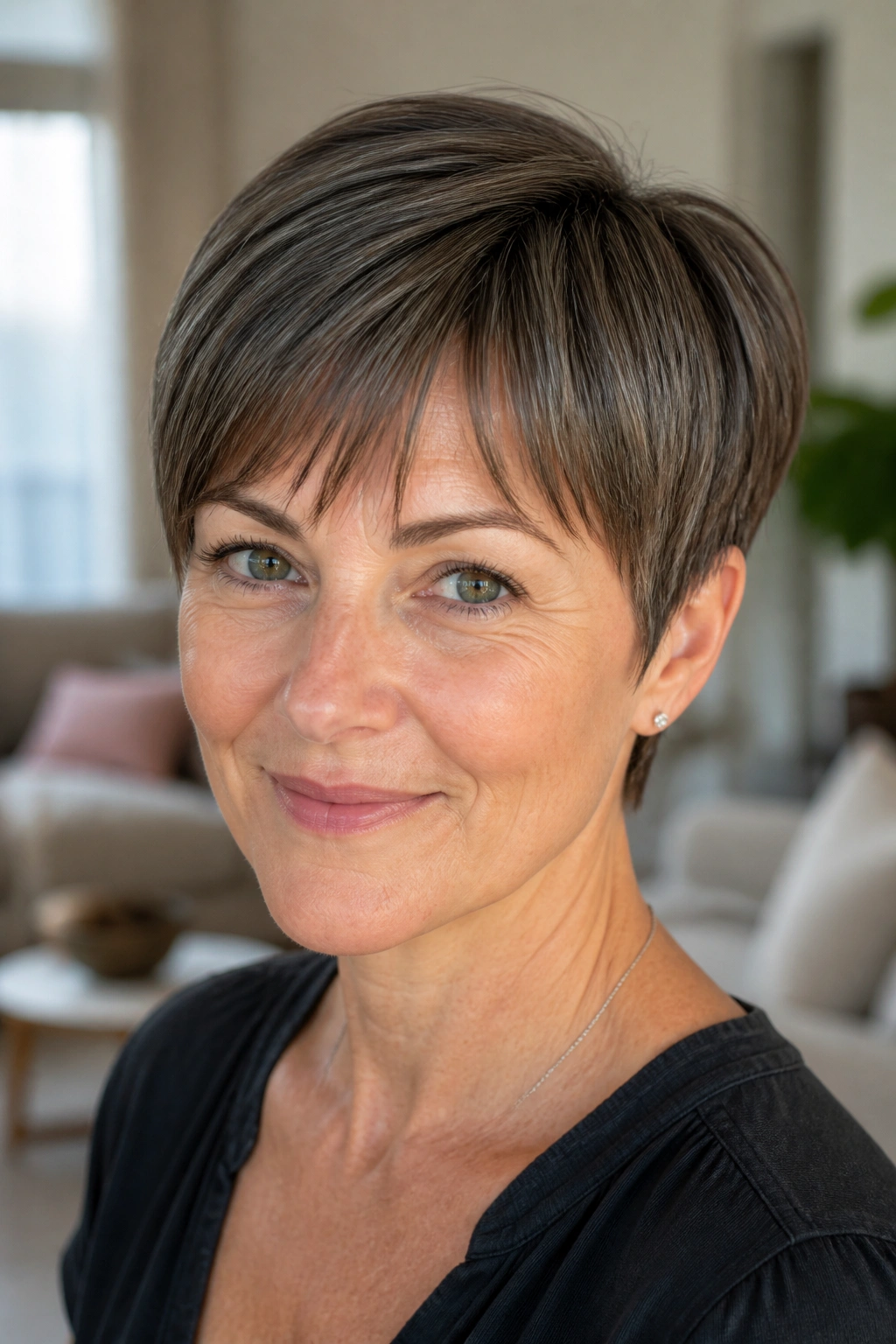
A rounded pixie with bangs softens sharp lines in a very specific way. The silhouette curves gently around the head, and the fringe adds weight across the forehead, which can be useful if your face is long or angular.
The rounded shape works best when the bangs are light enough to move. Heavy bangs can make the cut feel boxy, and that is not what you want here. Ask for a bit of lift at the crown and soft graduation toward the sides so the curve stays smooth.
This cut has a polished feel without turning stiff. It looks especially good with straight hair and a neat side part. If you like a clean, face-framing shape, it’s hard to beat.
13. Slicked-Back Pixie
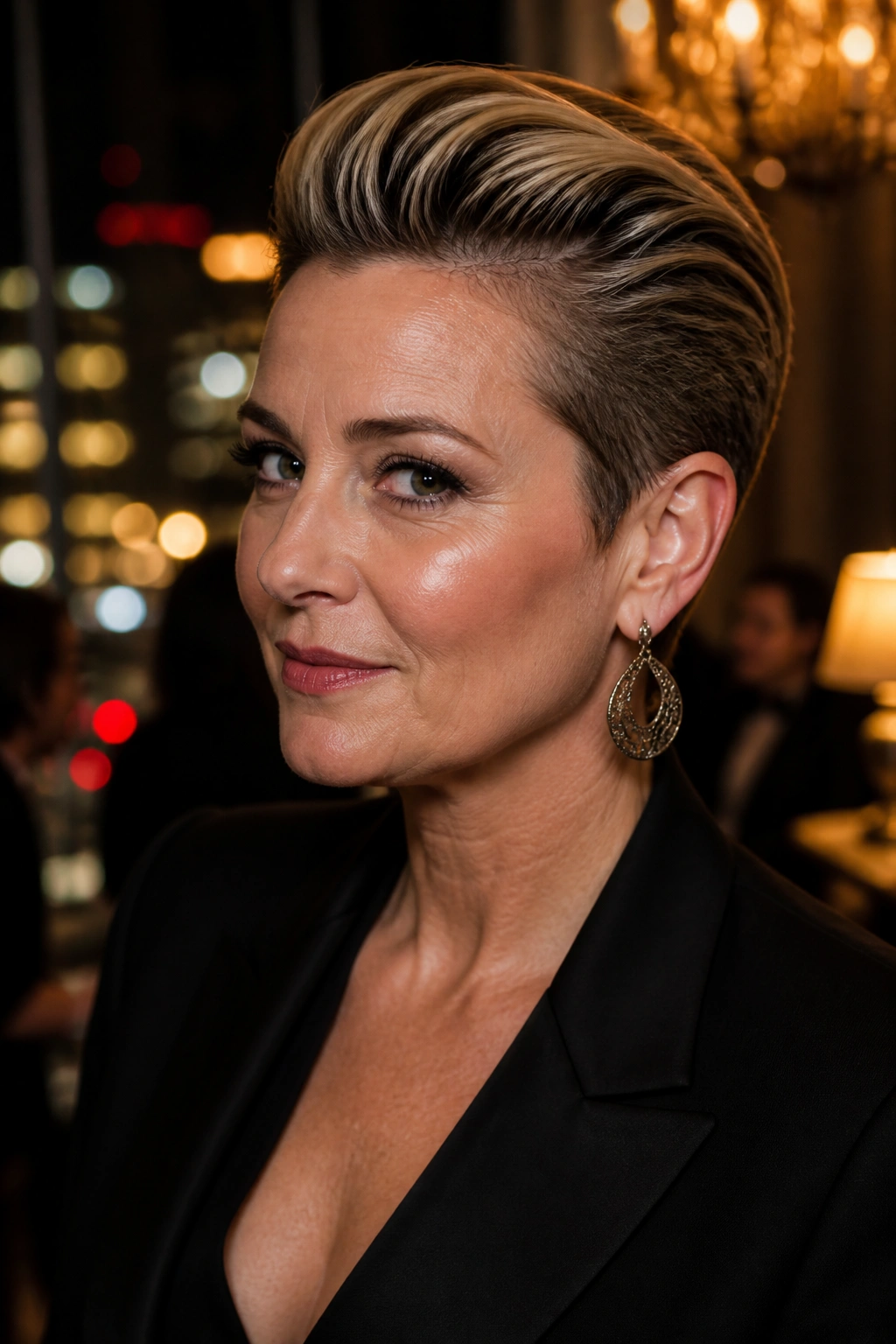
A slicked-back pixie is the one you wear when you want the face to do the talking. Hair stays short on the sides and slightly longer on top, then gets combed or brushed straight back with a bit of shine.
Why It’s Worth Trying
This cut shows off cheekbones and eyes fast. It also works on second-day hair better than most people expect, since a touch of natural texture helps the style hold. Use a lightweight gel or styling cream, then comb the top back with your fingers or a wide-tooth comb.
- Great for: evening events or sharp tailoring
- Best product: medium-hold gel or gloss cream
- Avoid: too much product at the roots
- Finish: a soft sheen, not a wet helmet
A slicked-back pixie is blunt in the best way. It makes a point.
14. Piecey Platinum Pixie
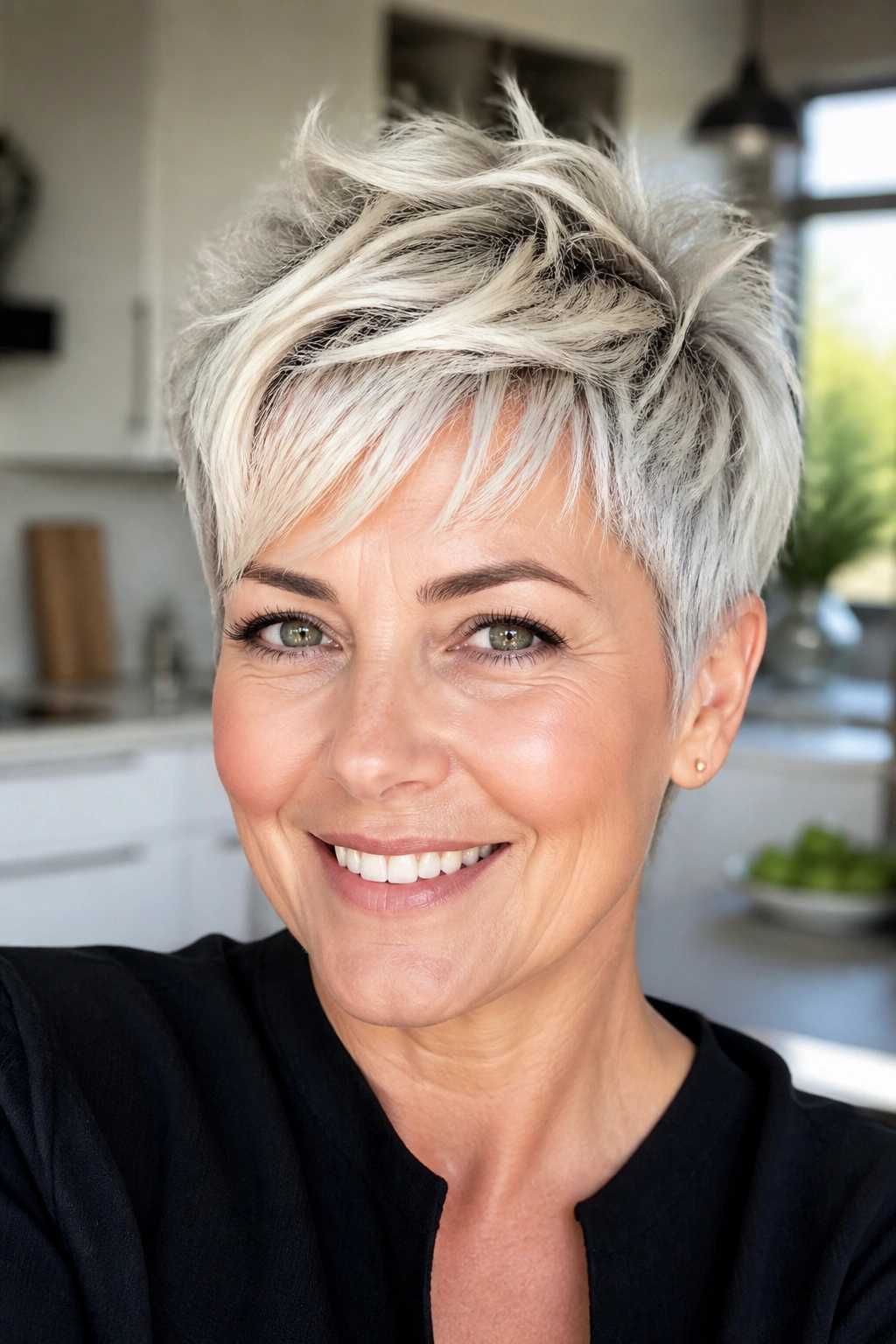
Color changes the whole haircut. A piecey platinum pixie uses light color and broken texture together, so the cut reads bright and sharp without needing much length.
The texture should be separated in small sections, almost like the hair was pinched and lifted. That detail keeps platinum from looking flat, which is a common problem when the cut is too smooth. If your hair is naturally fine, this is a strong choice because the lighter color can make each strand feel more visible.
Keep in mind that platinum hair needs honest maintenance. Tone it, condition it, and do not fry the ends with too much heat. The cut is short, but the care still matters.
15. Salt-and-Pepper Pixie
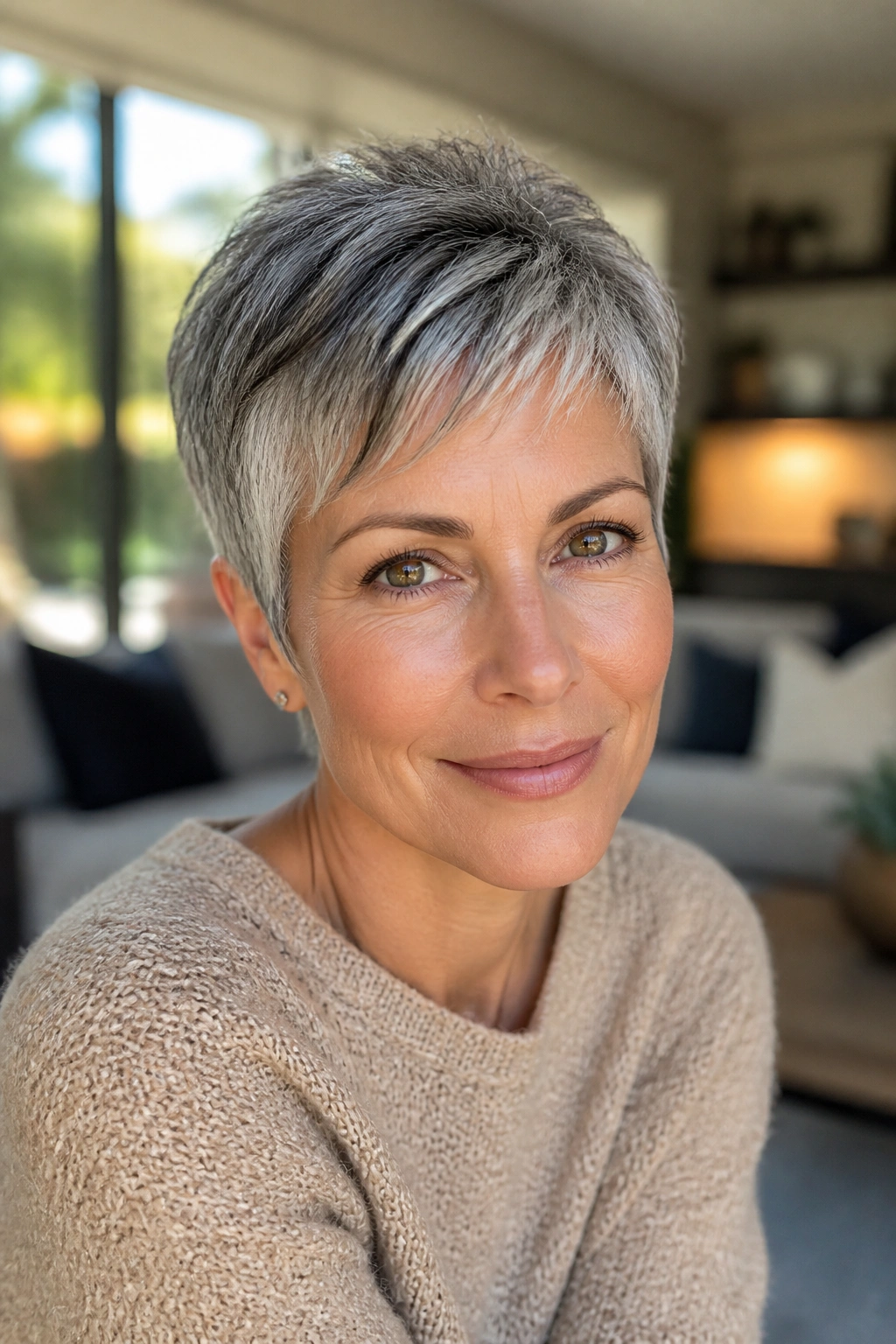
Salt-and-pepper hair can look spectacular in a pixie because the shape gives the color room to show off. The mix of silver and darker strands creates a natural highlight effect, especially around the temples and fringe.
I like a cut that keeps some softness at the top and around the ears so the color doesn’t turn harsh. If the sides are too shaved, the contrast can get a little severe. A gentle taper keeps the look elegant and easy.
How to Use It
- Ask for soft edges rather than razor-tight lines
- Let a few silver streaks sit at the front
- Use purple shampoo only when brass shows up
- Finish with a light cream so the texture stays visible
This is one of those styles that often looks better with a little imperfection.
16. Deep Side-Part Pixie
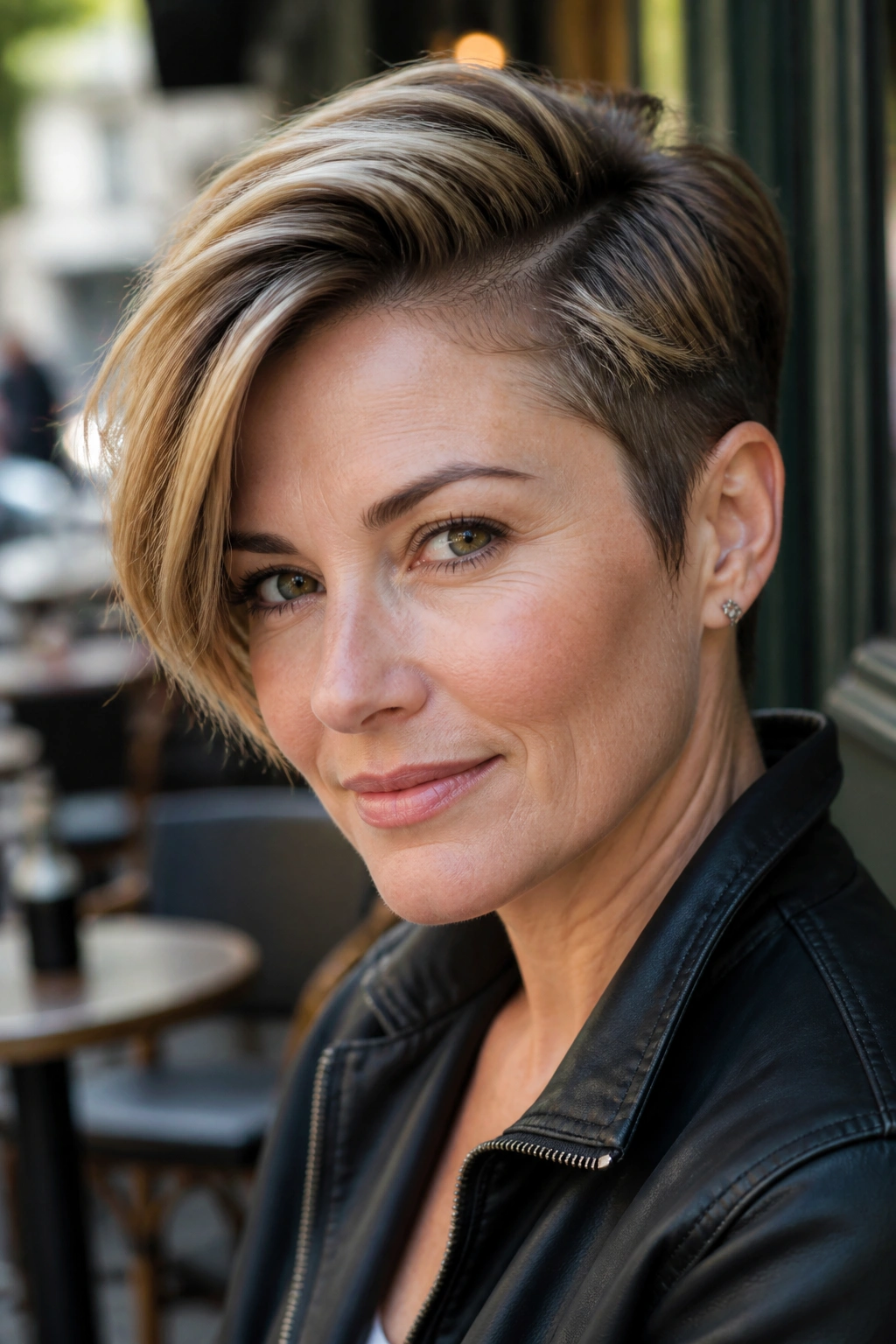
A deep side part changes the mood of a pixie immediately. It adds volume at the crown, sweeps the fringe across the face, and gives the haircut a bit of old-school drama without much effort.
If your hair tends to fall flat, the side part is a lifesaver. Lift the root at the heavier side with a blow-dryer, then let the longer front sections fall over naturally. That creates the look of density where you want it most. It also gives a softer line around the eyes and cheeks.
This is a nice choice if you want a little asymmetry without committing to a fully uneven cut. A part can do a surprising amount of work.
17. Micro Fringe Pixie
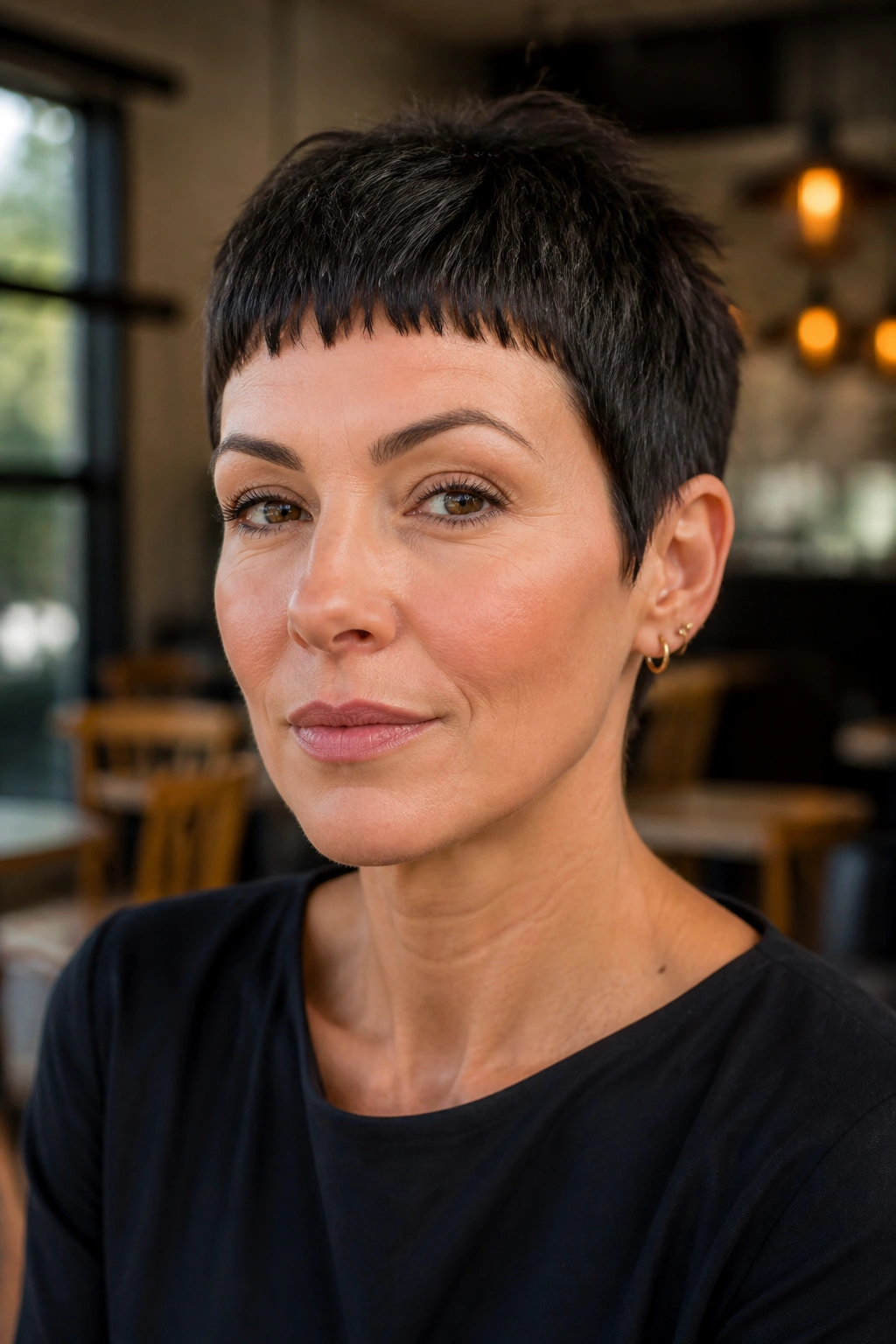
Micro bangs are bold. They put the focus right on the eyes and brow line, which is why they can look sharp on the right face and awkward on the wrong one.
A micro fringe pixie works best when the rest of the cut stays simple. Keep the sides clean, the back tapered, and the top short enough that the fringe feels like a deliberate choice rather than a leftover. The bang should sit above the brow, but not so high that it looks accidental. Tiny details matter here.
This style suits people who like strong lines and don’t mind a haircut with an opinion. It’s not soft or shy. That’s the charm.
18. Ear-Tucked Elegant Pixie
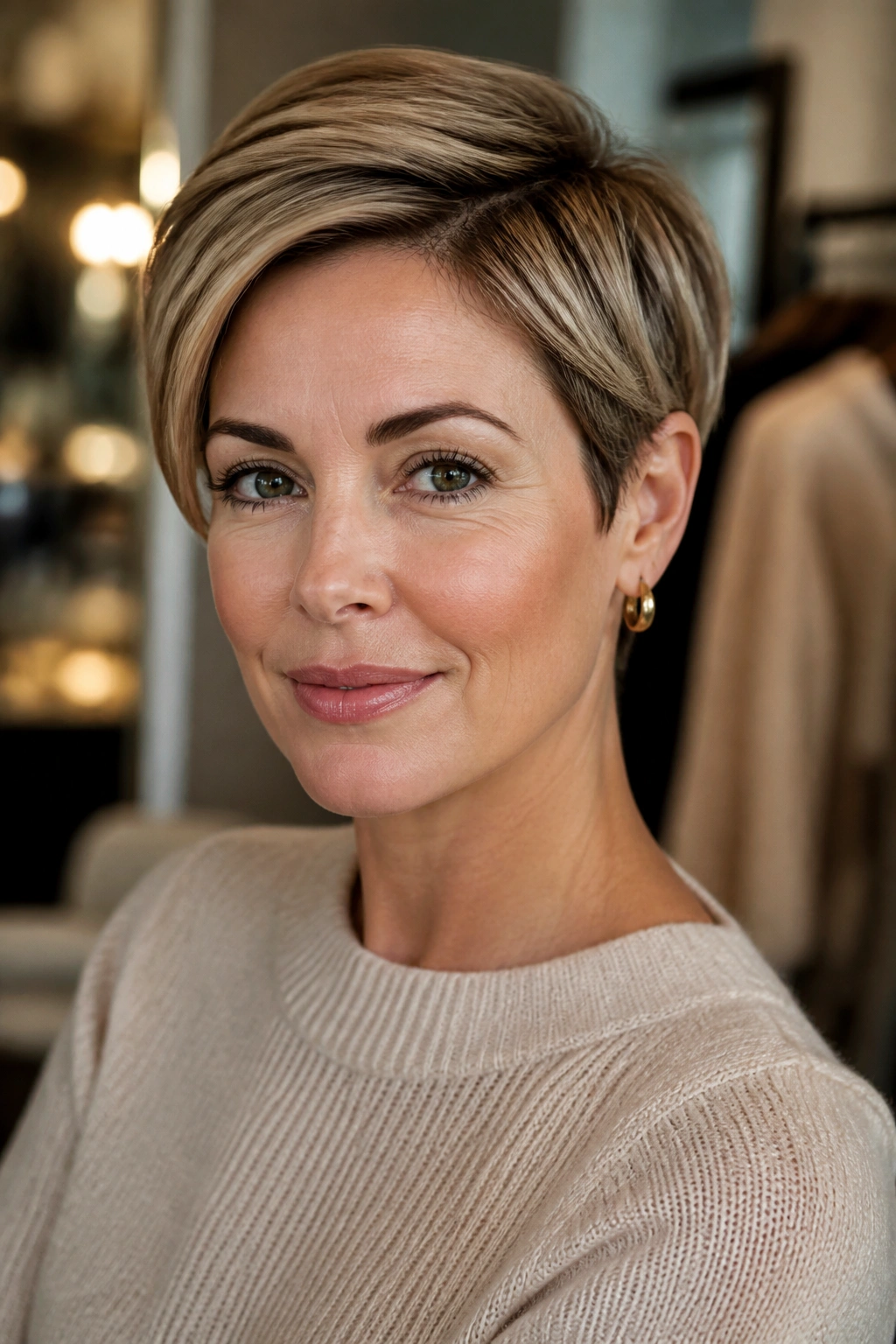
An ear-tucked pixie is quietly polished. The cut stays short enough to tuck behind the ear cleanly, yet long enough on top to retain shape and softness.
I like this look for people who wear earrings often or want a haircut that can move from day to night without a restyle. A little length at the temples helps the tuck hold, while the back stays neat and close. You do not need to force the hair into place. In fact, the best version looks a bit casual, like it settled there on its own.
It’s a tidy cut, but not a stiff one. That matters.
19. Shaggy Pixie
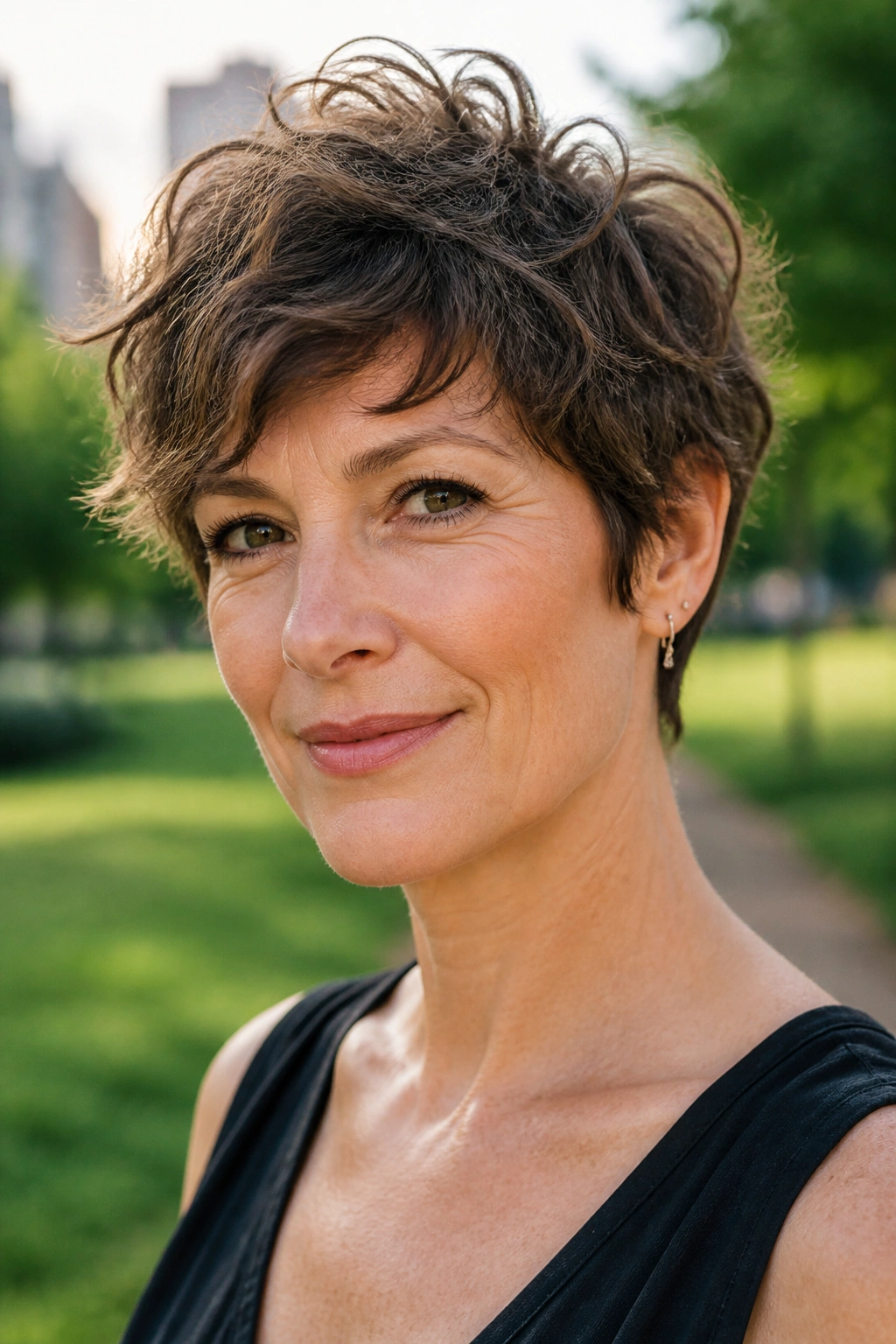
A shaggy pixie borrows a little attitude from the shag haircut and shrinks it into a shorter frame. The result is messy in a good way, with broken layers, uneven ends, and movement that feels almost accidental.
This cut flatters wavy or thick hair because the texture gives the shape momentum. Ask for piecey layers through the crown and around the ears, then keep the fringe soft so it doesn’t turn into a blunt line. A dab of matte paste is enough. Too much product ruins the point.
It’s a strong choice if you like hair that looks better after you’ve touched it a bit. Neatness is overrated here.
20. Short Pixie With Sideburn Detail
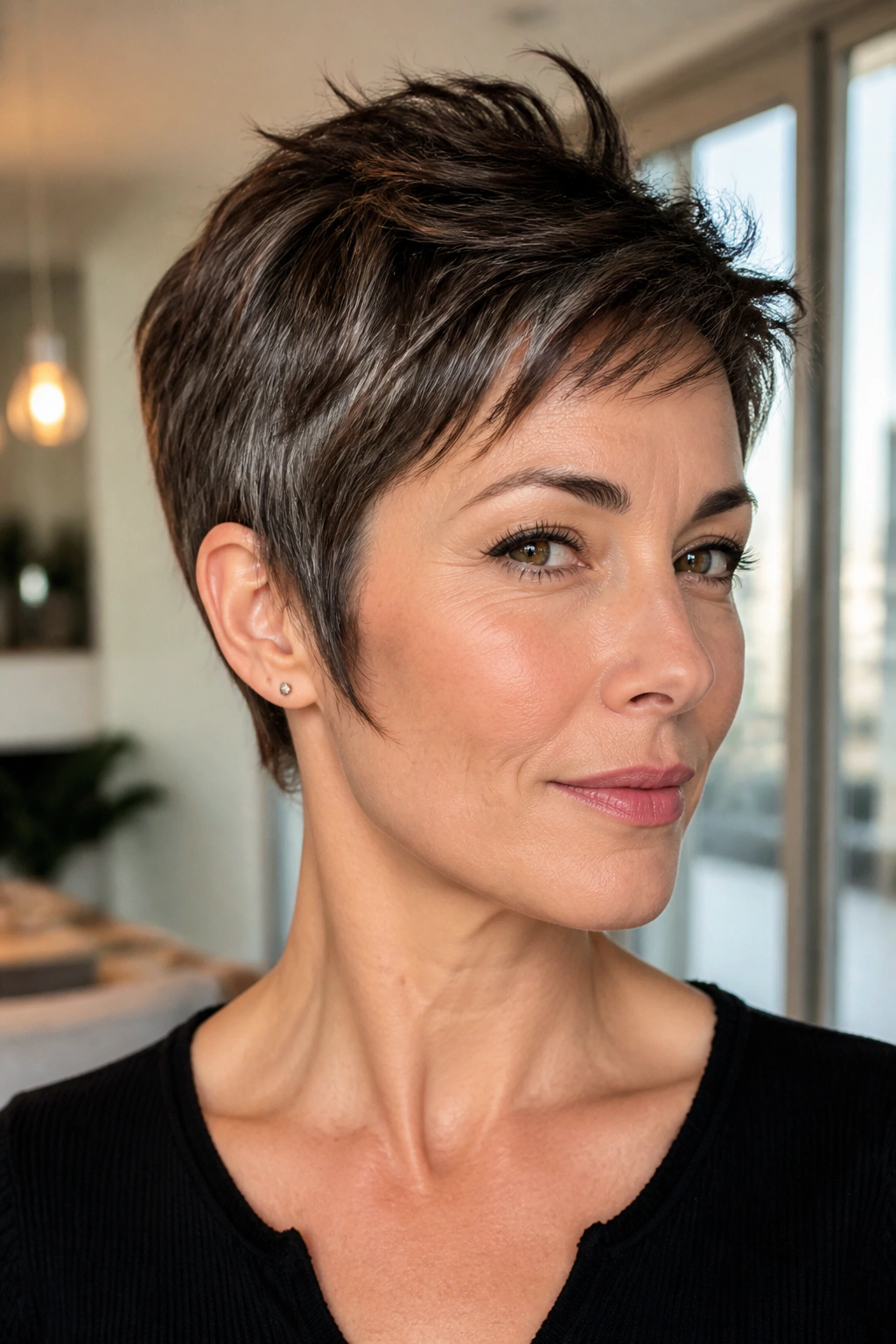
A short pixie with sideburn detail sounds small, but it can change the whole frame of the face. Leaving a little length around the sideburn area softens the transition from hair to skin and keeps the cut from looking too clipped.
The sideburns don’t have to be dramatic. Even a half-inch more length can make the haircut feel less severe and more balanced, especially if your jaw is narrow or your ears sit a bit forward. The rest of the cut can stay short and neat, which gives the face a crisp outline.
What to Ask For
- Short crown with tidy tapering
- Sideburns left slightly longer than the rest
- Soft neckline, not a hard edge
- Light styling cream for control
Tiny details. Big payoff.
21. Boyish Crop
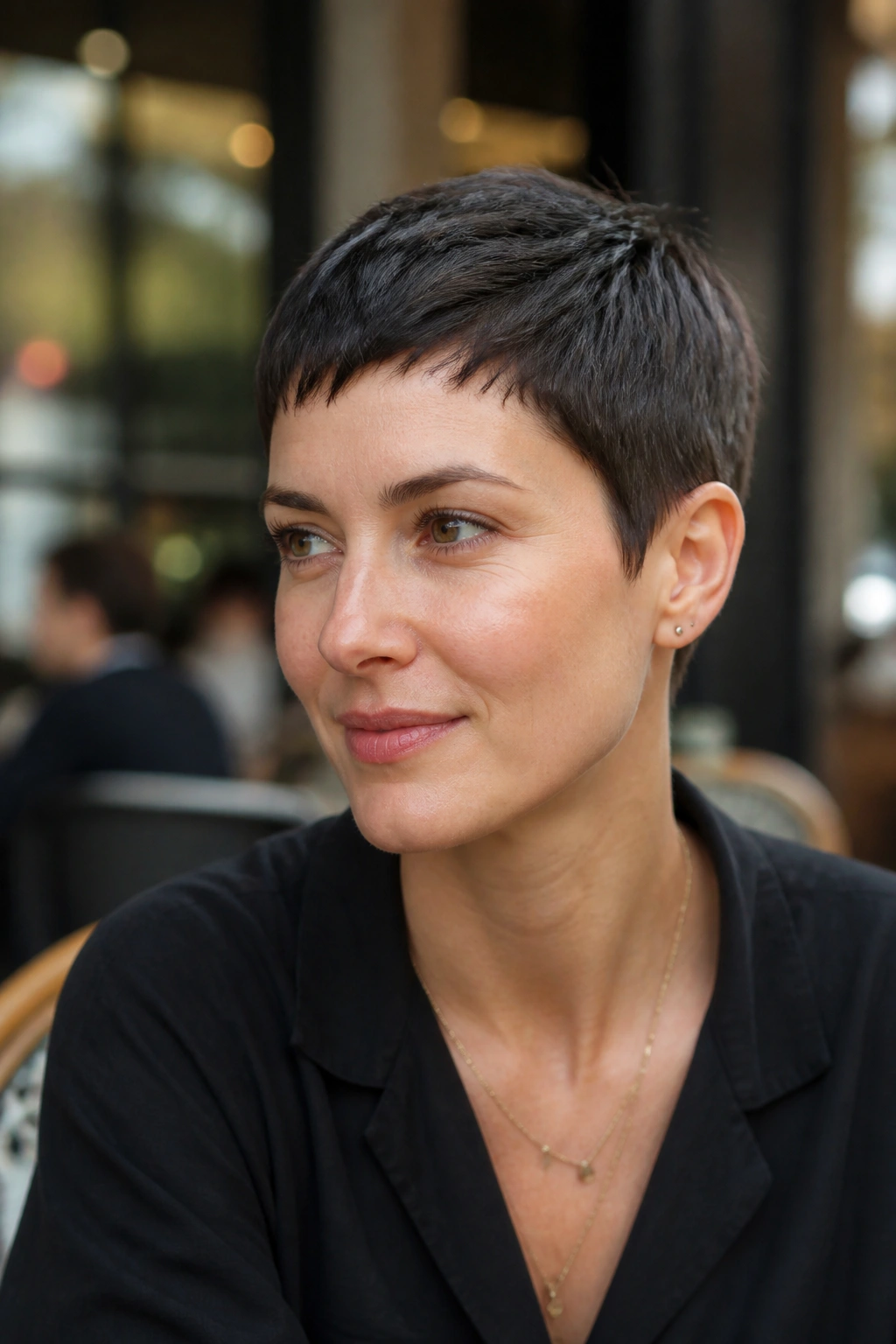
A boyish crop is stripped down and clean, but it can still feel feminine when the line around the face is soft. The top stays short, the sides are close, and the whole cut has that easy, no-nonsense quality.
This style works best if you want a wake-up-and-go haircut. It’s also a good answer for hair that gets too fluffy when left long. The crop removes excess bulk and lets your face carry the style. If you like statement glasses, strong brows, or bold lipstick, this cut gives them more room.
The trick is softness at the edges. Without it, the crop can feel blunt in a way that wears on the face.
22. Soft Mohawk Pixie
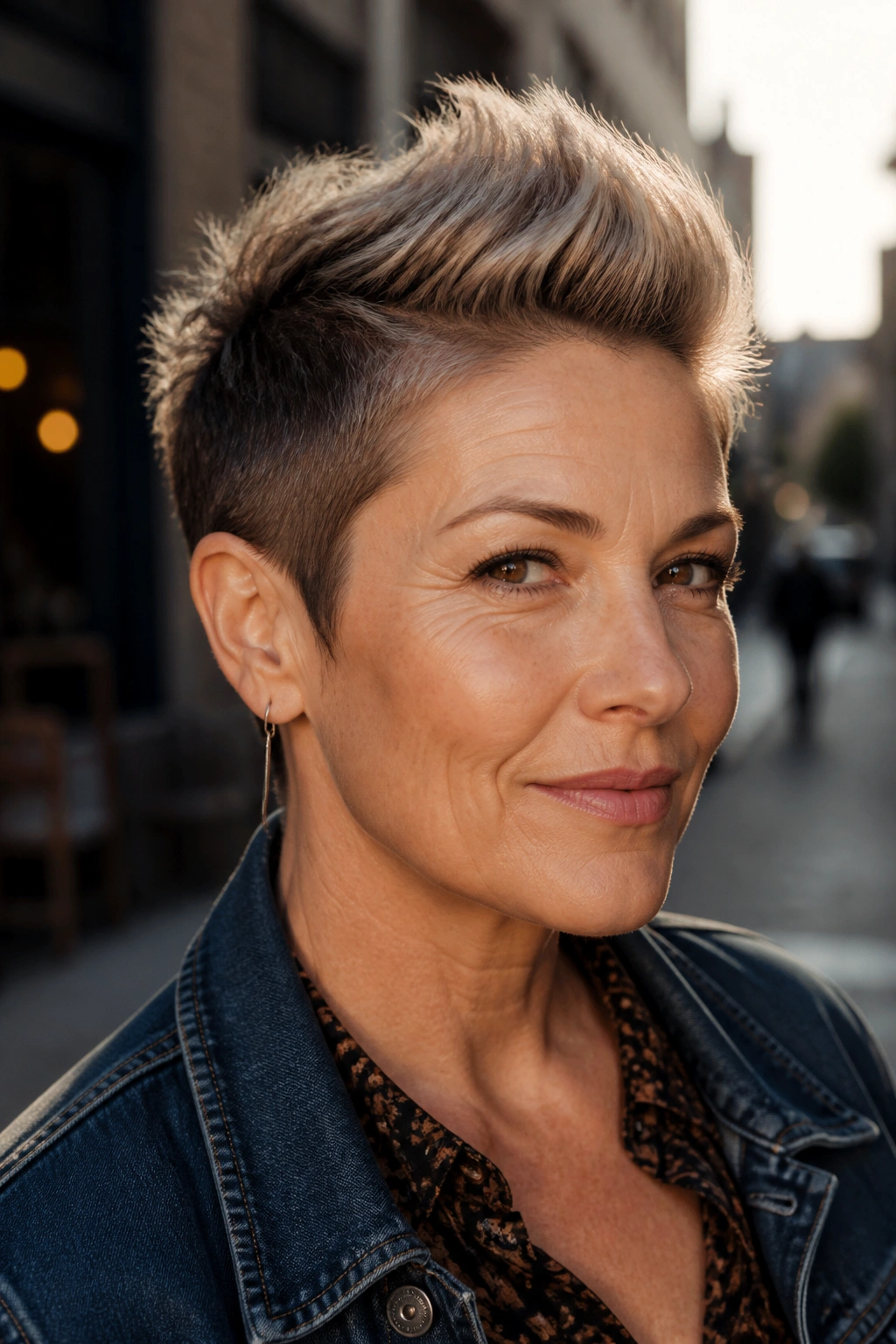
A soft mohawk pixie sounds louder than it is. The top ridge is left a little longer, while the sides stay tight, creating a center line of height that looks edgy without going full punk.
That ridge can be brushed upward for drama or flattened a bit for everyday wear. It’s a smart option if you want the illusion of more height through the center of the head, especially when the sides feel too wide. Keep the transition gentle so the cut doesn’t turn into two separate haircuts stitched together.
This one has energy. Not chaos. Energy.
23. Brushed-Forward Pixie
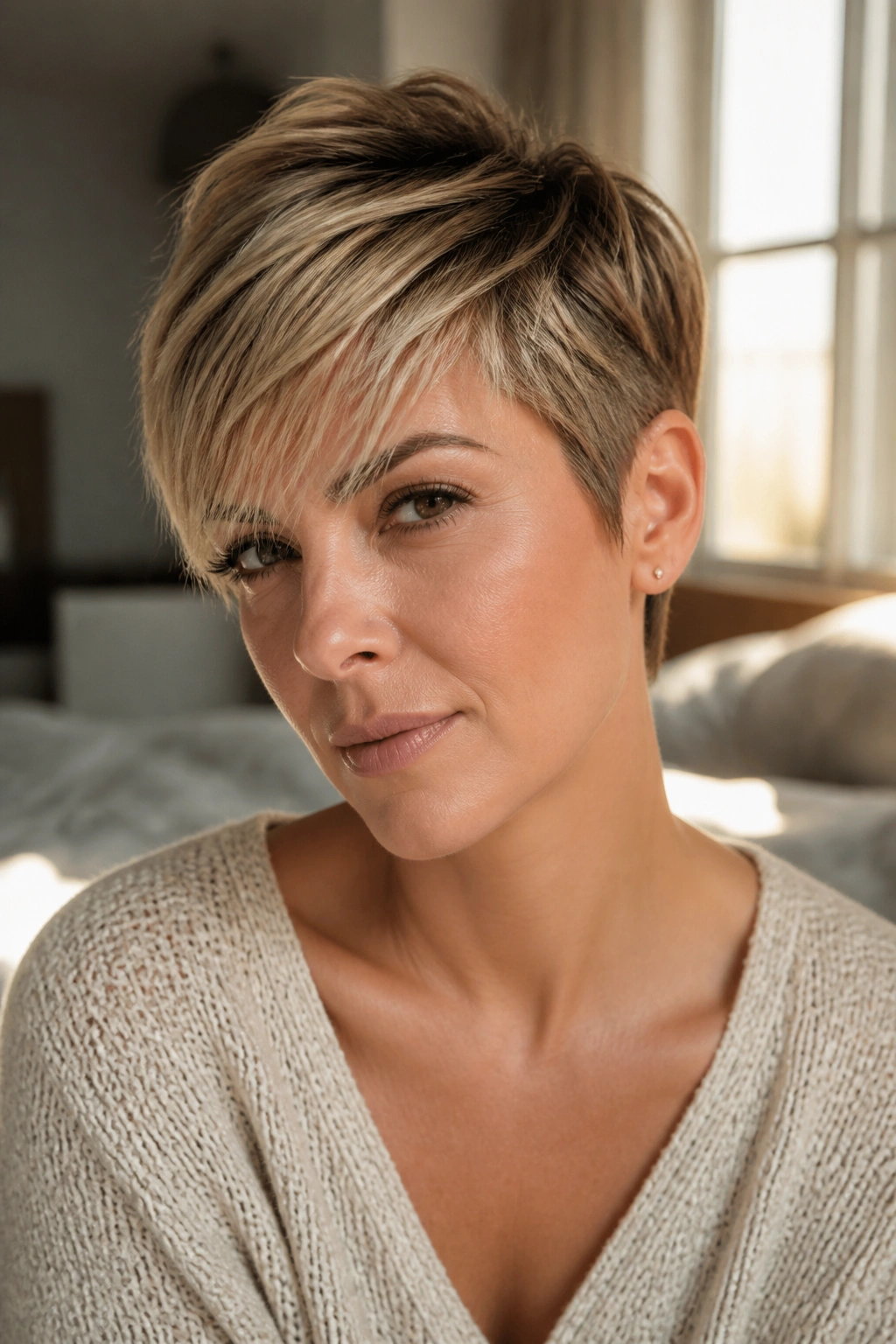
Why brush hair forward on purpose? Because it can make the forehead look shorter and give the whole face a more focused frame. A brushed-forward pixie keeps most of the length moving toward the front, with soft layers that fall over the brow line.
This is a nice pick if your hairline has become higher or if you like a slightly moody shape. The front pieces should be light enough to move, not heavy enough to hang in your eyes all day. A small amount of paste or styling cream will help the pieces stay where you want them.
It’s a little unexpected, and that’s what makes it interesting. Not every pixie has to sweep back.
24. Sculpted Pixie With Long Fringe
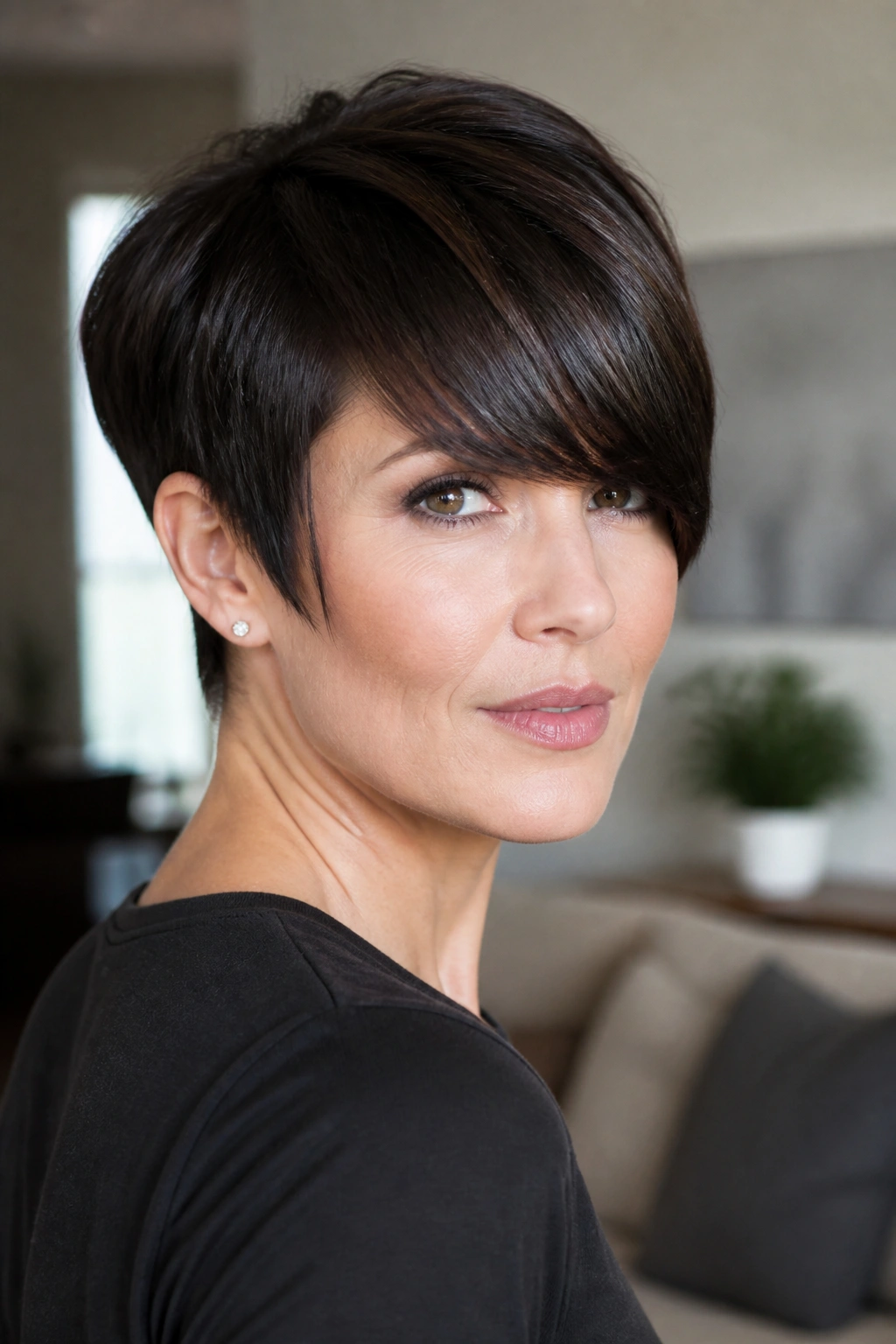
A sculpted pixie with long fringe brings structure and softness together. The sides and back stay closely shaped, while the longer fringe gives you something to play with across the forehead or cheekbone.
The Science Behind It
The longer front section changes where the eye lands. Instead of going straight to the crown, people notice the diagonal line of the fringe, which can make the face look longer or slimmer. That’s useful if you want a haircut with more visual direction.
- Fringe length: around eye level or slightly below
- Sides: tapered and smooth
- Best for: straight or slightly wavy hair
- Styling: blow-dry the fringe separately
The cut looks intentional when the fringe is glossy and the rest stays neat. Messy doesn’t help this one much.
25. Air-Dried Natural Texture Pixie
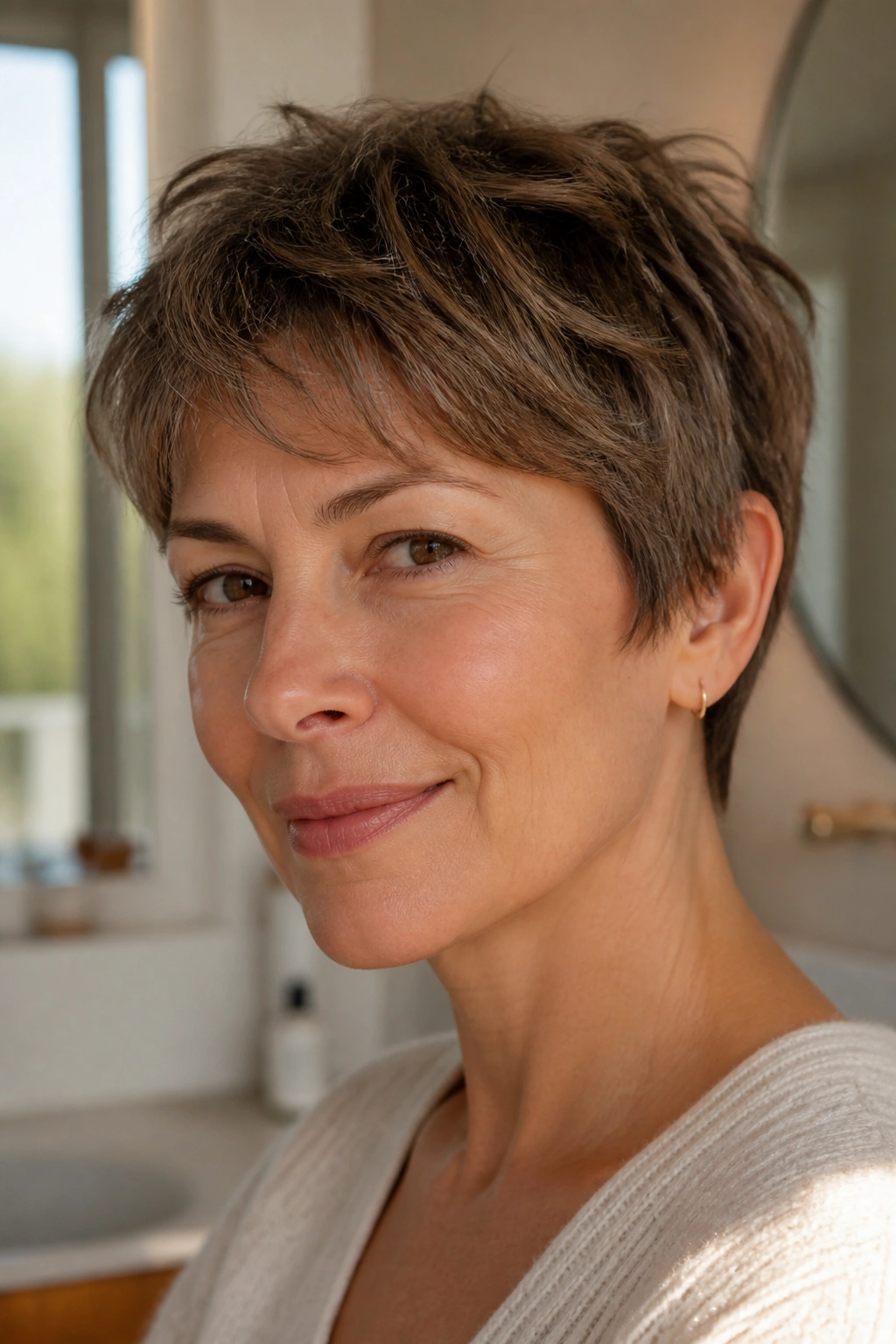
An air-dried pixie works when the cut is shaped to your real hair, not your best-behaved hair. That matters if your strands bend, frizz, coil, or change direction depending on humidity.
The success here comes from a soft silhouette and layers that dry well on their own. After washing, scrunch in a little cream or mousse, then leave the hair alone while it dries. If you keep touching it, it will puff. If you let it be, the natural texture usually settles into something better than a forced blowout.
This is the cut for people who dislike fuss and prefer hair with some life in it. Honest hair. Nice hair, too.
26. Razor-Cut Pixie
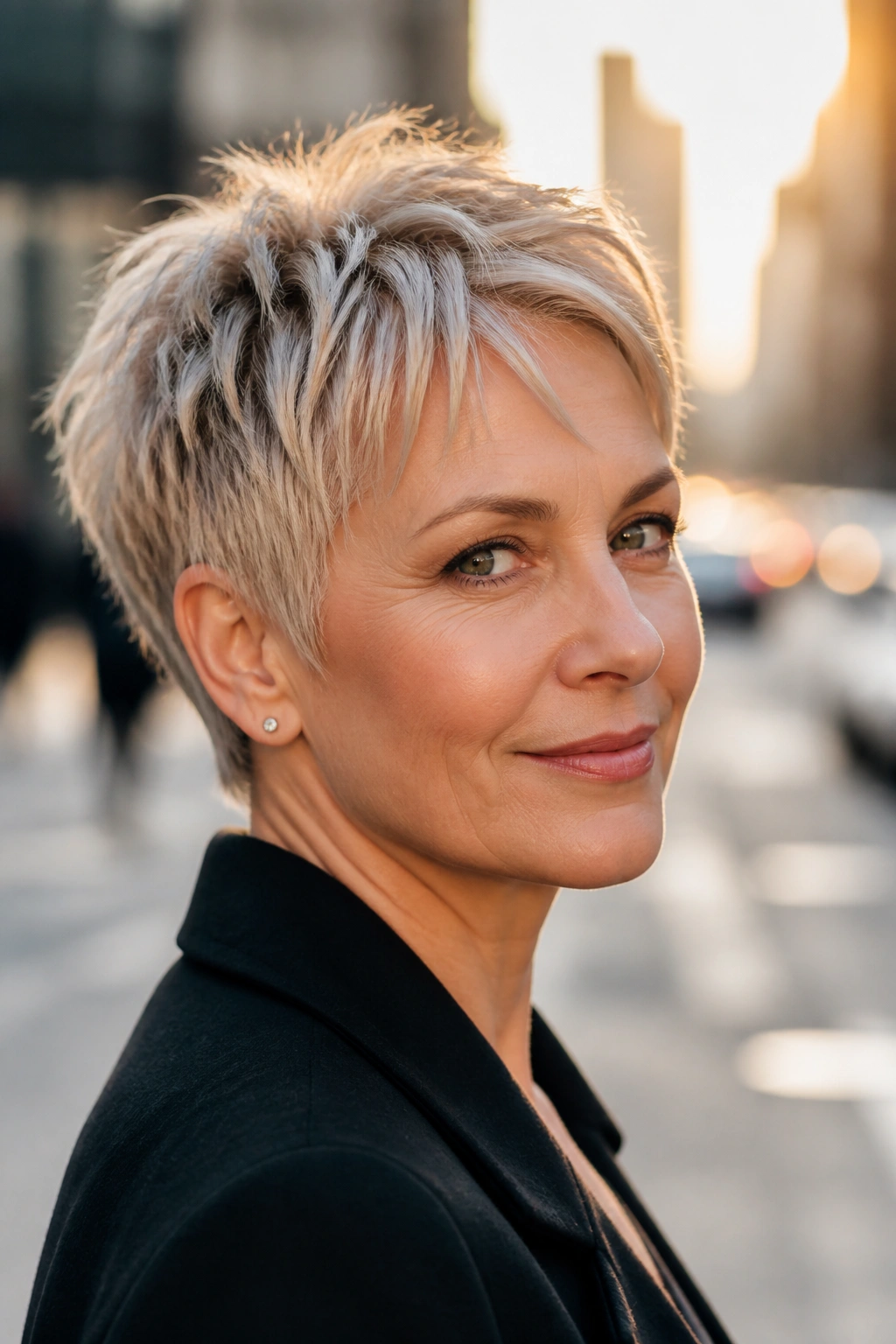
A razor-cut pixie has a lighter, more broken edge than a scissor-cut version. The ends don’t sit in a hard line, which gives the haircut movement and a slightly undone finish.
That said, razor cutting is not for every head of hair. Fine hair can handle it well, but very dry or frizzy hair sometimes needs the softer control of scissors. If the razor is used with care, the top and fringe get a piecey fall that looks modern without trying too hard.
I like this cut when you want the hair to move as you turn your head. The effect is small, but it shows.
27. Pixie Bob Hybrid
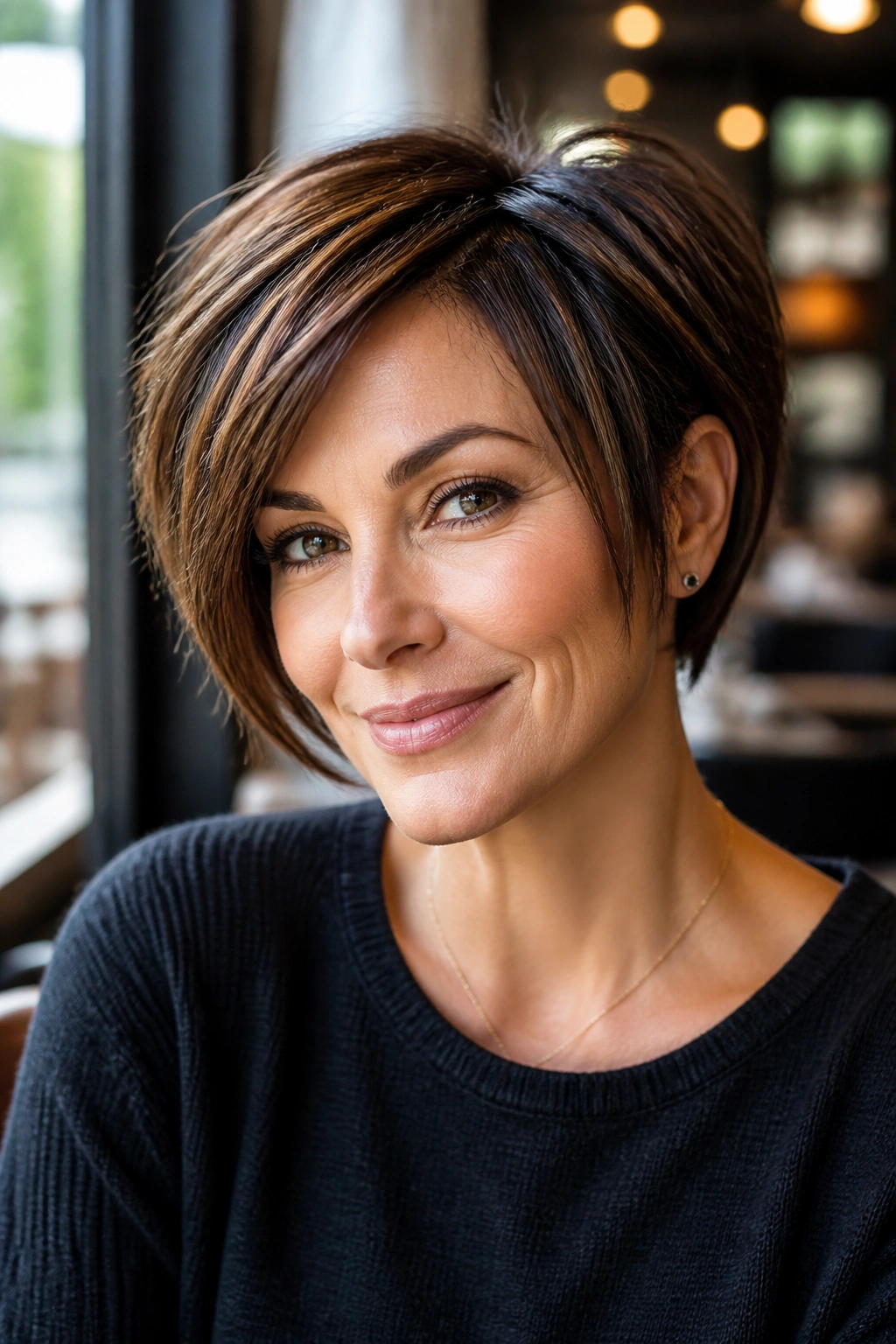
A pixie bob sits between a pixie and a short bob, and that middle ground is useful if you’re nervous about going very short. The back is shorter, the front keeps a little more length, and the shape feels grown-up without getting heavy.
The front pieces can skim the jawline or sit just above it, depending on how much contrast you want. That makes the cut flattering for people who want some neck exposure but not a full crop. It’s also easy to tuck, part, and restyle.
The hybrid shape is practical. It gives you room to change your mind for a while, which I respect.
28. Feminine Tapered Pixie
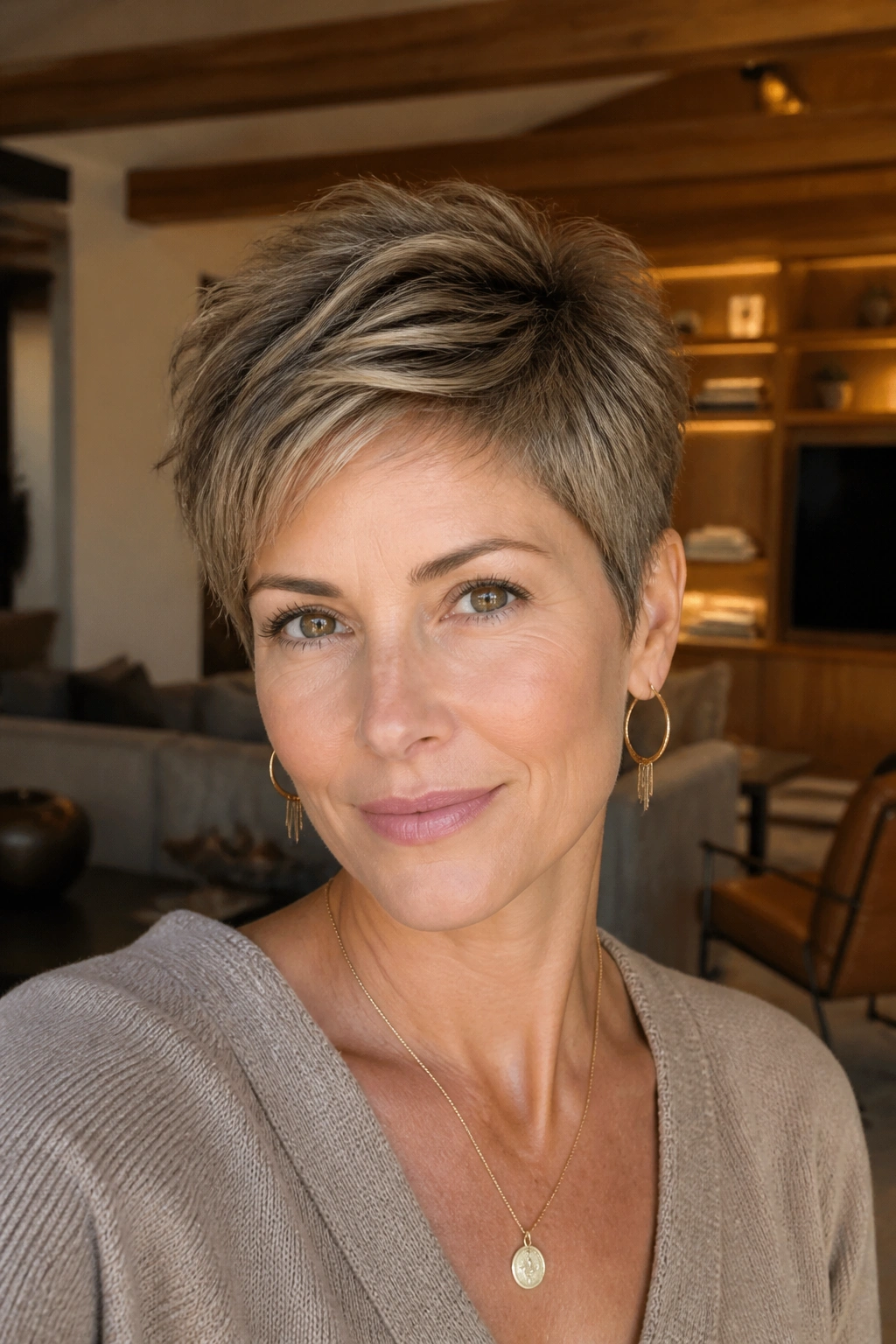
A feminine tapered pixie is all about the edges. The neckline and sides are neatly tapered, but the top and fringe keep softness, so the haircut feels refined rather than severe.
This one is a strong choice if you want short hair but still like a touch of curve around the face. Ask for a gentle taper behind the ears and a little more length at the crown so the shape doesn’t go flat. The cut should follow your head, not fight it.
A tapered pixie can look expensive because it’s tidy. Not flashy. Tidy.
29. Long-Layer Pixie for Glasses
If you wear glasses, the wrong short cut can crowd your frames fast. A long-layer pixie solves that by leaving enough length at the temples and fringe to sit comfortably around the glasses without tangling.
The layers should avoid the exact point where the frame arms hit, because that’s where hair tends to snag. Keep the front soft, let the top move, and make sure the sides are trimmed with the frames in mind. It sounds small, but it changes daily comfort a lot.
How to Get the Most From It
- Bring your glasses to the salon
- Ask the stylist to check the temple line
- Keep the fringe a touch longer than you think
- Use a flexible product, not a heavy wax
Hair and frames can cooperate. They just need a little planning.
30. Thick-Hair Pixie
Thick hair can wear a pixie beautifully if the haircut removes bulk in the right places. The biggest mistake is leaving too much weight at the sides and back, which makes the head look wide and the style feel hot.
This cut needs internal layering and careful tapering so the shape stays close to the head. A stylist may thin the underneath sections a little, but not so much that the surface goes wispy and strange. The top can keep enough length for movement, while the lower half gets controlled.
Thick hair loves structure. Give it that, and it behaves.
31. Fine-Hair Lift Pixie
Fine hair does not need more length. It needs smarter shape. A lift-focused pixie uses short, stacked layers and a lightly textured top to create the feel of fullness without extra weight dragging everything down.
Keep the sides clean and the crown slightly elevated. A root spray at the base, plus a quick blow-dry using your fingers, can make a huge difference. If the hair is too soft, it will collapse; if it’s cut too blunt, it can look sparse. The sweet spot is somewhere in the middle.
This is one of the best pixie haircuts for women in their 40s who want body without a lot of styling drama. Quiet volume. That’s the target.
32. Gray-Blending Pixie
A gray-blending pixie works with the hair you actually have instead of trying to hide it. That means soft dimension, careful placement of darker pieces, and a shape that keeps silver strands from looking flat or patchy.
I like this cut when the gray grows in around the temples or front hairline, because the short length lets the transition look intentional. A little movement in the crown helps the different shades catch the eye in a good way. No heavy line. No harsh demarcation.
What Makes It Different
The haircut does part of the color work. That’s why the shape matters so much.
- Soft layers at the top
- Gentle taper at the ears
- Brightness around the front
- Regular toning only when the silver gets yellow
The goal is contrast that feels natural, not forced.
33. Copper Pixie
Copper color and a pixie cut get along fast. The short shape lets the warmth show from root to tip, and the color adds life to the cut even when the styling is simple.
A copper pixie looks best with some texture on top, because the little shifts in shade show up more clearly in broken layers than in one flat surface. If you choose a richer copper, keep the cut soft. If you go brighter, the shape can handle a bit more edge.
This style is especially nice when the skin needs a bit of warmth near the face. It’s direct, lively, and easier to wear than people expect.
34. Brunette Glossy Pixie
A brunette pixie can look unexpectedly lush when the finish is glossy. Dark hair shows line and shine well, so a clean cut with a soft surface works better than a heavily chipped one.
The shape should keep the top smooth and the ends tidy, because glossy brunette hair can go flat fast if the layers are too ragged. A touch of smoothing cream, then a quick pass with a dryer on low heat, gives the style a polished feel. It’s a good choice if you like short hair that still reads refined.
There’s something calm about this cut. Not boring. Calm.
35. Curly Crown Pixie With Tight Sides
A curly crown pixie with tight sides lets the curls be the feature instead of the afterthought. The sides stay close so the crown has room to rise, and the overall shape feels balanced instead of triangular.
This cut works best with curl patterns that spring upward on top but stay softer around the sides. The stylist should shape the crown in a way that respects shrinkage, because curls can climb higher than you expect once they dry. A little curl cream goes a long way here. Too much product weighs the crown down and makes the whole thing sticky.
It’s a strong, expressive shape. Not shy at all.
36. Neck-Grazing Nape Pixie
A neck-grazing nape pixie keeps a little softness at the back, which can be useful if you don’t want the haircut to end abruptly at the neckline. The length at the nape brushes the skin, while the top remains short and neat.
That small bit of extra length makes the haircut feel less severe and gives the silhouette a nicer finish from behind. It also pairs well with collared shirts and jackets, since the hair has enough length to sit gracefully instead of sticking straight out.
It’s a small adjustment, but a smart one. The back of a haircut matters more than most mirror selfies show.
37. Retro 60s Pixie
A retro 60s pixie leans into shape and polish. The crown gets a little lift, the fringe can sweep softly to one side, and the overall line feels neat in a way that recalls old photographs without turning costume-y.
The key is restraint. You want a nod to the era, not a full reenactment. Think smooth sides, soft volume, and a slightly rounded outline that flatters the head. A round brush and a bit of setting cream can help if you like a more finished look.
This style is lovely with a bold brow, a cat-eye, or a simple earring. It knows how to stay in the background while still looking intentional.
38. Edgy Disconnected Pixie
This is the wild one. A disconnected pixie keeps one section, usually the top or fringe, visibly longer than the sides, so the contrast is part of the design.
The style feels modern because it does not try to blend everything away. The longer top can be swept, spiked, or pushed sideways, while the shorter sides keep the haircut tight and graphic. It suits straight hair well, especially if you like strong lines and a sharper outline around the face.
Use a light wax or paste to separate the top a bit. If the product is too heavy, the contrast gets muddy and the cut loses its punch.
39. Minimalist Close-Cropped Pixie
A close-cropped pixie is as stripped back as it gets. Short all over, clean around the ears, close at the nape, and no unnecessary fluff. It can look stunning on the right face because it puts your features front and center.
This style works best when the head shape is good and the hairline is even enough to support a very short outline. It’s also one of the easiest cuts to live with on busy mornings. Wash, add a tiny bit of cream, and go. No round brush. No drama.
You need confidence for this one, but not because it’s extreme. Because it’s honest.
40. Soft Wispy Grown-Out Pixie
A soft wispy grown-out pixie is what happens when a short cut gets a little room to breathe. The edges become lighter, the fringe gets longer, and the whole style turns gentler without losing its shape.
This is a good exit point if you’re growing out a shorter crop, or if you like the look of a pixie that has relaxed a bit over time. Keep the neckline clean so it does not slide into shapeless territory, and trim the top every few weeks to keep the wisps from becoming frayed ends.
It has an easy, lived-in feel that suits everyday life. Not perfect. Better than that.
A pixie works best when it fits the hair you have, the face you live in, and the amount of time you want to spend on it before coffee. The right version should feel lighter the second you walk out of the salon, and a month later it should still look like a smart decision.
If one of these cuts keeps tugging at your attention, that is usually the one worth trying first. Hair grows back. But a good short cut, the kind that makes mornings easier and mirrors a little kinder, tends to stick in your memory for a while.
