



Some haircuts look polished in a salon chair and then fall apart the second you touch them. The wolf cut is the opposite. It’s built to look better once it loosens up, gets a little piecey, and stops behaving like it was ironed into place.
That’s a big part of why wolf cut hair ideas keep spreading through salons and social feeds. The shape borrows the best parts of a shag and a mullet: volume at the crown, movement through the mid-lengths, and a lower edge that still keeps some attitude. It can look soft, messy, edgy, airy, or almost romantic, depending on how the layers are cut and how much fringe you leave around the face.
The trick is not to treat the wolf cut like one single haircut. It isn’t. A good one can be tailored to curls, straight hair, thick density, fine strands, short lengths, long lengths, and every awkward grow-out stage in between. That flexibility is the whole reason it works.
So the useful question is not whether a wolf cut is “in” or “out.” It’s which version fits your hair, your styling habits, and how much edge you actually want to wear every morning.
1. Classic Wolf Cut
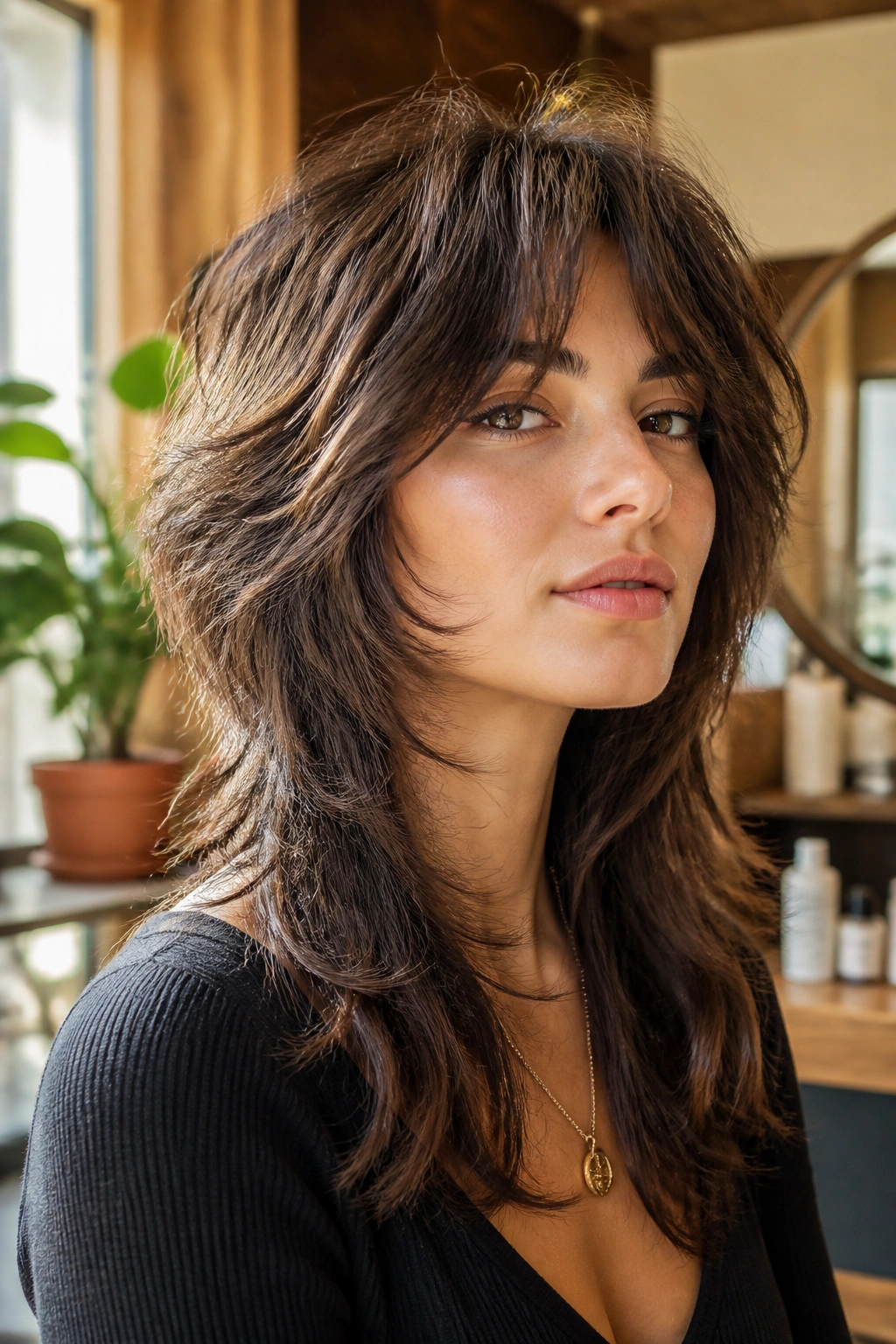
The classic wolf cut is the version most people picture first: shorter, choppier layers at the crown, longer ends, and a fringe that sits somewhere between curtain bangs and a soft shag bang. It has movement from the minute it’s cut, which is why stylists keep coming back to it.
Why It Works
The shape gives you lift at the top without destroying the length. That matters more than people think. If your hair falls flat at the crown, this cut fixes the problem by stacking texture where it counts.
A classic version usually looks best when the layers are visible but not choppy to the point of looking hacked up. You want separation. You do not want random holes.
- Best on medium to thick hair
- Strongest when cut dry or with dry detailing
- Easy to style with a round brush, diffuser, or air-dry cream
Pro tip: Ask for a wolf cut that keeps the perimeter soft, not blunt. That tiny choice changes the whole mood.
2. Soft Wolf Cut with Curtain Bangs
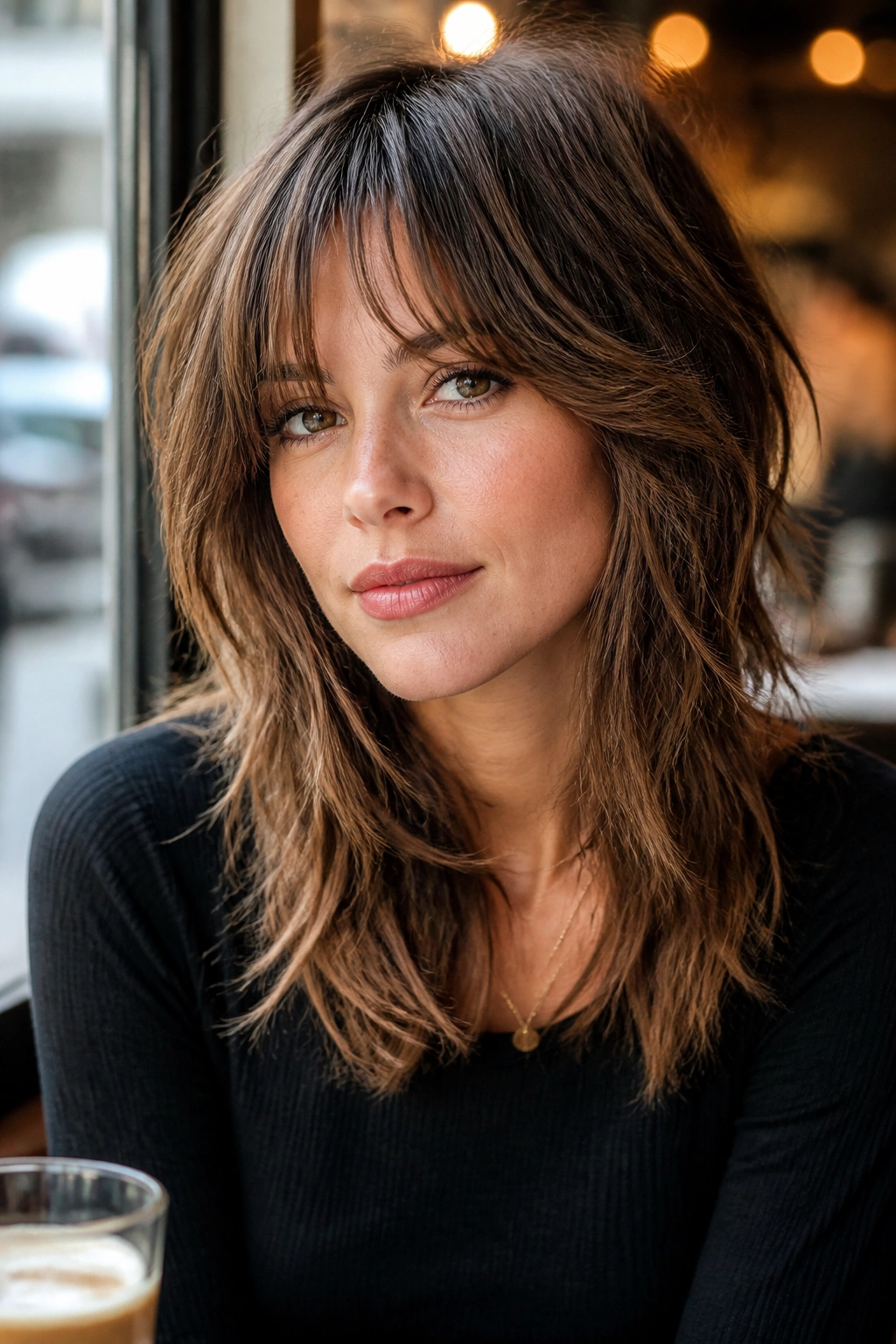
Can a wolf cut be wearable for everyday life and still look cool? Absolutely. The soft wolf cut with curtain bangs is the version I’d hand to someone who likes texture but does not want to look like they raided a punk show on the way to brunch.
The bangs matter here. Curtain bangs break up the forehead area and make the layers feel gentler, especially if your hair is fine or medium in density. The rest of the cut stays airy, with less dramatic contrast between the top and the bottom.
This works especially well if you wear your hair tucked behind one ear a lot. The face-framing pieces fall in a way that looks intentional even when the rest of your hair is doing its own thing. And that’s the charm. It looks styled, but not fussy.
3. Curly Wolf Cut

Curly hair and the wolf cut get along better than most people expect. Curly texture already has built-in volume, so the cut’s job is to shape it instead of forcing it into a flat outline.
How to Use It
The best curly wolf cut keeps enough weight at the bottom so the curl pattern doesn’t puff out into a triangle. That part is easy to mess up. Too much removal at the ends, and the shape balloons.
A good stylist will often cut curls in stages, checking how each section springs up before taking more off. That’s the difference between airy and uneven. If you’ve got tighter curls, you want the top layers shorter but not razor thin.
- Choose longer bangs if your curls shrink a lot
- Use a diffuser on low heat
- Leave some moisture in the curl cream so the ends don’t frizz out
Short version: This cut looks best when the curls are allowed to be curls. No fighting them.
4. Wavy Wolf Cut

Wavy hair might be the easiest canvas for a wolf cut. The wave pattern gives the layers a natural bend, so the haircut doesn’t have to work as hard to create movement.
What I like about this version is the way it avoids that overdone salon finish. The layers fall into each other, especially if your hair has that loose S-shape bend. A shoulder-grazing wolf cut on wavy hair can look a little wild in the best way.
If you want the cut to show up, rough-dry your hair with a little mousse at the roots and stop touching it. Seriously. Hands off. That’s usually enough.
5. Long Wolf Cut
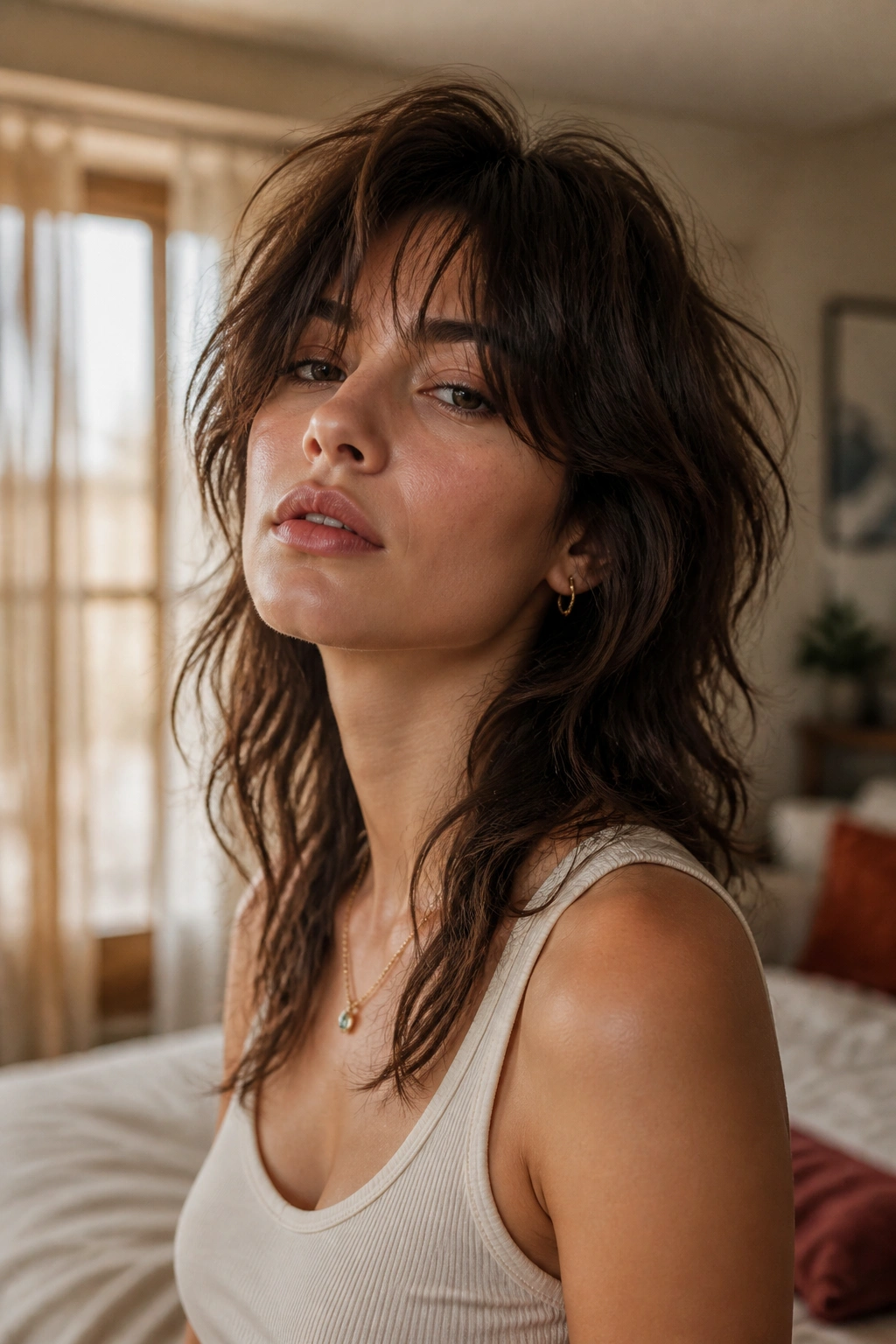
The long wolf cut is for people who want the shape without giving up much length. The crown still gets lifted, the mid-lengths get movement, and the bottom stays long enough to tie back on bad hair days.
This version feels softer than the short, choppier ones. The drama is there, but it sneaks up on you. A long wolf cut can look almost plain when it’s wet, then suddenly spring to life once it dries and the layers separate.
That’s why it’s such a strong choice for someone who wants a little edge but still needs hair that behaves at work, in a ponytail, or when they can’t be bothered. It grows out well, too. That matters.
6. Short Wolf Cut
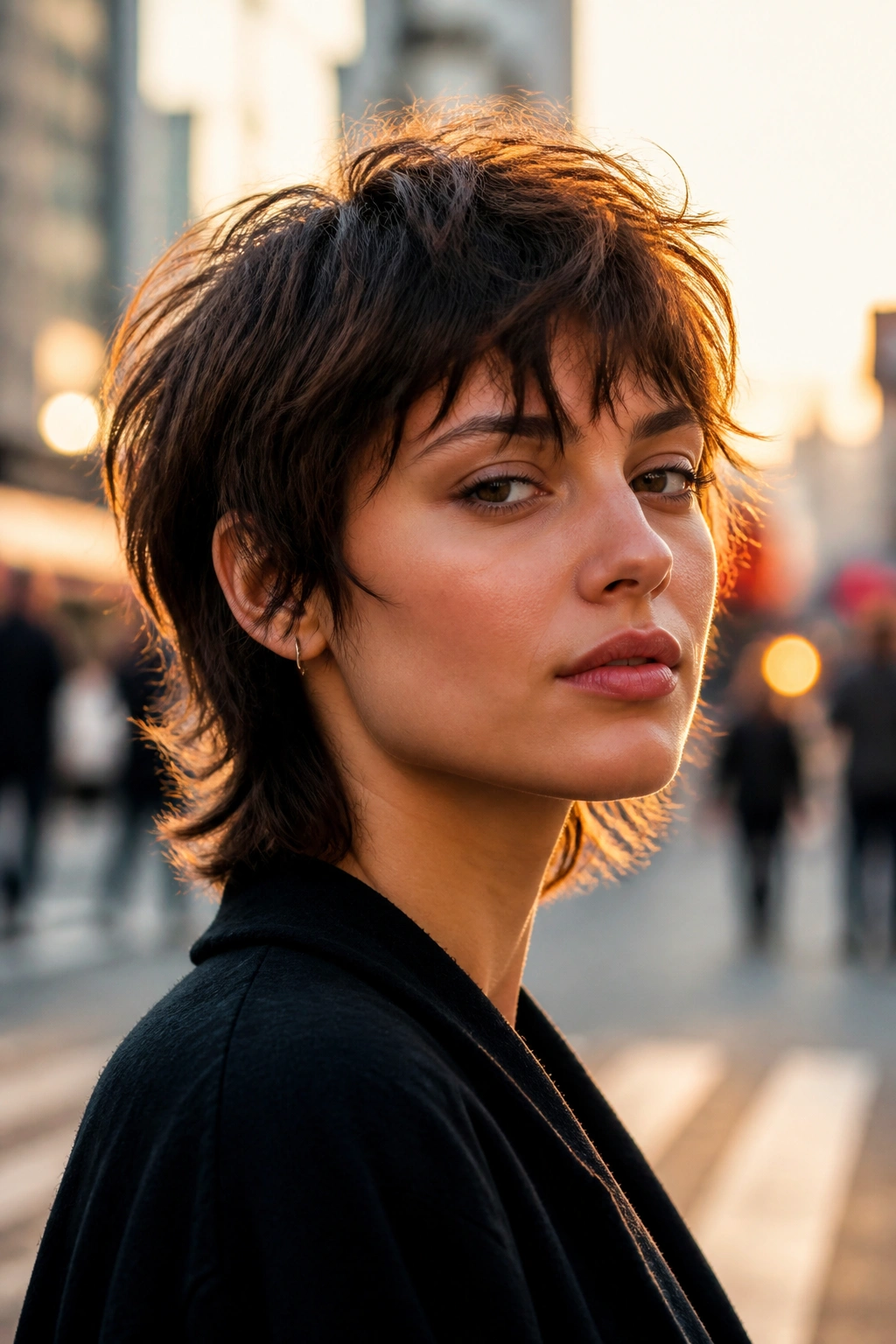
Short wolf cuts are a different animal. They’re sharper, louder, and more likely to show off the haircut itself than the hair length. The crown is usually cropped a little higher, while the lower layers sit around the jaw or just below it.
There’s a bit of rebellion in this shape. Not a costume-y kind. More of a “I know exactly what my hair is doing” kind. It works especially well if you like texture products and a lived-in finish.
Best For
- Fine to medium hair that needs lift
- Straight hair that goes limp by noon
- Anyone who wants a cut that looks good a little mussed up
If you hate styling, this one may be a headache. If you like a messy, fast routine, it’s a good fit.
7. Shoulder-Length Wolf Cut
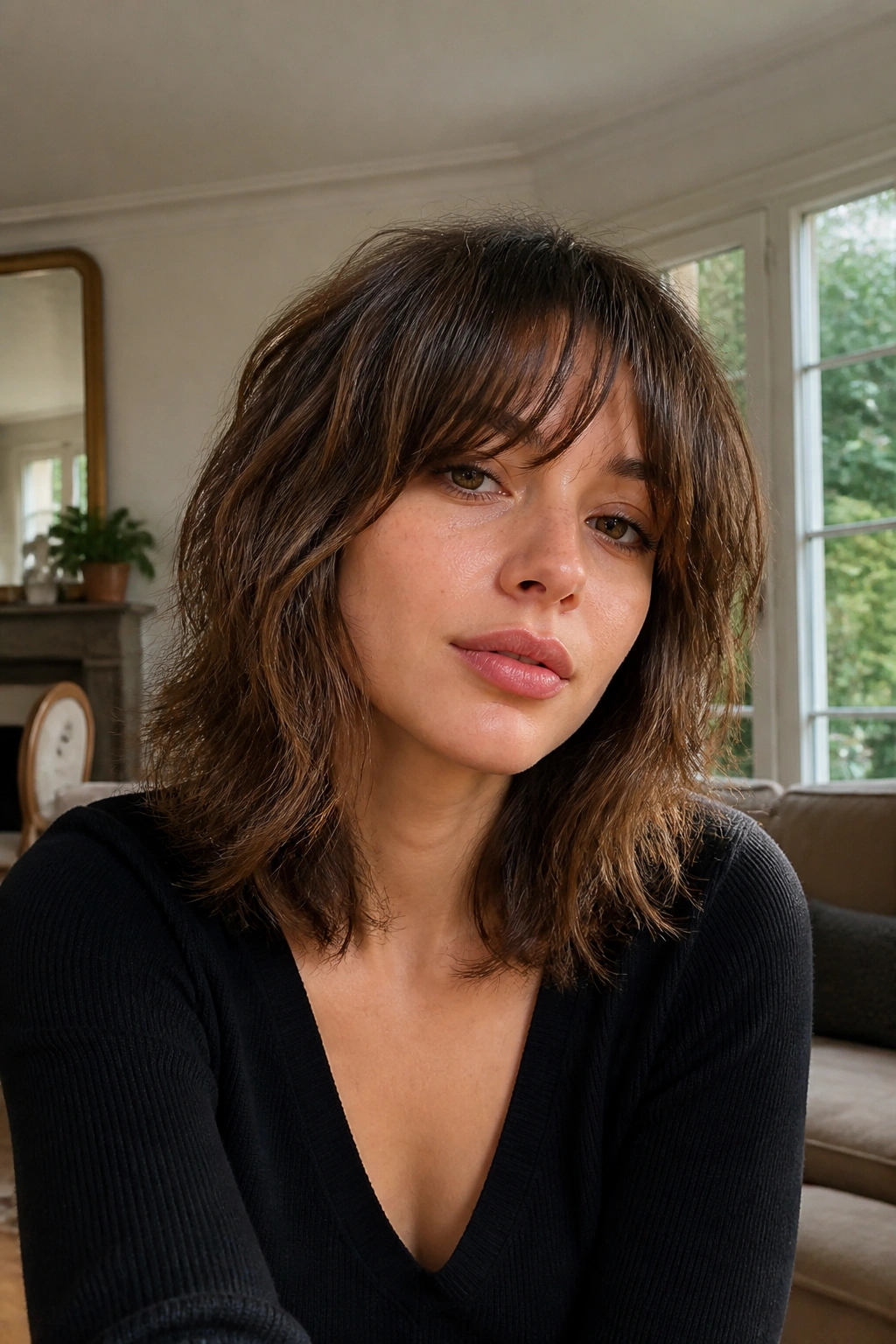
Shoulder-length is the sweet spot for a lot of people because it gives the wolf cut enough room to breathe without getting too extreme. The layers can move, the ends still have weight, and the overall shape sits nicely around the face.
This length is also sneaky-good for growing out an old bob. Instead of looking awkward during the transition, the haircut can be reshaped into something on purpose. That’s a gift.
A shoulder-length wolf cut usually looks best with some kind of fringe or face-framing piece. Without that, the shape can feel a little too square. With it, you get softness at the front and texture through the back.
8. Razor-Cut Wolf Cut
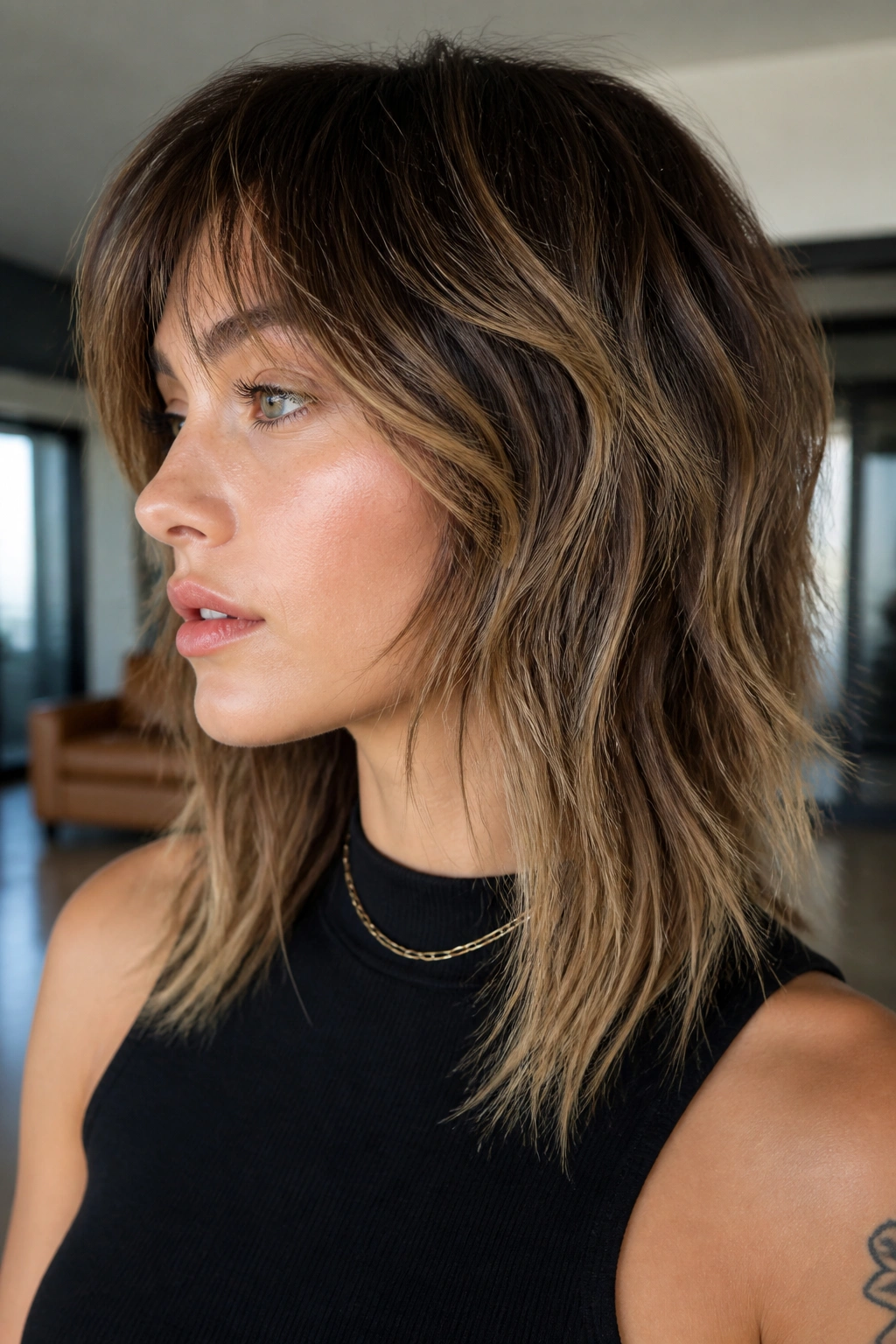
A razor-cut wolf cut has a more feathered, frayed finish than a scissor-cut version. The ends look lighter, and the layers melt into one another with a bit more edge.
That doesn’t mean it has to look punky. A good razor finish can make hair feel airy and touchable, especially if your strands are medium density and tend to get bulky at the ends. The trick is restraint. Too much razor work, and the cut starts looking thin in a bad way.
What Makes It Different
The razor can soften thick edges fast, which is useful if your hair naturally stacks up around the shoulders. It can also help the fringe blend instead of hanging like a separate piece.
A crisp scissor cut and a razor cut do not feel the same. One is cleaner. The other has more texture in the air.
9. Choppy Wolf Cut with Micro Bangs
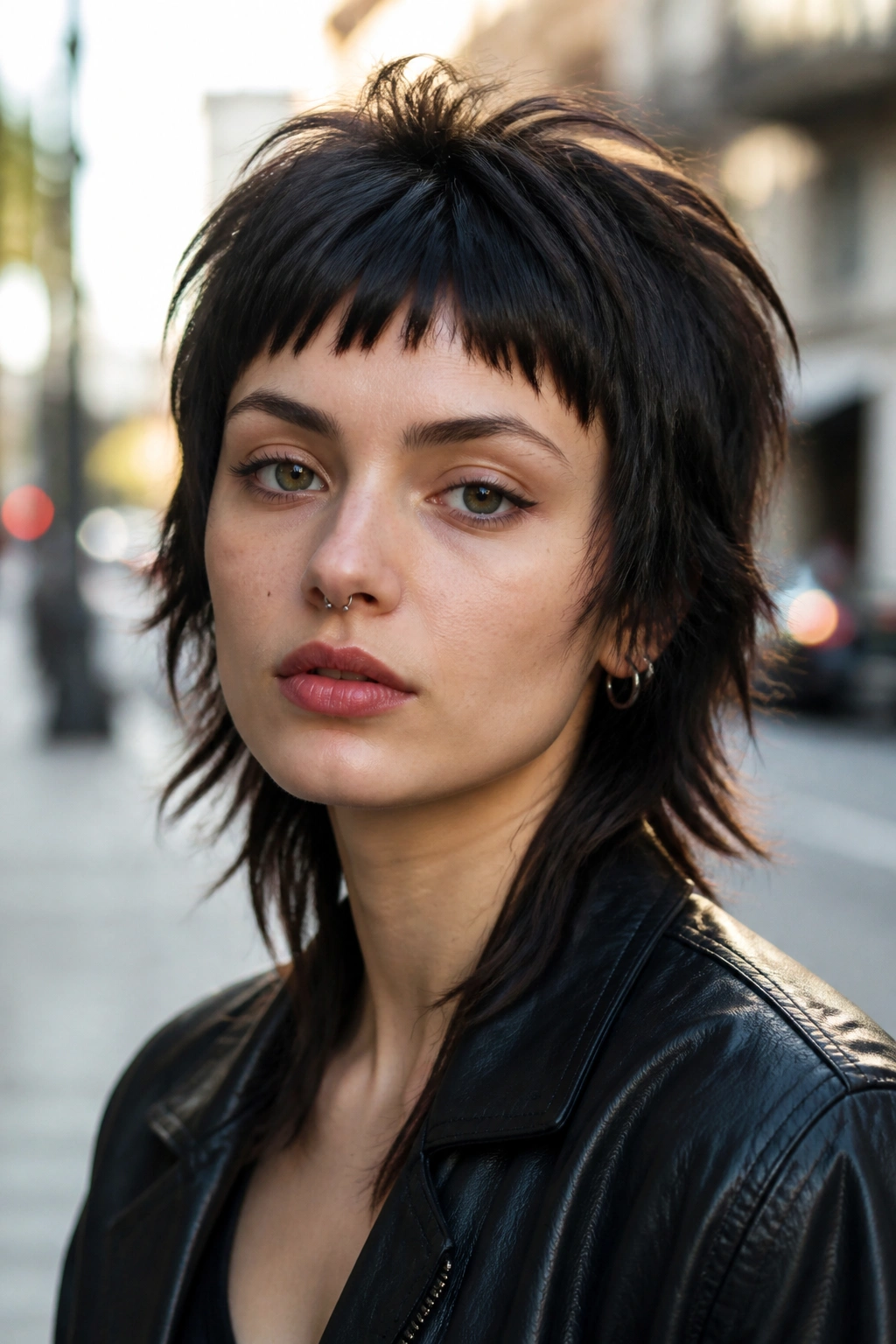
Micro bangs change the whole personality of a wolf cut. They make it sharper, a little stranger, and much more obvious from across a room.
This version is not shy. The short fringe draws the eye up, while the layered body of the cut keeps the shape from feeling too severe. It’s a strong choice if you like your haircut to have opinions.
The catch is maintenance. Micro bangs need trimming, and they need confidence. If you’re not prepared for a fringe that sits well above the brows, skip it. If you are, the result can be fantastic in a very specific, fashion-forward way.
10. Wolf Cut with Side Bangs
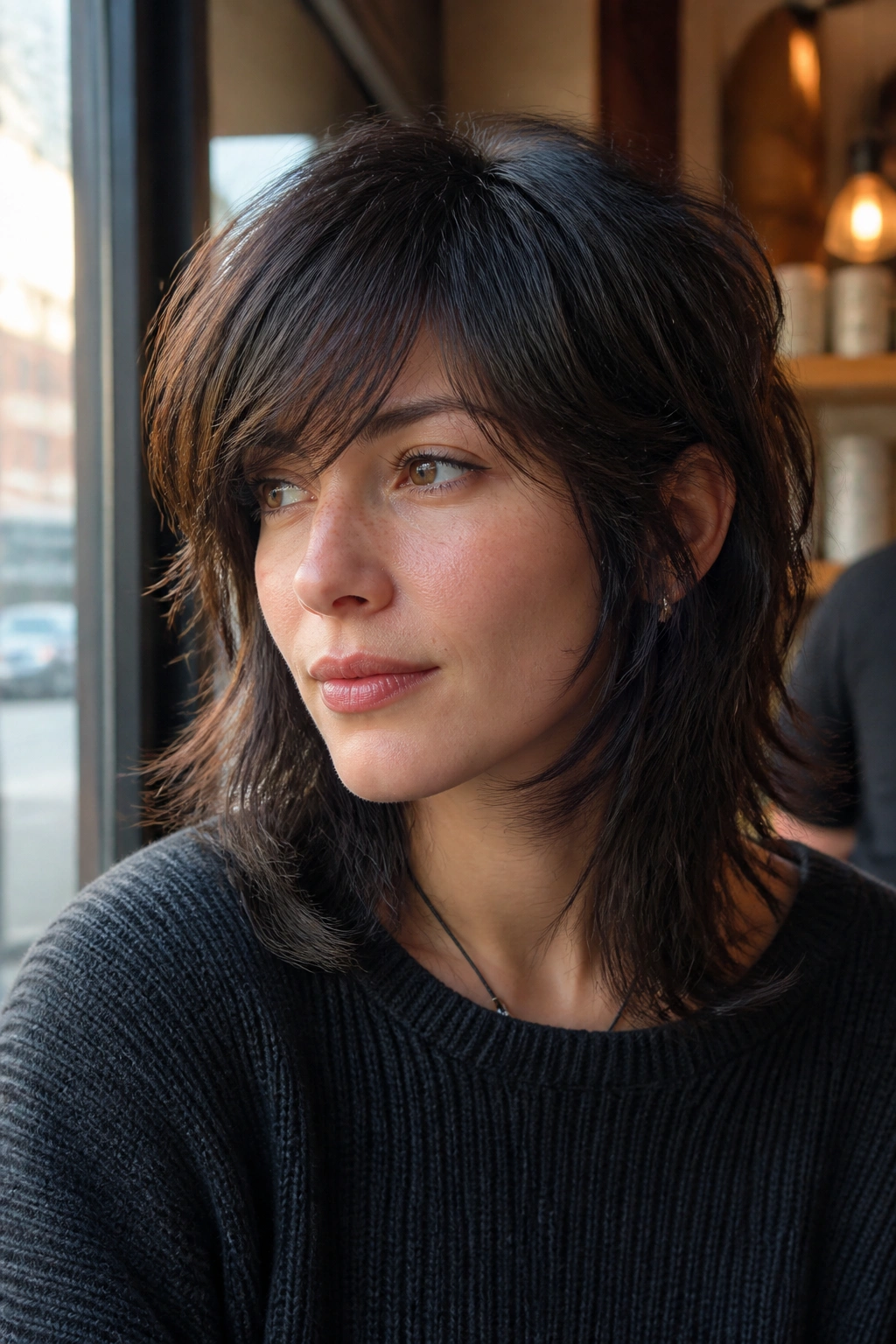
Side bangs bring a more relaxed mood to the wolf cut. They soften the forehead without the symmetry of curtain bangs, and they can be easier to grow out if you get bored.
I like this version for people who want movement near the face but do not want anything too centered or too trendy-looking. Side bangs also play nicely with cowlicks, which is a real-life issue that gets ignored in glossy haircut photos.
The rest of the cut can stay choppy or soft. Either way, the side fringe gives the layers a place to start. It’s a small move, but it changes the whole balance.
11. Fine-Hair Wolf Cut with Light Crown Layers
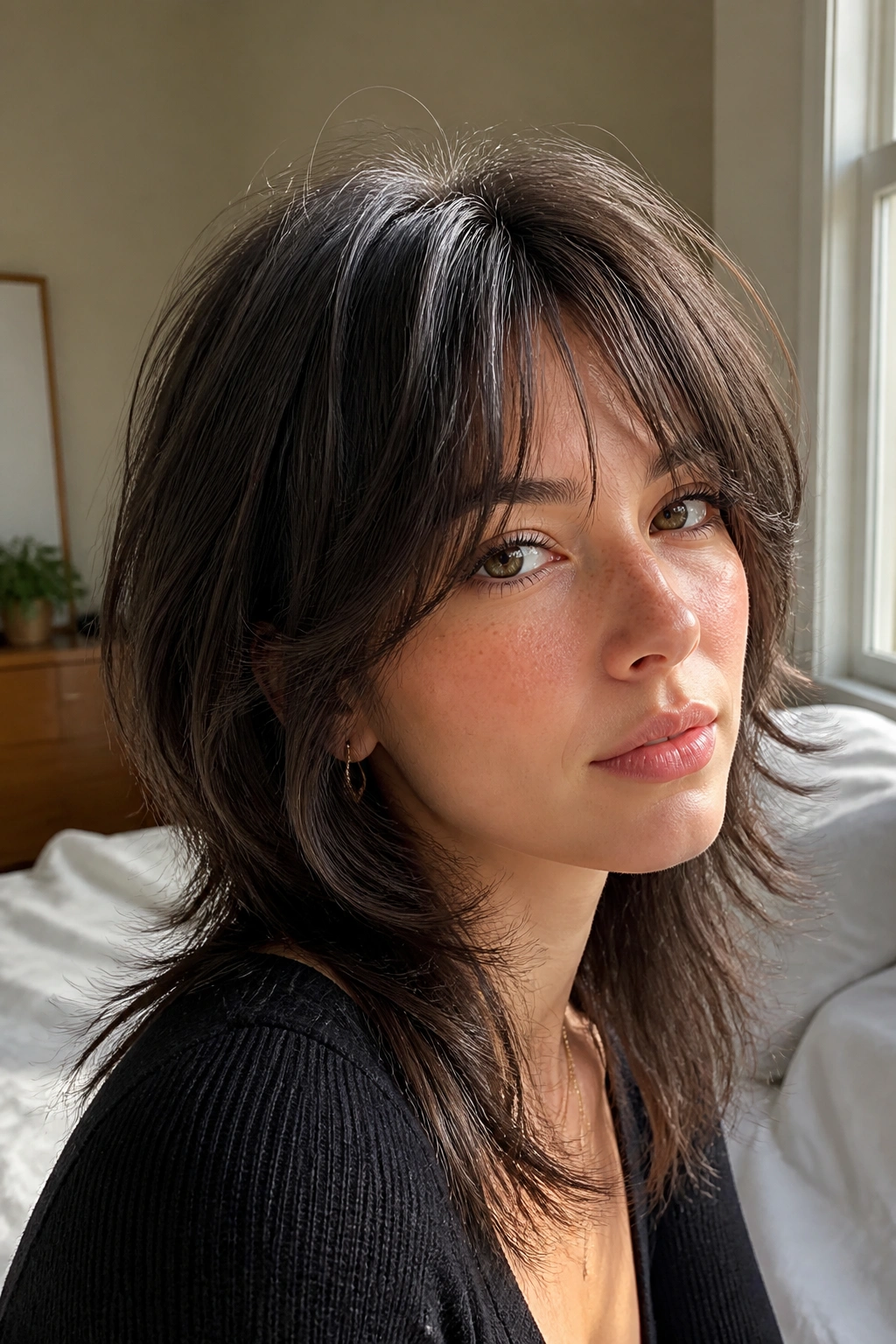
Fine hair needs a lighter hand. That’s the rule here. A wolf cut can work beautifully on finer strands, but only if the crown layers are kept airy and the perimeter is not thinned to death.
How to Keep It Full
The goal is lift, not collapse. Too many short pieces can make the hair look see-through. A better plan is to keep the layers soft and slightly longer at the top so the hair still has something to sit on.
- Ask for internal texture, not heavy thinning
- Use a root spray before blow-drying
- Keep conditioner away from the roots
- Rough-dry with your head upside down for a bit of lift
You want body at the crown and movement through the ends. That’s the whole game.
12. Thick-Hair Wolf Cut with Internal Debulking
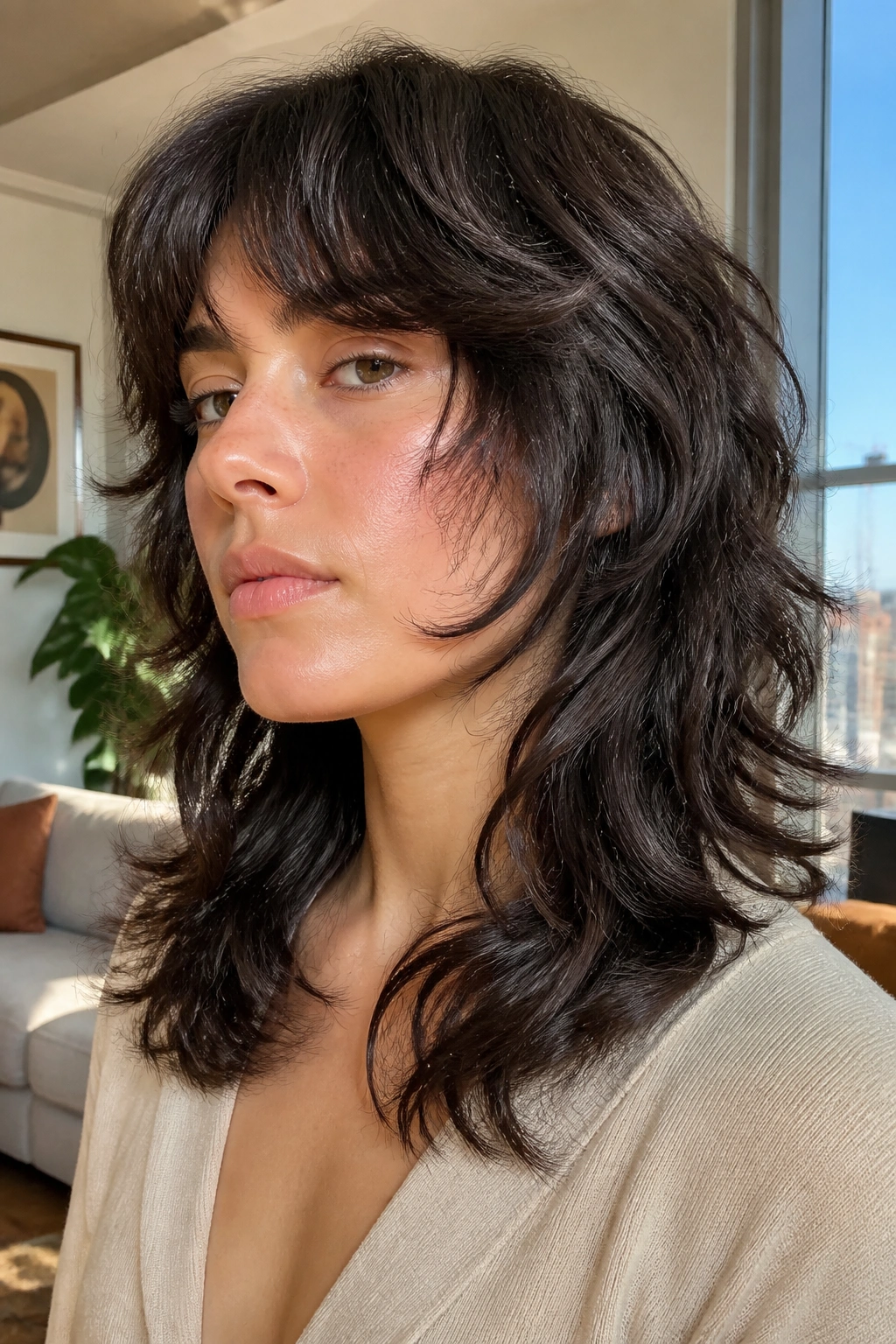
Thick hair can carry a wolf cut in a way thin hair usually can’t. There’s enough density to support dramatic layers, so the shape can get bigger without falling apart.
But thick hair needs thought. If the cut is just chopped into layers with no plan, it can puff out at the sides or feel bulky at the jaw. Internal debulking helps remove weight from the inside while leaving the outside shape intact. That’s the part most people never see, but it matters a lot.
A good thick-hair wolf cut feels lighter on the neck and shoulders. It should move. If it feels like a helmet, the layering missed the mark.
13. Face-Framing Wolf Cut for Round Faces
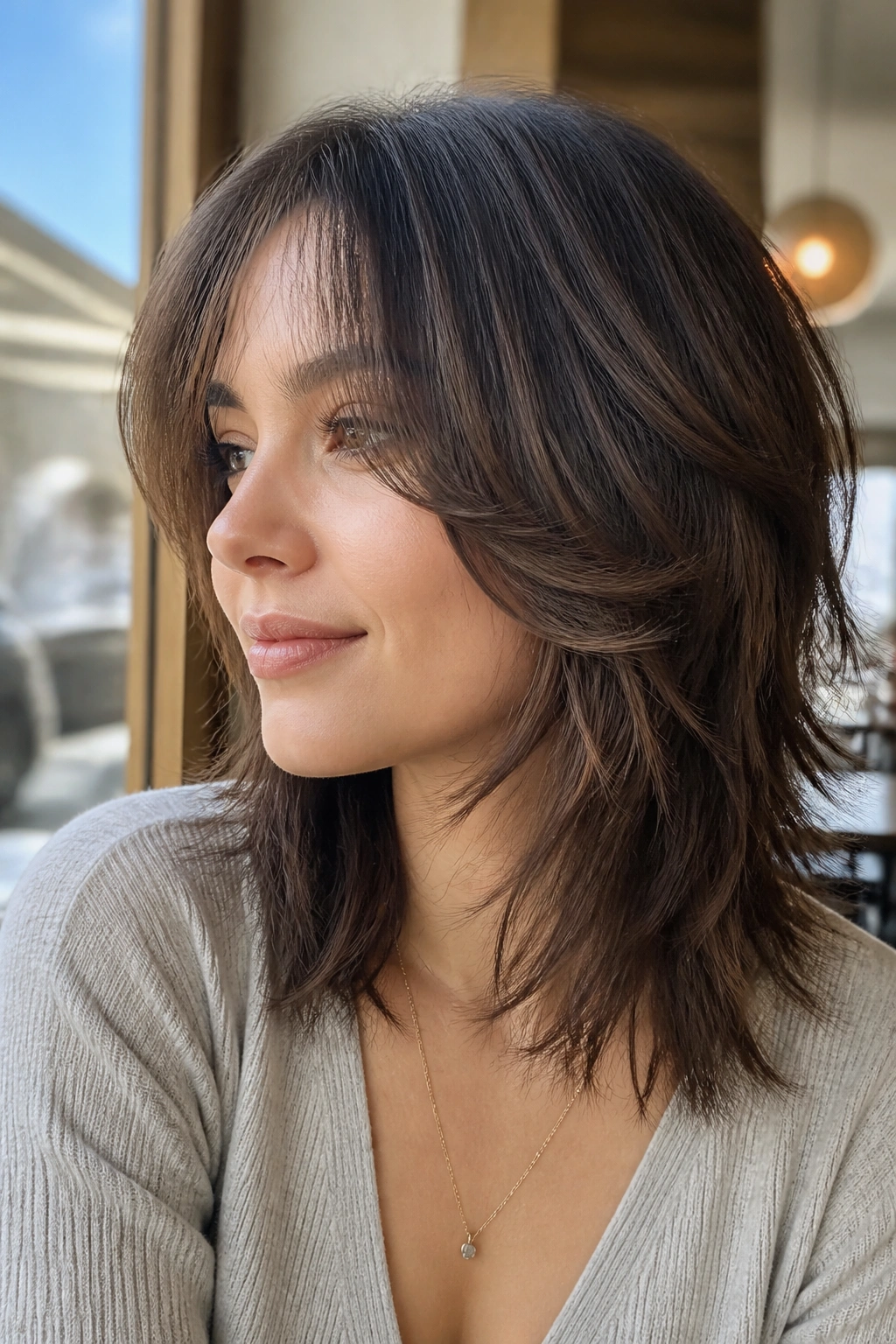
A wolf cut can flatter a round face when the front pieces are cut to create vertical movement. That’s the main idea. You want the eye drawn down and around, not out to the sides.
Longer face-framing layers work better than a short, blunt fringe in this case. They help lengthen the profile and keep the top from widening the face too much. The crown still gets texture, but the front carries the shaping job.
One thing I’d avoid: too much width right at the cheeks. It can make the cut feel boxy. Keep the sides soft, let the ends taper a little, and the whole look becomes more balanced.
14. Mullet-Forward Wolf Cut
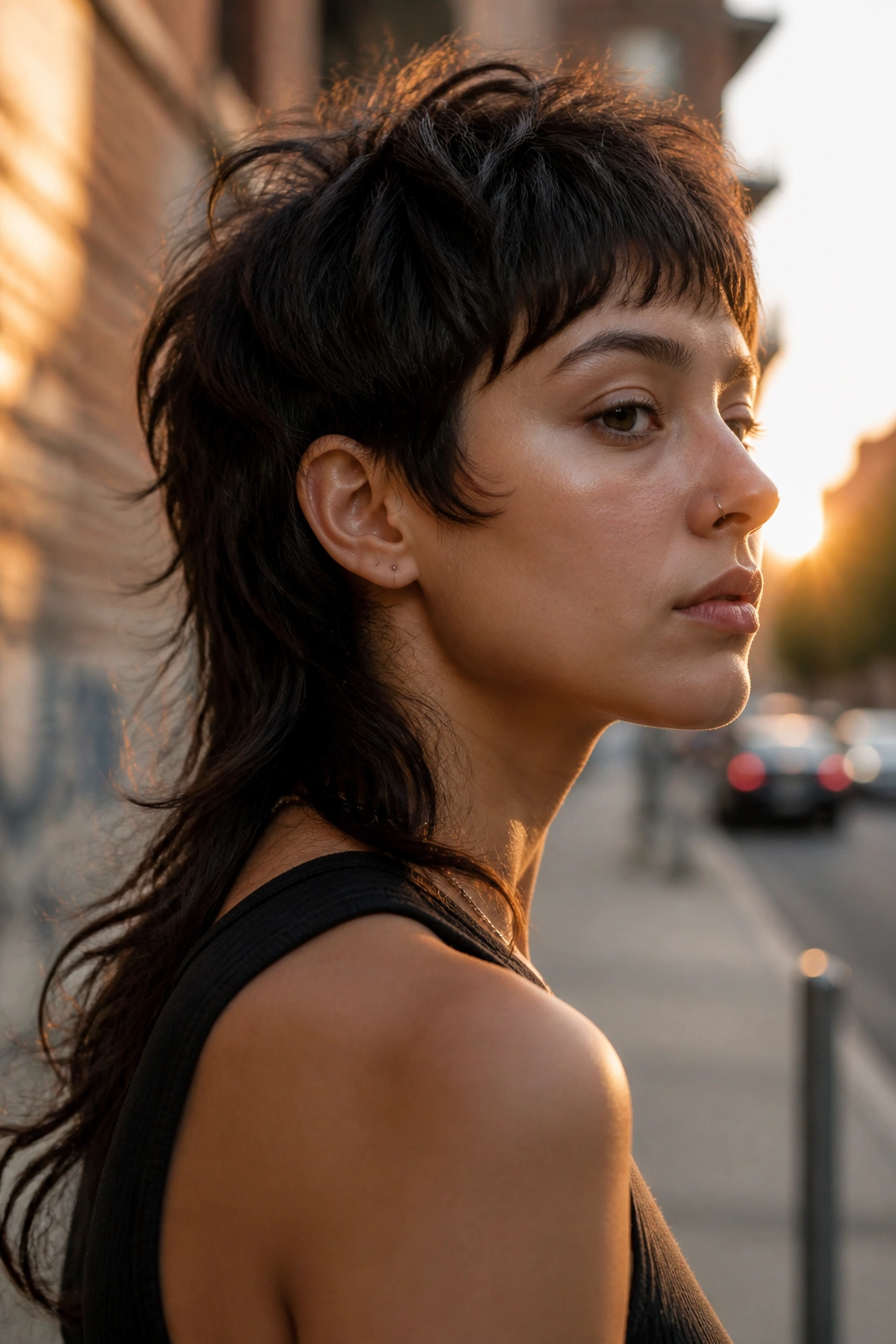
This is the bolder cousin. The mullet-forward wolf cut leans harder into the shorter top and longer back, so the contrast is sharper and the attitude is louder.
Some people love this because it feels unmistakable. There’s no mistaking it for a plain layered haircut. Others need to ease into it. Fair enough. The shape can be a lot if you’re used to hair that sits neatly around the face.
I think this version works best when the edges are still soft enough to move. You want mullet energy, not a stiff costume. If the back length is kept piecey and the crown has enough lift, the result looks cool instead of try-hard.
15. Wolf Cut Bob
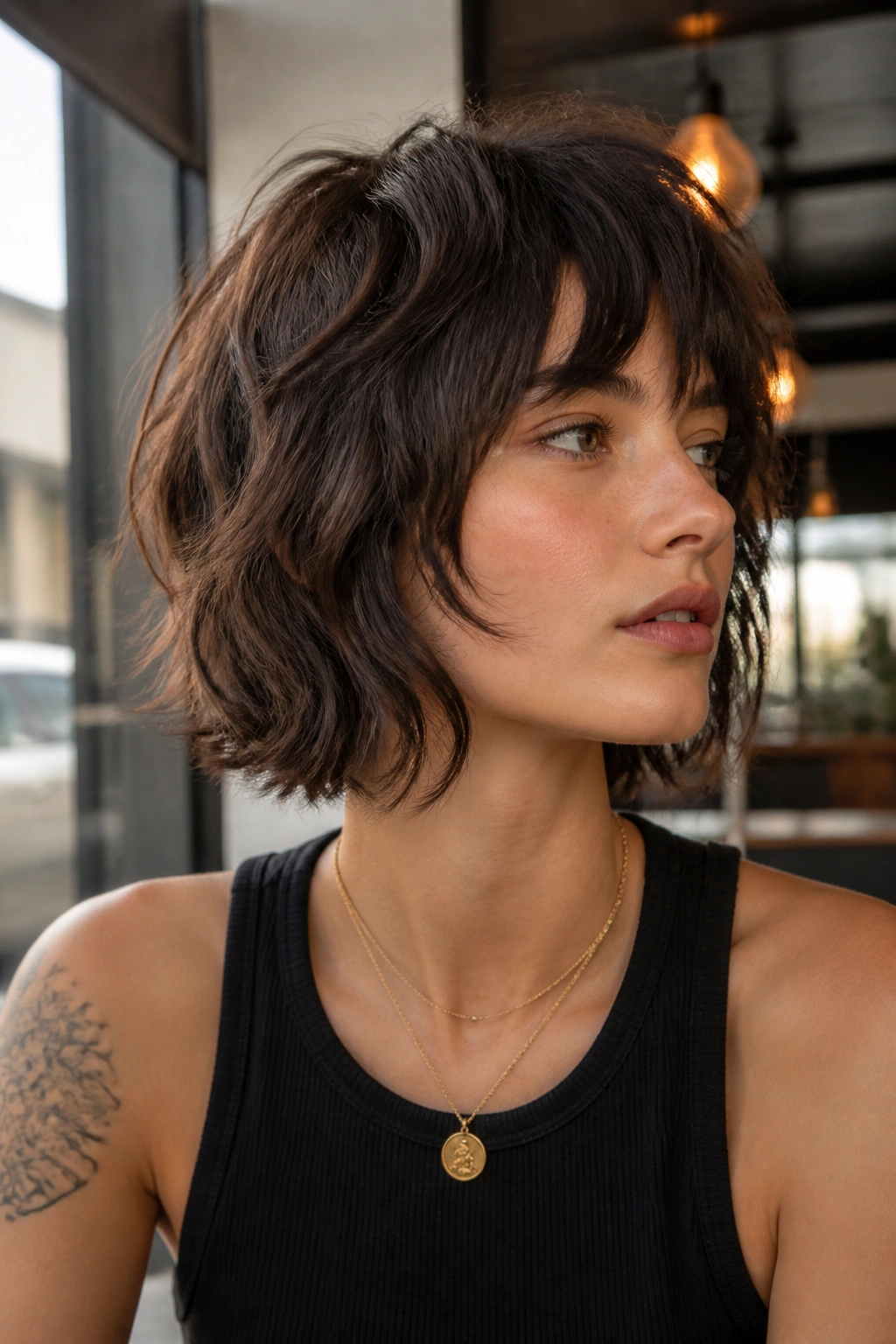
The wolf cut bob sits right in that sweet middle ground between a short shag and a cropped layered bob. It’s short enough to feel fresh, but not so short that it loses the wolf cut’s signature shape.
This one is especially nice if you want volume without a lot of length on your shoulders. The layers can make a bob feel less boxy and more alive. That’s the whole point. A regular bob can sit there like furniture. This version moves.
It usually looks best with a bit of tousle. Not beachy in the overused sense—just a little broken up at the ends so the layers show.
16. Pixie Wolf Cut Hybrid
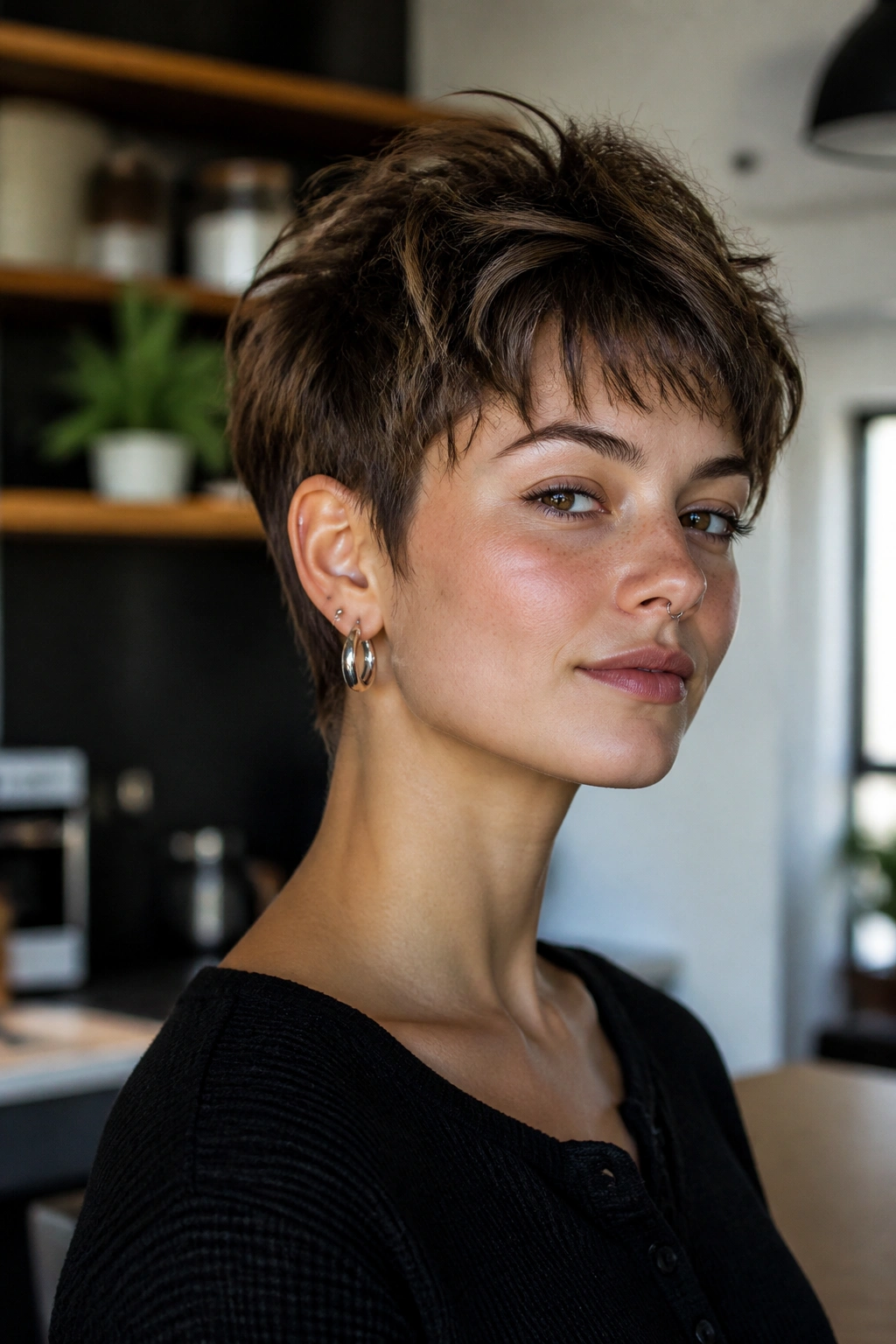
A pixie wolf hybrid is for people who like short hair but still want texture and edge. Think of it as a pixie that grew out a little wild, then got a styling habit.
Why It’s Different
The top stays fluffy and layered, while the sides and nape can be tighter. That contrast gives it a slightly rebellious shape without making the whole thing look severe.
It’s a smart choice if you like low bulk around the ears and neck but still want the lifted crown that makes wolf cuts so recognizable. Styling takes only a small amount of product, though the cut does need regular shaping to stay crisp.
If you like fuss-free short hair with personality, this is a strong one.
17. Straight-Hair Wolf Cut with Blunt Ends
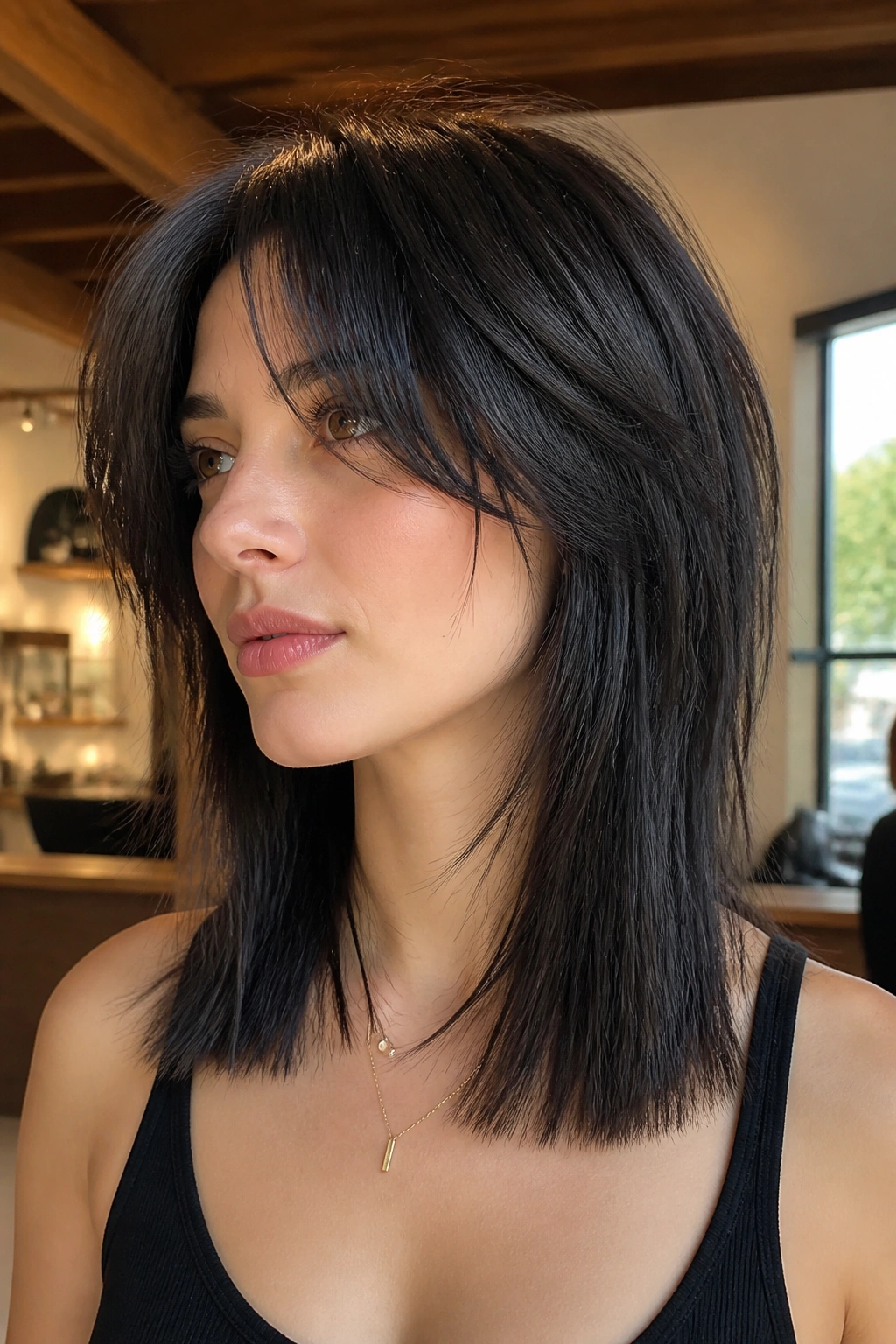
Straight hair usually needs more help to show off a wolf cut. Without natural bend, the layers can disappear if they’re cut too softly. That’s why a straight-hair version often benefits from slightly blunter ends.
The blunt edge gives the cut weight, and the crown layers give it motion. That contrast is the whole reason the shape works on straight hair at all. Too much feathering, and everything can go limp.
This is a good pick for people who like a cleaner outline but still want texture up top. Blow-dry it with a small round brush if you want a little lift, or keep it flat and let the shape read more understated.
18. Air-Dry Wolf Cut
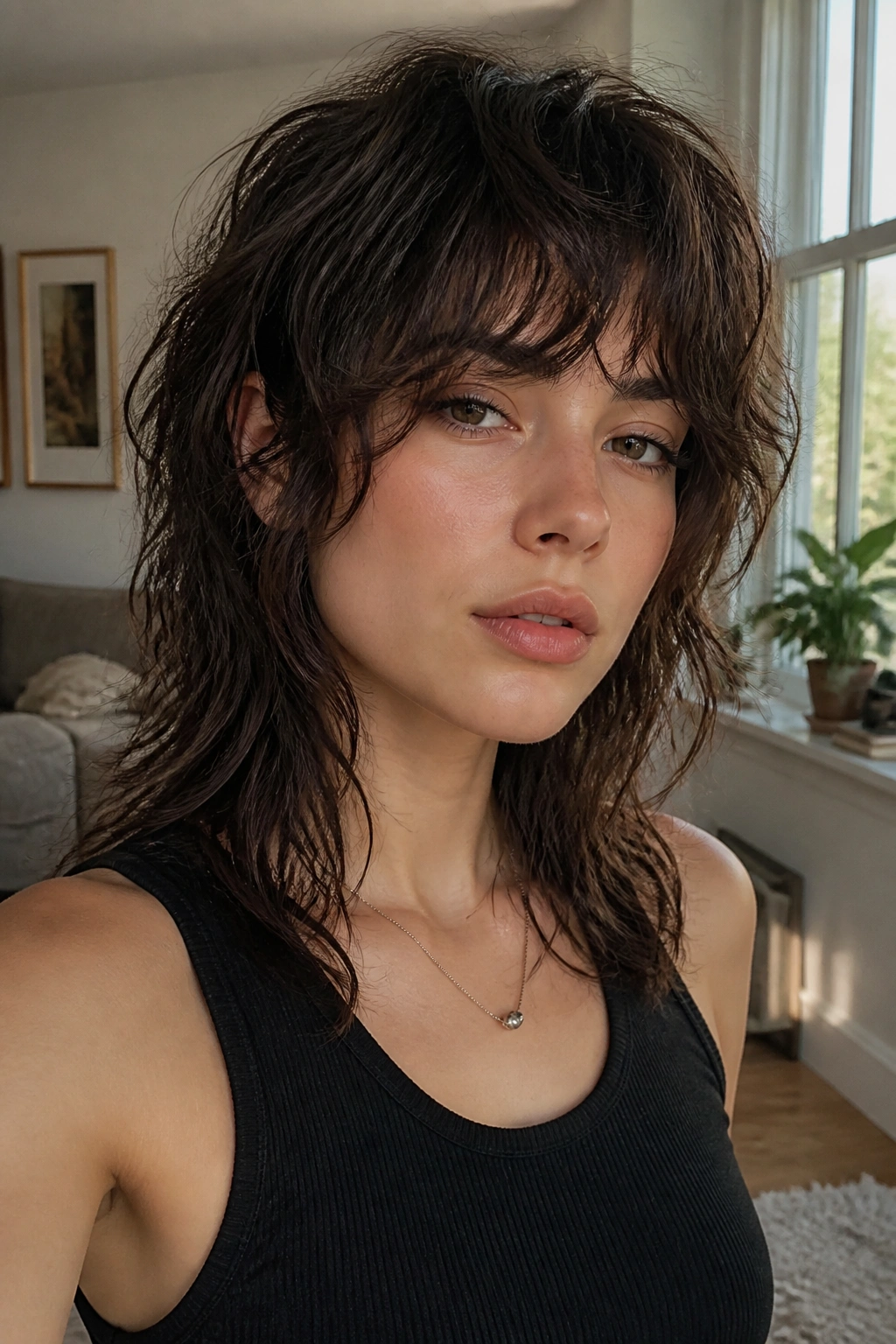
Not every good haircut needs a brush-and-tool routine. The air-dry wolf cut is built for people who want texture to happen on its own.
The cut should be shaped so the layers fall into place as the hair dries. That means the stylist has to think about how your hair bends when it’s damp, not just how it looks fresh off the chair. This is where experience matters.
A little leave-in cream, a soft hold gel, or a mousse at the roots can help, but the cut does most of the work. If you hate spending 20 minutes styling your hair, this version deserves a serious look.
19. Copper-Colored Wolf Cut
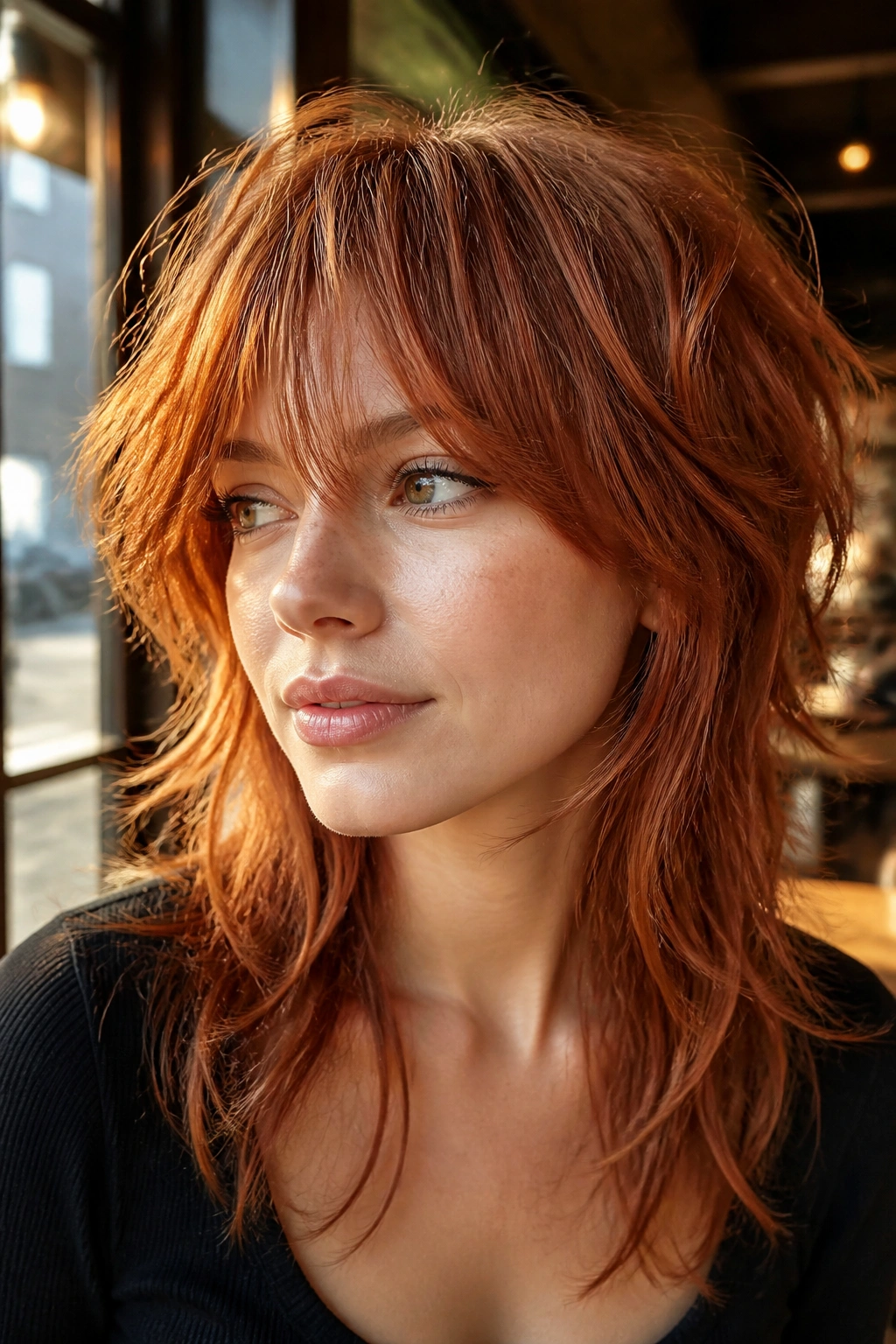
Color can change a wolf cut more than another layer or two. Copper, auburn, and warm red tones make the texture pop because the different lengths catch light in slightly different ways.
The color also brings out the movement around the face, especially if you have curtain bangs or softer layering. A warm shade can make the cut feel richer and a little more expensive-looking without changing the shape at all.
I’d especially recommend this combo if your hair is naturally wavy or a bit coarse. The color and the texture play off each other instead of fighting for attention.
20. High-Contrast Wolf Cut
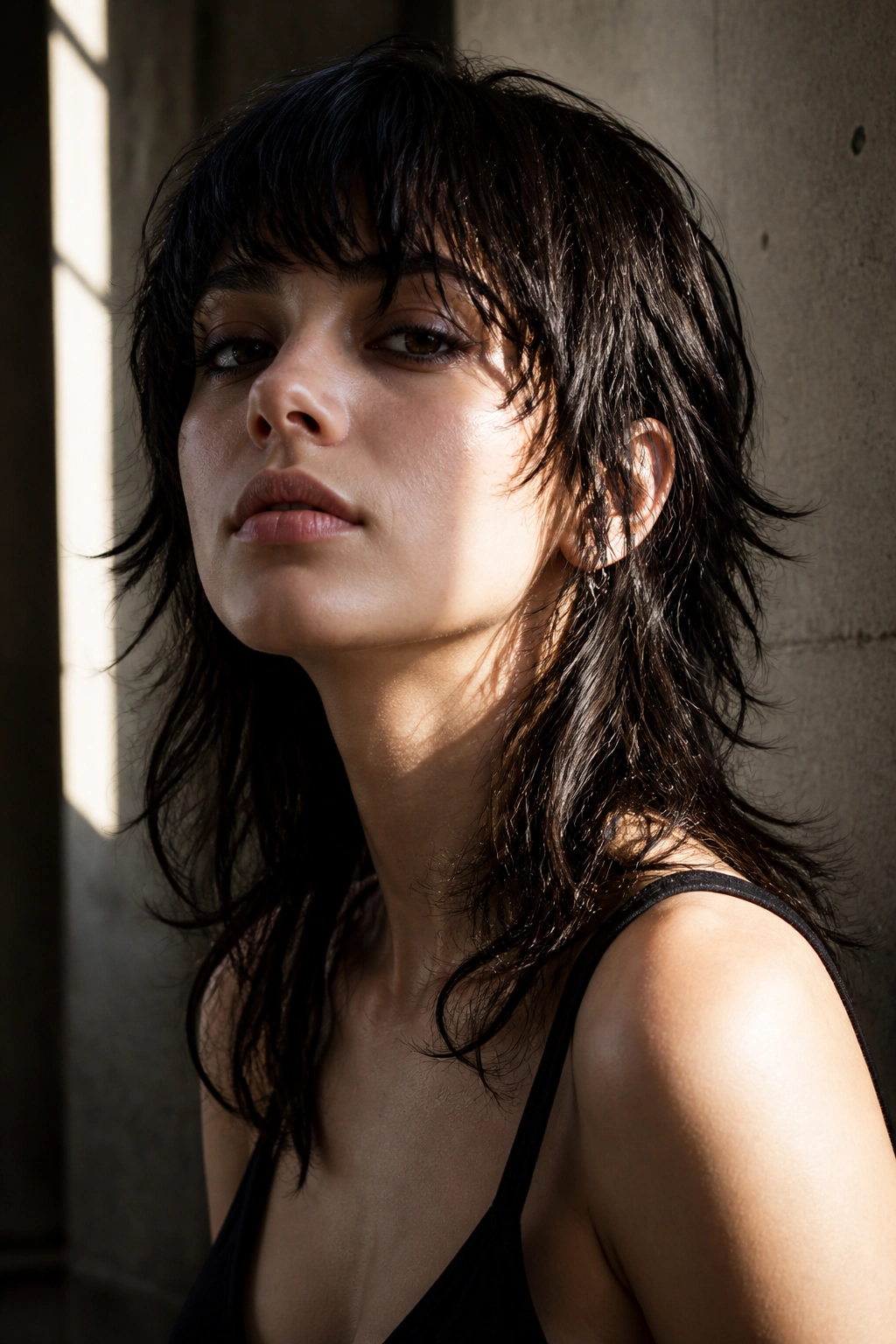
A high-contrast wolf cut usually means the top is much shorter and more layered, while the bottom keeps a clear length line. The result is sharper, louder, and easier to spot from across the room.
This is the version for people who like definition. There’s less blending, more attitude. It can be incredible on straight or slightly wavy hair, where the contrast reads cleanly instead of getting lost in a halo of texture.
The risk is that it can look too disconnected if the layers are placed badly. The transition from crown to ends has to feel deliberate. Otherwise, it just looks uneven. That’s a hard no.
21. Wolf Cut with Flip-Out Ends
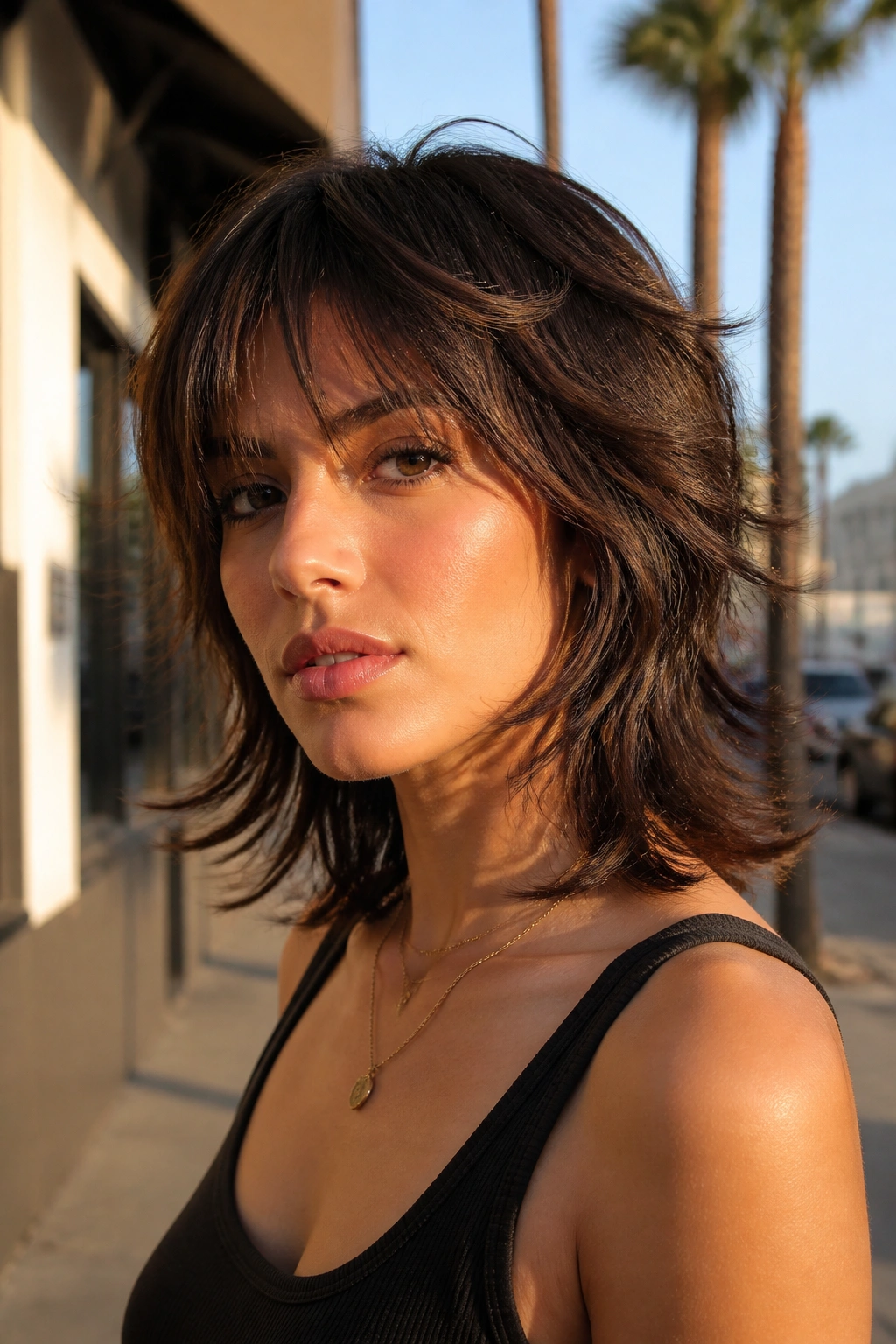
Flip-out ends give the wolf cut a playful, almost retro feel. The layers stay shaggy, but the bottom turns outward a bit, which keeps the haircut from leaning too grunge.
This is a nice option if you like the shape of a wolf cut but want something a touch more polished. A medium-barrel round brush or a quick bend with a styling tool can create that outward flick at the ends. Don’t overdo it. One or two turns are enough.
It works especially well on shoulder-length hair. The flips are visible, the layers still move, and the style has that slightly undone finish that keeps it from feeling stiff.
22. Wolf Cut with Long Wispy Fringe
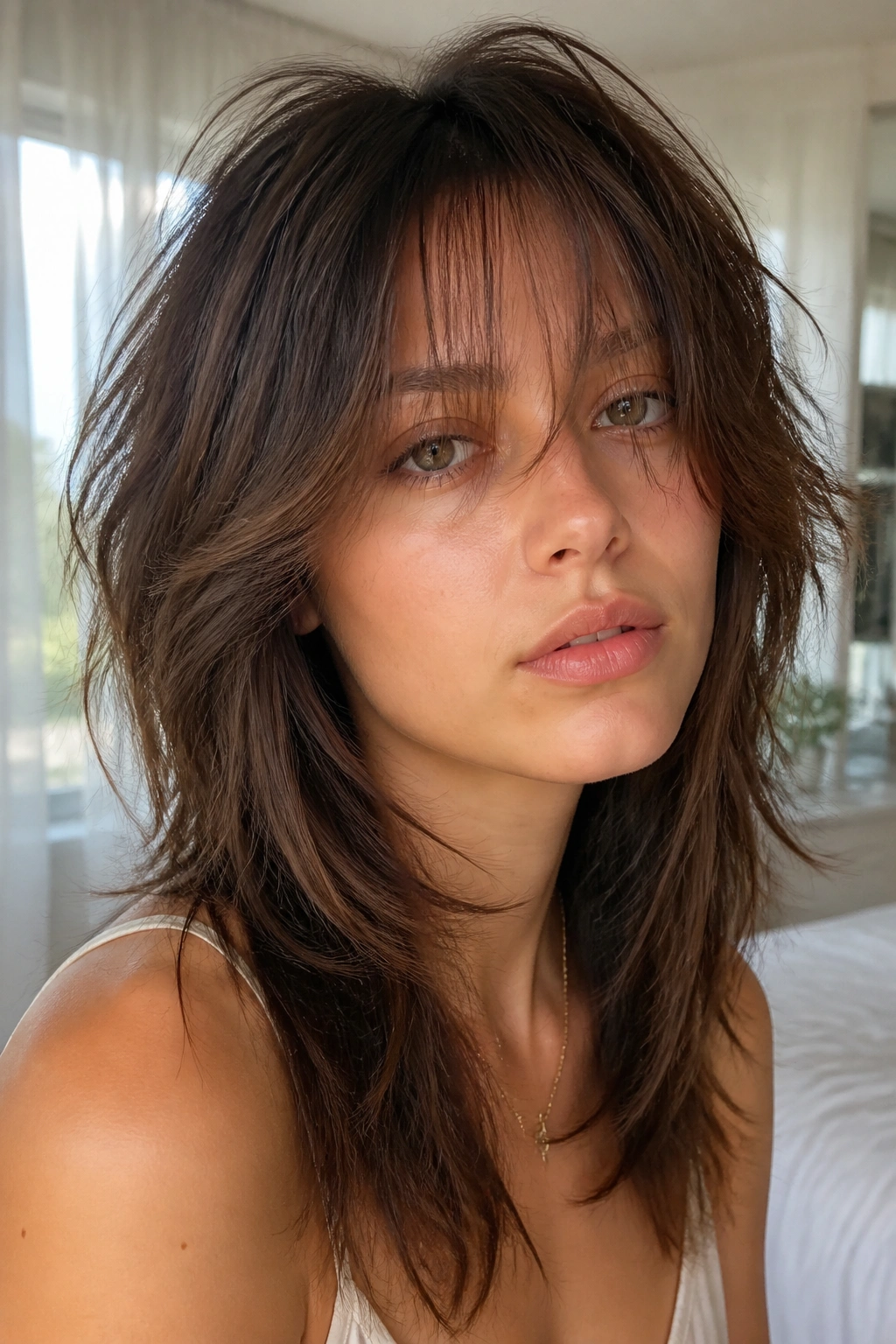
A long wispy fringe gives the wolf cut a softer front line. It doesn’t have the bluntness of micro bangs or the obvious split of curtain bangs. Instead, it melts into the rest of the layers.
That softness matters if you want the haircut to feel romantic rather than punk. The fringe sits lightly across the forehead and can be pushed to the side, worn loose, or tucked into the rest of the cut. Flexible. Useful. Nice to have.
This version is one of my favorites for people who want texture but still want to look approachable. The bangs do not shout. They whisper a little.
23. Romantic Wolf Cut with Soft Layers
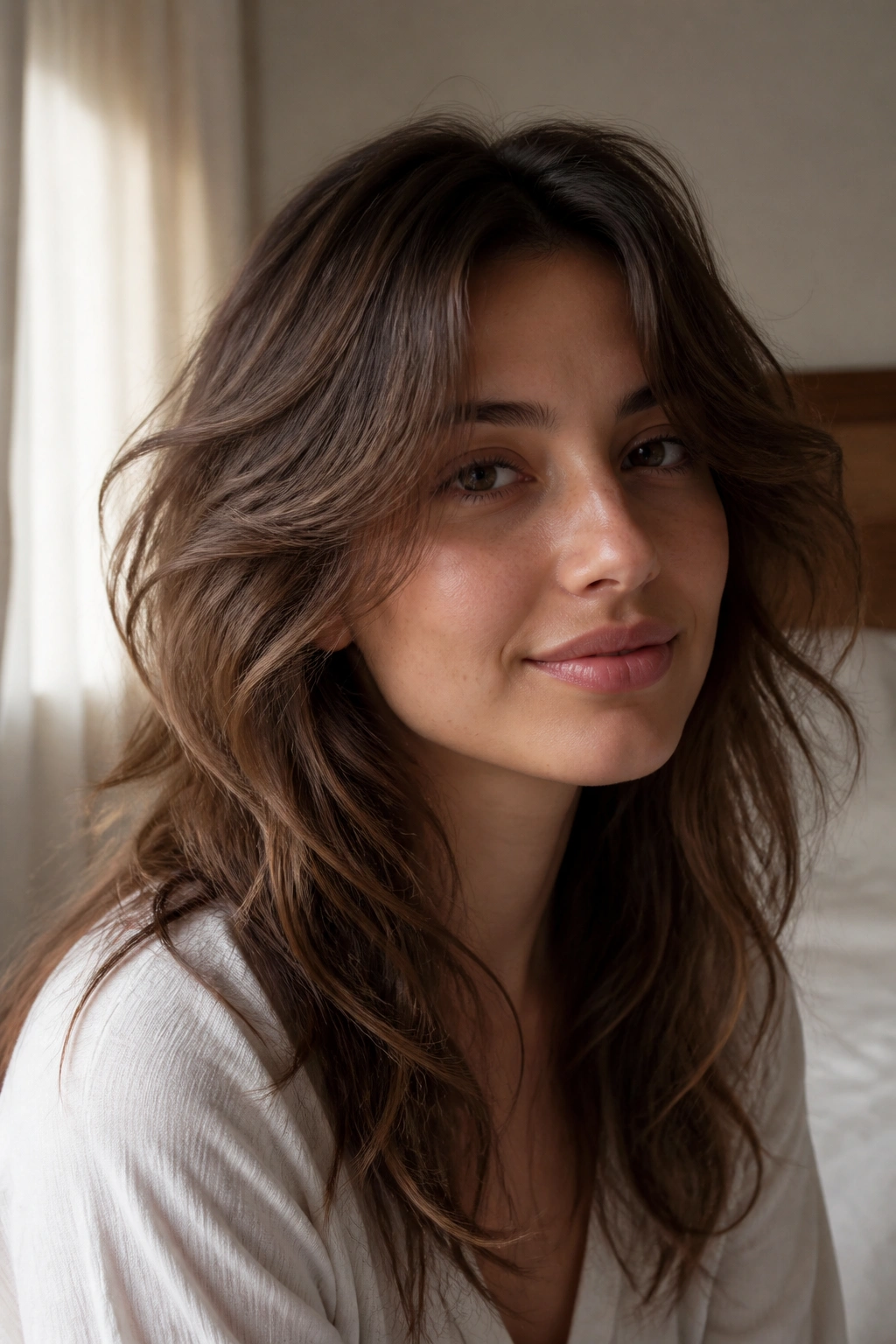
The romantic wolf cut keeps the texture, but rounds off the harder edges. Think less choppy, more feathered. The result is airy and touchable, with face-framing layers that move instead of spike.
What Makes It Feel Softer
The stylist usually leaves a little more weight in the ends and keeps the crown layers blended. That keeps the cut from looking too jagged. It also makes it easier to wear with loose waves, a bend from a curling iron, or even a simple blowout.
- Best if you want texture without a harsh outline
- Nice on medium-length hair
- Works well with soft curtain bangs or a wispy fringe
This version has a calmer mood. Same wolf cut bones, less bite.
24. Edgy Piecey Wolf Cut
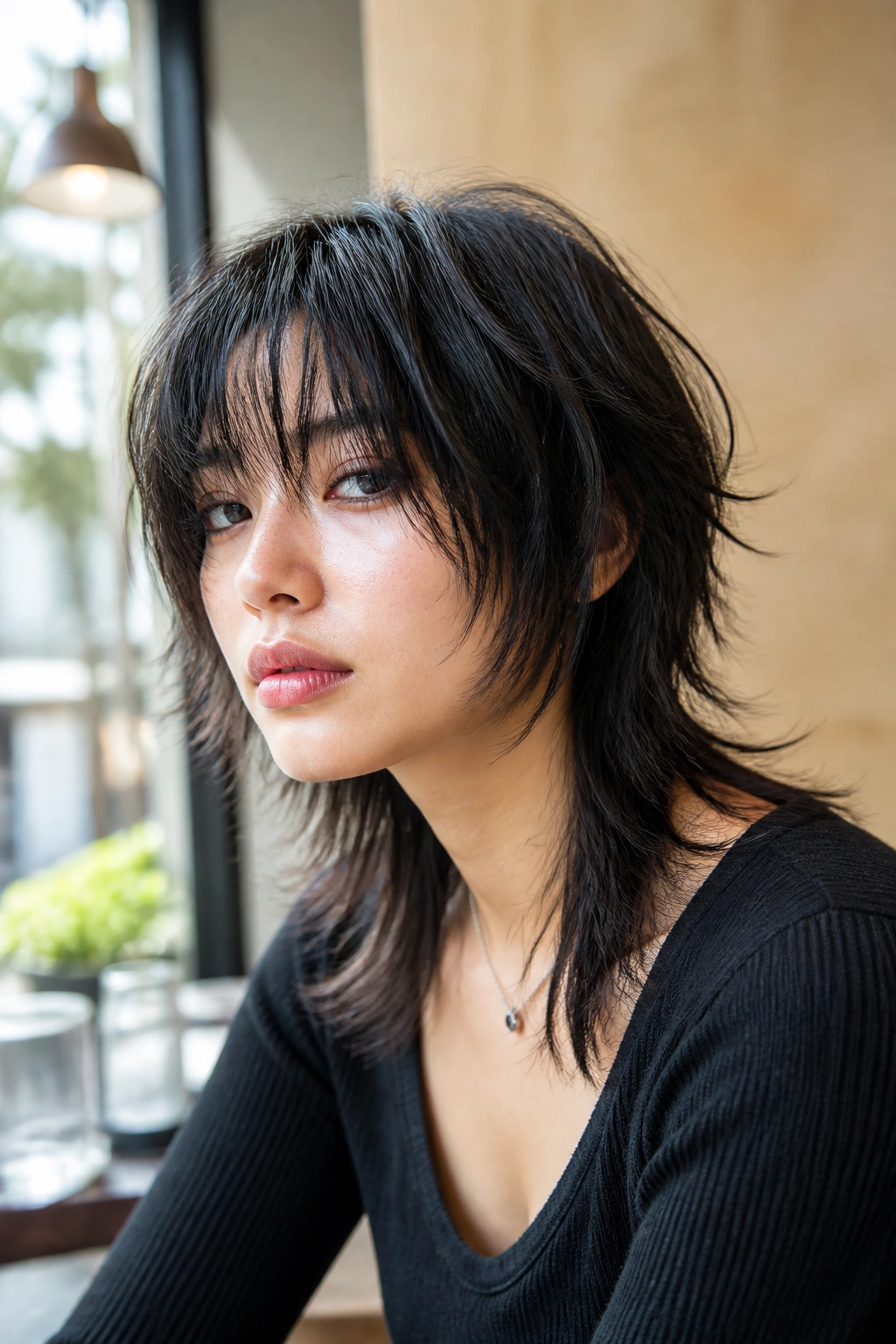
A piecey wolf cut lives and dies on separation. You want visible strands, broken texture, and a finish that looks like it was lightly pulled apart with your fingers.
This is where a matte cream or a tiny bit of wax can help, but only if you use a pea-sized amount. Too much product and the whole thing clumps into strings. Too little and the layers disappear. Annoying, yes. Worth it, also yes.
The edgy version works best when the cut itself is strong. Styling can only do so much. If the layers are there, the texture reads instantly. If they’re not, no product will save it.
25. Everyday Wolf Cut That Grows Out Well
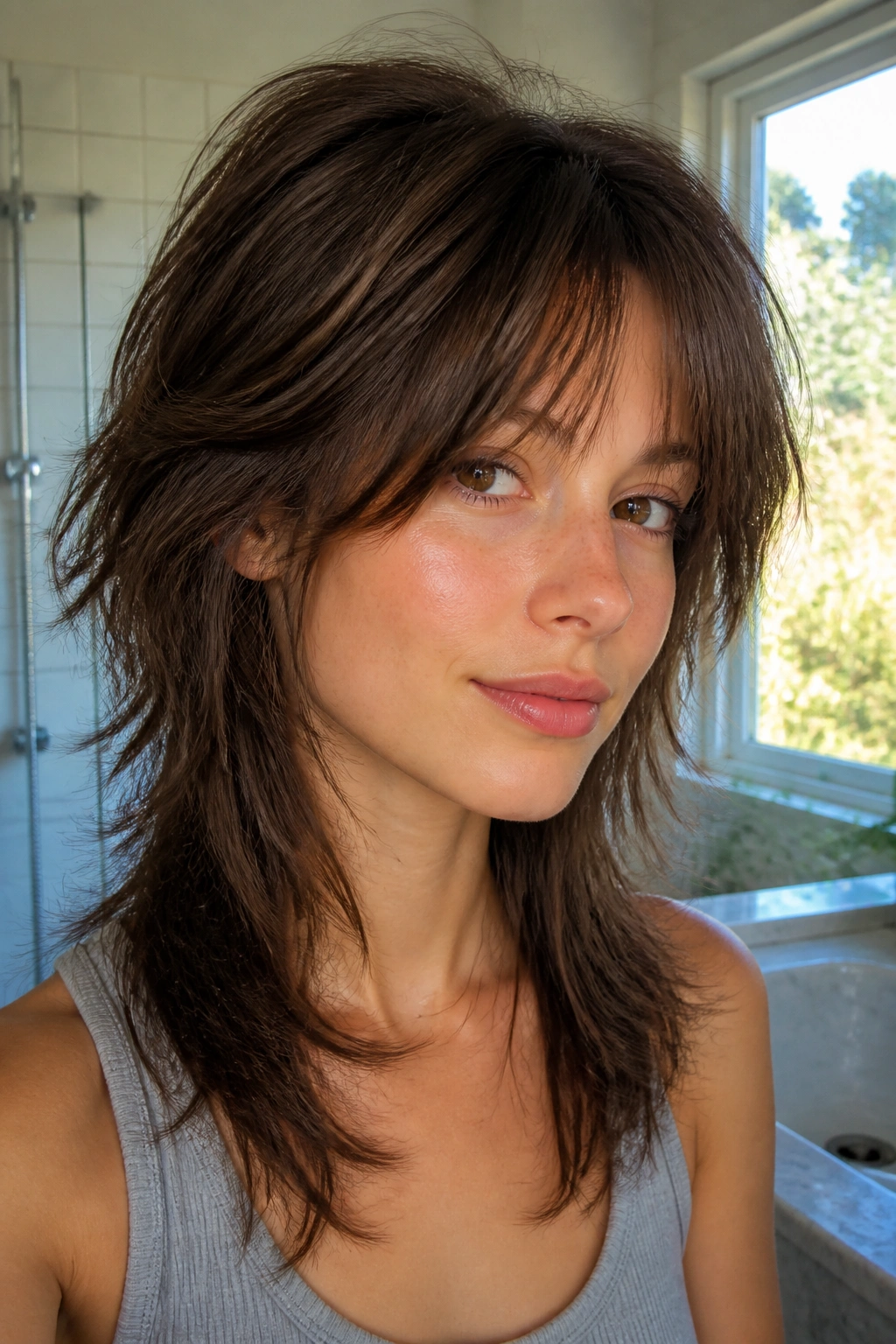
A really good wolf cut does not fall apart after six weeks. It gets better as it softens. That’s why the everyday version matters so much.
This cut keeps the shape loose enough to grow without turning into a mess. The crown still has movement, the face-framing pieces still do their job, and the ends keep enough length to sit back into a ponytail or clip. That’s practical hair, and I always trust practical hair more than the kind that only works in a mirror.
If you want one version to bring to a stylist and actually live with, this is the safest bet. Ask for soft crown layering, tapered front pieces, and enough length at the bottom to keep the outline balanced. That combination holds up. It also gives you room to decide later if you want more bang, more texture, or a sharper mullet edge. Hair should be able to change with you.
A wolf cut should never feel trapped in one mood. The best one leaves you options.
