



4C hair is not a problem to be solved, nor is it a texture that needs to be “tamed” or forced into submission. For too long, the narrative around tight coils has been defined by how difficult they supposedly are to manage, but anyone who has spent real time with their natural hair knows the truth: 4C hair is the most versatile, structurally resilient, and beautifully expressive texture on the planet. It holds shape, it carries volume like nothing else, and it provides a canvas for styles that last longer than any other hair type. The key isn’t finding a way to make it look like something else; it is about choosing the right foundation, using the right moisture-locking techniques, and embracing the shrinkage as a hallmark of your hair’s health.
When you look at this texture, you have to appreciate the density. Those tight coils are incredibly packed together, which means your hair is naturally thirsty. It takes effort to get moisture into the strand and even more to keep it there. Before attempting any of the styles below, prioritize a hydration base: a high-quality leave-in conditioner, a sealant oil, and perhaps a cream that gives your strands a bit of slip. You will find that styles last twice as long when your hair is properly hydrated, supple, and elastic. If your hair is dry or brittle, no styling technique will make it look polished. It all starts with the prep work.
1. The Classic Wash-and-Go
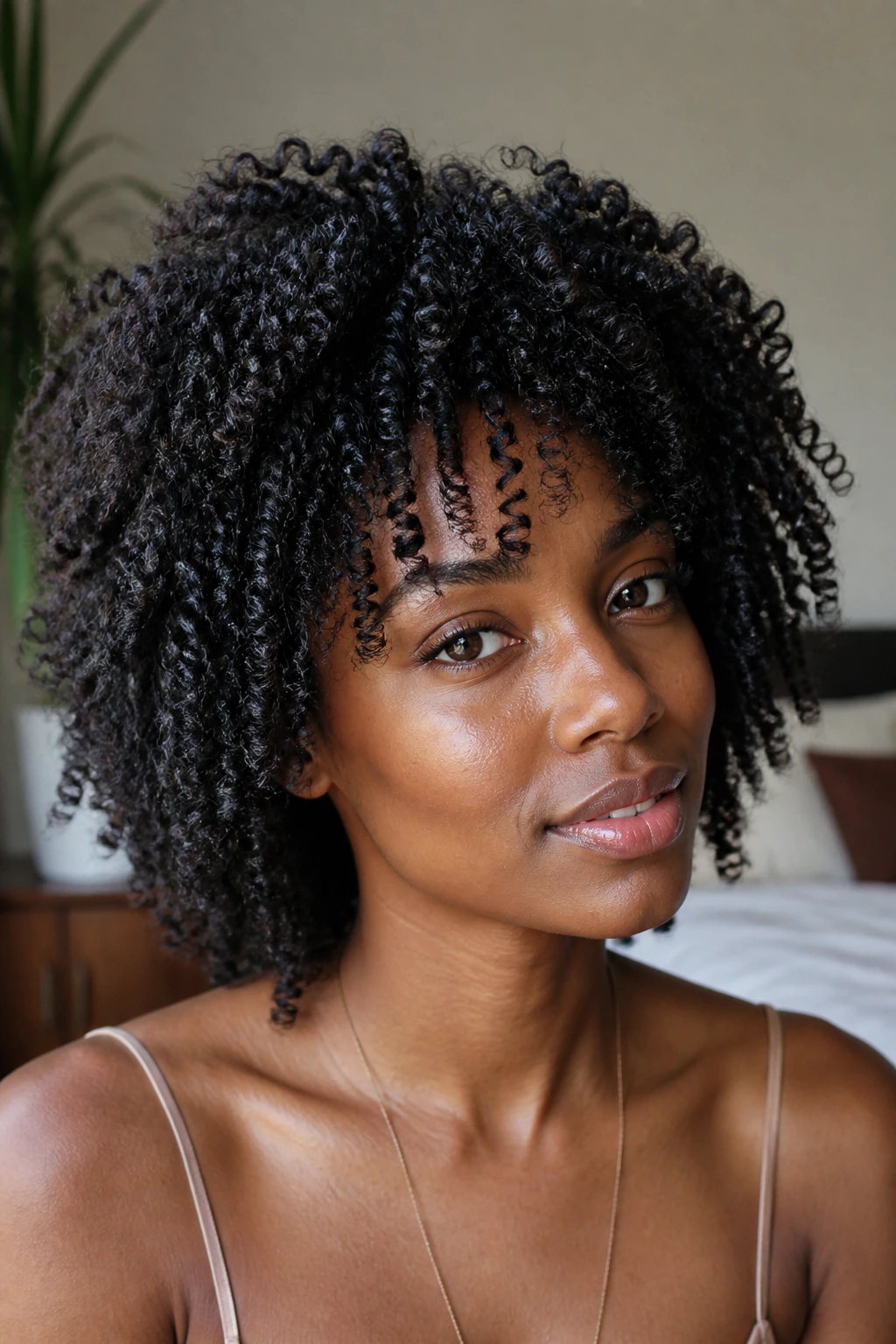
The wash-and-go is the ultimate test of your hair’s natural pattern. It isn’t just about washing and leaving; it is about using products to define the coils and holding that definition while the hair dries. Many people with 4C hair avoid this style because they fear the tangles that come with loose, shingled hair, but the trick lies in working in small, manageable sections.
Mastering the Shingling Technique
To get the definition you want, you need to apply your styler—usually a gel or a dense curl custard—on soaking wet hair. Use your fingers or a Denman brush to distribute the product from root to tip. You should hear that telltale “squish” sound, which tells you the product is penetrating the cuticle. Once the section is coated, gently shake it to help the coils spring into their natural shape. Do not touch your hair while it dries; that is how frizz starts.
Pro tip: Diffusing your hair with a hooded dryer or a handheld diffuser attachment will lock the gel cast in place faster, giving you more volume and preventing the hair from drying in a flattened, stretched-out state.
2. The High Puff
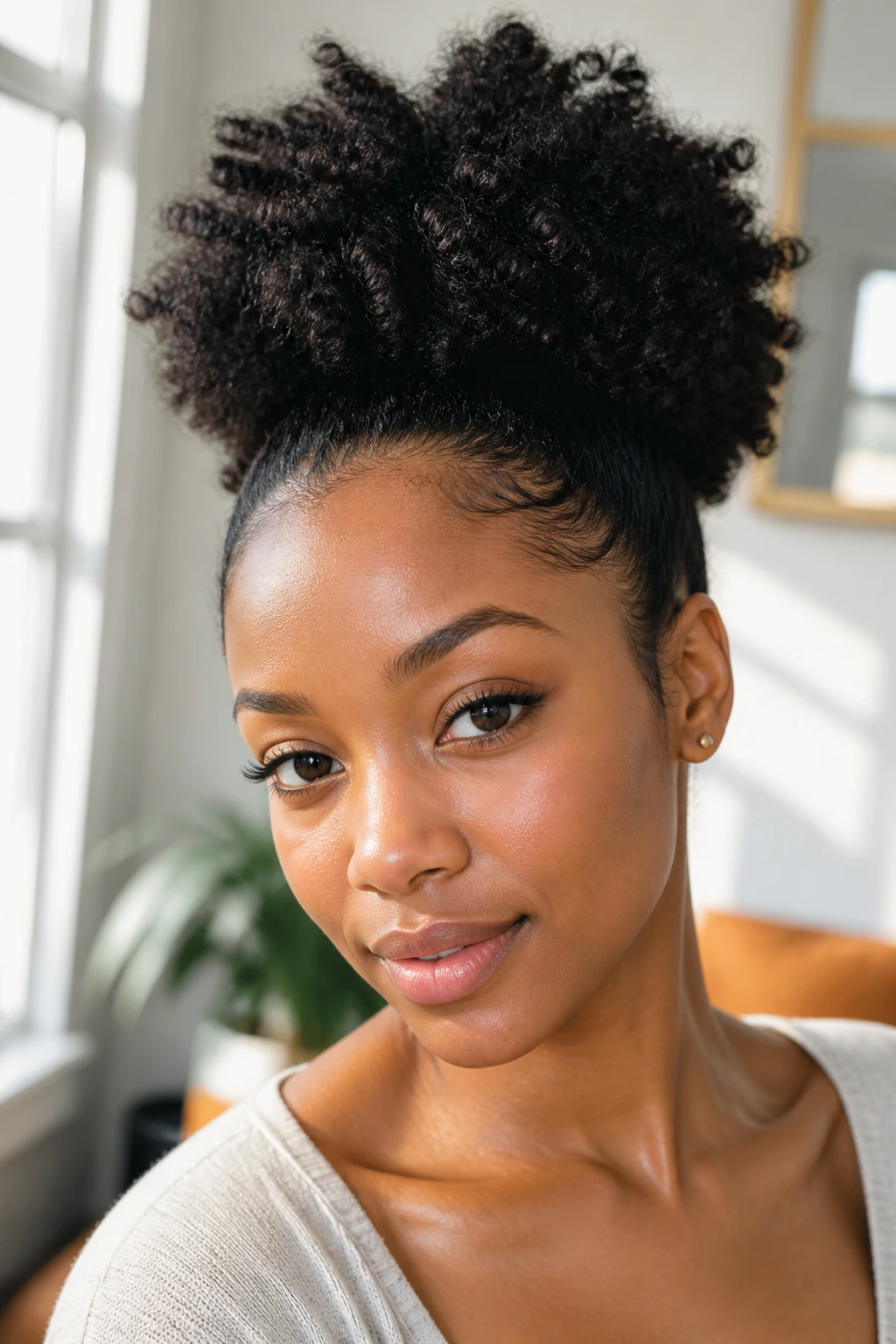
This is the go-to style for when you want to get your hair off your neck and face without sacrificing the volume of your natural texture. It works on day-one hair or hair that is a few days old. The beauty of the puff is that it celebrates the density of your coils rather than trying to minimize them.
How to Get the Perfect Shape
Start by moisturizing your edges and the nape of your neck with a light pomade or edge control to get a smooth base. Use a thick, snag-free hair tie—or even a shoelace for extra tension—to pull the hair toward the crown of your head. Do not pull it so tight that you experience scalp pain; you just want to gather the hair. Once it is secured, use a pick or your fingers to fluff the puff to your desired size and shape.
- Best for: Second or third-day hair when your roots are starting to lose definition but the ends still look great.
- Maintenance: Cover with a satin bonnet at night and mist with water or a leave-in refresher in the morning.
- Style variation: Add a gold cuff or a decorative hair slide to the base of the puff for a more elevated, evening-ready look.
3. Two-Strand Twists
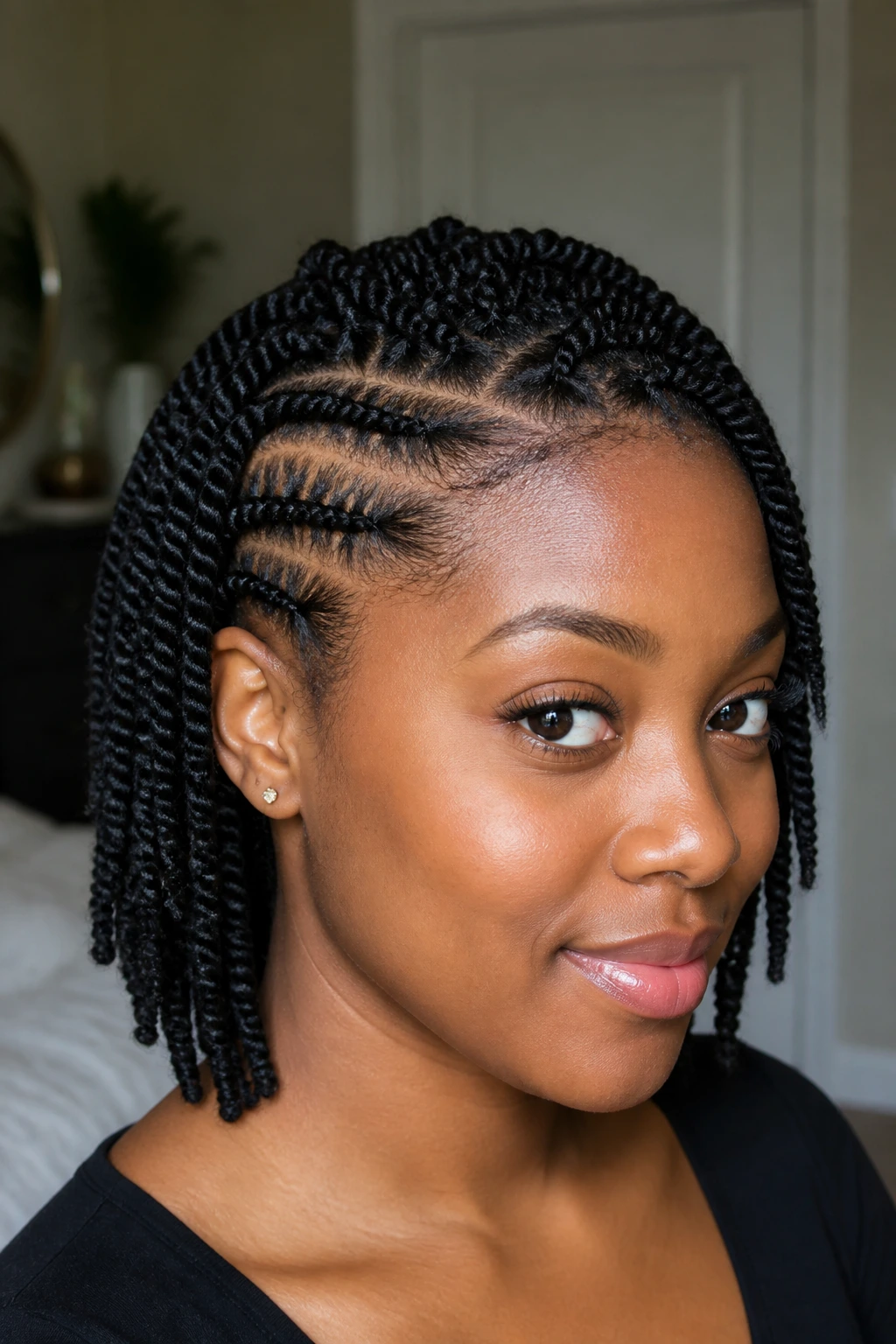
If there is one style that reigns supreme for length retention, it is the two-strand twist. It protects your ends, keeps your hair elongated, and acts as a fantastic transition style if you plan on doing a twist-out later in the week. The technique is simple, but the consistency is where the magic happens.
The Foundation of a Great Twist
- Sectioning: Start with clean, damp, or moisturized hair. Divide your head into four large quadrants, then work in smaller, even sections.
- Tension: Hold the two strands taut as you twist. If you twist too loosely, the hair will unravel; too tight, and you risk breakage at the root.
- The Ends: Add a tiny bit of twisting butter or gel to your fingertips to smooth the ends as you finish each twist. This prevents them from curling back up and unraveling prematurely.
Twists are forgiving. If you mess up a section, you can simply unwrap it and try again. As your hair grows, these twists will look better and better. They are the ideal “low manipulation” style because you can wear them for two to four weeks at a time with proper care.
4. Bantu Knots
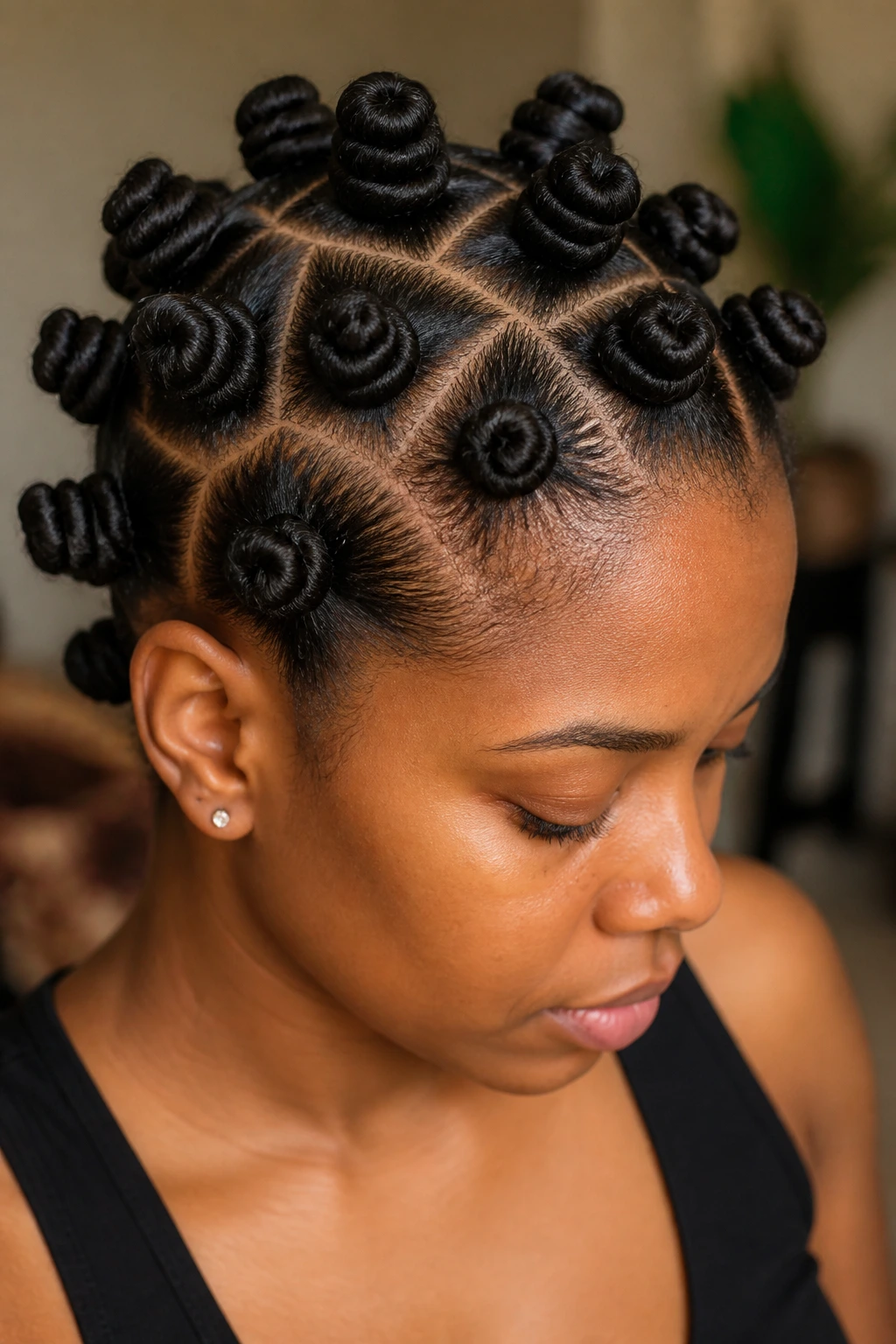
Bantu knots are both a functional styling method and a standalone look. They are perfect for when you want to protect your hair while still looking put-together and edgy. This style works exceptionally well on 4C hair because the density of the hair helps the knots stay secure without needing excessive bobby pins or rubber bands.
Styling for Daily Wear
To create a standard Bantu knot style, part your hair into square or triangular sections. Twist each section tightly from the root to the end, then wrap the twist around itself to form a knot. Secure the ends with a small hair tie or a bobby pin tucked neatly into the base. If you want a more intricate look, try smaller knots across the whole head, or go for larger, statement knots down the center.
When you eventually take them down, you are left with a beautiful, heatless curl pattern that lasts for days. This double-duty functionality is exactly why this style has been a staple in the natural hair community for generations.
5. Flat Twists
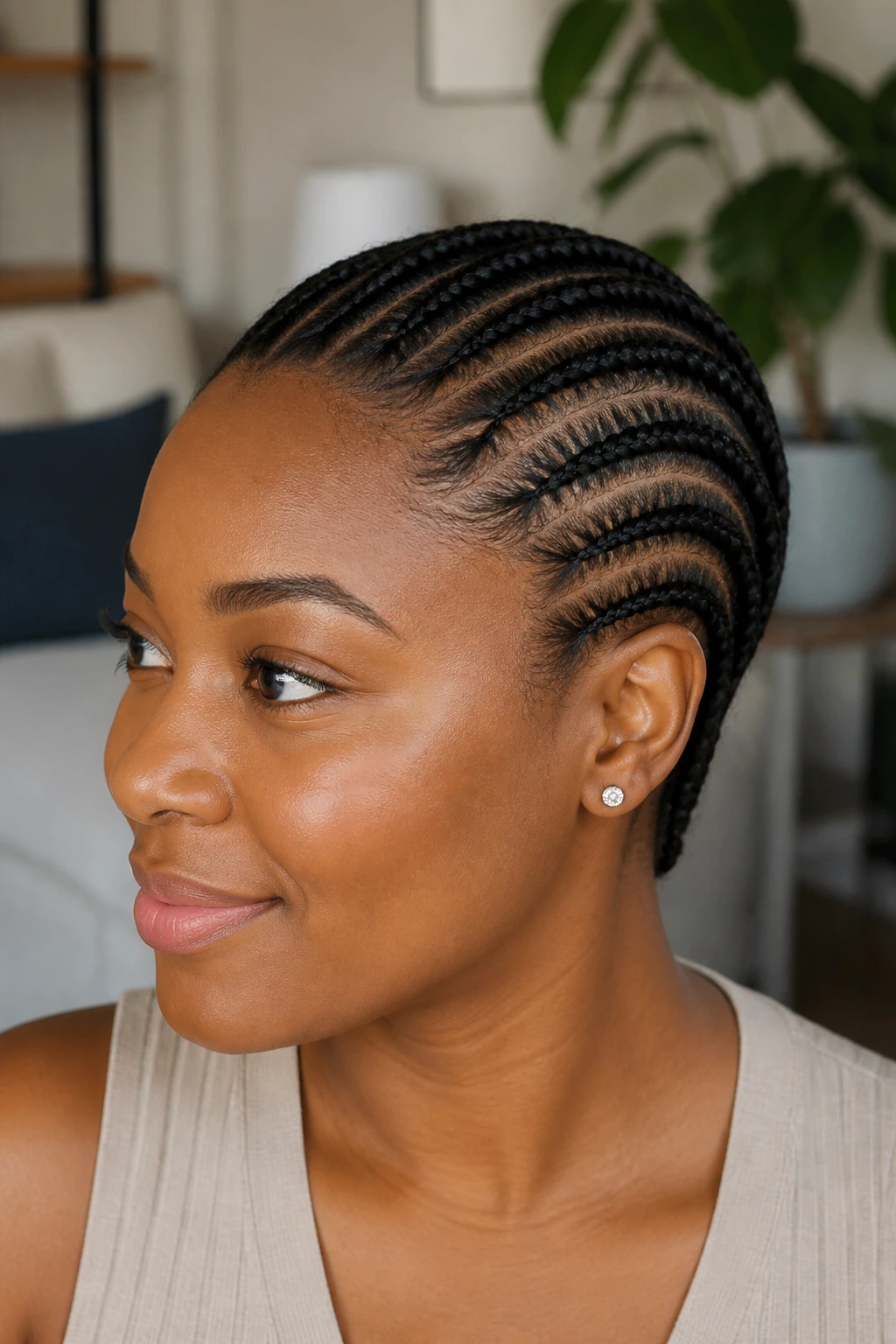
Flat twists are essentially the easier, more forgiving sibling to cornrows. They offer that sleek, scalp-hugging look without the tension or potential breakage that can sometimes come from braiding tight cornrows on 4C hair. Because the hair is twisted rather than braided, it is easier to undo, making it a great protective style for people who like to change their look frequently.
Why They Work
The main advantage here is the flat foundation. You can do two, four, or even a dozen flat twists all going straight back. This protects the hair from the elements, prevents breakage from daily friction against pillows or clothing, and keeps your hair moisturized for days. They look incredibly sophisticated, especially when paired with a neat low bun at the nape of the neck or styled as a crown around the hairline.
6. The Braided Updo
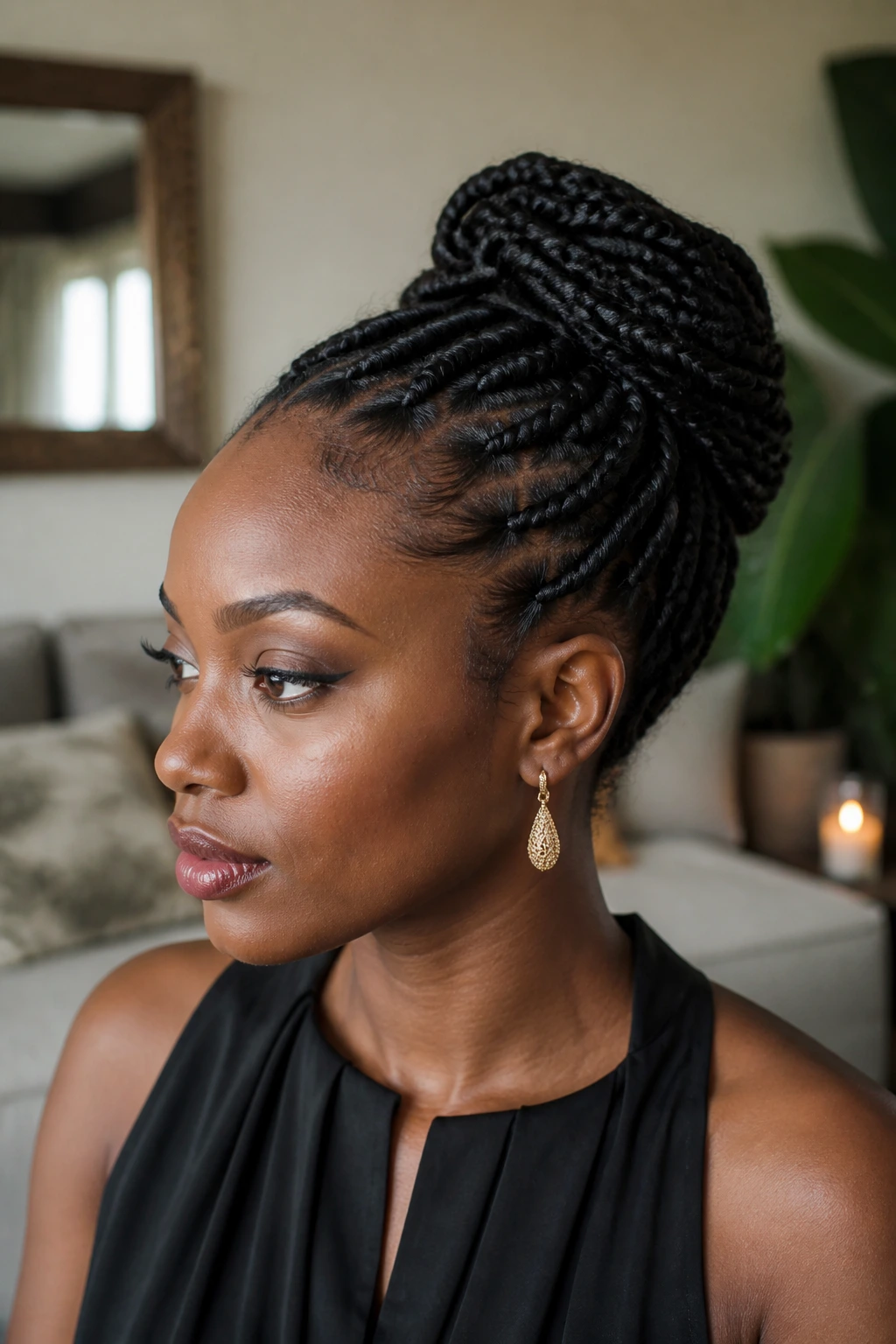
When you need to look professional or attend a formal event, the braided updo is your best friend. It takes your natural texture and transforms it into an elegant, structural masterpiece. You don’t need heat or relaxers; you just need some patience, a bit of edge control, and a few good bobby pins.
Creating the Look
- Parting: Clean, crisp parts are essential for this style to look deliberate. Use a rat-tail comb to ensure lines are straight.
- Preparation: Apply a light styling cream to the hair being braided so it remains soft and pliable.
- Assembly: Once your braids are done, tuck the ends under and pin them securely.
- Finishing: Use a silk scarf to tie down your edges for 15 minutes while you get dressed. This creates a polished, smooth finish around the perimeter of your face.
This style is incredibly durable. You can wrap it in a satin scarf at night and it will likely look perfect for at least five to seven days.
7. Box Braids
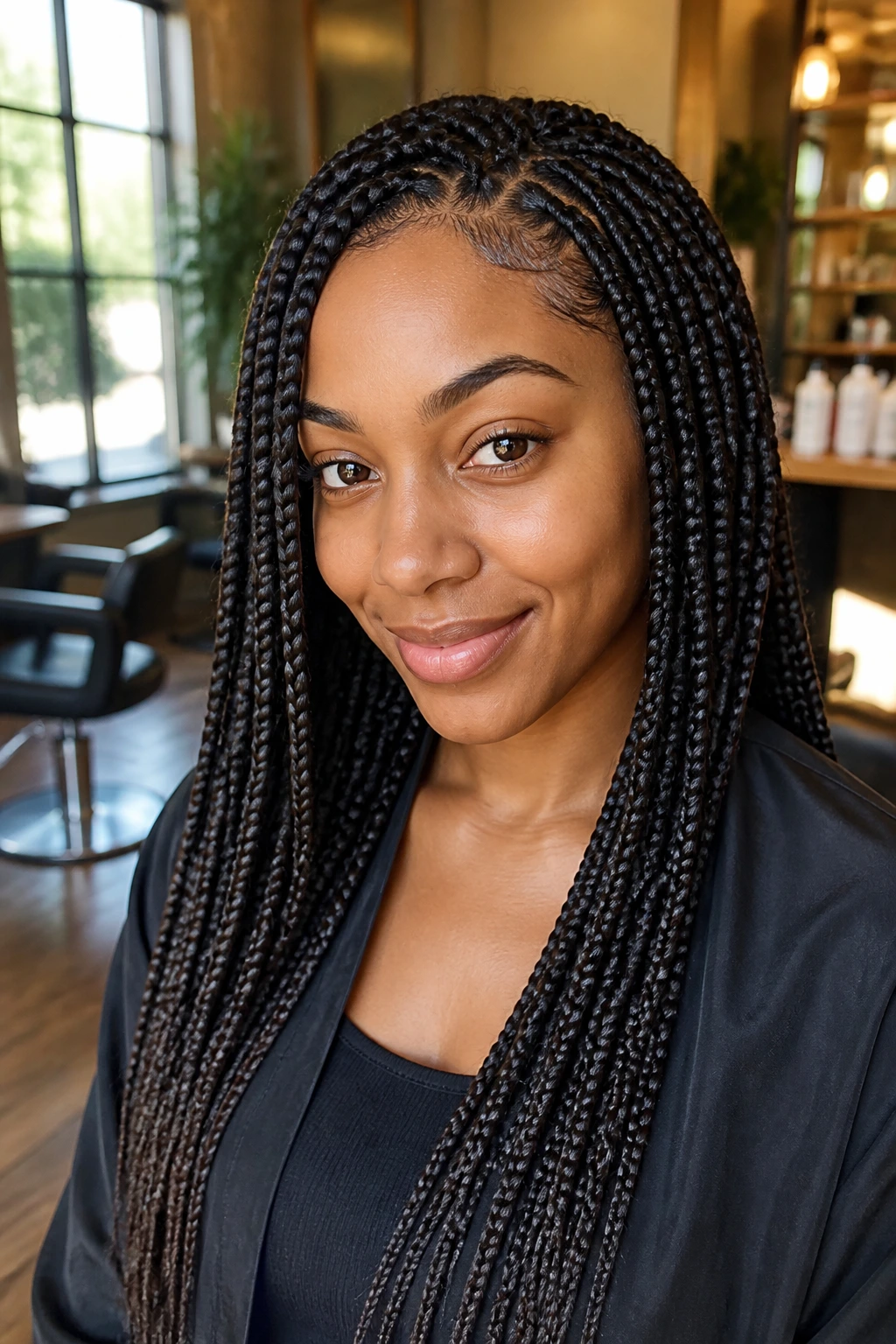
Box braids are the quintessential protective style. They give you a break from daily maintenance, allow your scalp to breathe, and provide a low-stress environment for your natural hair to grow. On 4C hair, the key to great box braids is the grip. Because your hair texture is so dense, it locks onto the braiding hair easily, which means you don’t need to braid super tight to make them secure.
The Importance of Tension Control
Too many people fall into the trap of braiding the hair right up to the scalp as tightly as possible. This causes “tension alopecia”—the receding hairline that plagues so many people who wear braids constantly. Ask your stylist to leave the hair around your edges slightly loose, or “feed in” the hair so the knot is barely visible and the strain on your follicle is minimized.
8. Faux Locs
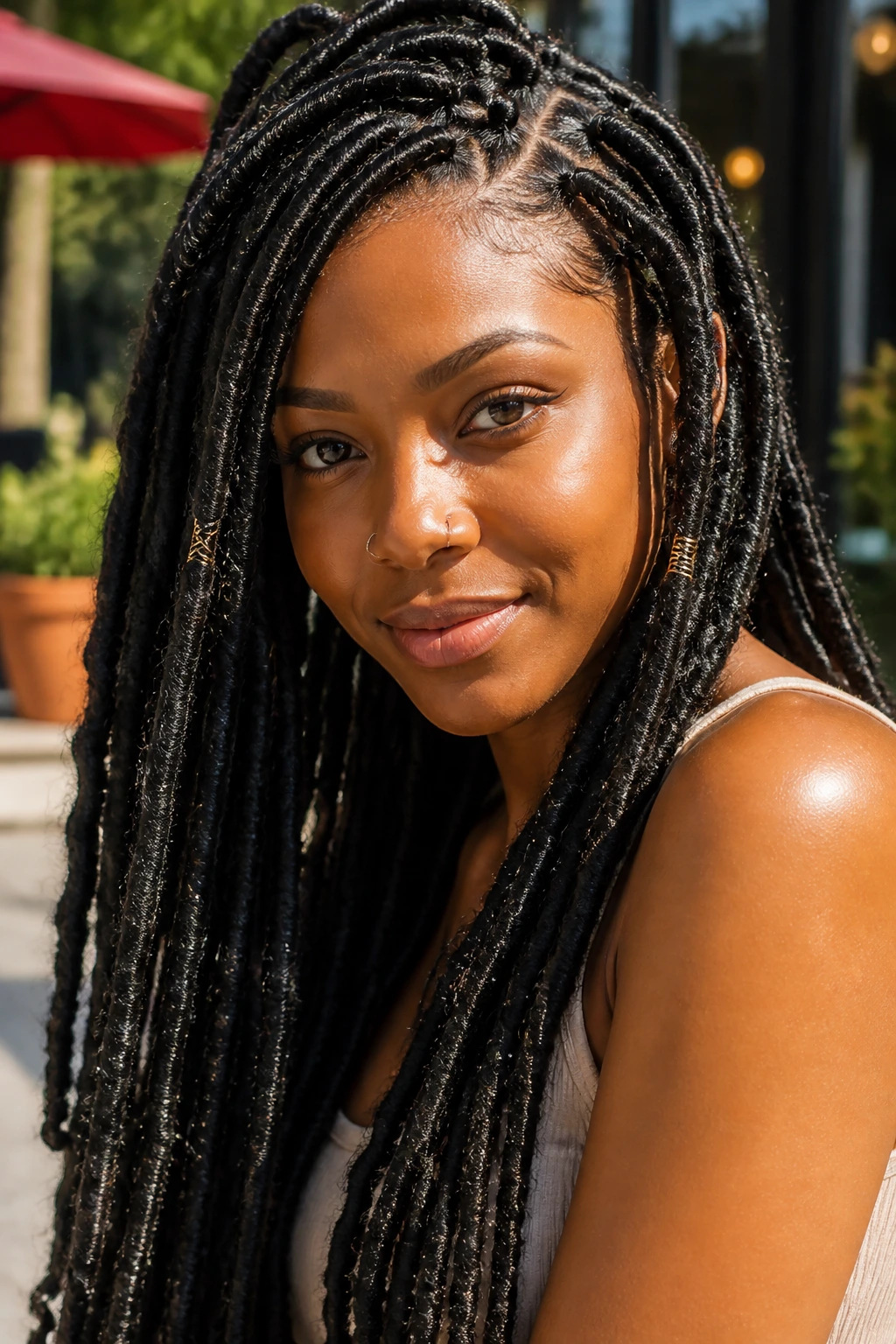
If you love the aesthetic of locs but aren’t ready to commit to the permanent process, faux locs are the perfect bridge. They give you a bohemian, effortless vibe that looks better as it gets older and slightly “fuzzier.” Faux locs are great for 4C hair because they fully encase your natural hair, protecting it from dryness and daily manipulation.
Maintenance and Longevity
The weight is the primary factor to consider. Synthetic hair can be heavy. Opt for lightweight crochet hair or pre-looped options to reduce the strain on your neck and scalp. Keep your scalp clean by using a witch hazel spray or a specialized scalp rinse. You aren’t just hiding your hair; you are creating an environment where it can stay hydrated and tucked away.
9. The Frohawk
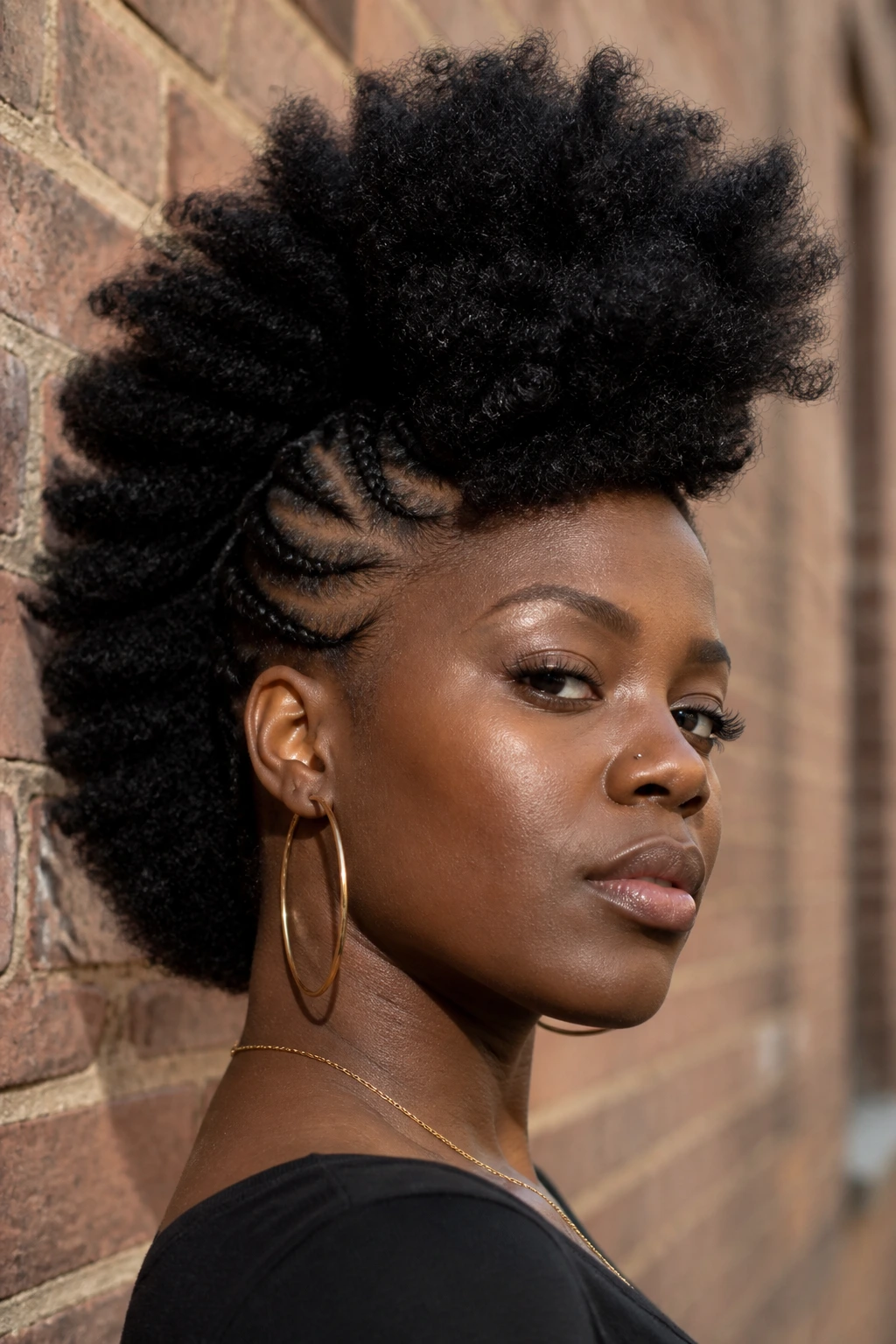
The frohawk is bold, confident, and unapologetic. It’s a style that embraces height and volume, making it the perfect choice for someone who wants to show off their natural texture while still having a sleek, groomed appearance on the sides. You can achieve this with pins, braids, or twists, depending on how much time you want to put into the prep work.
Styling Mechanics
You create a central “mohawk” of hair and pin the sides upward and inward. If you have the confidence, you can braid the sides tight against the scalp, essentially creating a faux-shaved look. The center is left free to be picked out into a beautiful, dense afro. It is a fantastic way to draw attention to your facial features and add a bit of drama to your everyday look.
10. Cornrows with a Low Bun
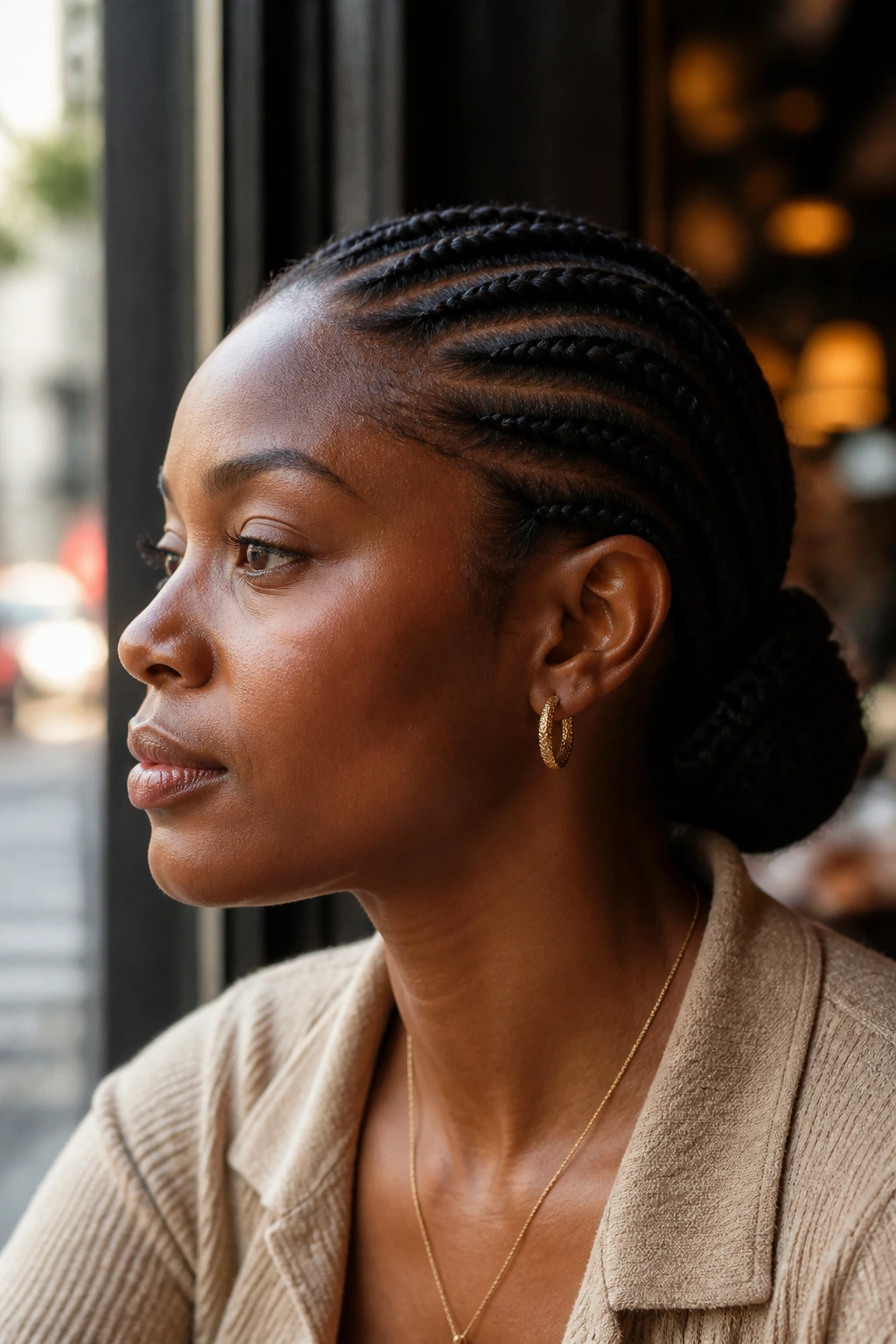
This is the “business casual” of natural hair. It is clean, efficient, and requires almost zero maintenance during the week. By cornrowing the front half of your hair and gathering the back into a neat bun, you create a style that stays out of your face but still looks sophisticated.
- Ease of care: Since the front is braided down, your hair there is protected from friction.
- Versatility: You can change the bun to a ponytail, a top knot, or even a braided bun if you have extensions added to the back.
- Edge maintenance: This style is very gentle on the edges, provided you don’t pull the cornrows too tightly at the hairline.
11. Mini Twists
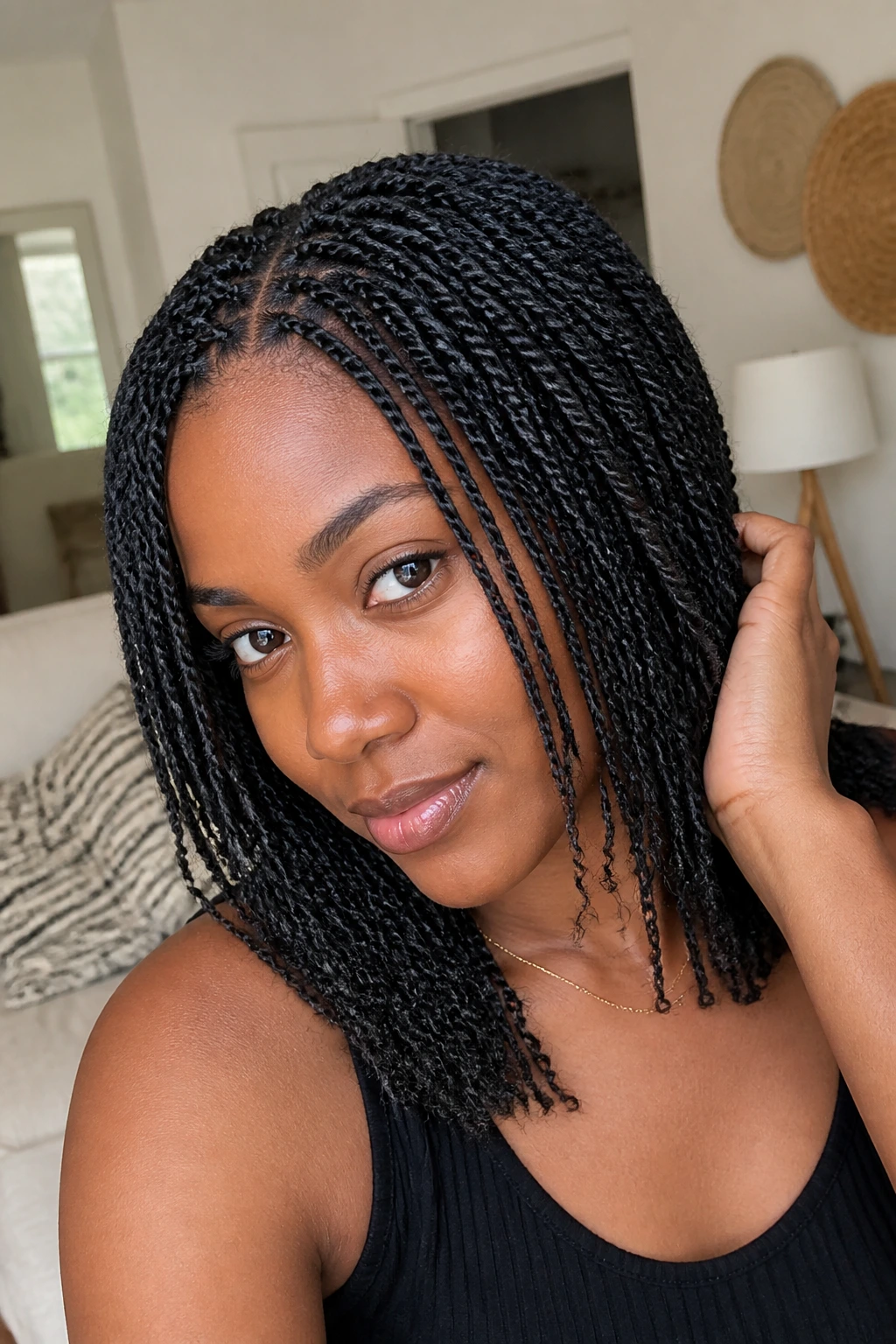
Mini twists are the gold standard for length retention in the 4C community. They mimic the look of locs but are entirely temporary. The amount of time they take to install is significant—often an entire weekend afternoon—but the payoff is a style that lasts for weeks and keeps your ends completely shielded from the elements.
The Patience Factor
There is no shortcut for mini twists. You have to section the hair thinly. However, the smaller the twist, the less the hair moves and tangles. When you eventually take them down, your hair will have a beautiful, crimped texture that you can wear for another week. It’s truly a style that gives back more than you put in.
12. The Halo Braid
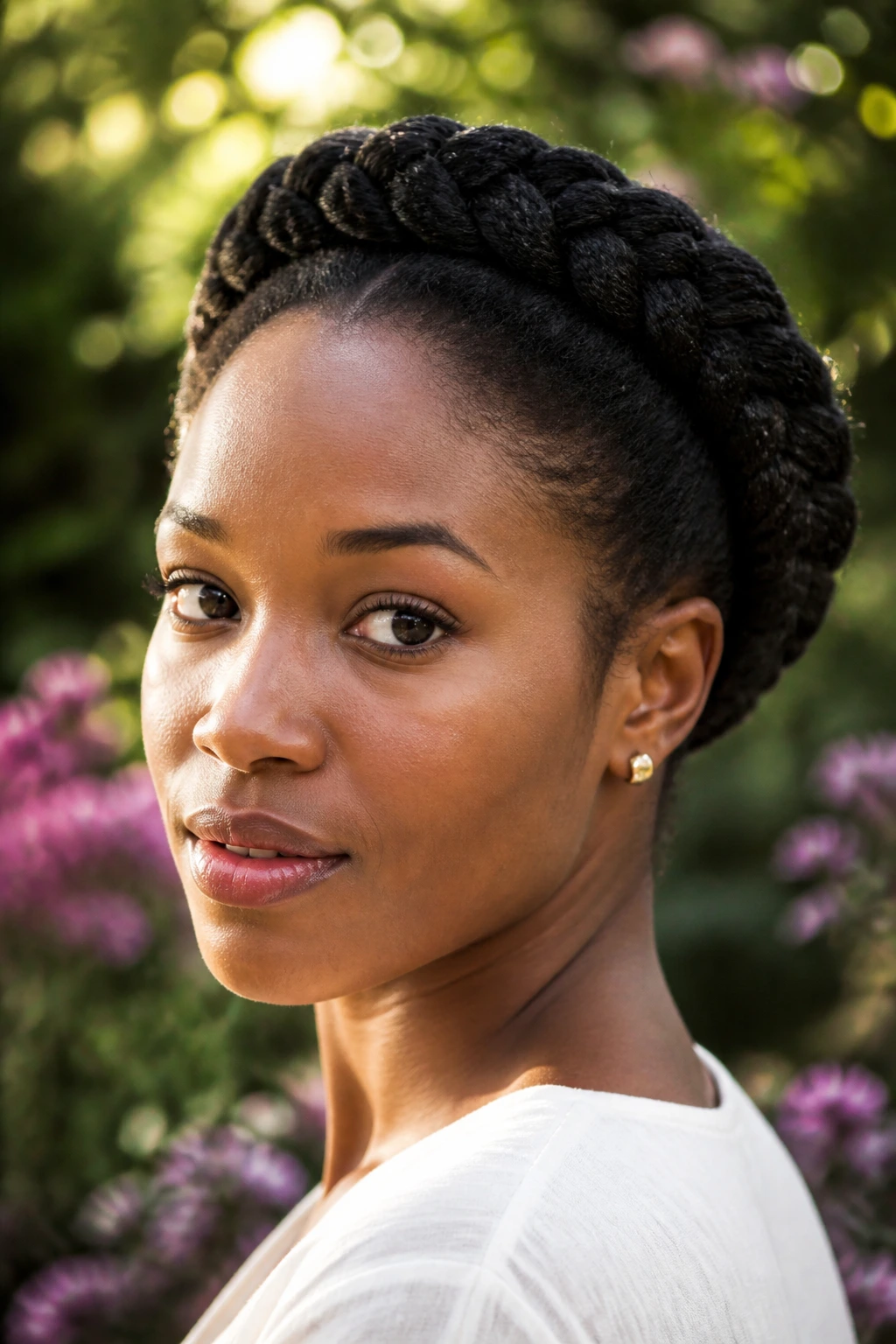
The halo braid—or crown braid—is timeless. It works by braiding your hair (or extensions) around the perimeter of your head. It is elegant and draws the eye upward, highlighting your cheekbones and jawline. This style is often associated with formal occasions, but it is actually quite practical for everyday wear if you have a decent amount of length or are comfortable braiding in extensions.
Prep Tips for Success
If your hair is short, don’t try to force it into a halo braid without adding hair. The tension will cause breakage. Instead, use Marley hair or braiding hair to create a thick, plush crown. Keep the braid loose enough to look natural but tight enough to stay secure without excessive pins.
13. Crochet Braids
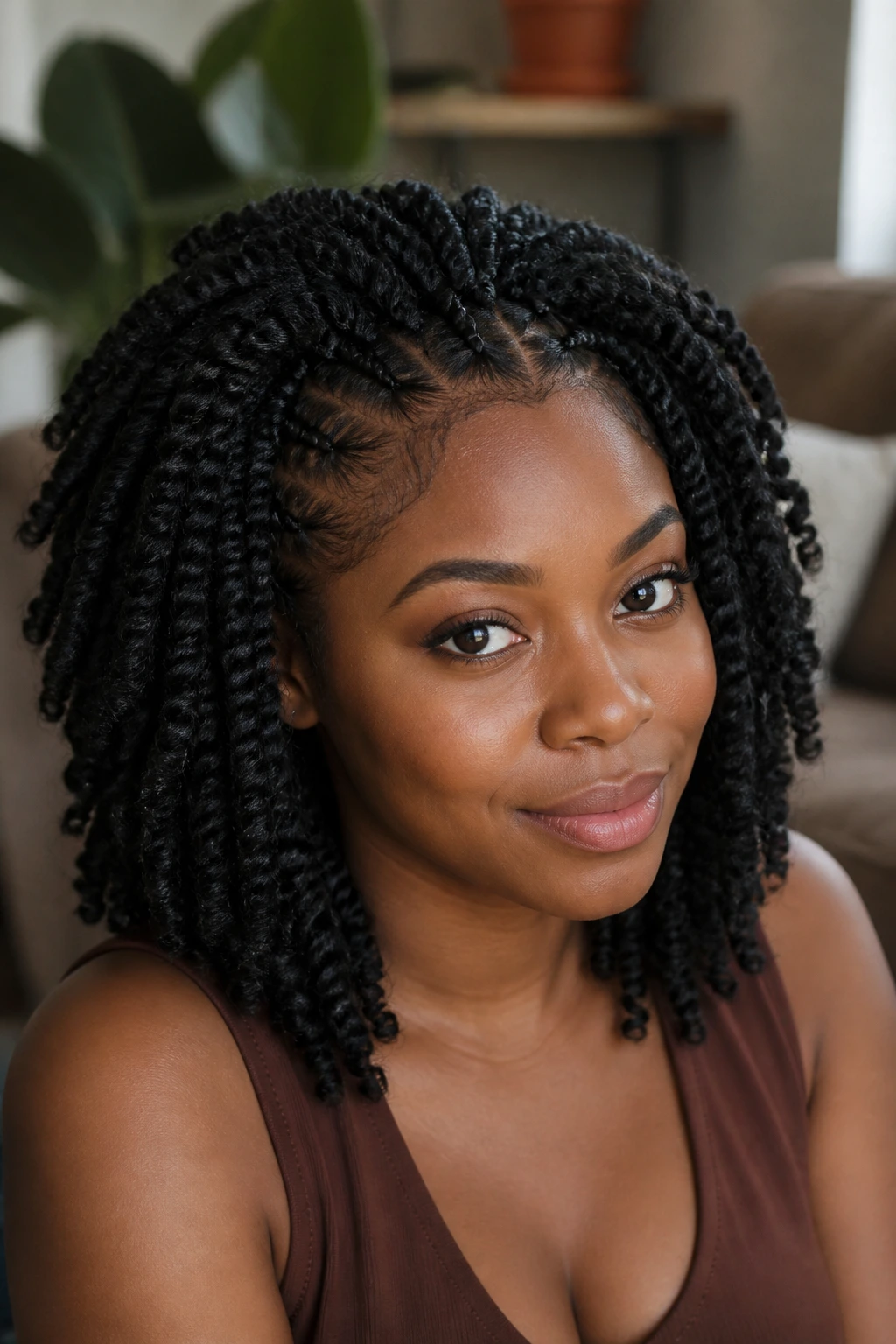
Crochet braids are the ultimate time-saver. By cornrowing your natural hair down in a simple pattern, you create a base onto which you can “crochet” hair of any texture—kinky, wavy, curly, or straight. This is a fantastic option if you want to give your hair a complete rest from daily styling, detangling, and moisture-sealing routines.
Choosing Your Texture
The market for crochet hair has exploded. You can find textures that perfectly match 4C hair. Choose a hair type that is low-luster if you want a natural, realistic appearance. Because the crochet hair is installed on a cornrowed base, you still have easy access to your scalp for moisturizing and oiling, which is a major advantage over sew-in weaves.
14. The Twist-Out
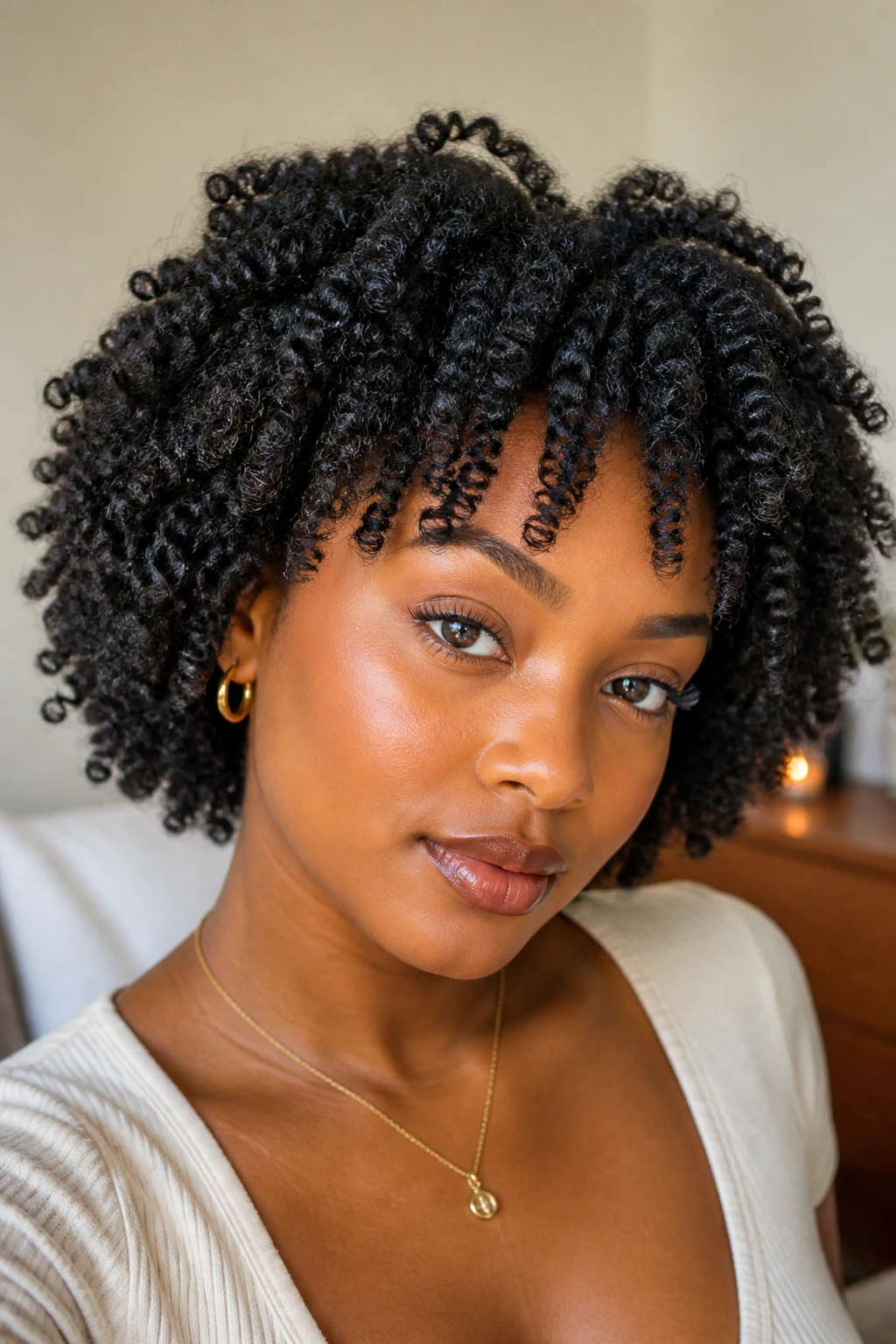
The twist-out is the classic “definition” style. It’s what most people think of when they visualize natural hair. It involves installing two-strand twists on damp, product-laden hair, allowing them to dry completely, and then unraveling them to reveal voluminous, soft, defined coils.
The Science of the Twist-Out
The success of a twist-out is almost entirely dependent on dryness. If you unravel a twist even slightly damp, the hair will revert to its natural, frizzy state within hours.
- Pro tip: Sit under a hooded dryer. It’s the only way to ensure the center of those thick twists is bone-dry.
- Separation: Use a light oil on your fingertips when unraveling to prevent creating extra frizz.
15. Space Buns
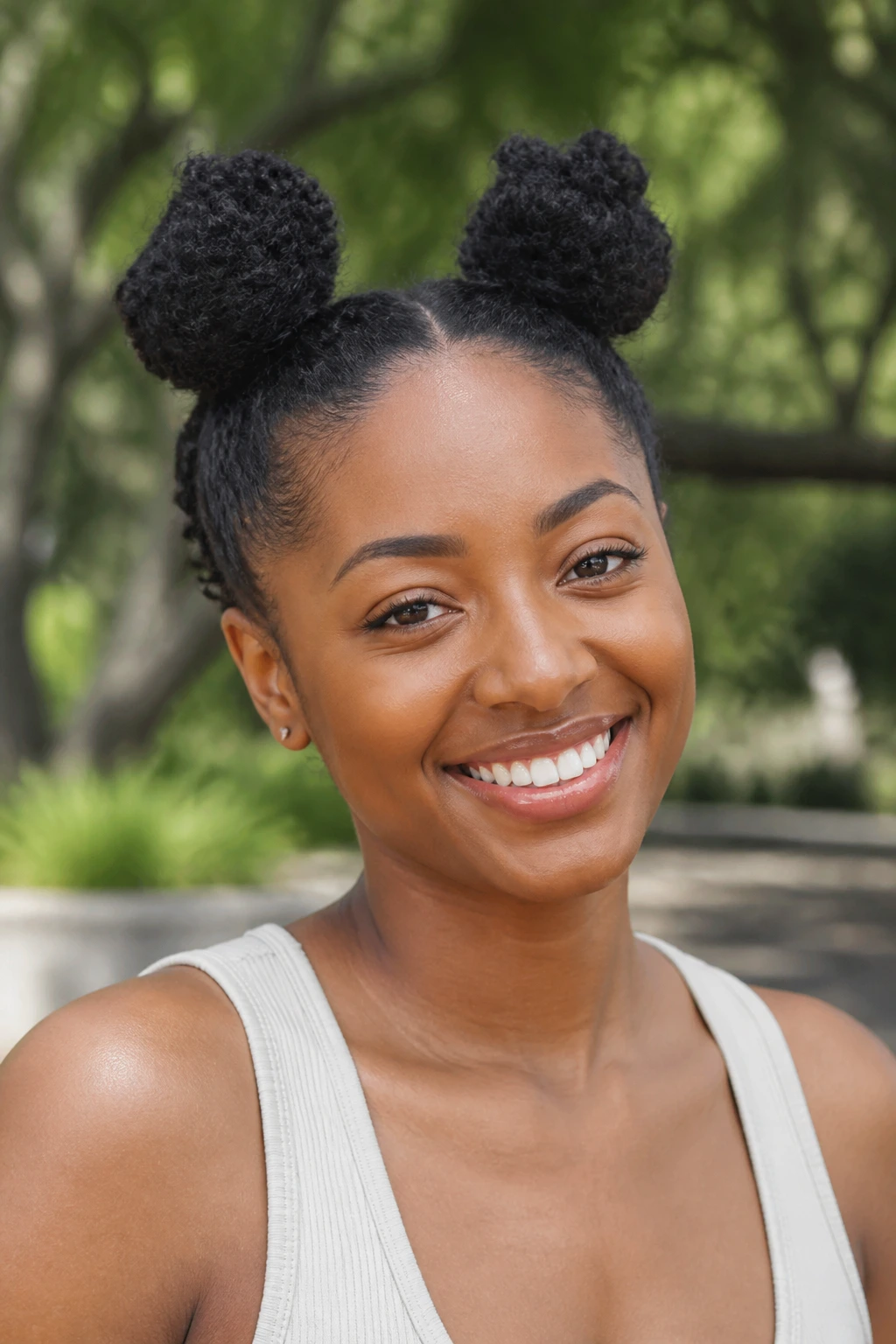
Space buns are fun, youthful, and surprisingly quick to execute. You simply part your hair down the middle and create two high puffs. You can leave the ends out for a looser, textured bun, or tuck them in for a sleek look. This is a perfect style for summer months or when you want to look a bit more playful.
If your hair isn’t long enough to create full buns, use “puff balls” or extensions to bulk them up. This style takes the stress off your neck and keeps your hair fully gathered, minimizing daily manipulation.
16. The Headwrap Style
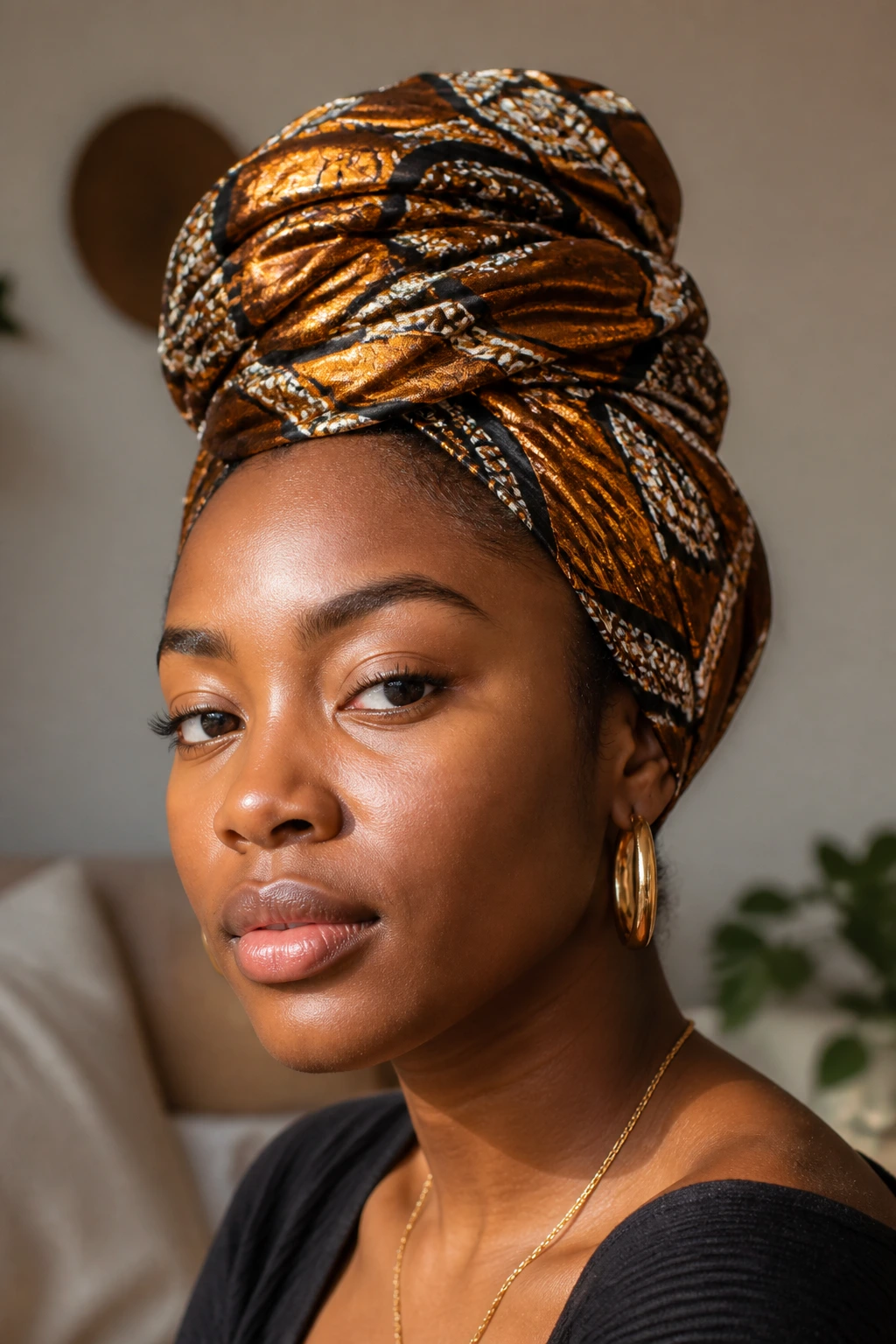
A headwrap is not just a solution for a “bad hair day”—it is a style in its own right. In many cultures, the headwrap (or gele, doek, or tignon) is a crown. For 4C hair, it is a protective barrier against moisture-zapping environments like dry indoor air or harsh wind.
Functional Fashion
Use a satin-lined headwrap to protect your hair from the friction of cotton fabric. You can style the wrap in infinite ways: a tall, dramatic top knot, a sleek side bow, or a simple turban wrap. It’s the quickest way to look polished when you haven’t had time to style your hair, and it keeps your ends tucked away and hydrated.
17. Passion Twists
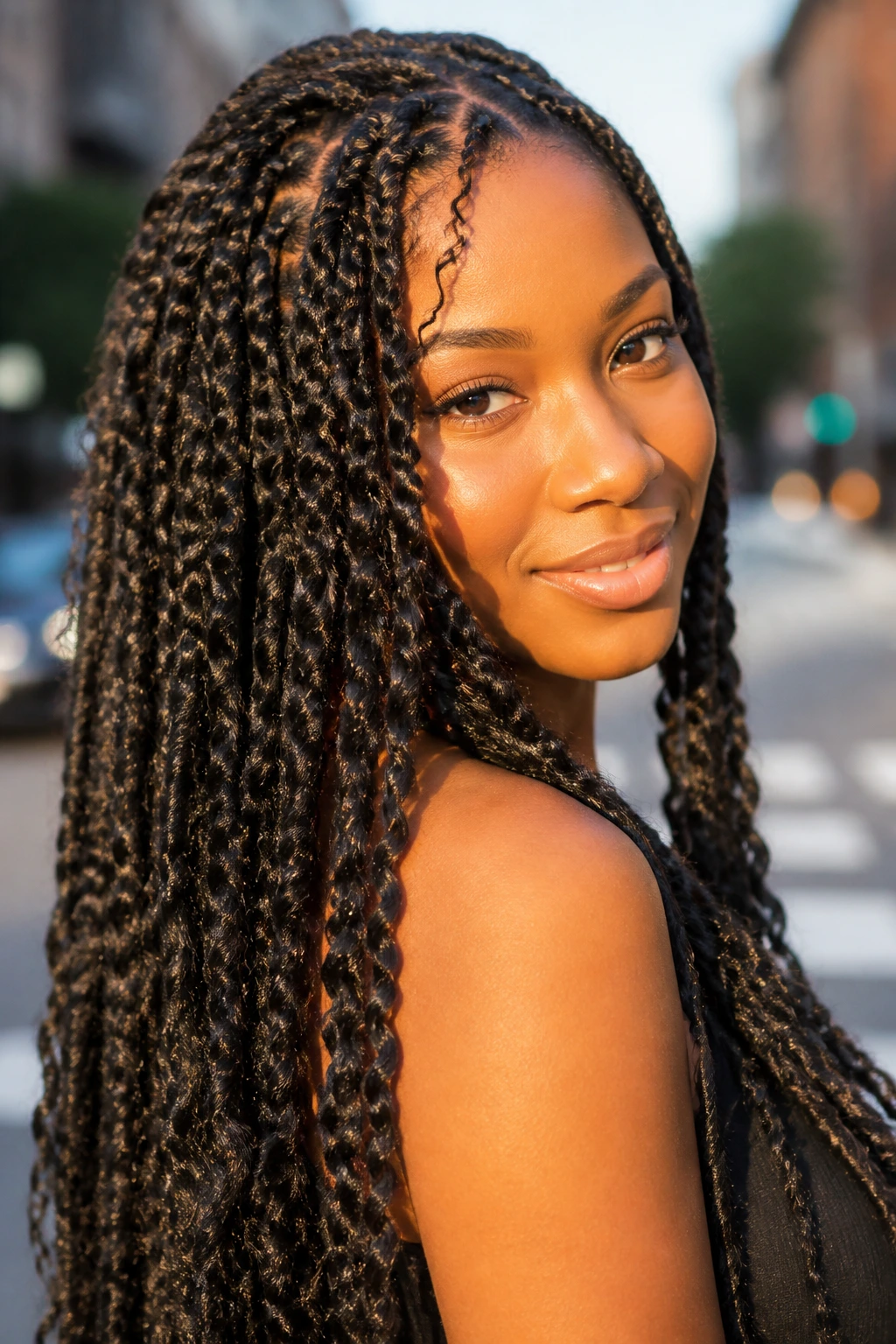
Passion twists are a modern take on the two-strand twist, utilizing a specialized type of curly synthetic hair to create a bohemian, distressed look. They are softer and lighter than faux locs and have a beautiful, romantic texture.
Why They Work for 4C
The texture of the passion twist hair blends seamlessly with the natural texture of 4C coils. They don’t have to be perfect; in fact, the more “messy” and voluminous they get, the better they look. This makes them a very low-maintenance style that can last for several weeks with minimal upkeep.
18. Senegalese Twists
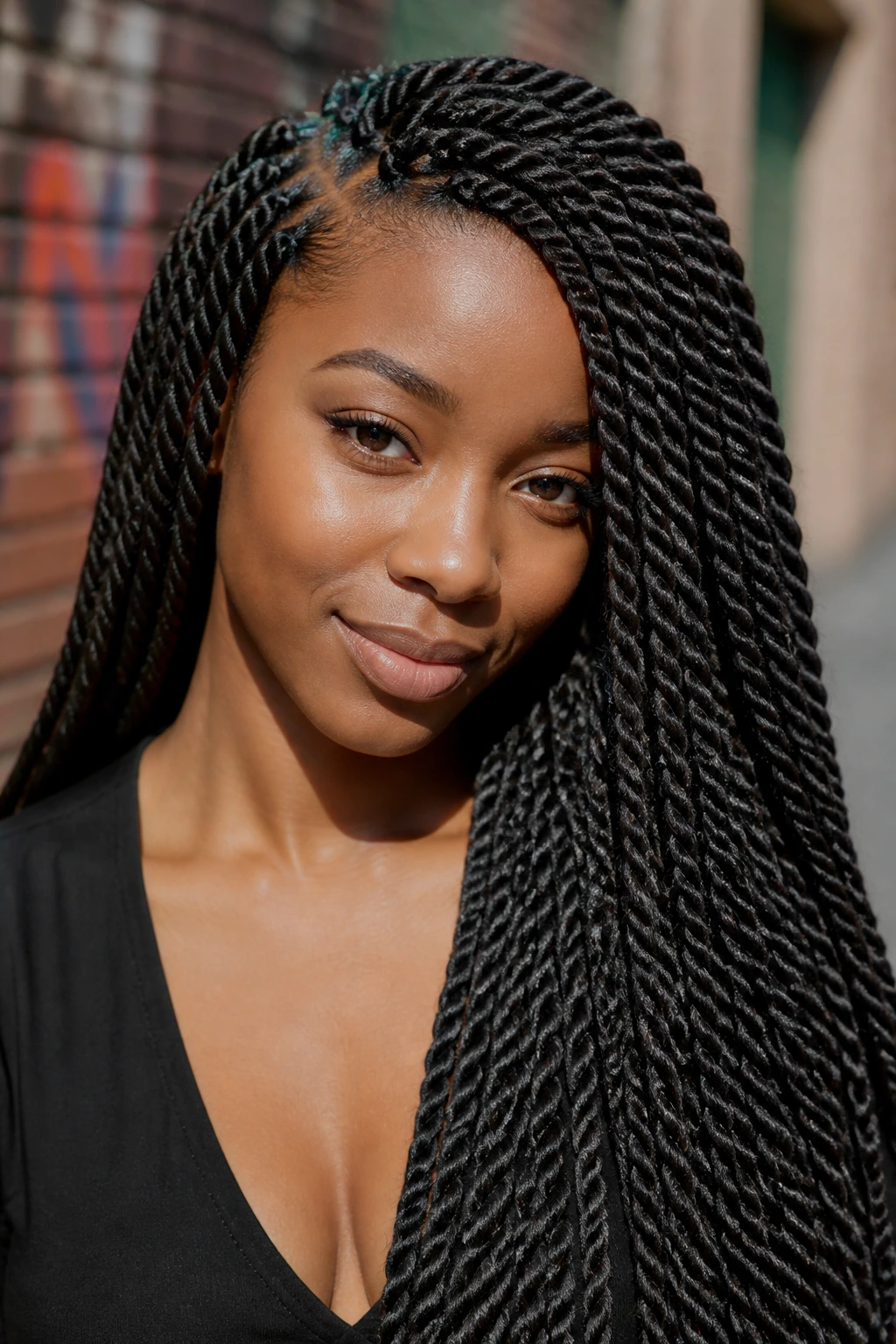
Senegalese twists are smoother and tighter than passion twists. They use a silky, straight synthetic hair to create a refined, rope-like appearance. They look best when they are installed with a bit of length and are particularly good for protecting the hair because the synthetic fiber completely shields the natural strand.
Because the hair used is smoother, these twists tend to slide out faster than traditional box braids. Make sure your braider secures the root properly. If you have 4C hair, the natural texture usually provides enough “grip” to keep them from sliding, which is a rare advantage for this style.
19. Finger Coils
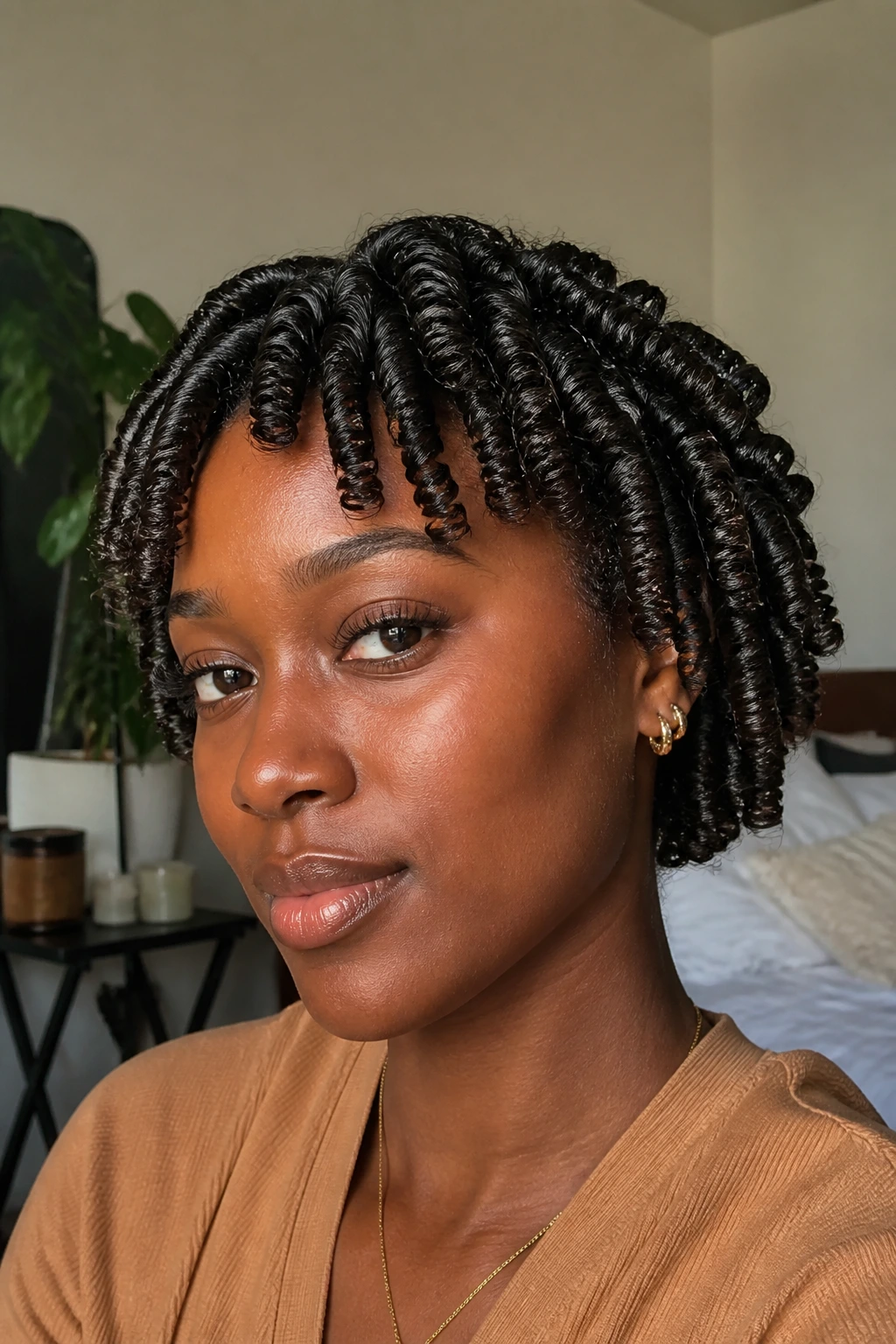
Finger coils are an investment in time, but they provide some of the best definition you can get with 4C hair. Each individual coil is created by wrapping a small section of hair around your finger with a styling gel or custard. It is tedious, but the result is a uniform, high-definition look that lasts for a week or more.
Making It Last
The key to finger coils is avoiding over-manipulation. Once they are done, sleep with a satin bonnet that is loose enough to accommodate the coils without flattening them. Refreshing them is easy—you just dampen the coil and add a tiny bit of product if it begins to fuzz.
20. The Braided Crown
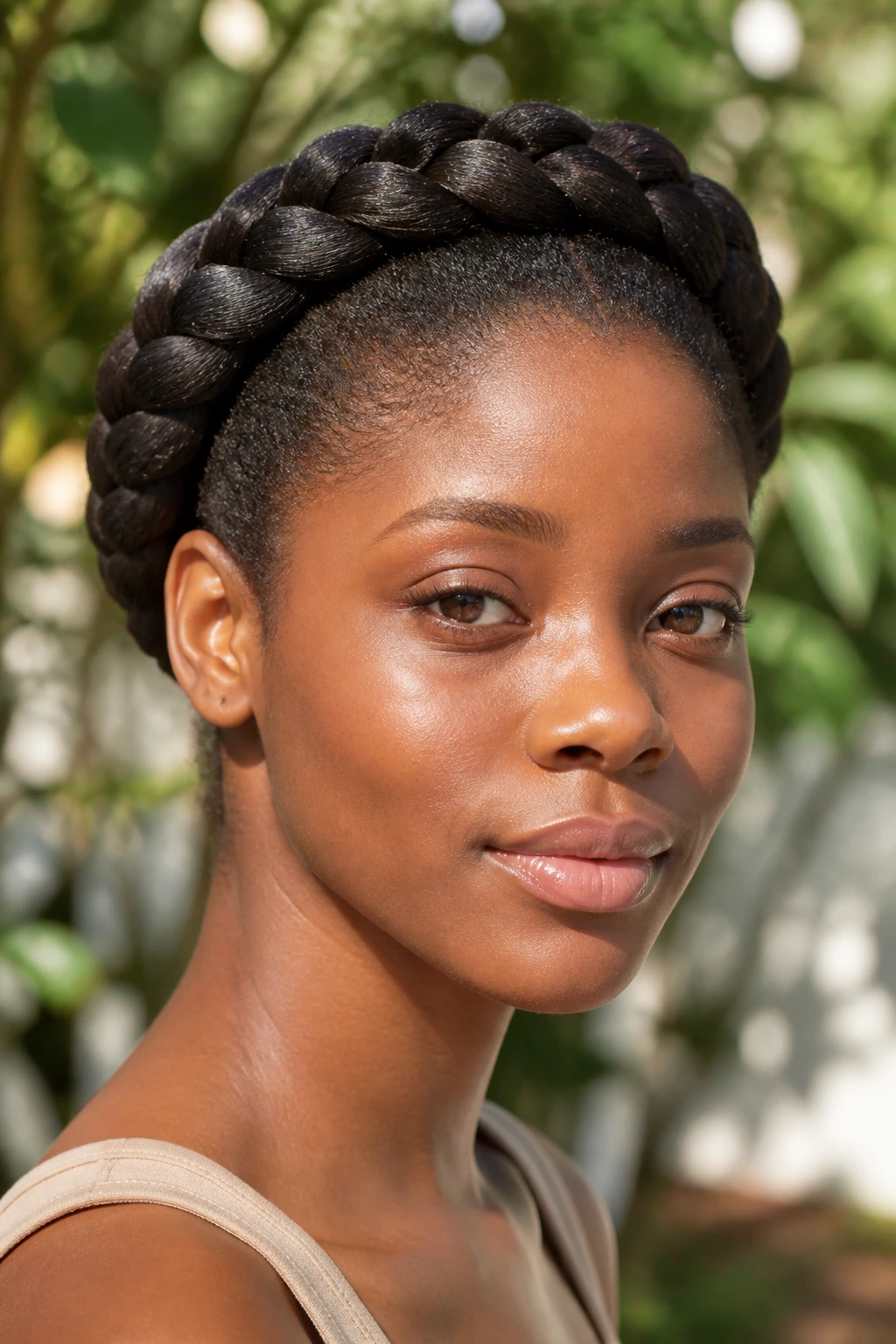
A braided crown involves braiding the hair around the perimeter of the head and tucking the ends into the braid. It is regal, sophisticated, and very practical. You can achieve this with your natural hair if you have enough length, or by using extensions.
Prep for a Smooth Finish
- Moisture: This style pulls the hair tight, so ensure your hair is deeply conditioned beforehand.
- Smoothing: Use a soft-bristle brush and a bit of edge control to smooth the hair into the braid.
- Volume: If your natural hair is thin, use a bulkier braiding hair to ensure the crown looks thick and full.
21. Spring Twists
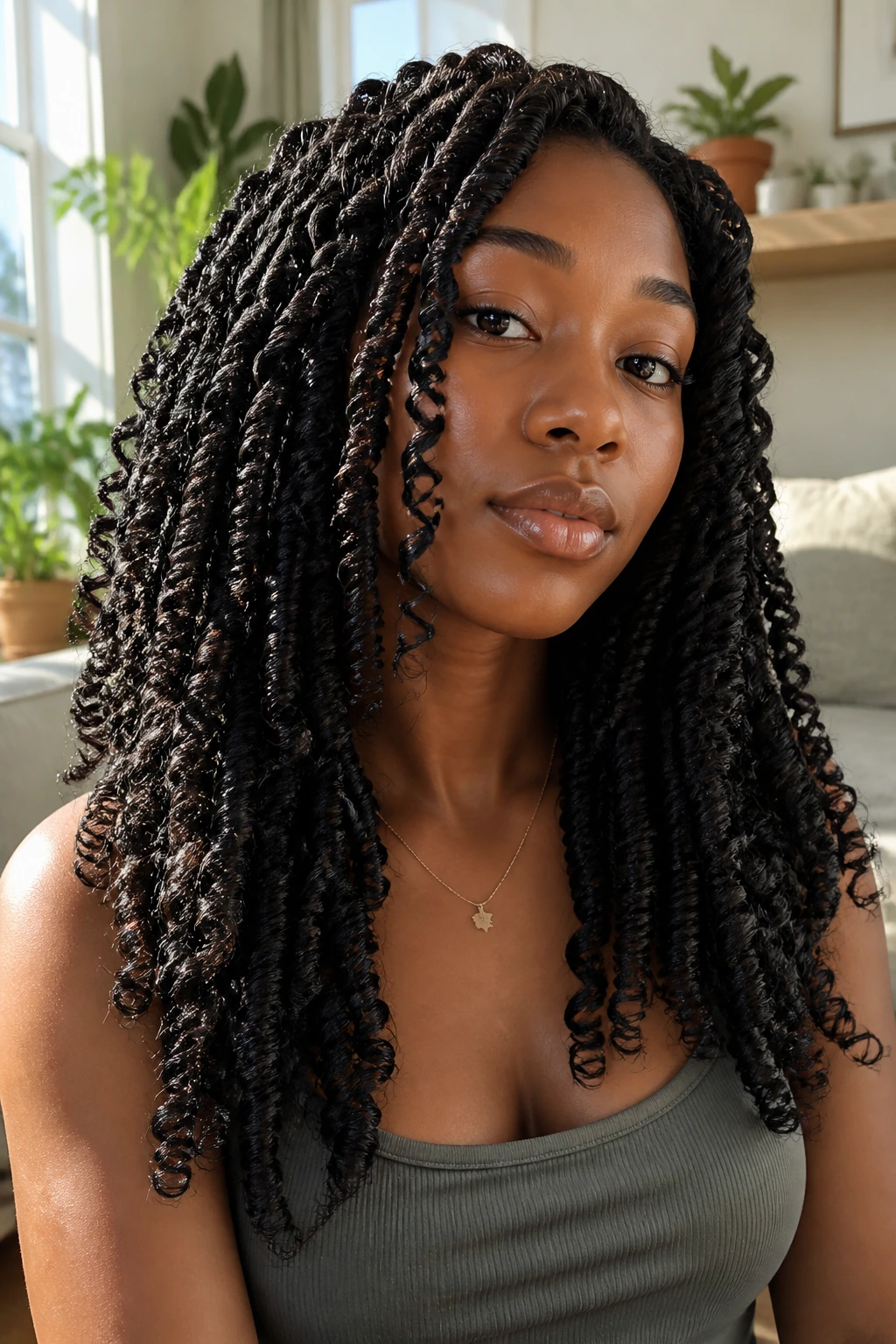
Spring twists are bouncy, light, and full of volume. They use a specific springy, curly synthetic hair that mimics the elasticity of 4C hair. They are much lighter than faux locs and offer a very natural, “my hair but better” look.
This style is excellent because it doesn’t require a lot of product to maintain. You can shake them out, wear them up in a bun, or let them hang loose. Because the hair is so lightweight, it’s a great style to choose if you are prone to headaches from heavier protective styles.
22. Fulani Braids
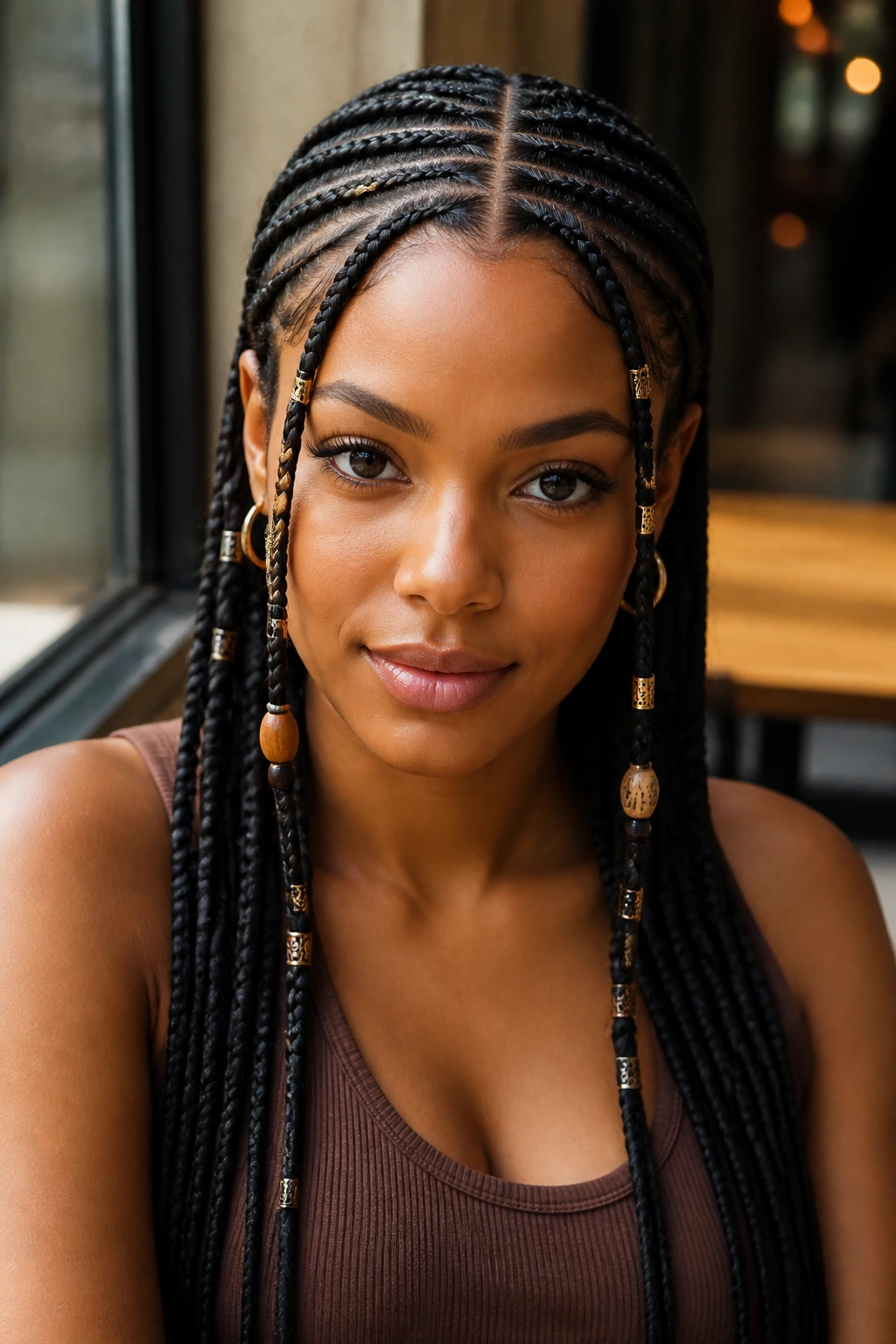
Fulani braids—often characterized by a central part, braids flowing toward the face, and beads or cuffs for decoration—are deeply rooted in tradition and aesthetic beauty. They are a work of art. On 4C hair, they provide a very neat, structured look that keeps your natural hair protected.
The Detail Matters
The focus here is on the pattern and the accessories. Use beads that match your outfit or go with classic gold or wooden cuffs. Because this style involves braids at the front that hang down, it is important not to make them too heavy, as the extra weight can put strain on the hairline. Keep the braids at the front relatively small.
23. The Pineapple Updo
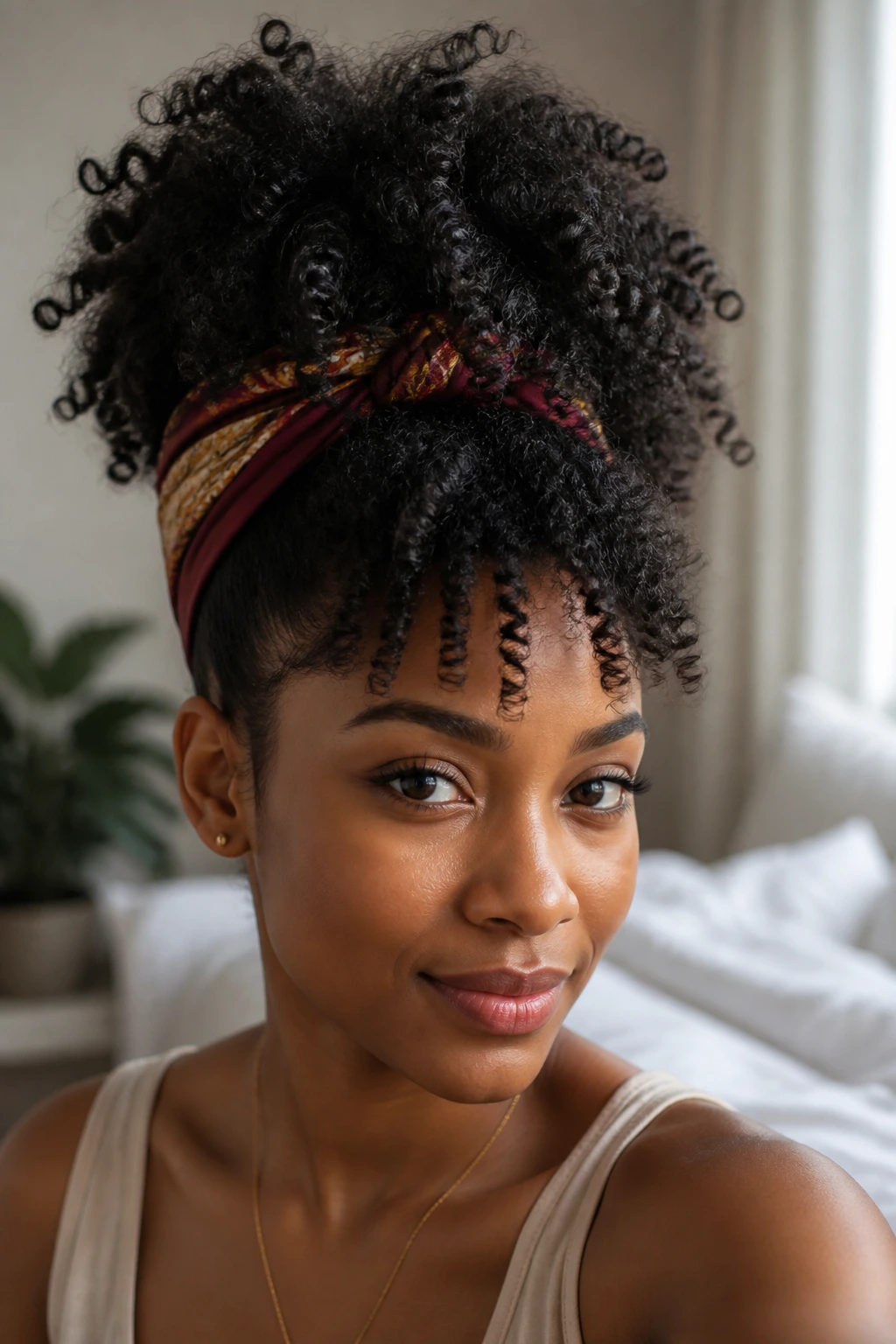
The “pineapple” isn’t just for sleeping. It’s a legitimate style. By gathering all your hair to the very top of your head and securing it loosely, you allow the coils to cascade forward. This style is often used to preserve wash-and-gos at night, but you can dress it up for the day by wrapping a silk scarf around the base or adding a decorative headband.
It’s the ultimate “curl-forward” look. It’s effortless, it’s quick, and it keeps your coils from getting crushed against your back. It’s perfect for those days when you want a high-fashion, high-volume look with minimal effort.
24. Shaved Sides or Tapered Cut
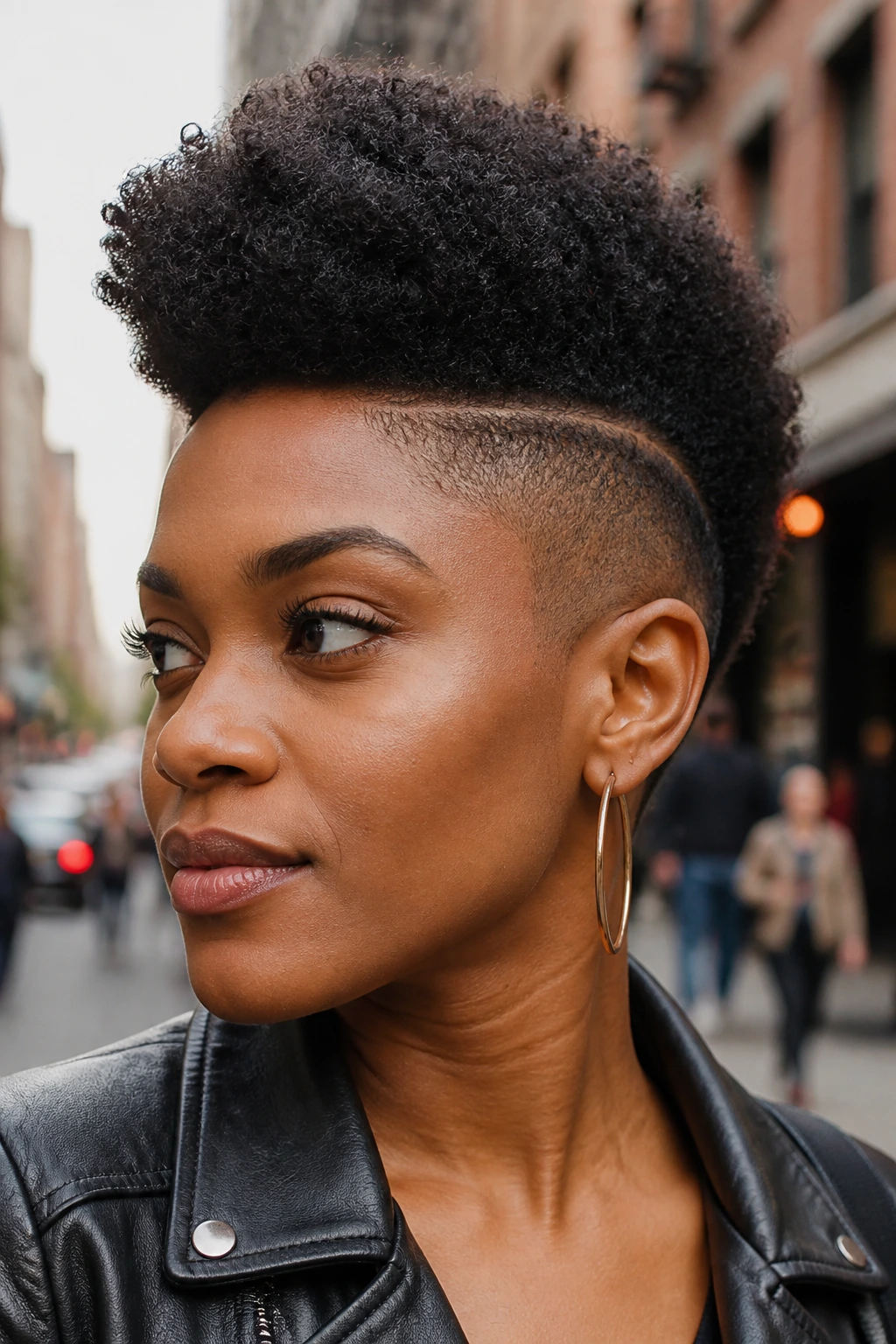
Sometimes, the best style is cutting the hair into a shape that works for you. A tapered cut—short on the sides and back, longer on top—is incredibly chic and easy to manage. It reduces your detangling time by half and allows you to experiment with color or texturizing products on the remaining hair.
The Commitment
This is a commitment, but it is also liberating. When you reduce the volume of hair, you spend less time on styling and more time enjoying your look. It frames the face beautifully and works well with any hair density. If you aren’t ready to go full TWA (Teeny Weeny Afro), start with an undercut and see how you feel.
25. The Sleek Low Bun
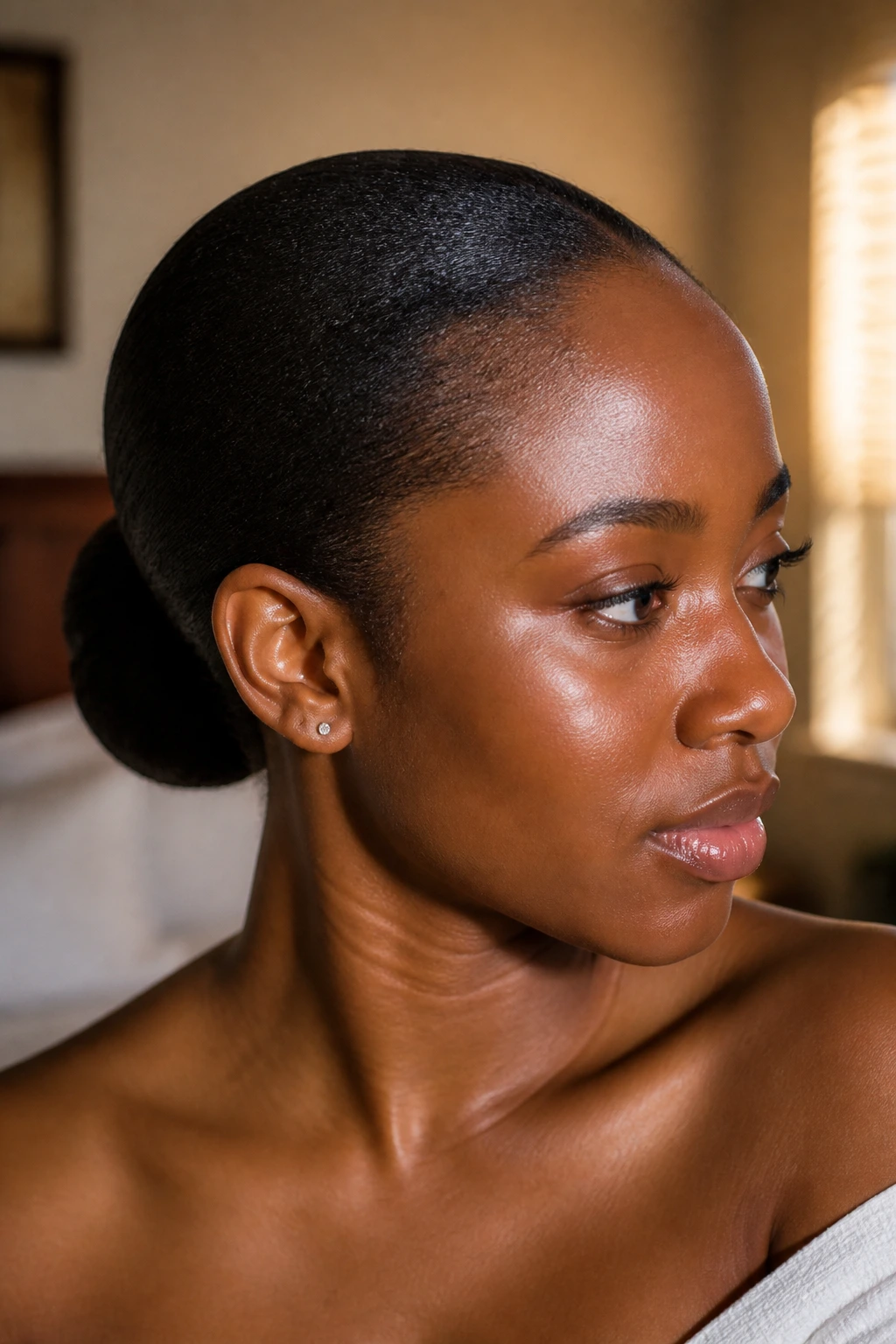
There is nothing quite as elegant as a perfectly slicked-back low bun. It’s the style that signals, “I have it together.” For 4C hair, the challenge is getting the hair smooth without causing breakage. The secret is the “banding” method.
Smoothing Without Damage
Instead of raking a brush through your hair to get it flat (which causes breakage on dry 4C strands), use a combination of a leave-in conditioner, a light oil, and a scarf.
- Moisturize your hair thoroughly.
- Gather your hair into a low ponytail.
- Tie a silk scarf tightly around your hairline and the base of the ponytail.
- Let it sit for 20 minutes while you do your makeup or get dressed.
The combination of the product and the tension from the scarf will lay your hair flat naturally, without the need for excessive heat or harsh, alcohol-laden gels that dry out your hair.
Final Thoughts
When you look at 4C hair, understand that the “problems” people often complain about—the shrinkage, the density, the need for constant moisture—are actually the hair’s greatest strengths. Shrinkage is a sign of elasticity. Density is a sign of health. The styles listed here are just suggestions; the real art lies in learning what your hair loves.
Don’t be afraid to experiment. If a style doesn’t work, wash it out and try something else. The more you work with your hair, the more you will understand its unique personality. Whether you keep it tucked away in protective styles or wear it out in a voluminous puff, the most important thing is that you treat it with patience. Your hair is an extension of your creative expression, not a task to be completed. Wear it with pride, keep it hydrated, and let it grow.
