



There is something undeniably crisp about the transition into cooler weather. You feel it in the way your wardrobe shifts—out come the cashmere sweaters, the structured coats, and the heavier scarves. Suddenly, long hair becomes a liability. It gets tangled in your coat collar, matted by the humidity of a sudden downpour, and honestly, it just feels like it’s taking up too much space. When the temperature drops, the desire to shed that extra weight isn’t just about aesthetics; it is a practical, refreshing way to start a new rhythm.
Short hair in the colder months has an elegance that feels intentional. It frames your face, highlights your neck when you’re wearing those high-neck knits, and offers a clean slate for whatever accessories you choose to pair with your cold-weather gear. Whether you are looking for a complete overhaul or just a subtle shortening to refresh your ends, the right cut can change how you carry yourself.
It is not just about chopping it all off. It is about finding the specific geometry that works with your hair texture and face shape. Some cuts demand daily styling, while others are designed to air-dry and go. You need to know what you are walking into before you sit in that salon chair, because once those inches are gone, you have to live with the result for a while. Let’s look at the options that bring texture, movement, and a dose of confidence to the cooler months.
1. The Textured Pixie
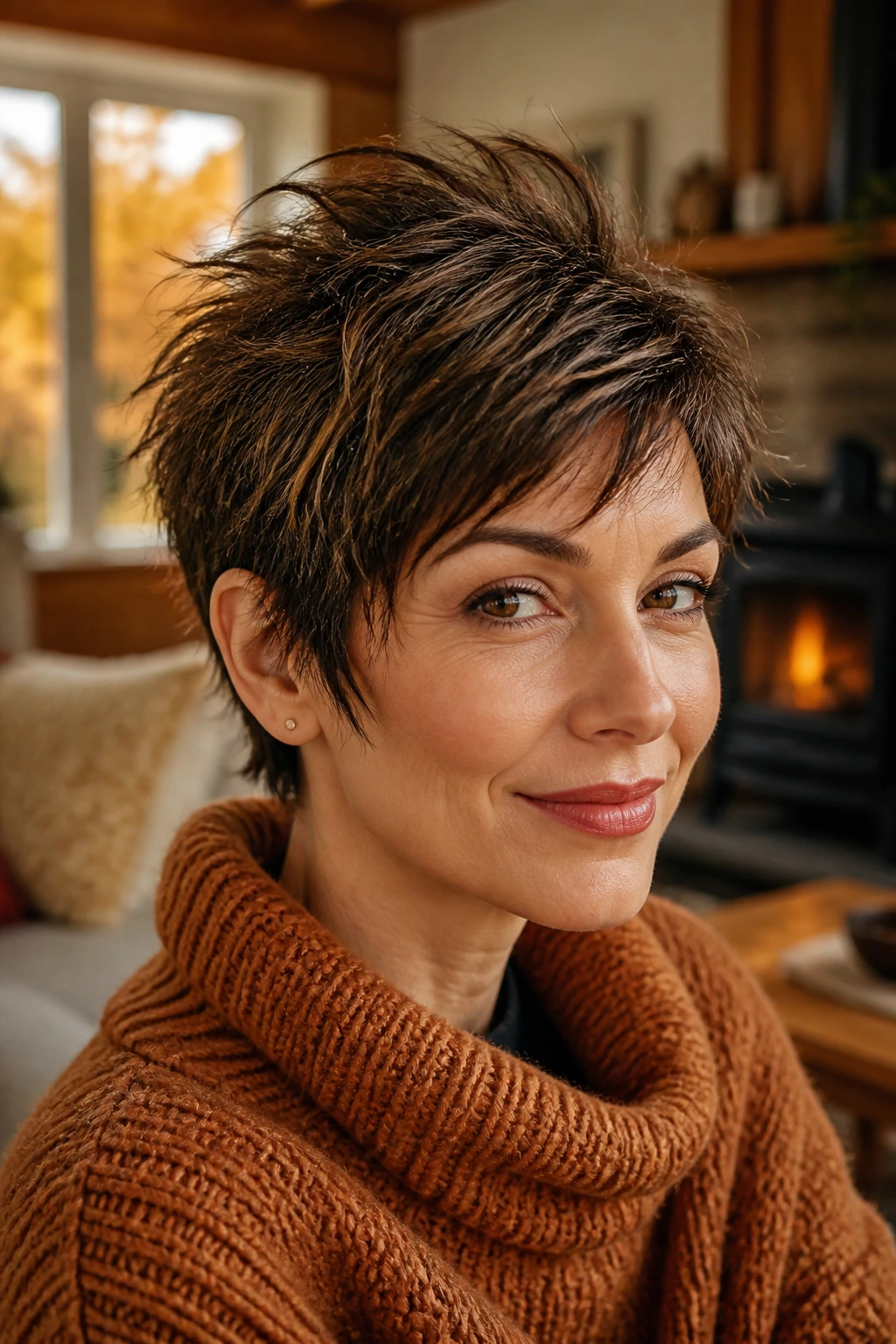
There is a misconception that a pixie cut is a one-size-fits-all style, but the textured version is entirely about movement. Unlike the severe, tight crops of the past, this cut relies on varied lengths at the crown and longer, wispier pieces around the ears and nape. It looks soft, almost as if you woke up and ran your fingers through your hair.
Why It Works for Autumn
Because the length is kept short, you do not have to worry about the hair getting trapped under heavy scarves or hoods. It is essentially maintenance-free once you find the right product to give it that piecey, lived-in feel.
How to Style It
- Start with a tiny amount of styling paste—about the size of a pea.
- Rub it between your palms until it warms up and disappears, then work it into the ends, not the roots.
- Use your fingers to pull small sections forward toward your face to frame it, rather than pushing everything back.
Pro Tip: If you have fine hair, look for a sea salt spray rather than a wax or paste. It provides the same separation and texture but won’t weigh down the hair or make it look greasy by midday.
2. The Blunt Bob
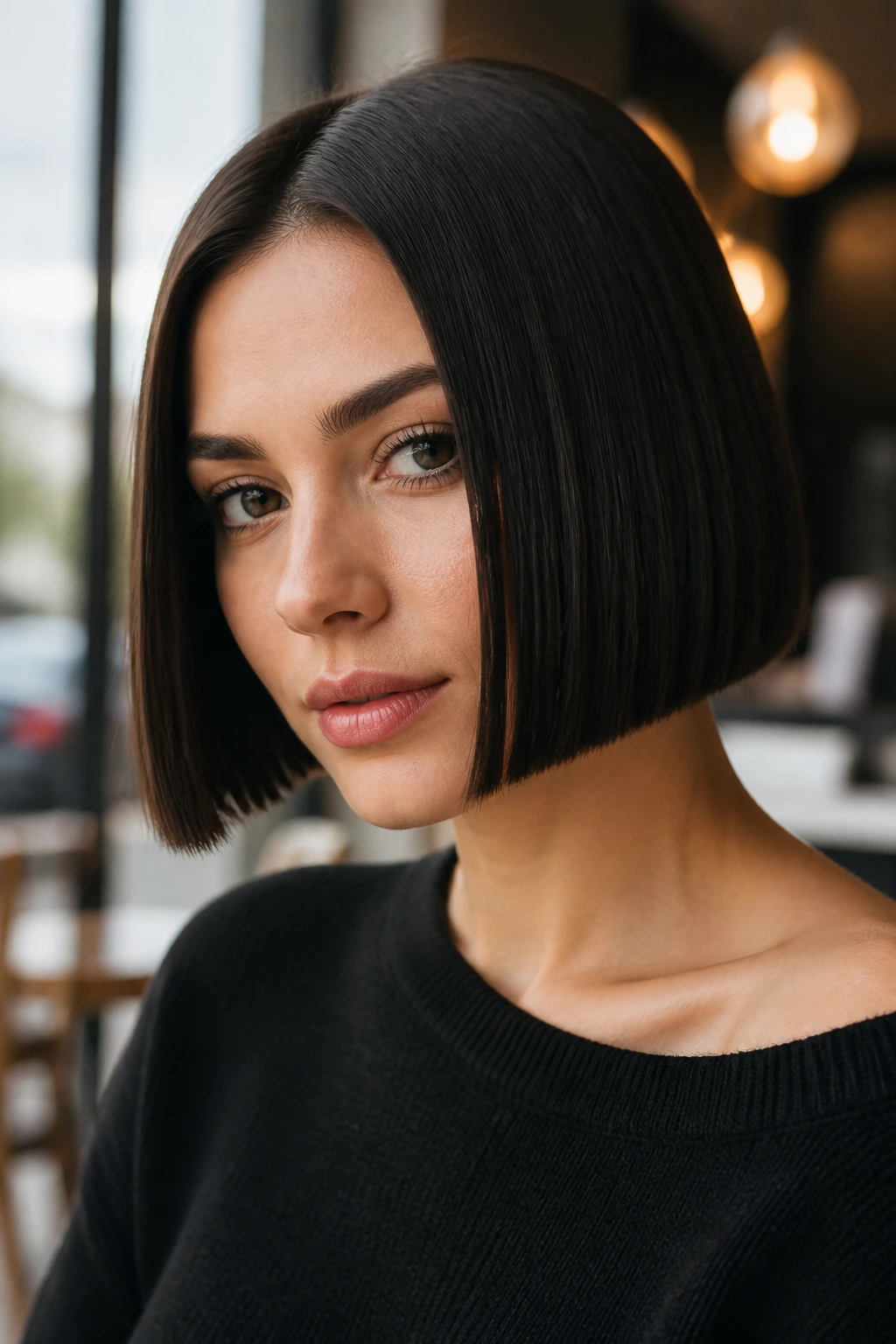
Precision is the hallmark of a classic blunt bob. When I see a sharp, one-length cut that hits right at the jawline, it screams confidence. This cut is heavy on weight lines, meaning the ends are cut straight across with zero layering, creating a thick, solid edge that makes even the finest hair look incredibly dense.
The Anatomy of the Cut
The secret here is the lack of internal layering. By keeping the perimeter clean and blunt, you remove all the “fluff” that often happens at the ends. It is the perfect antidote to the frizz that can occur when the air gets damp.
Daily Maintenance
You will need a flat iron or a round brush to keep this looking crisp. If you have any wave or cowlicks, they will be very visible in a blunt cut. A quick pass with a styling tool in the morning usually holds the shape for the entire day.
Observation: This cut looks best when it’s perfectly smooth. If you are someone who hates heat styling, consider whether you have the time to commit to a quick blowout every few mornings.
3. The Shaggy Wolf Cut
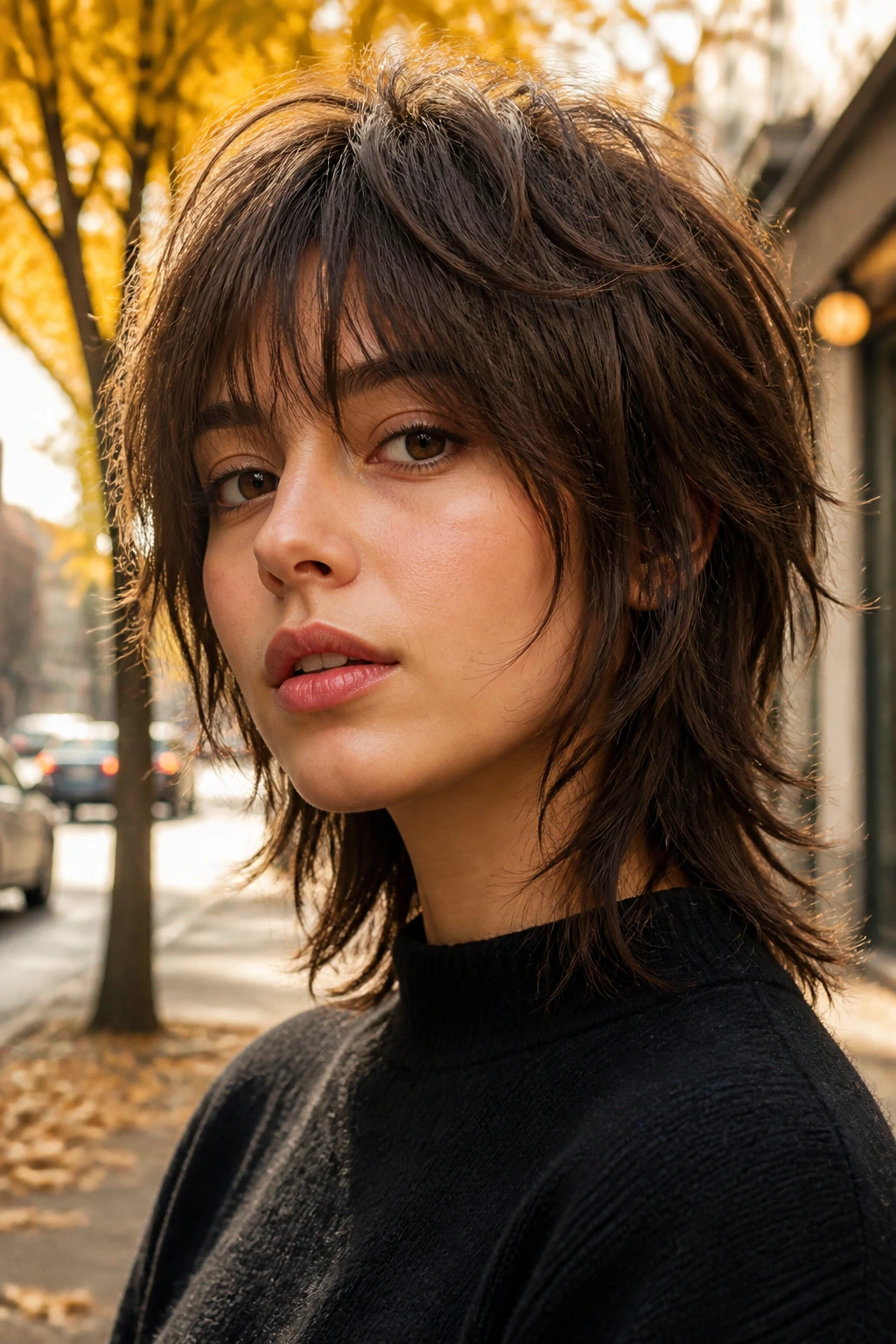
If you are craving an edge, the shaggy wolf cut is the answer. It combines the heavy layers of a shag with the face-framing pieces of a mullet, but kept short enough to be manageable. It is all about volume, chaos, and intentional messiness.
Why This Style Persists
It is a low-effort look that relies on your hair’s natural texture. If you have natural waves or curls, this cut will celebrate them. If you have straight hair, you will need a bit of texturizing spray and perhaps a curling wand to add that bend.
Handling the Layers
- The crown is short and choppy.
- The mid-lengths are textured to add lift.
- The ends are tapered to prevent the “triangle” shape that often plagues shorter cuts.
4. Soft Curtain Bangs with a Chin-Length Bob

Curtain bangs are not going anywhere because they are universally flattering. When you pair them with a bob that hits at the chin, you create a soft, rounded frame for your face. It is a very “French girl” aesthetic—effortless, a bit romantic, and easy to grow out.
The Versatility Factor
You can tuck the sides behind your ears to switch up the silhouette, or let them fall forward to create a curtain of hair that draws attention to your eyes. It is an excellent choice for those who are nervous about going too short and want a safety net of framing pieces.
Styling the Bangs
Use a round brush when blow-drying to give the bangs a slight lift at the root and a gentle flip outward. This keeps them from falling flat against your forehead, which is the quickest way to make them look greasy during colder, rainier weather.
5. The Butterfly “Lob”
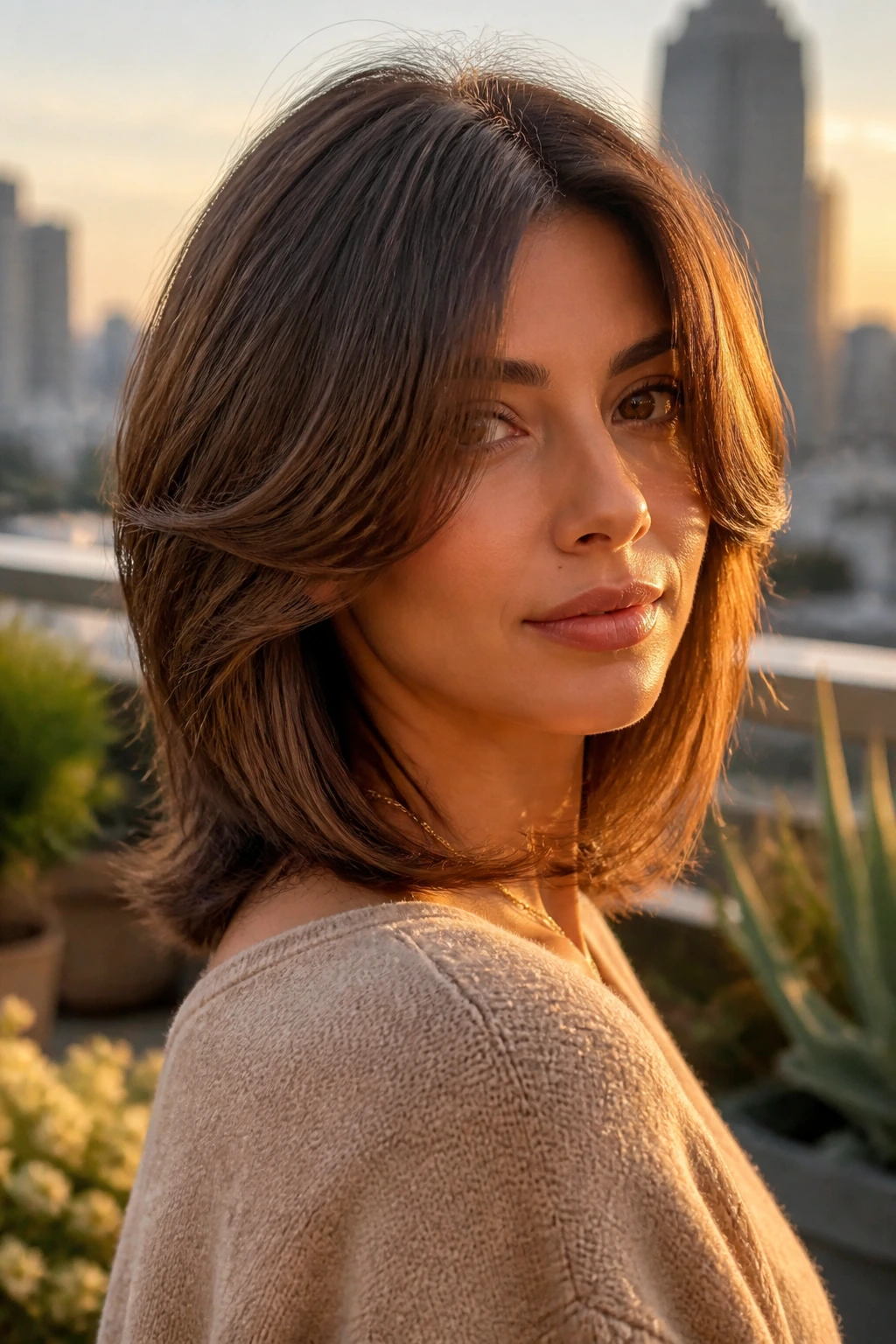
Most people think of the butterfly cut as a long, layered style, but it works beautifully as a lob (long bob). It is essentially a shorter version that uses shorter layers around the face to mimic the look of a shorter cut, while keeping the back a bit longer.
What to Ask Your Stylist
Ask for “face-framing layers” and “weight removal.” The goal is to create two distinct lengths—the short layers that frame the cheeks and the longer length that hits the shoulders. It creates a bouncy, voluminous effect without needing an hour of styling.
Why It’s Great for Autumn
The longer length in the back provides a bit of warmth against the neck, while the shorter layers in the front keep your hair out of your eyes. It is the perfect middle ground for someone who isn’t ready for a true crop.
6. The French Bob
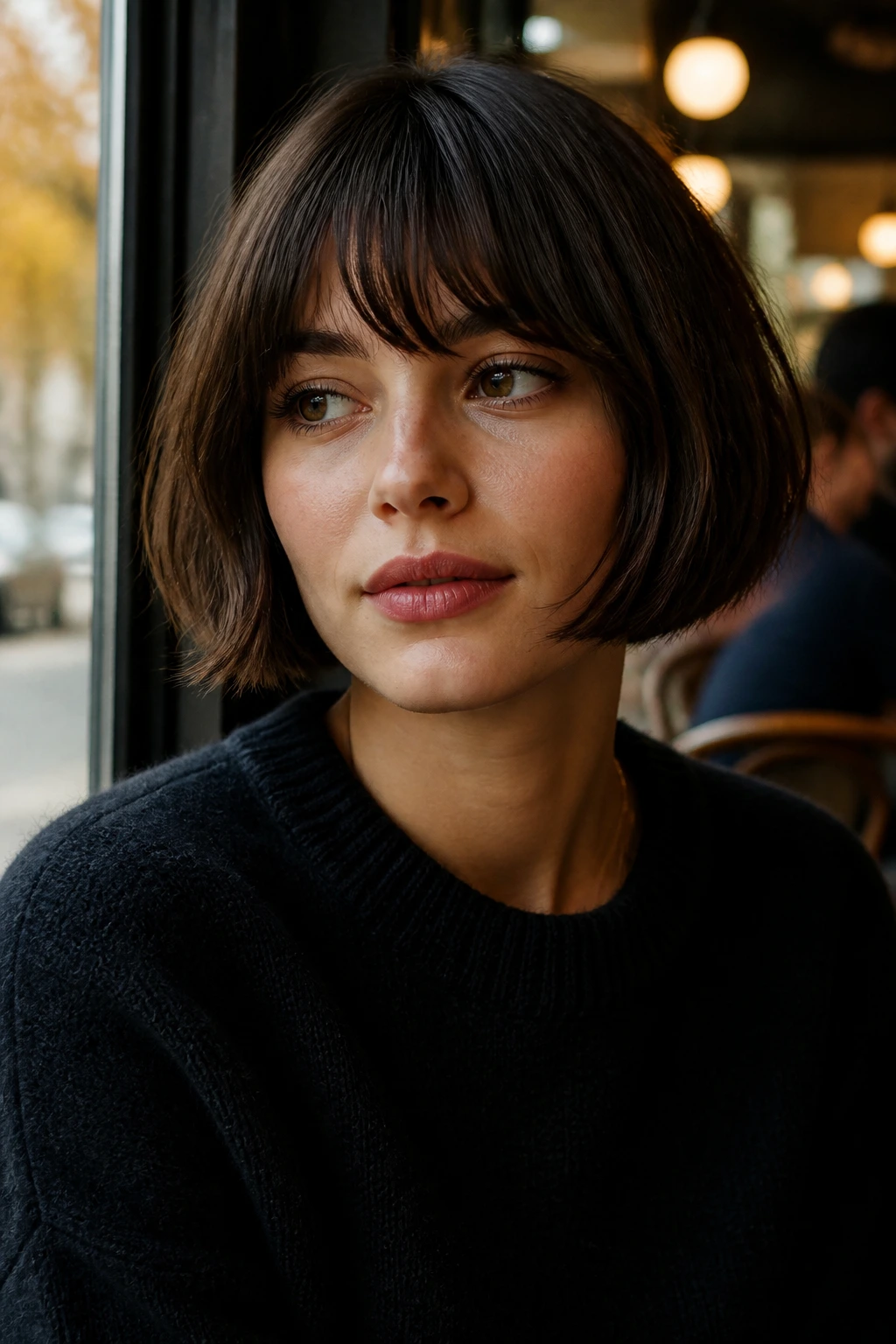
There is something timeless about a French bob. It typically hits right at the mouth or mid-cheek, often paired with bangs that sit just above the eyebrows. It is short, chic, and demands a certain level of style commitment, but the payoff is a look that is instantly recognizable and sophisticated.
The Texture Difference
Unlike the blunt bob, the French bob is often a bit softer and slightly more textured at the ends. It isn’t meant to be perfectly smooth. It embraces the natural movement of your hair. If your hair has a slight bend, this cut will enhance it.
Pairing with Accessories
This cut looks incredible with autumn accessories. Headbands, berets, and silk scarves all sit perfectly on a French bob without looking like they are overwhelming the hair.
7. The Undercut Pixie
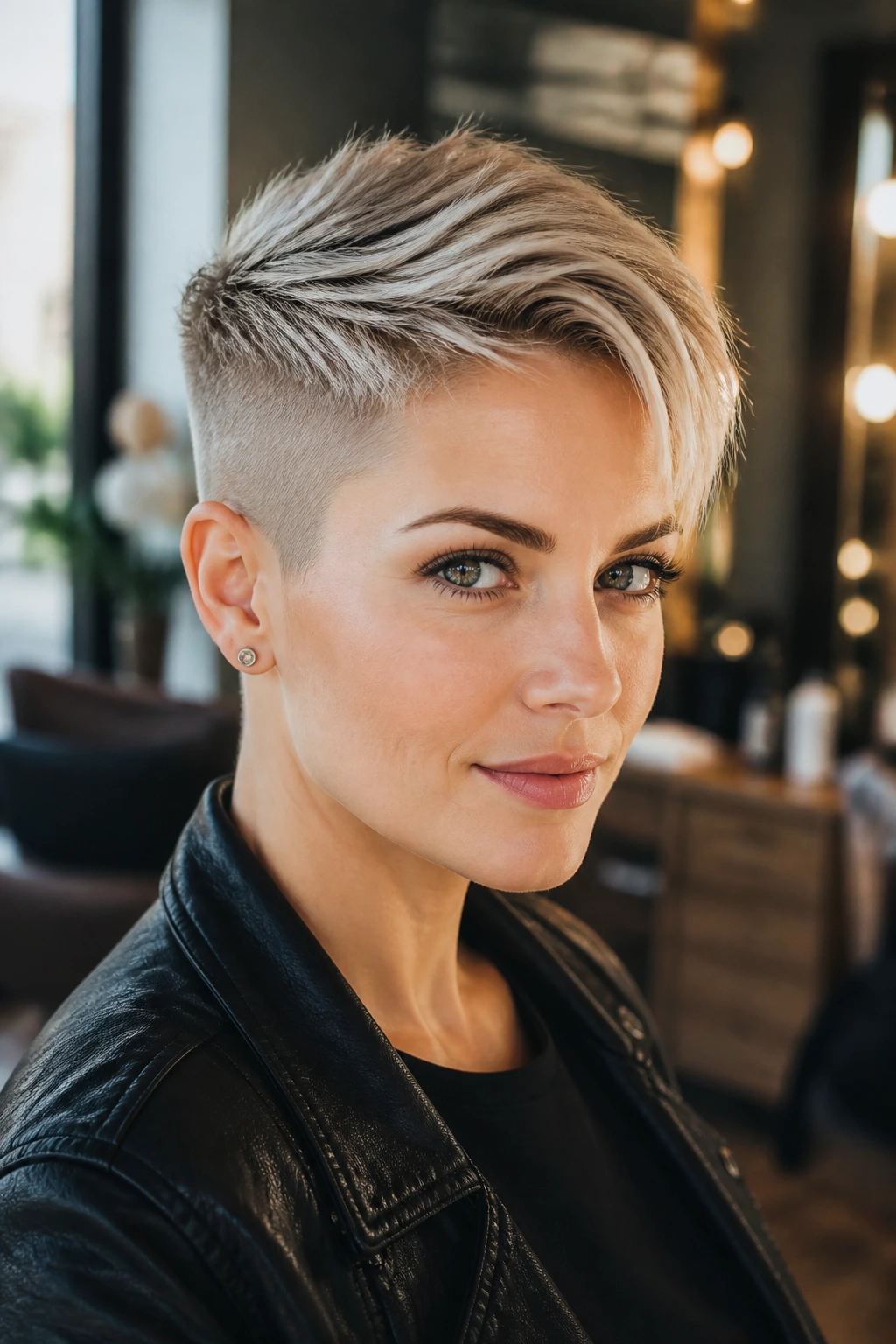
If you really want to feel the breeze, an undercut pixie is the boldest choice. The sides are buzzed or cut very short with clippers, while the top is left longer and layered. It is a dramatic contrast that feels modern and sharp.
The Practicality of the Undercut
You will have much less hair to wash, dry, and style. The weight reduction is significant. If you have very thick hair that usually takes 45 minutes to blow-dry, this will change your life. You will be out the door in ten minutes flat.
Maintaining the Shape
The catch? You need to visit the salon more frequently for trims. If the sides are buzzed, they will start to look shaggy after about four weeks. Plan on a standing appointment every month to keep the lines sharp.
8. The Curly Crop
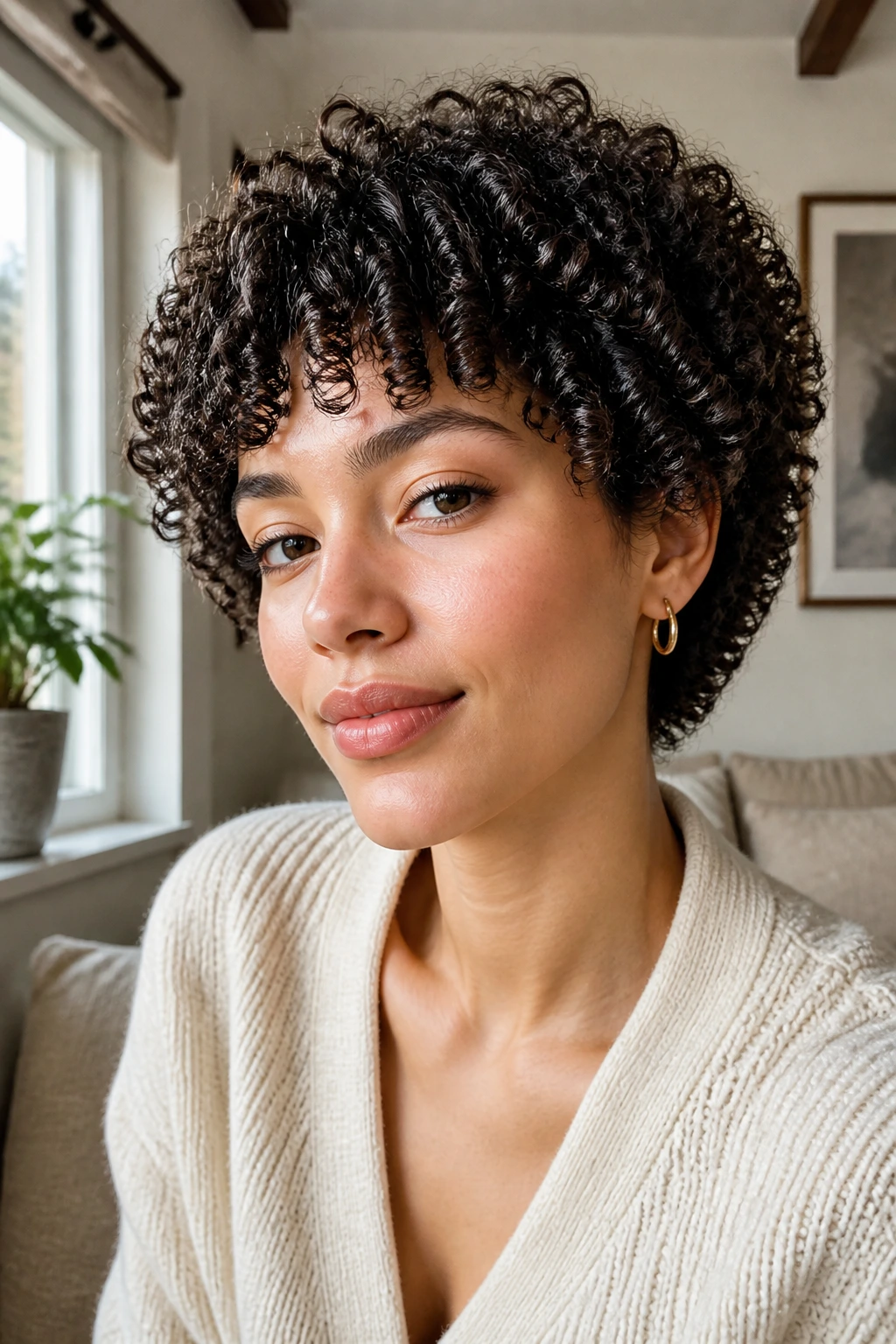
For those with tight coils or spirals, a cropped cut is a game-changer for hydration. When you have less length, you can focus your moisturizing products on the ends, and the natural oils from your scalp can actually reach the tips of your hair.
Defining the Shape
You want a cut that follows the natural bone structure of your face. Ask your stylist for a “rounded shape” or “tapered sides” to prevent the hair from growing out into a mushroom shape.
Product Selection
- Use a leave-in conditioner immediately after showering.
- Follow up with a curl cream or gel while the hair is still very wet.
- Let it air dry. Do not touch it while it dries, or you will create frizz.
9. The Bixie (Bob Meets Pixie)
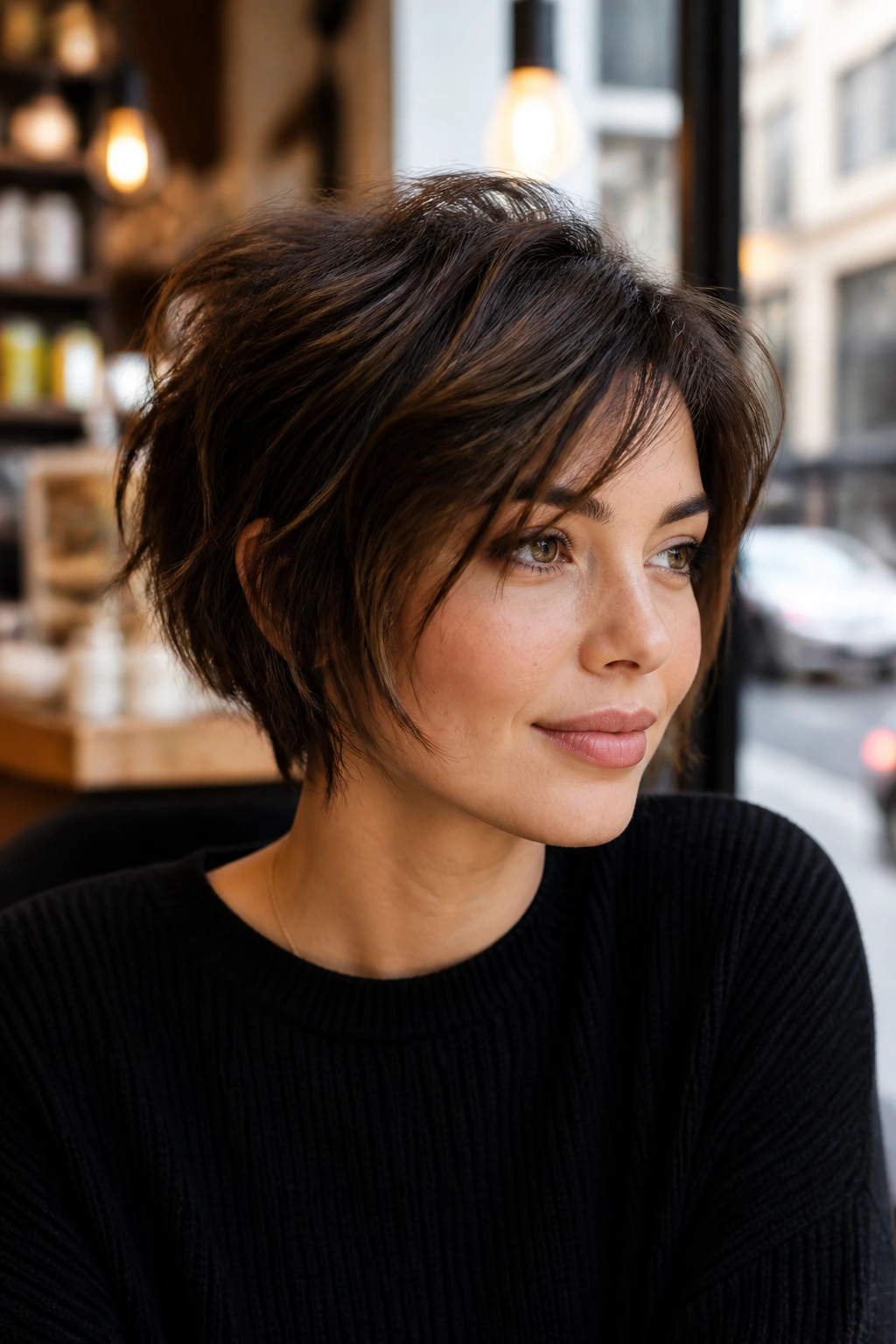
The Bixie is the hybrid style that sits comfortably between a short bob and a pixie. It has the length and layers of a bob but the short, choppy crown of a pixie. It is excellent for people who want the volume of a pixie but the face-framing coverage of a bob.
Why It Works
It is forgiving. If you get a bad cut, it is much easier to disguise than a super short pixie. It also allows you to play with different parts—center, side, or slicked back. It adapts to your mood.
Who Should Get It
If you have fine or medium-density hair, the Bixie gives the illusion of fullness. It is a high-volume cut that feels energetic and youthful.
10. The Graduated Lob
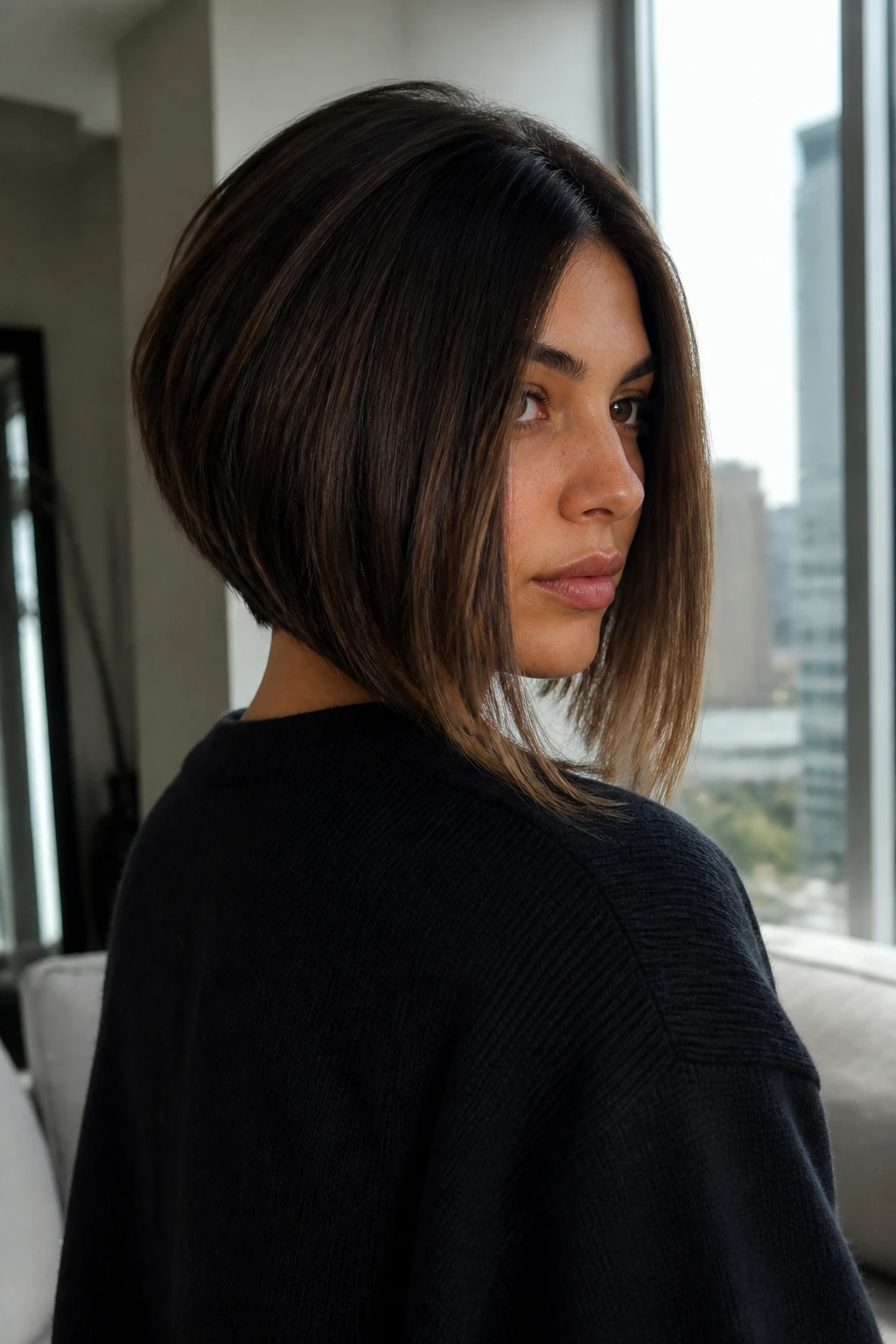
Think of the graduated lob as a bob that is slowly growing up. It is shorter in the back, near the nape of the neck, and longer in the front, grazing the collarbone. It is a classic for a reason: it creates a clean, architectural line that lengthens the appearance of the neck.
The Angle Matters
The more drastic the angle—the steeper the transition from back to front—the more “edgy” the look. A subtle gradient is more elegant and professional. Discuss the angle with your stylist based on your preference for drama.
Styling Tip
Because the back is shorter, you don’t have to worry about hair getting tangled in scarf fabric, but the front length still gives you enough hair to pull back into a small pony or clip if you need to get it off your face during a workout.
11. The Side-Swept Pixie
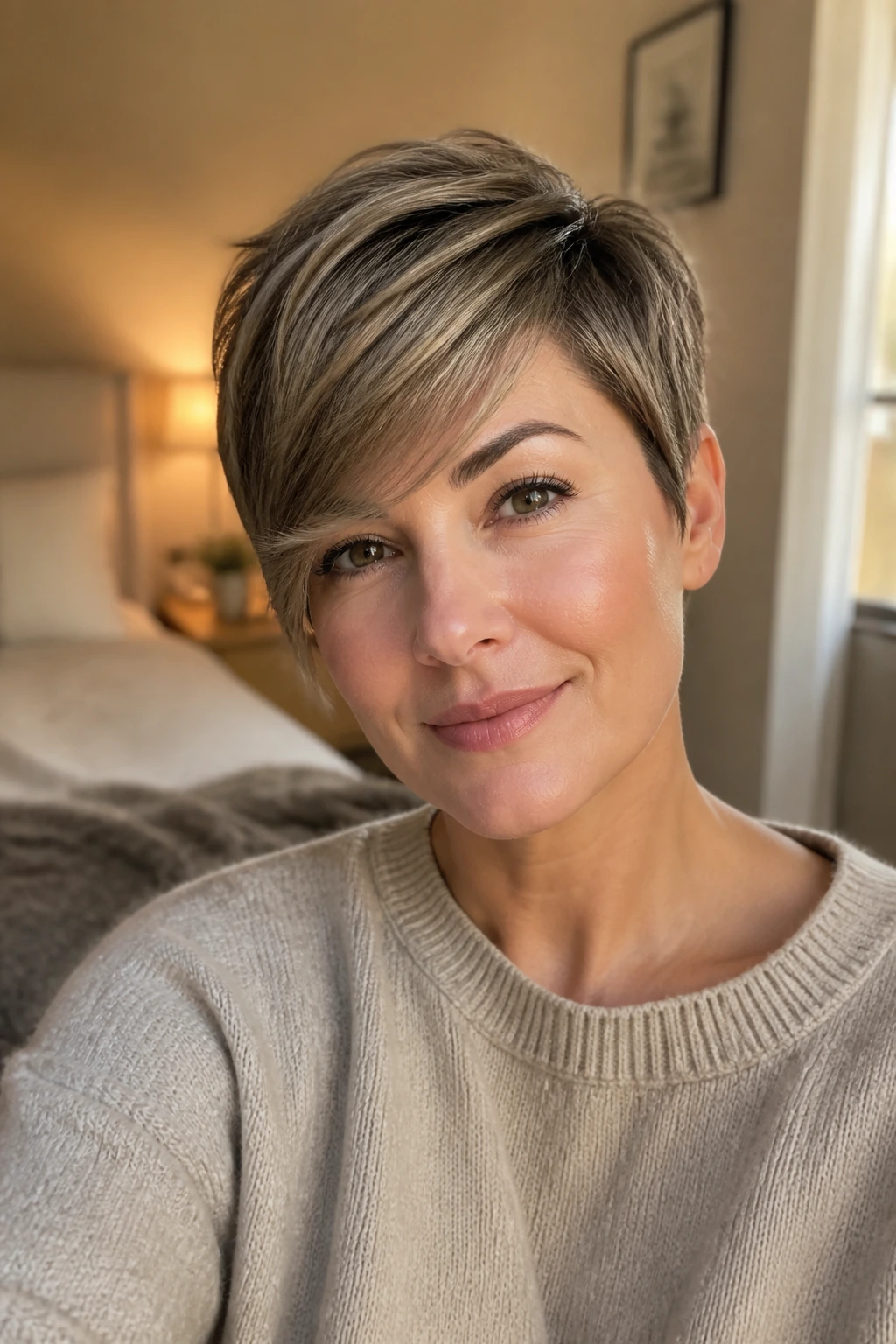
This is a softer approach to the pixie. Instead of keeping the hair uniform or short all over, the top section is left significantly longer and swept to one side, creating a fringe that covers the forehead.
The Face-Framing Effect
This is a great option for anyone who feels like their forehead is a bit too exposed with a traditional pixie. The side-swept fringe creates a diagonal line that breaks up the roundness of the face, which can be very slimming.
Styling for Softness
Use a round brush to blow-dry the long section of the fringe away from your face. This creates that “swoop” that stays in place all day. Finish with a light-hold hairspray to ensure the wind doesn’t mess it up.
12. Choppy Layers

If your hair feels heavy and lifeless, choppy layers are the remedy. This style involves cutting disconnected, varying lengths throughout the hair. It doesn’t matter if it’s a bob or a shorter crop—adding choppy layers creates an immediate sense of movement and texture.
Why This Style Works
It breaks up the “curtain” of hair that can drag down your features. It is excellent for thick hair that tends to hold too much weight. By removing bulk, you allow your natural wave pattern—if you have one—to reveal itself.
How to Style
Don’t use a brush. Use your fingers to apply a texturizing paste and pinch the ends of the layers. This defines the chop and prevents the style from looking like a frizzy mess.
13. The Wet-Look Slick Back
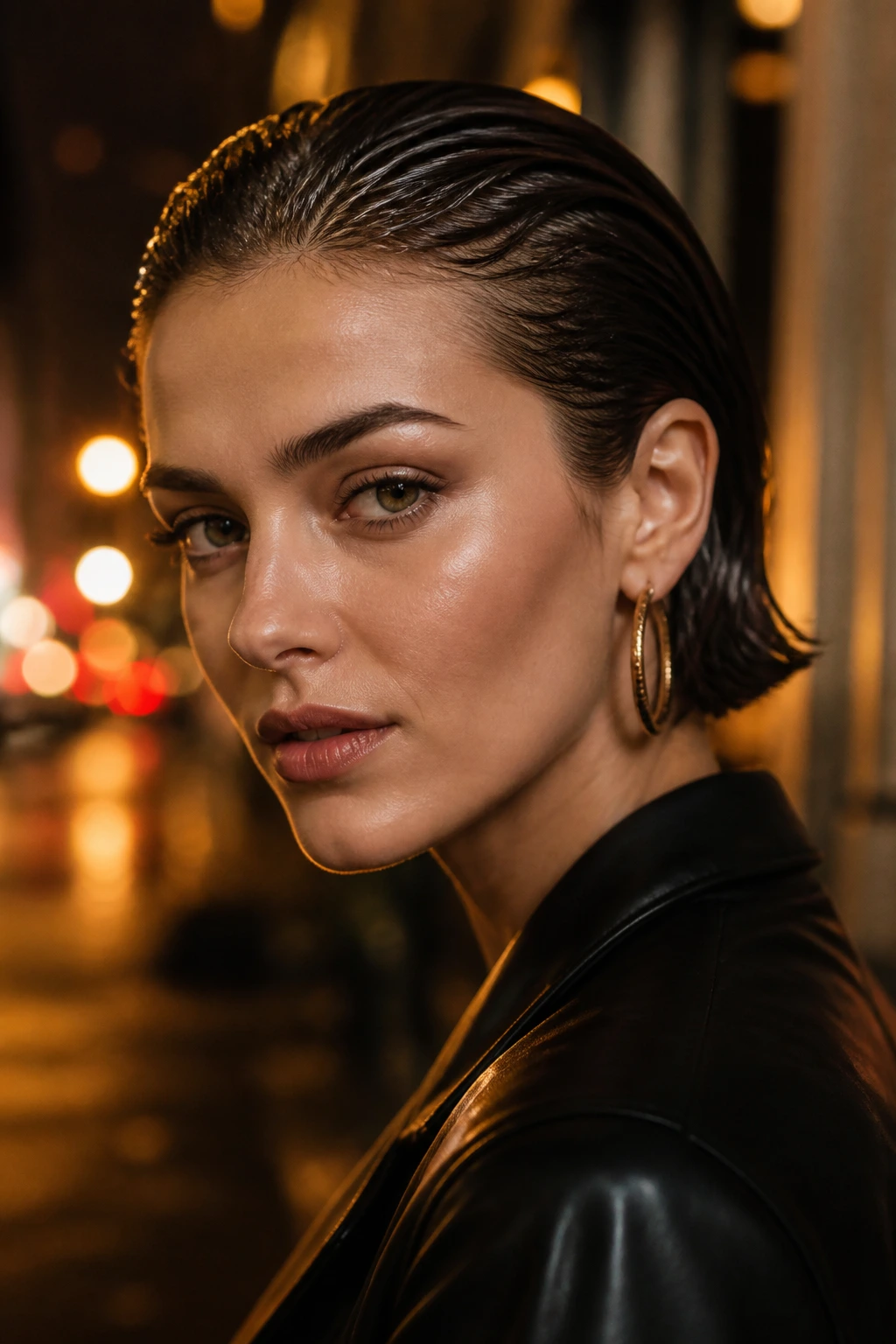
This is less of a haircut and more of a styling technique that works best with a bob or a bixie. It is the perfect look for evening events or when you simply don’t have time to blow-dry your hair.
Achieving the Look
- Start with damp hair.
- Apply a generous amount of styling gel or a strong-hold pomade.
- Use a wide-tooth comb to sweep the hair back from your forehead, tucking the sides behind your ears.
- Let it air dry. As the product sets, it will create that sleek, “fresh out of the ocean” look that is incredibly chic.
When to Use It
This is the ultimate second-day hair solution. If your hair is too greasy for a blowout but you don’t have time to wash it, slick it back. It looks intentional, not lazy.
14. The Asymmetrical Bob
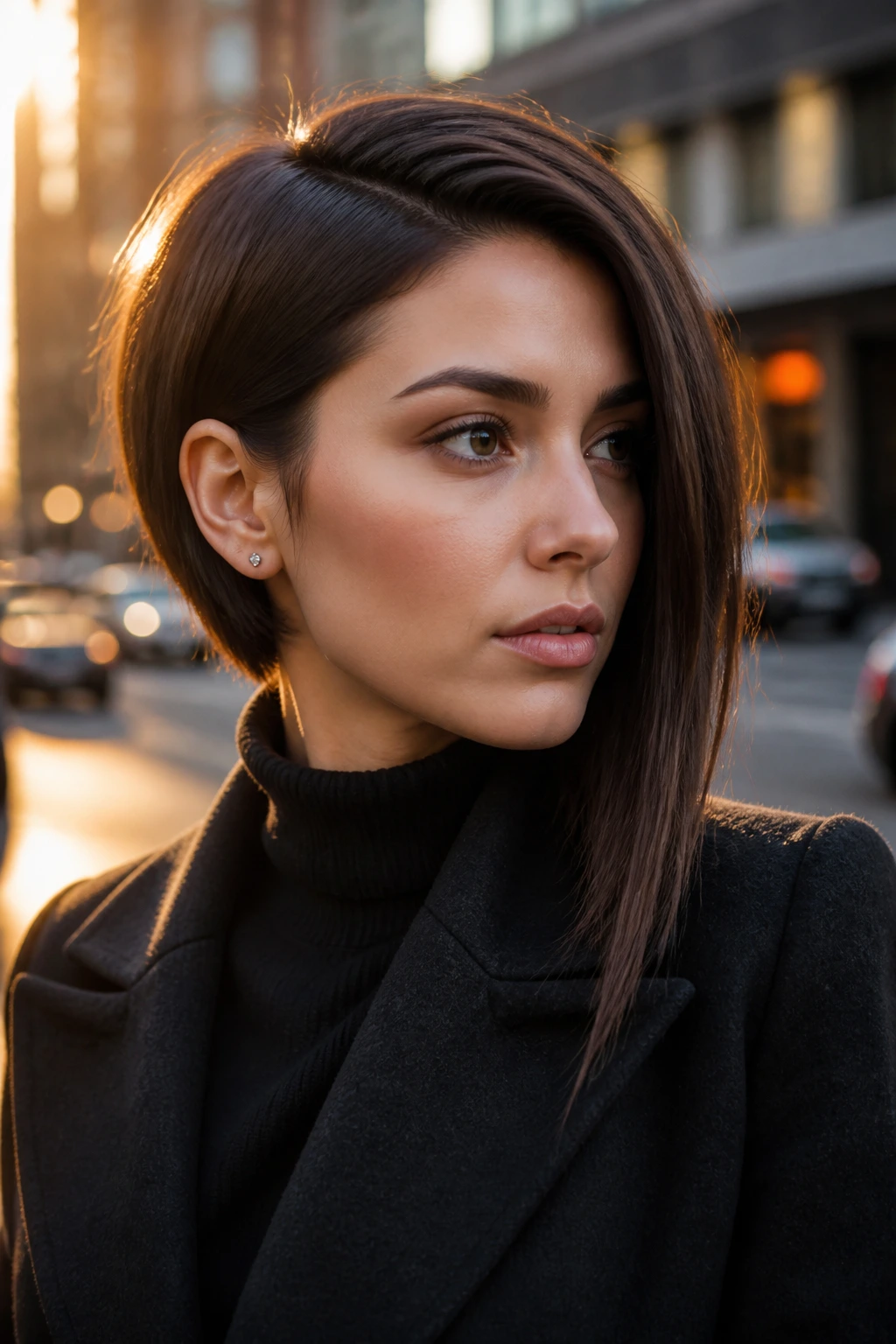
Want to make a statement? The asymmetrical bob is long on one side and short on the other. It is daring, modern, and visually interesting. It draws the eye and can actually distract from things you might be self-conscious about, like a strong jawline or a wider forehead.
The Commitment Level
You have to keep this cut trimmed. As soon as the lengths start to get too close to one another, the effect is lost. If you are someone who likes to skip salon visits for months at a time, this might not be the cut for you.
Styling the Asymmetry
Because one side is longer, it will require different styling techniques. I suggest wearing the shorter side tucked behind the ear and the longer side sleek or wavy. The contrast is the point of the cut, so emphasize it.
15. The Jawline-Length Blunt Cut
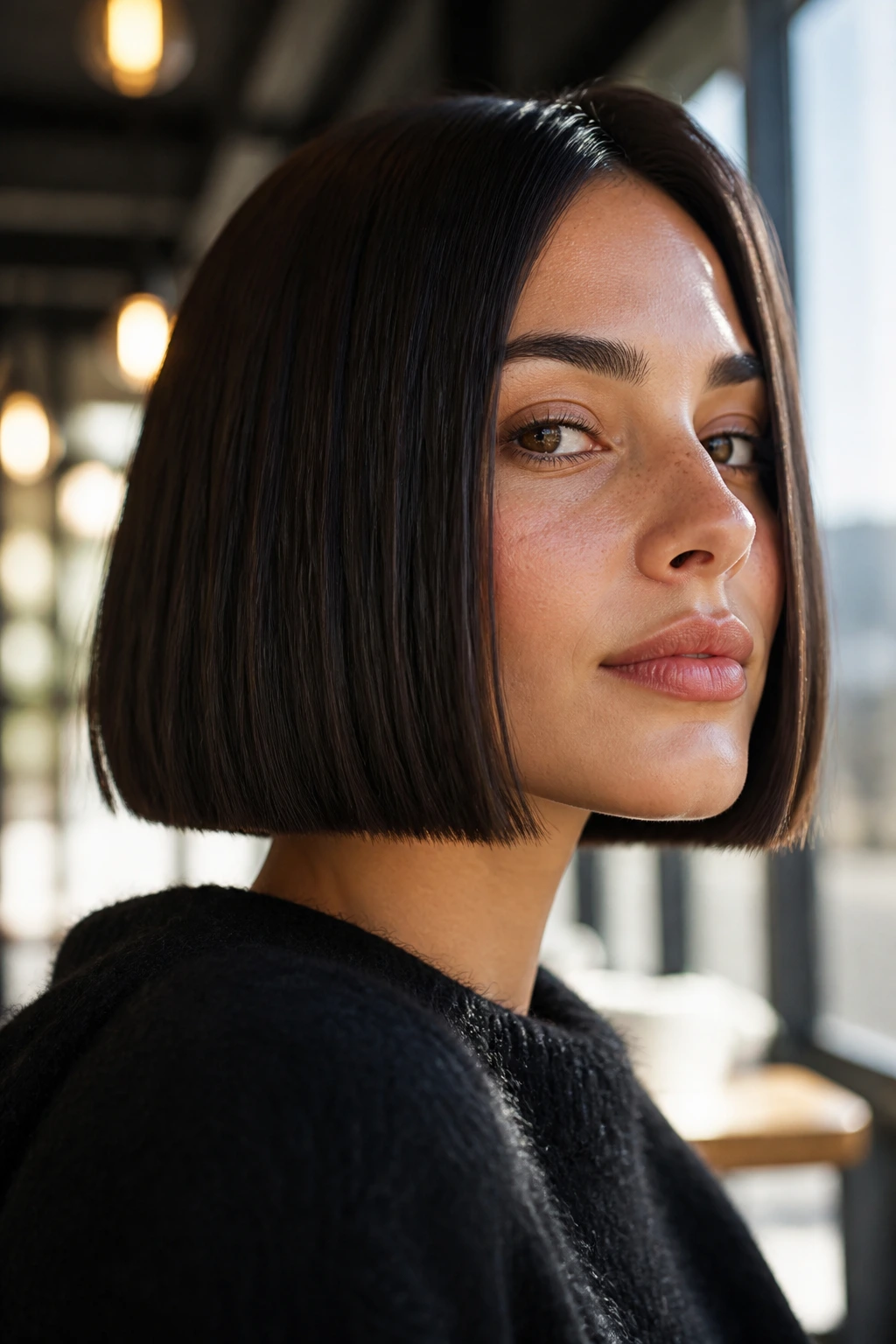
This is the cousin of the blunt bob, but with a stricter focus on length. The hair is cut exactly to the jawline. It is the most flattering length for almost every face shape because it draws attention to the bone structure of the face.
The “No-Neck” Fear
Some people are afraid that a jaw-length cut will make them look like they have no neck. The trick is to ensure the hair isn’t too voluminous at the ends. If it’s a bit sleek, it will actually make your neck look longer and more elegant.
Maintaining the Line
You need to be strict about avoiding layers. Even a few “face-framing” layers can ruin the impact of a jaw-length blunt cut. Stick to a one-length cut and embrace the precision.
16. The Layered Wavy Lob
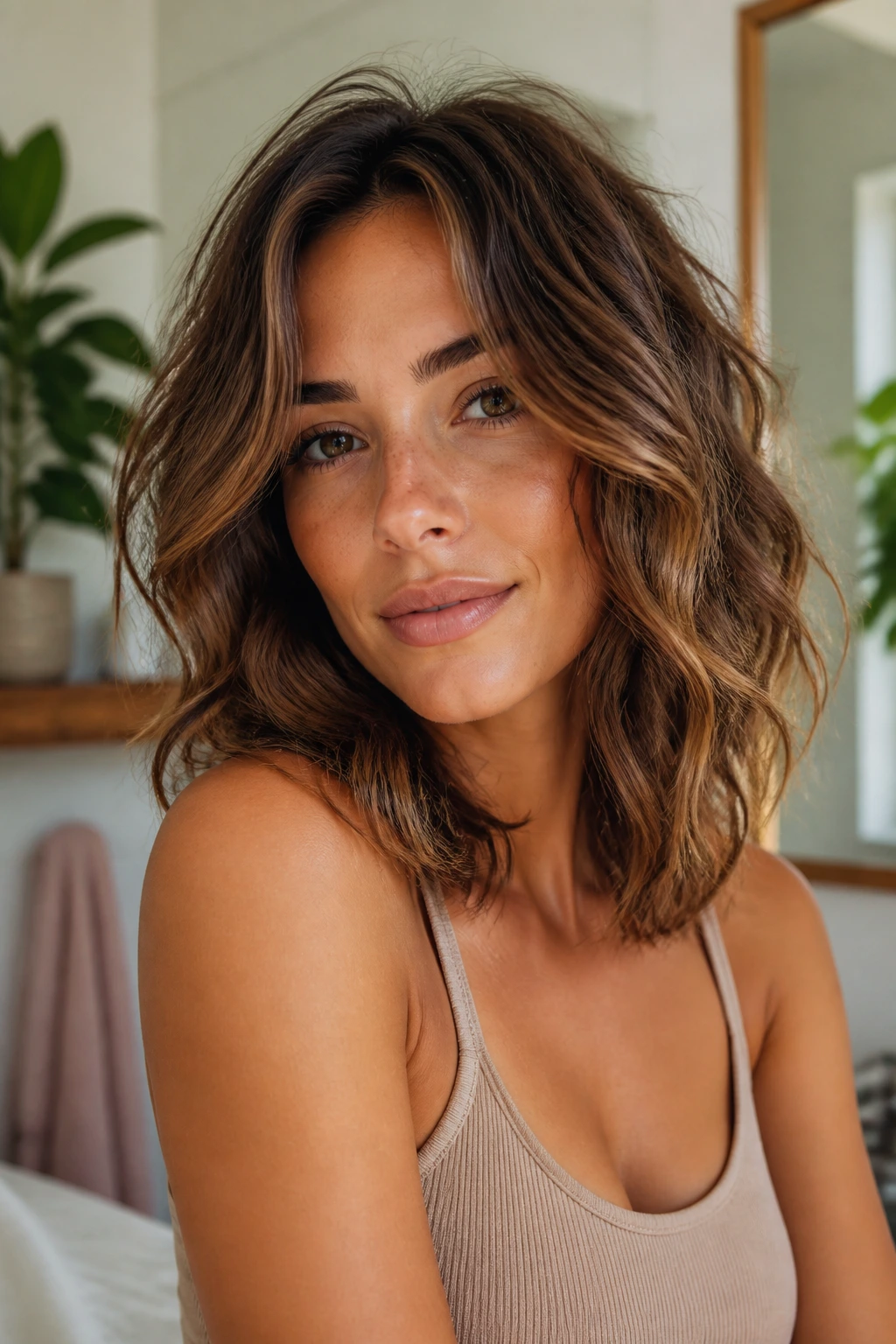
If you have naturally wavy hair, you probably know the struggle of the “triangle head”—where the hair gets huge at the bottom and flat at the top. A layered lob solves this by distributing the volume more evenly.
Cutting for Texture
Ask your stylist to “de-bulk” the ends. They can use thinning shears or a razor technique to reduce the weight at the perimeter, which allows the waves to sit closer to your head rather than flaring out.
Daily Care
Do not brush this hair when it is dry. Brushing waves leads to a giant poof. Instead, use a wide-tooth comb in the shower while your conditioner is still in, then rinse and let it be.
17. Bottleneck Bangs with a Pixie
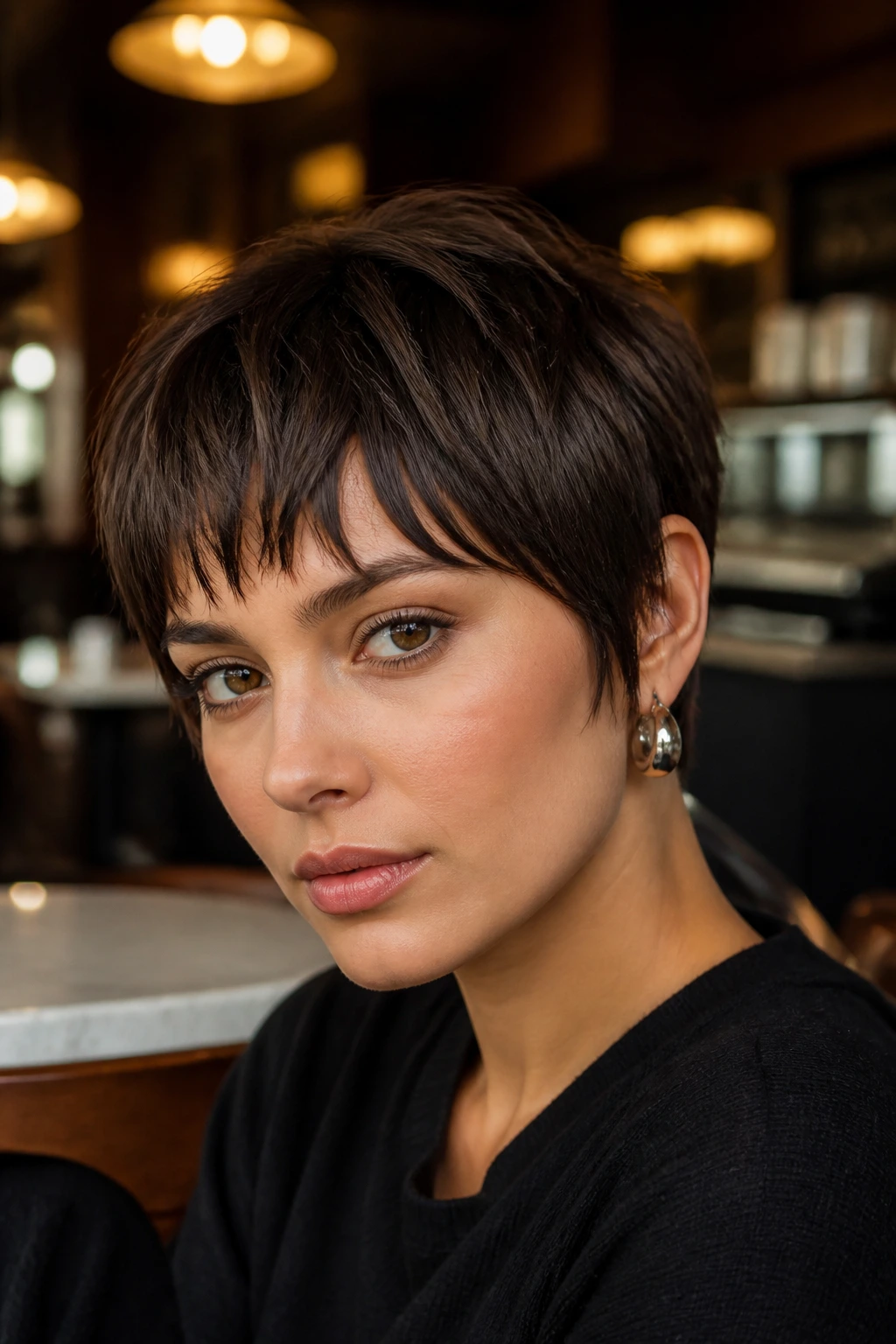
Bottleneck bangs are shaped like a bottle—they are short in the middle and get longer on the sides, perfectly framing the eyes. Pairing these with a pixie cut gives you a distinct vintage, 1960s-inspired vibe.
Why It’s Unique
Most pixie cuts just go straight across or are swept to the side. Adding bottleneck bangs creates a focal point. It brings the hair forward, which can balance out a longer face shape beautifully.
The Maintenance
Bangs are high-maintenance. You will likely need to trim them every two to three weeks, or they will start poking you in the eyes. Learn how to do a “dusting” trim at home, or have a standing quick-appointment with your stylist.
18. The Inverted Bob
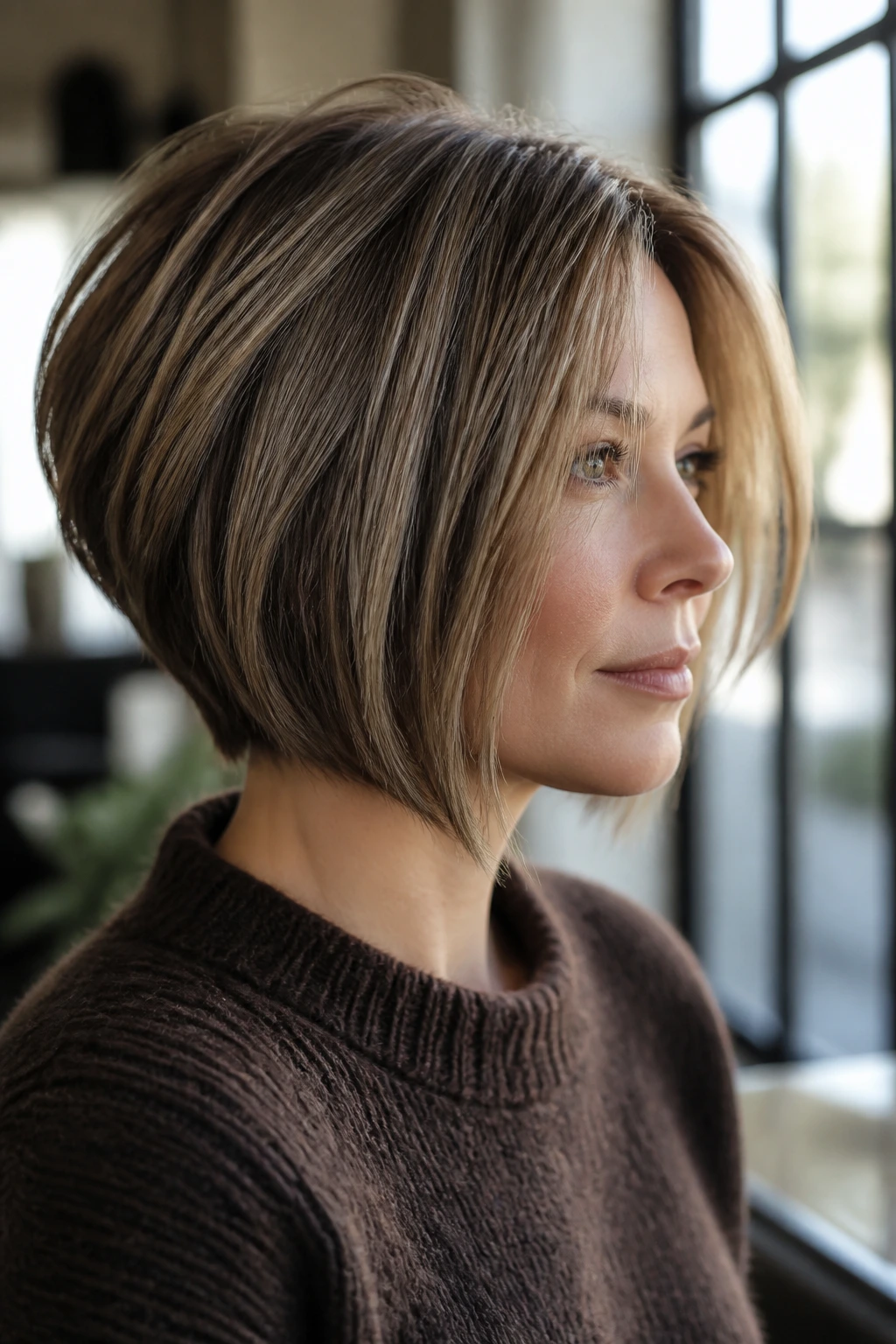
The inverted bob is similar to the graduated lob, but shorter. The back is stacked with layers to create volume, and the front angles down toward the chin. This creates a very rounded, full shape that is perfect for anyone with fine hair who needs more body.
Why It Works
The stacking in the back creates a “shelf” of volume. You don’t need backcombing or heavy hairspray to get that lift; the haircut does the work for you.
Styling
You will need a round brush to get the best out of this cut. Flip the ends under while blow-drying to accentuate that rounded, polished shape.
19. Feathered Layers
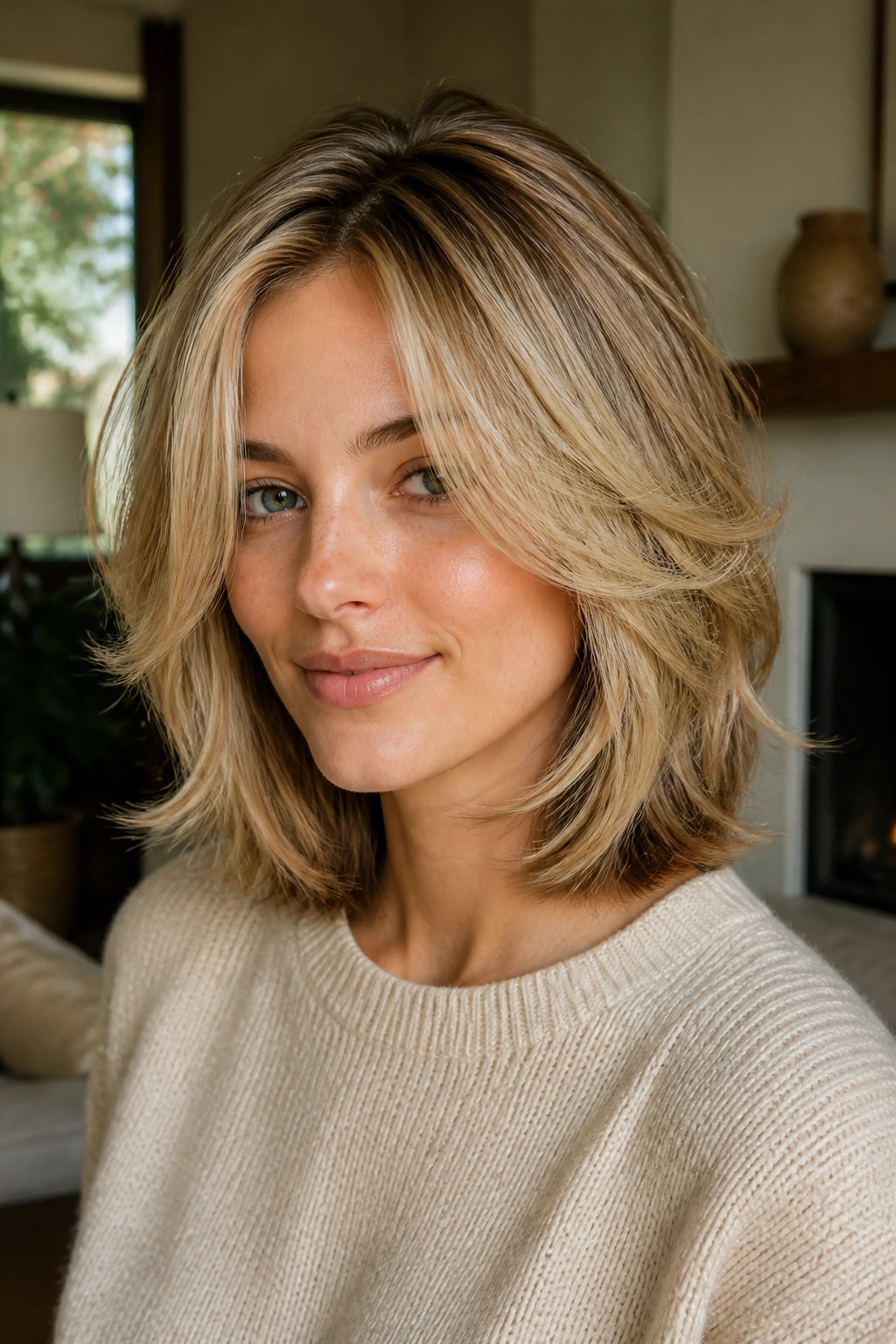
If you love the aesthetic of the late 70s or early 80s—think soft, sweeping movement—then feathered layers are for you. This involves cutting the hair with a razor or specific texturizing technique to create soft, overlapping pieces.
The Feel
It feels light and airy. It is the opposite of the blunt bob. If the blunt bob is a statue, this is a breeze. It moves with you.
Styling
This cut is all about the “flip.” Use a large round brush and pull the hair back and away from your face as you dry it. It creates that classic, feathered look that has made a major comeback.
20. The Deep Side Part Bob
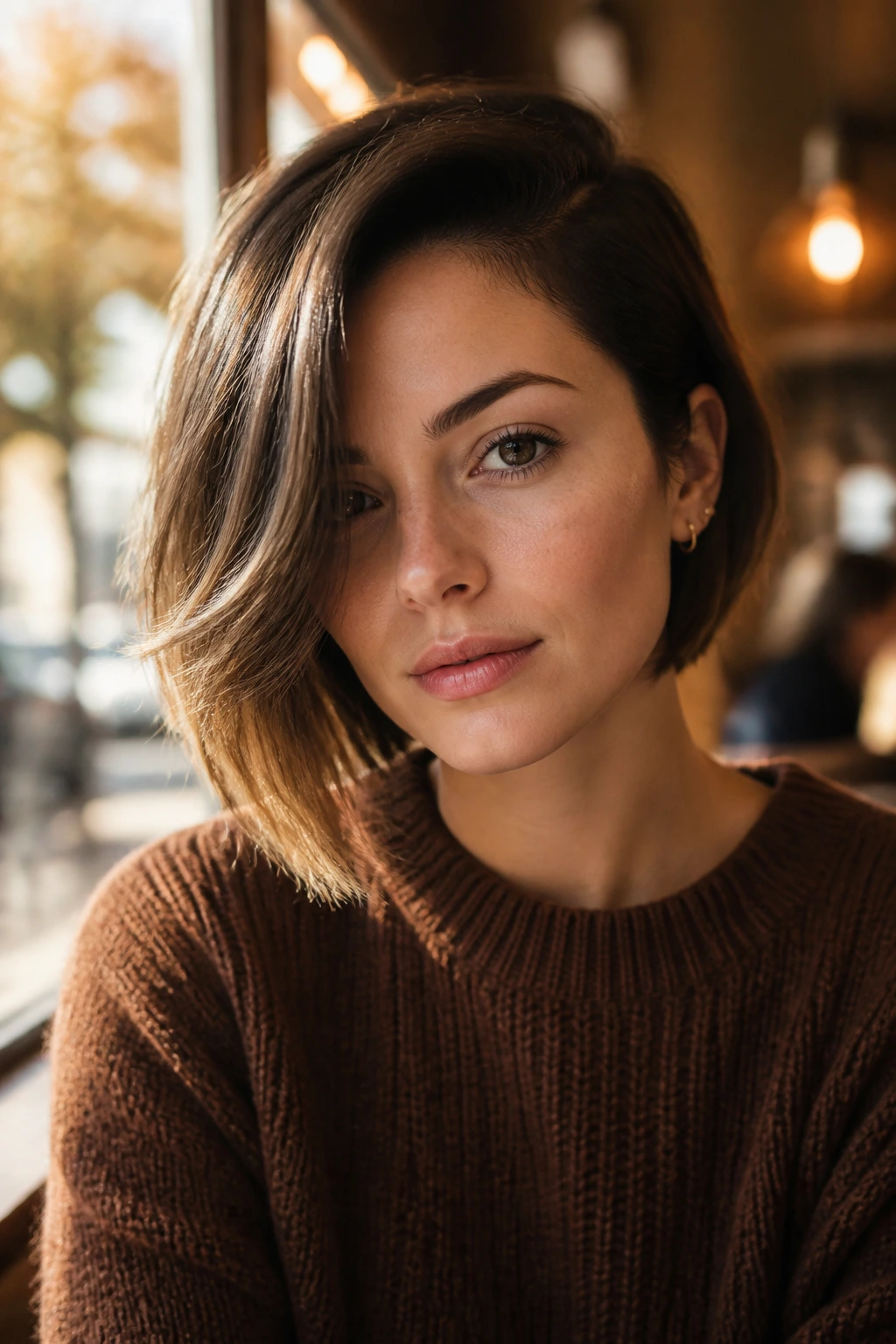
Sometimes, a haircut isn’t about the cut itself, but how you wear it. A deep side part changes the entire geometry of a bob. It adds instant volume to the side with more hair and creates a sophisticated, dramatic silhouette.
Transitioning
If you have been wearing a center part for years, your hair might resist the side part at first. The roots will want to flop back to the middle. Use a little bit of root-lifting spray and a blow-dryer to “train” the hair to stay on the side.
Why It Works for Autumn
It looks incredible with high-collar sweaters. It keeps the hair off one shoulder, which is both practical for comfort and visually striking.
21. Tapered Natural Curls
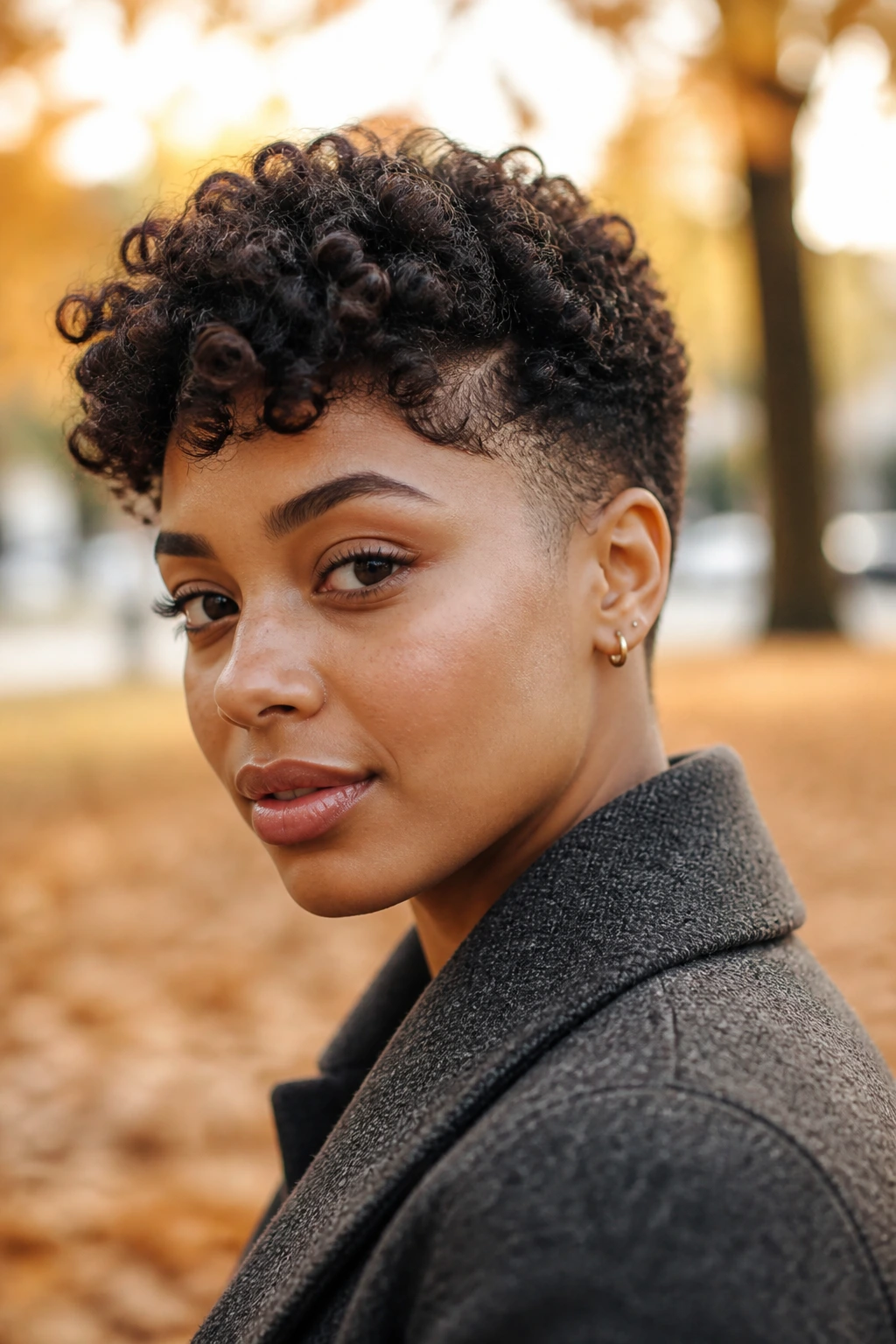
For those with curly or kinky textures, a tapered cut—where the sides and back are shorter than the top—is a fantastic way to manage volume and showcase your face. It celebrates the height and shape of your natural texture.
Why It’s Efficient
You use less product. When you have long, curly hair, you go through bottles of conditioner like water. A tapered crop allows you to use a fraction of the amount, saving you money and time.
Shaping
The key here is finding a stylist who specializes in “dry cutting.” Curly hair should be cut while dry so the stylist can see exactly how each curl springs up. Never let someone pull your hair straight to cut it, or you will end up with an uneven mess once it dries.
22. The Long Pixie
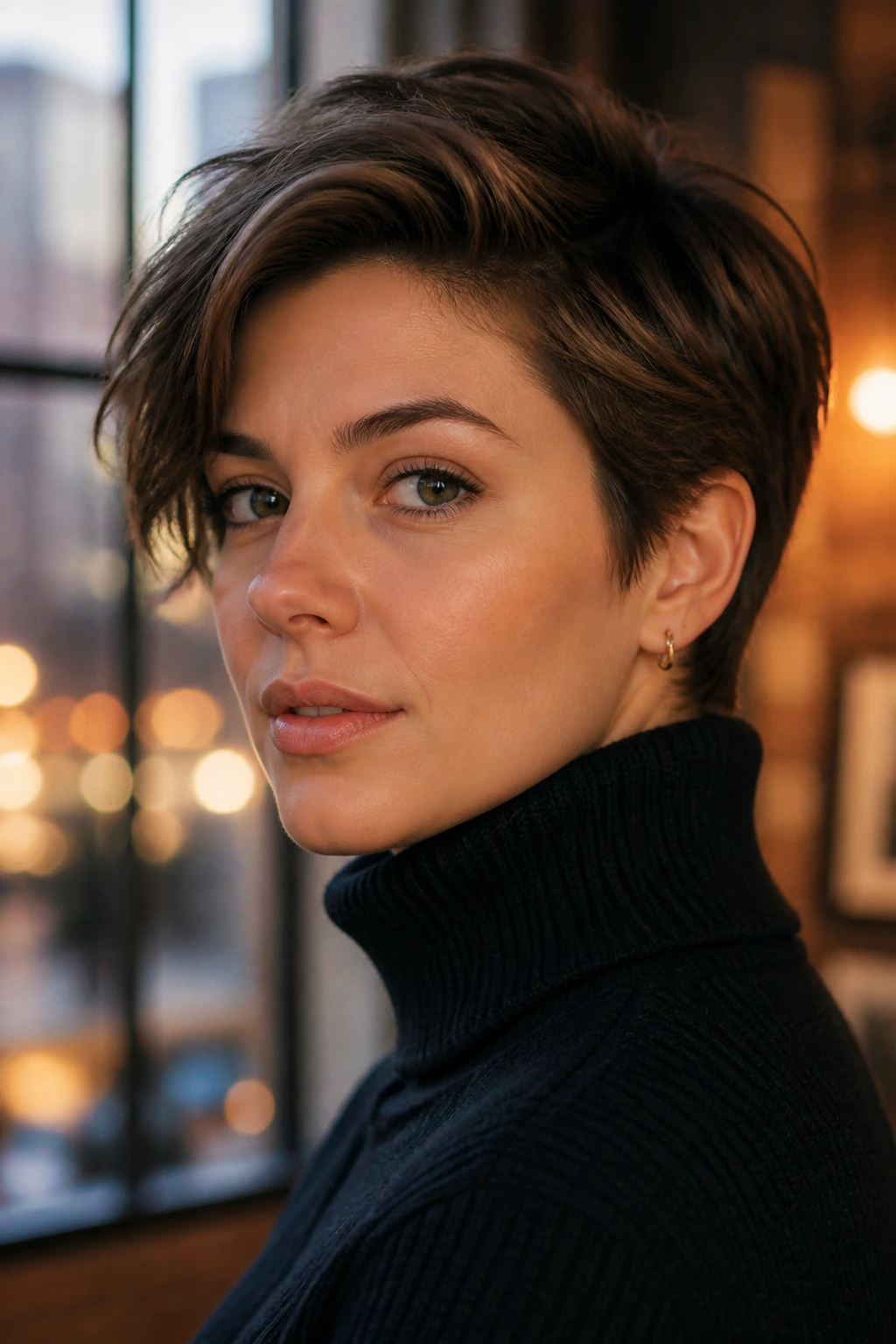
If you are intimidated by a true short chop, the long pixie is your best friend. It is a “gateway” cut. The sides are cropped, but the top is left long enough to tuck behind your ears or even style into a mini-quiff.
The Versatility
You can style this in so many ways. Slick it back for a formal look, mess it up for a casual vibe, or pin it to the side with a bobby pin. It is the most versatile short haircut you can have.
The Growth Phase
When you eventually get tired of the short hair, the long pixie grows out much more gracefully than a severe, short crop. You won’t have that awkward “mop” phase as quickly because the layers are already soft and blended.
Final Thoughts
Making the choice to go short is less about following a specific trend and more about finding a style that makes your daily routine simpler. Autumn is the perfect season for this because it gives you a sense of renewal, a clean slate, and, quite frankly, relief from the struggle of managing heavy hair under hats and scarves.
Don’t overthink the “rules” of what suits your face shape. While guidelines exist for a reason, the best haircut is the one that makes you feel like yourself. If you look in the mirror and smile, that is the right cut. Bring a few photos to your stylist, but be open to their professional opinion on how to adapt these styles to your specific texture and hair density. A good cut is a partnership between you and the person holding the shears, so communicate clearly about your maintenance expectations—if you aren’t willing to spend twenty minutes with a round brush, tell them that upfront. Your hair should work for you, not the other way around.
