



Your hair is a direct reflection of your hydration levels, your styling technique, and, perhaps most frustratingly, your patience. There is a specific kind of disappointment that sets in when you step out of the shower with promising, glistening spirals, only for them to turn into a frizzy, undefined halo by the time your coffee is finished. Many people blame their genes, believing their curl pattern is static and unchangeable. In reality, hair texture is highly responsive. It is a biological structure that reacts to moisture, tension, friction, and protein balance.
When you treat your hair as a living, shifting environment rather than a static accessory, you gain control over your texture. You stop fighting your hair and start working with its natural inclination to spiral, wave, or coil. Boosting texture isn’t about buying the most expensive bottle on the shelf; it is about refining your mechanical process and understanding what your hair needs on any given morning.
1. The “Squish to Condish” Method
This technique changed the game for curly hair, and if you aren’t doing it, your hydration is likely sitting on the surface rather than penetrating the hair shaft. Start with dripping wet hair in the shower. Apply your conditioner, then lean forward and gather your hair in your hands.
Push the hair toward your scalp in a rhythmic, squeezing motion. You want to hear a squelching sound—yes, it sounds a bit odd, but that noise is water and conditioner being forced into the hair cuticle. This method encourages the hair to clump together, which is the foundational step for defined curls. Do not rinse the conditioner out completely; leave a little slip in there to keep the hair hydrated as it dries.
2. Finger Coiling for Definition
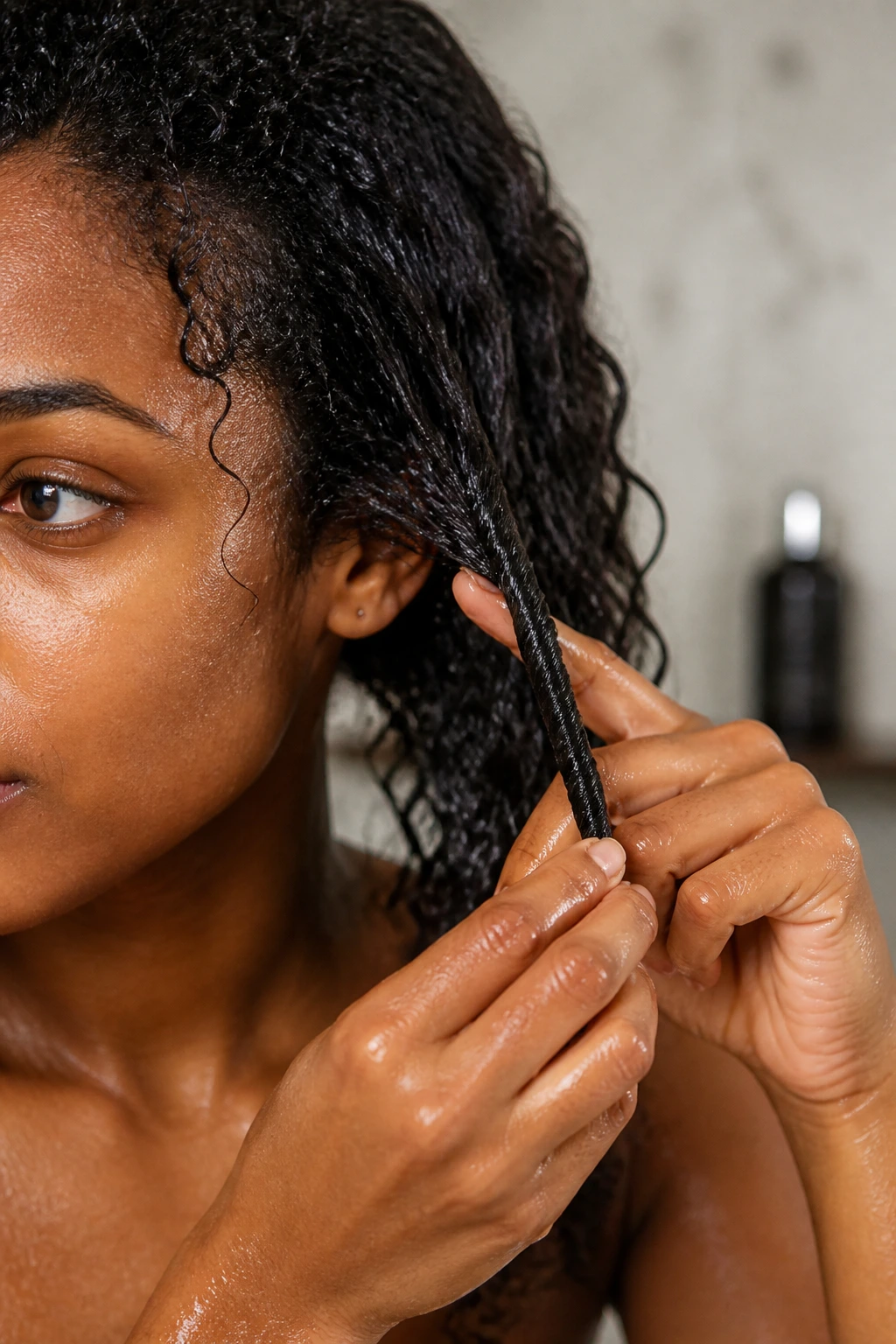
If you have sections of your hair that seem to have “forgotten” how to curl, finger coiling is your best friend. This manual process trains the hair to follow its natural spiral pattern. While your hair is still wet and coated with a styling cream or gel, take a small section—about half an inch to an inch—and wrap it around your index finger.
Why It Works
By physically twisting the hair in the direction of its natural growth, you reduce the surface area that causes frizz. It forces the strands to bond together in a uniform shape.
Pro Technique
Rotate your finger as you wind the hair, and then gently release it without pulling. Let it air dry without touching it. This is tedious, but it creates salon-quality results that last for days.
3. The Importance of Wet Styling
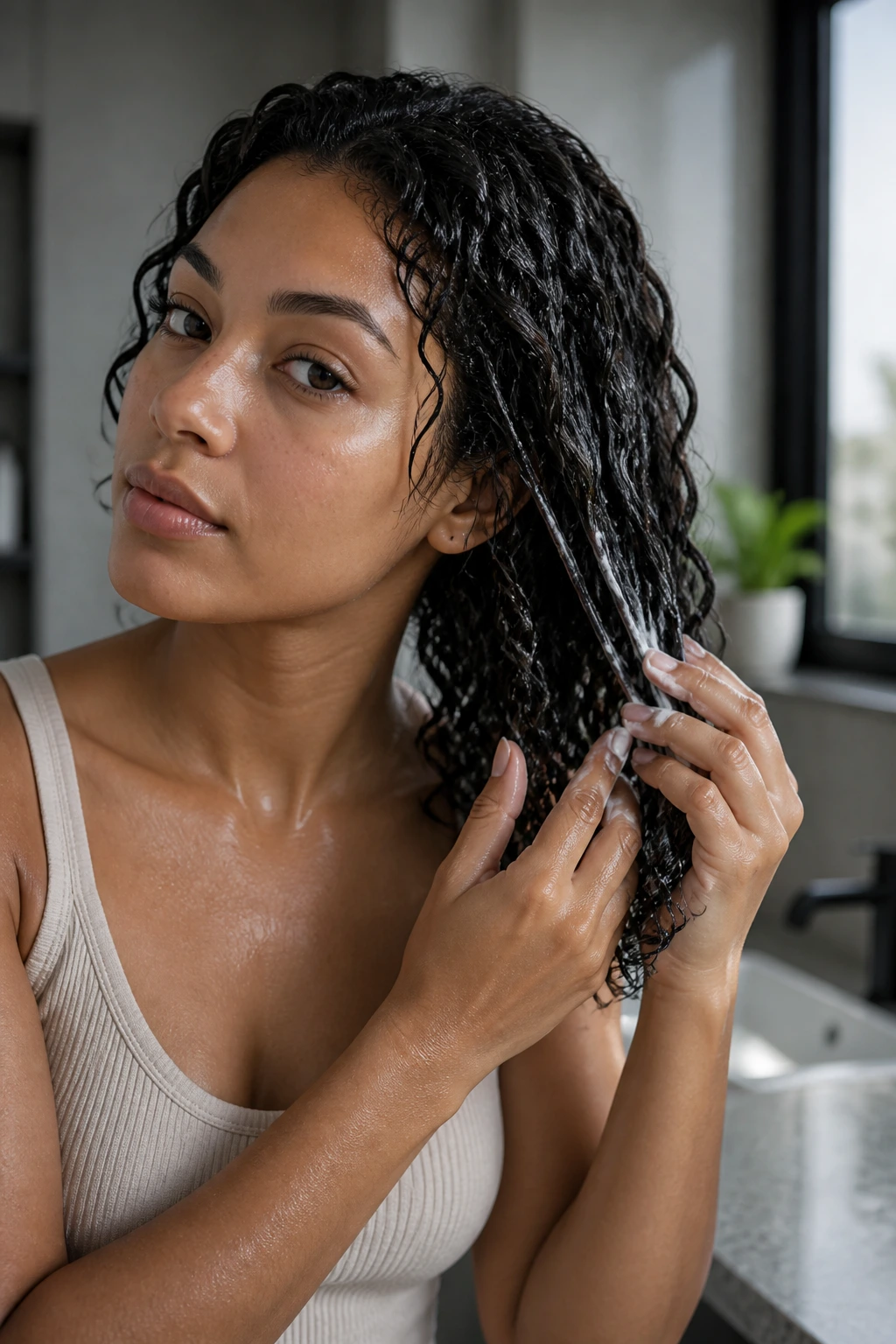
The biggest mistake people make is styling their hair when it is damp or partially dry. Once the hair begins to dry, the cuticle starts to close. If you apply product at this stage, it sits on the outside of the hair shaft, creating a heavy, sticky film that weighs down your texture instead of enhancing it.
Always apply your leave-in conditioner, mousse, or gel to hair that is wet enough that it is still dripping. This locks in the water, which is the actual source of your hair’s volume and bounce. If you are working on second-day hair, use a spray bottle to re-wet the strands thoroughly before adding any product. Never dry-style.
4. Master the “Pineapple” for Overnight Protection
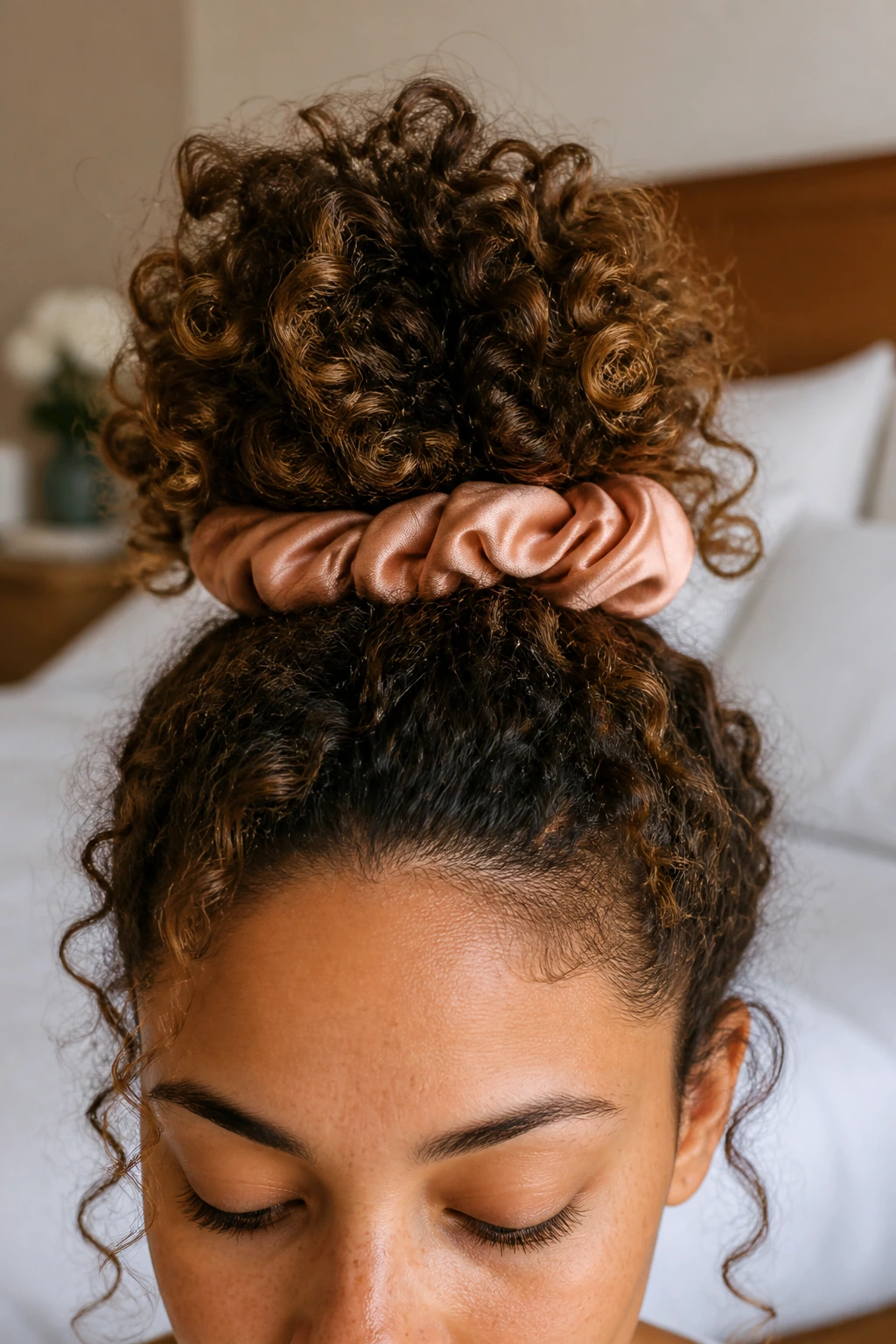
Sleeping is the enemy of curls. The friction between your hair and a standard cotton pillowcase creates chaos, resulting in flat, frizzy hair by morning. The “pineapple” is the universal shorthand for a high, loose ponytail that keeps your curls protected while you sleep.
Flip your head upside down and gather your hair into a ponytail at the very top of your head. Secure it with a satin or silk scrunchie—not a tight elastic band—with only one loose loop. This prevents you from crushing your curls against the pillow and maintains volume at the roots. When you wake up, shake it out, and your curls should be largely intact.
5. Ditch the Terry Cloth Towel
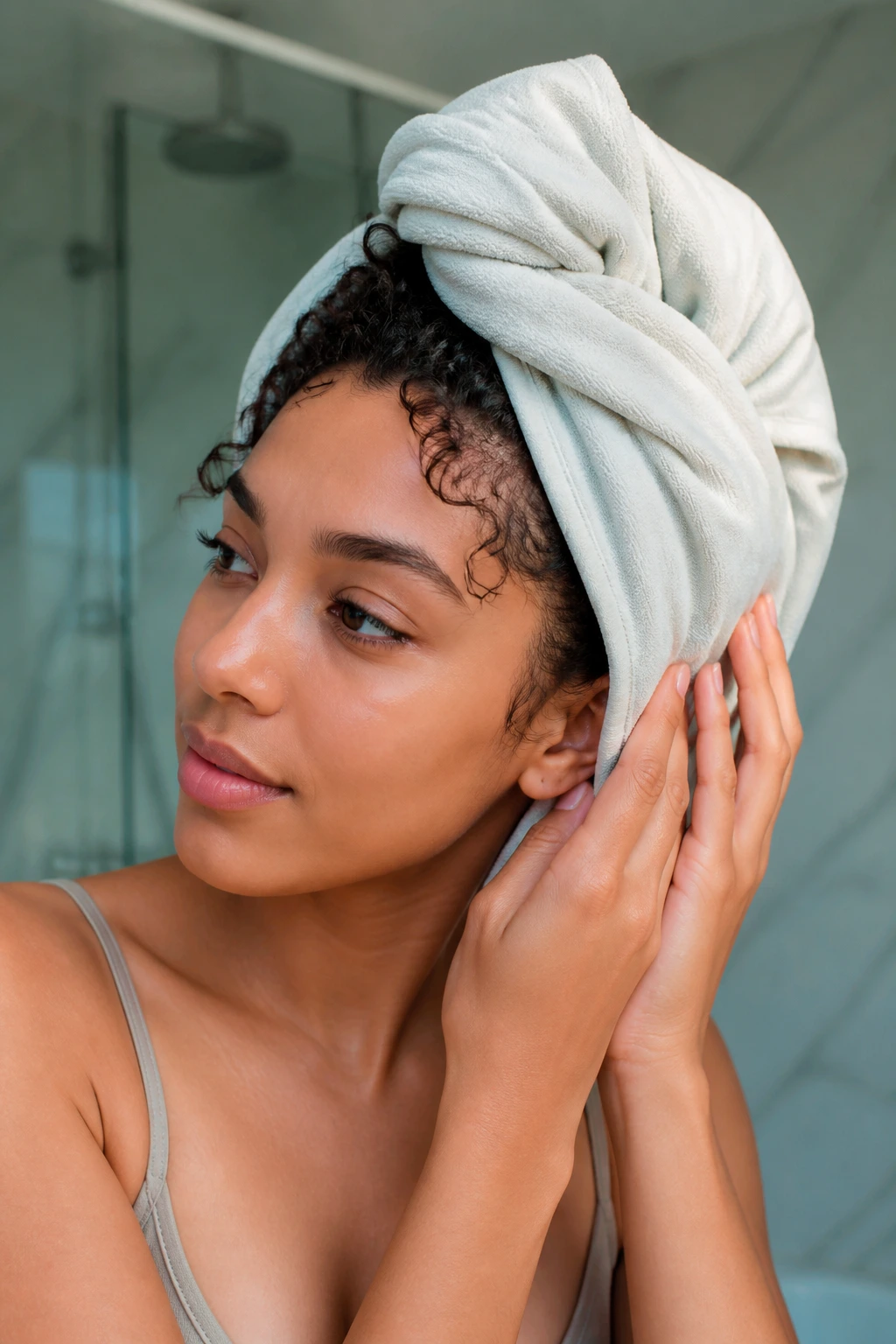
If you are still drying your hair with a standard bathroom towel, stop immediately. The loops of terry cloth are designed to be abrasive so they can absorb water, but that same abrasiveness is catastrophic for curl definition. It lifts the hair cuticle, creating instant frizz.
Switch to a smooth microfiber towel or an old, soft cotton T-shirt. Do not rub your hair. Instead, use a gentle scrunching motion to remove excess water. By being gentle with the hair while it is wet and fragile, you keep the curl clumps intact and minimize the mechanical damage that leads to broken, stringy ends.
6. The Science of Protein-Moisture Balance
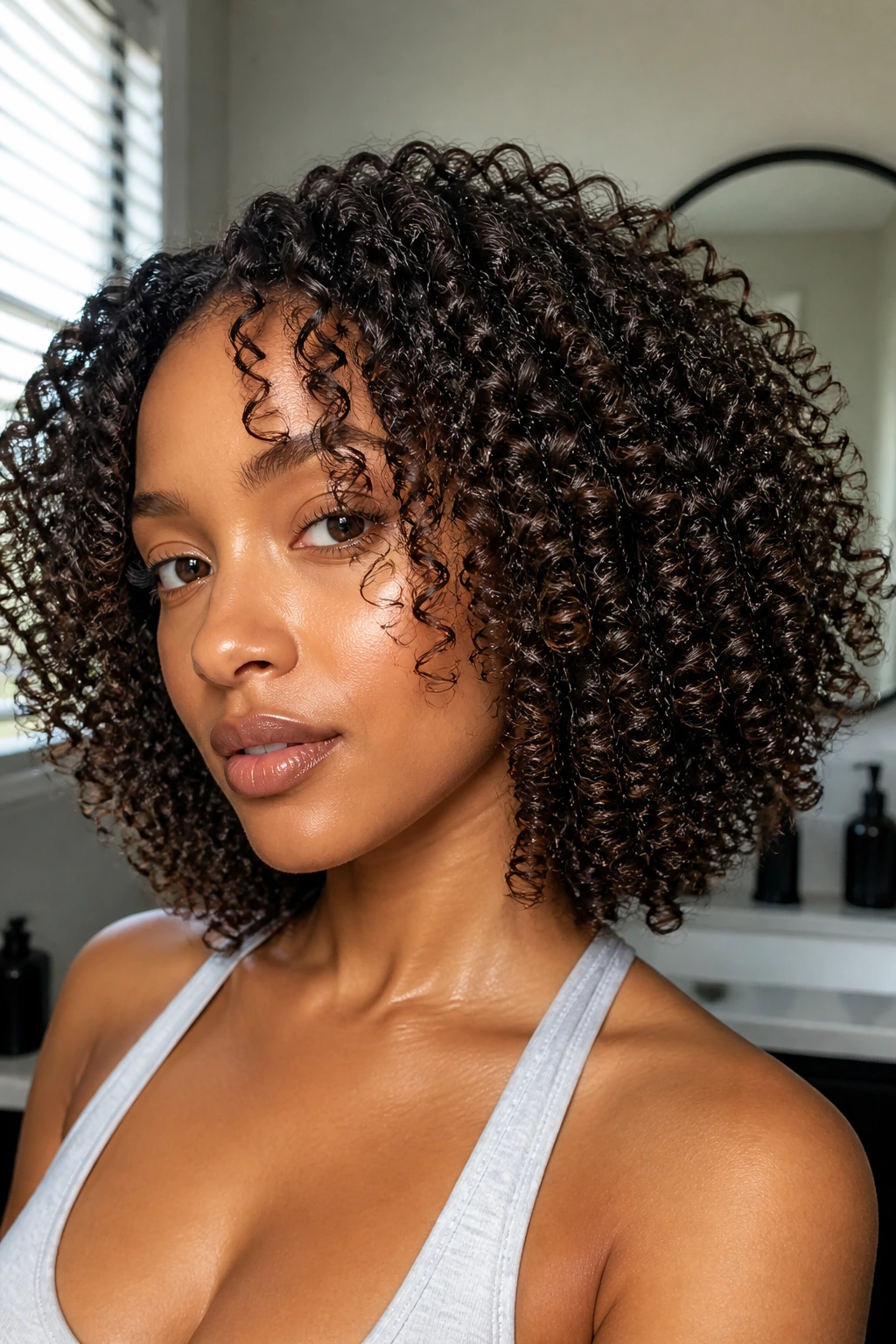
You have likely heard about deep conditioning, but texture is actually a balancing act between moisture (hydration) and protein (structure). If your hair feels mushy, overly soft, or loses its shape immediately, it likely needs protein to give it structure. If it feels brittle, stiff, and snaps easily, it needs moisture.
How to Diagnose Your Needs
- Elasticity Test: Pull a wet strand gently. If it stretches and returns to its original shape, you are balanced.
- The Snap: If it stretches and doesn’t return, or snaps too quickly, you need a protein treatment.
- The Mush: If it feels like wet cotton candy or loses all curl definition, you are likely over-moisturized and need a protein boost.
7. Strategic Diffusing Techniques
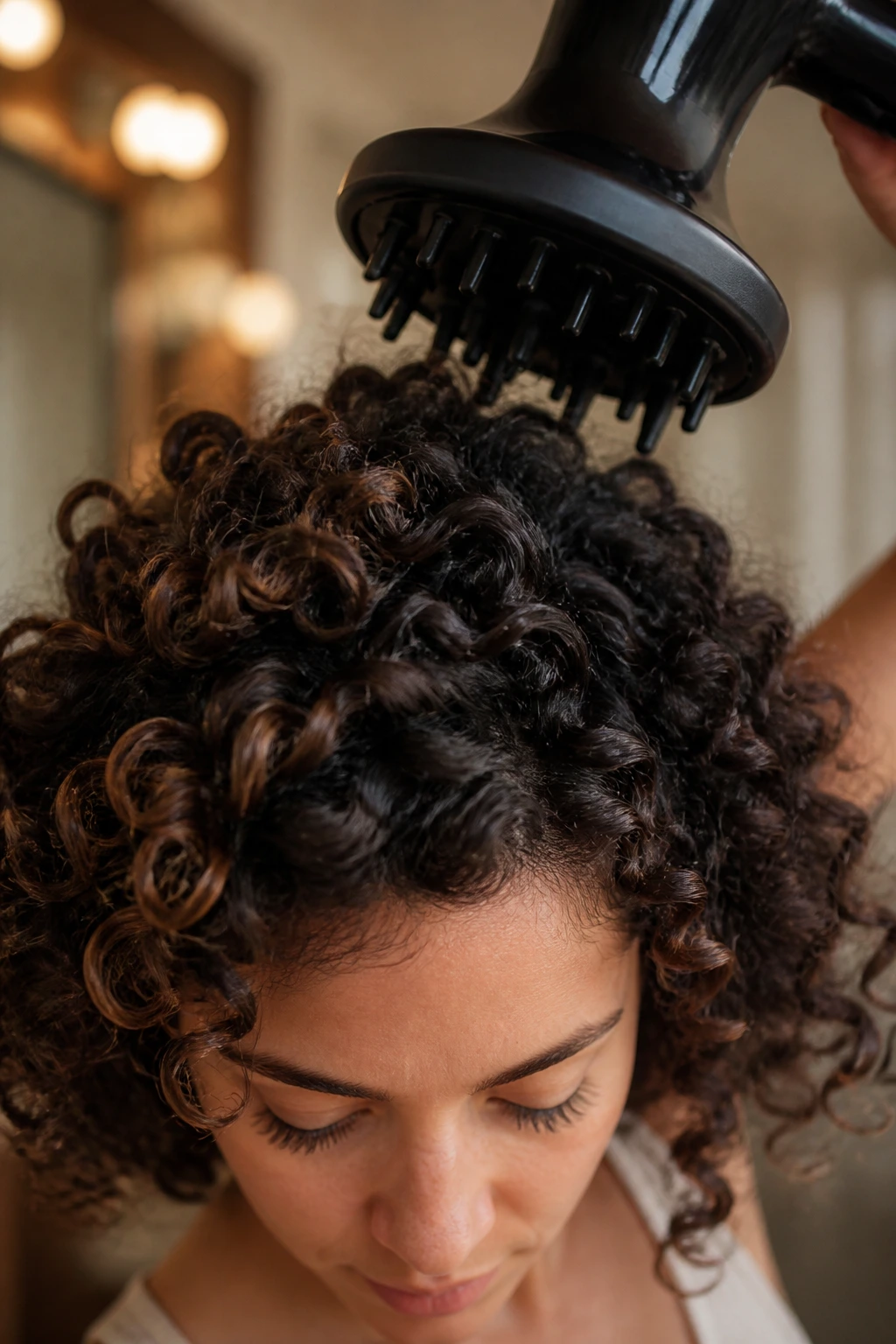
Air drying is ideal, but sometimes you need to get out the door. The trick to diffusing without losing your texture is to avoid moving the dryer around too much. High-velocity air is what causes frizz.
Set your blow dryer to the lowest speed and a medium heat setting. Hover the diffuser around your head without touching the hair first; this sets the outer cast of your curls. Once the outer layer is dry and firm, you can gently cup sections of your hair into the diffuser bowl and move it toward your scalp. By “setting” the hair before you touch it, you prevent the frizz that comes from handling wet strands.
8. Clarifying Wash Day
Sometimes your hair isn’t “bad”—it’s just dirty. Buildup from silicones, heavy oils, and even environmental pollutants can coat your hair, making it limp and resistant to curling. If your usual products aren’t working, your hair might be blocked.
Use a clarifying shampoo once or twice a month to strip away the residue. It will feel a bit harsh, which is why it is vital to follow up with a deep conditioning mask. A clean slate allows your hair to actually absorb the moisture you are putting into it, immediately giving it more bounce and spring.
9. Understanding Hair Porosity
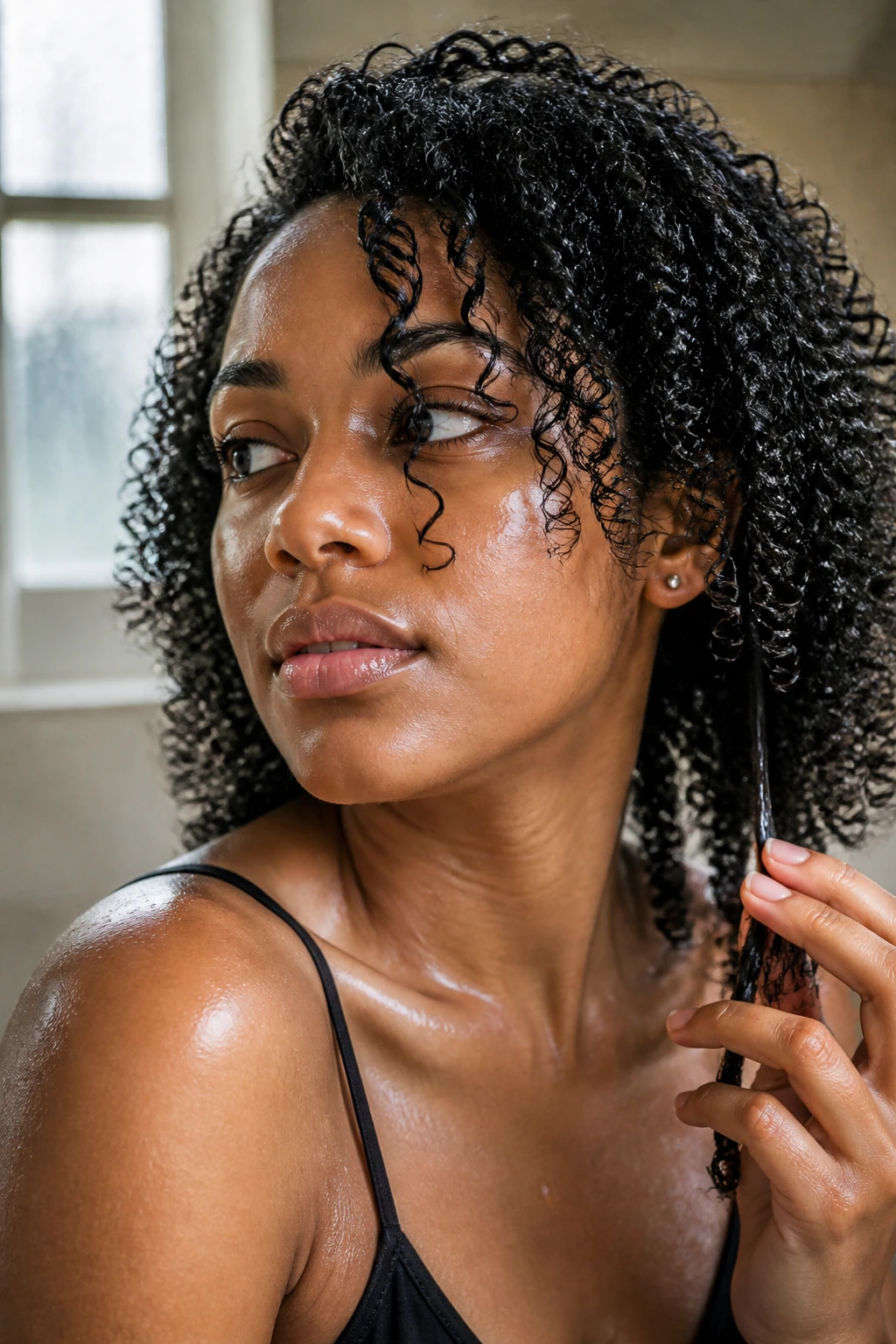
If you struggle with texture, you might be fighting your hair’s inherent porosity. Low porosity hair takes a long time to get wet and even longer to dry; it hates heavy oils and loves heat (like a steam cap). High porosity hair drinks up moisture instantly but loses it just as fast, requiring heavier creams and sealants to hold the texture in place.
Knowing where you land on this spectrum dictates your entire routine. If you have low porosity, focus on lightweight, water-based products. If you have high porosity, look for richer butters and oils to “seal” the moisture in.
10. The Praying Hands Application
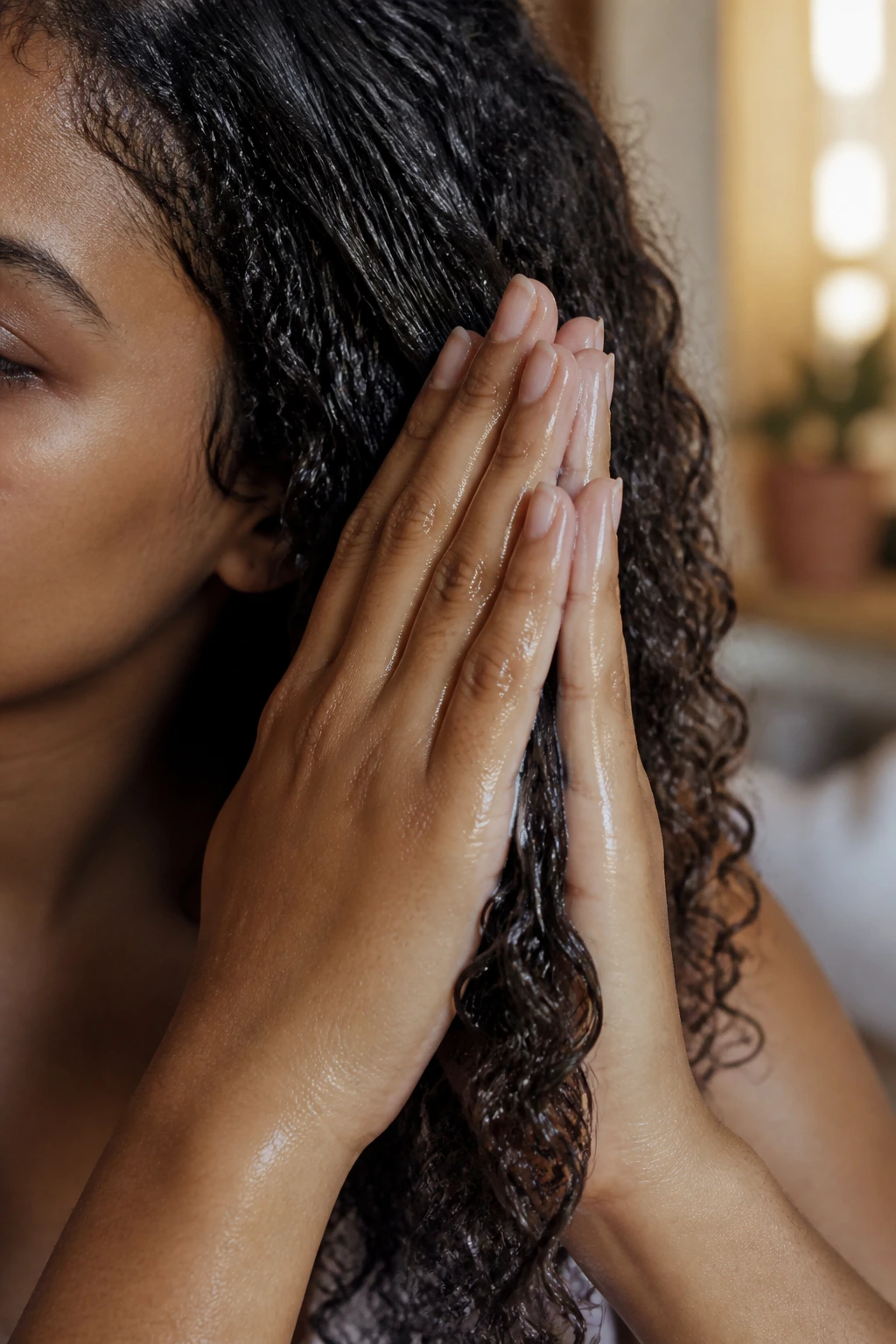
We tend to rake our fingers through our hair, which is a fast track to broken curl clumps and frizz. Instead, use the “praying hands” method to apply your styling products. Rub the product between your palms, place your hands together with your hair in between, and glide down the length of your hair in a smoothing motion.
This method encourages the hair to clump into a single, defined ribbon rather than separating into messy, individual strands. It smooths the cuticle down while distributing the product evenly from root to tip. It is particularly effective for those with tighter coils or thicker hair textures.
11. Avoiding “The Crunch” Myth
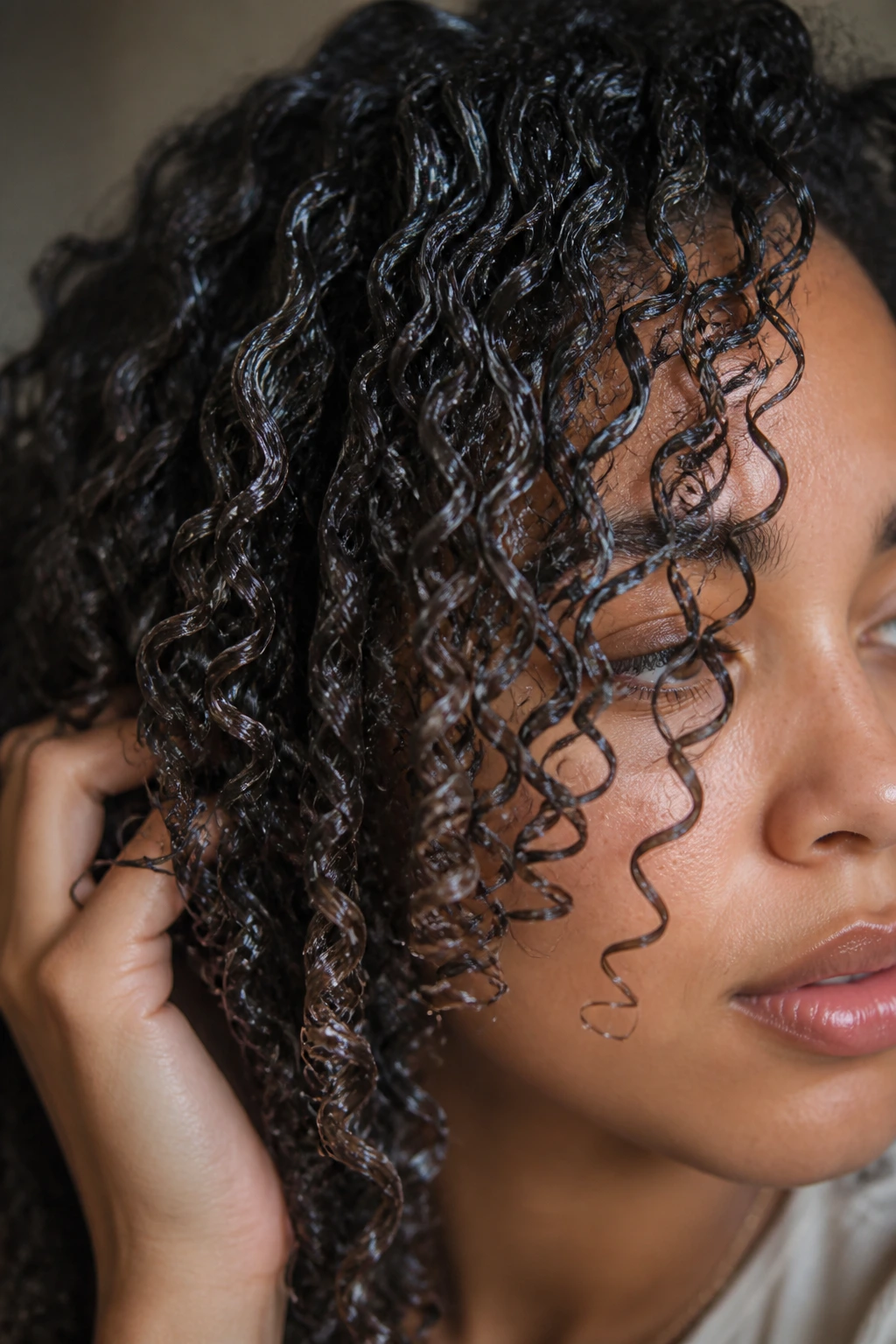
Many people avoid gel because they fear “crunchy” hair. This is a misunderstanding of how curl products work. The crunch, or “cast,” is actually a good thing. It is a protective shell that holds your curls in their desired shape while they dry.
The mistake people make is stopping at the cast. Once your hair is 100% dry, you should “scrunch out the crunch” using a tiny amount of oil or just your hands. The shell breaks, leaving behind soft, shiny, defined hair. If you are afraid of gel, you are likely leaving your hair vulnerable to humidity, which causes it to lose its texture within hours.
12. Strategic Layering of Products
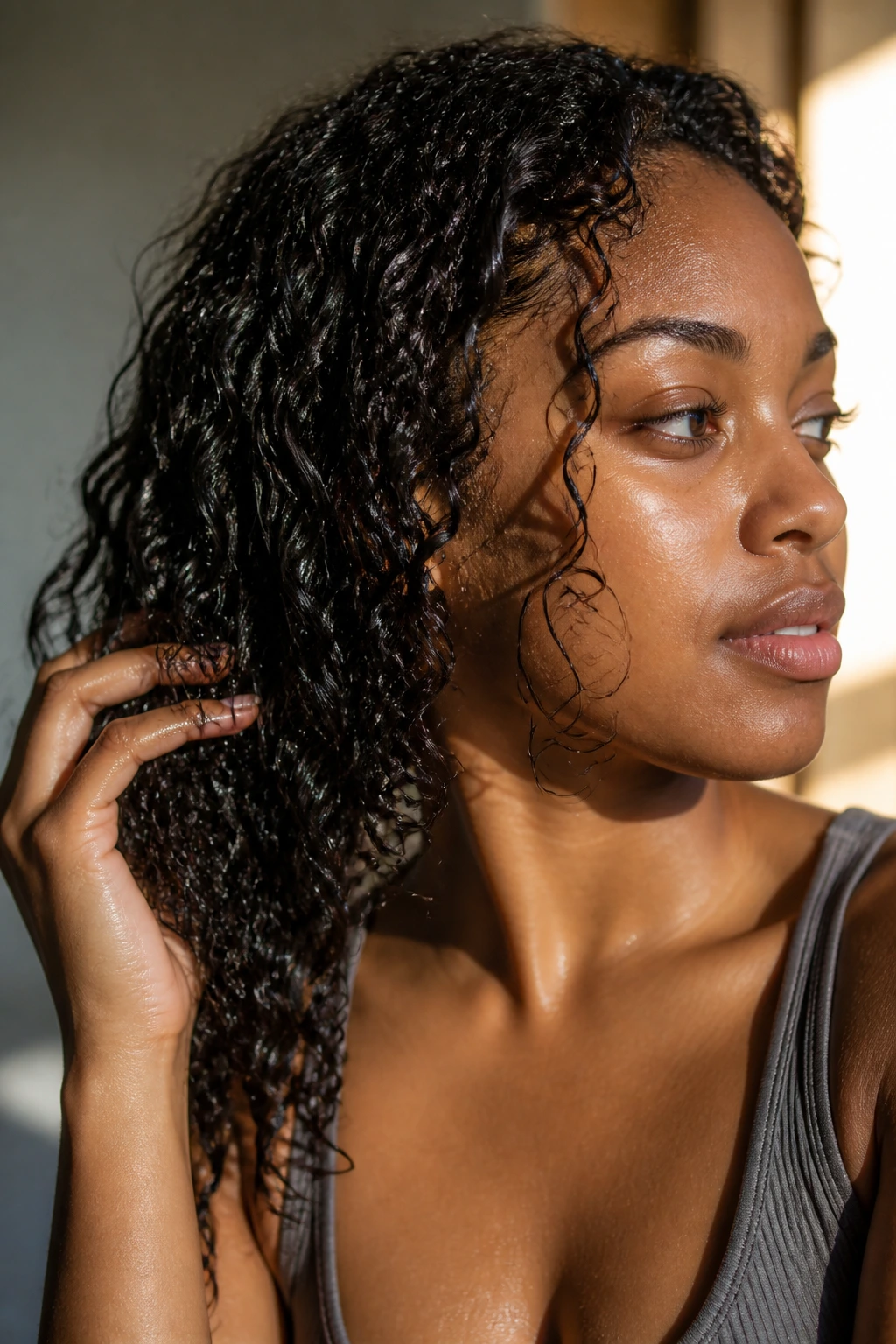
You do not need a dozen products, but you do need a system. The most common success story in curl care is the “LCO” method: Liquid (or Leave-in), Cream, Oil. You apply a liquid leave-in conditioner to hydrate, a cream to define, and an oil to seal.
The key is order. If you apply oil before the water-based conditioner, the oil will act as a barrier and prevent the moisture from ever reaching your hair. Always start with the thinnest, most water-soluble product and end with the thickest, most oil-based product. This keeps the hair hydrated and the curl pattern tight.
13. Braiding to Stretch
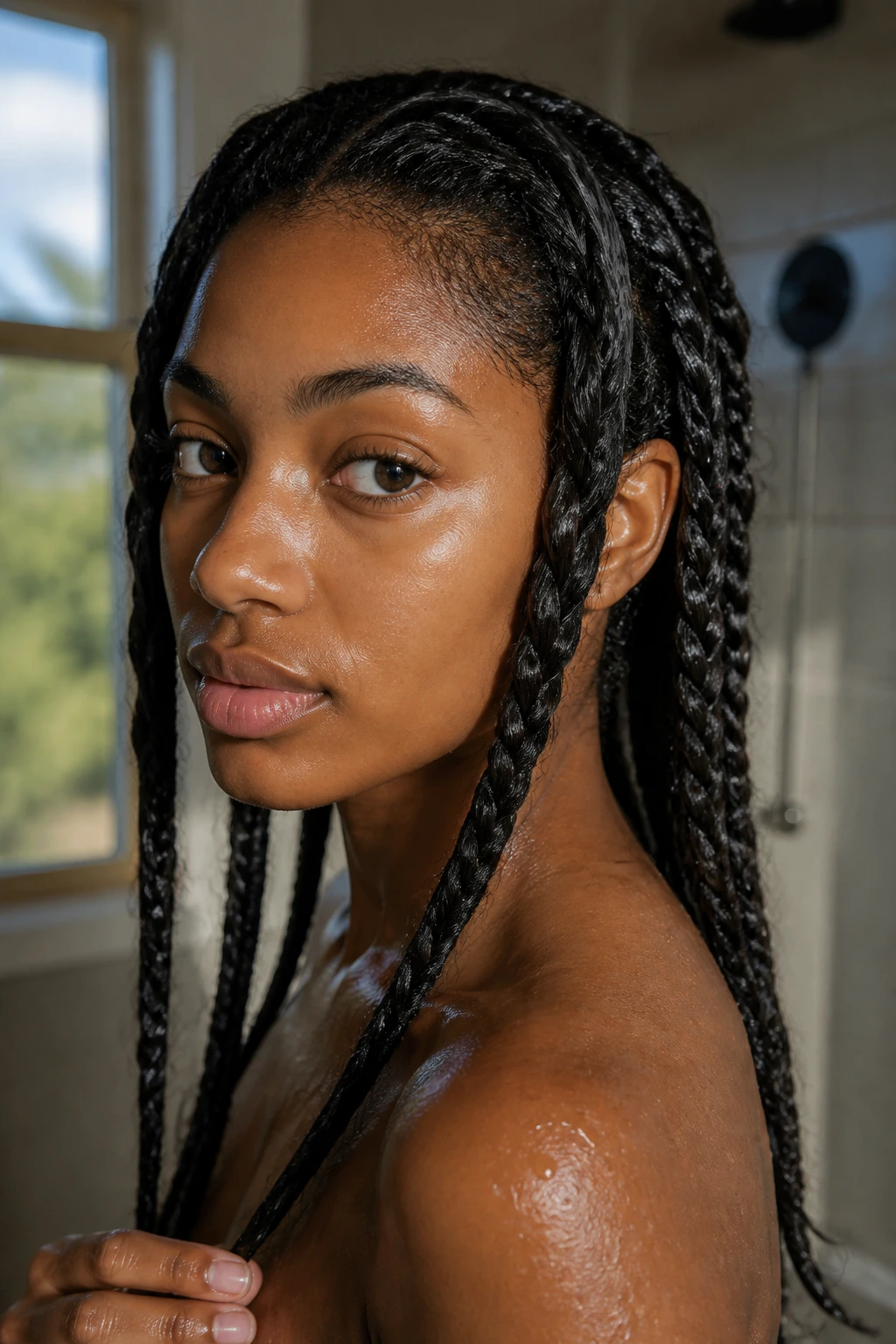
Sometimes the best way to boost texture is to manipulate it while it dries. If you find your hair shrinks too much when it dries, you lose the appearance of length and definition.
The Technique
On wet, styled hair, braid large sections. Do not braid them tightly; just loose, two-strand twists or three-strand braids will do. Let the hair dry in this state. When you take the braids down, you will have stretched, elongated, and highly defined curls. This is an excellent way to manage shrinkage and add a different kind of wave pattern to your hair.
14. Investing in a Satin or Silk Bonnet
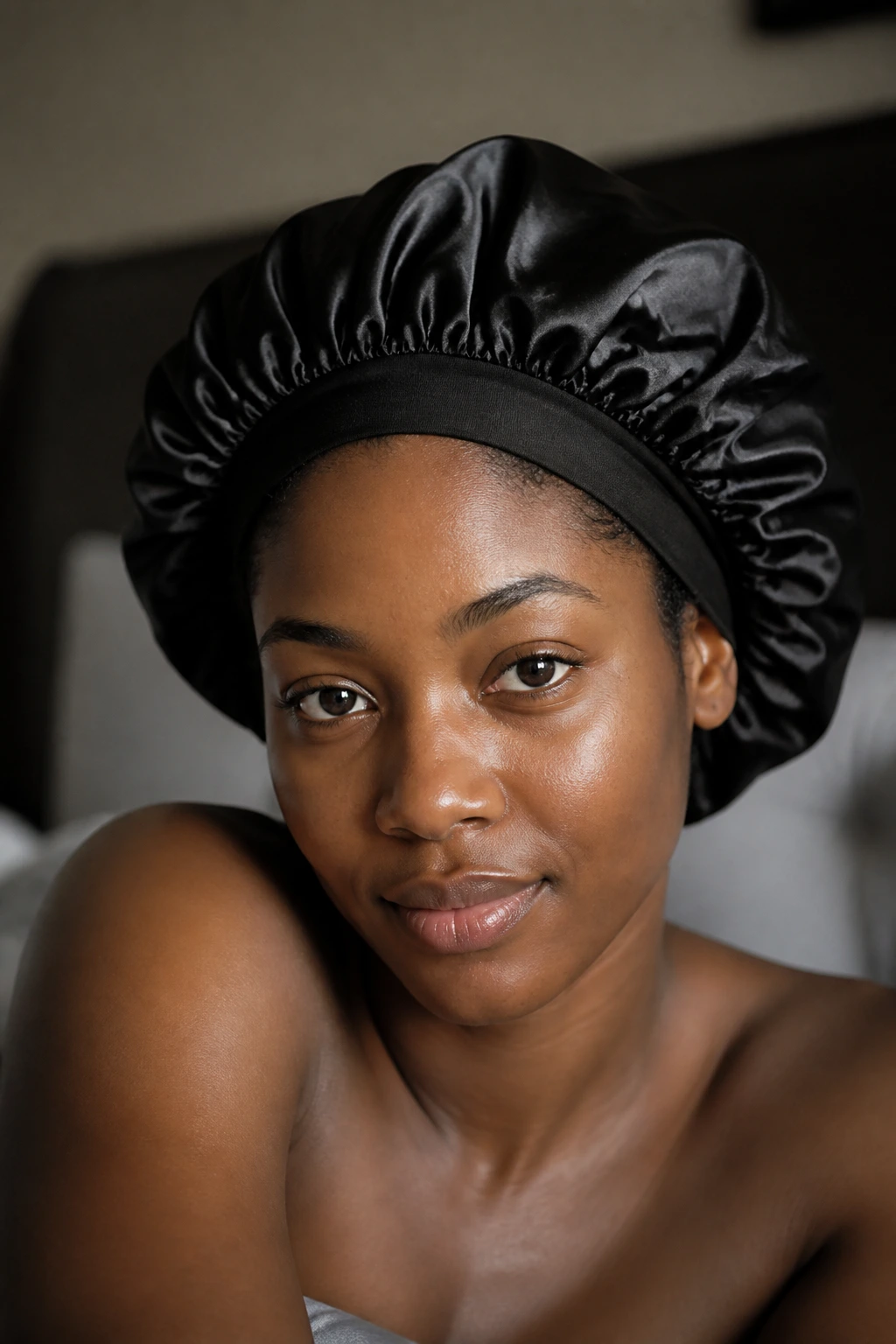
Cotton pillowcases are the enemy of hair texture. They absorb moisture and create friction. A satin or silk bonnet, or even a satin pillowcase, creates a “slip” surface. When you toss and turn at night, your hair glides across the fabric rather than snagging on it.
This preserves the integrity of your curl pattern. If you wake up and your hair looks mostly the same as it did when you went to bed, you are ahead of the game. You won’t need to reactivate and restyle as much, which prevents over-handling the hair.
15. The Role of Scalp Health
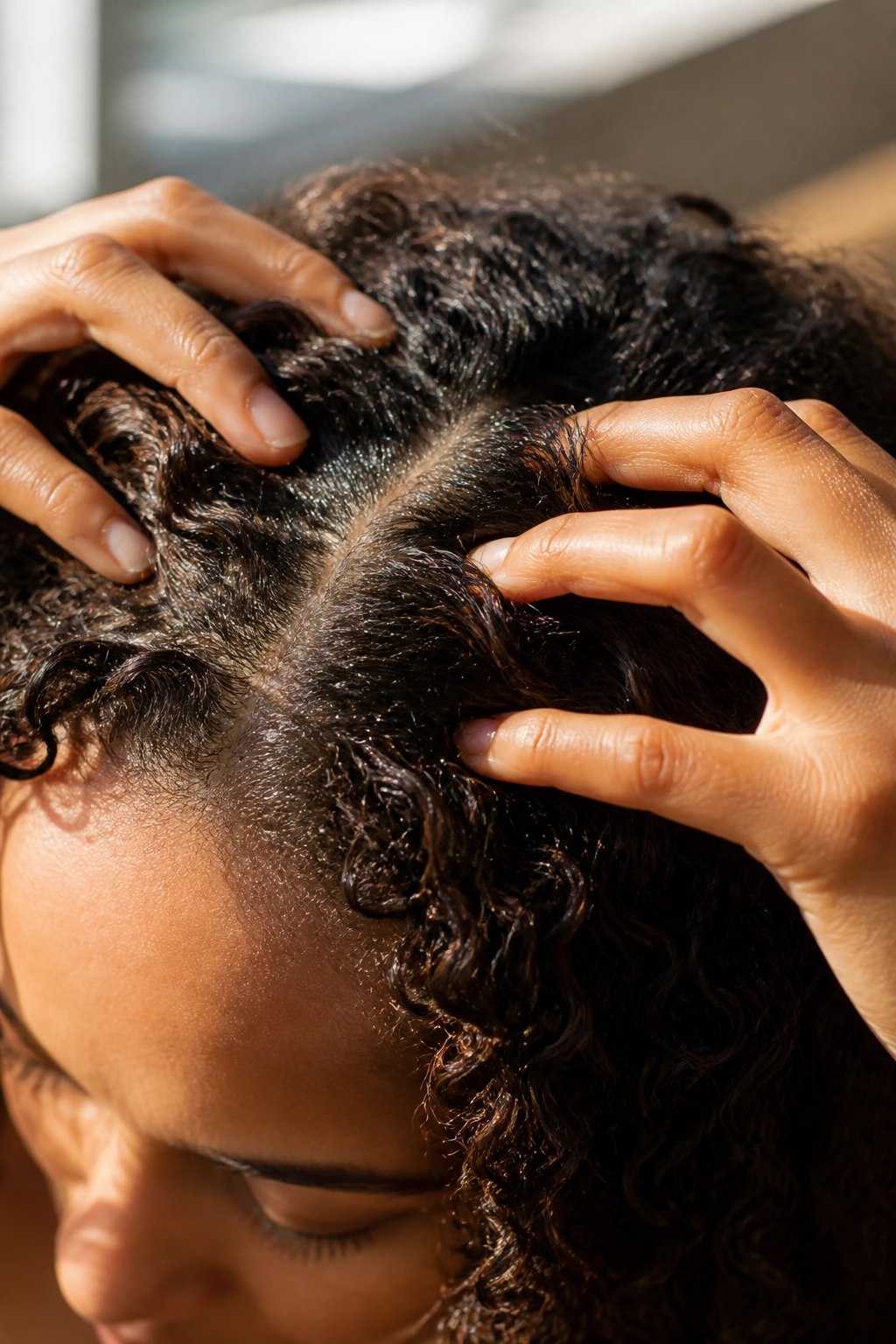
Your curls grow from the scalp, so if your scalp is unhealthy, your hair will lack the vigor to hold a curl. A clogged or dry scalp creates thin, weak hair growth.
Integrate a scalp massage into your wash day. You don’t need fancy tools; your fingertips are perfect. Spend 3 to 5 minutes gently moving the skin on your scalp—not just rubbing the surface. This increases blood flow to the follicles, promoting healthier, stronger growth. Stronger hair at the root naturally holds a better, more bouncy texture.
16. Refreshing Day-Two Curls
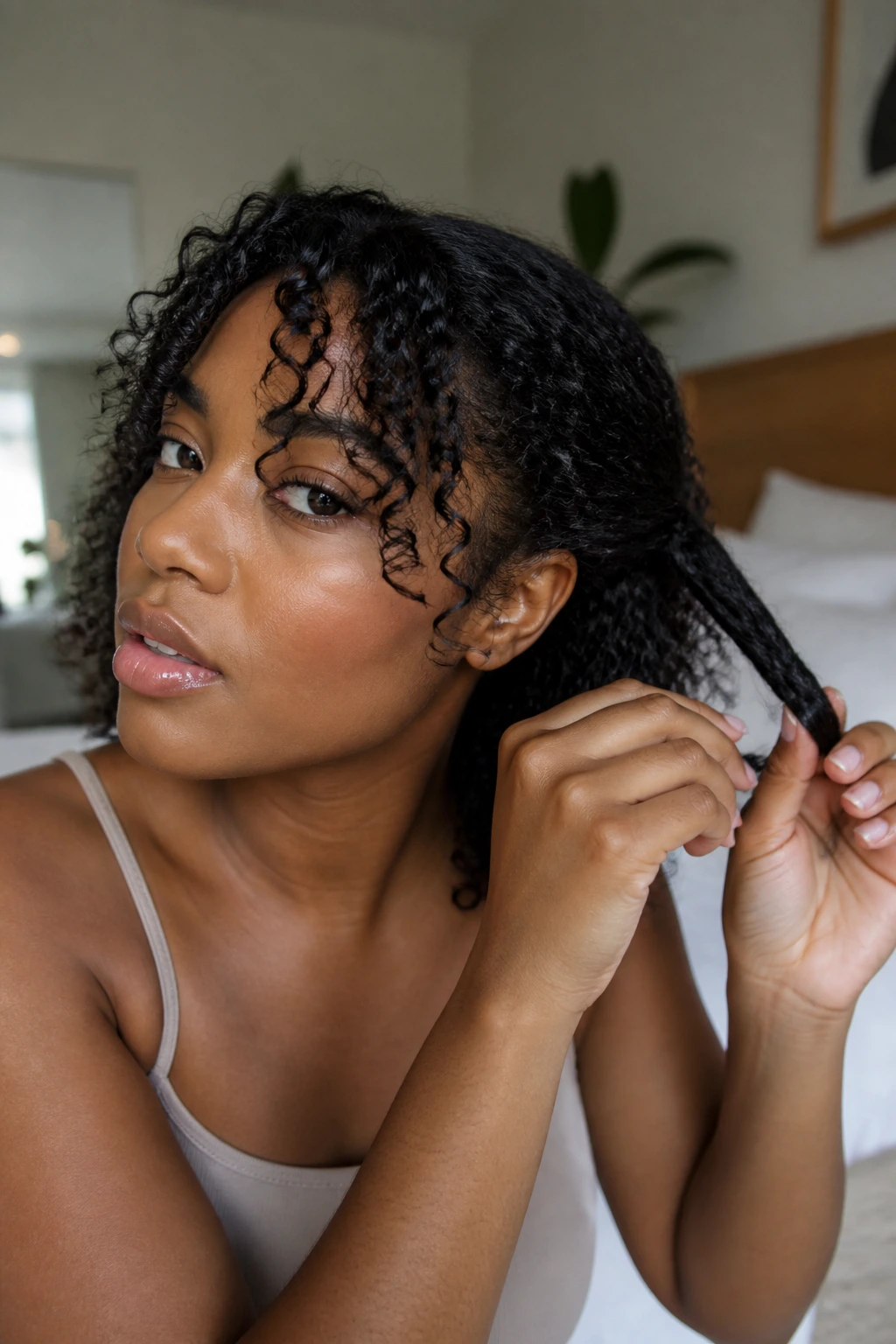
The biggest struggle for curly hair is maintaining the look past the first day. Your hair does not need a full wash to be revived. To refresh, create a mixture of water and a tiny bit of leave-in conditioner in a spray bottle.
Lightly mist your hair, focusing on the frizzy or flattened areas. Use your fingers to re-twist or re-coil those specific strands. If a section is completely straight, wet it thoroughly, apply a pea-sized amount of product, and let it air dry. Do not drench your whole head, or you will end up with damp hair that takes too long to dry and invites frizz.
17. Identifying Your Curl Pattern
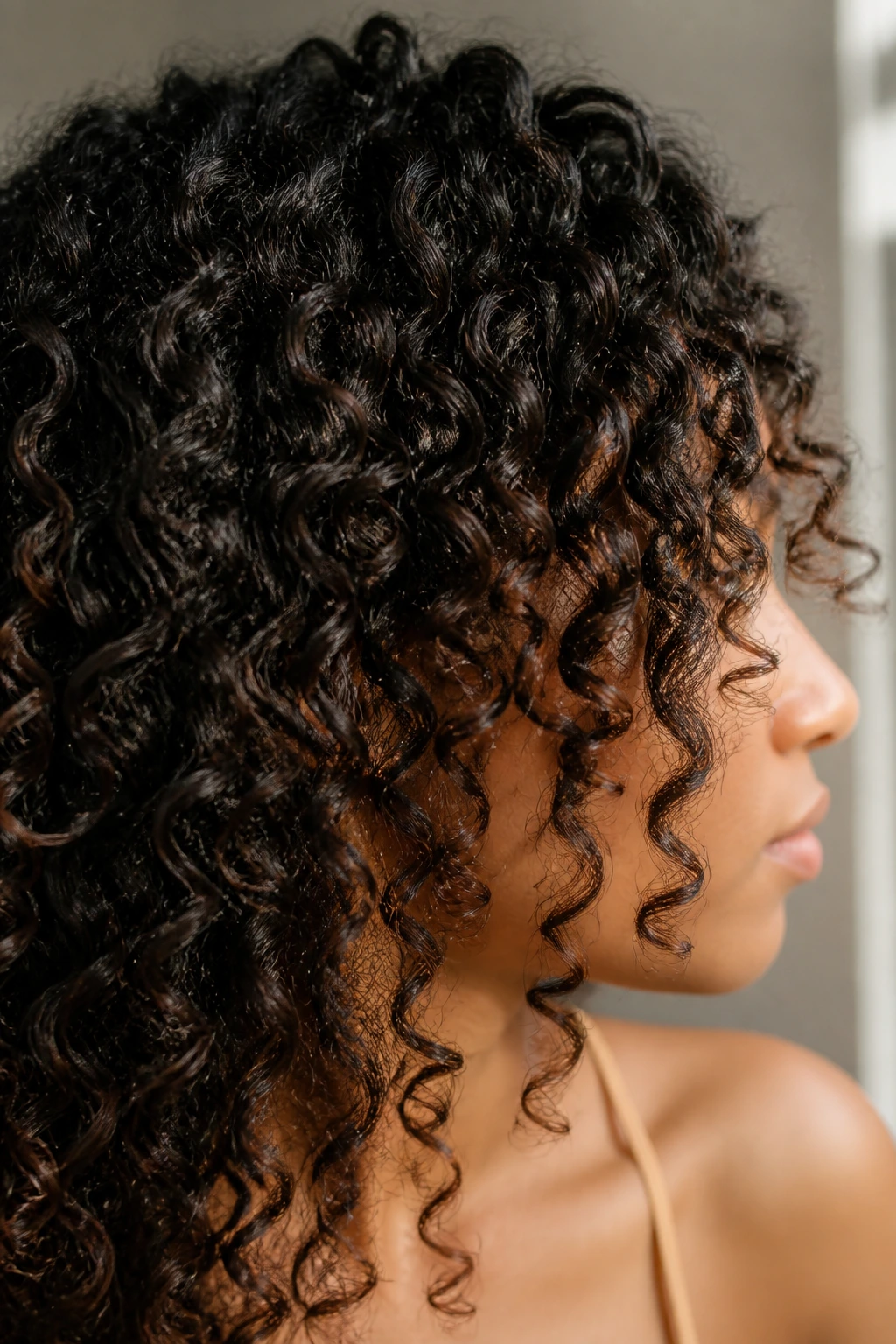
Are you a Type 2 (wavy), Type 3 (curly), or Type 4 (coily)? Using products designed for coily hair on loose waves will make your hair look greasy and flat. Using products designed for waves on coils won’t provide enough moisture.
Observe your hair when it is clean and air-dried with no product. Does it form “S” shapes? Those are waves. Do they form tight corkscrews? That is curly. Do they form tight, tiny spirals? That is coily. Tailoring your product selection to your specific pattern is the fastest way to see an immediate boost in texture.
18. The Steam Treatment Hack
Steam is an incredible way to hydrate your hair without adding weight. If you have a hooded dryer, you can often buy a steam attachment. Alternatively, you can take a warm shower and let the steam fill the bathroom while you have a deep conditioner on your hair.
The heat and moisture lift the cuticle slightly, allowing the conditioner to penetrate deeper than it ever could in a cold, dry environment. This results in hair that is noticeably softer and more “springy” once it cools down.
19. Trimming the Dead Weight
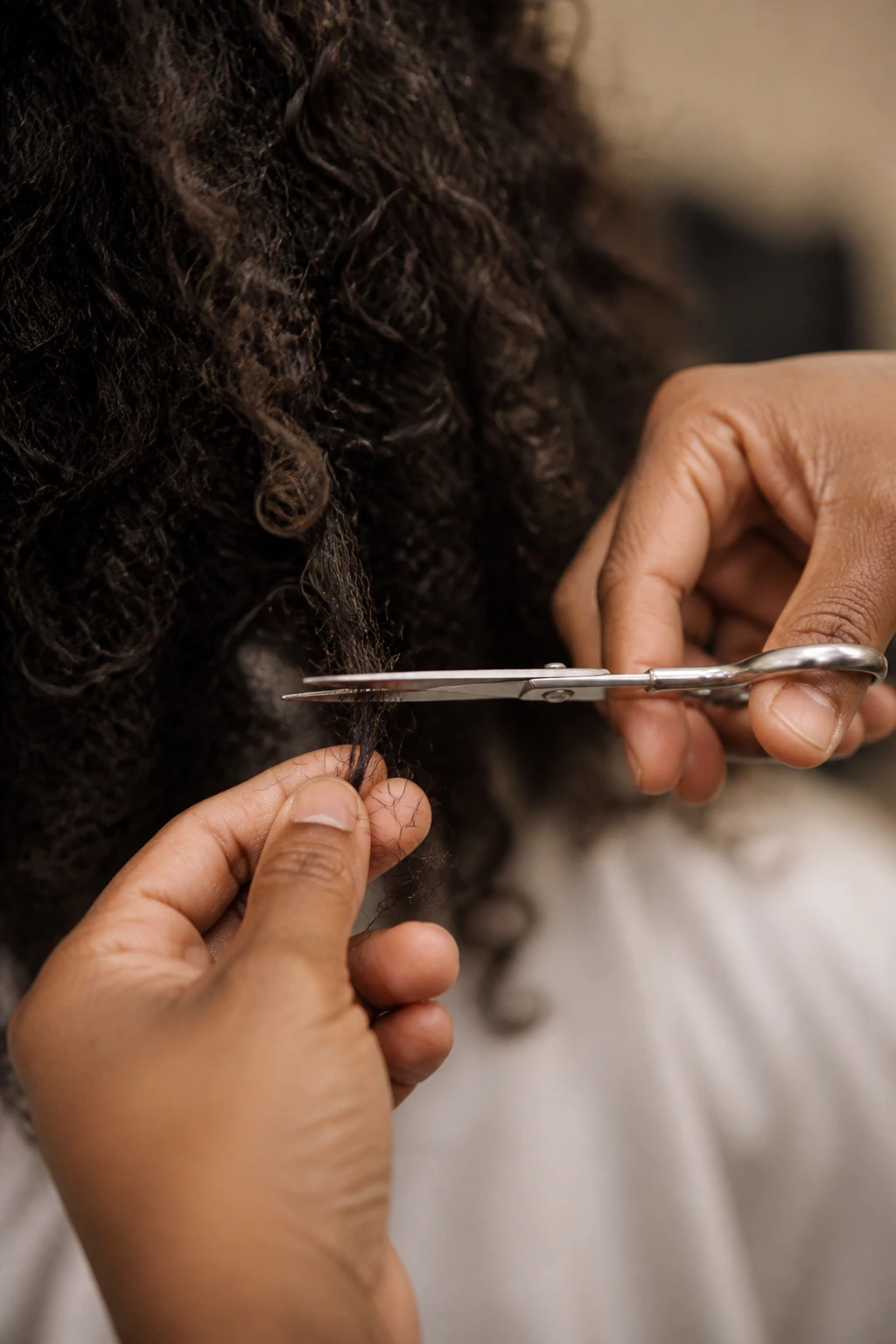
Sometimes, no amount of product will fix your texture because the ends are structurally compromised. If your ends are split or frayed, they will not curl; they will look stringy, dry, and frizzy.
Split ends travel upward. If you don’t trim them, they will continue to damage the hair strand, making it impossible for that curl to hold its shape. A “dusting”—a very minimal trim—every few months can completely revive your texture. You don’t have to cut off length, just the damage.
20. Patience During the Transition

If you have spent years heat-styling your hair, your natural texture has been damaged or suppressed. It takes time for the hair to “remember” how to curl. When you switch to a natural, hydration-focused routine, it might take several weeks for your curl pattern to fully bounce back.
Don’t get discouraged if the first week looks messy. The hair needs to shed the damage and grow out the healthy, hydrated structure. Stick to the routine. Consistency is the only way to truly transform your texture.
How Texture Reacts to Humidity

We often talk about humidity as the enemy, but it is really just a challenge in balance. When the air is humid, your hair—if it is parched—acts like a sponge. It pulls moisture from the air, causing the cuticle to swell and frizz.
If your hair is already properly hydrated and sealed with a hold product (like a gel or mousse), humidity doesn’t have the same chaotic effect. It becomes a neutral factor. The takeaway is that if you want to be “humidity-proof,” you must ensure your hair is saturated with moisture before it leaves your house. Do not wait for the environment to provide the water your hair is craving.
Ingredients to Watch For
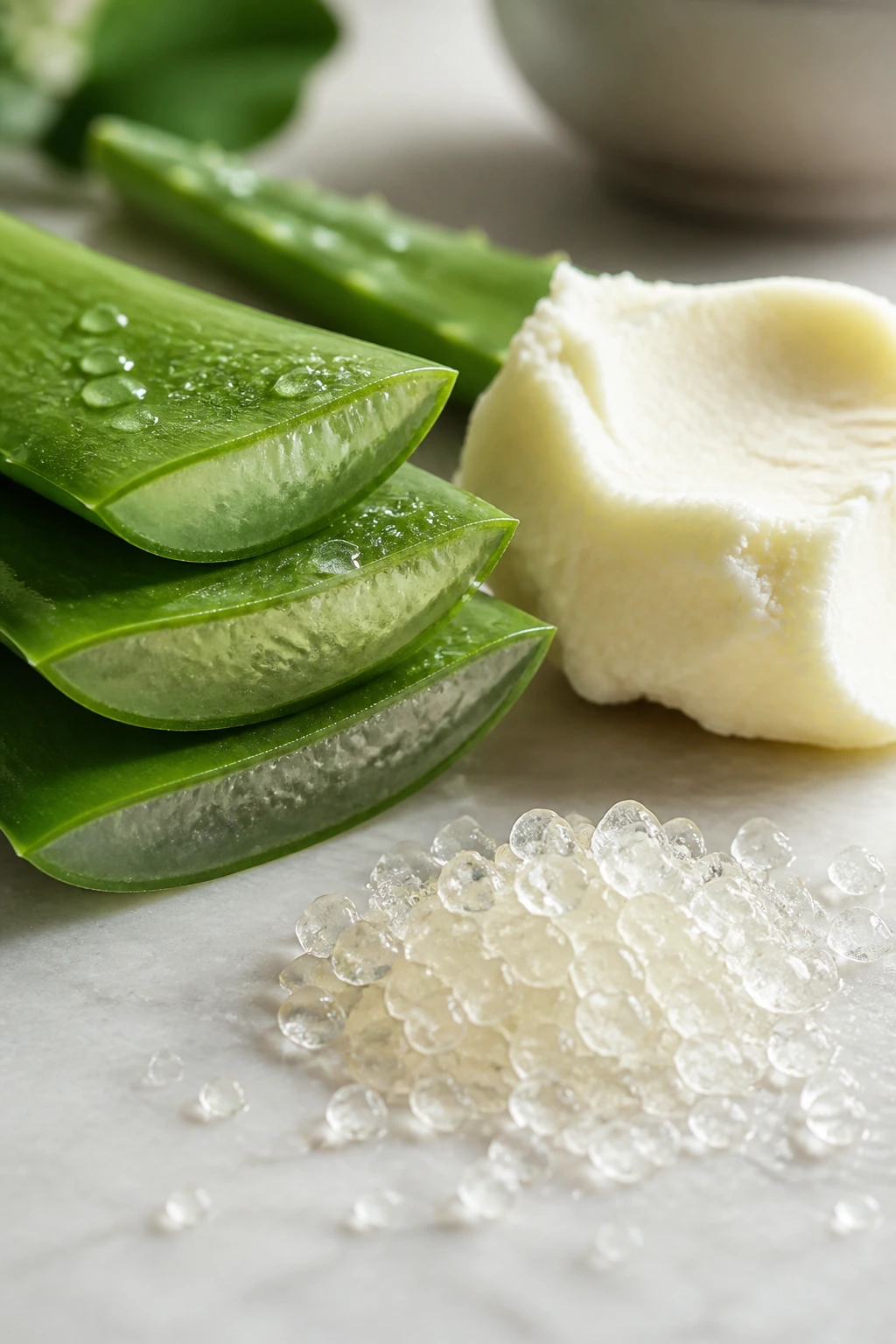
Not all hair products are created equal, and some common ingredients can actively work against your texture goals. Many styling creams contain waxes or heavy silicones that build up over time. These create a “barrier” that looks shiny initially but prevents the hair from absorbing water over time.
Look for water-soluble ingredients. Terms like “hydrolyzed proteins,” “aloe vera,” and “shea butter” are usually reliable. If the first five ingredients are things you can’t pronounce or read like a chemistry set, they might be contributing to buildup. Simple is almost always better when it comes to hair care.
Final Thoughts
Boosting your texture isn’t a race to the perfect curl pattern. It is an ongoing practice of observation. Your hair will change based on the weather, your stress levels, your diet, and the water quality in your home. Some days, your curls will be tighter. Other days, they will be looser, more wavy, or slightly more unpredictable.
That variability is part of the deal. The goal is to reach a baseline of health where your hair feels resilient and hydrated regardless of how the spiral lands. Stop chasing the “perfect” look from a magazine or a social media photo and start paying attention to what your hair feels like under your own hands. When you understand the basic mechanics of how moisture and tension affect your strands, you can adjust your routine on the fly. That is the only real secret to great hair.
