



Walk into a salon with a photo of layered haircuts, and the real argument usually starts in the chair. Should the shortest pieces sit at the cheekbone or the collarbone? Should the ends feel soft, shaggy, feathered, or clean? Those details decide whether the cut looks airy and expensive or just a little chopped up.
Women ask for layers for practical reasons, not mystery. Hair that falls flat at the crown needs lift. Thick hair needs weight removed without turning into a triangle. Curly hair needs shape. Ends that have been hanging around for six months need a reset.
The thing is, layers are not one single haircut. A butterfly cut on long, dense hair behaves nothing like a razored shag on straight hair, and a collarbone bob with internal layers has a completely different mood from a feathered cut around the face. Put the wrong layers in the wrong place and fine hair can look thin fast, while thick hair can puff out in all the wrong spots.
These are the layered haircuts women keep asking for because they solve real problems. Some add movement. Some keep length. Some make a blowout easier. Some make air-drying look intentional instead of accidental. The details matter, and they matter a lot.
1. Long Butterfly Layers
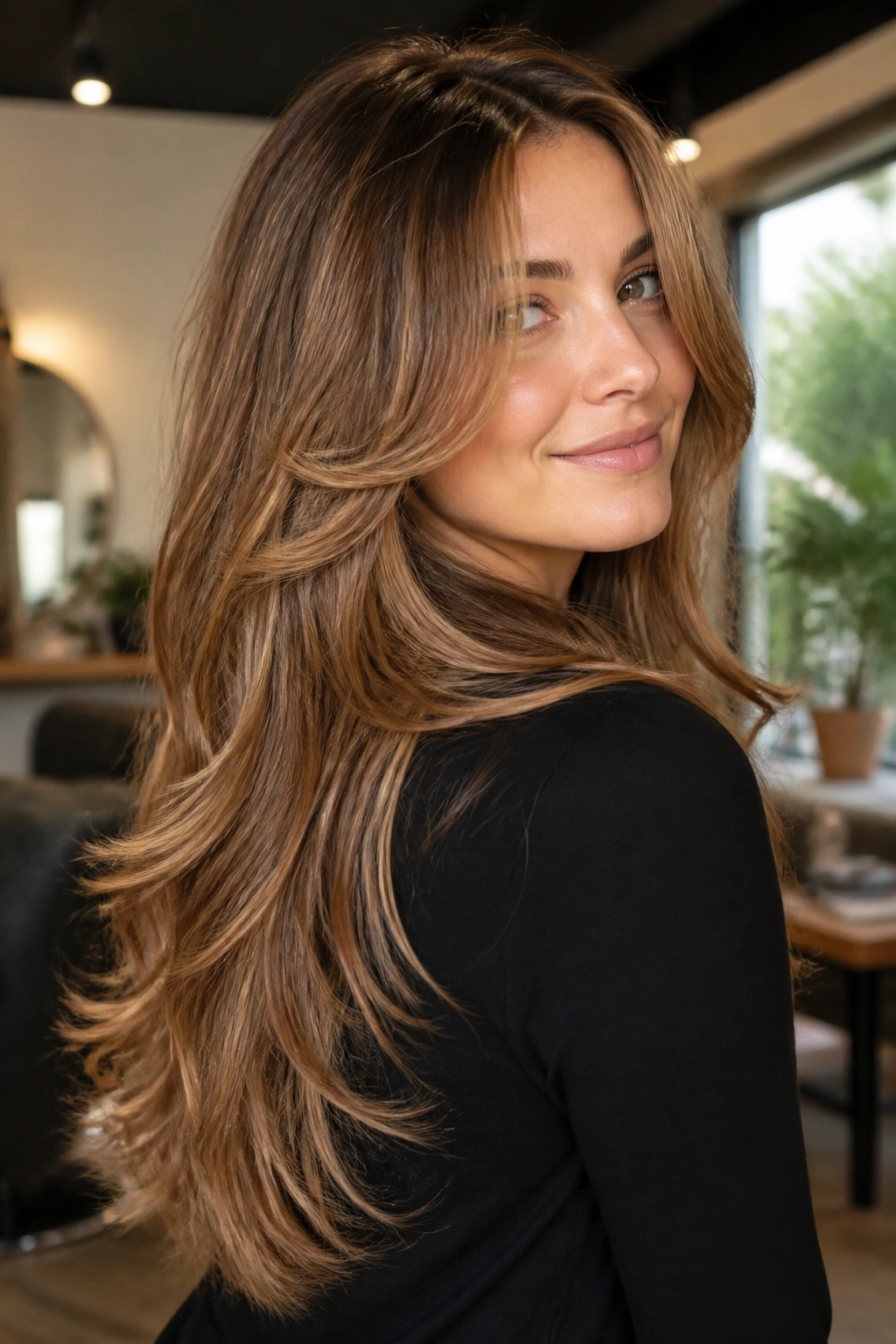
This is the haircut people ask for when they want movement without losing that long, swishy feel. Butterfly layers keep the length in the back while bringing shorter pieces up around the face and crown, so the hair moves when you turn your head. It feels lighter, but not stripped.
Why it works on long hair
The best butterfly cut usually starts the shortest face-framing pieces around the cheekbone or chin, then lets the rest fall long. That creates a soft frame in front and a waterfall effect through the back. On dense hair, it takes away the curtain-like heaviness that can make long hair sit flat. On medium hair, it adds shape without forcing you into a dramatic chop.
How to style it
A round brush and a medium-size blow dryer brush do most of the work here. Focus on flipping the front pieces away from the face, then let the ends keep a little bend. If you want that salon blowout look, add a velcro roller at the crown for 10 to 15 minutes while the hair cools.
- Best for: long, thick, or medium-texture hair
- Face shapes: oval, heart, and round
- Ask for: shorter front pieces that blend into long layers
- Skip: heavy texturizing at the very ends
Pro tip: keep the front layers soft. If they start too high, you lose the “butterfly” effect and end up with an old-school step cut.
2. Soft Face-Framing Layers
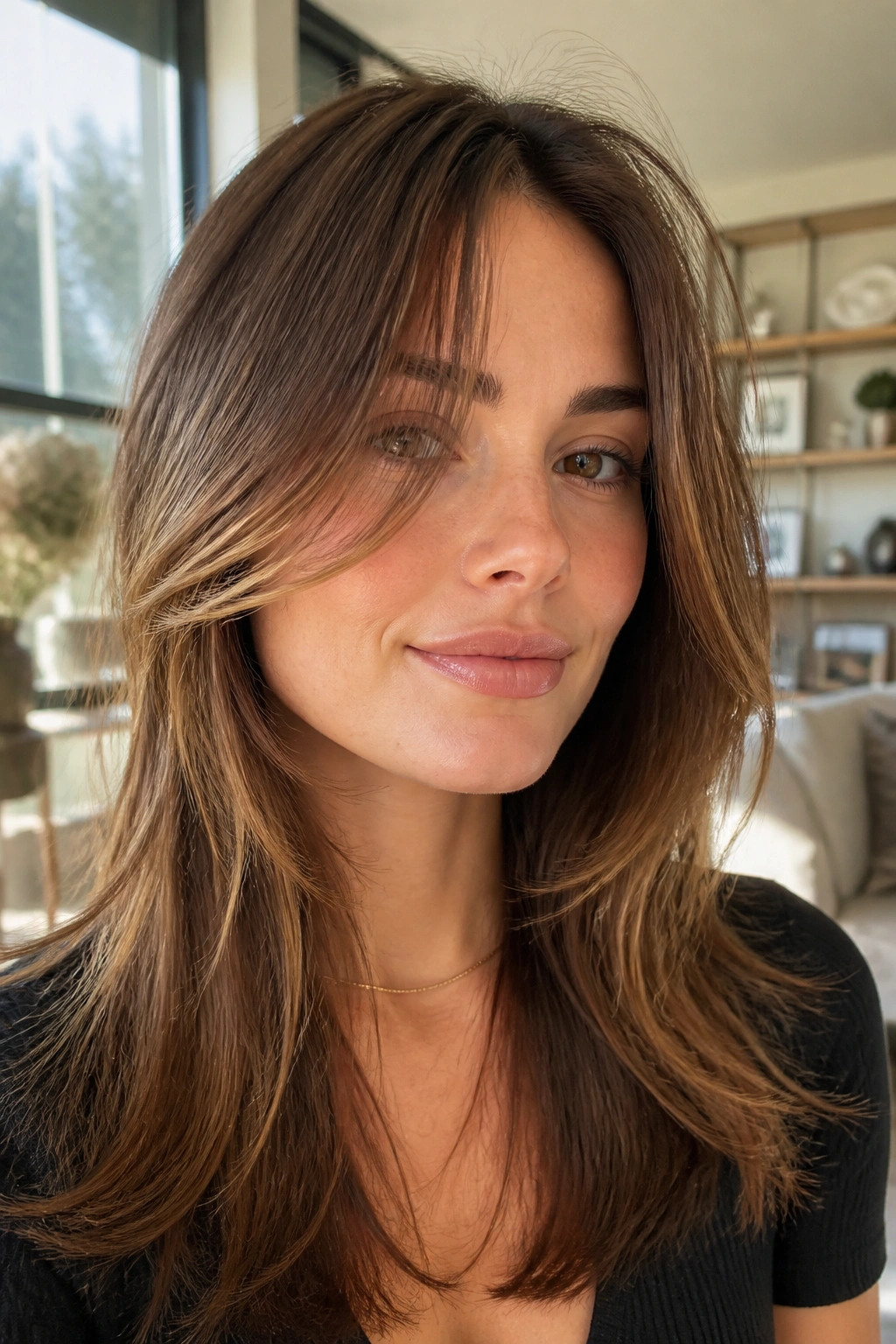
What if you want change, but not a whole personality shift? Soft face-framing layers are the polite answer. They live around the front of the hair and leave the rest mostly intact, which is why so many women ask for them when they want a small reset instead of a full haircut identity crisis.
The magic is in the placement. A stylist can start those pieces at the jaw, cheekbone, or just below the chin, depending on what you want to emphasize. Longer face-framing layers pull the eye downward and soften a strong jaw. Shorter ones open up the face and give straight hair a little bend around the cheeks.
These work especially well if you wear your hair half up a lot. They fall out of clips in a flattering way, which sounds minor until you notice how much better your hair looks on a normal Tuesday. That’s the whole point here. No drama. Just better shape.
3. Curtain Layers with Long Bangs
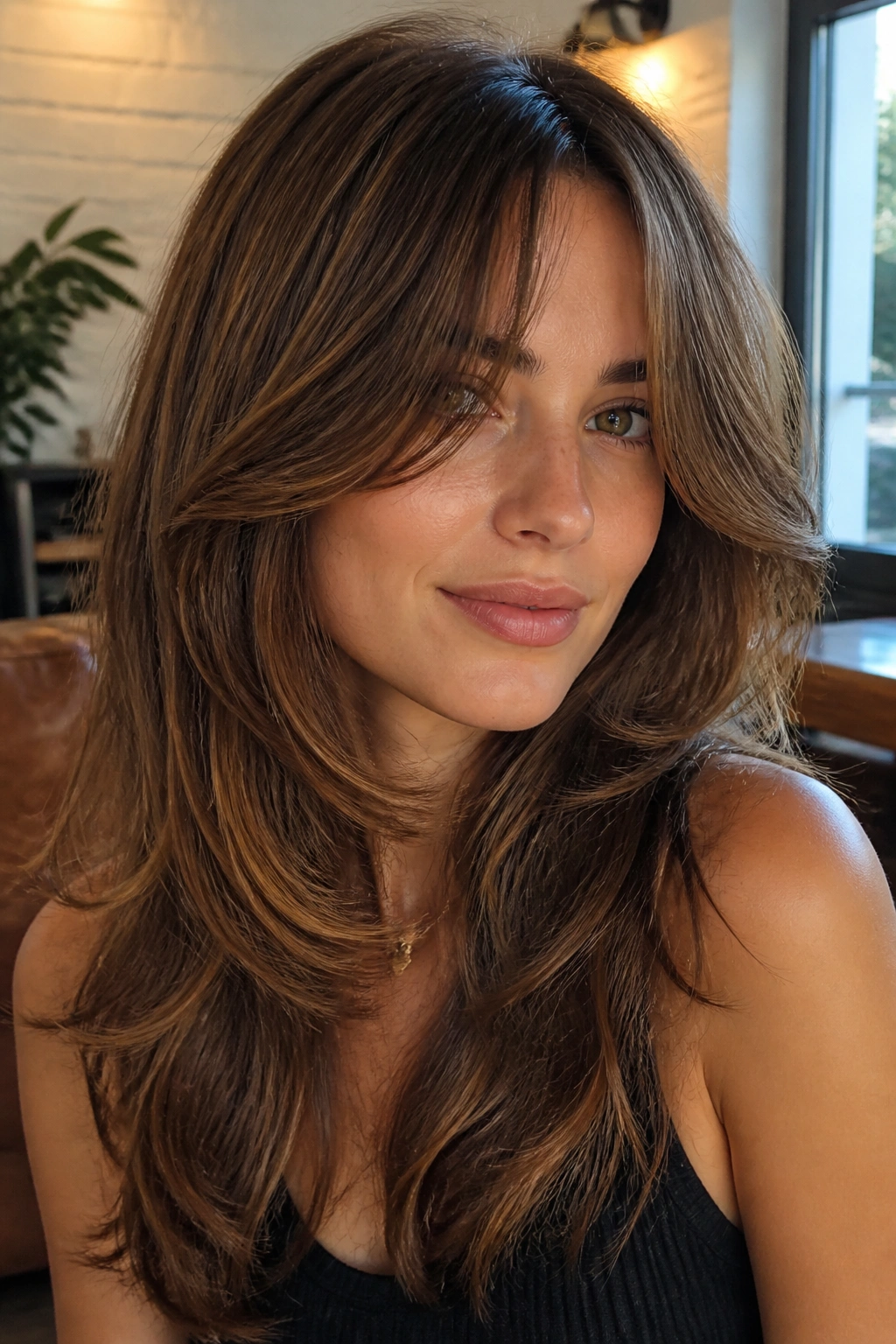
Curtain layers are what happen when long bangs and layered haircuts start speaking the same language. The front opens away from the center part, then drifts into longer layers that soften the sides of the face. It’s one of the easiest ways to make hair look styled even when you did not spend 40 minutes on it.
Why people keep asking for this cut
Curtain pieces are forgiving. They grow out into face-framing layers, so the awkward stage is much shorter than with blunt bangs. That matters. A lot. If you like variety but hate upkeep, this cut gives you movement near the face without locking you into a strict bang schedule.
How to wear it
Blow-dry the front pieces forward first, then split them and curve them away from the face with a round brush. A little root lift at the crown helps too, because curtain layers can fall flat if the top is heavy. If your hair is very straight, a light mousse at the roots keeps the part from collapsing by noon.
- Works best on: medium to long hair
- Looks especially good with: soft waves and loose bends
- Ask for: bangs that open at the eyebrow and blend near the cheekbone
- Watch out for: pieces cut too short, which can turn into a daily styling job
4. The Classic Rachel Cut
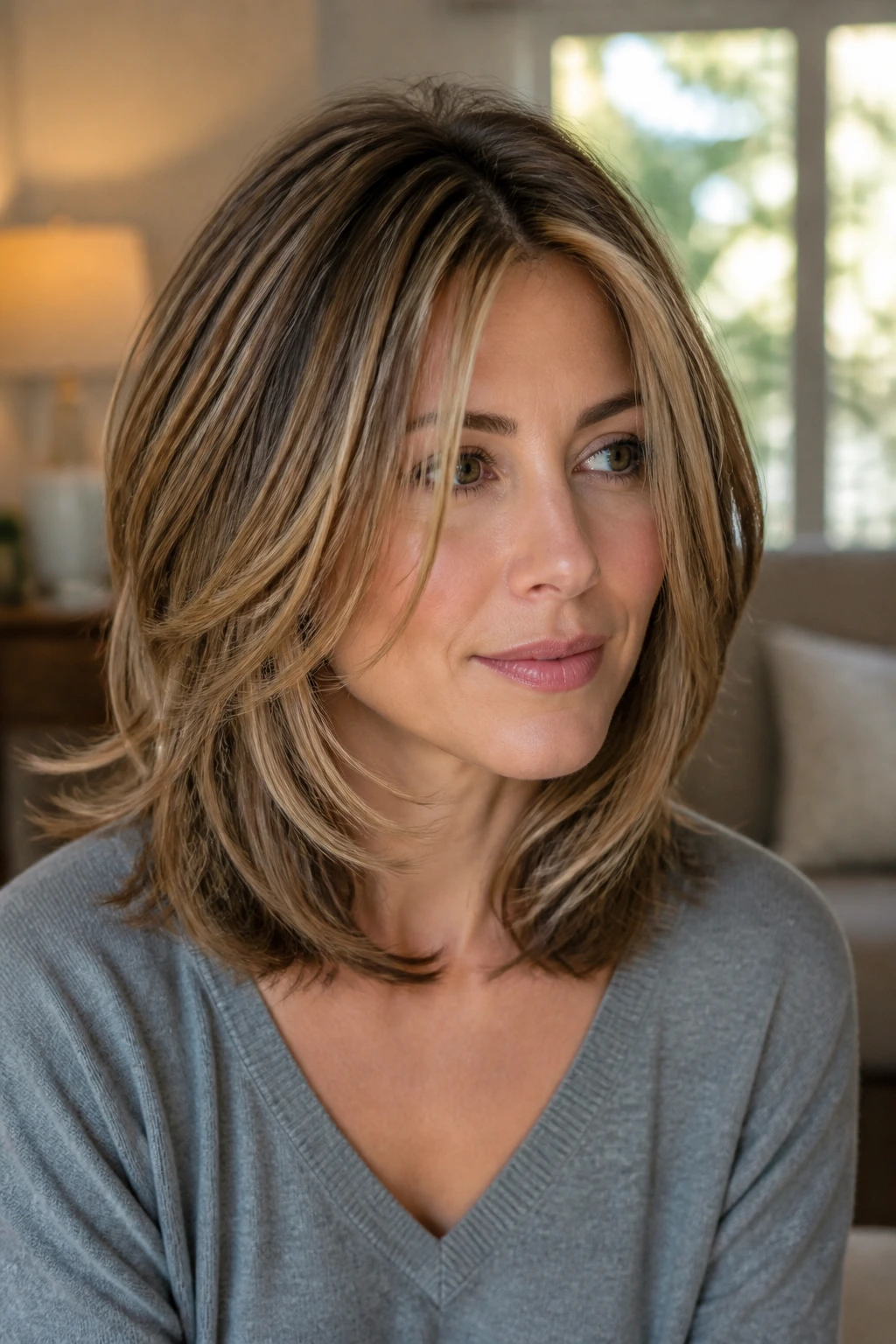
Some cuts keep coming back because they fix a lot of hair problems at once. The Rachel cut is one of those. It’s the layered, bouncy, shoulder-skimming shape that made salon blowouts look easy, even though they never were. The modern version is softer than the old one, but the idea is the same: movement around the face, volume through the mid-lengths, and ends that kick out just enough.
The cut works because it builds shape into the whole head instead of leaving all the action at the bottom. If your hair falls straight down and looks heavy near the shoulders, this is a smart option. The side pieces matter here. They should not feel random. They should guide the eye down and around, which is what gives the haircut its swing.
This one loves a round brush, a little root lift spray, and a 10-minute cool-down before you touch it.
5. Modern Shag Layers
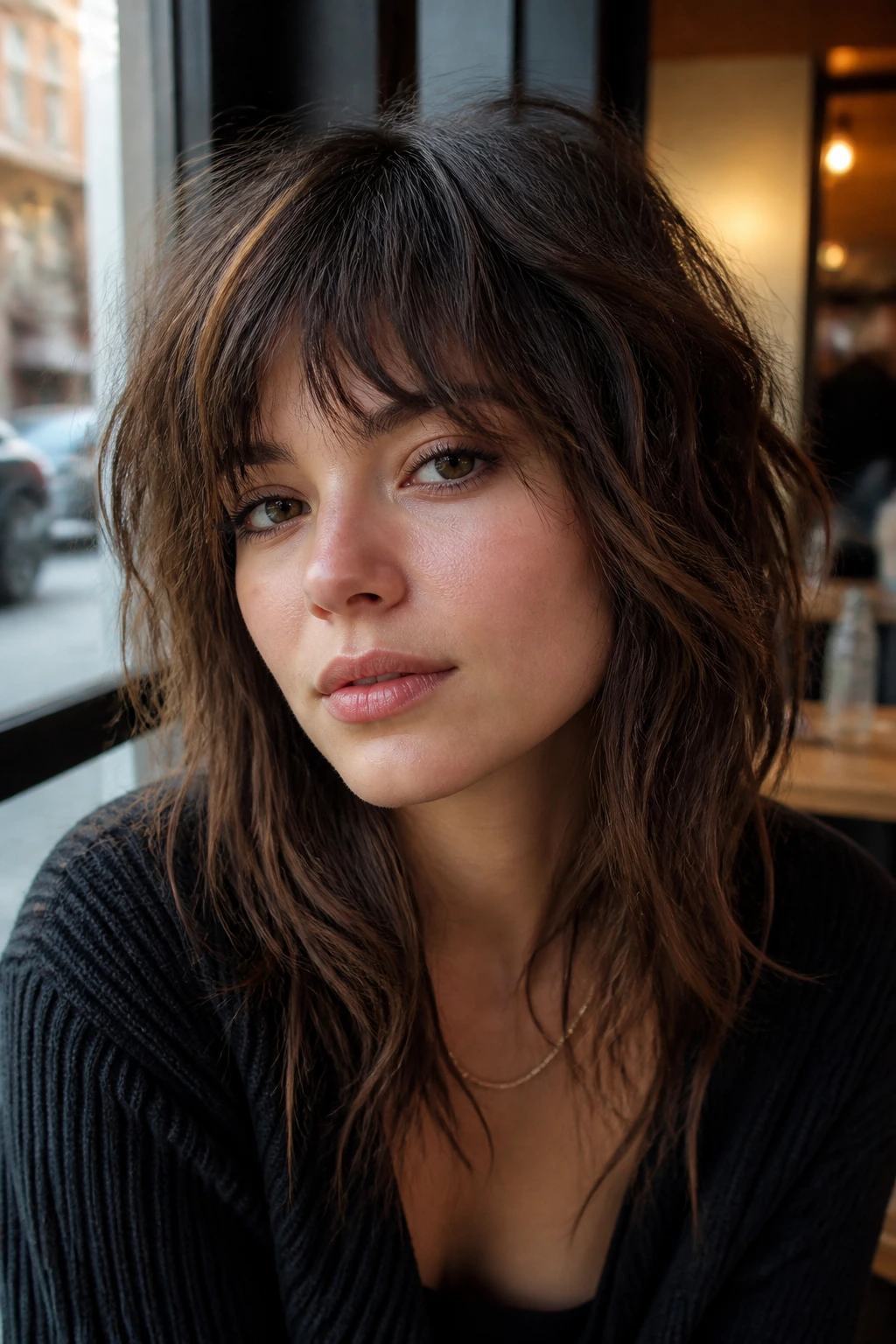
A shag haircut without the guesswork is what women are asking for here. The modern shag keeps the choppy texture and uneven movement, but it feels less extreme than the older, punkier versions. It lives somewhere between lived-in and deliberate. That balance is why it works on so many hair types.
What makes it different
The modern shag leans on piecey layers, shattered ends, and a softer top section. It is not about cutting the life out of the hair. It is about building movement where the hair naturally wants to split and bend. Wavy hair usually loves this. Straight hair can wear it too, but it needs a little more styling.
What to ask for
- Shorter layers around the crown
- Longer broken pieces through the sides
- Light texturizing, not aggressive thinning
- A shape that still keeps some density at the ends
This is one of those cuts that can look fantastic on air-dried hair, or messy in a hurry if the layering is too heavy. The line is thin. A good shag looks cool because it still has shape. A bad one just looks hacked up.
6. Choppy Lob Layers
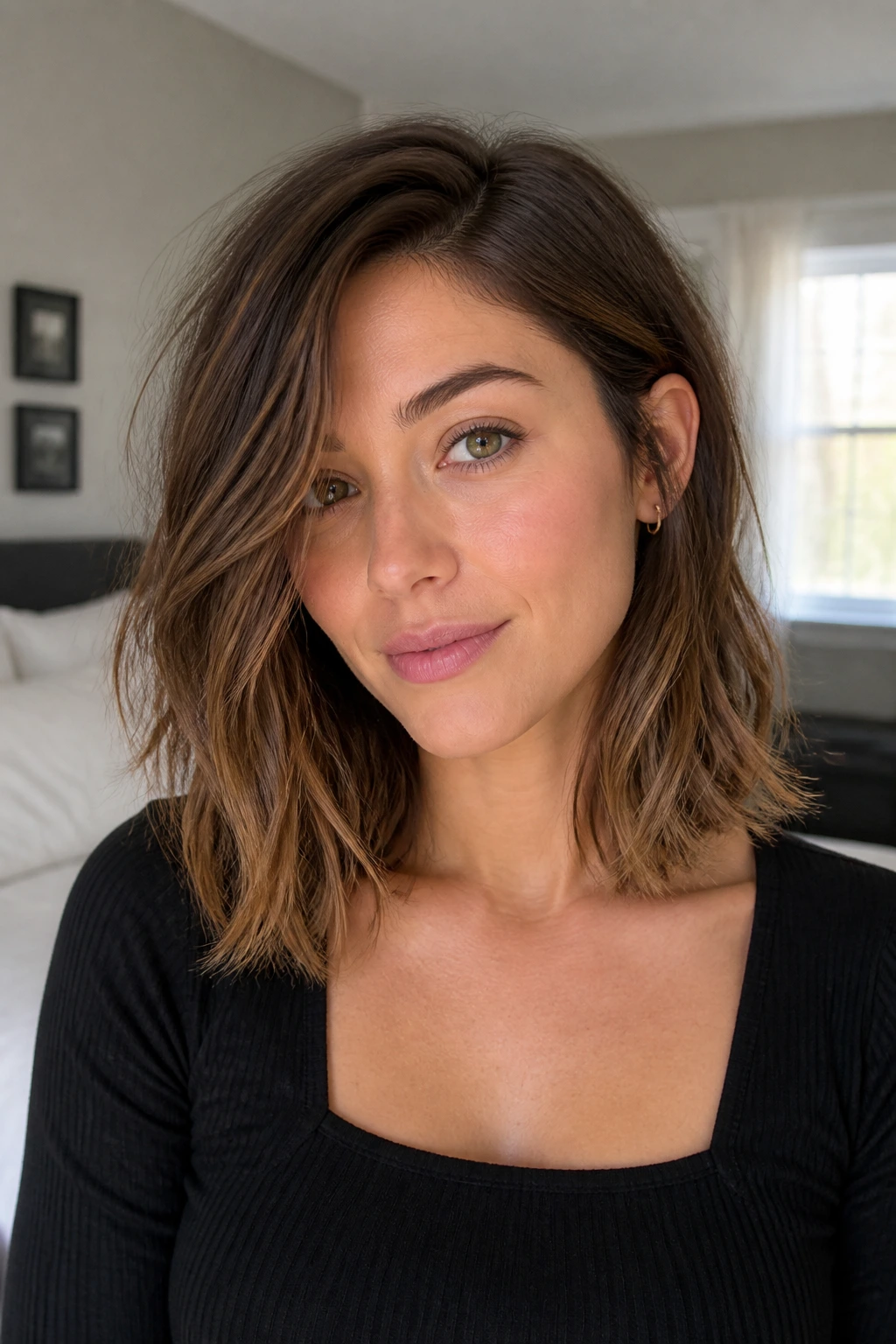
The layered lob is still one of the most useful cuts in the room. It sits around the collarbone or just above it, which means you get enough length to tie it back, but not so much weight that the shape goes limp. Add choppy layers, and the whole thing wakes up.
This cut is especially good if your hair is straight or slightly wavy and tends to hang in one sad sheet. The shorter internal pieces stop the lob from looking boxy. You still keep a clean outline, though, which matters. A lob with too many layers can lose the sharp shape that makes it flattering in the first place.
How to wear it: tuck one side behind the ear, leave the other side loose, and add a soft bend with a flat iron or 1-inch curling iron. That small asymmetry gives the haircut a little attitude without much effort. Easy enough. Better than fighting with a long, heavy shape every morning.
7. Invisible Layers for Fine Hair
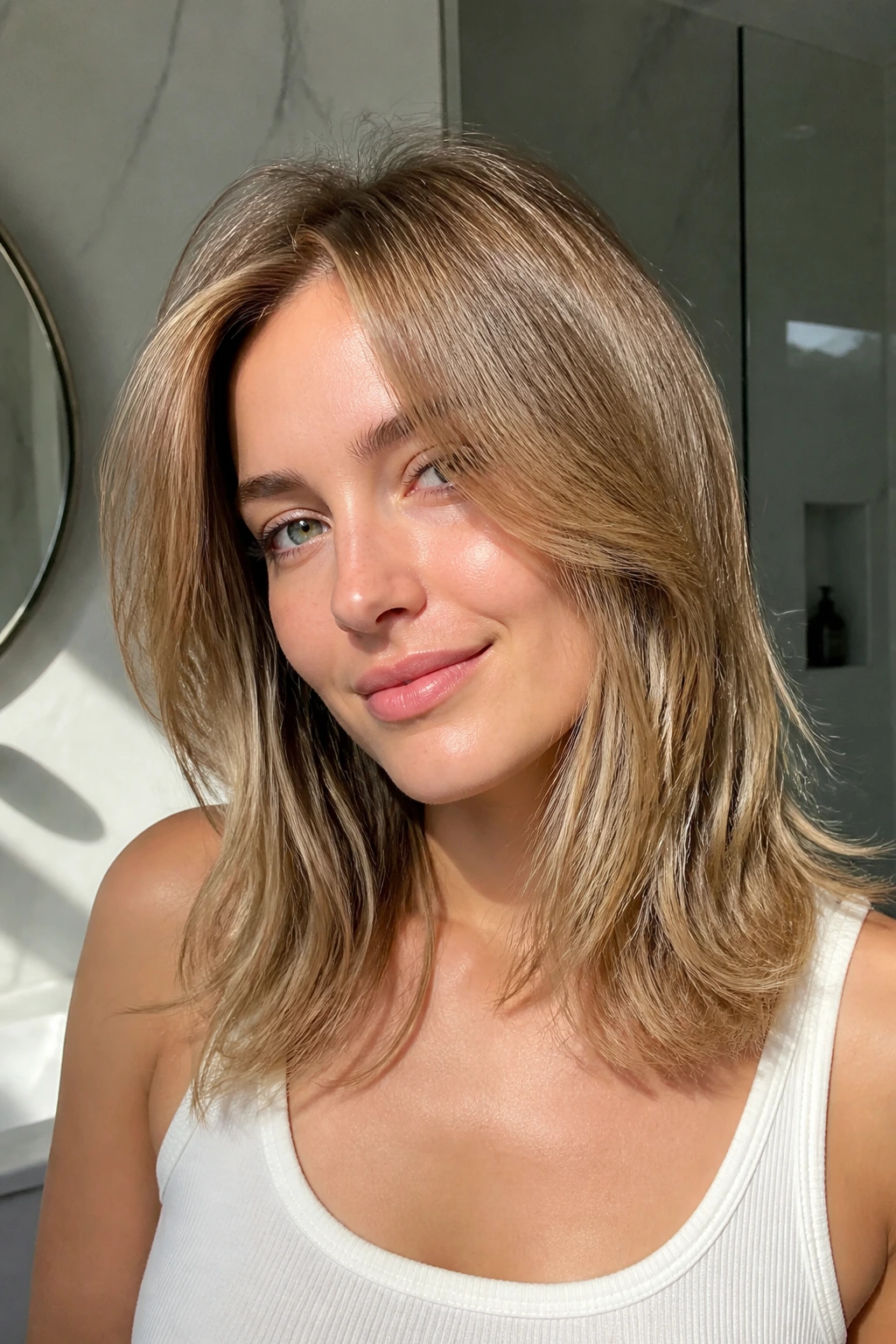
Can layers make fine hair look fuller? Yes, if they’re cut the right way. Invisible layers are the quiet answer for women who want movement without giving away too much density. The cut keeps the perimeter looking full while removing weight from inside the shape.
How stylists hide the weight line
The trick is not to carve obvious steps into the hair. Instead, the layers sit inside the shape, so the outside line still looks solid. That matters for fine hair, because thin ends can start to look see-through fast if the layers are too short or too obvious. A gentle internal cut gives lift without stealing the edge.
What to avoid
- Short layers near the jawline, which can expose too much scalp at the sides
- Over-thinning the ends, which makes hair look stringy
- Heavy razor work on fragile hair
This cut is a good match if you want your hair to move when you flip it over, but still look polished when you wear it down. It’s subtle. That’s the point.
8. Heavy Layers for Thick Hair
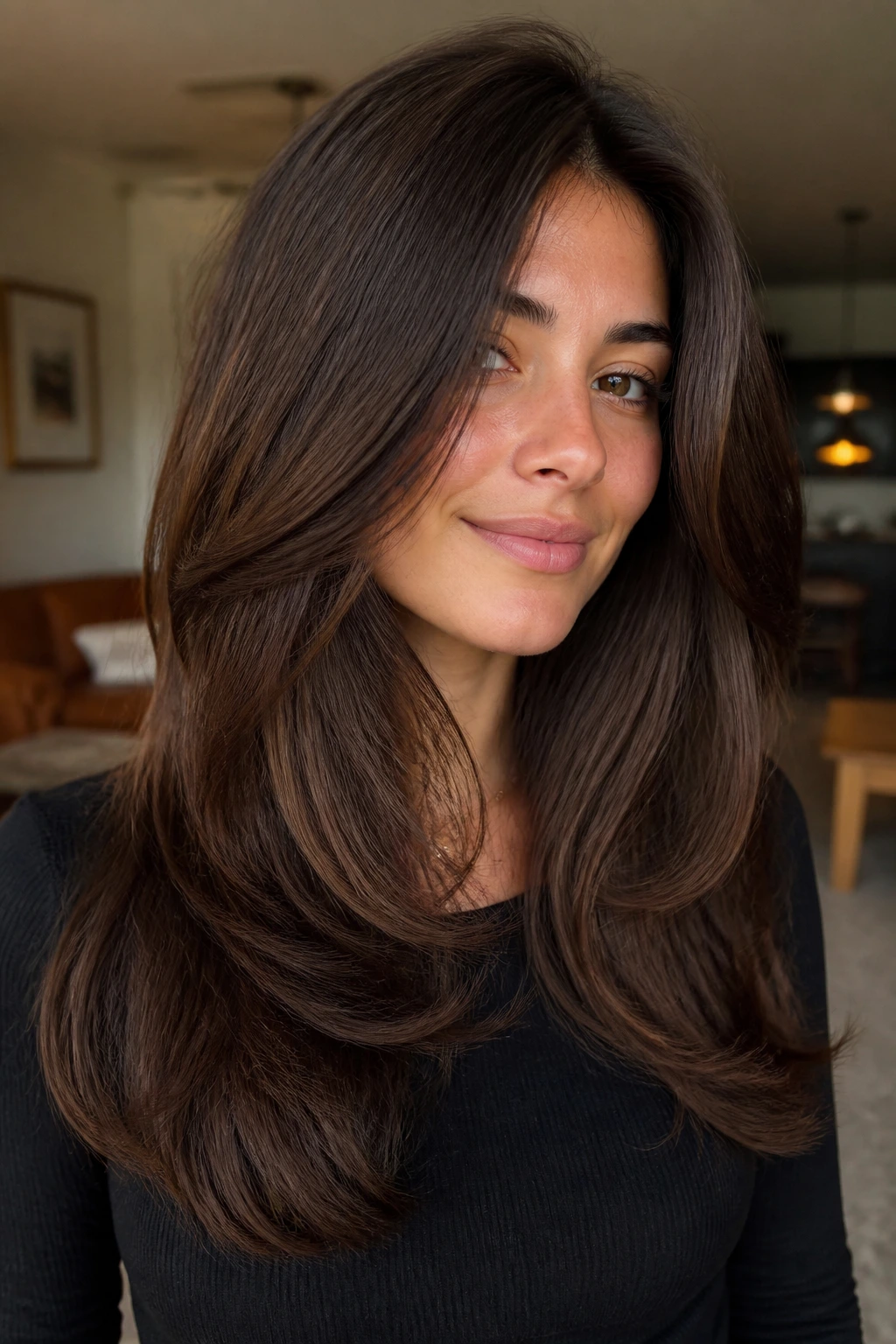
Thick hair does not need less shape. It needs smarter shape. Heavy layers remove bulk from the inside of the haircut without shredding the ends into fluff. That difference matters more than people think.
If you have thick hair and have ever left a salon with too many short layers, you already know the problem. The hair expands at the sides, the ends go fuzzy, and the shape turns into a triangle or a pouf. Heavy layers avoid that by keeping the longest outline strong while breaking up the weight underneath.
A good version of this cut feels controlled. The hair sits closer to the head, but it still moves. Ask for long internal layers and only a little texturizing around the perimeter. If your stylist reaches for thinning shears like they’re trying to solve a plumbing problem, stop them. Seriously.
9. U-Shaped Layers
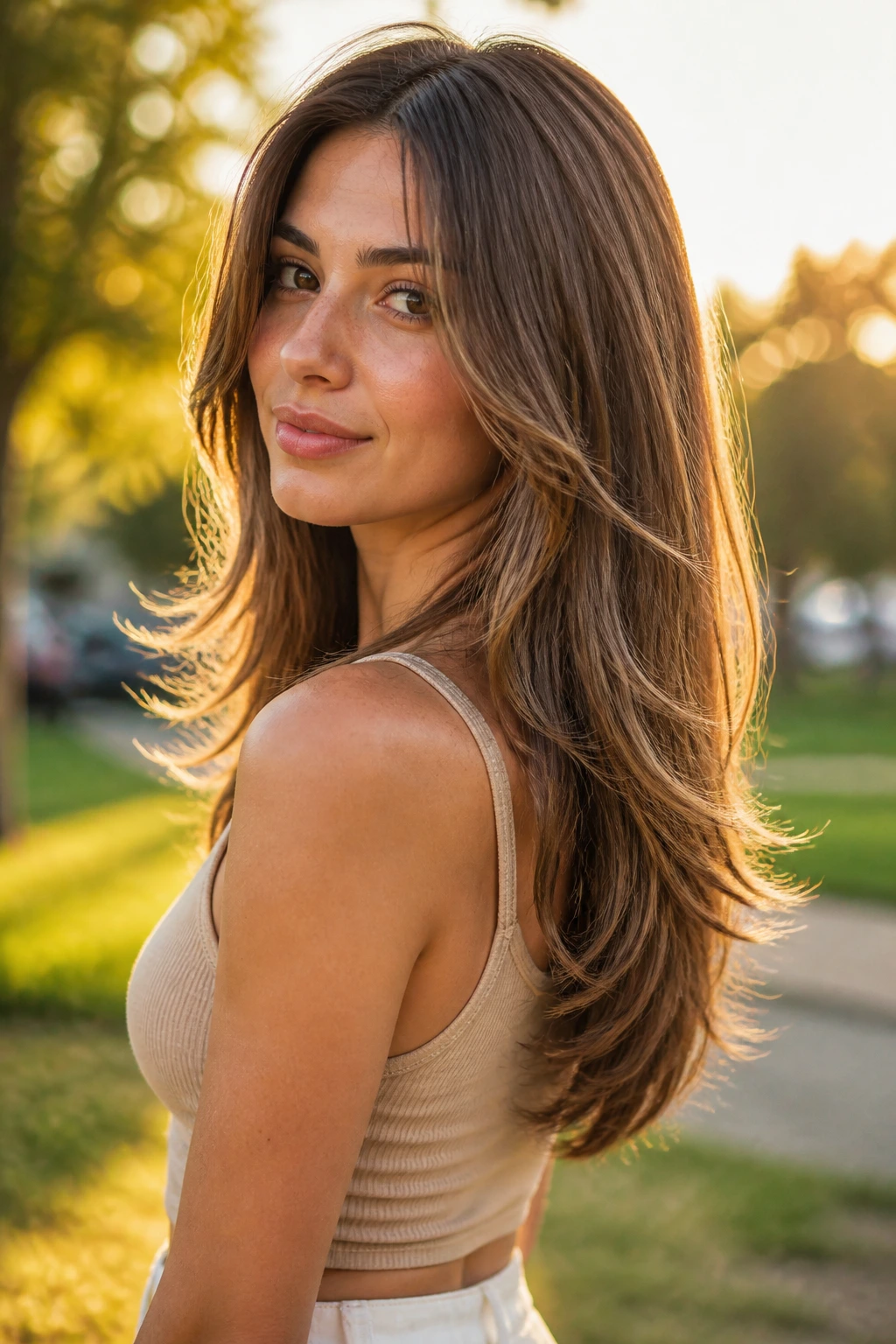
A U-shaped layered cut gives the hair a softer curve at the back instead of a blunt shelf or a sharp point. That rounded outline is flattering on long hair because it keeps the ends looking full while still letting the front layers do their work.
This shape is a sneaky good choice if you want your hair to grow out without looking awkward. The curve stays tidy longer than a harsh V shape, and it blends well with face-framing pieces. It also works for women who like to wear their hair down most days and only throw it up when life gets rude.
The haircut feels elegant without being stiff. It’s not flashy. It just sits well. That’s rare enough to count.
10. V-Cut Layers
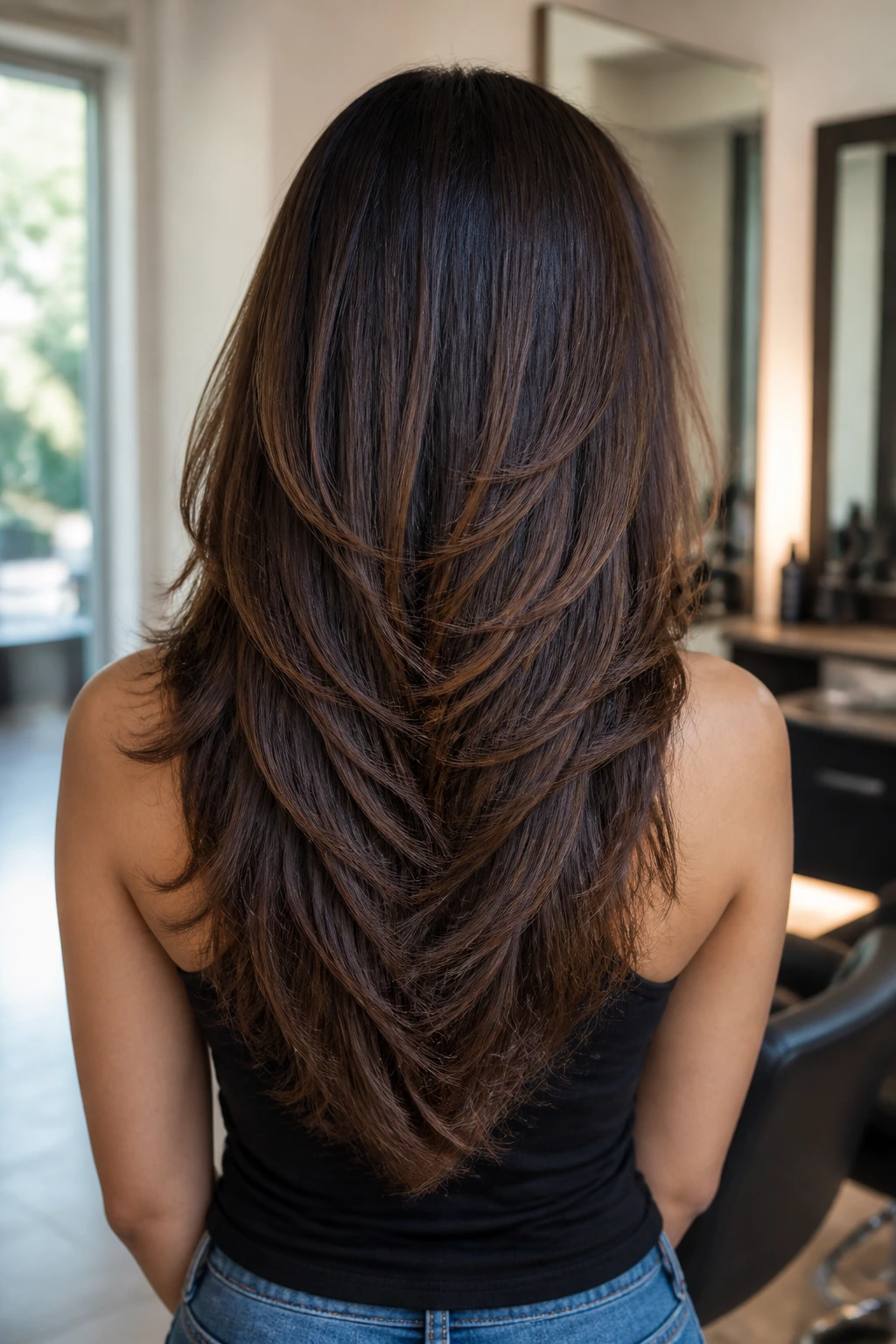
A V-cut is for someone who likes a little drama in the back. The layers taper into a point, so the longest pieces fall in a clear V shape instead of a rounded line. On long hair, that gives the ends more movement and keeps the whole shape from looking too heavy.
Where the shape shows up
The V is most obvious when the hair is worn down and straight. Waves soften it, but the point still gives the cut its character. If your hair is thick, the shape can help it fall better. If your hair is fine, the point can feel too thin unless the layers are kept long and balanced.
Ask for this if you want
- A visible taper in the back
- Long layers through the front
- A shape that looks good over the shoulders
- Less bulk without giving up length
The one catch: V-cuts can be fussy if you wear your hair in high ponytails all the time. The point at the back can look choppy when pulled up. If that bothers you, a U shape is easier to live with.
11. Wispy Shoulder-Length Layers
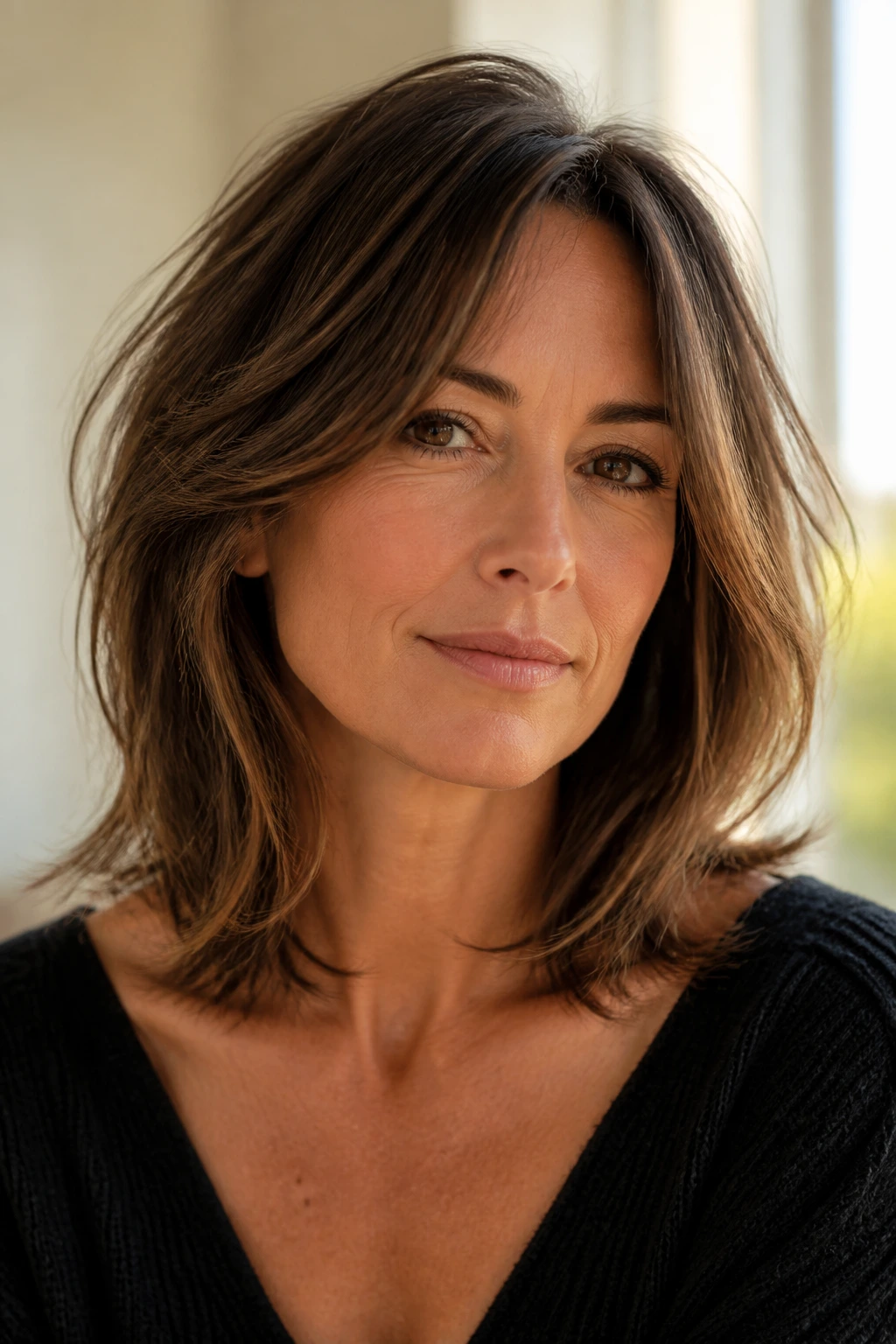
Shoulder-length hair gets ignored a lot, which is odd, because it’s one of the easiest lengths to make look expensive. Wispy layers at the shoulder give this cut movement without pushing it into shag territory. The result is light, airy, and easy to live with.
This haircut is a solid choice if you want hair that can air-dry on a workday and still look decent by lunch. The layers should be soft enough that they don’t stick out, but there should be enough texture that the ends do not sit like a blunt bar across your shoulders. That is the whole balance.
It’s especially good for people who want a haircut that works in a ponytail, a clip, or down. That sounds basic. It is. Basic is useful.
12. The Wolf Cut
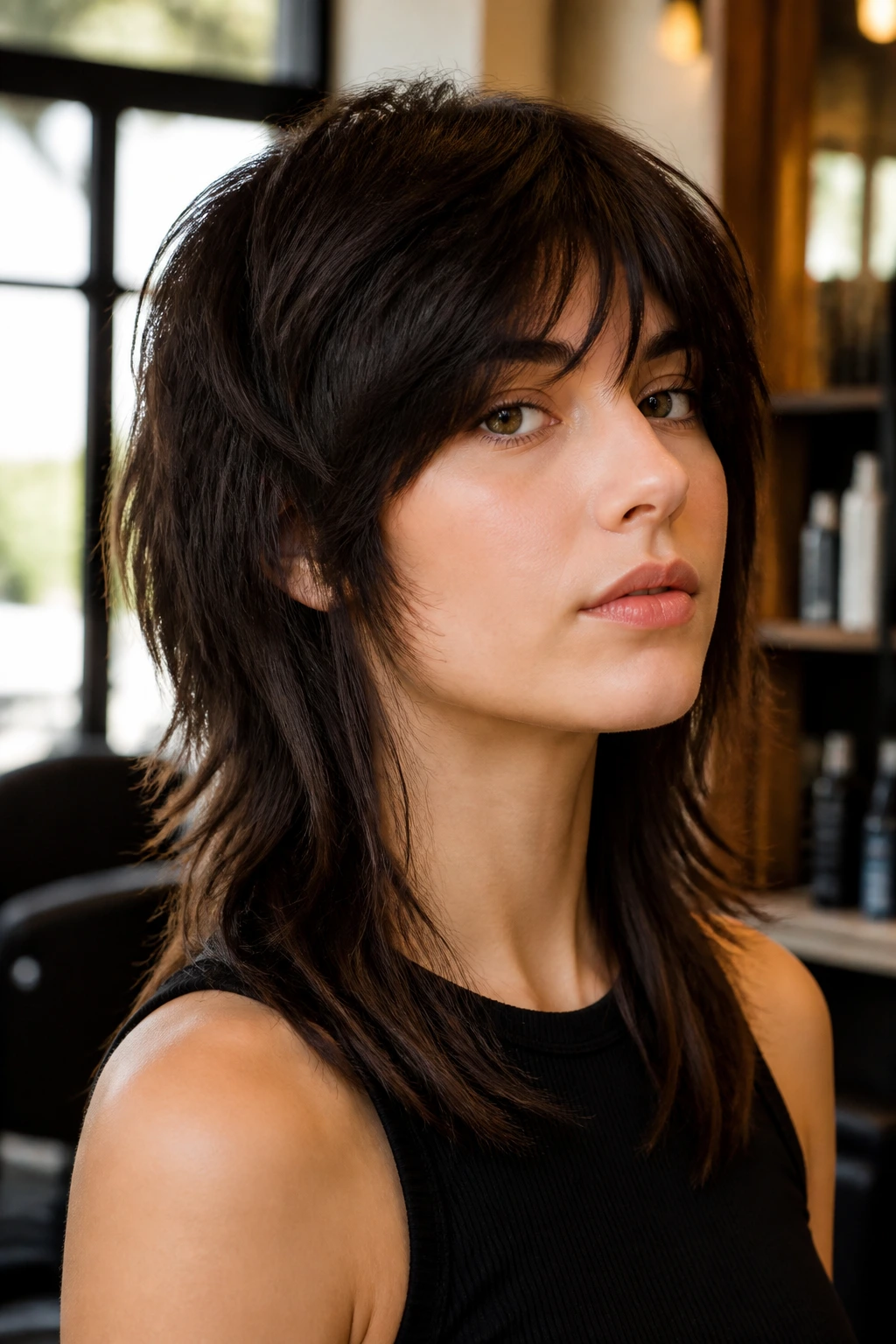
The wolf cut is basically the wild cousin in this group. It blends shaggy layers up top with a looser, longer shape underneath, and it’s not shy about its texture. Some people love it because it gives hair instant edge. Some people ask for it and then realize they wanted “soft movement” instead of “deliberate mess.”
Why it works
The cut puts volume at the crown and broken texture through the sides, so it can make flat hair feel alive fast. It also flatters natural wave, because wave likes uneven lengths. Straight hair can wear it too, but it usually needs more styling or a bit of bend from heat.
What to watch for
If your hair is already fine and fragile, too much thinning can leave the ends looking scrappy. That’s the main trap. A wolf cut should look rough on purpose, not undercut by accident.
If you want one, bring a photo. Then bring another photo. The word “wolf cut” covers a wide spread of looks, and the difference between cool and chaotic is often one inch.
13. Curly Layers
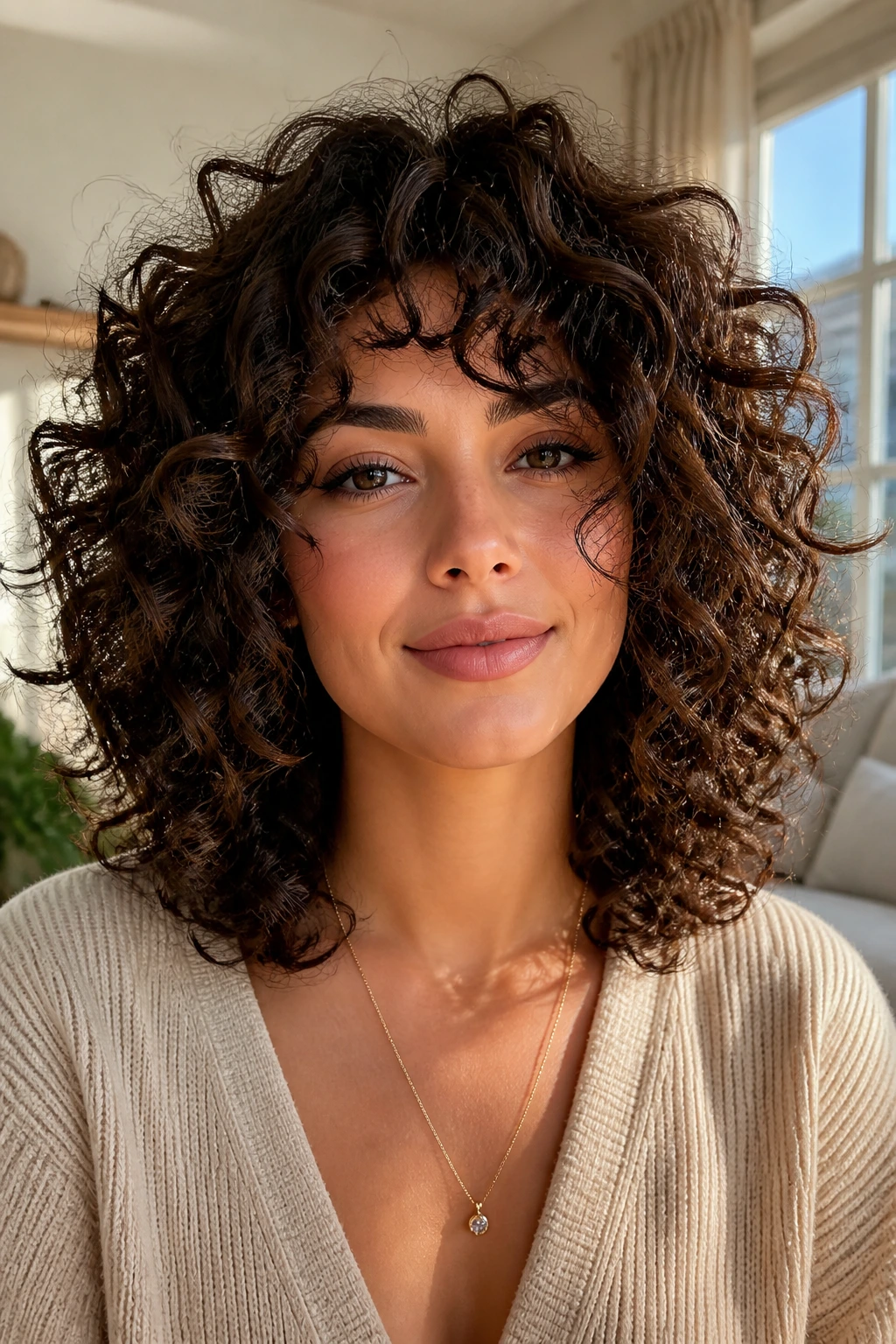
Do curly layers need a different approach? Absolutely. Curly hair does not fall the same way straight hair does, so the cut has to respect the curl pattern or the whole shape goes sideways. Curly layers are meant to build a rounder, more balanced silhouette while keeping the curls from stacking into a triangle.
Dry cut or wet cut?
A dry cut often gives the most honest result, because curls spring up differently from strand to strand. That said, plenty of stylists still cut curly hair wet and shape it carefully. What matters is that the final form is checked after the curls dry. If the hair is cut once and forgotten, the surprise lands on your shoulders.
What makes a good curly layer cut
- Layers that remove bulk without breaking the curl clump
- Length left in the perimeter so the shape stays full
- Face-framing pieces that lift away from the cheeks
- Light shaping around the crown, not a bunch of short chops
Curly layers should make your hair feel lighter, not frizzy. If the cut turns the ends into fuzz, the layers are too aggressive.
14. Wavy Mid-Length Layers
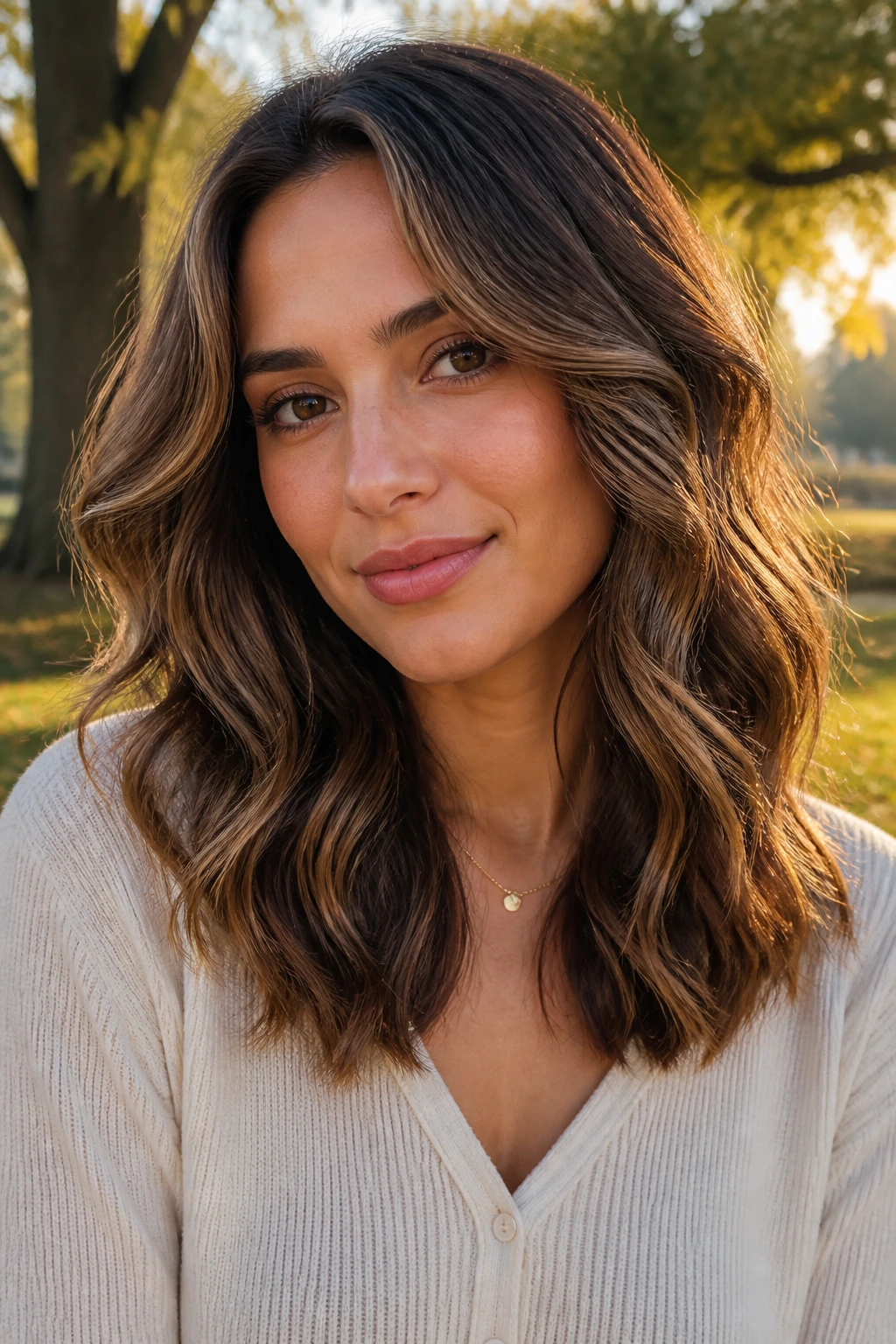
Wavy hair and shoulder-to-chest length are old friends. Add layers, and the shape gets more interesting without needing a lot of styling. Mid-length layered cuts are the sweet spot for women who want movement but do not want to give up enough length to notice every two months.
The best version is not over-cut. Long layers keep the wave pattern intact, while a few shorter pieces around the face stop the shape from looking heavy. If your wave is loose, the haircut can make it look fuller. If your wave is stronger, the layers help it sit in clean bends instead of puffing outward.
A little wave cream or lightweight mousse is often enough. Air-dry it, scrunch it, and leave the fussy stuff to other people.
15. Textured Pixie With Layers
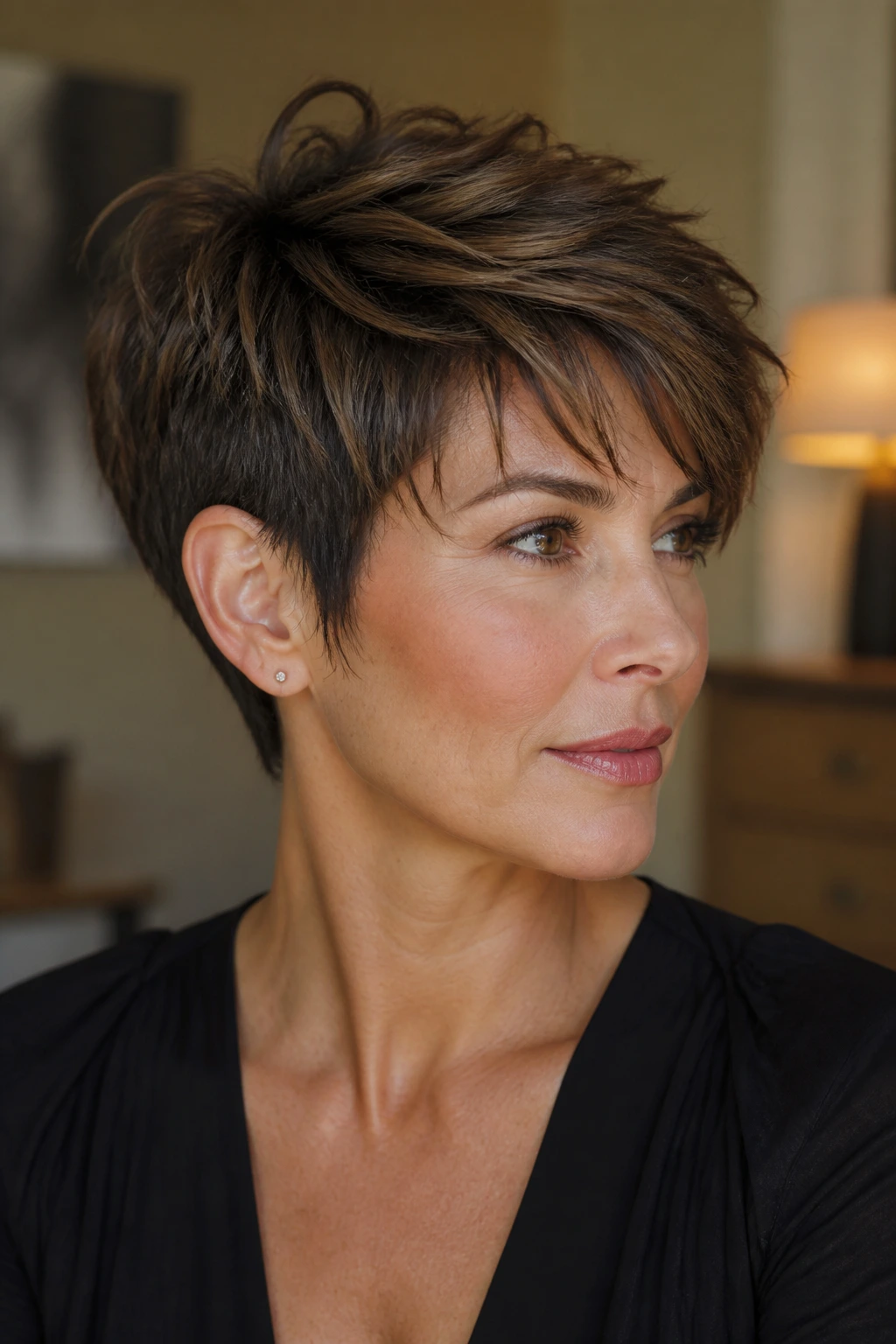
Short hair needs layers too. In a textured pixie, layers create the shape on top, give lift at the crown, and keep the sides from looking helmet-like. Without them, a pixie can feel flat fast.
This cut suits women who like a sharp neckline and a little top movement. It can be soft and feminine, or edgy and cropped, depending on how much length stays on the crown and around the fringe. The front pieces matter a lot here. A longer, side-swept top can make the whole cut feel easier to grow out later.
One thing people miss: a pixie needs regular shaping to keep its form. Not every four weeks, but close enough that the silhouette does not collapse. Short hair is low on length, not low on upkeep.
16. Layered Bob With Side Part
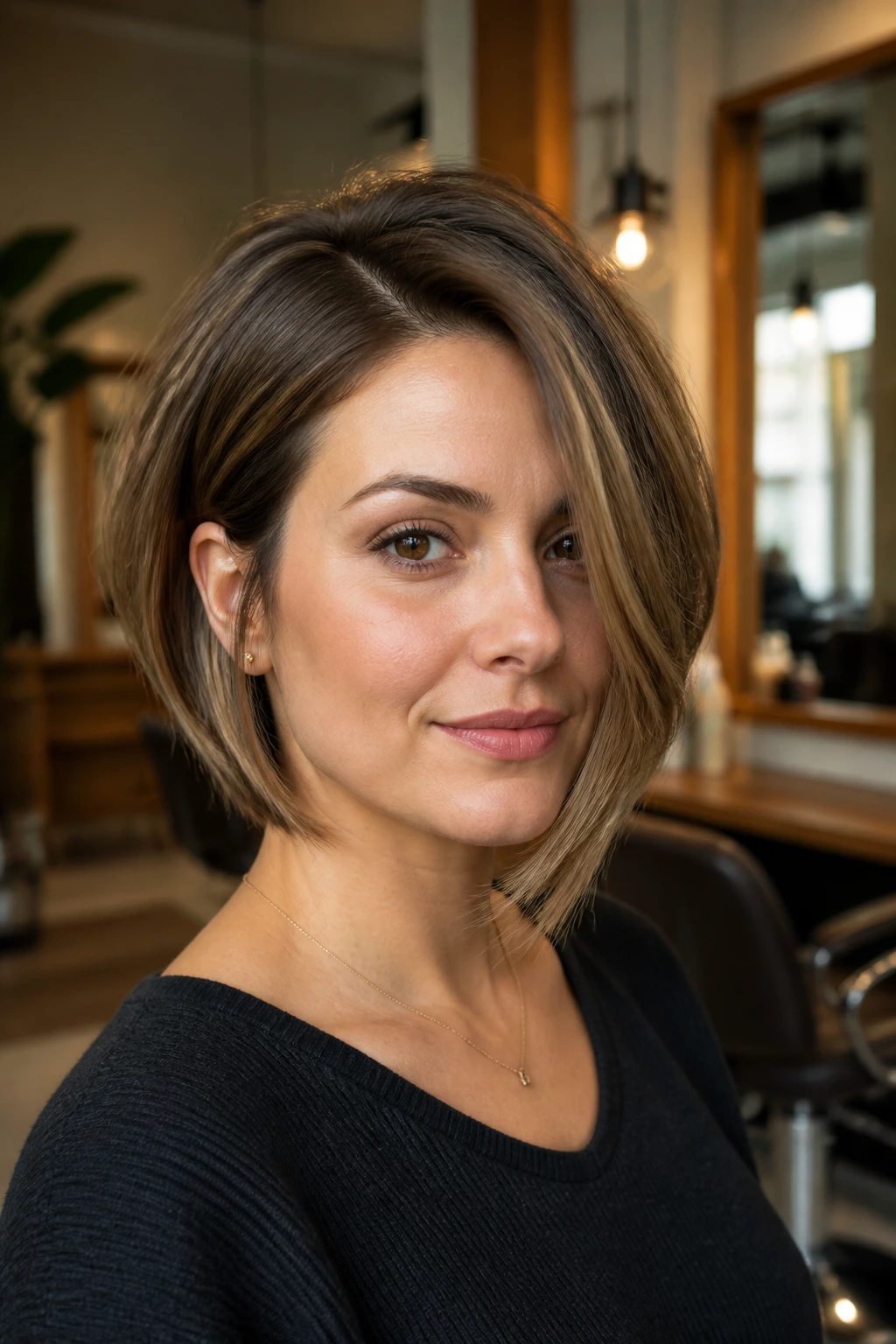
A layered bob with a side part gives you asymmetry without going full dramatic. One side sits a little higher, the front drifts across the cheek, and the layers keep the bob from feeling blocky. It is one of those cuts that makes a face look more awake.
This works especially well if your hair falls flat at the center part. A side part instantly changes the balance, and the layers help the hair move away from the face instead of clinging to it. The effect is small, but small is often enough.
If you want extra polish, tuck the heavier side behind one ear and leave the other side soft around the jaw. That little trick gives the bob shape even on days when you do not blow it out.
17. Swoopy Layers for Round Faces
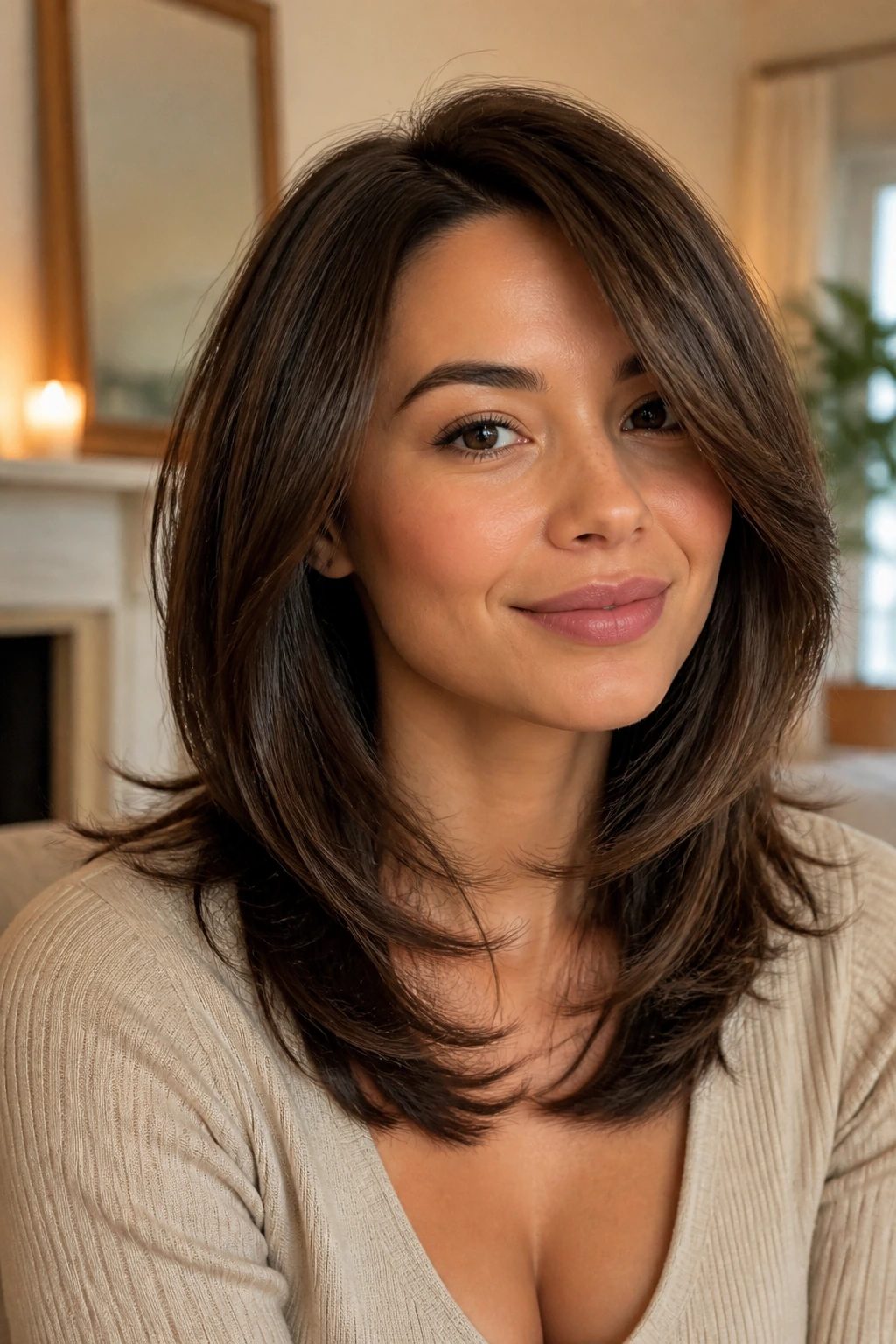
Round faces do not need hair that stops at the widest part of the cheeks. They need layers that move diagonally. Swoopy layers create that line by starting near the chin and flowing down toward the collarbone, which pulls the eye vertically instead of sideways.
The best versions of this cut avoid blunt bangs and short, puffy layers at the cheeks. Those can make the face look wider. Longer front pieces are the friend here. They soften the sides without boxing them in.
A deep side part can help too. It gives the roots lift and breaks up symmetry in a way that feels flattering, not fussy. If your hair is thick, keep the layers long. If it is fine, keep the shape soft but full at the ends.
18. Razored Layers for Straight Hair
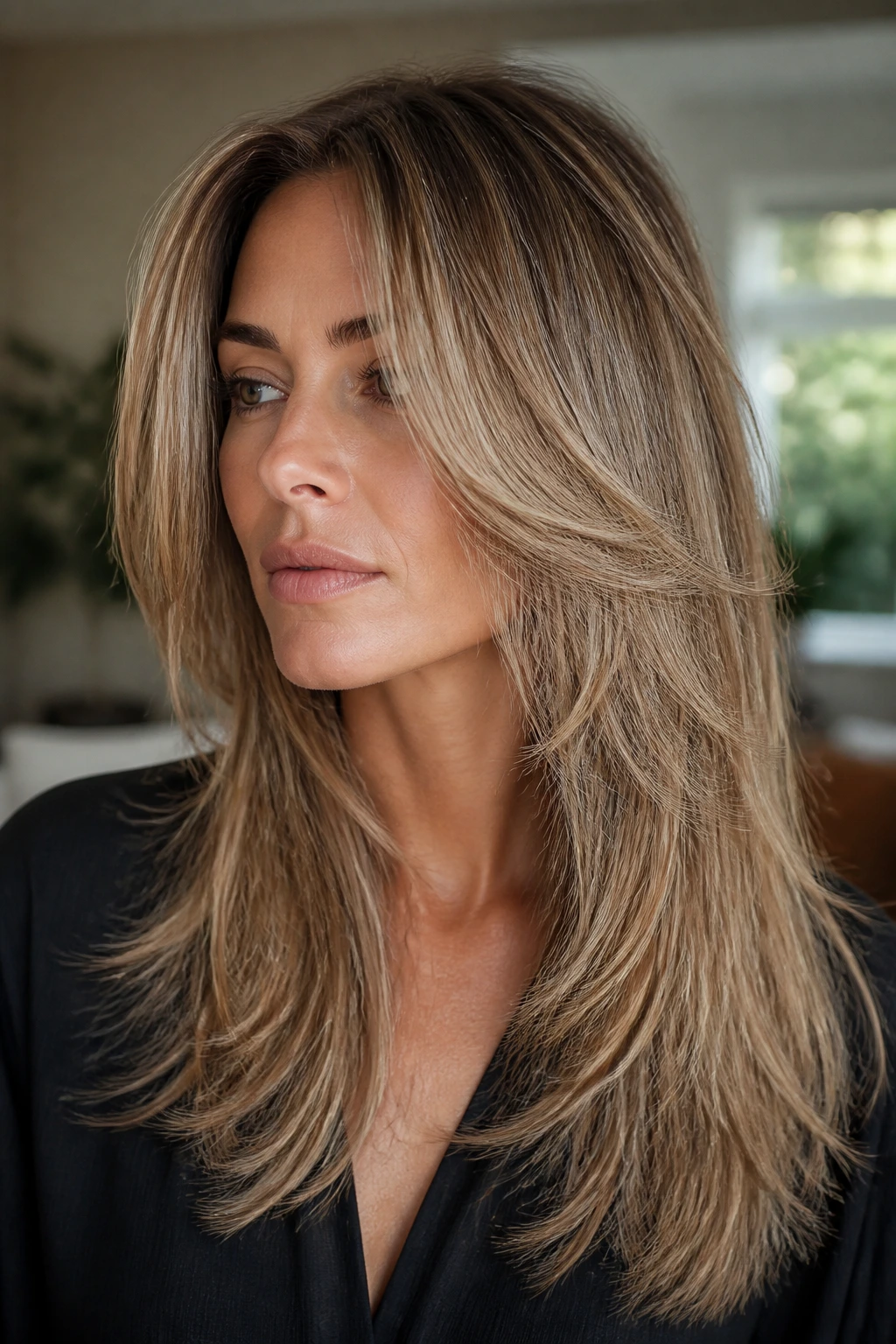
Straight hair can look too neat when it’s all one length. Razored layers break that up fast, adding a softer edge and a little swing through the ends. They are not for every head of hair, though. That matters.
When a razor helps — and when it doesn’t
A razor works best on healthy hair with some density, where the goal is a feathered finish. It can create a cooler, more broken texture than scissors alone. On fragile or frizzy hair, though, too much razor work can rough up the ends and make them look dry sooner.
Best ways to wear it
- Sleek and straight for a cleaner line
- Softly bent with a flat iron for movement
- Tousled with a texture spray if you want a messier finish
If your straight hair tends to hang like a curtain, razored layers can fix that without taking off too much length. If your ends already feel a little thin, keep the razor away from the perimeter.
19. Feathered Layers for Mature Hair
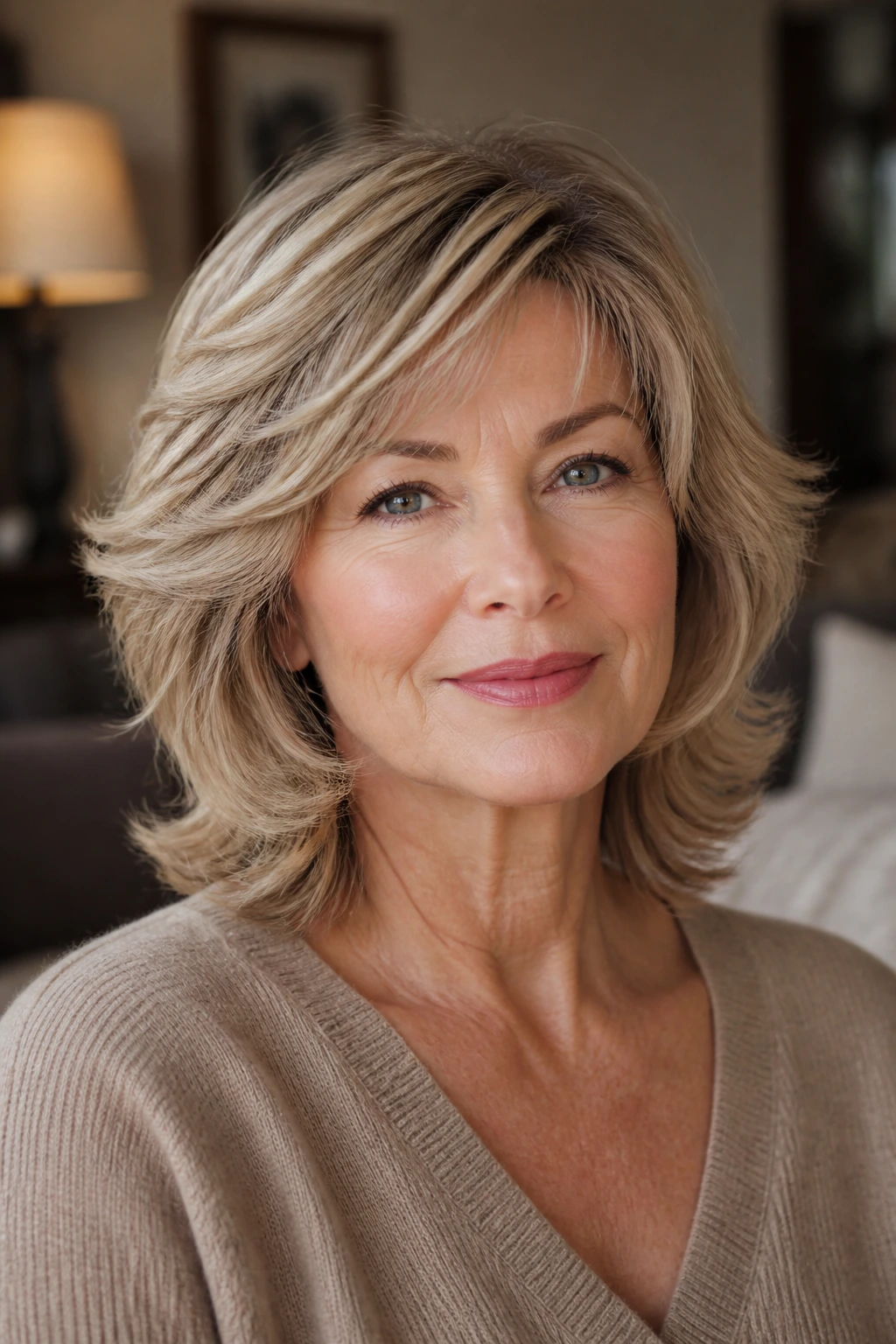
Feathered layers still work because they soften the face without asking for a hard style. Feathering is all about lightness around the temples, cheekbones, and jawline, which can make hair feel less severe and more alive.
This kind of cut is smart for mature hair that has lost some density at the crown or around the hairline. The goal is not to thin it out until it disappears. The goal is to add movement where the hair has gotten stiff. Done well, feathered layers lift the shape and keep the style from sitting close to the head in a flat, dated way.
A round brush helps here, but not a giant one. Medium size is better. You want soft bend, not a pageant blowout from a bad memory.
20. Long Layers with Bottleneck Bangs
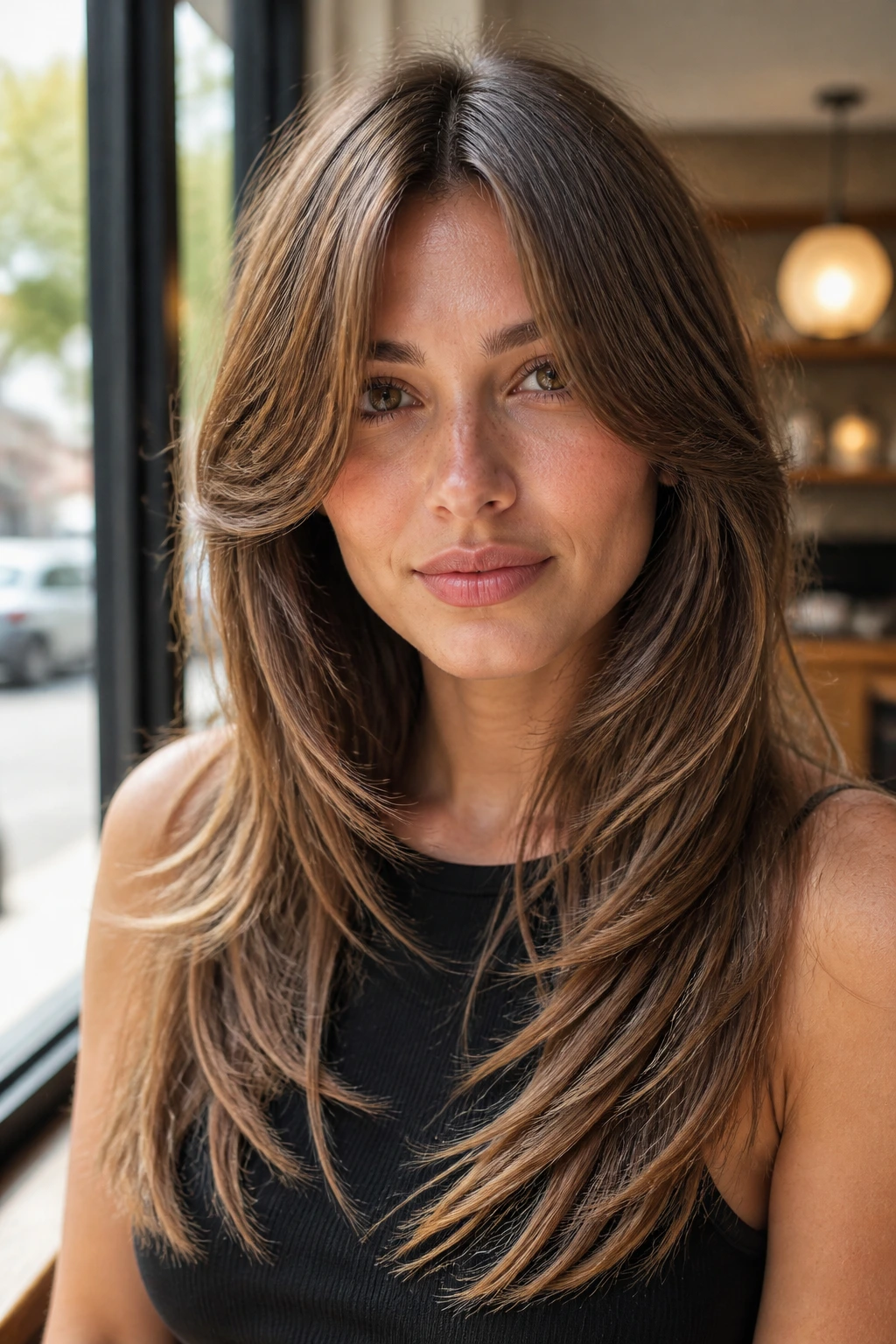
Bottleneck bangs are the sneaky good match for layered hair because they open in the middle and widen gently as they move toward the temples. They give the face a frame without the bluntness of a full fringe, and they blend beautifully into long layers.
How they frame the eyes
The shortest part usually sits near the center of the forehead, then the sides taper longer and softer. That shape pulls attention to the eyes and cheekbones while still leaving room for the bangs to grow out gracefully. That last part matters more than people admit. A fringe that grows badly is a headache. A fringe that grows softly buys you time.
These bangs pair well with long layers because both pieces do the same job: they add shape without stealing length. If your face feels long, they can shorten the visual line. If your forehead is narrower, keep the center less short and let the sides do more of the work.
21. Airy Layers for Flat Hair
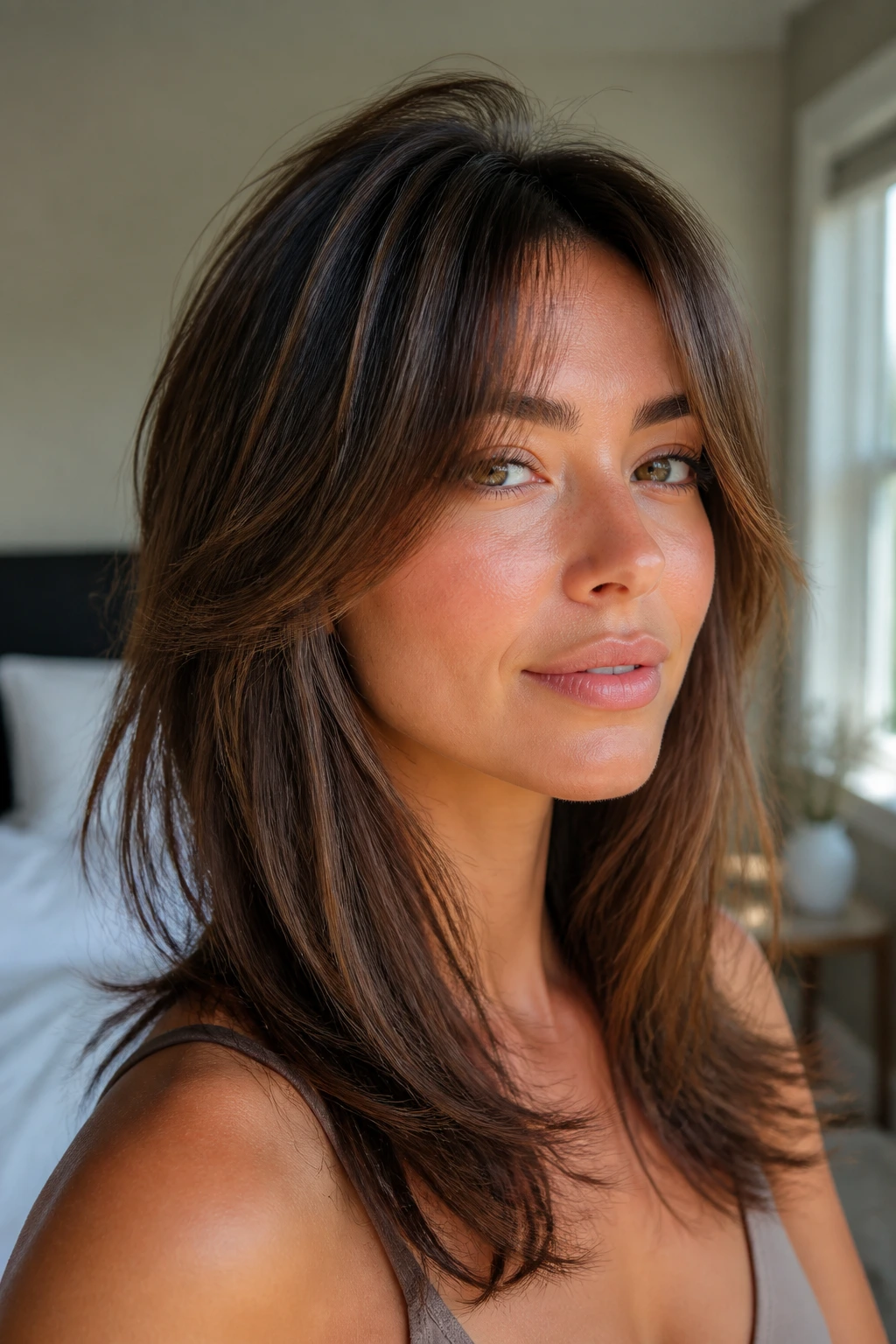
Flat hair needs lift near the roots and a cut that doesn’t drag everything down. Airy layers focus on the crown and upper sides so the hair can move a little instead of lying like a sheet. That alone changes the whole mood.
A good version starts with light internal layering, then keeps enough weight in the perimeter that the ends still look full. Too many short layers can make flat hair collapse even faster once the initial volume falls. That’s the trap. You want bounce, not emptiness.
A root-lifting mousse at the roots, dried upward with a round brush, helps the cut do its job. If you sleep on it and wake up with flat roots, clip the crown up for 10 minutes while getting dressed. Old trick. Still works.
- Best for: hair that goes limp by lunch
- Good styling tools: round brush, medium roller, root clip
- Ask for: lift at the crown, not chopped ends
- Avoid: over-thinning through the back
22. Shoulder-Grazing Layers With Ends Out
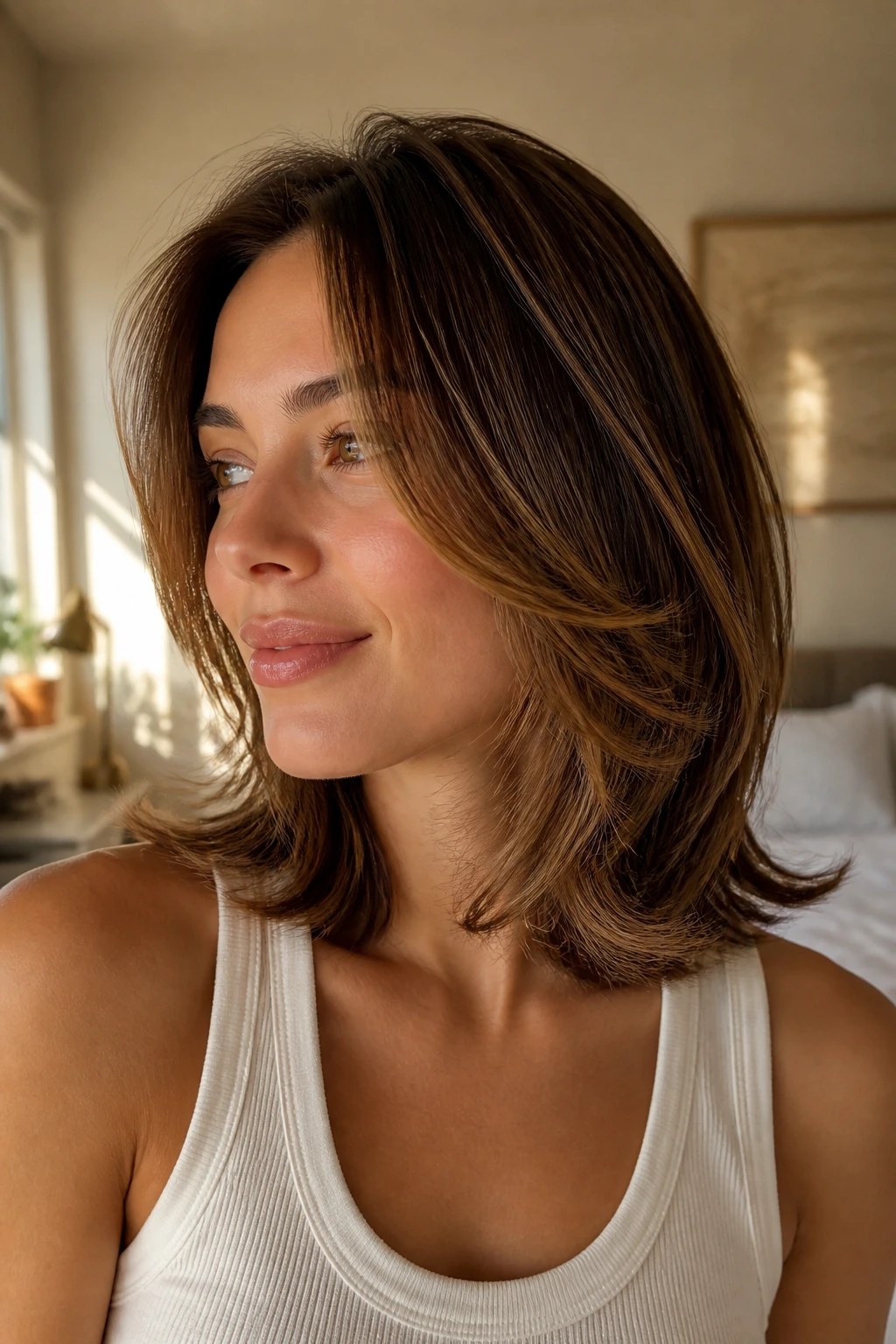
This is the haircut for women who want their hair to look relaxed, not rigid. Shoulder-grazing layers with ends out give the cut a little kick at the bottom, which keeps shoulder-length hair from looking heavy or stuck in place.
The shape is easy to wear because it can be styled with a slight bend instead of a full blowout. A flat iron flick at the ends or a soft curl away from the face is enough. The layers stop the cut from sitting as a single hard line, which is the main problem with many shoulder-length styles.
It also grows out well. That matters if you hate constant trims. The shape stays soft longer, and the end flip keeps the haircut from looking stale between appointments.
23. Mixed-Length Layers for Volume
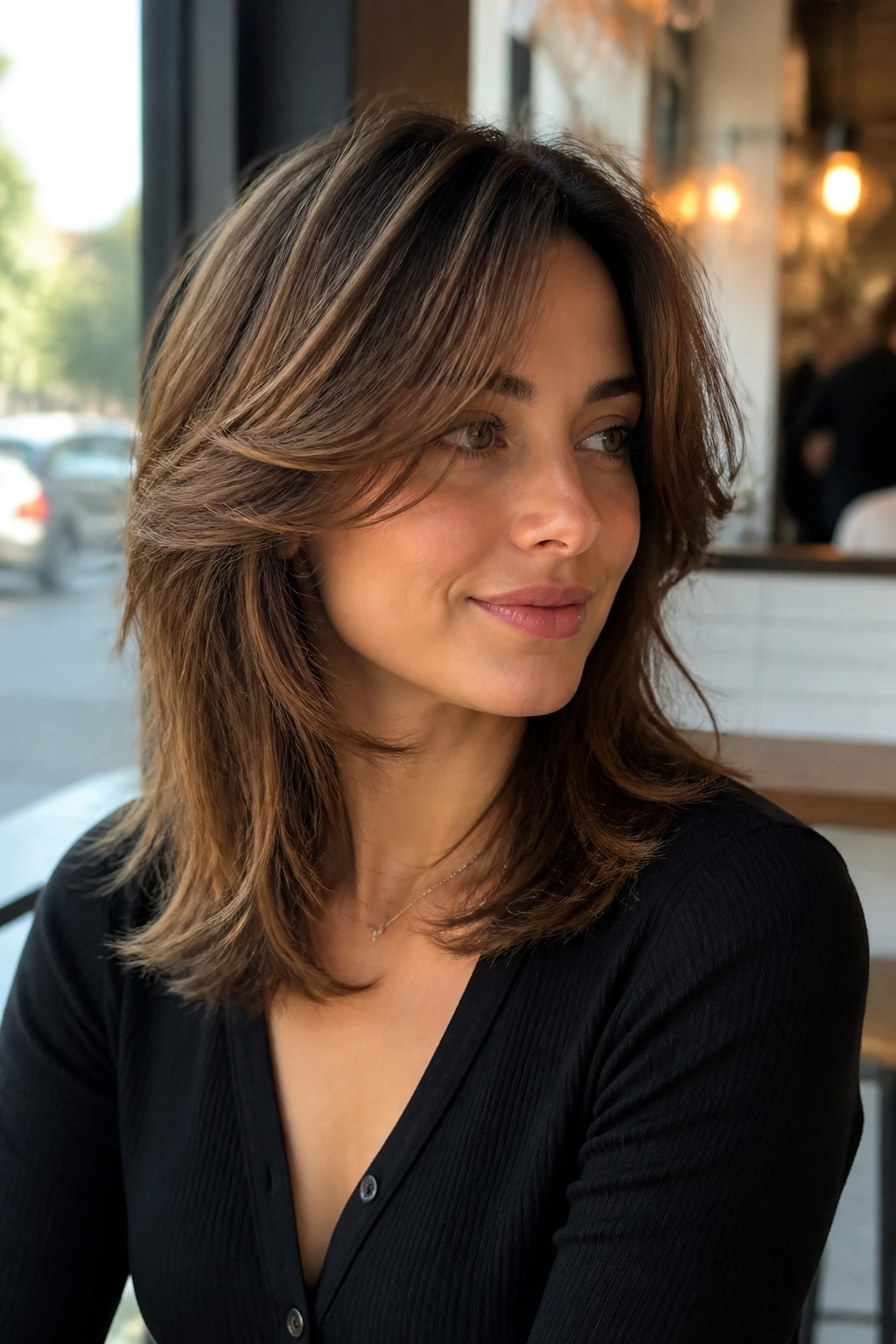
Sometimes one layer length is not enough. Mixed-length layers build volume by stacking different lengths in different zones, so the hair moves in more than one direction. That sounds technical because it is. It also works.
Why multiple lengths create fullness
A single layer pattern can make hair move, but mixed lengths create a fuller-looking silhouette because the eye catches several shapes at once. The crown gets a little lift, the sides get softness, and the ends keep enough density to look full. On medium and thick hair, that balance can be gold.
Who should ask for it
- Women with medium density who want more shape
- Thick hair that feels heavy in one block
- Long hair that looks limp from mid-length down
The catch is precision. This cut needs a stylist who knows where to stop. Too many short pieces and the hair starts looking chaotic. Too few and you may as well have kept the one-length cut.
24. Collarbone Cut with Internal Layers
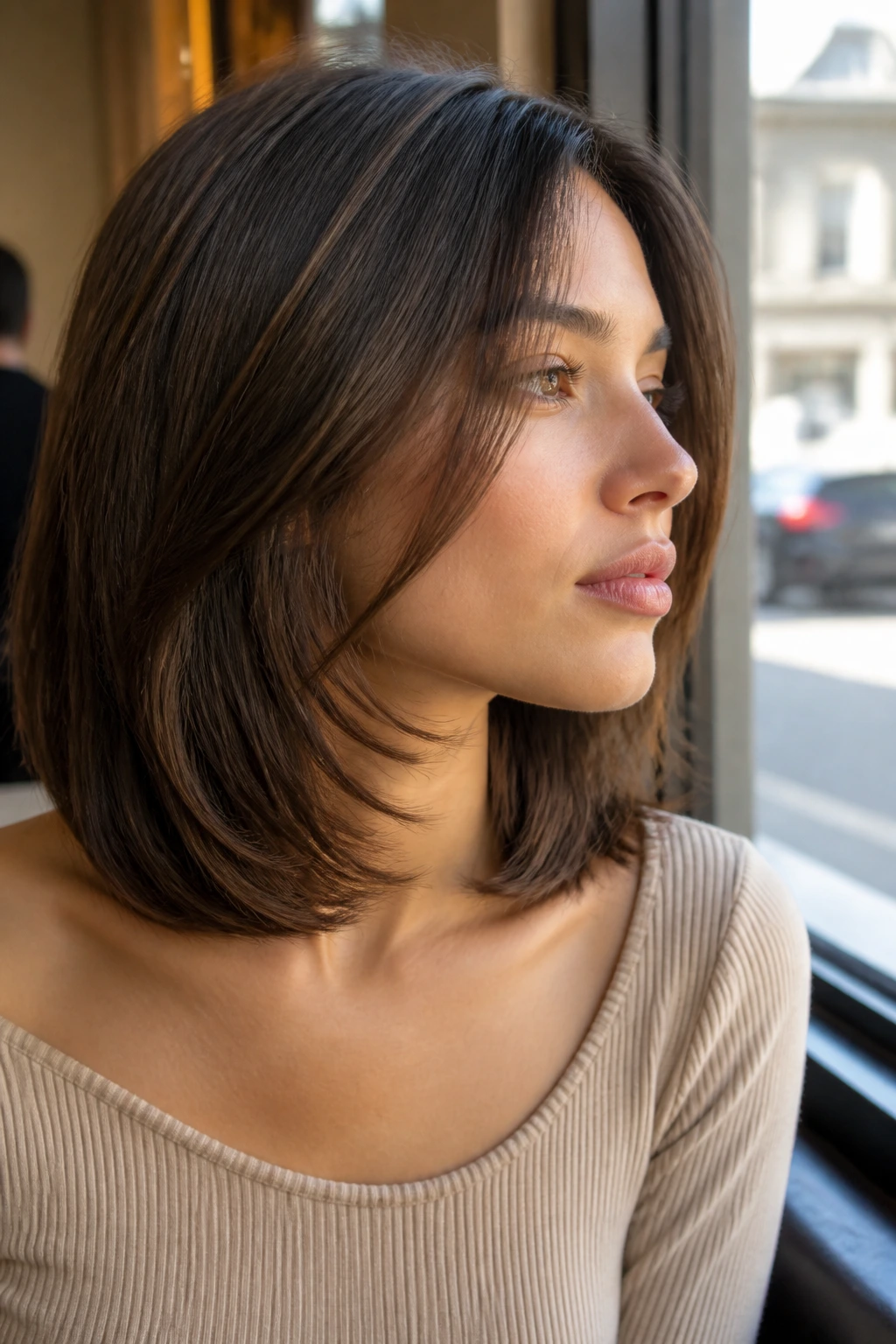
The collarbone cut is one of those lengths that flatters a lot of faces because it sits right where the body naturally wants shape. Add internal layers, and the haircut stops feeling boxy. The outside stays clean, while the inside moves.
This is a smart choice if you want a grown-up cut that still feels easy. You can tuck it, clip it, wave it, or leave it alone and it still looks finished. That flexibility is why so many women ask for it after wearing long hair for a while and getting tired of the weight.
The key is not to over-layer the front. Keep the perimeter readable. Let the inside do the heavy lifting. A collarbone cut should feel neat first, airy second.
25. The Polished Layered Blowout Cut
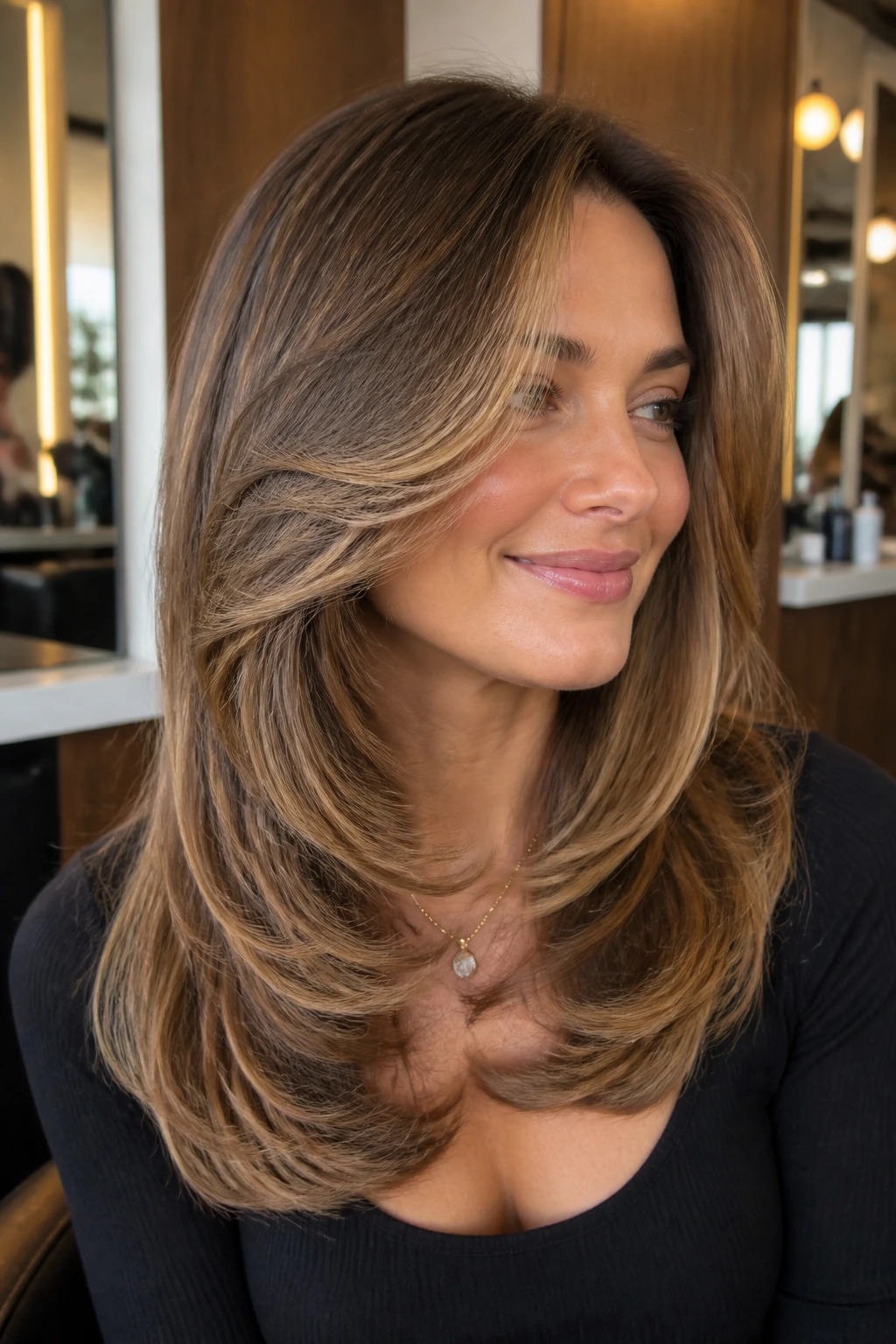
This is the version of layered haircuts that never really loses its place. The polished layered blowout cut is built for shine, movement, and that clean, round shape that looks expensive without needing a complicated haircut. It is not flashy. It is reliable, and honestly, that’s a virtue.
The layers are usually long enough to keep the outline full, but placed so the hair bends easily under a brush. The front pieces frame the face, the mid-lengths carry the volume, and the ends finish with a soft curve instead of a blunt stop. That curve is what gives the style its lift. If the cut is too blunt, the blowout falls flat. If it is too chopped, the whole thing loses polish. The sweet spot is in the middle.
A medium round brush, a heat protectant, and a light serum on the ends are enough to keep it looking smooth. And if you do not have time for a full blowout every morning, that is fine. The cut should still fall nicely on its own. The best layered haircuts do not demand perfection; they make your hair look like it cooperated, even on a rushed day.
