



Hair gets stale in sneaky ways.
A part that sits in the same place for months, ends that feel heavy, bangs that grew past their sweet spot — that’s usually where the boredom starts. The fix is not always a dramatic chop. Sometimes it’s a smarter shape, a cleaner outline, or a small shift in texture that makes your whole face look more awake.
The most wearable trendy hairstyles have a common thread: they move. They bend around the face, hold up after air-drying, or look good after a quick pass with a flat iron. That matters more than chasing a cut that only behaves in a salon mirror.
Some of these looks are soft and easy, some bring a little edge, and a few need a bit of styling discipline. All of them have one thing in common: they look deliberate without trying too hard. That balance is rare. And worth stealing.
1. Butterfly Layers with Soft Face-Framing Pieces

Butterfly layers are one of those cuts that make people think you got a full hair makeover, even when the length stays mostly the same. The magic is in the contrast: shorter layers around the crown and cheekbones, then longer pieces underneath that keep the hair feeling full.
This shape works especially well if your hair tends to fall flat at the roots but you still want some length in the back. Ask for the front pieces to start around the chin or lip line, then blend them into longer layers that can flip out a little at the ends. The cut should look airy, not choppy.
Quick things to know
- Best on medium to long hair
- Looks good with a round brush or large-barrel curling iron
- Needs a trim every 8 to 10 weeks if you want the shape to stay crisp
- Great if you like volume without a heavy blowout
A little root lift spray at the crown helps. So does a quick bend through the front layers with a 1.25-inch iron.
2. Curtain Bangs with Long Waves

Why do curtain bangs keep hanging on? Because they solve a real problem: hair that feels too heavy around the face. They split down the middle, brush the cheekbones, and blend into longer layers instead of sitting there like a hard line.
The trick is to keep them soft. A curtain bang should sweep, not stick out like a shelf. If your hair is fine, ask for a slightly longer fringe that can be tucked behind the ears on lazy days. If it’s thick, the inside of the bangs needs a little weight removal or they’ll puff out.
How to keep them from splitting badly
Start with damp hair and blow-dry the bangs side to side with a small round brush. Finish by rolling each side away from the face for about 10 seconds. That little bend makes a big difference.
Curtain bangs are charming on day one. They’re even better on day two, when they’ve softened a bit and settled into the rest of the cut.
3. Sleek Chin-Length Bob

A chin-length bob is sharp in the best way. It puts the focus right on the jawline, which can make the whole face look cleaner and more open. There’s nothing fussy about it.
This is the cut I’d suggest to anyone who wants a style that looks polished with very little effort. The line should sit just at, or a touch below, the chin. Ask for ends that are blunt but not puffy, because too much rounding can make the bob feel dated fast.
A flat iron pass is enough for most people. If your hair has a bend to it, use a smoothing cream before drying and tuck one side behind the ear when it’s finished. That tiny asymmetry gives the cut some life.
- Works well on straight or slightly wavy hair
- Makes fine hair look fuller
- Needs regular trims to keep the edge clean
- Looks best when the ends stay precise, not wispy
Short hair. Big payoff.
4. French Bob with Micro Fringe

Want short hair with a little attitude? The French bob is the one that gives it to you. It usually lands around the cheekbone or jaw and pairs with a fringe that sits higher than a classic bang, sometimes right at the brows and sometimes a bit above them.
This style looks best when it’s not over-styled. A touch of bend, a bit of texture, maybe a piece tucked behind one ear — that’s enough. If it’s too smooth, the charm disappears and you’re left with a cut that feels stiff. Nobody wants that.
The trimming reality
Micro fringe grows fast. Faster than you want. If you hate regular trims, skip this one. The whole look depends on keeping that short front piece in the right spot, and once it drops into your eyes, the shape starts to collapse.
Fine to medium hair usually handles it well. Thicker hair can work too, but the fringe has to be thinned carefully so it doesn’t sit like a heavy shelf across the forehead.
5. Soft Shag with Broken-Up Ends
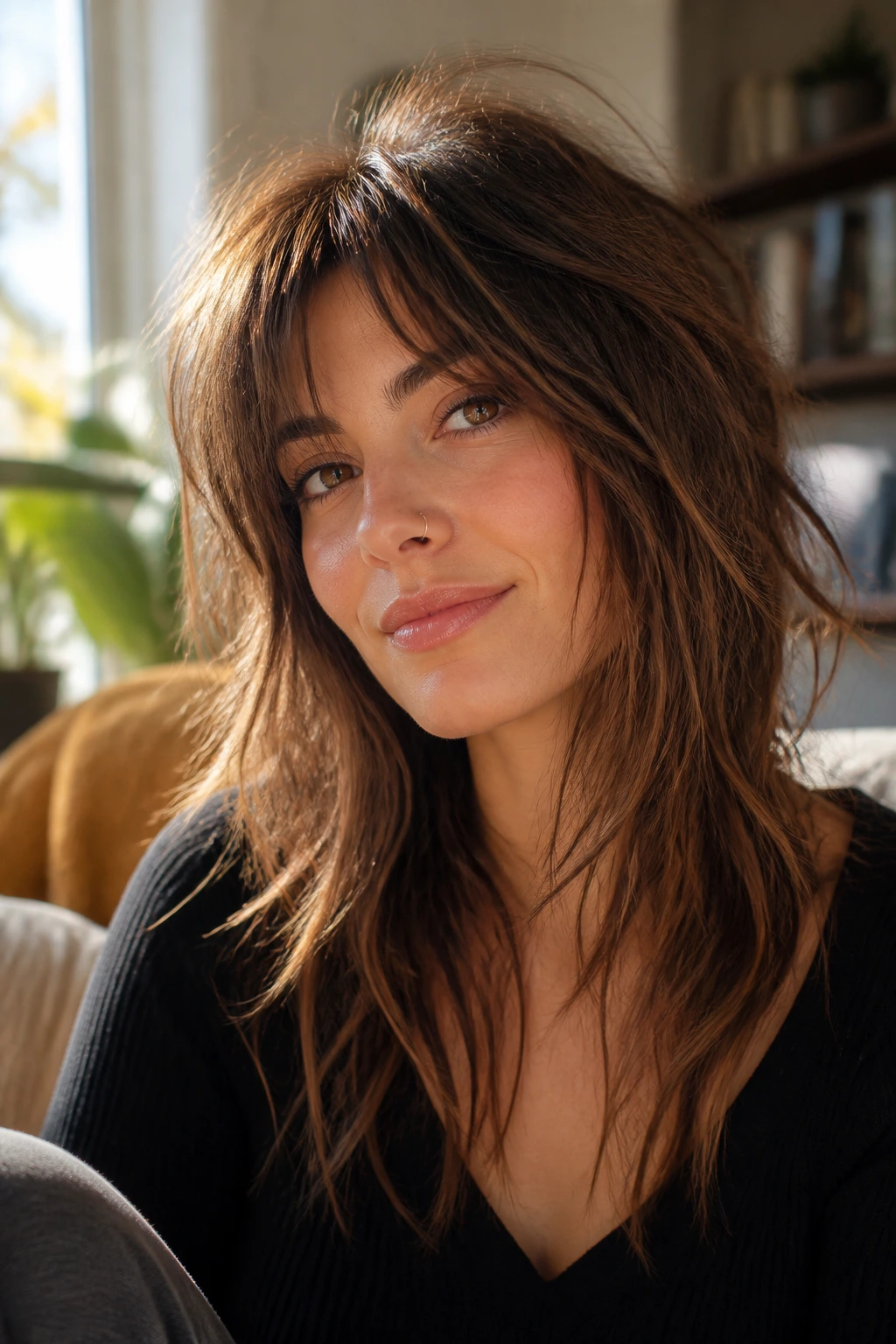
The soft shag is the friendlier cousin of the old, heavy shag cuts people remember from old photos. It has layers, but they’re blended enough to move instead of spike out. Think cheekbone layers, airy ends, and enough texture to keep the shape from feeling flat.
This cut is a nice option if you like a little mess in your hair without looking like you fought with it in the mirror. Air-drying works well, which is part of the appeal. A wave cream or mousse can give the layers some definition, then you can scrunch and leave it alone.
It suits wavy hair especially well, but straight hair can wear it too if you like a lived-in look. The key is not to over-thin the ends. Once they get too wispy, the cut starts losing its shape and the whole thing looks tired.
Soft shag. Slight rebellion. Easy morning.
6. Italian Bob
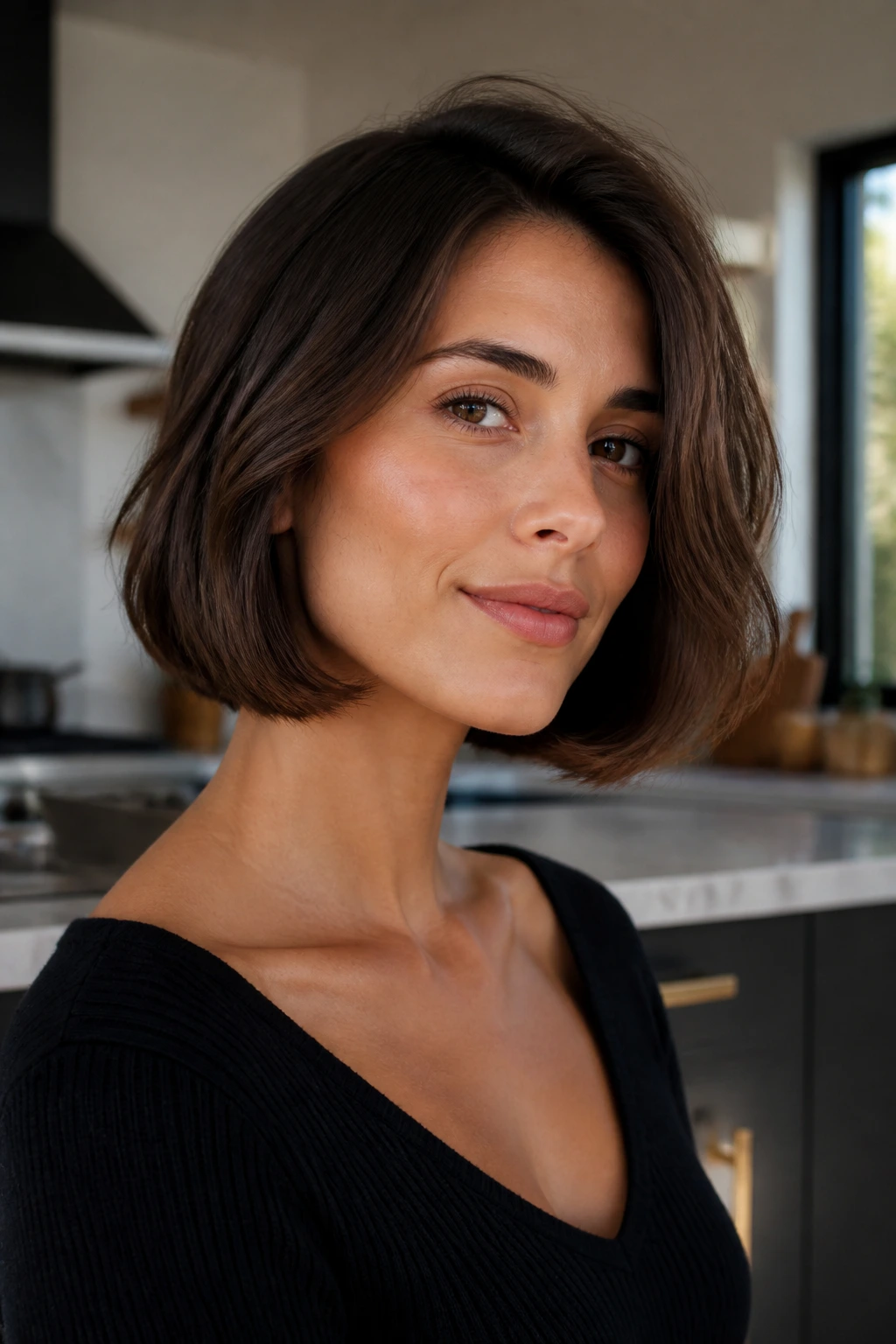
An Italian bob sits in that sweet spot between full and effortless. It’s usually a bit longer than a French bob, often skimming the jaw or neck, with enough weight left in the ends to make the hair look rich and thick.
What I like about it is the structure. It doesn’t look accidental. The sides usually have a gentle curve, and the volume sits through the middle rather than puffing up at the top. That gives it a polished shape without making it feel stiff.
Blow-dry it with a round brush if you want the classic version. Or let it dry naturally and add a slight bend with a flat iron, especially near the front. If your hair is fine, this cut can give you the illusion of density without needing a lot of product.
It’s the kind of bob that looks expensive because the line is clean and the finish is controlled. Simple. Sharp. Done.
7. Bouncy Blowout Layers

A blowout isn’t a haircut, sure, but it absolutely belongs on a list of trendy hairstyles because it changes how everything else looks. Long layers with a bouncy blowout have that soft, face-framing curve that makes even a plain outfit feel pulled together.
This style lives or dies by the prep. A root-lifting mousse, a medium round brush, and a decent blow dryer are doing most of the work. Clip the top sections up while they cool. That’s the part people skip, and it’s why the volume collapses by lunch.
What makes it hold
- Dry the roots first
- Pull the hair up and away from the head while brushing
- Let each section cool before touching it again
- Finish with a light spray, not a heavy lacquer
Velcro rollers can help if your hair is stubborn. So can sleeping in a loose topknot, though not a tight one — those leave dents in the morning.
8. Wolf Cut with Soft Edges

The wolf cut works because it leans into contrast. Shorter around the crown, longer and looser through the bottom, it gives hair a rougher shape without making it look messy in a bad way. The softer version is the one most people can actually wear.
This cut shines on wavy and curly hair, where the layers can stack on top of each other and create natural lift. On straight hair, it needs a little help from texture spray or a diffuser. Otherwise it can fall flat and lose the point.
Ask your stylist to keep the layers blended enough that the transition from top to bottom feels smooth. Too much separation and the haircut starts looking dated fast. Too little, and it becomes a regular shag.
A wolf cut is not for someone who wants a tidy silhouette every day. It’s for someone who likes a little movement and doesn’t mind hair with some personality.
9. Bubble Ponytail

Bubble ponytails look playful, but they’re also one of the easiest ways to make a basic ponytail feel styled. The structure is simple: tie the hair into a ponytail, then add small elastics every 2 to 3 inches down the length and puff the sections slightly.
What makes it work is the shape. Each bubble catches the light and gives the ponytail more width, which is helpful if your hair is fine or you want more presence without teasing the crown into a knot. If your hair is very long, the bubbles can be spaced farther apart. Shorter ponytails look better with tighter spacing.
Use clear elastics or match them to your hair color. Then wrap a small strand of hair around the first elastic at the base to hide it. That one detail keeps the style from looking too gym-class.
It’s a good pick for parties, errands, and days when you want your hair up but not boring.
10. Claw-Clip Twist

The claw-clip twist has become a quiet favorite for a reason: it works fast, and it usually looks better when the hair is a little imperfect. Freshly washed hair can slip out. Second-day hair tends to hold the shape better.
Gather the hair low, twist it upward, then fold the length back toward the crown before clipping it in place. The clip should sit deep enough to catch the twist, not just pin the surface. If the ends are poking out, that’s fine. Actually, it often looks better that way.
Small fixes that help
- Spray a little texture spray before twisting
- Use a medium clip for shoulder-length hair
- Leave the front pieces loose if you want a softer finish
- Pull the twist slightly looser at the crown for more shape
This style works on straight, wavy, and curly hair. It just behaves differently on each one. That’s the charm.
11. Braided Crown

Braided crowns feel a little romantic without trying too hard. They wrap the hair around the head in a way that makes the whole style look considered, even if the braids themselves are simple.
The usual version starts with two braids, one on each side, that meet at the back or cross over the top. A looser Dutch braid gives more texture and stays visible better than a tiny, tight braid. Bobby pins do the rest. Plenty of them. Use the kind that match your hair color if you want the structure to disappear.
This style is especially nice for long hair that’s in-between stages and refuses to stay down neatly. A crown braid makes use of the length instead of fighting it.
It also survives heat better than loose curls. That matters. If you’re wearing the style to an outdoor event or a long day of movement, it tends to stay presentable longer than most polished updos.
12. Slicked-Back Bun

A slicked-back bun does one job and does it well: it makes hair look controlled. Not severe. Controlled. That’s a useful difference.
The style works best when the top is smooth and the bun itself sits low or mid-height, depending on your face shape and the outfit. A pea-sized amount of gel at the hairline, brushed through with a boar-bristle brush, is usually enough. Too much product and the hair starts looking wet in a greasy way instead of sleek.
The part changes the mood
A center part feels cleaner and a bit more modern. A side part softens the whole thing. If you’re wearing hoops, a strong lip color, or a tailored jacket, the bun can hold the look together without stealing the scene.
This is the style for humid weather, rushed mornings, and days when your hair is being uncooperative. Which, if we’re honest, is often.
13. Half-Up, Half-Down with Face-Framing Pieces
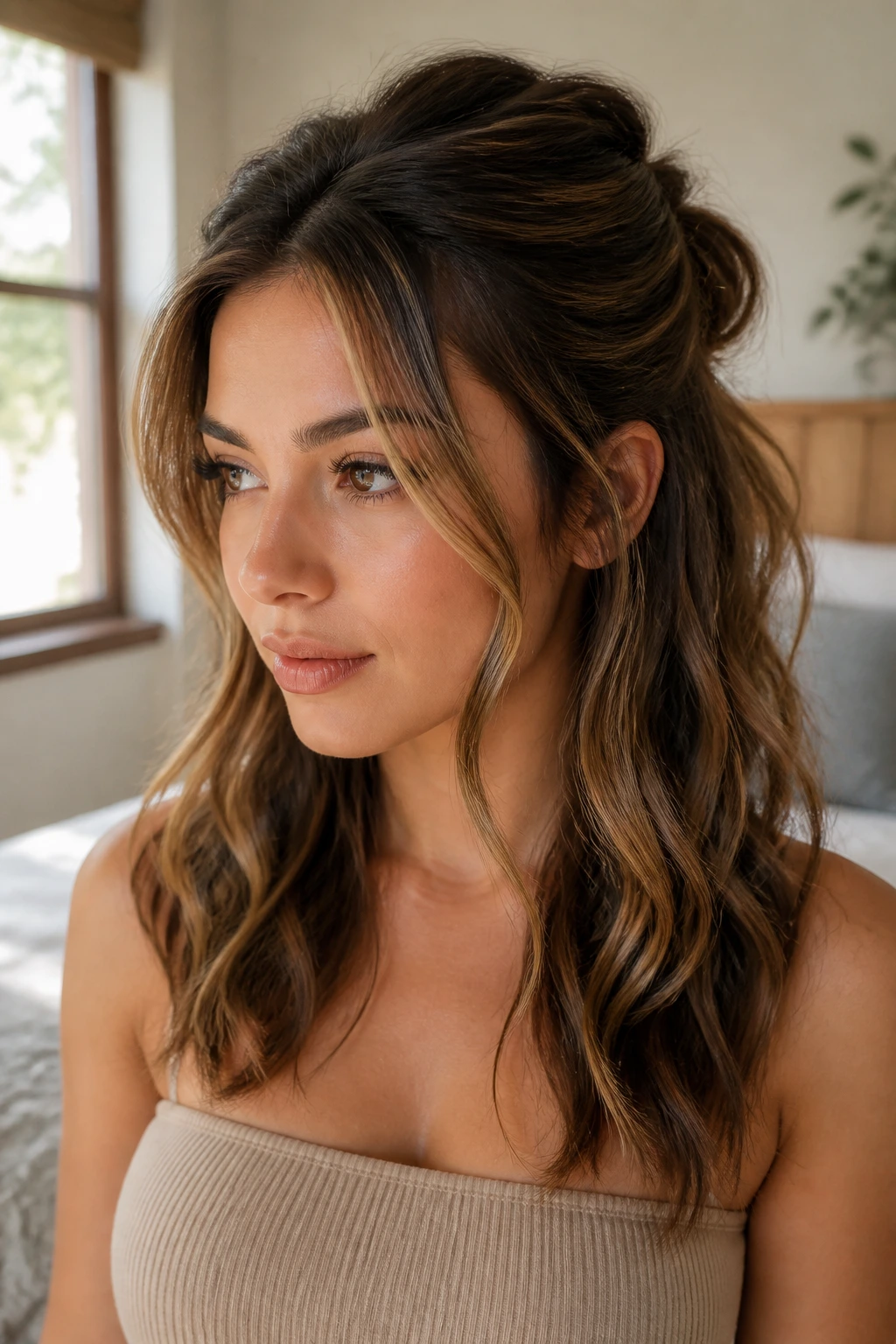
Half-up hair stays around because it solves two problems at once. You get the lift and order of an updo, but you still keep length and movement through the bottom. It’s practical and pretty, which is a nice combination.
The front pieces matter more than people think. Let them sit around the cheekbone or jaw, depending on where you want the softness. If they’re too short, they can flick out awkwardly. Too long, and the style loses that frame around the face.
Where to place the half-up section
A section pulled from just above the temples usually gives the cleanest shape. Higher than that can feel juvenile. Lower than that can slump. A small clip, a wrapped elastic, or even a tiny braid at the back can hold it in place without making the style fussy.
It’s a solid choice for medium to long hair, especially when you want your face visible but still want length.
14. Deep Side Part
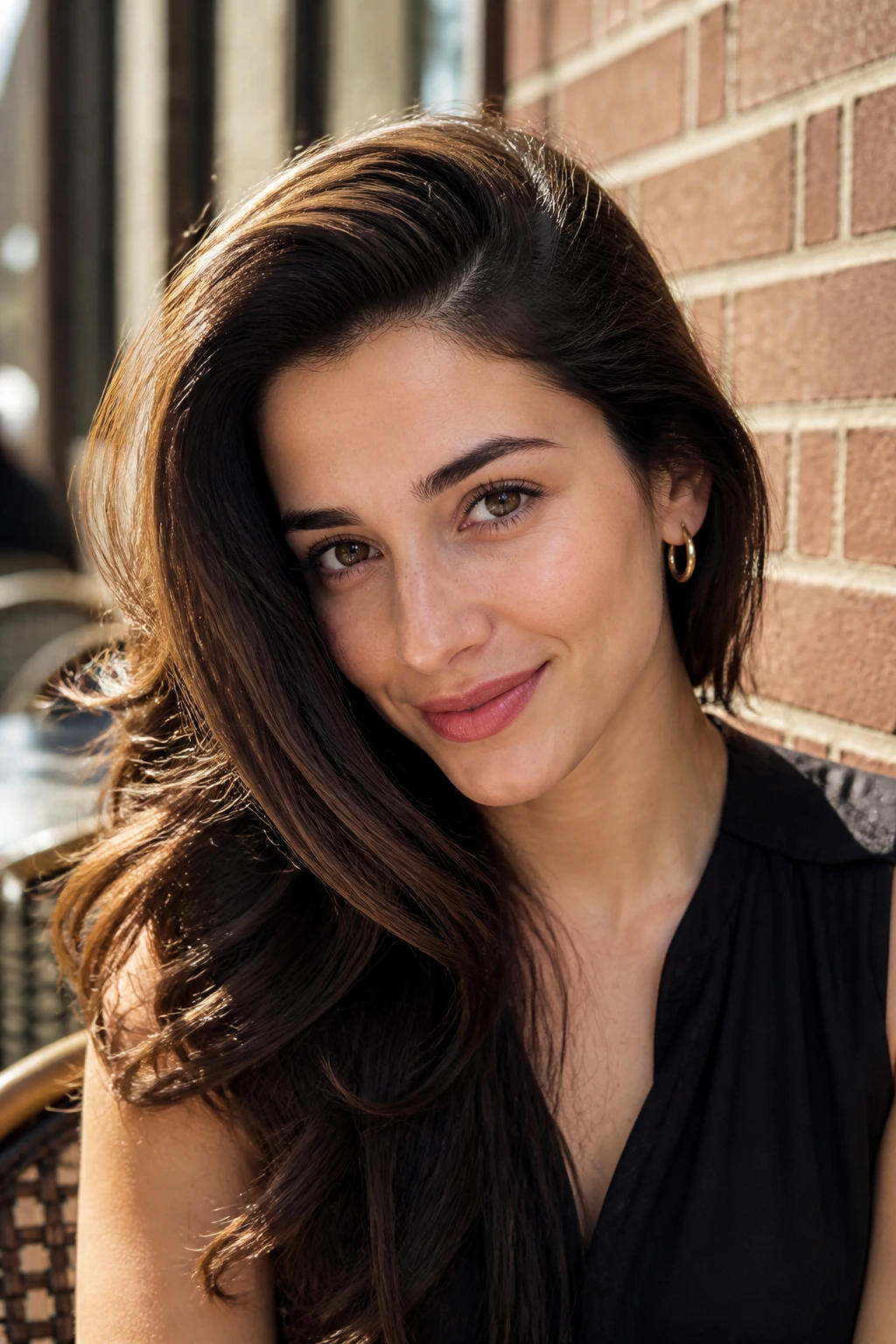
A deep side part can change the whole feel of a haircut without changing the cut itself. That’s the sneaky part. Move the part a few inches, and suddenly there’s lift, asymmetry, and a little drama.
It’s especially useful if your hair has lost volume on top. Flip the part to the heavier side, then blow-dry at the root in the opposite direction for a minute or two. That gives the base a bend, which helps the part stay put instead of collapsing into its old habit.
This look works across lengths, from short bobs to long layers. It can soften a strong jawline, stretch the face a bit, or give a plain ponytail a more styled edge.
No cut required. Just commitment. And maybe a bobby pin if your hair likes to rebel.
15. Wet-Look Waves

Wet-look waves are bold, but they’re not as hard to pull off as they seem. The style is all about holding the wave pattern in place with shine, so the hair looks damp and sculpted rather than fluffy.
Start on damp hair with a small amount of gel or curl cream, then scrunch the waves or twist sections with your fingers. Air-dry or diffuse on low heat. The goal is a smooth surface with separated bends, not crunchy curls glued together.
- Best on short to medium hair
- Looks especially good with sharp makeup or earrings
- Needs light product, not a heavy mask
- Refreshes well with a mist of water and a tiny bit of leave-in
If your hair is very thick, use less product than you think. Too much and the style turns sticky fast. A little shine goes a long way here.
16. Blunt Lob
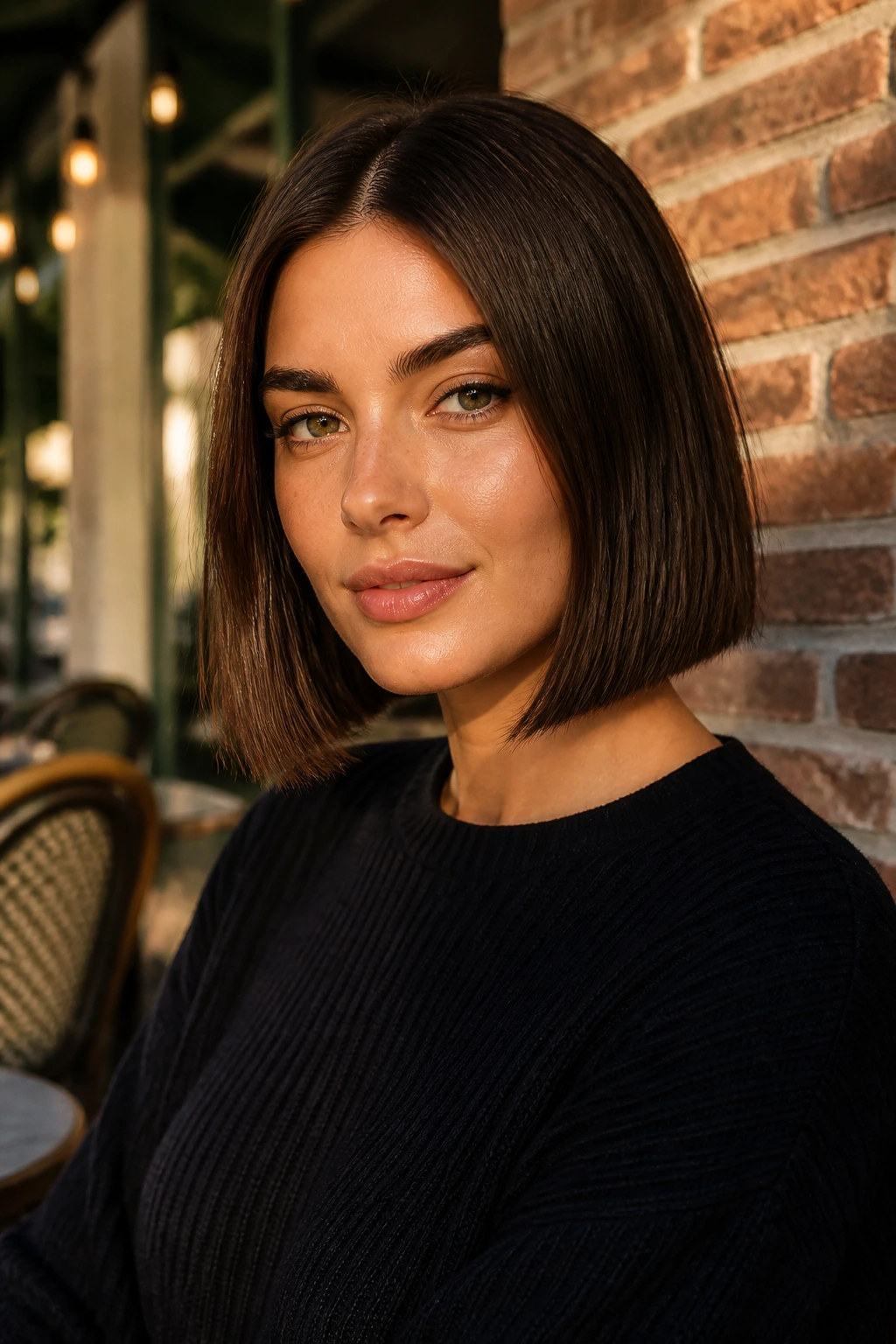
The blunt lob sits just above or around the shoulders, and that’s why it works so well. It gives you the cleaner line of a bob, but with enough length to tuck, wave, or tie back when you’re over it.
Fine hair loves this cut because the blunt ends make it look denser. Thick hair can wear it too, though the weight has to be taken out carefully so it doesn’t balloon at the bottom. The length should feel even and deliberate, not like you stopped halfway through a longer haircut.
A center part gives it a calm, modern look. A side tuck makes it feel softer. Either way, the blunt edge is the point. If the ends get too layered, the whole style loses that crisp shape.
It’s one of those cuts that looks expensive even when you barely touch it. That’s not a bad trait.
17. Textured Pixie
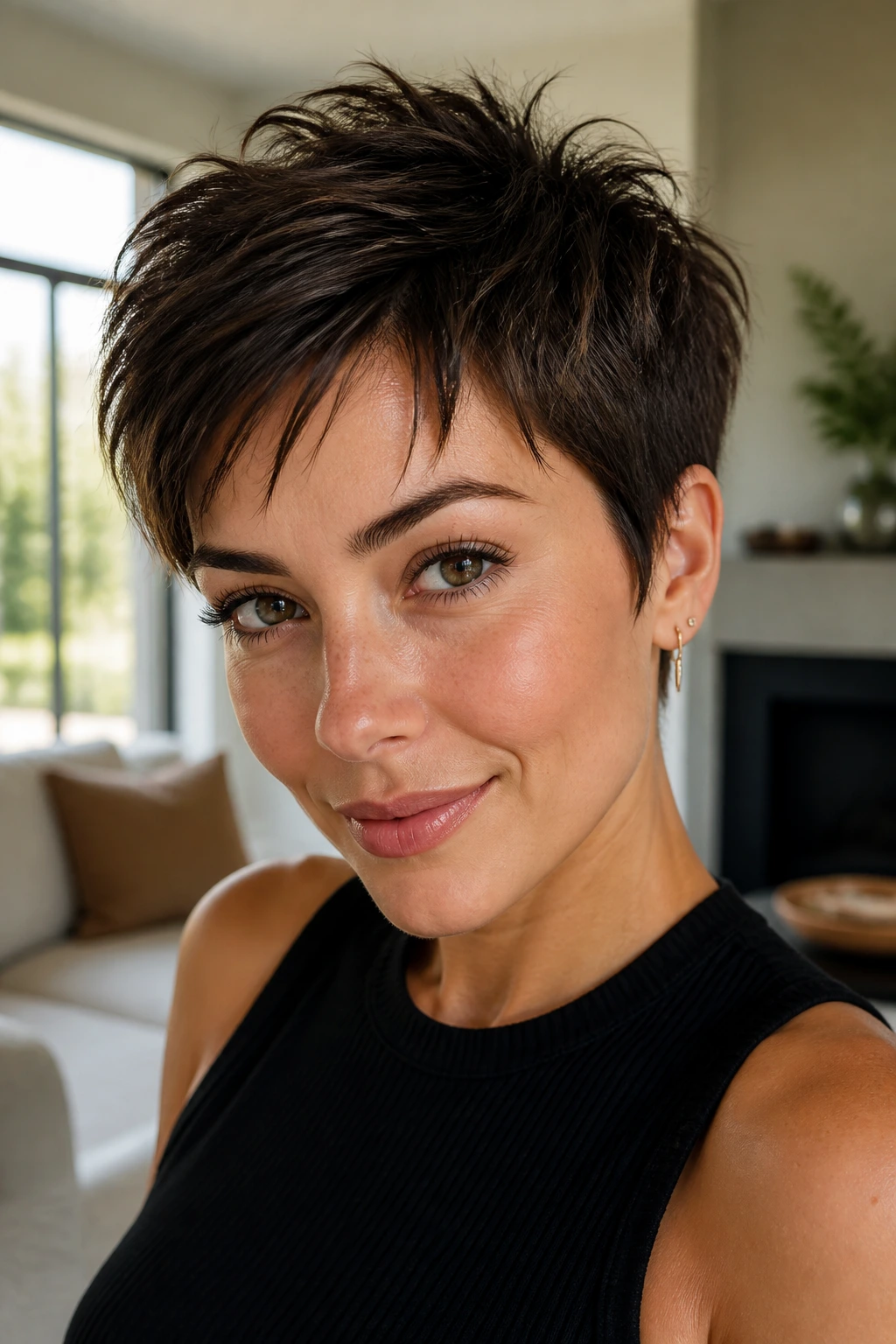
The textured pixie is for people who like short hair with movement. Not helmet hair. Movement. The top stays piecey and touchable, while the sides and back are kept tighter so the shape doesn’t puff out.
Ask for longer layers through the top and a tapered perimeter around the ears and neck. That balance keeps the cut from looking flat or too severe. A small dab of styling paste, rubbed between the palms, is often enough to wake it up.
How to style it in under 5 minutes
- Dry the top first
- Lift the roots with your fingers
- Push a few pieces forward, then sweep others aside
- Finish with a light wax or paste only on the ends
A pixie needs upkeep. There’s no pretending otherwise. If you’re not willing to trim it every few weeks, the shape starts to grow out awkwardly. But when it’s fresh, it looks clean and confident.
18. Hush Cut

A hush cut is softer than a shag and less obvious than a heavy layered cut. The layers are long, airy, and tucked in around the face so the hair keeps its length while still having movement.
It’s a good option if you want shape but do not want it screaming “I got layers.” The ends stay light, the face framing is gentle, and the whole haircut tends to grow out more gracefully than a blunt fringe or an aggressive shag. That makes it appealing for people who don’t want constant salon visits.
This cut usually looks best when the hair has some natural bend. On straight hair, a round brush or a large curling iron can help the layers show. On wavy hair, a little leave-in cream is often enough.
The hush cut is quiet. That’s the point. It gives shape without turning the hair into a project.
19. Box Braids with Curly Ends

Box braids with curly ends bring a lot of texture into one style. The braids give structure and protection, while the loose curls at the bottom keep the finish from feeling too rigid.
This style works best when the braid size fits your head and your hair density. Too many tiny braids can feel heavy. Too few oversized ones can look loose and uneven. A braider who knows how to balance tension matters here, because the style should sit comfortably from day one.
Scalp care still matters while the braids are in. A light oil at the roots and a satin scarf at night help the style last longer and keep frizz down. The curly ends need a little attention too — a small amount of mousse or curl refresher can keep them from tangling into a fuzzy knot.
It’s protective, yes, but it still deserves maintenance. Shortcuts usually show up fast with braids.
20. Feed-In Cornrows with a Low Bun
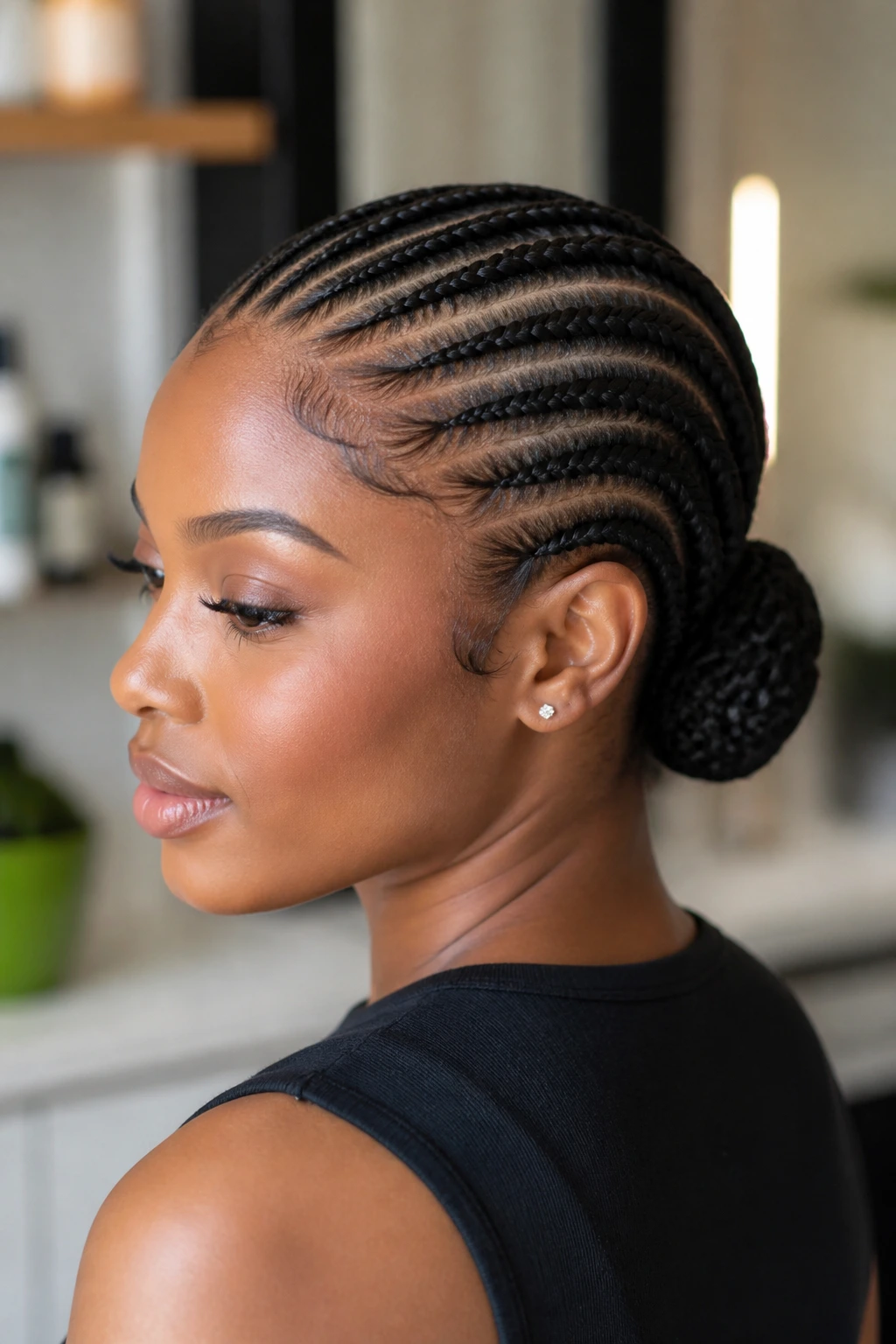
Feed-in cornrows with a low bun are clean, low-fuss, and much more polished than people give them credit for. The feed-in method makes the braids start small and build gradually, which keeps the front looking smooth instead of bulky.
The pattern can be simple or detailed, depending on how much structure you want. Once the braids reach the nape, they gather into a low bun that stays tucked and secure. That finish is useful for long workdays, travel, workouts, or any stretch of time when you do not want to think about your hair.
What helps the style last
- Keep the parting neat from the start
- Avoid pulling the braids too tight at the hairline
- Sleep with a satin scarf or bonnet
- Use a light scalp oil if the roots feel dry
This is one of those styles that looks neat on purpose, and that’s enough. No extra frills needed.
21. Ribbon Ponytail with Soft Volume

A ribbon ponytail can look sweet, sharp, or both at once, depending on how you tie it. The ribbon gives the ponytail a finish that feels more thoughtful than a plain elastic, even when the style itself is simple.
A low ponytail with a long satin ribbon feels softer. A high ponytail with a narrow ribbon feels more playful. Either way, the hair should have a little body at the crown so the style doesn’t sit flat against the head. A quick tease at the roots or a small lift with the fingers can help.
Wrap the ribbon around the base once or twice, then let the tails fall down the back or off to one side. Keep the width around 1 inch if you want it to look neat. Wider ribbon can overwhelm fine hair, while very thin ribbon can disappear.
It’s a small detail, but those are often the details people remember.
22. Modern Mullet with Soft Layers
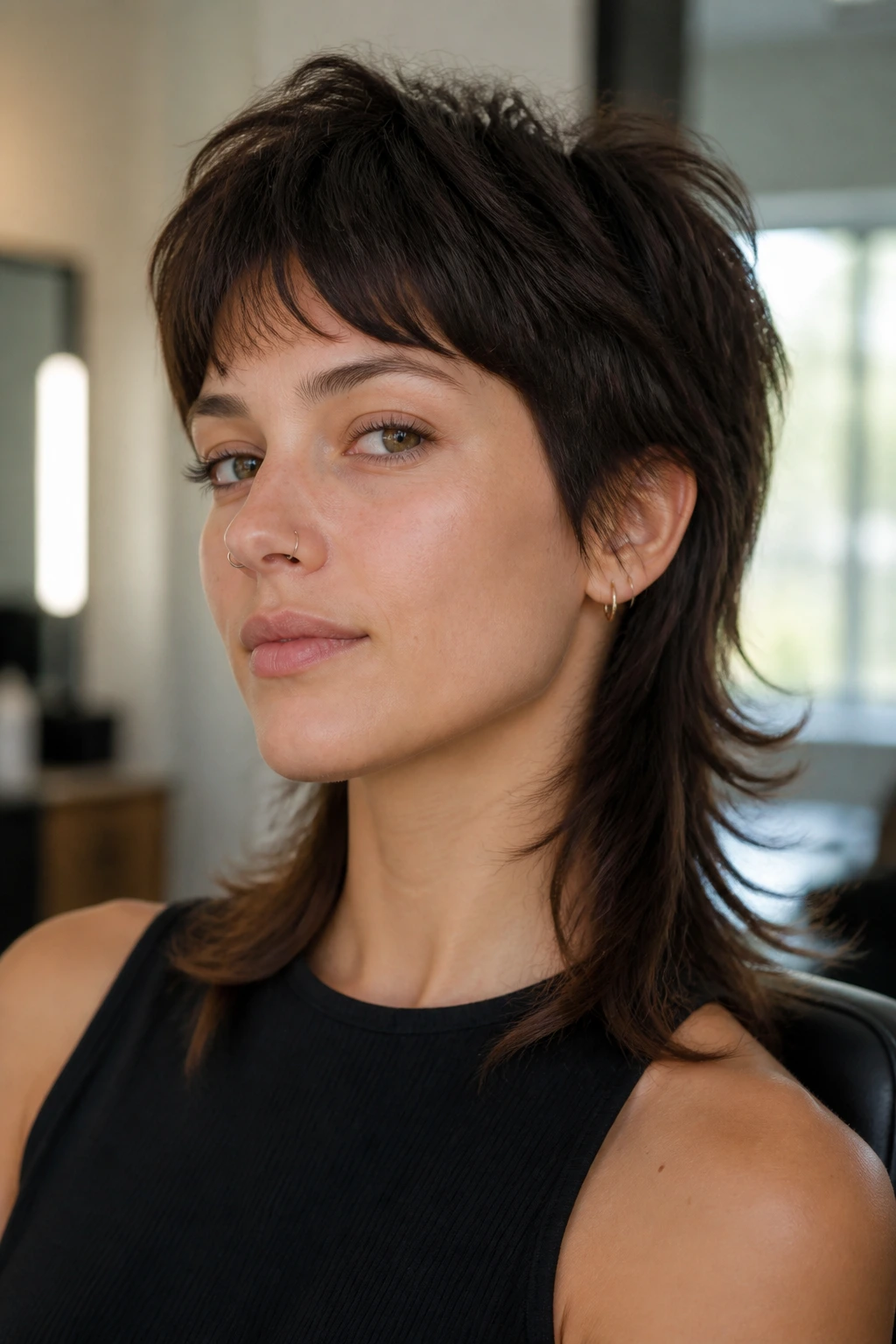
The modern mullet is the one cut here that asks you to be a little braver. The difference between this and a bad mullet is the blending. The top and sides stay soft, while the back keeps more length, so the shape reads as intentional instead of extreme.
What makes it wearable is restraint. The crown gets lift, the sides stay controlled, and the nape is allowed to keep a little length. That balance keeps the cut from looking costume-like. If your hair is wavy, this shape can feel especially alive because the texture gives the layers a bit of movement on its own.
Ask for soft face framing if you want the front to feel less sharp. A little bend with a flat iron or diffuser is usually enough to show the shape. And yes, it can be brushed out or slicked back when you want it calmer.
It’s not the quietest haircut on this list. That’s exactly why some people love it.
