



Waking up with hair that looks effortless isn’t actually about doing nothing. It’s about doing the right things at the salon so that you don’t have to do much of anything in the mirror. When a haircut has built-in texture, it works with your natural wave, cowlicks, and growth patterns rather than fighting against them. You want a cut that keeps its shape even when it starts to grow out, saving you from that desperate “I need a trim” feeling every four weeks.
The secret to a low-maintenance look usually lies in the weight distribution. Heavy, blunt hair can look fantastic on some, but it tends to be demanding. It needs constant styling, smoothing, or curling to keep it from looking flat or lifeless. Textured cuts remove that bulk. They add air into the shape, which encourages natural bends and creates volume that doesn’t collapse under its own weight. This isn’t just about thinning shears; it is about precision cutting that guides the hair where it wants to fall naturally.
If your morning routine feels more like a battle with a blow dryer and a round brush, you might be fighting your haircut. A switch to a more textured approach can shift the balance. You trade precision styling for a bit of intentional messiness, and usually, the trade-off is worth it. Let’s look at the cuts that actually make your life easier.
1. The Classic Shag
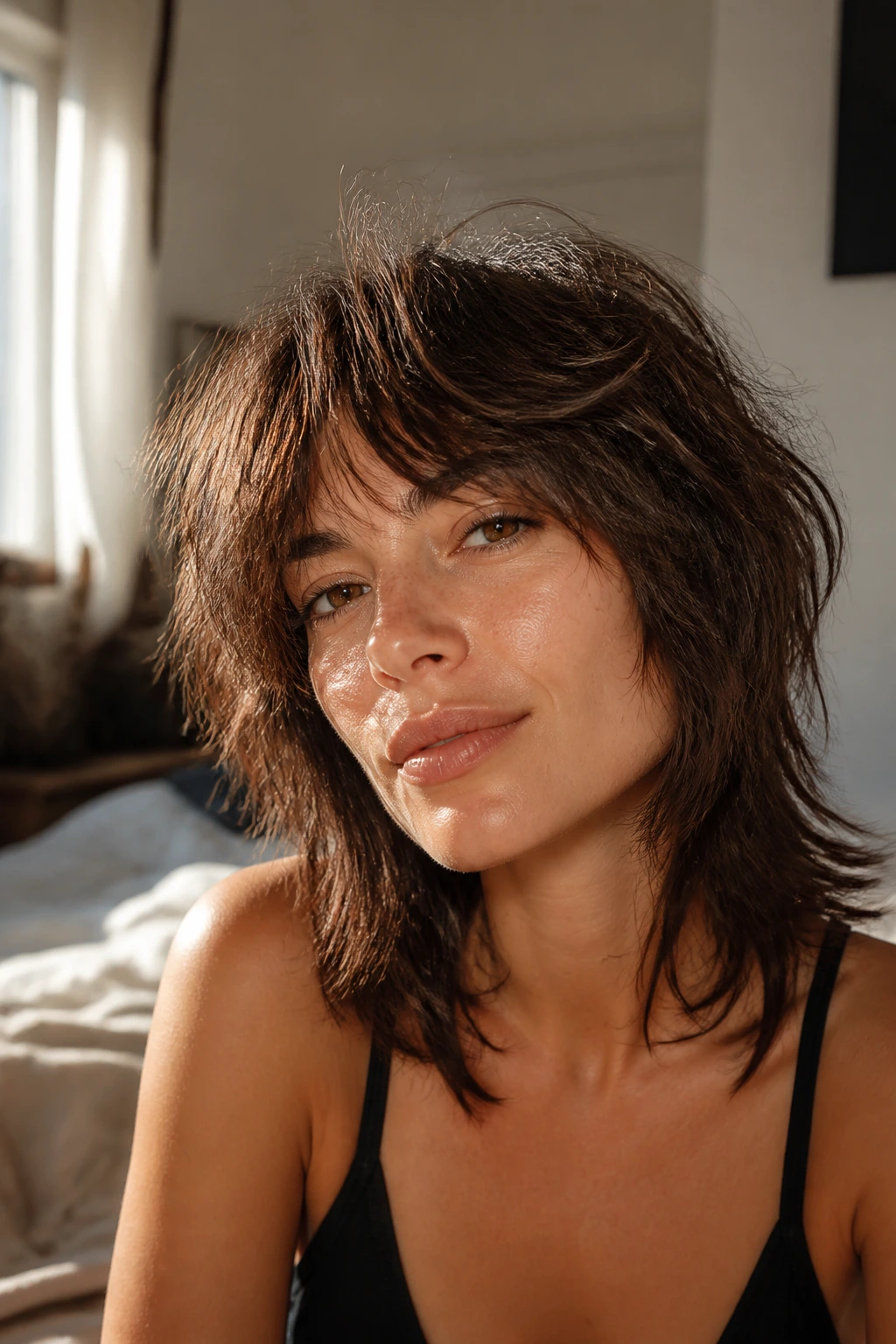
The shag has a reputation for being high-maintenance, but that is usually because people over-style it. At its core, the shag is about layers that start high and cascade down, creating a rounded, voluminous shape. You want the layers to be choppy and distinct. When a stylist creates these layers, they are essentially building a skeleton for your hair that holds volume on its own.
How to Style It Effortlessly
You do not need a round brush here. Instead, work with the natural texture. Apply a lightweight texture spray or mousse to damp hair. Let it air dry completely. If you have stick-straight hair, you might need to use a curling wand on just the top layer—focus on the mid-lengths—to fake the bend. The goal is to avoid looking too polished. If the curls look too tight, pull them apart with your fingers to soften the transition between layers.
Why It Works for Texture
The heavy layering removes the weight that usually pulls hair flat at the crown. Because the hair is shorter on top, gravity has less of a grip on it. This creates a natural “poof” or lift that lasts all day without requiring a mountain of hairspray.
2. The Textured Bob
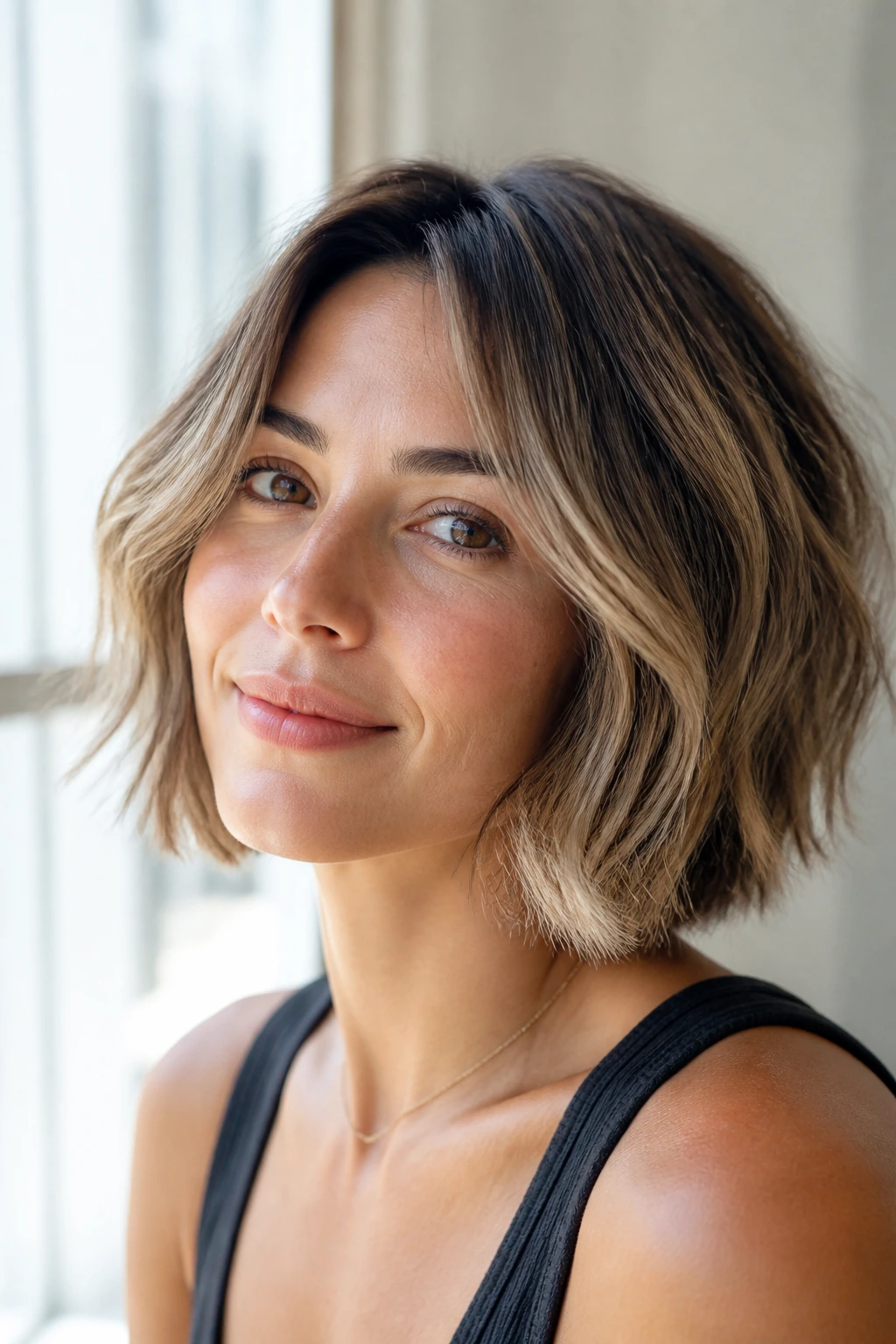
A bob can be a commitment, but a textured bob is the ultimate wash-and-go style. The key difference here is the perimeter. A traditional bob is cut with a sharp, straight line at the bottom. A textured bob uses point cutting to soften that line, making the ends look lighter and more blended. This prevents the “triangle head” effect that often happens when you have thick or wavy hair.
The Maintenance Factor
This cut is incredibly forgiving. Because the ends are soft and uneven, it does not look messy as it grows out. You can easily go six to eight weeks between trims because you are not trying to maintain a perfectly crisp, geometric line. It looks just as good slightly grown out as it does on the day you leave the salon.
Who Should Try It
If you have fine hair, ask your stylist to keep the ends blunt but texturized. This adds the illusion of thickness while keeping the style airy. If you have thick hair, this cut is a lifesaver because it removes bulk without sacrificing the length you want to keep around your face.
3. The Long Layers with Face Framing

Long hair often gets a bad rap for being heavy and boring. The fix is long layers, but with a specific focus on the front. By cutting shorter, wispier pieces around the jawline and cheekbones, you create movement. Even if the rest of your hair is one length, those front pieces do all the heavy lifting. They add interest to your face and keep the hair from feeling like a static curtain.
Styling for Maximum Movement
Use a large-barrel curling iron, but focus only on the front sections and the very ends of the back sections. You aren’t aiming for uniform curls; you want a bend. The layers in the back will naturally create a softer silhouette, while the front framing provides that polished, intentional look. It’s the easiest way to look “done” when you’ve only spent three minutes on your hair.
The Role of Face Framing
Face framing is not just about aesthetics; it is about softening features. If you feel like your long hair is dragging your face down, this cut is the remedy. It lifts the visual weight and draws attention to your eyes and smile.
4. The Modern Wolf Cut
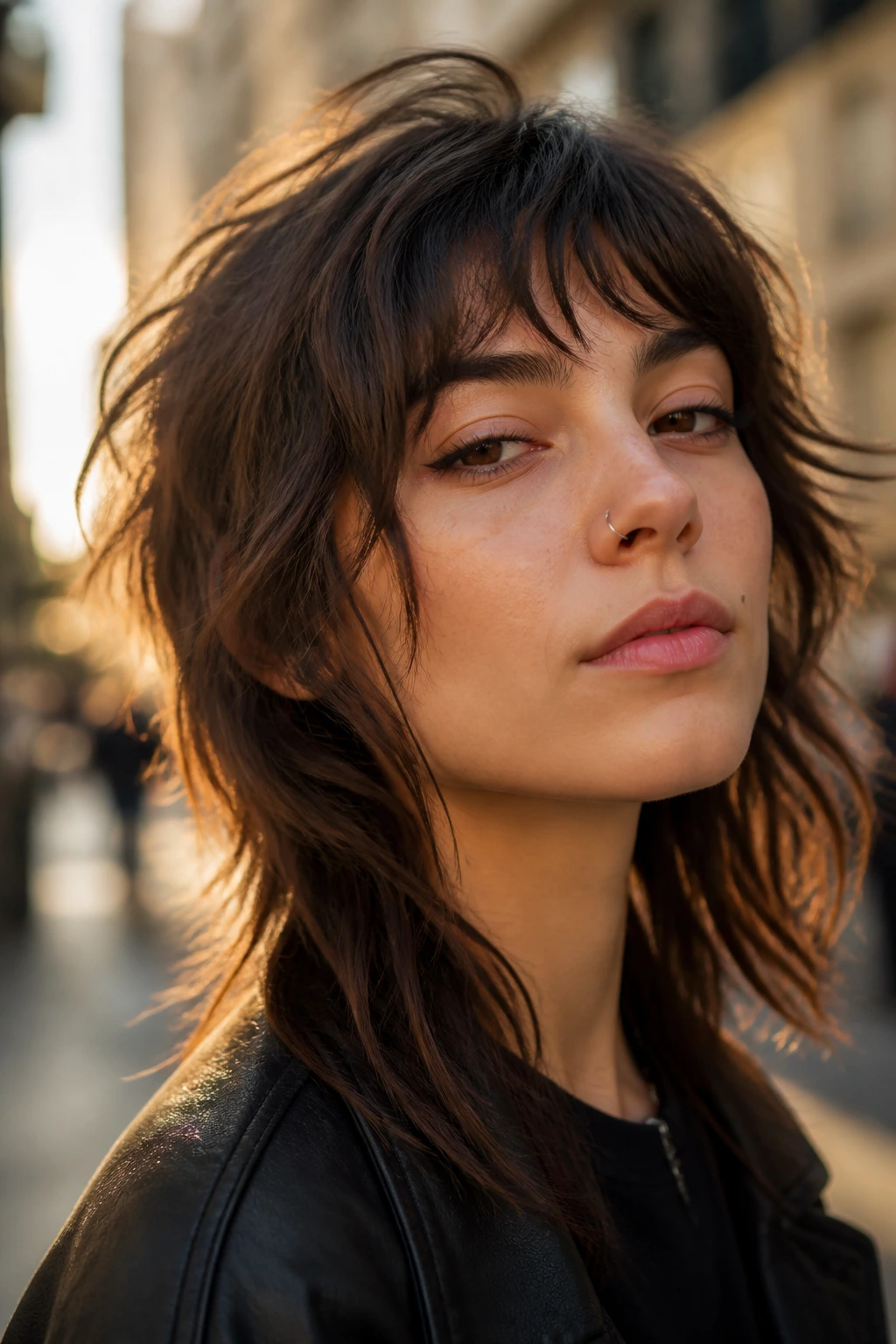
Think of this as the unruly younger sibling of the shag. It’s a hybrid. It takes the volume and roundness of a 70s-style shag and adds the edge of a mullet. You get short, choppy layers on the top of the head—lots of volume here—and then the hair thins out significantly toward the bottom. It is messy, deliberate, and thrives on imperfection.
Embrace the Mess
You cannot “fix” a wolf cut. If you try to make it look smooth and professional, you are working against the design. It is meant to be a bit wild. The best product for this? A dry texture paste. Rub a pea-sized amount between your palms and work it into the mid-lengths and ends. This creates separation and definition that makes the choppy layers stand out.
Why It Stays Easy
Because the cut is essentially “controlled chaos,” you never have to worry about a strand being out of place. It is all supposed to be out of place. It’s one of the few haircuts where having a “bad hair day” actually just looks like you tried harder.
5. The Messy Pixie Crop
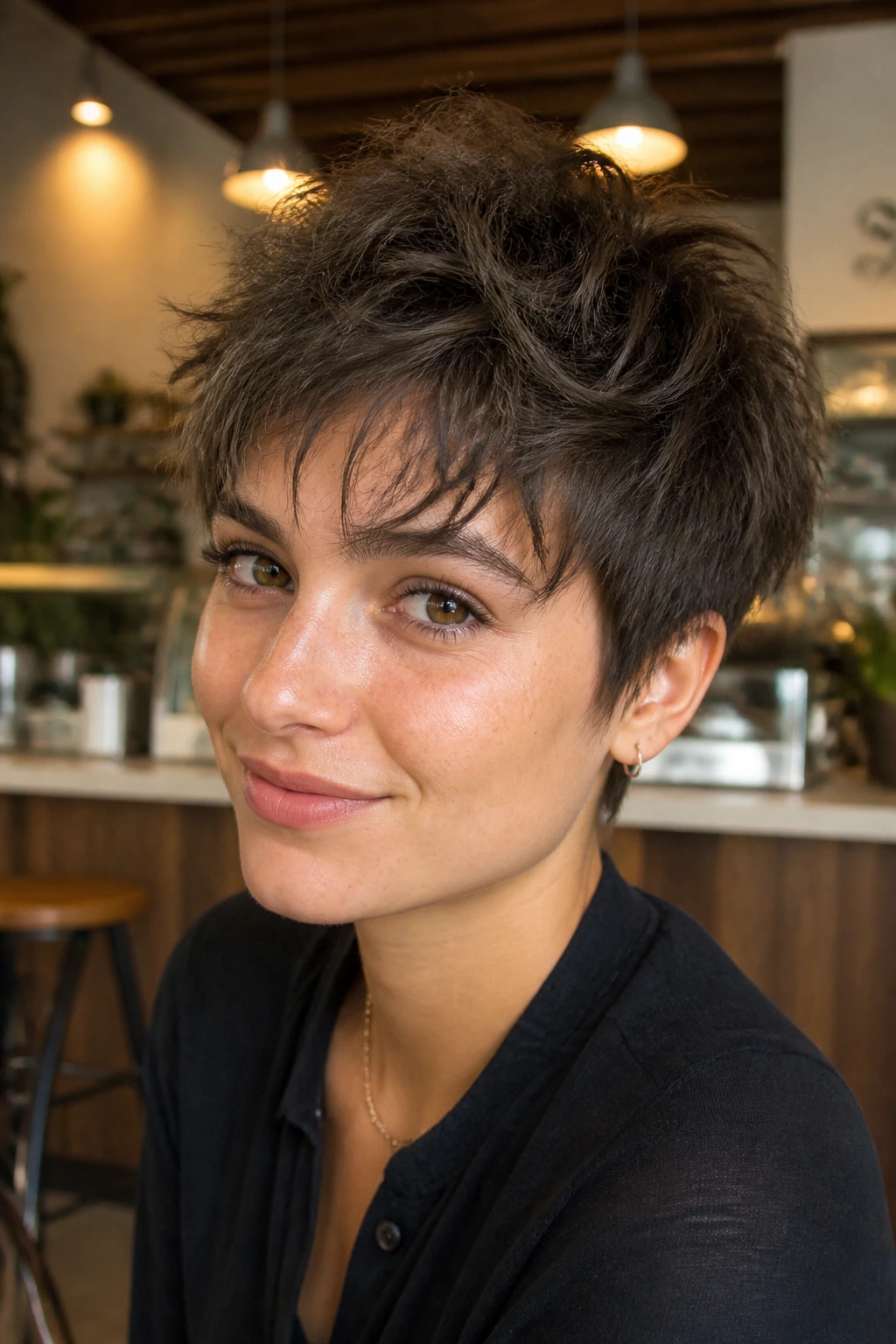
There is a misconception that short hair requires more styling. If you have the right pixie, the opposite is true. A messy pixie crop is cut with varying lengths on top—often using a razor or point-cutting technique—to create a jagged, uneven finish. This cut relies on the natural movement of the hair to create a piecey look that requires very little effort.
Styling the Crop
Damp hair, a tiny bit of wax or pomade, and a quick ruffle with your fingers. That is the whole routine. Because the hair is short, it dries almost instantly. If you have cowlicks, a textured pixie is actually your best friend because it integrates those unruly patches into the overall messy aesthetic.
Pro Tip for Short Cuts
If you have thin hair, keep the sides slightly longer than the top. This builds height at the crown. If you have thicker hair, go shorter on the sides to avoid the “helmet” look. It’s a game of proportions, but once you get the right ratio for your head shape, styling becomes an afterthought.
6. The Undercut Bob
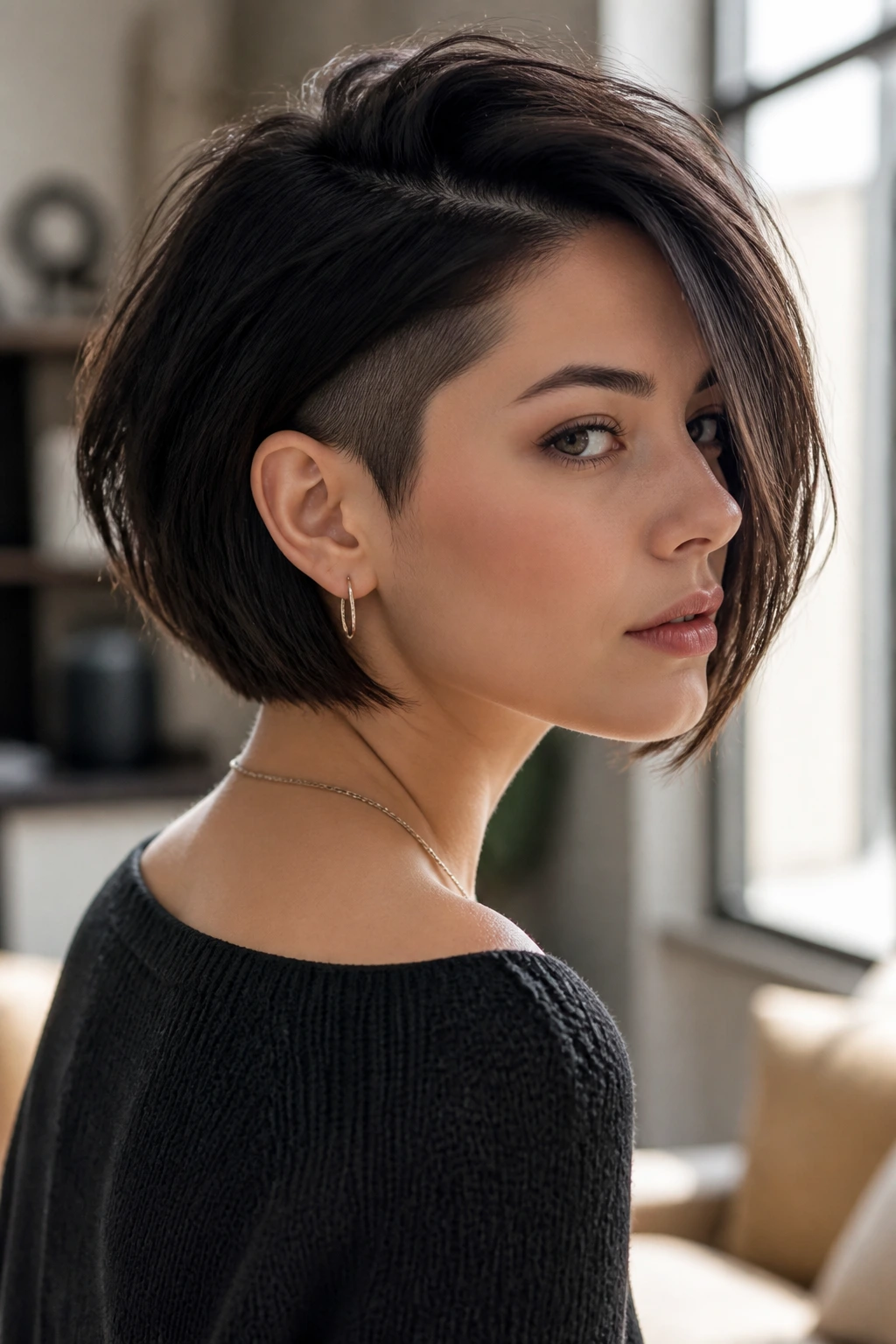
An undercut bob sounds intense, but it is actually a practical solution for thick-haired individuals who want a bob without the volume explosion. Your stylist will shave or deeply taper the hair at the nape of your neck, underneath the rest of the bob. The outer layer of hair falls over this shaved section, hiding it entirely.
The Benefit of an Undercut
You immediately remove 30% to 50% of the bulk from the back of your head. This makes the remaining hair feel lighter, faster to wash, faster to dry, and easier to manage. You aren’t losing the length on the top, but you are losing the weight that traps heat and creates unnecessary frizz.
The Surprise Factor
The only time someone sees the undercut is when you put your hair up. It’s a hidden detail that makes a standard bob feel personalized and unique. It is a fantastic option if you live in a warmer climate or just want your hair to feel less heavy on your shoulders.
7. The Blunt Cut with Invisible Layers
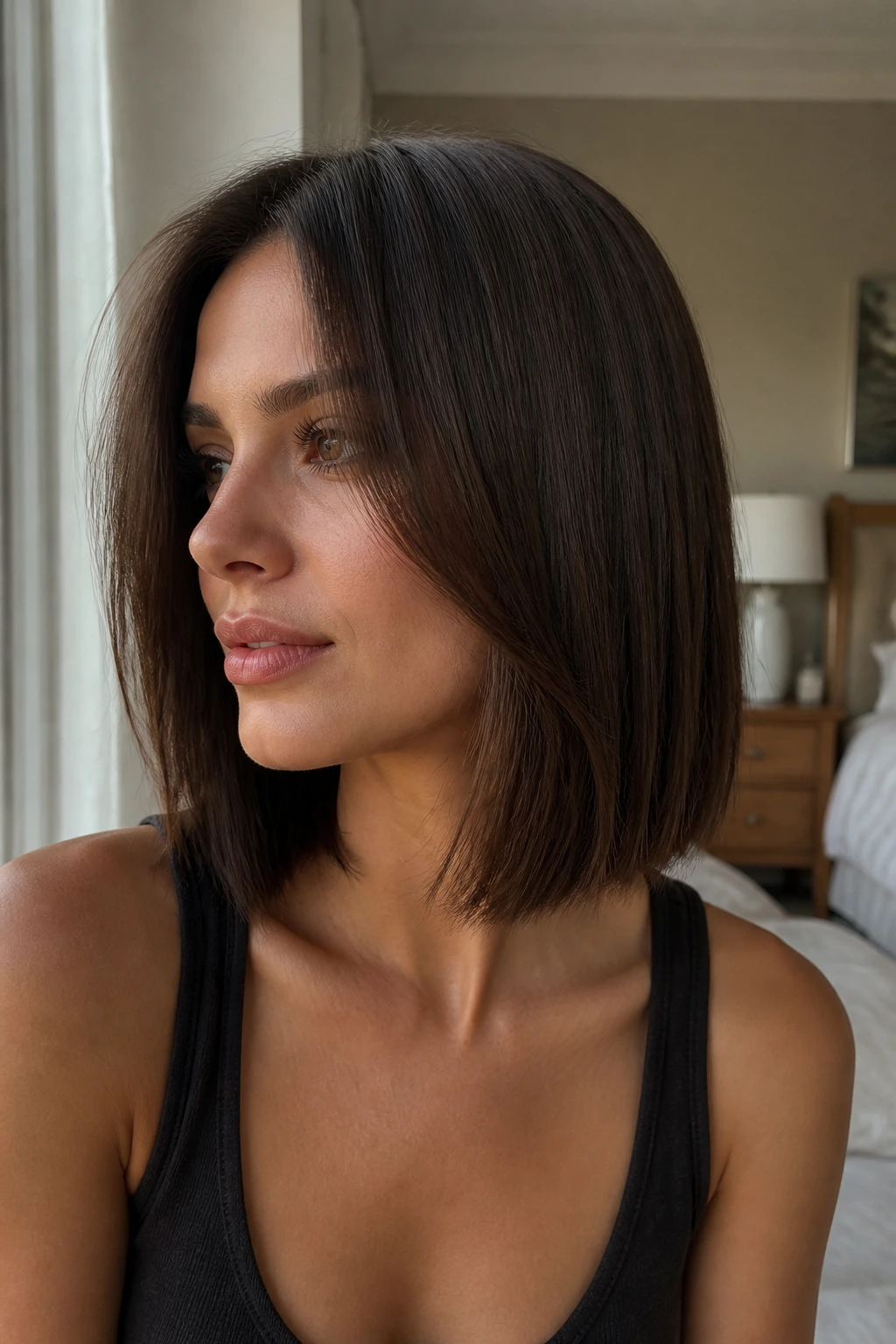
Sometimes you want the clean look of a blunt cut, but your hair refuses to cooperate. It might be too thick, or it might just get tangled instantly. “Invisible layers” are the solution. These are internal layers cut into the underside of the hair. They aren’t visible on the surface, so the hair still looks like one solid, blunt line, but the interior weight is gone.
Why This Trumps Regular Blunt Cuts
A standard blunt cut is great for thin hair, but for thick hair, it can lead to blockiness. By using internal layering, you get the aesthetic of the blunt cut—the sleekness and the sharpness—without the added bulk. You get the best of both worlds: structure and manageability.
Styling Advice
Because the cut provides the structure, you don’t need to do much. A light oil serum on the ends helps keep that blunt line looking crisp and healthy. You are essentially letting the cut do the work for you.
8. The Shaggy Mullet
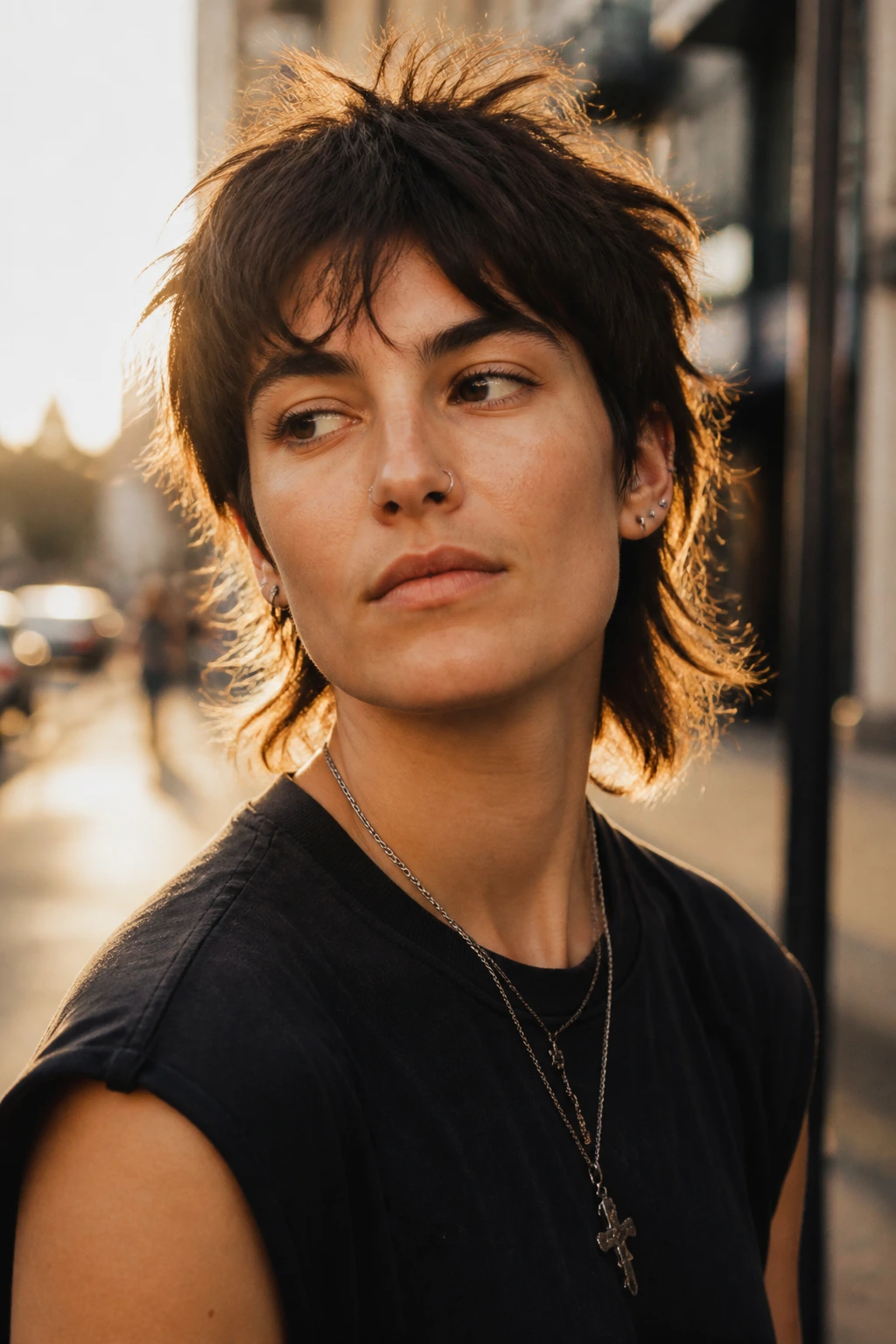
Yes, the mullet is back, but the modern version is far softer than its predecessors. The shaggy mullet features short, choppy layers on top and sides, with longer, textured length in the back. The transition between the short and long parts is blended, not abrupt. It creates a cool, rock-and-roll vibe that feels very deliberate.
Is It Really Easy?
Surprisingly, yes. This cut is designed to look lived-in. You don’t want a perfect blow-dry here. You want separation. A sea salt spray works beautifully on this cut, as it enhances the natural wave and adds that gritty texture that the style demands.
Who Can Pull This Off?
Surprisingly, almost anyone. The key is in the length. If you aren’t ready for a full-blown mullet, ask your stylist to keep the back length closer to your collarbone rather than shoulder-blade length. It’s a softer introduction to the look.
9. The Curtain Bangs with Mid-Length Waves
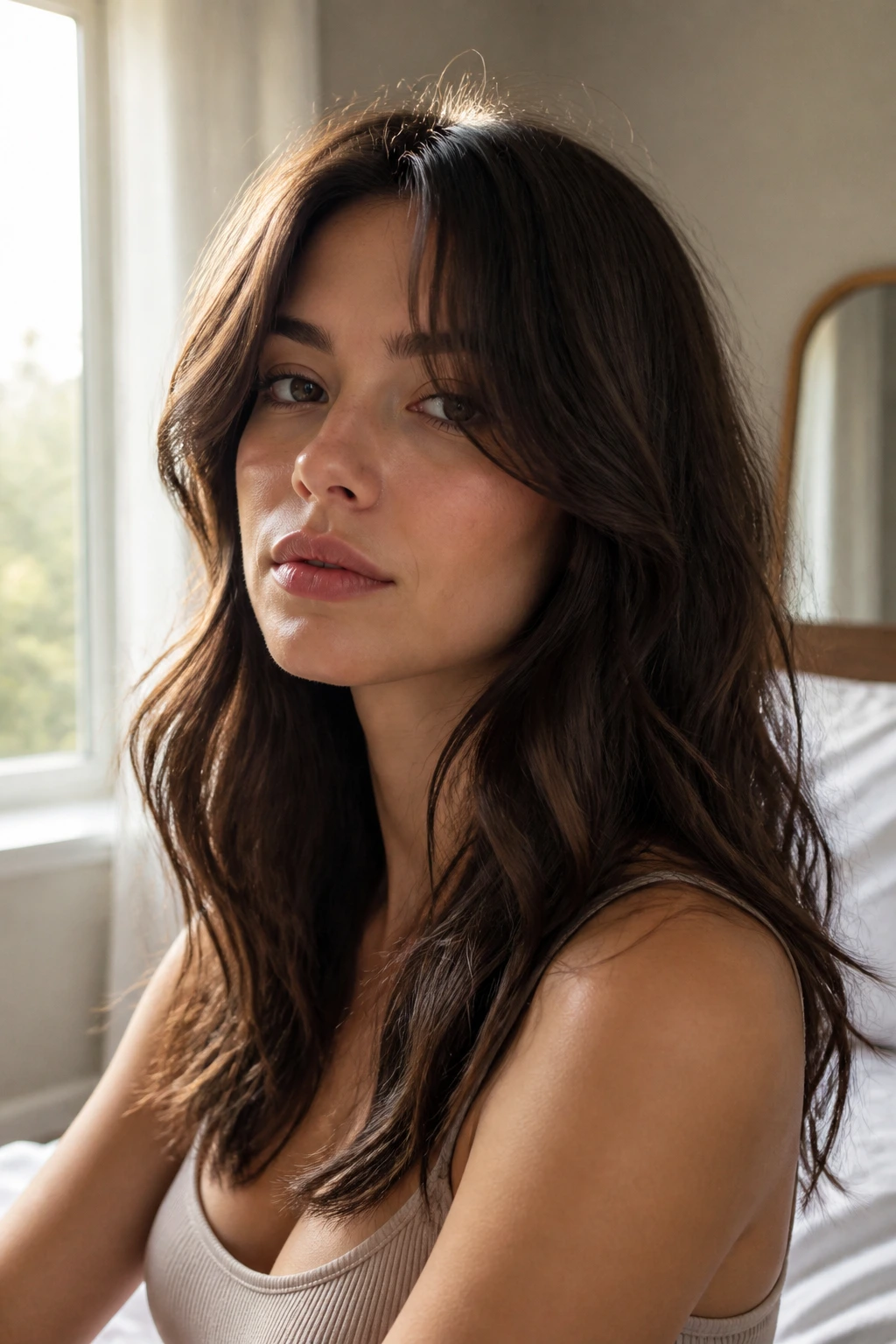
Curtain bangs are the ultimate low-effort upgrade. They are long, sweeping bangs that part in the middle and frame the face. They look good whether you wear your hair up or down. When paired with mid-length waves, they provide an effortless, 70s-inspired look that grows out beautifully.
The Styling Hack
The only part of this cut that needs attention is the bangs. You don’t have to style the rest of your hair perfectly. If your bangs look good, the whole hairstyle looks intentional. Use a large round brush to blow the bangs backward and away from your face for that classic curtain effect.
Versatility
If you are tired of them, they are long enough to tuck behind your ears. This is the “safe” cut if you are scared of commitment. It changes your entire silhouette without requiring you to lose significant length.
10. The Razored Lob

A lob—or long bob—is a classic. Making it a razored lob adds that necessary texture. Instead of using scissors to create a blunt end, the stylist uses a straight razor to fray the ends. This makes the hair sit slightly unevenly and creates a softer, more modern line.
Texture vs. Split Ends
People often worry that razors cause split ends. While that was true with old, dull razors, modern technique combined with sharp tools actually creates a beautiful, tapered edge. It makes the hair look thinner at the bottom, which is often exactly what people want to avoid that “triangle” shape.
Perfect for Air Drying
This cut thrives on air drying. Because the ends are already textured and slightly feathered, your hair will naturally dry with a bit of a bend. Just add a texturizing cream while damp, scrunch once, and leave it alone.
11. The Textured Curly Crop
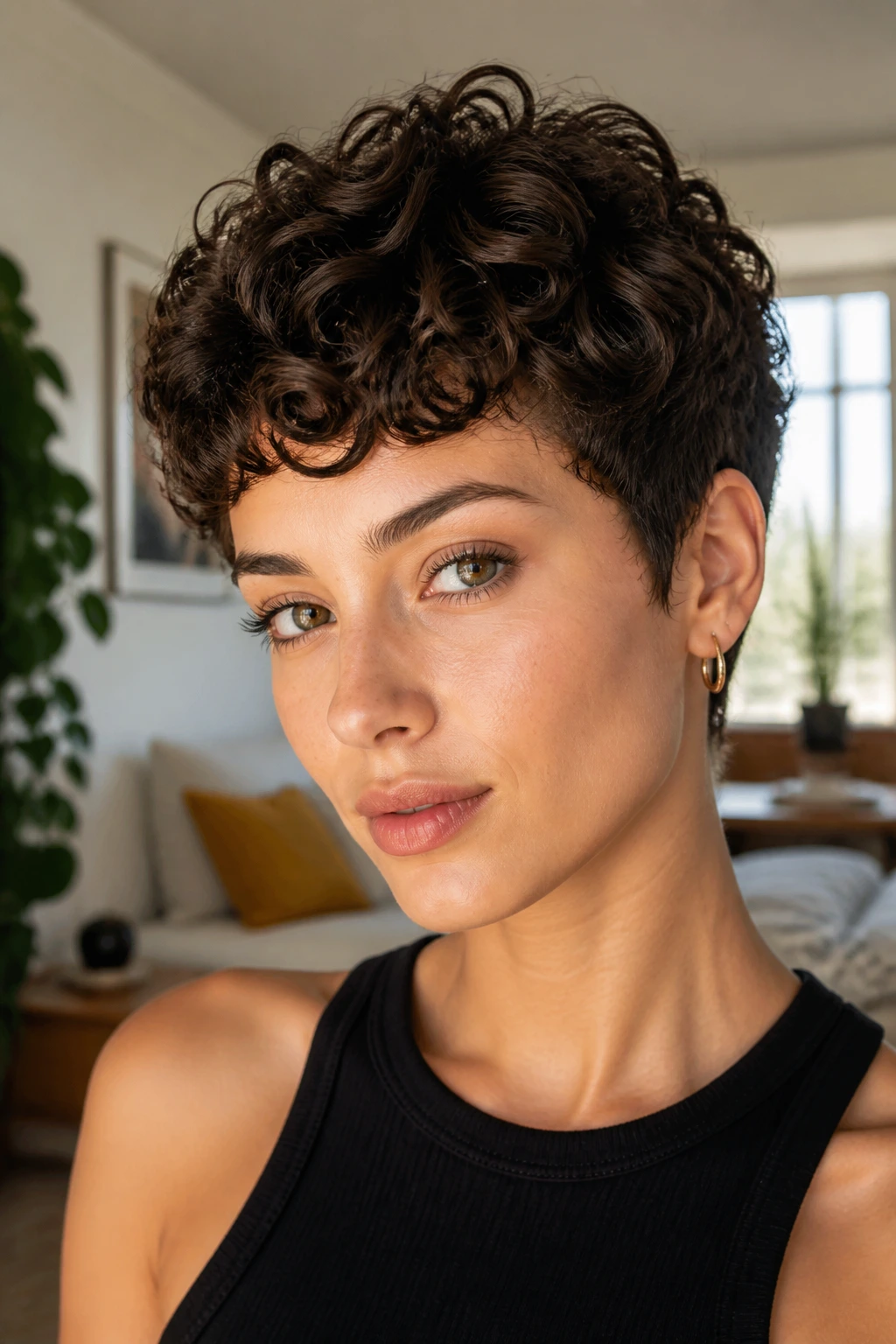
If you have tight curls, you know that keeping them shaped is a full-time job. A textured curly crop is all about embracing the coil. The stylist cuts the hair dry to account for the shrinkage and creates layers specifically to make the curls pop. You are not looking for smooth hair; you are looking for rounded, full-bodied curls.
The “No-Heat” Routine
Heat is usually the enemy of textured curly cuts. You want to rely on moisture. Use a leave-in conditioner or a curling cream, and use the “plopping” method (drying with a microfiber towel or cotton t-shirt) to set the shape. The cut gives you the volume; the products give you the definition.
Why It Saves Time
By creating a shape that works with your curl pattern rather than against it, you stop spending hours trying to smooth out sections that don’t want to be smooth. You wake up, shake it out, and go.
12. The Wispy Layers for Fine Hair
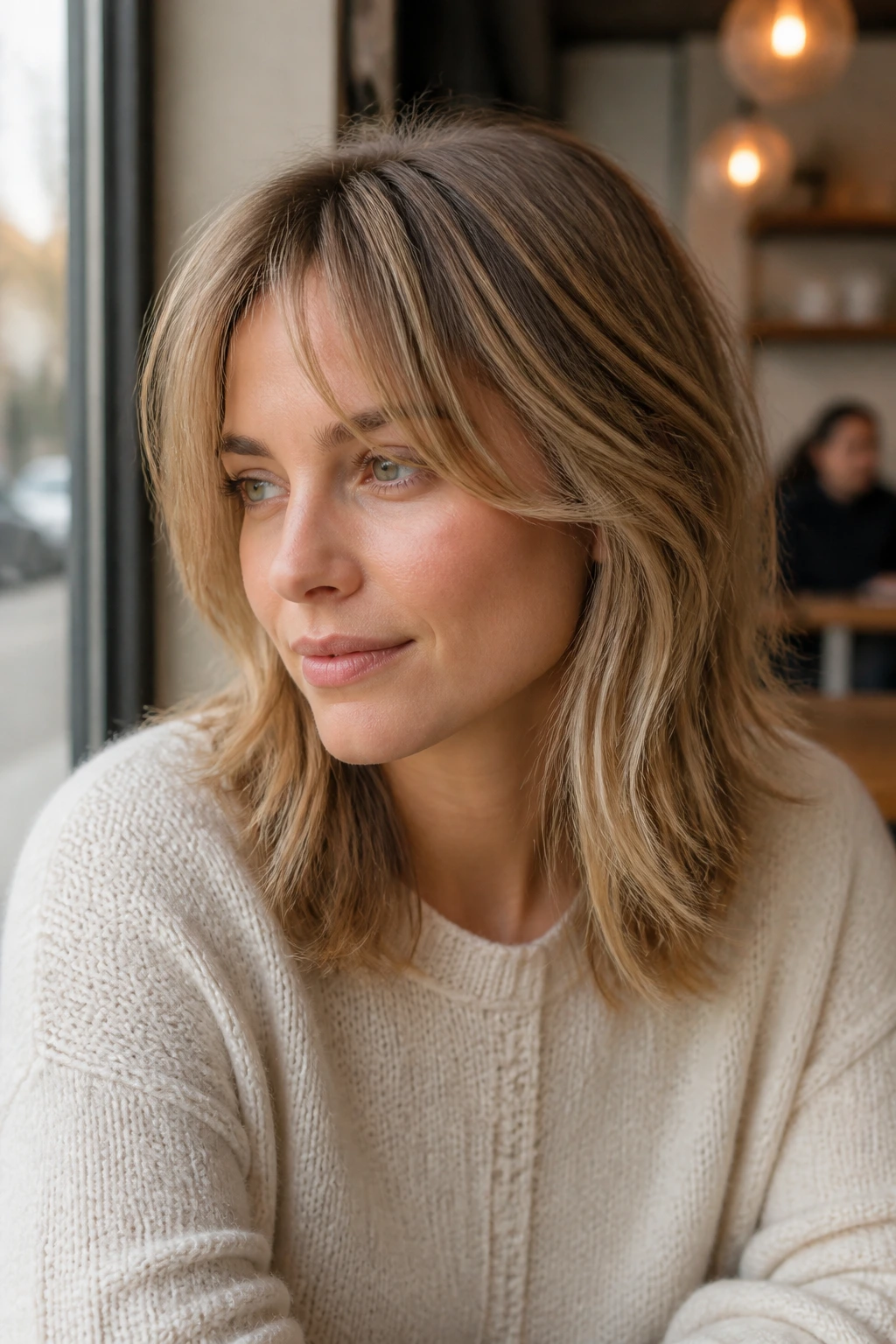
Fine hair often lacks body. The biggest mistake people with fine hair make is trying to keep the ends blunt to make it look “thicker.” Often, this just makes the hair look stringy. Wispy layers add the illusion of movement. When you have layers, the hair overlaps, which creates volume and depth that single-length fine hair just cannot achieve.
Strategic Placement
The layers shouldn’t be too short, or you will lose the density at the bottom. Keep the layers focused from the mid-lengths down. This keeps the hair looking full at the roots while adding interest and bounce through the lengths.
Volumizing Tips
Pair this cut with a root-lifting mousse. Since the hair is fine, don’t weigh it down with heavy creams. Stick to weightless, airy products that provide hold without leaving a residue.
13. The Beachy Waves Shag

This is the shag refined for the everyday person. It’s less “rockstar” and more “I just got back from a week on the coast.” It features soft layers throughout and minimal weight in the ends. It is designed to be paired with natural waves.
The Cut Technique
The stylist uses long, vertical slicing to cut the layers. This technique creates very subtle movement rather than defined “steps.” The hair looks uniform when straight, but when it dries wavy, the texture pops out everywhere. It is a chameleon cut.
Maintenance
This is one of the easiest cuts to maintain. You can go three months without a trim, and it will still look purposeful. Because the layers are long and subtle, there is no harsh growing-out phase.
14. The Choppy Side-Swept Pixie
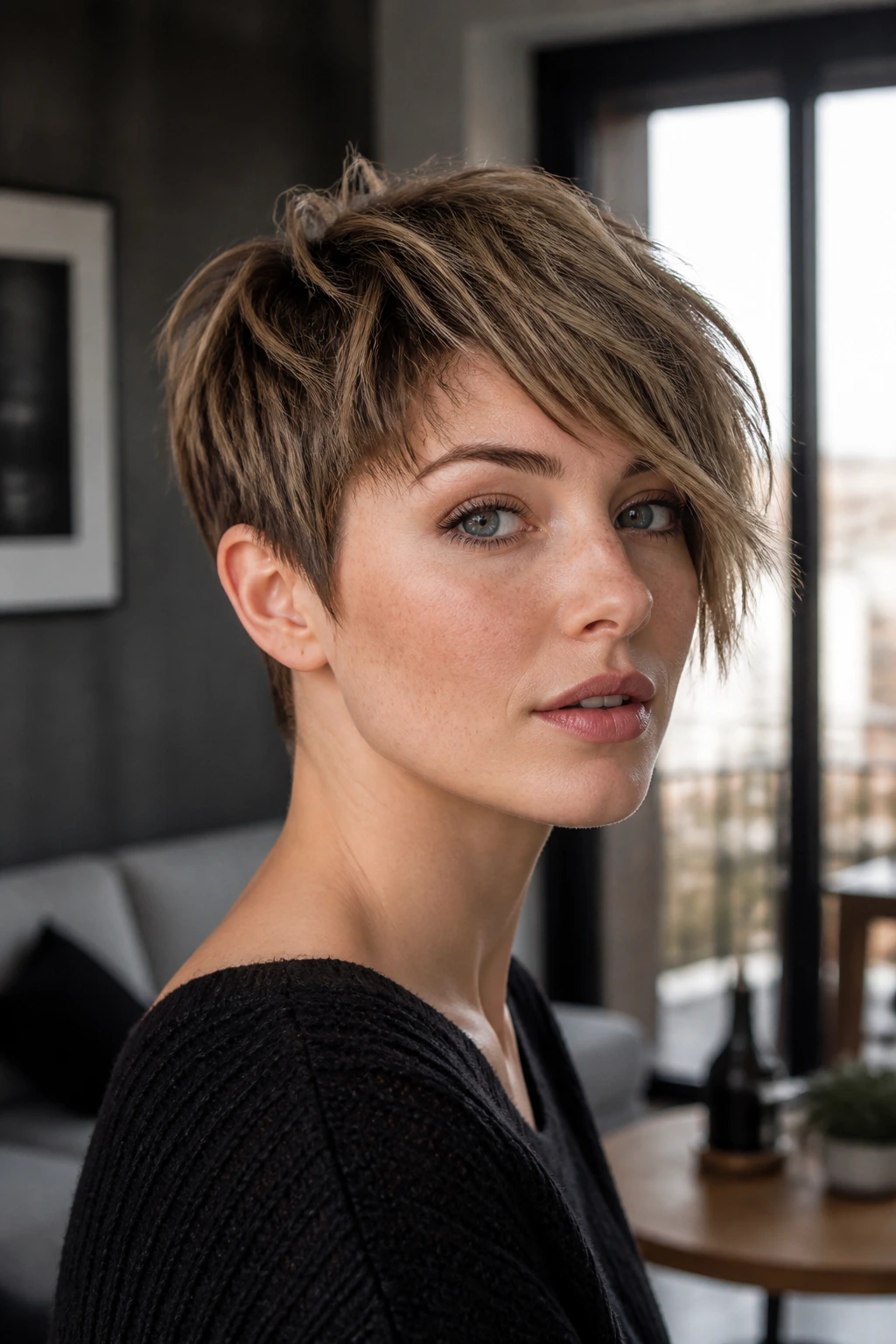
If you want a pixie but aren’t ready to go super short all over, this is your entry point. The side-swept pixie keeps one side significantly longer, allowing you to sweep the hair across your forehead. It is edgy, fun, and draws immediate attention to the eyes.
How to Style
You need a good matte pomade. Rub it between your fingers to warm it up, then apply it to the ends. You aren’t plastering your hair down; you are just giving it enough grip to stay in that side-swept position.
The Asymmetry Factor
Asymmetry is naturally interesting to the eye. This cut works because it creates an unbalanced silhouette that feels intentional and styled, even if you spent zero time on it.
15. The Hidden Undercut Pixie
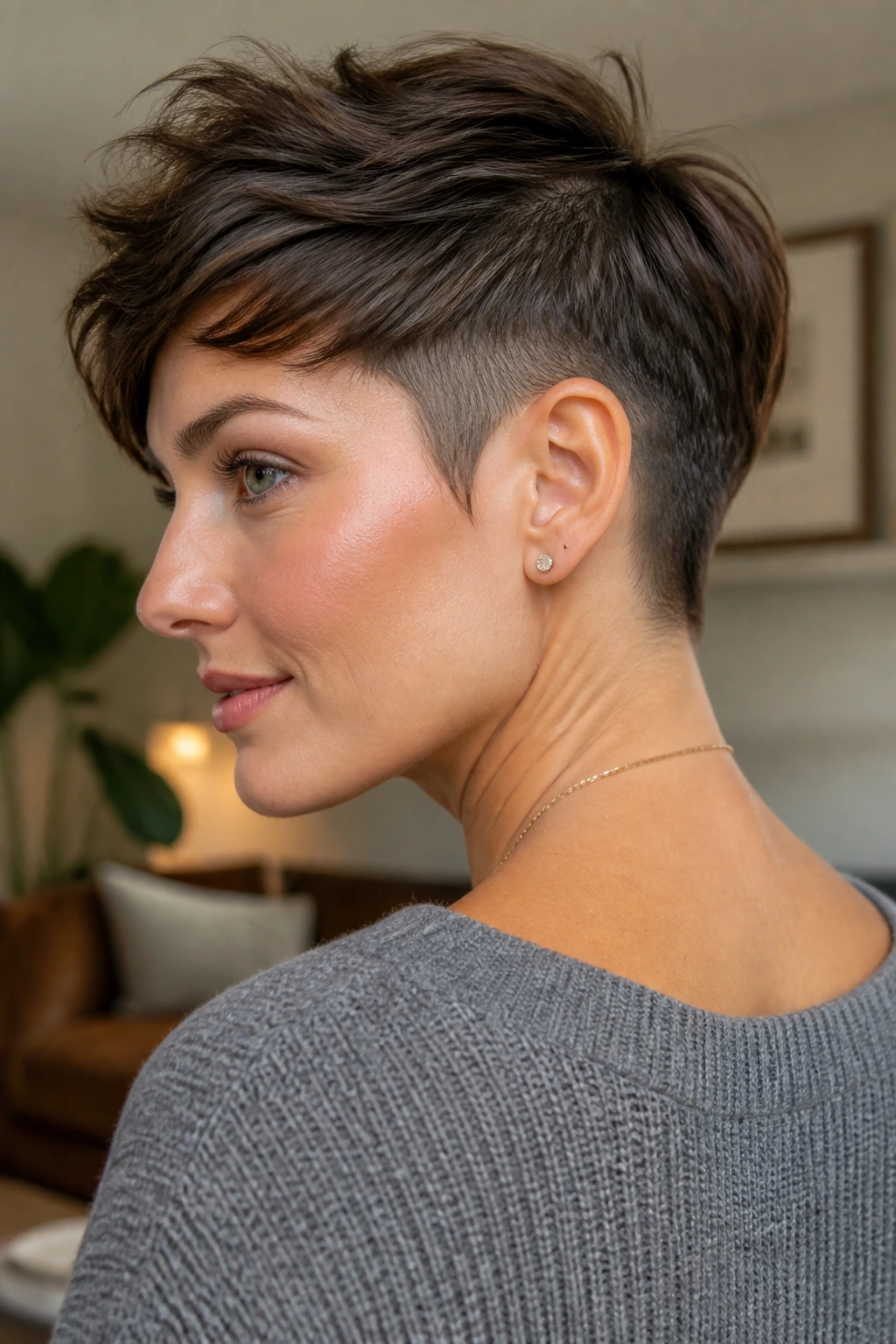
Similar to the undercut bob, this involves shaving the hair at the nape of the neck or on one side, but for a pixie, it’s much more visible. It creates a stark contrast between the short, buzzed hair and the longer, textured top.
Why This Is Low Effort
You are literally removing hair. The less hair you have, the faster your styling routine is. In the morning, you might only need to spend thirty seconds styling the top piece—the sides and back are already “done.”
Personalization
You can get creative here. You can shave patterns into the undercut or keep it simple. It is a haircut that expresses personality without requiring a high-maintenance styling regime.
16. The Disconnected Undercut

Disconnecting the hair means leaving the top significantly longer than the sides and back, with no blending in between. It is a bold, high-contrast look. It’s very popular for those who want a dramatic shift from a more traditional style.
Styling the Disconnect
Since the top is long, you can wear it in a bun, a ponytail, or let it fall over the shaved section. This cut gives you multiple styles in one. You can look professional with a sleek bun one day and edgy with loose, messy waves the next.
Practicality
It is effectively an all-weather cut. In the heat, the shaved sections keep your head cool. In the cold, you can wear your top length down to keep your ears and neck warm. It’s surprisingly functional.
17. The Curly Lob with Rounded Layers
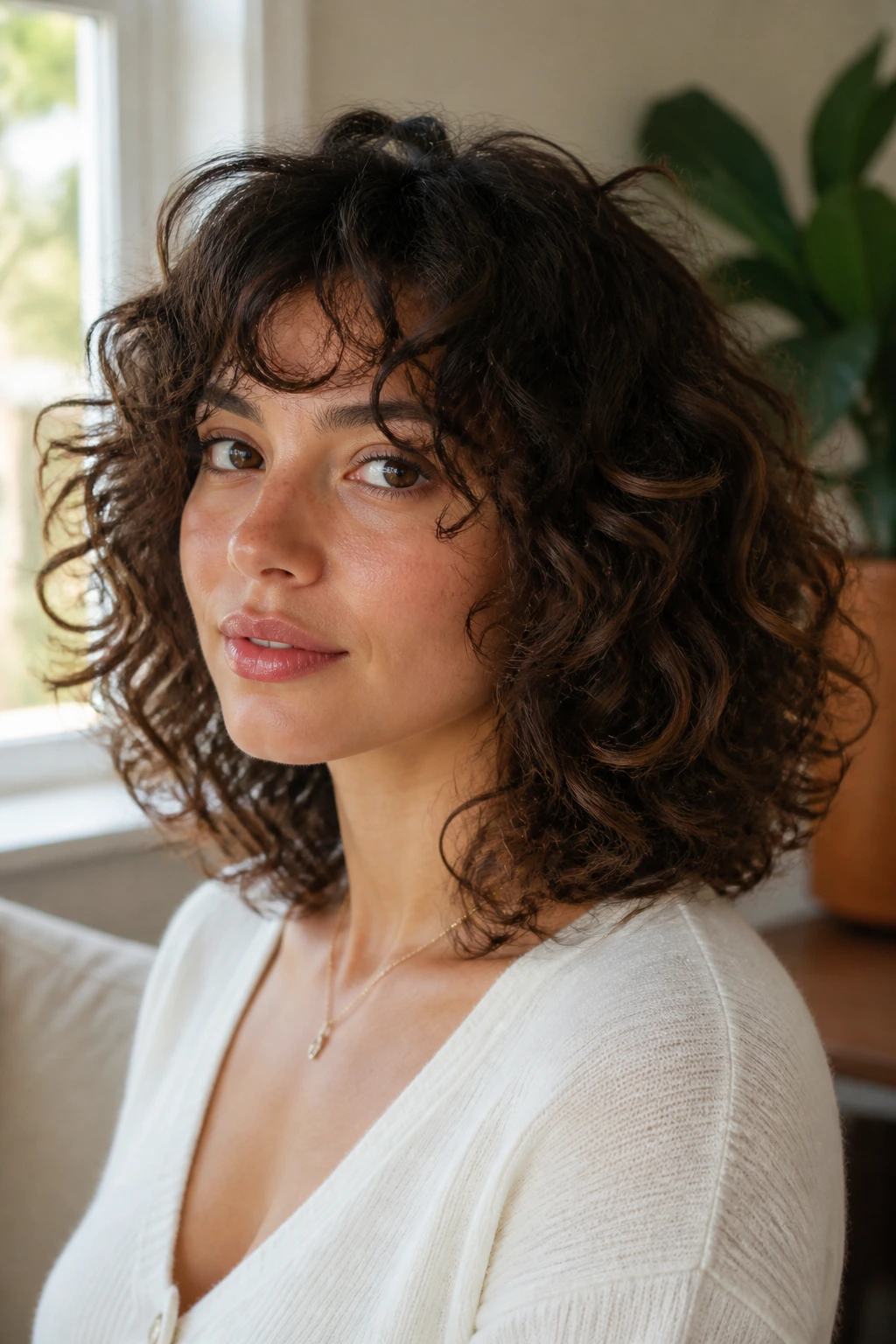
For those with looser curls or waves, a round-layered lob is perfection. The layers are cut to follow the curve of your head, which emphasizes the roundness of the shape. This prevents the hair from falling flat or looking like a pyramid.
Building the Shape
The goal here is a halo of curls. The layers should be concentrated around the crown to provide lift. When your hair is cut with rounded layers, the curls stack on top of each other, creating a naturally dense, voluminous look.
Daily Care
Do not brush this. Ever. Use a wide-tooth comb only when wet. Once dry, your hands are the only tool you need to separate and fluff the curls. This cut relies on the curls to do the work; if you try to intervene, you ruin the effect.
18. The Textured Feathered Cut
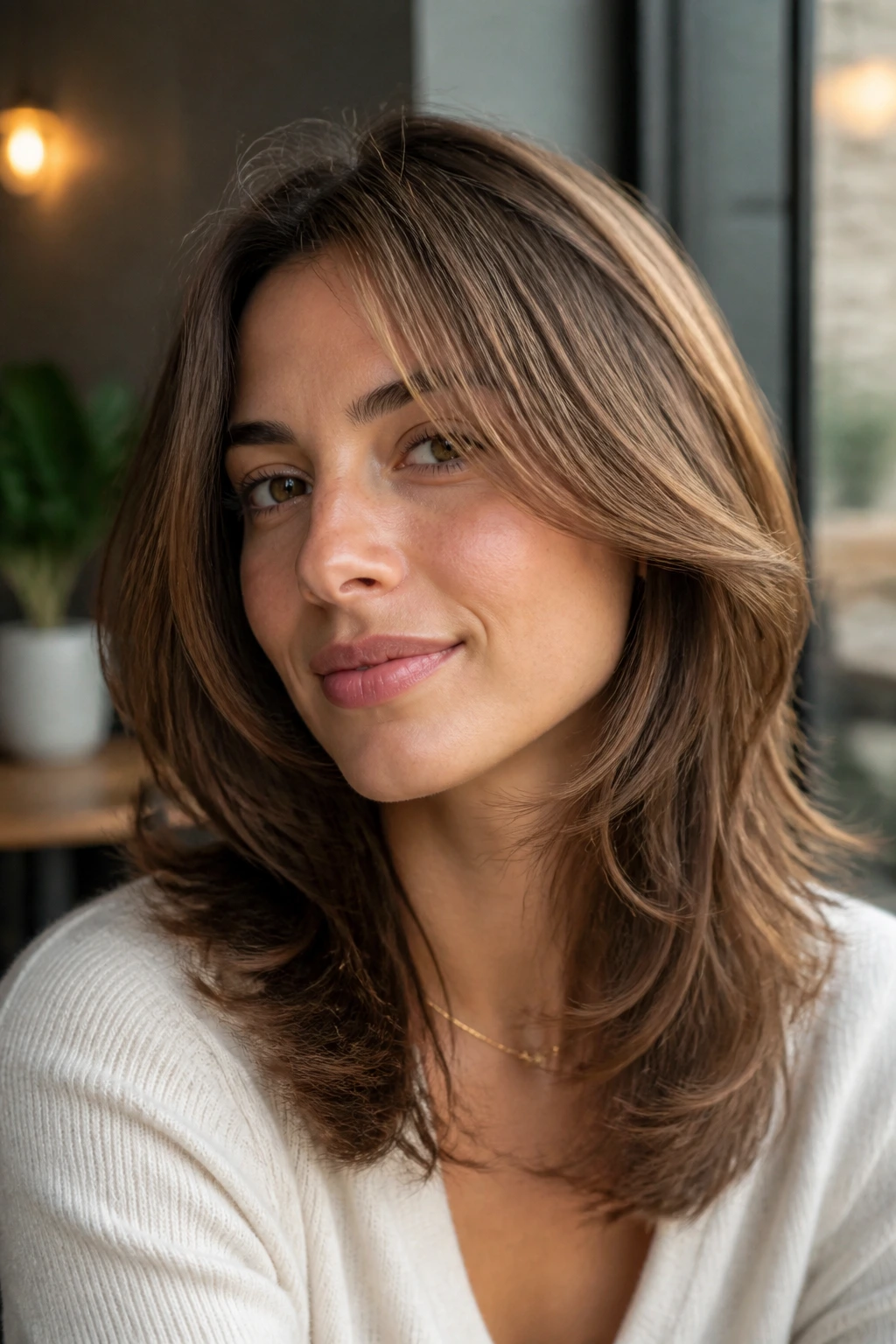
Feathering is a technique where the stylist cuts into the ends at an angle to create a tapered, wispy finish. It’s reminiscent of styles from decades past but brought into the modern era with softer, less uniform layers. It creates a light, airy look that makes the hair feel like it’s floating.
The “Floaty” Effect
This is ideal for people who feel their hair is too heavy and dense. The feathering removes that density, allowing the hair to move more freely. It has a feminine, soft quality that is very easy to wear every day.
Styling Tip
Because the ends are tapered, they naturally turn inward or outward slightly depending on how they dry. Embrace this. Don’t fight it with a flat iron. Let the ends do their thing—it adds to the charm of the cut.
19. The Softened Blunt Bob

This is the compromise cut. You want the sharp, blunt line of a traditional bob, but you want the ease and movement of a textured cut. The solution is a blunt baseline with subtle, hidden texturizing on the ends. You get the crisp look of the bob, but it doesn’t just sit there like a block of wood.
Texture vs. Sharpness
The bluntness gives you the style and the edge. The texturizing gives you the bounce. When you shake your head, the hair moves. When it sits still, it looks polished. It’s a very versatile look that works for almost any hair texture.
Minimal Styling Required
Because the blunt line is the hero of the cut, it doesn’t need to be curled or waved to look good. A simple blowout with a paddle brush is enough to get it looking sharp and professional.
20. The Tapered Nape Cut
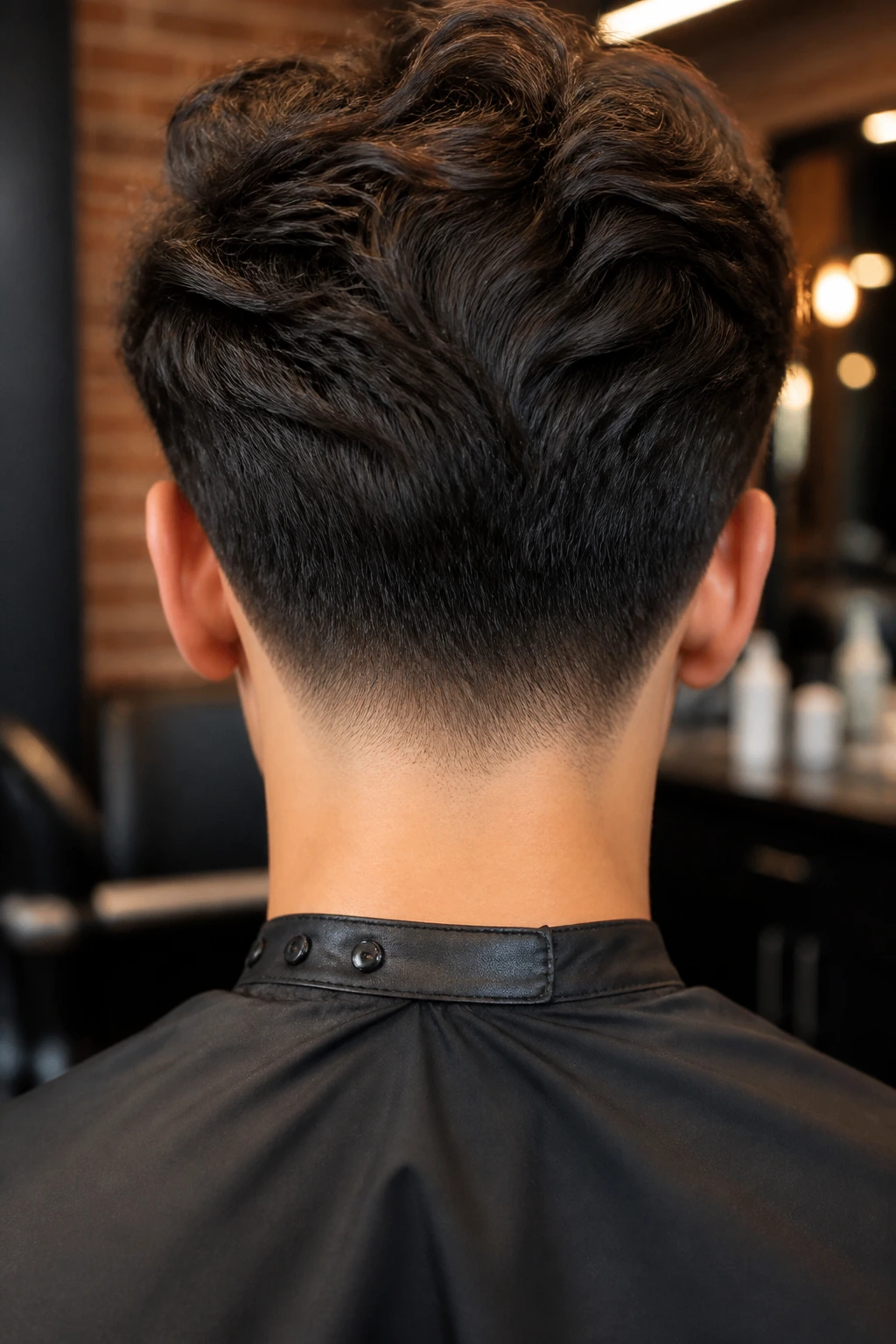
This can be added to almost any style, but it’s a specific focus on the neck area. Instead of leaving the hair at the nape of the neck long or wispy, a tapered nape cut uses clippers or scissors to trim it close, following the natural hairline.
The Growth Pattern
Most people have complicated growth patterns at the nape—cowlicks, swirls, and uneven edges. A tapered nape cleans all of that up. It removes the fuzz that usually looks messy, especially if you have dark hair against fair skin or vice versa.
Clean Lines
This makes a haircut look fresh for weeks longer than usual. Even if the rest of your hair grows out a bit shaggy, the clean line at the nape makes the whole style look intentional and well-maintained.
Final Thoughts
The common denominator across all these textured cuts is intentionality. You are choosing a shape that works with gravity, not against it. When you stop trying to force your hair into a shape that requires heat and product to maintain, you stop fighting a losing battle.
Focus on the texture that you actually have. If you are blessed with natural waves, a shag or a wolf cut will make your life significantly easier. If you have straight, fine hair, the wispy layers or a blunt bob with internal texture will give you the illusion of volume you’ve been chasing. Your hair shouldn’t be a source of stress. It should be the accessory you throw on every morning that makes you feel ready for whatever the day holds. Find the cut that aligns with your hair’s natural tendencies, and you’ll find that the “easy look” isn’t a myth—it’s just a matter of the right cut.
