



There is something undeniably powerful about the decision to change your haircut. You walk into the salon with a specific feeling in mind—maybe you want to feel lighter, sharper, or perhaps a bit more rebellious—and walk out as a slightly altered version of yourself. Hair is the one accessory you wear every single day, which makes choosing the right shape so much more important than just following a passing craze. The best cuts aren’t the ones that make you look like a magazine model for an afternoon; they are the ones that make your morning routine easier and give you a boost of confidence when you catch your reflection in a shop window.
The industry has moved away from the “one-size-fits-all” mentality that dominated earlier decades. We have entered a time where texture and customization rule. A haircut that looks stunning on a friend with thick, coarse hair might fall completely flat on your fine, straight strands, and that is perfectly okay. Understanding what your hair wants to do—how it bends, where it creates volume, and where it tries to pull weight—is the real secret to a great cut. Whether you are looking to chop off ten inches or just add movement to your current length, the following styles are the ones that actually stand the test of time.
1. The Butterfly Cut
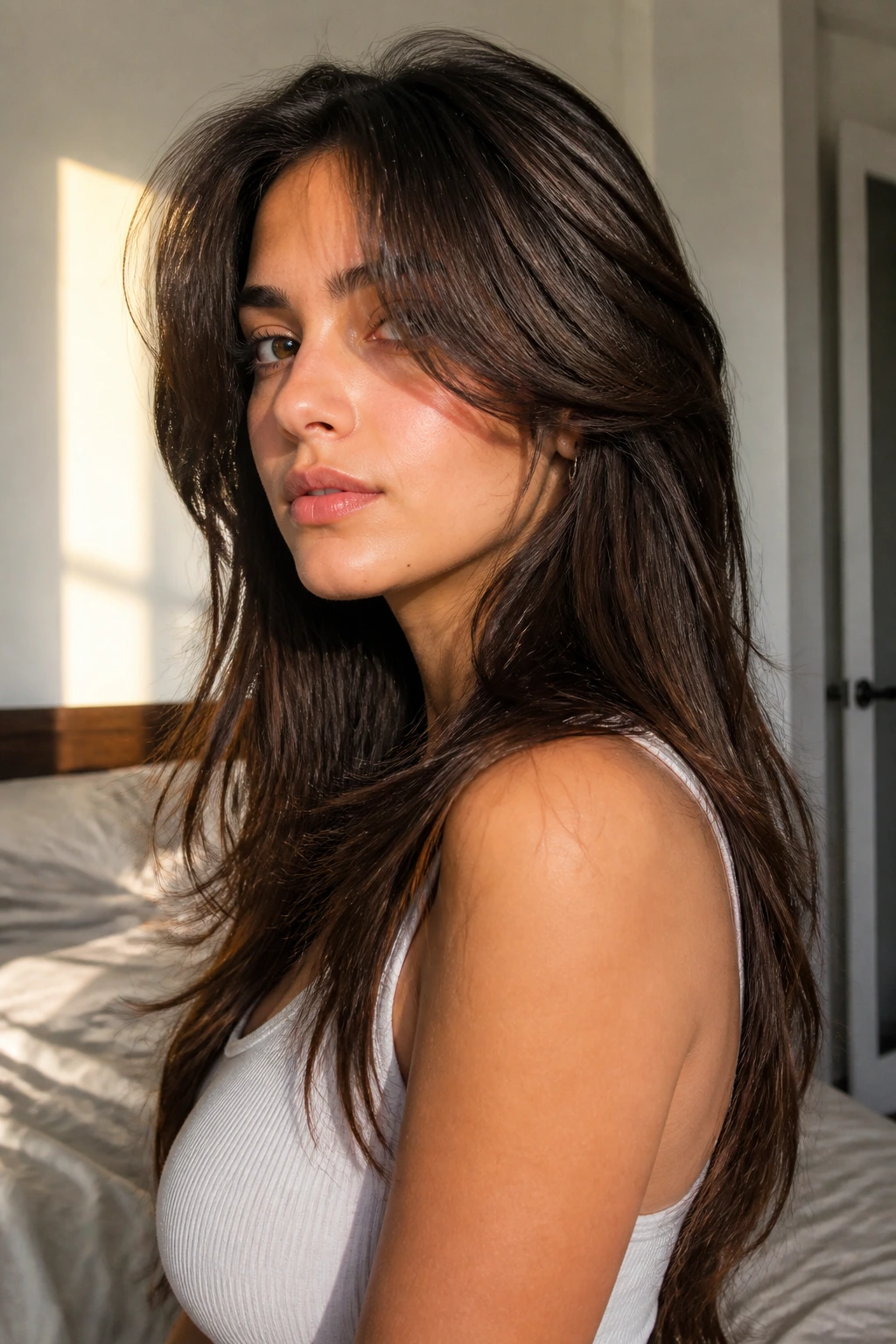
Think of this as the ultimate “have your cake and eat it too” haircut. The butterfly cut is designed for people who love the look of short, bouncy layers framing the face but are not ready to sacrifice the length of their overall hair. By cutting shorter, swooping layers around the crown and chin, you get that short-hair vibe without actually losing the long hair you spent years growing.
Why It Works for Volume
The magic happens because of the weight distribution. When you cut those shorter layers, you are physically removing the heaviness that usually drags long hair down. Without that weight, the hair at the crown springs up, creating a natural, voluminous effect that looks like you spent an hour with a round brush, even if you just let it air dry.
Maintenance Reality Check
This style relies heavily on the “swoop.” If you have stick-straight hair, you will likely need to use a large barrel curling iron or a round brush to encourage those layers to flick outward. It is a higher-maintenance cut than a blunt trim because those layers need styling to look intentional, but for the volume it provides, most people find the trade-off worth it.
2. The Blunt Bob
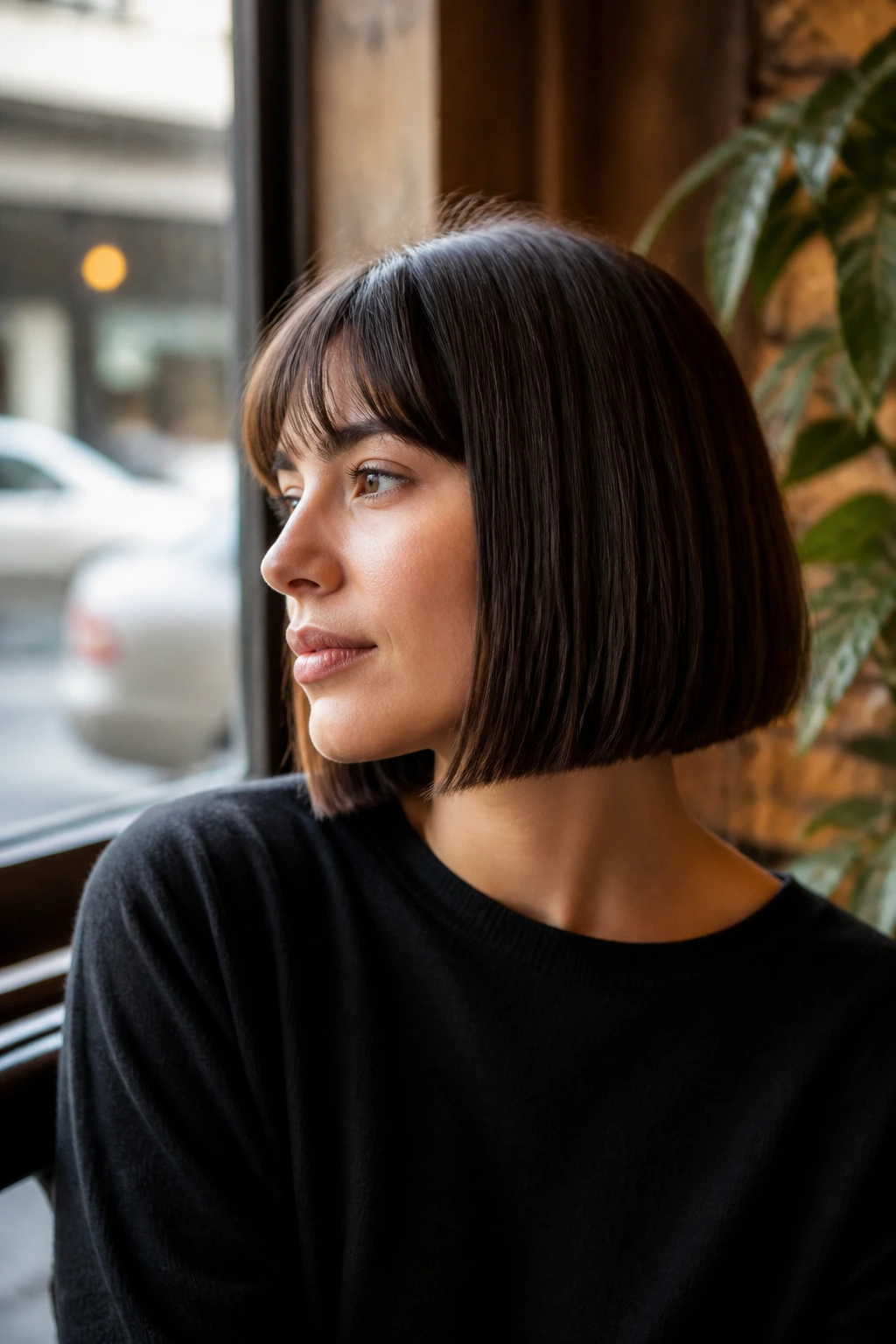
There is a clean, surgical precision to a blunt bob that never goes out of style. Unlike layered cuts that focus on texture, this is all about the line. It hits right at the jawline or slightly below, creating a sharp, solid perimeter. When done correctly, the ends are cut straight across, which gives the illusion of thicker, fuller hair—even if your ends are naturally sparse.
Who Should Choose This? If your hair is fine or medium-density, this is the gold standard. It makes hair look healthy and dense. However, if you have extremely thick, coarse hair, proceed with caution. A blunt cut on thick hair can sometimes turn into a “triangle” shape where the bottom flares out uncontrollably. If you fit into the thick-hair category, ask your stylist to use interior texturizing shears to remove some bulk from the bottom so it sits closer to the neck.
3. The French Girl Bob
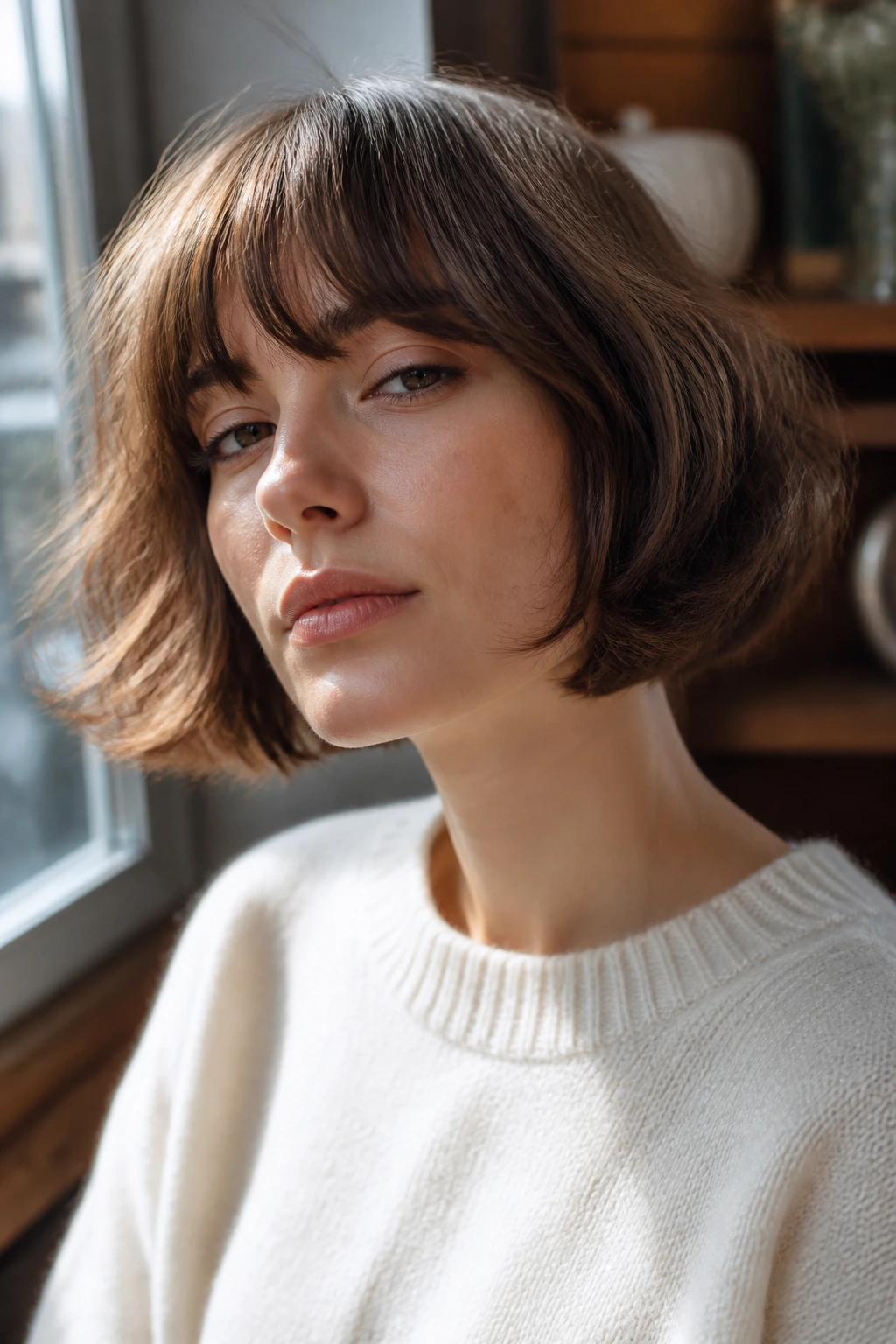
This is the cousin to the blunt bob, but with a much more relaxed, lived-in personality. It usually hits right at the mouth or chin, and it is almost always paired with fringe. The key here is the texture. It is not meant to look like it was measured with a ruler. It should look like you woke up, shook your head, and walked out the door.
Essential Styling Tip
The secret to the French bob is the bend. It should never be iron-straight. Use a wave spray or a light sea salt texturizer to give it that slight, messy wave. If your hair is naturally curly, this is one of the most flattering cuts you can get, as it celebrates the natural coil rather than trying to suppress it with heavy styling products.
4. The Wolf Cut
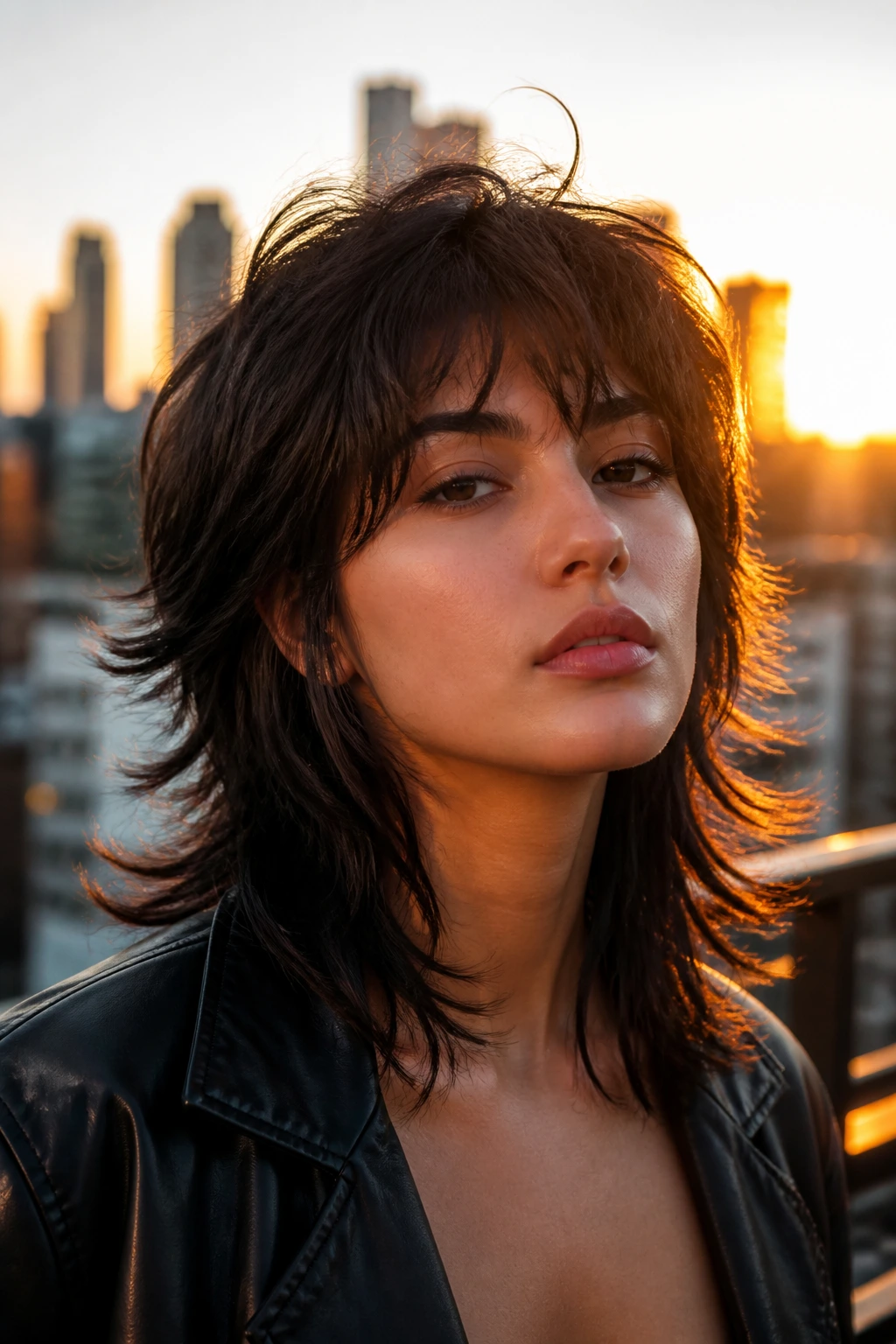
The wolf cut is essentially a high-voltage mashup of a shag and a mullet. It is wild, it is textured, and it is unashamedly messy. It features heavy, shaggy layers around the crown that transition into thinner, wispy layers toward the ends. It is designed to look like you cut it yourself—in the best possible way.
This style is a dream if you have natural waves or curls. Because the cut is structured around “messiness,” your natural texture becomes an asset rather than something you need to fight against. You don’t need to be perfect with this cut. In fact, if it looks too polished, you’re probably doing it wrong.
5. Curtain Bangs with Long Layers
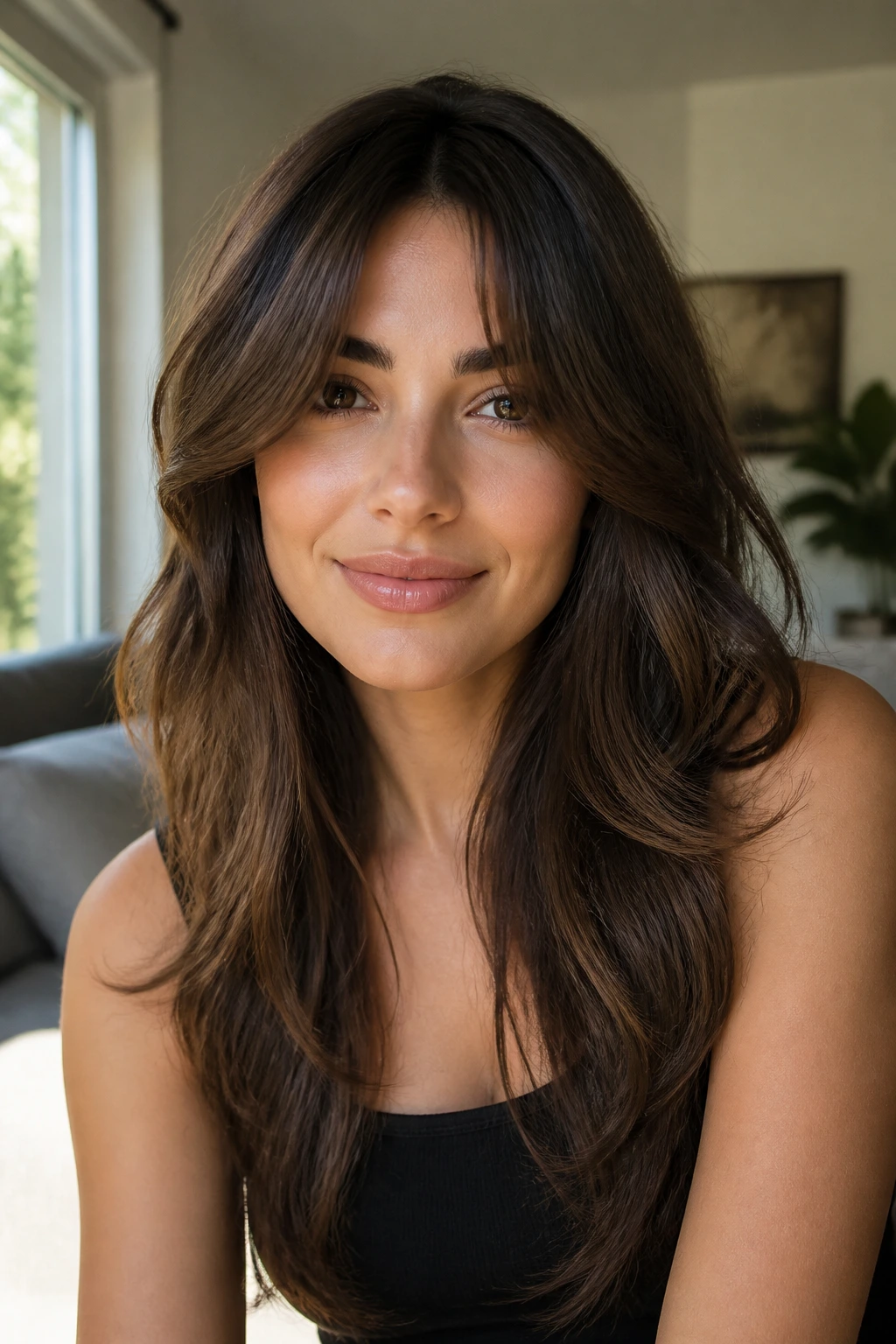
If you are terrified of commitment, this is your entry point. Curtain bangs are longer, sweeping fringes that part down the middle and frame the face. By combining these with long, seamless layers, you get a style that feels soft and romantic without the high-stakes risk of a full-on bang.
- Face-framing: The bangs should start shorter near the bridge of the nose and get longer as they sweep toward your cheekbones.
- The blend: Ensure the bangs transition smoothly into the rest of your hair layers. You don’t want a “shelf” where the bangs end and the rest of the hair begins.
6. The Modern Shag
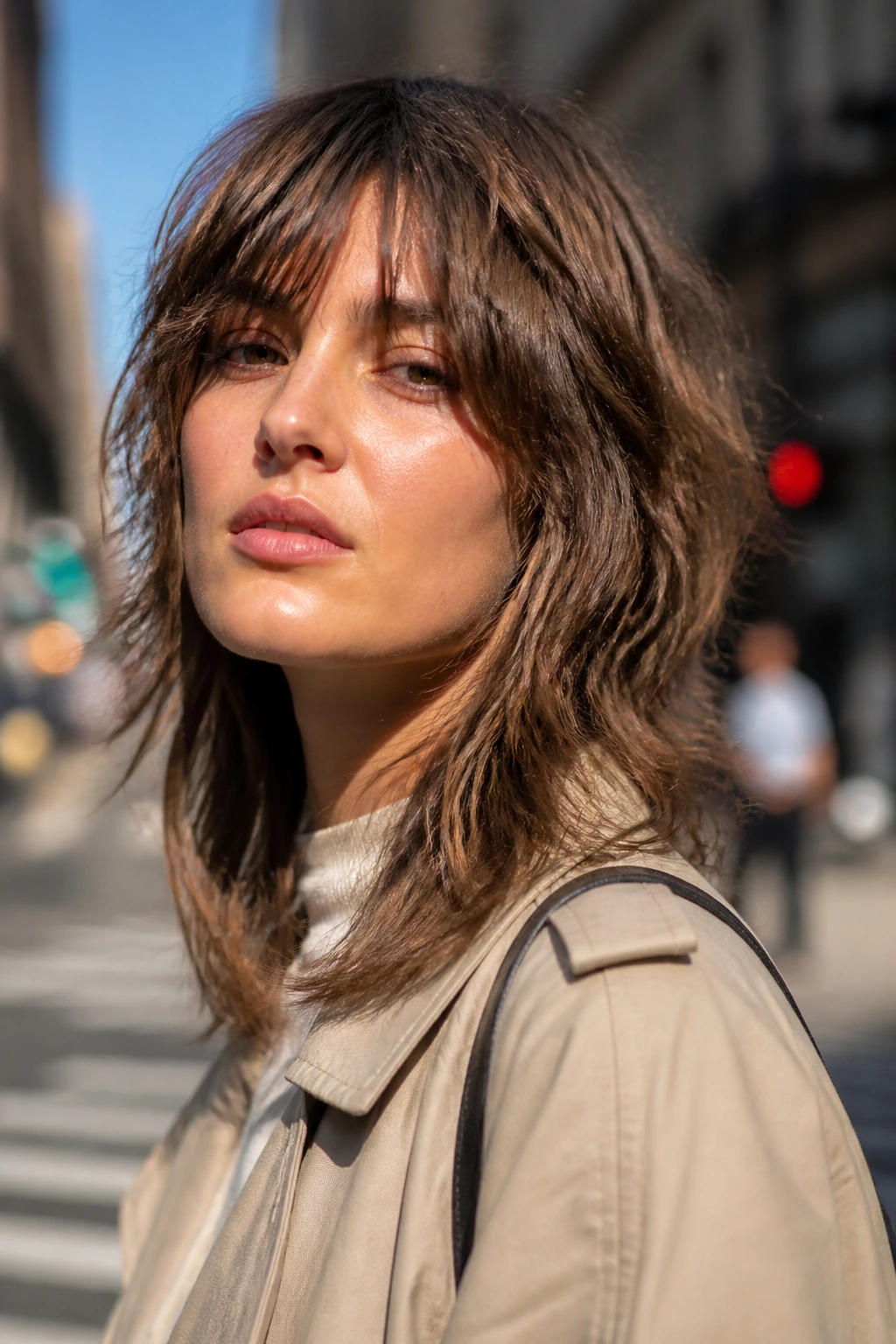
We have all seen the 70s-style shags, but the modern version is far more refined. It is less about the dramatic “mullet” silhouette and more about creating movement through the mid-lengths. It is a fantastic cut for someone who feels like their hair is just a flat, heavy curtain and wants to inject some life back into their look.
The defining feature of the modern shag is the “shattered” quality of the layers. They are cut shorter and more frequently, which breaks up the line of the hair. It is surprisingly versatile; you can wear it with a middle part for a bohemian feel or a side part for something a bit grungier.
7. The Textured Pixie
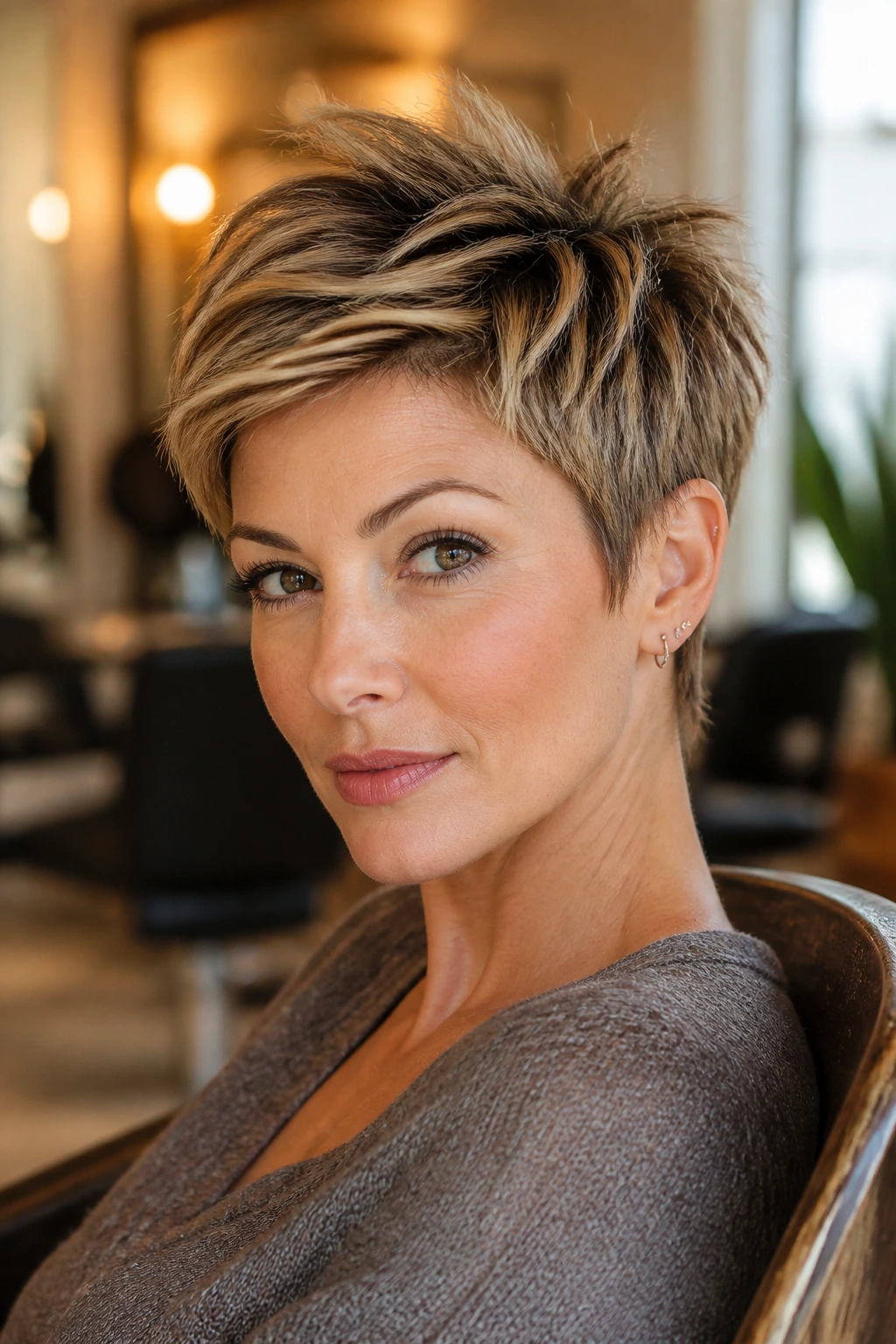
Going short is liberating, but a basic, tight pixie can feel a bit severe. The textured pixie solves this by keeping the top section longer and piecey. Think of it as a messy, intentionally spiked look. It relies on product—pomade, wax, or texturizing spray—to define the layers.
Why It Wins This is arguably the easiest style to maintain in terms of styling time, but it requires the most frequent salon visits. Because the shape is so specific, even a quarter-inch of growth can change the look. Expect to be back in the chair every four to six weeks to keep the silhouette tight.
8. The Mid-Length Lob
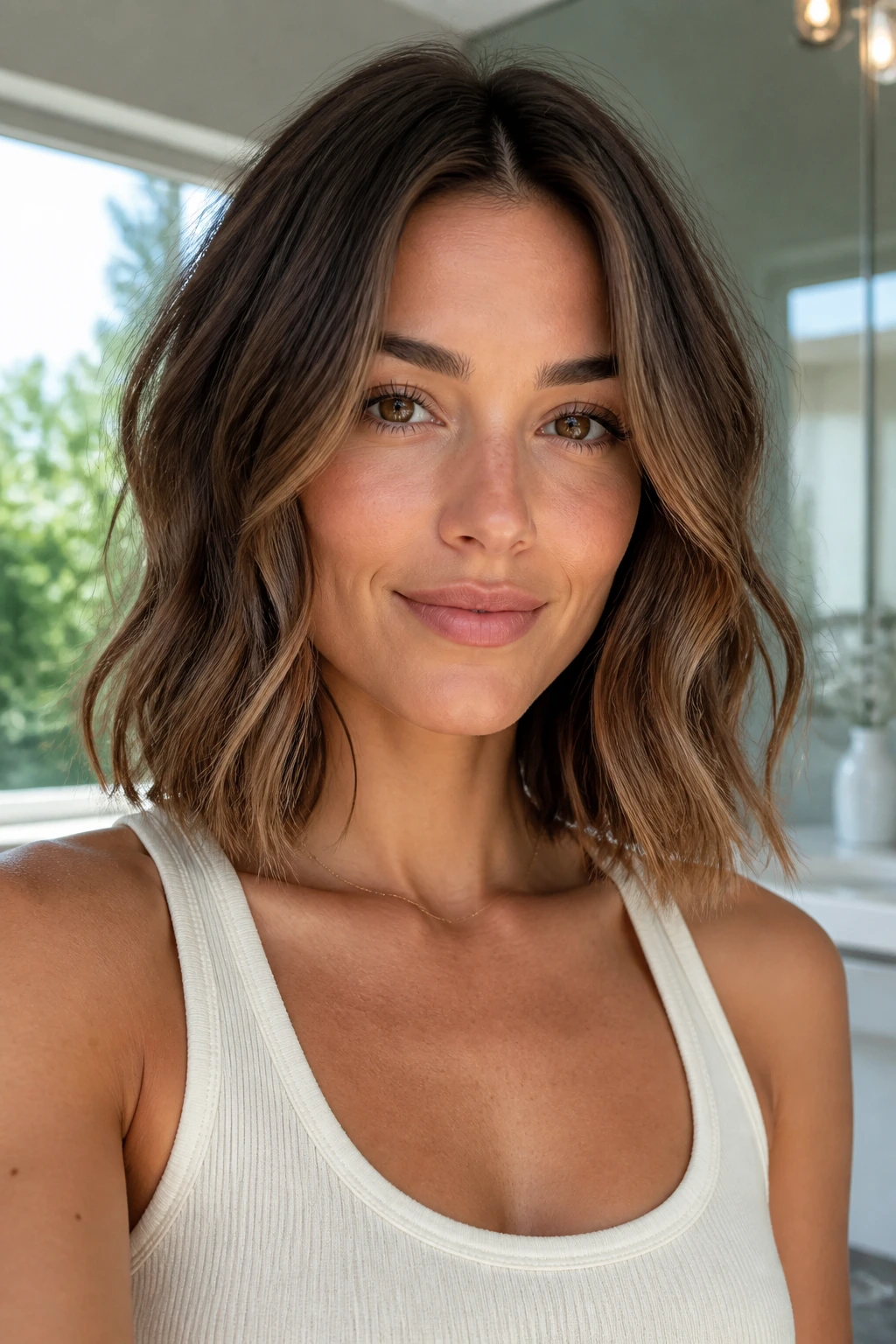
“Lob” stands for long bob, and it remains the most requested cut in salons for a reason. It is the safe harbor of hairstyles. It isn’t short enough to feel scary, but it’s short enough that you don’t feel weighed down. Hitting right at the collarbone, it is long enough to pull back into a ponytail on gym days but short enough to look styled when worn down.
If you are transitioning from very long hair to something shorter, start here. You can always go shorter, but you cannot add length back once it is on the floor. It is the perfect test drive for a shorter lifestyle.
9. Invisible Layers
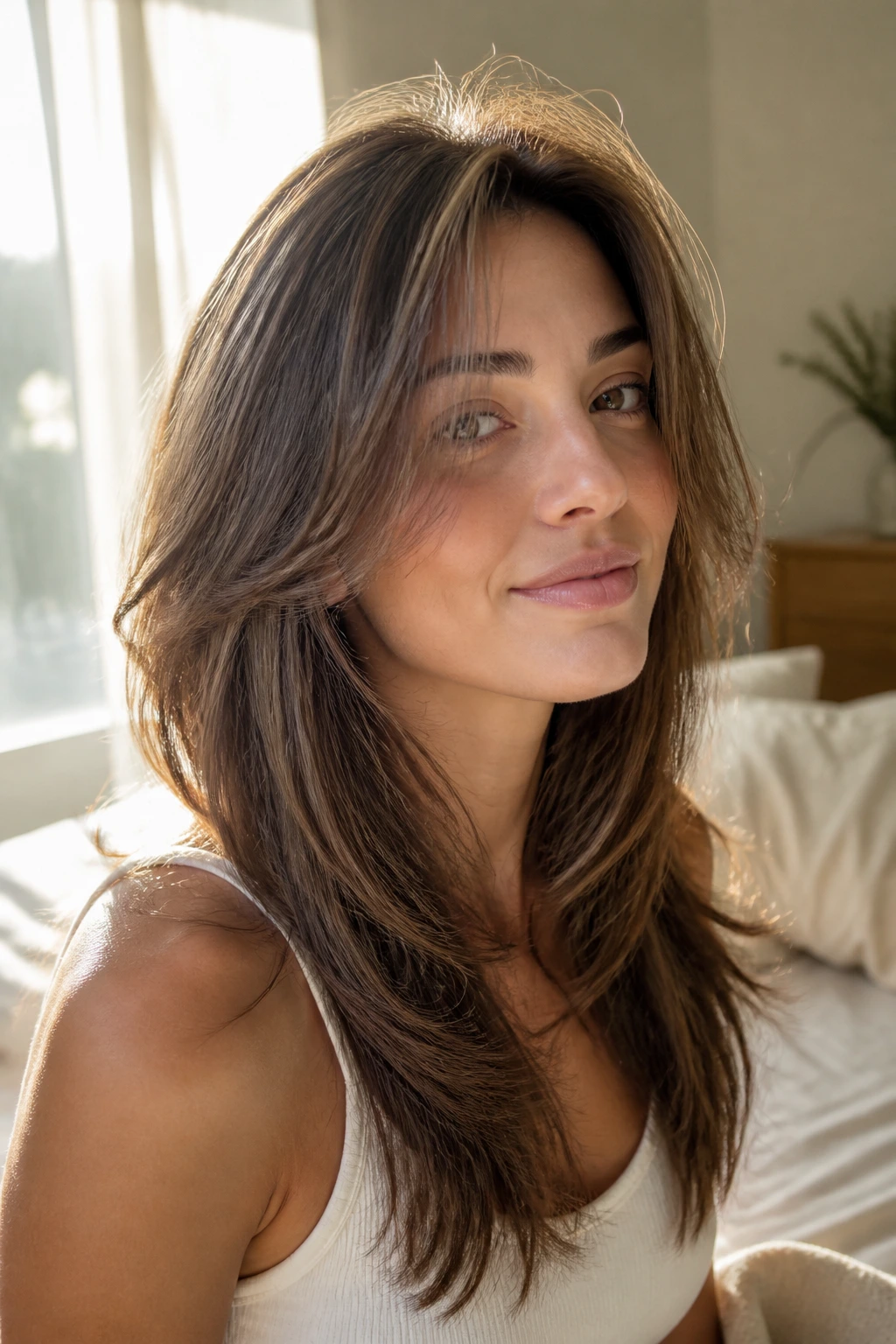
Sometimes you don’t want your haircut to be obvious. You want movement, you want volume, but you don’t want to see the “steps” or distinct layers. This is where invisible layers come in. These are internal layers cut into the bulk of the hair to remove weight and create flow without compromising the solid perimeter of your cut.
You will notice the difference immediately after a wash. Your hair will dry faster, it will have more “bounce,” and it won’t feel like a heavy blanket hanging off your head. It is a subtle change that yields a massive improvement in how your hair moves.
10. Bottleneck Bangs
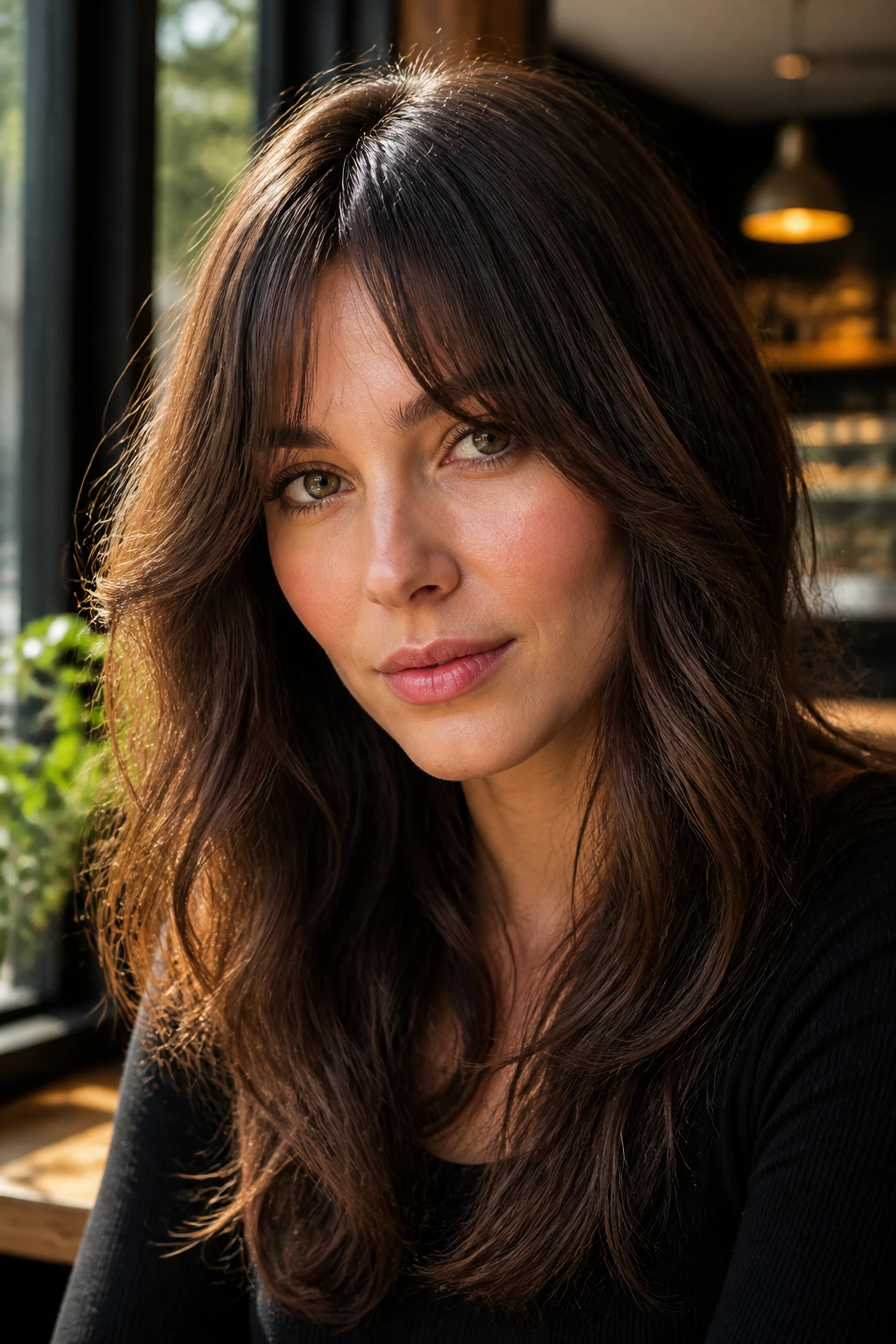
Named for the shape of a glass bottle, these bangs are narrow at the top and flare out to wider at the bottom. It is a very flattering shape that mimics the curtain bang but with a bit more structure. They are slightly shorter in the center and longer as they reach your temples.
This style is perfect if you have a slightly wider forehead and want to balance your features. It is arguably the most “customizable” bang style because the length is entirely up to you. You can have them graze your eyebrows, or keep them longer to hit your cheekbones.
11. Asymmetrical Bob
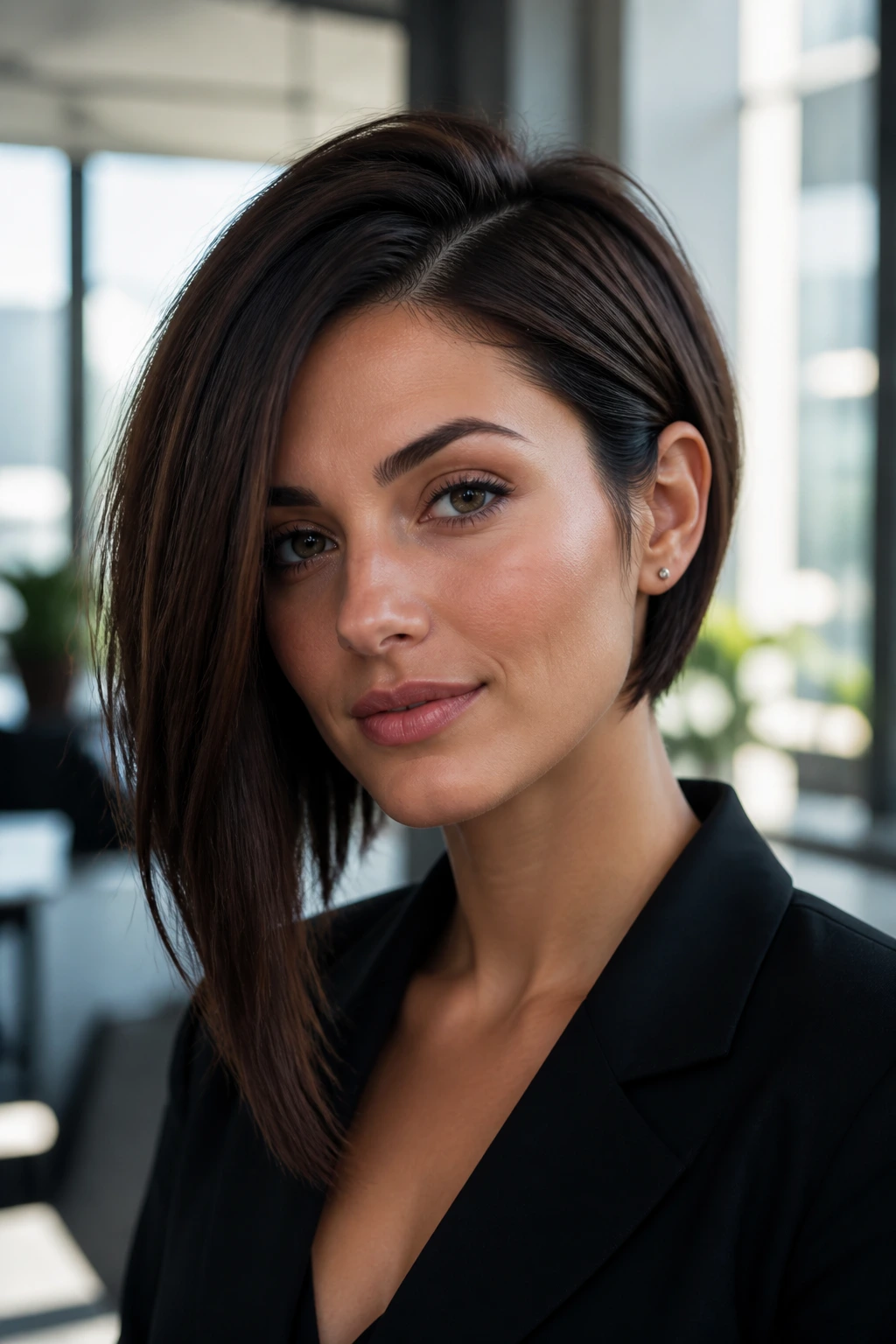
If you feel like a standard bob is a little too symmetrical or “pristine,” the asymmetrical bob adds an edge. One side is noticeably longer than the other. It is a subtle way to be bold without resorting to wild colors or extreme shapes.
The drama comes from the angle. The sharper the angle between the short side and the long side, the more aggressive the cut looks. If you want a more office-appropriate vibe, keep the difference in length to about an inch. If you want to make a statement, go for a more dramatic, severe drop.
12. The Soft Mullet
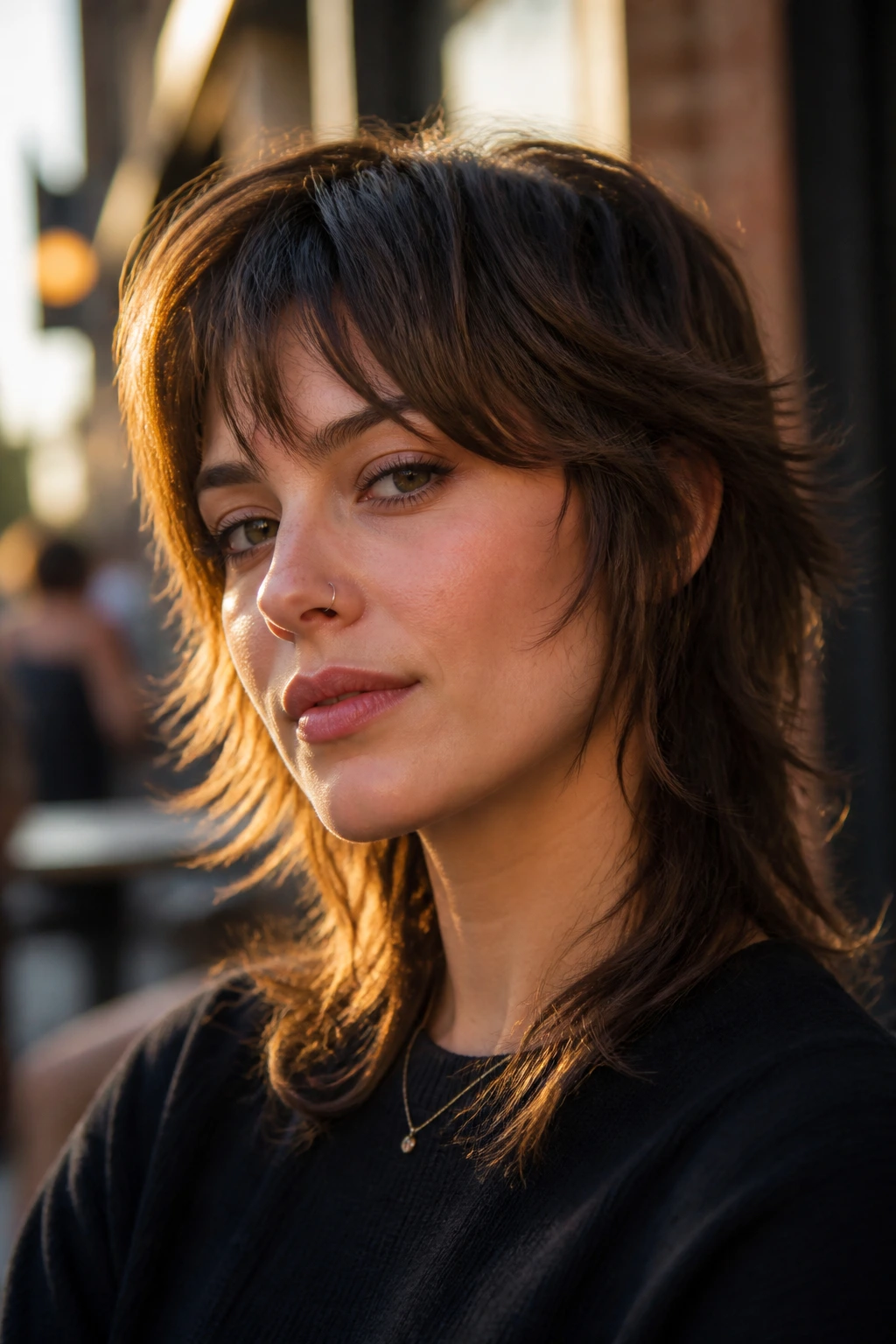
Yes, the mullet is back, but before you cringe, look at the modern execution. It is much softer. It is not the severe short-in-front, long-in-back look of the 80s. It is essentially a shag with more intentional disconnect between the front and the back. It is cool, it is effortless, and it is surprisingly flattering on people with oval or square face shapes.
The “soft” part of the soft mullet is key. It involves razor-cutting the edges so they look wispy rather than blunt. It avoids the harsh lines that usually make people fear this style, turning it into something artistic and intentional.
13. The “Rachel” Revival
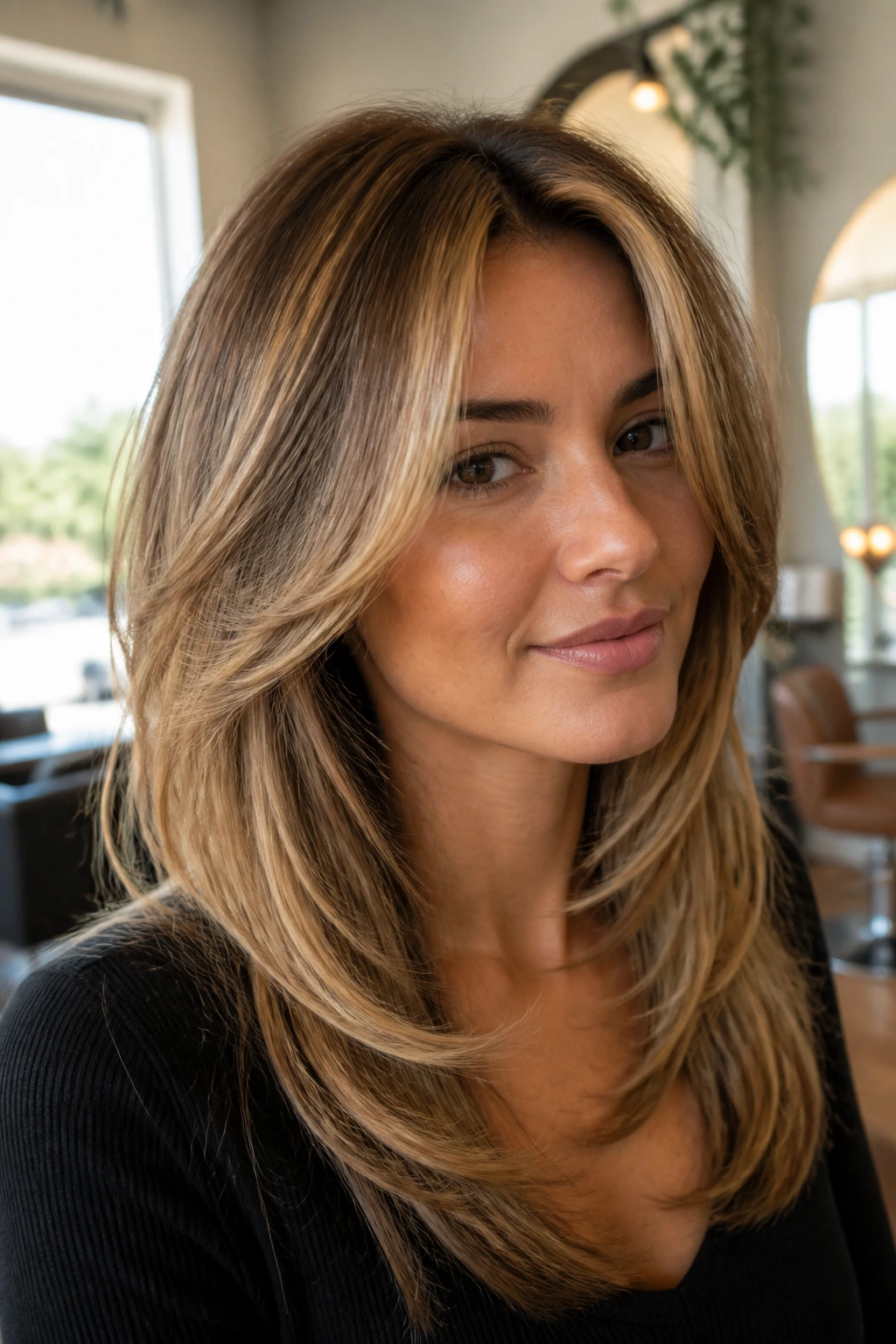
The 90s-era layered style is making a comeback, but with better blending. It is all about face-framing layers that curve inward toward the face. It requires a bit of blow-drying expertise—using a round brush to encourage that curve—but the result is incredibly polished and sophisticated.
The Pro Tip To pull this off without looking dated, keep the layers softer. The original version was very “stair-step.” The modern version blends those steps so the hair flows like a waterfall rather than a sequence of distinct cut lines.
14. Wispy Fringe
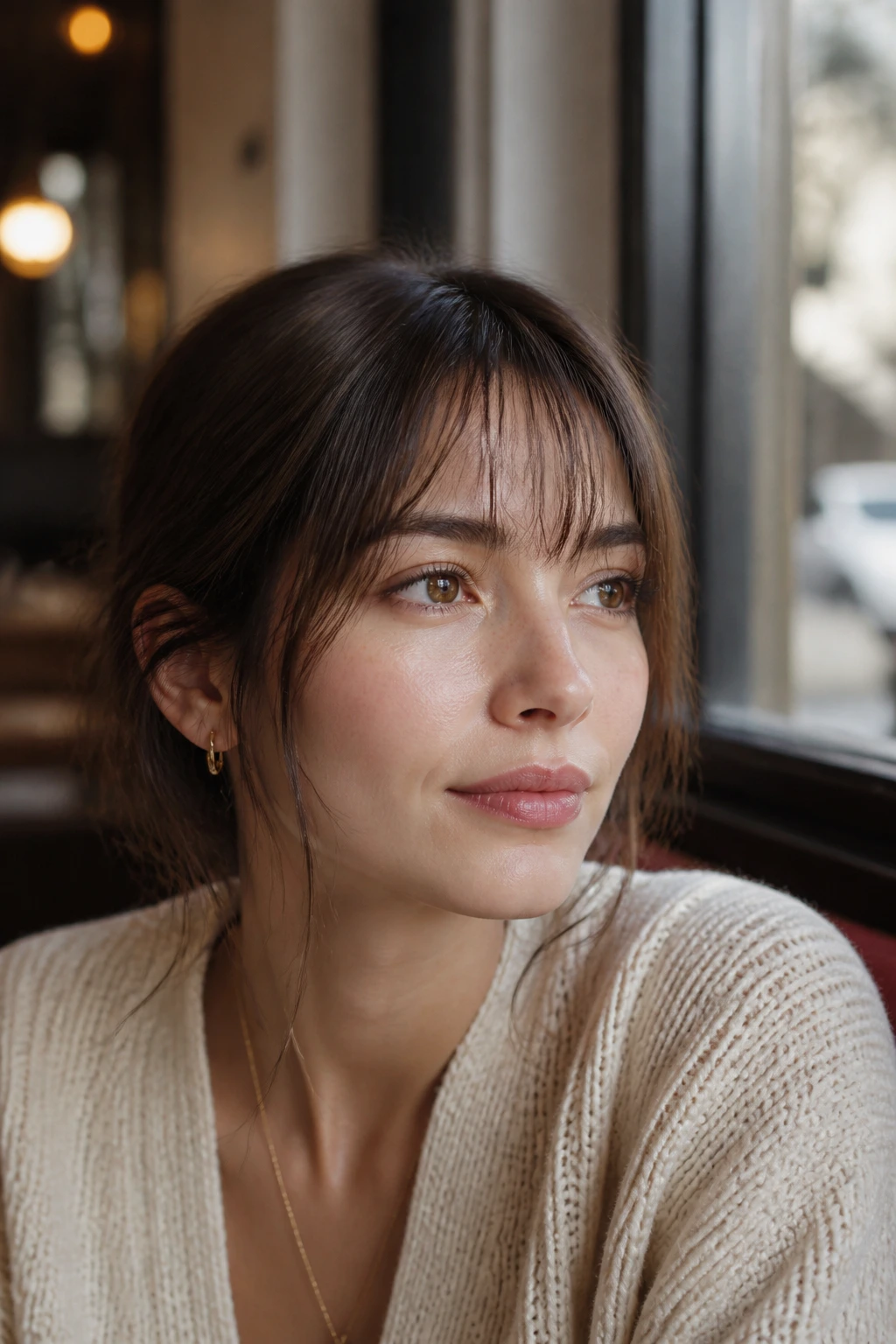
If you want the look of bangs without the heavy maintenance of a blunt fringe, wispy bangs are your best friend. They are cut with less hair, meaning you can see a bit of your forehead through them. They are light, airy, and very easy to push aside if you decide you don’t want them in your face for the day.
This style is great for people with fine hair who might get overwhelmed by a full, thick block of bangs. It frames the face and softens the look without making you feel like your face is being “covered up.”
15. Graduated A-Line Bob
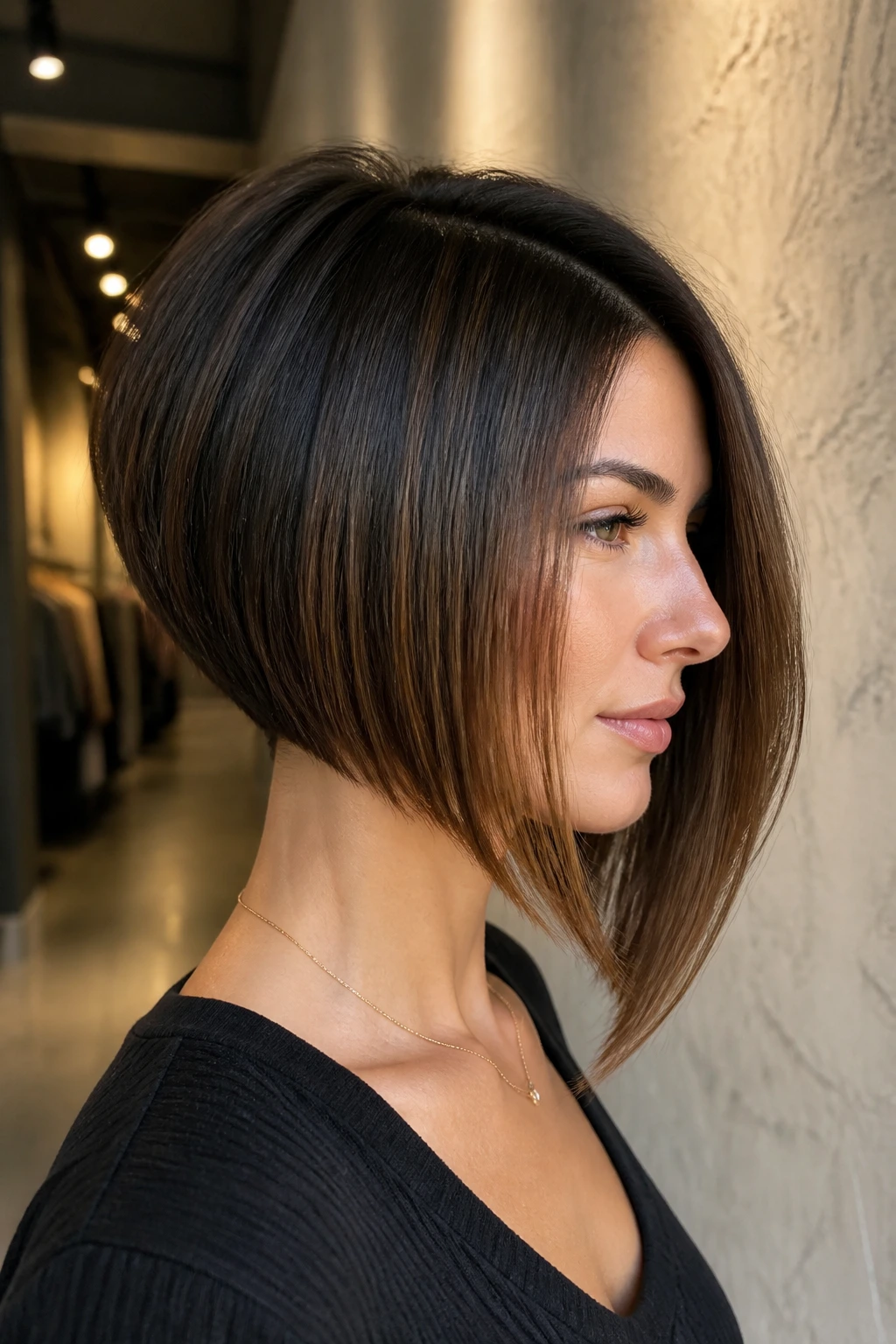
This cut is shorter in the back and gets progressively longer toward the front. It creates a beautiful, elegant slope that elongates the neck. It is a fantastic choice if you have a petite frame, as it adds a bit of structure and height to your silhouette.
Be prepared to have your stylist pay attention to the nape of your neck. The back should be cut cleanly, often tapered slightly to keep it from looking too puffy. If it’s cut too blunt in the back, you can end up with a “helmet” effect, so ensure your stylist knows you want a graduated, tapered back.
16. Long Shag with Layers
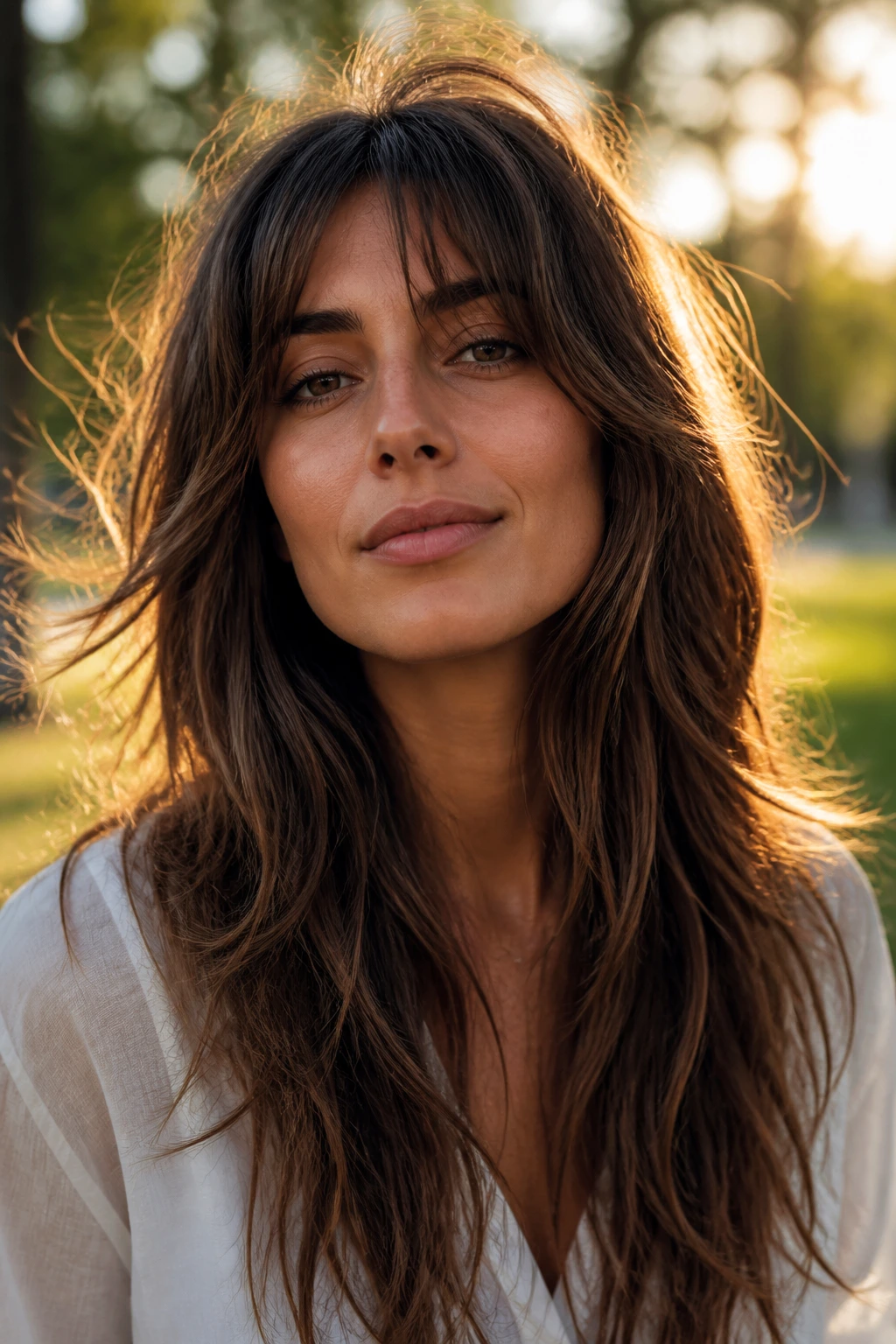
For the person who loves their long hair but is bored to death with the lack of movement, the long shag is the answer. It keeps the length but introduces heavy, textured layers throughout the entire head. It is meant to look undone, wild, and natural.
This is the ultimate low-maintenance long hairstyle. It doesn’t need to be perfectly curled or straightened. In fact, it looks better when it’s slightly tousled and natural. It is a “wash and go” style that actually gets better as your natural texture emerges.
17. Undercut Pixie
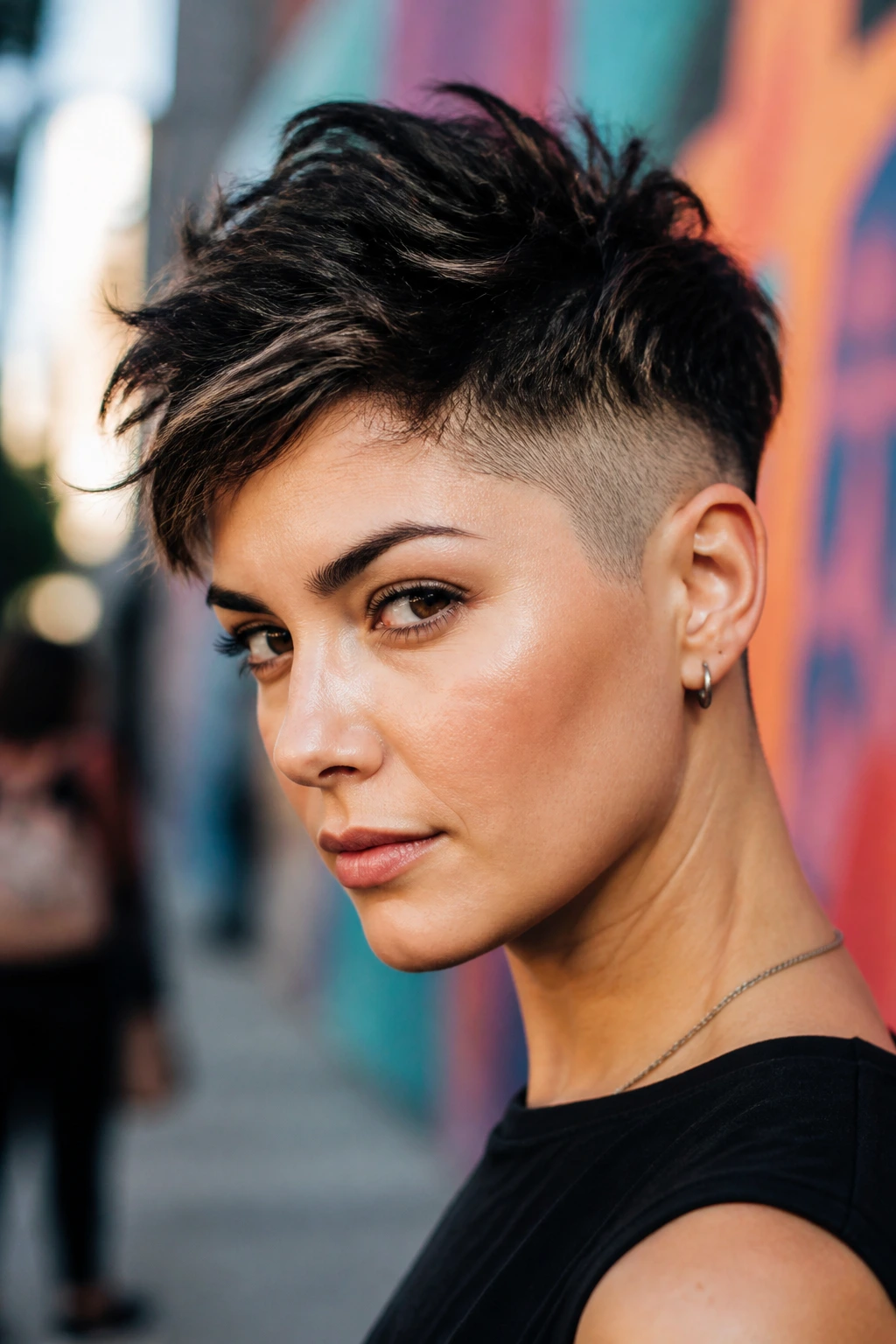
If you want to feel cool and light, the undercut pixie is the answer. It involves shaving or very closely clipping the back and sides of the head, leaving the top longer and textured. It is a high-contrast style that is incredibly popular for a reason—it’s practical and bold.
It is particularly great if you have thick hair and hate how hot it gets in the summer. By removing the bulk at the nape of the neck, you instantly feel cooler. Plus, it gives you a clean slate if you want to experiment with more daring colors on the longer top section.
18. Curtain Bangs with Shag
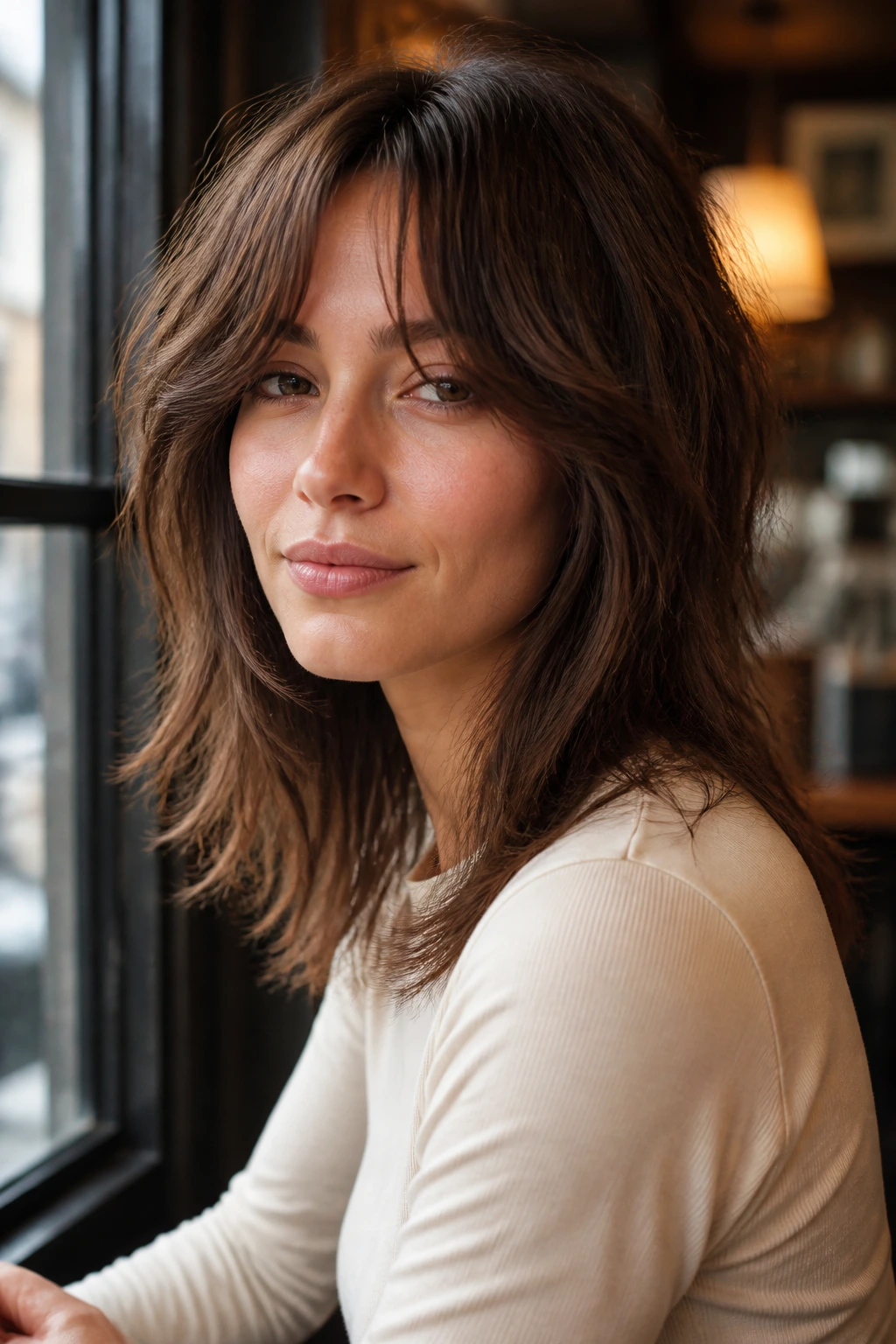
We’ve talked about the shag and we’ve talked about curtain bangs, but combining them is a style power move. The curtain bangs act as the transition piece, softening the aggressive layers of the shag. It frames the face perfectly while still giving you that wild, textured back-and-sides look.
This combination is excellent for hiding a higher forehead while still getting the “cool girl” layered aesthetic. It is a very balanced cut—you get the best of both worlds.
19. Collarbone-Length Blunt Cut
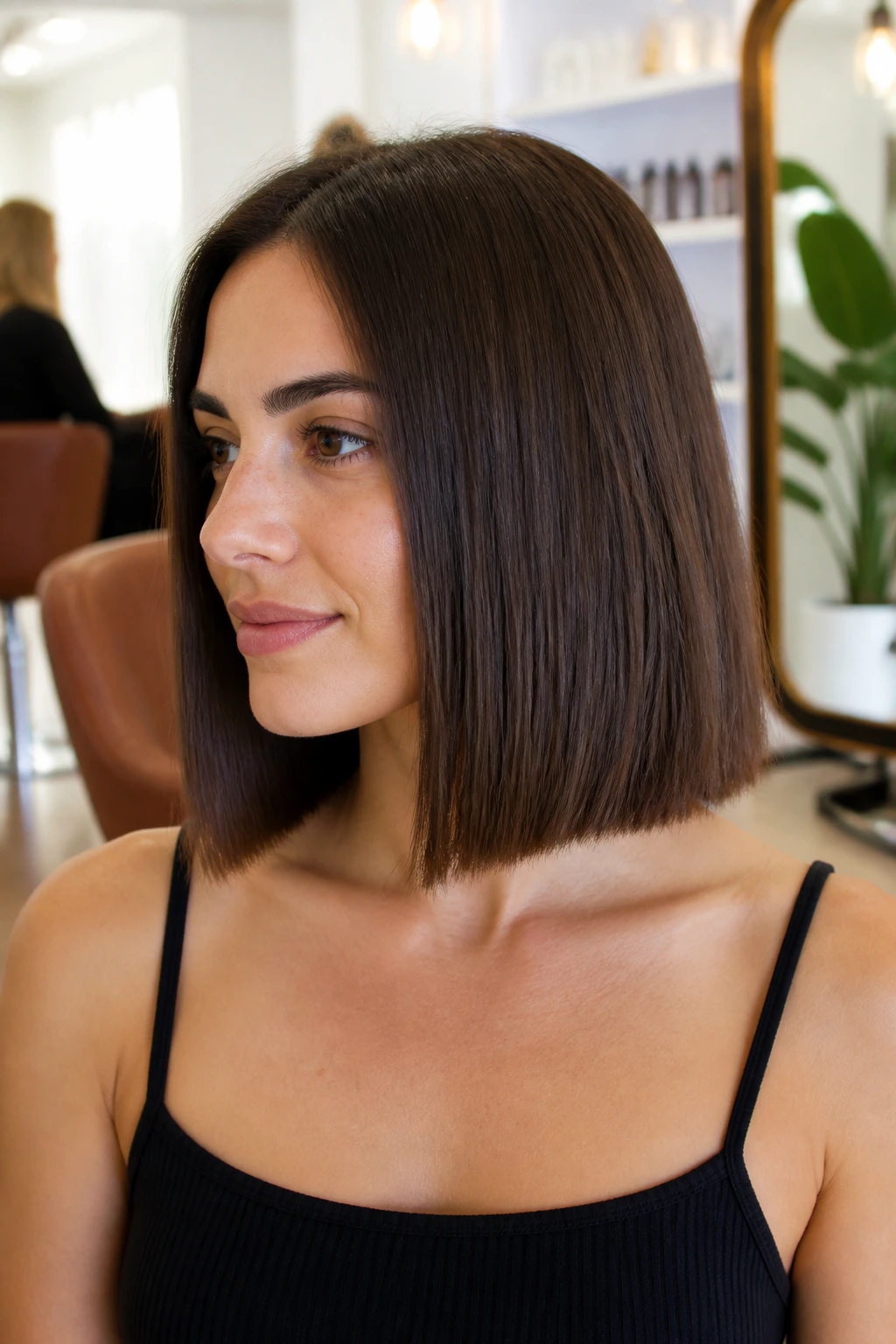
There is something inherently chic about hair that hits exactly at the collarbone. It is a “non-cut” cut—it’s just a sharp, blunt line. It’s long enough to feel like a hairstyle, but short enough to be manageable.
When your hair is this length, the health of your ends is the most visible thing. Because it’s a blunt cut, you can’t hide split ends in layers. This means you will need to commit to regular trims—every 8 to 10 weeks is standard—to keep the line crisp and clean.
20. Deep Side Part Layers
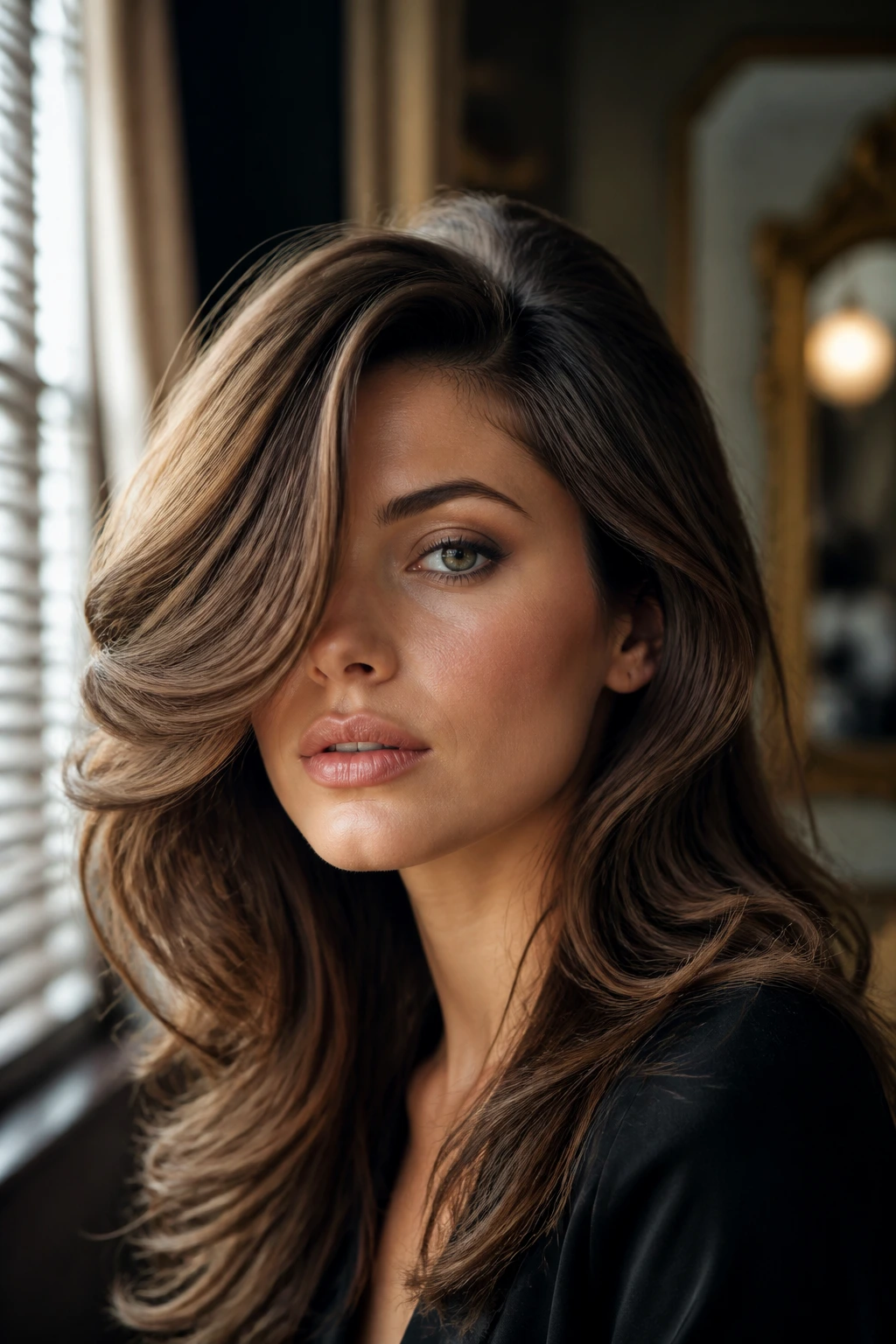
While middle parts have been popular, the deep side part is making a major return. To support a deep side part, you need layers that are cut to accommodate the weight shift. When you sweep your hair over, you want it to have volume and lift at the root, not flop flatly against your forehead.
The key to this cut is how the layers are cut around the part. They should be longer, which allows them to “swoop” over without creating a choppy line. It is a very glamorous, old-Hollywood-inspired look that feels refreshing if you have been living in middle-part territory for a while.
21. Feathered Layers
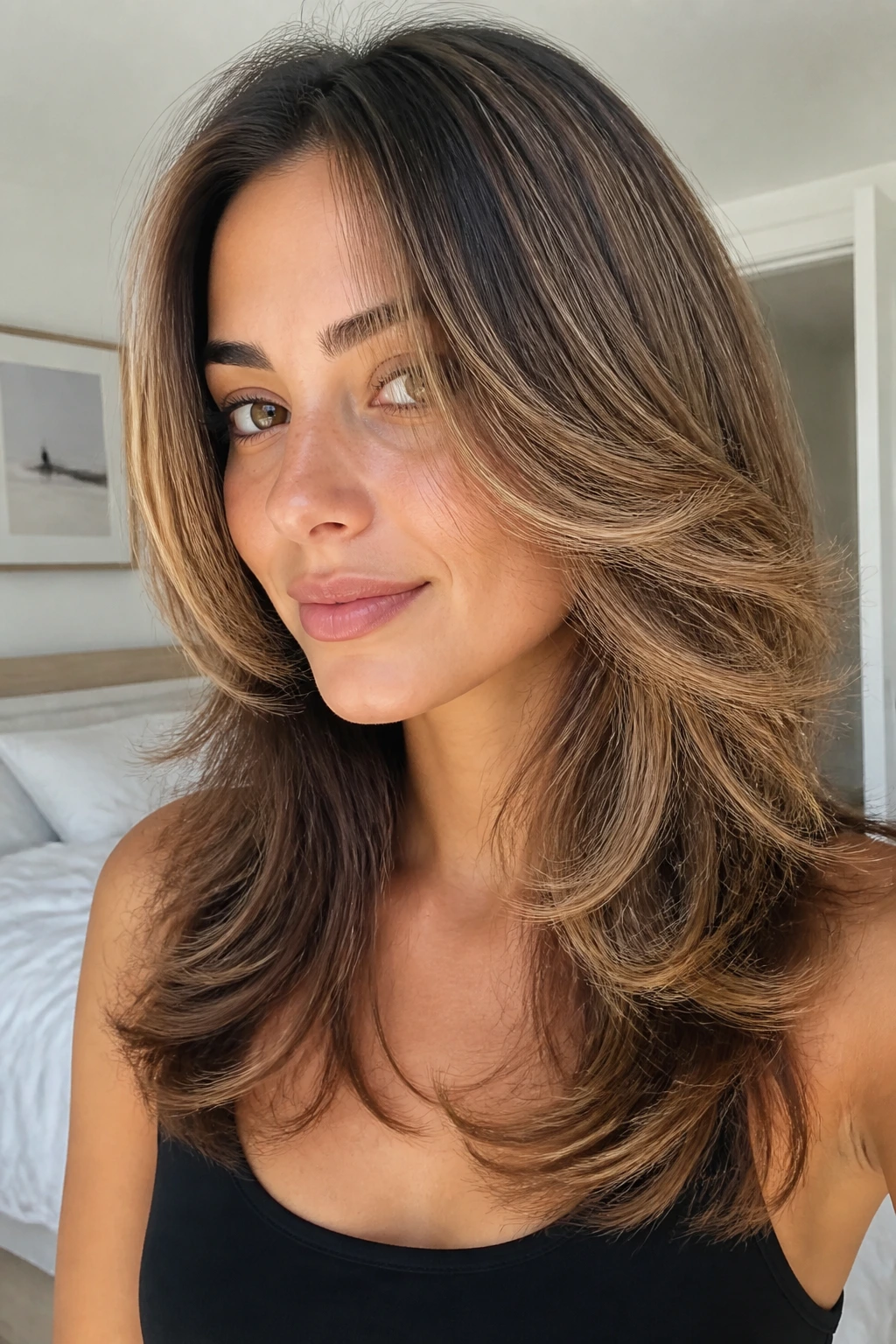
Feathered hair isn’t just for 70s rockstars. Modern feathered layers are about lightness and flow. The hair is cut in a way that the ends are thinned out and flicked, creating a soft, airy movement. It is particularly beautiful on medium-to-long hair.
To style this, you really need a round brush and a blow dryer. You want to train the hair to flick away from the face. It is a high-effort style, but for someone who loves a polished, bouncy blow-out, there is no better cut.
22. Curly Shag
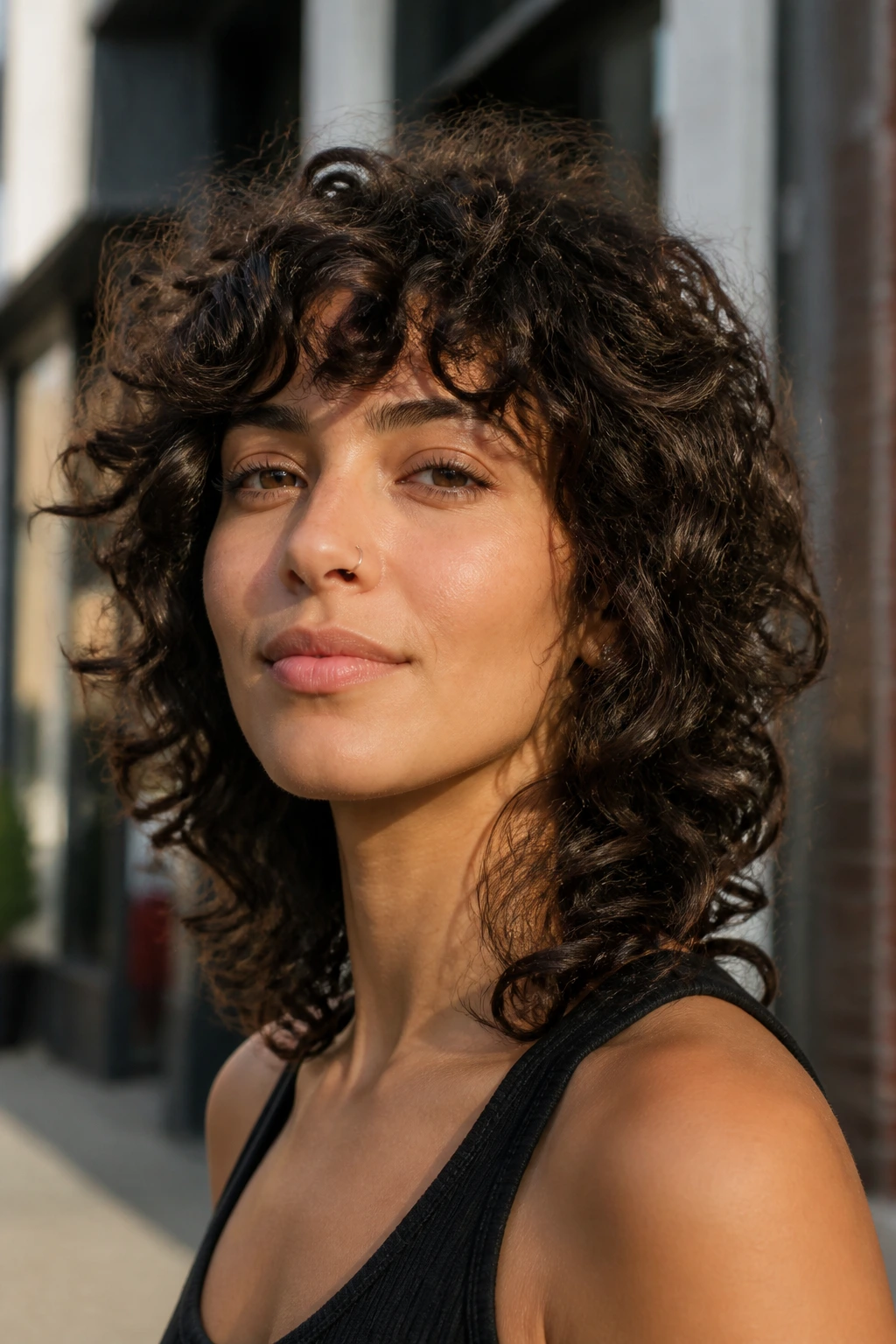
Curly hair thrives in a shag cut. Why? Because curly hair needs structure to prevent the “triangle head” syndrome. By cutting layers into curly hair, you release the weight and allow the curls to sit on top of each other, creating a shape that is round, voluminous, and perfectly defined.
Ensure you find a stylist who specializes in dry-cutting curly hair. Cutting curly hair wet is risky because it shrinks as it dries, and you might end up with a cut much shorter than you intended. A dry cut allows the stylist to see how your specific curls fall and shape the layers accordingly.
23. Blunt Lob with Layers
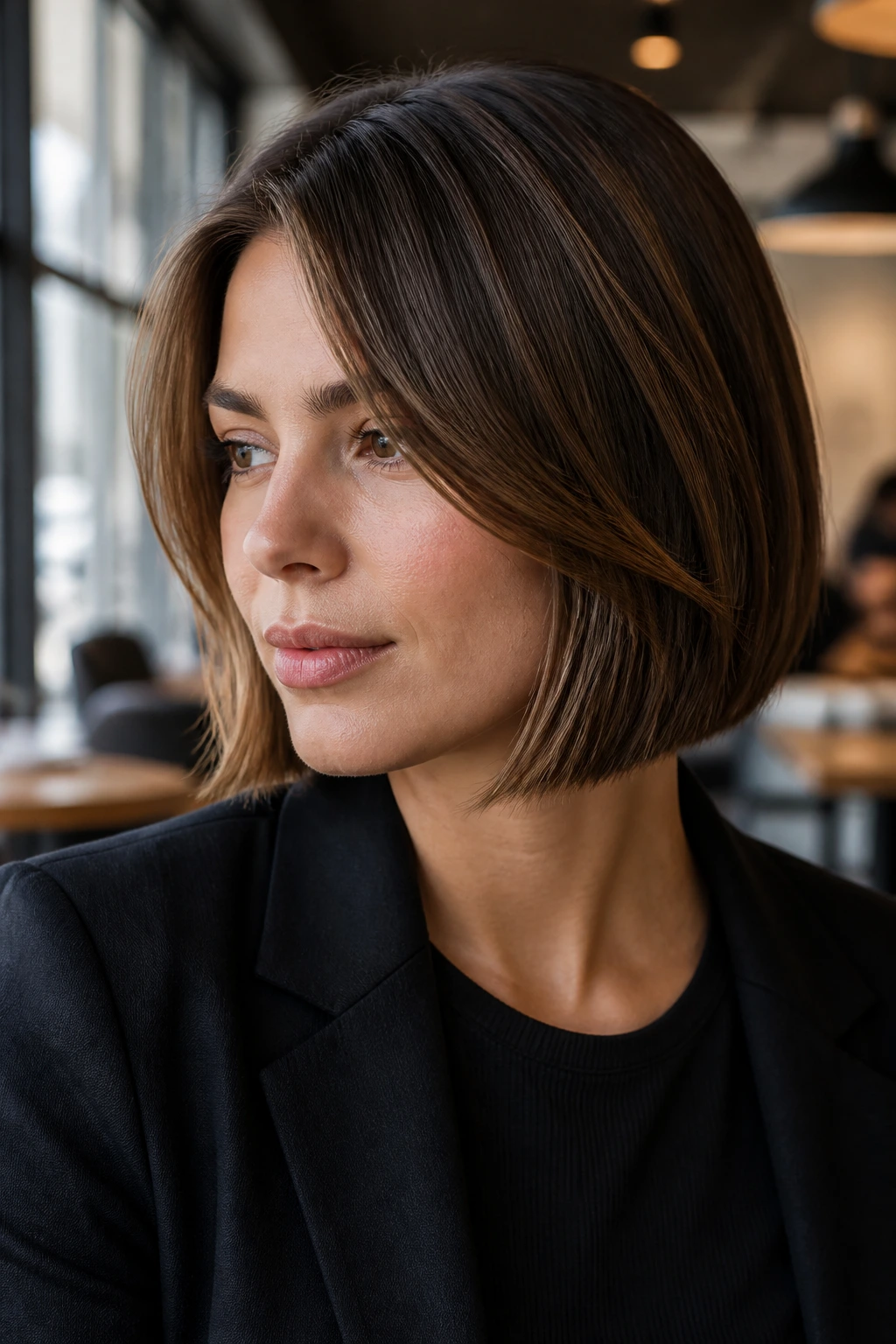
This is a clever combination. You get the solid, healthy-looking perimeter of a blunt bob, but you add “hidden” layers internally to give it movement. It provides the best of both worlds: the sharp, clean lines that make hair look thick and the internal texturizing that makes it easy to style.
This is arguably the most versatile cut on this list. It is professional enough for a boardroom but textured enough for a night out. It is the perfect balance for someone who wants a “styled” look without the fuss of high-maintenance layering.
24. Shattered Pixie
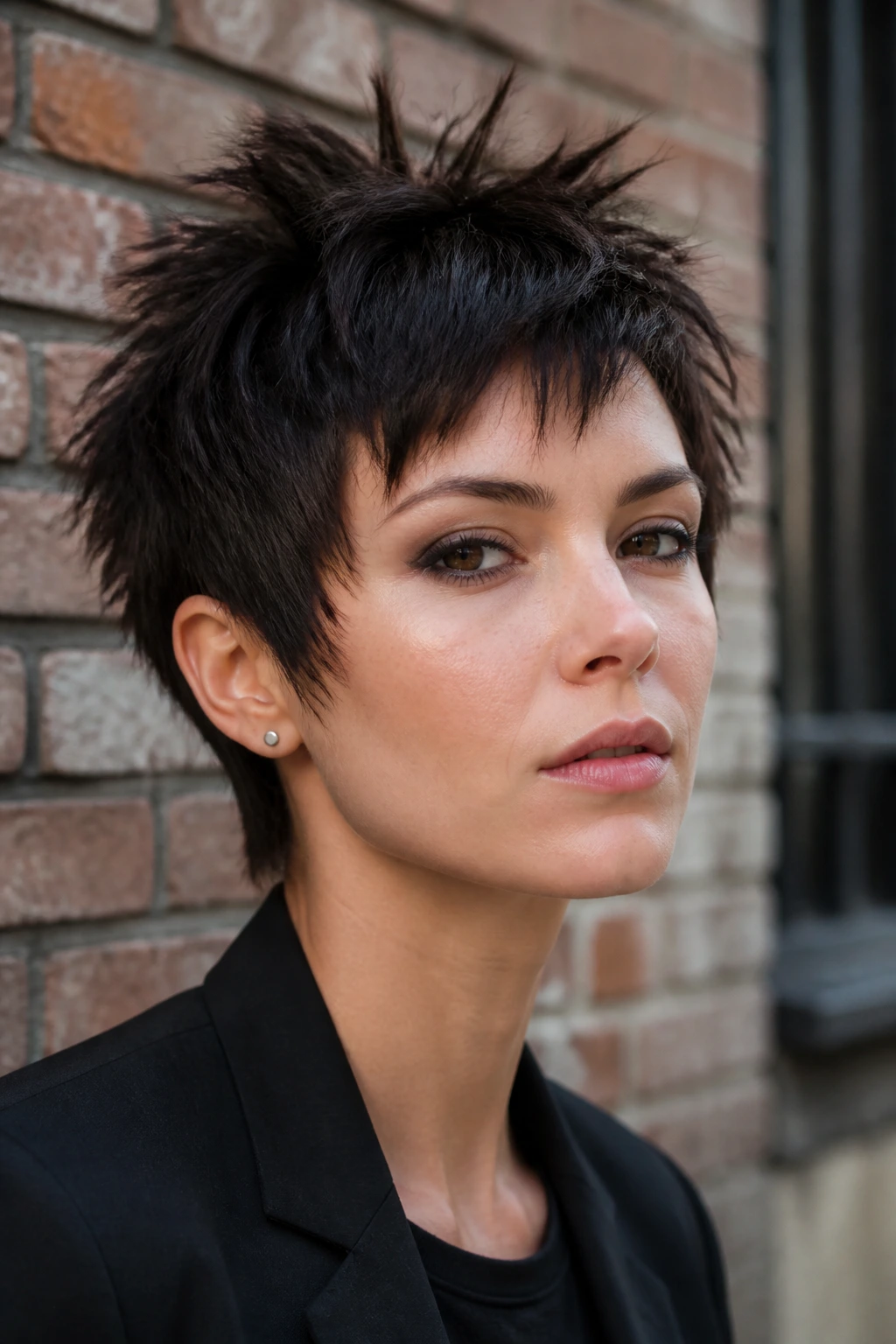
A shattered pixie is all about texture and jagged lines. It is not about a smooth, sleek pixie. It is about piecey-ness. The ends are razor-cut to look uneven and wild. It is a fantastic choice if you want a short cut that feels edgy and modern rather than sweet and demure.
You can wear this with a bit of grit—use a matte styling paste to mess it up. The messier it is, the better it looks. It is a very “unbothered” style that looks like you cut it in a mirror with kitchen scissors, but the structure is expertly crafted underneath.
25. Face-Framing Taper
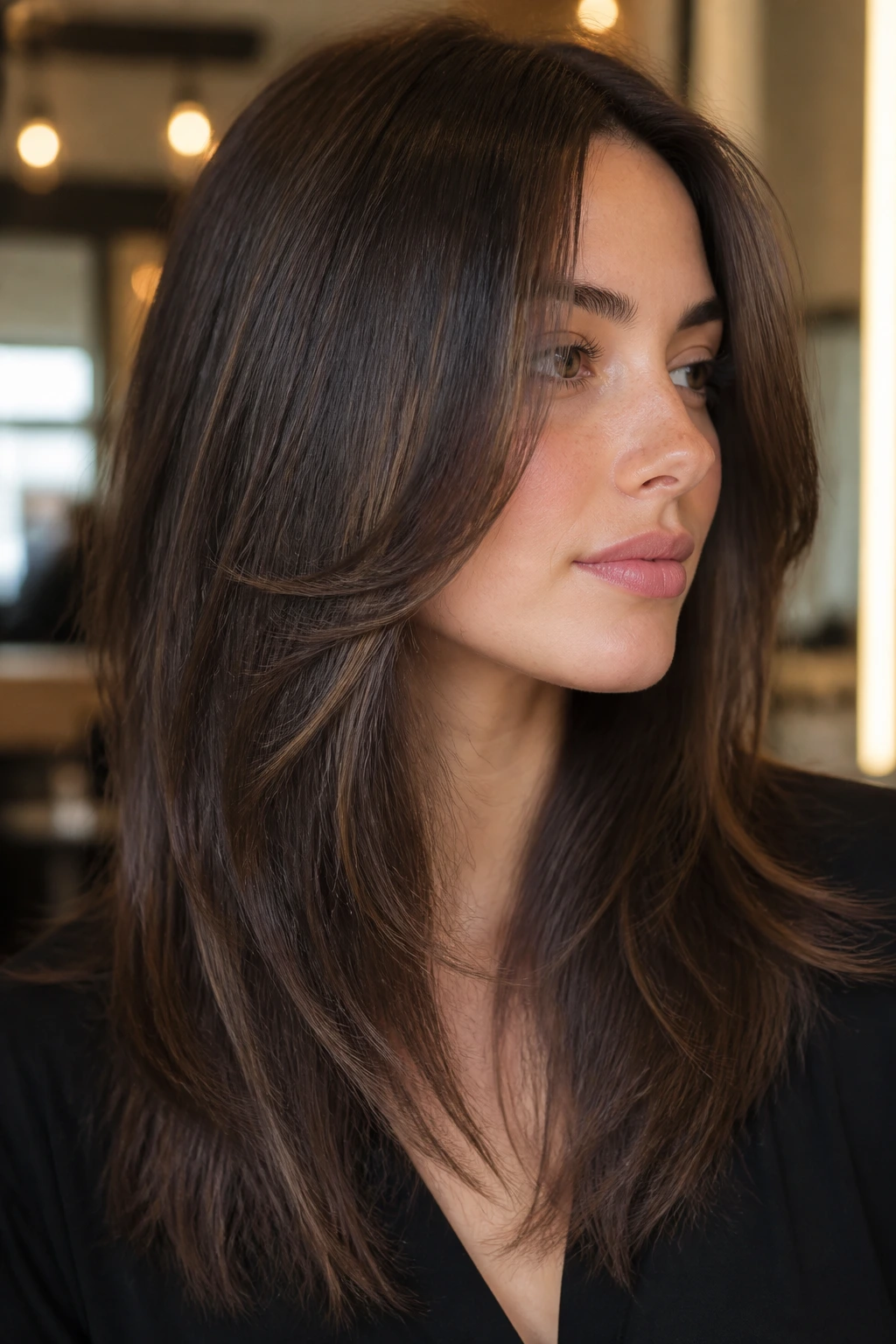
If you want to keep your length but want a change, focus entirely on the front. A face-framing taper involves cutting your hair so that it progressively gets shorter from the collarbone up to the cheekbones. It is subtle, but it completely changes how your hair sits around your face.
This is a great entry-level change. You don’t lose length, and the back of your hair stays exactly as it is. It adds interest to your face and makes your hair look more “designed” rather than just long and straight. It is the ultimate low-risk, high-reward haircut.
Final Thoughts
The best haircut for you is the one that fits your life. If you spend every morning running out the door at 7:00 AM, a high-maintenance pixie or a heavily layered shag that requires an hour of blow-drying will quickly become a source of frustration. Conversely, if you love the ritual of styling your hair and enjoy trying new looks, a blunt, precision cut might feel too limiting.
Look at your hair’s natural behavior. Does it have a natural wave when it air-dries? Does it stick straight up at the roots? Does it friz out at the ends? A good haircut respects these natural tendencies rather than fighting them. When you align your haircut with your hair’s natural texture and your own time commitment, you stop fighting your hair and start working with it. That is where real style comes from—not the trend, but the harmony between your hair and your routine. Trust your stylist, tell them about your daily habits, and be honest about how much effort you are actually willing to put in. That conversation is where the magic happens.
