



Hair texture shifts when you cross the forty-year mark. You might notice a bit more dryness, perhaps a change in wave pattern, or a subtle thinning around the temples. For many, the instinct is to chop it all off into a severe, blunt bob, but that can sometimes flatten out your features rather than lifting them. This is where the shag haircut earns its reputation as a structural miracle. It relies on internal layering to create volume where you need it and movement where you want it, all while framing the face in a way that feels effortless.
A well-executed short shag isn’t about looking messy; it is about intentional chaos. It brings life back to hair that feels tired or weighed down by too much length. By focusing on shorter, internal layers, you can build height at the crown and soften the jawline, which becomes increasingly important as skin elasticity changes over time. The best part is that this style relies on your natural hair texture, saving you from spending forty-five minutes with a flat iron every single morning.
1. The Soft Layered Classic

This is the gateway to the shag world for anyone nervous about losing too much length. It keeps the hair at or slightly below the chin while incorporating light, feathery layers that begin around the cheekbones. You are essentially asking your stylist for “weight removal” rather than a drastic cut. This style works because it avoids the harsh lines of a traditional bob, which can sometimes emphasize a sagging jawline.
Why It Works for Mature Hair
The softness of this cut is its greatest asset. When hair is cut bluntly, it creates a shelf that draws the eye downward. By adding these softer, choppy layers, the eye is drawn upward toward the eyes and cheekbones. It provides a natural lift without needing professional styling tools.
Styling Tip
Apply a lightweight mousse to damp hair and let it air dry. If you want a bit more polish, use your fingers to twist the ends outward while using a blow dryer on low heat. Avoid heavy waxes or pomades, as they will collapse the volume you are trying to build.
2. The Textured Pixie-Shag
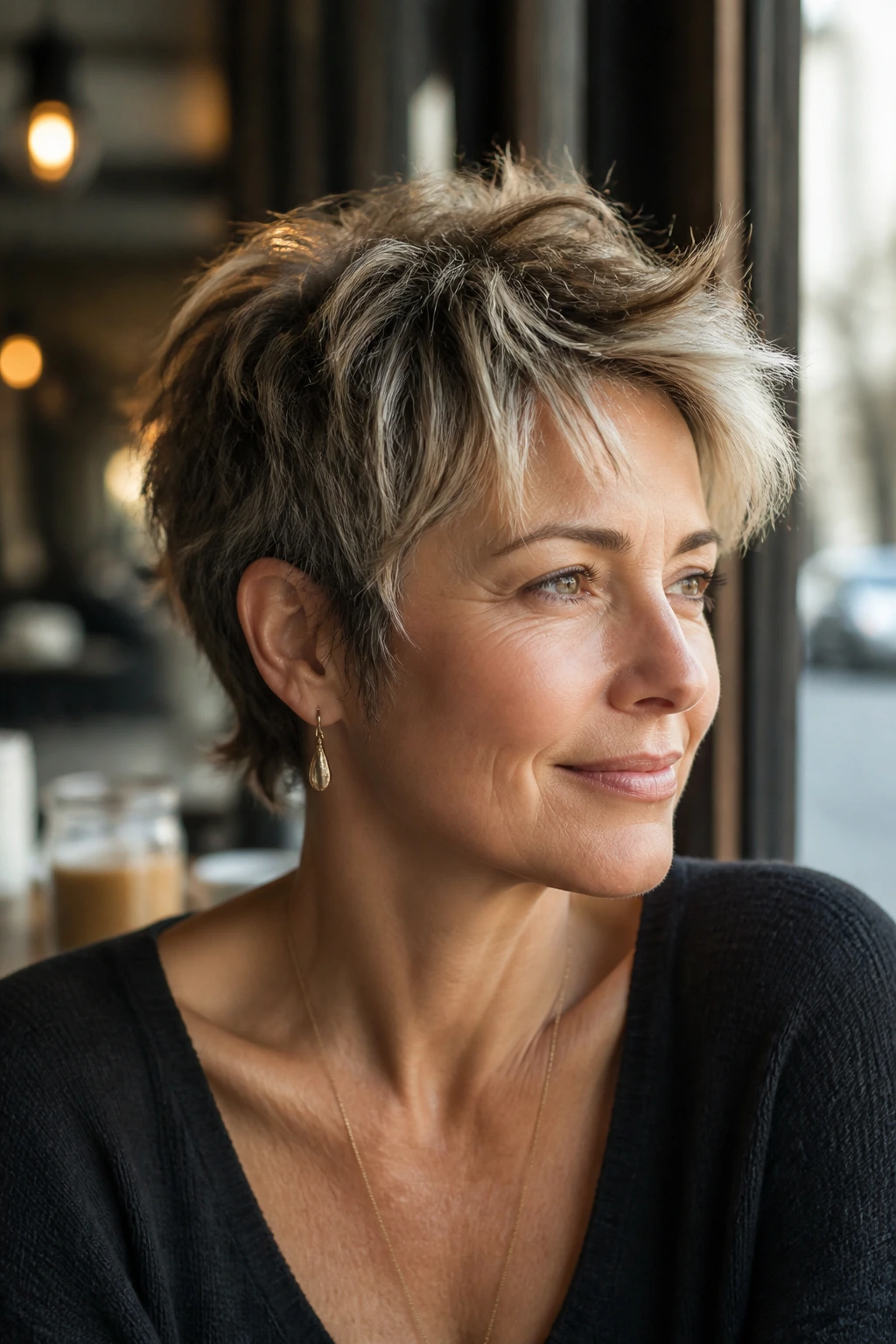
If you are ready for a shorter commitment, the pixie-shag is your best friend. This style combines the shortness of a pixie with the messy, disconnected layers of a classic shag. It is incredibly liberating and requires very little maintenance. You get the volume of a shag with the ease of a cropped cut.
The Anatomy of the Cut
The secret lies in the crown. By keeping the hair longer and heavily textured at the top, you gain height. The sides are tapered tight, which contrasts with the piecey top. This creates a balanced silhouette that feels modern rather than dated.
Who Should Try It
If your hair is naturally wavy or curly, this is a dream. The layers naturally stack on top of each other, creating a shape that holds itself together. Even if your hair is straight, a touch of texture spray will give you that “bedhead” look that reads as chic and intentional rather than lazy.
3. Curly Shag with Fringe
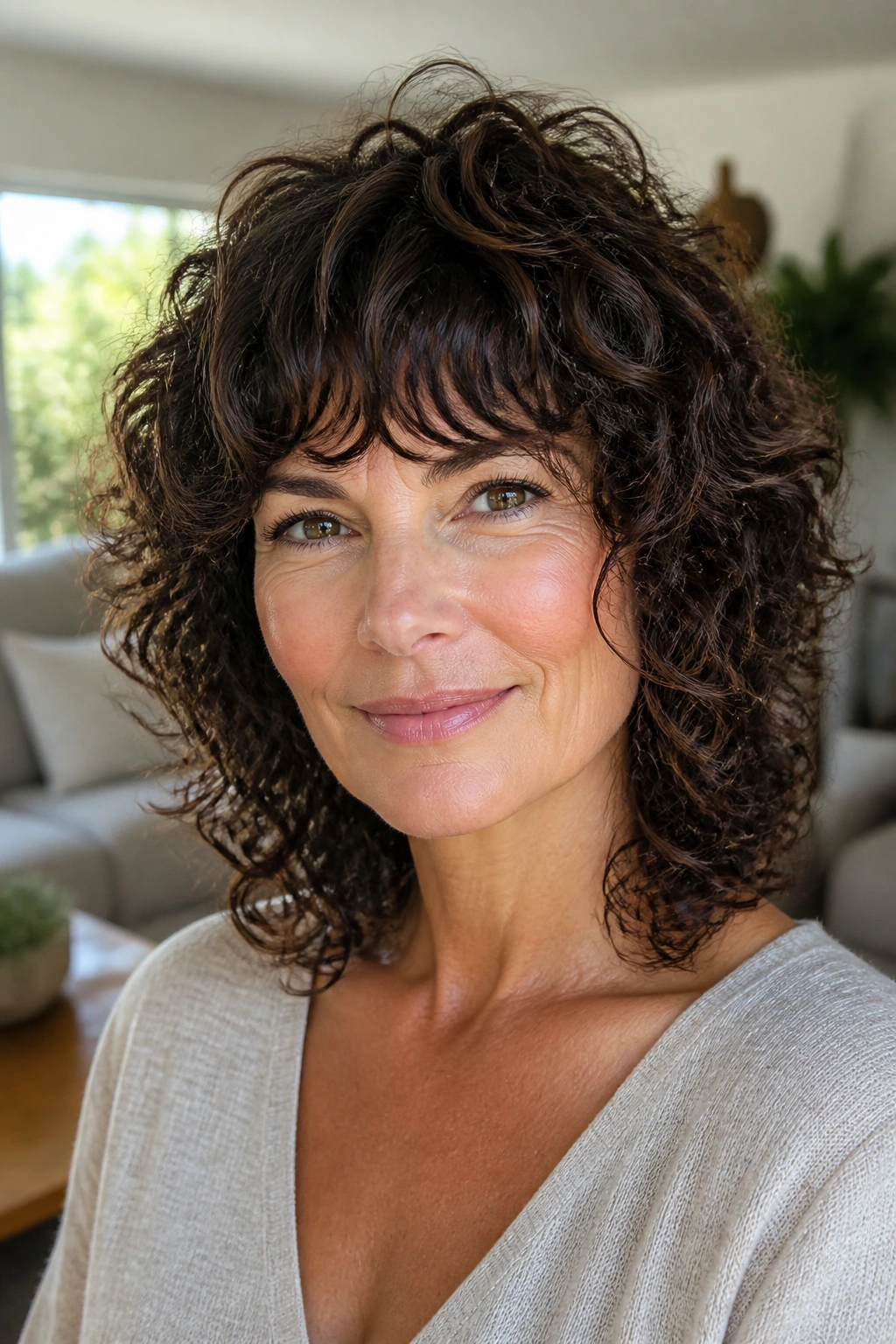
Curls can lose their bounce as we age, often stretching out or becoming frizzy. A shag cut is the absolute best way to reintroduce structure to curly hair. The layers act as a scaffolding, allowing the curls to spring up instead of being pulled down by their own weight.
Essential Maintenance
You need to be strict about hydration here. Because the layers expose more of the hair shaft, dryness is more visible. Use a sulfate-free cleanser and a thick, creamy conditioner. When styling, apply a curl cream while the hair is soaking wet to lock in the shape before it has a chance to frizz.
Managing the Bangs
Do not be afraid of the fringe. A curly shag with a fringe frames the face beautifully and hides those pesky forehead lines without looking like you are trying too hard. Keep the fringe slightly longer, hitting just at the eyebrows, so you have the option to push it to the side or wear it forward.
4. The Razored Bob-Shag

The razor is a polarizing tool, but in the hands of a skilled stylist, it is the key to movement. This cut starts as a bob but is heavily detailed with a razor to create jagged, tapered ends. It removes bulk from the bottom, which is crucial if you have thick, coarse hair that tends to puff out into a triangle shape.
Why Razoring Matters
Scissors create a clean, blunt line. Razors create a soft, shattered edge. This shattered edge allows the hair to interlock rather than sit on top of each other. It creates a seamless blend that grows out gracefully, meaning you can stretch your salon visits by an extra two or three weeks.
Daily Styling
Focus on the roots. Use a root-lifting spray while the hair is damp, then flip your head upside down for thirty seconds while drying. Because the ends are already textured, you do not need to do much work there. Let the natural separation of the razored ends do the heavy lifting for you.
5. The “Bixie” Shag Hybrid
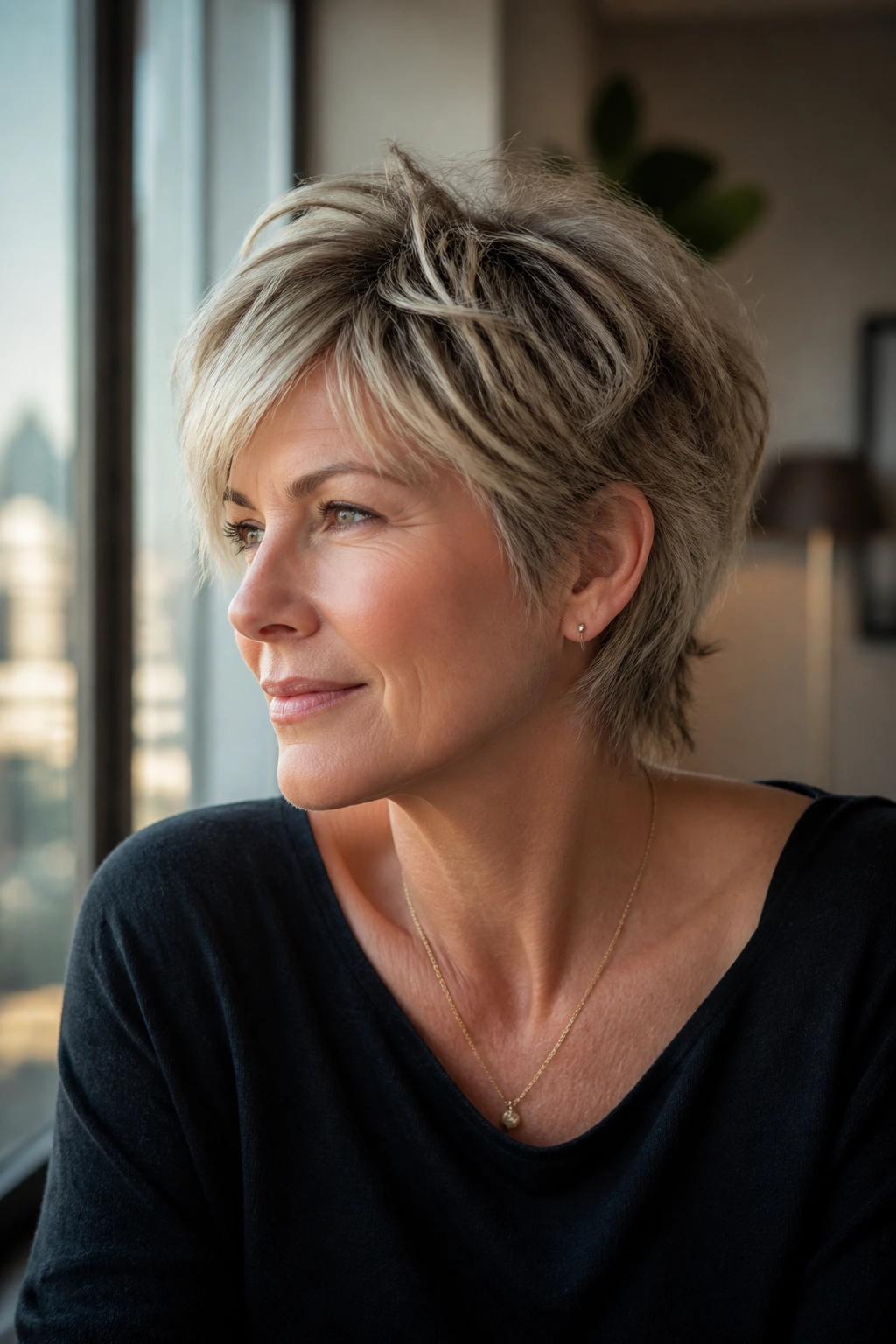
The “Bixie” sits right in the sweet spot between a bob and a pixie. It is longer than a pixie but significantly shorter than a classic bob. When you add the shag element—shorter, choppy layers throughout—it becomes a high-fashion, low-effort look. This is arguably the most versatile short haircut for women over forty.
Balancing the Proportions
The key to this style is the layering pattern. You want the hair to be slightly longer around the ears and neck, with a significantly shorter, more voluminous top. This prevents the “helmet head” look that often happens with shorter, one-length haircuts. It’s all about creating space and air within the cut.
Suitability
This style is particularly flattering if you have an oval or heart-shaped face. Because it brings volume to the temples and top of the head, it fills out narrow faces nicely. If you have a rounder face, ask your stylist to keep the sides a bit tighter to avoid adding width where you don’t want it.
6. Modern Mullet Hybrid

Before you dismiss the mullet, hear me out. The modern version is nothing like the 1980s silhouette. It features a short, choppy front and sides with slightly longer, textured layers in the back. It is edgy, cool, and incredibly comfortable.
Making It Wearable
The trick is the length of the back. You aren’t going for a dramatic tail. You just want enough length to clear the collar of your shirt. This allows the style to feel contemporary rather than like a costume. The transition from the short front to the back should be subtle, not jarring.
Who It Suits
This is a great option for someone who wears glasses. Because the hair is shorter around the face, it doesn’t get tangled in your frames or hide your eyes. It is practical, functional, and adds a bit of rock-and-roll flair to your everyday look.
7. Wispy Bangs & Collarbone Length

If you are not ready to go short, a collarbone-length shag with wispy bangs is the perfect compromise. The length is enough to pull back into a ponytail if you need to, but the layers give you all the volume benefits of a shorter cut.
The Power of Wispy Bangs
Heavy, blunt bangs can be harsh. Wispy, see-through bangs—sometimes called “curtain bangs” or “piecey fringe”—are much more forgiving. They soften your features and draw attention to your eyes. They are also much easier to grow out if you decide you want to change your look in a few months.
The Cut Technique
Ask for “internal layering.” This means the stylist cuts layers underneath the top layer of hair. It creates an invisible support structure that props up the hair, making it look fuller and thicker without seeing obvious, jagged layers on the surface.
8. Choppy Silver Layers

Embracing your natural grey or silver hair is a powerful move, but silver hair can sometimes look dull or flat if the cut isn’t right. A choppy shag cut is the best way to showcase the natural dimension of grey hair.
Enhancing Grey Texture
Grey hair often has a coarser, more wiry texture. That is actually an advantage with a shag cut. It holds volume like nothing else. A choppy cut encourages that wire-like texture to stand up and separate, creating a halo of volume that looks intentional and stylish.
Maintenance Note
Grey hair can pick up yellow tones from the environment. Use a purple shampoo once a week to keep the silver tones cool and bright. Pair this with a lightweight shine spray to keep the hair looking healthy and polished rather than dry or frizzy.
9. The Copper-Tone Shag
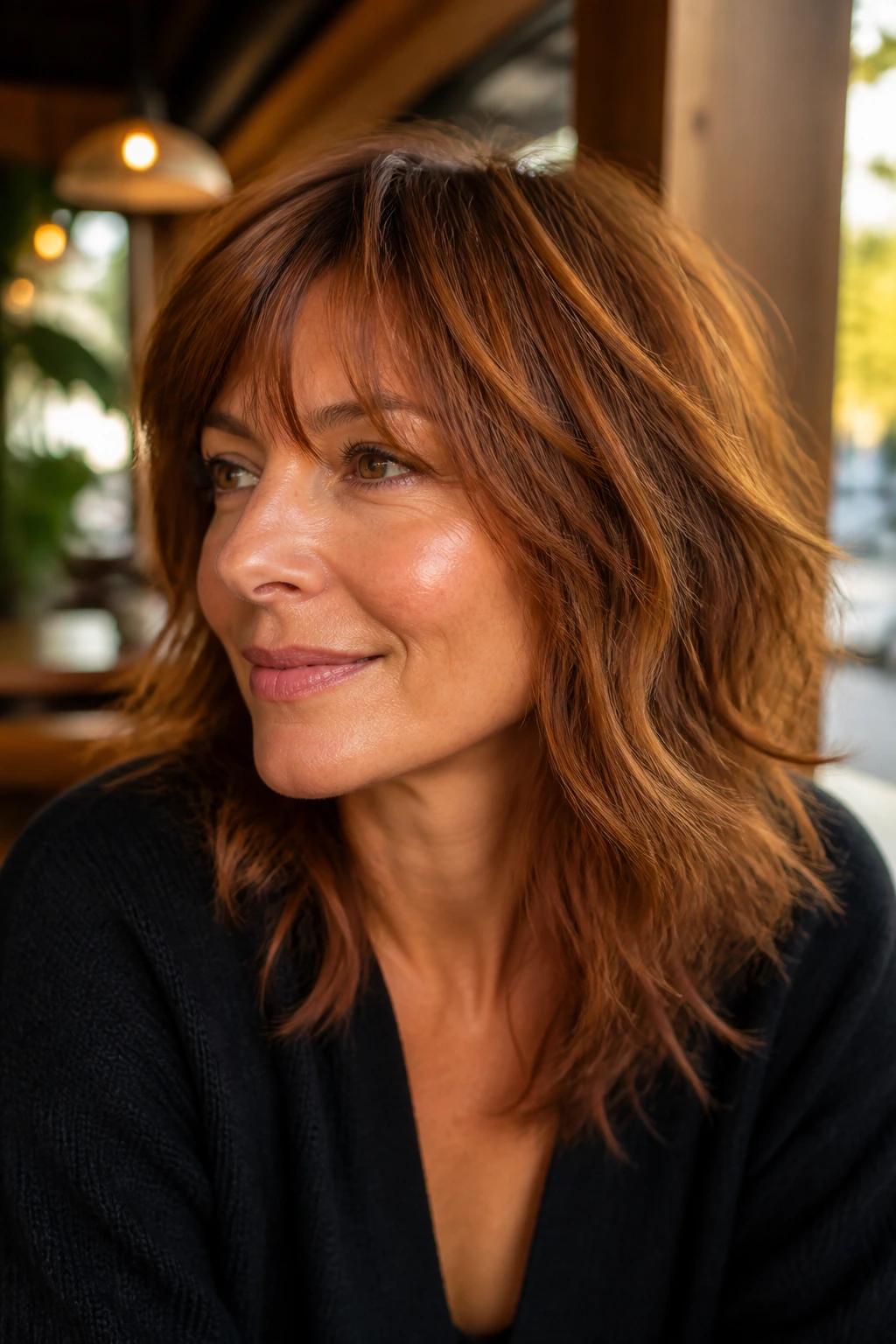
Color plays a huge role in how a shag looks. Because the cut is all about texture and separation, a single-process color can sometimes hide the layers. Adding a copper or dimensional auburn tone helps the light hit the different lengths, making the texture pop.
Why Color Matters
When hair is layered, your eyes catch the different lengths. If your hair is one dark, flat color, those layers disappear. A copper glaze or multi-tonal highlights act like a highlighter on your hair, accentuating the choppy ends and the volume at the crown.
Styling for Color
Avoid high-heat tools that can fade your color. Instead, use a texturizing paste on the ends. It adds a “gritty” texture that feels very modern and helps define those copper-toned layers.
10. Side-Swept Sophistication

For a more polished take on the shag, look for a side-swept version. This style maintains a bit more length around the face, which is swept to one side, while the back is kept short and layered. It is a fantastic bridge for someone transitioning from a long style to a short one.
Structuring the Sweep
The key here is the part. You don’t want a perfectly straight middle part. You want a deep side part that cascades across the forehead. This creates a diagonal line that breaks up the roundness of the face, making it look slightly more elongated and angular.
Practical Benefits
This style is very versatile. You can wear it smooth for a professional setting, or you can scrunch it up with some sea salt spray for a weekend look. It provides the volume of a shag with the elegance of a classic side-swept look.
11. Heavy Fringe for High Foreheads
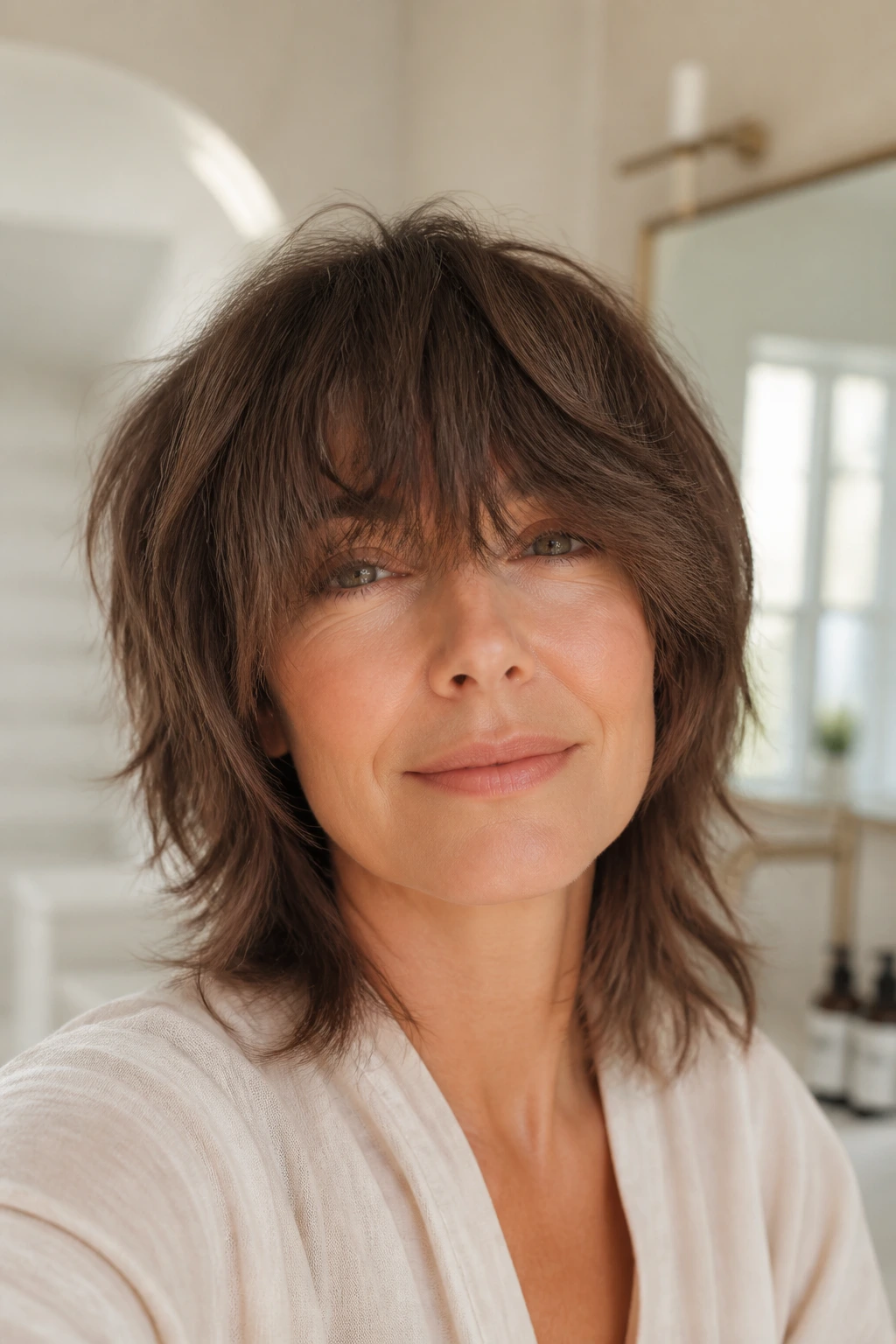
If you have a higher forehead, the shag is your best friend. A heavy, textured fringe disguised as part of the shag can balance your face shape instantly. Unlike a blunt bang, this fringe is layered and feathered, so it blends into the rest of the cut.
Balancing the Face
The fringe shouldn’t end at your eyebrows; it should graze the top of your eyelids. This brings the focus to your eyes and helps shorten the appearance of the forehead. Because it is a shag, the fringe is piecey, which keeps it from feeling heavy or sweaty during the warmer months.
Styling the Fringe
Use a small round brush just on the fringe while blow-drying. You want a tiny bit of bend, not a rigid curl. A little bit of texture spray or dry shampoo can help keep the fringe looking airy rather than plastered to your forehead.
12. The Undercut Shag
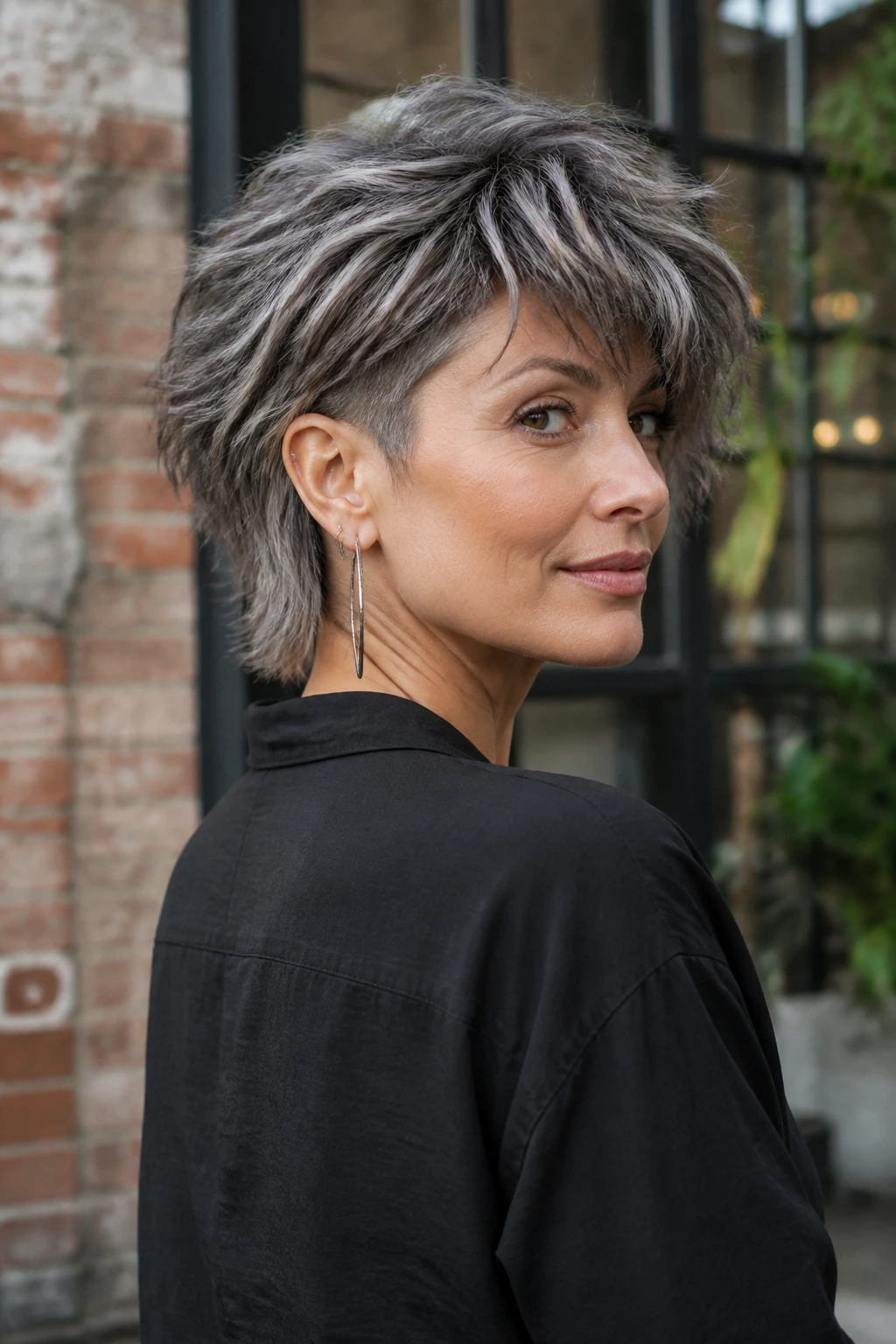
For those who want something truly daring, the undercut shag is an option. This involves shaving or clipping the hair very short at the nape of the neck, while leaving the top and sides longer and textured. It is a secret volume hack.
Why It Works
The weight of thick hair is often concentrated at the nape. By removing that weight, the rest of the hair sits higher and feels lighter. It creates a sleek, tight look at the back that transitions into a messy, voluminous shag on top.
Maintaining the Look
Be aware that this style requires more frequent salon trips—usually every four to six weeks—to keep the undercut clean. If you let it grow out, the transition can become awkward. If you are comfortable with regular maintenance, this is one of the most comfortable haircuts for summer.
13. Beach Wave Shag
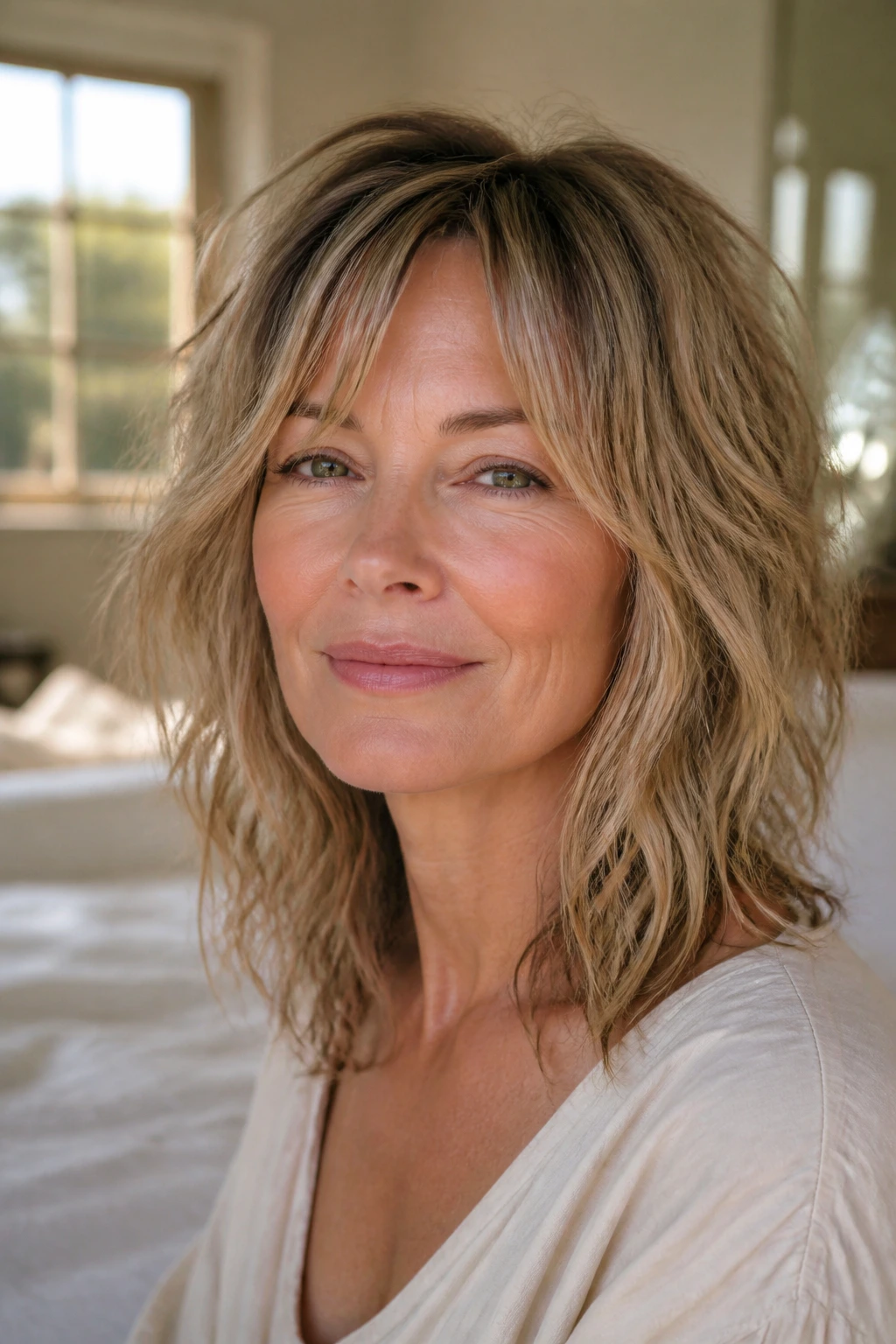
You do not need to live near the ocean to get that coveted beach wave texture. A shag cut is designed to encourage your hair to form those effortless, loose waves. By removing weight through the ends, the hair naturally bends rather than hanging straight.
The Sea Salt Method
The secret to this look is in the product. Sea salt spray is a bit drying, so look for a “beach spray” that includes conditioning agents like aloe or coconut oil. Spray it into damp hair, scrunch it with your hands, and let it dry. The layers in the shag will do the rest, creating that perfect, tousled wave.
Avoid Over-Styling
The biggest mistake people make with this look is trying to perfect the waves with a curling iron. Don’t. You want the waves to look slightly irregular and lived-in. If you see a piece that looks too perfect, straighten it out with your fingers.
14. The Blunt-Edge Shag
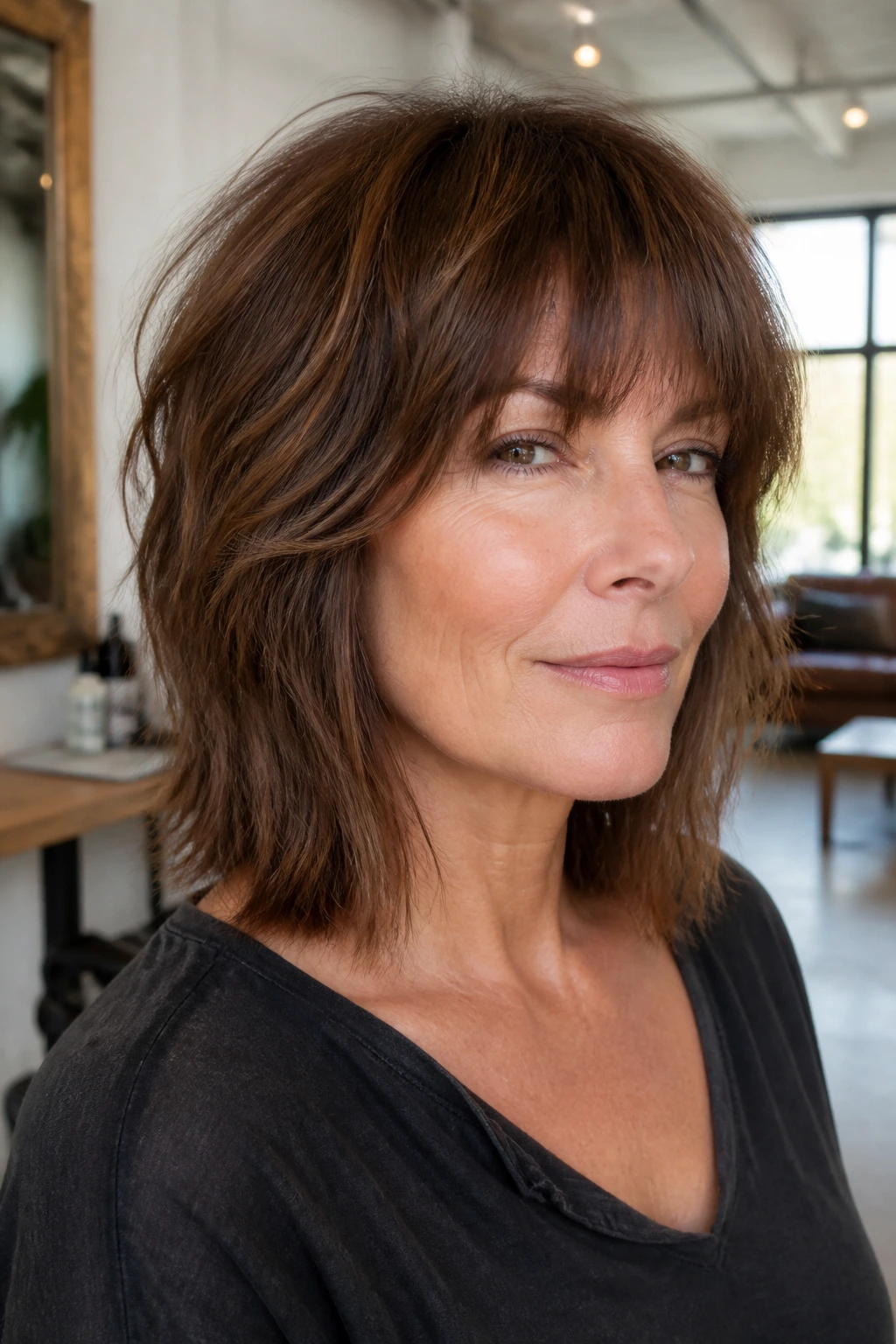
This sounds like a contradiction—how can a shag be blunt? The answer is to keep the perimeter of the hair blunt (a straight line around the bottom) while layering the internal sections heavily. You get the crispness of a bob with the movement of a shag.
Why This Combination Works
It satisfies both sides of the coin. You get the “put-together” feeling of a solid bottom edge, which can make fine hair look thicker, but you avoid the “triangle” shape that blunt cuts often create. The internal layers ensure the top has plenty of volume.
Who Should Avoid This
If your hair is extremely thick or prone to expanding, this might not be the right choice. The blunt bottom edge can sometimes create a bulky feeling that is hard to manage. It works best for those with fine to medium hair density.
15. Face-Framing Razor Cuts
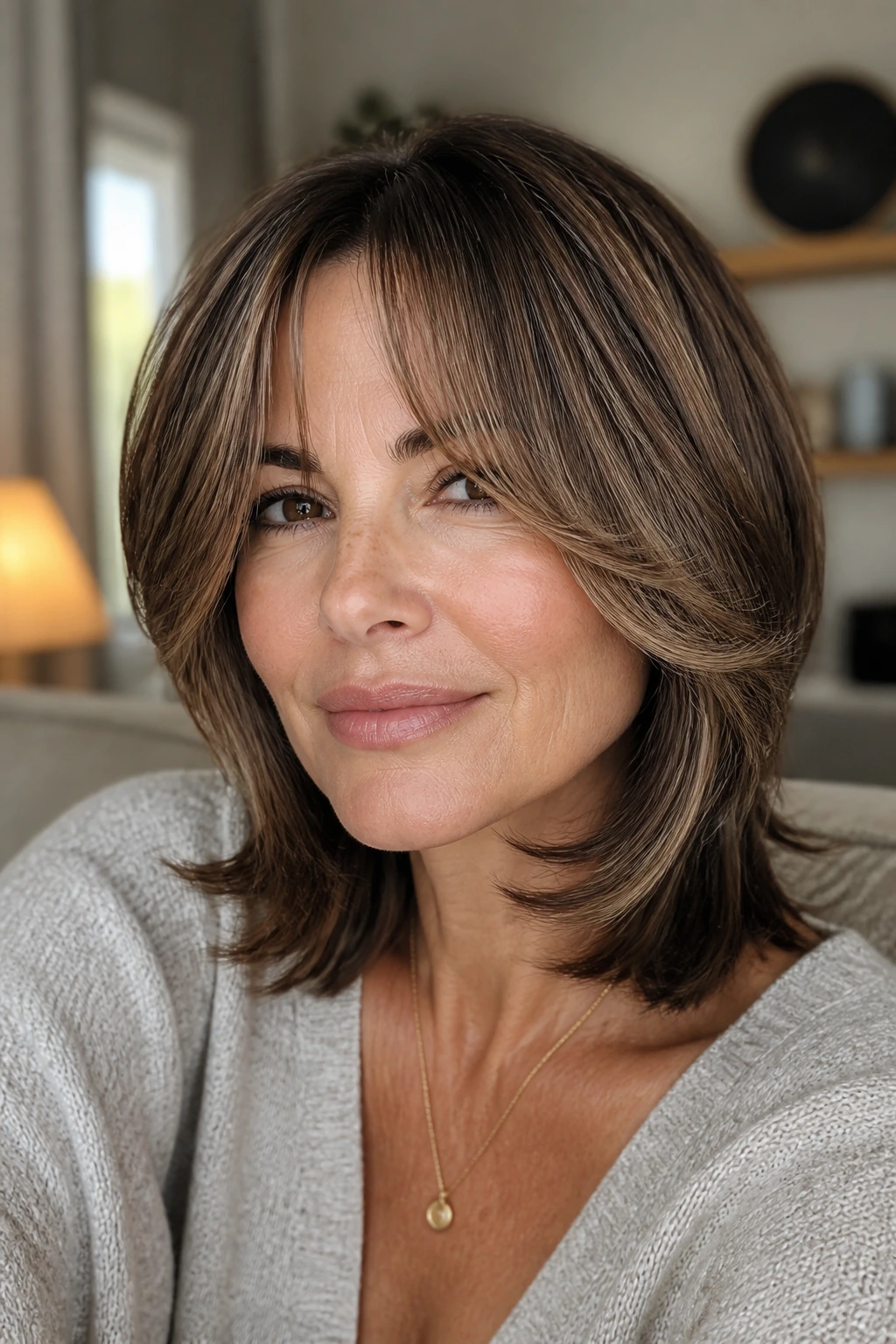
Sometimes the shag isn’t about the whole head—it is about the front. Face-framing razor cuts involve keeping the back relatively simple and focusing all the action on the pieces around your face. This creates a curtain-like effect that softens the jaw and cheekbones.
The Razor Advantage
Using a razor to frame the face allows for a gradient effect. Instead of a hard line where the layers start, you get a soft slope. It looks like your hair is naturally falling into place rather than being cut into shape.
Highlighting Features
These layers should be cut to hit specific points—the cheekbone, the lip line, or the jaw. By customizing where these layers land, you can literally highlight your best features while drawing attention away from areas you are less confident about.
16. Voluminous Crown Shag
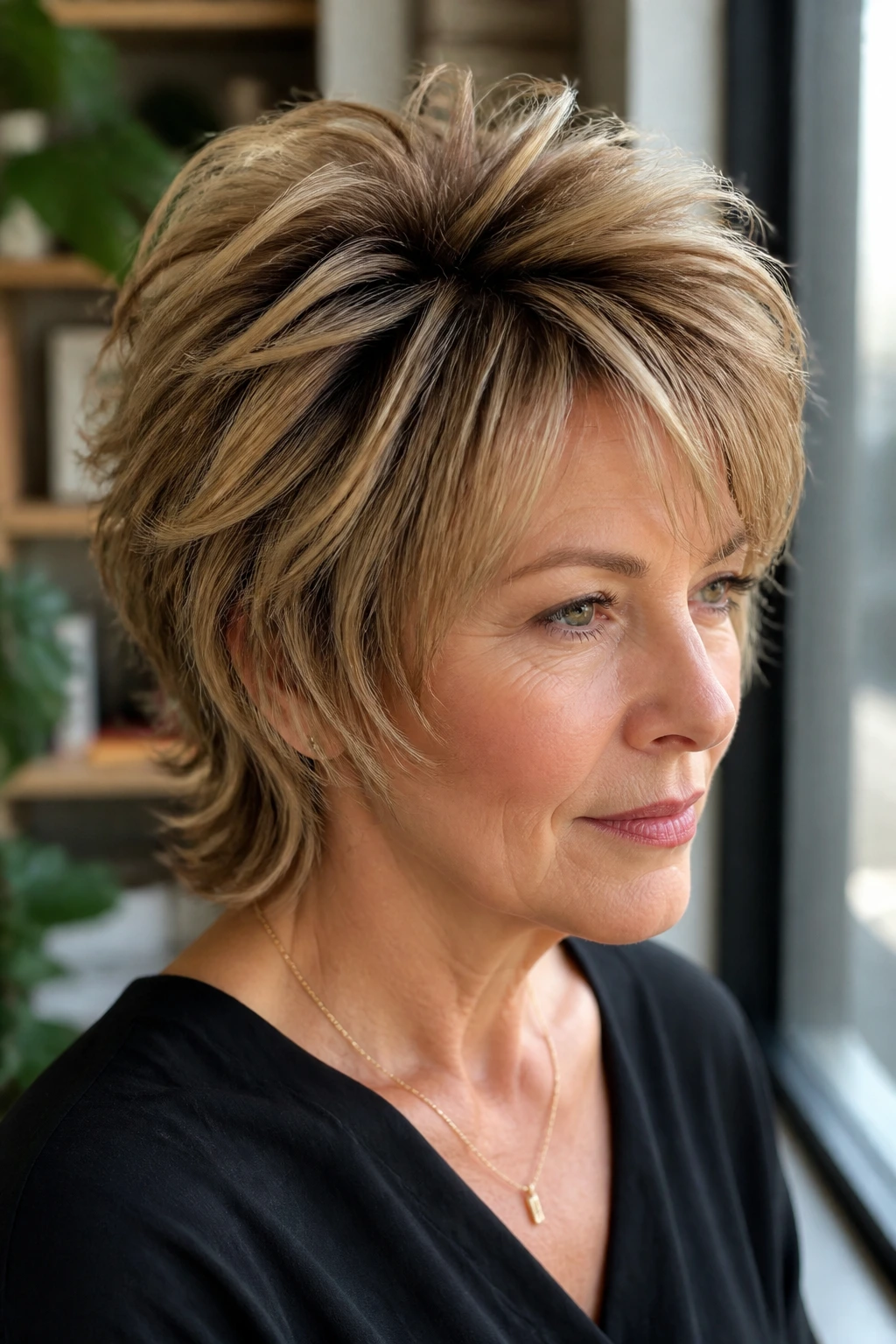
If you have experienced thinning at the crown, this is the version you need. This cut focuses on building maximum height at the top of the head. It is essentially a mullet-shag hybrid, but with much more focus on the top layers.
Building Height
The layers at the top are cut shorter to reduce weight, allowing the hair to stand up on its own. You can pair this with a root-boosting powder, which is a dry, chalky product that creates incredible grip and lift. Just sprinkle a tiny amount at the roots and rub it in.
Avoiding the Teased Look
There is a fine line between a voluminous shag and a 1980s tease-job. Avoid backcombing or ratting your hair. The volume should come from the cut (the layering), not from damage-inducing styling techniques. If the cut is done correctly, the hair should hold itself up.
17. The Sleek-Yet-Shaggy Look

You can wear a shag and still look sleek. This style uses a blow-dry cream to smooth the hair, but keeps the layers distinct. It’s a sophisticated version of the cut that works perfectly for the office.
The Styling Process
Use a round brush to blow-dry your hair, but pull the hair forward toward your face rather than backward. This emphasizes the layering and ensures the ends have a slight inward curve, which feels polished. Finish with a light serum to control flyaways and add a mirror-like shine.
When to Use This
This is your go-to look for events or business settings. It retains the cool factor of the shag but presents a more contained, orderly version of it. It shows that you value style but also understand the need for a neat appearance.
18. Root-Lift Shag
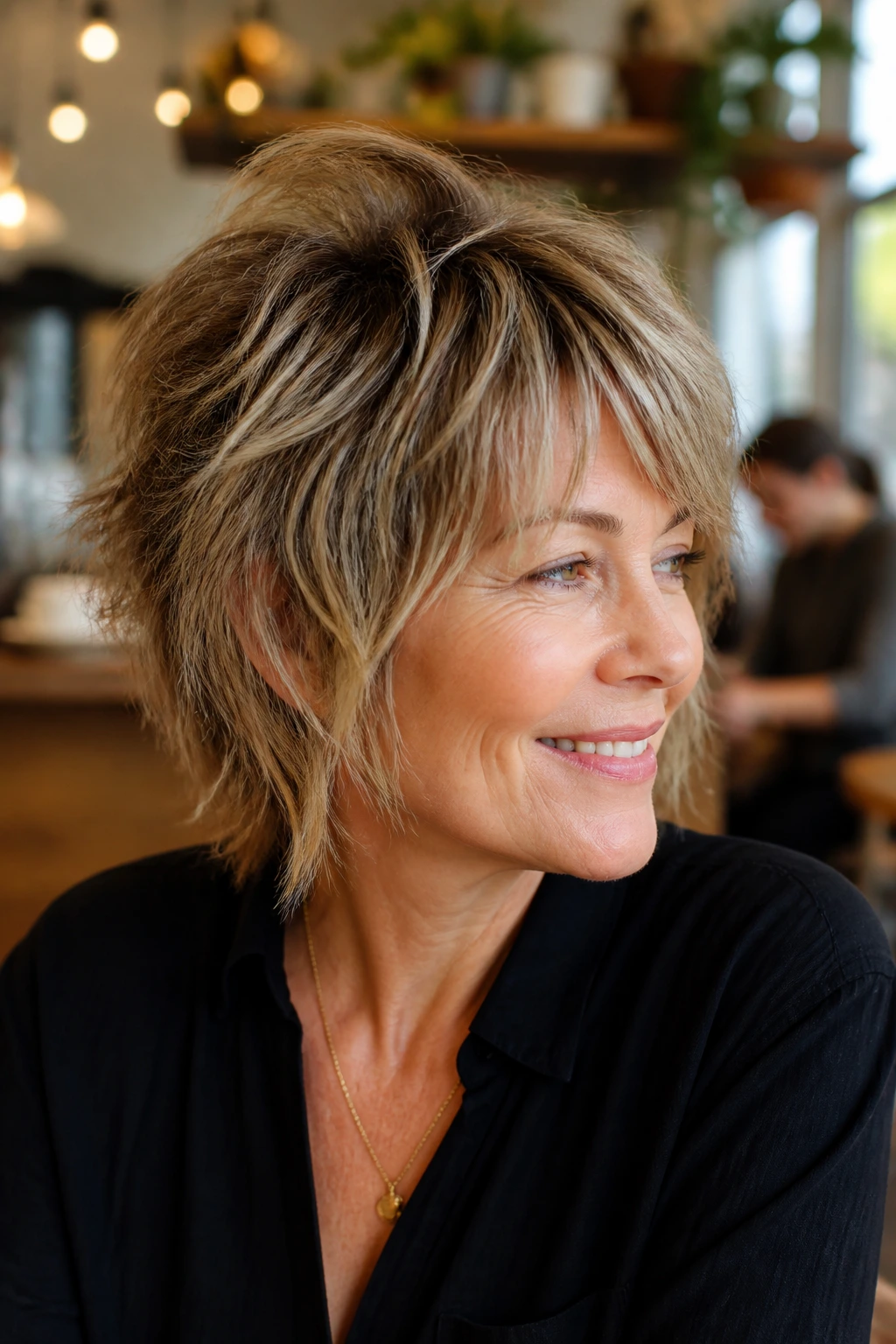
This version of the cut is specifically designed for people who struggle with flat, oily roots. The cut incorporates shorter, “invisible” layers at the very roots that act as springs, pushing the hair away from the scalp.
Why It Helps
Hair that sits flat against the scalp picks up oil faster. By creating space between the hair and the scalp, you allow for more airflow, which keeps the hair cleaner for longer. It is a structural solution to a scalp issue.
Product Pairing
Pair this cut with a good dry shampoo. Because the layers are already providing lift, a quick spritz of dry shampoo at the roots will keep the hair looking fresh and voluminous for days between washes.
19. The “Wolf” Variation

The “wolf cut” has been everywhere, but the mature version is much more restrained. It is essentially a high-volume, wild, and incredibly textured version of the shag. It has a lot of movement and looks great on people with thick, wavy, or coarse hair.
Managing the Volume
This is a high-volume cut. If you have fine, thin hair, you might find it overwhelming. However, if you have thick hair that you’ve been fighting your whole life, this is the cut that finally makes your hair behave. It takes all that density and turns it into a deliberate, cool style.
Styling for Control
Because this cut is inherently wild, you need to use a smoothing balm on the mid-lengths. You want the ends to be frizzy and piecey, but you want the hair around your face and crown to be somewhat controlled. It is a balancing act of wildness and order.
20. The Low-Maintenance Wash-and-Wear
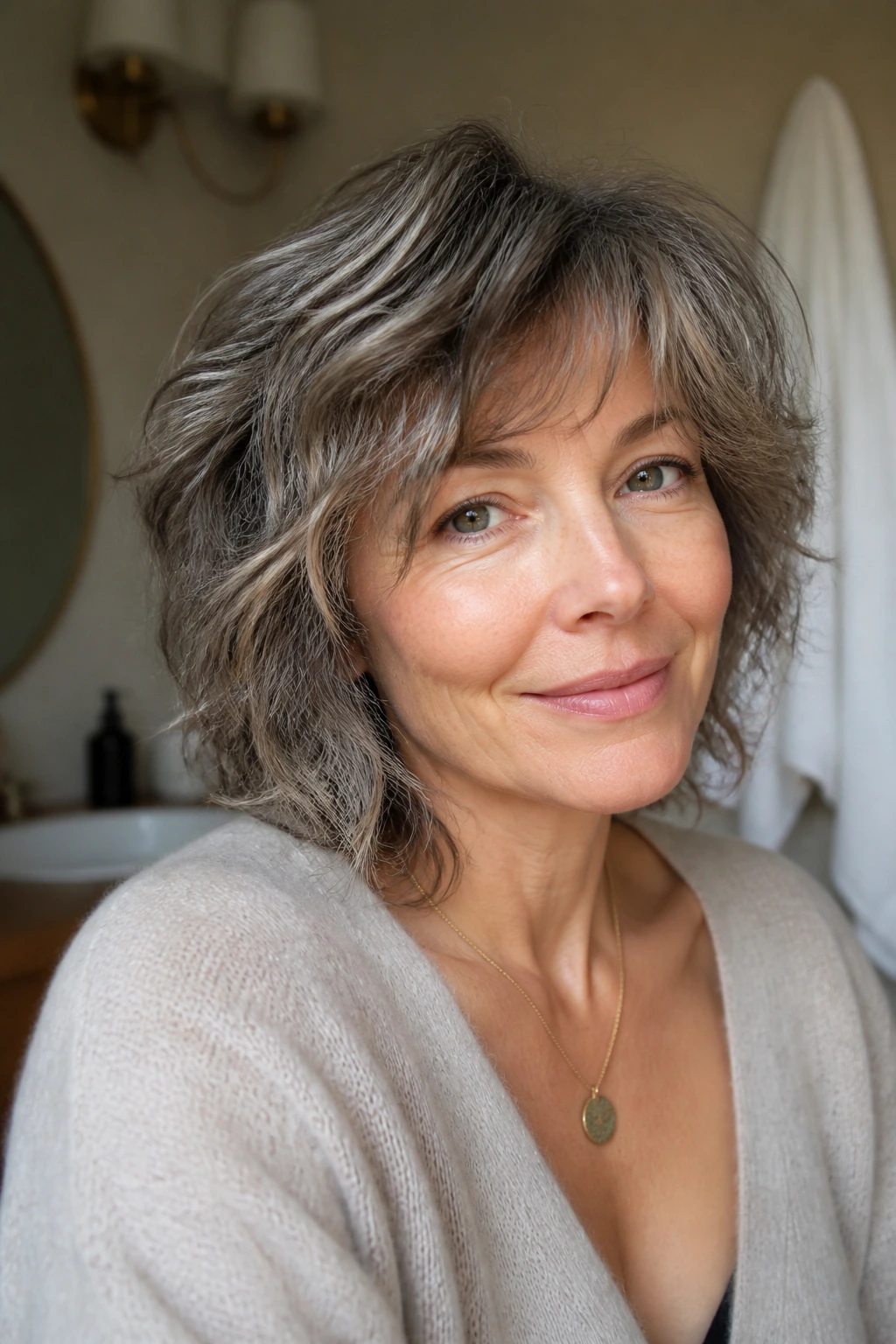
If you are a “get up and go” person, this is for you. This cut is all about working with your hair’s natural texture. You tell your stylist: “I want to be able to shower, put in a leave-in conditioner, and walk out the door.”
Trusting Your Texture
The key to wash-and-wear hair is ensuring the cut is perfect. When there is no styling involved, the haircut has to provide 100% of the shape. If your stylist cuts a layer too short or misses a section, it will show. Be prepared to find a stylist who specializes in “dry cutting” or curly-hair techniques.
The Final Step
Even the best cut needs a little help. On days when you don’t style, use a high-quality leave-in conditioner. It hydrates the hair and provides just enough weight to prevent the shag from becoming a chaotic mess. It is the one product that transforms “messy” into “stylish.”
Final Thoughts
The beauty of the shag haircut is its honesty. It does not try to be a sleek, perfect bob that stays in place for twelve hours. It moves. It changes. It reacts to the wind and the humidity. As we get older, there is something incredibly liberating about a hairstyle that doesn’t demand perfection.
If you are feeling stuck in a rut, the answer is rarely to try and force your hair into a style it doesn’t want to be. Instead, look for a cut that celebrates what your hair is naturally doing. Whether you choose a soft, feathered version or an edgy, textured hybrid, the shag is a reliable, flattering choice that grows out beautifully and adapts to your life. The best style is the one that makes you feel like yourself—only with a bit more volume.
