



Finding the perfect blonde shade feels like a balancing act between science and art. It is not just about picking a color you saw in a magazine; it is about how that pigment interacts with your specific skin undertones, your current hair history, and how much time you are willing to spend in a salon chair. Most people underestimate the sheer variety within the spectrum. Blonde ranges from nearly transparent, white-silver tones to deep, rich caramel hues that border on brunette.
The most common mistake I see is people selecting a shade based solely on a celebrity photo without considering the lift required to get there. If your hair is naturally dark, forcing a platinum shift in a single appointment is a recipe for breakage. Conversely, choosing a shade that is too close to your natural tone can leave you feeling like you have not changed anything at all. Understanding the subtle shifts between ash, golden, honey, and neutral tones changes everything.
You do not need to settle for generic bottle-blonde. There is a precise shade that works with your eye color and skin tone, enhancing your features rather than washing you out. Here is a breakdown of 35 distinct shades of blonde, ranging from the coolest icy tones to the warmest sun-drenched varieties, to help you figure out exactly what your next move should be.
1. Platinum Blonde
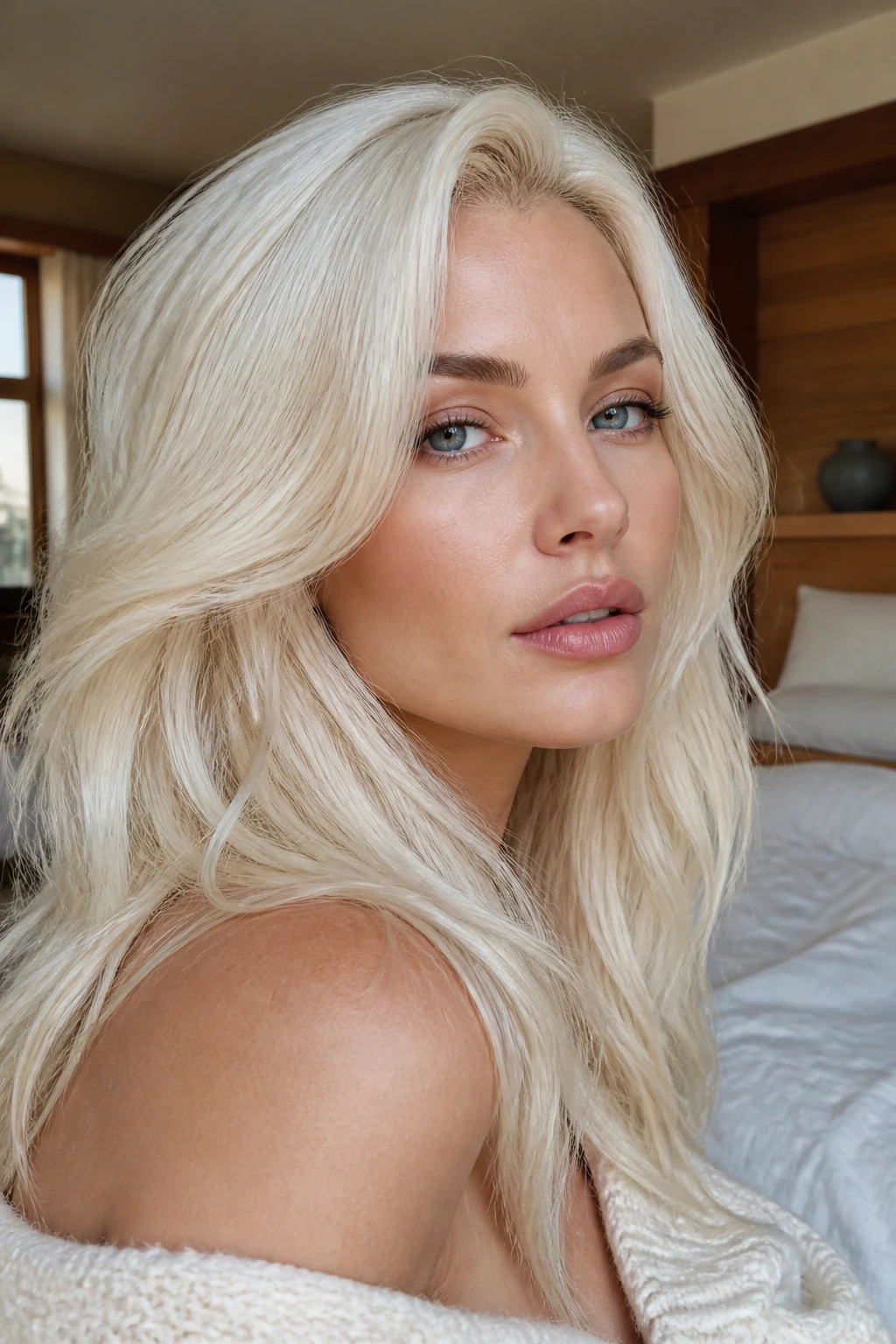
This is the ultimate commitment. Platinum is a stark, monochromatic white-blonde that leaves no room for error. It requires the hair to be lifted to a pale yellow stage, often called the inside of a banana peel, before being toned with a sheer, violet-based gloss to neutralize any remaining warmth.
Why It Demands Attention
Because it is so light, it shows every single imperfection in the hair. You cannot hide split ends or dry texture with this shade. It is high-maintenance, requiring root touch-ups every four to six weeks. If you let it grow out, the contrast is stark.
Maintenance Tips
- Use a high-quality purple shampoo, but only once a week to avoid staining the hair.
- Invest in bond-building treatments to keep the hair structure intact after the bleaching process.
- Avoid excessive heat styling, as the cuticle is already stressed from the intensive lightening required to achieve such a clean white.
2. Ice Blonde
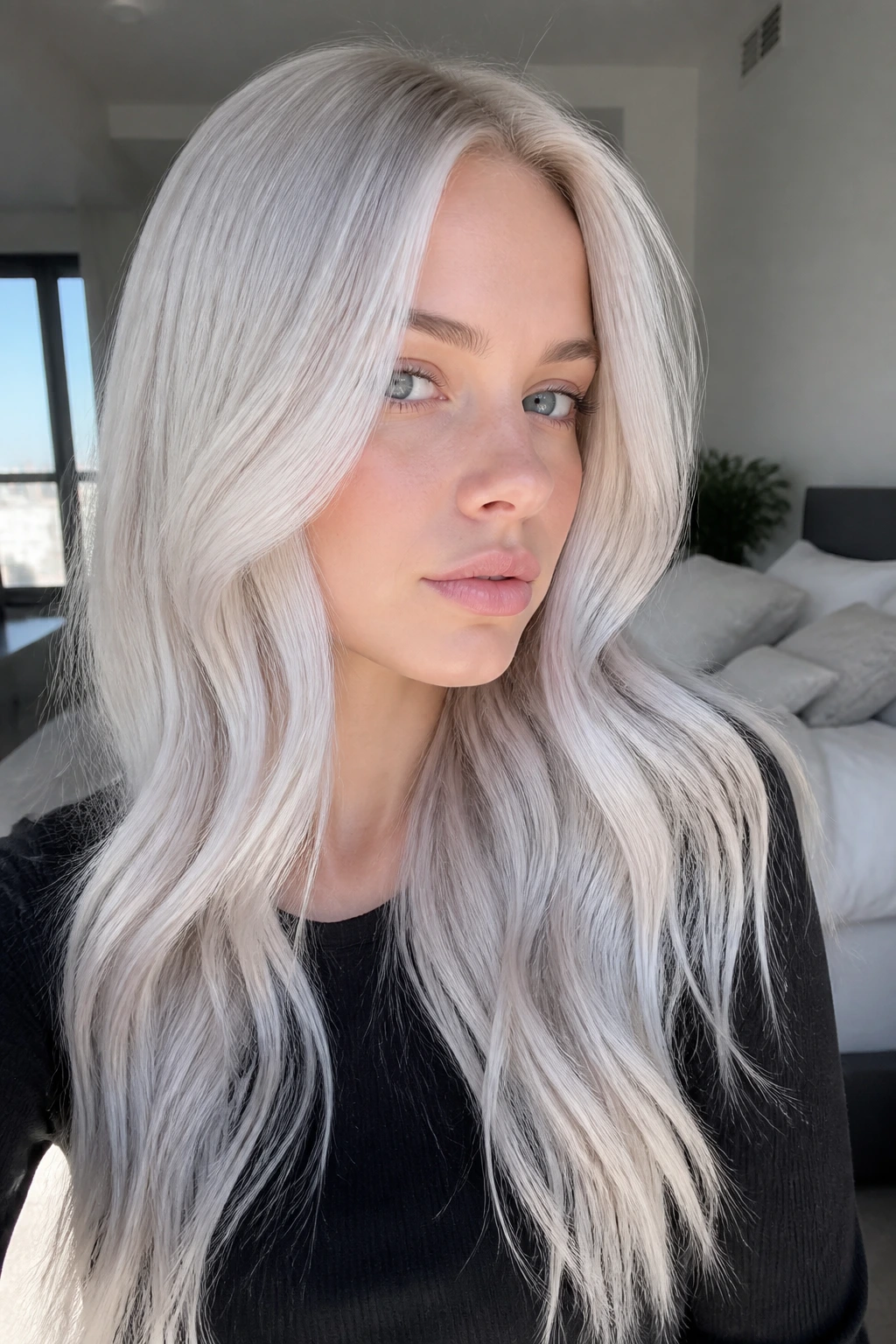
Ice blonde sits right next to platinum but carries a distinct, metallic blue or violet undertone. It feels colder and sharper. Where platinum is bright white, ice is almost translucent. It works exceptionally well for people with very fair skin and cool-toned eyes, such as icy blue or grey.
If you have darker skin, you have to be careful with ice blonde. It can sometimes clash if the undertones are not managed properly, leading to a grey or ashy look that can make the skin appear dull. A professional colorist will often add a tiny drop of warmth back into the toner to make sure it complements, rather than washes out, the complexion.
3. Ash Blonde
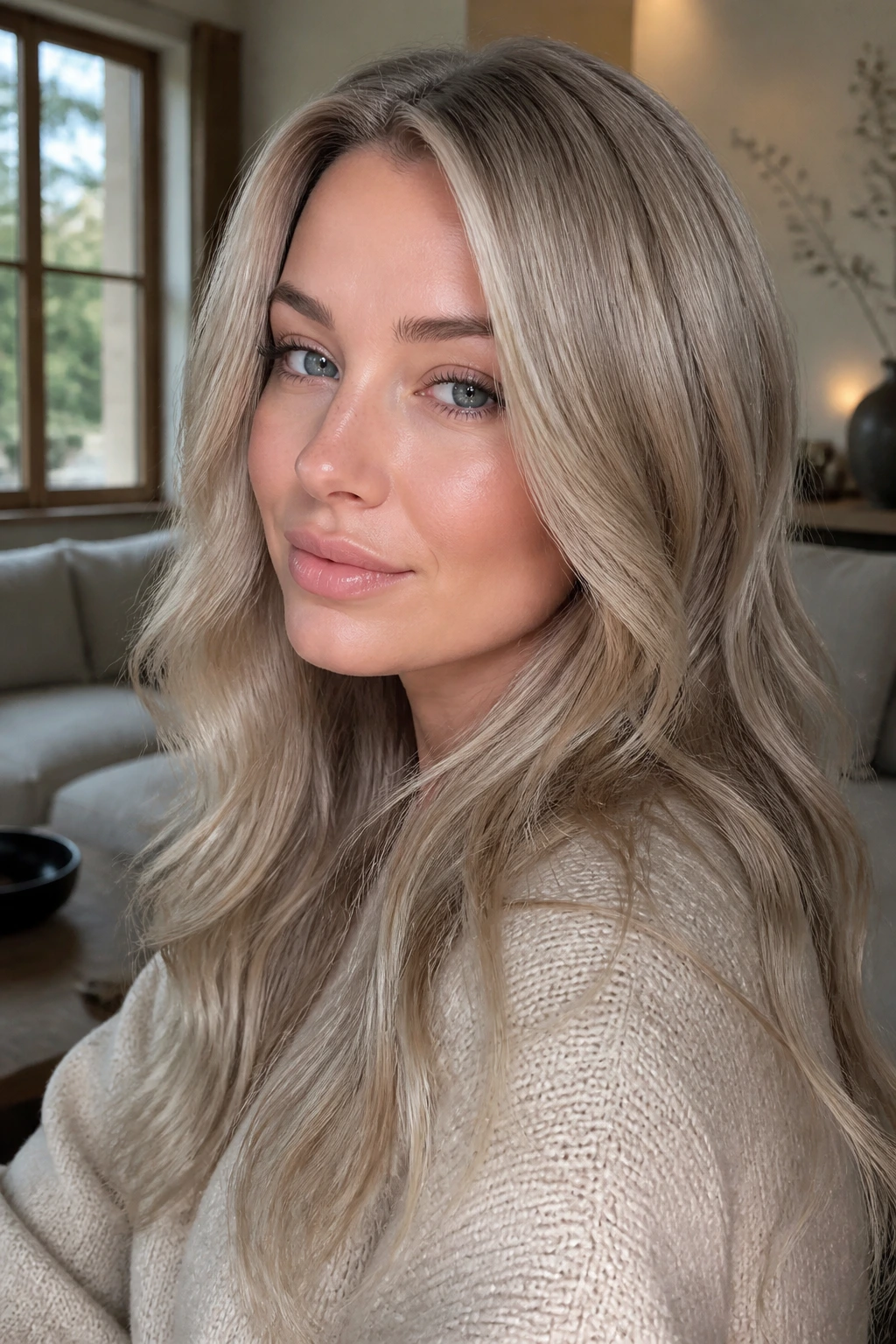
Ash is the antidote to the “brassy” hair that haunts so many people. It features heavy cool, grey, or silver undertones that effectively neutralize unwanted warmth. This shade is often the go-to for those who are naturally darker but want to transition to a lighter, more muted palette.
The challenge with ash blonde is that it can look flat if it is applied as a solid block of color. It lacks the dimensional play of light and shadow that keeps hair looking healthy and voluminous. Most stylists will incorporate a root melt or lowlights to break up the color. This keeps the ash tone consistent while giving the hair depth.
4. Champagne Blonde
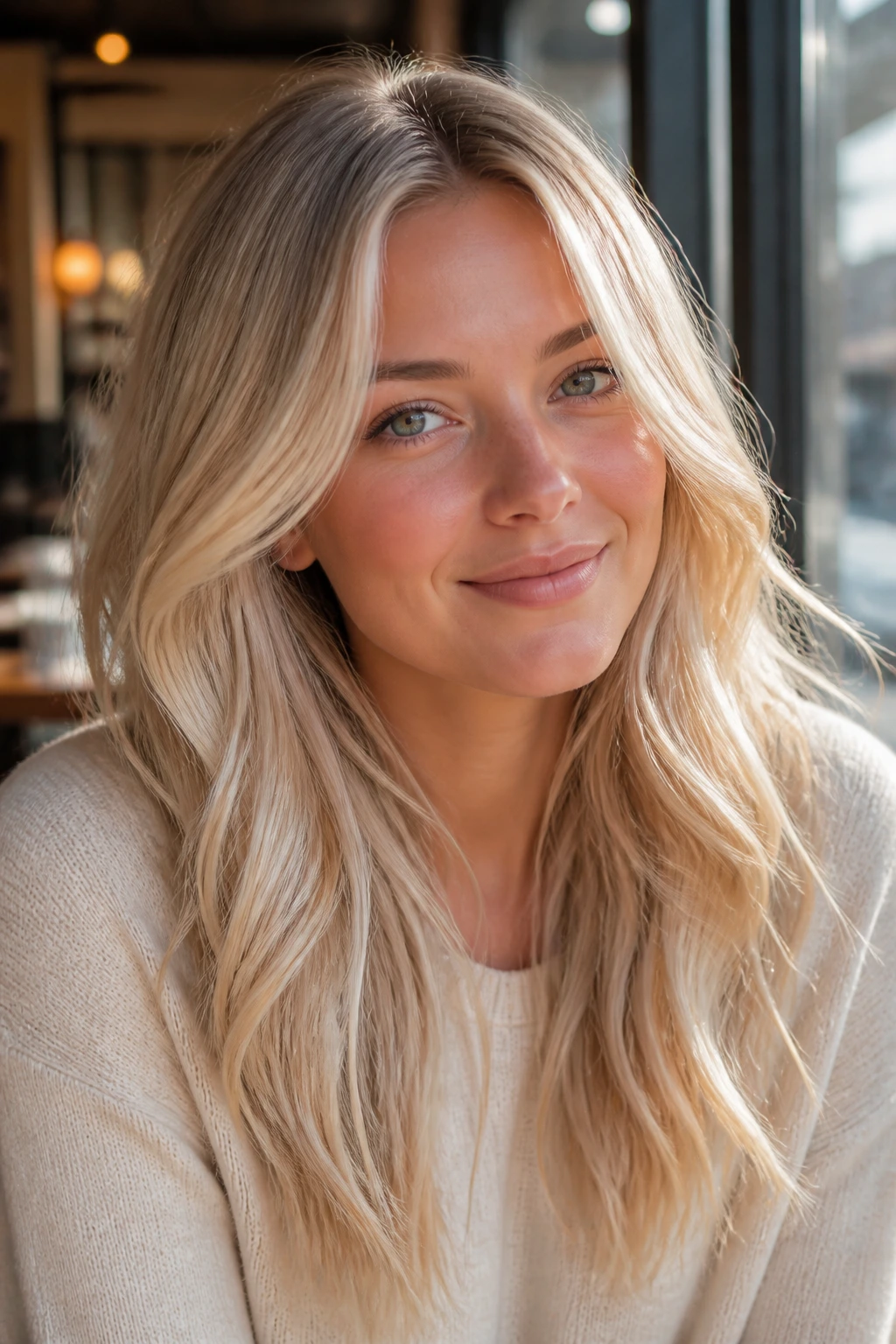
Imagine the color of sparkling wine in a glass—that is champagne blonde. It is a sophisticated blend of gold and silver tones. It is not quite as harsh as platinum, but it offers more brightness than a standard beige. It is incredibly versatile because it bridges the gap between warm and cool.
Many clients request this shade because it is “low impact.” It does not require the level of aggressive bleaching that platinum does, meaning the hair often remains in better condition. It reflects light beautifully, which helps hide fine lines and adds a youthful glow to the skin.
5. Buttercream Blonde
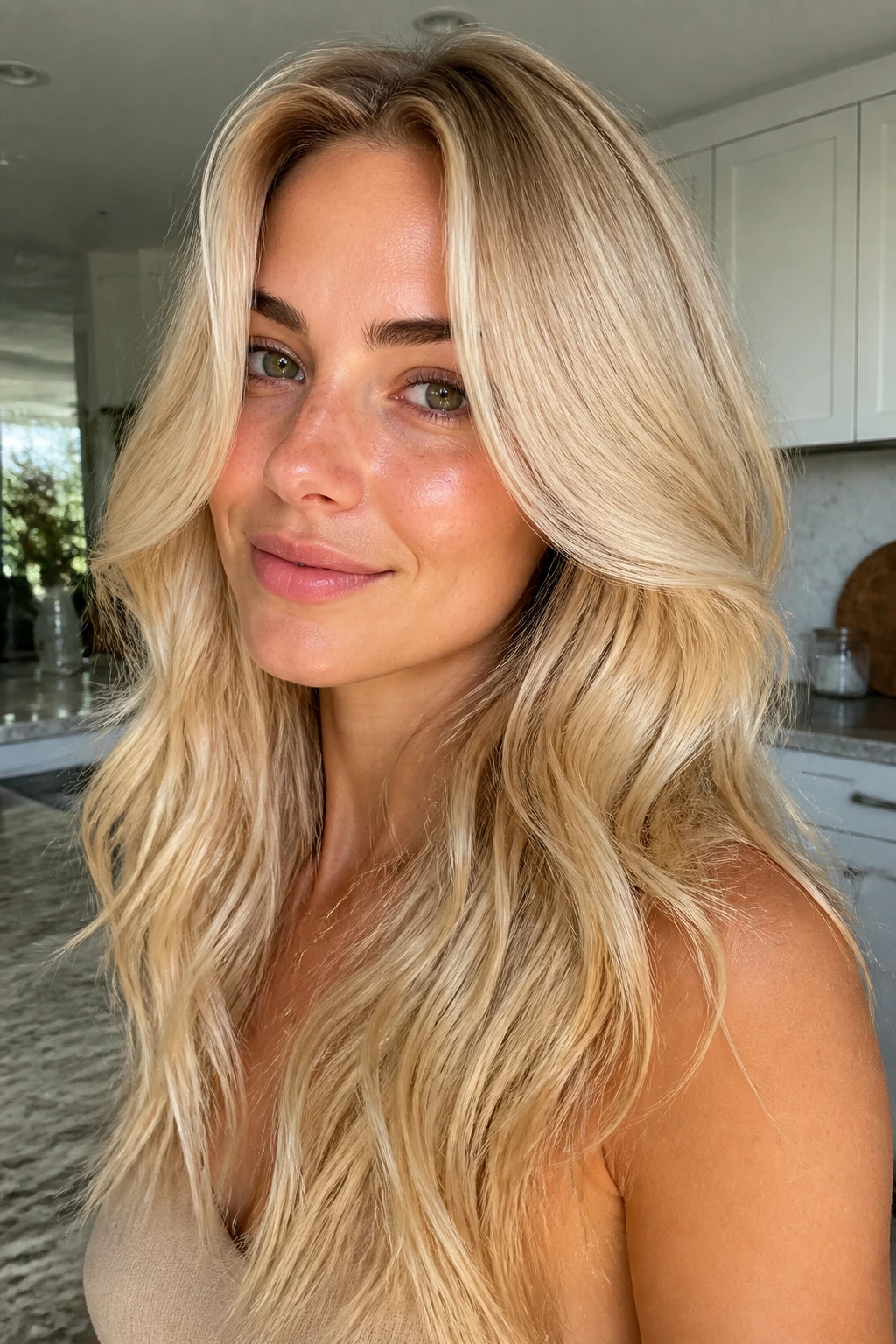
Buttercream is warm, creamy, and undeniably luscious. It leans heavily into yellow undertones but avoids the dreaded “cheddar” look. It is soft and feminine, reminiscent of freshly churned butter. It pairs perfectly with tan or olive skin tones, as the warmth in the hair complements the golden hues in the skin.
This is a great option for someone who wants to be blonde but does not want to deal with the constant fight against brassiness. You want the warmth here. It is an intentional, healthy-looking warmth that makes hair look shiny and vibrant rather than faded or tired.
6. Honey Blonde
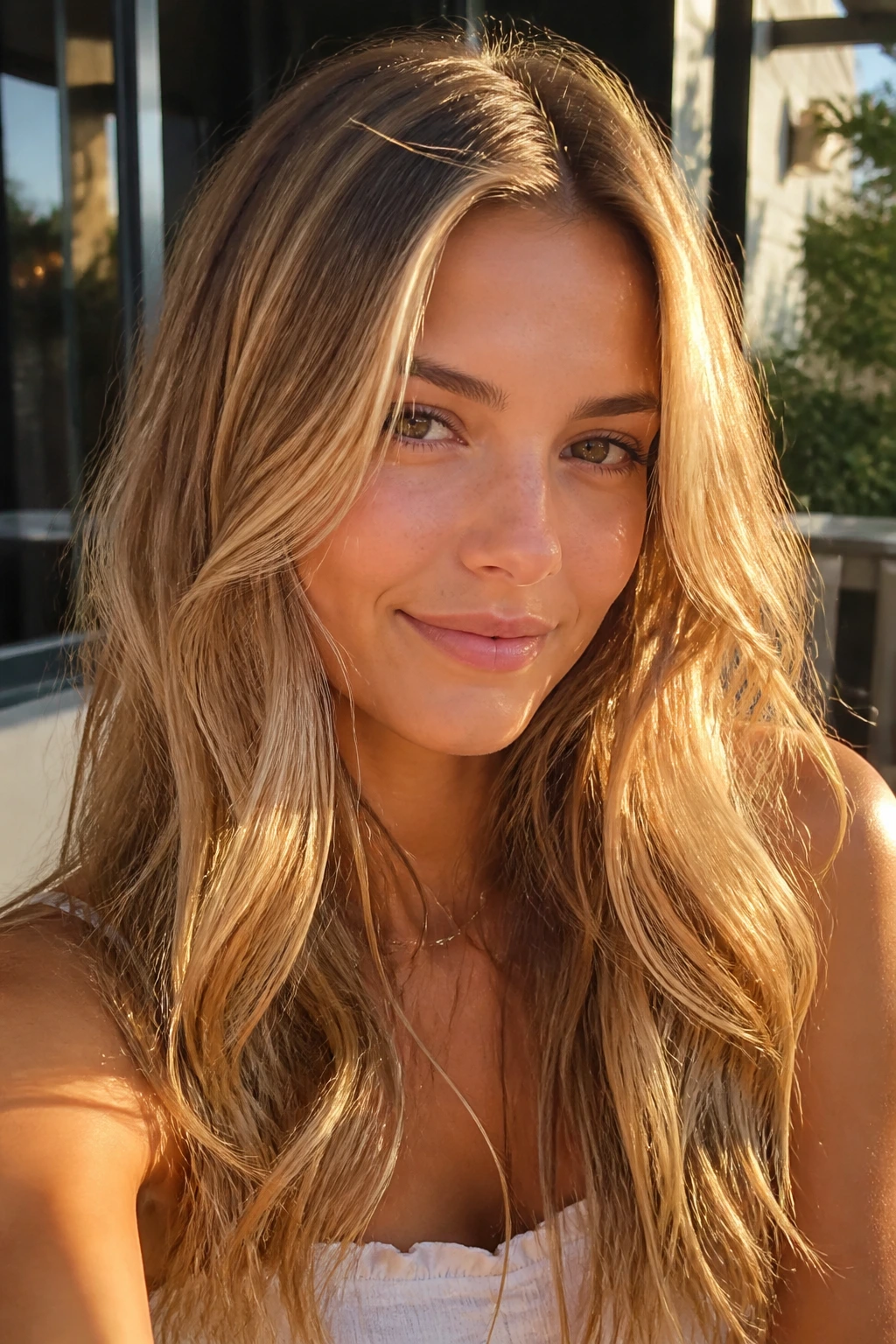
Honey blonde is the middle ground of the blonde family. It is rich, golden, and warm, with just enough depth to look natural on someone who might have light brown hair as their starting point. It is often achieved through highlights or a balayage technique to keep the roots softer.
Think of honey blonde as the “easy” blonde. It grows out gracefully, especially if you opt for a root smudge. Because it is already warm, you do not need to panic if the toner fades slightly over a few weeks. In fact, it often looks better as it settles into the hair.
7. Strawberry Blonde
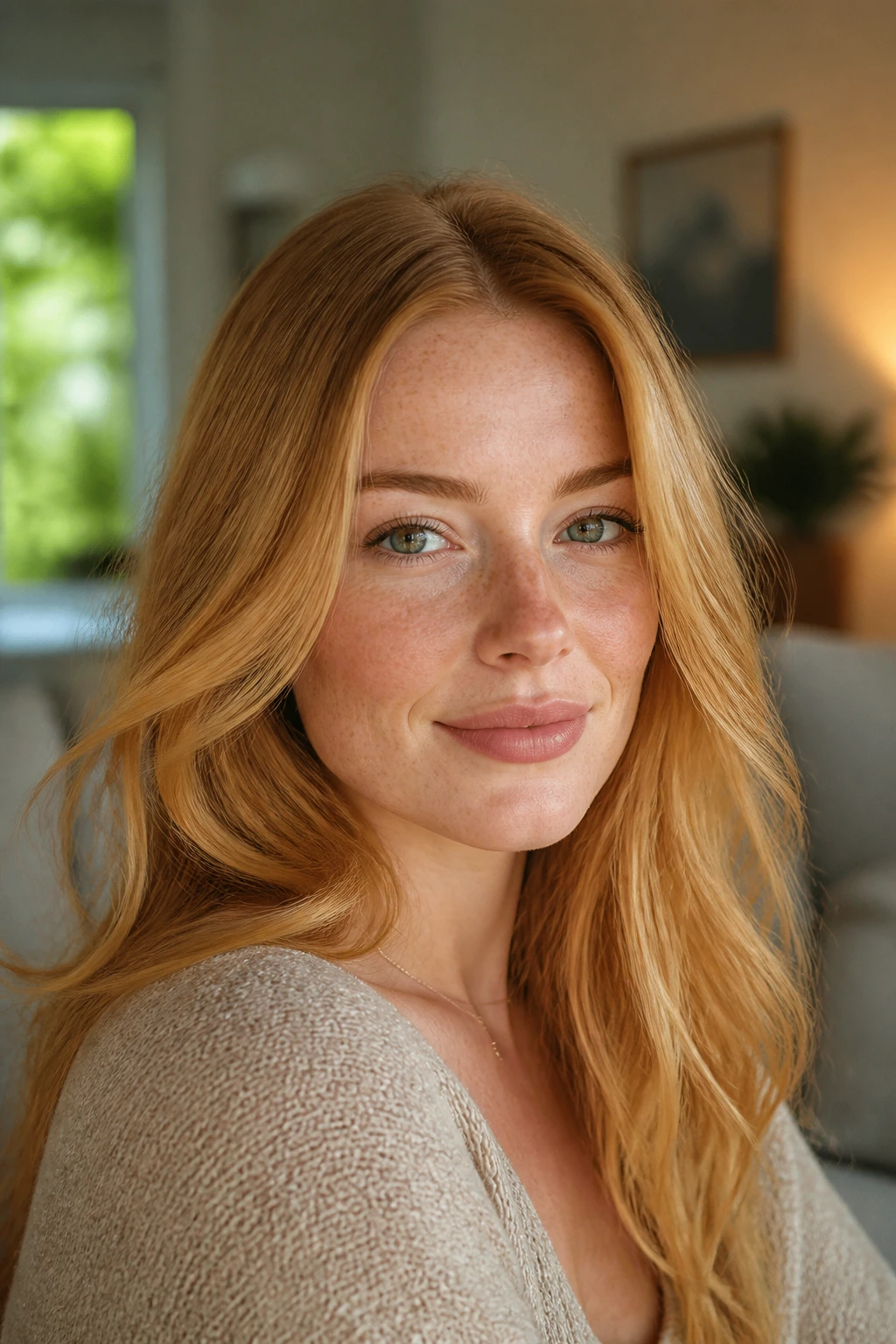
Strawberry blonde is the beautiful hybrid of red and blonde. It is not bright copper, and it is not pure gold. It is a light, reddish-gold tone that feels incredibly natural. It works best for those with fair skin and freckles, as it enhances the natural rosy flush in the cheeks.
How to Achieve It
- You can get here by adding a warm, golden toner to a light blonde base.
- Alternatively, if you are a redhead, it involves lifting the base slightly and adding blonde highlights.
- Maintenance is tricky; red tones fade faster than any other color molecule. Use color-depositing shampoos regularly.
8. Golden Blonde
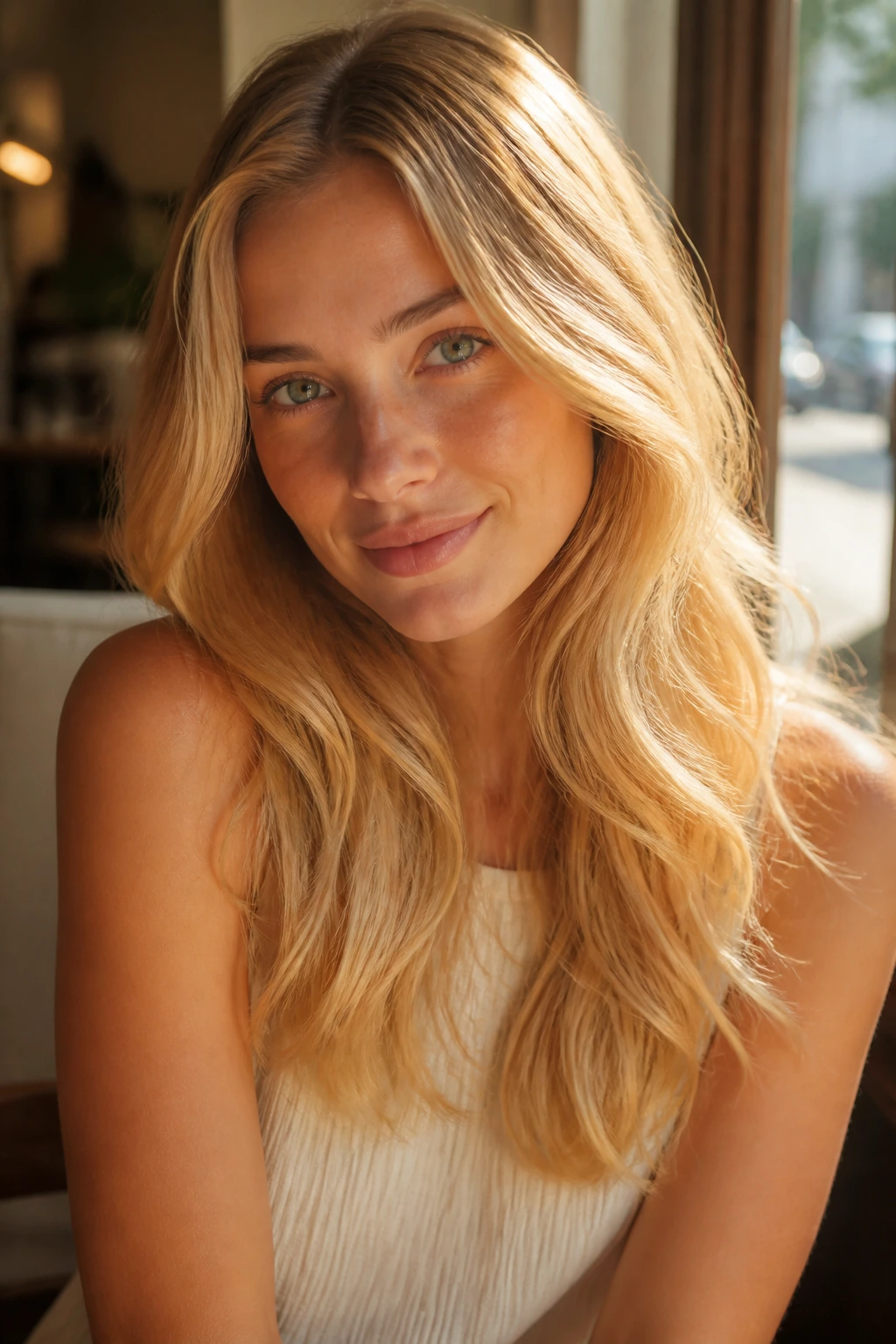
Golden blonde is classic. It is the color of sunlight hitting hair in the middle of summer. It is bright, reflective, and full of energy. This is not about trying to be cool-toned or muted; it is about embracing the warmth and radiance that comes with a true gold hue.
It is surprisingly hard to get right. If the stylist uses the wrong developer or toner, it becomes too orange. If they go too far the other way, it becomes beige. The key is in the gloss. A clear, gold-based gloss applied after the lightening process is what gives it that expensive, mirror-like finish.
9. Beige Blonde
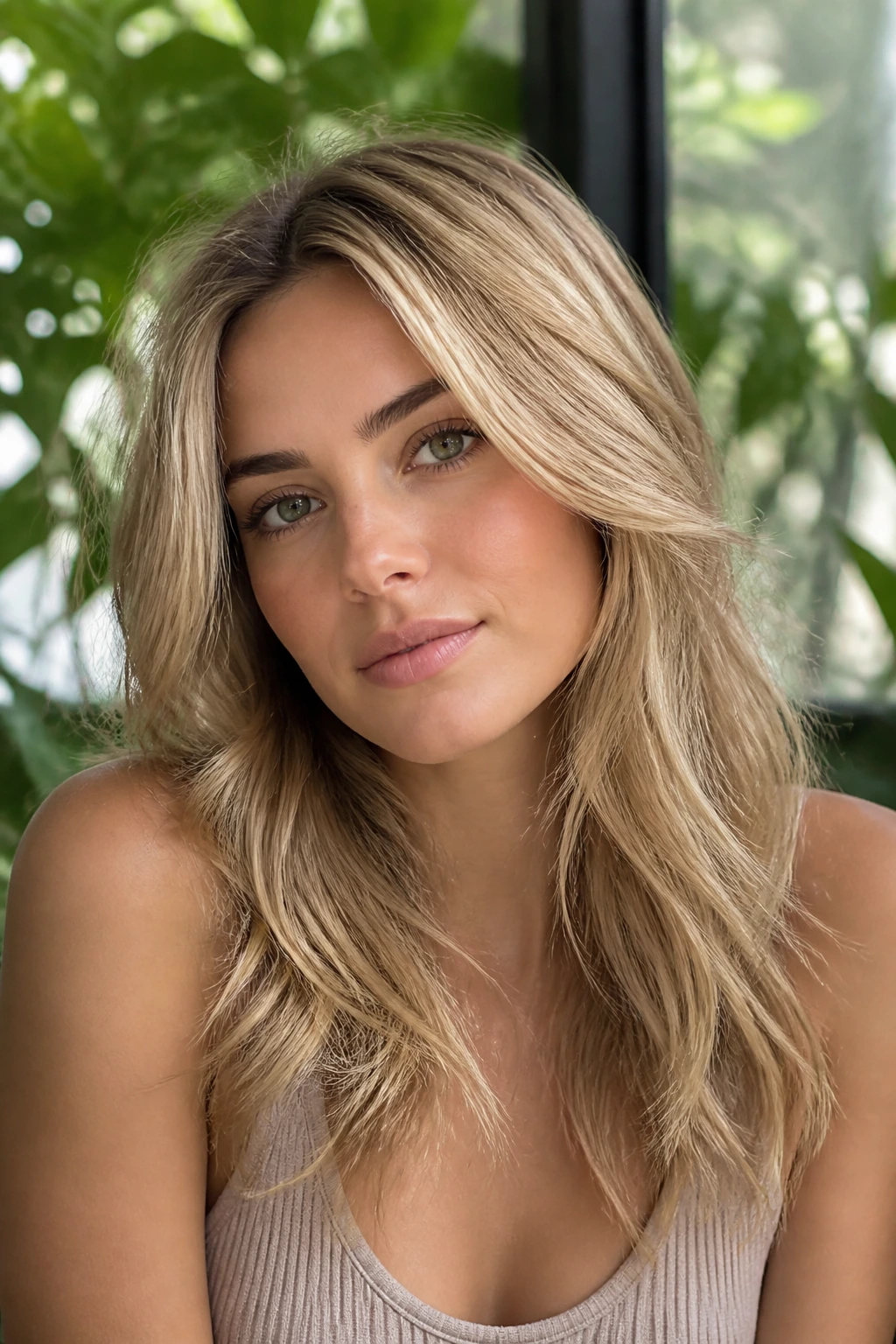
Beige blonde is the neutral sibling of ash. It lacks the intense grey-blue punch of an ash tone, but it is not nearly as warm as a honey or gold. It is a sandy, pale neutral that looks incredibly chic and understated. It is the “I woke up like this” of blonde shades.
This shade is excellent for those who are unsure about their skin undertones. Because it is balanced—not too cool, not too warm—it tends to work on almost everyone. It is a safe, reliable choice that never looks dated.
10. Sandy Blonde
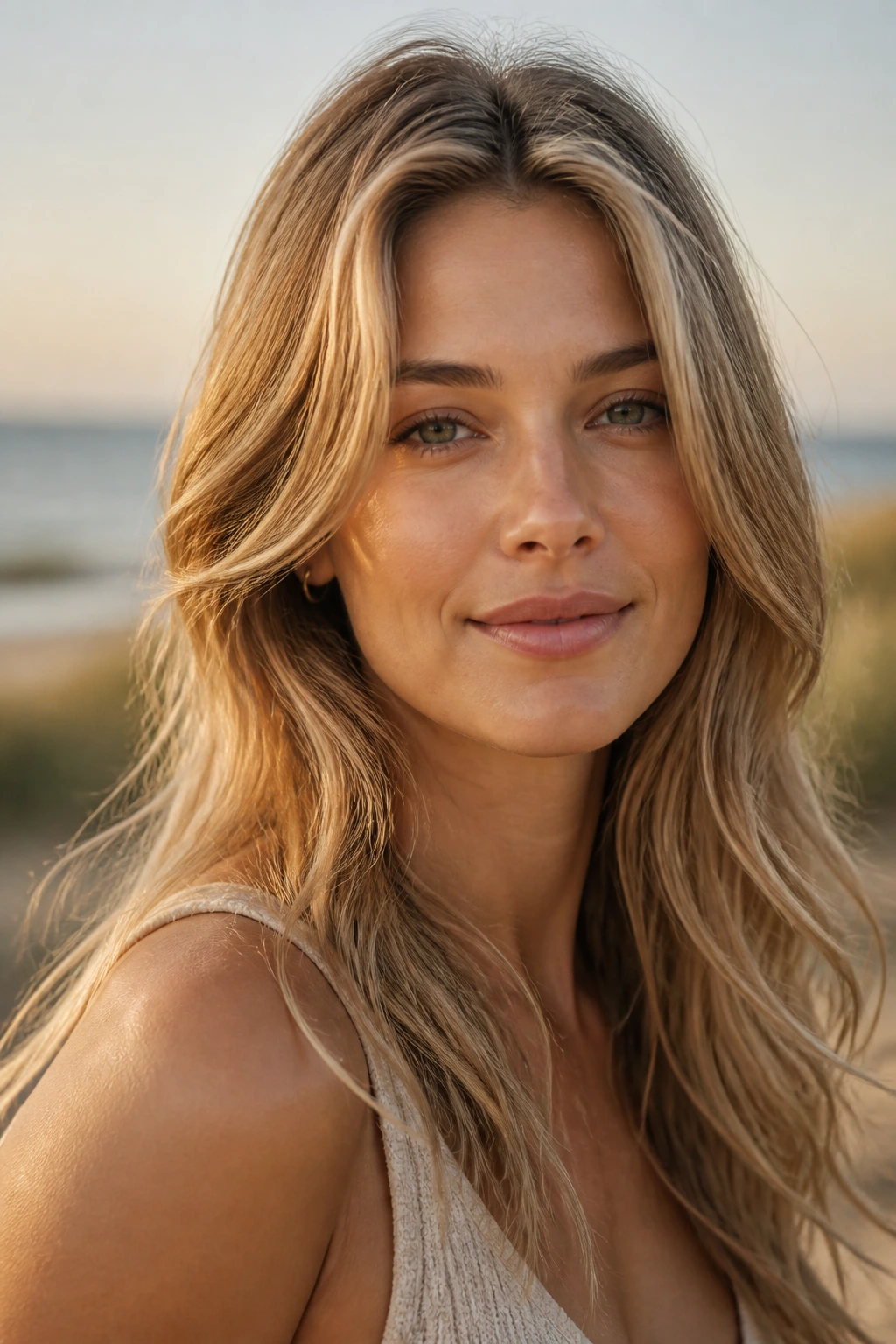
Sandy blonde has a subtle depth that mimics the look of a beach in the late afternoon. It is not bright; it is muted and earthy. This shade usually incorporates darker blonde or light brown lowlights, creating a lived-in, natural aesthetic that requires very little upkeep.
If you are someone who hates the salon rotation, this is the shade for you. Because it relies on natural-looking lowlights, the root growth is barely noticeable. You can push your appointments to twelve weeks or more without looking disheveled.
11. Mushroom Blonde
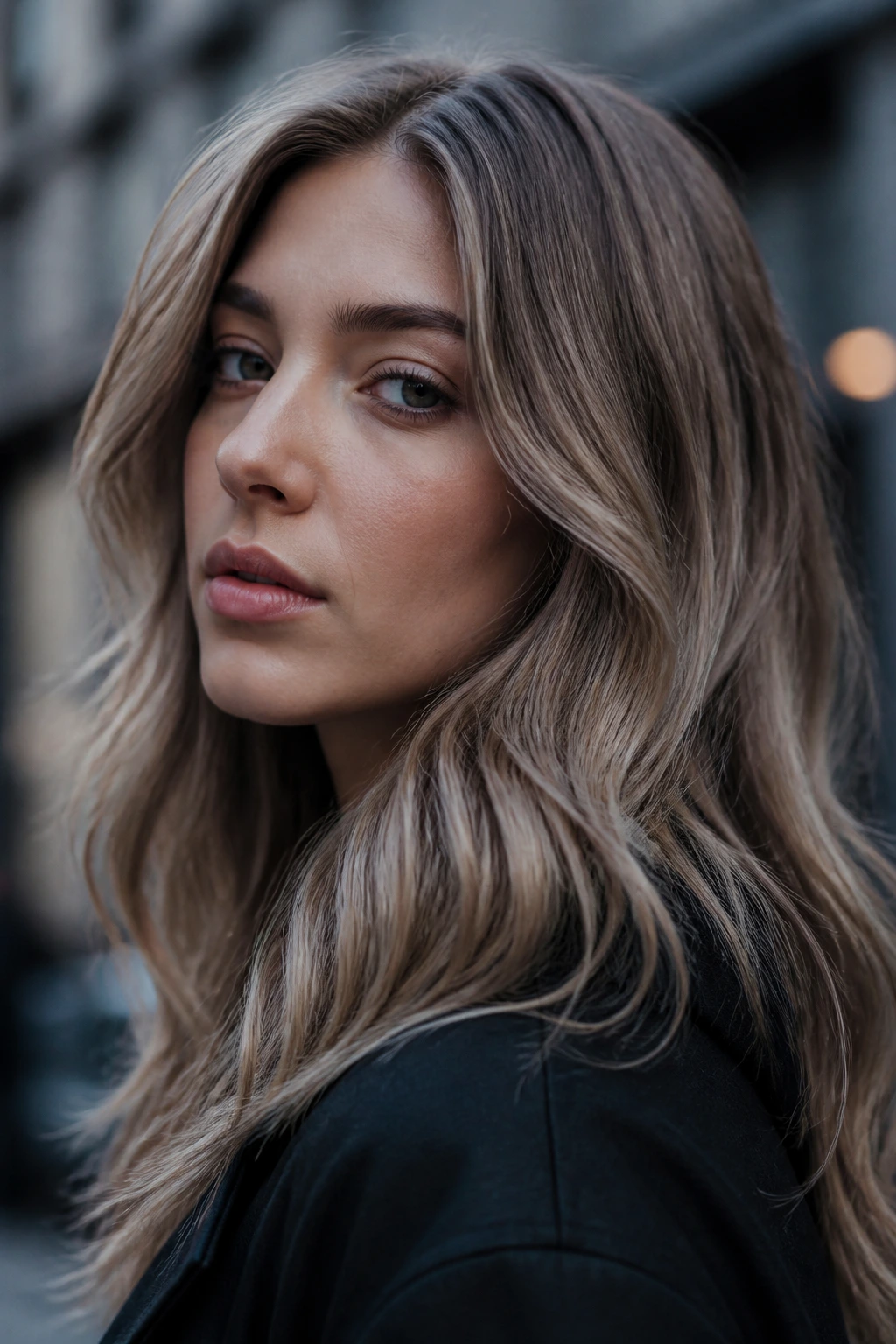
Mushroom blonde is a darker, cooler take on the spectrum. It is essentially a mix of blonde and light brown, leaning into grey and earthy, taupe undertones. It mimics the color of a portobello mushroom—greyish-brown with hints of blonde.
Why It’s Gaining Popularity
It is perfect for the transition period. If you are blonde and want to go darker without the shock of full brunette, this is the step down. It feels sophisticated, slightly moody, and very modern. It requires less bleaching than traditional blonde, which is a major win for hair health.
12. Butterscotch Blonde
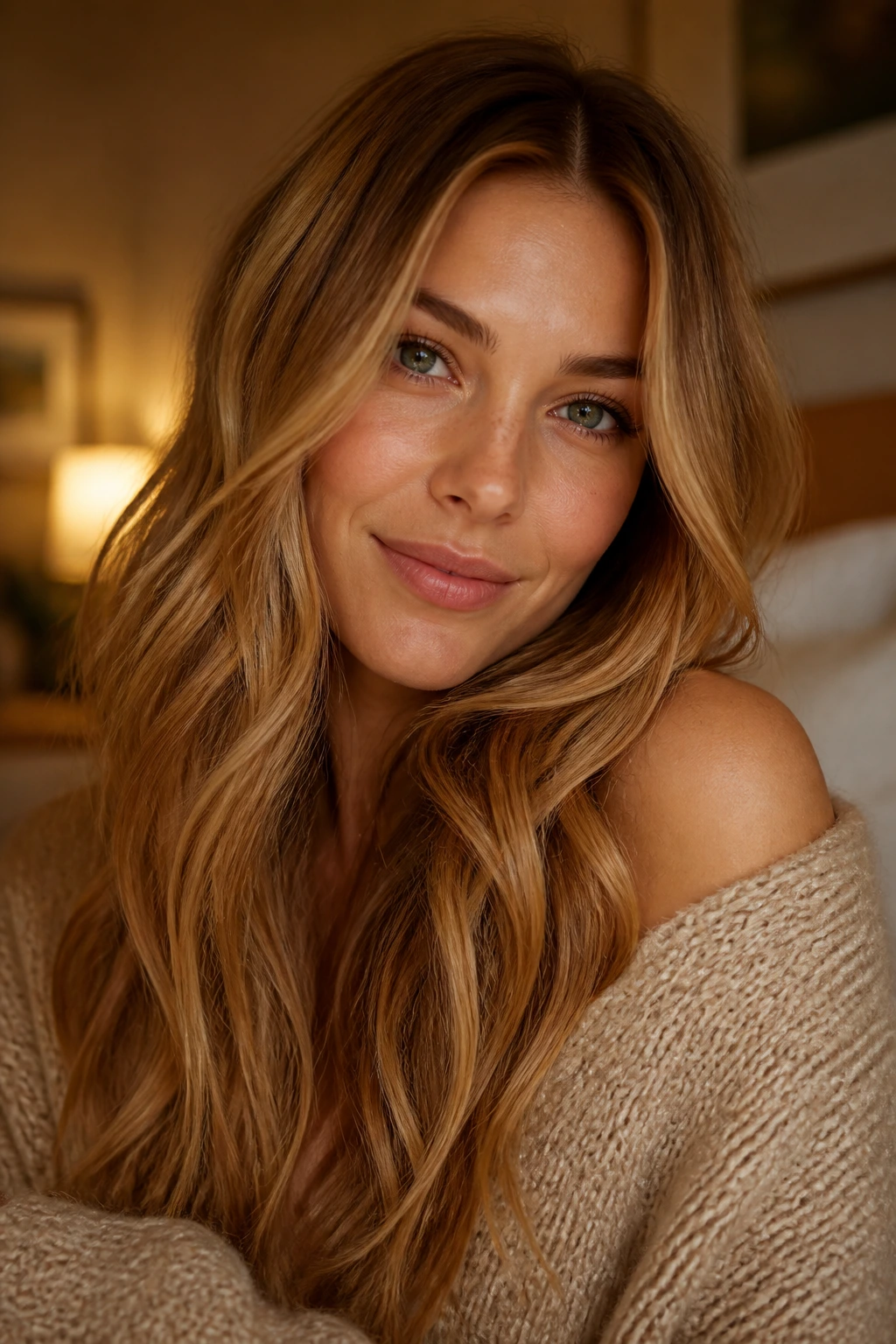
Butterscotch is a darker, richer version of honey. It has deep brown undertones mixed with heavy gold and caramel. It is the color of melted sugar. It feels cozy and warm, making it an ideal choice for the colder months of the year when you want your hair to look darker and richer.
Most people with natural light brown or dark blonde hair can achieve this with just a full head of balayage. It does not require an all-over bleach job, which is a huge benefit for preserving hair elasticity.
13. Caramel Blonde
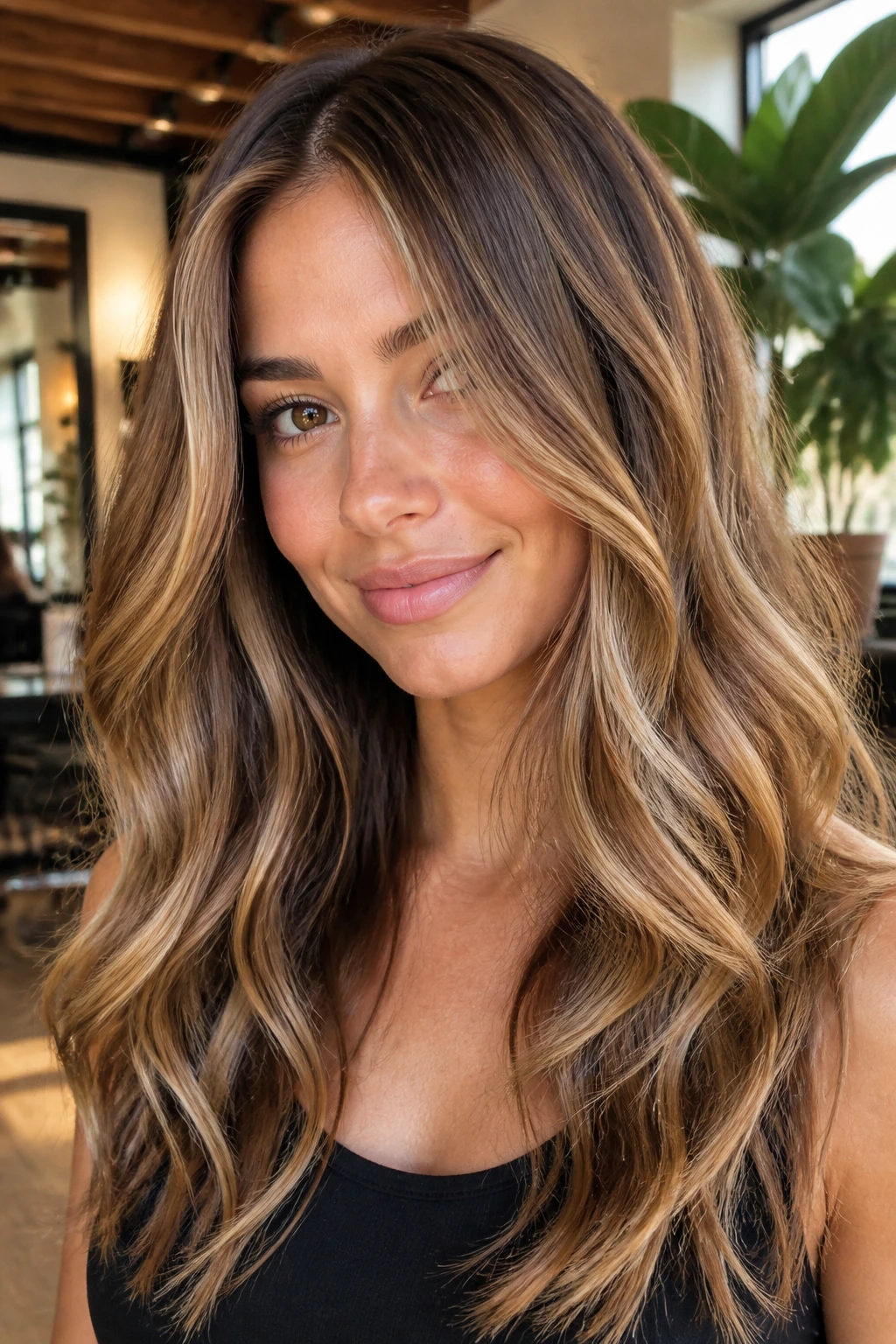
Caramel is darker than butterscotch. It is a warm, brown-based blonde. It is fantastic for creating contrast, especially when woven into a base of medium to dark brown hair. It adds movement and texture, making the hair look much thicker than it actually is.
Do not mistake this for a flat color. To make caramel blonde pop, you need the dimension. Ask your stylist for “ribbons” of caramel throughout the hair. This technique prevents the color from looking muddy and ensures the light catches the different layers of your hair as you move.
14. Creamy Blonde
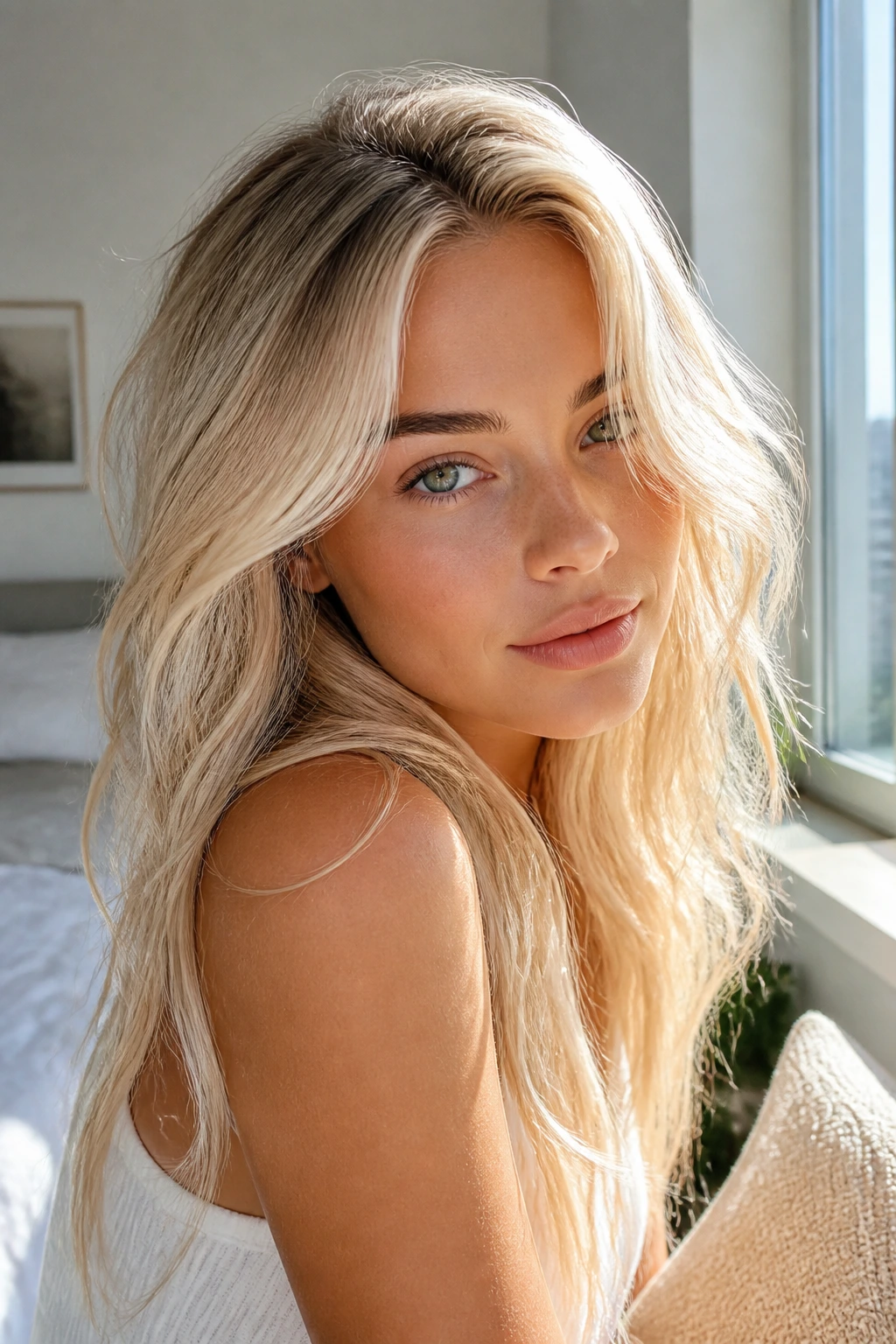
Creamy blonde is soft, pale, and buttery. It sits somewhere between platinum and vanilla. It is a high-impact color that looks very bright and clean, but it lacks the harshness of pure platinum. It is a favorite for those who want that “bright” look without the icy, metallic finish.
Maintenance for creamy blonde is strictly about tone. You have to ensure that yellow tones do not turn brassy. A high-quality toner is required every six weeks to keep that “creamy” finish rather than a “bright yellow” finish.
15. Pearl Blonde
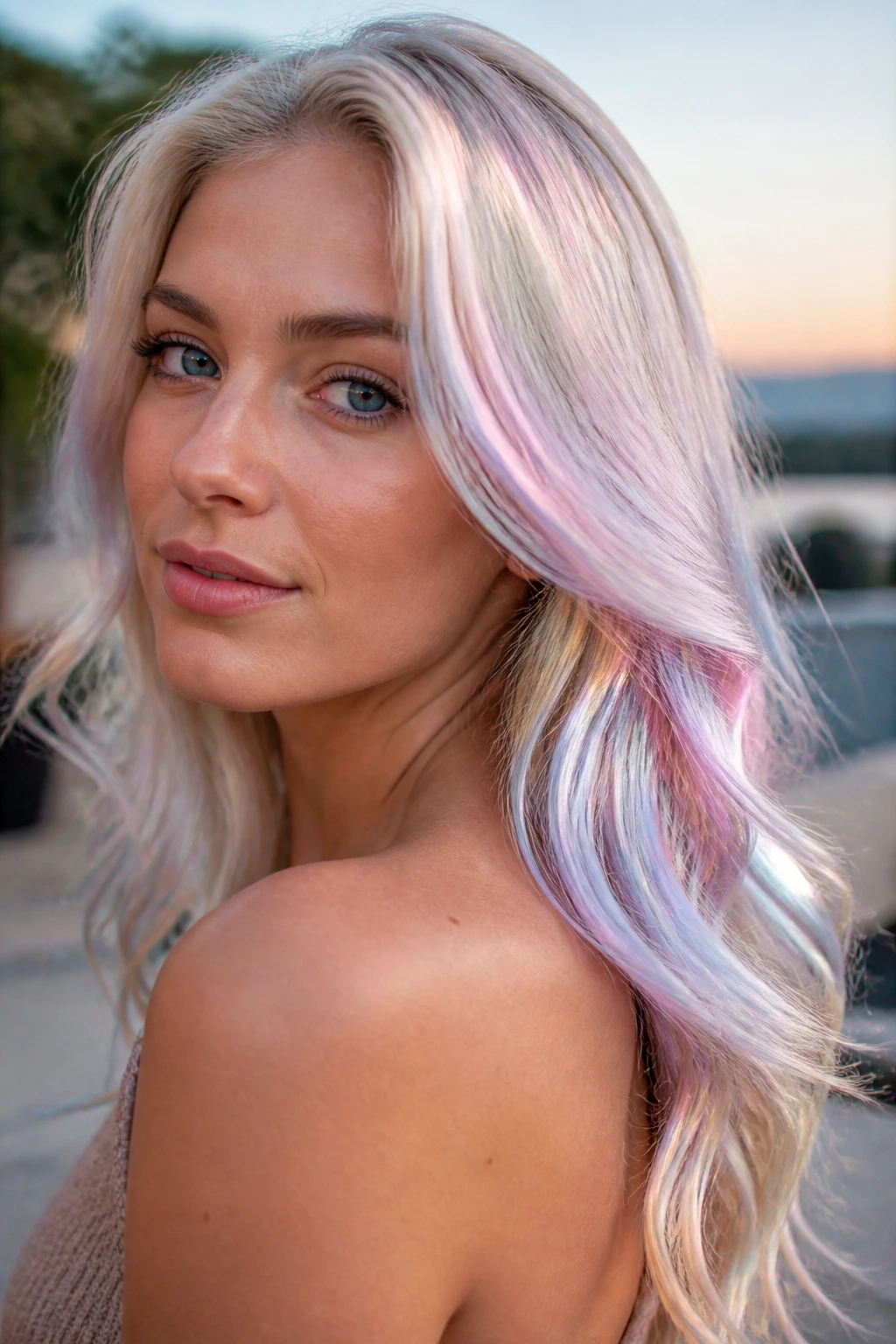
Pearl blonde is iridescent. It has a slight opalescent quality to it, catching the light in pink, violet, or blue shifts depending on how the light hits it. It is incredibly delicate and feminine. This is a high-fashion, high-maintenance shade that requires very precise toning.
If you have a pale complexion, pearl blonde can look ethereal and stunning. However, it is a very “engineered” color. If you are naturally dark-haired, be prepared for a long process to get your hair light enough to hold these delicate, semi-translucent tones.
16. Silver Blonde
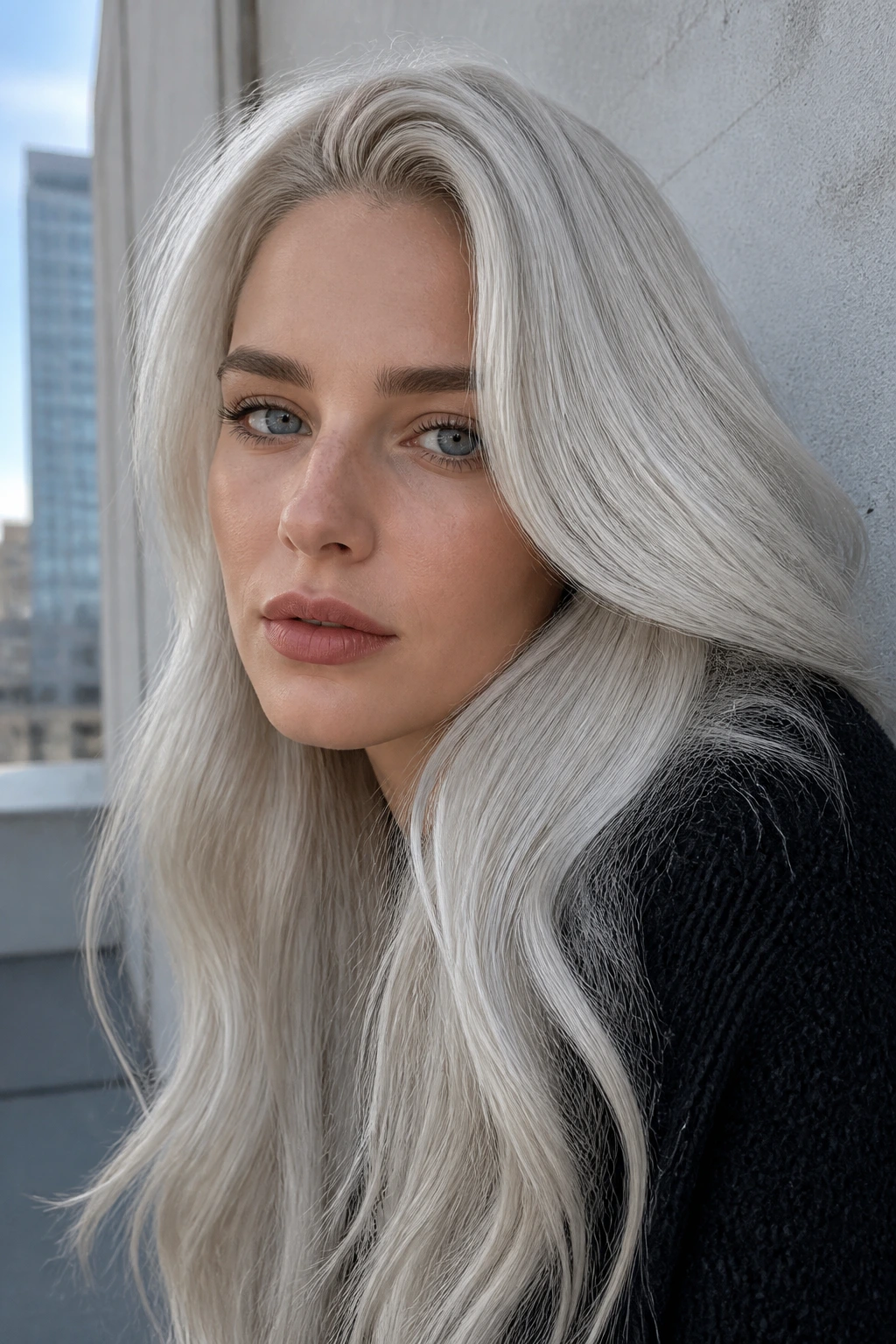
Silver is different from ash. Where ash is a dull, muted grey, silver is metallic and shiny. It is bold, intentional, and edgy. It is not just about neutralizing warmth; it is about depositing a cool, metallic pigment that makes the hair shine with a greyish, lunar light.
You cannot achieve this on damaged hair. If your hair is porous, it will grab the silver pigment too quickly and turn into a dark, muddy grey. Ensure your stylist uses a bond-builder during the lightening process, and consider a gloss treatment to smooth the cuticle so the silver looks like metal rather than dust.
17. Vanilla Blonde
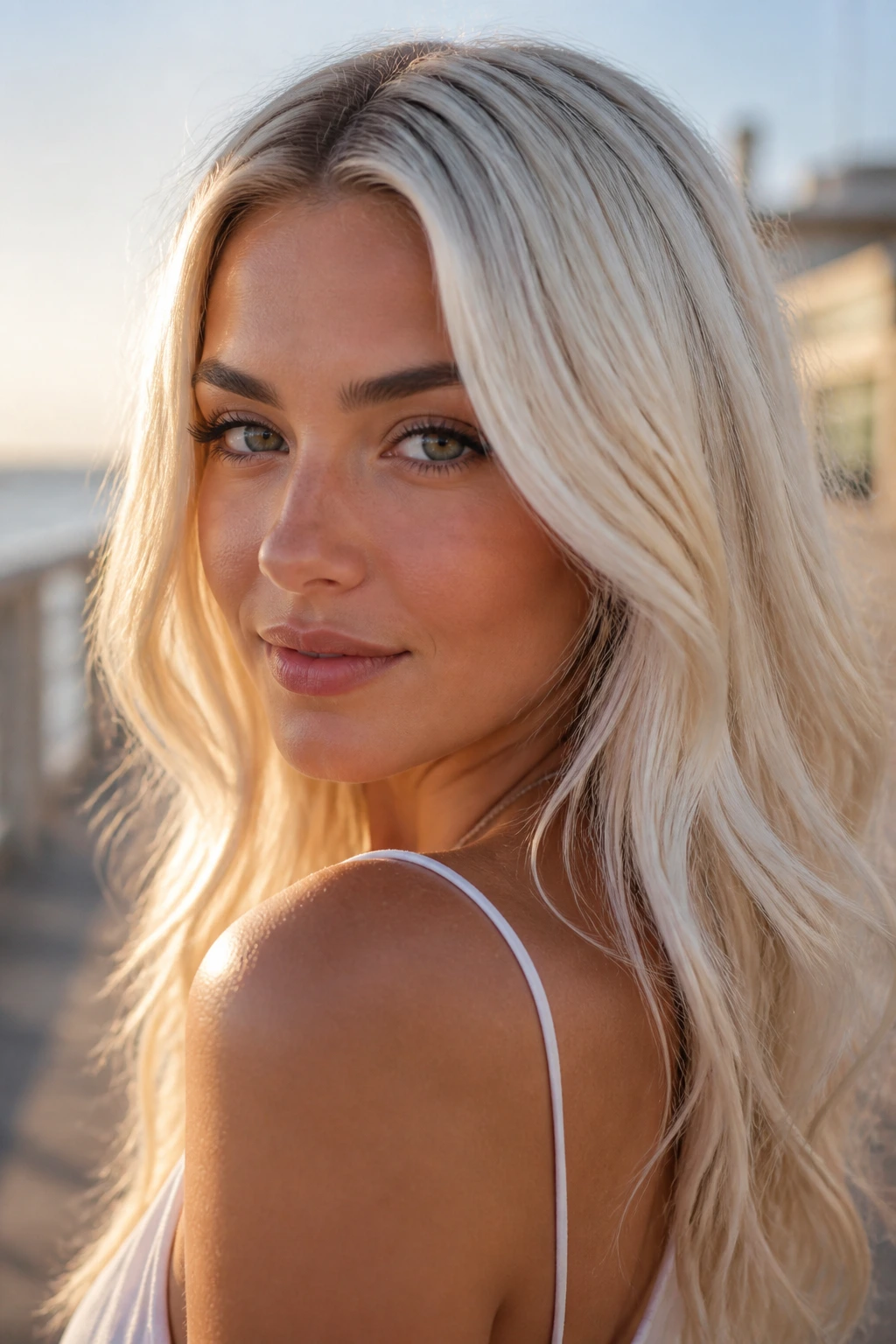
Vanilla blonde is the quintessential “California blonde.” It is bright, white-blonde with just the faintest hint of warmth, like a vanilla bean. It is clean and polished. It is the shade most people envision when they say they want to be “blonde.”
It works because it is neutral. It is not icy, and it is not golden. It is a true, clean blonde. It creates a striking contrast against tanned skin and looks sophisticated against porcelain skin. It is truly the “Goldilocks” of blonde colors.
18. Dirty Blonde
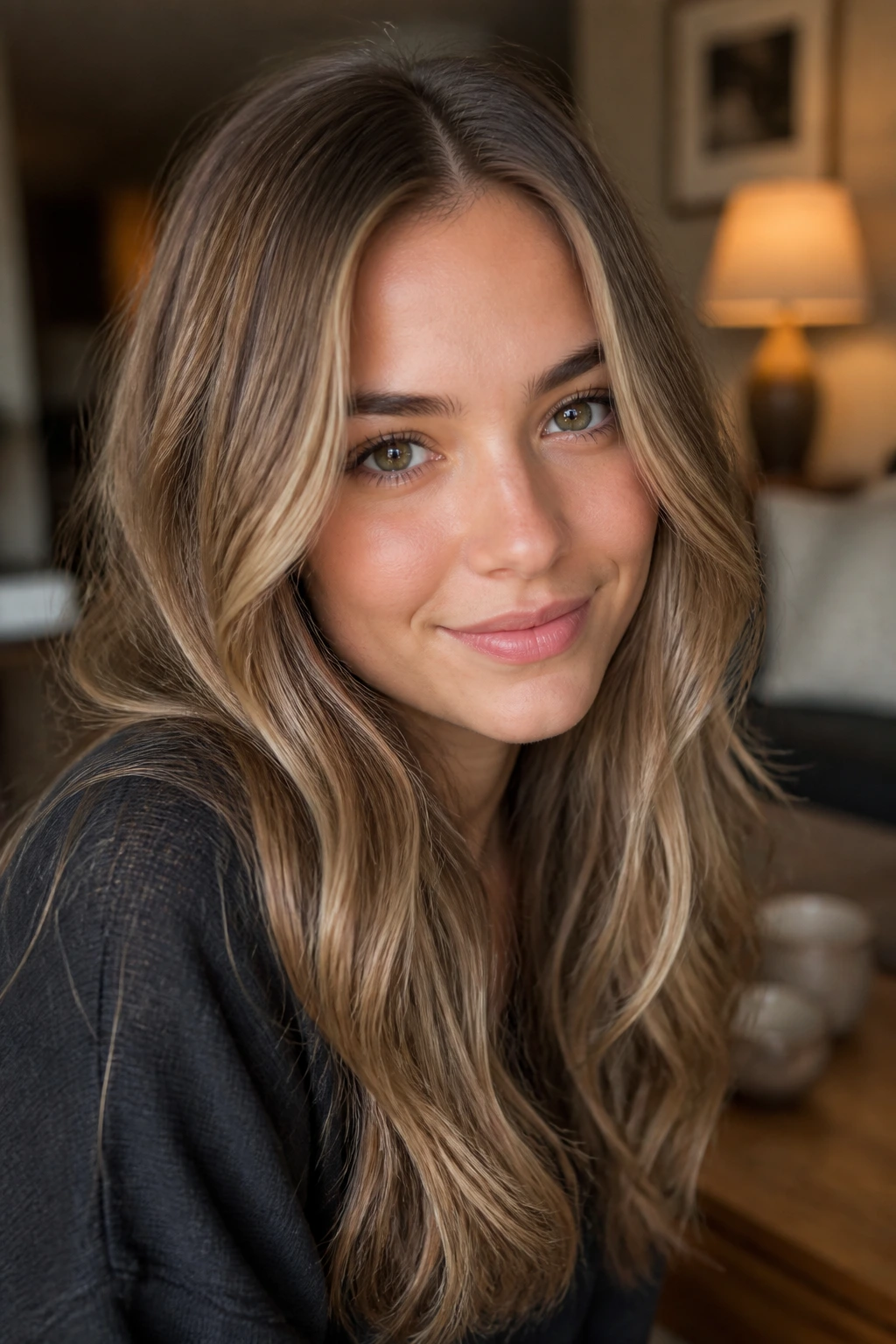
Let’s reclaim the term. Dirty blonde is not a bad thing; it is a complex, beautiful, and low-maintenance shade that is naturally flattering. It is a mix of ash-brown and dark blonde, creating a naturally sun-lightened effect without the need for constant bleaching.
The beauty of dirty blonde is the dimension. You do not need a ton of product or fancy techniques to make it look good. If you want to elevate it, a few strategically placed face-framing highlights are all you need to brighten up your complexion.
19. Bronde
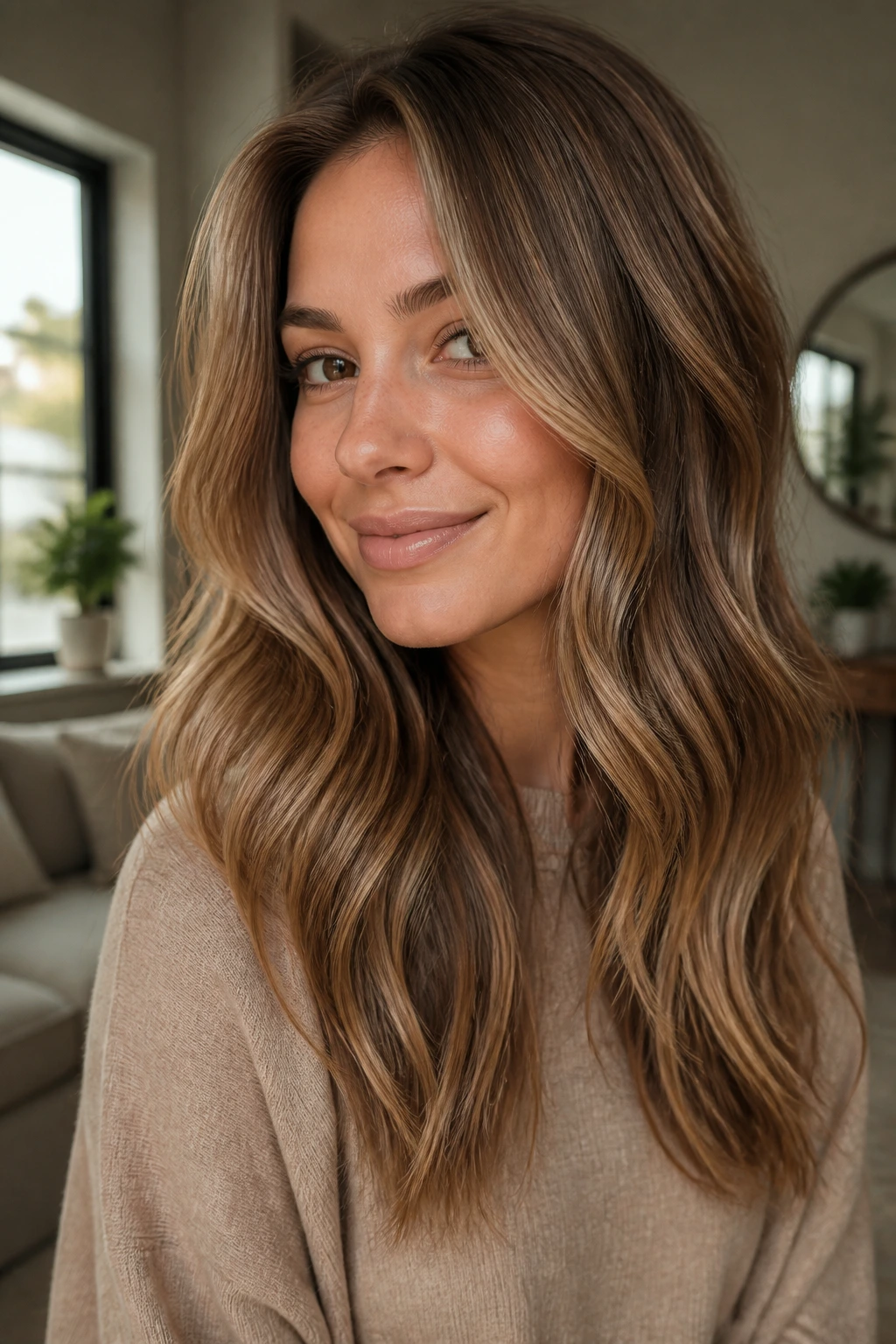
Bronde is the ultimate marriage of brown and blonde. It is not quite either. It is the color you get when you highlight dark hair with enough blonde that the brown and blonde blend into a seamless, caramel-honey shade.
Who Should Choose This
- People who are tired of the maintenance of full blonde.
- Those who want to maintain the health of their natural base color.
- Anyone looking for a color that looks expensive and polished without needing a salon visit every month.
20. Copper Blonde
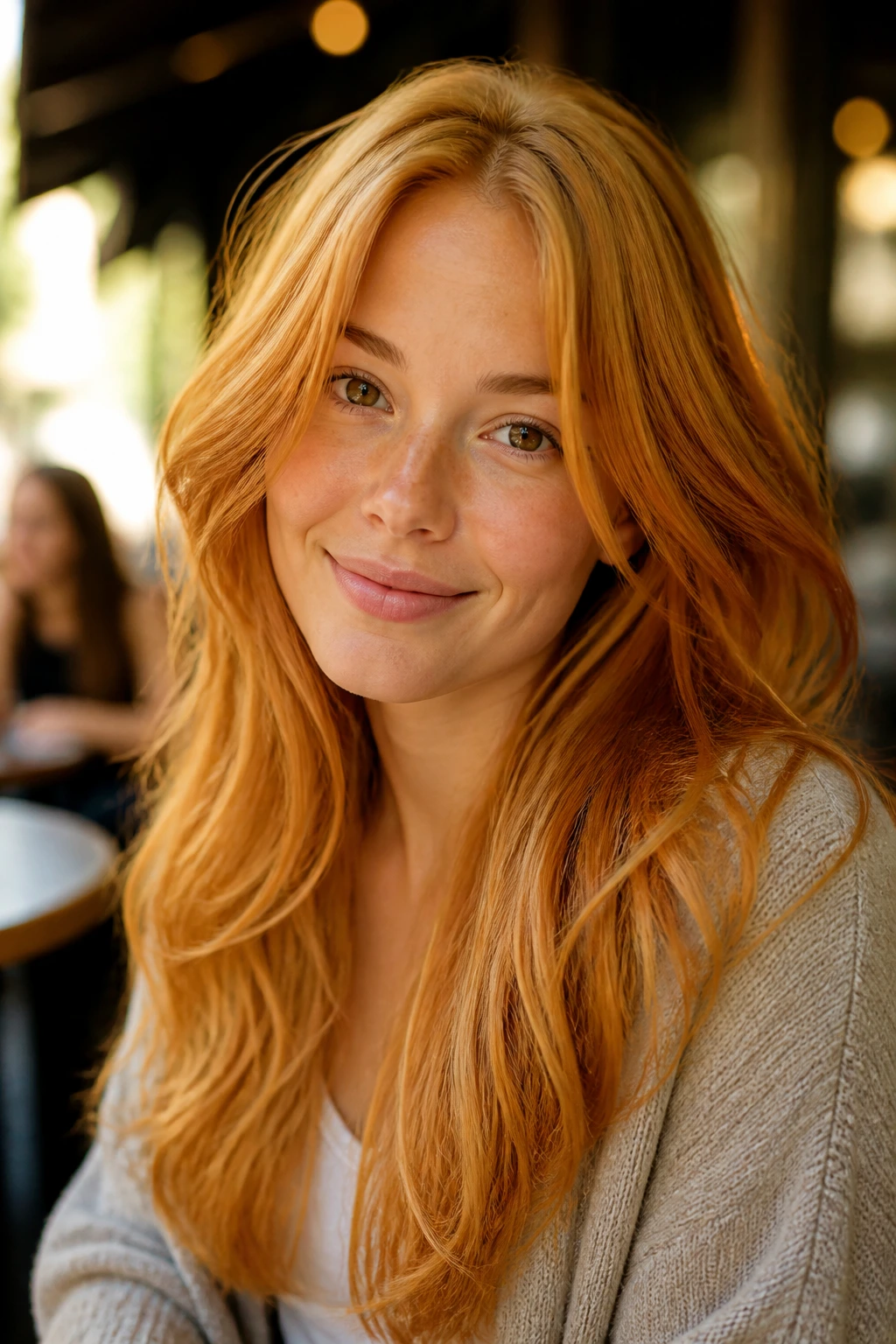
This is a daring shade. It sits on the edge of blonde and copper-red. It is bright, bold, and incredibly vibrant. It creates a warm, glowing look that works well for people with olive or golden skin tones. It is not subtle, and it certainly isn’t for the faint of heart.
The problem with copper blonde is the fade rate. Copper pigments are the first to wash out. You will need a color-depositing conditioner or a glaze between appointments to keep the color looking fiery and fresh rather than faded and washed out.
21. Rose Gold Blonde
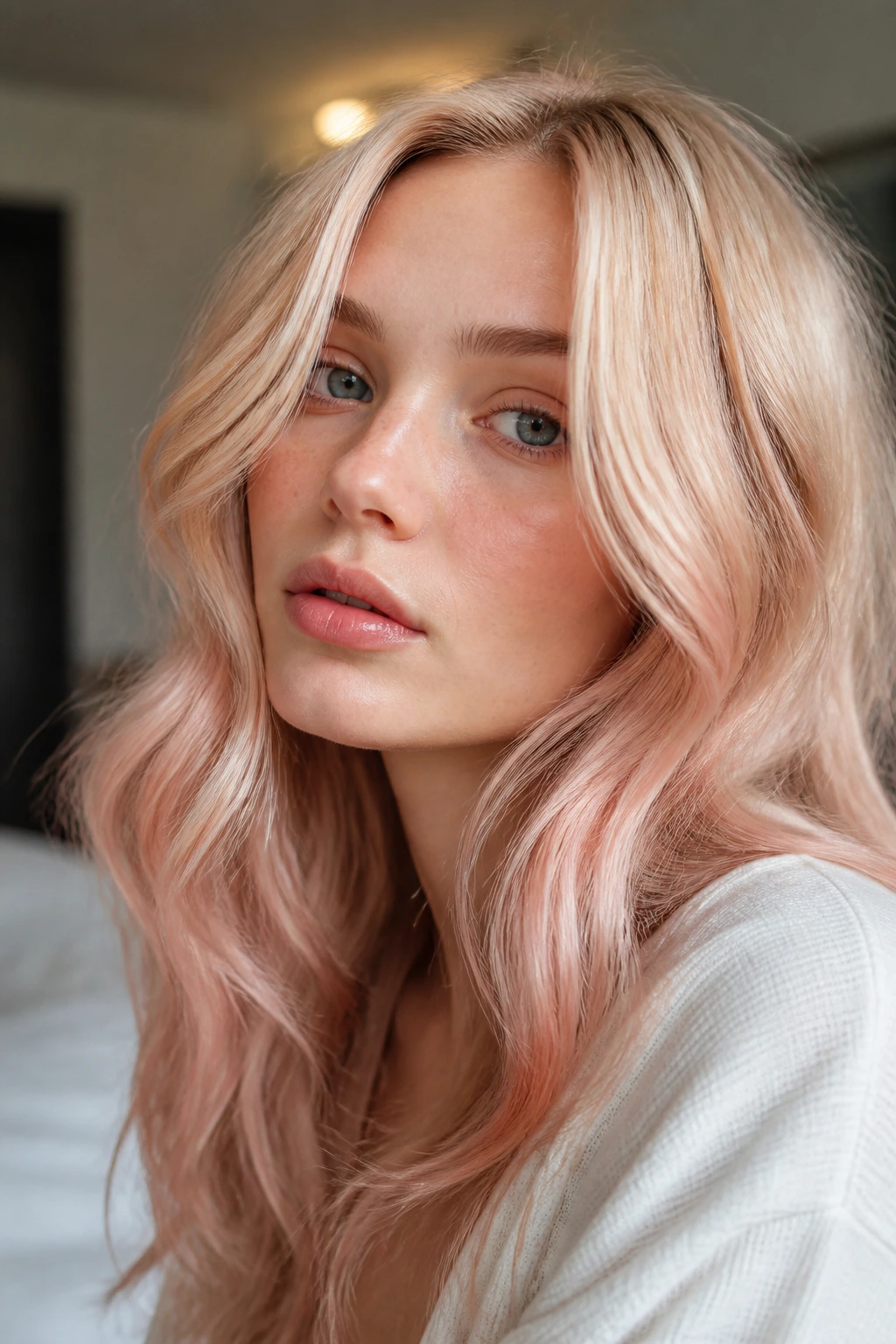
Rose gold is a playful, fantasy-inspired shade. It blends blonde with pink and copper undertones. It is whimsical but can be styled to look quite chic and high-fashion. It looks best when the blonde base is very light, allowing the pink pigments to show up clearly.
Because this is a fashion color, it will fade. That is the nature of the beast. Embrace the fade. It often looks like a beautiful, soft pastel pink after a few washes, which many people prefer over the initial, more intense shade.
22. Biscuit Blonde
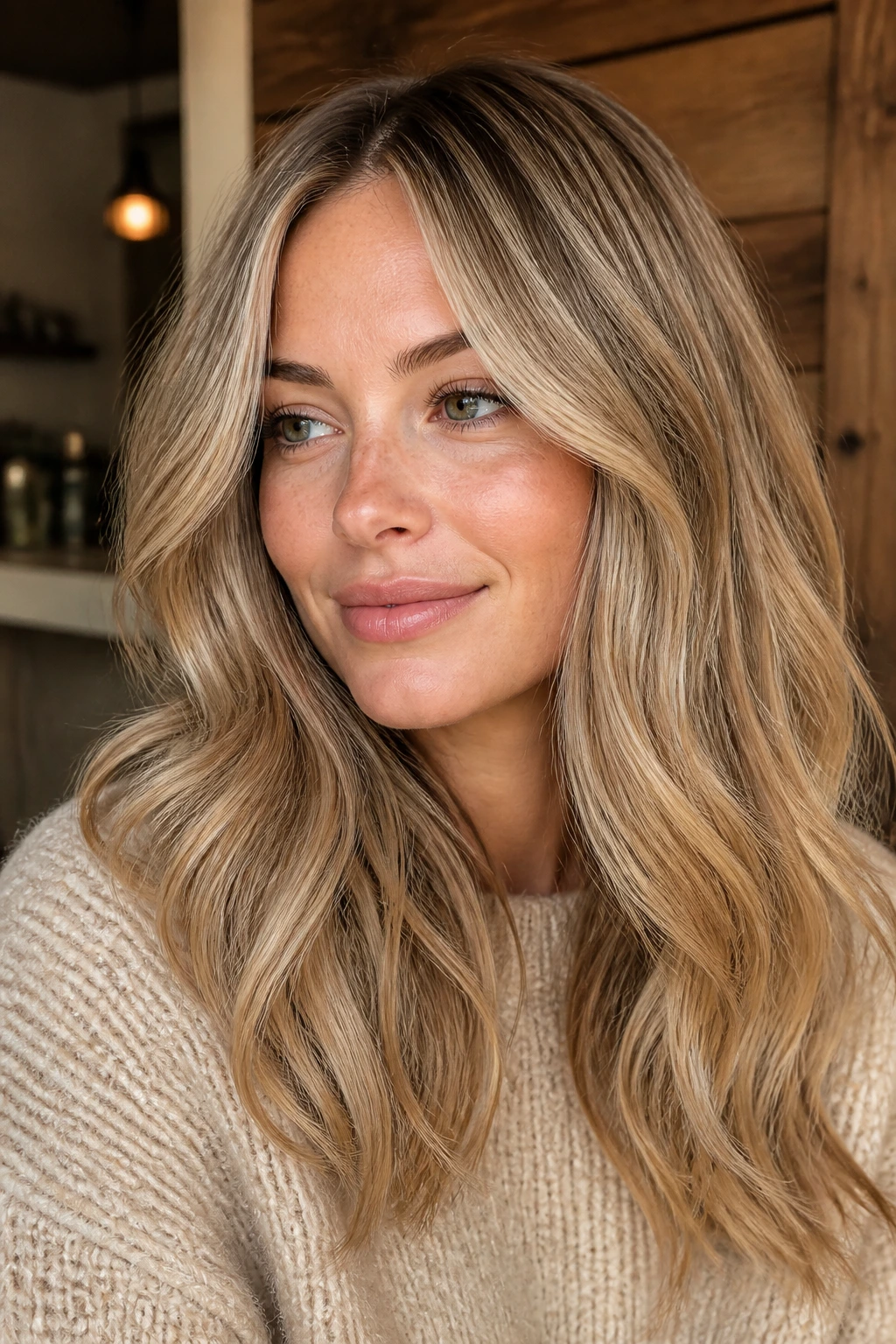
Biscuit blonde is a warm, beige-blonde with a touch of brown. It is rich, textured, and feels very classic. It is a great option for fall or winter because it does not feel too “summery.” It has a cozy, grounded quality to it.
It pairs wonderfully with darker root shadows. A root shadow or root smudge is almost a requirement for biscuit blonde to prevent it from looking like a solid block of color. It helps anchor the warmth and keeps the overall look feeling modern.
23. Toasted Coconut
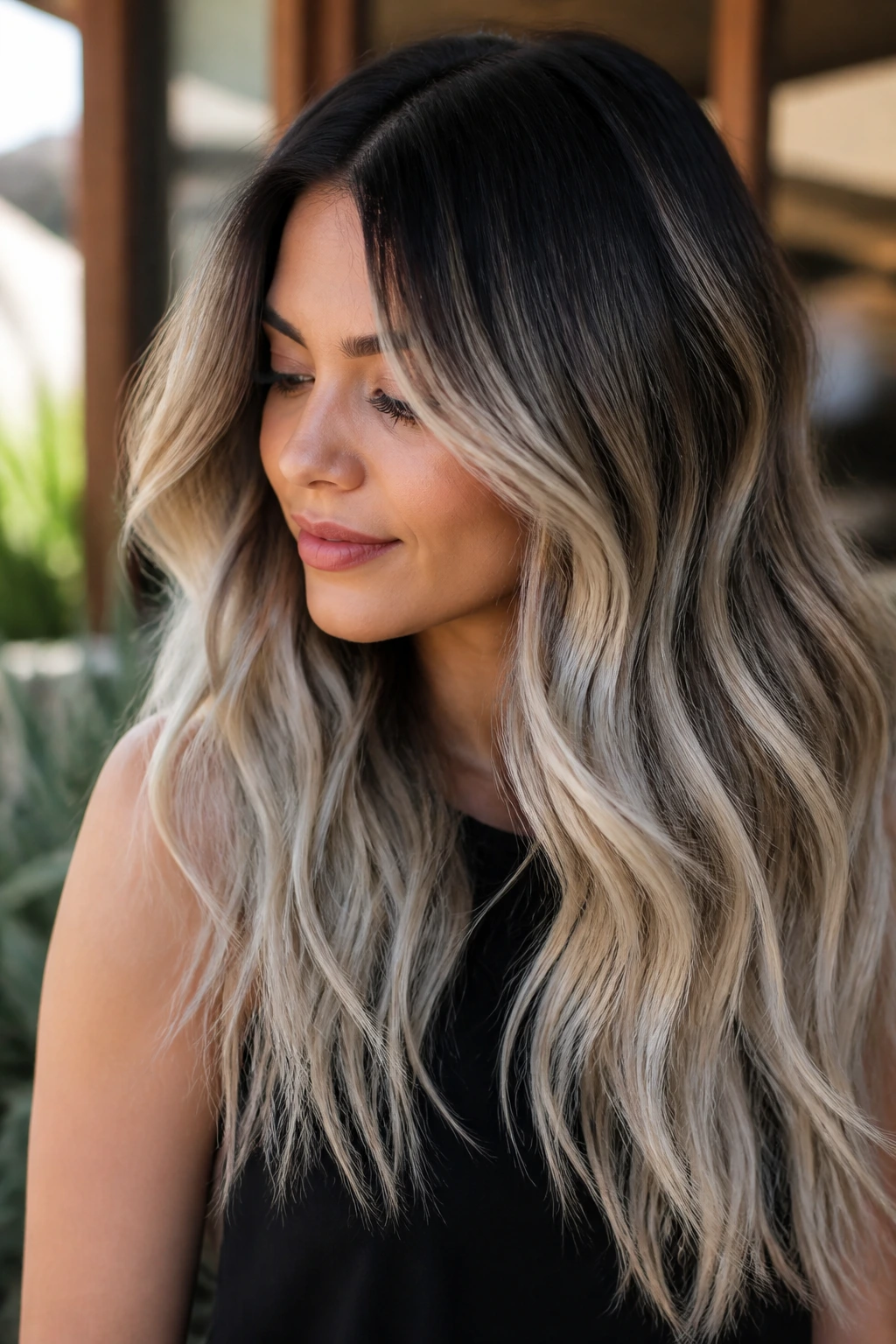
Toasted coconut is a specific balayage trend that starts with very dark, almost black roots that melt into a cool, icy blonde. It is striking, high-contrast, and requires a skilled colorist to pull off the blend without creating a harsh line of demarcation.
This is a lifestyle choice. It is meant to grow out. The darker root is intentional, so you can go four months without needing a root touch-up. The ends, however, will need to be toned regularly to keep them from turning yellow or brassy.
24. Sun-Kissed Blonde
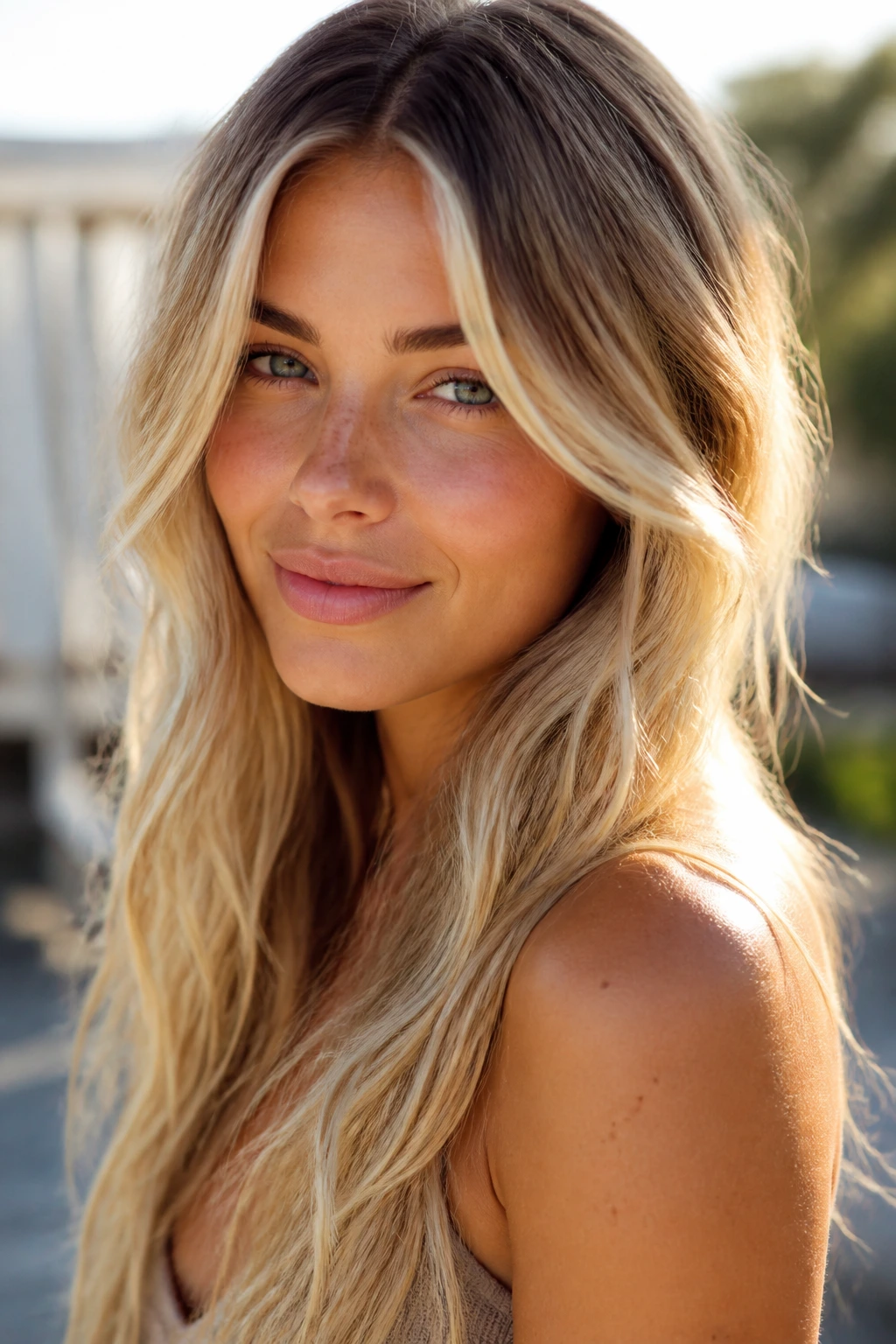
Sun-kissed is not a specific color; it is an effect. It mimics the way hair lightens naturally in the summer. It usually involves soft, painted-on highlights that are focused on the ends and the face-framing sections, leaving the roots near your natural color.
This is arguably the most flattering shade of blonde for most people. Because it follows your natural color pattern, it is almost impossible for it to clash with your skin tone. It just looks like you spent a lot of time on the beach.
25. Wheat Blonde
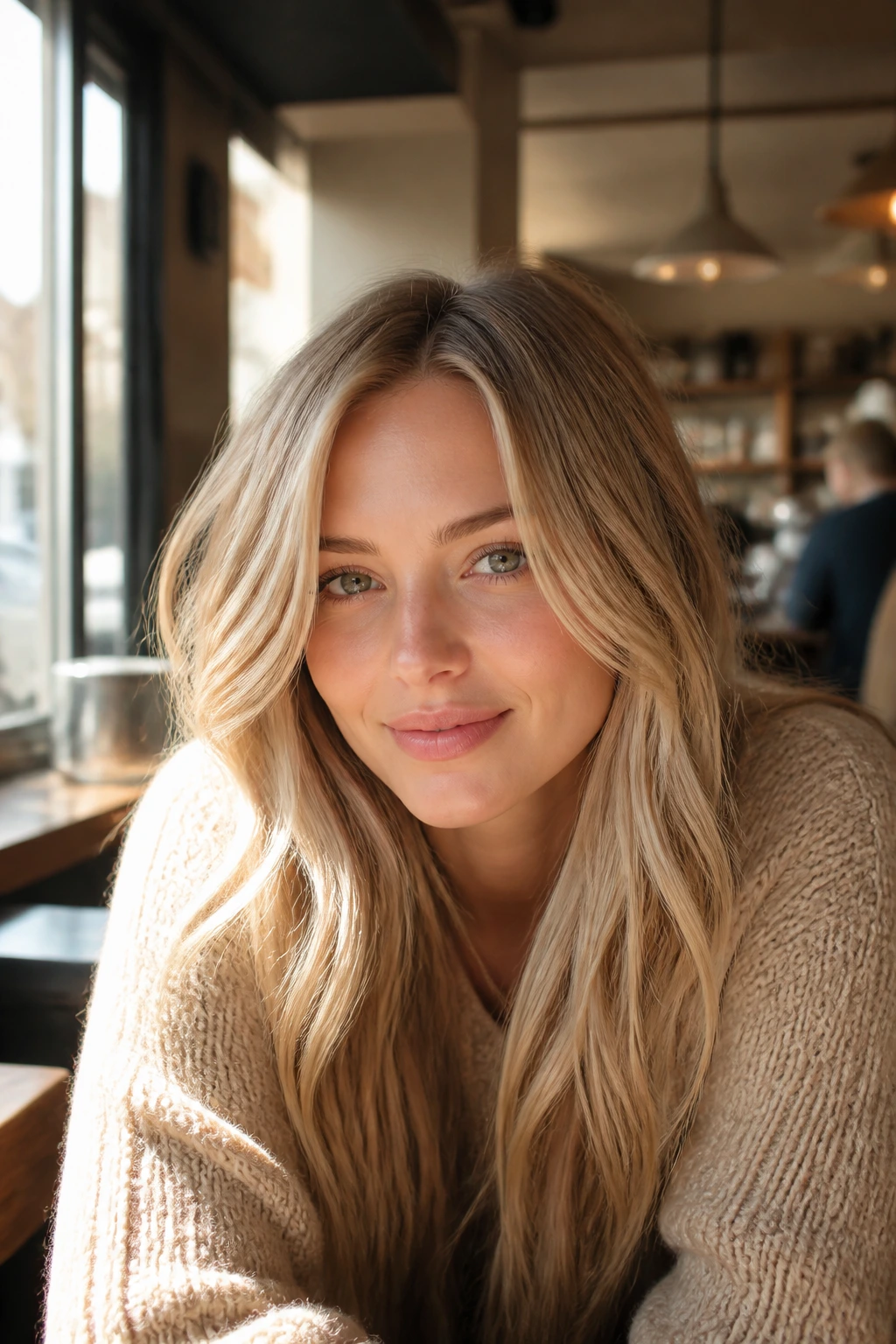
Wheat blonde is a natural, earthy, and muted blonde shade. It has a dry, matte quality to it that looks very sophisticated. It avoids the glossy, overly-processed look, opting instead for a finish that feels natural and lived-in.
It is excellent for those with finer hair, as the muted, matte quality can make the hair appear thicker and fuller than a high-gloss, icy blonde would. It is a great everyday shade for professionals who want to be blonde but need to keep it grounded.
26. Linen Blonde
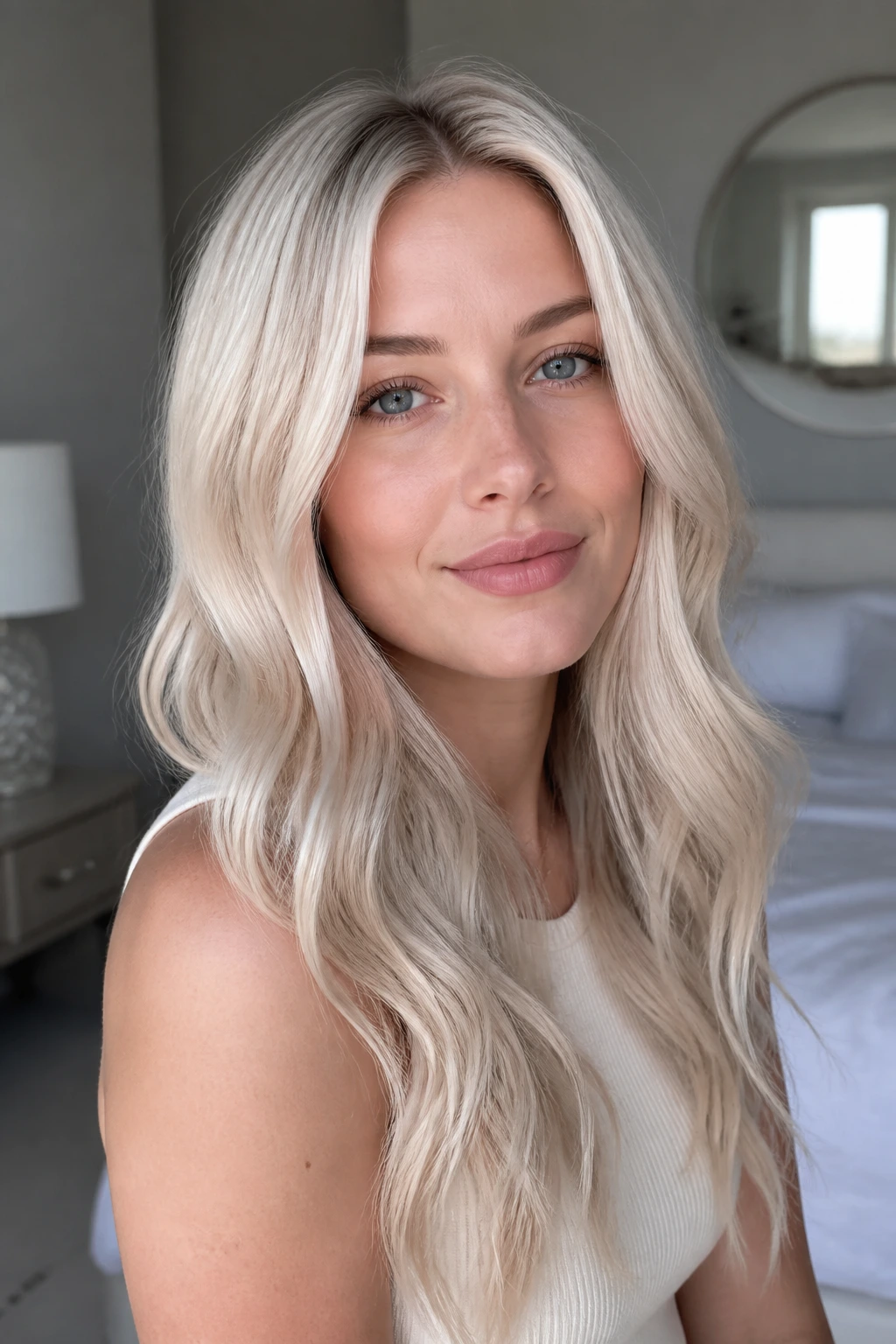
Linen blonde is a very pale, neutral tone. It is like the color of unbleached fabric. It is cleaner than beige and softer than platinum. It is a highly coveted shade because it looks very “high end” and tailored.
To get this, you need a very clean canvas. If your hair has any orange residue, linen blonde will not work; it will turn into a weird, muddy beige. You have to be prepared for the lightening process, but the payoff is a chic, timeless shade that works on almost any skin tone.
27. Buttered Toast
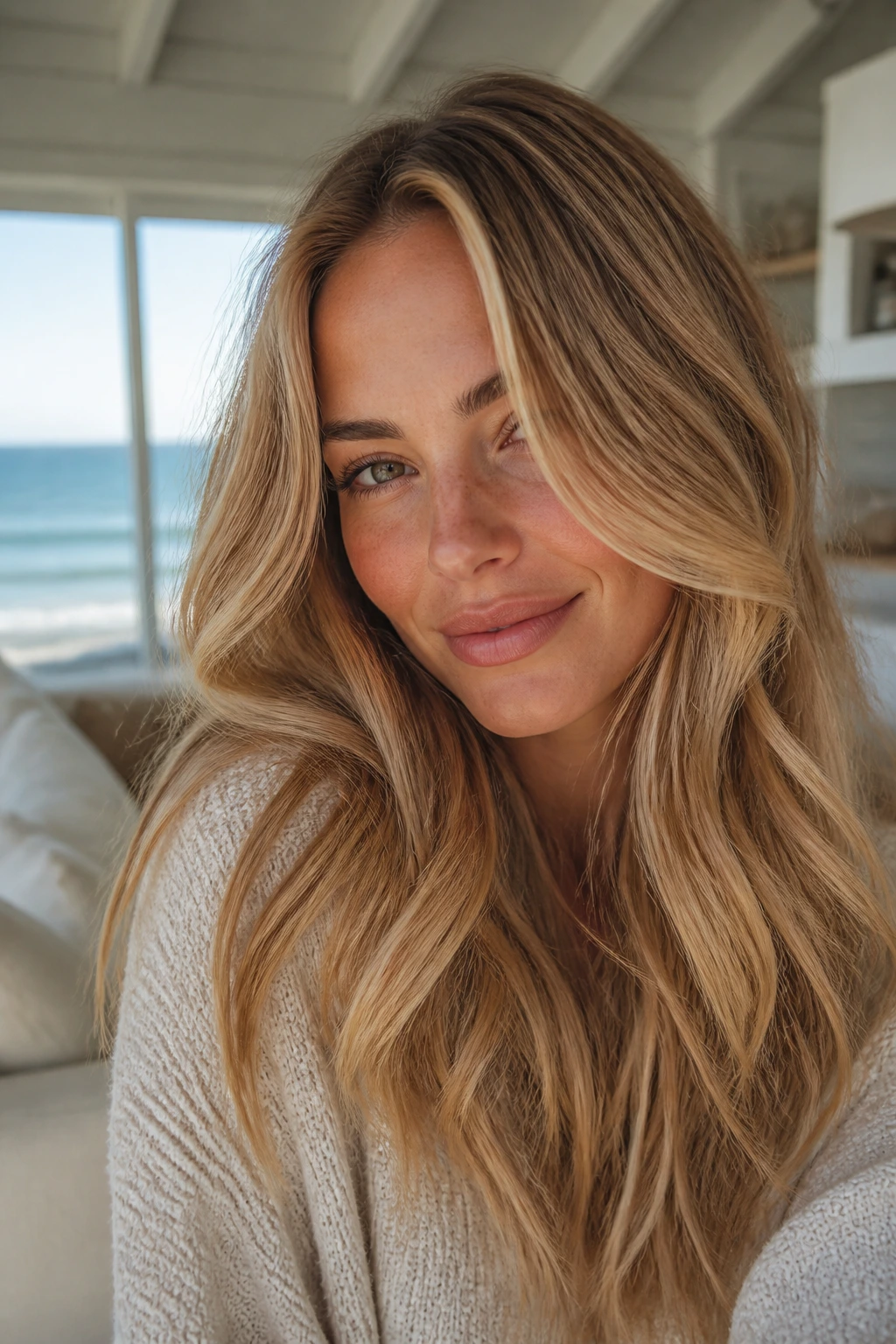
Buttered toast is a warm, medium blonde. It has depth, richness, and just enough golden warmth to make the hair glow. It is a “comfort” blonde. It feels familiar, safe, and beautiful without being edgy or over-the-top.
Styling Tips for This Shade
- Waves are your best friend. This color was made to show off texture.
- Use a salt spray to enhance the natural, beachy vibe of the color.
- Avoid flat-ironing until the hair is poker-straight, as this color can lose its dimension when there is no movement.
28. Pale Yellow Blonde
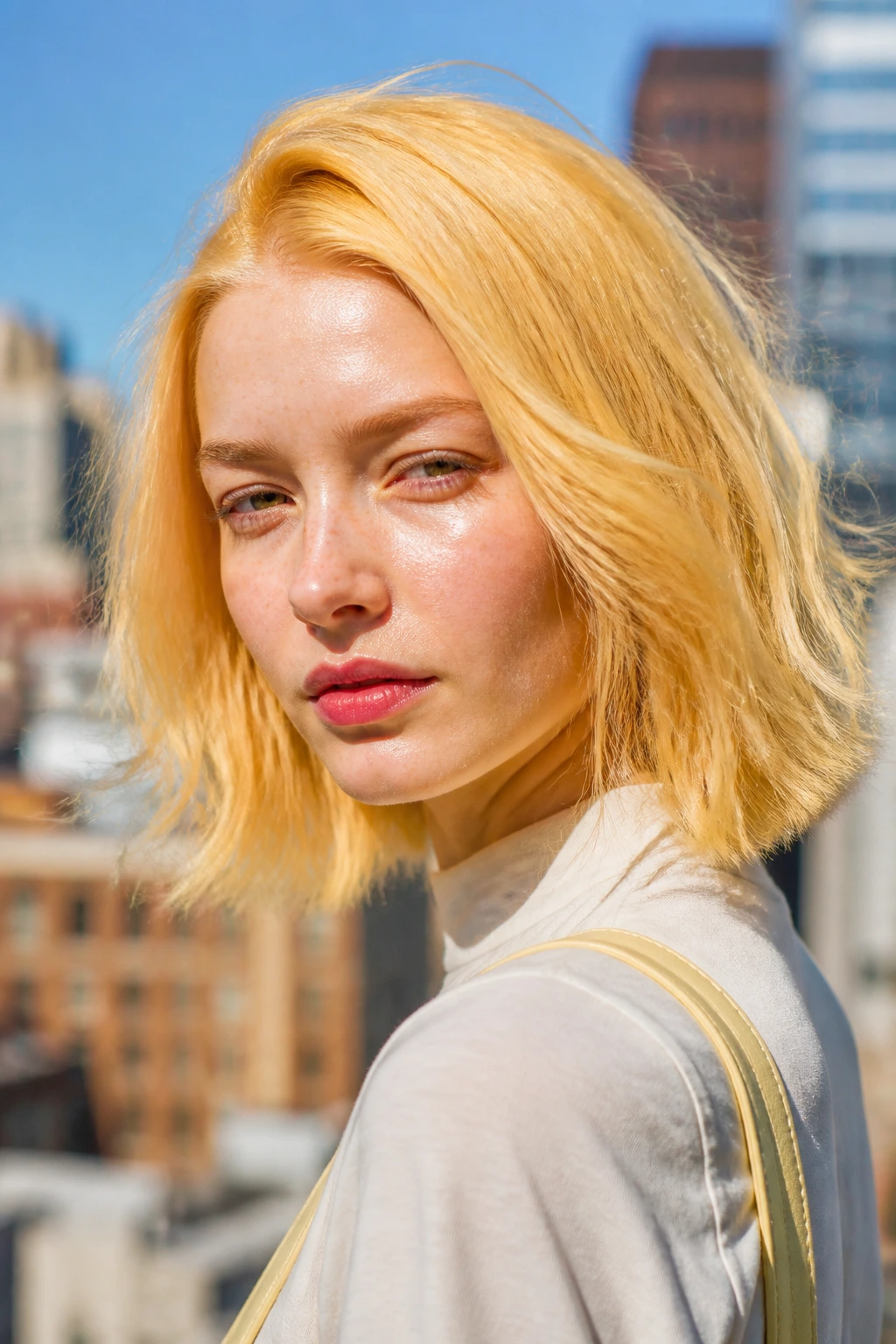
Before you panic, yes, “yellow” blonde is a real thing. When done intentionally, it is a bright, dandelion-gold. It is not the brassy accident that happens when you bleach hair improperly; it is a vibrant, saturated shade of yellow that is surprisingly trendy in fashion circles.
This is a statement color. It is for the person who wants to be noticed. It requires high-intensity maintenance, as it can easily slide from “vibrant yellow” to “oops, I need a toner” very quickly. You must be committed to the upkeep.
29. Warm Almond
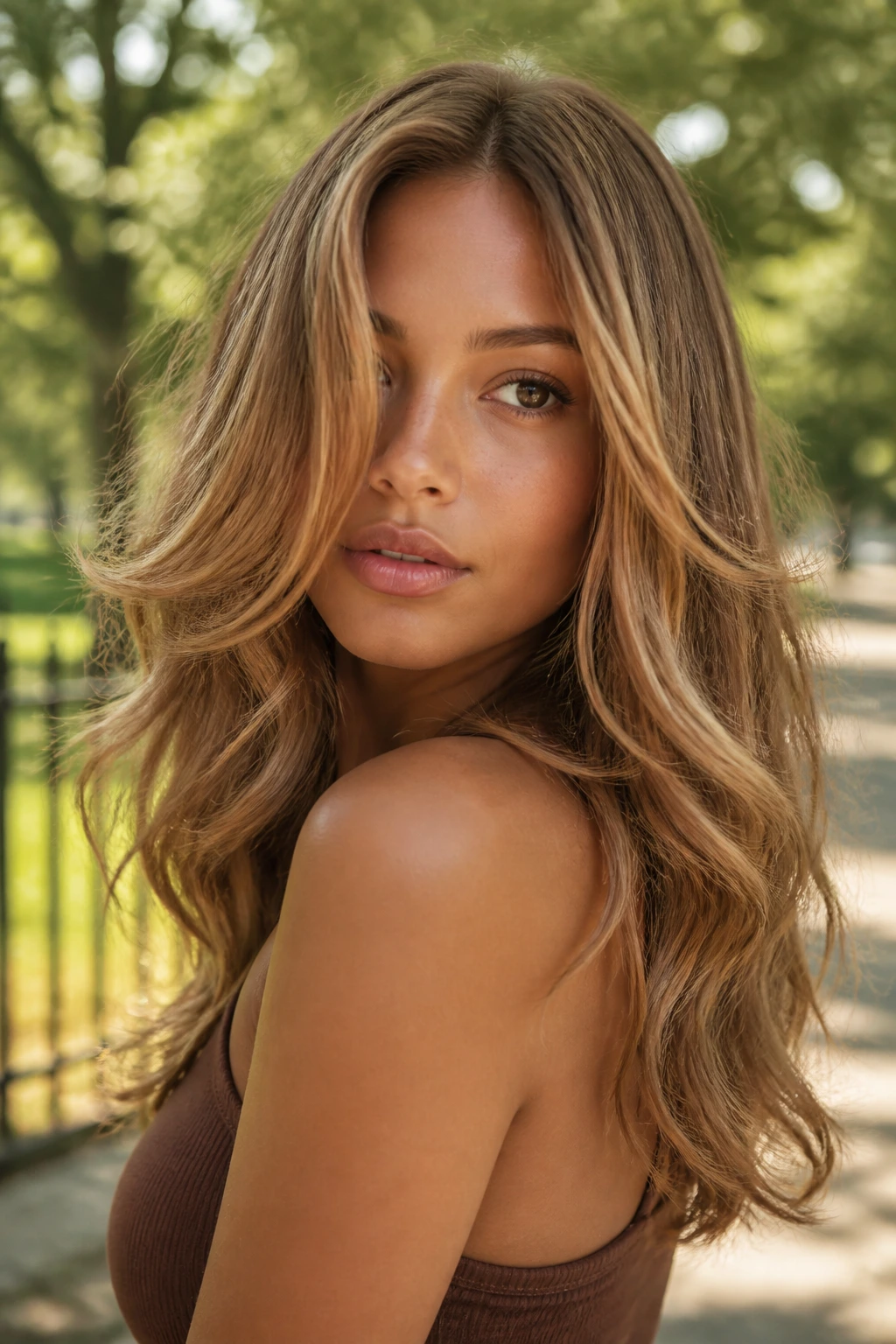
Warm almond is a rich, nutty blonde. It blends golden blonde with light brown, creating a multidimensional shade that feels very natural. It is fantastic for people with darker skin, as the warmth in the almond tone prevents the hair from looking “grey” or “ashy” against the face.
This shade is remarkably healthy-looking. Because it isn’t bleached to the point of structural compromise, the cuticle remains smoother, reflecting light and making the hair look exceptionally shiny and strong.
30. Ashy Brown-Blonde
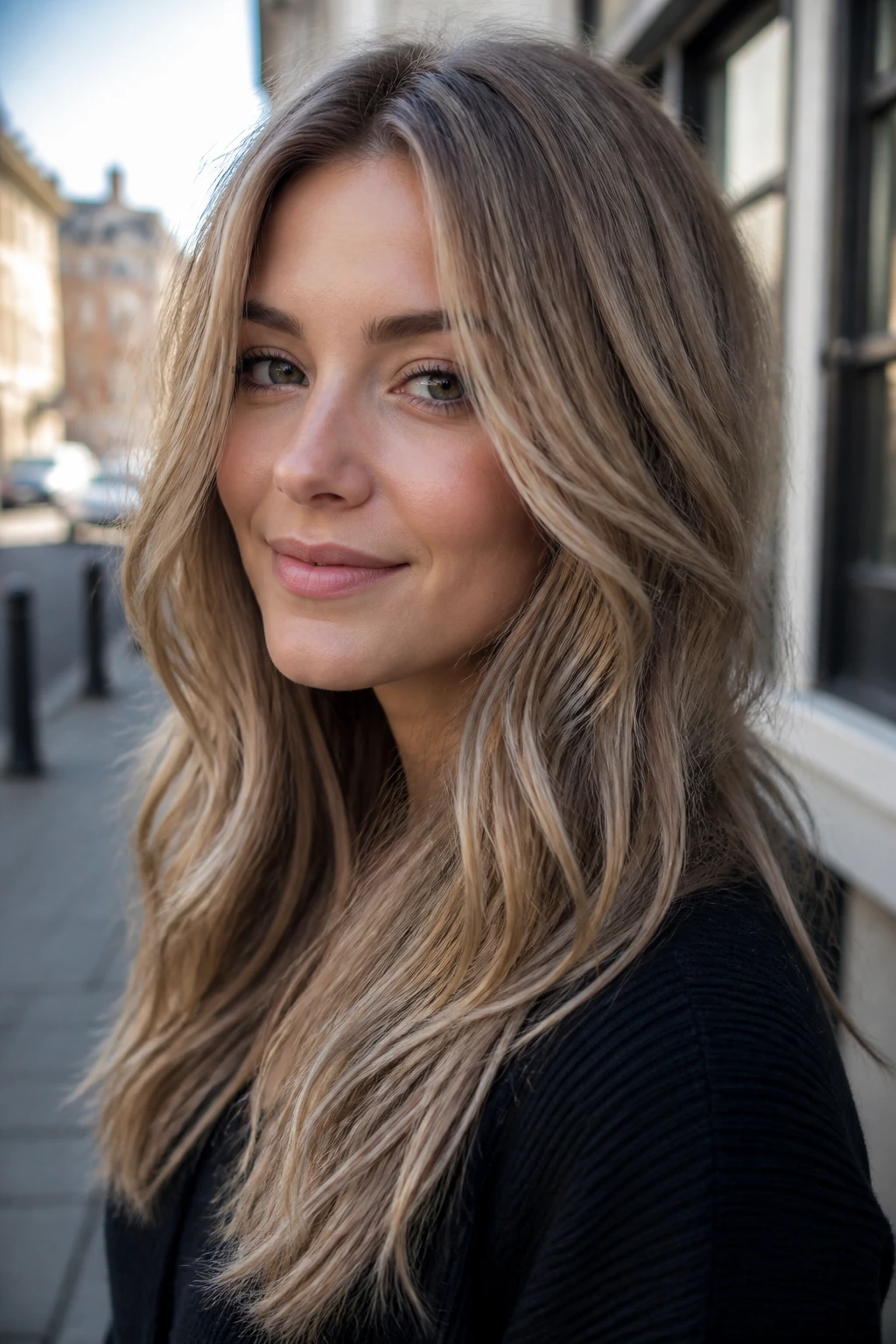
This shade sits right at the border of blonde and light brown. It is cool-toned, muted, and sophisticated. It is the perfect shade for someone who is naturally brunette and wants to lighten up but is afraid of the “blonde” label or the maintenance of light hair.
It is low-maintenance because it is close to your natural base. You can get away with balayage or babylights to achieve this look, meaning you are only lightening a fraction of your hair. It is the healthiest way to explore the blonde spectrum.
31. Violet-Toned Blonde
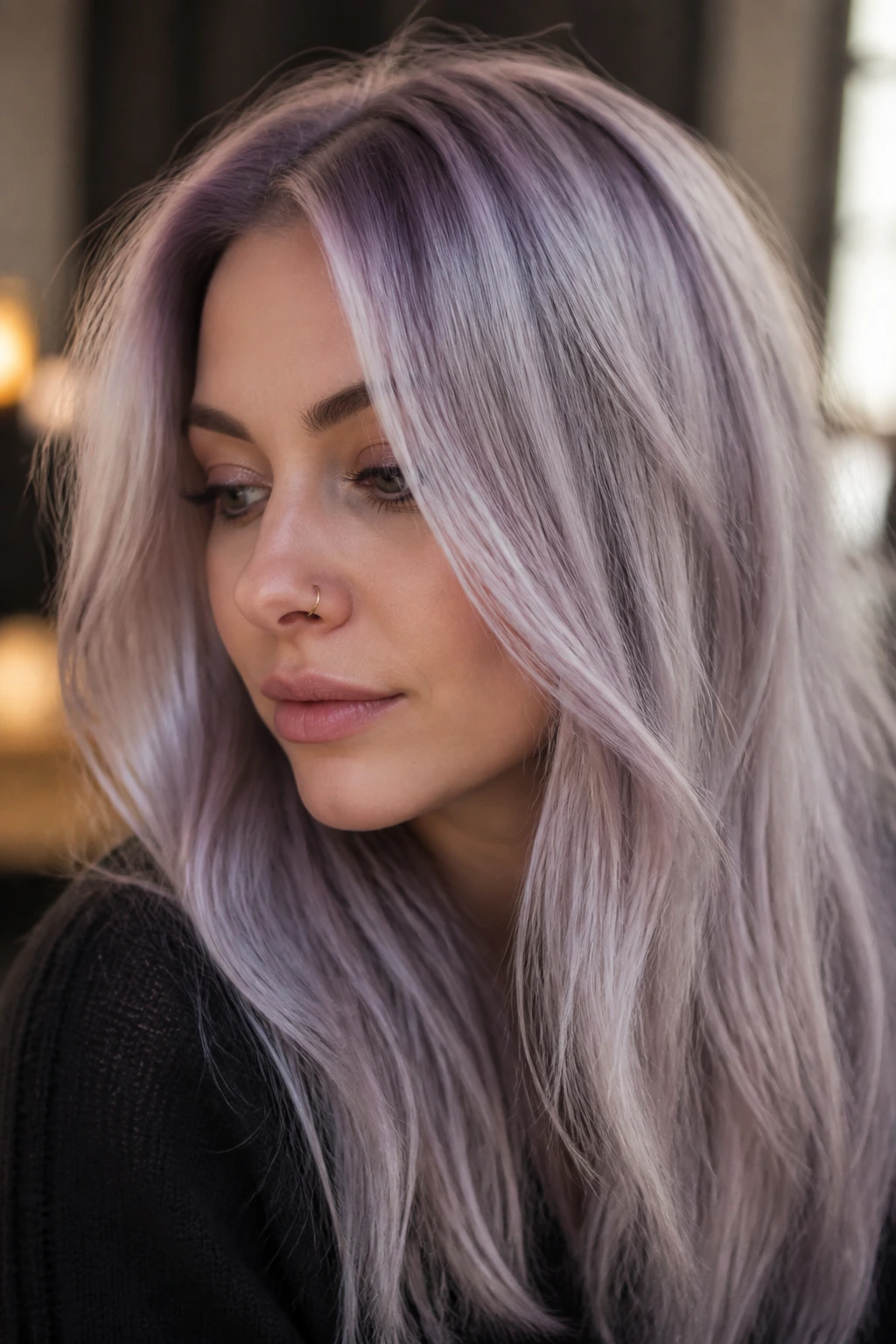
Violet-blonde is exactly what it sounds like: a blonde with a distinct purple cast. This is usually a temporary or semi-permanent state, often used as a toner to counteract extreme yellow. But when done intentionally as a fashion color, it is cool, edgy, and very chic.
It works exceptionally well on people with cool, porcelain skin. The purple tones can make the eyes look brighter, especially if you have hazel or green eyes. Just know that it will wash out quickly, turning into a beautiful, cool ash blonde as the violet pigment fades.
32. Balayage Blonde
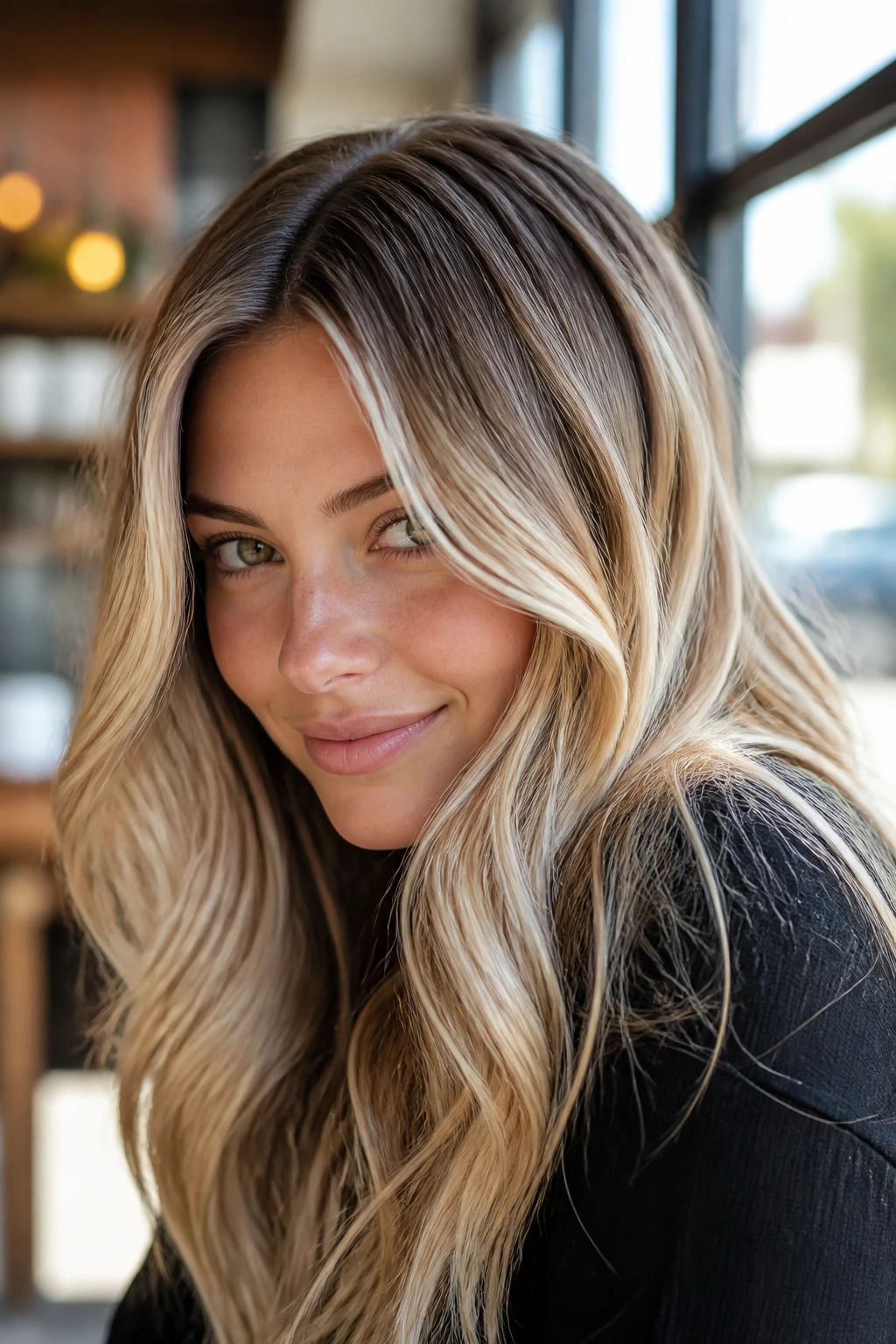
Balayage is technically a technique, but it has become synonymous with a specific “look” of blonde. It is soft, graduated, and seamless. It is the opposite of the old-school chunky highlights. It looks like you have spent the last six months in the Mediterranean sun.
The key to a good balayage blonde is the blend. You should not be able to see where the lightener starts. If you see stripes or clear lines, the technique has failed. It should be a soft, diffused transition from a darker root to a lighter end.
33. Money Piece
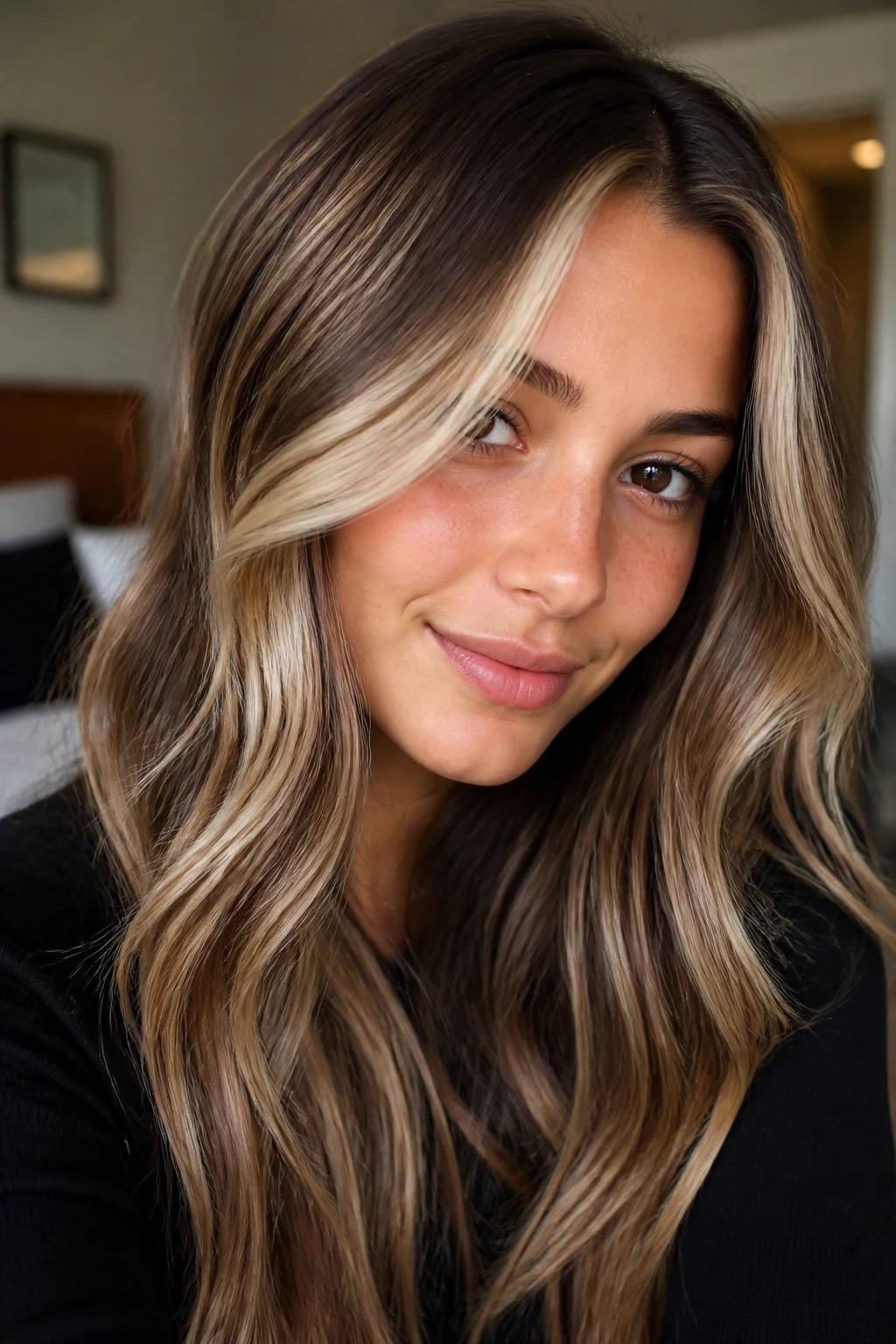
The “money piece” refers to a specific placement technique where the front face-framing strands are significantly lighter than the rest of the hair. It frames the face and brightens the complexion instantly. It is often paired with a darker blonde or bronde base for high contrast.
This is a great entry-level blonde move. You are only bleaching the front sections of your hair, keeping the integrity of the rest of your hair intact. It allows you to experiment with a brighter, bolder blonde tone without committing to the full-head bleach process.
34. Shadow Root
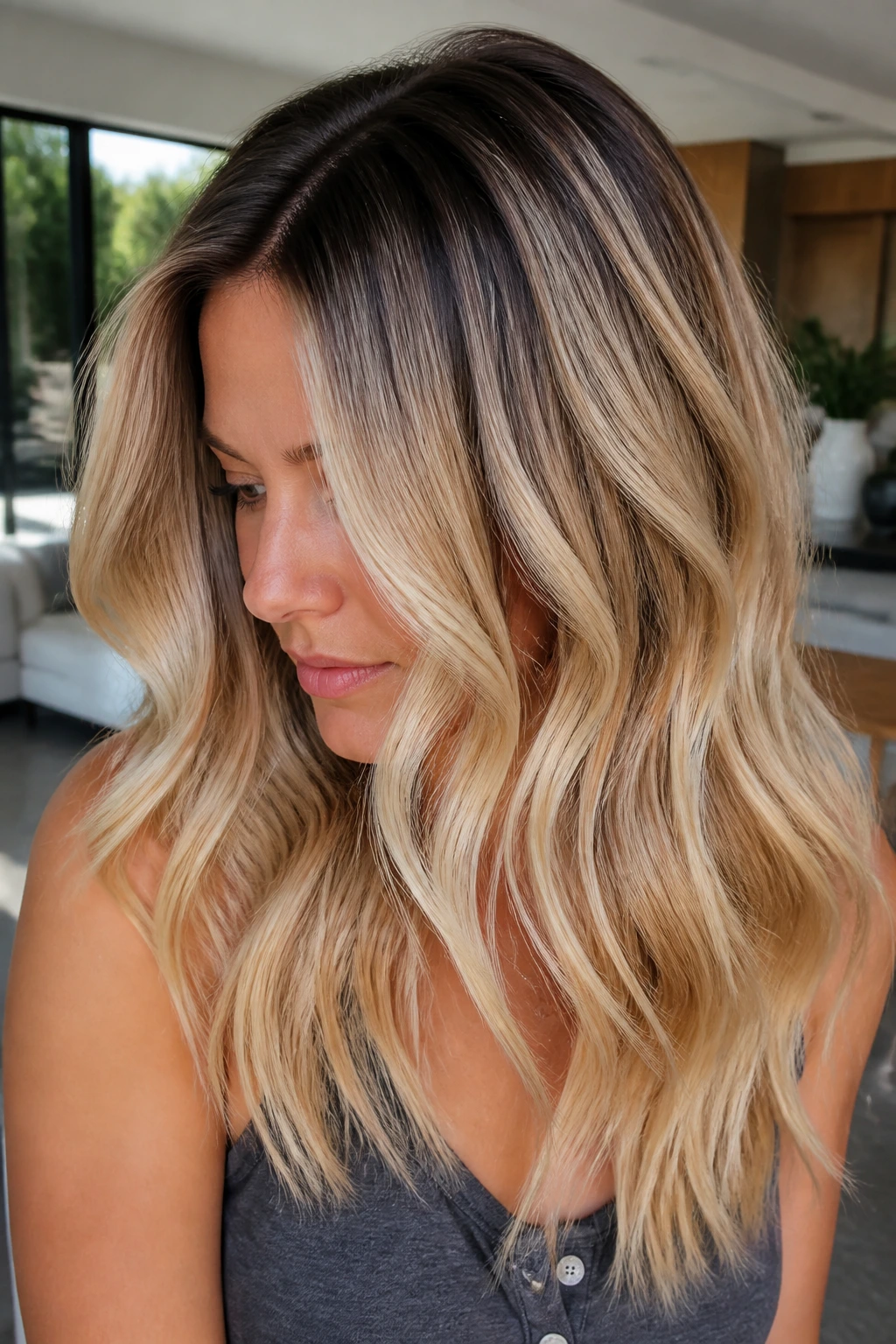
The shadow root is the best invention in modern hair color. It involves taking a darker, root-colored toner and dragging it down a few inches into the lighter blonde, blurring the line between the natural root and the lightened ends.
It makes the grow-out phase non-existent. You don’t have that harsh line of regrowth that screams “I need a salon visit.” Instead, you have a soft, intentional transition that looks good even when you are three months past your appointment.
35. Smoky Blonde
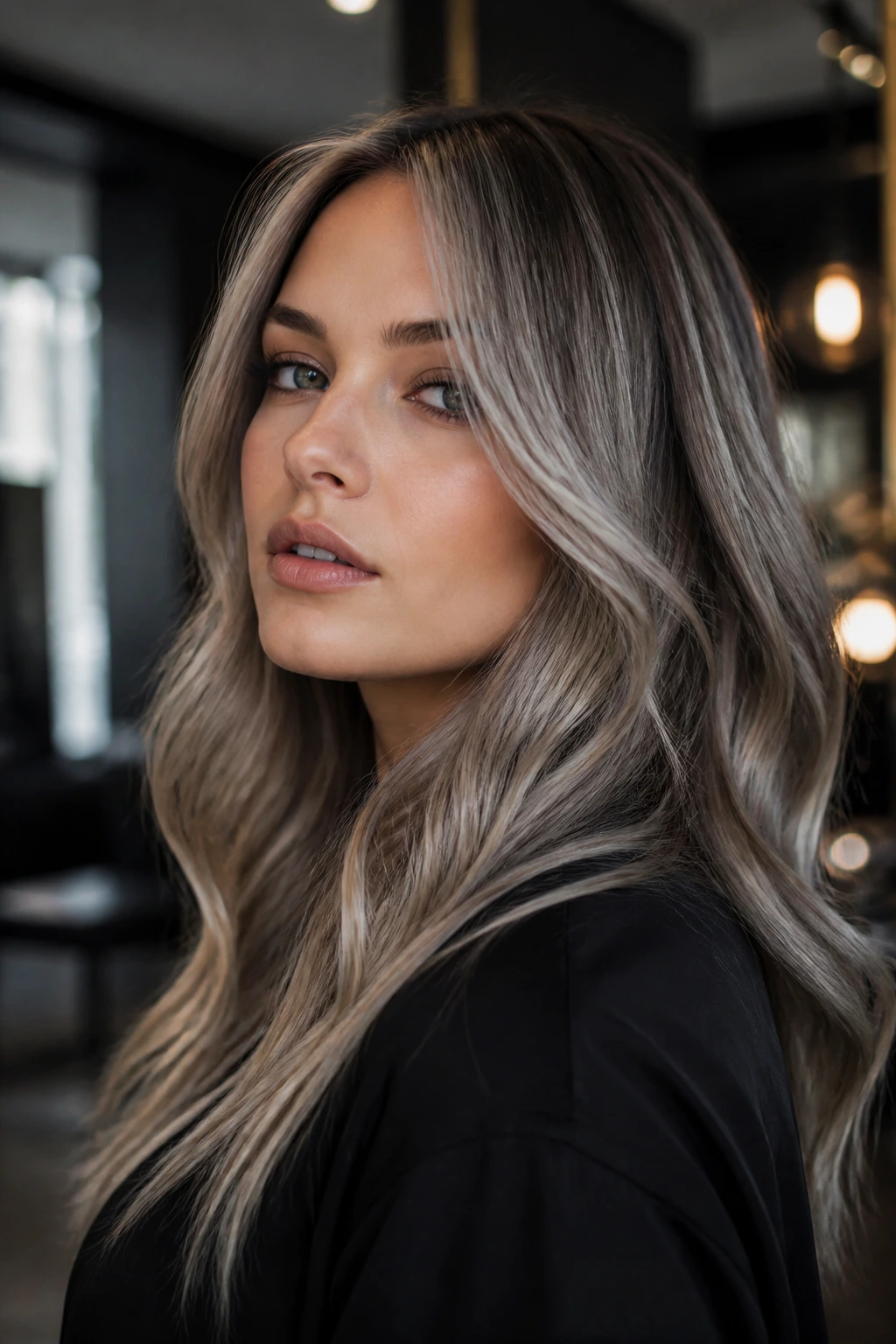
Smoky blonde is the cool, moody, and ethereal cousin of ash blonde. It incorporates slate, charcoal, and grey tones into a dark blonde base. It is incredibly popular for those who want a color that feels “finished” and high-fashion without being too bright or brassy.
This is a color that requires high-level toning skills. You need a colorist who understands how to mix blue, violet, and grey pigments to get the perfect “smoky” finish without it turning into a flat, charcoal grey. When done right, it is one of the most sophisticated colors you can wear.
Final Thoughts
Choosing the right shade of blonde is about more than just a trend or a picture on a screen. It is about understanding what your hair can realistically handle and what colors will actually complement your skin. If you are naturally dark, do not feel pressured to go platinum immediately. The journey to the perfect blonde is often a marathon, not a sprint.
Start slow. Use low-commitment techniques like balayage or babylights to test the waters before diving into a full bleach-and-tone. Remember that maintenance is the hidden cost of blonde hair; a beautiful shade today will be brassy or faded in four weeks without the right care. Invest in professional-grade purple shampoos, moisture-rich masks, and heat protectants. Your hair is an investment, and treating it with care ensures that your blonde stays vibrant, healthy, and exactly the shade you envisioned.
