



Brown hair is rarely boring when the tone is right. It only gets boring when the color sits flat and refuses to move.
Natural hair color tones for brunettes live in the details: a touch of gold here, a little ash there, a soft red cast that shows up in daylight, or a deeper brown that looks glossy instead of heavy. The difference between “nice brown hair” and “that brown looks expensive” is usually not a giant leap. It’s a small, careful shift in tone.
I care about that shift a lot. A brunette shade can be warm without turning orange, cool without looking muddy, or deep without drifting into black paint territory. And because brown hair holds pigment differently than lighter shades, the same tone can look soft indoors and sharp outside, which is why the wording on a color chart never tells the whole story. You have to think about undertone, light reflection, and how much contrast you actually want.
Some tones are easy and forgiving. Some need a better colorist and a little more maintenance. Either way, the right brunette shade should still look like your hair — only richer, cleaner, and more deliberate.
1. Espresso Brown
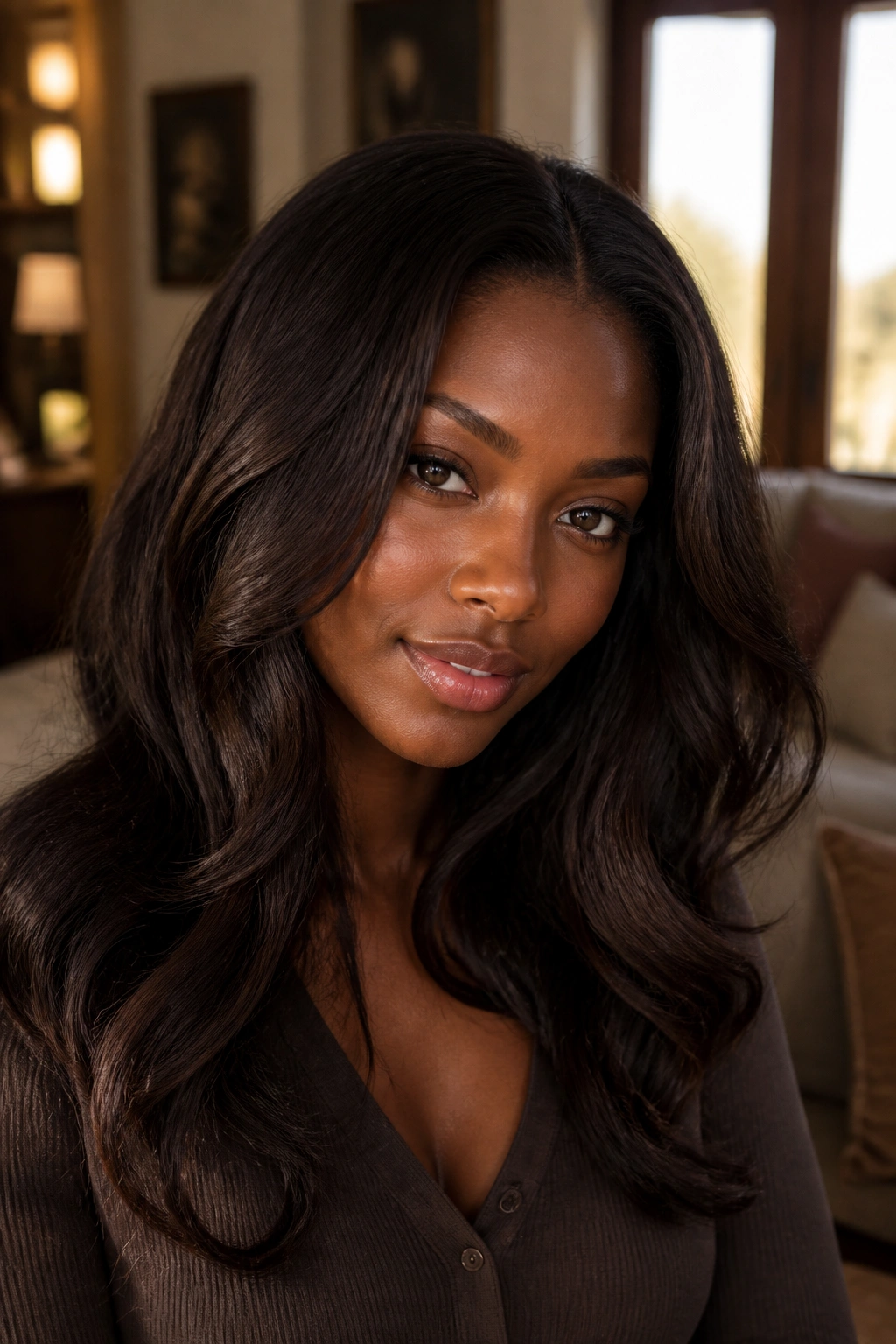
Espresso brown is the deepest natural-looking brunette shade on the list, and it has a kind of quiet drama that I never get tired of. It sits close to black, but it still reads brown in sunlight, which keeps it from looking harsh or flat. On straight hair, it gives a sleek, glassy look. On curls, it makes the shape feel sharper and more defined.
Why it looks so rich
The magic is in the depth. Espresso brown works best on level 3 or 4 hair because there is enough darkness to hold the color without making the hair look dyed to death. If your base is already dark, this tone usually just needs a gloss or demi-permanent refresh rather than a full color overhaul.
- Best for high-contrast features and darker brows
- Reads polished on blunt cuts, bobs, and long layers
- Looks especially clean with a center part
- Can turn too flat if the formula has no warmth at all
My blunt advice: ask for espresso with a soft brown base, not blue-black. The tiny bit of warmth keeps the shade wearable.
How to keep it from going dull
Shine matters here more than highlights do. A deep brunette can look expensive or lifeless in about five seconds, and the only difference is reflectivity. Use a color-safe shampoo, rinse with cool water when you can stand it, and add a clear gloss every few weeks if your hair tends to drink up pigment.
2. Chocolate Brown
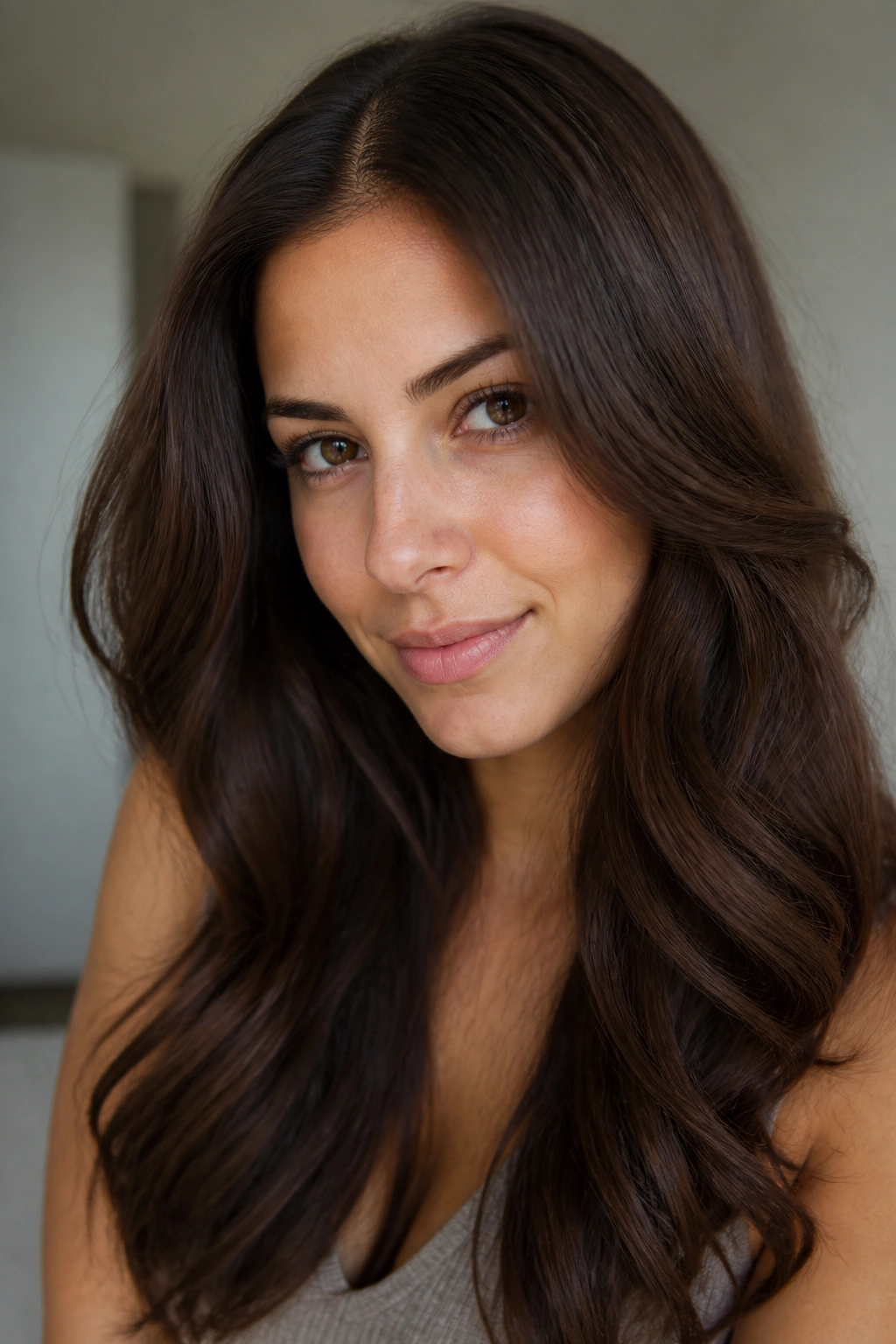
Chocolate brown is the shade I reach for when someone wants brunette hair that feels soft, not severe. It has enough depth to look full, but it still gives off warmth and movement. That makes it easy to wear on a long grow-out, and it tends to flatter a wide spread of skin tones without trying too hard.
Chocolate brown is also one of the easiest tones to live with. It does not scream for attention, and that’s the point. If your natural hair already sits in the medium-brown range, this shade usually blends in like it belongs there, which means less visible regrowth and fewer awkward lines at the root.
What I like most is the way it handles light. Indoor light gives it a creamy, almost milky softness. Sunlight pulls out a little shine around the edges, especially on waves or layered cuts. It feels calm. Not sleepy. Just calm.
If your skin leans cool, ask for chocolate brown with neutral rather than red warmth. If your skin has golden or olive undertones, a warmer chocolate formula can look gorgeous without drifting into chestnut territory. That small difference matters more than people think.
3. Chestnut Brown
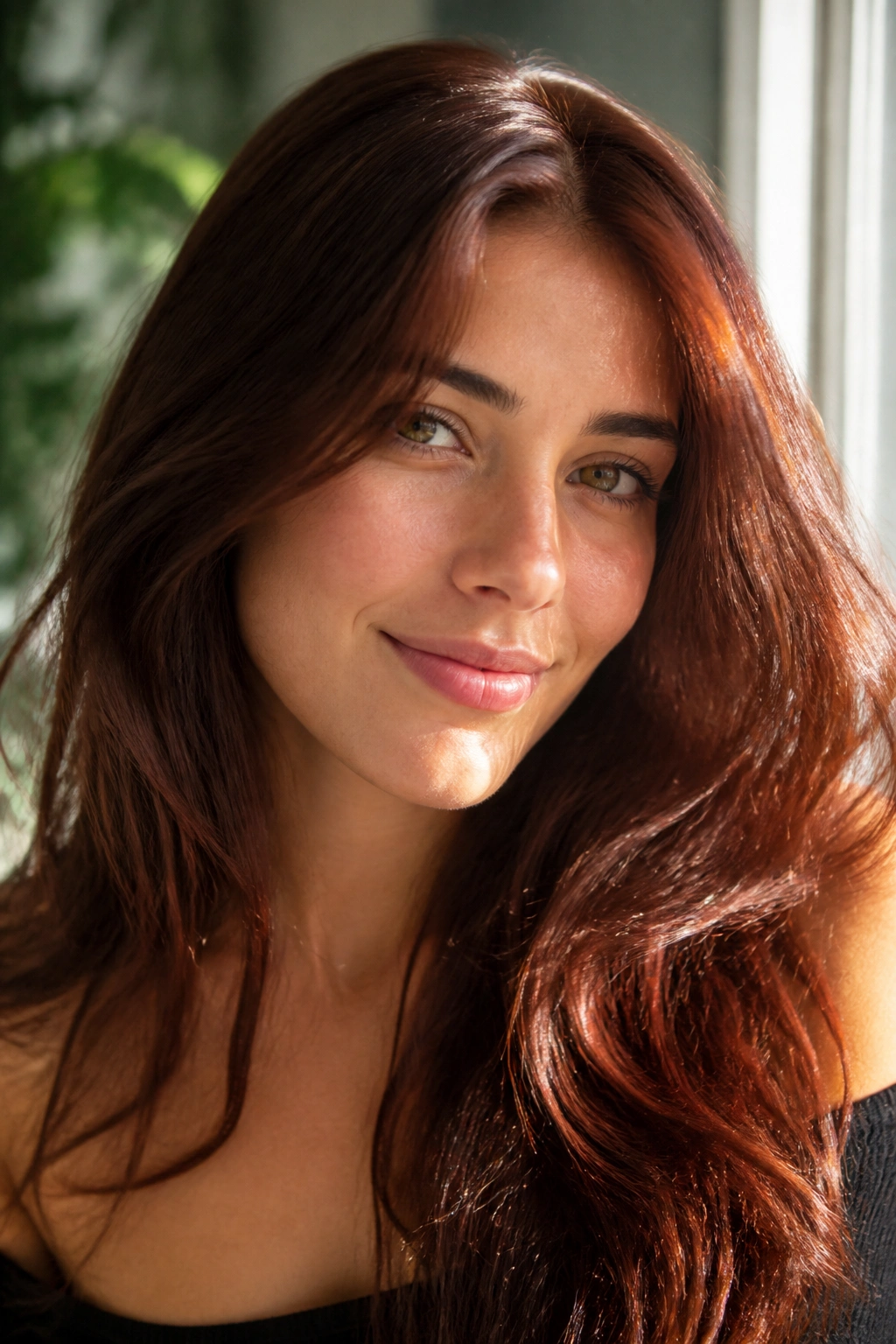
Why does chestnut brown keep showing up in salons, magazines, and every brunette inspiration board worth saving? Because it sits in that sweet spot between brown and red without losing its natural feel. The red-gold undertone is there, but it is softened enough to stay believable.
Chestnut is one of those shades that changes personality with the light. Indoors, it can look like a simple medium brown. Near a window or outdoors, the red warmth wakes up and gives the hair a deeper glow. That’s why it flatters green and hazel eyes so well; the color does half the work for you.
How to wear it
Ask for chestnut when you want warmth but not a coppery jump.
- Works well on level 5 to 6 brunettes
- Looks good on curls, because the red tones catch on the bends
- Gives fine hair a fuller look without adding obvious highlights
- Needs a gloss every 6 to 8 weeks if you want the warmth to stay soft
Chestnut can go brassy if the formula is too orange, so I prefer it when the red is brown-based, not fire-engine loud. That tiny restraint is what makes it look grown-up instead of theatrical.
4. Mocha Brown
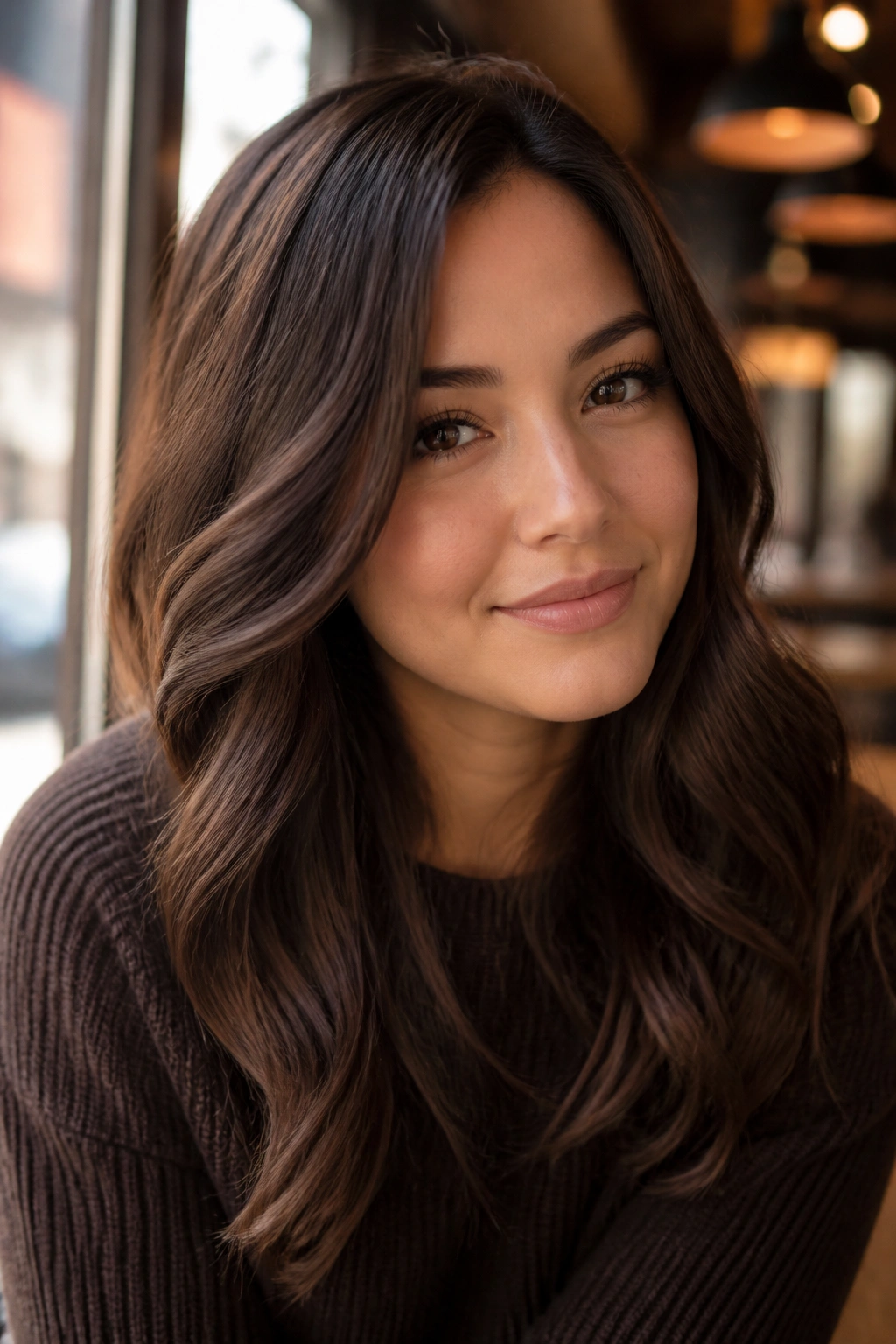
A lot of brunettes want warmth, then panic when the color gets too orange. Mocha brown is the fix I like best for that problem. It is a cool-neutral brown with a soft coffee tone, so the shade feels rounded and deep without looking muddy or cold.
I think mocha is especially good when hair already has some natural dimension. On layered cuts, the color moves a little with each bend and wave. On straight hair, it reads smooth and soft, almost like velvet. It’s a shade that gives the impression of depth before the eye even notices the details.
Good matches for mocha brown
- Medium to deep brunette bases
- Olive and neutral skin tones
- Hair that tends to pull red or gold too fast
- People who want a softer version of espresso
Mocha also plays nicely with subtle face-framing pieces. A few lighter ribbons can sit inside the mocha base without turning the whole head into highlights-and-contrast chaos. That’s the trick. Keep the base rich, let the dimension show in motion, and do not overlighten the front unless you want the look to get louder.
5. Caramel Brown
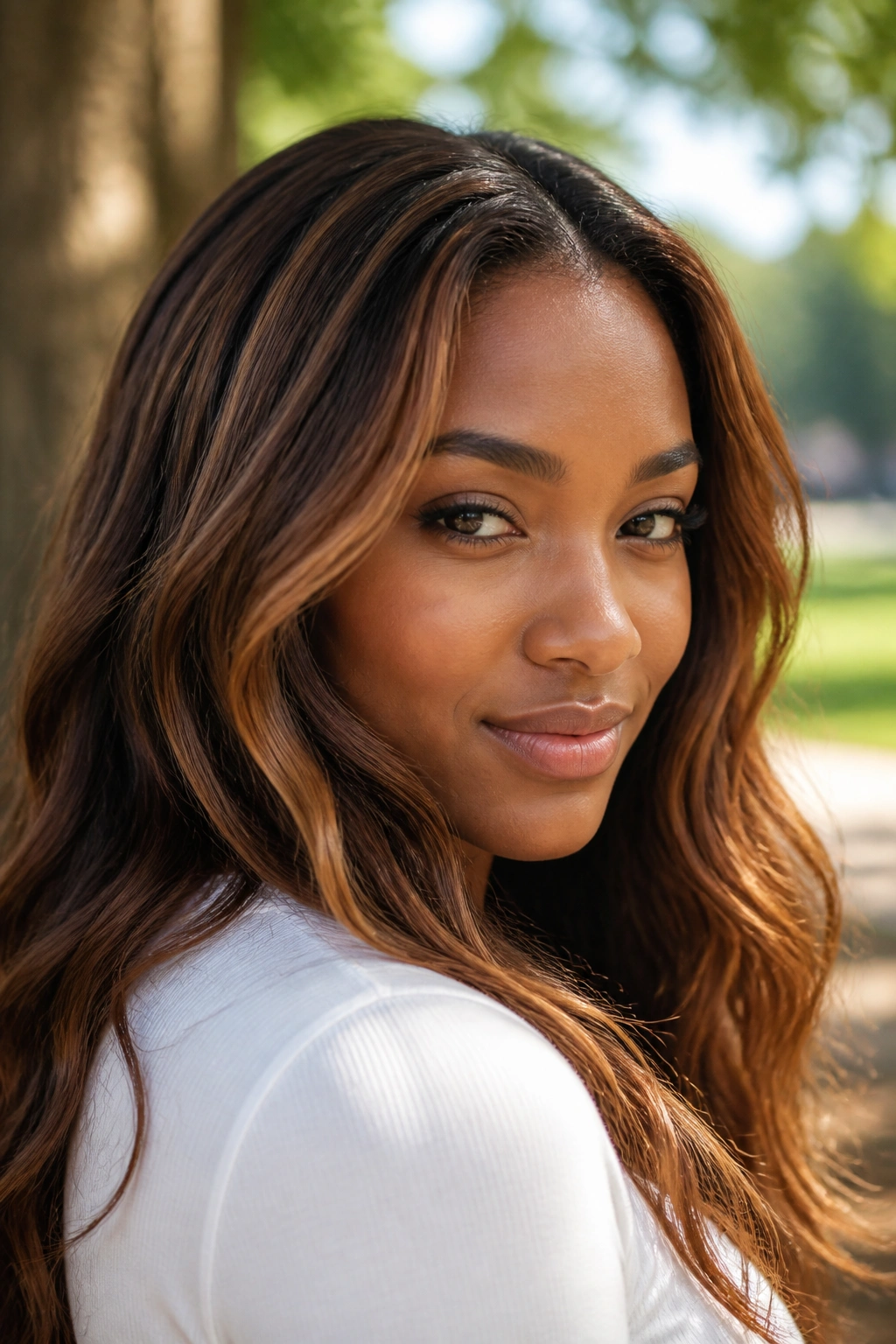
Caramel brown is warm, yes, but it only works when the warmth looks like light, not dye. That’s the line. The best caramel brunette tones have a golden softness that sits on top of the brown base instead of fighting it, and that’s what gives the color its easy, lived-in feel.
I like caramel most when it is placed with a little restraint. A heavy all-over caramel formula can go too yellow or too orange, especially on porous hair. A few well-placed ribbons around the face, crown, and top layers usually read better. You get movement without losing the brunette identity.
The shade is a natural fit for wavy and curly hair because texture breaks up the color. Those bends catch the light in tiny patches, so the warm tone never looks like a flat block. If you have straight hair, the same shade can still work, but it usually needs a touch more layering to keep it from looking one-note.
Caramel brown is at its best when the roots stay a shade deeper. That small shadow keeps the color grounded and makes the lighter ends feel intentional rather than overprocessed.
6. Cinnamon Brown
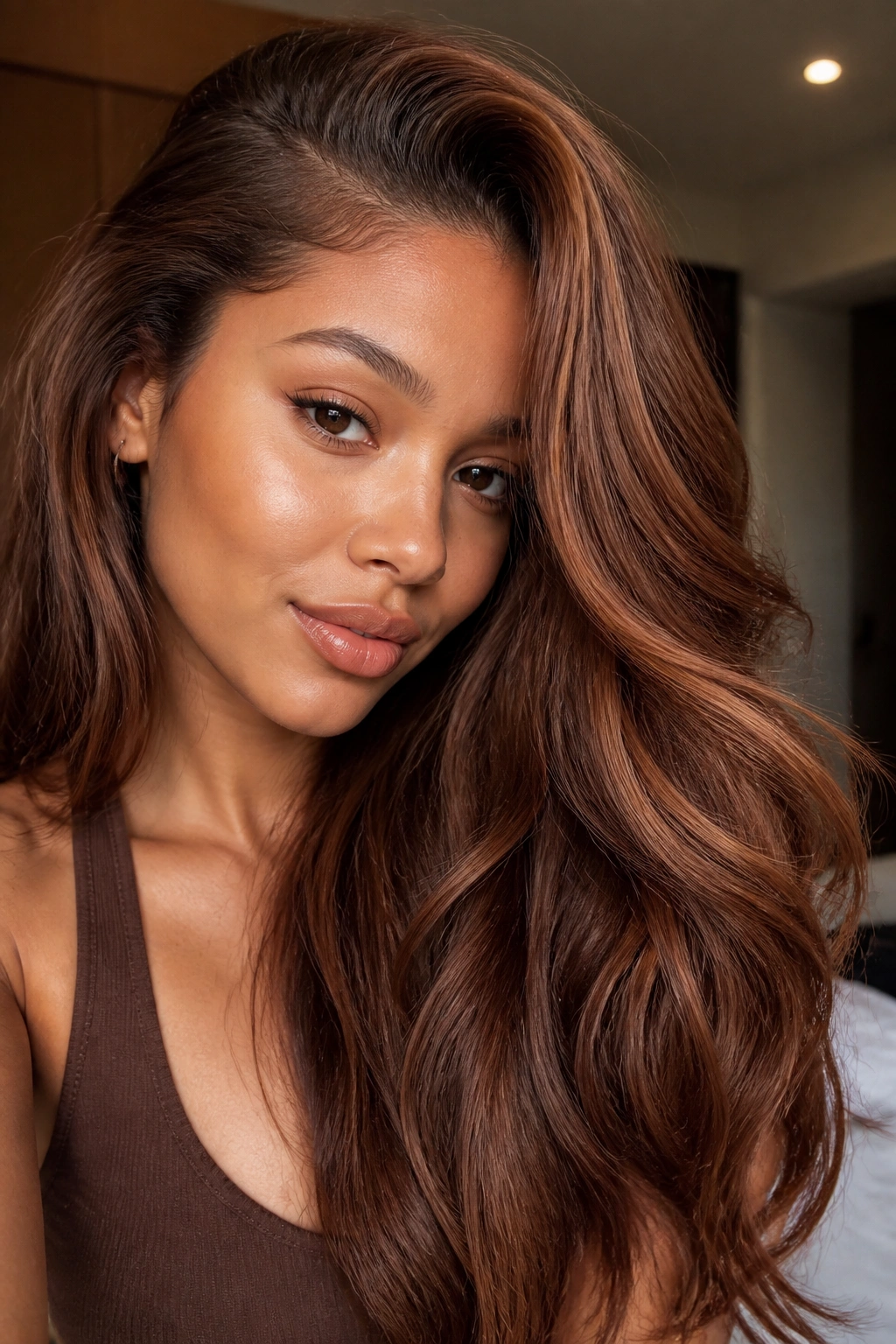
Unlike auburn, cinnamon brown stays brown first and red second. That’s why it feels easier to wear if you want warmth without committing to a full red-brown shift. The color has a spicy, soft-copper edge, but it still belongs in the brunette family.
Cinnamon works well on medium-depth brown hair where the goal is visible movement. It gives the hair a little spark, especially under indoor lighting, and it can make layers look more textured than they really are. On thick hair, the tone helps the ends look less heavy. On finer hair, it keeps the color from disappearing.
The nicest version of cinnamon brown uses a brown base with a copper-gold glaze. Too much copper and you’re in orange territory. Too much gold and it can flatten out. The middle is where it shines.
If you like warm makeup, this shade is a gift. Peach blush, terracotta lips, warm browns around the eyes — all of it plays well with cinnamon hair. That said, the shade can pull vivid fast, so I would not choose it if you want a nearly invisible grow-out.
7. Ash Brown

Ash brown is the fastest way to quiet down brass in brunette hair without dragging the color into flat gray territory. It has a cool, smoky finish that cancels out orange warmth and gives brown hair a cleaner edge.
Some people avoid ash because they think it will look dull. That happens when the formula is too dark or the hair is already overprocessed. A good ash brown still has shine; it just swaps warmth for a cooler cast. The result is polished, not icy.
When ash brown makes sense
- Your hair pulls red or gold the minute color hits it
- You want a cool brunette tone that still reads brown in daylight
- Your brows and lashes are naturally dark
- You like subtle, quiet color more than warm glow
A blunt warning: ash brown is not the right choice if your skin has a lot of golden warmth and you want the hair to glow. It can look a little stern in that case. But if your features like cooler contrast, this shade can be a lifesaver, especially after summer lightening or any color that leaned too orange.
8. Mushroom Brown
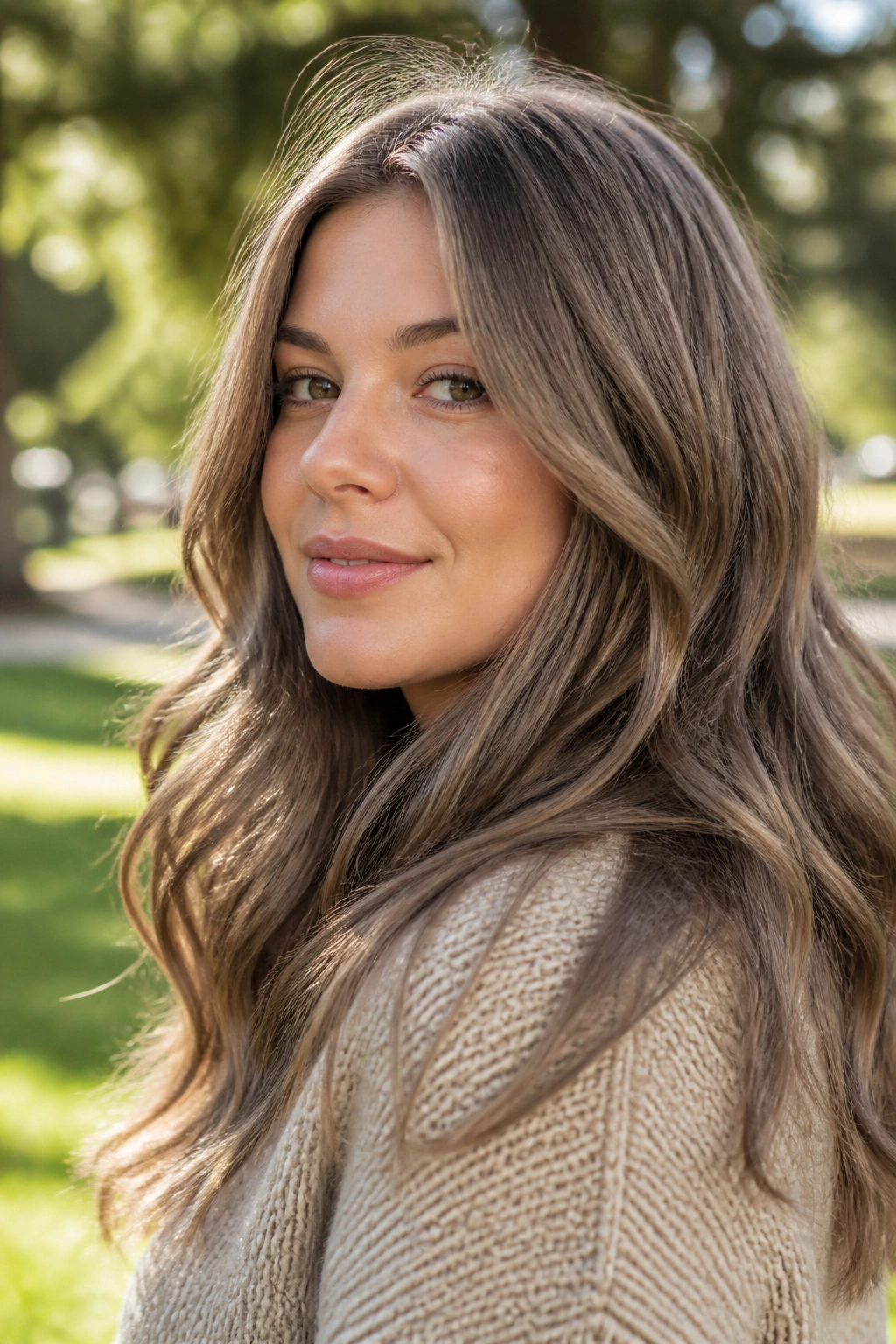
Why do some brunettes look soft and dimensional even when the color is barely noticeable? Mushroom brown is usually part of the answer. It is that beige-ash, taupe-brown family that sits somewhere between cool and neutral, and it has a quiet, expensive-looking softness to it.
The shade works best when the hair is lifted enough to hold both beige and ash tones. Too dark, and it just looks muddy. Too light, and you lose the brown identity. Mushroom brown needs balance. That is the whole game.
How to keep mushroom brown from going flat
- Start with a level 6 or 7 base if possible
- Keep the tone soft, not gray-heavy
- Use a violet or blue shampoo sparingly
- Ask for a dimensional finish, not one solid block of color
I especially like mushroom brown on layered cuts and loose waves. The tone changes slightly from one section to the next, which keeps it alive. On braids or twist styles, it can look even more textured because the weave shows the shift between cool beige and brown.
It is not a loud shade. That is the appeal.
9. Auburn Brown
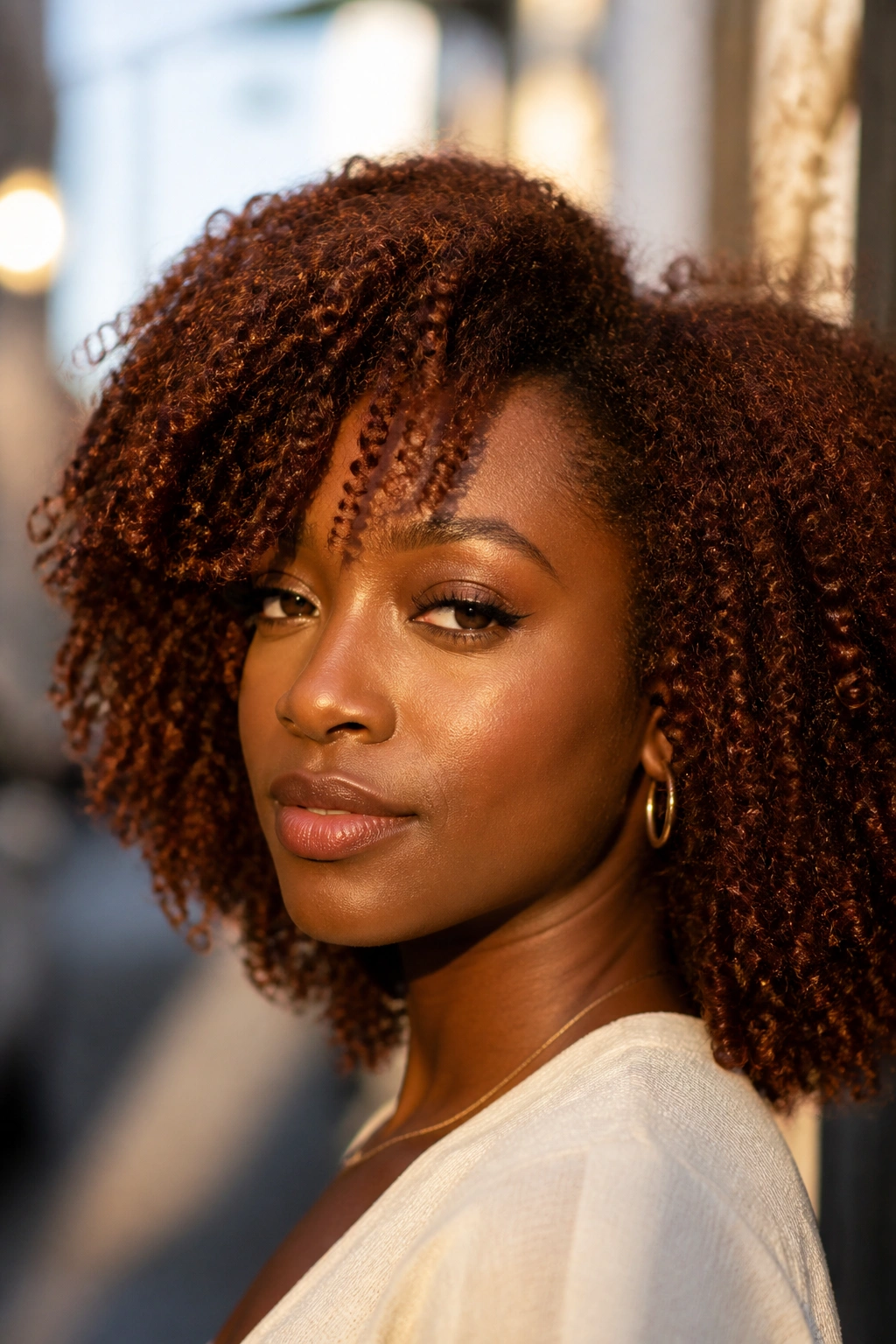
Auburn brown has more fire in it than chestnut, and that is exactly why people either love it or skip it entirely. The shade lives in the brown-red zone, but it still stays grounded enough to count as brunette. It is one of the easiest ways to add visible warmth without going full copper.
I like auburn brown on thick hair and textured styles because the red tones catch movement so well. On curls, it can look rich and deep at the same time. On braids, the shade shows up as a woven thread of color rather than a loud block, which gives the whole style more life.
What makes auburn different
- It leans redder than chestnut
- It feels bolder than cinnamon
- It can brighten dark hair without heavy lightening
- It looks strongest in sunlight and soft window light
Auburn brown does need maintenance. Red pigments fade faster than neutral brown tones, and they can shift copper if the hair is porous. A color-depositing conditioner in a matching warm brown-red range can help, but only if you use it lightly. Too much and the tone starts looking painted on.
If you want brunette hair that gets noticed without turning blonde, auburn is hard to beat.
10. Mahogany Brown
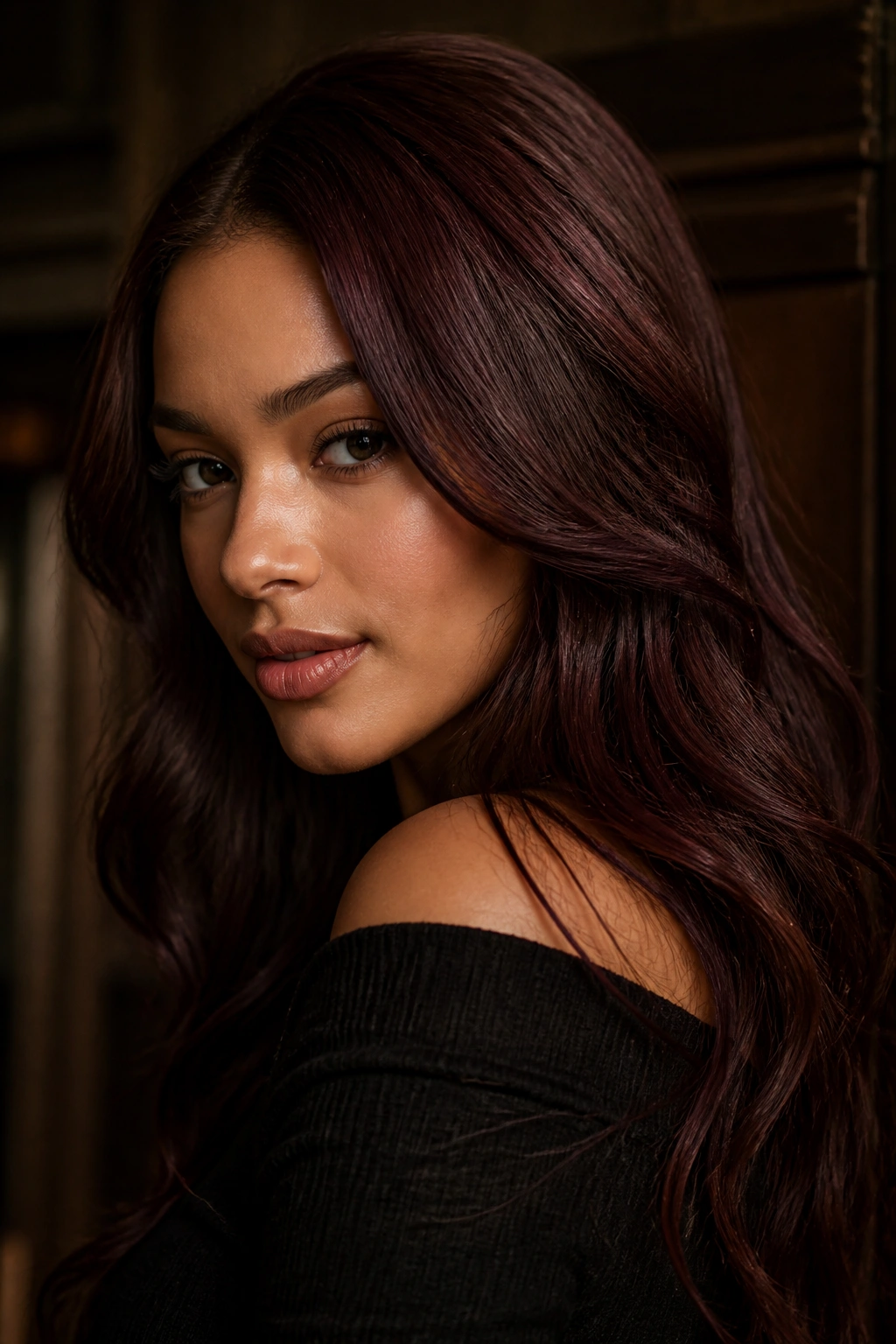
Mahogany brown is a deep red-brown with a little violet in the mix, and that violet note matters. It keeps the red from turning loud and gives the shade a richer, darker finish than auburn usually has.
The color looks especially good when you want depth with a bit of drama. Indoors, it can read as a moody brunette. Outside, the red-violet undertone shows up and gives the hair a darker wine-like cast. It is not flashy, but it is not shy either.
Mahogany is a smart choice for brunettes who want visible change without losing the seriousness of a dark base. A level 4 or 5 hair color can hold it nicely, and it tends to flatter people with deeper skin tones or cool-leaning complexions that can carry richer color.
I would ask for mahogany if you like dark lipstick, dark denim, or any color that looks better with a little tension in it. It also pairs well with glossy finishes. Matte mahogany is where the shade can feel flat. Glossy mahogany is where it starts looking alive.
11. Toffee Brown
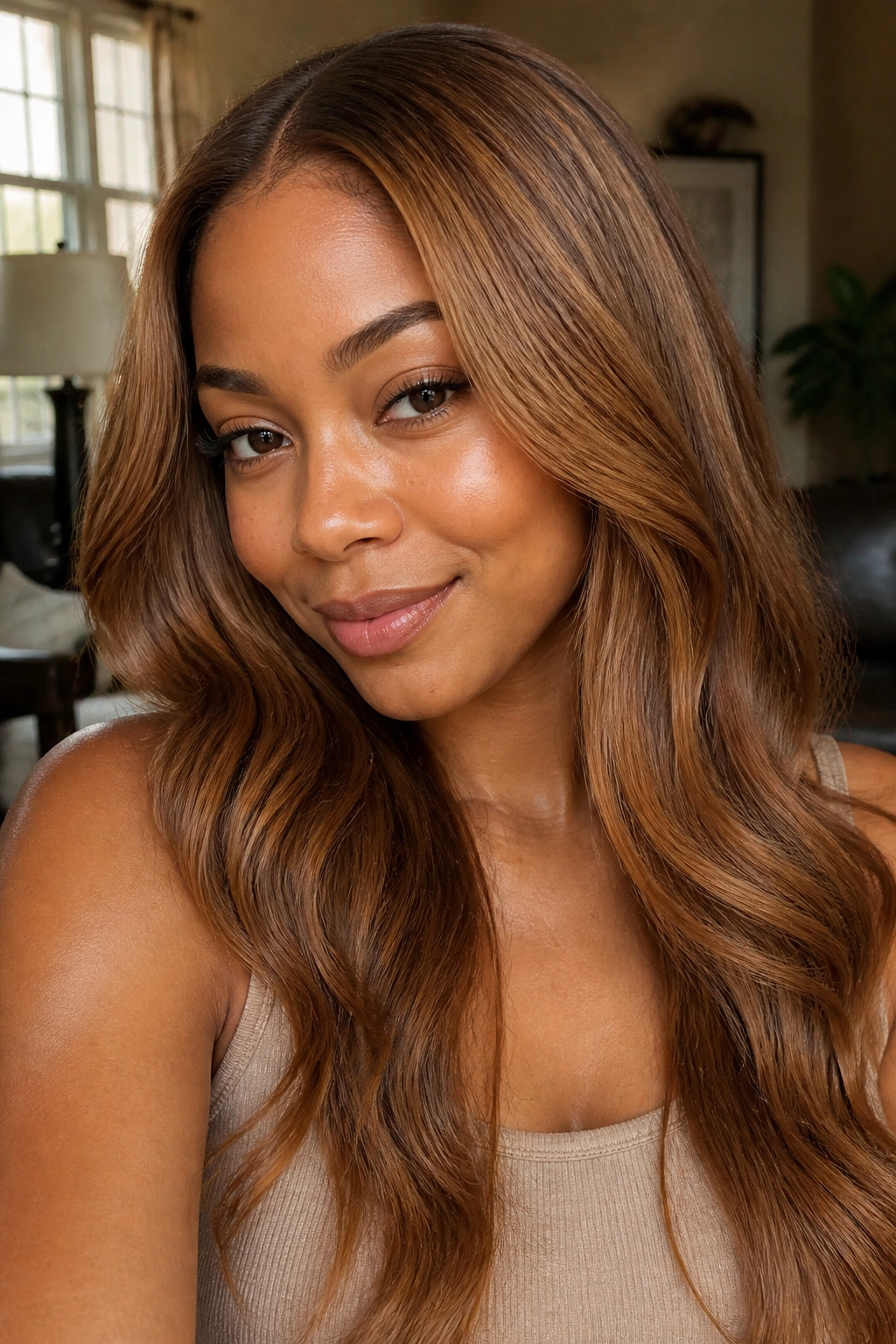
Toffee brown is warmer and a little lighter than chocolate, but not as golden as caramel. That middle ground is what makes it so easy to wear. It gives brunette hair a soft sweet tone without pushing the color into blondish territory.
The shade works well on medium-brown bases that need a lift around the face and crown. A toffee brunette usually has a golden-beige cast that reflects light in a gentle way, which helps fine hair look fuller and thick hair look less heavy at the ends. It is a flattering tone when you want dimension without obvious streaks.
Unlike caramel, toffee brown usually looks better when the warmth is spread more evenly through the hair. Too much contrast can make it feel stripy. A soft root shadow, warm mids, and slightly lighter ends tend to keep it natural-looking.
I also like toffee on blowouts. The smooth shape lets the color shine without the help of curls or waves. If your hair is very porous, though, keep the warmth controlled. Too much gold can go brassy fast, and toffee loses its charm when it starts reading yellow.
12. Sable Brown
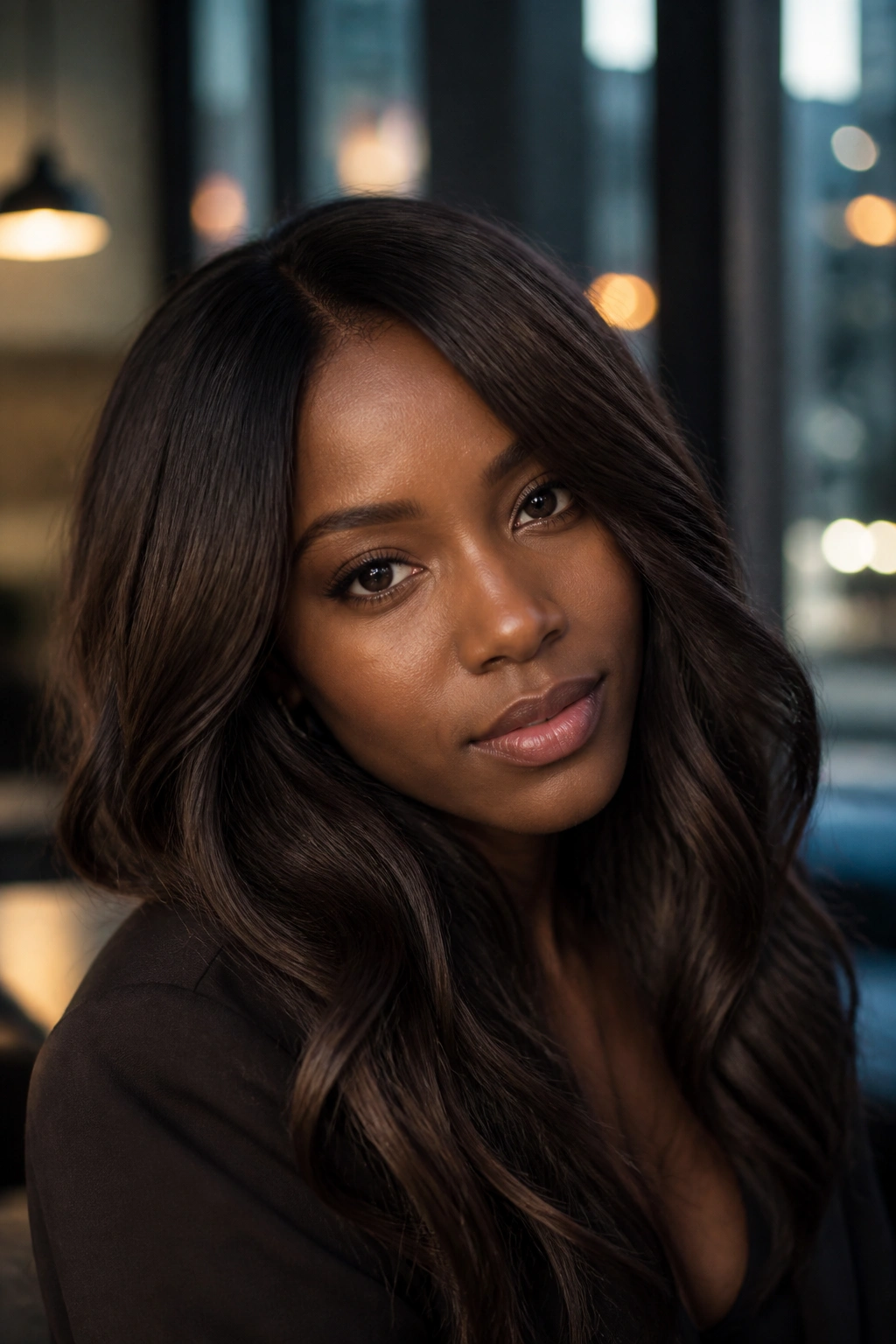
Sable brown is one of those shades people often underestimate because it sounds simple. It is not simple in person. The best sable browns have a soft dark finish with just enough brown warmth to keep the color from going flat or black.
I think sable is perfect when you want a subtle dark brunette that still has movement. It suits straight styles, polished buns, and long, smooth layers especially well because the tone gives the hair a velvety look. You do not need a lot of highlight drama for sable to work. You need shine and a clean formula.
Where sable brown shines
- Short haircuts that need depth
- Sleek blowouts
- Dark brows and dark eyes
- Hair that should look natural in every setting
One thing people miss: sable brown can look almost black in low light, so if you want the brown to remain obvious, keep a soft warm edge in the formula. That little bit of brown is what separates sable from a solid dark dye job.
It is a shade I recommend to anyone who wants their hair to look healthy before it looks colored. That is a nice place to be.
13. Bronze Brown
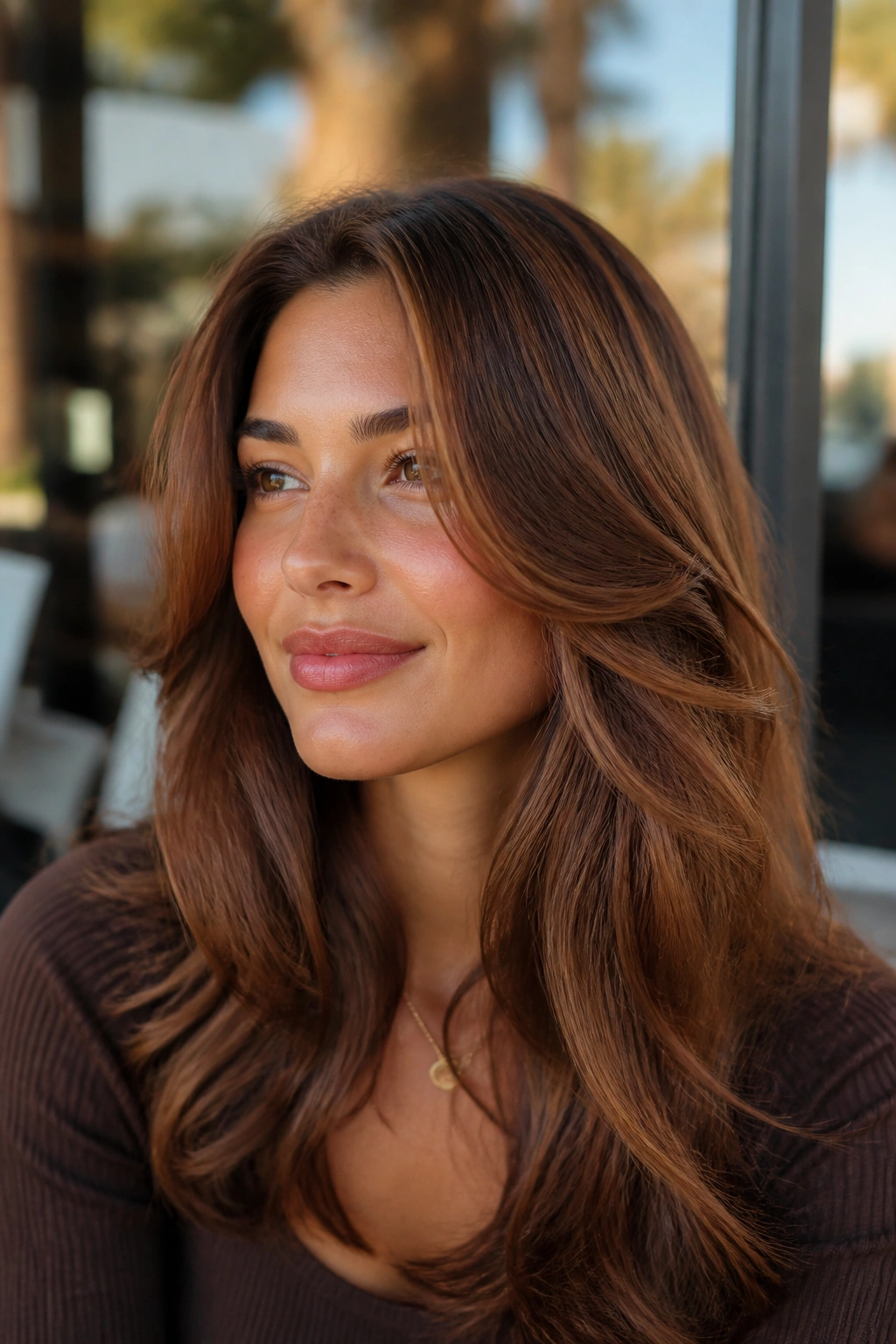
Bronze brown is warm, reflective, and a little more dimensional than a straight golden brunette. It pulls together brown, gold, and a tiny hint of copper so the hair looks lit from inside rather than painted on top.
This shade is especially good on layered hair because movement makes bronze come alive. Every bend of a curl or wave catches the warm metal tone differently. On flat, one-length hair, the color can still work, but it usually benefits from a few lighter ribbons so the warmth does not disappear.
Bronze brown sits in a useful middle zone. It is warmer than ash or mocha, but not as bright as honey. That makes it a good option if you want your brown to feel richer and a bit sunnier without moving into blonde territory.
I would choose bronze if your hair already has good shine and you want the color to do more of the talking. It plays well with warm skin tones and golden makeup, though it can also soften cool features if the formula stays muted. Too much copper, and the shade stops feeling like brunette. Keep the bronze note subtle, and the result is elegant in a very low-key way.
14. Latte Brown
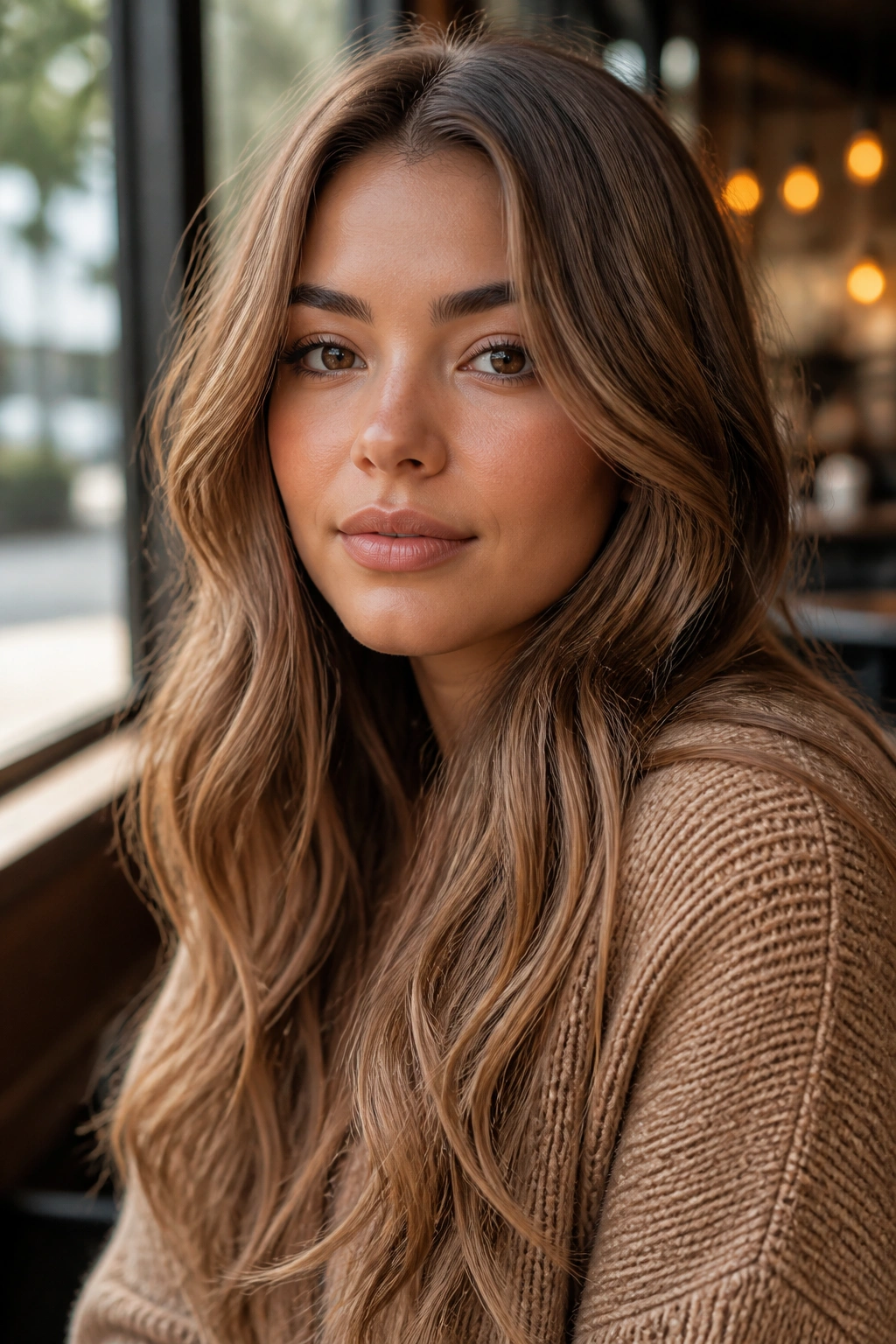
Can a brunette go lighter and still look natural? Yes, if the color lands in latte brown territory. This shade has a creamy beige-brown finish that sits between medium brunette and soft light brown, which makes it feel airy without looking fake.
Latte brown is a nice pick for people who want the hair to look softer around the face. It often includes a cool-neutral beige note that keeps the warmth from tipping too far into gold. That makes it easy to wear on cooler skin tones, but it can also flatter olive skin when the beige is balanced with a little depth at the root.
How to ask for latte brown
- Keep the root one shade deeper
- Ask for beige, not yellow
- Add softness around the face instead of all-over brightness
- Keep the ends clean so the color does not look dusty
Latte brown can look especially good on fine hair because the lighter tone catches light and makes the strands feel fuller. The catch is porosity. If the hair is damaged or very open, beige can go dull fast. A smoothing treatment and a gentle gloss schedule help a lot here.
15. Walnut Brown
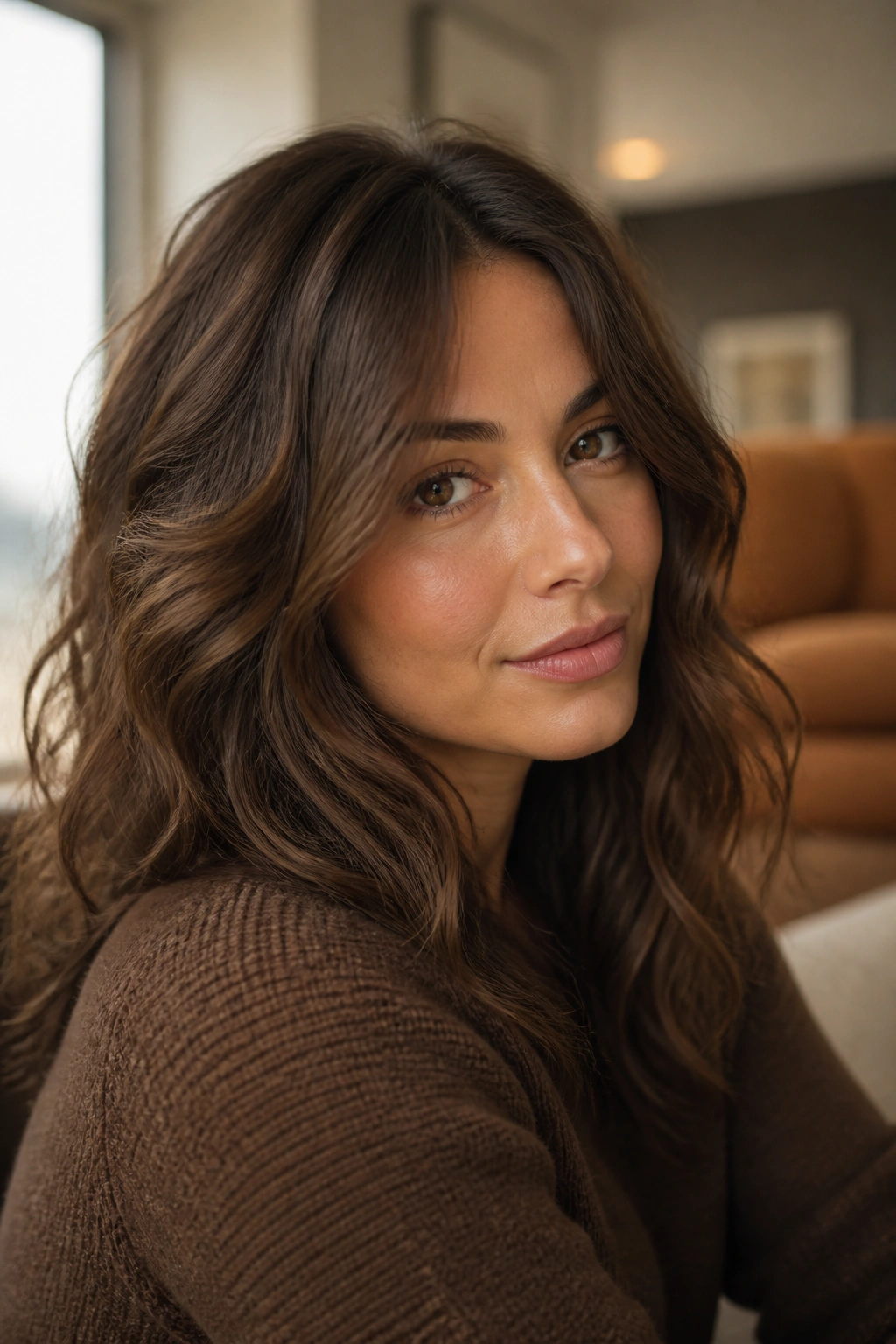
Walnut brown is earthy, balanced, and quietly flattering. It has a natural brown base with a soft neutral edge, which means it usually blends easily with real brunette roots instead of sitting on top of them like obvious dye.
I like walnut for people who want a tone that grows out gracefully. The shade does not rely on strong gold or red notes, so it stays steady for a long time. That makes it a smart choice if you do not want a color that forces constant upkeep.
Walnut also works well when hair density is on the thicker side. Deep, neutral brown can keep the shape from looking too bulky, while the small hint of warmth prevents the style from feeling harsh. On curls and waves, the shade breaks into light and dark patches in a way that feels natural rather than striped.
If your skin is hard to categorize, walnut is often a safe place to start. It sits comfortably between warm and cool. Not boring. Just balanced. And balance matters more than people admit when they are staring at a color chart under bad salon lighting.
16. Cocoa Brown
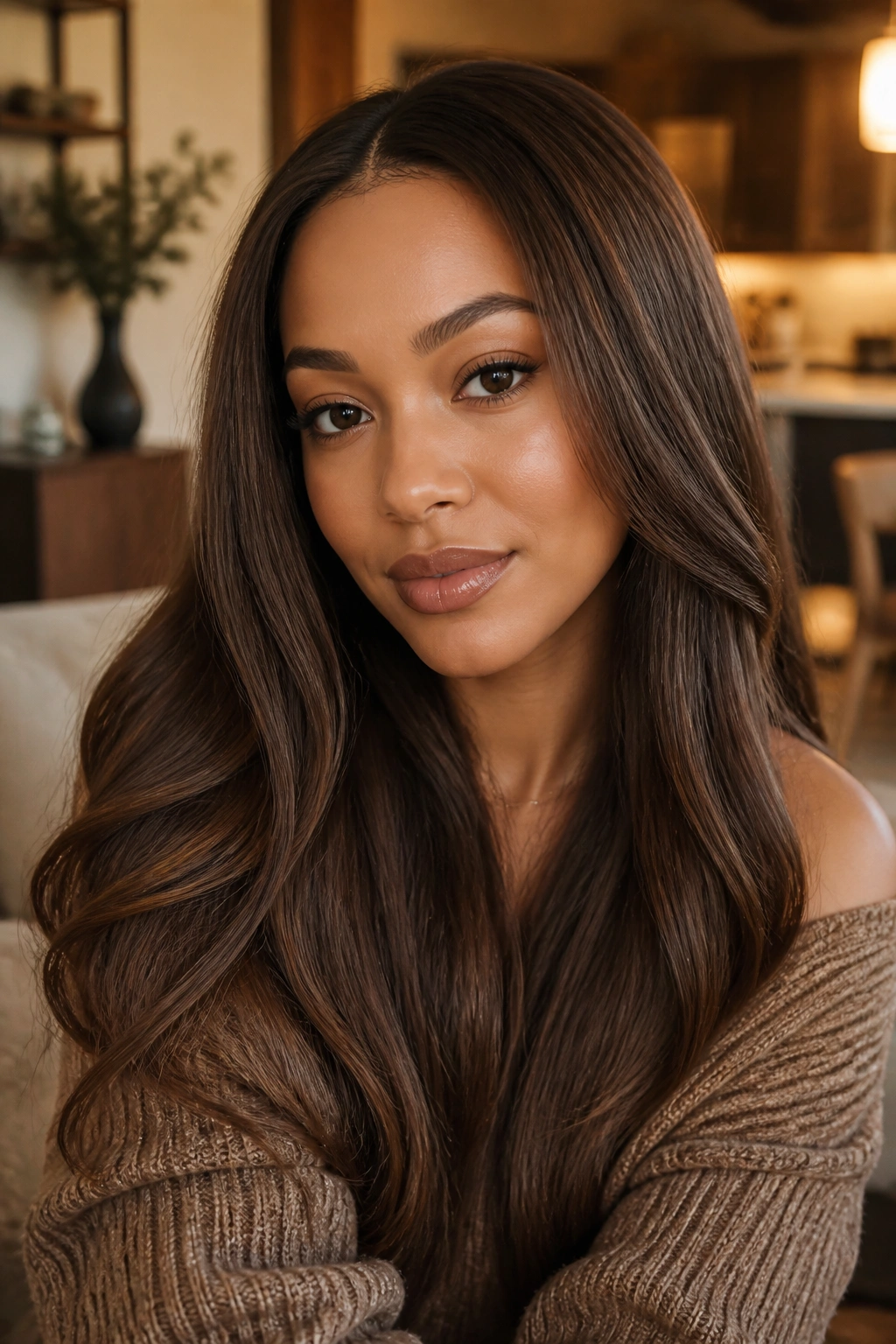
Unlike mocha, cocoa brown is rounder and softer. It feels warmer than ash and less golden than caramel, which gives it a calm, grounded look that works on a lot of brunette bases. The shade reminds me of unsweetened cocoa powder — deep, a little muted, and easy on the eyes.
Cocoa brown is a good choice if you want your hair to look rich without obvious color shifts. The tone tends to melt into the natural brunette range, which makes it useful for low-contrast styles and for people who do not want a dramatic grow-out line. It is especially nice on medium skin tones and eyes with brown, hazel, or green flecks.
The best cocoa brown has a soft gloss, not a flat finish. That tiny bit of reflection keeps the shade from reading dusty. If your hair leans red when colored, a cool glaze can steady it; if it leans muddy, a touch more warmth in the formula can help. The shade sounds simple. It is not always simple to get right.
Cocoa is one of those tones that looks better the longer you wear it. The first day is good. Two weeks in, when the color settles, it gets even better.
17. Honey Brown
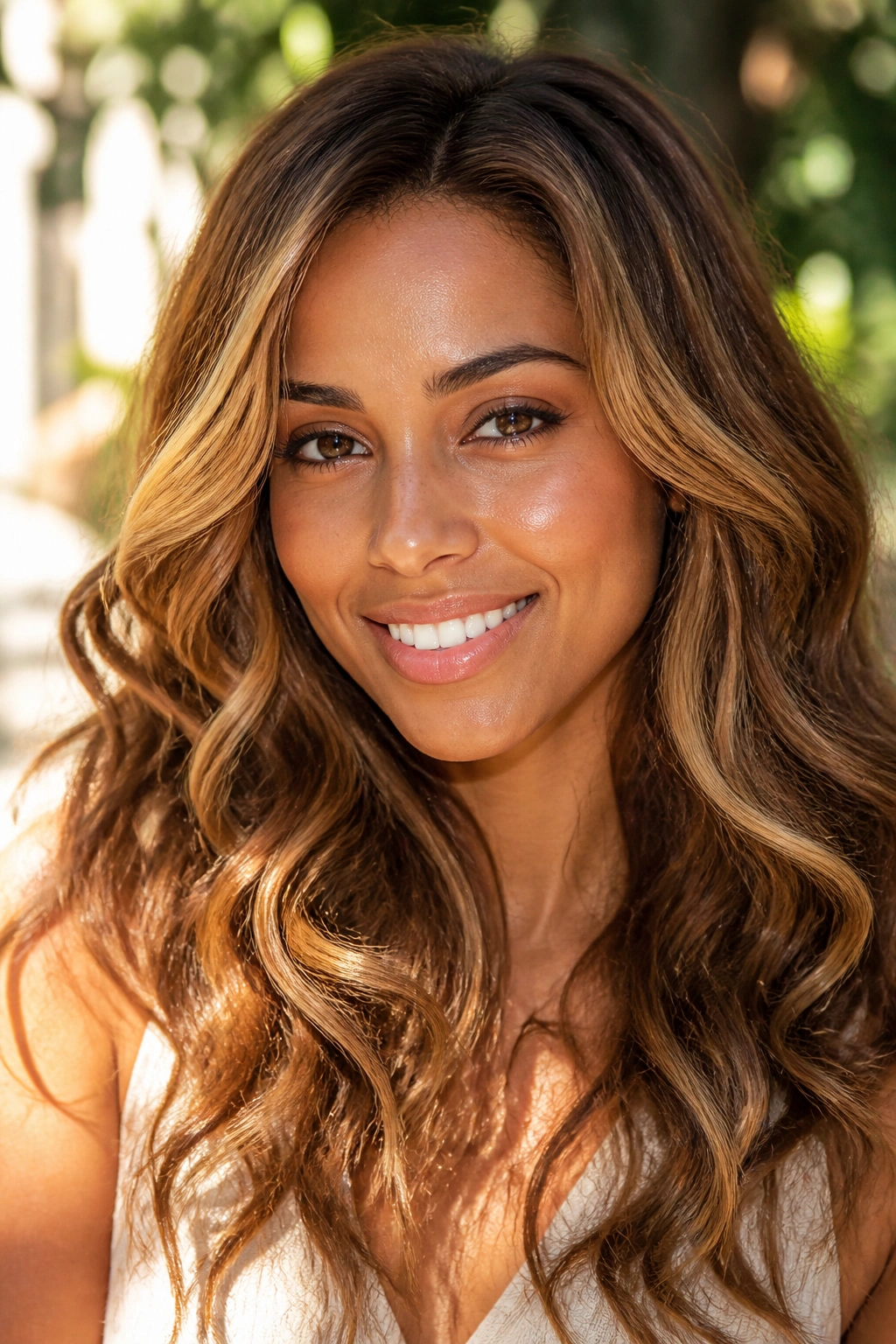
Honey brown is the brightest warm brunette tone in this set, and it earns that spot because it brings light to the face fast. The color has a sunny gold cast that can make brown hair look lighter, softer, and more open without turning it blonde.
I like honey brown best when it is used as a frame rather than a full helmet of color. A little brightness near the eyes, around the cheekbones, and through the upper layers can wake up the whole look. On curly hair, honey tones catch on the surface and add a lot of visual movement. On straight hair, the shade benefits from clean placement so it does not look streaky.
Watch for these things
- Honey brown usually needs some lightening first
- Too much gold can turn brassy fast
- Porous hair may grab the tone unevenly
- A soft root shadow keeps it from looking too bright
Honey brown suits warm and neutral undertones best, though olive skin can wear it beautifully when the gold is not too yellow. If you want brunette hair that feels sunlit rather than dark and heavy, this is one of the most usable shades on the list.
18. Pecan Brown

Pecan brown is the shade I keep coming back to when someone wants a brunette tone that sits in the middle and behaves itself. It has a neutral brown base with a soft warm edge, which gives it just enough life to stay interesting without leaning too red or too gold.
That balance is the reason pecan brown works on so many people. It flatters warm skin, cool skin, olive skin, and skin that falls somewhere in the messy middle. The color is even better if your natural roots are already brown, because it blends rather than fights. That means the grow-out stays believable, which is a small mercy most people appreciate after the first month.
Pecan brown also looks good in nearly every texture. On straight hair, the shade reads clean and smooth. On waves and braids, it breaks into subtle depth and shine. If you want one brunette tone that feels natural in bright daylight and still holds its shape under indoor lights, pecan is a strong place to land.
If you are torn between two shades, choose the one that still makes sense after six weeks of root growth and a few shampoos. That test saves more hair-color regret than any salon mirror ever will.
