



Natural hair care often feels like a paradox. We spend hours washing, deep conditioning, and moisturizing, only to realize that our daily manipulation—combing, brushing, styling, and tugging—is working against the very length retention we are trying to achieve. The secret to length retention is simple, though rarely easy: leave the hair alone. Protective styling is the bridge between wanting to look great and needing your hair to thrive in solitude.
When you tuck your ends away, you shield them from the friction of your pillowcase, the dryness of the air, and the constant pull of styling tools. The goal isn’t just to hide your hair; it is to give your strands a sanctuary. Whether you are dealing with brittle ends or simply need a break from your morning routine, these styles provide the structure and safety your hair craves. Choose these options not just for the look, but for the specific way they minimize stress on your scalp and strands.
1. Box Braids
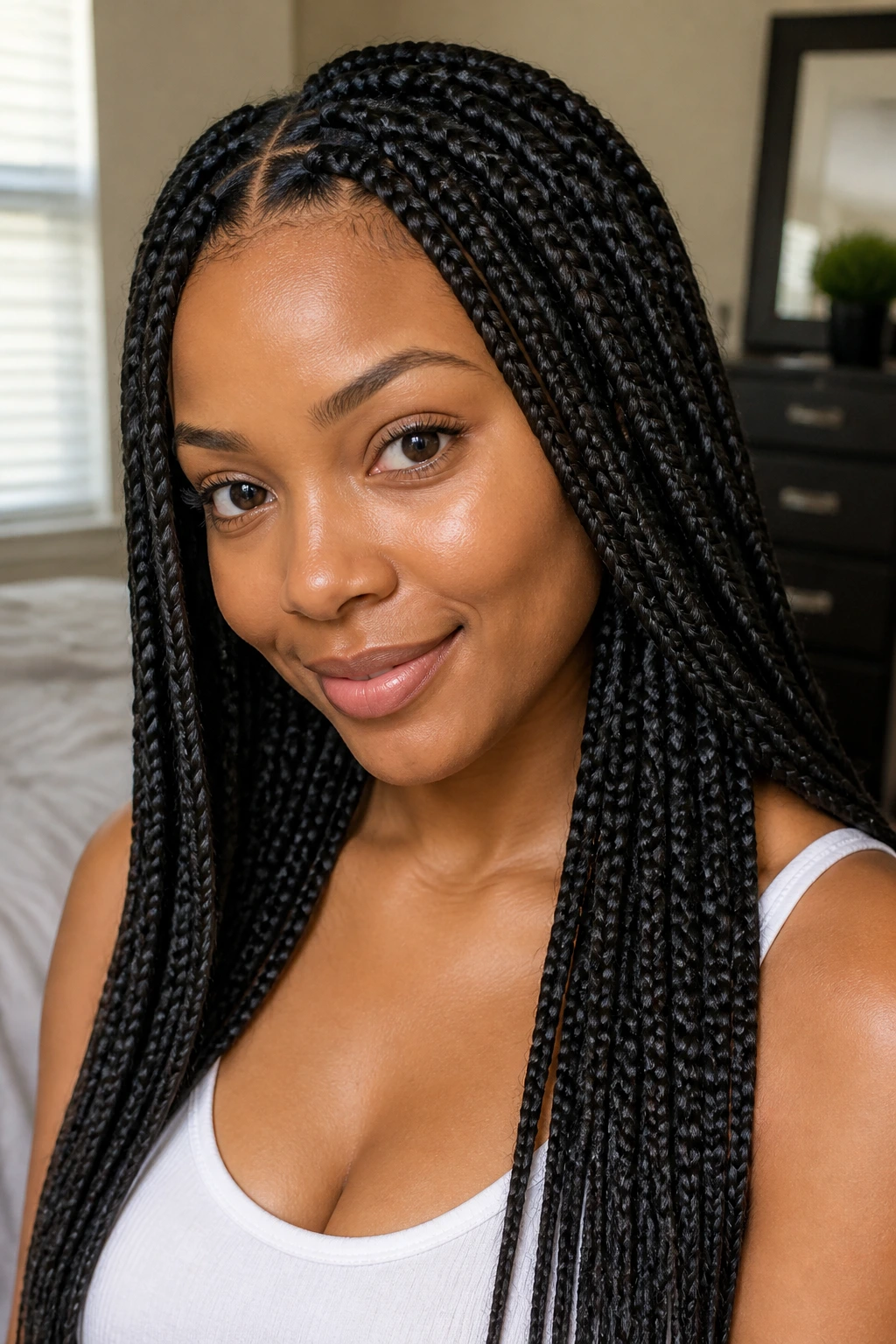
These are the foundation of protective styling for a reason. Box braids involve sectioning the hair into small squares and braiding extensions into your natural hair. They offer incredible versatility, allowing you to wear your hair up, down, or wrapped in a bun without ever touching your natural texture for weeks.
Why They Excel at Protection
The key here is low tension. When installed correctly, your natural hair is completely encased within the braid, meaning your ends are never exposed to the elements. This is vital if your hair is prone to breakage at the ends.
Critical Maintenance Tips
- Keep the scalp clean: Use an astringent like witch hazel on a cotton ball to clean your scalp between washes.
- Manage the weight: If the braids are too heavy, they will pull on your hairline. Always ask your braider to use less extension hair, especially around the perimeter.
- Moisture is still necessary: Mist your braids with a leave-in conditioner spray every few days to keep your natural hair inside from drying out.
2. Senegalese Twists

If you love the look of braids but want something with more movement and a smoother finish, Senegalese twists are the answer. Unlike the three-strand structure of braids, these are two-strand rope twists. They possess a natural “slip” that makes them feel less bulky and more like an extension of your own hair.
The Texture Advantage
Because the hair is twisted rather than braided, it tends to have a more uniform, sleek appearance. This style works exceptionally well for those with finer hair types who want the protective benefits of extensions without the heavy, rigid structure of traditional plaits.
What to Watch For
The biggest risk with twists is unraveling. Because the texture is so smooth, if the ends are not sealed properly—usually with hot water or a specific knotting technique—they can come undone. Ensure your braider uses a technique that secures the ends so you aren’t fighting to keep them closed after the first wash.
3. Fulani Braids

Named after the Fula people of West Africa, this style is iconic for its mix of cornrows and box braids. You typically see a central cornrow leading back, with braided patterns on the side and often gold beads or cuffs adorning the ends. It is as much a fashion statement as it is a protective measure.
The Structural Benefit
Fulani braids allow you to show off your scalp pattern and add decorative elements without needing a full head of heavy extensions. The cornrow foundation provides a tight, secure base, which can actually help with hair growth if the tension is kept at a comfortable level.
Styling Considerations
This style is often less taxing on the neck because it generally uses less hair than full-head box braids. However, the cornrows can be prone to frizzing faster than free-hanging braids. Wrap your hair in a satin scarf every single night to keep those intricate cornrow lines sharp and frizz-free for as long as possible.
4. Passion Twists
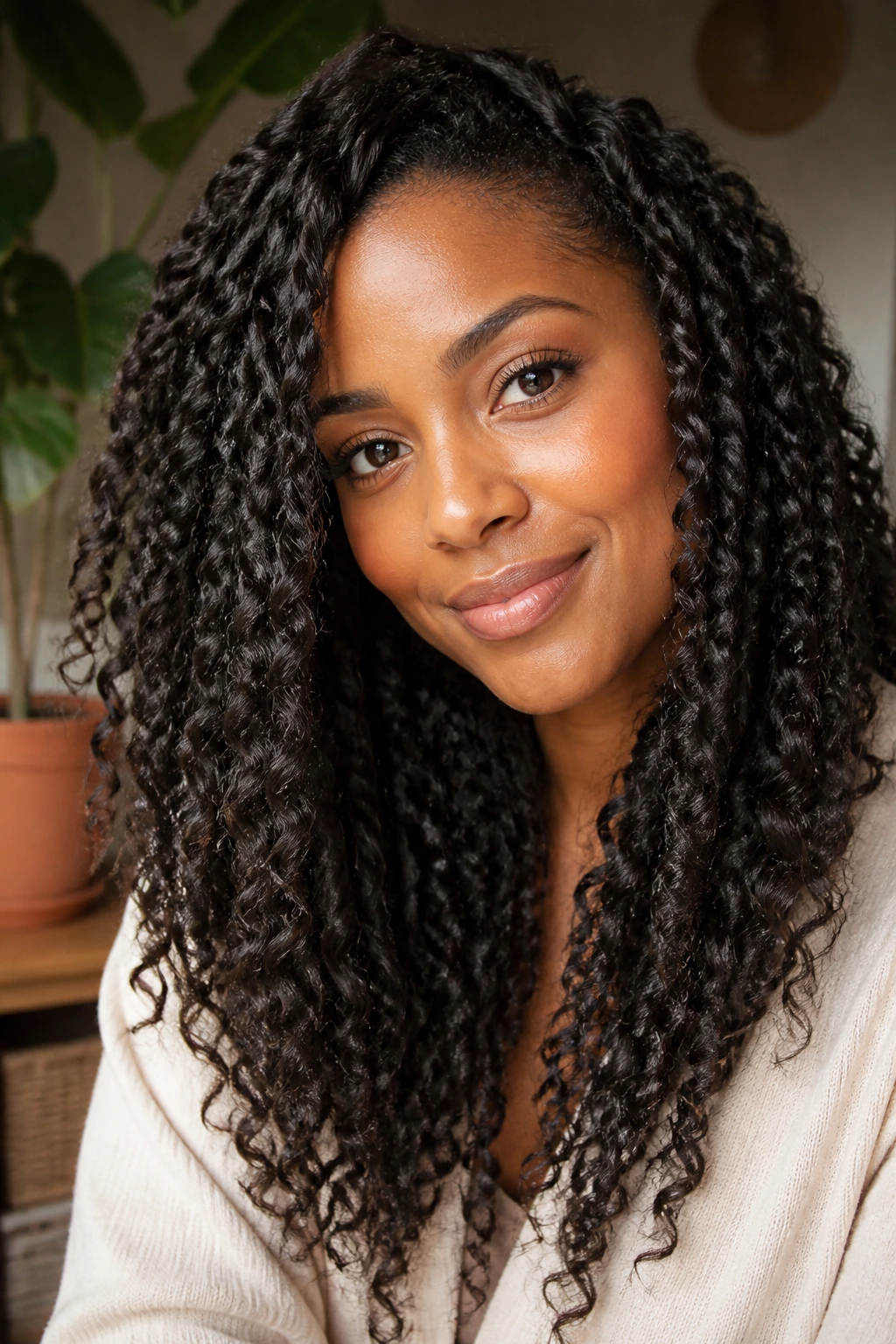
Passion twists brought a revolution to the natural hair community by introducing a softer, more bohemian aesthetic. They use a specific type of curly braiding hair that creates a messy, romantic, and extremely lightweight look. They are perfect if you hate the stiffness of fresh braids.
Why They Work
The curly texture of the extensions mimics the look of natural hair that has been twisted out. Because the extensions are already textured, they blend seamlessly with natural hair, meaning you do not have to stretch your roots excessively before installation.
Longevity Factors
These are meant to look a bit “undone,” which is a massive plus for maintenance. As they age, they tend to look better rather than worse. Do not over-manipulate them. If you see a few strands getting frizzy, that is part of the charm—just trim the flyaways rather than trying to tighten the entire twist.
5. Faux Locs

Faux locs give you the regal look of permanent dreadlocks without the years of commitment. They are created by wrapping extension hair around your natural hair, which is usually braided down into a cornrow or box braid base first. They are heavy, striking, and incredibly protective.
The “Hidden” Benefit
Faux locs are perhaps the most protective style on this list because your natural hair is double-shielded: first by the base braid, then by the wrapped extension hair. This makes them ideal for the coldest months when your hair needs maximum insulation from dry, harsh air.
Real-World Advice
Because they are heavy, they can be hard on your edges. Never let a braider wrap the locs too tightly right at your hairline. If it hurts during the installation, it will only hurt more later as the hair grows. Also, monitor the scalp; the thickness of the locs can make it difficult to reach the skin for cleaning, so focus on lightweight oils.
6. Goddess Locs

Think of Goddess Locs as the bohemian cousin to traditional Faux Locs. They feature loose, curly, wispy ends that give the style a softer, more ethereal vibe. They have become a staple for those who want locs that feel less manufactured and more natural.
Installation Nuance
The key to good Goddess Locs is the quality of the curly hair used for the ends. Synthetic hair often tangles quickly. If you want these to last, consider buying human hair for the ends. It costs more upfront, but it stays soft for weeks, meaning you aren’t constantly detangling your hair after just a few days.
Daily Care
Treat the curly ends like you would a wash-and-go. Keep them moisturized with a water-based leave-in conditioner. If the curls become matted, they will ruin the look of the entire loc. Use a tiny amount of hair oil on your fingers to separate the curls gently whenever you notice them starting to clump together.
7. Cornrow Feed-ins

The feed-in method involves adding small amounts of extension hair into your natural cornrow as you braid. This creates a natural-looking start to the braid, mimicking the thickness of your own hair at the hairline. It eliminates that awkward, bulky knot at the scalp that traditional cornrows often have.
The Professional Look
This is arguably the most “polished” protective style. Because the braids start small and gradually get thicker, they look incredibly natural. They are fantastic for professional settings where you want your hair off your face but need to maintain a sleek, clean appearance.
The Tension Warning
Feed-ins are notorious for causing traction alopecia if done too tightly. The braid is essentially pulling against your hairline from the moment it is installed. If you notice any redness, bumps, or persistent aching, do not ignore it. Loosen the braid, or better yet, have it taken down immediately. No style is worth sacrificing your edges.
8. Bantu Knots

Bantu knots are a beautiful, distinct style that has roots going back centuries. You section the hair and twist it tightly, wrapping it around itself until it forms a small, coiled bun. You can do these with your own natural hair or add extensions for a larger, more structured look.
The Versatility of Knots
These are unique because they serve as both a style and a heatless curling method. Once you take your Bantu knots down, your hair will have a beautiful, tight curl pattern. It is two styles in one: the knots for a few days, and a glorious defined curly afro afterwards.
Tips for Success
Ensure your hair is thoroughly moisturized before you knot it. If you knot dry, brittle hair, the friction and tension can cause the hair to snap when you eventually take them down. Use a leave-in conditioner and a touch of sealing oil on each section as you work.
9. Flat Twists

If you are intimidated by cornrows, flat twists are your best friend. They involve twisting two strands of hair against the scalp, essentially acting as a much easier, beginner-friendly version of cornrows. They sit flush to the head and are incredibly versatile.
Why They Are Gentle
There is far less manipulation required to create a flat twist than a cornrow. Because you are using two strands and simple twisting motions, there is less pulling on the scalp. This makes them a perfect style for children or adults with very tender scalps.
Maintenance Notes
They tend to frizz faster than cornrows. To keep them looking fresh for a week, tie your hair down firmly with a silk or satin scarf at night. If you want to keep them for longer, you can lightly mist them and use a bit of mousse to smooth down any flyaways.
10. Two-Strand Twists (Natural)

Sometimes the most effective protective style is the one that uses absolutely no extensions. Two-strand twists on your own natural hair are the ultimate way to monitor your hair’s health. You can see your ends, feel your texture, and keep your hair hydrated with ease.
The Benefit of Seeing Your Hair
When you don’t use extensions, you are forced to interact with your hair. You will know exactly when it needs moisture. You will know if you have breakage. This is the style for people who are serious about learning their hair’s specific needs.
Styling the Twists
You can wear them as they are, or you can pin them up into an intricate updo. They are the most flexible style on this list. If they start to look fuzzy, you can easily retwist them yourself, which saves time and money on salon visits.
11. High Puff with Bun

For those days when you need to be out the door in five minutes, the high puff is the classic go-to. Gather your hair at the crown, secure it with a satin scrunchie, and arrange the hair into a voluminous bun or let it sit as a puff.
Protecting the Hair
The danger with a puff is the “puff holder”—the elastic band. Traditional elastics will snag your hair and cause breakage. Always use a snag-free scrunchie, a cut-up nylon stocking, or a dedicated hair-tie made for thick, curly hair.
The “Slick” Trick
To get that sleek look without using edge control that dries out your hair, try using a mix of flaxseed gel and a light oil. It provides hold without the hard, crunchy, drying finish that many commercial gels leave behind.
12. Halo Braid
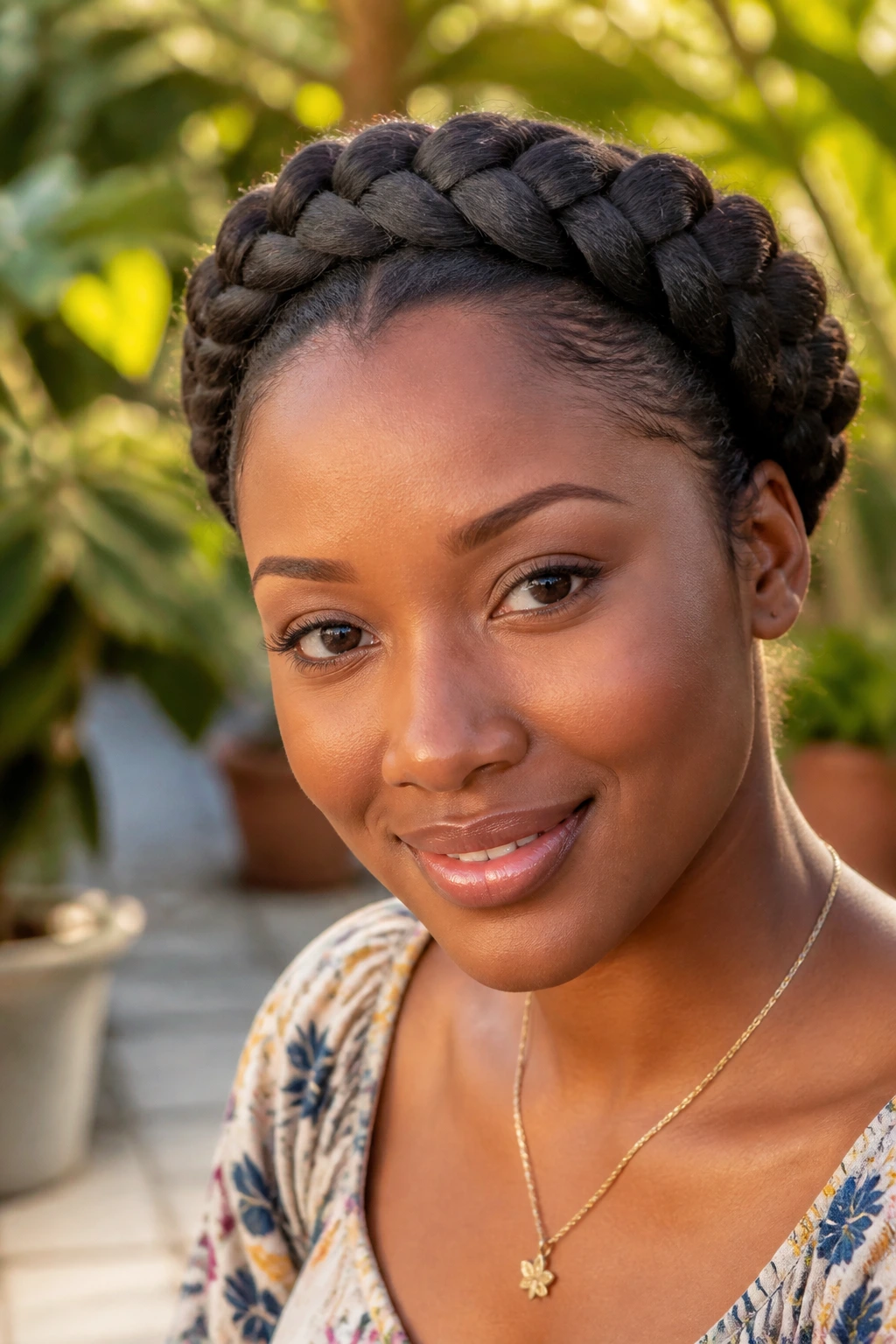
A halo braid, or crown braid, involves braiding your hair around the perimeter of your head to create a crown-like effect. It is elegant, timeless, and keeps your ends completely tucked away. It is a fantastic choice for formal events or just when you want to feel put-together.
The Comfort Factor
This style is great because it gets the hair completely off your neck. It is lightweight and doesn’t pull on your scalp the way hanging braids do. It’s perfect for warmer months when you need to keep your hair up and out of the way.
Execution Tip
If your hair is short, you will likely need to use extensions to achieve the halo effect. You can buy pre-braided halo extensions or add braiding hair into your own. If you have enough length, use a bit of shea butter to smooth your natural hair as you braid it for a cleaner, flatter result.
13. Crochet Braids

Crochet braiding is a method where you cornrow your base hair back, and then use a crochet hook to loop loose hair extensions through those cornrows. The styling possibilities are endless—you can use box braids, twist hair, or even loose curly hair.
The Time Saver
If you dislike sitting in a salon chair for eight hours for box braids, this is your solution. A full head of crochet hair can often be installed in under three hours. It is the most efficient protective style, provided you are comfortable with the cornrow foundation.
Root Maintenance
The main area of concern is the cornrow base. Because the extensions are looped through, it can be slightly harder to moisturize the scalp directly. Use a spray bottle with a nozzle tip to get your oils and conditioners directly onto the cornrows, rather than just on the hair extensions.
14. Marley Twists

Marley twists are similar to Senegalese twists but use a coarser, textured hair that mimics natural, kinky-curly hair. They are larger, chunkier, and look extremely thick and voluminous. They are wonderful if you want a big hair look that still protects your ends.
Why They Work
The hair used for Marley twists is lighter than the synthetic hair used for box braids, despite the twists themselves appearing larger. This means less weight on your scalp. They also hold up incredibly well to water, making them a great style for active individuals or those who swim.
The Frizz Factor
Just like passion twists, Marley twists look better as they get a little frizzy and worn in. Do not over-manipulate them. If you want to refresh the look, simply tie your hair up in a high bun for a day or two to give the twists a chance to reset.
15. Bohemian Braids
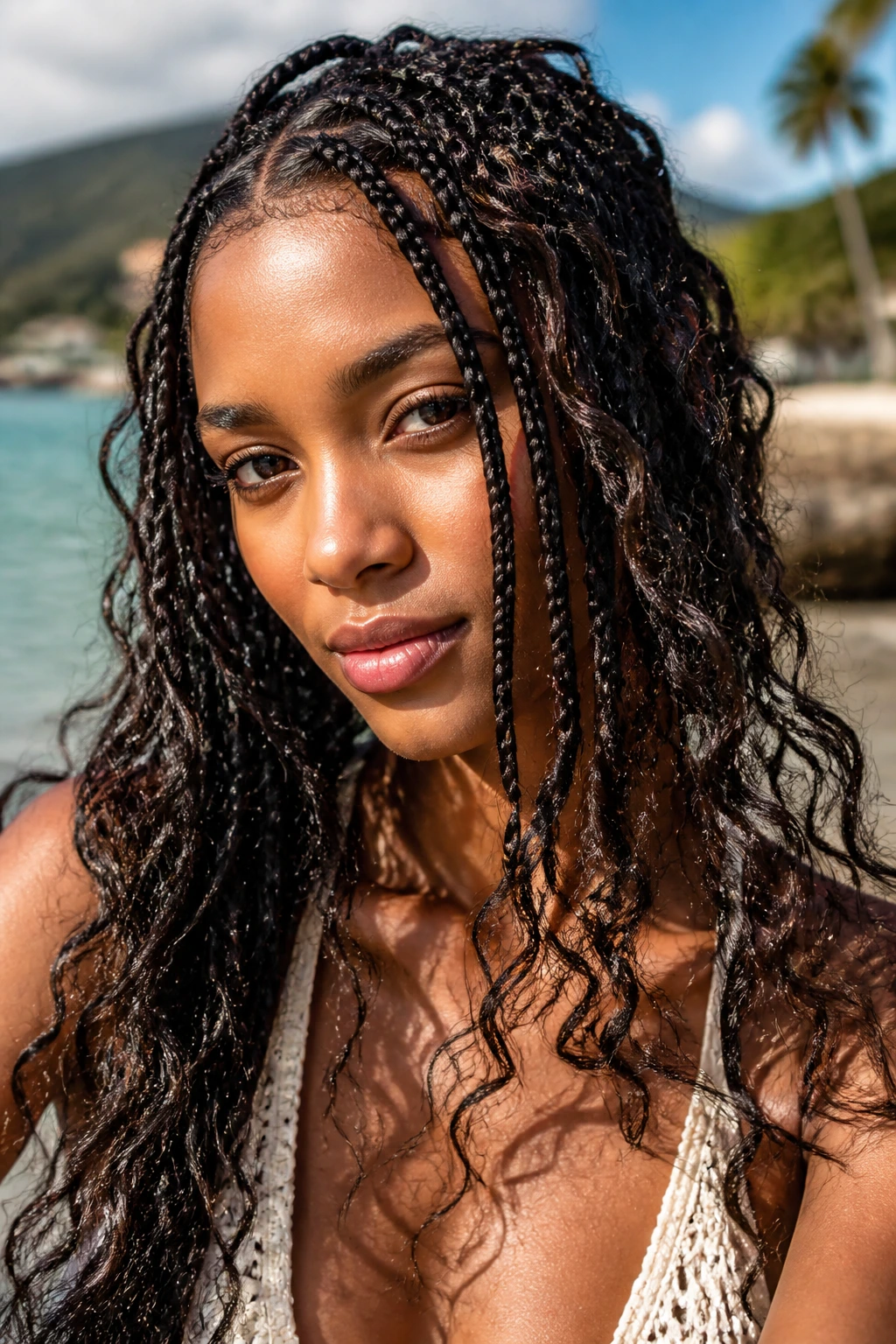
Bohemian braids are basically box braids with a twist: they incorporate curly, loose strands throughout the length of the braid. This gives the style a very soft, romantic, and “undone” feel. They are perfect for vacations or photoshoots.
The Challenge of Maintenance
The curly strands are usually made of synthetic hair that is prone to tangling. To keep these looking fresh, you must be diligent. At night, separate the loose curls with your fingers and apply a tiny bit of mousse or oil to keep them from matting together.
The “Fresh” Fix
If the curly ends get matted after a few weeks, don’t despair. You can carefully trim the matted synthetic bits off. The beauty of the Bohemian style is that it is supposed to look loose and flowing, so losing a few curls here and there won’t ruin the overall aesthetic.
16. Yarn Braids

Yes, you can use acrylic yarn to braid your hair. It has been a staple in the natural hair community for a long time. It is lightweight, very colorful, and incredibly affordable. You can create braids, twists, or locs using yarn.
Important Pre-Installation Prep
Yarn is notorious for being drying. It is made of acrylic fibers that will suck the moisture right out of your natural hair. Before you even think about installing them, soak the yarn in a bowl of warm water with a bit of conditioner. This softens the fibers and helps prevent them from pulling moisture away from your hair.
Washing Yarn
Yarn braids are very easy to wash. They don’t hold water like synthetic braiding hair, so they dry quickly. This makes them a great option if you exercise often and need to wash your hair frequently.
17. French Braids

The French braid is a classic for a reason. It is simple, requires no extensions, and keeps your hair neatly tucked. You can wear one, two, or even four French braids. It is the ultimate “I need to get this done fast” style.
The Protective Element
French braids are excellent for training your hair to lay flat. If you do this style regularly, you’ll notice that your hair begins to grow in the direction of the braid, making it easier to manage over time.
Edges Check
While French braids are simple, they can still pull on your edges if you aren’t careful. Keep the braids slightly loose at the hairline and focus the tension toward the crown of your head, not the perimeter.
18. Dutch Braids

The Dutch braid is essentially an inverted French braid. Instead of crossing the strands over each other, you cross them under. This creates a braid that “pops” out and sits on top of the head rather than lying flat. It is a stunning look that offers the same protection as a French braid but with more visual impact.
Why It Stands Out
Because the braid is elevated, it puts less direct tension on the scalp than a flat French braid. It creates a nice buffer between your hair and your environment.
Smoothing Your Hair
If your hair is prone to flyaways, use a bit of edge control or a light pomade along the parting lines before you start braiding. It will keep the sections crisp and clean, which is essential for that perfect “popped” look.
19. Invisible Locs

Invisible locs are a variation of faux locs where the root of the braid is hidden, making it look like the loc is growing directly out of your scalp. It is a very clean, sophisticated, and seamless style that looks incredibly authentic.
Technical Skill
This style requires a high level of skill. The braider has to weave your natural hair into the loc extension in a way that blends the root perfectly. It is not a beginner-friendly install, but the result is arguably the most natural-looking loc style available.
Scalp Health
Because the root is covered so seamlessly, it is easy to forget about your scalp. Make sure you are still oiling your scalp regularly. Even though it looks like “hair,” it is still an extension, and your natural scalp underneath needs breathing room and hydration.
20. Havana Twists
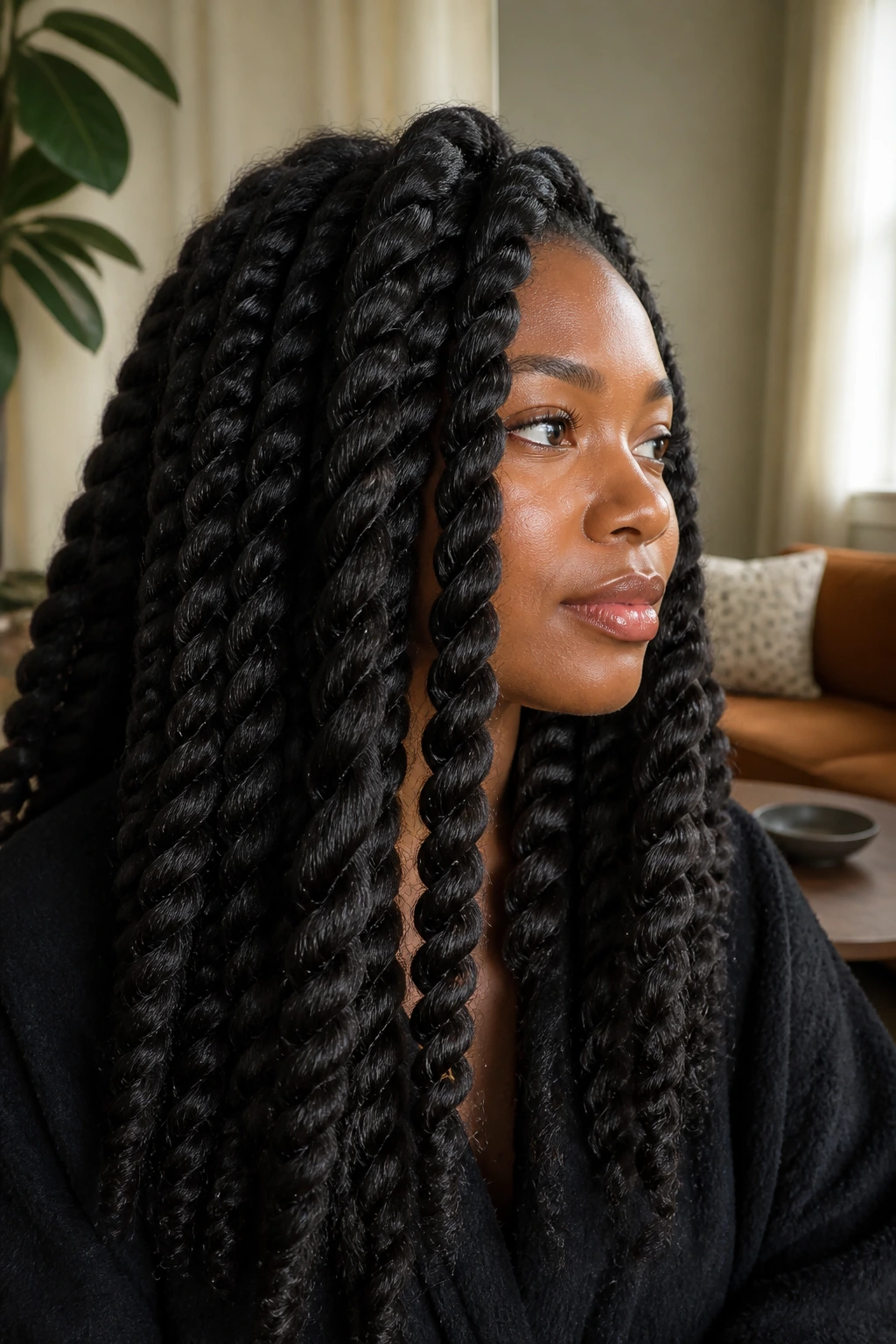
Havana twists are the larger, chunkier version of Senegalese twists. They use a very specific type of fluffy, thick extension hair to create twists that are significant in size. They are bold, dramatic, and much faster to install than smaller, thinner twists.
The Weight Factor
Because they are large, you don’t need as many of them, which means less time in the chair. However, the hair used for Havana twists is often slightly heavier. If you have a sensitive neck, you might want to opt for fewer twists or use the “weightless” variety of braiding hair now available on the market.
Styling Ease
You can do almost anything with Havana twists that you can do with smaller twists—high buns, half-up styles, or just letting them hang. They are a statement style that requires very little maintenance once they are in.
21. Goddess Braids
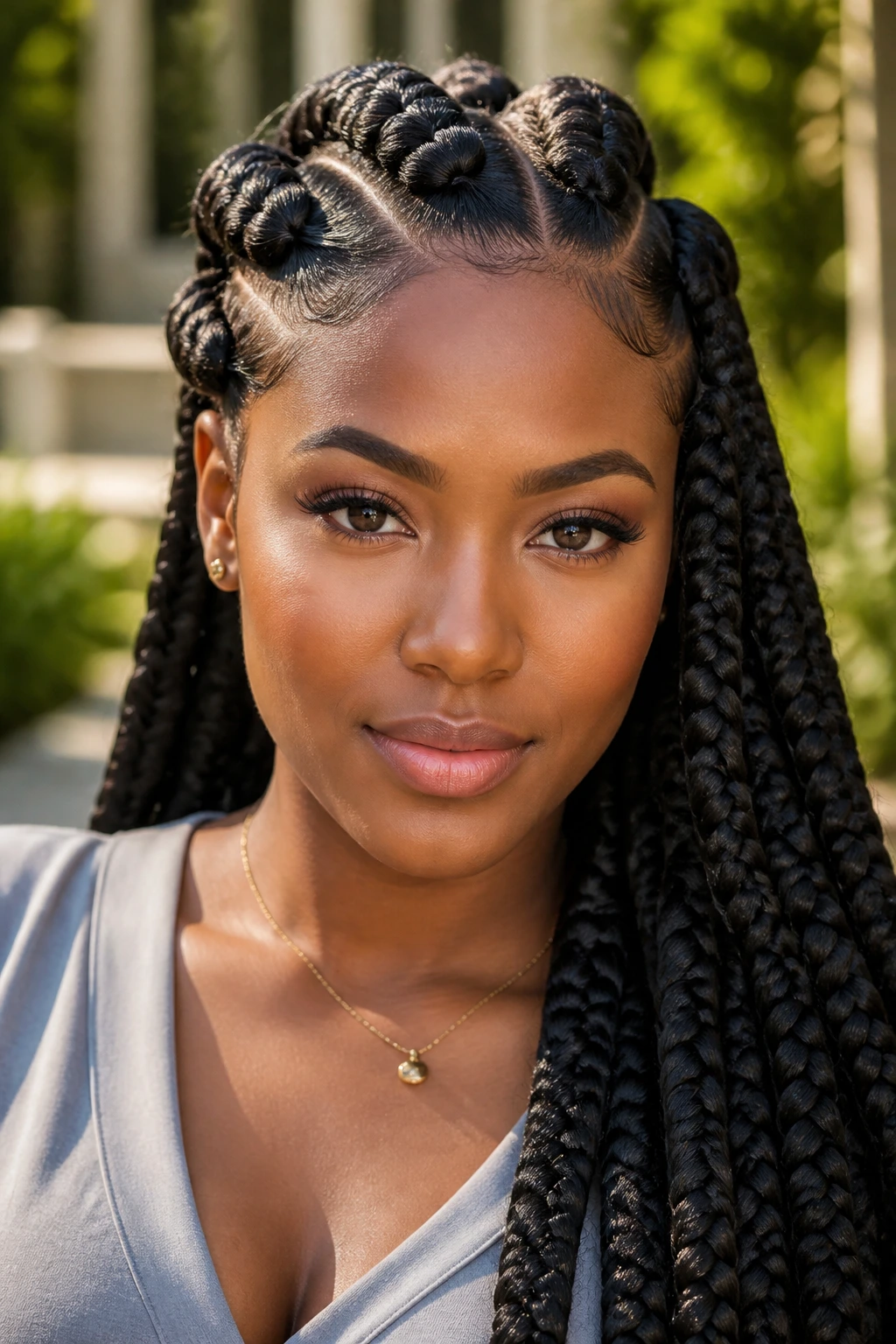
Goddess braids are essentially large, chunky, oversized cornrows. They are usually done with extensions to add length and thickness, but they can be done with natural hair if you have enough density. They are elegant, fast to install, and very kind to your hairline if done right.
The Speed Advantage
You can usually get a full head of Goddess braids done in under two hours. They are the perfect style for when you have a busy week ahead and need your hair to be “done” without sacrificing your time.
Styling Tip
Because they are large, they are very easy to wrap into a sophisticated updo. If you’re going to a wedding or a formal event, a low bun made from Goddess braids is as classy as it gets.
22. Feed-in Ponytail

This style involves cornrowing your hair into a ponytail and adding extensions to create a long, sleek, braided pony. It is the modern standard for high-fashion, clean-looking protective styles. It keeps your ends protected inside the ponytail.
The Tension Danger
This style is very high-risk for your edges. Because the ponytail pulls everything toward the crown, the tension on your hairline is constant. If you choose this style, make sure the braider does not pull your hair tight enough to cause pain. It should feel secure, not taut.
Staying Sleek
The secret to this style is the “slay.” Use a good, non-flaky edge control and a silk scarf to lay your hair down for at least 20 minutes after the braider is finished. It sets the style and keeps it looking fresh for days.
23. Tribal Braids

Tribal braids refer to styles that incorporate specific cultural patterns, usually involving a mix of cornrows in the front and box braids in the back. They are intricate, beautiful, and deeply rooted in tradition.
The Design Complexity
Tribal braids are about art. The patterns are what make them special. If you want this style, bring pictures of exactly what you want, as the parting patterns are quite complex.
Long-Term Care
Because there are so many parts and different types of braids involved, your scalp is more exposed than with a standard box braid install. Be very consistent with your scalp oils to prevent the skin from drying out or flaking in those highly visible parts.
24. Mini Twists
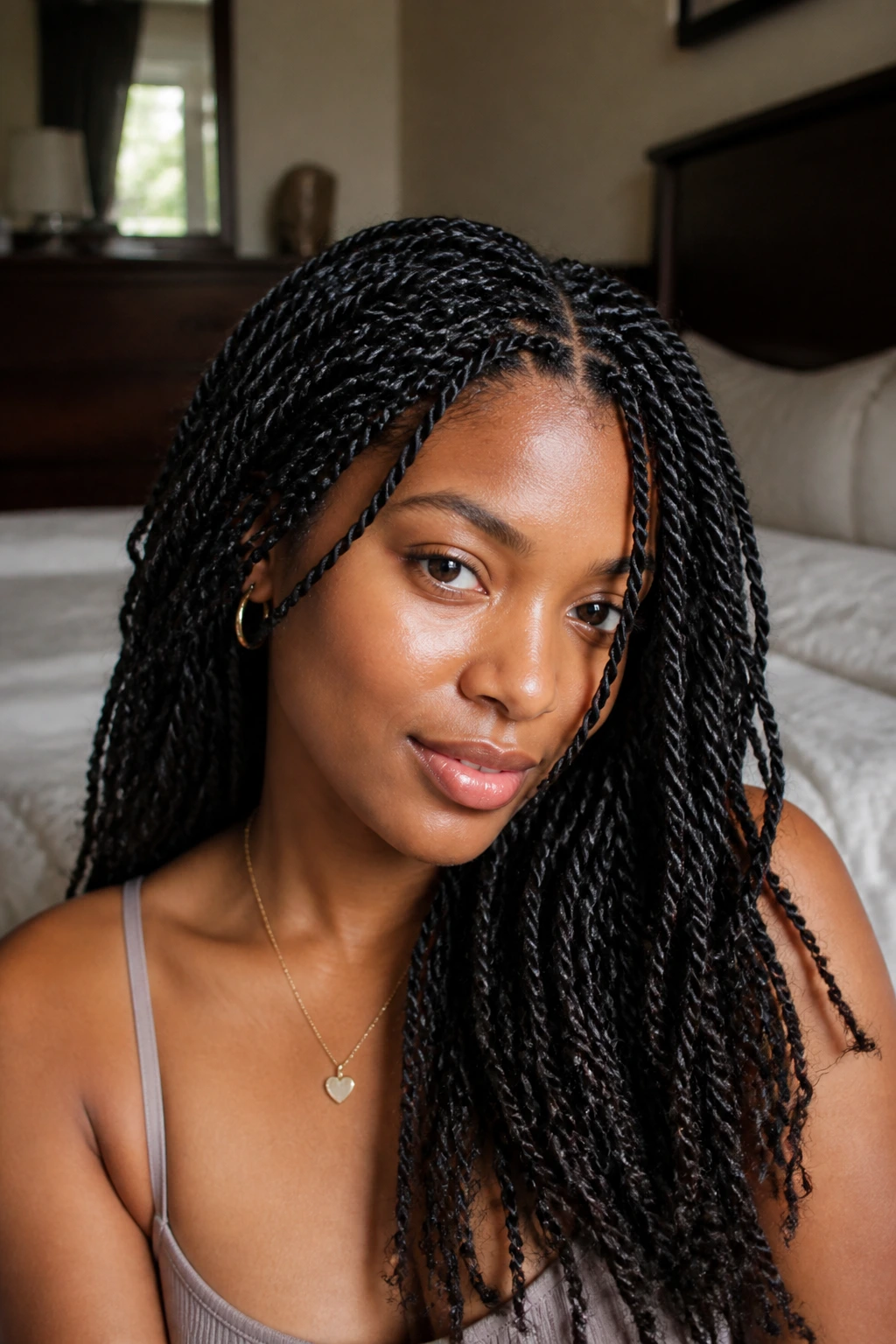
Mini twists are exactly what they sound like: tiny, two-strand twists using your own natural hair. They take a long time to install—sometimes hours—but they are the absolute gold standard for protective styling because they involve zero added hair, zero chemicals, and zero heat.
The Growth Results
Many women who stick to mini twists for several months see significant growth. Because you are essentially “setting” your hair in twists, you aren’t combing it, brushing it, or manipulating it. It just grows.
The Take-Down Process
The only danger with mini twists is the take-down. Do not rush it. Use a detangling conditioner and a bit of oil, and take your time. If you rush, you will break your hair. Treat the take-down as part of the styling process, not an afterthought.
25. Butterfly Locs

Butterfly locs are a distressed version of faux locs. The looper creates little loops along the length of the loc, giving it a messy, “butterfly wing” texture. They are incredibly popular for their relaxed, effortless appearance.
Why They Are Unique
They are very soft and lightweight. Unlike rigid faux locs, butterfly locs move with your hair. They feel more comfortable for sleeping and are less prone to pulling on your scalp.
Refreshening the Look
These locs can get a bit messy over time, which is usually a good thing. If they start looking too wild, you can gently twist the locs back into shape using your palms. They are very forgiving and one of the easiest protective styles to maintain over long periods.
Final Thoughts
The beauty of protective styling lies in its ability to offer you freedom. You are freeing your hair from the cycle of daily grooming and freeing yourself from the stress of managing your texture every morning. When you choose a style, look past the aesthetic. Ask yourself if the style fits your lifestyle, how much maintenance it requires, and most importantly, how it treats your scalp and edges.
There is no “perfect” style that works for everyone. Some of us thrive in tight box braids, while others find peace in simple two-strand twists. Experimenting is part of the journey. If you find a style that makes you feel confident and keeps your hair healthy, stick with it. Protective styling is not just about the hair on your head—it is about respecting the time, effort, and patience required to grow it.
