



Curly hair and a wolf cut can look wild in the best possible way, but only when the layers respect the curl pattern instead of fighting it. Very curly wolf cuts have their own rules: shrinkage changes everything, weight sits differently, and a fringe that looks neat on a salon floor can spring up two inches once it dries.
That is why the best versions never rely on a single photo and a prayer. They’re shaped for density, curl width, and how much movement you actually want around the face and neck. Some versions lean shaggy and soft. Others feel sharper, with a little mullet edge that makes the whole cut read bolder.
I’ve always thought curly wolf cuts work best when they keep a bit of tension between polished and messy. Too tidy, and the shape flattens. Too chopped up, and the curls start to look like they were cut without a plan. The sweet spot is a haircut that lets your curls pile up, spill forward, and still keep a strong outline.
That outline matters more than people expect. If the back is too heavy, the cut turns boxy. If the crown is over-thinned, the top goes frizzy and wispy. The styles below all handle that balance a little differently, which is exactly why curly hair wears them so well when they’re cut with care.
1. The Rounded Cloud Wolf Cut
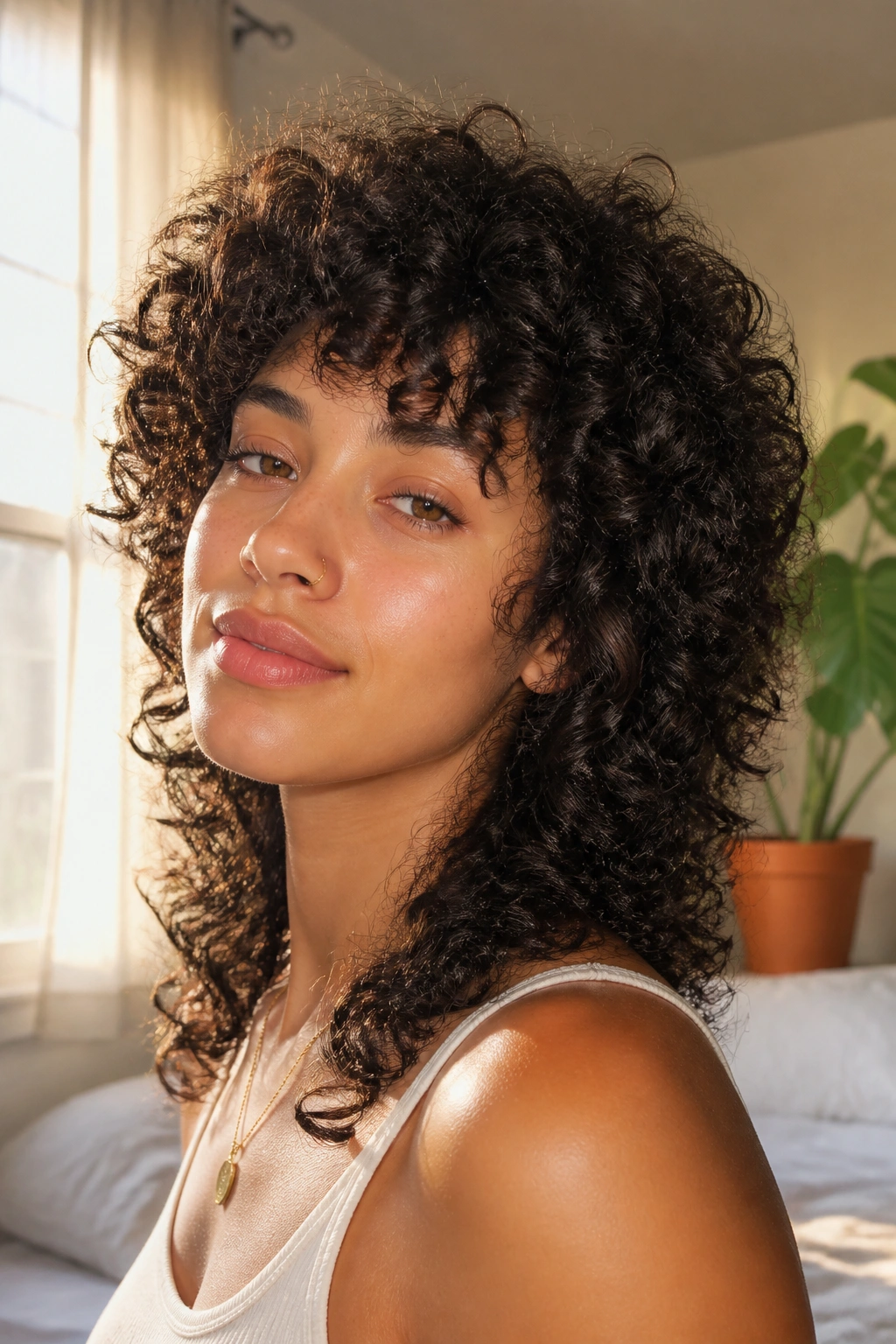
This is the wolf cut for big, buoyant curls that want height without looking swollen. The shape is rounded through the crown and temples, with the longest length staying in the back so the silhouette still has that soft wolf-cut tail.
Why It Flatters Dense Curls
The trick here is restraint. The top gets lifted, but not hacked short, which keeps the cut from exploding into a triangle once it dries. If your curls are in the 3B to 3C zone, this is one of the easiest shapes to wear because it gives you structure without making the ends feel too skinny.
A good stylist will usually dry-cut this shape or at least check it dry before finishing. That matters. Curly hair lies to people when it’s wet, and the lie can be expensive.
- Shortest layers often sit around the temple or top of the cheekbone.
- The back keeps enough length to show off curl clumps.
- The crown should feel lifted, not stripped.
Ask for rounded movement, not choppy texture. That one phrase saves a lot of bad haircuts.
2. The Face-Framing Wolf With Cheekbone Pieces
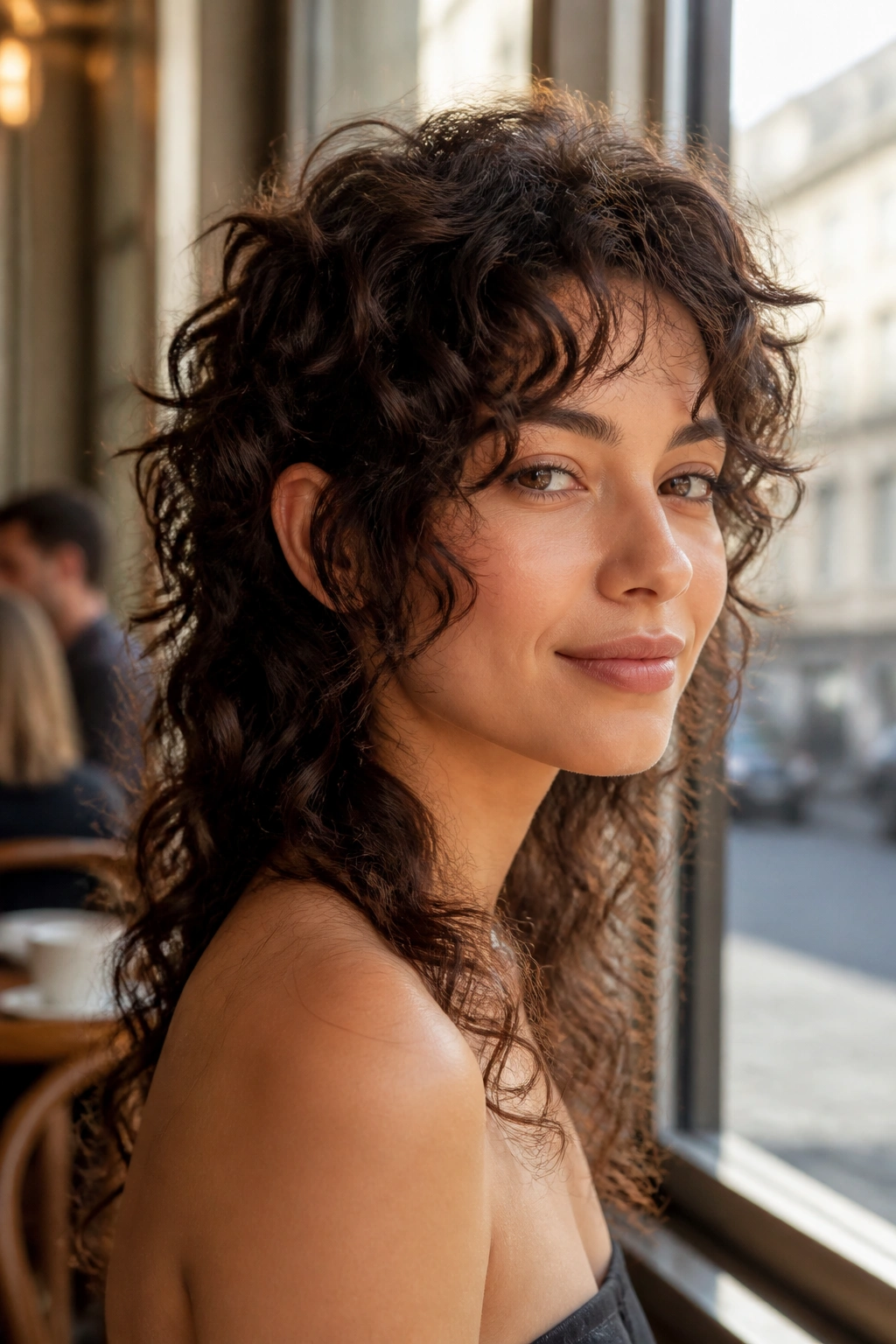
Why do cheekbone pieces make such a difference on curly hair? Because they stop the cut from feeling like one big, floating shape. A wolf cut with longer front layers can pull the eye forward, which is useful if your curls tend to puff outward around the sides.
This version keeps the front pieces long enough to graze the cheekbones or jaw, then lets the back keep that longer, shaggier feel. The result is softer than a classic mullet and less severe than a dramatic shag. It’s the sort of cut that looks intentional even on a messy morning.
How to Ask for It
Tell the stylist you want the shortest front layer to land around the cheekbone, not above it. That detail matters because curls spring upward, and a layer that looks medium on the cape can become very short after drying. If you wear your curls with a center part, mention that too; face-framing layers behave differently when the part shifts.
The cut works especially well if your face opens up with movement around the temples. It also plays nicely with side-swept bangs that blend instead of shouting for attention. No drama required.
3. The Shaggy Crown Wolf Cut
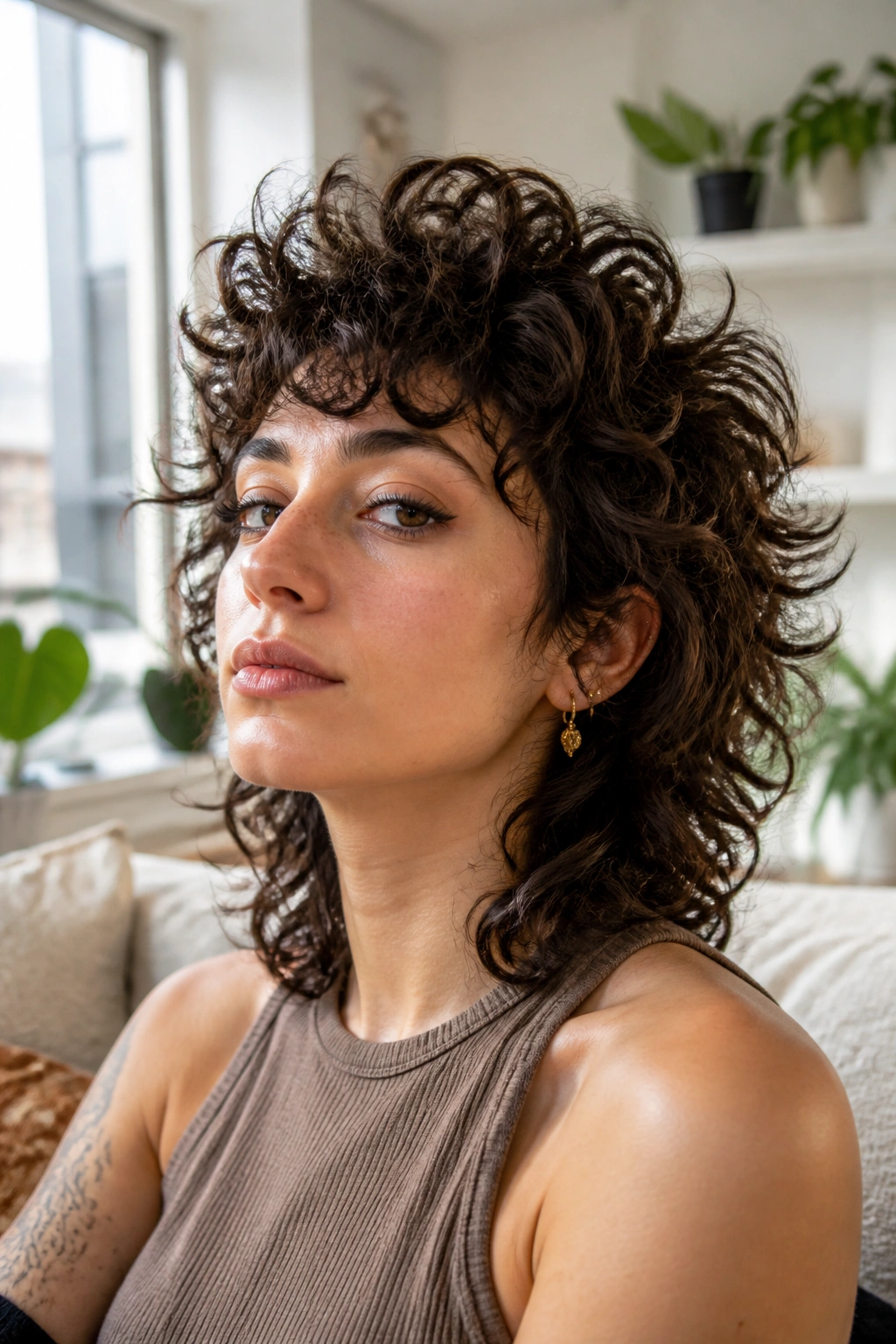
A shaggy crown changes the whole mood of a curly wolf cut. Instead of focusing on the ends, this version puts energy on the top third of the head, where curls can either sit flat or spring up with a little help.
The best shaggy crown cuts feel almost airy when you shake them out. The layers are stacked in a way that lets the curls sit on top of each other without collapsing into a helmet. If you have medium-density curls and want more lift at the roots, this is a smart place to start.
What the Shape Needs
The top layers should be short enough to rise, but not so short that they lose curl definition. That line is thin. Miss it, and the crown gets fuzzy.
- Works well when the shortest layers live just above the brow line.
- Benefits from a light interior shape, not heavy thinning.
- Looks strongest when the back still hangs a little longer than the sides.
I like this cut on people who wear their curls down most of the time. It gives a nice halo effect without demanding daily styling gymnastics. Still, it needs moisture. Shorter crown layers show dryness fast, and dry curls rarely flatter anyone.
4. The Micro-Mullet Wolf Cut
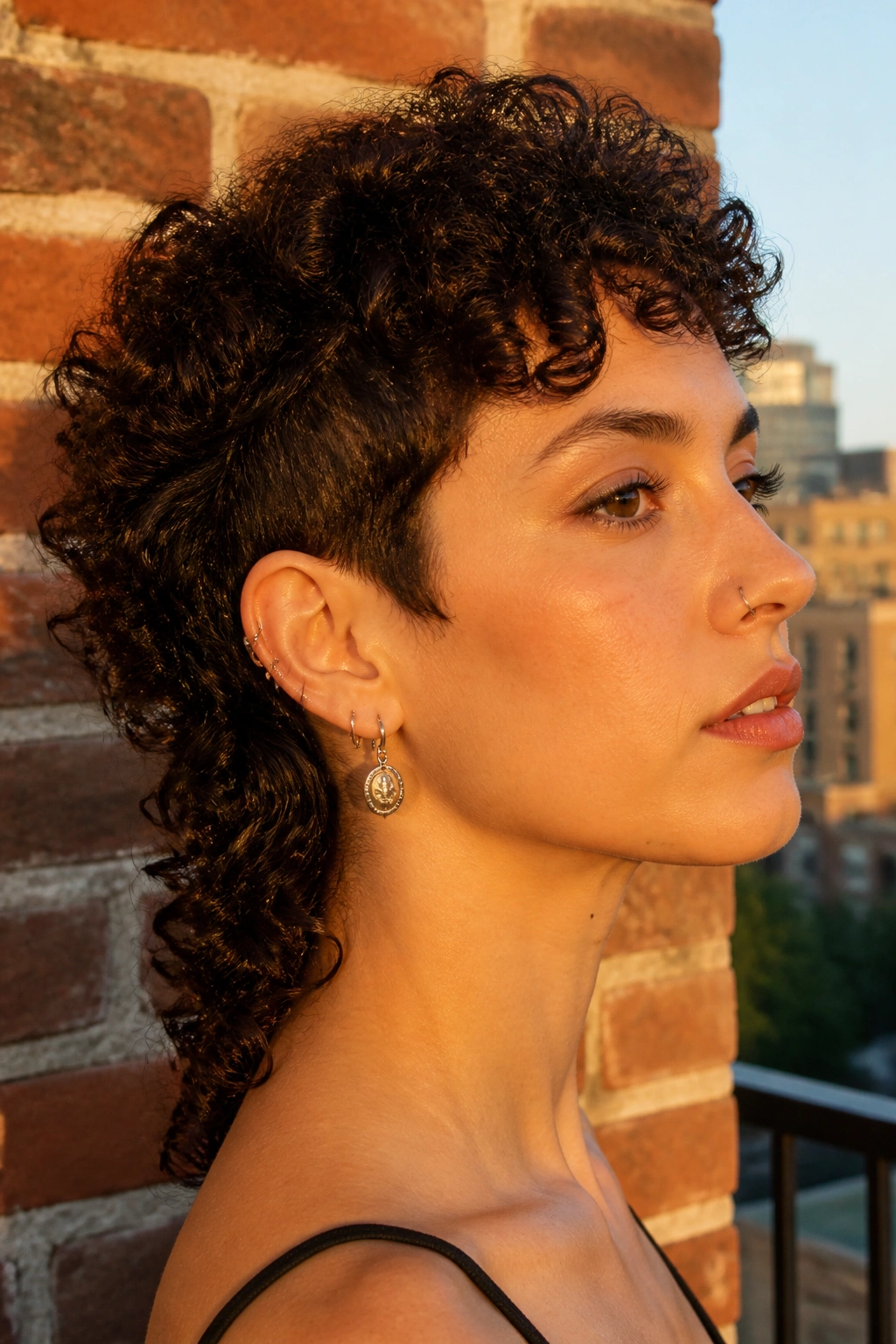
This is the bold one. A micro-mullet wolf cut says you are not trying to make curly hair disappear into something polite. The crown is cropped shorter, the nape stays noticeably longer, and the side shape is kept tight enough to show the contrast.
Some people think “mullet” and picture a costume. That’s not what’s happening here. On curls, a micro-mullet can look sharp, modern, and even a little elegant if the layers are blended well. The movement keeps it from feeling hard.
The key is proportion. If the crown is too short, the shape turns top-heavy. If the nape is too long, the haircut stops reading as a wolf cut and starts drifting into full mullet territory. The best versions keep the back long enough to swing but not so long that it loses the edge.
This cut suits anyone who likes a visible shape from the front and an even stronger one from the side. It’s also one of the better options for thick curls that need a defined outline. Quiet haircuts have their place. This is not one of them.
5. The Layered Halo Wolf Cut
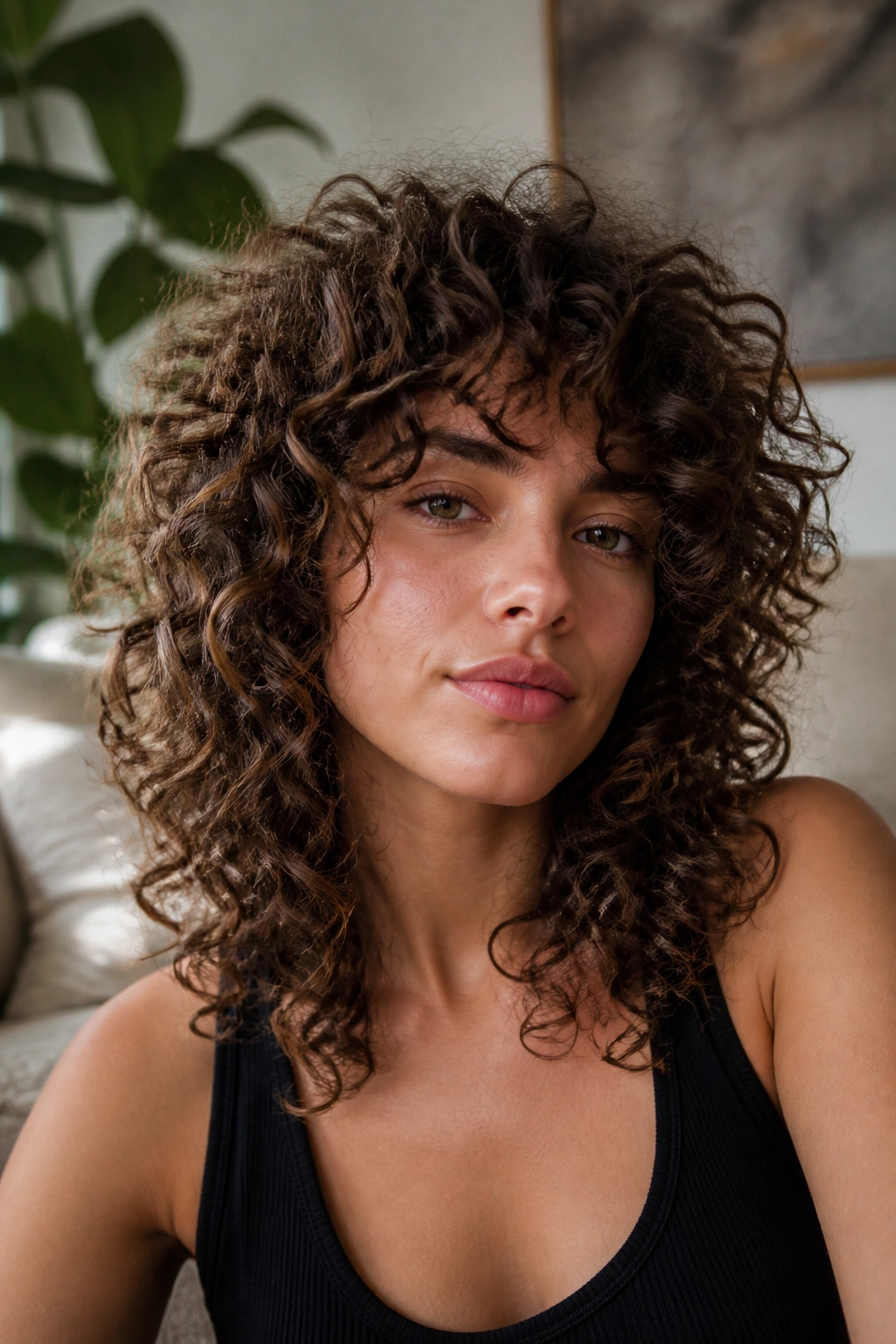
The first thing you notice is the roundness. The layered halo wolf cut wraps curls around the head like a soft frame, with the shortest pieces helping the crown lift while the longer pieces keep the perimeter full.
What the Silhouette Looks Like
Imagine a ring of curls that sits away from the face instead of clinging to it. That’s the vibe. The layers are distributed in a way that creates a halo effect, especially when the hair dries with a little natural volume at the roots.
This style works beautifully on ringlets and looser spirals that already want to bounce. It can also rescue hair that falls heavy at the temples, because the placement of the layers nudges the volume upward. The cut should feel full, but not bulky. There’s a difference, and it shows.
Why It Matters for Curl Patterns
Curly hair often builds weight in odd places. The halo approach spreads that weight around more evenly, so the top does not collapse while the sides puff out. It’s a useful fix when a previous cut made the hair look wider than it was tall.
The maintenance is not fussy, which I appreciate. A little leave-in cream, a diffuser if you want extra lift, and a trim before the ends start fraying. That’s enough for most people.
6. The Soft Razor-Edge Wolf Cut
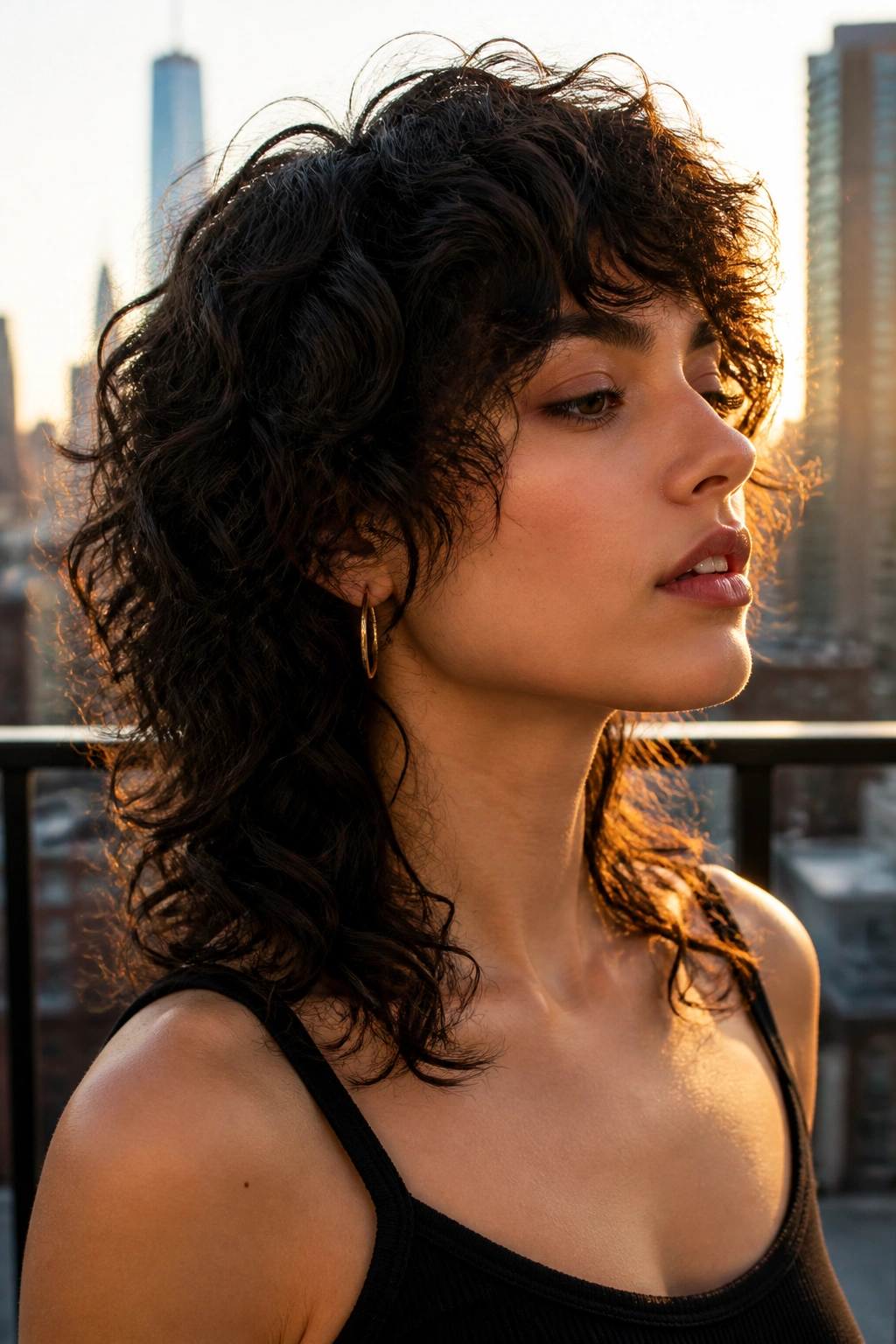
Razor cutting on curly hair can be lovely—or a disaster. The difference is how much of it the stylist uses and where.
A soft razor-edge wolf cut keeps the ends feathered so the curls don’t sit in one blunt line. On the right hair, that movement makes the entire shape feel lighter. On dry, fragile curls, too much razor work can make the ends look fuzzy and thin. So the cut has to be controlled.
This version tends to suit healthier 2C to 3B curls that can handle a little airiness at the tips. The razor should not chop through the whole head. It’s better used to soften the perimeter and relieve some heaviness near the face and shoulders.
If your hair already frizzes fast, ask for minimal razor work or skip it entirely. Scissors can do the job with less risk. That sounds boring, but boring is better than fried ends.
One more thing: this cut shines when the curls are clumped, not broken apart. A good curl cream and a patient scrunch go a long way here.
7. The Chin-Length Curly Wolf Cut
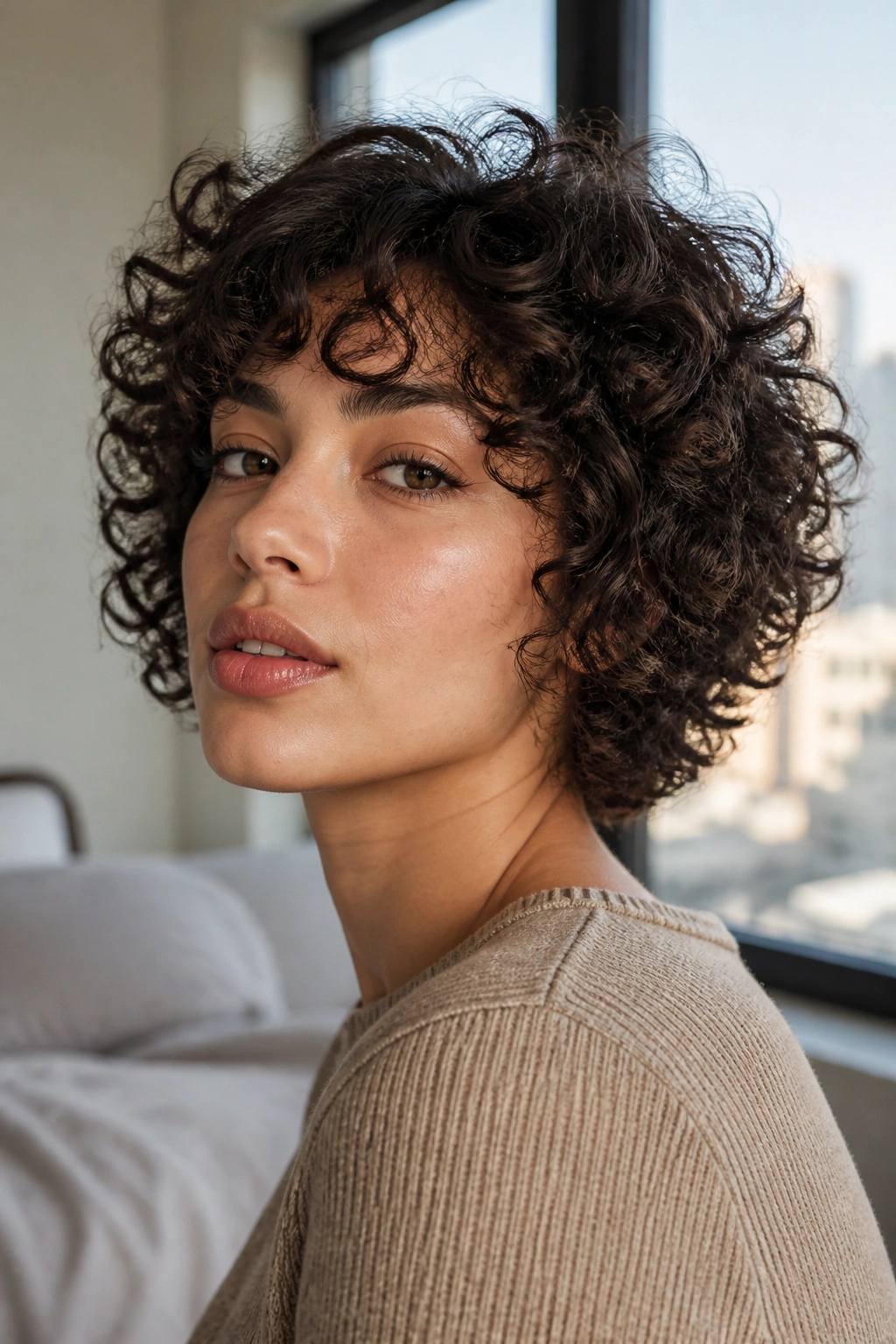
Why do so many people hesitate at chin length? Because curly hair shrinks, and a chin-length cut can jump up far more than the client expects. Still, when it’s done well, this shape has a little swagger to it that longer versions can’t match.
The chin-length curly wolf cut keeps the perimeter near the jaw while layering the crown and top sides to prevent the cut from becoming one thick block. It’s a smart option if you want the wolf-cut energy without committing to long hair. There’s something fresh about a cut that stays short enough to show your neck and still has messy movement at the top.
How to Keep It From Going Puffy
The stylist needs to build the shape while accounting for shrinkage, especially if your curls are springy. A good starting point is to leave the wet length longer than you think you need. That is not an accident. It’s the whole game.
- Ask for dry checks before the final snip.
- Keep the shortest layers modest, not extreme.
- Leave enough weight at the bottom so the cut does not balloon.
This version is especially nice if you like strong earrings, open collars, and a haircut that still looks good on second-day curls. It has personality without asking for constant attention.
8. The Long Wolf Cut With Heavy Curtain Layers
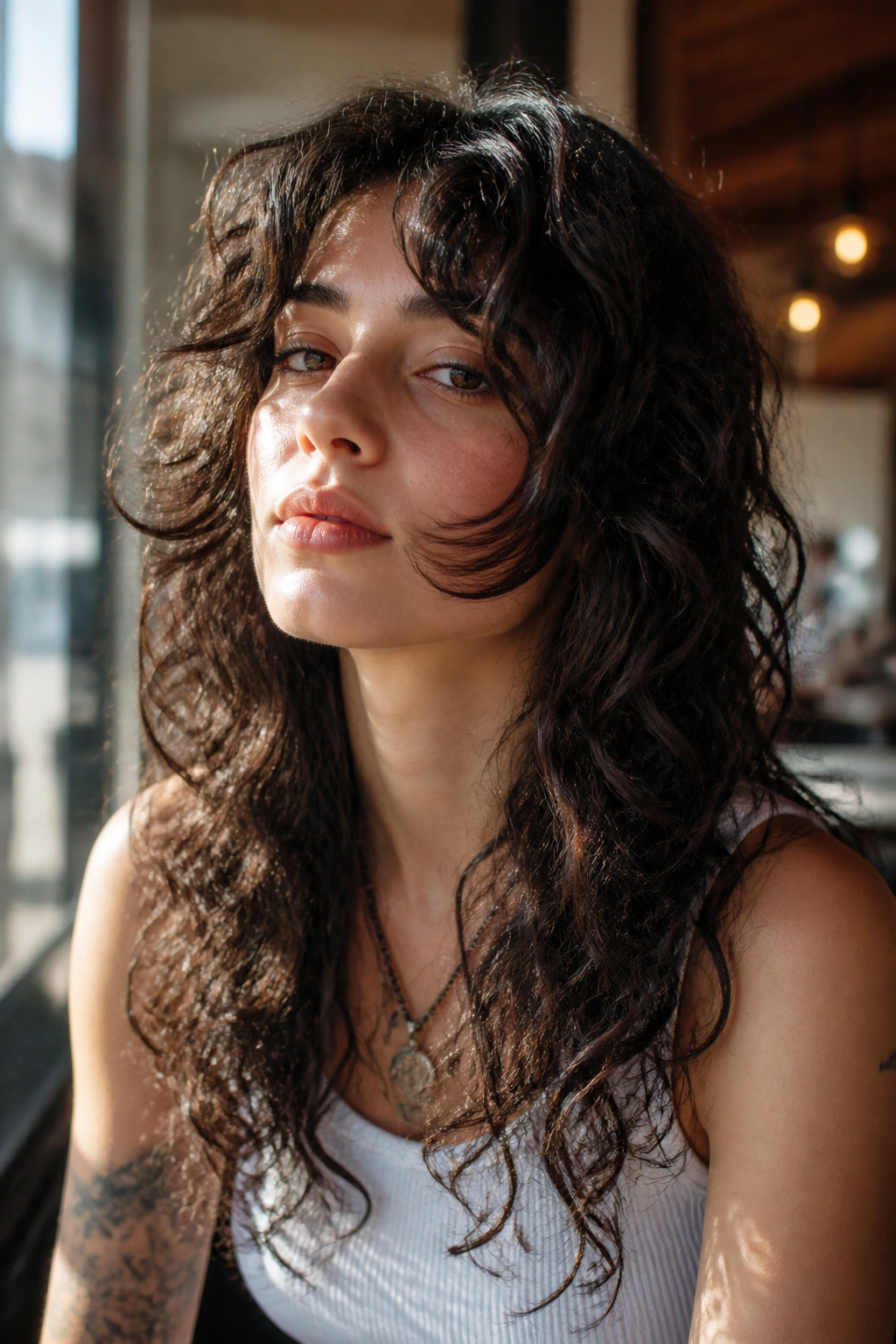
If you are not ready to lose length, this is the move. A long wolf cut with heavy curtain layers keeps most of the hair below the shoulders, then opens the front with broad, sweeping pieces that fall away from the face.
The important part is that the layers start higher than a standard long cut but lower than a dramatic shag. Usually, that means the shortest pieces live around the cheekbone or lip line, while the rest of the length stays intact. The cut keeps the drama in the front and the movement in the back.
Where This Shape Excels
It suits people who wear their hair down a lot and still want a clear shape when it’s half-up. The curtain layers help curls frame the face instead of clinging to it. That’s especially useful if your hair gets weighed down quickly by humidity or product.
A Practical Note
Heavy curtain layers are not the same thing as random face-framing pieces. They need continuity from the top layers into the lengths, or the cut falls apart once the curls separate. A few loose curls around the face are fine. A disconnected front chunk is not.
This is one of the safest curly wolf cuts for someone making the jump from long, one-length hair.
9. The Tapered Nape Wolf Cut
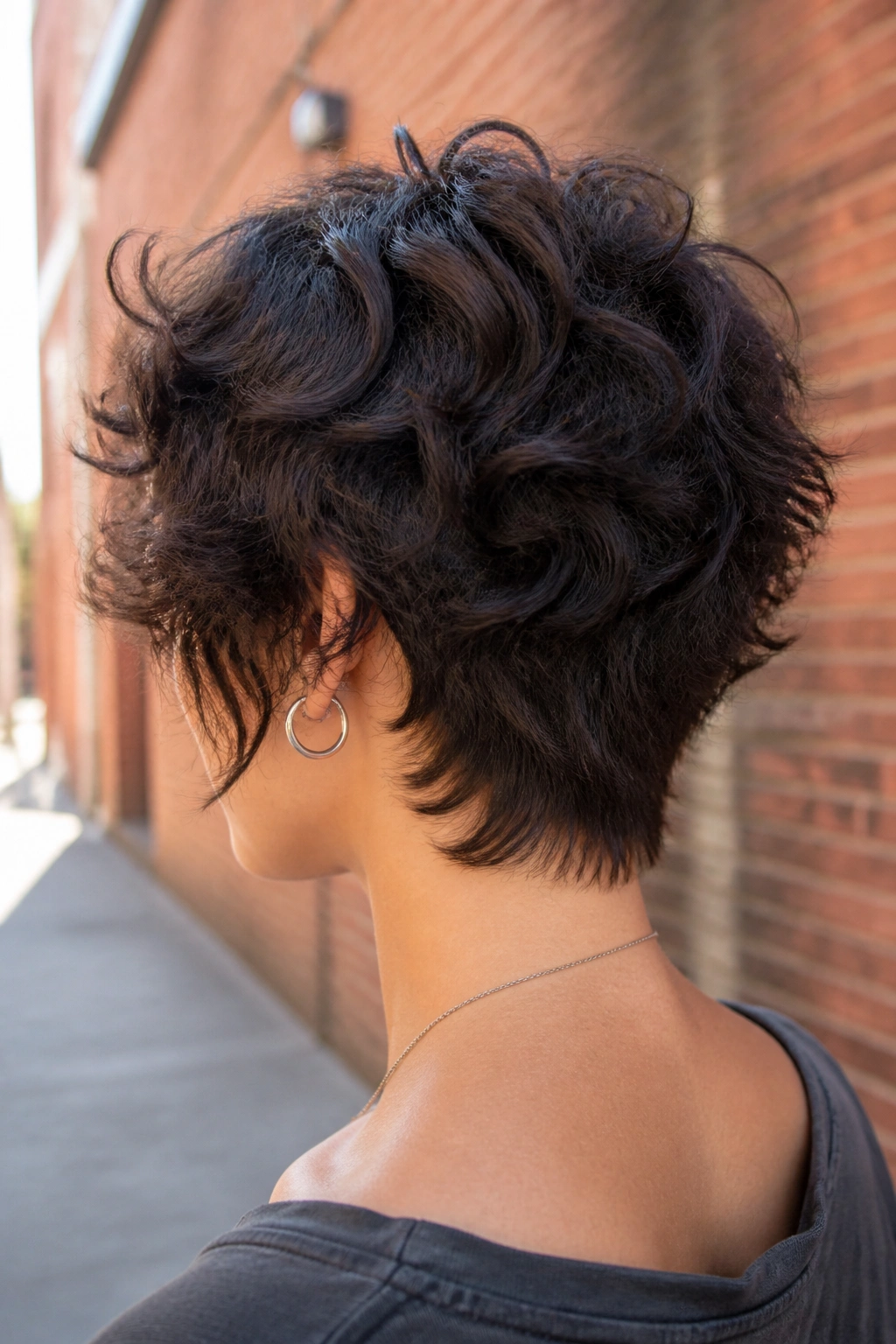
The nape is where a lot of curly cuts go wrong. It gets bulky, then boxy, then weirdly flat under jackets and collars. A tapered nape wolf cut fixes that by letting the back narrow cleanly as it moves into the neck.
Unlike a blunt back line, this version keeps the neckline soft and slightly tucked in. The top and sides still have wolf-cut texture, but the lower back sits closer to the neck, which gives the whole haircut a cleaner profile. On thick curls, that taper can make a shocking difference.
This shape is especially good if you hate hair sticking out under hoodies, scarves, or shirt collars. It also helps if your curls grow outward more than downward. The taper creates a little breathing room.
The one catch? Over-tapering. Too much removal at the nape and the back starts to look thin from certain angles. I’d rather see a careful taper than a dramatic carve-out.
That’s the whole point here. Clean, not shaved. Shaped, not stripped.
10. The Side-Parted Curly Wolf Cut

A side part can change a wolf cut faster than another inch of layering. Move the part, and the whole haircut suddenly looks fuller, softer, or a little more dramatic.
Side-parted curly wolf cuts work because they use asymmetry on purpose. One side gets a little more lift at the root, the other side falls heavier, and the result feels alive instead of symmetrical in a stiff way. This is useful if your curls flatten at the crown or if a center part makes your face look longer than you want.
A good side-parted version should still keep balance through the back. You want the front to feel slightly off-center, not lopsided. That means the stylist needs to place the shortest pieces with the part in mind, because curls obey gravity and structure at the same time.
I also like this cut for day-two hair. When curls loosen a bit, the side part keeps the shape from going flat all over. It gives the style somewhere to go.
11. The Diffused Volume Wolf Cut

Why does a diffuser matter so much with a curly wolf cut? Because this haircut is built for lift, and a diffuser helps that lift stay visible instead of collapsing while the hair dries.
How the Shape and Styling Work Together
A diffused volume wolf cut usually has shorter crown layers and enough internal texture to let the roots rise without turning fuzzy. The cut does half the job. The styling finishes it. If the curl pattern is loose enough to stretch, the diffuser adds body fast; if the curls are tighter, it helps set the shape without smearing the definition.
A solid routine is pretty plain: a leave-in, a curl cream or foam, then diffuse on low or medium heat until the hair is about 80 percent dry. Don’t blast it with high heat from the start. That tends to make the top frizz before the curl clumps set.
What to Ask Your Stylist
- Keep the crown layers short enough to respond to root lift.
- Leave the ends dense enough to hold a shape.
- Avoid over-thinning the mid-lengths.
This cut is for people who like volume that looks deliberate, not random. It is not a wash-and-forget style, but it rewards a little effort with a lot of shape.
12. The Bang-First Wolf Cut

Bangs change the whole conversation. A bang-first wolf cut puts the fringe in the lead, then builds the rest of the layers around it so the front feels like a feature instead of an afterthought.
Curly bangs can be gorgeous. They can also be unforgiving if they’re cut too short. The best version usually lands somewhere between eyebrow and upper-lash length when dry, with enough softness around the edges to let the curls separate naturally. Micro bangs are a choice, sure, but they are a loud one.
This style is especially good if you want to shorten the face visually or soften a high forehead. It also makes the haircut feel more playful without needing a dramatic change in length everywhere else. The rest of the wolf cut can stay fairly classic, with shaggy layers in the crown and longer pieces at the back.
A small warning: curly bangs need maintenance. Not daily, necessarily, but enough attention that they do not drift into your eyes in odd little loops. If that sounds annoying, keep the fringe longer and side-swept. Easy fix.
13. The Wolf Cut for Tight Spiral Curls
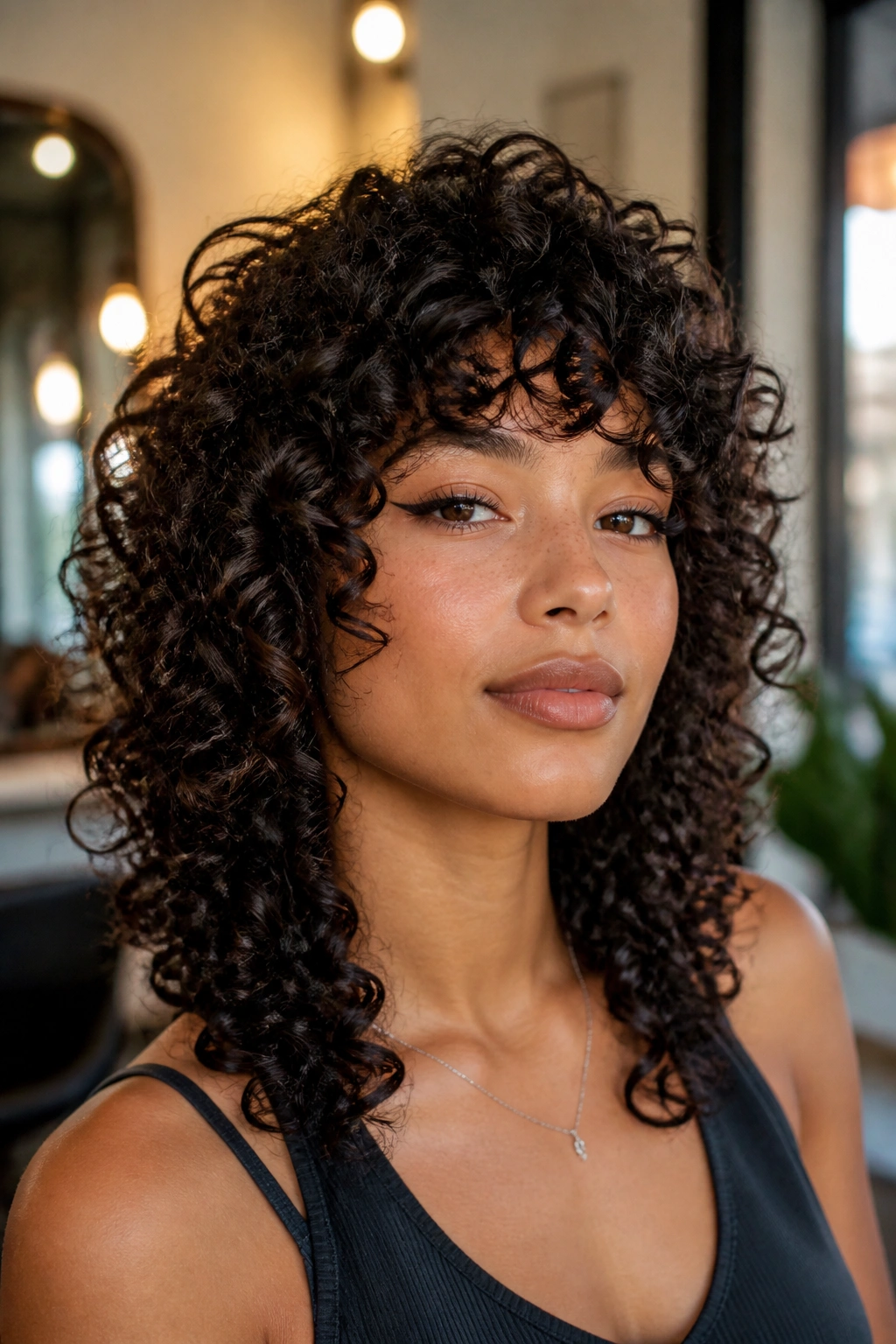
Tight spirals need a different hand. A wolf cut on 3C or 4A curls should usually keep more weight than people expect, because the curl spring can eat up length fast.
The smartest version is often cut with the hair dry or stretched, then refined curl by curl. That gives the stylist a better read on how the spirals sit together. If the cut is too aggressive at the crown, the hair can puff outward and lose its shape. If it stays too uniform, it turns into a triangle. So the balance is narrow.
What Makes It Different
Tight spirals often benefit from gentler layering through the interior rather than heavy chopping at the surface. The goal is to open up the silhouette while keeping the curls grouped and defined. You want shape, not scatter.
A few useful details to ask for:
- Keep the top layers moderate so shrinkage doesn’t expose too much scalp.
- Let the front pieces fall into the cheekbone zone.
- Preserve enough length in the back for the curl pattern to show clearly.
This cut is one of my favorites when the curls are springy but still dense. It has edge, yet it does not fight the hair’s natural recoil.
14. The Wolf Cut for Thick Coils and Dense Hair
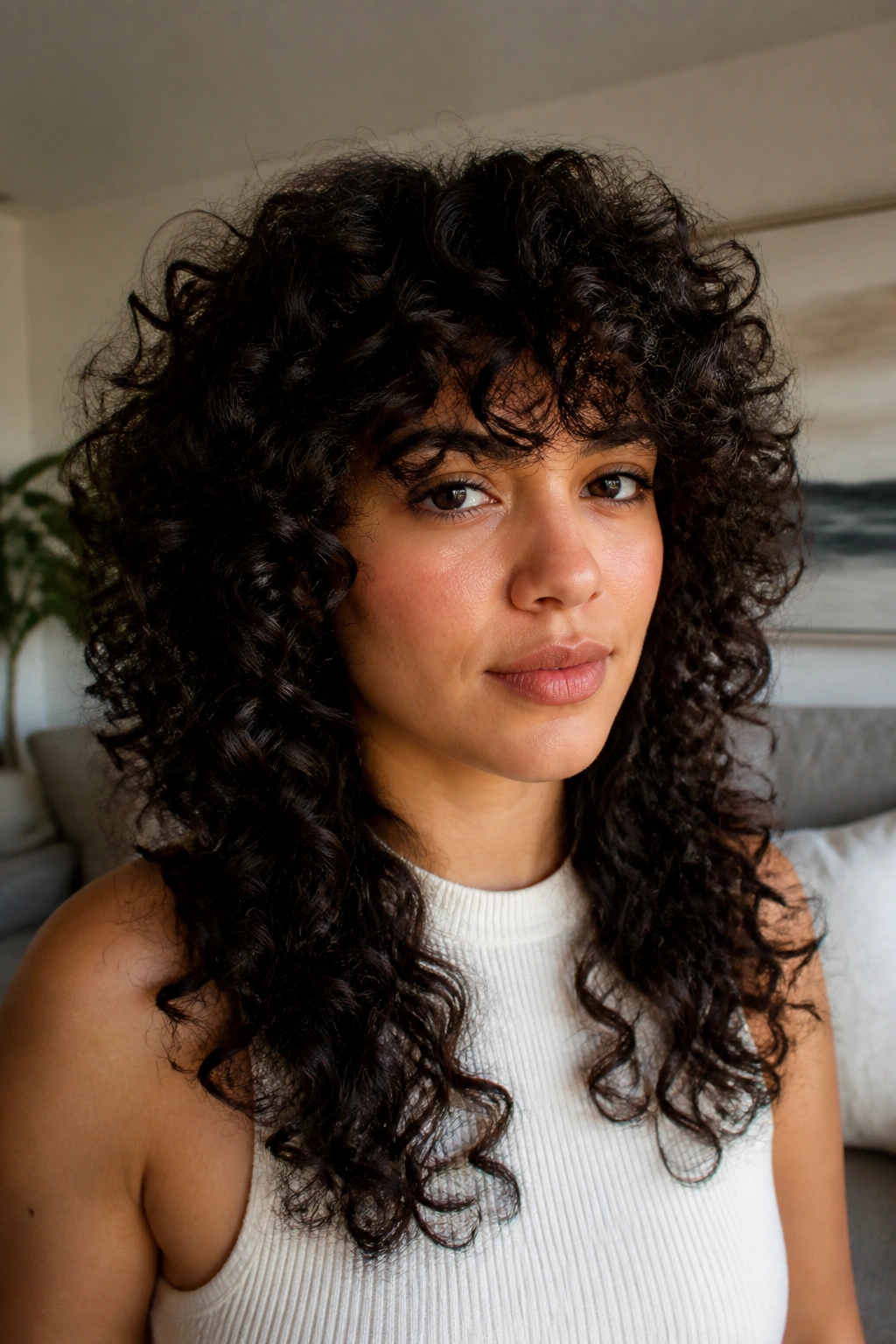
Dense coils can wear a wolf cut beautifully, but they need weight control more than they need drama. That sounds counterintuitive, because the style itself is edgy, but thick hair can go from cool to huge fast.
The answer is measured layering. Not everything should be cut short. In fact, too much removal near the crown can make the shape rise too high and lose the clean outline that makes a wolf cut work. The better approach is to reduce bulk in the areas where the hair stacks on itself—usually the mid-back, side panels, and lower crown.
I like this version because it solves a real problem: thick hair that feels hot, heavy, or hard to shape. A well-cut wolf style can make wash days feel easier and give coils more room to move. It also works well with twist-outs and stretched styling, which is useful if you switch up your texture from week to week.
A blunt, one-length shape may look polished for five minutes. Then the density wins. A wolf cut, done carefully, lets the hair breathe.
15. The Softly Broken Curly Wolf Cut
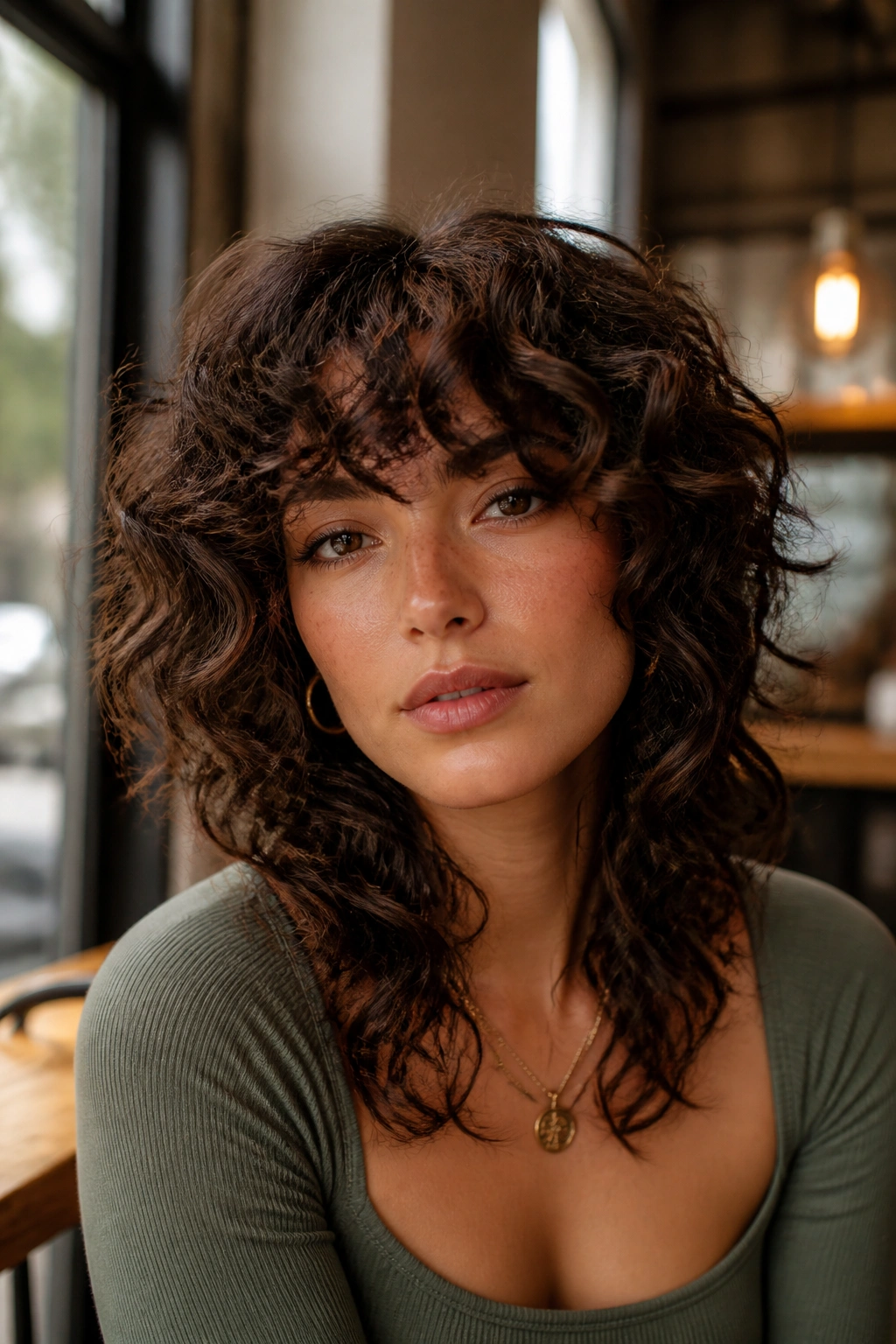
The best everyday version is the one that looks slightly undone on purpose. A softly broken curly wolf cut keeps the silhouette loose, layered, and wearable without tipping into high-maintenance territory.
This is the cut I’d point to if someone wants the wolf-cut shape but still needs it to work at work, at dinner, and on a day when they only half-style their hair. The front is soft, the crown has lift, and the back falls with enough length to feel grown out in a good way. Nothing about it feels severe.
What makes it hold together is moderation. The layers are visible, but they are not carved so hard that they split the curl pattern apart. That matters for curly hair because the pattern itself is the decoration. You do not need to force more texture into it.
It also ages well between trims. That sounds dull, but it’s one of the nicest things a haircut can do. Some styles look great on day one and strange by week four. A softly broken wolf cut tends to loosen into something even better.
Final Thoughts
Curly wolf cuts work best when the cut respects three things at once: shrinkage, density, and curl pattern. Miss one of those, and the shape goes sideways fast. Get all three right, and the haircut does half the styling work for you.
If you’re sitting between two options, pick the version with more length first. You can always remove another half-inch or build more fringe later. You cannot put it back once the scissors have gone through it.
Bring photos, sure, but bring words too. Say where you want the weight to sit, how short you’re willing to go around the face, and whether you like the back clean or shaggy. That’s usually the difference between a curly wolf cut that looks vaguely trendy and one that actually feels like yours.
