



A wolf cut mullet works when it looks a little wild on purpose. That’s the whole charm.
If the shape is too neat, it starts looking like a cautious shag. If the layers are too soft, it loses the bite that makes the style interesting in the first place. The sweet spot sits right between those two extremes: messy, but not accidental.
That balance is why the wolf cut mullet keeps showing up on people who want hair with edge but still want movement, lift, and a shape that does something from every angle. The top is usually shorter and more lifted, the lengths fall out toward the nape, and the sides get carved in a way that lets the whole cut move instead of sitting flat like a helmet.
And yes, the difference between a good one and a bad one is obvious. A good wolf cut mullet has air in it. A bad one looks like you grew out a haircut and hoped for the best. Tiny difference. Huge payoff.
1. Soft Feathered Wolf Cut Mullet
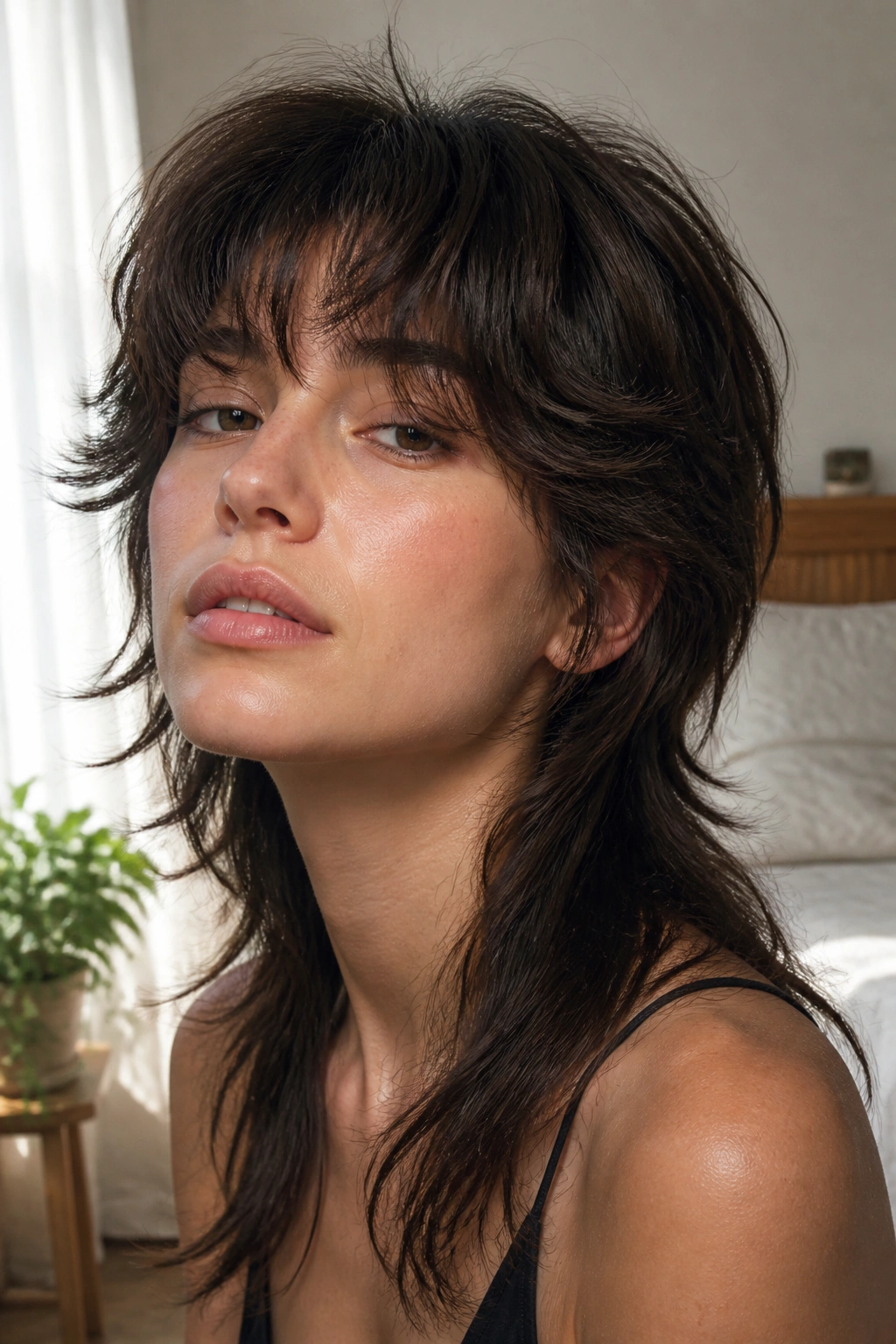
This is the version I’d hand to someone who wants the wolf cut mullet look without going full feral. The ends are feathered, the crown keeps some lift, and the back drops long enough to read as a mullet without screaming about it. It has shape, but the shape is softened.
Why It Works
The feathered finish takes the rough edges out of the cut, which matters if your hair is medium to thick and tends to puff out. Instead of blunt shelf-y layers, the lines melt into each other a little. That gives you movement on day one and less grow-out drama later.
- Best on straight, wavy, and lightly textured hair
- Looks good with blow-dried volume at the roots
- Needs a trim about every 8 to 10 weeks
- Plays well with a light mousse or texture spray
Pro tip: Ask for the top layers to be short enough to lift, but keep the nape soft so the back doesn’t turn into a hard tail.
2. Razor-Chopped Wolf Cut Mullet
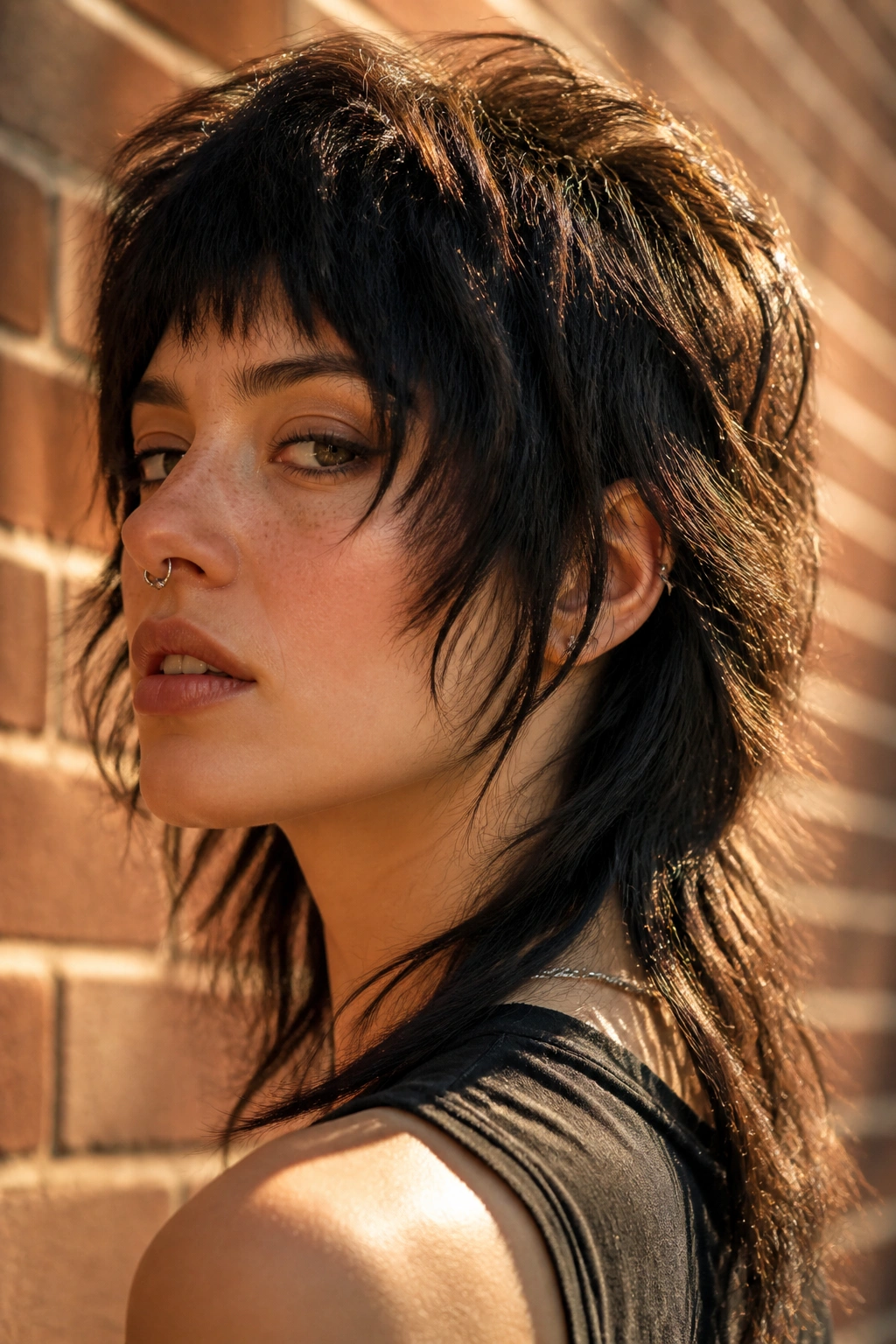
A razor-chopped wolf cut mullet has a sharper attitude. The ends look sliced and a little irregular, which gives the whole cut that broken-up, lived-in feel people want when they say they want something edgy. It is not a polished haircut. That’s the point.
The razor work matters because it changes how the hair falls. Blunt scissors can leave the perimeter too solid, especially on dense hair. A razor breaks up the line and makes the layers separate a little more, so the cut moves instead of sitting as one heavy block.
Use this version if you like a messier finish and you don’t mind using a bit of product. A matte cream or dry texture paste keeps the ends from looking fuzzy, which can happen fast if your hair is coarse or dry. Skip heavy oils. They kill the shape.
3. Curly Wolf Cut Mullet
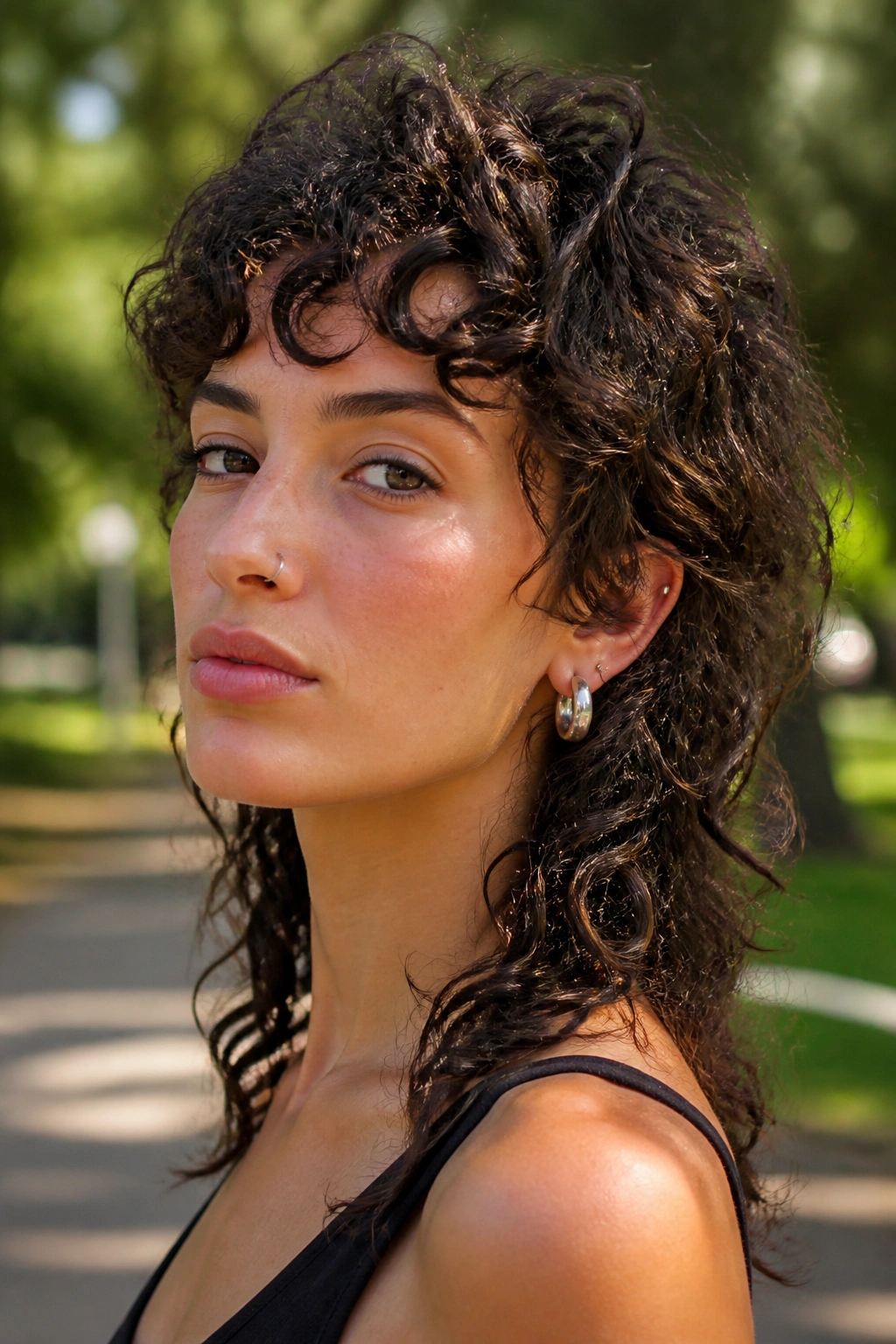
Can a curly wolf cut mullet look intentional instead of unruly? Absolutely, but the cut has to respect the curl pattern. If the layers are chopped the same way on every head, the curls will spring up unevenly and the shape can collapse in strange places.
The trick is shrinkage. Curly hair sits higher when dry, so the lengths need to be mapped out with that in mind. A good cut leaves room for the curl to bounce, especially around the crown and sides, while keeping enough length in the back to preserve the mullet line. When it’s done well, the silhouette looks full and playful, not puffy.
How to Shape It
Ask for dry or mostly dry cutting if your curl pattern changes a lot when it dries. That lets the stylist see where the curl lands in real life, not just on wet hair.
- Best for curls that range from loose spirals to springy coils
- Works better with curl cream and a diffuser
- Needs less frequent trimming than straight hair, since the shape hides grow-out well
- Looks strongest when the crown has lift and the sides stay controlled
4. Curtain Bang Wolf Cut Mullet
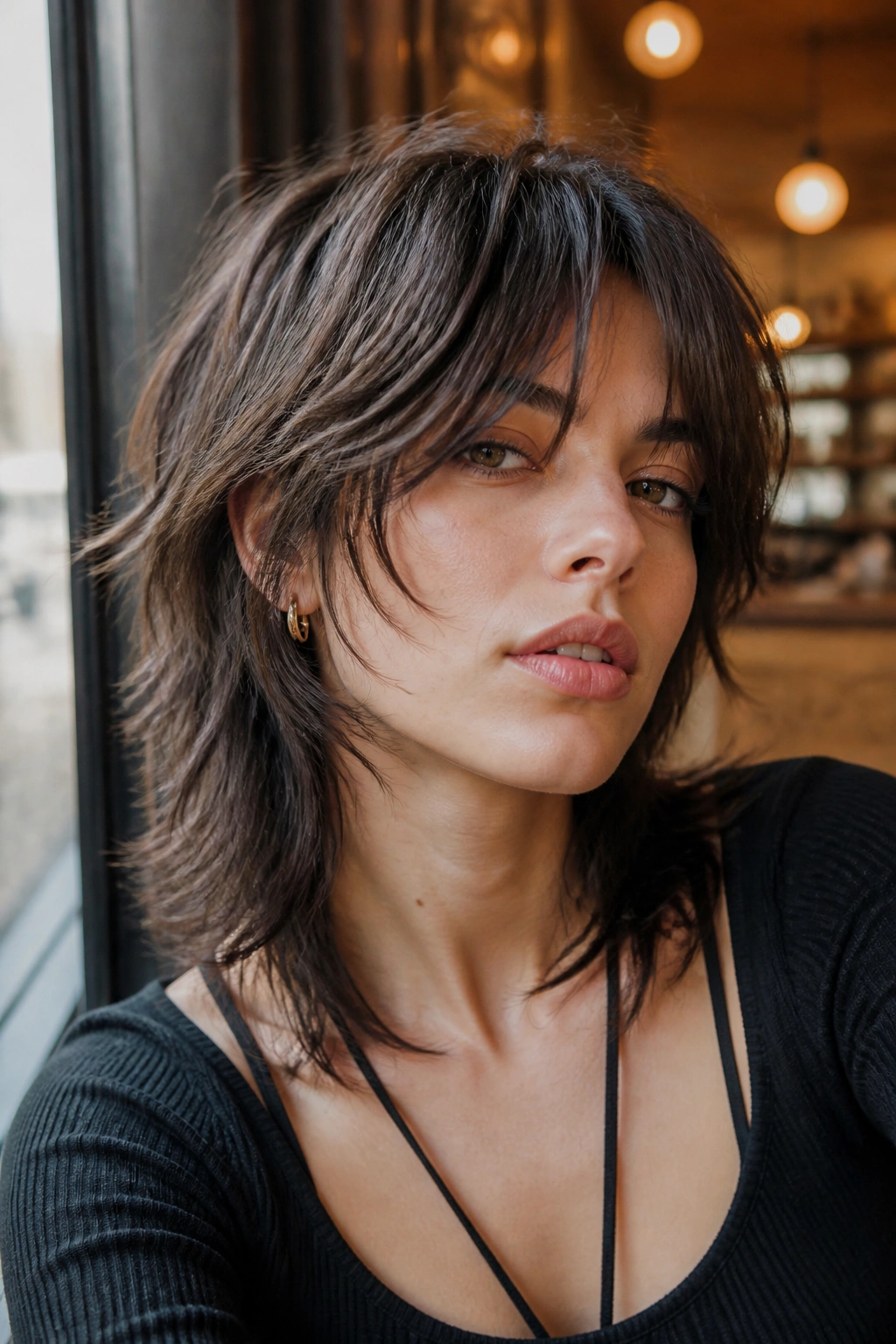
Picture this: you want the edge of a mullet, but you also want something you can tuck behind your ears on a boring Tuesday. Curtain bangs solve that problem fast. They soften the front, frame the face, and make the wolf cut mullet feel easier to wear.
The bang shape changes the whole read of the haircut. Instead of a hard break at the forehead, the fringe splits and drapes to each side, which pulls attention toward the cheekbones and eyes. That little shift makes the cut feel less severe, even when the back stays shaggy and long.
- Best if you want face framing without a blunt fringe
- Helps balance a strong jaw or a longer forehead
- Works with blowout brushes, Velcro rollers, or a round brush
- Pair with light root lift spray if the bangs go flat
The downside is simple: curtain bangs need styling. Not a huge amount. Still enough to matter.
5. Short Wolf Cut Mullet
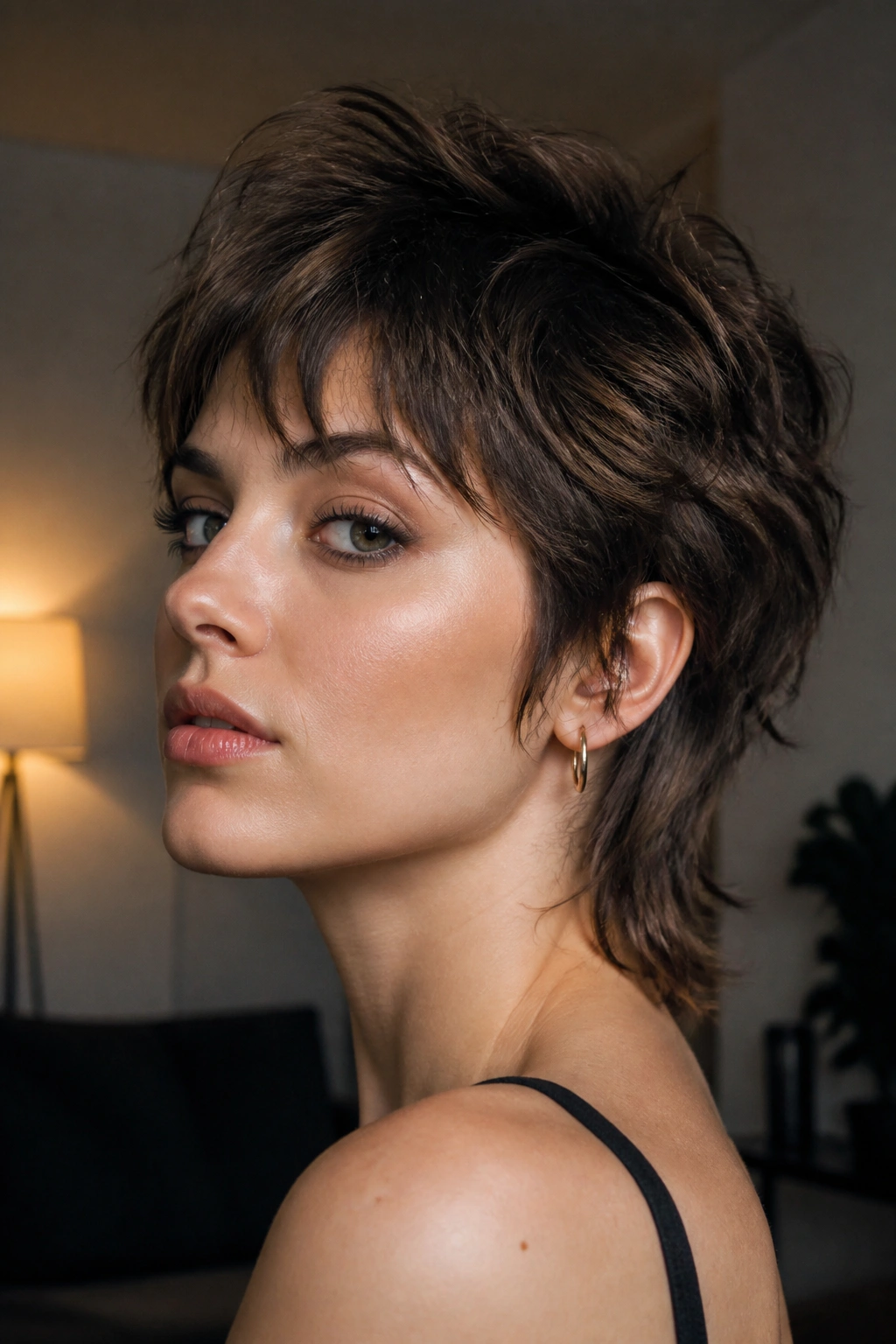
Short wolf cut mullets have more bite than people expect. The hair sits above the shoulders, the top is chopped high, and the back drops just enough to give you that mullet line without getting into long, dramatic territory. It’s the cut I’d call clean chaos.
This version works best when the neckline stays visible. If the back gets too long, the style starts losing its shape and turns into a generic grow-out shag. Keep the nape tidy, keep the top textured, and let the layers do the heavy lifting. You want the cut to look deliberate from the side.
Short versions are also easier on the morning routine. A little diffuser, a bit of cream, maybe a quick pass with a flat iron on the ends if your hair bends weirdly. Done. The catch is that short layers show damage and bad cutting more clearly, so this one needs a better trim than people think.
6. Long Wolf Cut Mullet
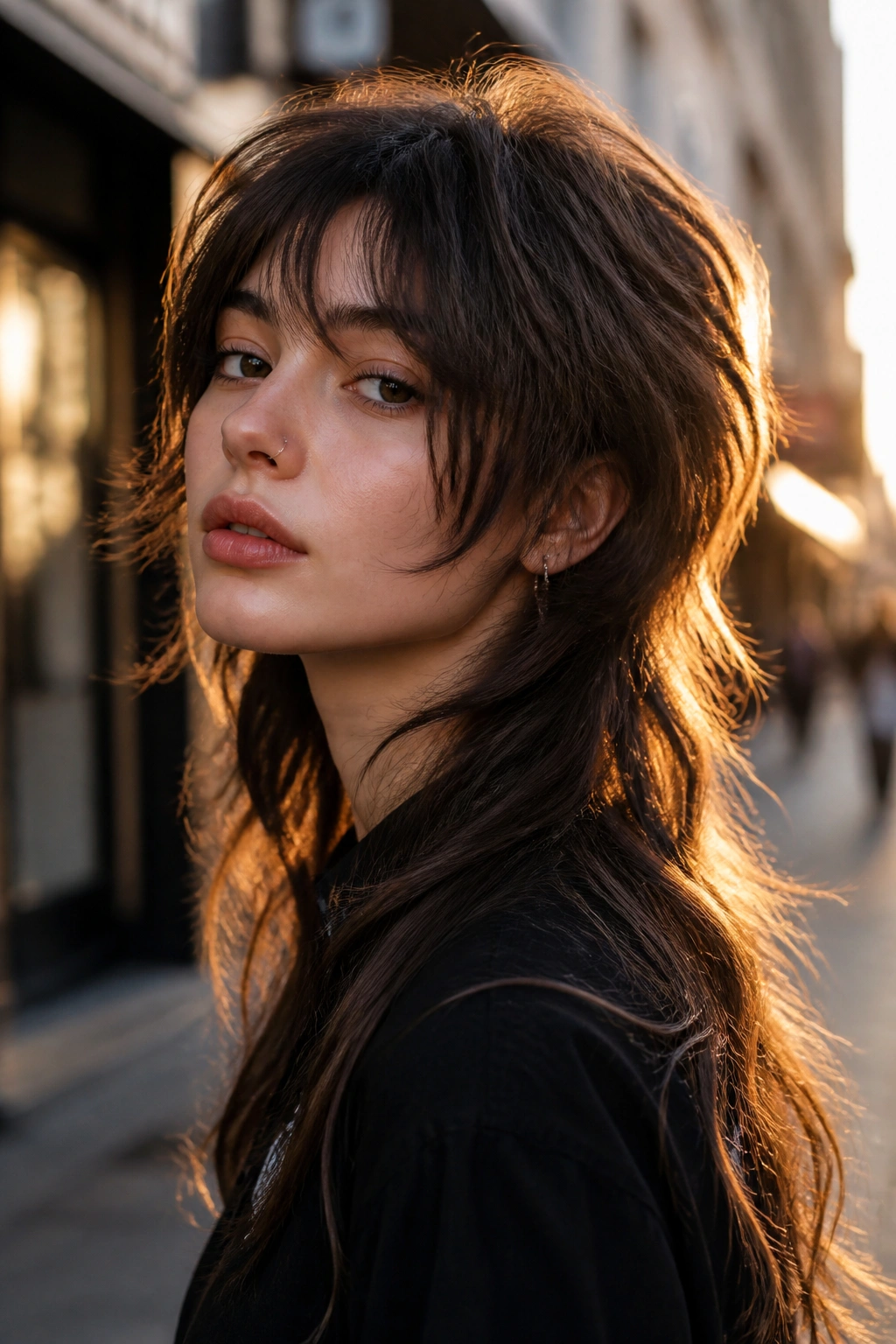
A long wolf cut mullet is for anyone who likes the shape but refuses to give up length. The contrast is what makes it work: shorter, piecey layers around the crown and face, then longer lengths through the back that keep the cut from feeling too abrupt. It’s less punk club, more soft rebellion.
Compared with a shorter version, this one leans into movement instead of sharpness. The silhouette is looser. The hair falls a little more, sways more, and usually reads as less dramatic until you turn your head and see the layered back catching up. That makes it a good choice if you need the haircut to fit into a work setting or a family dinner without a side conversation.
Who’s it best for? People with medium to thick hair, or anyone whose hair looks flat when it’s all one length. Ask for long internal layers rather than heavy surface chopping. That keeps the ends from looking stringy while still giving the crown enough lift to matter.
7. Micro Fringe Wolf Cut Mullet
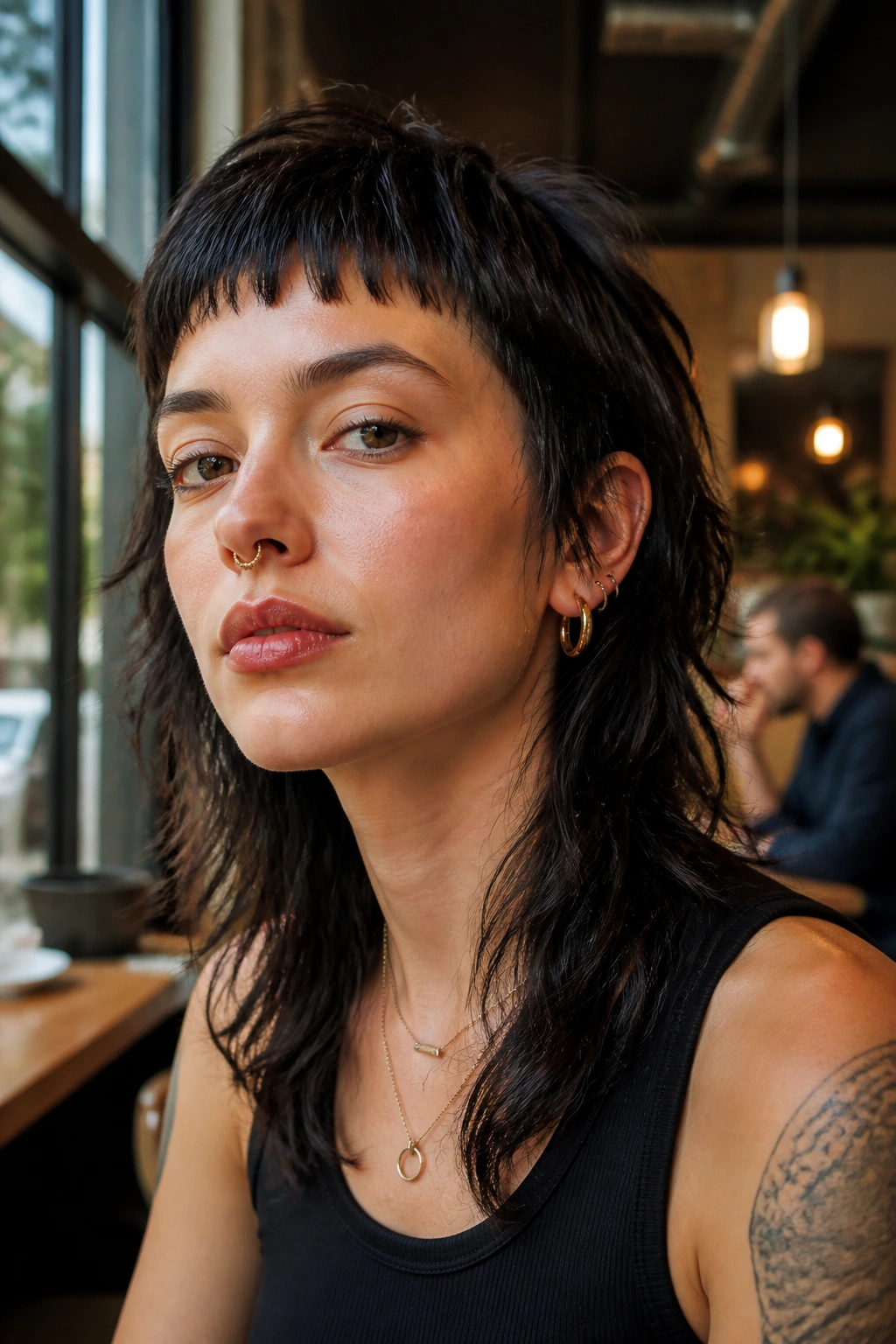
A micro fringe changes the whole mood. Hard. The tiny bang creates a sharp line up front, and the rest of the wolf cut mullet gets to be wild in contrast. That contrast is the appeal: one part precise, one part shredded.
Why It Works
The fringe takes attention straight to the eyes and forehead. That can be fantastic if you like bold cuts that look intentional even when the rest of the hair is loose and messy. It also makes the haircut feel more fashion-forward, which is a useful way of saying “people will have opinions.”
- Best with straight or lightly wavy hair
- Works well on smaller foreheads
- Needs regular bang trims, about every 3 to 5 weeks
- Looks strongest with a matte styling paste at the roots
If you’re nervous, keep the fringe a touch longer than the classic micro-bang length. A half-inch changes the whole vibe.
8. Platinum Wolf Cut Mullet
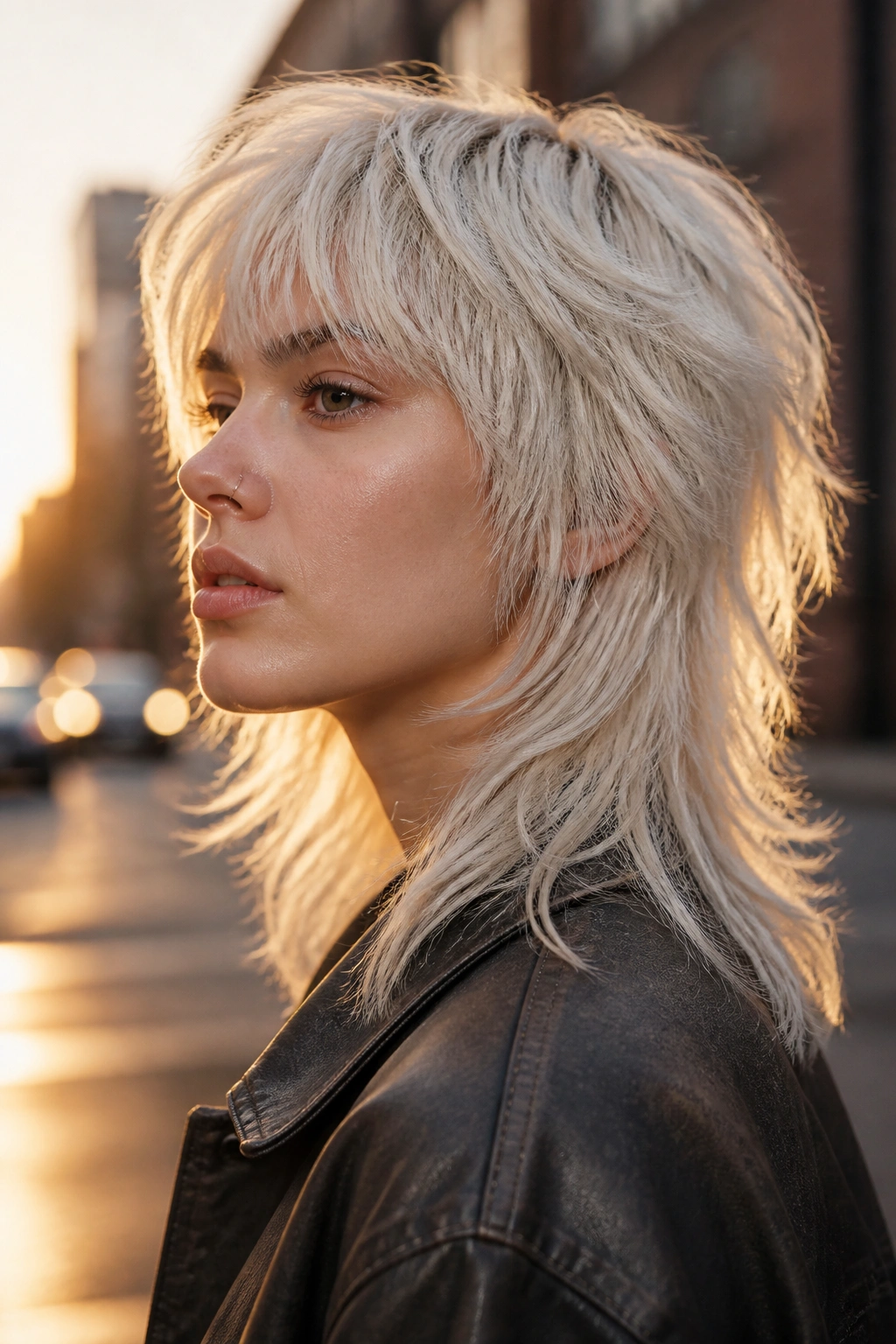
Bleached hair and a wolf cut mullet are a good match because the color shows off the layers. Every choppy edge catches the eye a little more, and the shape reads faster than it does in darker hair. That makes this version feel louder, even if the cut itself is simple.
The downside is maintenance. Blonde hair shows breakage, dryness, and rough ends in a way that dark hair can hide. That means the cut has to be smart: softer interior layering, not a lot of blunt slicing, and enough hydration to keep the ends from looking fried. Use a purple shampoo once a week if brass is creeping in, but don’t overdo it. Too much and the hair can look dull.
This is the version for people who like contrast in every sense — shape, color, texture. Keep the roots a little fuller and let the lengths sit loose. Flat platinum hair can look thin fast. Add lift at the crown and the whole thing wakes up.
9. Wavy Air-Dried Wolf Cut Mullet
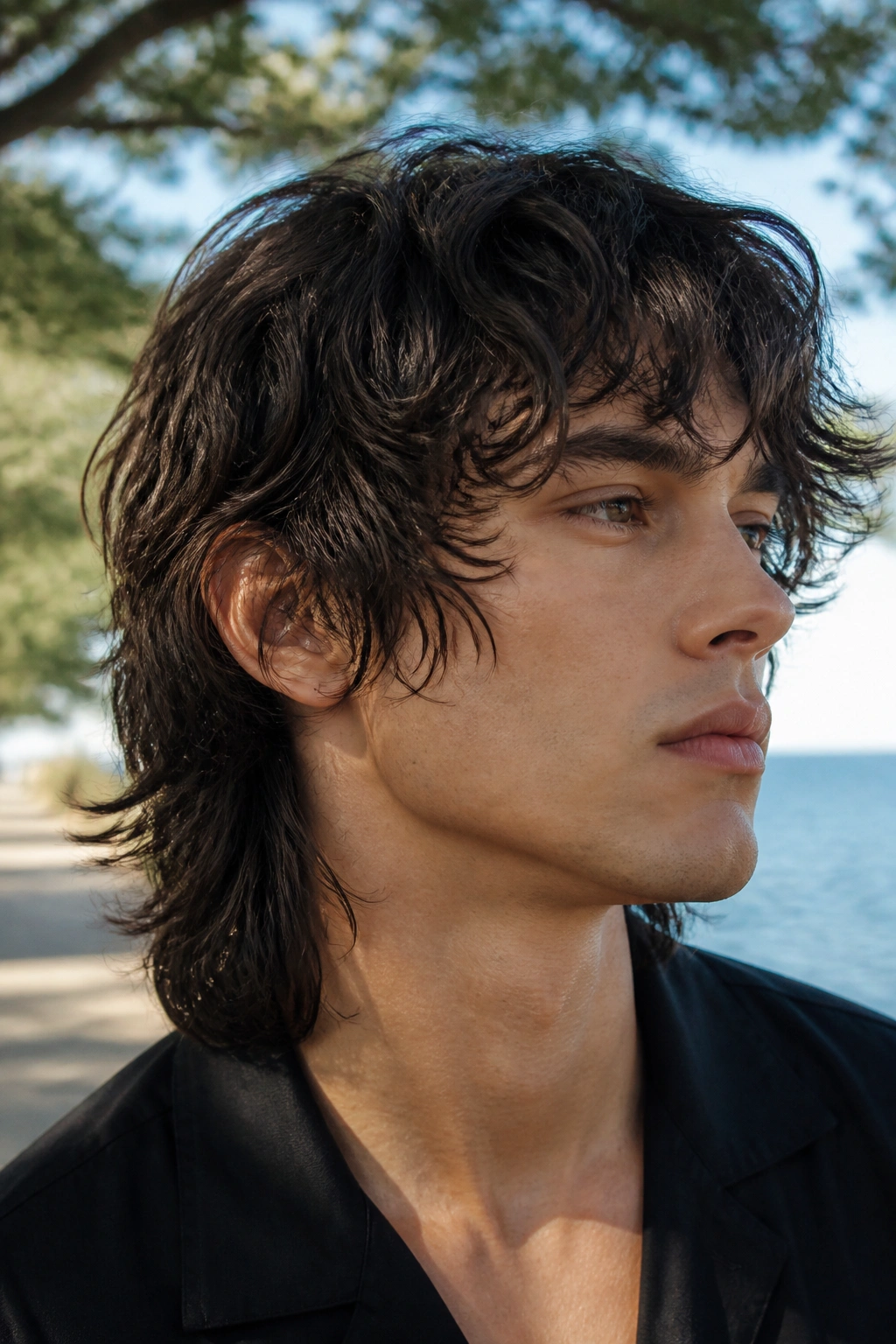
Do you want a wolf cut mullet that looks better when you barely touch it? This is the one. Wavy hair gives the layers a natural bend, which means the cut already has movement before you add product. Air-drying helps keep that bend soft instead of over-styled.
The nice part is that the shape doesn’t need a lot of coaxing. A small amount of wave cream or light mousse on damp hair is usually enough. Scrunch, let it dry about 80 percent, then stop fussing with it. If you keep touching it, the waves separate in ugly ways. I’ve watched that happen more times than I can count.
How to Style It
- Apply product to soaking-wet hair for smoother wave clumps
- Flip the hair once while drying to build root lift
- Avoid heavy leave-ins near the crown
- Finish with a tiny bit of oil on the ends only
The best thing about this version is that it looks casual without falling flat. That’s rare.
10. Sleek Straight Wolf Cut Mullet
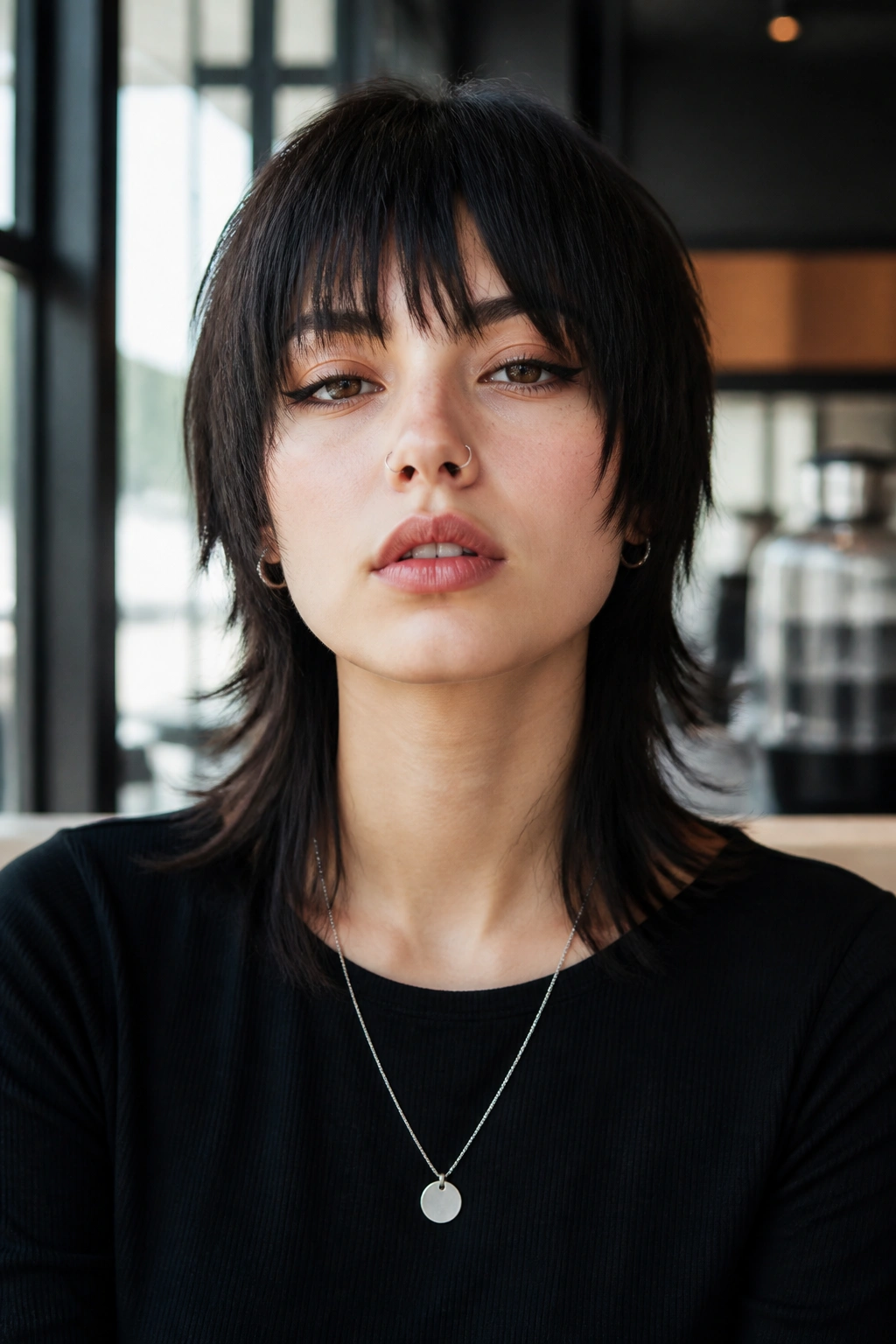
A sleek straight wolf cut mullet is the control-freak cousin of the whole family. The cut still has layers, still has a longer back, still has attitude, but the styling is cleaner and the lines are more visible. You see the architecture instead of the chaos.
That can be a smart move if your hair is naturally straight and tends to show every mistake. A smooth finish lets the layers sit in clear bands instead of puffing outward. The result feels more editorial than grunge, which sounds like a style-club cliché until you see how good it looks with a sharp middle part or a deep side part.
- Best on medium-density straight hair
- Needs a heat protectant before flat ironing
- Use a small round brush at the crown for bend, not curl
- Keep the ends polished with a tiny drop of serum
A sleek version is also easier to dress up. Add earrings, strong brows, a black blazer. The haircut does half the work.
11. Thick Hair Wolf Cut Mullet
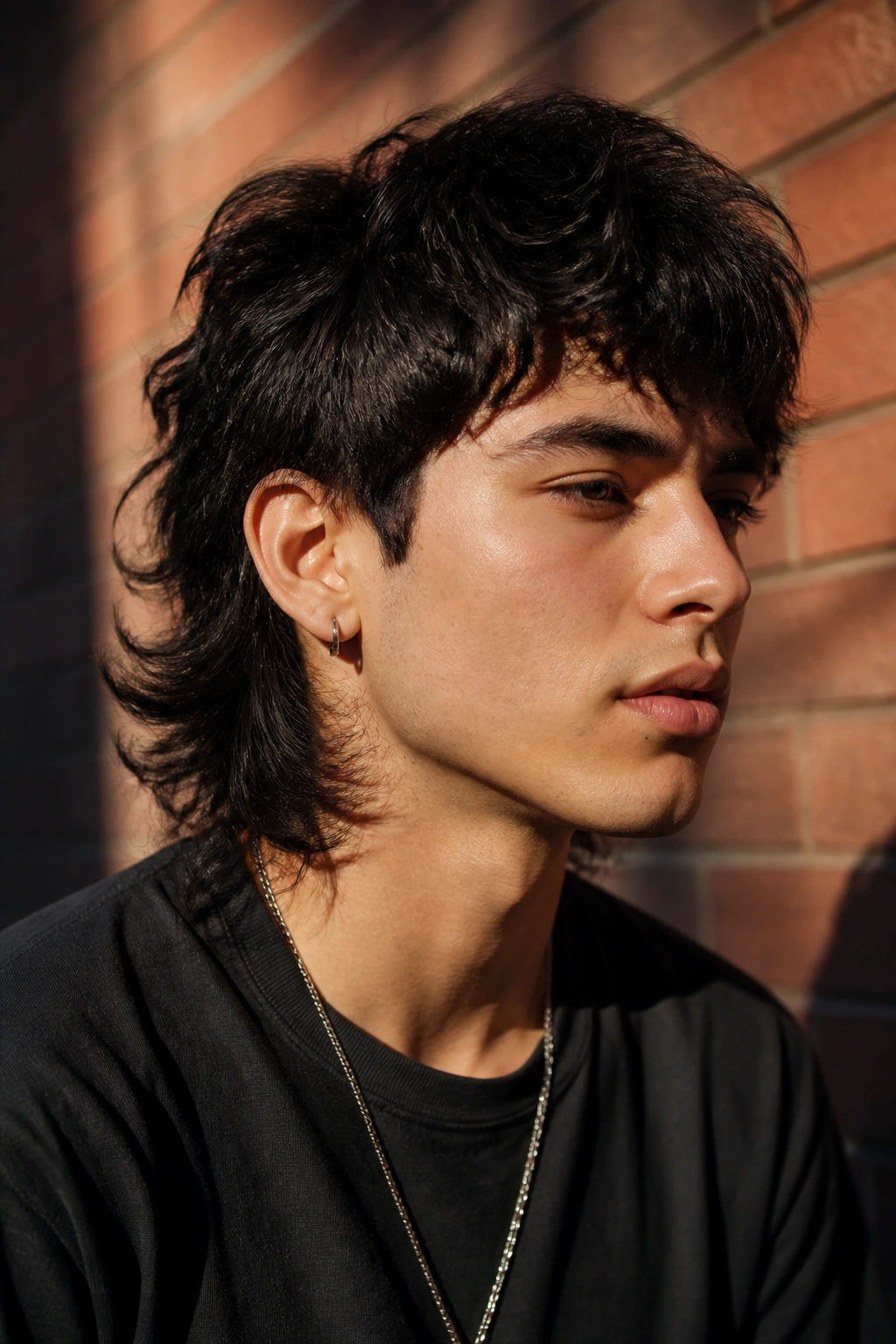
Thick hair can wear a wolf cut mullet better than almost any other texture, but only if the weight gets removed in the right places. Too much bulk at the bottom and the haircut turns into a triangle. Too much chopping on top and you get puff with no shape. Neither is flattering.
The smartest version keeps internal weight off the crown and around the sides while leaving enough density in the back to hold the mullet line. That way the haircut moves, but it does not explode. Thick hair usually holds texture well, so you can be a little bolder with layers than you would be on fine hair.
You’ll probably need a good thinning plan, not random thinning shears. That sounds picky because it is. Random thinning can leave holes and frizzy ends. Ask for controlled removal of bulk, especially around the ears and under the crown. The payoff is cleaner shape and less daily fighting.
12. Fine Hair Wolf Cut Mullet
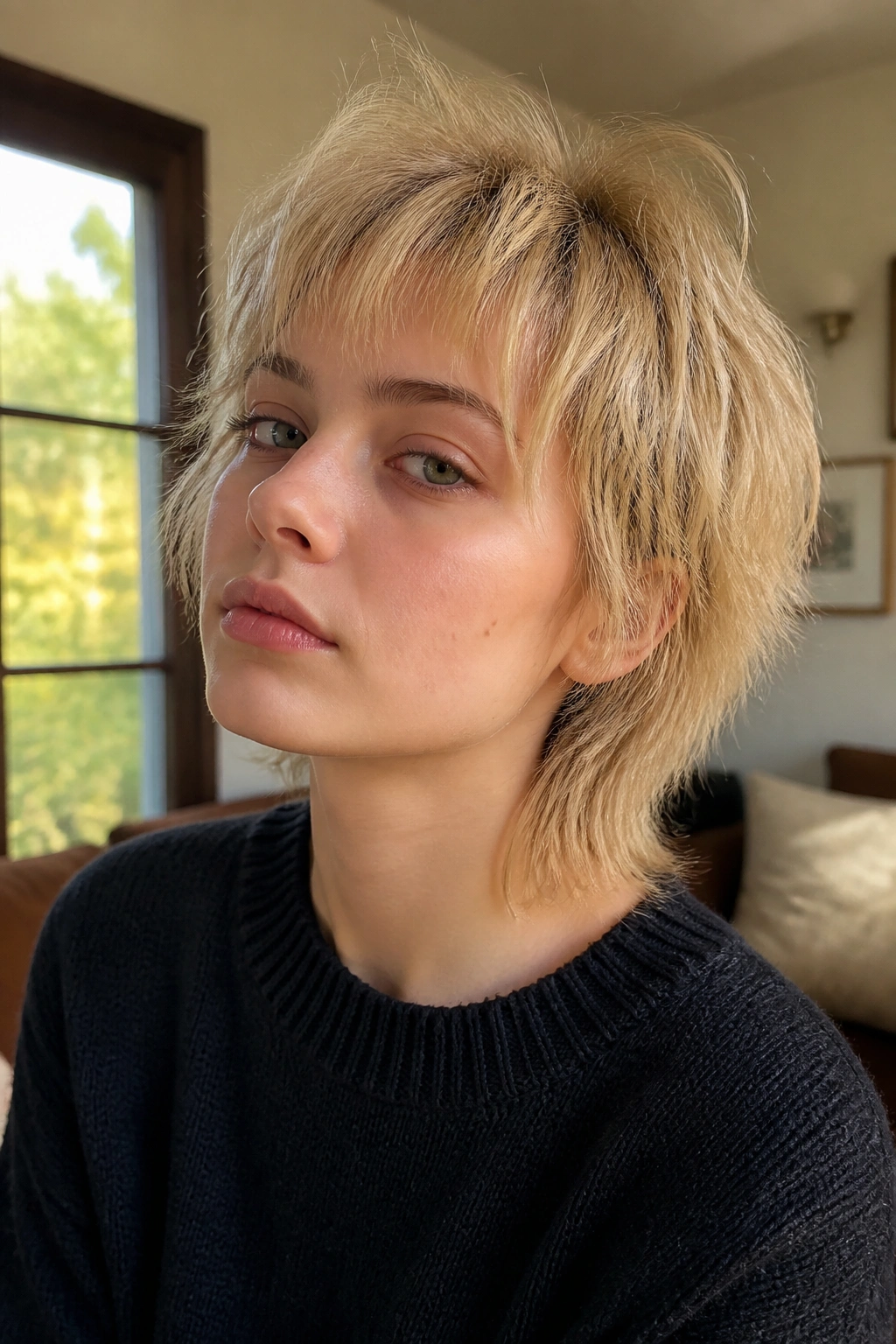
Fine hair needs a gentler hand. A wolf cut mullet can work beautifully here, but only if the layers are placed to create lift instead of stripping away the little density you have. The goal is volume that looks real, not teased-up fluff.
This is where a softer, more compact version helps. Short layers around the crown give the illusion of thickness, while the back stays long enough to keep the silhouette. If the layers are too aggressive, the ends go wispy and the whole haircut looks tired after two washes. That’s the trap.
Unlike the thick-hair version, this one should lean on blow-drying with a root-lifting spray and a lightweight mousse. Heavy creams are a bad fit. They drag fine hair down in an hour. Ask for bluntness at the perimeter if your ends need help looking fuller, and keep the layering crisp but not shredded.
13. Shaggy Mullet with Bottleneck Bangs
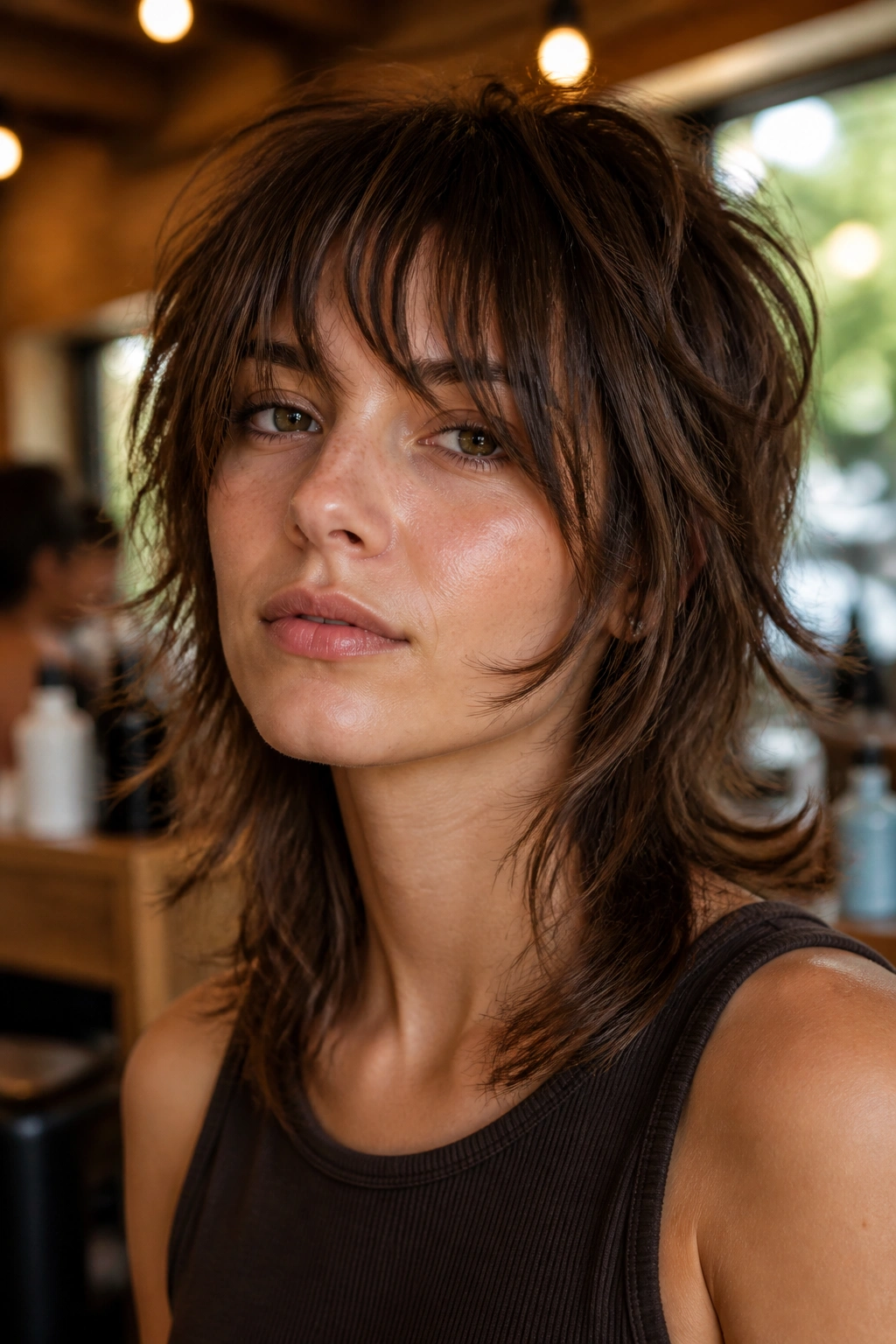
Bottleneck bangs give the wolf cut mullet a very specific face frame: short in the center, longer toward the temples, and soft enough to blend into the rest of the layers. It’s a nice middle ground between curtain bangs and a full fringe. Less obvious. More shape.
Why It Works
The narrow center at the forehead opens the face, while the longer sides connect to the front layers without creating a hard block. That keeps the haircut from feeling top-heavy. On a shaggy mullet, this matters because too much bang weight can crush the lift you want at the crown.
- Best for oval, heart, and longer face shapes
- Grows out more gently than a blunt bang
- Looks good with a round brush or a quick bend from a flat iron
- Ask for the bangs to taper into the cheekbone layers
The key is softness around the temples. If those pieces are cut too short, the style loses its flow and starts looking chopped in a bad way.
14. Punk Wolf Cut Mullet with Undercut
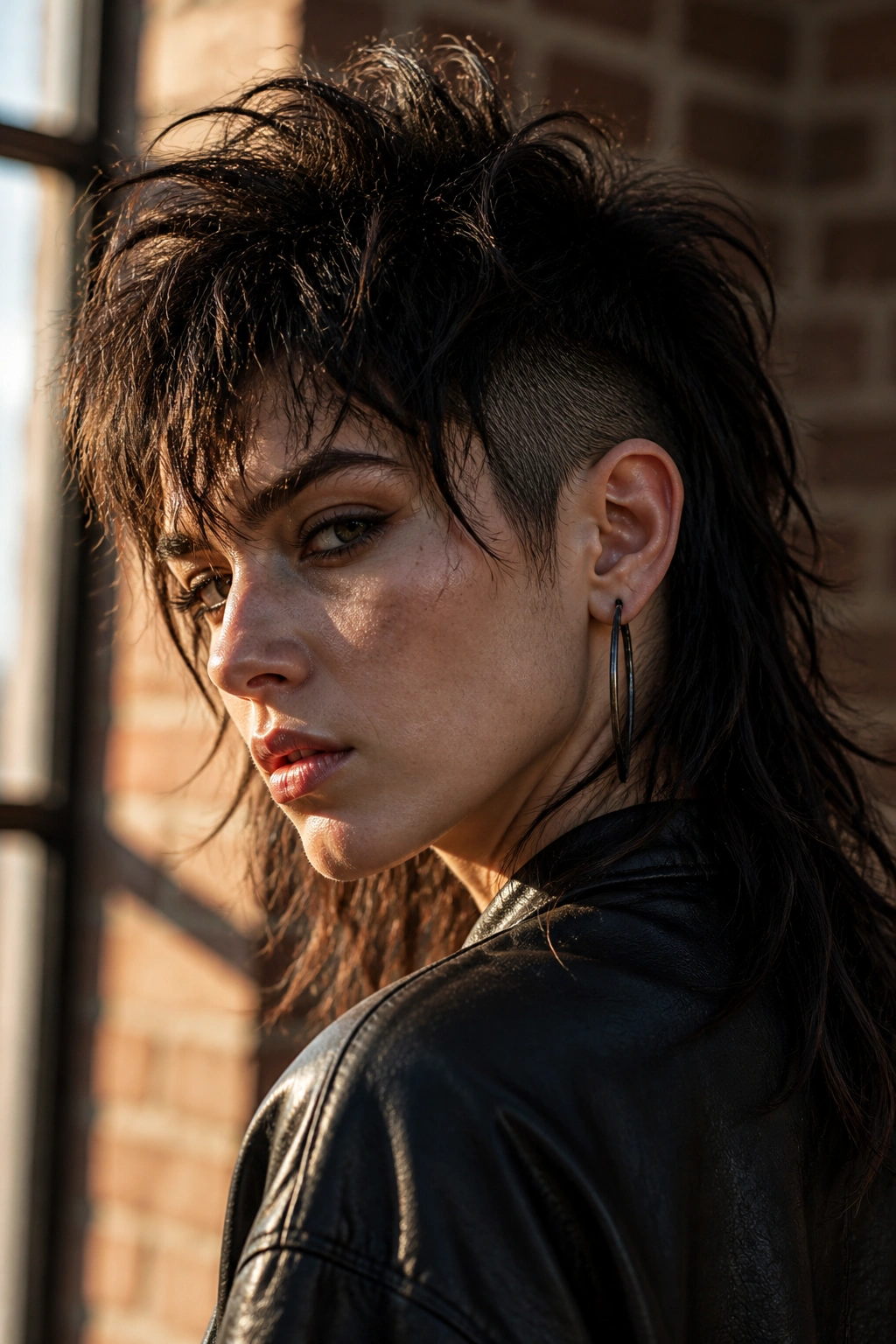
A punk wolf cut mullet with an undercut does not try to be polite. Good. That’s the whole point. Removing hair underneath the top layers creates a stark difference between the visible shape and the hidden structure, which makes the top look fuller and the back more dramatic.
The undercut also helps if your hair is dense or hard to manage around the nape. It takes weight out from under the surface so the top can sit higher and the mullet tail can hang cleaner. The result is a haircut with a bit of surprise to it — tame from one angle, loud from another.
This one needs confidence and some upkeep. The undercut grows out faster than the rest, and you’ll know when it’s time because the shape starts to feel bulky at the neckline. Use a strong-hold paste or pomade if you want the top to stay piecey. If you like movement, keep the product light and let the cut do the talking.
15. Permed Wolf Cut Mullet
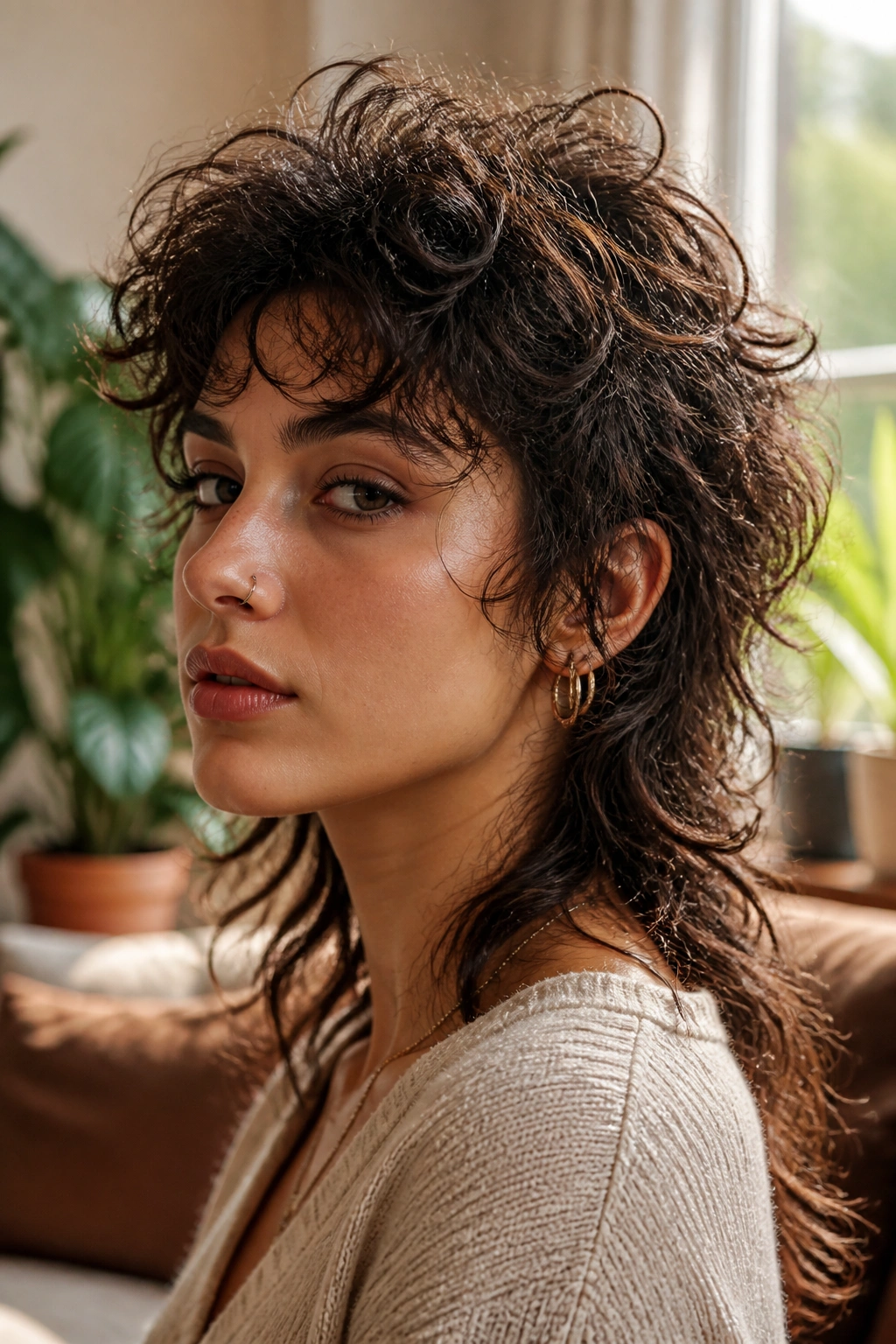
Can a perm and a mullet get along? More than people expect. A permed wolf cut mullet gives you built-in texture, and that makes the layers show up with almost no daily styling. The curls or waves add lift where straight hair would lie flat, especially through the crown and sides.
The cut has to respect the perm pattern. If the stylist chops too aggressively, the curls can bounce into odd shapes and the silhouette gets messy in a bad way. Leave enough length for the texture to settle, then let the layers separate naturally. That’s the trick.
How to Ask for It
Tell the stylist you want movement at the crown, length in the nape, and softness around the face. Those three things matter more than a fancy label. Bring photos where the curl size looks close to your own, because perm rods and texture level change the outcome a lot.
- Best on hair that can hold a curl well
- Needs moisture-rich products, not heavy waxes
- Diffuse on low heat to keep frizz down
- Trim the ends before they get shaggy in a tired way
16. Two-Tone Wolf Cut Mullet
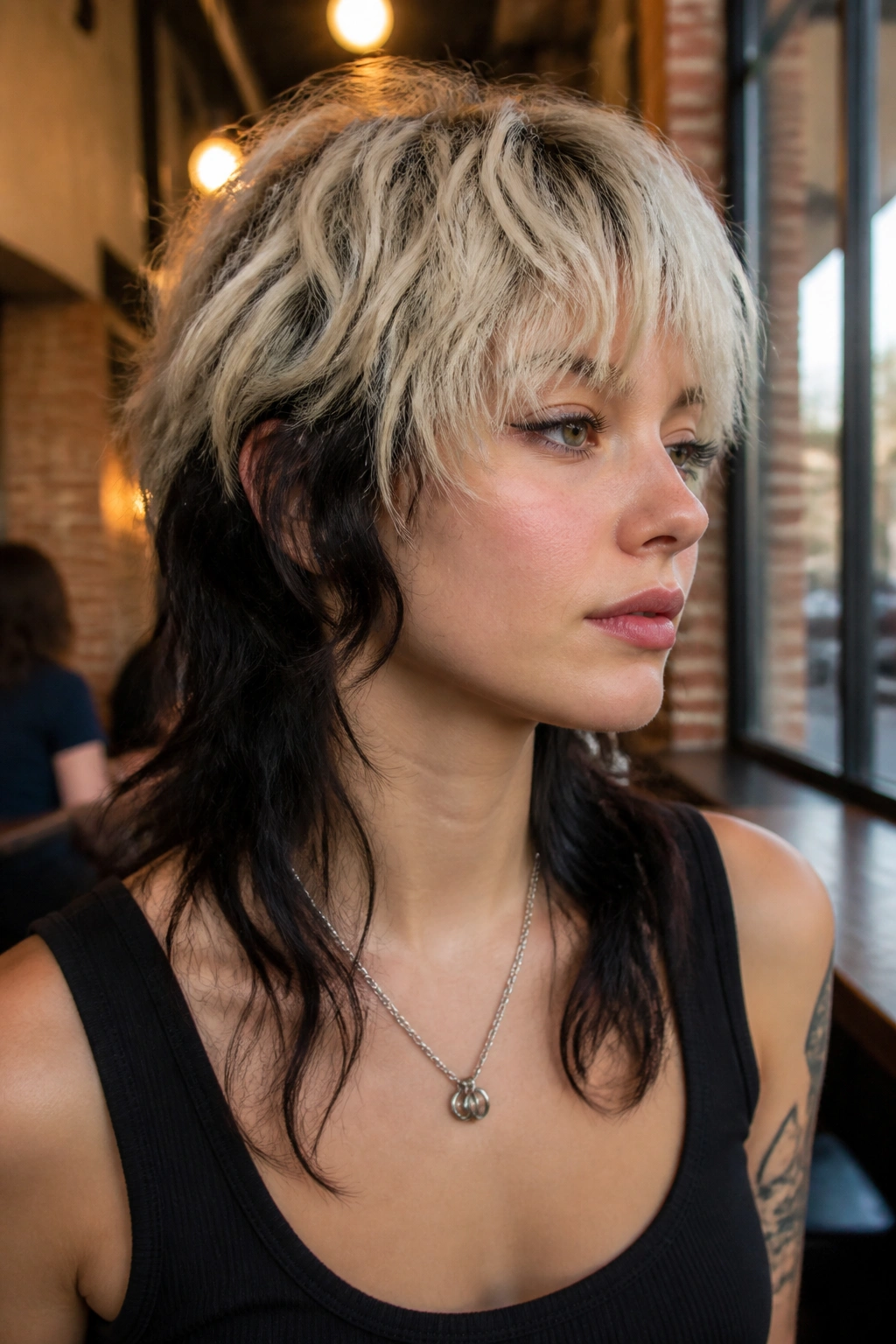
A two-tone wolf cut mullet is one of the easiest ways to make the cut feel louder without changing the shape itself. Put a lighter shade on the top layers or fringe, keep the back deeper or darker, and the haircut suddenly reads in blocks instead of one flat mass. That contrast does half the styling for you.
The best part is how it shows movement. When the layers flip, the color shifts with them. The shape looks alive, almost like it’s moving even when you’re standing still. That sounds dramatic, but hair color really can change how layers read.
- Works with bold contrasts like blonde and black, copper and brown, or burgundy and espresso
- Needs more color upkeep than a single-tone cut
- Use color-safe shampoo and cool water when you can
- Ask for the lighter pieces to follow the layers, not fight them
If you want a wolf cut mullet that turns heads fast, this is one of the loudest versions on the list.
17. Wolf Cut Mullet with Choppy Crown
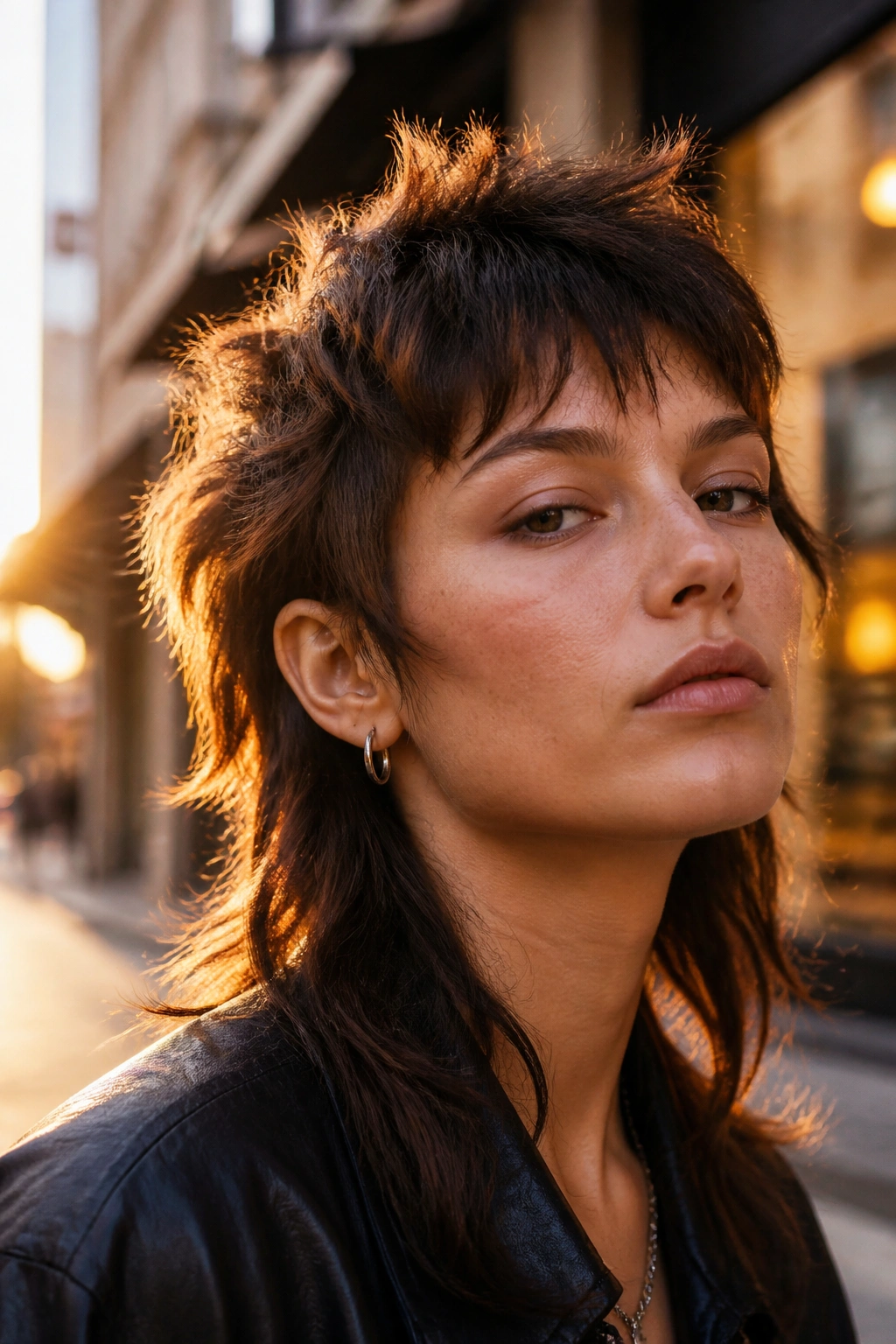
The crown is where this haircut gets its energy. Short, choppy layers up top create lift right where the head starts to flatten, which is the main reason the wolf cut mullet feels different from a standard shag. You get height without a stiff bouffant shape.
A choppy crown works best when the rest of the cut stays a little looser. Too much chopping everywhere and the style starts to fray. Keep the top active, keep the sides controlled, and let the back move. That balance is what makes the cut feel lived-in instead of sloppy.
This version is a smart pick if your hair naturally falls forward. The crown layers give you a better chance of seeing volume after a quick blow-dry, especially if you use a vent brush and a touch of root spray. Don’t overstyle the front. The charm is in the unevenness.
18. Soft Feminine Wolf Cut Mullet
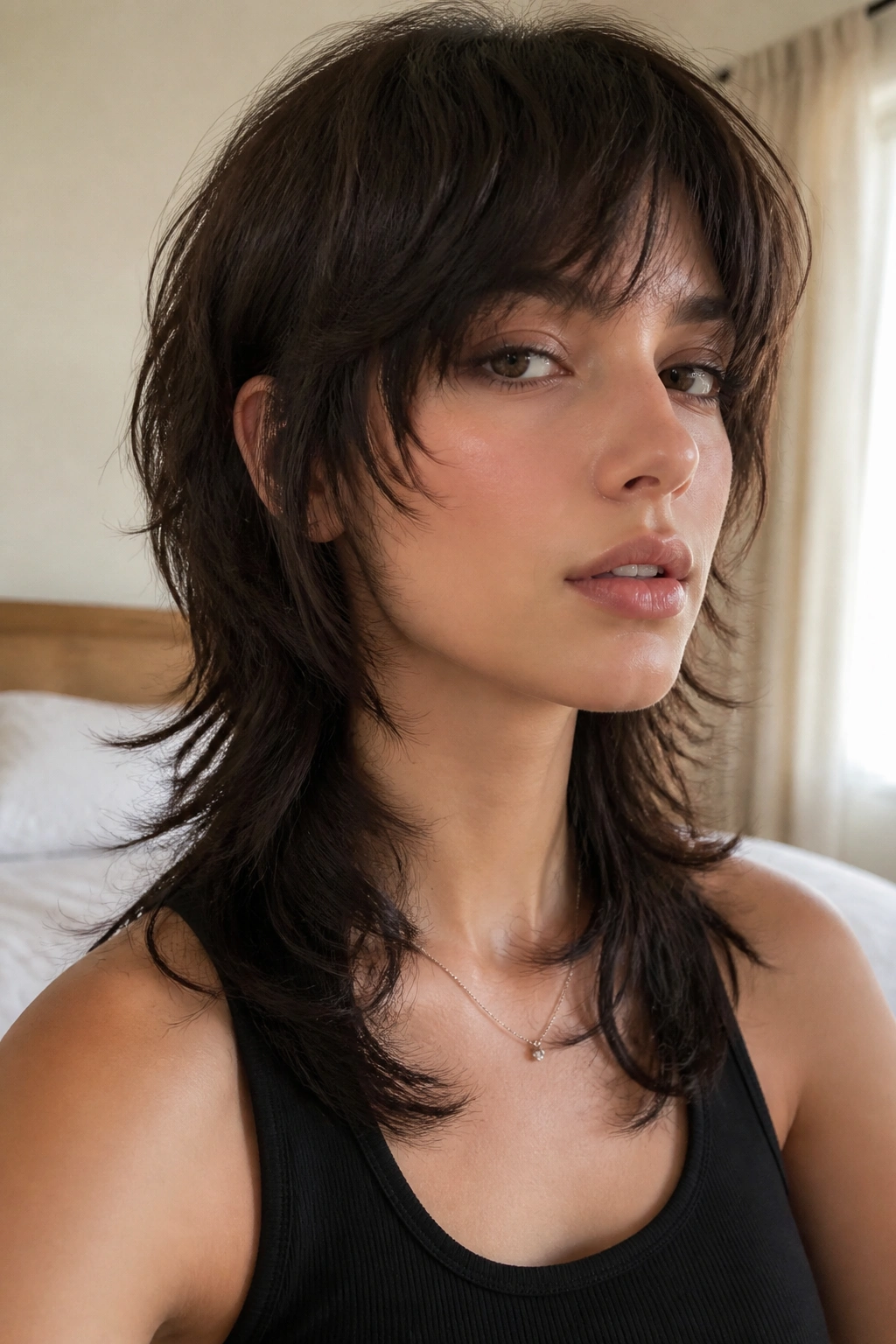
Soft feminine wolf cut mullets are usually all about the edges. Less sharpness, more flow. The layers still exist, but the shape is eased out so the haircut feels gentle around the face and neck instead of aggressively chopped. That shift makes a huge difference.
Unlike a high-contrast punk version, this one keeps the transitions smooth. The bangs can be wispy, the sides can melt into the lengths, and the back can sit just below the shoulders for a softer outline. It still reads as a mullet, just a quieter one. And that quiet part matters if you want edge without looking costume-y.
Who does it suit? People who want a little rebellion but need the cut to live in real life — office, dinner, errands, all of it. A light cream, a round brush, and a few bends through the front are enough. You do not need to fight the haircut. Let it stay loose.
19. Androgynous Wolf Cut Mullet
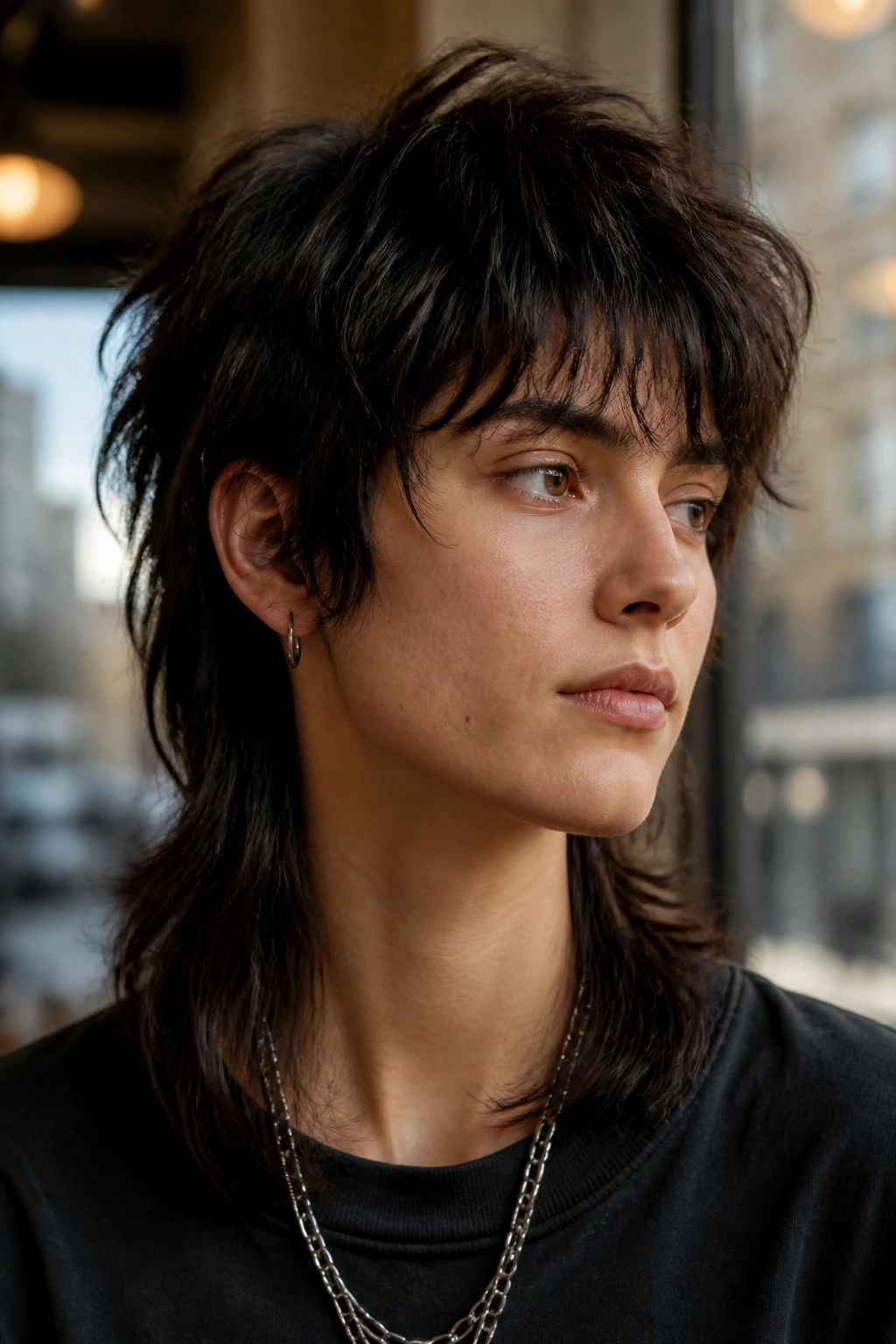
An androgynous wolf cut mullet lands in that sweet spot where the cut looks balanced rather than heavily gendered. The top has shape, the sides stay slightly broken up, and the back gives you movement without demanding a certain “feminine” or “masculine” read. It’s clean in the best sense.
Why It Reads Clean
The shape avoids extremes. No super-soft curtain that skews sweet, no hard undercut that pushes it too far in one direction. Instead, the haircut keeps enough texture to feel modern and enough structure to feel deliberate. That balance is why it works across different face shapes and style preferences.
- Ask for balanced length through the sides
- Keep the fringe soft, not boxy
- Works with both air-dried texture and heat-styled polish
- Looks sharp with a collarbone-length back
The best styling move here is restraint. A small amount of paste, a little lift, and no overworking. Once the layers go stringy, the whole thing loses its edge.
20. Minimal Wolf Cut Mullet

If you want the wolf cut mullet without looking like you’ve joined a costume department, start here. The minimal version keeps the layers visible but not wild, the length difference stays modest, and the whole cut reads as cool rather than loud. It’s probably the easiest entry point on this list.
The reason it works is simple: the shape does enough on its own. You don’t need extreme texture, bright color, or a micro fringe to make it interesting. A soft crown, a slightly longer back, and a few face-framing pieces can change the whole mood of your hair without making you feel trapped by it.
That’s why I like this version for people testing the waters. You can wear it smooth one day, rough the next, and still look like the same person. Minimal does not mean boring here. It means the haircut has enough edge to keep its identity, but not so much that you spend every morning negotiating with it.
If the bolder versions on this list feel like a leap, this is the one to start with. Then you can go sharper later, or not. Some haircuts are a phase. Some are a habit. This one can be either.
