



A bob with a hidden shave can look polished from the front and sharp from the side. That’s the whole appeal of undercut bob haircuts: they keep the clean shape people love, then slip in a little attitude where it counts. Sometimes that means removing bulk at the nape. Sometimes it means carving the back shorter so the top layers sit with more lift. Either way, the cut changes the silhouette fast.
What surprises people is how practical this haircut can be. Thick hair stops feeling heavy. Fine hair can sit with a bit more edge. Curly hair gets room to spring instead of puffing out into a triangle. And if you’ve ever tried to tuck a bob behind your ear only to have it collapse at the crown, you already know why the right undercut matters.
The trick is choosing the version that matches your hair, your face shape, and how much upkeep you’re willing to handle. Some undercuts stay hidden until you clip the top up. Others are meant to show off the shape the second you turn your head. The first version is a safe place to start.
1. Hidden Nape Undercut Bob

The neatest version hides the shave until you move. From the front, it reads like a classic bob. From the back, the neckline sits cleaner and lighter, especially if your hair grows thick at the nape and starts flipping out by lunch.
Why it works
A hidden nape undercut removes bulk where bob haircuts tend to balloon. That matters more than people expect. Even a small section shaved with a #2 or #3 guard can make the whole cut lie flatter and feel cooler against the neck.
It also gives you room to keep the top layers fuller. So the bob still looks like a bob, not a pixie that got nervous halfway through.
- Best for thick, straight, or slightly wavy hair
- Works well if your neckline gets fuzzy fast
- Easy to grow out if the shave stays narrow
- Looks especially clean with a blunt hemline
Ask for a soft blend at the top edge. A hard shelf can show too much as it grows.
2. Stacked Undercut Bob With Built-In Lift

If your hair sinks at the crown, this cut feels like cheating. The stacked back creates height, and the undercut removes the heavy bit underneath so the layers can sit up instead of hanging off the head like wet fabric.
The shape is most flattering when the back is cut snug and the front stays a little longer around the jawline. That contrast gives you movement without losing the crisp bob outline. It also makes styling faster, which is worth saying out loud because a lot of “volume” cuts still take forever to fix in the morning.
A round brush, a blow-dryer, and a root-lifting spray are enough here. Dry the back first, lifting at the crown, then bend the side pieces under just a touch. Don’t overwork the ends. You want a little swing, not a pageant helmet.
This one suits anyone who likes structure. It’s not soft. That’s the point.
3. Asymmetrical Undercut Bob
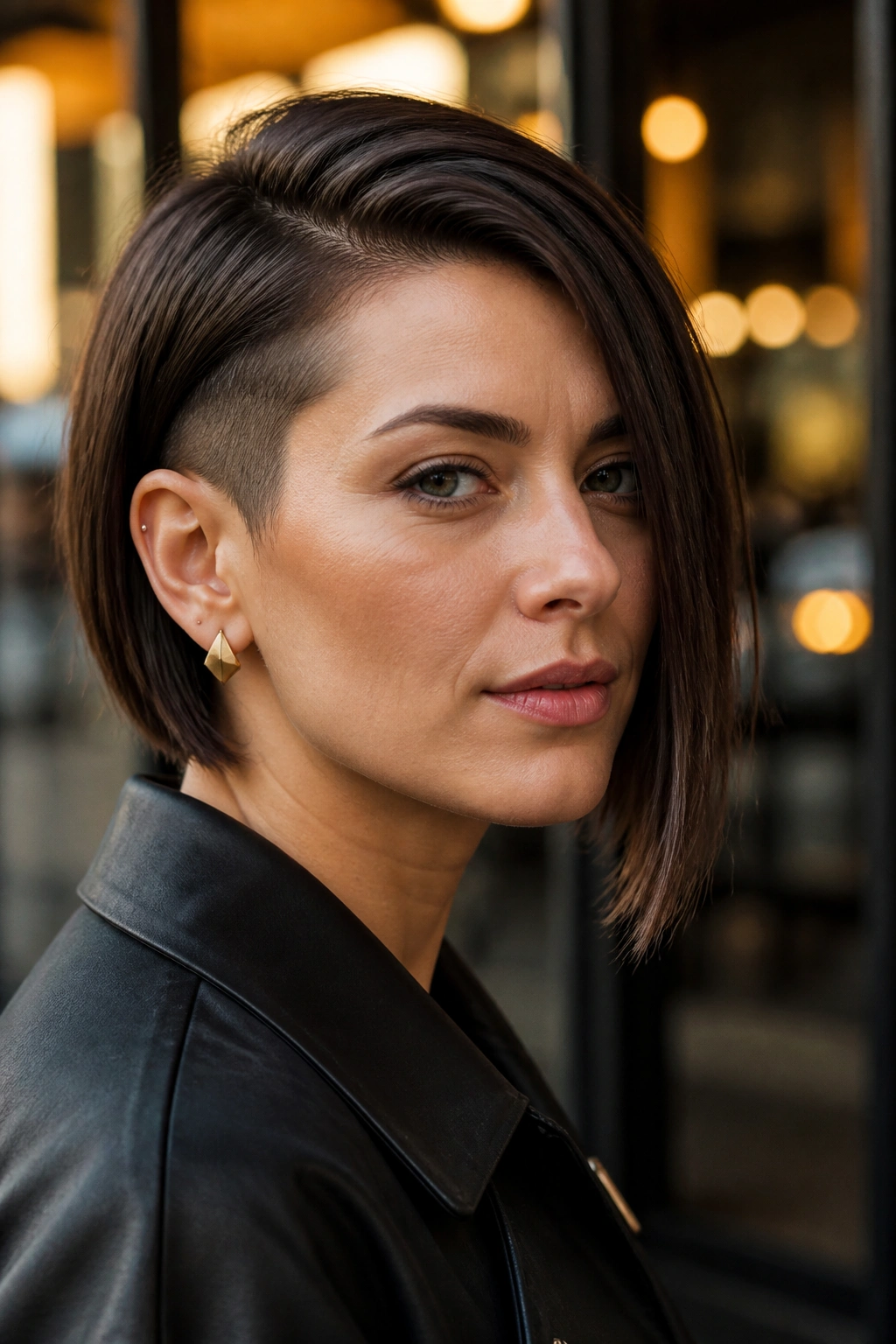
Why does one side look sharper than the other? Because that’s the whole design.
An asymmetrical bob already has tension built into it. Add an undercut beneath the shorter side, and the haircut starts looking architectural without tipping into something fussy. The longer side can skim the jaw or brush the collarbone, while the shorter side opens up the face and shows off earrings, cheekbones, or a strong line of makeup.
How to style it
The easiest approach is a deep side part, placed just above the arch of one brow. Blow-dry the shorter side smooth and tuck it behind the ear if you want to show the undercut more clearly. Keep the longer side softer so it falls in a clean diagonal.
- Best with straight or lightly bent hair
- Works nicely for round faces that want a little length through one side
- Looks cleaner when the ends are blunt, not wispy
- Needs a trim every 5 to 7 weeks to keep the angle from drifting
A little asymmetry goes a long way. Too much, and the haircut starts fighting itself.
4. Choppy Undercut Bob With Razor Texture
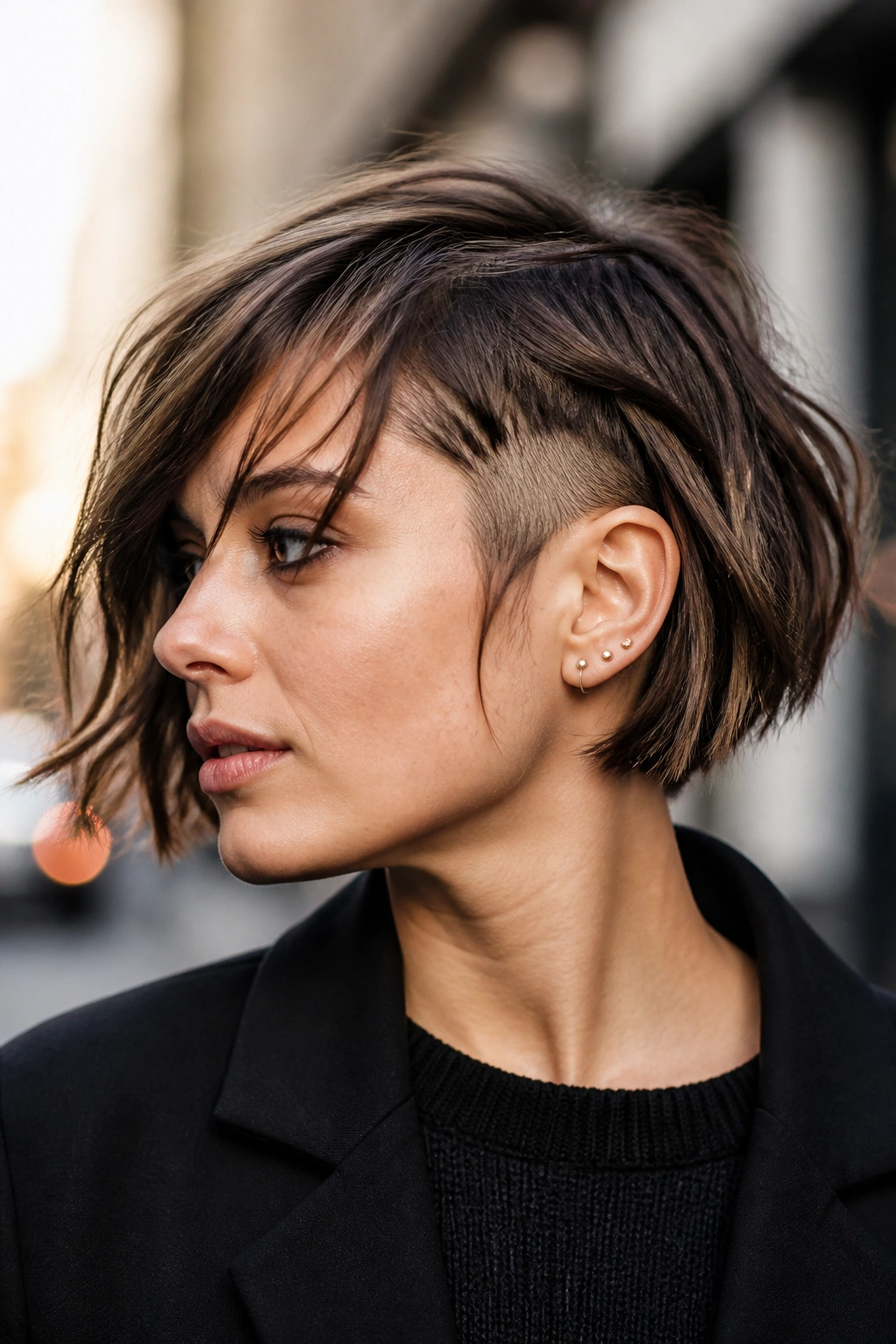
Picture a bob that moves when you shake your head. That’s the energy here.
Razor texture changes the feel of the haircut right away. The ends look broken up, the layers sit with air between them, and the undercut takes away the dense bottom layer that usually makes choppy bobs puff out. If your hair is thick or coarse, this version can feel lighter than a standard layered bob by a mile.
The key is restraint. You want separation, not shredded ends. A good stylist will use the razor where the hair needs softness and keep the perimeter strong enough to hold the bob shape. Too much thinning turns the cut frizzy, especially on dry hair.
Dry shampoo, matte paste, or a small dab of styling cream works well here. Use a pea-sized amount first. That’s usually enough. Rub it between your palms, then pinch the ends and the crown lightly so the texture looks deliberate instead of messy-for-the-sake-of-it.
This cut has bite. It never looks sleepy.
5. Blunt Undercut Bob
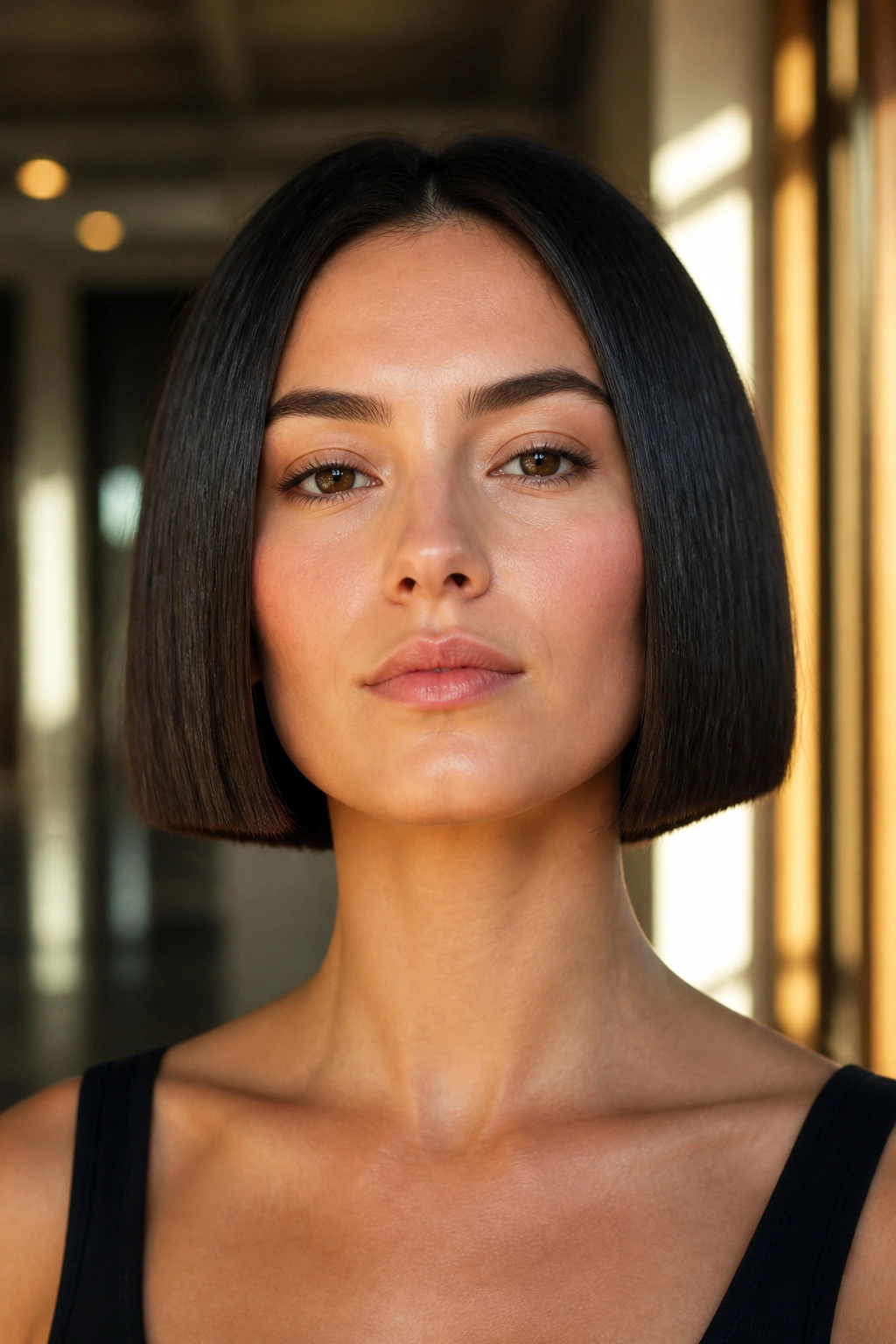
A blunt bob with an undercut is one of those cuts that looks expensive even when it isn’t trying to.
The line is the point. Heavy, even, and clean at the edge. The hidden undercut below that line keeps the base from swelling out, which is the problem that ruins a lot of blunt bobs on thick hair. Without that hidden removal, the shape can start to sit wide at the jaw and lose its snap.
I like this version on straight hair or hair that can be styled straight with a blowout. It gives the face a harder outline, which can be gorgeous if you like strong shapes. It can also make a narrow face look even narrower, so your stylist should talk honestly about length. Chin length is dramatic. A touch longer can soften the whole thing.
A flat iron pass in small sections, usually about 1 inch wide, keeps the line crisp. Finish with a lightweight serum only on the last 2 inches. Too much product at the roots kills the clean effect. Fast.
6. Curly Undercut Bob With Short Back
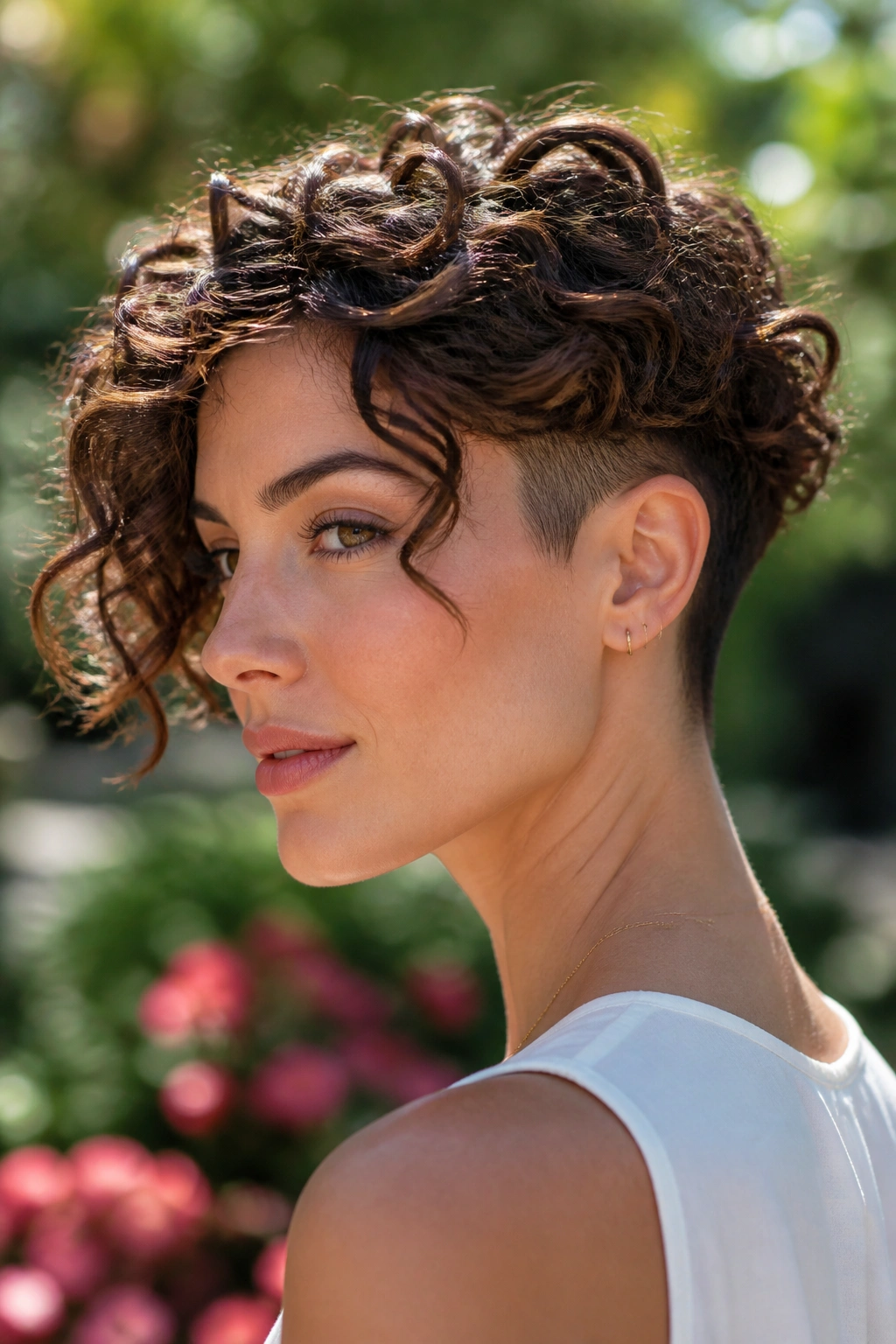
Curly hair and undercuts make sense together in a way that still surprises people.
Unlike a curly bob that keeps every curl at the same length, this one steals bulk from the back so the curl pattern can stack more naturally. The result is less triangle, more shape. If your curls puff out at the nape or feel too heavy when wet, the undercut can change the whole haircut from the inside out.
What makes it different
Curly bobs need room to move. A shaved or closely clipped back creates that room without forcing the curls to sit longer than they want to. The top can stay springy and round, while the back lies smoother against the head.
How to wear it
Use a leave-in conditioner, then a curl cream with medium hold. Scrunch, diffuse on low heat, and stop when the curls are about 80 percent dry. Touch them too much and they frizz. They always do.
This version is especially good if you want a bold look that still feels soft around the face.
7. Angled Undercut Bob

An angled bob is already a statement. The undercut just sharpens it.
Shorter in the back and longer toward the front, this shape draws the eye forward and lengthens the neck. When the underlayer is trimmed away, the back sits closer to the head, which makes the angle look cleaner and less bulky. The line from nape to chin becomes easier to see.
The shape
Ask your stylist for the back to sit snug at the nape, with the front gradually falling toward the jaw or even the top of the shoulder if you want a lob-leaning version. The angle should look intentional from the side, not like the back was simply forgotten.
The maintenance
This cut grows out fast. Not ugly-fast, but fast enough that the shape blurs if you leave it alone too long. Plan on a cleanup every 6 weeks or so, especially if the undercut is visible when you tuck your hair.
A small round brush helps the front curve under. Keep the ends smooth and let the back stay close. That contrast is what makes the cut work.
8. Shaggy Undercut Bob With Soft Fringe

A bob does not have to look stiff to look bold.
A shaggy version with a soft fringe brings in movement, a little mess, and that lived-in shape people either love or hate on sight. I’m in the first camp. The undercut keeps the lower back from ballooning, while the shag layers and fringe loosen the whole cut so it doesn’t feel too precious.
This is one of the easiest bobs to wear if you hate spending 20 minutes forcing your hair into submission. Air-dry it with a light mousse, shake it out, and let the fringe fall where it wants. If you want more definition, use a salt spray on damp hair and scrunch with your hands.
The fringe matters here. Keep it soft, a bit piecey, and long enough to split in the middle or sweep to the side. Heavy bangs can fight the shag and make the face look boxed in. Soft bangs give the haircut room to breathe.
It’s a little wild, but not chaotic. There’s a difference.
9. Pixie Bob Undercut
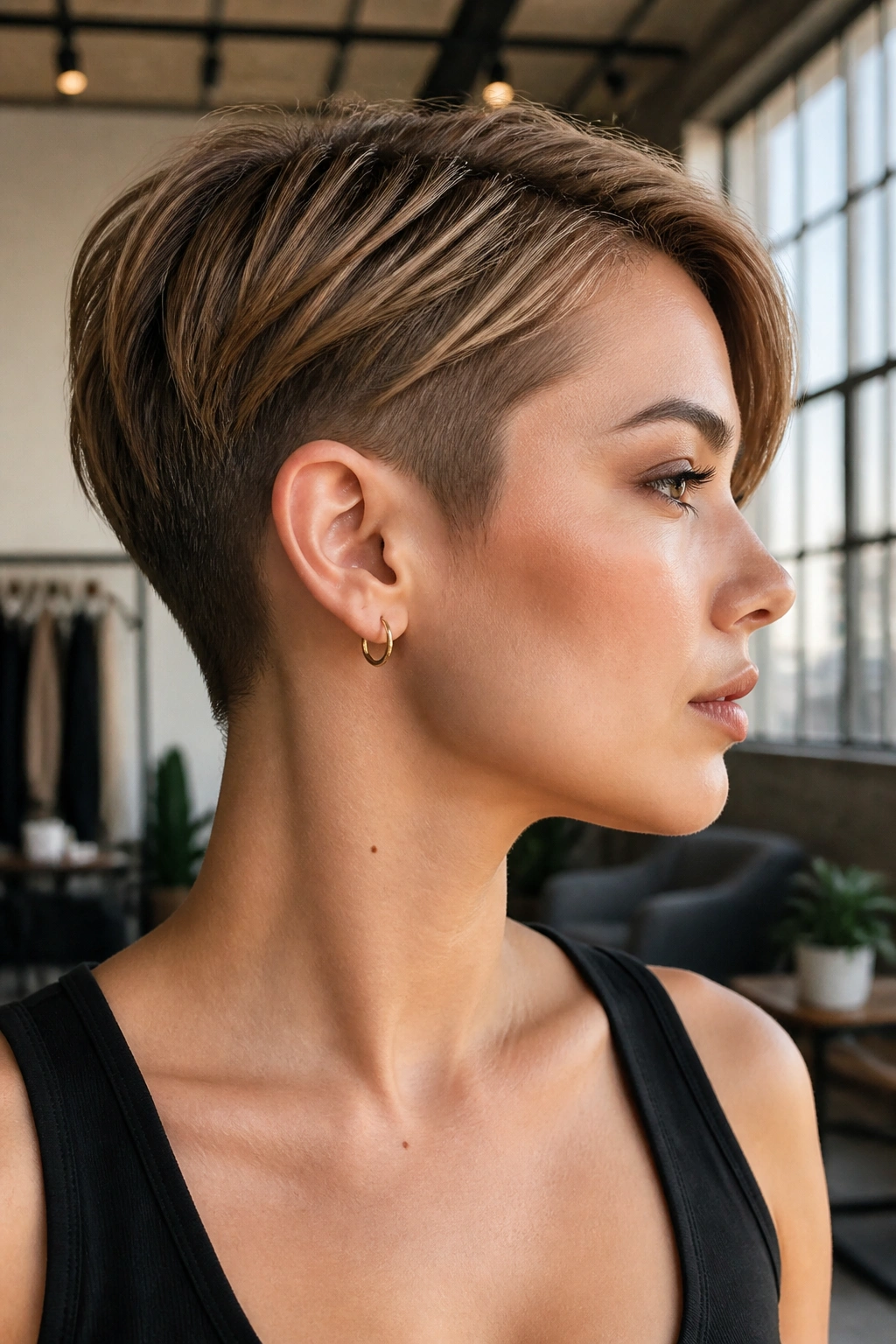
If you want short hair that still feels like a bob, this is the bridge cut.
A pixie bob with an undercut keeps the back and sides neat while leaving enough length on top to brush forward, tuck behind the ear, or push into a side sweep. The result sits between a pixie and a bob without looking confused. That’s the danger with hybrid cuts. Here, the shapes stay clear.
- Great for fine hair that needs a fuller top line
- Strong choice if you want less weight around the neck
- Works with straight hair, slight waves, or relaxed curls
- Can grow out into a fuller bob without an awkward shelf
The boldness comes from contrast. Short nape. Longer crown. Clean sides. If you like seeing your jawline and you don’t want a lot of hair brushing your collar, this cut gets the job done with very little drama.
A light pomade at the ends can help, but don’t pile it on. A tiny bit is enough to separate the top pieces and keep the shape from going flat.
10. Side-Part Undercut Bob
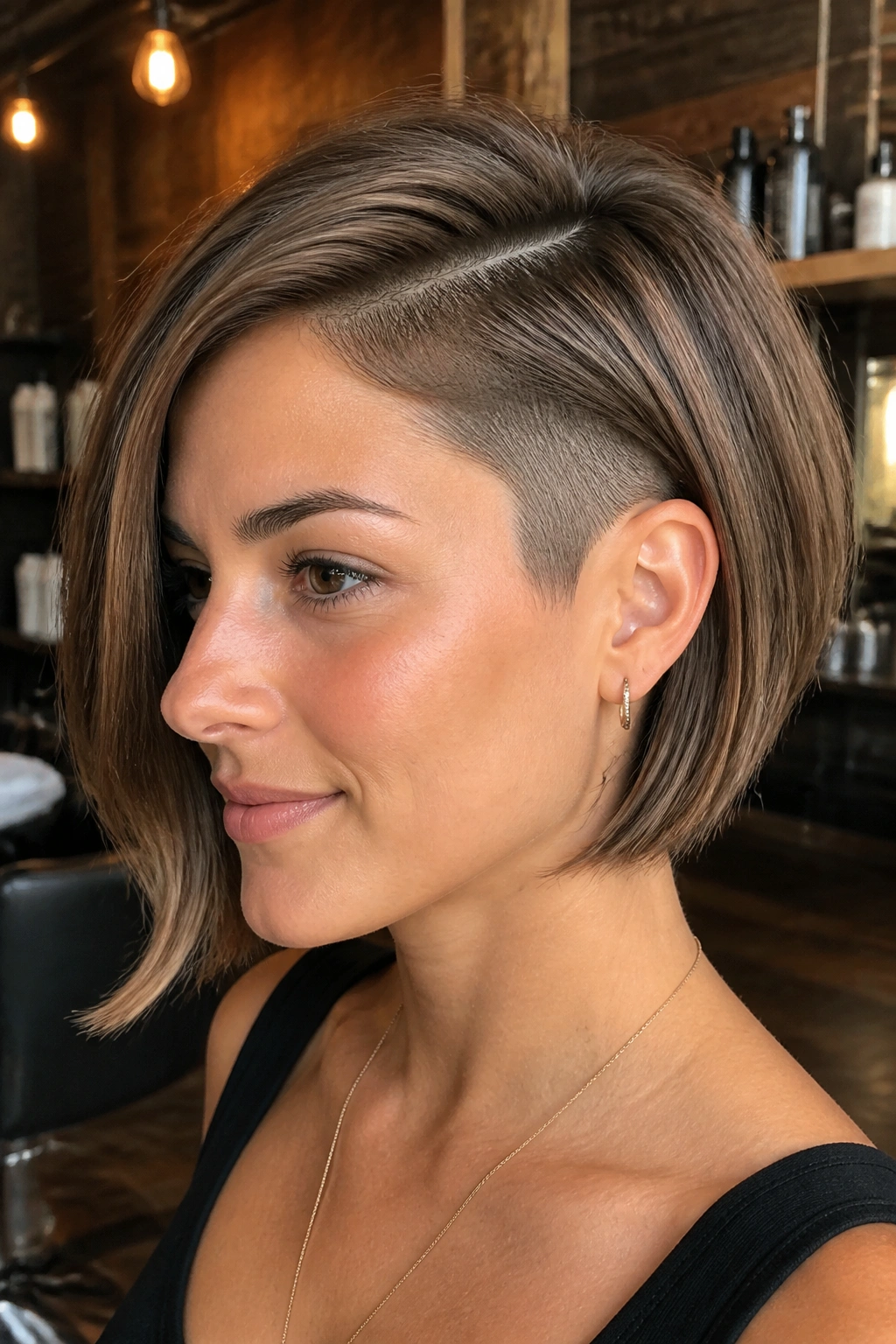
A deep side part can do more for a bob than an extra inch of length ever will.
It shifts the weight, opens one side of the face, and makes the undercut feel a little more hidden until you move. On fine hair, that shift can be gold. The hair lifts naturally at the roots where the part changes, and the undercut below helps the whole style stay from collapsing by midafternoon.
This cut works well with a smooth blow-dry. Direct the hair away from the part, then bend the ends under on the fuller side and slightly out on the lighter side if you want a softer finish. That tiny flip keeps the haircut from looking too severe.
One detail matters here: the part should usually sit just outside the center of the eyebrow, not way over by the temple unless you want a stronger fashion look. A side part that’s too extreme can make the cut feel lopsided rather than intentional.
It’s a smart cut. Also a flattering one.
11. Platinum Undercut Bob
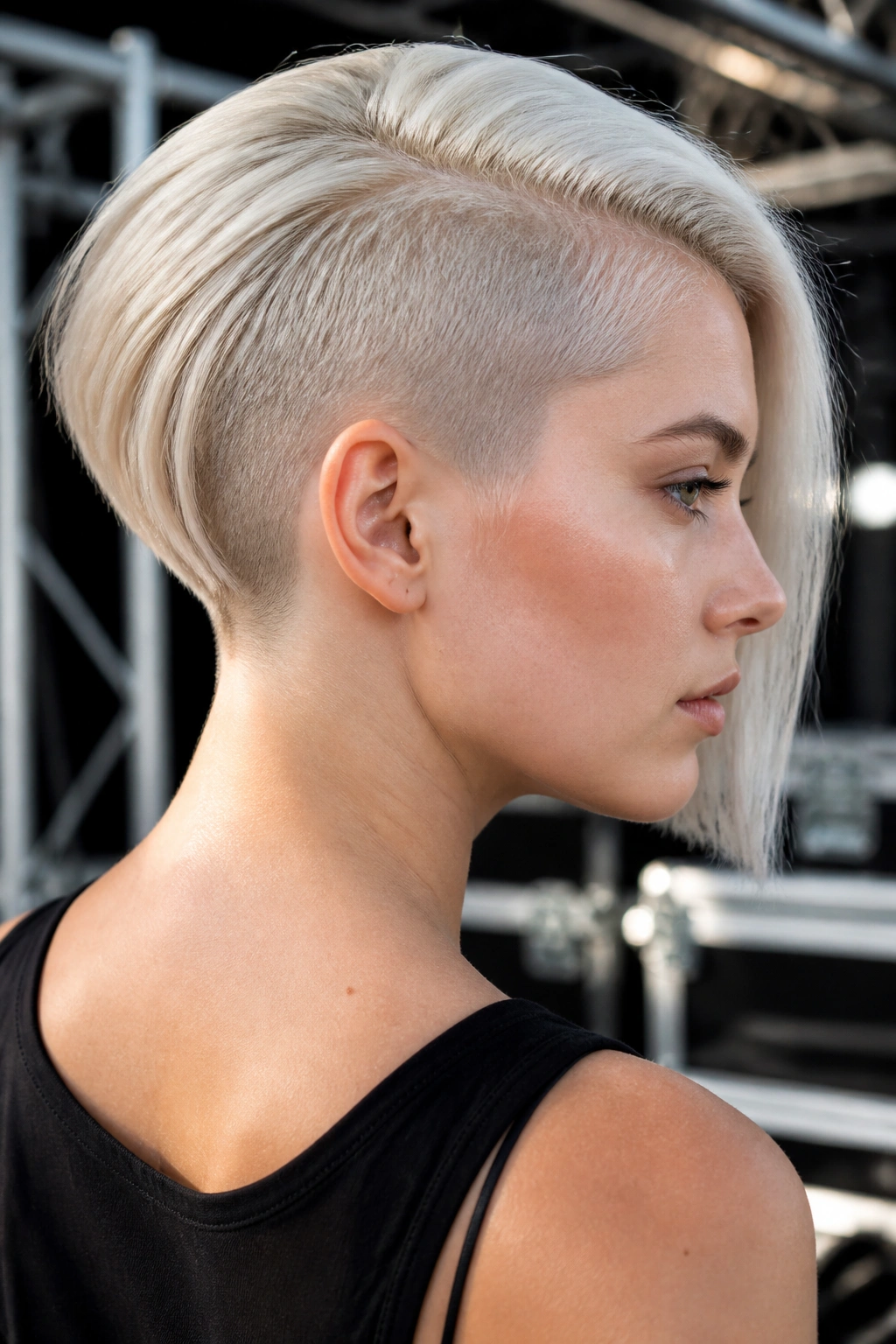
Why do people keep pairing a shave with a light blonde? Because the color and the cut both make the shape louder.
Platinum pulls every line forward. The nape. The angle. The blunt edge. Nothing hides in it, which is exactly why it works so well on an undercut bob. When the hair is light, the silhouette becomes easier to read from across the room.
What to watch for
Blonde hair and short cuts are unforgiving when the ends are dry. Use a bond-building treatment if your hair has been bleached before, and keep a purple shampoo to once a week unless your colorist tells you otherwise. Too much toning shampoo can leave pale blonde hair dull and scratchy.
How to style it
Smoothing cream on damp hair. Heat protectant before the blow-dry. A small amount of oil only on the ends. That’s the order I’d follow.
Platinum makes regrowth obvious, so this one asks for more salon time than a darker bob. Worth it if you like a sharp outline and don’t mind upkeep. Not worth it if you hate root maintenance.
12. Sleek Straight Undercut Bob
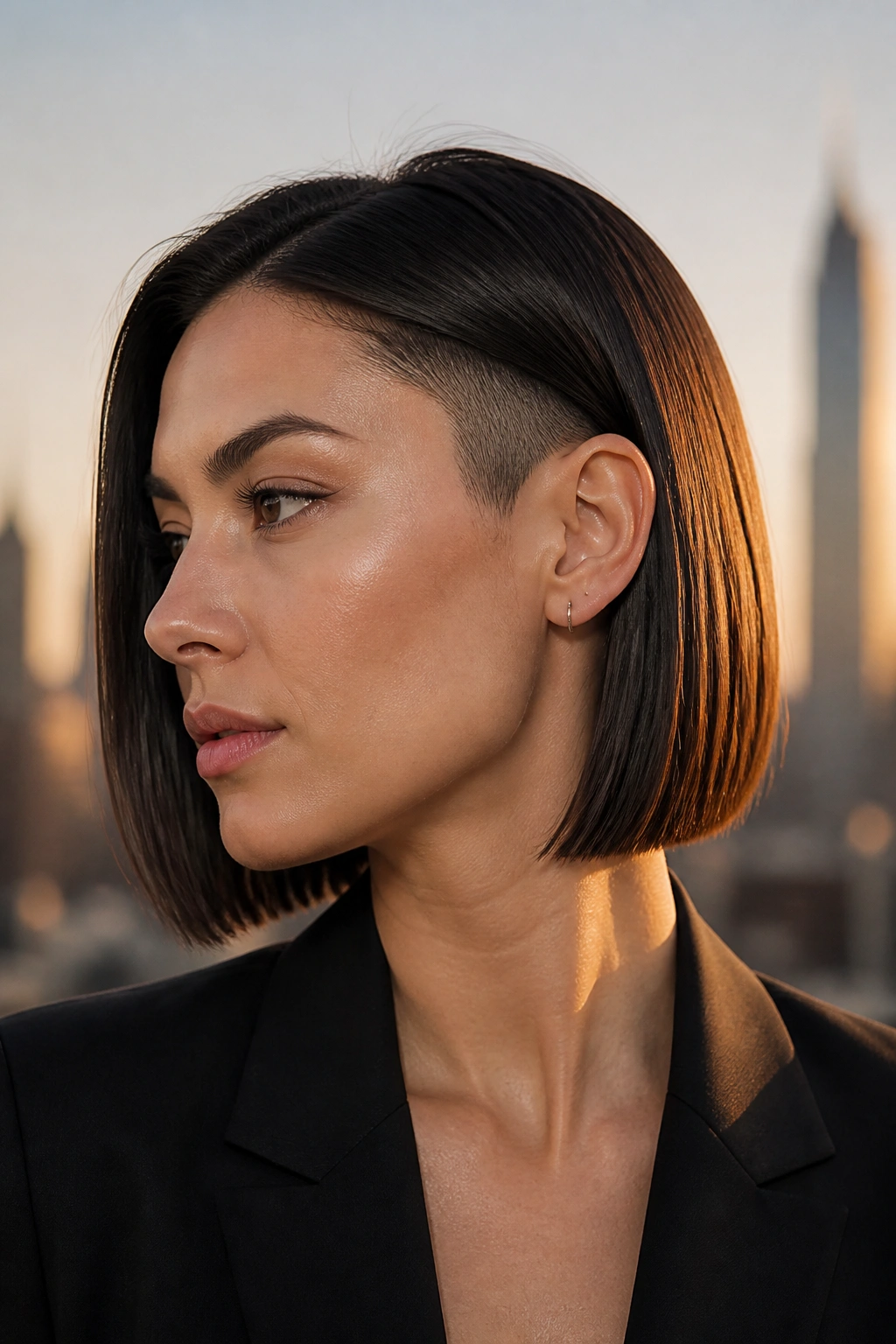
Flat, glossy, and almost severe in the best way.
A sleek straight bob with an undercut is the haircut equivalent of a sharp white shirt. Clean lines. No fluff. No extra movement unless you build it in. The undercut matters here because it stops the back from puffing under the smooth surface, which is the detail that separates a sleek bob from one that just looks pressed.
Use a heat protectant first. Then blow-dry with a nozzle attachment, chasing each section down with a paddle brush so the hair lies flat. A flat iron can finish the job in 1-inch sections if your texture needs it. Don’t skip the cool-down. Hair holds shape better when it cools in place.
A drop or two of lightweight serum is enough for the ends. Too much product turns the style greasy fast, and then the whole point disappears. This cut wants shine, not slime.
It’s especially good for nights out, events, and anyone who likes a little severity in a haircut.
13. Micro Bob With Underlayer Shave
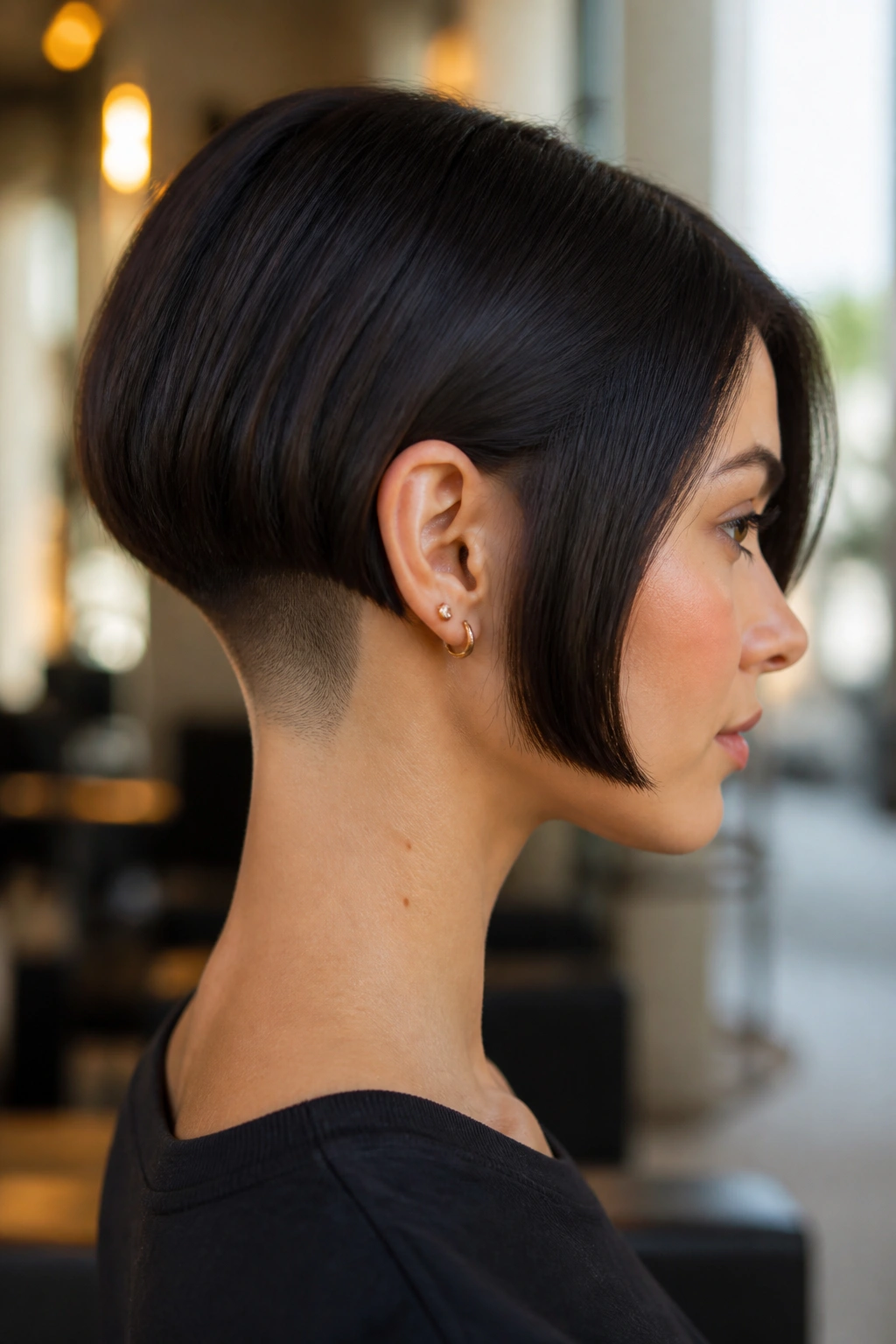
A micro bob stops near the jaw or just above it. Add an underlayer shave, and the whole thing starts to feel cleaner and a little more daring.
Unlike a chin-length bob that stops politely at the jaw, this cut is shorter, leaner, and more exposed. The neck shows. The ears show. Earrings suddenly matter more. That can be exactly what you want if your face reads better with open space around it.
The underlayer shave makes the micro length less bulky. Without it, short hair can bunch up around the back of the head and puff out in the wrong places. With it, the hair sits closer and the shape feels lighter.
This is a strong choice for straight hair or loose waves. Very curly hair can do it too, but the shape needs careful cutting so it doesn’t shoot outward. Ask for a small amount taken out first. You can always remove more later.
If you like bold but tidy, this is a good lane.
14. Two-Tone Undercut Bob

A hidden shave under copper ends is the kind of contrast that makes people look twice.
Color changes the haircut before the scissors even do their job. Dark underneath with a lighter top gives the undercut depth. Bright panels around the face pull attention upward. Peekaboo color under a bob can also make the shave feel intentional instead of purely practical.
- Strong placement: nape only, or one side plus the back
- Good color pairings: black with silver, brunette with copper, blonde with shadow roots
- Works well when the visible top layer is 1 to 2 shades lighter than the undercut
- Needs careful sectioning so the color doesn’t turn muddy
A two-tone bob does take more upkeep, especially if the light color sits near the part line. A root shadow can help stretch the salon time a little, and a color-safe shampoo matters more than the bottle label wants you to think.
This look is bold without needing a lot of extra length. The contrast does the talking.
15. Layered Undercut Bob With Curtain Bangs

This is the version I’d hand to someone who wants movement but doesn’t want to lose softness.
Curtain bangs loosen the front of the haircut right away. The layers keep the bob from sitting like one solid block. The undercut removes the weight underneath so the shape stays airy at the back. Put those three pieces together and you get a bob that feels lifted, face-framing, and a little undone in a good way.
What to ask for
Tell your stylist you want the fringe to part naturally from the center and fall around the cheekbones or lip line, depending on how much face you want to show. Ask for the layers to stay long enough to blend into the sides. A severe bang line fights this cut.
How to style it
Blow-dry the fringe with a round brush, rolling it away from the face. Use a light cream or mousse on the layers, then twist the ends with your fingers while they cool. That little bit of bend matters. It keeps the cut from going flat and boxy by noon.
This is probably the easiest bold bob to live with if you want movement without daily drama.
Final Thoughts
The smartest undercut bob is the one that solves a real problem in your hair. Too much bulk at the nape? Hidden shave. Flat crown? Stacked back. Want edge without losing softness? Curtain bangs or a side part will usually get you there faster than going shorter everywhere.
Bring photos to the salon, yes, but bring a sentence too: tell your stylist how often you’ll trim, whether you heat-style, and how much neck you want to show. That little bit of honesty saves more bad haircuts than inspiration pictures ever will.
And if you’re still torn, start with the hidden version. It gives you the edge without making the whole cut shout.
