



Fine hair can look flat fast. One wrong layer cut and the ends start to look see-through, especially when the hair is long and hanging around the shoulders all day.
The good news is that soft layered haircuts for fine hair do not have to mean wispy, shredded, or over-thinned. The best versions keep a little weight at the perimeter, add movement in the right places, and leave enough bulk at the ends so the whole shape still reads full. That balance matters more than any trendy name attached to the cut.
I also think a lot of people ask for too many layers when what they really want is shape. Fine strands usually do better with smart placement — a bit of lift at the crown, soft framing around the face, and edges that look clean instead of ragged. A blunt line can be your friend. So can invisible interior layers. The trick is knowing which one to use where.
1. Collarbone Lob With Invisible Interior Layers
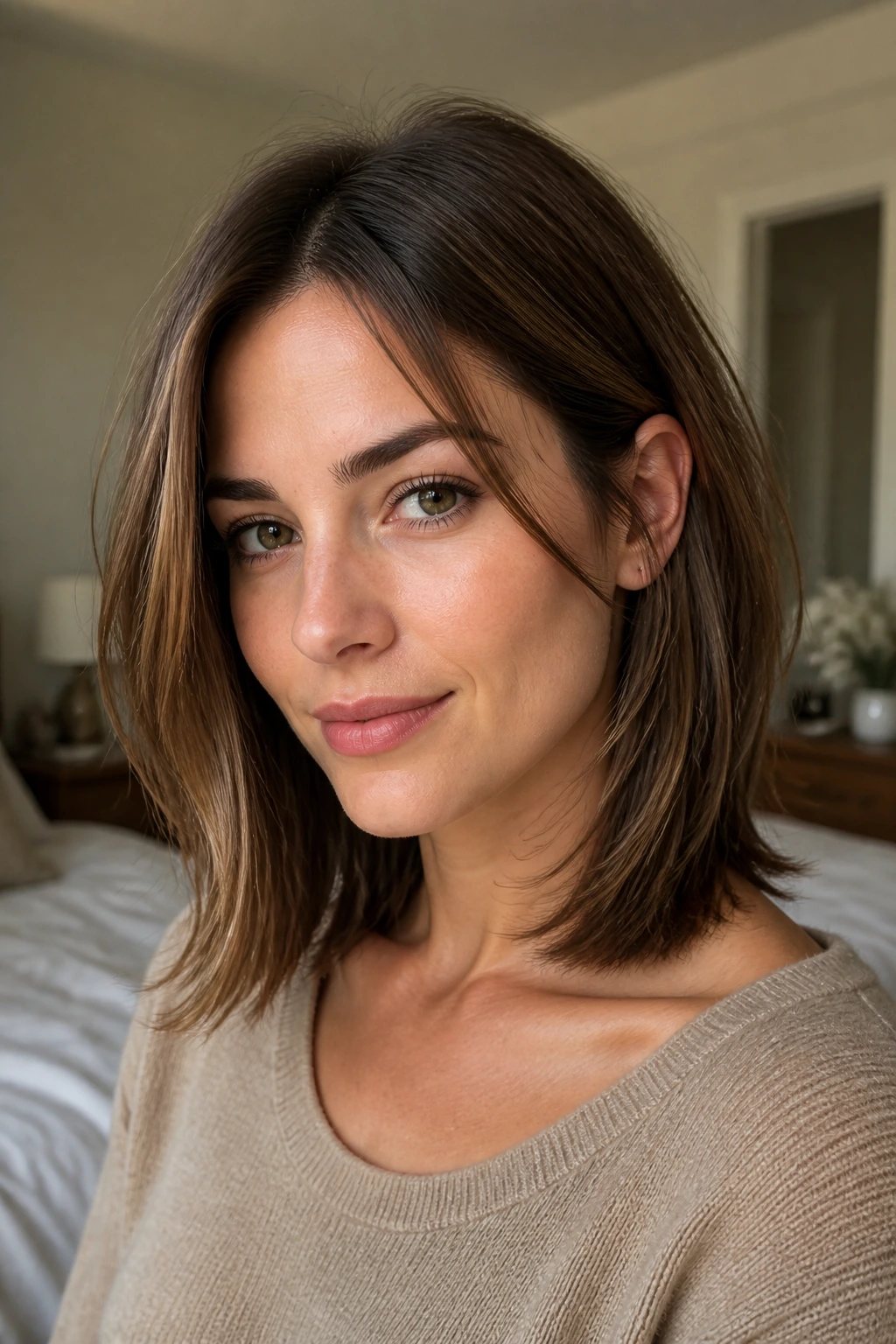
This is the haircut I trust when someone wants movement but is nervous about losing thickness. The collarbone length gives fine hair enough weight to stay grounded, and the hidden layers remove bulk from the middle instead of shaving down the ends. That’s the part people often get wrong.
What Makes It Work
The longest edge should land right around the collarbone. That length is short enough to lift, long enough to tuck behind the ear, and just heavy enough to keep fine hair from floating away in every breeze.
Ask for internal layers rather than stacked ones. A stylist can slice a little shape into the inside of the cut while leaving the outer line mostly intact, which gives lift without making the perimeter look skinny.
- Best for hair that falls flat at the sides
- Easy to style with a round brush or a large hot brush
- Works well with a center part or a soft side part
Best tip: keep the last inch of the ends blunt. That tiny detail makes the whole cut look denser.
2. Butterfly Layers That Keep the Ends Full
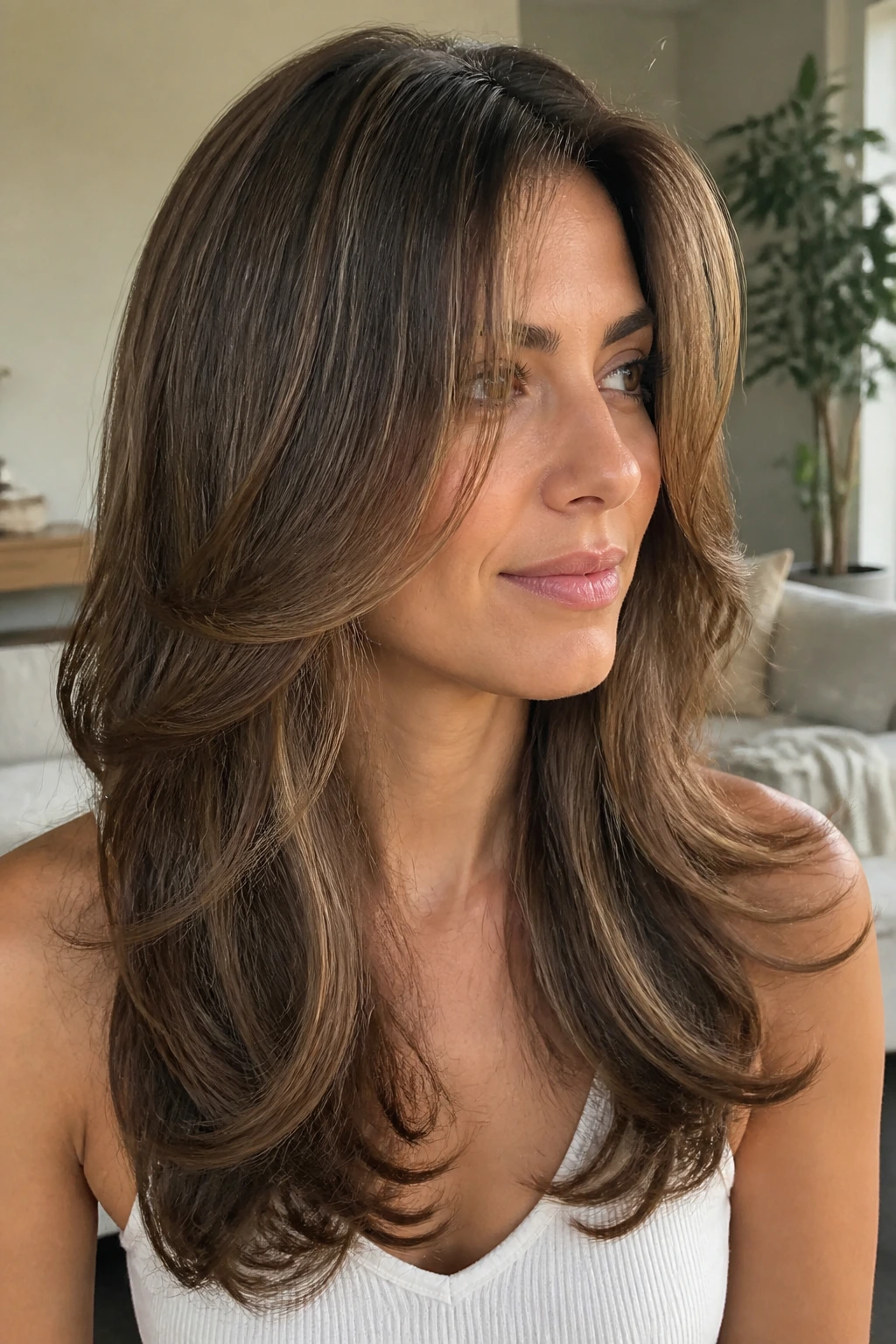
Why does the butterfly cut work so well on fine hair? Because the face-framing pieces do the movement, while the bottom length stays full enough to feel like hair is still there. That matters. A lot.
The cut uses shorter layers around the front, usually starting somewhere between the cheekbone and jaw, then blends them into longer sections below. On fine hair, the best version is soft, not dramatic. You want the airiness near the face and crown, but you do not want the lower half chopped into little scraps.
How to Use It
This cut shines when hair is worn loose, curled under, or given a slight bend with a 1¼-inch iron. If you air-dry it, add a small amount of mousse at the roots and scrunch the front sections away from the face so they do not collapse.
The one thing to watch is over-layering. Too many short pieces at the top can make the crown look narrower, which is the opposite of the goal. Keep the shortest face frame at least chin length unless your hair is naturally dense.
3. Rounded French Bob With Beveled Ends
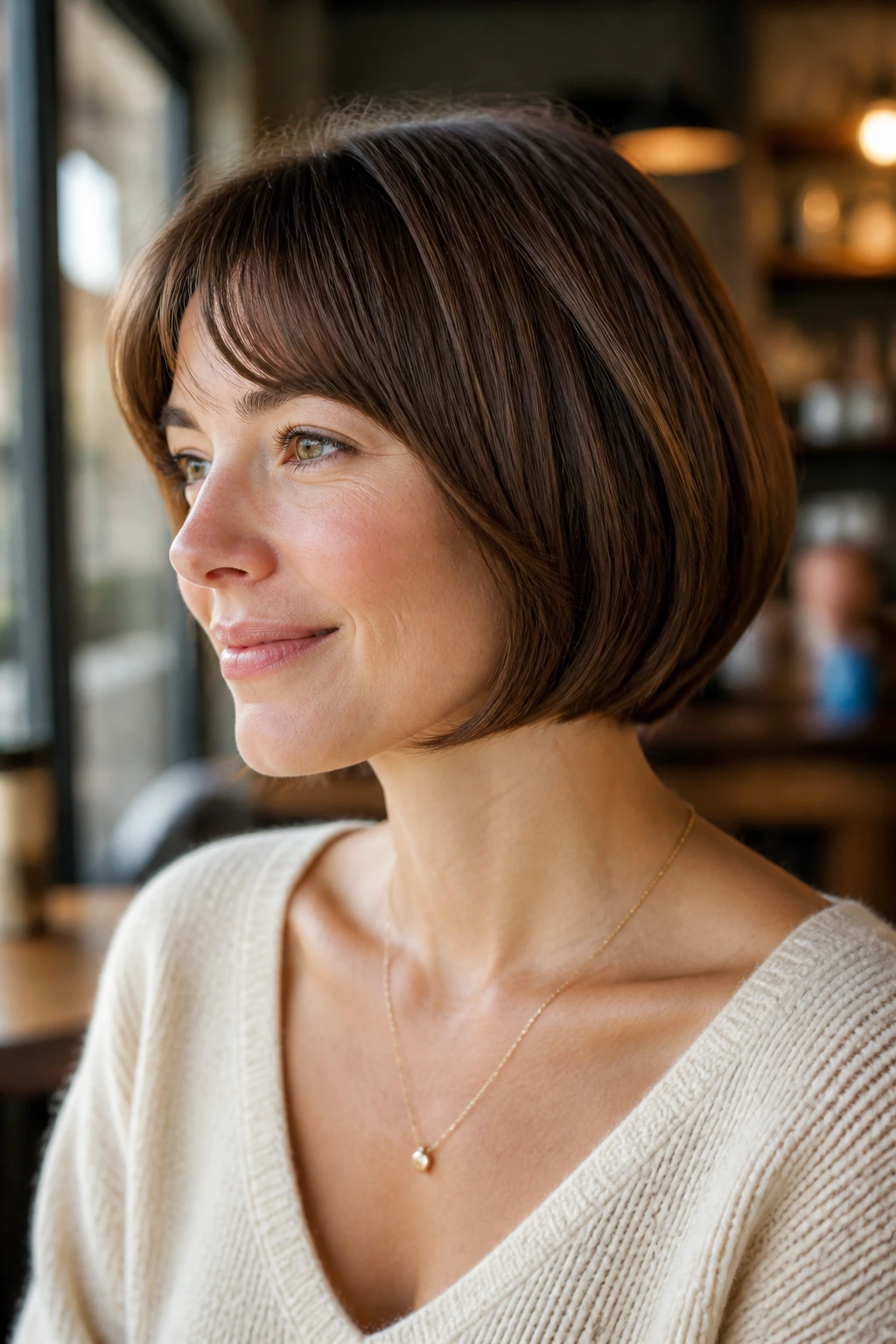
A bob does not have to be blunt to look thick. A rounded French bob with beveled ends can give fine hair a soft little lift that feels polished, not stiff.
Picture the shape: the line sits somewhere between the jaw and cheekbone, and the ends are gently turned under so the silhouette has a curve. That curve is doing a lot of work. It makes the hair look intentional, and it prevents the bottom edge from looking stringy when the hair is fine.
What I like here is the balance. The cut looks neat even when it air-dries a little messy, which is useful if you do not want a five-step styling routine every morning.
- Ask for soft graduation through the nape
- Keep the top layers minimal
- Use a lightweight smoothing cream, not a heavy balm
A clean bob like this is often more flattering on fine hair than a shaggy cut with too much texture. Simple wins here.
4. Curtain Bangs and Shoulder-Length Layers
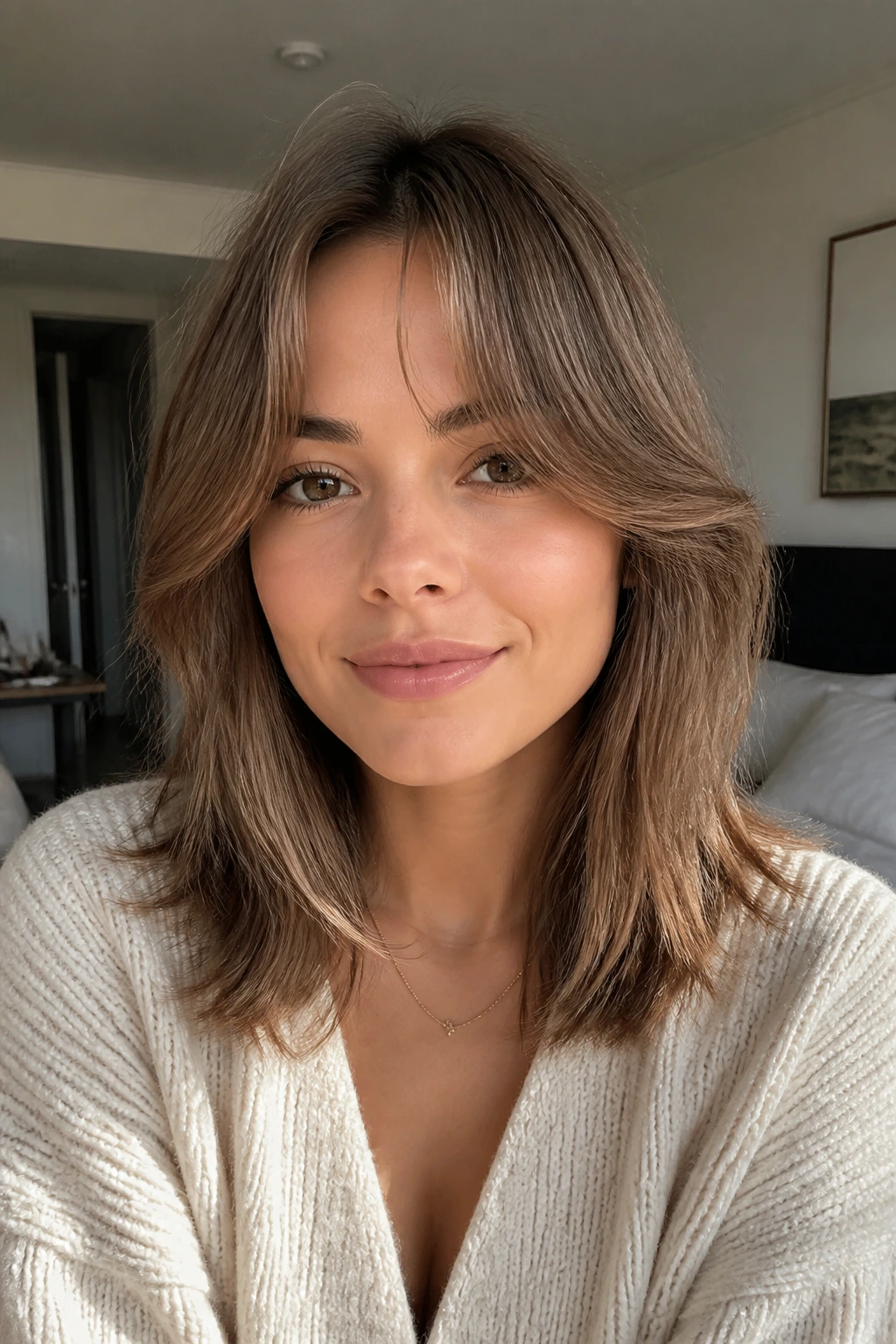
Curtain bangs can rescue shoulder-length fine hair that sits limp around the cheeks. They create movement right at the front, where people notice flatness first, and the rest of the cut can stay fairly light.
The bangs should start soft, not blunt. Long curtain pieces that hit around the cheekbones open the face and blend into shoulder-length layers without creating a harsh line. That blend is the magic. If the bangs are too short, they can look thin and fussy. If they are too heavy, they pull the whole haircut down.
A shoulder-length cut with this detail works best when the ends stay a little full. I would rather see two or three deliberate layers than a head full of chopped pieces. Fine hair needs breathing room, not a haircut that looks like it went through a shredder.
A quick styling note: blow-dry the bangs first with a small round brush, rolling them away from the face for a few seconds at the ends. Five minutes here changes everything.
5. Feathered Midi Cut With a Soft Side Part
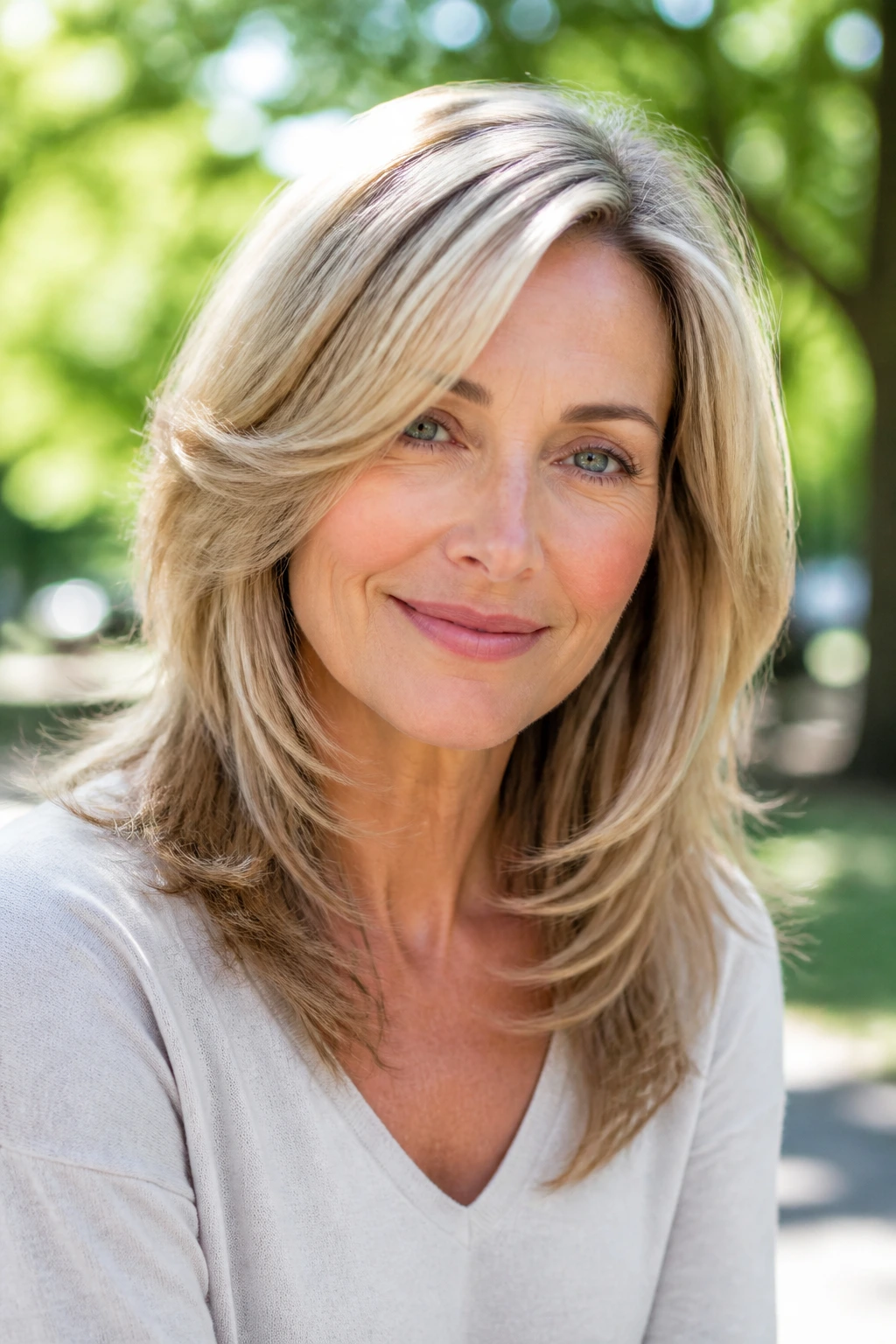
Feathering is not the enemy. Over-feathering is. On fine hair, a feathered midi cut can look airy and expensive if the layers are kept long and the side part gives the roots a little lift.
This style sits somewhere between the shoulders and the chest, which gives enough length for movement but avoids the drag that long hair can create. The feathering should happen mostly through the front and around the lower half, not all over the crown. That keeps the top from getting too sparse.
Why It Flatters Fine Hair
A soft side part lifts one side at the root and makes the whole style look fuller in photos and in real life. It also keeps the cut from feeling too symmetrical, which can make fine hair look thinner when it lies flat.
What to Ask For
- Long, barely visible layers
- Feathering concentrated near the face
- A side part that is not buried too deep
Use a volumizing spray at the roots and a little shine mist on the mids. That combo feels old-school, but it works.
6. Soft Shag That Stops Before It Gets Ragged
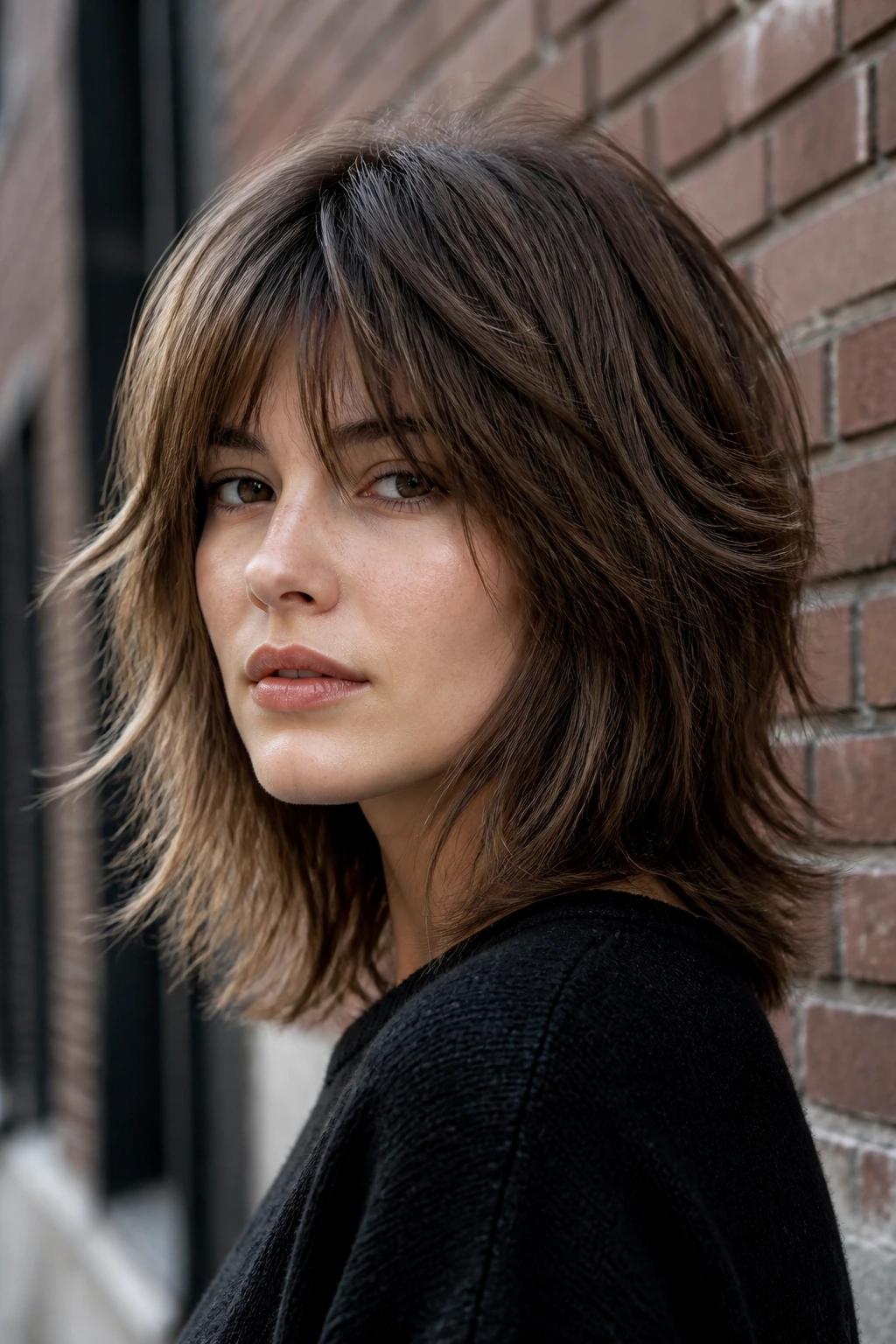
A shag can be brilliant on fine hair, but only if the stylist keeps a firm grip on the scissors. Too much texture turns into frizz and gaps. Too little texture and the cut loses the whole point.
The softer version starts with a lightweight base and just enough layering to create movement around the crown and jaw. Think of it as a shag with manners. The texture is there, but the edges still behave.
But here’s the catch: if your hair is very fine and also sparse, a heavy shag may expose the scalp in ways you will not love. In that case, keep the layers longer and ask for piecey movement rather than choppy disconnection. A little grit, yes. A torn-up halo, no.
Best for These Hair Habits
- You like a tousled look
- You use mousse or texture spray already
- You want the cut to look good even when it is slightly messy
A soft shag can be one of the most flattering soft layered haircuts for fine hair, but only when the texture is tailored, not hacked in.
7. U-Shaped Long Layers for Fine Hair
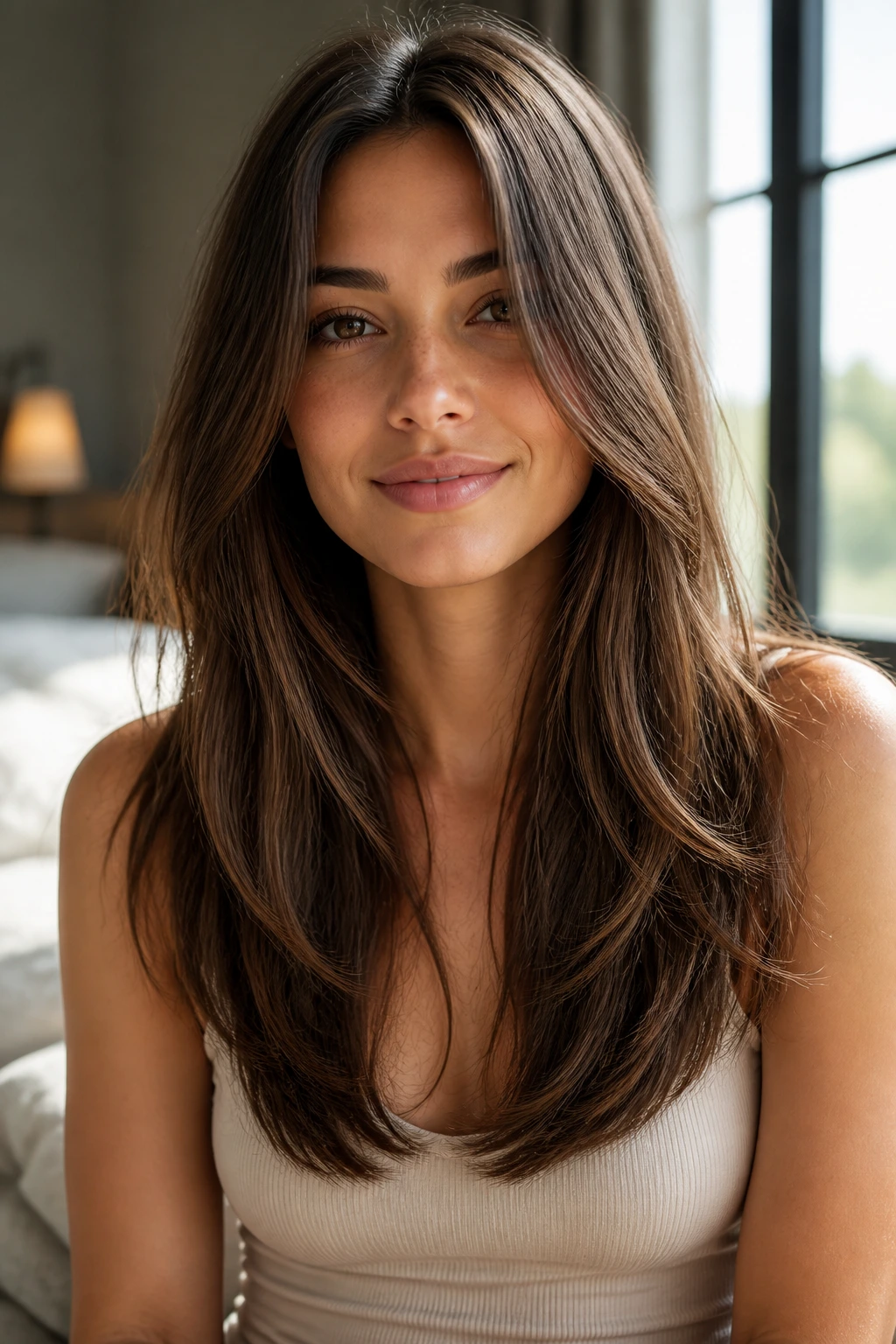
Unlike a sharp V-cut, a U-shape keeps the perimeter fuller. That matters when fine hair needs every bit of visual density it can get.
The longest sections stay at the bottom, while the layers arc gently upward around the sides. The result is movement that feels natural instead of choppy. It is a calmer, softer way to wear long hair without making the ends look stringy or overworked.
The Science Behind the Shape
Long fine hair gets weighed down easily. A U-shape keeps the outer line from becoming too narrow at the bottom, which helps the hair look thicker when it hangs straight. The curve also softens the transition from the face-framing pieces into the back, so the whole haircut feels blended.
If you like curling your hair, this shape gives the best kind of bend. The hair falls in one sweeping line rather than breaking into little layers that separate too much.
One sentence advice: skip razor-heavy cutting here. A clean, controlled finish will age better and grow out prettier.
8. Bixie With Airy Crown Layers
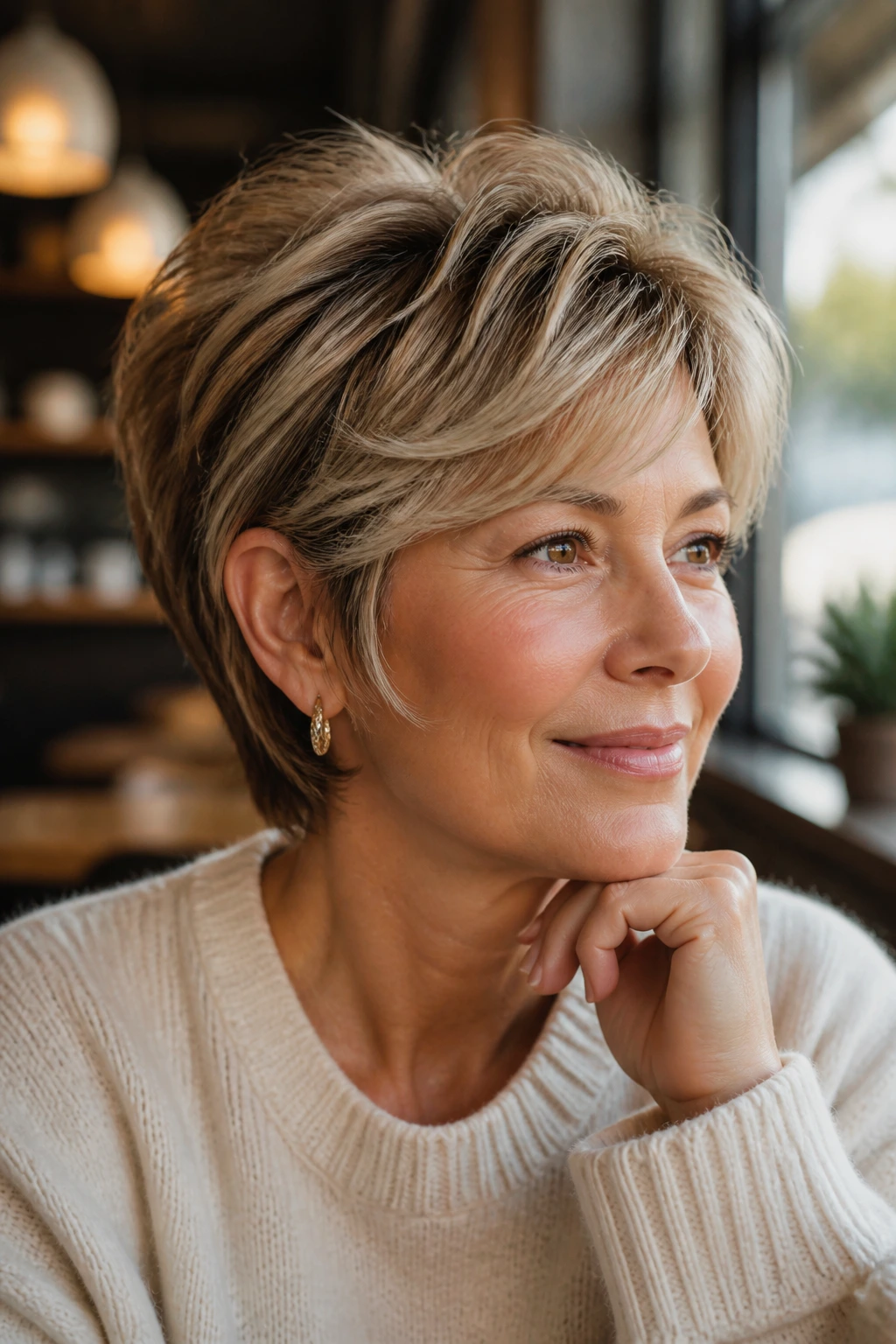
What do you get when you want short hair, but not a severe bob? The bixie. It sits between a bob and a pixie, which makes it a sneaky good choice for fine hair that needs lift without losing softness.
The crown layers are the key. They should be light enough to create movement, but not so short that the top of the head collapses. The sides can stay a touch longer, and the nape should feel neat rather than bulky. That shape gives you the airy look people want from short hair, without the helmet effect.
This cut is also forgiving on the grow-out. Shorter pieces can be tucked, flipped, or left a little messy, which helps when you are not up for a trim every few weeks.
How to Style It
Use a pea-sized amount of mousse on damp hair, then rough-dry the roots with your fingers. Once the hair is about 80 percent dry, use a small round brush or your fingers to direct the top forward and slightly up. The goal is lift, not volume for its own sake.
9. Wispy Pixie With a Longer Fringe
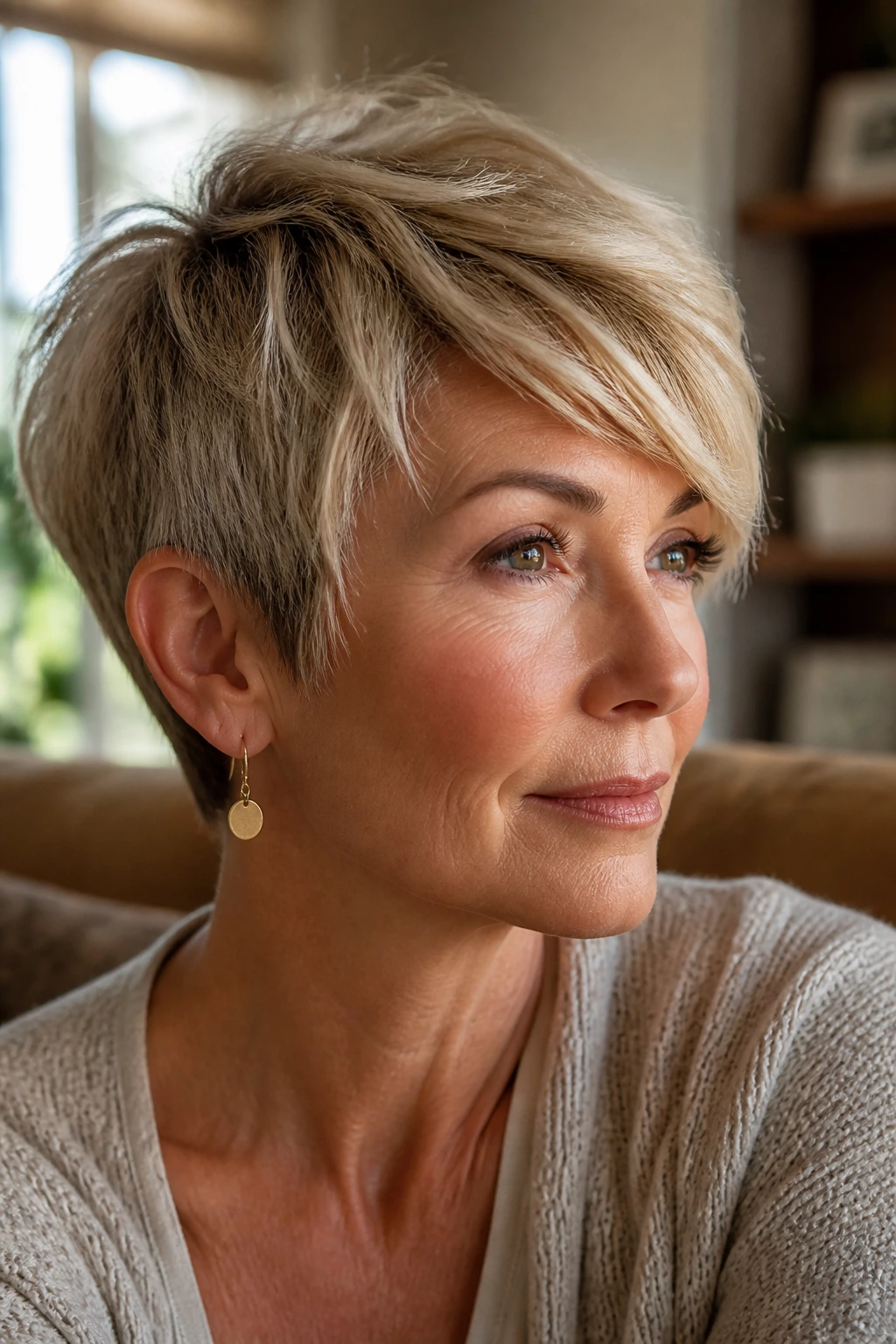
A pixie can work on fine hair. A good one, anyway. The trick is keeping the fringe long enough to soften the face and leaving some length on top so the cut has lift instead of looking flattened.
I prefer a wispy pixie over a super-short crop for fine hair because the longer top pieces make the whole head look fuller. The fringe can sweep to one side, brush across the forehead, or fall in a soft broken line. That breaks up the shape in a nice way.
Anecdotally, this is the cut that surprises people most. They expect short hair to reveal every thin spot. Done well, it does the opposite. The right pixie can make fine strands look lighter, denser, and far less limp.
- Ask for texture only at the tips
- Keep the sides soft
- Leave enough length on top to pinch between your fingers
If your hairline is delicate or your forehead feels large, this style can be very kind.
10. Blended Long Layers With Face-Framing Pieces
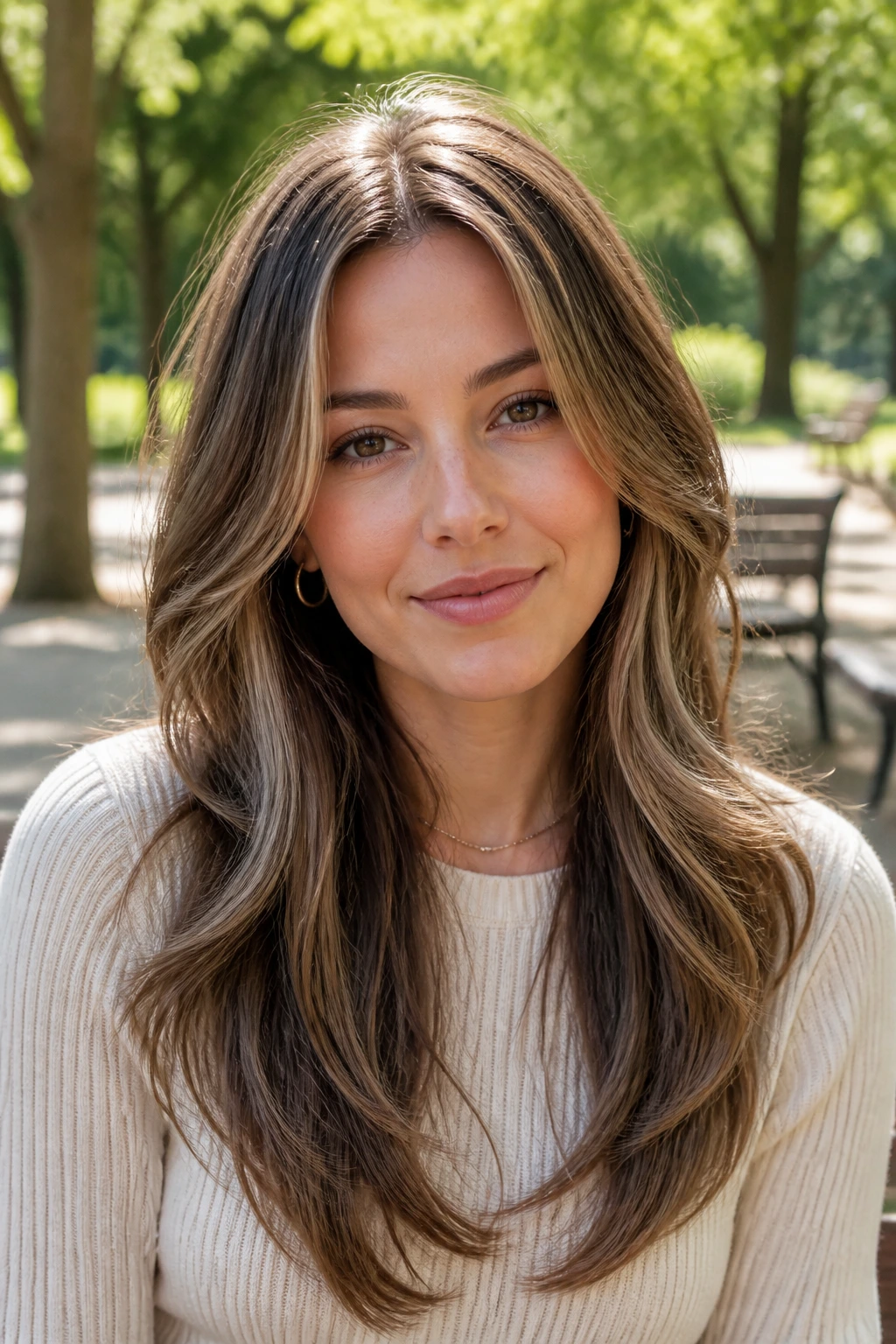
Long layers are not off limits for fine hair. They just need to be blended with more care than most people think. A heavy, obvious layer stack will take too much fullness away. A soft blend, though, can add movement while preserving length.
This cut works best when the face-framing pieces start around the jaw or collarbone and melt into the rest of the hair. The back stays long enough to feel substantial, and the sides get a little shape so the hair does not hang straight down like a curtain.
What Makes It Different
The best long-layer cut on fine hair barely looks layered from the back. That is a feature, not a flaw. You want the cut to move when you walk, when you turn your head, and when a little air hits it — not to show every chop mark.
How to Wear It
- Blow-dry with a big brush for a soft bend
- Add a few loose waves from ear level down
- Use a light serum only on the last 2 inches
If you love long hair but hate the dead weight at the front, this is a smart compromise.
11. Beveled Chin-Length Bob
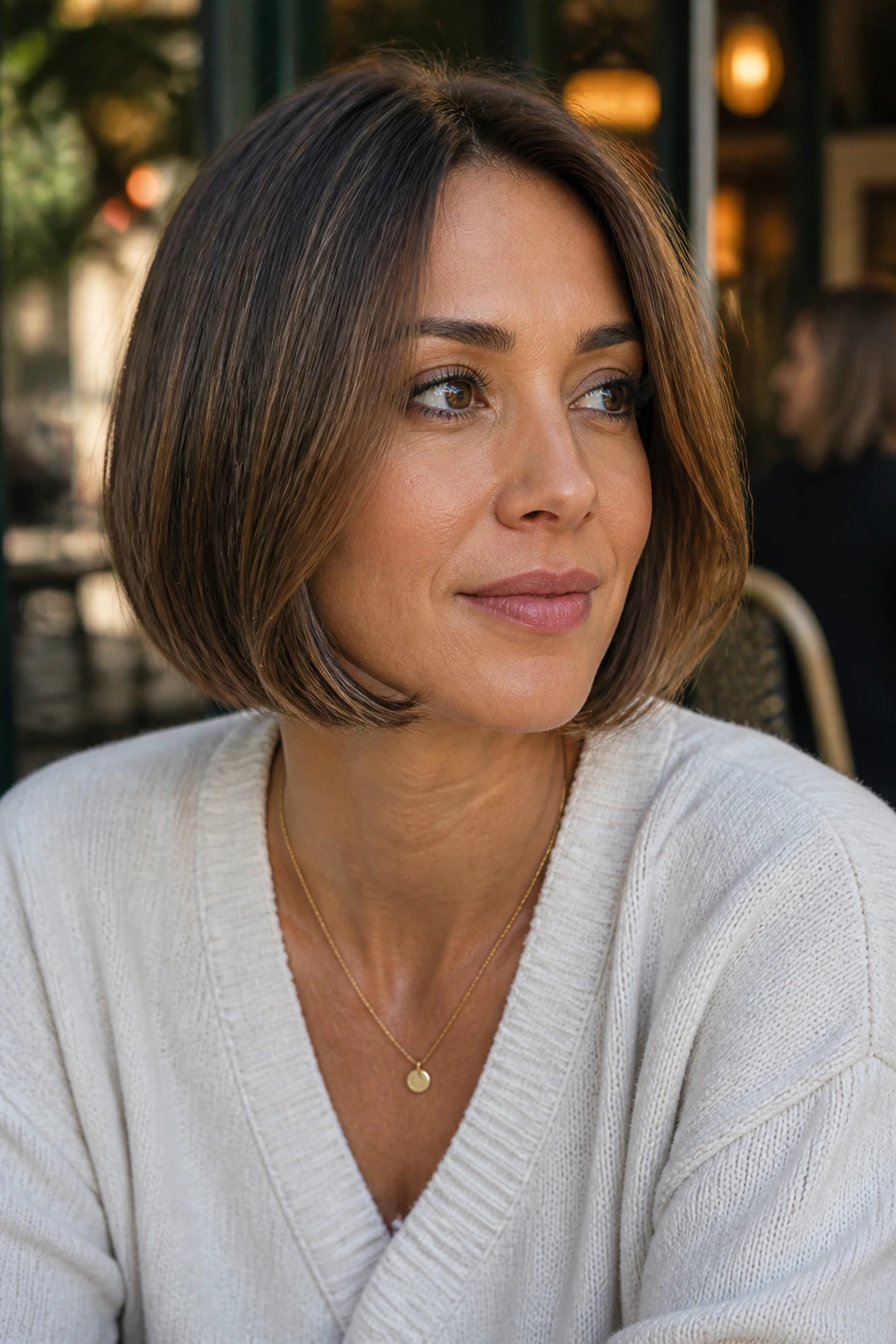
A chin-length bob with beveled ends can make fine hair look denser in a way that feels almost unfair. The line is short enough to lift naturally and long enough to keep the shape from looking boxy.
The bevel matters here. Instead of a hard blunt edge, the ends are gently tucked under, which makes the haircut sit closer to the jaw and creates a soft curve. That little curve gives the illusion of body, especially if your hair tends to fall flat by noon.
This is a strong pick for anyone who wants a tidy shape without a lot of daily styling. It also pairs well with a side part if your hairline has a stubborn flat spot on one side.
A blunt bob can look chic, sure. But on fine hair, a beveled chin-length bob often feels more forgiving and easier to live with. That is the version I would choose first.
12. Soft Wolf Cut Kept Light
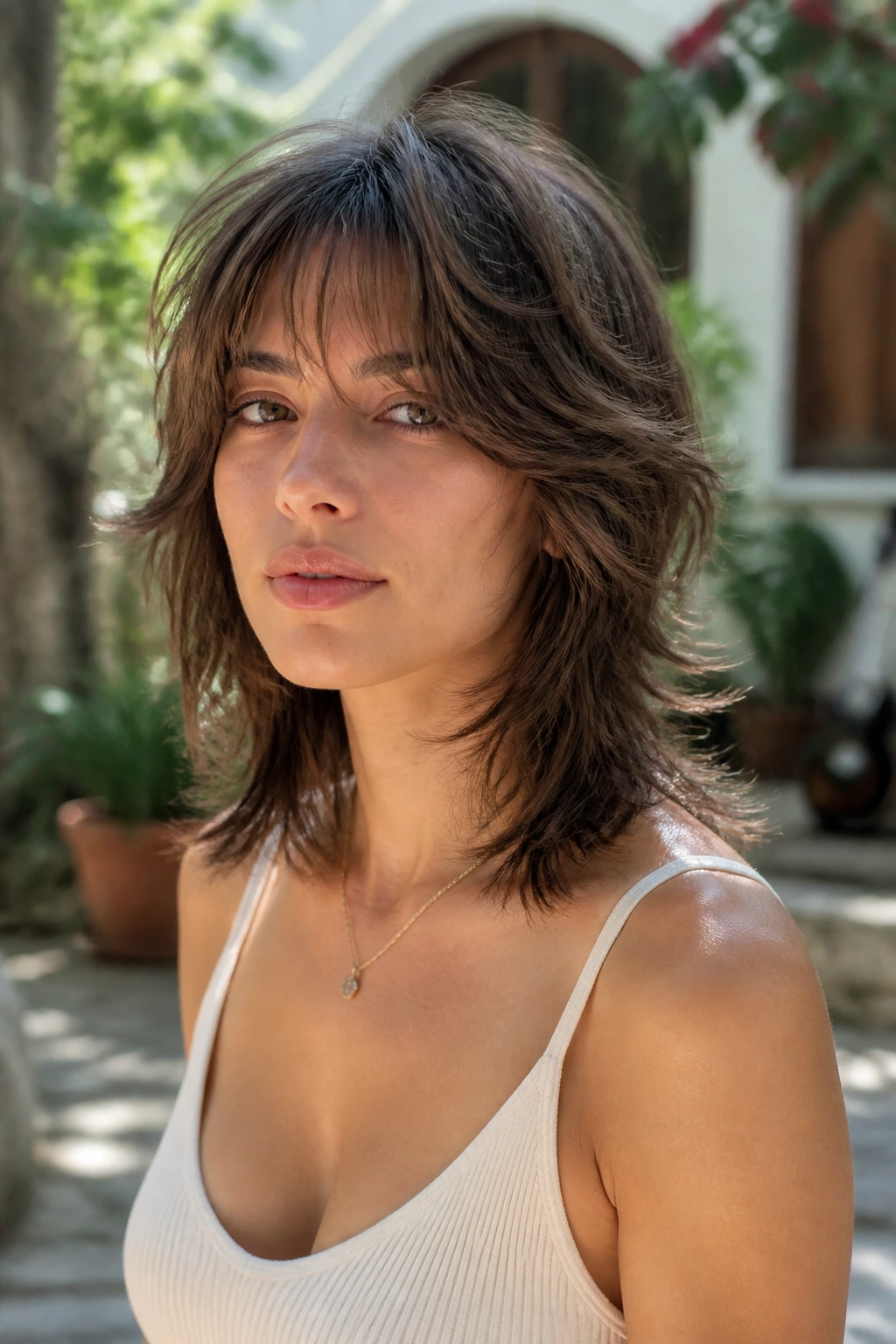
Can a wolf cut work on fine hair? Yes, if it is kept light and the layers are handled with restraint.
The danger with this style is obvious: too much disconnect and the hair starts to look wispy in the worst way. The good version keeps the top pieces soft, the crown lifted, and the ends fairly full. Think of it as a shag’s quieter cousin. Less attitude. More movement.
What to Watch For
You want the stylist to keep the lower length strong. If the bottom gets thinned out too much, the whole cut loses balance. The front should have a bit of swing, but the back should not disappear.
A light wolf cut works best if you already like a textured finish. It looks best when air-dried with a diffuser or rough-dried with a touch of mousse and then shaken out with the fingers.
If you want edge without losing all the body in your hair, this is the cut. Just do not let anyone over-texture it.
13. Side-Parted Layered Crop
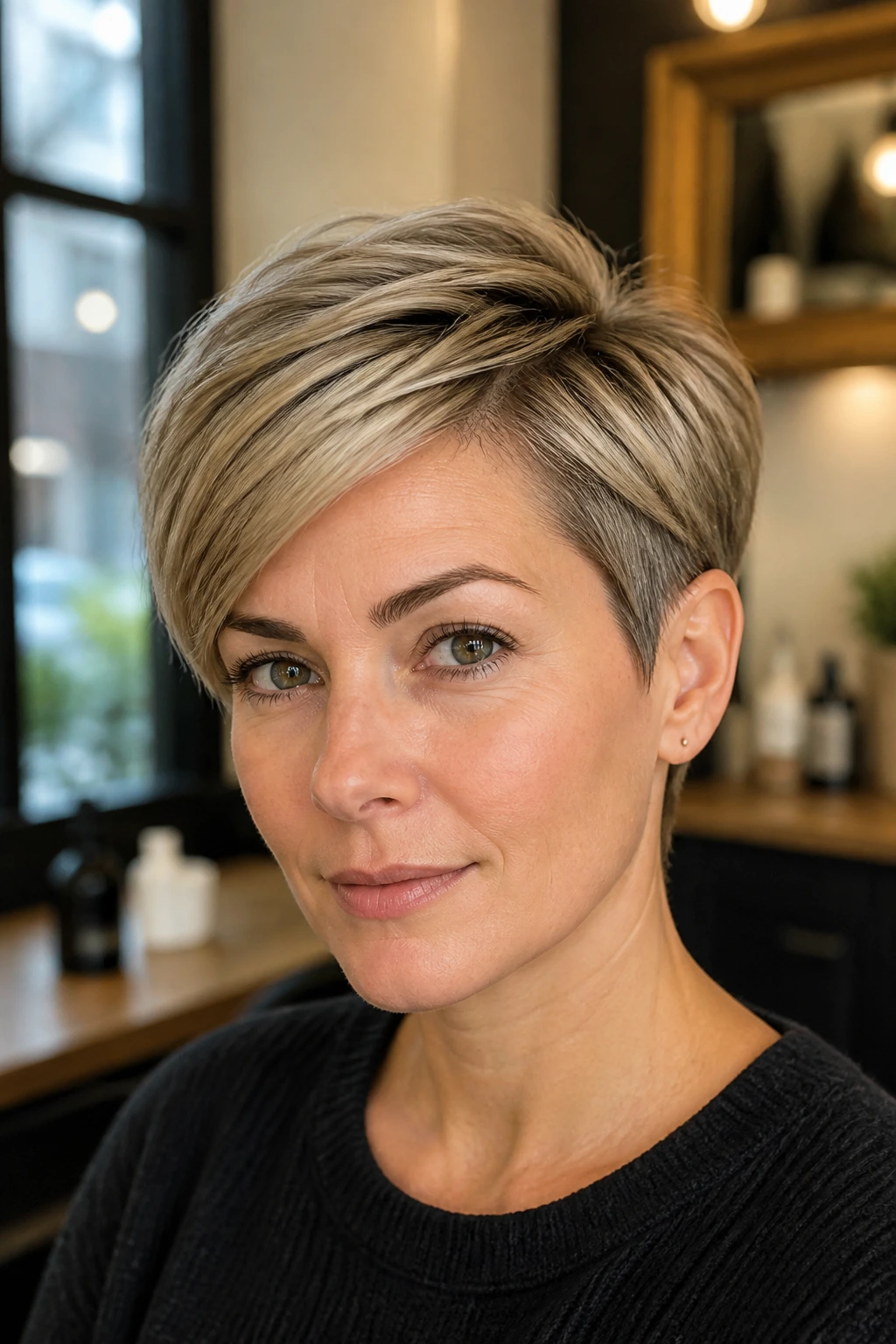
A side-parted crop is one of those cuts people skip because they assume short means severe. It does not have to be. On fine hair, a cropped cut with soft layers on top can make the hair look airy and deliberate instead of limp.
The side part does a lot of the work. It gives one side lift and creates a little height at the crown, which fine hair loves. The layers should be concentrated on top and through the fringe area, while the sides stay clean and close.
Why It Works on Fine Hair
Shorter hair loses less volume to gravity. That sounds obvious, but it matters. Fine strands that hang too long can look flatter by the hour, while a cropped shape keeps the hair off the shoulders and gives the root a fighting chance.
A crop like this can be styled in under ten minutes. Use a light paste or texturizing cream, rub it between your palms, and pinch small sections on top. Stop before it looks crunchy.
This is a good choice if you want something modern without spending your whole morning on it.
14. Airy One-Length Lob With Hidden Movement
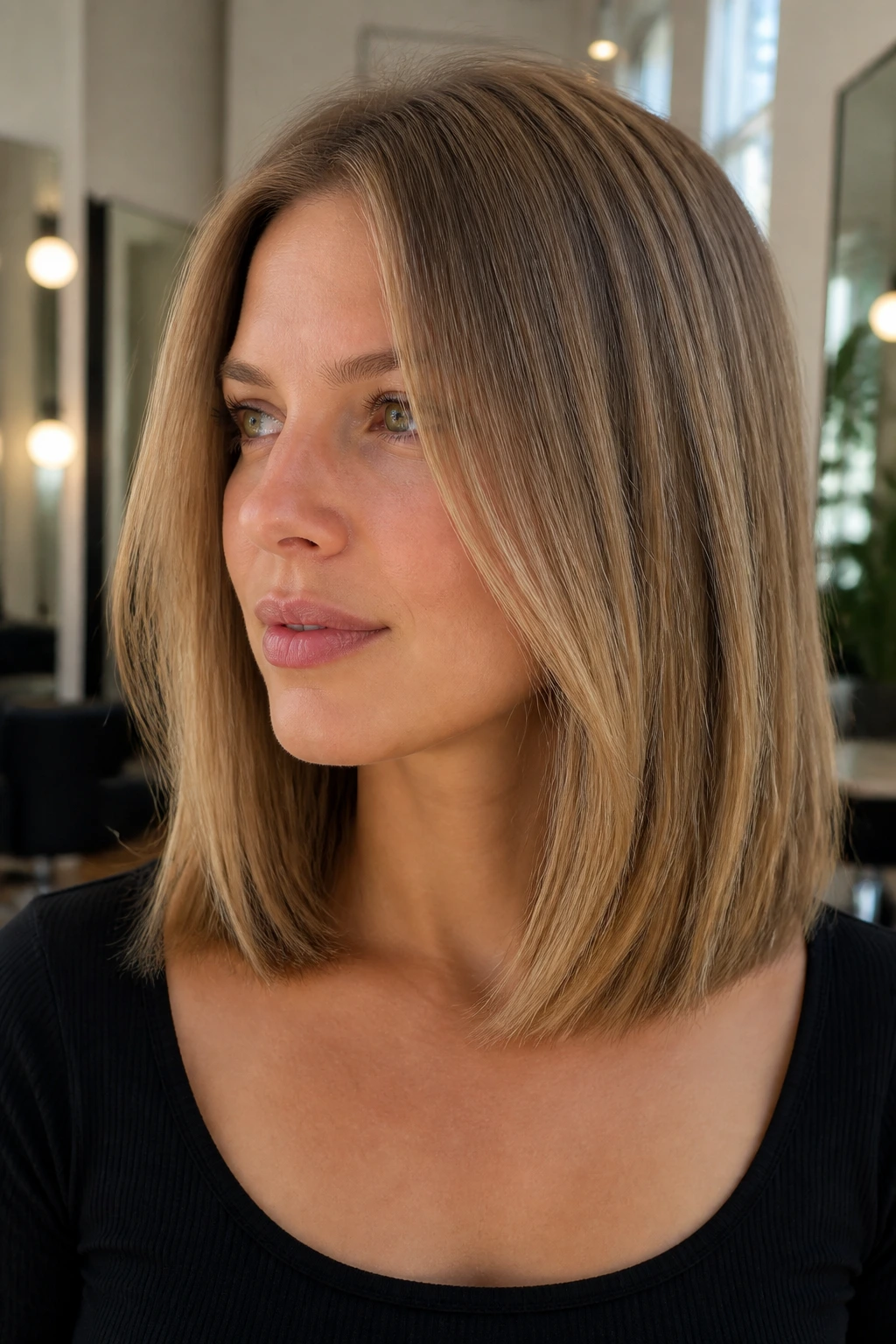
Not every soft haircut needs obvious layers. Sometimes the smartest move is to keep the outer line mostly one length and tuck just enough movement inside to stop the shape from feeling heavy.
That is what makes this lob so useful for fine hair. The visible outline stays full, which gives the illusion of density, while a few hidden snips inside the cut let it bend and swing. The result is clean, understated, and much easier to style than a heavily layered look.
I like this option for people who are not sure they want a full layered commitment. The hair still feels fresh and modern, but the ends stay thick enough to look good even on second-day hair.
How to Style It
- Dry the roots first for lift
- Add a small bend through the mids with a 1-inch iron
- Leave the ends straight or only slightly curved
That last part matters. If you curl every inch, the style can start looking too fussy.
15. The Grow-Out-Friendly Soft Layered Cut
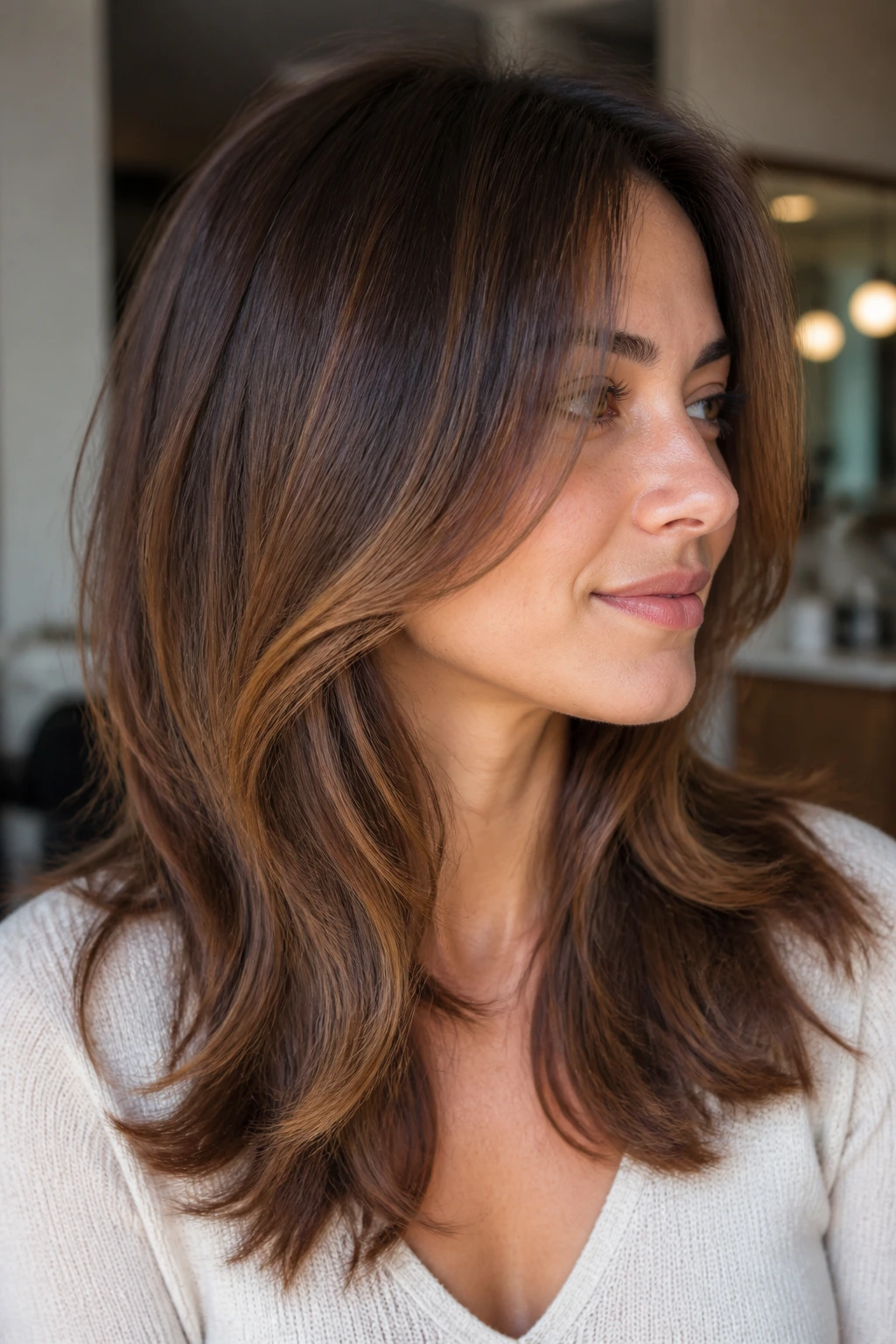
This is the haircut I’d recommend to someone who wants softness, movement, and the least possible drama at the salon. It is not one exact shape so much as a way of cutting: keep the perimeter solid, build in gentle face-framing, and let the layers blend quietly instead of announcing themselves.
Fine hair grows out in a strange way when the layers are too short. You get shelves. You get weird flips. You get that unfortunate triangle effect at the ends. A grow-out-friendly cut avoids all of that by keeping the shortest pieces long enough to soften the face without creating holes as they grow.
It also gives you options. Wear it sleek, curl only the bottom half, part it in the middle, or sweep it off to one side when you want more volume at the root. That flexibility is the real payoff.
If you want the easiest route, ask for soft internal layering, a strong outline, and no aggressive texturizing at the ends. That one sentence gets you closer to a good result than most long salon speeches ever will.
And honestly, that is the cut I come back to most for fine hair. Not because it is flashy. Because it works.
