



Blonde hair looks easy until the sun, chlorine, and hard water start working on it. Then a shade that looked soft in the salon can turn flat, yellow, or a little too white by the second week. That is exactly why blonde hair color ideas for summer need more than a pretty photo scroll.
The trick is not just going lighter. It’s choosing the right kind of lightness — warm, cool, beige, creamy, icy, or lived-in — and placing it where your cut and skin tone can actually carry it. A great blonde in warm weather usually has a plan behind it: a root shadow that softens grow-out, a gloss that keeps brass in check, or highlights that catch the light without eating up the whole head.
I’ve always thought the best blondes do two things at once. They brighten your face, and they still look believable when the hair pulls back, frizzes up, or dries in a rush. That’s a much harder job than it sounds. A bleach-heavy blonde with no depth can look harsh fast, while the right mix of tones can look expensive, soft, and a little sun-touched even when you haven’t been anywhere near a beach.
So here are 35 blonde ideas that actually make sense for warmer months — from low-maintenance dimension to high-contrast platinum, with enough variety that you can find one that fits your base, your upkeep tolerance, and your style without guessing.
1. Honey Blonde Balayage for Summer
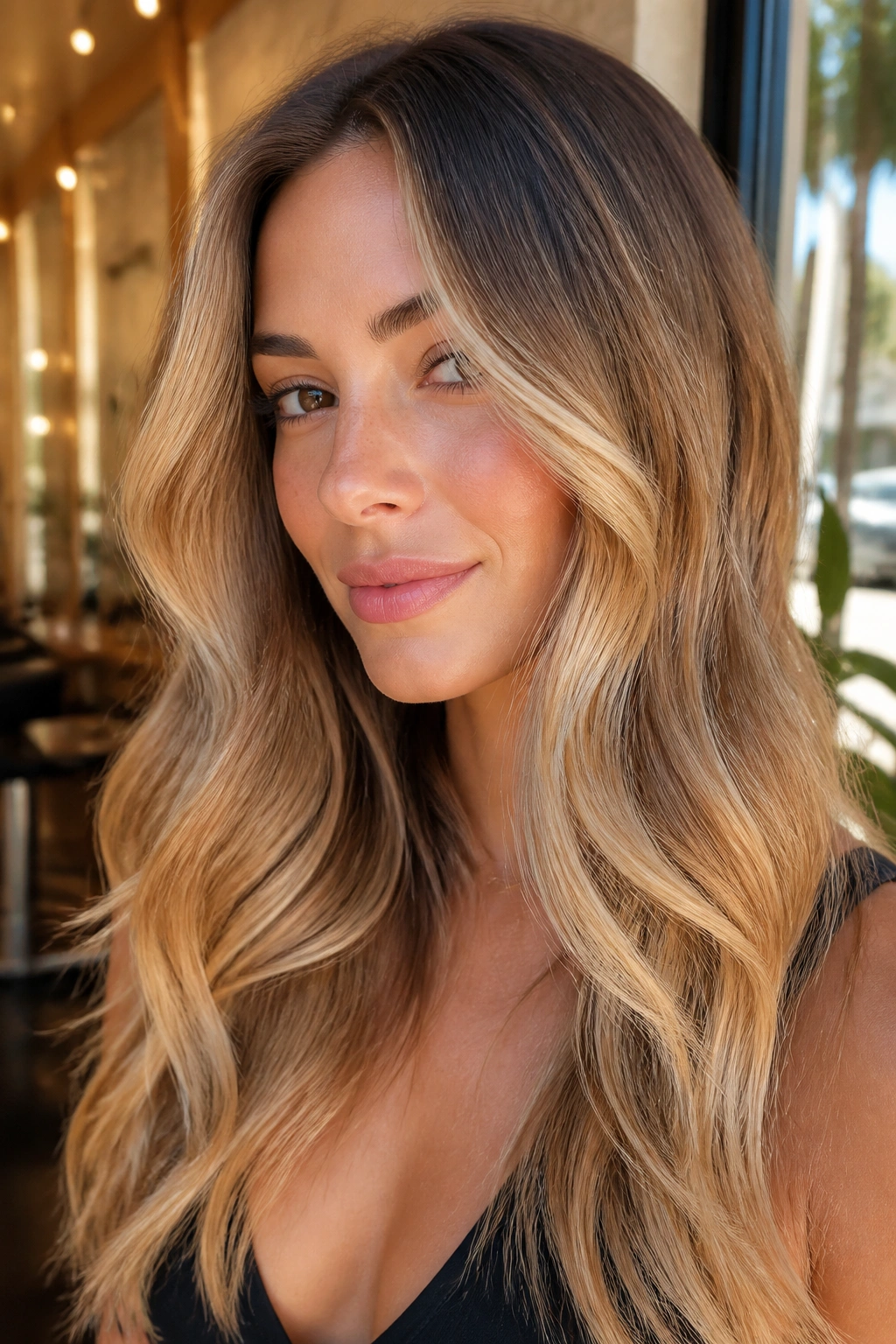
Honey blonde is one of those shades that never seems to fight the season. It has warmth, but not the orange kind. Think soft gold, a little amber, and just enough brightness to make hair look touched by sun rather than cooked by it.
Why it works
Balayage keeps the color from sitting in one hard line, which matters when hair is pulled into messy buns, clips, or ponytails. Ask for hand-painted ribbons starting around the cheekbone and melting through the ends. That gives the whole look movement and keeps the root area softer as it grows.
If your natural base is medium brown or dark blonde, this is one of the easiest blondes to wear without spending every six weeks in the chair. It also works well with beach waves, since the bends show off the lighter pieces.
2. Buttercream Blonde
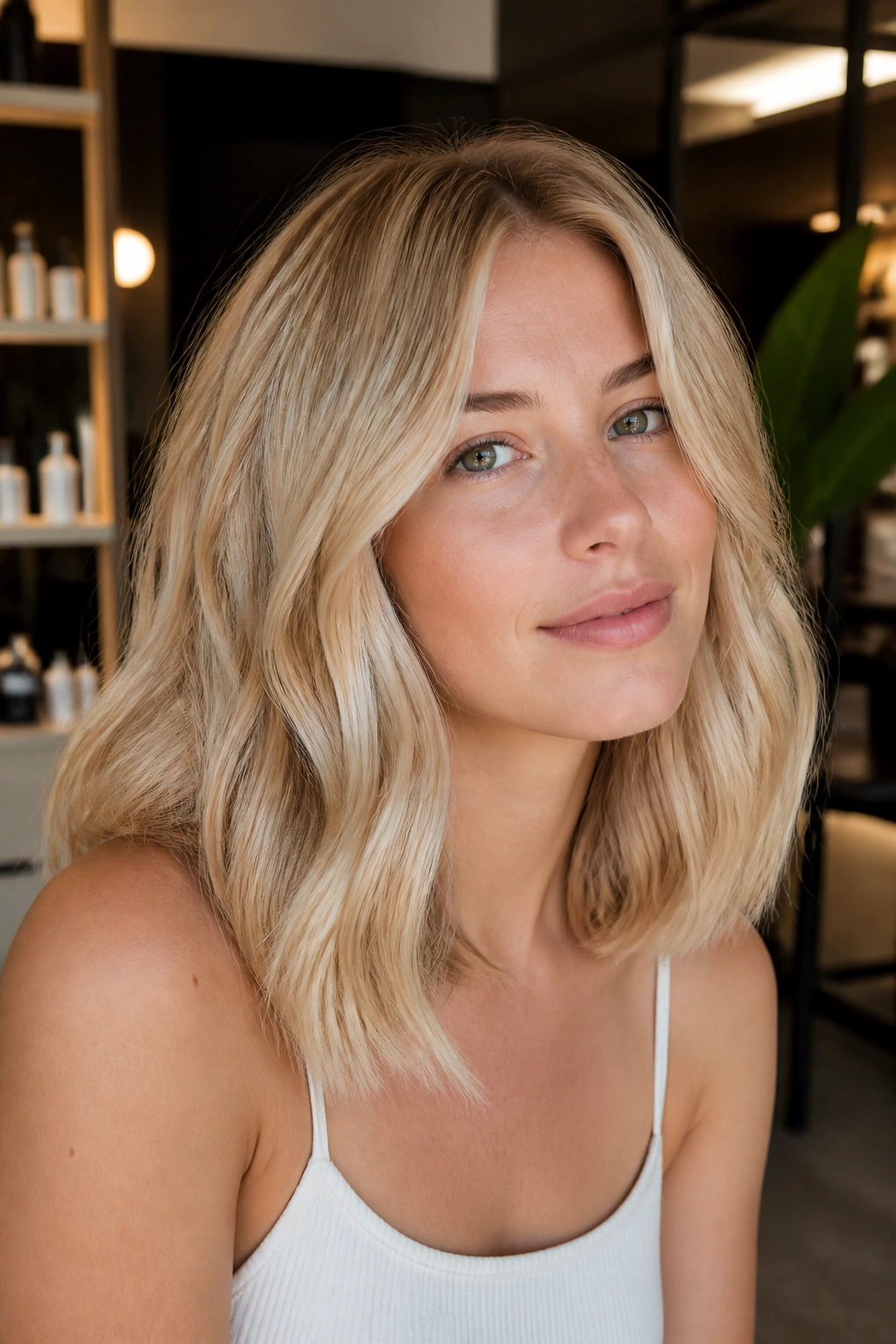
Buttercream blonde is creamy, soft, and a little richer than a pale blonde that has been stripped too far. It sits in that sweet spot where the color still looks light, but the hair keeps some depth.
This shade is flattering if you want brightness without the icy edge. I like it on shoulder-length cuts because the tone reads polished even when the styling is loose. It’s also one of the easier blondes to wear with natural makeup, since the warmth doesn’t fight rosy cheeks or freckles.
Ask for a neutral-warm gloss rather than a yellow toner. That keeps the blonde looking creamy instead of brassy.
3. Champagne Blonde

Champagne blonde has a slightly cooler sparkle than honey or buttercream, which is why it feels dressy without looking stiff. It usually blends pale gold with a soft beige or pearl tone.
What to ask for
- A level 9 or 10 blonde through the mids and ends
- A soft beige or pearl toner, not a flat silver one
- Minimal shadow at the root if you want a brighter finish
- Gloss refreshes every 6 to 8 weeks
This shade can look a little too pale if your hair is already damaged and porous, so I’d only choose it if your stylist is careful with the lift. Done right, though, it gives hair that chilled-glass look that works especially well on straight bobs and glossy blowouts.
4. Sunlit Face-Framing Highlights
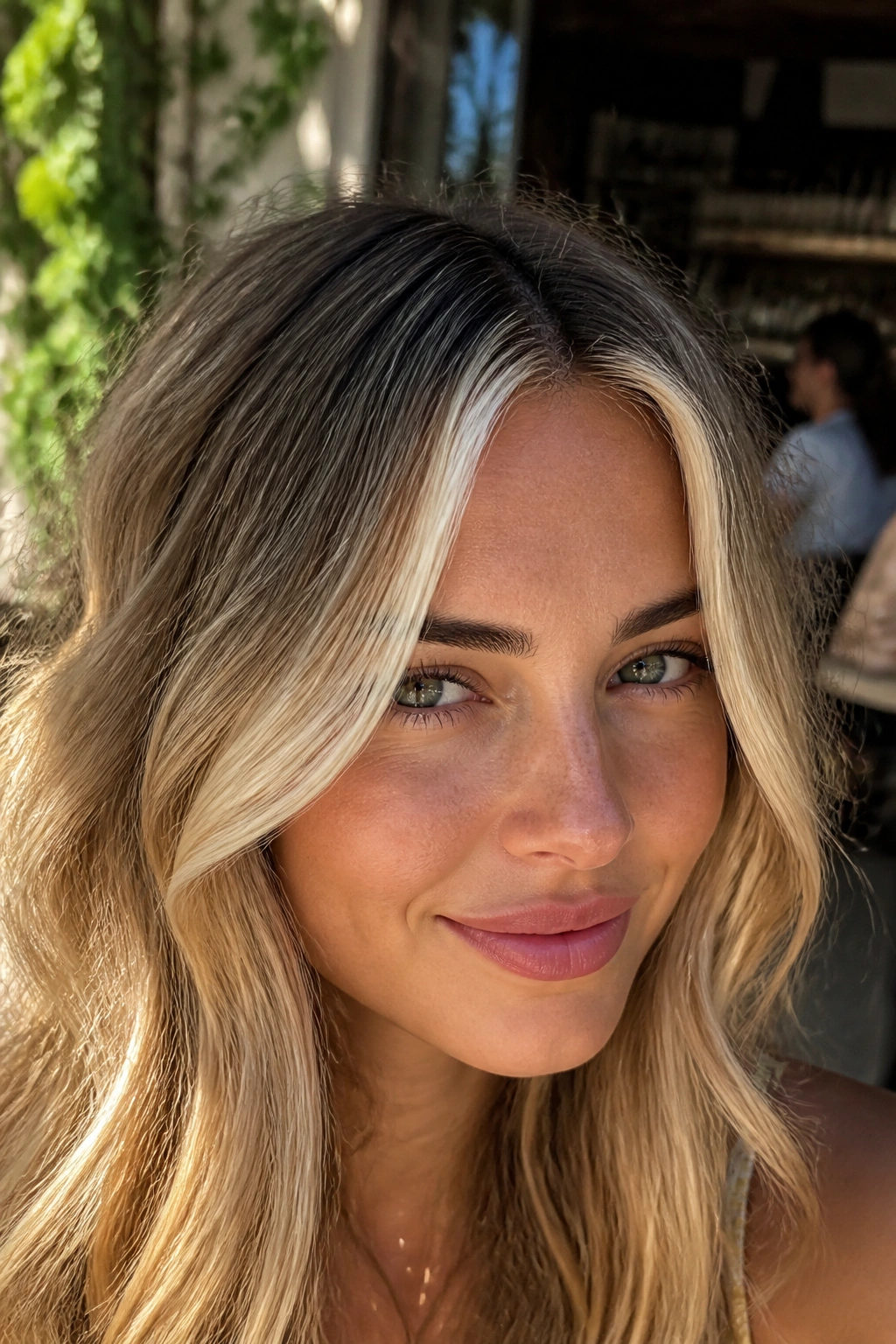
If you want the quickest visual lift, this is the one. Face-framing highlights give you brightness right where people look first, and they do it without bleaching the whole head.
The money piece can be chunky or soft. I prefer a softer version with fine woven highlights around the front hairline and a few lighter ribbons through the top layers. That keeps the effect fresh instead of streaky.
Best of all, this idea grows out gracefully. You can skip the full blonde overhaul and still get that sunlit look around your face, which is usually the part that shows in photos anyway.
5. Icy Platinum Bob
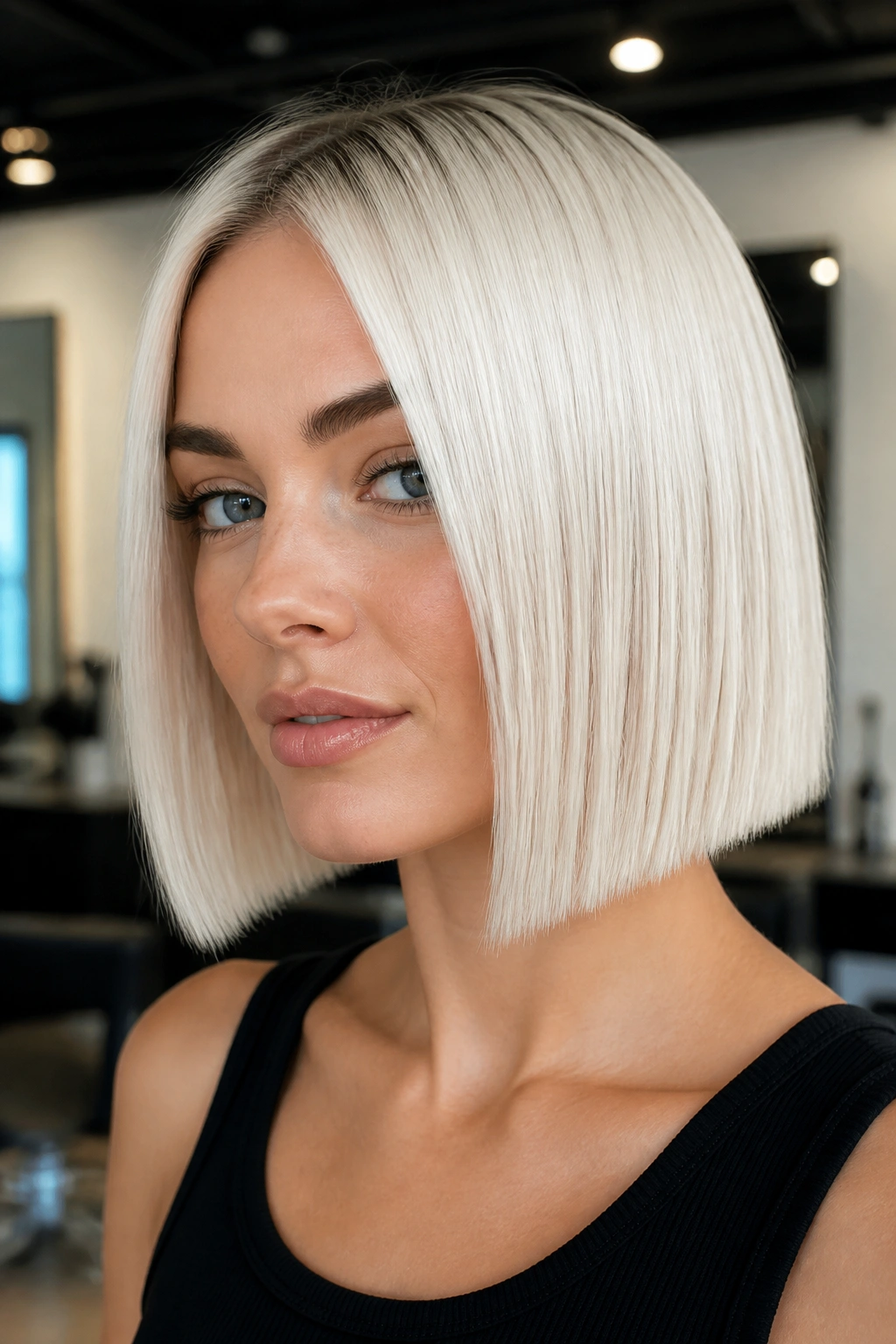
Platinum is not shy. It asks for commitment, a careful lightening process, and a hair routine that doesn’t treat conditioner like an optional extra. But on a sharp bob, it can look razor clean in a way softer blondes never quite match.
The haircut matters here. A blunt bob or a slightly tucked jaw-length cut gives the platinum structure, so the color doesn’t float away and lose shape. A root smudge can help if you want the grow-out to feel less harsh.
Keep in mind that platinum needs real maintenance. Purple shampoo once every week or two is useful, but overdoing it can leave the hair dull and flat. That’s the trade-off.
6. Beige Blonde

Beige blonde is the quiet one in the group, and I mean that as a compliment. It blends warmth and coolness so well that it tends to flatter a wide range of skin tones without shouting.
This is a smart choice if you’re tired of gold that turns too yellow and ash that looks gray. Beige has a soft, sandy finish, which makes it easy to wear with both polished styling and air-dried texture. It’s also good for anyone who wants blonde hair color ideas for summer without a loud maintenance schedule.
Ask your colorist for a neutral blonde with a beige toner and a light shadow root. That keeps the tone from swinging too warm or too icy.
7. Golden Vanilla Blonde
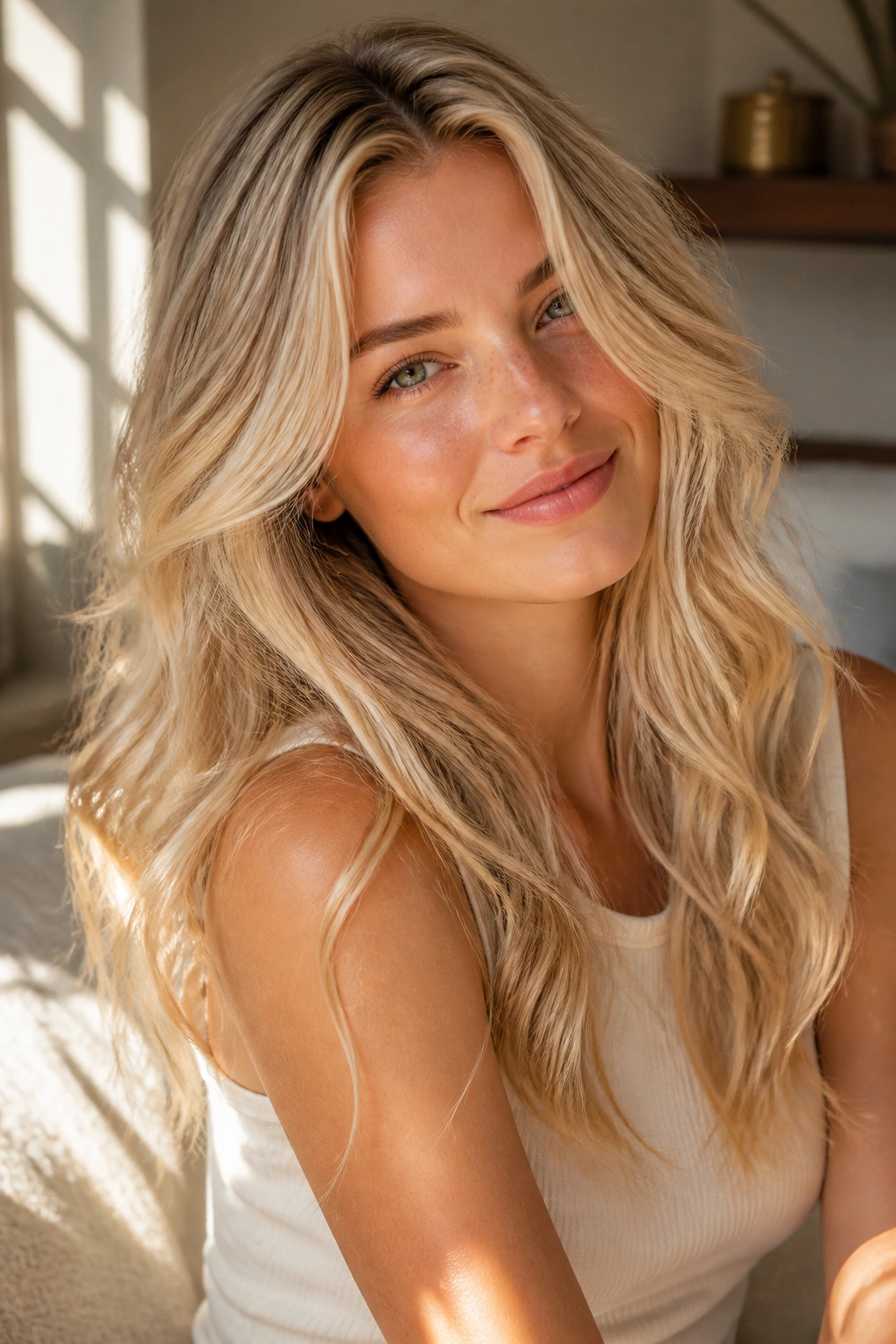
Golden vanilla blonde is sunny in the best way. It’s lighter than honey, creamier than gold, and still has enough warmth to stop it from looking washed out in strong light.
I like this shade on medium skin tones, especially when the hair has soft layers. The golden pieces show movement, and the vanilla base keeps the overall color from going orange. If you wear a lot of warm neutrals, this one just makes sense.
Good signs to look for
- The blonde should read soft, not yellow
- The ends need a little brightness, but not full platinum
- A subtle gloss can keep the tone smooth for 4 to 6 weeks
8. Sandy Bronde
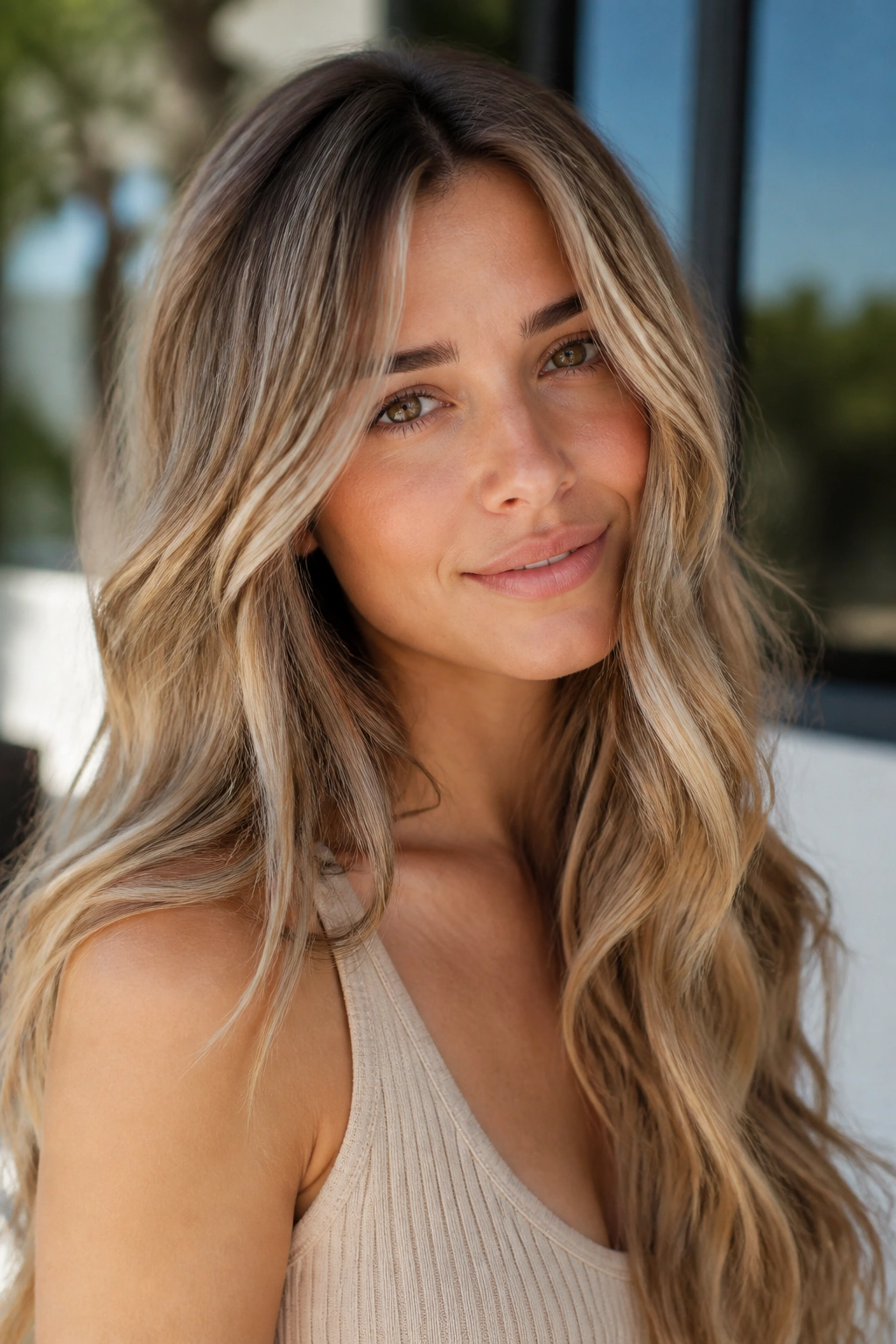
Sandy bronde sits halfway between brunette and blonde, which is why it’s such an easy summer pick. It gives you lighter pieces without losing the natural depth that keeps hair from looking flat.
This is a good choice if you’re nervous about full blonde maintenance. The darker base means regrowth is softer, and the sandy highlights add just enough lift around the face and ends. It looks especially good on wavy cuts, since the movement keeps the color from reading muddy.
I’d call this one a practical favorite. Not flashy. Just wearable.
9. Cream Soda Blonde

Cream soda blonde has a soft beige base with a warm, fizzy glow to it. It feels a little sweeter than standard beige blonde, with a hint of caramel near the root melt.
That little bit of depth is what makes it interesting. Hair gets dimension without looking striped, and the color stays flattering even as it grows. It’s one of the better blonde hair color ideas for summer if you want something soft that doesn’t need constant correction.
Best for:
- Medium to dark blonde bases
- Soft waves and layered cuts
- People who hate harsh root lines
A cream soda blonde should look blended and creamy, never streaky. If the highlights jump out too much, the whole effect gets less flattering.
10. Scandinavian Blonde
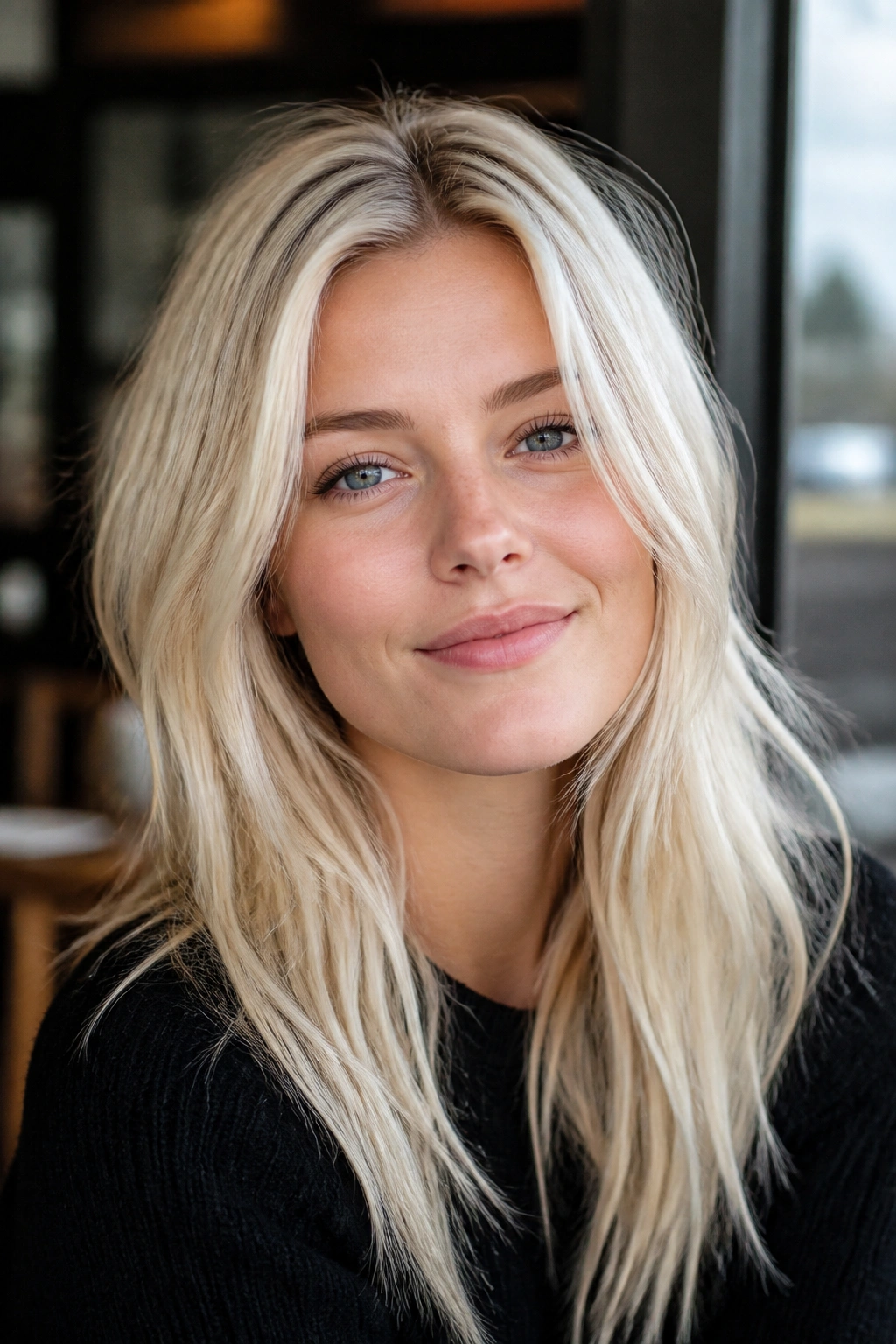
Scandinavian blonde is bright, clean, and pale enough that it almost looks reflective. It’s the kind of blonde that needs a careful hand because the goal is lightness without dullness.
What makes it work is precision. The hair has to be lifted evenly, then toned so the finish stays pale instead of raw. A good stylist will usually keep the root area soft, even if the ends are very light. That keeps the color from looking helmet-like.
This one suits people who like crisp, minimal color and don’t mind upkeep. It’s not a lazy blonde. It is a planned one.
11. Peach Blonde

Peach blonde is a fun detour from the usual gold-and-beige crowd. It starts with a light blonde base, then gets a sheer peach gloss that reads fresh instead of costume-like.
I like this shade because it softens the face while still feeling playful. The pink-orange warmth works especially well on fair skin and light eyes, though it can also look striking against darker brows. It does fade faster than neutral blondes, so expect a little maintenance.
How to wear it
A textured lob or soft waves keep the peach tone from feeling too precious. Straight, glassy hair can look sharp; bends make it feel easier.
12. Mushroom Blonde
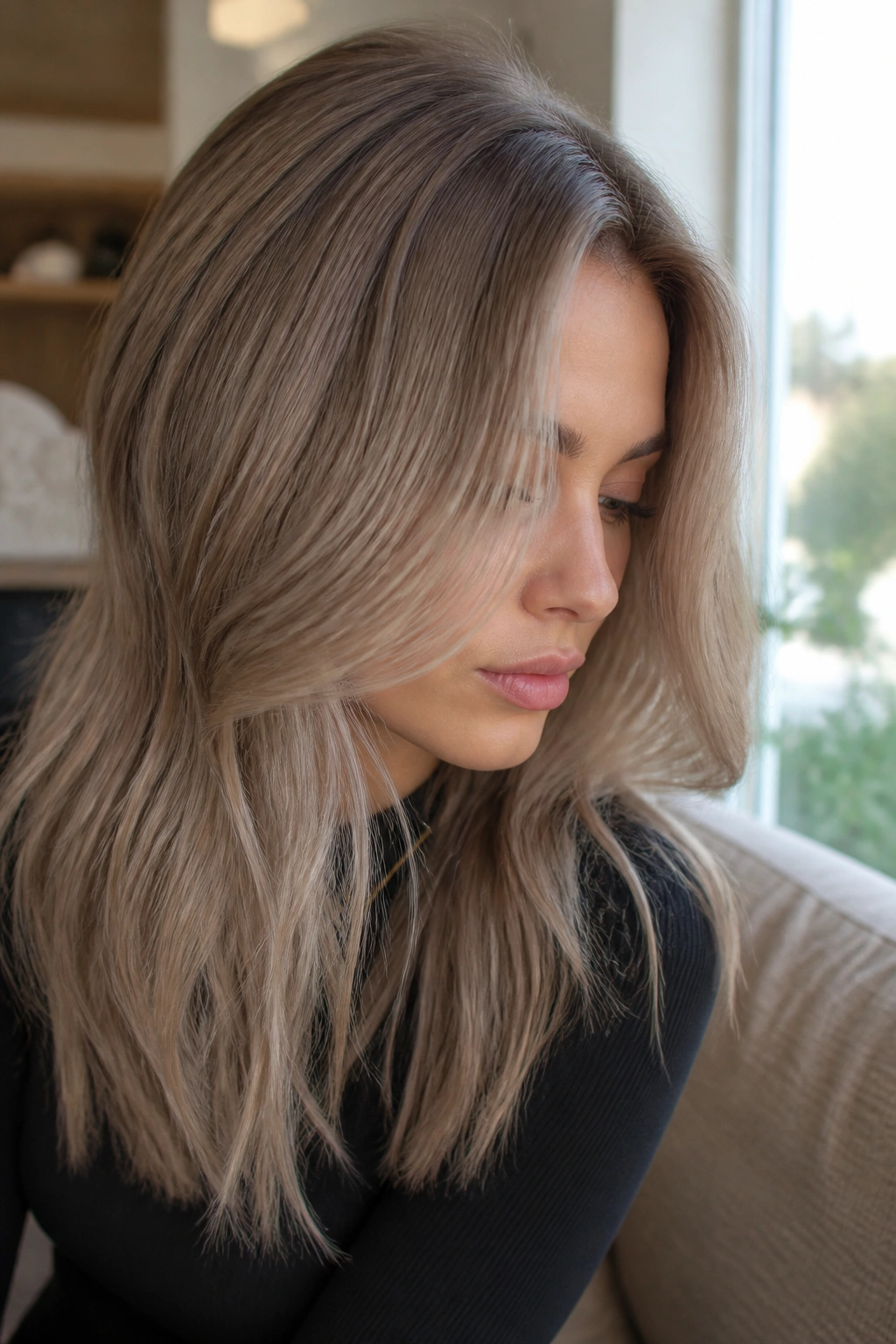
Mushroom blonde is a cooler, taupe-leaning blonde that has become a quiet favorite for people who don’t like gold. It mixes beige, ash, and soft brown so the result feels grounded.
This shade is brilliant on medium brunettes who want dimension without crossing into bright blonde territory. It’s also useful if your skin runs neutral or slightly cool, because the color won’t throw as much warmth onto the face. The main thing is keeping the tone from getting too muddy. A clean beige-ash mix is the goal, not flat gray.
A few lowlights can help this shade look richer, especially in thicker hair.
13. Champagne Rose Blonde
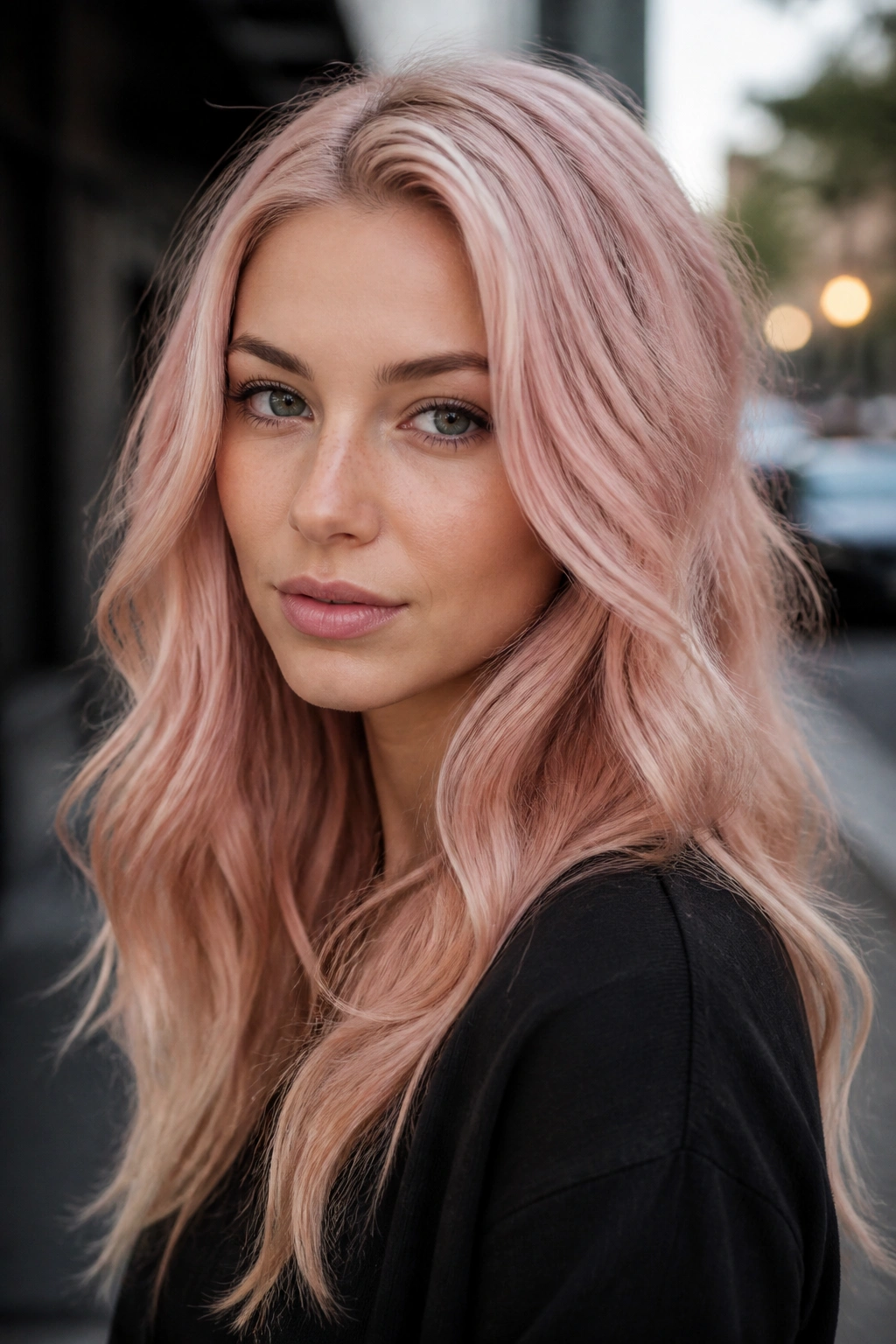
Champagne rose blonde sits between blonde and blush, and that little pink sheen gives it a lifted, feminine feel without turning it into pastel territory. It catches the light softly, which is half the point.
This one is lovely if you want something a little different but still wearable in daylight. It works especially well on layered cuts and loose curls, where the pink-beige tone can shift as the hair moves. A color-depositing mask can help keep the rose tint from washing out too quickly.
I’d skip this if you want a low-maintenance color that you never think about. It’s prettier when you pay attention to it.
14. Beige Babylights

Babylights are tiny, fine highlights that mimic the way a child’s hair lightens naturally. On a beige base, they give you that soft, expensive-looking shimmer without obvious stripes.
The real charm here is subtlety. Instead of bold blonde pieces, you get a mist of brightness through the top and around the face. That makes the color feel believable and easy to wear on straight, wavy, or curly hair. If you’ve got fine hair, babylights can add the illusion of density too, since the dimension keeps the hair from going flat.
Ask for this
- Micro-weaved highlights in very fine sections
- A beige gloss at the end
- Soft root shading if you want easier grow-out
15. Caramel Ribbon Blonde
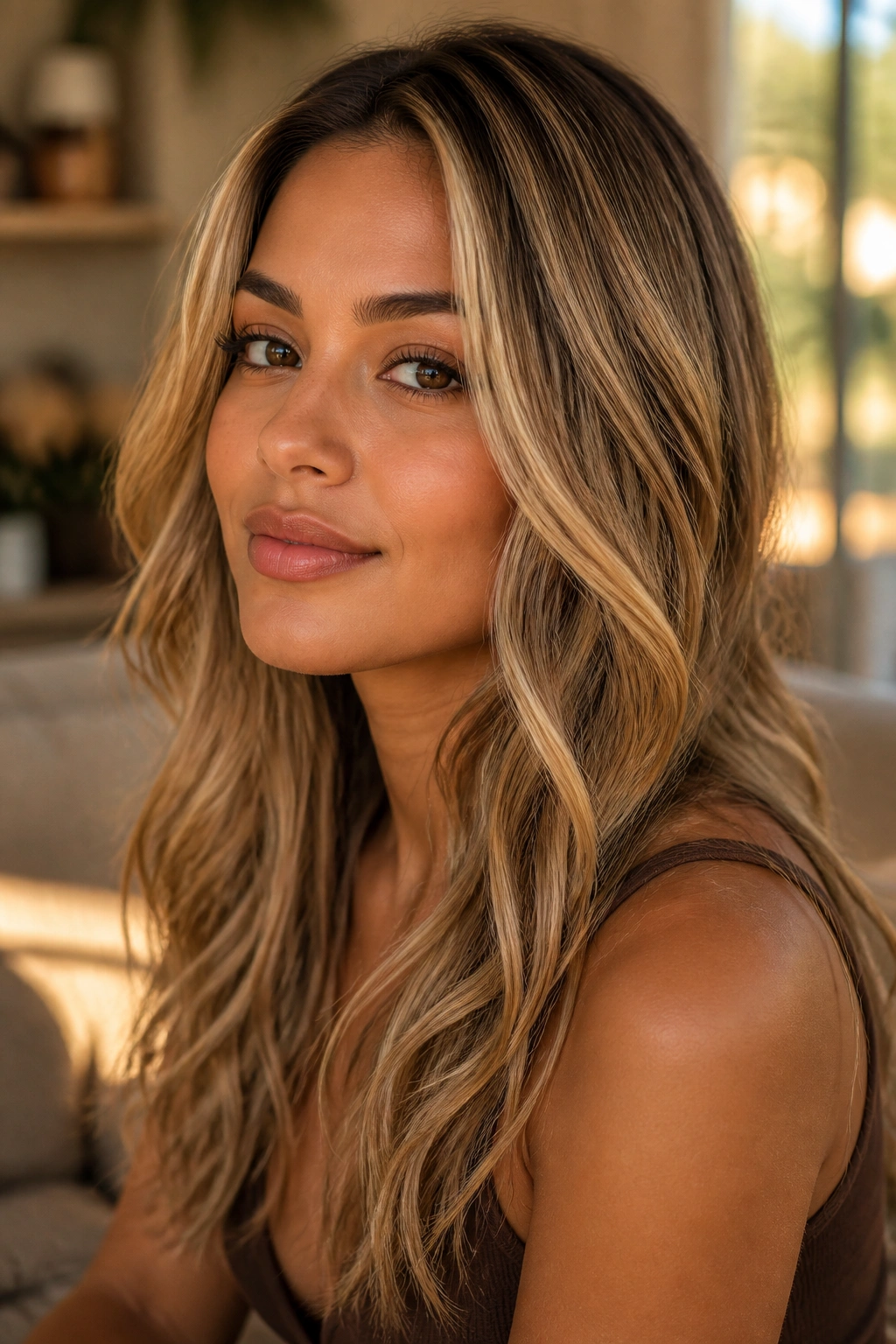
Caramel ribbon blonde leans warm and dimensional. The base stays darker blonde or light brown, while caramel ribbons thread through the mids and ends like thin lines of syrup.
I love this look for olive or deeper skin tones because the warmth feels intentional, not yellow. It also gives thick hair a bit of relief, since the highlights break up heavy-looking lengths. Curling or waving the hair makes the ribbons stand out, but the color still has enough depth to look good air-dried.
This is not a brittle, bright blonde. It’s warmer and richer than that, and that’s why it works.
16. Creamy Root Melt

A root melt is one of those techniques I wish more people asked for. It keeps the roots deeper and the blonde softer as it transitions down the hair shaft, which means the grow-out looks smoother.
Creamy root melt blonde is especially useful if you want light ends but don’t want a hard line at the scalp. The root color usually sits a few levels deeper than the mids, then melts into a creamy blonde through the lengths. That gives the hair movement and makes the color look lived-in from day one.
It’s a strong choice for busy people. Fewer salon emergencies. Less panic when the roots show.
17. Pearl Blonde
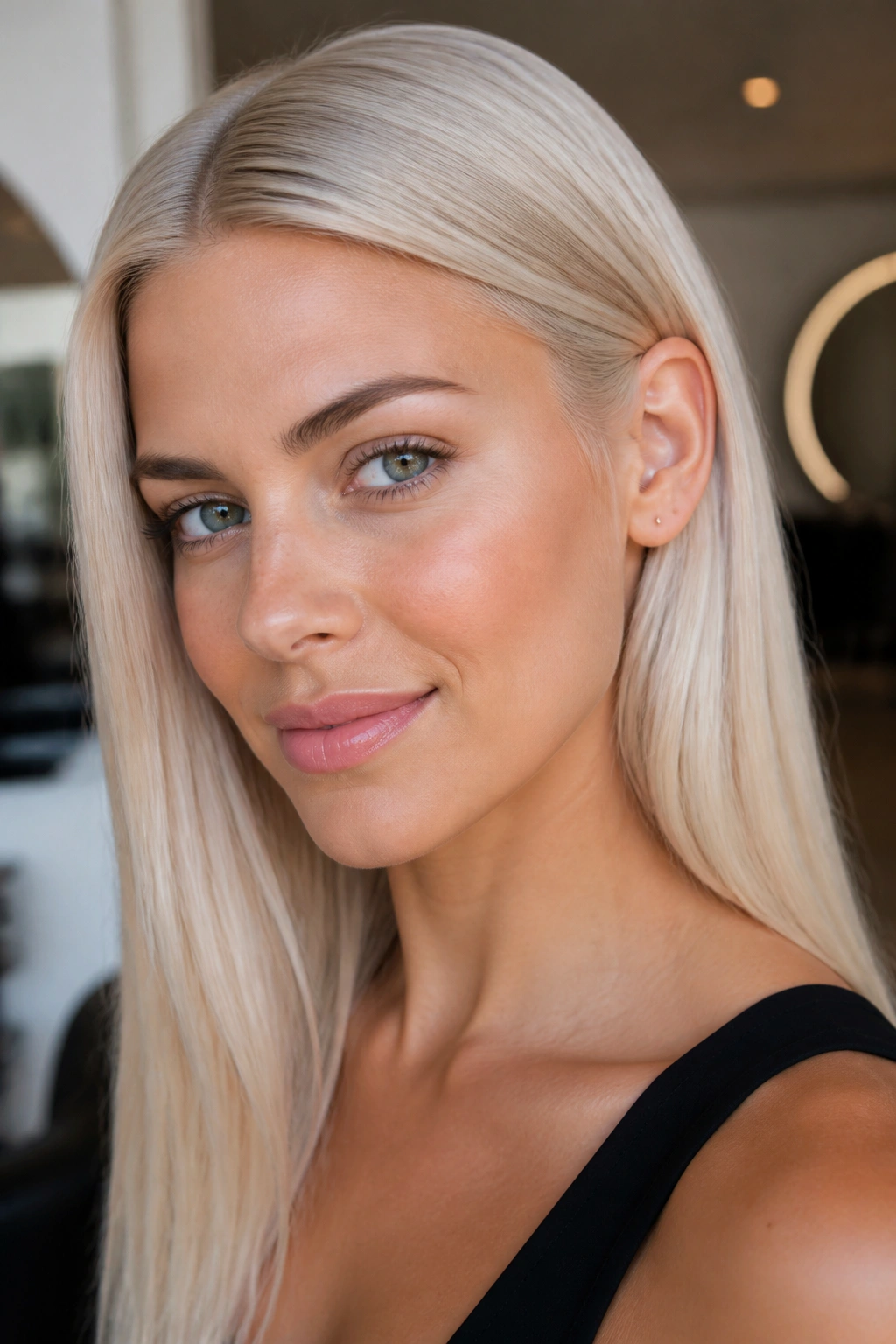
Pearl blonde has a cool sheen that feels polished without turning harsh. It’s lighter than beige and less icy than platinum, which is why it hits a nice middle ground.
The finish matters here. Pearl blonde should look luminous, almost soft-focus, not dull or silvery in a flat way. It’s pretty on sleek cuts, especially when the hair is tucked behind one ear or worn in a neat low bun. If your base is already light, this can be a lovely tonal shift rather than a complete color overhaul.
The downside? It can wash you out if your eyebrows and skin have almost no contrast. Then a little warmth back in the gloss helps.
18. Wheat Blonde
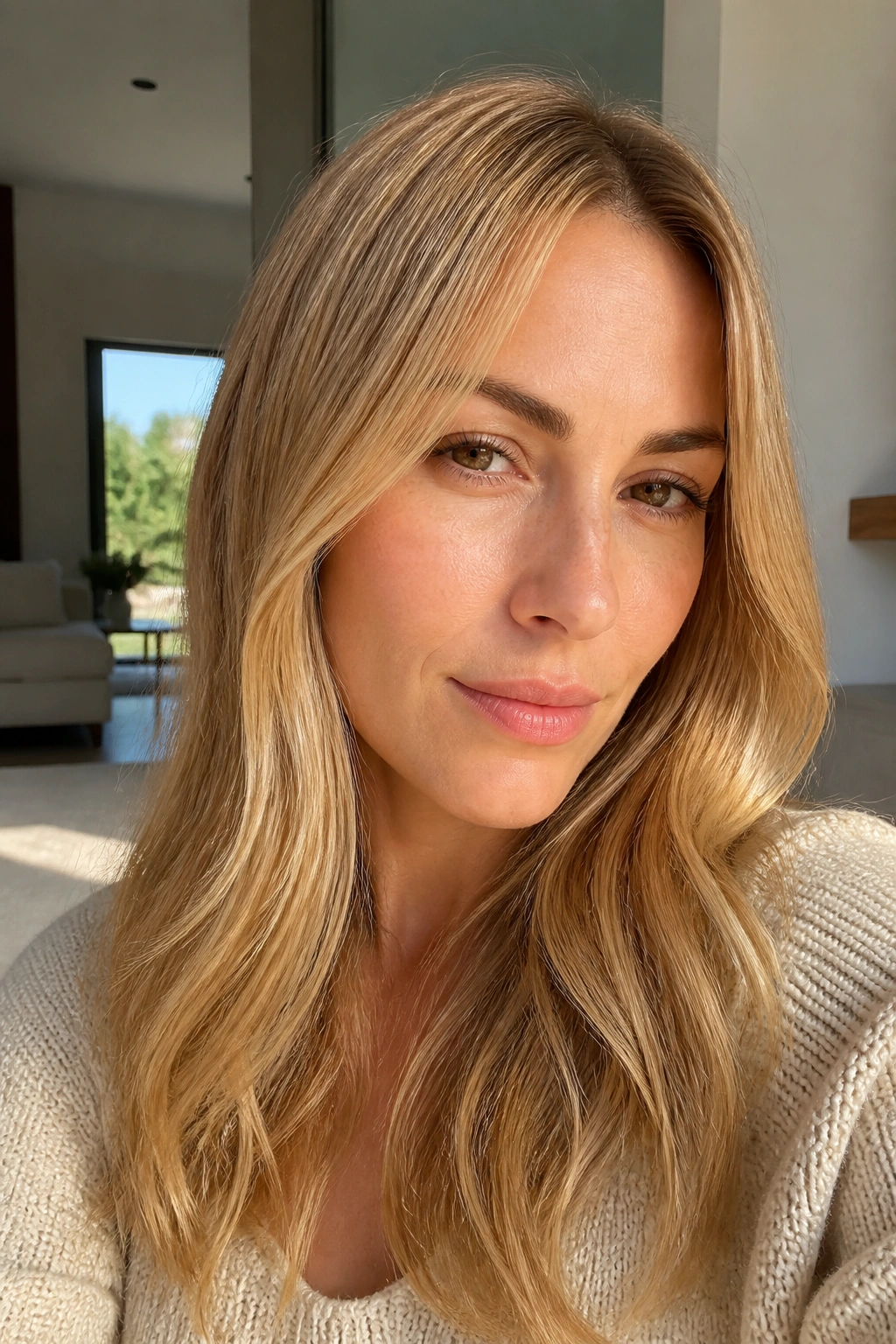
Wheat blonde is one of the most natural-looking blondes on the list. It has a soft golden-neutral tone, like hair that lightened gradually and honestly over time.
This is the shade I reach for when someone wants blonde but hates the salon-fresh look. Wheat blonde works on layered cuts, shaggy mids, and long hair with texture because the tone doesn’t demand precision to feel pretty. It looks especially good when a few darker strands are left in the mix, since that keeps it from going too flat.
No drama here. Just a believable blonde that ages well as it grows out.
19. Beach Blonde with Dark Roots
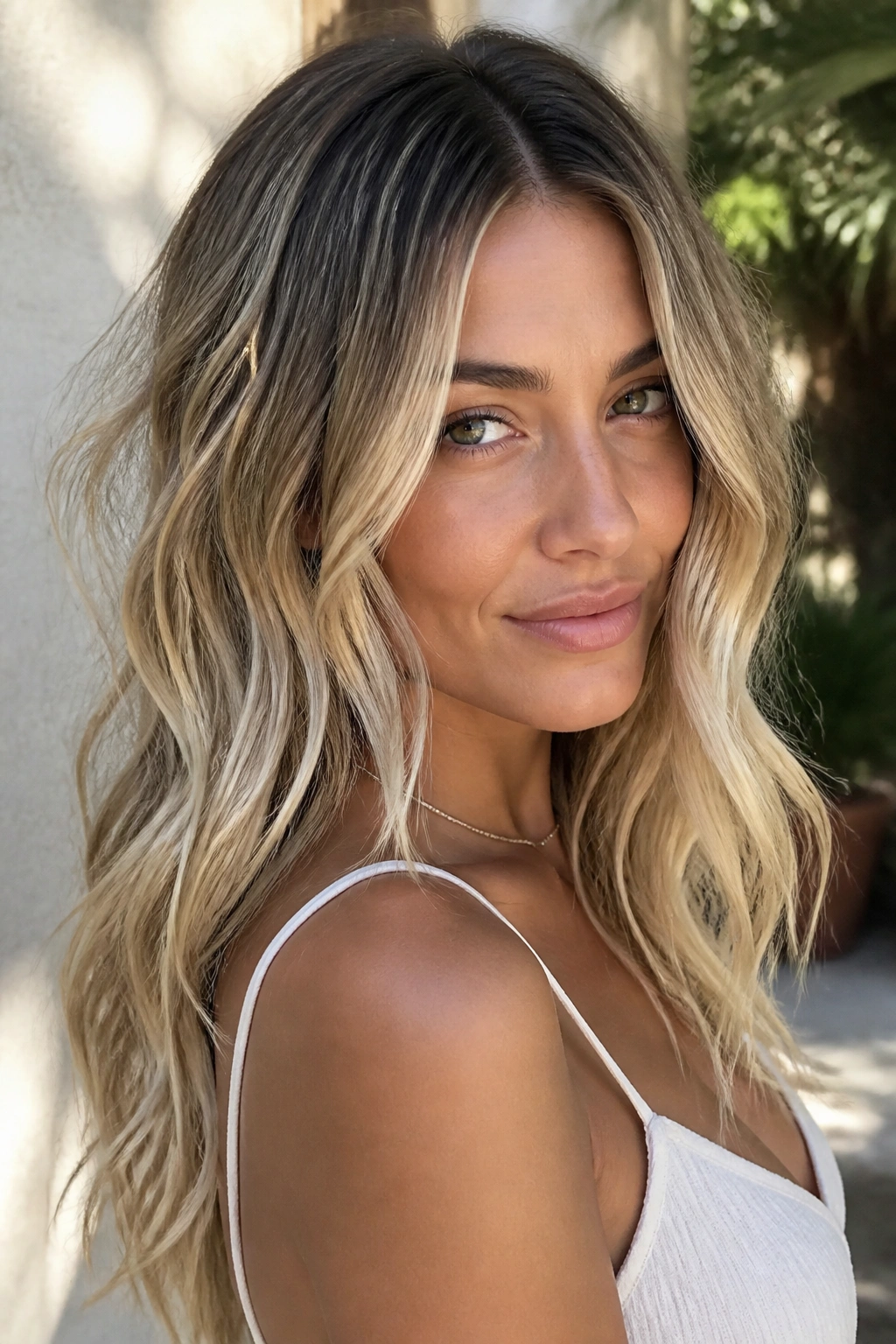
Beach blonde with dark roots is the classic lived-in summer blonde, and it stays popular for a reason. The contrast gives the color structure, while the lighter mids and ends keep it from looking heavy.
Why people keep asking for it
- The grow-out is soft
- It works on medium and dark bases
- It looks good in braids, waves, and clipped-up hair
- The darker root makes daily styling less fussy
You do have to keep the blonde pieces from turning brassy, especially if you swim a lot. But if you want a relaxed look that won’t scream when it’s been six weeks since a touch-up, this one earns its place.
20. Lemon Chiffon Blonde

Lemon chiffon blonde is brighter and a touch sunnier than beige blonde. It has a pale yellow softness, but the trick is making that yellow read clean, not brassy.
This shade can be lovely on lighter skin with warm undertones, or on anyone who likes a cheerful, fresh finish. I’d keep the gloss translucent so the blonde stays airy. Heavy toning can kill the whole point.
A little texture helps here too. Loose bends or a blowout with volume stop the color from looking too one-note. Straight hair can show every tonal shift, so your color has to be cleaner if you wear it that way.
21. Almond Milk Blonde
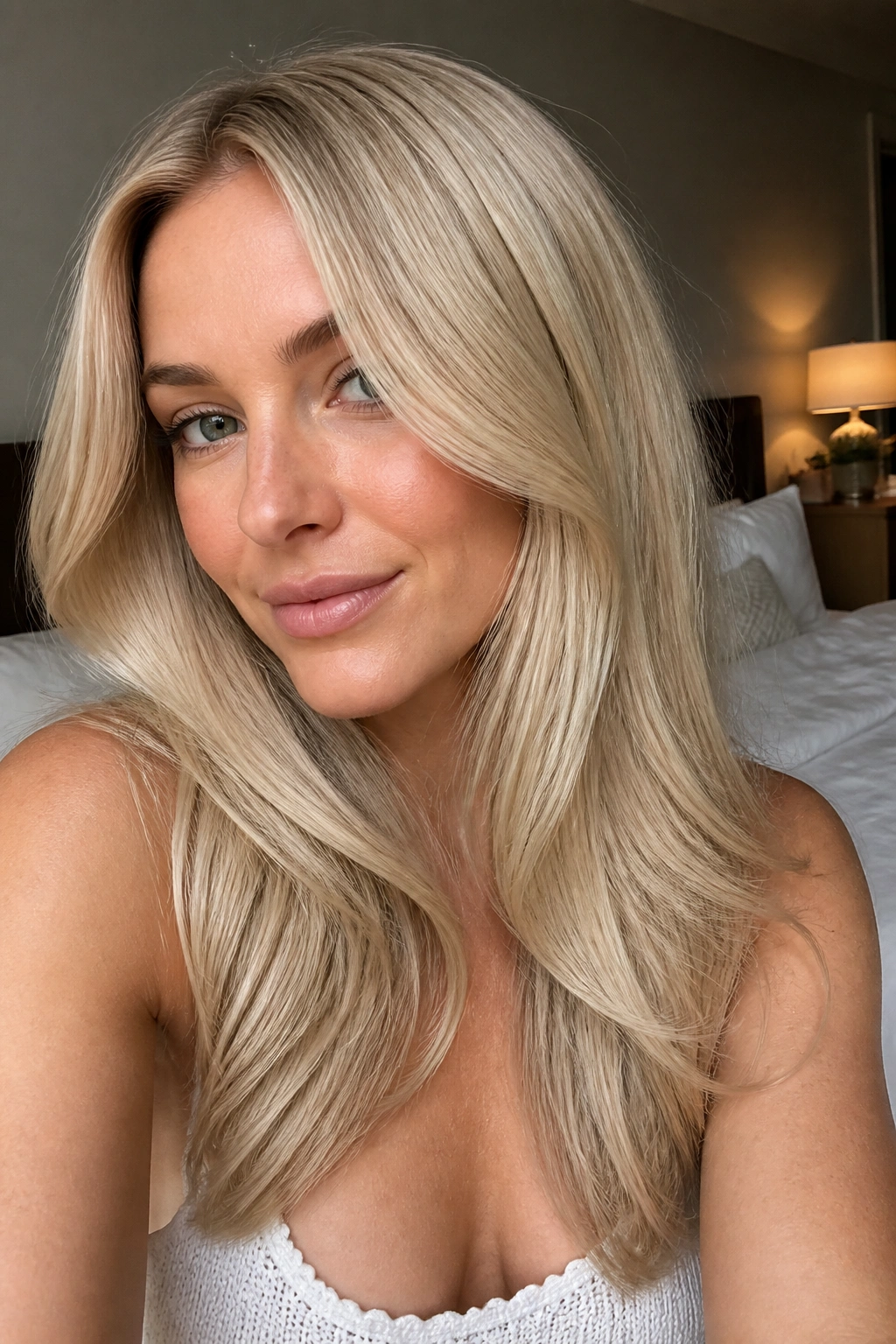
Almond milk blonde is creamy, pale, and a little muted. It’s one of the softer choices here, and that softness is exactly what makes it wearable.
The shade blends off-white blonde with a whisper of beige, so it doesn’t land too warm or too frosty. It works well on people who want light hair but don’t want a sharp, high-contrast finish. In practice, this kind of blonde looks expensive when the hair is healthy and slightly glossy.
If your ends are rough, though, the tone will show it. Pale creamy blondes are honest like that.
22. Dirty Blonde with Lowlights
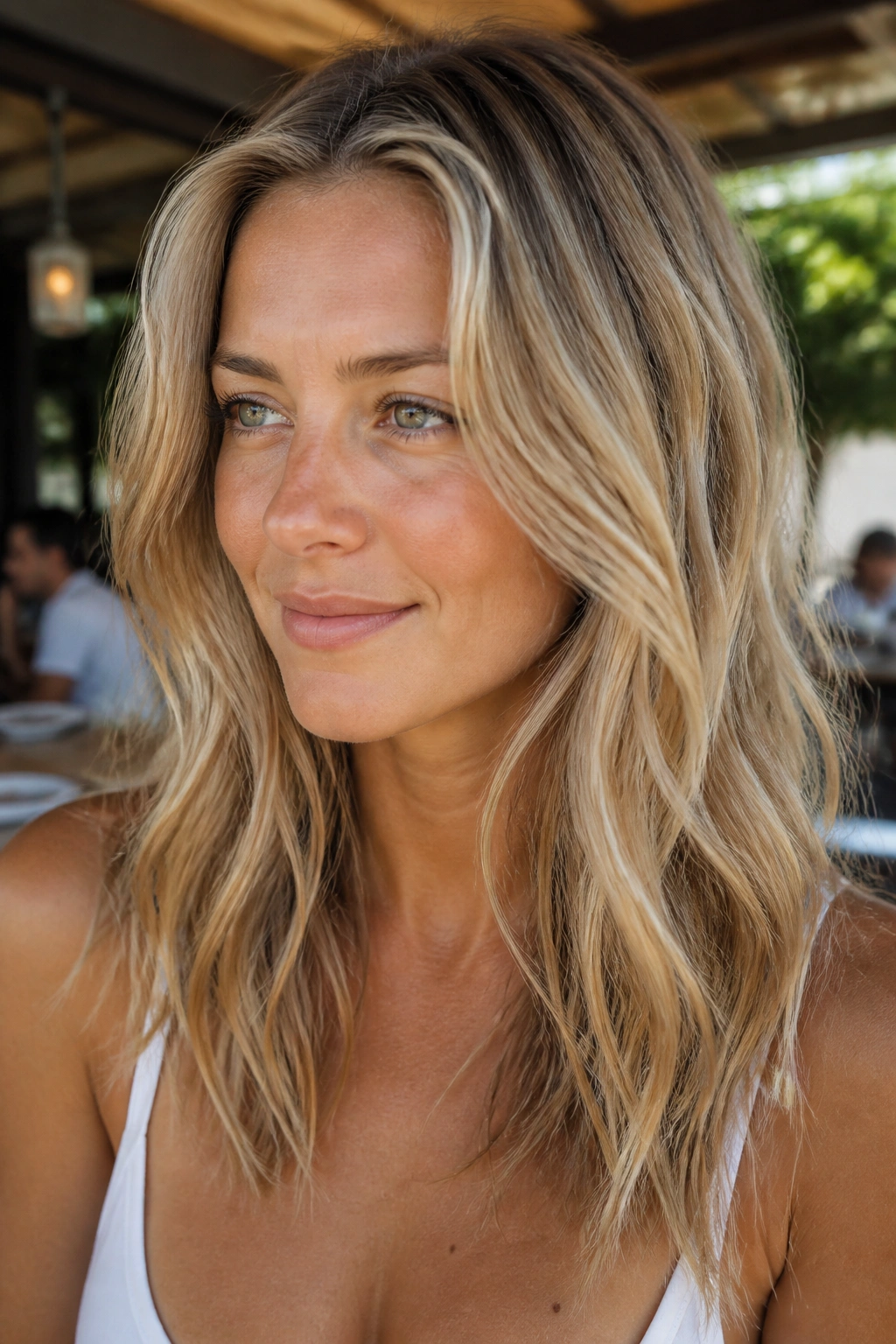
Dirty blonde has a bad name. It shouldn’t. Done well, it’s one of the most useful shades for warm weather because it gives you brightness without making every strand compete for attention.
Lowlights are the key. They break up the blonde, add depth near the crown, and keep the color from turning one flat yellow note. This is a smart option if your natural hair is between dark blonde and light brown and you want to enhance it instead of replace it.
It’s also a friend to fine hair. The contrast can make the hair look fuller than a single-process blonde ever would.
23. Frozen Vanilla Blonde
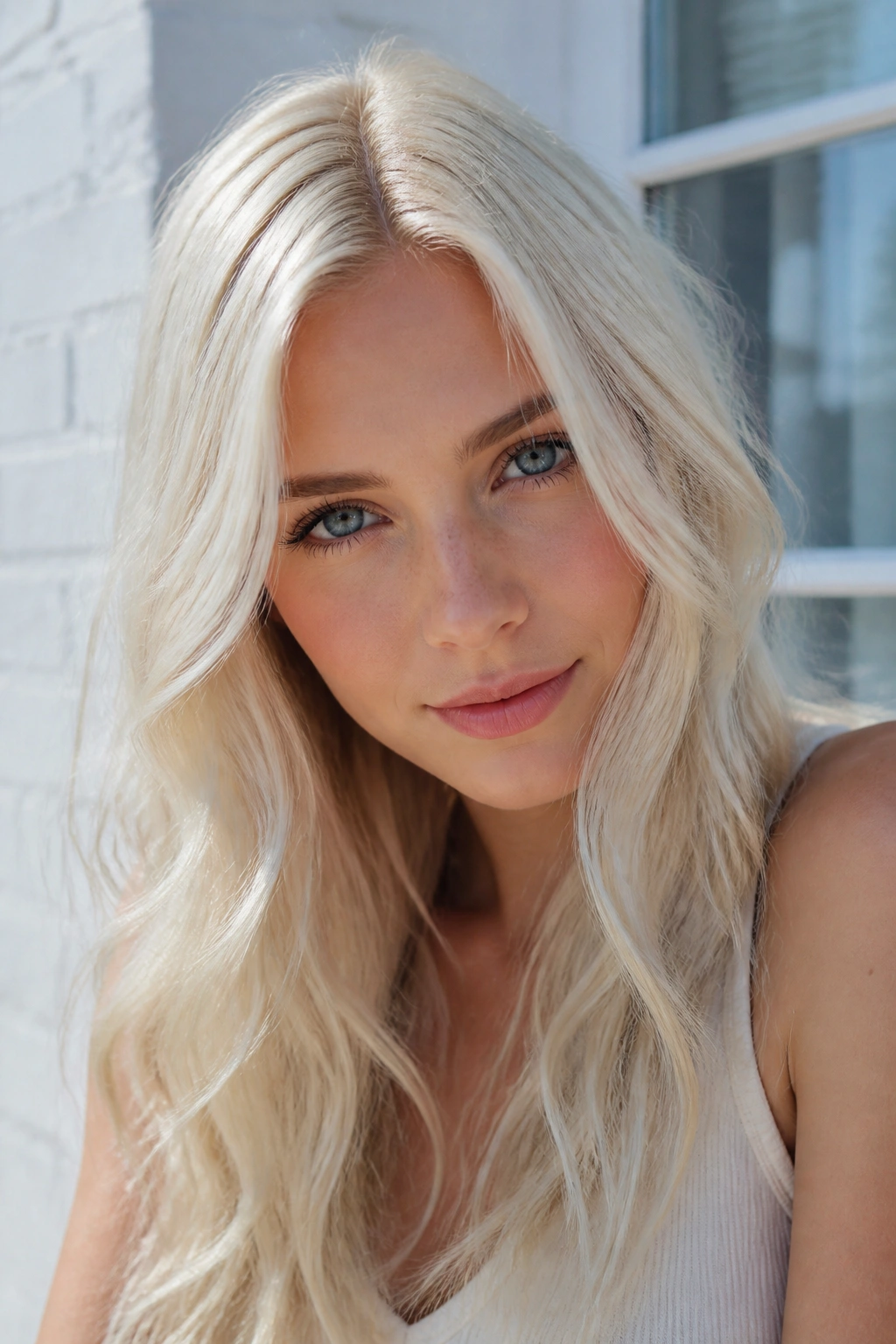
Frozen vanilla blonde is cooler and cleaner than regular vanilla blonde, but not as stark as platinum. It has a pale, almost whipped finish that looks especially good under bright daylight.
I like this one on people who have cool undertones or naturally lighter brows. The shade can give the skin a crisp look, which is handy if warmer blondes make you feel a bit orange. Just make sure the hair is lifted evenly, because patchiness stands out fast in pale colors.
A gloss every few weeks helps keep the tone from drifting yellow. Not glamorous. Necessary.
24. Maple Blonde
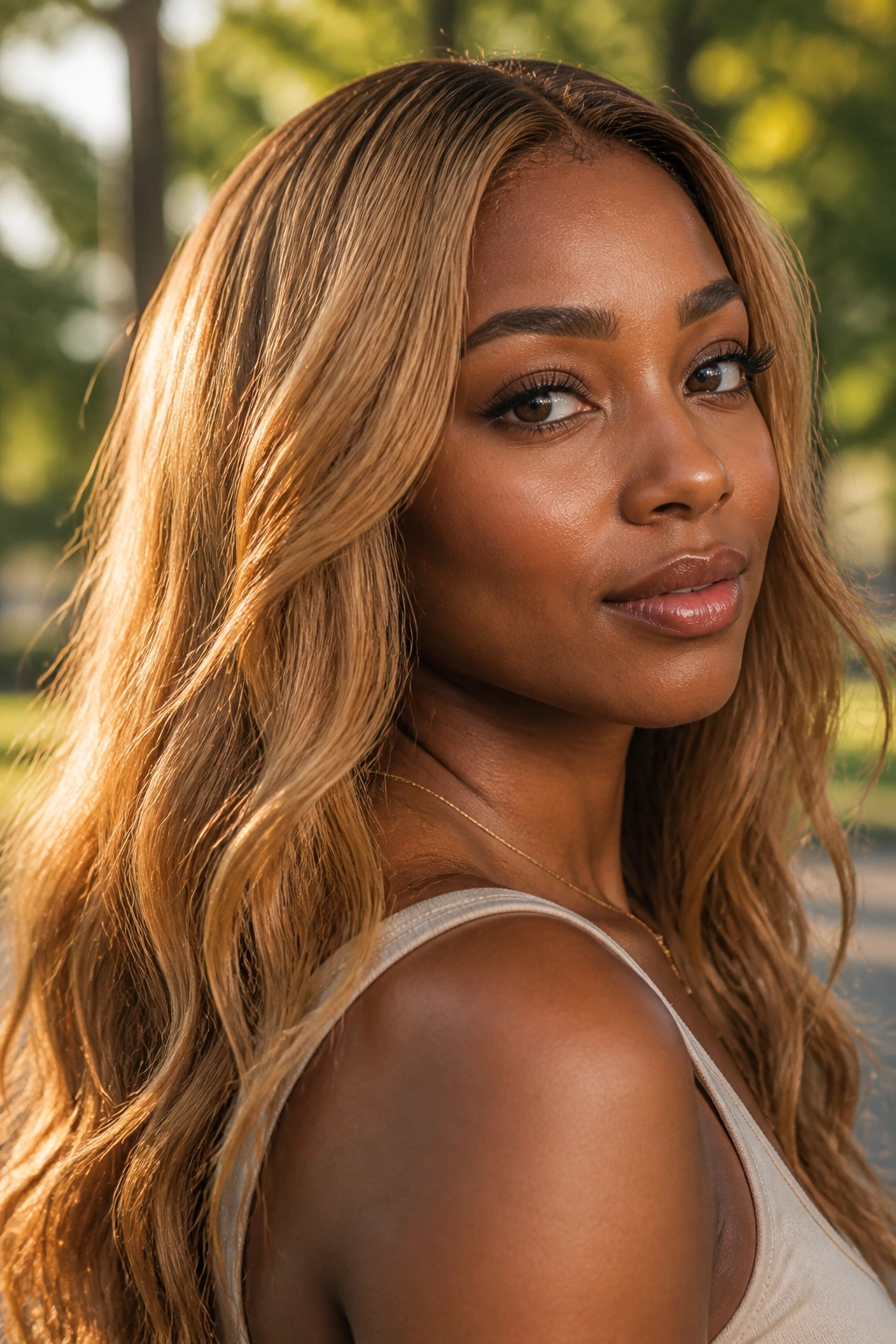
Maple blonde brings amber warmth into the picture. It’s deeper than honey, less bright than gold, and a little richer than standard caramel blonde.
This is one of my favorites for darker complexions because the color has enough warmth to harmonize with skin instead of floating on top of it. It also looks good on long layers where the tone can shift from root to end. Think autumn-leaning richness, but still light enough for sunny months.
If you like hair color that looks good with warm makeup, gold jewelry, and deeper brow tones, this one fits easily.
25. Baby Blonde Pixie
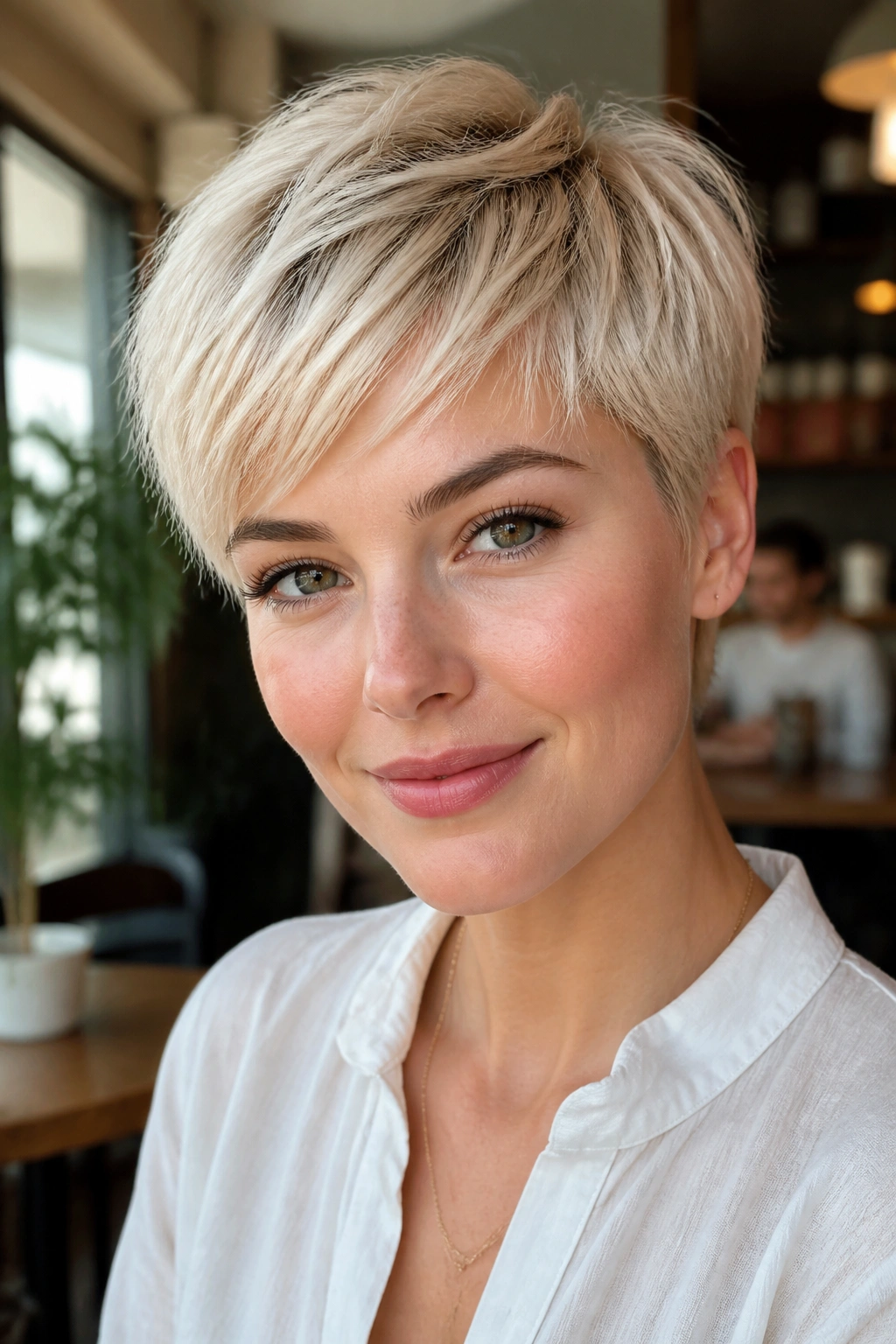
Short hair changes the whole conversation. A baby blonde pixie looks sharp because the lighter color shows off the cut’s shape, especially around the crown and temples.
What makes it work
- The blonde should be bright but not fried
- A little shadow at the roots keeps the cut from looking flat
- Texture paste helps the layers separate cleanly
- Frequent trims matter, since a pixie grows out fast
This is a bold choice, but not a noisy one if the tone is right. I like it best when the blonde has a creamy finish rather than an icy one, since that keeps the crop from looking too severe.
26. Toasted Coconut Blonde

Toasted coconut blonde mixes a darker root or base with pale, creamy ends. The name fits because the contrast gives you a toasted edge without losing that beachy blonde feel.
This look is handy if you want dimension and a little mystery at the root. It suits wavy hair especially well, since the movement shows off the blend from dark to light. It can also hide grow-out better than an all-over blonde, which is a relief if you don’t want a strict maintenance schedule.
The key is making the transition smooth. Harsh bands are the enemy here.
27. Gold Dust Blonde

Gold dust blonde is lighter than it sounds. The “dust” part matters — this isn’t a loud gold. It’s a fine, glowing tint that gives the hair warmth and shine without heavy saturation.
This shade works beautifully when the light catches it in motion, which is why layered blowouts and soft waves make sense here. It can brighten dull hair fast, especially if your natural color is already in the light brown to dark blonde range. A light gloss is usually enough to keep it looking fresh.
If you want blonde that feels sunny but not sugary, this is a smart pick.
28. Polished Sunkissed Lob
A lob gives blonde a lot of room to breathe. On shoulder-length hair, sunkissed highlights show off the cut’s shape and keep the ends from looking heavy.
The polish comes from the placement. Brightness around the face, a few finer pieces through the crown, and a softer hand at the back create a color that feels natural but deliberate. It’s a nice middle ground for anyone who wants movement without the drama of a full platinum or extreme ash blonde.
Why a lob helps
Because the length is shorter, the highlights look denser and more intentional. The whole style reads cleaner.
29. Platinum Money Piece
A platinum money piece is high-contrast in the best way. Instead of lightening the whole head, you brighten the front sections hard and let the rest stay deeper.
That contrast frames the face and makes even a simple ponytail look styled. It’s a good choice if you want something dramatic but don’t want to commit to full platinum maintenance everywhere. The rest of the hair can stay beige, brunette, or dark blonde, which makes the bright front panels pop even more.
This is not subtle. That’s the point. If you like a bit of edge, it does the job fast.
30. Buttered Up Layered Shag
A shag loves dimension. The layers break up the hair, and a buttery blonde tone gives those layers a soft, sunlit look that moves well.
I’d use a creamier blonde here rather than a hard ash tone. The warmth helps the choppiness feel intentional instead of rough. It also gives the ends a fuller look, which is handy if your hair tends to go flat once the humidity kicks in. A bit of mousse or salt spray can make the texture stand out even more.
This is one of the more relaxed blondes on the list. Easy, but not boring.
31. Linen Blonde
Linen blonde is pale, neutral, and airy. It has the dry, soft feel of linen fabric — not shiny in a plastic way, not golden either.
This shade suits people who want a quiet blonde that doesn’t push warmth or coolness too hard. It’s especially nice on straight hair or blunt cuts, where the tone can do the talking without help from big waves. The finish should look clean and calm, with just enough brightness to keep it from going dull.
If your usual blonde skews too yellow, linen blonde is a useful correction. It lands somewhere cleaner.
32. Ivory Blonde
Ivory blonde is light, smooth, and a touch creamy. It sits near the paler end of blonde shades, but it keeps enough softness to avoid that chalky look some very light blondes get.
This color works if you want something refined and bright without full icy contrast. I like it on sleek bobs, long layers, and hair that already has decent shine. The tone should look plush, not flat. If the hair is porous, an ivory blonde can get uneven fast, so the application has to be careful.
A weekly deep conditioner helps here more than people think. Pale colors show texture problems quickly.
33. Champagne Balayage on Curly Hair
Curly hair changes how blonde reads, and that’s a good thing. Champagne balayage on curls creates brightness where the hair bends and lifts, which makes the color look dimensional from every angle.
What to ask for
- Painted highlights that follow the curl pattern
- A softer root so the curls don’t lose depth
- A toner that stays beige or pearl, not stark silver
- A curl-friendly cut after coloring, not before
The placement matters more than with straight hair, because curls compress and expand. When the highlights sit in the right spots, the color looks far richer than it would on a flat panel of hair.
34. Sun Tea Blonde
Sun tea blonde has a mellow amber tone, like pale tea sweetened with a bit of honey. It is softer than bright gold and warmer than beige, which makes it feel easygoing.
I like this shade for people who want warmth without the brass fight. It tends to flatter olive skin and deeper brown eyes, and it gives hair a lived-in glow that does not need much styling to read well. A few deeper strands mixed in can make the color look more natural.
This is one of those shades that looks even better when the hair isn’t overworked. A loose wave, a little shine cream, and you’re done.
35. Moonlit Beige Blonde
Moonlit beige blonde is a cooler, softer blonde with a faint silvery edge. It’s not icy in a loud way. More like the color got cleaned up after dark.
That makes it a useful choice if you want blonde that feels calm and modern without going white. It works well on medium-light bases and looks especially good when the haircut has clean lines. The beige keeps it wearable, while the cooler note stops it from drifting into yellow.
I’d pick this one for someone who likes understated color with a bit of polish. It doesn’t beg for attention. It earns it.
Final Thoughts
The best blonde for warm weather is the one that still looks good after a swim, a humid afternoon, or three days of dry shampoo. That usually means paying attention to undertone, placement, and how fast you want to see your roots again.
Some of these shades are soft and forgiving. Others are bright and dramatic. Pick the one that matches your upkeep, not the one that looks prettiest under salon lights.
If you’re torn between two, go with the shade that gives your hair a little depth near the root. That one tends to age better, and hair that grows out well is the sort of luxury people notice without being able to name it.
