



Sun kissed highlights work because they don’t look like a decision. They look like summer touched the hair for five minutes and moved on.
A few lighter ribbons around the face. Some warmth through the mids. A softer end, a deeper root, and suddenly the whole head reads brighter without drifting into streaky, overworked blonde.
That balance matters more than people think. If the contrast is too sharp, the hair starts shouting. If the tone is too cool, the glow disappears. And if the placement is too even, you get that helmet effect nobody asked for.
The sweet spot is usually a mix of warm and neutral tones placed where light would hit naturally — around the hairline, over the top layers, and through the lengths that move the most. The right sun kissed highlights can make fine hair look fuller, curls look livelier, and brunette hair look expensive in that quiet, believable way. The wrong ones? They sit on top instead of living in the hair.
1. Honey Ribbon Highlights
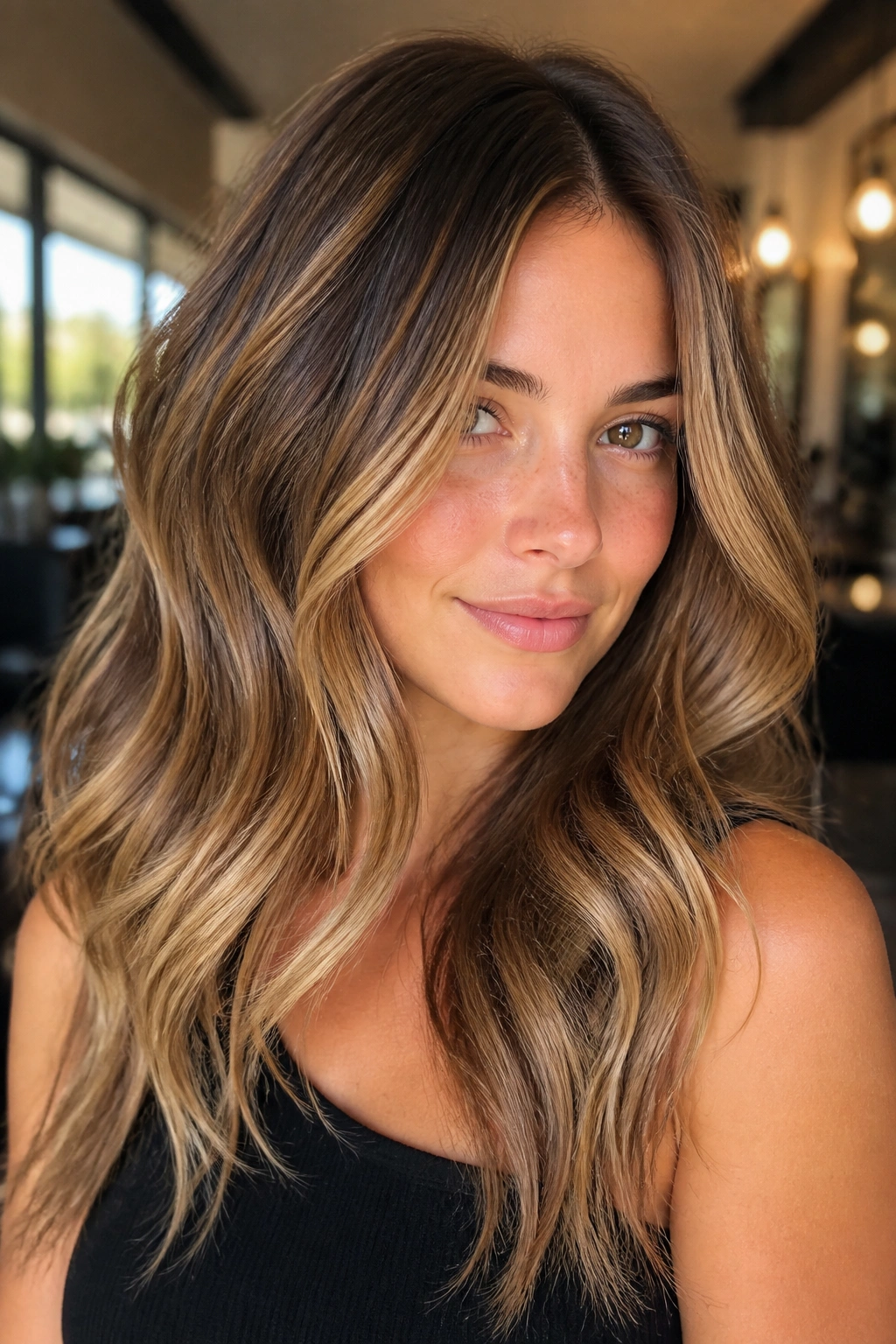
Honey ribbons are the classic answer when hair needs warmth without turning orange. They sit in that middle zone between blonde and brunette, which is exactly why they work so well on dark blonde, light brown, and medium brunette bases.
The trick is keeping the ribbons thin enough to blend. A colorist usually paints them through the mid-lengths and ends, then softens the hairline pieces so they don’t look pasted on. A gloss at the sink helps, too. It gives the honey tone that soft, liquid finish instead of a dry yellow cast.
Where they shine
- Best on wavy or softly layered hair.
- Ask for 1 to 2 levels lighter than your base.
- Keep the root deeper for a softer grow-out.
- Good when you want warmth, not brightness overload.
Small note: honey looks richest when the pieces are irregular. Perfectly even streaks flatten the whole thing.
2. Caramel Balayage

Caramel balayage is the easy favorite for brunettes who want their color to move a little. It’s painted rather than striped, so the ends get more light and the root stays calm. That makes it feel relaxed, not forced.
I like this on shoulder-length hair and longer cuts because the sweep shows off the dimension. The caramel should sit close to toffee or warm beige, not copper. Too much red and the color starts to fight the base instead of blending with it.
This is the kind of highlight choice that works when you want people to say your hair looks good, not “Did you just dye it?” That distinction matters.
3. Baby Lights Around the Part
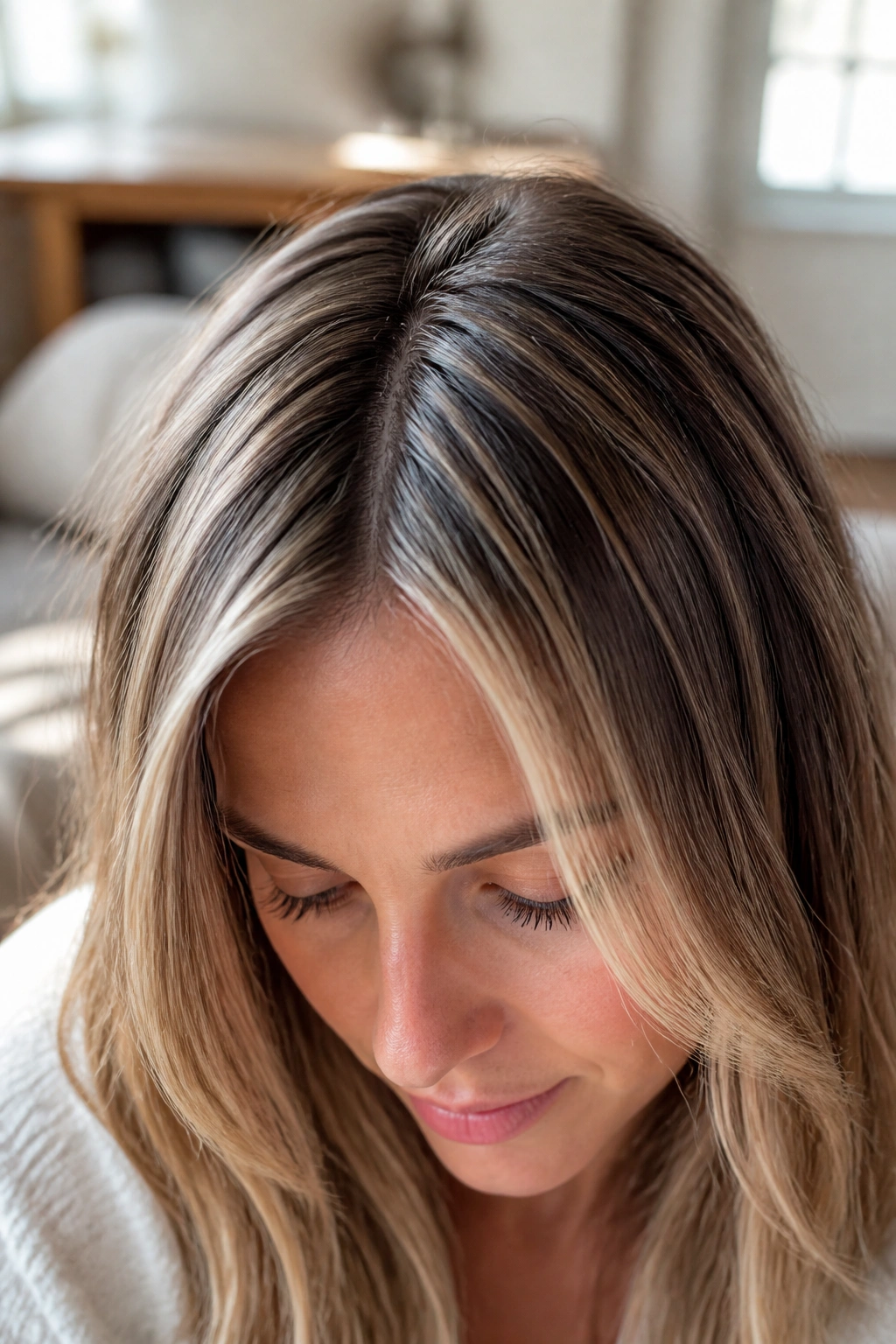
Want brightness that only shows when the part shifts? Baby lights around the part do exactly that. They’re tiny, fine slices of lightened hair placed near the top of the head, where the light naturally lands first.
Why they work
Babylights blur into the base better than chunky foils. The result is a soft shimmer rather than obvious contrast, which is why they’re so good on fine hair and on anyone who wants a very gentle change.
How to ask for them
- Request micro-weaving or ultra-fine foils.
- Focus the brightest pieces at the part and crown.
- Keep the shade only one to two levels lighter.
- Plan on a retouch around the part before the rest of the hair needs one.
They’re subtle. That’s the point.
4. Face-Framing Money Piece

A face frame can make a bigger difference than a full head of highlights, and that still surprises people. Two brighter pieces near the temples and cheekbones change how the whole haircut reads, especially when the rest of the color stays soft.
This is the move for ponytails, clips, and loose waves. The front pieces show up every time the hair moves back from the face, which is why it feels lively instead of static. Just don’t go too light unless you want the front to take over. A difference of one or two levels is usually enough.
If your skin goes a little washed out with pale blonde, ask for beige or honey in the front instead. Same lift. Less shock.
5. Shadow-Root Blonde

Shadow-root blonde is for the person who wants brightness but does not want that hard, grown-out line three weeks later. The root stays a shade or two deeper, then the blonde opens up through the mids and ends.
What makes it softer
The deeper root acts like a buffer. Instead of seeing where the color starts, your eye slides from dark to light in a slow fade. That’s what keeps the whole thing looking polished and soft.
A shadow root also gives the hair more depth near the scalp, which helps when the lengths are very light. Without it, the blonde can look flat and a little brittle. With it, even straight hair gets dimension.
6. Beige Blonde Veils
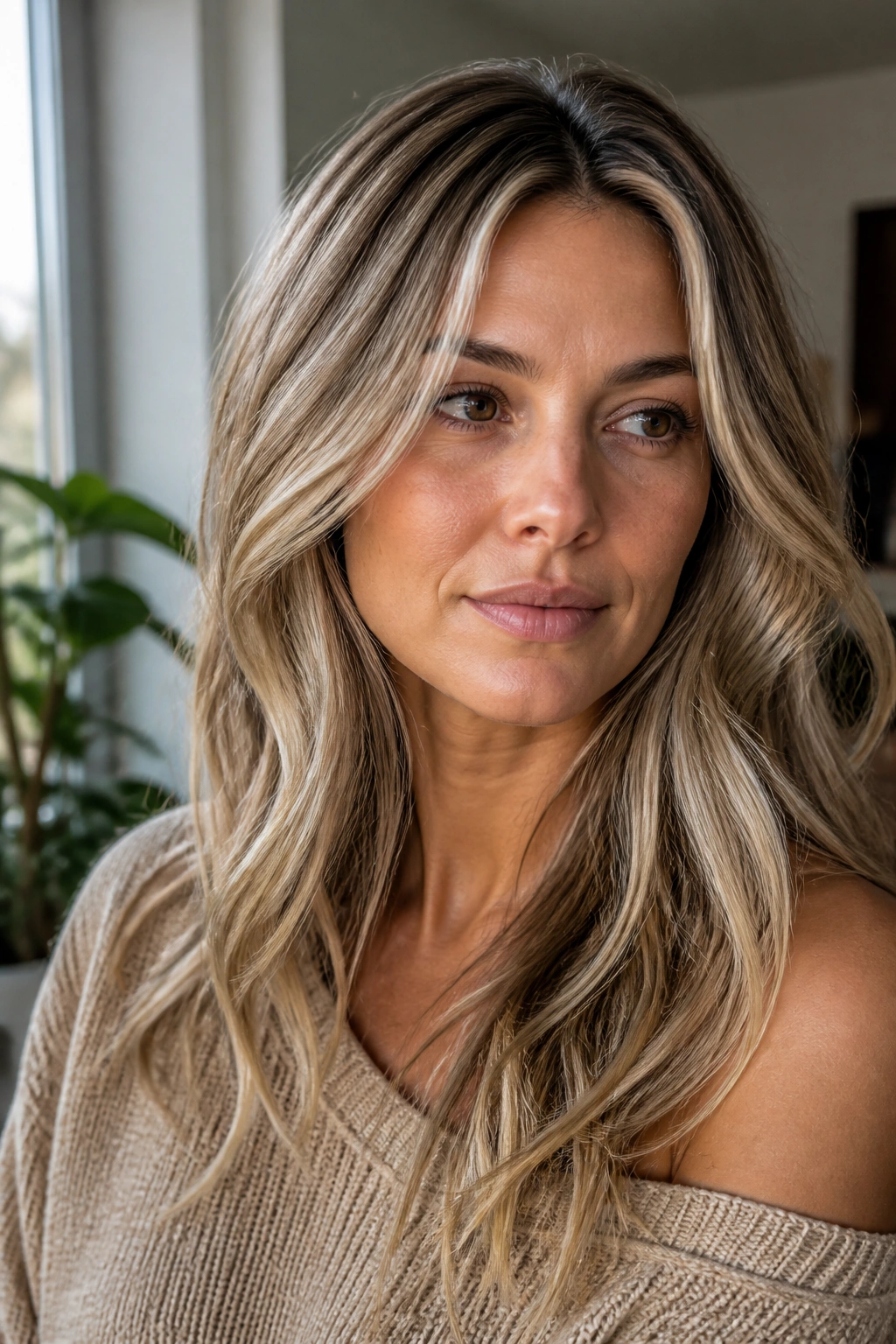
Beige blonde veils are one of my favorite choices for people who don’t want obvious gold. The tone sits between cream and sand, so it still feels warm, but it doesn’t tip into brass.
This works especially well on naturally dark blonde or light brunette hair that lifts cleanly. The veil effect comes from fine, scattered placement rather than broad panels. You should be able to see the color move when the hair bends, not when it stands still.
No brass. No chalk. Just a soft, wearable brightness that looks better on day two than it does in the mirror at the salon.
7. Toffee Glaze Highlights

If brunette hair looks flat under indoor light, toffee glaze highlights fix that fast. They’re richer than caramel and a touch deeper, which makes them a smart choice for medium to dark brunettes who want dimension without a blonde jump.
A good toffee result usually lives in the mids and ends, with the root left alone or only lightly touched. That keeps the color from reading stripey. A warm glaze afterward pulls the pieces together and gives the hair that smooth, glossy finish that makes the tone feel expensive without being loud.
Best for
- Straight hair that needs movement.
- Thick hair that can handle richer contrast.
- Medium brunette bases that want warmth, not gold.
8. Cinnamon Swirl Ribbons
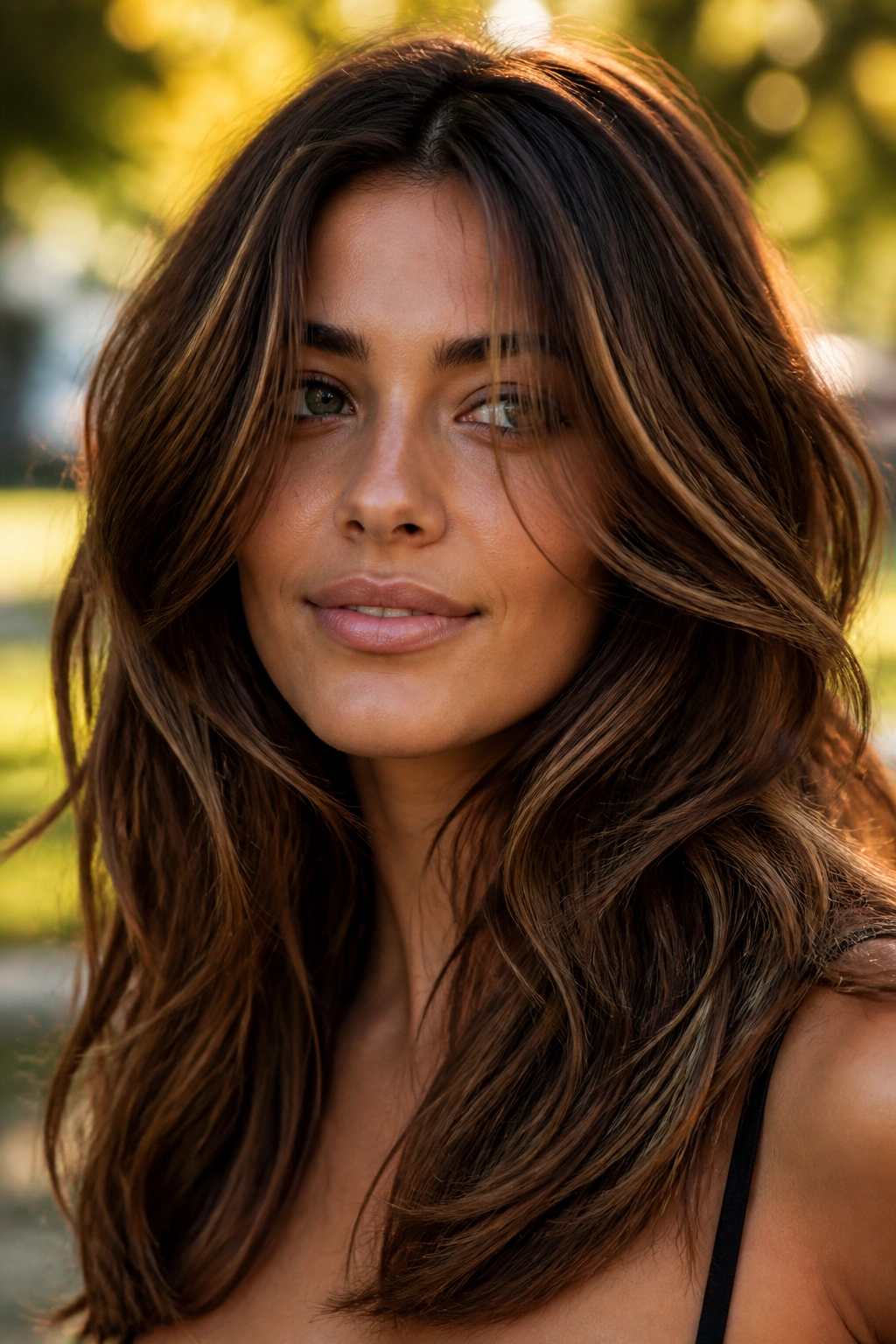
Cinnamon swirl ribbons bring warmth with a little more depth than honey. They look especially good on chestnut bases, where the red-brown tones can echo the natural color instead of sitting on top of it.
I like these ribbons painted through the outer layers and around bends in the haircut. Wavy hair shows them fastest, but straight hair can wear them well if the placement is delicate. The goal is a soft flicker of red-brown when the light hits, not a full copper shift.
That’s the difference between pretty and too much. Stay close to the base, and the color feels rich.
9. Champagne Sheen on Dark Blonde
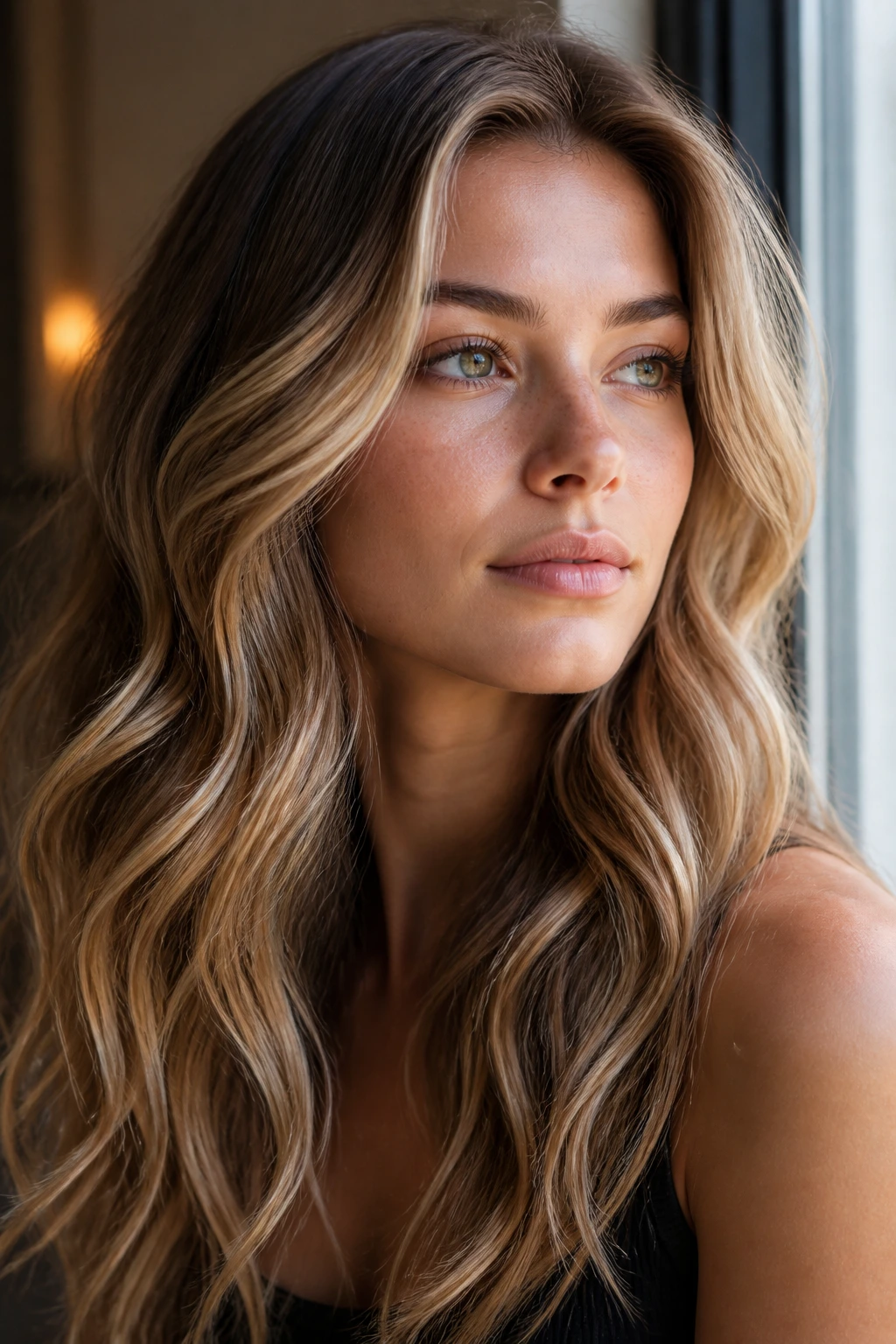
Champagne sheen sounds fancy, but the idea is simple: give dark blonde hair a pale, sparkling lift without making it look yellow or icy. The best versions lean neutral-gold with a little beige in the toner.
Why does it work so well? Because dark blonde already has enough depth to support light pieces. Add a few champagne-toned ribbons, and the hair looks brighter from a distance and softer up close. It’s a nice choice if your hair naturally pulls a little warm and you still want a clean finish.
This shade loves waves. The movement makes the sheen show up in strips of light instead of one flat sheet.
10. Golden Ombré Ends
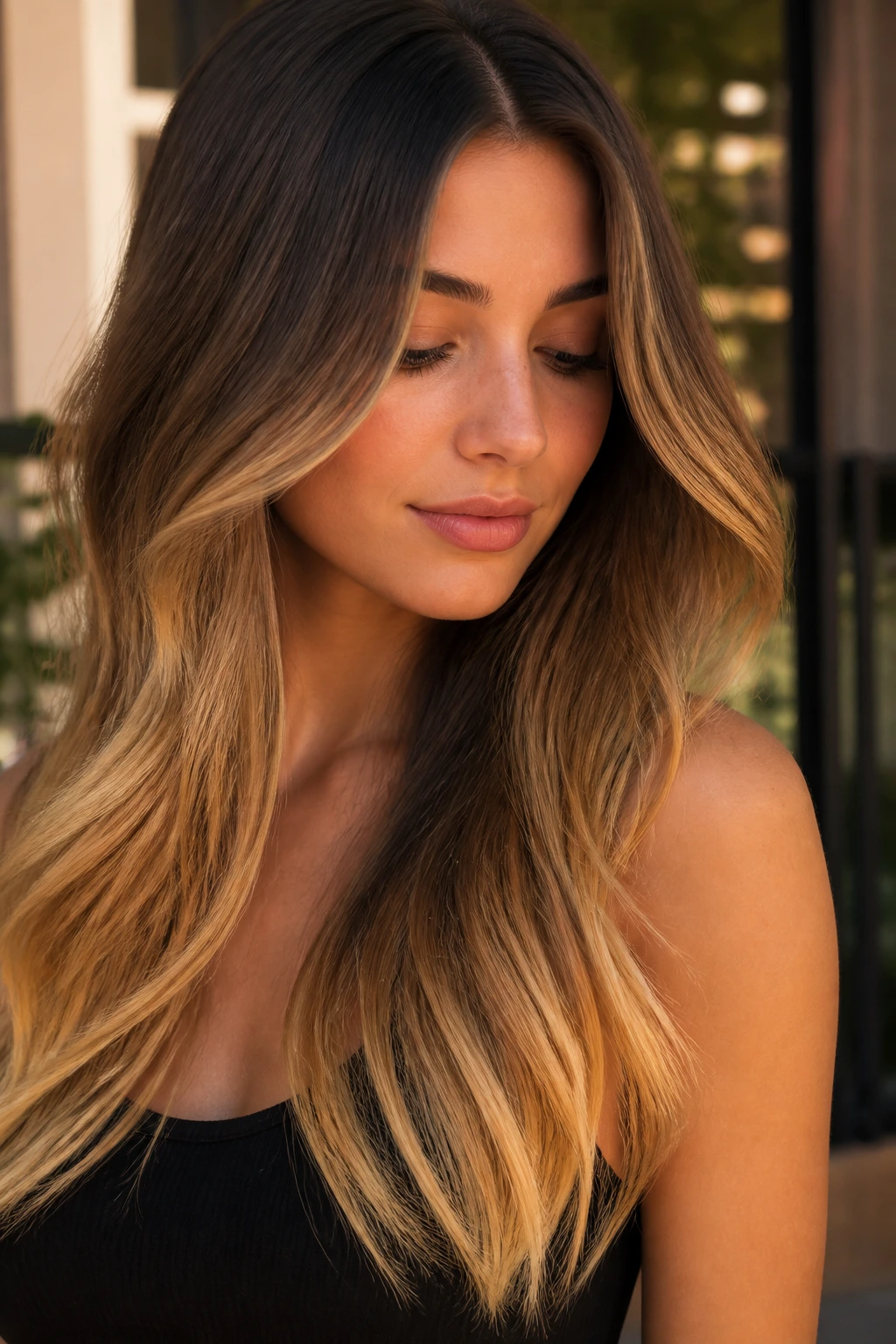
Golden ombré ends are made for longer hair that needs a little drama at the bottom without a full-head commitment. The color should start lower than people think — often somewhere around the cheekbone or jawline on long lengths — then melt into brighter gold toward the ends.
Where to start the fade
- Higher on long hair, lower on shoulder-length cuts.
- Keep the transition soft, not abrupt.
- Use a warm gold, not neon blonde.
- Leave enough depth at the top so the ends stand out.
I wouldn’t push this too high on a blunt bob. The shape needs room for the fade to breathe, or the whole thing can look chopped.
11. Mushroom Brown Shimmer
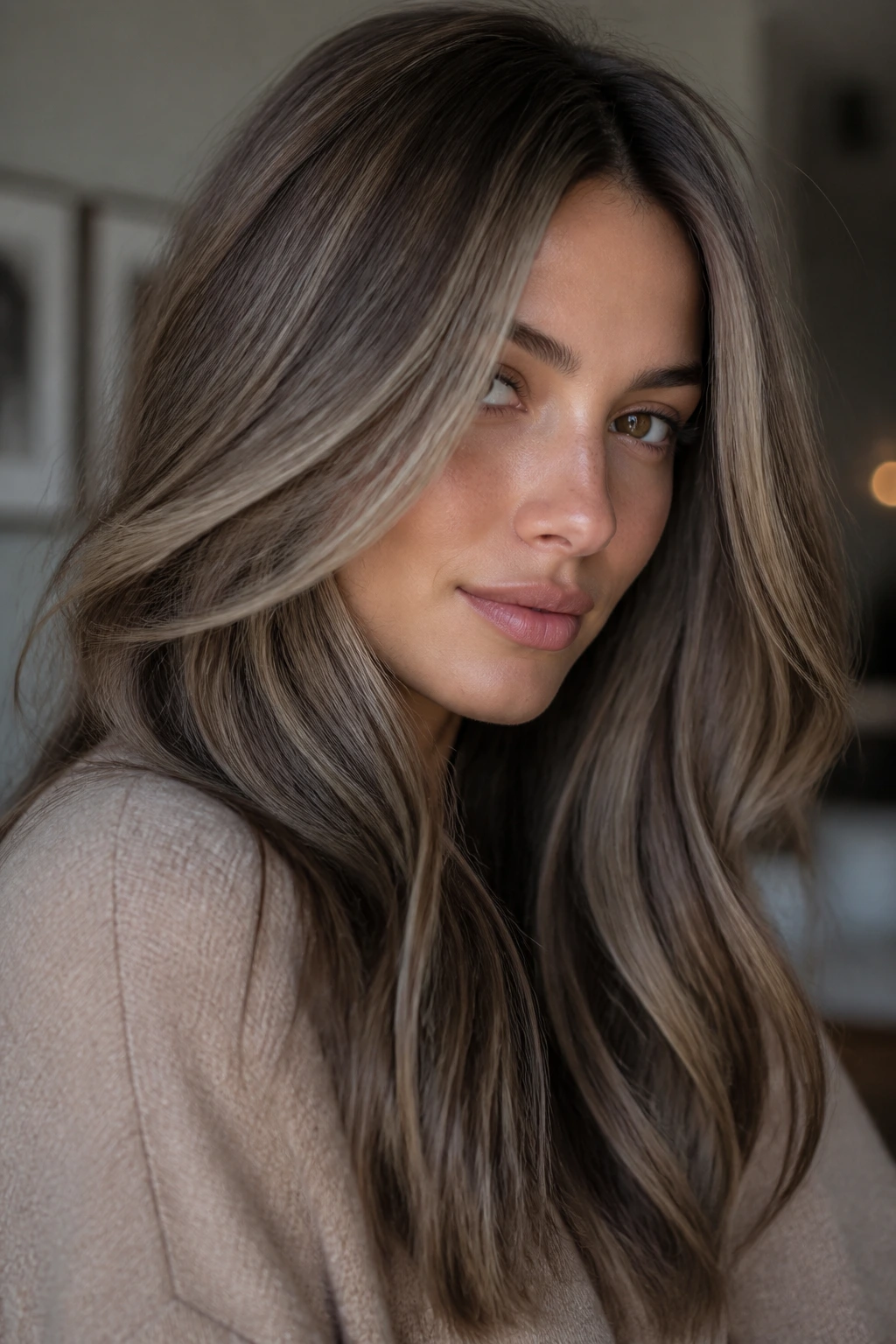
Not every glow needs warmth. Mushroom brown shimmer uses cool taupe, ash-brown, and beige tones to create dimension on brunettes without drifting into red or orange territory.
This is a good choice for someone who likes a calmer, earthier look. The color feels soft because it stays close to the natural base, but the lighter threads still catch the light. That little bit of contrast matters. Without it, cool brown hair can go dull fast.
Keep the depth. That’s the key. If the highlights are too light or too silver, the hair loses the mushroom effect and starts looking dusty instead.
12. Bronze Highlights on Black Hair
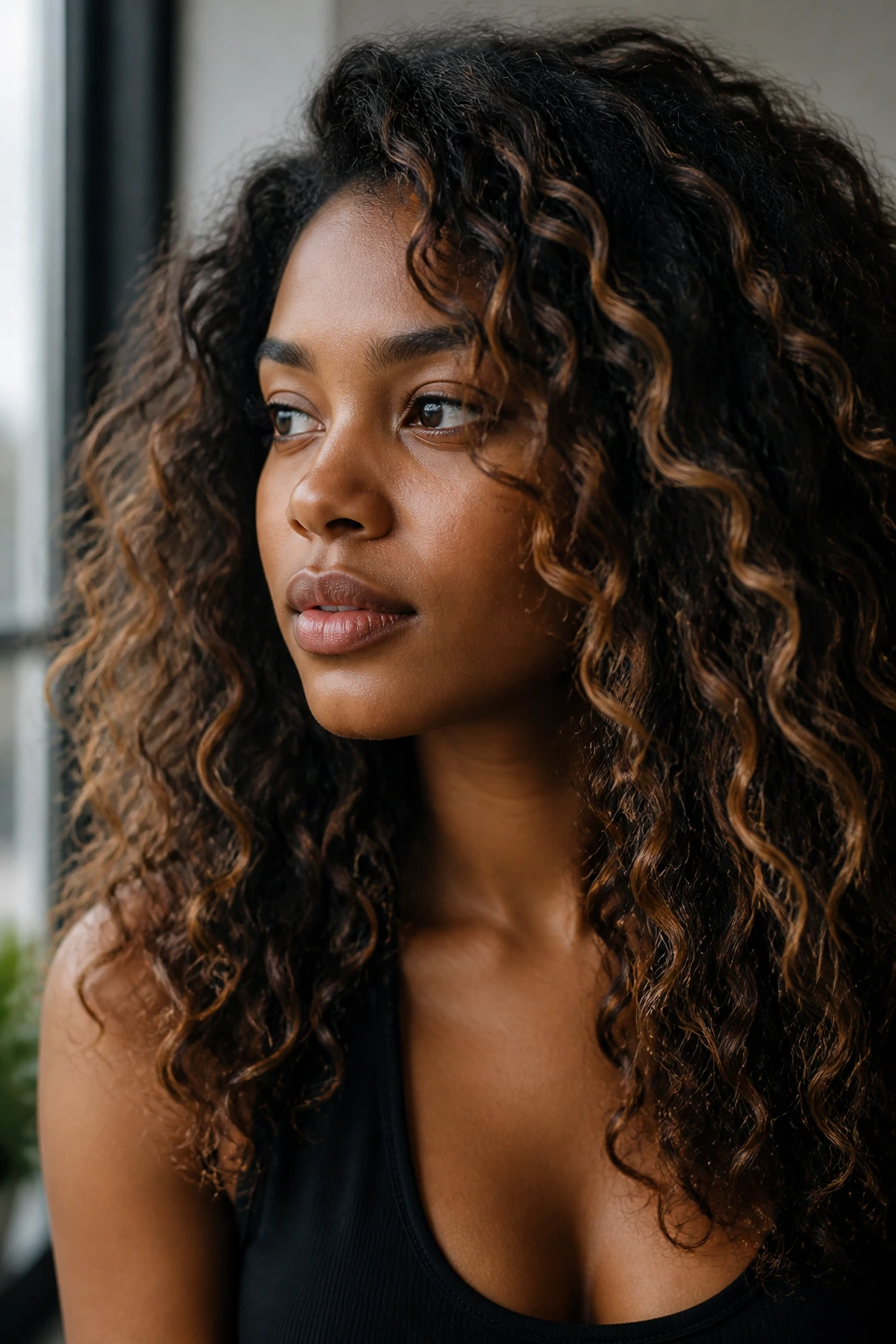
Bronze highlights on black hair are subtle in the best way. They don’t scream blonde. They glow. Under daylight, the bronze shows warmth and movement; indoors, it can almost disappear until the hair shifts.
This placement works beautifully on curls, coils, and sleek styles because the tone gives definition without breaking the base. The biggest mistake is going too light and ending up with orange stripes. Bronze should feel deep and metallic, not coppery and flat.
If you want this look, ask for fine ribbons or hand-painted panels that sit a shade or two above the base. You want a whisper, not a stripe.
13. Copper-Gold Lights on Auburn
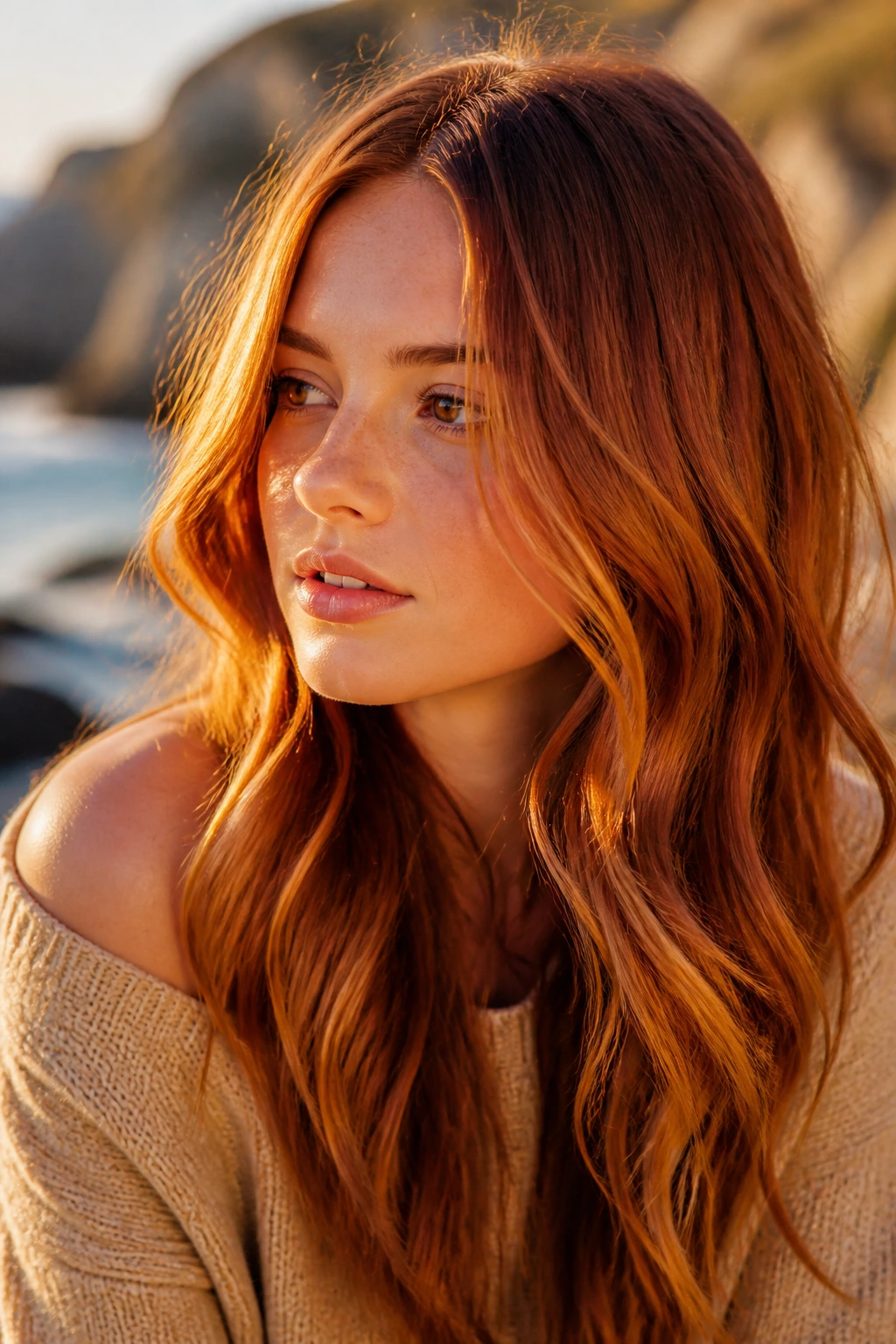
Auburn hair already has warmth, so the smartest move is to add light that plays with that warmth instead of fighting it. Copper-gold lights do that. They lift the hair just enough to create movement while keeping the color family cohesive.
This is one of those shades that looks best when the hair moves. Waves and soft bends pick up the copper, then the gold flashes through on the high points. On very straight hair, the effect is a little more understated, but it still brings life to the ends and front pieces.
The safest version stays closer to copper than blonde. If you go too pale, the whole thing can look disconnected.
14. Vanilla Cream Highlights on a Bob

A blunt bob can look severe if the color is too uniform. Vanilla cream highlights soften that edge by adding a bright, creamy lift through the top layers and around the ends.
Why bobs love this placement
The shape of a bob exposes a lot of clean line, so the highlight needs to break that line up without making the cut look busy. Vanilla cream does that because it’s light, but not harsh. It also flatters straight cuts that need a little movement near the jaw.
- Place the brightest pieces near the surface.
- Keep the interior deeper for contrast.
- Use a soft cream tone, not icy platinum.
- Concentrate brightness around the bend of the hair.
It gives the cut a little swing, which is half the battle with short hair.
15. Sandy Beige on a Layered Lob
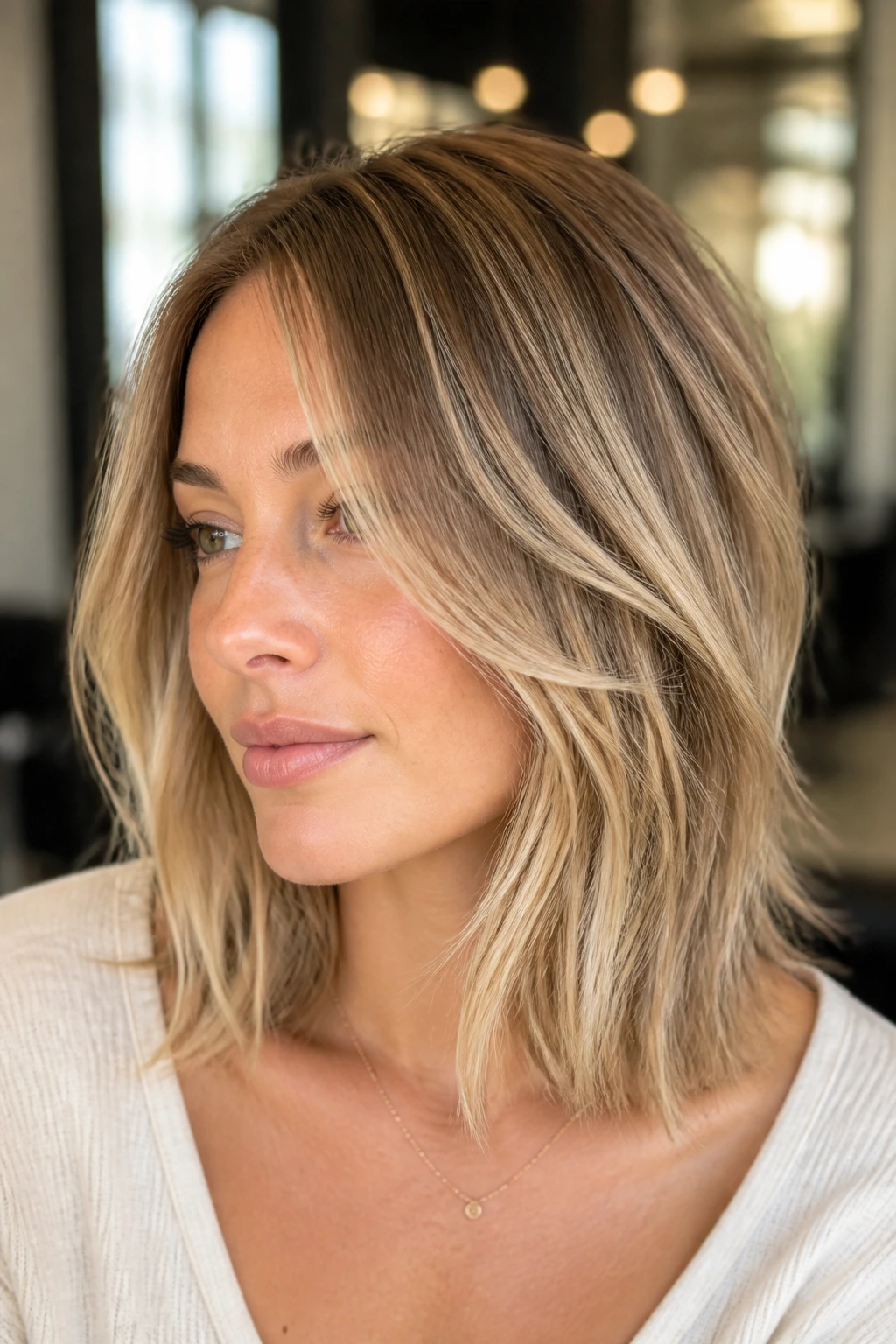
Sandy beige works because it feels like air between the strands. On a layered lob, that matters. The cut already has movement, so the color only needs to catch a few of those layers to make the whole style read lighter.
I’d keep the highlights soft and diagonal, not stacked in straight blocks. That lets the color follow the haircut instead of sitting against it. Sandy beige is also one of the easiest tones to wear if you want a soft glow and no obvious warmth.
It’s a calm color. Not boring. Calm.
16. Curly Halo Lights

With curls, brightness belongs on the outside. Not buried inside. That’s why halo lights work so well.
The color sits around the crown, outer ringlets, and the top edge of the curl pattern, where daylight naturally lands first. When the curls spring up, the light pieces sit on the surface and make the texture read fuller. If you put too much brightness deep inside the curl mass, most of it disappears anyway.
What to avoid
- Heavy foils through the interior.
- Too many light pieces near the nape.
- A shade that’s much lighter than the base.
- Over-toning curls until they look flat.
Keep the halo soft, and the curls do the rest.
17. Peekaboo Sun-Kissed Panels
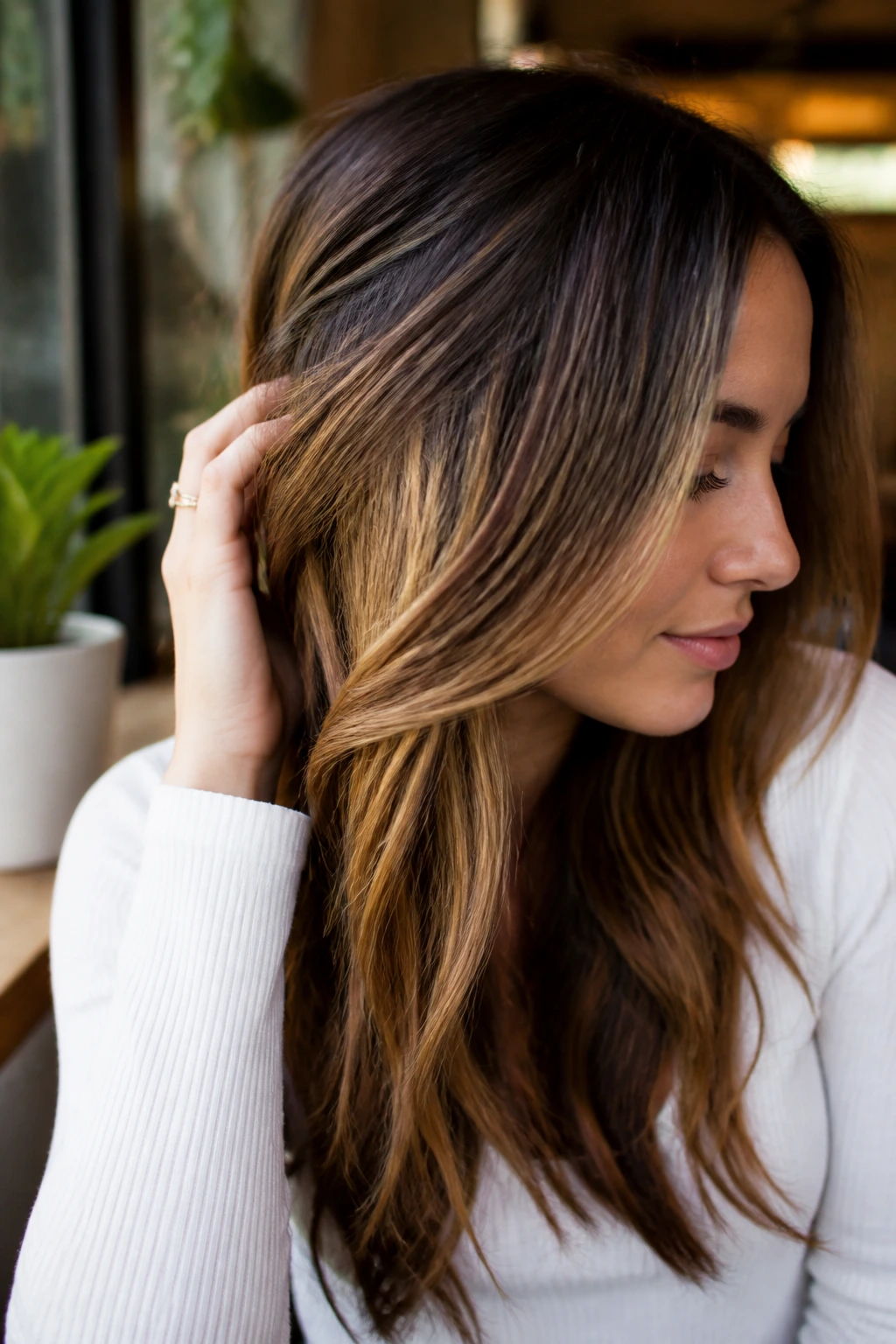
Peekaboo panels are for people who like a little surprise. The brighter pieces sit underneath the top layer, so the color only shows when the hair moves, flips, or gets tucked behind the ear.
That makes them fun on layered cuts, longer bobs, and even short shags. You get color without losing the depth on top, which helps the style stay dimensional. It’s also a smart move if you want brighter hair but need it to stay a little understated for work or daily life.
A few lighter panels under the surface can make a braid, ponytail, or half-up style look far more interesting. Quiet color. Big payoff.
18. Foilayage Bright Ribbons

Foilayage is what you reach for when balayage feels too soft and full foils feel too blunt. It uses the painting feel of balayage with the lift of foils, so the ribbons get brighter but still blend at the root.
When you need more lift
If your base is medium brown or darker and you want a noticeable sun-kissed result, foilayage gives the colorist more control. The foils hold heat and help the lightener work a little stronger, which means better brightness without losing the soft edge.
This is a good middle ground:
- Brighter than hand-painted pieces alone.
- Softer than a solid foil pattern.
- Easier to blend on long hair.
- Better for dark bases that need visible lift.
It’s one of the few methods that can look polished and lived-in at the same time.
19. Rooted Platinum Babylights
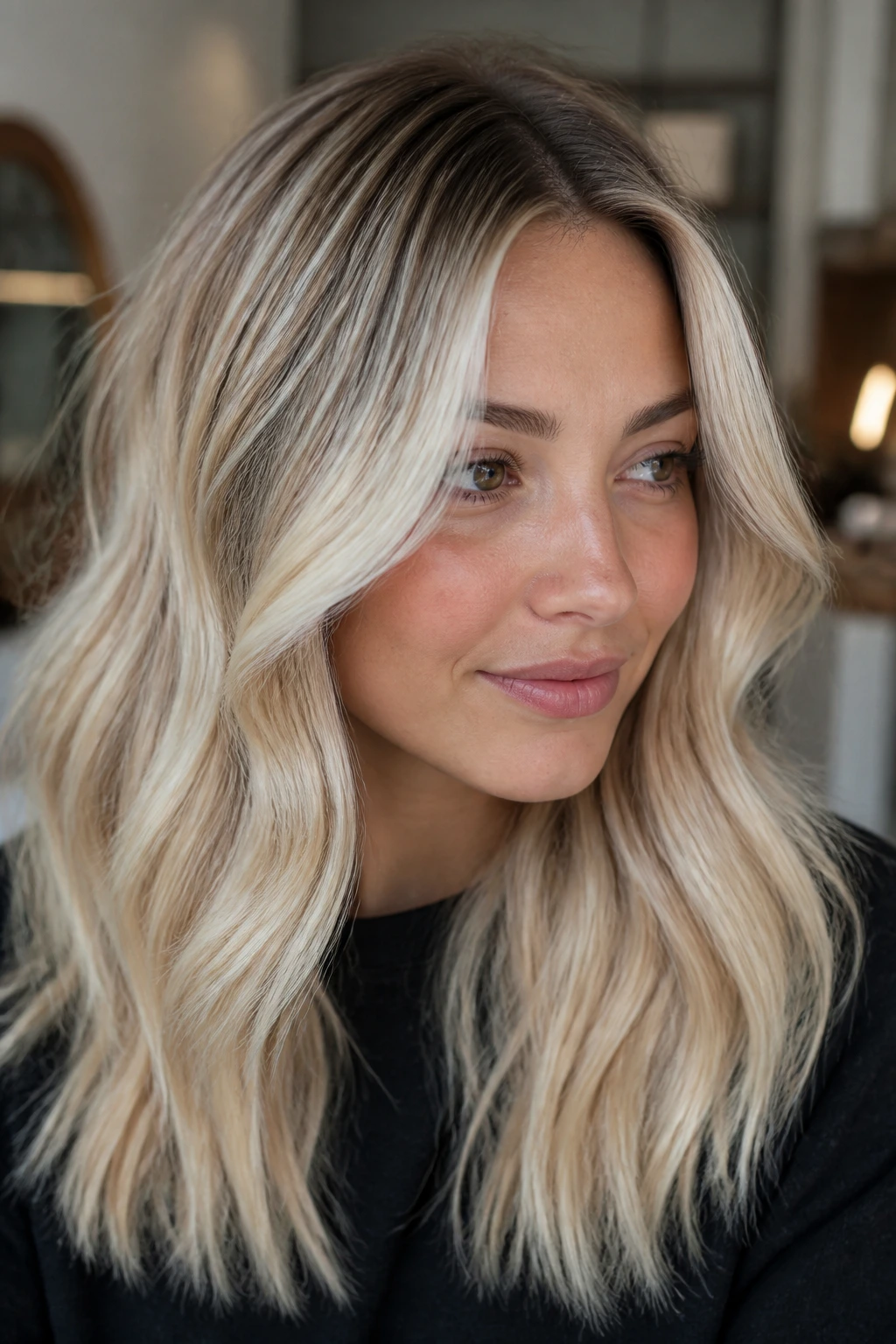
Rooted platinum babylights are for blondes who want brightness but don’t want the color to look flat. The root stays deeper, and the platinum pieces show up as tiny flashes through the mids and ends.
That contrast gives the hair a little bite. It keeps the blonde from turning one-note. The babylight part matters here — the pieces need to stay fine so the platinum feels airy, not blocky. If the sections are too wide, the whole thing turns sharp fast.
This is not the lowest-maintenance choice on the list. It does need toning and careful upkeep. Still, the result can be worth it when you want a crisp blond with a soft edge.
20. Strawberry Gold Ribbons
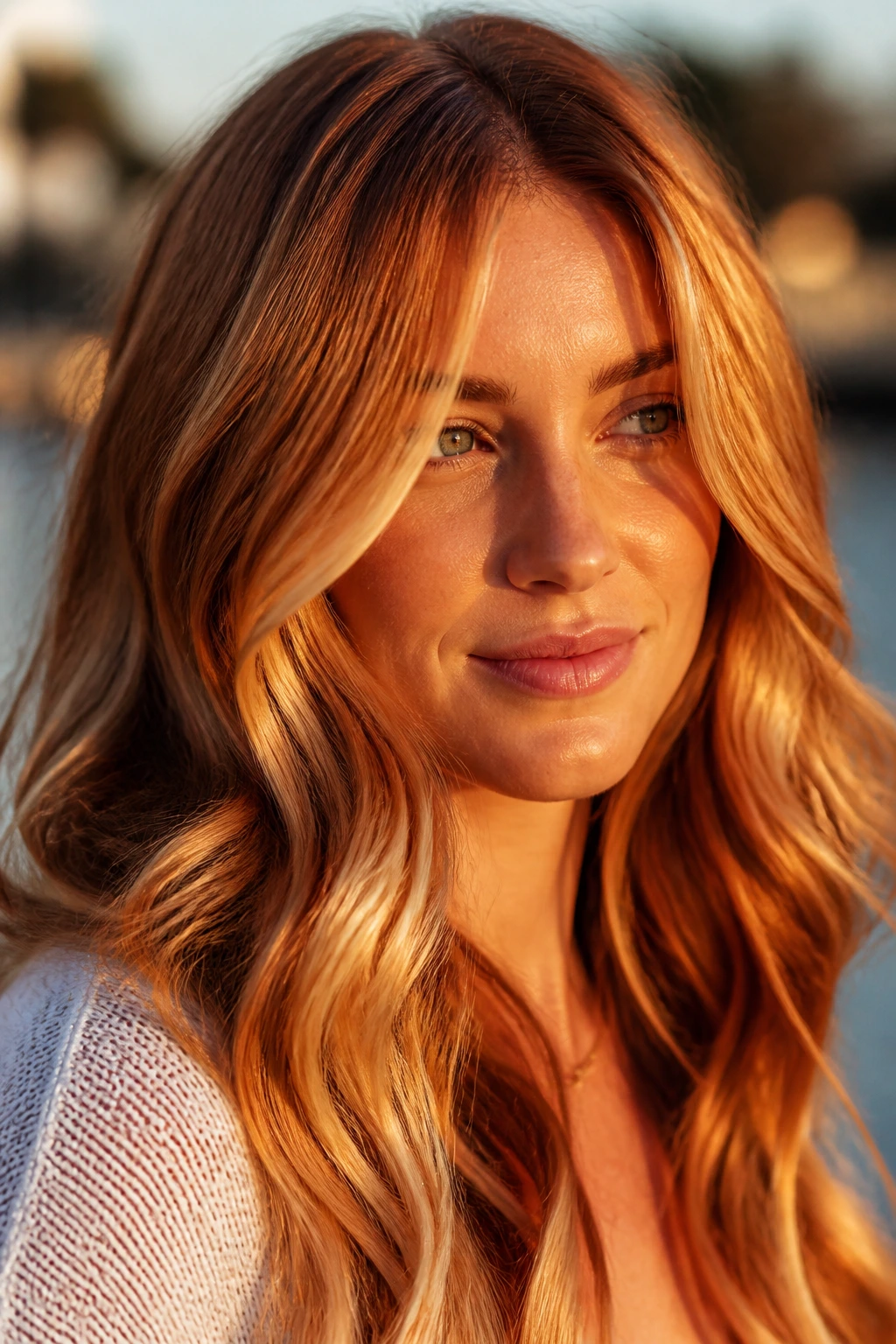
Strawberry gold sits in a sweet spot between red and blonde. It flatters fair skin, warms up copper brunettes, and gives natural redheads a softer version of brightness that still feels believable.
Why does it look so pretty? Because it reflects light in two directions at once. The gold keeps it glowing, and the strawberry tone gives it a little life. Hair that’s too pale can wash this out, so the ribbons need enough depth to hold the color.
Ask for soft placement through the mids and around the face. Too much strawberry at the ends can start to look pink, and that’s a very different mood.
21. Chestnut Lowlights with Warm Highlights
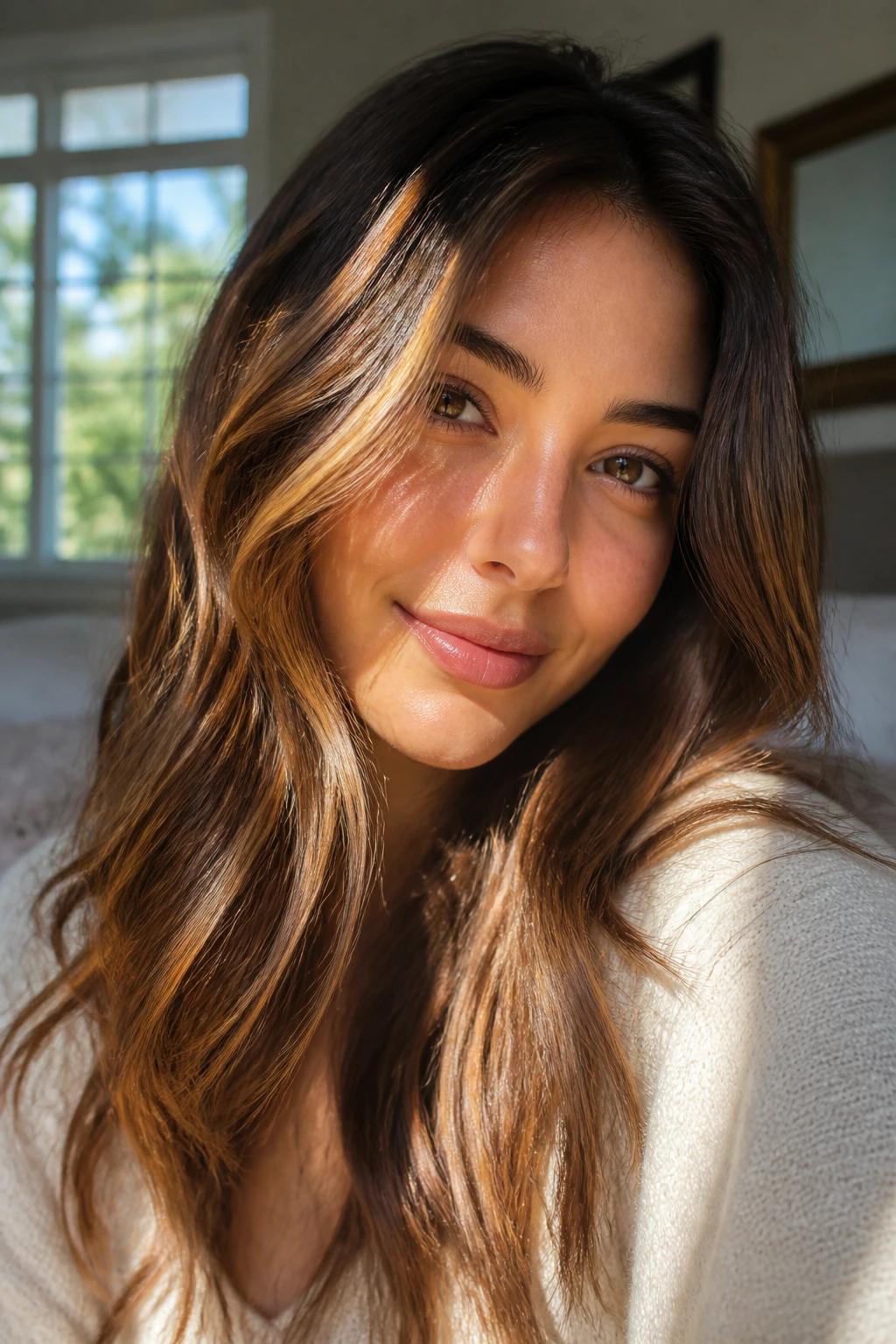
This is the one people skip when they think about highlights, and it’s a shame. Chestnut lowlights paired with warm highlights give the hair depth first, brightness second. That order matters when you want soft glow instead of flat lightness.
The darker pieces create thickness. The lighter pieces catch the eye. Together, they make hair look fuller, especially if the base color has faded over time or the cut needs more shape. I like this on brunettes who feel their hair looks one-dimensional, but it can also rescue blondes who want to step back from all-over lightness.
A 70/30 balance — mostly depth, some light — usually feels more natural than a heavy highlight job.
22. Glossed Highlight Refresh

Sometimes the best highlight idea is not a new highlight at all. A gloss refresh can bring tired color back to life in 15 to 20 minutes, which is a lot less dramatic than a full appointment and often more useful.
A small appointment that matters
A clear gloss adds shine. A beige gloss softens brass. A warm gloss brings back honey or caramel tones that have faded after a few washes. The shade choice should match the original highlights, not fight them.
- Clear gloss for shine only.
- Beige gloss for soft neutralizing.
- Warm gloss for honey, caramel, or gold.
- Cool gloss only if the hair has turned too yellow.
If the highlights are still in good shape but look dull, this is the fix I’d pick first.
23. Sun-Kissed Face Frame for Ponytails and Updos

If your hair lives in ponytails, buns, and clips, the face frame has to do more work than the rest of the color. That means brighter pieces at the temples, near the hairline, and sometimes a few hidden ribbons at the nape so tucked styles still show movement.
This is one of the most practical sun kissed highlight ideas on the list. You see it when the hair is tied back. You see it when the front pieces fall loose. You even see it in a messy claw-clip twist, which is half the fun.
It’s a smart choice for busy people who want color that looks styled even when the hair isn’t.
24. Soft Ribbon Highlights for Fine Hair

Fine hair can look thicker with the right highlight placement, but the wrong placement makes it look sparse. That’s why soft ribbons are so useful. They’re narrow, airy, and spaced enough that the base color still does some of the visual work.
How to keep the density
The color should stay within one to two levels of the base. That keeps the hair from looking over-lightened. A few ribbons through the top and around the face are usually enough, especially if the hair is blown out with a round brush or tucked behind the ears.
- Avoid dense foils back to back.
- Leave deeper sections between light pieces.
- Keep the ends slightly brighter than the root.
- Use a lightweight styling cream, not a heavy oil.
Fine hair likes movement more than floodlighting. Give it that.
25. Low-Maintenance All-Over Glow with Micro-Foils
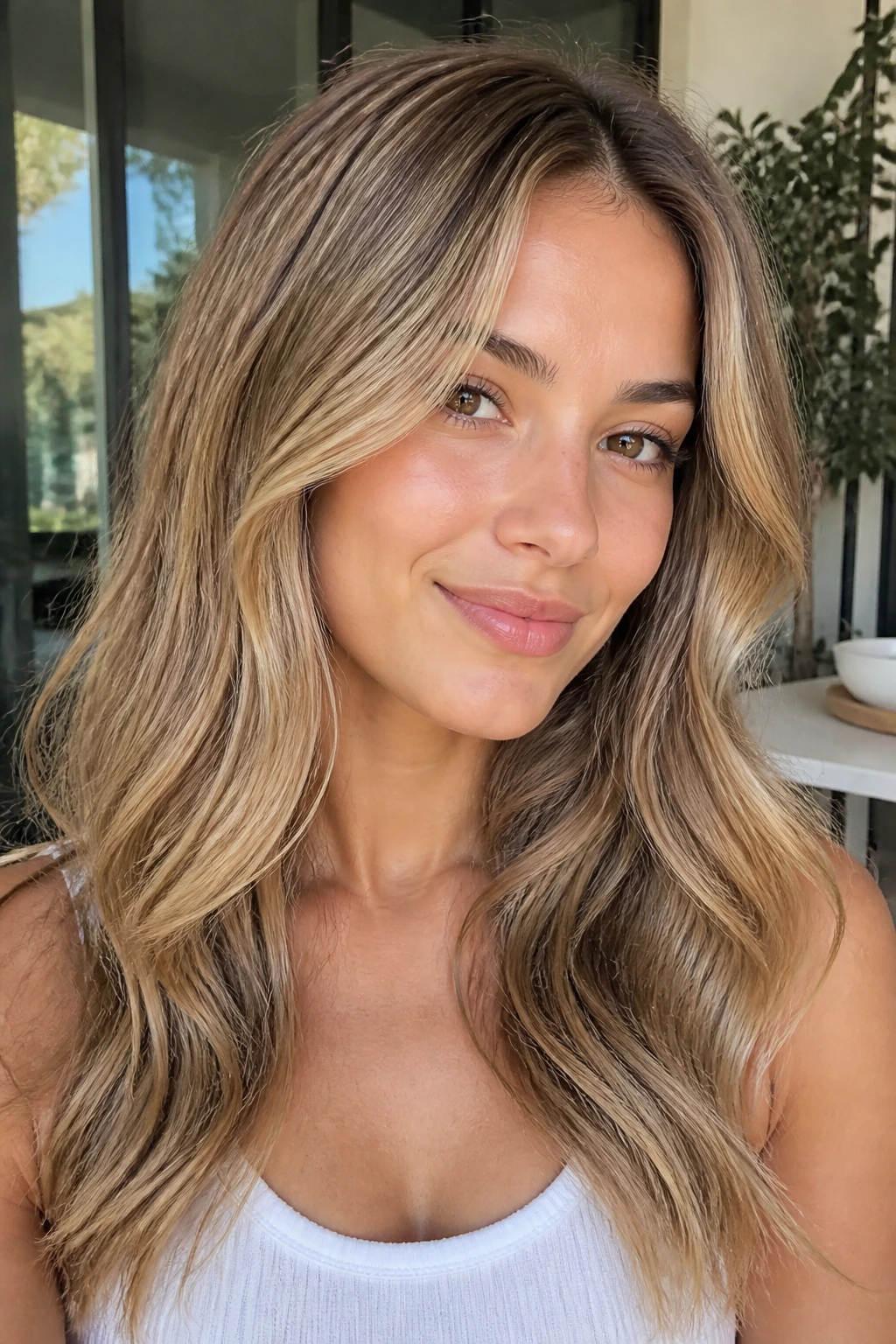
Micro-foils are the quietest way to get a full-head glow. Instead of broad strips, the colorist uses tiny foils scattered through the hair so the brightness reads as a soft shimmer from root to end.
This idea is good when you want a little more than face-framing pieces but not a heavy highlight pattern. It works on brunettes, dark blondes, and anyone who wants the light to look woven in rather than painted on. Because the pieces are small, the grow-out stays softer too, which makes the whole look feel lived-in without losing shape.
The final effect is the one people notice from a few feet away: hair that looks lighter, softer, and touched by daylight in a believable way. That’s the point.
