



Blonde is not one color, and that’s where people get tripped up. A pale shade that looks soft on one person can make another person look washed out, brassy, or strangely tired around the mouth and eyes. The good news is that the right blonde usually has less to do with chasing a famous shade and more to do with matching the tone of the hair to the undertone of the skin.
Skin tone matters, but undertone matters more. Cool skin often looks clean next to pearl, ash, or icy blondes. Warm skin usually wakes up with honey, butter, or caramel tones. Neutral and olive skin can wear a wider range, but they tend to look best when the blonde has some beige, mushroom, or softly dimensional depth instead of one flat yellow note. That’s why salon swatches look so different in daylight than they do under warm indoor lights.
There’s also the practical side nobody talks about enough. Some blondes need toner every few weeks, some need a root shadow to stay believable, and some look better when they’re mixed with babylights or balayage instead of painted all over. If you pick the shade first and think about upkeep second, you’ll probably end up frustrated. Start with the face, the undertone, and the grow-out pattern. Then pick the blonde.
1. Platinum Blonde
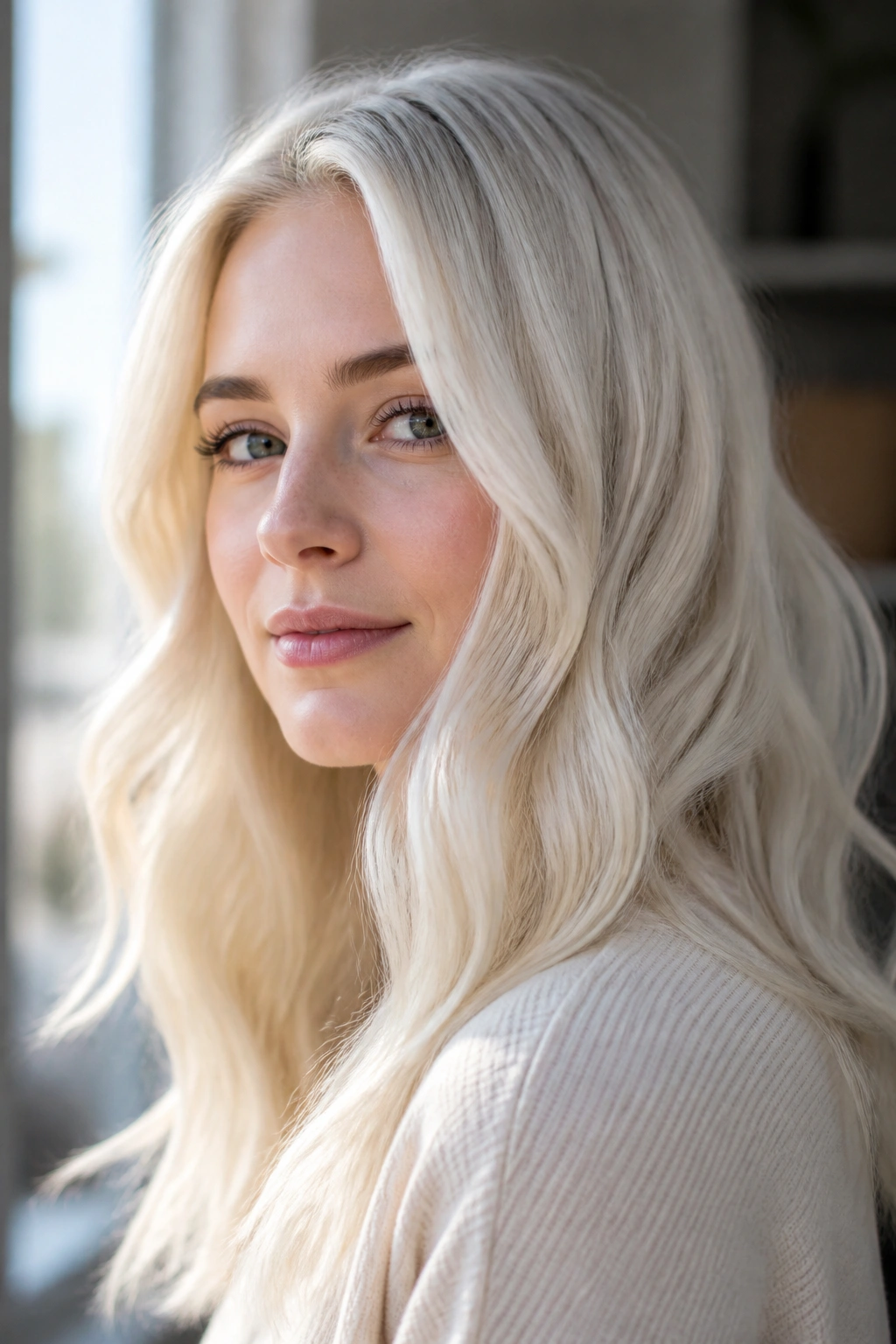
Platinum blonde is the one people mean when they say they want a light blonde, and there’s no pretending it’s subtle. On cool fair skin, it can look sharp and bright in a way that makes blue, gray, or green eyes stand out. On deeper skin, it can be stunning for the same reason: the contrast is the whole point.
It is also demanding. Very demanding. Platinum loses its magic the second it drifts yellow, so this shade only behaves if you’re willing to keep the toner fresh and the ends healthy.
- Ask for a level 10 lift with a violet or silver toner.
- Keep a soft root shadow if you want the grow-out to look less harsh.
- Use purple shampoo once or twice a week, not every wash.
- Trim dry ends often; platinum shows damage fast.
The best platinum usually has some dimension near the face instead of looking like one solid sheet of white. Flat platinum can feel hard. A little depth makes it wearable.
2. Icy Pearl Blonde
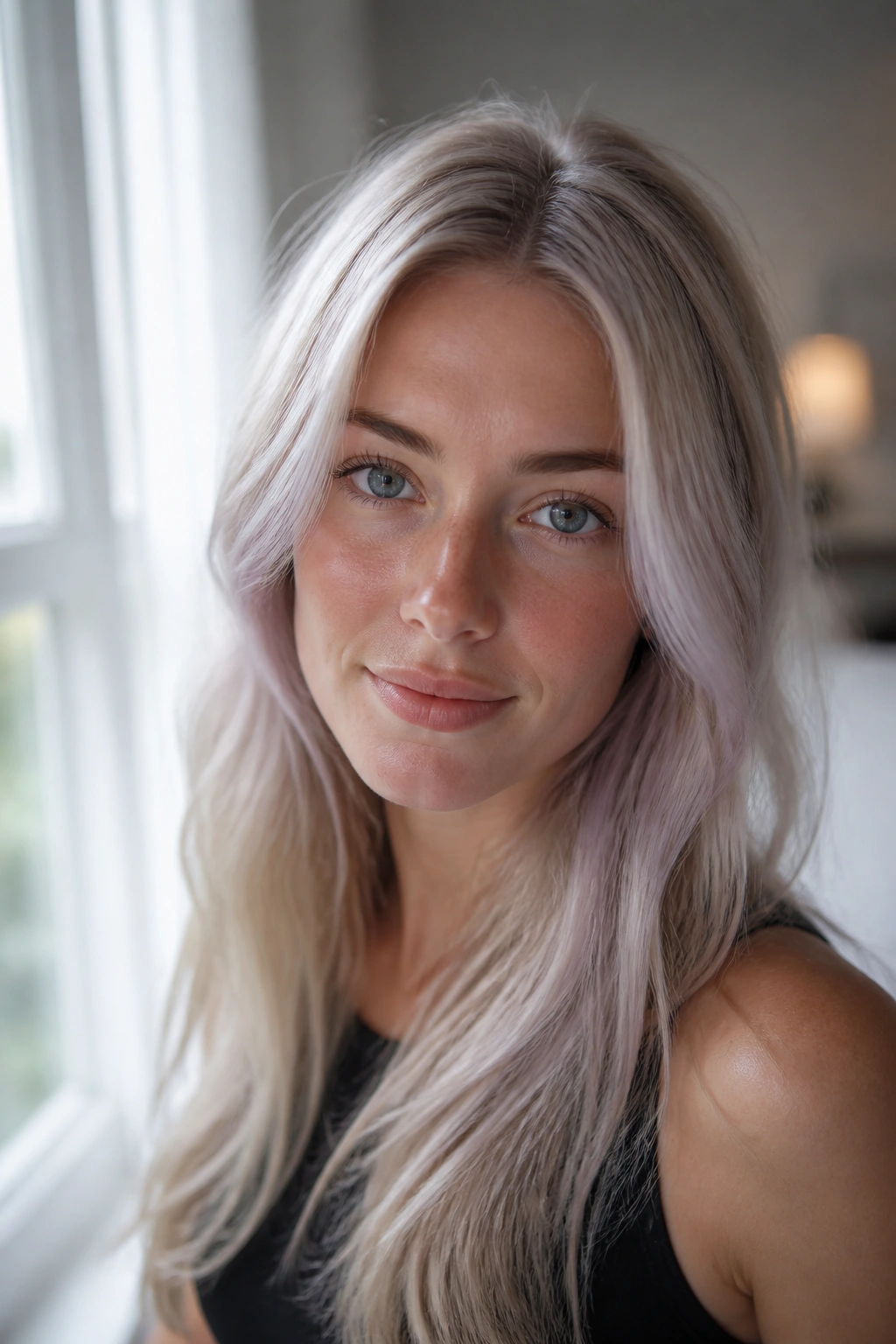
Why does icy pearl blonde look softer than platinum even though it sits in the same pale family? Because pearl blonde keeps a veil of beige and violet in the mix, which takes the edge off the white and gives the color a smoother finish. It works especially well on cool or neutral skin, where too much yellow can look off and too much silver can feel severe.
Why It Flatters Cool Skin
Cool skin usually has pink, rosy, or blue undertones, and icy pearl blonde reflects that same clean tone back at the face. It tends to make the complexion look brighter without turning harsh. If you wear a lot of black, white, navy, or silver jewelry, this shade usually lands in a good place.
How to Wear It
Tell your colorist you want a pearl toner over pale blonde highlights, not a raw bleach blonde. That little bit of softness matters. If your eyebrows are dark, leaving a faint root melt can keep the look from floating away from your face.
3. Silver Beige Blonde
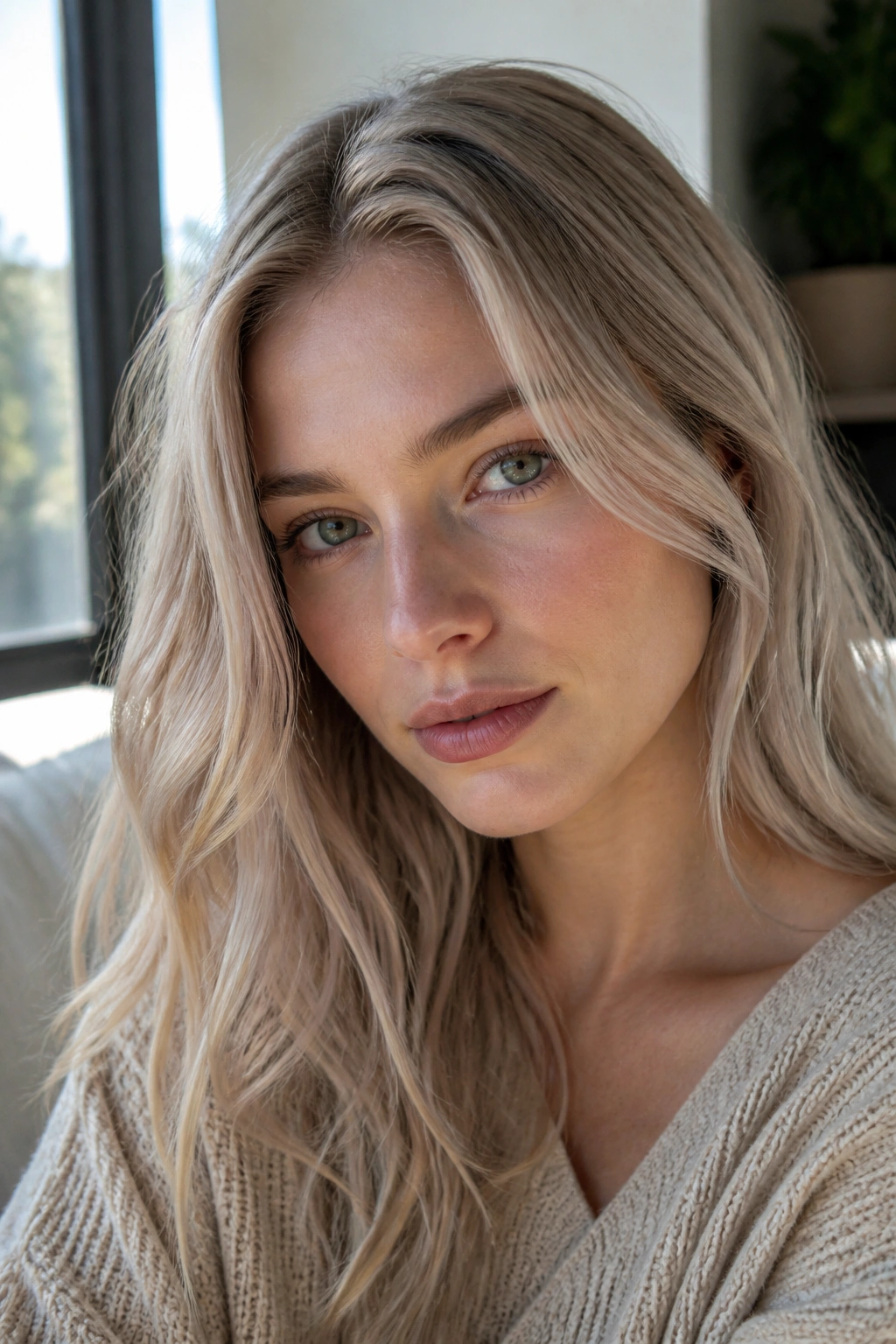
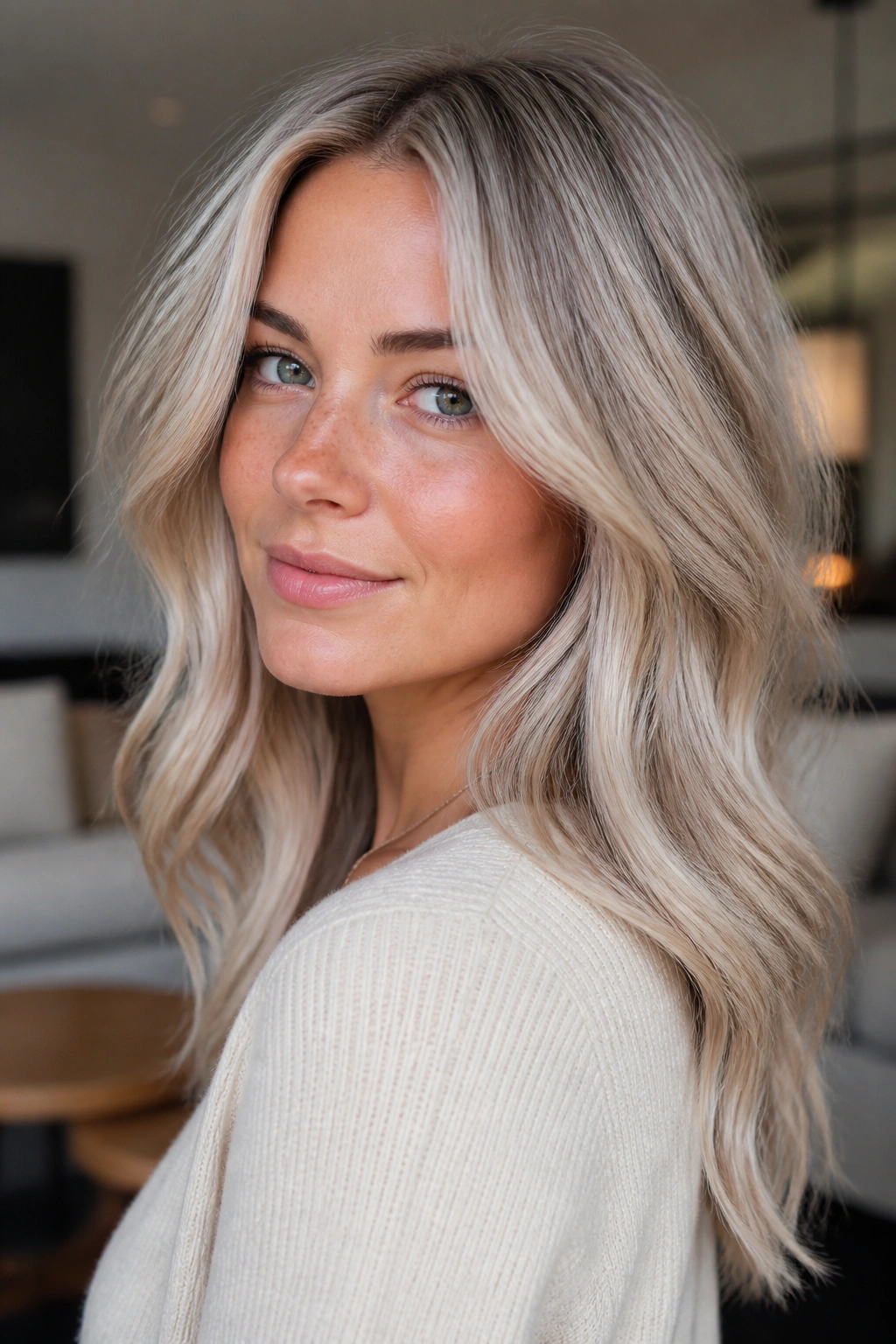
Silver beige blonde is the shade for someone who likes light hair but hates how icy tones can look too stark. It sits between ash and champagne, which gives it a cooler feel without going full chrome. On fair skin with neutral undertones, it looks calm and polished. On olive skin, it can be a lifesaver because it avoids the greenish cast that some ash blondes can create.
A salon picture can be misleading here. Under warm lights, silver beige may look creamy. In daylight, the gray-beige balance shows up more clearly, and that’s where it looks best.
- Ask for a beige toner with a hint of violet.
- Keep the highlights fine, not chunky.
- Pair it with a root tap if you want softer grow-out.
- Skip gold-heavy glosses; they push this shade in the wrong direction.
This blonde is a good choice if you want pale hair that still feels composed. It does not shout. That’s the appeal.
4. Champagne Blonde
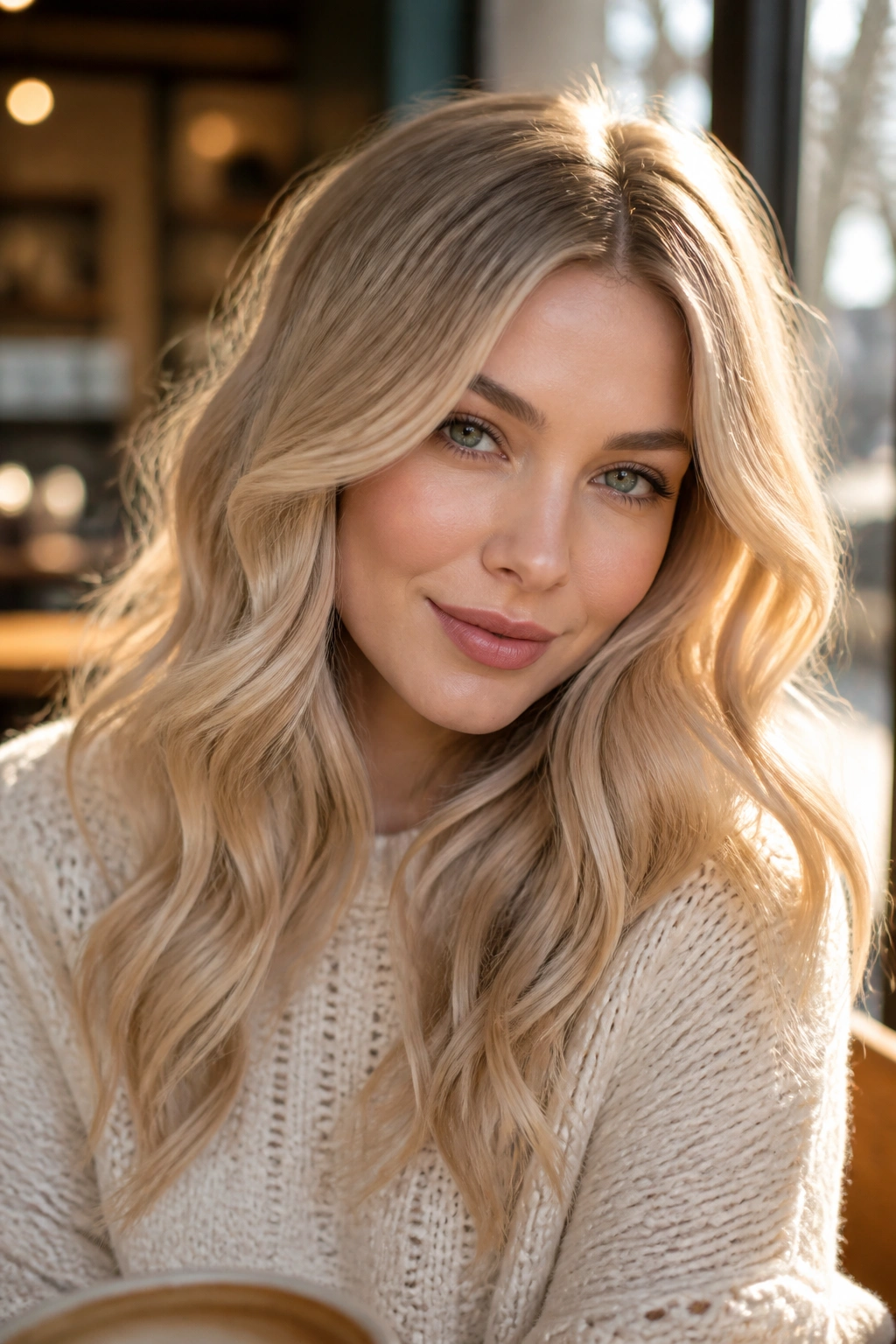
Champagne blonde has a little sparkle to it, but not the fizzy, yellow sort people worry about. Think pale gold with a soft pink-beige edge. On fair skin that looks a touch flat without makeup, champagne can bring back warmth without making the hair look brassy. On medium skin with neutral undertones, it often reads expensive in the simplest sense: balanced, creamy, easy on the eyes.
The reason this shade works is that it splits the difference between warm and cool. Too much gold and it starts looking yellow. Too much ash and it turns dull. Champagne sits in the middle and stays there.
It also pairs well with soft waves, curtain bangs, and face-framing highlights. That movement keeps the color from looking heavy. If your colorist mentions a gloss, don’t skip it. Champagne lives or dies by the finish.
5. Vanilla Blonde
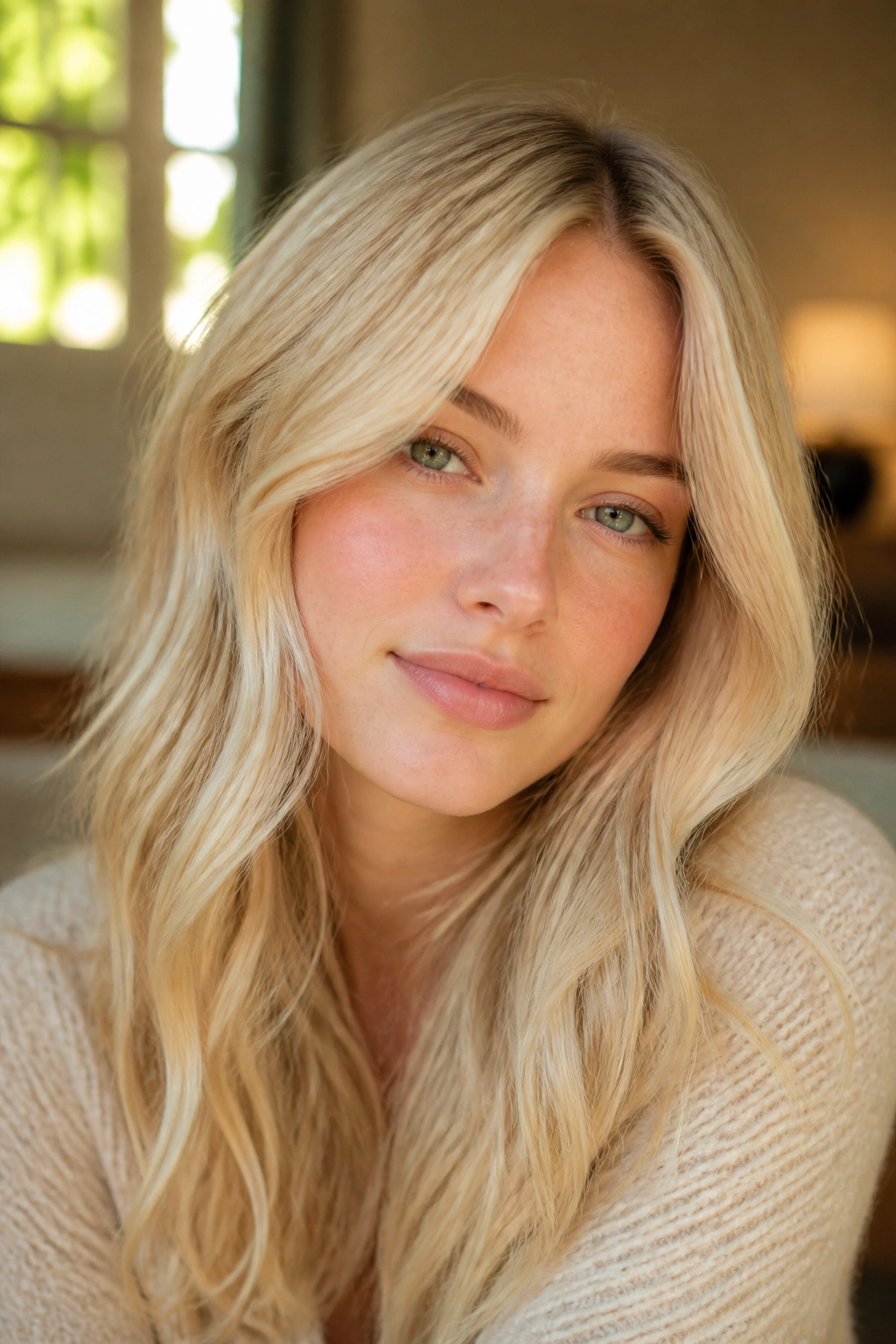
Vanilla blonde is one of those shades people underestimate because it sounds plain, but that’s not what it does on hair. Vanilla has a creamy, light-reflective quality that flatters warm fair skin and many neutral complexions, especially when the complexion needs a little brightness without going yellow. It’s softer than butter blonde and less metallic than platinum.
Unlike champagne, vanilla leans more cream than sparkle. That makes it a nice choice for someone who wants brightness but doesn’t want their hair to look icy or overly golden. It also works well when the base is left a shade or two deeper near the scalp.
A soft root shadow keeps vanilla blonde from turning flat on top. And if you have freckles, this shade usually plays nicely with them instead of covering the face in one bright note.
6. Baby Blonde
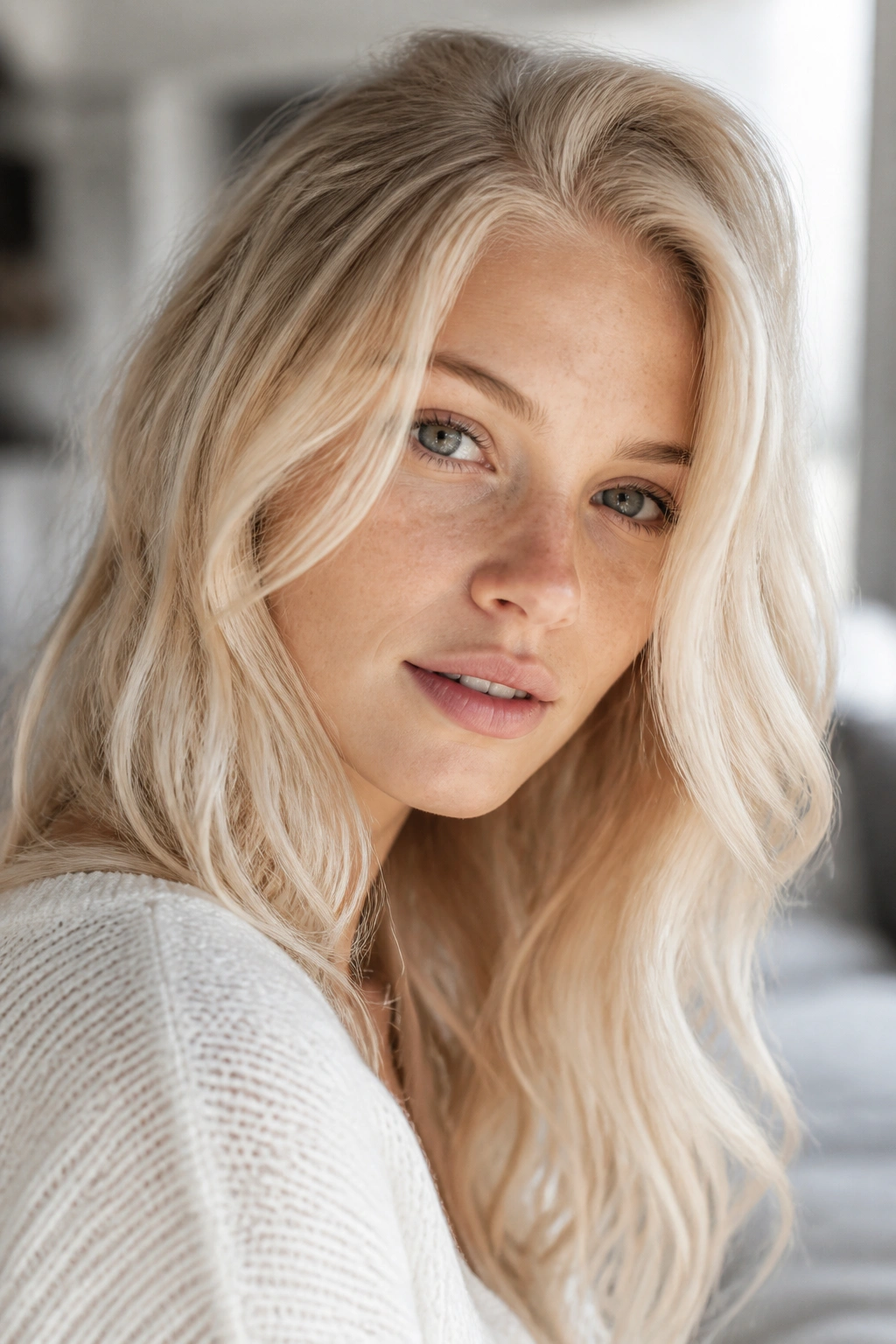
Baby blonde is the kind of color that looks effortless only after a lot of work. The hair is lifted to a pale, delicate blonde, then softened so it doesn’t look stripped. On fair skin, especially with freckles or light eyes, baby blonde can look airy and fresh. On medium or deep skin, it usually works better as fine highlights than as a full head of color.
This shade needs a light hand. Heavy bleach will wreck the whole point. You want tiny, close-together babylights that leave the hair moving and the color believable.
One sentence can sum it up: baby blonde should feel soft, not brittle. If it feels too white or too dry, it has gone too far.
Wear it with loose texture, not severe styling. A stiff blowout can make it look expensive in the wrong way. Softness is the whole trick.
7. Cream Soda Blonde
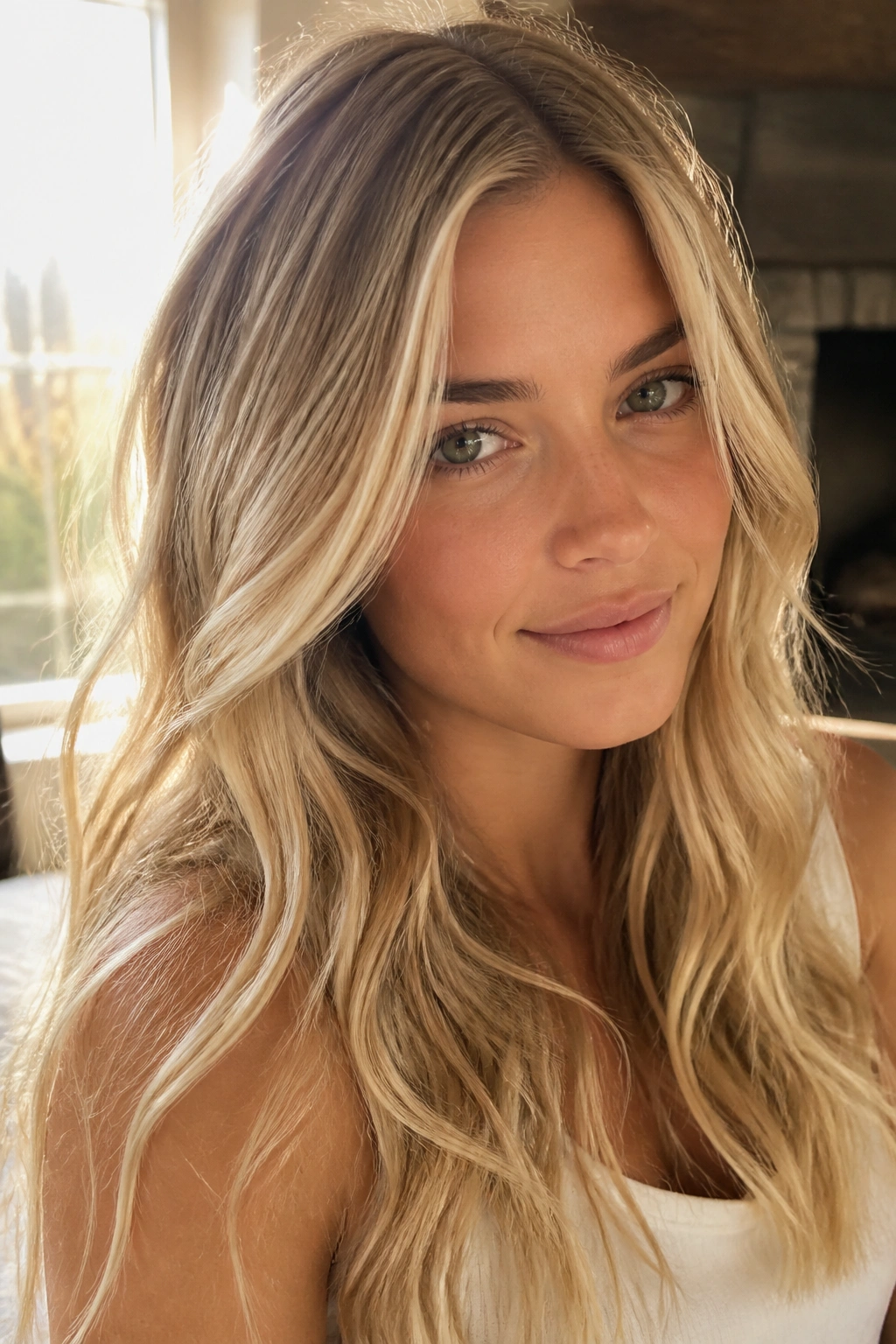
Cream soda blonde is warmer than vanilla and less yellow than butter. It has that pale beige-gold tone that looks especially easy on light-medium and tan skin, where cooler blondes can sometimes seem too sharp. The name is accurate: it looks creamy, a little sweet, and not at all harsh.
What Makes It Different
Cream soda blonde sits in the middle lane. It has enough warmth to stop skin from looking drained, but enough beige to avoid turning brassy. That balance makes it handy for people with neutral or olive undertones who want a blonde that does not fight the face.
How to Ask for It
Tell your colorist you want a beige-gold gloss over softly lifted hair. If you already have darker roots, leave a root melt in place and brighten the mids and ends more than the scalp. That gives the shade dimension and keeps it from looking like a single flat blonde block.
8. Butter Blonde
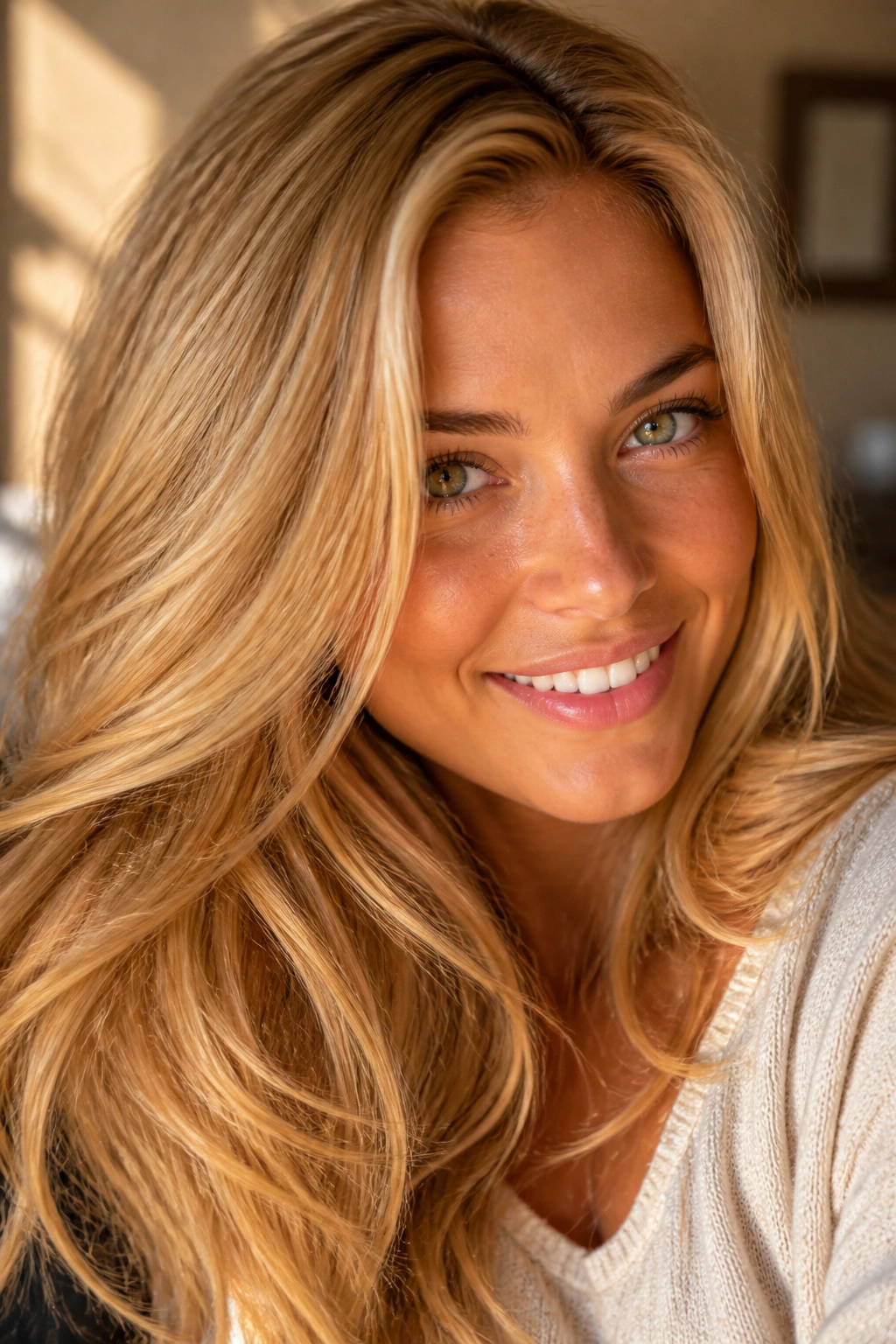
Butter blonde is rich, soft, and sunny without being neon yellow. It belongs on warm undertones, bronze skin, and fair skin that tans easily. On the wrong complexion it can look a little too gold, but on warm skin it often looks like the hair has been lit from inside.
The trick is keeping the gold creamy. If the shade gets too brassy, it stops reading like butter and starts reading like a mistake. That’s where toner matters, and where a good gloss earns its keep.
- Ask for warm lowlights to keep the blonde from looking flat.
- Use purple shampoo sparingly; too much can dull the warmth.
- Add brighter pieces around the face if your skin looks sallow.
- Keep the ends trimmed so the color stays soft, not dry.
Butter blonde is a cheerful shade, but it likes discipline. Too much warmth in the formula, and it turns loud fast.
9. Golden Blonde
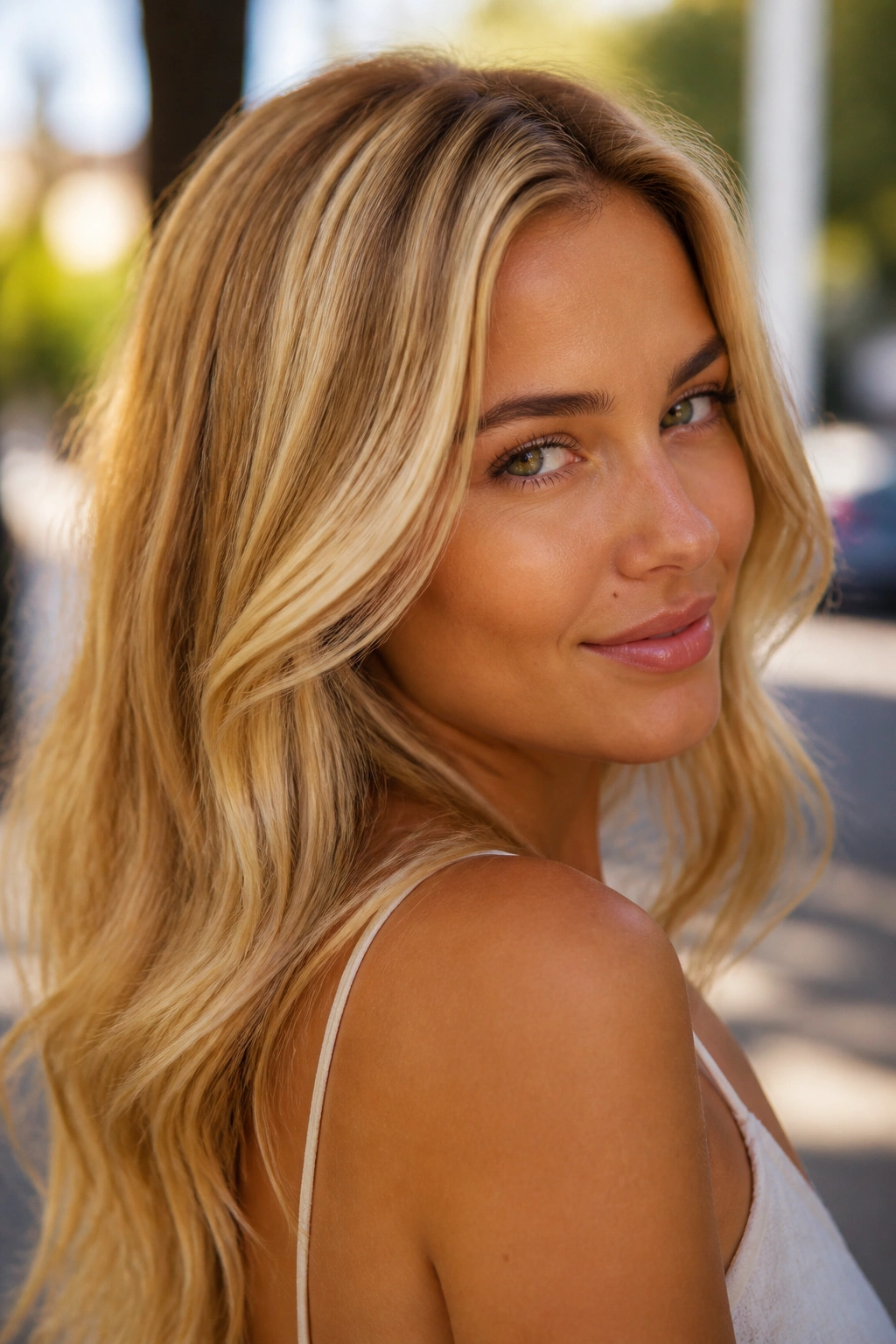
Golden blonde is the classic warm blonde that never really leaves the conversation. It flatters olive skin, medium skin, and warm fair skin because it echoes the natural warmth in the complexion instead of sitting against it. If your skin has peach, yellow, or soft tan undertones, golden blonde often looks like it belongs there from day one.
The shade can go flat if it is painted as one solid color. Better versions have pale gold ribbons through the crown and slightly deeper gold through the lengths. That keeps the hair from looking like a helmet, which is the trap people fall into with warm blondes.
Golden blonde is also forgiving. Roots don’t show as hard as they do with platinum, and that matters if you want a lower-maintenance color. A gloss every so often usually does more for golden blonde than aggressive toning ever will.
10. Honey Blonde
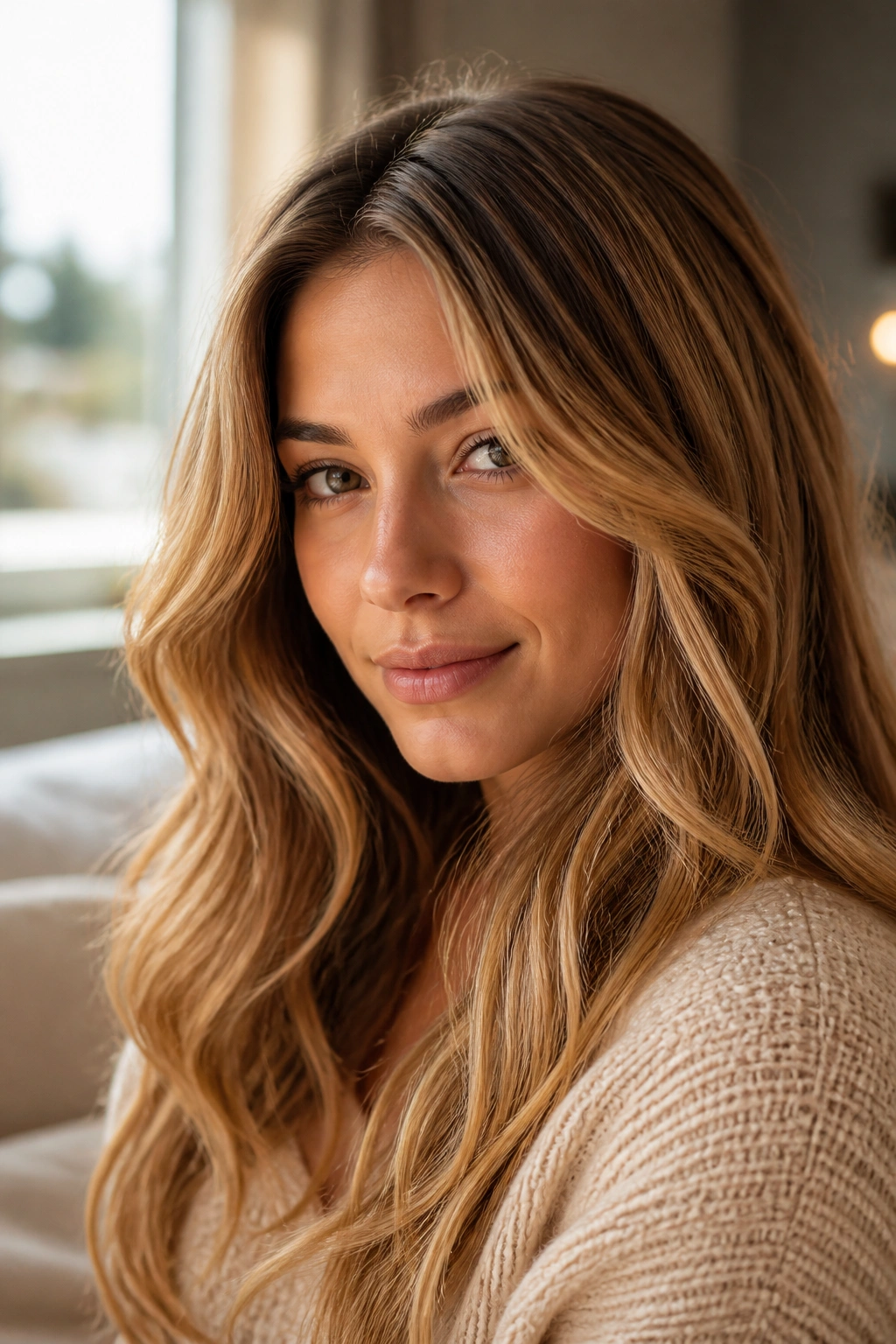
Honey blonde is deeper and richer than golden blonde, and that depth is why it works so well on medium to deep skin. It brings warmth without making the hair look washed out, and it often looks excellent with brown eyes, hazel eyes, or skin that carries a little natural glow already.
This shade feels lived-in when it’s done right. Honey blonde is rarely one flat tone. There are usually ribbons of amber, gold, and soft brown woven through it, which is what gives it that warm, glossy feel. On darker natural bases, it can be one of the easiest blondes to wear because the grow-out is softer.
If you want honey blonde to look expensive in the practical sense, ask for dimension first, brightness second. That means a few lighter pieces near the face, not a full-head lightening job. The color keeps its depth, and the face still gets lifted.
11. Caramel Blonde
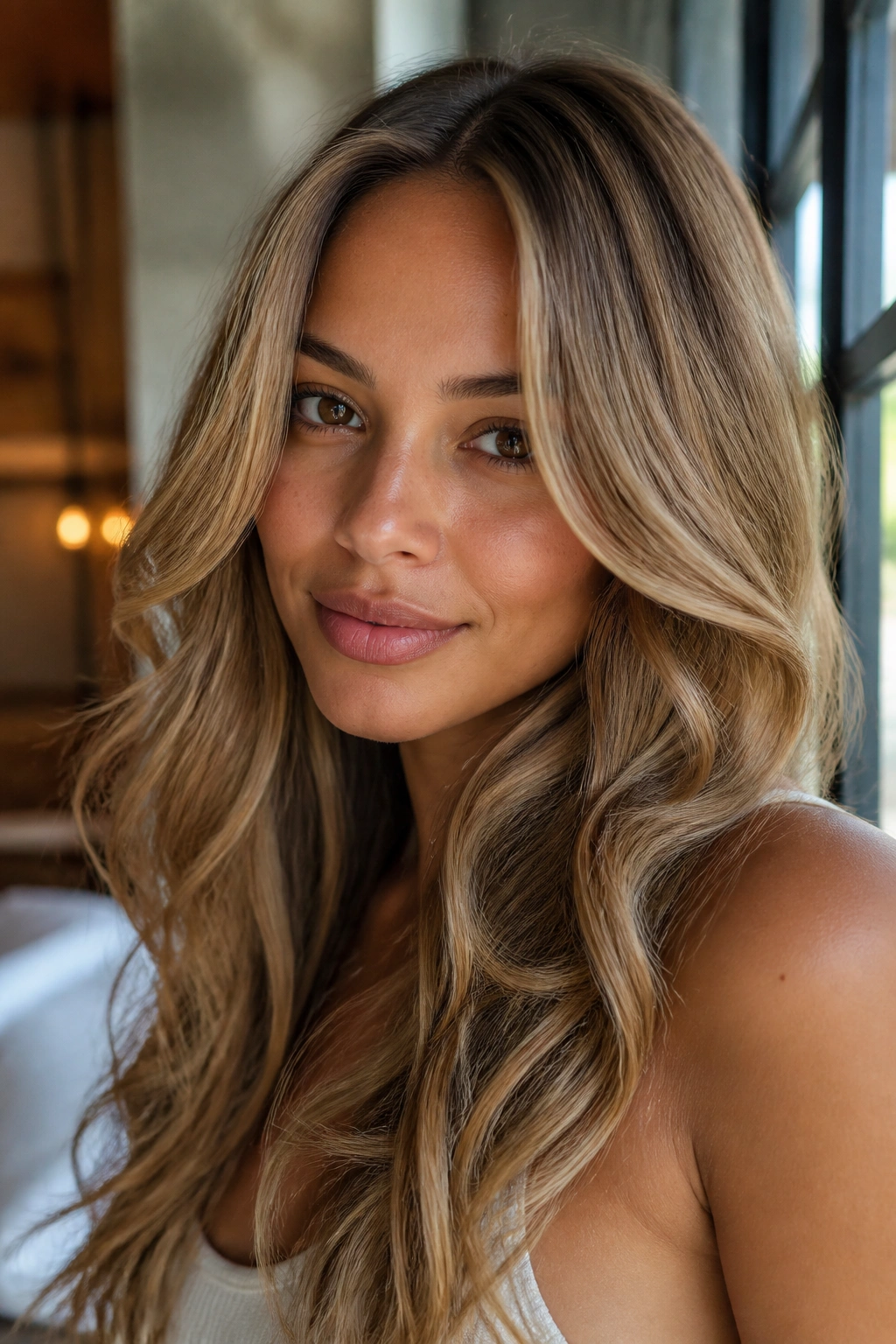
Caramel blonde is the shade that saves a lot of people from thinking they have to go pale to be blonde. It usually lands in the level 7 to 8 range, which means it stays warm, rich, and believable on olive, tan, and deep skin tones. On cooler skin, it can still work if the face-framing pieces are kept neutral instead of orange.
The reason caramel looks good is simple: it has enough depth to respect the natural base. A lot of blonde shades fail because they lift too high and leave the skin looking disconnected. Caramel keeps one foot in brunette territory.
One sentence says the rest: caramel blonde is blonde with weight. It feels grounded, not airy.
If you wear a lot of earth tones, gold jewelry, or brown eyeliner, this shade is often an easy fit. It also grows out in a forgiving way, which is not a small thing.
12. Beige Blonde
Beige blonde is the quiet overachiever of blonde hair color. It doesn’t lean too gold, doesn’t lean too ash, and that middle ground is why it flatters neutral and olive skin so often. It can also work on fair skin that looks too pink next to platinum or too yellow next to butter blonde.
Why It Flatters So Many Faces
Beige blonde takes the edge off extremes. If your skin is warm, it keeps the blonde from turning brassy. If your skin is cool, it prevents the hair from looking icy and flat. That neutrality is the whole story.
How to Keep It from Going Flat
Ask for dimension through babylights and a slightly deeper root. Beige blonde can look muddy if every strand is the same tone. A little movement keeps it alive. If your hair is very light already, a beige gloss can be enough without more bleaching.
13. Sandy Blonde
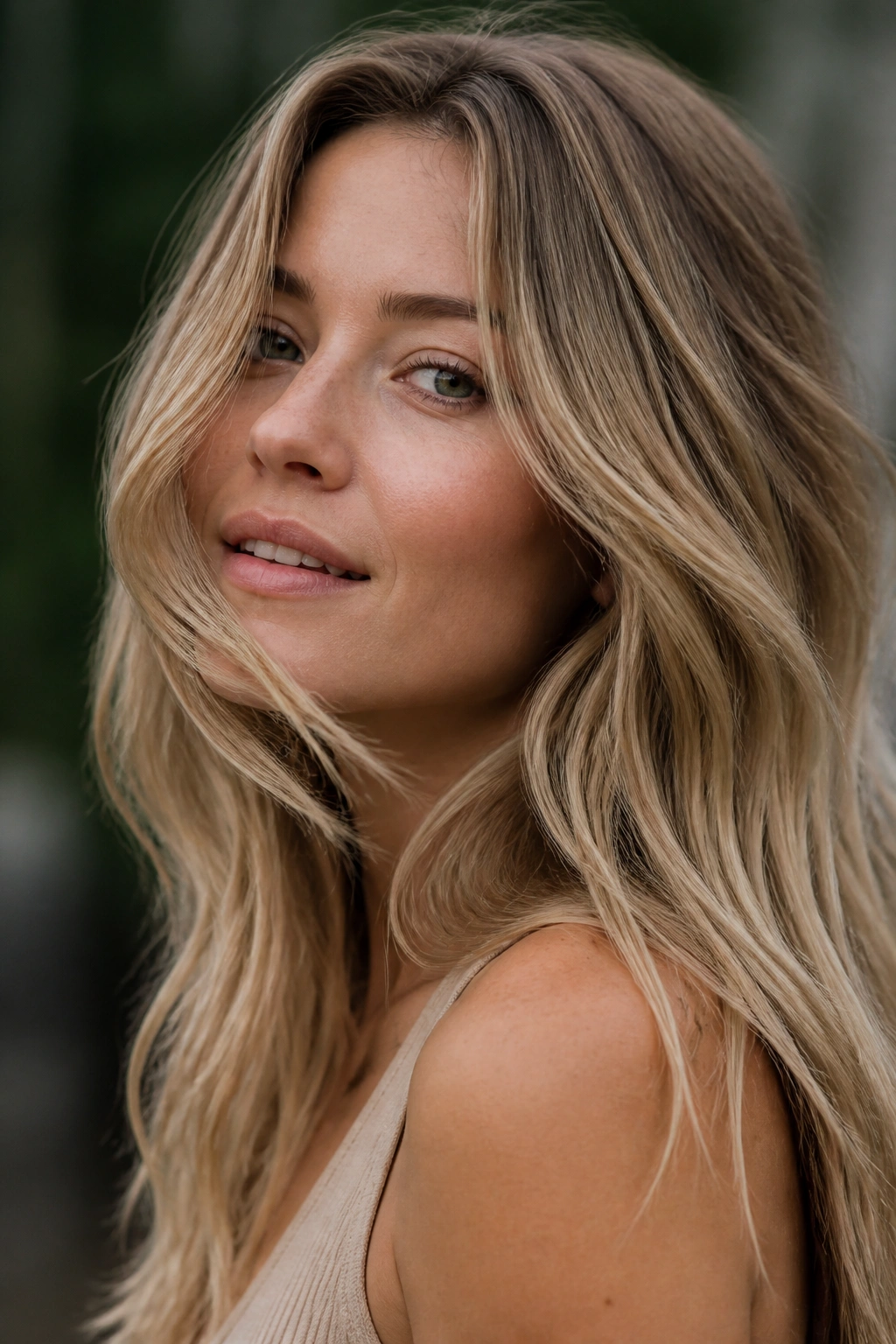
Sandy blonde looks like summer hair without the fake tan energy. It has a muted beige base with a soft ash edge, which is why it suits light-medium skin, cool-neutral undertones, and anyone who wants blonde that doesn’t read yellow in fluorescent light. On olive skin, it can be one of the more flattering muted blondes.
Picture hair that has spent time outdoors, but not in a dramatic, sun-bleached way. That’s sandy blonde.
- Request fine highlights instead of thick stripes.
- Ask for a neutral-beige toner with a touch of ash.
- Keep the roots slightly deeper for a natural grow-out.
- Use a lightweight gloss if the ends start looking dull.
This shade is easy to wear because it doesn’t insist on attention. It just makes the hair look lived-in and calm, which is often harder to get than people think.
14. Mushroom Blonde
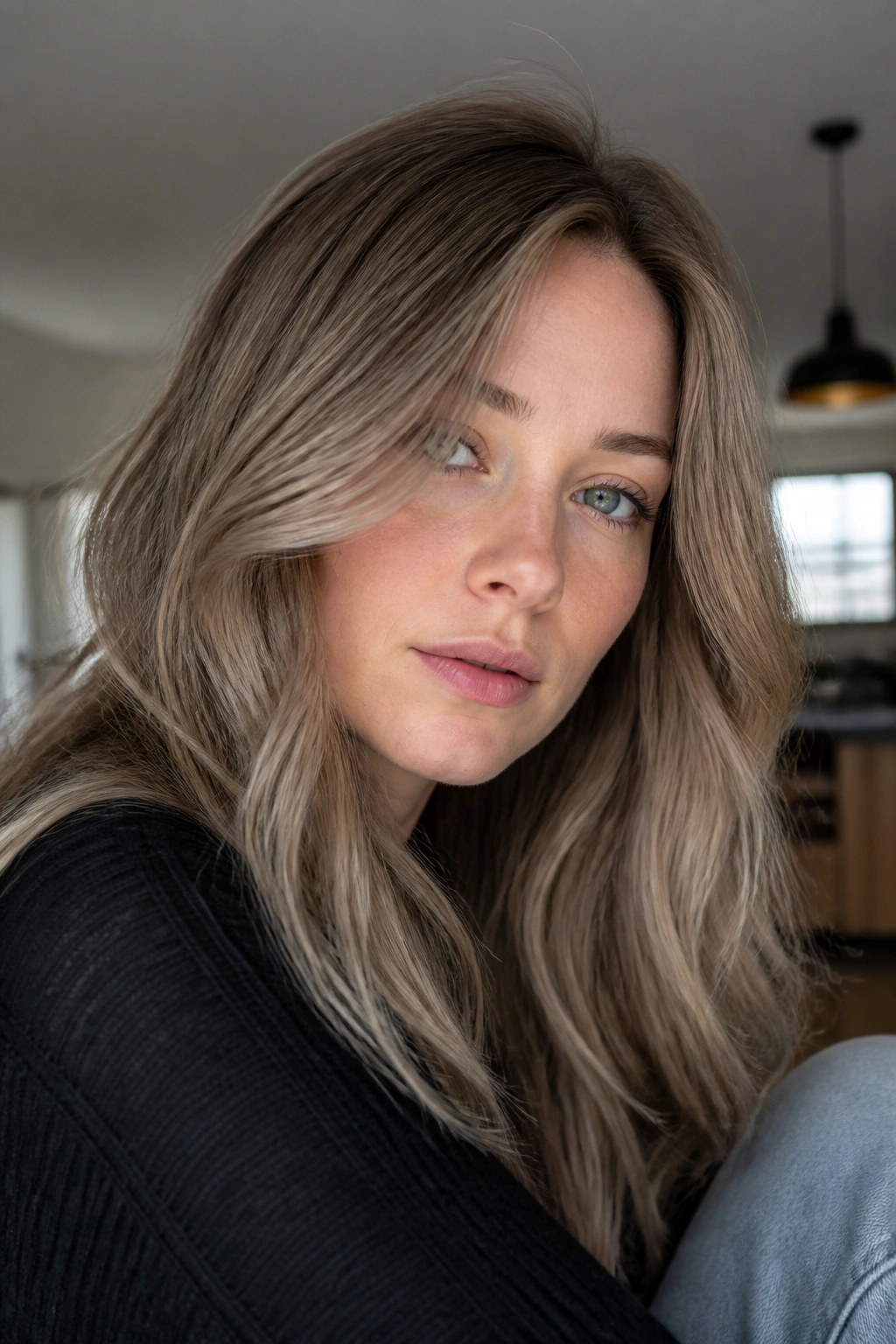
Mushroom blonde is cool, earthy, and a little smoky. It works especially well on olive skin, neutral skin, and darker brows because the muted taupe tones connect with those features instead of clashing with them. On very warm skin, it can look a bit flat unless there are brighter ribbons near the face.
This is not a blonde for someone chasing sunshine. It’s for someone who wants soft contrast and a more understated finish. The shade often sits between dark blonde and light brown, with ash and beige mixed through it.
The danger is making it too brown or too gray. Either direction can kill the color. A good mushroom blonde has movement, and the highlights should look like they were woven in, not dumped on top.
It’s one of my favorites for people who want a blonde that still feels believable with dark eyebrows. That pairing matters more than people admit.
15. Ash Blonde
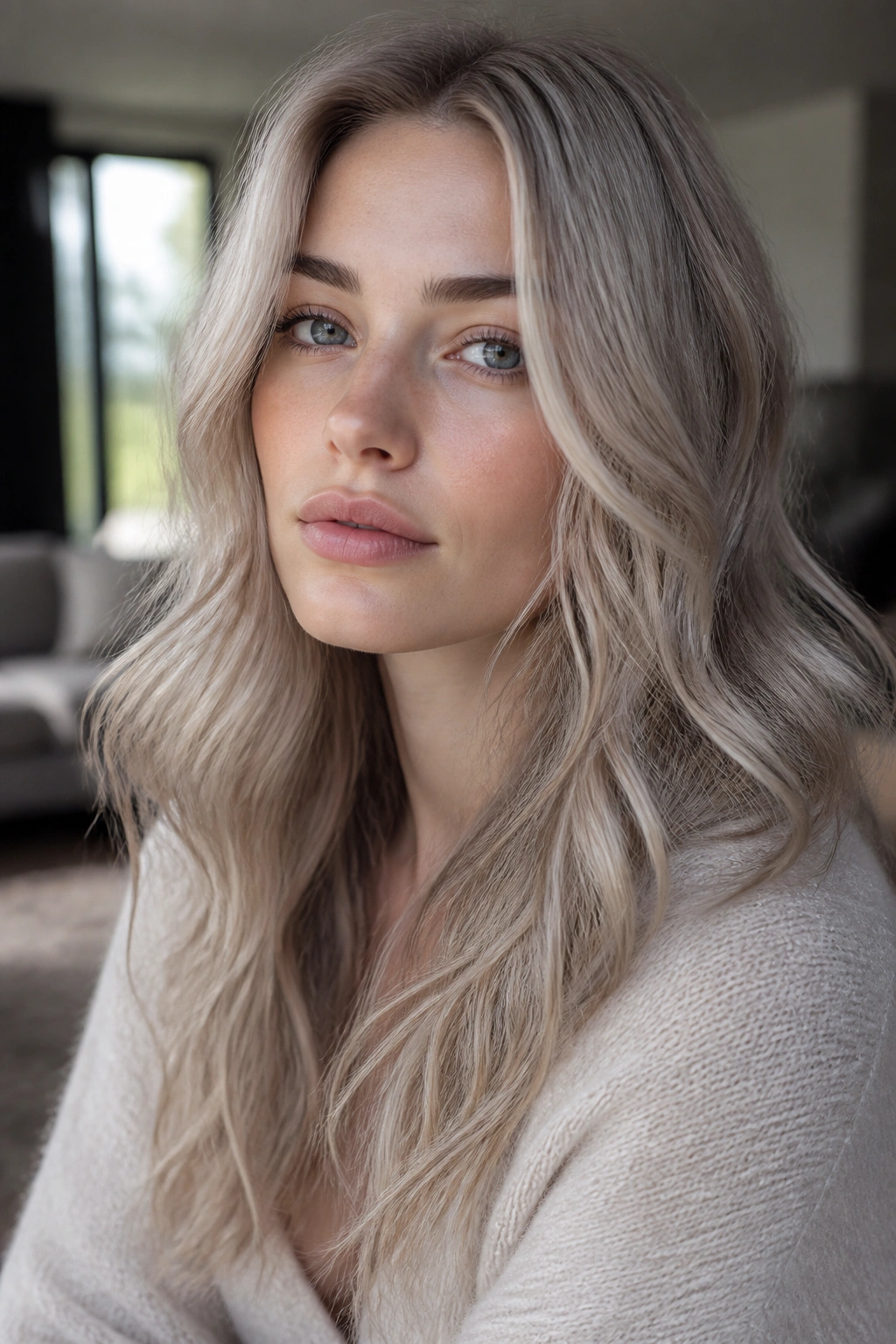
Ash blonde is the cool blonde that leans gray, silver, or smoky instead of golden. It flatters cool skin and pink undertones because it calms down redness and brings a clean edge to the face. If your hair naturally pulls orange fast, ash blonde can also be a practical choice because it cuts through warmth.
The downside is obvious. On warm skin, especially if the skin already reads yellow or olive in a warm way, too much ash can make the face look tired. That does not mean you can’t wear it. It just means you may need brighter face-framing pieces or a softer root to keep it from going flat.
Ash blonde works best when it has dimension. Pure ash all over can look stiff. A few beige pieces keep it human, which sounds odd, but you know it when you see it.
16. Wheat Blonde
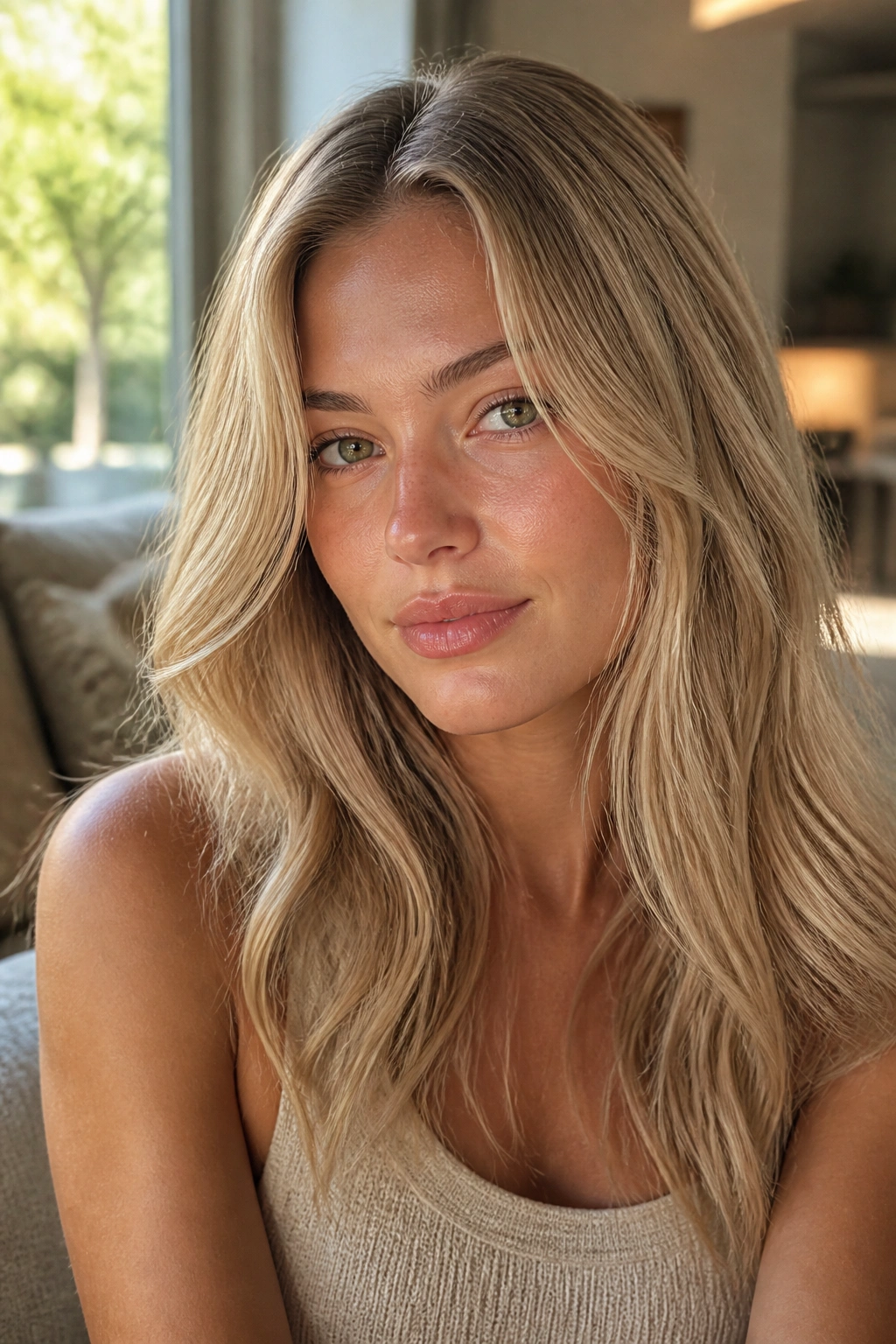
Wheat blonde is the shade people forget to ask for, and that’s a mistake. It sits between golden and beige, with an earthy, sun-dried feel that flatters warm-neutral fair skin, light-medium skin, and anyone who wants softness without brass. It looks especially good when the natural base is not too dark.
Salon Wording That Helps
Tell your colorist you want a soft wheat tone with beige-gold ribbons. That wording gives enough direction without forcing the color too far in one direction. If the hair is lifted too light, wheat loses its grounded feel.
Why It Works
Wheat blonde is flattering because it looks like hair that has its own color story instead of copying a bottle shade. It moves between gold and neutral in a way that feels easy. If you like blondes that look good with linen, cream, camel, and denim, this one belongs on your list.
17. Dirty Blonde
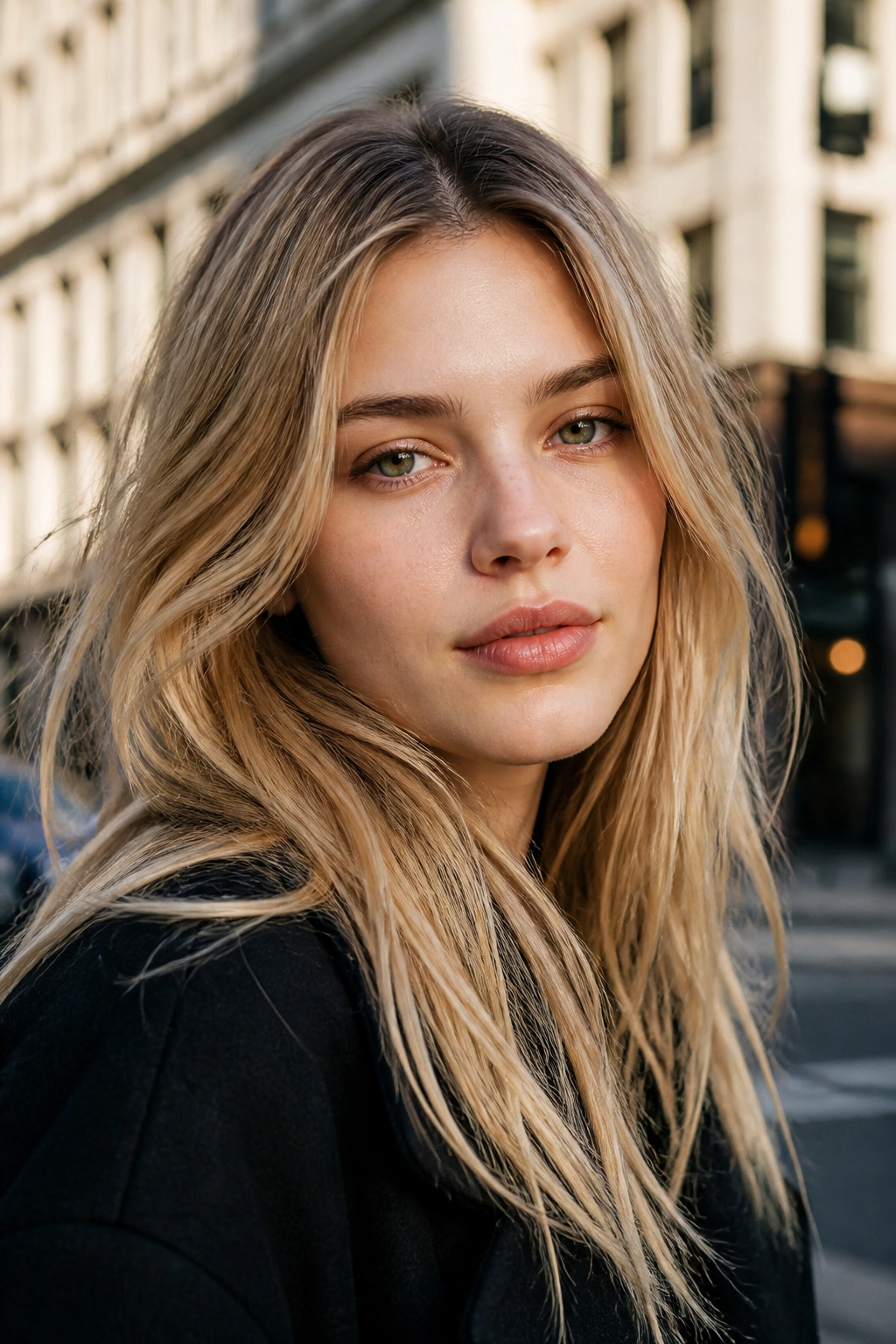
Dirty blonde has a terrible name and a useful effect. It’s a darker blonde, often with brown roots and lighter mids, and that depth makes it wearable on a huge range of skin tones. Fair skin gets contrast, medium skin gets softness, and deeper skin gets a believable light-brown-to-blonde blend.
The real reason dirty blonde works is maintenance. Or, more accurately, less maintenance. The root depth is part of the look, so grow-out does not feel like an emergency.
It is also easy to modernize with a gloss. A neutral or beige glaze can keep the lighter pieces from going orange, while a few brighter ends stop it from reading dull.
Dirty blonde is for people who like blonde in theory but do not want to live at the salon. Fair enough. It’s a practical shade, and there’s nothing wrong with that.
18. Bronde
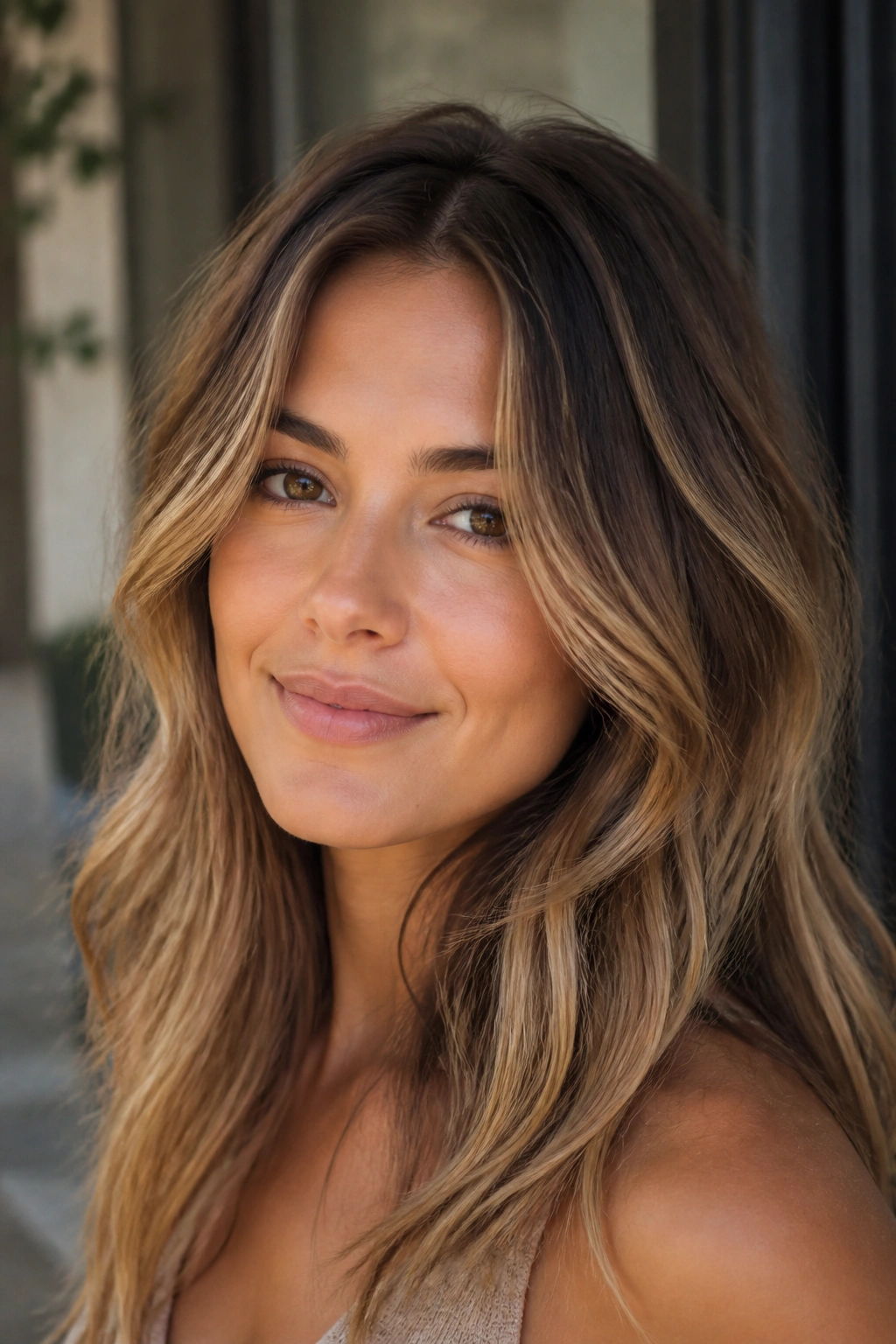
Bronde is the bridge between brunette and blonde, and that bridge is exactly why it flatters so many skin tones. On olive and medium skin, it looks balanced. On deep skin, it creates enough lightness to show dimension without looking like a sudden jump. On fair skin, it can feel softer than a full blonde.
The best bronde is ribboned, not striped. That matters. You want blonde pieces that move through the hair like sunlight, not obvious streaks that sit on top of it. A root shadow is almost always part of the equation because the darker base is what gives bronde its depth.
If you have dark brows, bronde often makes more sense than pale blonde. The colors feel like they’re talking to each other instead of arguing. That’s a nice thing to have working in your favor.
19. Strawberry Blonde
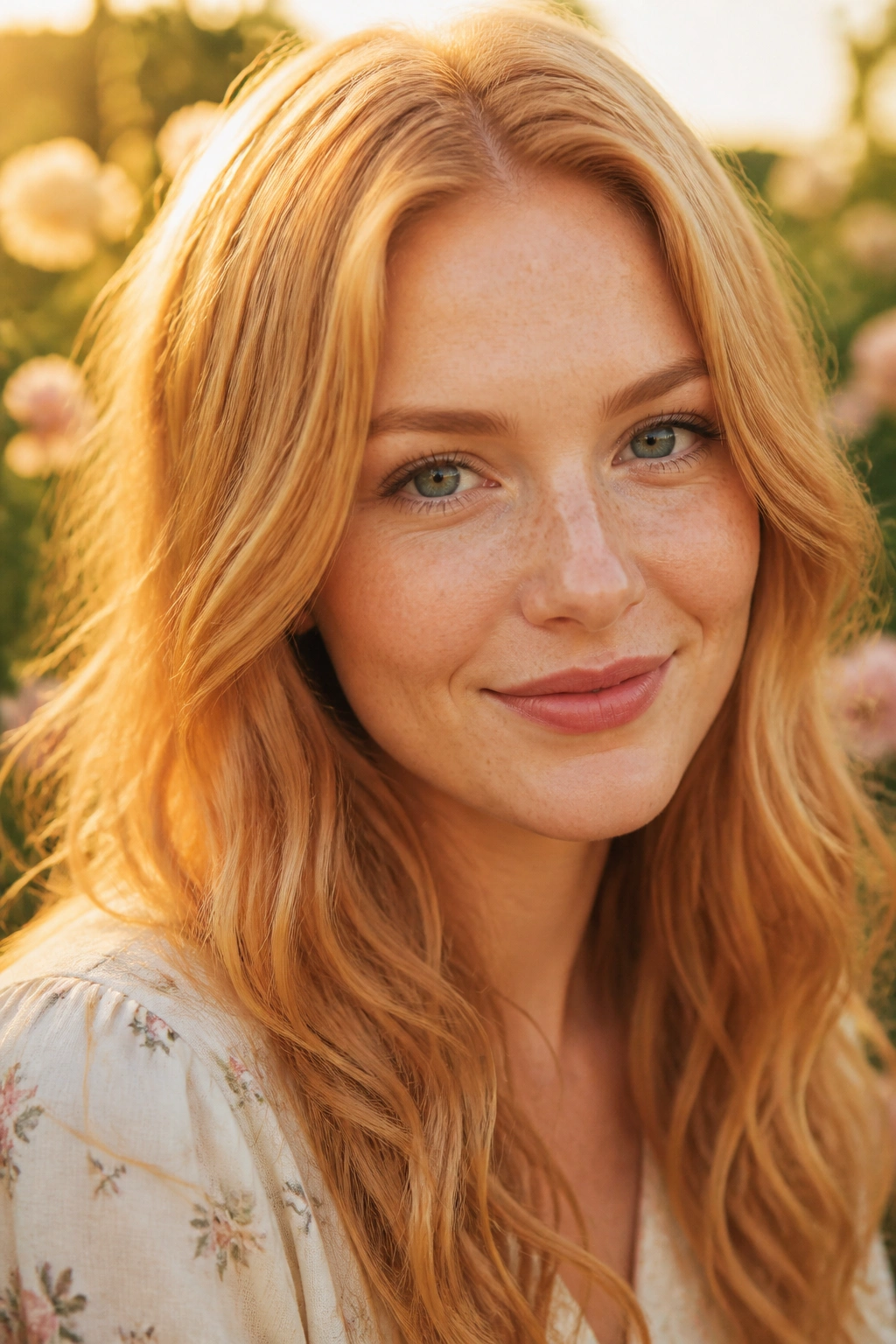
Strawberry blonde is the warm blonde with a soft copper note, and it’s gorgeous on fair skin with freckles, peach undertones, or green and hazel eyes. It can also work on light-medium skin if the red is kept gentle rather than orange. The trick is to keep it airy. Too much copper and it slides into red; too little and it becomes a plain warm blonde.
Why It Stands Out
Strawberry blonde has a natural warmth that makes skin look alive. It can bring color back to a pale face without requiring a lot of makeup. That’s why it often looks best on people who want their hair to do some of the work.
How to Wear It
Ask for a golden-blonde base with a soft copper glaze. If you want it subtle, keep the red undertone low and the highlights fine. Strawberry blonde gets loud fast when the copper is pushed too far.
20. Rose Gold Blonde
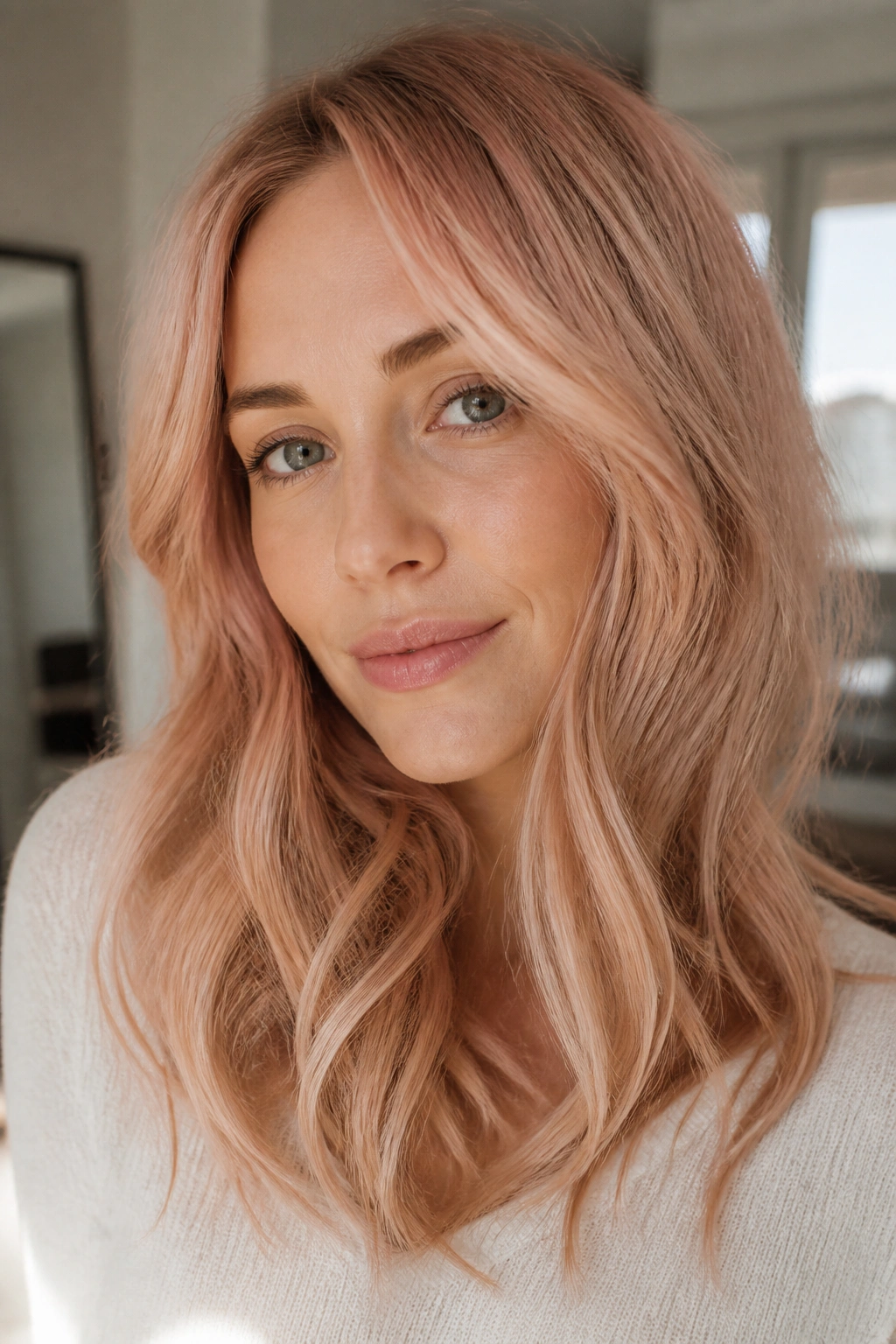
Rose gold blonde sits in that narrow place between blonde and pink, and yes, it can look charming. The shade flatters fair-neutral and warm skin because the rosy note gives the face a bit of warmth without going orange. On skin with a lot of redness already, it can be tricky, so the pink should stay muted.
How to Keep the Pink in Check
Ask for a beige or champagne base with a rose-toned gloss. That gives the color its blush note without making it look like a costume shade. The gloss is the part that matters most, because rose gold blonde can fade faster than neutral blondes.
When It Works Best
Soft waves, clean skin, and simple makeup let the shade do its thing. Heavy contouring usually fights it. If you like color that feels a little playful but still wearable, rose gold has a place.
21. Almond Blonde
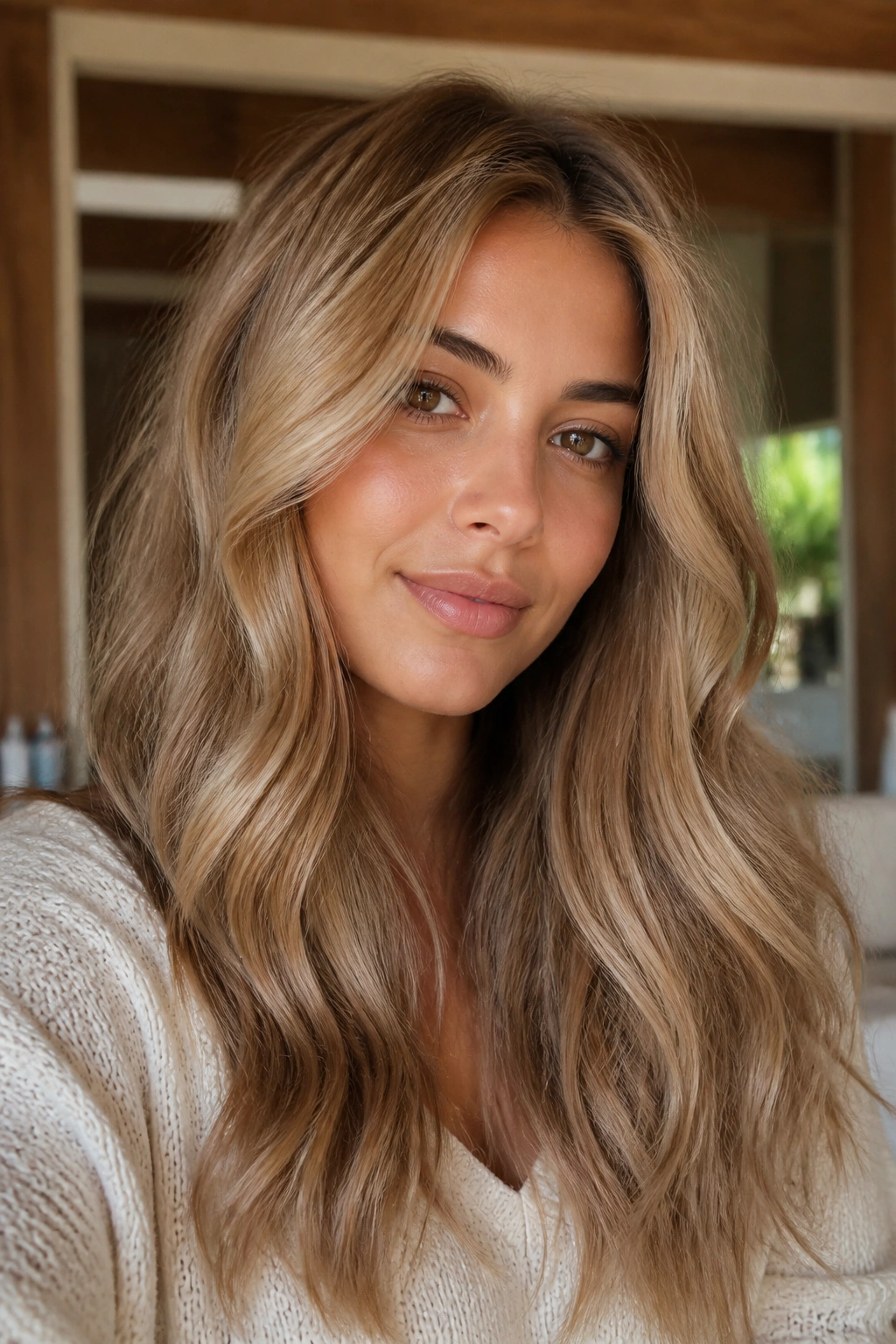
Almond blonde is a nutty, neutral-warm blonde that falls somewhere between beige and caramel. It suits medium and olive skin beautifully because it carries enough depth to stay believable, but enough lightness to brighten the face. On fair skin, it can read as a softer alternative to golden blonde.
This shade is one of the easiest to live with when you have brown eyes and darker brows. It does not shout over those features. It works with them. That matters more than people think when they are choosing a blonde.
Almond blonde also makes a nice base for highlights. You can add brighter face-framing pieces without losing the grounded feel of the overall color. That balance is why the shade keeps showing up in salon chairs.
22. Butterscotch Blonde
Butterscotch blonde is warmer and deeper than honey, with a soft amber richness that flatters golden, tan, and deep skin tones especially well. On fair skin, it can work too, but usually only when the goal is a warmer, richer blonde rather than a pale one. It has more body than a lot of blondes, and that body is the point.
- Ask for level 7 to 8 warmth with honey and amber ribbons.
- Keep some lowlights near the crown so the color doesn’t flatten out.
- Use a gloss instead of over-toning it into dullness.
- Pair it with a soft blowout or loose waves to show off the dimension.
Butterscotch blonde looks best when the warmth feels creamy, not orange. If it turns orange, the whole mood shifts. When it’s done well, though, it has a depth that pale blondes can’t fake.
23. Toasted Coconut Blonde
Toasted coconut blonde is the shade for people who want a blonde that still feels anchored to a darker base. The roots stay deeper, the mids lighten into beige or soft gold, and the ends have that sun-warmed, slightly toasted look. It flatters darker natural hair colors and deeper skin especially well because it avoids the harsh jump that pale blonde can create.
This is also one of the easier blondes to wear if you are not interested in high maintenance. The grow-out is baked into the style. That makes it a smart choice for balayage or lived-in highlight work.
The color should never look striped. If the light pieces sit in neat rows, the whole effect gets stiff. You want a gradual melt from root to end, with the brightest pieces around the face and crown.
24. Sunlit Blonde
Sunlit blonde is less a single tone than a placement style, and that is why it works on so many skin tones. The hair carries pale ribbons, soft gold, and beige highlights in a way that looks like the sun did the work, not a foil cap. On fair skin, it can brighten the face. On medium or olive skin, it can add movement without turning brassy.
Why the Placement Matters
The color only looks sunlit when the highlights are scattered with care. Too many bright pieces and it starts looking overdone. Too few and the shade loses its lift. The balance sits in the spacing.
What to Ask For
Ask for micro-highlights, a soft root melt, and a beige gloss. That combination keeps the blonde dimensional and wearable. It’s especially good if you want brightness but don’t want a full commitment to platinum or ice. Sunlit blonde gives you light without shouting about it.
25. Soft Apricot Blonde
Soft apricot blonde has a peachy warmth that can be lovely on warm fair skin, light-medium skin, and anyone whose complexion tends to look a little tired next to cool tones. It sits between strawberry blonde and warm beige, which gives it enough color to wake up the face without tipping into copper.
If your skin has a lot of redness, keep this shade muted. A muted apricot reads fresh. A loud apricot can look like the hair is arguing with your cheeks. That is the line.
The nicest versions usually come from a pale blonde base with a peach-toned glaze layered on top, not from lifting the hair and hoping for the best. That detail matters. It keeps the color soft and airy instead of heavy.
Soft apricot blonde is the kind of shade that rewards a light hand. If you want blonde that feels warm, a little playful, and less expected than honey or beige, this one deserves a close look.
The truth with blonde is simple: the shade should make your face look more like itself, not less. If a color pulls too much yellow, too much gray, or too much copper, the problem is usually not the blonde itself. It’s the fit.
So start with the skin, the brows, and the way the hair grows out. Then choose the blonde that talks nicely to all three.
