



Winter light is ruthless on blonde hair. It flattens shine, pulls out yellow, and makes a one-note dye job look older than it felt in the salon chair.
That is why the smartest blonde hair color ideas for winter usually lean one of two ways: crisp and icy, or soft and creamy with enough depth to hold up against dark coats, indoor heat, and dry air. A bleach-heavy blonde with no lowlight can look fine under bathroom bulbs and then turn oddly stark outside. Been there. Not my favorite result.
There is also the maintenance problem nobody likes to say out loud. Hats rub at the hairline, toner fades faster when the air is dry, and ends that looked clean in early fall can start reading muddy after a few weeks. A blonde with a little root shadow, a gloss, or a beige base usually survives that wear better than a single flat shade.
The 15 ideas below cover the full range: icy, pearl, buttery, smoky, rooted, bright, and a few in-between shades that sit right where winter blondes look richest.
1. Icy Platinum Blonde
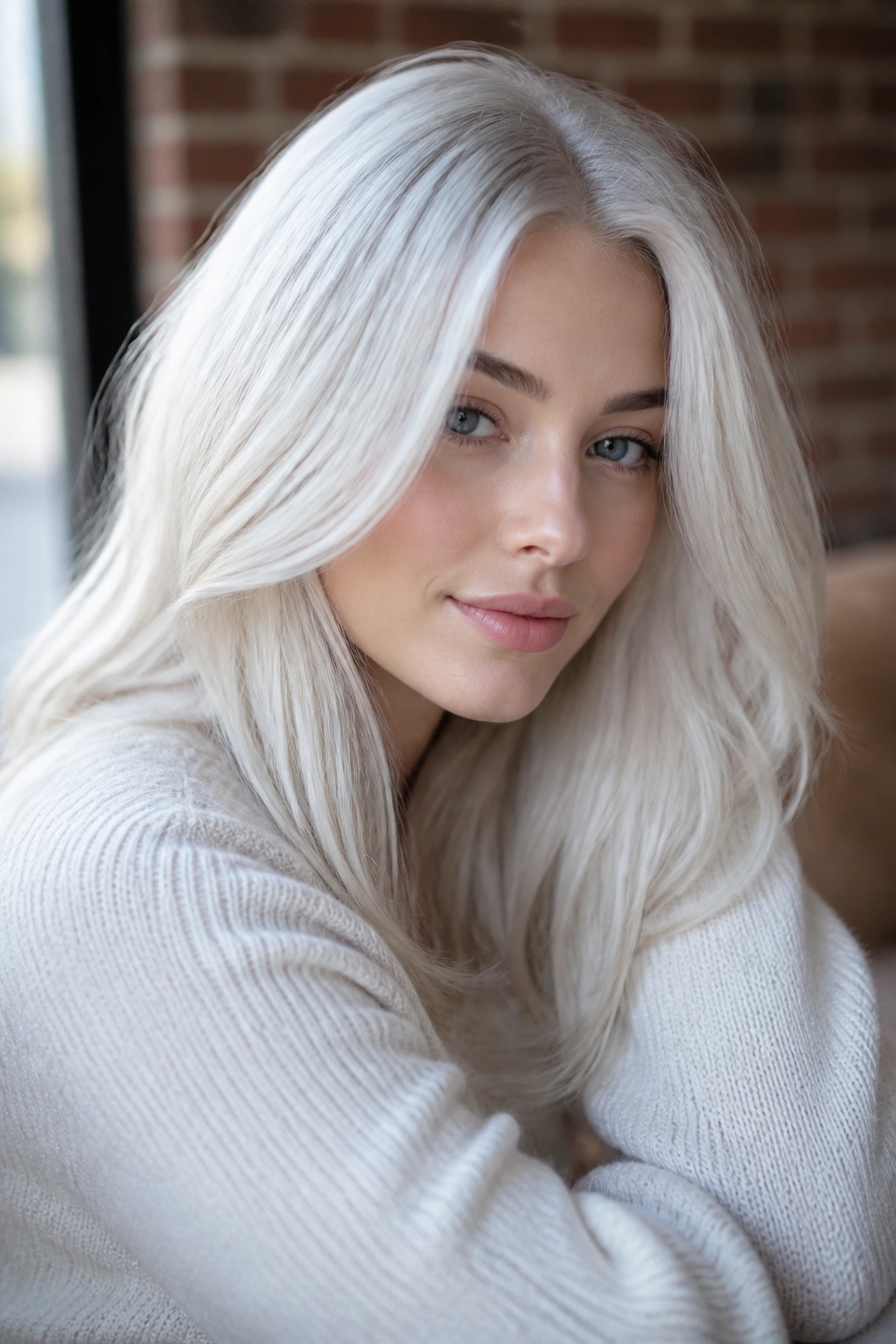
If you want a blonde that looks sharp against wool coats and black scarves, icy platinum is the one that still makes sense when the weather turns cold.
Why It Works in Colder Light
The whole point of icy platinum is contrast. It looks almost white, but not in a flat, chalky way when it is done well. You want a clean lift to a pale level 9 or 10, then a toner that reads pearl or cool beige rather than raw violet.
There’s a catch, though. Platinum shows everything. Dry ends, rough cuticle, grown-out roots, brass. All of it. That is why this shade works best when the hair is already in decent shape and the cut has movement, not just length.
Quick Details
- Best on hair that can lift evenly to a pale blonde.
- Ask for a neutral-to-pearl toner, not one that turns the hair gray.
- Purple shampoo once a week is enough for most people.
- A gloss every 4 to 6 weeks keeps the tone from going yellow.
Pro tip: keep the root area slightly softer than the mids so the color does not look like helmet hair the moment your part shifts.
2. Pearl Blonde
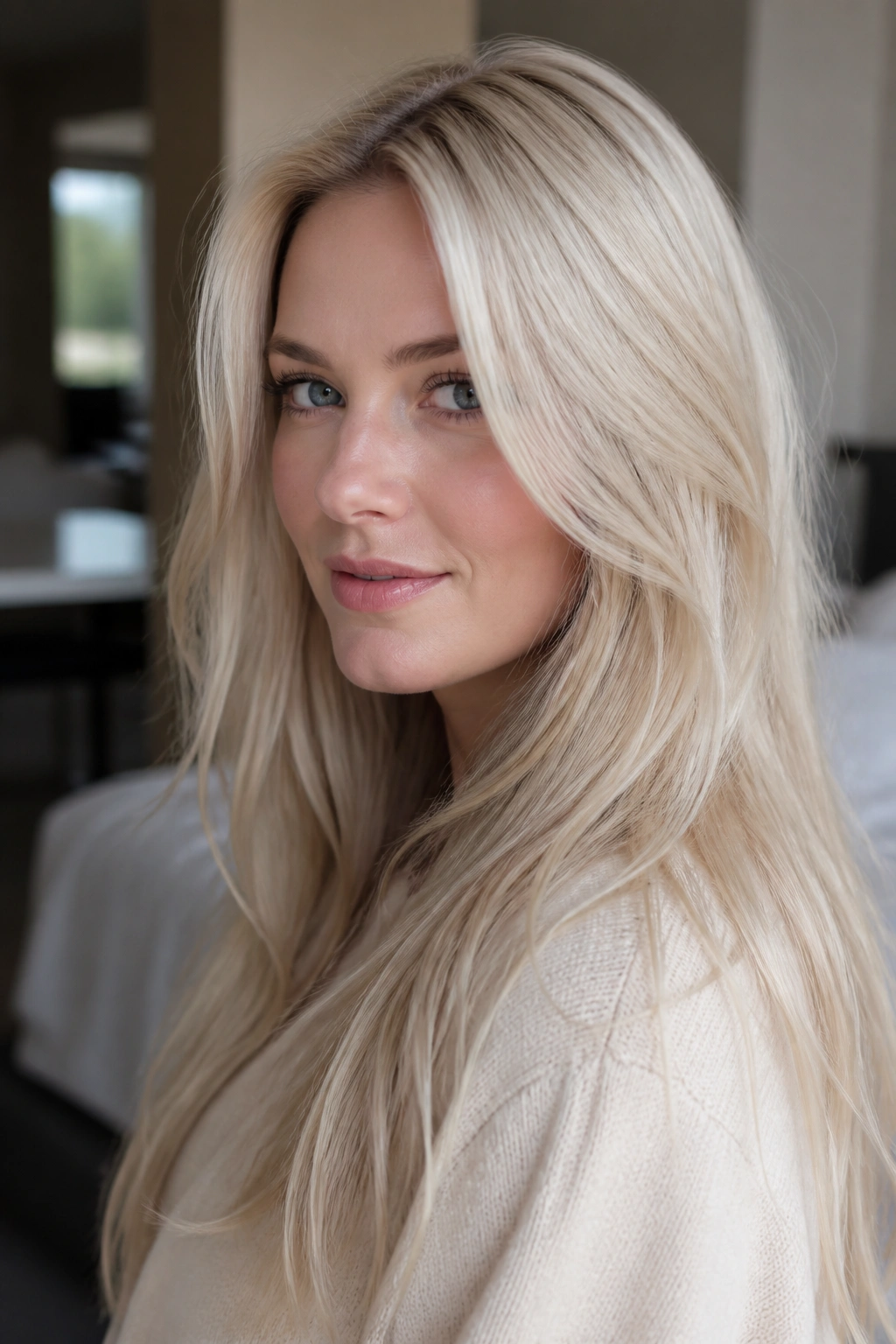
Pearl blonde is what I reach for when platinum feels too sharp. It has that cool shimmer, but there’s a creamy edge underneath that keeps the shade from looking harsh in winter daylight.
The best pearl blondes do not scream “silver.” They whisper it. That’s the whole charm. The hair still looks light and polished, but the tone is softer at the crown and just a little translucent through the ends. On fair skin, it can look clean and bright. On medium skin, it can keep the face from looking washed out the way an ultra-cool blonde sometimes does.
Ask your colorist for a pale blonde base with a pearl or opal gloss. That wording matters. You want something that reflects light without turning into a flat ash sheet. I also like pearl blonde on layered cuts, because the shade catches on each bend of the hair instead of sitting there as one block of color. It feels more alive.
It is a nice choice if you like cool tones but hate the icy, almost metallic edge that some blondes pick up under indoor lighting. This one stays softer. Much softer.
3. Mushroom Blonde
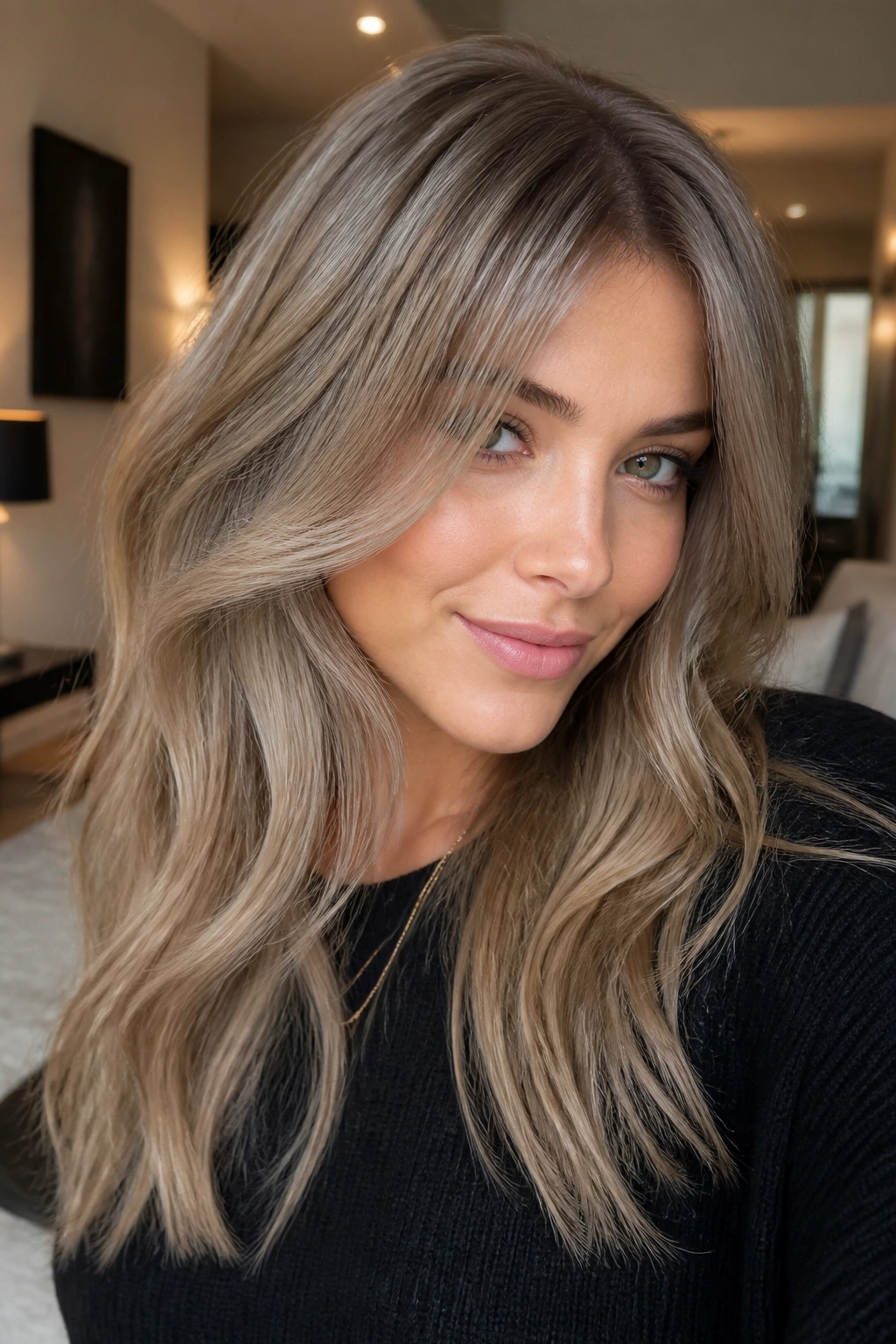
Want blonde that stays pretty even when your roots start showing? Mushroom blonde is the answer a lot of people skip because the name sounds a little strange. It shouldn’t. It is one of the smartest winter blondes there is.
How to Ask for It
Think smoky beige with a hint of taupe, not mousey brown and not yellow blonde. The base stays a little deeper, usually around a level 7 or 8, and the lighter pieces are woven through in fine ribbons. That gives you dimension without a high-contrast stripe at the scalp.
It works especially well if your natural hair sits between dark blonde and light brown. Those root shadows do not fight the color. They belong there. That means less obvious grow-out and fewer emergency salon trips when the season is busy and nobody has time for constant touch-ups.
What Makes It Different
- The tone is cool-beige, not icy.
- The roots stay soft on purpose.
- The lighter pieces are fine, not chunky.
- It looks even better when the cut has layers or a blunt, swingy finish.
If your hair pulls orange fast, ask for a slightly cooler lowlight through the interior. That small adjustment keeps the whole look from warming up too much.
4. Creamy Butter Blonde
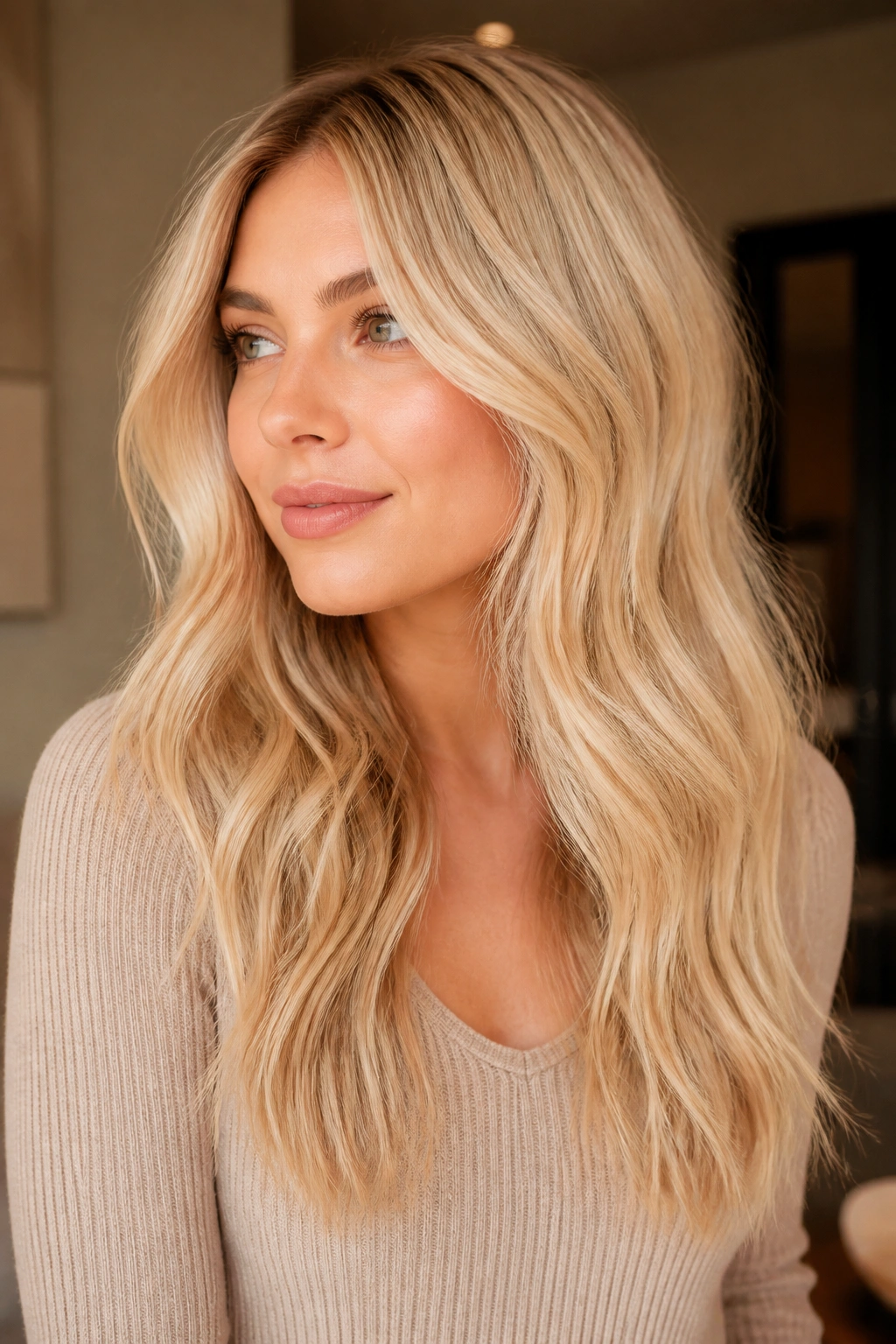
The one shade that still looks soft under dry indoor heat is creamy butter blonde. It has warmth, yes, but not the brassy kind that makes people reach for purple shampoo too fast.
This blonde sits somewhere between golden and vanilla. The best versions feel milky, not yellow. That sounds fussy, but the difference shows up fast. A true butter blonde makes the skin look a little fresher and the hair look thicker because the color has a gentle glow instead of a harsh pale snap. On layered cuts, it can be gorgeous. On long straight hair, it can look almost plush.
A lot of people mess this up by asking for “golden blonde” and stopping there. That usually brings too much yellow. Better to ask for creamy ribbons with a soft beige gloss over the top, then keep the root area just a shade deeper for contrast.
- Best for warm or neutral skin.
- Looks good with soft makeup and flushed cheeks.
- Needs gloss more than aggressive toning.
- Can go too yellow if the highlights are lifted too far without a balancing toner.
One rule: if the blonde looks like corn silk, it is too warm.
5. Champagne Blonde
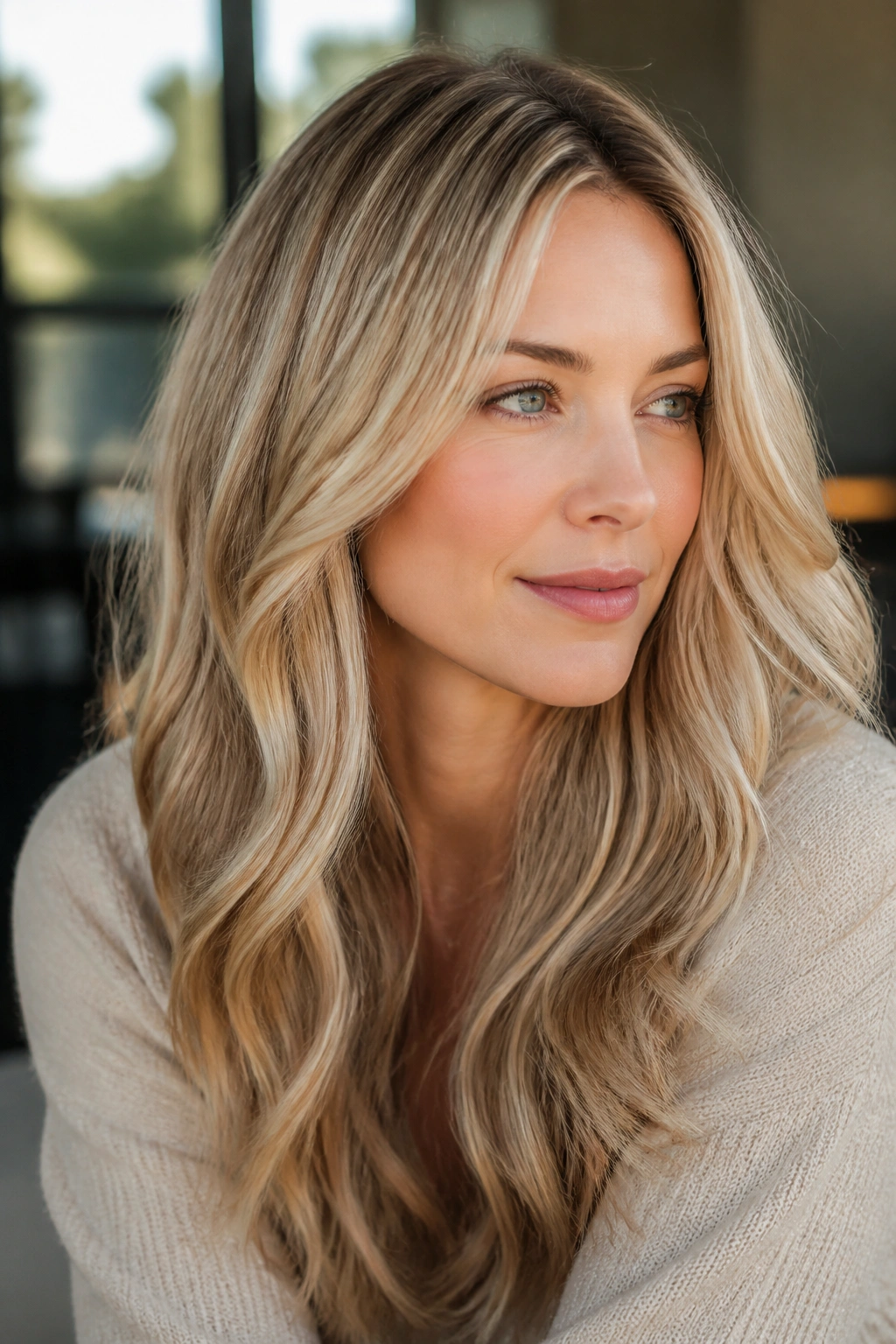
Champagne blonde sits in that sweet spot between beige and gold, and that balance is exactly why it works so well when the light gets cold. It does not go flat the way a plain beige sometimes can, and it does not turn brassy the way a more golden blonde can if the toner slips.
The shade has a tiny shimmer to it, but not the loud kind. Think pale gold with a cool sparkle on the surface. It is the kind of blonde that looks smooth in winter daylight and still feels soft under indoor bulbs. On medium skin, it can add warmth without making the whole face look orange. On fair skin, it gives a little color back without pushing into dull ash territory.
I like champagne blonde best on hair with some movement. Soft waves, a blunt lob, even a long layered cut. The tone catches on the bends and keeps the color from reading one-note. If the hair is pin-straight and very fine, you may want a few lighter pieces around the face so it does not disappear.
Ask for a beige-gold gloss over lifted highlights. That simple sentence gets you closer than asking for “bright blonde,” which is a little too vague for this shade.
6. Shadow-Root Vanilla Blonde
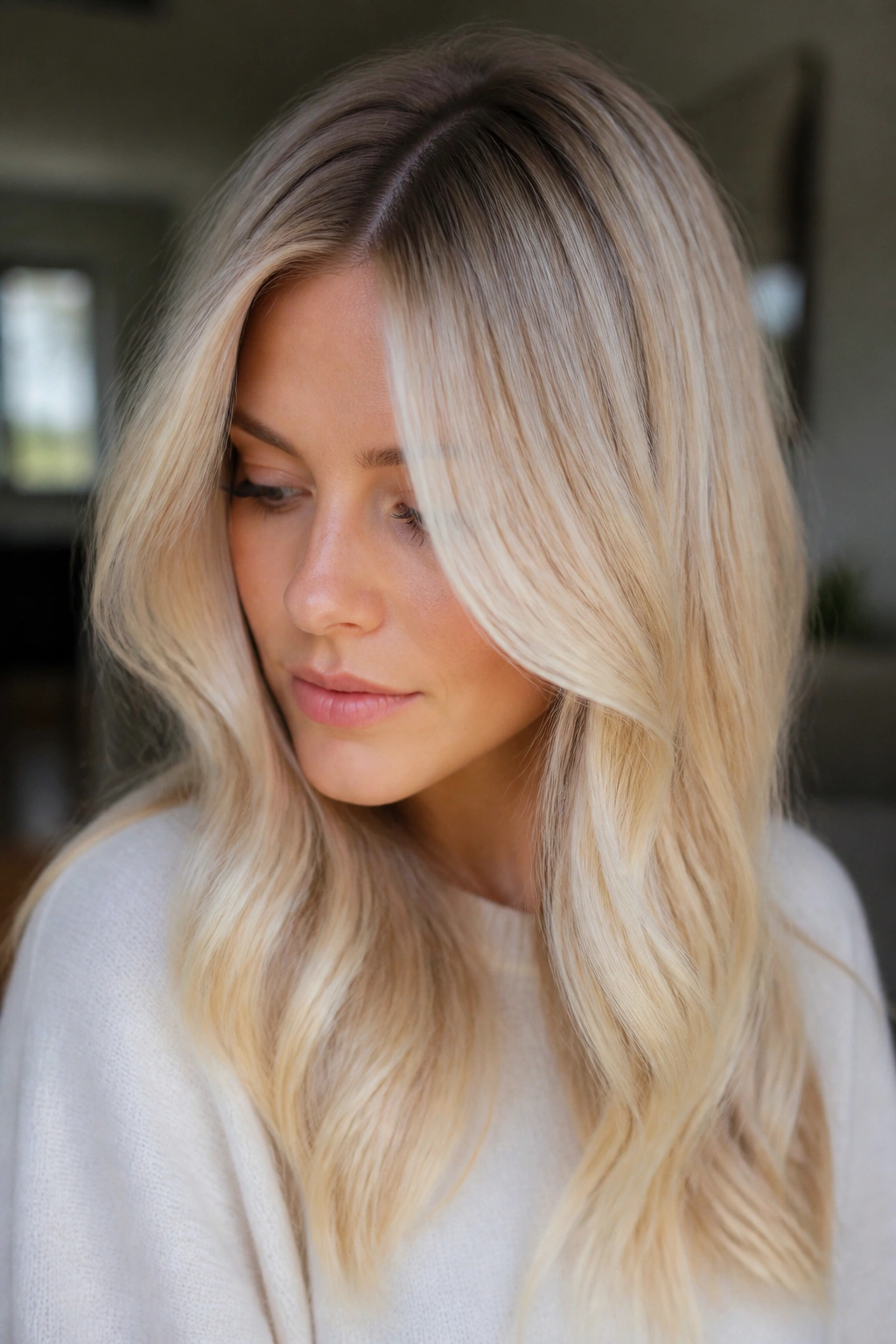
Unlike a solid all-over blonde, shadow-root vanilla blonde keeps a small amount of depth at the scalp, and that is what makes it look so good through winter.
What the Root Shadow Does
The root shadow gives the eye somewhere to rest. It stops the blonde from looking like it starts and ends at the scalp line, which can happen with an all-over bright color. A soft root melt also helps when your natural color is a dark blonde or light brown, because the grow-out looks intentional instead of obvious.
This shade usually starts with a root around level 6 or 7, then melts into creamy vanilla mids and lighter ends. The middle section is where the magic happens. That is where the color looks expensive in the best possible sense — not flashy, just considered.
Who It Suits
- People who want lighter hair without constant upkeep.
- Anyone with a medium natural base.
- Haircuts with layers, curtain bangs, or face-framing pieces.
- Skin tones that need a little warmth but not a full golden blonde.
If you want a winter blonde that can survive a few weeks between appointments without looking patchy, this is one of the strongest choices on the list.
7. Honey-Beige Blonde
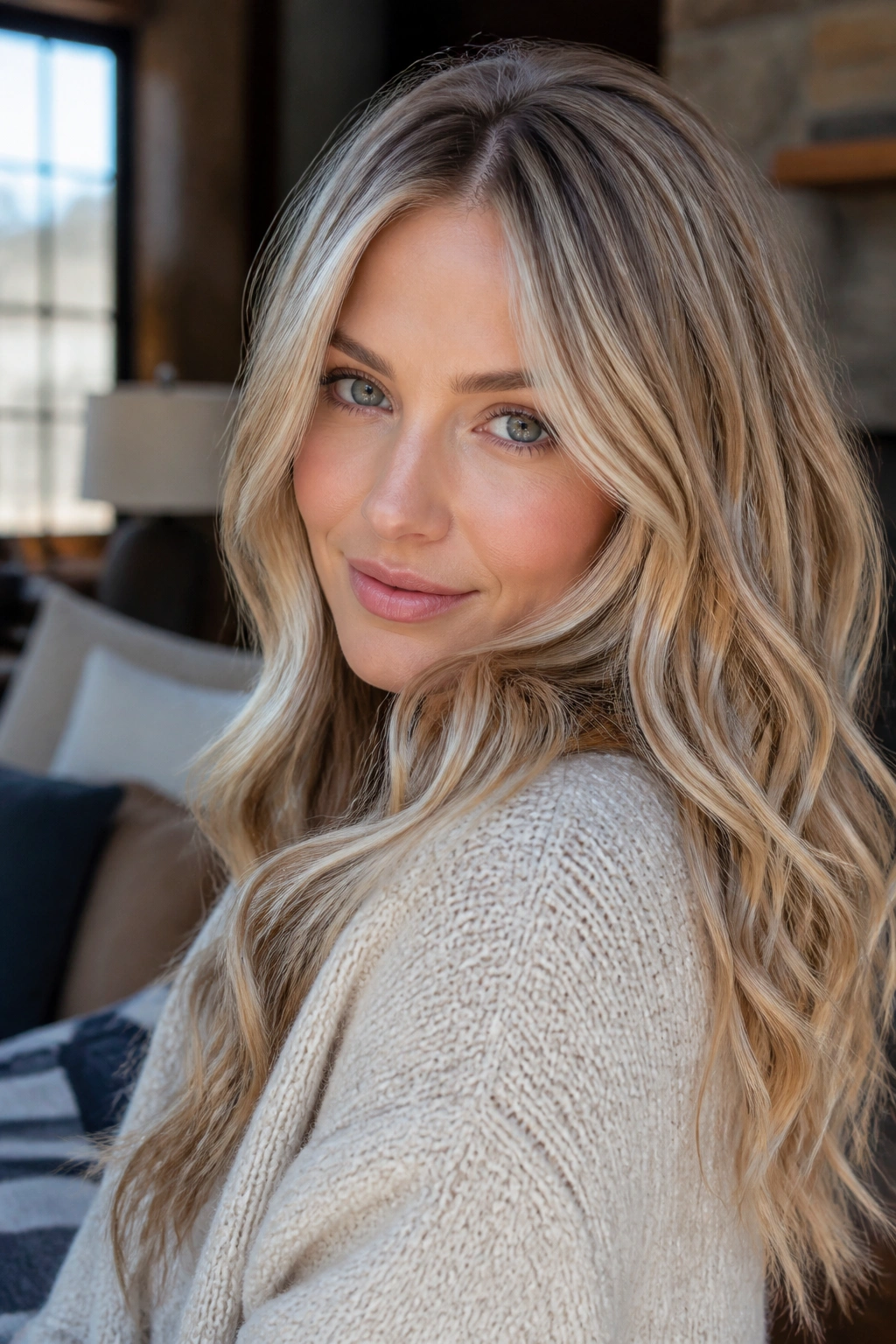
What if you want warmth without orange? Honey-beige blonde is the answer that keeps showing up for a reason.
It brings a soft golden note to the hair, but the beige tone reins it in. That keeps the color from going sticky or too yellow. On a cold day, this shade has a nice effect: it warms up the face just enough to keep the complexion from looking flat. It is especially useful if cool blondes tend to drain you a bit or make your features feel sharper than you want.
How to Keep the Warmth Soft
- Ask for a beige base with honey ribbons, not the other way around.
- Keep the highlights fine so the warmth does not bunch up.
- Choose a gloss that softens, not one that adds extra gold.
- Pair it with soft layers so the color moves.
A little brass is the enemy here. Not much, just enough to matter. If your hair picks up warmth fast, a beige toner every so often will keep the honey side of the shade pretty instead of loud.
8. Smoked Beige Balayage
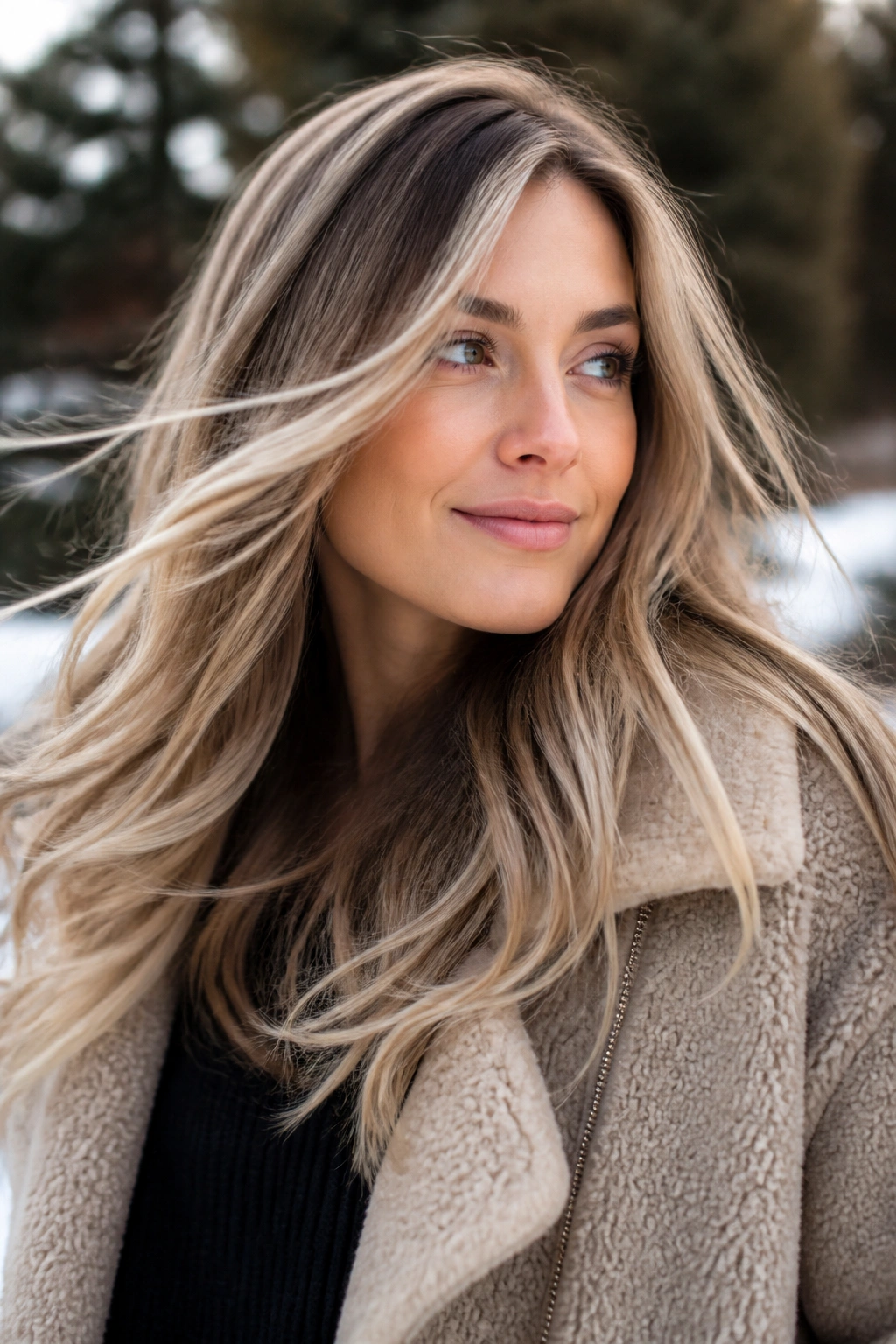
Picture blonde that moves more than it glows. That is smoked beige balayage in plain language.
This shade works because it is painted, not stamped on. The lighter pieces are hand-placed through the mid-lengths and ends, while deeper lowlights sit underneath and in the interior. That creates a smoky effect that feels easygoing, which is a nice break from high-contrast winter color. The whole look bends with the cut instead of sitting as one solid block.
It is a good choice if you want blonde, but not a loud blonde. The beige tone keeps it soft, and the smoky pieces stop the color from turning yellow under indoor light. I especially like this on longer hair, where the ribbons can fall differently depending on how you part it or tuck it behind an ear.
- Ask for balayage with 1 or 2 deeper lowlights.
- Brighten the face-framing pieces by one extra level.
- Keep the ends lighter than the mids for movement.
- Expect a softer grow-out than foil-heavy blonde.
This is the sort of shade that looks better when you do not overstyle it. A loose bend is enough.
9. Silver Blonde Gloss
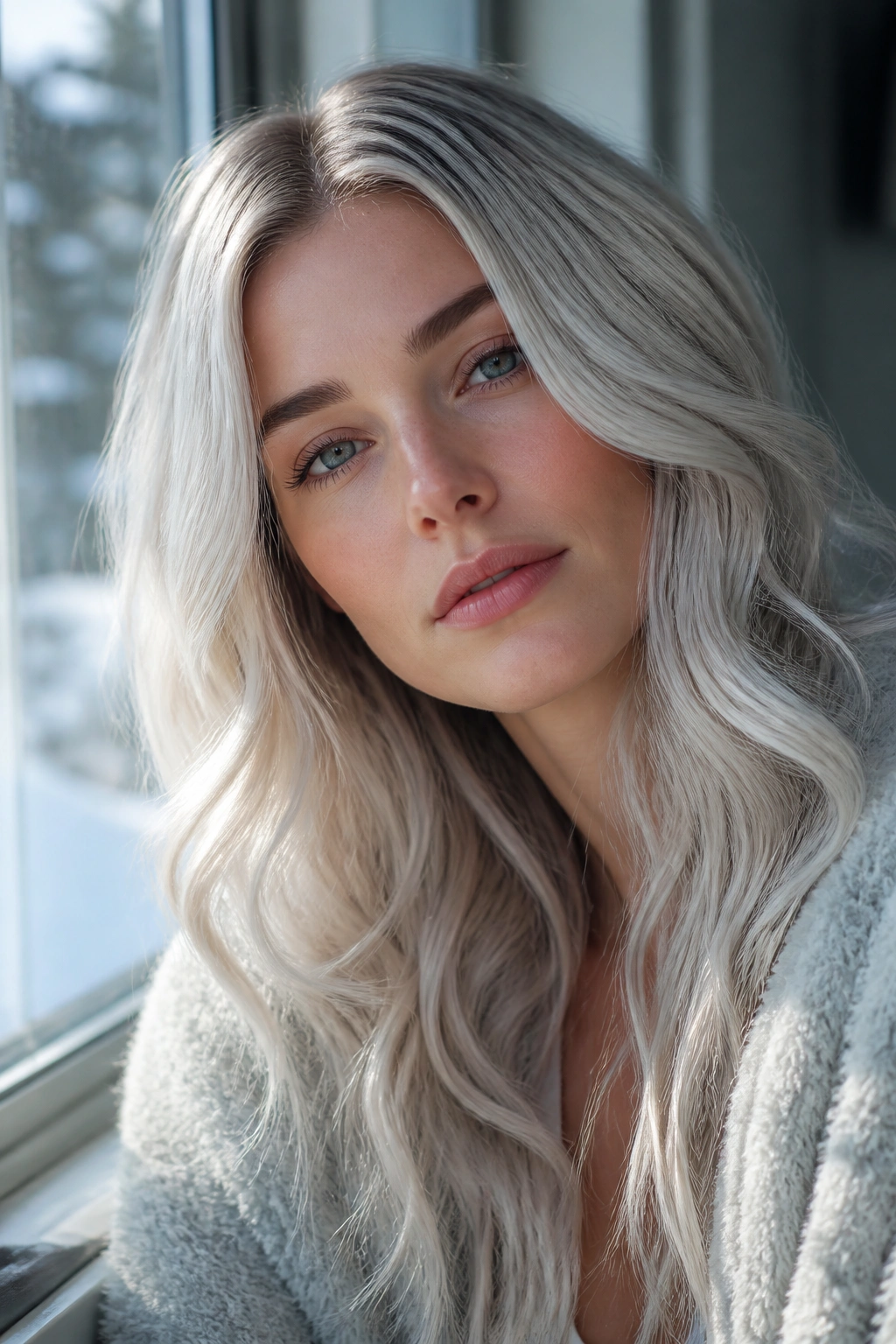
Silver blonde is the one shade that almost improves when the weather gets cold. The reason is simple: gray winter light loves cool reflectiveness.
You do need the right base for it. Silver blonde is not a shortcut color. The hair has to be lifted cleanly enough that the cool toner can sit on top without grabbing green or muddy. Once that base is there, though, the gloss can be stunning in a restrained way. It is not costume silver. It is a pale, icy sheen with a metallic edge that looks deliberate.
The maintenance is part of the deal. Silver tones fade faster than beige tones, and the finish can go dull if the hair is dry. A hydrating mask once a week helps more than people expect. So does a gloss at regular intervals. If the hair feels rough, silver will show it.
This one suits people who already lean cool in their clothes and makeup. If you wear charcoal, navy, black, and soft white a lot, silver blonde fits right in. If you prefer warm makeup and golden jewelry, you may want a softer pearl instead.
10. Rose Blonde
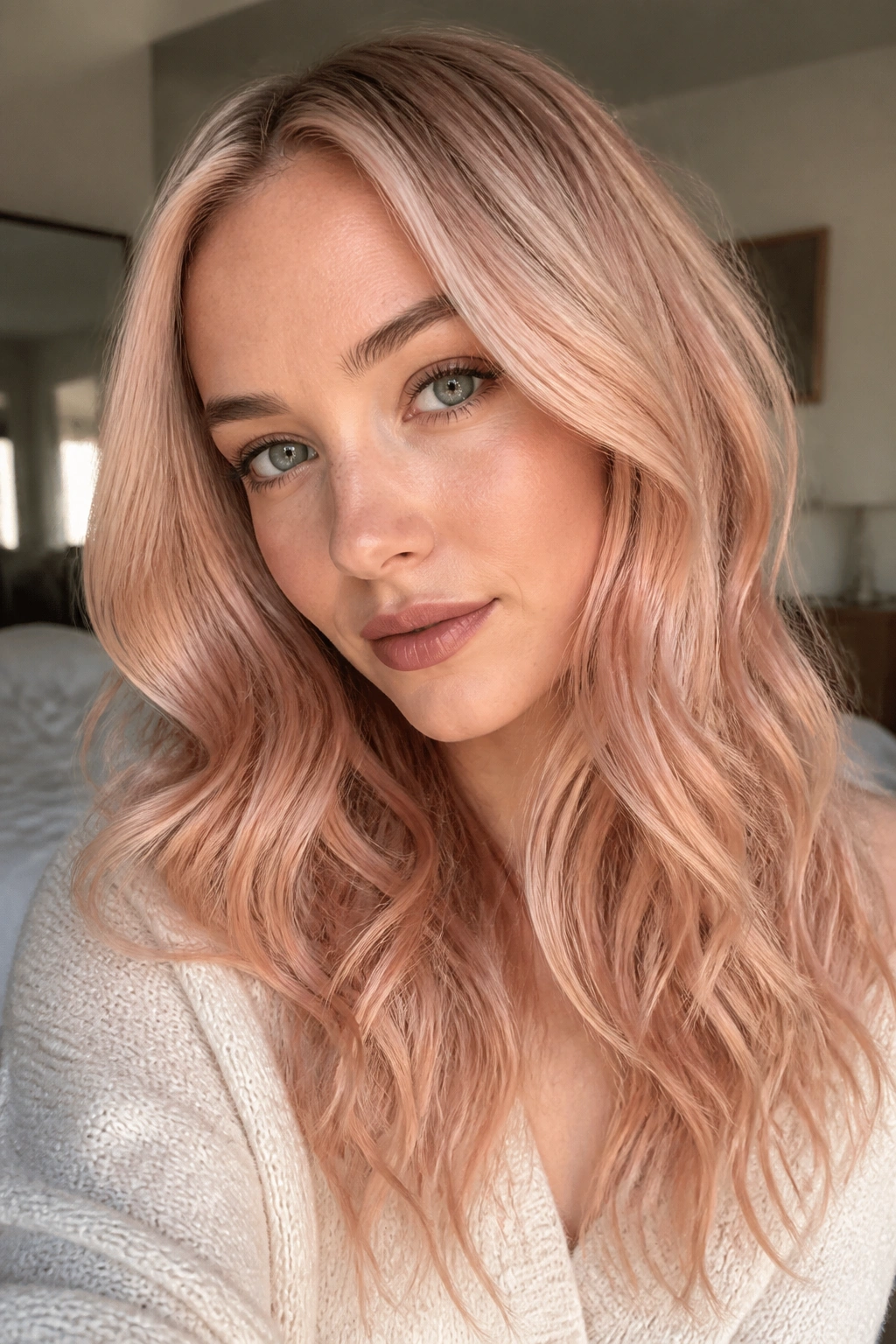
If plain beige makes your face look tired, rose blonde can solve that without crossing into bright pink territory.
The trick is keeping the rose muted. You want a whisper of blush over a blonde base, not bubblegum, not pastel candy, and definitely not something that looks like it came from a festival wig. A good rose blonde feels dusty and soft, almost like pink mixed with cream. That little bit of warmth can do a lot on pale skin, especially when winter light drains the color from the face.
I like this shade on loose waves because the pink-beige tone catches unevenly in a nice way. It never needs to be perfect. In fact, perfect is the wrong goal here. The more natural it looks, the better it wears. A sharp, flat finish can make the rose read artificial.
If you are asking for it at the salon, say you want a blonde base with a soft rose glaze over the top. The word glaze matters. It should sit on the hair like a veil, not like a permanent candy color. If the bowl looks too bright, it is too much.
11. Caramel Ribbon Blonde
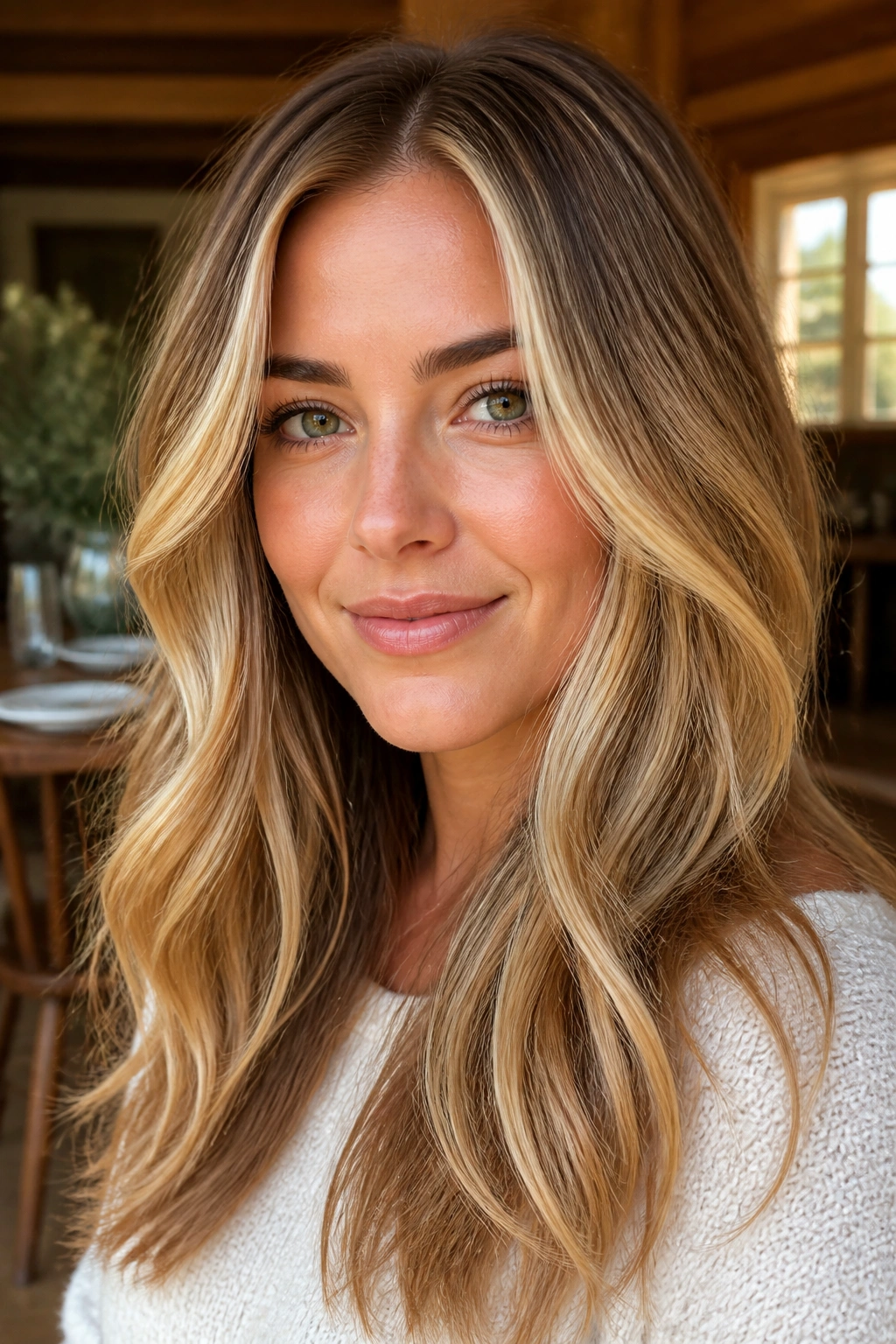
Unlike a flat blonde, caramel ribbon blonde keeps some deeper warmth running through the hair, and that depth is what makes it so useful in winter.
The ribbons are the point. They break up the base color, add movement, and keep the blonde from looking washed out next to heavier clothing. This shade is especially nice on light brunettes or dark blondes who want brightness but do not want to go all the way to platinum. The caramel sits a level or two deeper than the lightest blonde, so the effect feels richer without becoming dark.
What Makes It Different
- The highlights are woven in as ribbons, not all-over lightening.
- The caramel pieces usually sit around the mid-lengths and lower half.
- Face-framing strands can stay a touch lighter for lift.
- It grows out softly because the base is still doing some of the work.
I usually recommend this to people who hate the look of stark roots but still want a noticeable blonde shift. It has more depth than a beige blonde and more warmth than a mushroom blonde. That middle ground is where a lot of hair lives happily.
12. Money Piece Blonde
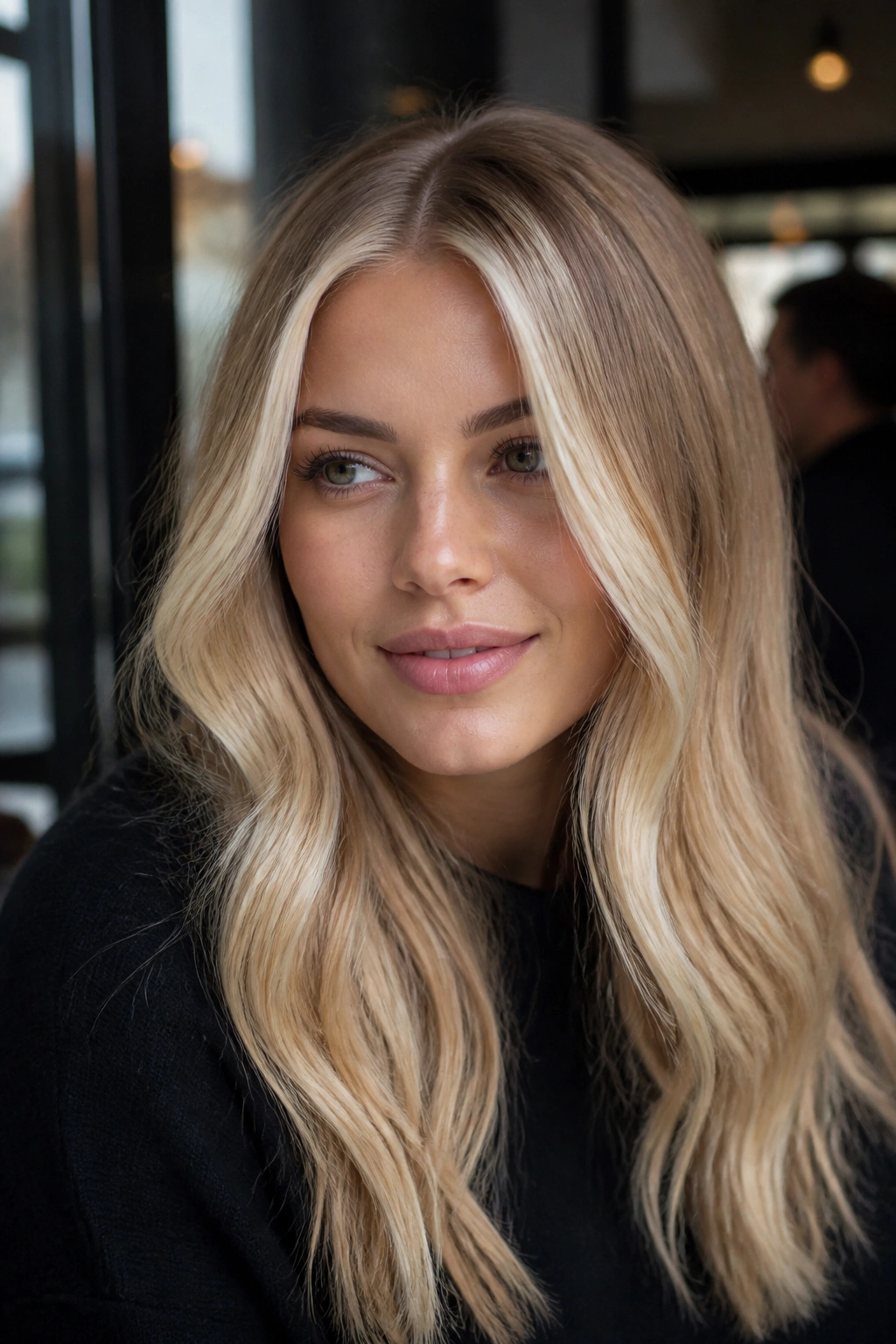
A dark coat, pale skin, and one bright strip around the face can do a lot. That is the whole appeal of money piece blonde in cold weather.
Where to Place the Brightness
The bright pieces sit right at the front hairline, usually two to four foils on each side, depending on the haircut and how dramatic you want the result. They frame the face and lift it without forcing the rest of the hair to be just as light. That makes the look punchy without turning the whole head into a maintenance project.
I like this idea most when the base stays rooted or softly beige through the back. It gives the front a little pop and leaves the rest of the hair calm. Very useful if you wear your hair up a lot, or if you want a color that changes depending on whether your hair is tucked back or worn loose.
A few things matter here:
- Keep the face pieces one to two levels lighter than the rest.
- Ask for a soft blend near the root so the line does not feel harsh.
- Pair it with a gloss so the bright pieces do not look stripped.
- Make sure the money piece suits your part line, not just a photo.
It is a small change with a big visual payoff. Not subtle. Not loud either, if it is placed well.
13. Wheat Blonde
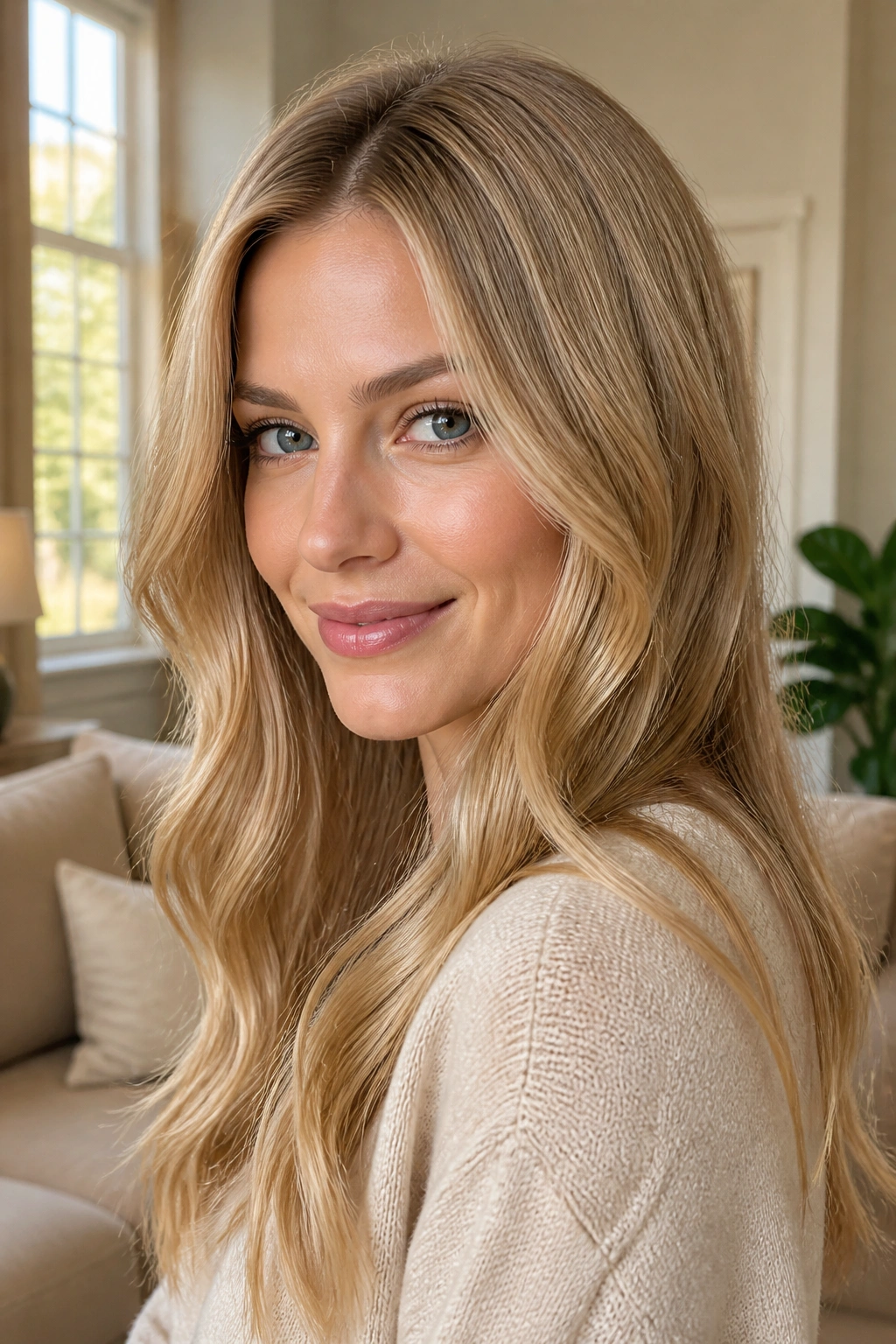
Wheat blonde is the shade I like when cool tones start washing someone out.
Why It Feels Easy to Wear
Wheat blonde has a tan-beige tone that sits between warm and neutral. It gives the hair warmth, but not the sticky, golden finish that can go too far fast. On someone with natural blonde hair that has darkened a little over time, it can bring back brightness without looking fake. On a light brunette, it can soften the shift into blonde so the result feels believable.
The shade also plays nicely with winter makeup. A little blush, a brown liner, a soft lip — suddenly the hair feels connected to the face instead of floating on top of it. That matters more than people think.
Quick Facts
- Best for neutral to warm skin.
- Works well on natural blondes who want a richer tone.
- Usually needs beige toner, not strong ash.
- Can be paired with airy layers or a blunt cut.
If your hair tends to go flat, ask for tiny lowlights in a tan-beige family. They keep the color from looking too airy, which is the main risk with wheat blonde.
14. Soft Vanilla Blonde
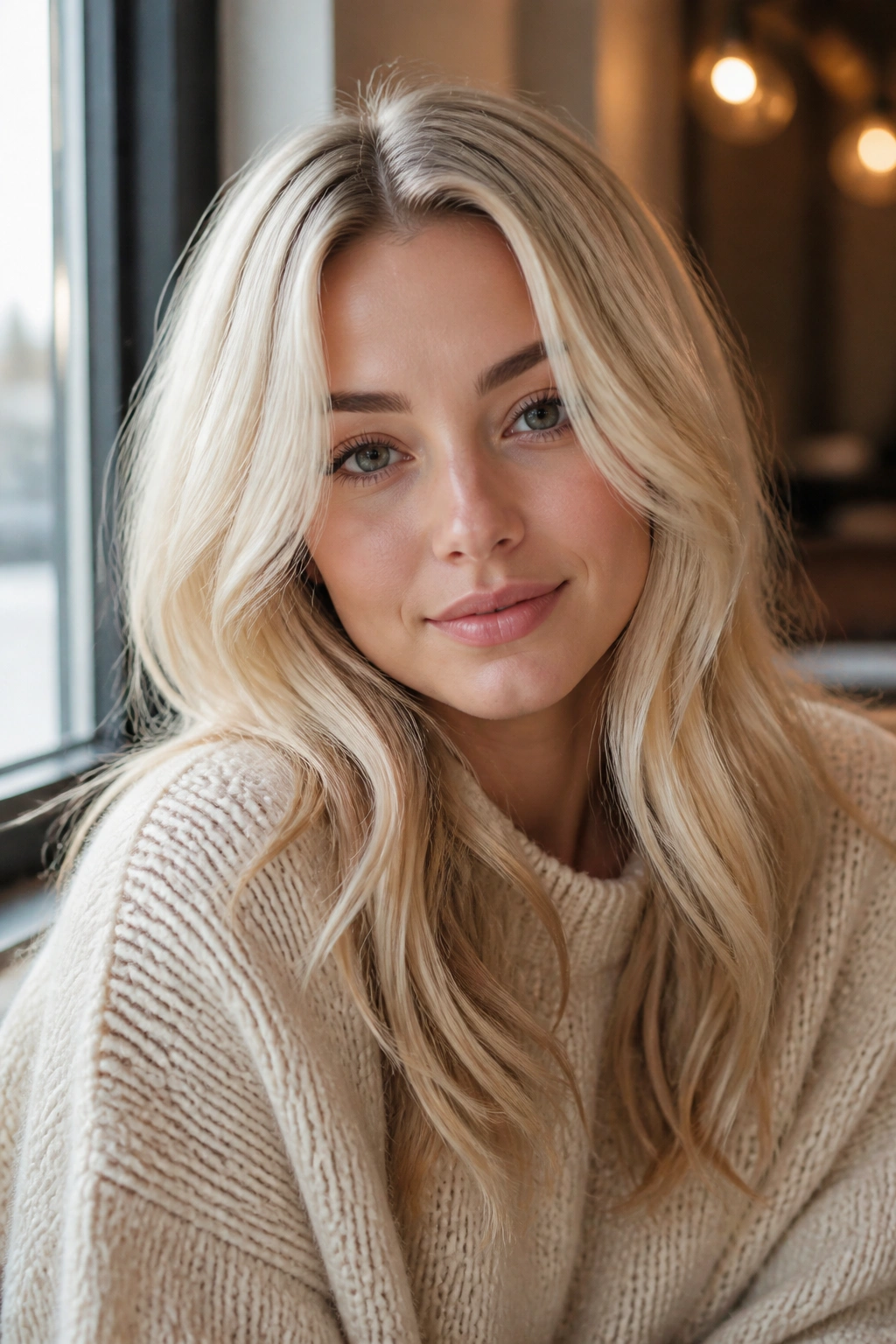
Soft vanilla blonde is the cleanest choice for anyone who wants light hair without a frosty finish. It is creamy, pale, and a little sweet-looking, but not sugary.
This shade is all about restraint. The best vanilla blondes are not white and not yellow. They sit in the middle with a smooth, milky tone that flatters a lot of skin tones because it does not fight the face. On medium skin, it can lighten the whole look without making the complexion feel washed out. On fair skin, it gives softness without veering into ash.
What I like most is how easy it is to wear with a normal wardrobe. You do not need a full cool-toned makeup routine to make it work. Creamy knits, denim, black tees, gold hoops — the shade handles all of it without drama. That makes it a smart winter blonde if you want something pretty but not high-maintenance in a visual sense.
Ask for soft highlights through the mids and ends, then leave a whisper of depth at the root. Finish with a clear gloss or a very light beige toner. If the result looks too matte, it will lose the vanilla effect fast.
15. Frosted Ombré Blonde
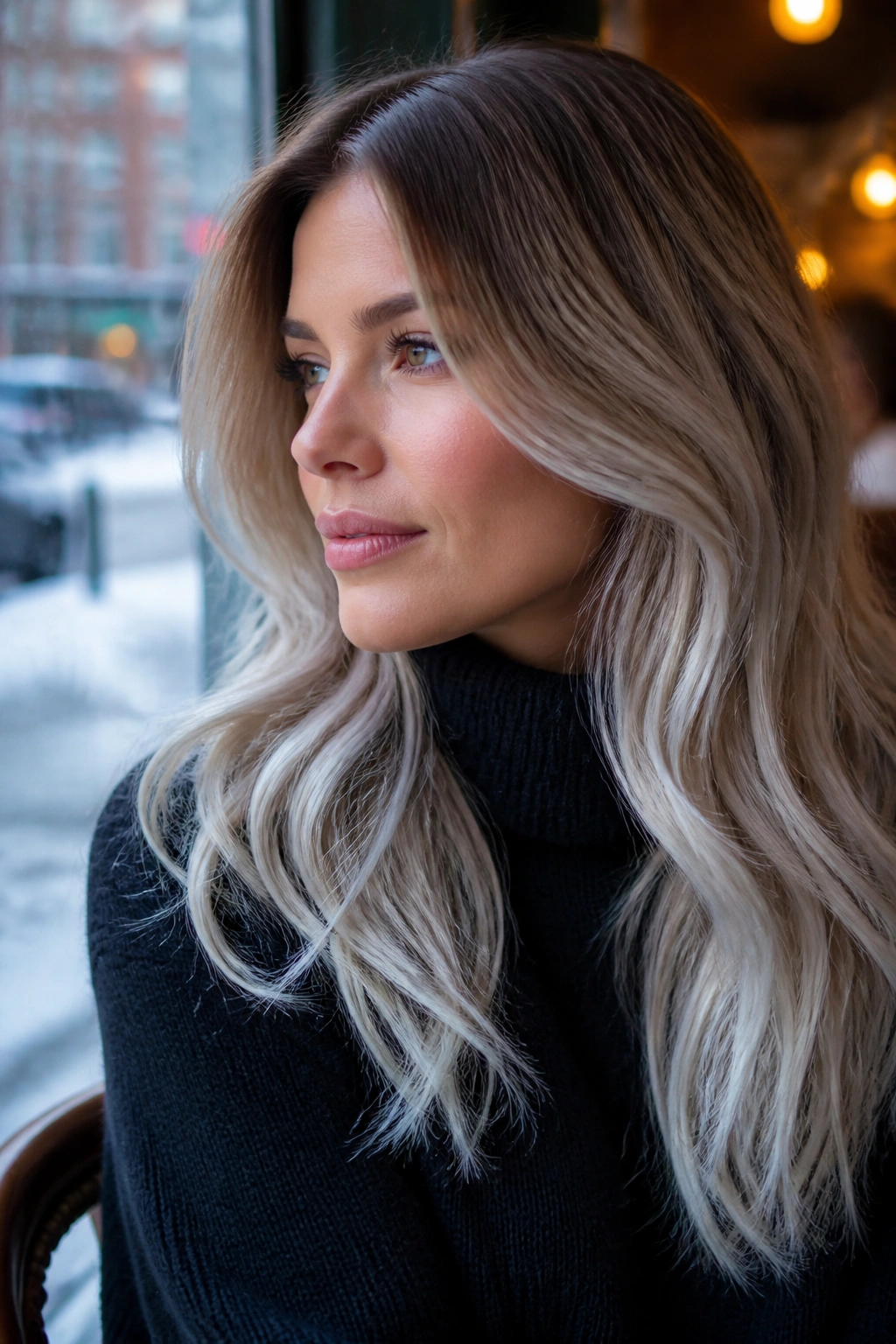
Need blonde that looks polished even when you stretch salon visits? Frosted ombré blonde does that better than most lighter shades.
The idea is simple: deeper roots, softer mid-lengths, and frosted ends that look like they were lightened by sun and time rather than all at once. It is not the heavy ombré from years ago with a blunt line of darkness and a hard blonde block below. This version is more feathered. The transition is smoother, the cool tone is cleaner, and the final effect feels lighter around the edges.
How to Wear It
- Keep the root area natural or one shade deeper than the mids.
- Ask for a cool beige or pearl finish on the ends.
- Add subtle face-framing pieces so the front does not disappear.
- Use a moisturizing mask on the lighter ends, because they will show dryness first.
This is a good call if you want winter blonde hair color that does not demand constant touch-ups. It also looks better the more it grows out, which is rare and useful. If low-maintenance is the real brief, this is the one I’d keep on the board.
