



A blunt blonde stripe on waist-length hair can look sharp for ten minutes and then start fighting the rest of the cut. Long hair gives color plenty of room to move, and that’s exactly why bad placement shows up so fast.
The best hair highlights ideas for long hair do more than brighten the ends. They build shape, break up heaviness, and make the hair move in a way that looks intentional when it’s straight, curled, or tossed into a claw clip. The trick is not more lightness. It’s smarter lightness.
Long lengths also change the rules a little. Ends are often more porous, midlengths can hold too much old color, and thick hair can swallow a highlight pattern if the foils are spaced badly. So the ideas that work best are the ones that take those things seriously, even if the finished look seems effortless.
Some of the options below are quiet and wearable. Some are bolder and a little nostalgic. A few solve a very specific problem, like hair that feels flat at the crown or ends that look fried after too many bright pieces. That’s the useful part, and honestly the part most people care about once they sit in the chair.
1. Soft Caramel Ribbon Highlights
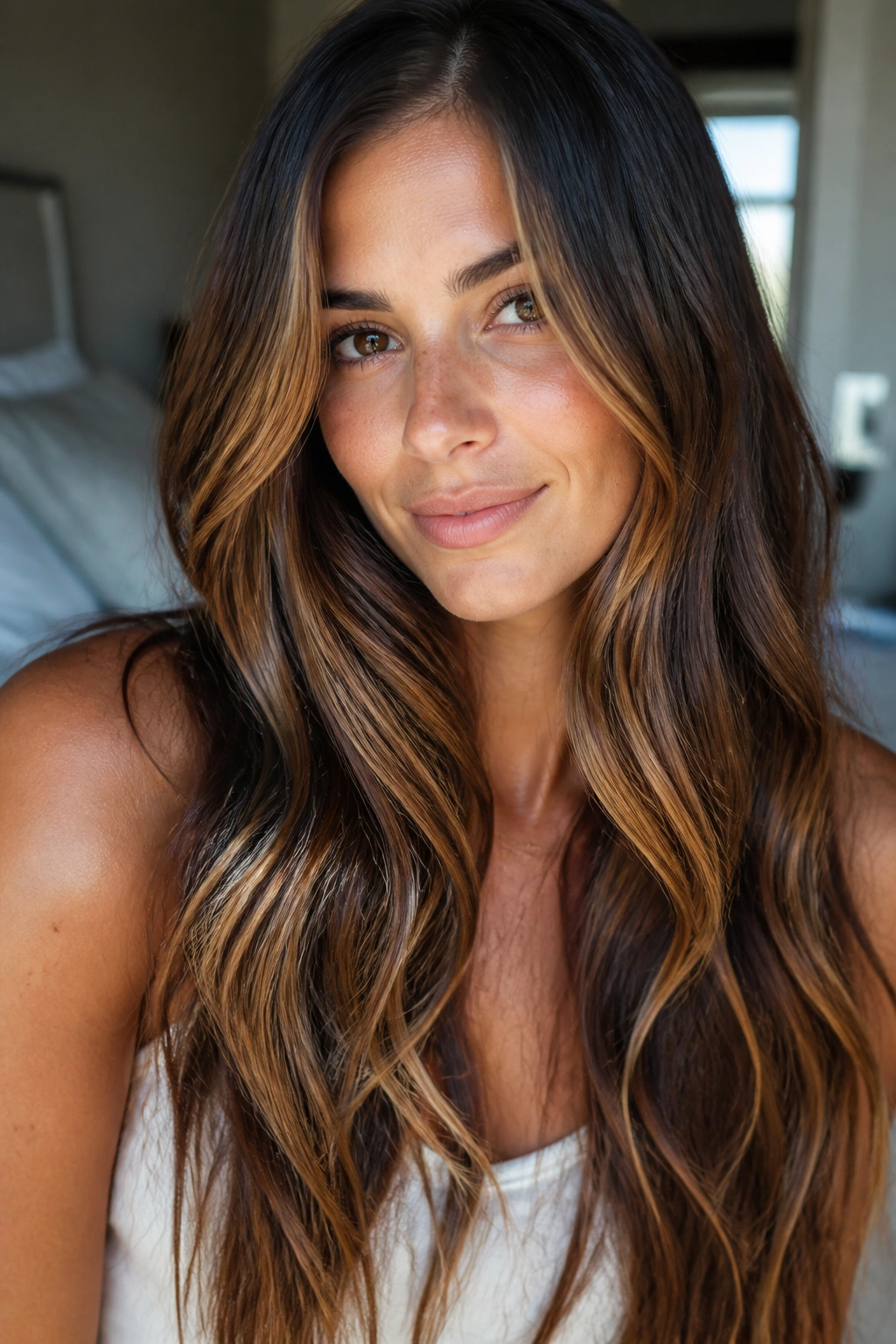
Soft caramel ribbons are one of the easiest ways to wake up brown hair without making the whole head look striped. The color sits in that useful middle zone: warmer than ash, softer than blonde, and much kinder to long ends that already need a little mercy.
Why They Work on Long Lengths
Long hair gives caramel room to breathe. A few ribbon-like pieces through the midlengths and lower layers shift when the hair moves, so the color never looks frozen in place.
- Best on bases from level 4 to 6.
- Ask for ribbons no more than 1 to 2 shades lighter than your base.
- A beige or clear gloss keeps the finish shiny instead of brassy.
- Loose waves show the dimension better than very straight styling.
My take: This is the safest “I want something noticeable, but not loud” choice.
2. Face-Framing Honey Highlights for Long Hair
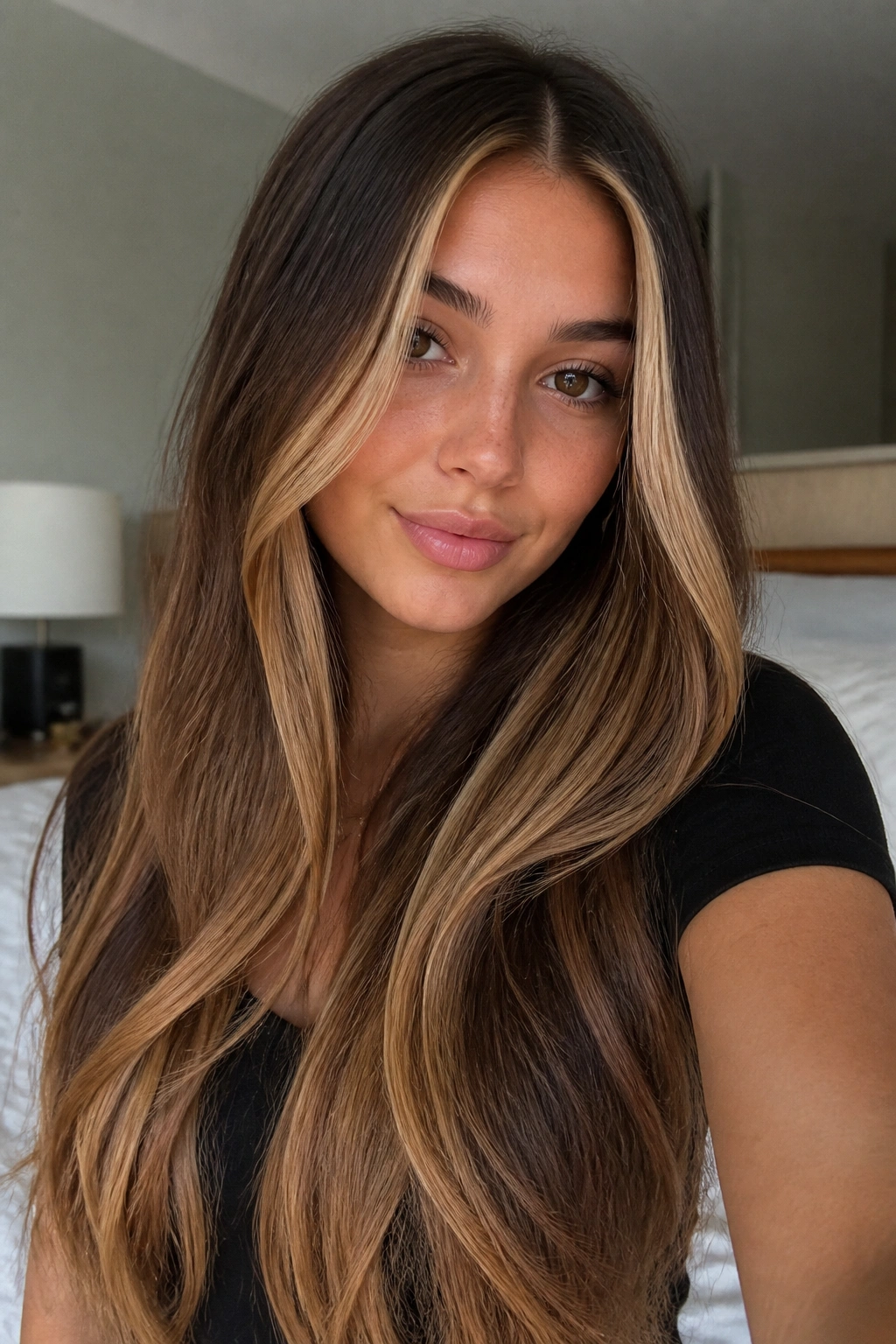
Why do two slim honey pieces around the face change the whole haircut? Because long hair can hide brightness fast, especially if most of it lives below the shoulders and the front layers are heavier than you think.
Honey highlights near the cheekbones pull the eye upward and make the face look more awake. On long hair, they also stop the length from feeling like one long curtain. That matters more than people expect. A tiny bit of brightness in the right place can do more than a full head of scattered color.
I like this option on layered cuts and soft blowouts, especially when the front sections are tucked behind the ears or pushed back from the face. It also plays nicely with curtain bangs, since the lighter pieces blend into the sweep instead of sitting on top of it.
If you want a low-risk change, start here. It’s simple, useful, and easy to grow out.
3. Ash Beige Balayage on Long Brunette Hair
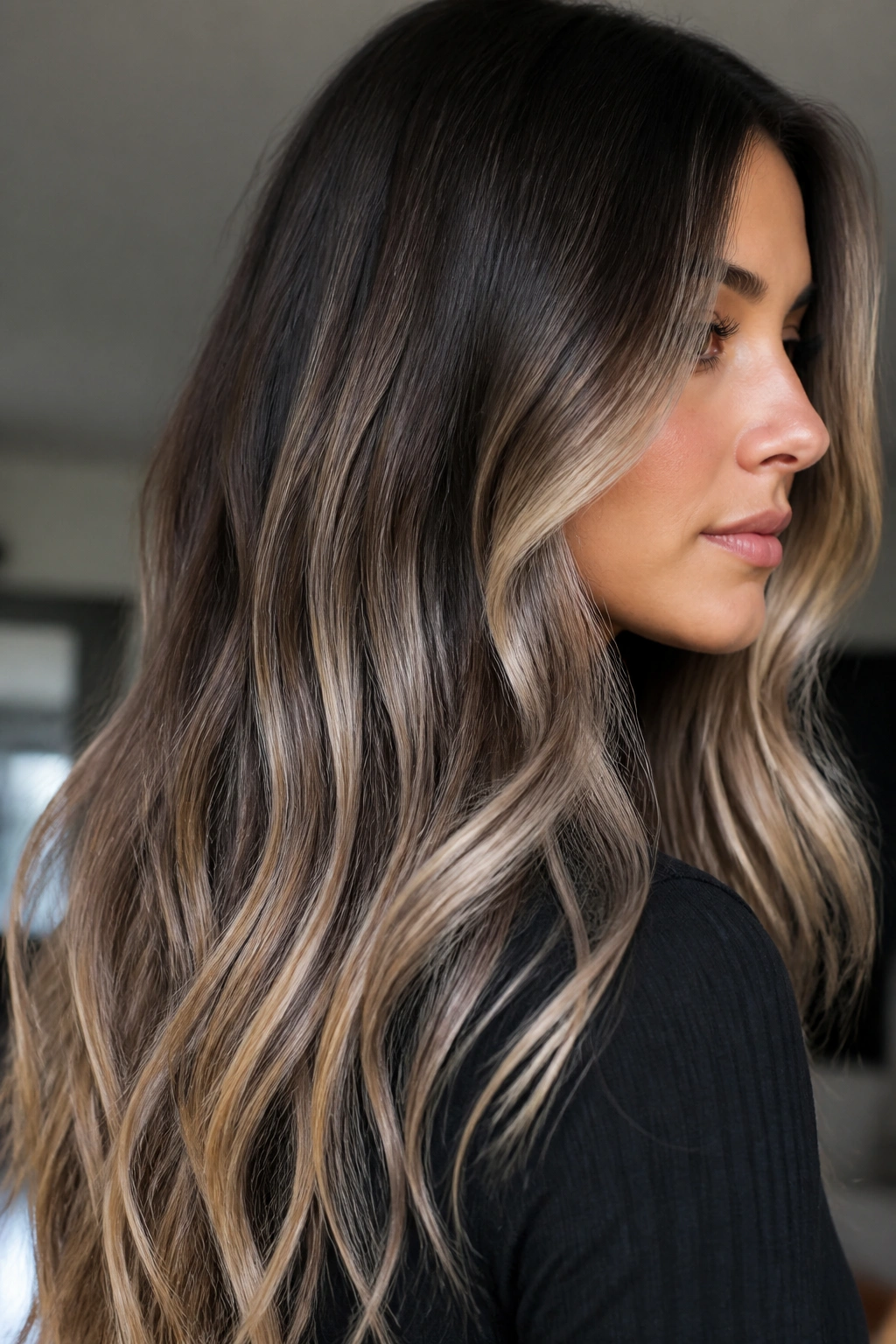
Ash beige balayage is the move when you want coolness without making the hair look flat. It softens red and orange undertones, which is a gift if your brunette base tends to go warm the minute bleach touches it.
When to Skip It
If your hair already leans very cool or looks dull without much shine, too much ash can turn the whole thing dusty. That’s not a mood. It’s a mistake.
The best version of ash beige has a little light in it, not just gray. Think smoky beige, not faded brown. On long hair, the effect is subtle from a distance and richer up close, especially through the lower third where balayage can create a long sweep of dimension.
This one works best when you want your hair to look expensive in the quiet sense of the word — soft movement, clean tone, no obvious striping. It also looks good on thick hair, because the muted contrast makes the density look lighter without chopping the shape into pieces.
4. Chunky ’90s Blonde Panels
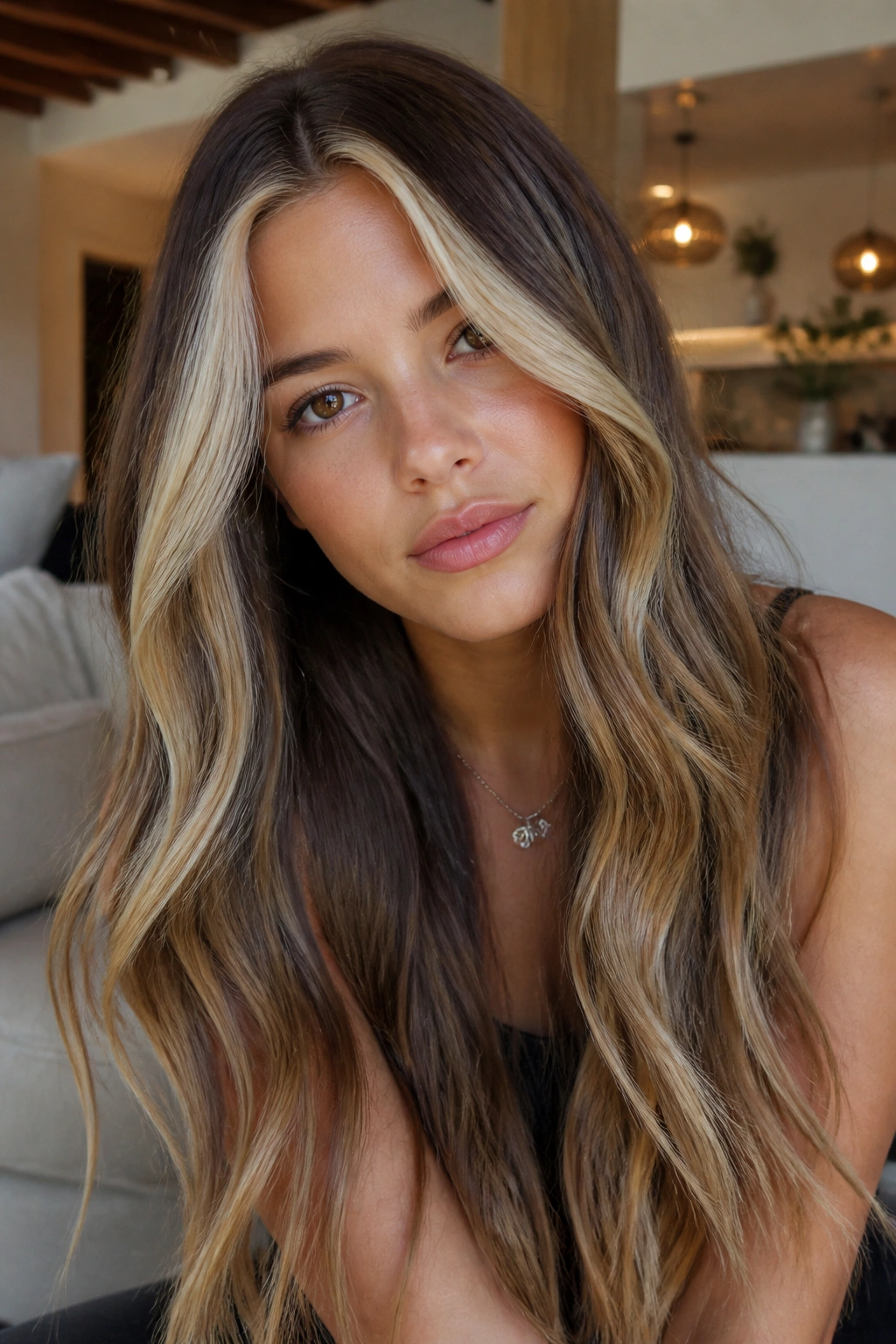
Chunky blonde panels are back because they solve a problem a lot of fine and medium hair has: a full head of tiny highlights can disappear once the hair is long and heavy. Wider panels give the color somewhere to show.
If you wear your hair in big waves, a middle part, or even a half-up clip, these panels peek through in a way that feels deliberate. They’re also a good match for long layers, since the color breaks up the length instead of sitting like a solid sheet.
Where They Look Best
- Around the face for a strong frame.
- Beneath the top layer so they flash when the hair swings.
- Through the ends if you want a real throwback feel.
- Spaced carefully, not packed together.
The main thing is restraint. Too many chunky sections and the hair starts looking like a zebra crossing. A few bold panels, though? Those can look sharp and modern, especially on a glossy blowout.
5. Golden Bronde Melt
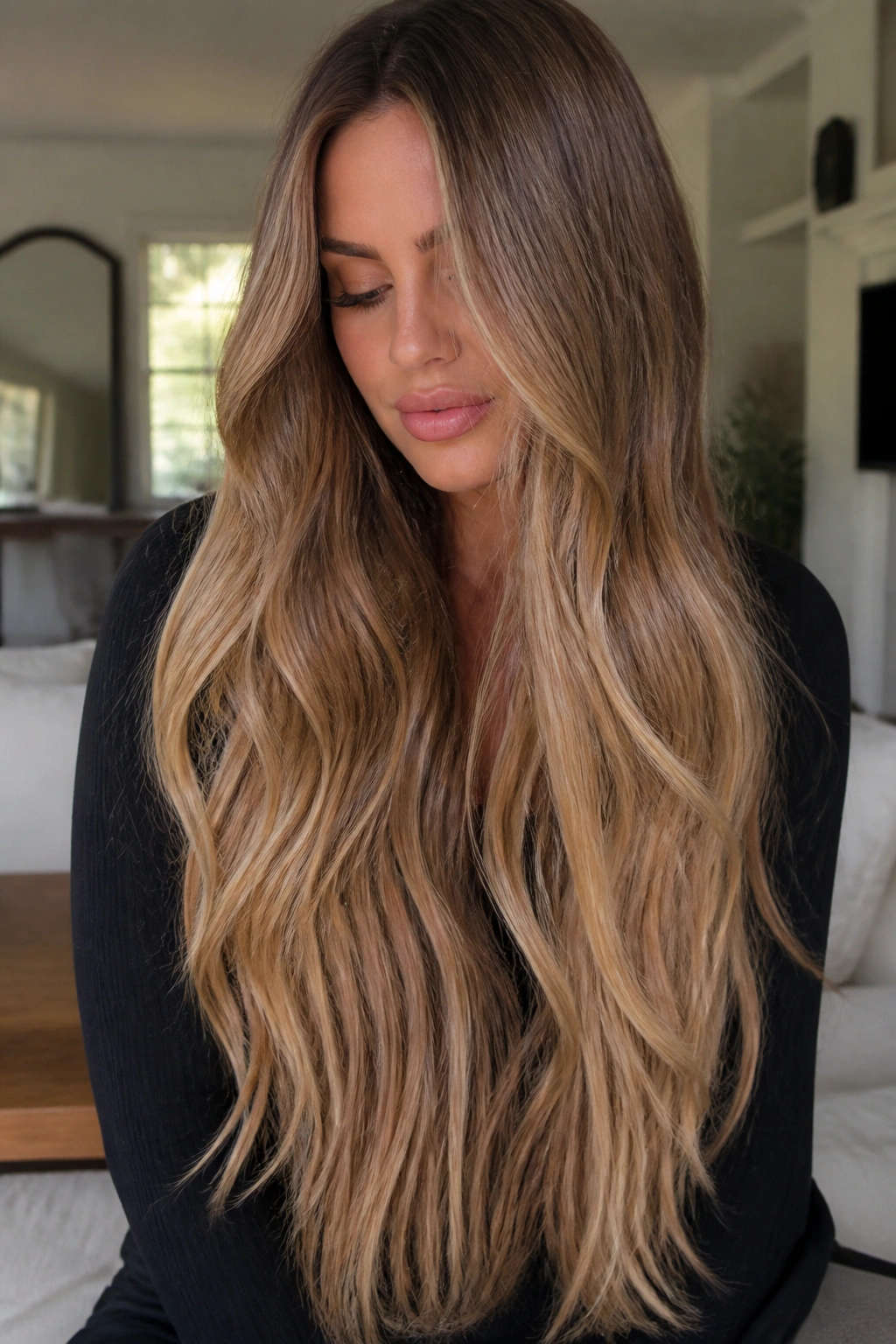
Bronde works because it refuses to choose sides. It keeps enough brunette depth to make long hair feel full, then slides into gold through the mids and ends so the whole head still catches light when it moves.
This is the color I’d point to for someone who hates obvious grow-out but still wants visible brightness. The root stays soft, the transition stays blurry, and the lighter pieces don’t scream for attention every time the hair is tied back. It’s one of those looks that gets better after a few washes, which is rare and useful.
The best bronde melts don’t look painted section by section. They move from dark to light in a slow drift, almost like the sun has been working on the hair for months. That’s why they suit long lengths so well. There’s room for the fade.
It looks rich. Not loud.
6. Copper Ribbon Highlights
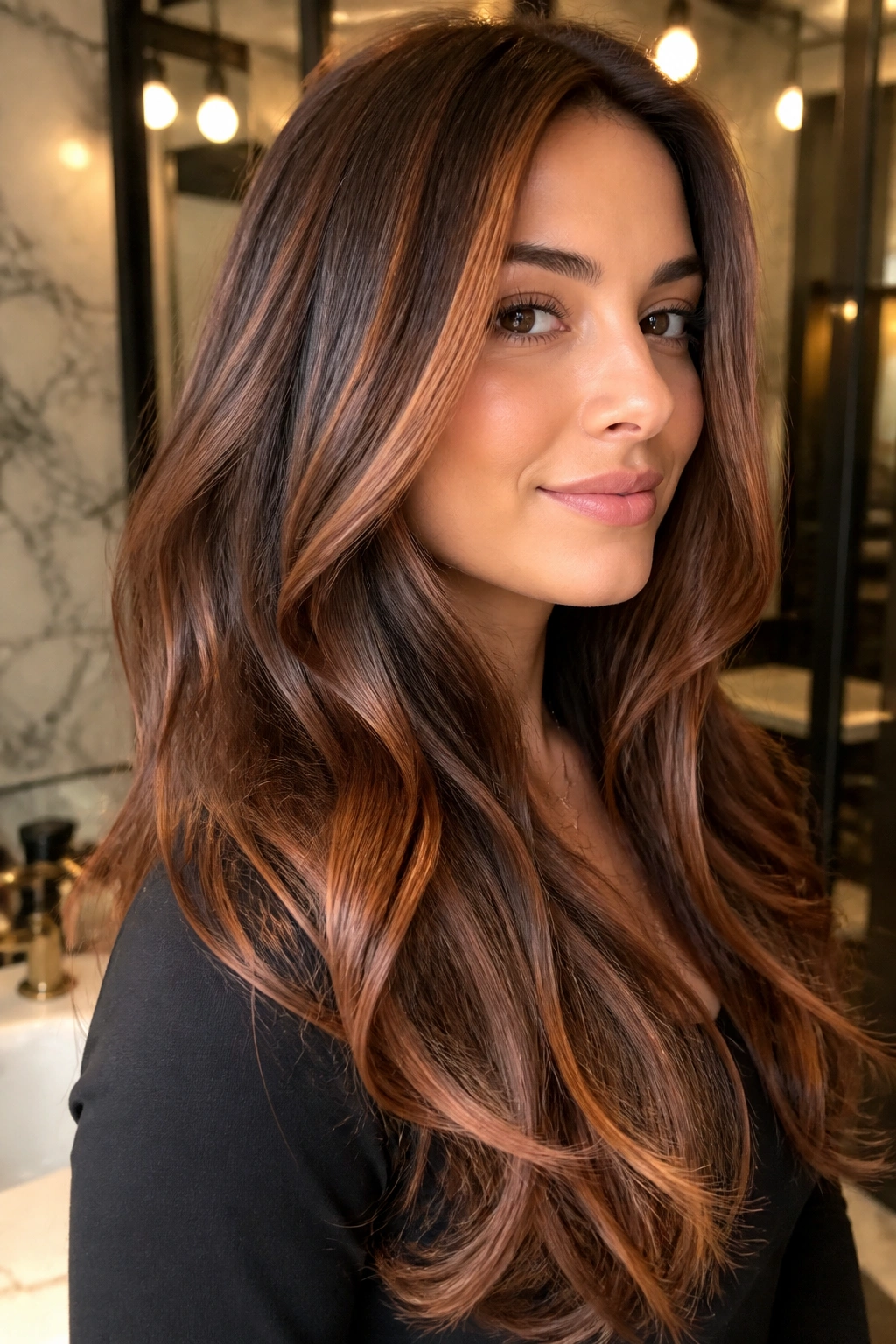
Copper ribbon highlights are for people who want warmth that feels alive. Not orange. Not red-red. Copper has that sweet burnished tone that sits somewhere between a leaf in late afternoon and a penny after rain.
What Keeps Copper Looking Fresh
Copper fades faster than neutral blonde, and long hair shows fading in a very obvious way because the ends are the first to get washed out. A color-depositing mask in a copper or warm auburn shade can help between salon visits, and a gloss every 4 to 6 weeks keeps the tone from going muddy.
These ribbons are especially good on medium brown, dark blonde, and auburn bases. They also look strong in loose waves because the curls catch the warm pigment at different angles. Straight hair can wear copper too, but the shine has to be good or the tone can look a little dull.
If you like warmth with a bit of edge, this one delivers without needing a full copper transformation. It’s a smaller commitment than all-over red, and that’s part of the charm.
7. Vanilla Babylights
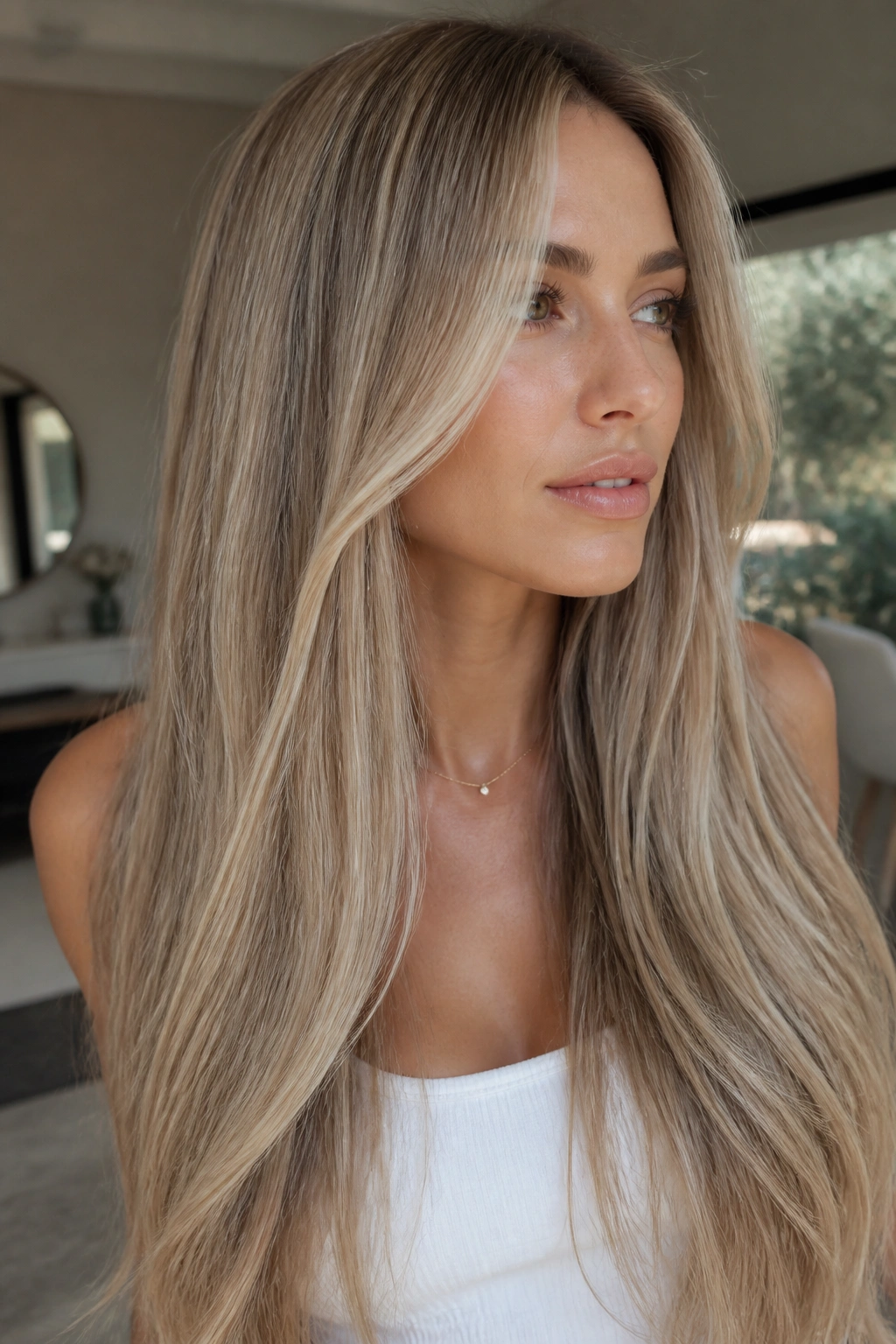
Vanilla babylights are tiny, thin highlights that mimic the soft lightening you see in hair that’s spent time outside and in the water, except without the dryness. On long hair, they’re less about drama and more about making the surface look alive.
The magic is in the fine weave. Big highlights can read as blocks on long lengths, but babylights melt into the base and keep the overall color looking expensive and natural. They’re a good choice for blondes who want more brightness and for brunettes who want a lighter feel without losing their depth.
Placement Matters More Than Brightness
Put the lightest pieces where the hair bends: around the part line, through the top layers, and softly through the ends. That gives you movement where the eye expects it.
Babylights also work well with long cuts that already have shape. They make layers more visible without turning the style into a high-contrast map. That’s the real value here. Quiet, but not boring.
8. Mushroom Brown Lowlights and Highlights
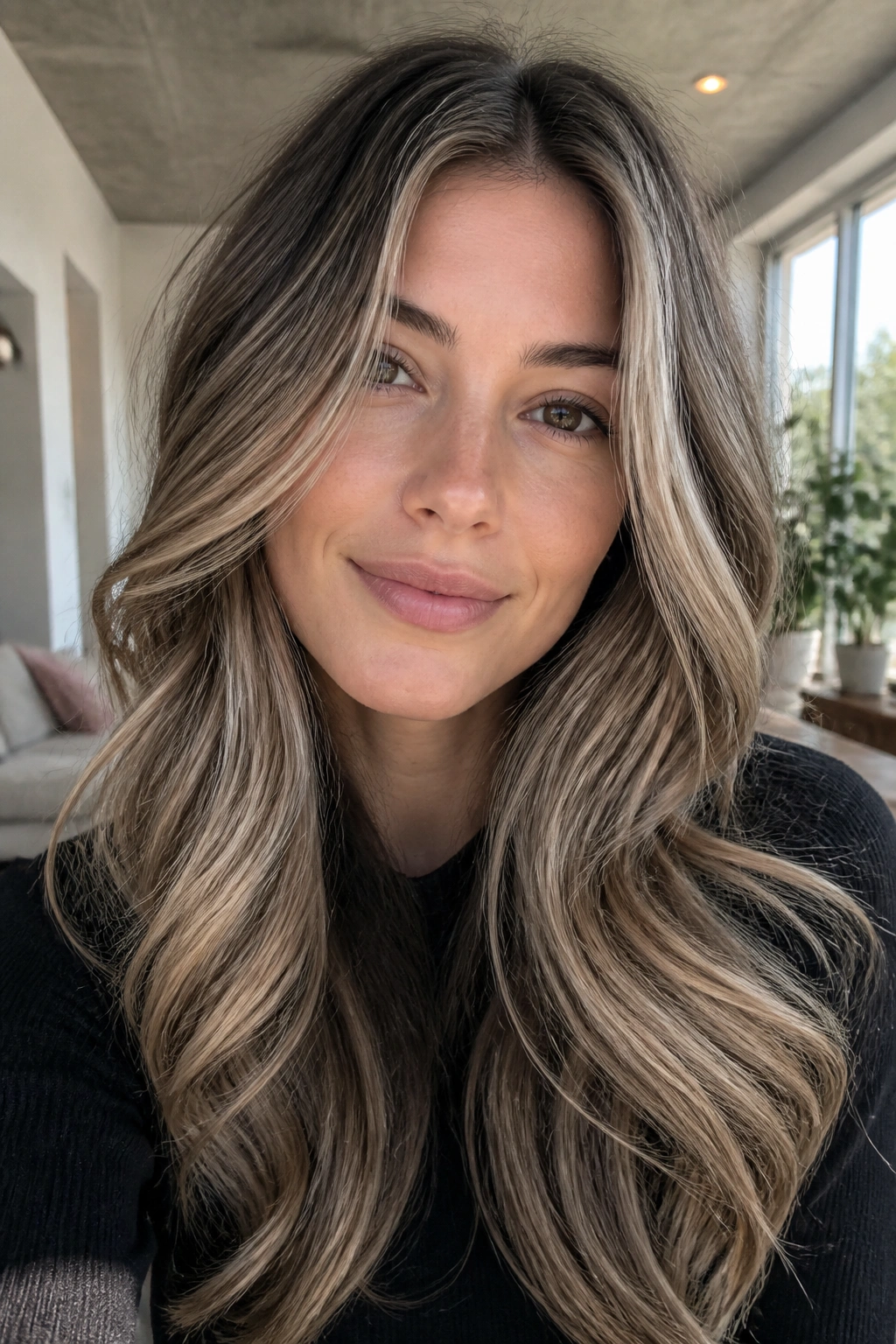
Not every highlight needs to be blonde. Mushroom brown is the answer for long hair that feels too warm or too flat, but not ready for obvious brightness.
The color sits in a cool taupe-beige zone, which can make a dense brunette look softer and more dimensional without forcing the hair into a lighter bracket. I like it on long hair that hangs heavy through the ends, because the smoky tone creates movement even when the cut is blunt.
The catch is balance. If the base is already very warm, mushroom pieces need enough beige to stay readable. Too much gray and the hair can look muddy. Too much brown and the whole idea disappears. When it’s done well, though, it gives the hair a clean, modern depth that looks good in daylight and under indoor light.
This is the option for someone who likes cool clothing, neutral makeup, and hair that feels polished without being shiny in the obvious sense.
9. Peekaboo Jewel Tones Under Long Layers
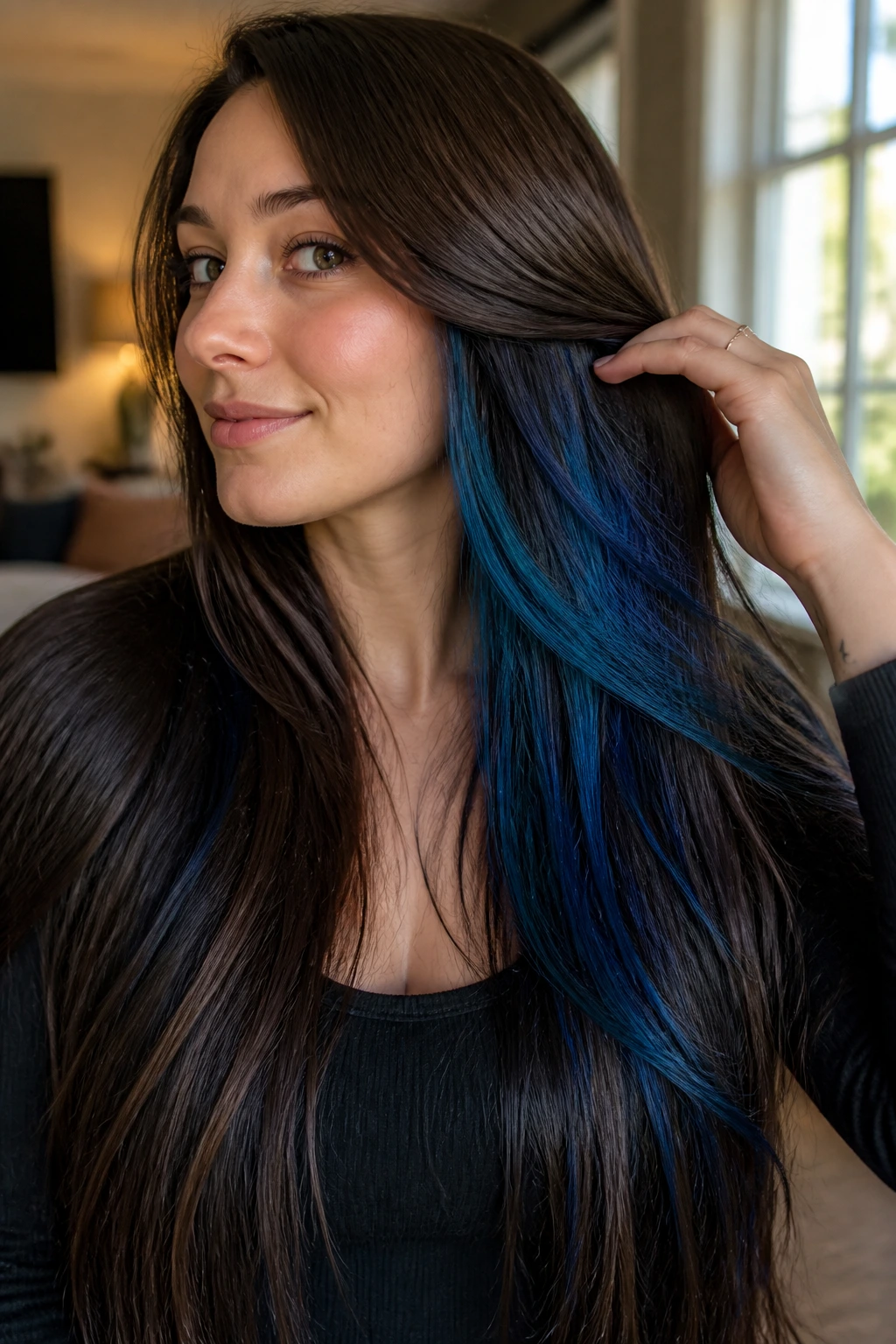
Peekaboo color is the fun one. Blue, teal, plum, emerald — whatever you choose, the point is that the color lives underneath the top layer and only shows when the hair moves, gets pinned up, or falls over one shoulder.
That hidden placement makes it especially good for long hair. There’s enough length to keep the bright color tucked away, and enough movement that it still gets seen. It’s a smart option if you want something playful but not constant.
Good Places to Put It
- Under the crown for color that flashes when hair is lifted.
- Through the lower layers so it shows in waves.
- Around the nape if you wear ponytails or buns often.
- Behind one ear for a tiny surprise.
This is not the look for someone who wants subtle elegance. It is for someone who likes the idea of color showing in motion, not all at once. And on long hair, that reveal feels especially good.
10. Shadow-Root Platinum Ends
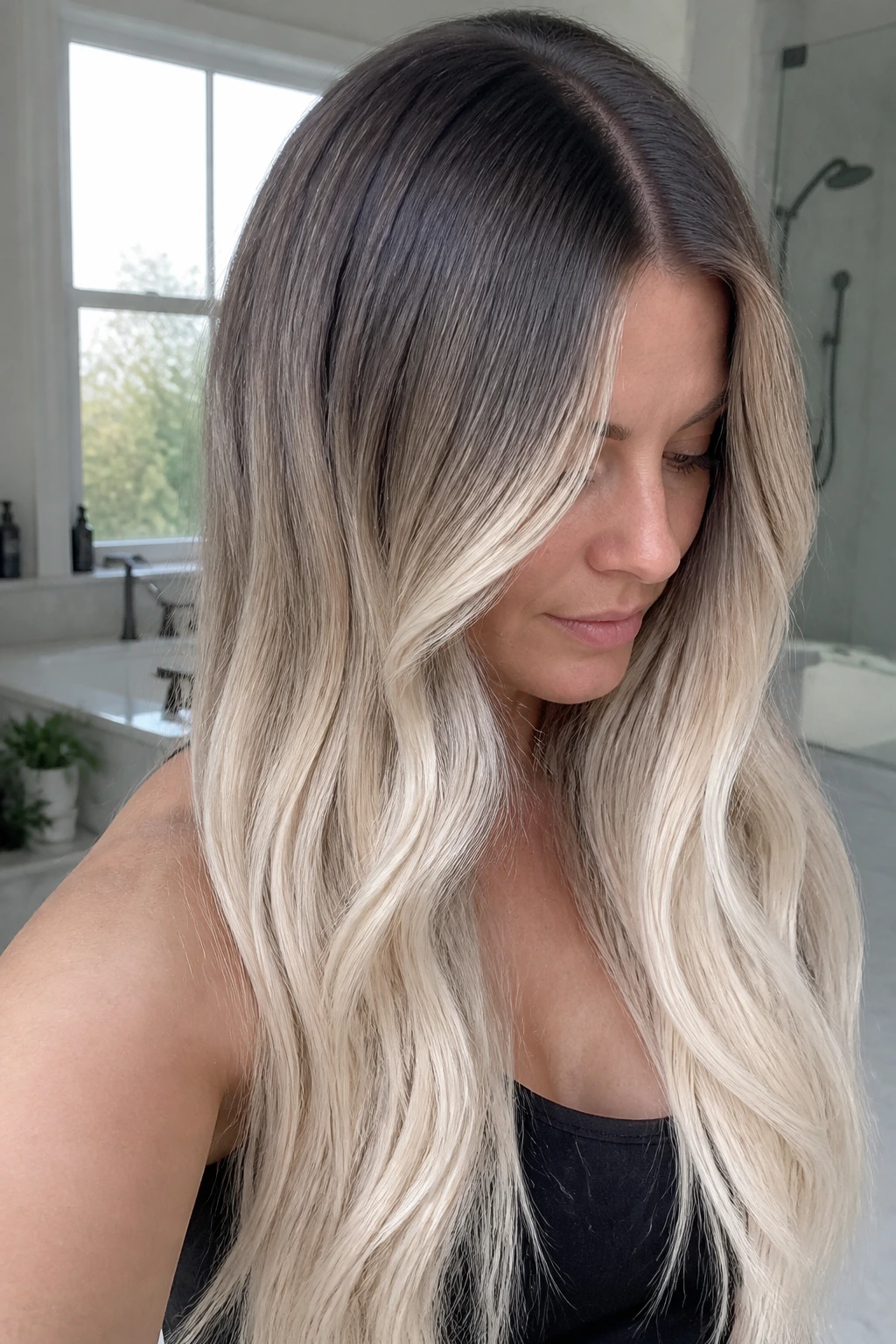
Platinum on long hair needs a shadow root or it can look harsh fast. That’s the honest version.
A soft root gives the brighter ends somewhere to start, which matters because long lengths can make platinum feel disconnected from the scalp if the tone is too clean all the way up. The shadow also buys you time between salon visits, which is practical when the color itself is high-maintenance.
This works best on hair that already has a good cut and some internal movement. On a flat, heavy sheet of hair, platinum can look stark. On layered long hair, the contrast is cleaner because the ends catch light in a way that feels controlled.
The tradeoff is obvious: platinum asks for moisture, tone care, and patience. But if you want that sharp lightness and you’re willing to maintain it, the shadow root keeps it from looking like a helmet.
11. Cinnamon Contour Highlights
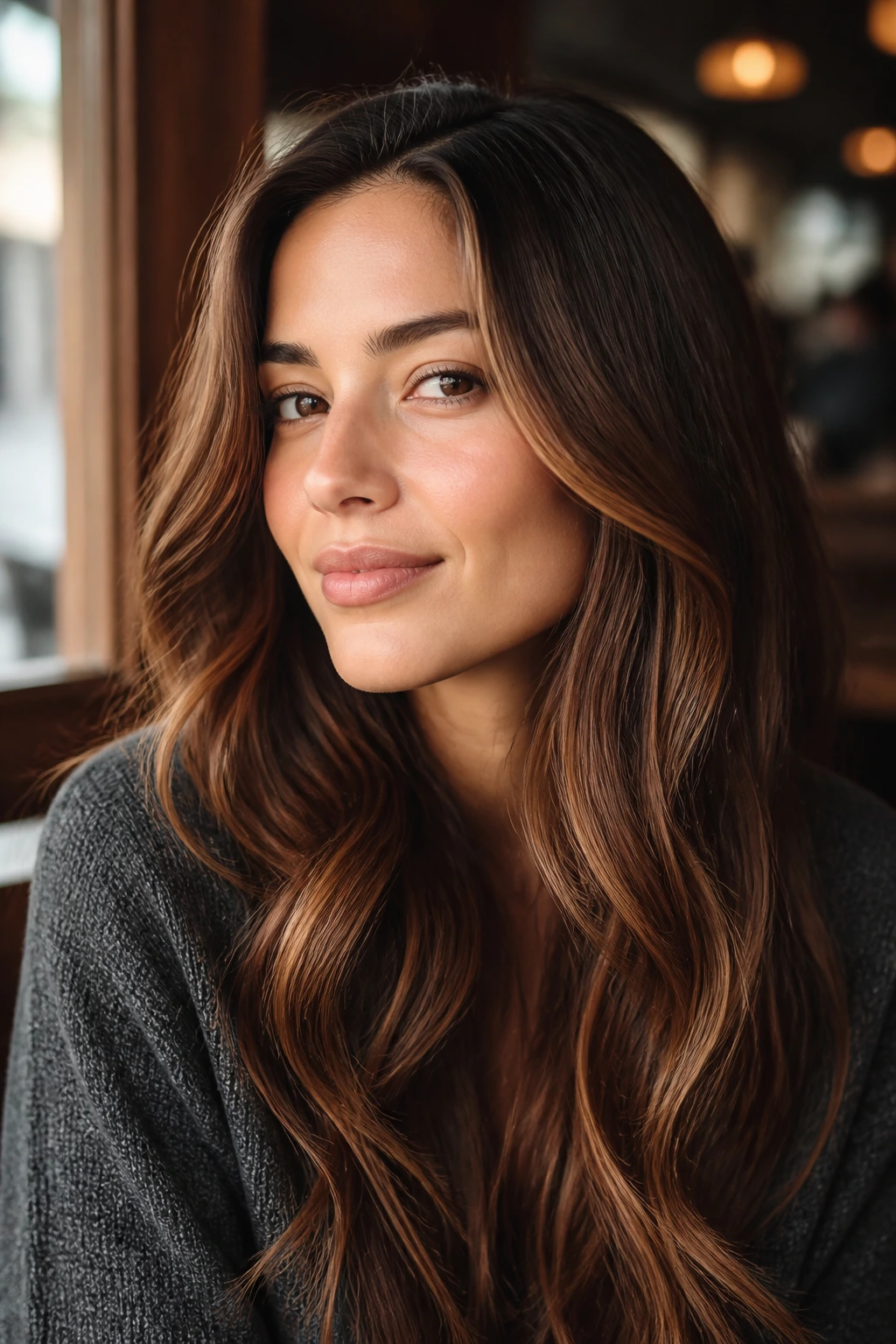
Want warmth without going full copper? Cinnamon is the better call. It has a red-brown softness that reads richer than caramel and less bright than auburn, which makes it a nice middle road for long brunettes.
The best placement follows the structure of the face. Cinnamon near the cheekbones and through the outer layers gives the hair a little contour, almost like the color is shaping the cut instead of sitting on top of it. That’s what makes it useful on long hair, where shape can disappear if everything is one tone.
I also like cinnamon on waves with a little bend, because the warmer pieces show up at the curve of the hair instead of looking painted in straight lines. If your base is medium brown or dark blonde, it can feel like a subtle shift that still changes the whole head.
It’s softer than red, but it has more personality than plain brown. That’s a good place to be.
12. Champagne Beige Highlights
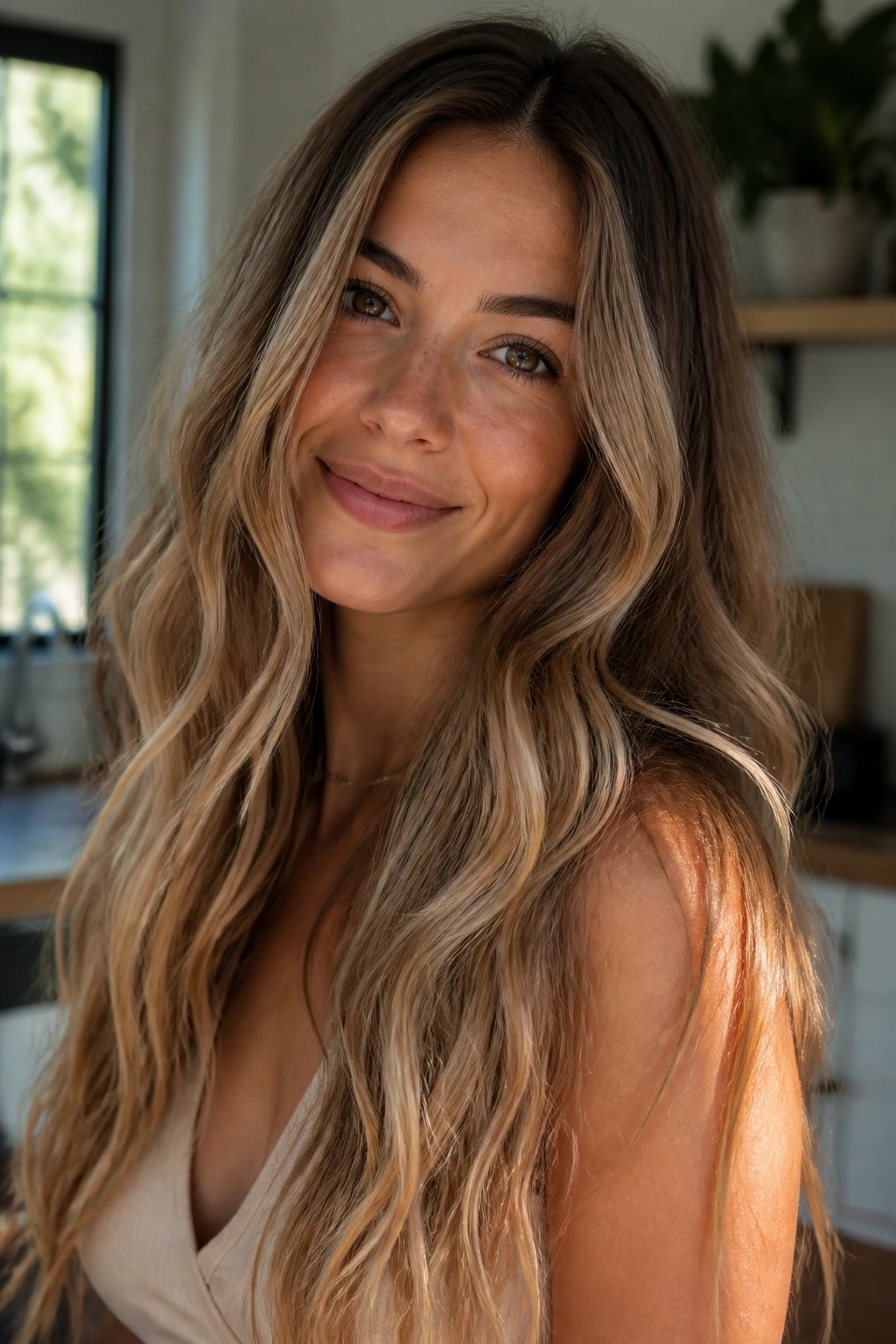
Champagne beige has a crisp, airy feel without going icy. It’s one of those tones that makes long hair look lighter even when the contrast is modest, because the shade reflects light in a softer, more diffused way than a stark blonde.
I reach for this on dark blonde and light brown hair when someone wants polish without high drama. It also works on long curls and loose waves, where the bends in the hair throw little flashes of beige and soft gold. Straight hair can wear it too, but the movement helps the color do its job.
Champagne beige is a good pick if you wear a lot of neutral clothes or want your hair to look clean and smooth rather than sun-faded. It’s not showy. It doesn’t need to be.
That said, it needs shine. Dry ends make champagne look dull fast, and long hair already gives you enough to care for without adding extra roughness.
13. Mocha-to-Toffee Dimension
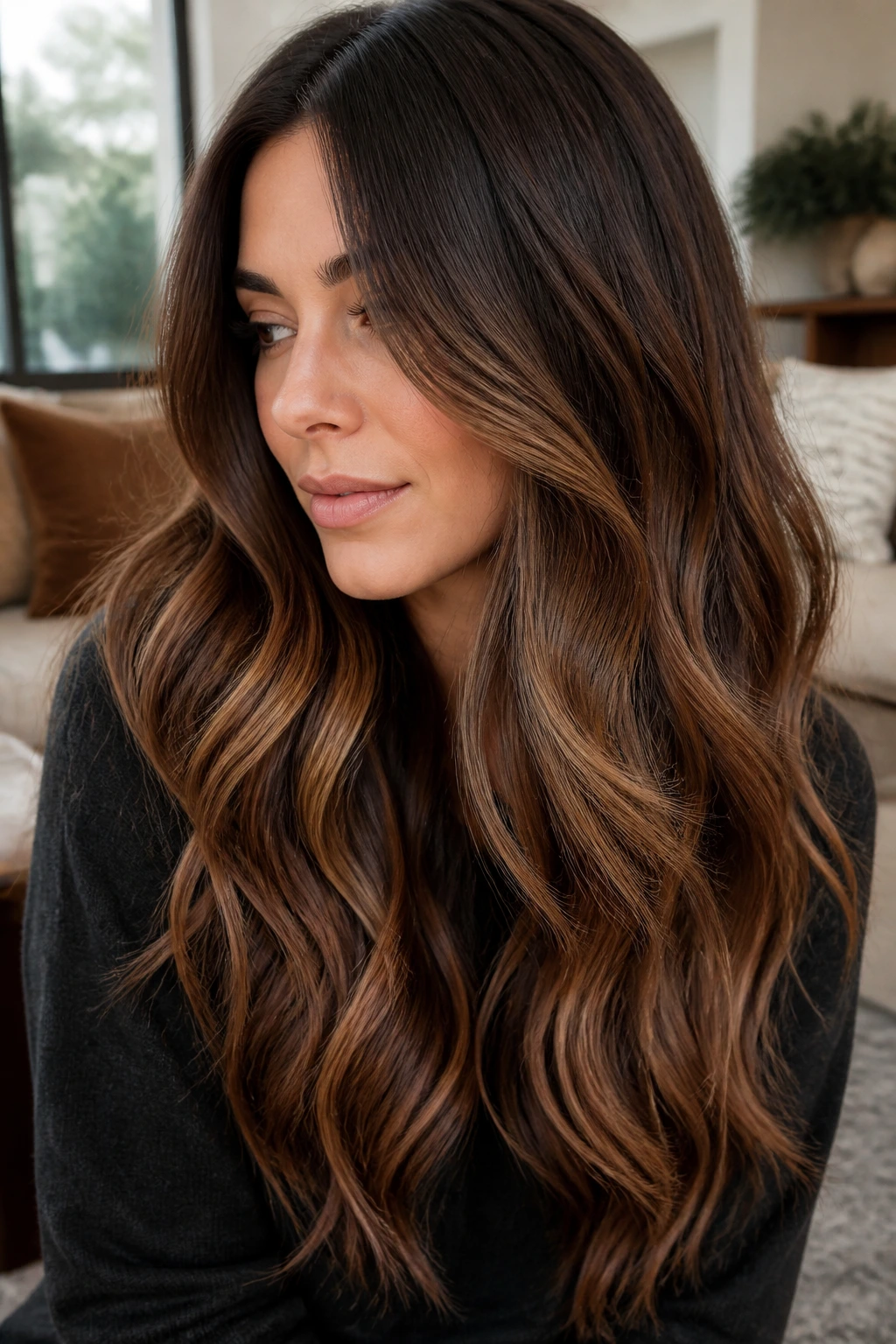
Mocha-to-toffee color is for anyone who wants long brunette hair to look fuller, not lighter for the sake of lightness. The deeper mocha pieces hold the base down, while toffee strands add just enough warmth to keep the hair from reading flat.
Best for Thick Hair
Thick long hair can swallow tiny highlights. That’s why a slightly larger contrast often works better here. The darker mocha gives depth near the crown and underneath, and the toffee pieces sit on top where the eye can catch them.
This is also a forgiving option if your hair has multiple textures. The darker pieces hide the rougher areas, while the lighter threads create movement where the light hits. It’s practical in a way that glossy photo hair rarely is.
I’d choose this for someone who keeps saying they want highlights, but really means they want shape. Those are not the same thing. This color understands that.
14. Strawberry Blonde Ribbons
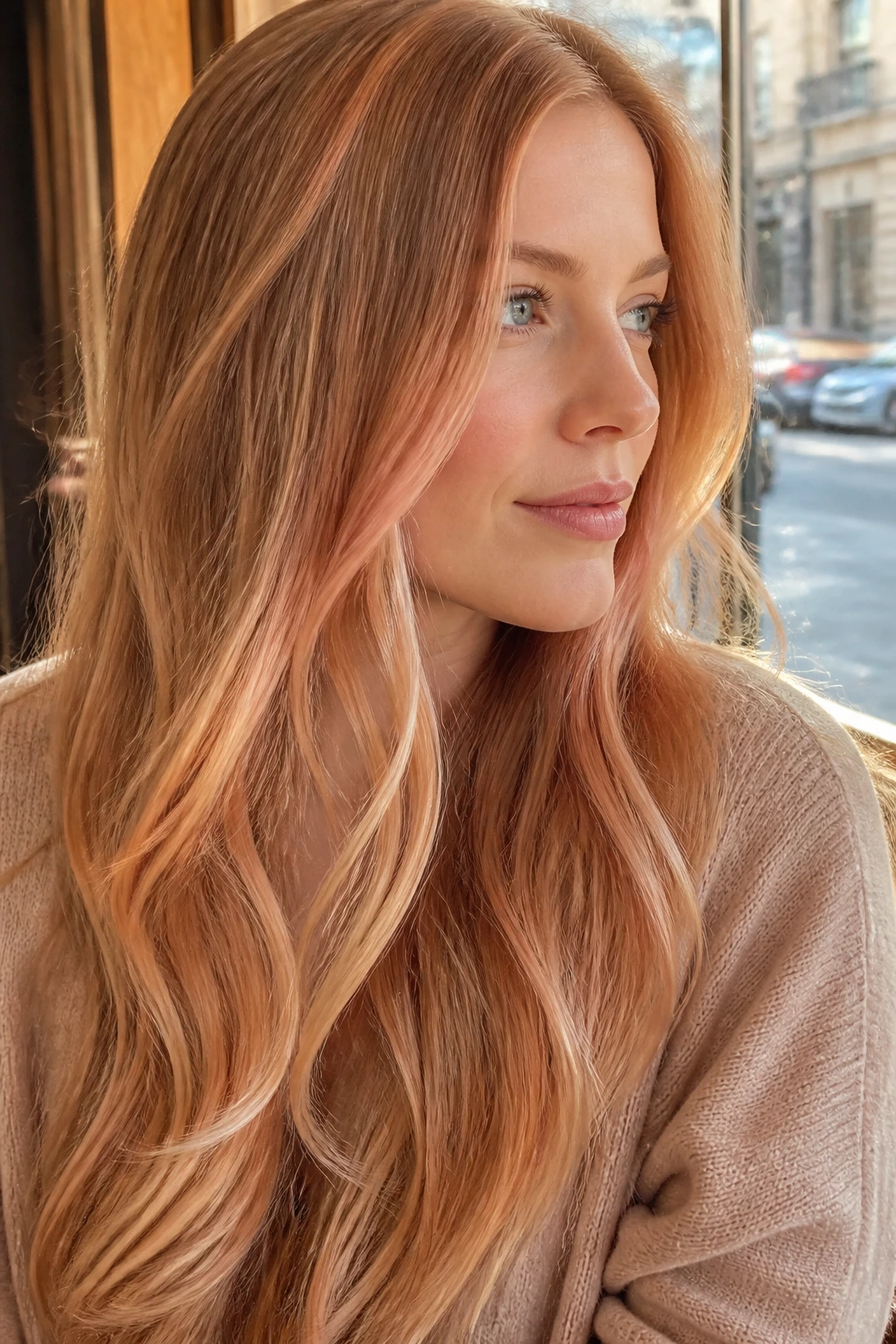
Strawberry blonde ribbons have a soft pink-gold warmth that looks best when the hair still has some lightness underneath it. On long hair, they can make the whole shape feel fresher without screaming red.
The nice part is how well they work in braids, twists, and loose half-up styles. The warmer pieces weave through the hair and catch on every turn, so the color looks richer in motion than it does standing still. That’s a good trait for long hair, which often spends part of its life tied back.
Be careful with tone. Too much peach and the hair can go copper. Too little warmth and it starts looking beige. The sweet spot is soft strawberry, not candy pink and not red velvet. A pastel gloss can help keep the finish clean if the base is already light.
This is one of the prettiest options for people who like warmth but want it to stay soft.
15. Icy Silver Ash Highlights
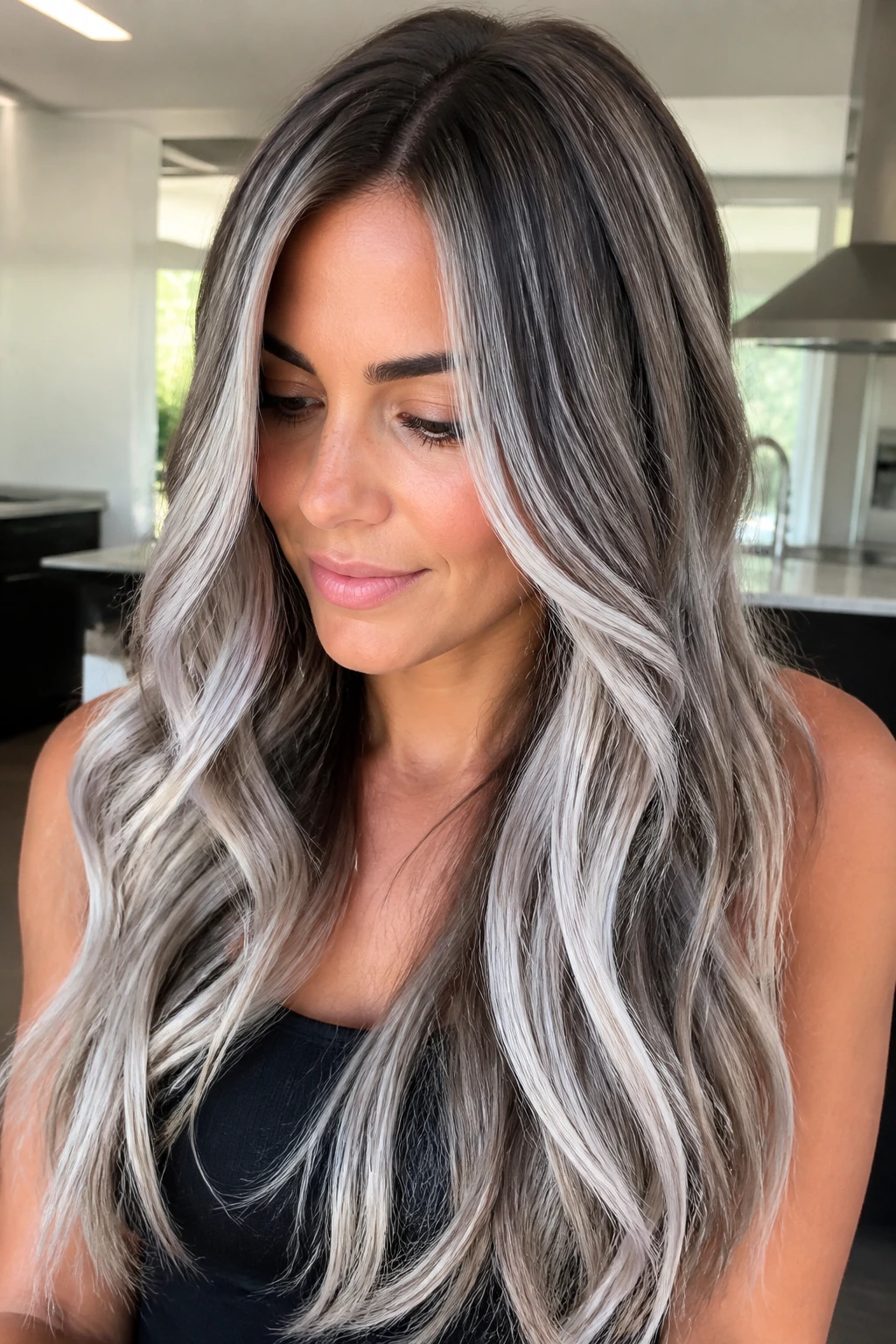
Icy silver ash highlights can look striking on long hair, but they need honesty. The hair has to be light enough, the tone has to be clean, and the ends have to be healthy enough to hold that cool reflect without going see-through.
What to Watch For
- Over-toned hair can turn flat and gray.
- Dry ends make icy shades look brittle.
- Very blunt cuts can make the contrast feel harsh.
- Purple shampoo helps, but it is not a fix for bad lightening.
The reason this idea works on long hair is the movement. When silver ash runs through waves or layered lengths, the hair gets little flashes of cool brightness instead of one solid pale block. That makes the color feel more wearable.
I’d use this one on someone who likes a sharper look and doesn’t mind some maintenance. It’s not casual. It does, however, look clean and expensive when the tone is right and the hair has enough shine to carry it.
16. Bronze Glow on Black Hair
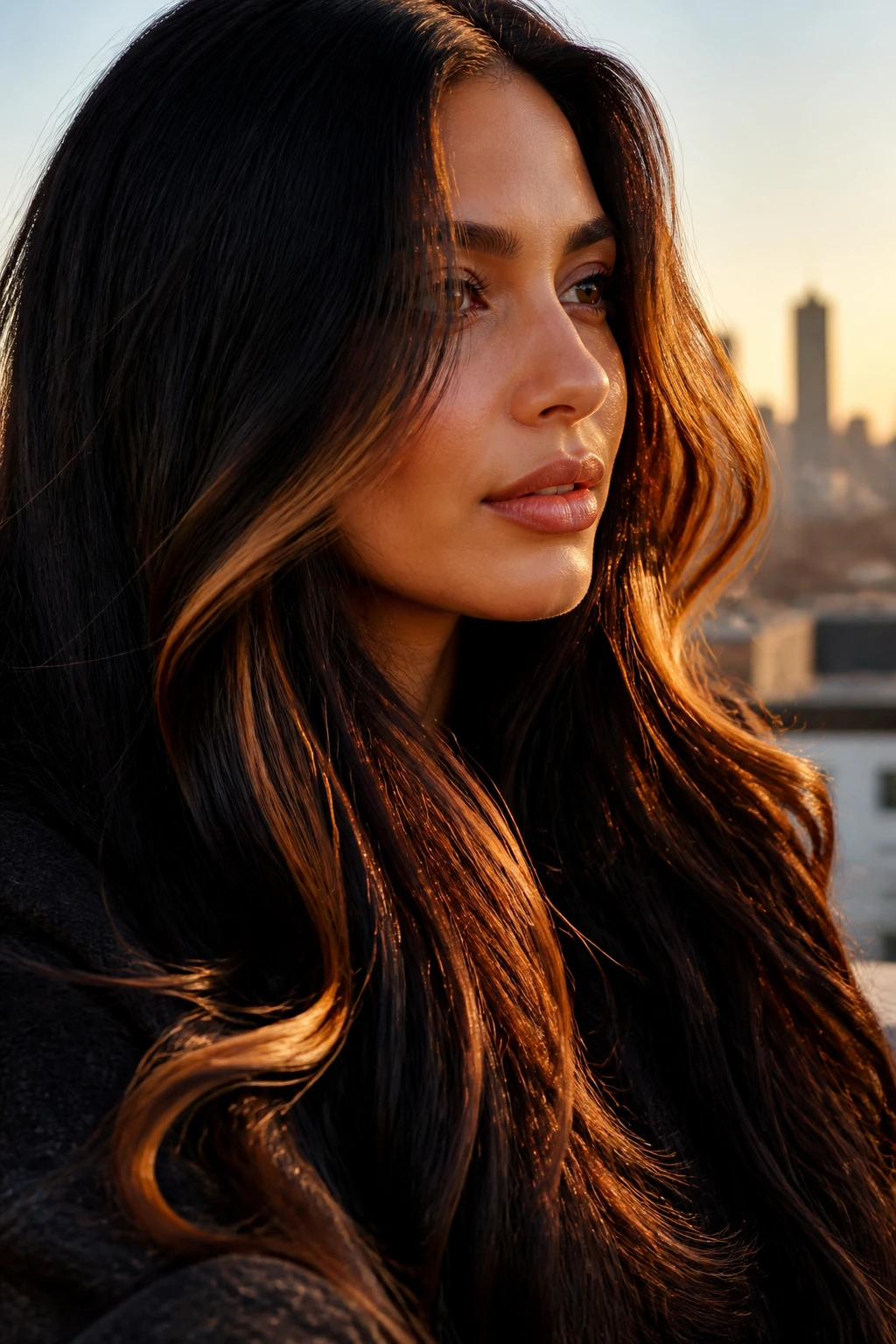
Bronze highlights on black or very dark brown hair are underrated. They don’t announce themselves from across the room, which is part of why they work. The color appears in the bends, under bright light, and through the top layers where the hair moves.
That makes them a strong option for long hair that you want to keep rich and dark. The change is visible, but the base stays dominant, so the hair still feels like dark hair. Just warmer. A little glossier. Less one-note.
The Placement Is the Point
- Keep the bronze through the outer layers.
- Leave some depth underneath so the contrast stays soft.
- Add a few pieces around the face if you want the tone to show sooner.
- Finish with a gloss that leans golden, not orange.
This is the kind of highlight idea that rewards good lighting without depending on it. In sunlight, it glows. Indoors, it still looks polished. That balance is hard to beat.
17. Sun-Kissed Tip Lights
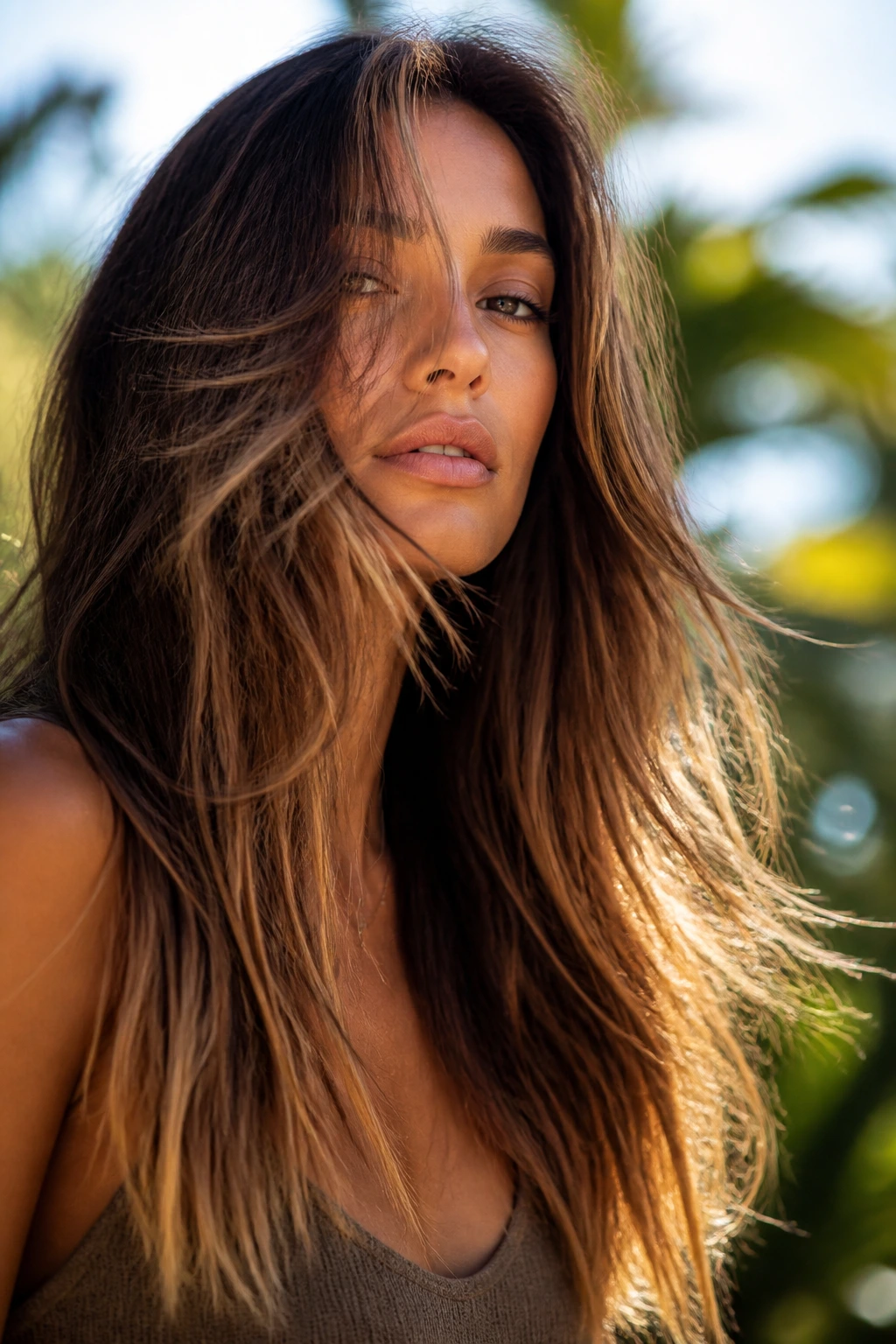
Sun-kissed tip lights are for long hair that needs a lighter finish at the ends without a full balayage effect. The idea is simple: keep the roots and most of the mids dark, then feather lightness into the lower lengths and tips.
It works best on layered hair, because layers help the lighter ends blend into the rest of the cut. On a blunt hemline, the same idea can look accidental, like the hair got tired at the bottom. With layers, though, it looks intentional and soft.
I like this option for people who wear big loose waves or braided styles. The lighter ends show movement and keep the length from looking heavy. It also lets you trim off damage later without losing the whole effect.
This is one of the easier highlights ideas to live with. Not because it’s plain, but because it respects the fact that long hair gets handled, tied up, and washed more than salon photos suggest.
18. Reverse Balayage for Blondes Going Deeper
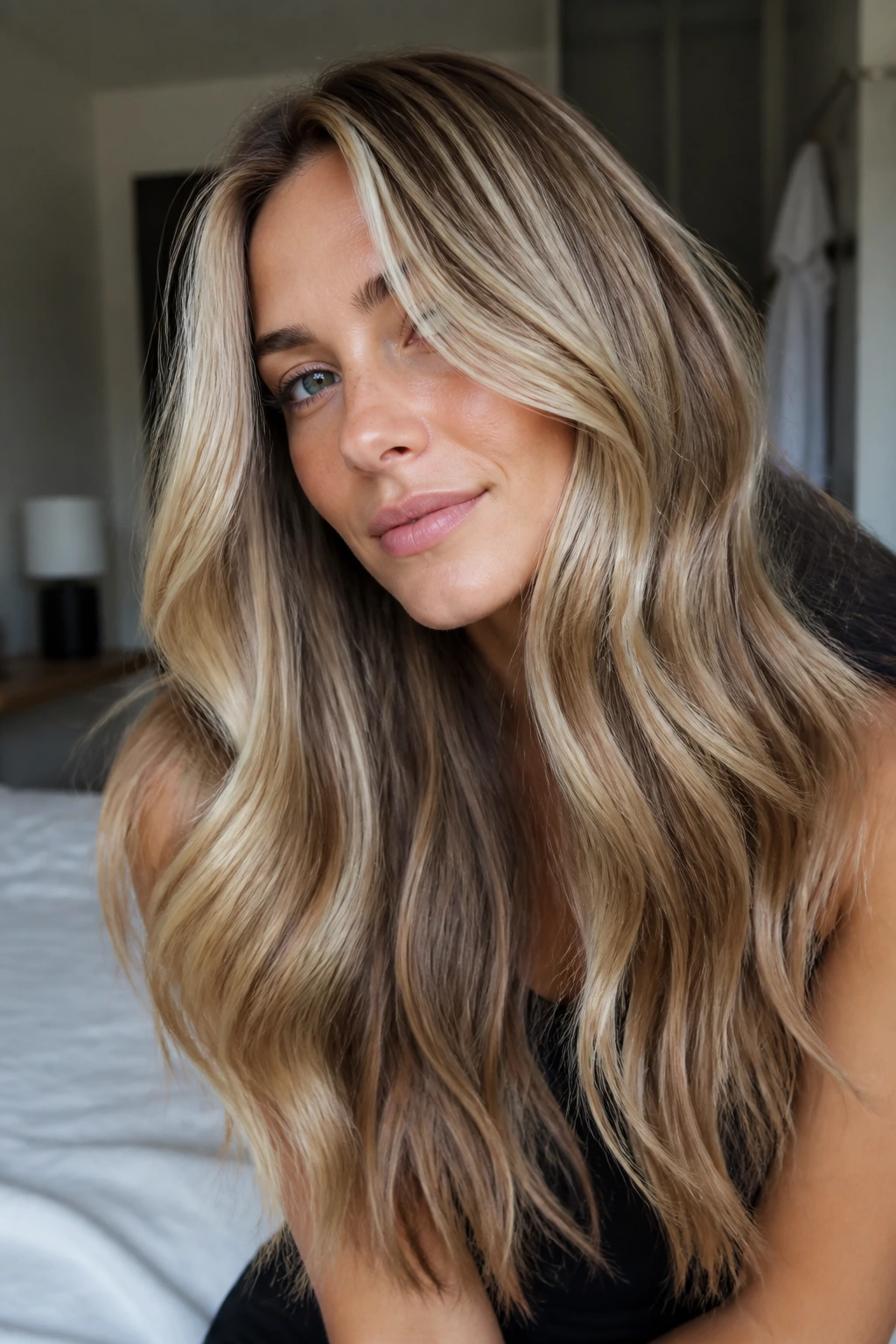
Sometimes long blonde hair needs darkness, not more blonde. Reverse balayage adds lowlights and shadow pieces back into over-lightened hair so the length feels fuller and the color gets some depth again.
That may sound backward until you see it on hair that’s gone too bright or too striped. Then it makes sense fast. The darker pieces break up the light sections, which gives the eye a place to rest and makes the hair look thicker through the mids and ends.
Who Needs It
- Blondes whose color feels hollow.
- Hair that shows every foil line.
- Long lengths that look thinner than they really are.
- Anyone tired of chasing brightness with no shape left.
I’m a fan of this when the goal is polish, not bleach. It makes long blonde hair look expensive in a quieter way because the color finally has some shadows again. That shadow is what the hair was missing.
19. Curly Contour Highlights
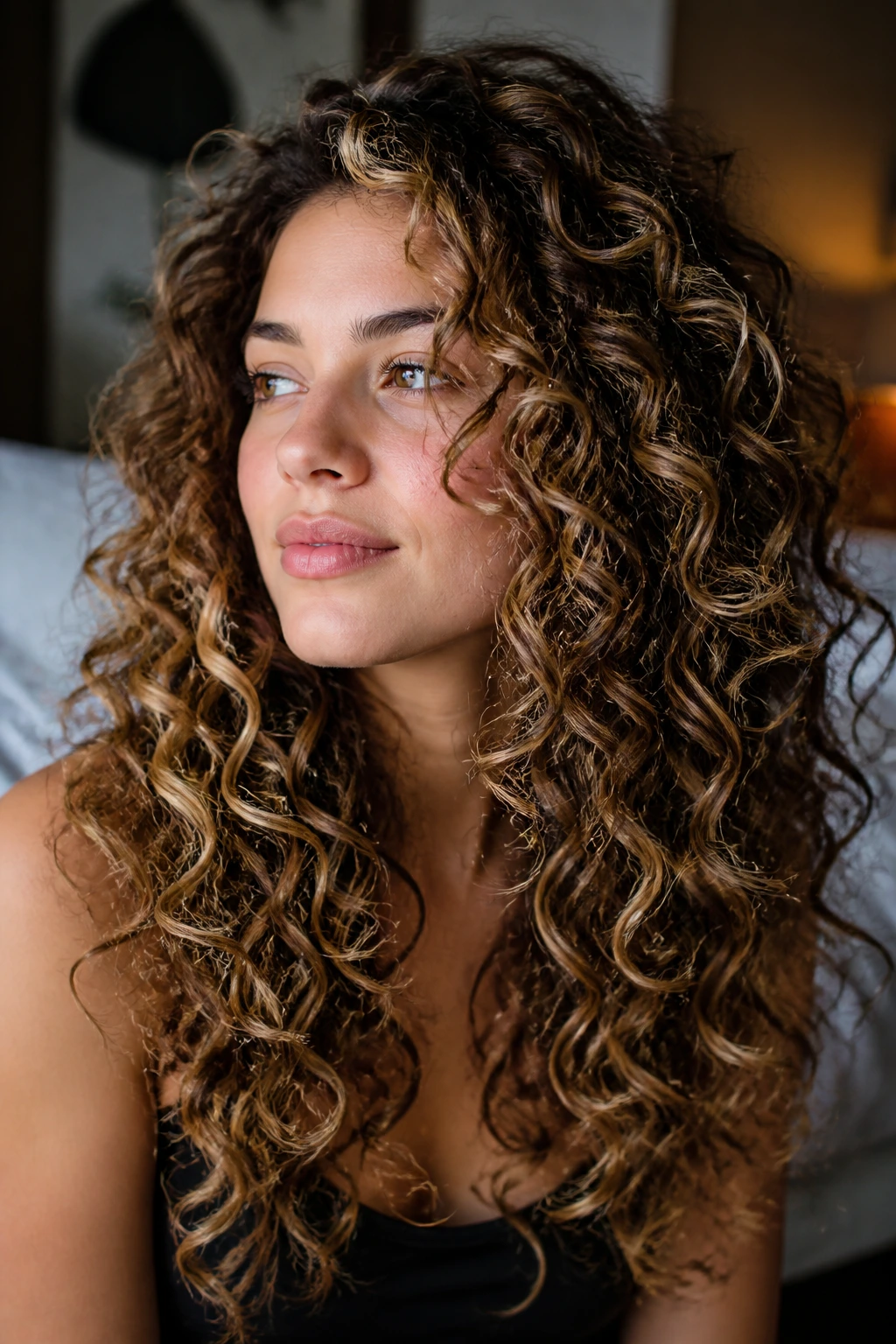
Curly hair needs a different kind of highlight map. A curl does not lie flat, so if the color is placed like it’s going onto straight hair, the result can look broken up in all the wrong places.
Curly contour highlights follow the shape of the curl. The brighter pieces sit where the curl naturally curves outward, which gives the pattern more depth and keeps the hair from looking patchy when it dries. On long curls and waves, that detail matters a lot.
Where to Place Them
- Around the front curls for face shape.
- Through the outer layer of the crown.
- A few lighter pieces in the midlengths to keep the shape open.
- Less brightness underneath, unless you want a bigger contrast.
This is one of those ideas that looks subtle on a hanger and completely different in motion. That’s a good thing. Curly long hair deserves placement that respects the pattern, not just the color wheel.
20. Plum and Burgundy Underlayers
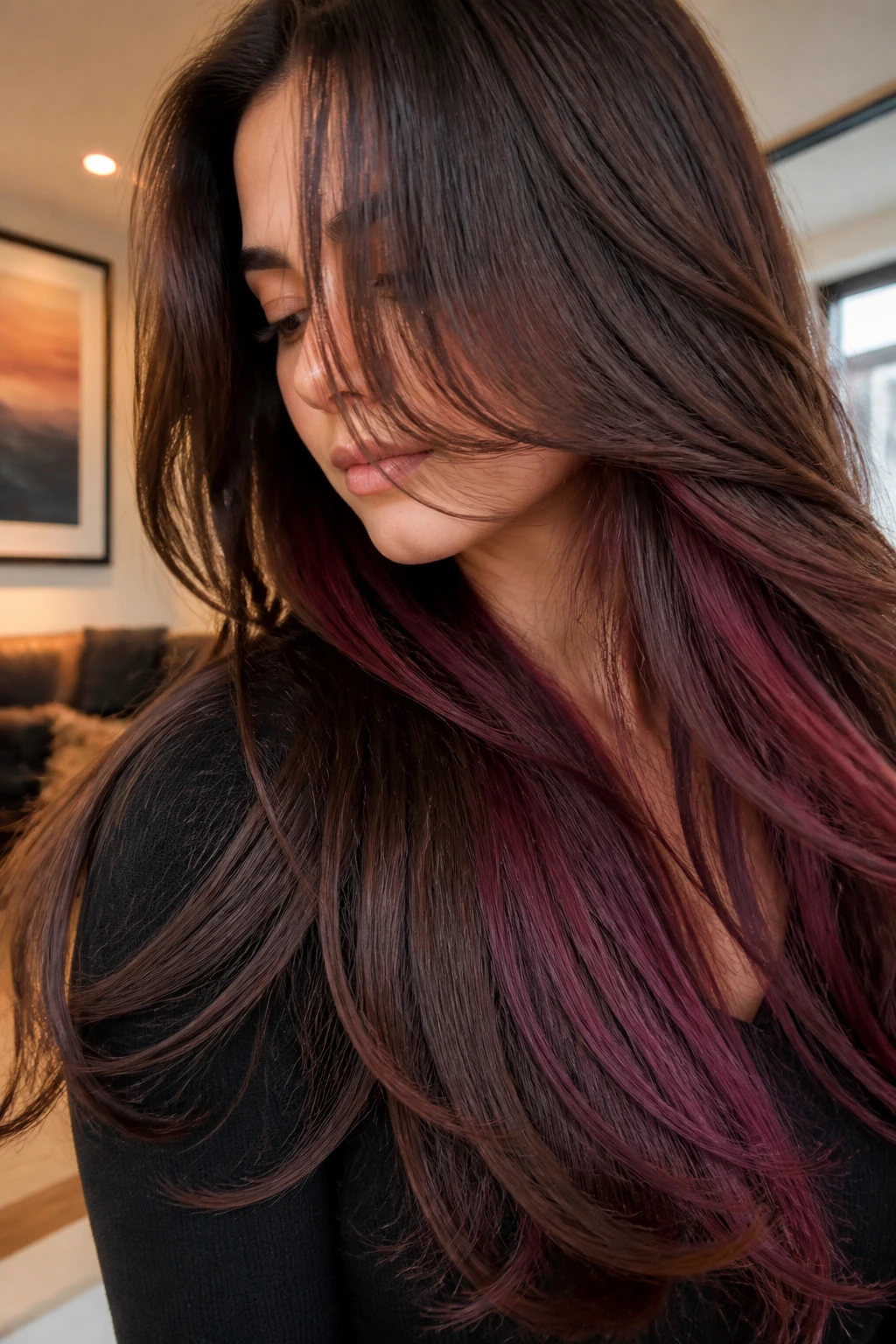
Plum and burgundy underlayers are the darker cousin of peekaboo color. They still hide under the top layer, but the tone is richer and deeper, so the effect feels more moody than playful.
I like this on long hair because the length gives the color somewhere to live. You get flashes of wine, berry, and shadow when the hair swings, but the top layer keeps the whole look grounded. It’s a good answer for someone who wants change without handing the whole head over to brightness.
This also works well if your hair is already dark and you want dimension without bleach. Underlayers can be placed so they show at the ends of braids, under curls, or when the hair is clipped half-up. That little reveal is the fun part.
If jewel tones feel too bright and caramel feels too safe, this is the middle lane. It has mood, but it doesn’t shout.
21. AirTouch Soft Blend Highlights
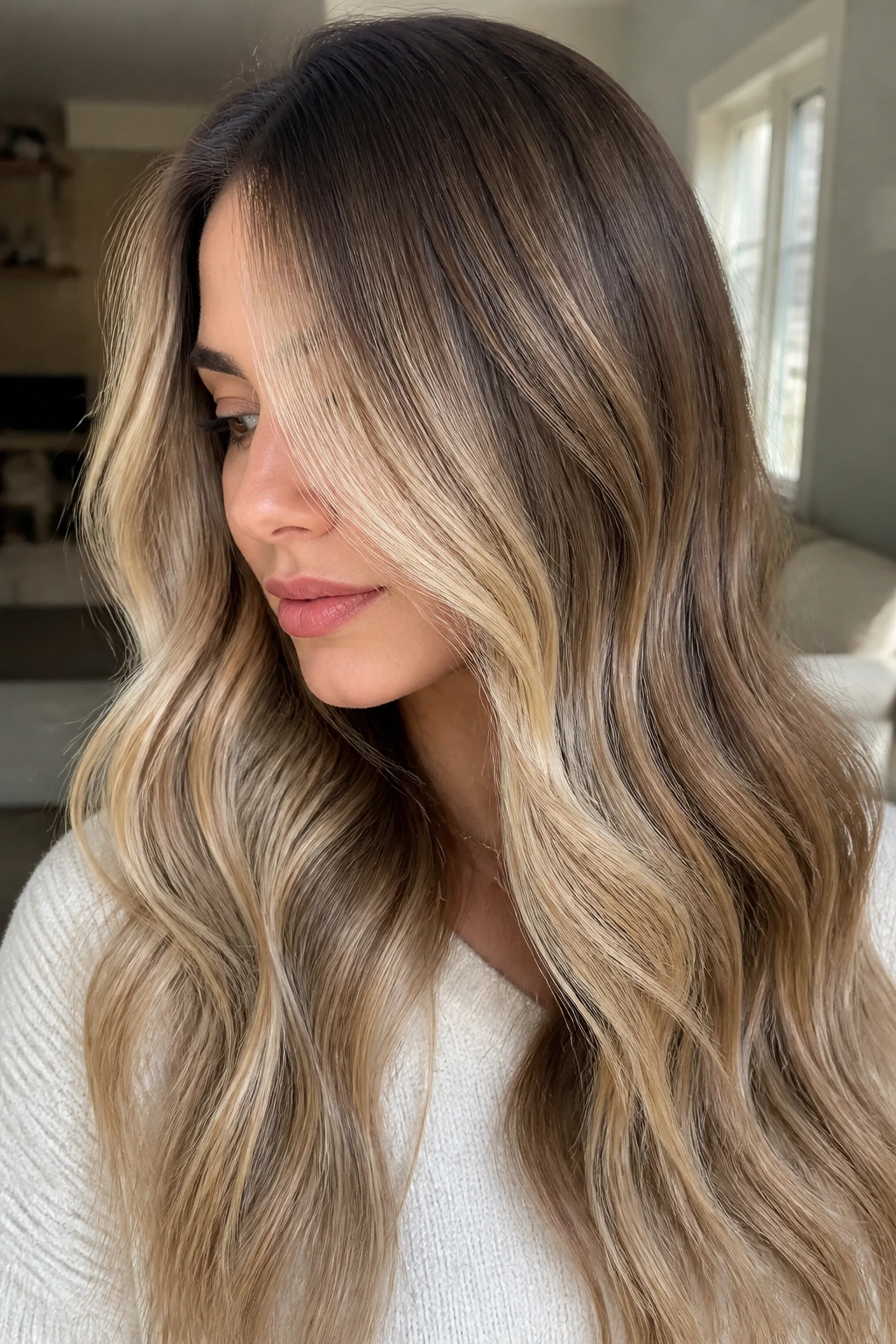
AirTouch is the technique I’d point to when someone wants long hair highlights that look blended from day one. The stylist uses air from the dryer to separate shorter hairs, so the longer strands that get lightened are softer and more evenly distributed.
Why Long Hair Loves This Method
Long lengths can show hard lines fast. AirTouch reduces that problem because the light pieces are feathered rather than packed together. The result is a finish that grows out with less obvious demarcation at the root.
It’s especially good on long layers, because the layers already create movement and the highlights just follow along. You get brightness through the mids and ends, but the whole thing still feels soft when the hair is tied back or worn in a loose bend.
This method takes patience and a steady hand. It is not the cheapest or fastest route, but if the goal is a blurred, airy result that doesn’t look choppy, it earns its keep.
22. Scattered Foilyage for Thick Long Hair
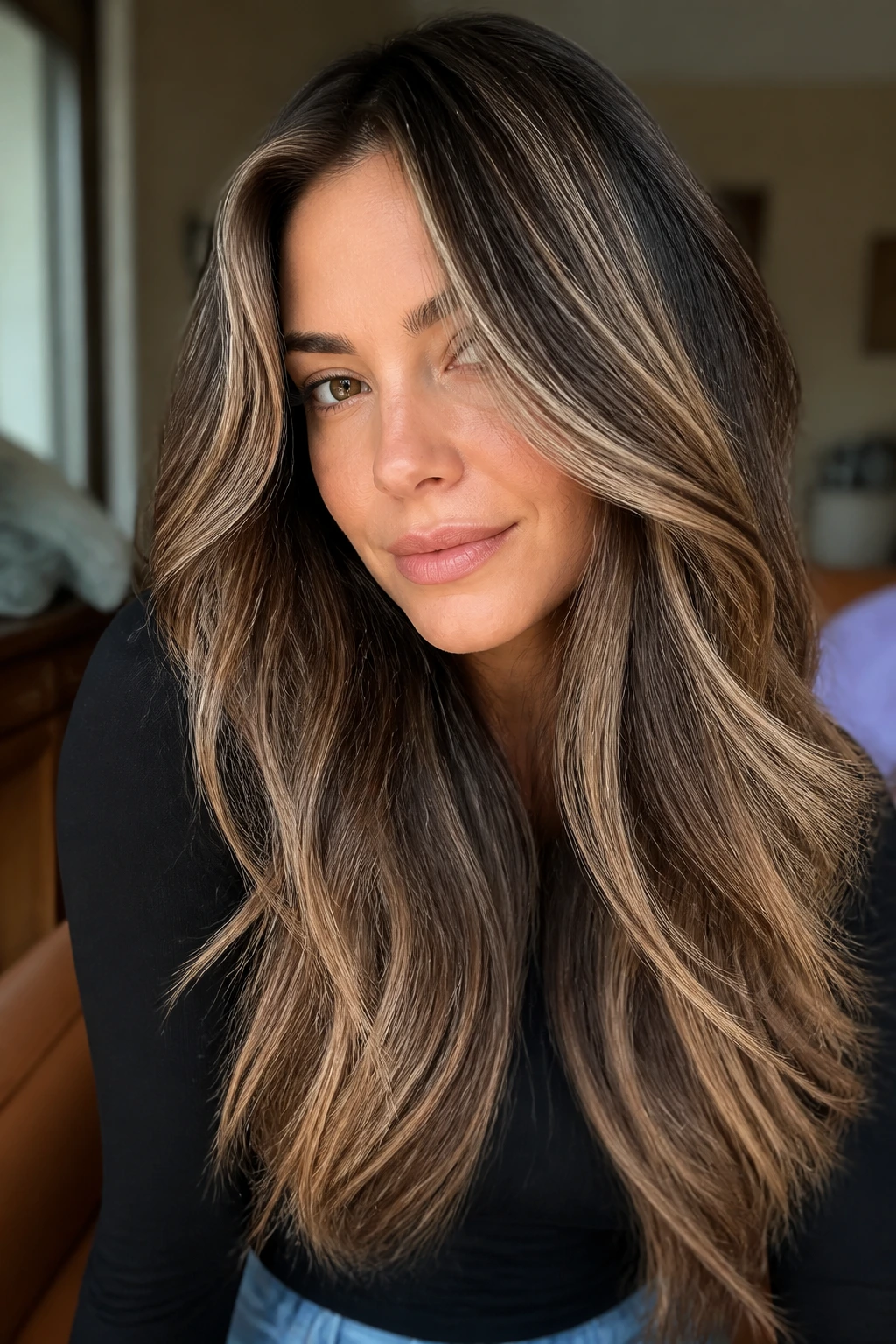
Thick long hair needs a different dose of brightness than fine hair does. If the sections are too tiny, the color disappears. If they’re too heavy, the hair starts looking blocky. Scattered foilyage gives you lift and placement without turning the whole head into one solid sheet of light.
That mix of foil and freehand painting is useful because it lets the stylist brighten the pieces that matter most: around the face, through the top layers, and into the ends where thick hair can otherwise look heavy. The foils help push the lift a little farther, while the balayage part keeps the edges from looking sharp.
I’d choose this for someone with dense hair who wants the highlights to show when the hair moves, not only when it’s curled. It’s especially good on long cuts with layers, because the color can travel through the shape instead of fighting it. That last part matters. A lot.
