



A haircut changes more than your length. It changes how your face sits in a room, how fast you can get out the door, and how much work your hair asks of you before breakfast. That’s why trendy haircuts get so much attention: the right shape can make hair look fuller, lighter, sharper, or softer without a single new product.
And the wrong cut? You feel that every morning. A blunt bob that sits too low on a thick neck can look heavy. Long layers cut too high can turn fine hair into a frizzed-out cloud. Small changes matter. A half-inch at the jaw is not half an inch in the mirror.
The good cuts are the ones that work with your texture instead of fighting it. Wavy hair wants movement. Fine hair often needs clean edges. Curls need room to spring, not a stack of vague layers that were drawn on with optimism. Keep that in mind as you read through these, because the best choice is rarely the loudest one.
1. Italian Bob
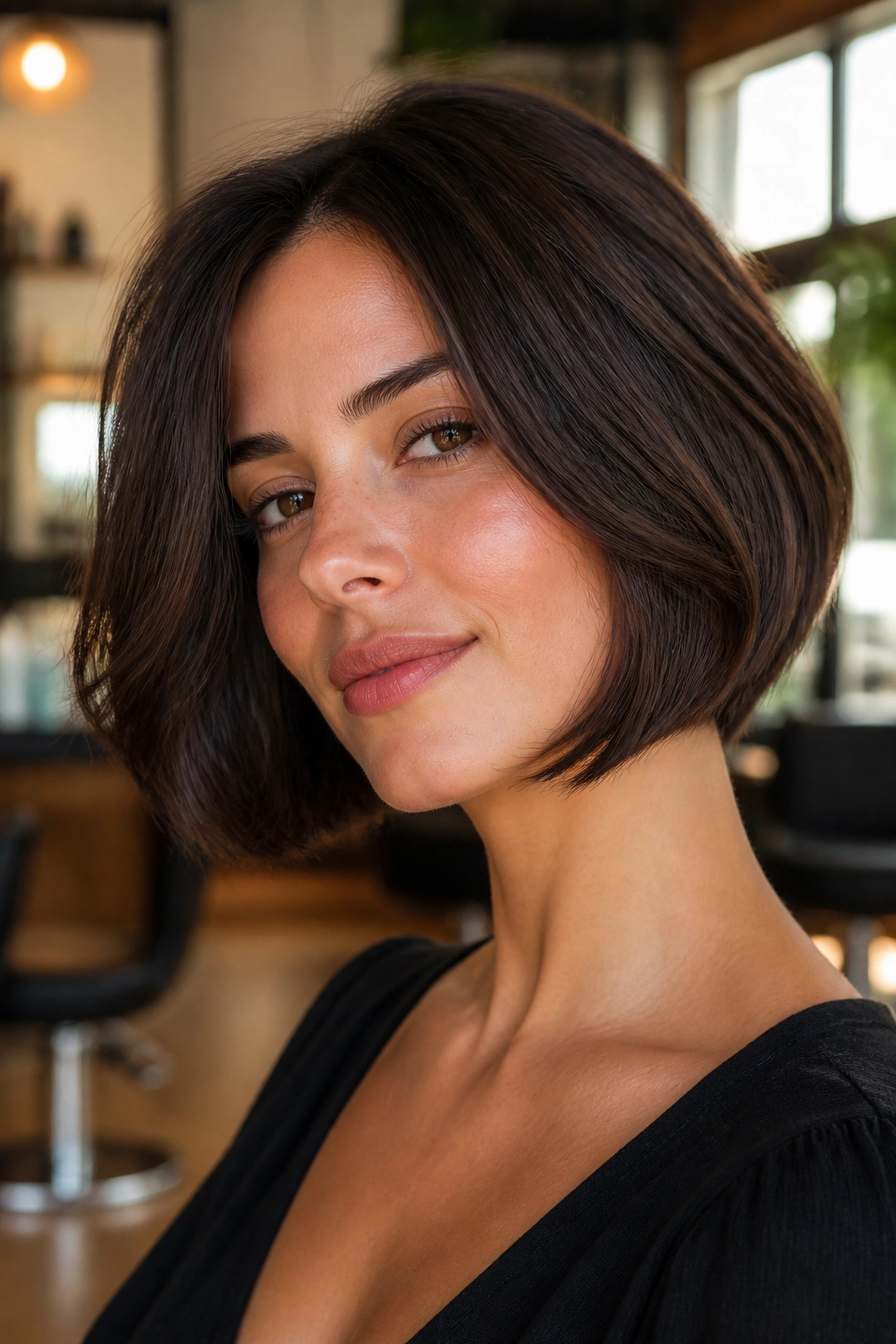
A chin-skimming Italian bob has a little more weight than a classic bob, and that weight is the whole point. It sits close to the jaw, with soft bend at the ends and enough fullness to feel plush rather than stiff. On straight or slightly wavy hair, it looks polished with almost no effort.
Why it works
The shape gives you structure without making the cut look boxy. Ask for the length to land at the jaw or a touch below it, then keep the layers minimal so the outline stays clean. If your hair is very fine, leave more density at the perimeter; if it’s thick, ask for a little internal removal only near the back.
Best for: medium to thick hair, oval and heart-shaped faces.
Ask for: a blunt-ish line, subtle tuck-under movement, and no choppy top layers.
Pro tip: a quick pass with a 1-inch round brush at the ends is enough. Don’t overwork it.
2. Butterfly Layers
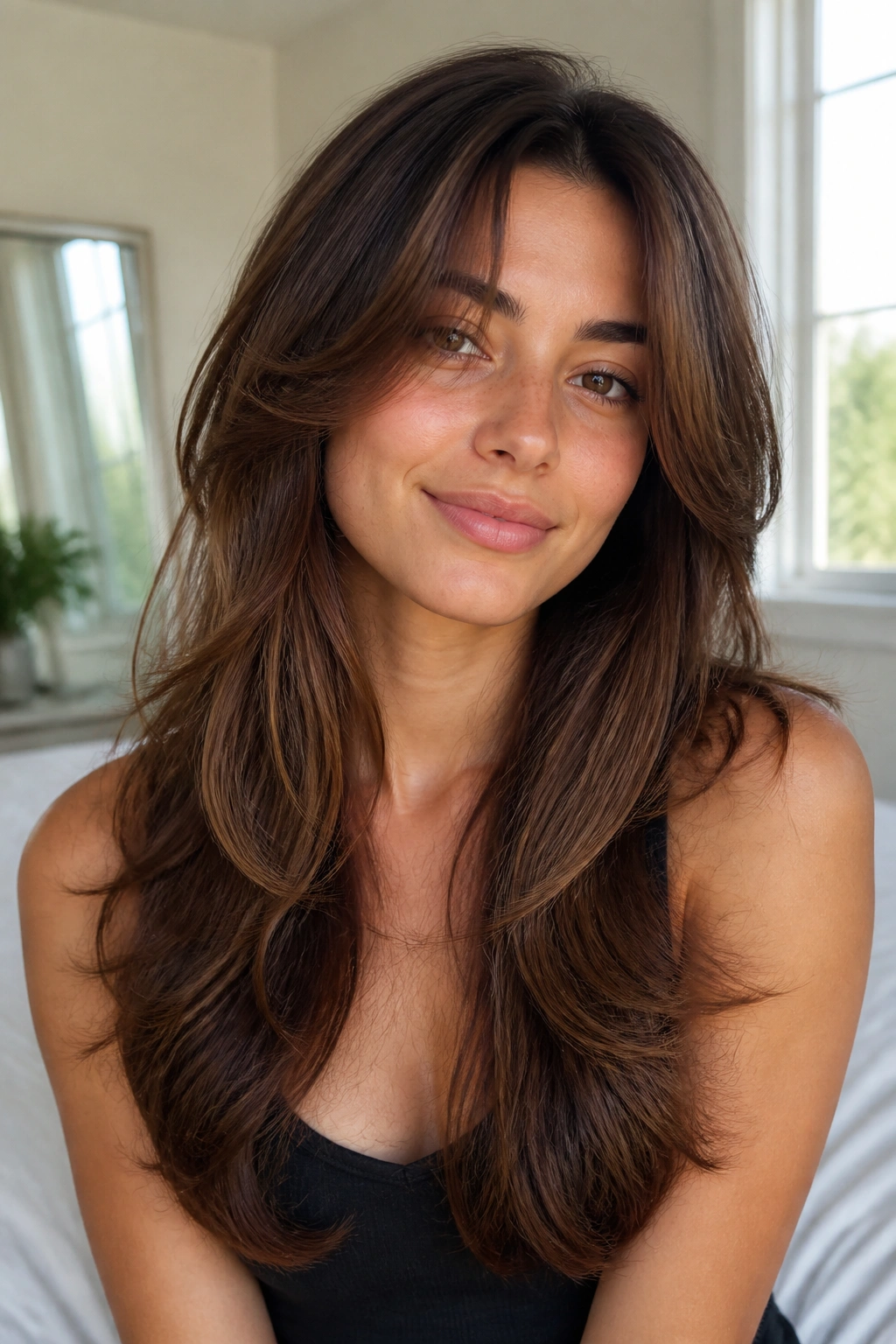
If you want movement without giving up length, butterfly layers do the heavy lifting. The short pieces live around the cheekbones and collarbone, while the rest of the hair keeps its length. That contrast gives the cut its lift, and it makes long hair feel lighter without looking heavily layered.
The trick is placement. If the shortest layer sits too high, the cut can start to feel dated fast. Keep the face-framing pieces around the cheekbone or upper lip, then let the longer layers fall away from them. Blow-drying with a round brush brings out the shape, but a large Velcro roller works too.
Best for: long hair that feels flat at the crown.
Avoid if: you want a one-length look or you rarely style your hair.
Ask your stylist for soft internal layering, not a stair-step effect. That’s the difference between movement and chaos.
3. Soft Shag
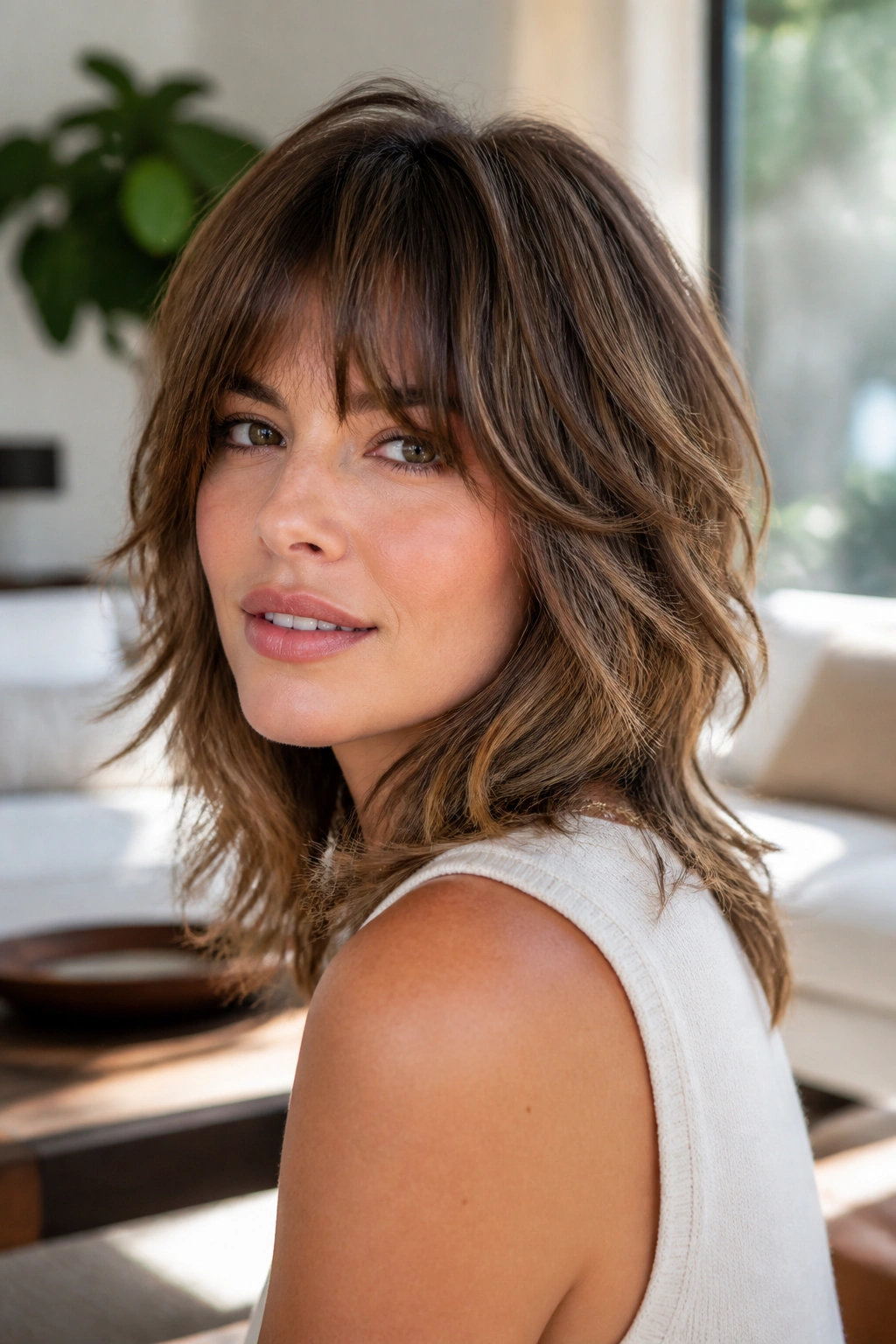
Why do some shags look cool and others look like they lost a fight with a razor? Usually it comes down to control. A soft shag keeps the texture and fringe, but the layers are blended enough that the whole cut still feels wearable on a Tuesday morning.
This is one of those haircuts that rewards natural texture. Air-dry it with a bit of mousse, scrunch the ends, and let the shorter pieces fall where they want. On wavy hair, the result feels easy. On straighter hair, you’ll need a little bend with a wand or diffuser or the shape can read too flat.
How to ask for it
- Layers that start around the cheek or lip line
- A fringe that can split or soften, not a hard block
- Ends that are feathered rather than thinned to death
Best for: medium-density hair with some movement.
4. Long Pixie
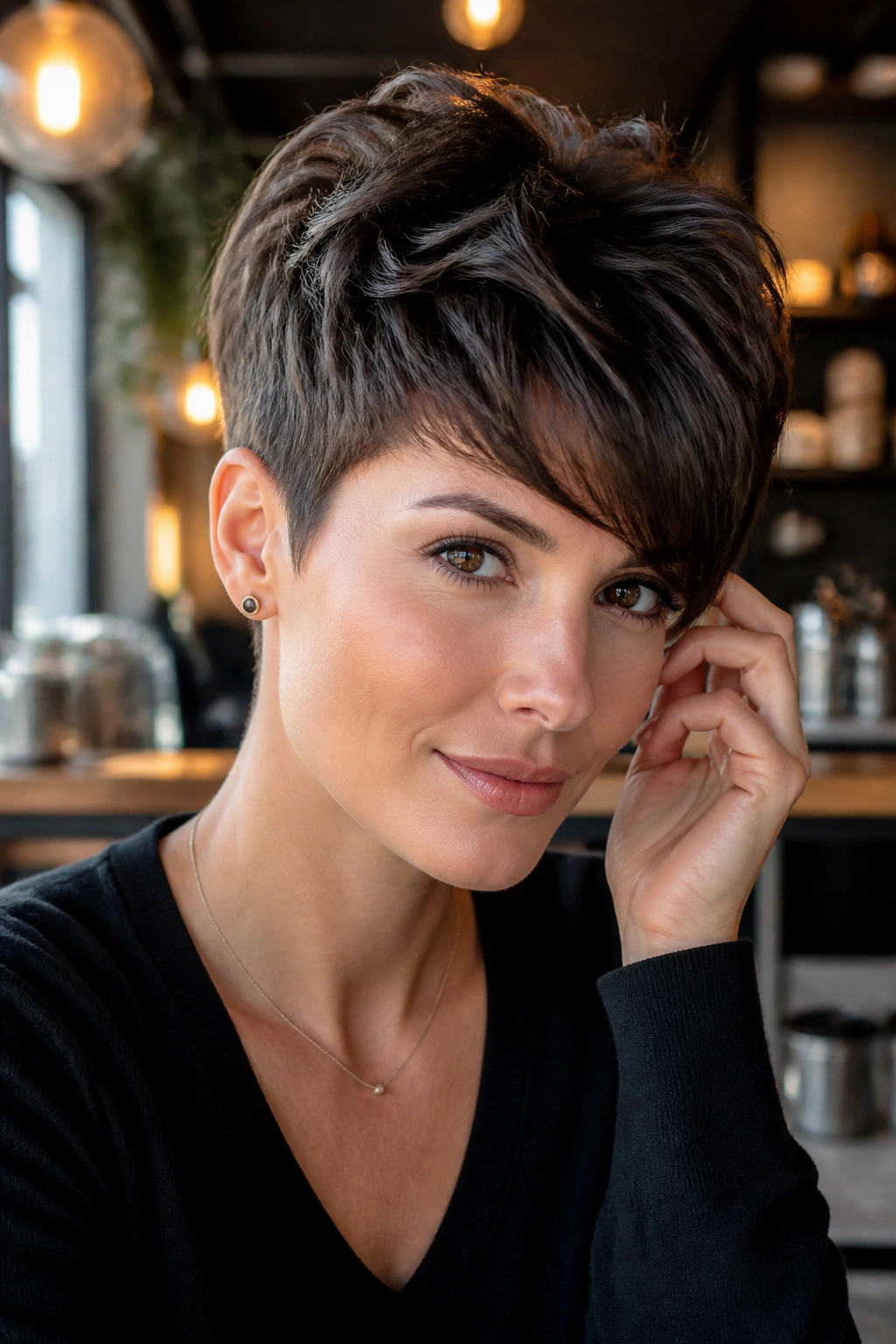
I keep coming back to the long pixie for anyone who wants short hair without the shock of a full crop. The top stays long enough to tuck behind the ear, sweep forward, or piece out with paste, while the sides and nape stay neat. It has edge, but it doesn’t feel harsh.
This cut lives or dies by the neckline. If the back is too bulky, the whole thing looks square. If the top is too short, you lose the shape and the styling options. Ask for 2 to 4 inches on top, softer sideburns, and a nape that tapers cleanly.
Tiny details that matter
- Keep the top longer than the sides
- Leave enough fringe to move across the forehead
- Trim every 4 to 6 weeks if you want the shape to stay sharp
Best for: strong cheekbones, fine hair, and busy mornings.
5. Collarbone Lob

The collarbone lob is the haircut I recommend to people who hate feeling trapped by one length. It hits right where the collarbone starts to curve, so it can be worn straight, waved, pinned back, or tucked into a coat without looking awkward. That in-between length is part of the charm.
It’s also forgiving. If your ends are a little dry, the cut still looks intentional because the line sits long enough to feel substantial. If your hair is thick, ask for a small amount of internal weight removal so it does not puff out at the sides. If it’s fine, keep the ends blunt and clean.
No drama. That’s the appeal.
This is a smart cut if you want something that grows out well and does not demand a full blowout every day.
6. Wolf Cut

The wolf cut is the one people ask for when they want texture you can actually see from across the room. It has shorter layers through the crown and longer pieces at the bottom, which creates that slightly wild, uneven shape without turning into a true mullet.
Unlike a soft shag, the wolf cut leans harder into contrast. That’s why it can look fantastic on thick or wavy hair and a little too much on very fine hair if the layers are cut too aggressively. If you like a messy finish, this is your cut. If you want neat edges, keep walking.
Works best with:
- Natural wave
- A diffuser
- A little grit from mousse or texture spray
Ask for: disconnected layers, face-framing pieces, and a full fringe only if you enjoy maintaining it.
7. Blunt Chin-Length Bob
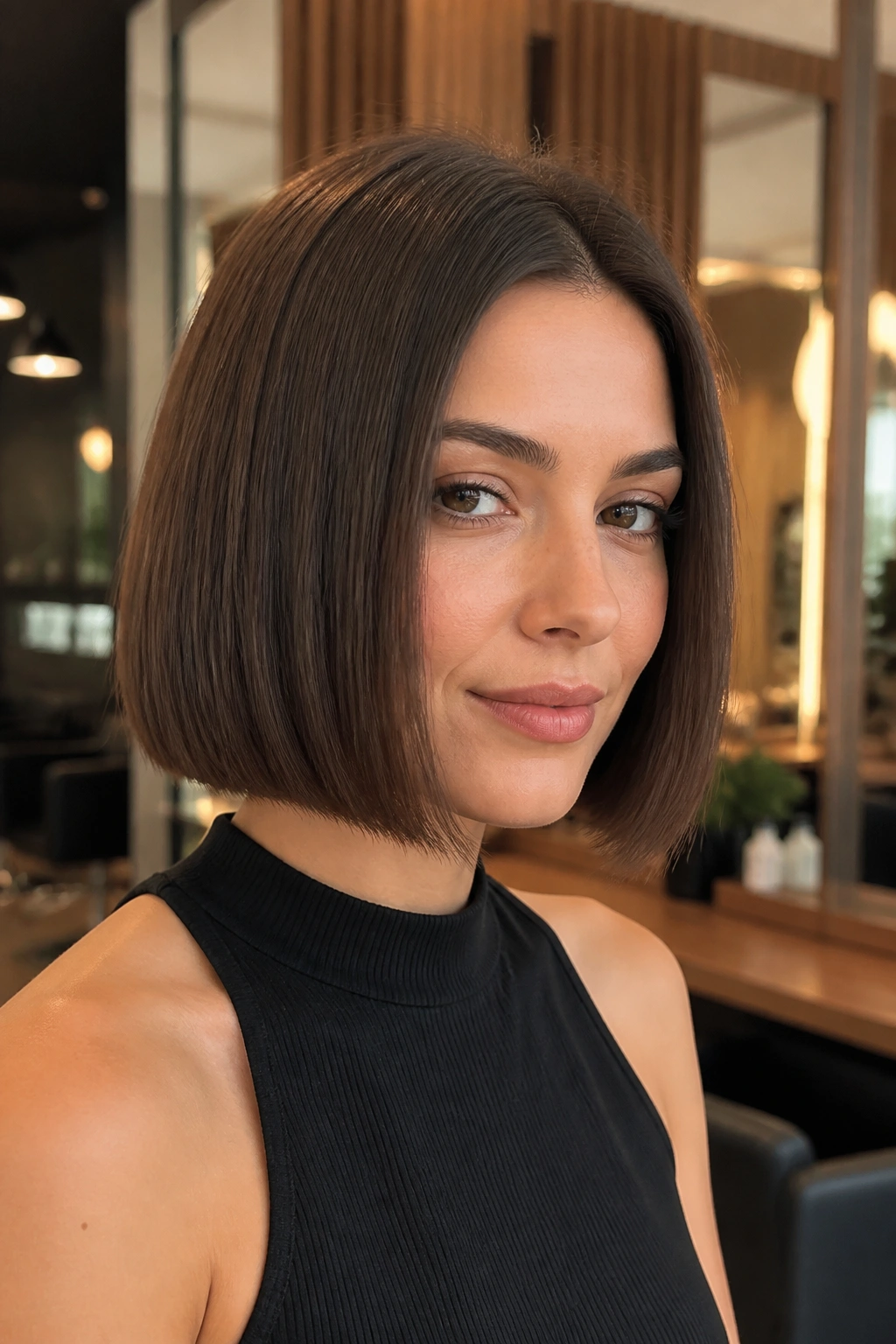
A blunt chin-length bob has a clean, direct line that makes thin hair look denser and thick hair look sharp. It is a very simple haircut on paper. In real life, it can be one of the most flattering short cuts around if the length is placed correctly.
The chin is the key point. Too high, and it can feel severe. Too low, and you lose the crisp little frame that makes the cut work. I like it best when it skims the chin or sits a finger-width below it, especially if you wear your hair straight or with a subtle bend.
What to watch for
- Very curly hair may need a bit more length to avoid bounce shrinkage
- A heavy jawline can benefit from a tiny bit of softness at the corners
- A middle part makes the look more modern; a side part softens it
It’s tidy, and I mean that in the best way.
8. Curtain Bangs with Long Layers

Curtain bangs are still popular for one reason: they make a haircut feel fresh without forcing you into a full fringe. When they’re paired with long layers, the front opens around the face and the rest of the hair keeps its length. That gives you movement where people notice it most.
The best version starts with bangs that hit around the cheekbone, not halfway down the nose. From there, the layers should fall softly into the rest of the cut. A round brush or a 1.5-inch curling iron bends the front pieces away from the face in a way that feels easy, not stiff.
You do need to style them a little. That’s the catch. If you want a wash-and-go life, keep the bangs longer and softer so they can be pushed aside on lazy days.
9. Modern Mullet

Why has the mullet kept hanging around? Because the modern version is actually flattering when it’s cut with some thought. The top and sides stay shorter, the back stays longer, and the whole thing has a shape that can be soft, sharp, or somewhere in the middle depending on how it’s cut.
A good modern mullet is not a costume. It should have enough blending around the ear and crown to feel wearable, with the longer back acting as a silhouette rather than a punch line. On curly hair, it can be brilliant. On straight hair, it reads more graphic and needs a little styling to show the layers.
How to wear it
- Scrunch with mousse for rough texture
- Blow-dry the crown for height
- Keep the fringe soft if you want less edge
I’d choose this cut if you want personality first and convenience second.
10. French Bob

The French bob is short, airy, and a little smug in the best way. It usually lands between the lips and the jaw, often with a light fringe or a side sweep, and it looks like it was cut for someone who owns good lipstick and a strong coffee habit.
What keeps it from feeling costume-y is softness. The line should not be too rigid, and the fringe should move. A little bend at the ends helps a lot, especially if your hair has a natural wave. On straight hair, a quick brush under with a blow-dryer gives it that slightly undone finish people love.
What makes it different
- Shorter than a classic bob
- Airier around the face
- Better when it is not over-styled
Good for: oval, heart, and long faces.
11. Bixie Cut
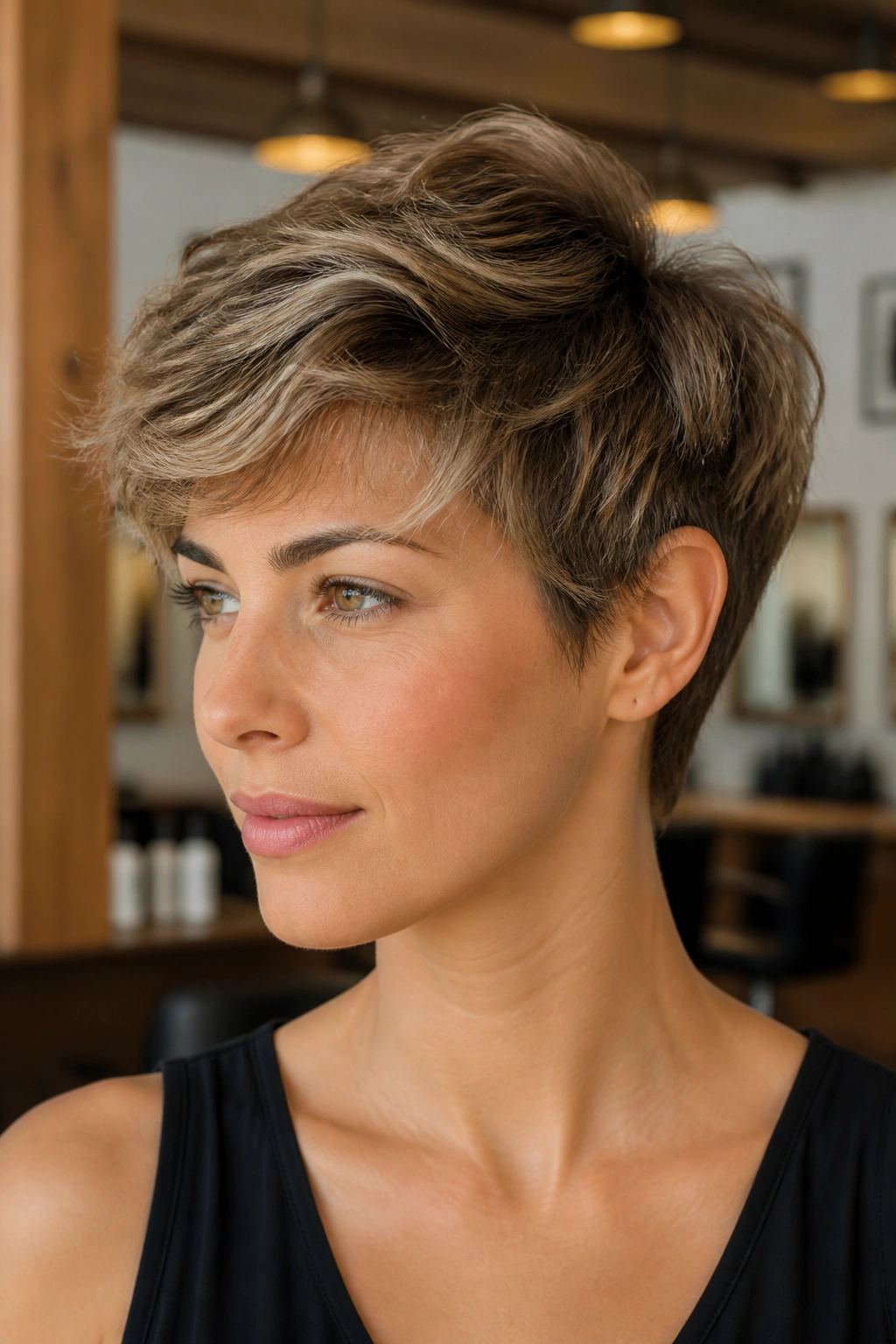
A bixie sits between a bob and a pixie, which is why so many people end up liking it once they actually try it. It has enough length on top to feel feminine or sleek, but the back and sides stay short enough to keep things light around the ears and neck.
This cut is handy if you want short hair but are nervous about losing all your length in one appointment. It also grows out with less fuss than a super-short pixie. Ask for softness through the crown and a nape that sits close, not fluffy. If the top is too flat, the whole thing loses its point.
In the chair
- Leave 1 to 2 inches more length on top than on the sides
- Keep the outline clean around the ears
- Use a light wax or cream, not heavy gel
It’s one of the easiest short cuts to live with.
12. Face-Framing Layers
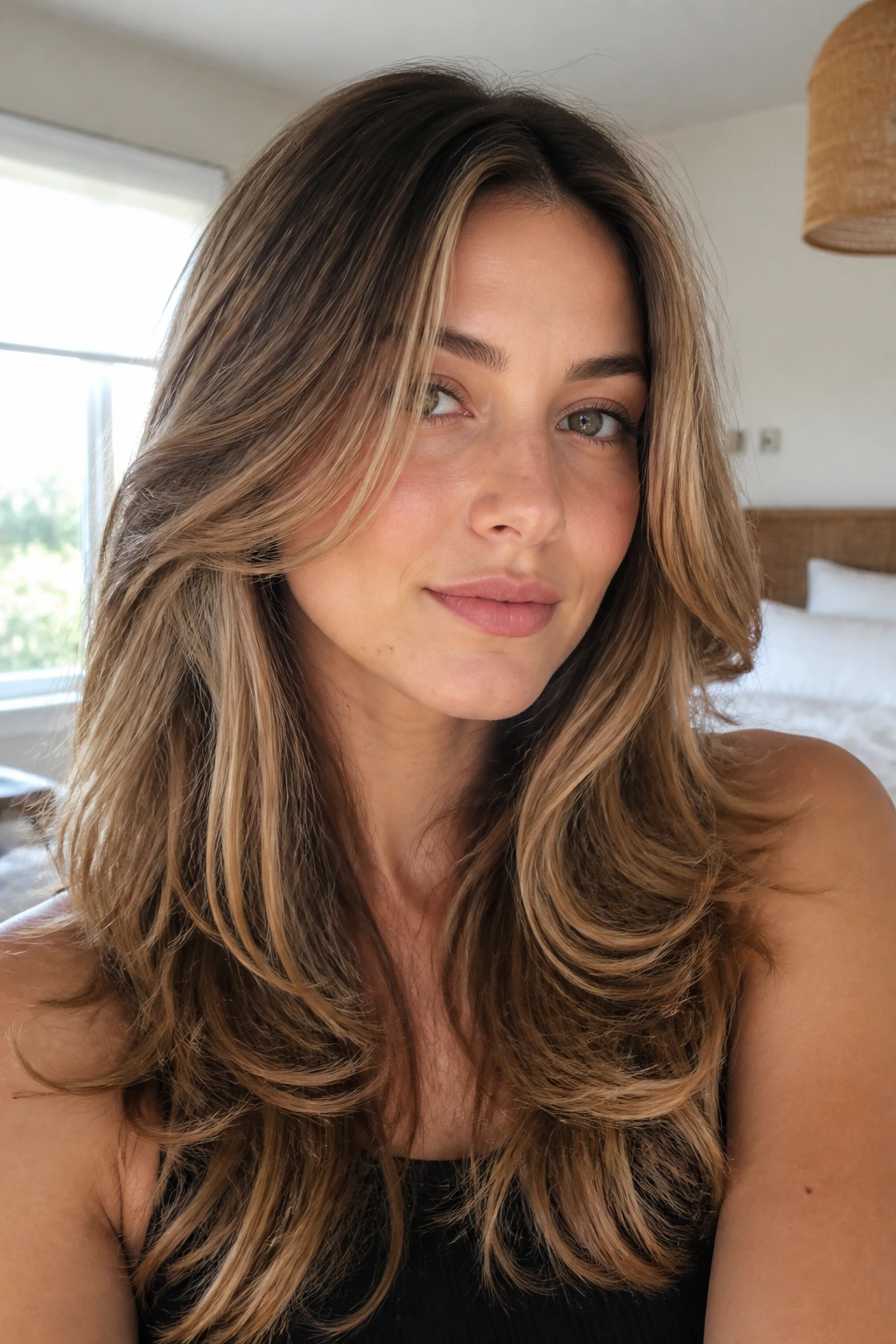
Face-framing layers are the quiet update that fixes a haircut that feels heavy. They start around the cheekbone or chin and taper into the rest of the length, which gives long hair shape without taking away too much of it. That makes them a smart pick if you like your hair long but want it to move.
This cut is less about trend and more about balance. If your hair falls straight and flat, the front pieces can keep it from looking like one long curtain. If your hair is wavy, the layers help the front sit away from the face instead of clinging to it. The key is not to start them too high unless you want a very dramatic result.
A clean way to ask
- “Give me layers that begin at the chin”
- “Keep the back long and the front soft”
- “No short crown layers”
That wording helps more than saying you want “movement,” which is vague and gets people into trouble.
13. Curly Shag
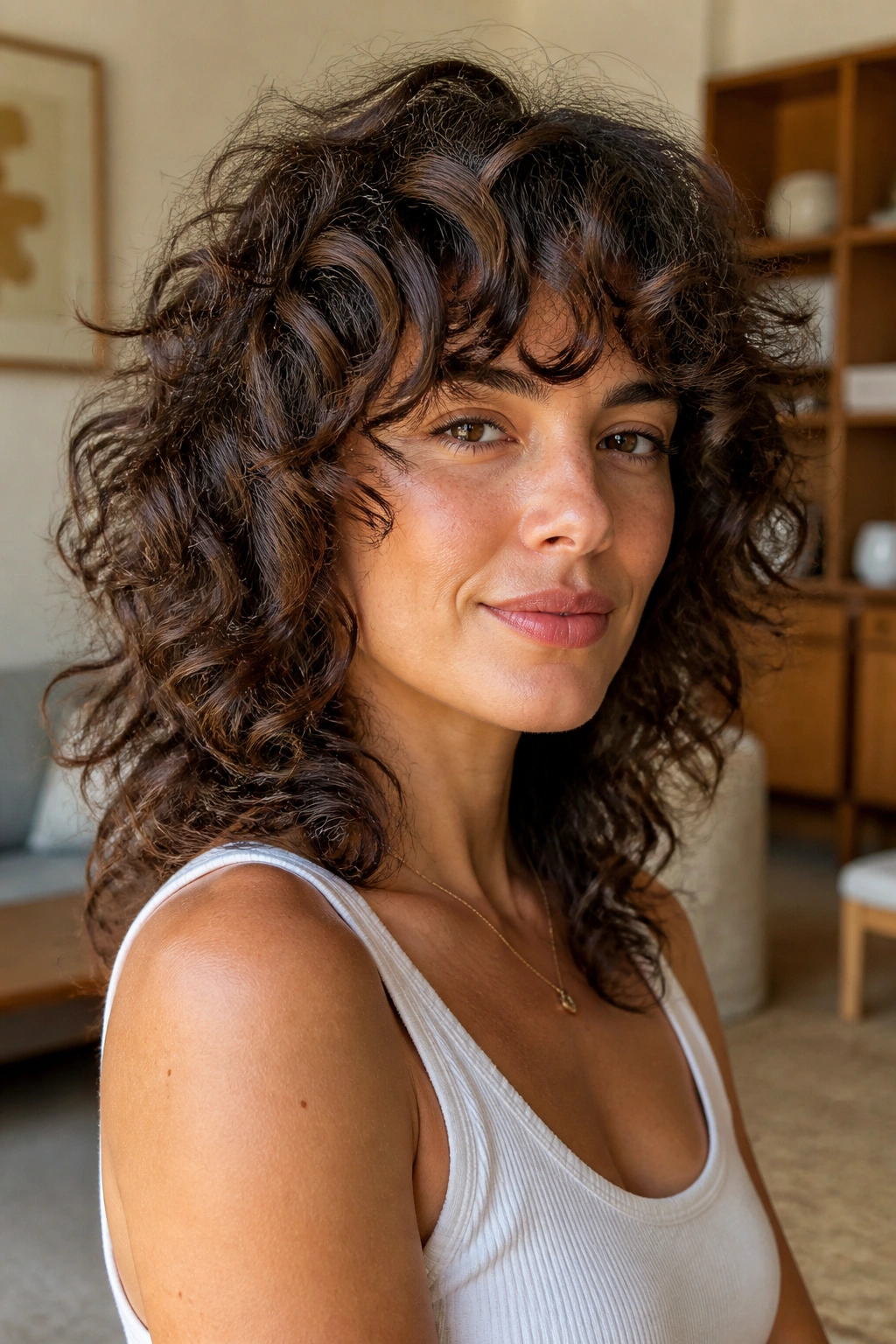
Curly hair needs shape, not punishment. A curly shag gives curls room to spring by stacking soft layers around the head, then leaving enough length at the bottom so the whole cut does not puff into a triangle. When it’s done right, the curls sit in little pockets of volume instead of one giant cloud.
Dry cutting is the part I care about here. Curly hair shifts too much when it’s wet, and a stylist who cuts it only wet can miss how the curls fall in real life. Ask for your curls to be shaped in their natural state, or at least partially dry, so the layers are placed where they belong.
How to style it
- Use leave-in conditioner on damp hair
- Add foam or gel in sections
- Diffuse on low heat or air-dry
Skip thinning shears if your curls are already airy. They can make the ends look frayed.
14. Sleek One-Length Lob
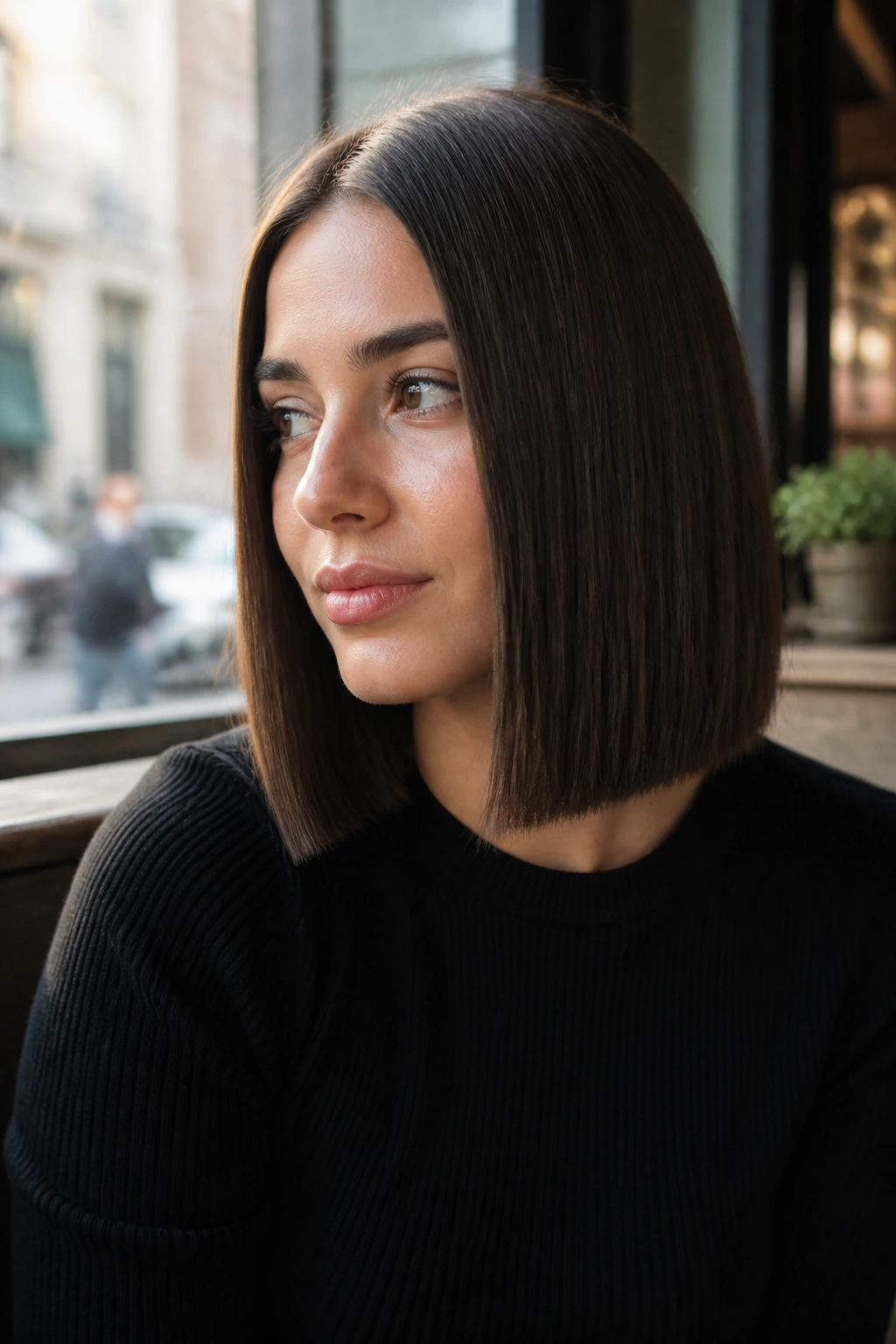
A sleek one-length lob is the haircut version of a crisp white shirt. No extra fluff, no fussing, no hiding behind texture that was added because the base shape was weak. It lands around the collarbone and keeps the perimeter blunt, which gives the hair a thick, expensive-looking line.
This cut is especially good for fine hair because a single clean edge makes the ends look fuller. It can work on thick hair too, but the inside usually needs some careful weight control so the shape does not feel bulky. The downside is honesty: if your ends are damaged, you’ll see it.
A center part gives it a sharper feel. A deep side part softens the face. Either way, this is one of the easiest cuts to dress up with a flat iron and a little shine serum.
15. Mixie Cut
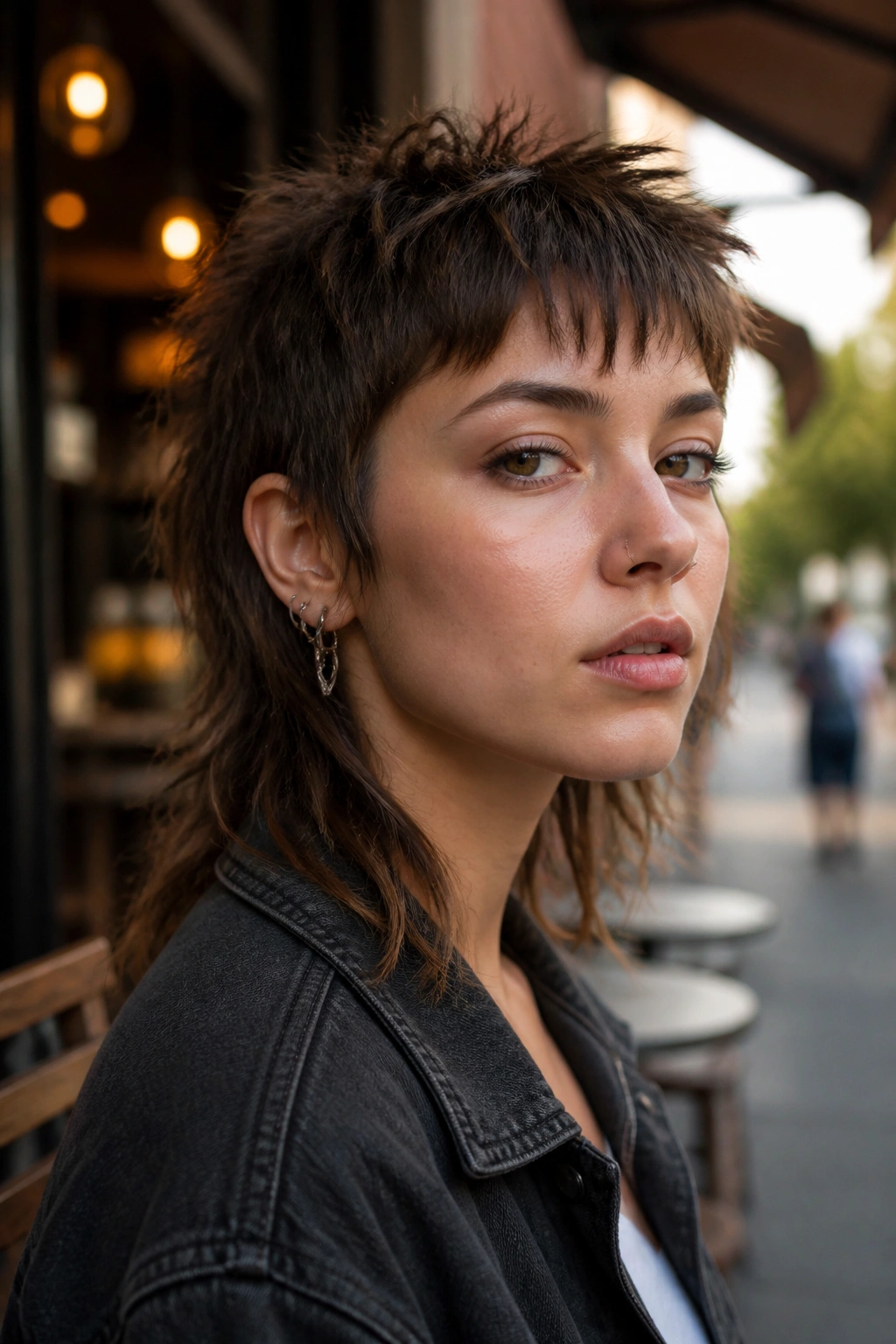
The mixie is what happens when a pixie and a mullet stop arguing and decide to cooperate. The top stays short and pieced out, the sides are a little longer, and the back has enough length to give the cut attitude. It’s sharper than a bixie and less predictable than a classic crop.
What I like about it is the shape. A mixie has that broken, uneven feel that makes short hair look intentional even when it’s not styled to perfection. On thick hair, it removes bulk fast. On fine hair, it can look airy and interesting if the layers are not overcut.
Best with:
- A small amount of matte paste
- A rough-dry finish
- Fringe that can fall forward or split apart
If you want your haircut to have personality before product, this is a strong choice.
16. Textured Crop
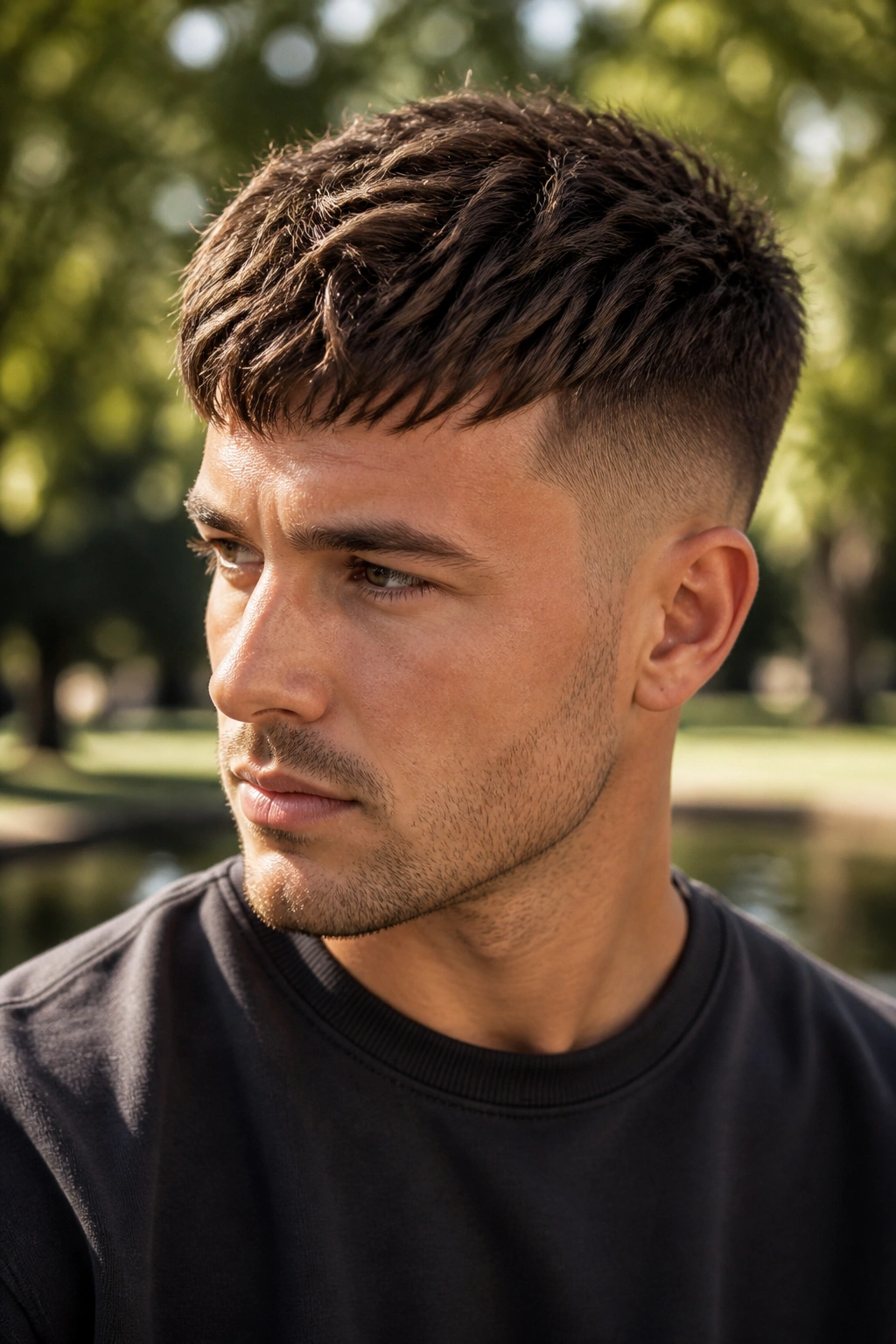
A textured crop is short, piecey, and low-maintenance, but only if the texture is placed with care. The top usually carries the movement, while the sides stay tighter so the shape doesn’t mushroom out. Think neat edges with a little mess in the right place.
This is a cut that suits people who do not want to spend ten minutes on their hair every morning. A dab of cream, a quick finger-style, done. It works well on straight hair that needs some life, and it can also help thicker hair feel lighter. What it does not need is a ton of product. That’s how you end up with helmet hair.
Ask your stylist for
- Short sides with a slightly longer crown
- Piece-y texture, not random choppiness
- A neckline that follows the head shape cleanly
It’s small, sharp, and easier than it looks.
17. Hime Cut
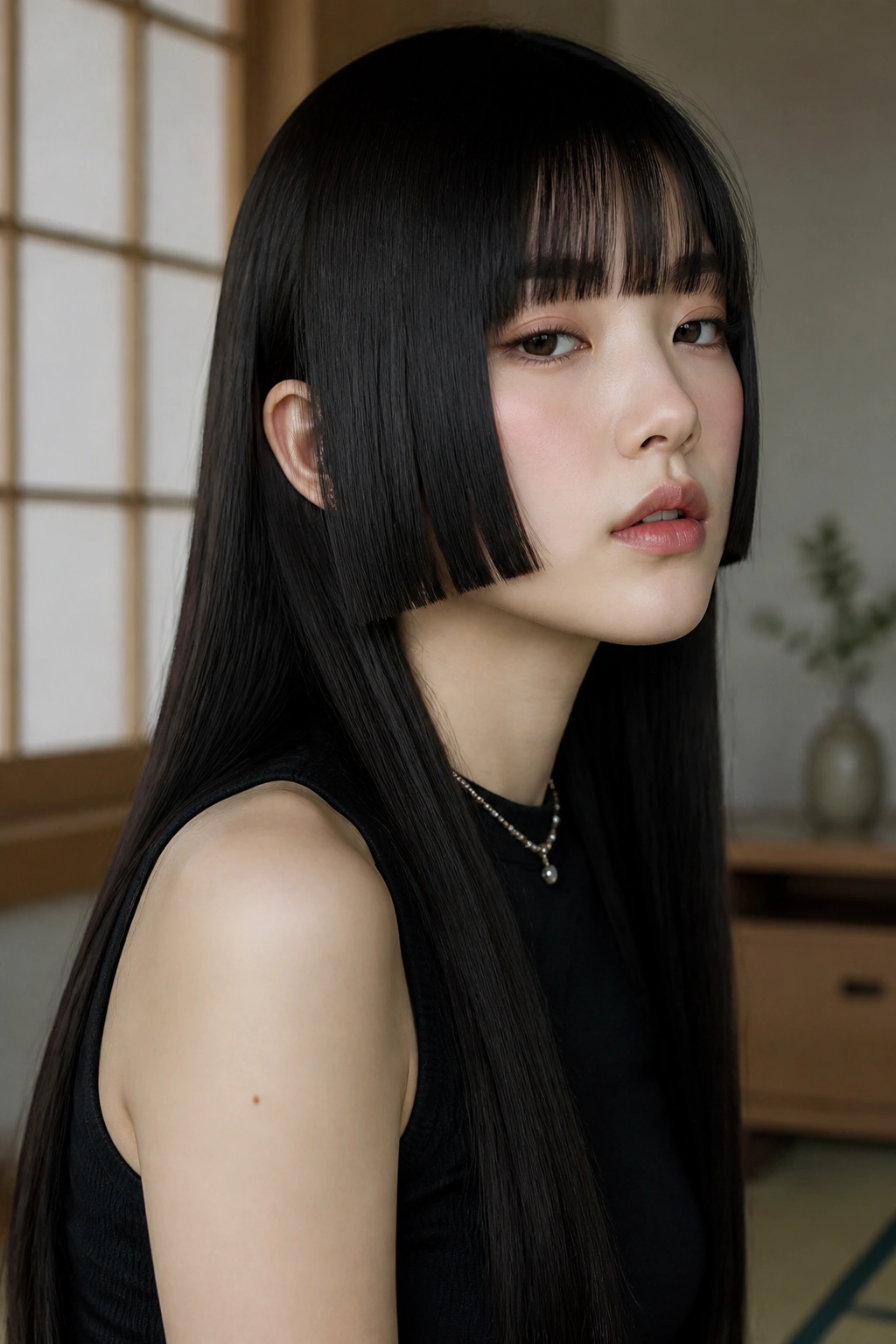
The hime cut is not subtle, and that’s why people love it. It uses straight side panels cut near the cheekbone or jaw, often paired with long hair at the back and a shorter fringe or front section. The contrast is the whole style. Without it, the cut loses its point.
This one works best when the lines are clean. The front panels should look deliberate, not like they were chopped in as an afterthought. If you want to try it, bring clear photos from more than one angle, because the proportions matter more here than they do with a soft layered cut.
Style notes
- Keep the front panels glossy and smooth
- Trim them often so they stay sharp
- Let the back remain long and simple
It suits straight to lightly wavy hair best, though a skilled stylist can adapt it for texture. It’s bold. No pretending otherwise.
18. Shattered Shoulder Cut
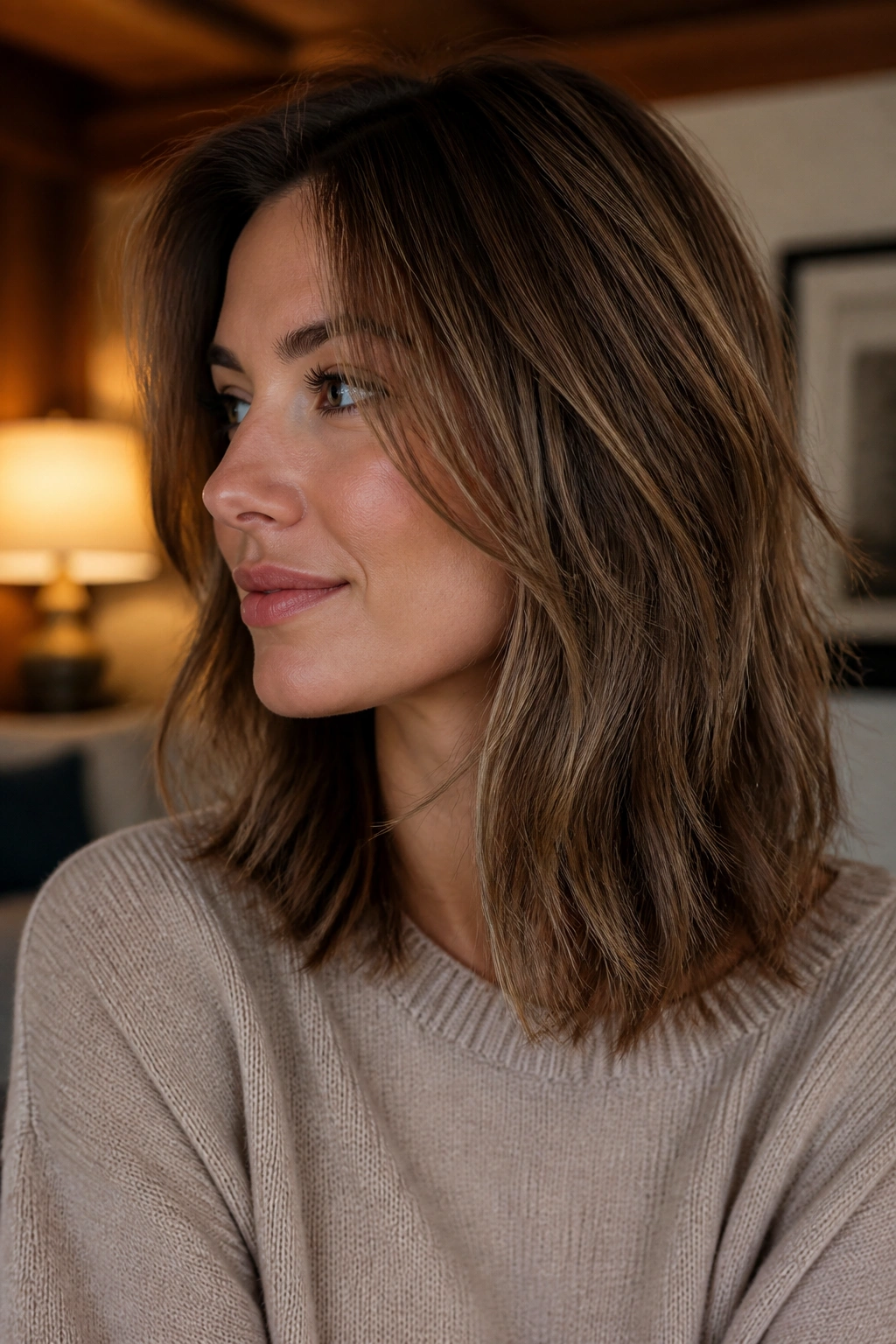
A shattered shoulder cut lives in that middle ground between blunt and shaggy. The length grazes the shoulders, but the ends are broken up enough that the hair moves instead of hanging like one solid sheet. It is a good answer for anyone who wants shape without obvious layers.
The best versions use subtle slicing or point-cutting through the ends, not big choppy steps. That keeps the outline soft while still reducing heaviness. If your hair is thick, the cut can remove a lot of bulk. If it’s fine, the stylist needs to be careful not to take away too much density at the bottom.
What it feels like
- Less heavy than a blunt shoulder cut
- Less messy than a shag
- Easier to tie back than shorter styles
It’s the sort of haircut that grows out gracefully, which matters more than people admit.
19. Asymmetrical Bob
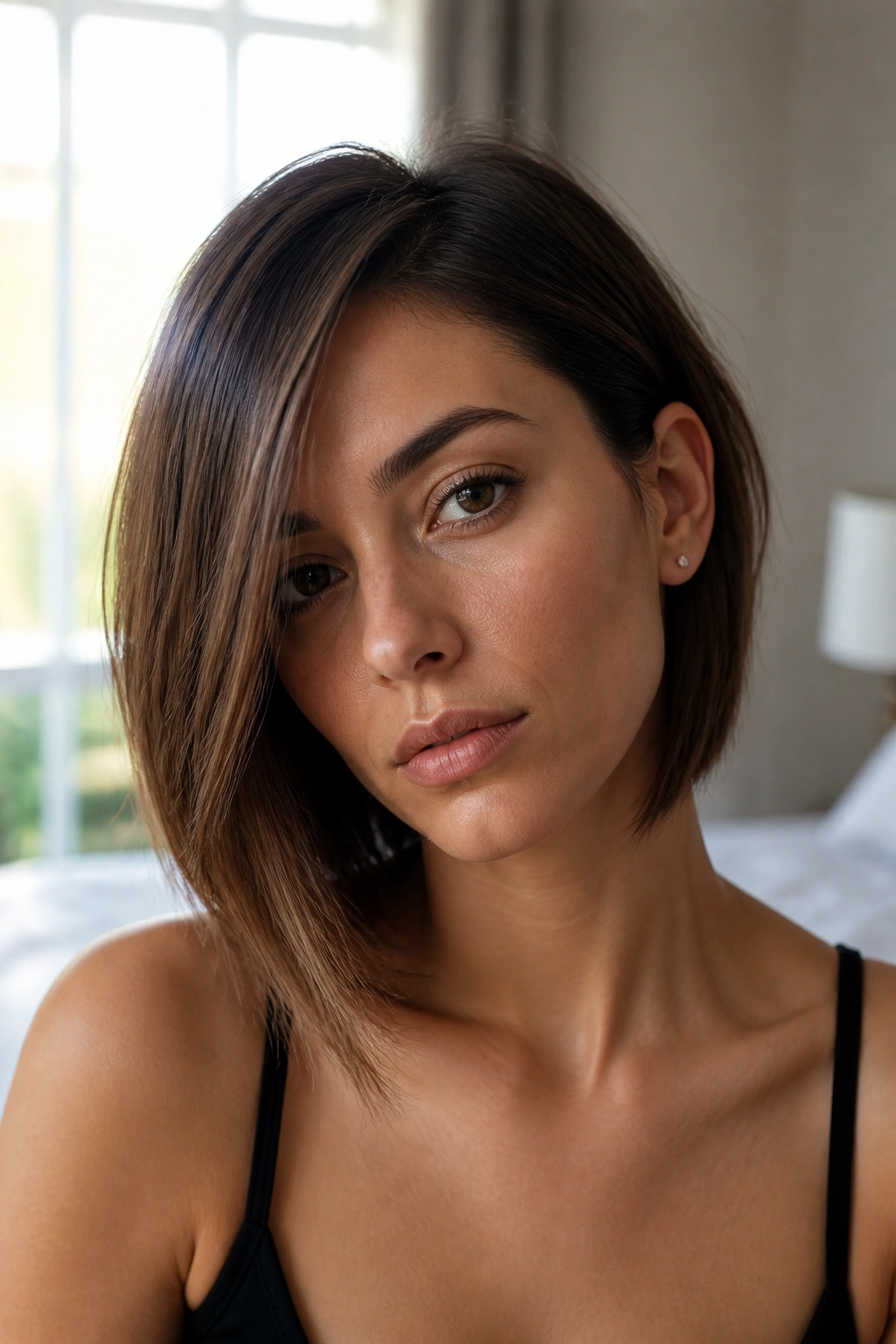
An asymmetrical bob gives you a little visual tension without needing a dramatic color change or a fancy finish. One side sits slightly longer than the other, usually by about 1 to 2 inches, and that small difference is enough to make the cut feel intentional and modern.
I like this cut on straight or softly wavy hair because the line stays visible. If your texture is very curly, the asymmetry can get lost unless the stylist shapes it carefully. Ask for a clean part and a clear side to sit longer so the shape doesn’t drift into random unevenness.
Key details
- Keep the longer side just a little longer, not miles apart
- Pair it with a tuck-behind-the-ear finish
- Trim often so the line does not blur
This is not a quiet haircut. That’s the fun of it. It gives a normal bob a sharp little twist.
20. Tapered Afro
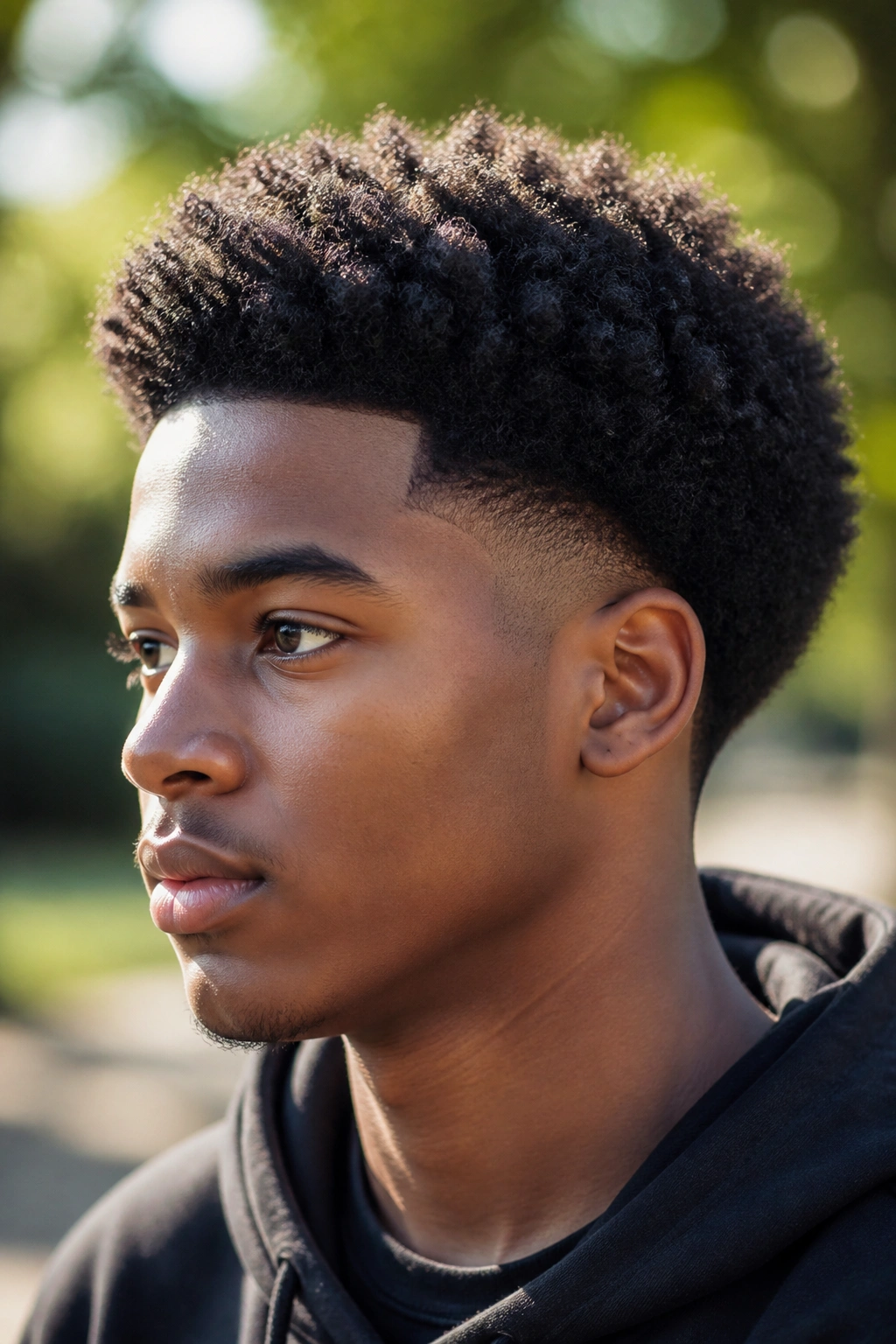
A tapered afro is all about shape at the sides and fullness on top. The sides and nape are cut shorter and close to the head, while the top keeps more height and roundness. That balance makes natural texture look clean and deliberate without flattening it.
The best tapered afros are shaped by the head, not against it. A good cut follows the curve of the skull, keeps the outline neat around the ears, and leaves enough top length for coils to spring upward. If the taper is too aggressive, the cut can lose its softness. If it’s too loose, the shape gets vague.
What to ask for
- A rounded top with a clean taper at the sides
- Edges shaped to your hairline, not forced straight
- Length left where your curls need volume
A little moisture cream and a pick are usually enough. It’s tidy, but it still has life.
21. Wedge Bob
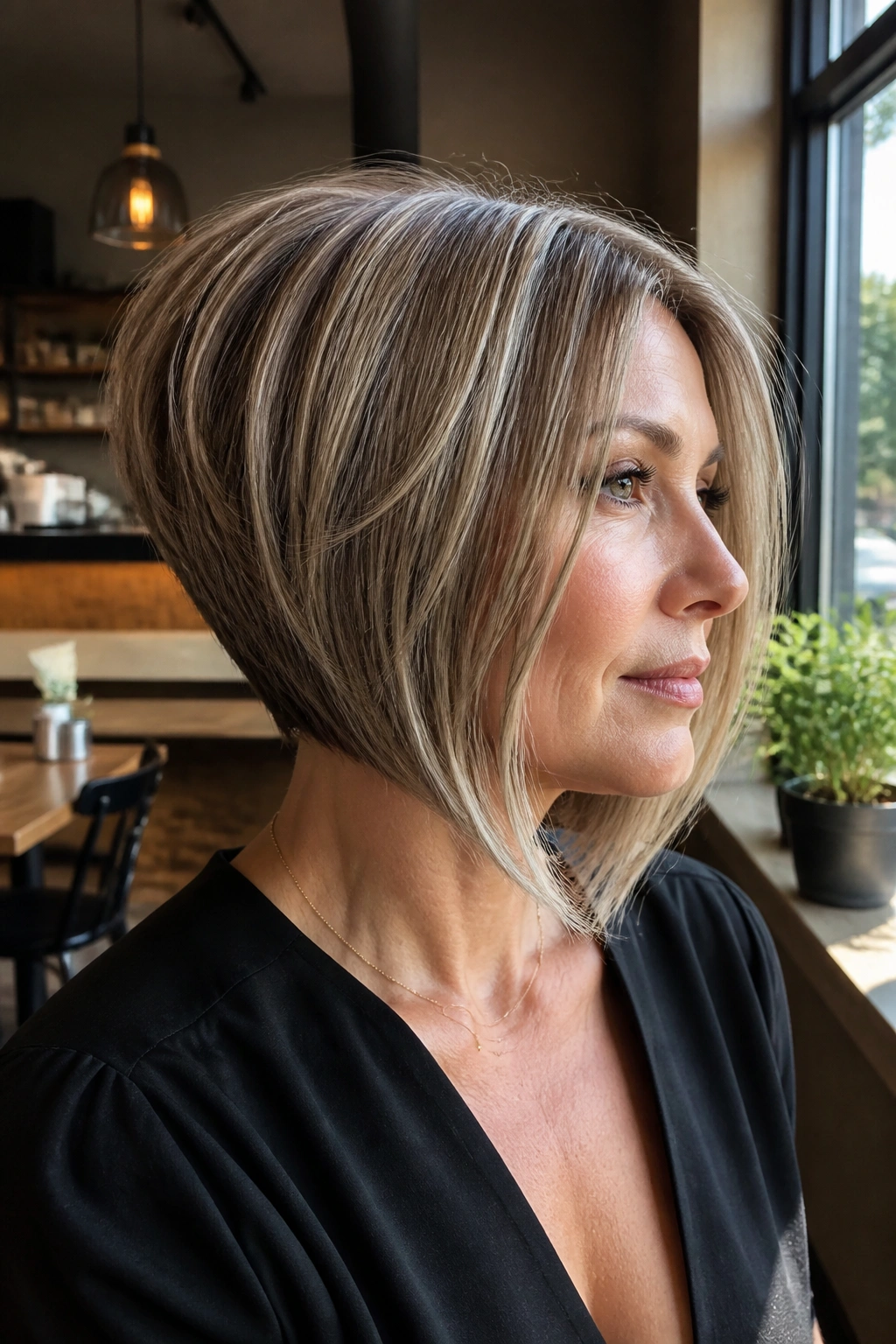
The wedge bob has a stacked back and a stronger angle toward the front, which gives it built-in lift at the crown. People sometimes think of it as a retro cut, but when it’s cut with a lighter hand it looks sharp and current rather than dated.
It is especially useful for hair that tends to lie flat in the back. The stacking creates a bit of height without asking you to tease or overstyle anything. At the same time, the front pieces can stay longer to soften the face. That’s the part many stylists get wrong: too much stack and the cut turns stiff.
A round brush helps, but the cut should do the main work. If it only looks good with a barrel brush and a full can of spray, the shape is off.
22. Micro Bob
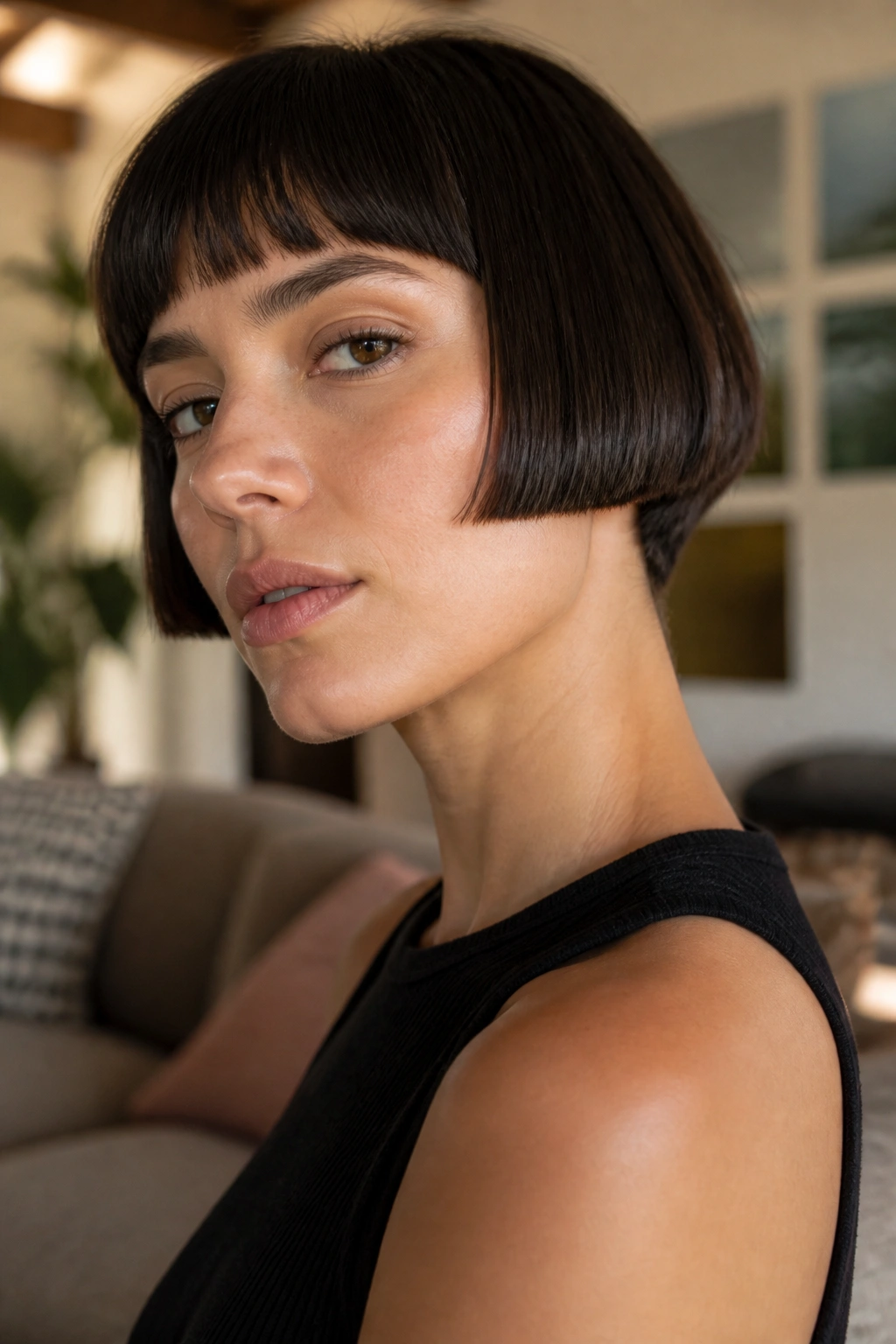
The micro bob is tiny, blunt, and not interested in blending in. It usually sits around the ear or just below it, and that short length puts all the attention on the jawline, the neck, and whatever earrings you own. It’s a strong cut, so it looks best when the shape is deliberate.
There is not much room to hide mistakes here. The line has to be clean, the ends have to be even, and the proportions need to suit your face. That said, when it’s right, a micro bob looks crisp in a way longer cuts can’t quite match. It also dries fast, which is a perk nobody complains about.
Good to know
- It leaves almost no room for ponytails
- It needs regular trims to stay sharp
- Fine hair often benefits from the blunt edge
I’d call it brave, but that sounds too polished. It’s more like a haircut with opinions.
23. Long Layers with Airy Ends
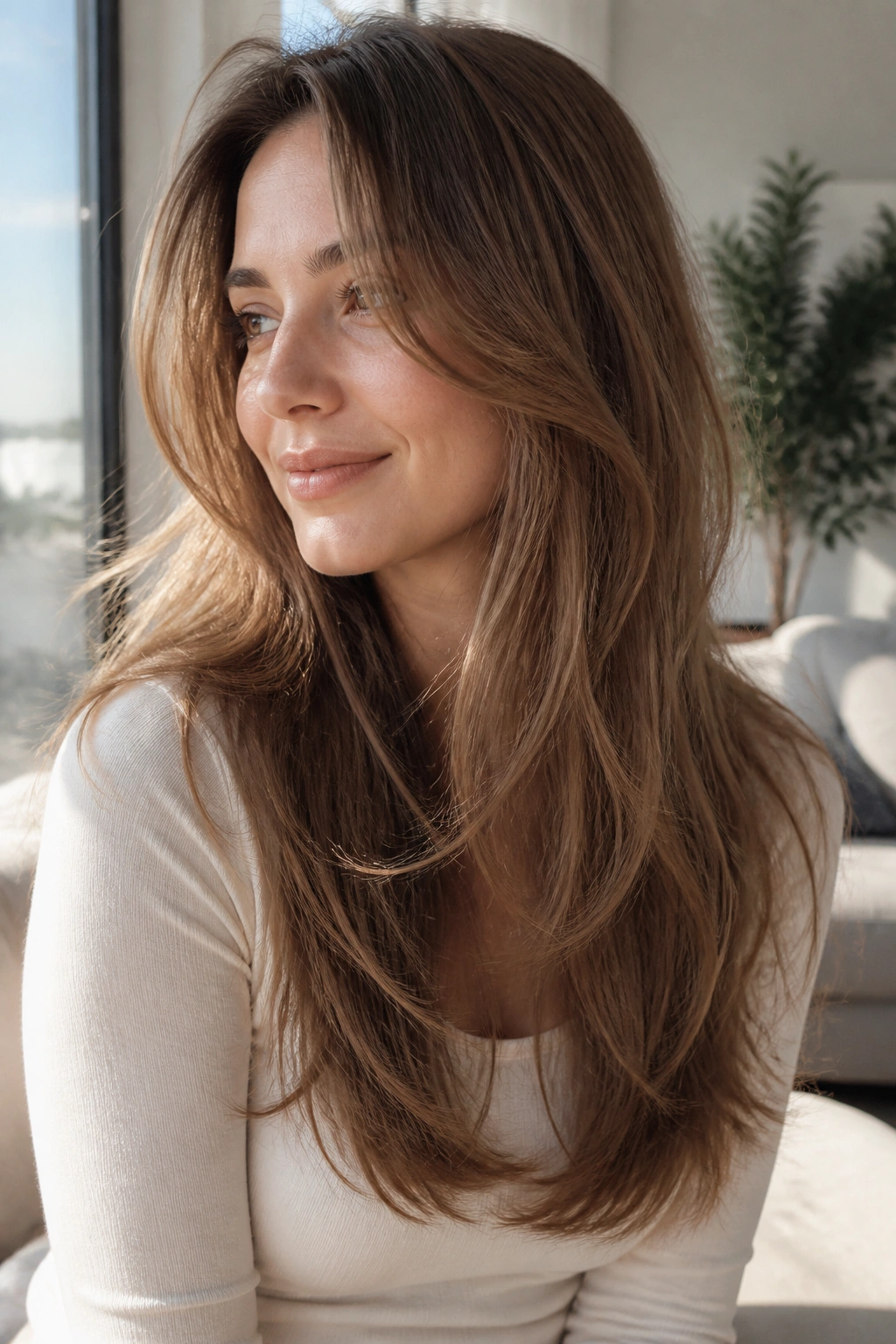
Long hair does not have to mean one heavy sheet from root to tip. Long layers with airy ends keep the length intact while removing enough weight to let the hair swing instead of dragging. The ends get a softer finish, and the shape feels lighter without becoming obviously layered.
This cut is easy to underestimate because it sounds plain. It isn’t. The placement of the layers changes everything. If they start too high, the hair can lose thickness. If they sit too low, you may not get enough movement. The sweet spot is usually from the cheekbone down to the chest, depending on how much lift you want around the face.
Air-drying works fine, but a quick bend with a large curling iron makes the layers show their shape. It’s a calm cut. That’s its appeal.
24. Buzz Cut
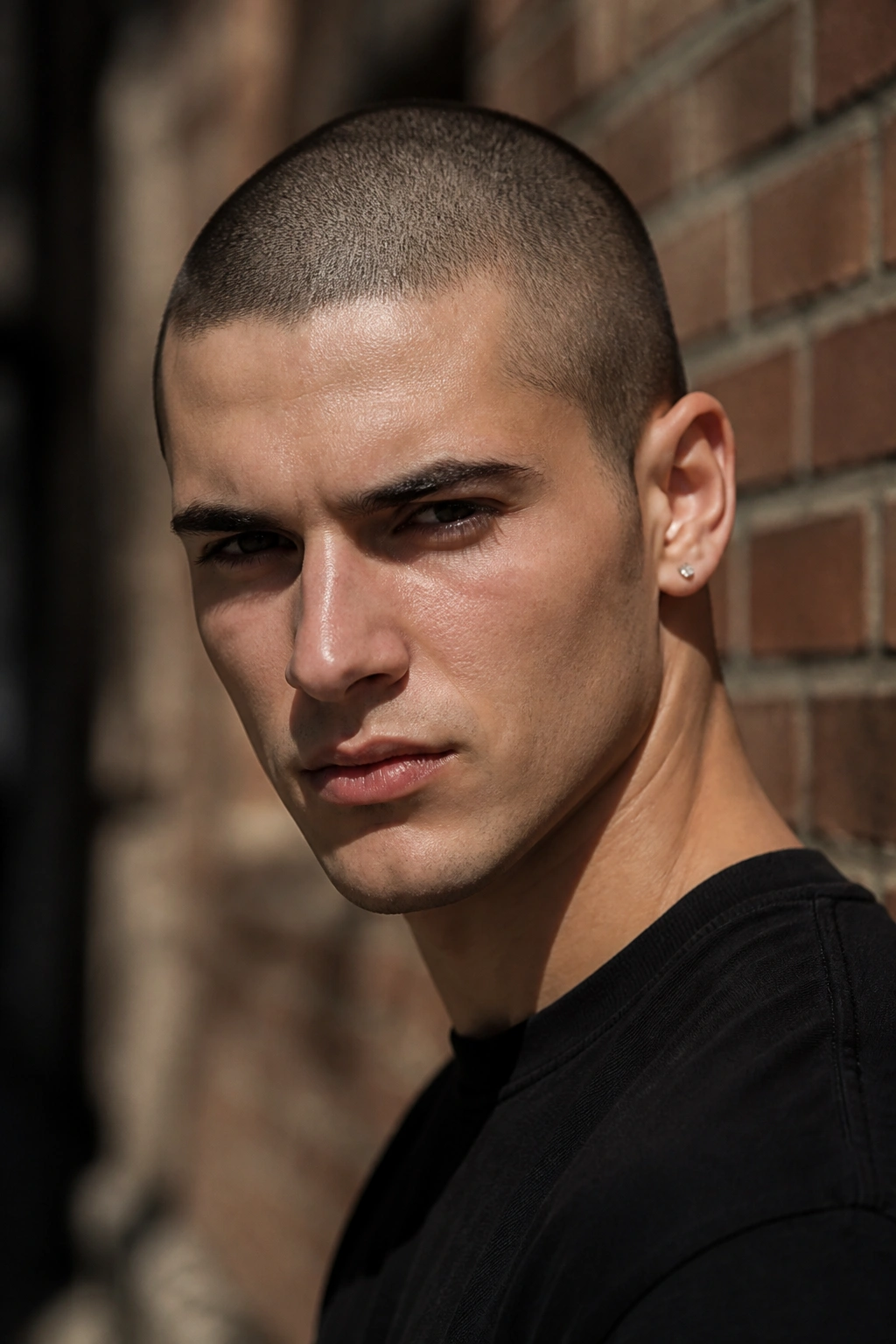
A buzz cut removes the conversation and leaves the face. That is either exactly what you want or absolutely not what you want, and there isn’t much middle ground. The length can be anything from a close clipper guard to a slightly softer, longer buzz, but the effect is the same: clean lines and no daily styling.
The haircut looks best when the scalp is cared for. Sun protection matters. So does moisturizing if your skin gets dry or flaky. A buzz cut is low-maintenance in the styling sense, not the same thing as zero work. People forget that part.
Before you do it
- Check your head shape from all angles
- Decide if you want the same length all over or a faded version
- Be ready for frequent trims if you want the length even
It’s the most direct haircut on this list. No hiding. No staging.
25. Soft Mullet
The soft mullet keeps the cool shape of a mullet but tones down the contrast. The back still runs longer, and the crown still has lift, but the transition between the sections is smoother. That makes it easier to wear if you like texture but not a hard edge.
This version is good for people who want movement around the face and neck without looking too severe. Wavy hair usually takes to it fast. Straight hair can use a light bend to keep the layers from separating too much. I’d ask for the ends to stay feathered rather than wispy; that keeps the shape from falling apart too quickly.
A practical note
- The fringe should be soft, not chopped flat
- Keep the top piecey and the back slightly longer
- Use a small amount of texture cream only where needed
It has attitude, but it doesn’t shout.
26. Rounded Pageboy
A rounded pageboy sits somewhere between polished and playful. The hair curves inward at the ends, often around chin or jaw length, and the shape wraps the face in a way that feels neat without looking stiff. It’s one of the few shorter cuts that can feel both retro and tidy at the same time.
The curve is everything. If the ends are left too straight, it loses the pageboy feel. If they’re over-rounded, it can start to look helmet-like. A blow-dryer and a round brush help, but a good cut does most of the work. Straight hair takes to it naturally; wavy hair may need a bit more tension while drying.
It’s a smart choice if you like structure and want something a little different from the standard bob.
27. Undercut Pixie
An undercut pixie solves a very specific problem: too much bulk in too little hair space. The top stays longer and movable, while the sides or nape are clipped shorter underneath, which removes weight and keeps the outline clean. It can be hidden, or it can be visible depending on how short the undercut is taken.
This cut is useful for thick hair, but it also works if you want less heat around the neck and ears. The downside is obvious: it grows out fast and needs upkeep. If you skip trims for too long, the contrast between the top and undercut gets muddy. That can be a look, but it usually isn’t the one people wanted.
Best when
- You want easy styling on top
- Your hair feels bulky in short cuts
- You like a bit of edge without going full buzz
It’s practical, and a little rebellious.
28. Octopus Cut
The octopus cut has a funny name, but the shape makes sense once you see it. There’s volume at the top, then long, wispy ends that hang below it, creating a look that feels airy and slightly undone. It borrows from the shag, but the silhouette is taller and more separated.
This cut needs some movement in the hair to show its shape. On wavy hair, it can look great with a scrunch and diffuse routine. On straighter hair, you may need to add bend with a wand or air-dry braids for the lower lengths. The upper layers should not be overthinned, or the whole head can look scattered.
To keep it from going flat
- Leave fullness at the crown
- Keep the lower lengths light but not stringy
- Avoid heavy creams that weigh down the top
It’s strange in the right way. That’s part of the draw.
29. Tapered Lob with Invisible Layers
A tapered lob with invisible layers is for someone who wants shape without announcing it. The length stays around the collarbone, but the inside carries quiet graduation so the hair moves better and sits closer to the head. From the outside, it still reads as a clean lob.
That hidden structure matters more than people think. It stops the cut from becoming wide at the bottom, especially on thick hair. On fine hair, the layers have to be feather-light so the ends stay full. The beauty of this cut is that it looks simple even when the technique behind it is not.
A straight blow-dry shows off the line. A soft wave brings out the movement. Either way, it feels considered without being fussy.
30. Shaggy Mid-Length Cut
A shaggy mid-length cut is the dependable middle ground for people who want movement but not a full commitment to a short style. It usually lands around the shoulders, with enough layers to keep the silhouette loose and enough length to pull back on busy days. That mix is why it stays in rotation.
The version I like best is softer than a wolf cut and less structured than a classic shag. The layers should break up the shape, not slice it apart. That means the ends can look airy while the overall cut still feels controlled. If your hair is naturally wavy, you’ll probably get a lot of mileage out of it. If it’s straight, a little bend at the ends helps the layers show.
It’s the kind of cut that looks better after a month of wear than it does on the day you leave the salon. That’s not a flaw. It’s the point.
Final Thoughts
The smartest haircut is the one you can live with on day three, not the one that wins a mirror test under bright salon lights. A good shape should make your texture easier to work with, not turn every morning into a styling session.
If you’re torn between two cuts, pick the one that keeps more length or more structure, depending on what you value most. Hair grows. But a bad shape at the wrong place — the chin, the crown, the fringe — can bug you for months.
Bring photos, yes, but bring one more thing: a clear opinion about what you do not want. That usually helps more than a vague wish for “something fresh.”
