



A haircut should survive a coffee run. That is the real test for haircuts for modern women: not how they look under salon lights, but how they behave after a hoodie, a little wind, and a rushed mirror check in the hallway.
A blunt bob can look razor-sharp at the chair and flat at home if the line is off by half an inch. Long layers can feel airy and easy, or they can turn into stringy ends that do nothing for you. The difference usually comes down to weight, texture, and where the cut sits on your face, not some magic face-shape rule people repeat without thinking.
That part matters. A lot.
The best cuts are the ones that work with your hair’s habits instead of fighting them. Fine hair likes a clean edge. Thick hair wants internal removal so it does not puff out like a triangle. Curly hair needs shape, not just length. And if you wear your hair up half the week, that changes the whole conversation.
So let’s get into the cuts that actually earn their keep. Some are polished. Some are messy on purpose. A few are sharp enough to make a simple white T-shirt look expensive. That is the good stuff.
1. Blunt Bob
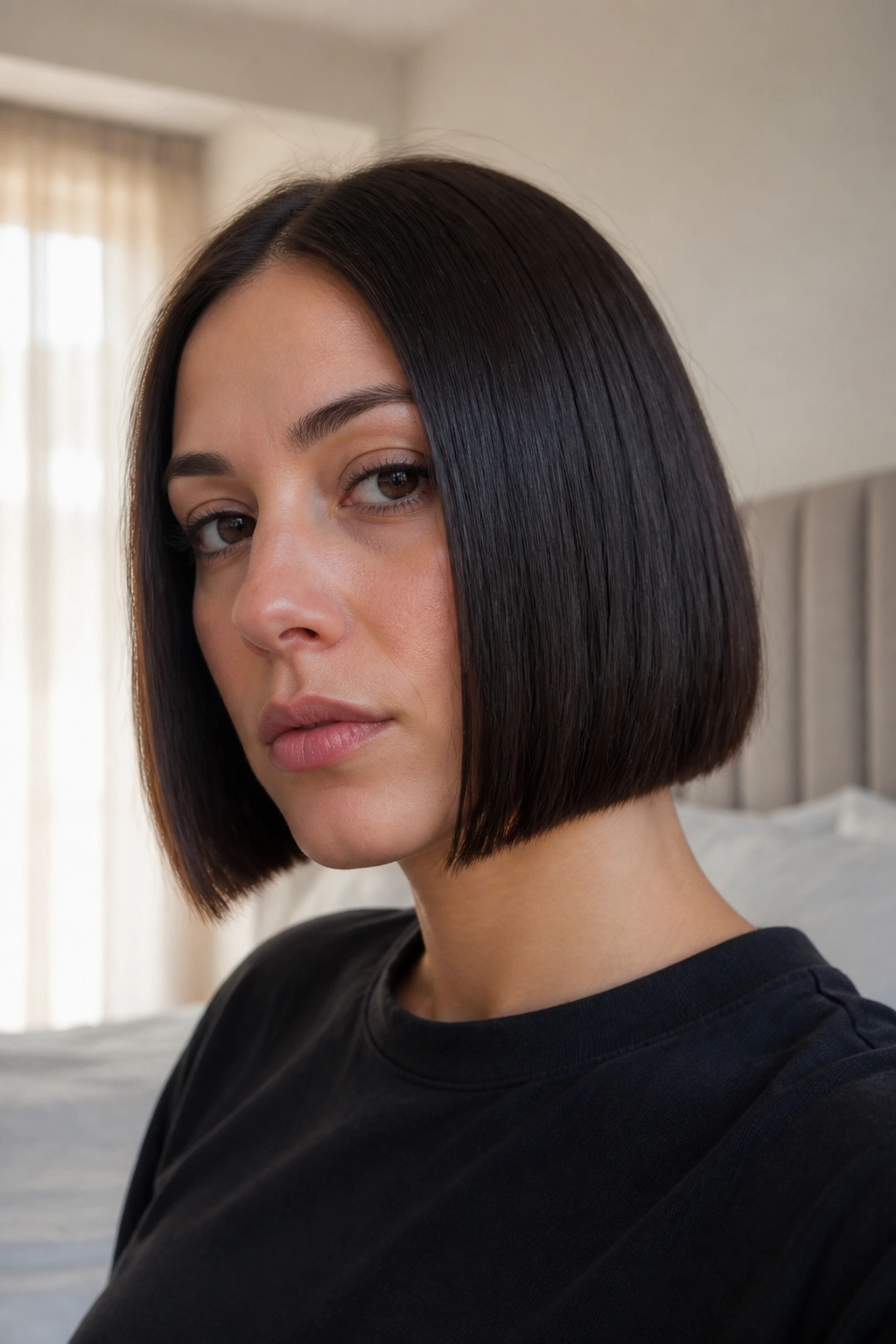
A blunt bob is the haircut that makes fine hair look like it has more of it. The straight edge gives the eye one clear line to follow, so the ends feel fuller and denser than they would in a layered cut.
Why It Works
The best version usually lands between the jaw and just below the chin. Shorter than that, and it can start to feel severe. Longer than that, and you lose some of the clean shape that makes the cut interesting in the first place. I like this cut best on hair that is naturally straight or only slightly wavy, because the line shows up clearly.
A blunt bob also has a useful little trick: it makes earrings and collarbones matter more. Sounds shallow. It is not. A good haircut changes the whole frame around your face.
- Best for fine to medium hair
- Looks crisp with a flat brush or one quick pass of a straightener
- Needs a trim about every 6 to 8 weeks
- Works well tucked behind the ear when you want it softer
Tip: ask for the line to be checked from every angle, not just the front. A bob can look even in a mirror and still tilt weirdly at the nape.
2. French Bob
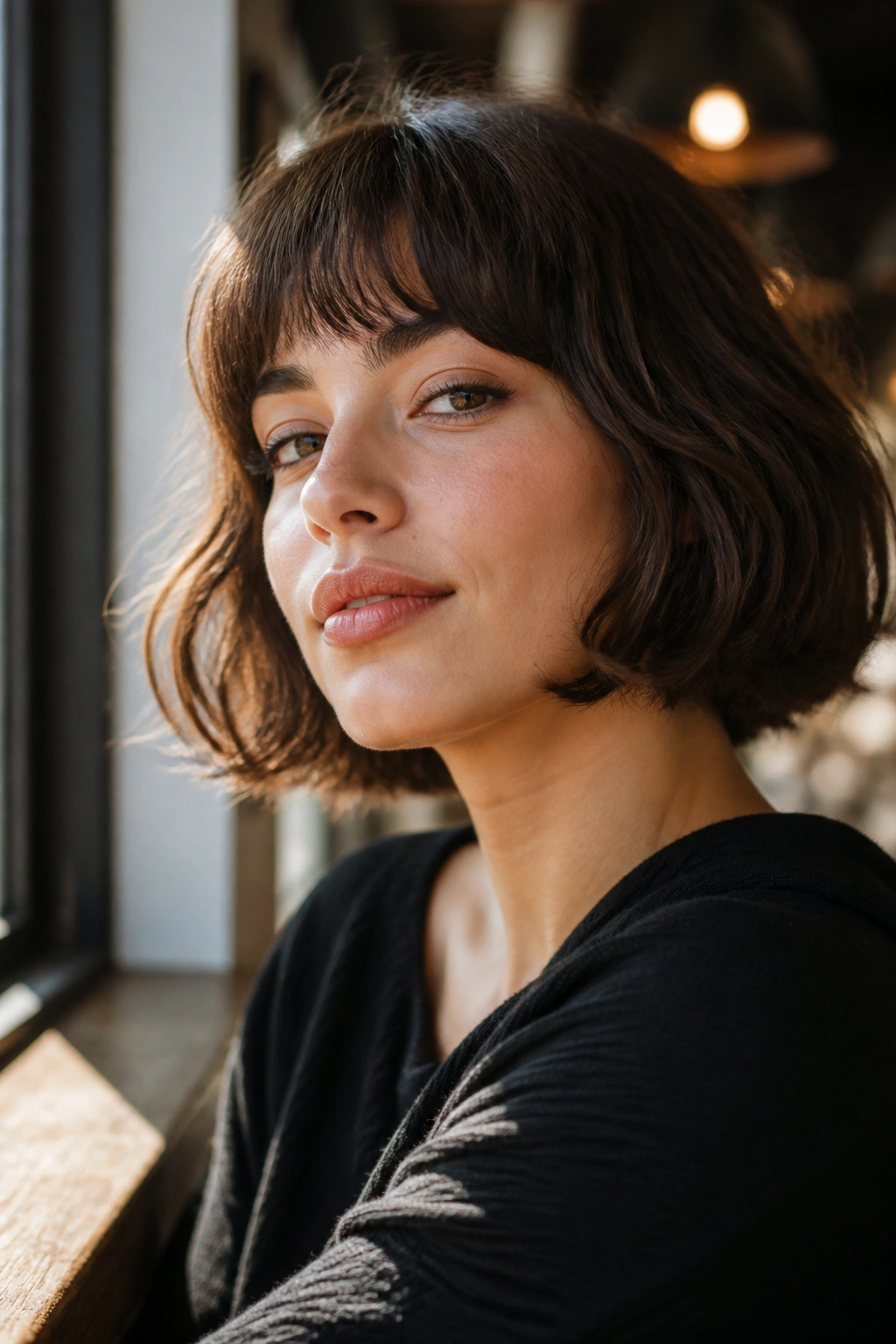
The French bob has attitude in the best way. It sits shorter, usually around the lip line or just at the jaw, and it looks like you meant to wear lipstick even if you didn’t.
What makes it different from a plain short bob is the looseness. The ends are often a little softer, the texture has some bend, and the fringe can be airy instead of blunt. That’s why this cut feels lived-in rather than stiff. It’s one of those styles that looks better with a few imperfect pieces than with too much polishing.
I especially like it on wavy hair that wants to do its own thing. Air-dry it with a bit of cream, tuck one side behind the ear, and leave the rest alone. Too much brushing ruins the point. Too much heat can make it feel too formal.
This cut is not shy. If you want a haircut that disappears into the background, skip it.
3. Collarbone Lob
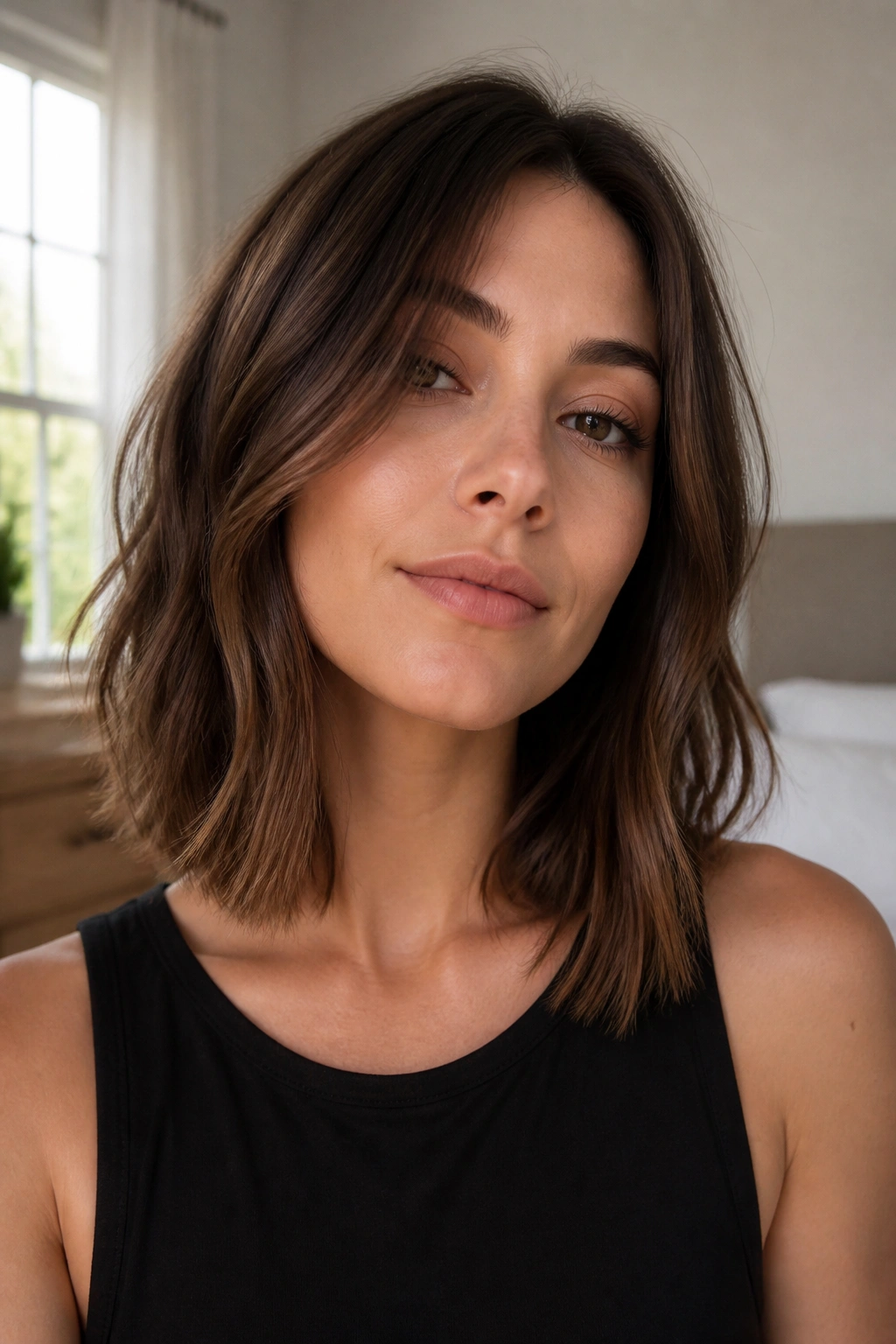
The collarbone lob is the haircut I suggest when someone wants a change but still wants options. It grazes the collarbone, so it can swing, tuck, clip back, or sit in a low knot without that awkward in-between length that drives people crazy.
Picture this: your hair is long enough to feel feminine in a soft way, but short enough that washing it takes less time and your ends stop looking tired. That is the appeal.
What to Ask For
Ask for the length to hit the collarbone or just below, with very soft internal movement if your hair is thick. If your hair is fine, keep the structure cleaner so it doesn’t look wispy at the bottom.
- Easy to wear straight, waved, or air-dried
- Long enough for a ponytail, short enough to feel lighter
- Good choice if you are growing out a bob
- Looks polished with a center part or a side part
The collarbone lob is not dramatic. That is the point. It quietly fixes a lot.
4. Long Layers with Curtain Bangs
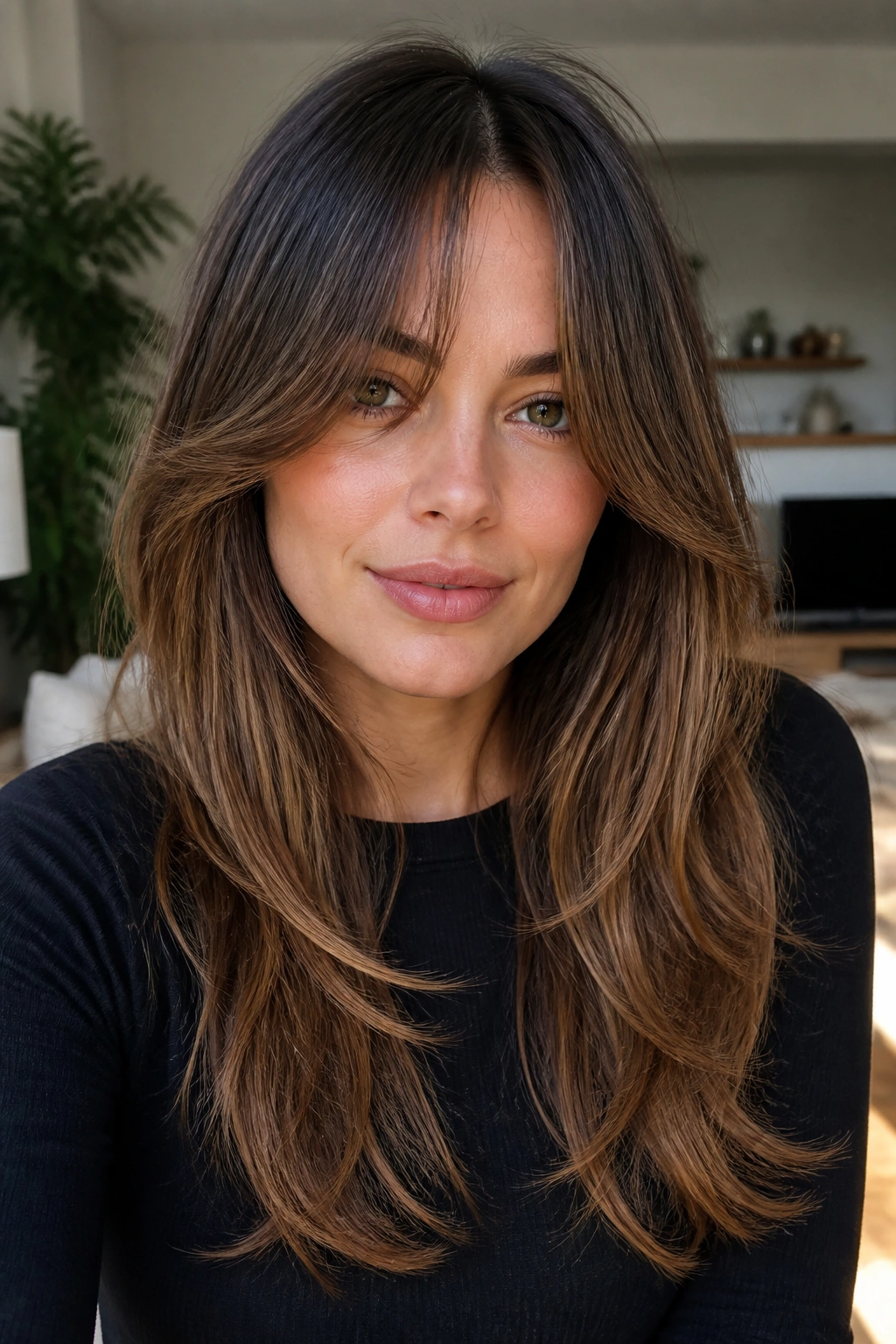
Why do some long haircuts feel flat while others seem to move the second you turn your head? Usually because the layers are doing more than just removing weight. Curtain bangs help too, and they can save a long style from looking sleepy.
This cut works because it gives you two things at once: shape around the face and length through the back. The bangs part in the middle and sweep out toward the cheekbones, which softens the front without hiding your features. The longer layers keep the ends from hanging there like wet rope.
How to Style It
Blow-dry the bangs first, not last. If you wait until the rest of your hair is finished, they flatten and separate in annoying little pieces. A round brush or even just your fingers and a dryer nozzle can do the job.
- Best on medium to thick hair
- Easy to tie back without losing the face-framing effect
- Works with loose waves or a smooth blowout
- Needs regular trims on the bangs, even when the length grows well
This is one of the few long cuts that can look dressed up or casual without much effort. That matters.
5. Butterfly Cut
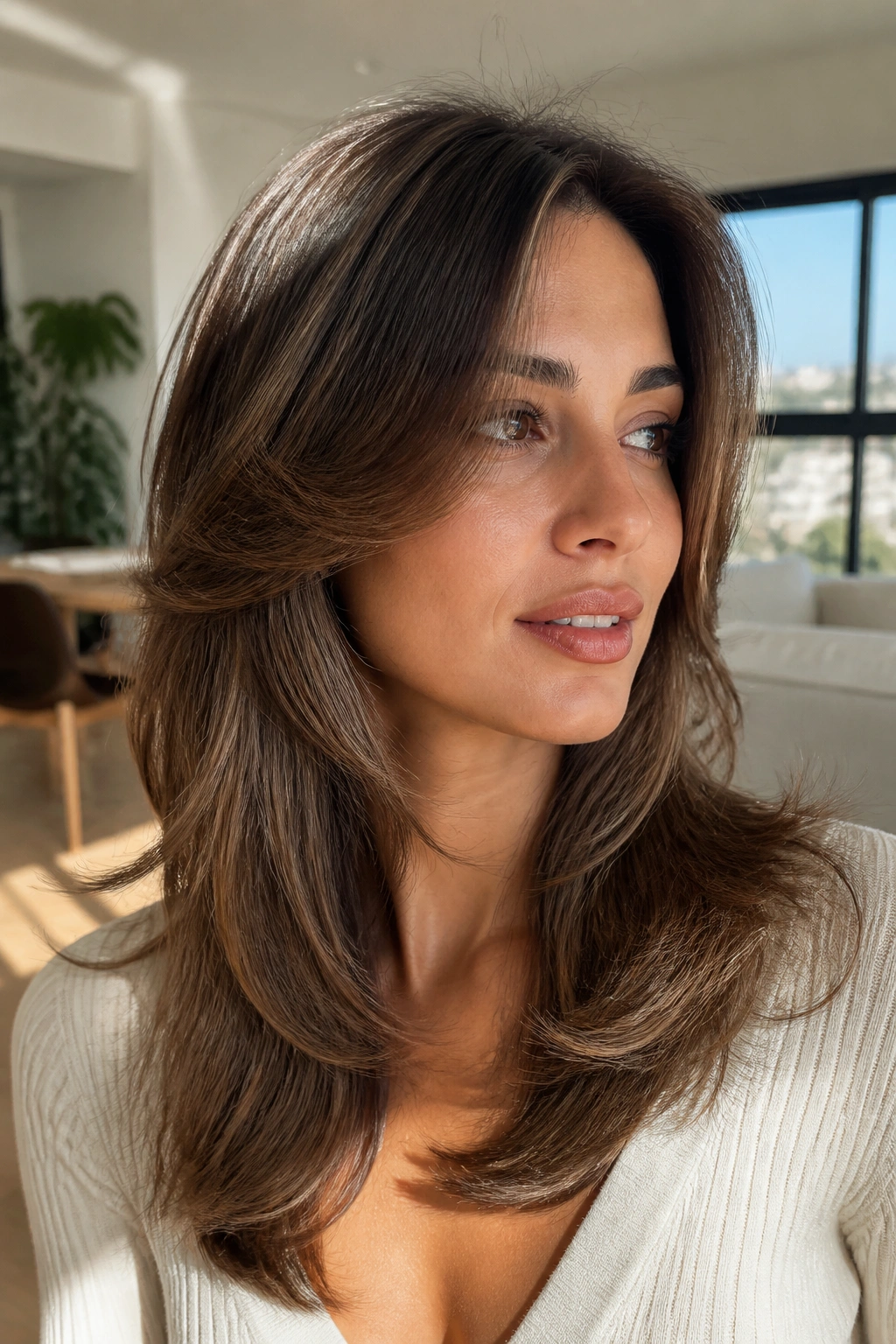
The butterfly cut is what happens when you want volume without giving up length. It uses shorter layers through the crown and face, then keeps the bottom long, so the whole shape gets lift without losing that swing people like in long hair.
Compared with one-length hair, it has more motion at the top and around the face. Compared with a shag, it stays smoother and more polished. That middle ground is why it has such a following.
If your hair tends to collapse at the roots, this cut helps the silhouette feel bigger without making the perimeter look thin. It is especially nice for hair that can hold a bend from a round brush or hot rollers. You do not need a full salon blowout every time, but the cut does look better when the layers are given a little direction.
I would ask for the shortest pieces to land around the chin or cheekbone and the longest layers to stay well below the shoulders. That contrast is the whole trick.
6. Shag Haircut
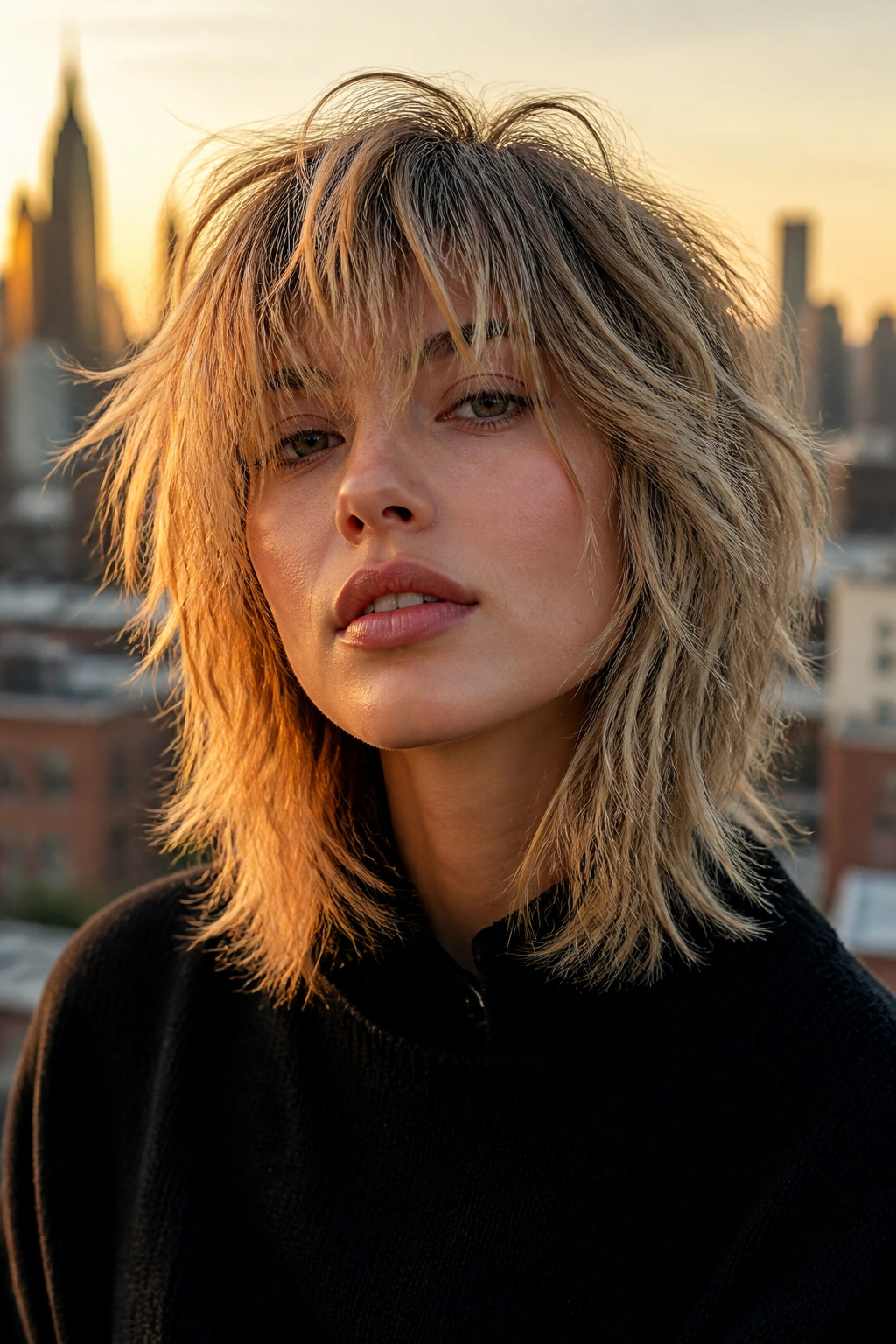
A shag is for someone who wants texture with a little bite. Not chaos. Bite. The layers are broken up, the crown has lift, and the ends are usually lighter, which makes the whole cut move in a less tidy way than a bob or lob.
It can look incredibly cool on wavy hair, but I do not think it belongs in the “low-maintenance” fantasy camp people keep assigning to it. You still have to know how your hair dries. If your waves bend in odd directions, the shag will show that. If your curls are strong, it can look fantastic with a diffuser and a bit of mousse.
The reason it keeps coming back is simple: it takes heavy hair and gives it life, and it gives finer hair a sense of edge without making it look overworked. That is a useful balance. Not all haircuts can do that.
A good shag should feel messy in a controlled way. That’s the sweet spot.
7. Pixie Cut
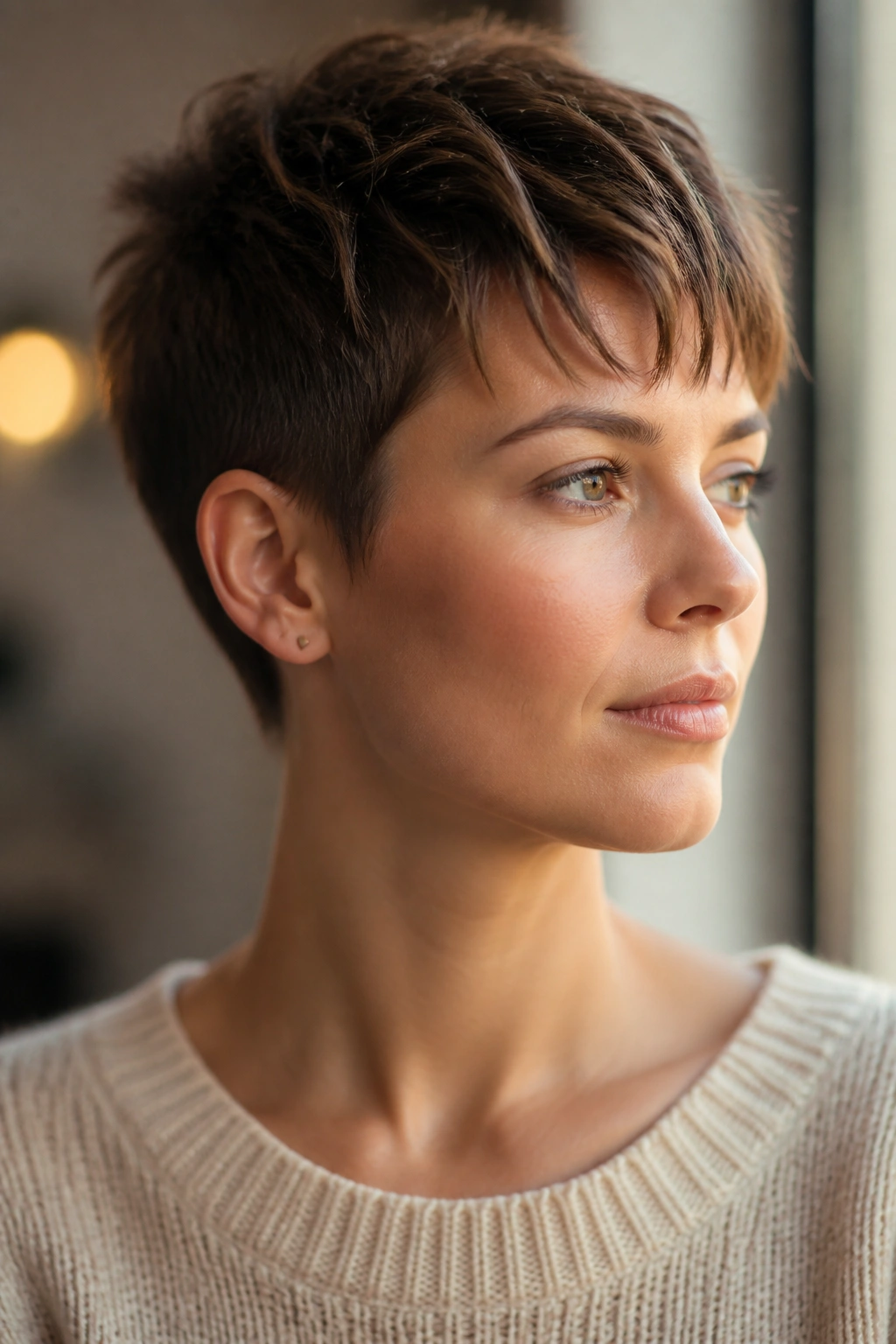
A pixie cut is not one haircut. It is a whole family of short cuts, and the modern version is softer than the old-school helmet-shaped ones people still fear. The best pixies keep some length on top for movement and texture, while the sides and nape stay short enough to show off the shape of your head.
What Makes It Modern
The short crop works when it feels deliberate, not over-sheared. A little fringe, a little separation at the top, maybe a few longer pieces near the temple—those details keep it from looking dated. Flat, solid pixies can feel harsh unless that is the exact mood you want.
What To Ask Your Stylist
- Keep some softness around the ears
- Leave enough length on top for finger-styling
- Avoid over-thinning the ends
- Plan on trims every 4 to 6 weeks
This cut is honest. It shows your bone structure, your cowlicks, and your styling habits. If you like that kind of clarity, pixies are hard to beat.
8. Bixie
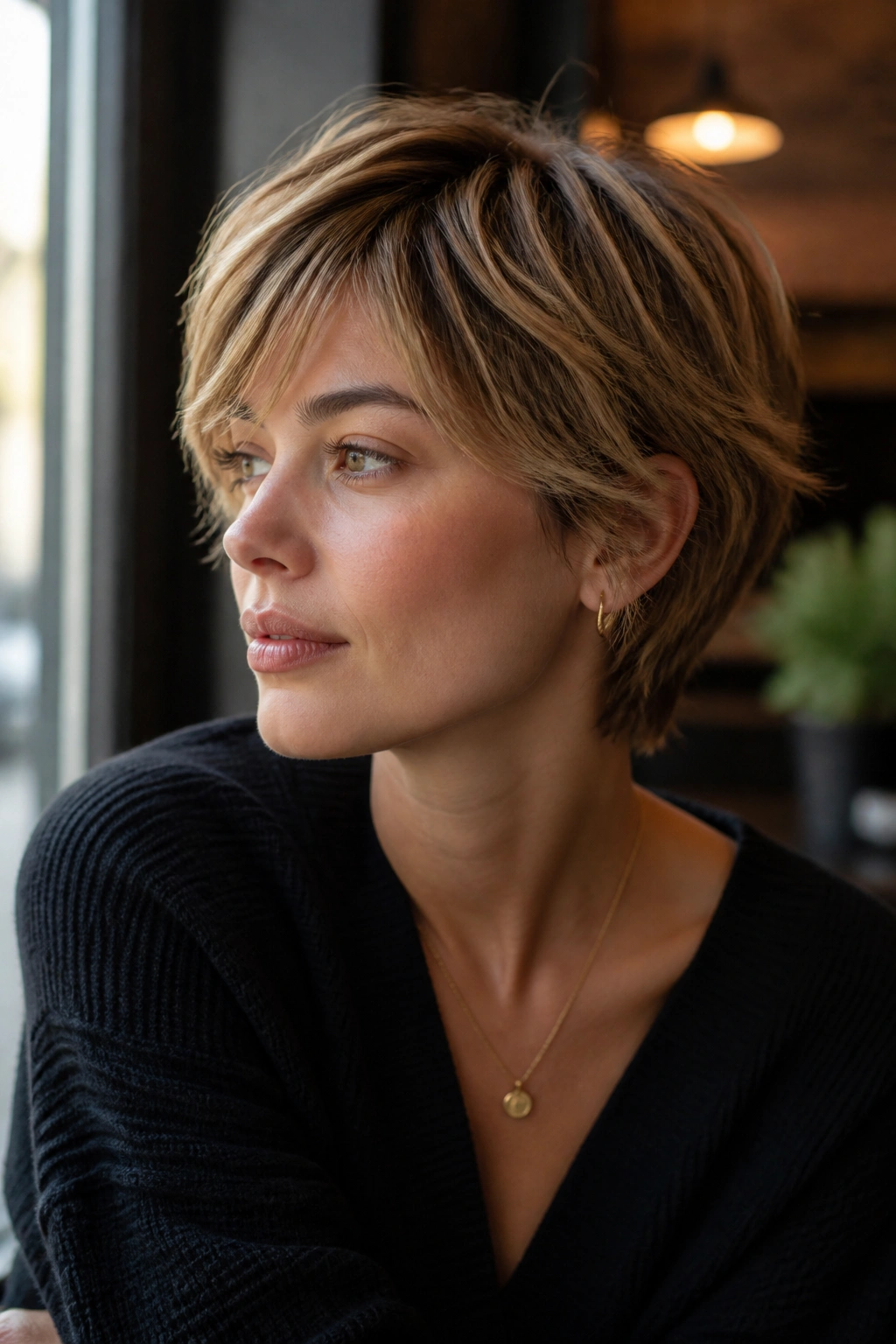
A bixie is the easygoing cousin of the pixie. It sits between a bob and a pixie, which means you get short hair without fully committing to cropped sides all the way around.
The beauty of this cut is the little bit of softness at the edges. There is usually more length through the top and front, with shorter sections around the nape and ears. That gives you movement and a touch of messiness without the full maintenance of a precision bob.
It is a good choice if you want your haircut to feel current without screaming for attention. You can tuck it, tousle it, and let it grow out without panic. That last part matters more than people admit. A lot of short cuts fall apart at the grow-out stage, and the bixie tends to slide more gently into the next phase.
For styling, use a pea-sized amount of paste or cream, then work it through the top with your fingers. Stop before it gets shiny. That cut looks best with a little air in it.
9. Wolf Cut
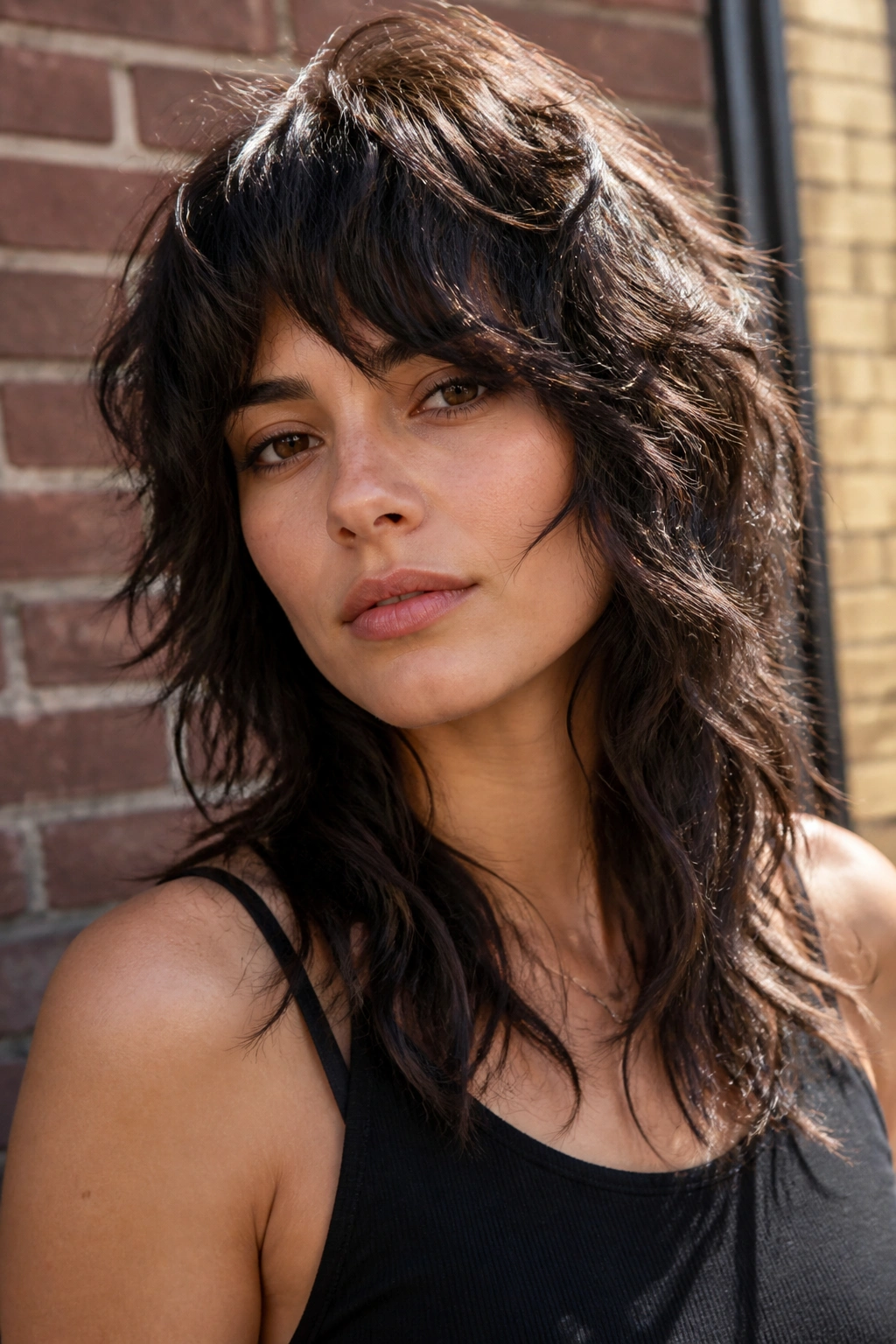
The wolf cut is basically a shag with more drama at the crown and more looseness through the ends. It has that “I did not try too hard” look, except the shape actually needs some planning if you want it to sit well.
Why do so many people like it? Because it can make flat hair feel alive. The layers build volume on top, the length hangs on below, and the whole thing has a slightly wild, broken-up outline that looks good with texture. It is especially strong on wavy and curly hair, where the natural bend helps the layers fall in a better way.
How To Wear It
Let the crown get some lift with mousse or a root spray. Then leave the rest slightly piecey instead of brushing it into one smooth sheet. The cut wants texture.
A wolf cut can be too much if your hair is very fine and prone to tangling. It can also feel bulky if the stylist leaves too much weight at the bottom. So the balance matters. A lot.
10. Italian Bob
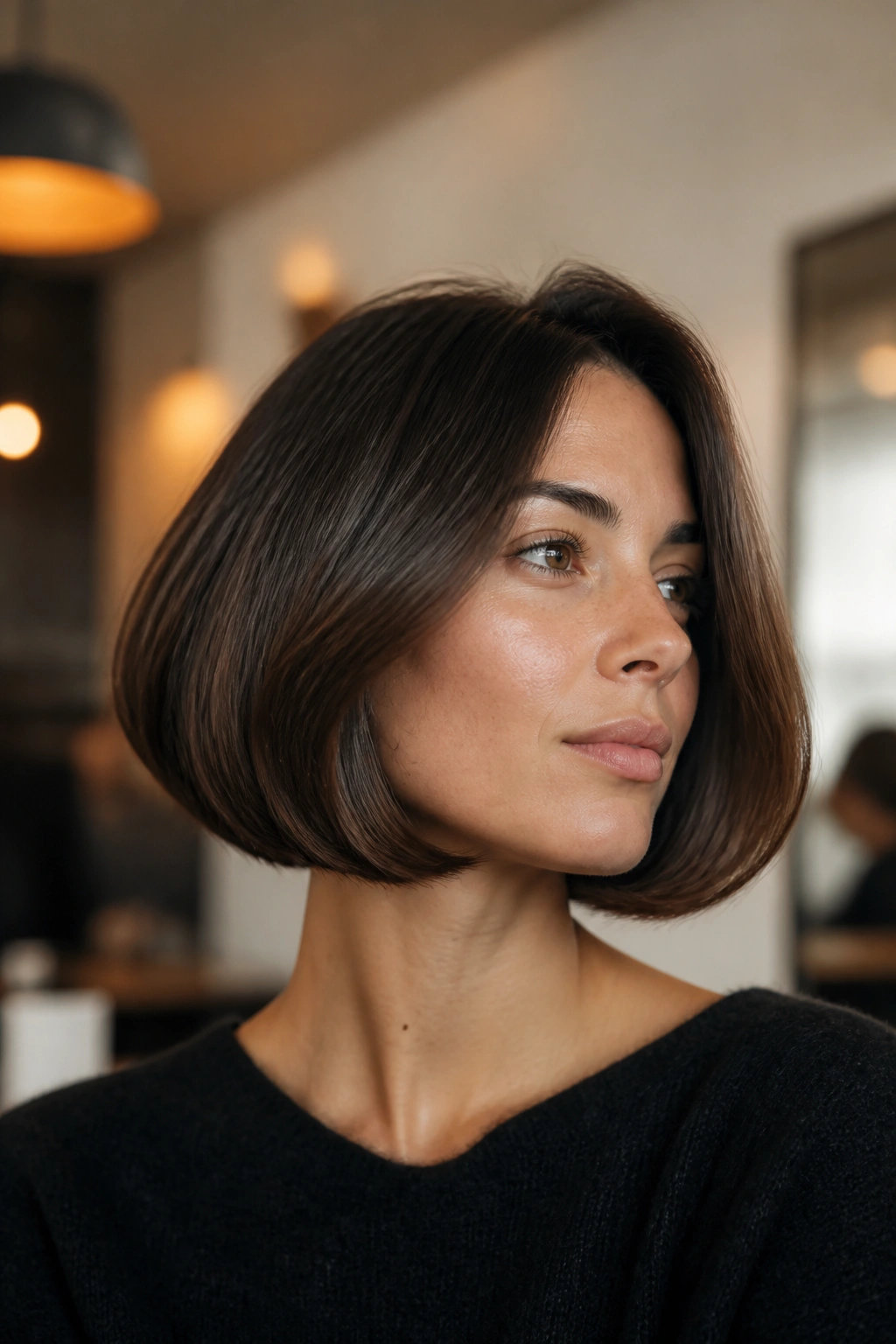
The Italian bob has a thicker, plusher shape than a French bob. It usually sits around the chin and is cut with enough weight at the ends to look full, not wispy.
I prefer it when someone wants glamour without stiffness. The hair curves a little under at the ends, the outline is rounded, and the side part gives it that slightly expensive feel. It looks especially good on hair with medium density because the shape has something to hold on to.
Compared with a French bob, the Italian version feels more substantial and a little more dressed up. It is less “cool girl in a café” and more “I know exactly what I’m doing.” Both are useful moods.
If you style it, keep the movement smooth rather than over-curled. A round brush, a blow-dry brush, or a large barrel iron all work. Tiny ringlets are the wrong move here.
11. Chin-Length Bob with a Side Part
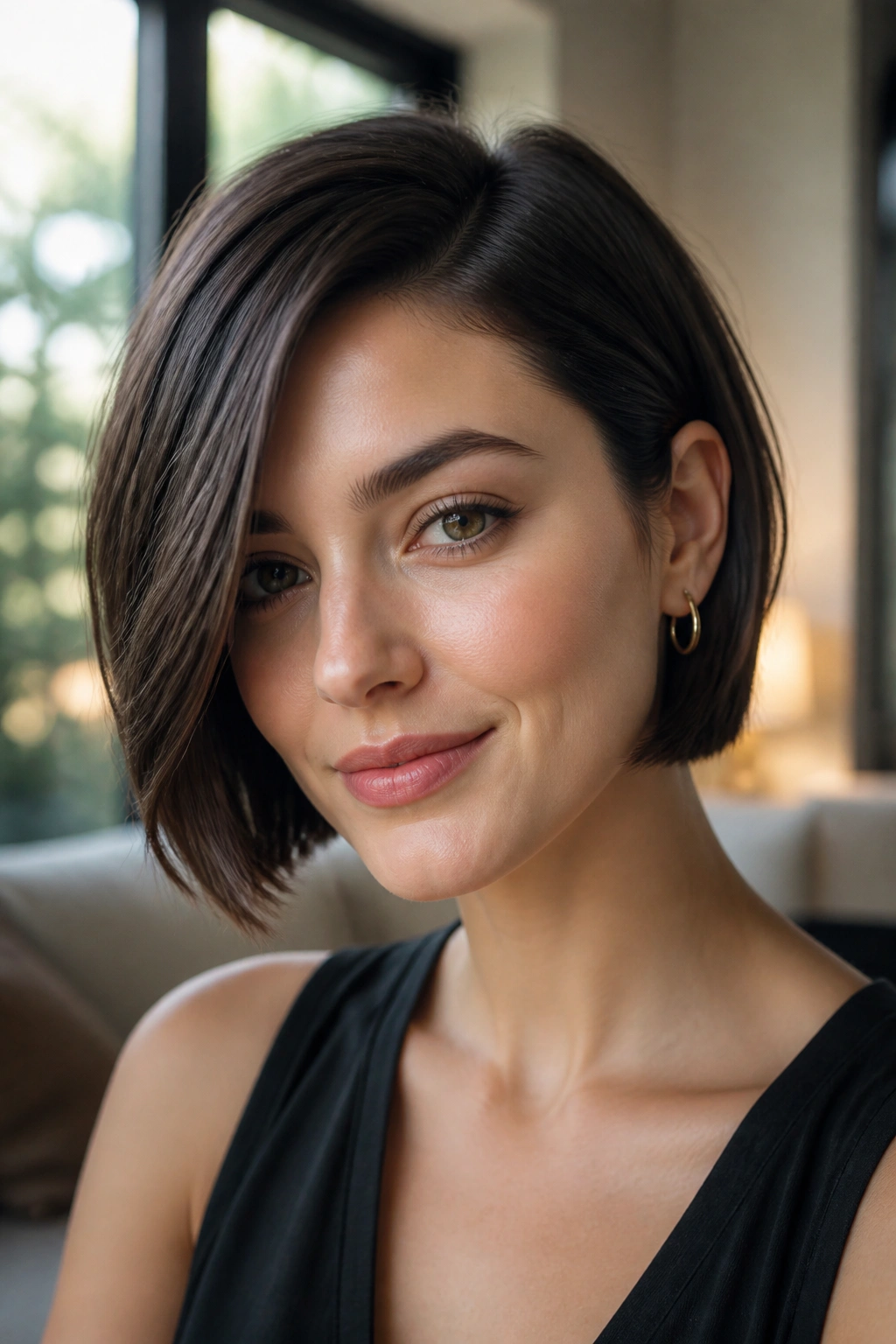
A side part changes a chin-length bob more than people expect. It lifts one side, softens the jawline, and makes the cut feel less symmetrical in a good way. The line still sits clean at the chin, but the offset part keeps it from feeling boxy.
This is one of my favorite choices for anyone whose face feels a little too round or square in a center-part bob. The side part brings some diagonal energy into the shape, and diagonal lines are a gift. They move the eye. They break up heaviness.
It also gives you easy styling options. You can wear it smooth and tucked, push it behind one ear, or add a soft bend through the ends. No need to force volume everywhere. In fact, that can make the shape less elegant.
If you like short hair but want a bit more softness than a strict center-part bob, this is the one I’d try first.
12. Asymmetrical Lob
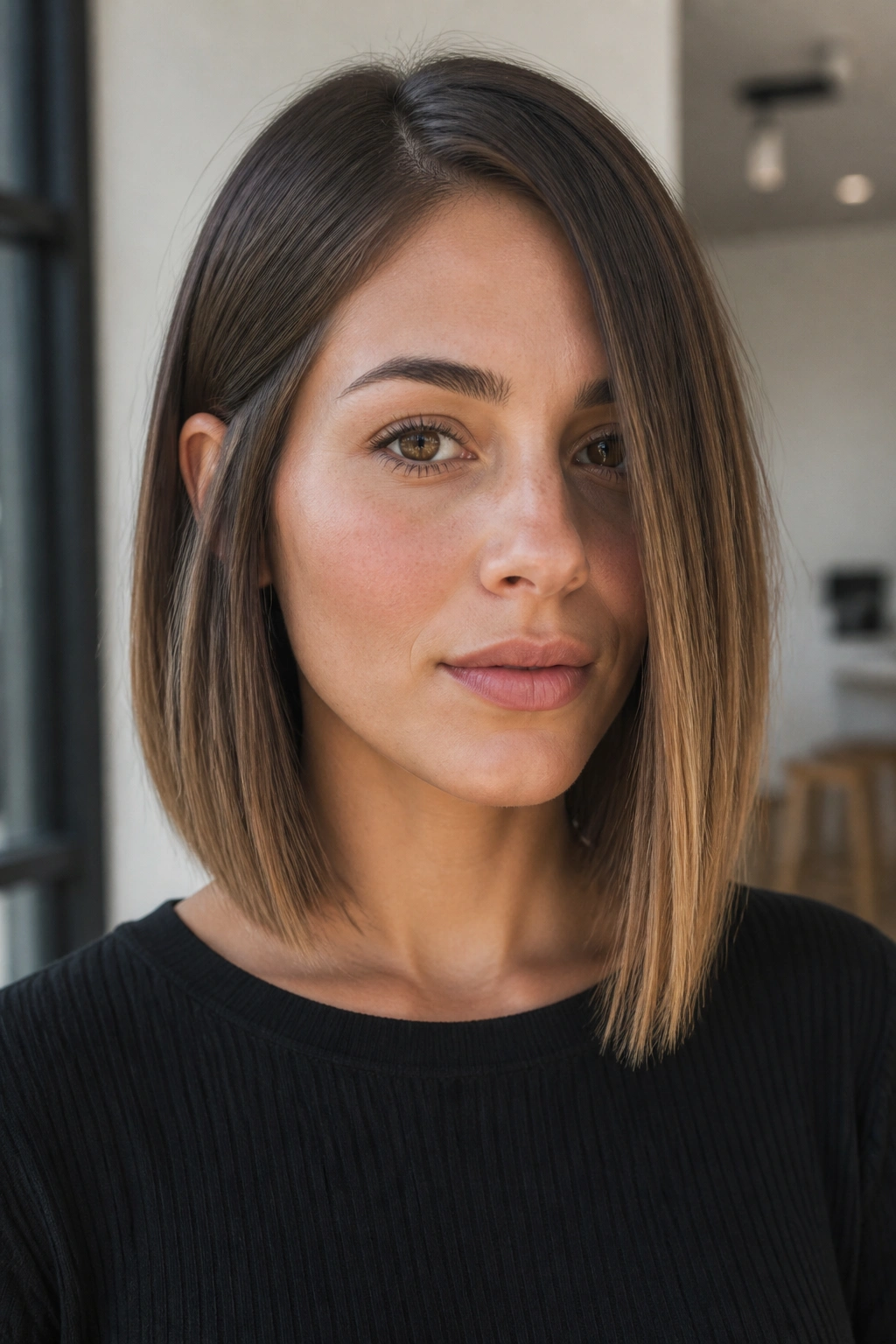
An asymmetrical lob is subtle rebellion. One side is left a little longer than the other—usually by an inch or two—which is enough to change the shape without making it feel theatrical.
The appeal is in the tiny imbalance. It keeps the eye moving, and it can make a shoulder-length cut look sharper. The key is restraint. If the difference is too big, the style can start to feel costume-y. If it is too small, nobody notices why the haircut looks interesting.
I like this cut on straight or softly wavy hair, especially when the ends are worn sleek. The asymmetry becomes more obvious when the line is clean. You can also use a deep side part to exaggerate it, or wear it tucked on the shorter side for a more relaxed look.
It is a nice choice if you want something a little less safe than a standard lob, but not so bold that you regret it by week two.
13. Razor-Cut Midi
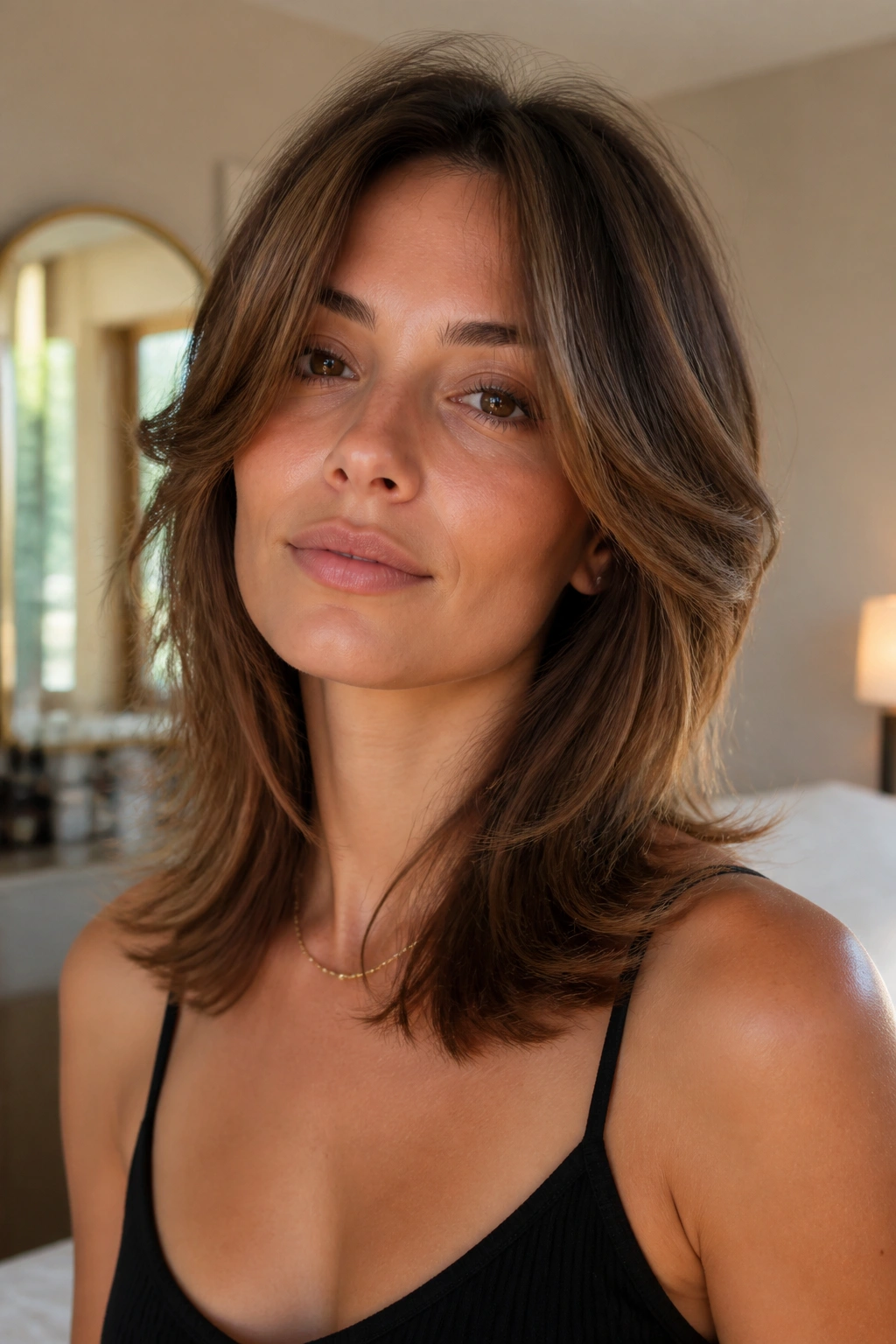
A razor-cut midi has a softer, airier finish than a blunt cut. The razor takes weight off the edges and can make the ends fall with a feathered, broken texture that looks lived-in instead of overdone.
Here is the catch: it is not the best answer for every head of hair. Hair that is fragile, very bleached, or already prone to split ends can get ragged if the razor work is heavy-handed. But on medium to thick hair, especially with some wave, the finish can be lovely. Loose. Easy. A little undone in the right way.
Why It Feels Different
The shape doesn’t sit as hard as a scissor-cut line. That means you can air-dry it and still get movement. It also means you need to pay attention to hydration and trims, because soft edges show damage faster than blunt ones.
If you want a medium-length haircut that feels lighter without turning into layers everywhere, this one is worth a close look.
14. Face-Framing Lob
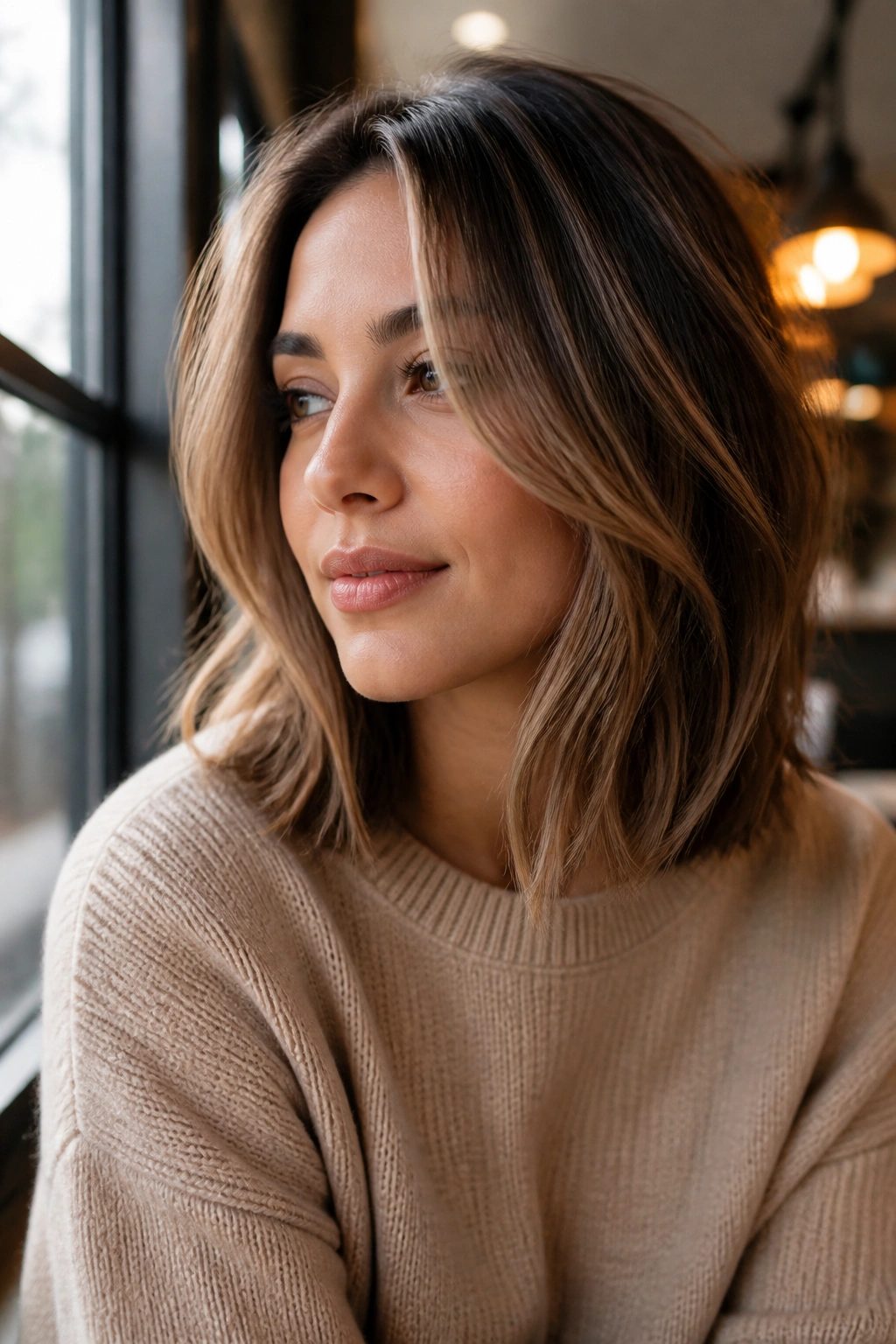
The face-framing lob is a quiet problem solver. It keeps the length around the collarbone, then brings a few strategic pieces forward so the front of the haircut does more work than the back.
That forward movement changes the whole mood. Hair around the face can soften a strong jaw, lift cheekbones, or stop a blunt mid-length cut from feeling too plain. I like it because it keeps the body of the hair intact while giving the front some shape. You do not lose much length, and you gain a lot of style.
A good version usually starts the shortest layers near the cheekbone or just below it. Anything shorter can feel too obvious unless you want a bigger face-framing effect. It is also one of the easiest cuts to wear with a clip, because those front pieces still fall in a flattering way when the rest is pinned up.
This is the haircut for someone who wants polish without sacrificing flexibility.
15. U-Shaped Long Cut
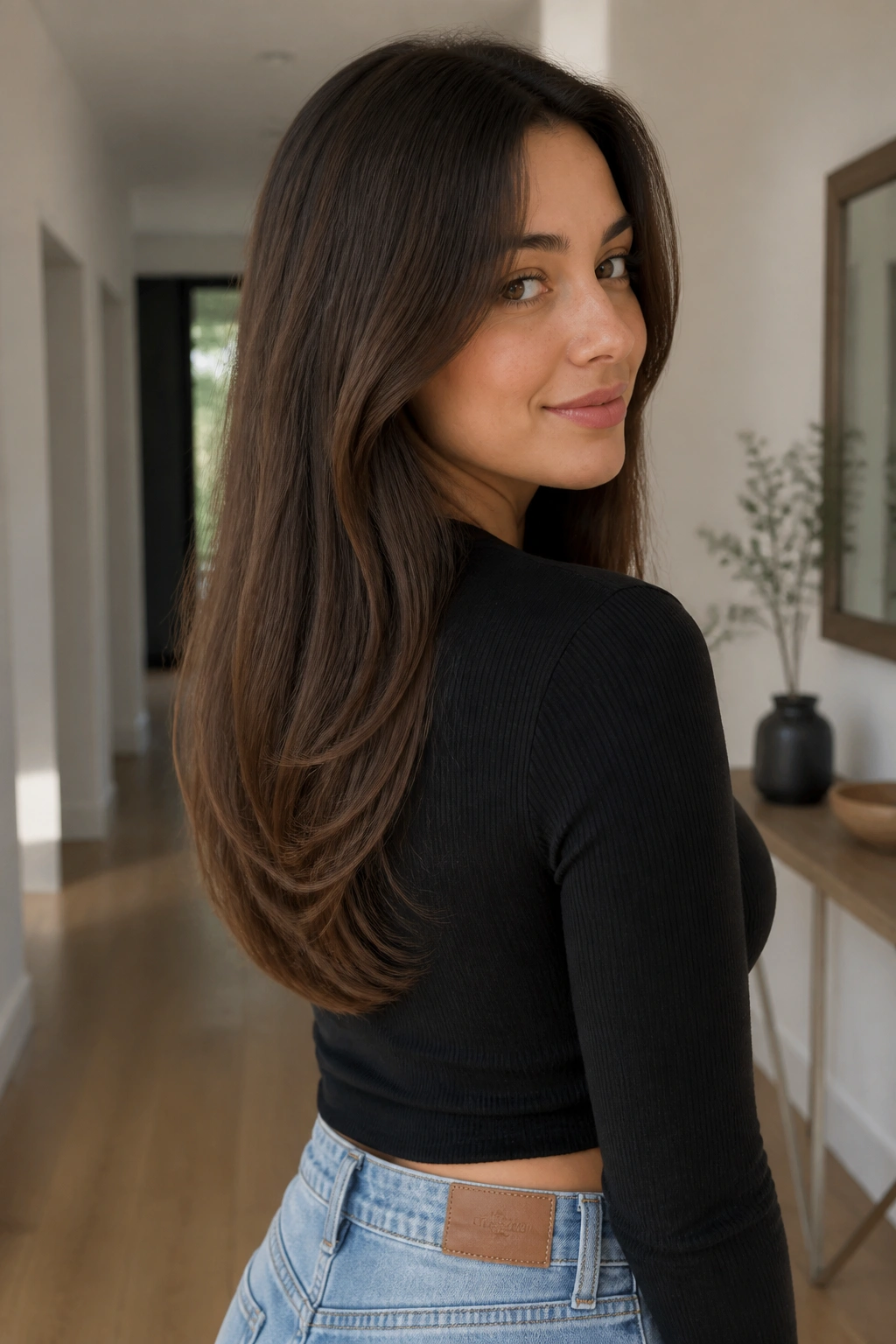
A U-shaped long cut is all about the back line. The center hangs a little longer than the sides, which creates a soft curve instead of a flat shelf. That curve matters more than it sounds like it should.
Compared with one-length long hair, the U-shape feels gentler and less heavy at the perimeter. Compared with heavy layers, it keeps more length and makes the ends look fuller. I like it for thick hair that needs shape but not a pile of short pieces around the face.
It also behaves well in a ponytail. The slightly longer back gives the whole style some movement when it comes down, and it does not get that blunt “cut straight across with scissors” look from behind. That may sound fussy. It isn’t. People notice the back of a haircut more than they think they do.
If you want length that feels shaped rather than just left alone, this is a smart option.
16. One-Length Sleek Long Hair
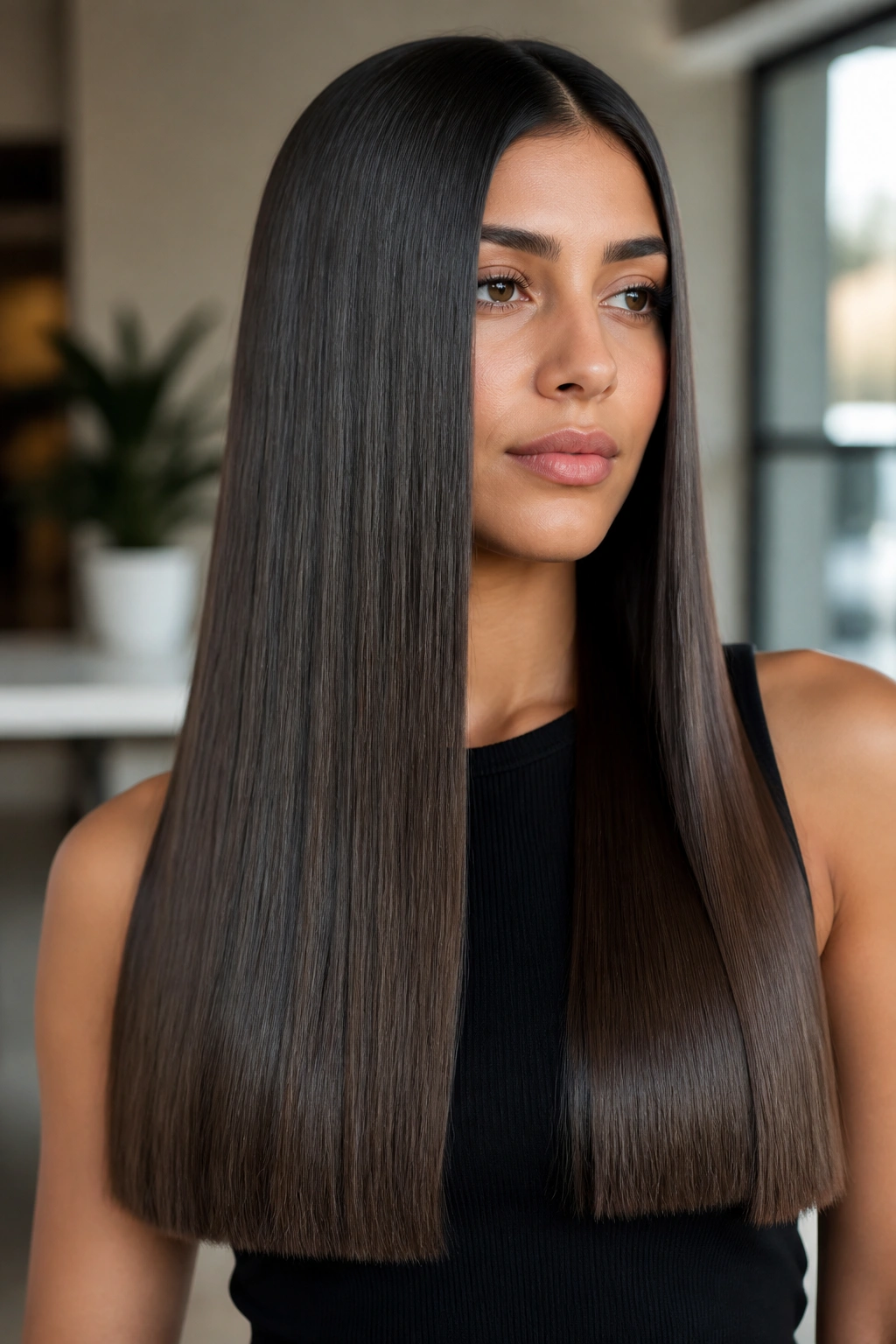
One-length long hair is bold in a different way. There are no layers to hide behind, no face pieces to soften the line, no built-in texture doing the heavy lifting. It is all about the finish.
When the hair is healthy, the result can look clean and expensive in the plainest sense of the word. The edge is crisp, the shine shows up, and the whole style has a strong vertical line that can be very striking. It also makes density matter. Thick hair can look amazing in this shape; fine hair can look gorgeous if the ends are full enough to hold the line.
This cut is not forgiving of damage. Split ends, breakage, and uneven growth show up fast. If you choose it, be ready to trim often and use heat with some restraint. The payoff is a look that feels calm and deliberate rather than busy.
There’s no fluff here. That is what makes it work.
17. Curly Shag
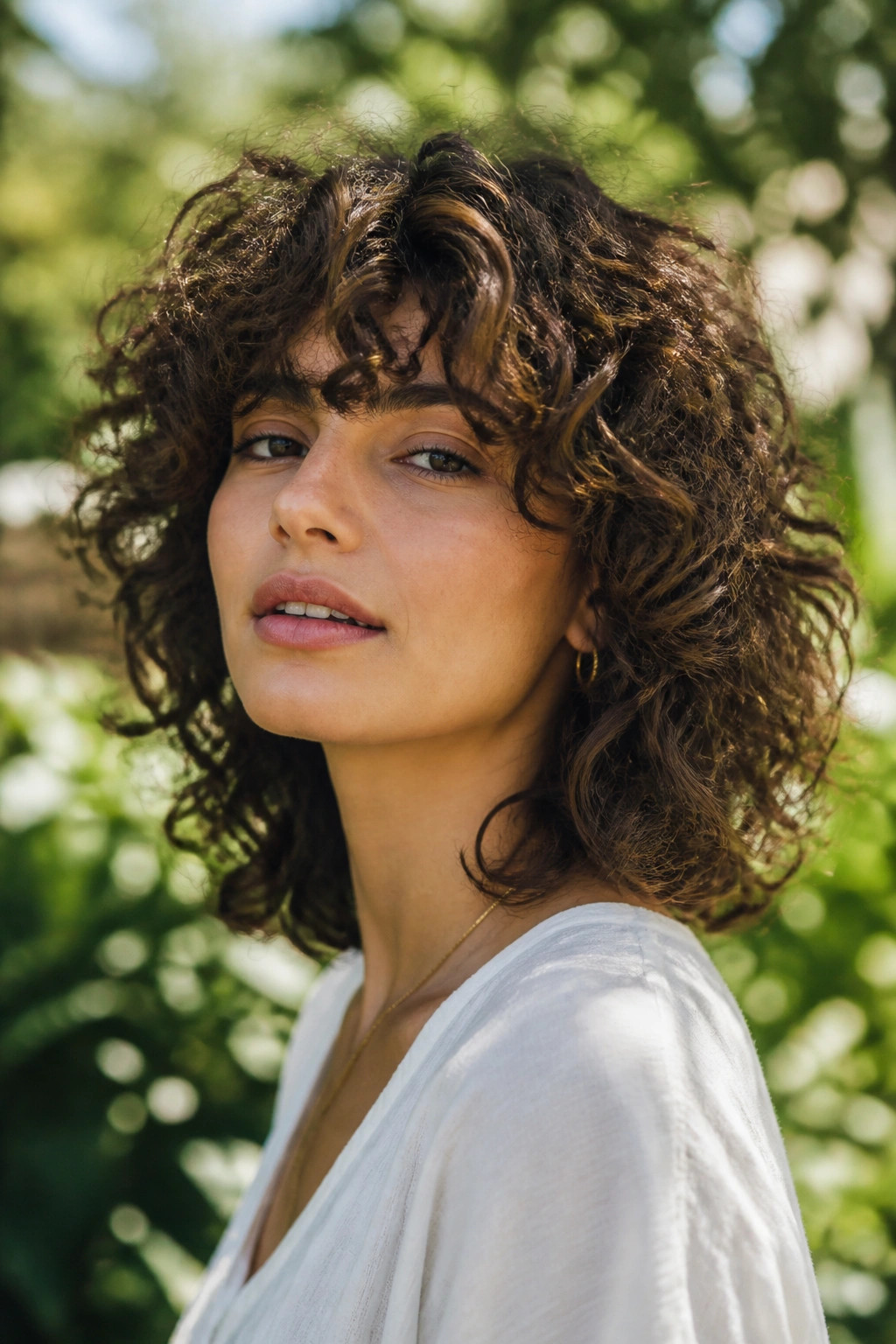
A curly shag has to respect the curl pattern or it falls apart. When it is cut properly, though, it gives curls space to spring instead of stacking them into a triangle.
What To Ask For
Ask for a dry cut if your stylist works that way, or at least for the curls to be checked in their natural shape. The shortest layers should support volume where you want it—usually around the crown and cheek area—while the longer pieces keep the silhouette from puffing out too wide.
How To Style It
Use a curl cream or mousse, scrunch gently, and diffuse if you want more lift. If you air-dry, do not touch it too much while it sets. That’s where frizz creeps in.
This haircut can look playful or cool depending on how much separation you leave in the curls. It is not a one-size-fits-all solution, but when the shape is right, it makes curls feel free instead of boxed in.
18. Curly Bob
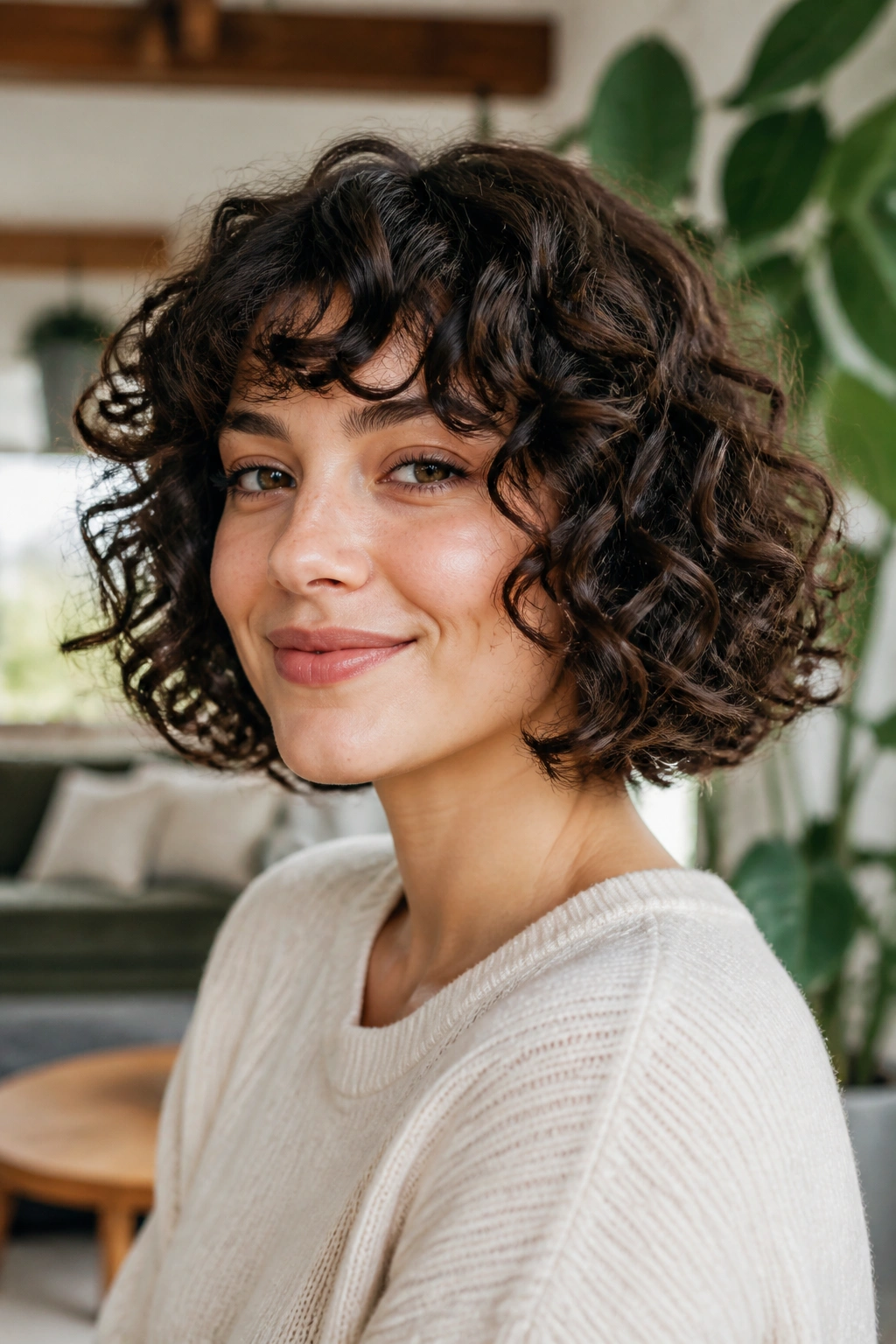
A curly bob is a shorter, more defined shape than a shag. The goal is bounce. Clean silhouette. Curls that stack in a pretty way instead of sprawling everywhere.
It works best when the cut is tailored to the curl pattern and density. Too many layers can leave the sides too thin. Too much weight can turn the bottom into a triangle. The right balance gives you a bob that sits around the chin or jaw and moves when you turn your head.
I like this cut for people who want curly hair to look intentional without spending an hour fighting it. A diffuser helps, sure, but the shape should still make sense even on a rough day. That’s the test. If it only works on a perfect wash day, the haircut is not doing enough.
A curly bob also looks good with one ear tucked back and a little volume left on top. Simple. Clean. A bit charming.
19. Tapered Natural Crop
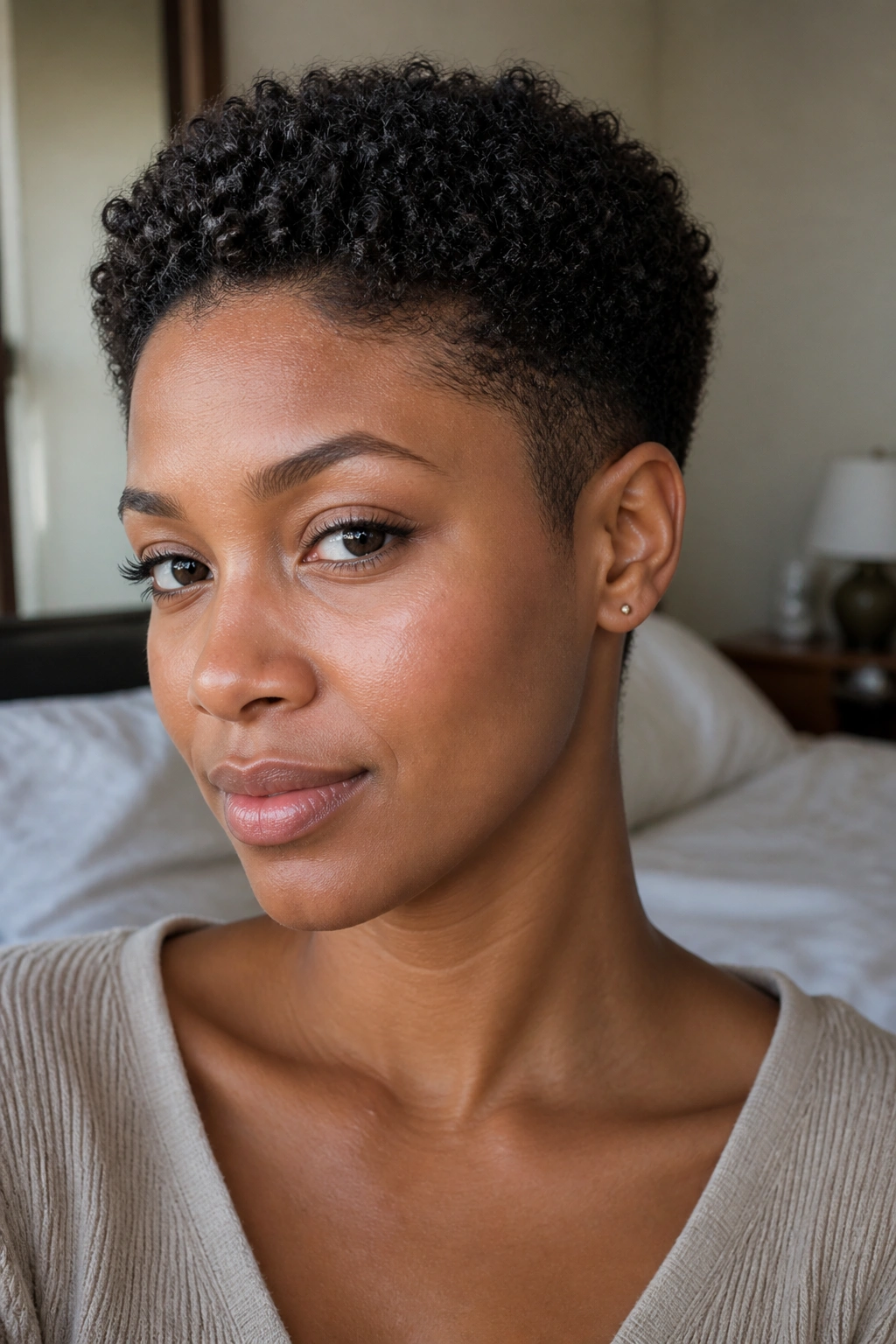
A tapered natural crop is one of the smartest cuts for coily and tightly curled hair because it lets the shape do the talking. The sides and nape are kept close, while the top stays fuller and rounder, so the haircut feels neat without flattening the texture.
This is where a lot of bad short cuts go wrong: they ignore the natural growth pattern. A good taper works with the head shape and lets the coils sit where they want to sit. The result is clean around the edges and soft through the crown.
It also makes everyday styling easier. A little water, leave-in conditioner, and curl cream can be enough. Some people like a pick at the roots for extra height. Others prefer the top compact and sculpted. Both can look sharp.
If you want short hair that still feels rich and textured, this is a strong choice. It has presence.
20. Soft Mullet
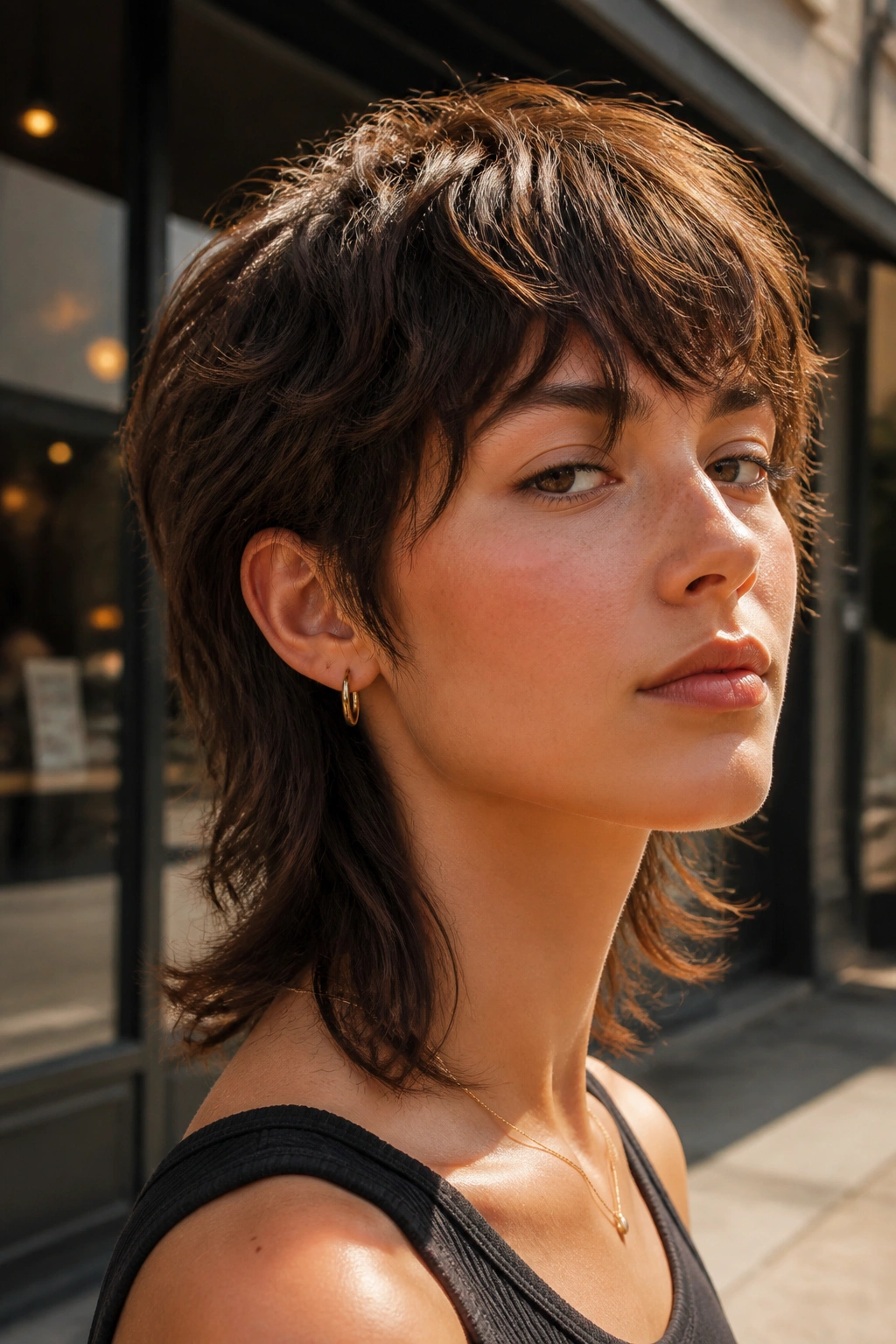
A soft mullet is what happens when you take the idea of a mullet and remove the harshness. The top is a bit shorter, the back stays longer, and the sides are blended so the whole thing feels wearable instead of extreme.
The cut works because it gives movement at the crown and some length at the nape, which makes the profile interesting. On wavy or curly hair, it can look especially good because the texture keeps the layers from lying too flat. On straight hair, it needs a bit more styling to avoid looking unfinished.
I think the softer version is the one most people actually want, even if they do not know the name for it. It gives edge without turning into a fashion stunt. That is a useful line to walk.
If you want something that feels current and a little playful, ask for a blended mullet shape rather than a choppy one.
21. Hime Cut
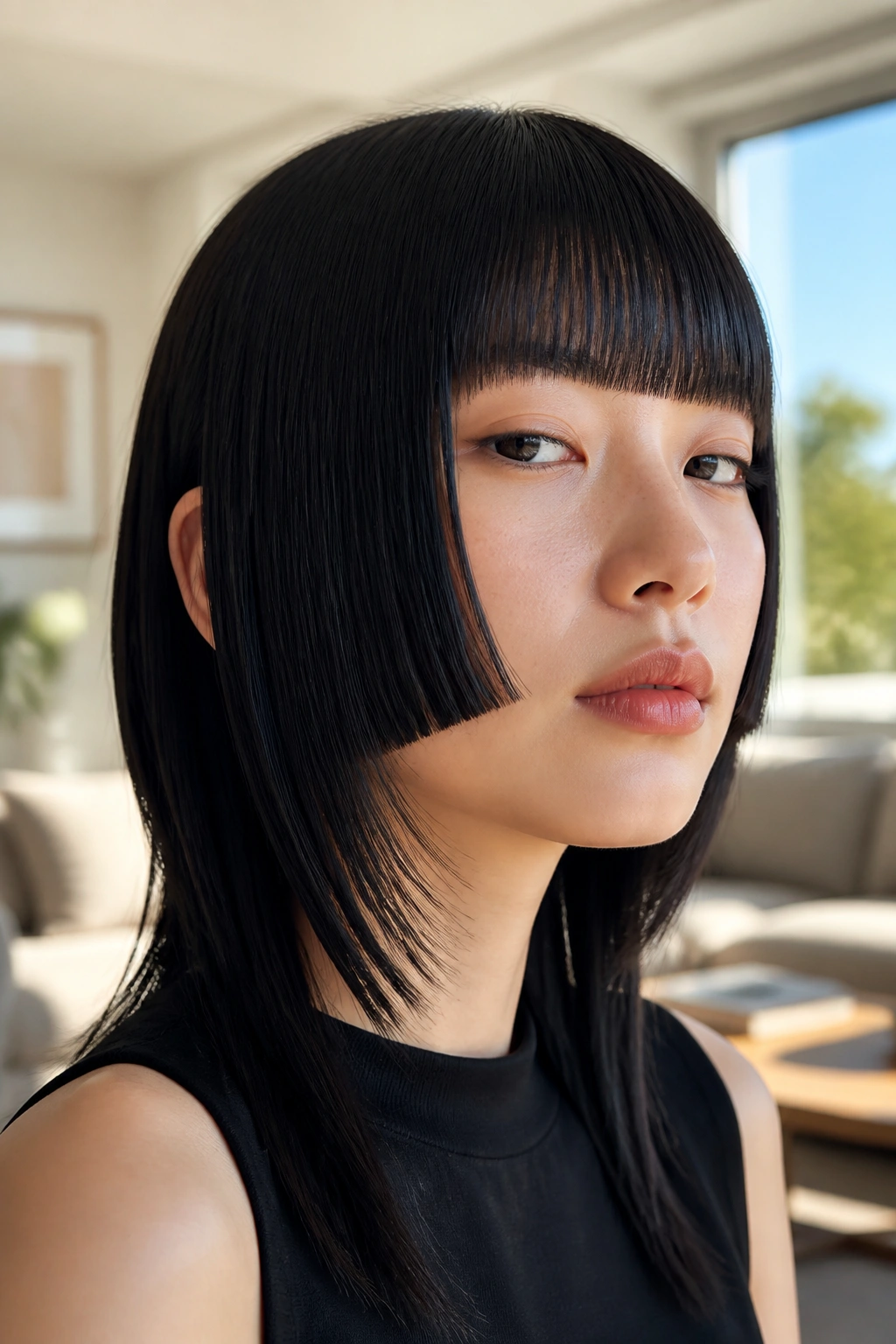
A hime cut is precise, and that precision is the whole point. You get blunt side pieces, a straight fringe or near-straight front, and longer hair behind. The effect is graphic. A little formal. Very intentional.
It is not a casual haircut. That would be missing the point. The lines matter too much for casual. If you like structure and clean edges, though, it can be striking in a way that softer layers never are.
This cut suits straight hair especially well because the clean lines stay visible. Wavy hair can wear it too, but the front pieces need regular styling if you want the shape to read clearly. I would also budget for trims more often than you might expect, because the silhouette loses its edge fast when the side pieces grow out.
It is a strong look. That is the appeal and the warning.
22. Flip-Out Bob
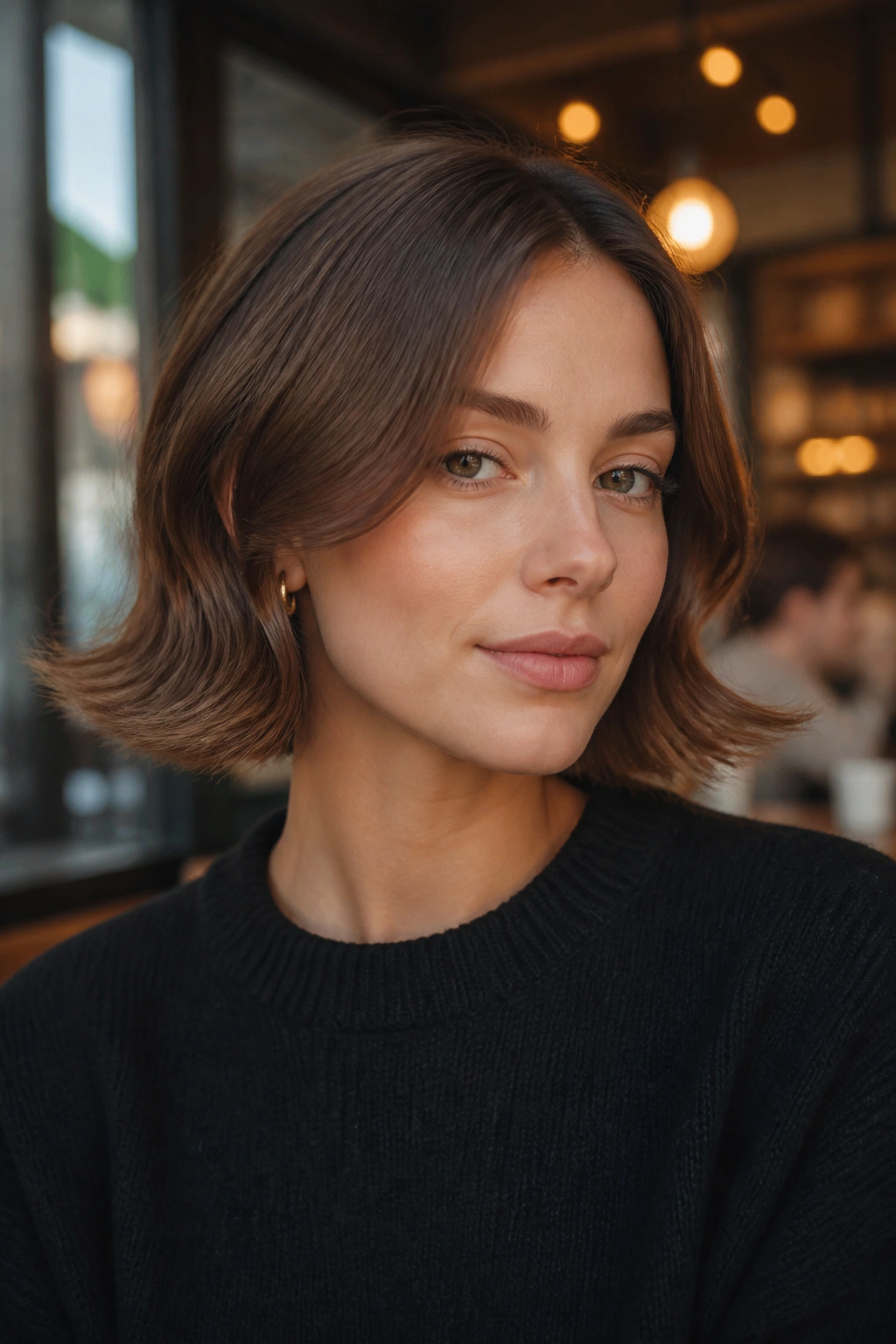
A flip-out bob has a little swing at the ends, and that tiny detail gives it more personality than a lot of supposedly “fashionable” cuts. Instead of turning under, the ends kick out slightly, which makes the shape feel lighter and more playful.
The easiest way to get it is with a round brush or a small curling iron, just turning the last inch or so outward. Keep the flip relaxed. If it is too tight, the style starts looking retro in a costume way. The goal is lift and movement, not a tidy pageant curl.
I like this cut on bob or lob lengths, especially if the hair is one color and needs shape to keep it interesting. The flipped ends give the eye something to land on.
A side part can make it look softer. A center part makes it feel cleaner. Either way, the ends should look like they were coaxed, not forced.
23. Square Bob
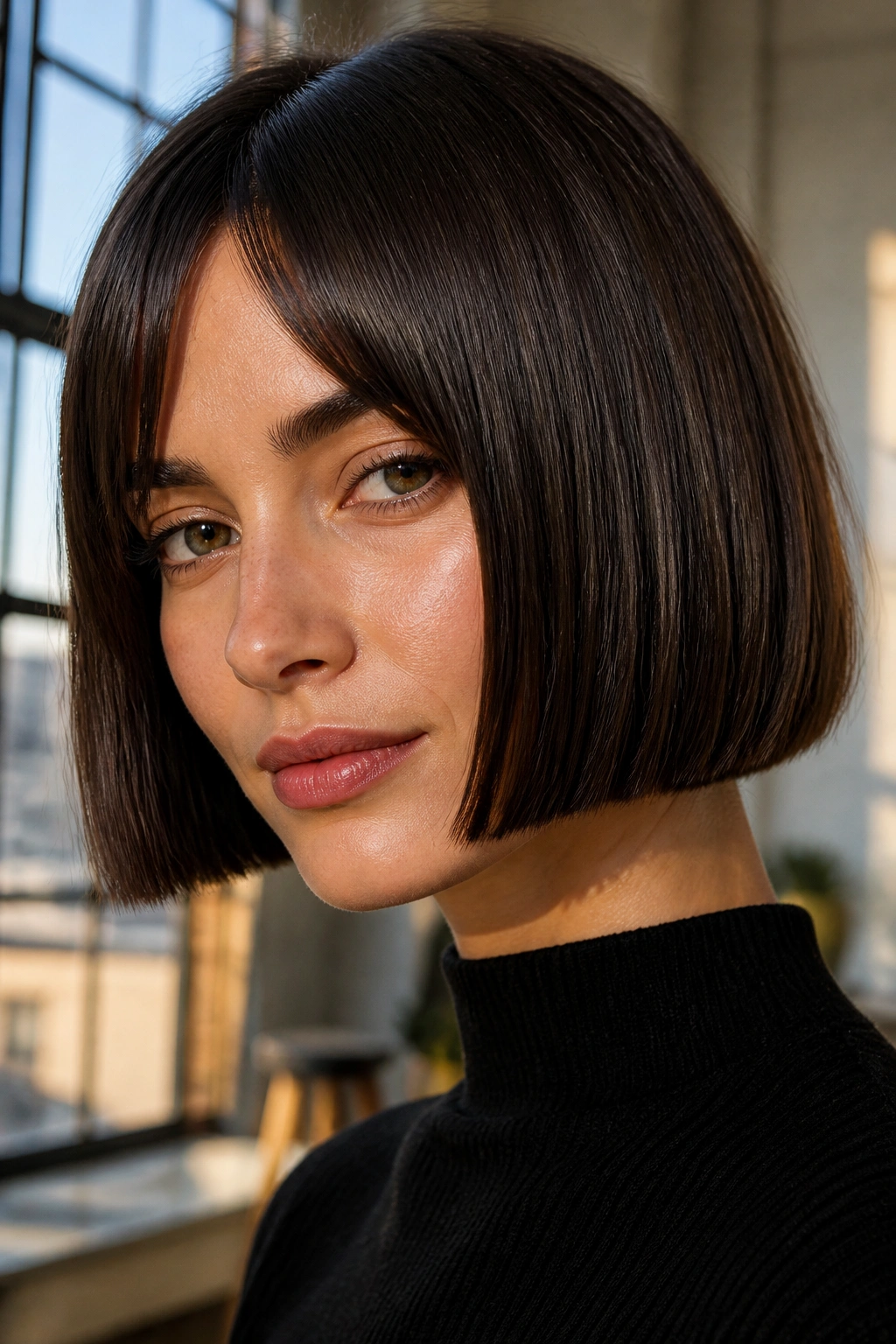
A square bob is blunt, structured, and unapologetic. The line sits around the jaw or a little below it, and the outline stays strong rather than rounded.
This is the haircut for people who like clean geometry. It can be elegant with straight hair and a middle part, or more relaxed with a slight bend and tucked sides. I think it looks especially good on thick hair because the density helps the shape stay solid instead of wispy.
The downside is that it can emphasize width if the cut is too heavy through the sides. That is why the perimeter and the internal weight need to be balanced carefully. Too much bulk and the bob turns boxy in a bad way. Enough structure, and it looks deliberate and sharp.
It is one of those cuts that looks boring in a sketch and great on a real head. Not every style works that way.
24. Shoulder-Grazing Cut with Invisible Layers
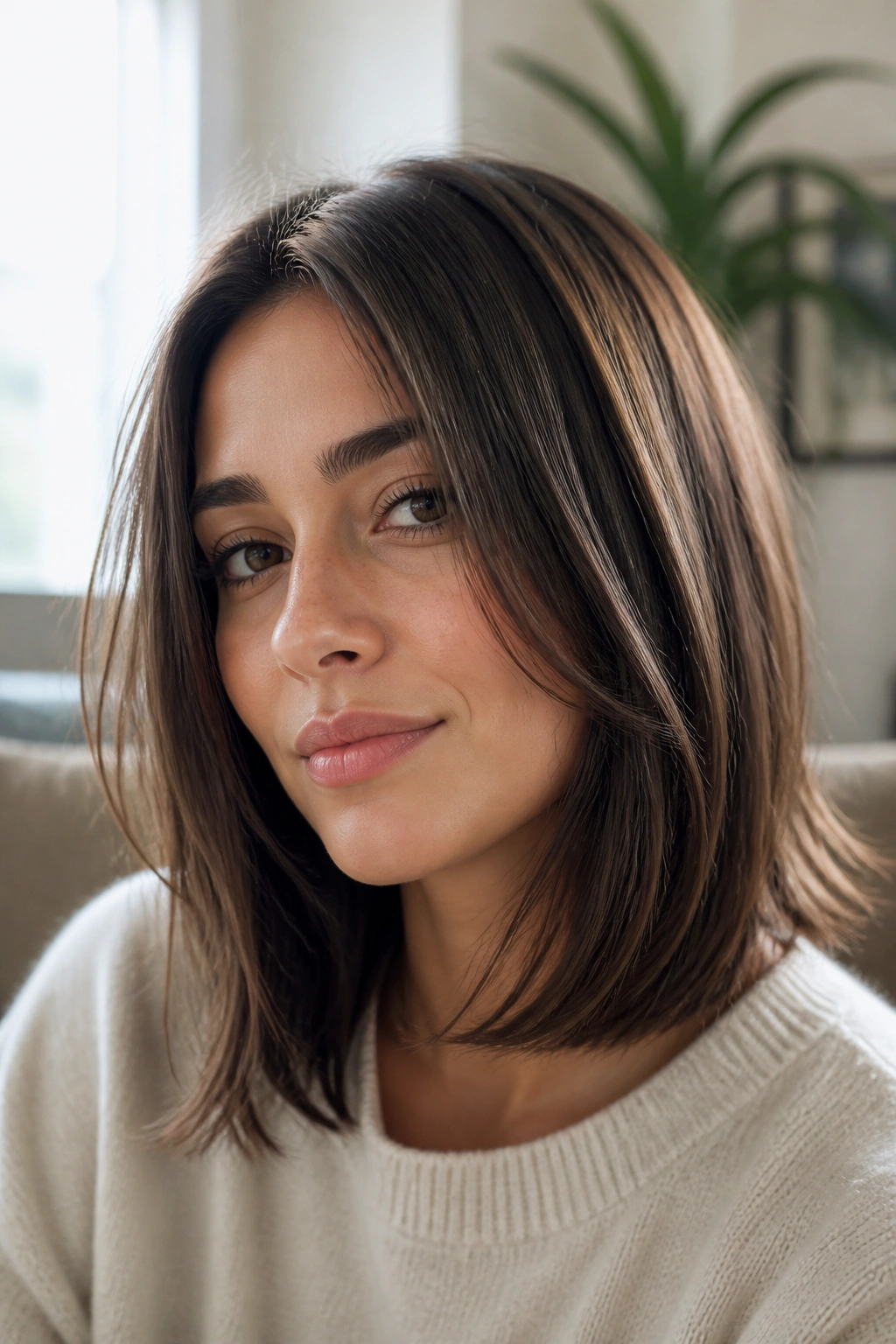
Some cuts do their best work in the background. This is one of them. A shoulder-grazing cut with invisible layers keeps the outline fairly clean, but the inside gets just enough movement to stop the hair from hanging flat.
Why the Layers Stay Hidden
The short pieces are tucked inside the shape rather than cut all over the surface. That means the haircut feels softer and lighter, but the top layer still reads as smooth. It is a neat trick for thicker hair that needs bulk removed without looking obviously layered.
What To Ask For
- Length that brushes the shoulders
- Internal removal through the middle, not the surface
- Soft face pieces only if you want them
- Ends left full enough to keep the line solid
This cut is a good middle ground. It doesn’t shout, but it makes daily styling easier, which is usually the real goal anyway.
25. Feathered Layers
Feathered layers bring back movement around the face without turning the whole haircut into a shag. The pieces are cut so they lie softly away from the face, and the ends lighten up in a way that feels airy rather than choppy.
I like this shape on medium-length hair that needs a little lift but not a full restyle. It works well with a blow-dryer and a round brush, especially if you turn the ends under and then brush them out lightly once they cool. That gives the hair a soft sweep instead of a stiff curl.
What makes feathering useful is the way it opens the front without taking away all the weight. You still keep enough body in the back for the haircut to hold its shape. That balance is why feathered layers survive so many trend cycles. They solve a real problem.
If your hair tends to fall flat around the face, this is a nicer answer than chopping in random short layers.
26. Blunt Midi with Bottleneck Bangs
A blunt midi with bottleneck bangs is a sharp little combo. The length sits somewhere between the collarbone and the shoulders, the ends stay solid, and the bangs narrow near the center before opening out toward the temples. That shape softens the forehead without covering too much.
The blunt edge gives the cut structure. The bangs keep it from feeling too plain. Put together, they make a medium-length haircut that looks polished without needing a huge amount of styling. That is the real draw.
It suits fine to medium hair especially well, because the straight perimeter can make the ends feel fuller. If your hair is thick, your stylist may need to remove some internal weight so the bottom does not puff out. The fringe should be cut to suit your face, not copied from a photo without thought.
This is a smart choice if you want bangs but hate the idea of committing to a full heavy fringe.
27. Micro Bob
A micro bob is short enough to feel fashion-forward and long enough to still look like a haircut, not a buzzed experiment. It usually sits between the ear and the jaw, which is why it feels so fresh on the neck and jawline.
The cut works because it removes a lot of visual weight. That means your earrings, your neck, and even your posture start to show up more. Sounds dramatic. It is. Hair does that. The micro bob can be sleek, tucked, waved, or pushed into a side part, but the line has to stay clean or it loses its punch.
I would not recommend it to someone who wants a style they can ignore. Shorter hair needs more shape, not less. But if you like the feeling of a sharp cut that wakes up your whole face, this is a strong option.
It is especially good for straight or softly wavy hair that can hold a clear edge.
28. Undercut Pixie
An undercut pixie is for thick hair that keeps trying to become a helmet. The closely cropped sides or nape remove bulk, while the top stays longer so you still have styling room.
That contrast is what makes it work. You get the lightness of a short cut without the mushroom effect. If your hair is dense, coarse, or stubborn around the ears and neck, an undercut can make daily styling much easier. It also dries fast, which is not a small thing.
The catch is grow-out. You need to be okay with regular upkeep, because the sharper edges show fast once they start to soften. Still, this is one of the best answers for anyone who wants a short cut with a little edge and a lot less puff.
Ask for the undercut to be blended carefully into the top so it does not look chopped from the side.
29. Rounded Afro Shape
A rounded afro shape is all about balance. The goal is not to shrink the hair. It is to give the texture a clean, round silhouette so the shape feels intentional from every angle.
What To Ask For
Ask for a rounded outline, not a flat top and not a triangle. The haircut should respect shrinkage and follow the natural density of the hair. Many stylists cut this shape in sections, sometimes on stretched hair or with the hair dry, because the curl pattern needs to be visible while the shape is built.
Easy Styling Notes
- Use a leave-in conditioner for slip
- Add cream or gel in small sections
- Lift at the roots with a pick if you want more height
- Trim regularly so the shape stays even
This cut is beautiful when it is shaped with confidence. Not overworked. Just clean and rounded, like it knows exactly where it wants to sit.
30. Modern Rachel Cut
The modern Rachel cut keeps the spirit of the old layered shoulder cut but removes the stiff, over-styled feeling people remember from bad versions of it. It still has movement, still has face-framing layers, and still looks especially good when the hair has some bounce, but the shape is softer and less obvious.
What I like about it is how it splits the difference between long and medium lengths. You get enough structure to make a blowout look full, but you do not end up with a pile of short pieces around the face. The layers should blend cleanly through the sides and around the collarbone, not jump out at you from across the room.
It suits women who want a haircut with some life in it, but not a shag. It also grows out well, which is underrated. A lot of layered cuts look great for two weeks and then get awkward. This one tends to stay readable longer if the layering is done with some restraint.
If you want a final shortlist, this is one I keep coming back to: balanced, flattering, and easy to dress up without pretending to be more complicated than it is.
