



4c hair is often misunderstood, misrepresented, and, frankly, intimidated by those who haven’t spent years living with it. If your strands are tightly coiled, dense, and prone to significant shrinkage, you already know that your hair is not “difficult”—it is just high-maintenance and high-reward. The key to thriving with 4c hair isn’t finding a miracle product that changes your curl pattern; it is finding styles that respect your hair’s need for moisture, protection from manipulation, and proper tension management.
When you have a tight coil pattern, every time you manipulate your hair, you risk snapping delicate strands. The most successful styles are the ones that allow you to “set it and forget it,” giving your ends a chance to hide away and retain length. Whether you are aiming for a protective style to last a month or a quick morning look that gets you out the door without a fuss, the goal remains the same: balance aesthetic appeal with the health of your scalp and edges.
1. Mini Twists
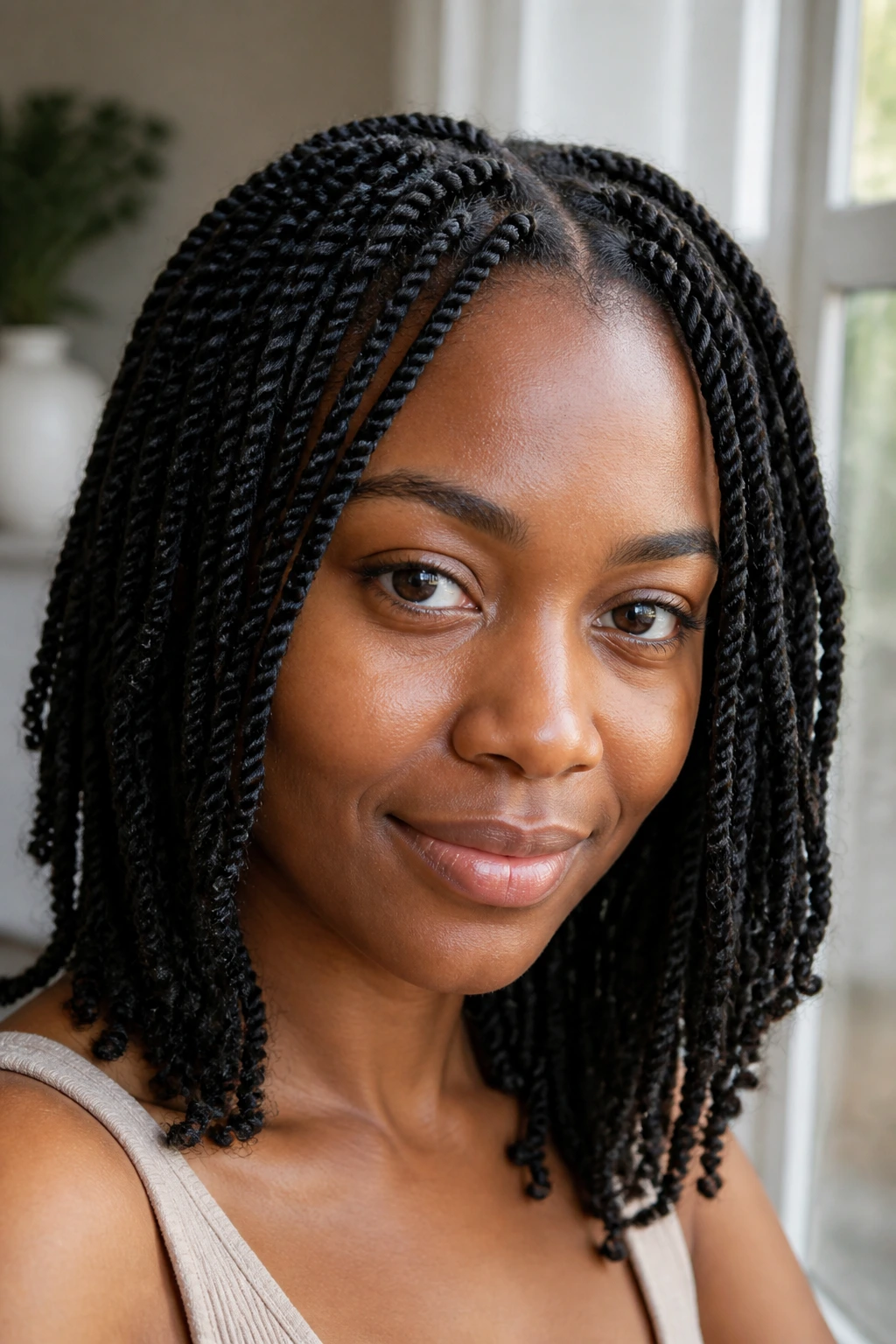
Mini twists are the gold standard for long-term protective styling. They require a significant time investment to install, but once they are in, you can wear them for weeks. The beauty of these twists lies in their versatility—you can wear them down, put them in a bun, or pin them back to create an updo. Because the twists are small, they mimic the look of locs without the permanent commitment, and they keep your hair strands clumped together to prevent unnecessary friction and tangling.
Why They Work for 4c Texture
The density of 4c hair makes it perfect for holding a twist. Unlike looser curl patterns that might unravel, 4c hair grips itself. To get the best results, start on freshly washed, conditioned, and detangled hair. Apply a leave-in conditioner followed by a light sealant like a whipped shea butter or a lightweight oil blend. Ensure the hair is damp during the twisting process; this helps the product penetrate the hair shaft and ensures the twist stays smooth from root to tip.
2. The Sleek High Puff
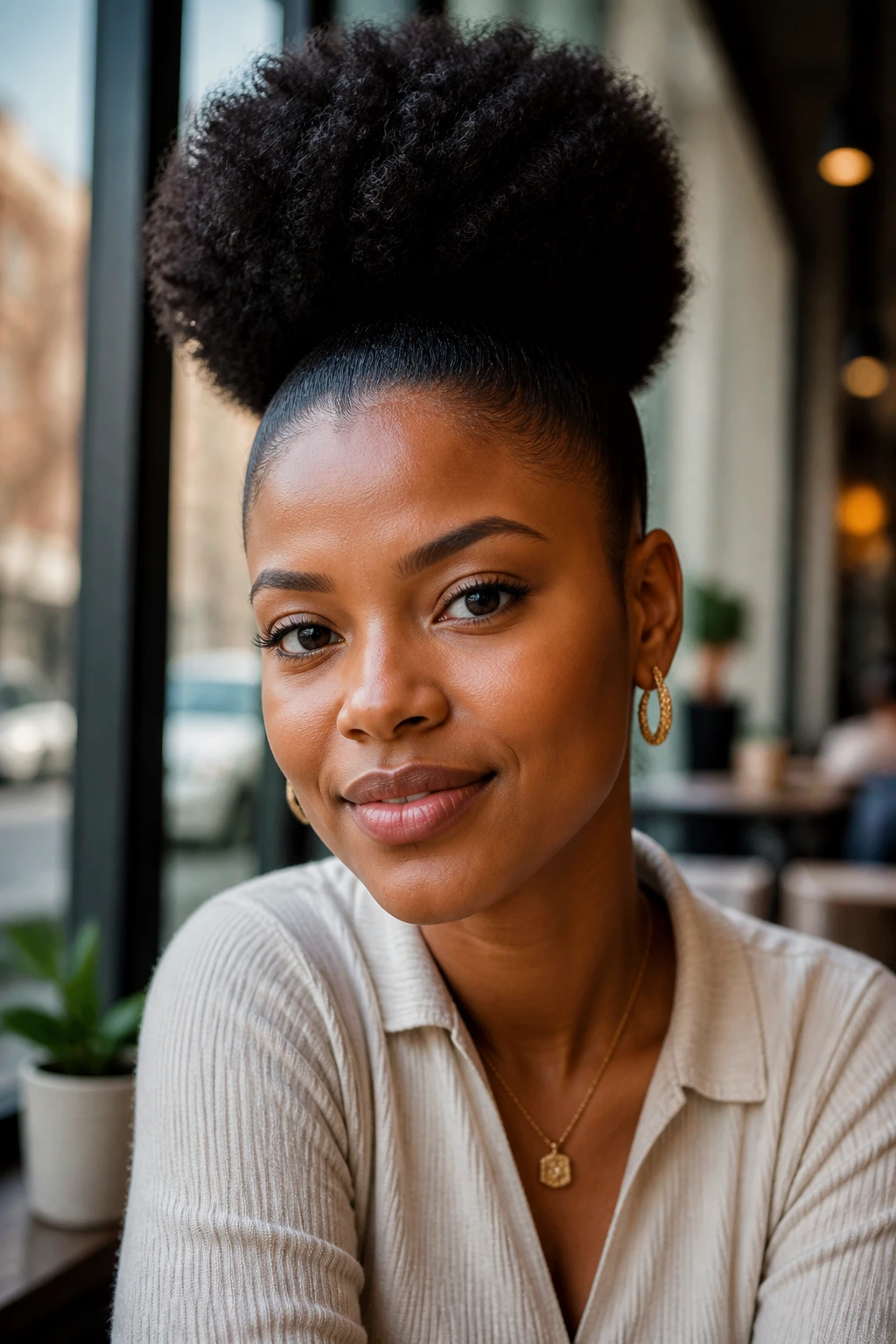
Sometimes, the simplest route is the most elegant. The high puff is a staple for a reason—it highlights your facial features and keeps your hair out of your face while showcasing the volume and texture of your coils. To achieve a sleek look without compromising your edges, you need a high-quality moisturizing gel or a styling cream that offers hold without turning your hair into a brittle, crunchy mess.
Key Technique: Use a soft-bristle brush rather than a hard plastic one to smooth your hairline. When you secure the puff, use a satin-lined scrunchie or a cut-up pair of pantyhose instead of a traditional elastic hair tie. Traditional ties cause breakage and thinning at the crown and hairline. If you want to accentuate the puffiness, gently use a hair pick to fluff the roots once the puff is secured.
3. Two-Strand Twists
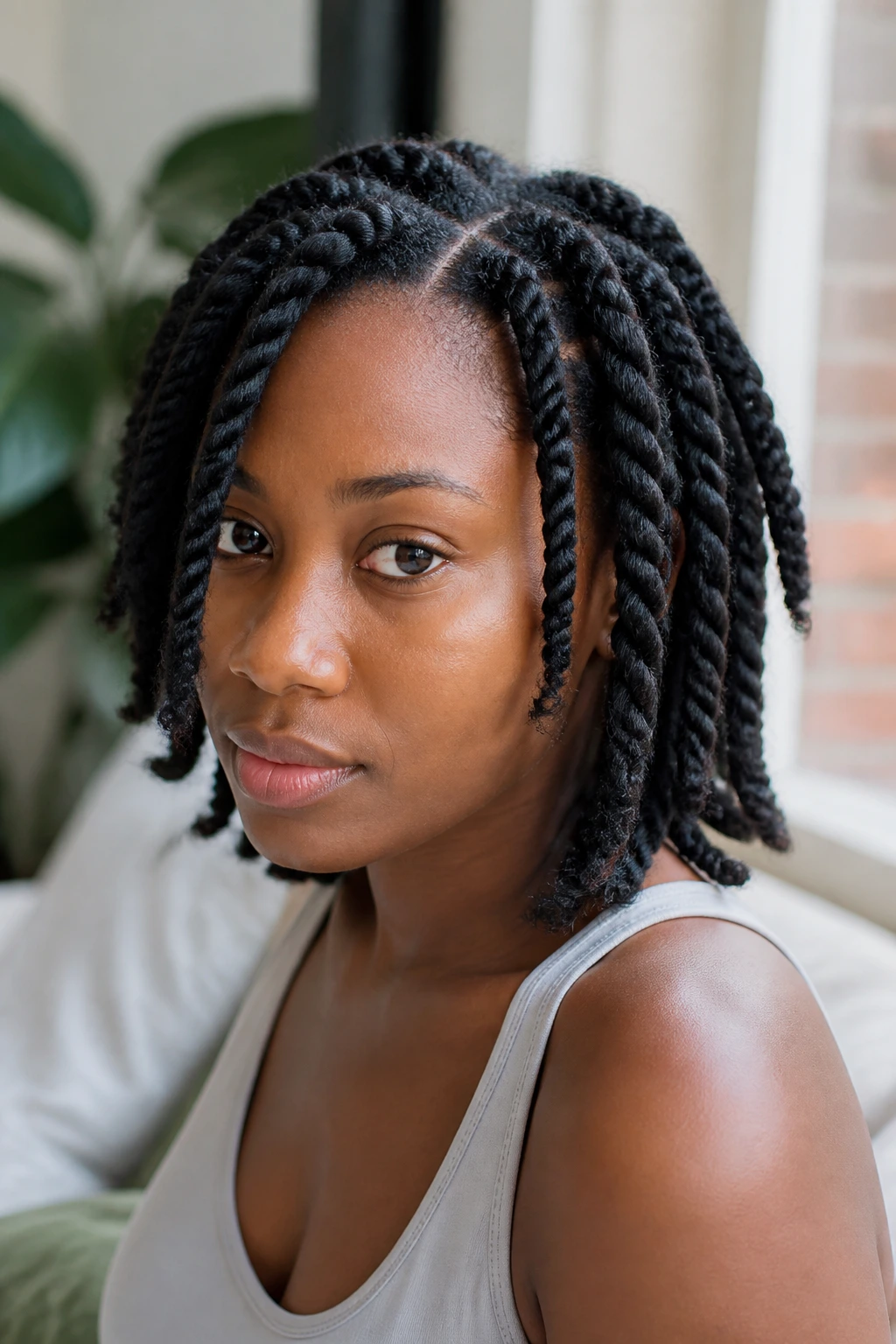
If mini twists are for long-term protection, two-strand twists are the “everyday” cousin. These are larger, faster to install, and easier to remove. They serve as a great transition style or a way to let your hair breathe for a few days. Many people wear these as a style, then take them down after a few days for a full, voluminous twist-out that highlights the coil definition.
Managing Product Build-up
Because two-strand twists usually stay in for a shorter duration, you might be tempted to load up on heavy products. Resist that urge. Stick to a solid water-based leave-in conditioner and a light oil. If your hair is prone to dryness, dampen it lightly with water before applying your product. This ensures the moisture is locked inside the twist, rather than just sitting on top of the hair shaft.
4. Bantu Knots
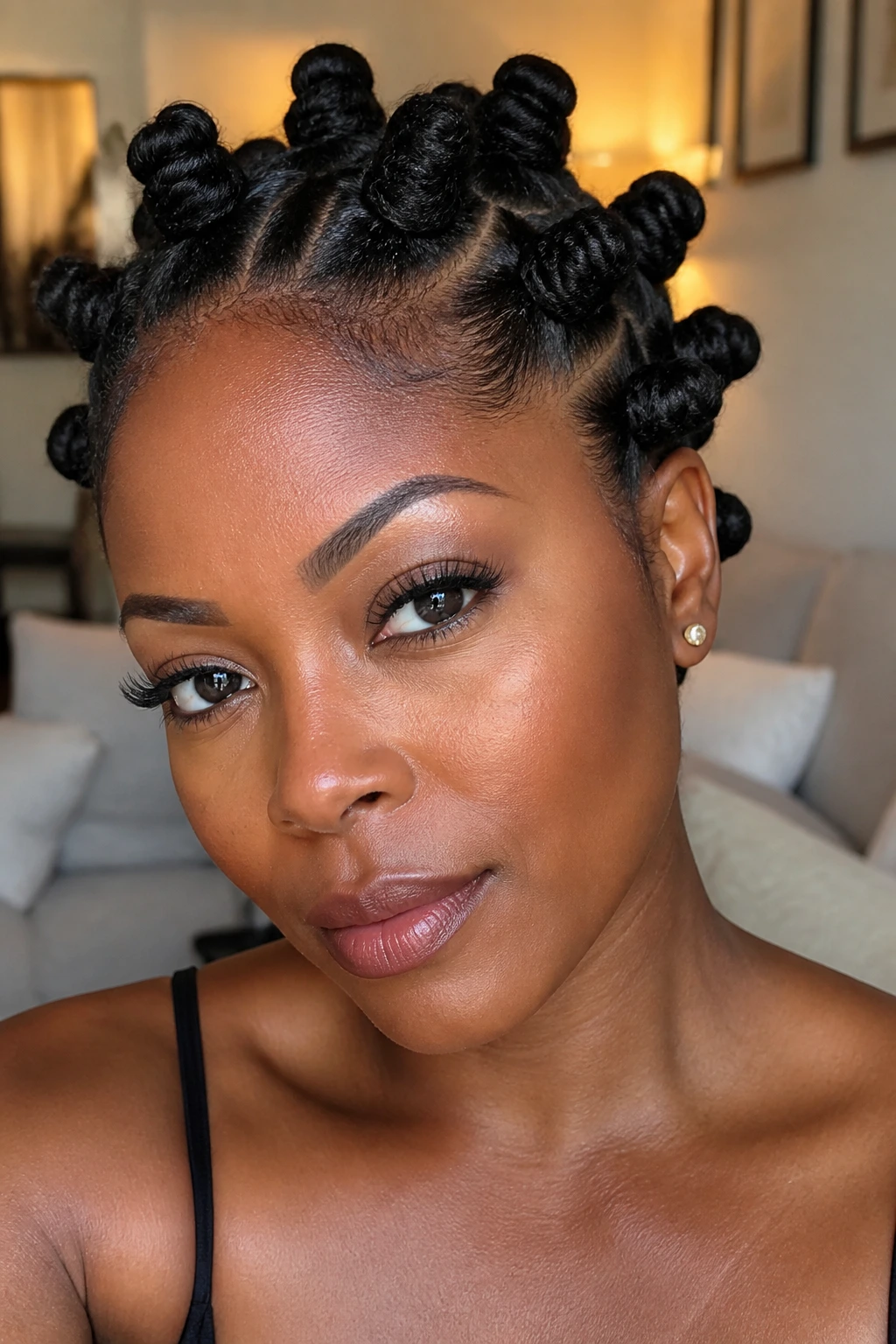
Bantu knots are more than just a style; they are an ancient form of beauty that frames the face beautifully. You can wear them as a protective style for several days or create them as a heatless way to stretch your hair. When you take them down, you are left with beautifully defined, bouncy curls. This style is excellent for 4c hair because it encourages the hair to stretch while remaining protected inside the knot.
How to get the perfect knot: Section your hair into even squares or triangles. Twist each section tightly before wrapping it into a knot at the base. Make sure your hair is moisturized before you begin, as dry hair wrapped into a knot can snap when you finally release it. Secure the ends with a small elastic or tuck them underneath the knot.
5. Flat Twists
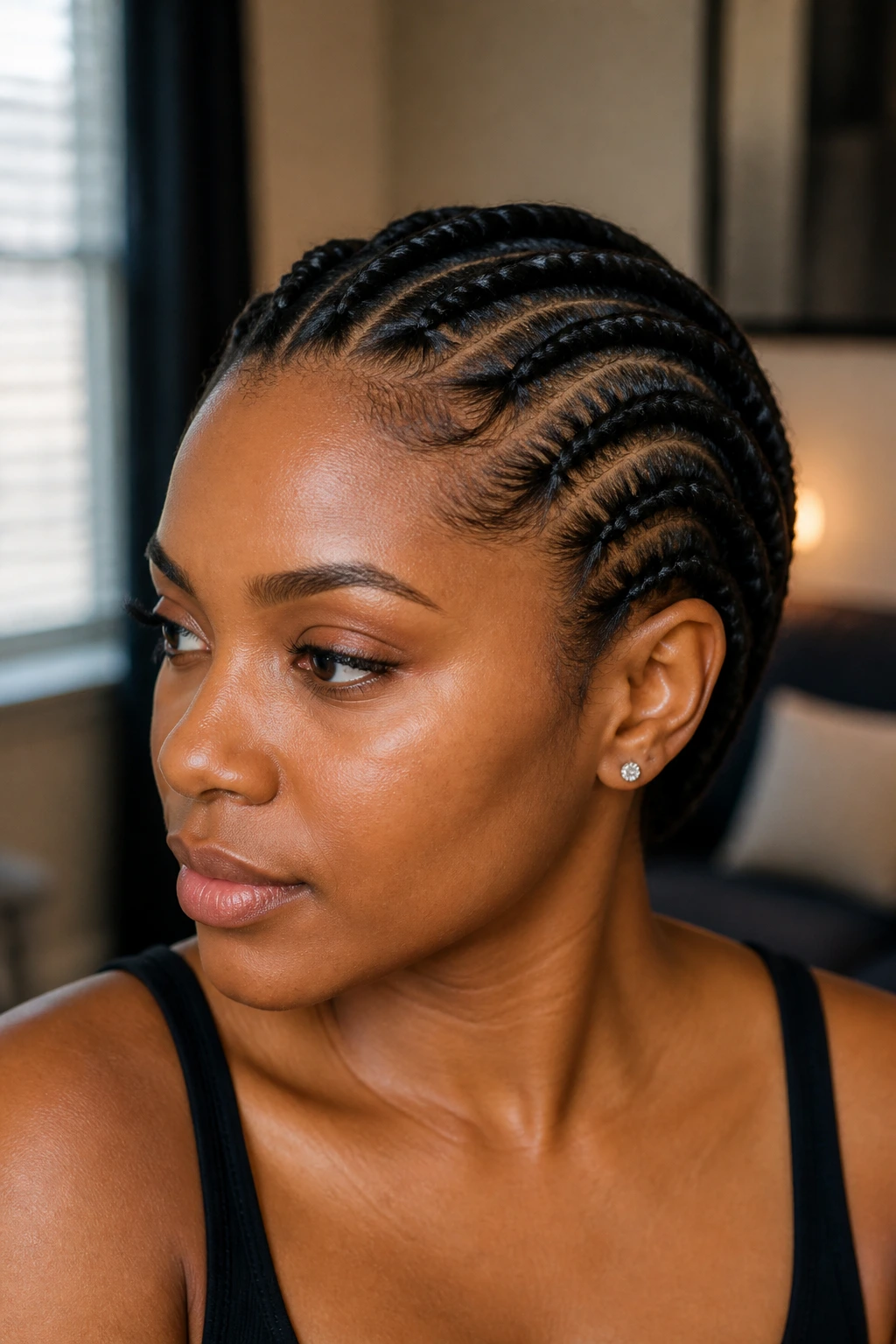
Flat twists offer a smoother, more sophisticated look than cornrows for many people with 4c hair. They lay flat against the scalp, minimizing the bulkiness that can sometimes come with tighter, braided styles. You can do a simple two-flat-twist style, or create complex designs that run in patterns toward the back or side of your head.
- Benefit: They provide great access to the scalp. If you have an itchy scalp or need to oil your roots regularly, flat twists allow you to reach the skin between the rows easily.
- Maintenance: Wrap your hair in a silk or satin scarf at night to prevent frizz. If the roots start to get fuzzy, use a light hold edge control, but be sparing; too much product will turn your roots white and create build-up.
6. Halo Braid
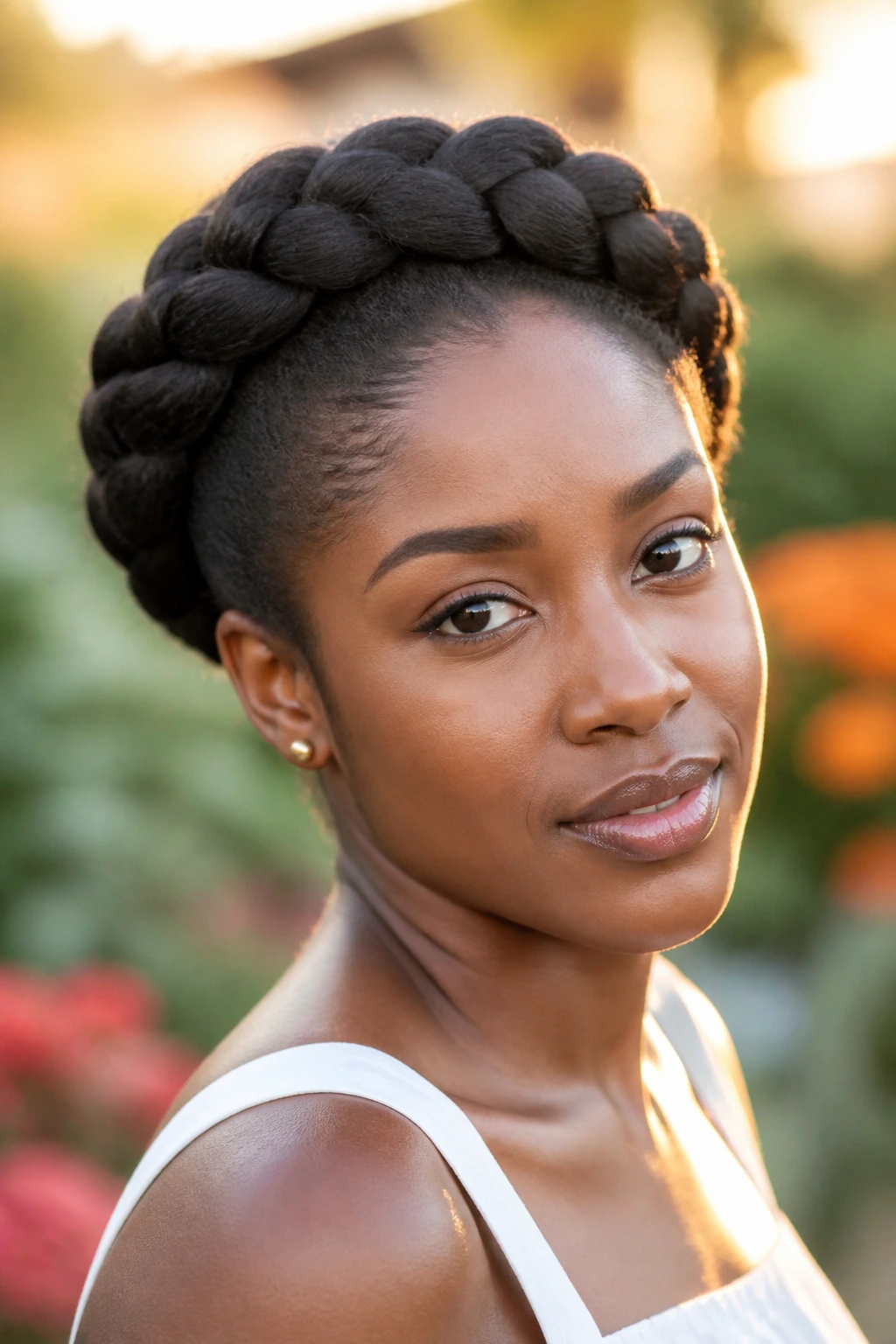
The halo braid is the epitome of classic, regal styling. It involves braiding the hair around the perimeter of the head to form a crown. This style is particularly effective for 4c hair because it keeps the ends of the hair tucked away, which is critical for length retention. It is perfect for professional settings, weddings, or any occasion where you want an elegant, pulled-together look.
The Secret to Longevity
If your hair isn’t long enough to form a complete halo on its own, do not be afraid to incorporate a bit of textured braiding hair. Match the texture of the hair to your natural coil pattern so the braid looks seamless. Secure the ends of the braid with bobby pins, but ensure they are coated or ball-tipped to avoid scratching your scalp or snagging your hair.
7. The Wash-and-Go
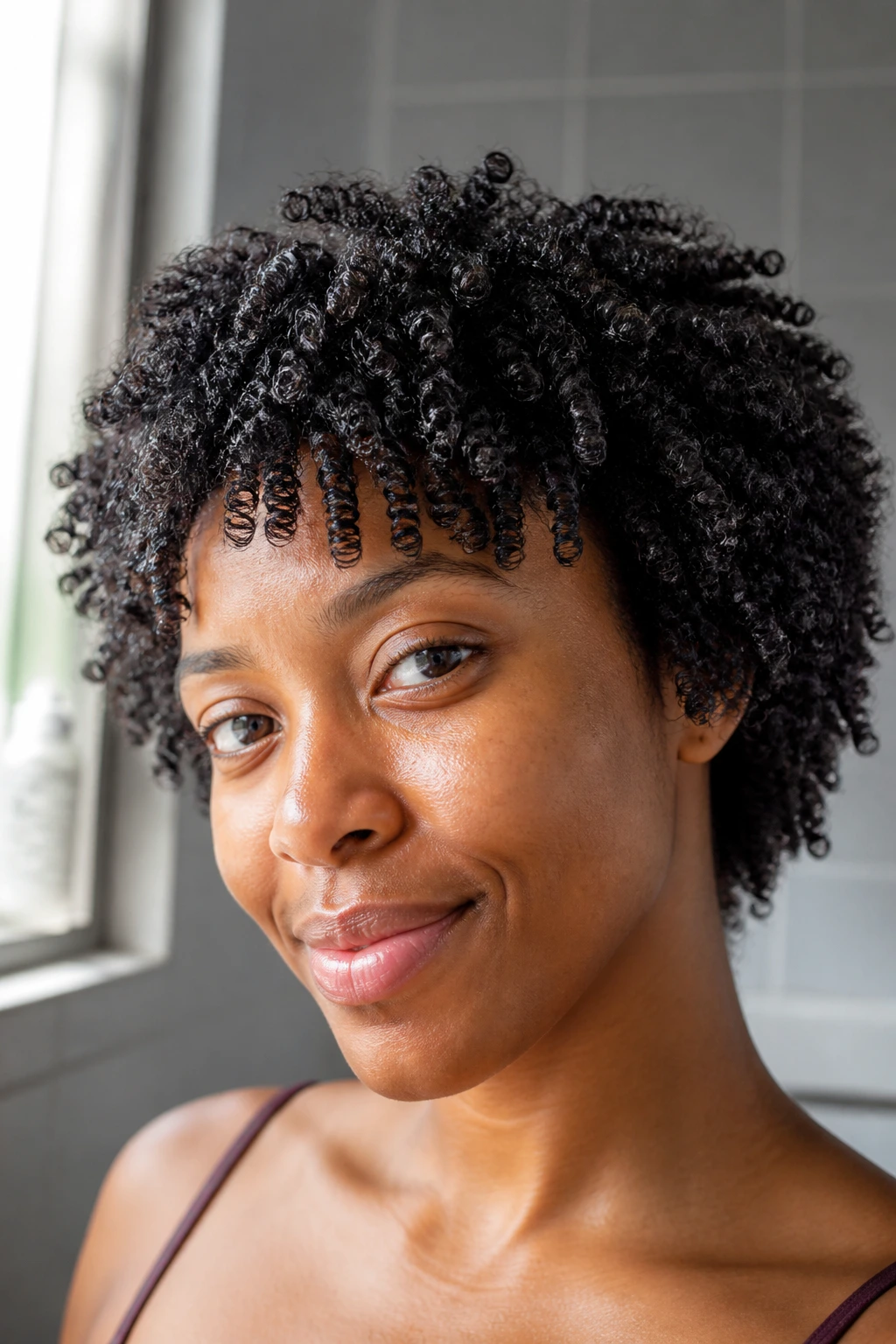
People often assume a wash-and-go isn’t for 4c hair, but that is a misconception. 4c hair creates a beautiful, dense, and bouncy texture when defined properly. The key is technique. You need a method that clumps your curls together, such as the “raking and shaking” method or using a fine-tooth comb to define each individual coil.
Pro-Tip: Use a gel with a strong hold but high moisture content. Apply your leave-in conditioner first, then the gel, while the hair is soaking wet. Do not touch your hair while it dries. The moment you start touching it, you introduce frizz. Allow your hair to dry completely—either by air or with a hooded dryer—before you “break the cast” of the gel to reveal soft, defined coils.
8. Frohawk
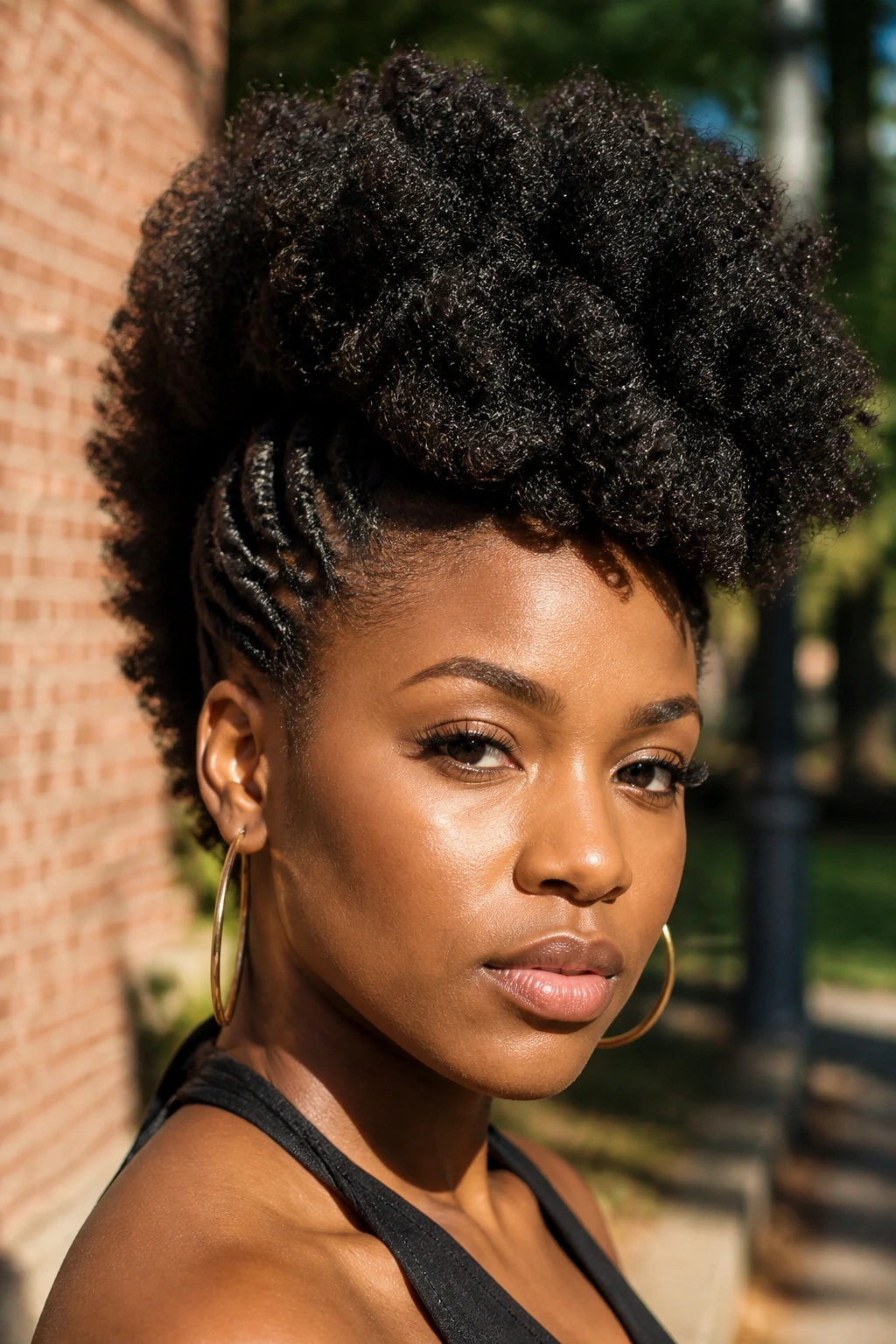
The frohawk is a bold, edgy style that plays with volume and shape. By pinning the sides of your hair upward toward the center, you create a mohawk-like silhouette that showcases your 4c coils in all their glory. It is a fantastic option if you want to look styled but don’t want to spend hours braiding or twisting your hair.
- Versatility: You can create a classic frohawk with twists, braids, or just by pinning the hair.
- Accent: Add hair pins or gold cuffs to the sides to give it a more polished, artistic finish.
- Volume: Use a hair pick to tease the center section for maximum height and dramatic effect.
9. Cornrow Feed-in Bun
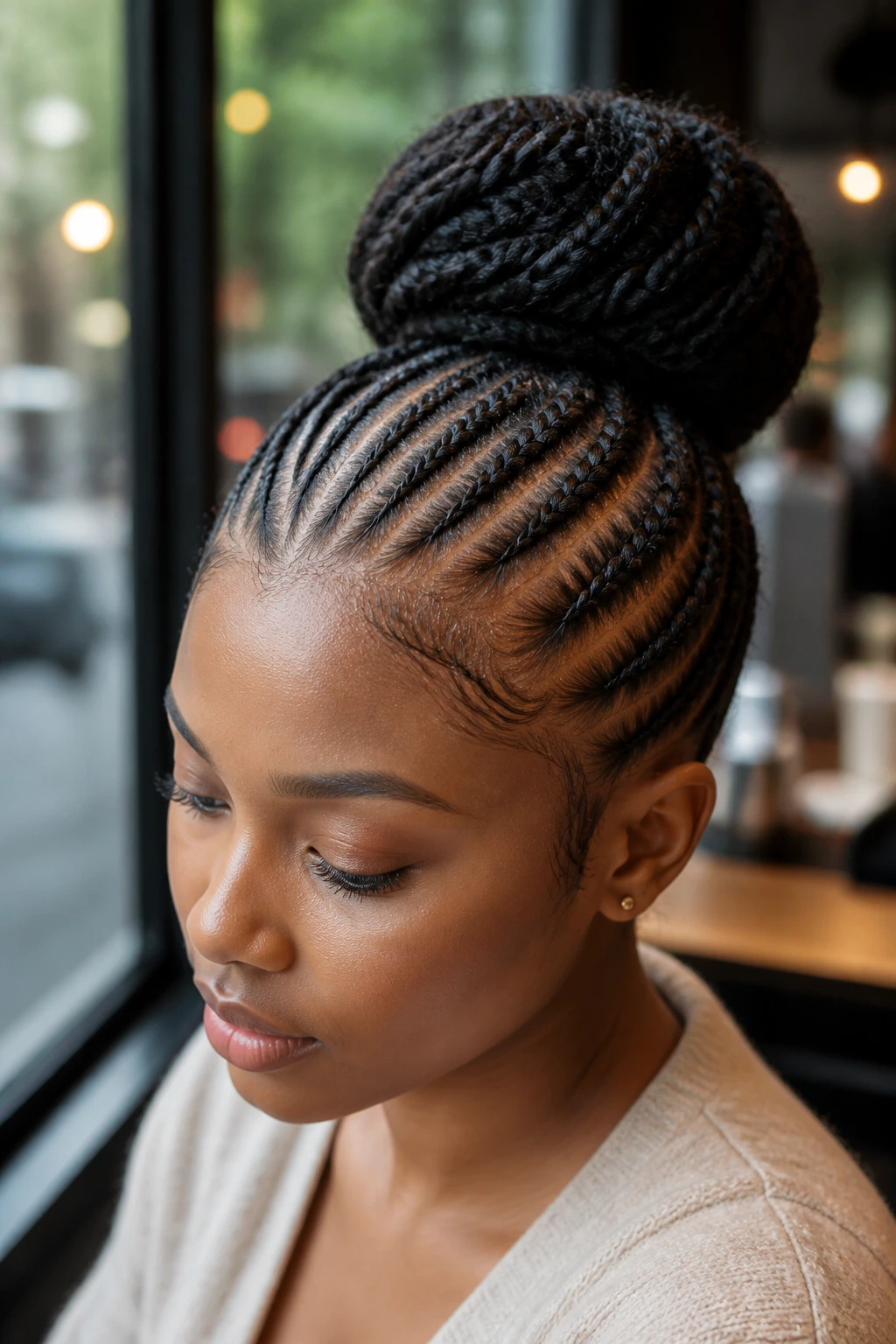
This style combines the neatness of cornrows with the practicality of a high bun. You braid your hair from the hairline toward the crown, gathering all the ends into a high ponytail or bun. This style is excellent for people with 4c hair because it protects the hairline and keeps the ends of the hair shielded from the elements.
Tension Warning
Pay close attention to your edges during this style. 4c edges are fragile. If the braider (or you) pulls too tight, you risk traction alopecia. Ensure the braids are loose at the start of the hairline. If you feel pain, the style is too tight. A good cornrow style should feel secure, but it should never cause you to wince when you blink.
10. Crochet Braids
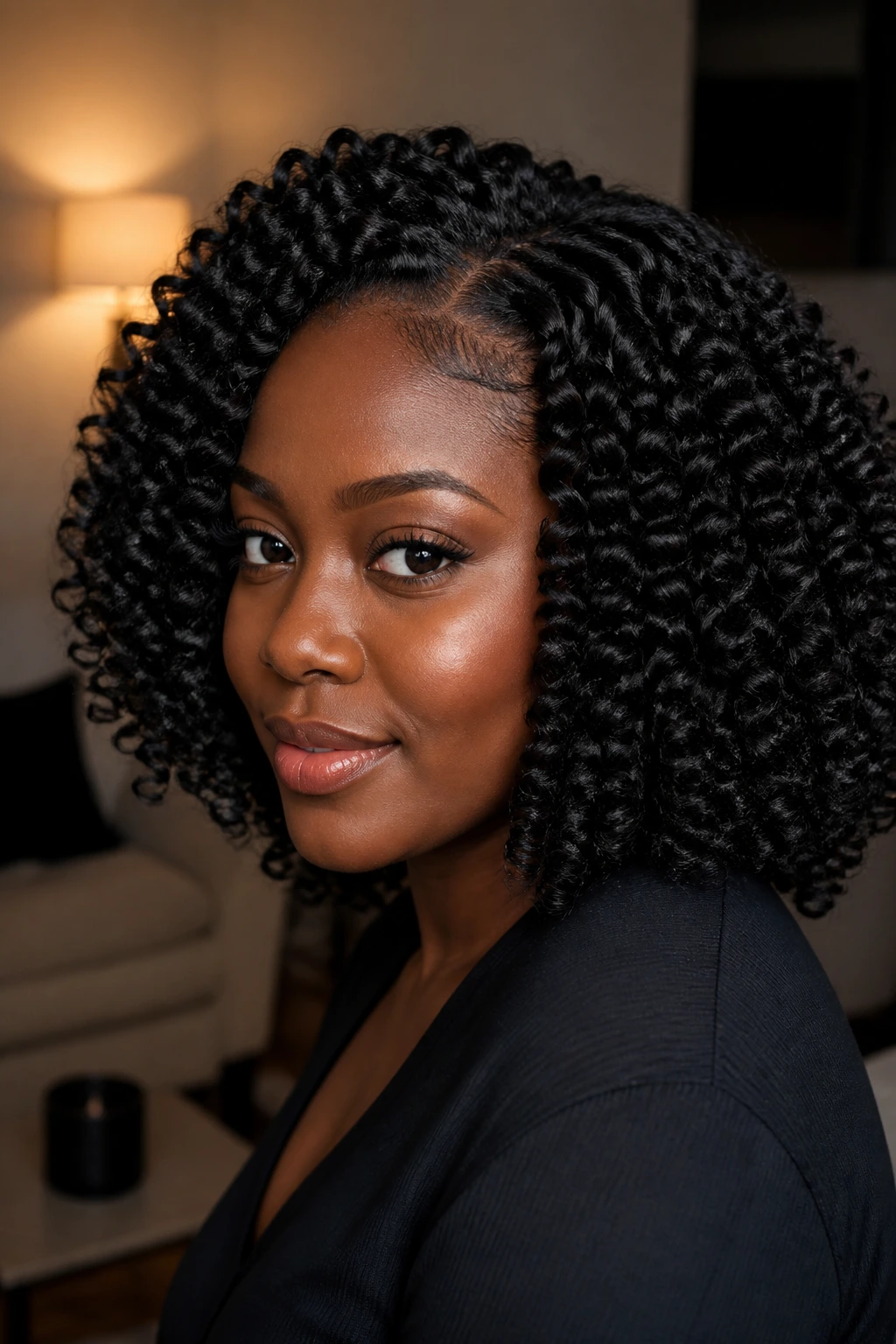
Crochet braids are a godsend for 4c hair. You cornrow your natural hair underneath and then use a crochet hook to install extensions. This is a “set it and forget it” style that can last for weeks. Because the extensions take the brunt of the styling, friction, and environmental damage, your natural hair gets a long break.
Choosing the right hair: Go for textures that match your 4c pattern, like kinky-curly or coily hair. These textures blend best with your own hair if you choose to leave any out, and they age better, looking more natural as the weeks go by.
11. The Classic High Bun
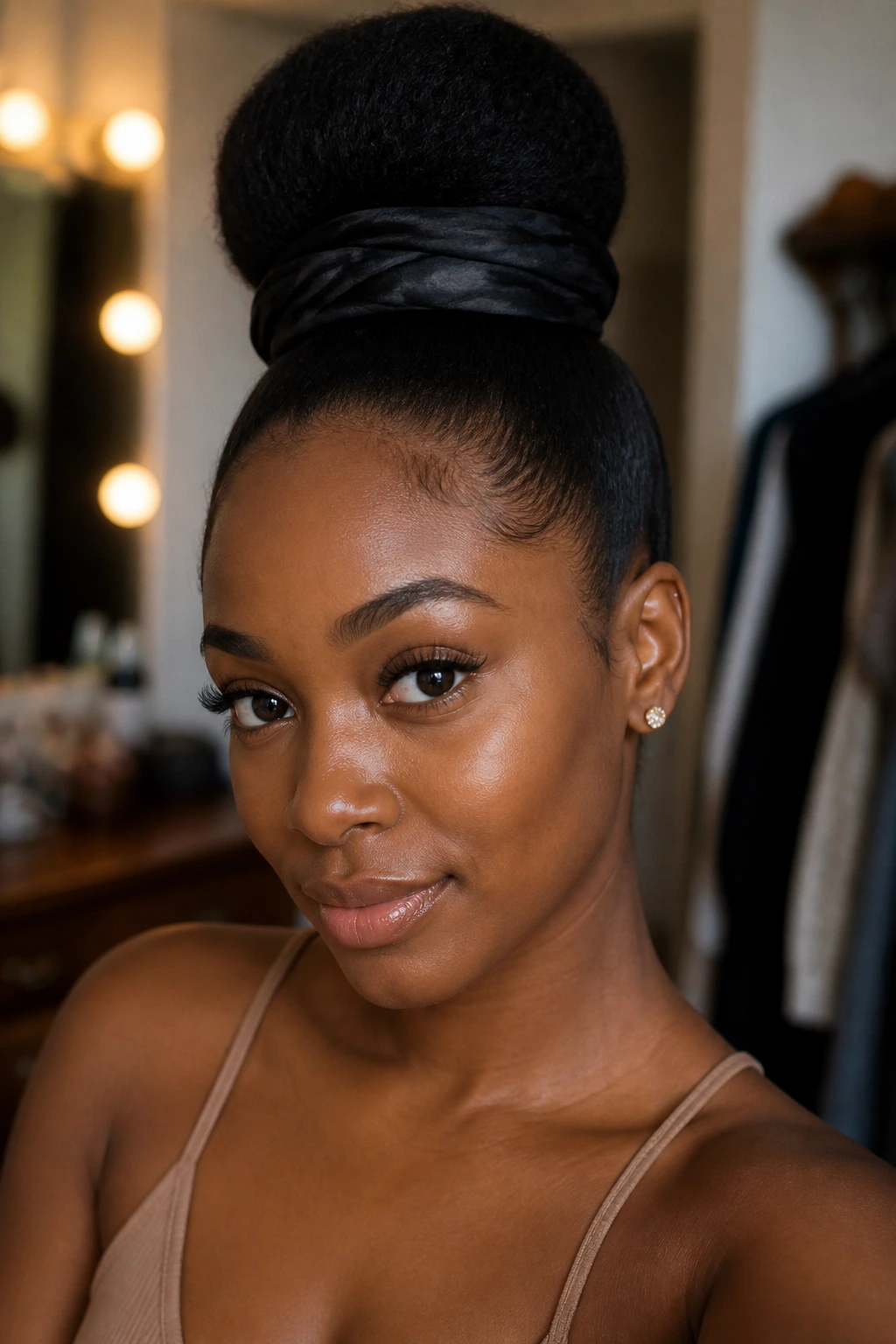
Simple, timeless, and functional. A high bun is the go-to style for many, but with 4c hair, the trick is achieving the sleekness without breakage. Use a moisture-rich leave-in, a light styler, and a good satin scarf to lay the hair down before securing it.
- The “Secret” Bun: If you want a bun that looks fuller than your hair allows, use a donut shaper or a drawstring ponytail extension that matches your natural hair texture. This prevents you from having to manipulate your own hair into a tiny, tight bun, which can lead to breakage at the ends.
12. Headwrap Style
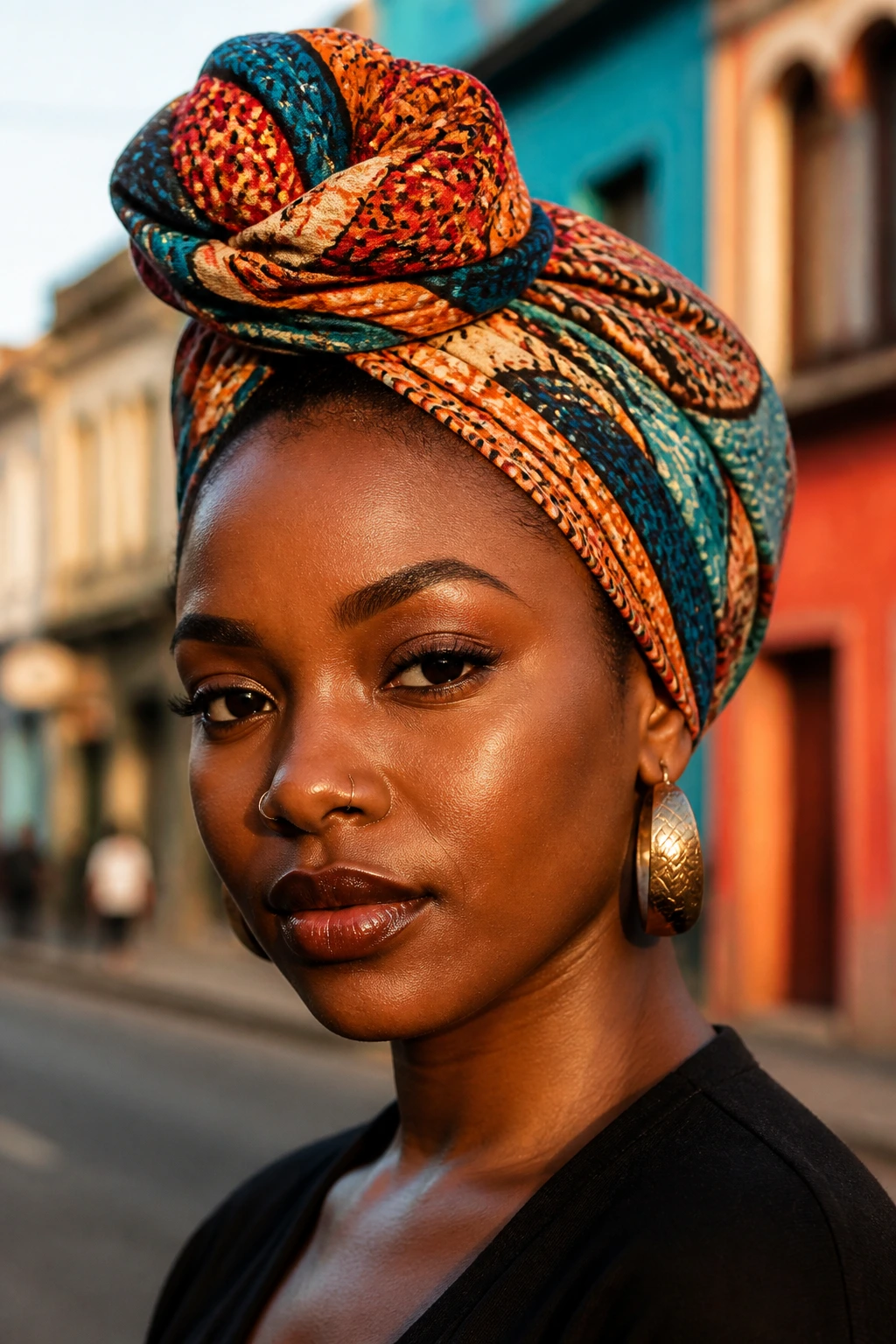
Never underestimate the power of a headwrap. On those days when your hair isn’t behaving, or you need a protective style that takes zero effort, a beautiful headwrap is the answer. It is essentially a crown for your head. You can keep your hair in simple twists or a low bun underneath, and the wrap keeps your ends tucked and protected.
Making It Look Professional
The trick to a good wrap isn’t just the fabric; it’s the foundation. Ensure your hair is pulled back neatly into a low ponytail or flat twists so that the wrap sits evenly. Use a fabric with some stretch—like jersey cotton or spandex-blend—so it contours to your head without slipping off.
13. Puff with Bangs
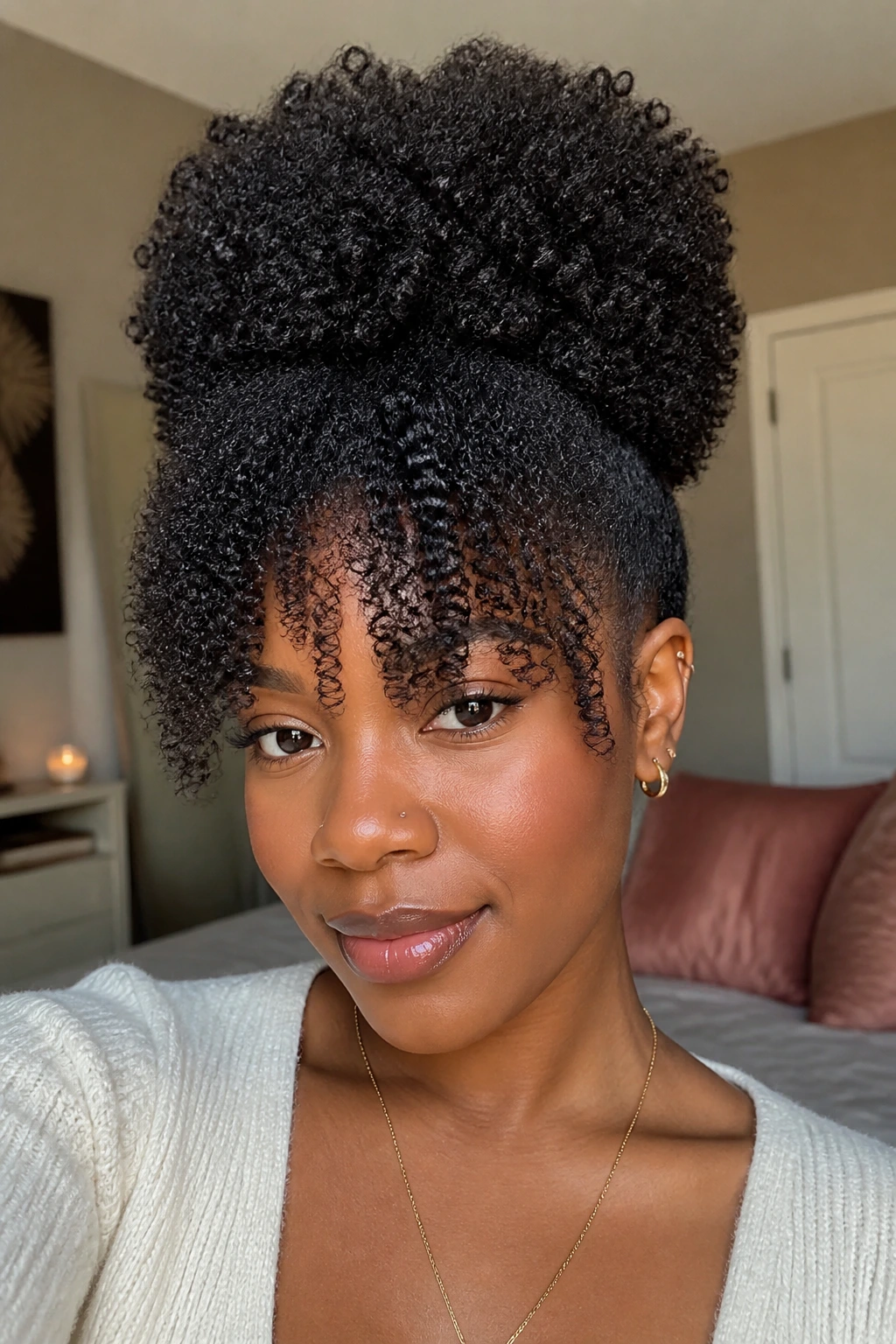
This style adds a bit of flair to the standard puff by bringing some hair forward to frame your face. You can achieve this by leaving the front section of your hair out when gathering the rest into a puff, or by pinning a few of your existing twists forward to mimic bangs.
- Framing: This style is wonderful for softening sharp angles.
- Maintenance: Use a light curl custard on the bang section to keep the definition popping. Because these curls frame your face, they are the first thing people notice, so keep them hydrated.
14. Half-Up Half-Down
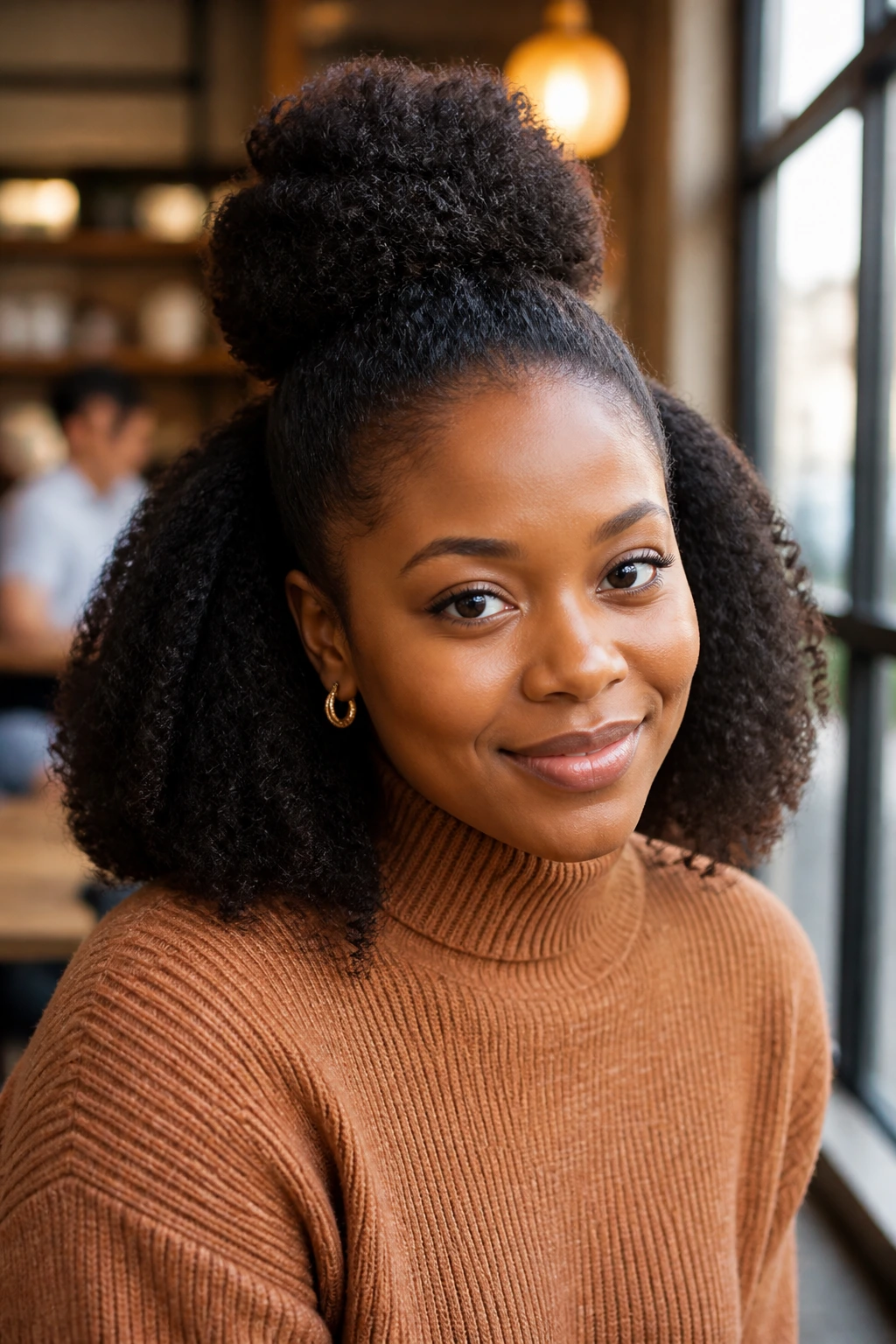
This is a playful, versatile style that gives you the best of both worlds. You get the volume of an afro, but the neatness of a pulled-back style. Section your hair horizontally from ear to ear. Secure the top half in a puff, bun, or a set of twists, and leave the bottom half flowing freely.
Managing Two Textures
Often, the hair at the nape of the neck has a different texture than the hair at the crown. Be gentle when detangling the back section. Since this hair rubs against collars and scarves more often, it tends to be drier and more prone to breakage. Give it a little extra love with a heavier butter or sealant.
15. Twisted Updo
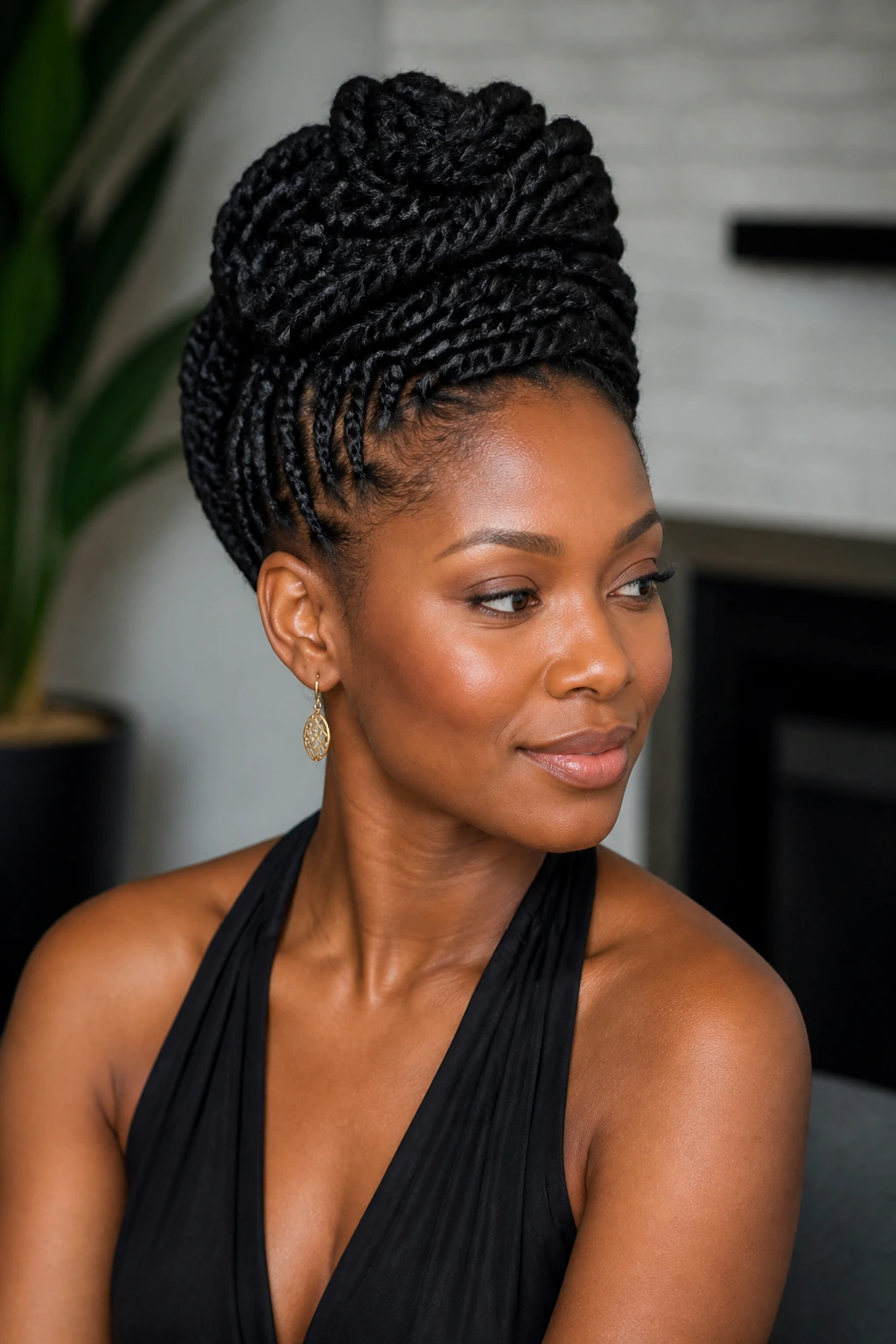
A twisted updo takes your regular two-strand twists and elevates them. By gathering the twists and pinning them in various directions, you can create a sculptural, high-fashion look. This style is surprisingly easy to do if you already have your hair in twists.
- Creativity: There is no “right” way to do this. Pin one twist here, another there, letting them drape or stand tall.
- Occasion: This is a perfect style for formal events or work meetings where you want to look sophisticated but natural.
16. Perm Rod Set
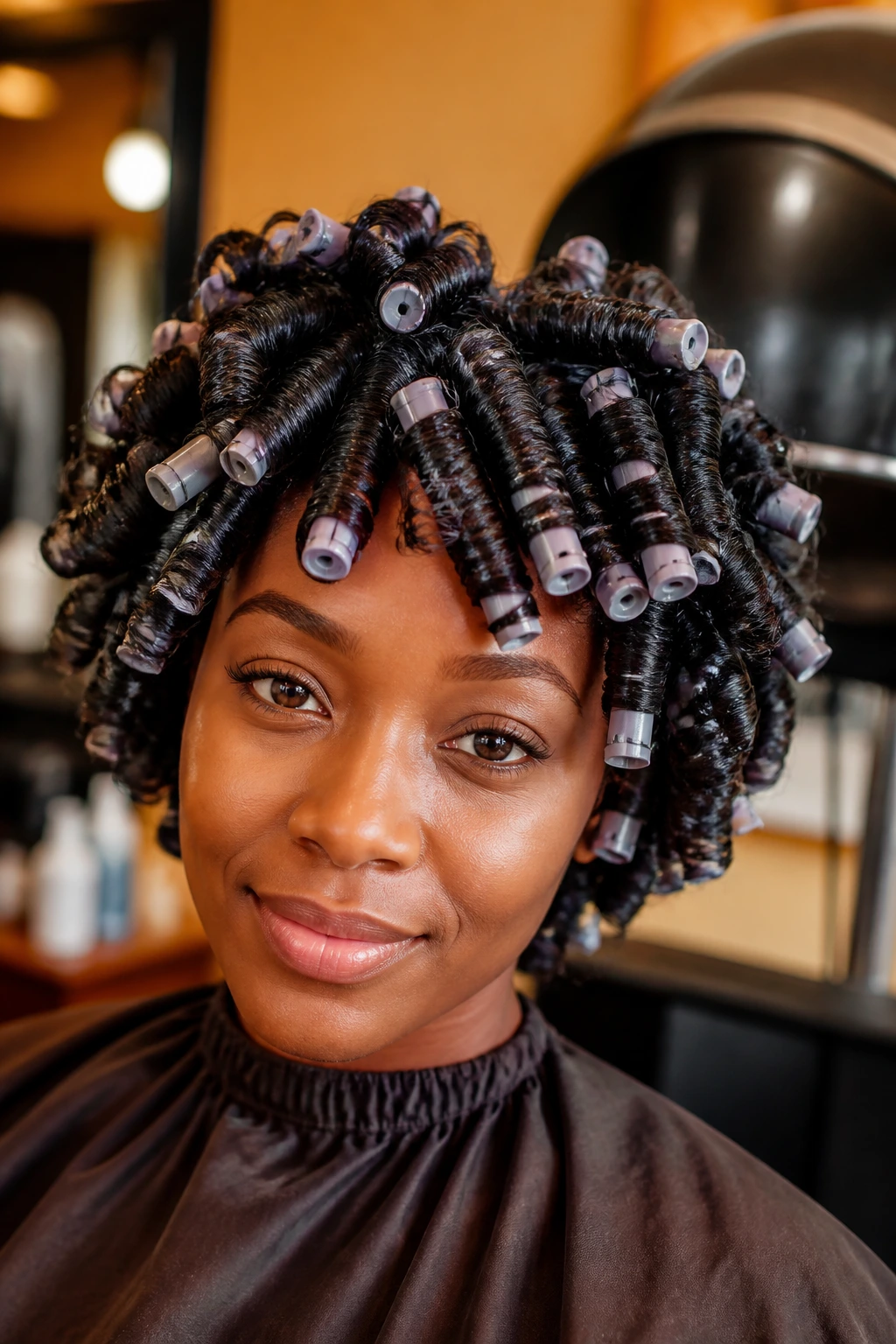
If you want to see the maximum length of your hair without heat damage, a perm rod set is your best friend. It stretches the coils into beautiful, defined ringlets. Because 4c hair is dense, it takes time for the hair to dry on the rods, but the results are worth the patience.
The Drying Process
Do not try to take the rods out while the hair is damp. If the hair is even slightly wet, the curl will frizz instantly. Sit under a hooded dryer until the hair is 100% dry. Once dry, oil your fingertips before taking the rods down to prevent frizz. Separate the curls gently to create volume.
17. Flexi Rod Set
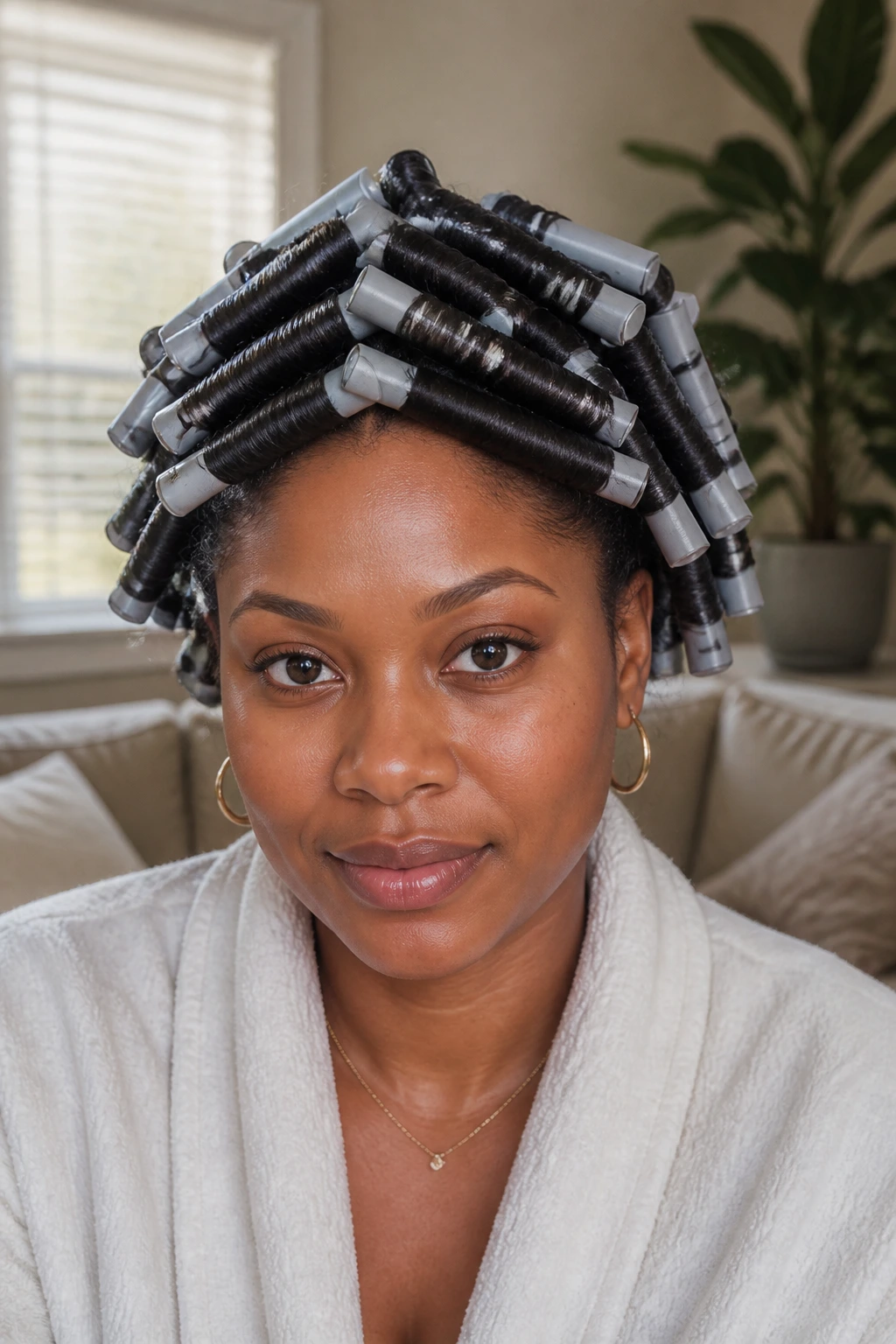
Similar to a perm rod set, but flexi rods give you a different, often softer curl shape. Flexi rods are also more comfortable to sleep in than hard perm rods. This style is fantastic for creating a uniform look across your entire head, which can be very satisfying if your natural curl pattern is erratic.
- Length Stretch: This method is excellent at showcasing how long your 4c hair actually is, as the rods elongate the tight coils.
- Styling Tip: Apply a light setting lotion or a foam wrap to the hair before rolling. This helps the curl hold its shape for several days.
18. Fulani Braids
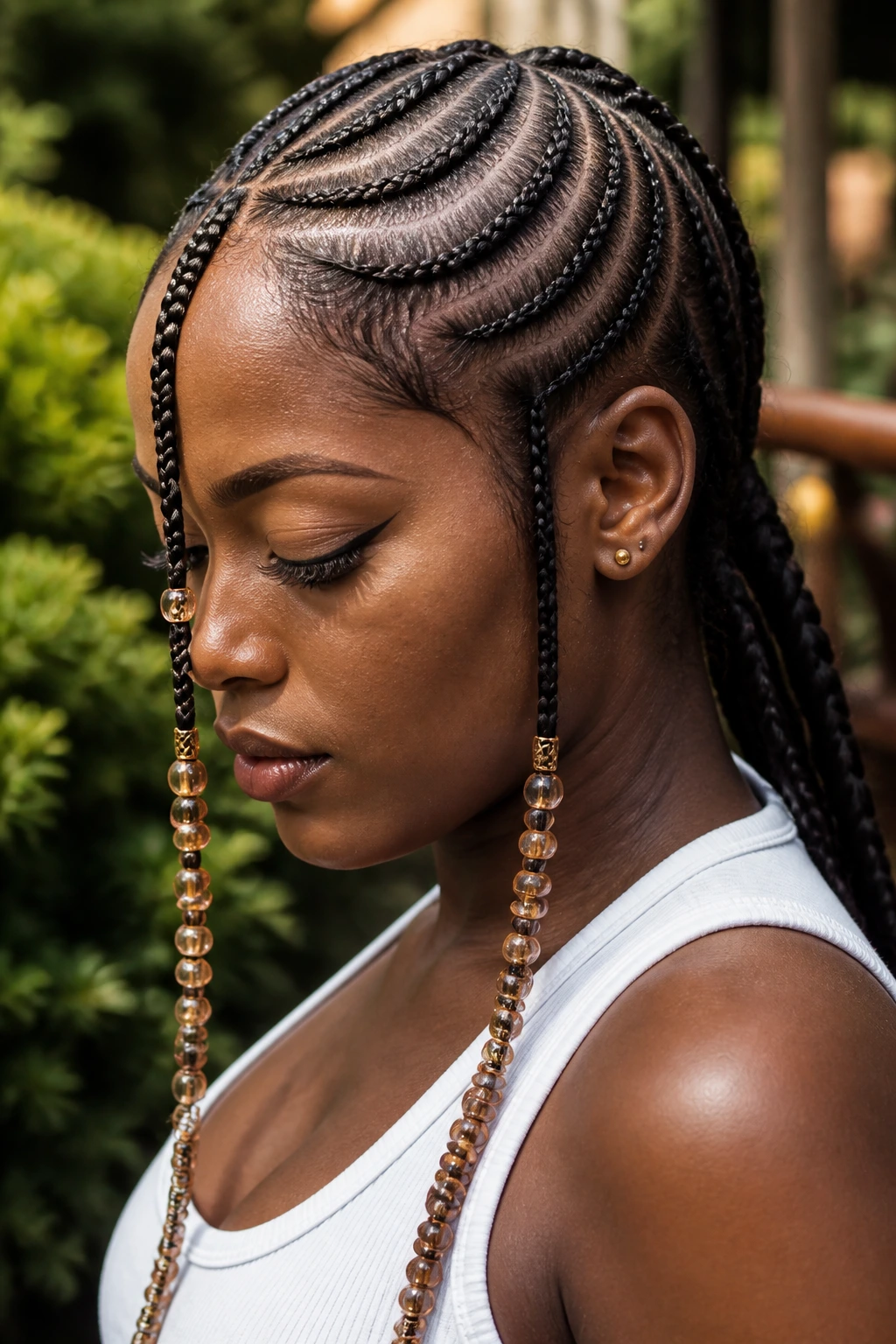
Fulani braids are characterized by a cornrow pattern that flows from the front to the back, with a distinctive braid running down the center, and usually include beads or cuffs for decoration. For 4c hair, this style is ideal because it keeps the majority of your hair braided and protected.
Scalp Health
Since your scalp is more exposed with this style, keep it clean. Use a witch hazel or tea tree oil spray to soothe the scalp and prevent buildup. Be careful not to overuse heavy oils, as they can attract dust and grime to your scalp.
19. Box Braids
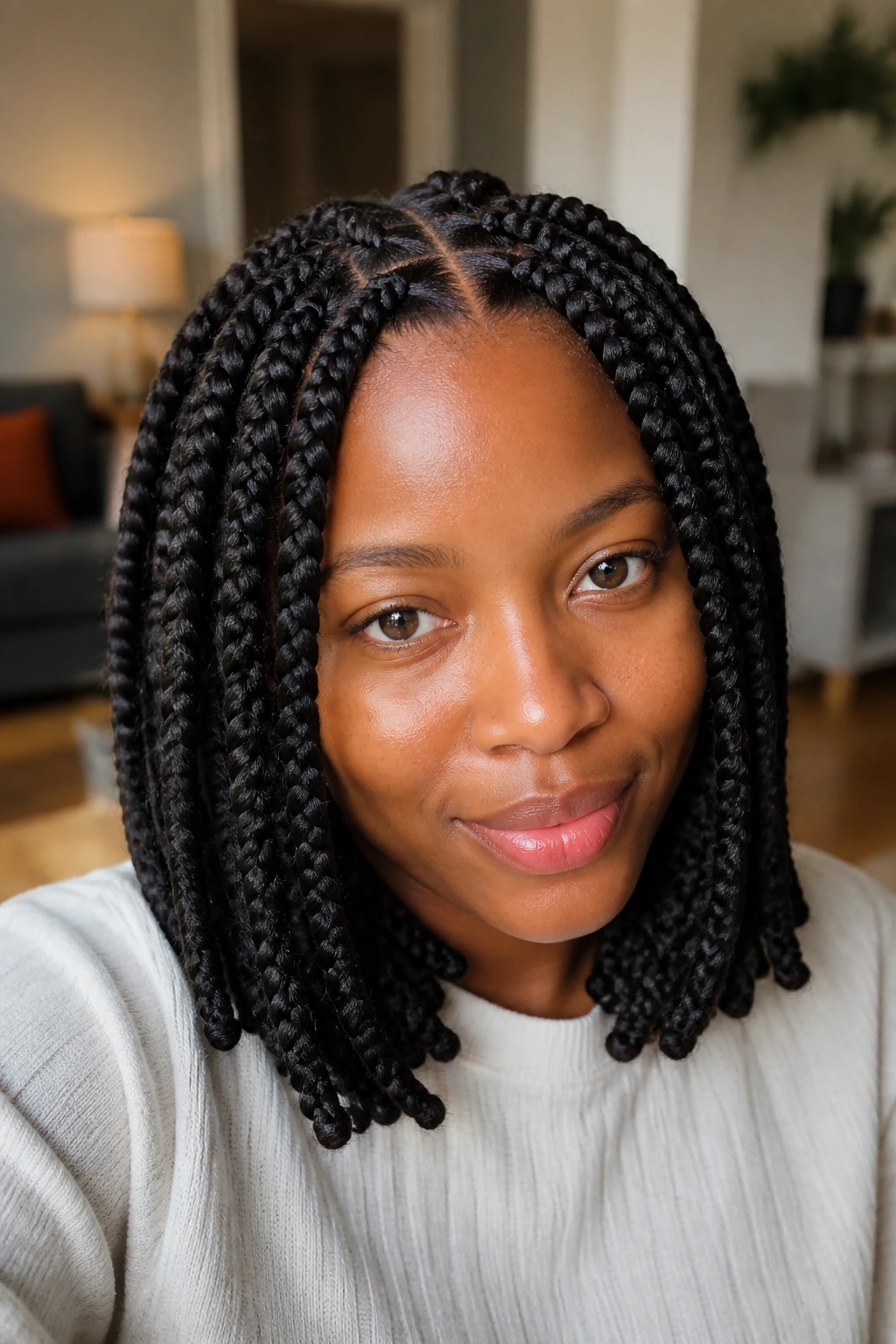
Box braids are a classic, versatile protective style. You can vary the size, length, and color. For 4c hair, they are excellent because they completely shield your natural hair from the environment. They also allow you to give your hair a break from daily combing and brushing.
Caution: As with any extension style, be mindful of the weight. 4c hair is strong, but it isn’t indestructible. If the braids are too long or too thick, they can be heavy and lead to thinning at the hairline. Ask your stylist for “knotless” box braids, which start with your natural hair, minimizing tension at the root.
20. Senegalese Twists
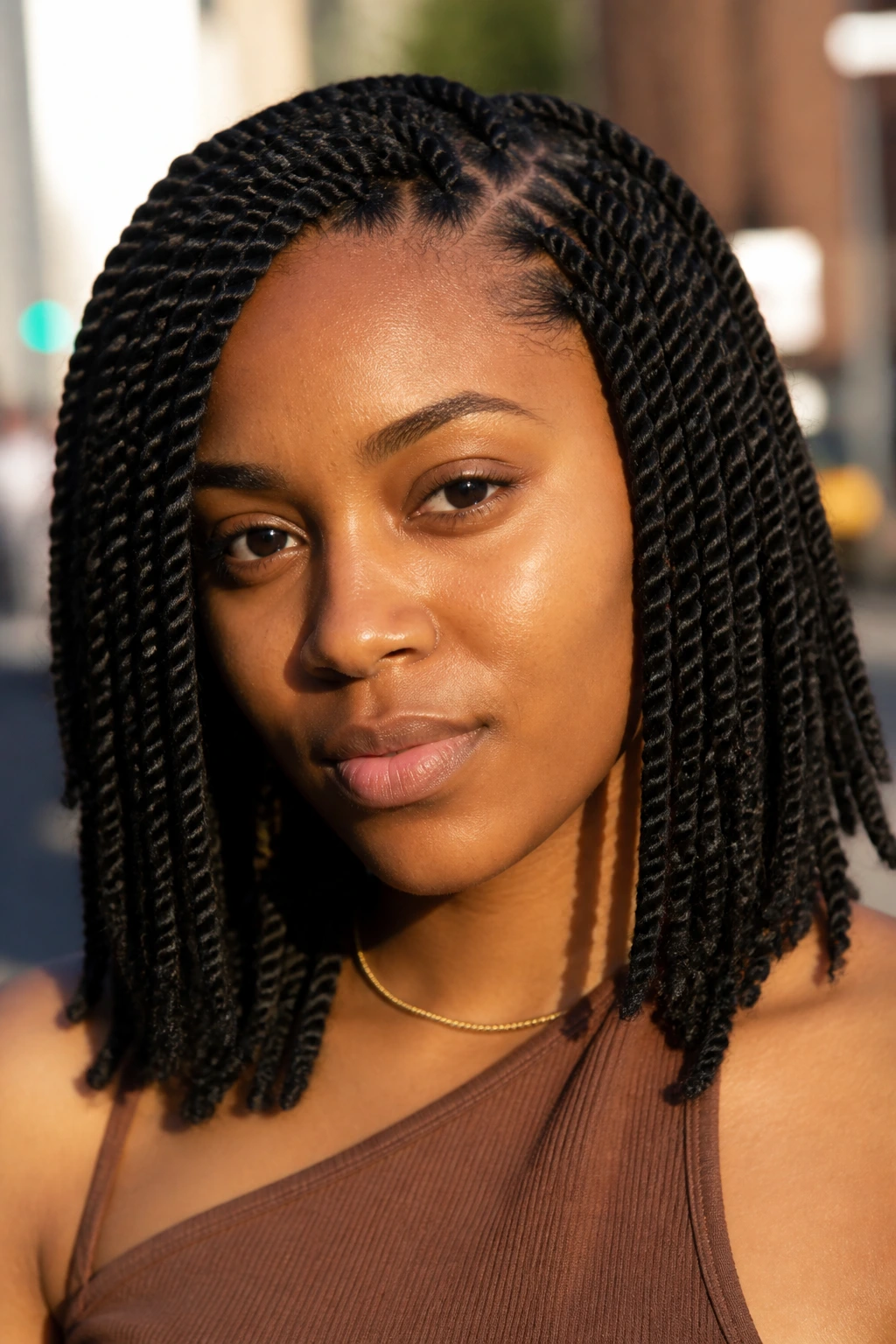
Senegalese twists are rope-like twists made with synthetic braiding hair. They have a sleek, uniform finish that looks incredibly polished. Because 4c hair is usually kinkier, you must ensure the braiding hair is wrapped tightly around your natural hair to ensure it stays in place.
- Longevity: These twists can last for 6 to 8 weeks if cared for properly.
- Washing: You can wash the scalp area gently while wearing these, which helps maintain hygiene over the long haul.
21. Goddess Locs
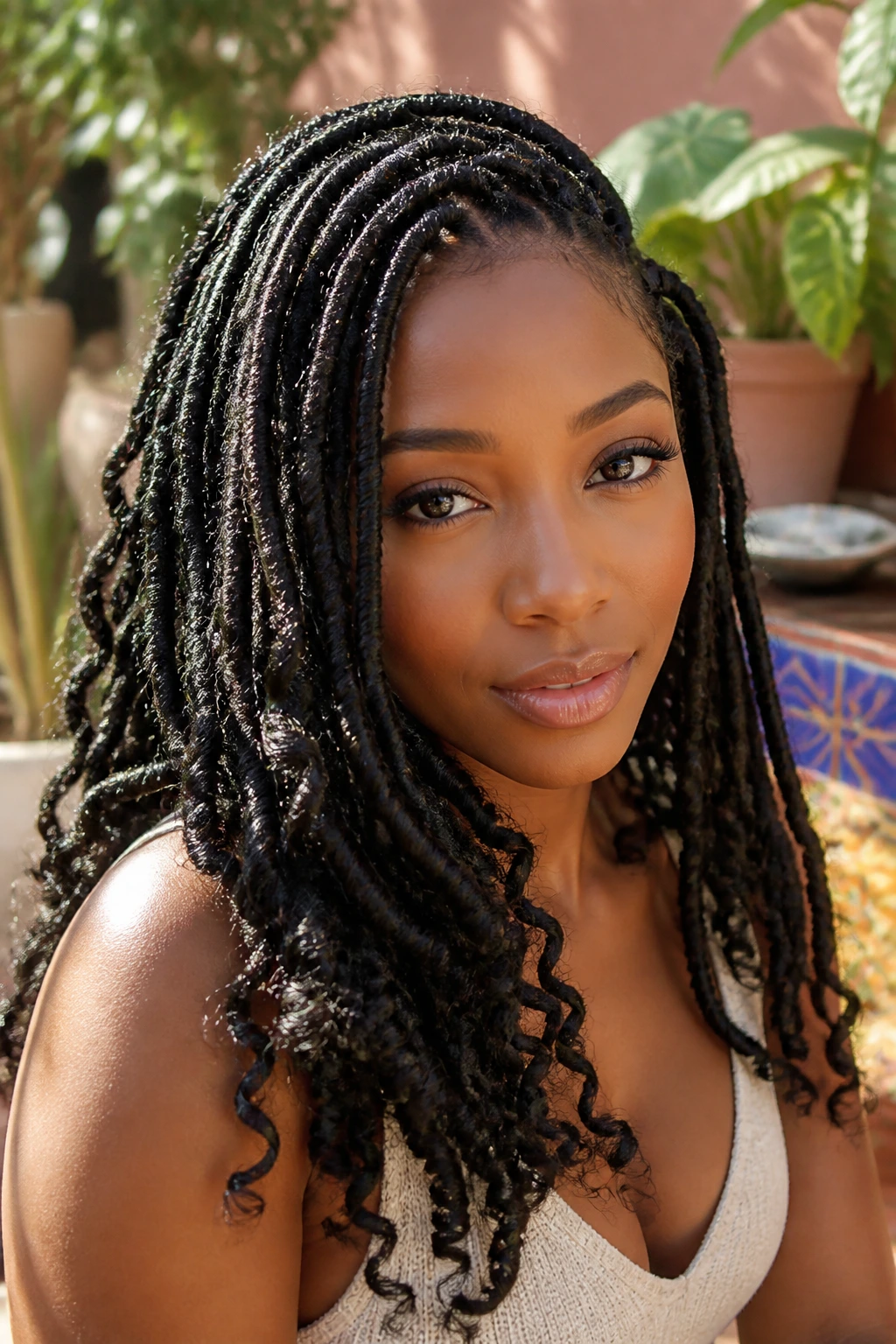
Goddess locs are a variation of faux locs that leave the ends of the hair curly and free. They are feminine, bohemian, and look better as they age. This is a great protective style for 4c hair because your natural coils are completely encased within the loc structure.
The “Boho” Look
The curly, unraveled ends add a softness that traditional faux locs sometimes lack. Be prepared, though—those curly ends can get tangled if you aren’t careful. Use a light sheen spray on the ends to keep them from matting together.
22. Faux Locs
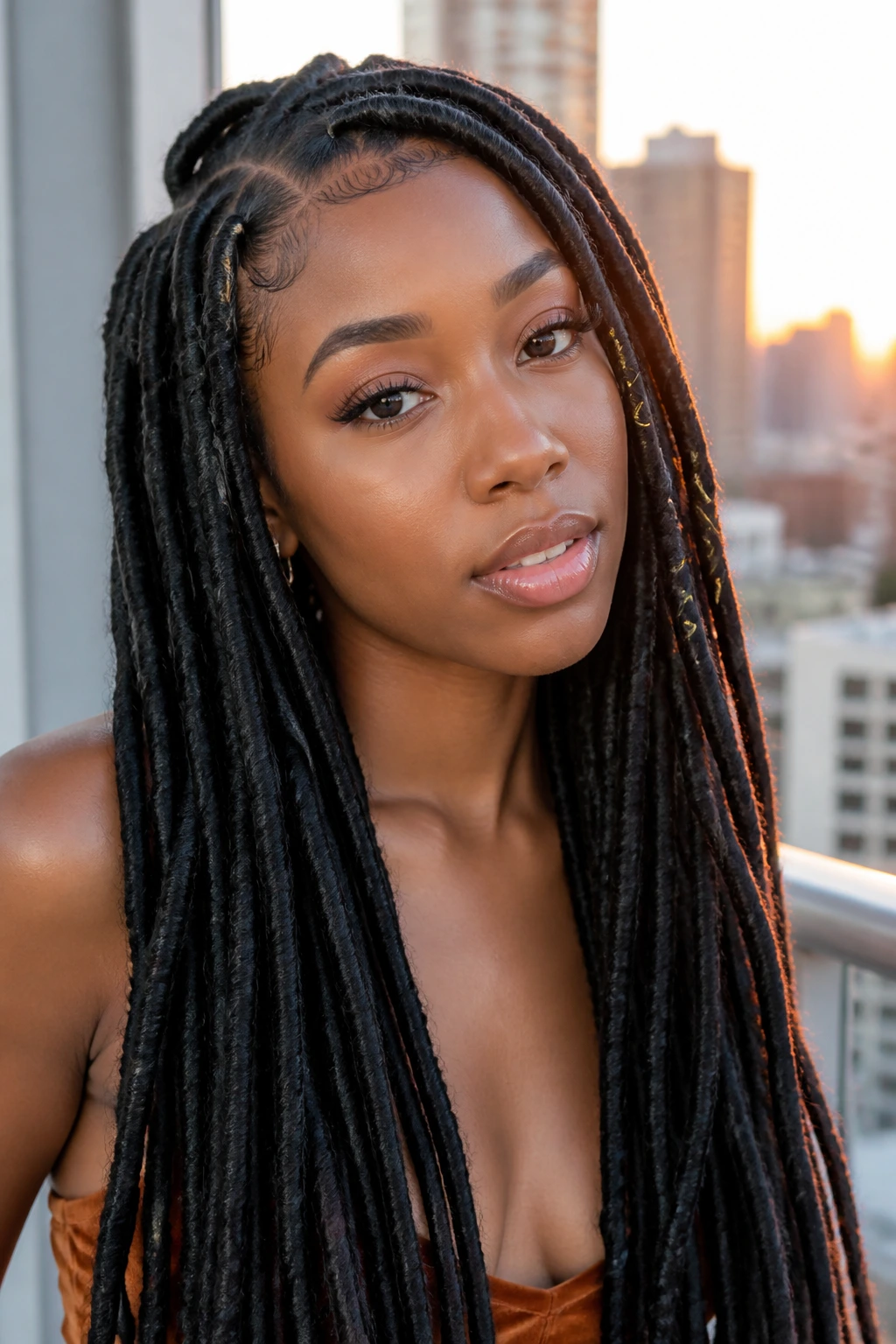
If you have ever wanted the look of locs without the years of commitment, faux locs are the answer. They look like mature, natural locs. For 4c hair, they provide a very protective environment. Your natural hair is braided down, and the extension hair is wrapped around it.
- Weight Management: Faux locs can get heavy. If you get a full head of long locs, make sure the installation isn’t pulling on your hairline.
- Style: You can pull these into high buns or half-up styles, making them very versatile for daily wear.
23. Afro with Accessories
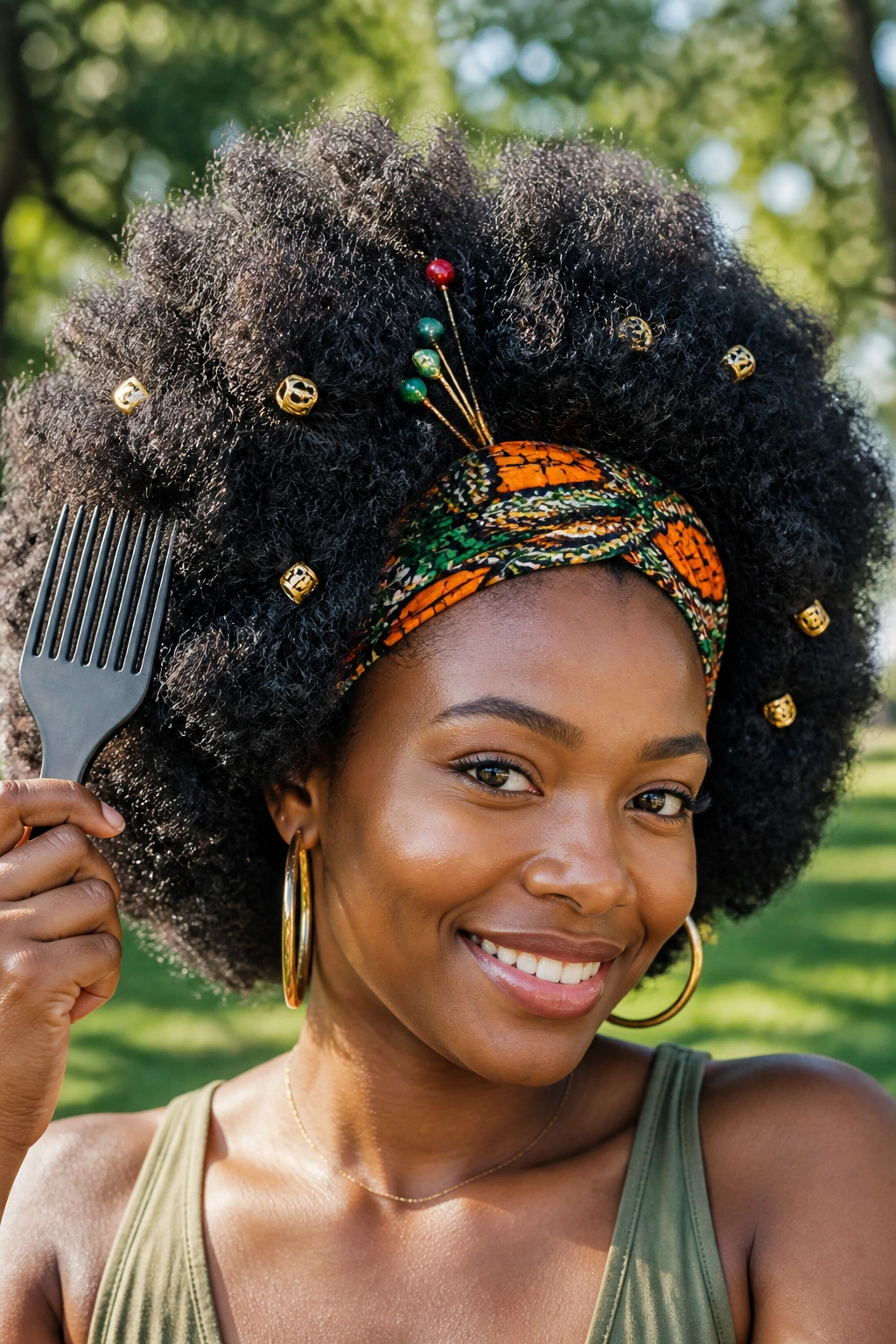
Sometimes you just want to let your afro be. 4c hair is beautiful when worn in its natural, picked-out state. To make it a “style,” add accessories. Gold cuffs, colorful hair pins, or even a statement headband can turn a simple afro into a deliberate look.
Shaping: Use a hair pick to shape your afro so it is balanced. You don’t want it to be lopsided unless that is the look you are going for. Adding accessories also draws the eye to specific areas, creating a focal point for your style.
24. Marley Twists
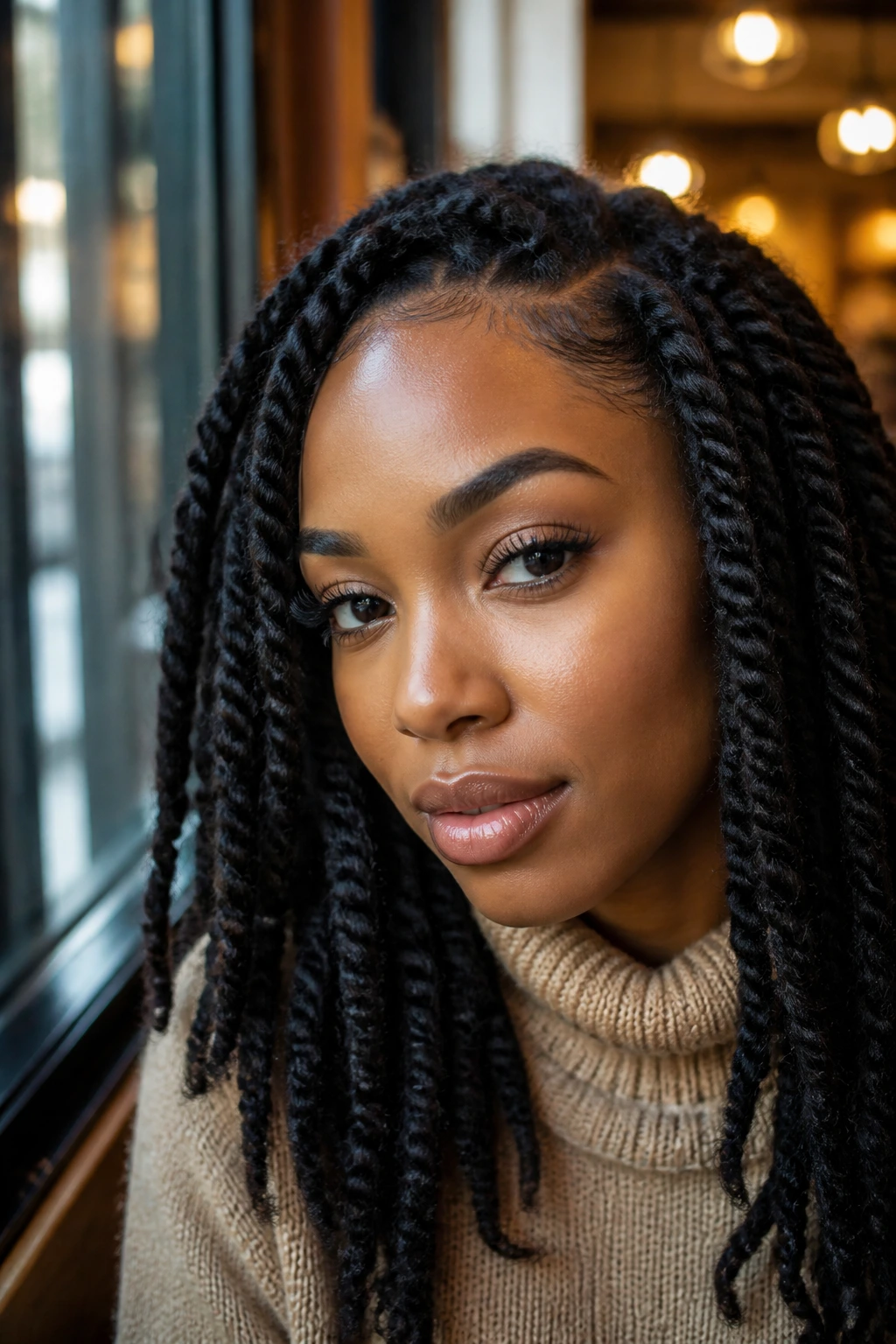
Marley twists use a specific type of synthetic hair that mimics the kinky texture of natural 4c hair. Because the hair texture matches your natural coils so well, they look incredibly authentic. They are thicker and fuller than Senegalese twists, giving a more voluminous aesthetic.
- Texture: The rougher texture of Marley hair helps it grip onto 4c hair better, meaning the twists are less likely to unravel.
- Vibe: They have a more rustic, relaxed feel than other twisted styles.
25. Ghana Braids
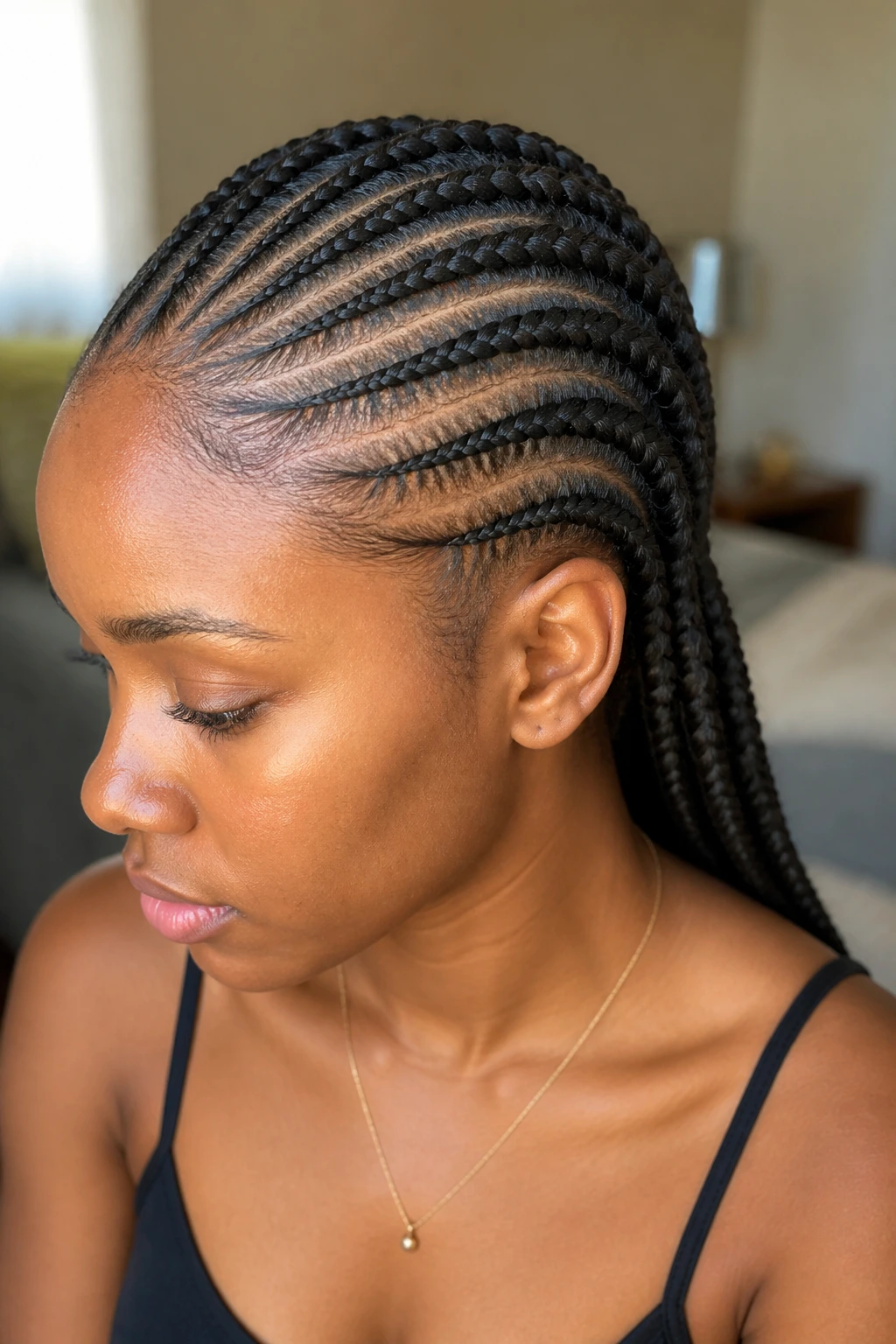
Ghana braids (also known as feed-in cornrows) start small at the hairline and get thicker as they go back, creating a very natural-looking gradient. They are a great protective style for 4c hair because they don’t require the tension of adding a chunk of hair right at the root.
Maintenance
Use a light edge control to keep the front of the braids looking fresh. Since the braids start small, they are prone to frizzing if you don’t wrap your hair at night. A silk scarf is mandatory for preserving the sleekness of this style.
26. Finger Coils
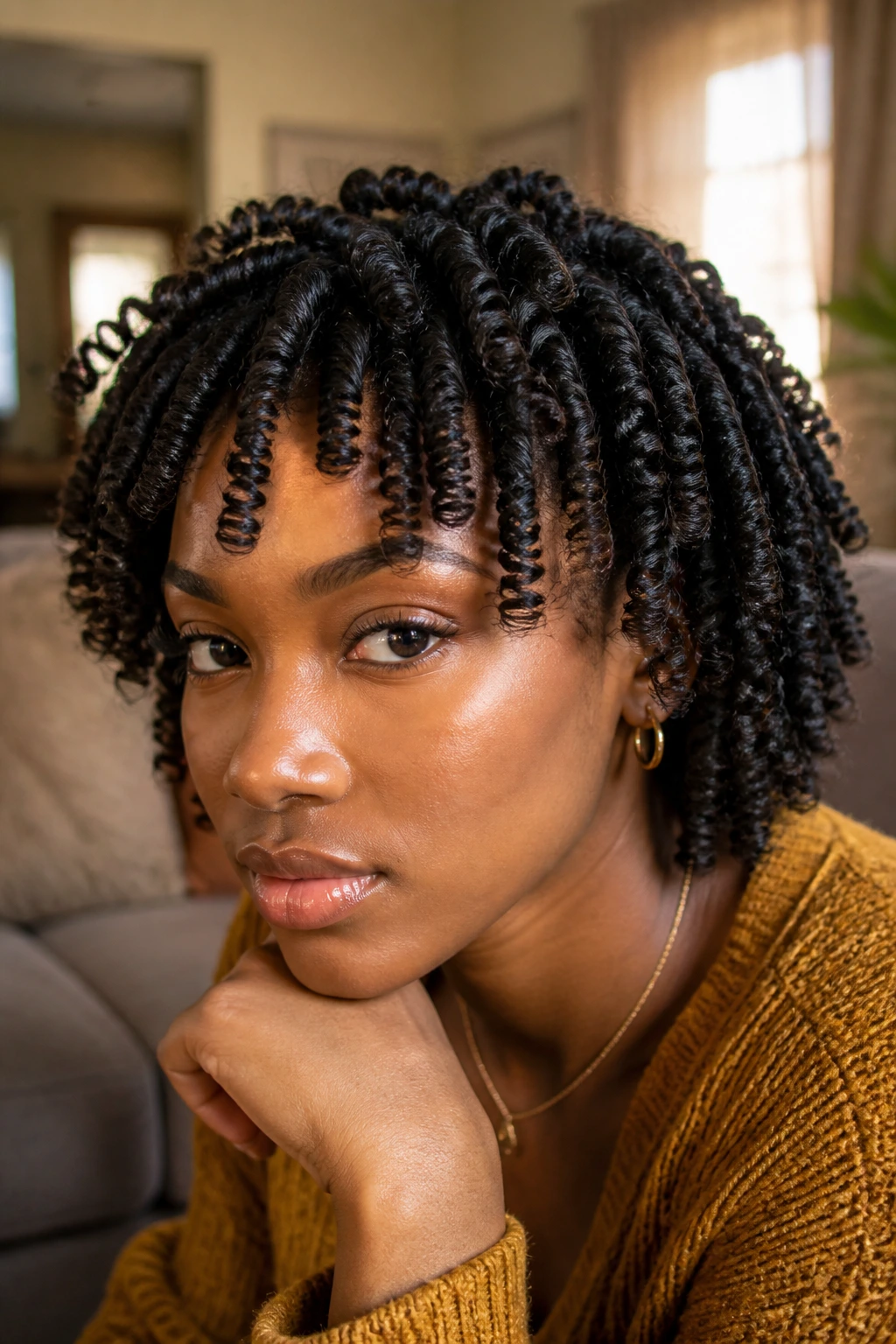
Finger coils are an art form. By taking small sections of hair and twisting them around your finger with a styling product, you create perfectly uniform coils. This style creates incredible definition and is a great way to showcase the beauty of 4c curls.
Patience: This style takes time. But the benefit is that once they are done, they last for a while, especially if you tie your hair up carefully at night. As they grow out, they turn into a beautiful, shrunken afro look that is just as stylish.
27. Braided Crown
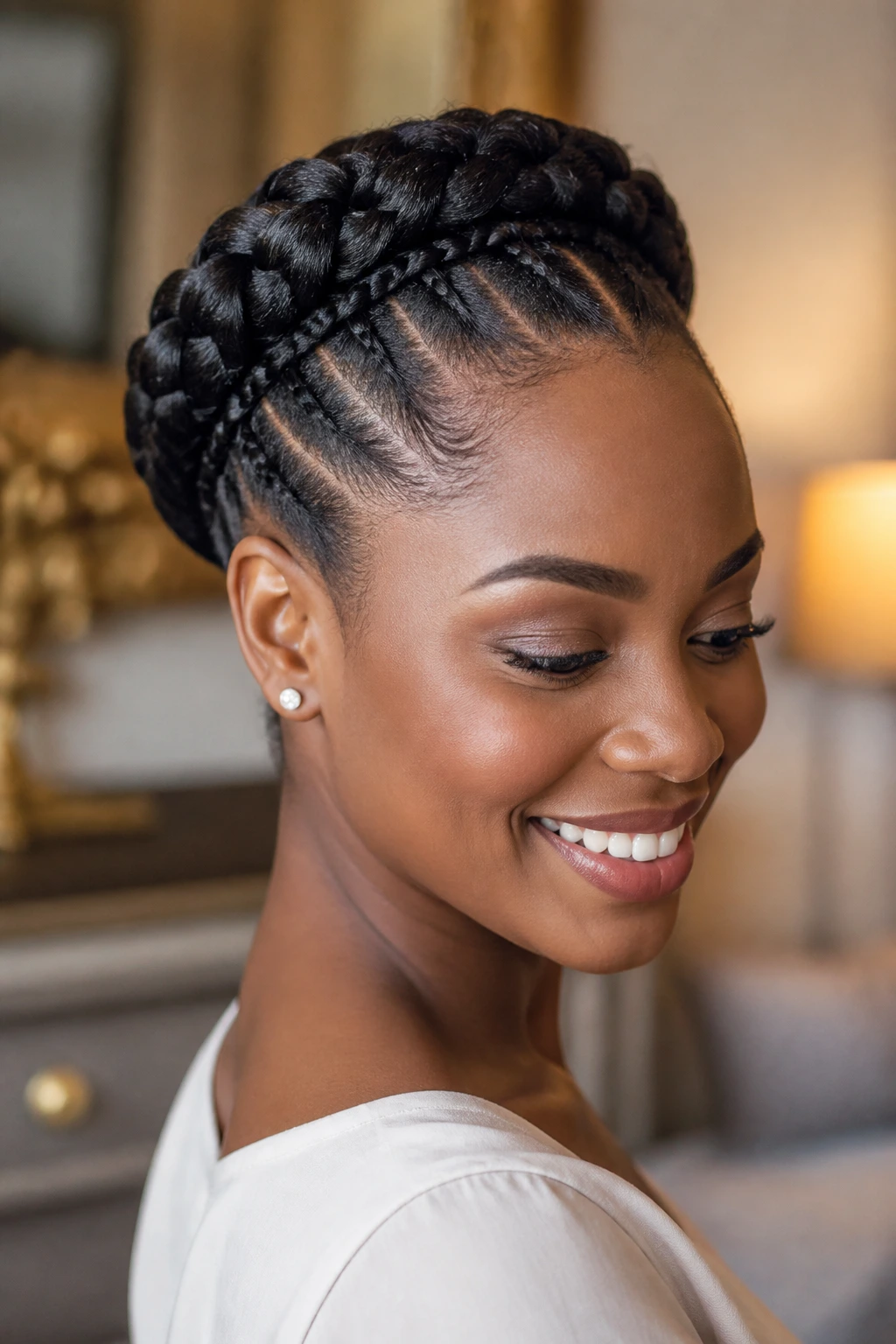
Similar to the halo braid, but often done with more intricate cornrow designs that lead into a crown shape. This is a classic “protective style” that keeps your hair tucked away from the ends to the roots. It’s often used for weddings or elegant events.
- Design: You can incorporate cross-hatch patterns or zig-zag parts to make the crown more unique.
- Protection: The ends are tucked, which is the ultimate goal for anyone trying to retain length.
28. Space Buns
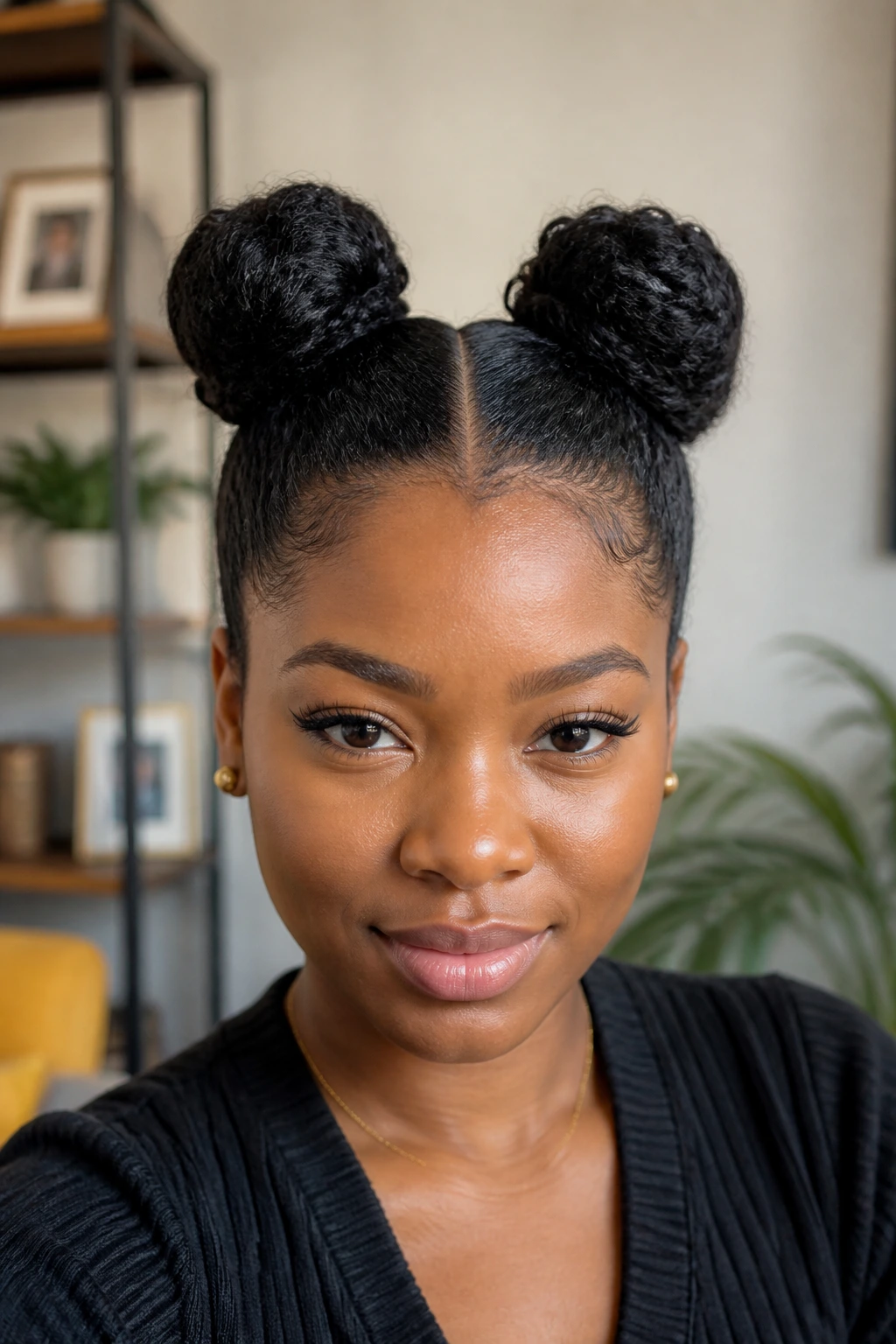
Space buns are a fun, youthful style that looks great on 4c hair. By dividing your hair into two sections—either top and bottom or left and right—you create two buns. This style gives a playful vibe and is surprisingly protective, as it keeps your ends tucked inside the buns.
Pro-Tip: Use a little bit of gel to ensure the hair leading to the buns is smooth. If you don’t want to use your natural hair for the buns, you can create the base with your own hair and wrap a drawstring puff extension around each bun for extra volume.
29. Side-Swept Twists
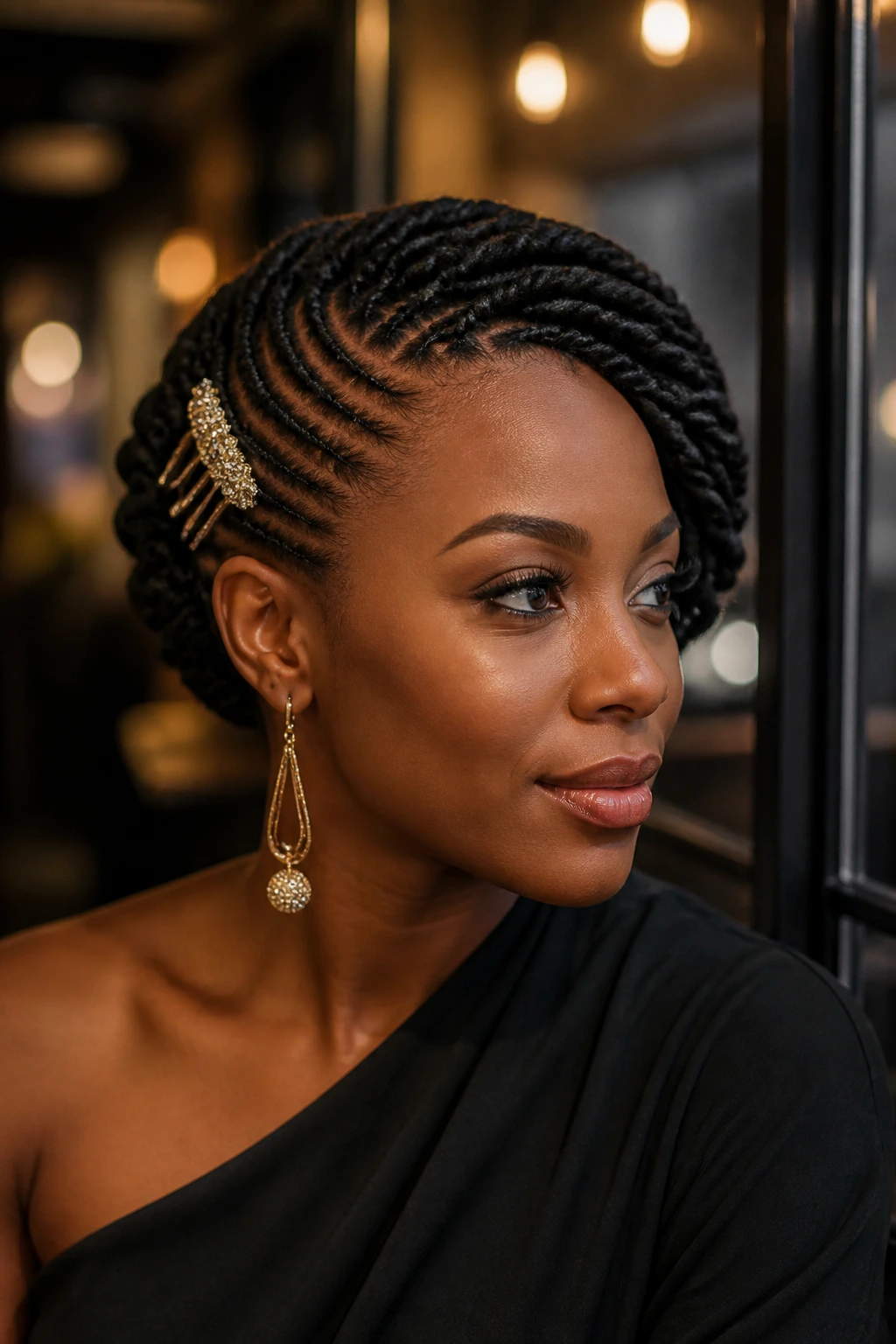
This style involves creating flat twists or braids that sweep your hair to one side, pinning them securely. It’s an asymmetric look that feels very glamorous. It works well for 4c hair because the twisting process stretches the hair, highlighting the texture while keeping it tidy.
- Balance: Use hair pins to secure the side that isn’t swept, or tuck it behind your ear to emphasize the sweep.
- Accessory: A decorative comb on the side where the hair is tucked adds a nice touch of sparkle for evening events.
30. Voluminous Blowout (Heatless)
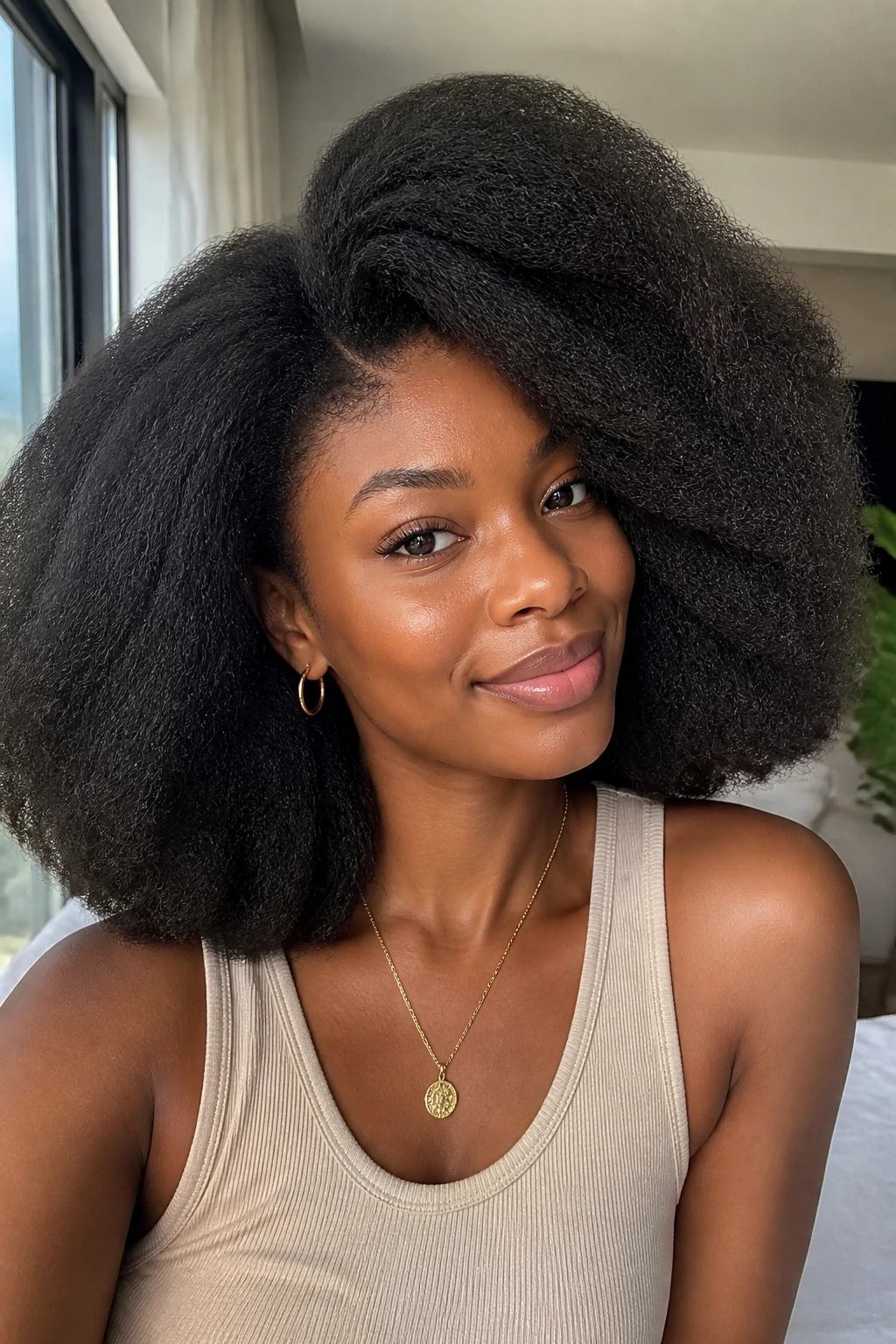
A blowout doesn’t always have to involve heat. You can achieve a stretched, blown-out look using the “banding” method. Place small hair ties along the length of your damp, moisturized hair, pulling it taut. Leave it like that for a few hours (or overnight). When you take the bands off, your hair will be stretched and voluminous.
Why It’s Useful
This is the perfect base for many other styles, or you can just wear it as an afro. It gives you that “big hair” look without the need for a blow dryer or flat iron, which means your 4c hair remains healthy and strong. It is the ultimate way to appreciate the sheer volume your texture is capable of.
Final Thoughts
When you look at the spectrum of natural hairstyles, 4c hair is undeniably one of the most versatile textures. You can go from a sleek, professional bun to a bohemian, twisted updo, or a bold, voluminous afro in a matter of hours. The common thread among all these styles is the necessity of moisture and the importance of gentle handling.
Avoid the trap of thinking your hair needs to be “tamed” or “controlled.” Your coils have a natural tendency to expand and defy gravity, which is a strength, not a problem. Whether you choose a style that lasts for a day or one that protects your strands for weeks, always prioritize how your hair feels over how it looks. If a style pulls, hurts, or feels like it’s drying you out, it’s not the right style for you. Listen to your hair—it will tell you exactly what it needs to thrive.
