



There is a prevailing myth that oval faces are the “holy grail” of facial geometry—that because you have a balanced canvas, you can wear absolutely anything without consequences. While it is true that you have more options than most, having an oval face doesn’t mean your hair magically looks perfect with every cut. Straight hair, in particular, behaves differently. It lacks the built-in volume of curls and the natural bounce of waves, meaning it hangs vertically. Gravity is your constant companion, and for an oval face, the wrong cut can either drag your features down or make your hair look thinner than it actually is.
Straight hair is unforgiving. It exposes every snip of the scissors, every uneven layer, and every heavy, disconnected end. When you combine this texture with an oval face—which can sometimes lean toward appearing long if the hair is too flat—the goal of any haircut should be to maintain the symmetry you already possess while adding depth, texture, or movement. You aren’t trying to hide anything. You are trying to highlight the structure you have.
The following list explores cuts that work specifically for the unique interaction between straight, smooth hair and an oval-shaped face. Some focus on volume, others on precision, and a few on framing. The key is in the technique—how the ends are softened, how the weight is removed, and where the layers fall. Let’s look at eighteen ways to cut straight hair so it actually works with your features, rather than just hanging past your shoulders.
1. The Precision Blunt Bob
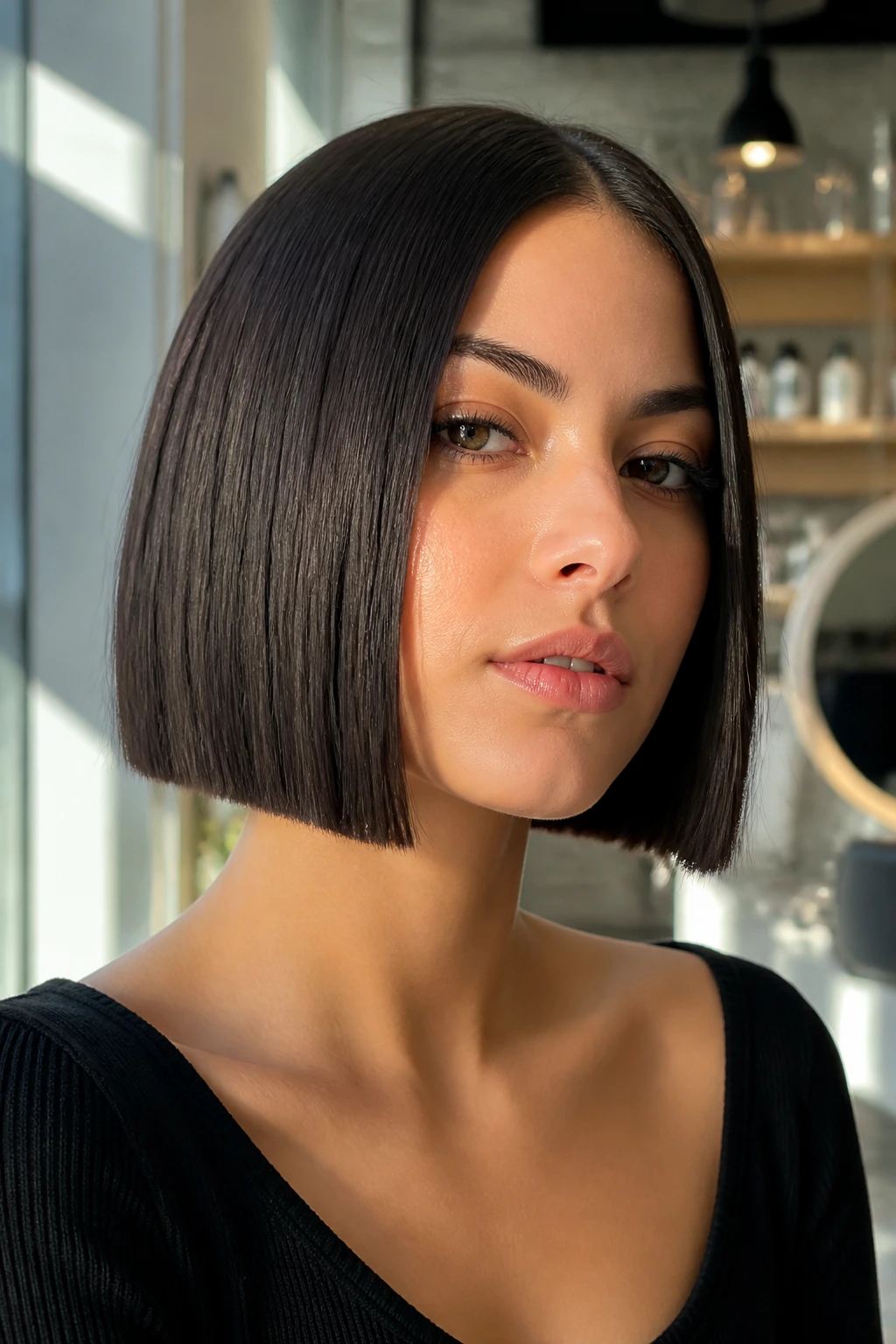
There is something undeniably striking about a one-length, chin-grazing bob on straight hair. It requires a level of technical skill from your stylist because there is nowhere for the hair to hide. When your hair is perfectly straight, the ends form a singular, razor-sharp line that naturally draws the eye right to the jawline. For an oval face, this acts as a frame, effectively highlighting the chin and lips.
Why It Works for Oval Faces
Because your face is already balanced, you don’t need to worry about using hair to “hide” your jaw or widen your face. You can afford to have all that visual weight sitting right at the chin. It creates a sleek, expensive-looking silhouette that feels polished without much effort.
Essential Maintenance Tips
- The Flat Iron: You will need to keep your styling tools ready. Even a slight natural wave can turn a precision bob into a jagged mess if not smoothed out properly.
- The Dusting: This cut needs to be trimmed every six to eight weeks. If your hair grows even a half-inch, it can lose that razor-sharp impact that makes the look work.
- Product Choice: Use a lightweight smoothing oil. Avoid heavy creams, as they will make the hair clump together and separate, ruining that perfect “glass” line.
Pro tip: Ask your stylist to point-cut the very ends. This softens the line just enough so it doesn’t look like a stiff shelf, giving it a tiny bit of swing when you turn your head.
2. The Face-Framing Lob (Long Bob)

If you find a chin-length bob too intimidating, the “lob”—or long bob—is the logical next step. It hits somewhere between the collarbone and the base of the neck. When cut on straight hair, the goal here is to keep the back slightly shorter than the front, creating a subtle angle. It’s a workhorse of a haircut. It looks professional in a corporate setting but can be styled messy for the weekend.
Managing the Weight
Straight, thick hair can get heavy. If you have a lot of it, a straight-across lob can look like a solid block of hair. Ask for internal layers. These are hidden layers that remove bulk from the underside of the hair without changing the external silhouette. This keeps the hair from pushing out and looking triangular.
Styling for Volume
Since your hair is straight, a lob can sometimes fall flat against the cheeks. Use a round brush while blow-drying, focusing on pulling the hair up and away from the roots. You want to create a little bit of C-curve at the ends so it doesn’t look like it’s clinging to your face.
3. The Textured Long Layer Cut
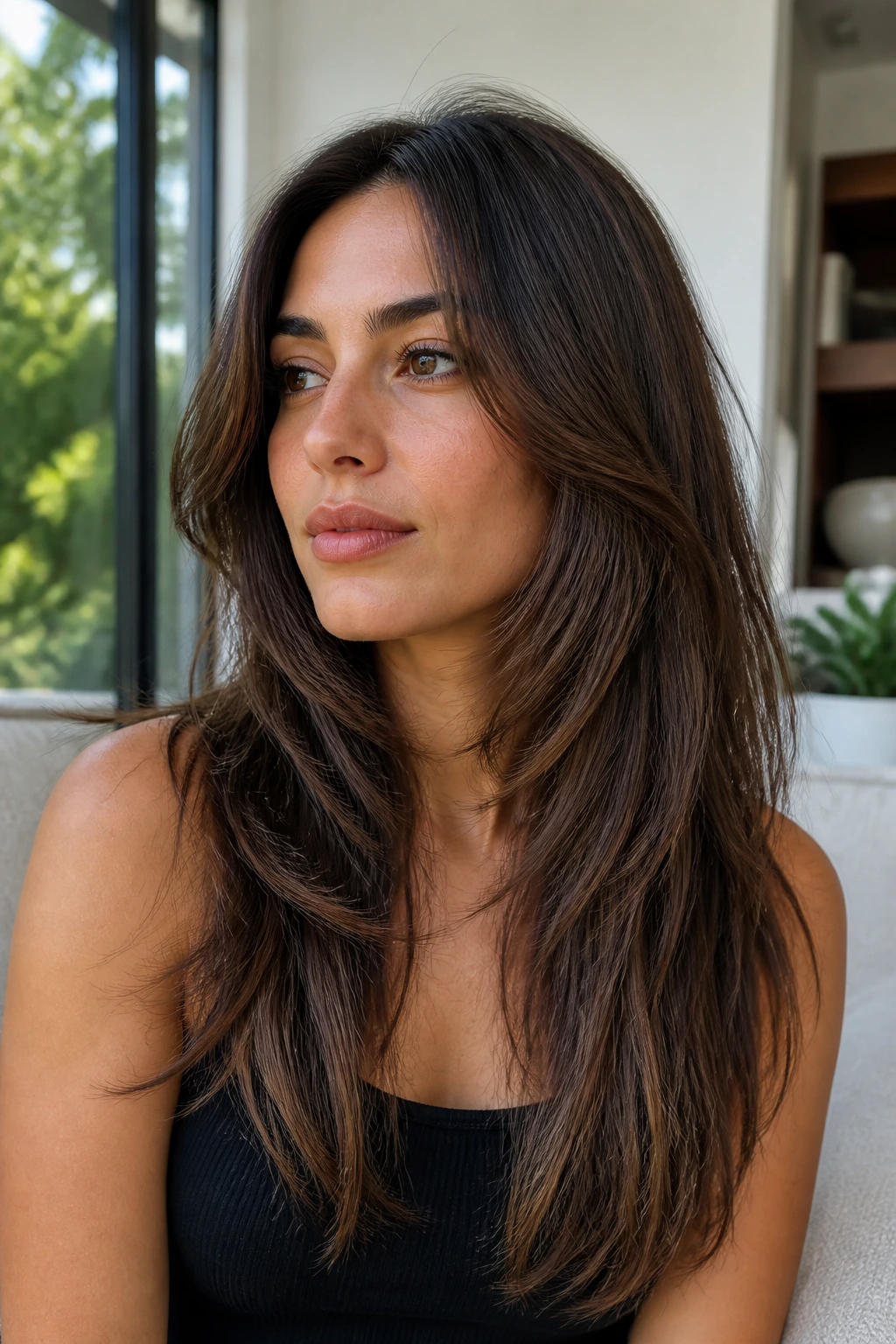
Many people with straight hair avoid layers, fearing they will look stringy or dated. That usually happens because of how the layers are cut, not because of the layers themselves. A long-layered cut for an oval face should be about creating movement, not about creating distinct “steps” in the hair.
The Mechanics of the Cut
The layers should start around the collarbone and cascade down. This ensures that the bulk of your hair—the stuff that provides the “expensive” look—stays at the bottom, while the layers around the face provide the necessary softness.
Why This Avoids the “Stringy” Trap
- Avoid V-cuts: Stay away from a deep V-shape. It makes the ends look thin and sparse. Ask for a U-shaped perimeter instead.
- Texturizing Shears: A good stylist will use texturizing shears, not thinning shears, to blend the layers. Thinning shears can leave you with frizz and broken pieces.
- Weight Distribution: By removing weight from the mid-lengths, you allow the hair to swing freely rather than sitting like a heavy curtain.
4. The Curtain Bangs with Mid-Length Layers

Curtain bangs have cemented their status as a classic because they are arguably the most flattering fringe for almost every face shape, oval included. They offer the drama of a bang without the high-maintenance reality of a straight-across cut that you have to trim every two weeks.
How to Style Them on Straight Hair
Straight hair often needs a little help to get that “sweep” effect. After washing, use a round brush on the bangs while they are still damp. Blow-dry them away from your face to create volume, then let them settle. If they fall flat, a tiny spritz of dry texturizing spray at the root will provide just enough grip to keep them lifted.
The Face-Framing Effect
The magic of curtain bangs on an oval face is how they direct the viewer’s eye toward the center of your face—your eyes and nose. If you have a longer oval face, they are a great way to visually shorten the distance between your hairline and your eyebrows.
5. The Sleek, One-Length “Glass Hair”

This is the ultimate minimalist cut. It’s hair with no layers, one uniform length, and a finish so shiny it looks like it’s made of liquid silk. It is a bold statement. On an oval face, it emphasizes the symmetry of your features, effectively acting as a frame that says, “Look at the face, not the hair.”
Is Your Hair Healthy Enough?
This cut relies entirely on hair quality. If your ends are split or frayed, they will be magnified. You cannot hide damage with this style. If you are going to commit to the sleek, one-length look, you have to be religious about deep conditioning treatments and minimizing heat damage.
The Finishing Touches
- Flat Iron Technique: Do not run the iron over the same section ten times. You want a single, clean pass.
- The Product: A glossing spray or a serum with high light-reflection properties is non-negotiable.
- The Part: Experiment with a deep side part or a crisp center part. The center part is classic, but a side part can make this style feel a bit more relaxed.
6. The Pixie Cut with Longer Top
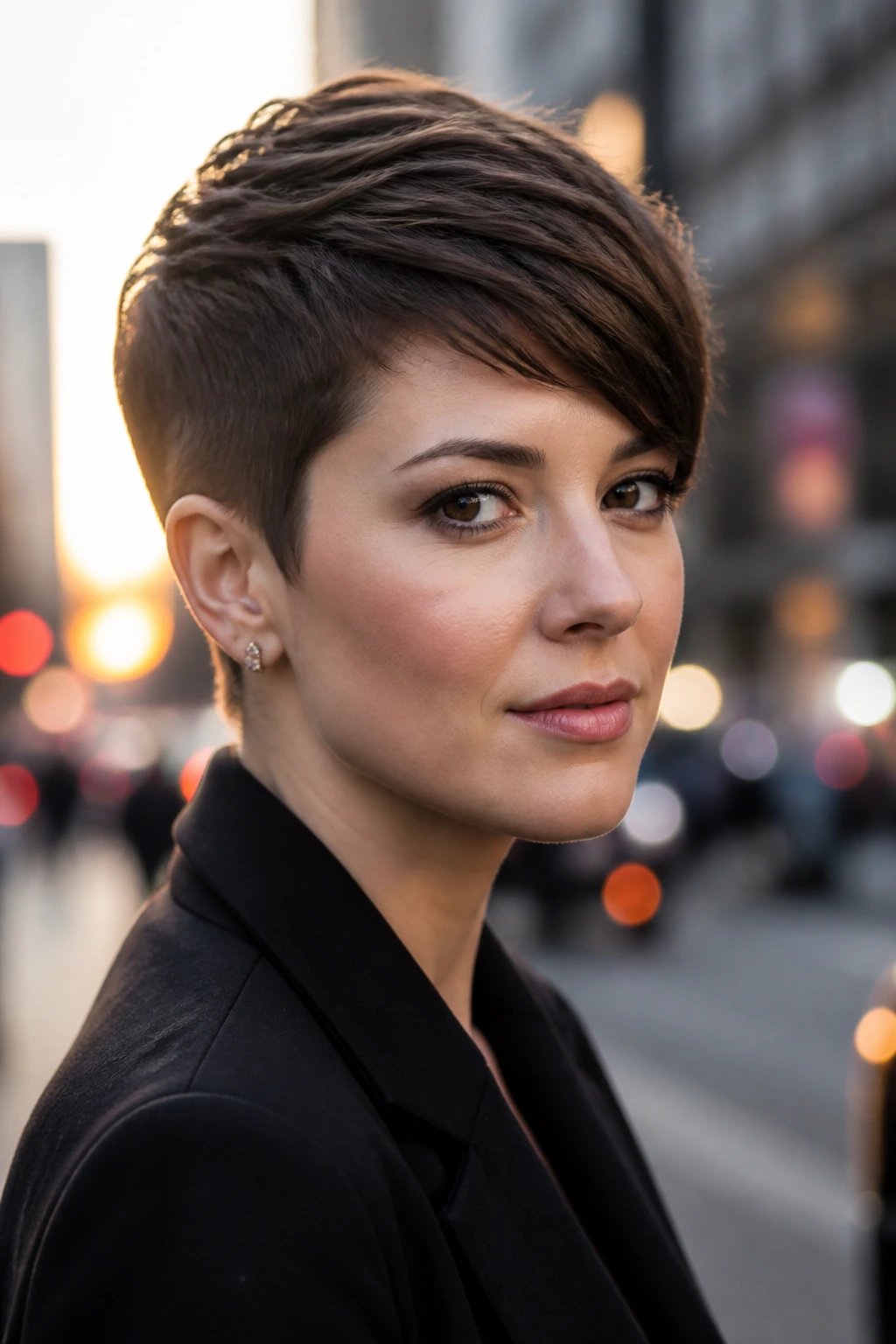
Don’t assume that because your face is oval, you have to have long hair. A pixie cut is actually incredibly elegant for oval faces. The key to making it work with straight hair is leaving the top section slightly longer than the sides and the back. This provides versatility—you can wear it sleek and flat, or use a little product to mess it up and add height.
Why Length Matters on Top
If you cut the top too short, you risk the hair sticking straight up like a brush. Leaving a few inches allows you to style it to the side or sweep it back, which creates a soft, feminine silhouette that contrasts beautifully with the shorter, cleaner lines around the ears.
Who Should Try This?
If you have fine, straight hair, this is a lifesaver. Short cuts naturally look thicker. You aren’t dealing with the weight of long hair pulling your roots flat. It’s an instant volume hack.
7. The Soft, Modern Shag
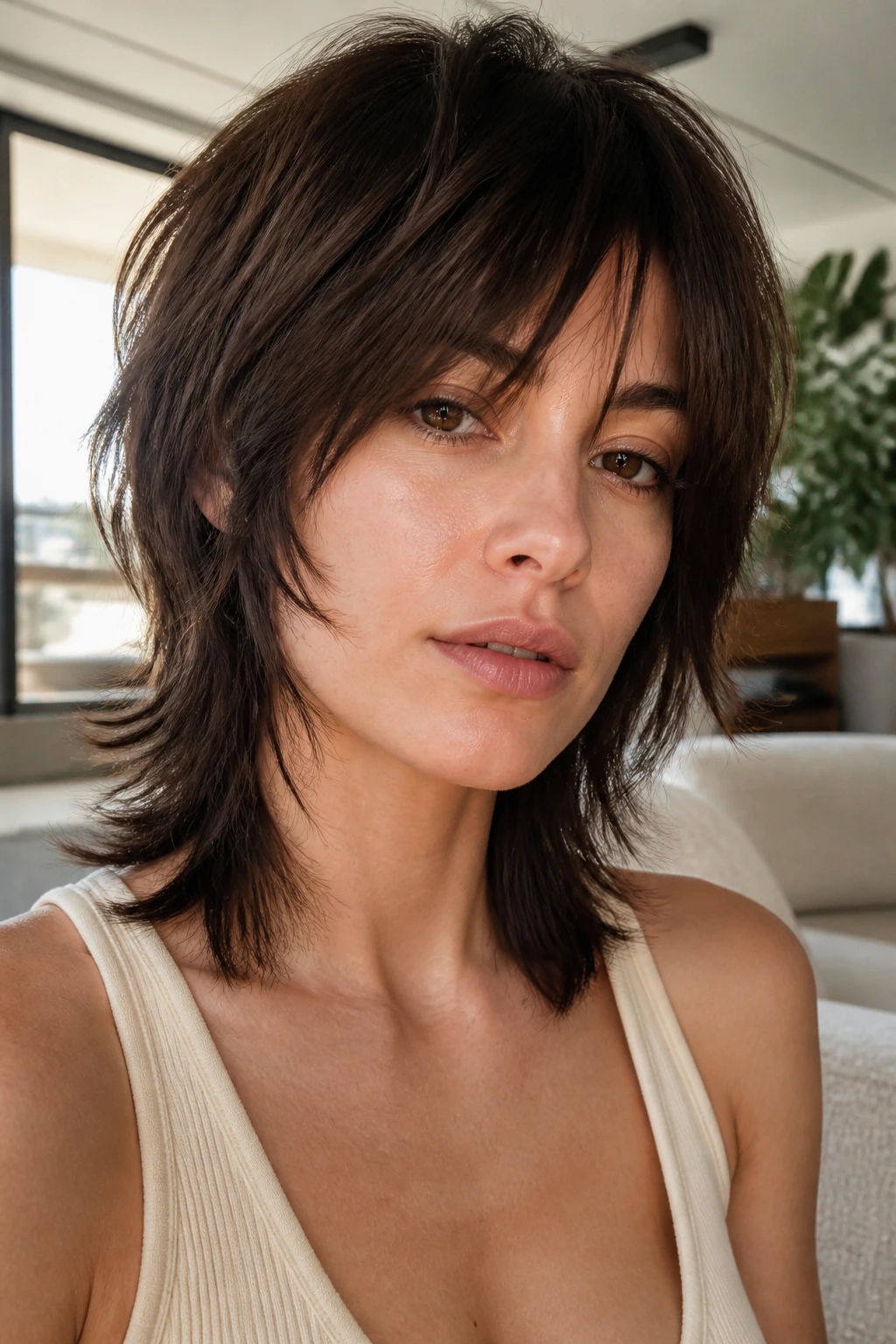
The 1970s shag is back, but the modern version is less about wild, frizzy layers and more about controlled, sophisticated texture. For straight hair, this means a razor-cut approach. A stylist will use a razor to “shave” pieces of hair, creating wispy, disconnected ends that look light and airy.
Balancing the Oval
The shag is all about volume around the crown and movement around the shoulders. Because an oval face can handle volume without looking wide, you can really lean into the choppiness of this cut. It adds a bit of “cool factor” to an otherwise straight, perhaps overly neat, head of hair.
The “Bedhead” Factor
This is the ultimate low-maintenance cut. You don’t need to be precise. In fact, if you spend too much time styling this, it will look wrong. Scrunch in some sea salt spray or a light styling cream, let it air dry, and walk out the door. It’s supposed to look lived-in.
8. The Deep Side Part with Long Layers

Sometimes you don’t need a dramatic haircut change; you just need to change the geometry of your current one. A deep side part is a simple way to update a long-layered cut. On an oval face, it creates an instant, subtle asymmetry that makes the look more dynamic.
Creating the Illusion of Volume
If you flip your hair to one side, you are essentially doubling the volume on one half of your head. For straight hair that tends to lie flat, this is an instant boost. It also covers more of the forehead, which can be useful if you feel your face shape is slightly elongated and you want to soften the lines.
The Technique
- The Pivot Point: Start your part at the arch of your eyebrow. That is usually the most flattering placement.
- The Sweep: Use a volumizing mousse at the root before you dry it, aiming the air toward the opposite direction you plan to part it. This creates a “lift” at the root that stays all day.
9. The Blunt Bangs (Straight-Across)

Blunt bangs are a bold move. They create a very definitive horizontal line across the face. For someone with an oval face, this is a great way to “shorten” the face visually if you feel it’s too long. It draws the focus entirely to the eyes.
The Reality of Blunt Bangs on Straight Hair
Since your hair is straight, these will sit perfectly. They won’t curl or frizz, which is the biggest pain point for other hair textures. However, they will show grease. Because they sit against your forehead, they pick up natural oils throughout the day. Keep a dry shampoo on hand specifically for your bangs.
Maintenance
- The Trim: You need to be comfortable trimming your own bangs or visiting the salon every three weeks.
- The Weight: Ensure the stylist doesn’t pull too much hair forward for the bangs, or you’ll look like you’re wearing a helmet. It should be a balanced, manageable amount of hair.
10. The Graduated Bob
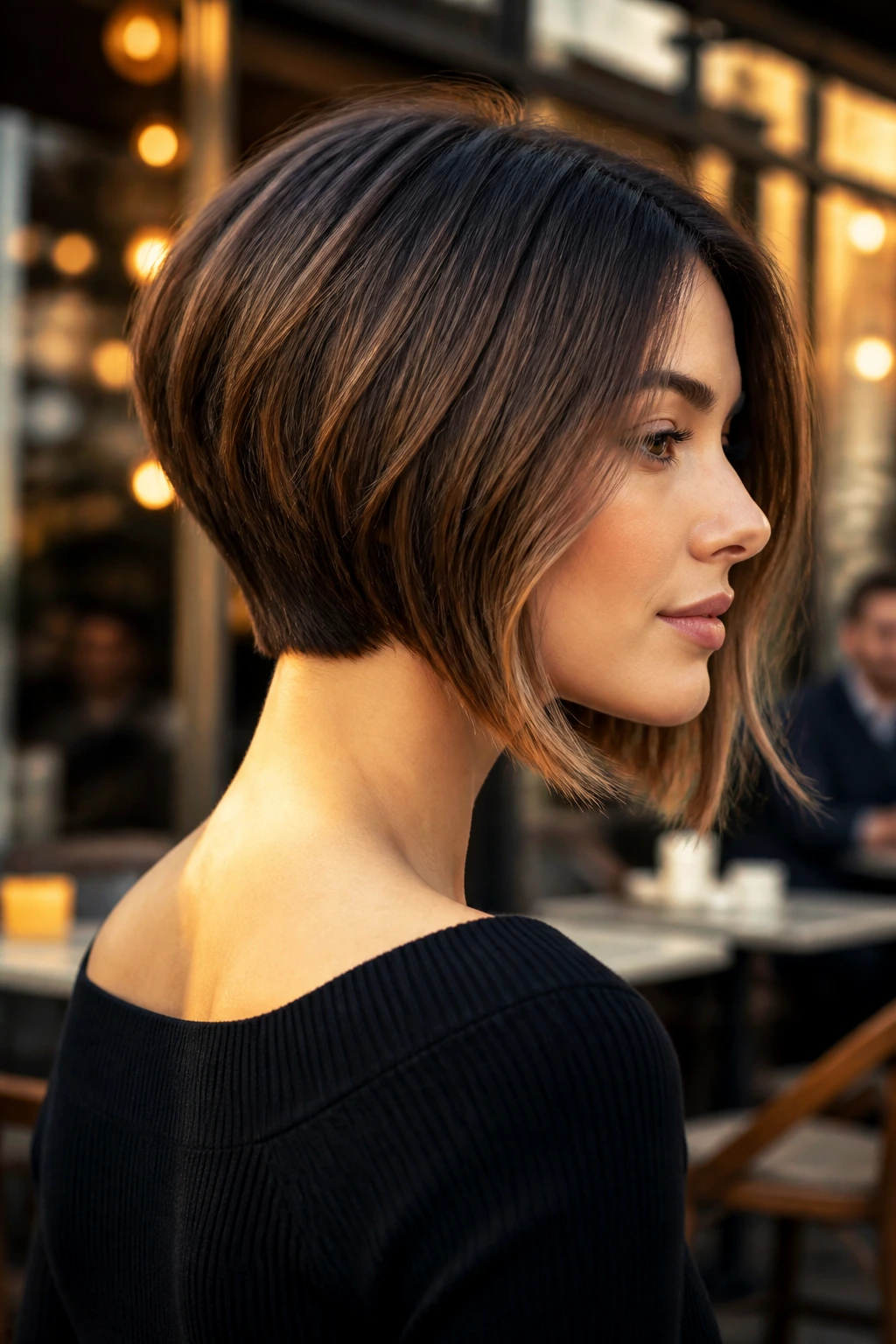
A graduated bob (often called a stacked bob) is shorter in the back and longer in the front. It is an engineering marvel of a haircut. It creates an automatic lift at the back of the head, which is perfect for straight hair that tends to collapse flat against the skull.
The Angular Lift
Because the hair is angled toward the face, it creates a V-shape that can look very slimming and sharp. For an oval face, this angle mimics the line of the jaw, which can make your jawline appear more defined, even if you’re tired or haven’t slept well.
Is it High Maintenance?
Yes. As the hair grows out, the angle loses its sharpness. Expect to see your stylist every six weeks to keep that graduation tight. If you let it grow too long, it just looks like an uneven haircut.
11. The Disconnected Undercut
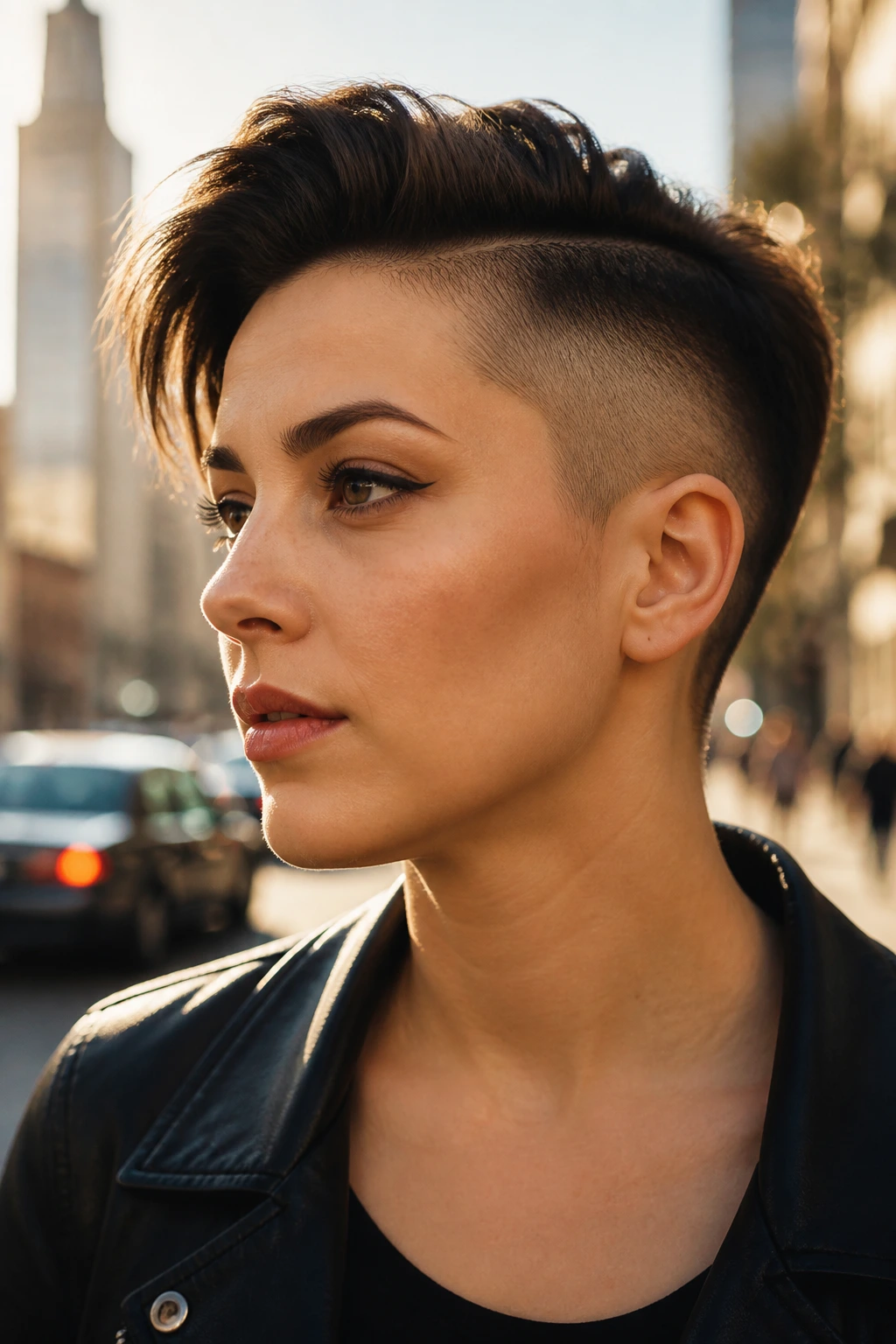
If you want a cut that says you aren’t afraid of a little edge, the disconnected undercut is it. You can keep the top long—perhaps a bob or long layers—and shave one side or the nape of the neck. It’s a shock of contrast.
Why It Suits Oval Faces
Oval faces can handle the “severity” of an undercut because the facial structure is already soft and balanced. You aren’t fighting your features; you’re adding a layer of contrast. It’s an accessory in its own right.
The Versatility
The best part? You can cover it. Part your hair to the side where the undercut is, and it disappears. It’s a “business in the front, party in the back” situation, but actually sophisticated.
12. The “Bottleneck” Fringe
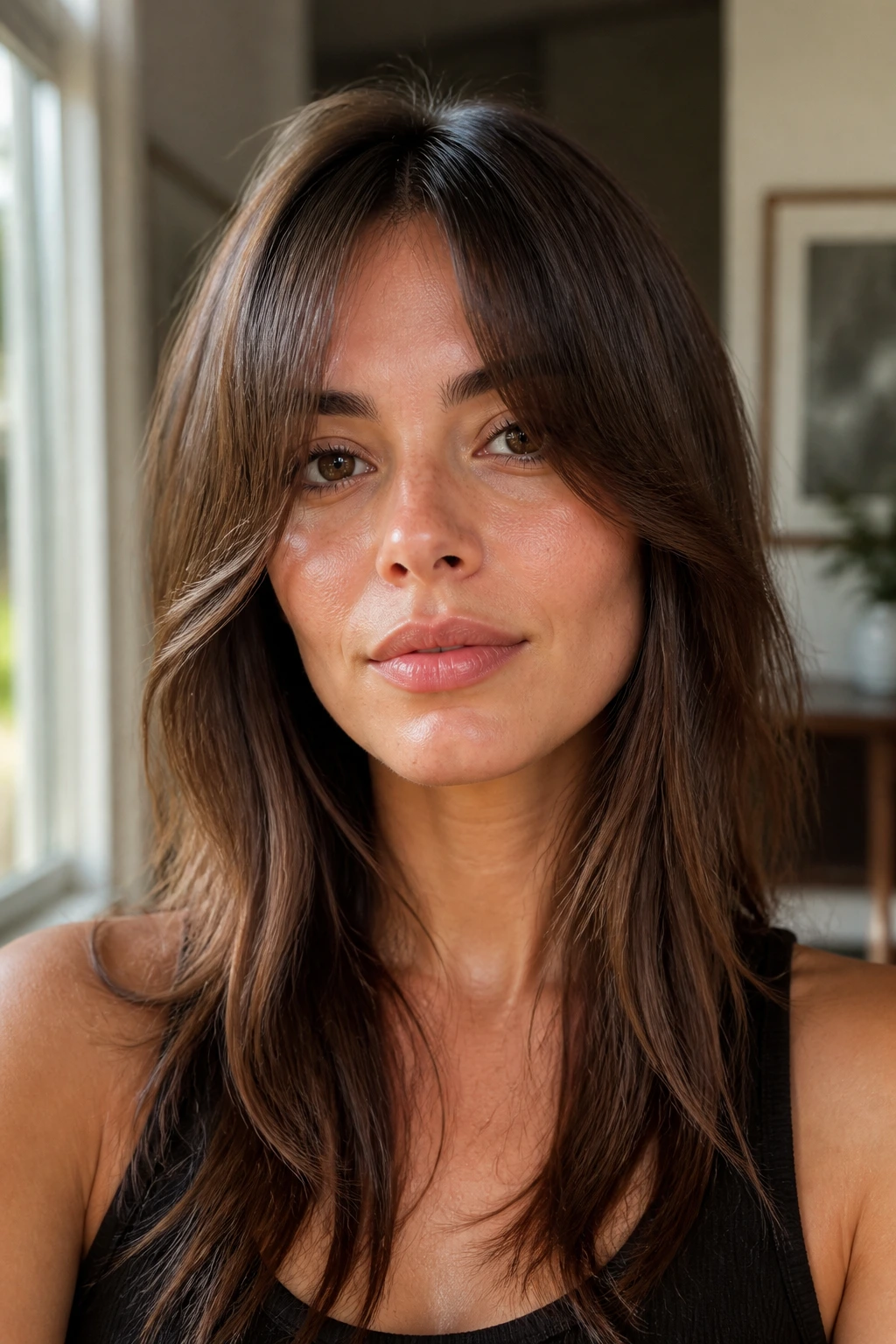
If you want the benefits of bangs but find blunt ones too heavy and curtain bangs too “70s,” the bottleneck fringe is your middle ground. It is shorter in the middle and gets longer toward the sides, mimicking the neck of a bottle.
The Softening Effect
This cut is specifically designed to frame the cheekbones. On an oval face, it directs the eye toward the center of the face, softening the forehead and adding a layer of interest around the eyes. It is essentially a “soft” version of a heavy bang.
Texture and Movement
Because these are usually cut with a bit of texture, they don’t sit flat like a traditional bang. They have a bit of a “swish,” making them perfect for straight hair that needs a little bit of help looking less “pasted down.”
13. The Collarbone-Grazing Blunt Cut
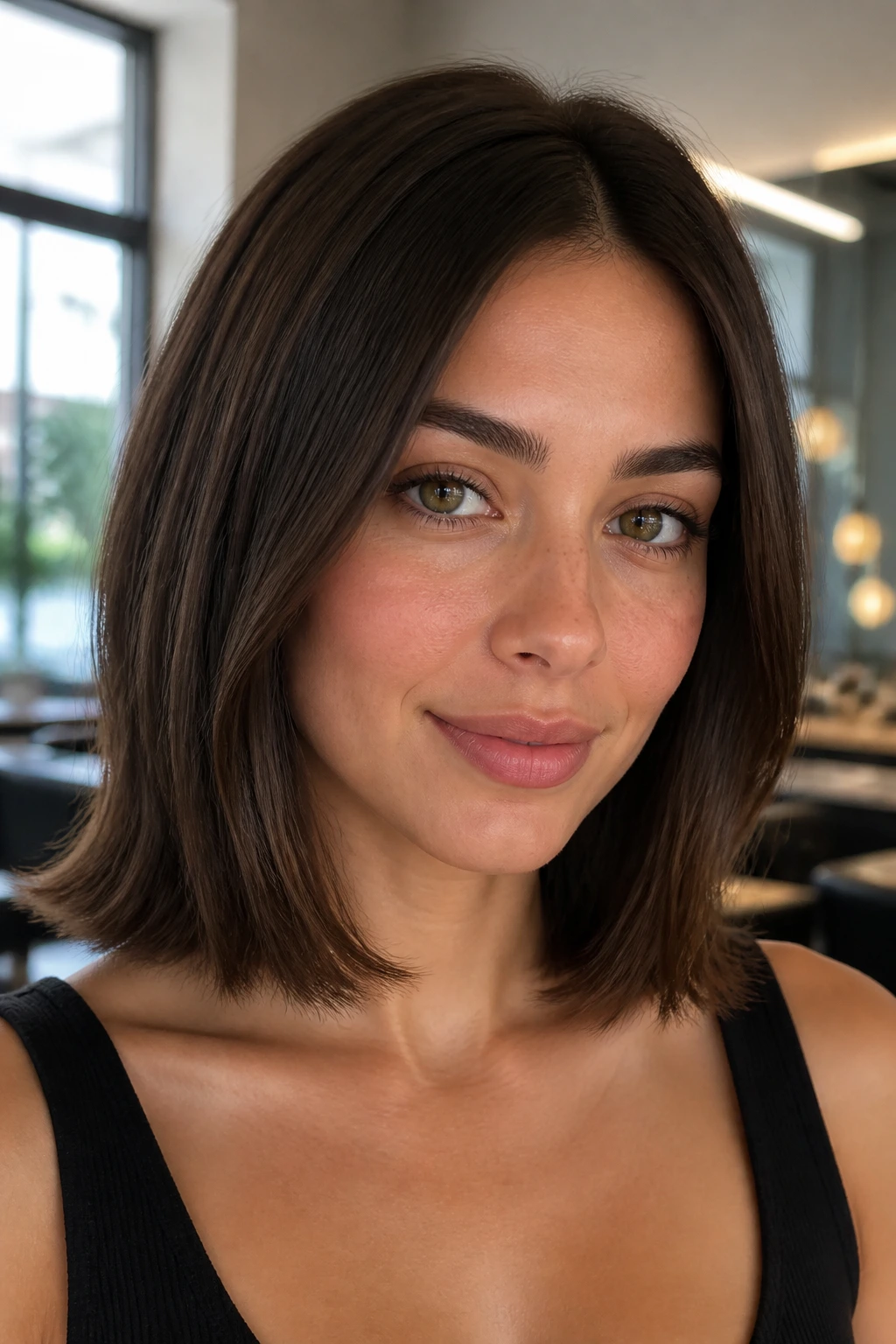
We talked about the precision bob, but this is the grown-up version. It sits exactly at the collarbone. It’s arguably the most universally flattering length for any face shape, but on an oval face, it provides the perfect balance. It’s not so long that it drags the face down, and it’s not so short that it lacks versatility.
The Collarbone Advantage
When hair hits the collarbone, it has nowhere to go but out. This naturally creates a little bit of a flick at the ends, which adds movement. It’s a very effortless, “French-girl” chic look.
Styling Tip
Use a flat iron to give the ends a very slight “C” bend. Not a curl—just a slight bend toward your neck. This makes the hair look polished rather than just “straight and flat.”
14. The Asymmetrical Bob

Symmetry is great, but sometimes a little controlled chaos is better. An asymmetrical bob, where one side is noticeably longer than the other, breaks up the horizontal line of a standard bob. For an oval face, this creates an interesting “tilt” that keeps the eye moving.
The “Tension” Factor
Asymmetry creates tension. It’s not a balanced cut. Because your face is balanced, this asymmetry doesn’t make you look lopsided; it makes you look intentional. It’s a classic way to add a bit of personality to straight, simple hair.
The Growth Phase
The downside? The grow-out phase is awkward. Since one side is longer, it reaches your shoulders before the other, which can look messy. Be prepared to keep this cut sharp and trimmed regularly.
15. Razored Layers for Movement

If your straight hair is incredibly dense, you might feel like you’re carrying a heavy cape around your shoulders. Razored layers—where the stylist uses a straight-edge razor to cut the hair—remove weight in a feathered, soft way that scissors simply cannot replicate.
Why Straight Hair Loves the Razor
Scissors cut a blunt line. A razor cuts on a diagonal, which creates a softer, more tapered end. This is the secret to getting “movement” in straight hair. The ends are lighter, so they bounce when you walk. They aren’t just dead weight hanging there.
The Warning
Do not try this at home, and do not let a novice stylist do it. A razor, in the wrong hands, is a tool for disaster. It can cause frizz and breakage if the blade is dull or the technique is aggressive. Ensure your stylist is comfortable with a razor.
16. Long, Sleek Hair with Minimal Layers

Sometimes, the best thing you can do for straight hair is to leave it alone. A long, one-length cut with just a few face-framing pieces around the chin is a classic for a reason. It showcases the health and shine of the hair.
Less is More
On an oval face, long, one-length hair can sometimes create a “downward” pull. To combat this, ensure the face-framing layers (the ones starting at the chin) are cut with precision. They shouldn’t be long, spindly strands. They should be substantial enough to add texture around the jawline.
The Weight Issue
If your hair is very fine, long hair can look stringy. This cut is best suited for those with medium-to-thick straight hair who want a look that feels luxurious and heavy.
17. The Textured Crop for Fine Hair
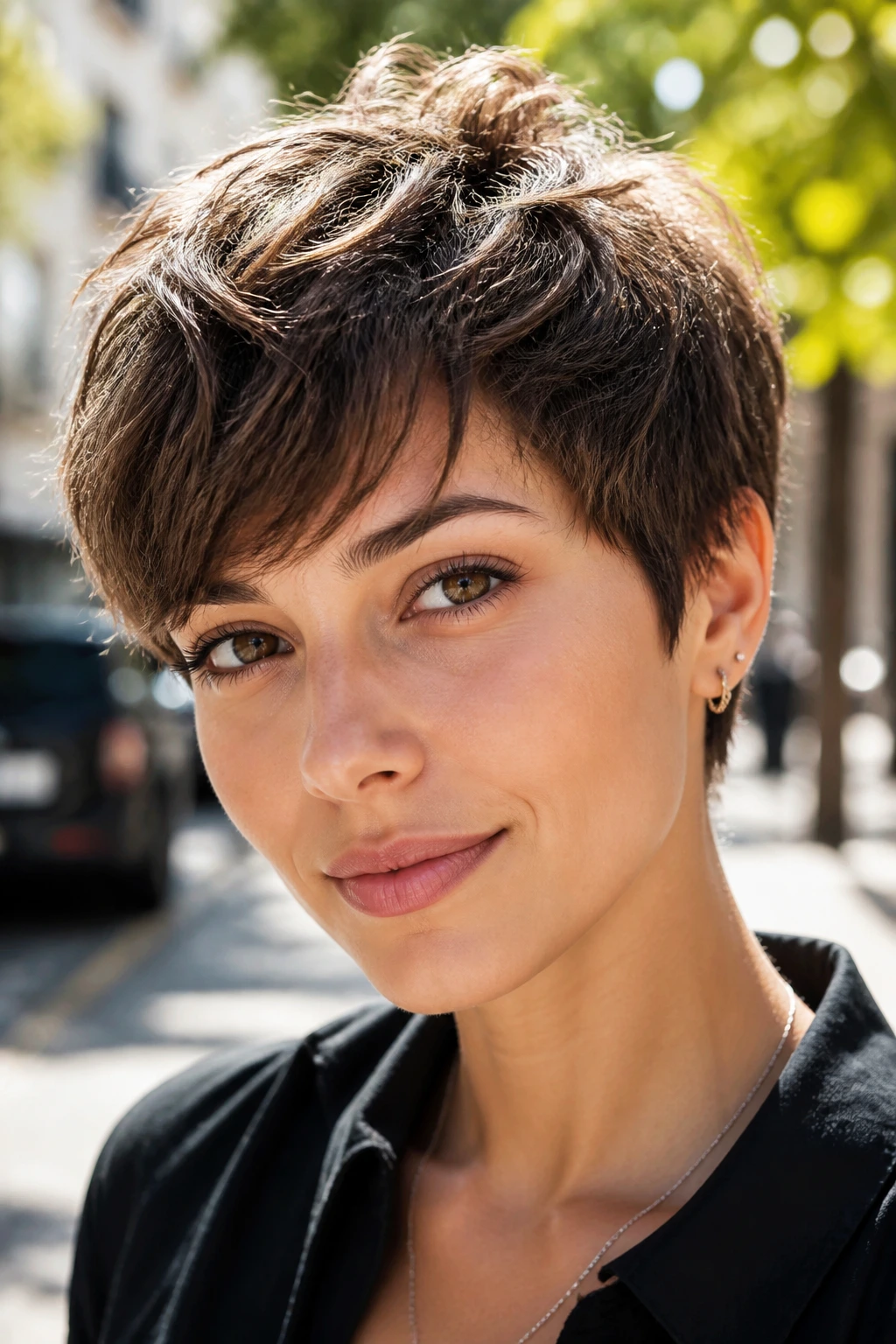
For those with fine, straight hair, the biggest enemy is length. Length creates weight, and weight creates flatness. A textured crop—a very short, pixie-adjacent cut with lots of choppy, texturized layers—is the antidote.
Why Texture is Essential
Fine hair needs grit. By cutting the hair short and using texture (or even a light pomade), you create space between the strands. This space is where the volume lives. You aren’t building volume with a round brush; you’re building it with the haircut itself.
The Oval Face Benefit
Because your face shape is balanced, you don’t need the “curtain” of hair to balance your features. You can expose your entire face. It’s a confident, sleek look that emphasizes your eyes and cheekbones above all else.
18. The Modern Mullet
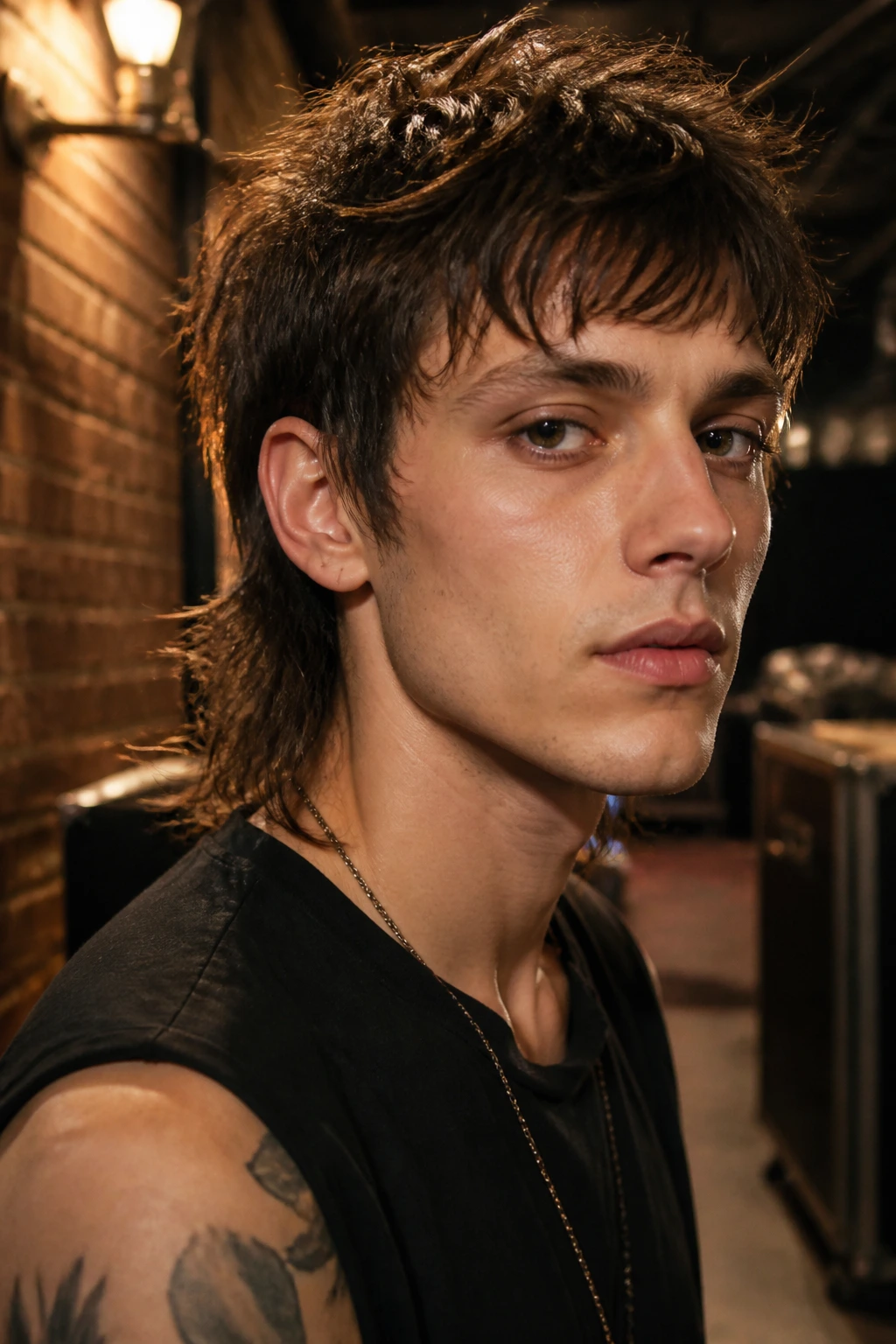
Yes, the mullet is back, but it is not the 1980s caricature. The modern version features a shorter, choppy top and sides, with a longer, textured back. For an oval face, this works because the shorter pieces on the side highlight the cheekbones while the length in the back keeps the hair feeling feminine and long.
Why It Works for Straight Hair
Straight hair can hold the structure of the choppy top sections incredibly well. It doesn’t flop over. You can use a bit of wax to piece out the fringe and the sides, giving it that “rock and roll” edge that makes the oval face look less “perfect” and more “cool.”
Customizing the Cut
If you aren’t ready to go full rockstar, talk to your stylist about a “soft” mullet. Just a little bit of extra length at the nape and a slightly shorter, textured fringe. It’s a great way to experiment with shape without committing to the full-on trend.
Final Thoughts
Choosing a haircut for an oval face is a luxury, but don’t let the versatility trick you into complacency. Straight hair is honest—it reflects the quality of the cut you get. Whether you opt for a precision blunt bob to emphasize your jaw or a soft shag to add some grit to your style, the best haircut is the one that aligns with your daily styling tolerance.
If you hate heat tools, go for a cut like the textured lob or the shag—something that relies on air-drying and a little bit of product. If you love a sleek, polished look and don’t mind the maintenance, the blunt bob or the “glass hair” one-length cut will be your best friend. The shape of your face provides the foundation, but the texture of your hair dictates the rules. Respect the texture, choose a style that works with gravity rather than against it, and you will find that your oval face doesn’t just make a cut “possible”—it makes it look exceptional.
