



Straight hair can make a short cut look expensive fast. It can also make a sloppy cut look brutal.
That is why short hairstyles for straight hair live or die on the line of the cut. When the strands lie flat, every millimeter matters: the blunt edge, the part, the way the nape is finished, even whether the fringe is sliced or point-cut.
A good short cut on straight hair does not need tons of product. It needs clean geometry. The best versions keep the ends thick, build shape where the eye lands, and avoid over-thinning the middle so the style does not collapse by lunch.
Some cuts lean polished. Some feel cool and easy. Some work because they fake a little volume at the crown without making you fight your hair every morning. The 25 below cover all of that.
1. Blunt Chin-Length Bob for Straight Hair
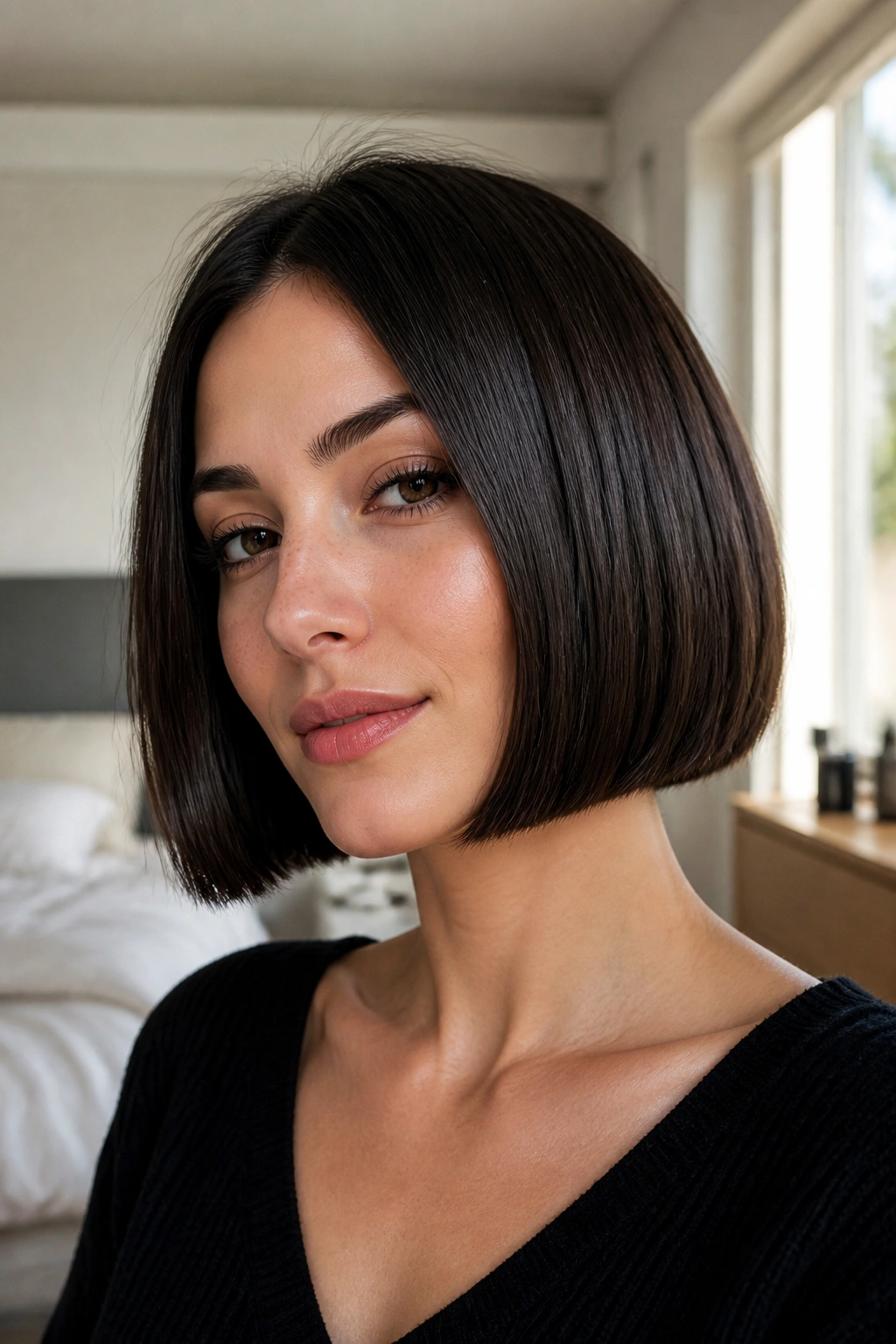
If your straight hair looks flat the second it dries, start here. A blunt chin-length bob gives the ends enough weight to look full, and that matters more on straight strands than people think.
The cut sits right at the jaw or a hair below it, so the shape frames the face without dragging the style down. I like it on fine hair because it makes the perimeter look dense. No wispy bottom. No see-through ends.
Why It Works on Straight Hair
A blunt line gives straight hair something to do. Instead of relying on curl or wave for interest, the haircut itself carries the shape.
- Ask for one clean perimeter line at chin level.
- Keep the ends blunt, not razored.
- Use a flat brush and blow-dry downward for a glassy finish.
- A center part gives a crisp look; a side part softens it fast.
Best tip: Skip heavy layering at the bottom. It steals the thickness that makes this cut look good in the first place.
2. French Bob With Brow-Grazing Fringe
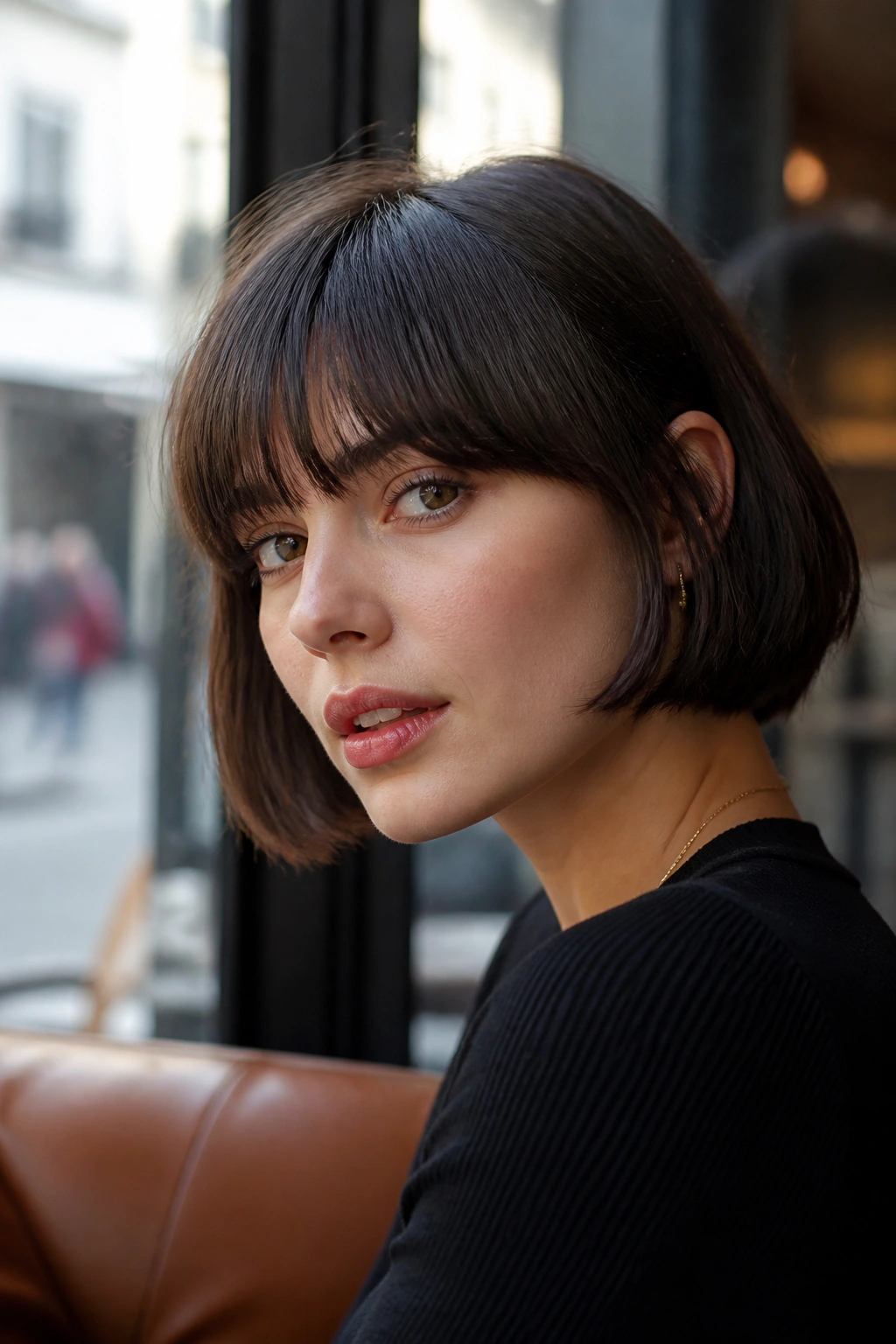
This cut has attitude without trying too hard. The French bob sits shorter than a classic chin bob, and the fringe lands around the brows, which gives straight hair a sharp little frame right away.
I like this one for people who want a short style that feels deliberate, not fussy. It works because straight hair keeps the shape neat. You do not need much styling for it to look finished, and that is half the charm.
The fringe is the part that needs thought. If it’s cut too heavy, it can sit like a wall. If it’s sliced too thin, it loses that compact French shape. Ask for soft, slightly piecey bangs that skim the brows and open a little at the temples.
It’s a cut with a point of view. If you want polished and a bit romantic, this one delivers.
3. A-Line Bob
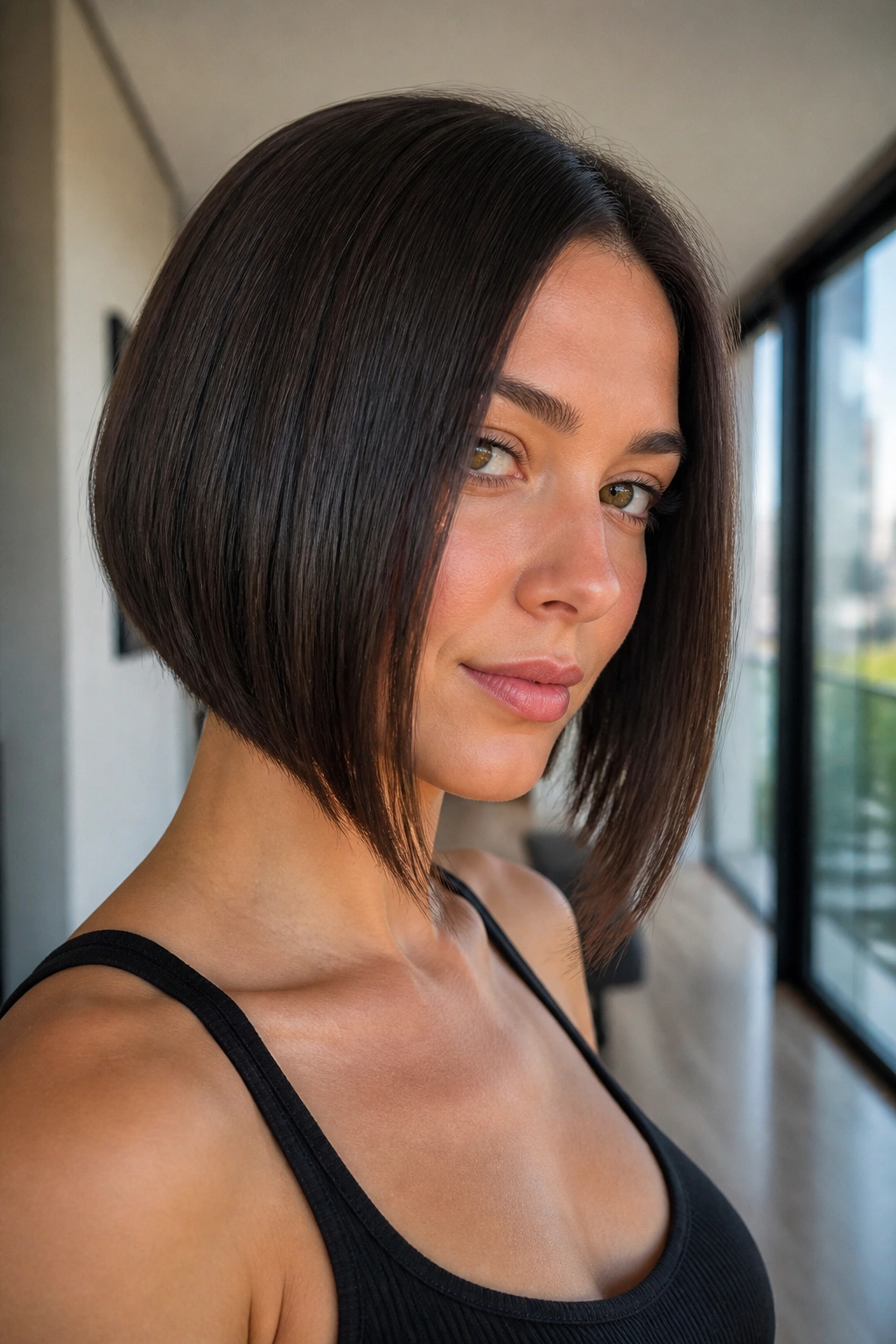
Picture hair that falls a little longer in front and shorter in back, then angles forward toward the jaw. That’s the A-line bob, and straight hair makes the shape read clearly.
The reason it works is simple: the front pieces pull the eye down and forward, which gives a clean line that feels longer than it is. The back stays lighter and neater, so the whole cut has movement without looking messy. On fine straight hair, that angle can make the ends look thicker too.
What to Ask For
Ask for a subtle angle if you want something wearable every day, or a stronger angle if you like a sharper shape. I prefer the softer version for most people, because dramatic angles can look a little dated if they’re cut too steep.
- Front pieces that hit between the chin and collarbone
- Back that sits 1 to 2 inches shorter
- Ends left blunt for density
- Very light internal layers only if your hair is thick
A flat iron pass through the front pieces is usually enough. That’s it.
4. Classic Pixie Cut for Straight Hair
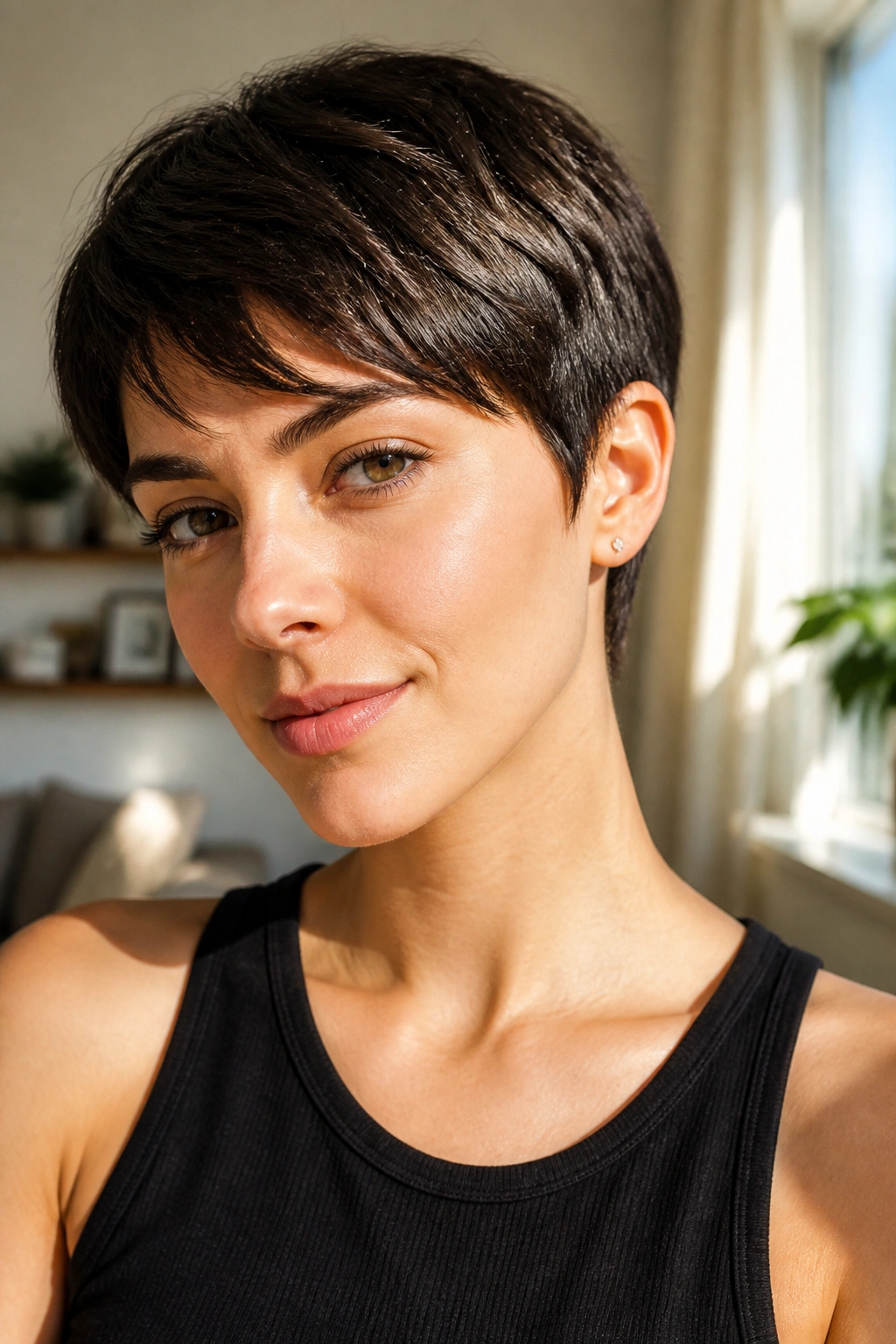
The classic pixie is the fastest way to make straight hair look crisp. It shows off the bone structure, the neck, the ears, all of it.
What straight hair does well here is hold the shape. There’s less puff, less frizz, and fewer random bends that can make a pixie look uneven. The cut can be soft around the edges or neat and close, but it needs a clean outline. Without that, the style loses its whole reason for existing.
I’m a fan of the version that leaves a little length on top — around 1.5 to 2.5 inches — so you can push it forward, sideways, or up with a pea-sized amount of paste. Too short on top and it can feel severe. Too long and it starts turning into something else.
It’s not the lowest-maintenance cut in the world. You’ll likely want trims every 4 to 6 weeks if you want it to stay sharp. Still, if you like a cut that looks intentional with almost no effort, this one is hard to beat.
5. Long Pixie With Side-Swept Bangs
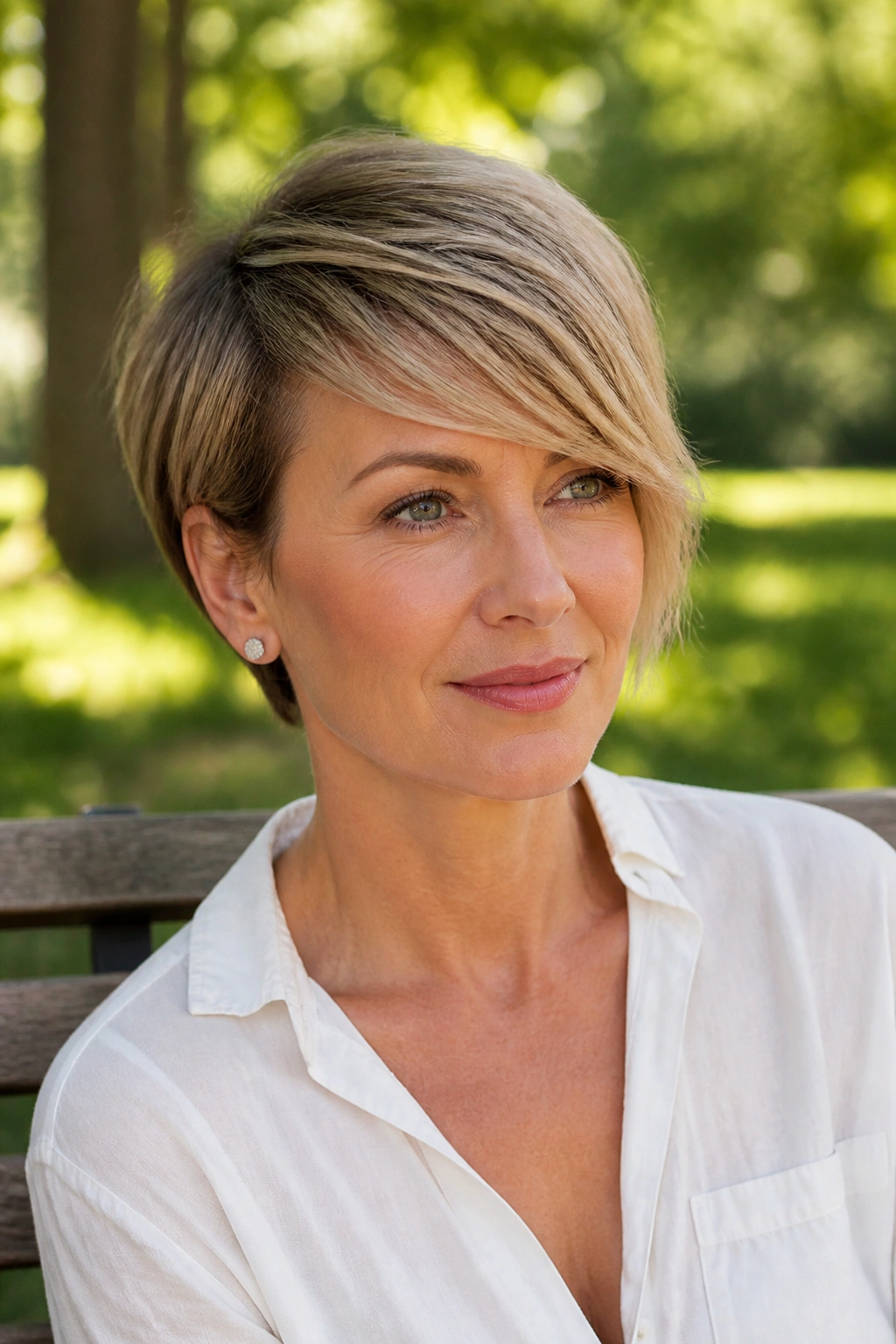
Unlike a true pixie, this version leaves enough length in front to play with. That little bit of extra fringe changes everything, especially on straight hair, because the bangs create movement where the rest of the cut stays neat.
It suits people who want short hair without the full commitment of a cropped top and close sides. The side-swept bang softens the face and gives you a place to hide a cowlick if your hair insists on lifting in one spot. I reach for this cut when someone wants easy styling but still wants options.
It’s also a good bridge cut. If you’re nervous about going very short, this is the friendlier version. You can tuck it behind one ear, wear the fringe over the cheekbone, or brush it forward on days when you want more face framing.
My recommendation: keep the top long enough to sweep, but not so long that it falls into your eyes all day. A clean 3-inch front section is often enough.
6. Tapered Nape Pixie
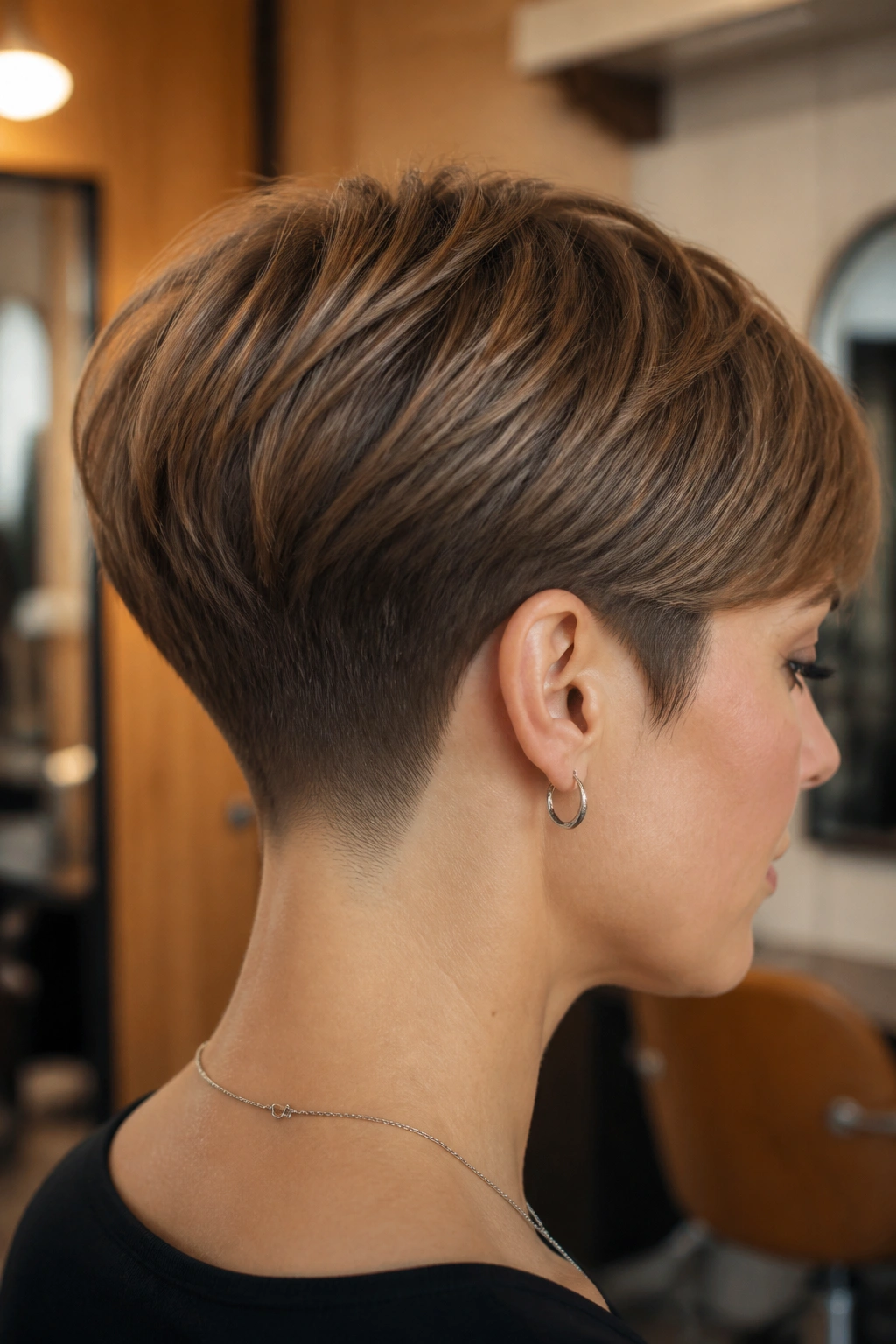
The nape makes or breaks this cut. If the back of your hair grows thick or kicks out at the neck, a tapered pixie can tidy that in a way a longer cut never quite does.
Straight hair shows the taper beautifully. The lower section is clipped closer to the head, then the shape opens up as it moves toward the crown. That keeps the back from looking boxy, which is a common problem with short straight haircuts that are left too blunt at the neckline.
A good tapered nape also makes the top look fuller. Strange but true. When the back is neat, the eye reads the crown as lifted, even if the top only has a little length.
Ask your stylist for a soft taper, not a military clipper cut unless you want that feel. A small amount of styling cream through the crown is usually enough. And if your nape hair grows fast, you’ll notice it faster here than with almost any other style.
7. Bixie Cut
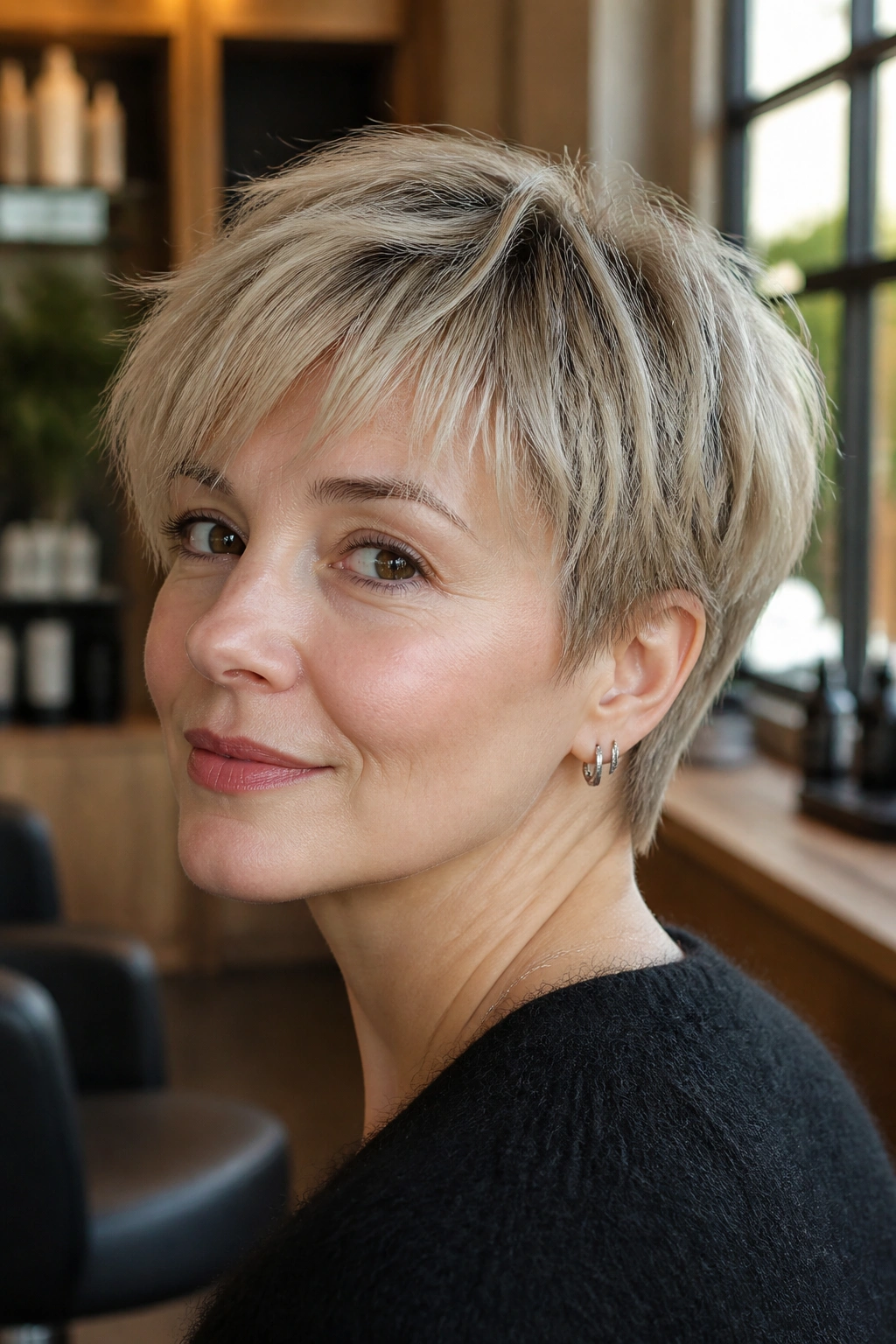
Not ready for a full pixie? The bixie sits in that useful middle zone where the shape is short and airy, but still has enough length to feel familiar.
Straight hair gives the bixie its edge. The longer top pieces lie smooth, while the cropped back keeps the cut from feeling heavy. I like this one for people who want texture but hate hair that sticks out in every direction. It behaves better than a shaggy crop and feels less severe than a true pixie.
How to Style It
A bixie does not need a lot. Really, it doesn’t. A little mousse at the roots, a quick blow-dry with your fingers, and a dab of wax on the ends is usually enough.
If you want more shape, tuck one side behind the ear and leave the other side loose. That unevenness helps the cut look modern without needing much work. The shape also grows out in a forgiving way, which is nice when you are not in the mood for constant trims.
8. Asymmetrical Bob
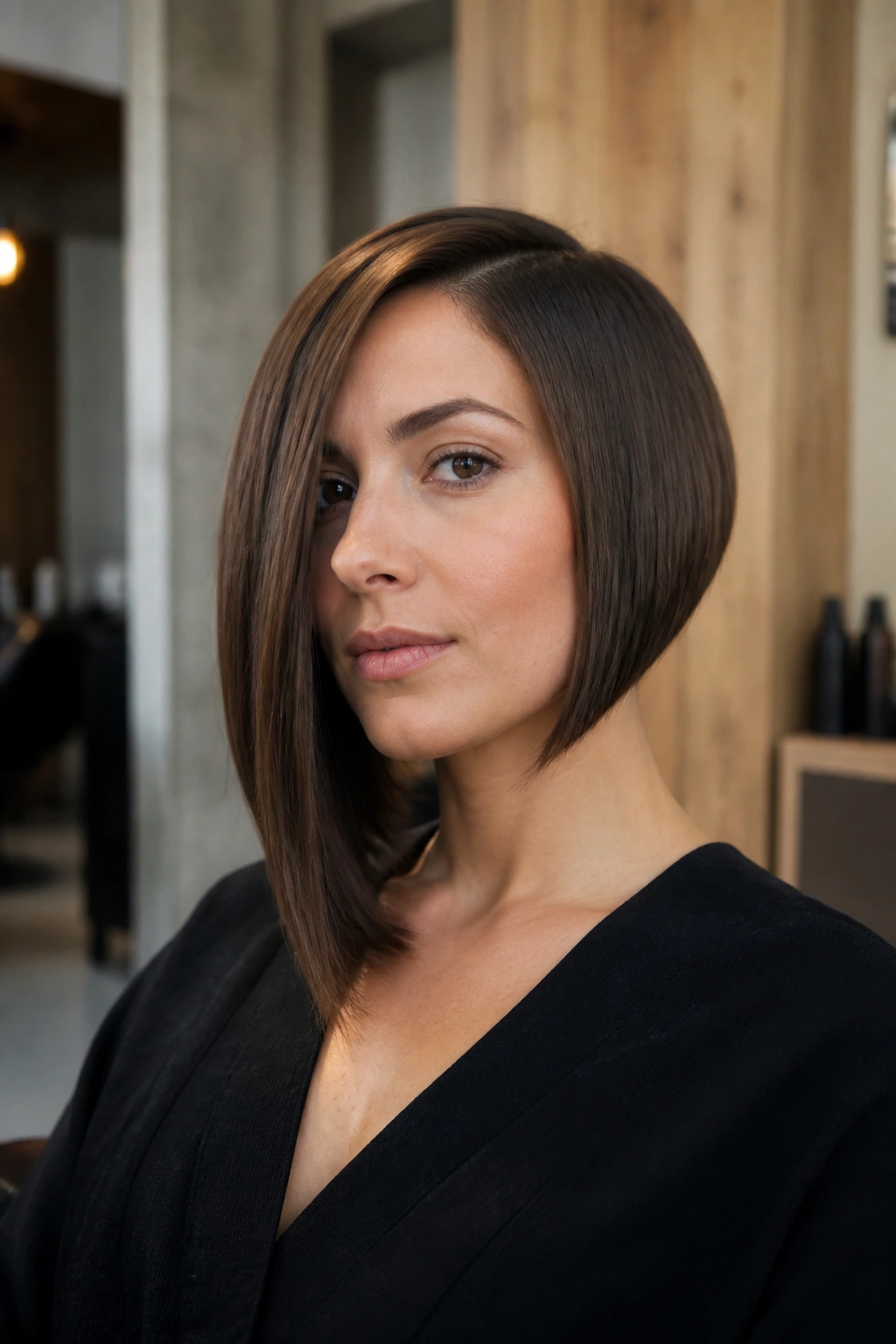
A little imbalance can be a good thing. On straight hair, an asymmetrical bob gives the eye something to follow, so the style feels sharper than a standard one-length cut.
The difference does not need to be dramatic. One side can sit an inch longer than the other, or the front can angle down more steeply on one side. That slight shift makes straight hair look less rigid, which is useful if your hair tends to fall into a tidy, boring line all by itself.
I like this cut for people who want polish with a bit of personality. It does not rely on curls or teasing. The shape alone carries the interest.
Keep the ends blunt enough to look full. If they’re thinned out too much, the asymmetry loses its bite and starts looking accidental. That’s the trap. Make the angle visible, then let the rest stay clean.
9. Rounded Bob
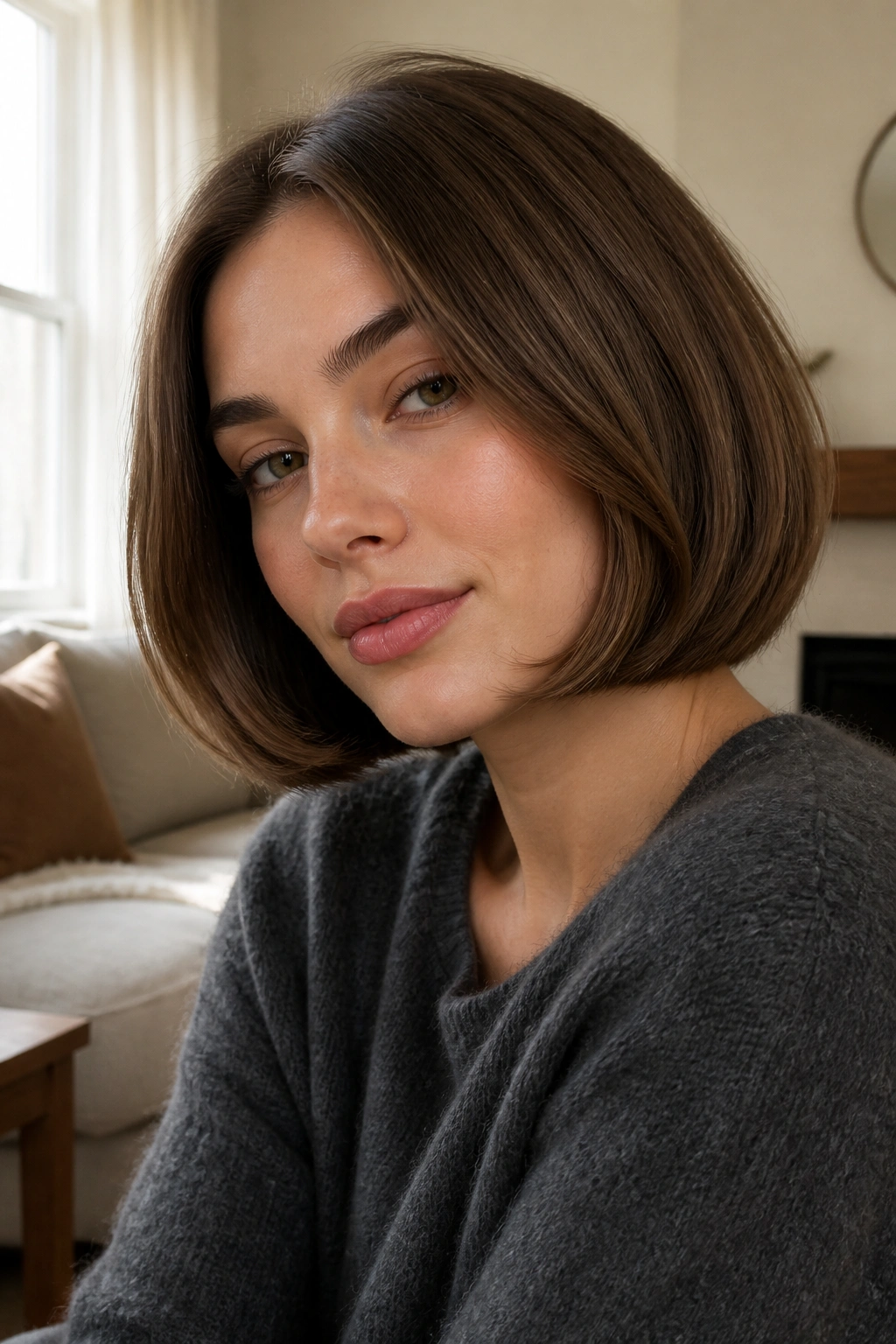
A rounded bob is what you want when you love softness but still want a short cut to look finished. The shape curves inward a little at the jaw and stays fuller through the sides, which makes straight hair look controlled rather than flat.
There’s a reason this cut keeps showing up in salons. It flatters straight hair because the curve is built into the haircut, not forced with tools every morning. A quick blow-dry with a round brush usually pushes the ends into place and gives the whole style that slight dome shape.
What Makes the Shape Work
The curve should be subtle, not helmet-like. If the back is too high and the sides are too tucked, the cut gets stiff fast. Keep the weight line around the jaw, then soften the finish with a tiny bend under at the ends.
- Best with a 1.25-inch round brush
- Works well for medium-density straight hair
- Avoid over-layering through the sides
- Use a light smoothing cream, not heavy oil
It’s a tidy, flattering cut. Nothing fancy. That’s the appeal.
10. Micro Bob

Tiny cuts can be brave, and the micro bob is one of the bravest. It sits above the jaw, sometimes just skimming the earlobe, so it puts the face and neck right out front.
On straight hair, the micro bob looks clean because the hair lies exactly where it’s cut. There’s no wave to blur the edge. That makes it a strong choice if you want a sharp line and don’t mind showing a little more face and neck than a longer bob would.
The catch is balance. Because the length is so short, the cut needs to be precise. Uneven ends or a sloppy neckline show up fast. I would not ask for this if you plan to air-dry and forget it. It’s a simple cut, but not a careless one.
If you like minimal styling, though, it’s a dream. A quick pass with a flat brush or a small flat iron can make it look like you spent much longer getting ready.
11. Curved Bob With a Deep Side Part
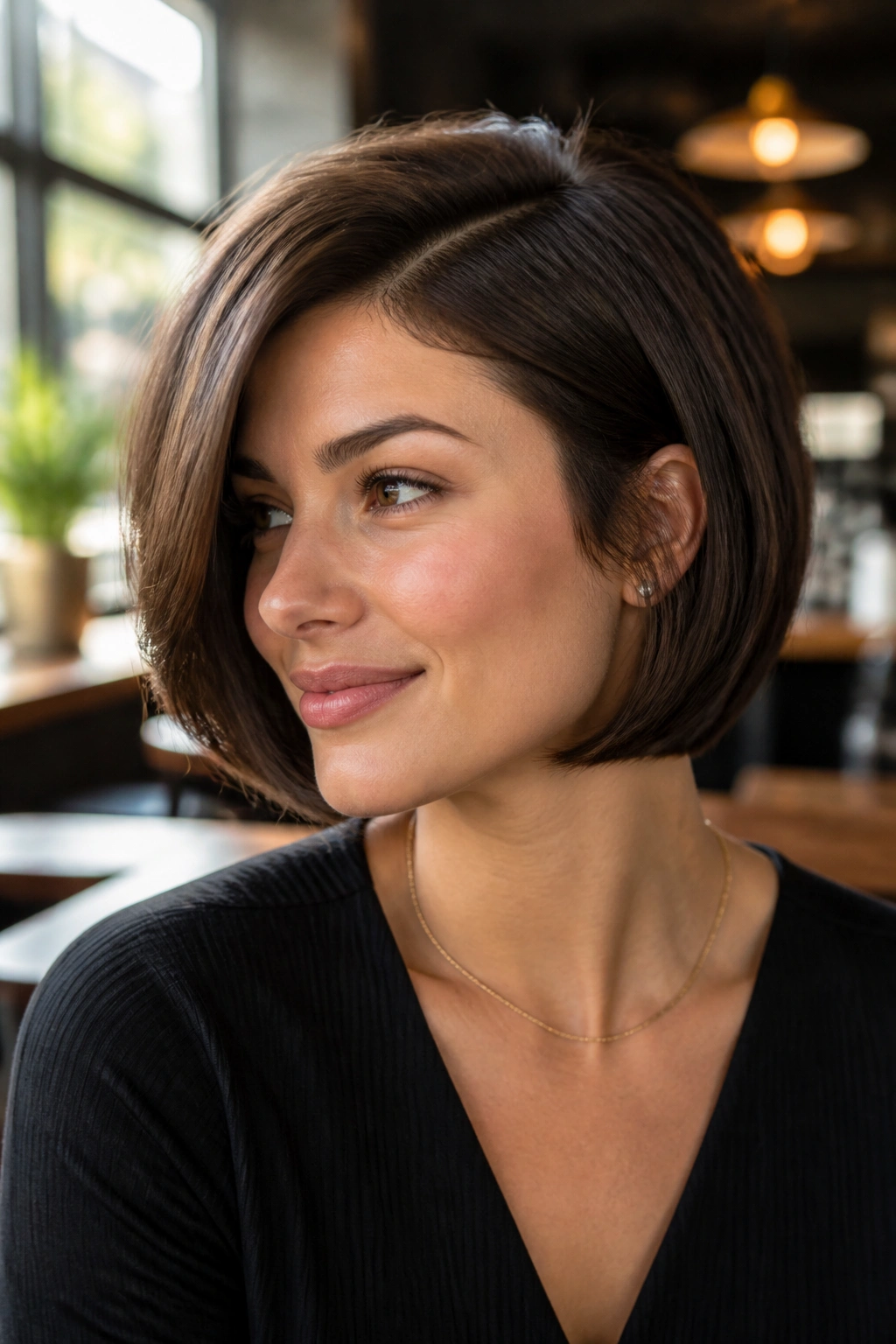
A deep side part can rescue straight hair when it starts looking too neat for its own good. Add that part to a curved bob, and the whole cut gets lift at the root plus a softer sweep across the forehead.
The shape itself is gentle. The ends curve under, usually around the chin or just below it, while the part creates height on one side. That combination is useful if your straight hair goes flat at the crown. It gives you volume in one very specific place without needing a lot of teasing.
This is one of those cuts that looks different depending on where you part it. Side part, and it feels lifted and a little old-school in a good way. Center part, and it gets more graphic. I prefer the side part for most people because it keeps the top from looking too stiff.
If your face tends to get lost behind too much symmetry, this is a smart fix. A 2-inch shift in the part can make the whole haircut feel easier.
12. Soft Shag Bob for Straight Hair
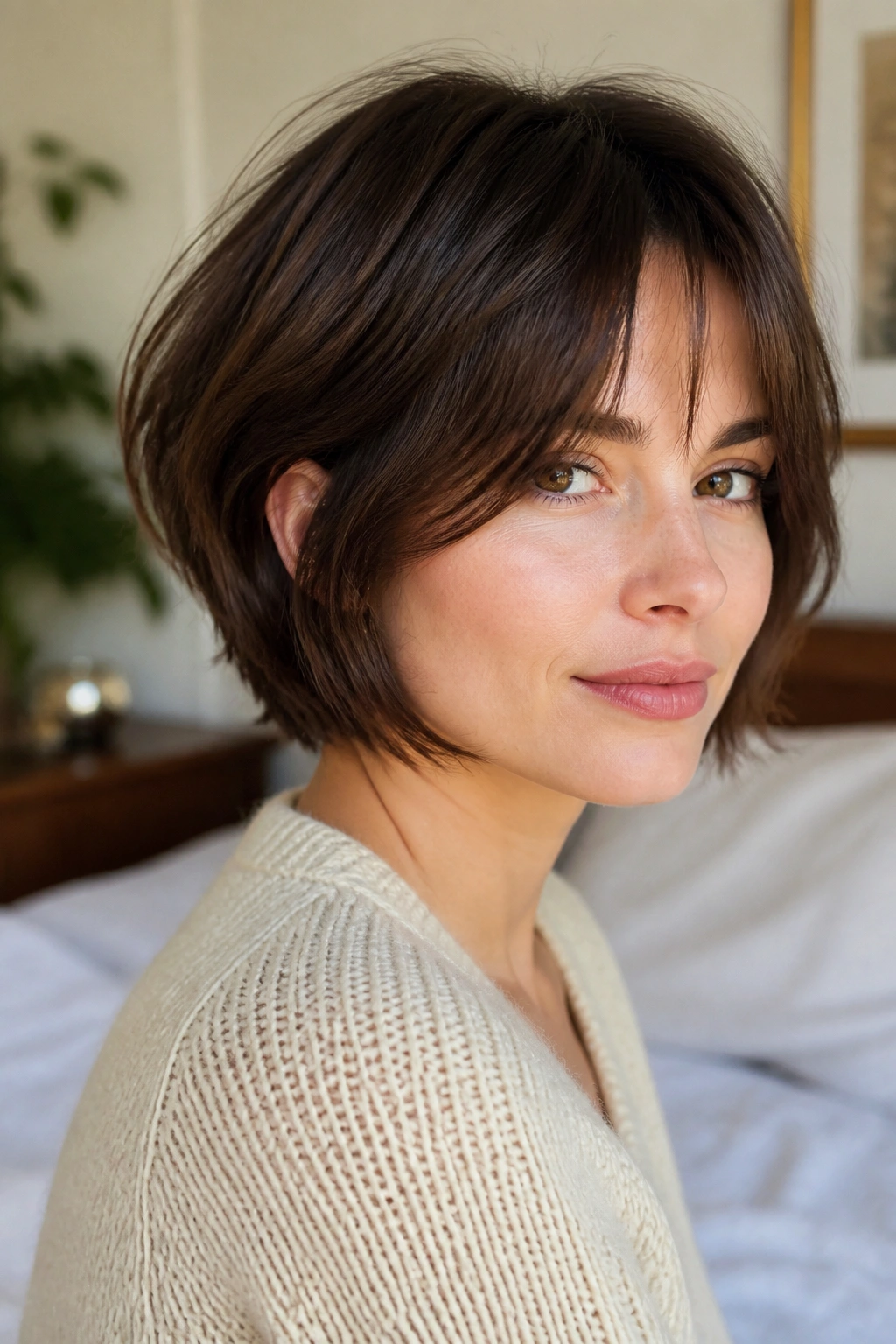
A shag on straight hair can go wrong fast, which is why the soft version matters. You want movement, not choppy ends that stick out like they were cut with a lawn tool.
The trick is keeping the layers gentle and low. The shape should still read as a bob first, with the shaggy pieces tucked into the interior, not chopped all over the place. When done well, it gives straight hair a little swing and stops the style from sitting like a brick.
Why the Layers Have to Be Gentle
Harsh layers on straight hair often look unfinished. Soft layers, especially ones that start around the cheekbone or lip line, let the cut move without losing the outline.
- Ask for point-cut ends instead of blunt slicing
- Keep the top layers light and low
- Use mousse at the roots for lift
- Rough-dry with fingers, then polish the ends with a brush
This is a better choice if you like a lived-in finish and do not mind a little bend in the shape. If you want a hard, glassy bob, skip it.
13. Textured Crop
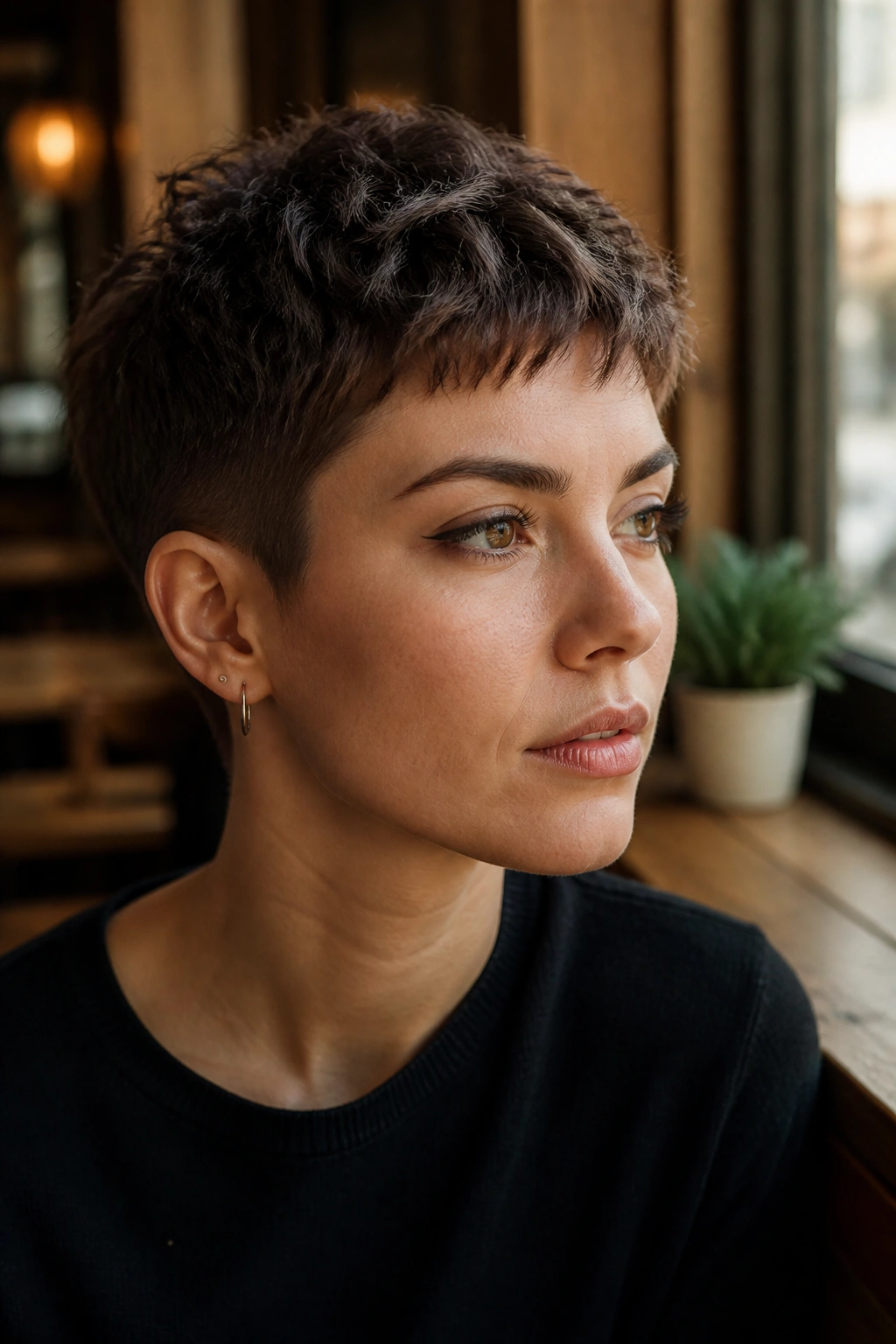
Want short hair that feels easy but still has a little edge? The textured crop does that without asking for much.
Straight hair is useful here because the texture sits where you put it. A crop with short sides and a bit of choppy length on top can be pushed forward, swept to the side, or tousled into a piecey fringe. The result is casual, but not sloppy. That difference matters.
How to Wear It
Use a matte paste or light wax, then work it through dry hair with your fingertips. Don’t smear it from root to tip like conditioner. Pinch the ends instead. That’s how you get the separated look without turning the whole thing greasy.
The crop works especially well if you want a style that dries fast and doesn’t demand a round brush every day. It also suits straight hair that falls flat at the front, because the short top can be lifted with a little product. A tiny amount goes a long way.
No need to overthink this one. The shape is the point.
14. Undercut Pixie
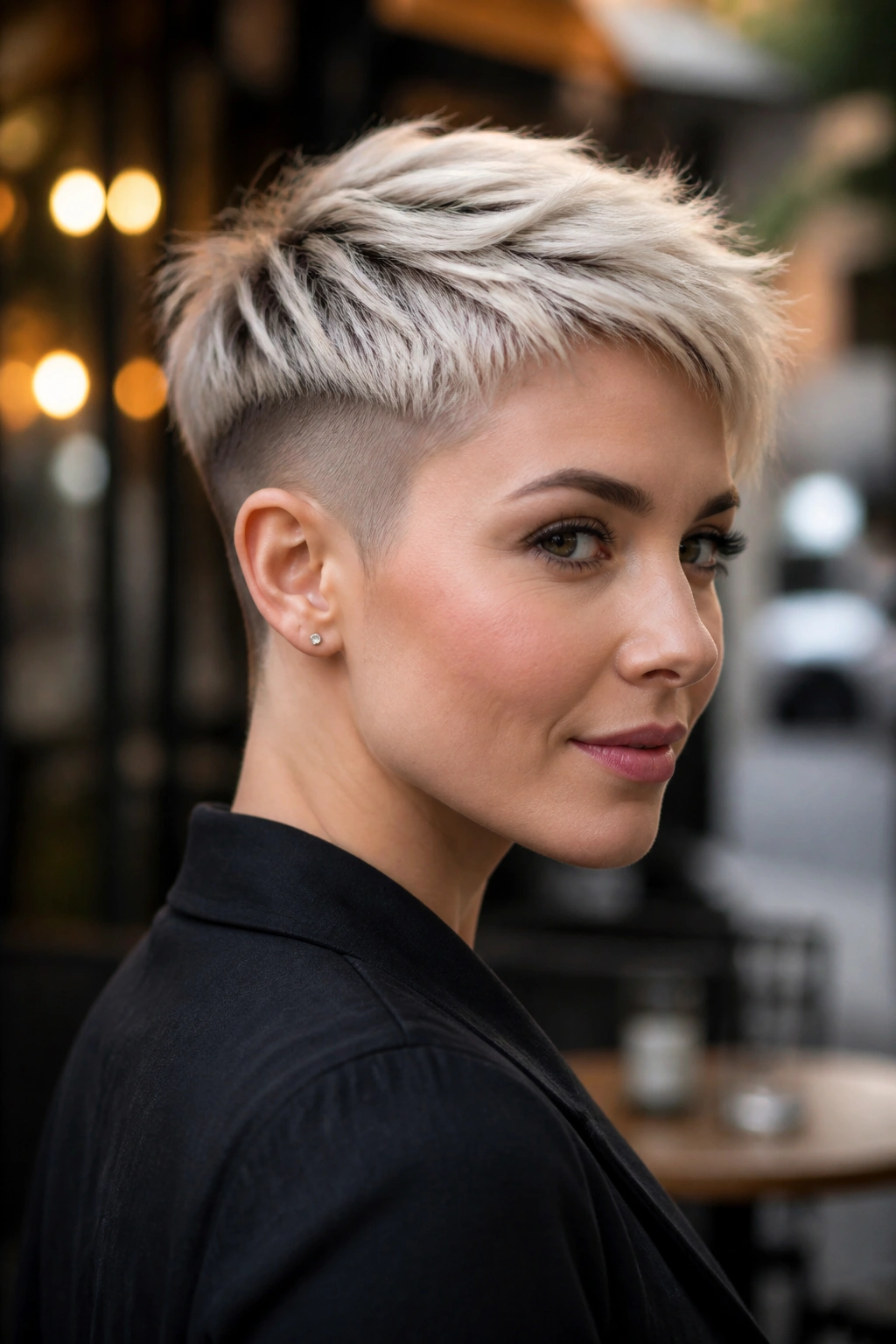
An undercut pixie is what happens when you want short hair that feels lighter at the sides and back. On straight hair, the undercut removes bulk cleanly, so the top sits with more lift and less puff.
This cut is useful if your hair is thick but still straight. Thick straight hair can get bulky fast, especially around the ears and nape. Shaving or clipper-cutting the lower section solves that without messing up the top’s shape.
Key Details to Ask For
- Short clipped sides or a hidden undercut at the nape
- Top left around 2 to 3 inches
- Longer fringe if you want softness
- Clean edges around the ears
The best part is how the style feels when you move. It’s lighter, cooler, and less stubborn. If you like a little contrast, this cut gives it to you without needing a lot of styling drama. If you hate regular upkeep, though, the grow-out at the sides can bug you.
15. Wedge Bob
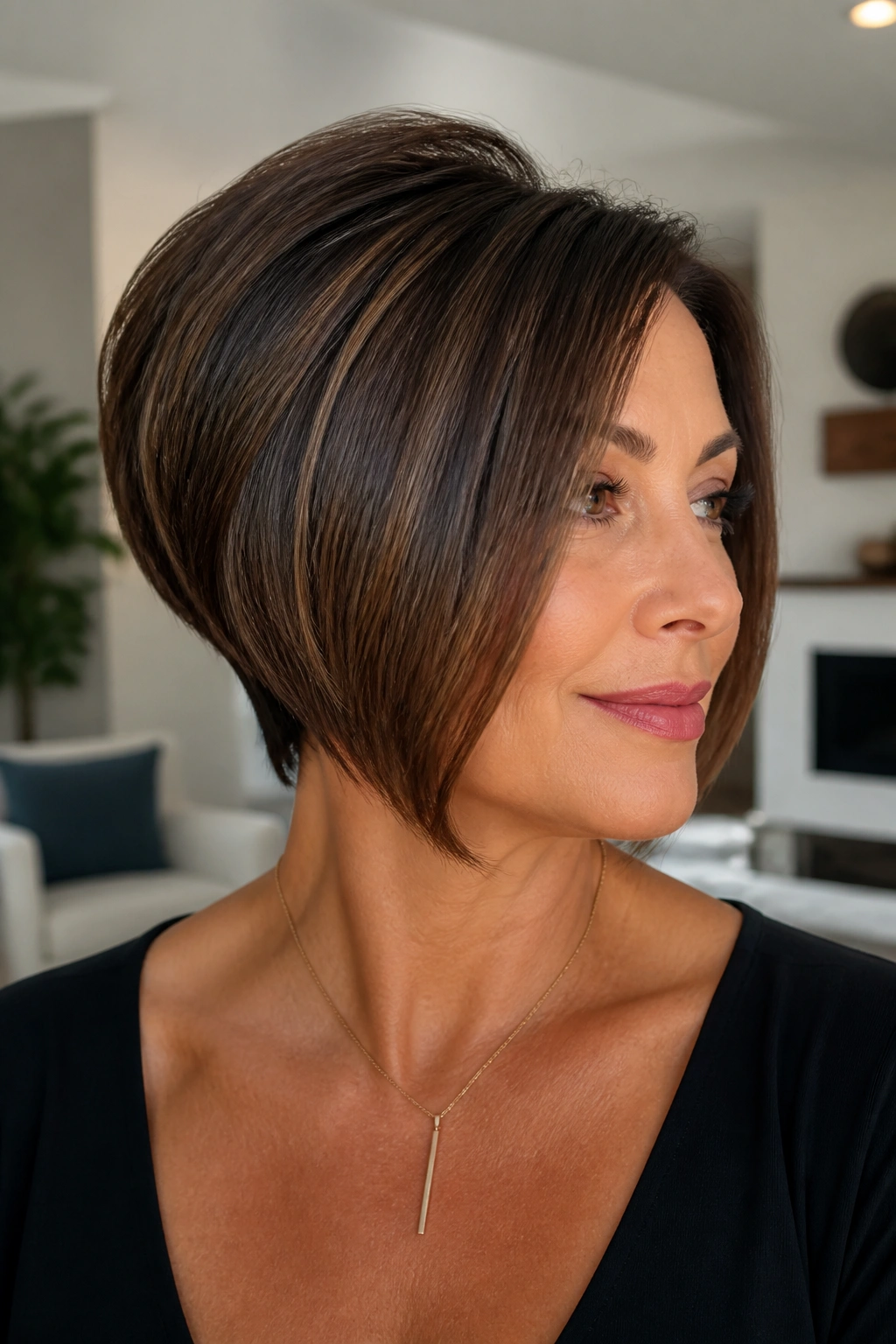
The wedge bob has a very specific personality. It’s stacked in the back, fuller through the crown, and cleaner in the front, which gives straight hair a lifted shape that holds its outline.
What I like here is the way the back supports the style. Straight hair often falls flat where it touches the head, and the wedge uses that to its advantage. The stacked layers create a little cushion at the back of the head, then the front stays smooth so the haircut does not get too busy.
It can look retro if it’s cut too sharply. That is the risk. A modern wedge should feel rounded and polished, not stiff. Keep the stacking subtle and the length around the chin or a bit below.
One short sentence: This cut needs a good neckline.
If the nape is uneven, the whole thing loses its shape. A neat finish back there changes everything.
16. Inverted Bob
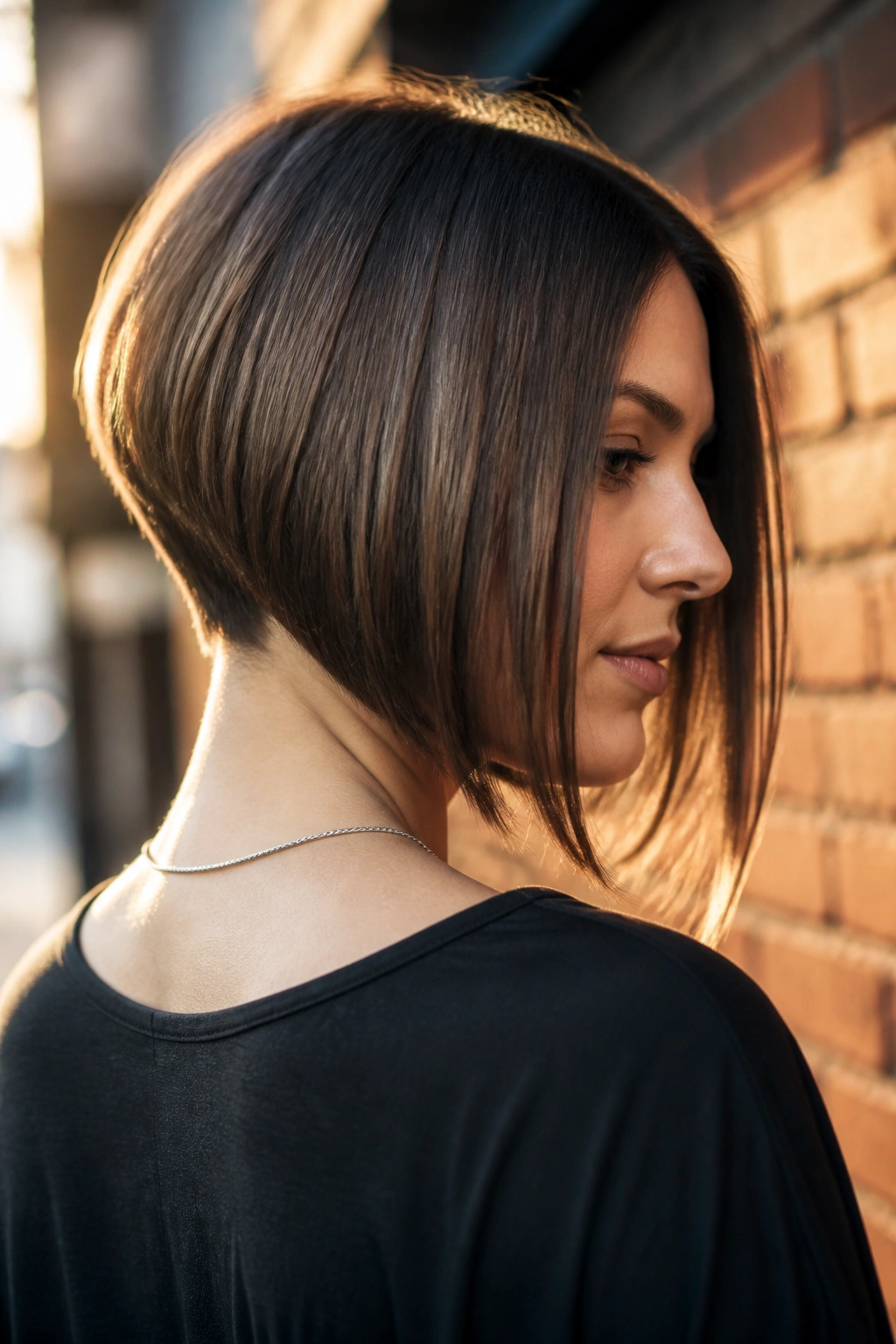
A strong angle can do a lot for straight hair. The inverted bob is shorter in the back and longer in the front, but the angle is usually more dramatic than an A-line, which gives the haircut a sharper profile.
This is one of those cuts that makes straight hair look styled even when you’ve barely touched it. The front pieces frame the face, while the back hugs the head and keeps the shape compact. If you want a cut with a little drama but not a ton of daily fuss, this is a smart pick.
I would ask for the angle to be tailored to your hair density. Fine hair usually looks best with a softer inversion so the front doesn’t feel stringy. Thick hair can handle a stronger drop in the front because the fullness supports the shape.
The main thing is keeping the line crisp. A blunt perimeter at the bottom keeps the haircut from feeling flimsy.
17. Slicked-Back Crop
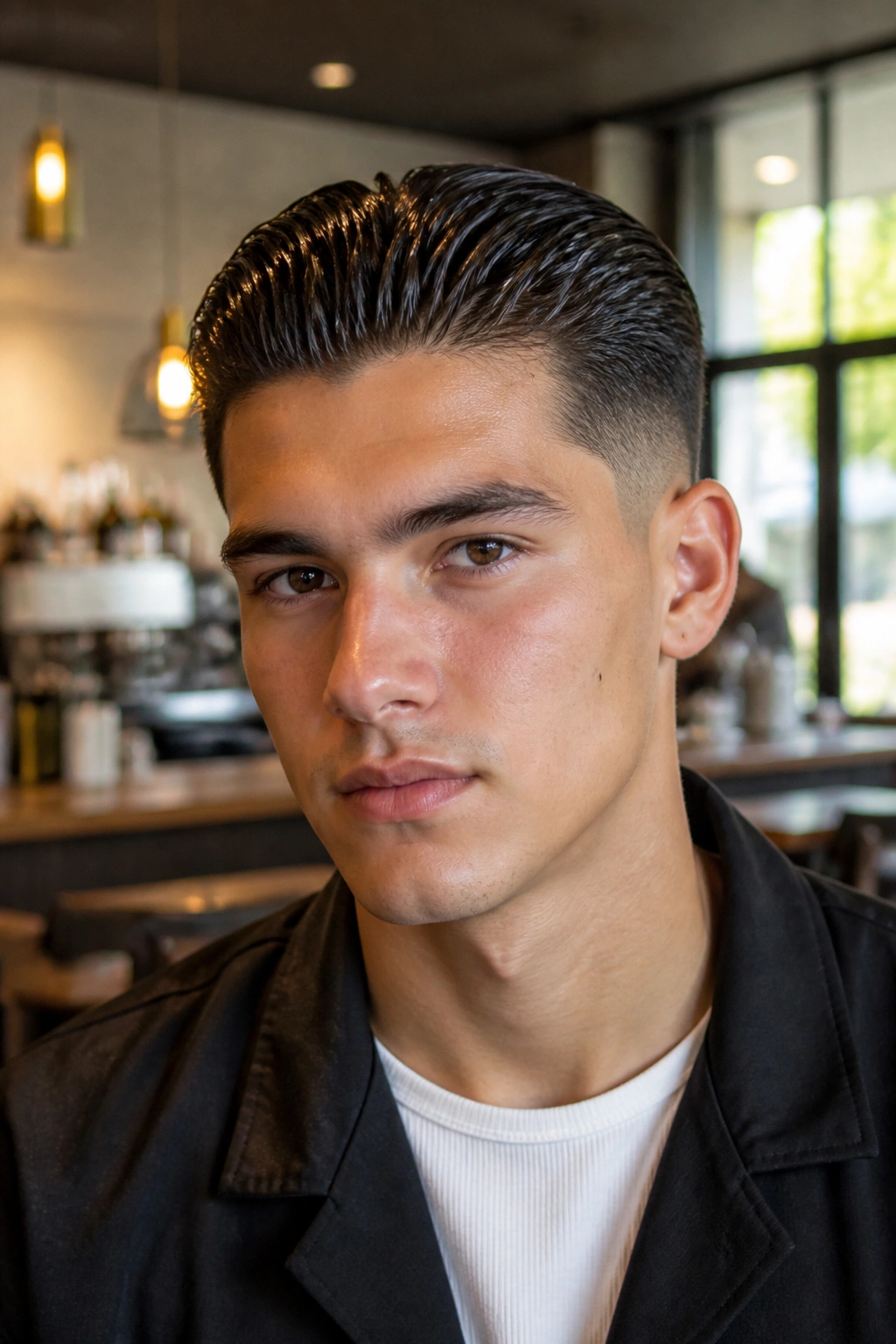
Some mornings call for a haircut that can look deliberate in five minutes. The slicked-back crop does exactly that, and straight hair is one of the easiest textures for it.
Because the strands already lie smooth, you do not have to fight the hair to get that wet, pushed-back finish. A little gel or styling cream at the roots, a comb, and a quick blow-dry will take you most of the way there. The result can be polished, cool, or slightly tough depending on how much shine you leave in.
This cut is also useful on days when your fringe refuses to cooperate. Instead of battling it, you sweep it back and let the shape of the head do the work. That sounds plain, but plain is sometimes the point.
Use a light hand with product. Too much gel turns the style crunchy and obvious. A thin layer through damp hair is enough for most people.
18. Ear-Length Bob
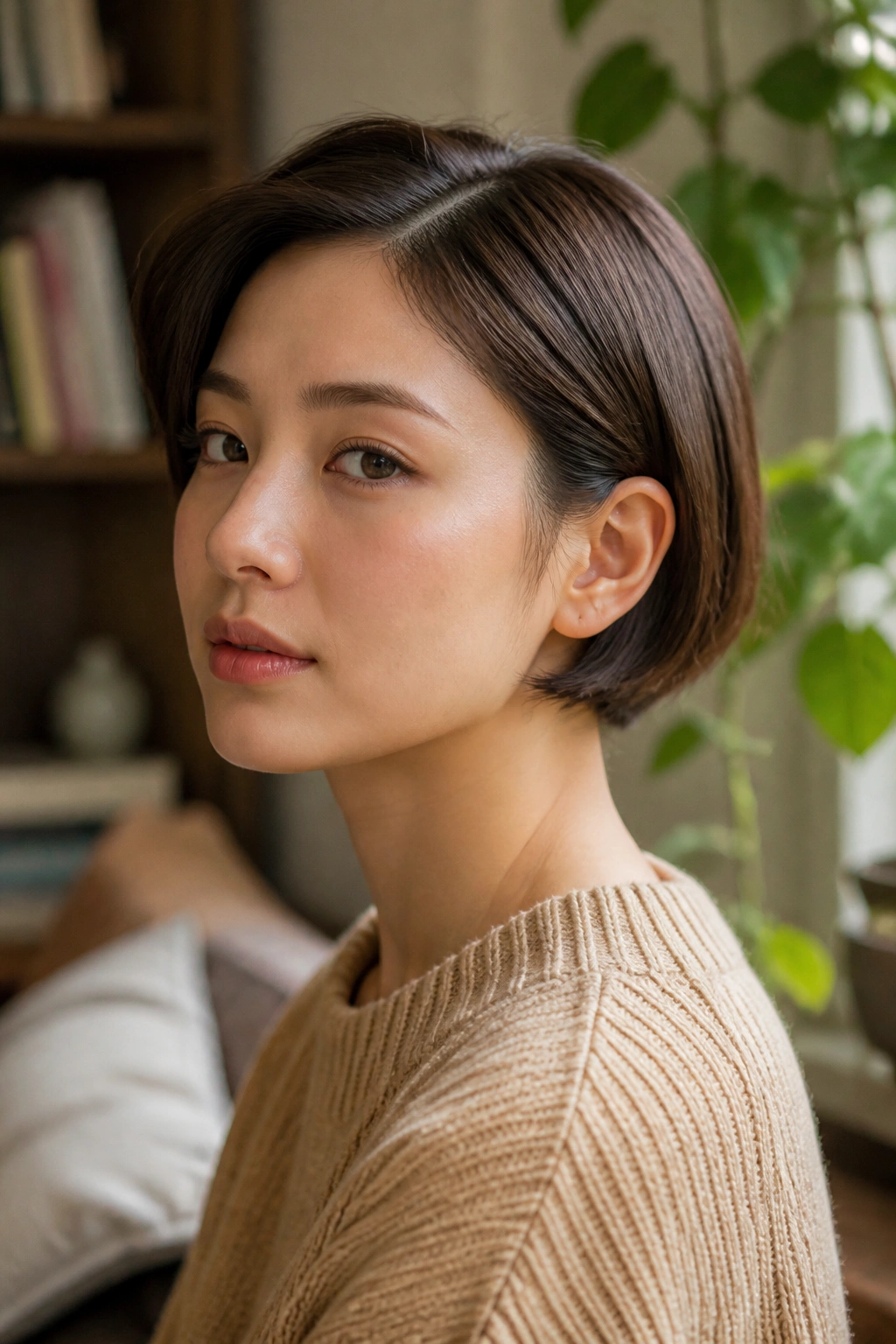
An ear-length bob is tiny in a good way. It sits close to the head, usually just brushing the ears, and straight hair keeps the outline neat instead of fluffy.
This cut works best when you want a clean, modern line that feels easy to tuck behind the ears. It’s shorter than a classic bob but not as cropped as a pixie, which gives you a nice middle ground if you want your neck open without going ultra-short.
What to Watch For
The ear-length bob can puff at the sides if the ends are too blunt and thick. On the other hand, too much thinning makes it look wispy. The sweet spot is a soft bevel at the ends and enough weight to keep the silhouette tucked in.
I like this cut on people who wear glasses or earrings a lot. It frames both without competing with them. If you want the kind of short hair that still lets you play with accessories, this one makes sense.
19. Pageboy Cut
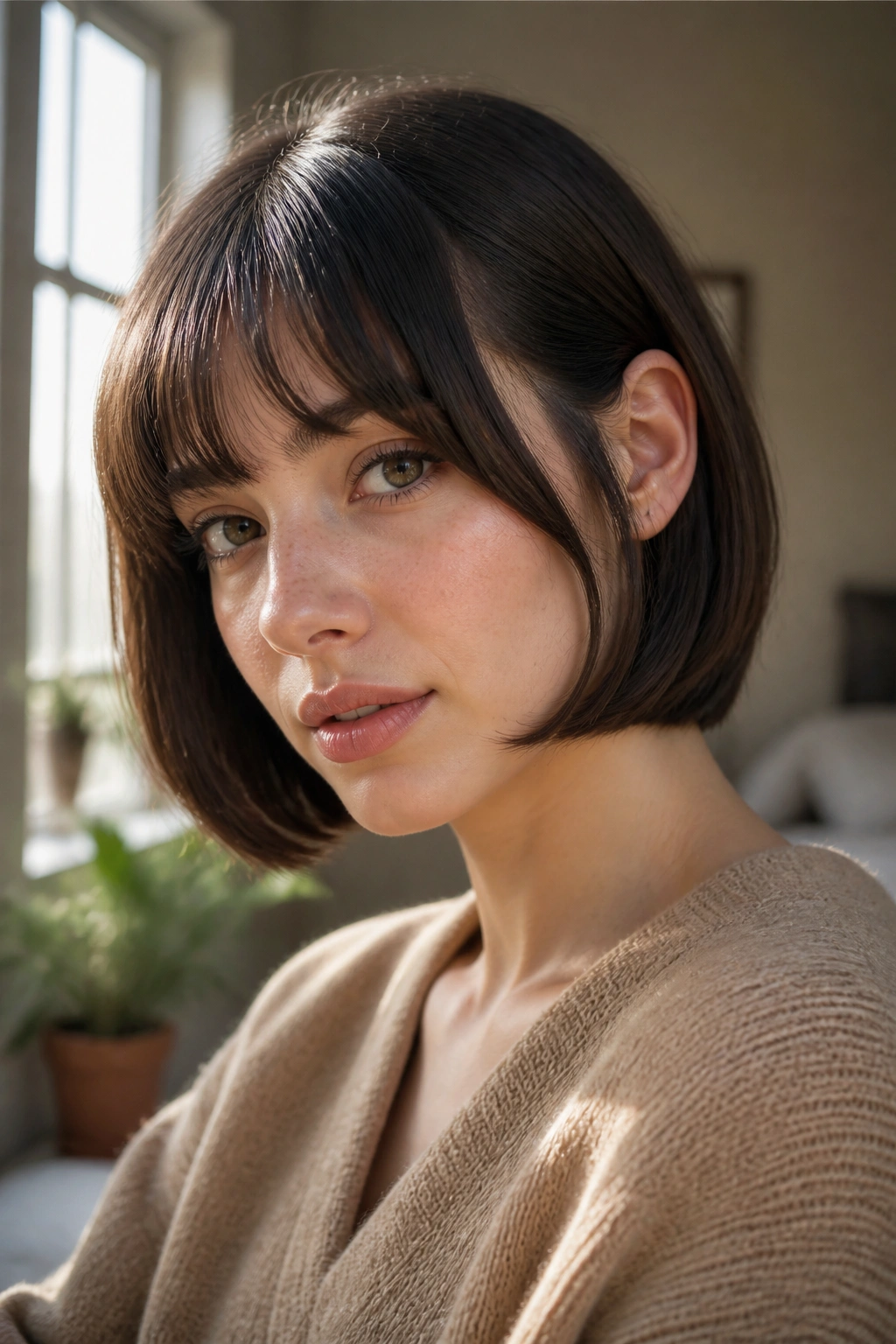
The pageboy is one of those cuts that sounds retro because it is, but straight hair is exactly what keeps it from feeling like costume hair. The shape is smooth, curved under, and usually sits around the jaw with a fringe or heavy front section.
What makes it work is the clean outline. Straight hair follows the arc of the cut without much argument, which gives the pageboy its tidy, almost sculpted finish. It can look severe if the line is too hard, so the better version has a little softness at the ends and enough length to tuck behind one ear.
I like it for people who want structure more than movement. If your hair tends to frizz or bend in odd ways, this cut may not be your favorite. But if your strands stay smooth and you enjoy a put-together look, it’s a strong choice.
A quick round-brush pass under the ends is usually enough. No drama required.
20. Grown-Out Pixie
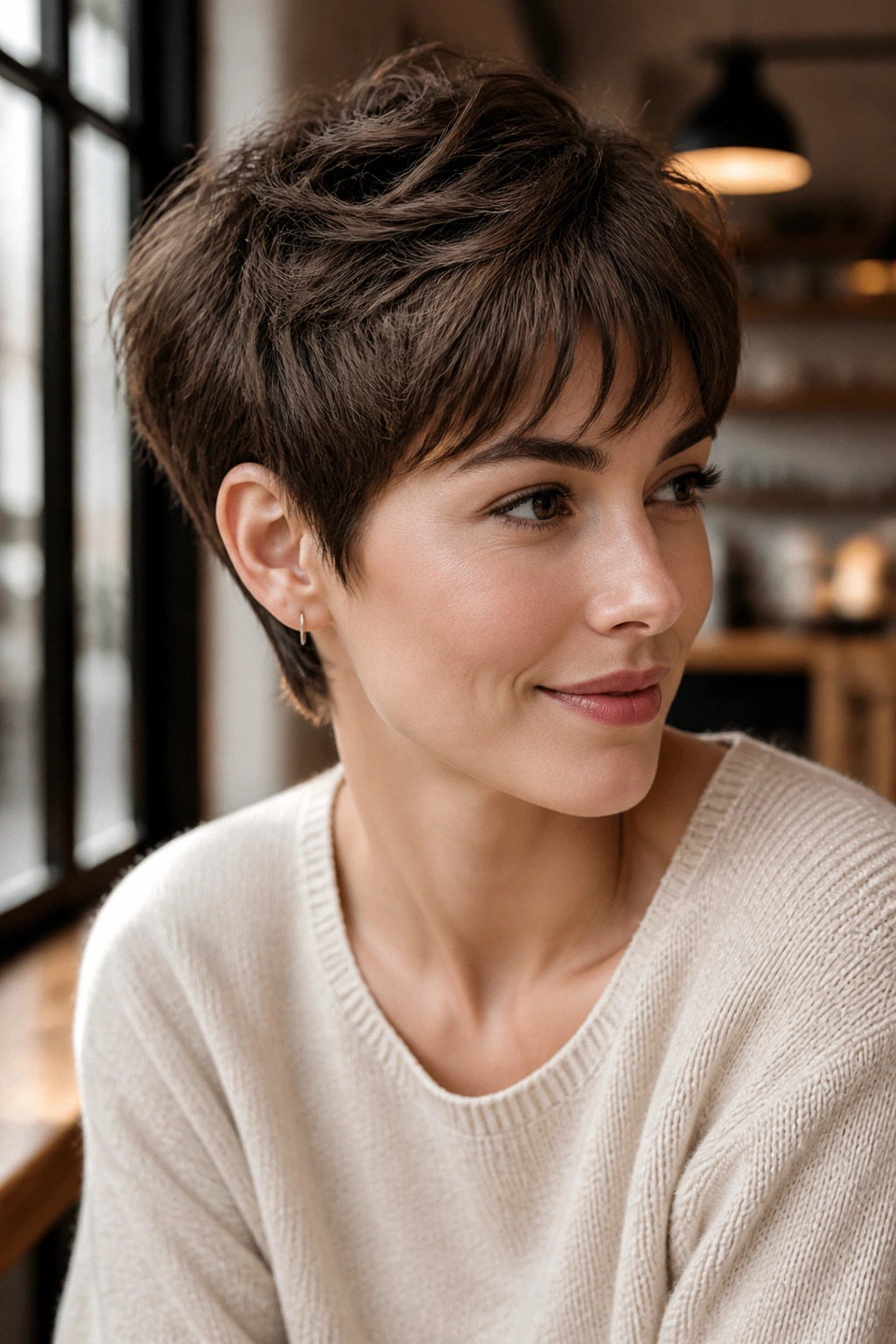
This is the cut for the in-between phase when your pixie is starting to get a little longer and you are not sure whether to keep growing or trim it back. On straight hair, a grown-out pixie can look intentional instead of awkward if the top is left soft and the sides stay tidy.
The reason it works is the contrast. The shorter nape keeps the neck open, while the longer top gives you enough hair to sweep forward or to the side. Straight hair lays down smoothly, so the shape stays readable even when it’s not freshly cut.
Good Signs to Ask For
- Top around 3 to 4 inches
- Tapered sides, not bulky ones
- A little fringe to break up the forehead
- Light texturizing through the crown only
It’s a forgiving cut if you hate the awkward stage between short and longer hair. You can wear it messy, neat, or tucked back, and it usually still makes sense.
21. Choppy Jaw-Length Bob
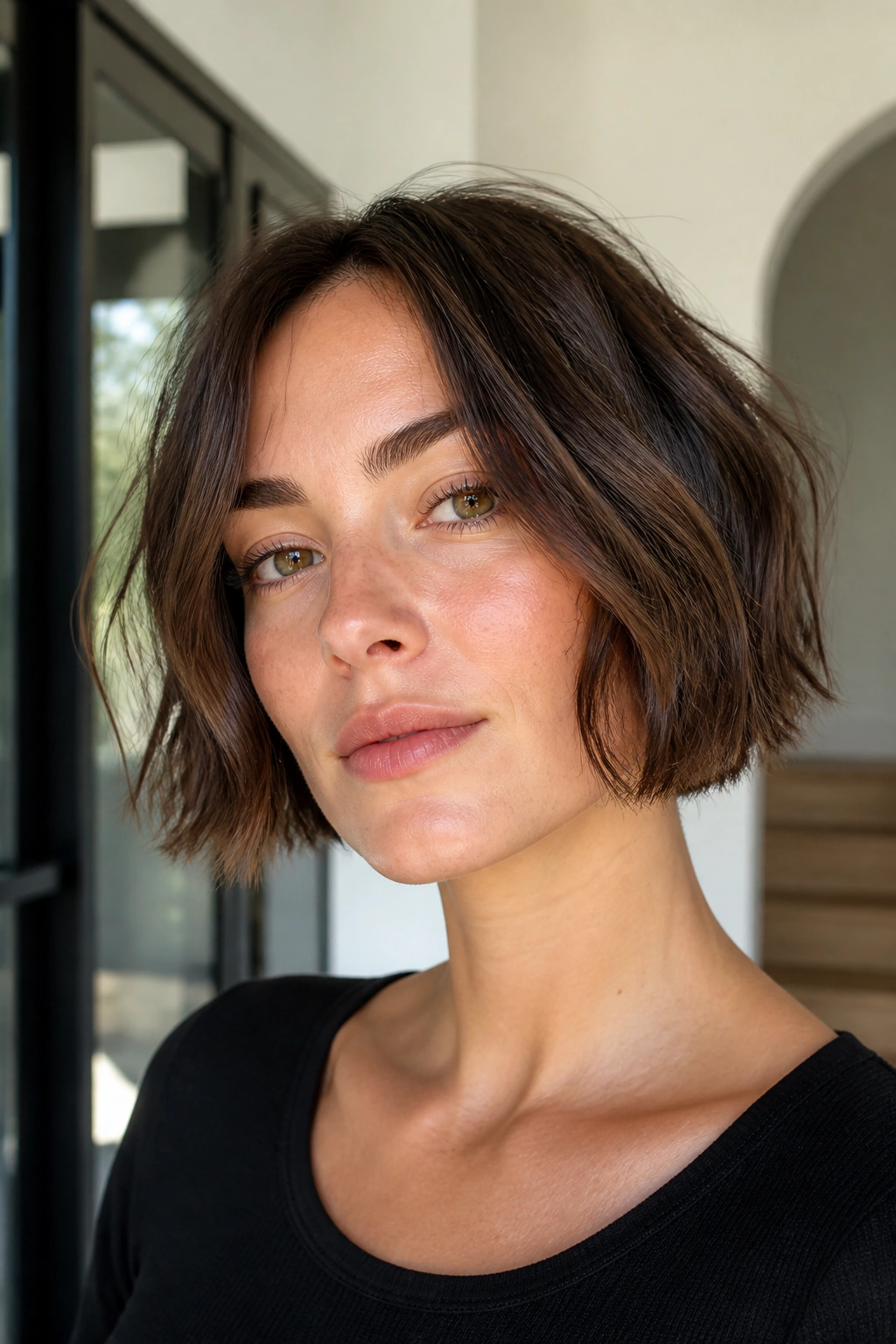
A choppy bob at the jaw sounds low-key, but on straight hair it can have a lot of personality. The key is keeping the shape short enough to show the line, then adding just enough texture to stop it from feeling blocky.
I’m careful with this one. Too much chopping and the ends start to fray. Too little and the haircut turns into a basic bob with no point of view. The sweet spot is light, irregular ends that still hold a clear outline.
This is a nice option if you want a bob that feels a little more casual than the blunt version. It suits straight hair that needs a bit of movement but doesn’t want full shag layers. A flat iron bend at the ends can make the texture visible without much effort.
One short note: keep the choppiness near the ends, not all through the body. That keeps the cut from looking thin.
22. Side-Parted Crop
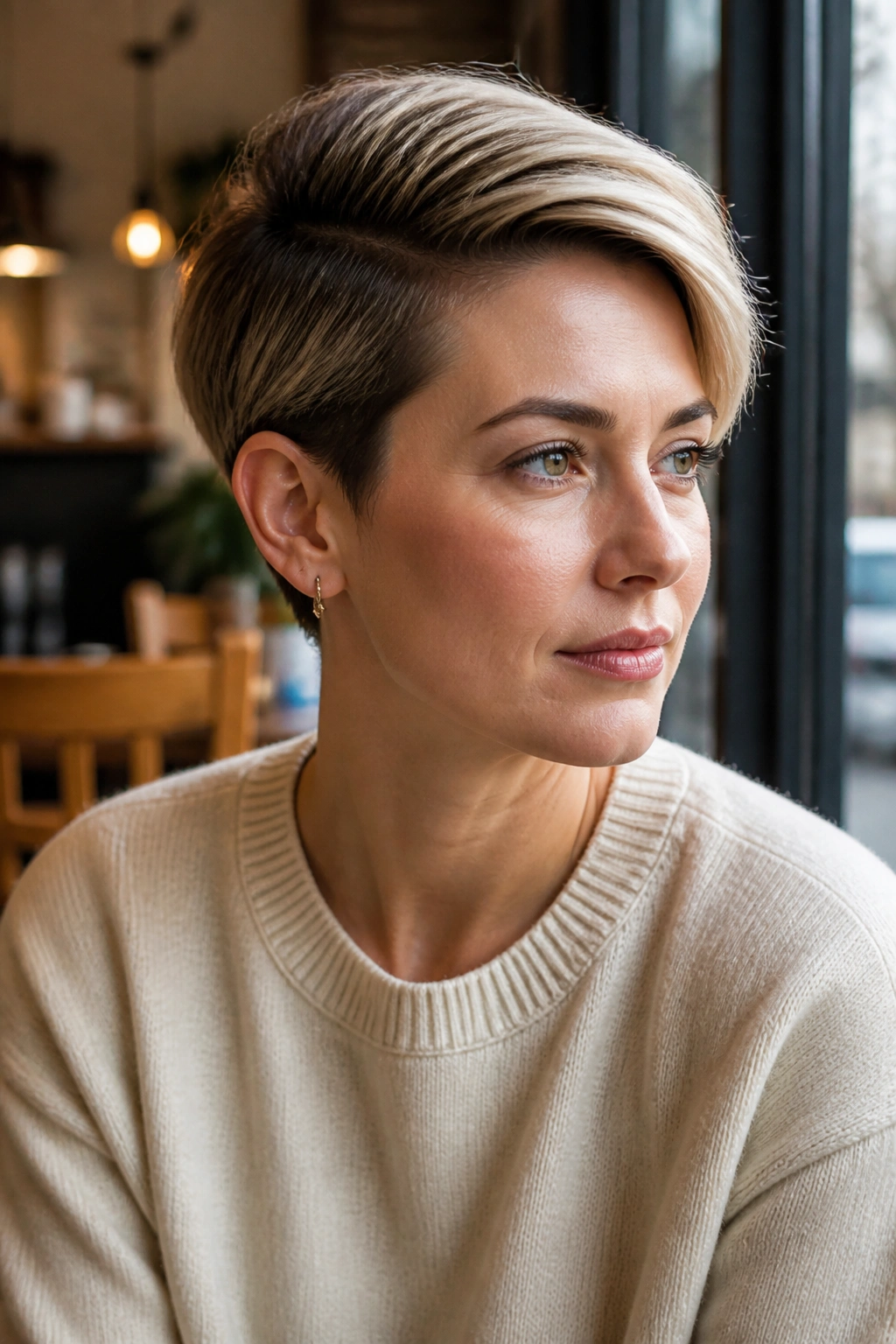
A side part can make a cropped cut feel instantly less severe. On straight hair, it gives the top a little lift, which is useful because straight strands love to lie flat where you want volume.
The side-parted crop is short around the sides and back, with enough length on top to sweep across the forehead. It’s a simple shape, but the part does a lot of work. Move the part one inch over and the whole haircut changes its attitude.
Why the Side Part Matters
A center part can make a crop look very symmetrical, which sounds neat until the hair goes limp. A side part breaks that line and creates a bit of height at the root.
If you want the crop to feel sharp, keep the top piecey. If you want it softer, brush the front forward and leave the ends a little rounded. Either way, a light matte product is better than a shiny paste here. You want texture, not helmet hair.
This is one of the easiest short styles to wear with straight hair, and that’s a big part of its appeal.
23. Mini Wolf Cut
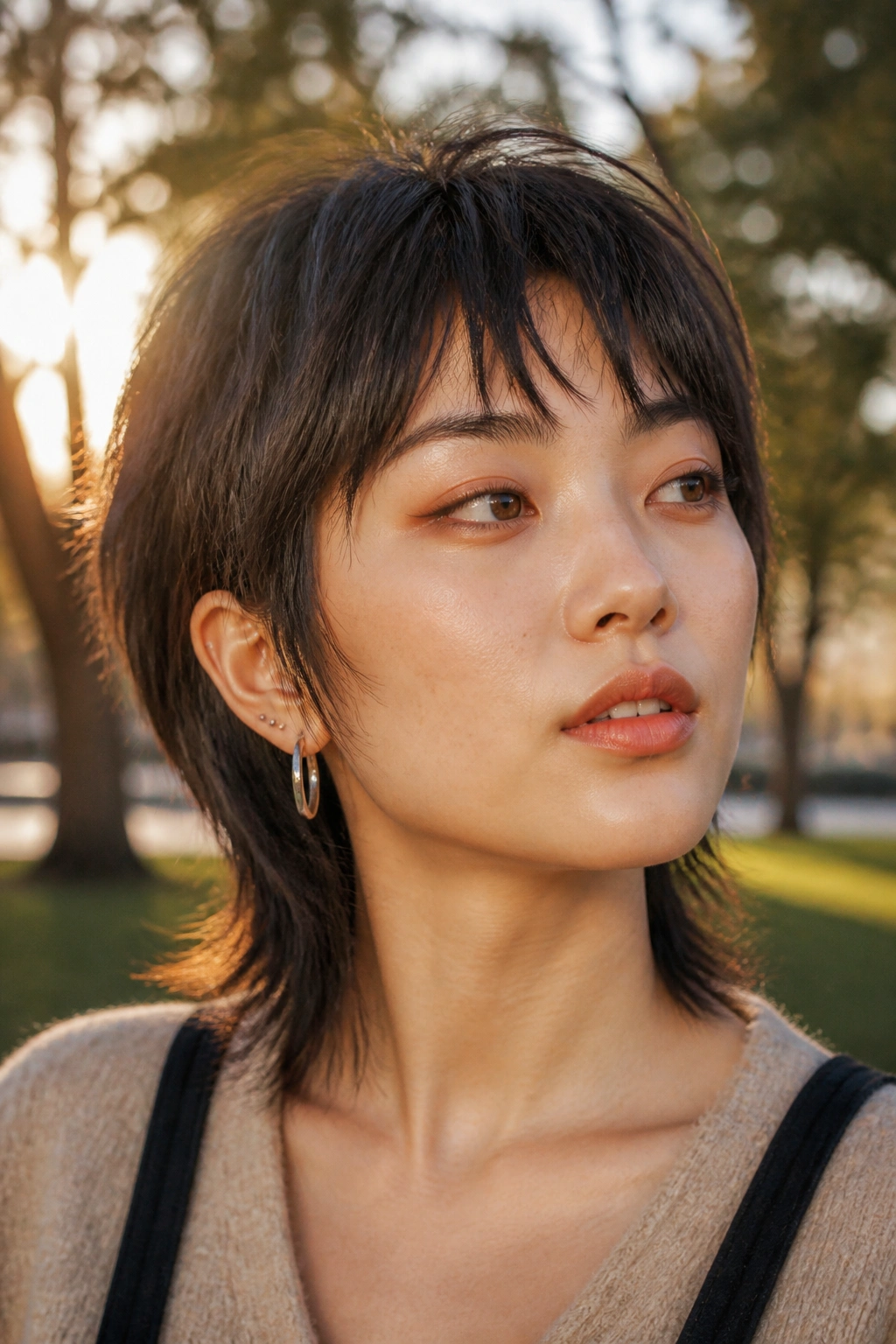
A mini wolf cut is the short version of the shaggy, undone look people keep asking for. On straight hair, the trick is not to overdo the layers. You want movement, not a mullet with regrets.
The cut usually keeps some length around the nape and crown while the front pieces stay shorter and more broken up. That creates a loose, tousled outline that can feel playful without going full rocker. Straight hair helps here because the layers show clearly, but only if the cut is controlled.
This works best for people who like texture spray and do not mind a little mess. If you want a clean bob, skip it. If you want a cut that looks better when it’s slightly mussed, it’s a good fit.
I’d ask for soft layers and a clear perimeter. Without the perimeter, the style loses its shape and starts looking unfinished. That’s the whole balancing act.
24. Stacked Bob
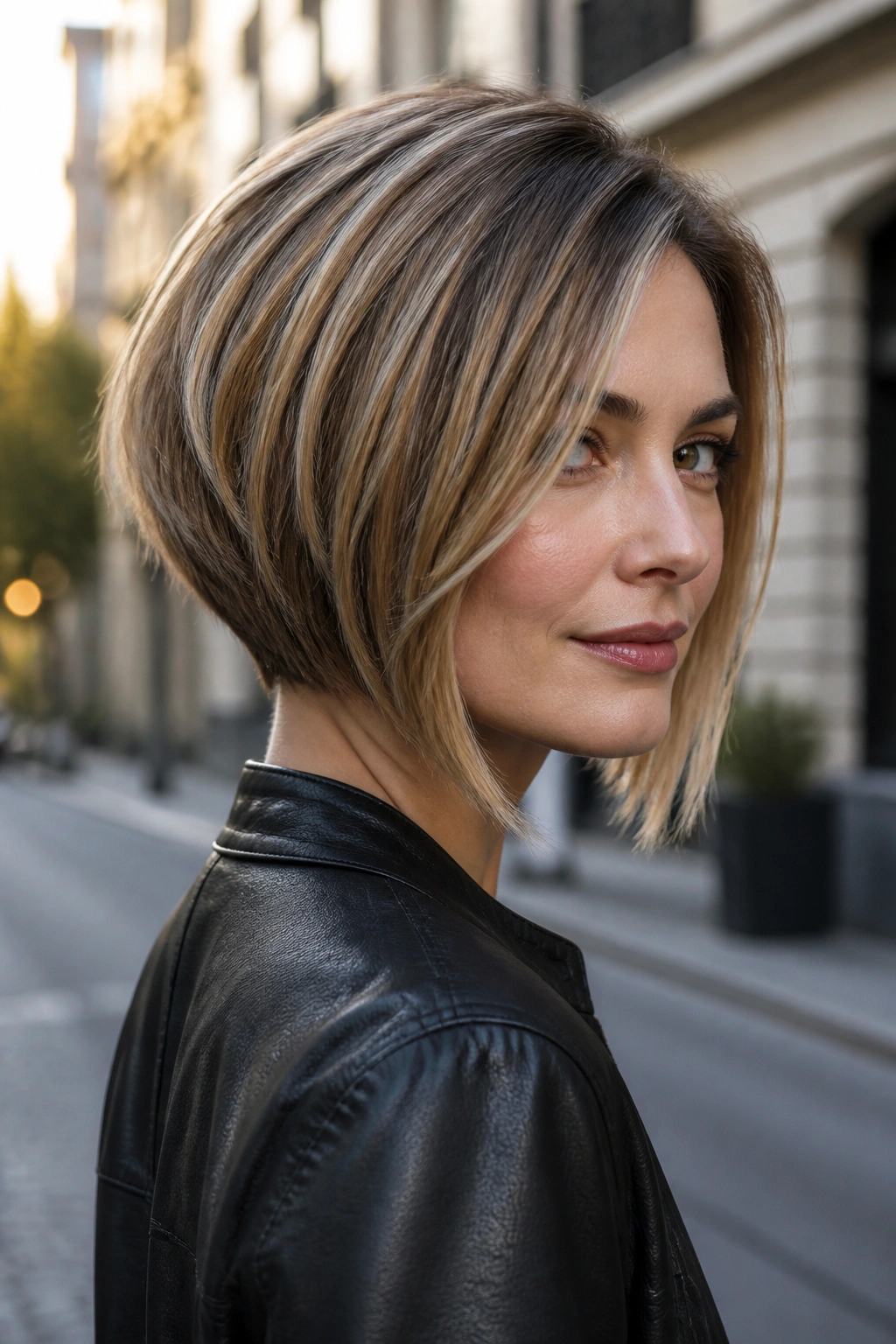
The stacked bob is built from the back up, which is why straight hair often looks fuller in it than people expect. The short graduated layers at the nape create lift, while the front stays longer and smoother.
It is a smart choice if your hair lies very flat at the crown. The stacked back adds a bit of body where you usually need it most, and the front pieces keep the haircut from feeling boxy. Done well, it has a clean silhouette and a little swing when you turn your head.
The Shape to Ask For
- Short graduated layers in the back
- Front length at the jaw or slightly below
- Minimal thinning through the sides
- A rounded finish, not a harsh shelf
The stack should be visible but not exaggerated. Too much graduation turns it into a triangle. A moderate stack gives you lift without that dated, over-built look that some older bob versions can have.
25. Feathered Short Crop
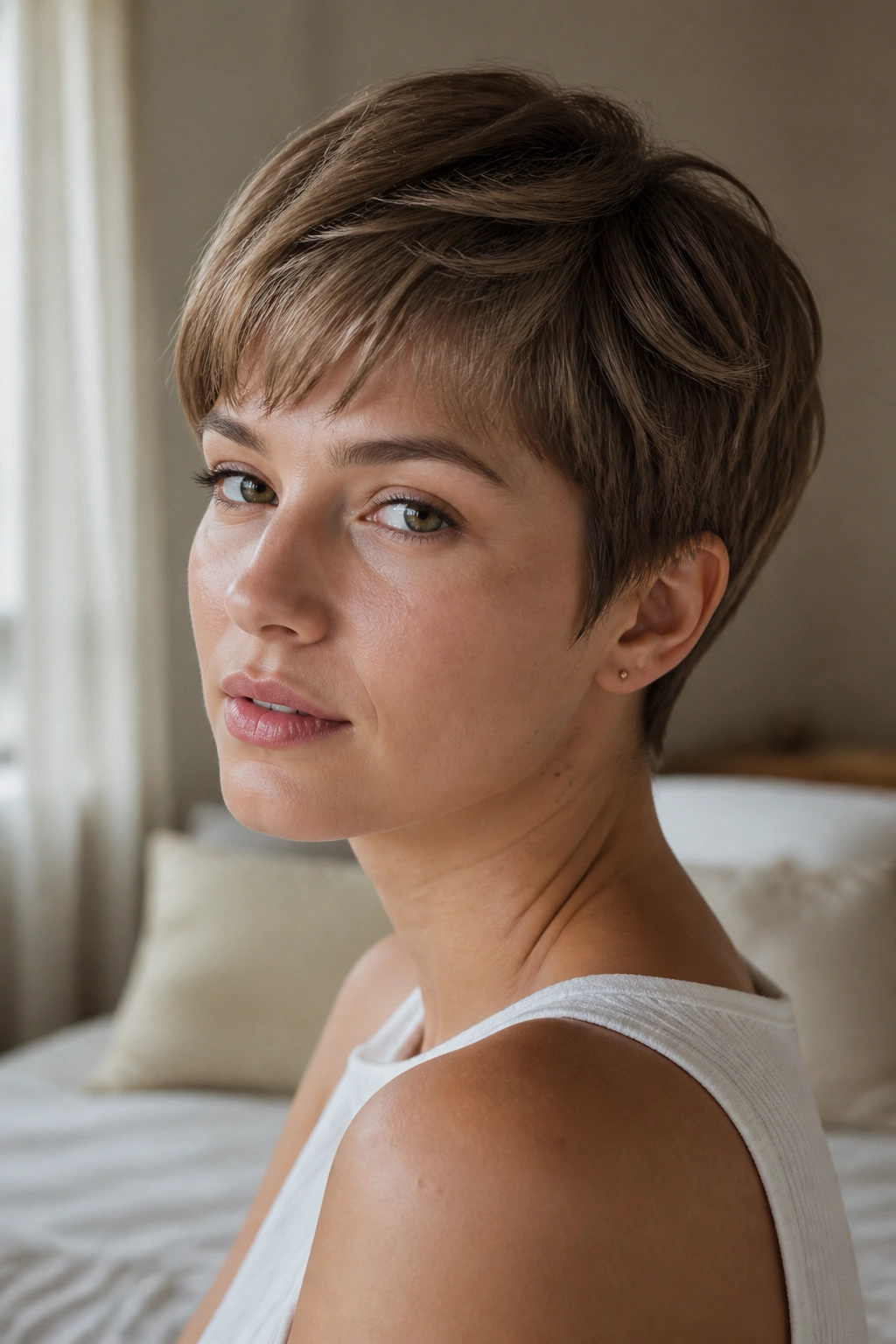
A feathered short crop is what I reach for when someone wants softness without losing the short length. The feathering keeps straight hair from looking blocky, but the overall shape still feels light and neat.
The best versions have a bit of movement at the crown and around the fringe, with the ends softened just enough to move away from the face. Straight hair handles this well because the feathered pieces stay where you put them. You do not need to wrestle with them much. That alone makes it worth considering.
It also grows out politely, which is more useful than people admit. Some short cuts look great for two weeks and then start fighting you. This one tends to blur more slowly, especially if the perimeter is kept clean.
If you want one short style that can go from air-dried to brushed smooth without drama, this is the one I keep coming back to. It is not flashy. It is not needy. It just works, and for straight hair, that matters a lot.
