



A layered bob can do a sneaky amount of work. A few careful cuts remove bulk, add lift at the crown, and make the ends move instead of sitting there like a block. That’s why layered bob haircuts keep showing up on women with straight hair, waves, curls, and everything in between.
Layers are not a free pass, though. Cut them too high and a thick bob balloons out; cut them too far down and fine hair can lose body. The best versions have shape — weight removed where the hair feels heavy, length left where the face needs softness, and enough texture to keep the cut from looking stiff.
A good bob also changes how styling feels in the morning. Some versions want a quick round-brush bend. Some look better with a little mousse and a rough dry. A few need almost nothing beyond a towel, a few bends with a dryer, and a dab of cream on the ends.
That range is the fun part. Short, chin-skimming cuts, longer lob versions, feathered shapes, and sharper stacked silhouettes all count as layered bobs when the cut is doing real shape work. The best choice depends on density, face shape, curl pattern, and how much fuss you’re willing to tolerate. Start with the cuts that actually match the hair you have.
1. Soft Face-Framing Layered Bob
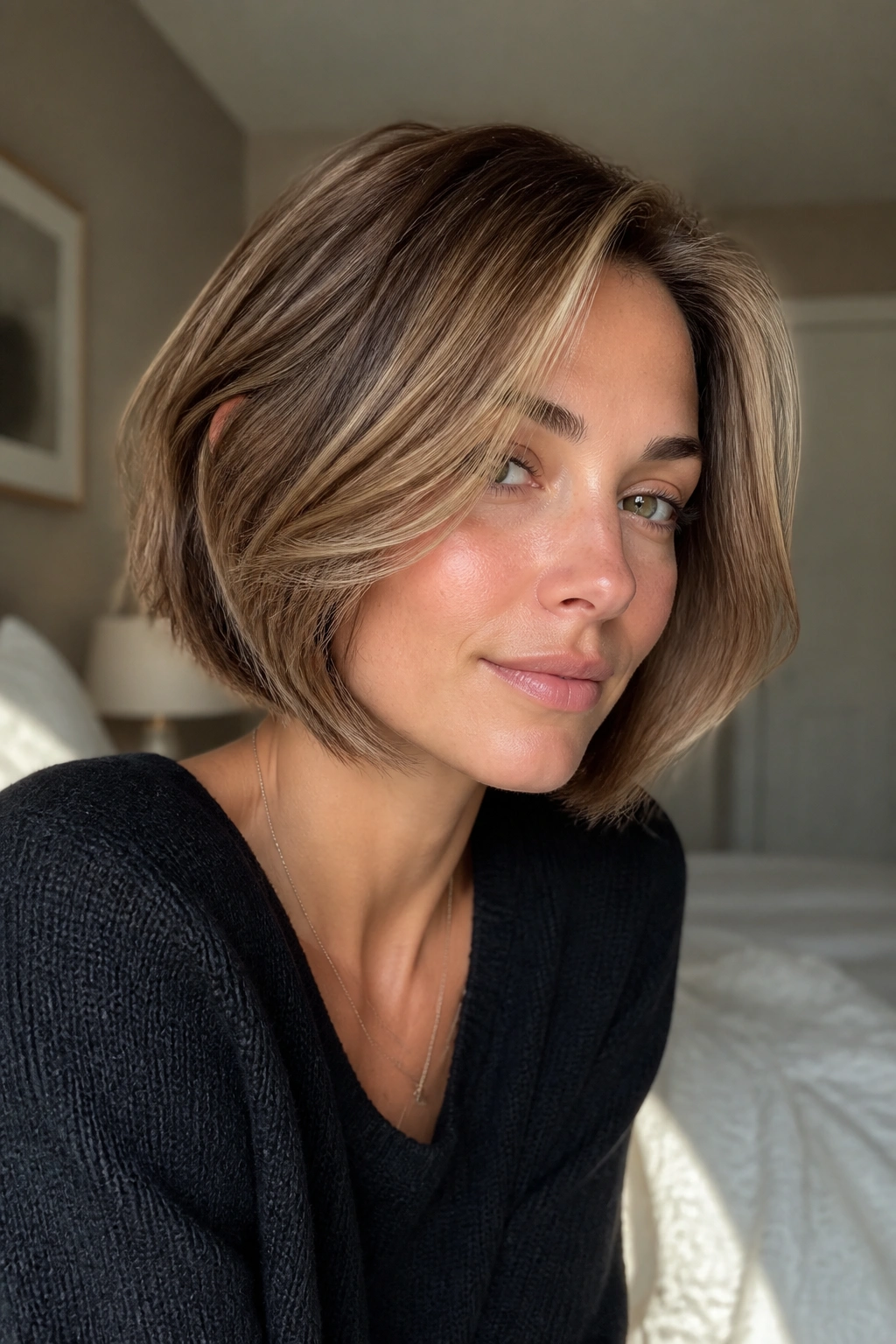
Some bobs feel a little hard around the edges. This one doesn’t. The layers start near the cheekbone or just below the chin, then taper into the ends so the whole cut feels softer and easier to wear on busy mornings.
Why It Works
The trick here is restraint. You still get movement, but the perimeter stays clean, which keeps the bob from looking too wispy. That matters if your hair is straight or only slightly wavy, because too many short layers can make the shape flip out in odd directions.
Soft face-framing layers are especially kind to round and heart-shaped faces. They pull the eye downward, then leave a little motion around the jaw instead of boxing the face in.
- Ask for layers that begin no higher than the cheekbone.
- Keep the front 1 to 2 inches longer than the back for a gentle sweep.
- Blow-dry with a round brush, curling the ends away from the face for a lifted look.
Best move: bring a photo with the layer start marked. Stylists can read pictures faster than descriptions, and that small detail saves a lot of guesswork.
2. Stacked Layered Bob
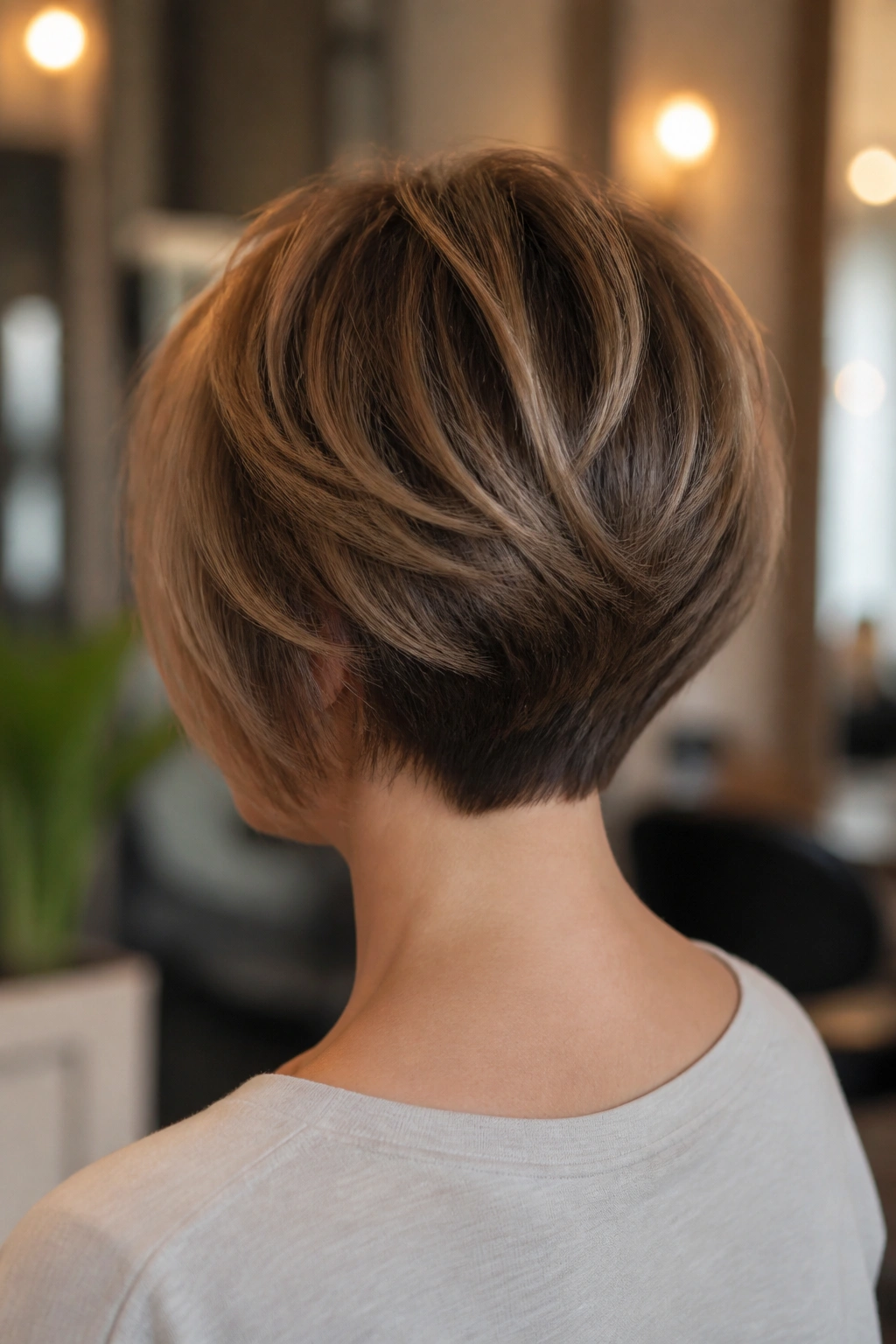
If you want visible lift at the back, a stacked layered bob does more than a can of volume spray ever will. The nape is cut shorter and the layers build upward from there, which creates that rounded back shape people love on thick or straight hair.
There’s a reason this cut keeps coming back. It gives structure. No fluff, no fuss. The back sits neatly against the neck, while the front can stay a touch longer so the haircut doesn’t feel severe. On dense hair, that stacked shape takes weight off the head and stops the ends from hanging like a shelf.
Styling is straightforward. A root-lifting mousse at the crown and a quick blow-dry with a medium brush usually does the job. If you let it air-dry, the silhouette flattens a little, which is fine if you like a softer shape. If you want the stacked effect to read clearly, use heat and direct the back sections up and under as they dry.
3. Choppy Layered Bob

Why do choppy layered bob haircuts look so easy? Because the cut is doing the heavy lifting. The ends are broken up, the layers are disconnected enough to move, and the whole style feels a little lived-in instead of polished to death.
That texture is the point. Choppy layers look best when the hair has some bend, whether that comes from a natural wave or from a quick pass with a curling wand. Pin-straight hair can wear the cut too neatly, so a bit of roughness helps. A matte texturizing paste on the ends gives that separated look without turning the hair crunchy.
How to wear it
If your hair is fine, keep the layers longer so the ends don’t go see-through. If your hair is thick, ask for more internal removal so the shape doesn’t puff out at the sides. The cut should feel light, not shredded. That’s a big difference.
4. Feathered Bob

A feathered bob has that airy, brushed-out motion that makes the hair look lighter without taking away the line of the cut. It’s a smart pick when you want movement but not a chopped-up finish.
Think of it as a softer cousin to the shaggy bob. The layers taper gently, especially through the sides and around the crown, so the hair falls in a kind of sweep rather than a block. Fine hair gets a bit more body. Medium hair gets a little swing. Thick hair loses some of the helmet effect that a one-length bob can create.
- Best on hair that already has a little bend.
- Works well with a side part or a loose off-center part.
- Looks best when the ends are smoothed, not flipped outward.
- Can feel old-school if the feathering is too heavy, so ask for a light hand.
My preference: keep the feathering subtle and let the bob stay clean at the bottom. That keeps it modern.
5. Curly Layered Bob
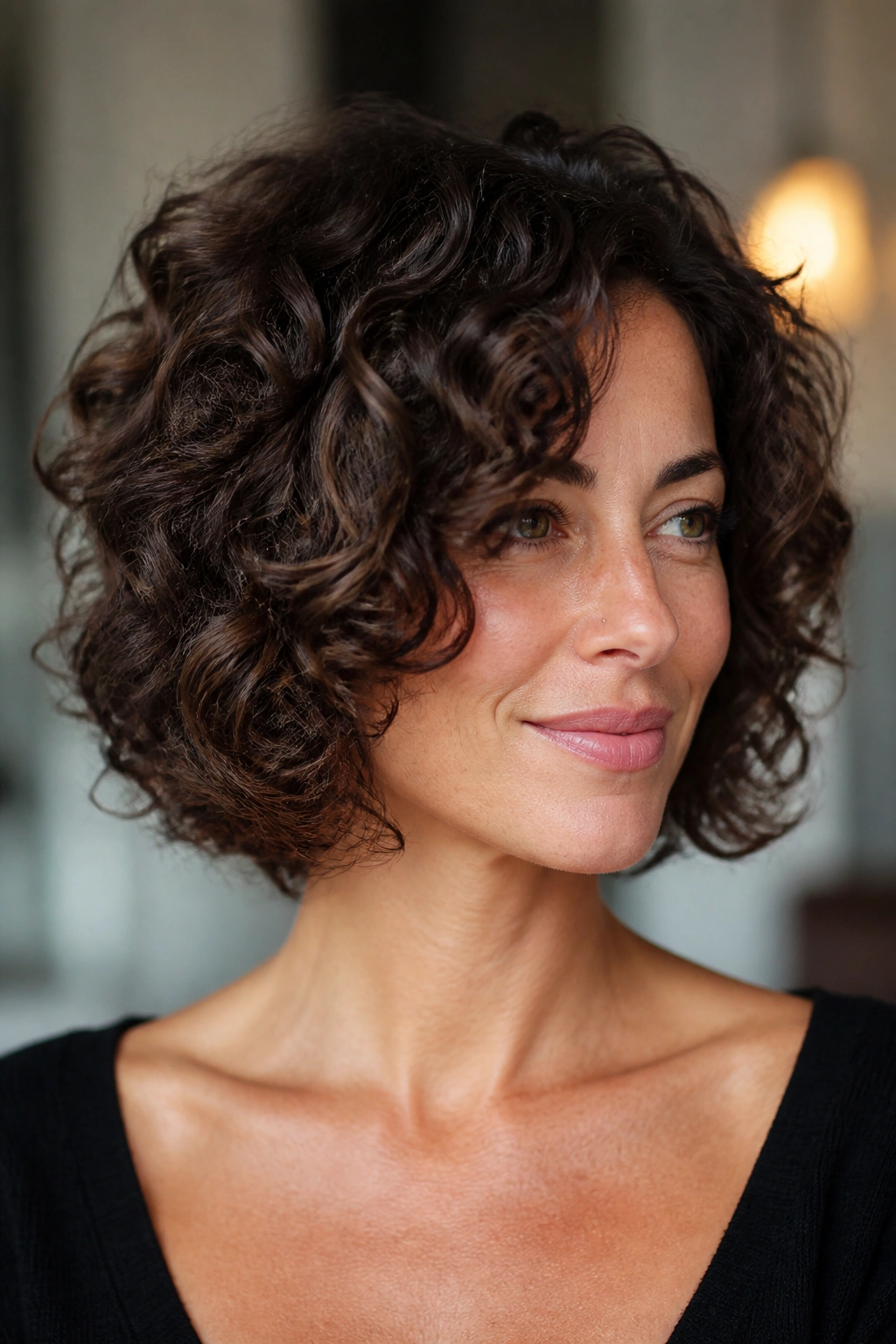
Curly hair and one-length bobs do not always get along. The shape can balloon into a triangle if the weight sits in the wrong place. A curly layered bob fixes that by giving the curls room to stack without building a hard shelf at the bottom.
The best version is usually cut with the curl pattern in mind, not against it. That means the stylist watches how your curls spring up, then places layers where the shape needs release. Done well, the haircut keeps the curls defined around the cheeks and jaw while preventing the bottom from getting bulky. It’s a clean, flattering shape — and yes, it takes some skill.
Use a curl cream or gel on soaking-wet hair, then scrunch lightly and diffuse or air-dry. Don’t rake through the curls once they start setting. That’s where frizz sneaks in. A little leave-in at the ends can help if your curls dry out fast, especially on layered cuts where the shorter pieces have less weight to hold them down.
6. Wavy Lob With Long Layers
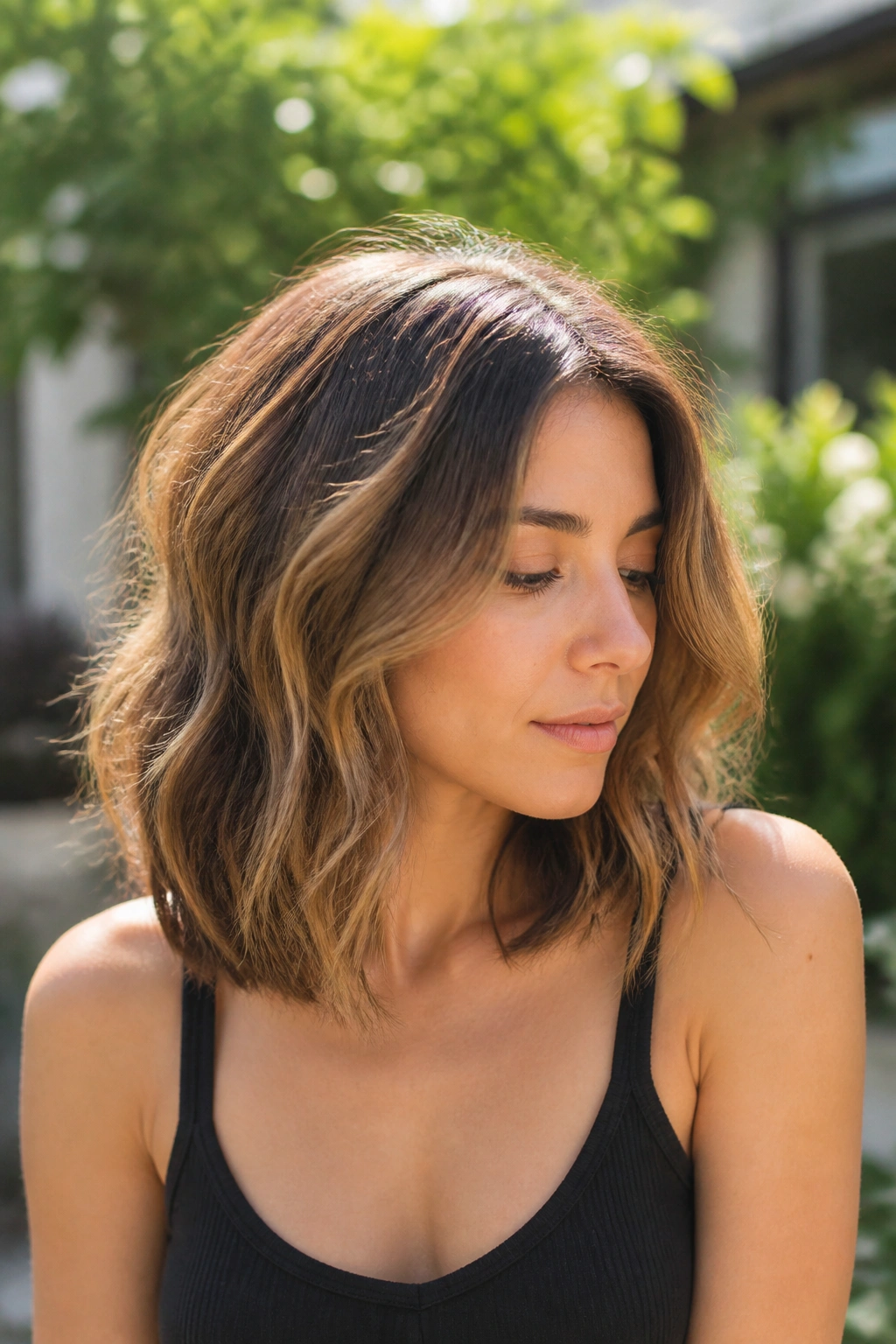
Unlike a strict bob that stops right at the jaw, a wavy lob with long layers gives you more room to play. It sits closer to the collarbone, which means the cut can be tucked, clipped, waved, or left loose without feeling too short.
The long layers are what keep this from becoming a plain grown-out bob. They add movement through the mid-lengths, so the hair bends instead of falling like a sheet. That matters if your waves are loose and unpredictable. Too many short layers can make the pattern puff. Long layers let the wave do its own thing.
This is a good option if you’re nervous about going short. It still has the easy feel of a bob, but there’s enough length to pin back for work, gym days, or hot weather. A little salt spray or mousse through damp hair is usually enough. Air-dry it, touch the front pieces with a curling iron if needed, and leave the rest alone.
7. Inverted Layered Bob
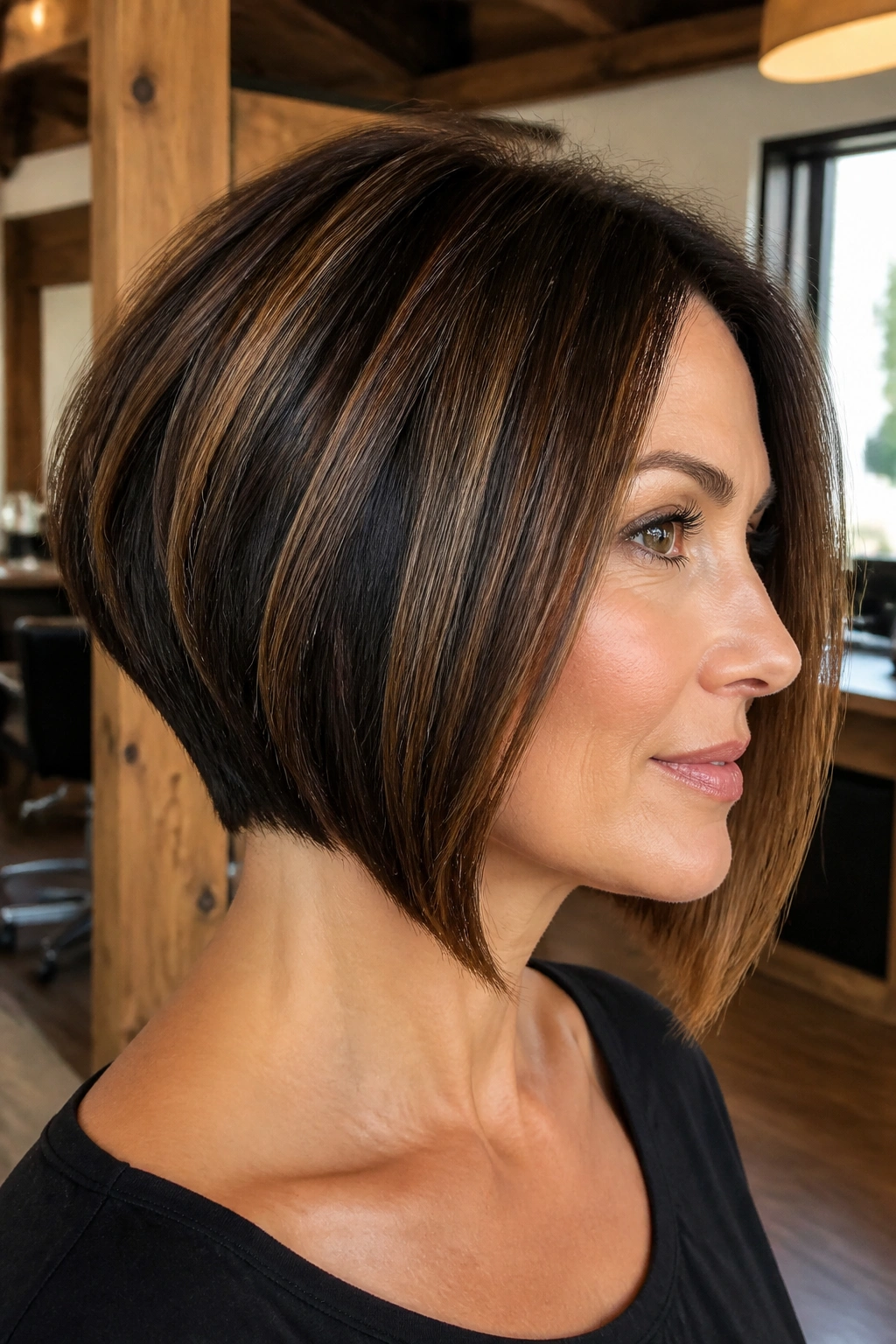
An inverted layered bob changes the line of the haircut in a way that flatters the profile fast. The back is shorter, the front is longer, and the angle gives the cut a clean forward sweep that can sharpen the jaw and lengthen the neck.
This shape suits straight and slightly wavy hair best because the angle reads more clearly. On thick hair, the inversion also removes weight where the head tends to look bulky. On finer hair, it can create the illusion of fullness through the back without making the ends too heavy.
What makes it different
- Shorter nape for lift.
- Longer front pieces for framing.
- A crisp diagonal line from back to front.
- Easy to tuck behind one ear without losing the shape.
If you like a haircut that looks deliberate even when you do very little to it, this is a strong pick. It has presence. That’s the nicest word for it.
8. A-Line Layered Bob
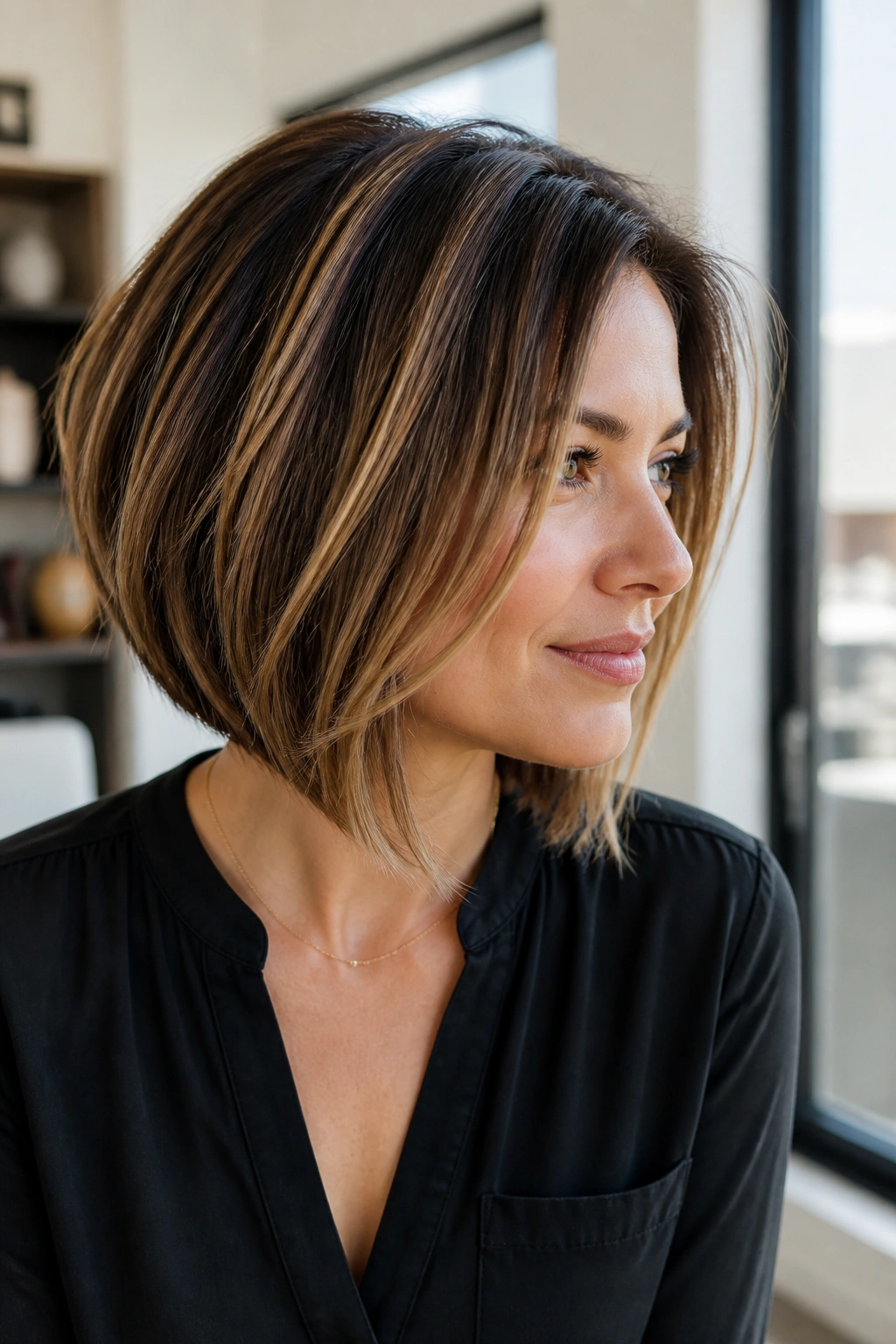
A-line layered bobs are for people who want movement but don’t want the back to be too short. The shape dips gently from the nape toward the front, so the haircut feels sleek rather than stacked.
The layering stays light and controlled. You’re not chasing huge texture here. You’re giving the bob just enough bend so the ends don’t look blunt and heavy. That makes this a good fit for office hair, dinner hair, and everything in between. It can be polished with a blowout or worn a little undone.
A straightening brush or flat iron with a soft wrist turn at the ends works well. Keep the front pieces smooth and let them graze the collarbone or jawline. If your hair is thick, ask for internal layers so the shape doesn’t spread out at the sides. If it’s fine, keep the layers longer and avoid over-thinning.
9. French Bob With Micro Layers

Why do people keep asking for the French bob? Because it looks finished with very little effort. Add micro layers, and you get a little more movement without losing the sharp, chic edge that makes the cut feel so specific.
This bob usually sits around the cheekbone or jaw, often with a fringe or a soft bang. The micro layers are tiny, almost hidden, and they stop the edges from looking too boxy. That small amount of internal shaping gives the cut a bit of swing when you turn your head. It’s subtle. It matters.
How to wear it
A quick bend with a round brush or a flat iron gives the ends that slight inward curve. If you wear bangs, keep them soft enough to brush apart with your fingers. Heavy, rigid fringe can fight the shape. This cut looks best when it moves a little — not when it sits like a helmet.
10. Italian Bob With Bouncy Ends
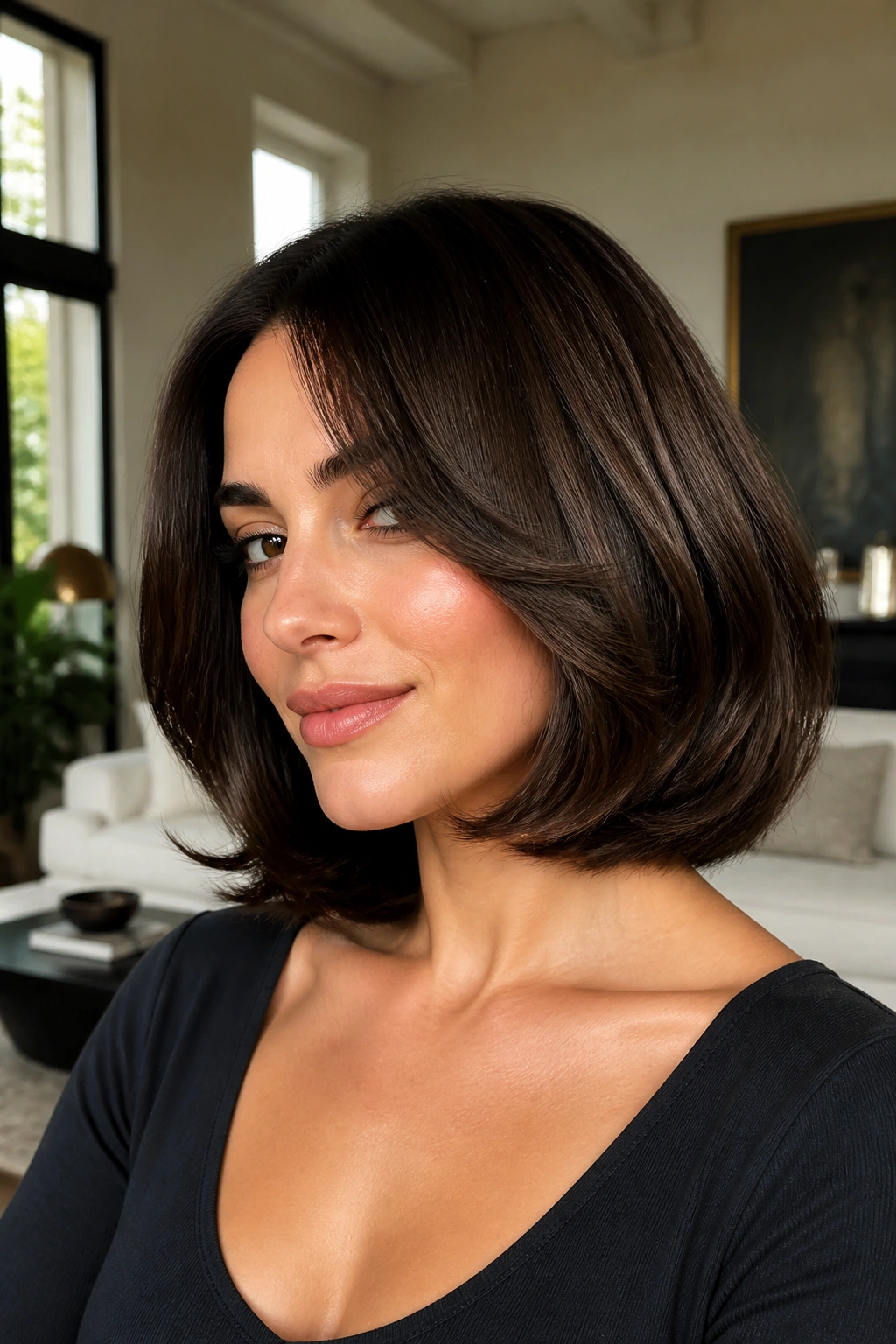
A good Italian bob has polish, body, and ends that kick under just enough to look expensive without looking stiff. The layers are not choppy. They’re rounded and smooth, which gives the cut a fuller shape around the cheeks and jaw.
This style loves a round brush. Dry the hair in sections, pulling the ends under as you go, and keep the crown lifted rather than flat. The result is soft volume with a clean outline. It works especially well on medium to thick hair because the haircut can hold that rounded silhouette instead of collapsing by lunchtime.
A center part gives it a sleek feel. A side part makes it softer. Either way, the ends should feel touchable, not crunchy, and the volume should sit where the eye can see it — around the side of the head, not just at the top.
11. Shaggy Bob

A shaggy bob is what happens when someone wants the ease of a bob and the movement of a shag, then refuses to choose between them. The layers are more separated, the ends are more broken up, and the whole cut has that slightly messy feel people like on days when they don’t want polished hair.
It suits wavy hair best, though straight hair can wear it with a little help from a curling wand or hot rollers. The key is not to over-style it. If every piece is curled the same way, the cut loses its charm. Bend a few sections in different directions, then rake through with fingers and stop.
This is not the cut for someone who wants perfect symmetry. It looks better when it’s a little messy. That’s the whole point. If your hair is thick, ask for enough weight removal so the sides don’t puff. If it’s fine, keep the layers longer so you don’t end up with see-through ends.
12. Jaw-Length Layered Bob
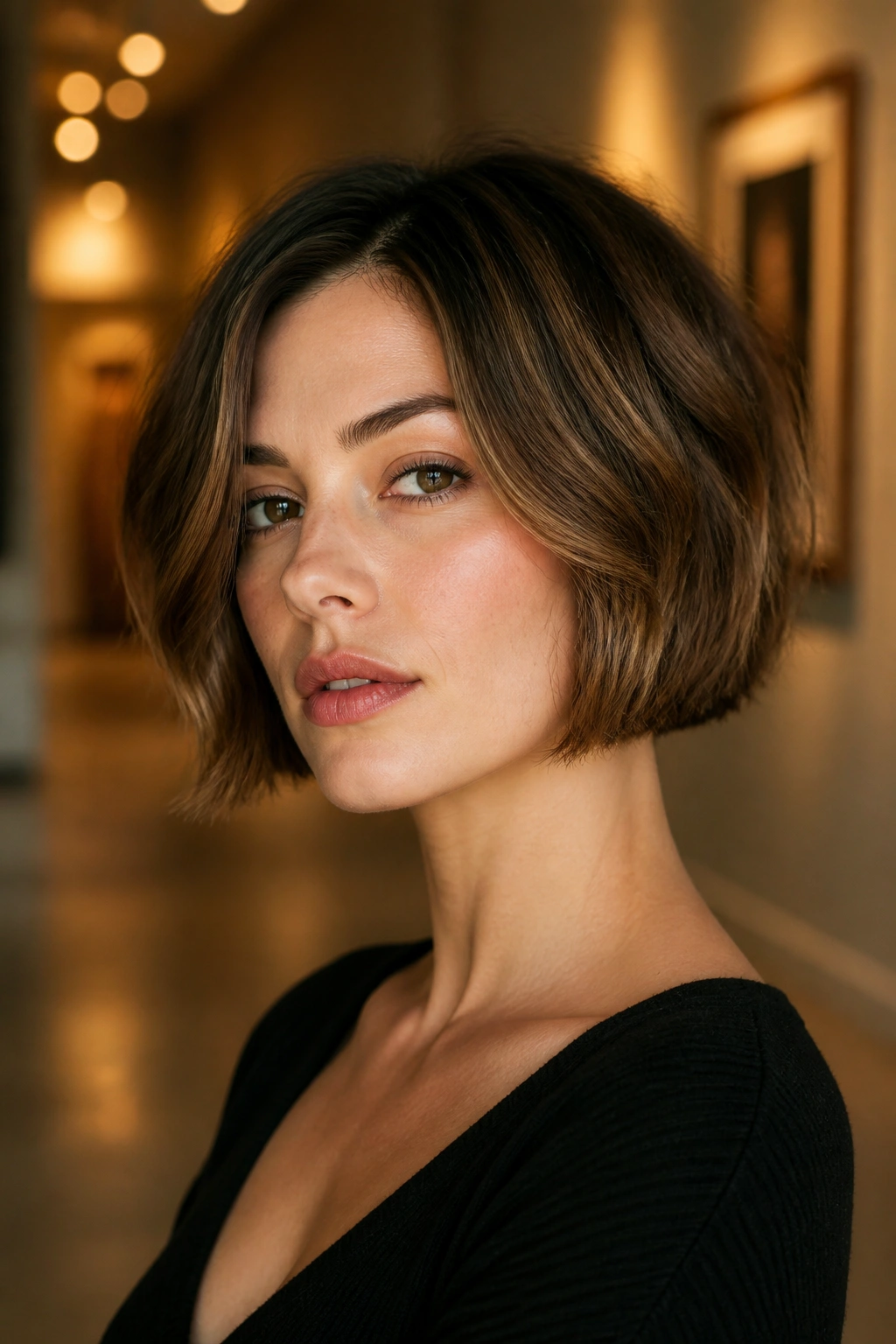
A jaw-length layered bob puts the spotlight right where a lot of people want it: along the jawline and lower cheek. It’s short enough to feel fresh, but not so short that it becomes fussy or hard to grow out.
The shape is surprisingly sharp on straight hair. On wavy hair, it has a softer, undone look that still keeps the jaw exposed. That makes it a strong pick if you like to see your neck and collarbones. It can also make earrings and makeup show up more clearly, which sounds small until you try a longer cut again and miss the effect.
Keep the layers moderate. If they’re too aggressive, the bob starts to feather out and lose its line. A clean perimeter with a few internal layers usually gives the best result. It’s one of those cuts that looks best after a good trim, not six months after one.
13. Collarbone Layered Bob
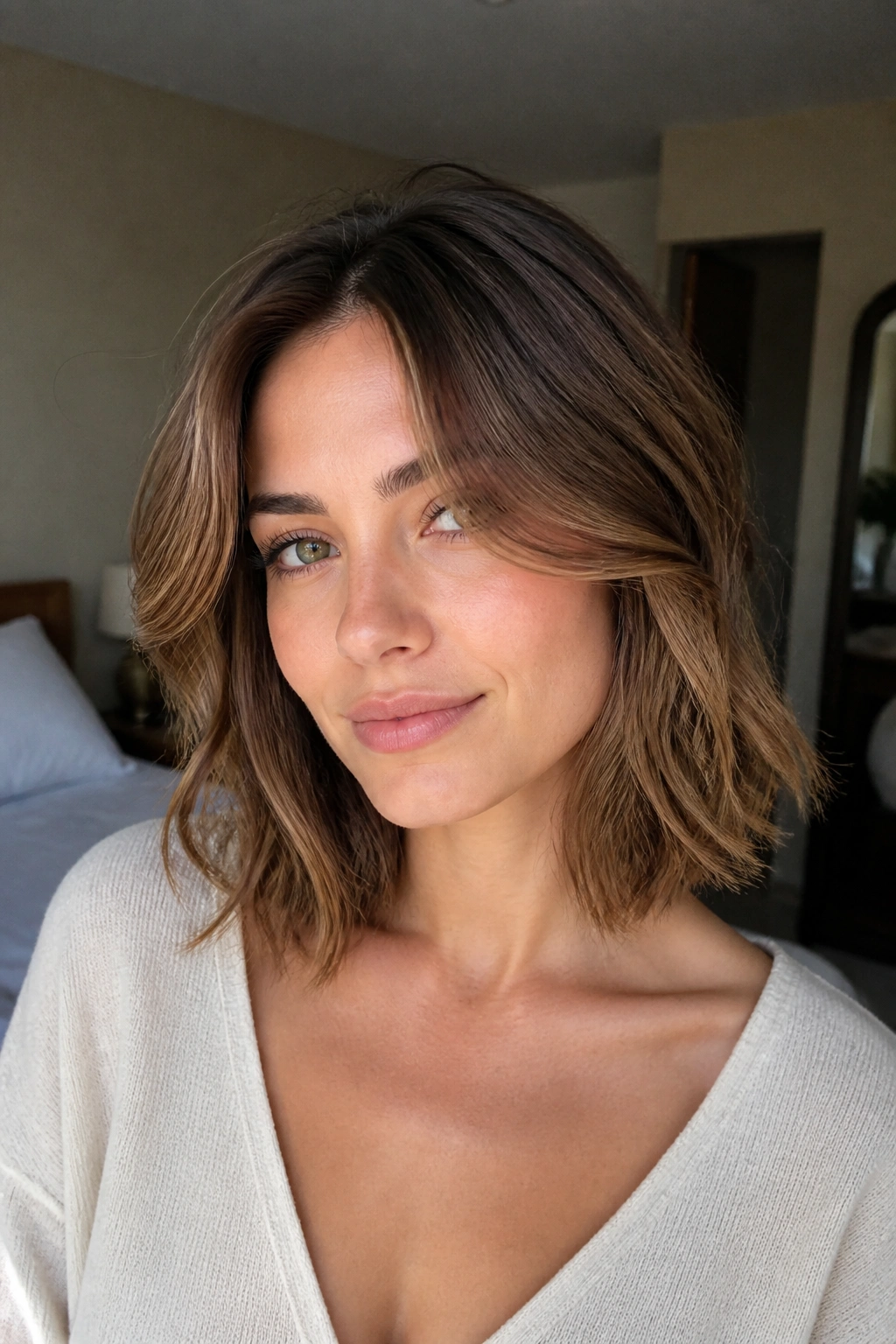
A collarbone layered bob is the haircut people choose when they want shorter hair without fully committing to short hair. The length gives enough movement to feel modern, while the layers keep it from dragging down the face.
Why It Flatters So Many Face Shapes
The collarbone acts like a built-in stop point. Hair can graze there, skim it, or tuck under it, which makes the cut easy to live with. Layers through the lower half keep the ends from turning heavy, and that helps if your hair is thick or tends to sit flat at the top.
- Good transition cut from long hair.
- Easy to clip up.
- Works with waves, bends, and straight blowouts.
- Less demanding than a chin-length bob.
If you’re unsure about going shorter, this is the safe bet that still feels like a change. Safe does not mean boring. Not here.
14. Textured Bob With Curtain Bangs
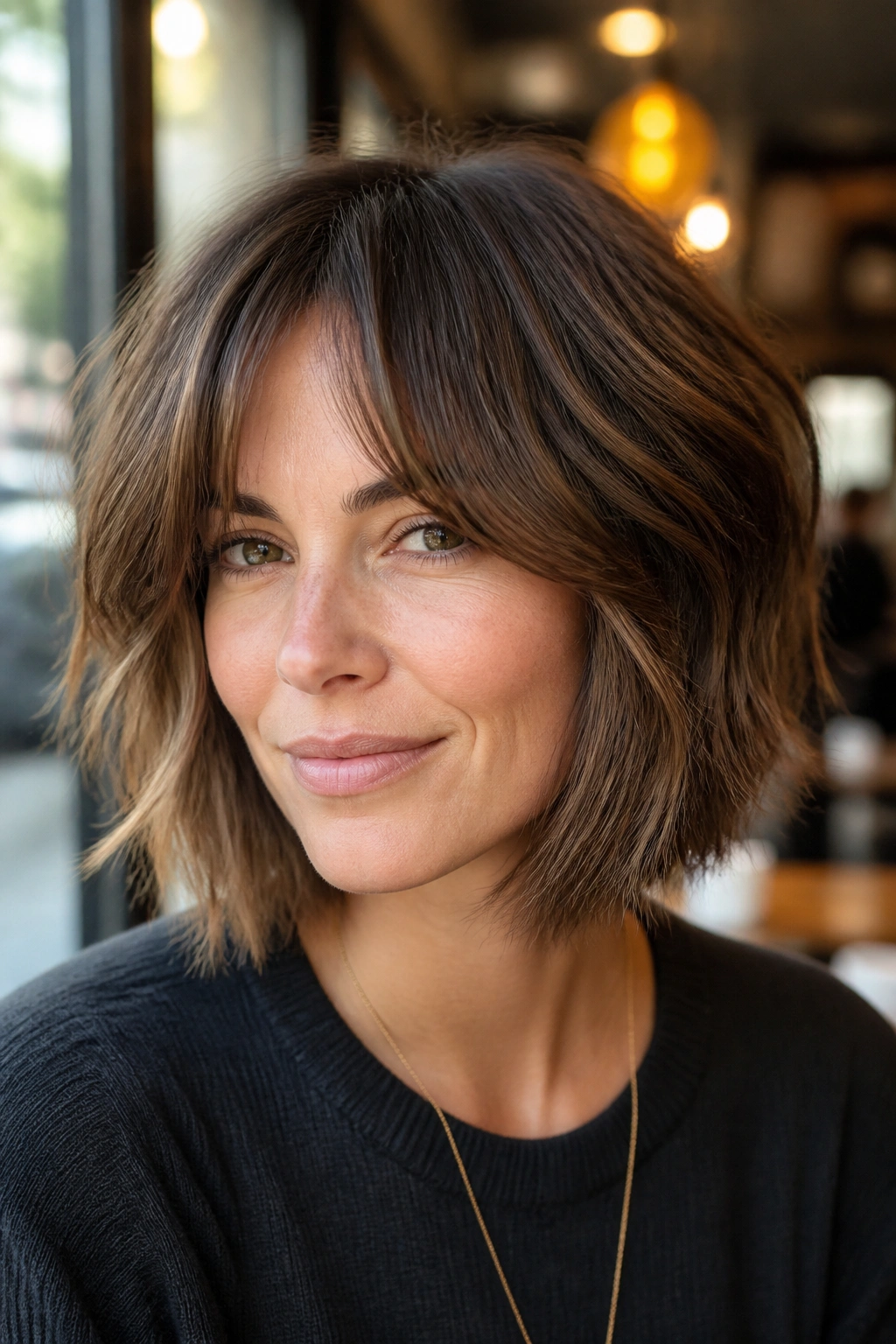
Curtain bangs and a textured bob are a strong pair because each one softens the other. The bangs open at the center and sweep back, while the layers under them stop the haircut from looking too heavy around the face.
This style is especially useful if you like some coverage around the forehead but hate blunt bangs. The curtain fringe can blur a high forehead, soften a square jaw, or add shape to a narrow face. The bob underneath keeps the overall cut neat. Together, they make a haircut that looks styled even when it isn’t.
A round brush at the bangs and a little bend through the layers are usually enough. Don’t overwork the fringe. Curtain bangs look best when they separate a little in the middle and fall around the cheekbones. If they’re too stiff, the whole style loses that easy movement people are after.
15. Blunt Bob With Invisible Layers

Why choose a bob that looks blunt if it still has layers? Because invisible layers give you shape without making the cut look broken up. That’s a smart move for dense hair that needs weight removed from the inside, not along the outline.
The perimeter stays clean and strong. Inside the haircut, subtle layering takes out bulk so the bob sits flatter at the sides and moves better at the ends. That means you get the crisp edge of a blunt cut with a little more control through the middle. It’s especially good if you like sleek styles but your hair gets too wide when cut one length.
How to handle it
Ask your stylist to keep the outside line solid and soften only the interior. Then blow-dry smooth with a paddle brush or flat brush. The haircut should feel controlled, not puffy. If you can see the layers from across the room, they’re too heavy.
16. Razor-Cut Layered Bob

A razor-cut layered bob has a softer edge than a scissor-cut version. The ends taper and blur a little, which gives the hair a light, airy feel that works well on fine to medium textures.
The caveat is simple: if your hair is coarse or frizz-prone, too much razor work can leave the ends fuzzy. So this style needs the right hair type and the right hand. When it’s done well, though, the result is lovely — less blocky than a blunt bob, less choppy than a shag, and full of movement without obvious chunkiness.
This cut loves a bit of serum through the ends. Not a heavy one. Just enough to calm the edge after blow-drying. If you like hair that falls around the face in soft pieces, rather than sharp lines, this is one of the nicer layered bob options on the list.
17. Asymmetrical Layered Bob

An asymmetrical layered bob leans into the fact that hair doesn’t have to match on both sides to look good. One side is longer, the other a little shorter, and the layers help the difference feel intentional instead of awkward.
That offset line adds interest fast. It can sharpen a soft face, break up wide cheeks, or give straight hair a little drama without piling on more texture. The haircut works best when the asymmetry is noticeable but not extreme. You want the shape to be seen, not shouted.
The styling can stay simple. Smooth the longer side toward the face, tuck the shorter side behind the ear, and let the layers fall where they want. If you want a stronger edge, dry it with a side part. If you want it softer, use a loose bend through the front and keep the ends clean.
18. Round Layered Bob for Thick Hair
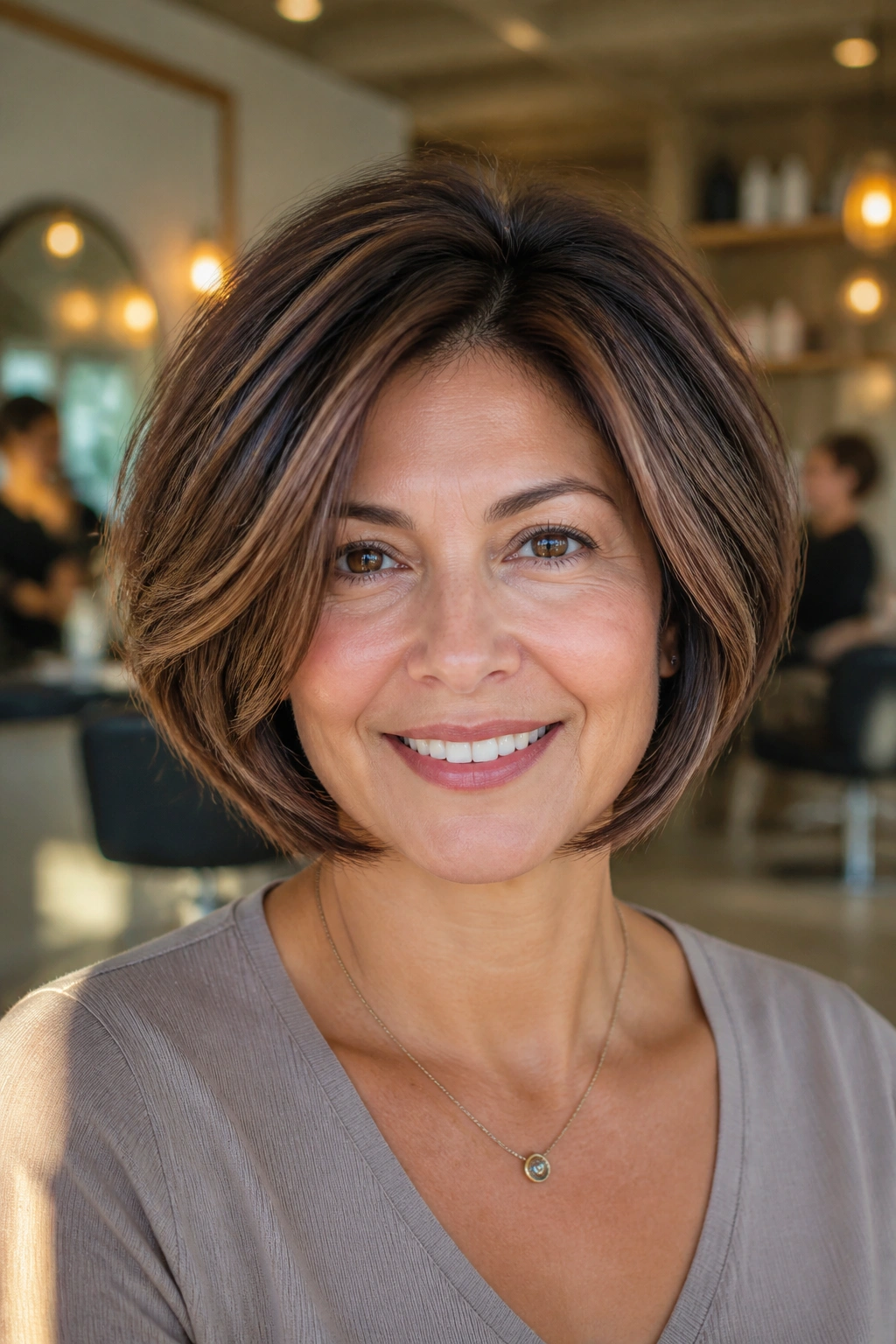
Thick hair loves a round layered bob when the cut is built to control volume instead of fight it. The silhouette curves slightly around the head, which stops the sides from sticking out while still leaving enough fullness to look lush.
This is where internal layering matters most. Thick hair can turn bulky fast, especially if the bob is cut too blunt through the bottom. A round shape removes weight in the right places and keeps the line smooth from crown to ends. You still get body. You just don’t get the mushroom effect.
A good blow-dry helps, but the cut should do most of the work. Ask for layers that support the round shape, not random thinning shears. Those can chew up the ends and leave the haircut looking rough after a few washes. Clean shape beats over-thinned texture every time.
19. Fine-Hair Layered Bob With Crown Lift
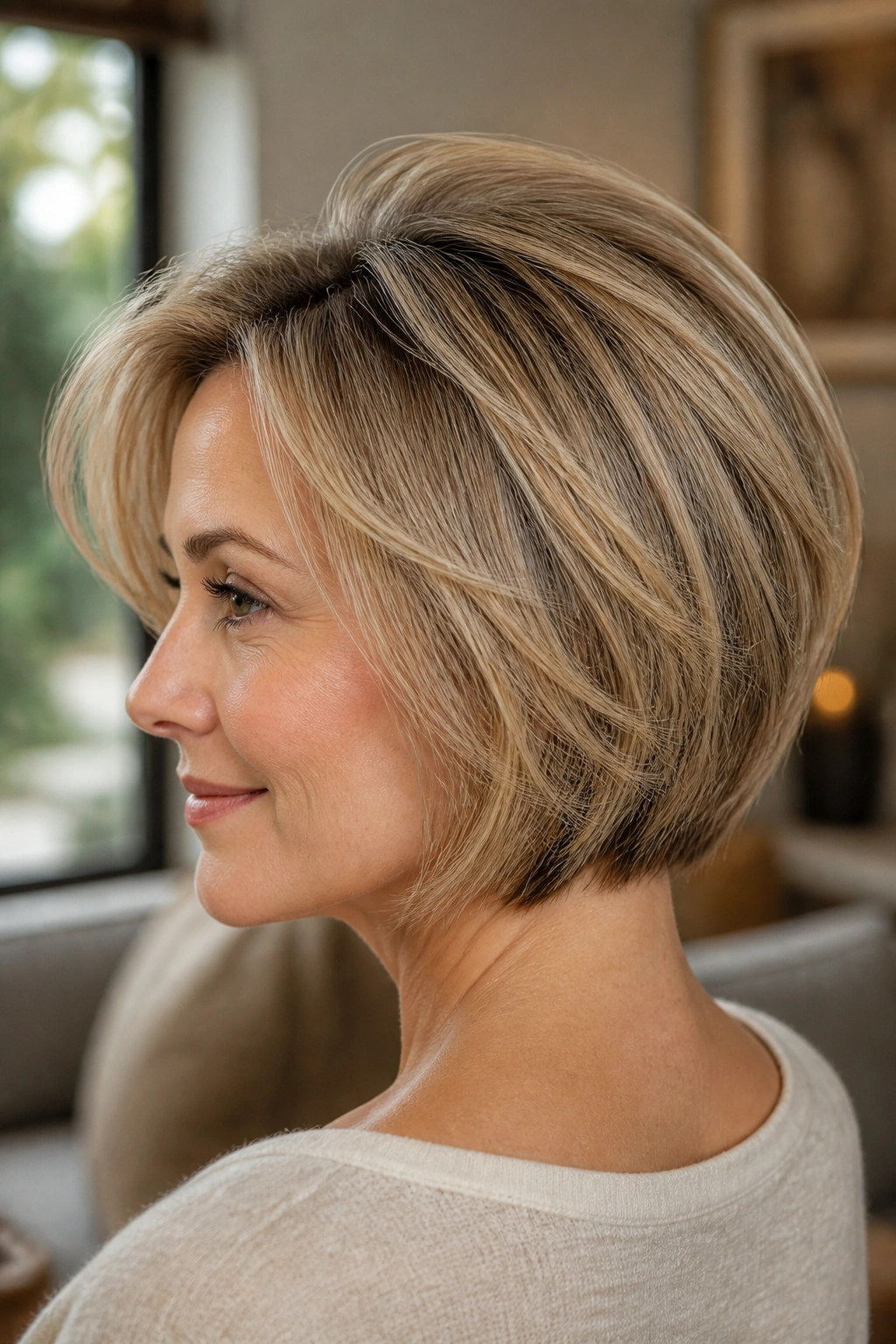
Fine hair can go flat at the crown in a hurry, which is why a layered bob with crown lift makes sense. The layers are placed to build height near the top while leaving the ends full enough to avoid a stringy finish.
Why It Helps Fine Hair Look Fuller
The idea is to create a little space between the scalp and the silhouette. A soft lift at the crown makes the whole haircut look denser, while longer layers through the sides keep the perimeter from disappearing. Too many short layers can backfire, so this cut works best when the stylist is careful.
- Ask for subtle graduation at the crown.
- Keep the ends blunt enough to hold shape.
- Use a lightweight mousse at the roots.
- Blow-dry upside down for the first minute, then smooth it into place.
This is one of those cuts that rewards restraint. The more the hair can keep its own body, the better it looks.
20. Bob With Swoopy Side Layers

A swoopy side layer changes the whole mood of a bob. One long curve across the front can soften a square face, break up a broad forehead, or give straight hair a little movement without introducing a lot of texture.
The best part is the sweep. It starts near the temple or cheekbone, then falls across the face in a controlled arc. That gives you shape right where the eye lands first. If the rest of the bob is clean, the side layer becomes the main feature. If the rest is textured, it blends in and softens the edges.
This cut works well for people who like one side a little more open than the other. It can also be tucked behind the ear on days when you want the face fully visible. Simple styling, but not boring. That’s the sweet spot.
21. Graduated Bob
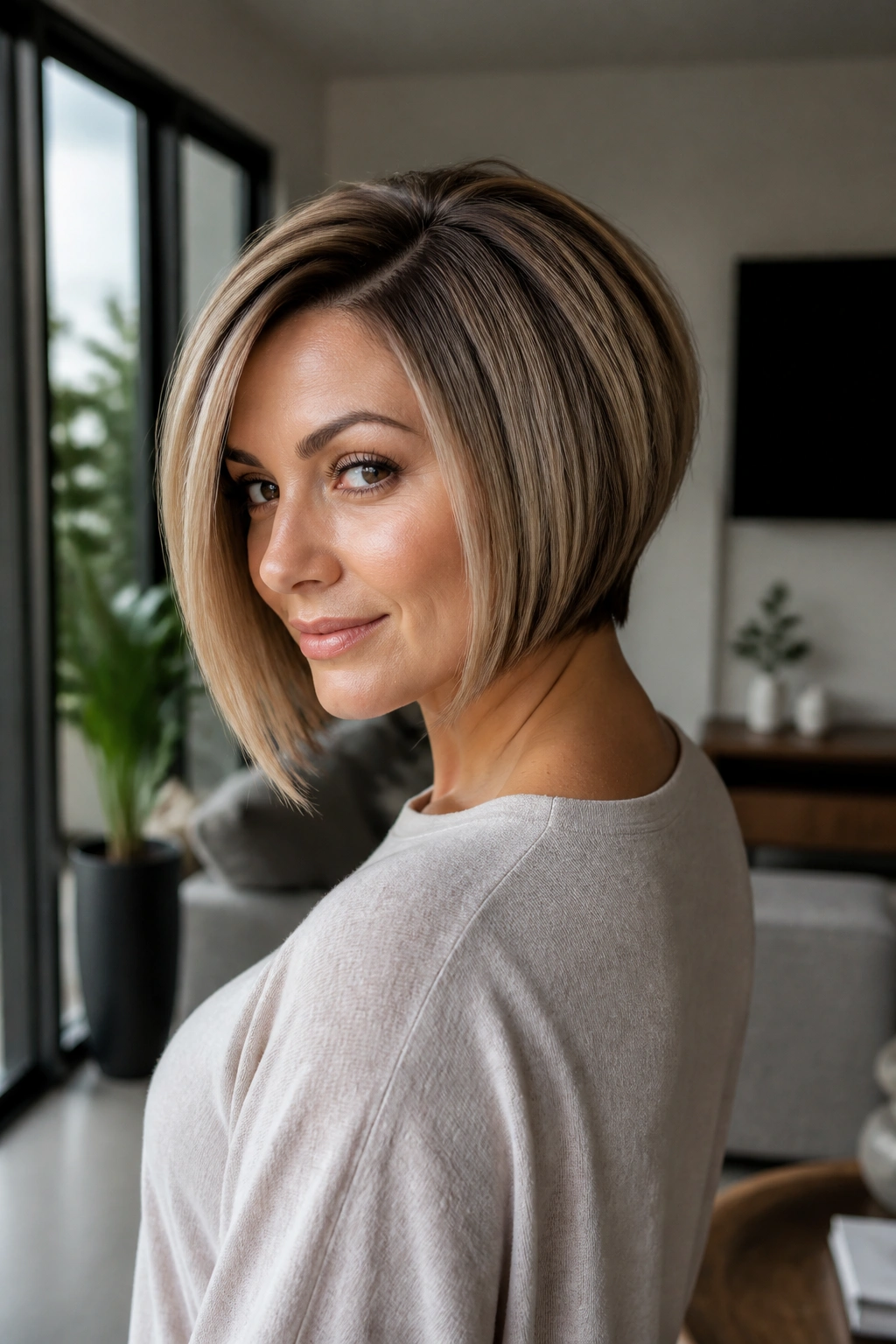
A graduated bob sits somewhere between a stacked bob and a classic one-length shape. The back is built with more angle and the front stays slightly longer, but the transition is smoother and less dramatic than in a strongly stacked cut.
That makes it a nice middle ground. You get lift, structure, and a clean curve at the back, yet the haircut still feels easy to wear day to day. Straight hair shows the graduation best, while wavy hair gives it a softer, more relaxed finish.
If you’ve had a blunt bob and found it too heavy, a graduated version can solve that without pushing the shape into full-on shortness. Keep the layers controlled and the neckline tidy. It’s a sharp haircut when it’s maintained. Let it grow too long, and the graduation loses its shape fast.
22. Undercut Layered Bob

Why would someone hide an undercut inside a bob? Because very dense hair can be a beast. A hidden undercut removes weight from the nape or lower interior, which lets the upper layers fall more cleanly and keeps the shape from turning bulky.
This is not the first cut I’d suggest for someone who wants zero maintenance. It does require a bit of upkeep. Still, if your hair is heavy enough to fight every style, the undercut can make daily life easier. The bob sits better, dries faster, and holds shape without so much effort.
What to watch for
The visible layers should still look soft on top, even if the lower section is clipped shorter. Keep the undercut hidden unless you want it to show. A few loose pieces around the ears can help the cut feel less severe. It’s practical, but it has edge.
23. Tousled Air-Dry Bob

A tousled air-dry bob is built for people who don’t want to stand over a mirror every morning. The layers are cut to encourage natural bend, so the hair can dry with movement instead of collapsing into a flat shape.
The styling step is short. Apply a light cream or mousse to damp hair, scrunch the mid-lengths, and leave the rest alone. If your hair has a wave, this cut will bring it out. If it’s straight, you’ll still get some bend through the layers, especially if the hair is cut with a bit of internal texture.
This cut is happiest when it doesn’t look over-controlled. A few pieces may flip, and that’s fine. If the finish feels too neat, it loses the point. Air-dry styles live or die by texture, and this one is no exception.
24. Vintage-Inspired Layered Bob
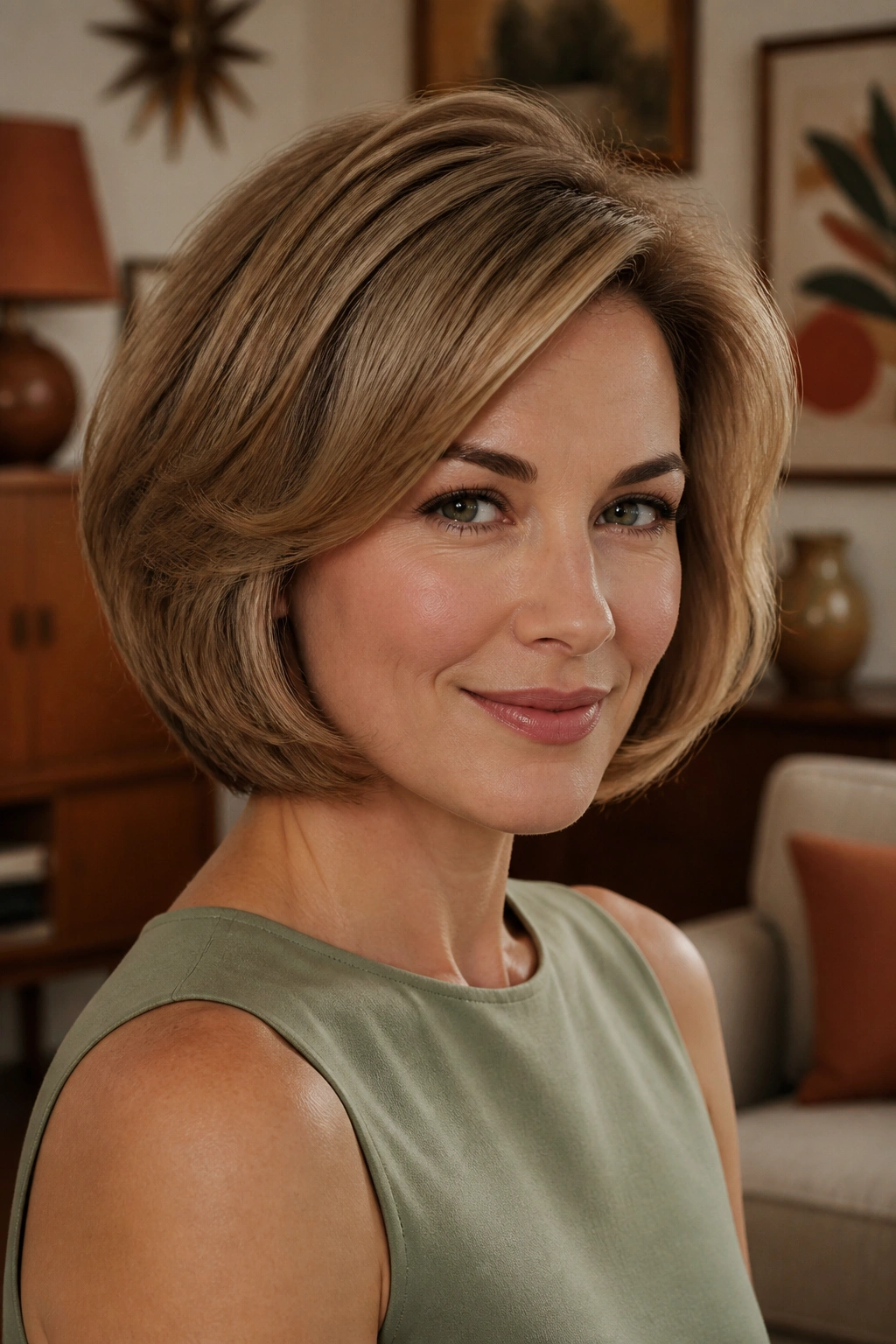
A vintage-inspired layered bob borrows the shape language of old Hollywood — soft side part, rolled-under ends, maybe a little volume at the crown — but it doesn’t have to look costume-like. The layers are what keep it wearable.
This style shines when you want the hair to look deliberate. The bend through the ends gives the bob a polished curve, while the layers stop it from becoming too heavy through the sides. It works for events, work dinners, and any day you want the haircut to do more than sit there.
A medium round brush and a low-heat blow-dry are usually enough. If you want extra shape, set the front sections away from the face, then brush them down once cooled. The haircut should feel smooth, with a little bounce at the ends. No need to overdo the retro part. A hint is enough.
25. Deep Side-Part Layered Bob
A deep side-part layered bob has a kind of easy drama that never feels forced. The part creates instant lift on one side, while the layers keep the shape from falling flat across the forehead or cheek.
This is one of the simplest ways to make a bob look different without changing the cut itself. Move the part, and the whole haircut shifts. The volume line changes. The face looks softer or sharper depending on where the hair falls. That’s a nice trick when you want variety without sitting back in the chair again.
It works especially well on straight and loose-wavy hair. Use a root spray or a light mousse at the part, then blow-dry that side up and over with a brush. The result should feel full but not stiff. On a bob, a deep side part can do a lot of the visual work all by itself.
Final Thoughts
The best layered bob is the one that matches your hair’s actual habits. Not the version you wish you had. Thick hair likes weight control, fine hair needs lift, curls want room, and straight hair usually benefits from clean lines with just enough movement.
That’s why these layered bob haircuts keep sticking around. They solve real problems. Heavy hair gets lighter. Flat hair gets shape. Short hair gets personality. Pick the cut that fits your texture and your mornings, and you’ll spend less time fighting the mirror.
