



Blonde hair color ideas for women over 50 work best when they do three jobs at once: soften the face, keep regrowth from looking harsh, and give the hair some shine it can lose with age. I think the sweet spot is rarely the palest blonde in the room. It’s the shade that looks like you could have been born with it.
Hair after fifty often has more gray, less pigment, and sometimes a rougher feel at the ends. That does not mean it needs to be dark or flat. A well-chosen champagne, beige, honey, or pearl blonde can make the skin look calmer and the hair look fuller, especially when the color isn’t painted all the way to the scalp in one solid block.
The trick is tone, placement, and maintenance. A root shadow buys you time. Fine babylights look softer than chunky stripes. And if your hair has started to feel porous, a gloss or demi toner matters almost as much as the lightening itself.
The shades below move from soft and low-key to brighter and bolder, so you can land on the kind of blonde that fits your hair, not a photo on someone else’s head.
1. Soft Champagne Blonde for Women Over 50
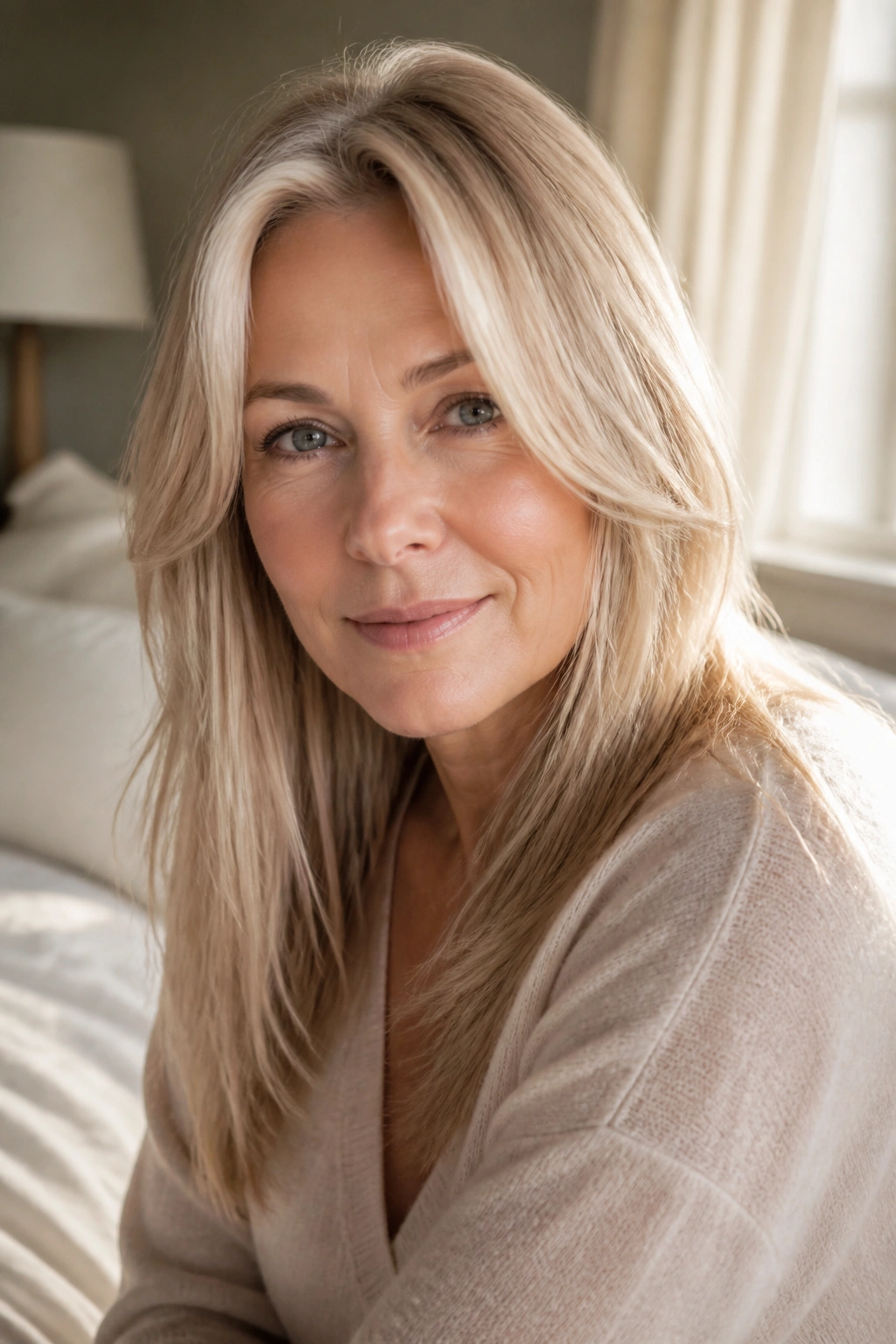
Champagne blonde sits in that lovely middle zone between beige and pale gold, which is why it tends to flatter so many faces. It gives you brightness without turning the hair brassy or stark. I’m biased toward this shade for clients who want a lift around the face but still want the color to look believable in daylight.
Why It Works
- Ask for fine babylights through the crown and a soft beige gloss on the ends.
- Keep the root slightly deeper, around a level 7 or 8, so the grow-out stays gentle.
- Champagne reads polished on straight hair and a little more dimensional on waves.
Best tip: skip icy toner unless your skin has a cool undertone and you like a sharper finish.
The best champagne blondes don’t shout. They shimmer a little when the light hits, and that’s enough.
2. Honey Butter Blonde
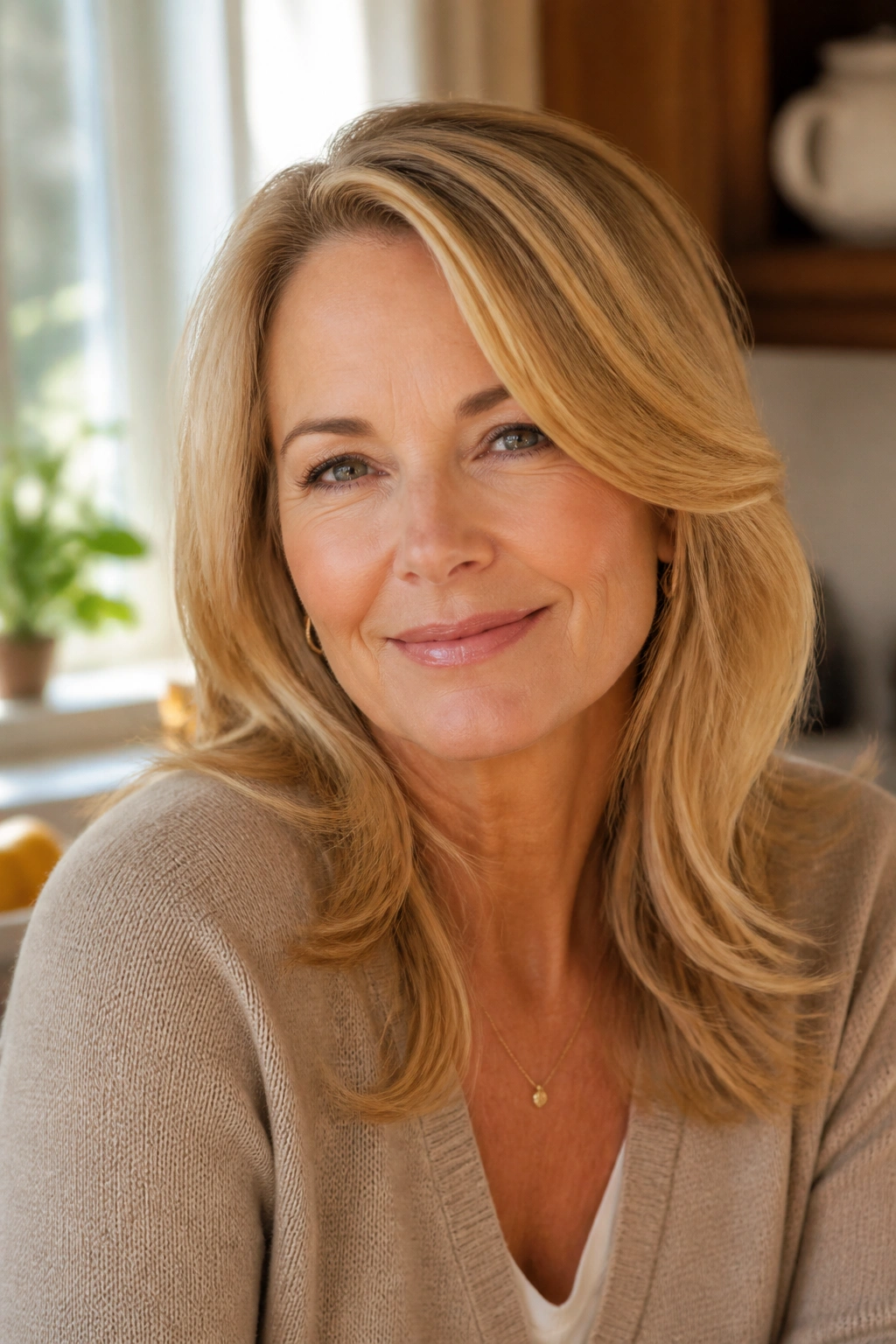
Warm blonde is underrated. It has a softness that can be kinder to cheeks, jawlines, and necks that have changed a bit with time. Honey butter blonde brings in gold without turning orange, so the result feels rich rather than loud.
This shade is especially good if your skin looks better with peach, cream, or warm beige near the face. It also helps drier hair look less brittle, because the warmth visually adds fullness. On a layered cut, the color moves. On a blunt bob, it looks smooth and creamy.
If you like makeup that stays on the lighter side, honey butter blonde keeps the whole face from going pale. It’s a simple fix, but a good one.
3. Creamy Beige Blonde
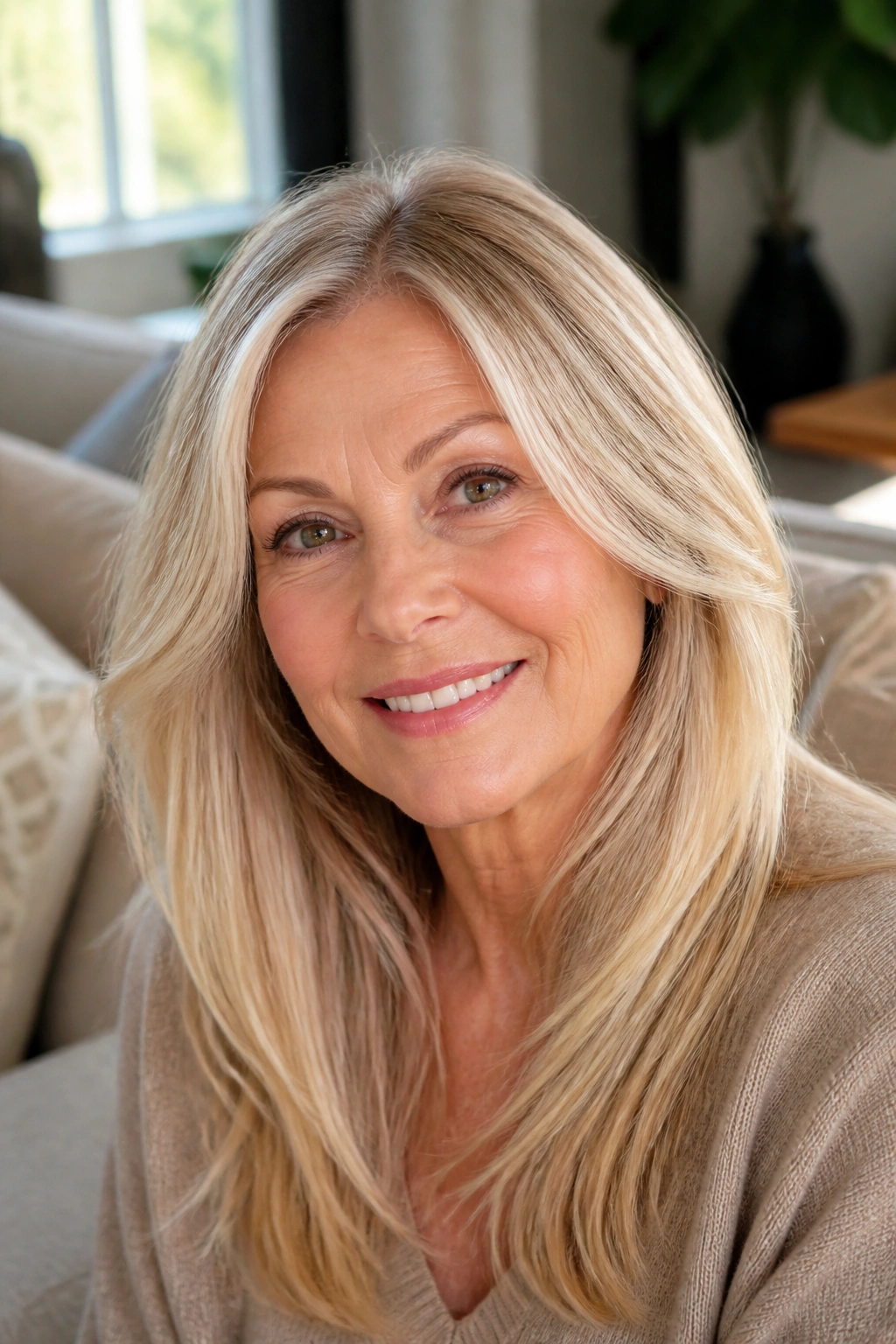
Why does beige blonde work so well after 50? Because it behaves. It is light, but not icy. Warm, but not yellow. That middle ground is gold for anyone whose natural hair has a mix of gray, pale brown, and old highlights that no longer match each other.
What Makes It Different
A creamy beige blonde usually starts with soft lift and then gets toned down so the finish stays neutral. That matters more than people think. When blonde gets too cool, it can make the skin look flat. When it gets too warm, it can drift into brass. Beige keeps the peace.
Ask your colorist for a neutral toner with a soft gold base and a few lighter pieces around the face. That small detail makes the whole color feel fresher.
4. Silver-Threaded Blonde
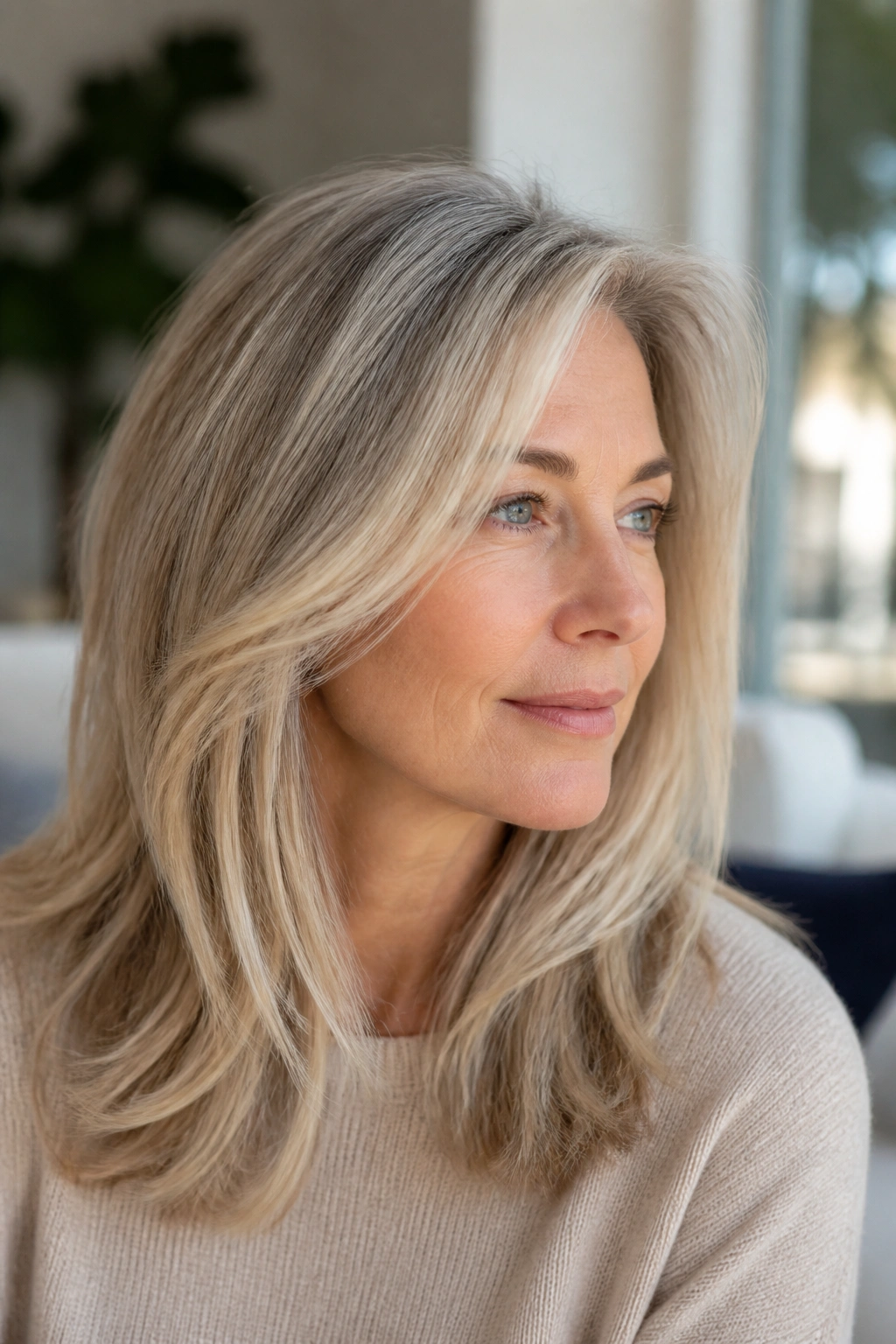
If your gray hair is coming in at the temples first, silver-threaded blonde can make the whole grow-out look intentional instead of abrupt. I like this approach when someone has 30% to 60% gray and does not want to cover every strand. The result is more blended, less painted.
A client with silver at the hairline and darker blond in the back can wear this beautifully. The trick is not to force full coverage. Let the silver stay visible in fine pieces, then weave in pale blonde around it so the color looks woven instead of flat.
- Best on hair with natural gray streaks
- Works well with a soft root smudge
- Needs a gloss every 6 to 8 weeks
- Looks stronger when the cut has movement
It’s one of those shades that makes regrowth look like part of the plan. Which, honestly, is half the battle.
5. Sandy Bronde
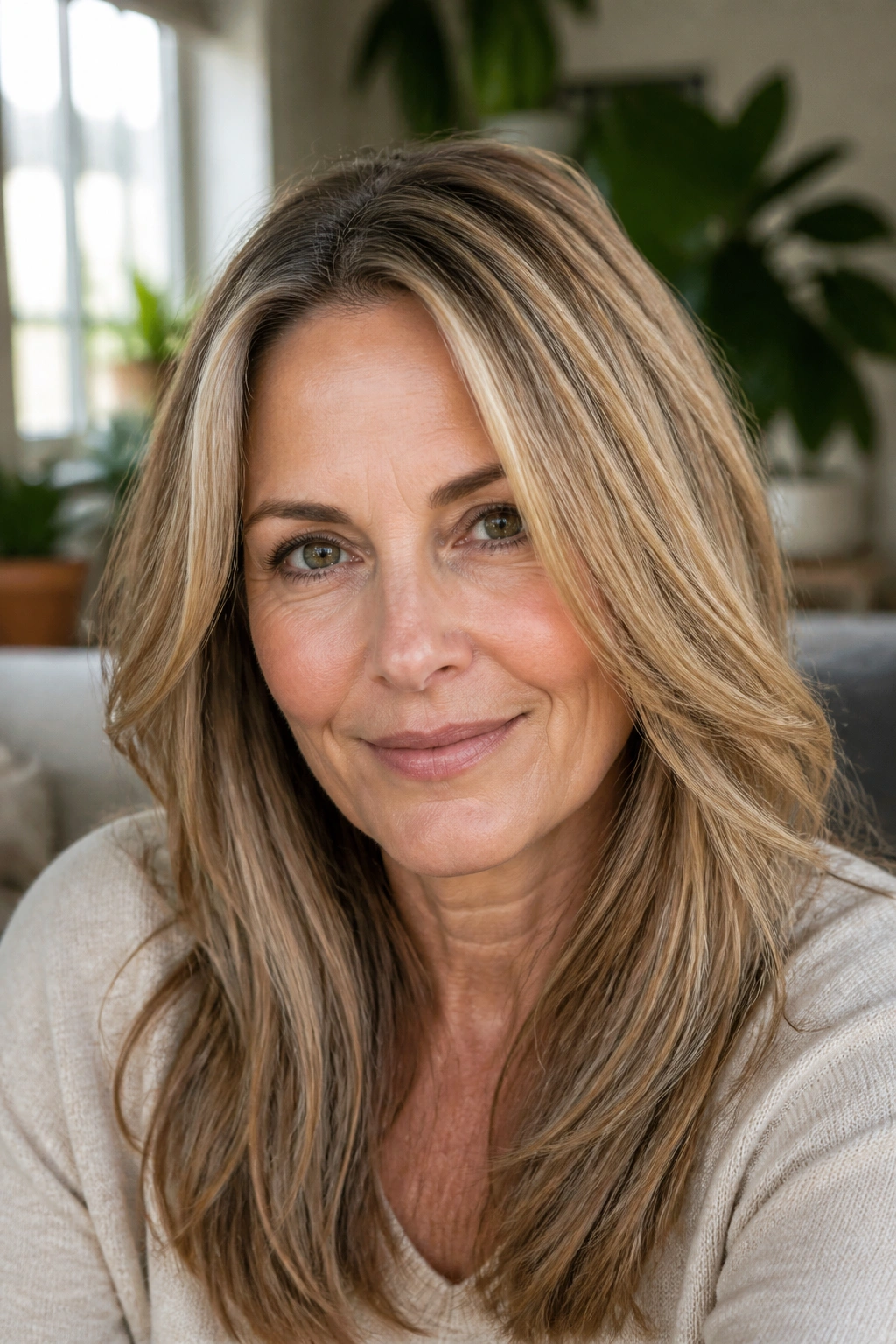
Unlike a one-note blonde, sandy bronde keeps some brown depth at the base, and that gives the hair a much calmer grow-out. If you’re not ready to chase brightness every few weeks, this is a smart place to live. It has enough blonde to brighten the face, but enough depth to keep the color from feeling stripped.
Why I Keep Recommending It
Sandy bronde works because it respects contrast. The darker root makes the light pieces look brighter. The lighter pieces stop the base from reading too heavy. That back-and-forth is what keeps the hair from looking dull.
It also handles gray better than a flat golden blonde, because the mix of tones hides tiny shifts in regrowth. If your hair is fine, ask for delicate ribbons rather than chunky panels. Heavy streaks can look choppy fast.
6. Mushroom Blonde
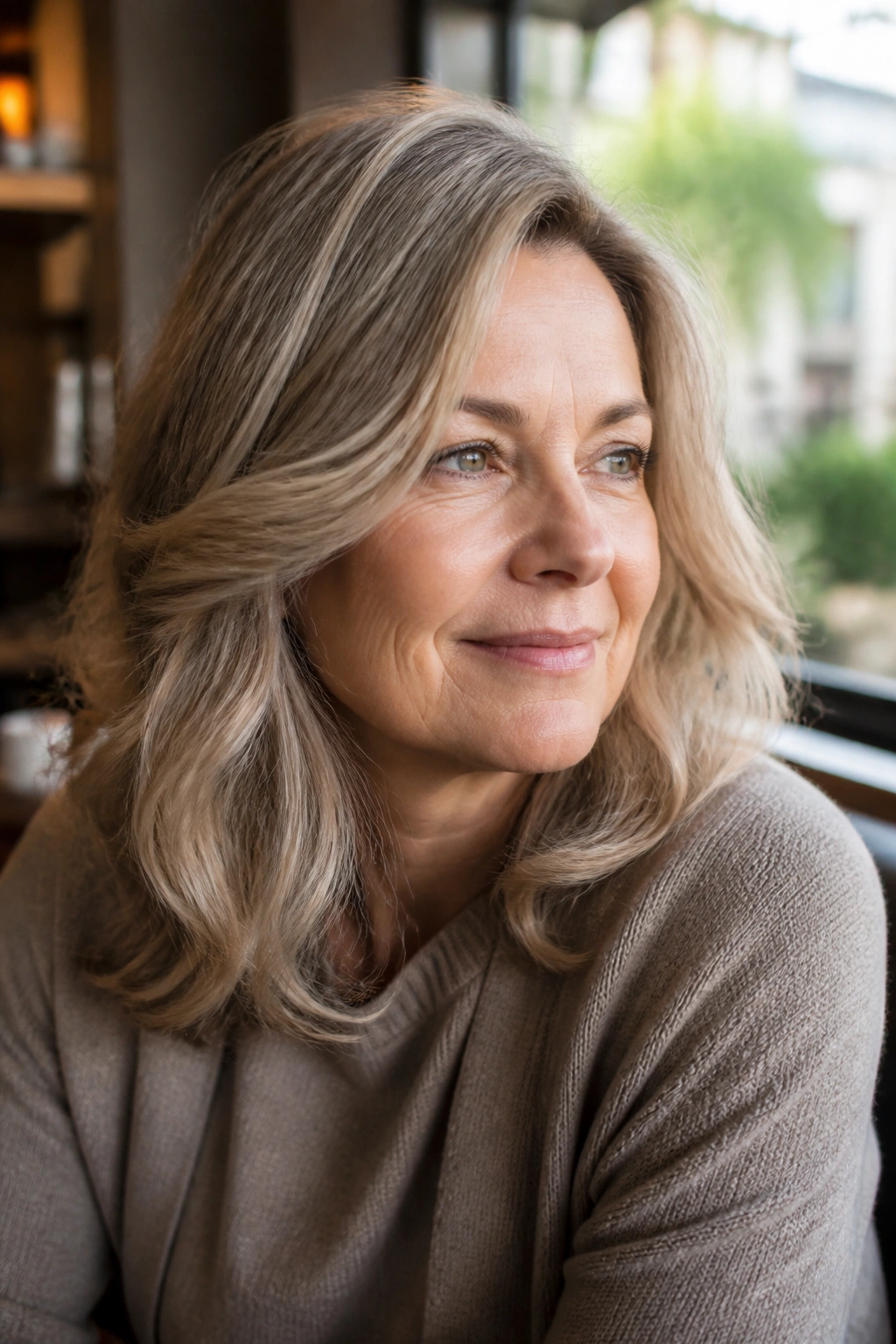
Mushroom blonde has a smoky, taupe-beige feel that suits women who do not love golden tones. It’s cooler than honey, but softer than ash, which is why it often looks quietly expensive without feeling fussy. That’s not a phrase I use often, but here it fits.
The shade is especially kind to cool or neutral skin. It can also tone down stubborn brass in hair that has been lifted too much in the past. I like it on medium-length cuts because the different tones show up as the hair moves, almost like lowlights and highlights are talking to each other.
One warning. If your hair is very porous, mushroom blonde can grab too dark. A lighter gloss is safer than an aggressive toner.
7. Golden Wheat Blonde
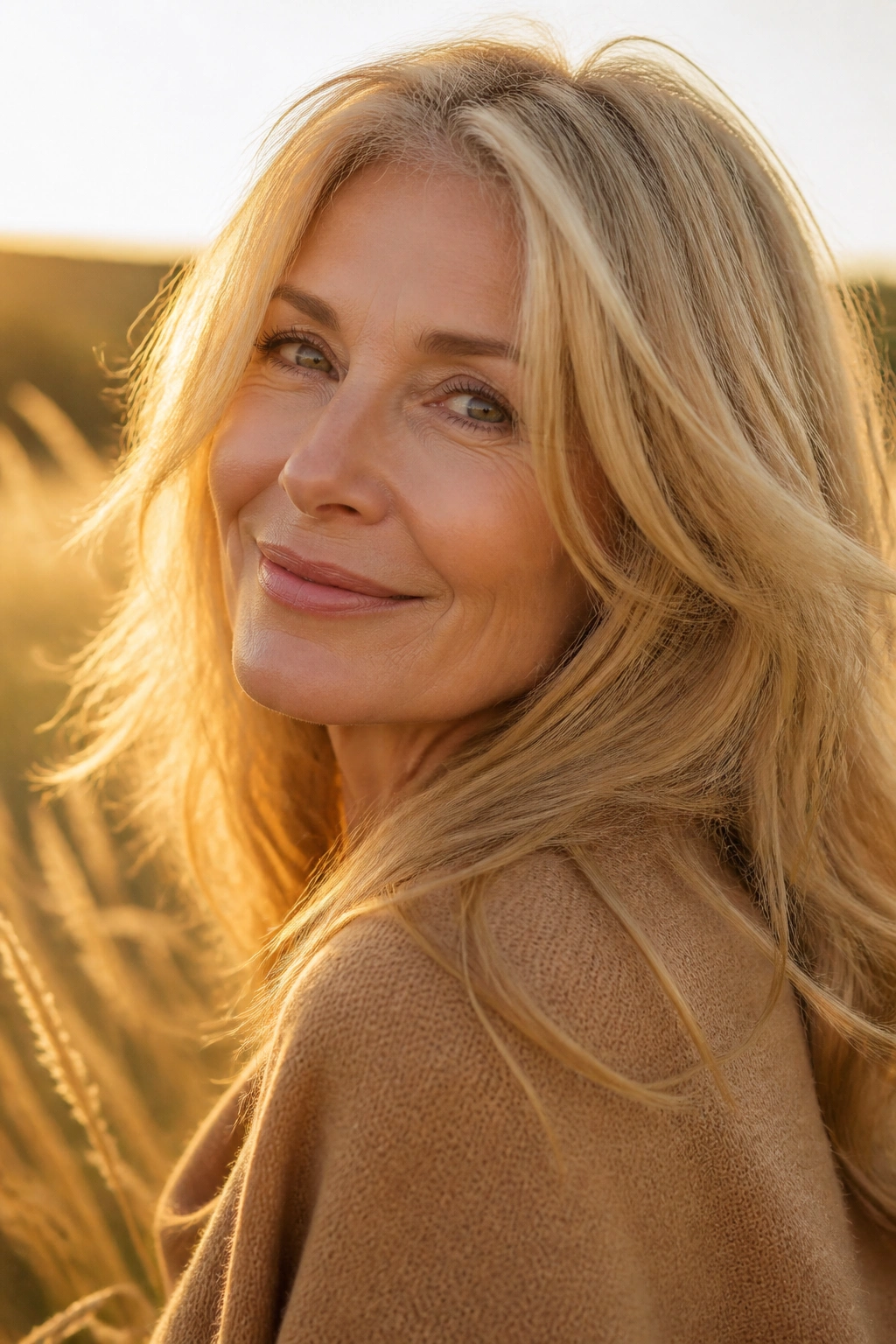
Golden wheat blonde looks like sunlight caught in dry grass, but in a good way. It’s warm, soft, and a little earthy, which helps it feel less salon-perfect and more natural. That matters if you want blonde that doesn’t seem to belong to a single season or a single haircut.
It works beautifully on women with peach, olive, or medium skin tones. It also plays well with freckles. The warmth gives the face an easier look, and the color tends to be forgiving when hair is not freshly blown out. That’s useful, because most of us are not living at the salon.
A few soft highlights around the face keep the shade from turning muddy. Too much gold, though, and it starts to look flat. There’s a narrow line here.
8. Strawberry Blonde
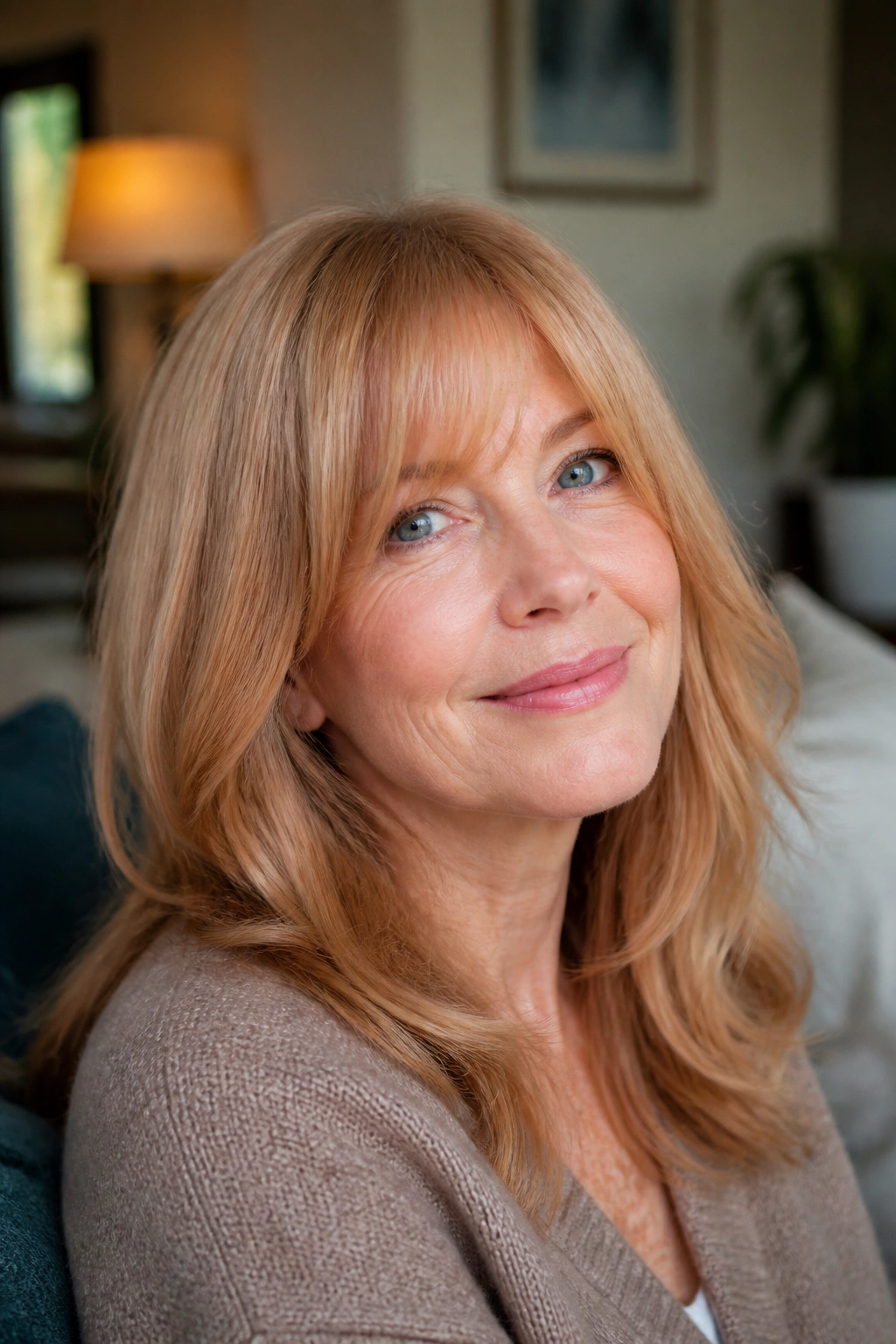
Strawberry blonde gets misunderstood because people picture something too bright or too girlish. The good version is softer and dustier, with a whisper of copper under the blonde rather than a neon red tone. That’s the version that looks sophisticated on mature skin.
Where It Sits Best
- Lovely on fair skin with pink or peach undertones
- Pretty on green, hazel, or light brown eyes
- Better as a soft glaze than a heavy all-over color
- Looks richer when the ends are a little lighter than the root
If your natural hair already has warmth, this shade feels almost effortless. If your hair is very cool, ask for a beige strawberry mix so it doesn’t tip too orange. The prettiest strawberry blondes have restraint. They glow instead of blaze.
9. Ash Beige Blonde
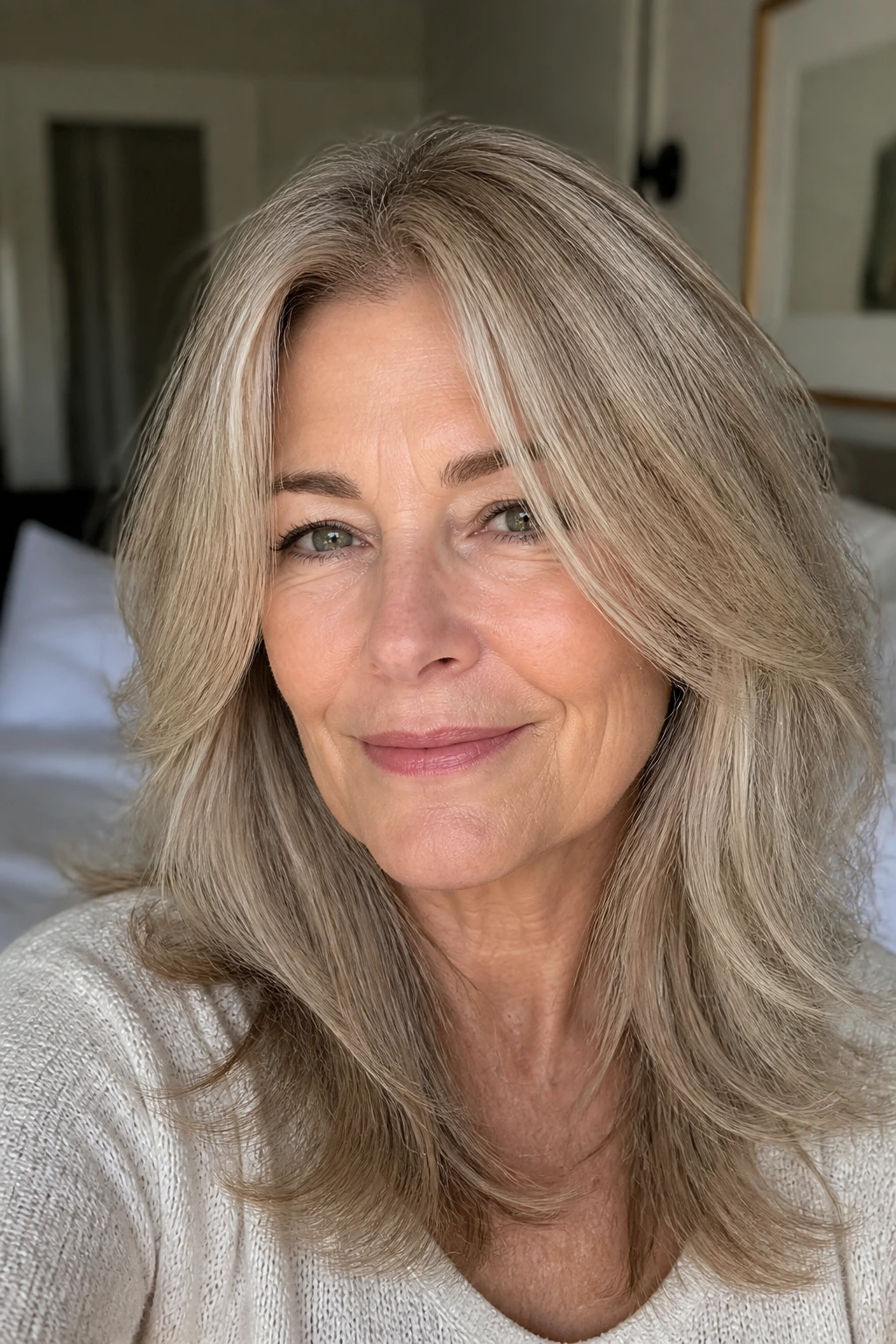
Why do some blondes make the face look better and others just make the hair look pale? Tone, mostly. Ash beige blonde works because it cools down brass without going full gray, which is handy if you’ve got leftover warmth from older color or sun exposure.
This shade is a strong pick if your skin has more blue or neutral undertones. It can also make blue or gray eyes stand out without looking harsh. On the other hand, if your skin runs very red or sallow, keep a little beige in the mix so the color doesn’t go flat.
A soft ash gloss every few washes helps keep the tone clean. Don’t overdo the purple shampoo. That stuff can turn a pretty beige blonde dull fast.
10. Vanilla Cream Blonde
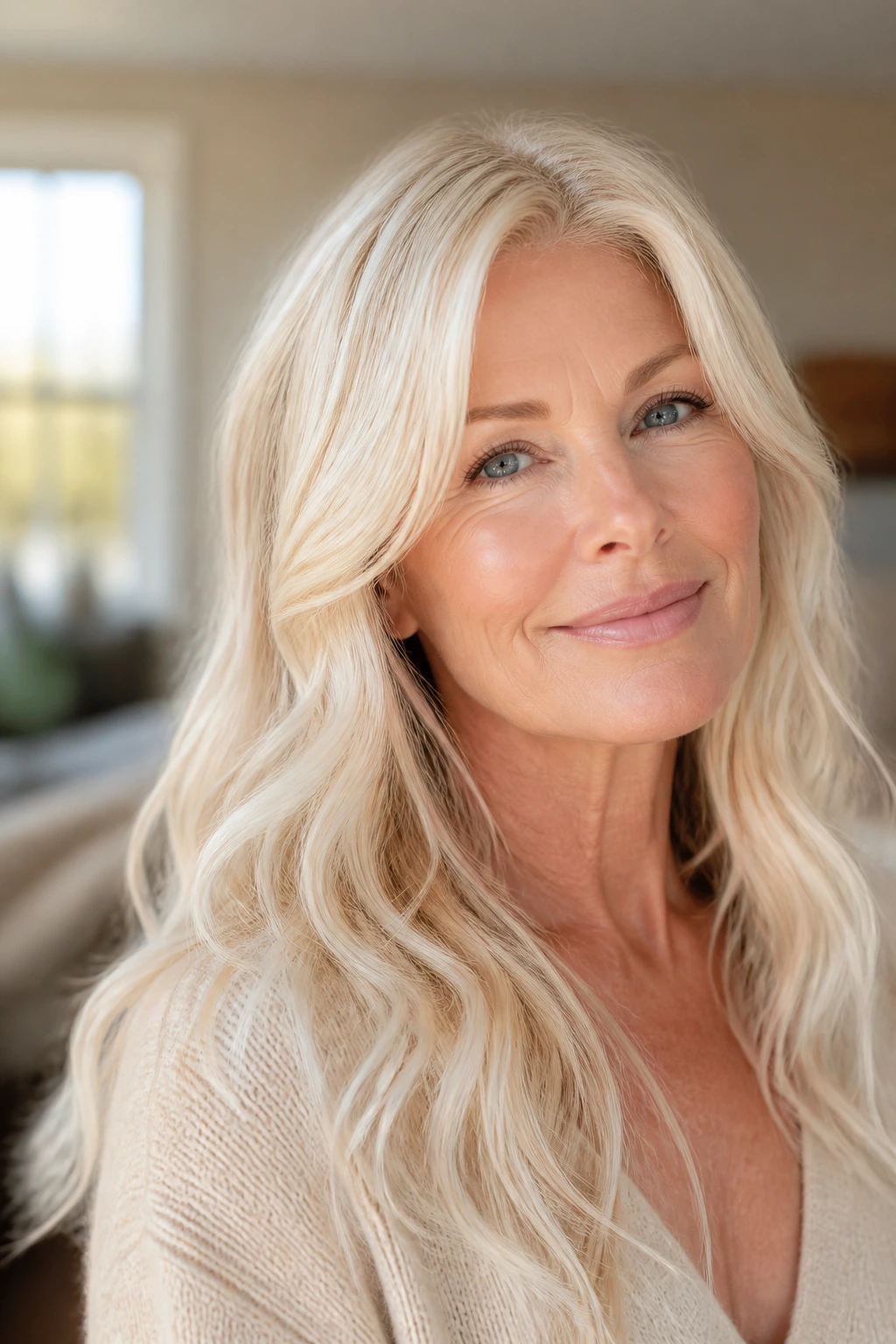
Vanilla cream blonde has a smooth, pale warmth that feels clean without being icy. I like it on women who want a lighter look but don’t want the kind of pale blonde that exposes every bit of texture in the hair. Creamy tones are more forgiving. They blur, instead of sharpen.
This shade tends to look especially nice on fine hair because the pale warmth gives the illusion of thickness. Pair it with a soft blowout or loose wave, and the color reads fuller than it really is. On very curly hair, it can be lovely too, but the curl pattern needs moisture or the ends will look thirsty.
Ask for a creamy toner rather than a stark pearl finish. The difference is small in the bowl and obvious on the head.
11. Caramel Ribbon Blonde
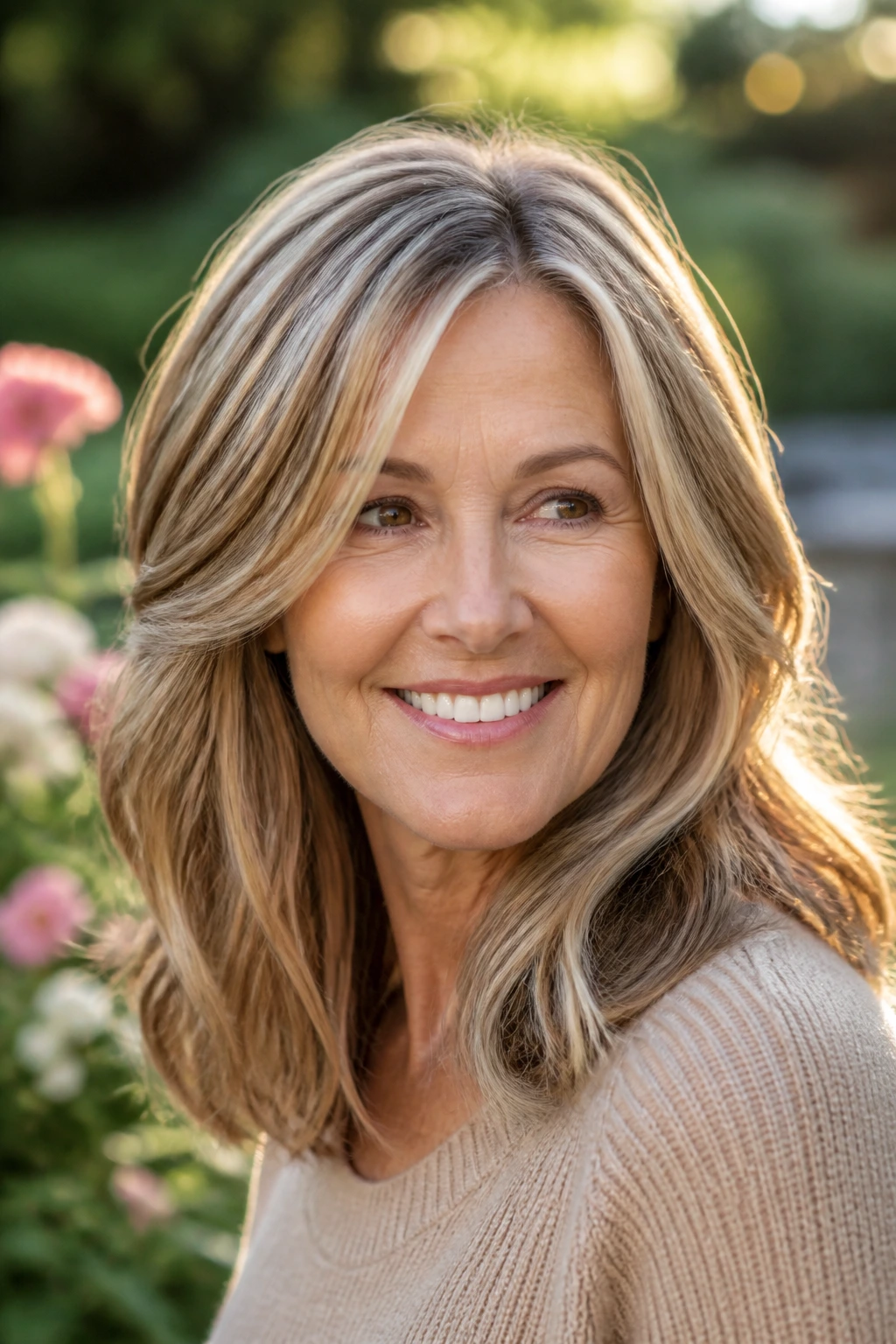
Caramel ribbon blonde is for anyone who wants movement more than brightness. Unlike chunky highlights, the ribbons are thin, painterly, and spread through the mid-lengths so the hair has texture even when it’s worn straight. That’s the magic here.
The caramel note brings warmth, but the blonde keeps it from drifting too brown. It’s a smart choice for women who like wearing their hair shoulder length or longer, because the ribbons catch on bends and layers. The whole style looks alive.
I also like this shade for naturally darker blondes and light brunettes who don’t want a massive color jump. It softens the transition. No drama. Just better hair.
12. Sunlit Beige Balayage
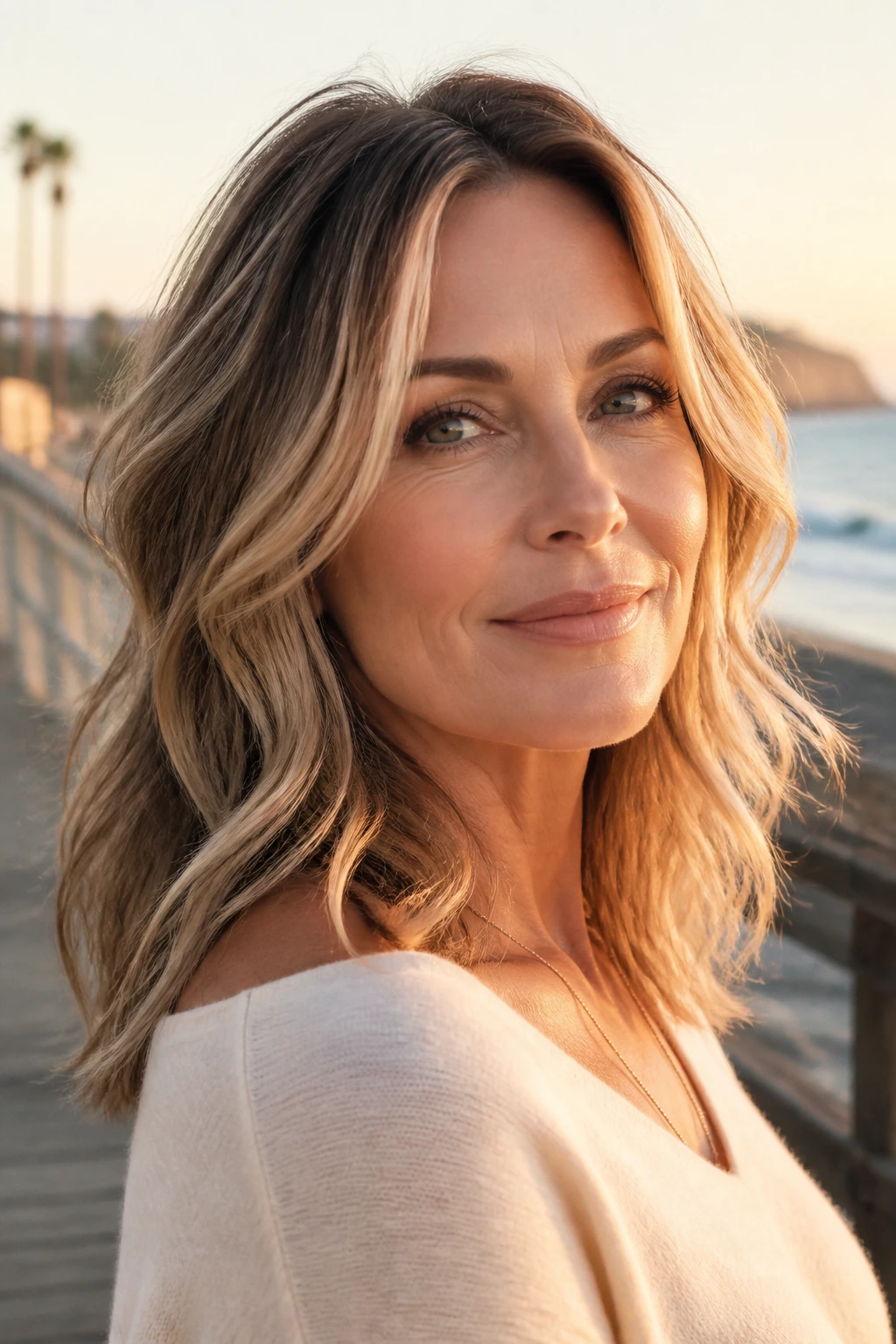
Sunlit beige balayage is one of the easiest blondes to wear because it doesn’t put all the brightness in one place. The lighter pieces sit where the sun would naturally hit: around the top layer, the face frame, and a few scattered ends. That makes it feel less forced.
The beige tone keeps it from going too golden. If your hair tends to pick up orange at the ends, beige balayage is a safe bet. It also grows out in a way that looks intentional, which is useful if you do not want to live by the salon calendar.
This style is especially good on wavy hair. The waves break up the color and make the lighter pieces look softer. Straight hair can wear it too, but the placement has to be a little more precise.
13. Platinum-Ivory Blonde for Women Over 50
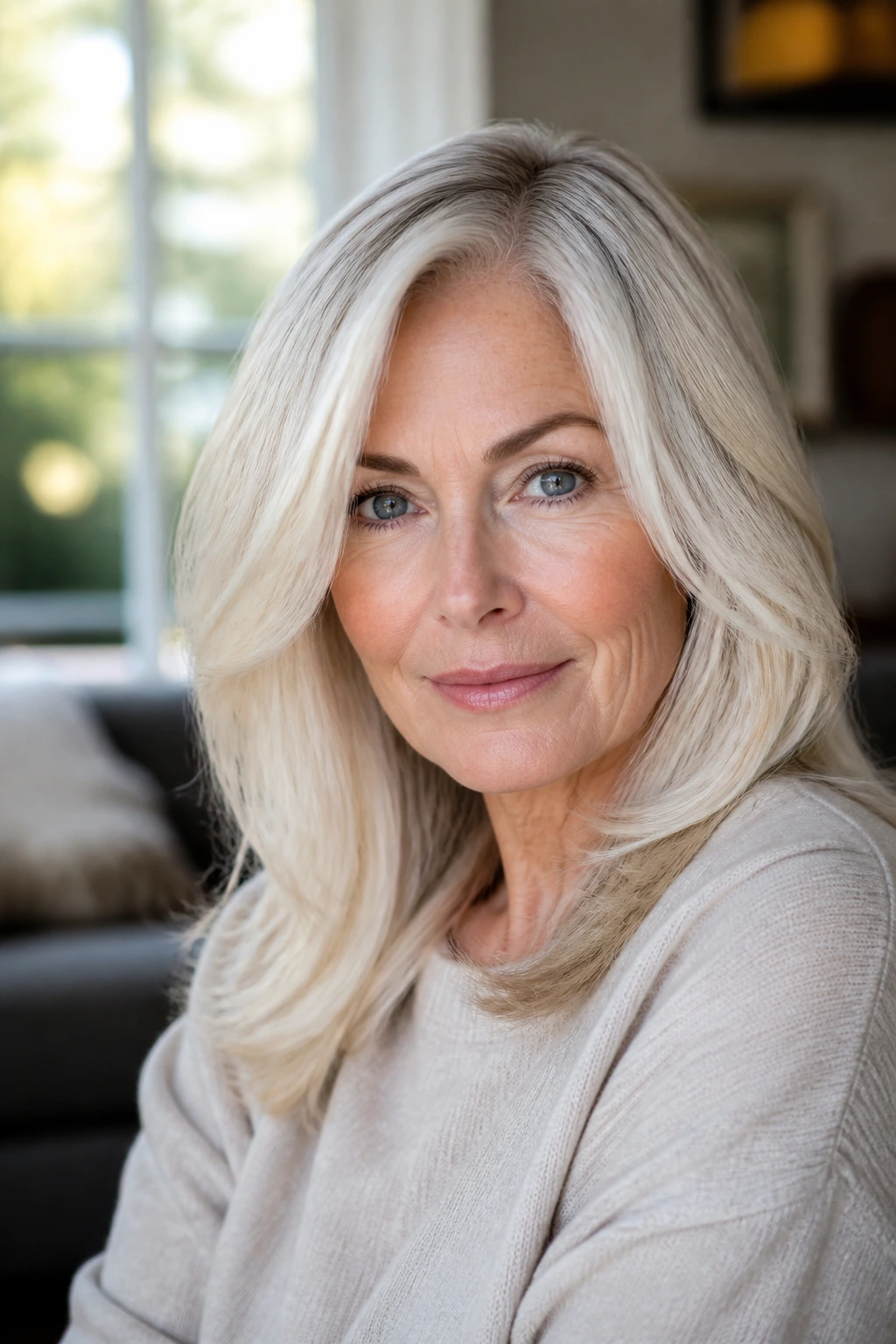
Platinum ivory blonde is the boldest blonde on this list, and I’ll say this plainly: it is not the easiest one. But when it works, it really works. The ivory tone softens the starkness that pure platinum can have, and that makes it more wearable on mature features.
This shade asks a lot from the hair. You want enough strength left in the strands, and you want a colorist who understands how to lift without chewing up the ends. A shadow root helps. So does a slightly shorter cut, because waist-length platinum on dry hair can look tired fast.
If you love a crisp, bright finish and do not mind gloss appointments, this can be gorgeous. It is also the shade that punishes sloppy toning faster than any other blonde.
14. Buttercream Blonde
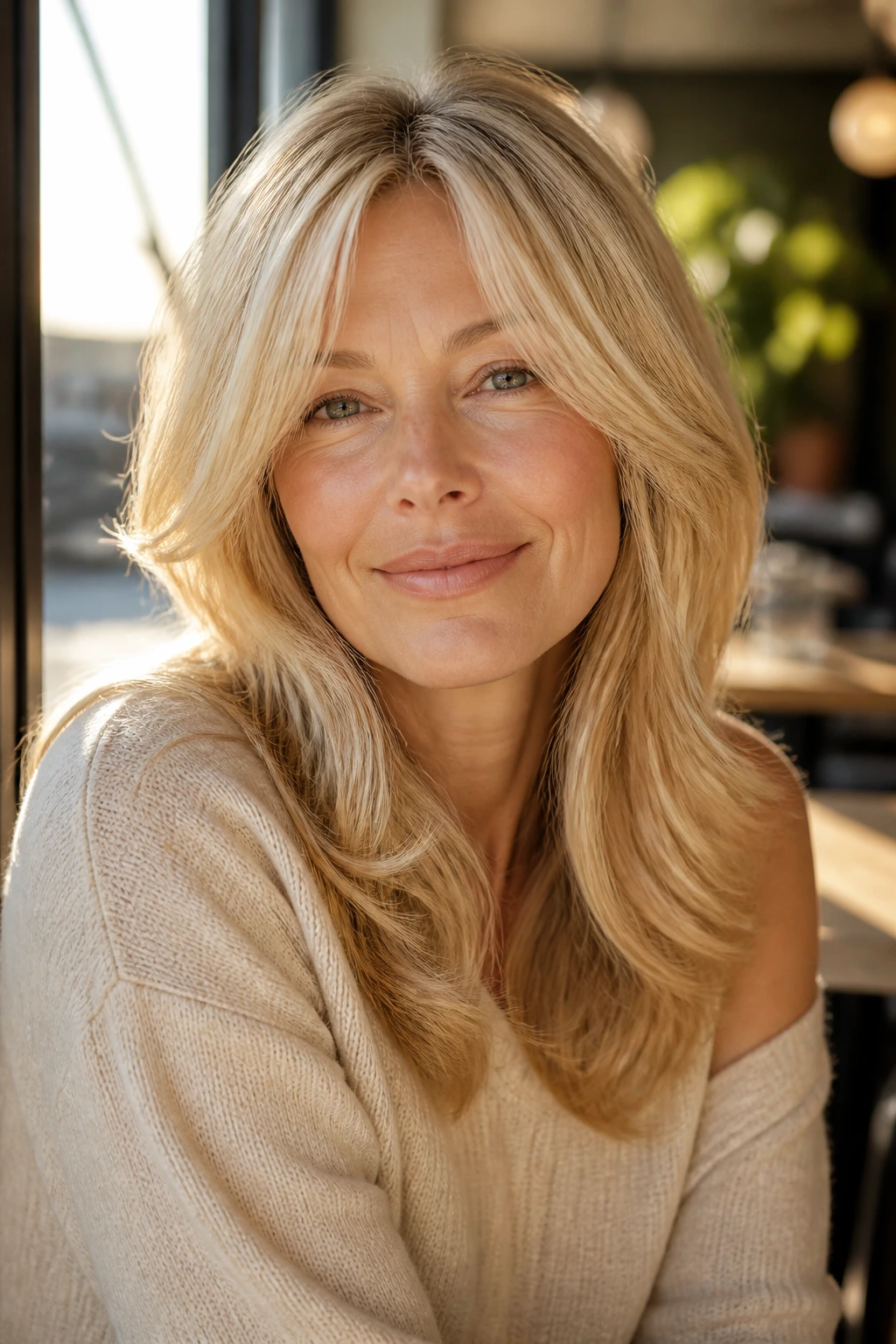
Buttercream blonde is one of my favorites for clients who want softness first. It sits in a creamy warm zone, so it brightens without that white-hot edge you get from very pale ash blondes. The result is easy on the eyes and easy on the skin.
It suits warm and neutral complexions especially well. On medium-density hair, it gives the strands a plush look. On fine hair, it can help the hair appear a little fuller because the warmth adds visual weight. That sounds subtle, but it changes how the whole cut reads.
You can keep this shade simple with a gloss and a few face-framing highlights. It does not need a lot of fuss, and that’s part of the appeal.
15. Smoke-and-Honey Blonde
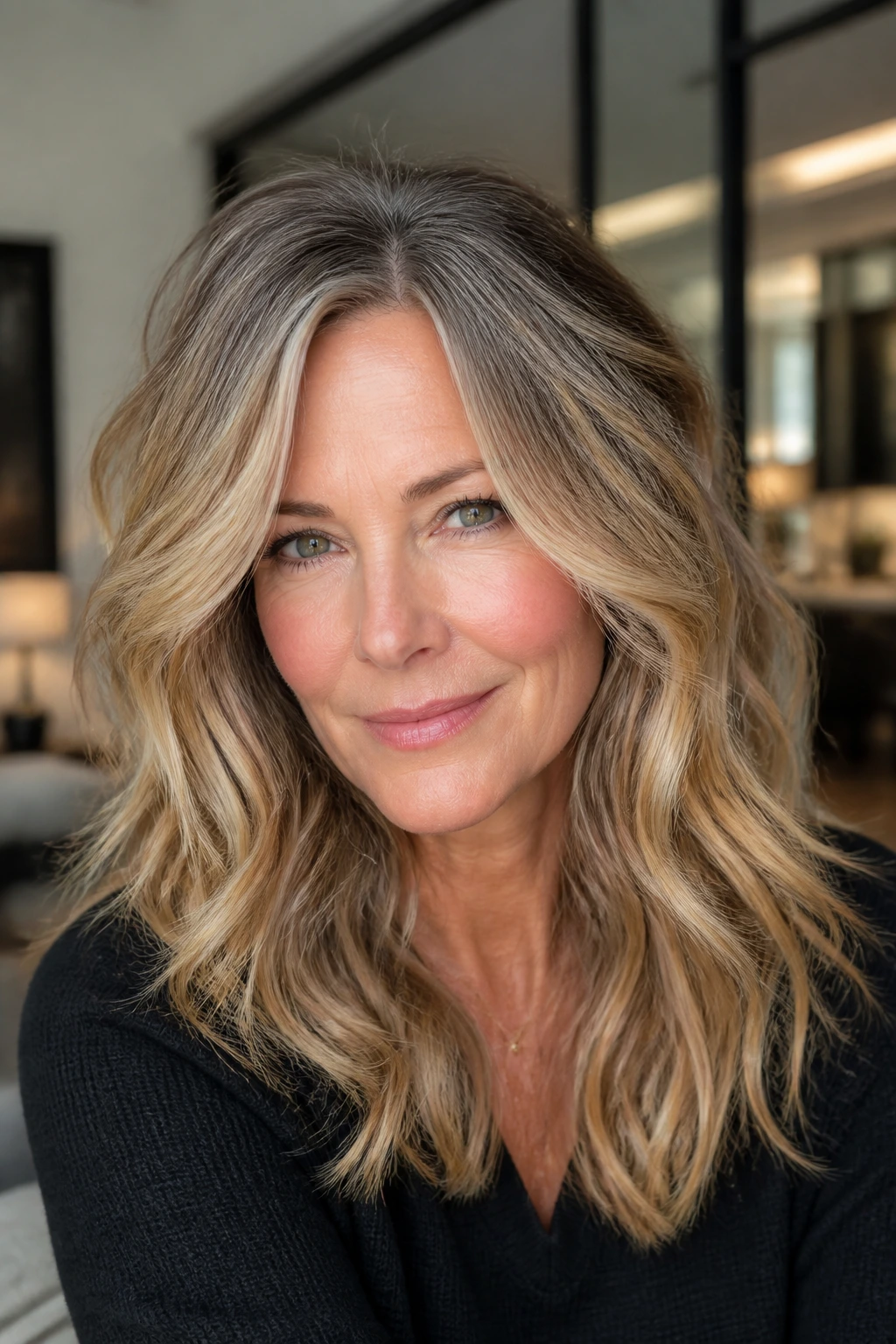
Smoke-and-honey blonde gives you contrast without a hard line. The smoke side keeps the root and some lowlights cooler; the honey side gives the mids and ends warmth and shine. Put together, they create a blonde that feels lived-in rather than overworked.
That mix is useful if your hair has a mix of gray, old highlights, and natural depth. A single-tone blonde can flatten all of that. Smoke-and-honey works with it. It also hides grow-out better than a bright all-over blonde because the root does not scream for attention.
- Good for women who color every 8 to 10 weeks
- Softens dense, thick hair
- Looks best with a loose wave or bend
- Ask for a smoky root and warm mids, not equal warmth everywhere
16. Rooted Cream Blonde
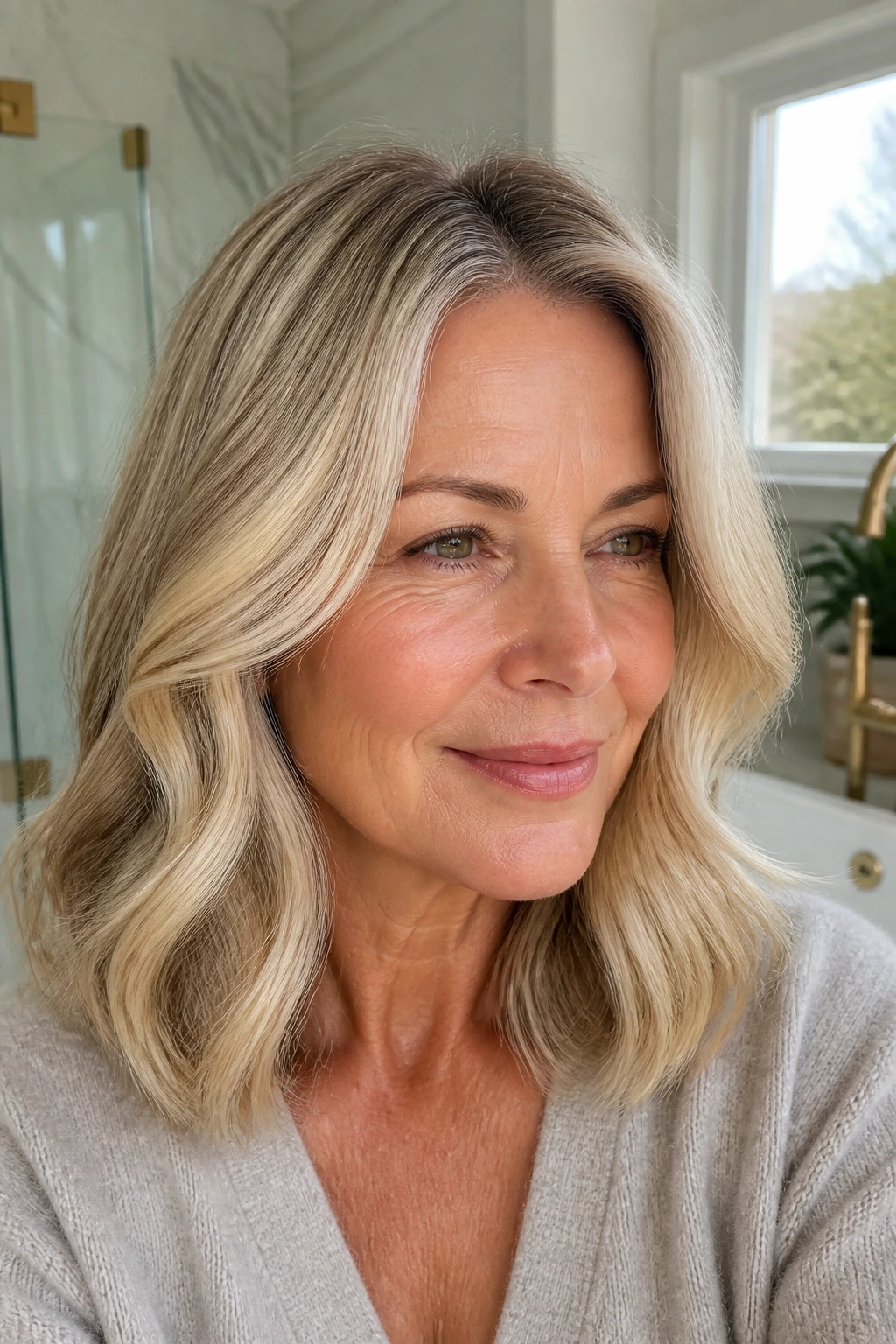
If you hate obvious regrowth, rooted cream blonde is your friend. The root stays a shade or two deeper, and the blonde gets lighter as it moves through the mids and ends. That small shift buys you time and keeps the color from looking like a helmet.
It works well for busy schedules because the grow-out is built into the look. You can wear it with a shoulder-length cut, a bob, or longer hair. The important part is that the root is soft, not dark enough to read as a stripe.
I’d ask for a demi-permanent root shadow and creamy highlights through the lengths. That combination gives you brightness where you want it and calm where you need it.
17. Foilayage Blonde
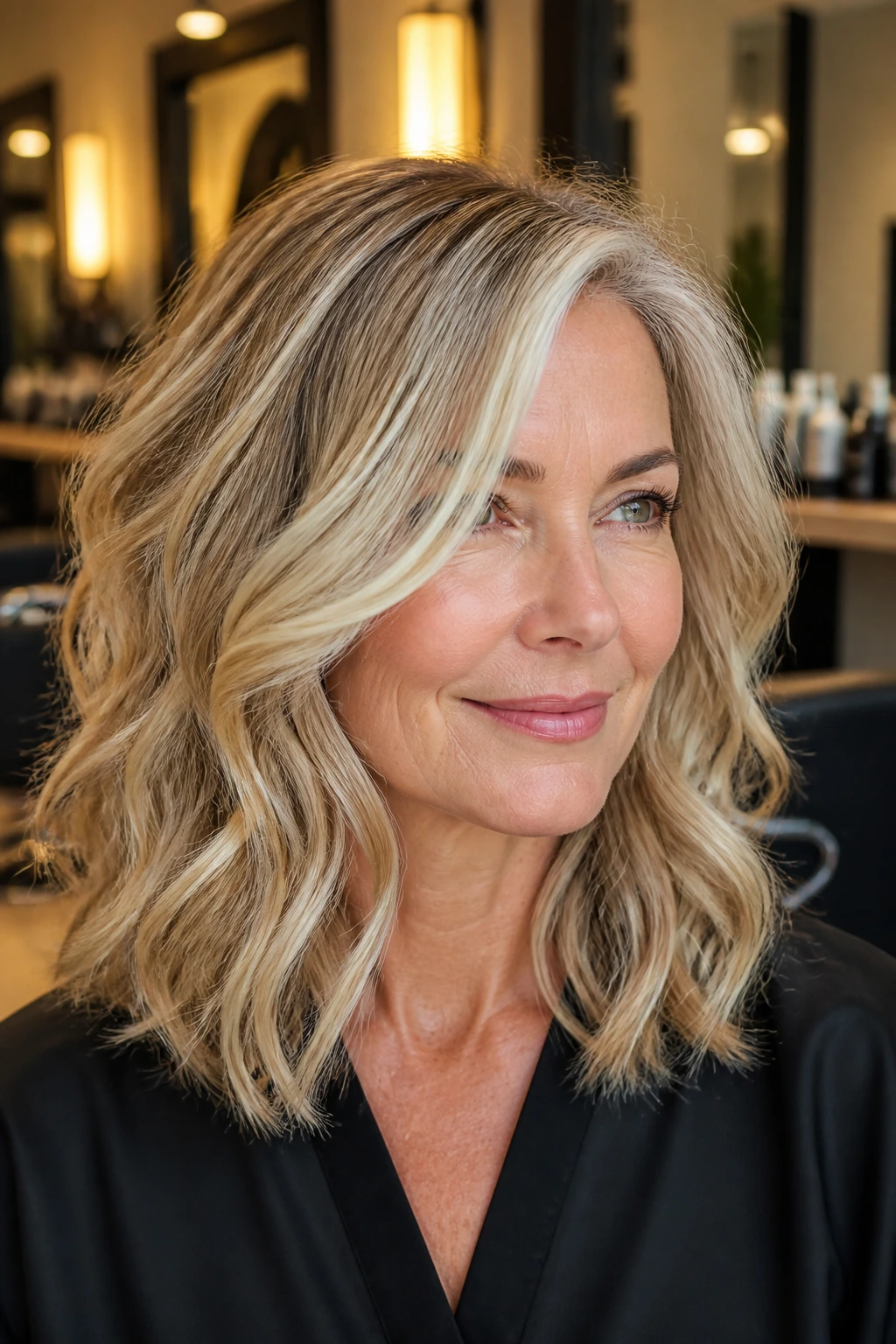
Foilayage is what happens when foils and balayage meet and stop arguing. You get the brightness of foil work, especially around the face and crown, but the soft sweep of hand-painted color through the rest of the head. For women who want visible lift without a striped result, it’s a strong choice.
This technique is especially useful on darker blonde or light brown bases. The foils give enough lift to read blonde, not just caramel. The balayage part keeps the pieces from looking pasted on. In plain English: it looks brighter, but not busy.
It’s a smart option if you want dimension and a slightly more polished finish than freehand painting alone tends to give. The regrowth stays manageable too.
18. Pearl Blonde
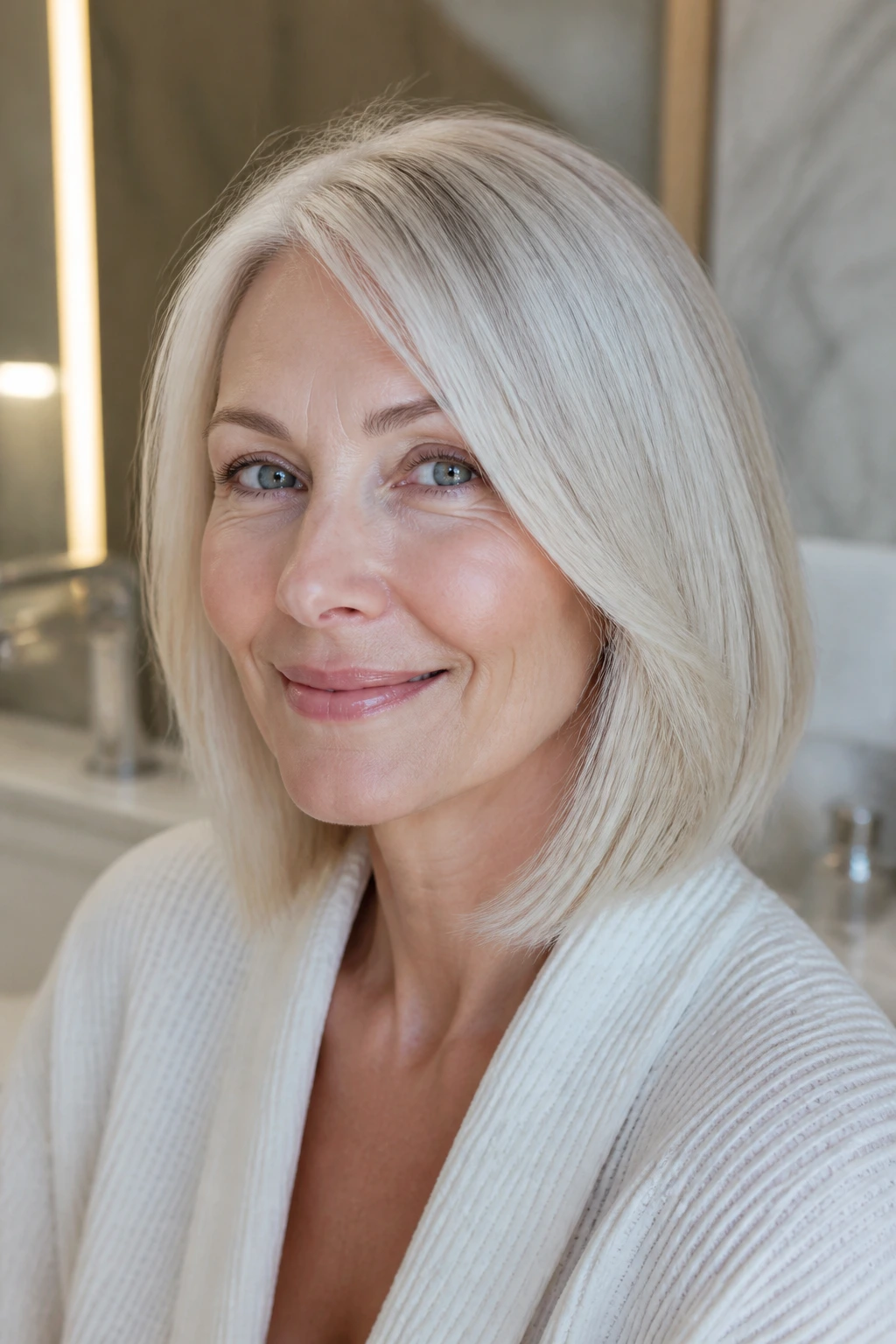
Pearl blonde has a soft, reflective quality that sits between cool and creamy. It’s not stark white. It’s not yellow. It’s that pale, luminous tone that looks best when the hair is smooth and glossy, because the finish is part of the color.
How to Keep It Looking Polished
Pearl blonde needs a clean toner and a little discipline. If the hair gets too warm, the pearl effect disappears. If the toner gets too blue, it can turn flat. The sweet spot is a pale neutral finish with a bit of shine.
I like pearl blonde on haircuts with clean lines, because the color then looks deliberate instead of fussy. It can be stunning on silver bases that are being brightened rather than covered. That’s where it gets interesting.
19. Toffee Blonde
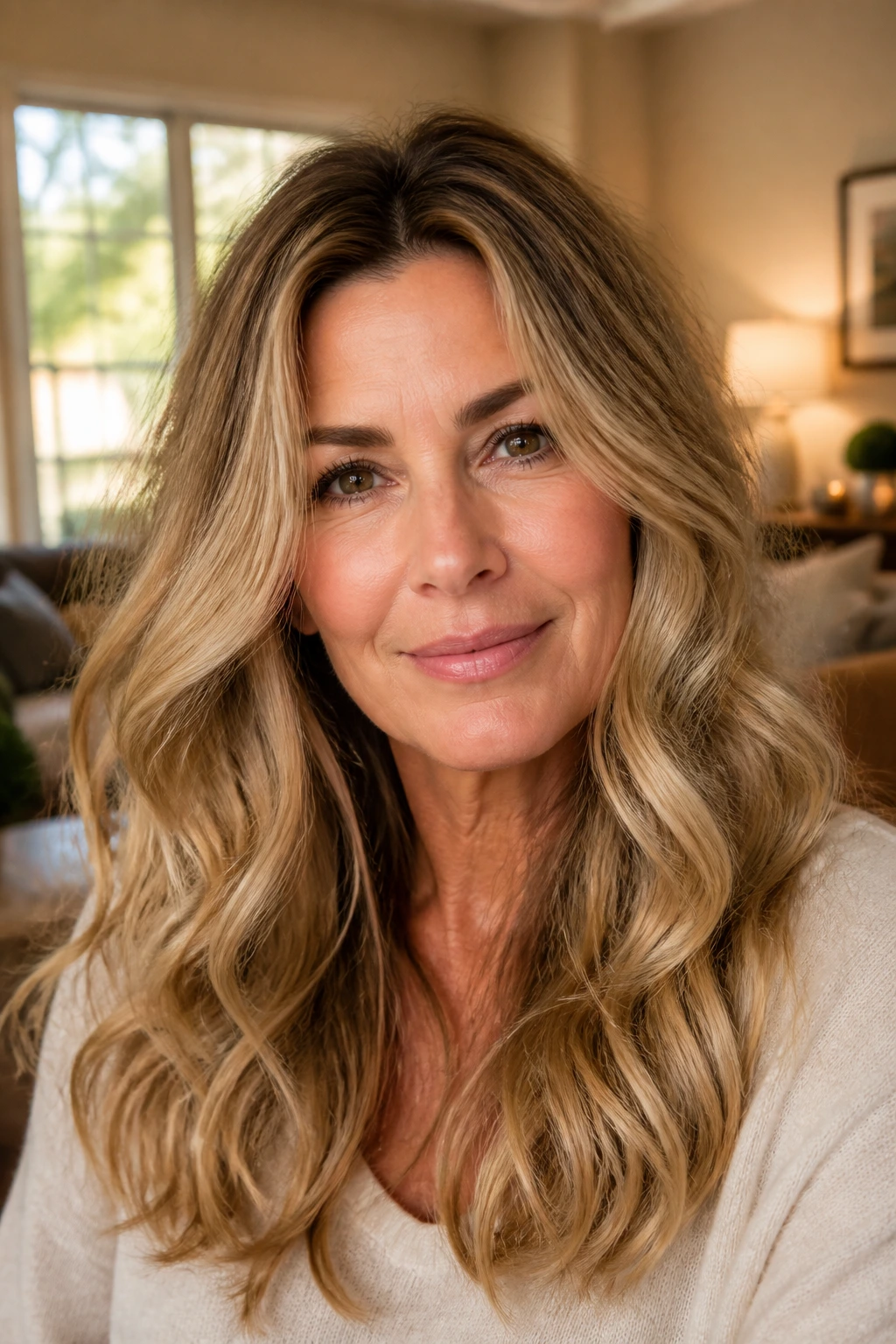
Toffee blonde is richer than people expect from a blonde shade, and that’s why it flatters so many women with thicker hair or deeper complexions. The color sits close to brunette at the root, then lightens into soft gold and beige through the ends. The overall effect feels grounded.
It’s a good choice if you want lightness but don’t want your hair to go thin-looking. Pale blondes can sometimes make thick hair lose its shape. Toffee blonde keeps the body and gives you shine instead.
This shade also does well when the hair has some natural wave or bend. The darker root and lighter mids make the movement easier to see. No special tricks. Just a better read on the texture.
20. Face-Framing Cream Blonde
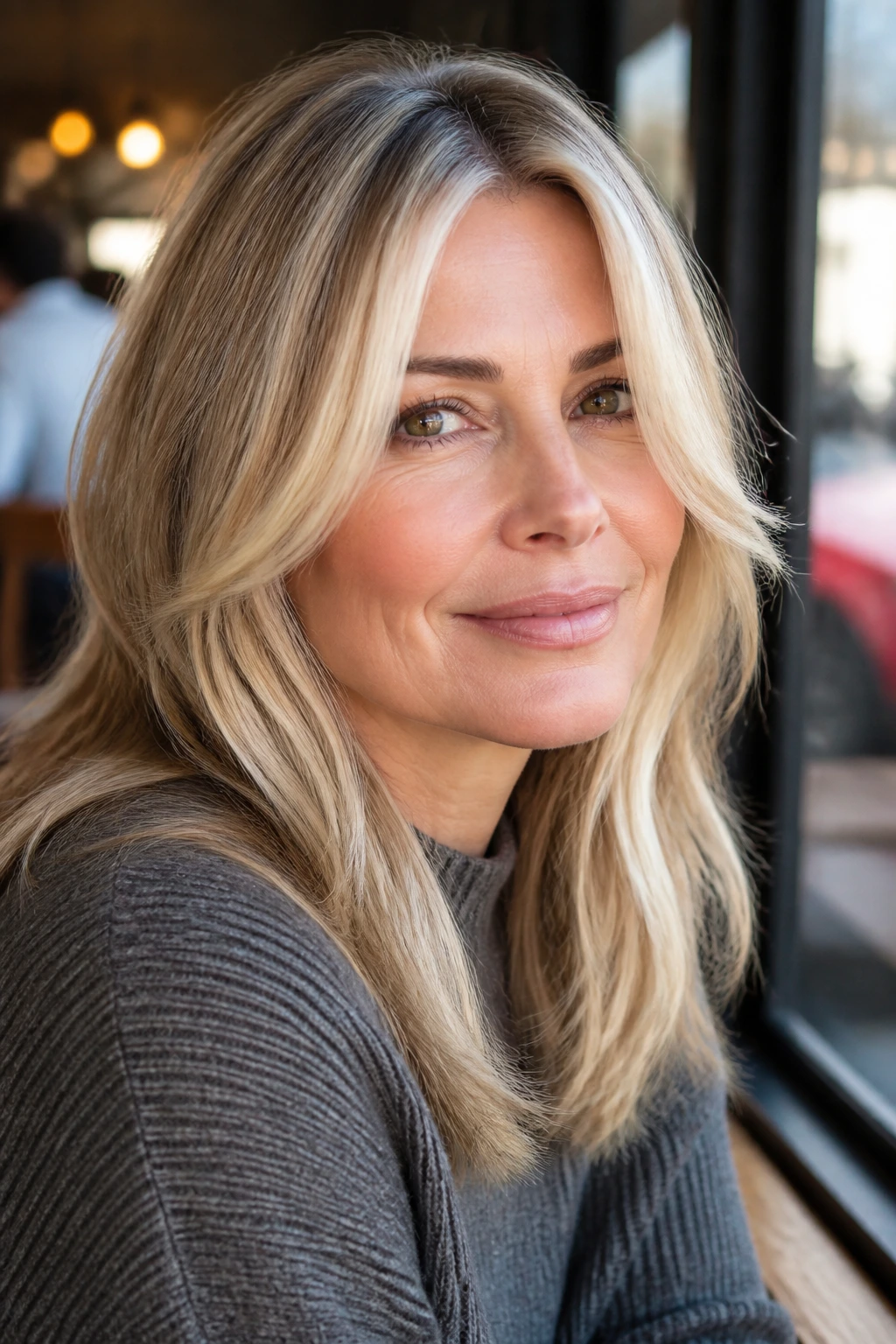
Sometimes the smartest blonde change is the smallest one. Brightening only the front sections around the temples, cheekbones, and crown can freshen the whole face without turning the rest of the hair into a maintenance project. I like this for women who want a noticeable shift but not a full color overhaul.
Where to Place It
- Keep the lightest pieces one to two fingers wide around the face
- Soften the transition at the root with a beige gloss
- Leave the underlayers deeper for contrast
- Ask for lighter pieces near the part, not only at the hairline
This approach is good if your hair is already healthy and you want to protect the rest of it. It also works well with glasses, because the bright pieces show up above and beside the frames.
21. Dimensional Champagne Blonde
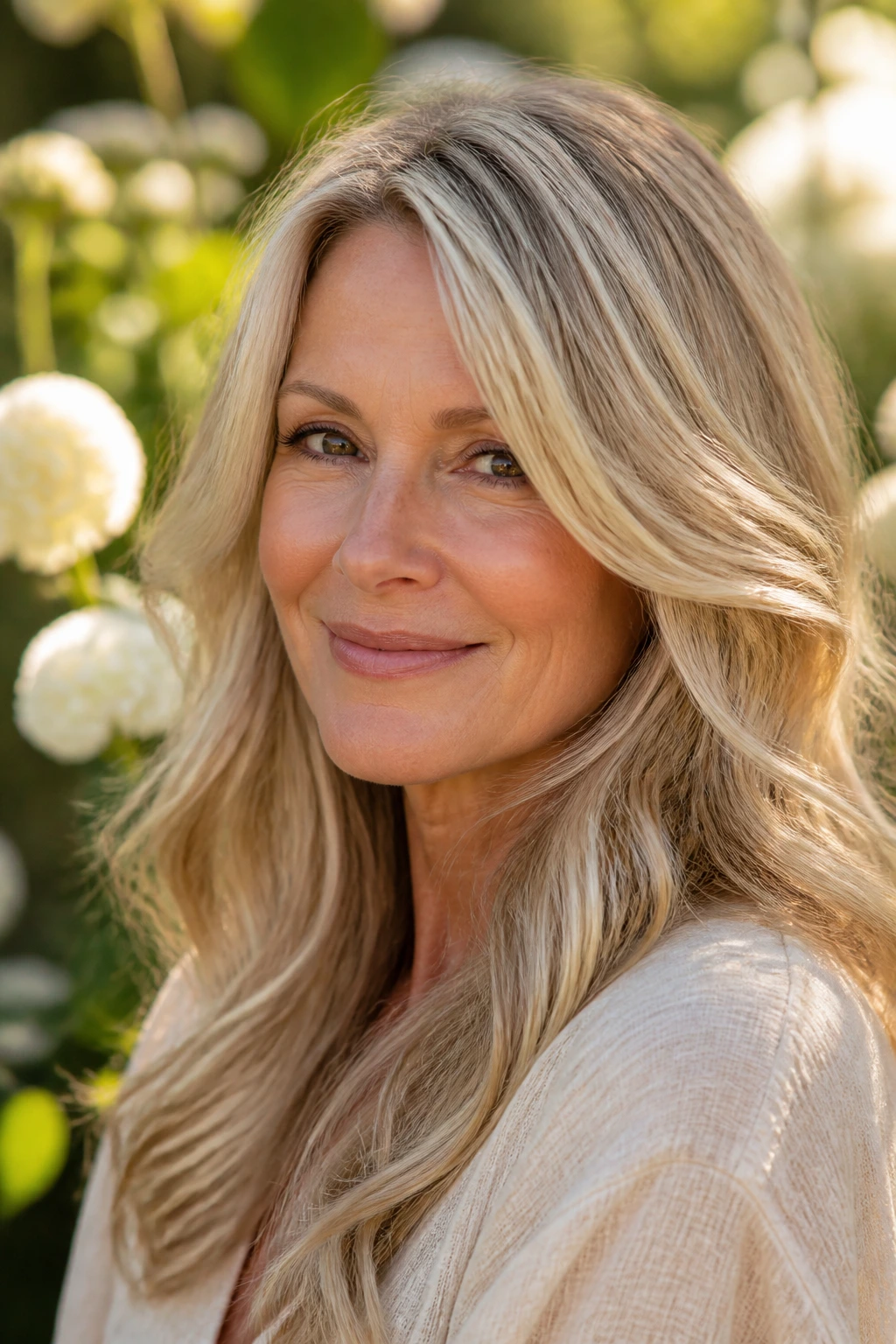
Why does a flat blonde sometimes age the hair instead of freshening it? Because hair needs shadow as much as light. Dimensional champagne blonde solves that by mixing pale champagne with slightly deeper lowlights, so the color has movement and the strands don’t blur into one pale sheet.
That dimension matters more as hair gets finer. A single block of pale blonde can make the hair look thinner than it is. But a few darker threads in the mix create a better illusion of density. It’s subtle. Still noticeable.
If you want the color to feel modern without going trendy, this is one of the safest bets on the page. It has enough softness to live with and enough contrast to keep it interesting.
22. Almond Beige Blonde
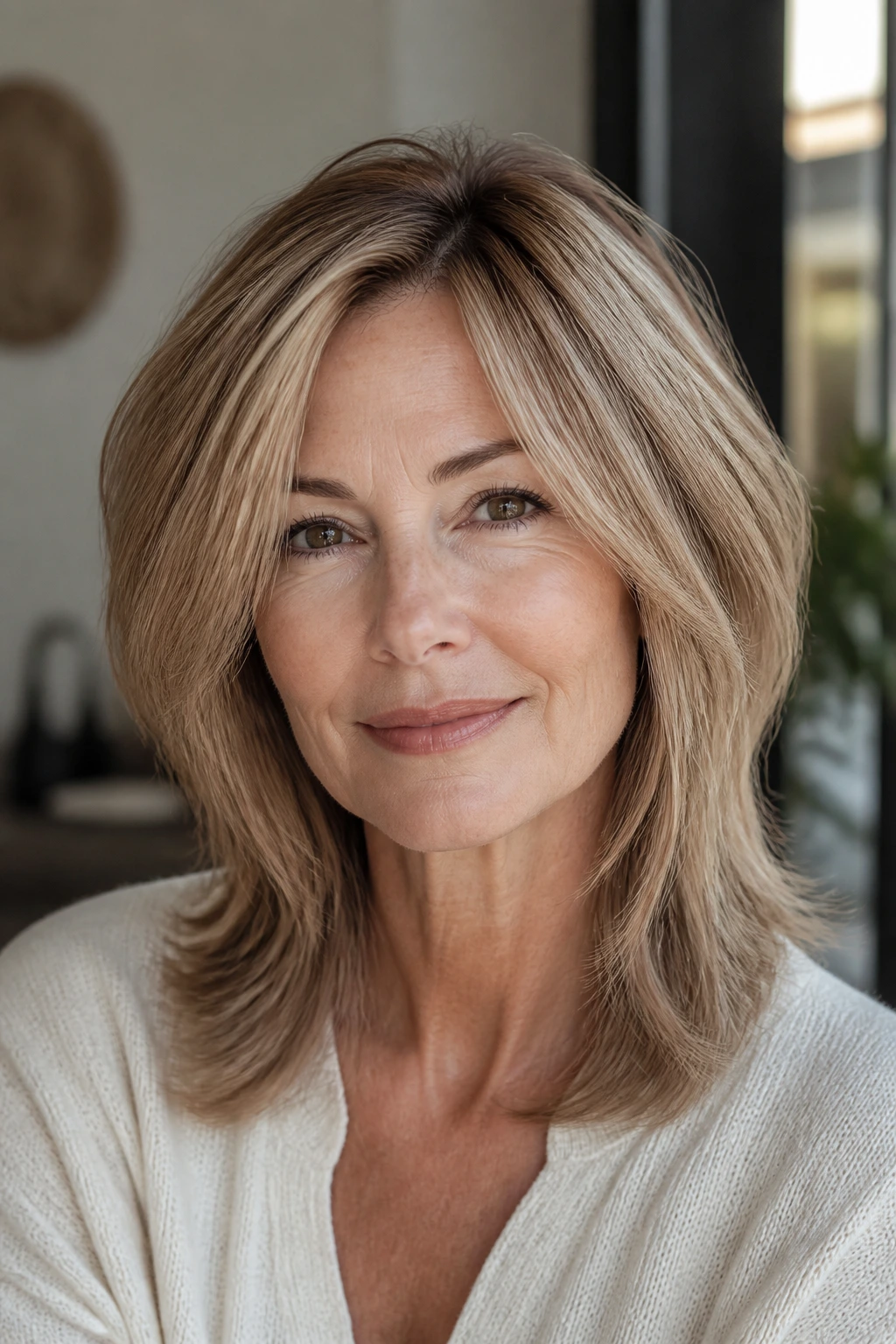
Almond beige blonde has a warm-neutral feel that sits comfortably on a lot of skin tones. It isn’t loud, and it doesn’t look washed out. That’s a rare balance, and it’s why this shade works so often for women who want to color their hair without changing their whole face.
The almond note adds a little depth, while beige keeps the blonde grounded. If your natural hair is dark blonde or light brown, this color can look like a believable extension of your own shade. It also behaves well when styled with soft bends or loose curls, because the tones show up in layers.
If your makeup routine is light, this blonde tends to play nicely with that. It does not demand much from the rest of the face. I like that.
23. Nordic Blonde
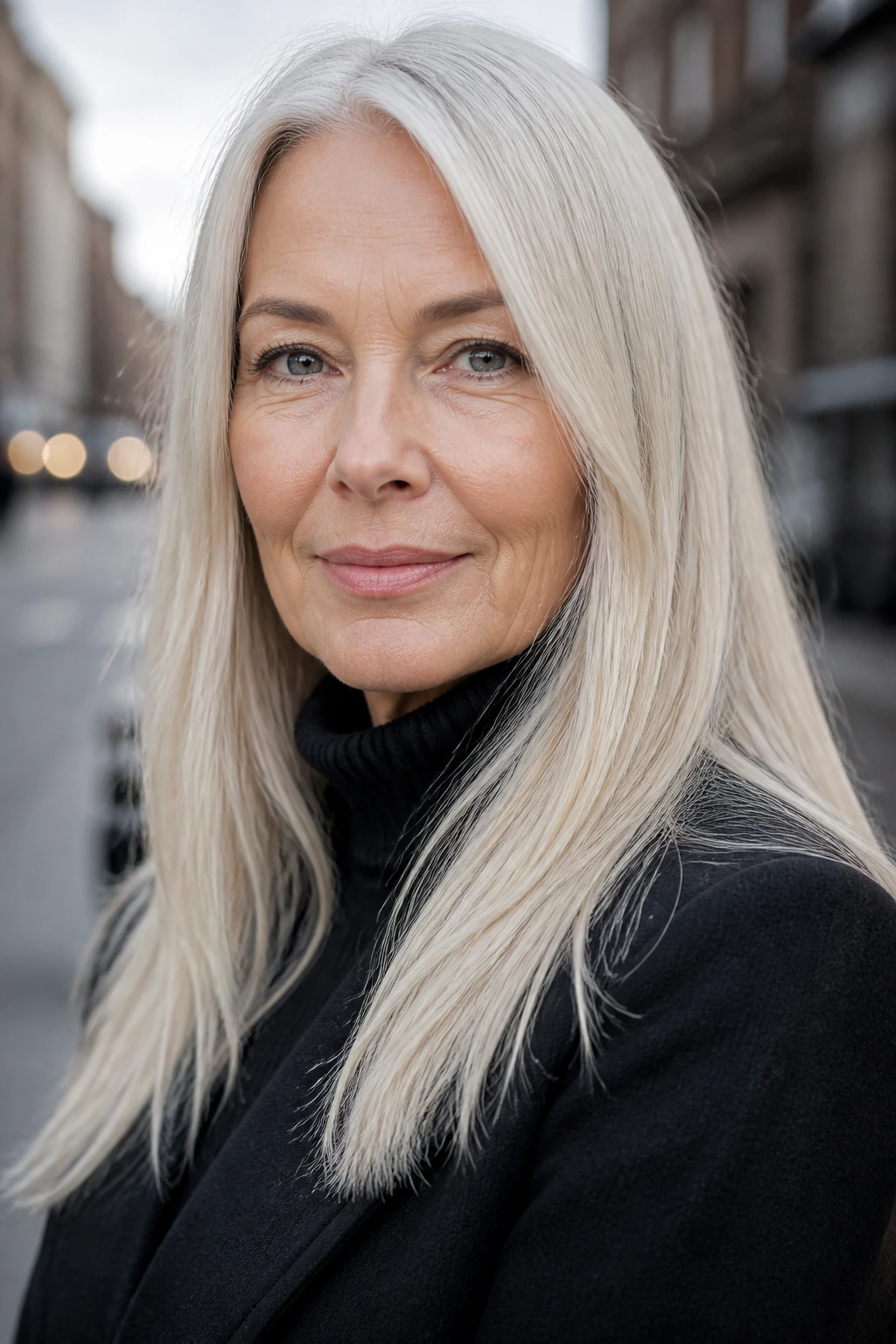
Nordic blonde is brighter and colder than pearl or beige, with a pale finish that leans icy but not chalky when it’s done well. It suits women who like a crisp look and do not mind keeping toner appointments on the regular. That part matters. This shade asks for upkeep.
Compared with warmer blondes, Nordic blonde feels sharper and more graphic. It can be striking on cool skin and very striking with silver jewelry, but it needs healthy hair or the brightness can expose dryness. That’s the tradeoff.
If you want this kind of blonde, ask for a pale lift with a neutral-cool toner rather than a flat white finish. The difference is tiny on paper and huge in real life.
24. Buttered Almond Blonde
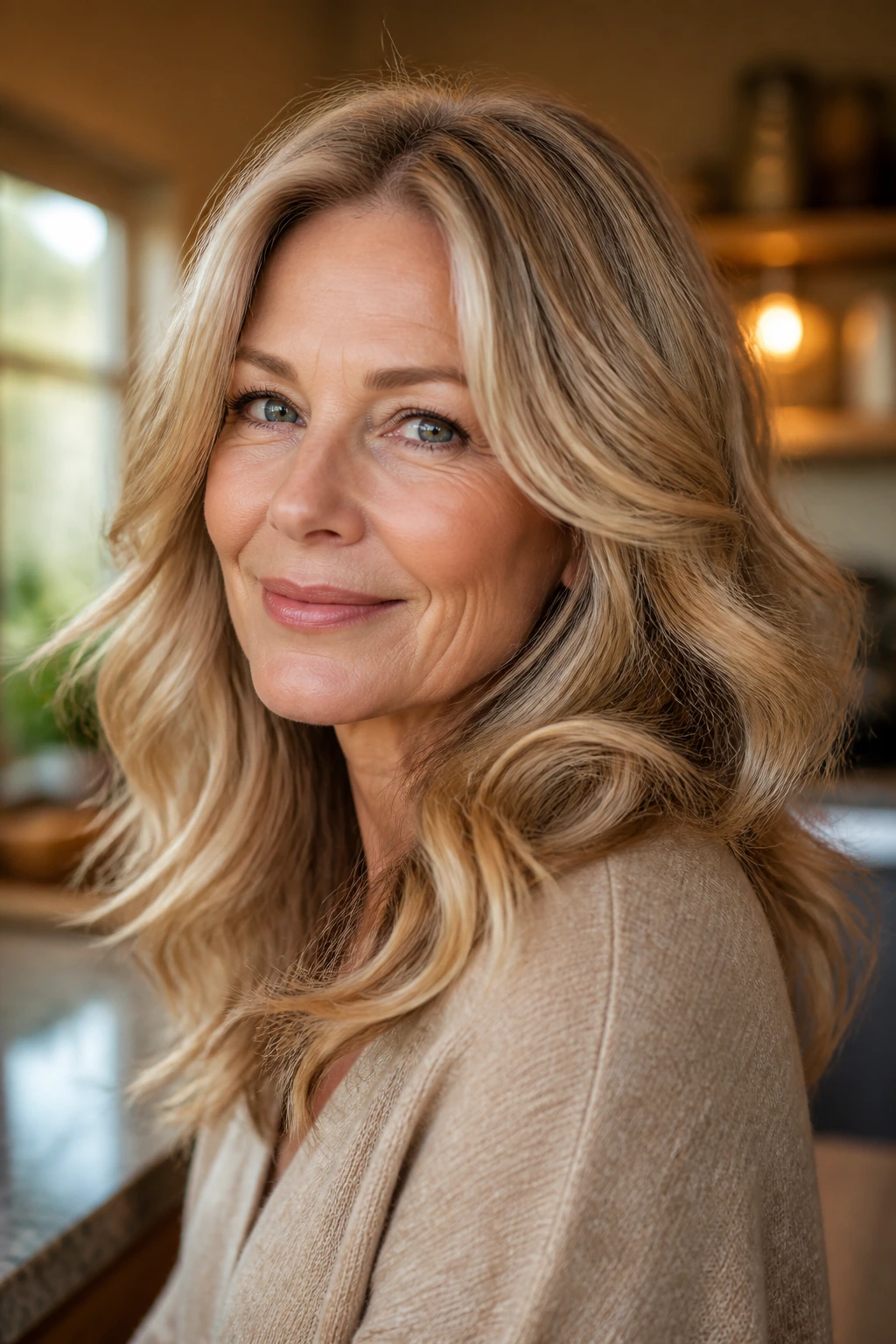
Buttered almond blonde blends warm gold with beige and a soft nutty base. It’s one of those shades that quietly flatters waves, curls, and layered cuts because the color never sits in one tone for too long. The hair keeps moving, so the blonde keeps moving too.
What Makes It Easy to Wear
A little depth at the root keeps the shade from looking too sweet. A touch of gold through the mids keeps it bright. The almond note pulls the whole thing back into neutral territory, which is why it works on more faces than a pure honey blonde might.
I especially like this shade for women who want softness around the face but still want some lightness at the ends. It looks calm, and that counts for a lot.
25. Bright White-Blonde with Shadow Root for Women Over 50
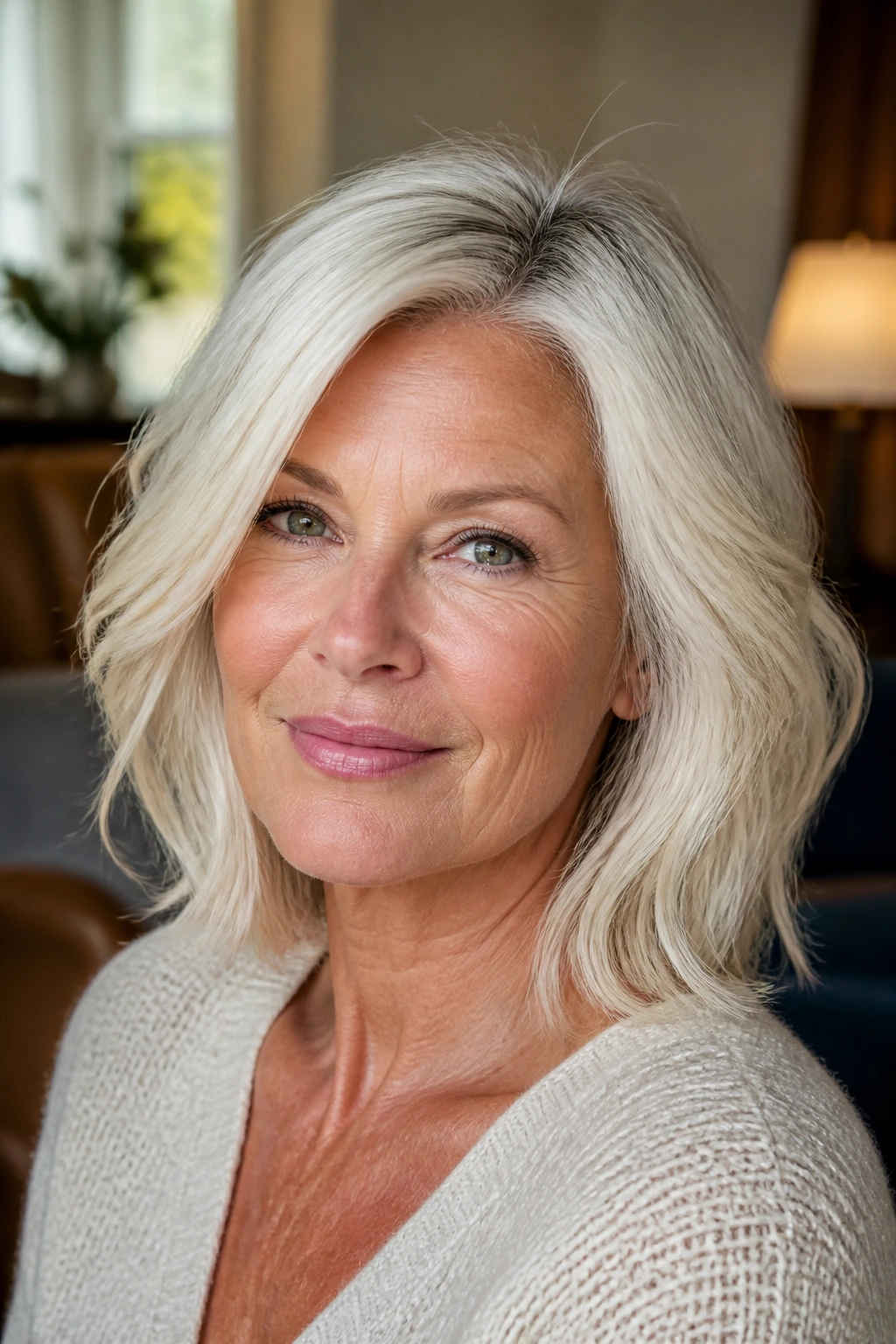
This is the boldest end of the blonde spectrum, but the shadow root keeps it from looking severe. Without that darker base, bright white-blonde can be unforgiving; with it, the color looks deliberate and a little softer around the scalp. That balance matters even more if your hair is naturally gray.
A shadow root also makes the grow-out less shocking. You still get the bright finish, but you are not trapped in an every-two-weeks maintenance cycle. If your skin is cool, fair, or neutral, this can look striking. If your complexion runs warm, ask for a slightly creamy white instead of a blue-white tone.
The key is restraint at the root and polish through the ends. That’s what keeps the color from crossing into costume territory.
Final Thoughts
The best blonde usually isn’t the palest one. It’s the one that leaves your hair looking softer, shinier, and a little more expensive to the eye — even if you got there with a few babylights and a gloss.
If you’re torn between two shades, pick the one with a deeper root and a gentler toner. That choice usually grows out better, and it gives you room to change direction later. Hair color should work with your life, not fight it every six weeks.
Bring daylight photos to the salon, not filtered ones. Then ask for the tone, placement, and maintenance level you can actually keep. That one move saves a lot of disappointment.
