



A good shadow root is the quiet part of hair color that does most of the work. It softens the line at the scalp, keeps highlights from looking striped, and buys you time before the regrowth starts shouting.
I like shadow roots because they do not ask your color to be perfect all the time. A root melt can make blonde feel softer, brunette feel richer, and red feel less like a one-week experiment, especially when the grow-out would otherwise show first along the part and temples.
The trick is depth. Too dark and the hair looks heavy near the scalp; too light and the shadow disappears before it has done its job. A strong shadow root usually sits one to three levels deeper than the mids, then fades with a blurred edge instead of a line you can spot from across the room.
Nobody wants helmet hair color.
1. Smoked Caramel Shadow Root on a Brunette Lob
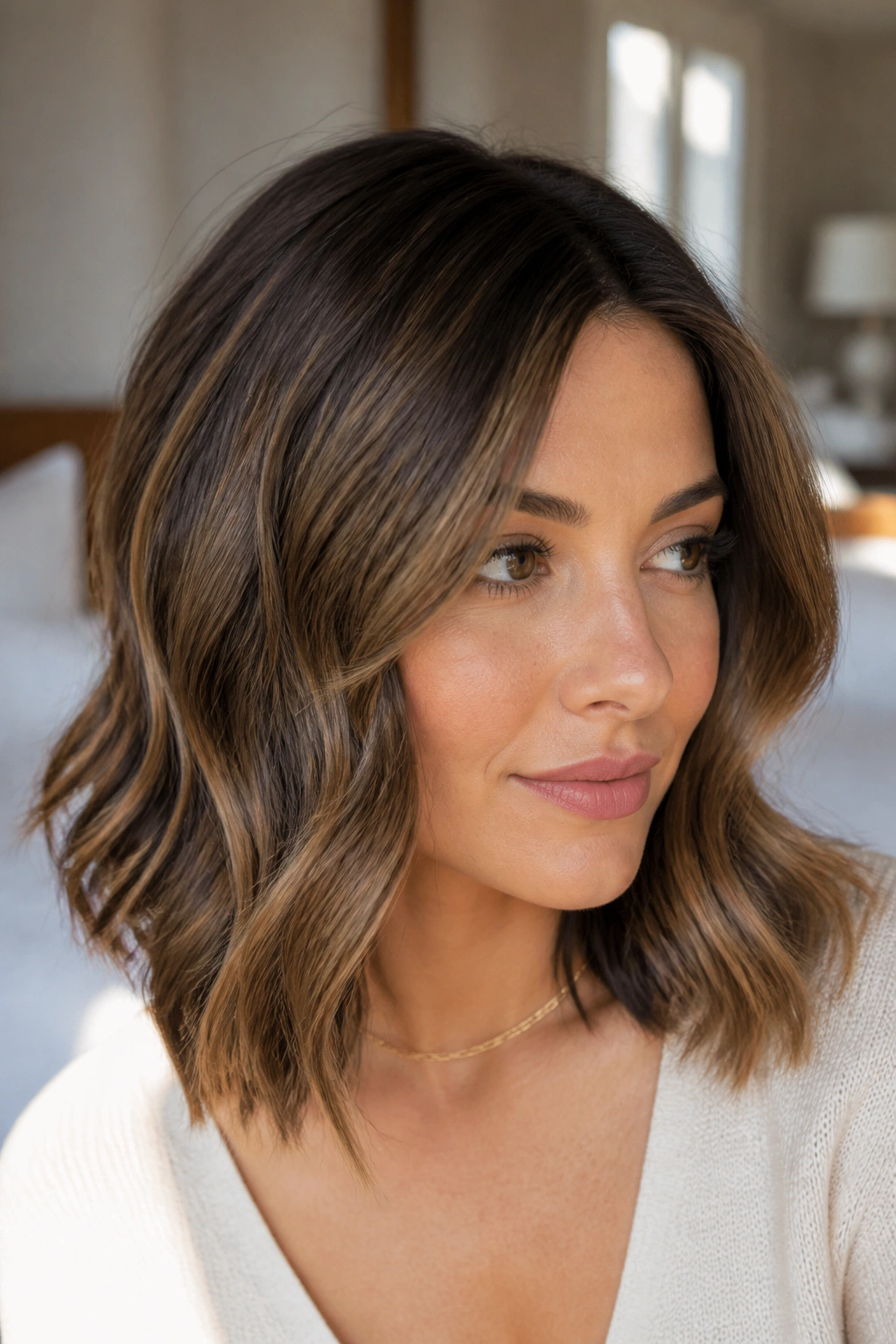
A brunette lob with smoked caramel ribbons is one of those color jobs that looks polished without trying too hard. The root stays a shade deeper, the mid-lengths carry the warmth, and the lighter pieces sit where the light naturally hits the face and ends.
Why It Works
The darker root gives the haircut shape. The caramel pieces do the softening, which matters on a lob because shoulder-length hair can look boxy fast if the color is flat.
- Best on medium brown to light brown bases
- Ask for a blurred root that stays one level deeper than the mids
- Caramel should live around the cheekbones and ends, not all the way up to the scalp
- Loose waves make the blend read even better
Best move: keep the caramel rich, not orange. Once it turns coppery, the regrowth line shows faster.
2. Beige Blonde with a Soft Root Melt
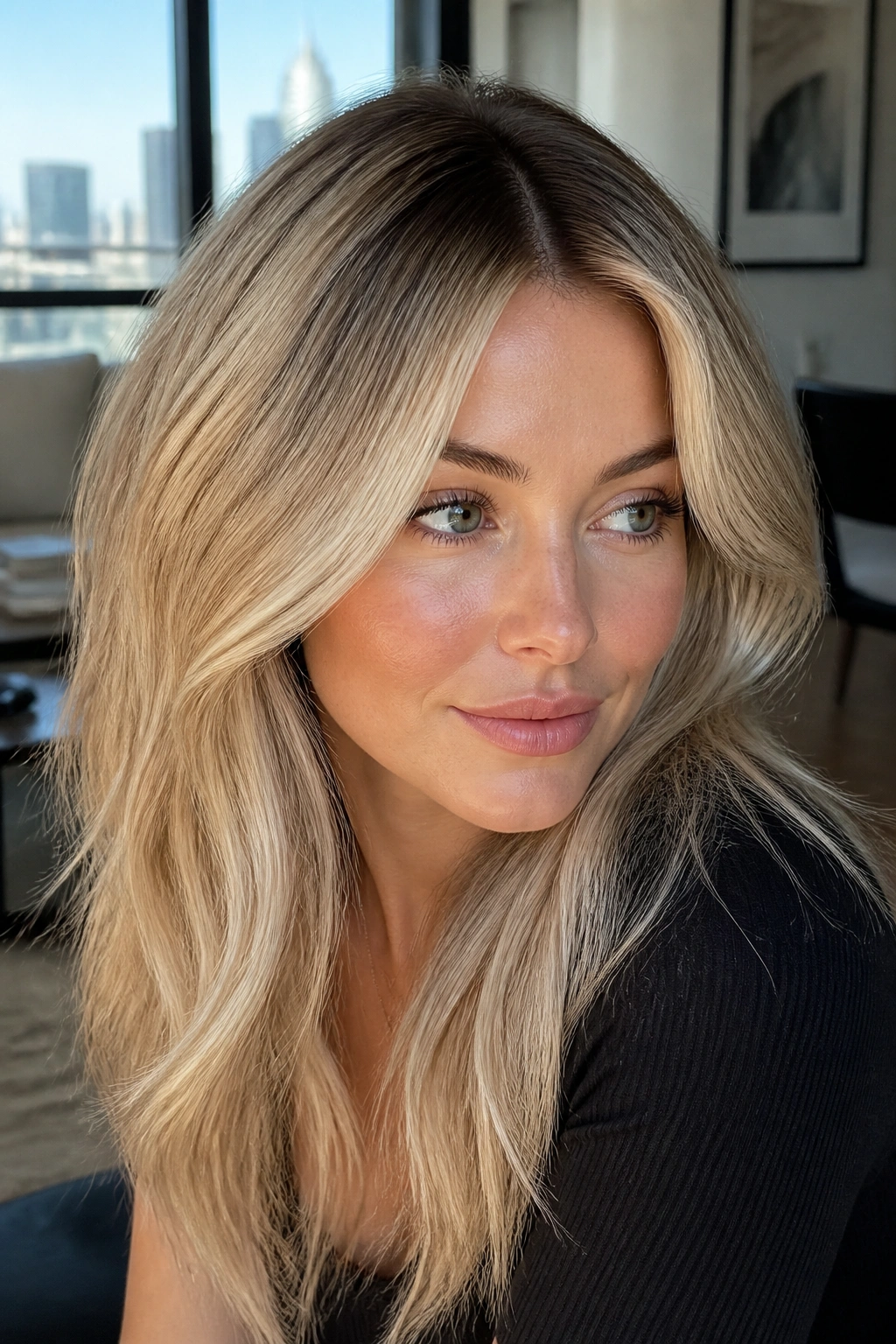
Beige blonde is the blonde I reach for when someone wants brightness but hates the hard line that can show up at the part. The root sits a little deeper, but it stays neutral and creamy, so the whole look feels airy instead of stark.
A beige root melt also helps when your hair pulls yellow after lightening. That tiny stretch of depth at the scalp gives the lighter lengths somewhere to land, which keeps the blonde from looking washed out after a few shampoos.
If your hair is fine, this one is smart. Fine strands can go see-through very quickly, and a soft root makes the color look fuller without making it dark. Ask your colorist to keep the first inch diffused, then brighten from there.
3. Copper Shadow Root with Apricot Ends
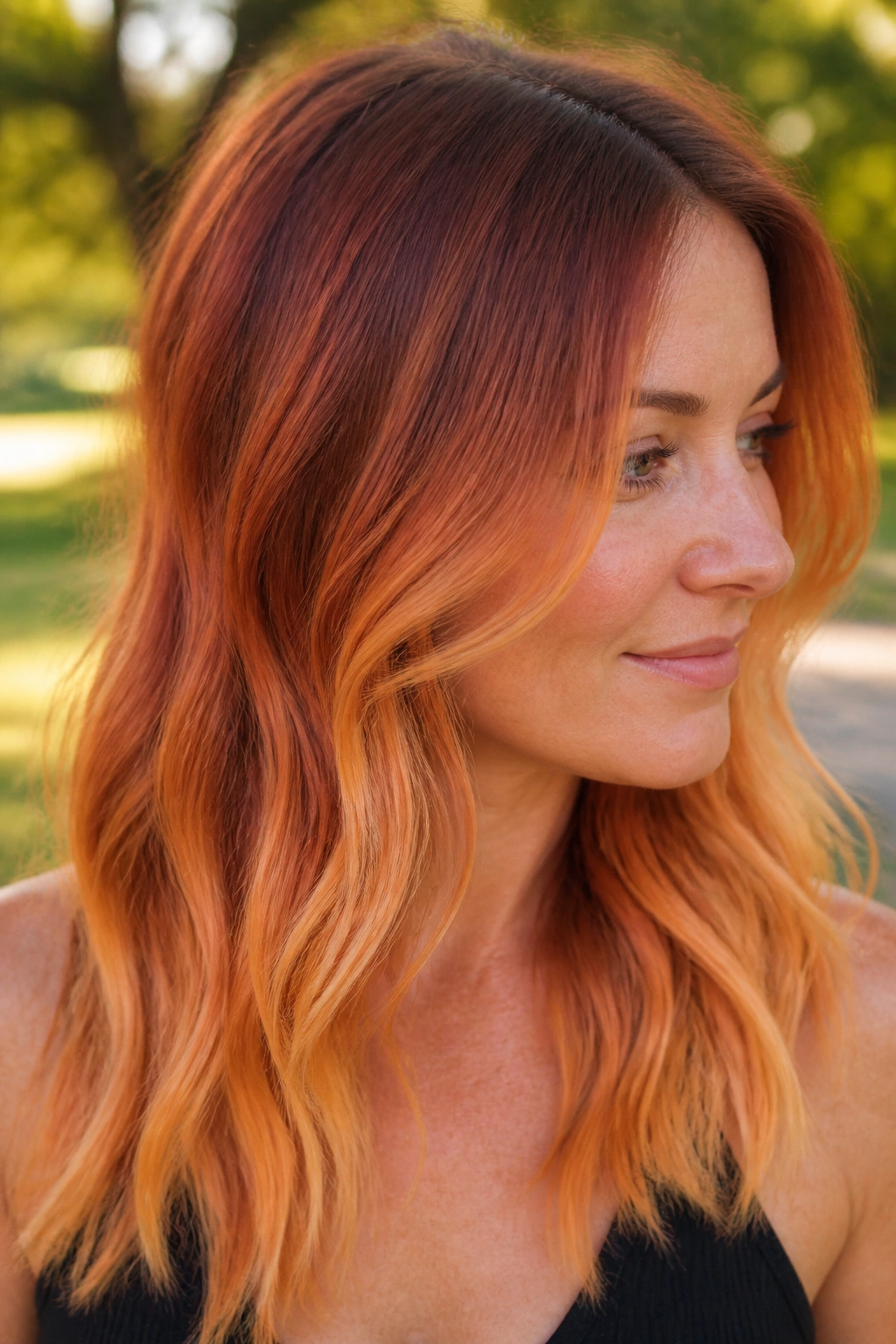
Why does copper look better with a shadow root than with a flat blonde base? Because copper fades fast, and a deeper root gives the warmth a place to settle instead of making the whole head feel loud for one week and tired by the next wash.
How to Wear It
A cinnamon, auburn, or amber-brown root keeps the scalp zone grounded while the apricot ends bring the sparkle. The trick is to avoid a hard stop. Copper wants movement, not a stripe.
On curls, this shade is lovely because every bend shows a different tone. On straight hair, ask for a root blur that melts through the crown so the color looks expensive in daylight and not painted-on under bathroom lights.
4. Mushroom Brown with Icy Babylights
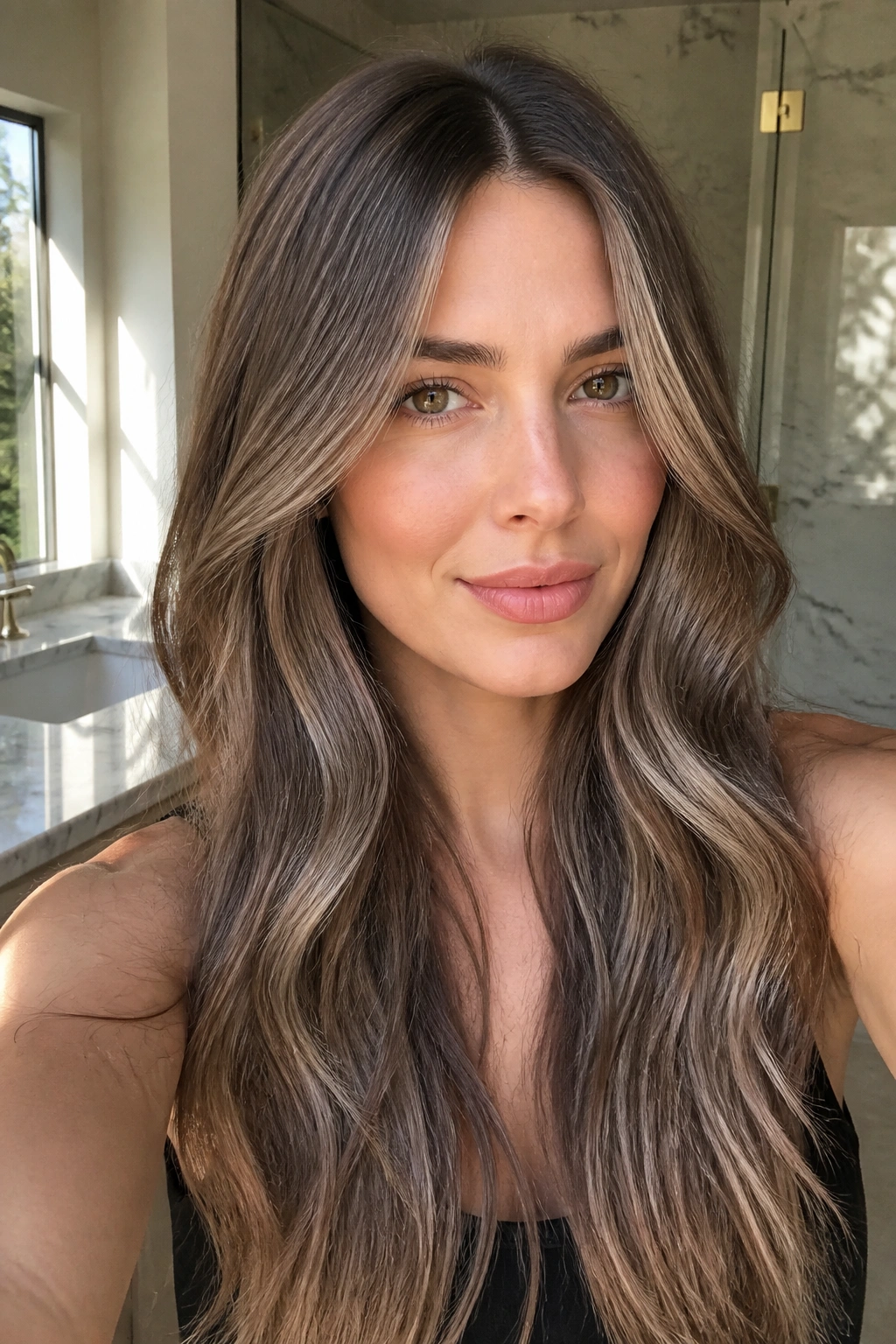
If you have ever had ash brown hair go flat, this is the version that fixes it without making you go blonde. Mushroom brown gives the root a cool, earthy base, and the icy babylights keep the mid-lengths from sinking into one dark block.
The part line matters here. If the root is too blunt, mushroom brown can look muddy, especially on hair that already leans cool. A soft shadow root lets the silver-beige pieces peek through just enough to keep the finish alive.
- Best for natural brunettes who want dimension, not drama
- Babylights should be fine and scattered, not chunky
- Ask for a cool beige toner, not blue-black toner
- A wavy blowout shows the contrast best
Tip: this one needs gloss maintenance more than lift maintenance. Tone matters more than brightness.
5. Cherry Cola Shadow Root with Red Velvet Lengths
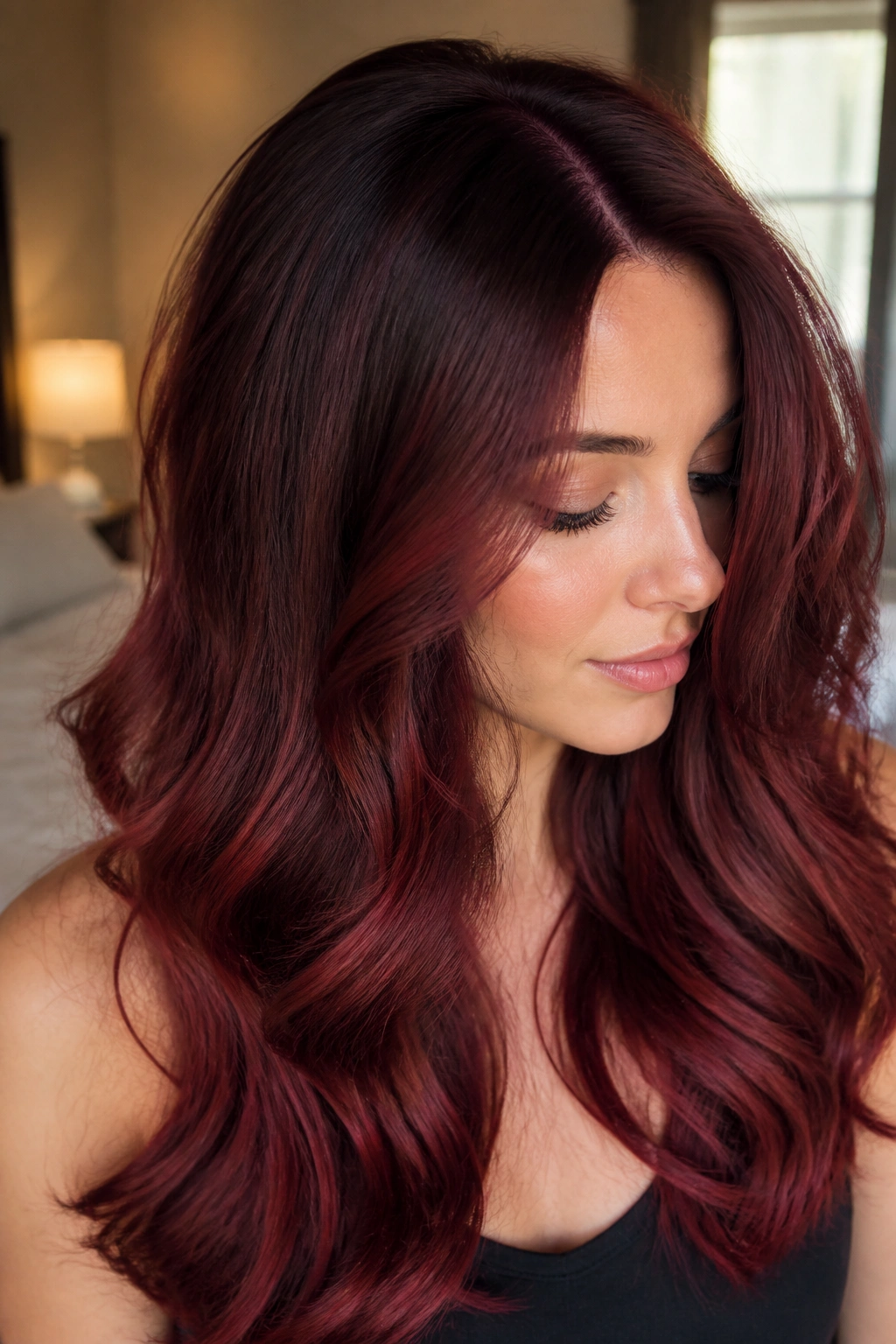
Cherry cola hair has a lot more mileage when the root is darker. A root that leans deep burgundy, plum, or mahogany makes the red lengths look richer and keeps the color from reading flat the minute it starts to fade.
There’s also a practical reason to love it. Red pigments wash out quickly, and a shadow root gives you breathing room when the ends lose a little punch after a few shampoos. The hair still looks finished, not like it missed an appointment.
A blunt cut can carry this shade, but curls and bends make it sing. The darker root catches depth at the scalp, then the red shifts as the hair moves. It feels moody without going costume-y, which is harder to pull off than people think.
6. Ash Brown Root Stretch on Long Layers
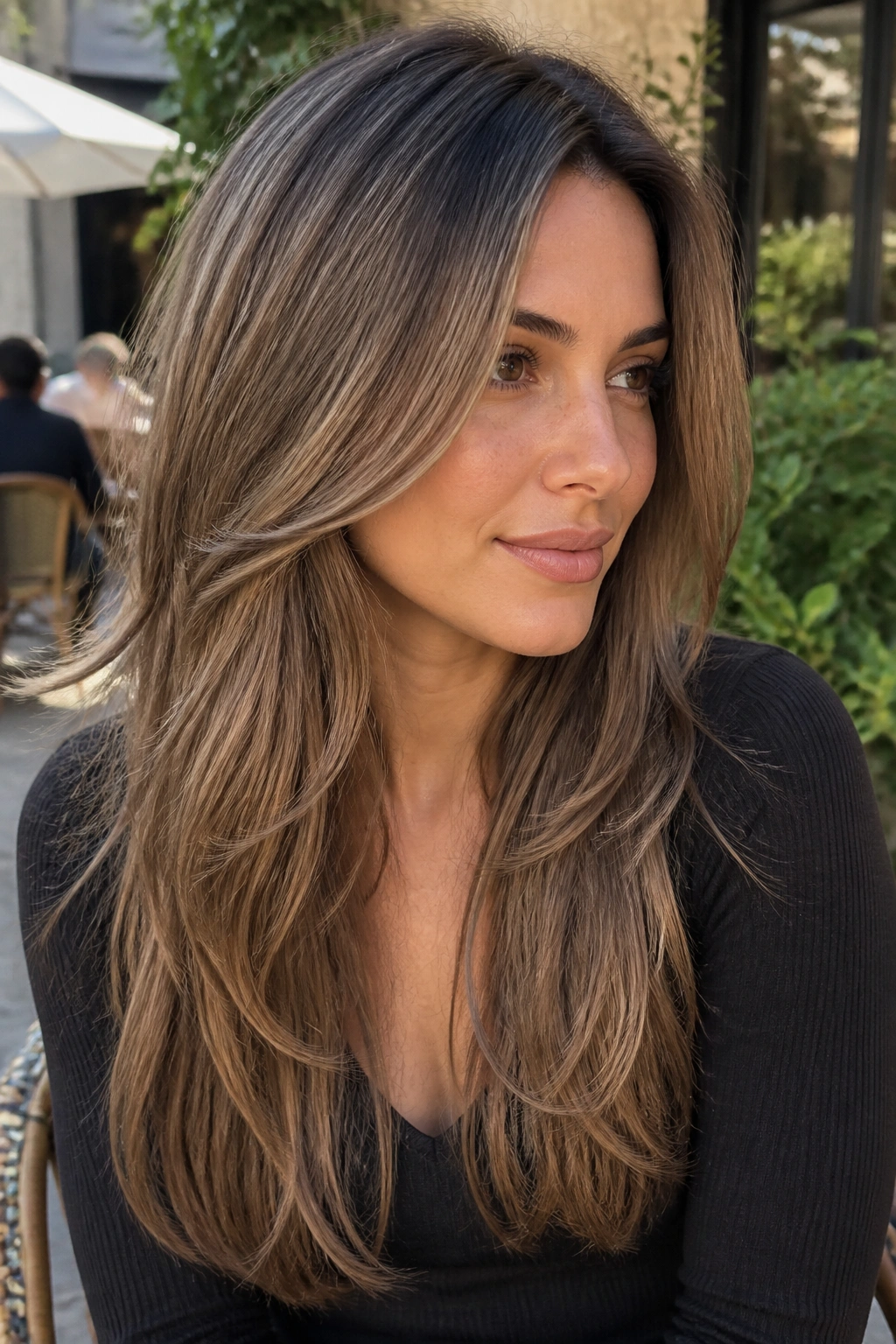
Unlike a full ash brunette, an ash brown shadow root keeps the lengths from disappearing into one cool slab of color. Long layers need some contrast near the scalp, or the cut starts to look heavier than it is.
This version is good if you like cool tones but hate brass. Ask for the root to sit one or two levels deeper than the mids, then keep the hand-painted pieces soft and scattered through the ends. The grow-out stays cleaner because the shade shift is gradual, not abrupt.
It also plays well with side parts. When the part moves, the root still looks intentional because the color is blended across a wider zone. That little detail saves a lot of mirror fuss.
7. Golden Bronde with a Deeper Root
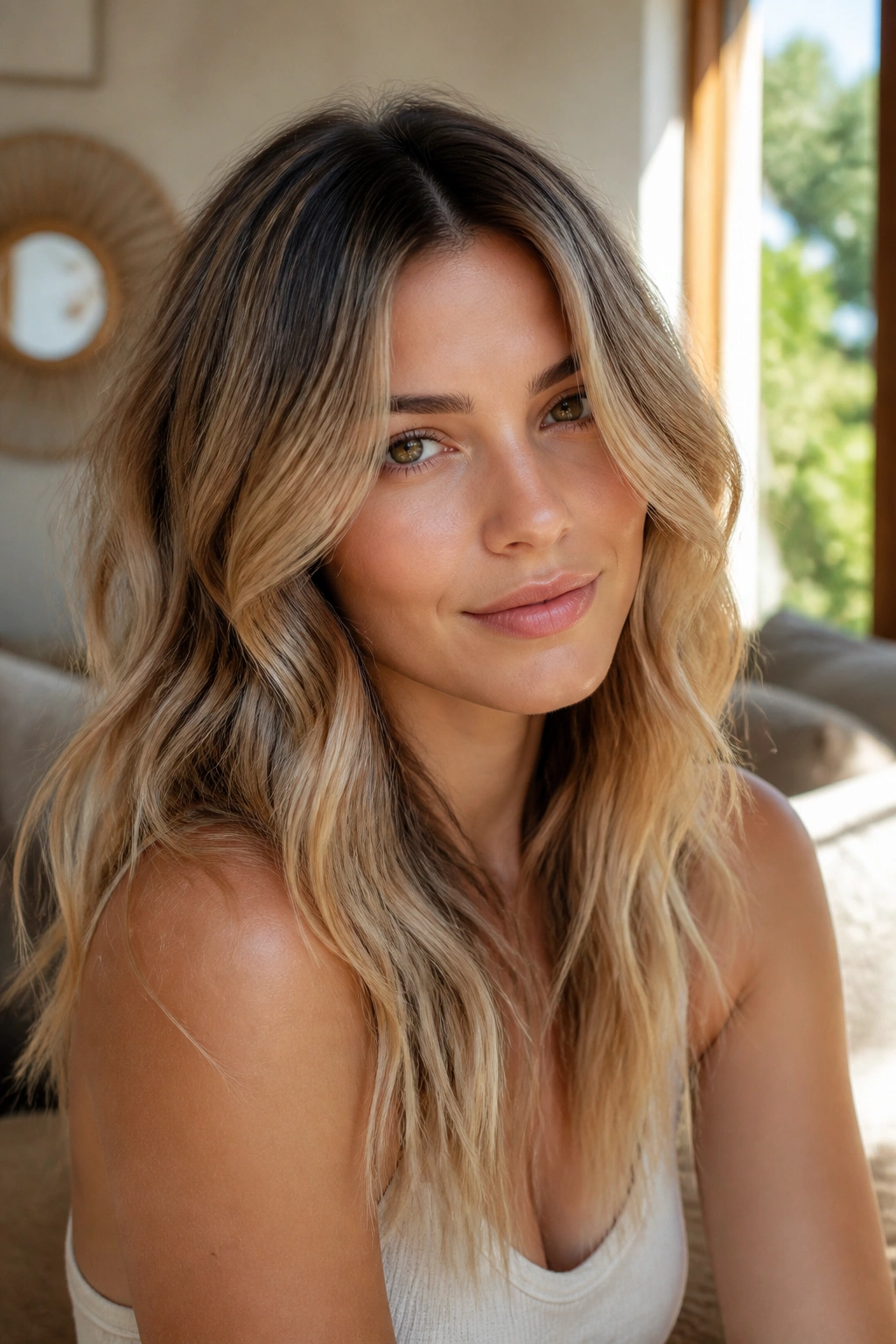
Golden bronde can go too bright at the scalp if the root is lifted too much. A deeper root keeps the color looking like hair, not frosting, and the blonde-brown mix stays believable as it grows.
Where the Warmth Should Sit
The warmth belongs through the mid-lengths and ends, where the sun would naturally hit first. The root can be a soft mocha, oat-brown, or toasted beige, depending on how much contrast you want.
- Best for people who wear their hair in waves
- Works well on medium and thick hair
- Ask for gold, not yellow
- Keep the root soft around the hairline
One small thing matters here. If the root is too warm, the whole style can look orange in indoor light. A neutral base saves you from that.
8. Platinum Blonde with a Smoky Root Tap
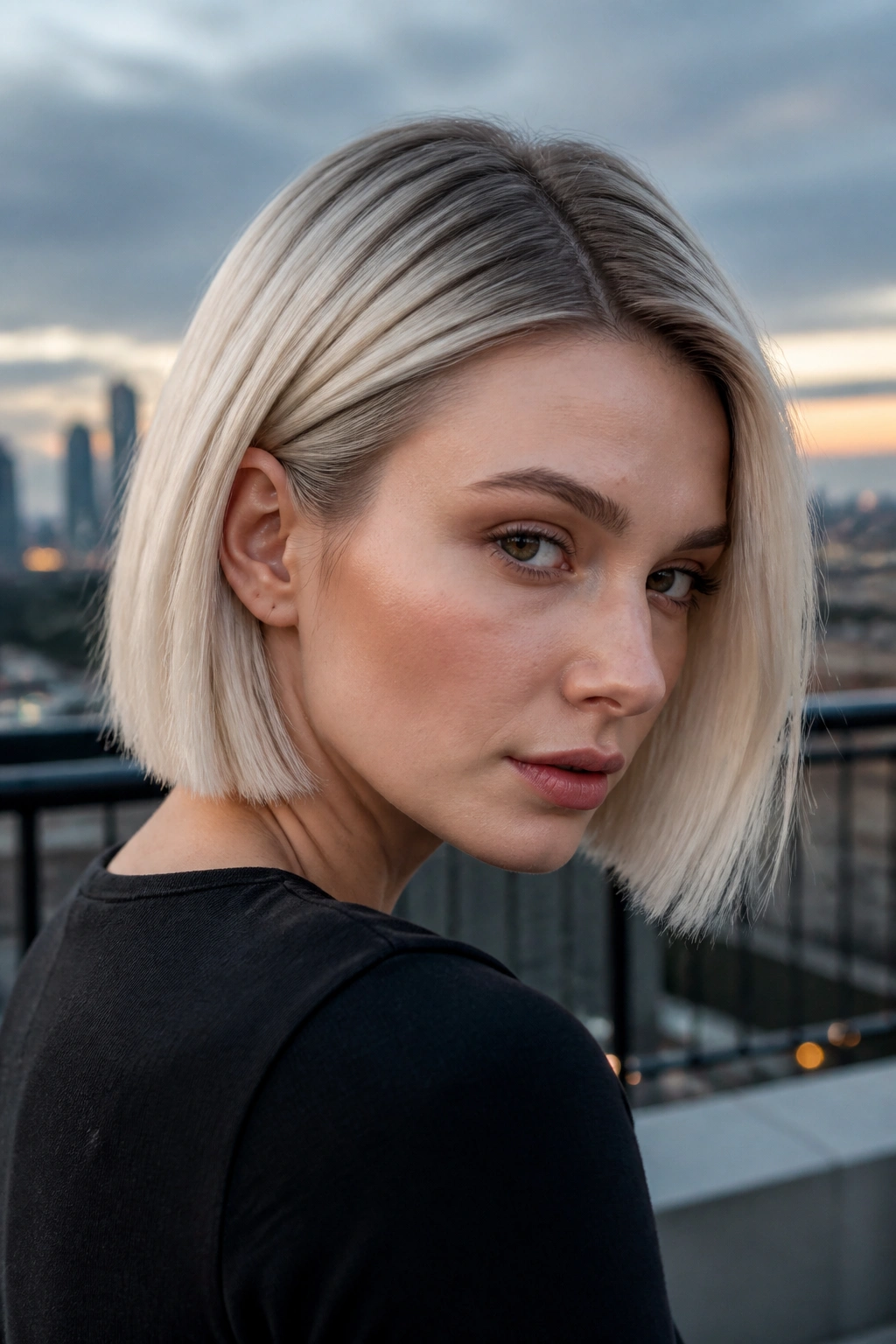
A smoky root tap is the cleanest way to wear platinum without making the scalp look stark. It is not a brown root. It is a silver-beige shadow that lets the platinum stay bright while still softening the grow-out.
Hard lines age a blonde fast.
That is the whole game here. A tiny bit of depth near the scalp gives platinum a place to breathe, and the tone can shift between pearl, ash, and icy beige depending on your skin tone and base color. If you want the root to disappear, ask for a tap rather than a heavy smudge.
This is a strong choice for short cuts and sleek styles. Platinum on a blunt bob can be fierce, but the smoky root keeps it from looking harsh.
9. Chocolate Cherry Shadow Root on a Blunt Bob
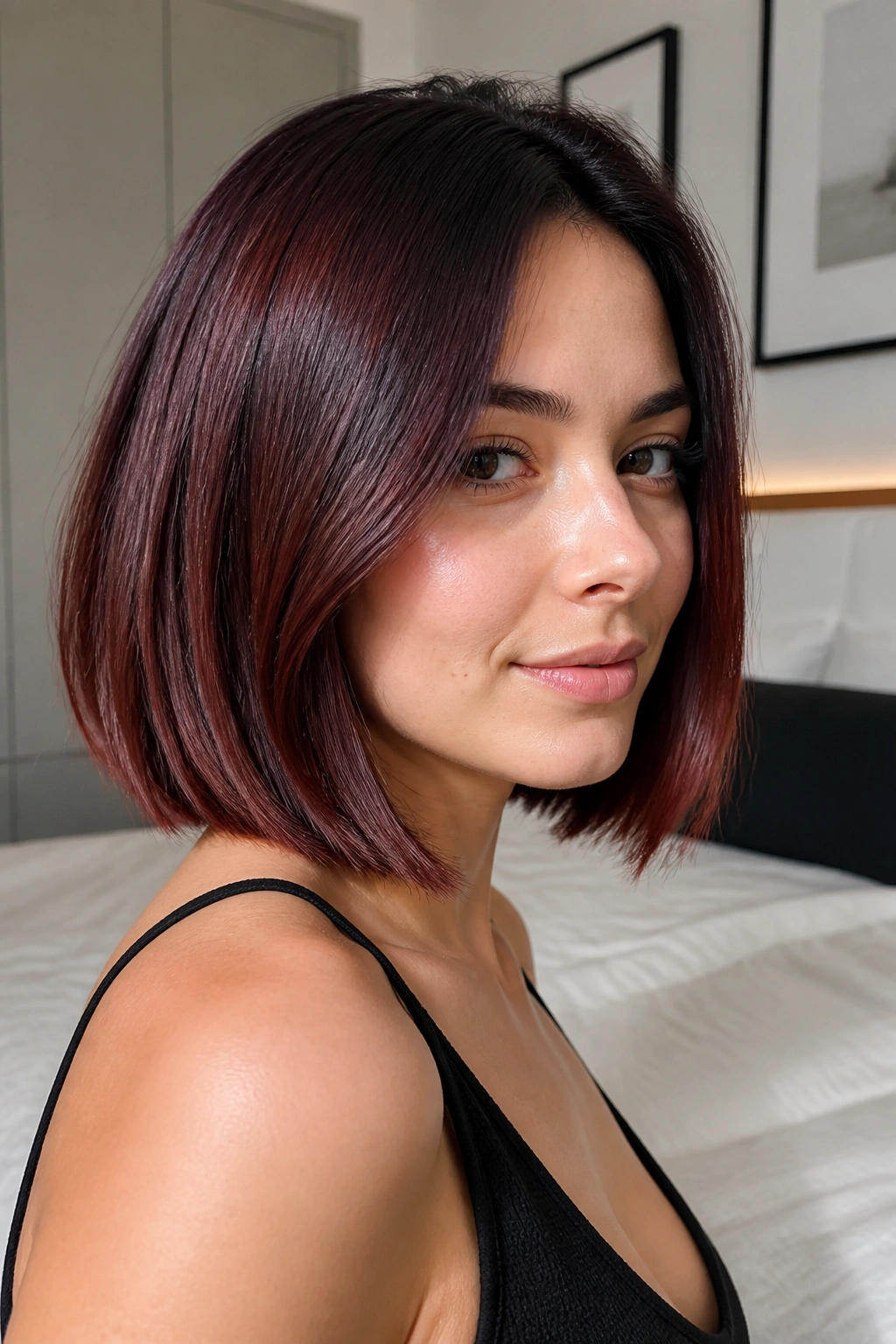
A blunt bob can look severe fast. Chocolate cherry hair fixes that by adding depth at the root and a red-brown glow through the ends, so the cut keeps its edge without feeling stiff.
I like this shade because it changes in different light. Indoors, the root reads like dark cocoa. Outside, the cherry tones show up and keep the bob from looking too flat. That movement is what makes the color worth wearing.
- Best on chin-length to collarbone bobs
- Ask for a deep root that softens into ruby brown mids
- Keep the ends glossy, not matte
- Tuck one side behind the ear to show the color shift
A blunt line plus a blunt color is too much. This solves that in one shot.
10. Warm Mocha with Face-Framing Money Pieces
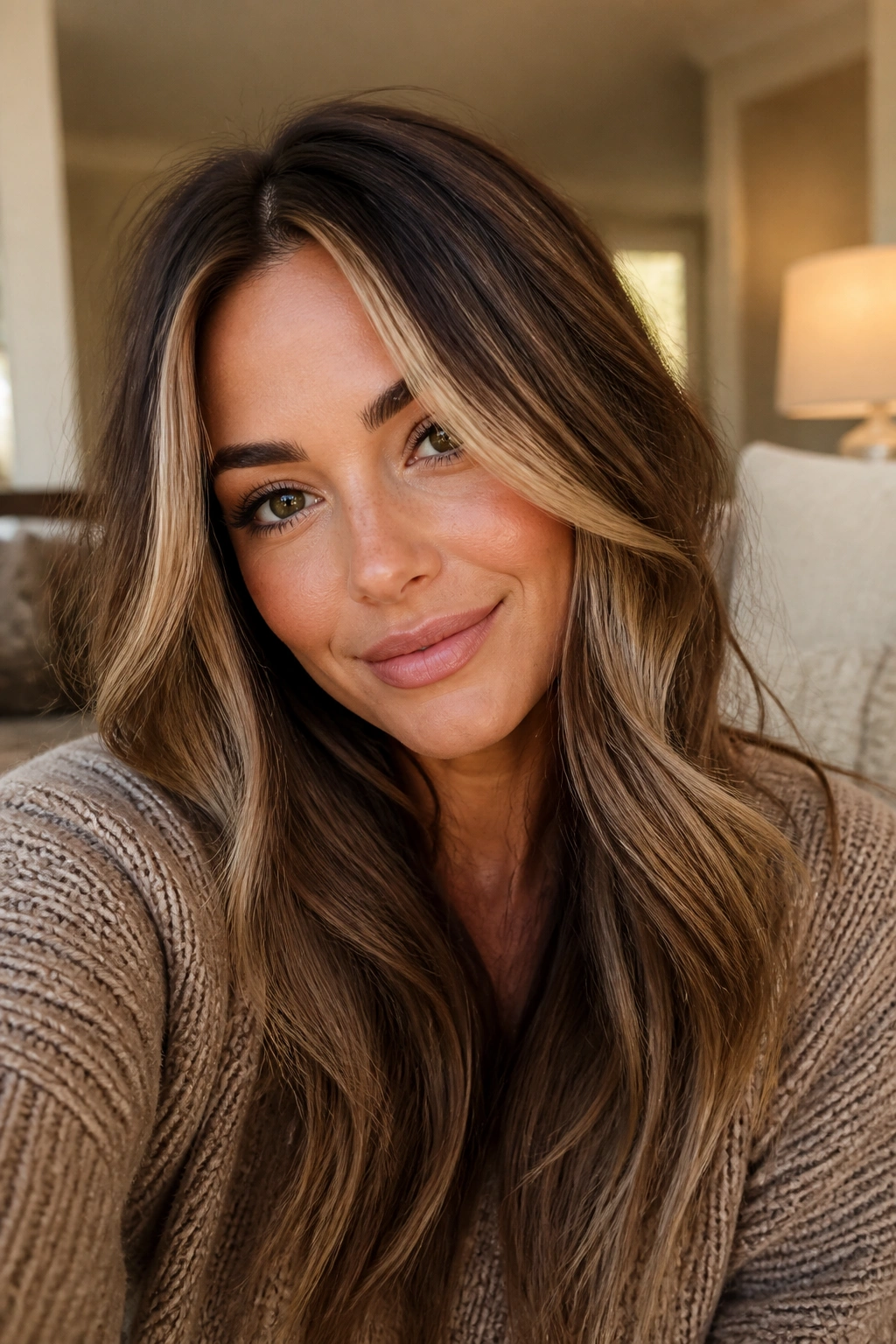
What if you want dimension but do not want all-over lightness? Warm mocha with face-framing pieces is the answer. The root stays shaded, the front gets brighter, and your face picks up the contrast right where it matters most.
Placement Matters
The money pieces should start a little below the root, not right at the scalp. That keeps the grow-out soft and stops the bright front sections from looking disconnected after a few washes.
Warm mocha is especially good if your natural hair is medium brown and you want a little glow without moving into blonde territory. The shade adds lift, but it still looks like it belongs to the same head of hair.
Ask for brightness around the cheekbone and jawline. That placement looks softer than light pieces that start too high and scream for upkeep.
11. Soft Black with Cinnamon Gloss
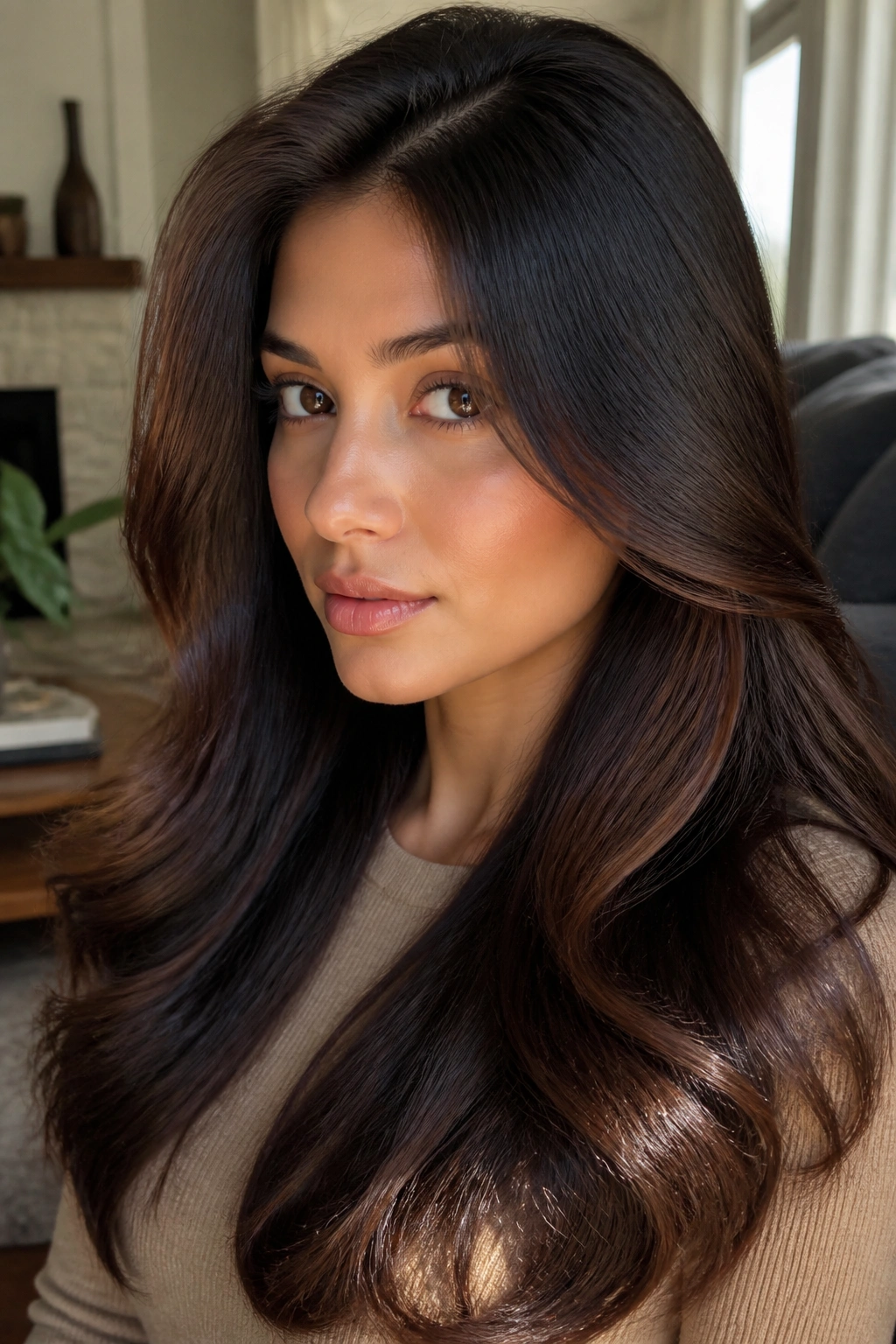
Soft black is not the same thing as inky black. The difference is in the finish. A shadow root with a cinnamon gloss keeps the color deep, but not dead-flat, so the hair shows shine instead of swallowing it.
This is one of my favorites for long hair because it gives you that rich dark look without making the ends disappear into one heavy block. The cinnamon note warms the black just enough to keep it from looking blue or chalky indoors.
It is also kinder to growing-out dark hair. If your natural color is already near black or deep brown, the root blend buys you time and avoids the obvious line that pure box black tends to leave. That alone is worth it.
12. Strawberry Blonde with a Rose Root Smudge
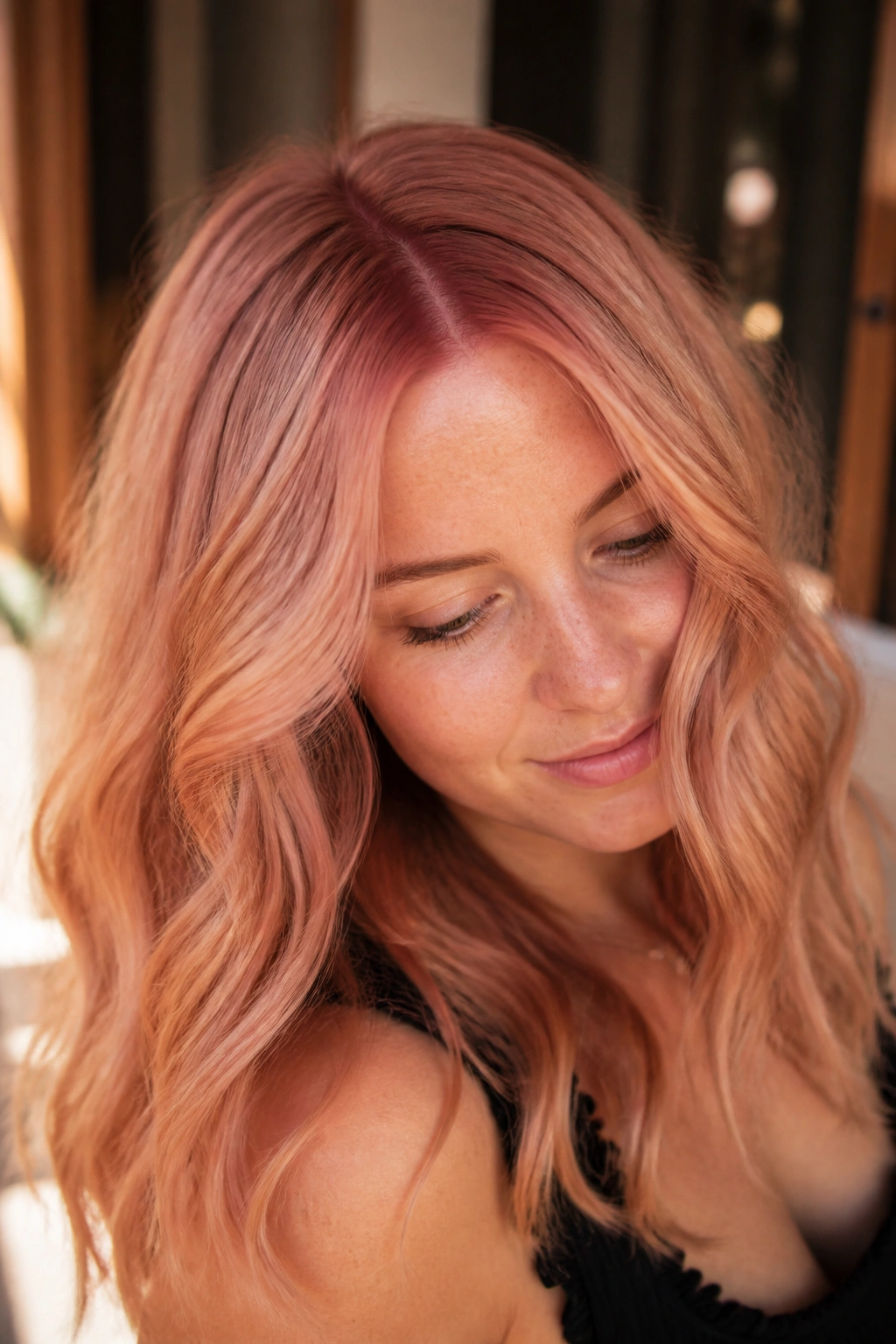
Strawberry blonde can tip too far into pastel if the root is left pale. A rose shadow at the scalp keeps the color from floating away and gives the blonde-red mix something grounded to sit on.
What Makes It Different
Unlike a full rose gold look, this version keeps the root deeper and the mids softer. That means the color still reads natural enough for everyday wear, even though it has a pretty, slightly flushed tone.
It suits fair and medium skin tones especially well, but the real trick is saturation. Keep the rose more muted at the root and brighter through the ends. Too much pink near the scalp and it starts to look like a filter.
If you want a softer grow-out, this is one of the smartest red-blonde blends around.
13. Sand Blonde with Lived-In Lowlights
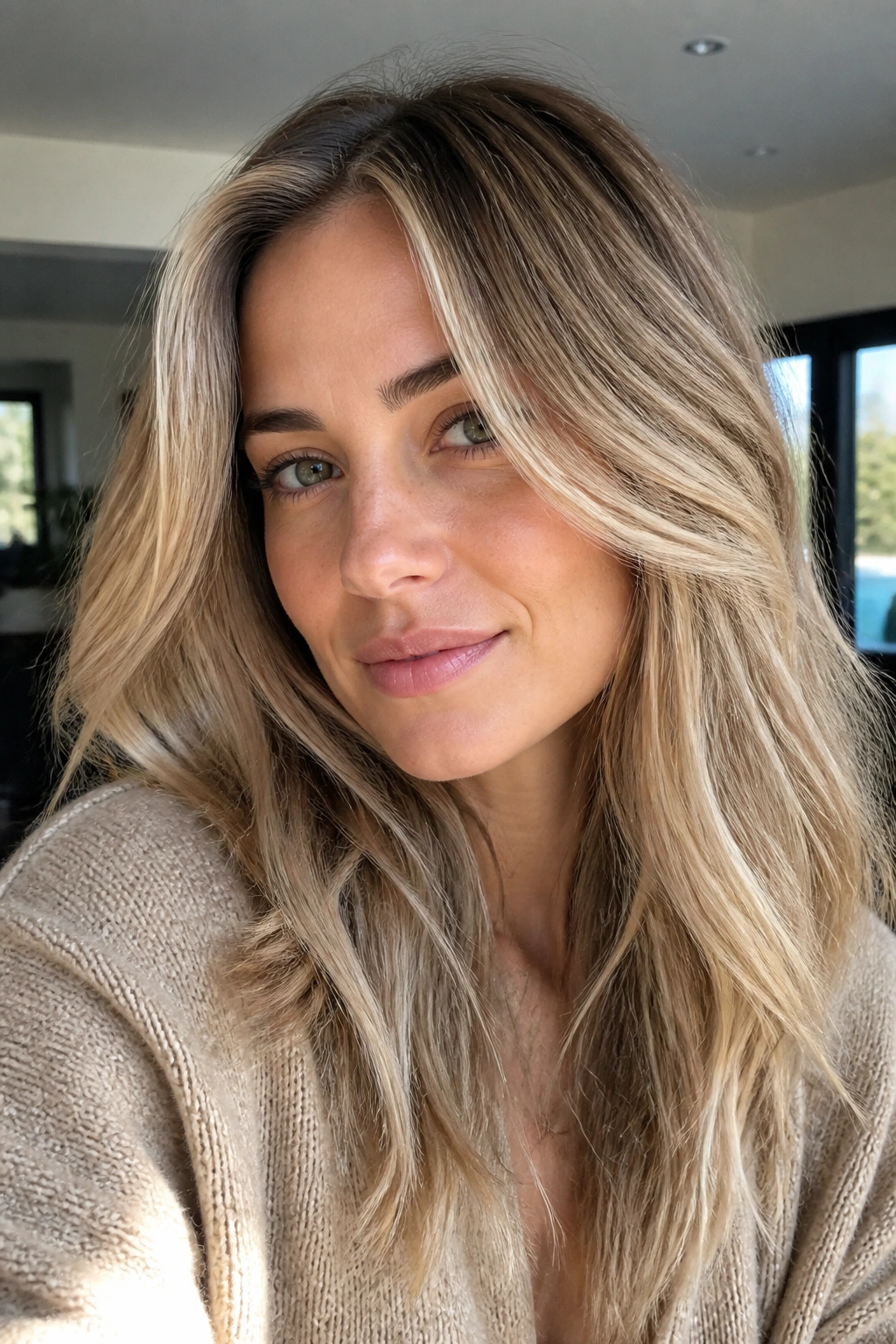
Sand blonde is the answer for people who like bright hair but do not want every strand screaming for attention. A shadow root plus lowlights gives the blonde a bit of grit, which makes it look more natural and a lot easier to live with.
The lowlights should sit under the top layer and near the root area, where they can break up the brightness without making the head look dark. If the pieces are too chunky, the effect gets stripy. Fine placement is what saves it.
Wavy hair makes this shade look especially easy, almost accidental in the best way. Straight hair can still wear it, but the cut should have some movement so the contrast does not feel too neat.
14. Icy Silver with a Graphite Root
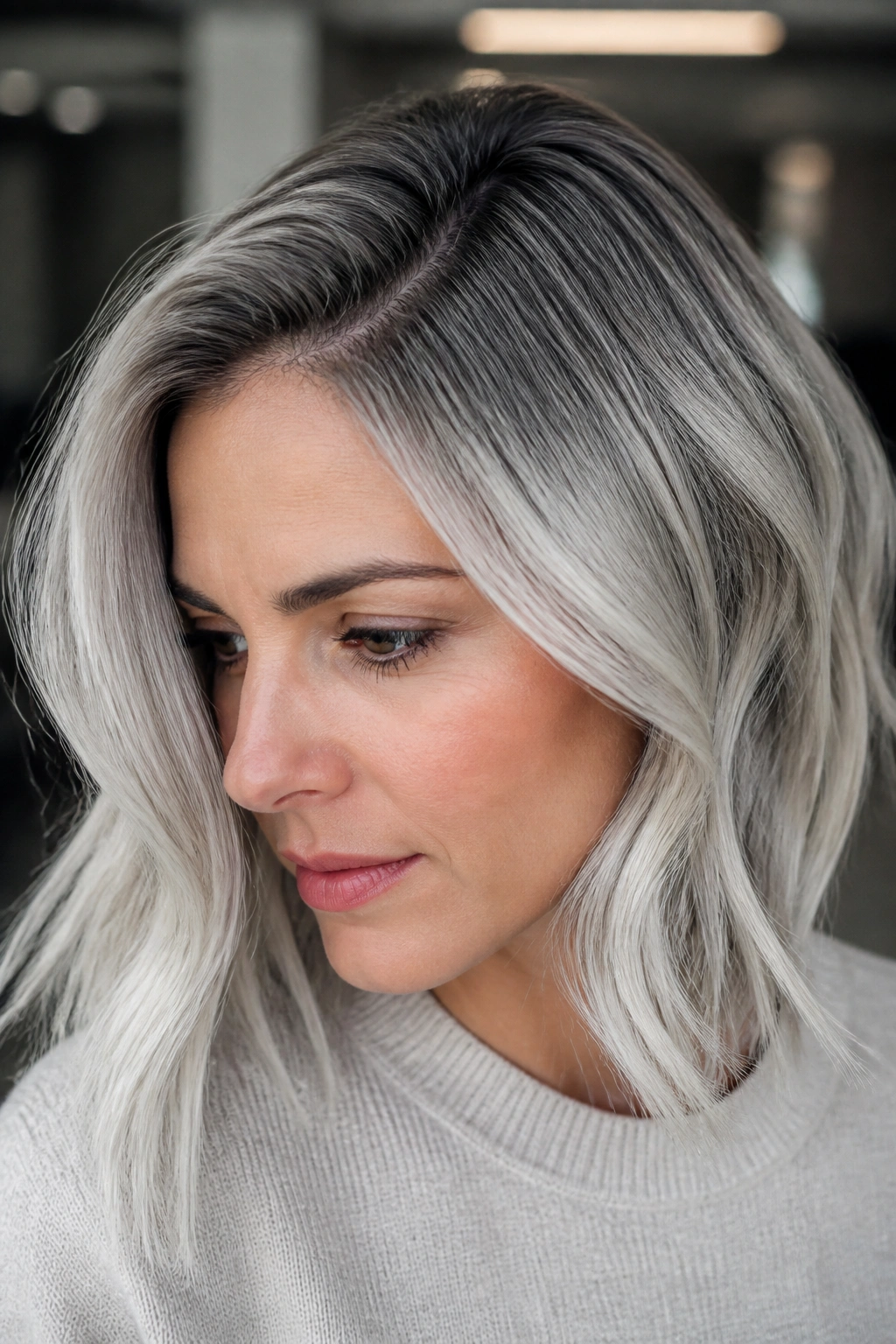
Icy silver needs a graphite root if you want it to look sharp instead of washed out. The shadow near the scalp gives the silver some weight, and that weight makes the whole color feel deliberate.
This is not the place for a soft beige root. Silver needs contrast, and graphite delivers it without turning the head into a block of dark color. The result is cooler, cleaner, and easier to maintain than people expect.
Short cuts, cropped layers, and sleek textures are especially good for this shade. The root shade should stay deep enough to frame the silver, but not so dark that it looks like grow-out from a missed appointment. That balance is the whole point.
15. Honey Brunette with Chestnut Shadow
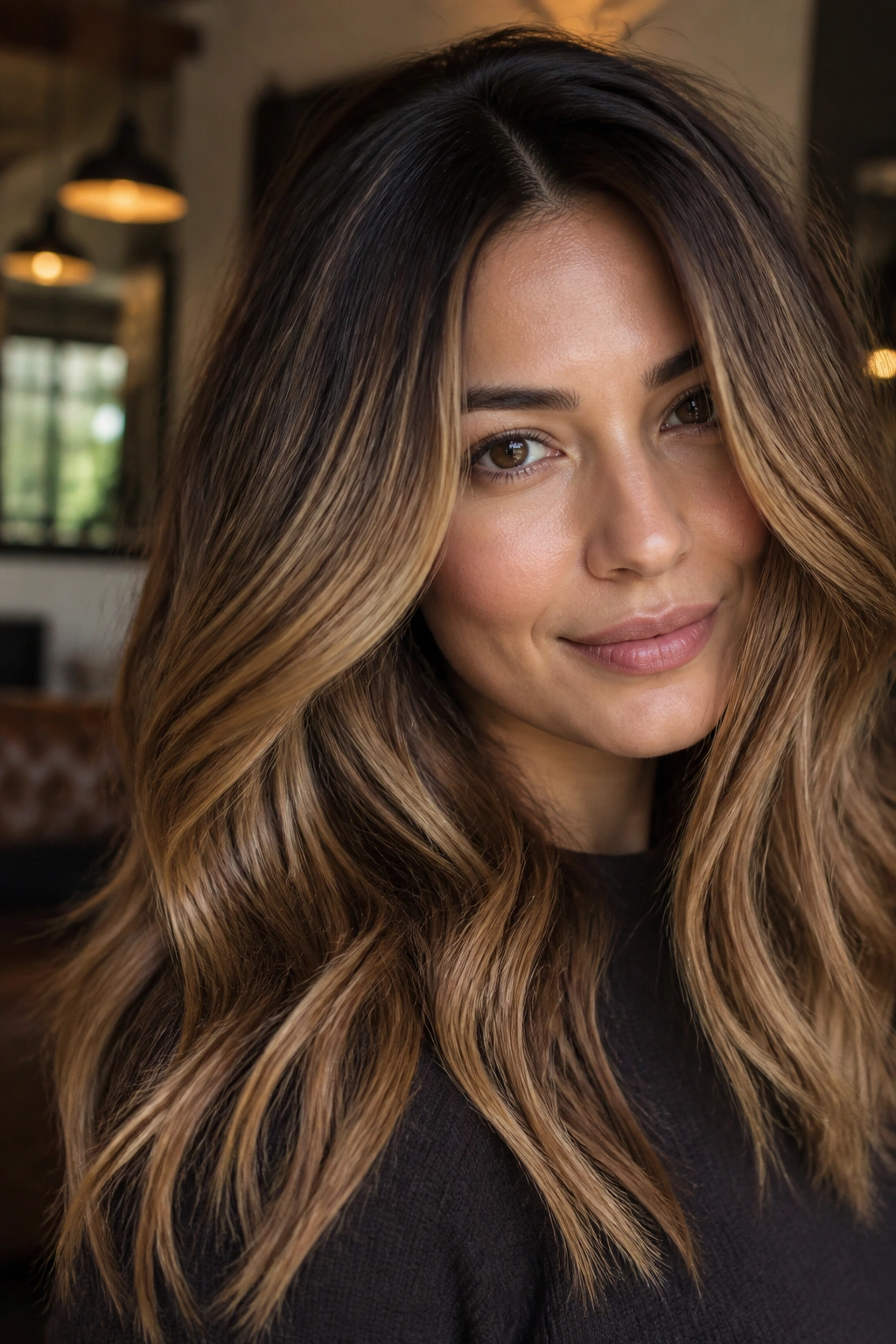
What if you want warmth but hate brass? Honey brunette with a chestnut shadow root is the answer. The root stays rich and brown, the mids turn golden, and the ends carry that soft honey glow that makes hair look full.
How to Keep It Glossy
Chestnut works because it sits between red and brown. It gives warmth without slipping into orange, and that matters when the highlights start to soften after a few shampoos.
Ask for the honey pieces to begin below the root zone. If they start too high, the color loses the shadow effect and the whole style can look busy. Below the root, though, the contrast is pretty and easy to wear.
This shade loves layered cuts. The light catches the ends, the root stays grounded, and the whole thing feels much richer than a flat brown ever could.
16. Sable Black with Blue-Black Sheen
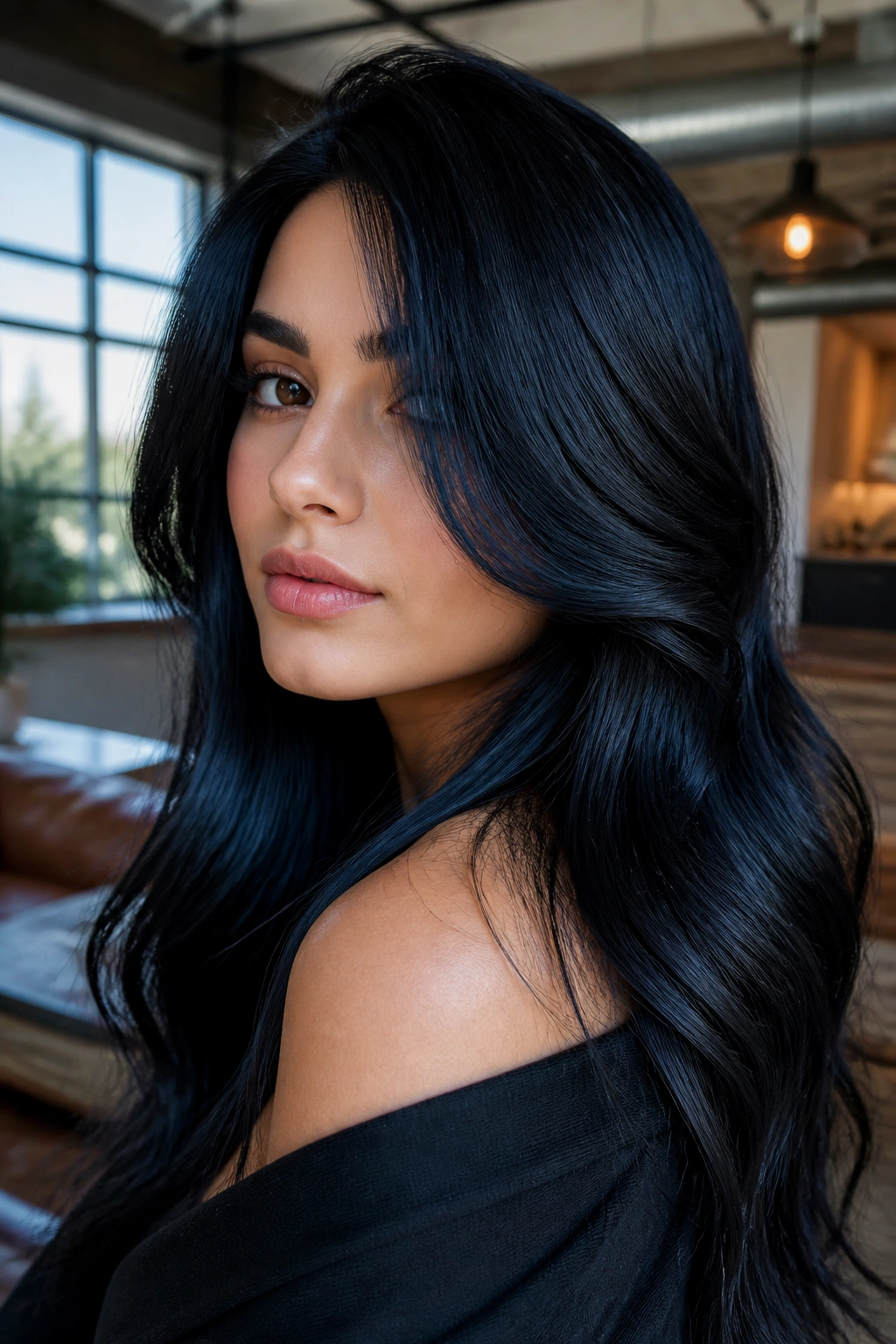
Sable black is darker than mocha, softer than pure ink, and far more interesting in daylight. A blue-black sheen over a shadow root keeps the color sleek without making it look flat or wig-like.
A lot of people go too far with black and end up with a solid helmet effect. This avoids that by keeping the root deeply shaded while the gloss reflects a cool blue note when the hair moves. It is subtle, but on long hair the difference is obvious.
- Best for thick hair or dense strands
- Looks strongest in straight styles and polished waves
- Ask for a gloss, not a permanent black overlay
- Keep the finish shiny; matte black can look harsh
This one is for people who like drama but still want the grow-out to stay tame.
17. Sunlit Bronde with a Teased Root Transition
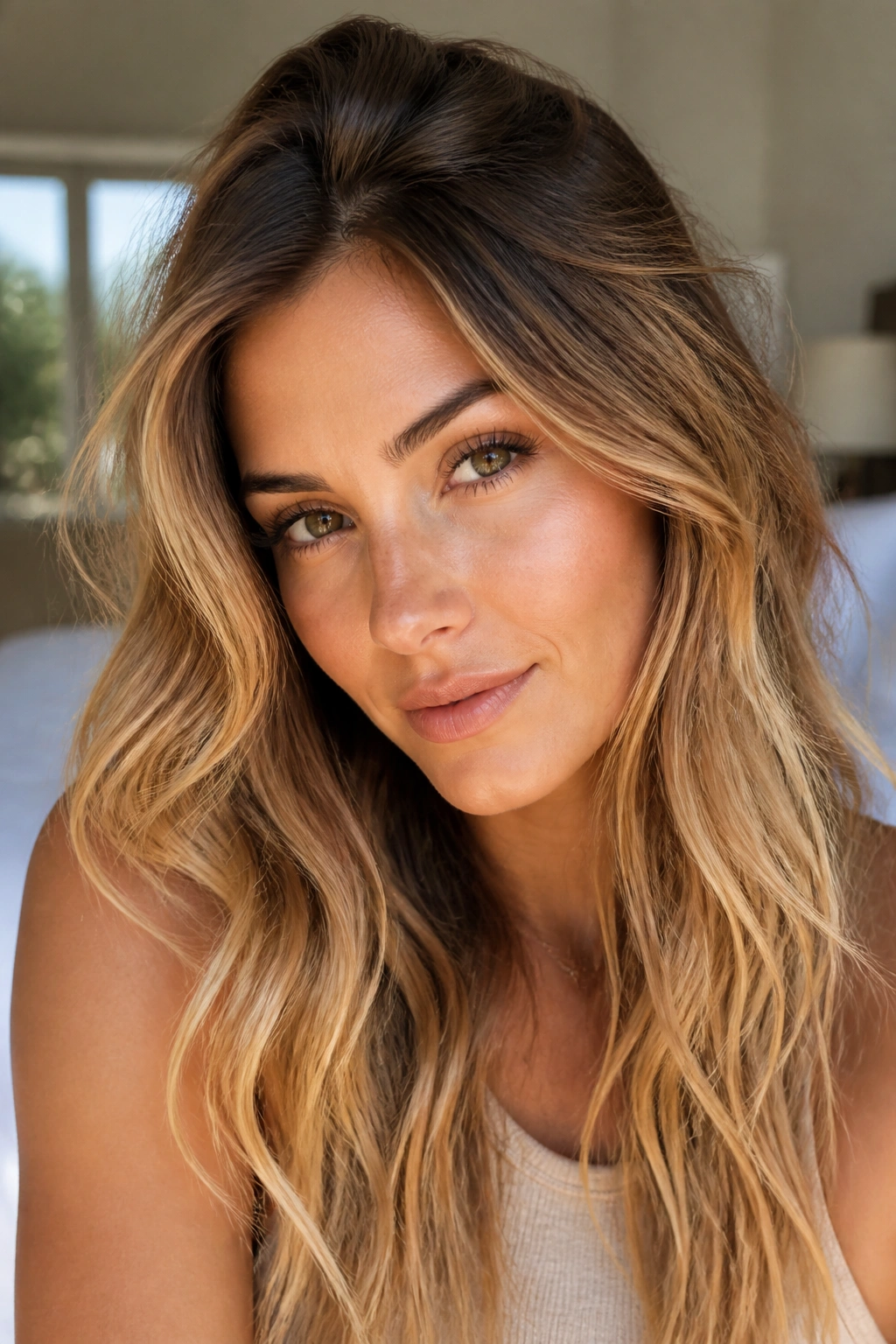
Unlike a strict root tap, a teased root transition gives you a softer blur from the scalp through the mids. That matters on longer hair, where a hard line can show up every time the part shifts.
The tease is what keeps the root from looking stamped on. By lifting the hair slightly before applying color, the transition gets feathered instead of painted in a stripe. The result is bronde that looks sunlit, not salon-bright.
This is a good pick for people who wear their hair down a lot and want the color to move. It suits long layers especially well, because the depth at the crown makes the ends look lighter by contrast.
18. Auburn Shadow Root for Curls
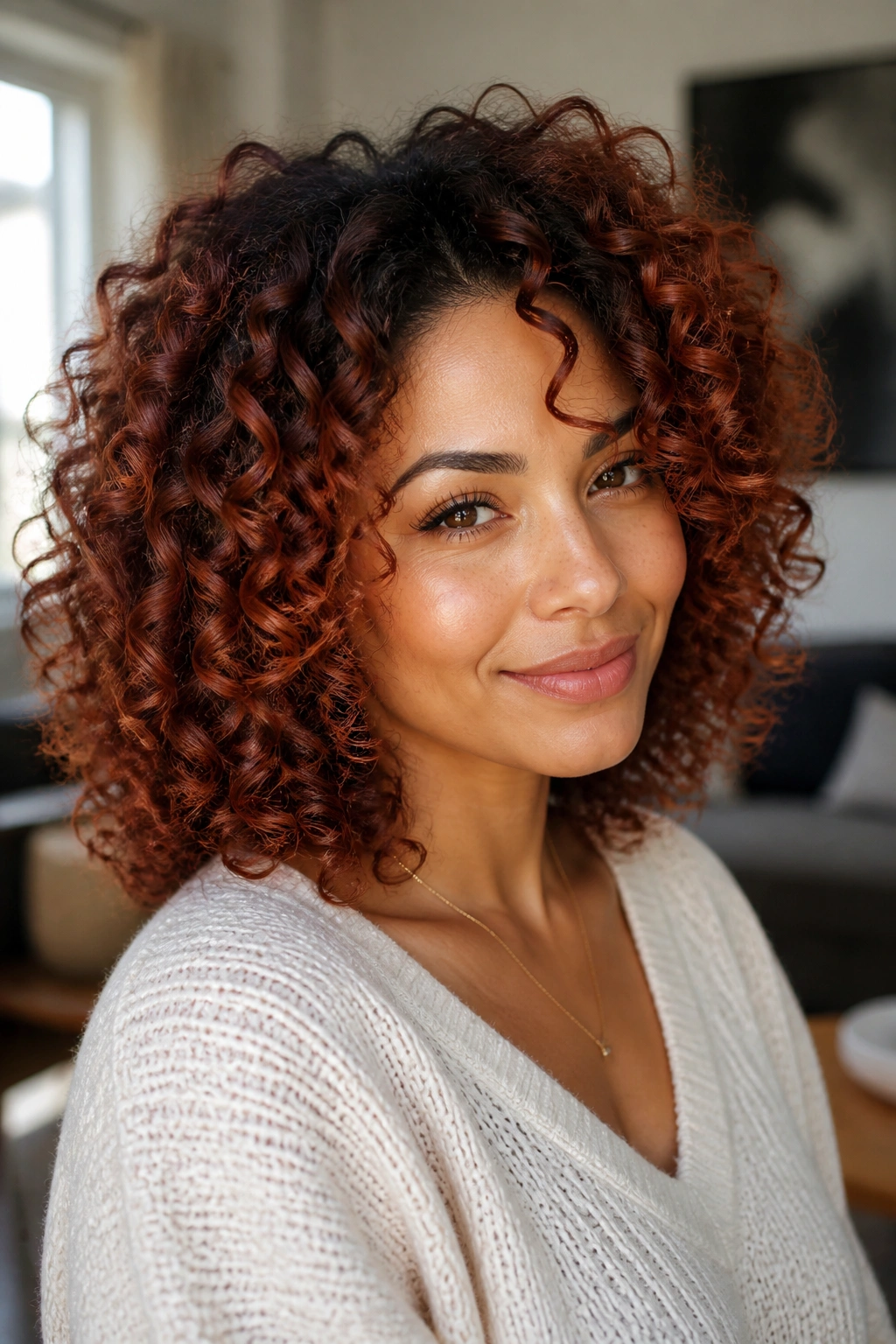
Curly hair changes the whole rulebook. A shadow root on curls should be deeper at the crown and softer through the perimeter, because the curl pattern already creates texture and shadow on its own.
Why Curls Love This Look
Auburn gives curls a warm, glossy halo. The root shadow keeps the top from looking too bright, while the copper-red tone catches along each coil and ringlet.
- Best for medium to tight curls
- Ask for color placement that follows the curl pattern
- Keep the root a touch deeper than the outer layer
- Use a gloss to keep the auburn from turning dull
If you wear curls, avoid a flat, one-shade auburn. It can look rich in the chair and then disappear once the curls spring up. The shadow root gives the shape room to breathe.
19. Mushroom Blonde with Beige Ribbons
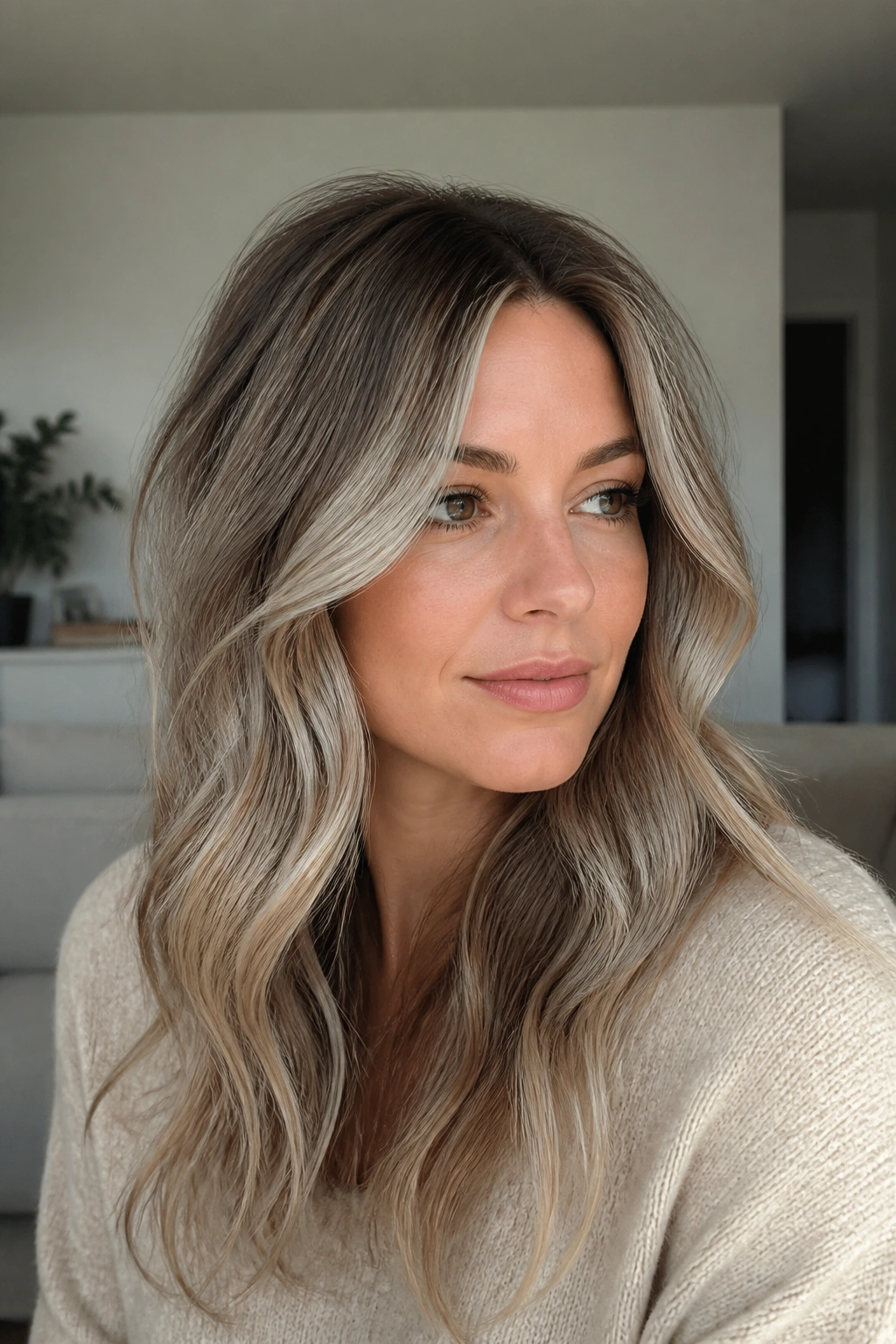
If you like neutral hair that never screams yellow, mushroom blonde is the least fussy blonde here. The shadow root stays soft and earthy, while the beige ribbons brighten the mids without drifting into harsh platinum.
This shade depends on restraint. Too much contrast and it turns muddy; too little and the color goes flat. The best version has just enough depth at the root to hold the beige in place, then a few brighter pieces near the face and ends.
It is a good choice for people who wear minimal makeup or muted clothes and want the hair to fit that calm palette. Not boring. Calm. There is a difference.
20. Espresso Bob with Micro-Highlights
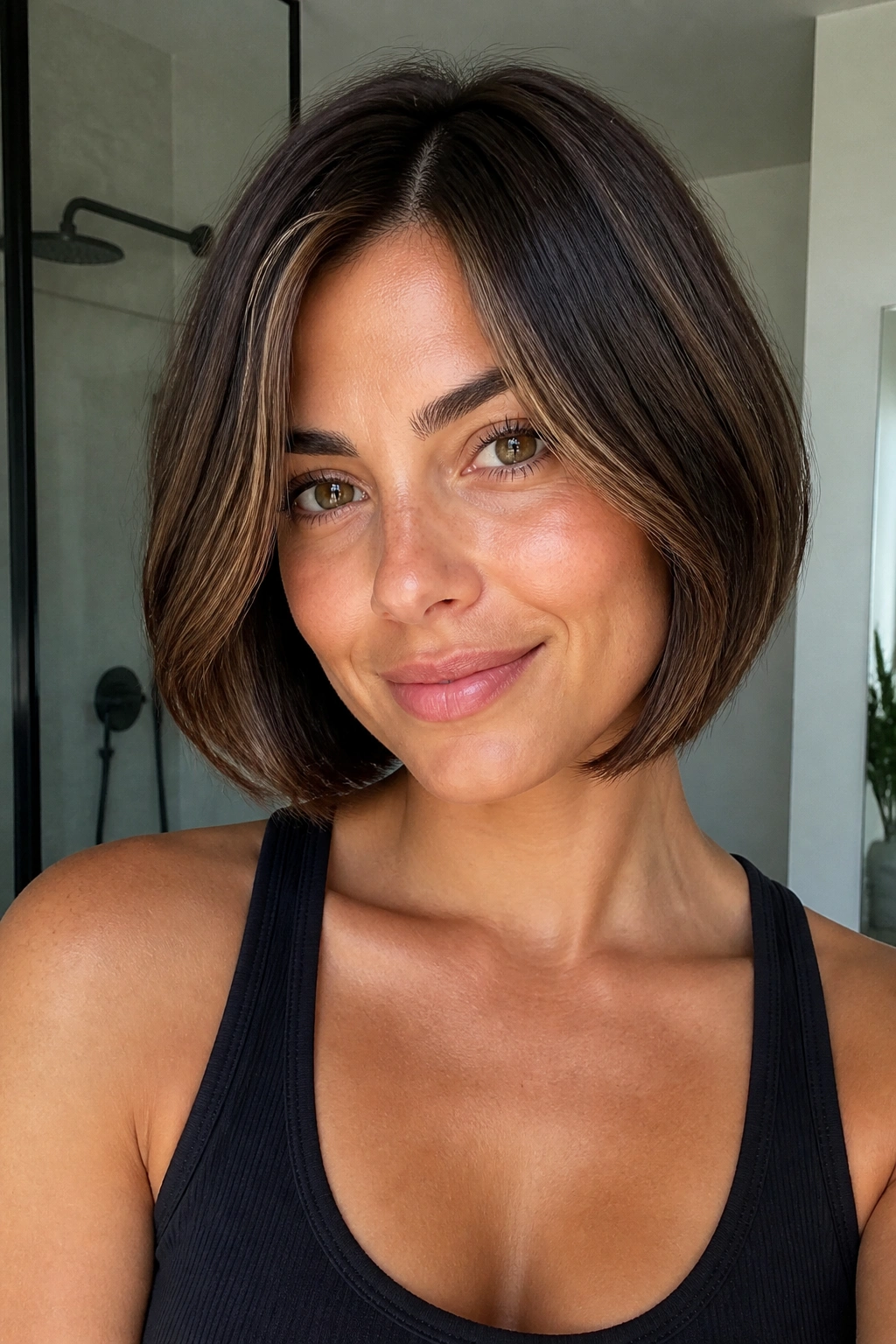
Micro-highlights are the secret weapon for dark hair that needs movement but not obvious lightening. On an espresso bob, a shadow root plus tiny painted pieces gives you dimension without making the color look busy.
The highlights should be so fine they almost read as shine. That is the point. They break up the darkness just enough so the bob has texture, while the root keeps the grow-out from turning into a harsh outline.
Short hair can be unforgiving when color gets too chunky. This version avoids that by keeping everything tight and controlled. It is especially good if you wear a center part, because the tiny variations keep the scalp area from looking solid and heavy.
21. Muted Plum with a Smoky Root
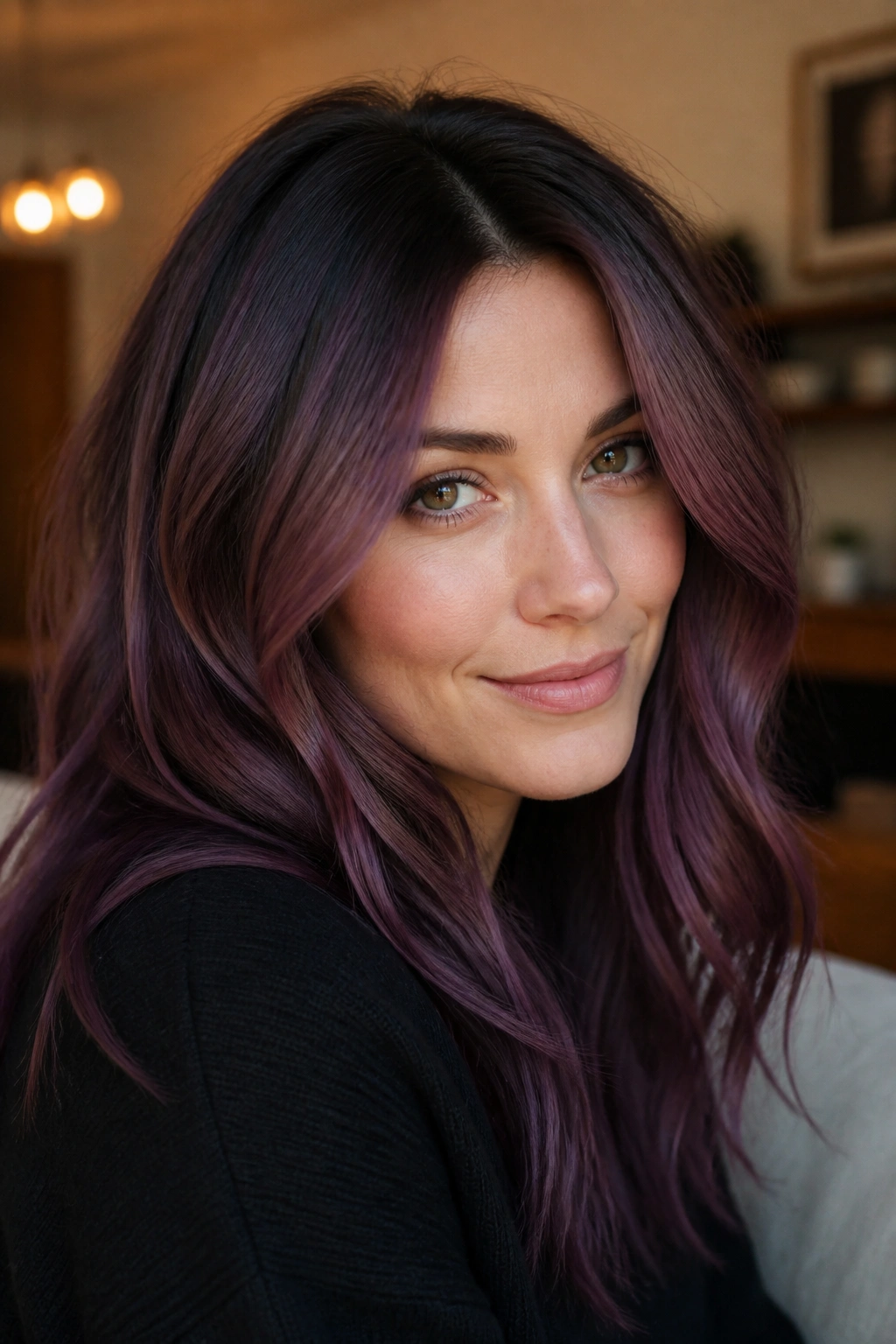
Can a vivid shade grow out gracefully? Yes, if the root is handled right. Muted plum with a smoky root takes the punch out of fantasy color and makes it wearable past the first few washes.
How to Keep It From Going Flat
The root should stay deeper and cooler, while the plum lives through the mid-lengths and ends. If the plum is too bright at the scalp, it fades into a pinkish blur fast and loses that rich berry look.
This shade is a good fit for straight hair and waves, but it shines on layered cuts. The darker base keeps the color anchored, and the plum shifts as the hair moves.
Ask for a smoky violet-brown root rather than a true black root. Black can swallow plum. A softer dark base lets the color breathe.
22. Dusty Rose with a Soft Root Stretch
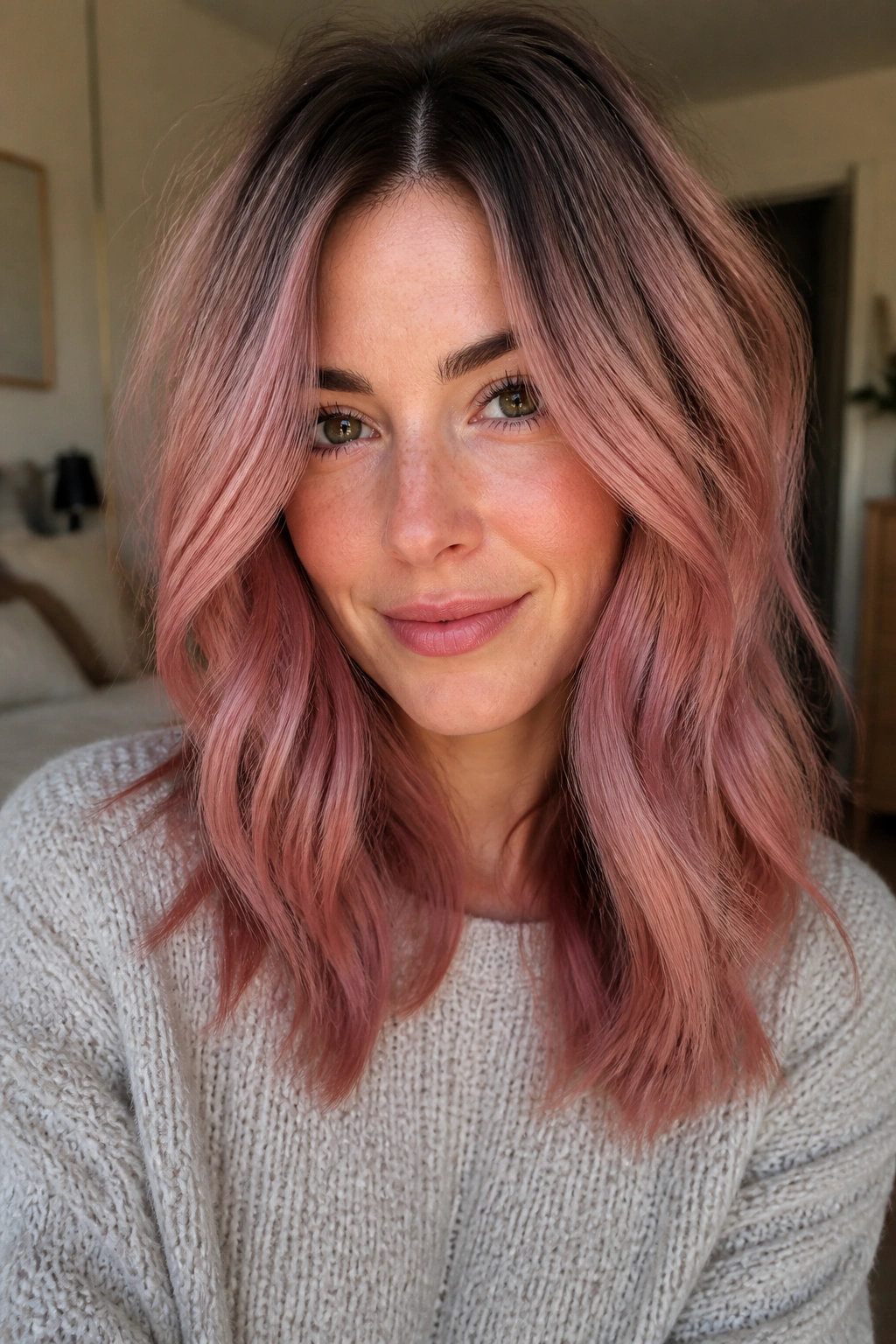
The prettiest grow-out color is usually the one that looks intentional after the colorist has left the room. Dusty rose with a soft root stretch does exactly that, because the root stays sheer and the pink gets more visible as it moves away from the scalp.
This is a good choice if you want something playful but not precious. The root stretch keeps the regrowth line from feeling obvious, and the muted rose tone gives the ends a faded, lived-in look that wears surprisingly well.
Shorter bobs and shoulder-length cuts are especially nice here, since the color shift shows up right away. Ask for the root to stay deepest at the crown and a touch softer around the temples. That small detail keeps the whole thing from hardening into a line, which is the last thing you want with a color this soft.
