



Dirty blonde sits in that useful middle zone where hair looks intentional without looking overworked. Too much gold, and it starts to read bright. Too much ash, and it can go flat and muddy.
If you keep hunting for dirty blonde hair color ideas, the trick is usually not to make the blonde louder. It’s to keep the base believable, then place lighter pieces where the face needs them and let the rest stay a little moody. That balance is why the shade works on so many people, from natural brunettes growing out highlights to blondes who want something softer and less obvious.
The best versions have depth at the root, a beige or smoky tone through the mids, and a few brighter pieces in the right places. They move. They don’t sit there like a helmet. And when the light hits them, you get that lived-in mix of brown and blonde that feels expensive without trying to look expensive.
1. Mushroom Dirty Blonde
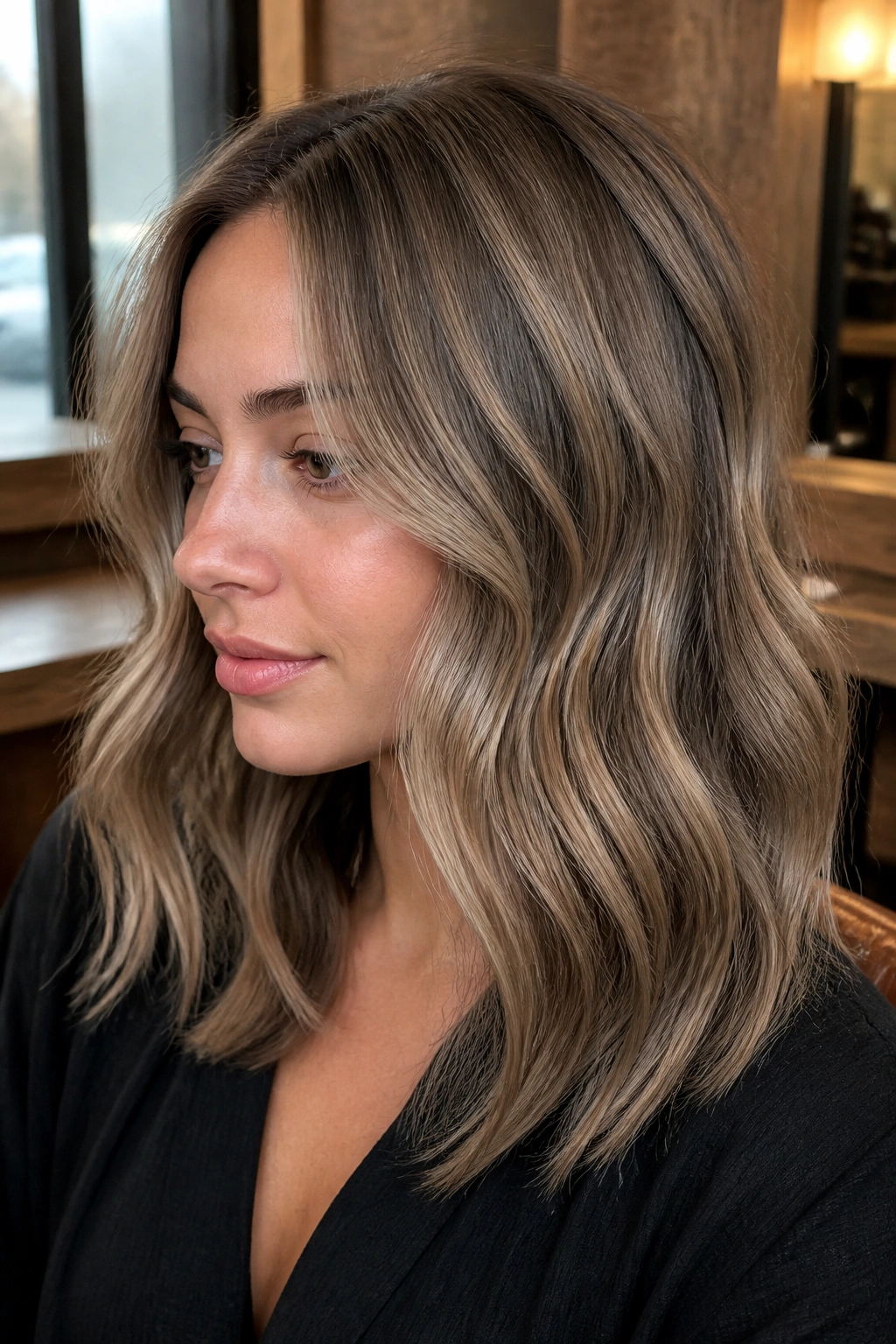
Mushroom dirty blonde is the one I reach for when someone says they want blonde, but not blonde-blonde. It leans cool and earthy, with taupe, beige, and soft brown all sitting close together so the color feels grounded instead of yellow. The finish is calm. Almost smoky.
It works especially well on medium brown or dark blonde bases because the darker root gives the whole look a little weight. Add a few hand-painted ribbons around the face and the ends, and the color stops looking flat fast. That’s the whole trick here.
A gloss matters. Ask for a beige-smoky toner every 6 to 8 weeks if your hair pulls warm, because mushroom tones can shift into dull brass if they’re left alone too long. On wavy hair, this shade looks plush and dimensional. On straight hair, it reads cleaner and a bit sharper.
2. Beige Balayage Dirty Blonde
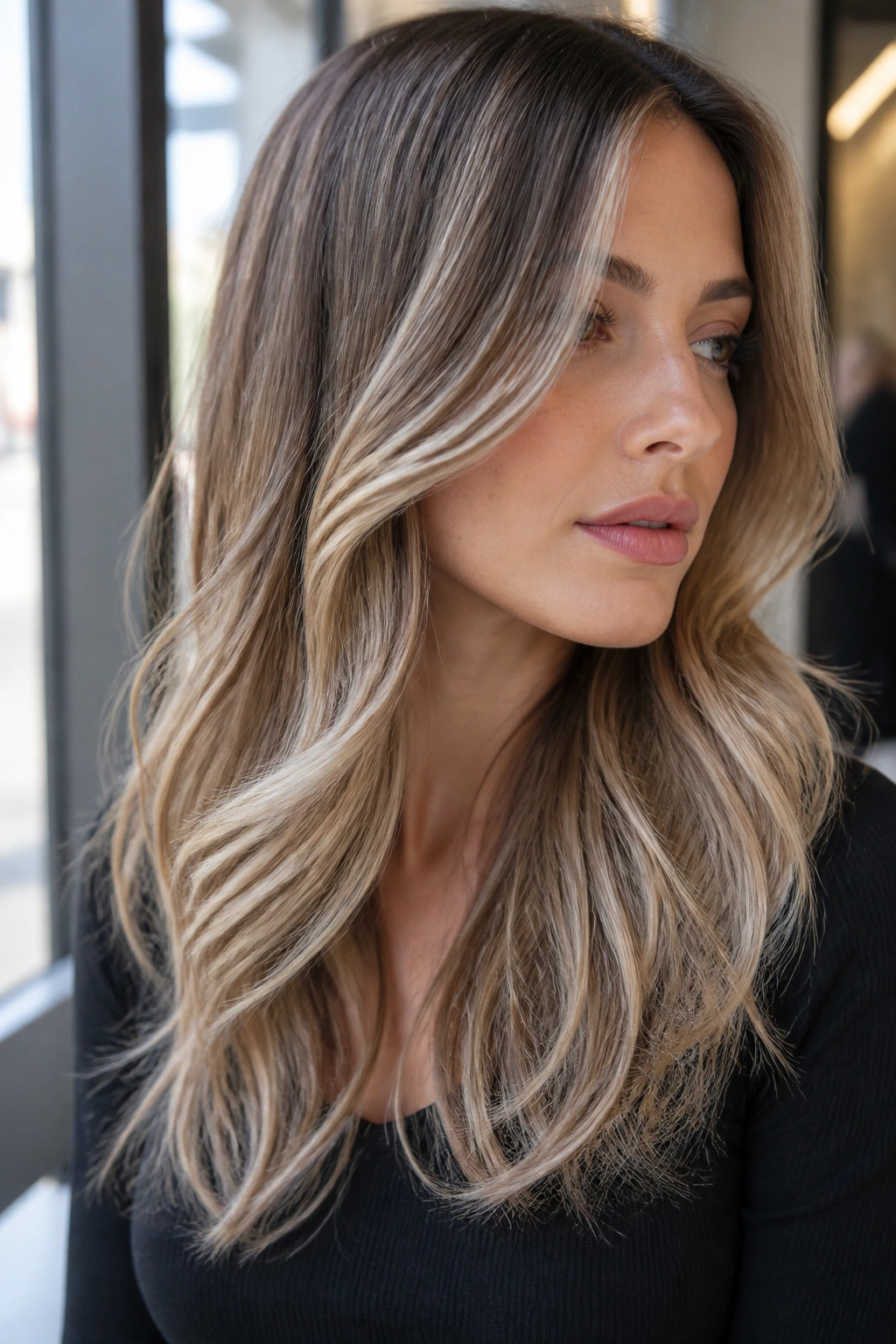
Beige balayage dirty blonde has a softer, more polished feel than the cooler mushroom version. The highlights are painted so they blend into the base instead of sitting on top of it, and the beige tone keeps things from going too icy or too golden. It’s one of those colors that looks quietly expensive in daylight.
The reason it works so well is simple: beige is forgiving. It flatters brown roots, sandy ends, and everything in between. If your natural hair color already has a little depth, this look gives you lift without the harsh line that chunky highlights can leave behind.
How to Ask for It
- Ask for a level 6 or 7 base with hand-painted beige balayage.
- Keep the root soft with a slight shadow root, not a solid dark band.
- Request fine-to-medium ribbons, not thick stripes.
- Finish with a neutral beige gloss rather than a gold toner.
Best for: people who want a soft grow-out and a color that still looks good eight weeks later.
3. Ash-Root Dirty Blonde
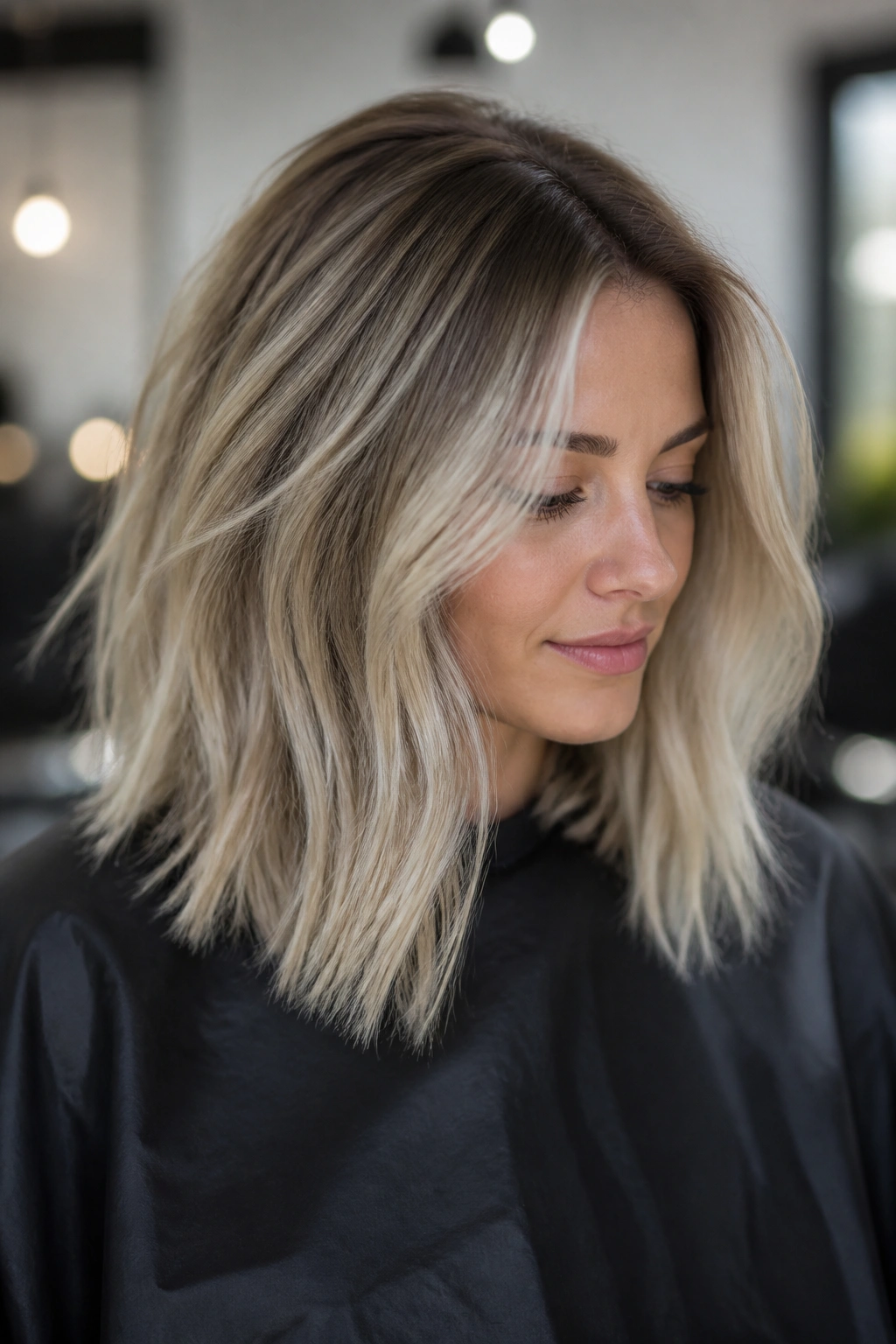
Can dirty blonde still feel polished? Absolutely. Ash-root dirty blonde is the proof. The root stays cool and deeper, then the lengths melt into a pale beige-blonde that never turns shouty. It’s a strong choice if your natural hair sits between dark blonde and light brown.
This shade tends to flatter cooler skin tones, but it can work on warmer complexions too if the ends are kept beige rather than gray. The key is restraint. Too much ash through the mids and the hair can look dusty. Too little, and the root loses that soft, grounded contrast.
I like this look on shoulder-length cuts because the movement shows the tonal shift better. It also grows out nicely, which matters more than people admit. Nobody wants a gorgeous color that starts looking choppy after ten days.
4. Caramel Ribbon Dirty Blonde
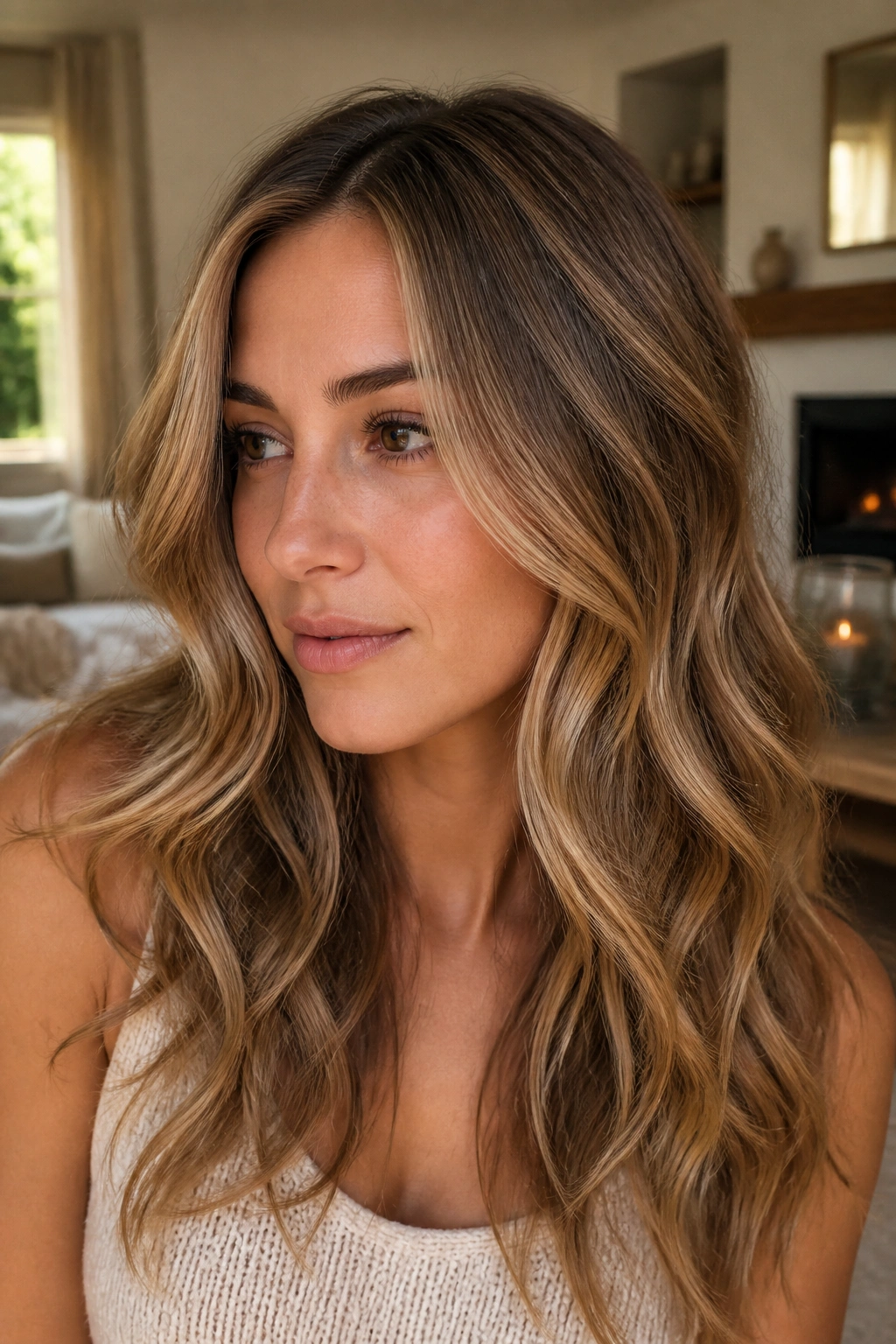
Picture brunette hair with a few caramel ribbons drifting through it, not a full head of blonde. That’s the mood here. Caramel ribbon dirty blonde has warmth, but it stays controlled because the lighter pieces are placed like accents, not poured over every strand.
It shines on curls and bendy waves, where each ribbon catches a different section of light. Straight hair can wear it too, but the effect is a little softer. Ask your colorist to keep most of the depth underneath and around the crown so the face-framing pieces do the talking.
- Place caramel pieces mostly through the mid-lengths and ends.
- Leave at least 30% to 40% depth at the root for contrast.
- Keep the caramel soft, not copper.
- Style with a 1-inch curling iron and brush the curls out for a blended finish.
The color feels rich instead of sugary. That’s the difference.
5. Sand Blonde Melt
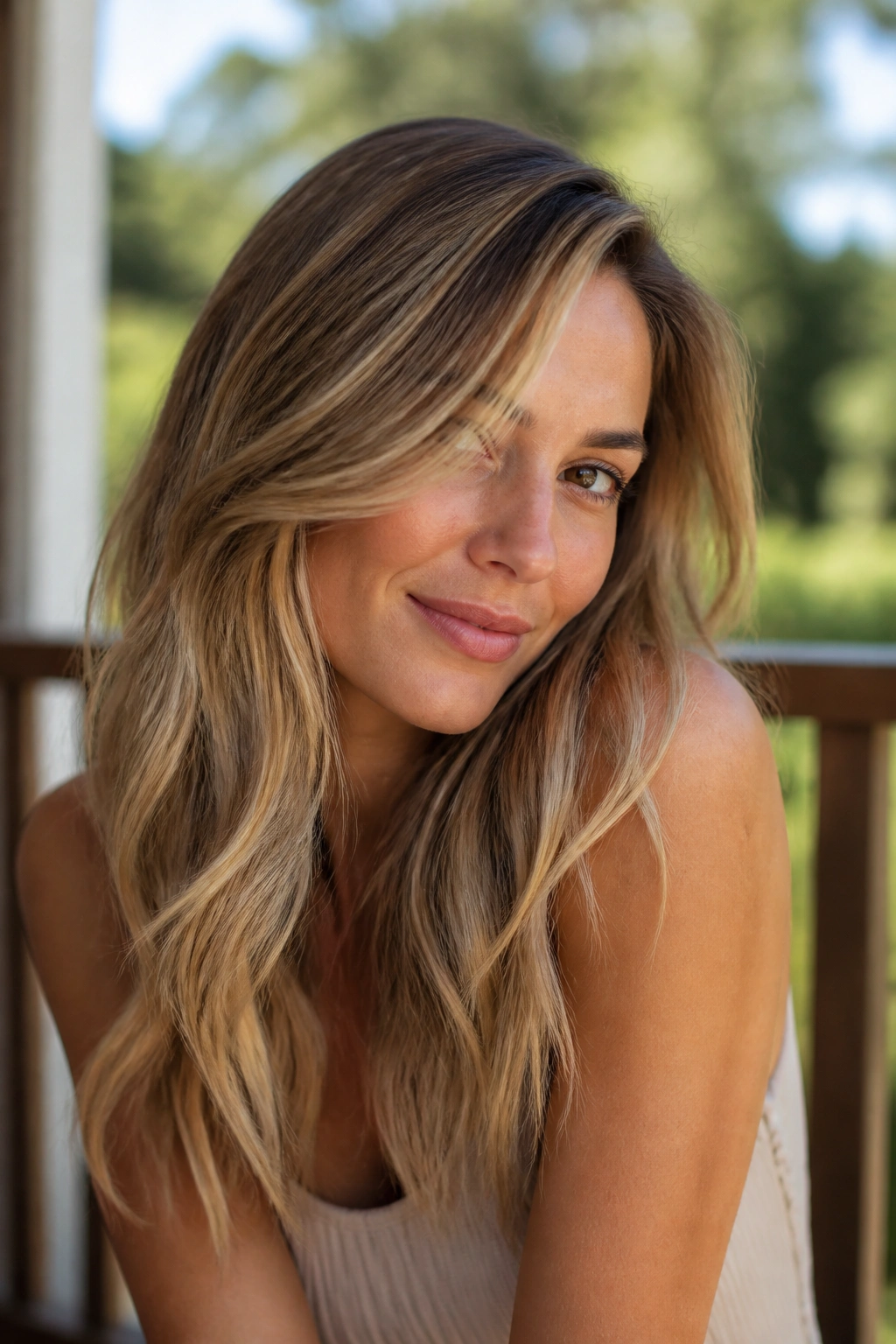
Sand blonde melt is for people who want a blonde that looks sun-kissed without tipping into gold. It sits between beige and light brown, with a soft, powdery finish that feels almost matte in the best way. Not dull. Just calm.
Unlike icy blonde, which can look high-maintenance fast, sand blonde doesn’t need a dramatic toner to stay believable. It works best when the root is slightly deeper than the ends, because that little shift keeps the color from looking like one flat tone painted from scalp to tip.
I especially like this on long layers. The movement gives the color more shape, and the ends don’t disappear into the rest of the hair. On very short cuts, it can still work, but you lose some of the gradient that makes it interesting.
6. Bronzed Dirty Blonde
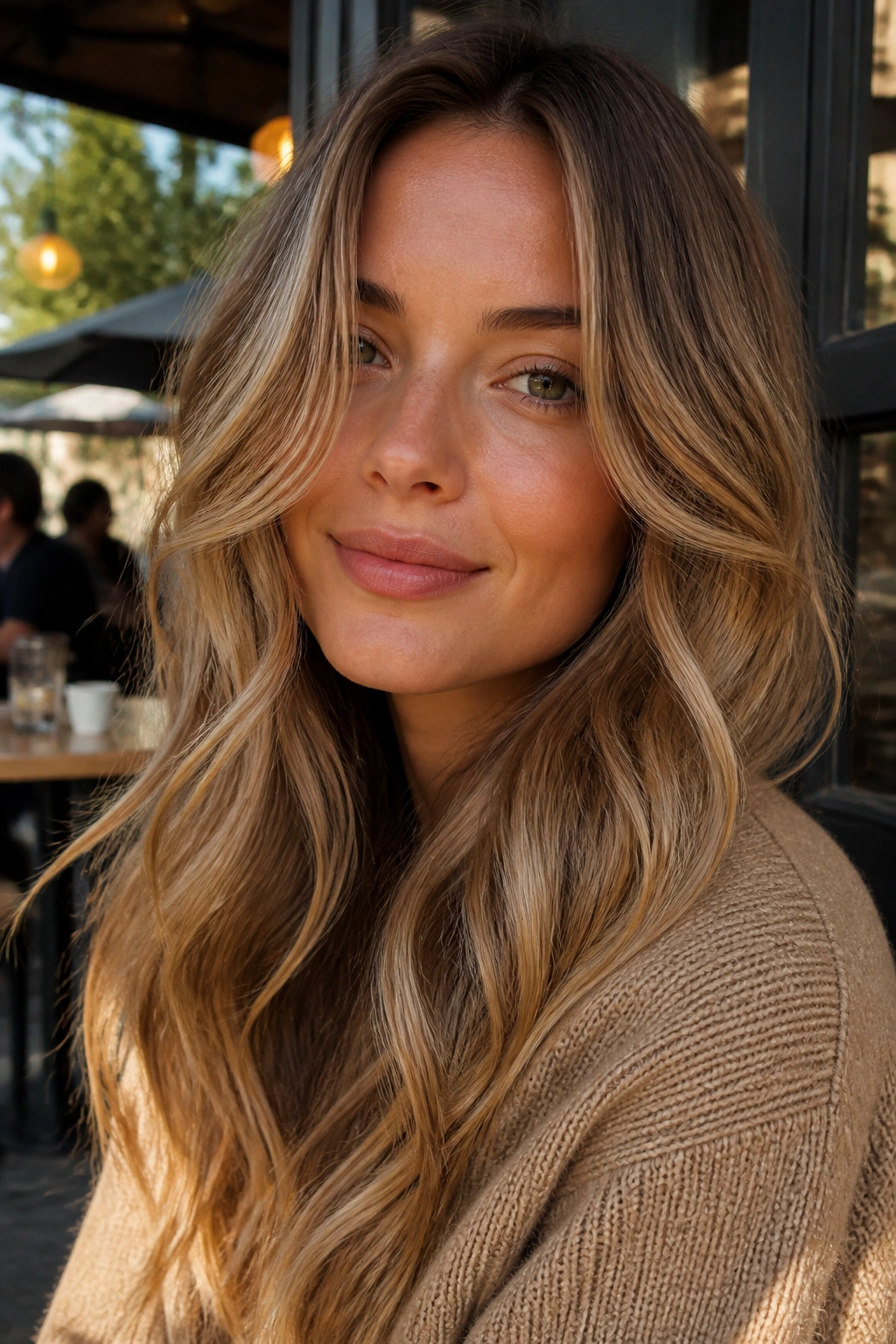
Bronzed dirty blonde is the easiest way to make brown hair look richer without pushing it into red or orange territory. It uses warm neutral tones—bronze, soft gold, a touch of toffee—to give the hair that glow you notice when someone turns their head.
This is a good fit if your skin has olive, tan, or deeper golden undertones. Cool ash can fight with those tones and make the face look a little washed out. Bronzed dirty blonde does the opposite. It gives the skin something to play against.
And yes, it grows out well. The warmth hides the line between your natural color and the lighter pieces, which means fewer salon panic moments. If your hair tends to hold warmth too quickly, keep the gloss neutral and let the bronzy feel come from the highlights, not from over-toning.
7. Bronde With Cinnamon Lowlights
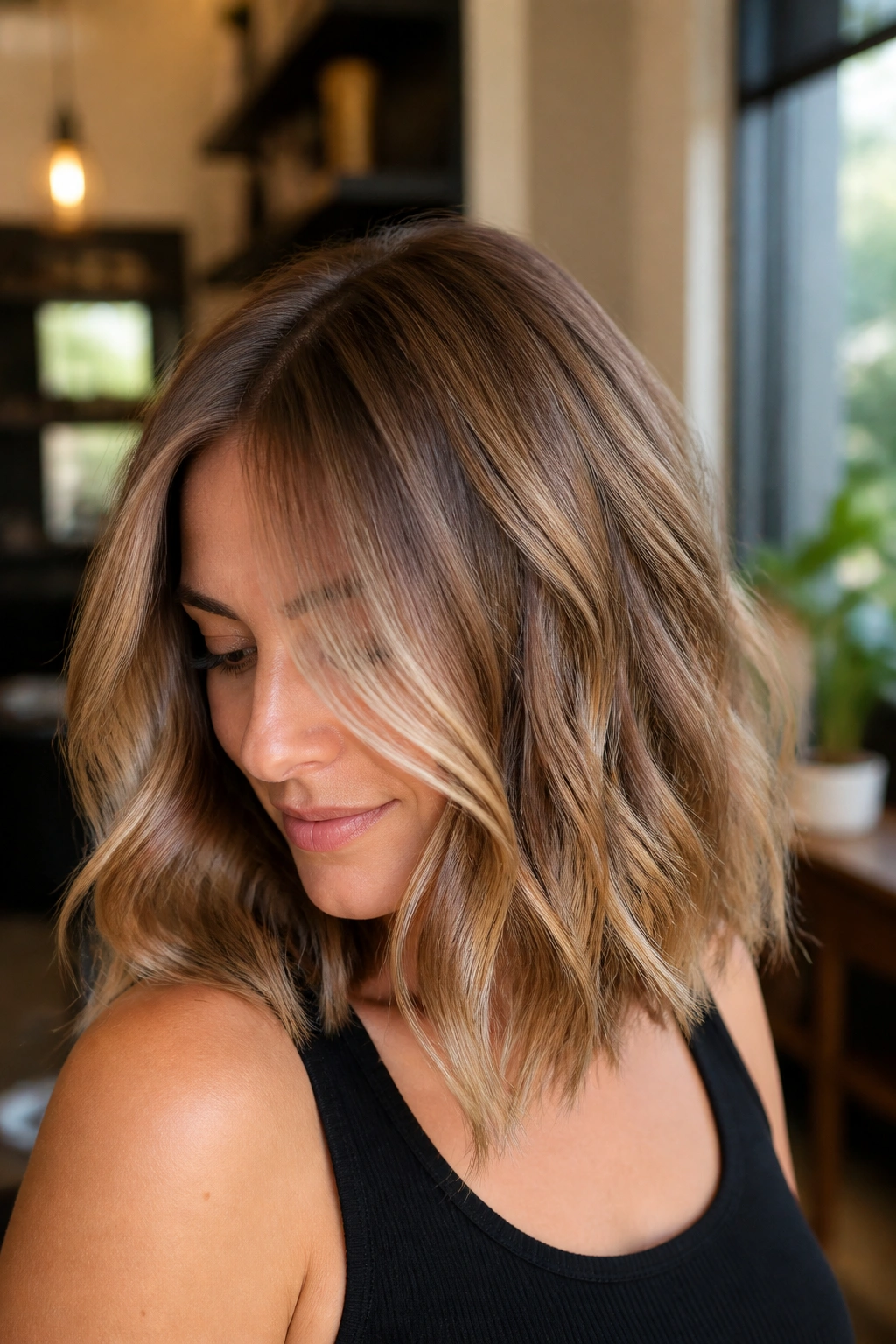
Why does bronde with cinnamon lowlights look so good on thick hair? Because the darker strands make the lighter pieces pop without making the whole head look busy. The cinnamon lowlights add a soft reddish-brown note that keeps the color from feeling flat or overly beige.
This version is especially nice if your hair sits right between brown and blonde and you don’t want to pick a side. The lowlights add depth around the interior of the hair, which gives the lighter surface pieces more room to breathe. On layered cuts, that dimension shows up fast.
What Makes It Different
- Cinnamon lowlights add warmth without turning the hair copper.
- Bronde keeps the look in that in-between zone.
- The color looks fuller because of the darker strands underneath.
- It’s easier to maintain than all-over light blonde.
If you like hair color that moves a little when you walk, this one has that.
8. Soft Money Piece Dirty Blonde
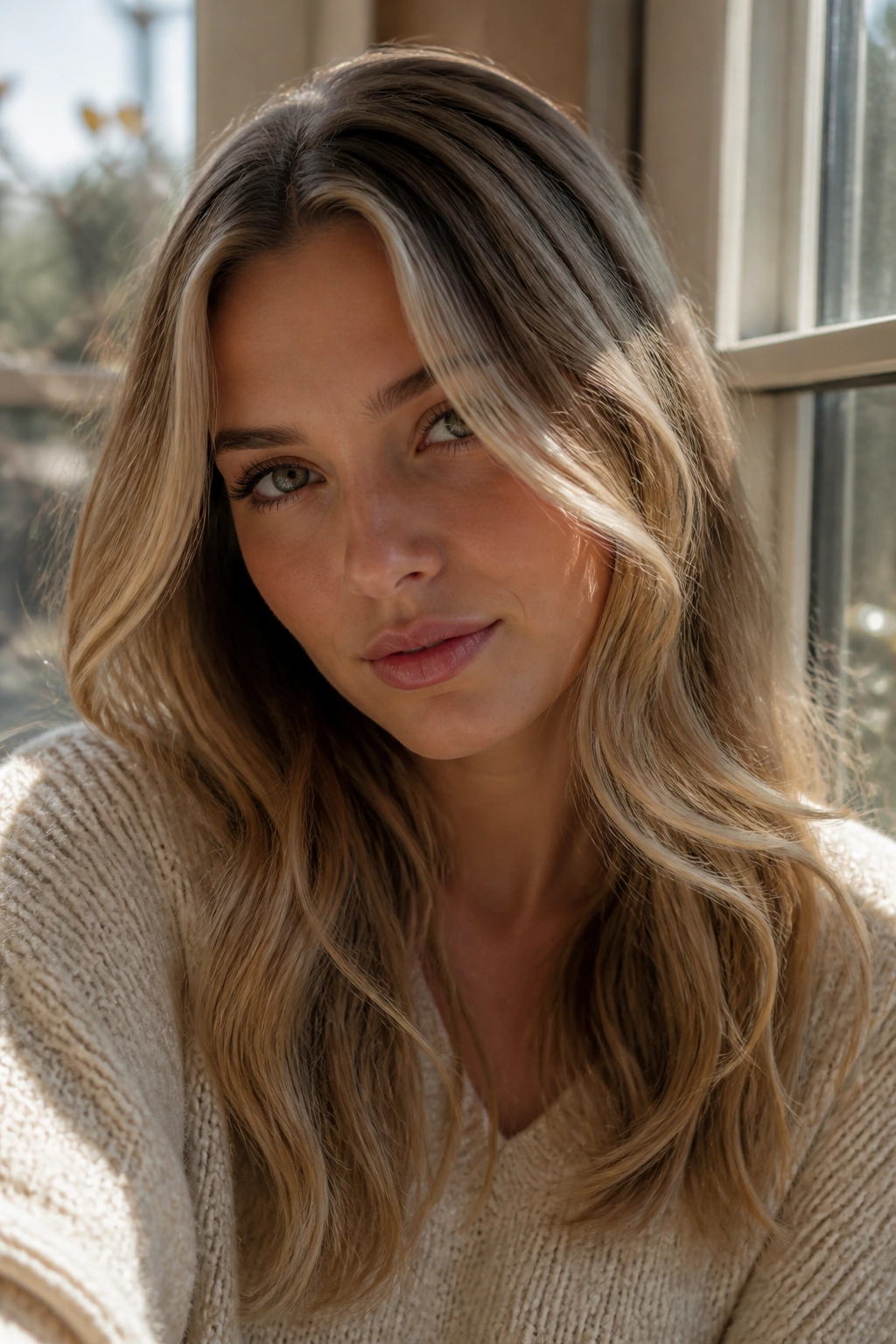
A soft money piece is one of the simplest dirty blonde hair color ideas if you want a visible change without a full overhaul. Two brighter face-framing pieces can wake up the whole haircut, even when the rest of the hair stays deep and natural-looking.
The trick is softness. Don’t ask for a stripe. Ask for a diffused frame that starts a little below the root and melts through the front layers. That keeps the color from looking 2020-bright and makes it feel much more wearable.
- Use a beige-blonde tone, not a stark white one.
- Keep the width narrow, about 1 to 2 inches on each side.
- Blend the color through the front layers so it fades, not cuts off.
- Style with a blowout or loose bend so the face frame can move.
This is a good choice if you want people to notice your hair before they notice the dye job.
9. Smoky Beige Blonde
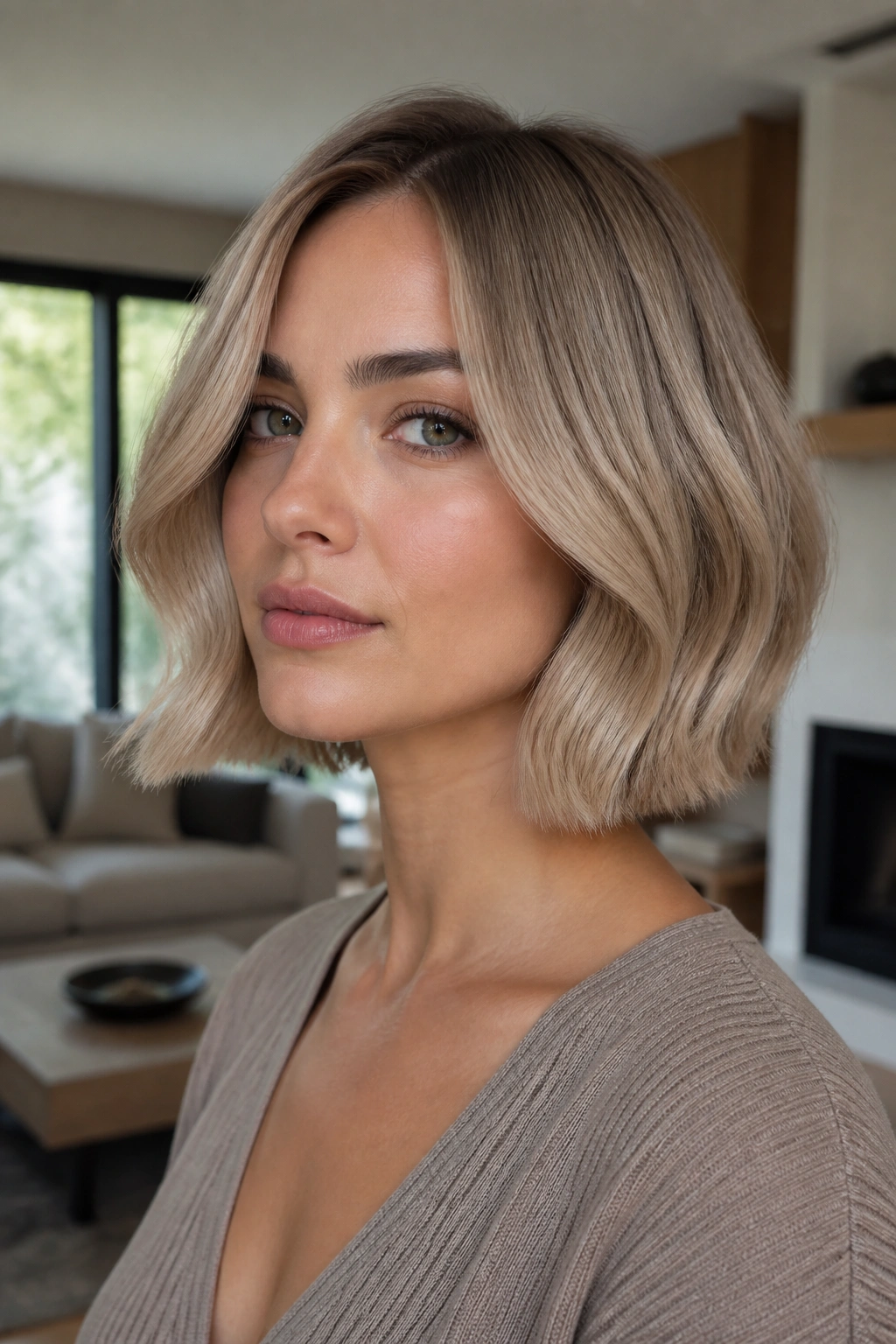
Smoky beige blonde is a quiet color, and I mean that in a good way. It’s soft, neutral, and slightly dimmed, like someone took the edge off a bright blonde and made it feel more grown-up. There’s no hard gold, no icy glare, just a smooth beige finish with a little smoke around the edges.
It’s one of the best options for someone who hates brass but doesn’t want a flat ash result. The smoky note stops the hair from feeling too warm, while the beige keeps it from looking gray. That balance is harder to get than it sounds.
This shade looks especially nice on sleek cuts, blunt bobs, and glossy waves. The shine matters because smoky blonde can lose its shape if the hair is dry. A lightweight serum on the ends helps a lot. So does a trim. Dry ends will wreck the whole effect.
10. Babylight Blur
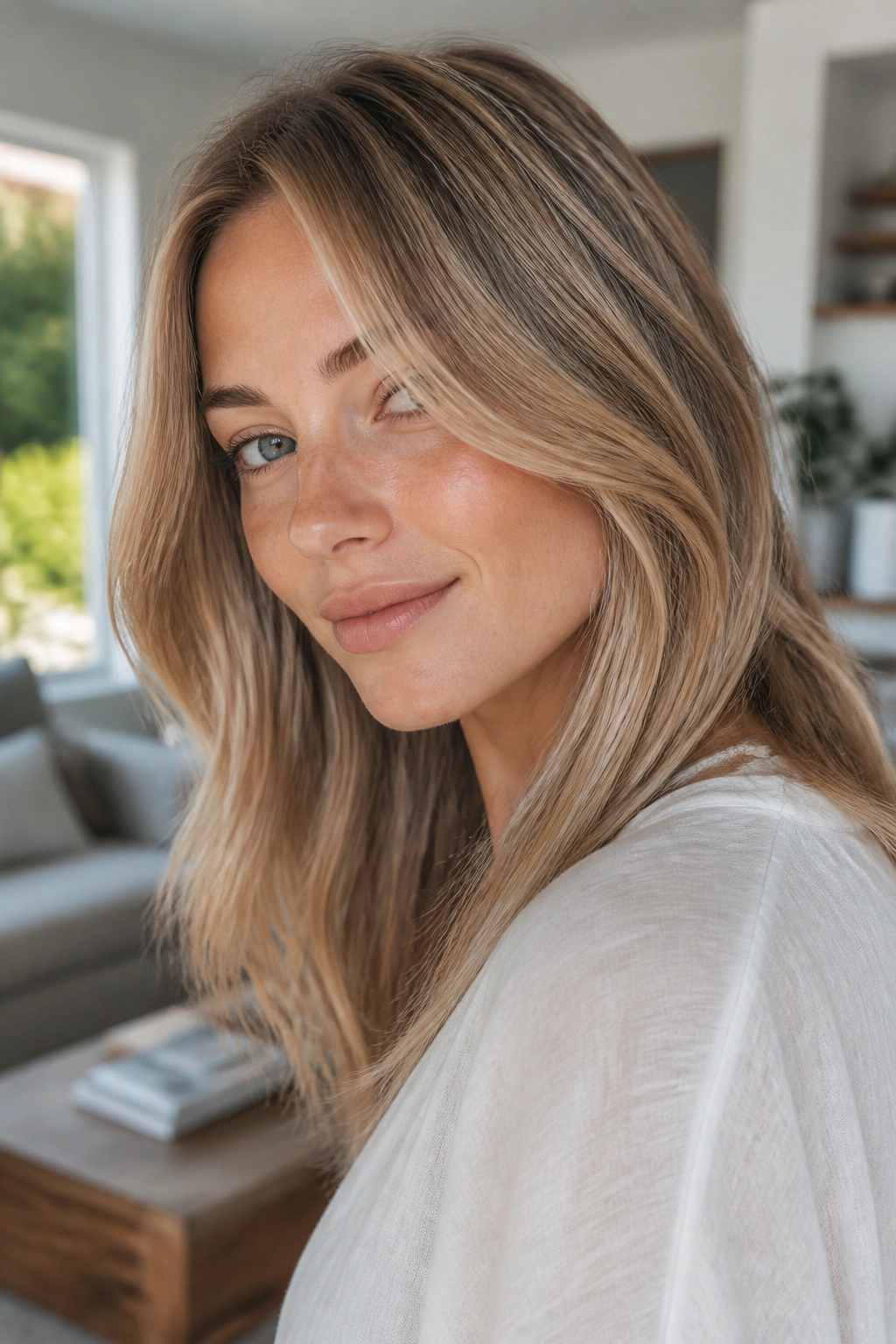
Babylight blur is what happens when highlights are placed so finely that you can’t pick out individual pieces at a glance. The color just looks lifted. Soft. Expensive, if you want to call it that, though I’d rather say well-done.
This is a strong choice for anyone who hates the stripey look of traditional highlights. Babylights are tiny sections of hair, woven close together, and toned so the blonde blends into the base instead of sitting apart from it. The result is a blur of light, not a pattern.
Why It Stays Soft
- The sections are very small, so there’s no obvious line.
- The color is spread through the hair, not packed into one zone.
- A neutral gloss keeps the tone from jumping yellow.
- The root is left alone enough to make the grow-out easy.
If your hair is fine, this can also make it look fuller. Not thicker, exactly. Just busier in a good way.
11. Honey-Dipped Dirty Blonde
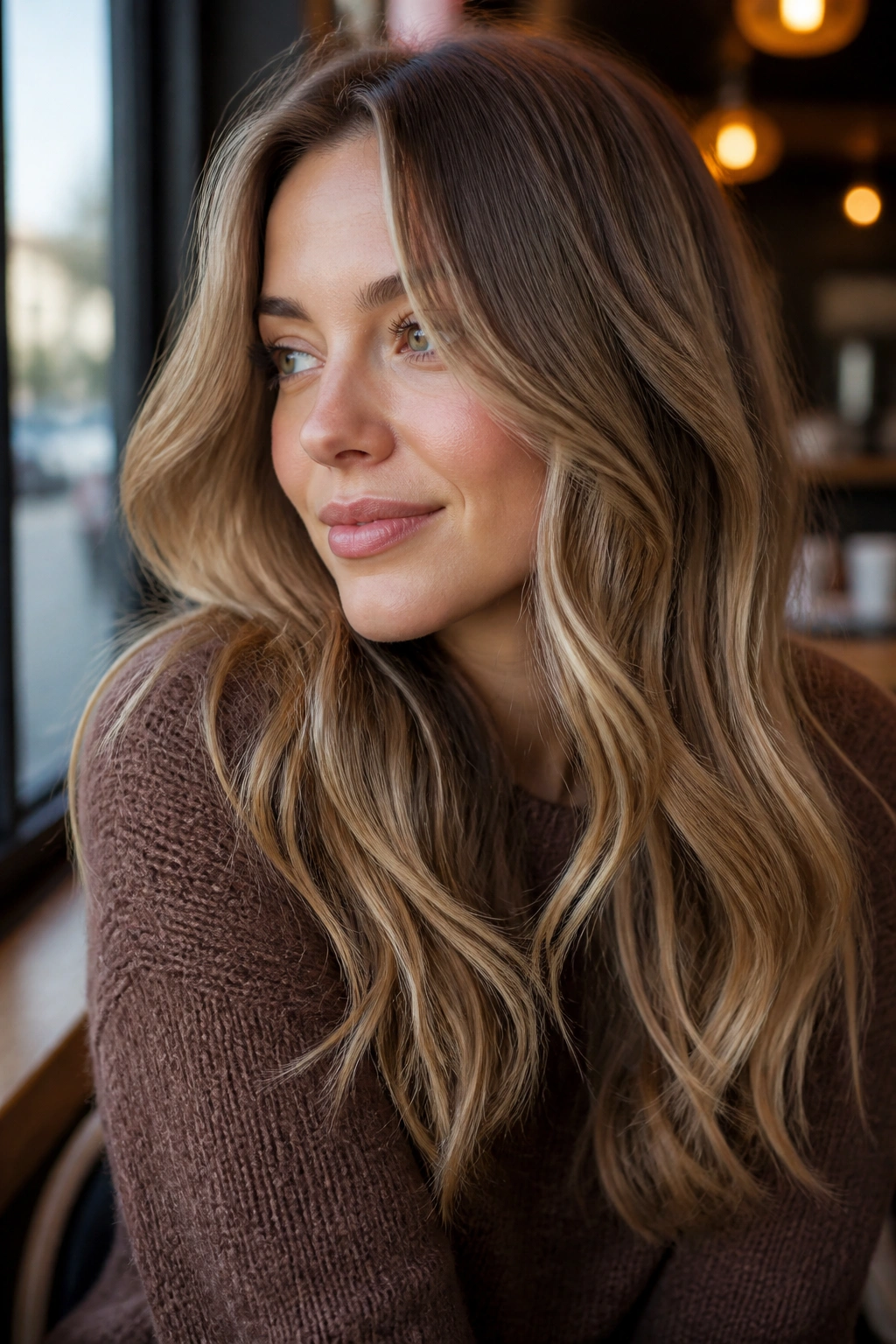
Honey-dipped dirty blonde has more warmth than the smoky looks, but it’s still restrained. Think of it as a soft golden wash rather than a full honey blonde transformation. The base stays a little deeper, which keeps the color from drifting into that bright, one-note gold some people regret after a few weeks.
It flatters warmer skin beautifully and brings life to medium-brown eyes. On thick hair, it can look lush and dimensional. On finer hair, keep the highlights sparse enough that the strands don’t blur into a pale yellow mass.
The one thing I’d watch is over-lightening the ends. That can make honey blonde feel candy-sweet instead of lived-in. Ask for a beige-gold gloss if your hair tends to go orange. That little adjustment changes the whole finish.
12. Shadow-Root Lob
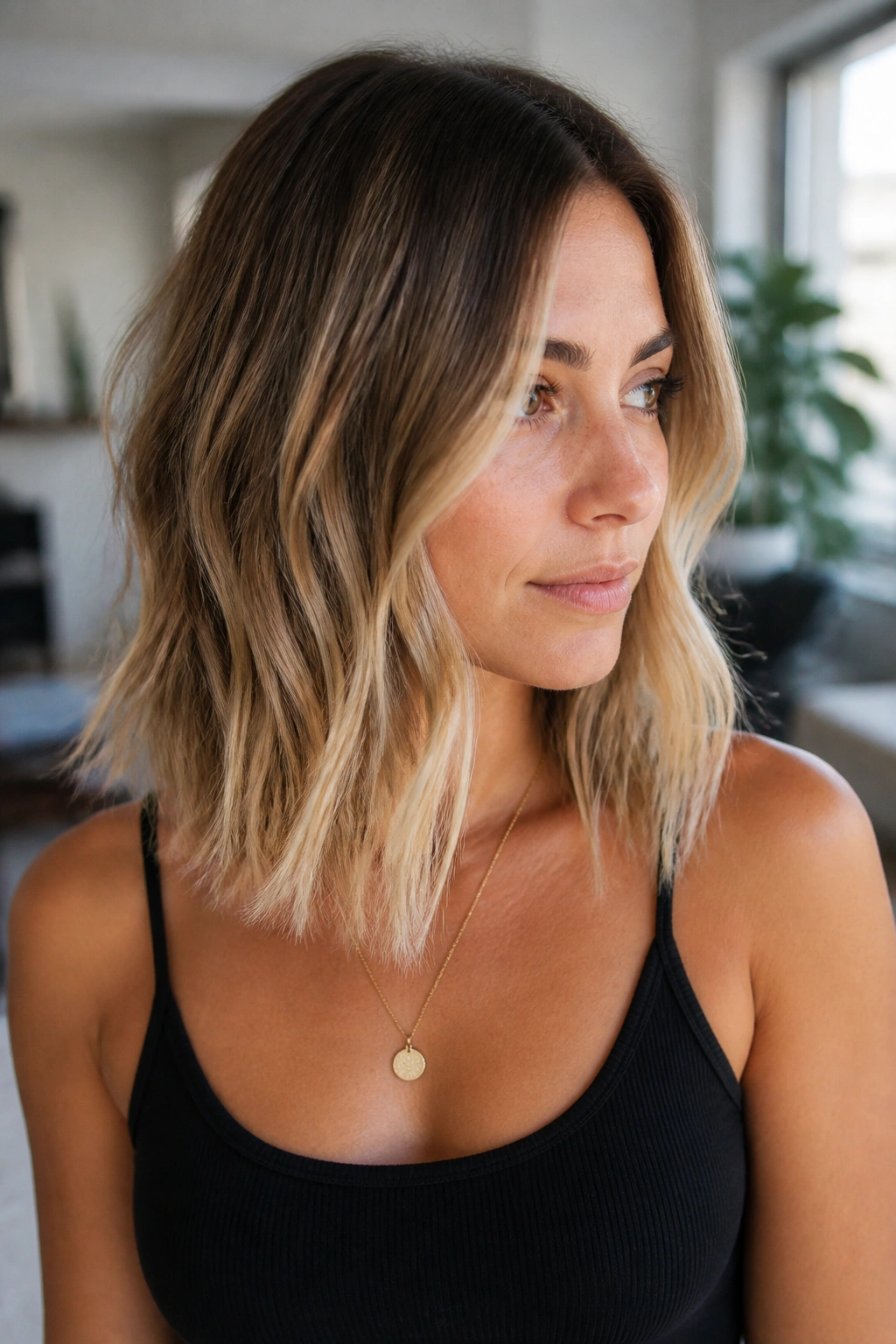
A shadow-root lob is the color version of a clean, low-stress haircut. You keep the root darker, let the blonde build gradually through a lob-length cut, and let the whole shape do a lot of the visual work. The result is modern without feeling precious.
It’s especially good if you like hair that still looks good on day four, not just the day you leave the salon. The root shadow makes regrowth less obvious, and the bluntness or slight angle of the lob keeps the color from spreading out too much. If the hair is too long, the gradient can fade. Here, the cut helps.
I like this look with loose bends, not tight curls. The bends show the transition from root to mid-length in a cleaner way. And when the hair is tucked behind one ear, the contrast looks sharper. Small thing. Makes a difference.
13. Champagne Beige Dirty Blonde
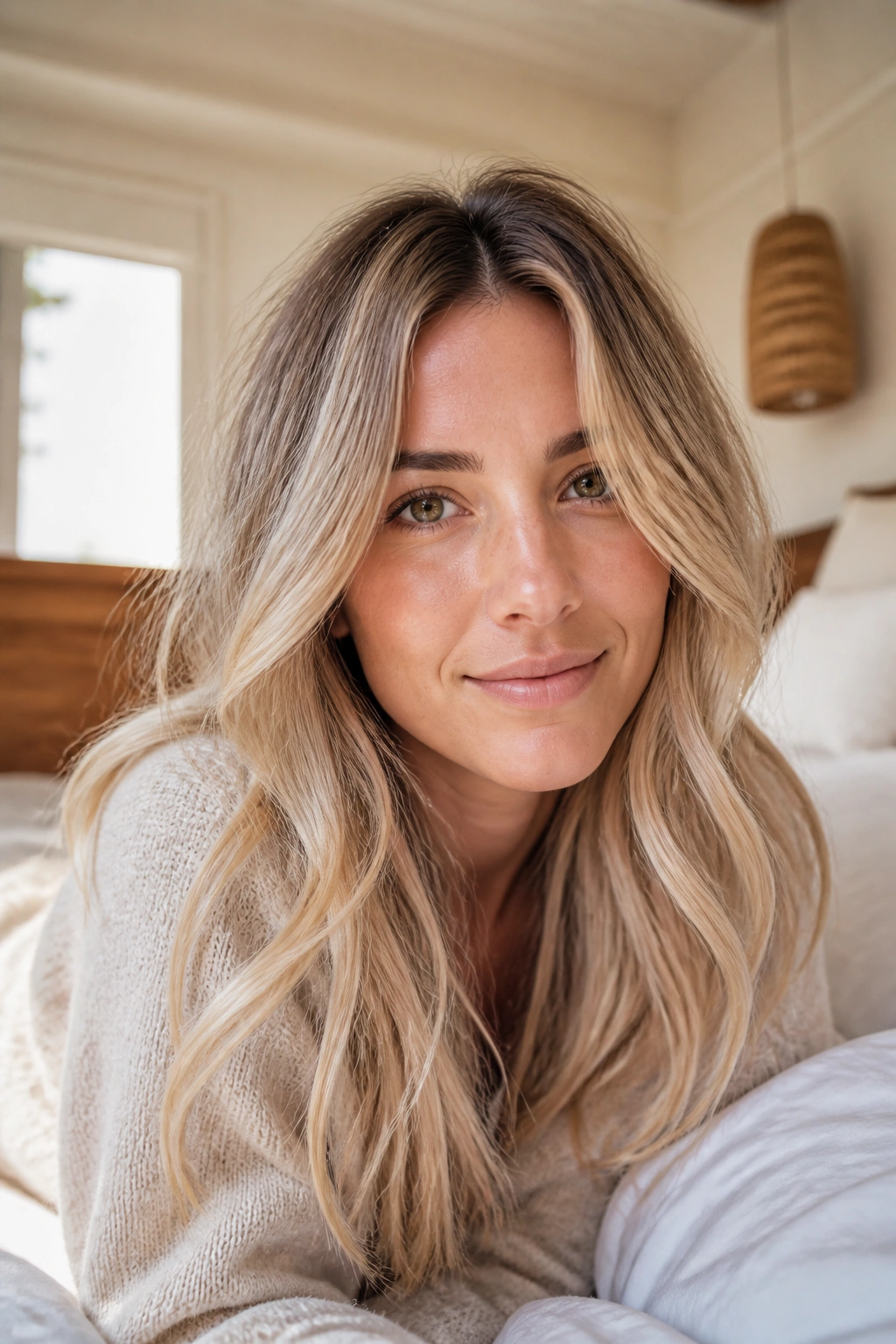
Champagne beige dirty blonde has a softer sparkle than icy blonde. It’s not silver. It’s not yellow. It’s that pale, pearly middle ground that feels a little lighter and a little brighter than standard beige.
Can it work on darker hair? Yes, but it usually needs a careful lift first so the hair doesn’t turn flat peach underneath. On naturally lighter bases, it’s easier to get that champagne feel without stressing the hair too much. The finish should look airy, not chalky.
What to Tell Your Colorist
- Ask for champagne-beige highlights with a soft root.
- Keep the tone neutral, not metallic.
- Add a few brighter pieces around the face, but not a full money piece.
- Use a gloss that keeps the blonde creamy, not icy.
This is a nice option if you like a little brightness but still want the color to feel soft enough for everyday wear.
14. Toffee Swirl Brunette-Blonde
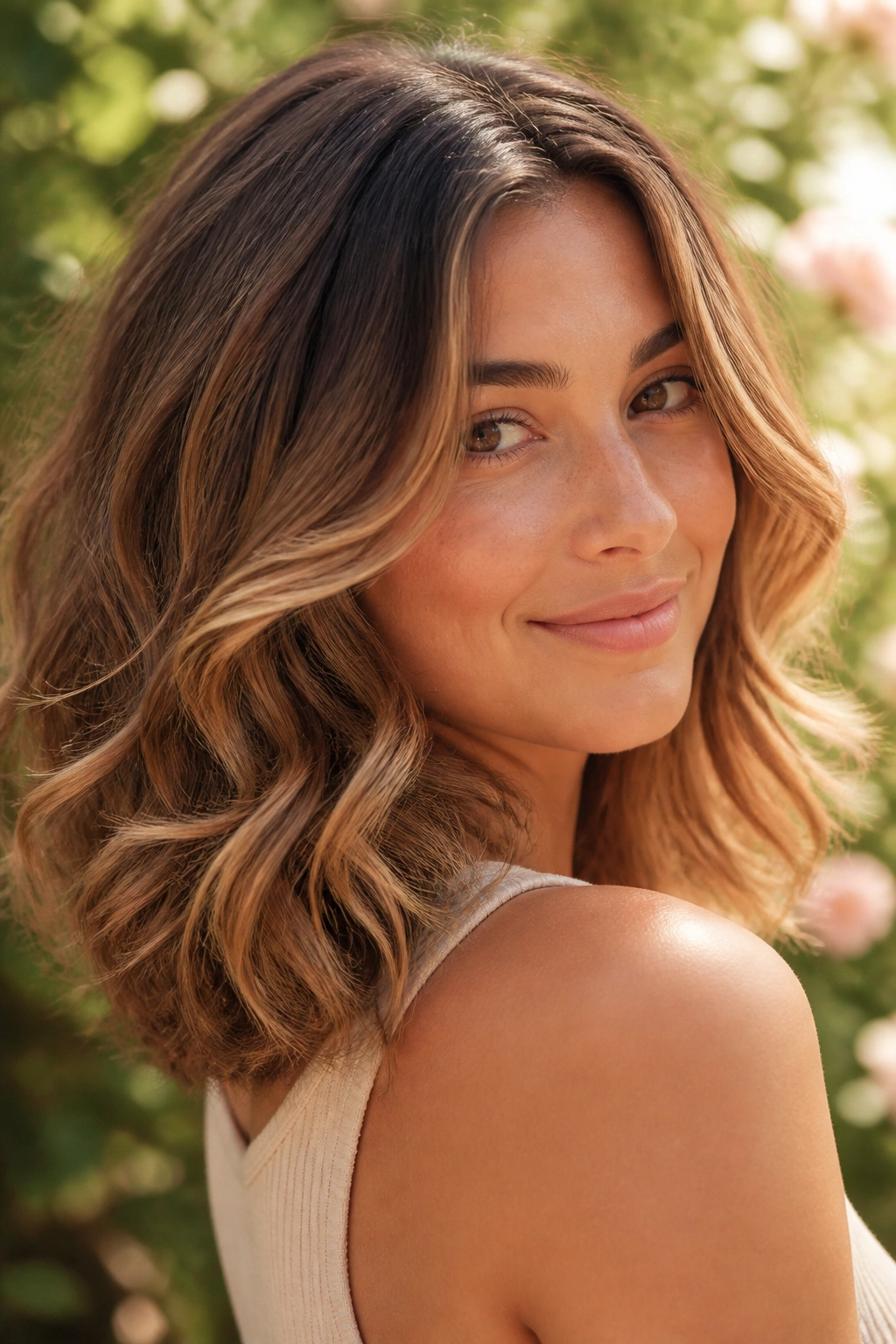
Toffee swirl brunette-blonde is all about movement. The color moves from a richer brunette base into bands of warm toffee and then into a softened blonde at the ends. There’s no hard stop, which is why curly and wavy hair wear this so well.
The curls do the work. Each bend shows a slightly different shade, and the whole head reads like one blended ribbon instead of separate colors. On straight hair, you still get the contrast, but the effect is cleaner and less plush.
My favorite part is the depth at the crown. If the roots are too light, the whole thing loses shape. Leave some brunette weight near the scalp and the swirls look richer. It’s a simple fix, but it changes the haircut more than people expect.
15. Soft Curtain-Stripe Blonde
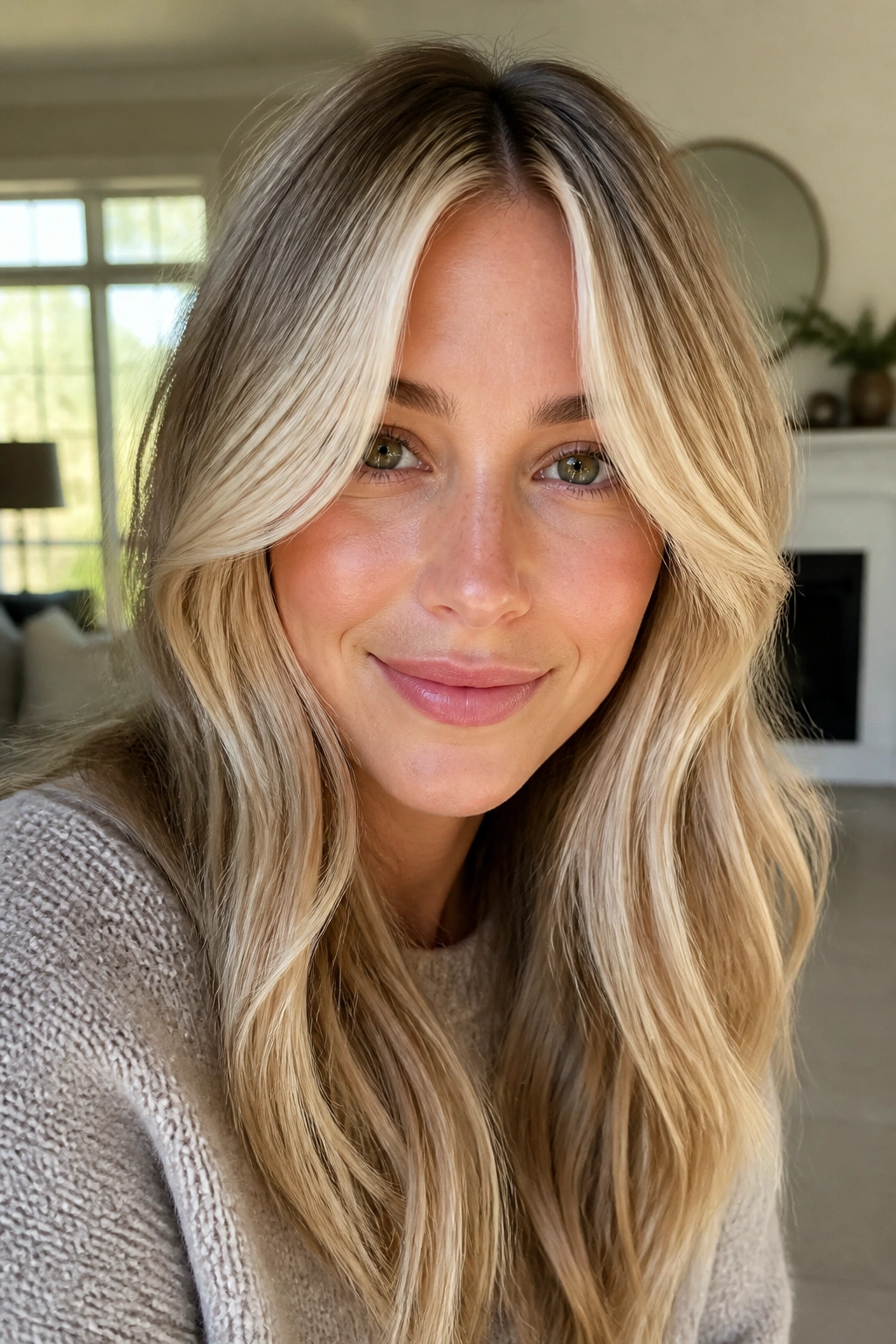
Soft curtain-stripe blonde is the easier, gentler cousin of a bold face frame. The brightest pieces sit around curtain bangs or the front corners of the hair, and everything else stays in dirty blonde territory. It brightens the face without demanding that the whole head go lighter.
This color makes blowouts look a little fancier with almost no extra effort. The bright front pieces bounce light toward the eyes and cheekbones, while the rest of the hair keeps the look grounded. If you wear your hair in a middle part, it’s especially flattering because the lighter sections split and frame the face on both sides.
I’d keep the tone beige or soft pearl, not stark white. A white frame can look sharp in a good way, but it also grows out fast and needs more attention. Soft curtain stripes are easier to live with.
16. Oat Milk Blonde
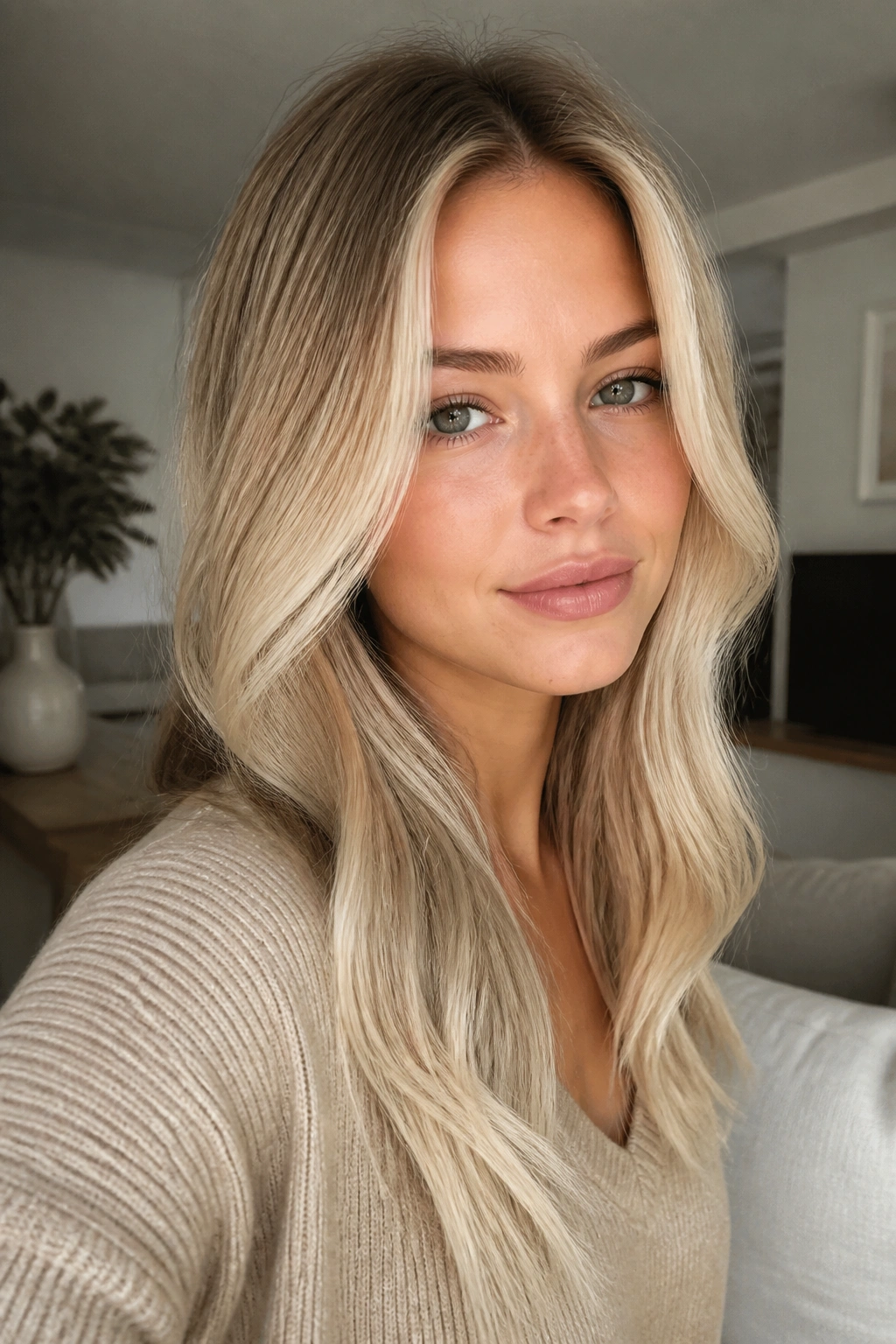
Oat milk blonde is creamy, pale, and neutral in a way that feels almost luxurious without trying too hard. It has enough beige to keep the hair from looking chalky, but not so much warmth that it turns yellow under indoor light.
Does it work on everyone? No. If your skin is very warm and golden, it can look a little muted unless the root is kept deeper. But on fair, neutral, or softly cool skin, oat milk blonde looks smooth and modern. It’s a pretty choice for people who don’t want obvious gold.
How to Keep It From Going Flat
- Use a soft beige shampoo or gloss, not a blue one every wash.
- Keep some depth at the root so the color has shape.
- Avoid heavy oil at the roots; it can make pale beige look greasy.
- Trim dry ends, because pale creamy blonde shows frizz fast.
The color is gentle. The maintenance needs to be, too.
17. Golden Honey Balayage
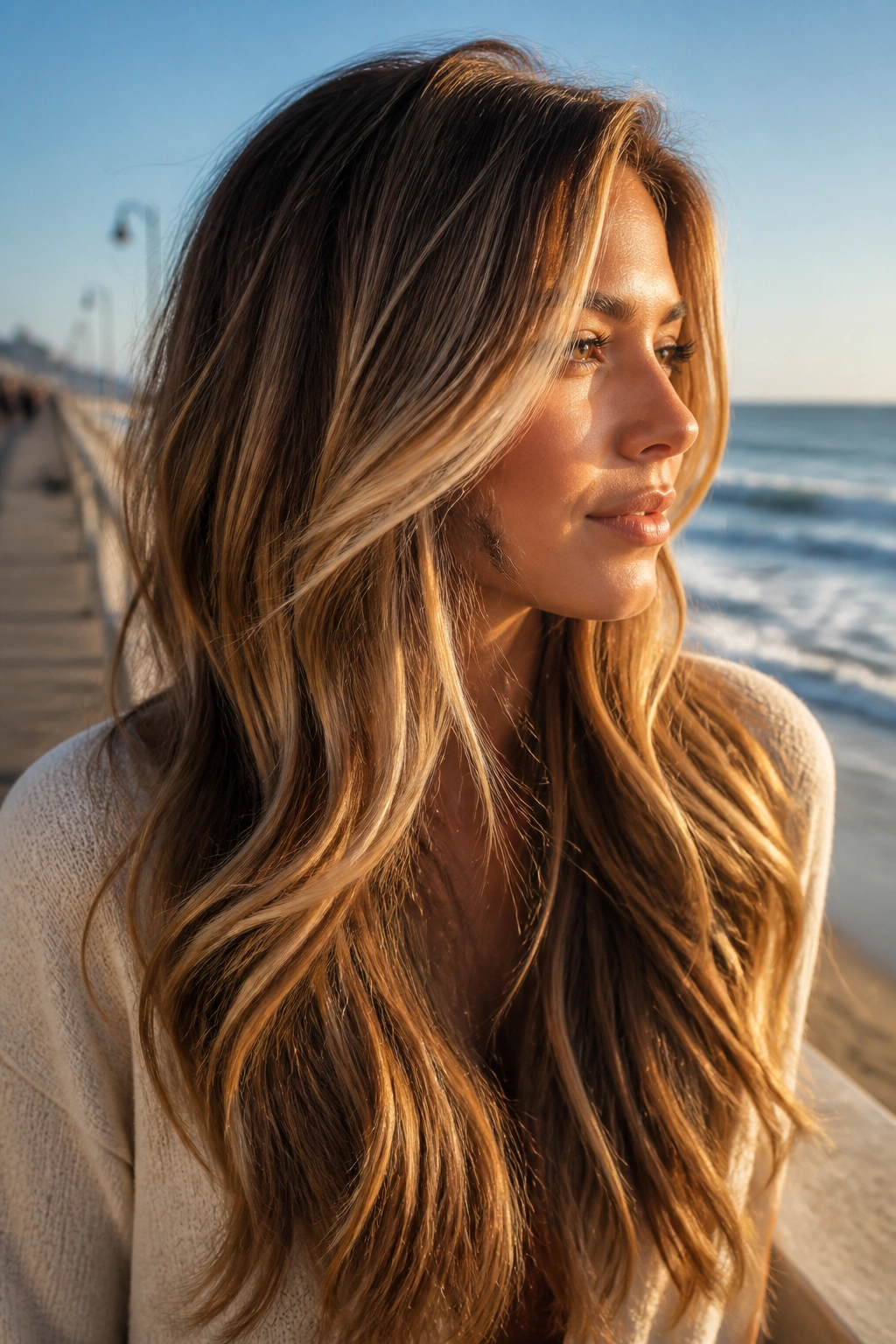
Golden honey balayage is the version to pick if you want the blonde side of dirty blonde to show up a little more. It’s brighter than honey-dipped color, but still blended enough that it doesn’t look like full summer highlights from ten feet away.
The best part is the way it moves through longer layers. The light pieces catch the curve of the hair, and the darker root keeps the whole thing from floating away. If you’ve got a lot of hair, this is a gift, because it brings shape without needing extra styling tricks.
A blowout helps, but so does a rough-dry with a round brush at the front. That little lift around the face brings the gold forward. Keep the ends slightly deeper and you get a more expensive-looking finish. Flat roots are the enemy here. Always have been.
18. Chestnut Depth Blend
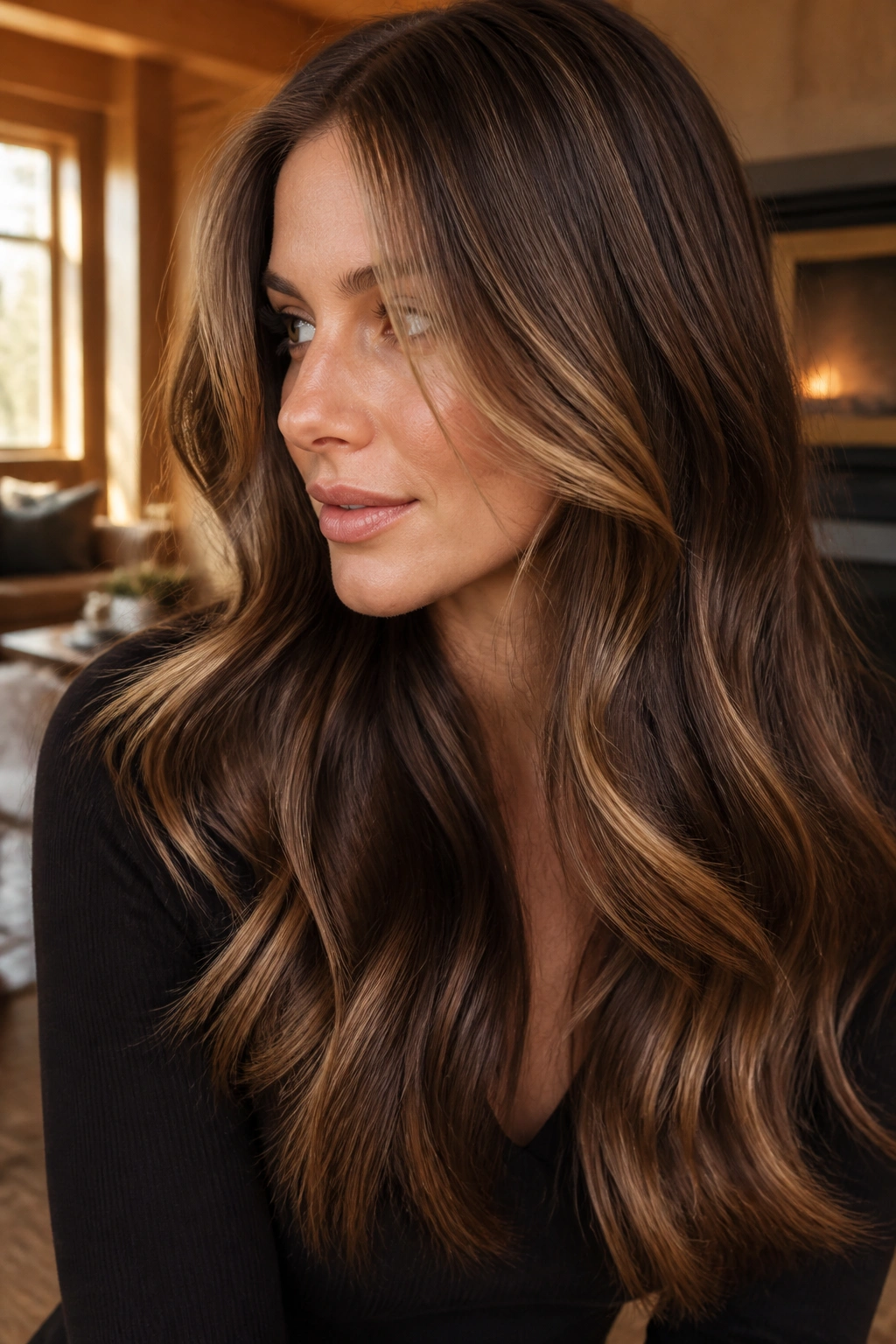
Chestnut depth blend is for people who want their hair to look fuller, not lighter. The chestnut lowlights sit under the blonde pieces and give the hair a thicker, denser look. It’s one of my favorite dirty blonde hair color ideas for fine hair that needs visual body.
The color stays brunette-forward, which makes it easier to wear than all-over light blonde. A few beige ribbons around the face and through the top layers are enough. More than that, and you start losing the chestnut character that makes it interesting.
This shade also handles grow-out well because the deeper color is doing half the work. If your natural base is already medium brown, you can get there with less lightening than you’d need for a pale blonde look. Less damage. Less brass. Less drama.
19. Sun-Kissed Surf Blonde
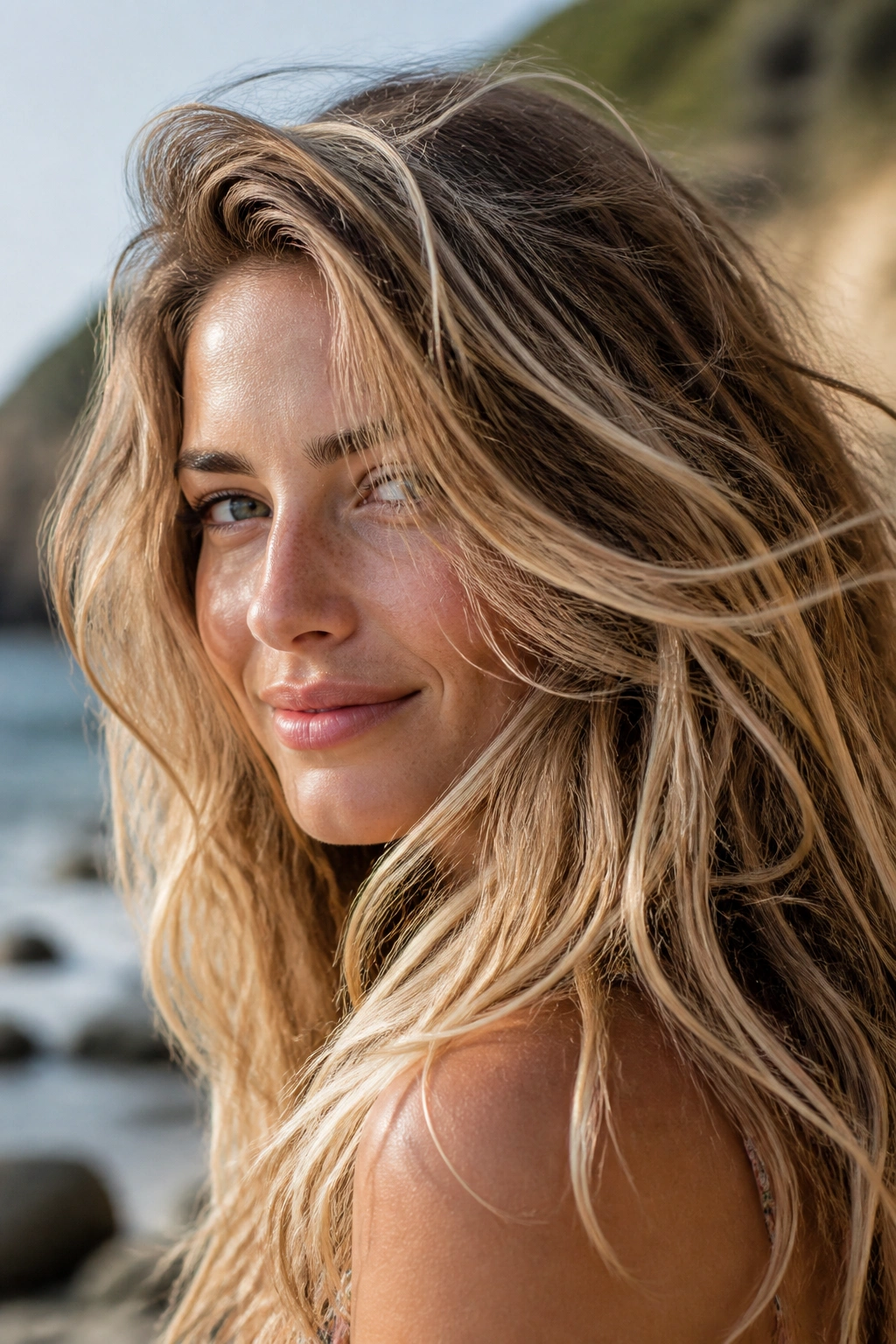
Sun-kissed surf blonde has a wind-tossed, slightly undone feel that works best when the hair has some texture in it. The base is dirty blonde, but the ends are brighter and softer, as if the sun spent a few afternoons on them and stopped there.
That’s what makes it feel alive. You get a little movement at the crown, a little brightness through the mids, and ends that look airy rather than bleached out. It’s a good match for layered cuts, shags, and long hair with natural wave.
Use a salt spray or a light texture cream if your hair can handle it. Not a crunchy one. Just enough to separate the pieces so the color has something to sit on. Straight, slippery hair can still wear this, but the texture helps. Without it, the lighter pieces can disappear into the rest.
20. High-Contrast Rooted Blonde
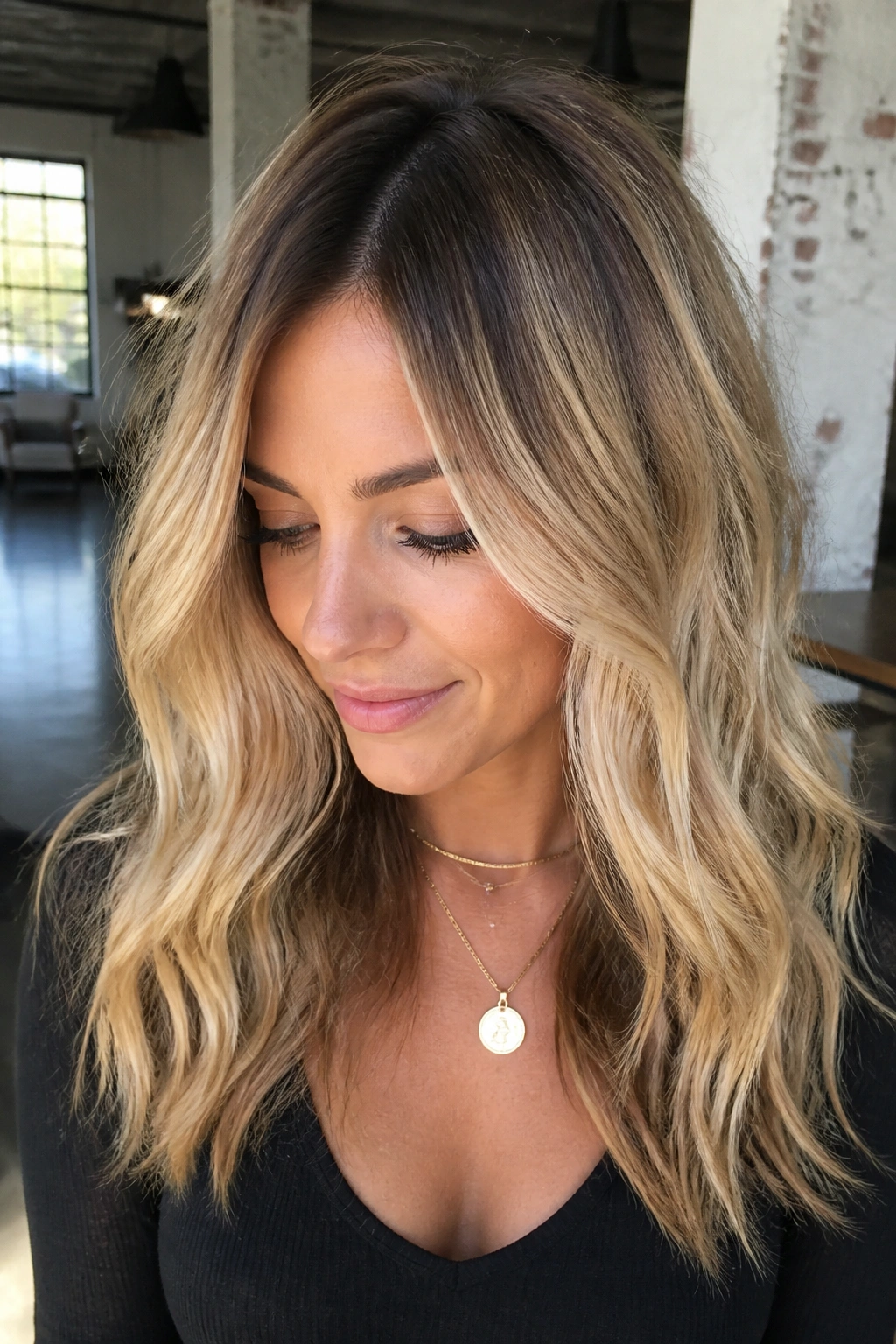
High-contrast rooted blonde is not shy. The root stays dark enough to be obvious, while the mids and ends go much lighter, creating a stronger split between the base and the blonde. If you like contrast, this is the one.
It’s not the softest dirty blonde look on the list, and that’s the point. Some people want their color to read from across the room. This gives them that without requiring a platinum commitment all over the head. The dark root makes the lighter pieces look brighter than they are.
- Best on thick hair or layered cuts.
- Works well if you like a bolder grow-out line.
- Needs more frequent toning than softer blends.
- Looks sharp with waves, less so with pin-straight hair.
If low maintenance is your main goal, skip this one. If you want dimension with attitude, keep it.
21. Cream Soda Dirty Blonde
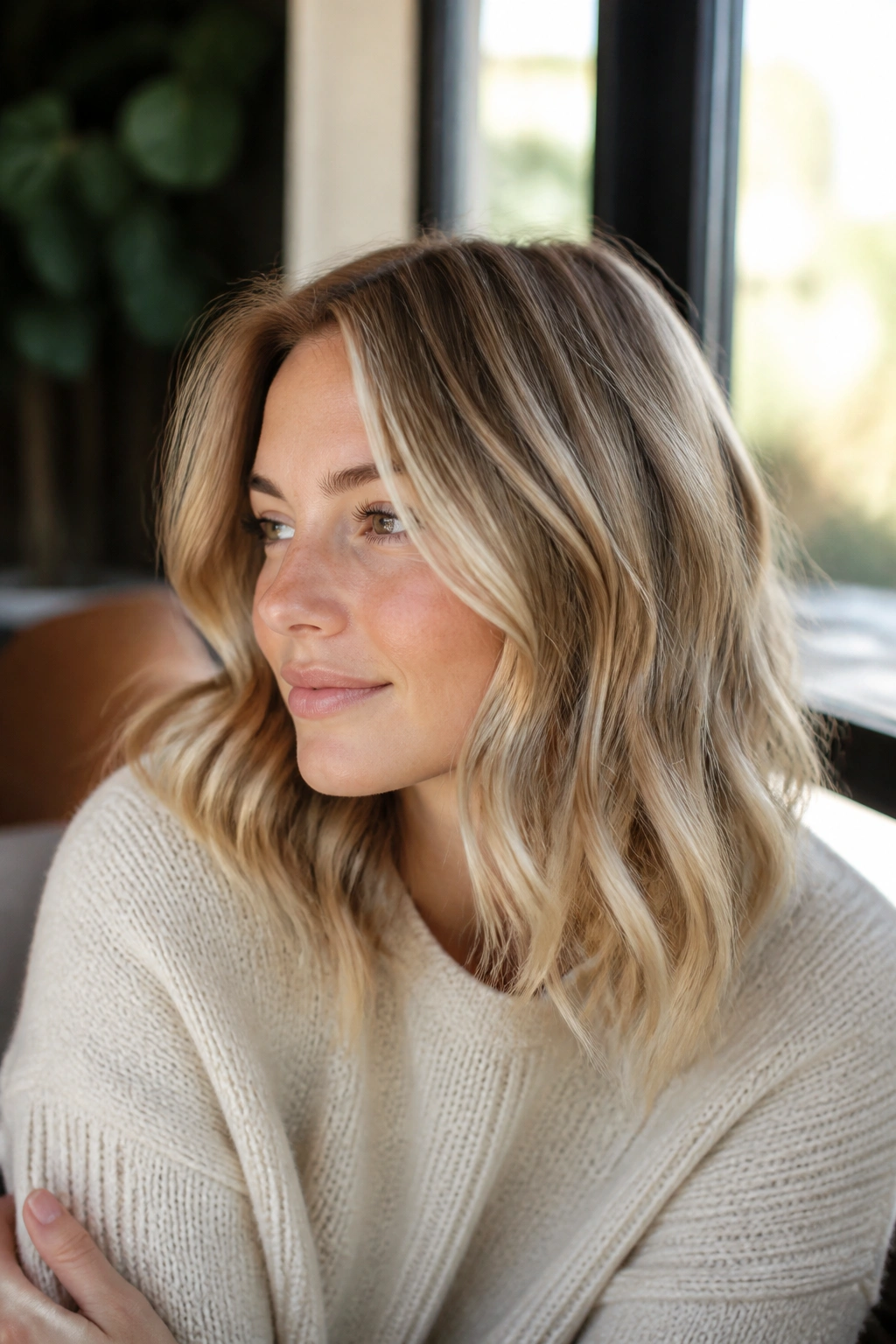
Cream soda dirty blonde has a soft sweetness to it, but it stays grounded by the beige-brown root underneath. The tone feels creamy and light, almost fizzy in the way the lighter strands seem to sit on top of the darker base. It’s playful without being loud.
I like this look on shoulder-length hair and soft layered bobs, because the color can show up in the shape of the cut. Too much length can spread the lighter pieces too far apart. Too little texture, and the finish can feel too plain. This shade likes movement.
Where It Looks Best
- Wavy lobs with a slight bend.
- Hair that naturally sits between light brown and dark blonde.
- Neutral or warm skin tones.
- Cuts with soft ends, not razor-sharp layering.
If you want a blonde that feels friendly instead of high-contrast, this one has a nice balance.
22. Soft Platinum Face Frame
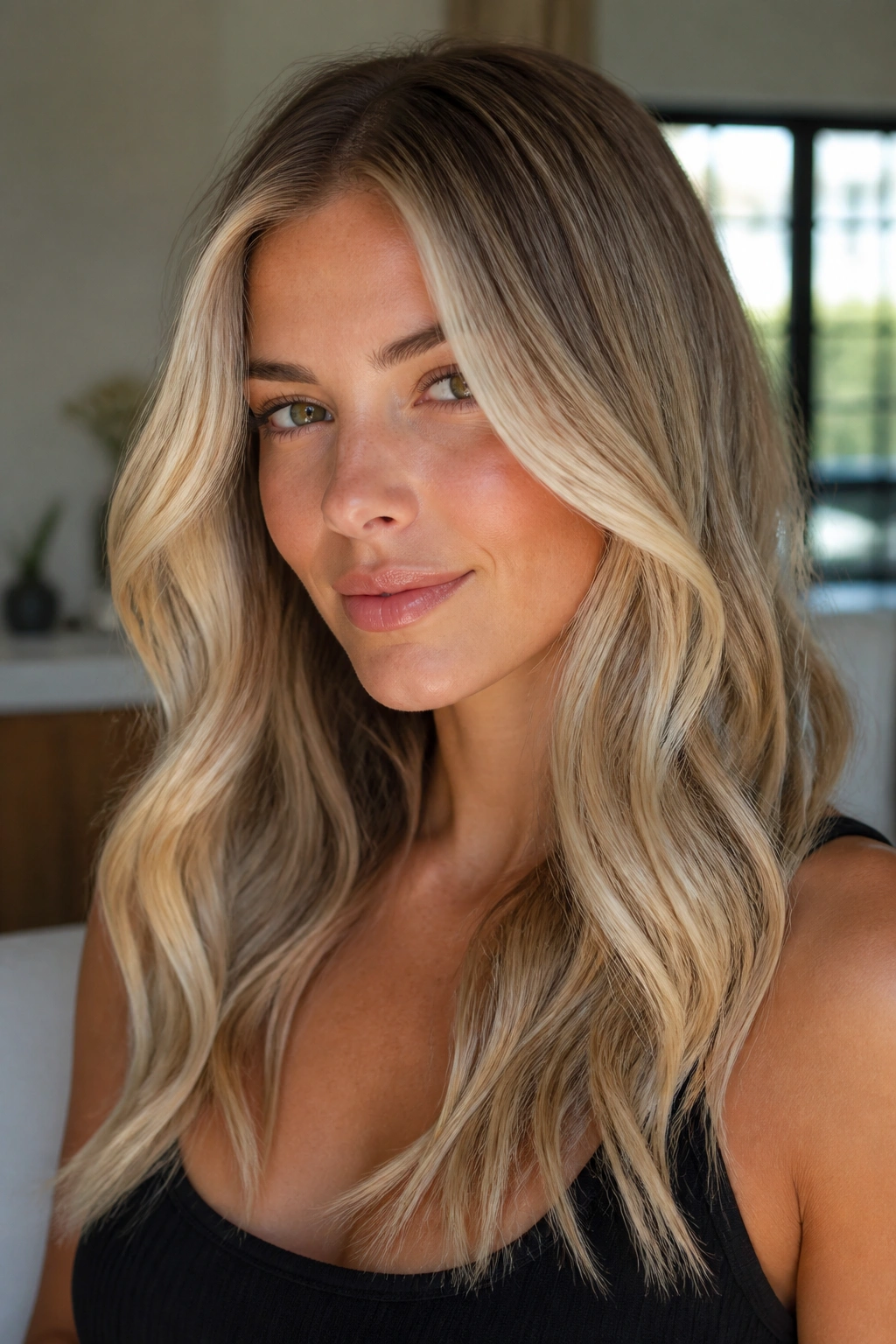
A soft platinum face frame gives you the brightness of platinum without the commitment of taking the whole head that light. The front pieces are the star; everything else stays in dirty blonde territory so the contrast feels deliberate, not overwhelming.
This is a smart choice if your color is getting stale but you don’t want to change the whole base. The face frame can be lifted a little more, toned to a cool-beige platinum, and blended so it fades into the lengths rather than sitting like a separate panel.
Ask for a narrow frame if you want subtlety, or a wider one if you want the front to pop more in photos and under indoor light. Either way, keep the rest soft. If every section is bright, you lose the point of dirty blonde altogether.
23. Brown-to-Blonde Melt
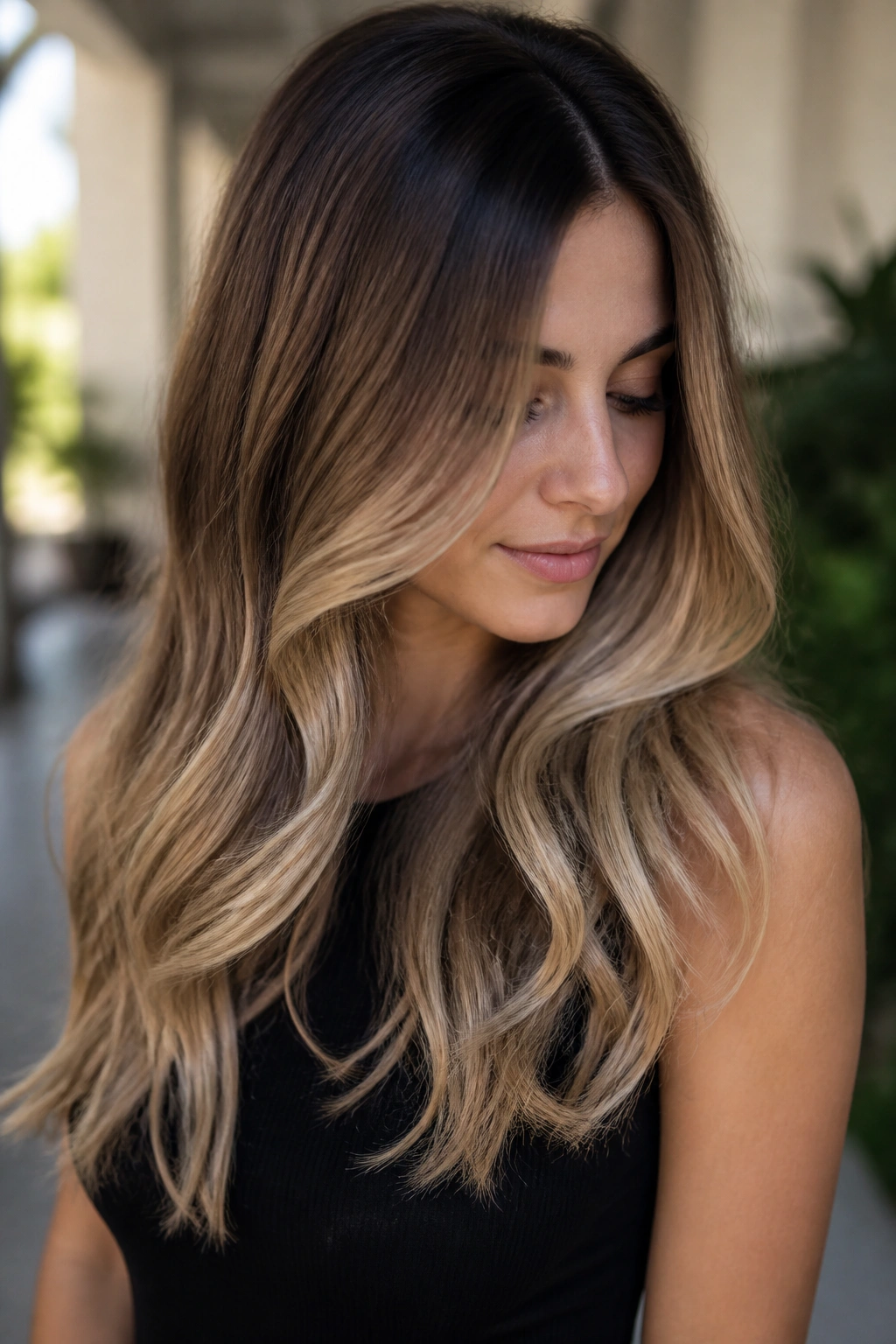
Brown-to-blonde melt is the kind of color that takes patience in the chair and pays off every time you wash your hair. The transition is gradual: brunette at the root, then softened brown, then beige blonde through the ends. No harsh line. No obvious break.
It’s a smart look if you’re growing out old highlights or trying to move away from a darker all-over shade without shocking your hair. The blend hides the process. That matters. A lot of people want the result but not the awkward in-between stage, and this is one of the few color approaches that handles the grow-out gracefully.
What I like most is how it behaves on layers. The top catches the darker tones, the lower lengths show the blonde, and the whole thing feels stitched together instead of painted on. It’s quietly technical, which is probably why it looks good.
24. Wheat Blonde With Hidden Lowlights
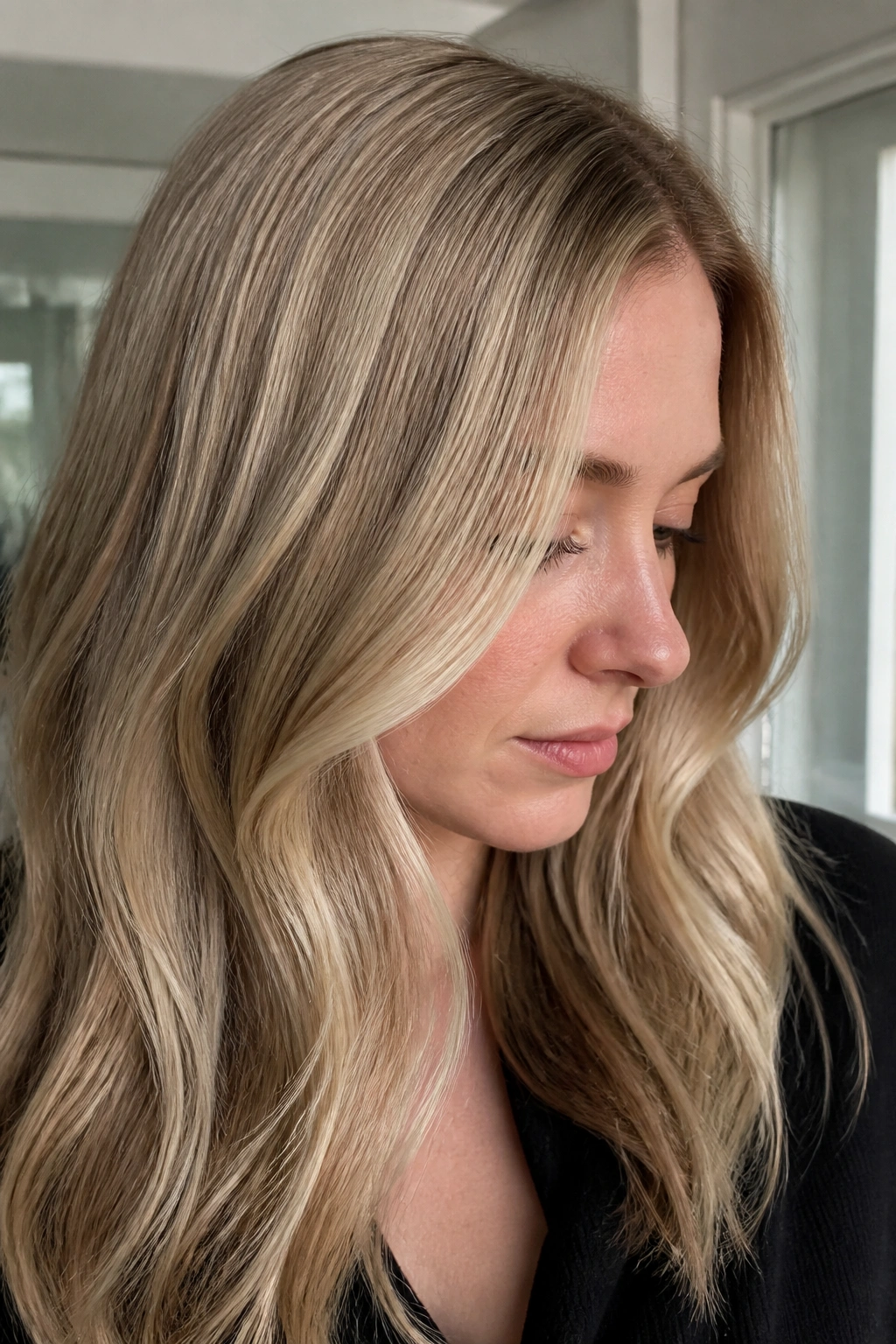
Wheat blonde looks soft from the outside, but the hidden lowlights are what make it work. Without them, wheat blonde can become too pale and lose shape. With them tucked underneath, the hair keeps dimension even when it’s worn straight and smooth.
This is one of the better dirty blonde hair color ideas for fine hair, because the lowlights create the illusion of thickness. They do not need to be dramatic. They just need to sit far enough apart from the lighter pieces that the eye notices movement.
I like this color on hair that’s been over-highlighted in the past and needs some depth put back in. It’s calming, oddly enough. The blonde is still there, but the strands look more connected. If your color has been looking stringy, this kind of correction can help more than another round of lightening.
25. Airy Low-Maintenance Dirty Blonde
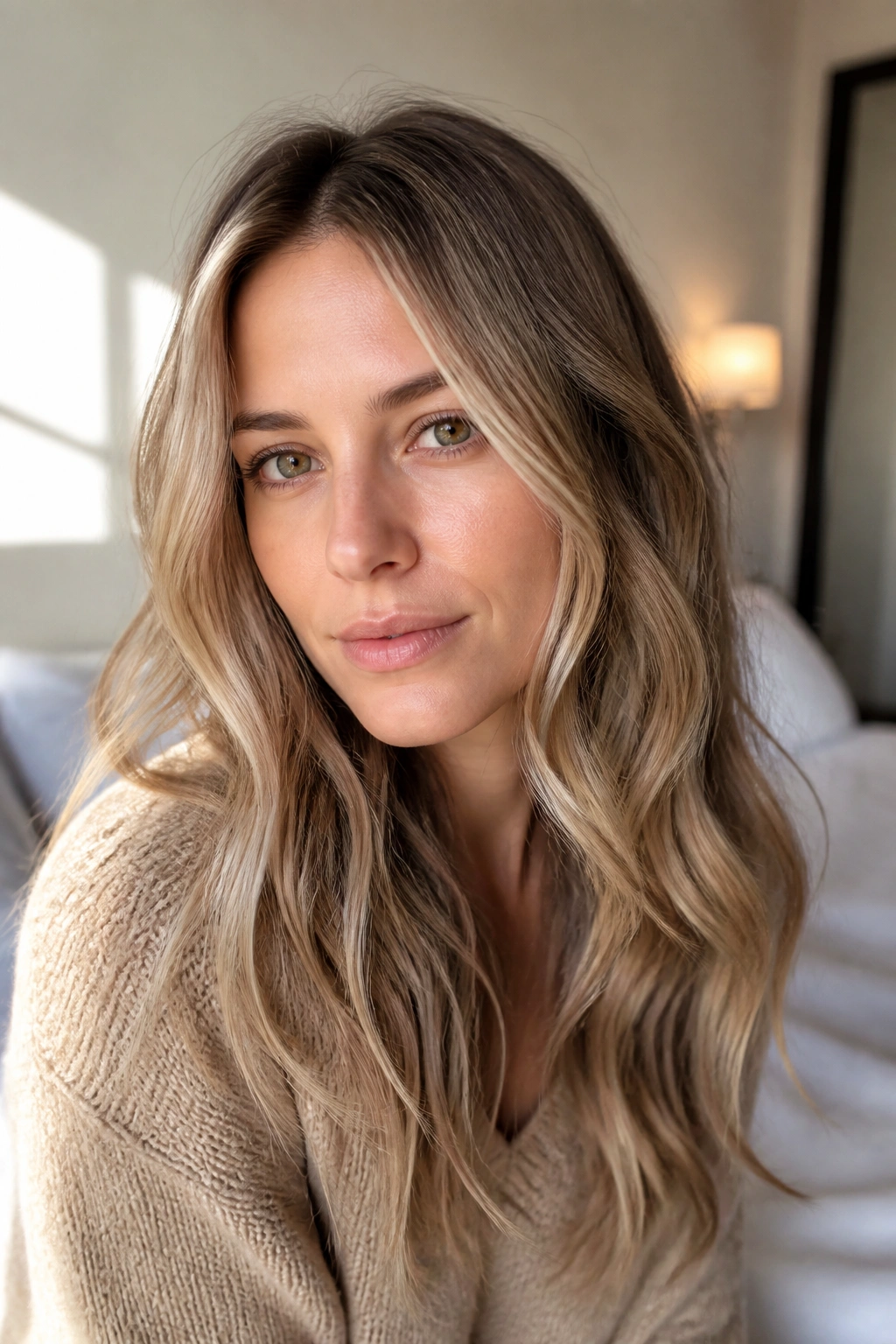
Airy low-maintenance dirty blonde is the one to save if you want a soft grow-out and a color that doesn’t ask for much. It usually starts with a natural-looking root shadow, then adds fine highlights and a beige gloss so everything stays blended. The whole point is ease.
Unlike higher-contrast blonde, this version doesn’t announce itself the second your roots show. That’s why so many people end up living in it for months without getting sick of the look. It’s light enough to brighten the face, but deep enough to survive real life.
If you want a good reference point for your colorist, ask for a level 6 to 7 base, fine beige ribbons, and a soft root melt. That gives the hair movement without making you schedule your life around toner appointments. And that, honestly, is the appeal.
Final Thoughts
Dirty blonde works because it leaves room for contrast. A little depth matters. A little brightness matters. Push either one too far, and the whole look slips out of balance.
The best dirty blonde hair color ideas are the ones that fit your natural base and your tolerance for upkeep. If you want softness, lean beige, mushroom, or oat milk. If you want more warmth, caramel, honey, or bronze will get you there faster. If you want the most wearability, keep the root believable and let the lighter pieces stay selective.
Save a photo that looks like your hair texture, not someone else’s fantasy version of it. That one detail saves a lot of disappointment at the salon.
