



Entering your 40s brings a certain clarity about what works for you and, more importantly, what doesn’t. When it comes to hair color, the old rules about “aging out” of blonde simply do not apply. If anything, the right shade of blonde can act as a natural reflector, bouncing light onto your face and softening the fine lines that start to appear around the eyes and mouth. The goal isn’t just to be blonde; it is to find the specific tone that illuminates your complexion, which may have shifted slightly since your 20s or 30s.
Often, skin undertones drift as we age, and the high-maintenance, ultra-bright platinum that worked in our younger years might now wash us out or clash with the subtle changes in our skin’s natural pigment. That is where professional color placement comes in. It is about blending, framing, and choosing tones that feel intentional. Whether you are looking to cover stubborn gray hairs, add dimension to thinning strands, or just refresh a look that feels a bit tired, the spectrum of blonde is vast enough to offer a solution that feels tailored, not trend-chasing.
1. The Platinum Pixie
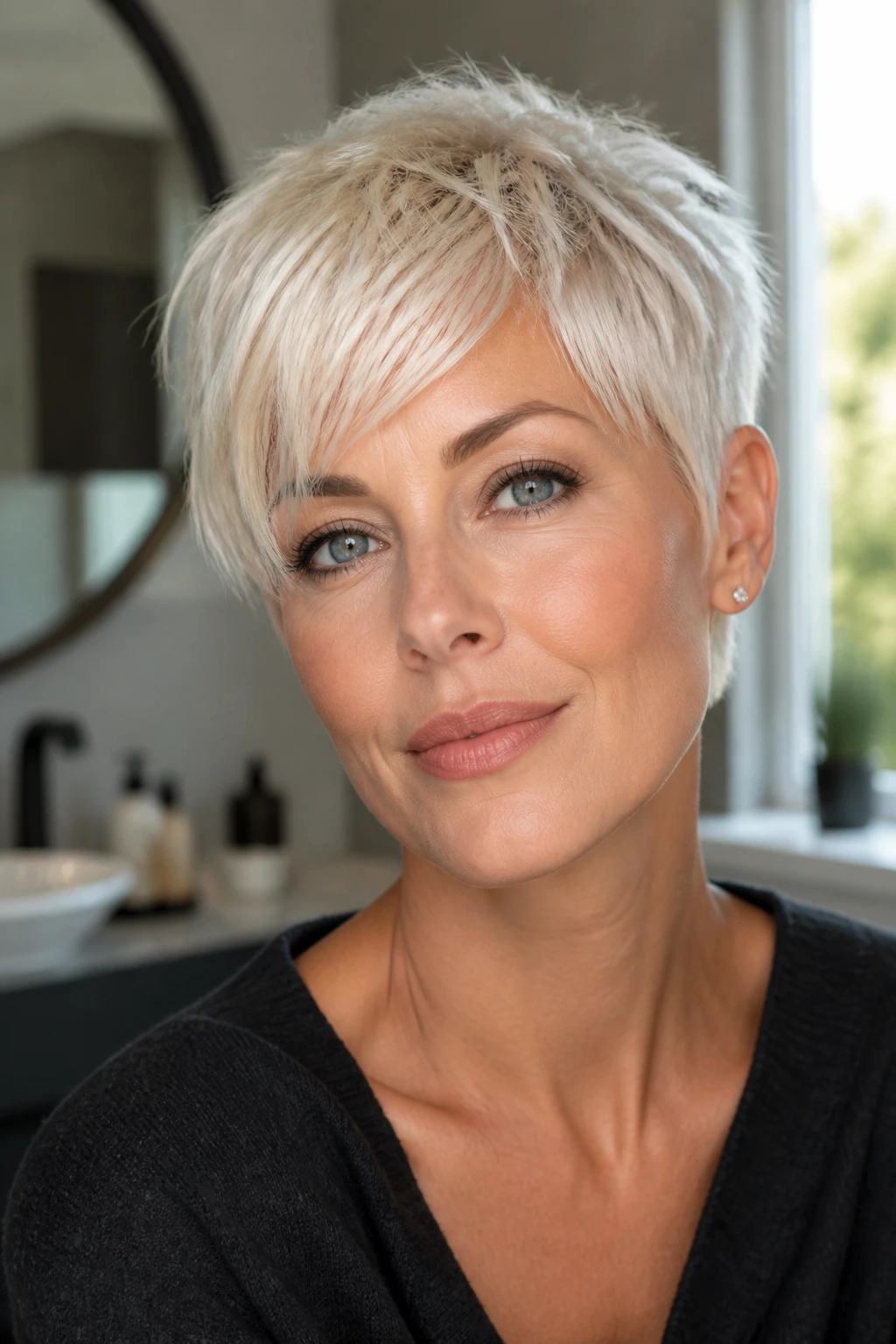
If you have the bone structure to support a shorter cut, a platinum pixie is incredibly freeing. It is not just about the color; it is about the attitude. When you commit to a very short length, you can afford to push the envelope on the shade because the hair is healthier—you are constantly trimming away the ends.
Why This Works for the 40s
Short hair in a stark, icy platinum requires confidence. It draws all the attention to your eyes and jawline. Because the hair is short, you need to visit the salon every four to five weeks for a root touch-up. This maintenance schedule keeps the hair looking intentional rather than neglected. Use a high-quality violet-depositing shampoo once a week to keep the brassiness at bay, but do not overdo it, or you will end up with lavender streaks.
2. Honey Butter Balayage
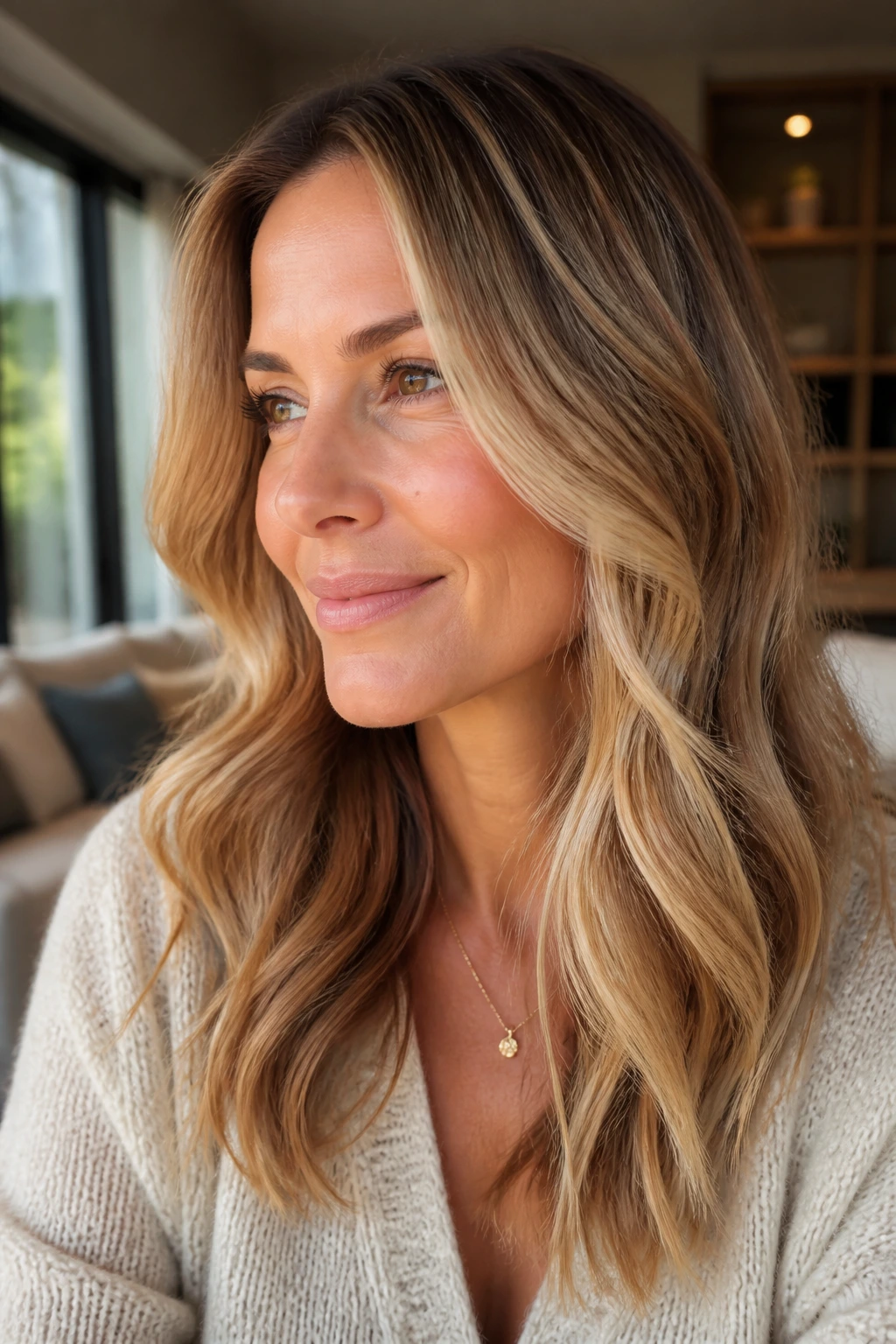
For those who want a softer transition and a more natural, lived-in feel, honey butter balayage is the gold standard. This technique involves painting lighter pieces onto the hair in a way that mimics how the sun would naturally lighten it. It is not about harsh stripes; it is about a gradient.
The Technique
Ask your stylist for “soft-painted” highlights. The key is to start the color a few inches away from the root. This allows your natural color to grow out without leaving a harsh line of demarcation. The honey tones—that rich, warm blend of gold and amber—are particularly flattering for skin that has lost some of its youthful flush. It adds an instant warmth that can make you look well-rested, even on the days when you are anything but.
3. Cool Champagne Tones
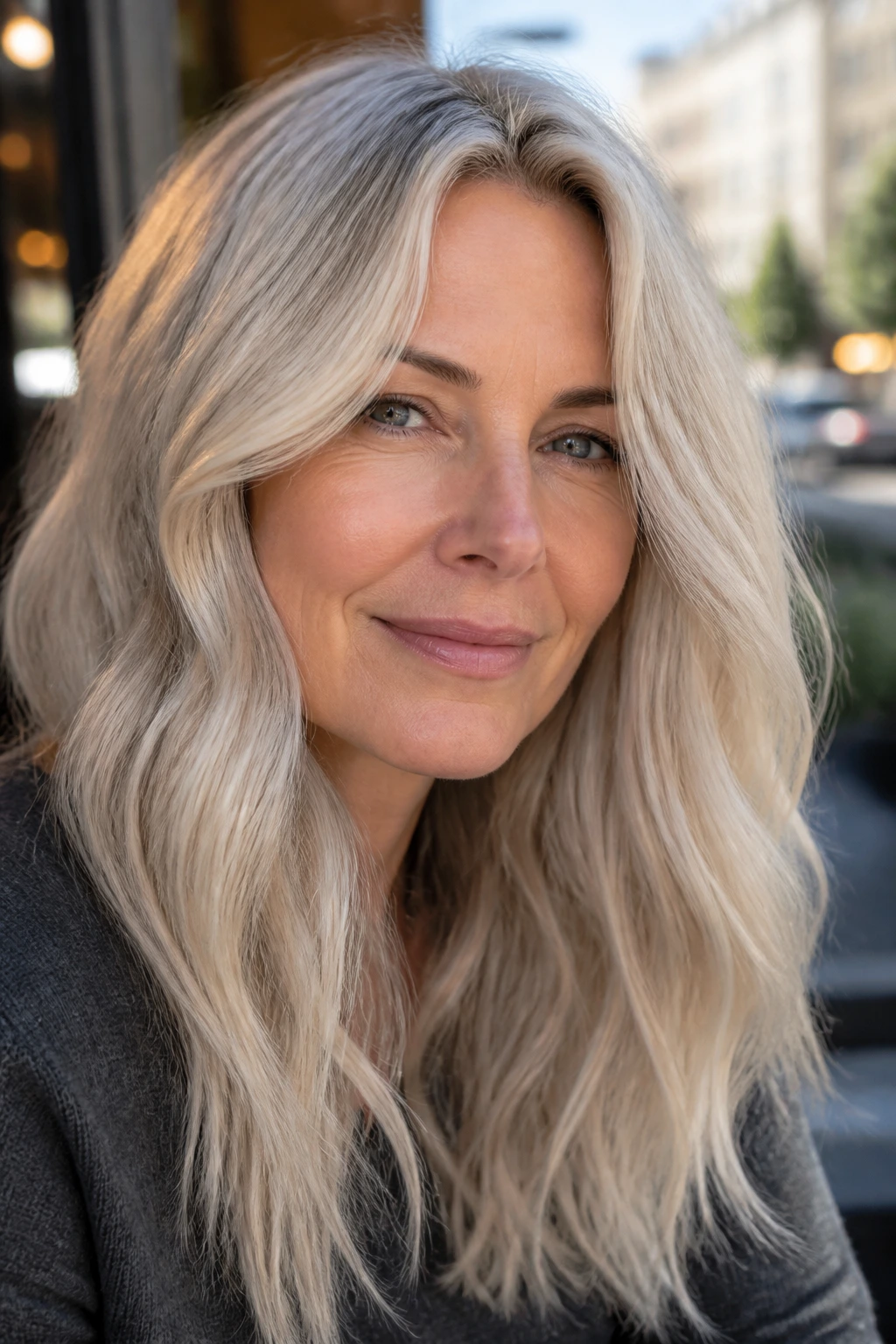
Champagne blonde sits in that perfect middle ground between icy platinum and golden yellow. It has a cooler, sophisticated edge, but it is not so gray that it makes the skin look sallow. It is a very elevated, high-fashion look that pairs beautifully with cool-toned skin.
Practical Application: If you have naturally ash-brown hair, transitioning to champagne is a process. You cannot rush the lift. Expect to do this in two or three sessions to maintain the integrity of your hair. Once you reach that pale, bubbly shade, invest in a gloss treatment every six weeks. A gloss seals the cuticle, which is vital because blonde hair—especially pre-lightened hair—tends to be more porous and prone to dullness.
4. Buttery Blonde Highlights
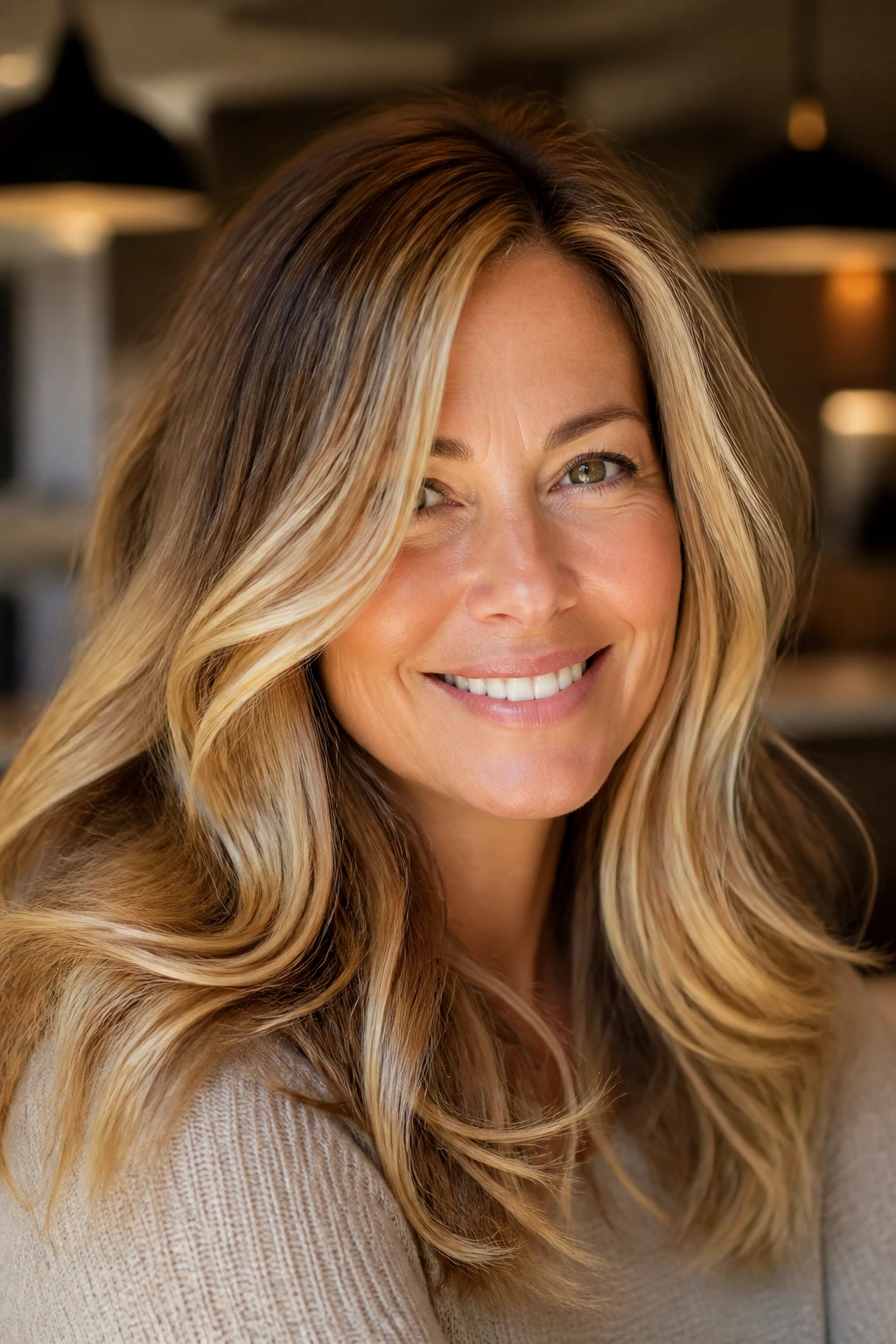
If you feel like your hair is looking a bit “flat” or one-dimensional, buttery highlights are the remedy. This is not a global color change; it is strategic placement. Think of these as a way to add depth and movement to your hair without committing to a full-head bleach process.
- The Look: Focus the brightest highlights around the face and on the top layer of the hair.
- The Benefit: It tricks the eye into seeing more volume.
- The Upkeep: Because these are highlights, they grow out gracefully. You can go eight to ten weeks between salon visits.
5. Sandy Beige Base
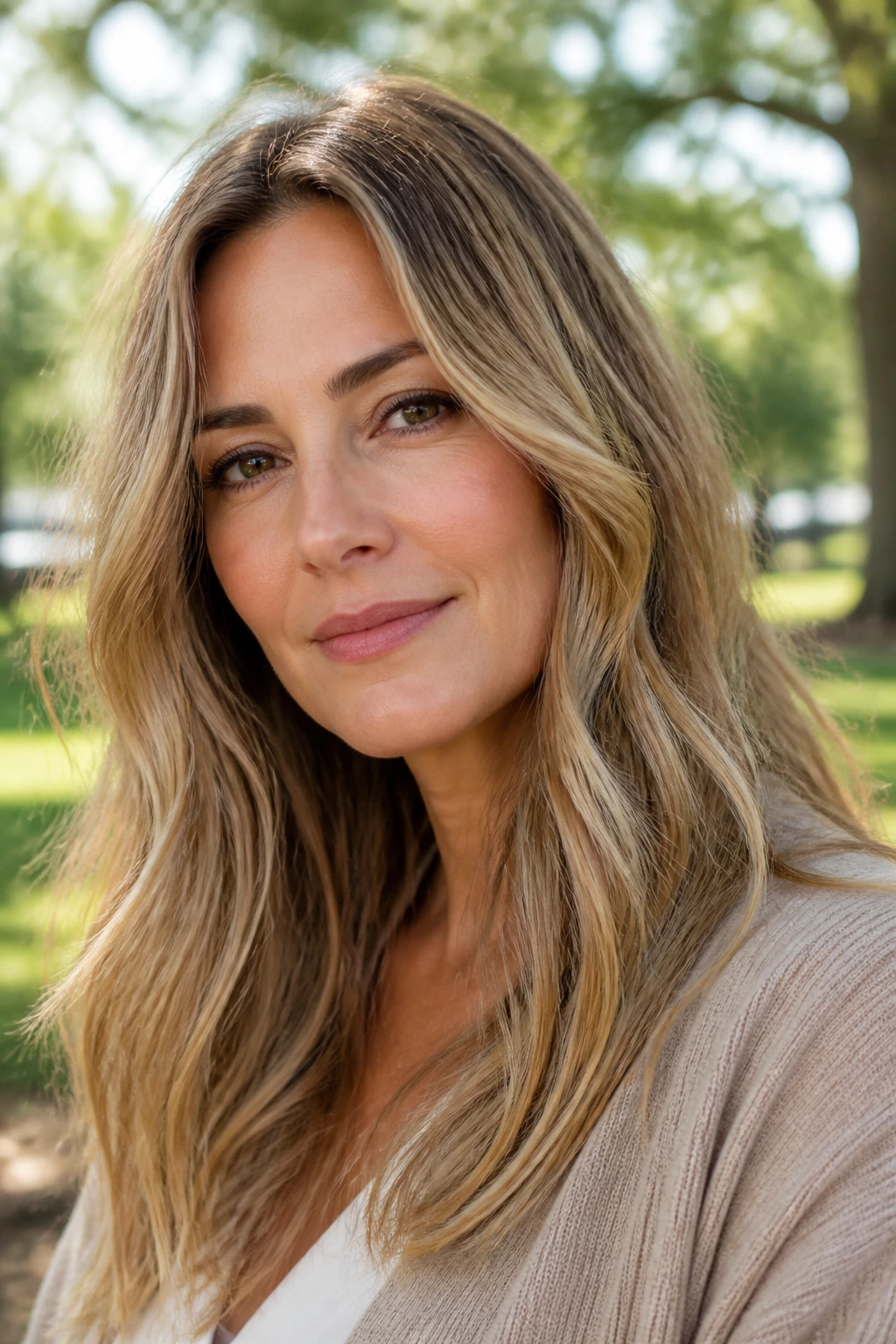
Sometimes, the best blonde isn’t really blonde at all—it is a sophisticated “bronde.” A sandy beige base is fantastic if you are not ready to commit to a super-light shade but want to break up the monotony of dark hair. It is a neutral, earthy blonde that feels grounded and mature.
Why It’s Under-Rated
People often run toward “cool” or “warm” extremes, but neutral colors are arguably the most versatile. Sandy beige works on almost every skin tone. It does not compete with the natural pinks or yellows in your skin. If you have been coloring your hair dark for years, starting with a sandy base is the smartest way to bridge the gap. It is low-commitment, healthy, and incredibly chic.
6. Strawberry Blonde Infusion
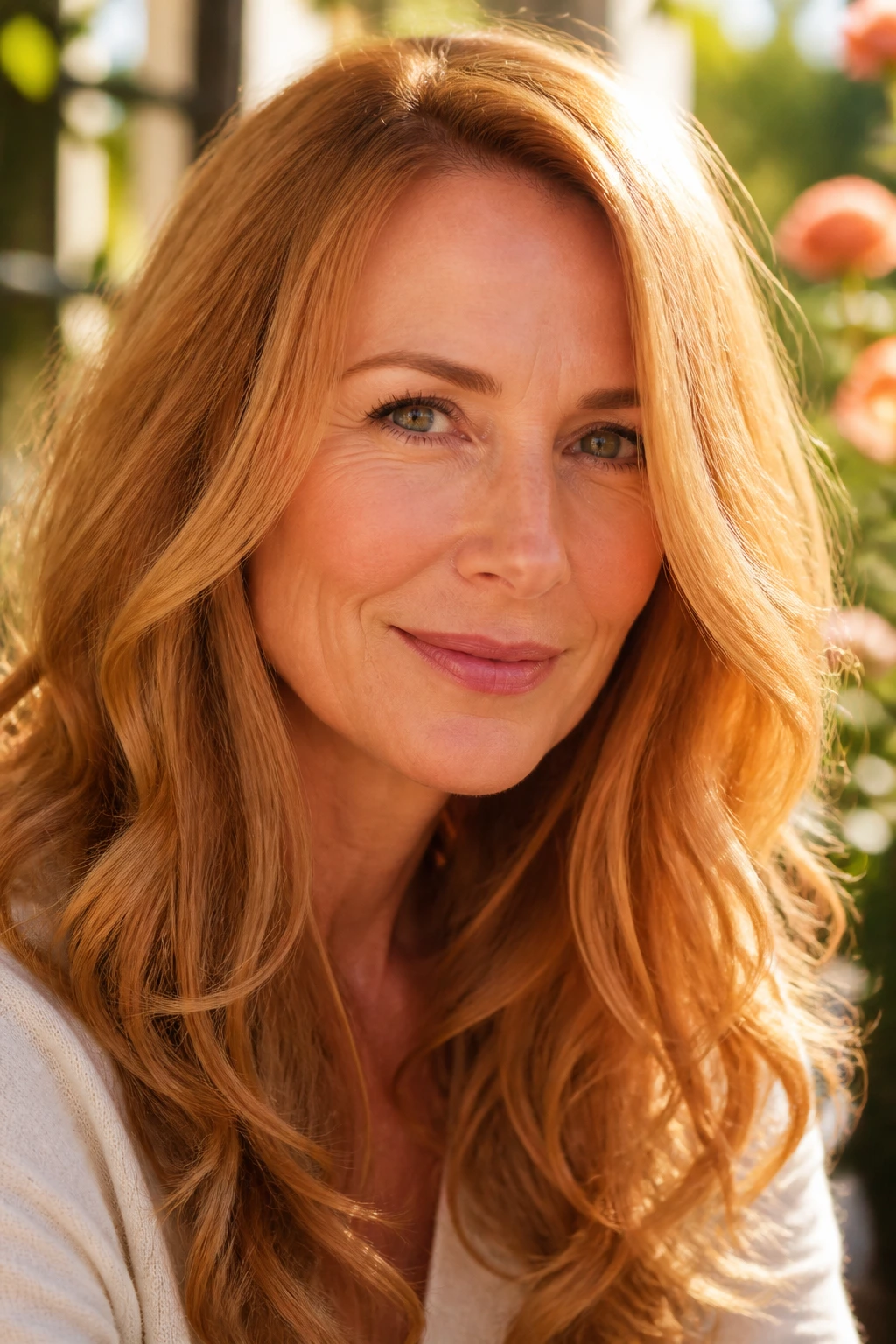
If you want to breathe life into a pale or sallow complexion, look to strawberry blonde. The hint of red-gold is a complexion-booster. It is warm, inviting, and looks exceptionally healthy because it reflects light rather than absorbing it.
Pro-tip for Maintenance: Red pigments are notoriously the first to fade. To keep your strawberry blonde from turning into a muddy, washed-out orange, you need to use color-safe products. Avoid clarifying shampoos—they are like sandpaper to color-treated hair. Look for shampoos specifically designed for red or copper tones; even if you are blonde, the red-depositing pigment will keep the “strawberry” part of your color alive.
7. Creamy Vanilla Toner
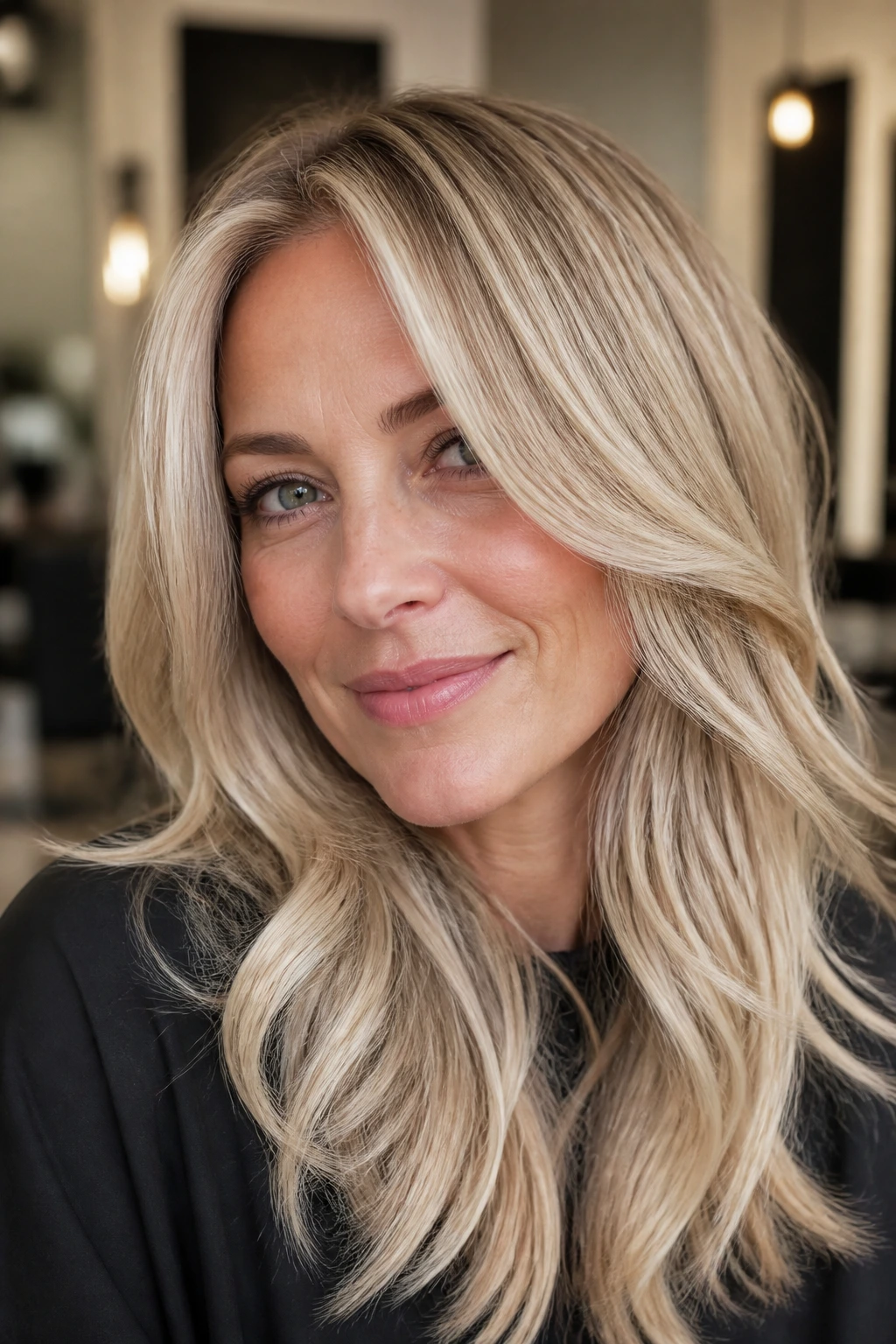
Think of this as the “everyday” blonde. It is soft, approachable, and lacks the severity of platinum. Creamy vanilla is achieved through a root smudge and a heavy glazing of toner. It creates a soft-focus effect that is very forgiving on the hair texture.
The Power of the Toner
You might start with a foil highlight, but the magic happens at the shampoo bowl. Ask your stylist for a “root tap” or a “shadow root.” By blending a darker, more natural color into your roots, you prevent that “hat” look where the hair is one solid block of color. A creamy vanilla finish relies on that root melt to keep it modern.
8. Ash Blonde Lowlights
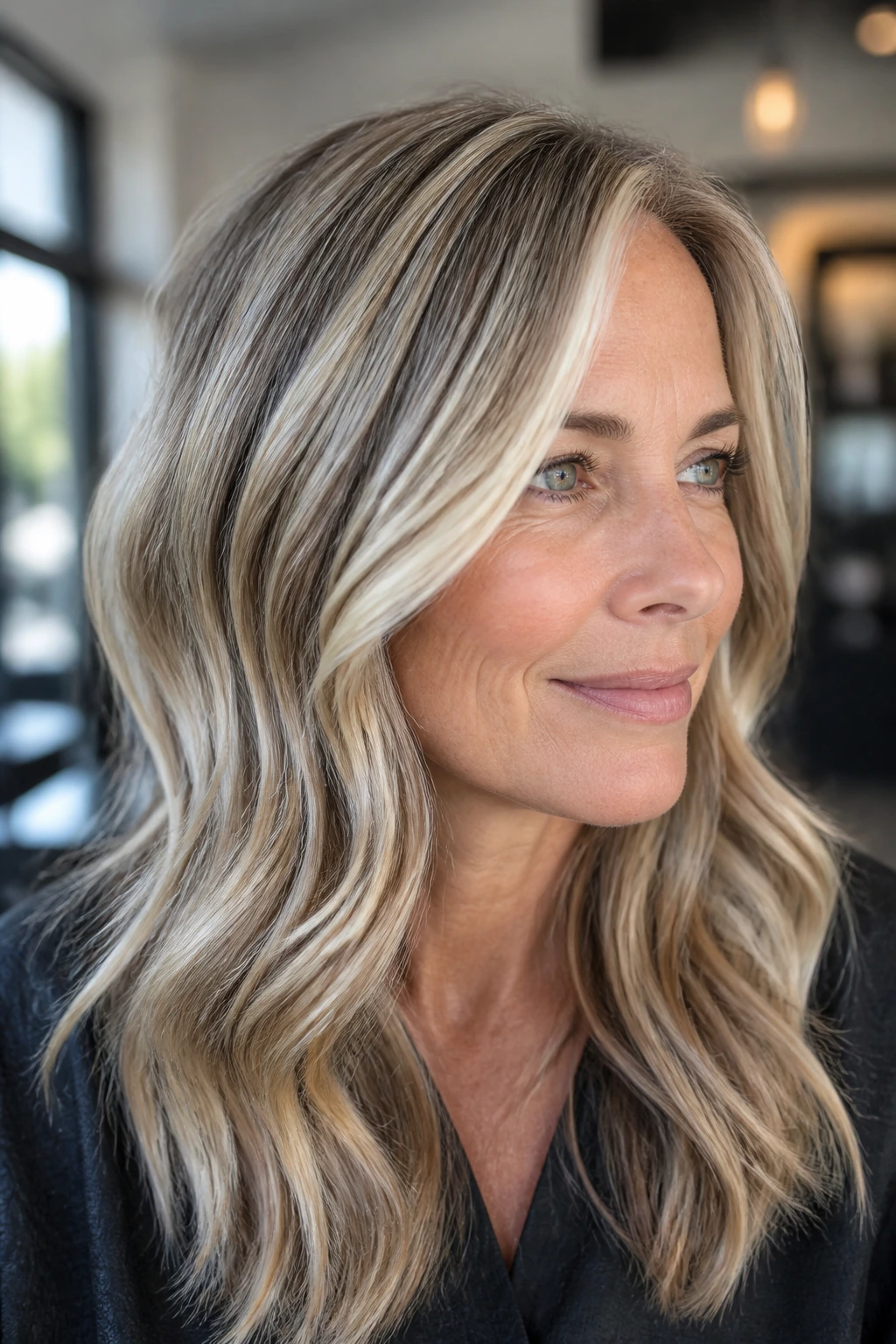
For those who have been platinum for years and are feeling like it’s too much upkeep, ash blonde lowlights are the perfect pivot. You do not have to dye your whole head dark; you just weave in lowlights that are a few shades darker than your current blonde.
Creating Dimension
The mistake many women make in their 40s is going too light, which can wash out features. By adding ash-toned lowlights, you introduce shadow and dimension. This makes the hair look thicker. If you feel like your hair is thinning or lacks density, ask your colorist to mix in some cool-toned lowlights. The contrast makes the blonde highlights pop more than they did before.
9. Golden Toffee Ombre
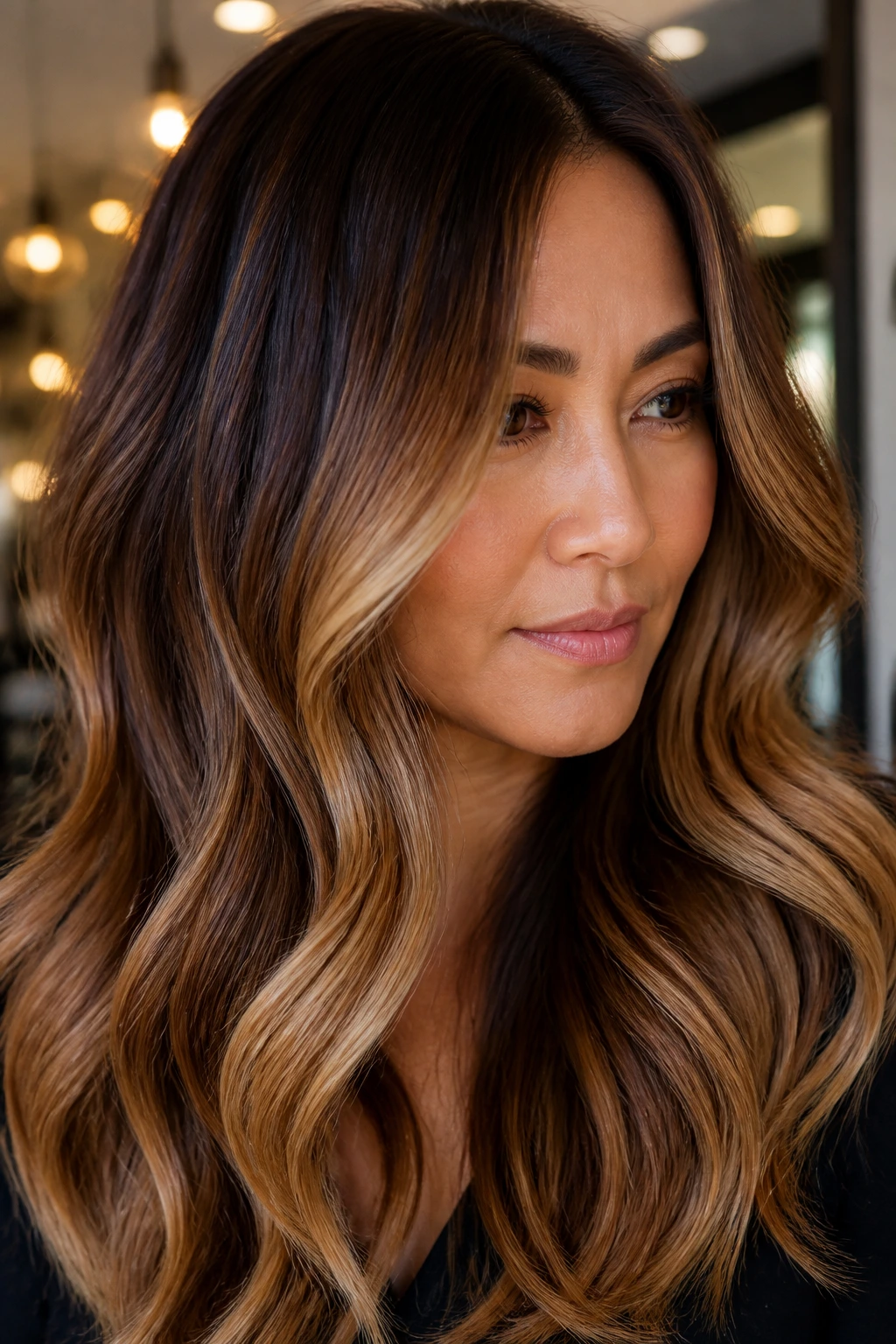
Ombre might have seen its peak in popularity, but the idea of it—a dark-to-light transition—is timeless when done softly. A golden toffee ombre blends a rich, chocolatey root into a warm, caramel-blonde end. It is low-maintenance heaven.
Why it Works: You only need to visit the salon twice a year. Because the transition is gradual, you can let your roots grow out for months, and it simply looks like a intentional style choice. This is arguably the most practical color for a busy professional who does not want to spend every Saturday morning in a salon chair.
10. Mushroom Blonde Blend
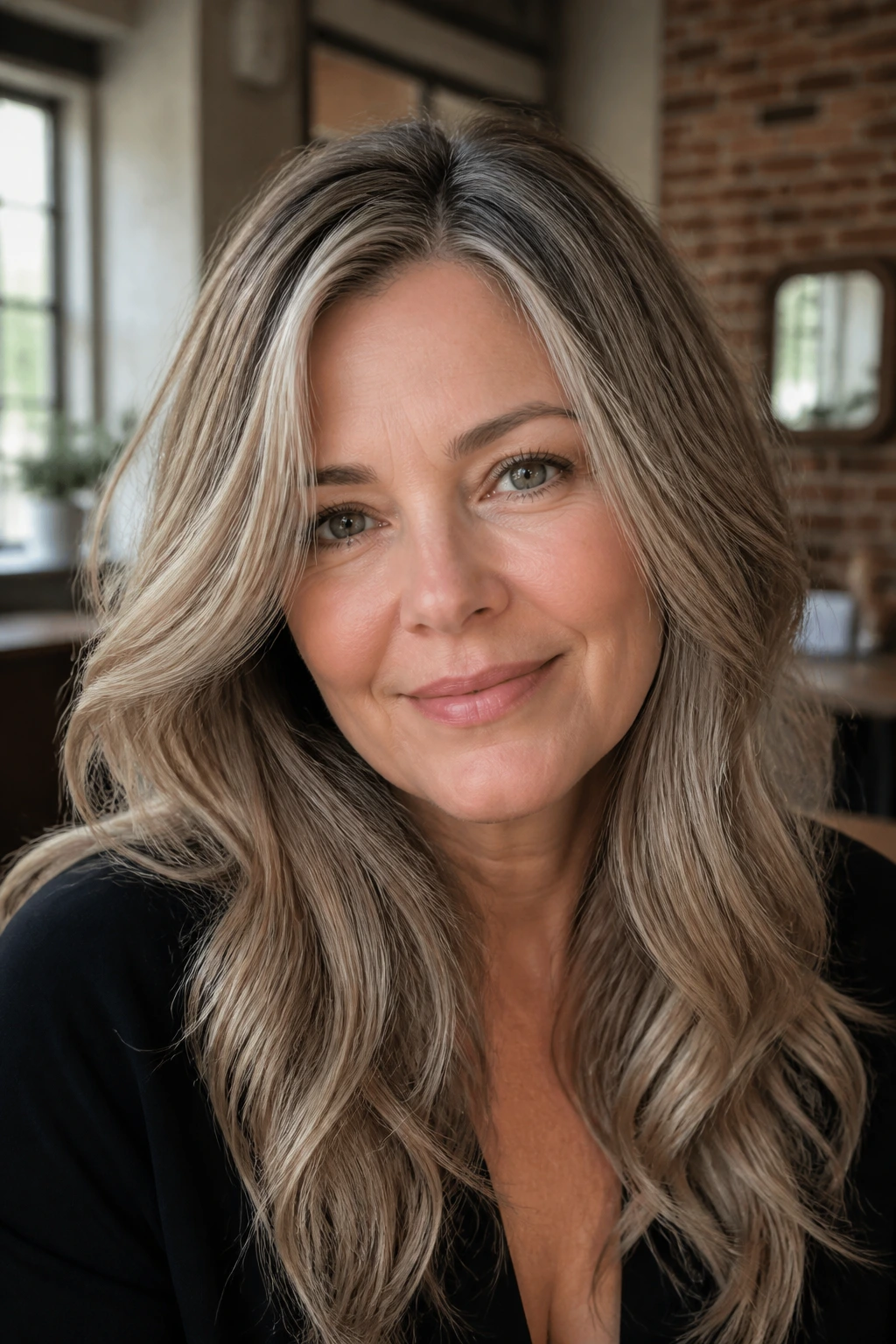
Mushroom blonde is essentially a cool-toned, earthy, gray-brown-blonde hybrid. It is perfect if you have naturally dark hair and are starting to see those first few gray strands. Rather than fighting the gray, this color embraces it by using ash tones that blend beautifully with incoming silver.
How to Style It
Because this color is inherently cool and slightly muted, it can look a bit dull if you don’t style it with volume. Use a light texturizing spray or a mousse when blow-drying. You want movement; flat mushroom blonde can look a bit “dusty.” When it has movement, it looks multidimensional and incredibly expensive.
11. Caramel Ribbon Highlights
Caramel is a classic for a reason. It is universally flattering. When woven in as “ribbons”—chunky, hand-painted highlights—it breaks up dark bases and adds a richness that screams luxury.
The Technique: This isn’t about baby-fine highlights. It’s about taking slightly larger sections of hair and painting them with a warm, caramel-colored lightener. It provides a distinct, high-contrast look that feels very 90s-supermodel-revival. It is striking, bold, and excellent for bringing out brown or hazel eyes.
12. Icy White Money Piece
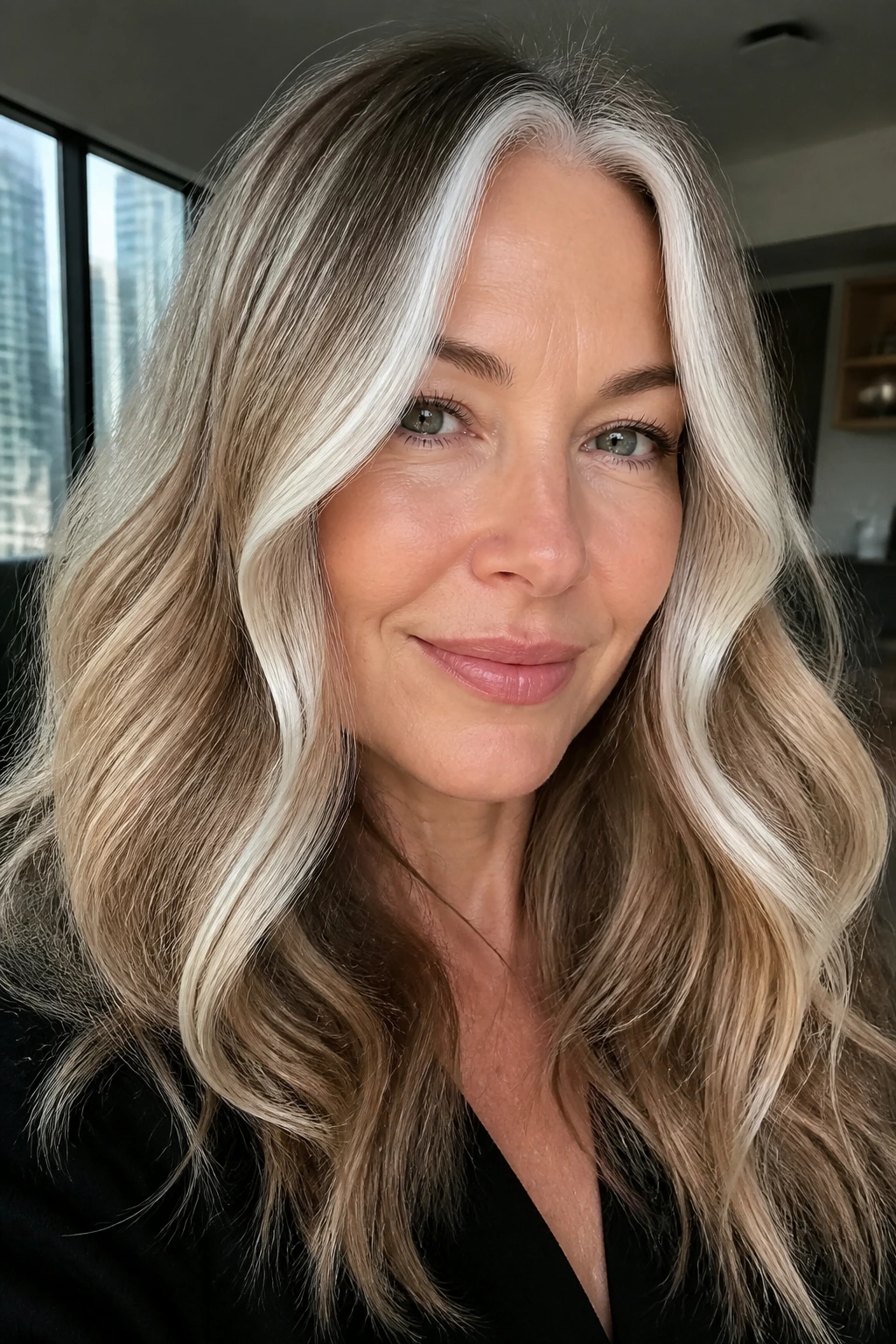
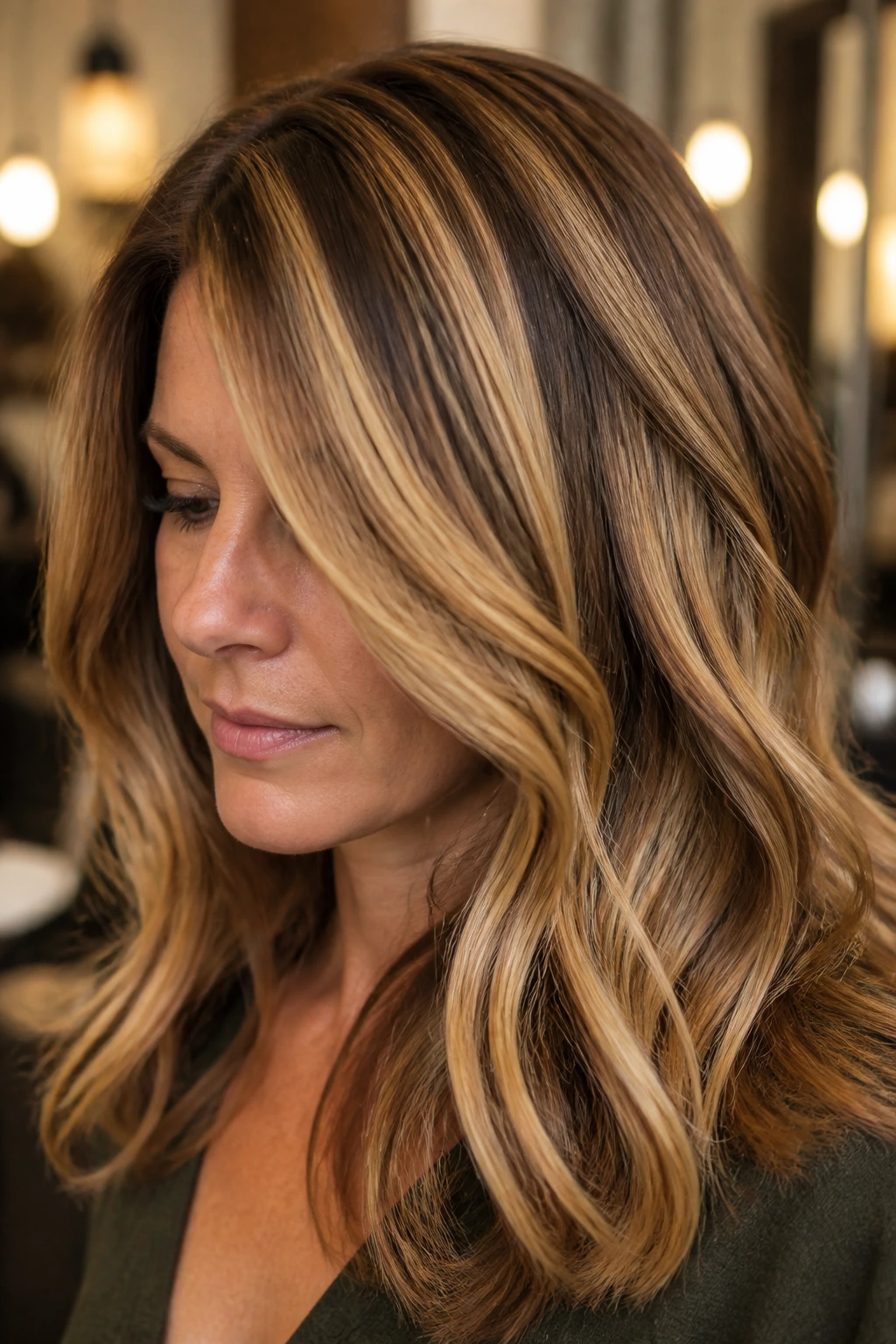
The “money piece”—those two face-framing strands that are lighter than the rest of the head—has become a staple for a reason: it brightens your entire face. In your 40s, you can elevate this trend by making that money piece a clean, icy white against a warmer blonde or brown base.
Framing the Face
The key here is contrast. If your base color is a warm honey, having two perfectly bright, cool-toned strands framing your face acts like a natural highlighter. It draws the eye inward and creates an illusion of brightness that is incredibly youthful. Just be aware that you will need to pay extra attention to those two strands, as they are prone to breakage and brassiness.
13. Warm Apricot Tones
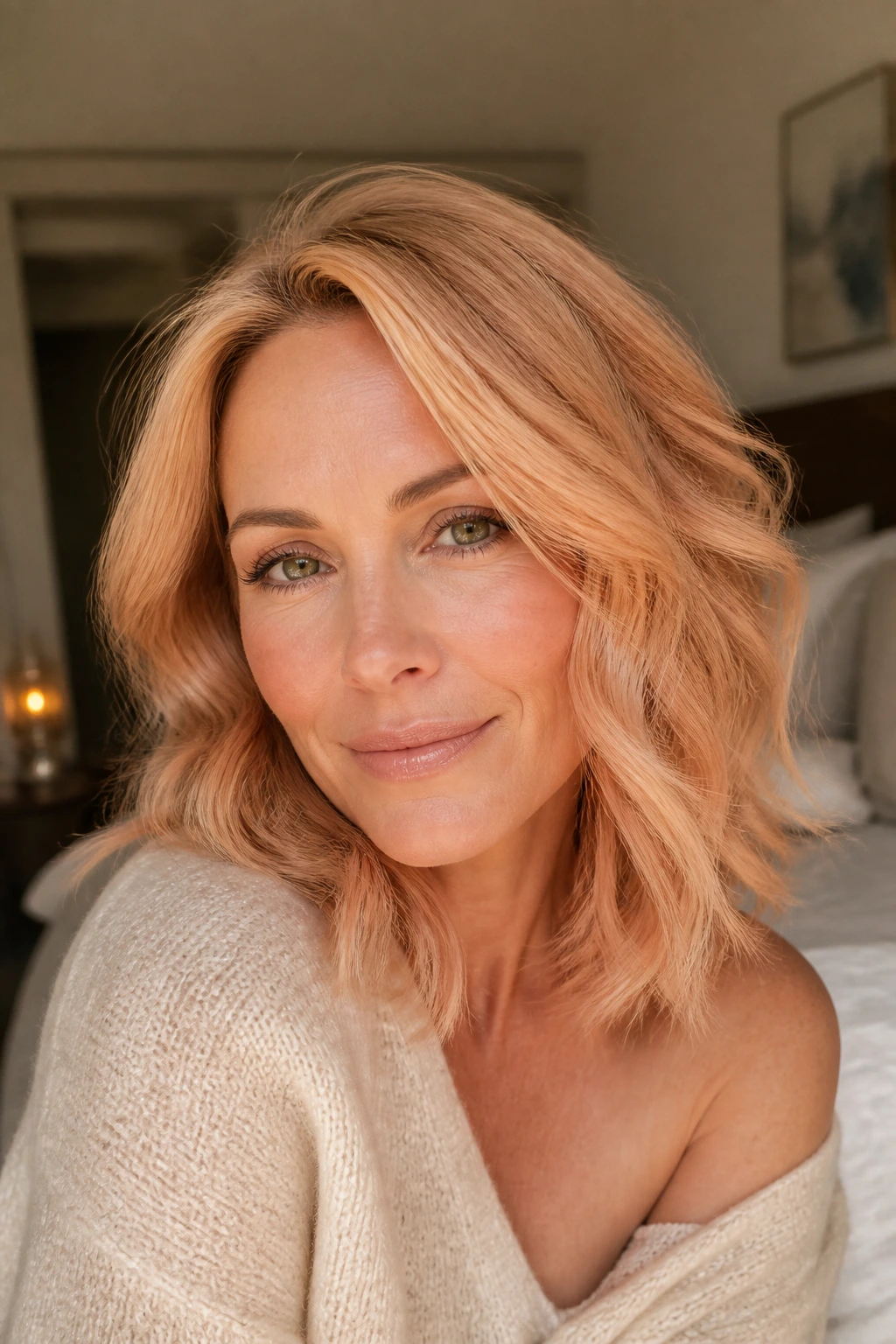
Apricot is a soft, pastel-adjacent version of strawberry. It is less intense and more ethereal. This shade is fantastic if your skin tone has neutral to warm undertones. It creates a soft, almost glowing appearance that is very flattering for more mature skin.
The Reality Check: This is a trend-forward shade. It requires a specific temperament. You have to be okay with it fading quickly. This isn’t a “set it and forget it” color. If you love the idea of a playful, slightly different color but don’t want to go full-blown pink or purple, apricot is your bridge. It is professional enough for an office but fun enough for a weekend.
14. Espresso-to-Blonde Sombre
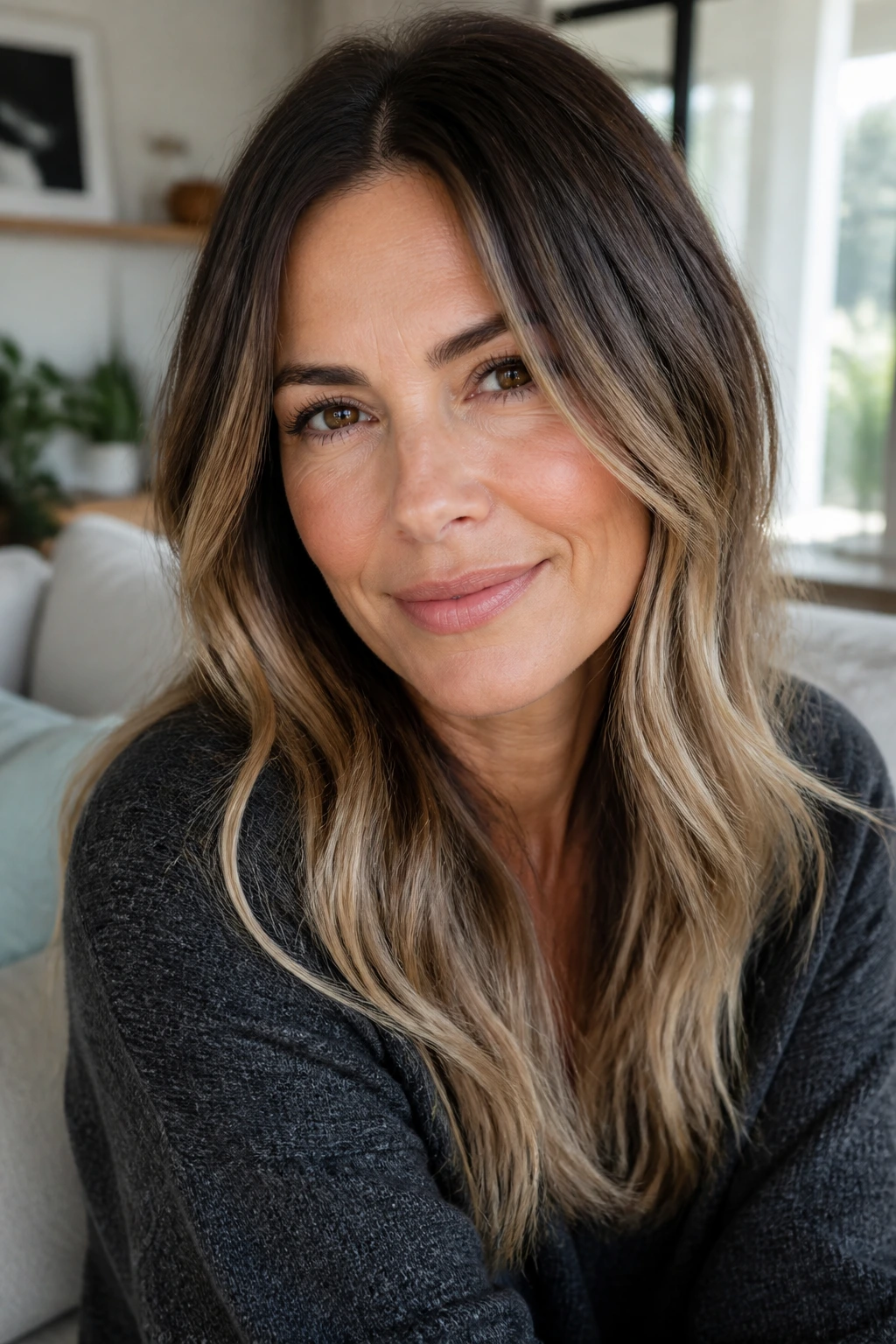
Sombre is “soft ombre.” It is the whisper version of the look. Starting with an espresso root and melting it into a dark blonde or light brunette end is incredibly sophisticated. It is a grown-up, polished way to play with blonde.
Why It’s Great for Texture
If your hair texture has changed in your 40s—maybe it’s a bit frizzier or coarser than it used to be—this look is your friend. Because you keep the roots darker, you are not bleaching the most fragile, newer growth. You are only lightening the older, stronger lengths of your hair. It keeps the integrity of your hair much higher than a full-head blonde.
15. Babylights with Root Smudge
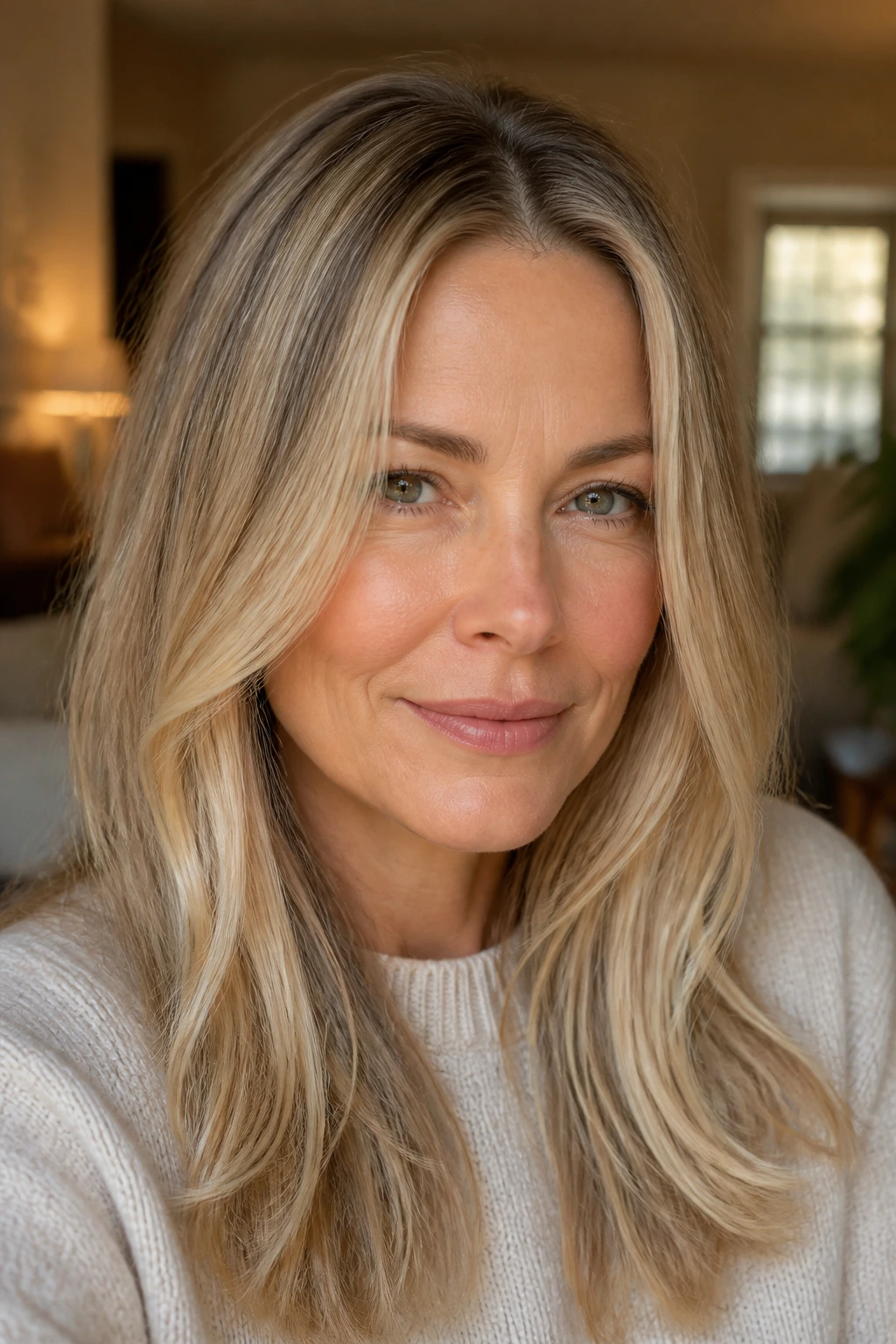
Babylights are extremely fine, delicate highlights that look like you spent the summer in the sun. When you pair them with a root smudge—where the stylist puts a darker toner on your roots—you get that “lived-in” color that feels very modern.
The Benefit: This is the ultimate low-maintenance look for someone who wants to be blonde but is terrified of root growth. The root smudge blends the highlights so seamlessly that you don’t have a solid stripe of regrowth. It is subtle, natural, and requires very little upkeep beyond a toning gloss every few months.
16. Pale Wheat Blonde
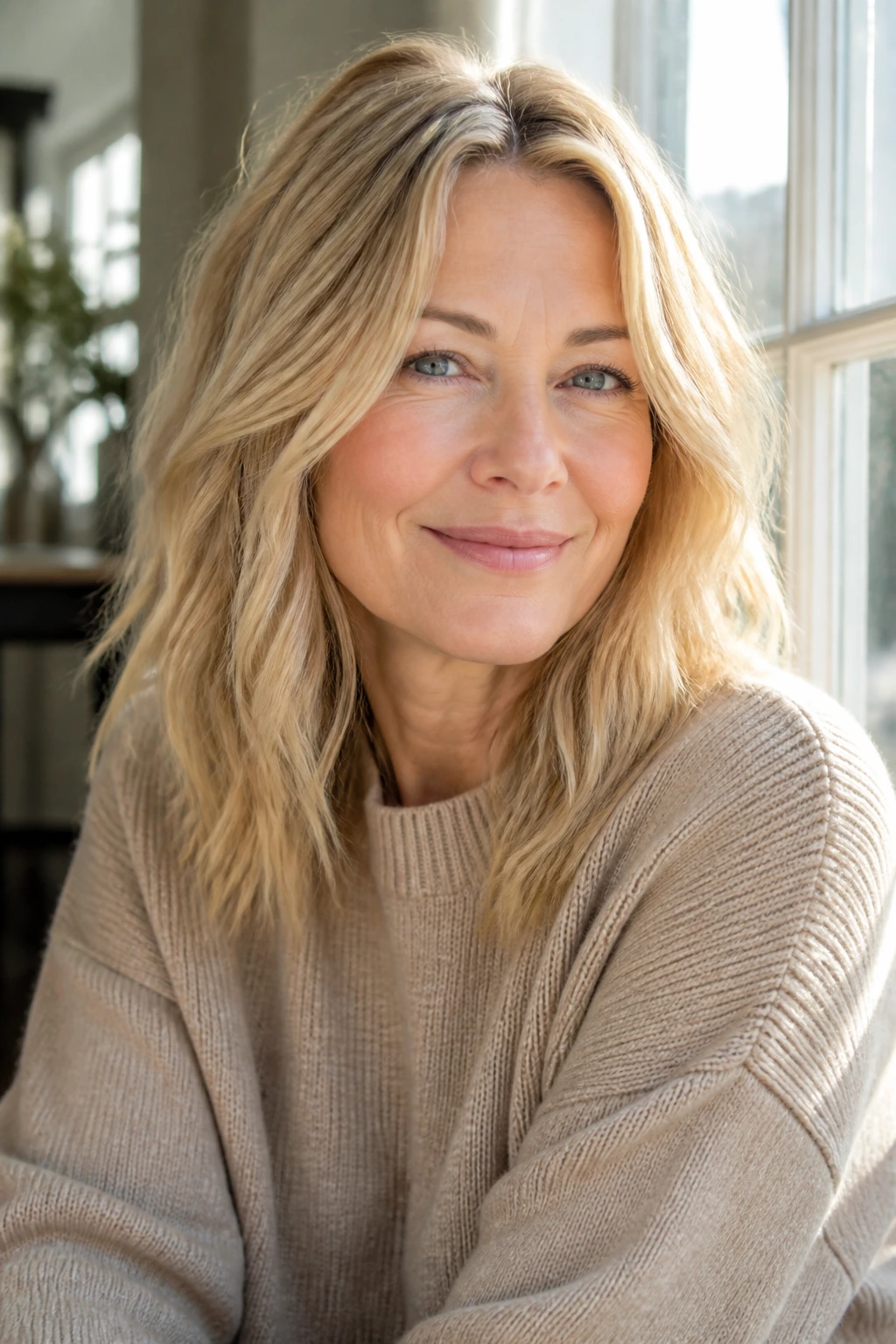
Think of the color of dried wheat in a field. It is not yellow, it is not white; it is a pale, neutral straw color. Pale wheat is a fantastic “all-over” blonde color if you have fine hair. It doesn’t have the harsh contrast of chunky highlights, so it doesn’t emphasize any sparseness.
Styling for Wheat Blonde
This color loves texture. It looks best in loose waves or a tousled bob. If you wear it pin-straight, it can occasionally look a little plain. A curling wand or a round brush blow-out is your best friend with this shade. It helps the light catch the variations in the color and makes it look purposeful.
17. Dirty Blonde With Highlights
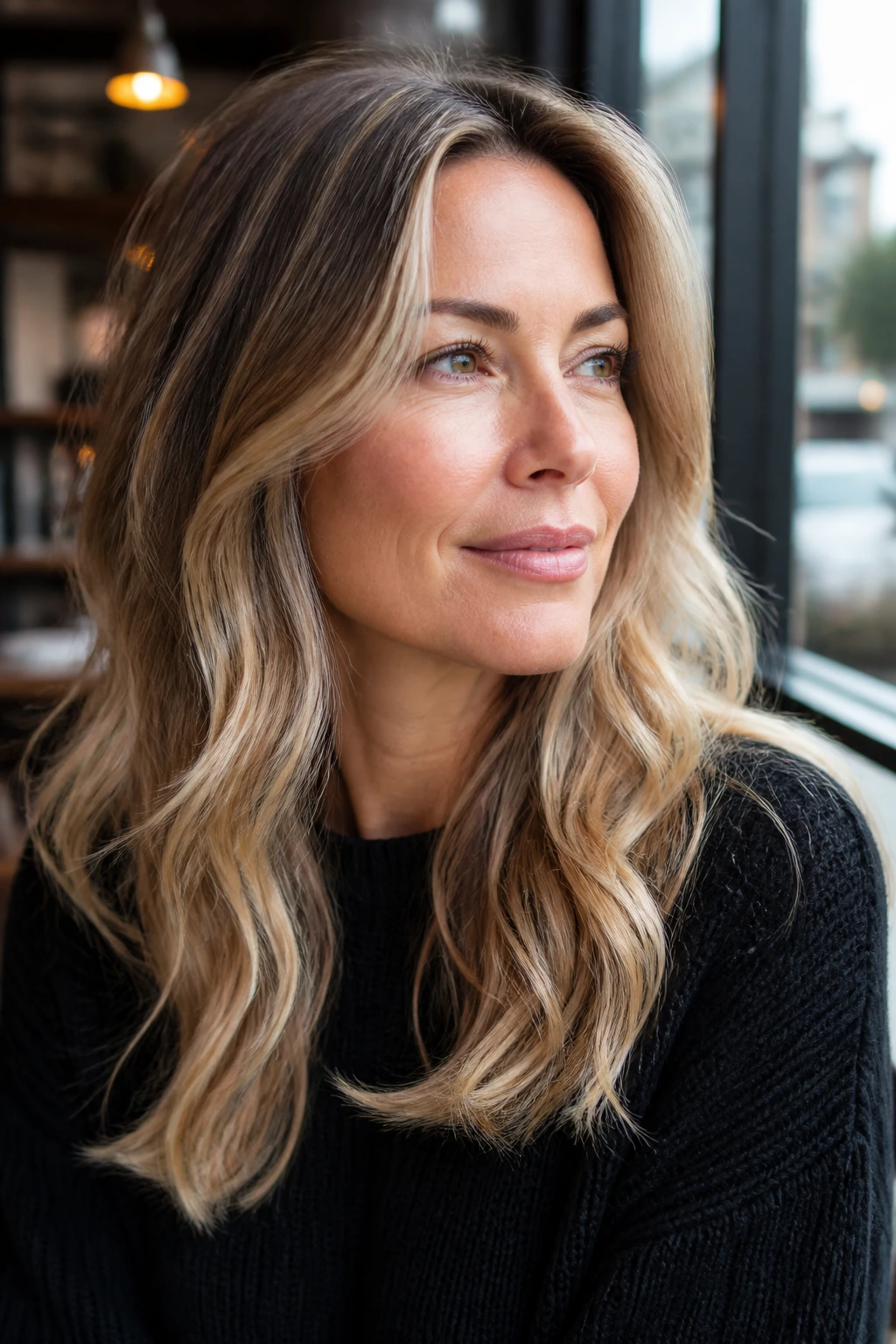
Dirty blonde—a dark, ash-heavy blonde—is often criticized, but it is actually the most “age-appropriate” and manageable blonde for many women in their 40s. It looks natural. It doesn’t try too hard. Adding a few brighter highlights through the ends gives it a polished finish without making you look like you’re trying to recapture your youth.
Why It Wins: It is effortless. If you find a gray hair? It blends right in. If you skip a salon appointment by three weeks? Nobody notices. It is the color of convenience, and there is nothing wrong with prioritizing that when you are juggling a busy life.
18. Butterscotch Babylights
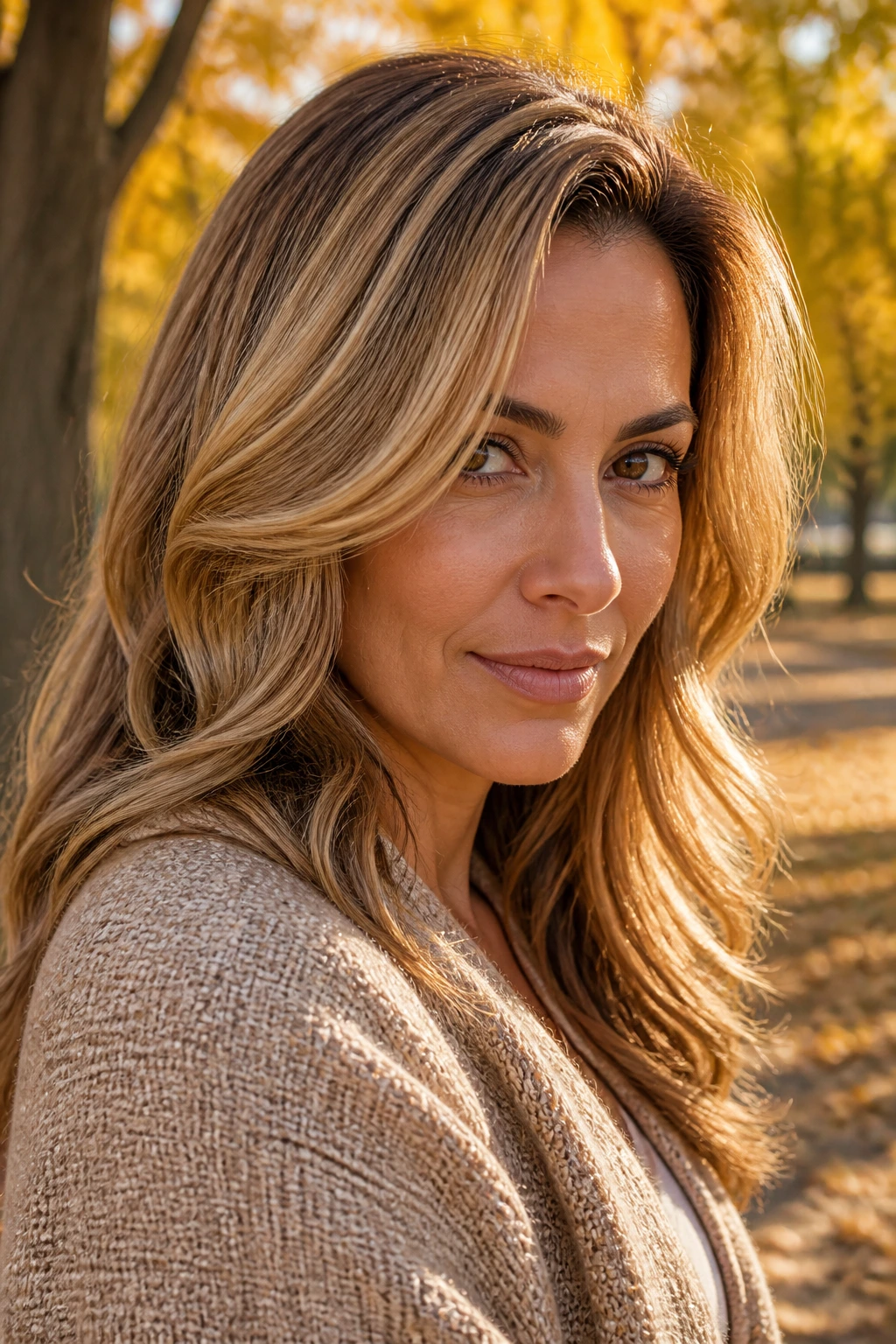
Butterscotch is a darker, richer, more complex version of honey. It has depth. When you use it for babylights, you aren’t trying to achieve maximum brightness; you are trying to achieve maximum dimension.
The Vibe
This is a very autumnal, warm, cozy color. It looks stunning on people with olive or tan skin. If you have light eyes—blue or green—this color makes them pop by providing a warm contrast to the cool tones of your iris. It is a smart, nuanced color choice.
19. Soft Buttercream Balayage
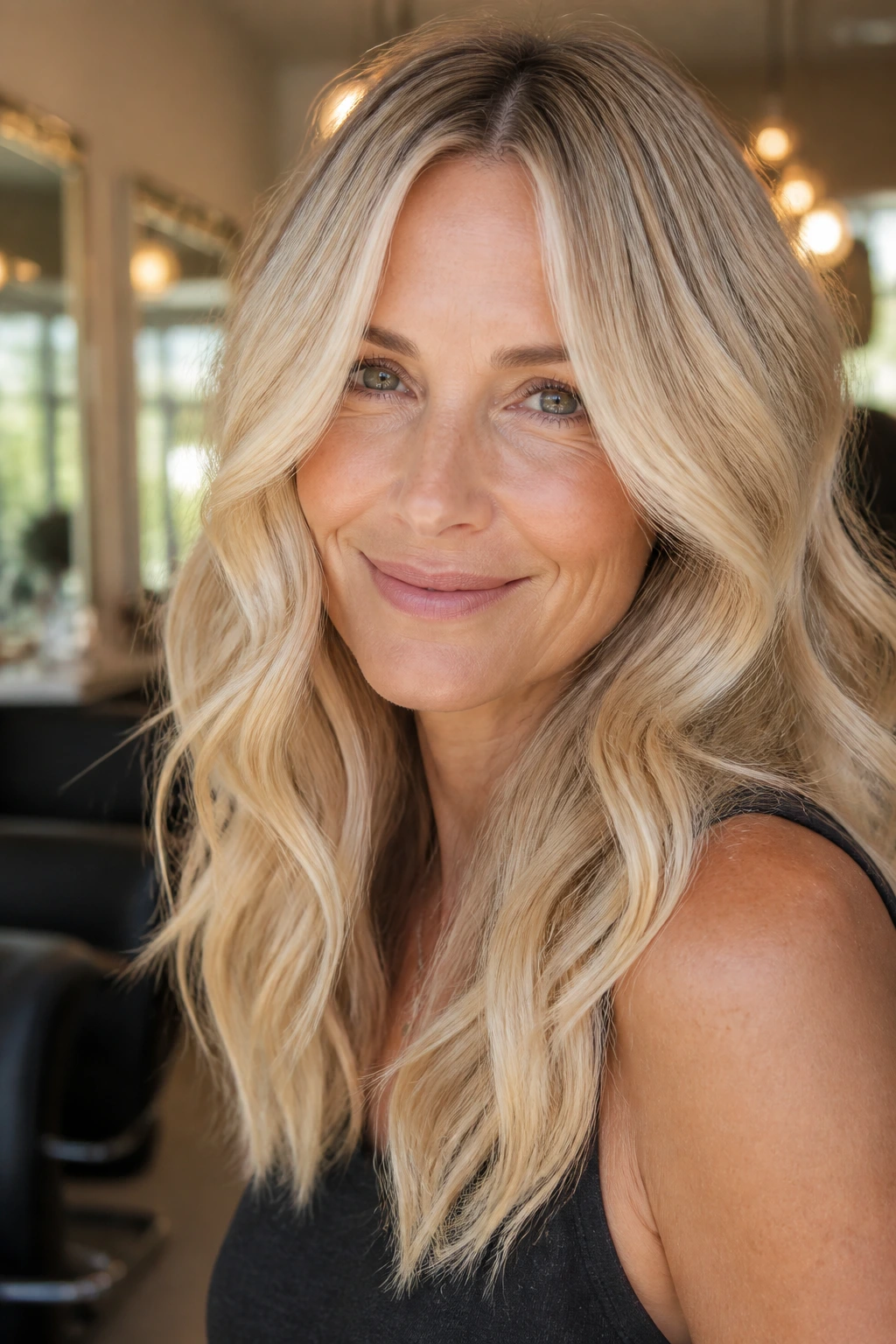
Buttercream is a bit cooler and lighter than honey, but it doesn’t have the harshness of platinum. It’s a very soft, creamy, almost pastel-leaning blonde. It’s a great way to soften features that might be feeling a bit “heavy” due to darker hair colors.
Application Tip: Because this color sits on the edge of “too light,” ensure your stylist uses a bond-builder treatment during the lightening process. In your 40s, hair elasticity is precious. You cannot afford to skip the Olaplex or equivalent bond-repair steps. This keeps your hair feeling like hair, not like straw.
20. Bright Platinum Ends
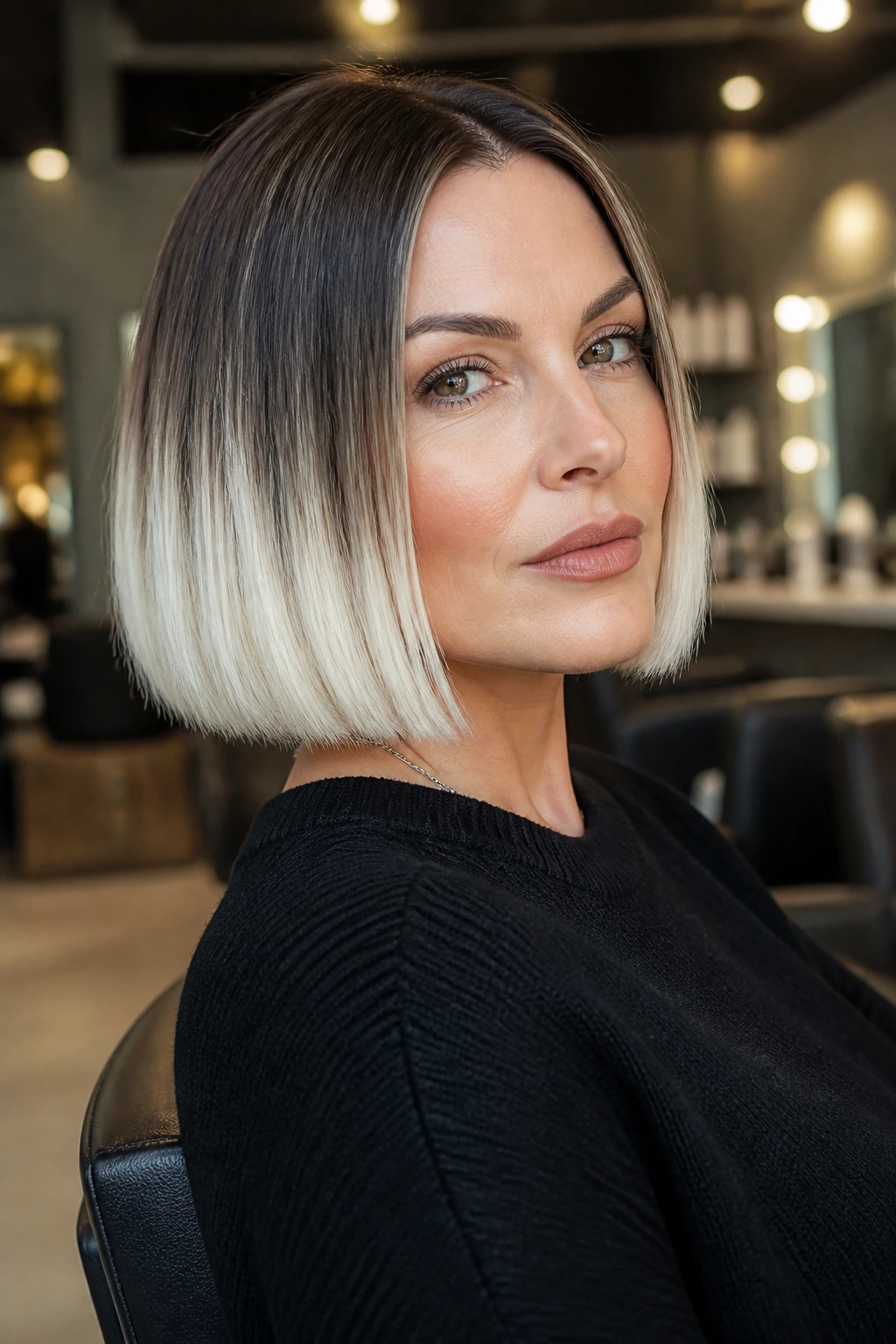
If you have a blunt haircut—like a sharp bob or a lob—dipping your ends in a bright platinum can be a cool, edgy choice. It’s a modern twist on the “dip dye” without the neon colors.
The Contrast
It creates a graphic line. It shows off the precision of your haircut. It is not for the faint of heart, but it is excellent for someone who wants to signal that they are stylish and confident. Pair this with a bold lipstick, and you have a signature look that is undeniably memorable.
21. Natural Beige Bronde
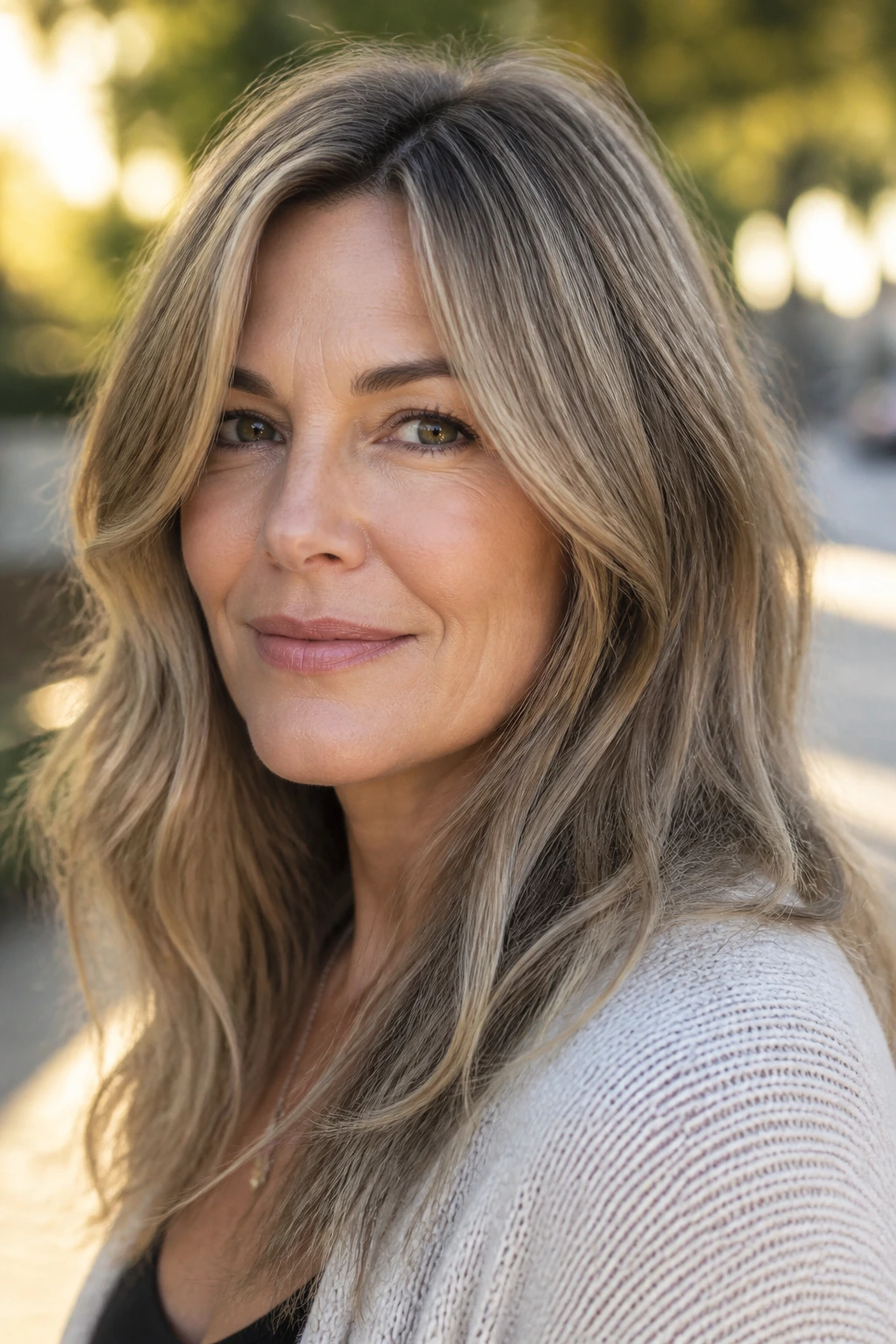
“Bronde” is the hybrid of brown and blonde. Natural beige bronde is the color of a sandy beach. It is neutral, easy to wear, and works with almost every wardrobe color. It is the color equivalent of a good pair of jeans—reliable, classic, and never out of style.
The Maintenance: You will need a purple-toned shampoo to keep the “beige” from turning into “brass.” Beige is a delicate balance. If it gets too warm, it becomes yellow; if it gets too cool, it becomes ash. Keep a high-quality maintenance shampoo in your shower to keep the tone “in the middle.”
22. Warm Honey Glaze
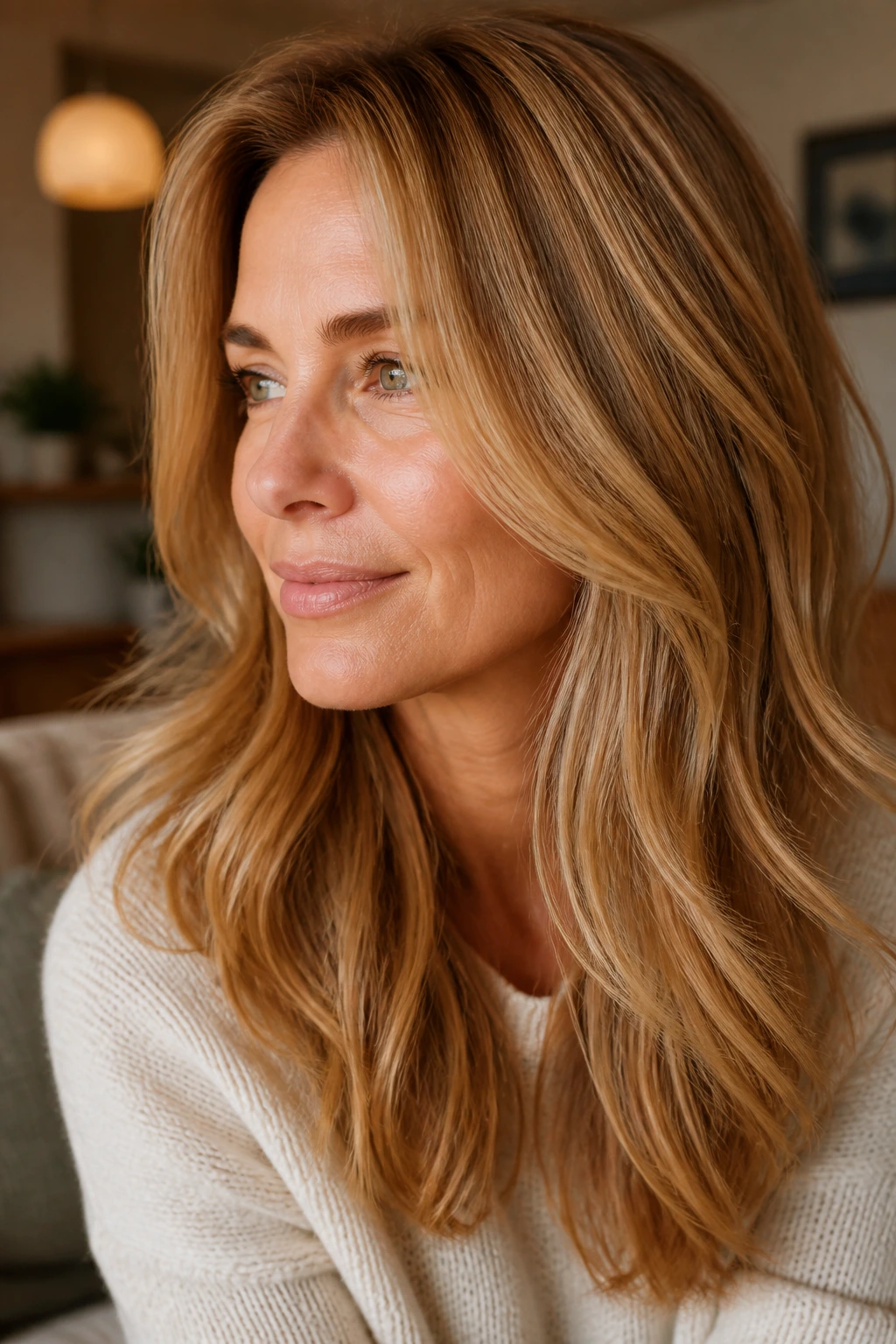
A glaze is a demi-permanent color that sits on the surface of the hair shaft. A warm honey glaze is the fastest way to get a “glow up.” It adds immense shine and a tint of golden-honey color. If you are already a blonde but your color is feeling a bit dull, a warm honey glaze is the fix.
Why Glazes Are Great
They don’t damage your hair. In fact, they usually make it smoother and shinier. It is a low-risk, high-reward service. If you are nervous about committing to a new, permanent color, start with a glaze. It washes out in four to six weeks, so you can test the waters without the fear.
23. Modern Frosted Tips
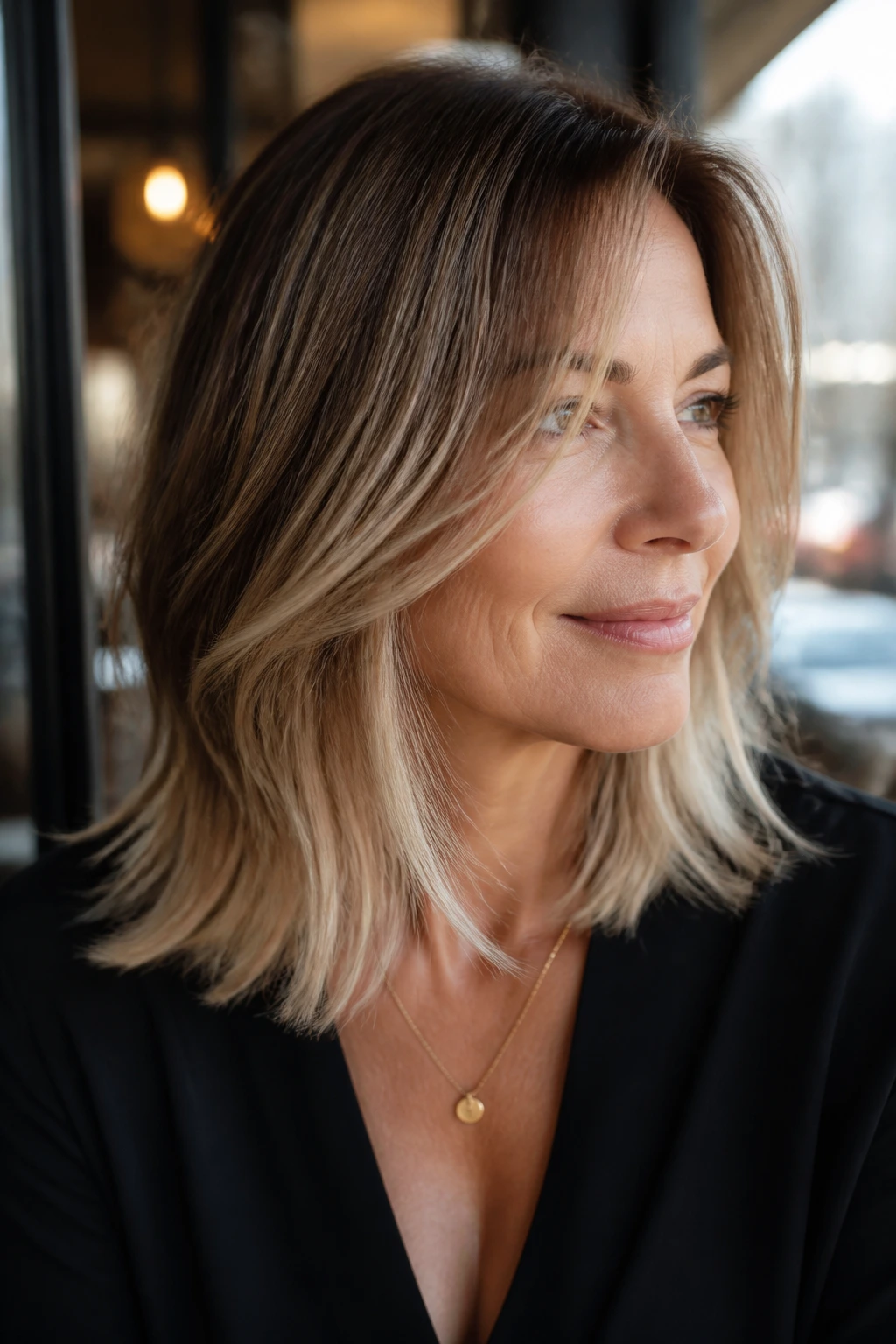
Yes, “frosted tips” are back, but not in the way they were in the 90s. The modern version involves a darker base with very fine, delicate, bright-blonde tips. It is subtle and creates an impression of movement and lightness.
The Execution: Ask your stylist for “soft-tipped” ends. You do not want a chunky, zebra-stripe look. You want the ends to look like they’ve been kissed by the light. It creates a beautiful halo effect when the hair moves. It is great for shoulder-length hair or longer.
24. Copper-Blonde Hybrid
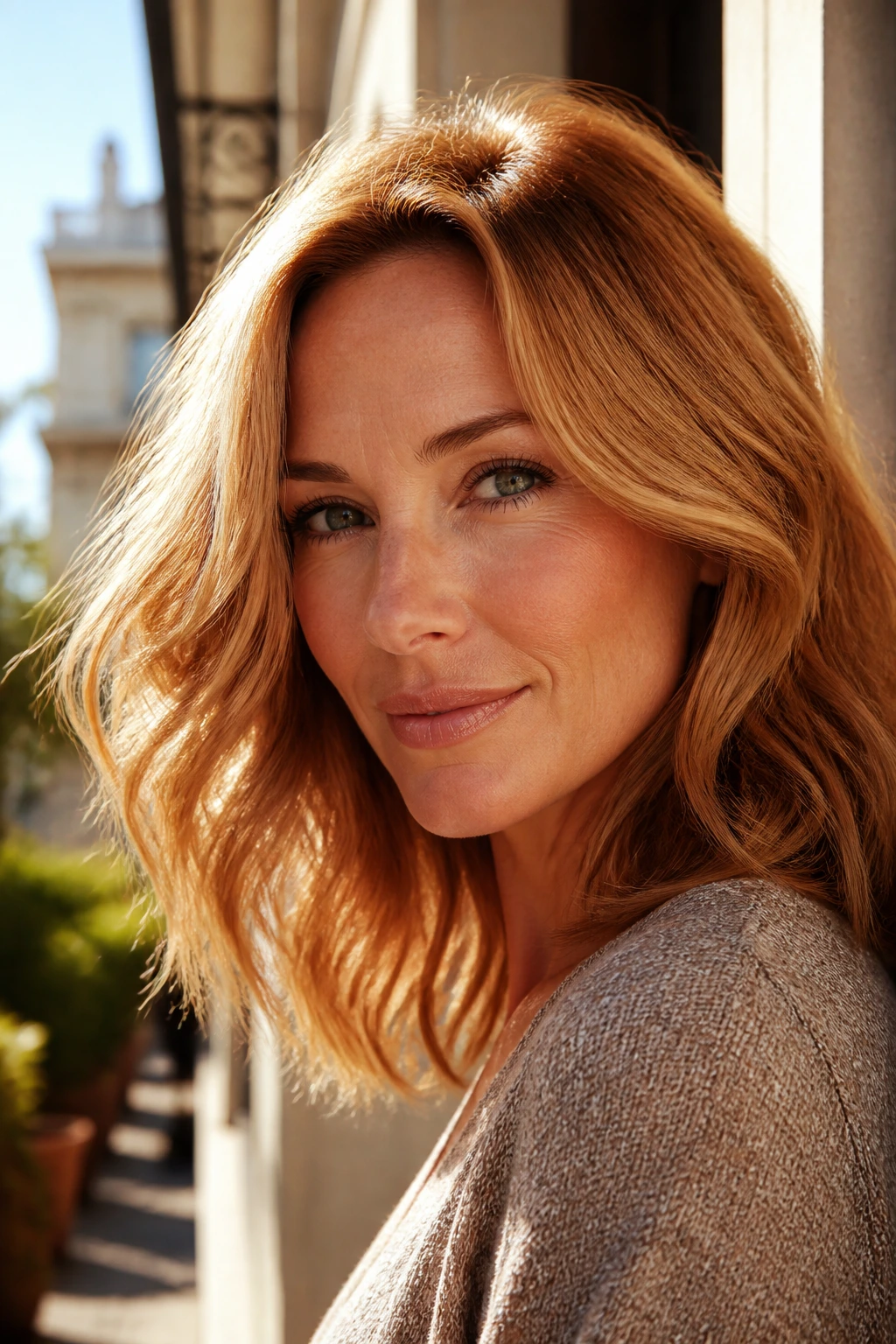
The “strawberry” trend is great, but a copper-blonde hybrid is more sophisticated. It leans more into the orange-gold spectrum. It is bold, it is fiery, and it is unapologetic.
Making It Work
This shade requires commitment. You are essentially painting your hair with warm, vibrant pigments. If you have been living in the cool-blonde world, this will be a shock. Prepare your skin tone by maybe opting for a slightly warmer bronzer or lipstick. This color demands that you adjust your makeup palette to match the warmth in your hair.
25. Silver-Blonde Fusion
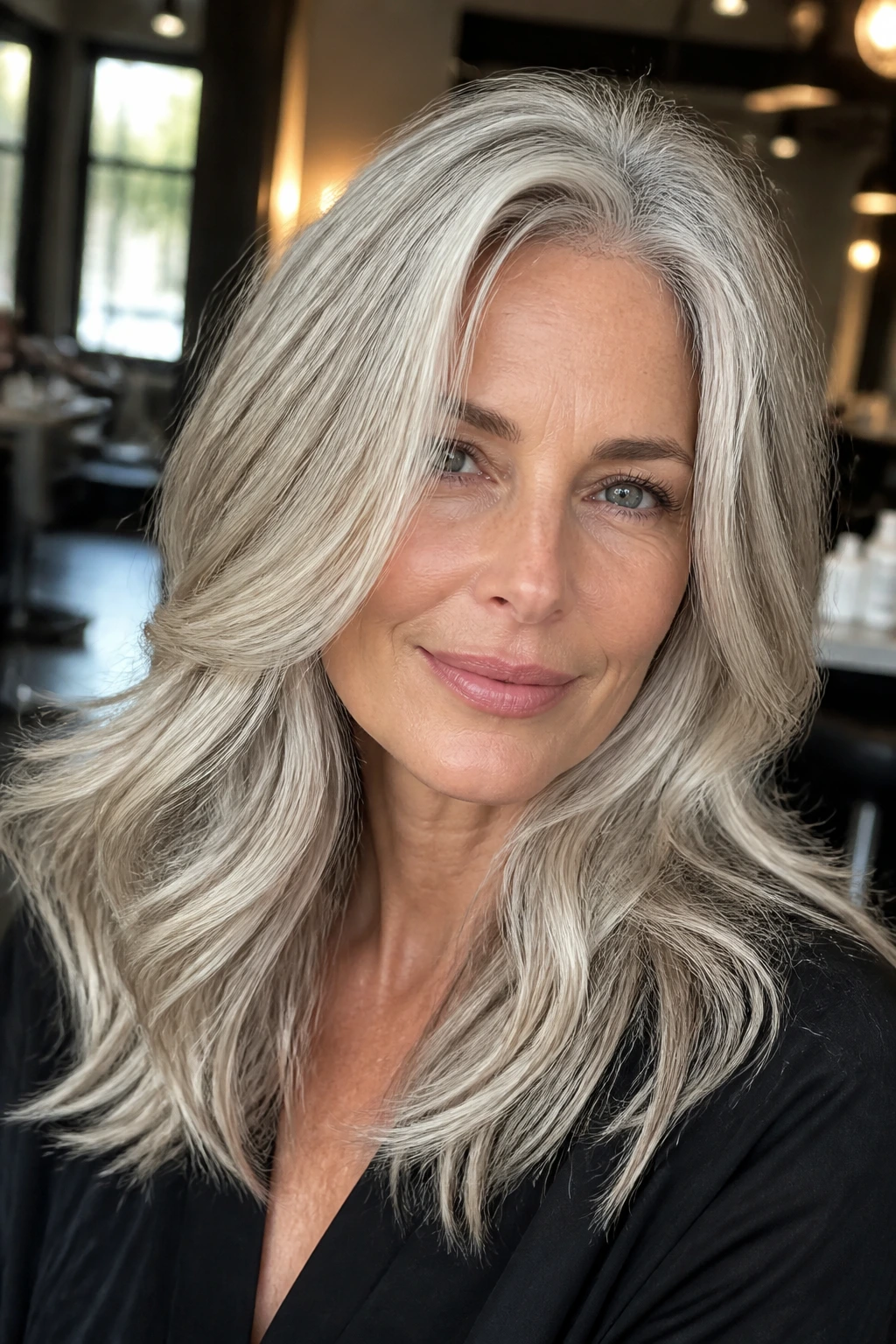
If you are starting to see significant gray, don’t fight it. Lean into it with a silver-blonde fusion. This involves using lightener to bleach the hair to a very pale level and then applying a silver/violet toner. It turns your gray into a deliberate highlight.
The Strategy: This is a high-skill color. Do not try this at home with a box dye. You need a colorist who understands how to lift pigment without creating that “Easter egg” yellow. When done correctly, it is one of the most elegant, powerful, and liberating colors you can wear in your 40s.
26. Sun-Kissed Face Framing
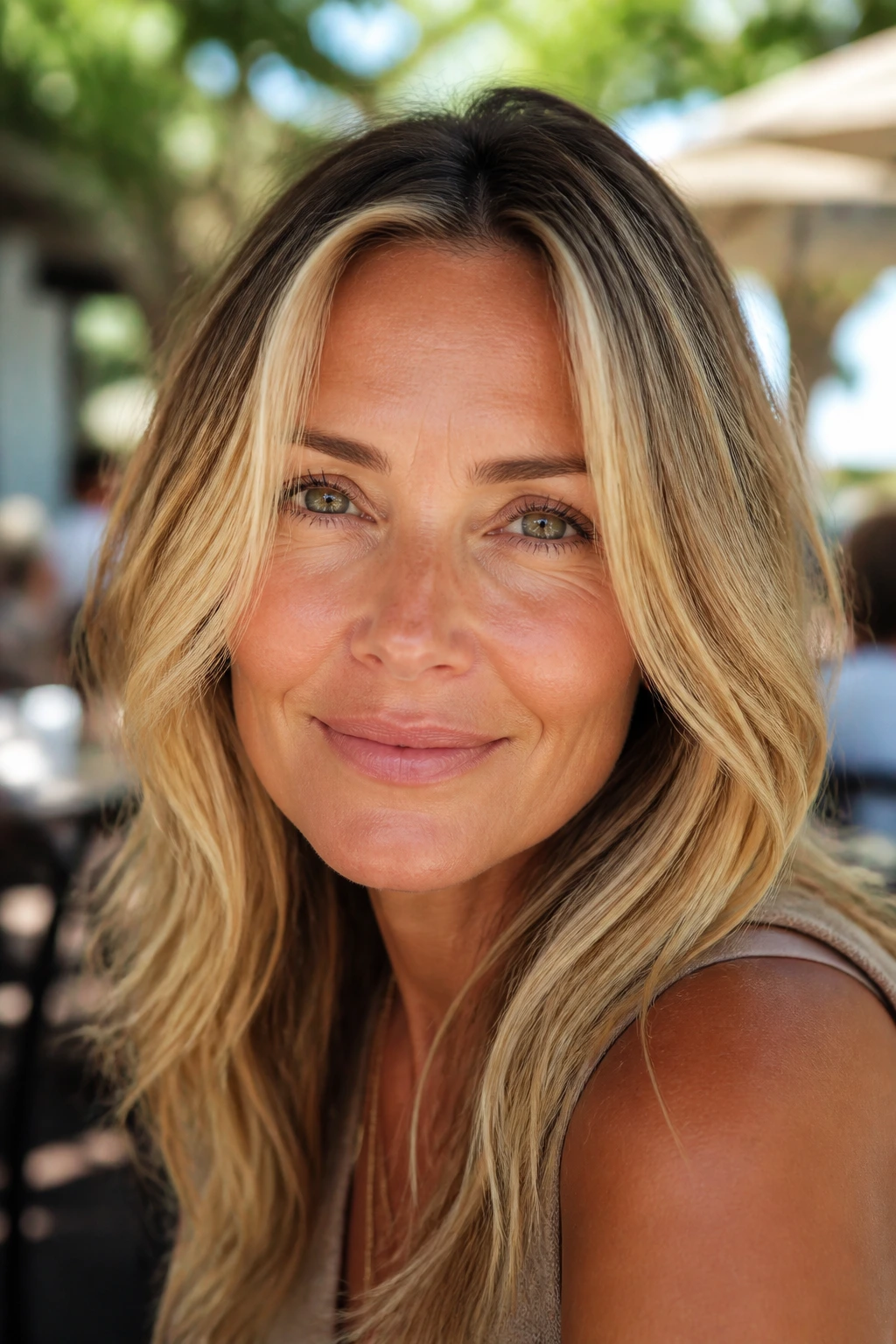
This is the “vacation look.” It’s a very natural color—usually just a few shades lighter than your base—placed specifically to frame your face. It is minimal, it is easy, and it is arguably the most “natural” looking blonde you can get.
For the Low-Maintenance Woman
You can get this done once or twice a year. Because it is so close to your natural color, regrowth is invisible. It’s perfect for someone who works a corporate job or just doesn’t have the time to live in the salon. It adds a touch of brightness to your face without any of the hassle of global lightening.
27. Rich Butter Blonde
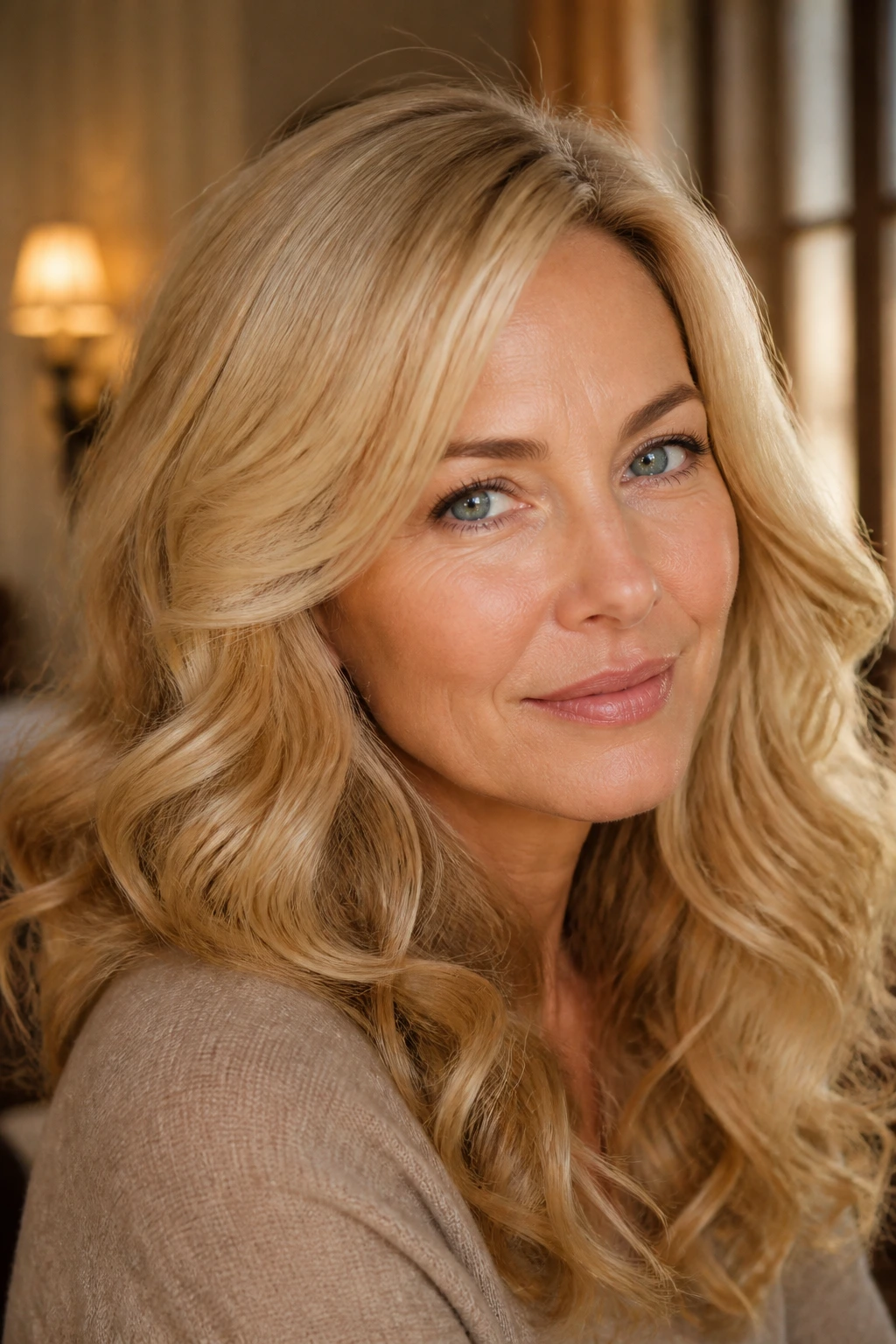
This is a warm, creamy, dense color. It is not transparent or translucent. It has weight and saturation. It is a beautiful option for people with naturally thick or curly hair.
The Texture Factor: Rich, saturated colors often look better on thick, textured hair because they show off the shape of the curl or wave. If you have flat, straight hair, this color can sometimes feel a bit heavy. But for those with natural body, it is a stunning, classic blonde that looks incredibly healthy and well-cared for.
28. Dimensional Ash Blend
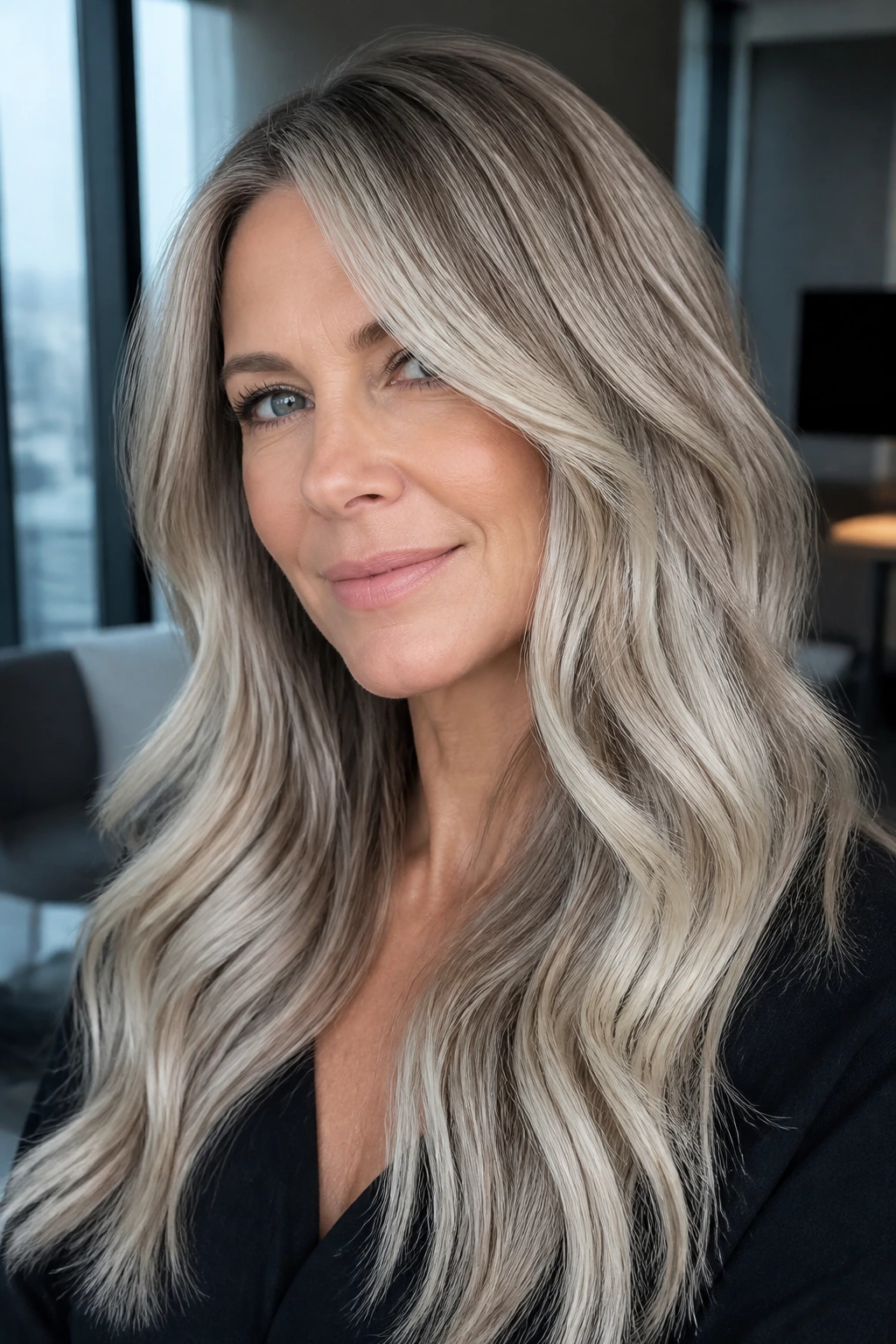
Ash does not have to mean “dull.” A dimensional ash blend uses three or four different shades of cool blonde—platinum, ash, silver, and cool-beige—to create depth. It is a work of art on your head.
The Maintenance Requirement
This requires regular toning. Cool tones are notorious for fading. If you want this to look good for more than two weeks, you must use a professional-grade purple or blue shampoo. Do not skip this step. If you do, you will wake up one day and realize your “dimensional ash” has turned into a muddy, dull yellow.
29. Subtle Strawberry Glaze
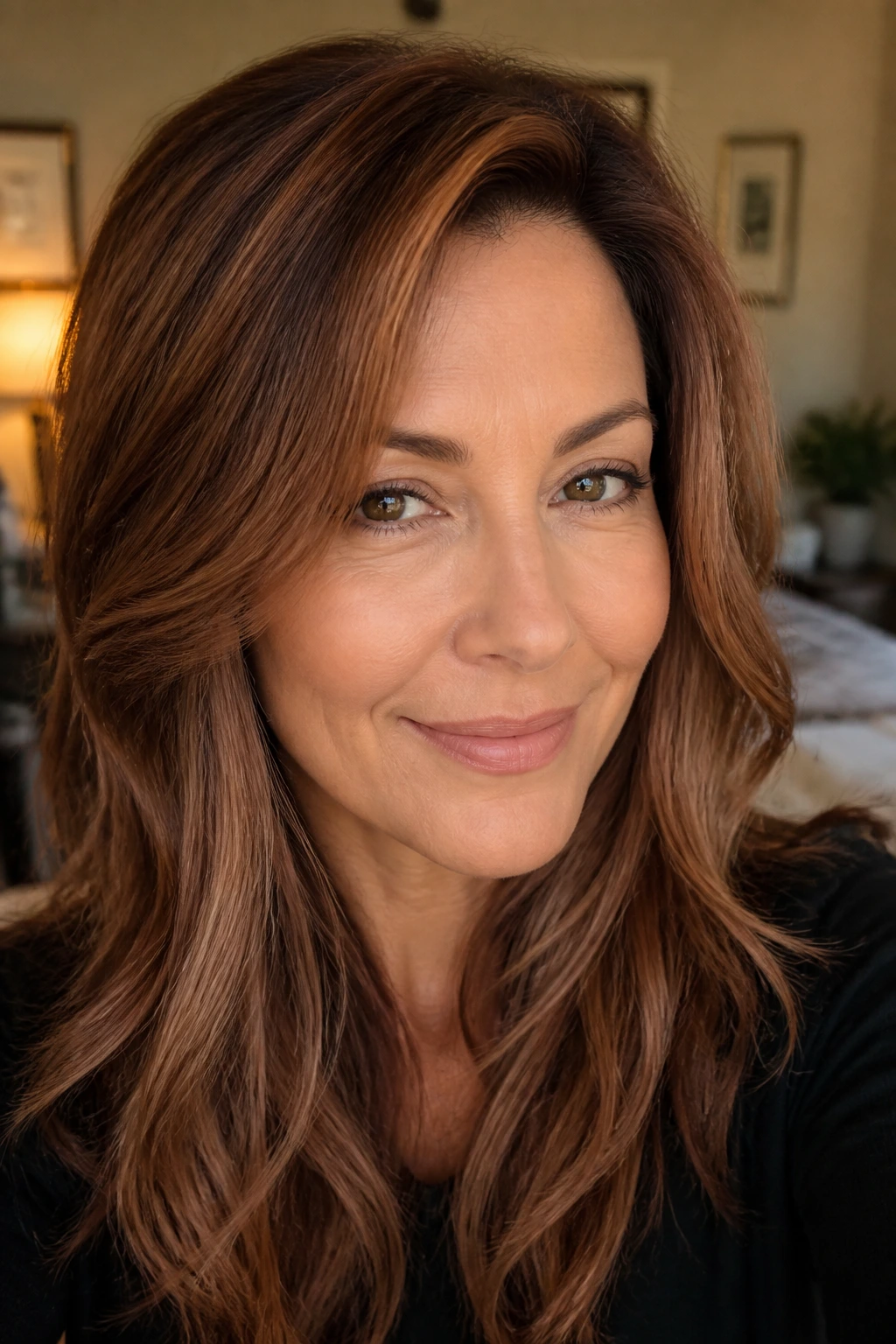
If you are a brunette who wants to flirt with blonde but is scared to commit, a subtle strawberry glaze is the perfect entry point. It adds a hint of warmth and a touch of red-gold without stripping your hair of its original depth.
The Result: It’s a “your hair, but better” situation. It creates a subtle, romantic effect. It catches the light in a way that feels organic. It is a great way to transition into warmer colors if you are coming from a long history of dark, cool-toned hair.
30. Neutral Sand-Blonde
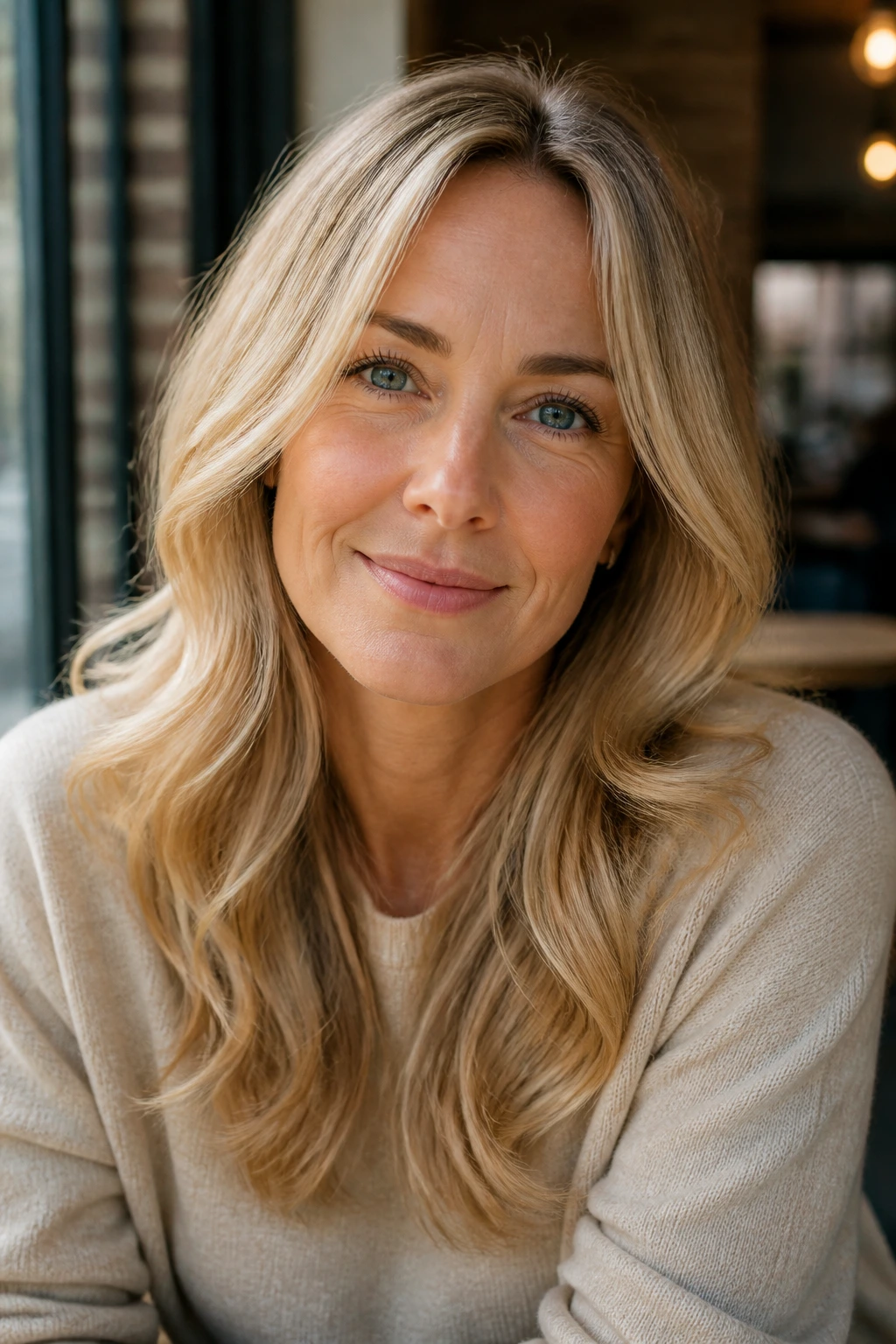
Finally, we arrive at neutral sand. It is the middle-of-the-road, don’t-overthink-it blonde. It is not too warm, not too cool, not too bright, not too dark. It is the color of a classic beige sweater.
The Verdict
Sometimes, we overcomplicate hair color. We think we need a “technique” or a “trend.” Sometimes, all you need is a solid, neutral, well-executed blonde that makes your hair look healthy and shiny. Sand-blonde is that color. It is reliable. It works with every season, every wardrobe, and every age. If you are indecisive, start here. You can always go lighter or darker later, but you will never regret a well-executed neutral blonde.
Final Thoughts
Finding the right blonde in your 40s is about letting go of the idea that there is one “perfect” shade you used to wear and accepting that your color can evolve just like your style does. Whether you choose a high-maintenance platinum or a low-maintenance lived-in root, the most important factor is the health of your hair. Use bond-builders, invest in professional-grade purple shampoo, and prioritize gloss treatments to keep the cuticle smooth.
Ultimately, confidence is the best accessory, but having a color that reflects your face and brightens your complexion doesn’t hurt. Talk to your stylist about the specific tones that work for your skin, be realistic about your maintenance budget, and don’t be afraid to try something new. Hair is one of the few things in life that is truly temporary; if you don’t love it, it will grow out, or you can change it again in a few months. Enjoy the process of finding your light.
