



A short straight bob has no place to hide. If the line is off by a quarter inch, you see it. If the ends are wispy, you see that too. That is the charm and the danger of it.
On sleek hair, a bob can look crisp in a way longer cuts rarely do. The perimeter lands right where the eye catches it — around the jaw, the ear, or the top of the neck — and that clean edge can make hair look fuller without leaning on layers. For fine hair, that matters. For thick hair, it can be a relief.
Picking the right version is where people go wrong. A chin-length blunt cut, a tucked bob, and a micro bob all behave differently once you add a flat iron and a little humidity. Some shapes want a middle part and a soft bevel under the ends. Others need hidden removal at the nape so they do not puff out like a triangle by noon.
These 20 short straight bobs for sleek hair cover the cuts that stay sharp, feel deliberate, and work with the blunt honesty of straight hair. Start with the cleanest line and work toward the bolder shapes. The differences are small on paper. In the mirror, they are not.
1. The Chin-Length Blunt Bob
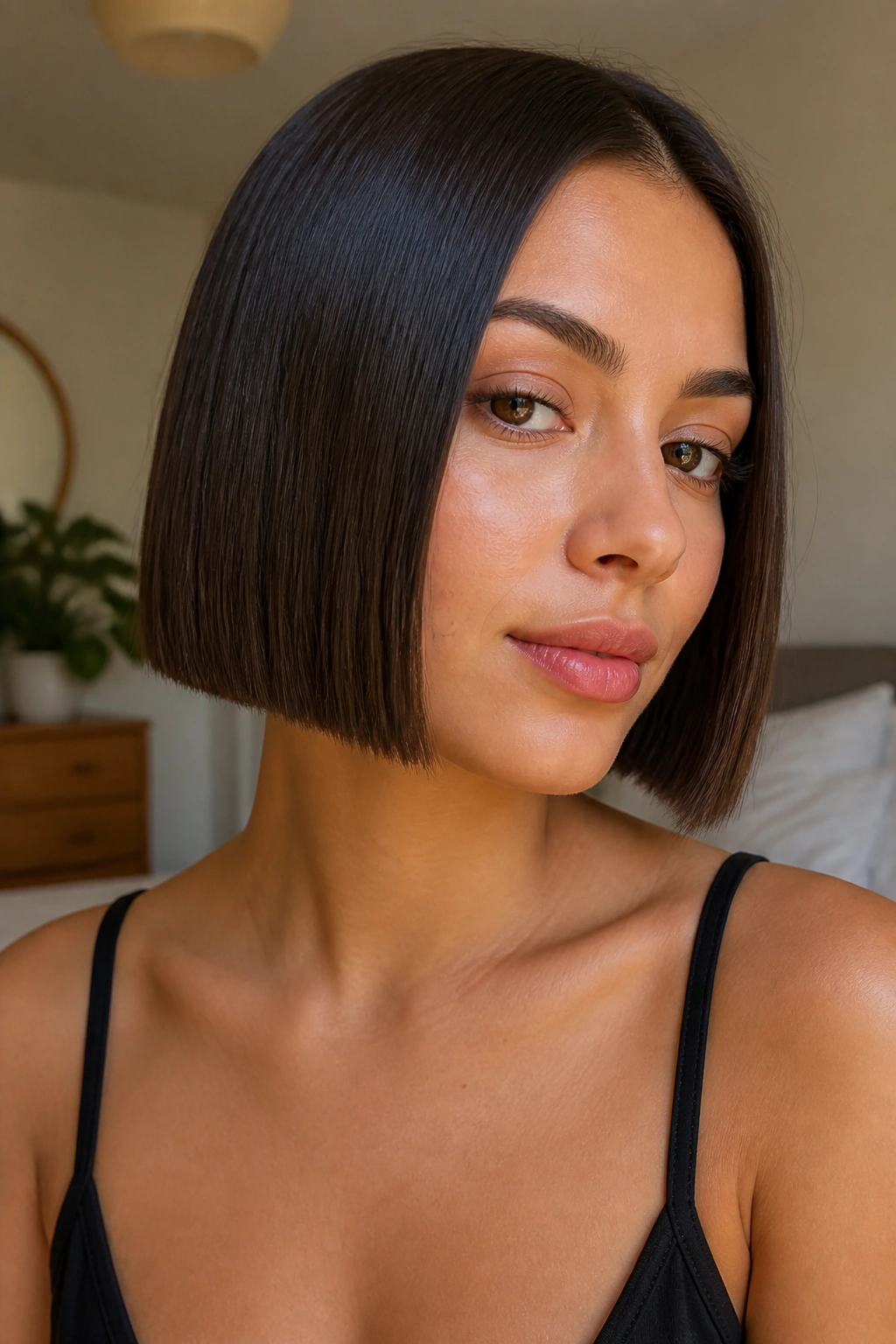
This is the bob that makes straight hair look disciplined. The edge sits right where the jaw wants attention, so the whole face feels a little sharper and the hair looks thicker at the ends.
Why It Works on Sleek Hair
A chin-length blunt bob thrives on clean geometry. There is no soft landing, no hidden layer doing the work in the background. The shape relies on the cut line itself, which is exactly why sleek hair suits it so well.
Ask for the perimeter to land right at the chin or a hair below it. Too short and the shape can feel severe. Too long and it starts drifting into lob territory, which changes the whole attitude.
- Keep the bottom line blunt, not feathered.
- Use a paddle brush or a 1-inch round brush for a slight bend under the ends.
- A light shine cream on the last 2 inches keeps the finish tidy.
Best tip: If your ends look thin when you tuck your chin down, the line needs to be heavier, not softer. A blunt bob should look almost carved.
2. The Ear-Grazing Micro Bob
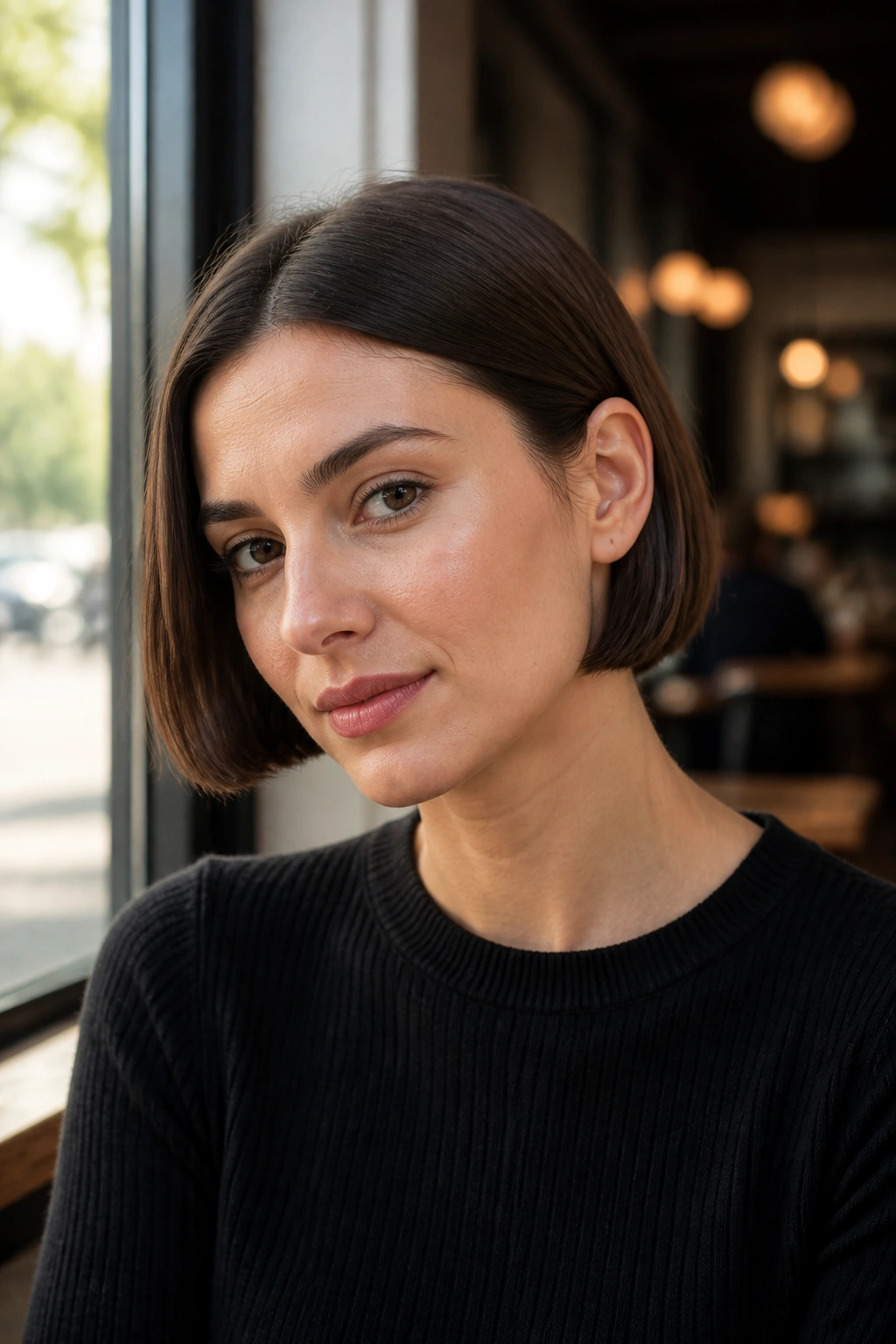
Nothing looks sharper than a micro bob that stops just below the ear. It feels tiny, polished, and a little bit daring without needing much else from your styling routine.
The reason it works is simple: straight hair shows the cut exactly as it is. No wave blurring the line, no fluff hiding the shape. On a micro bob, that honesty becomes the whole point. The shorter length also puts the cheekbones and eyes front and center, which is why this cut can look so strong with very little effort.
This one is not forgiving if you hate regular trims. Skip the trim for too long and the shape grows out awkwardly, especially around the jaw. Keep the line tight every 5 to 7 weeks, and it stays crisp.
Seriously.
A micro bob is best when you like a neat silhouette and you do not mind styling the ends flat. A smooth blow-dry with a nozzle attachment, then a quick pass with a flat iron at low heat, is usually enough. The cut does most of the talking anyway.
3. The A-Line Bob
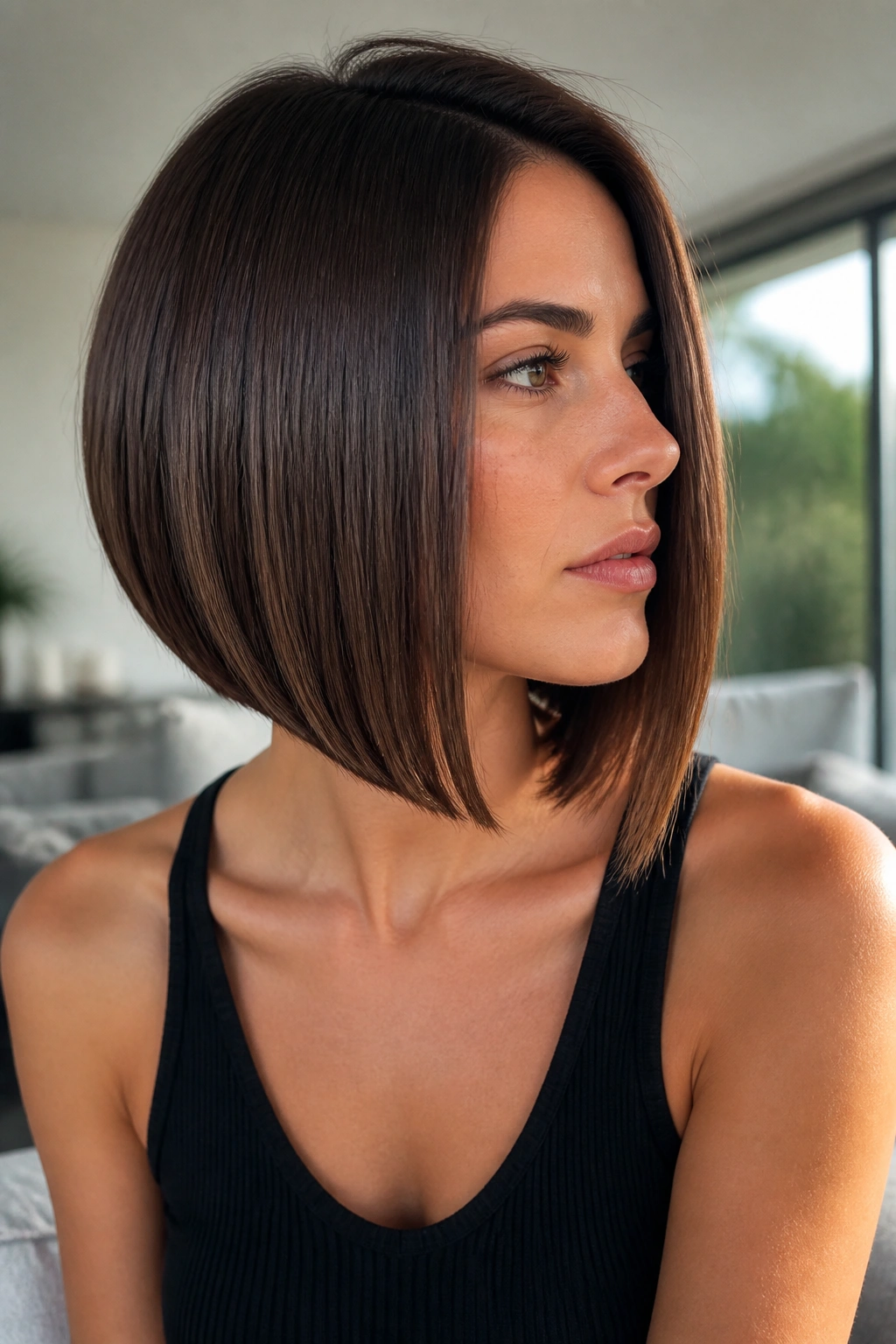
Why does the A-line bob make straight hair look longer and thicker at the same time? Because the front pieces pull the eye forward while the shorter back keeps the neck open and clean.
That slight slope changes the whole mood. A classic blunt bob reads direct and tidy; an A-line bob feels a little more sculpted. The front can fall one to two inches longer than the nape, and that tiny difference gives the style movement without giving up the straight, sleek feel that makes it work.
How to Ask for the Shape
Tell your stylist you want a soft A-line, not a dramatic wedge. That matters. Too much angle and the cut starts feeling dated fast. Too little and it just becomes a regular bob with a vague front.
A narrow face usually likes a subtle angle. A rounder face can handle a bit more length in the front, because the diagonal line helps stretch the outline without looking fussy. Keep the ends clean and let the length difference do the work.
A flat brush and a center part make the angle read even more clearly. That is the point. The shape should look intentional from every side, not just from the front.
4. The Box Bob
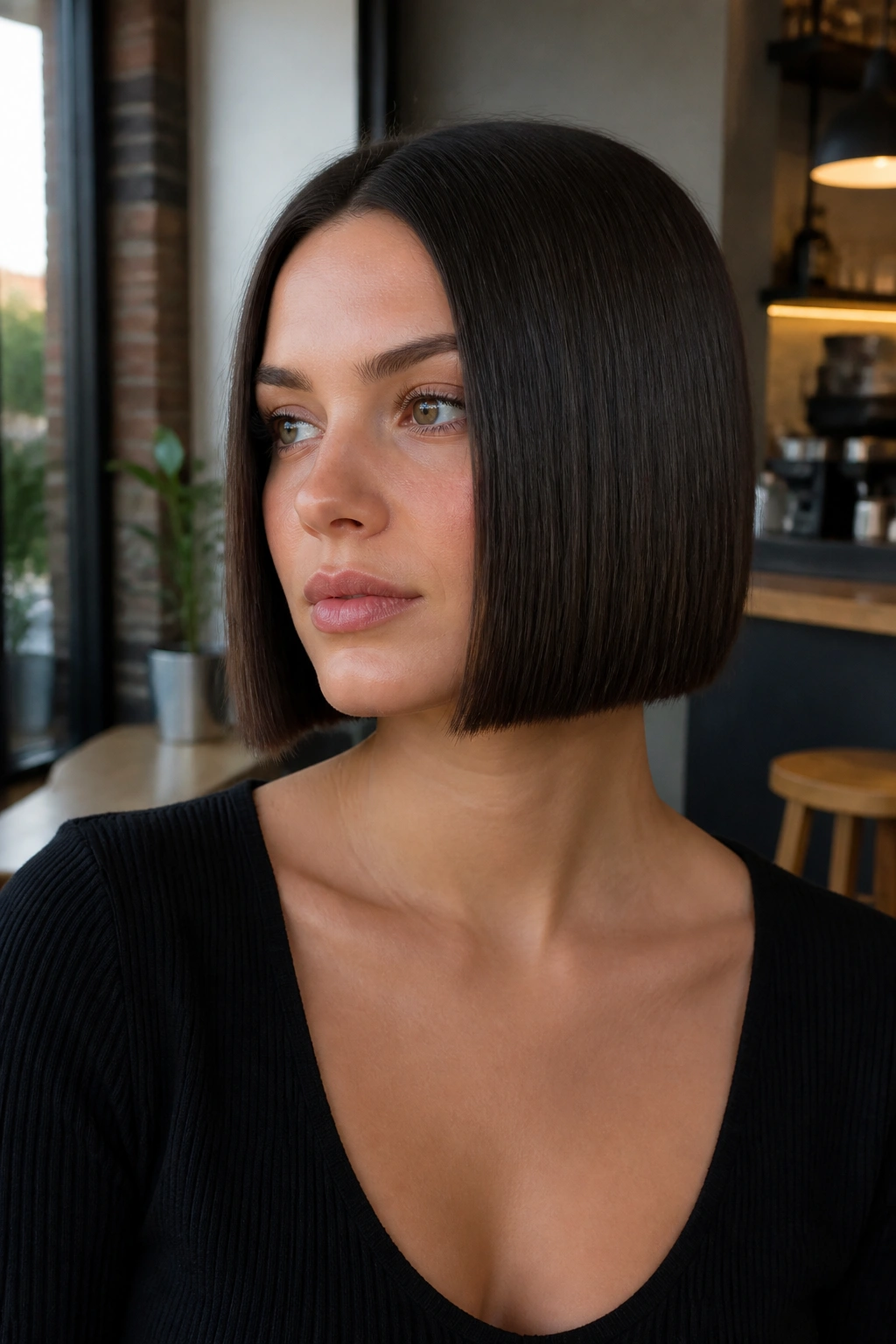
If your hair tends to float away from your head, the box bob is the one that puts it back in place. It has a square outline, clean corners, and a kind of no-nonsense feel that works especially well on sleek hair.
The trick is the sides. They stay closer to the face, and the bottom line sits blunt and even rather than rounded. That creates the “box” effect, where the silhouette looks structured from crown to hem. It can be gorgeous on fine hair because the cut line makes the ends look dense. It can also help thicker hair behave instead of puffing out at the temples.
- Ask for a straight perimeter with minimal internal layering.
- Keep the corners visible near the jaw.
- Use a smoothing balm before blow-drying so the sides lie flat.
A box bob is not trying to be soft. That is why it looks so good on sleek hair. The shape has confidence, and the haircut earns it.
5. The Nape-Skimming Bob
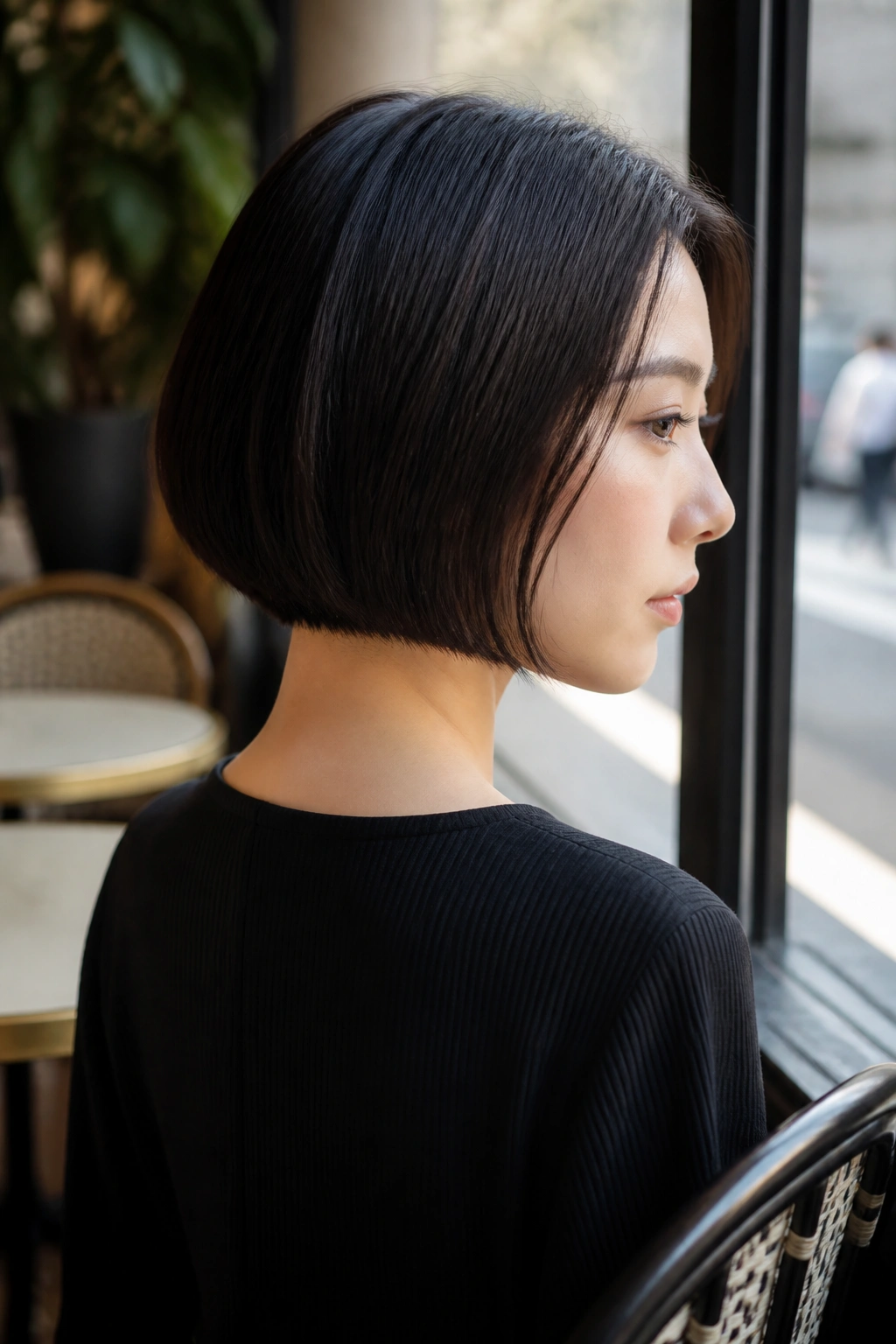
The nape-skimming bob is one of those cuts that looks simple until you wear it for a week. Then you realize how much easier it is to live with when the back sits just above the collar line.
This cut keeps the neck clean and makes the head shape look neat from the side. On straight hair, the nape area lies flat instead of puffing, so the haircut can feel very tidy with almost no effort. That makes it a strong choice if you like a polished look but do not want a bob that lands right under the chin.
There is a catch. The back has to be cut carefully. If the nape is too short, the top can start to look disconnected. If it is too long, the whole shape loses that tight, neat finish. The sweet spot is usually just grazing the top of the neck, where the line feels secure but not severe.
One more thing: this cut grows out gracefully. That matters. A lot of bobs look great on day one and awkward by week six. The nape-skimming bob holds its shape a bit longer, which is one reason stylists keep coming back to it.
6. The Center-Part Glass Bob
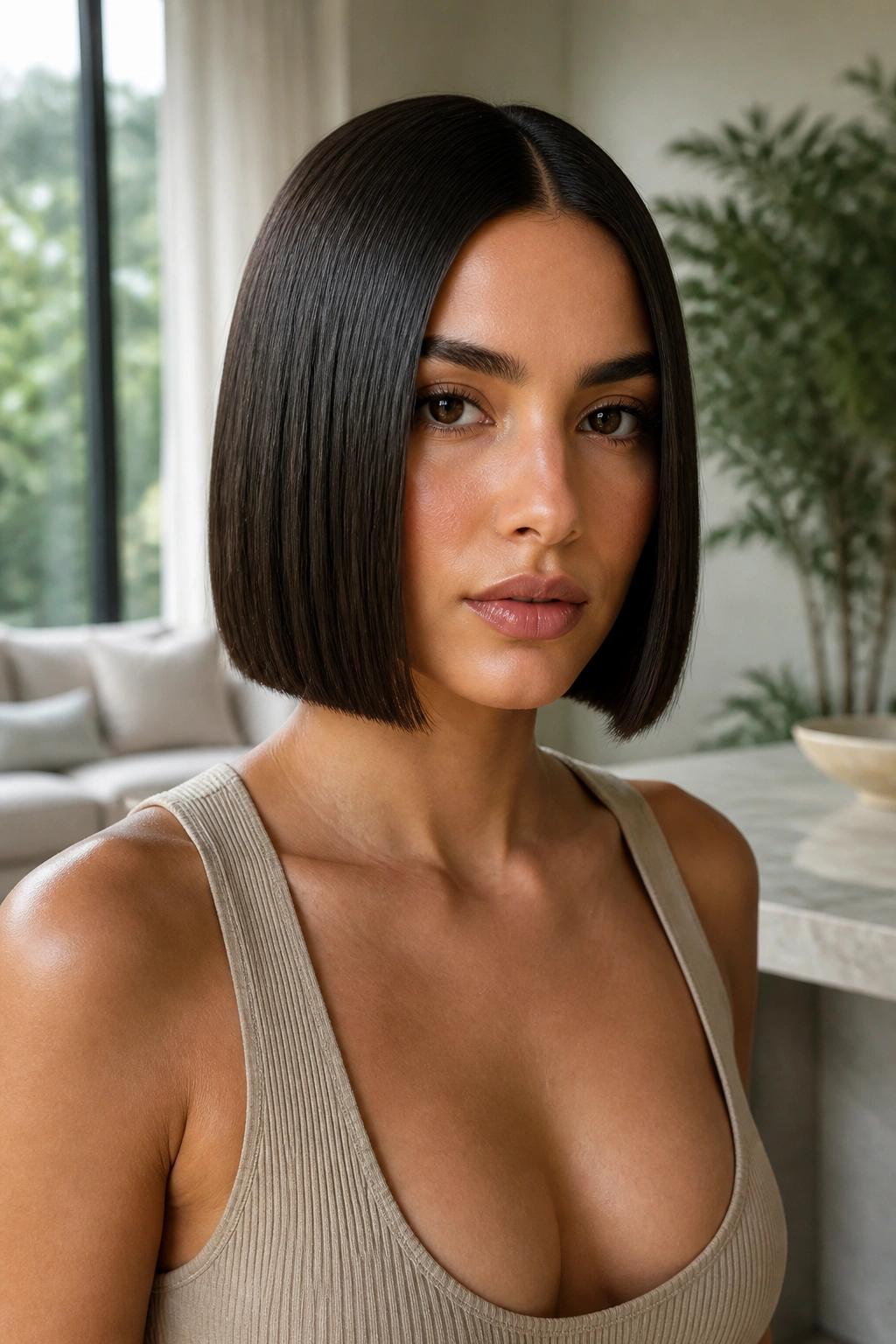
Unlike a side part, the center part puts every ounce of symmetry on display. That is why the center-part glass bob can look so clean on sleek hair — there is nowhere for unevenness to hide.
The style works best when the ends are blunt and the surface is smooth enough to reflect light evenly. You do not need pin-straight hair that feels stiff; you need hair that lies flat and moves as one sheet. A little shine spray can help, but the real work comes from the cut and the blow-dry.
This bob is especially good if your face is naturally balanced and you like a sharp, modern look. It can make fine hair feel denser because the two front halves frame the face like clean curtains. On thick hair, though, the cut needs careful thinning inside the bulk, or it can look heavy through the midsection.
A flat iron set around 300°F to 325°F is usually enough for polishing the bend out of the ends without frying them. Small passes. Slow hands. That is how this one stays sleek.
7. The Deep Side-Part Bob
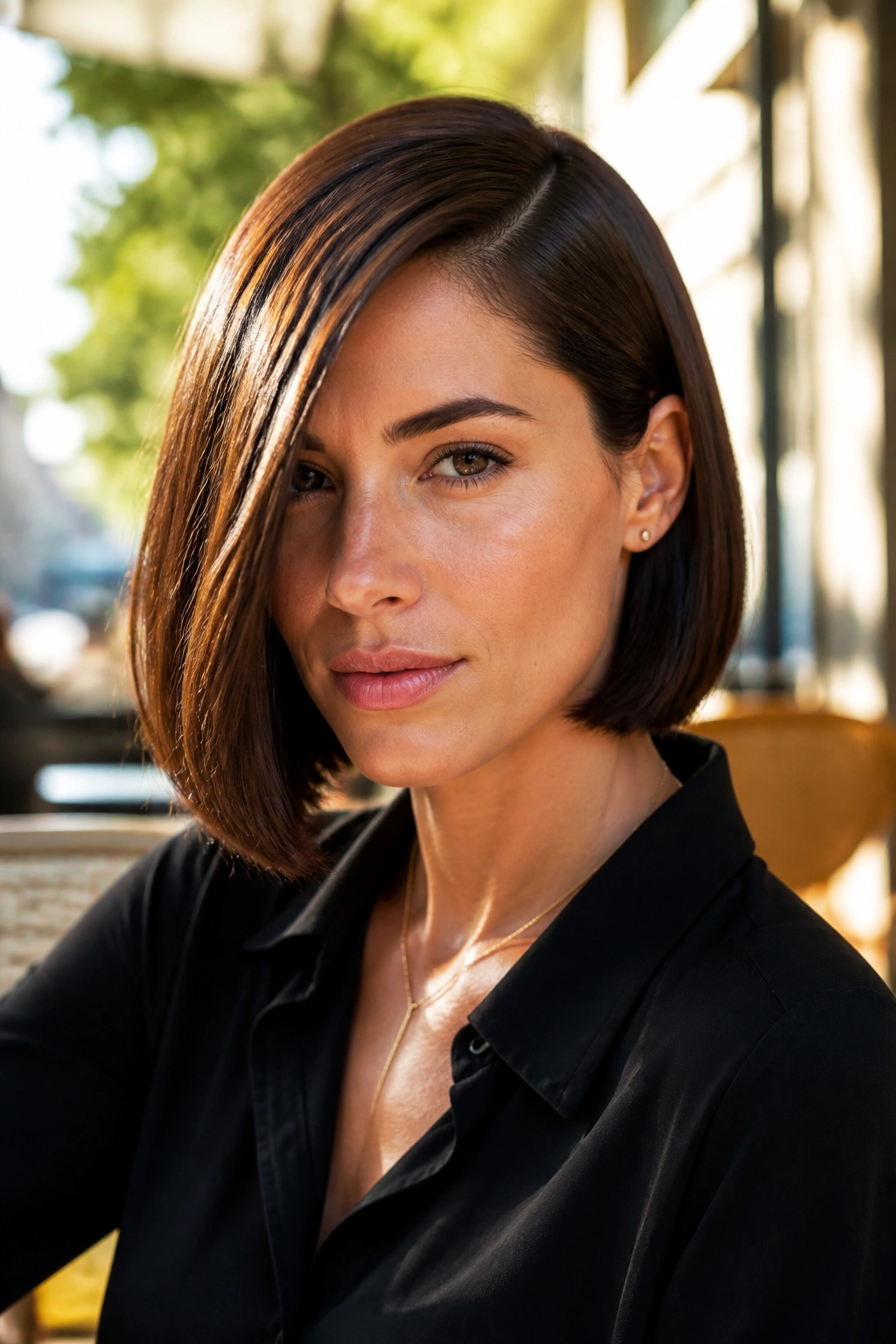
A deep side part can rescue a bob that feels too severe. It keeps the cut short and straight, but it breaks the symmetry enough to make the whole look feel less severe.
This shape is useful when you want movement without layers. The part does a lot of the visual work, and the sweep across the forehead can soften a strong jaw or stretch a round face. On sleek hair, that diagonal line reads clearly, which is part of the appeal. It looks styled even on days when you barely touch it.
Where to Place the Part
Push the part about 2 to 3 inches off center and let the heavier side fall across the temple. That gives the bob a small bit of drama without turning it into a big hair moment.
A deep side-part bob is also forgiving if one side of your hair grows flatter than the other. The part hides a lot. Better yet, it gives you options. Wear it tucked on the heavier side for a neat profile, or let it fall forward for a softer edge.
Good fit: anyone who wants a short bob that feels polished but not rigid. Less good: people who hate fixing a part during the day. Some cuts ask for a little fuss. This is one of them.
8. The Tucked-Behind-the-Ears Bob

Tucking a bob behind the ears can be the fastest way to make it look intentional. It sounds tiny. It is not.
The shape changes the moment you expose the ears. The face opens up, earrings matter more, and the bob suddenly feels lighter even though the haircut has not changed at all. On sleek hair, the tuck stays in place better because the strands do not snag on themselves as much, which makes this one practical as well as neat.
A tucked bob works best when the ends are blunt or only slightly beveled. Too much layering and the tucked side can get wispy or kick out in odd places. Keep the front long enough to tuck cleanly, usually just grazing the lobe or a bit below it.
You can also use the tuck to fake a side part without fully committing to one. That is a nice little trick when you want your bob to feel less formal for a night out, then more controlled the next morning.
One sentence, and the whole haircut changes. That is a good haircut.
9. The Inverted Bob
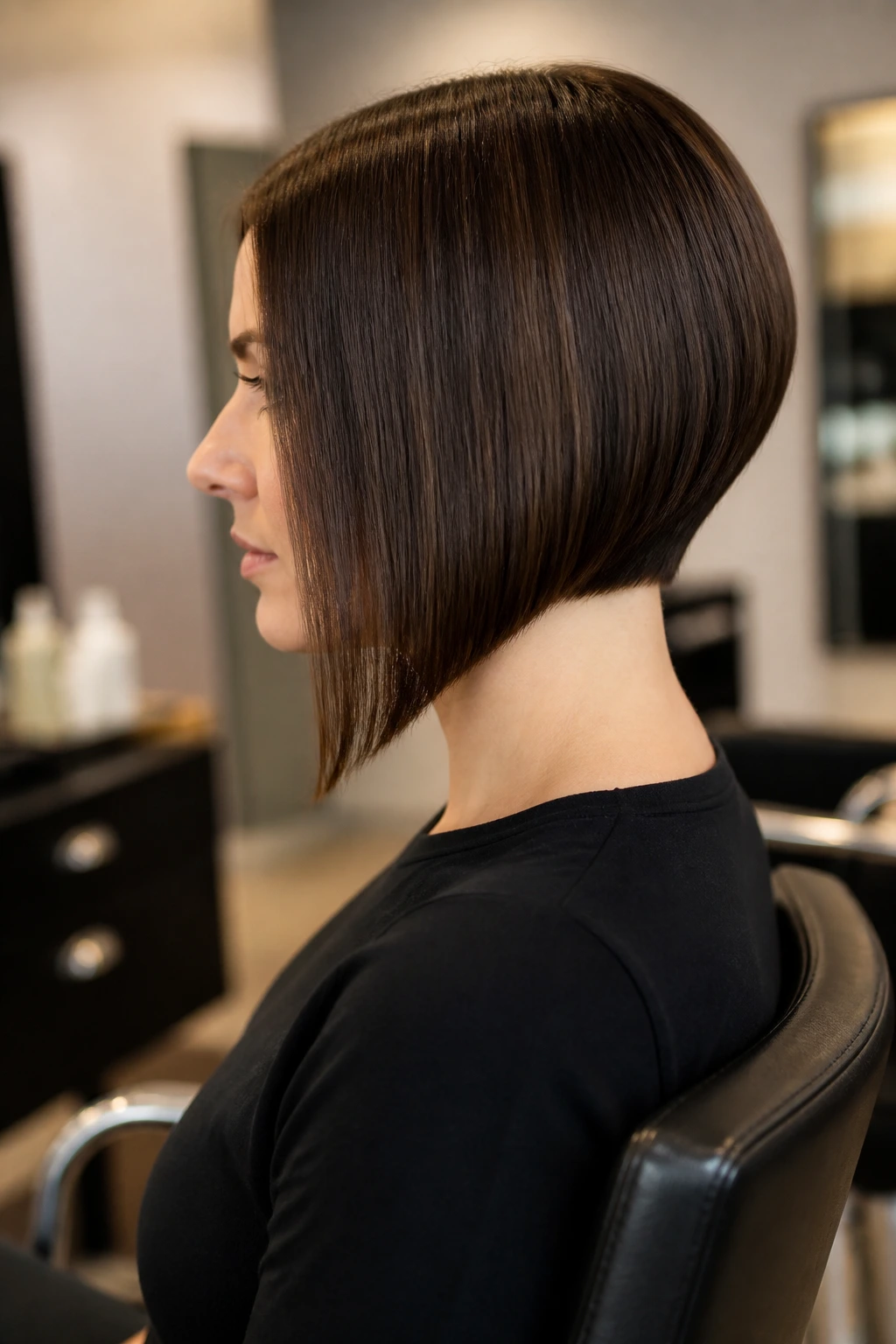
Why does the inverted bob still work so well on straight hair? Because the shape gives you lift at the back without asking for actual volume tricks.
The back sits shorter, often with a gentle stack, while the front drops longer toward the jaw. That tilt creates a clean profile, and on sleek hair the angle reads immediately. There is no texture to blur the shape, which means the lines stay visible and crisp. Good. That is the point.
How to Wear It
- Keep the back compact, not puffy.
- Ask for a longer front corner that stays sharp at the jaw.
- Use a flat brush at the crown to keep the lift smooth rather than bulky.
An inverted bob can look very sharp on a profile view, which is why it suits people who like their hair to have a little structure from every angle. The downside is that it needs a careful cut. If the angle is too steep, the style can feel dated or overly stacked. If it is too soft, the whole point disappears.
The best version feels precise, not loud. There is a difference.
10. The French Bob

A French bob is one of the few short cuts that looks better with a little attitude. The line usually sits around the lip, cheek, or jaw, and the finish can be polished without looking overworked.
What makes it different is the looseness around the face. The perimeter is still straight, but the fringe or front pieces often sit a touch softer than a classic blunt bob. On sleek hair, that gives the cut a slightly lived-in look while keeping the overall outline sharp. It is a good balance if you want structure but not stiffness.
I like this version when the hair is naturally straight and a bit fine. The shorter length gives body near the ends, and the softer front helps the style avoid that helmet shape some short bobs can pick up. It also looks good with a flat part or a slightly off-center part, which makes it easy to wear in real life.
Keep the fringe light if you choose one. A heavy fringe can crowd the face fast. A softer sweep does more with less.
11. The Curtain Fringe Bob
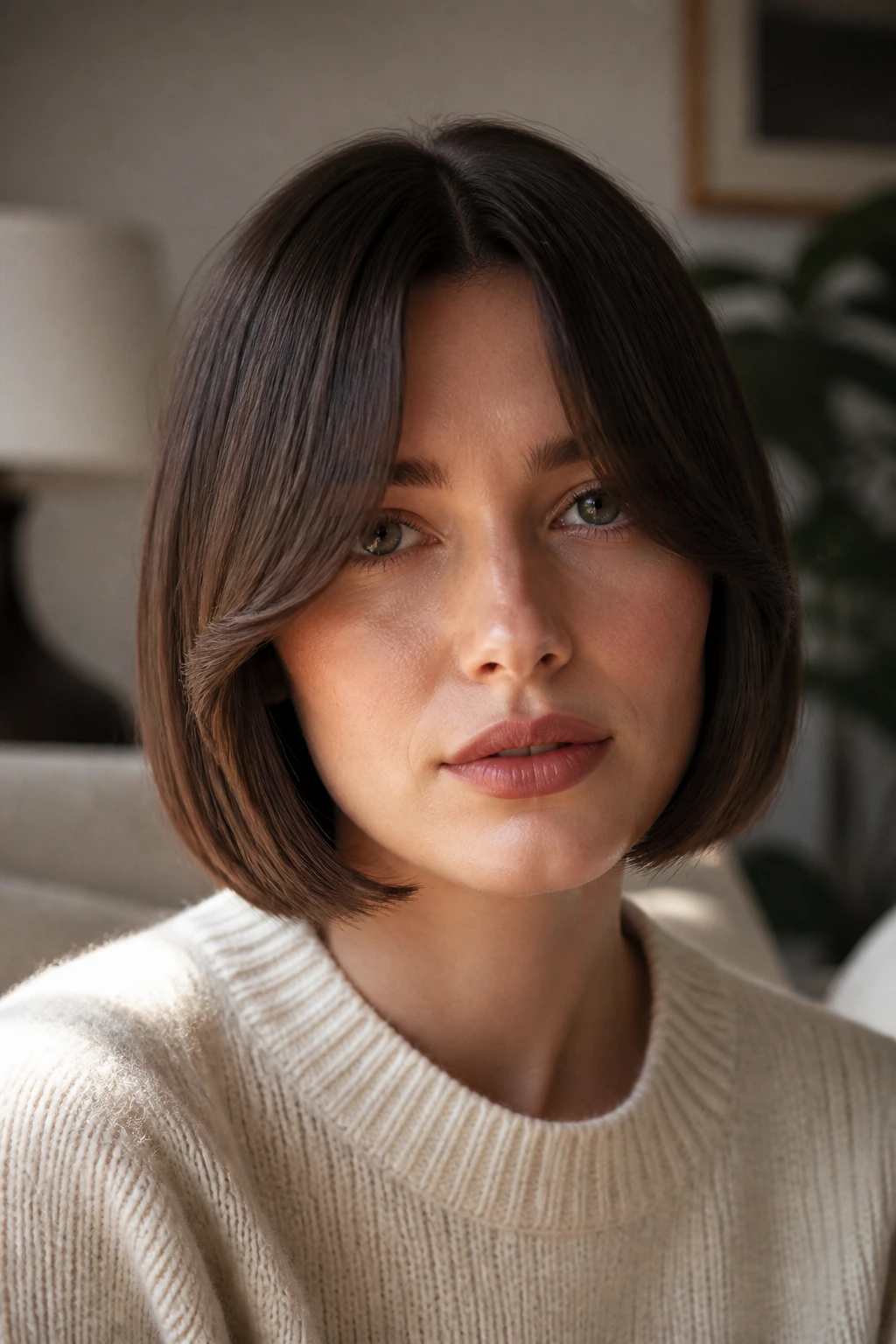
Curtain fringe can take the edge off a short straight bob without making it soft in a boring way. That is a useful difference. The bob still reads sleek, but the face gets a little frame and a little air.
The fringe usually starts around the brow and parts down the middle or just off center, then falls away into the cheekbones. On straight hair, that matters because the bangs do not bounce around unpredictably. They sit where you put them. The result feels polished, but less severe than a blunt fringe.
This cut works especially well if you like some softness around the forehead or if your face feels too long with a bare front. It can also make a very short bob feel a touch less boxy. The trick is keeping the fringe long enough to blend, not so short that it becomes a blunt wall.
A light round brush and a cool shot are enough to shape the front. No need to fight it. The curtain pieces should separate naturally and fall away from the center, not stick like two little curtains in a bad office.
12. The Baby Bang Bob
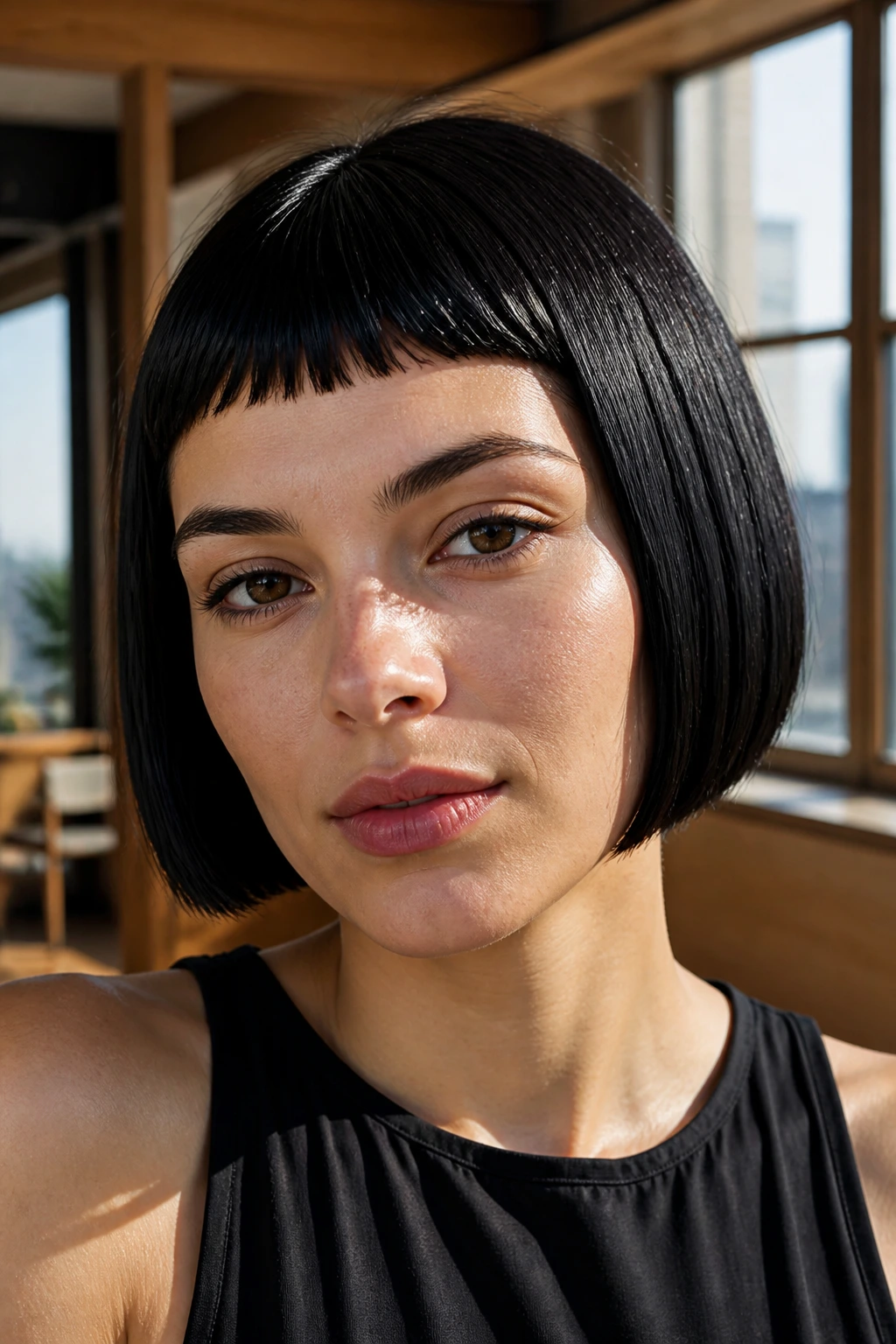
Baby bangs turn a simple bob into something much sharper. They also remove a lot of guesswork. There is no hiding behind the fringe here.
This version is best when you like strong lines and do not mind a little edge around the face. The bangs usually sit about half an inch to one inch above the brows, which leaves the eyes open and keeps the cut feeling deliberate rather than heavy. On sleek hair, the contrast is the whole story: short fringe, straight bob, clean neck line.
Compared with curtain fringe, baby bangs are far less soft. They can make fine features stand out and give a bob a more graphic shape. That is a plus if you want a bold haircut. It is a downside if you prefer something that fades into the background.
Best For and What to Watch For
- Best for straight hair that lies flat at the front.
- Best for shorter foreheads or anyone who likes a strong visual line.
- Watch for cowlicks; they can make the fringe kick up in odd ways.
- Trim often. Bangs this short grow out fast.
If you want low drama, skip this one. If you want the bob to look editorial without trying too hard, this is the move.
13. The Beveled Bob
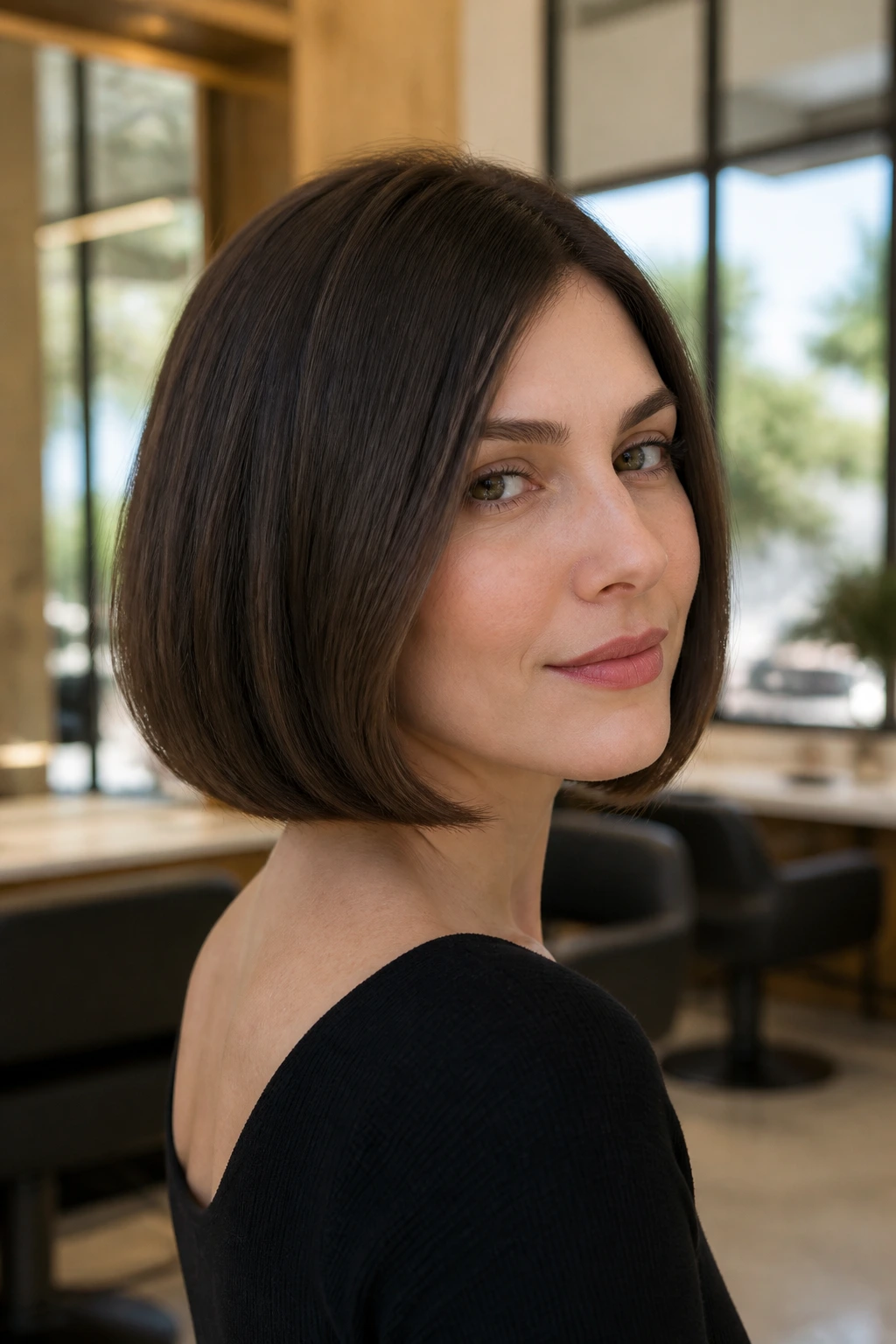
A beveled bob is what happens when the ends turn under just enough to look finished, but not so much that the haircut starts curling into itself. That tiny bend matters more than people think.
The bevel makes sleek hair look tidy from the side and keeps the blunt edge from feeling too hard. It is especially useful if your hair tends to stick straight out at the ends when it is cut too flat. A subtle inward curve solves that. Usually a 1-inch to 1.25-inch round brush is enough to train the ends without making them round and fluffy.
Why the Bevel Matters
The bevel gives movement at the hem while keeping the line clean. It is a small thing, but on short hair small things are the whole deal.
If you have fine hair, the bevel adds shape without removing too much weight. If you have dense hair, it helps the bob settle instead of ballooning at the bottom. That makes this version one of the most wearable cuts in the bunch.
Use a tiny bit of smoothing serum on the last pass. Not much. Just enough to keep the bevel glossy and quiet. Overdoing it flattens the roots and steals the shape.
14. The Undercut Bob
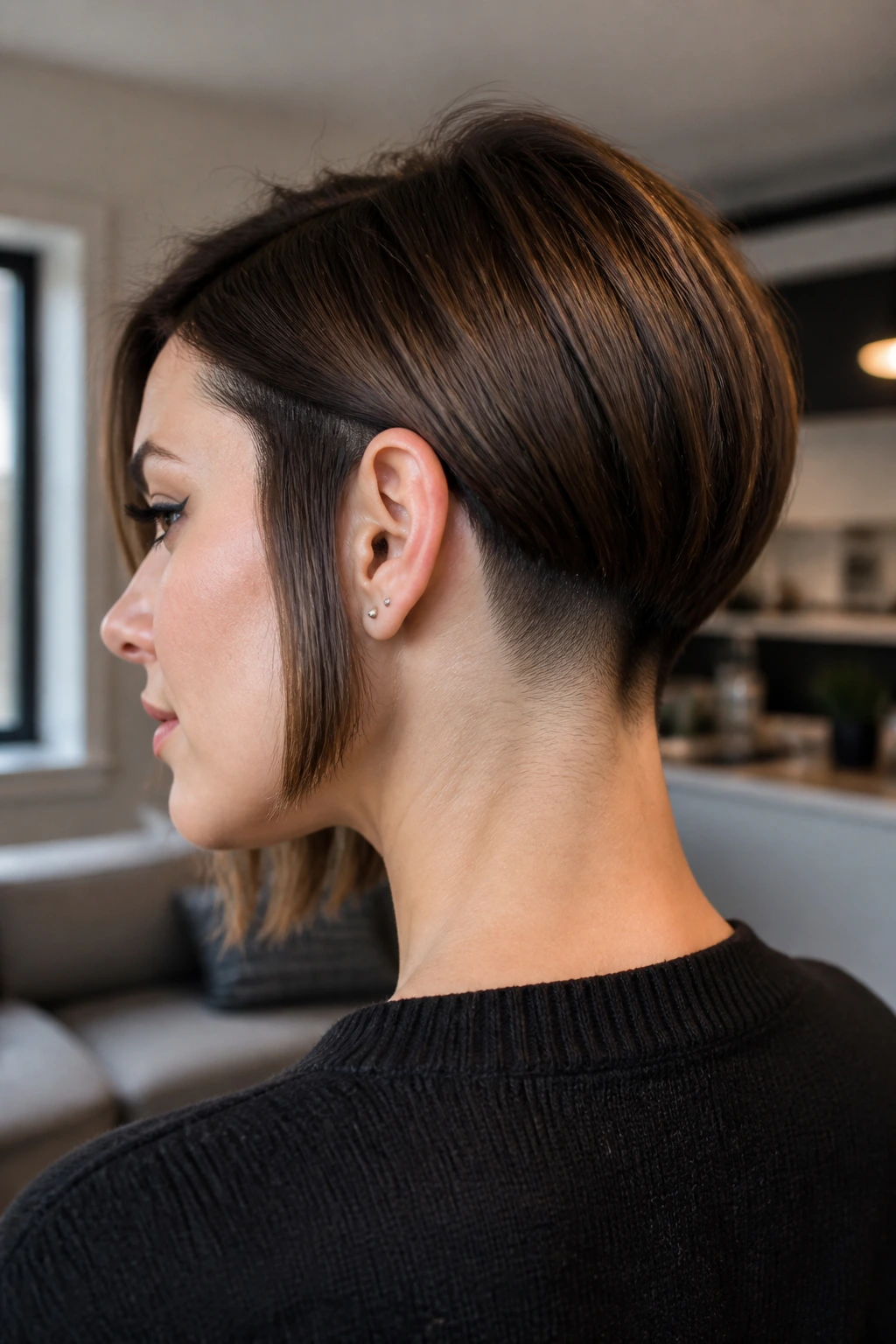
The undercut bob is the blunt bob’s practical cousin. It looks sleek on top because a hidden panel underneath removes bulk where it counts.
This is the cut to know if your hair is thick, dense, or prone to expanding at the nape. A stylist can take out weight under the surface — often in a narrow section at the back or lower sides — while leaving the top layer clean and smooth. The outer shape still looks like a normal short straight bob. The difference is how it behaves when the weather turns humid or you skip a blow-dry.
That hidden removal can make the bob swing better and lay flatter against the head. It also makes the haircut feel lighter on the neck, which matters more than people expect once the hair gets shorter. The downside is obvious: you need a stylist who knows how to remove weight without carving visible holes into the shape.
One thing. This cut is not the best choice if you love a big, rounded silhouette. It is for people who want control, not softness.
15. The One-Length Power Bob
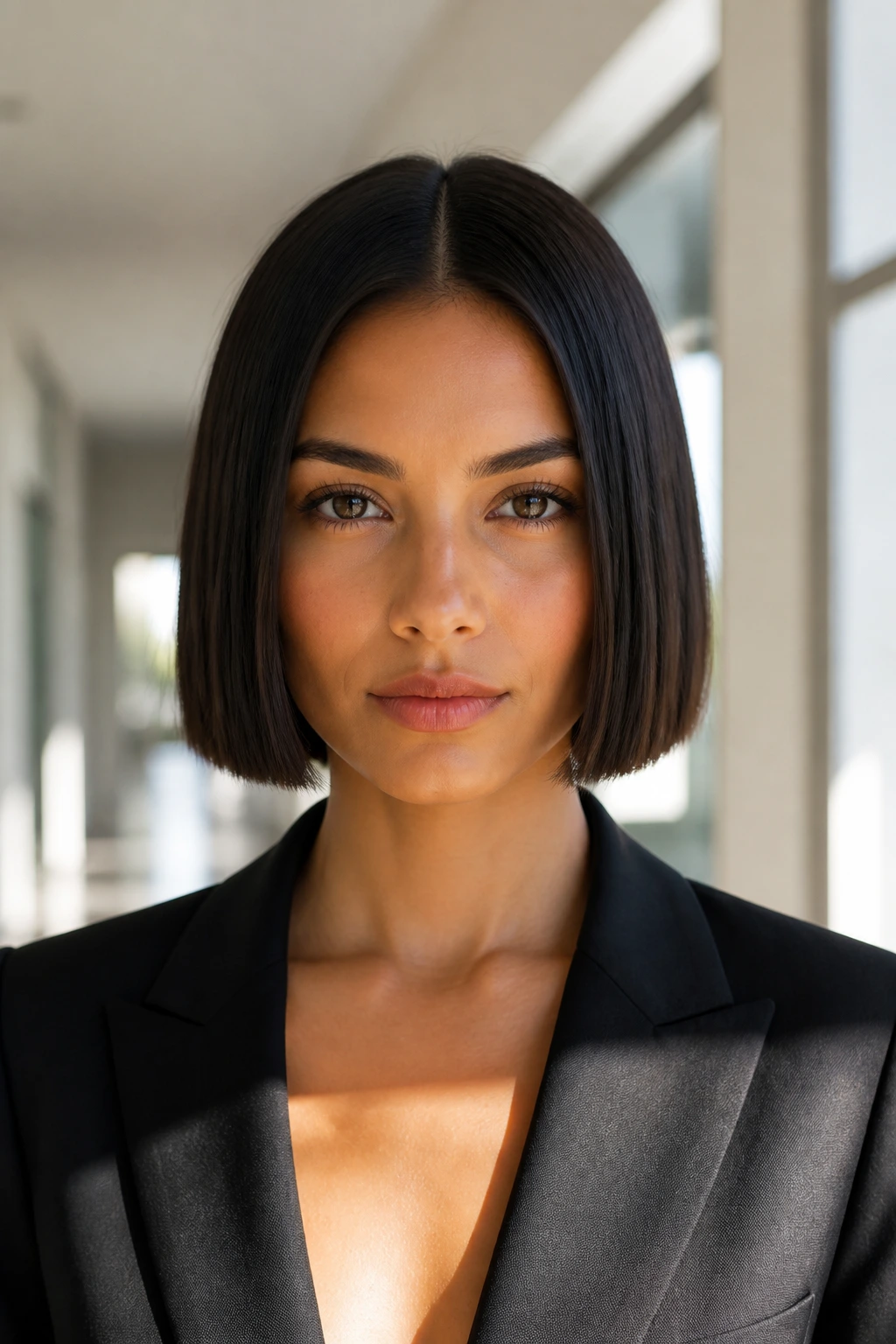
What makes a one-length bob different from a regular blunt cut? Precision, mostly. Every strand lands on the same basic line, so the whole haircut feels dense, even, and a little bit formal.
This version is a favorite for sleek hair because it does not rely on texture to look finished. The ends carry the style. When the line is clean, the result looks almost architectural. When it is off, the whole thing shows it. That is why this haircut rewards a careful trim and a stylist who respects symmetry.
How to Wear It
Keep the part simple — center or slightly off center — and avoid piling on too much product. A light serum through the mid-lengths and ends is enough. If the hair starts to look greasy, the strong shape turns flat fast.
This bob is a smart pick if your hair is naturally straight and you want the fullest possible outline. It can also make narrow faces look a touch stronger because the horizontal line widens the frame. That said, it does not love lots of internal layers. The whole point is the solid block.
Simple. Severe. Good in the best way.
16. The Soft-Rounded Bob
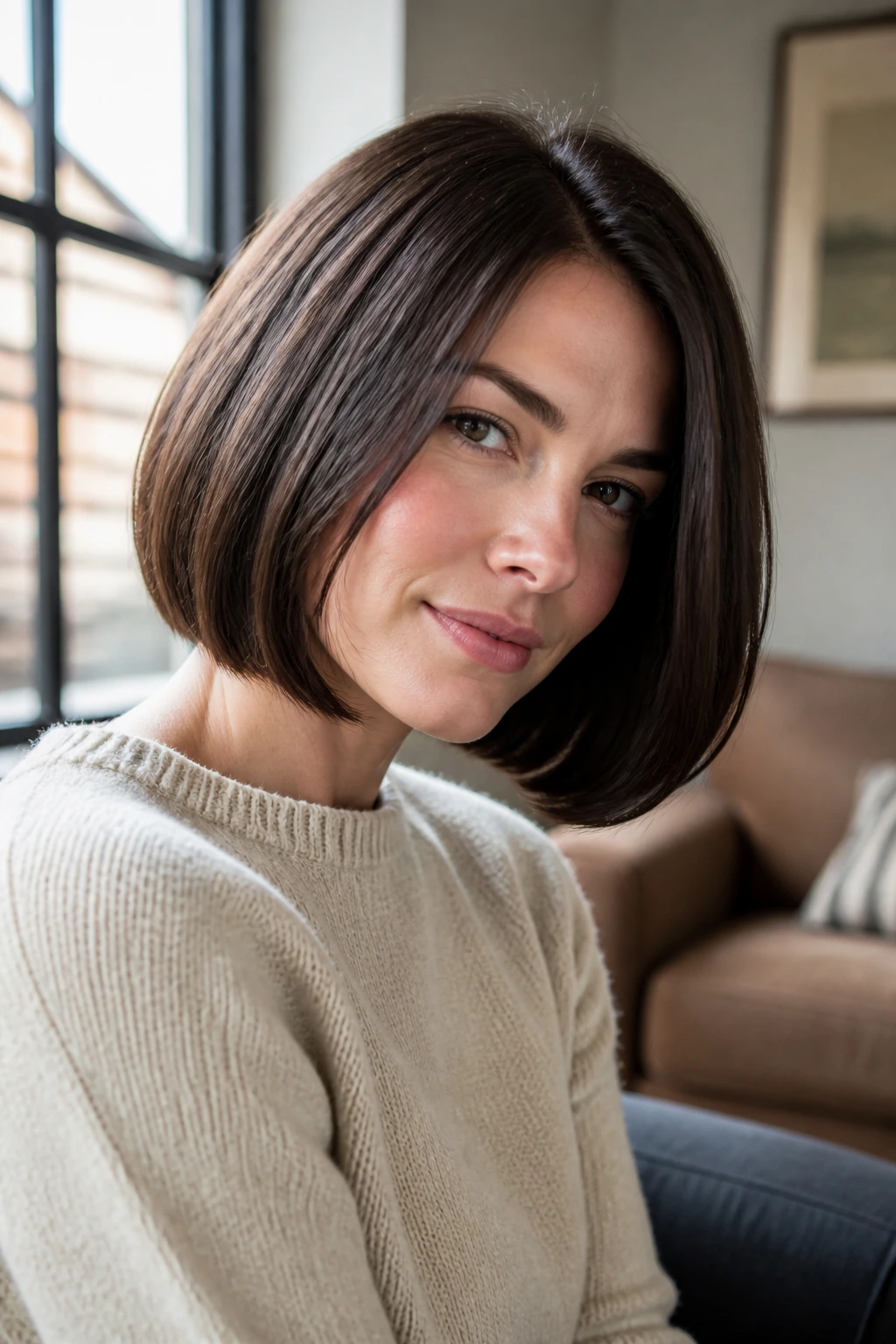
A soft-rounded bob is what I recommend when someone wants a short straight cut but flinches at the idea of a hard edge. It still lands short and sleek, but the outline curves gently instead of stopping like a ruler.
The roundness usually shows at the sides and under the jaw. The ends are not feathered; they are just softened enough to keep the silhouette from feeling blocky. On straight hair, that shape can be very kind to the face because it follows the jaw instead of cutting across it.
This version works especially well if your hair has a little natural bend that can be coaxed under with a brush. A 1.5-inch round brush makes sense here, especially for medium-density hair that wants to hold a curve but not a curl. The shape is easy to live with. It does not demand a perfect center part or a strict tuck.
If the blunt bob feels too sharp for your features, this is the one to try. It keeps the structure but trims down the severity.
17. The Asymmetrical Bob
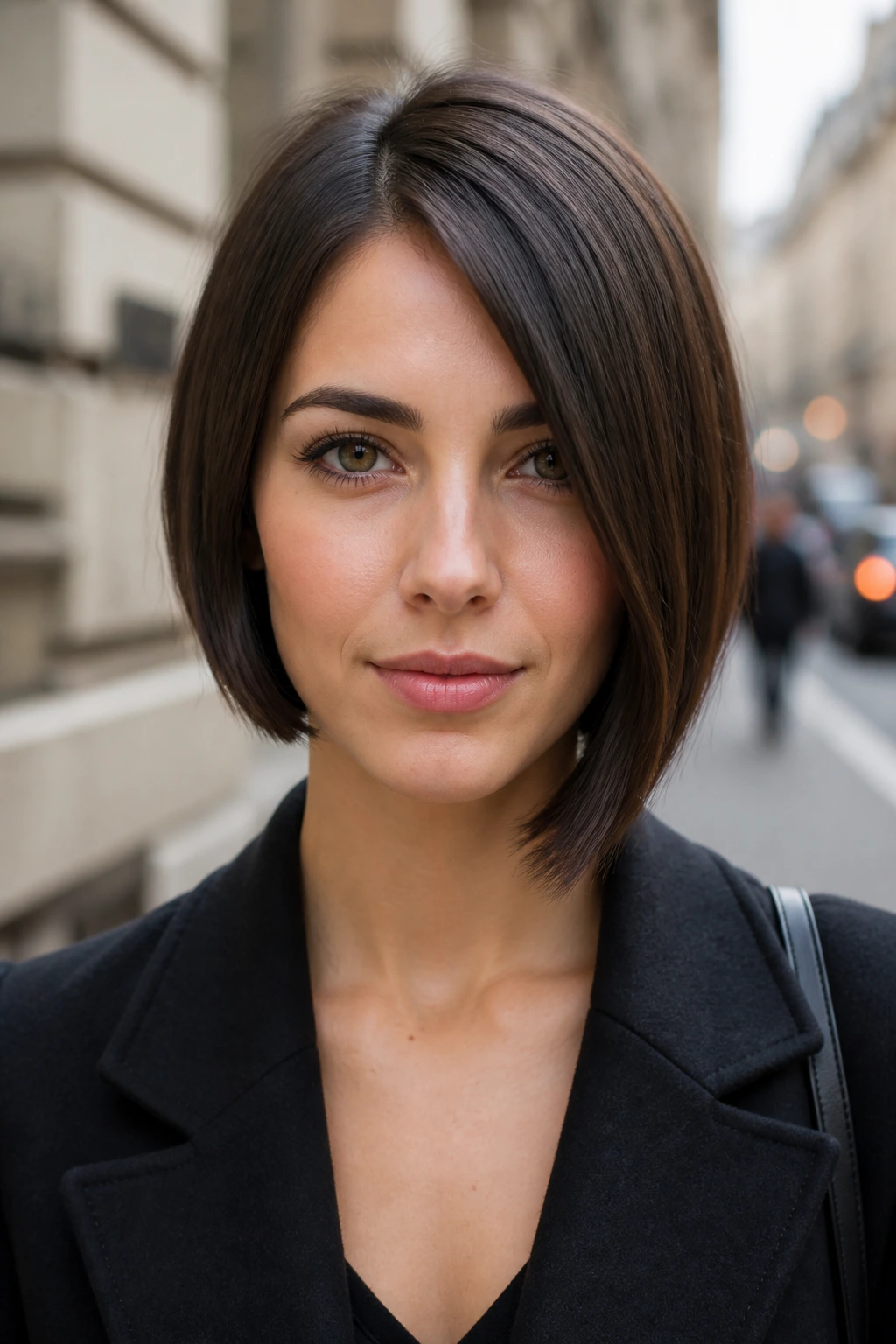
An asymmetrical bob gives you edge without needing a dramatic undercut or a heavy fringe. One side sits a little longer — often by about half an inch to 1 inch — and that tiny difference changes the whole read of the haircut.
On sleek hair, asymmetry stands out because the line is visible from the front and the side. The longer side can skim the jaw while the shorter side lifts the face. It feels modern without being loud, which is a useful sweet spot if you want something distinctive but not theatrical.
The best versions keep the asymmetry subtle. Too much and the cut starts fighting itself. Too little and it just looks accidental. I prefer this shape when the hair is very straight and the wearer likes a clean finish that still has a bit of movement in the outline.
It also photographs well from almost any angle, though that is beside the point. The real win is how it shifts when you move your head. The hair looks the same, then not quite the same. That tiny tension keeps it interesting.
18. The Hidden-Layer Bob
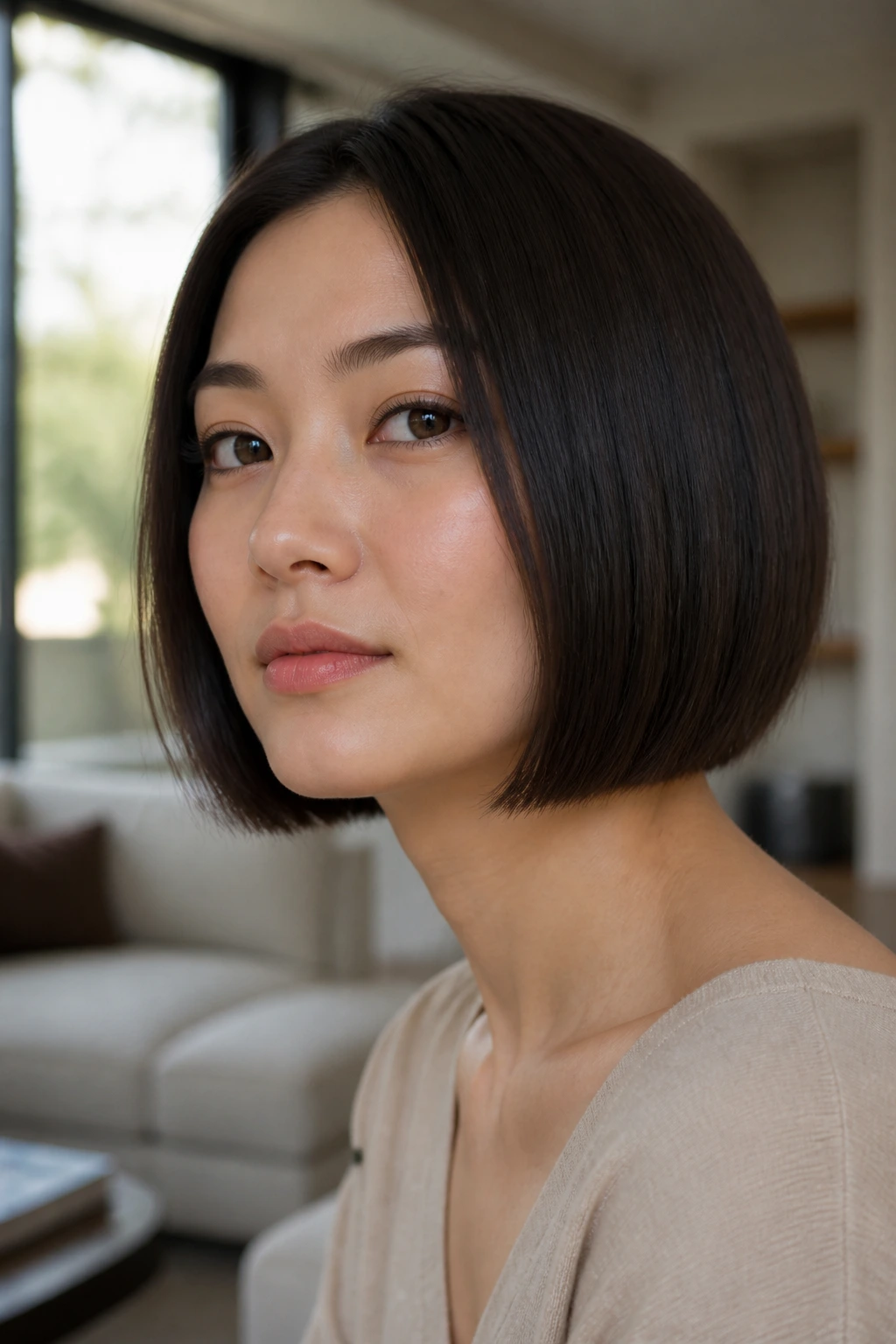
Unlike a blunt bob, the hidden-layer bob keeps the surface smooth while quietly removing bulk underneath. That makes it a smart choice for sleek hair that is dense but still needs a clean outline.
The layers are not meant to show. They sit low, usually inside the shape and toward the back or lower sides, where they can lighten the load without making the ends look choppy. The result is a bob that falls better, bends more easily, and stays flatter through the day.
What Makes It Different
- The top layer still reads as one clean line.
- The internal weight is reduced so the shape does not swell.
- It works especially well on hair that gets too wide at the sides.
If you have thick straight hair, this cut can be a lifesaver. It keeps the polished look while solving the practical problem of too much bulk. If your hair is fine, though, go carefully. Too much internal removal and the ends start looking thin, which defeats the point.
The hidden-layer bob is one of those cuts that feels boring on the salon floor and brilliant at home. That is usually a good sign.
19. The Stacked Bob
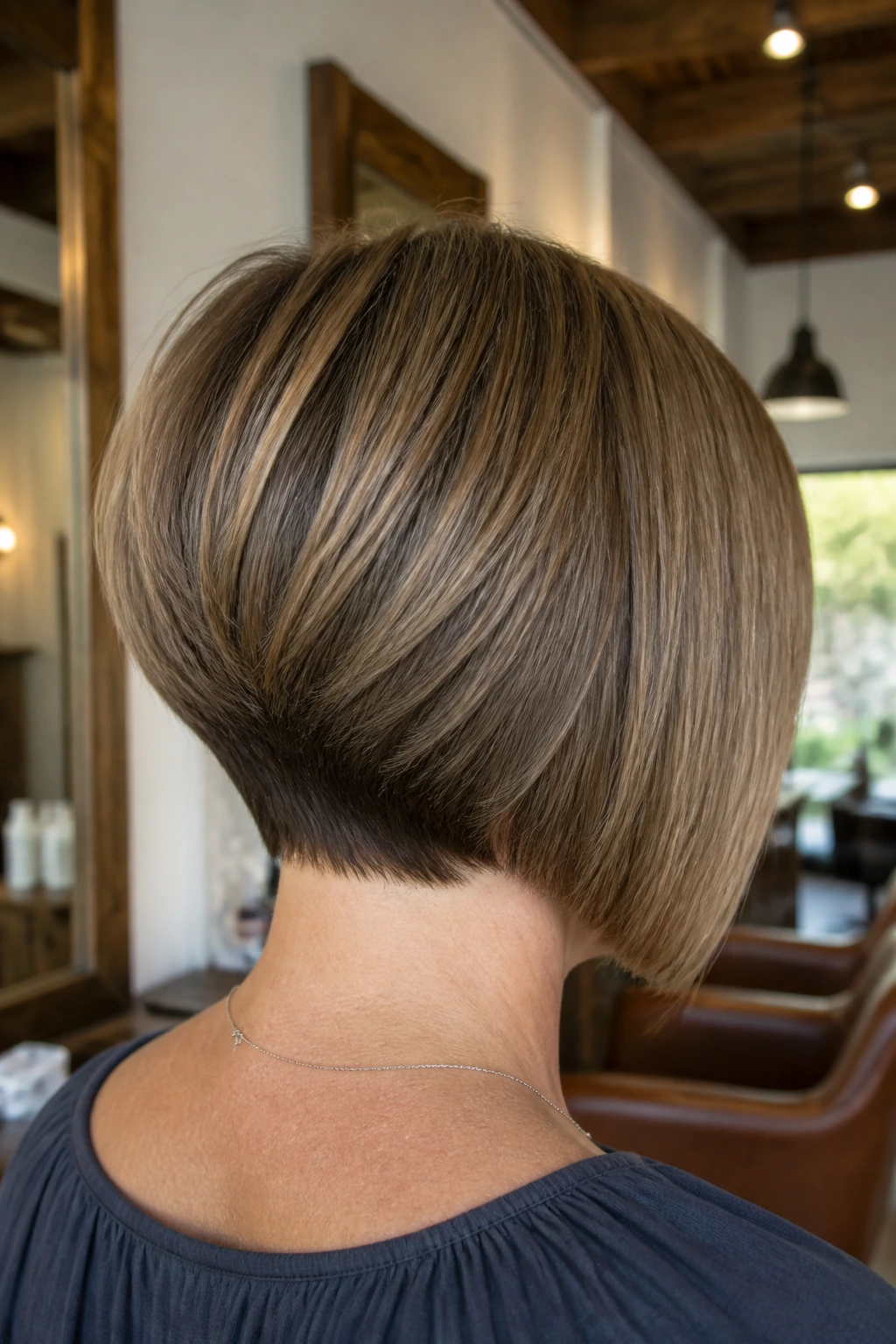
The stacked bob gives the back a bit of lift without turning the haircut into a full wedge. It is one of the better shapes for straight hair when the crown sits flat and the nape needs help staying neat.
The stacking happens through subtle graduation at the back, where the layers build gently on top of each other. That creates a rounded lift near the occipital area, the part of the head just below the crown. The front can stay clean and straight while the back carries a little more body. That contrast is what makes the cut work.
Best Place for the Weight Line
Tell your stylist you want the weight line to stay low and controlled. A stacked bob should look full, not puffy.
This style is useful if your hair collapses at the back or if you want a short bob that feels a little more shaped from behind. It can be tricky on very fine hair if the graduation is too aggressive, because then the back starts to look thin. On thick hair, though, it gives a nice lift and keeps the silhouette from dragging down.
A stacked bob is a shape cut for people who notice the back of a haircut. I do.
20. The Jawline Bob
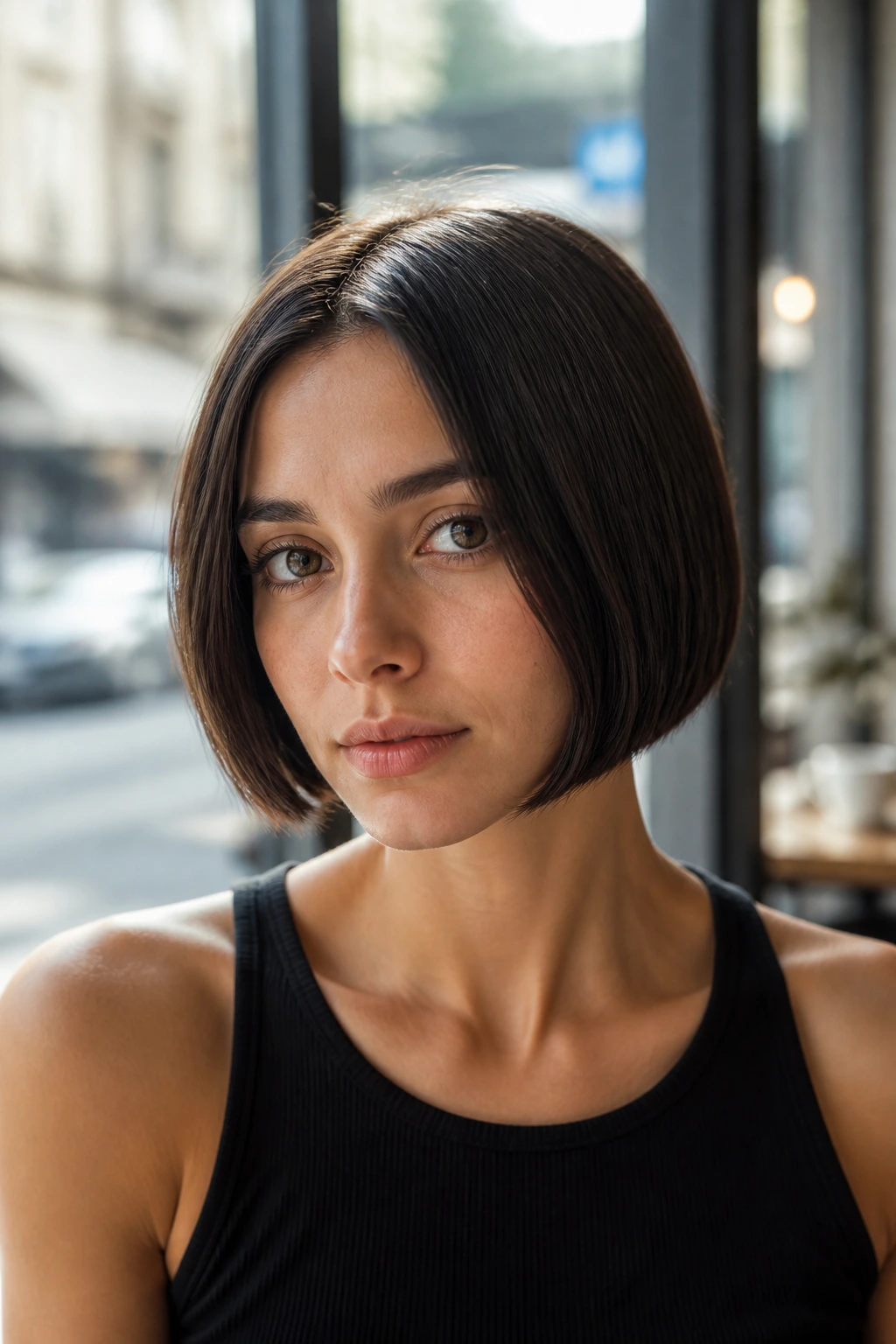
The jawline bob is the cleanest place to start if you want short, straight, and sleek without extra fuss. It lands exactly where the face and neck meet, which gives the haircut a neat, balanced feel from the front and the side.
This cut works because the jaw is a natural anchor point. The hair ends there, the eye follows there, and the result looks tidy even when you have not spent long styling it. On straight hair, the line sits flat and decisive. Add a little shine serum and the whole thing looks finished fast.
The jawline bob is also one of the easiest cuts to dress up or down. Tuck one side behind the ear for something sharper. Keep the part centered for a more minimal look. Bend the ends under slightly if you want a softer profile. It does not ask for much, which is exactly why it stays useful.
If you want the one cut in this group that is hard to ruin, this is it. Clean line. Short length. No tricks. That combination still wins, and probably always will.
