



Long hair gives color room to breathe. Short cuts can look sharp and punchy, but a long canvas lets pigment move, fade, and shift in a way that feels far more dramatic.
That’s the big advantage here. A deep brunette with a single glossy ribbon at the front can look understated on a bob and completely different on waist-length waves. Same color. Different attitude. Same goes for vivid reds, icy blondes, and hidden panels that only flash when you turn your head.
The trick is not just picking a bold shade. Placement matters, tone matters, and the condition of the hair matters even more. Long hair shows everything: a beautiful melt, a sloppy blend, a grown-out root that needs a plan, and ends that may need extra care if lightening is involved. Get the placement right, though, and the result can look expensive, sharp, and a little bit fearless.
Some looks ask for serious upkeep. Others are a lot kinder to your schedule. That difference matters, and it’s the reason the best dramatic color choice is usually the one that fits your life as well as your mirror.
1. Raven Black with Blue-Black Shine
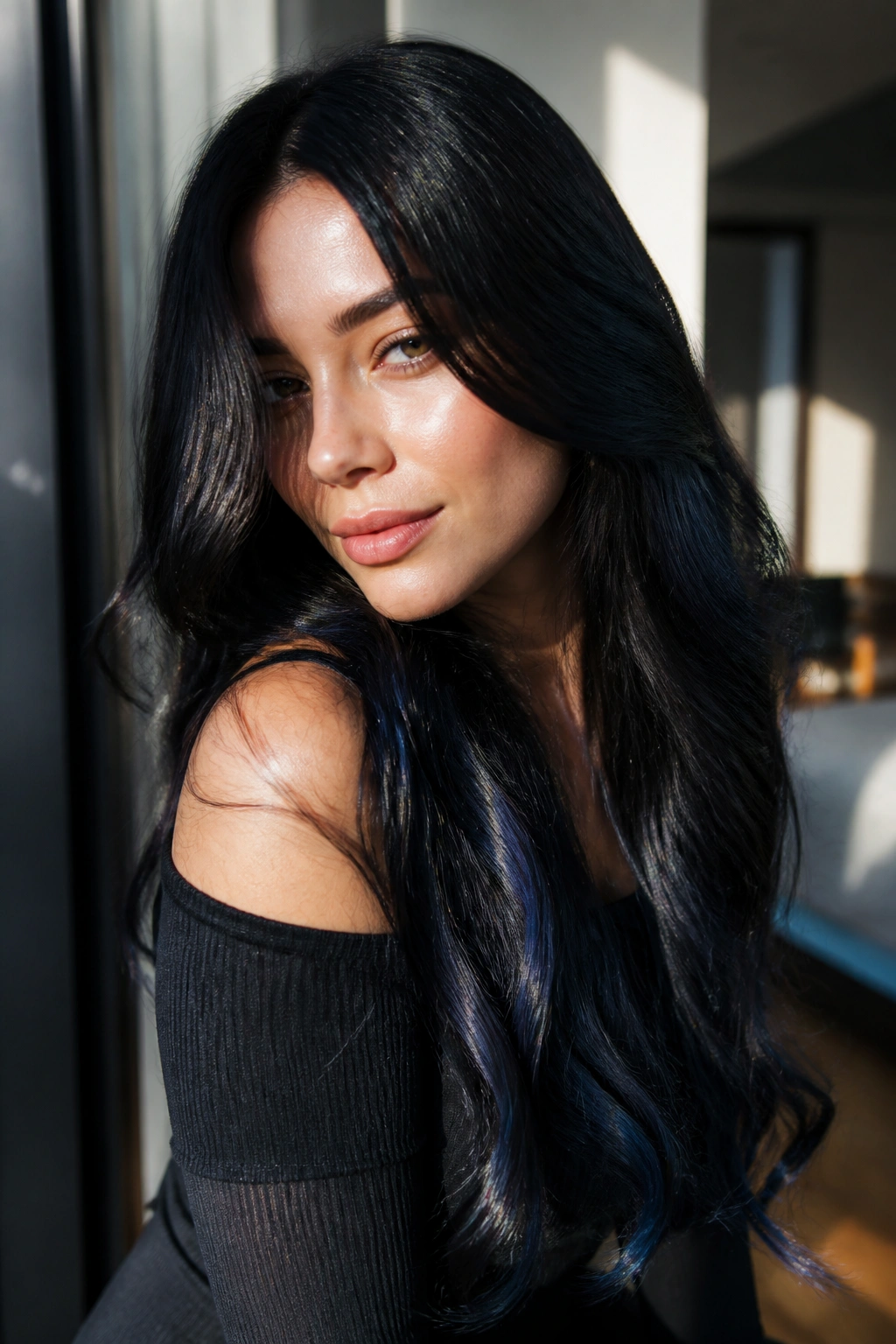
Raven black sounds simple until you see it in motion. On long hair, that deep near-black base can pick up a blue sheen at the ends and along the top layer, and the effect is striking in daylight and even stronger under indoor lights. It’s not flat black. It has that inky, glassy look that makes every wave look sharper.
This shade works especially well on long layers because the movement keeps the color from feeling like one heavy block. If your hair is thick, the shine reads even better. If your hair is fine, the darker shade can make it look denser and more polished, which is a nice side effect.
Ask for a blue-black demi-permanent gloss over a dark base if you want the cool reflect without harshness. A sulfate-free shampoo helps a lot. So does cooler water. Hot water strips shine fast, and this color lives and dies by shine.
One warning: if your natural hair is already warm brown and you want a true blue-black result, you may need a salon toner plan, not just a box dye. That’s the boring part. Also the part that saves you from muddy roots.
2. Espresso Brunette with Caramel Ribbons
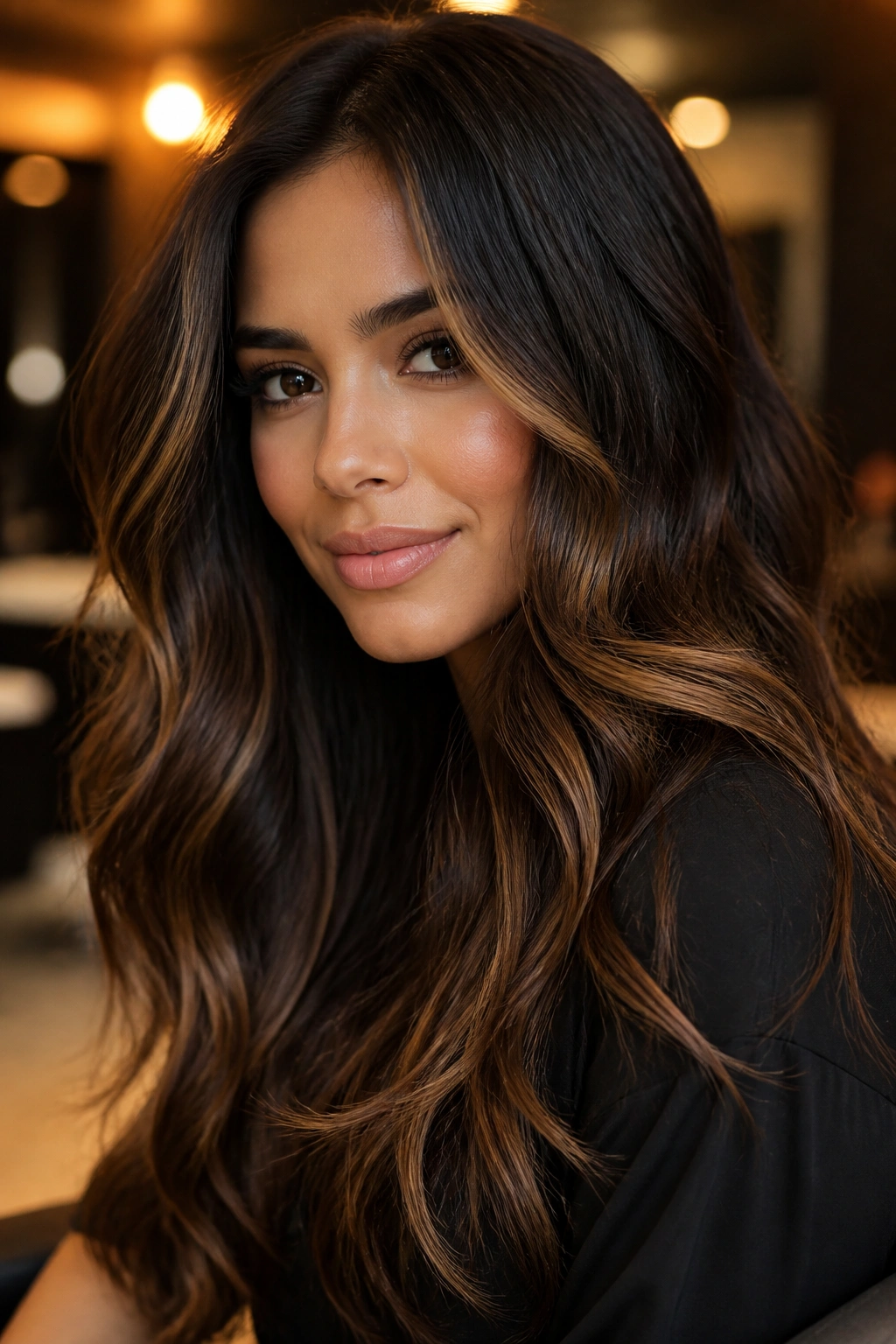
There’s a reason this one keeps showing up in color chairs. It gives you drama without forcing you into bright territory, and long hair makes the ribbons look expensive instead of stripey. The contrast between a deep espresso base and soft caramel pieces can be subtle at first glance, then suddenly very obvious when the hair moves.
Why It Works on Long Hair
Long lengths give caramel ribbons room to travel. They can start around the cheekbones, slide through the mid-lengths, and finish at the ends without looking chopped up. That movement is what makes the color feel alive.
If you want this look to stay classy, keep the highlights broad and feathered rather than tiny and busy. Chunky is not the goal here. Soft ribbons are.
- Best on level 4 to 6 brunettes
- Looks strongest in waves and loose curls
- Needs a gloss every 6 to 8 weeks
- Grows out better than full blonde
- Easy to warm up with honey or to cool down with beige
My favorite version is the one with a slightly darker root and wider face-framing pieces. It gives the whole head some shape, even when the rest of the hair is worn straight.
3. Cherry Cola Layers
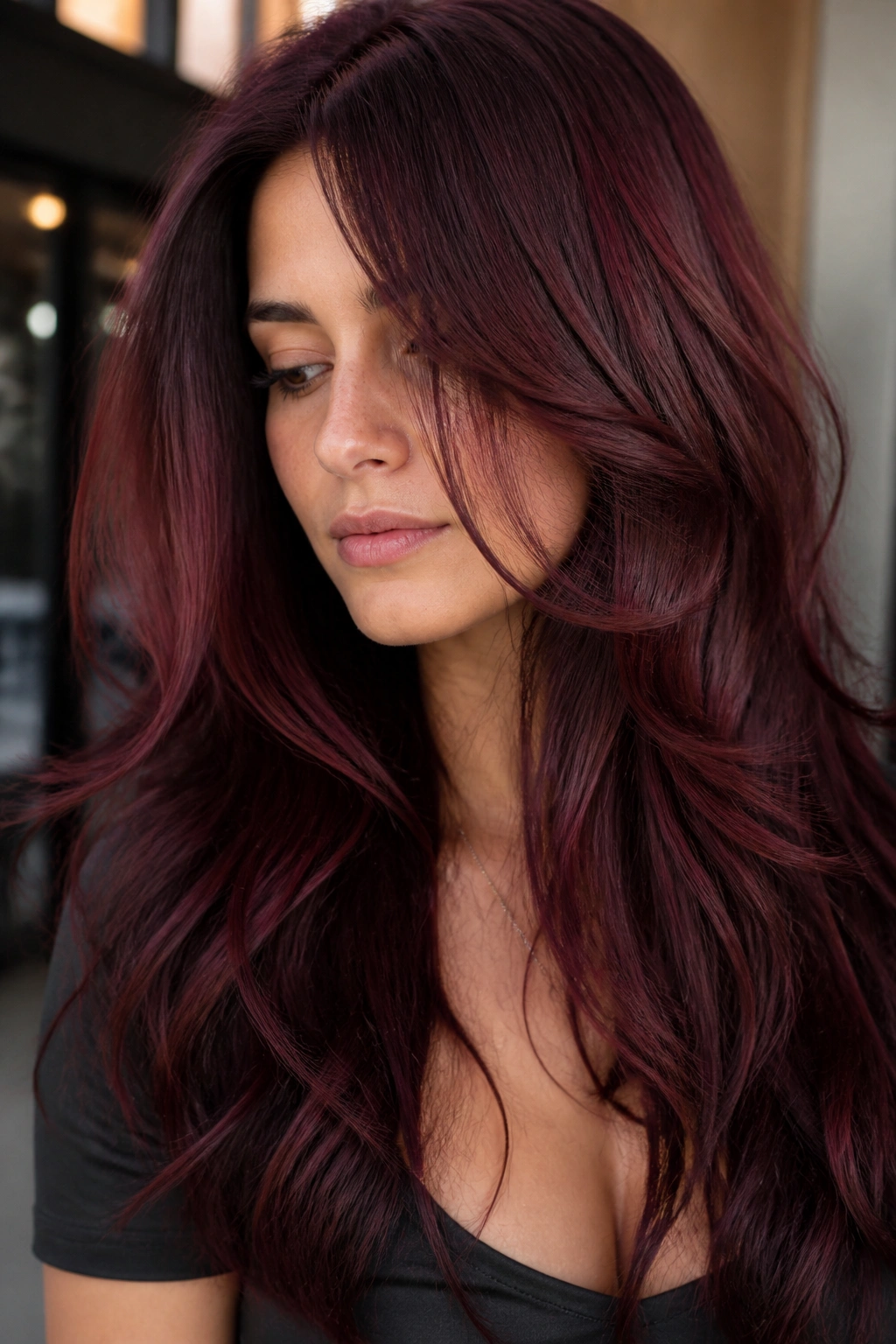
Cherry cola is one of those shades that sounds playful but looks rich when it’s done right. On long hair, the red-violet tones and brown base shift as you move, so the color never sits still. In sunlight, it can lean brighter. Indoors, it settles into a deeper wine-brown.
That change is the point. If you want a dramatic color that still feels wearable, this sits in a sweet spot. It’s bolder than brunette highlights and less screaming than a neon red.
Layering helps a lot here. The shorter pieces catch the brighter red notes, while the longer lengths hold more of the cola depth. A one-length cut can work, but layered hair gives the shade more texture and a little bite. Air-drying with a curl cream makes the red-violet reflect show up faster than straight ironing does.
A gloss refresh every few weeks keeps the tone from turning dull. Red pigments fade fast. That’s just the deal.
4. Spiced Copper Melt
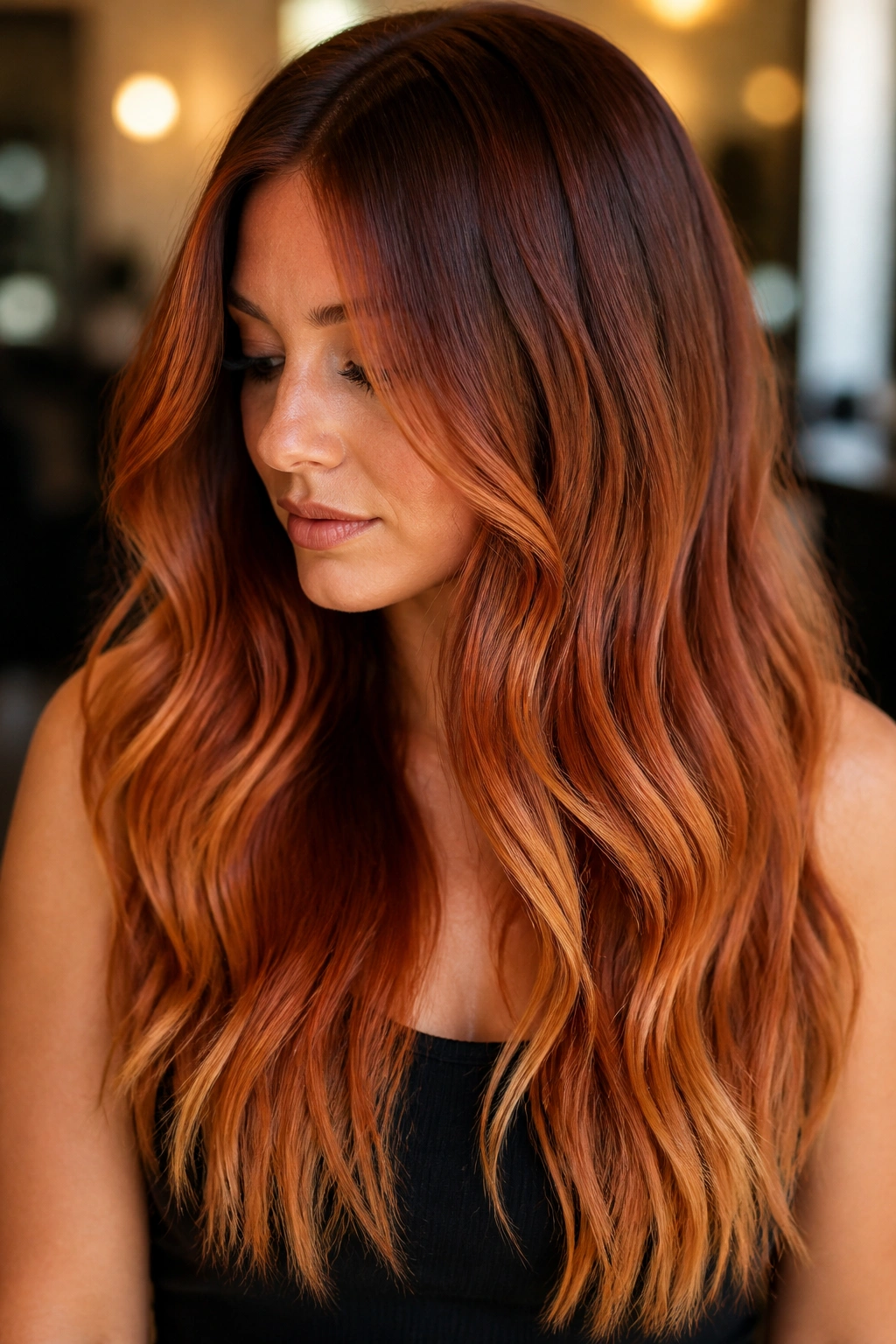
Copper on long hair can look almost fiery if the placement is handled well. The best version is usually a melt, not a hard stripe. Roots can stay deeper and warmer, then the color shifts through cinnamon, penny copper, and a brighter gold-copper at the ends.
What Makes It Different
A good copper melt doesn’t look painted on. It looks like the hair is glowing from within, which sounds annoying and poetic, but it really is the right description. The transition matters more than the exact shade name.
If your base is dark brown, you may need lightening on the mids and ends before the copper takes properly. If your base is already light, you can often get a stronger result with less damage. Either way, long hair gives the color enough room to move from one tone to the next.
How to Wear It
Loose waves are the safest bet. Tight curls can make the color look too busy, while sleek straight hair shows the melt with more control. A big round brush blowout also works well if you want the copper to catch light at the ends.
This color does ask for care. Use a color-depositing mask or copper gloss when the shine starts to slip. Otherwise, it can get washed out fast and lose the whole point.
5. Platinum Blonde with Shadow Root
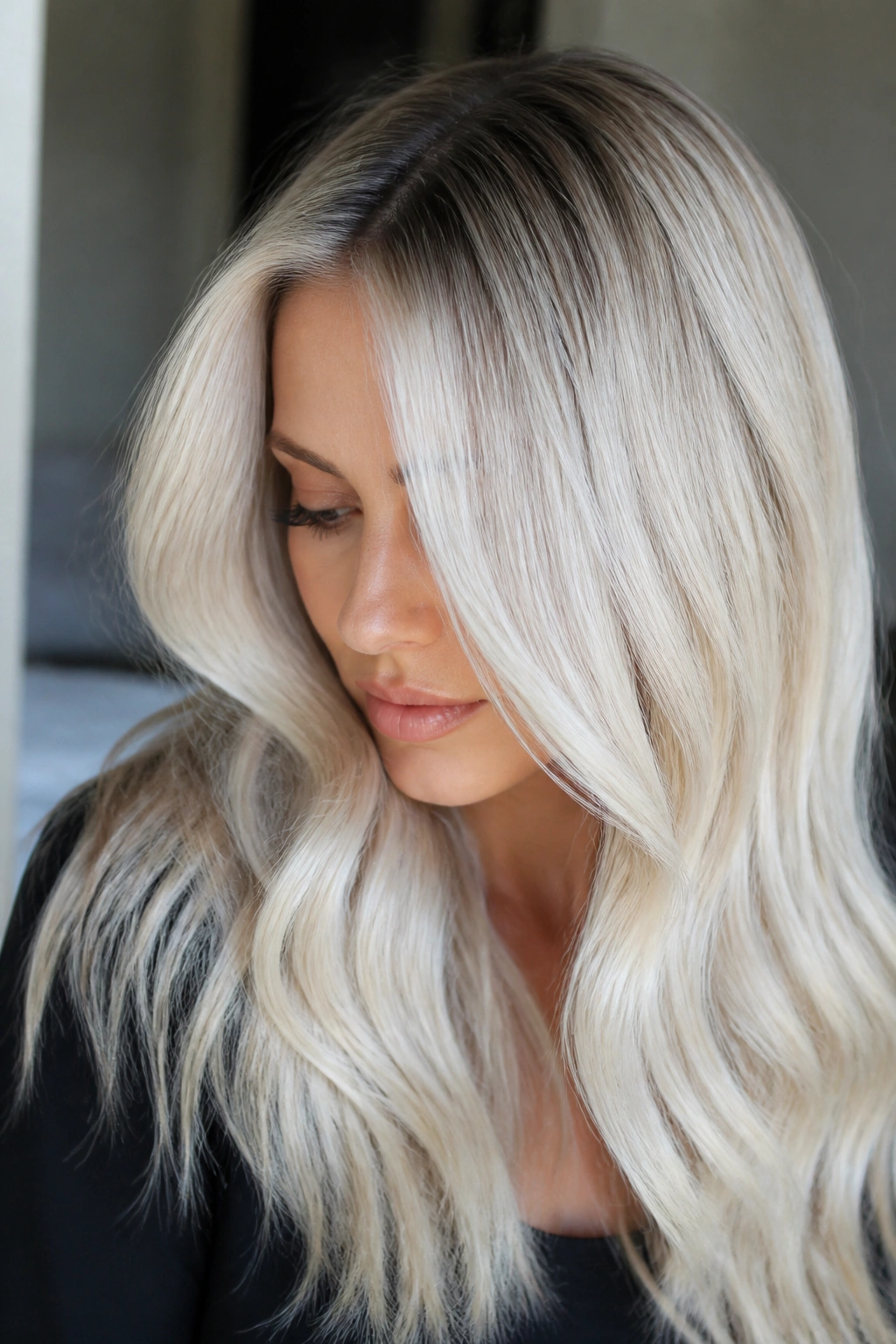
Platinum on long hair is not subtle. That’s the appeal. The bright ends create a hard-edged contrast against skin and clothing, and a soft shadow root keeps the whole thing from looking brassy or overprocessed two weeks after your appointment.
A shadow root is doing more work than people think. It softens regrowth, gives the blonde somewhere to start, and makes the long lengths look thicker near the scalp. Without it, platinum on long hair can flatten out and feel a little wig-like. With it, the color has depth.
Quick Reality Check
- You will need toner.
- Purple shampoo helps, but it will not do all the work.
- Heat protection matters more here than usual.
- Old brass shows fast on porous ends.
- A good trim keeps the blonde from fraying into straw.
Platinum works best if your hair can handle a few lightening sessions without falling apart. If the ends are already fragile, ask for a softer pearl or champagne version first. That way you still get the brightness without the snap-and-crackle texture nobody asked for.
6. Smoky Lilac Ends
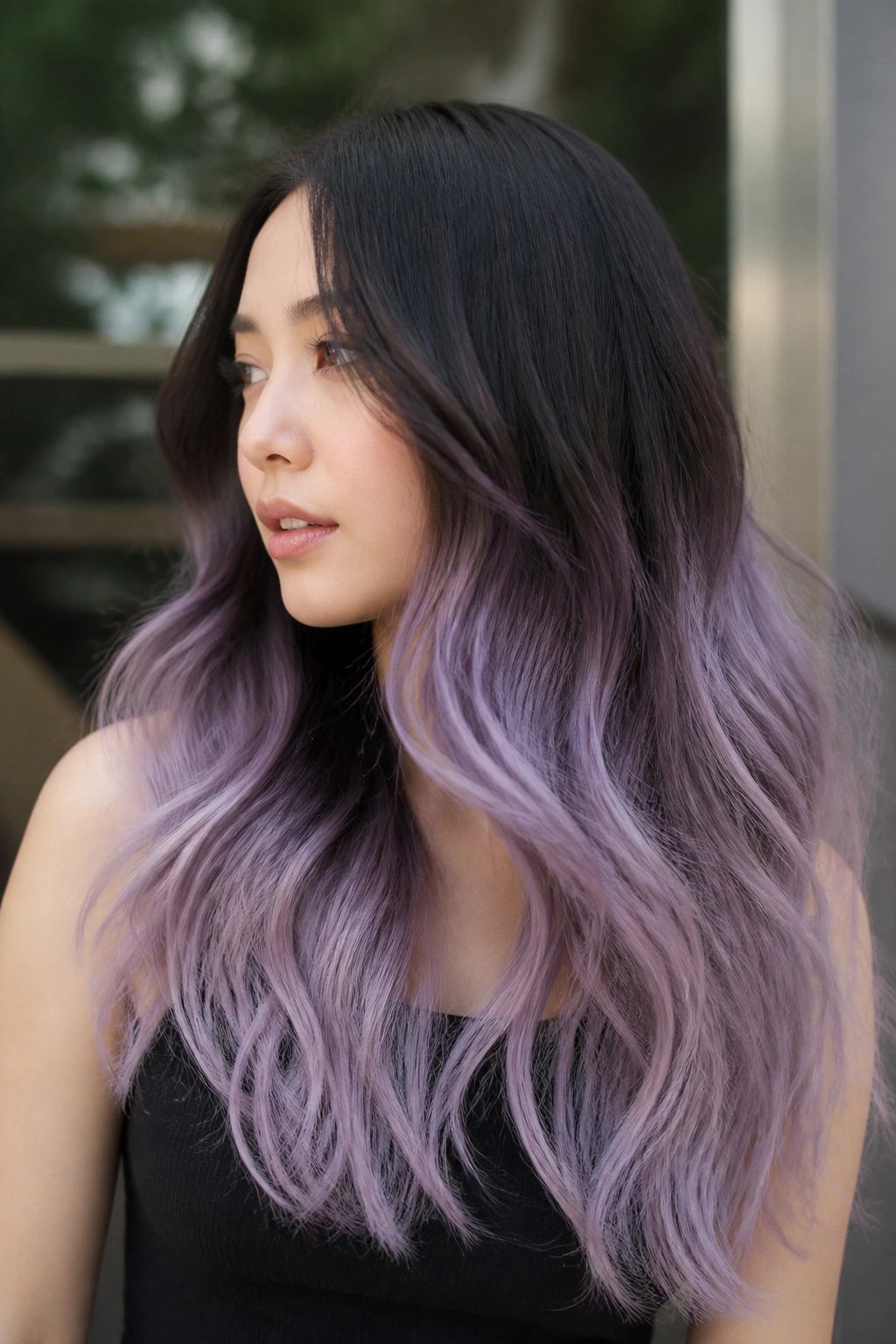
Smoky lilac is one of the smartest dramatic shades for long hair because it lets you keep the root darker while playing with softness at the ends. The color usually sits somewhere between lavender, mauve, and a touch of gray, which keeps it from looking sugary.
Long hair is useful here because pastel shades can fade fast and still leave enough length to read as intentional. On a short cut, lilac can disappear quickly. On longer lengths, the fade can become part of the look, especially if the mids hold more color than the very ends.
The safest version is a dark root melt into smoky violet mids and pale lilac tips. That keeps the overall feel cool and moody instead of sweet. Wavy styling gives the underlayers more visibility, which helps if your hair is dense.
Do not skip a test strand if your hair has old box dye on it. Pastel colors behave badly over mystery history. They always do.
7. Burgundy Wine Lengths
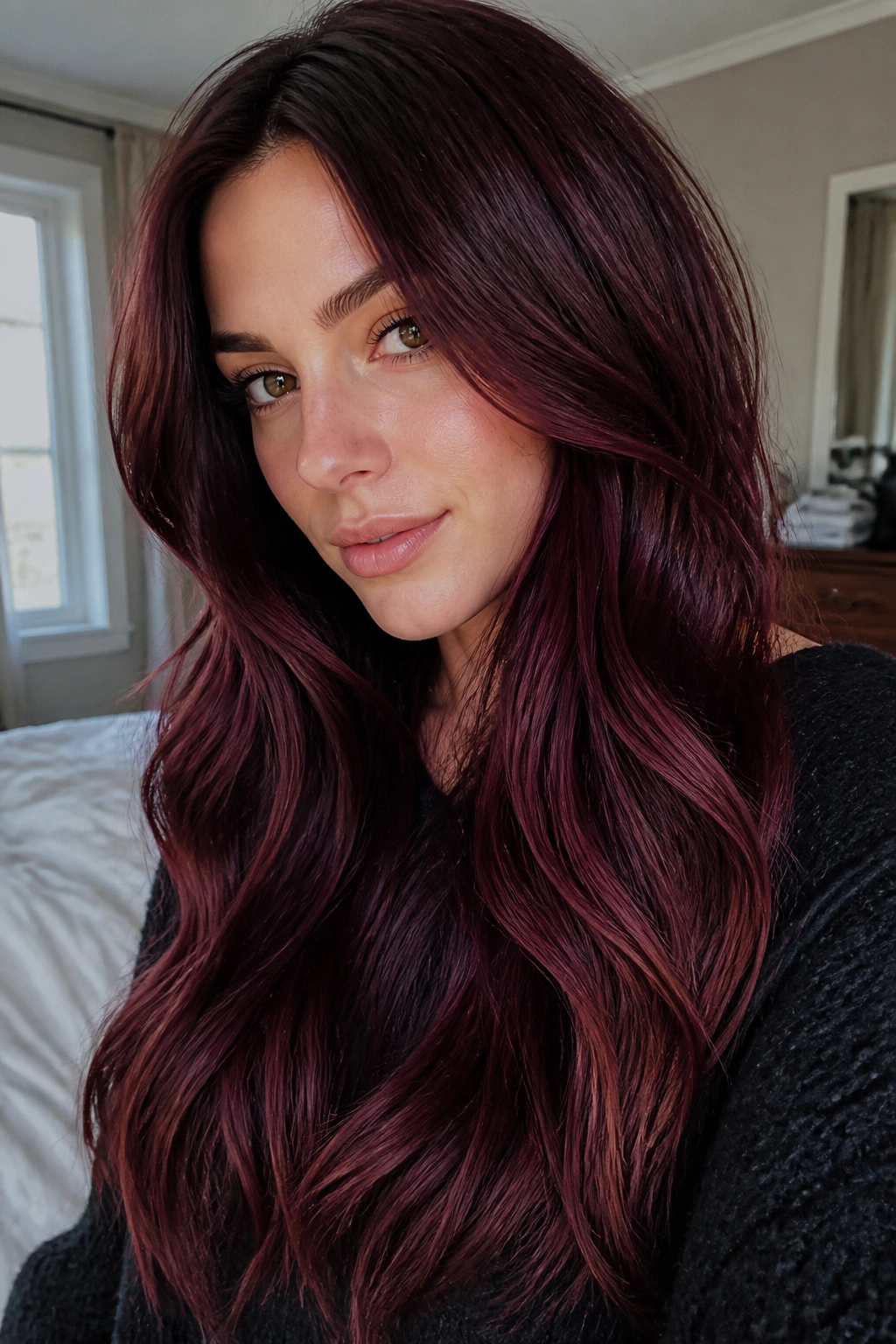
Burgundy on long hair has a kind of seriousness to it. It’s rich, dark, and a little moody, and it doesn’t need a neon level of brightness to feel dramatic. In fact, the deeper version usually looks better on long lengths because it can pick up red, purple, and brown depending on the light.
This is one of the easier dramatic shades to wear if you want impact without high contrast. Curls and waves help the color bloom. Straight hair makes the shade look sleeker and more severe, which can be a good thing if that is your style.
A red-violet deposit mixed with a brown base is usually the direction to ask for. You want dimension, not a flat bottle-red look. The color should have enough depth that the ends look almost velvet in low light.
Maintenance is moderate. The shade fades, sure, but it often fades gracefully if you use color-safe wash products and avoid scalding water. That helps more than people like to admit.
8. Midnight Navy Ombré
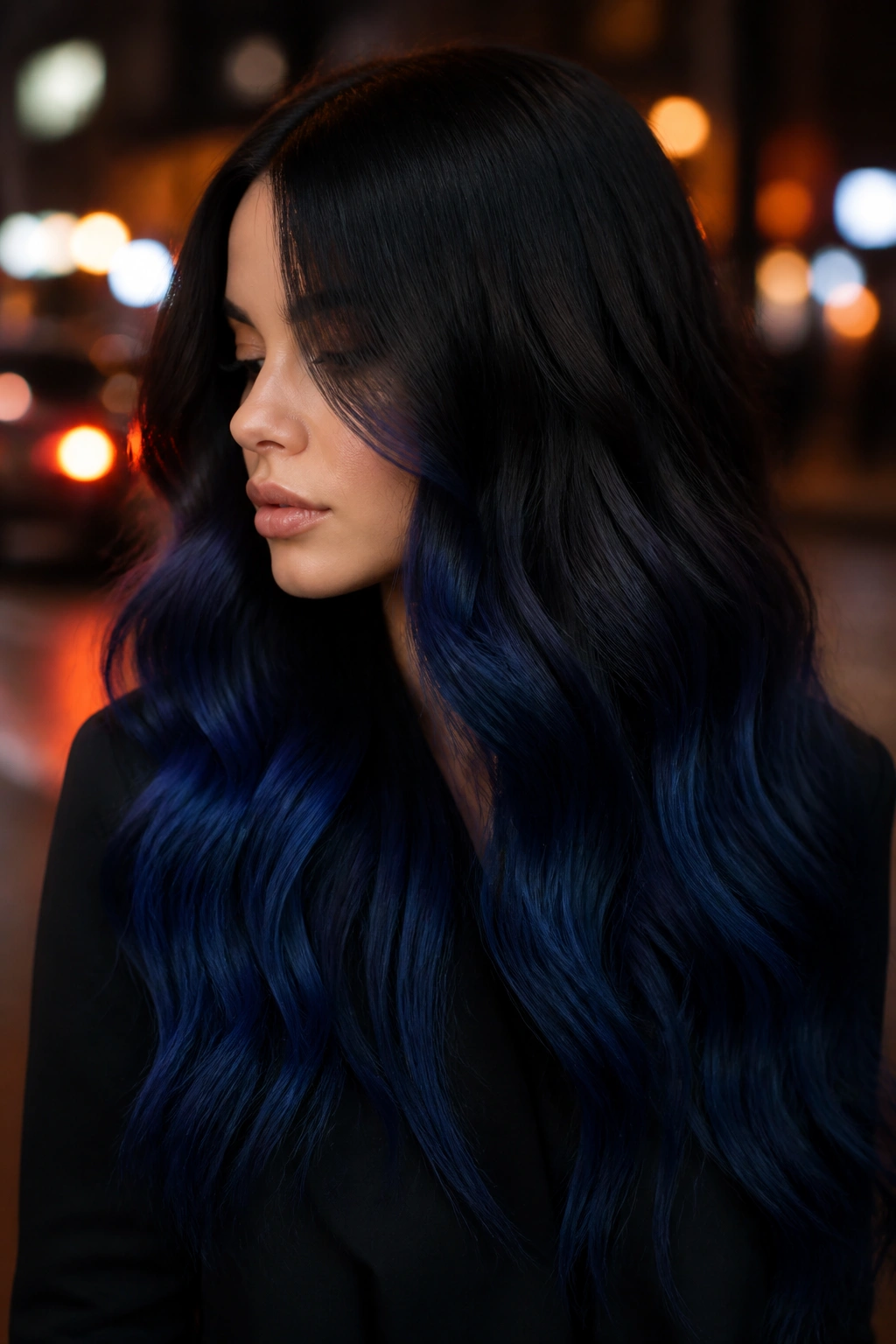
Midnight navy is a strong choice for long hair because it gives you darkness, but not the same darkness as black. The blue comes through at the ends and in the lower layers, so the hair still feels deep and glossy while the shape of the style stays visible.
Why does this work so well on long hair? The gradient has space to stretch. That means the ombré can start almost black near the scalp, then turn navy through the mid-lengths and end in a deep indigo-blue. On a shorter cut, the shift can feel abrupt. On long hair, it looks deliberate.
This look tends to be happiest when styled with a little wave. The blue catches at the bends of the hair, especially on thick lengths. Fine hair can wear it too, but the saturation needs to be strong enough that the shade does not vanish in dim light.
If you want a hint of edge without going full electric blue, this is one of the cleanest ways to do it.
9. Emerald Peekaboo Layers
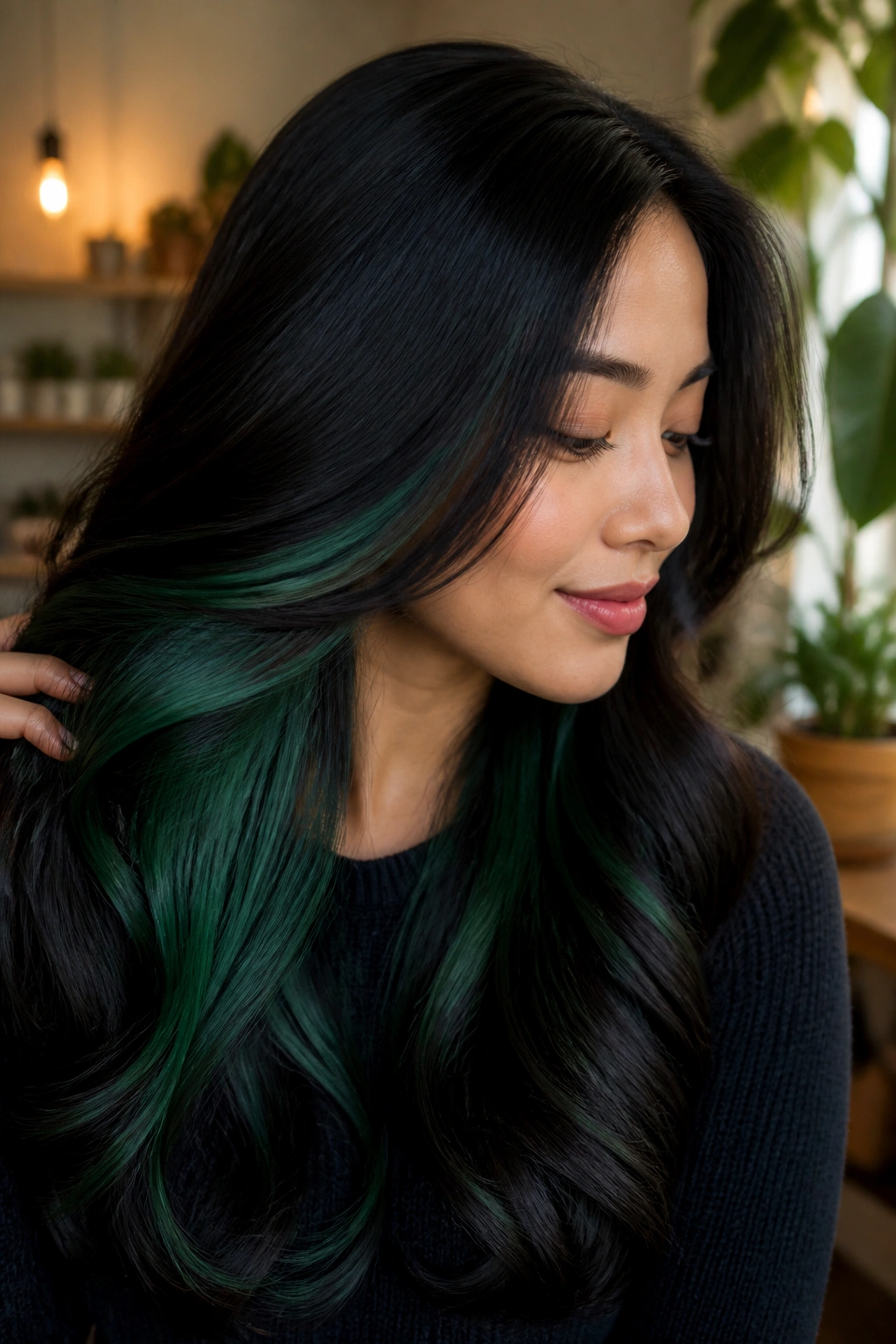
Peekaboo color is one of my favorite tricks for long hair because it gives you drama on your terms. The top layer stays dark or natural, while the hidden sections underneath carry a saturated emerald green that shows when the hair swings, braids, or gets pinned half-up.
What Makes It Different
The color only flashes when you want it to. That makes it a smart choice for people who need something more controlled at work but still want to feel a little unruly when the hair comes down.
Long hair gives the green more surface area, which matters. On shorter cuts, peekaboo panels can vanish too quickly. On long hair, the hidden sections have room to move through the full length, so the reveal feels richer and less accidental.
How to Get the Most From It
- Ask for the green to sit under the crown and side layers
- Keep the top layer at least 1 to 2 inches thicker if you want a true hidden effect
- Use braids or half-up styles to show the color
- Refresh direct dye every 4 to 6 weeks
- Pair with a neutral or dark root for contrast
This is the kind of color that makes a simple low bun look like you planned your whole outfit around it.
10. Rose Gold Waves
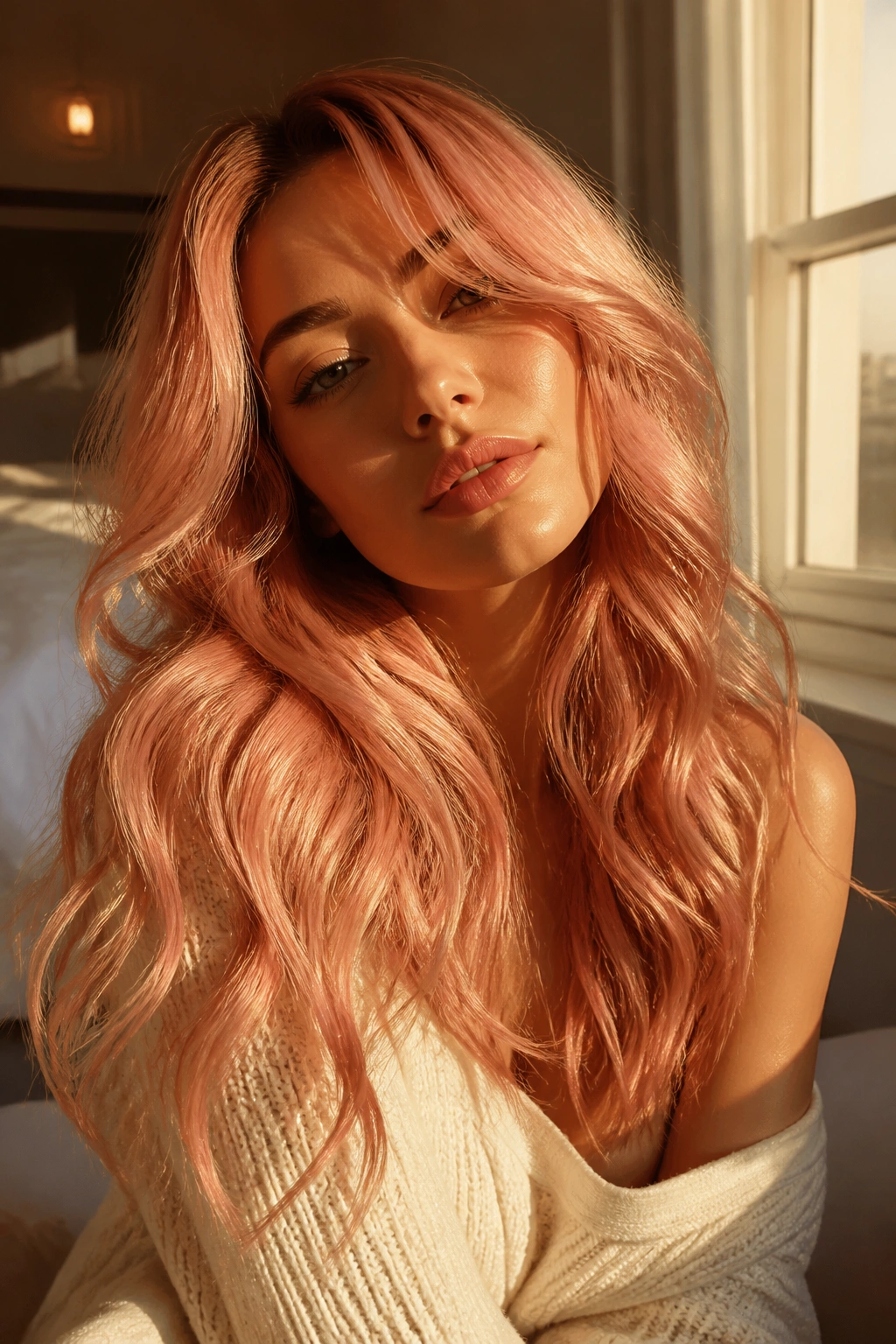
Rose gold on long hair can go twee fast if it’s too pink, too pale, or too evenly spread. The version I like best has a blush-gold balance that feels soft but still has shape. Long waves make the shade come alive because the pink and gold tones move in different directions depending on the angle.
A lighter base helps here, obviously, but the magic is in the toner. Too much pink and the whole thing looks cotton candy. Too much gold and it slips into plain blonde. The sweet spot is a warm blush with a metallic edge.
This color is best on long hair that already has some movement. Layered cuts and loose curls keep it from looking like a single sheet of pale color. If the hair is pin-straight and very thick, it can flatten out a little.
I’d also say this is a better choice if you enjoy gloss appointments. Rose gold loses its sparkle when it gets dull. The color still fades nicely, though, which is why people keep coming back to it.
11. Mushroom Brown with Beige Ribbons
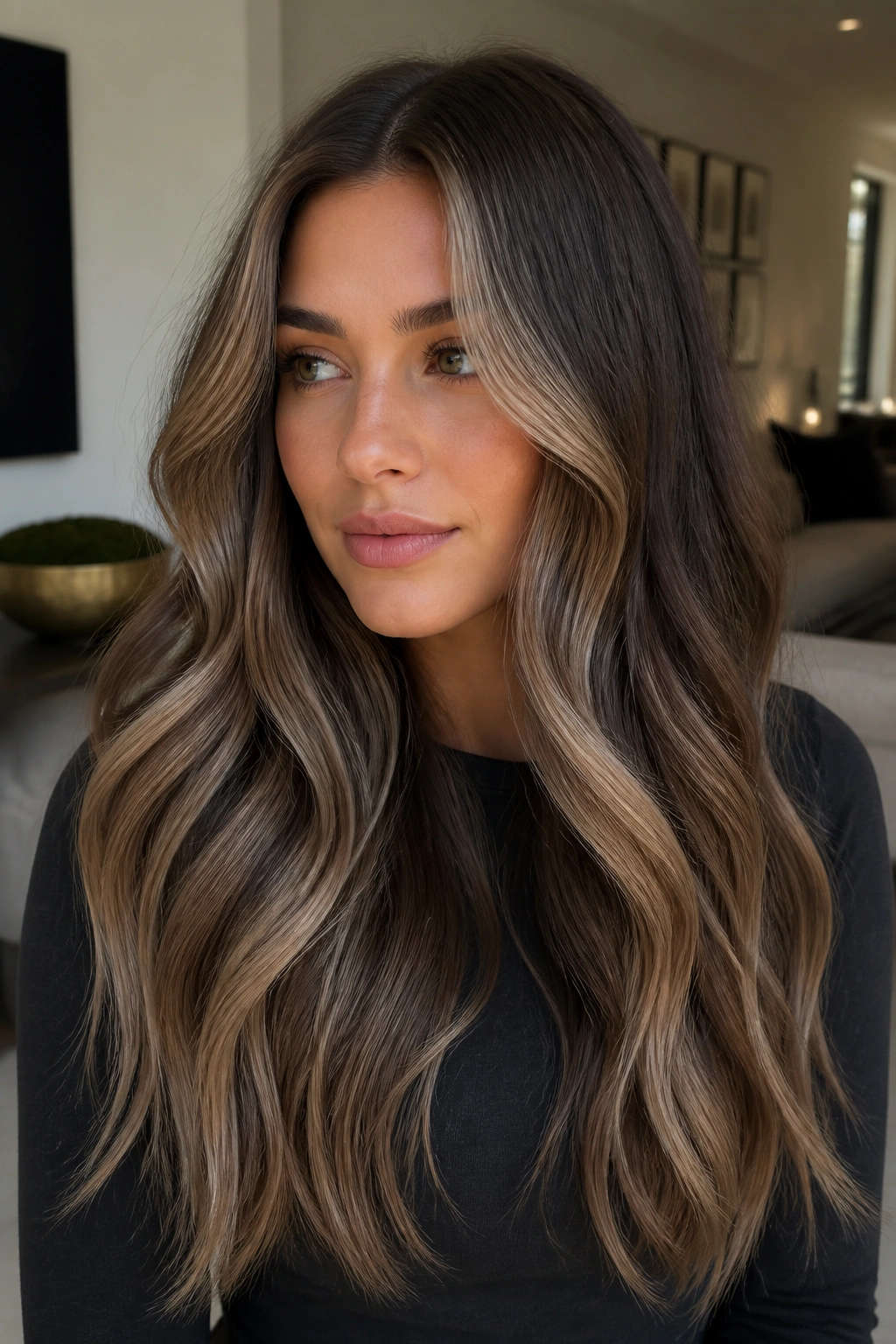
Mushroom brown has become a favorite among people who want drama without bright color, and long hair gives it enough room to look dimensional rather than muddy. The base stays cool taupe-brown, while beige ribbons thread through the lengths and brighten the mids and ends.
A Quiet Color That Still Has Bite
It sounds restrained. It is restrained. But that does not mean it is boring. The contrast between a smoky brown root and cool beige lightness can look very polished on long waves, especially when the layers are cut to move instead of hanging dead straight.
This works best if you like shades that feel expensive and slightly cool rather than warm and sun-kissed. The tone needs to stay beige, not yellow. Yellow is where the whole thing starts looking tired.
- Best for natural brunettes who want lighter pieces
- Needs a cool toner to keep brass down
- Flatters thick, layered long hair
- Grows out with less edge than platinum or copper
- Looks clean in straight styles and soft bends
If you want something high-impact but office-friendly, this is one of the smarter picks on the list. Not loud. Not boring either.
12. Silver Money Piece on Dark Hair
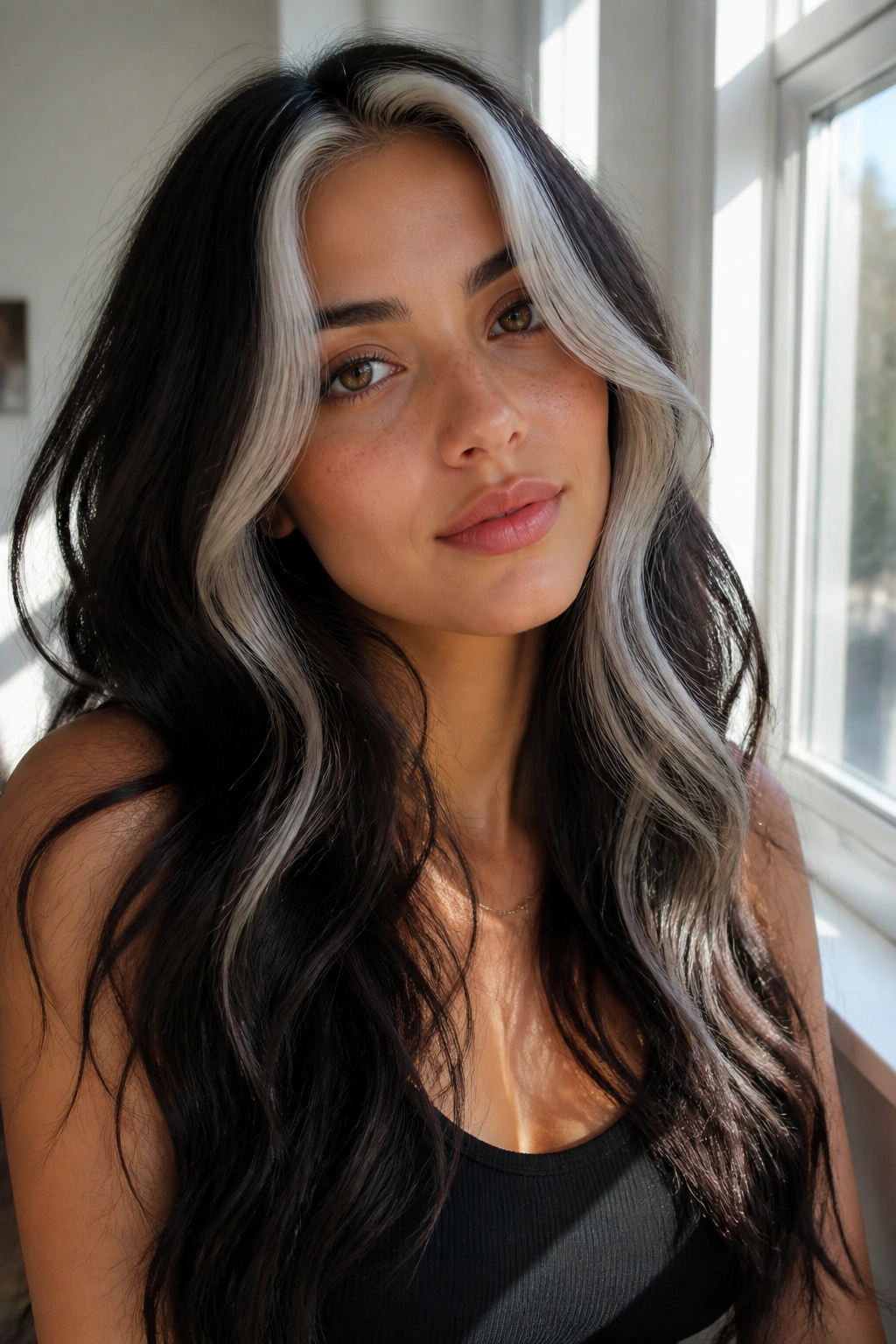
A silver money piece can change the whole face of a long haircut. You keep the darker lengths, then place a bright silver or icy platinum streak right around the front, where it frames the face and runs down the first few inches of hair. The contrast is immediate.
Long hair makes this look especially strong because the front streak has room to travel. It is not trapped by a short cut or a blunt line. It can fall into waves, tuck behind the ear, or get swept into a high ponytail and still stay obvious.
This is a bold choice if you want a dramatic shift without bleaching the whole head. That part matters. You get the impact of brightness near the face, but the rest of the hair can stay dark and healthy-looking.
The downside is upkeep on that front section. Roots show fast. Tone also fades fast. Still, if you are choosing one place to make a statement, the money piece is hard to beat.
13. Split Dye High Contrast
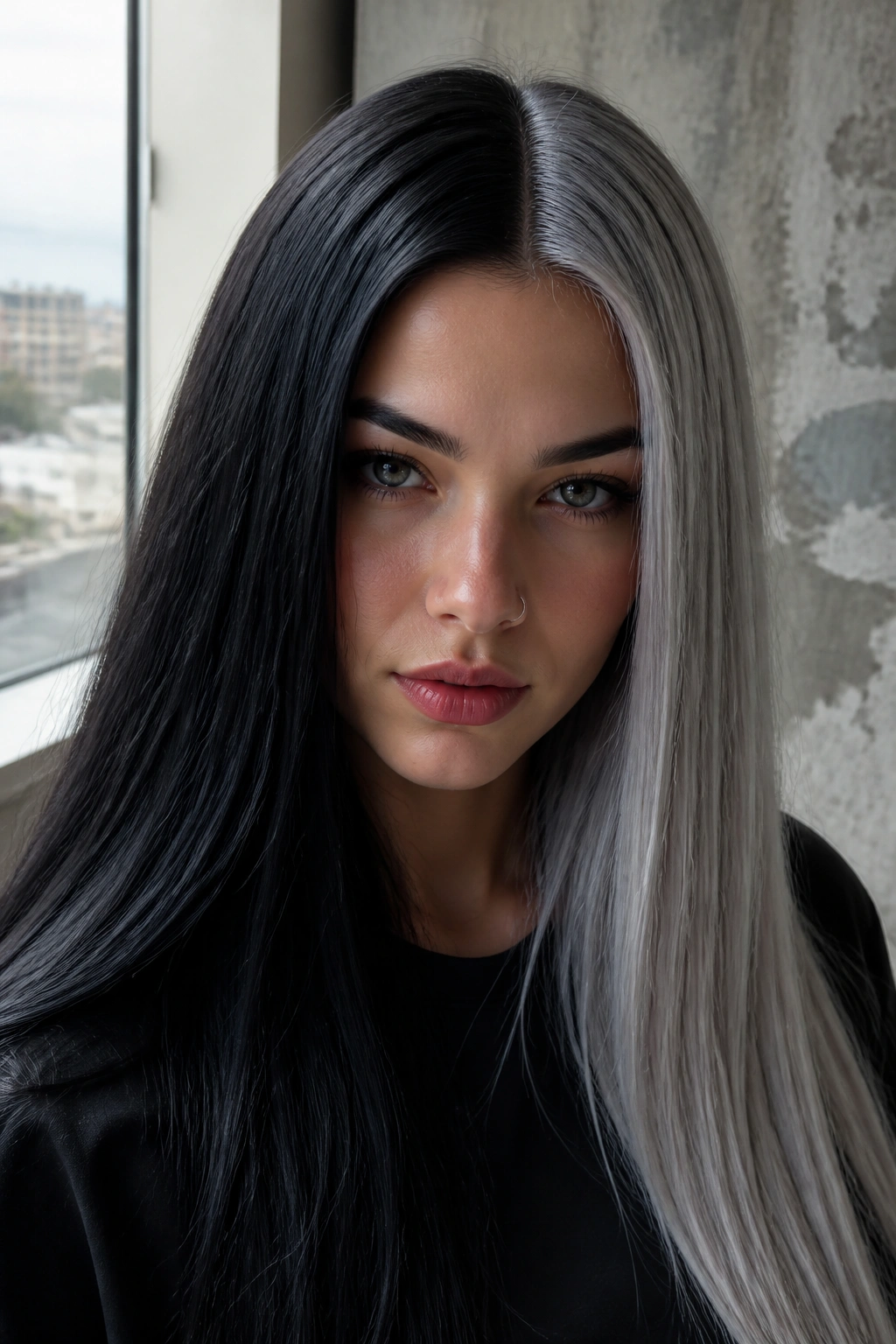
Split dye hair does not try to be subtle, and that is the fun of it. One side can be black and the other side silver, purple, red, or neon green. On long hair, the straight center part creates a clean visual divide, and the length makes each side feel fully committed.
Why It Gets Such a Strong Reaction
The contrast is the whole point. Long hair gives each color enough space so the line between them feels intentional instead of cramped. The top section near the part becomes the headline, and the rest of the hair serves as the canvas.
You do need precision here. A sloppy split line looks cheap. A clean one looks sharp. The hairline around the ears and the crown needs careful sectioning so the colors do not bleed into each other during washing.
Who It Suits
- People who like high contrast and strong part lines
- Hair that can handle multiple lightening or direct-dye sessions
- Styles worn straight, curled, or in twin braids
- Anyone who wants the option to show only one side at a time
Half the charm is that you can wear the same haircut two different ways. Pull one side back, and the whole mood changes.
14. Auburn Balayage with Face Frames
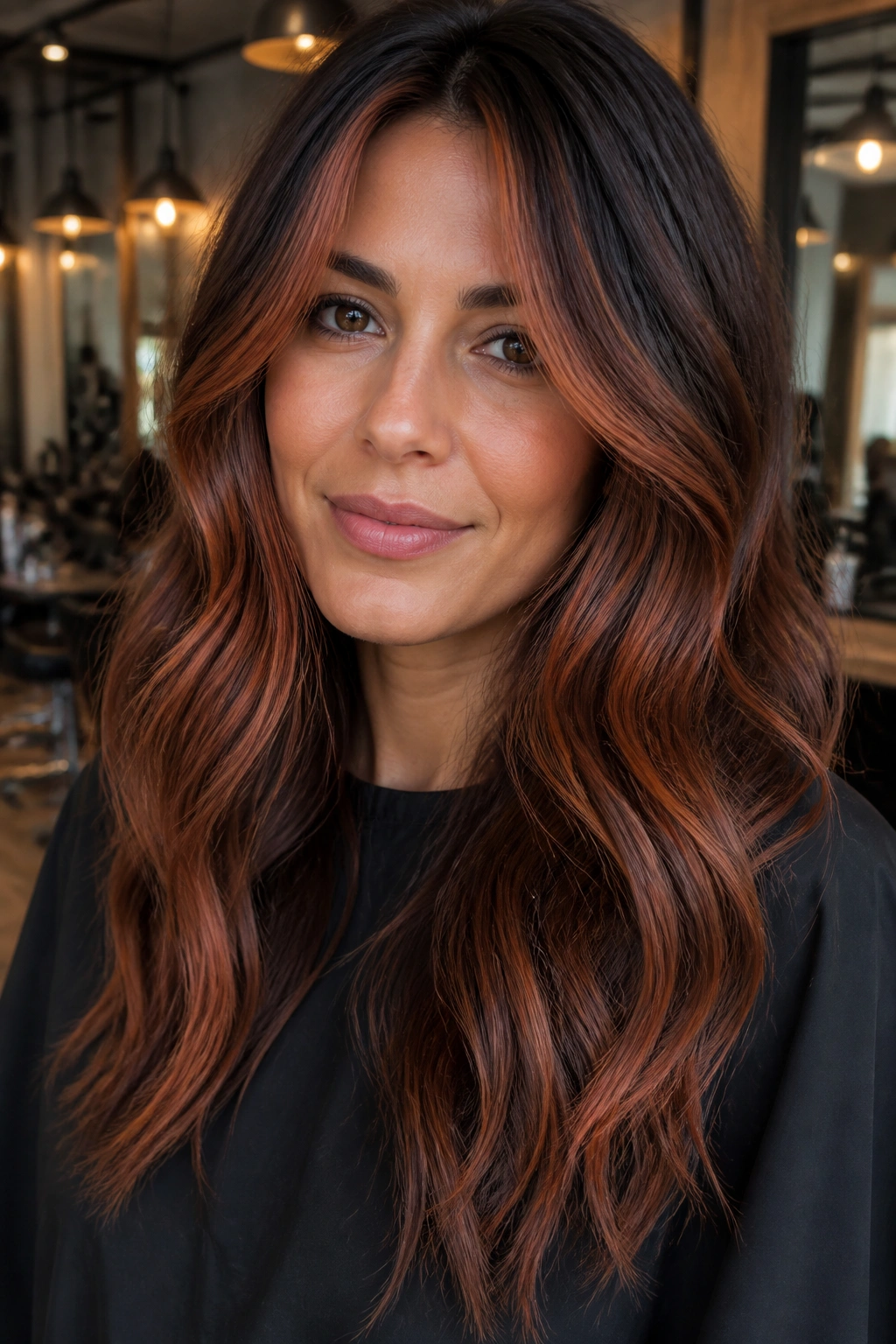
Auburn balayage is one of the easiest ways to make long hair look richer without forcing a full color overhaul. The brown base stays grounded, while warm auburn and copper pieces sweep through the mid-lengths and frame the face with a brighter touch.
It’s dramatic in a softer way. Not less dramatic. Just less shouty.
Long hair works especially well because the balayage can travel in long, loose strokes instead of stopping too early. That means the ends don’t get crowded with too much lightness, and the whole look keeps some depth near the bottom. Face-framing pieces add a lift around the eyes and cheekbones, which is where a lot of people want the change anyway.
If your hair is naturally brunette, this is a smart bridge shade before going full copper or red. It has enough warmth to feel different, but it does not lock you into constant root panic. And that matters more than people say out loud.
15. Cinnamon Honey Ribbon Highlights
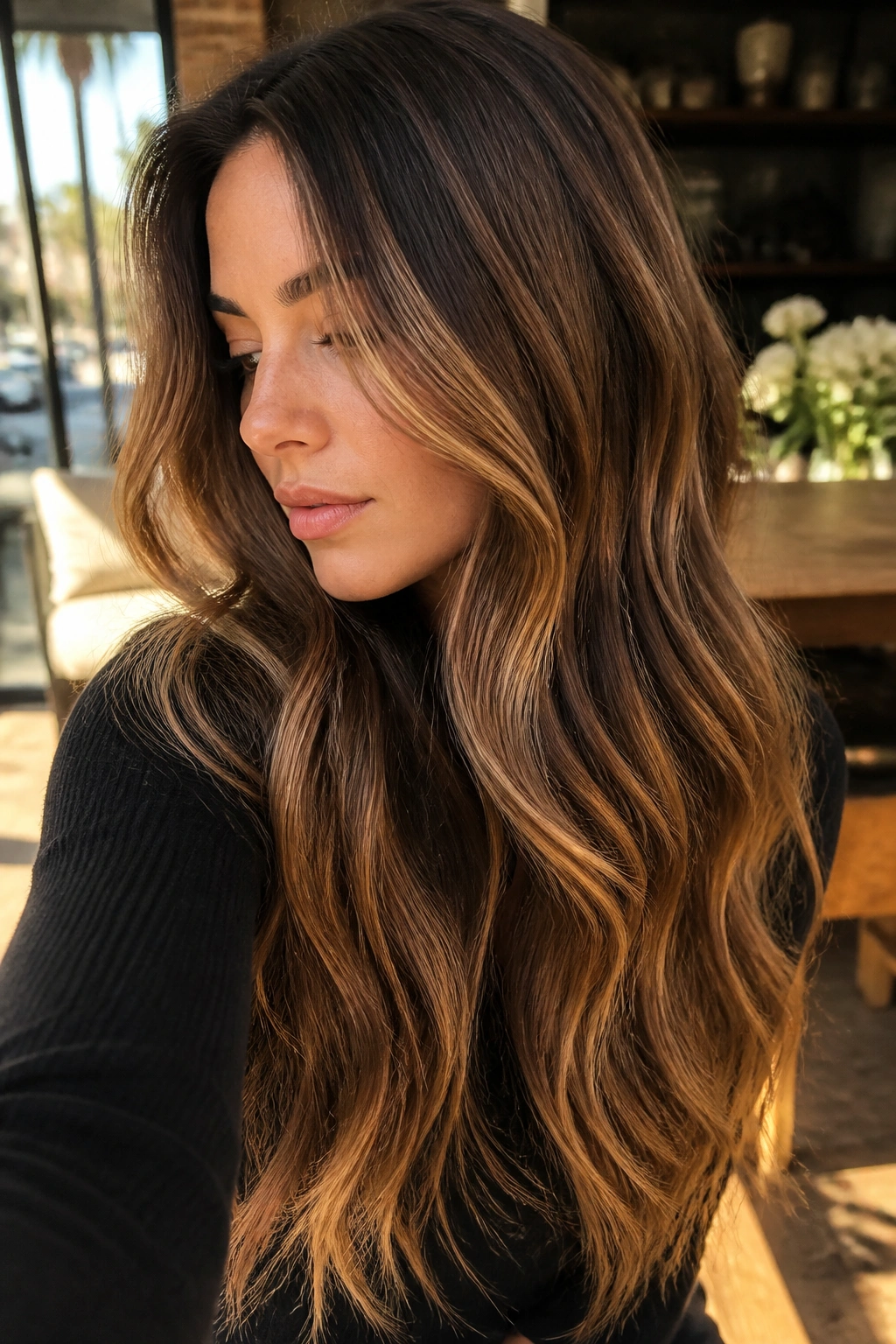
Cinnamon and honey is a warmer, softer version of dramatic color, but long hair gives it enough depth to feel luxurious rather than sweet. Think of it as brunette hair with warmth turned up in the right places: cinnamon lowlights, honey ribbons, and a sunlit finish through the ends.
The best part is movement. On long layers, the highlights travel through the hair instead of sitting on top of it like decoration. That makes the color feel built in, which is always better than looking painted on.
This is one of the easiest shades to wear if you want something striking but not high-maintenance. You can go lighter around the face and keep the ends deeper, or spread the honey through the lower half for a softer fade. Either way, the warmth gives the hair a fuller look.
A gloss helps here too. Warm colors can get flat if they lose shine. You want the hair to look like it has some body in it, not like you pulled it straight out of a dye bottle.
16. Velvet Violet Underlayer
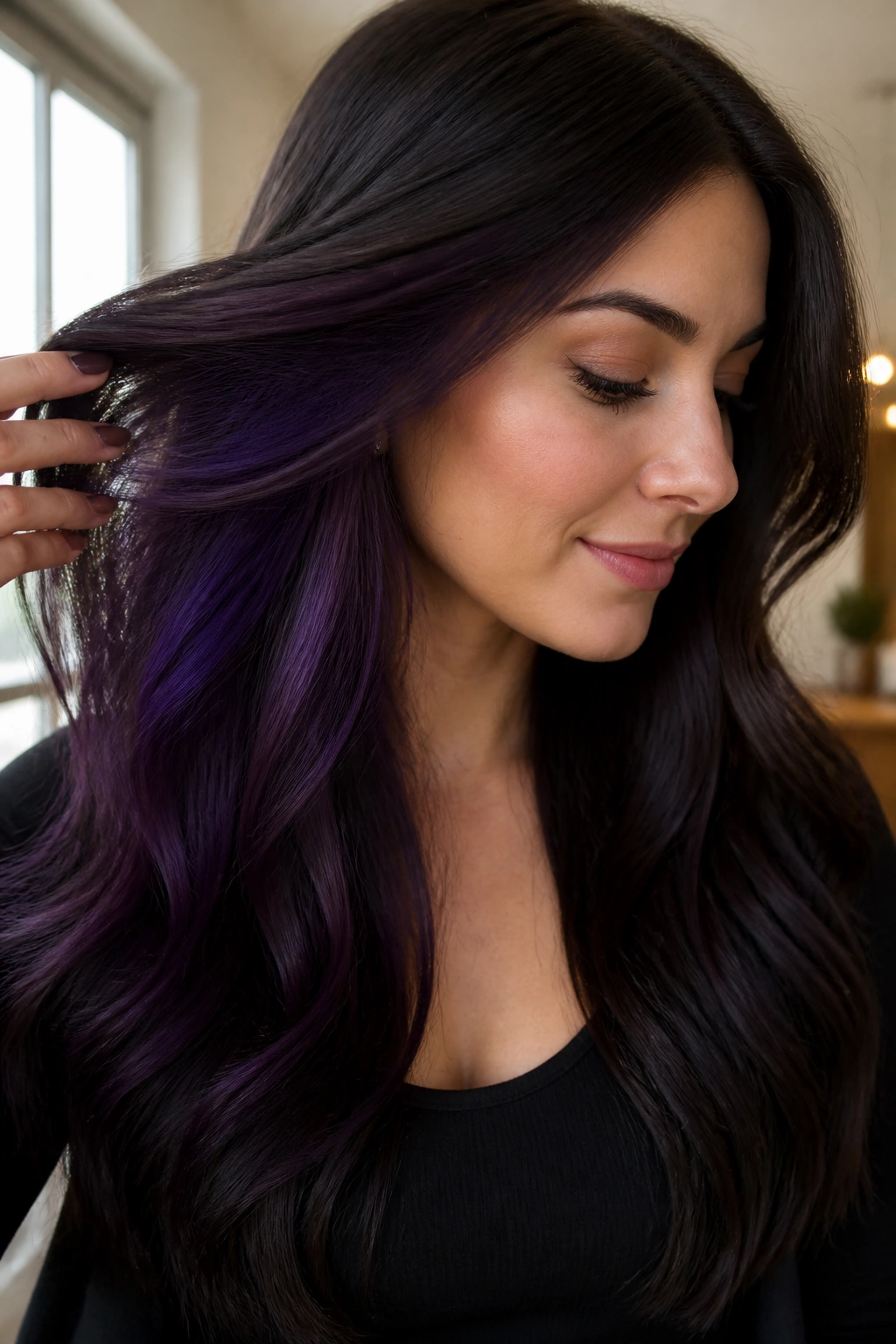
Velvet violet is a smart color if you like the idea of purple but do not want to wear it like a billboard. The underlayer stays hidden under the top sections, then flashes when you twist the hair, braid it, or pin it half-up. On long hair, that reveal is much richer because the violet has more distance to travel.
What to Watch For
The top layer needs enough density to hide the color when you want it hidden. If the hair is too thin on top, the purple will peek through all the time and you lose the effect. That may sound fine, but it changes the whole mood.
This works well with darker brunette tops, black hair, or even a muted blonde if you want a softer contrast. The underlayer can be a deep plum or a brighter violet, depending on how much shock value you want.
A side braid shows this color off fast. So does a claw clip. So does a windy day, honestly.
If you want drama that feels a little secretive, this is one of the best looks on the list. It has that hidden-room energy. You know it’s there. Most people do not.
17. Teal Dip-Dye Ends
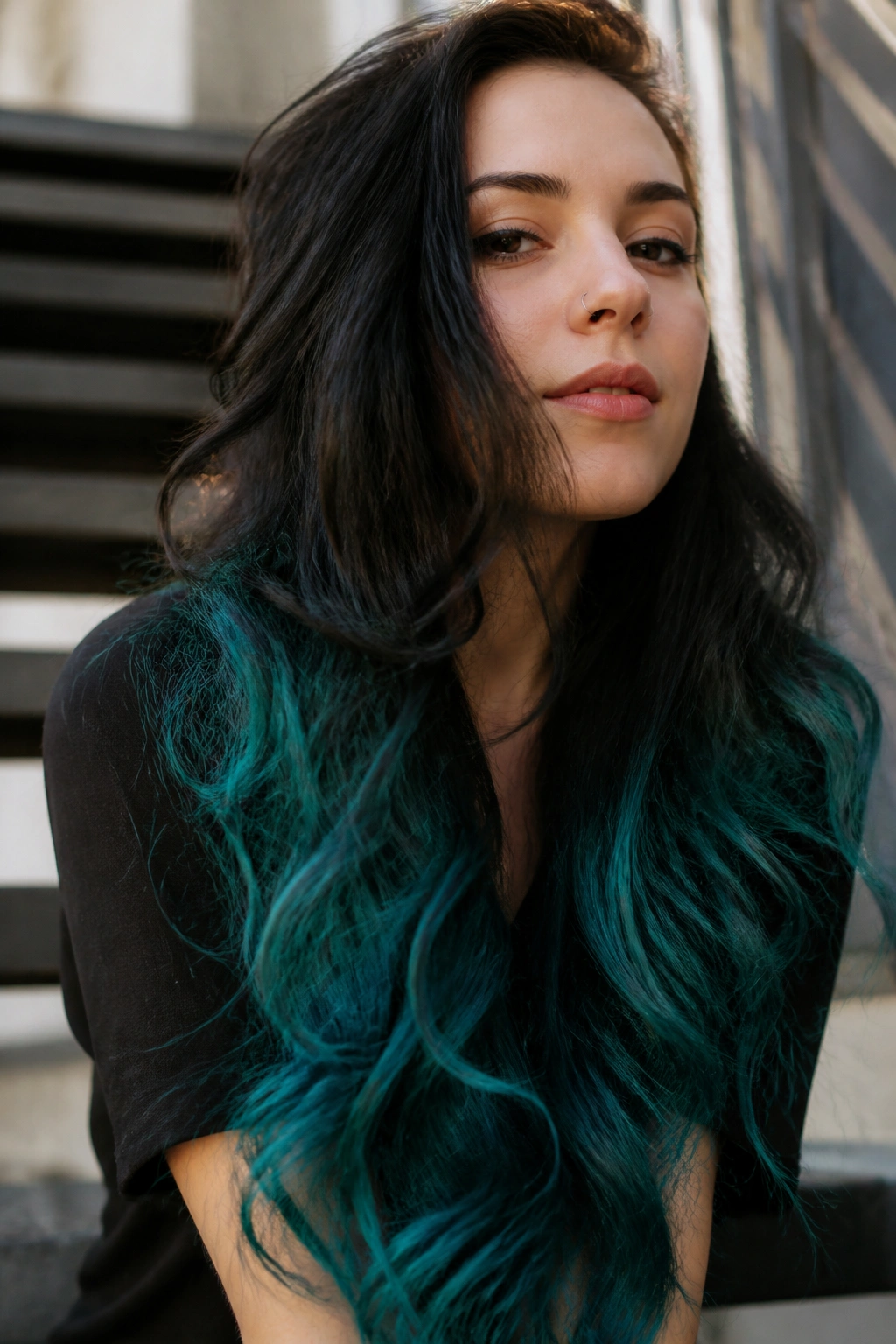
Teal dip-dye ends are loud, clean, and easy to read from across a room. That is the appeal. The darker upper hair stays grounded, and the ends take on a saturated blue-green that feels sharp instead of washed out. Long hair gives the dip-dye enough length to look like a true color block rather than a tiny splash.
This look is a little different from ombré. The transition can be softer, but the real drama comes from the bottom third of the hair holding all the color. When you curl it, the teal breaks into bands. When you wear it straight, the edge feels bolder.
Quick Practical Notes
- Needs lightened ends for true brightness
- Works best on thick hair or layered cuts
- Refresh direct dye often if you shampoo a lot
- Cool water helps slow fade
- A leave-in conditioner keeps the ends from feeling rough
This is a very good choice if you want something punky without coloring the whole head. Also, it looks better than people expect in big braids. Much better.
18. Champagne Blonde with Root Melt
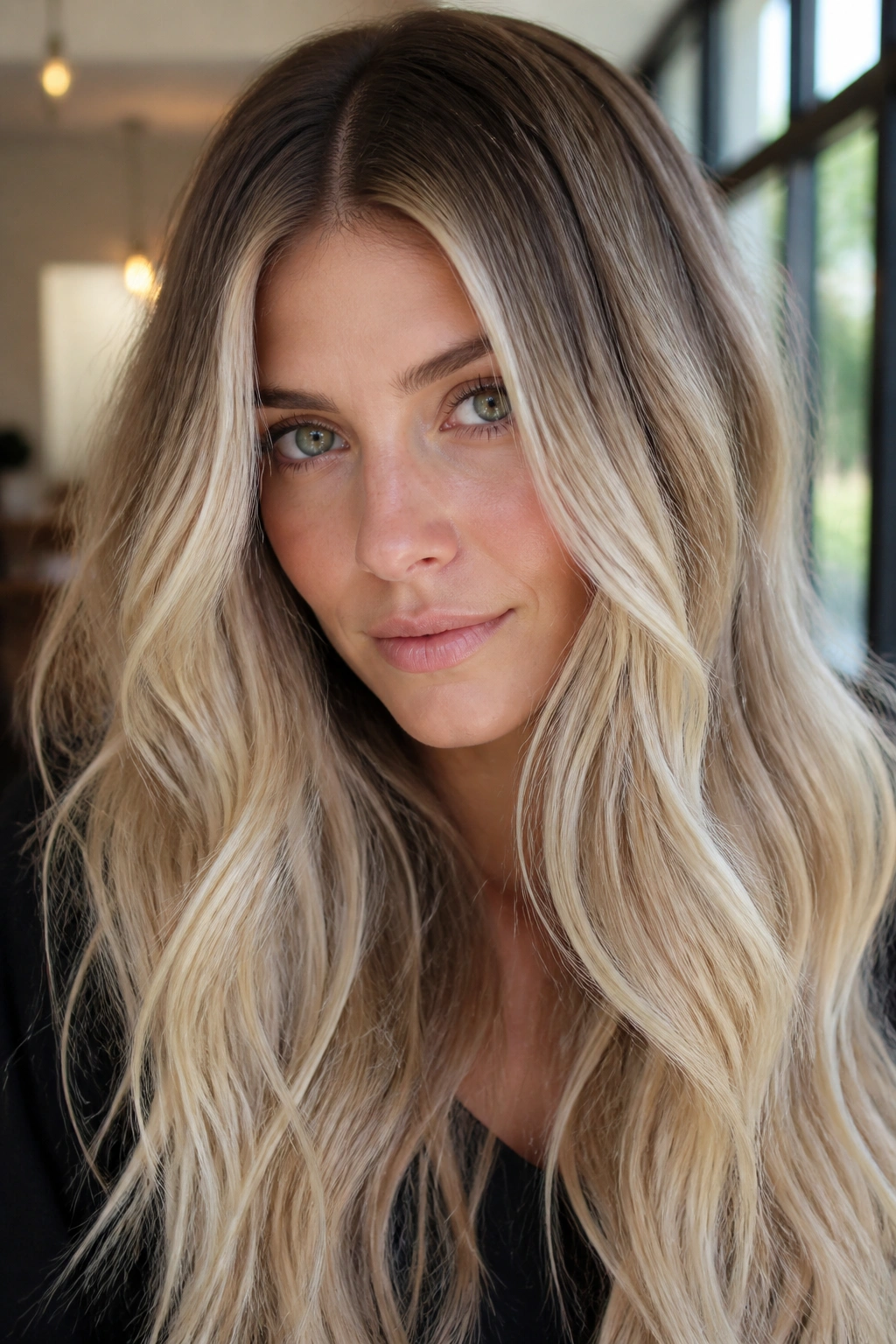
Champagne blonde sits between cool beige and pale gold, which gives it a softer edge than platinum while still looking expensive and bright. On long hair, a root melt keeps the growth line from feeling harsh and lets the blonde flow from a deeper base into lighter, airy ends.
That root area matters. A champagne blonde without a melt can look too stark near the scalp, especially if your natural color is darker. The melt makes the blonde feel more fluid and gives the long lengths more depth.
This is the shade for someone who wants brightness but hates obvious regrowth. It also suits long hair that gets worn in waves, because the bends of the hair catch the pale color and the darker root keeps the style anchored.
Use a good toner plan, not just purple shampoo. Purple shampoo helps with yellow, sure, but champagne is about balance. Too much cool product and the color gets dull. Too much gold and it goes brassy. The middle is where it lives.
19. Oil Slick Color Blend
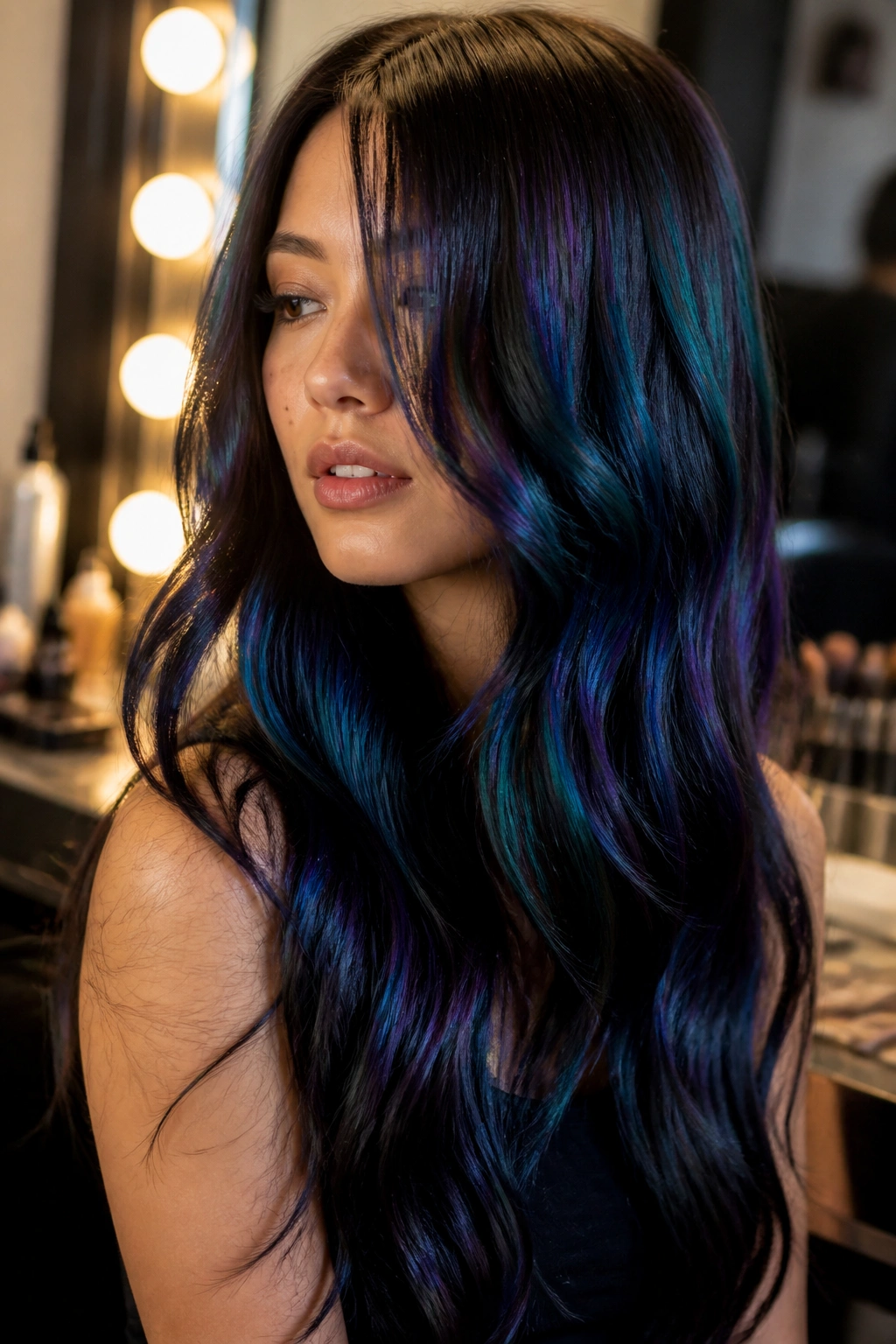
Oil slick color is one of the most interesting dramatic looks for long hair because it hides the brightness inside a dark base. Think green, indigo, purple, and blue layered over black or very dark brown so the colors flash like spilled motor oil when the light hits the hair at the right angle.
It is not a one-look-fits-all color. That’s part of the appeal. Straight hair tends to show the reflective shift more clearly. Waves reveal more of the color layers. Braids can break the blend into little segments, which looks oddly good.
What Makes It Different
The tones sit close to each other, so the effect depends on shine and placement more than broad contrast. That makes oil slick color feel moody instead of flashy. It’s the kind of dramatic shade that people notice slowly, which is a nice change.
This works best on hair that can hold a glossy finish. If the hair is dry and porous, the colors can muddle together fast. A color-sealing conditioner and regular glossing help keep the reflections clean.
It’s a bold choice, but not a loud one. There’s a difference.
20. Hidden Rainbow Panels
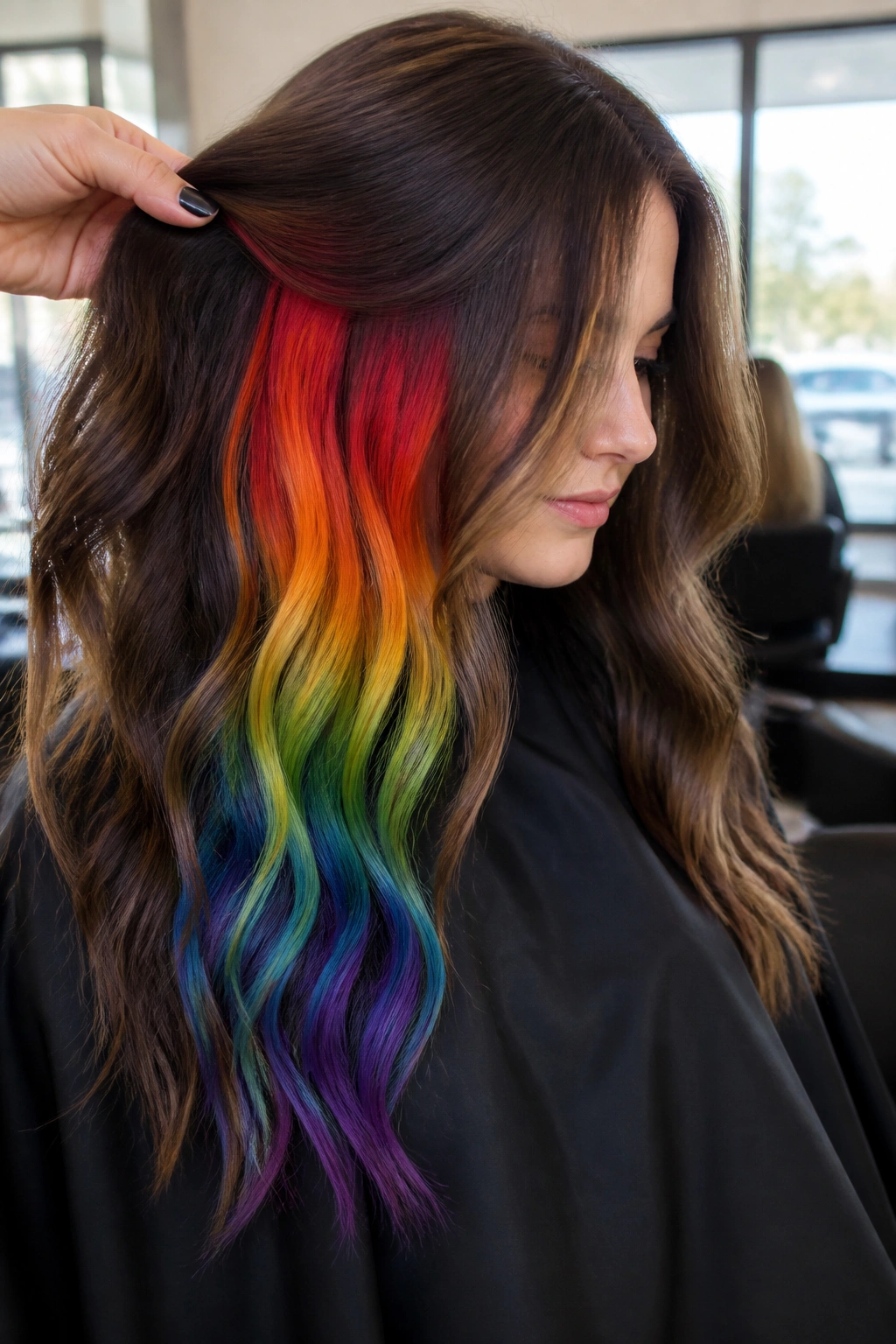
Hidden rainbow panels are for people who want all the drama and none of the predictability. The top layers can stay natural, black, brunette, or blonde, while the underneath sections hold bands of red, orange, yellow, green, blue, and violet. Long hair gives each color enough vertical space to show properly, which matters more than people think.
If the panels are too short, the rainbow can look cramped. On long hair, each shade gets room to breathe, so the effect feels deliberate rather than messy. You can wear it down and keep it concealed, or flip the hair into braids and half-up styles to show the whole thing off.
How to Wear It
- Best with braids, twists, and half-up buns
- Great for anyone who likes surprise color
- Needs careful sectioning during the color service
- Works well when the top layer is a neutral shade
- Makes curled ends look more playful without changing the top half
This is the most flexible dramatic option on the list. You get color that feels private until you choose otherwise. That’s a hard thing to beat.
Final Thoughts
Long hair changes how color behaves. It gives dramatic shades more room to stretch, fade, flash, and shift, which is why the same tone can feel tame on a shorter cut and bold on a longer one.
The strongest choices usually do one of two things: they either create sharp contrast near the face, or they build a slow color change through the lengths. Both can look gorgeous. Both can fall apart if the placement is sloppy. That part never changes.
If you’re sitting between two shades, pick the one that matches your upkeep tolerance first and your mood second. A color you can live with for months will always look better than one you like for three days and resent for three weeks.
