



Balayage works best when the color looks like it happened by accident. That’s the charm of it. The soft sweep of lighter pieces, the darker root that keeps everything grounded, the way the ends brighten without turning into a hard line — that’s why so many hair color balayage ideas keep coming back in different forms.
The trick is choosing a shade that suits your base color, your skin tone, and your patience. Some balayage looks need a gloss every 6 to 8 weeks and a purple shampoo once a week. Others can grow out for months and still look polished, because the root shadow does half the work for you. Good balayage is rarely loud. It’s usually clever.
And no, balayage does not have to mean blonde. It can be caramel, copper, ash beige, mocha, rose gold, cherry cola, silver smoke, or a brown-on-brown blend that only shows itself when the light hits just right. That’s the fun part. You can go soft, rich, warm, cool, bright, or moody without losing the hand-painted feel.
Start with the shade that feels closest to your hair’s natural personality. That usually makes the whole thing look expensive — and far easier to live with.
1. Caramel Ribbon Balayage

Caramel ribbon balayage is the shade I recommend when someone wants movement without shock value. It sits in that sweet spot between obvious and subtle, with warm ribbons running through brunette hair like soft streaks of toffee.
Why It Works So Well
The warmth gives brown hair a little glow, especially on medium and deep bases. Ask your colorist for thin, feathered ribbons through the mids and ends, not chunky stripes near the root. That keeps the grow-out gentle and stops the color from looking overworked.
If your hair is dark brown, caramel is forgiving. If your hair is medium brown, it can make the whole cut look fuller because the lighter pieces catch on bends and layers.
- Best on level 4 to 6 brunettes
- Looks strongest on loose waves and layered cuts
- Usually needs a gloss every 6 to 10 weeks
- Easy to soften later if you want less contrast
Pro tip: Keep the lightest ribbons away from the part line unless you want the color to read louder.
2. Honey Brunette Balayage

What happens when brunette hair needs warmth but not brass? Honey brunette balayage is the answer. It’s golden, soft, and a little sunnier than caramel, which makes it a nice pick if your skin has peach, olive, or warm beige undertones.
The color should feel melted into the base, not painted on top of it. That means your stylist should focus on mid-lengths and ends, then blur the blend with a warm gloss. If the highlights are too pale, the whole look starts to feel disconnected. Honey works because it stays cozy.
This is one of those shades that looks good in half-up styles, braids, and messy buns because the contrast shows up without screaming. It’s friendly hair. Not fussy.
And that matters.
3. Ash Beige Blonde Balayage

Cool light catches differently than warm light, and ash beige blonde balayage proves it. On the right base, it looks clean, airy, and a little smoky — never icy enough to feel harsh, never gold enough to turn brassy.
What Makes It Different
The secret is the beige tone. Pure ash can look flat if it’s too gray. Beige keeps it wearable. Ask for a level 8 or 9 lift with a neutral-to-cool toner, especially if your hair tends to pull yellow.
This shade shines on straight hair and big loose waves alike, but it needs upkeep. A violet shampoo once a week helps, and too much heat can warm it up faster than you’d expect. Keep the flat iron under 300°F if your hair is fine or already lightened.
- Best for cool or neutral undertones
- Needs regular toning to stay soft
- Looks especially clean on layered lobs and bobs
- Works well with a dark root shadow
Watch for this: If your ends are porous, ask for a test strand first. Ash tones grab fast.
4. Mushroom Brown Balayage

Mushroom brown balayage is the quieter cousin in the room, and I mean that in a good way. It gives brunette hair a soft taupe cast — a mix of cool brown, smoky beige, and a little bit of depth that keeps the result from looking flat.
Unlike bright blonde balayage, this one doesn’t chase lightness. It plays with tone. That makes it a smart choice if you want dimension but do not want the maintenance that comes with very pale pieces. The grow-out is gentle, and the color looks expensive when the cut has shape.
Who It Suits Best
- Medium to dark brunettes
- People who like cool tones
- Hair with natural wave or bend
- Anyone tired of golden highlights
A mushroom balayage works best when the lightest pieces stay muted. If the contrast gets too yellow, the whole thing loses its magic. Keep the ends soft and the root shadow cool, and it stays chic for weeks.
5. Copper Balayage

Copper balayage has a pulse to it. It’s warm, a little fiery, and much prettier in real life than in overly filtered photos. On brown hair, it can read like auburn light. On darker hair, it gives you red shimmer without turning the whole head into a single flat color.
I love this on wavy cuts because the copper streaks break up the hair and move when you turn your head. You get flashes, not blocks. That’s the point.
This shade does ask for commitment. Red tones fade faster than brown, especially with frequent washing and hot tools, so a color-safe shampoo and lukewarm water matter. A copper gloss every 4 to 6 weeks helps keep the tone from slipping into dull orange.
One thing people miss: copper can look surprisingly soft. It does not need to be neon to be beautiful.
6. Cinnamon Swirl Balayage

Cinnamon swirl balayage feels like fall without being tied to a season. The shade sits between warm brown and muted red, which gives dark hair more warmth without turning it into a true copper or auburn.
What to Ask Your Colorist
Ask for soft cinnamon ribbons through the mid-lengths and a slightly deeper root. That keeps the color from fighting your natural base. If your hair is already warm, the stylist may only need to lift a few levels and glaze it into place.
This shade is a good fit for layered cuts because the lighter strands show up in the movement. It can also make fine hair look thicker, since the color variation gives the eye more to read.
- Best on medium brunettes
- Works with warm or neutral skin tones
- Looks richer than blonde highlights
- Needs shine, not heavy styling
My take: If you want red tones but hate the idea of obvious red hair, start here.
7. Bronde Balayage

Is bronde a compromise? Sure. But it’s a smart one. Bronde balayage sits right between brown and blonde, which means you get brightness without giving up the depth that makes brunette hair look full.
The best bronde looks don’t chase a big color shift. They make the base look richer and the ends look kissed by light. That balance matters. If the blonde pieces are too pale, the whole style can look disconnected. If they’re too brown, it just reads like dull highlights.
How to Keep It Looking Expensive
A soft root melt helps. So does a gloss with beige or neutral tones. Ask for face-framing brightness around the front, then softer hand-painted pieces through the back for depth.
Bronde is a good pick if you want a low-drama change that still shows in photos. It also grows out well, which is one reason stylists keep coming back to it. It is easy to wear and hard to ruin.
8. Espresso and Toffee Balayage

Deep espresso at the root and warm toffee through the lengths is one of those combinations that looks simple until you see it in motion. Then it gets interesting. The contrast is subtle enough to stay classy, but strong enough to make long hair look fuller.
This works especially well if your hair is naturally dark and you want dimension without going blonde. The toffee pieces should stay a shade or two lighter than the base, not five shades up. That keeps the finish believable.
I also like this on blunt cuts. The straight edge of a bob or long lob gives the color a clean frame, and the lighter ribbons stop it from feeling heavy. If your hair is thick, this combo can make it look less blocky. That’s a real win.
A satin finish spray helps here. Too much shine serum and the contrast can flatten out.
9. Face-Framing Money Piece Balayage
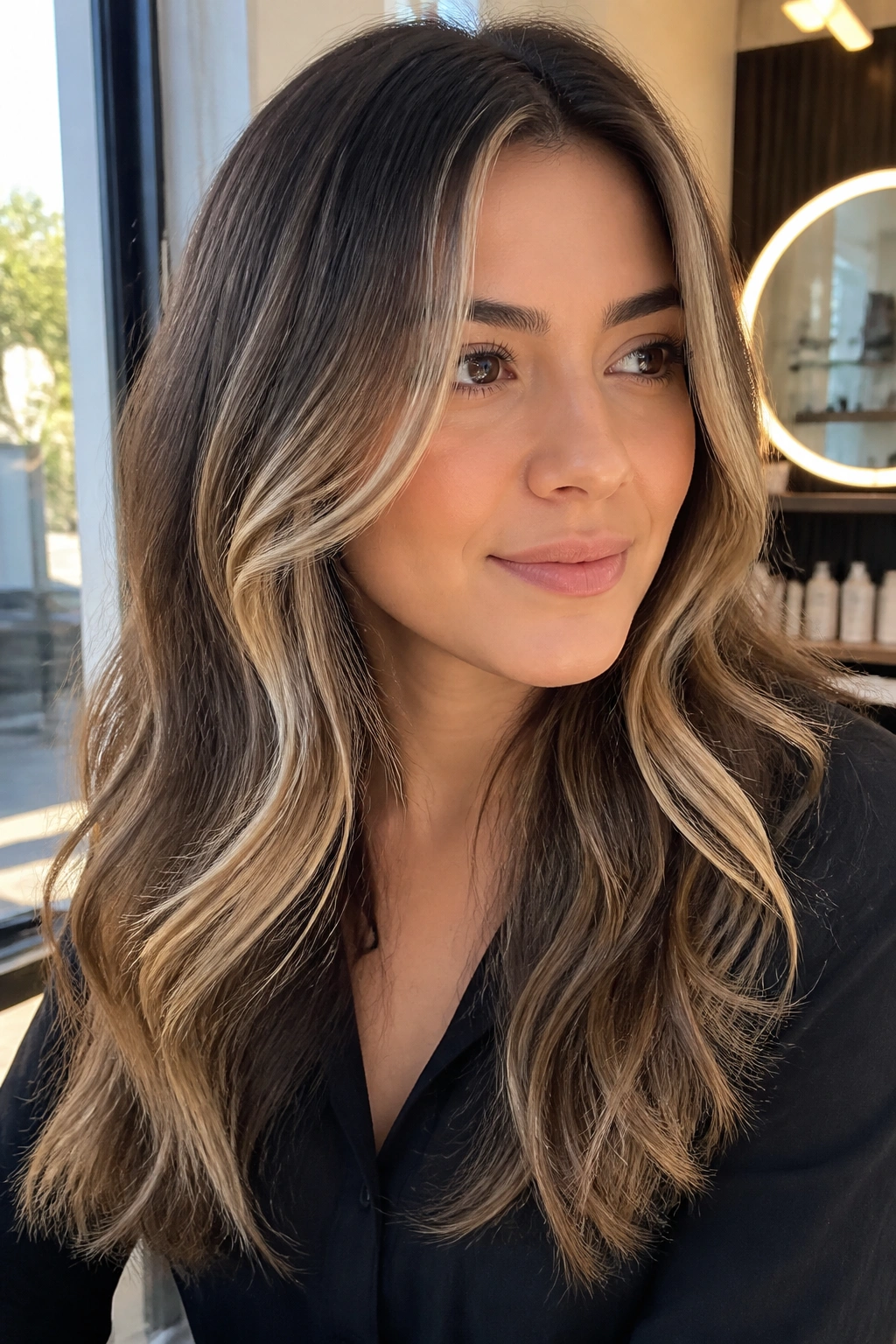
A full head of light ribbons is not the only way to do balayage. Sometimes the smartest move is to keep most of the color low-key and put the brightness around the face. That’s where the money piece comes in.
This style gives you visible lift right where you want it — around the cheekbones, jaw, and eyes. The rest of the hair can stay deeper, which makes the grow-out easier and the salon visit cheaper. Nice trade.
What Makes It Stand Out
The best version is not a thick stripe. It’s a soft, blended frame that starts a little below the root and melts into the rest of the hair. If the front pieces are too wide, the look gets stiff fast.
- Great for ponytails and updos
- Good if you want brightness with less upkeep
- Works on blondes, brunettes, and redheads
- Can be toned warm or cool
Best advice: Keep the face frame lighter than the crown, but not lighter than your ends by a mile. You want focus, not a forehead spotlight.
10. Rose Gold Balayage
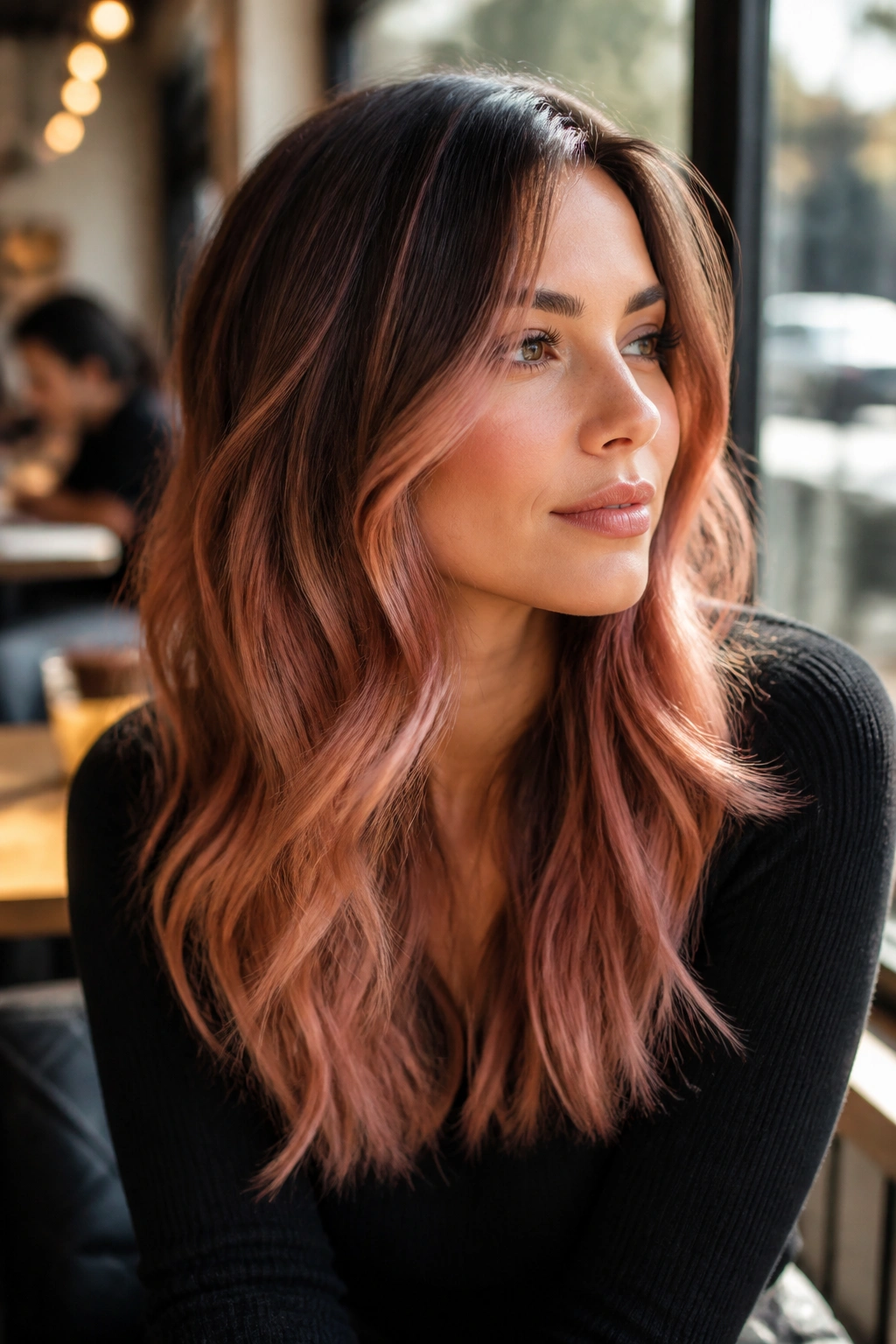
Rose gold balayage looks delicate until you realize how much work it does. The pink-gold tone softens blonde hair and gives brunette bases a rosy sheen that feels warm without turning orange.
Why do people love it? Because it changes with the light. In bright daylight, the pink reads more clearly. Indoors, it can look like a muted champagne blush. That shift keeps it from feeling flat.
If your hair is porous or pre-lightened, this color grabs fast. A pastel gloss may only last a few washes, while a deeper rose-gold melt can stay visible longer. Either way, sulfate-free shampoo is your friend here, and cold rinses help more than people want to admit.
Rose gold is not the color for someone who wants invisible hair. It’s for someone who likes a little personality in the finish.
11. Champagne Blonde Balayage

Champagne blonde balayage is bright, airy, and softer than platinum. It has that pale gold-beige balance that keeps the color from looking harsh against the skin.
Why It Flatters So Many Cuts
The tone is light enough to lift the whole head, but it still has warmth, which keeps the hair from looking washed out. That matters on fine hair, where super-cool blondes can sometimes drain the face. Champagne has a little glow to it.
Ask for a root shade that is only one or two levels deeper than the lightest pieces. That creates a smooth shift instead of a sudden jump. If the root is too dark, the blonde can look patchy. Too light, and you lose contrast.
- Looks especially good on waves and curls
- Needs toner to stay creamy
- Can lean beige or pearl depending on skin tone
- Works well with bright lip color and simple makeup
Small warning: This shade can get brassy fast if you skip toning appointments.
12. Chestnut Balayage

Chestnut balayage smells like fresh color, if that makes sense — rich, warm, and just a little earthy. On brown hair, it adds a glossy red-brown shine that feels deeper than caramel and softer than auburn.
This is one of my favorite ideas for people who want dimension but hate the idea of obvious highlights. Chestnut shifts in the light instead of shouting. It works beautifully on layered hair, because the color catches the bends and makes the cut look more alive.
What to Expect
The lighter pieces should stay in the same family as the base, just a touch warmer or brighter. That keeps the color from turning striped. A chestnut gloss every few weeks helps maintain the shine, especially if your water runs hard or you wash often.
This shade is also forgiving as it grows out. The line between natural hair and colored hair tends to blur instead of shouting at you from the mirror.
13. Auburn Balayage

Auburn balayage has more red than chestnut and more brown than copper. That’s why it can look rich rather than flashy. It’s a deep, spicy shade that gives movement to brunette hair and a little fire to darker red bases.
What Makes It Different
Unlike brighter copper, auburn feels grounded. It has a darker edge, which means it usually wears better on people who want red tones but don’t want the maintenance of a vivid copper. The shade also looks striking on curls because the color variation builds depth inside each spiral.
Ask for ribbons through the mids and ends, not a full all-over tint. The hand-painted look keeps it airy. If the red is too even, the hair can lose its shape and start looking flat.
Auburn is also one of the better choices if you’re moving away from blonde highlights and want something warmer without going dark again. It has presence. It just doesn’t need to show off.
14. Reverse Balayage

Reverse balayage is what you reach for when hair has gone too light and needs depth back. Instead of adding blonde, you add lowlights in brunette, mushroom, or soft mocha tones to rebuild shadow and make the lighter pieces feel more natural.
I’ve always thought this style is underrated. People get excited about lifting hair, then realize their ends look a little hollow or over-bright. Reverse balayage fixes that fast by putting the shade back where the hair needs it.
- Best for overly light blonde hair
- Great for dimming harsh contrast
- Helps grow out old highlights
- Usually easier to maintain than more bleaching
The trick is blending the lowlights so they don’t look painted on. They should slide into the blonde, not sit on top of it. If your hair feels too light and too dry, this is the smarter move.
15. Platinum Ends Balayage

Platinum ends balayage is not shy. The look starts with a deeper root and gradually opens into very light, almost white ends. It can be striking on long waves, sharp on straight hair, and surprisingly cool on layered cuts.
How It Stays Balanced
The root area needs enough depth to keep the platinum from looking like an accident. A shadow root also makes the grow-out easier, which matters because platinum needs maintenance. A lot of it.
I like this look best when the platinum is kept in the lower half of the hair rather than spread all over. That makes the finish feel intentional instead of over-processed. The light ends reflect a lot of shine, so a smoothing cream or lightweight oil can help keep them from looking frayed.
- Best on healthy, lifted hair
- Needs bond care and heat protection
- Can look edgy or soft depending on styling
- Works well on long layers and blunt lengths
Be honest with yourself: platinum ends need more repair than caramel ribbons ever will.
16. Sand Beige Balayage

Sand beige balayage is the color version of a quiet beach morning — soft, neutral, and easy to wear. It sits between ash and gold, which makes it less icy than platinum and less warm than honey blonde.
That neutrality is the whole point. If your skin tone shifts between warm and cool depending on the season or makeup, sand beige is a safe middle ground. It also helps pale blonde hair look less yellow and more refined.
When It’s the Right Choice
- You want blonde, but not brass
- You don’t want obvious contrast
- You like low-key, clean color
- Your hair is already light or lifted
Ask for a beige toner, not a strong silver finish. Silver can take the warmth out too far and leave the hair looking flat. Sand beige should feel soft and touchable, like the color of sun-washed fabric, not metallic paint.
17. Strawberry Blonde Balayage
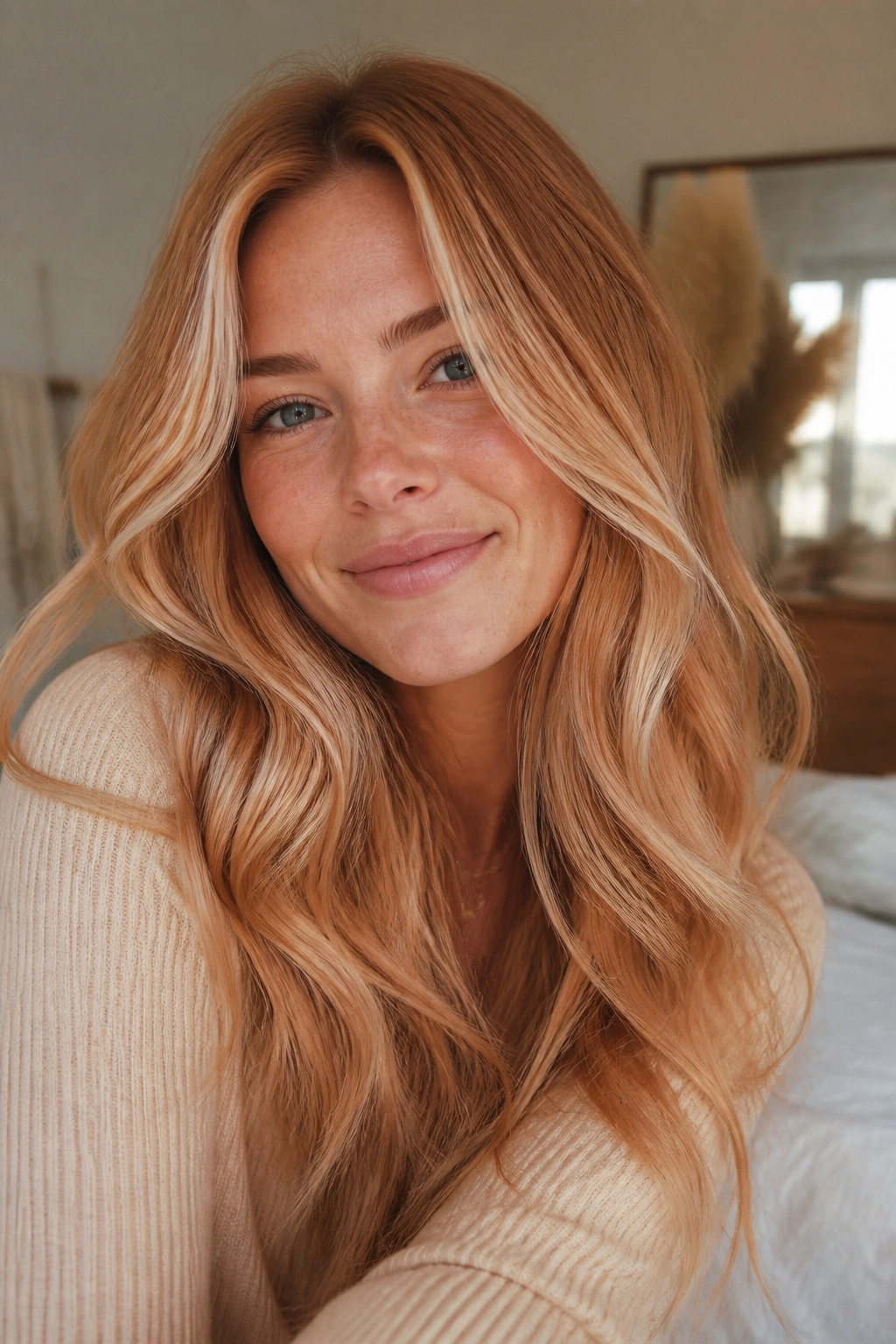
Strawberry blonde balayage is the sweet spot for people who want warmth without going full red. It blends soft gold, pale copper, and peachy blonde into one finish that can look delicate or bold depending on how light the ends are.
Why People Love It
The color flatters freckles, warm skin, and natural red tones, but it can also soften cooler complexions if the pink side stays light. The best versions have a whisper of copper at the front and more gold through the lengths. That keeps it from becoming one-note.
Ask your colorist to leave the root a shade deeper if your hair is fine. That gives the strawberry tone more depth and stops it from looking washed out. A pale strawberry balayage can disappear quickly on porous hair, so a gloss matters here.
It’s a lovely choice if you want hair that looks sunny without looking blonde-blonde.
18. Mocha Melt Balayage

Mocha melt balayage is one of the easiest ways to make brown hair look richer without obvious lightening. The goal is a smooth shift from deep mocha roots to softer chocolate or toasted ends, with no hard line between them.
It’s all about the melt. If the transitions are clean, the whole head looks thicker and more polished. If the pieces are too separate, you lose the effect and just get streaks. That’s why this style works best with a colorist who knows how to blur tone rather than place obvious sections.
Mocha melt is also nice on medium-length hair because the color variation shows from root to tip. The finish can look glossy and expensive without needing much styling. A round brush blowout or loose bend is usually enough.
This is the kind of balayage that people notice without being able to name it, which I think is part of its appeal.
19. Peekaboo Balayage

Peekaboo balayage hides color under the top layer, so it only shows when the hair moves. It’s a smart choice if you want something playful but do not want bright pieces sitting on top of your head all the time.
Where the Color Should Sit
The hidden panels usually live underneath the crown and around the back sections. That keeps the top layer deep and wearable while the lighter or brighter shade flashes through underneath. You can do this with blonde, copper, pink, blue, or even soft purple tones.
- Good for office-friendly color with personality
- Easy to hide when hair is worn down
- Fun on bobs, lobs, and layered cuts
- Needs sectioning that is clean and intentional
A peekaboo placement is also a solid way to test a bold shade before committing to more of it. If you get tired of the color, you can simply wear the hair smooth and deep on top. No drama. No regret spiral.
20. Cherry Cola Balayage

Cherry cola balayage is dark, rich, and glossy, with a red-brown tone that looks more sultry than bright. It’s a strong choice if you want color that feels grown up but still has a little edge.
Compared with copper, cherry cola stays deeper. Compared with black cherry, it has a little more warmth. That balance is what makes it wearable. On dark hair, the red tones show up mostly in sunlight or under soft indoor light, which keeps the look mysterious rather than flat.
This shade benefits from shine more than volume. A blowout cream or light gloss serum brings out the red. If the hair is dry, the color can look dull fast, so trims and hydrating masks matter more than usual.
I like cherry cola most on medium to long hair, where the color can move and catch the light in pieces.
21. Black Cherry Balayage

Black cherry balayage is the darker, moodier cousin of cherry cola. It starts with a deep brunette or near-black base and layers in wine, plum, and dark red tones that show up when the light hits from the side.
What It Feels Like in Real Life
In dim light, it can look almost black. In sun, the red comes alive. That shift is the whole point, and it makes the color feel richer than a simple all-over dark dye. The ends should be softer than the crown so the hair still has movement.
This is a good option if you want something dramatic but not neon. It also wears well on sleek straight hair, where the color plane is clean and reflective. If your hair tends to go flat, black cherry can help it look denser.
A color-depositing mask in red-violet tones can stretch the life of the shade between salon visits. Not forever. But enough to keep it from fading into plain brown.
22. Ice Blonde Balayage

Ice blonde balayage is for the people who want brightness with no warmth left behind. It’s crisp, pale, and cool-toned, and when it’s done well, it looks clean rather than harsh.
How do you keep it from turning yellow? Toner, purple shampoo, and a little patience. That’s the boring answer, but it’s the right one. If the lift is uneven, this shade will show it. If the hair is too damaged, it will show that too.
Best Ways to Wear It
- On healthy blonde hair that already lifts well
- With darker roots for contrast
- On blunt cuts that show off the clean edge
- With simple styling, not too much curl
Ice blonde can be gorgeous, but it asks for discipline. Heat protectant is not optional. Neither is a good conditioner. If you want that sharp, frosted look, the upkeep is part of the price.
23. Bronze Balayage

Bronze balayage gives brunette hair a sunlit metal glow, but not in a shiny, fake way. It mixes brown, gold, and soft amber so the hair looks warm, dense, and just a bit luminous.
Why It’s a Strong Pick
The bronze tone works especially well on medium brunettes who want more depth without chasing a blonde result. It can also make curly hair look fuller because the warm pieces sit inside the curl pattern and separate the shape.
Bronze is one of those shades that looks best when the colorist leaves some darker space between the lighter ribbons. That contrast gives the eye something to follow. If the whole head is lightened too evenly, the effect disappears.
I like bronze on fall-toned wardrobes, but that’s only part of it. It also suits people who want hair that feels polished on busy mornings. Air-dry it with a little cream, and the color still reads.
24. Lavender Brown Balayage

Lavender brown balayage is not for everyone, and that’s part of the appeal. The base stays brown, but the lighter pieces carry a muted violet tint that looks soft, smoky, and a little unexpected.
The trick is keeping the lavender subtle. If the purple goes too bright, the whole look becomes a fantasy color rather than a wearable balayage. A dusty lavender glaze over lightened ends gives you the hint of color without turning the head into a costume piece.
What to Tell Your Colorist
Ask for a brown base with cool lilac-toned ribbons on pre-lightened sections. You want the lavender to sit lightly on top of the blonde, not soak into the whole head. That keeps the color clean and easier to fade gracefully if you decide to move on.
This shade looks especially good on wavy hair, where the cool and warm pieces create a soft contrast. It’s a little artsy, a little moody, and not nearly as hard to wear as people assume.
25. Silver Smoke Balayage
Silver smoke balayage takes the cool-toned blonde idea and pushes it into something softer, darker, and more dimensional. It blends silver, charcoal, pale ash, and soft gray so the finish looks smoky instead of icy.
Who Should Try It
- People who want a cool finish without bright platinum
- Clients with already-lightened hair
- Anyone willing to maintain tone with purple or blue shampoo
- Short to medium cuts that show off the blend
The best silver smoke looks have depth at the root and lighter ash through the lengths. That root shadow keeps the gray from feeling flat, which is a common problem with cooler blondes. If the hair is too porous, the silver can turn muddy fast, so a gloss schedule matters.
This shade has edge, but it also has softness. That combination is hard to beat. It looks sharp on sleek hair and even better when it’s slightly undone.
Final Thoughts
The smartest balayage choice is usually the one that works with your base color instead of fighting it. Caramel, chestnut, mocha, bronze, ash beige, and copper all do different jobs, but they share one useful trait: they grow out in a way that still looks intentional.
If you’re torn between two shades, ask yourself which one you’d still like when the salon blowout is gone and you’ve washed your hair twice. That’s the real test. A good balayage should hold up in daylight, in a messy bun, and on the third day when the shine has cooled down a little.
One last thing: the most flattering color is often the one that gives your hair movement before it gives you drama. That part tends to age well.
