



A wild cut hairstyle is not the same thing as a bad haircut. The difference is shape. A good one has movement, a little bite, and enough structure that it still looks intentional when you’ve slept on it, tied it up, and pulled it loose again with your fingers.
Women reach for these cuts when neat, symmetrical hair starts to feel too polite. Maybe the ends are hanging heavy. Maybe your curls keep fighting the blunt line. Maybe you’re tired of the same safe bob with a middle part that behaves itself a little too well. Wild cut hairstyles for women break that habit by pushing the silhouette off-center — shorter at the crown, razored at the ends, uneven in the best way, or cropped so the texture does half the work for you.
The smartest versions are not chaotic. They’re controlled, and that matters. A wolf cut on fine hair needs a different hand than a wolf cut on dense curls, and a pixie with a shaved side asks for a different kind of commitment than a shag mullet with soft fringe. That’s the part most glossy salon photos skip over.
So the real question is not whether you can wear a wild cut. It’s which one fits your texture, your face, and how much styling you’re willing to do before coffee. These 15 cuts cover the range.
1. Wild Wolf Cut with Curtain Bangs
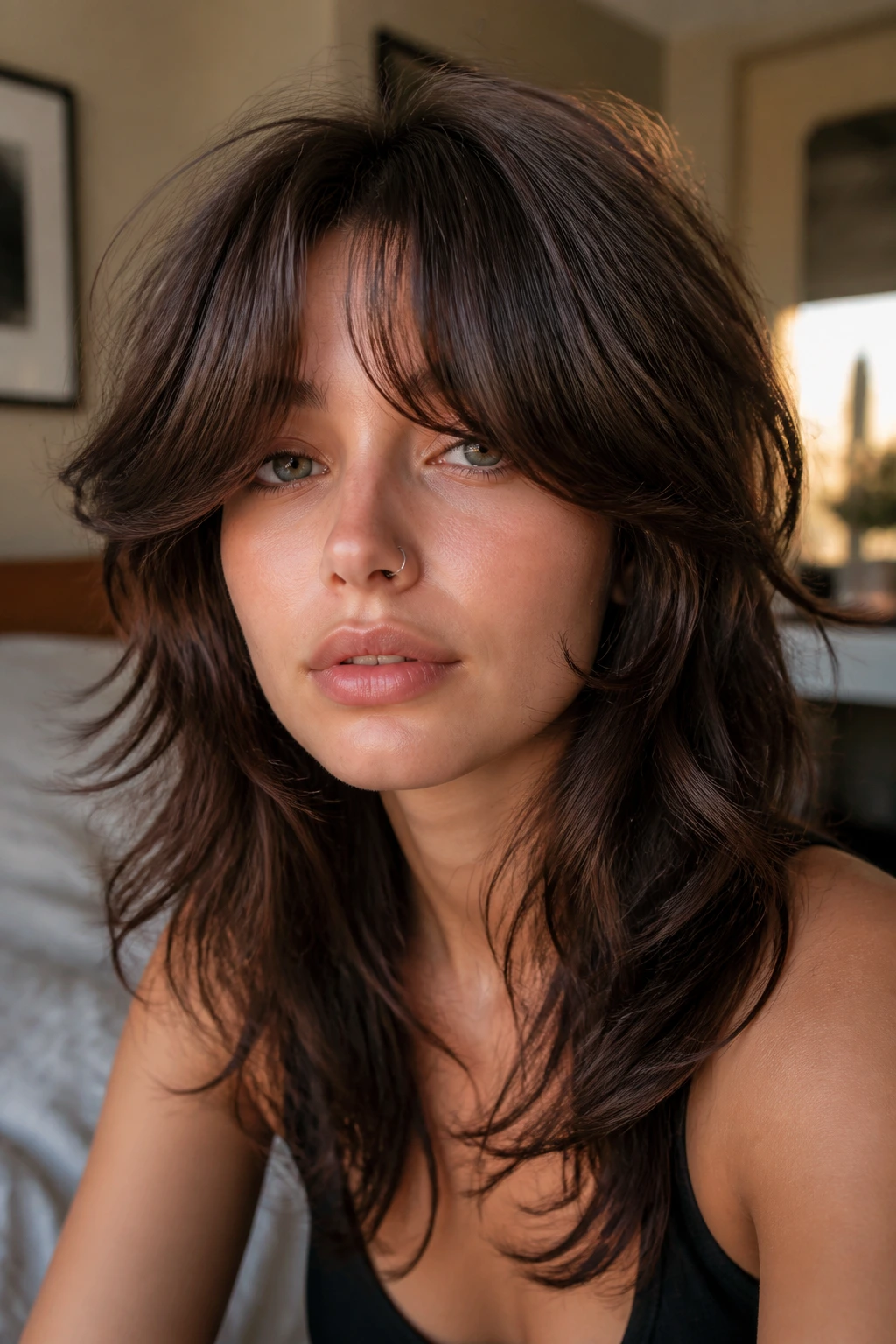
The wolf cut is the one people ask for when they want movement without losing all their length. The magic is in the layering: choppy pieces around the crown, softer weight through the ends, and curtain bangs that split around the cheekbones instead of sitting straight across the forehead.
Why it keeps showing up in salons: it gives thick hair room to breathe and makes medium-density hair look a little fuller at the top. That lift matters. Without it, the style can collapse into a shaggy triangle, which is nobody’s friend.
What to tell your stylist
- Keep the shortest crown layers about 2 to 3 inches below the top section so the shape stays soft, not spiky.
- Ask for face-framing pieces that start near the cheekbone, then angle down toward the jaw.
- Let the bangs blend instead of cutting them like a blunt fringe. Curtain bangs should move.
Pro tip: rough-dry this cut upside down with a little mousse, then finish with a curling wand on only the front pieces. That keeps it wild, but not sloppy.
2. Micro Pixie with Choppy Texture
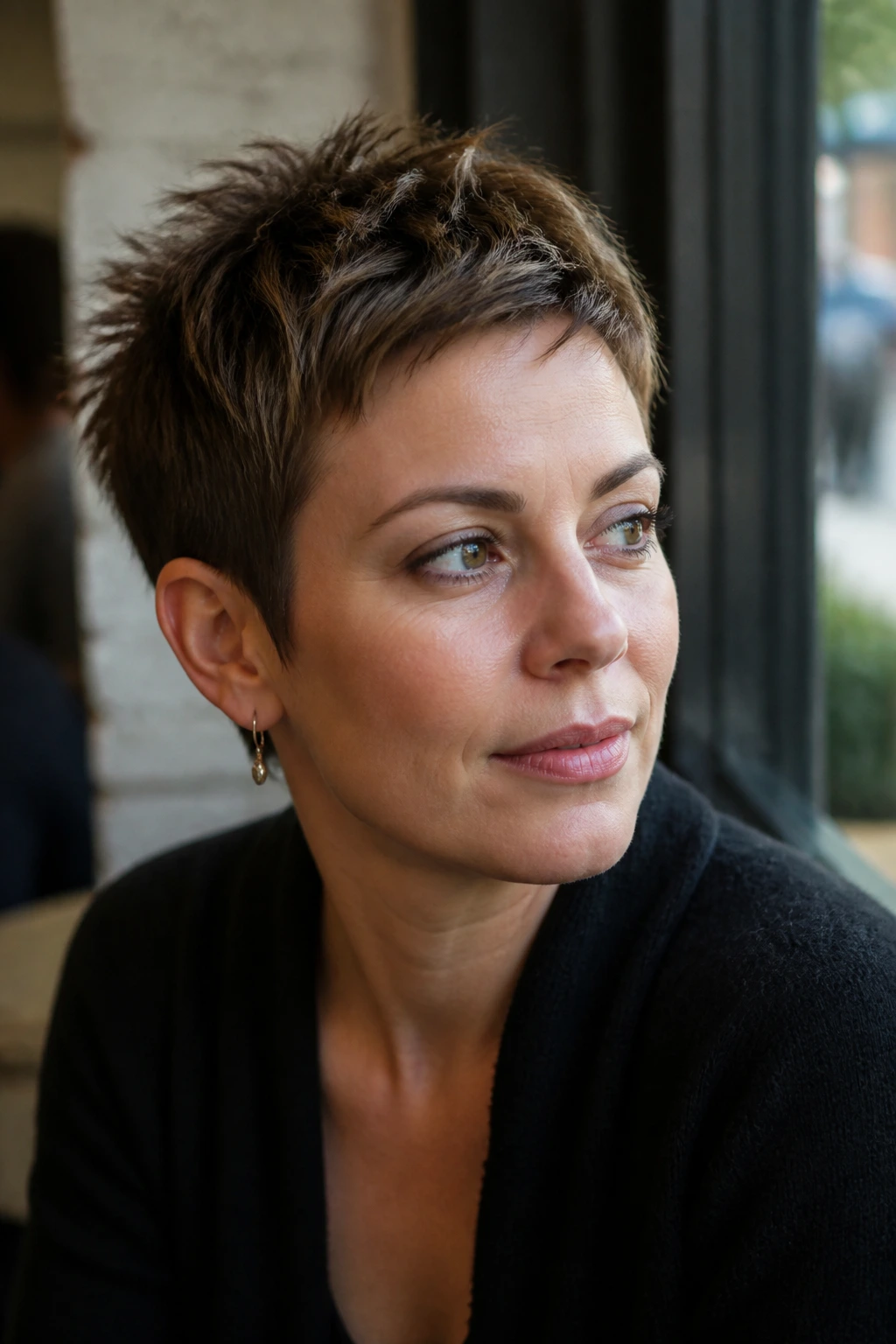
Want a short cut that still has attitude? The micro pixie is tiny, but it is not quiet. The close crop opens up the face, while the choppy top keeps it from looking severe or helmet-like.
This cut works best when the sides are clean and the top has a little uneven texture — think 1 to 2 inches of length on top, not a smooth, polished cap. That small difference changes everything. The hair catches light differently, and the whole style feels sharper, lighter, and more alive.
A micro pixie is also one of the few cuts that looks even better when it’s slightly messed up. A fingertip of matte paste, rubbed between your hands and pressed into the top, is usually enough. Too much product is the enemy here. It turns the texture stringy fast.
Not every woman wants this level of exposure around the ears and neckline, and that’s fair. The trade-off is obvious: you get a bold outline, easy drying time, and a cut that makes earrings and makeup look stronger without trying too hard.
3. Asymmetrical Razor Bob
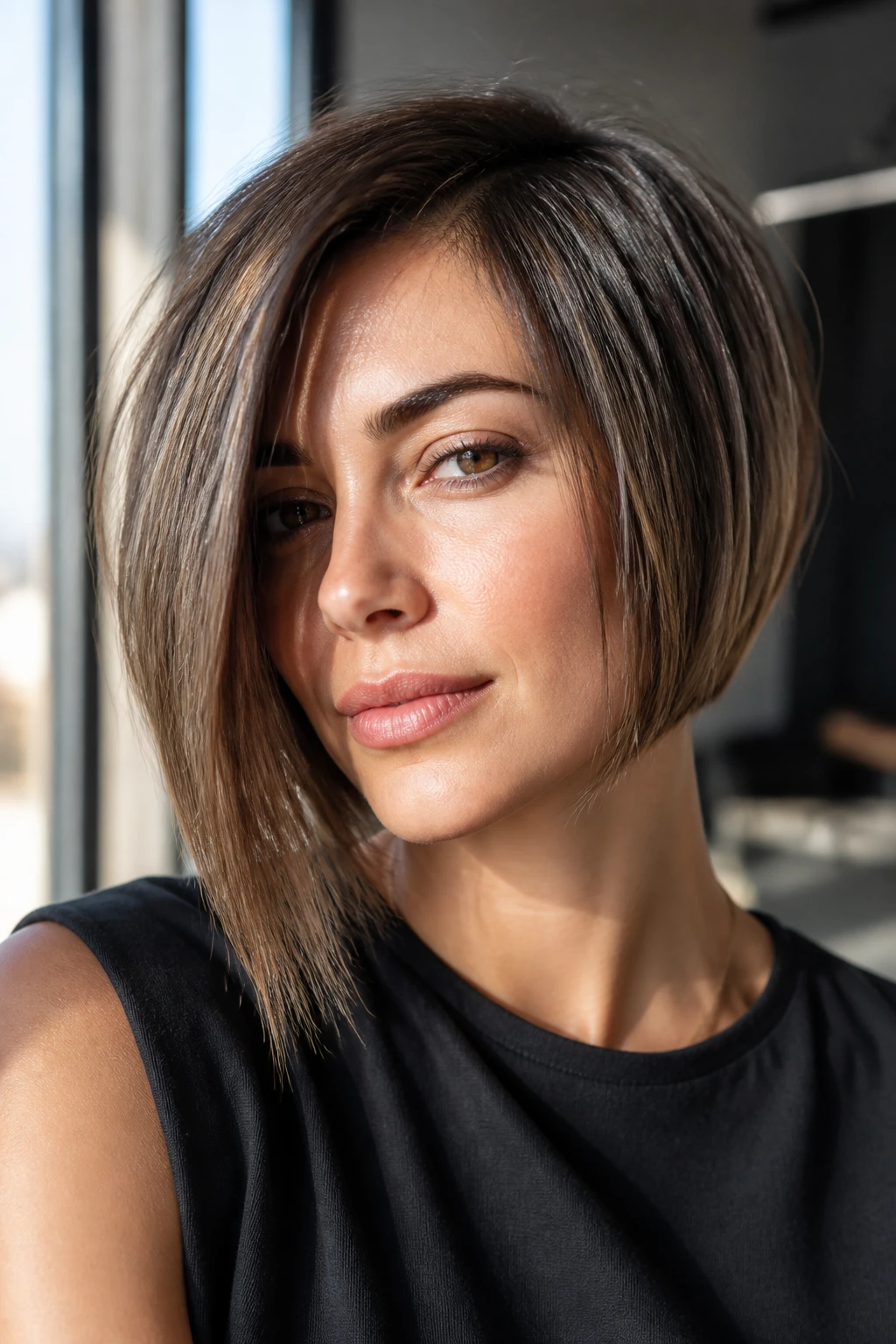
Picture a bob that refuses to sit still. One side grazes the jaw. The other falls a little longer, sometimes by a full inch or two, and the ends are cut with a razor or very sharp point cutting so they move instead of hanging in a hard line.
What the asymmetry changes
The unequal length does more than look edgy. It directs the eye diagonally across the face, which can soften a strong jaw or add length to a rounder shape. That’s the quiet trick behind a lot of good asymmetrical cuts — they change how the face reads without looking like they’re trying to.
The razor finish matters too. A heavy bob can feel boxy fast, especially on straight hair. Once the ends are feathered and broken up, the cut gets a little swing. It walks better. It turns better. It looks better tucked behind one ear.
- Best for straight to wavy hair
- Works well with a deep side part
- Needs a trim every 6 to 8 weeks to keep the shape crisp
- Flat ironing it poker-straight can make it look too sharp; a slight bend is better
A bob like this has range. It can look sharp with a blazer or rough with a band tee, and that flexibility is part of the appeal.
4. Shag Mullet with Airy Ends
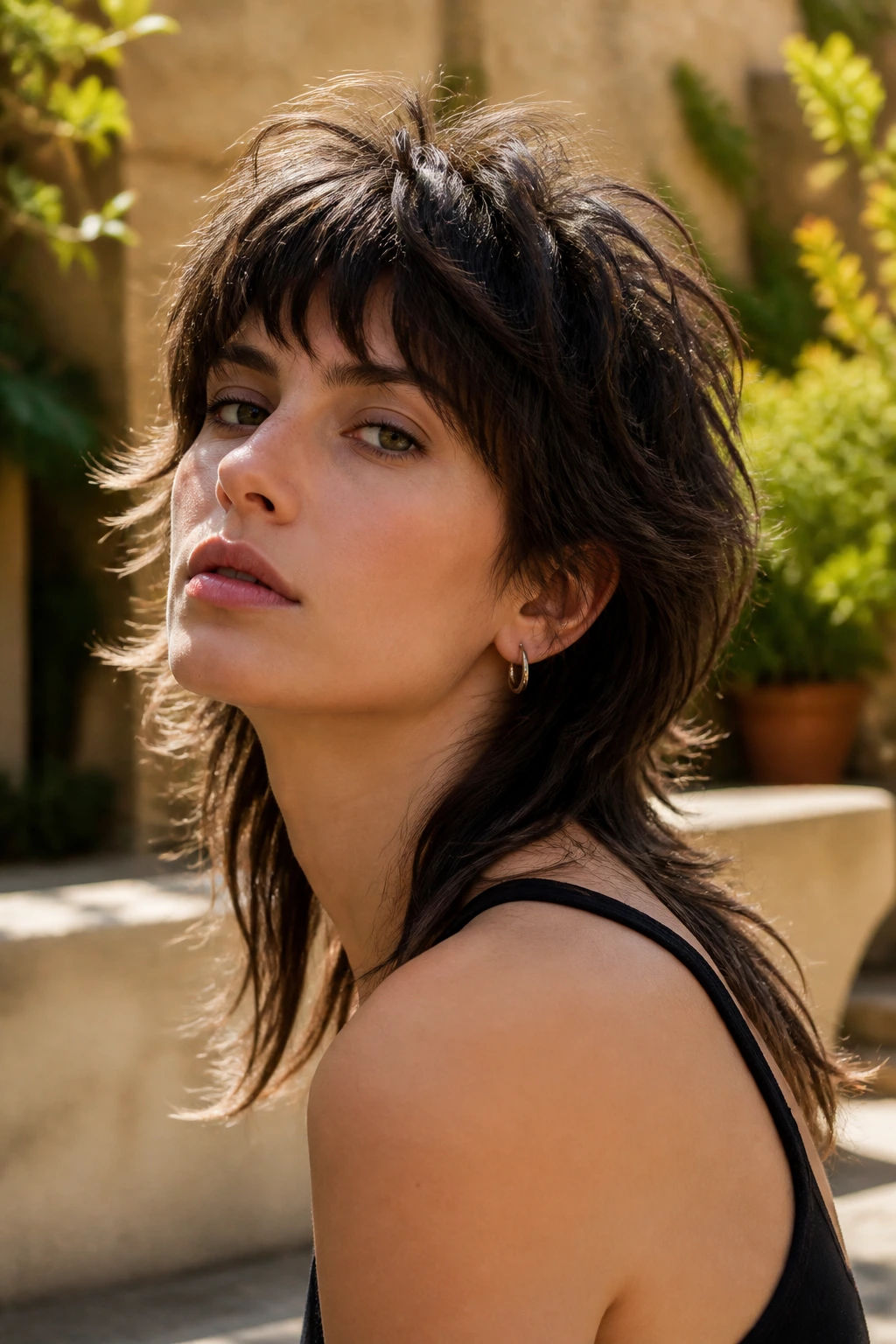
The mullet stopped being a joke a long time ago. In the right hands, it’s one of the most wearable wild cuts women can get, because it gives you short, airy layers where you want lift and longer length where you still want swing.
The shag mullet is softer than the old-school version. The crown comes up higher, the nape stays longer, and the ends are sliced so they don’t sit in one heavy block. On wavy or thick hair, that shape can be a gift. The hair stops sitting on your shoulders like a wet towel.
This is the cut for people who like texture they can see. A little frizz does not ruin it. A bit of natural bend actually helps. If you air-dry, scrunch in a light curl cream or mousse and leave the ends alone. If you blow-dry, keep the nozzle moving and don’t flatten the crown.
Nope, it’s not subtle. That’s the point.
5. Curly Shag with a Rounded Fringe
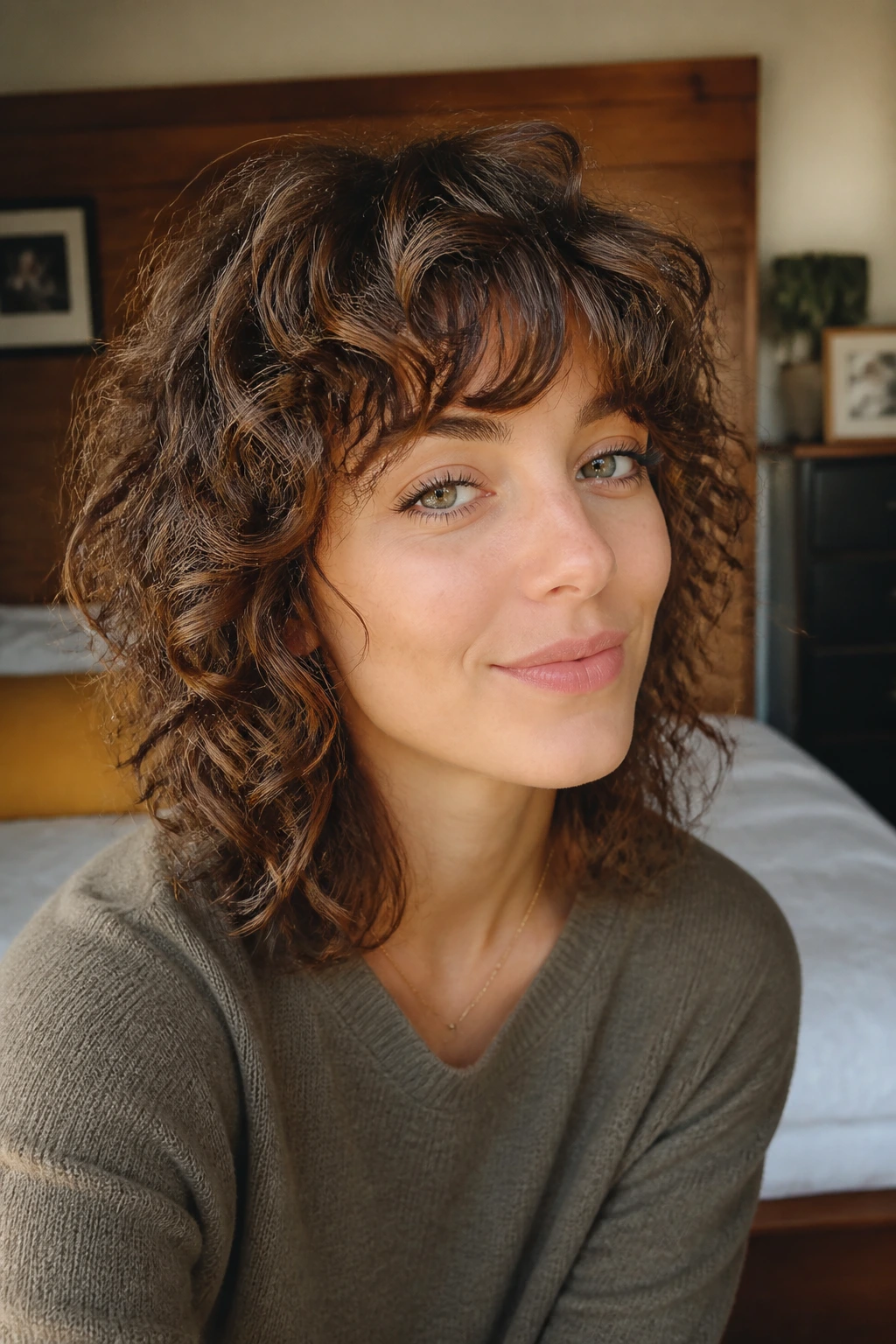
Curly hair and wild cuts get along better than a lot of people think. The curly shag proves it. Instead of forcing curls into a blunt outline, this cut builds shape by stacking layers around the crown and letting the fringe follow the curl pattern.
The rounded fringe is the part that changes the mood. It softens the forehead, but it also keeps the top from puffing into a triangle. That balance is hard to get with curlier textures, and it’s why this cut deserves a spot on the list.
How to wear it well
Ask for the fringe to be cut dry if your stylist works that way, because curls bounce up once they’re released. A wet curl cut can look right in the chair and be a whole different story after it dries. The layers should sit in a way that lets the curl clump naturally, not break apart into frizzy little bits.
A diffuser helps, but don’t blast the hair until it’s fluffy. Stop when the curls are about 80 percent dry, then let the rest air out. That keeps the shape round and touchable.
This is one of those cuts that rewards people who know their curl pattern. And if you’ve spent years fighting volume, the shag may feel like permission.
6. Bixie with Tapered Nape
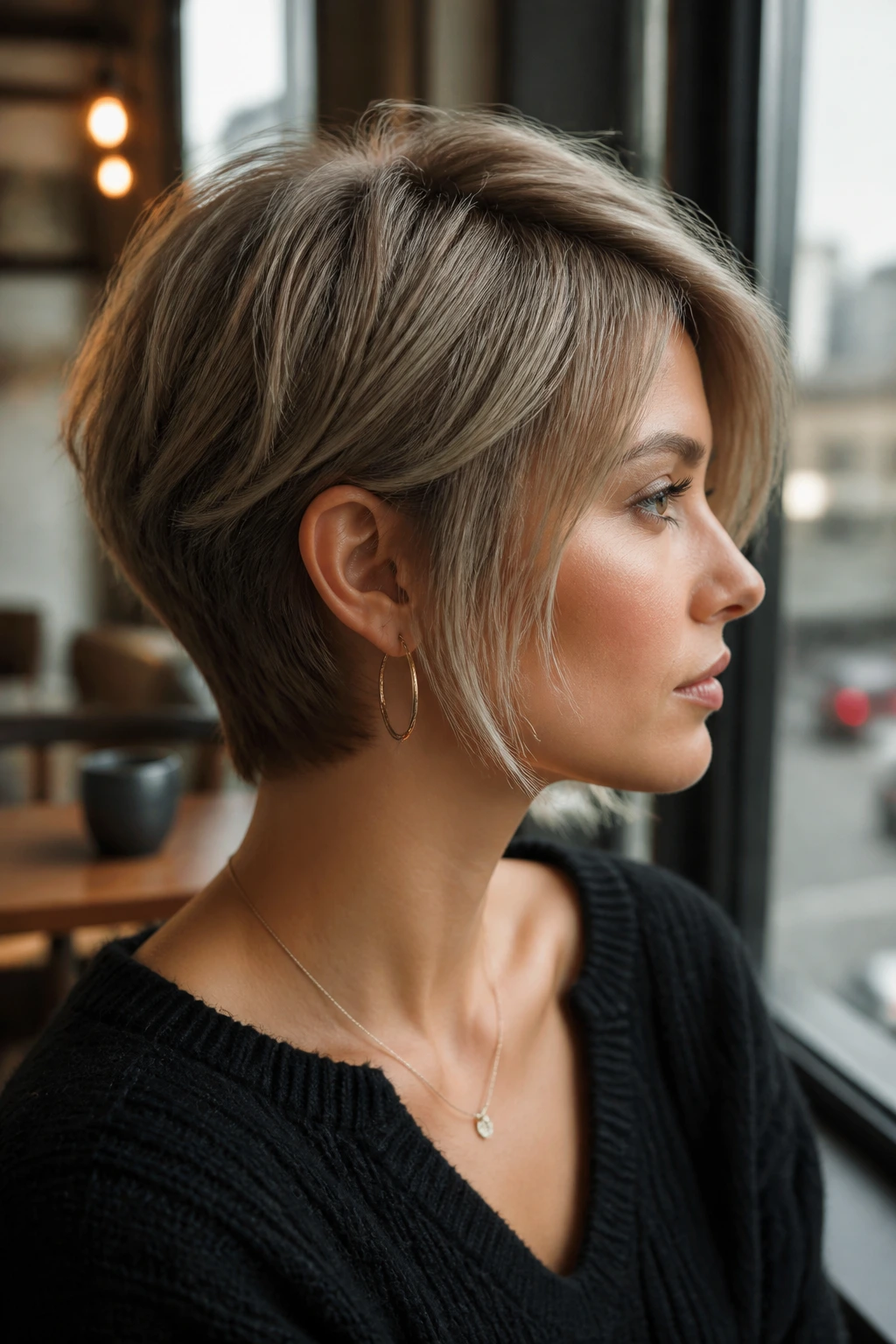
The bixie is the in-between cut that looks far more interesting than its name sounds. It sits between a bob and a pixie, but not in a lukewarm way. It borrows the softness of a bob at the front and the cropped edge of a pixie at the back.
The tapered nape is what gives it shape. Hair at the neckline is cut closer, often with a clean taper that opens the back of the neck, while the top keeps enough length to sweep to the side or flip forward a bit. That contrast is why the style feels lively instead of plain.
It’s a smart choice if you want something short but not too exposed. A bixie can hide behind the ears, frame the cheekbones, and still dry in minutes. It also grows out better than a very short pixie, which makes life easier between salon visits.
I like this cut on straight and slightly wavy hair most. It can be styled with a round brush for polish, or finger-dried for a rougher finish. Both work. That’s rare.
7. Undercut Pixie with Long Top Layers
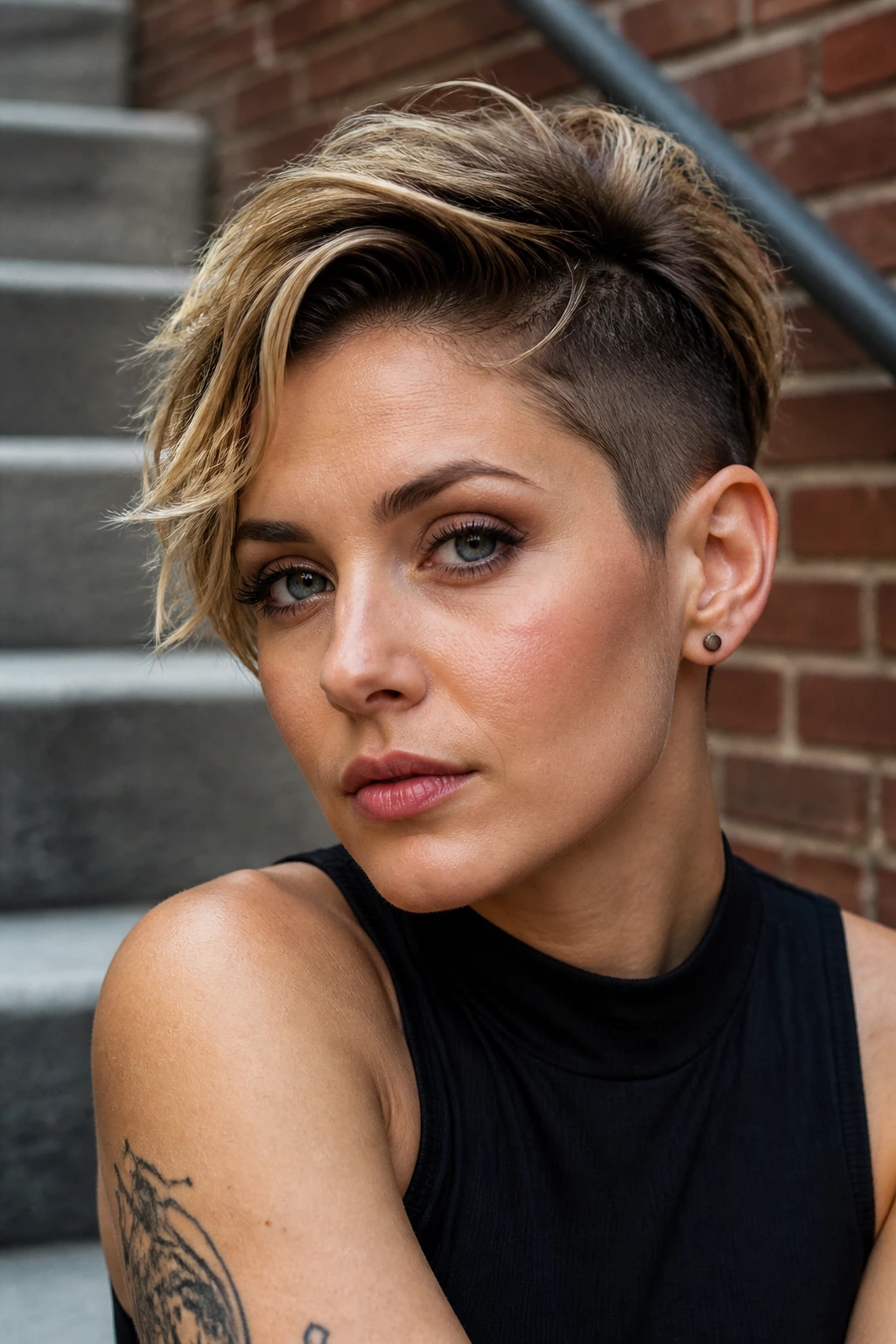
If you want hair that has a little swagger, this is the one. The undercut pixie takes the clean, close sides of a pixie and pairs them with a longer top section that can be swept, spiked, or pushed forward depending on your mood.
The contrast is the whole point. Short sides make the top look fuller. Longer top layers — usually around 3 to 5 inches, sometimes more — give you room to play. You can slick them back with a little pomade for a sharper look, or keep them piecey with matte wax if you want texture instead of shine.
It is a bolder cut, and there’s no pretending otherwise. But it’s also practical in a way people don’t expect. Shaved or very short sides dry fast, stay cool, and remove a lot of bulk if your hair is thick around the temples and nape.
Worth knowing: the undercut part needs maintenance more often than the top. If the shape starts fuzzing out at the sides, the whole cut loses its edge. That’s the price of the clean contrast.
8. Blunt Bob with Broken Ends
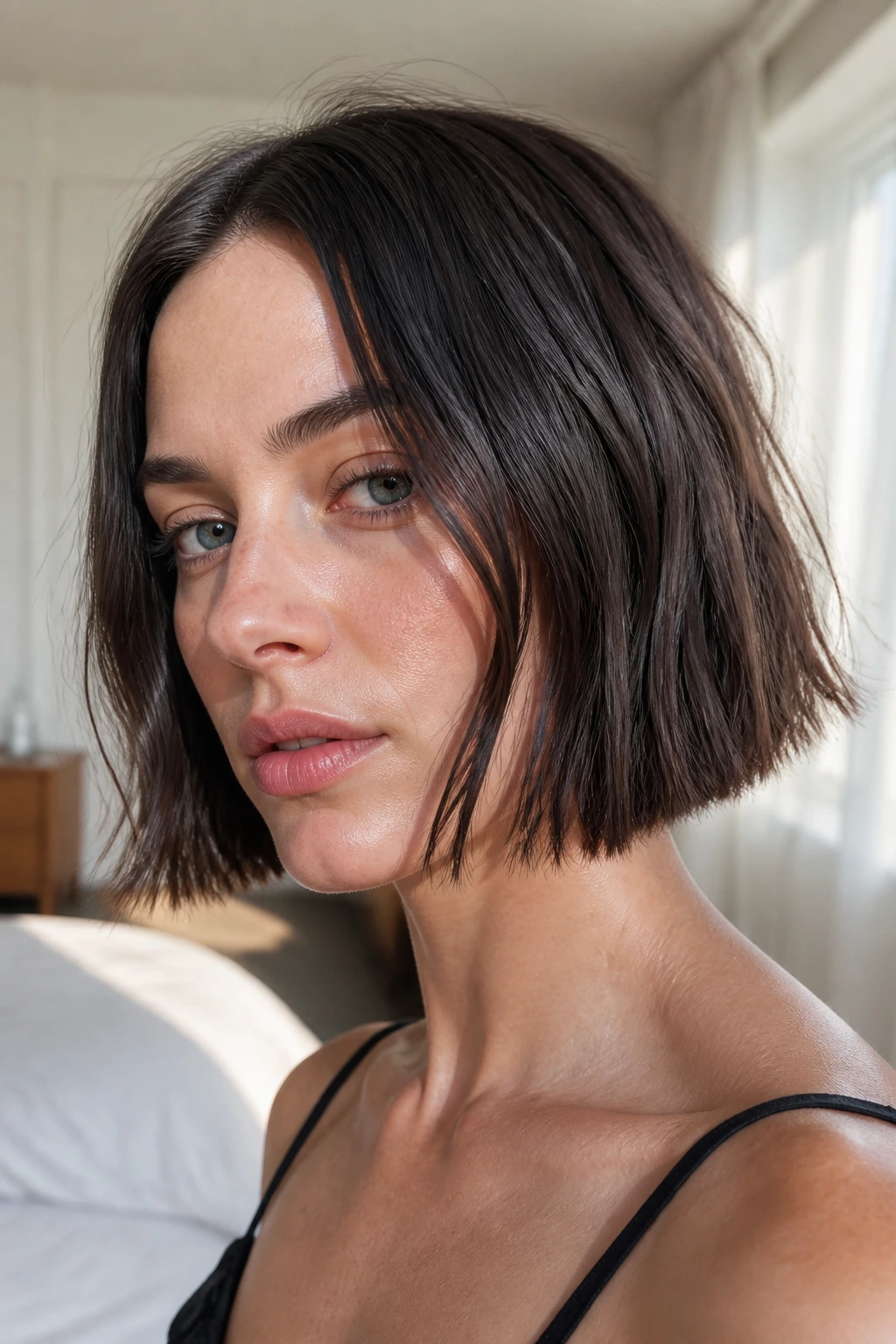
A blunt bob sounds neat, almost conservative, until the ends get roughened up. Then it turns from tidy to cool in about five minutes. The line stays strong, but the ends are chipped, point-cut, or lightly razored so the cut does not sit like a solid block.
That little bit of damage — the controlled kind — makes a huge difference. Hair that is all one length can feel heavy at the jaw. Broken ends loosen the shape and stop the bob from looking too formal. It is still a bob. It just has opinions.
Best styling move
Blow-dry it smooth, then add a small bend through the mid-lengths with a flat iron. Not a curl. Just a bend. The goal is movement, not pageant hair. A center part makes the line feel sharper; a side part softens it.
This is a good choice if you want something that reads polished at work but not dull on the street. It’s also surprisingly good on fine hair because the blunt perimeter makes the ends look fuller, while the broken texture keeps it from feeling stiff.
9. Long Razor Layers with Face Frame
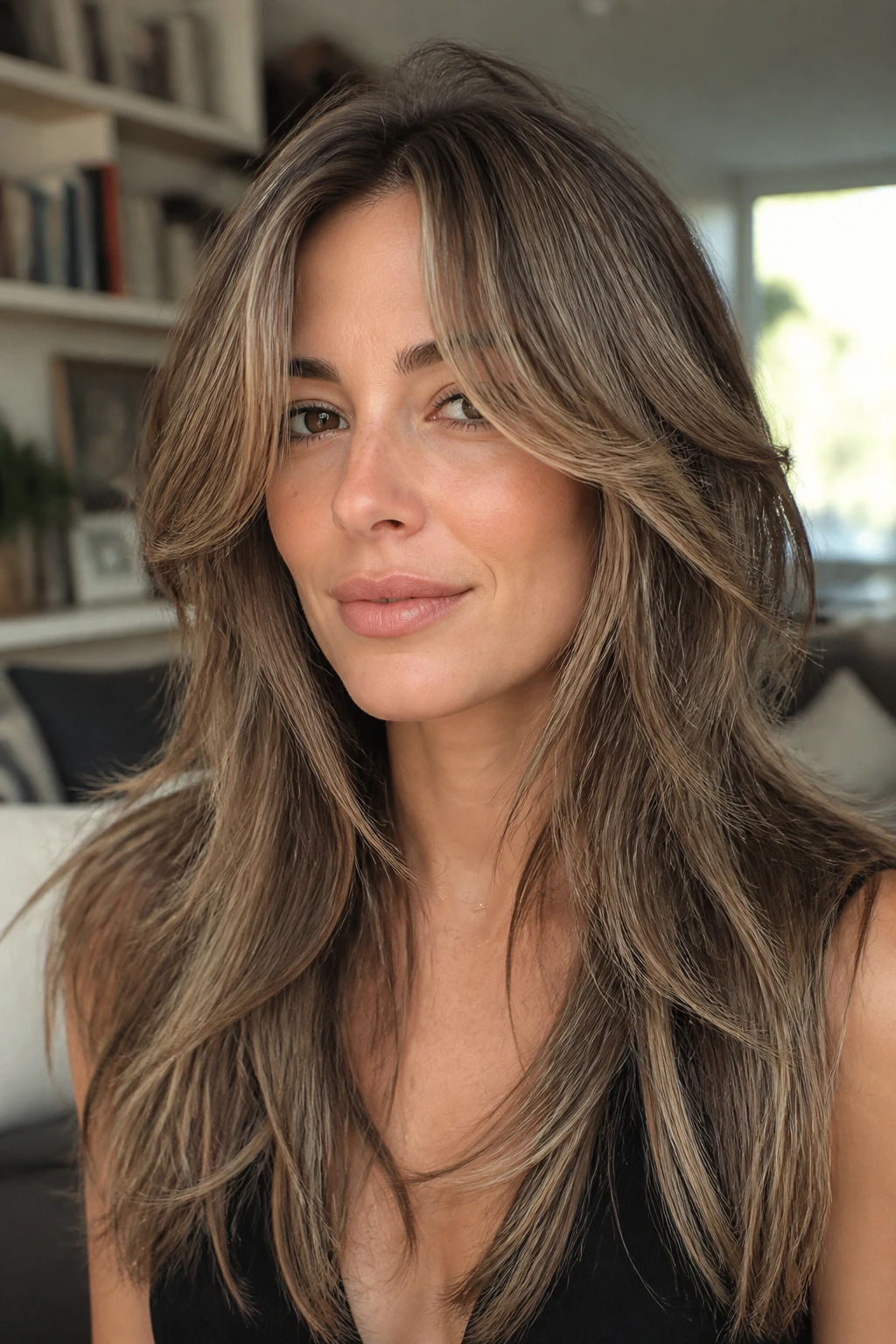
Some women want wild hair without giving up length, and this is where long razor layers come in. The cut keeps the overall length, sometimes all the way past the shoulders, but removes the dead weight so the hair can move instead of hanging like a curtain.
Unlike classic long layers, razor layers have a softer edge and a little more air between the pieces. That matters if your hair is thick or prone to puffing out at the bottom. The face frame can start high near the cheekbones or lower near the chin, depending on how dramatic you want it.
This cut is especially useful if your hair gets flat at the top and bulky at the bottom. The layers redistribute the shape. They also make blowouts easier because the brush can move through the hair without fighting a blunt wall.
- Good for long hair that feels heavy
- Strong on wavy, thick, or coarse textures
- Easier to tie back than shorter wild cuts
- Looks best when the front pieces are styled away from the face, not tucked flat
It’s not the most dramatic cut on this list. That’s fine. Not every wild cut has to shout.
10. Side-Swept Lob with Deep Part
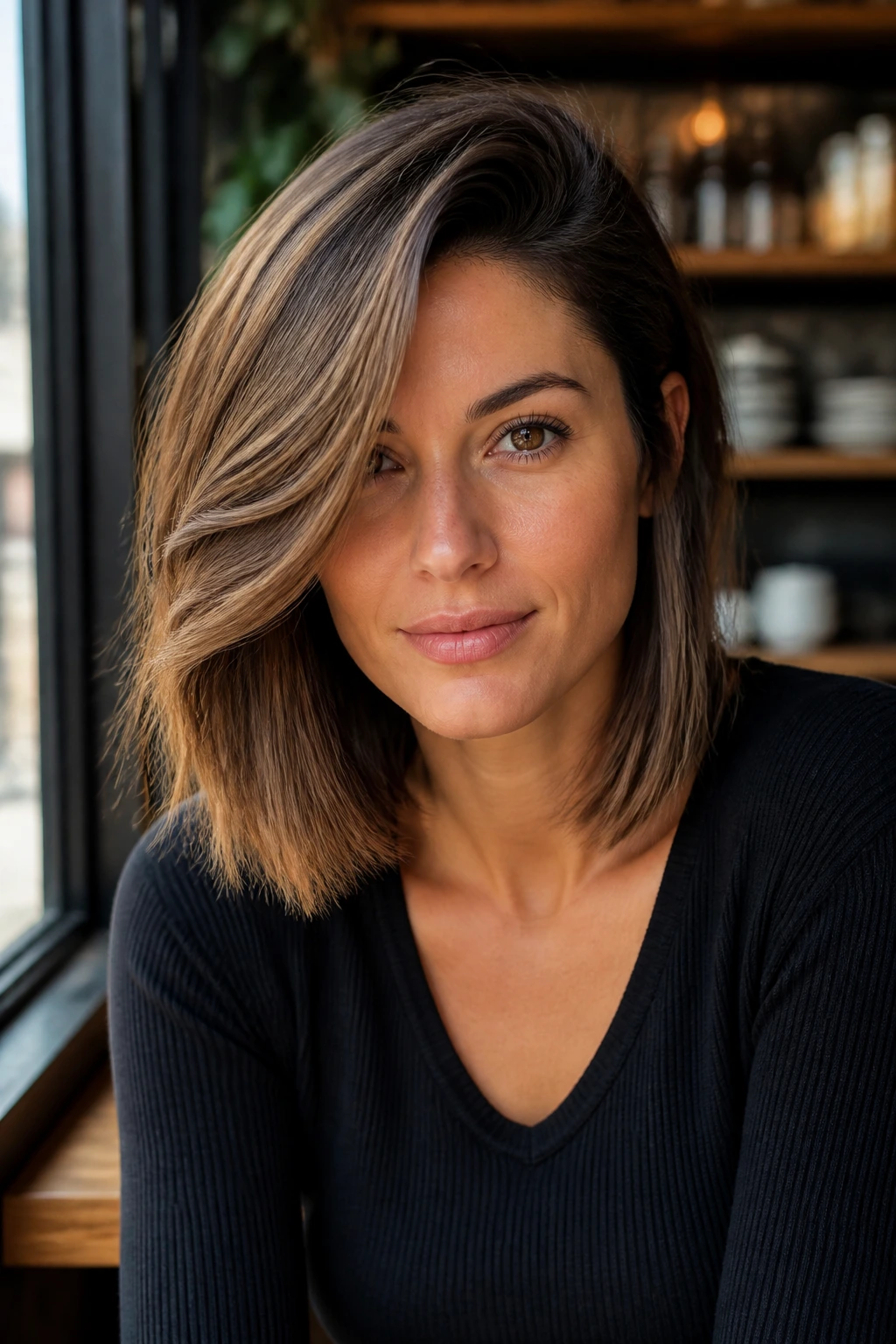
A lob with a deep side part can change the whole face in a way people underestimate. The cut itself stays near the collarbone, which keeps it wearable, but the part shifts the weight and gives the style a little drama without chopping the length off.
The side-swept shape is what makes it feel less safe than a standard lob. One side can tuck behind the ear while the other falls forward, grazing the cheek or jaw. That unevenness gives the illusion of more movement, especially on straight hair that tends to fall flat.
This is a good cut if you like a little edge but still need hair that works in a clip, a low ponytail, or a loose knot. It’s not fussy. A round brush at the roots and a bend at the ends is usually enough to make it cooperate.
There’s also a nice practical side to this one: if you want to grow out a shorter cut, a side-swept lob often feels like a comfortable in-between. It doesn’t read as “growing out.” It reads as deliberate.
11. Shoulder-Length Wolf Cut
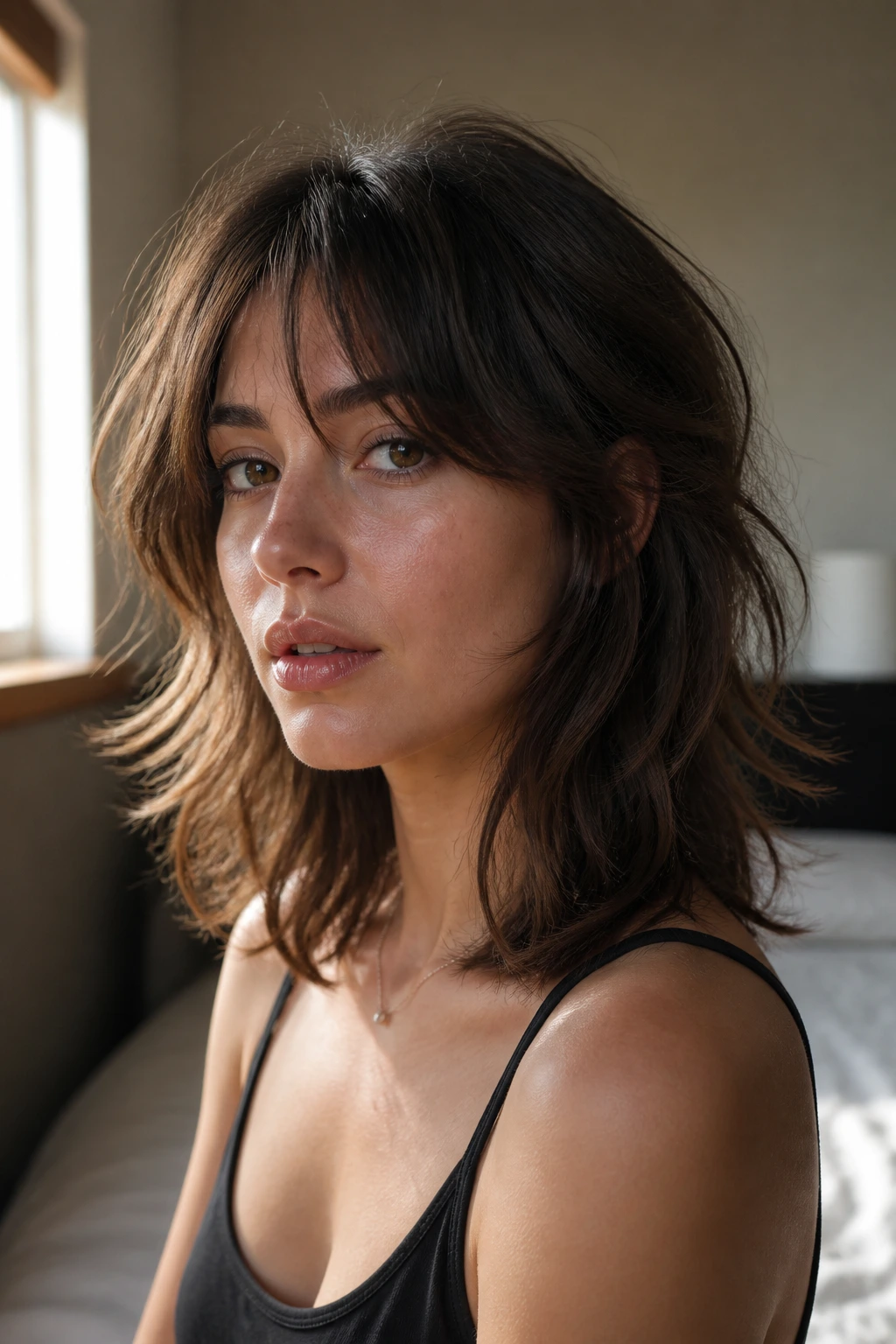
The shoulder-length wolf cut is the one I reach for mentally when someone says, “I want movement, but I still need hair on my shoulders.” It keeps enough length for styling options, yet the layered top stops the whole shape from sitting flat.
Where it works hardest
The balance matters here. If the layers start too high, the hair can get too fluffy around the crown. If they start too low, the cut loses the wild effect and just looks long and uneven. The sweet spot is usually just below the cheekbone, with the ends staying soft around the shoulders.
This cut loves thick hair, but it can work on medium textures too if the interior is cut with care. A little wave gives it life. Straight hair can wear it, but it needs more styling to avoid looking disconnected.
I’d ask for face-framing pieces that skim the jaw and collarbone, plus light texture around the ends. Heavy texturizing shears can chew up the finish, so the better move is often point cutting and careful layering.
One thing people get wrong: they think shoulder-length means safe. Not here. This cut has enough shape to feel rebellious, but it still fits into everyday life.
12. Feathered Shag with a Soft Fringe

The feathered shag is for anyone who wants softness without losing edge. It has the casual energy of a shag, but the layers are brushed out and feathered so the finish feels lighter, almost airy, instead of jagged.
I love this cut on hair that sits somewhere between straight and wavy. The feathering makes the ends move when you turn your head, which sounds small until you see it in real life. Suddenly the cut has a rhythm.
What to ask for at the salon
- A soft fringe that stops short of the brows or skims them lightly
- Layers that fan away from the face rather than stacking too hard
- Texturizing that keeps the top from getting blocky
- Ends that are light, not stringy
Blow-drying with a medium round brush gives it a smoother finish. Air-drying makes it messier and more undone. Both versions work, but they send different messages. The blowout version says polished with a wink. The air-dried version says you probably had a busy morning and still look good.
That flexibility is why this cut stays useful instead of gimmicky.
13. Curly Mullet with Crown Lift
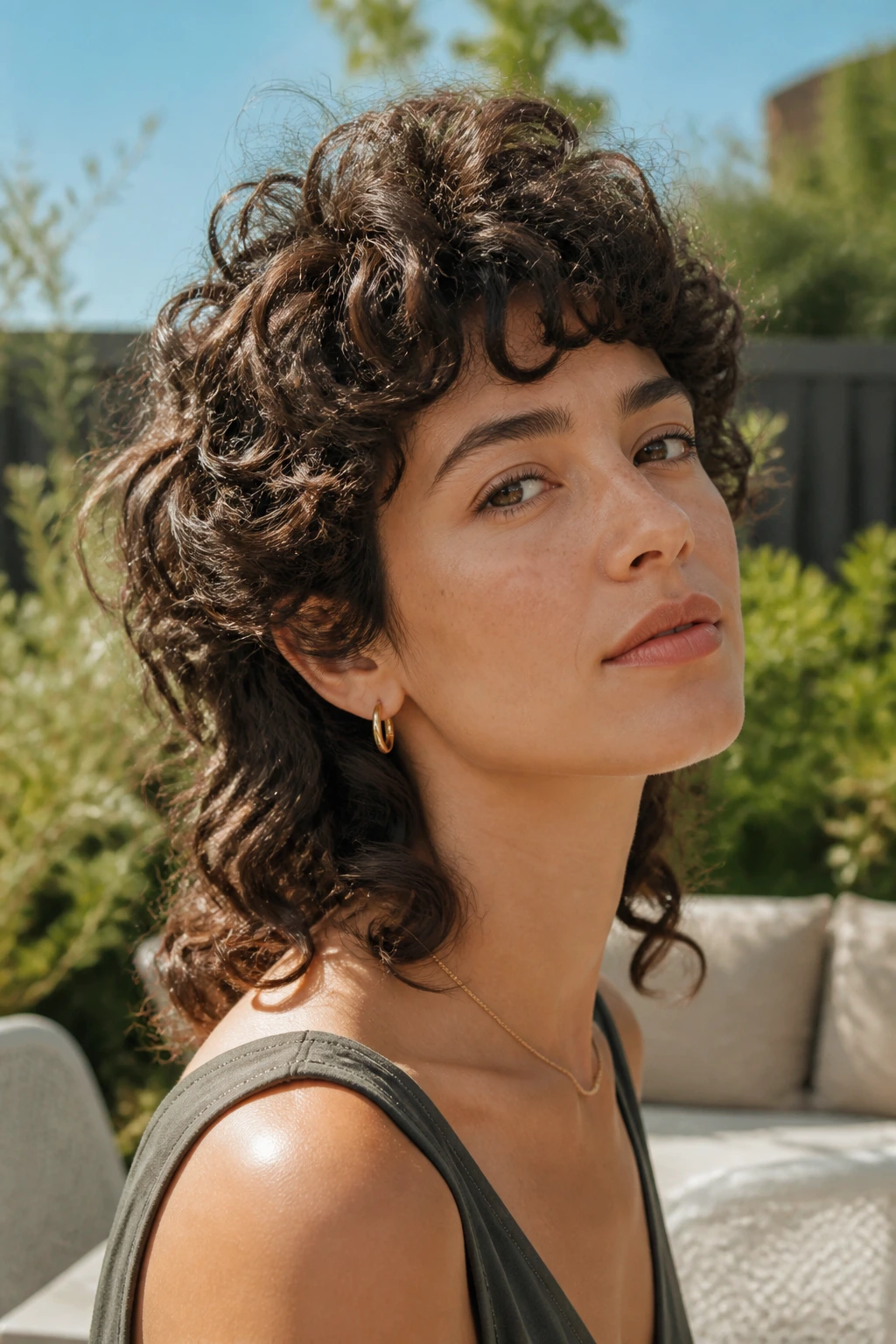
People still act suspicious around the curly mullet, and I get it. The name carries baggage. But curls and a mullet shape actually make a lot of sense together, because the curl pattern softens the contrast between short layers and longer back length.
The crown lift is what keeps the cut from collapsing. Shorter layers at the top create height, while the longer nape lets the curls drop with shape instead of puffing outward all over the place. It’s a cut that can make heavy curls feel lighter without stripping away the personality that made you want curls in the first place.
This works best when the stylist respects the curl pattern and cuts with shrinkage in mind. If they cut it too wet and too blunt, you can end up with a shape that surprises you in a bad way once it dries. Curls always tell the truth later.
Use a curl cream that gives hold without crunch, then clip the roots while drying if you need more lift. That little trick keeps the top from flattening. And if you’ve ever wished for curls that look less round and more sculpted, this cut gets close.
14. Disconnected Crop with Tapered Sides
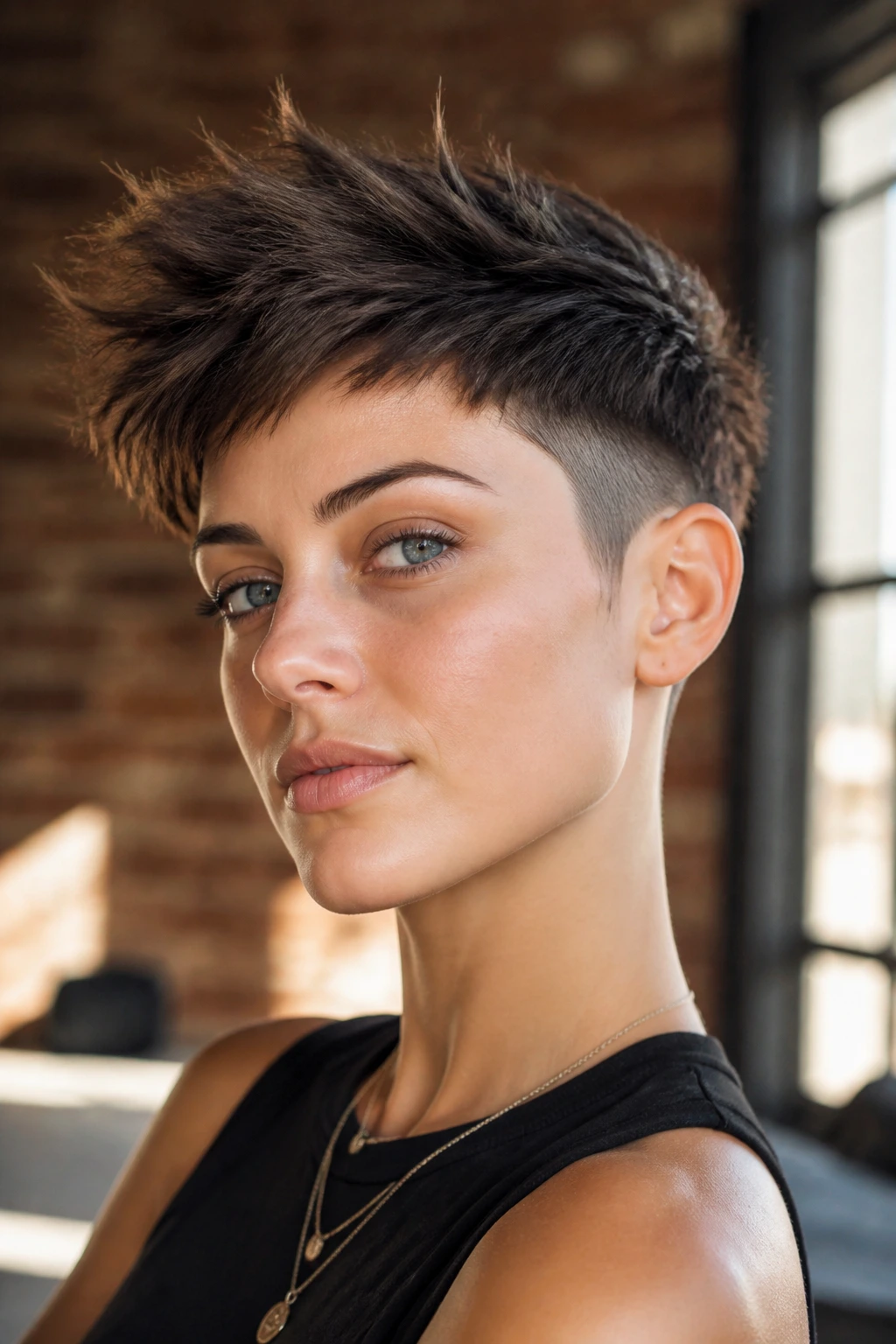
A disconnected crop is not subtle, and that’s exactly why it works. The top is left noticeably longer than the sides, with a hard break between the two sections. No soft fade. No polite blending. Just a sharp change in length that gives the cut a graphic shape.
What makes it look intentional
The gap has to be clean. If the transition is muddy, the cut looks unfinished. If it’s crisp, it looks like a choice. That’s the whole game.
This style is strong on coarse hair and dense straight hair because it removes bulk on the sides while keeping weight on top for styling. You can sweep the top forward, push it up, or let it fall in a messy fringe. A little root lift spray goes a long way here, especially if the top wants to sit flat.
- Keep the sides tight, usually with a taper or close clipper work
- Leave enough length on top for movement, often 2.5 to 4 inches
- Style with fingers, not a brush, if you want it to look rougher
- Trim the sides often, because grown-out edges blur the whole effect
It’s a strong cut. Not everyone wants that. Some people do, and they never look back.
15. Faux-Hawk Pixie with Swept Fringe
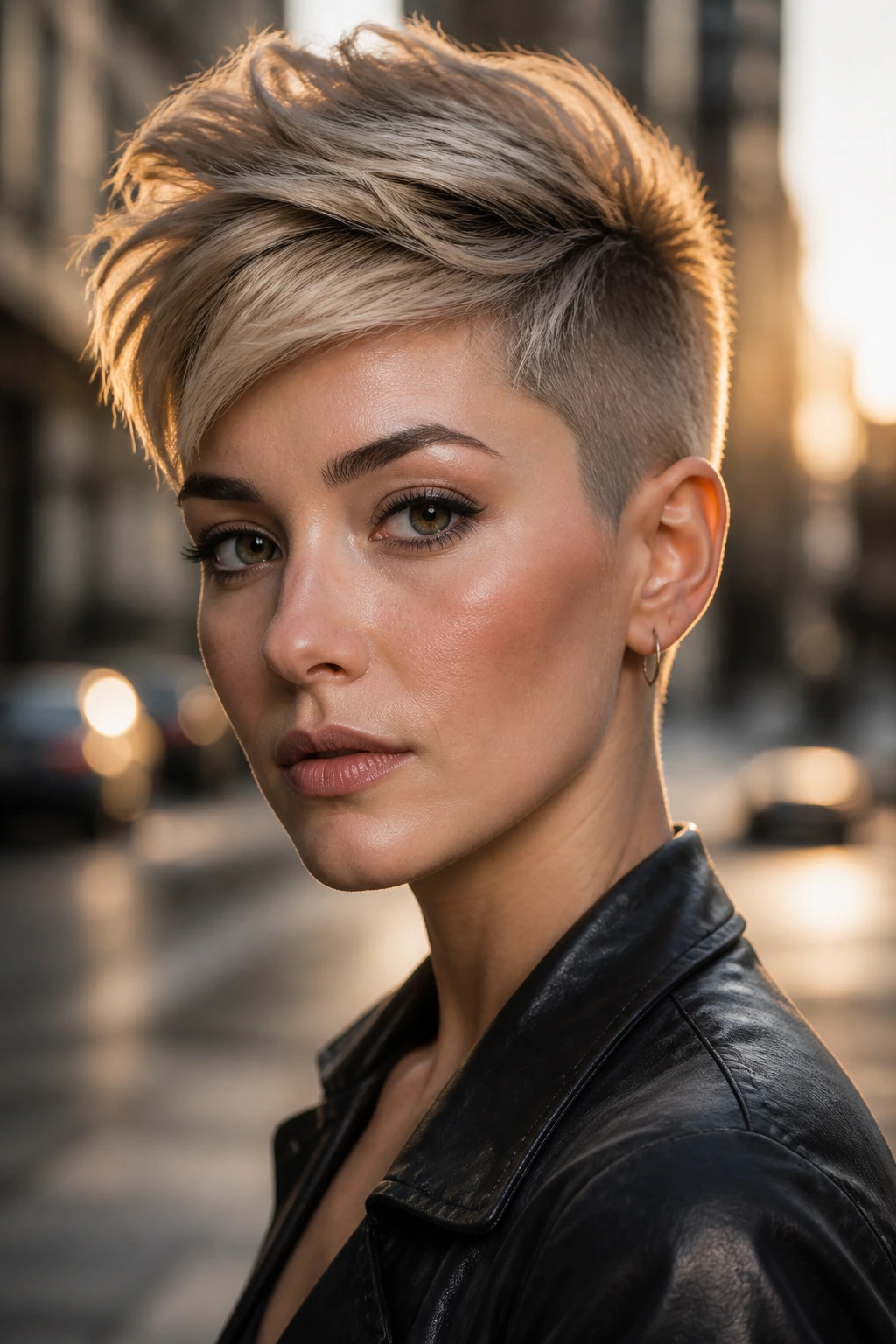
The faux-hawk pixie is what happens when a pixie decides it wants a little drama. The sides stay short, sometimes very short, while the center strip runs longer from the forehead to the crown and gets swept up or across for height.
What I like about this cut is that it can change mood fast. Comb the top upward with a bit of paste and it feels sharp. Brush it forward and it softens. Push it sideways and it turns a little playful. That kind of flexibility is rare in very short hair.
It’s also one of the easiest ways to create the feeling of lift without using a lot of length. Hair that wants to lie flat at the roots gets an immediate shape boost because the shorter sides give the top room to stand up. A blow-dryer aimed at the roots for 30 to 45 seconds before product goes in can make a noticeable difference.
This is the cut I’d recommend for someone who wants their hair to have a pulse. It’s edgy, but not locked into one look, and that freedom is what makes it worth wearing.
