



Medium length is the true testing ground for curly hair. It is long enough to have significant weight and gravity, yet short enough that you cannot simply hide behind length. When you have shoulder-grazing curls, you are locked in a constant battle against the “triangle effect,” where the hair sits flat at the roots and explodes in volume toward the ends. Layers are not just a decorative choice for this length; they are a structural necessity.
Without proper layering, curls at a medium length often lose their definition. They clump together at the bottom, creating a heavy, bottom-heavy silhouette that hides the true spring pattern of your texture. You need shape, movement, and a distribution of weight that allows your curls to defy gravity rather than succumb to it. Whether you have loose waves or tight, springy coils, the right cut makes the difference between a daily struggle with frizz and a style that works with your natural movement.
1. The Classic Shag
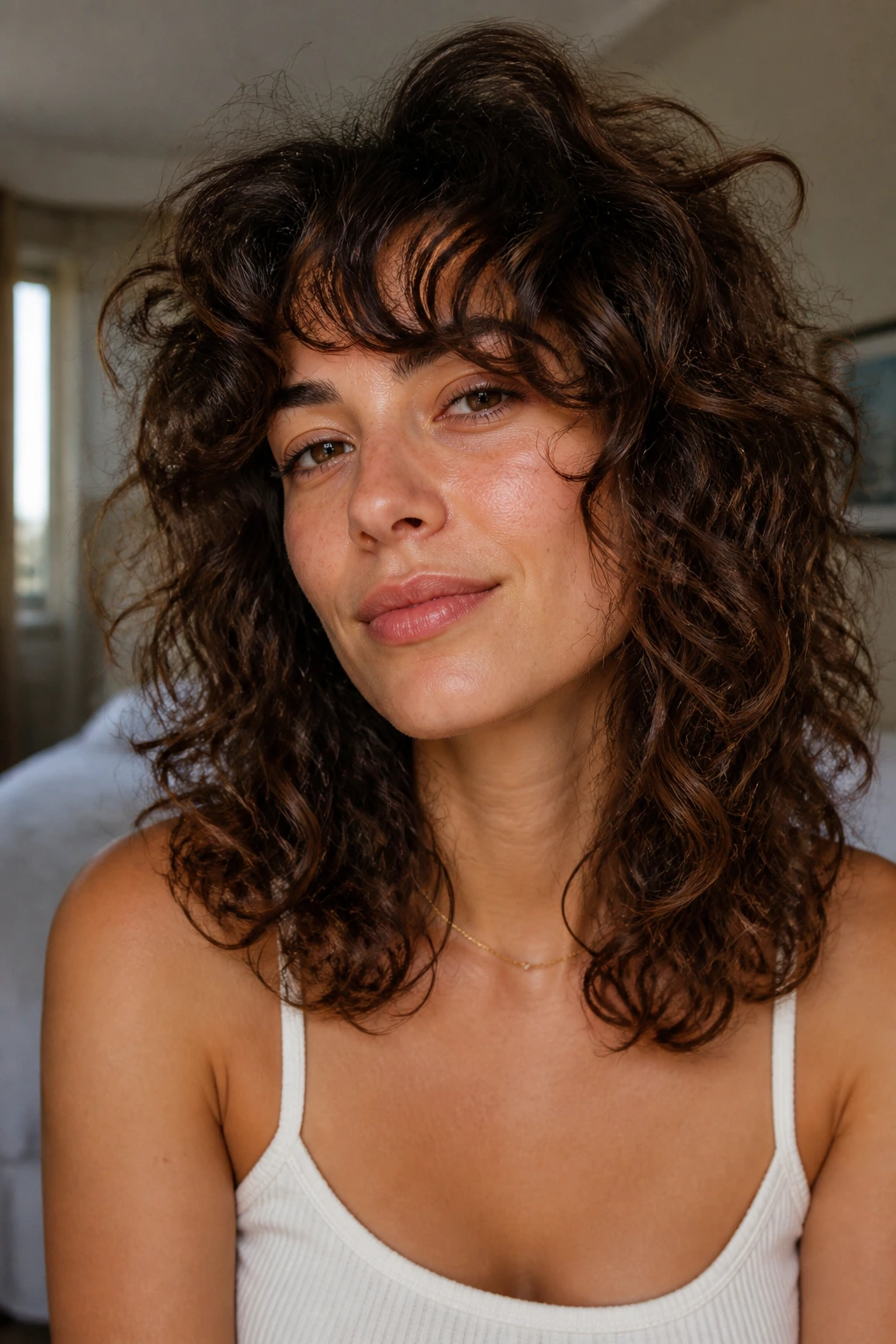
The shag is perhaps the most reliable cut for anyone with medium-length curls who wants effortless volume. It relies on short, choppy layers around the crown and mid-lengths, creating a disheveled yet intentional look that mimics the rock-n-roll aesthetic of the 1970s. Because the layers are concentrated near the top, they remove the bulk that usually drags your curls down, allowing the hair near the scalp to lift and spring up.
You should ask your stylist to keep the layers jagged rather than blunt. This is key. Soft, razor-cut ends create a seamless blend between the varying lengths, preventing that “shelf” look where one layer sits visibly on top of another. It looks best when you let it air dry with a sea salt spray or a light styling cream, emphasizing the messy, bedhead texture. The beauty of the shag is that it does not require precision styling. If it looks a little chaotic, that is the point.
2. Face-Framing Soft Layers
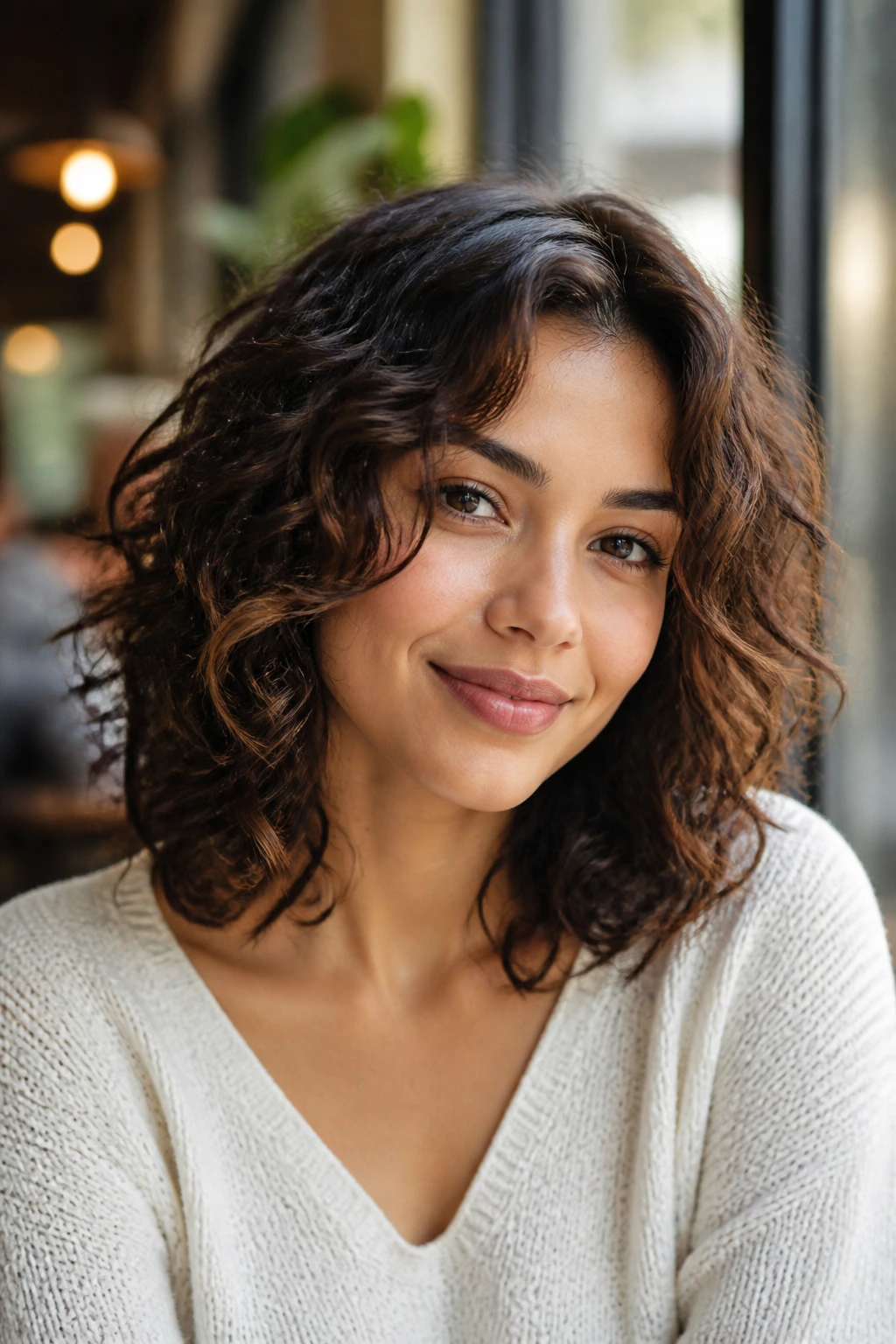
If you are hesitant to cut too much length off the top, face-framing layers offer a gentle introduction to sculpting your hair. This cut keeps the majority of your hair length at the shoulders but introduces shorter, graduated pieces around the chin and cheekbones. It serves to draw the eye toward your features while adding a bit of lightness to the front sections.
Why It Works for Curls
The primary benefit here is balance. Medium-length curls can often create a wall of hair that hides your face. By cutting shorter pieces near the front, you create an opening that lets your face breathe.
Styling for Maximum Effect
- Use a diffuser: A diffuser attachment is non-negotiable for this cut to maintain the shape of those shorter face-framing curls.
- Finger curling: Manually coil the face-framing pieces around your finger with a little styling gel while wet to ensure they dry in a tight, defined spiral rather than a frizz-puff.
- Avoid brushing: Never brush these shorter pieces when dry; it will turn the layers into a frizzy halo instead of defined ringlets.
3. The Modern Wolf Cut
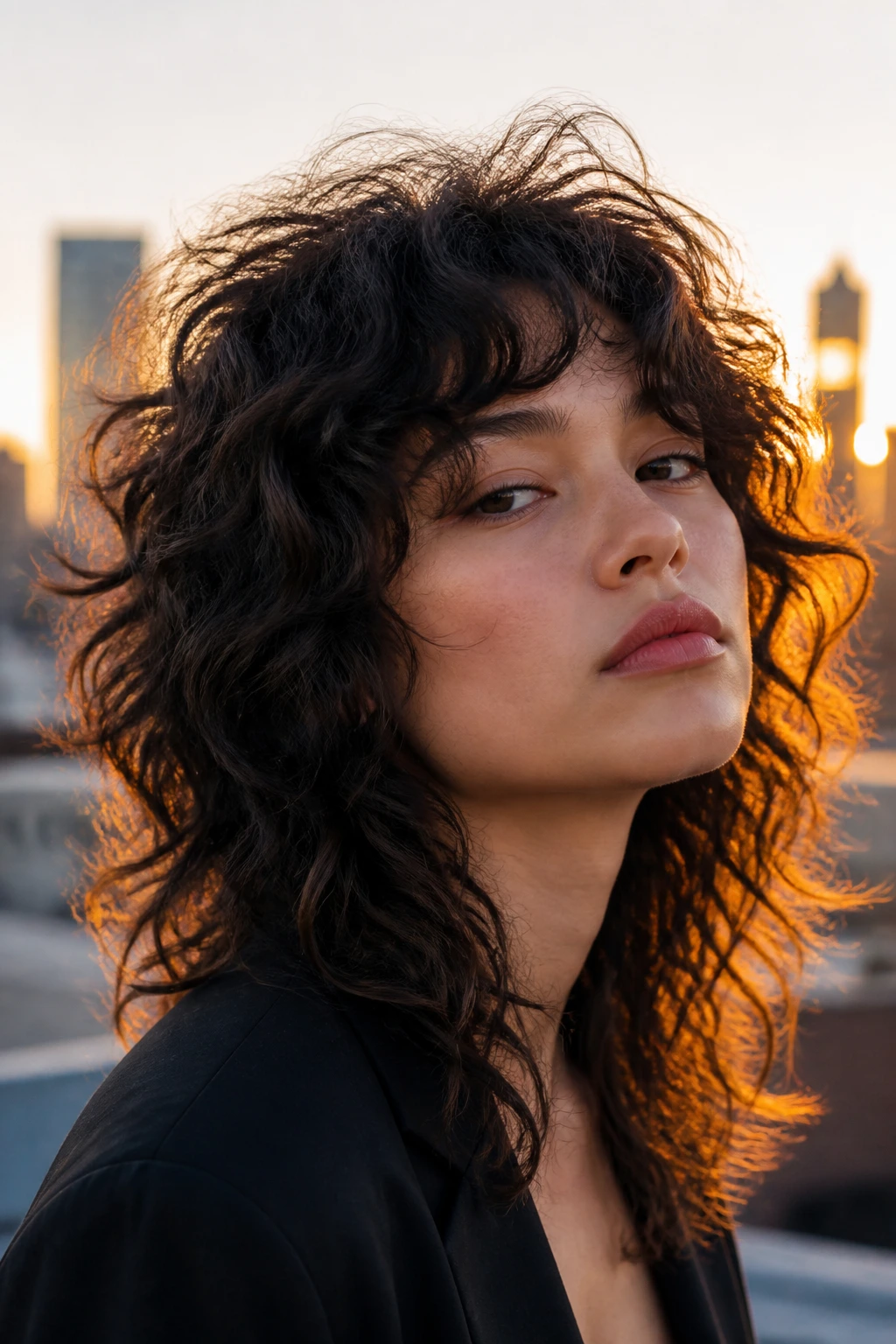
The wolf cut is essentially a high-intensity cousin of the shag, characterized by heavy layering that creates an exaggerated, voluminous shape. It is bold, choppy, and favors a wild, untamed aesthetic. For medium-length curly hair, this cut works by drastically reducing weight throughout the mid-shaft, which encourages the curls to spiral independently rather than clumping into a singular, dense mass.
- Heavy Volume: It builds massive height at the crown.
- Choppy Ends: The ends are often thinned out to look airy and light.
- Styling Focus: It is designed for a “lived-in” look that thrives on mousse and texture pastes.
- Adaptability: It works equally well for 2C waves and 3B tight curls.
Pro tip: This cut requires a bit of maintenance. Because of the aggressive layering, you will likely need a trim every eight to ten weeks to prevent the ends from looking too thin or ratty as they grow out.
4. Shoulder-Length Disconnected Layers
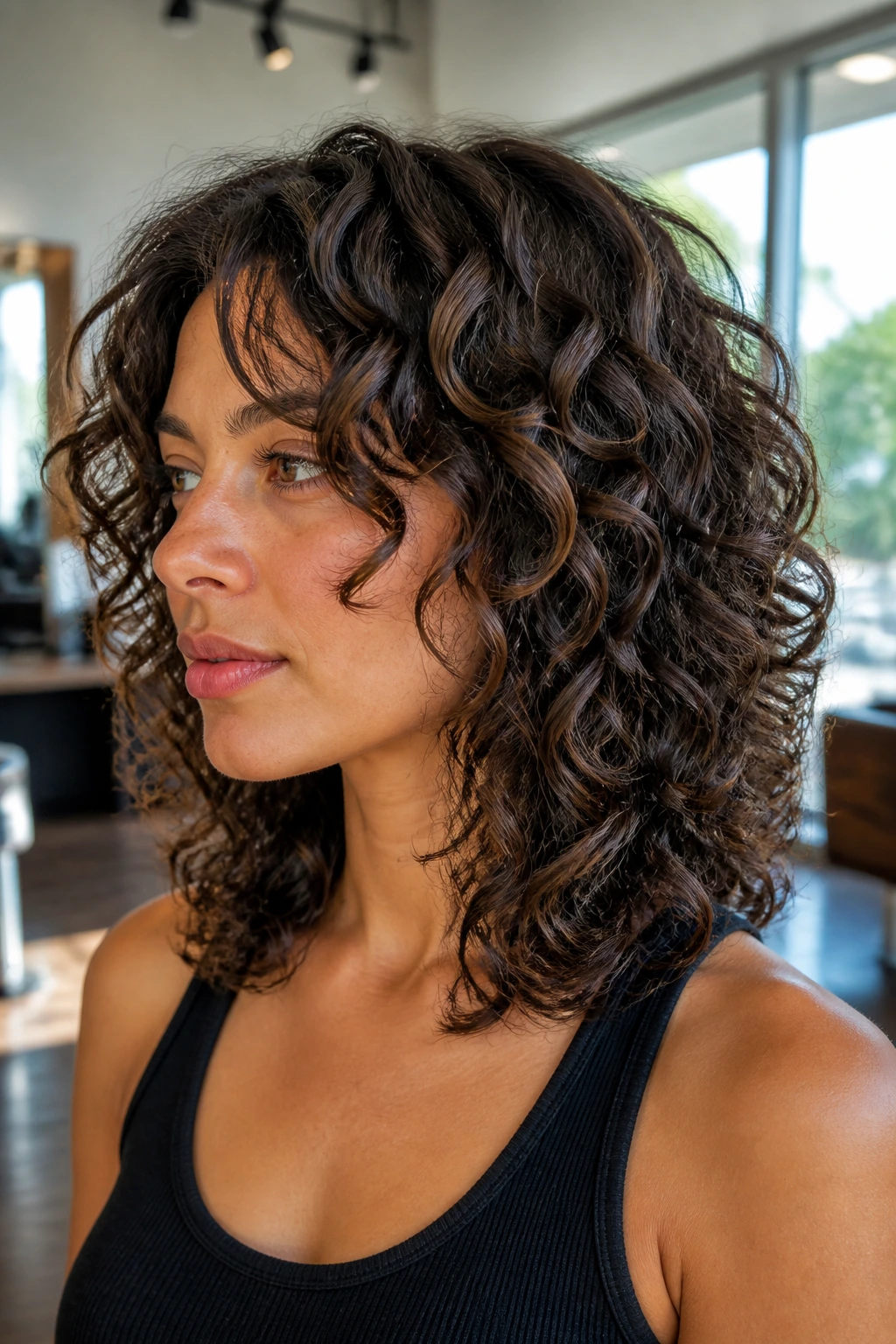
Disconnected layers occur when the stylist leaves a significant gap in length between the top and the bottom sections. Unlike graduated layers that blend seamlessly into one another, these exist to create distinct tiers of texture. This is a deliberate choice for someone who feels their hair is too dense or “poofy.”
Do you find that your curls feel like a heavy blanket by midday? Disconnected layers are the fix. By removing a significant portion of the inner weight, you essentially create a lighter, bouncier top layer that floats over the longer base. It creates a silhouette that is much more interesting than a uniform cut, providing a sharp contrast that looks polished when styled and edgy when left natural. It is a bold look, but for those willing to commit, it solves the “triangle” problem better than almost any other technique.
5. The Curly Bob with Graduated Layers
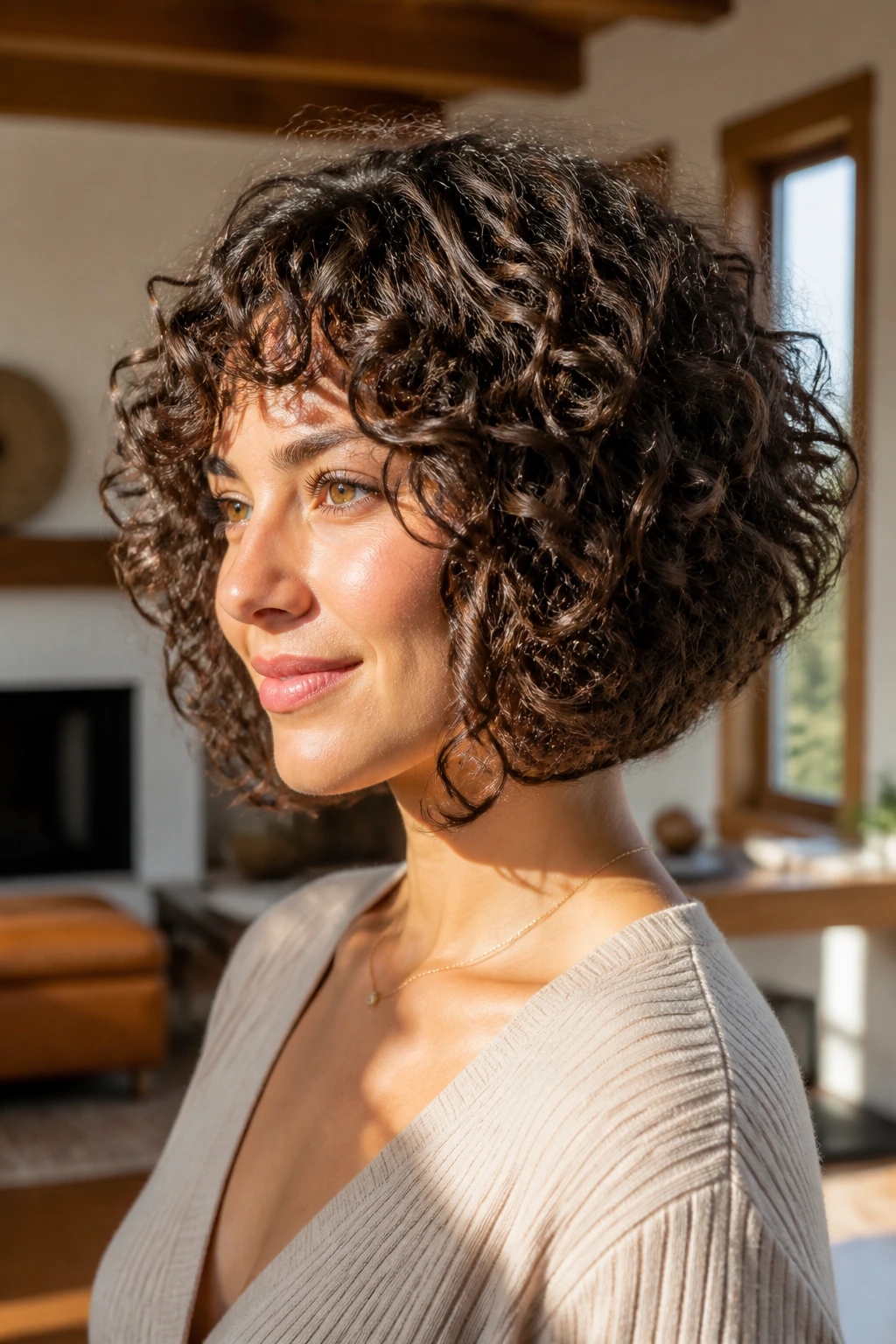
Many people assume that a bob is only for straight hair, but a graduated curly bob is a structural masterpiece. The back is cut shorter, and the length increases as you move toward the front, creating a rounded shape that follows the natural line of the jaw. By adding internal layers within this bob, you ensure the hair does not become a bell shape.
Is this cut right for you? If you have tighter curl patterns, like 3C or 4A, this is an excellent choice. The graduation allows the curls to stack vertically, which creates a very sophisticated, deliberate shape. You will spend less time fighting your hair’s natural inclination to widen at the bottom. Critical note: Ask your stylist to cut it dry. If they cut it wet, they cannot see how your curls will shrink, and you might end up with a bob that is far shorter than you intended.
6. Long Layers with Internal Thinning
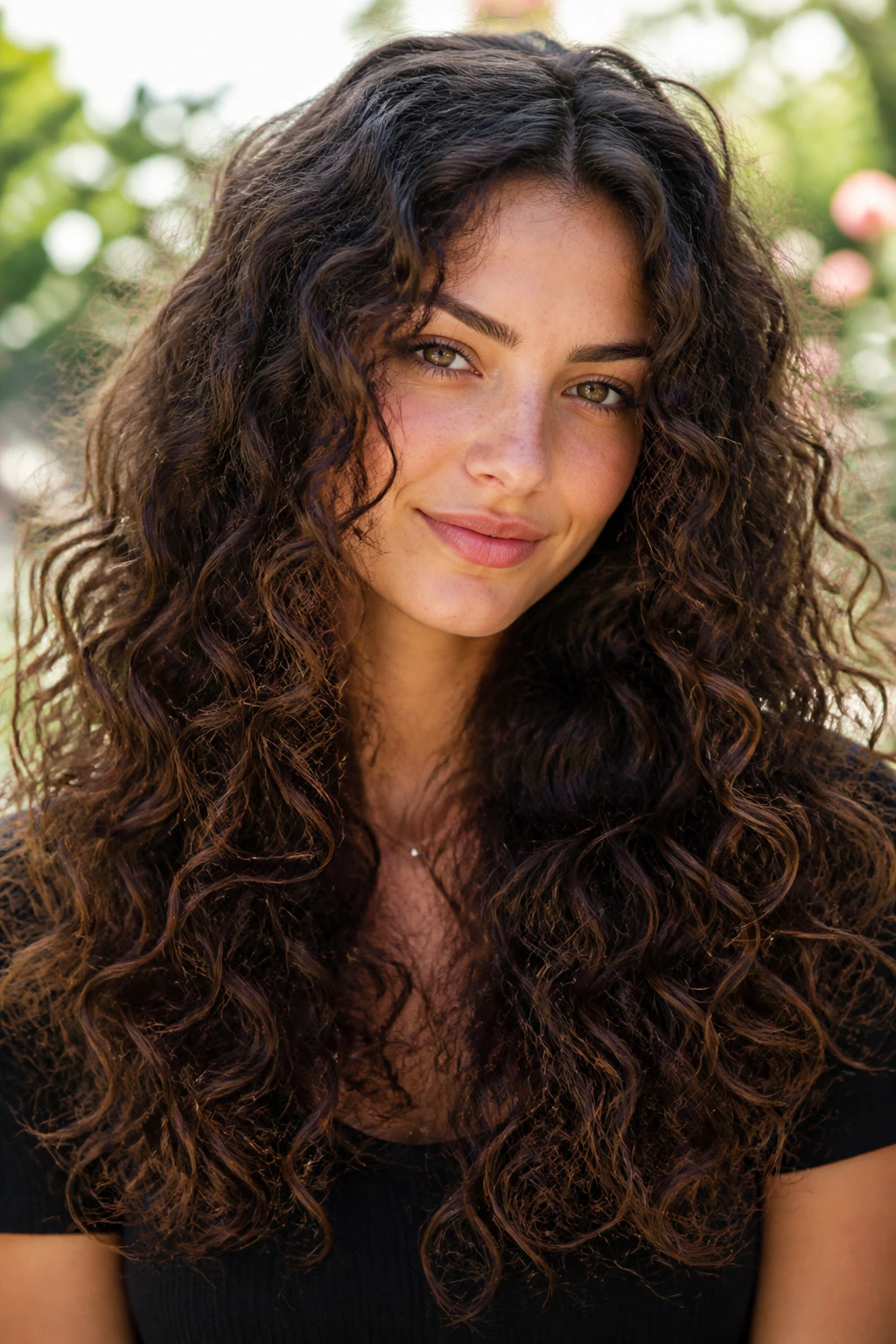
This is the “invisible” cut. If you want to keep the length but hate the bulk, this is your solution. The surface looks like a one-length cut, but hidden beneath the top layer is a series of shorter, strategic layers that reduce volume near the nape of the neck.
It is all about density management. By carving out weight from the inside, you change the way your hair hangs without changing the visual length. It allows the top layer of curls to lay flat and smooth against the head while still giving the rest of the hair enough lift to avoid the dreaded “triangle head.” This is a perfect approach for someone who loves the look of long, flowing curls but struggles with the sheer amount of hair they have to manage. It is subtle, functional, and highly effective.
7. The Rounded Afro-Inspired Cut
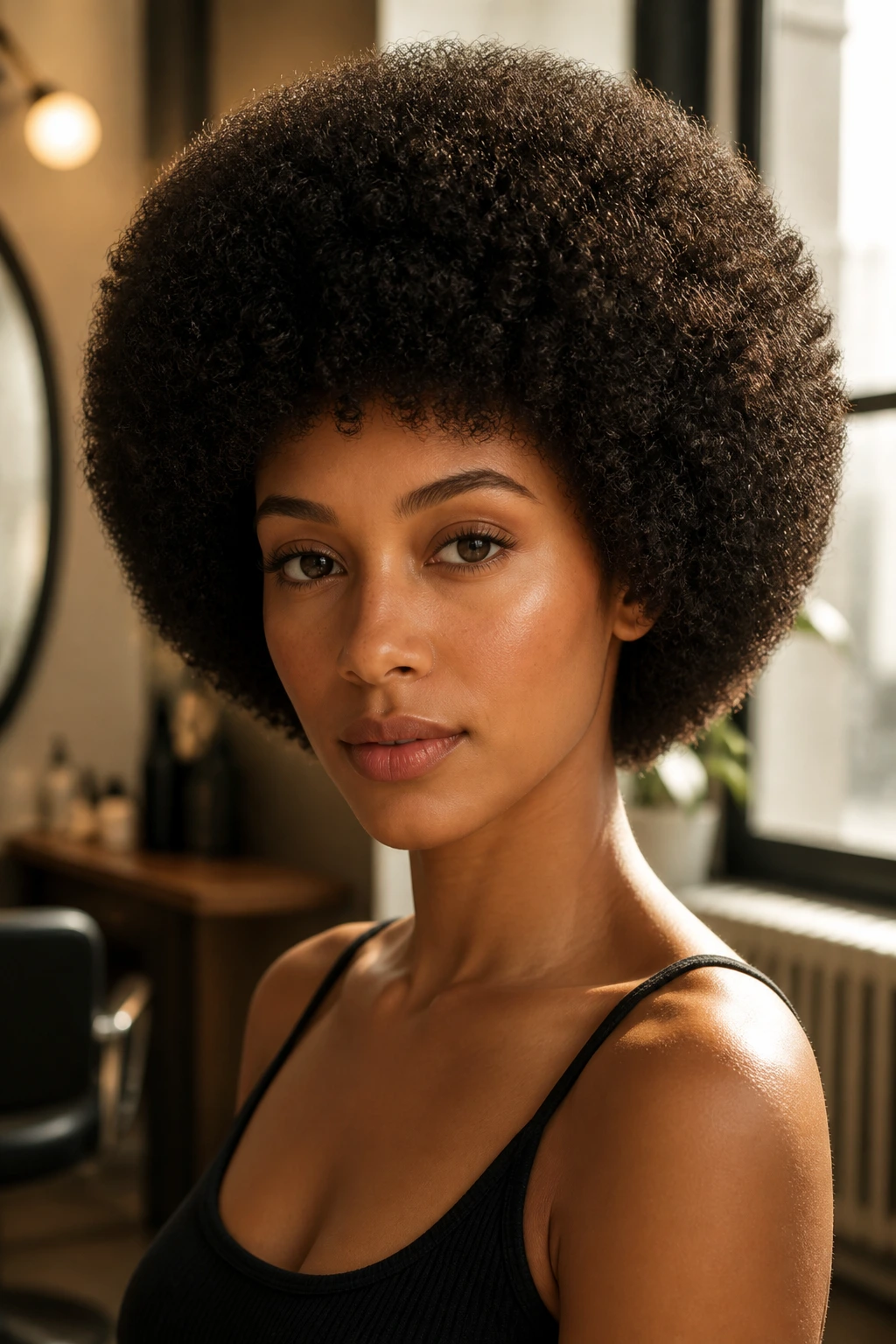
This cut embraces the spherical nature of curls rather than trying to suppress it. It is cut in a way that respects the natural growth pattern of your hair, creating a uniform, rounded shape that frames the head perfectly. This works beautifully with tighter textures that have a lot of spring.
Compared to a shag, which is layered to create messiness, this is layered to create a cohesive, sculptural shape. It is less about “bedhead” and more about intentional, high-volume beauty. You will find that this shape holds up well over several days, as the curls are supported by their own density. It requires a lot of moisture to keep the shape from turning into a dry afro, so focus on leave-in conditioners and heavy oils.
8. Subtle V-Shape Layers
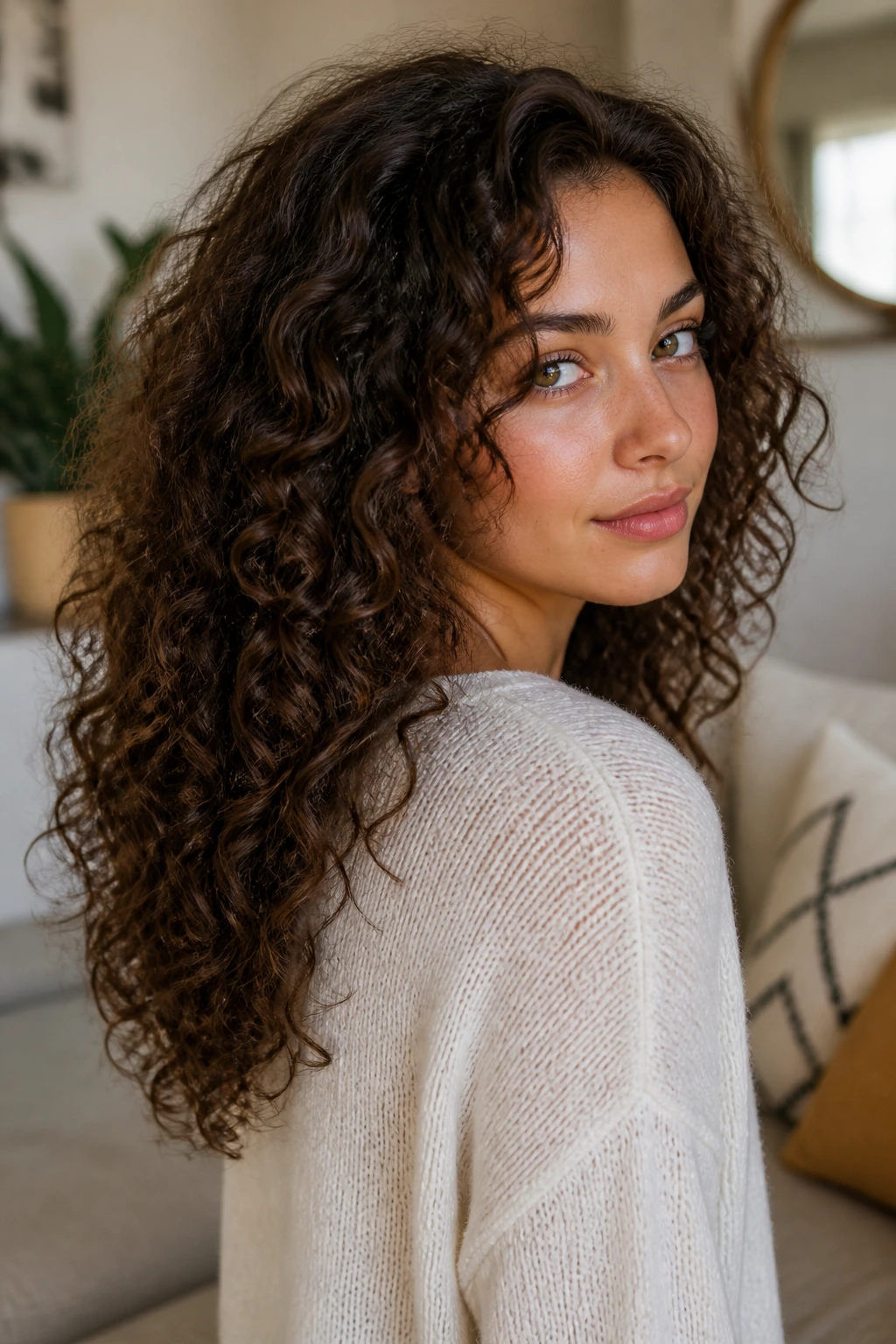
When you want to maintain length but need the hair to have some movement, a V-shape cut is the classic answer. The back is cut to a point, and the layers are blended from the shorter front pieces down to the longer back.
I once worked with a client who loved her long, curly hair but felt it looked like a singular, flat curtain. She was terrified of losing the length, so we opted for a V-shape. By cutting the hair in a V, we removed the bottom-heavy weight that was pulling her curls straight. Immediately, the curls in the back had the freedom to bounce. She was amazed that we hadn’t cut off more than two inches, yet the difference in movement was drastic. If you are afraid of losing length, start here. It gives you the best of both worlds.
9. Deep Side-Parted Layers
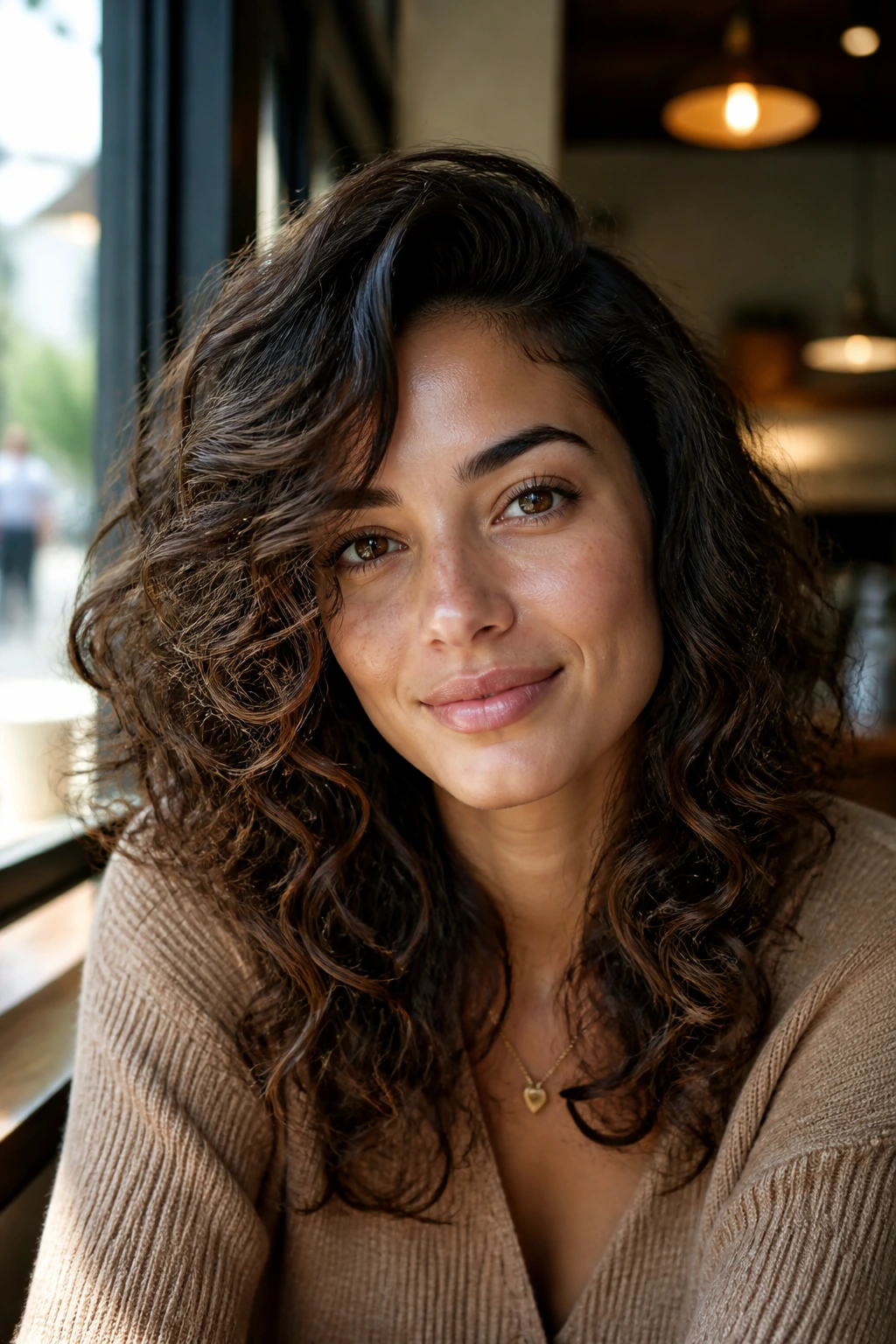
Sometimes, the cut is less about the shears and more about the way you direct the hair. A deep side-part combined with long, sweeping layers creates a glamorous, high-volume look that feels incredibly chic. The layers should be cut to emphasize the fall of the hair across the forehead.
How to Style It
- The Parting: Flip your hair to the side while it is still soaking wet.
- The Diffusion: Diffuse the roots while pushing them upward on the side with more volume.
- The Product: Apply a strong-hold styling mousse before drying to ensure that the volume stays put throughout the day.
- The Finish: Once dry, use a pick to gently lift the roots at the part for extra lift.
10. Tight Ringlet Layers
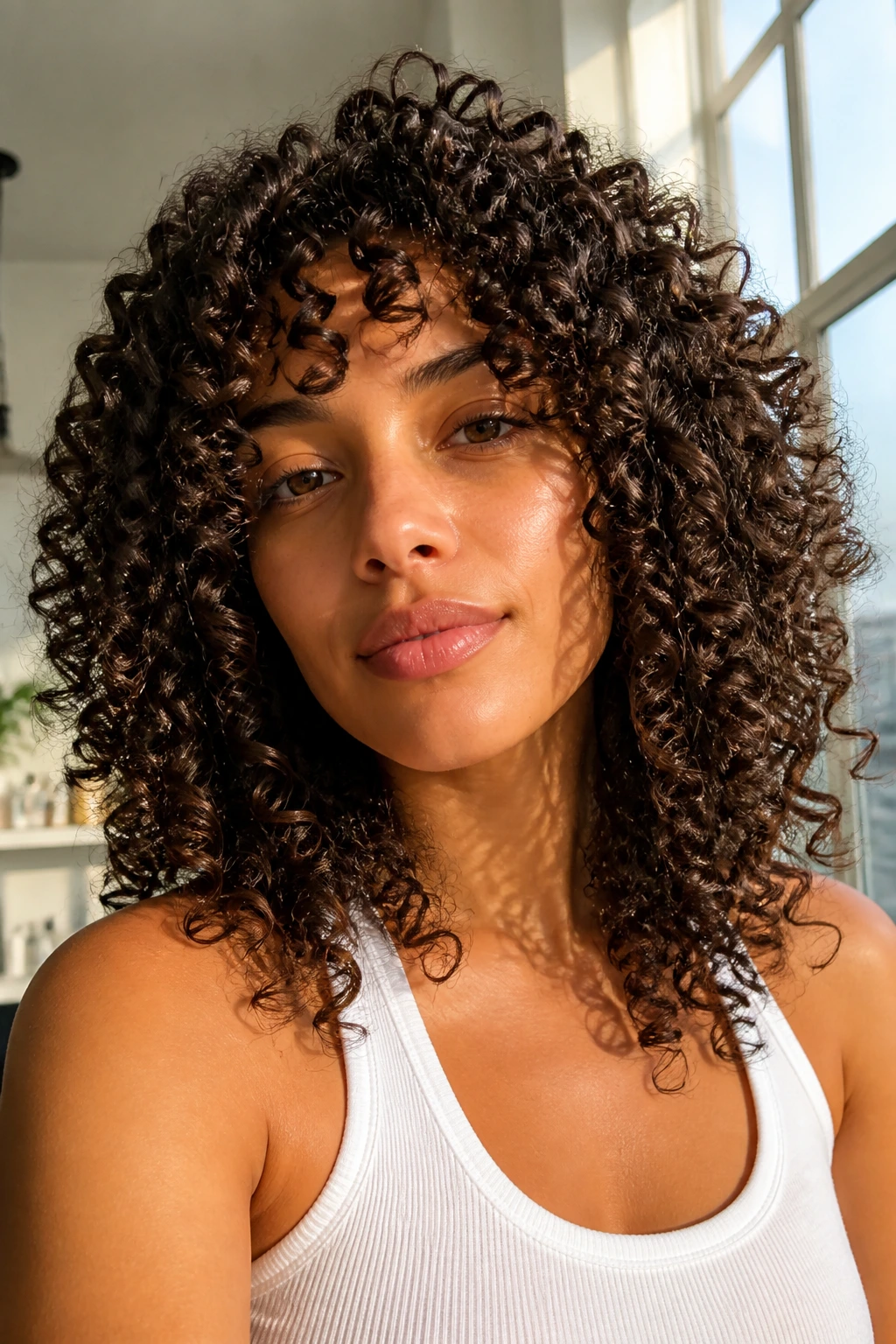
If you have tighter, high-porosity ringlets, standard layering can sometimes backfire, causing the hair to puff out excessively. The solution is to use “channel cutting” or “point cutting” on the ends of the curls. This creates soft, airy tips that allow the ringlets to nestle into each other rather than pushing each other apart.
- Weight distribution: The weight is balanced evenly throughout.
- No harsh lines: Every layer is blended into the next.
- Definition focus: This style requires high-definition products, like custards or gels, to hold the spiral.
- Visual result: It looks like a polished, bouncy, and distinct cascade of curls.
11. The Blunt Cut with Hidden Layers
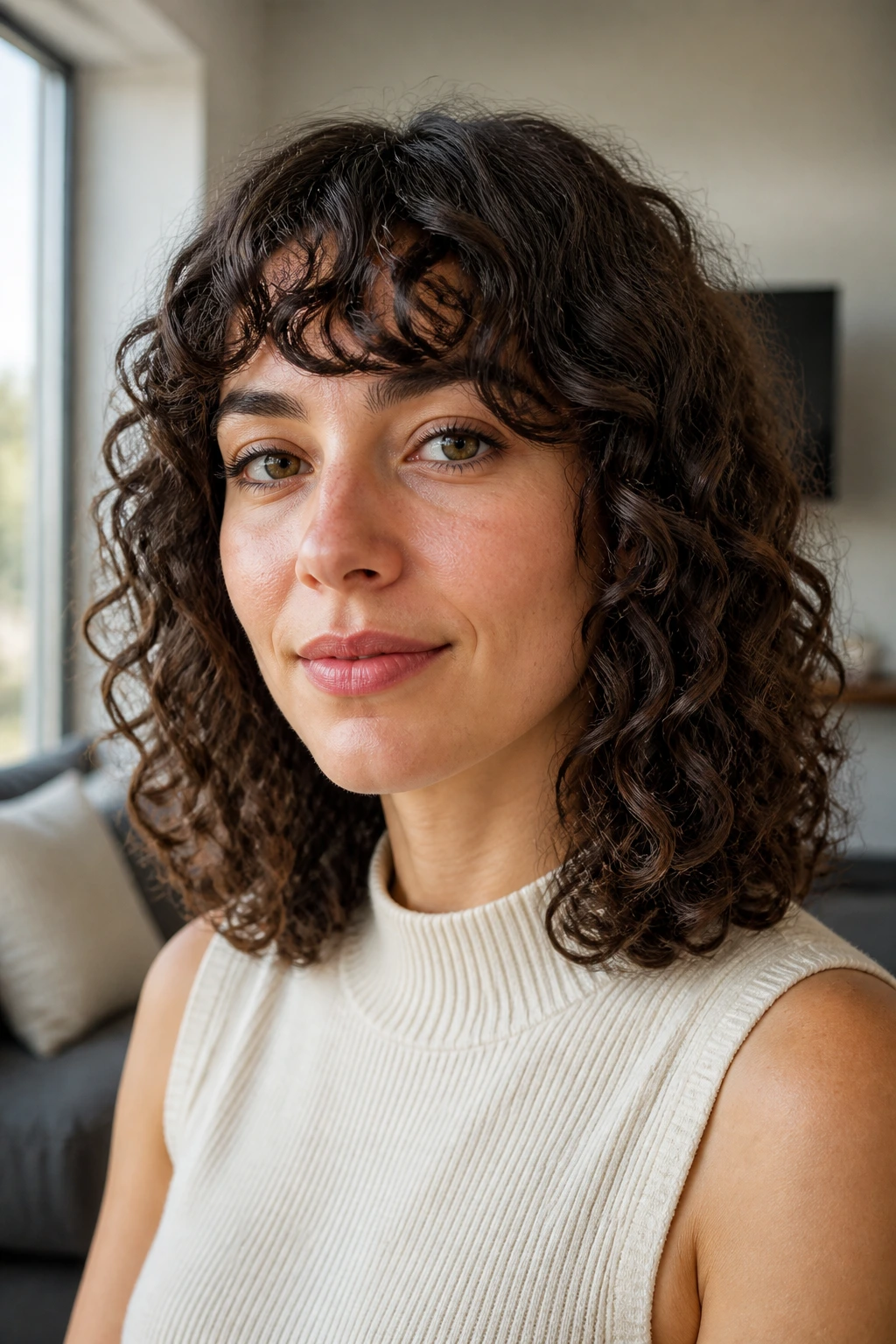
A blunt cut is the ultimate way to maintain the health of your ends. For medium curly hair, however, a blunt cut can result in that thick, heavy, bottom-weighted appearance. The compromise is a blunt perimeter combined with “invisible” or “hidden” layers.
Think of this as a sandwich: the top layer is blunt and polished, while the interior layers are aggressively thinned to prevent the bottom from flaring out. It is a deceptive cut. People will look at your hair and think it is just a solid, healthy length, but you will know the truth—that it is lightweight and easy to manage because of the structural work done inside. It is perfect for those who want a clean, minimalist aesthetic but have naturally thick, coarse curls.
12. Asymmetrical Curly Crop
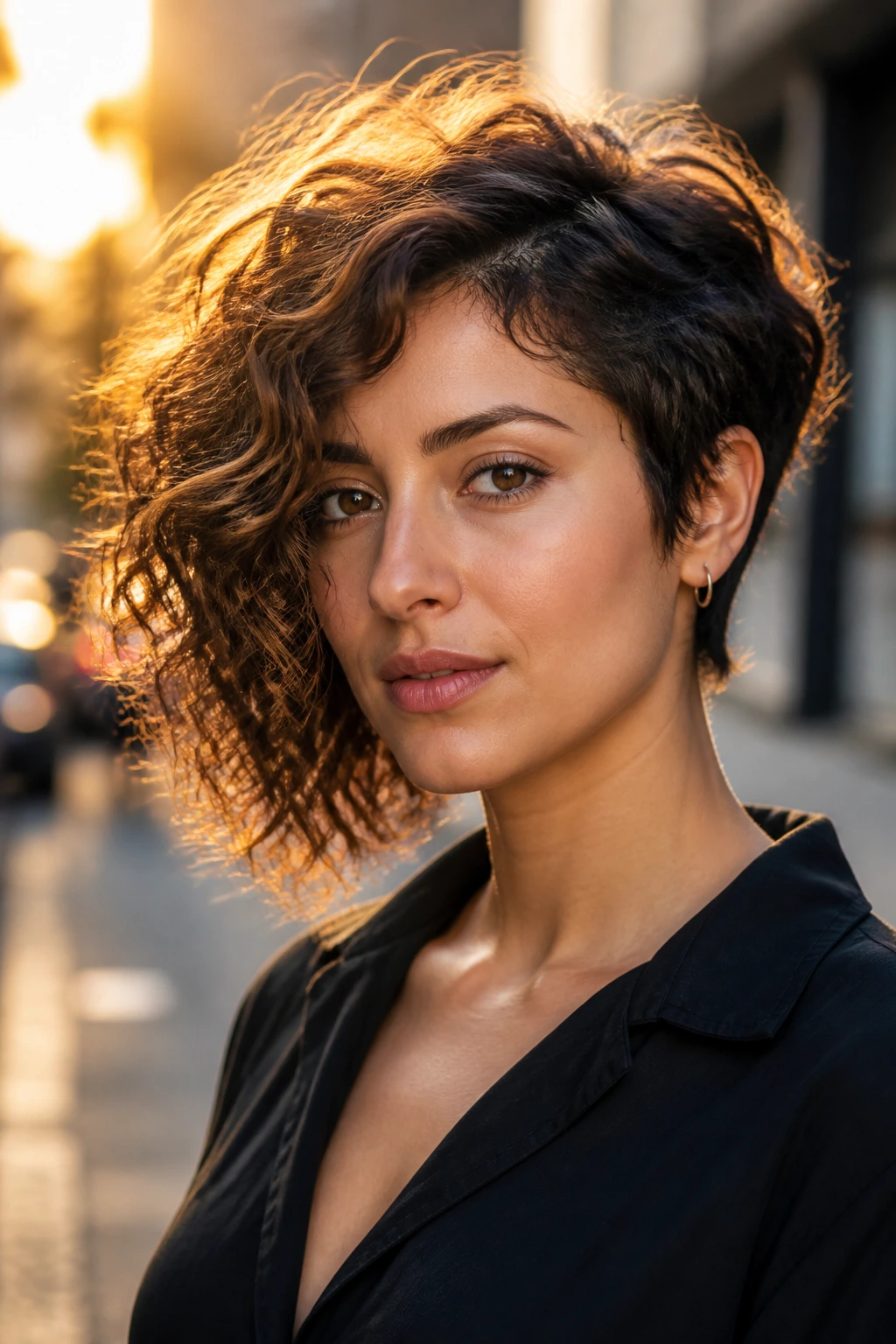
For those who want to make a statement, asymmetry is a fantastic tool. This cut features a noticeable difference in length between the two sides of your head. Perhaps the right side sits at the chin, while the left side cascades down to the collarbone.
It is not just about the look; it is about weight management. If your hair is thicker on one side—as many people’s hair is due to their natural parting—an asymmetrical cut can balance that out. You can cut the “heavy” side shorter to remove bulk and let the “light” side grow longer to add length. It is a practical solution that happens to look incredibly artistic. You need a stylist who is confident in freehand cutting for this one, as precision is paramount to getting the lines right.
13. Layers with Curtain Bangs
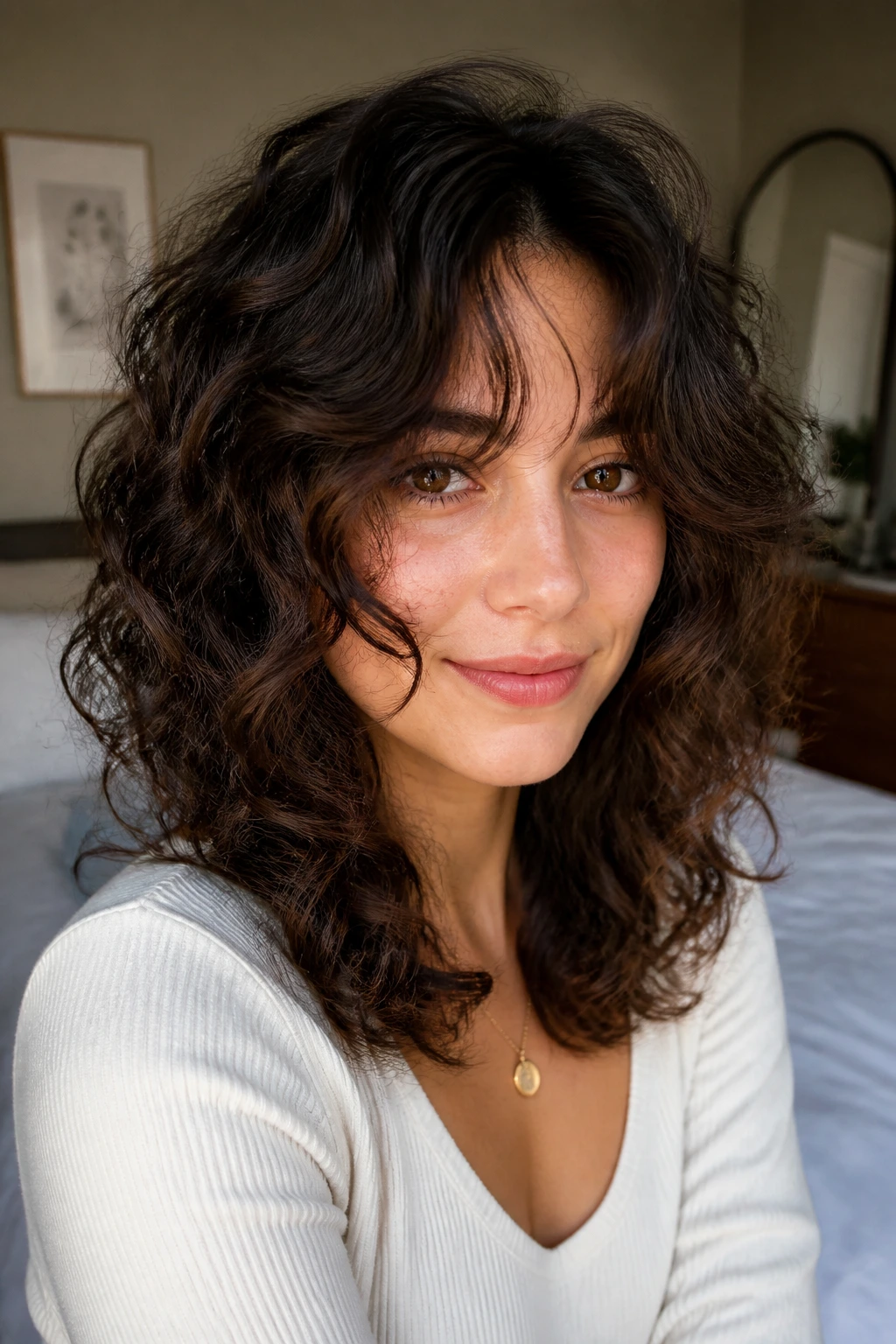
Curtain bangs have been popular for a while, and they work surprisingly well for curly hair—provided they are cut correctly. For medium hair, you want the bangs to be long enough that they do not just spring up and disappear into your forehead, but short enough to frame the eyes.
The Anatomy of Curly Bangs
- Length: They should hit the cheekbone when dry, not the eyebrow.
- Blending: They need to be seamlessly integrated into the rest of the layers so they don’t look like an afterthought.
- Texture: They should be cut with a point-cutting technique to ensure the ends are soft and don’t look like a solid block of hair.
- Styling: You will need to style these every morning, even if you don’t style the rest of your hair. A quick mist of water and a dab of gel is usually enough.
14. The “Curly Shullet”
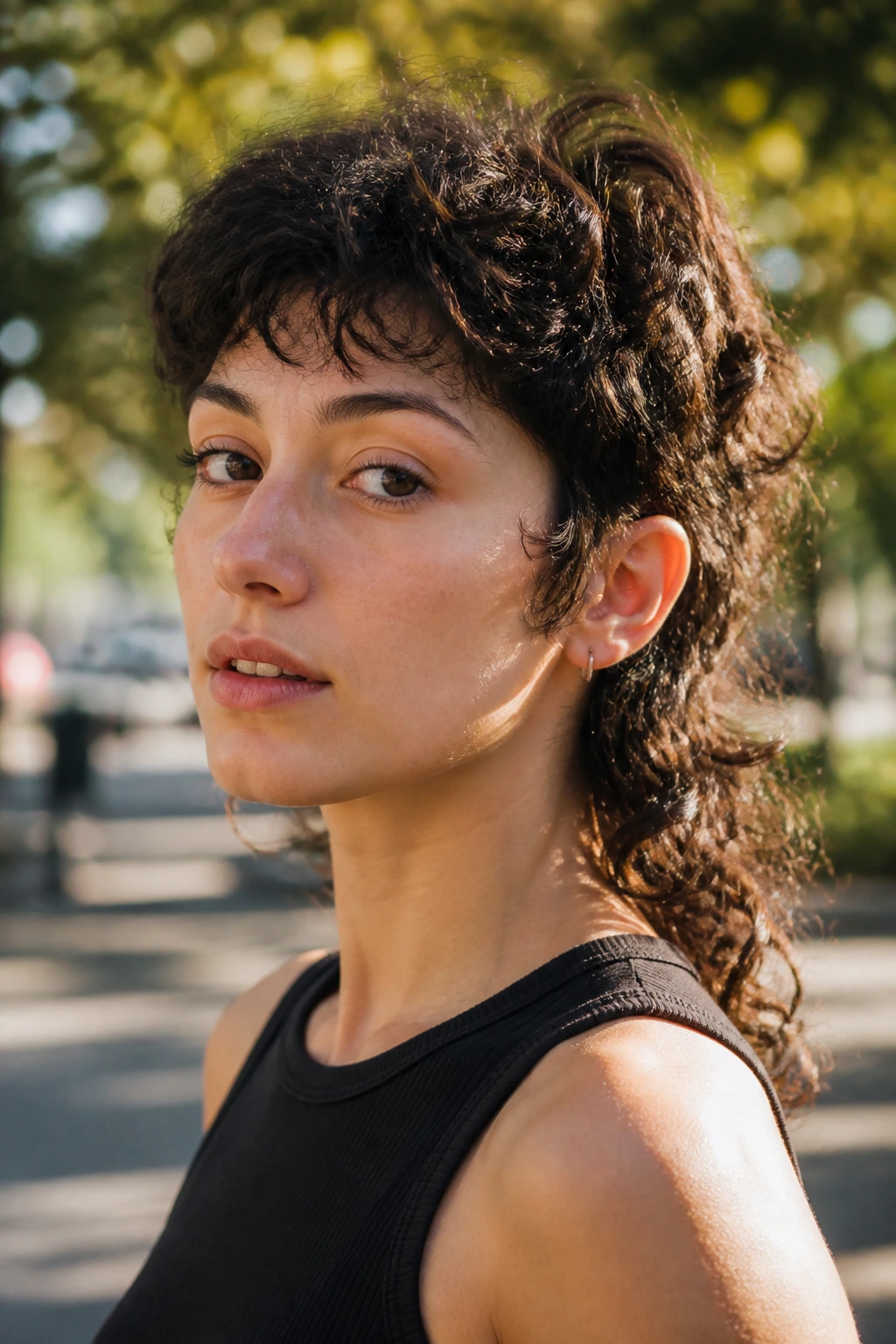
The “shullet” (a soft, blended shag-mullet hybrid) is for the person who wants to be edgy. It is shorter and tighter at the top and sides, but leaves significantly more length at the nape of the neck. It is a rebellious cut that relies on volume and texture.
This style works by embracing the natural volume of curly hair. Because curly hair has a tendency to grow out rather than down, a shullet allows that volume to exist without becoming unmanageable. It frames the face with shorter, texturized pieces while still giving you the “long hair” feeling in the back. It is arguably the most low-maintenance cut on this list because it is supposed to look a bit wild. If you wake up and it looks messy, you are doing it right.
15. Feathered Layers

Feathered layers are all about creating airy, lightweight movement. This is a classic technique where the ends are tapered with a razor or thinning shears to create a “V” shape at the very tip of each curl. It removes the blunt, blocky feel of the ends and replaces it with a soft, feathery finish.
- Best for: Fine to medium-density curls.
- Visual impact: Creates a delicate, romantic look.
- Styling ease: Very easy to dry; air drying works perfectly here.
- Maintenance: These layers grow out gracefully, meaning you can stretch your time between haircuts.
Pro tip: Because feathering involves thinning the very ends, ensure you are using deep conditioning masks weekly to keep those tips from splitting. When you thin out the ends, they become more vulnerable to friction and breakage.
Final Thoughts
Choosing the right haircut for medium-length curly hair comes down to one core principle: managing the weight. Whether you prefer the dramatic volume of a wolf cut or the subtle, internal structure of hidden layers, the goal is always to liberate your curls so they can move.
Do not be afraid of the scissor. Many people with curly hair are traumatized by bad haircuts in their youth, so they hold onto length like a safety blanket. But medium-length hair that is properly layered is infinitely easier to manage than a long, heavy, unlayered mop. Find a stylist who specializes in dry cutting, be honest about how much time you are willing to spend styling, and lean into the shape that makes your natural texture feel like an asset rather than a burden. Your hair has a mind of its own, but with the right cut, you can finally point it in the right direction.
