



Flat hair has a nasty little habit of looking fine in the mirror and then collapsing the second you leave the house. The best hairstyles that add volume to flat hair do more than fluff up the top for a minute; they change the shape of the whole head, so the hair looks fuller even when it settles.
That’s the real trick. Volume is usually about structure, not just product. A deep side part, a blunt bob, a lifted ponytail, or a soft shag can create the illusion of thicker hair because it shifts weight away from the roots and gives the eye more places to land.
Fine hair and low-density hair are not the same thing, and that matters. Fine strands can still look full if the cut has a strong edge, while thicker strands can look limp if the shape is too long, too heavy, or too one-note. A lot of people blame their hair texture when the problem is really the haircut.
So if your hair tends to lie close to the scalp, slide down by lunchtime, or flatten out the second humidity shows up, the styles below are the ones worth keeping around. Some need a good blow-dry. Some need three pins and a little nerve. A few are almost unfair in how much lift they give back.
1. Deep Side Part for Flat Hair
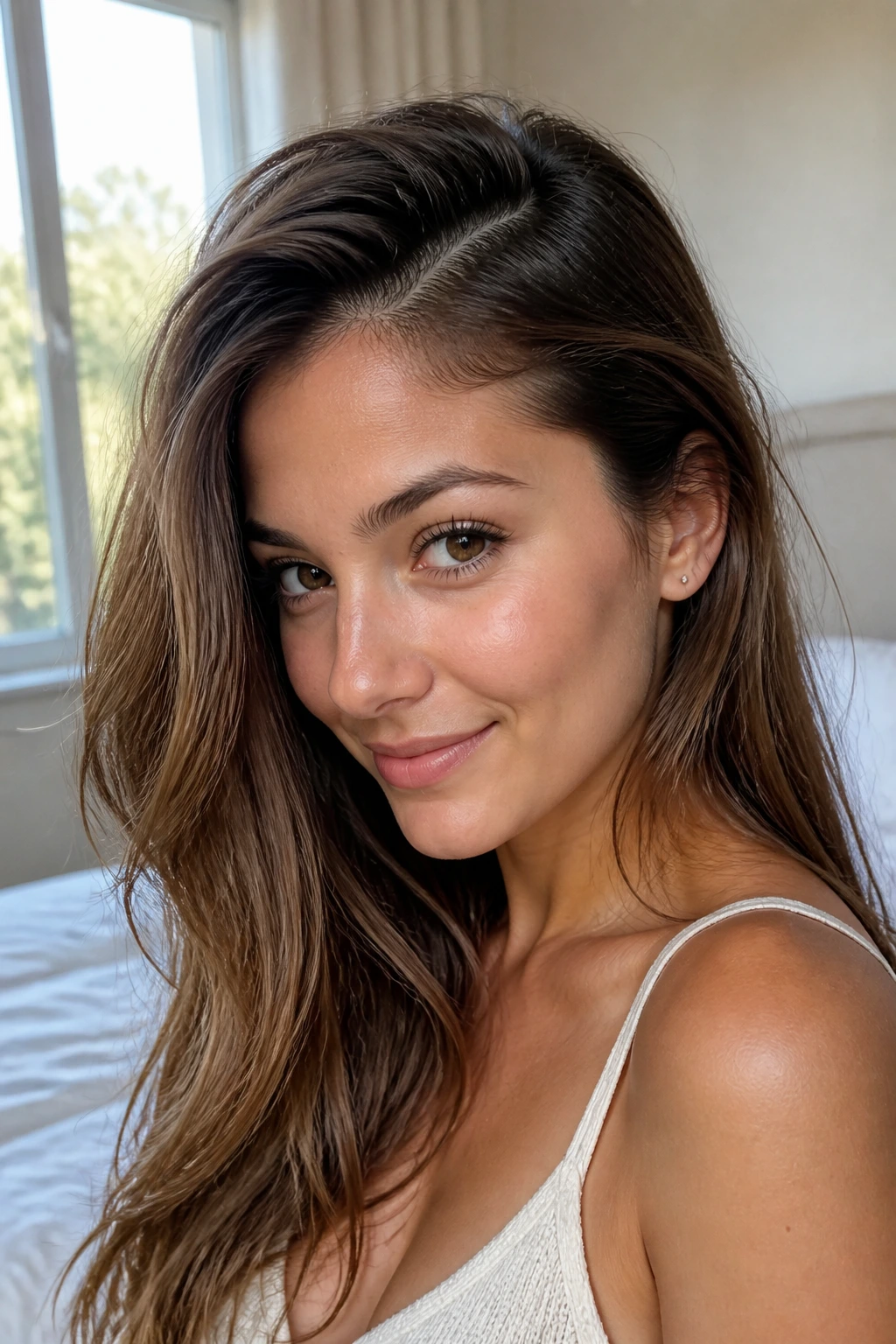
A deep side part is the fastest volume cheat there is, and I mean that in the nicest possible way. It takes hair that has been sitting in the same flat lane for years and forces it to change direction, which immediately gives the roots a little height.
Why It Works at the Crown
The lift comes from imbalance. When you move the part 2 to 3 inches off center, the heavier side of the hair has to drape differently, and that creates a natural bump at the top. It’s simple, but it works because flat hair usually needs more shape, not more fuss.
A little root spray helps, but the part is doing most of the work. Blow-dry the hair in the opposite direction of the part first, then flip it over once it’s about 80% dry. That gives the root a memory instead of letting it fall straight down.
- Best on hair that is shoulder length or longer.
- Works especially well with a light blowout or loose bend.
- Looks clean on fine hair and thick hair alike.
- Takes less than 2 minutes to change.
Pro tip: clip the heavier side at the crown for 10 minutes while the hair cools. That tiny pause can make the lift last much longer.
2. Collarbone Lob With Invisible Layers

If you want volume without obvious layering, the collarbone lob is the haircut I’d point to first. It sits at that sweet spot where the ends do not drag the hair down, and the length still gives you enough swing to feel feminine and soft.
The invisible layers matter more than people think. They’re cut inside the shape, not all over the surface, so the outline stays full while the inside loses a bit of weight. That means the hair moves better and doesn’t fall into a flat sheet.
A blunt edge at the bottom helps too. It makes the ends look denser, which is useful if your hair is fine or a little wispy. Ask your stylist for a clean perimeter with subtle interior shaping, not choppy layers that chew up the outline.
This style looks even better with a soft bend at the ends. A one-inch iron or a round brush can give the lob a little kick under the jawline, and that bit of lift keeps the shape from dropping into your neck.
3. Curtain Bangs That Add Volume to Flat Hair

Curtain bangs work because they break up the top of the head in a flattering way. Flat hair can look extra flat when everything is pulled straight back from the face, but curtain bangs put movement right where the eye starts looking.
How to Style Them
Blow-dry the bangs forward first, then split them down the middle and bend each side away from the face with a round brush. That little curve keeps the fringe from clinging to the forehead, which is usually where flat hair gives itself away fastest.
The rest of the cut matters, too. Curtain bangs look best with soft face-framing layers that begin around the cheekbones or chin. If the layers start too high, the hair can feel thin at the ends. Too low, and the bangs lose their job.
They suit people who want volume without a full haircut overhaul. You get lift at the crown, movement around the face, and a style that still pulls back easily on busy mornings.
One more thing. If your hair is very fine, keep the bang section a little heavier than you think you need. Skinny curtain bangs can separate in a sad, stringy way. Nobody wants that.
4. Textured French Bob
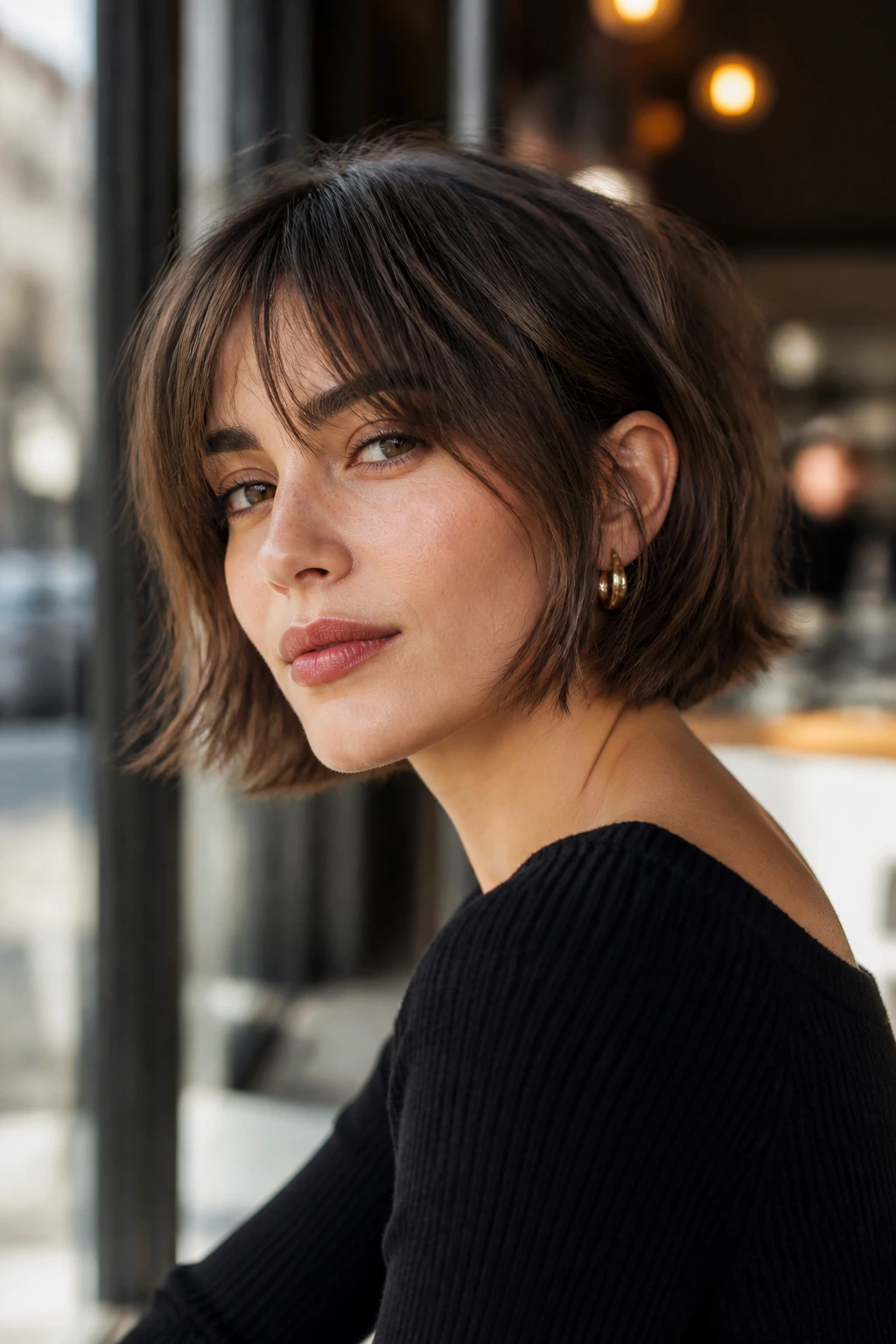
A French bob is one of those cuts that makes flat hair look intentional instead of defeated. It usually hits around the jawline, sometimes a touch below, and that shorter length means the hair is not being dragged downward by its own weight.
The texture is what gives it personality. Not chaos. Just enough pieceiness at the ends to keep the shape from looking stiff. When the bob is cut blunt enough at the bottom, it reads fuller than a long layered cut that has been thinned out too much.
This is the kind of haircut that looks especially good if your hair has a natural wave or a little bend. Air-dry it with a touch of mousse, scrunch the ends, and leave the roots alone unless they need a quick lift with your fingers.
- Jaw-grazing length gives the illusion of density.
- A blunt edge makes the perimeter look thicker.
- Soft texture keeps it from feeling helmet-like.
- A side part can make it look even fuller.
The French bob is short, yes, but not severe. That’s why it works. It gives flat hair a shape that holds up instead of hanging limp by hour three.
5. Half-Up Crown Puff

The half-up crown puff is the hairstyle version of cheating politely. It takes the top section, lifts it a little higher than seems necessary, and suddenly the whole head looks like it has more body.
You’ve probably seen this style on people who somehow look put together even when the rest of the hair is loose and soft. The reason is simple: the crown gets lifted while the lengths stay down, so the style creates height without making the hair feel overdone.
A small teasing comb helps, but you do not need to go wild with backcombing. Pull the top section up, tease just the underside near the roots, smooth the outer layer over it, and pin it loosely at the back. A clip works too, especially if you want a less polished finish.
Nope, it does not have to be fancy.
This style is especially good on second-day hair, when the roots have a little grip. Freshly washed hair can be too slippery and slide flat again unless you use dry shampoo or texture spray first.
6. High Ponytail With Wrapped Base

A high ponytail gives flat hair instant height because it moves the focal point up the head. That simple change makes the crown look fuller, even before you start fussing with the details.
The placement matters more than most people realize. If the elastic sits too low, the ponytail can drag the face downward and make the hair look thin at the scalp. Put it high enough that the base sits on the upper part of the head, then lift the crown gently with your fingers.
What Makes It Different
A wrapped base hides the elastic and adds one extra layer of fullness. Take a small strand from underneath the ponytail, wrap it around the band, and pin it out of sight. That tiny move gives the style a cleaner finish and keeps it from looking like a rushed gym pony.
Curled ends help too. If the hair is straight and sleek all the way through, a ponytail can look a little bare. A soft wave in the tail makes it look thicker, and a small bend near the bottom gives the illusion of more hair than you actually have.
This is one of the best styles for long flat hair because it creates lift fast. It’s also one of the easiest to redo if the crown goes limp later in the day. Pull, fluff, adjust. Done.
7. Messy Shag for Flat Hair With Airy Ends
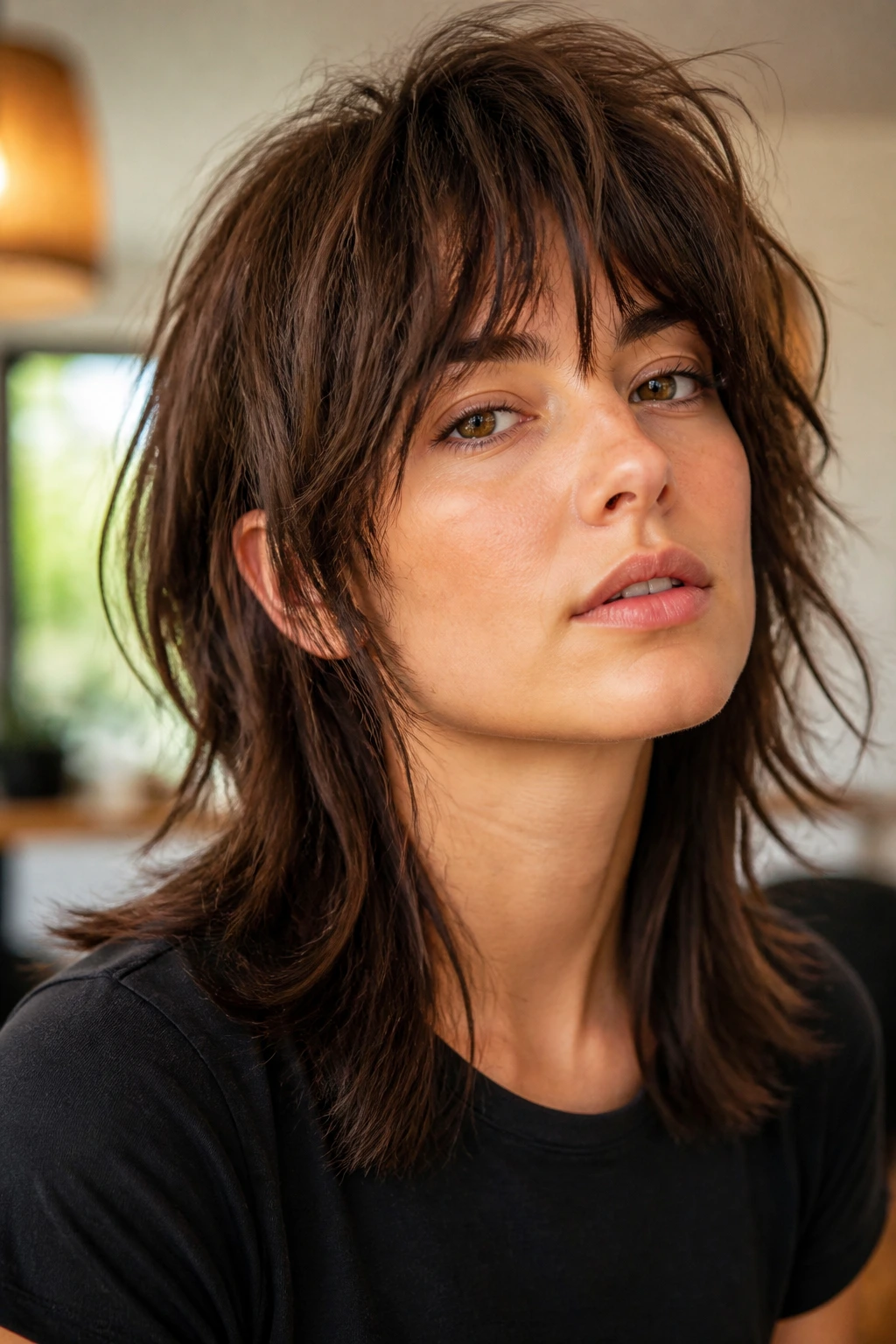
A shag is not subtle, and that’s exactly why it works so well on flat hair. The cut removes weight in the right places, especially around the crown and mid-lengths, so the hair doesn’t hang in one heavy curtain.
Why It Looks Fuller
The layers create movement, but not the delicate, wispy kind that disappears after a few hours. A good shag has shape. The top has lift, the sides have softness, and the ends feel broken up just enough to keep the silhouette from going stiff.
Ask for a shag that is adapted to your hair thickness, not a copy of a photo. Fine hair needs softer layering and less razor work. Thick hair can handle more texture, but even then you do not want the ends shredded into nothing.
A little mousse and a diffuser help this cut hold its body. Air-drying can work too, but you’ll usually get better root lift if you rough-dry the crown first and let the rest fall naturally.
Watch for this: if the layers start too high or too thin, the ends can look scraggly instead of airy. There’s a line between movement and a haircut that has been mugged by scissors.
8. Loose Waves With Root Clips
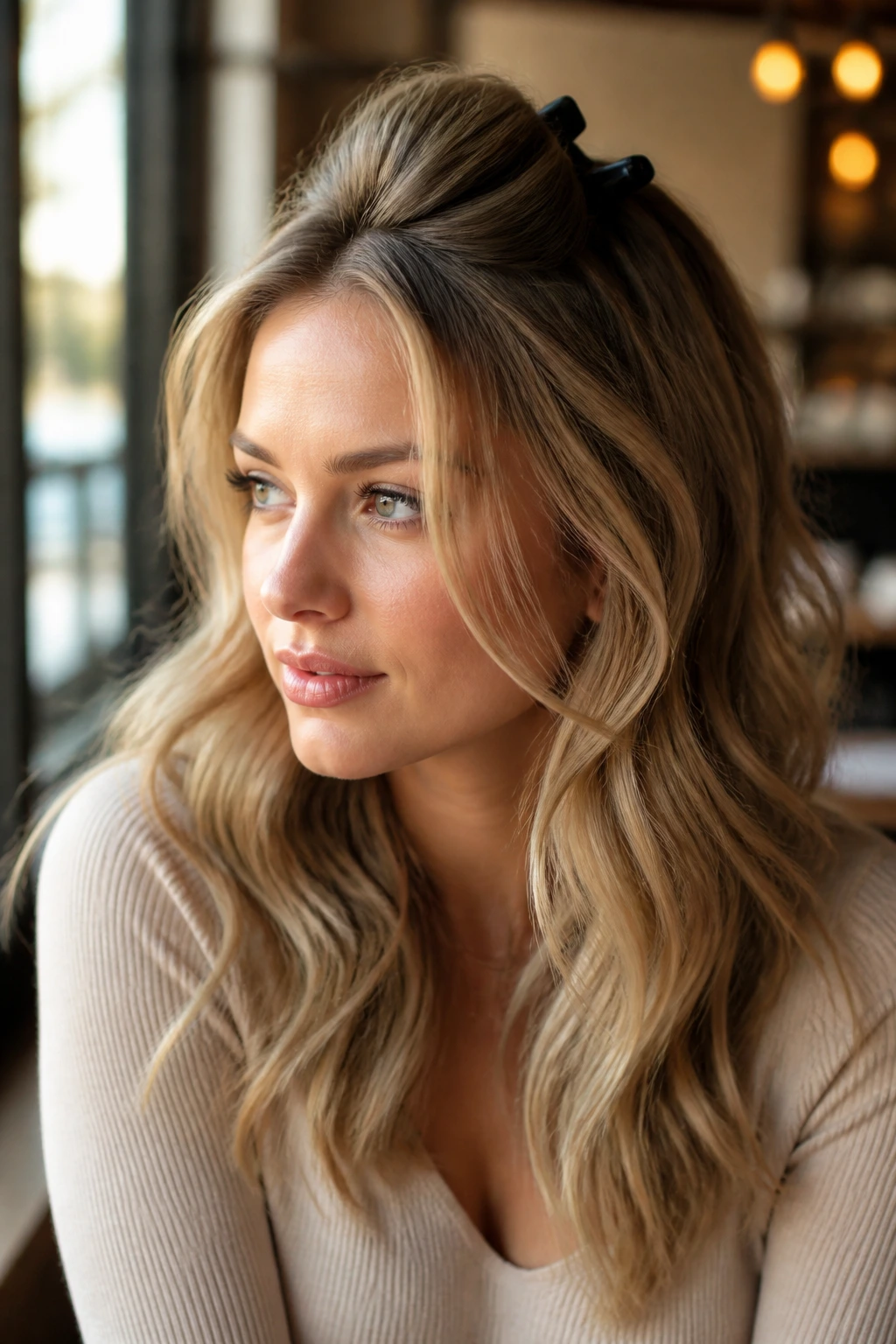
Loose waves can add volume, but only if the roots don’t collapse underneath them. That’s the part most people miss. You curl the lengths, admire the bend, and then the top stays flat as a pancake. Rude.
The fix is easy enough: clip the roots while the hair cools. Use duckbill clips or small section clips at the crown, especially near the part and the front hairline. That tiny lift at the base changes how the wave sits when you brush it out.
How to Get the Most From It
Curl larger sections with a 1 to 1.25-inch iron, not tiny ringlets. Bigger waves leave more air between the strands, which makes the hair look fuller rather than crimped. After each section cools, clip the root up for a few minutes before letting it drop.
Then break the wave up with your fingers or a wide-tooth comb. Brush too much and the hair can go flat again. A light spray of flexible hold keeps the movement without making the style stiff.
Loose waves are a good choice if you want softness around the face and extra body through the middle. They also suit layers well, since the cut can show off the bend. Straight, heavy ends can fight this look, so a little layering helps.
9. Claw-Clip Twist With Face Pieces

Can a clip-up style make flat hair look fuller? Absolutely, if you place the clip high enough and leave the right pieces out. A claw-clip twist works because it lifts the middle of the hair off the neck and builds a little loop of volume at the back of the head.
The trick is not twisting everything into a tight little rope. Leave the hair a bit loose through the crown, twist it upward, and let the ends tuck naturally into the clip. Pull two face-framing pieces free so the style doesn’t feel too severe.
How to Get the Lift
Start with hair that has some texture. Day-old hair, dry shampoo, or a light dusting of styling powder helps the clip hold better. If the hair is too silky, the twist can slide flat within an hour.
A medium or large claw clip is usually better than a tiny one. The bigger clip gives the twist room to sit higher, and that higher placement creates more height at the back of the head. That is the whole game here.
This style is not precious. It works for errands, dinner, work, and the sort of day where you need your hair to behave without looking boring. That’s a nice little thing to have in your pocket.
10. Bubble Ponytail
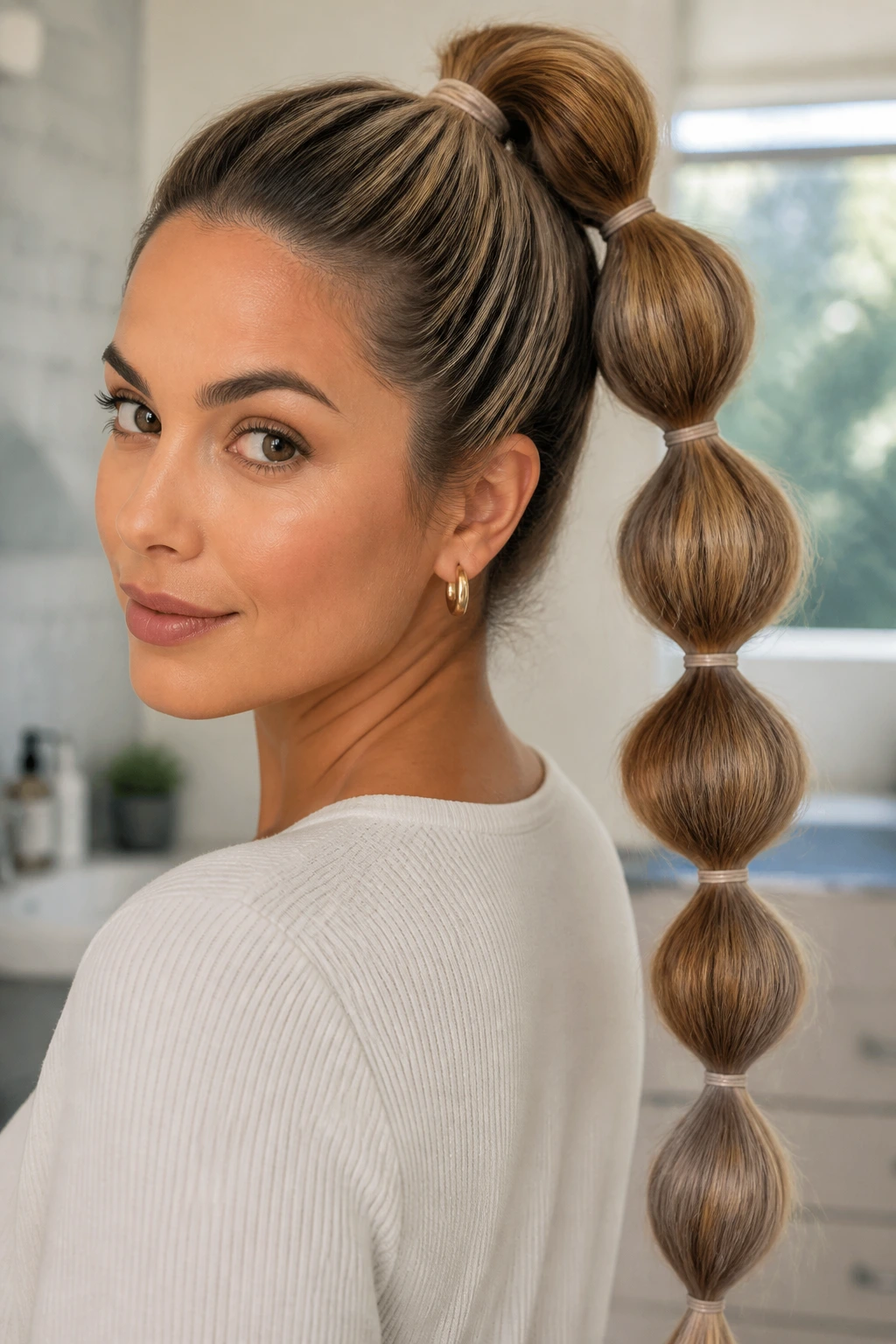
A bubble ponytail is one of the easiest ways to fake thickness, and it does not try to hide the fact that it’s built. It leans into the shape, which is refreshing.
Here’s why it works: the ponytail gets divided into sections, then each section is gently tugged outward so it balloons into a rounded bubble. The result is more width through the length of the hair, which makes flat strands look fuller and more playful.
- Start with a high or mid ponytail.
- Add elastics every 2 to 3 inches.
- Tug each section outward with your fingers.
- Keep the bubbles even, or deliberately uneven if you like a looser look.
- Wrap a small strand around the first elastic if you want a cleaner finish.
It suits straight hair especially well because the rounded shape contrasts with the flat texture. You can also curl the ends slightly before making the bubbles if you want more softness.
This is one of those styles that looks more complicated than it is. Which is handy, because it buys you volume without a full styling session.
11. High Bun With Loose Face Pieces
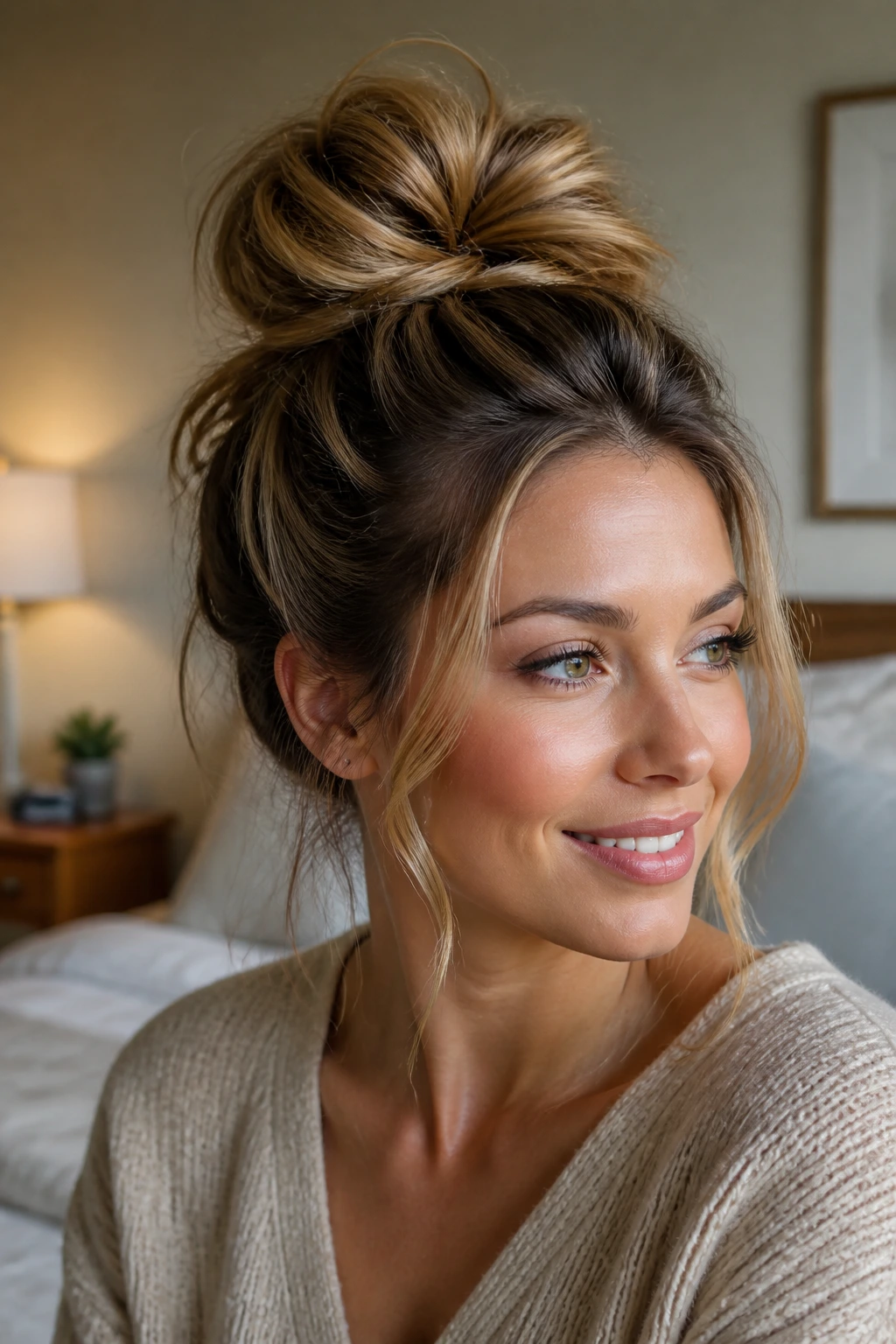
A high bun can look flat and severe, or it can look airy and lifted. The difference is usually in the prep, not the bun itself.
If you tease the crown a little before gathering the hair, the bun sits on a cushion of height instead of being pressed against the scalp. Then leave two face pieces out, one on each side, so the style feels softer and less tight.
A messy bun gets a bad reputation because people think it means careless. It doesn’t. It means the knot should have shape, a little volume, and enough looseness that the top doesn’t look glued down.
The ends can be tucked fully in or left slightly out, depending on how polished you want it. If your hair is very fine, a few pins hidden inside the bun can give it a fuller body than a single elastic ever could.
This is a nice option when you want the top of the head to look higher. It works on second-day hair, dry shampoo hair, and the kind of hair that behaves better once it stops being asked to hang down.
12. Pixie Cut With Long Top Layers

A pixie cut is a volume move disguised as a short haircut. The short sides remove bulk, and the longer top layers can be pushed up, forward, or to the side to create height where you want it.
Unlike longer styles, a pixie does not need the ends to do all the work. The shape itself carries the fullness. That means a person with very fine hair can actually get a fuller look from a shorter cut than from keeping too much length.
The top should not be too heavily thinned out. Ask for texture, yes, but keep enough density in the crown so the hair can be lifted. A little paste or mousse at the roots helps the top stand away from the scalp without turning sticky.
Best part? It dries fast. That sounds minor until you’ve spent twenty minutes trying to make long hair look fuller and it still falls flat. A pixie can give you that lifted look in a fraction of the time.
13. Wolf Cut for Flat Hair

The wolf cut earns its place here because it knows how to look messy on purpose. The choppy crown, broken layers, and longer back length all work together to keep the hair from lying in one heavy sheet.
Why It Works
The top is shorter and more textured, so it stands away from the head more easily. The bottom keeps enough length to feel like you still have hair to play with. That contrast creates volume both at the crown and through the silhouette.
A fringe helps, especially if it’s soft and piecey rather than blunt and heavy. It gives the front of the cut some lift and makes the style look balanced instead of top-heavy. Just don’t let the layers get so thin that the ends disappear.
- Best for wavy hair and straight hair with a little bend.
- Needs some styling product, usually mousse or cream.
- Looks good messy, which is the whole point.
- Can feel too shaggy if the texture is overdone.
The wolf cut is one of those styles that can look expensive when the shape is right and accidental when it isn’t. Get the cut from someone who understands your hair density, not just the photo you brought in.
14. Crown Braid Into Loose Lengths
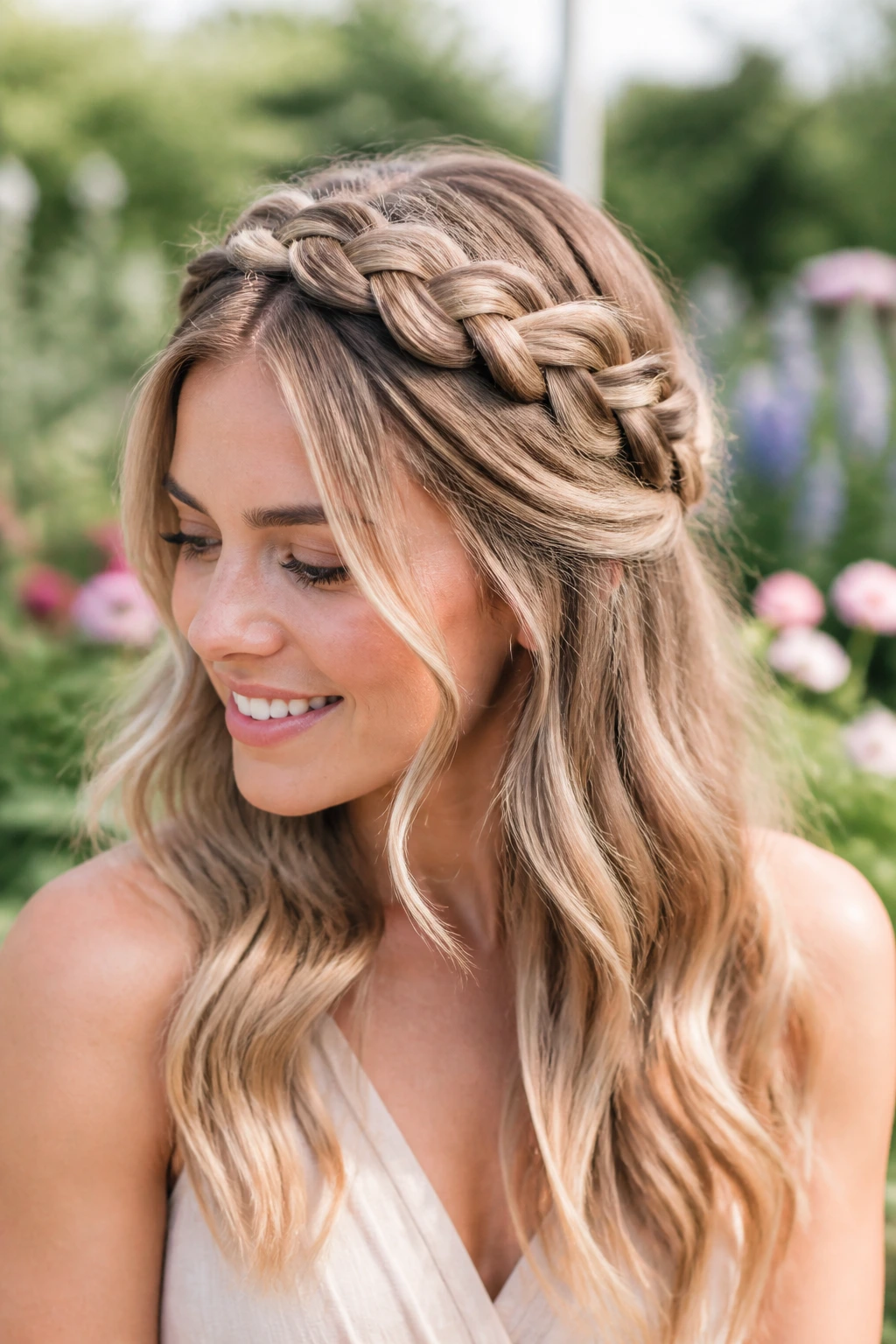
A crown braid can make flat hair look fuller because it builds texture right where the eye lands first. The braid wraps around the head, and that curved line creates instant body across the top.
The easiest way to keep it from looking too tight is to braid it a little looser than normal, then gently pull at the outer edges once it’s secured. That “pancaking” trick widens the braid and makes the crown look thicker without needing more hair.
This style works especially well on medium to long hair. If the lengths are left loose after the braid, the contrast between the braided top and the soft bottom gives the whole style more shape. It feels deliberate, not stiff.
A little wave in the loose lengths helps too. Straight hair can still work, but a soft bend gives the style more movement and keeps the ends from looking sparse.
15. Velcro Roller Blowout for Flat Hair

Old-school rollers still earn their keep, and honestly, they deserve more respect than they get. A velcro roller set at the crown and around the face gives flat hair lift that lasts longer than a quick tease because the shape is built into the hair while it cools.
Use medium or jumbo rollers, depending on your length. Put the biggest rollers on the top sections, roll them away from the face, and let the hair cool completely before removing them. That cooling time matters. If you take them out while the hair is still warm, the lift drops faster.
How to Use It
- Start with roughly dry hair, not soaking wet.
- Add root-lifting spray or mousse before blow-drying.
- Place 2 to 4 rollers at the crown and front sections.
- Leave them in until the hair feels cool to the touch.
- Brush lightly or separate with fingers for a soft finish.
This style gives you that airy, brushed-out volume that flat hair often refuses to hold on its own. It looks especially good when the ends are tucked under just a touch, because the shape feels full from root to tip.
It takes a little patience. Worth it.
Final Thoughts
Flat hair usually needs shape more than it needs drama. A good side part, a blunt edge, a lifted crown, or a cut that sheds weight in the right places can change the whole feel of your hair without turning your morning into a project.
The smartest move is to pick a style that matches how much effort you actually want to spend. Some days call for a quick ponytail with a wrapped base. Other days, a roller set or a shag cut does more heavy lifting than any bottle of spray ever will.
And if your hair still falls flat by noon, that does not mean you’re doing it wrong. It usually means the style needs more structure, not more struggle.
