



Copper hair color has a bad habit of looking alive near a window and flat under fluorescent light. The difference usually comes down to tone, depth, and where the light hits first.
That’s why copper hair color ideas can’t be treated like one big bucket of red. Some shades lean soft and strawberry, some look like warm penny metal, and some sit deep in auburn territory with a darker, moodier finish. The right one depends on your base color, how much upkeep you can tolerate, and whether you want your hair to whisper warmth or flash it.
I keep coming back to copper because it has range. A glossy copper bob can look polished and expensive, while scattered copper highlights through brown hair feel loose, dimensional, and sun-warmed without trying too hard. There’s a catch, though: copper fades fast if the formula is too pale or the care routine is sloppy, so the smartest ideas are the ones that hold their shape as they soften.
Some shades whisper. Others flash. The best copper shades do both.
1. Soft Strawberry Copper
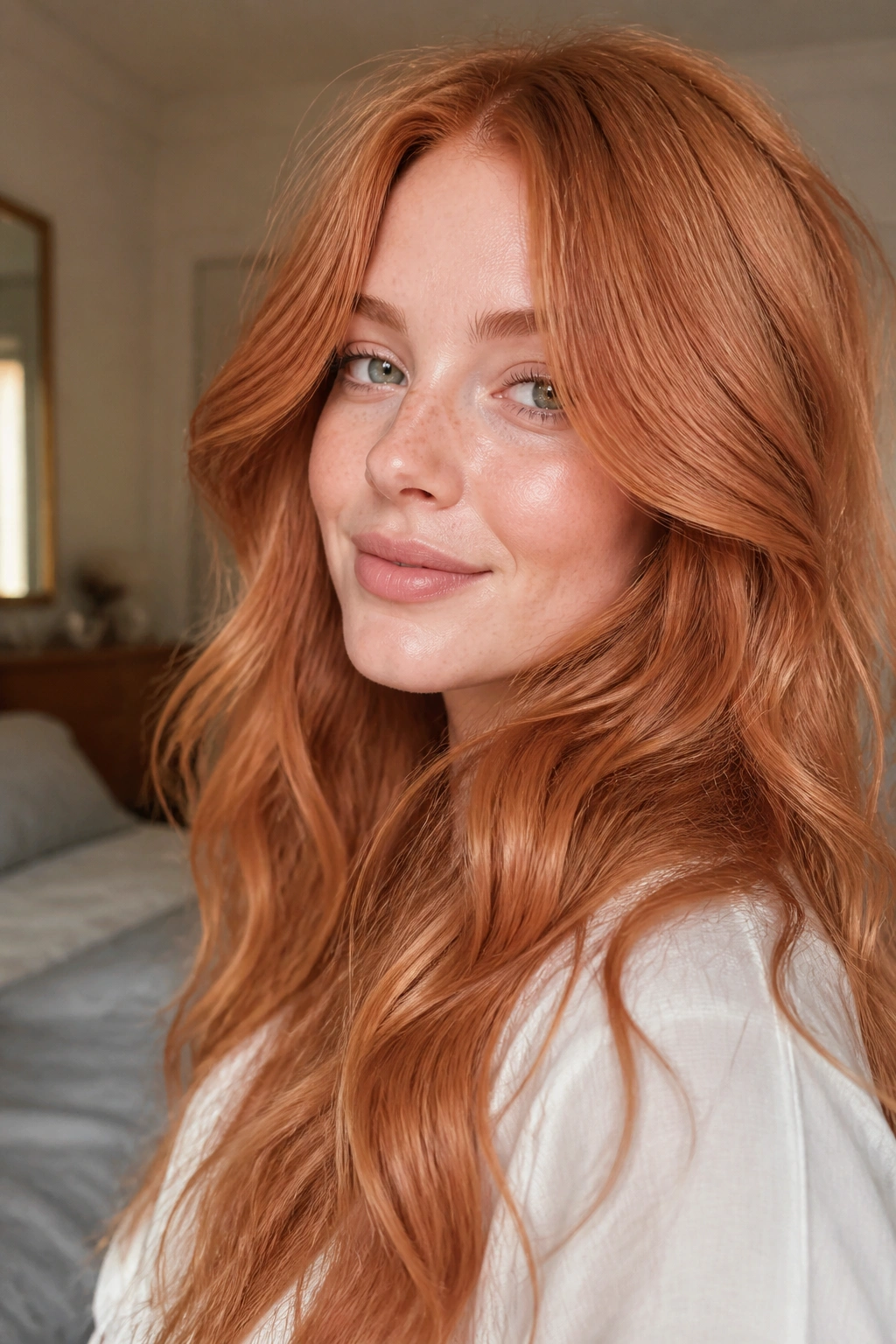
Soft strawberry copper sits in that pretty middle zone between blonde and red, and that’s exactly why it works so well in daylight. It has enough warmth to feel like copper, but not so much orange that it starts shouting across the room.
Why It Glows
This shade is especially flattering when you want a lighter copper hair color that still reads natural. On a level 8 or 9 base, it can look almost translucent in the sun, like the color is coming from inside the hair instead of sitting on top of it. That airy feel is the whole point.
A stylist would usually keep the formula sheer and use a gloss or demi-permanent color to avoid harsh pigment buildup. That softer deposit means the shade fades gracefully, which matters a lot if you hate sharp root lines.
- Best for fair to medium skin with peach, pink, or neutral undertones
- Looks strongest on layered cuts and loose waves
- Often refreshed with a 6- to 8-week gloss
- Sits nicely beside soft blonde highlights
Tiny tip: ask for micro-babylights around the hairline if you want the color to sparkle without turning brassy.
2. Classic Medium Copper
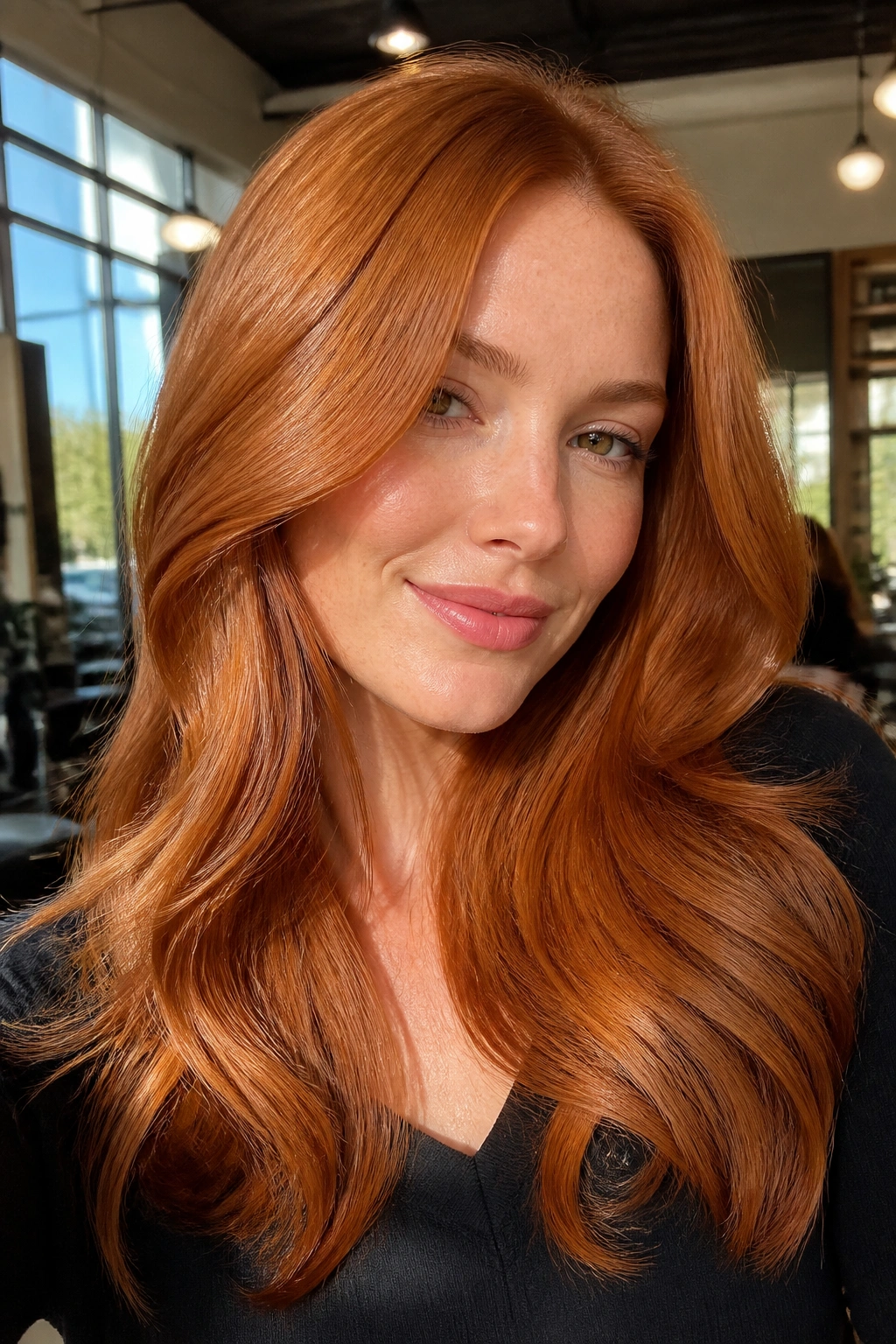
Classic medium copper is the shade that most people picture first, and I mean that in a good way. It has presence. It has warmth. It also has enough depth to keep the color from looking washed out the second you step outdoors.
What I like about this version is that it works on more than one kind of haircut. A blunt lob makes it look sharp, while long layers give it movement. On a medium base, the tone can sit right between orange and red-brown, which is why it feels wearable instead of costume-y.
The sweet spot is a clean copper with no muddy brown cast. Too much brown and you lose the glow. Too much orange and you get the pumpkin problem nobody asked for.
A demi-permanent formula or a gloss layered over pre-lightened pieces keeps the finish smooth. If you wear your hair straight, this shade shows off shine. If you wear it wavy, the bends in the hair throw little flashes of red-gold.
3. Dimensional Copper Balayage
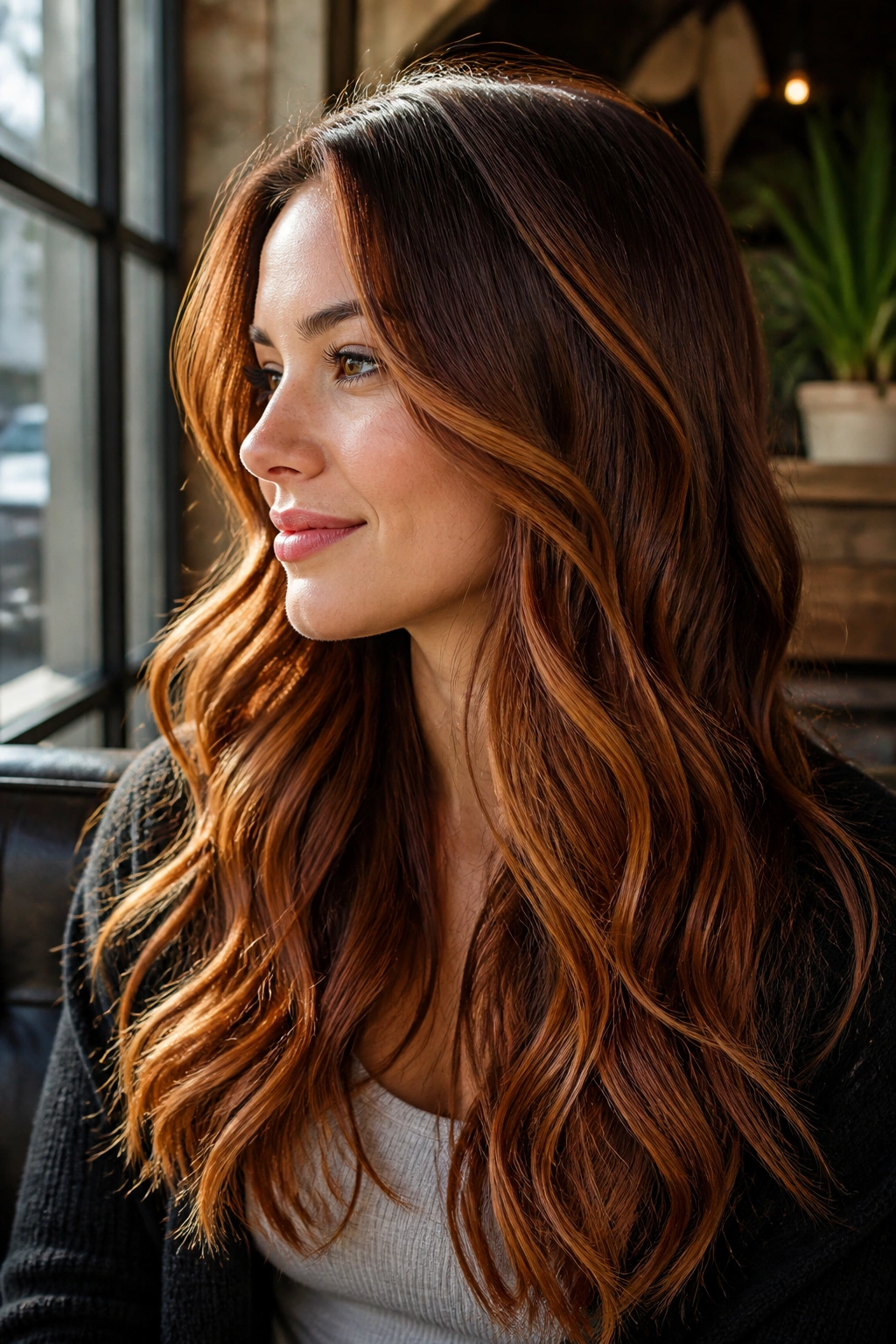
Why does copper balayage look so expensive in daylight? Because the light catches the lifted pieces at different depths, and your eye reads that as texture before it even registers color.
This is the smart pick if you want copper highlights without committing to an all-over red-orange head of hair. The hand-painted placement keeps the warmth where it matters most—around the surface, around the face, and through the ends—while the deeper base underneath gives the whole thing some breathing room.
What Makes It Different
Balayage is not about stripes. It’s about soft, irregular ribbons that grow out with less drama. Copper balayage is especially forgiving because the fade just turns into a warmer version of itself instead of a harsh line.
- Best on brown or dark blonde bases
- Works well with waves, curls, or blowouts with bend
- Usually lifted to a level 7 or 8 before copper is deposited
- Needs less frequent root touch-up than full coverage color
If you want the most sun-kissed version, keep the pieces wider through the mid-lengths and finer at the crown. That gives the hair a little heat without making it look busy.
4. Deep Auburn Copper
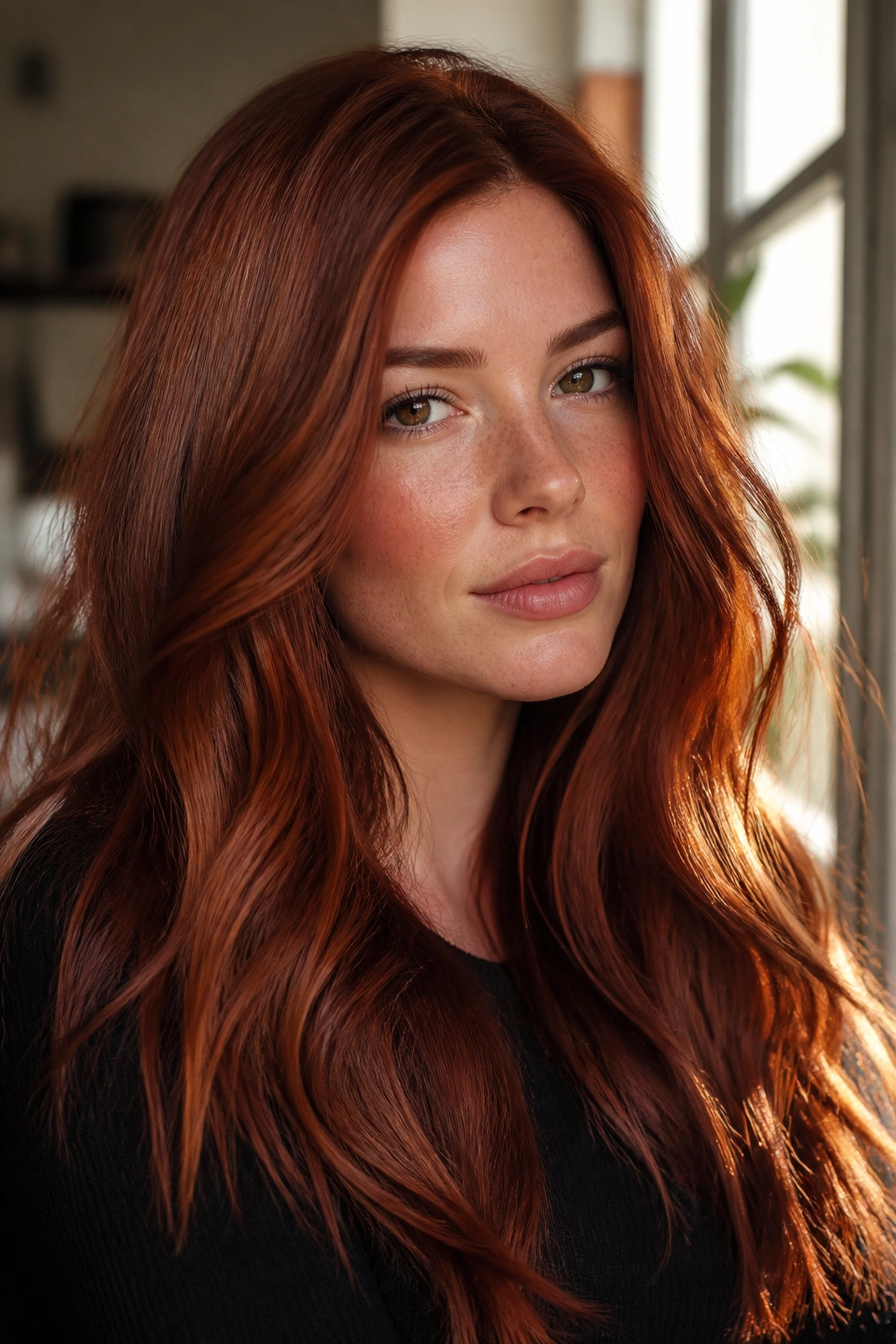
Deep auburn copper is the adult in the room. It still has warmth, but the depth pulls it away from bright orange and into a richer, red-brown lane. In strong light, it glows like polished wood with a hint of ember.
This shade is a good answer if you love copper but don’t want your hair to announce itself from three blocks away. It flatters cooler skin too, which surprises people. The brown base tones keep the color grounded, and that grounding is what makes the shine feel expensive instead of loud.
On long hair, auburn copper can look almost velvet-like. On shorter cuts, it gets sharper and more defined. Either way, it’s one of the easiest copper ideas to wear in a professional setting because it reads as rich first and bright second.
A deep gloss helps here. So does keeping the ends hydrated, because dry auburn can go flat fast. Shine is half the effect.
5. Copper Penny Gloss
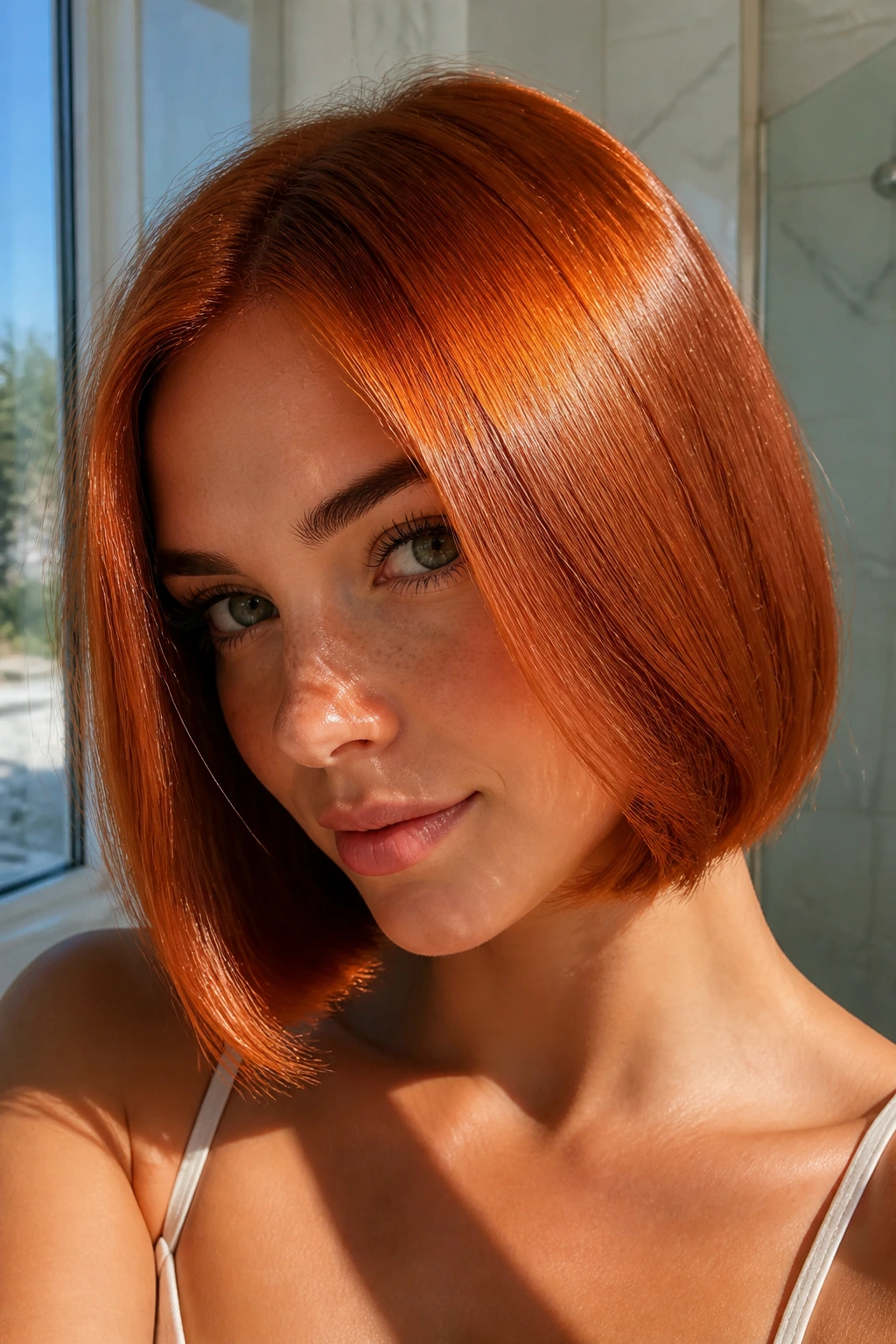
The name is spot on. Copper penny gloss has that freshly minted metal look—bright, smooth, and a little bit reflective, like someone buffed the color until it flashed back at the light.
What Makes It Different
This version leans shiny more than fiery. That matters. A gloss can make copper feel refined, especially on straight hair or a bob with a clean edge. If the base is already warm, the result can look almost liquid when sunlight hits it.
A glaze like this works well when you want a temporary change or you’re testing whether copper suits you before going deeper. It also flatters hair that has a few pale highlights left over from a previous color, because the gloss smooths everything into one unified tone.
Best use case: short to medium lengths, especially hair that already has a bit of natural lightness.
The trick is to keep the finish sleek. Too much frizz steals the effect, and that tiny detail matters more than people think. One pass with a smoothing cream or a soft-bristle blowout brush can make the color look three times richer.
6. Golden Copper Melt
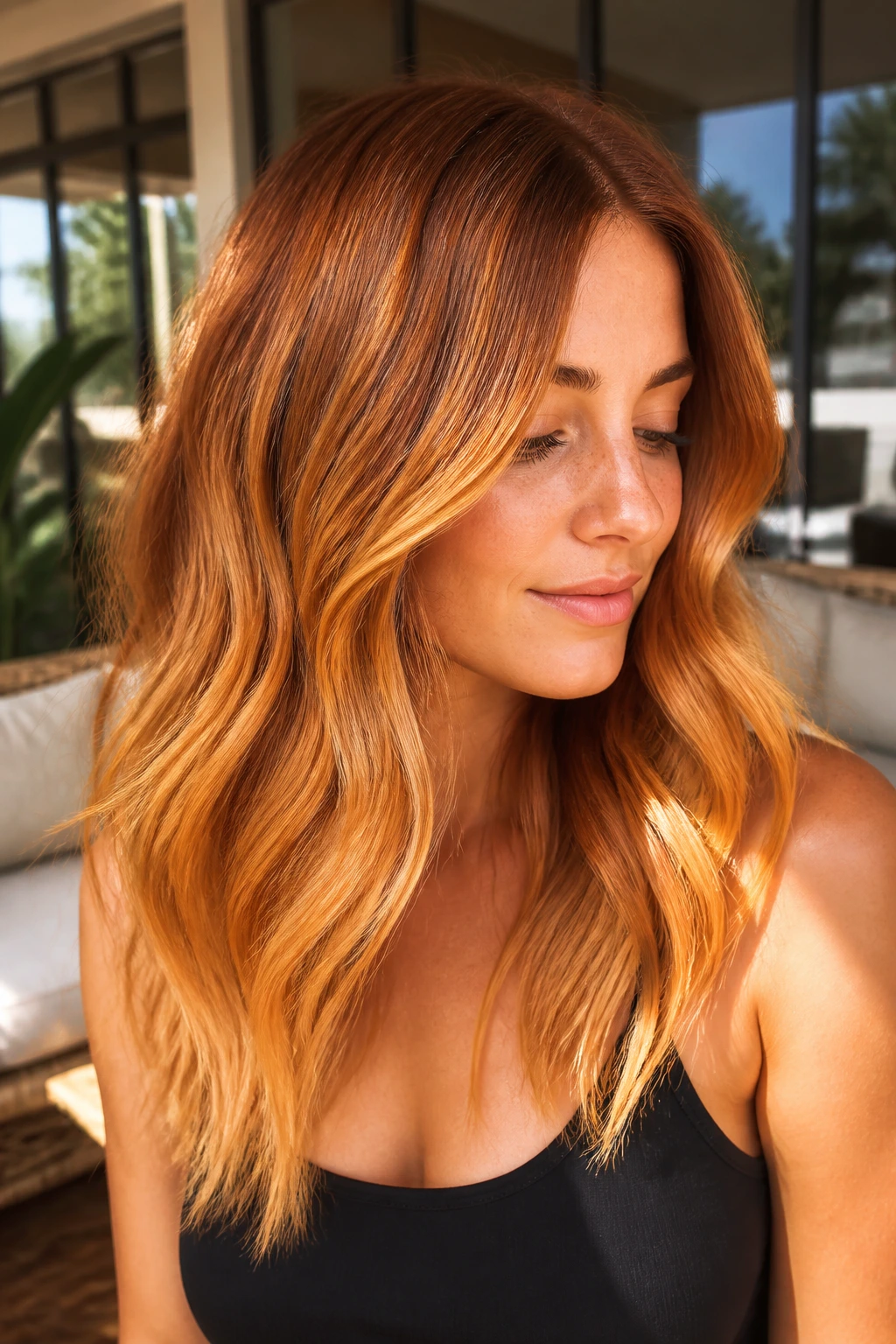
Golden copper melt is what happens when copper stops fighting for attention and starts sharing the stage with gold. The result feels warmer, softer, and more sunkissed than a flat all-over red.
A melt like this usually moves from a deeper root shadow into brighter ends, so the color shifts as the hair moves. That movement is the whole draw. In bright daylight, the gold catches first, then the copper comes through a second later. It feels layered, not striped.
A stylist might keep the root slightly deeper—think level 6 to 7—then paint brighter copper and gold through the mid-lengths and ends. That small shift at the root helps the color grow out better and keeps the top from looking too pale.
This shade is especially good if your hair naturally pulls warm. The gold can keep the copper from looking harsh, which is a nice fix for anyone who wants radiance without the orange edge.
7. Cinnamon Copper
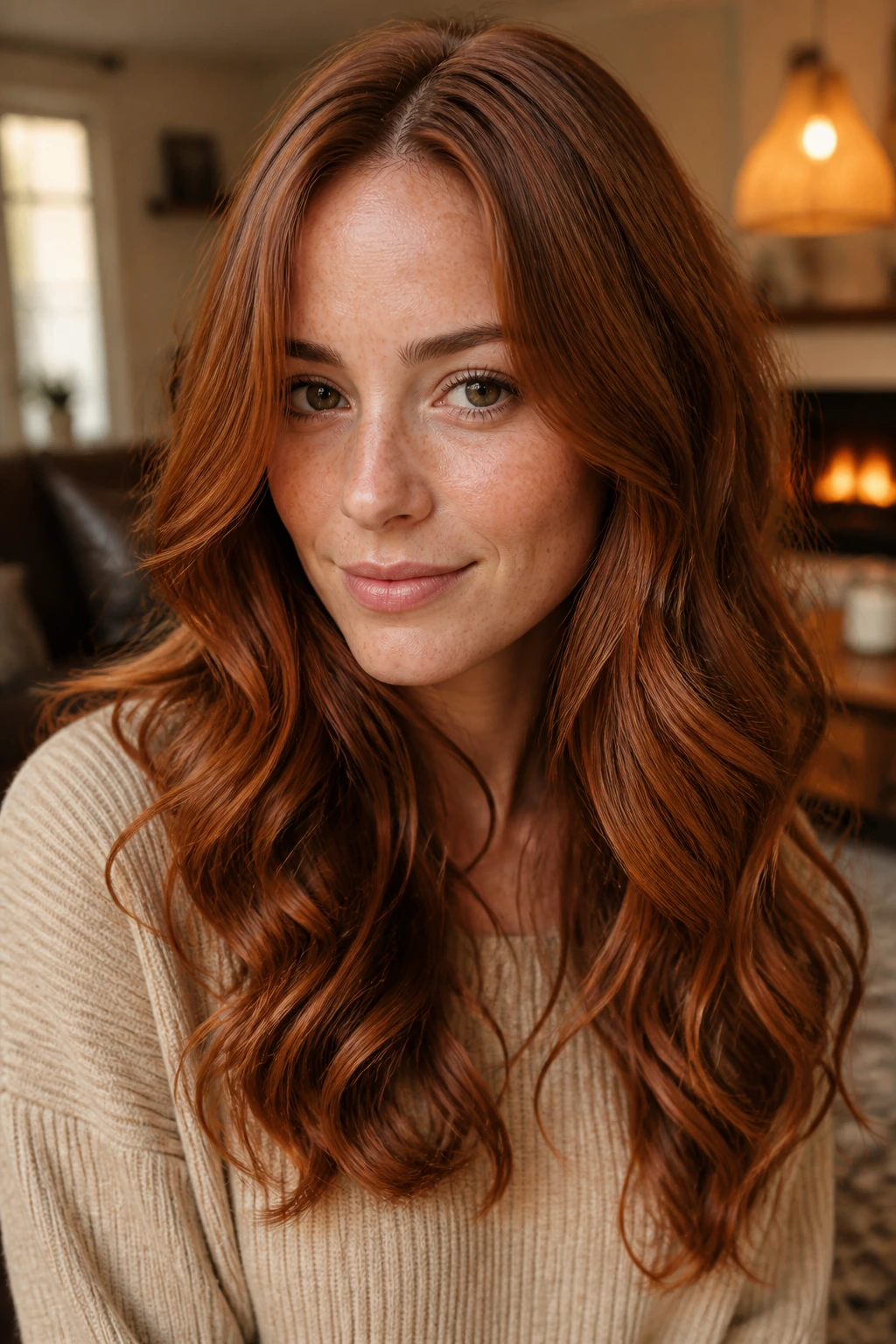
Cinnamon copper is less flashy and more textured, like the color of spice warmed in a dry pan. It’s a smart choice if you want a copper hair color that feels rich from every angle, not only when the sun is full on it.
Does it glow? Yes, but in a quieter way. The warmth sits under the surface, so the light catches the hair without turning it neon. That makes it one of my favorite options for people who want copper but still want the hair to look believable indoors.
How to Use It Well
Ask for a copper-brown base with cinnamon-red reflect, not a pure orange deposit. That wording matters because the brown keeps the shade grounded. A tiny red bias near the ends can make the whole head read warmer without adding extra brightness up top.
- Great for medium and deep skin tones
- Pairs well with soft waves and curtain bangs
- Needs less upkeep than brighter copper shades
- Looks strong on thicker hair because the depth shows up better
Cinnamon copper is one of those shades that gets better the more texture it has. Air-dried bends, soft curls, even a rough blow-dry all help.
8. Peach Copper
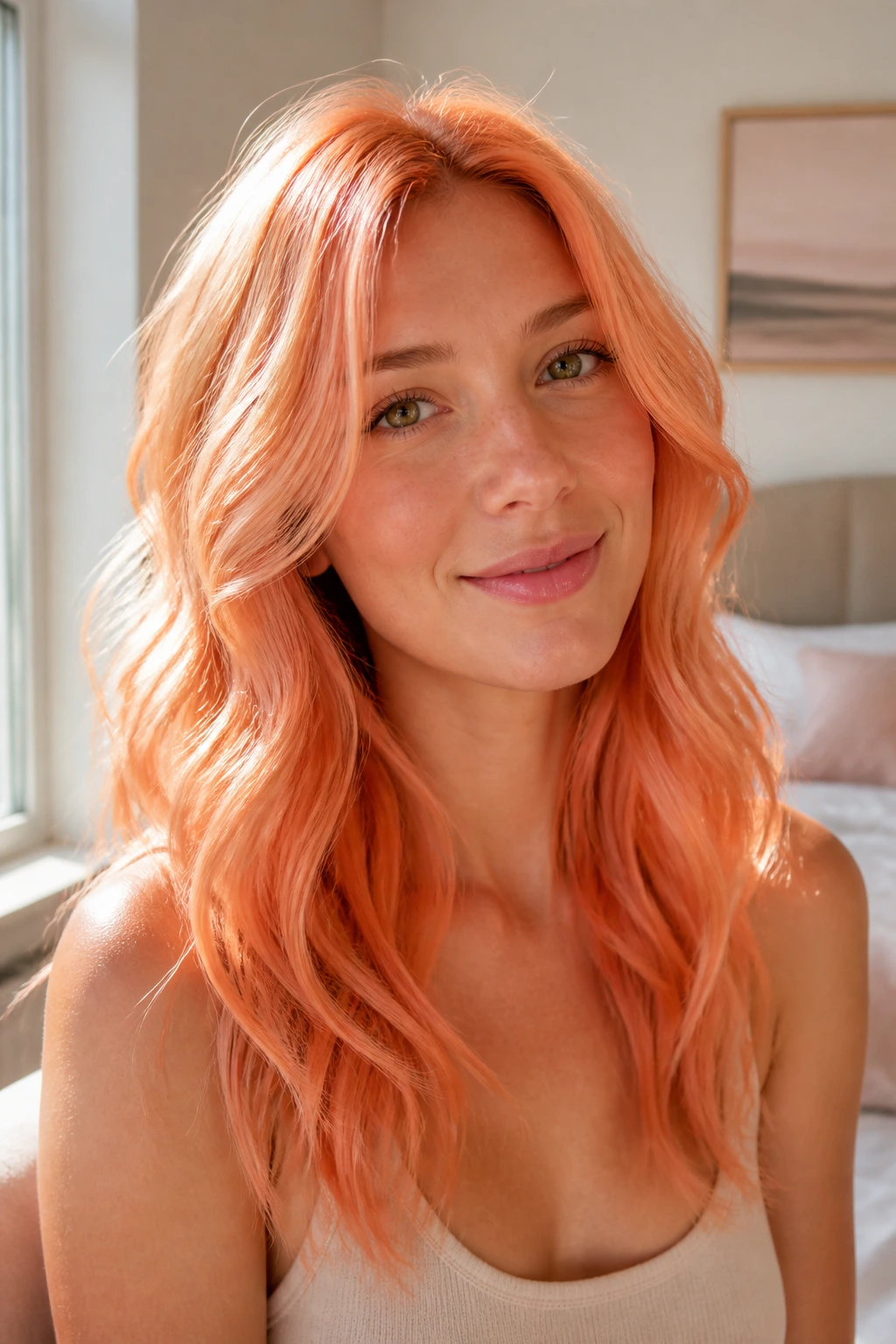
Peach copper has a playful side, and you either lean into that or you don’t. The color sits lighter than classic copper, with a blushy warmth that feels airy, almost like peach skin with a metal sheen.
This one works best on pre-lightened hair or naturally light bases because peach tones need room to show. On darker hair, it can disappear fast. On a level 9 blonde base, though, it turns into this soft apricot glow that catches sunlight in a very flattering way.
A lot of people pick peach copper when they want something fresh but not too red. Fair warning: it does fade. Fast. That isn’t a flaw so much as part of the deal. If you love the bright stage of the color, be ready to refresh it with a tinted conditioner or gloss between salon visits.
The nice thing is how well it sits with soft makeup and light clothing. It can make the whole face look gentler, which is a rare trick for a warm shade.
9. Burnt Copper Bob
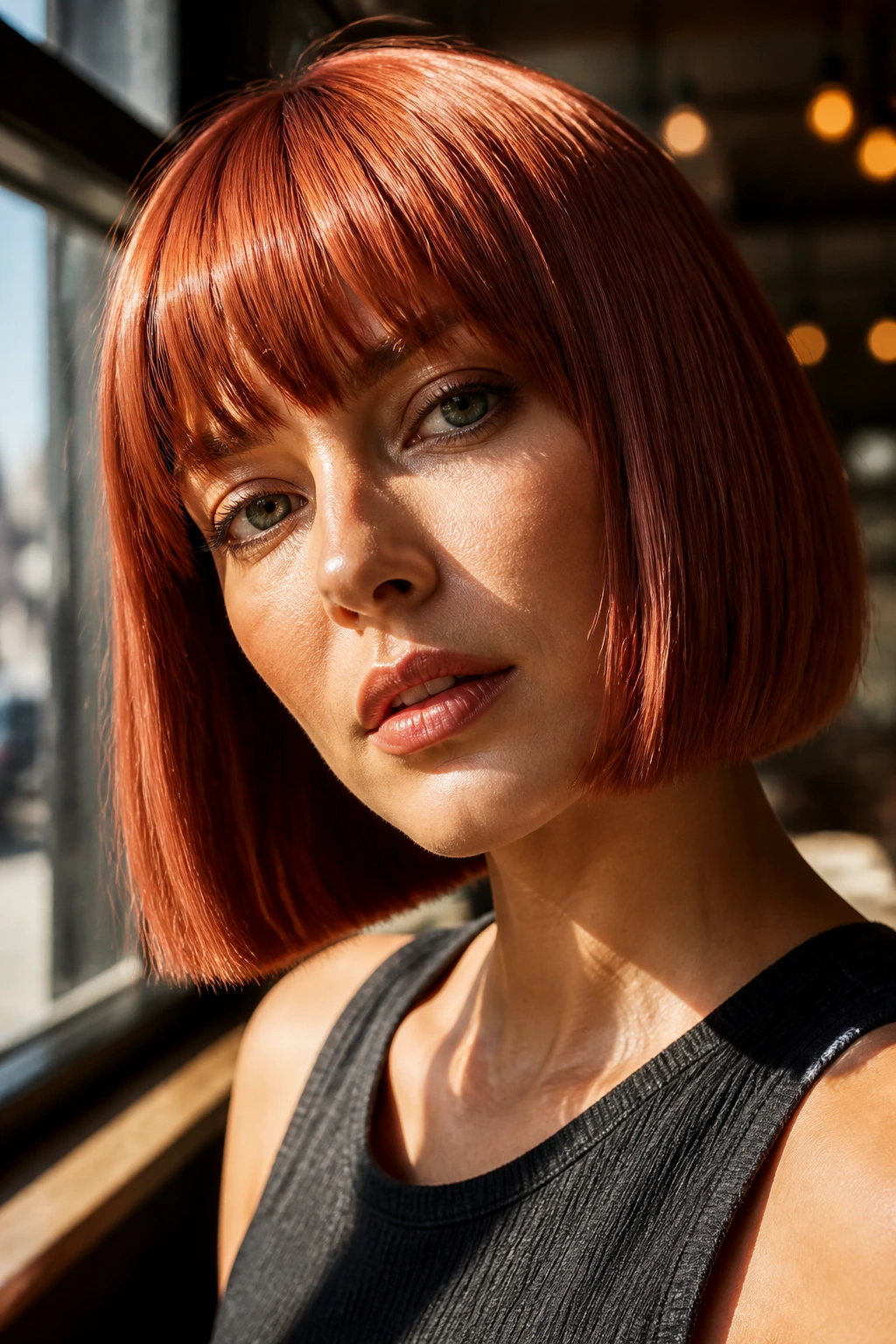
A burnt copper bob has attitude. Short hair already gives you shape; add a deep, fiery copper and the cut starts looking intentional in a very clean, almost editorial way.
The bob matters here because the color is not doing all the work. A blunt edge makes the warmth feel sharper. A slightly stacked back adds lift, and that lift helps the copper flash in sunlight instead of lying flat. If the cut has too many wispy layers, the shade can lose impact.
I like this look on hair that’s been smoothed with a round brush or tucked behind one ear. Simple. Strong. Done.
Best placement tip: keep the brightest copper through the outer layer and let the underside sit one shade deeper. That little contrast gives the bob depth every time it swings.
This is not the softest option on the list. That is the point.
10. Face-Framing Copper Ribbons
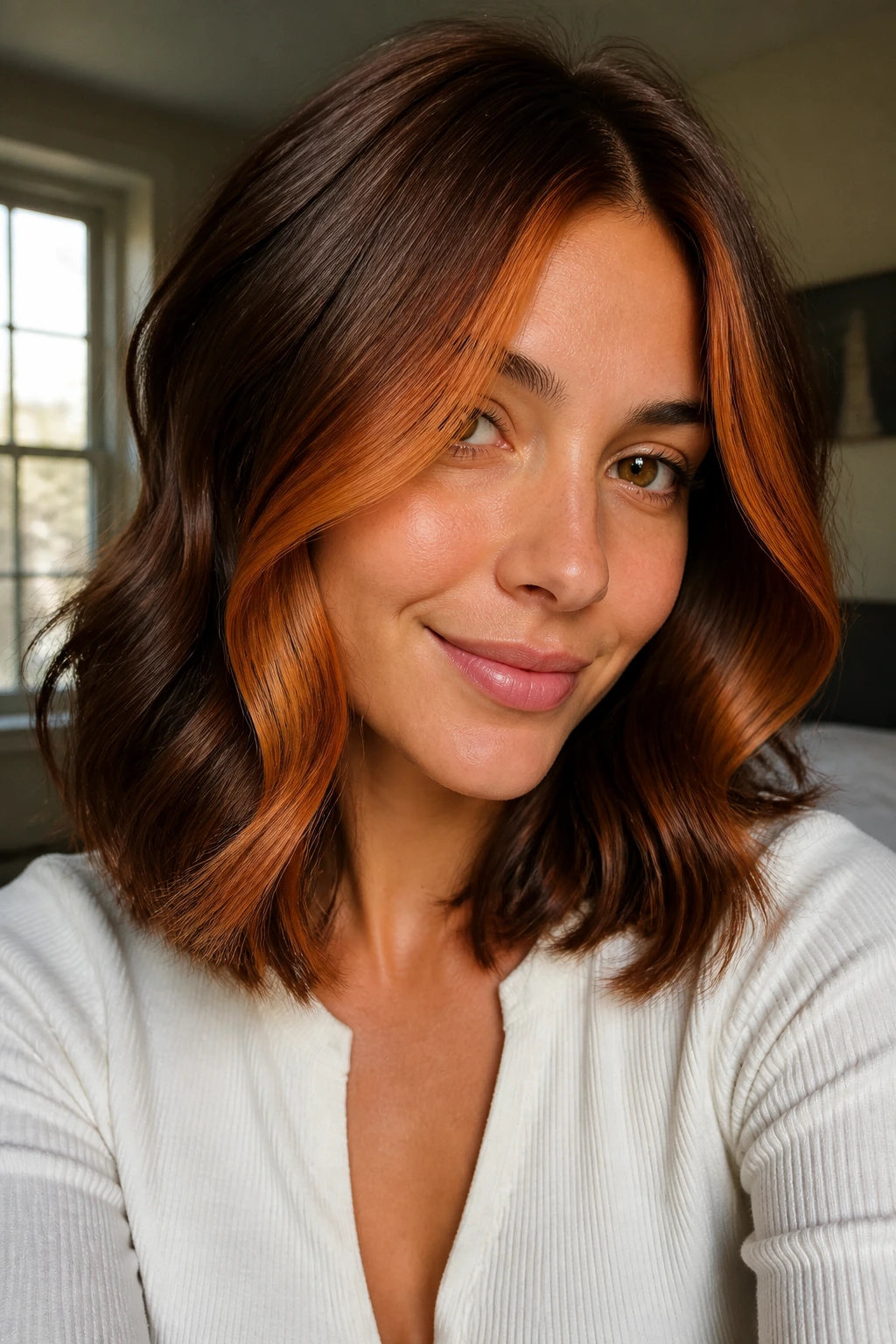
Face-framing copper ribbons are the easiest way to test copper without coloring your whole head. The brightness sits in front, so the eye goes straight to the face, and the rest of the hair can stay brunette, blonde, or somewhere in between.
What Makes It Different
This placement works because it mimics natural sun exposure. Hair around the hairline tends to lighten first anyway, so copper ribbons there feel believable even when they’re bold. On shoulder-length hair, the effect is especially good because the pieces have room to move without getting lost.
A colorist might use foils or a painted section around the front panels, then soften the line with a gloss through the rest of the hair. The goal is contrast with softness, not a hard money-piece stripe unless that sharper look is the point.
- Ideal for first-time copper wearers
- Easy to refresh with a quick gloss
- Looks good on straight hair and loose curls
- Can be dialed warmer or browner depending on skin tone
If you’re nervous about going full copper, start here. It gives you brightness where people actually notice it.
11. Smoky Copper Brunette
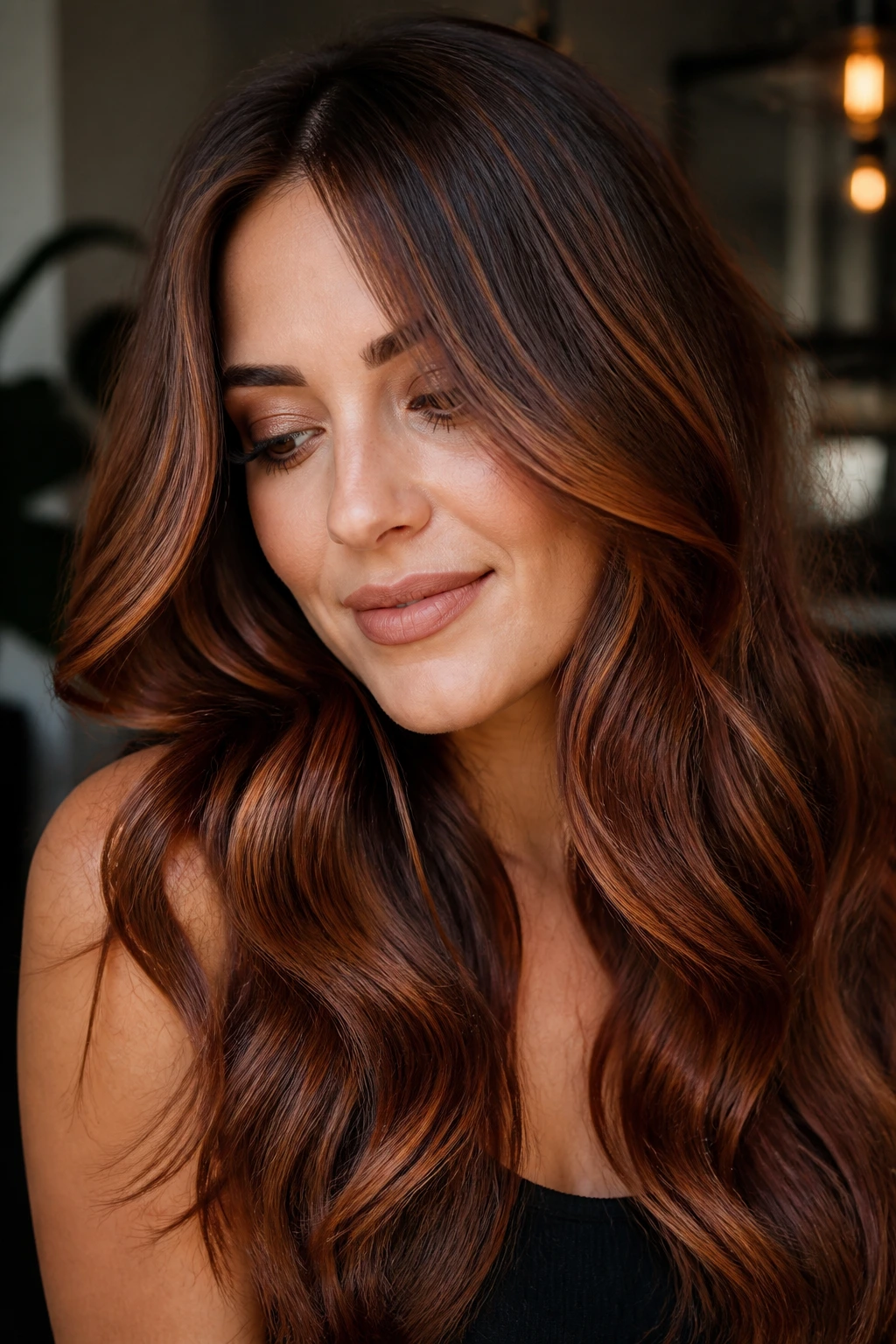
Smoky copper brunette is what happens when you want warmth but refuse to give up depth. The brown base stays present, and the copper works through it like a stain of fire under dark wood.
This is one of the most wearable choices for people who already have brunette hair and do not want a full bleach job. The copper lives inside the brown instead of sitting on top like a costume color. In sunlight, you see flashes of rust, auburn, and soft bronze. Indoors, it reads richer and more muted.
That dual personality is the appeal. It feels subtle until it doesn’t.
A shadowy copper brunette also tends to grow out better than brighter reds because the root area is already part of the color story. Keep the ends trimmed and glossy, or the whole thing can go dull in a hurry. Dry brown-red hair never does itself any favors.
12. Bright Tangerine Copper
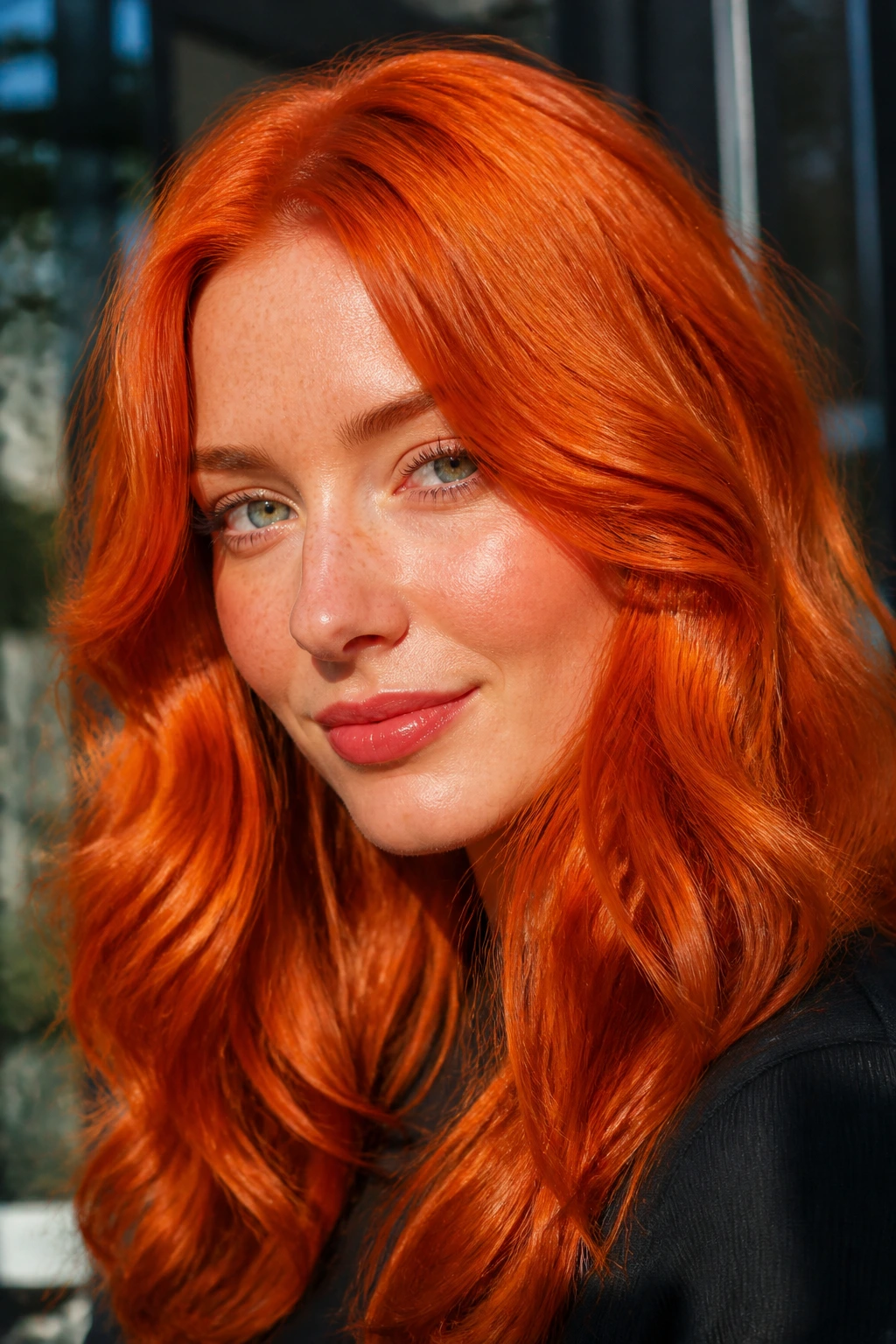
Bright tangerine copper is loud in the best possible way. It does not ask for permission, and if that sounds exhausting, skip it. If it sounds fun, keep reading.
This shade is for someone who wants the color to announce itself in daylight. It sits closer to vivid orange-red than soft copper, which means it needs a confident base and enough lightening to keep the pigment clean. On a rough or patchy base, it can look muddy. On a smooth lift, it can look almost electric.
Who It Suits
It tends to flatter people with stronger contrast in their features—dark brows, clear eyes, defined makeup, that sort of thing. It also looks good on short hair because the shape keeps the color from swallowing the face.
- Best on pre-lightened hair at level 8 or higher
- Requires more frequent toning than deeper copper shades
- Works well with glossy finishes and blunt cuts
- Can be softened with a deeper root melt if needed
You want this shade if you like your hair to have personality before you even style it. No apology needed.
13. Rose Copper
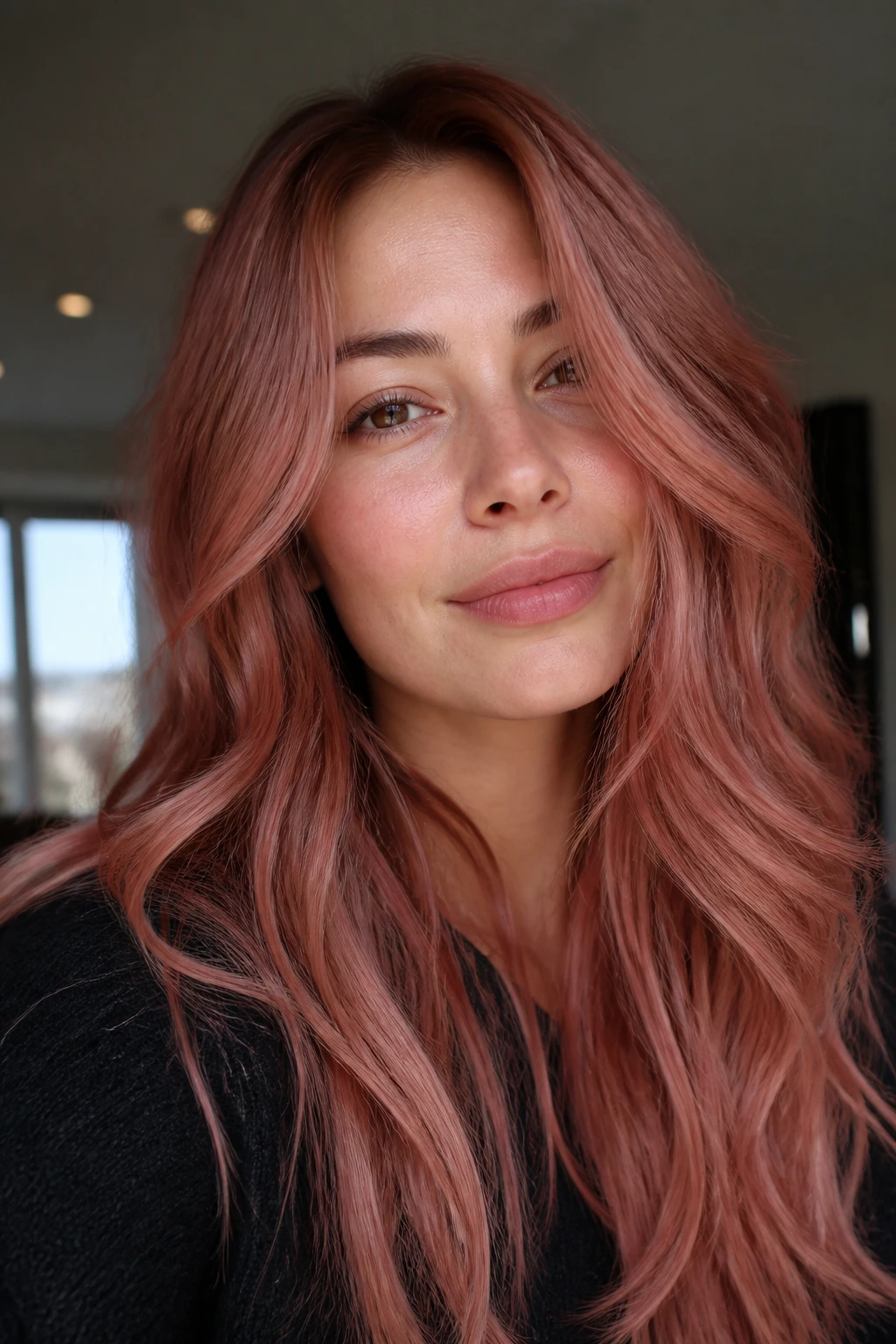
Rose copper is the prettiest oddball of the bunch. It blends red warmth with a faint rosy cast, so the result feels softer than orange copper and less obvious than true red.
This shade has a lovely way of picking up light around the cheekbones and jawline, especially when the hair is worn in loose waves. The pinkish tone keeps it from feeling too hot, and that matters if you’ve tried copper before and thought it looked too loud on you.
I like rose copper best when the formula is glossy and the finish is slightly plush. Not flat. Not dry. Plush. That’s the word.
A few foiled pieces near the top layers can help the rose reflect more clearly in daylight, but too many highlights will break the softness. The whole point is that the color should feel blended, almost like the hair blushed on its own.
14. Copper on Curly Hair
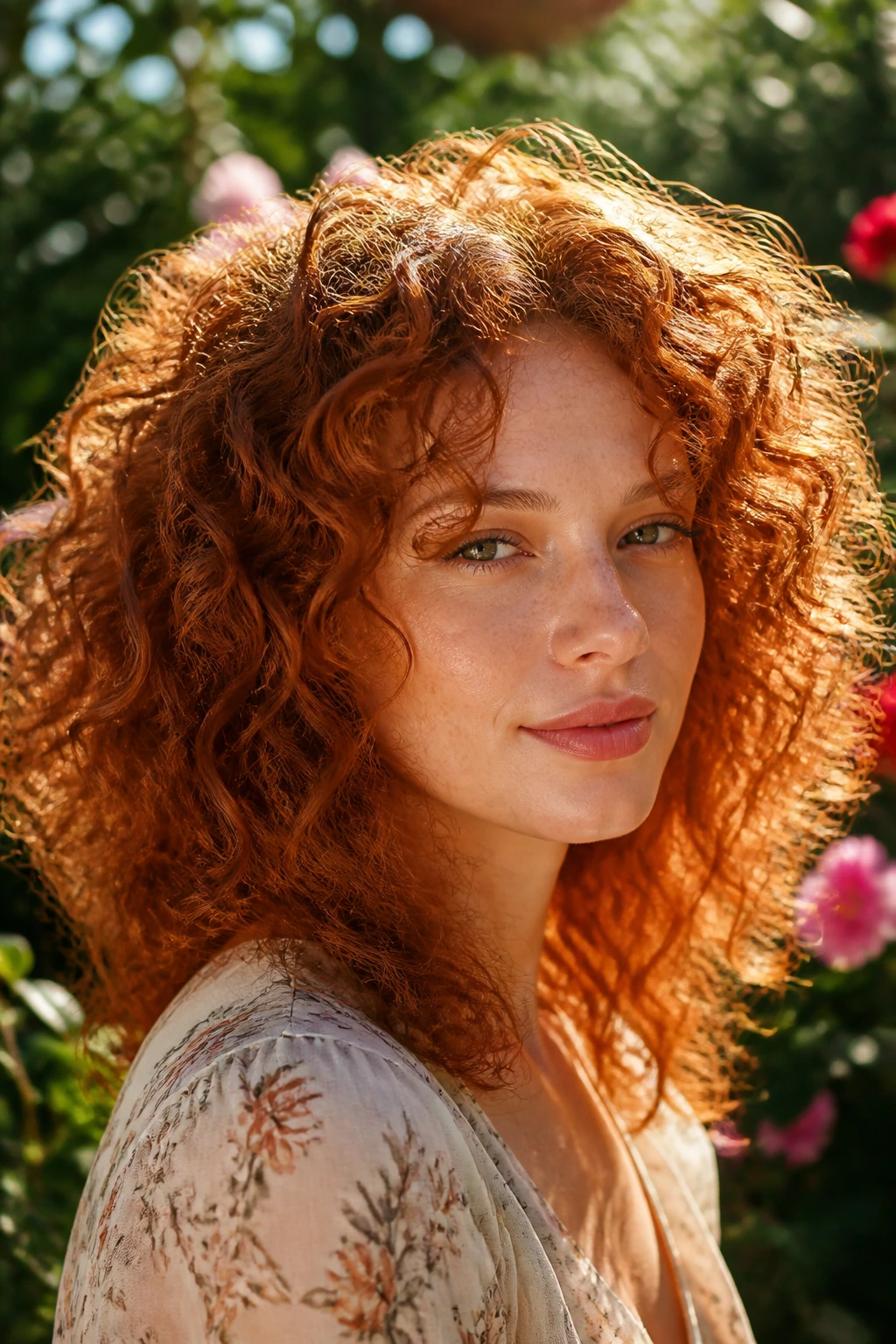
Copper on curls behaves differently than copper on straight hair, and that’s a gift. The ringlets and bends catch light in little pockets, so the shade seems to flicker from gold to rust to red-brown as the hair moves.
How to Get the Most From It
Curly hair does best when the color is placed with the curl pattern in mind, not just slapped on section by section. A colorist who paints along the curve of the curl cluster will usually get a more natural glow than someone who treats the hair like a flat sheet. That detail matters. A lot.
Copper can make curls look fuller because warm tones create visual depth. If the curl pattern is tight, a slightly deeper copper can keep the color from disappearing between coils. If the curls are loose, brighter copper ribbons can give the hair more bounce.
- Works well with layered cuts that free up the curl shape
- Looks best when hydrated and defined
- Can use babylights for sparkle or a fuller all-over copper for more impact
- Needs moisture, or the color can look dry fast
Curly copper is not high-maintenance in the way people assume. It just needs the right curl cream and a color formula that respects the shape.
15. Copper Pixie Cut
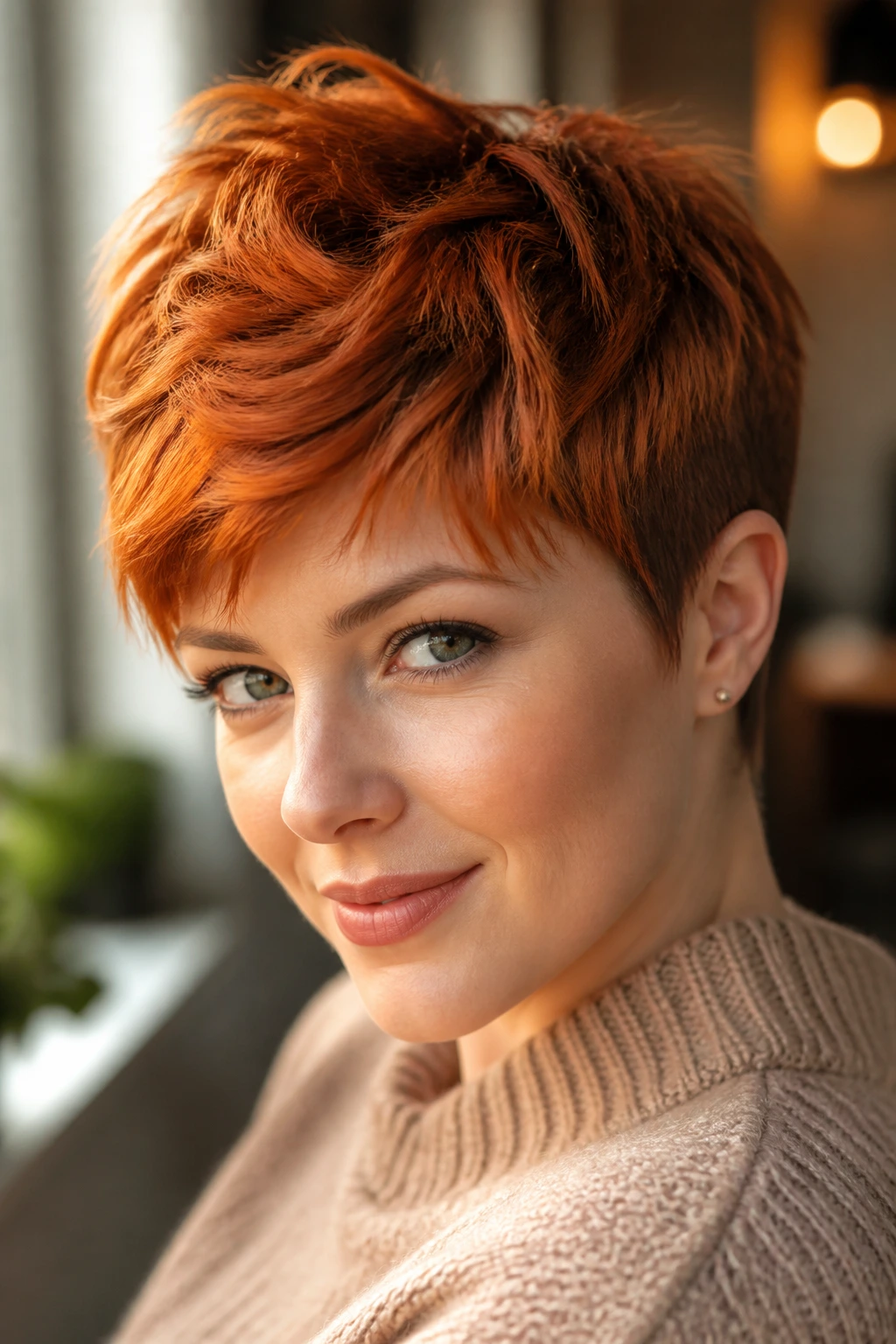
A copper pixie cut is short, sharp, and far more interesting than people expect. On long hair, copper can feel soft. On a pixie, it turns crisp, and every bit of texture becomes visible.
The cut does half the styling for you. Copper does the rest. When the light lands on a pixie’s top layers, the color can make the crop look fuller and more sculpted, especially if the crown has a bit of lift. That is why I like this combo so much.
Short hair shows tone changes fast. If the copper is too flat, you’ll notice. If it’s well blended, the whole cut wakes up.
This is a good place for a slightly darker root and brighter top layers. It gives the pixie shape without making it look helmet-like. A little wax or paste at the ends helps too. Not much. Just enough to separate the pieces and let the color do its job.
16. Copper Ombré Ends
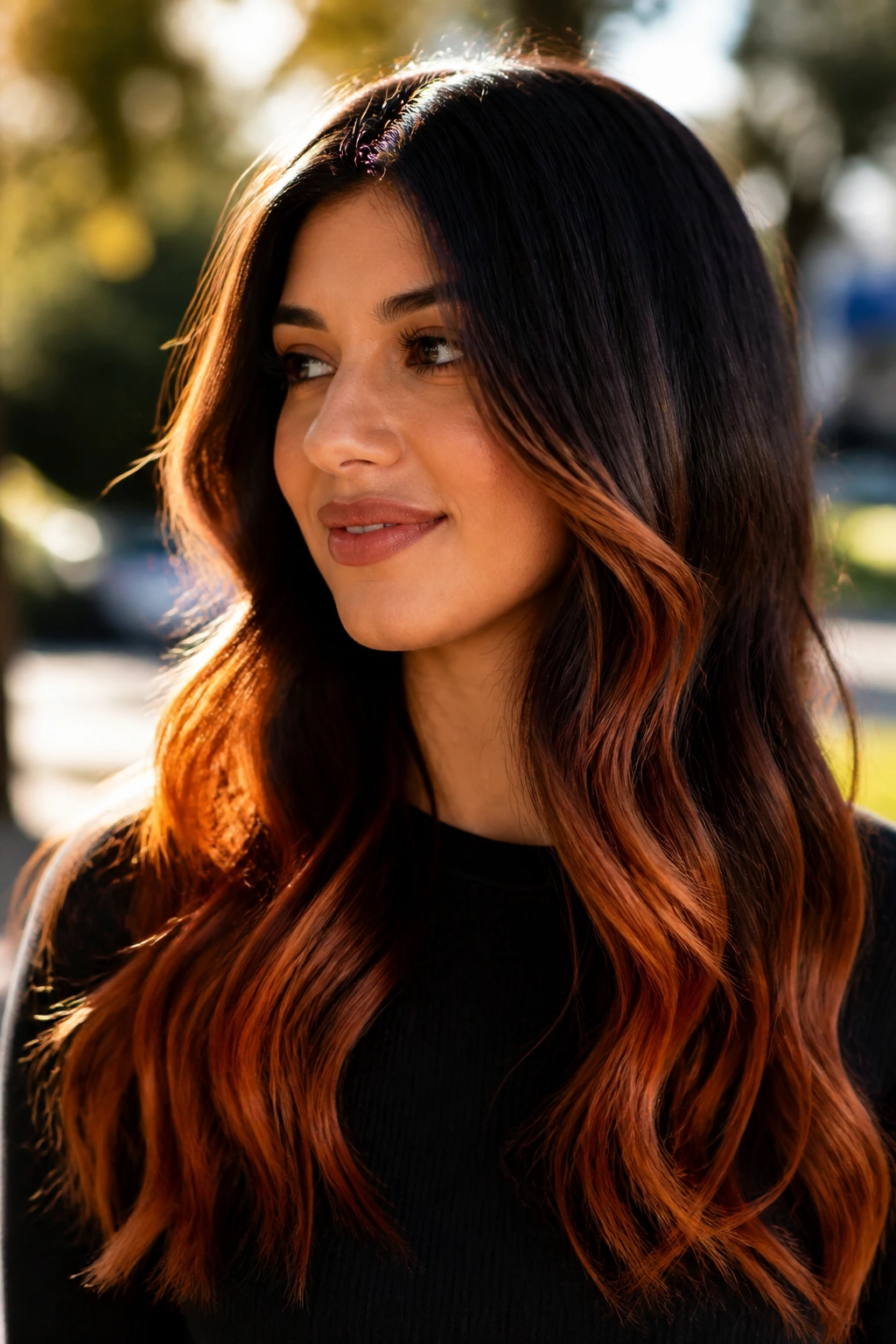
Copper ombré ends are a smart move if you want warmth without committing to a full head of color. The top stays darker, and the copper shifts in near the mids and ends, where sunlight usually hits first anyway.
Why choose this over all-over copper? Because the grow-out is calmer, and the effect can be dialed up or down depending on how bright you want the bottom half. A brunette base fading into copper ends feels modern without looking fussy. On curled hair, the transition can look almost seamless.
The trick is to keep the blend soft. A harsh line defeats the whole point. Ask for a smooth transition zone, not a dip-dye block.
This look also gives you room to experiment with styling. Straight hair shows the gradient plainly. Waves make the ends flare brighter. A deep side part can shift the copper around and change the whole feel of the cut, which is a nice bonus if you get bored easily.
17. Light Copper Blonde
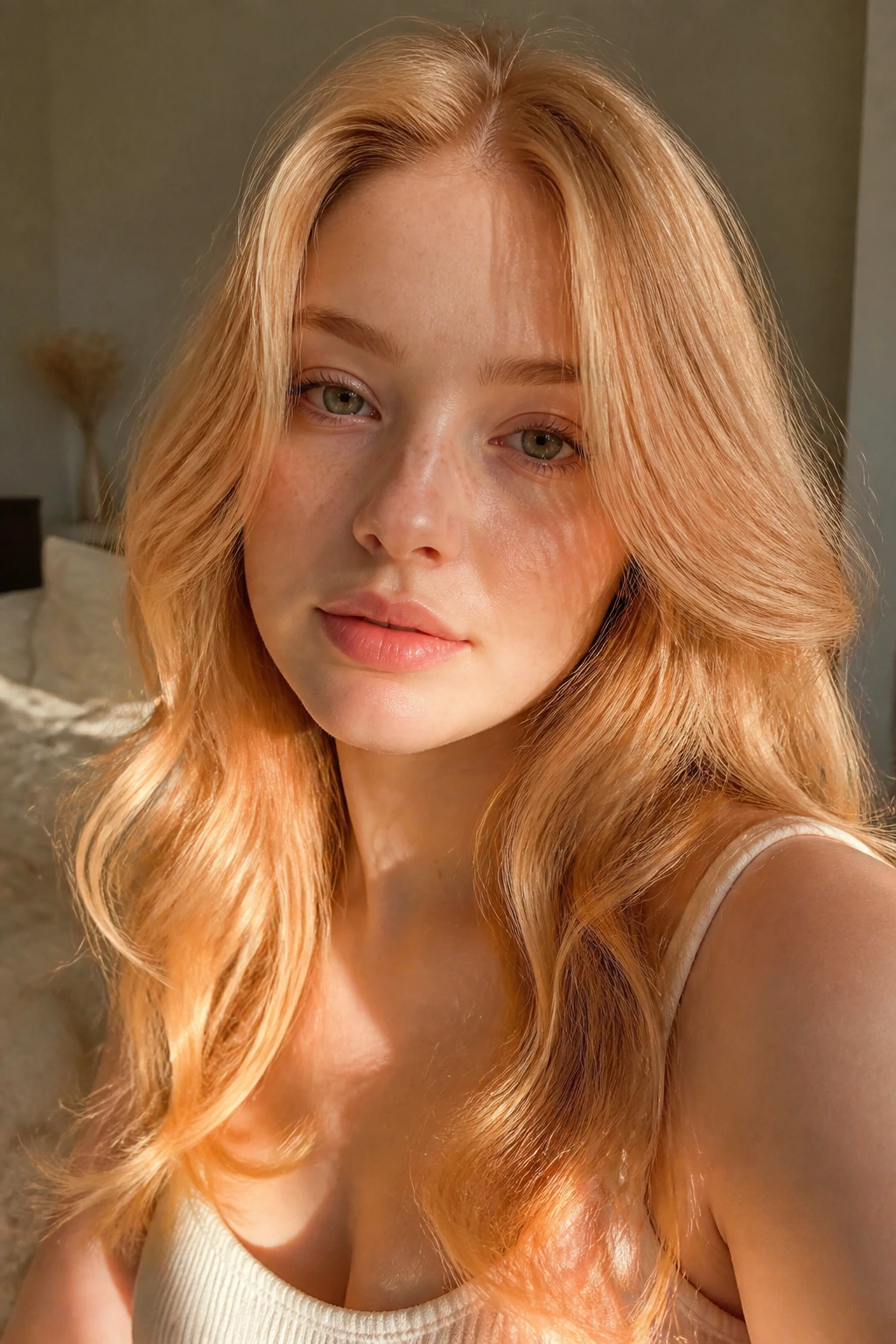
Light copper blonde sits just warm enough to keep blonde hair from feeling icy or flat. It is a useful shade when you want a golden-red feel without losing the brightness that blondes usually give you.
It works best on a pale base because the copper needs something light underneath to stay clear. On darker hair, it can slip toward orange. On a soft blonde canvas, though, it looks airy and almost peach-gold in sunlight. Very pretty. Very delicate. Very easy to ruin if the toner is too strong.
A stylist might use a sheer copper gloss over blonde highlights to make the result feel layered instead of painted on. That works especially well when the haircut has movement at the ends. The light catches the lower pieces, and the whole color looks more expensive than a single solid shade ever could.
If you like blonde but want a little warmth, this is one of the safest places to land.
18. Bronze Copper
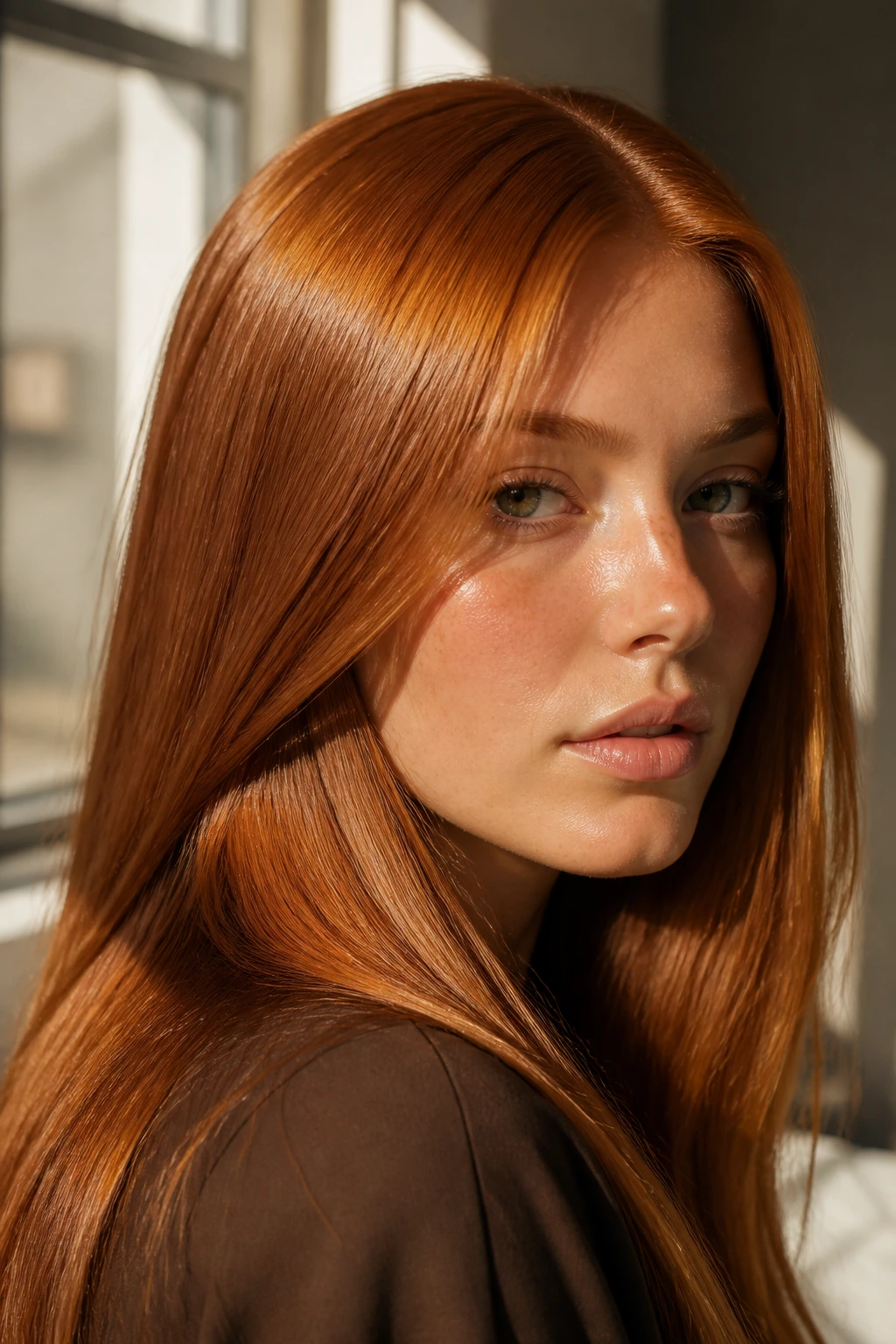
Bronze copper is the shade for people who like warmth but don’t want obvious red. It sits between copper and brown, with just enough metallic sheen to catch daylight and enough depth to stay wearable in low light.
This one has a calm, adult quality that makes it easy to style. Straight blowouts look sleek. Waves look plush. A messy bun still shows the tone, which is useful if you wear your hair up a lot. The color does not need perfect styling to make sense.
Think of bronze copper as the quieter cousin of classic copper. It gets the shine without the shout.
Quick Notes
- Best on medium to deep bases
- Works well with espresso or chestnut lowlights
- Can be refreshed with a copper-brown glaze
- Looks strongest when the finish is smooth and reflective
If your goal is warmth that feels refined, not fiery, bronze copper is hard to beat. It’s the shade people notice later, which is often better anyway.
19. Cowboy Copper
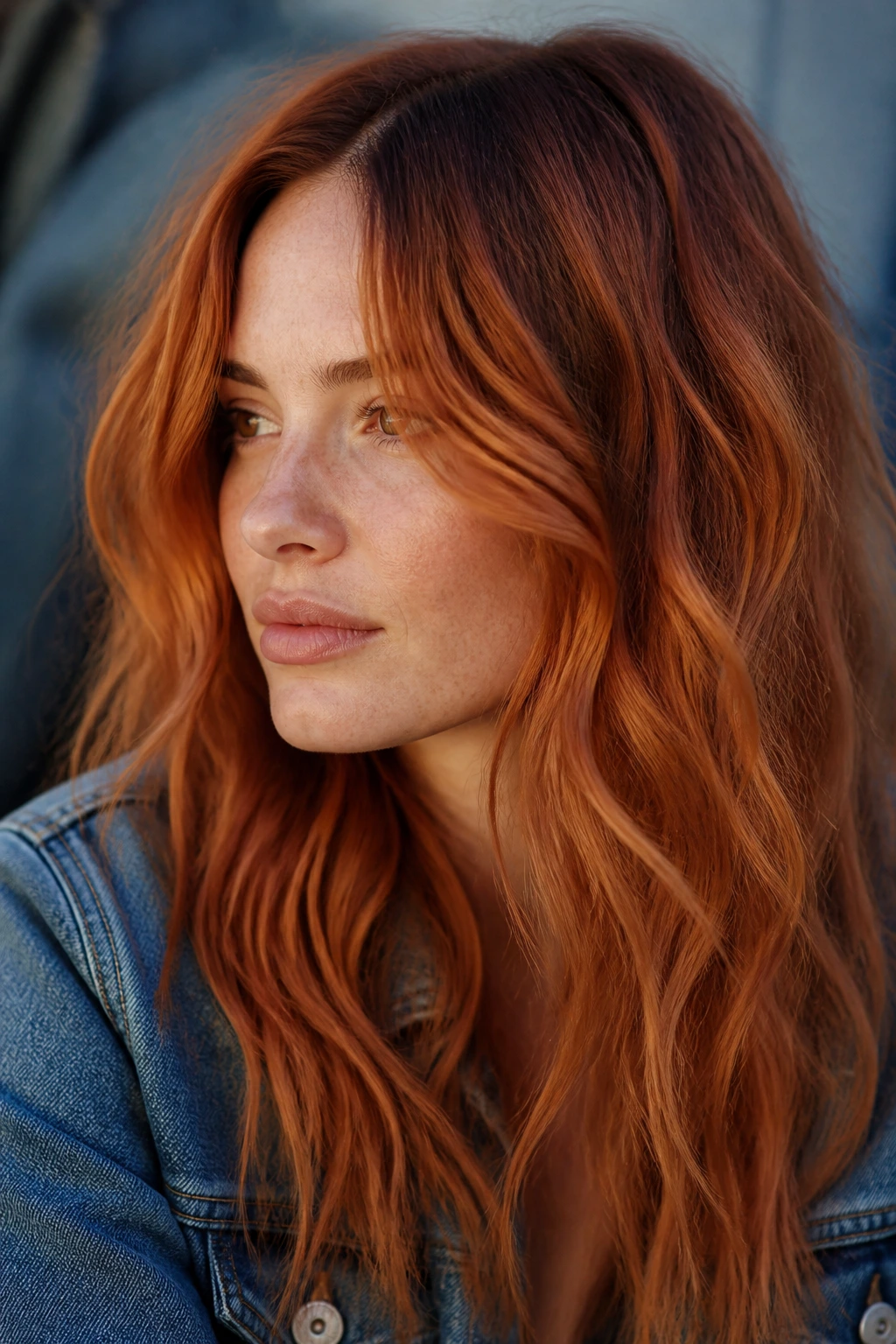
Cowboy copper is a deeper, earthier take on the whole idea. It mixes rust, brown, auburn, and a little muted orange so the hair feels lived-in instead of freshly dyed to a single clean tone.
The reason people like this shade is simple: it looks natural on a surprising number of bases. Brunette roots, soft copper mids, and slightly darker ends can make the whole color feel sun-warmed without looking precious. That matters if you want a color that works with denim, bare skin, and messy texture.
A root shadow helps here, and so do soft waves. The contrast is not dramatic; it’s textural. You want the hair to move and shift, not sit in one flat block. A copper-brown glaze every few weeks keeps the red from fading into plain brown.
This is one of those shades that looks better when it’s not overstyled. A little bend. A little mess. Done.
20. Cherry Copper
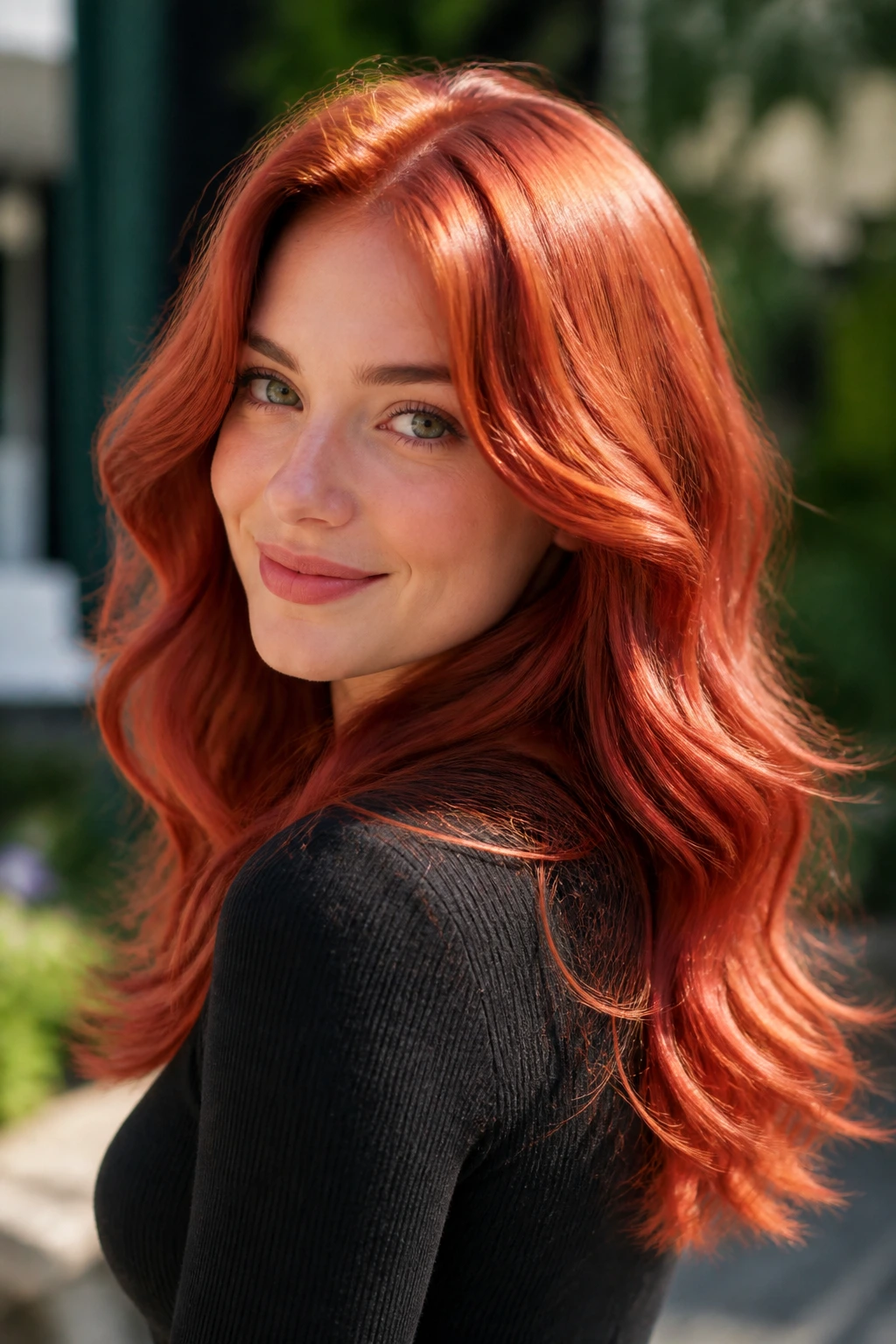
Cherry copper leans redder than most copper shades, with a deeper fruit-driven tone that flashes bright under daylight. It’s richer than tangerine copper and sweeter than auburn, which is why it lands in its own lane.
What Makes It Different
The red pigment gives it more drama, but the copper keeps it from feeling too cool or too wine-dark. That balance is tricky. If the red takes over, the hair can look flat. If the copper is too strong, the cherry disappears. The best version has both.
- Ideal for medium-depth skin with warm or neutral undertones
- Looks striking on curled ends and layered shags
- Can be softened with brown lowlights
- Benefits from cool water rinses and color-safe shampoo
Cherry copper tends to fade toward a softer red, which is not a bad outcome if you like warmth that mellows. If you want maximum brightness, use a tinted mask between salon visits. That small step can keep the color lively far longer than most people expect.
21. Copper Money Piece
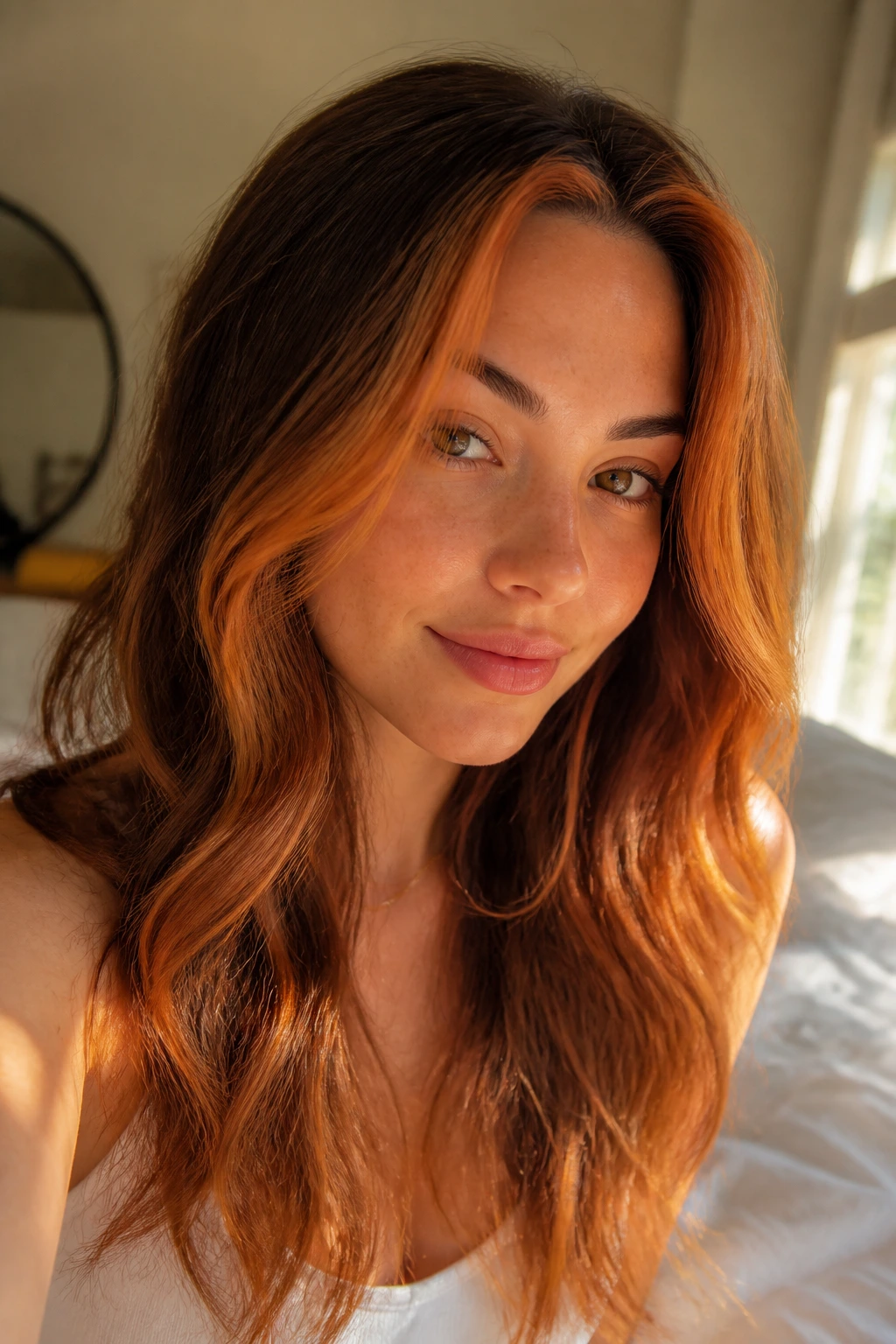
A copper money piece is for people who want impact near the face without committing to an all-over change. The front sections are lifted and toned to a brighter copper, so the face gets framed by the warmest part of the color.
This placement can make a basic haircut look deliberate fast. A ponytail still looks styled. A loose bun still has shape. Even second-day hair feels like a choice instead of an accident. That’s why I like it so much.
The front sections should be a little brighter than the rest of the hair, but not so bright that they read as separate strips. A soft blend at the root keeps the money piece from looking harsh when the hair moves back from the face.
This idea is especially good if you wear glasses, because the copper near the temples can echo the frames and make the whole face look more awake. Small detail. Big payoff.
22. Glossed Copper Shadow Root
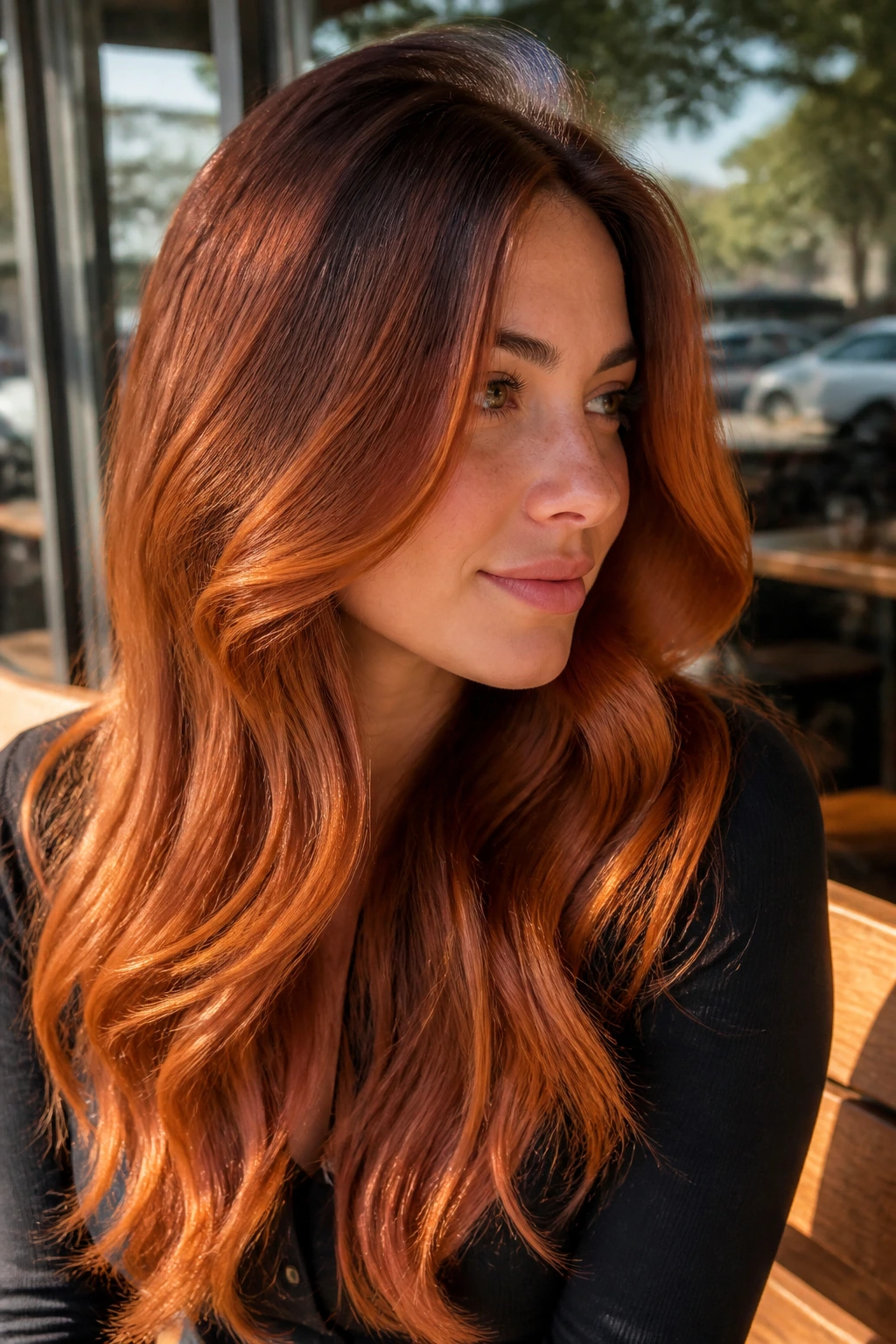
Glossed copper shadow root is the practical one, and I mean that kindly. It gives you copper warmth with a deeper root area, which means the regrowth looks softer and the color usually holds up better between appointments.
The shadow root keeps the crown from turning too bright, which can happen when copper is lifted all the way to the scalp. From there, the tone can brighten through the mids and ends, where the sun will catch it most. That contrast makes the color feel dimensional even when the hair is worn flat.
I like this especially on longer hair because it stops the roots from stealing the show. A gloss over the mids and ends keeps the copper shiny, and the darker top gives the whole look some shape. It is one of the few copper ideas that can feel polished on a Monday and relaxed by the weekend without changing much at all.
If you want copper that looks good after a few weeks of grow-out, this is the one I’d point to first.
