



The beauty of hair trends is that most come and go, but some stick around because they actually solve a functional problem. For years, we dealt with the binary choice between blunt, forehead-covering bangs or no bangs at all. If you wanted that commitment, you had to be prepared for the awkward grow-out phase and the daily trim. Then came the soft, forgiving, and wildly adaptable curtain bang. They aren’t just a stylistic preference; they are a structural adjustment for your face.
What makes this specific style so enduring is that it isn’t really a singular haircut. It is a technique of graduation. By cutting hair shorter around the cheekbones and letting it cascade into longer lengths, you create a natural frame that draws attention to the eyes while softening the jawline. Because they require less maintenance than blunt fringe, they have become the go-to for anyone who wants a change without the looming threat of a haircut that takes six months to fix.
Whether your hair is pin-straight, tightly coiled, or somewhere in the middle, there is a variation of this cut that fits. The real secret to making them work isn’t just the initial chop; it’s knowing how to style that specific weight and length. Some variations demand a round brush and a blow dryer, while others are built to air-dry with a bit of texture cream. Understanding the specific mechanics of your hair type—not just the aesthetic goal—is how you ensure your bangs look intentional rather than accidental.
1. Classic Long Curtain Bangs
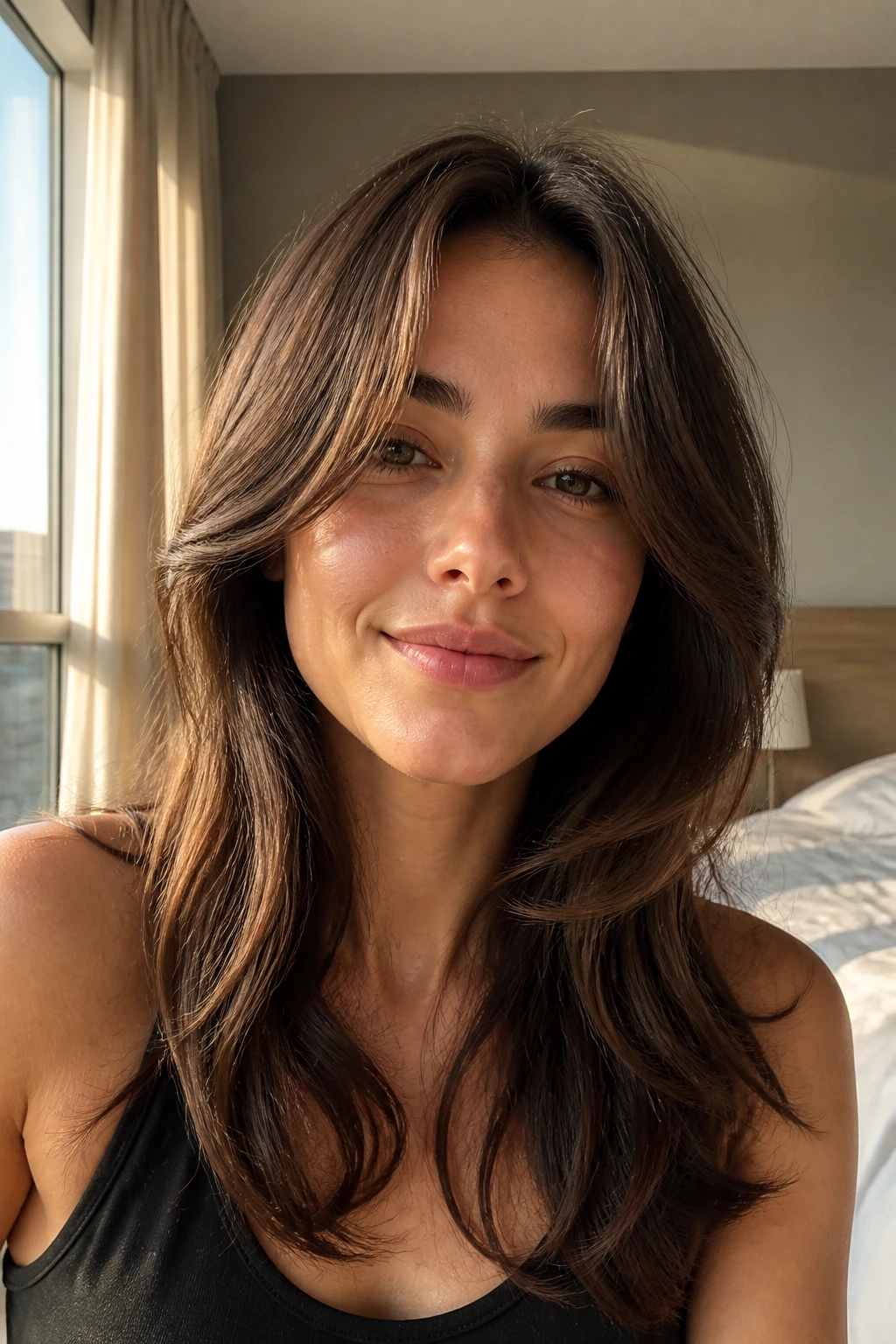
This is the entry-level version of the style. The length hits right at the cheekbones or slightly lower, creating a gentle sweep that pulls away from the face. It is the most forgiving option because it doesn’t fully obscure your forehead, and if you have a bad hair day, they are long enough to tuck behind your ears.
Why This Style Works
It acts as a transition point between the rest of your hair and your face. It is less about creating a heavy fringe and more about adding movement. If you are hesitant about cutting your hair, start here. You can always go shorter, but you cannot add length back once the shears have done their work.
Styling Tip
To get that signature flick, use a medium-sized round brush. Blow-dry the hair away from your face, rolling the brush backward toward the crown of your head. This prevents the hair from falling flat against your eyes.
2. Wispy, Airy Fringe
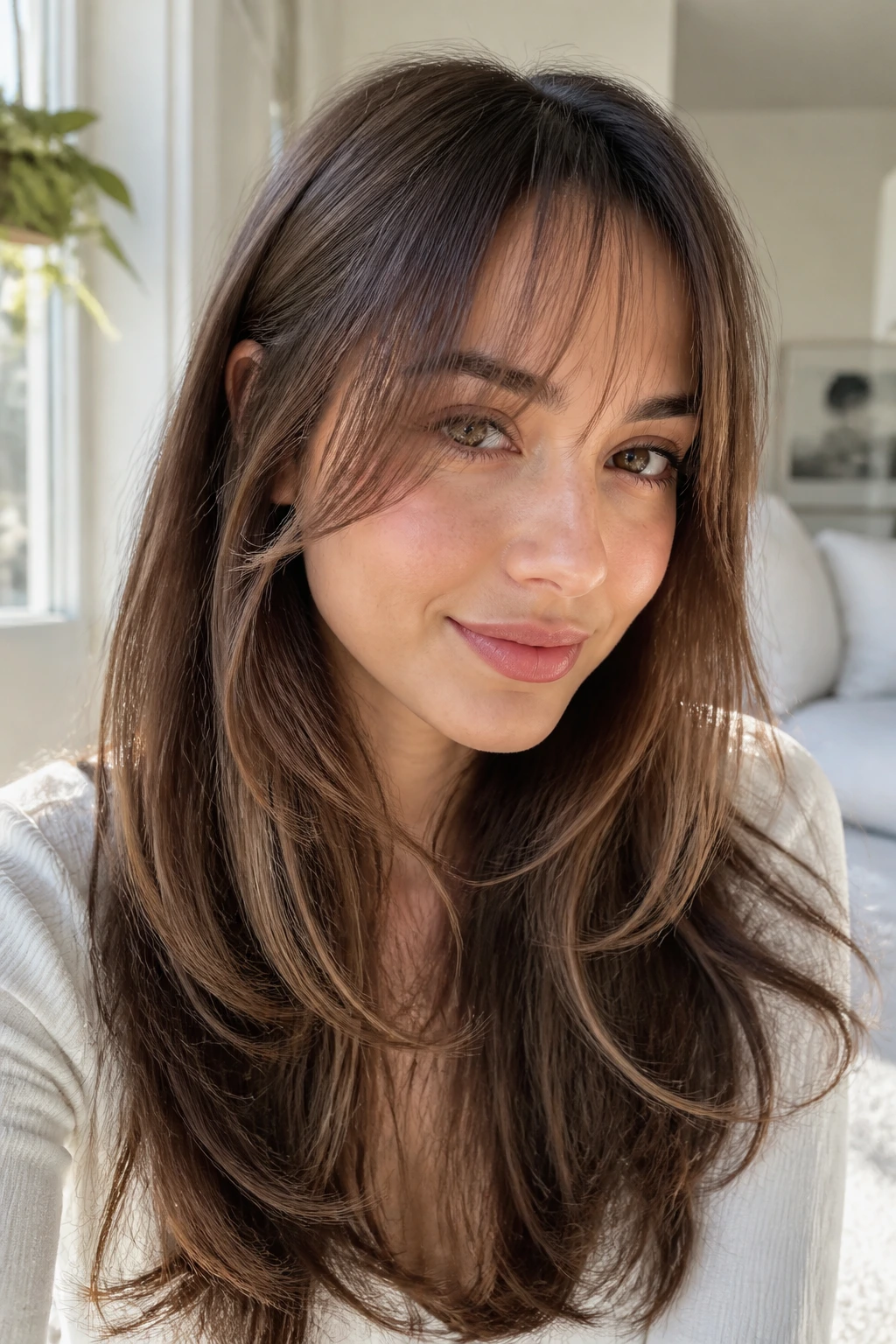
If you have fine hair, a heavy, thick curtain bang might weigh down your face. Instead, ask for a wispy cut. This version relies on point-cutting, where the stylist uses shears vertically to remove weight, creating an airy texture that lets light through.
Achieving the Texture
It is about removal. Your stylist shouldn’t just cut across; they should chip into the ends. This removes the bluntness and gives the fringe a feathered, light quality that feels effortless and less “done.”
Pro tip: A lightweight sea salt spray or a dry texturizing spray is your best friend here. It adds the grit necessary for fine hair to hold the shape without looking greasy.
3. Thick, Statement Curtain Bangs
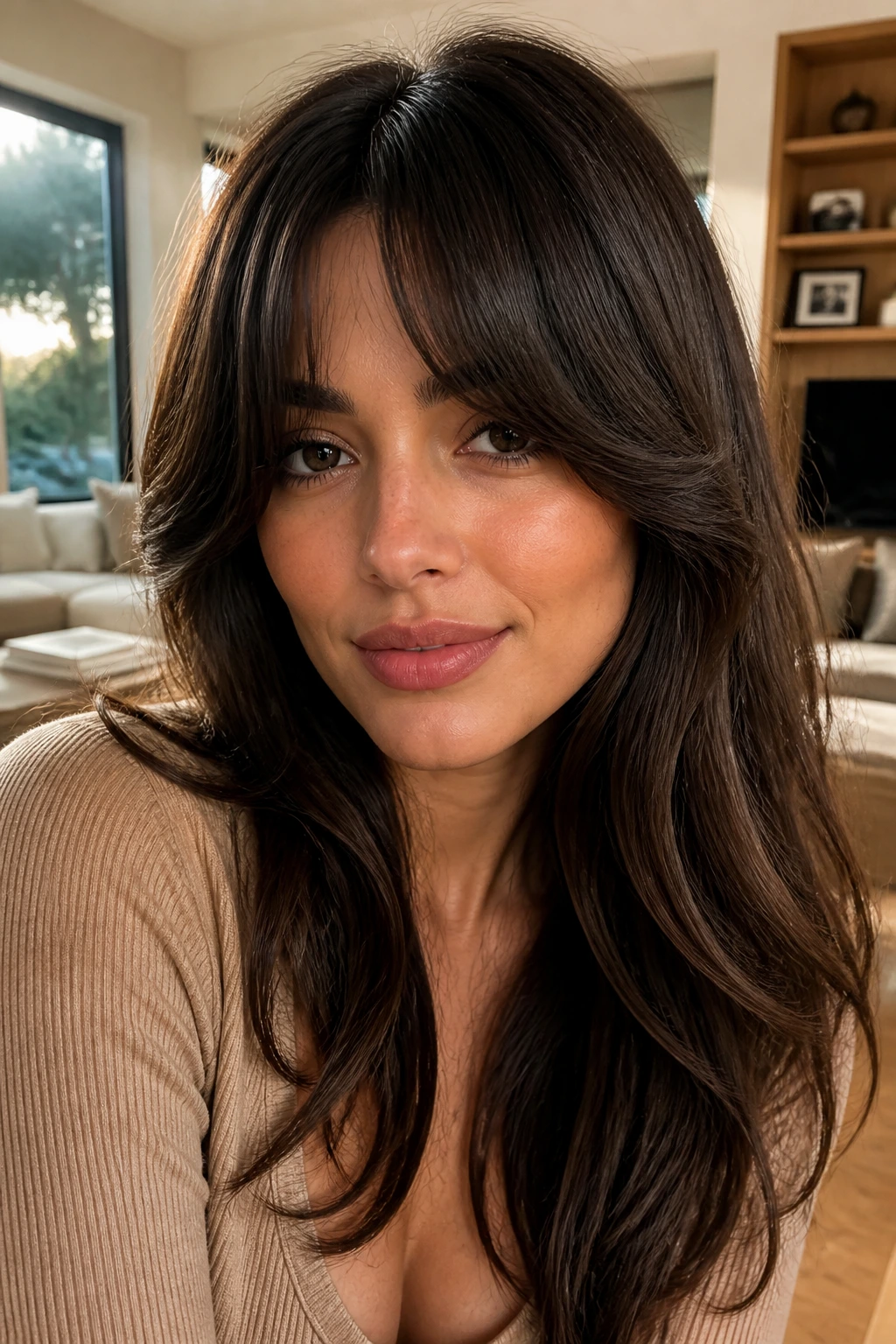
For those with coarse or dense hair, thin wispy bangs can look like they are missing hair. Lean into your density. A thicker, more robust curtain bang provides a strong visual line that pairs exceptionally well with long, layered styles.
Managing the Weight
The key is the sectioning. Your stylist needs to take a deeper V-section from the crown to ensure there is enough hair volume to make the bangs look deliberate. If the section is too shallow, the bangs will just separate and look sparse.
Maintenance Note
Thicker bangs show growth faster. You will likely need a trim every four to six weeks to keep them out of your eyes.
4. Face-Framing Layers for Round Faces
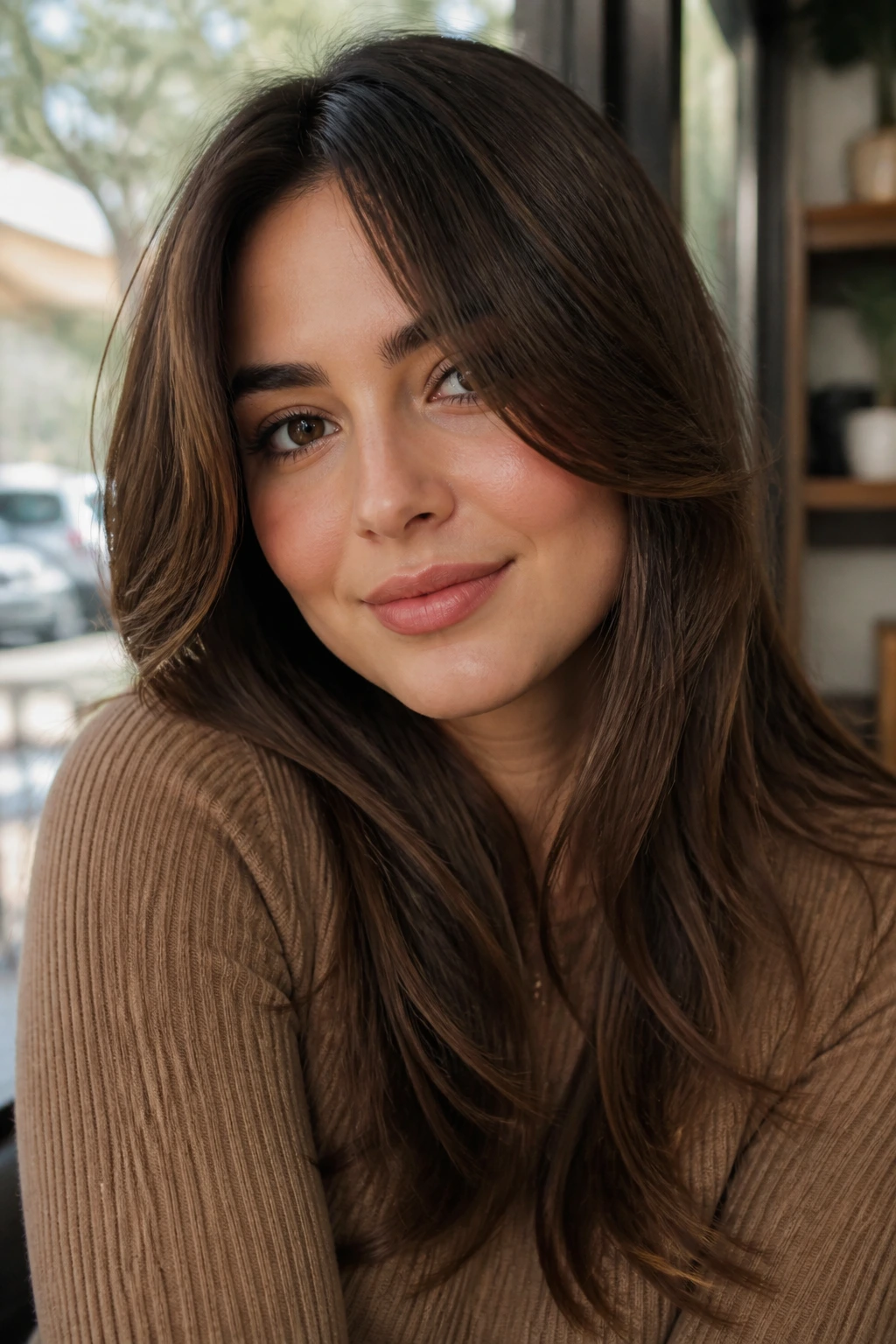
If your goal is to elongate your features, avoid straight-across bangs. Instead, go for a long, swooping curtain bang that starts at the cheekbone and angles sharply downward toward the jaw. This diagonal line creates the illusion of length.
The Mechanism
The longer the bangs, the more “pull” they have on the face shape. By keeping the shortest point of the bang near the mid-cheek, you draw the eye down rather than across, effectively slimming the appearance of a rounder face.
Rule of thumb: Ask for the shortest point to hit somewhere between the tip of your nose and the bottom of your lip. Anything higher can make the face look wider.
5. Softened Square Angle Bangs
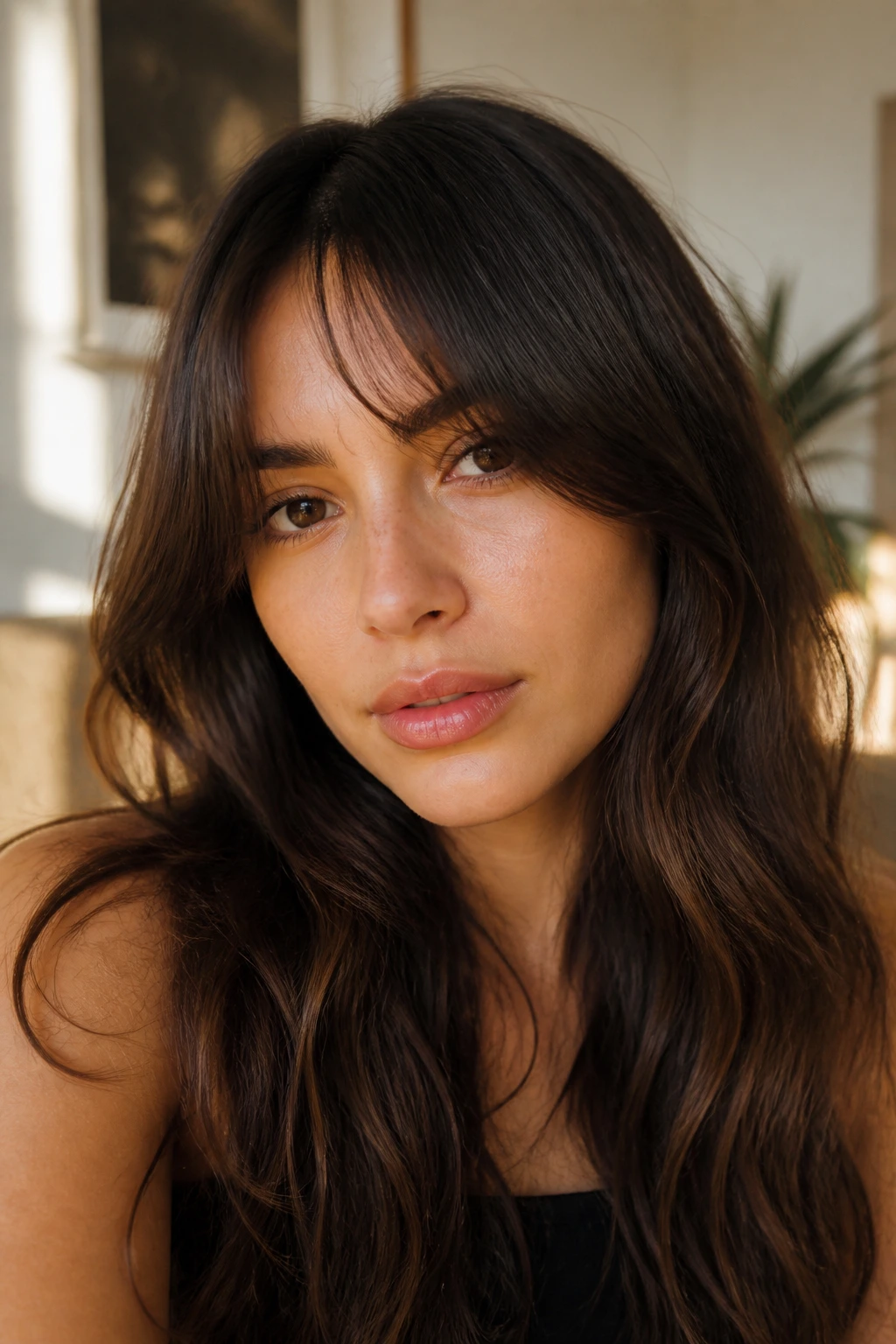
Square faces often have a strong, defined jawline. You want to soften these angles, not highlight them. The ideal curtain bang here is soft, rounded, and feathered. Avoid blunt ends at all costs, as a straight horizontal line will only mimic and accentuate your jawline.
The Texture Strategy
You want movement. Ask for ends that are heavily textured or razored. This creates an uneven, soft edge that blends into your cheekbones. The more erratic the ends, the softer the face will appear.
Styling Consideration
Avoid the super-sleek, pin-straight look. A little bit of natural wave or bend helps break up the angularity of your features.
6. Micro-Curtain Bangs
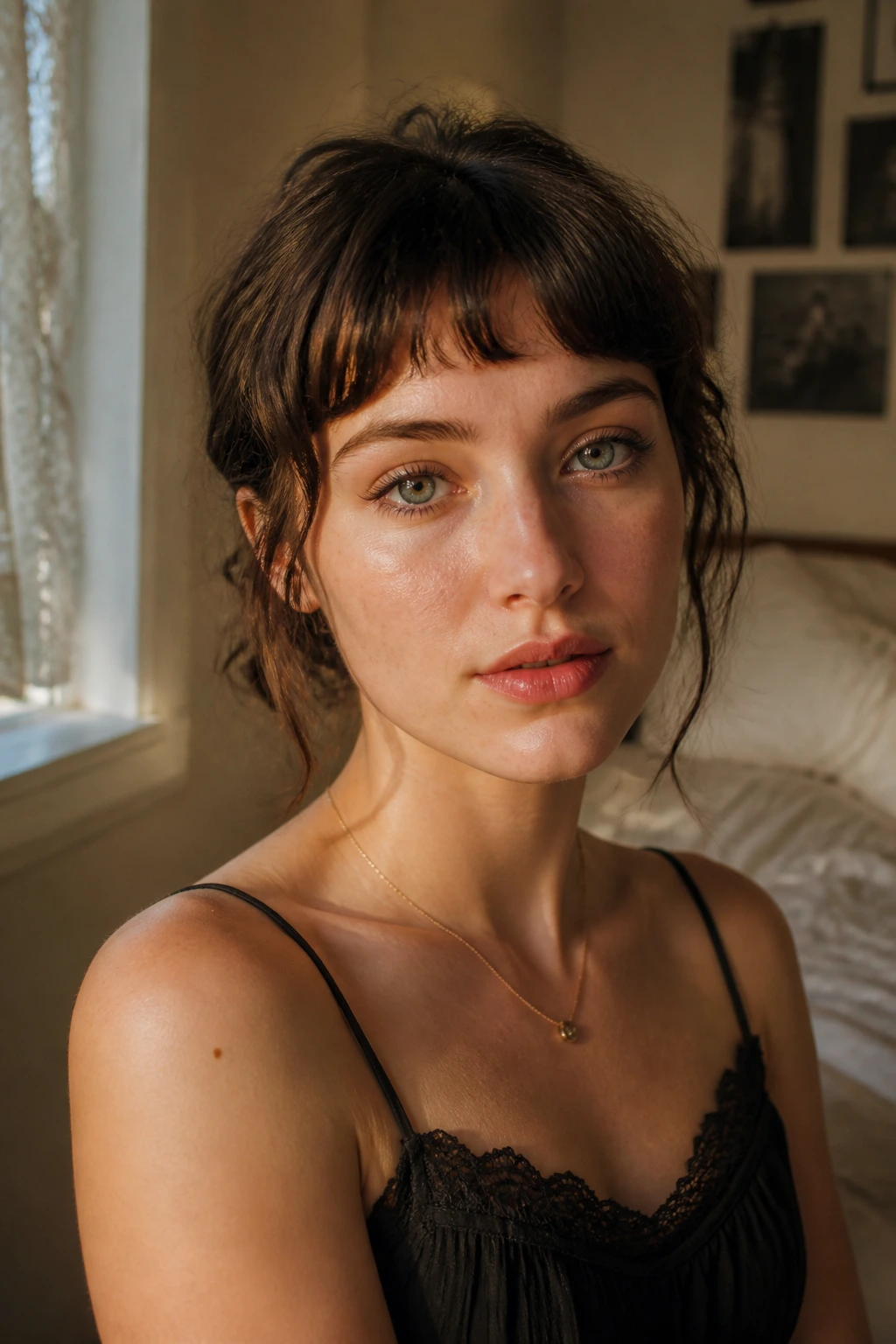
Think of this as the daring cousin of the classic curtain bang. These hit right above the eyebrows or at the mid-forehead, offering a vintage, mod-inspired aesthetic. They are not for the faint of heart, but they open up the face entirely.
Who Should Wear Them
People with oval or heart-shaped faces often find this look incredibly flattering. It highlights the brow bone and keeps the focus firmly on the eyes.
What to watch for: If you have a low forehead, these can make your face look shorter. Proceed with caution and consult with your stylist about the exact placement.
7. Textured Shag Fringe
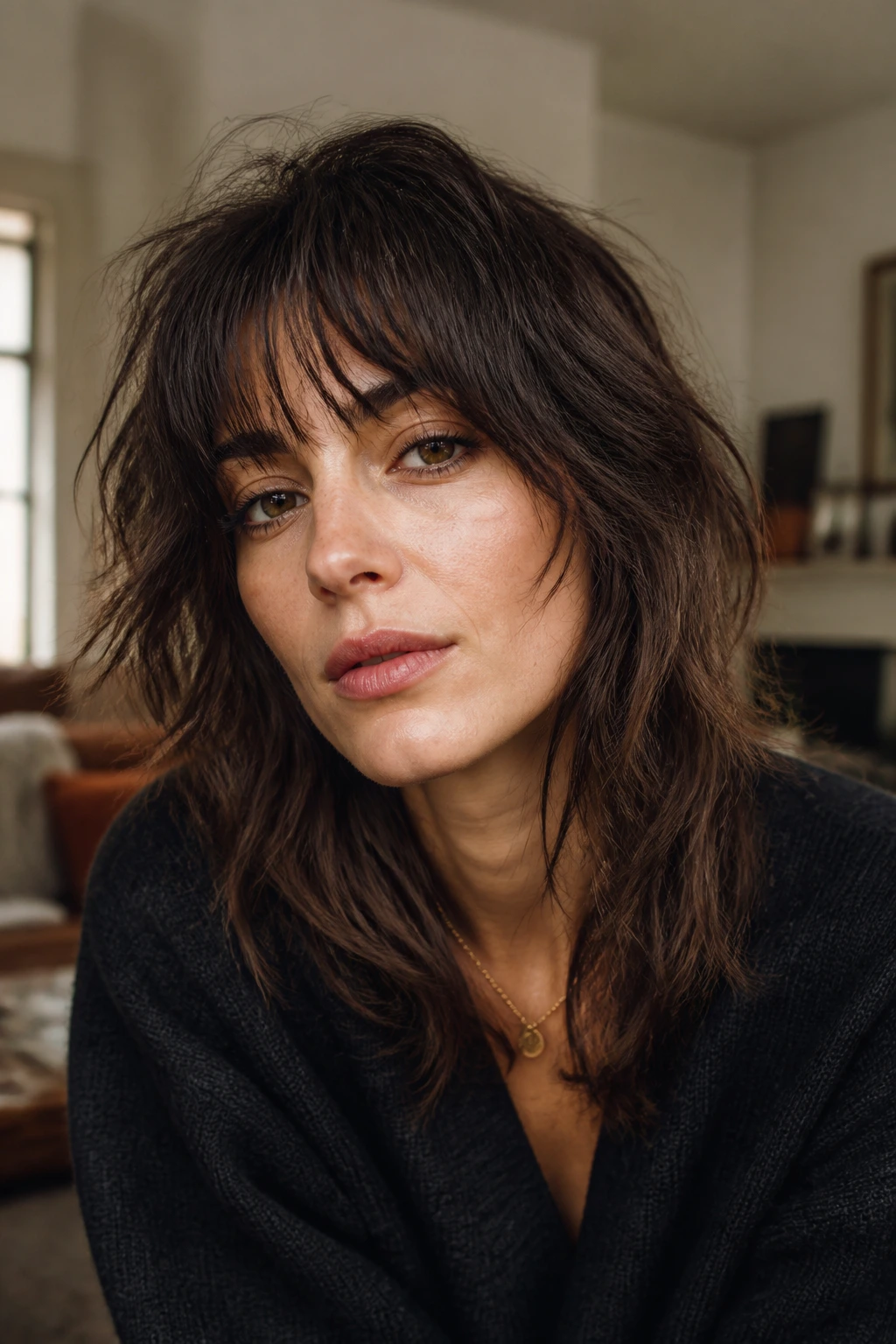
The shag is a style defined by choppy, disconnected layers, and the fringe is the crown jewel. This curtain bang is intentionally messy. It doesn’t have to be perfect; it has to be lived-in.
The Cut
This is where the razor is king. Stylists use a straight razor to slice through the hair, creating uneven lengths. This prevents that “pasted on” look and ensures the bangs blend seamlessly into the rest of the shaggy layers.
Styling
Do not use a round brush. This is a “wash-and-wear” style. Apply a texture cream to damp hair, scrunch it in, and let it air dry. The more natural the wave, the better.
8. Curly Hair Curtain Bangs
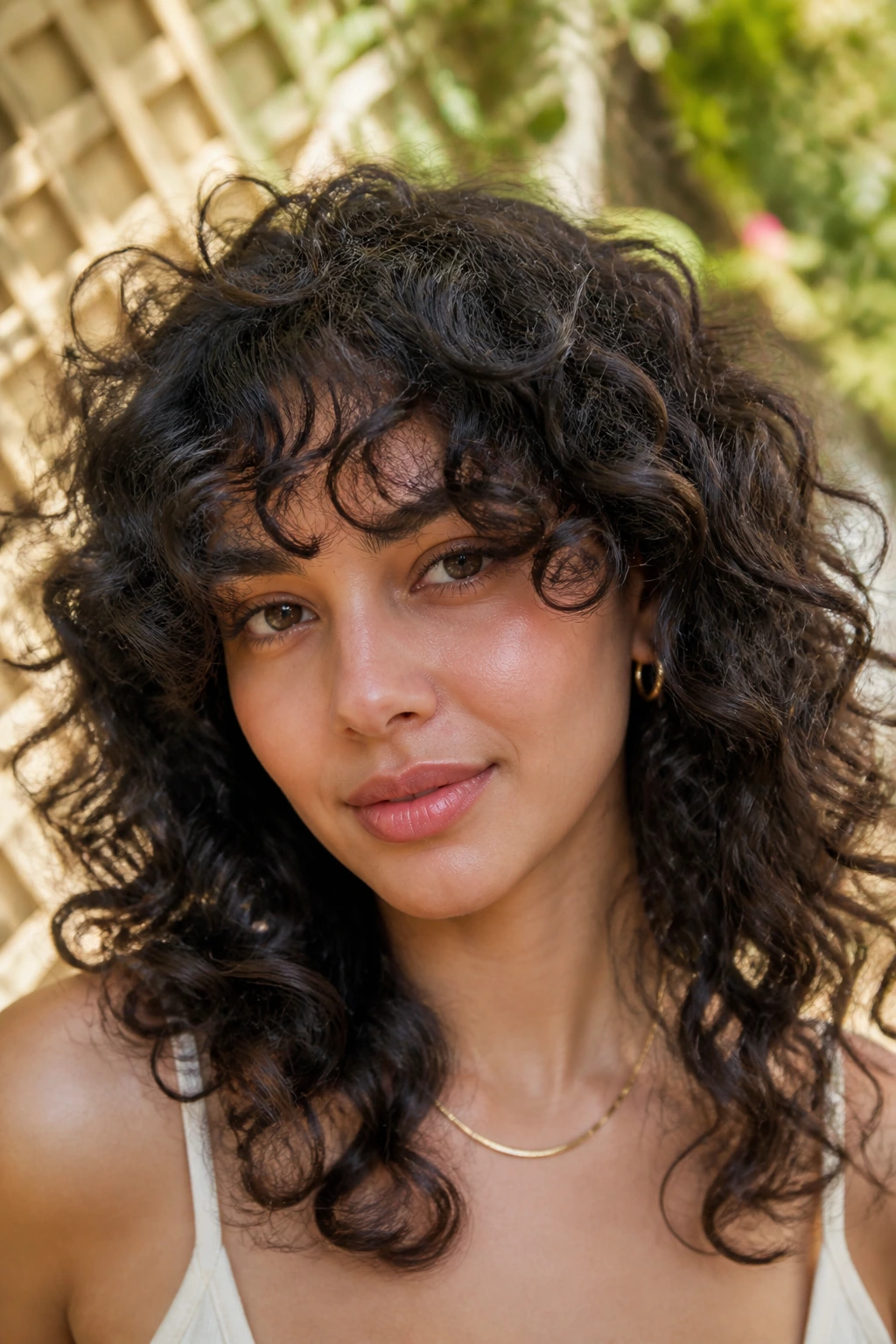
There is a persistent myth that curly hair and bangs don’t mix. That is entirely false. The key with curls is to cut them dry and in their natural state. Never pull curly hair taut while cutting, or you will end up with bangs that are way too short once they bounce back.
The Shape
Curly curtain bangs should be cut to frame the face rather than lay flat on the forehead. They should spiral outward, creating a halo of volume.
Vital advice: Use a leave-in conditioner before styling. Curls need moisture to keep their structure, and dry, frizzy bangs will simply look like a puff of hair rather than a defined style.
9. The Side-Swept Hybrid
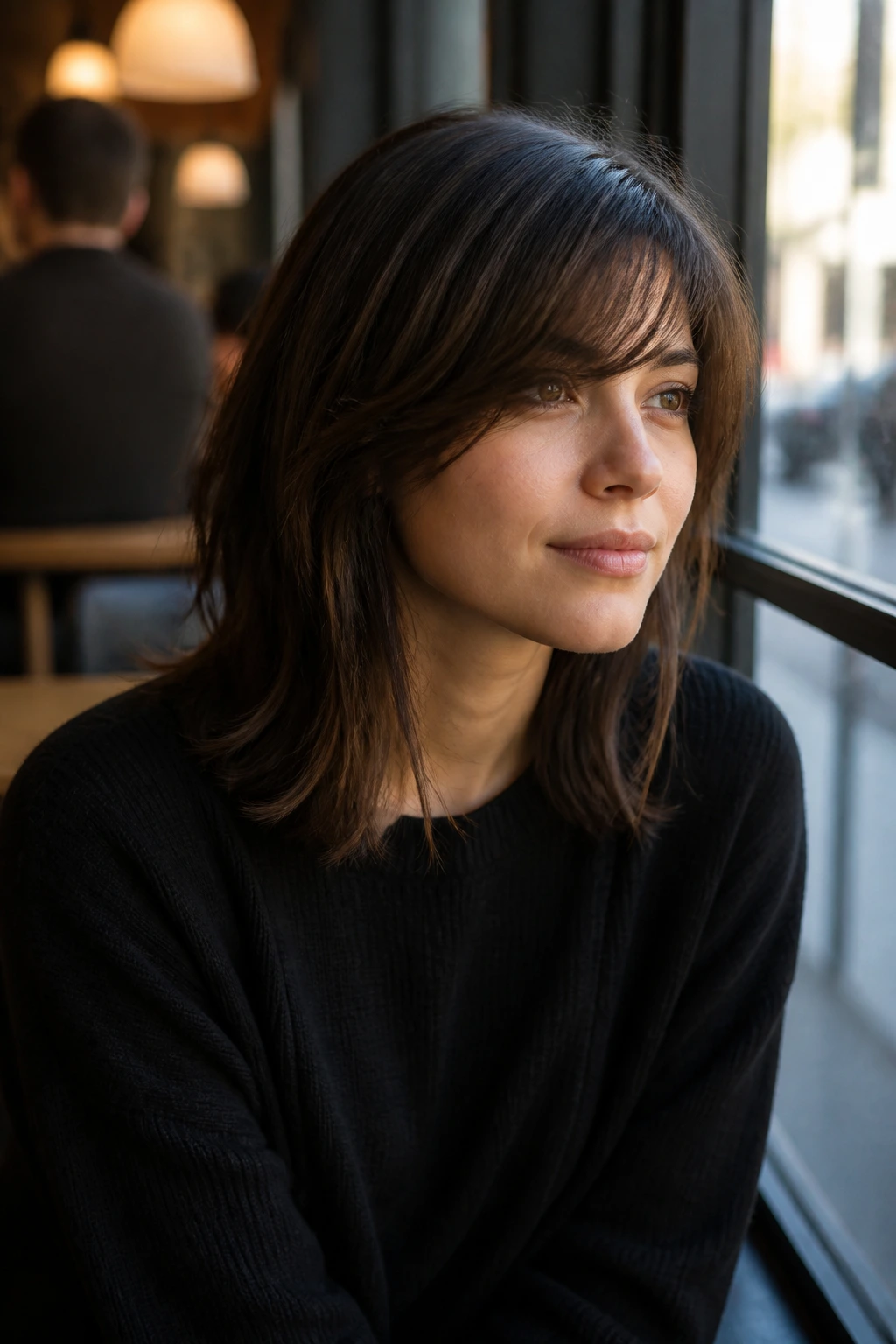
If you cannot decide between a side part and a middle part, this is your solution. These curtain bangs are cut slightly longer on one side, allowing them to be swept to the side or parted down the middle.
Versatility
This style offers the best of both worlds. It provides the face-framing benefits of a curtain bang while maintaining the functionality of a side-swept fringe. It is perfect for those who like to change their part depending on the occasion or the hairstyle.
Styling Tip
Use a flat brush when blow-drying. Direct the hair across the forehead while it is damp to “train” the roots to lay in that sweeping motion.
10. Bottleneck Bangs
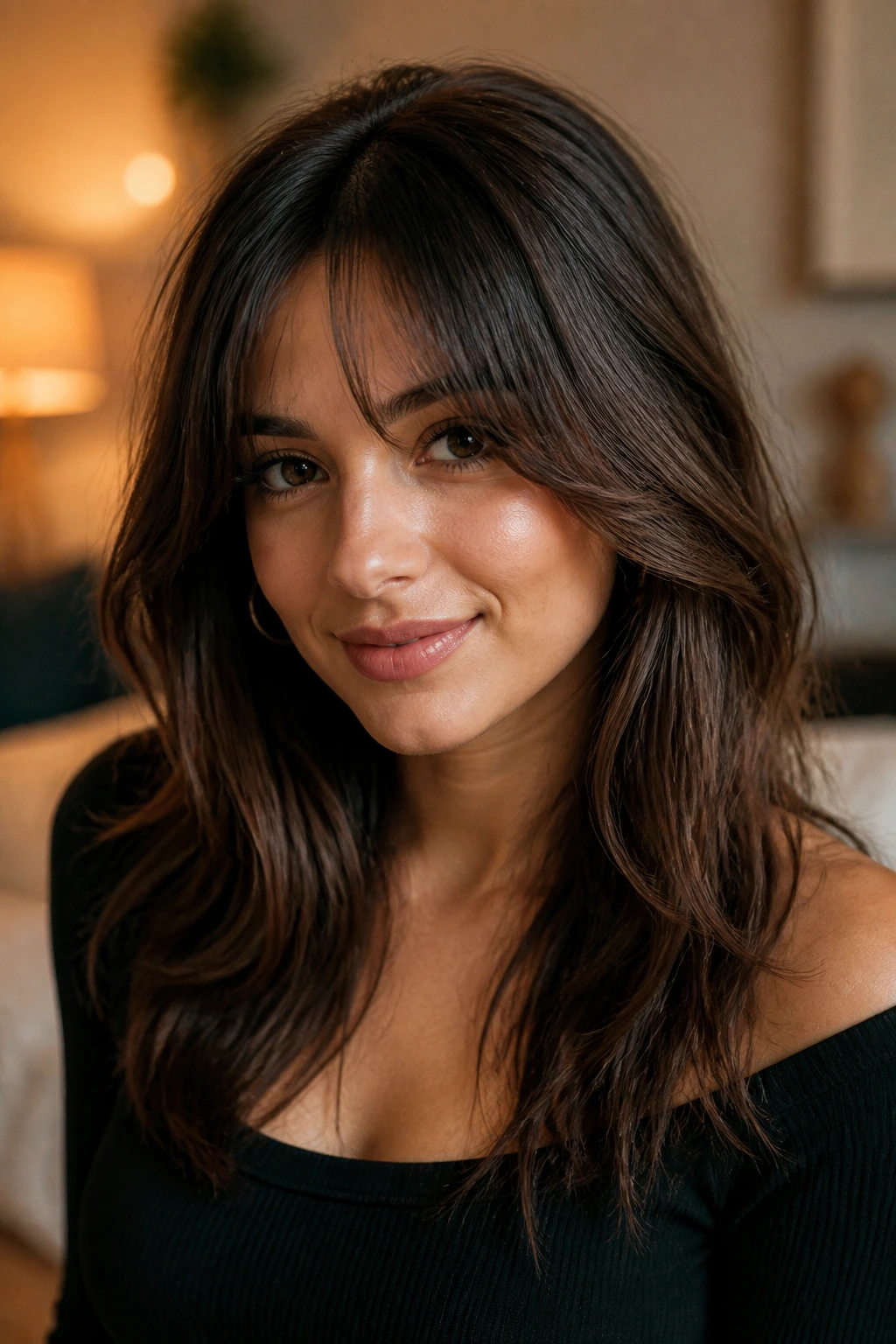
This style gets its name from the shape: it starts narrow at the top, widens out at the cheekbones, and then curls around the face. It is a very flattering, soft look that is often seen in 70s-inspired cuts.
The Geometry
The top portion is the “neck” of the bottle, which should be shorter and somewhat sparse. As the hair reaches the cheekbones, it gets denser and longer, creating that curved frame. It is excellent for those who want a fringe that feels substantial but isn’t a solid block of hair.
11. Curtain Bangs for Fine Hair
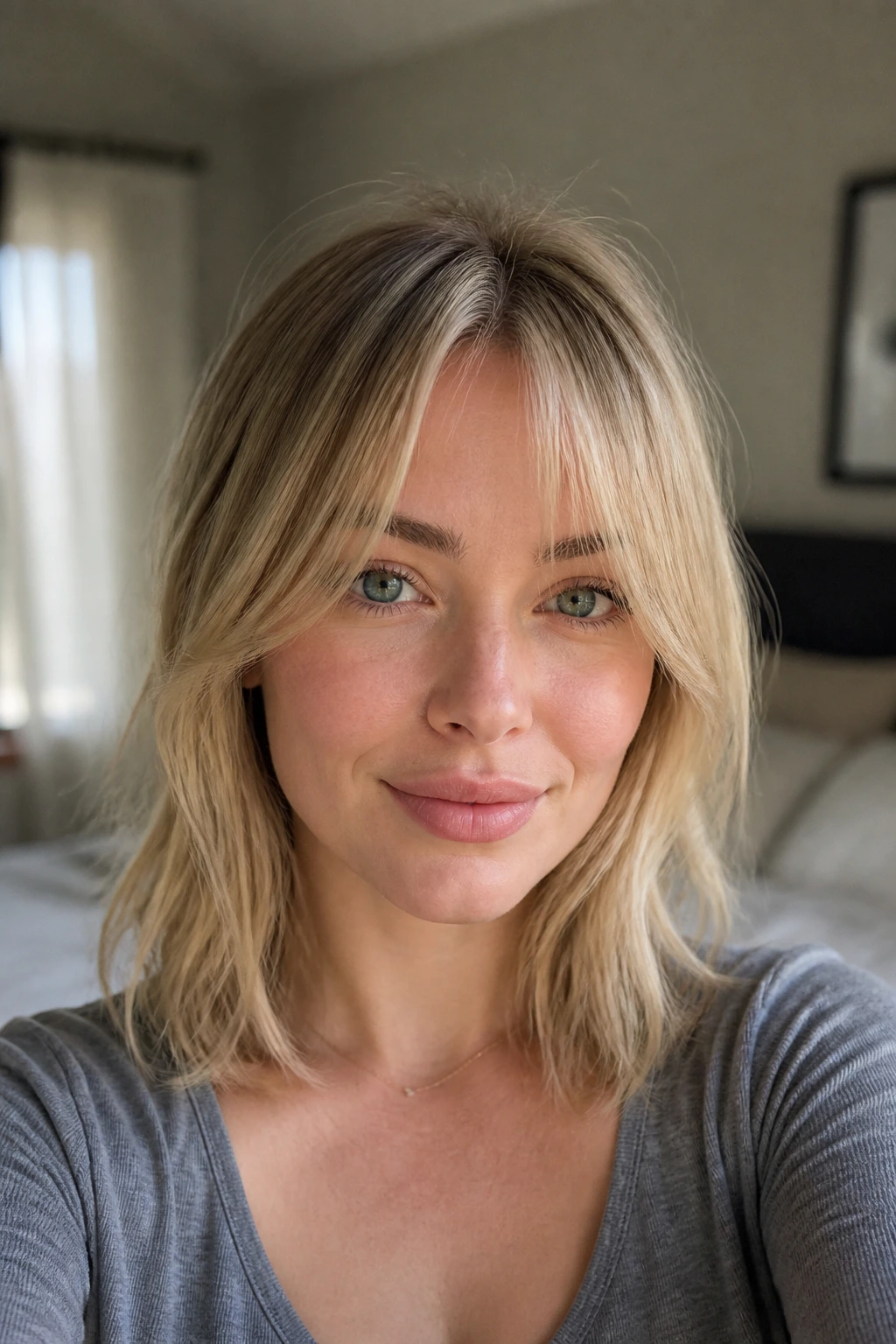
When your hair lacks density, the goal is to make it look fuller. A curtain bang can actually help here. By pulling hair from further back on the head (closer to the crown), you maximize the amount of hair in the bang section.
Avoiding the “Sparse” Look
Do not cut too much width. Keep the sectioning slightly narrower than you would for thick hair. If you take too much hair for the bangs, the rest of your hair will look significantly thinner.
Styling Product: Use a volumizing mousse at the roots. It gives the hair the “lift” it needs to appear thicker and more buoyant.
12. Dense Curtain Bangs for Thick Hair
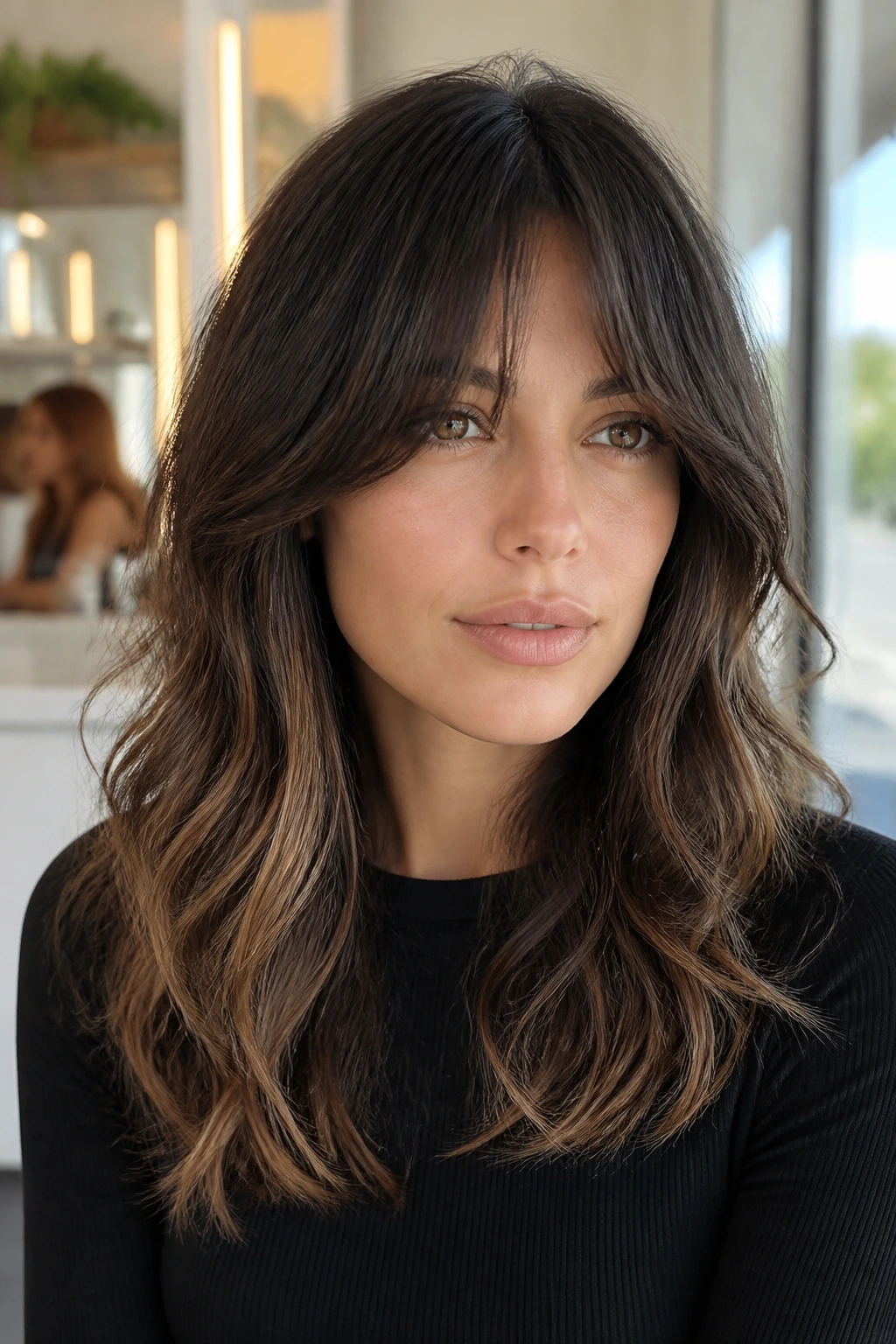
Thick hair can easily turn into a curtain bang that looks like a heavy drape. The technique here is all about internal graduation. You want the ends of the bangs to be lighter than the roots.
The Technique
Point-cutting is essential. Your stylist should not use thinning shears, which can create frizzy, broken ends. Instead, they should use regular shears to “chunk” out the ends, reducing the weight without sacrificing the thickness of the overall style.
Managing Frizz
Thick hair often leans towards dryness. Apply a small drop of smoothing oil to the ends to keep them from splaying out.
13. Center-Parted Drama
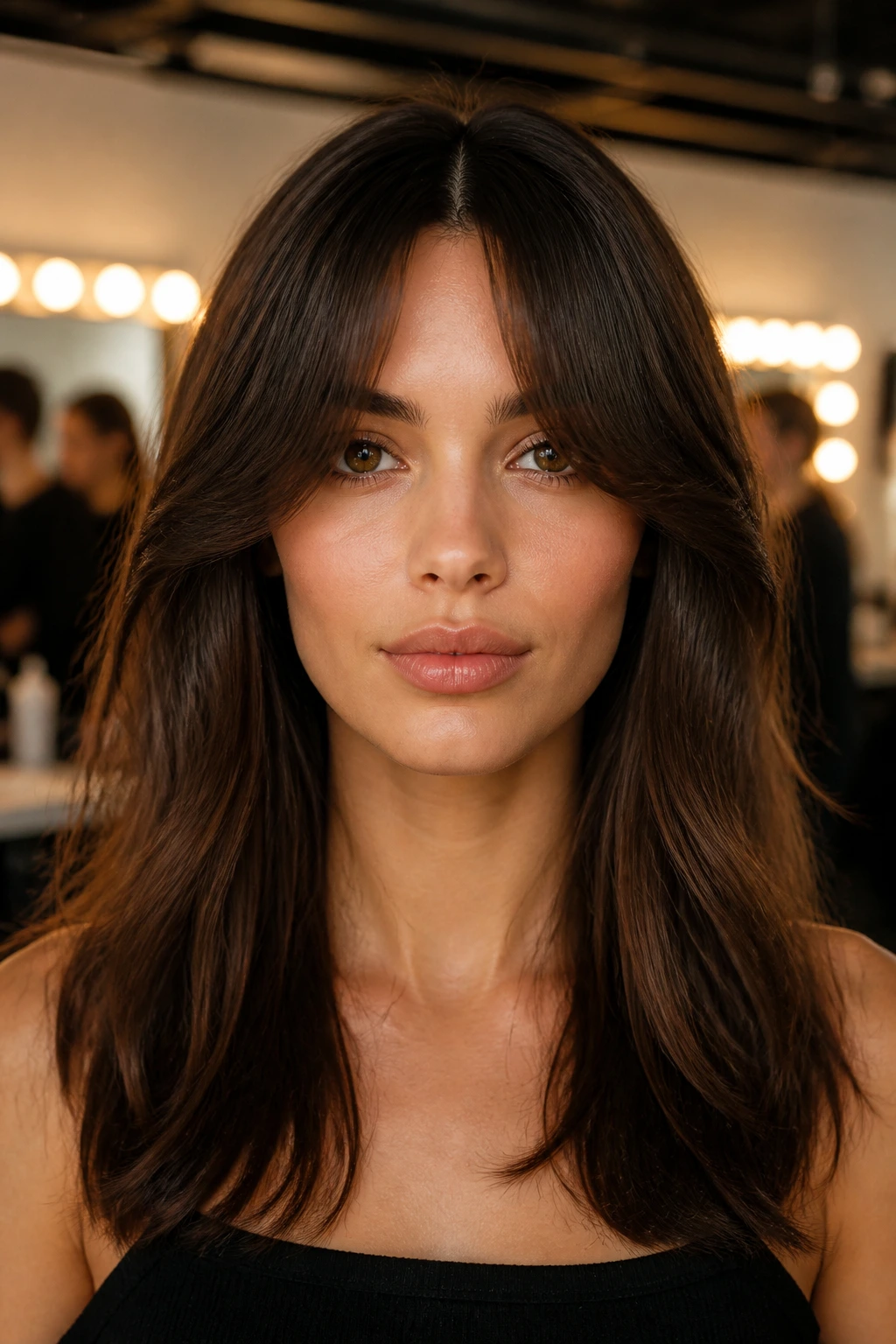
This look is all about symmetry. The hair is parted perfectly down the middle, and the curtain bangs are cut to reflect each other exactly. It is a sharp, intentional, and high-fashion style.
The Look
It is very “center-focused.” Because there is no room for error in a middle part, this style is best for people whose face is somewhat symmetrical. It highlights the nose and the lips, so make sure you are comfortable with those features being the center of attention.
Maintenance
You will have to be diligent about your part. If your hair naturally prefers a side part, it will fight you every morning. Use a light hold spray to keep the part anchored.
14. Curtain Bangs with Deep Layers
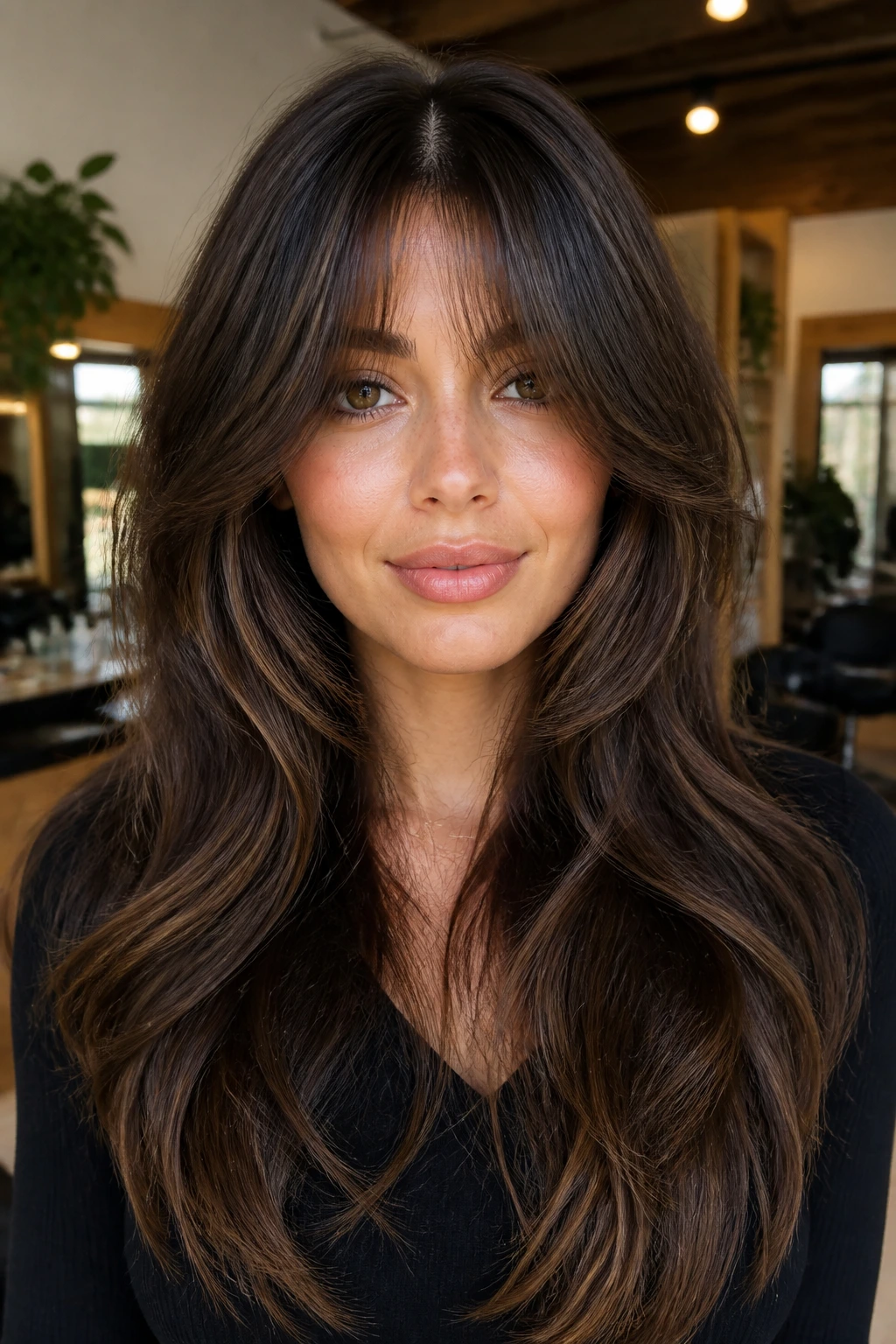
If you have long, layered hair, your curtain bangs should not exist in a vacuum. They need to blend into the rest of your haircut. The transition from the bangs to the first layer of your hair should be nearly invisible.
The Flow
Ask for “face-framing layers” that connect your bangs to your lengths. This creates a cascading effect that looks natural and cohesive. It prevents that jarring “my bangs are separate from my hair” appearance.
15. Curtain Bangs for High Foreheads
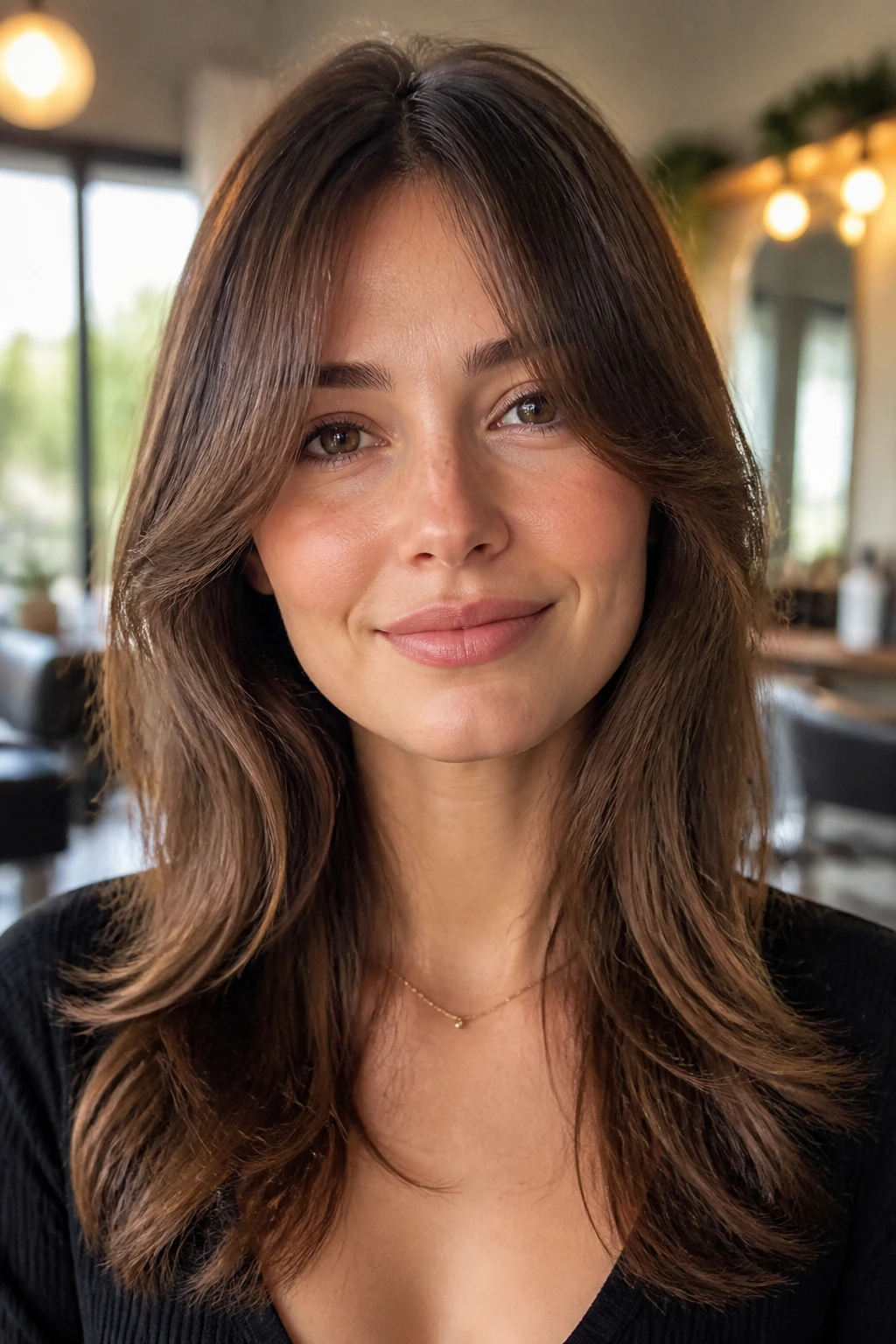
If you have a large forehead, curtain bangs are your best friend. They break up the vertical length of the face and cover the area you might be self-conscious about, all while keeping the look soft and open.
The Coverage Strategy
Don’t be afraid to go a little wider with your sectioning. By pulling more hair toward the center, you create more density in the middle of the forehead, providing better coverage.
Styling note: Make sure the bangs aren’t too short. If they are, they won’t provide the coverage you are looking for and may actually draw more attention to the height of the forehead.
16. Curtain Bangs for Low Foreheads
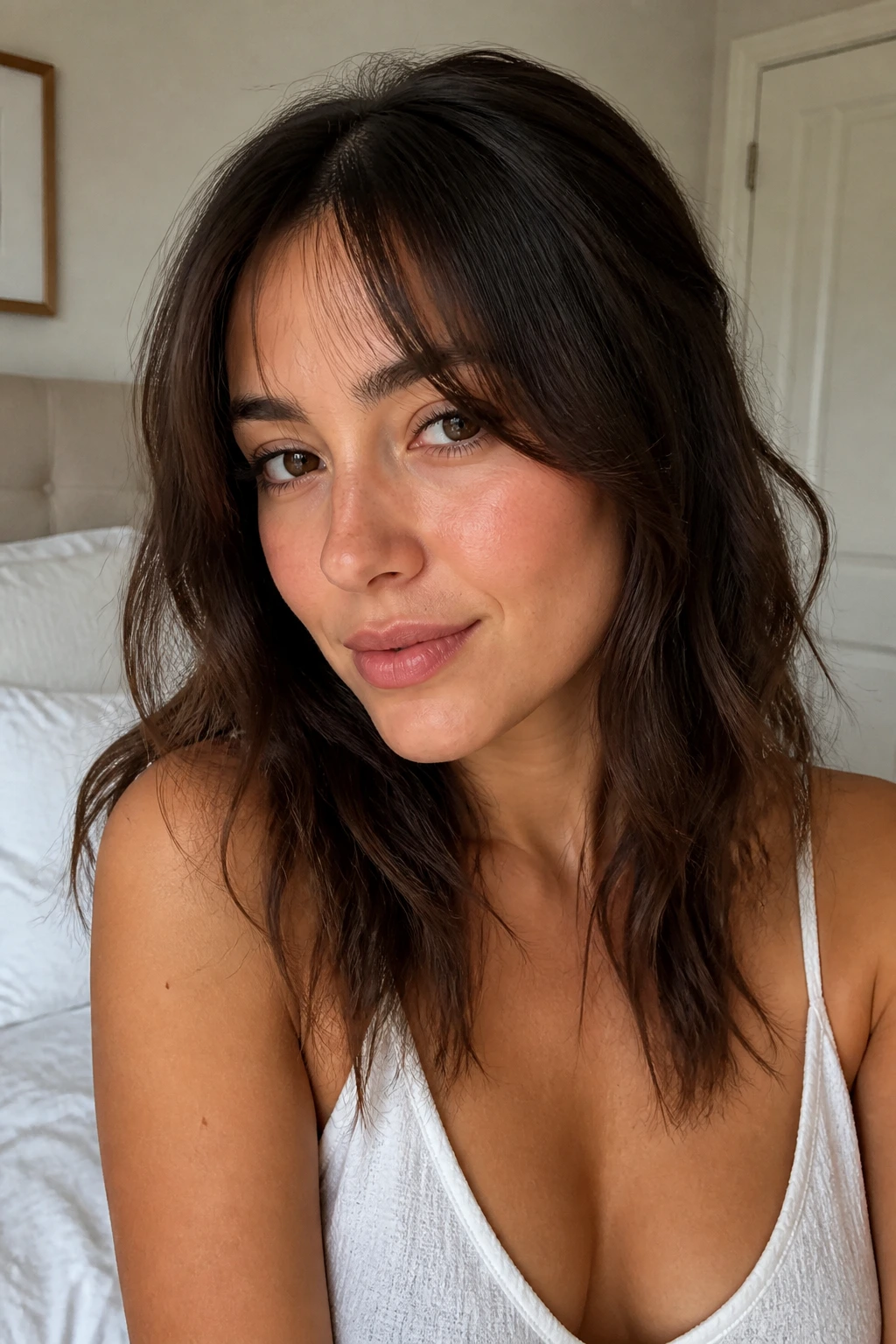
If your hairline is close to your eyebrows, a heavy curtain bang will look like a shelf. You need to keep the bangs light, airy, and potentially a bit longer.
The Trick
Keep the fringe sparse. You want to see skin through the bangs. This prevents the hair from overwhelming your face and keeps the focus on your eyes rather than the lack of space between your brows and hairline.
17. The Bob and Bang Combo
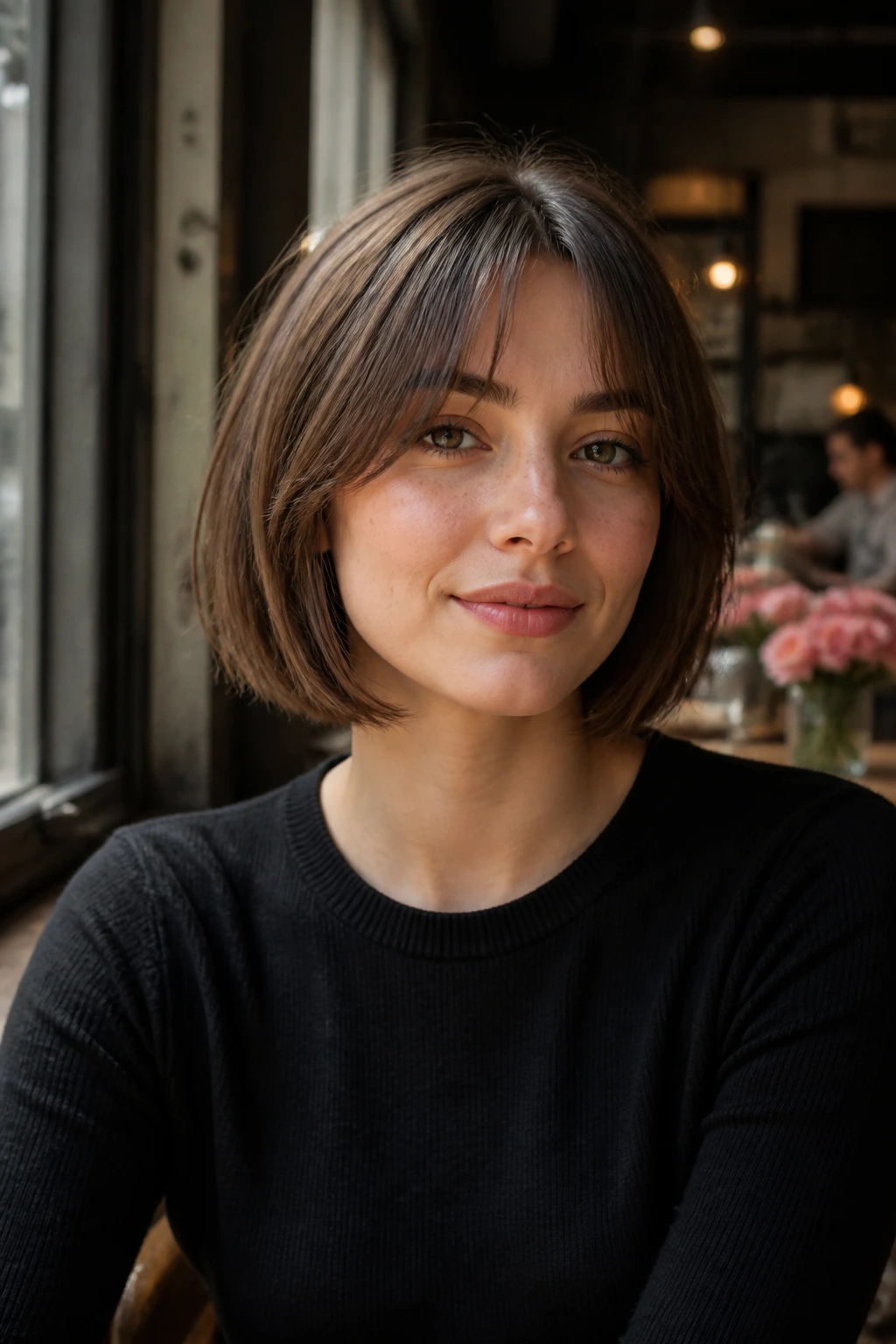
A bob is a classic, but it can feel severe. Adding curtain bangs softens a blunt bob immediately. It adds movement to a static cut and makes the whole style feel more youthful and relaxed.
The Balance
The bangs should be shorter than the overall length of the bob. This contrast creates interest. If your bob is chin-length, aim for bangs that hit the top of the cheekbone.
18. Long, Sleek Curtain Bangs
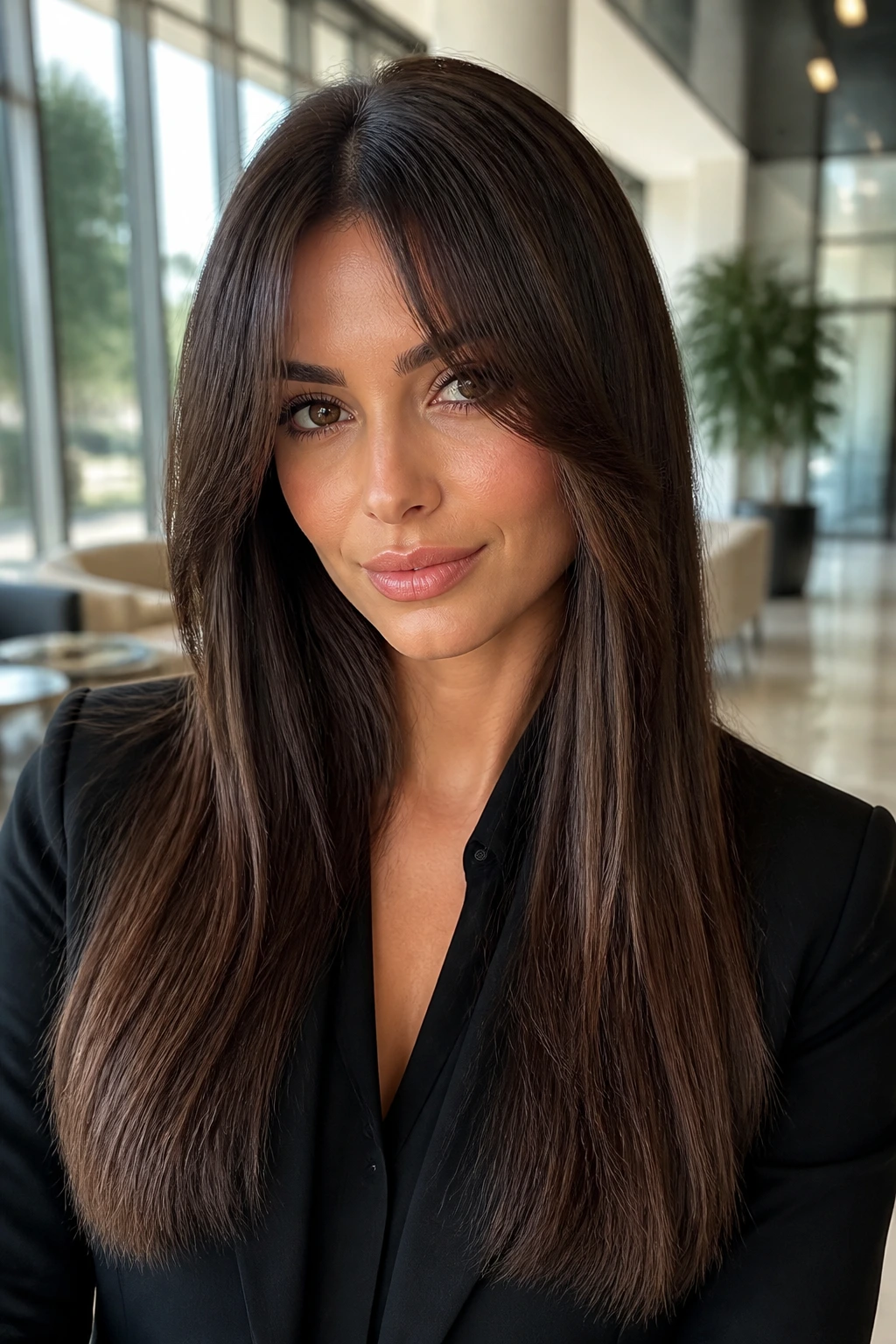
If you are a fan of the flat iron, this is the version for you. These are long, smooth, and designed to drape perfectly with a straight hairstyle.
The Look
It is polished. It is professional. It relies on the hair being healthy and hydrated to look good. Split ends will be very obvious in this style, so keep up with your trims.
Tool Tip: Use a thermal heat protectant spray before you flat iron. Since you are applying direct heat to the face-framing pieces, they are the most susceptible to heat damage.
19. Beachy Wavy Curtain Bangs
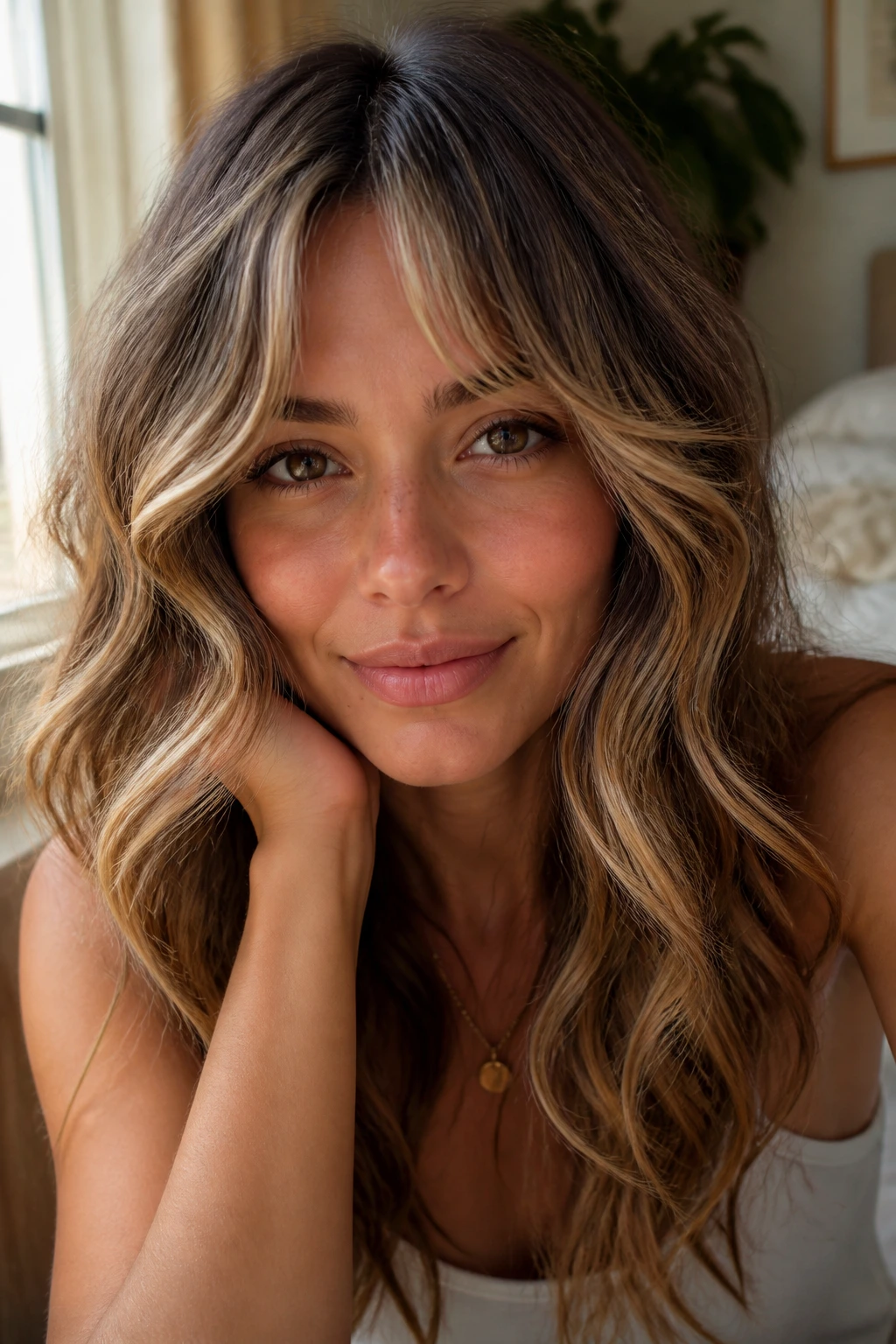
These bangs are styled with a slight bend or wave, mimicking the look of hair that has dried naturally after a day at the beach.
Achieving the Bend
Don’t use a straightener; it will make the hair too angular. Instead, use a large-barrel curling iron or a wand. Wrap the hair around the barrel, wait a few seconds, and gently pull it down to stretch the curl. You want a wave, not a ringlet.
20. 70s Feathered Fringe
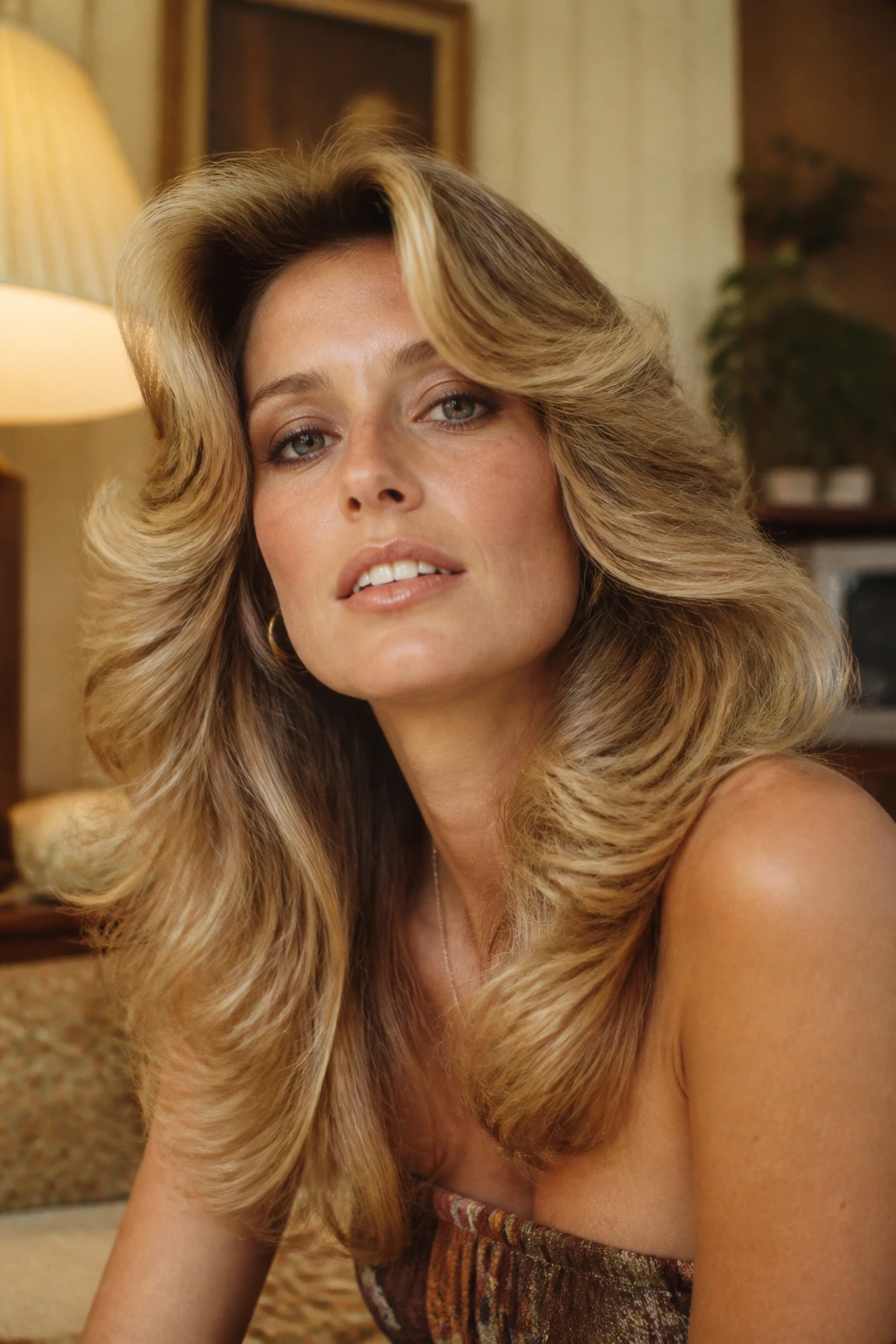
This is the iconic Farrah Fawcett-style fringe. It is voluminous, flipped back, and dramatic. It requires a bit of effort to style, but the payout is significant volume.
How to Style
You need a blow dryer and a round brush, preferably a large ceramic one. Start with damp hair. Roll the hair onto the brush and pull it backward and away from the face while drying. The key is to over-direct the hair at the root to create lift.
21. Curtain Bangs with Money Piece
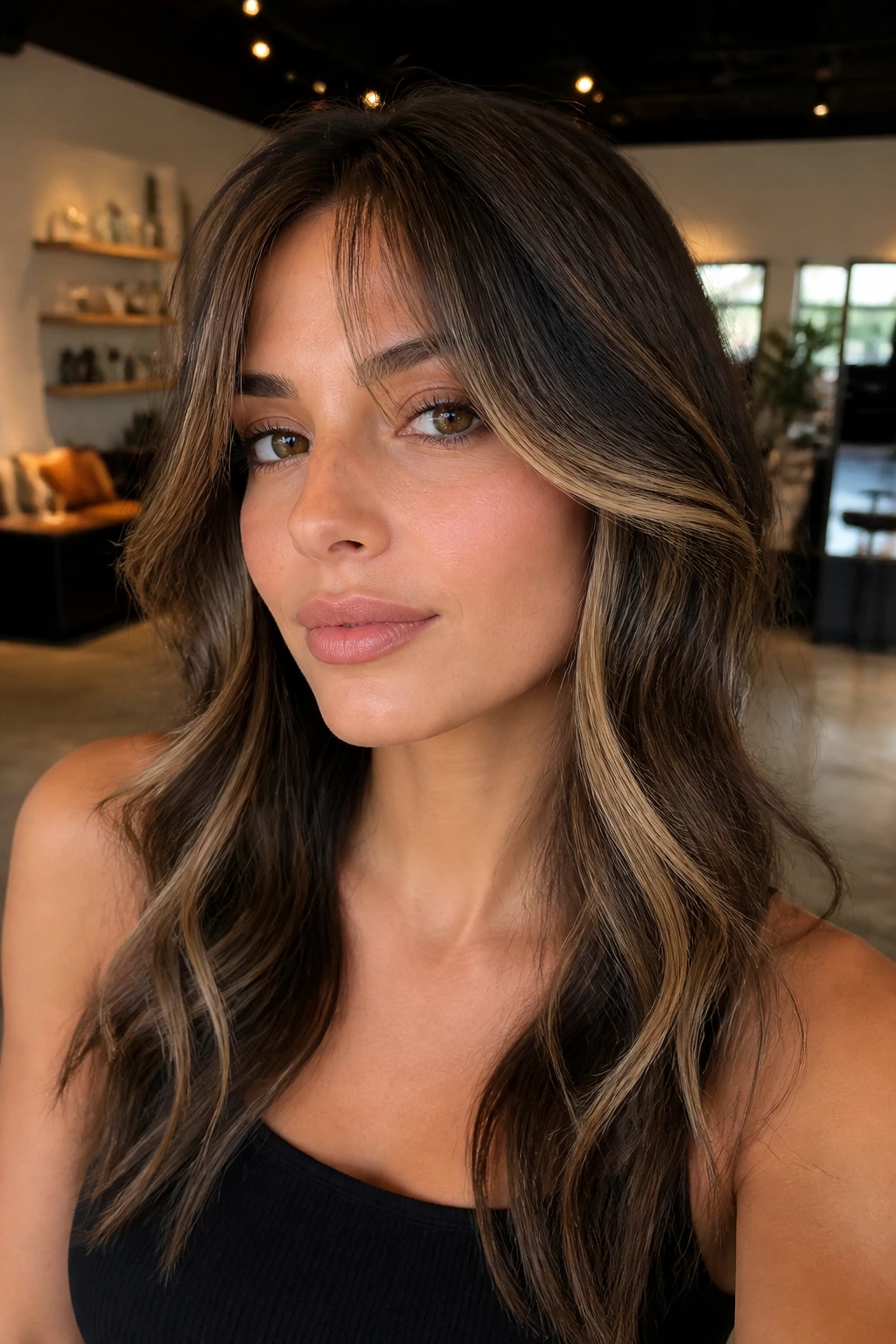
The “money piece” refers to a lighter, brighter color around the face. When you combine this with curtain bangs, you create a striking frame that literally illuminates your features.
Color Consideration
The contrast needs to be intentional. If you have dark hair, a subtle honey or caramel highlight in the bangs can soften the look significantly. If you have blonde hair, a bright platinum strip creates a very modern, sharp aesthetic.
22. Curtain Bangs with Statement Glasses
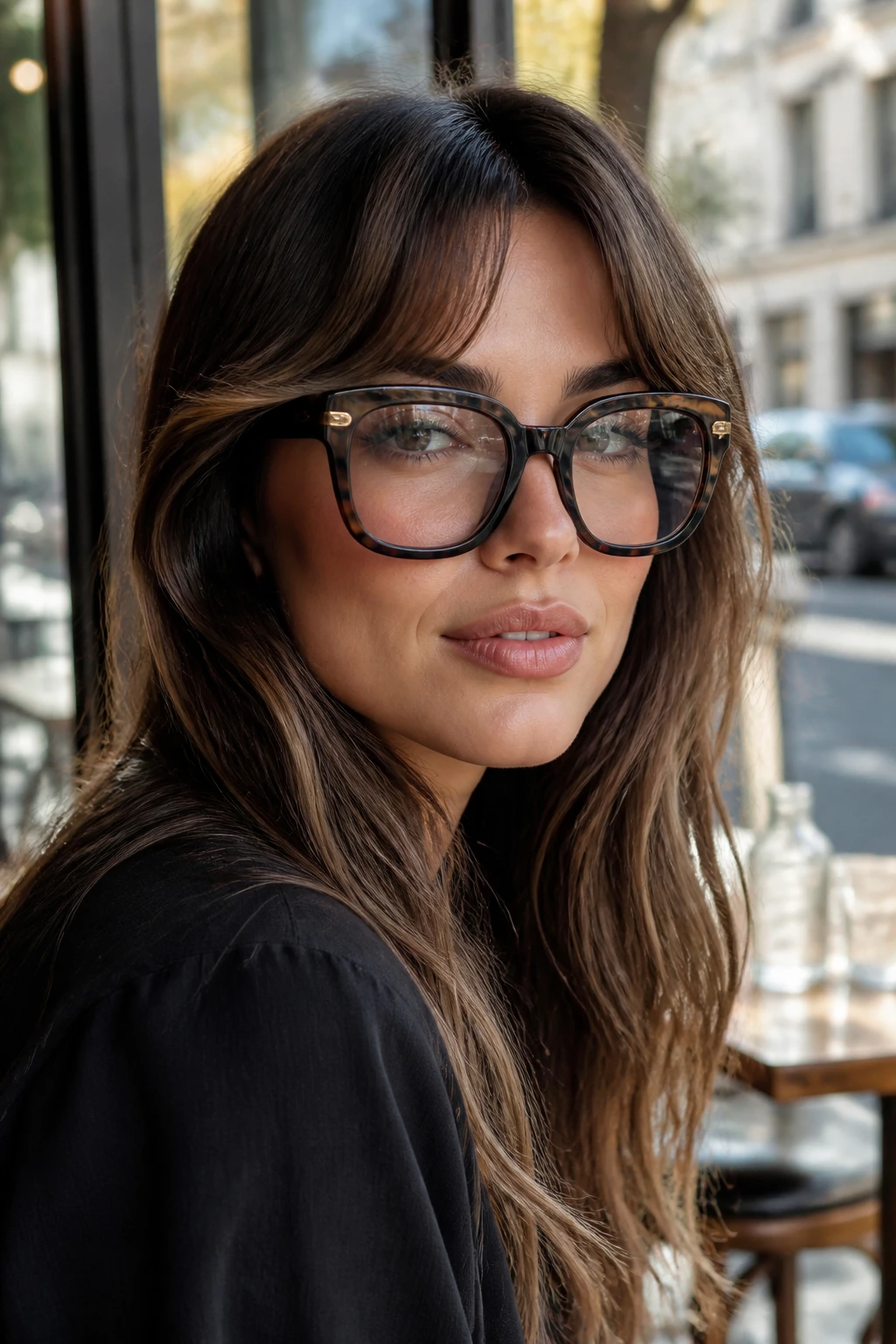
Many people think bangs and glasses are a bad mix, but that is only if the bangs are too long or too thick. The key is to ensure the bangs don’t constantly get caught in the frames.
The Adjustment
The bangs should hit above the top of your glasses or be long enough to be swept to the side. If they rest directly on the frames, they will push the glasses down your nose throughout the day. Go for a slightly shorter, wispy fringe that clears the frames entirely.
23. Air-Dried Effortless Style
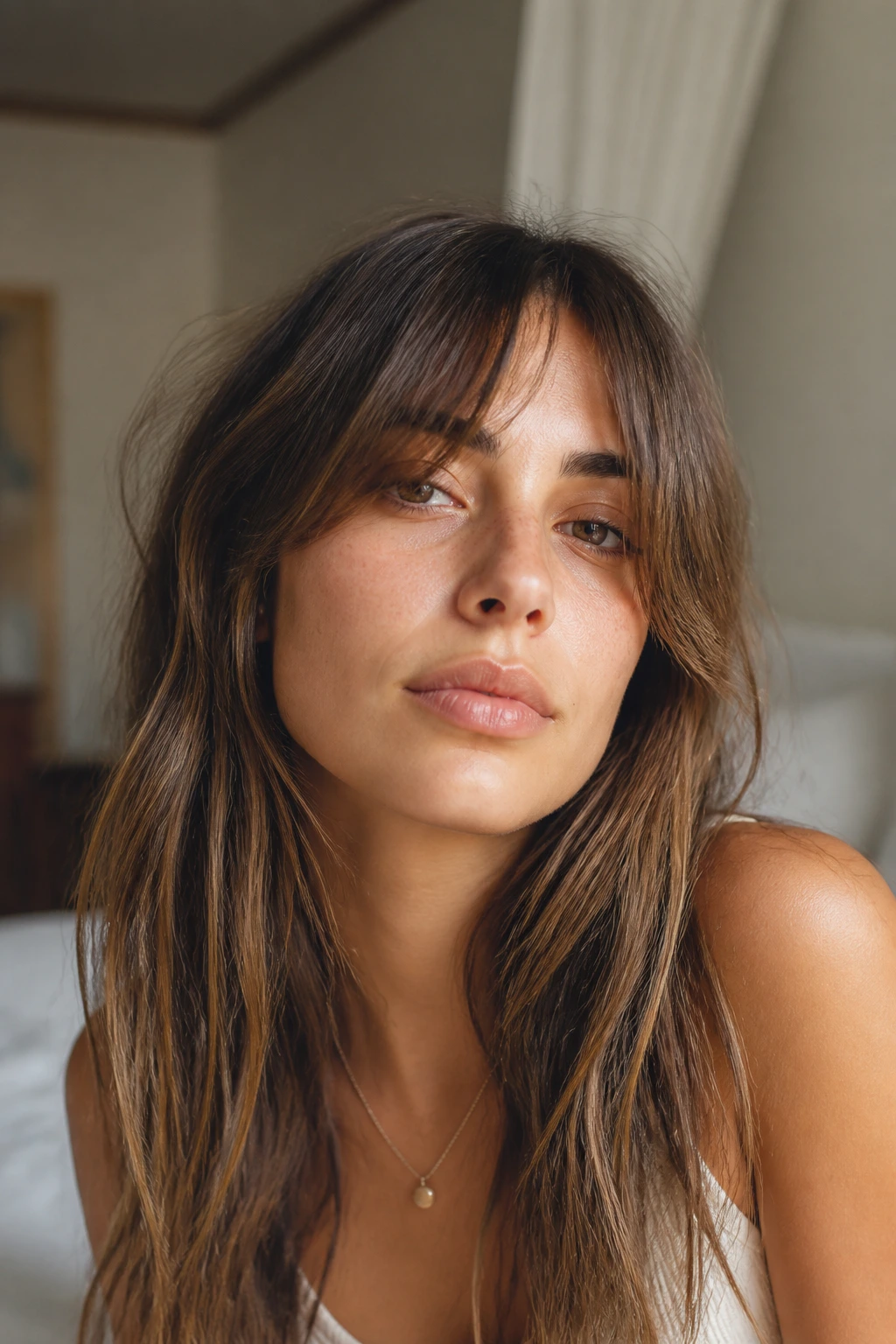
This is the “I woke up like this” version of curtain bangs. It relies entirely on your hair’s natural texture.
The Secret
Do not touch it while it dries. Seriously. If you mess with your hair while it is wet, you will create frizz. Apply a smoothing cream or a light mousse while the hair is damp, brush it into the desired shape, and walk away. Let it dry completely before you run your fingers through it.
24. The Oval-Enhancing Cut
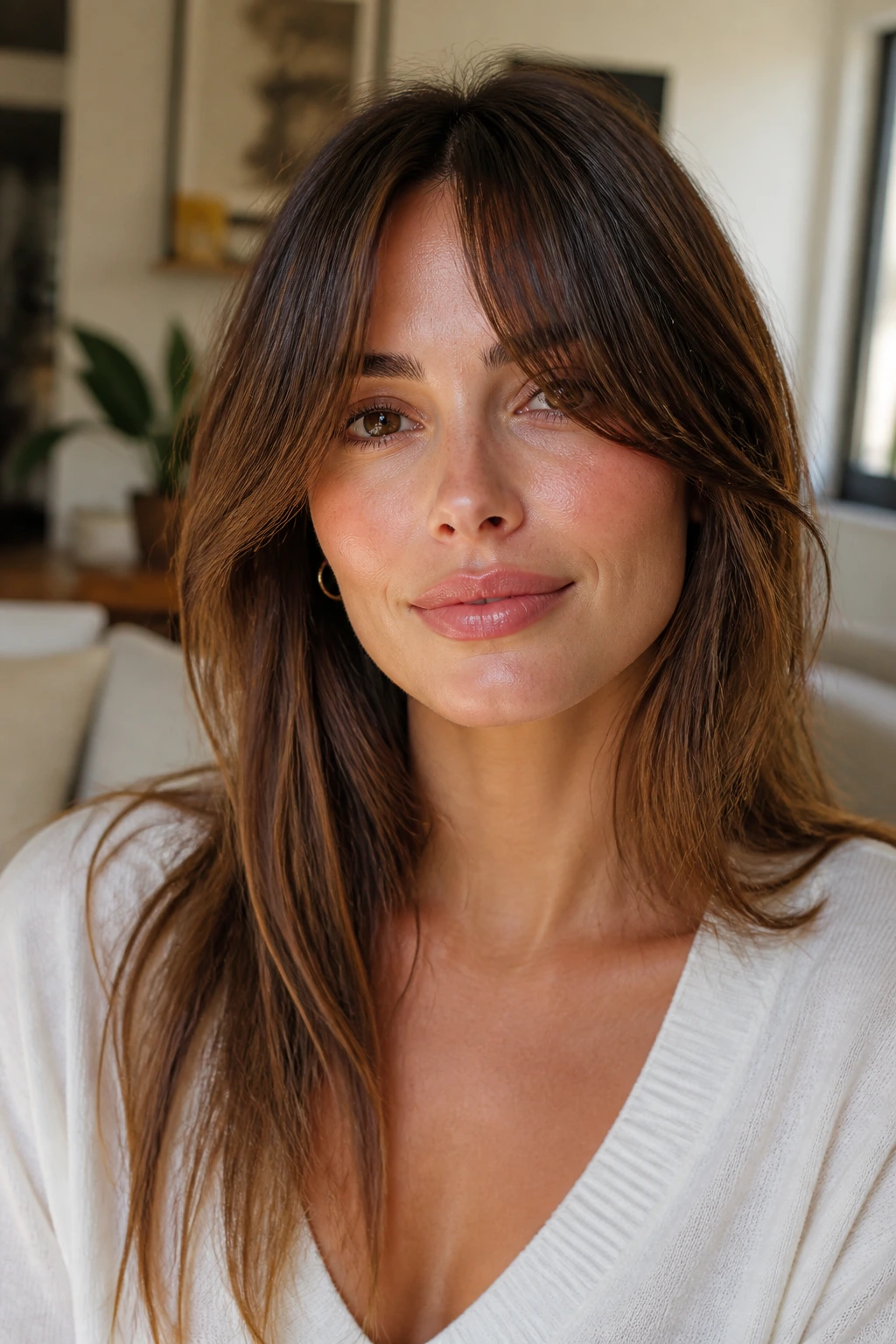
Oval faces can pull off almost anything, but they look best when the hair helps highlight the cheekbones. A curtain bang that hits right at the bridge of the nose is ideal for this shape.
The Proportions
Keep the sides slightly shorter than the center. This creates a subtle arch that follows the shape of the eyebrows and draws attention upward.
25. Heart-Shape Softening Fringe
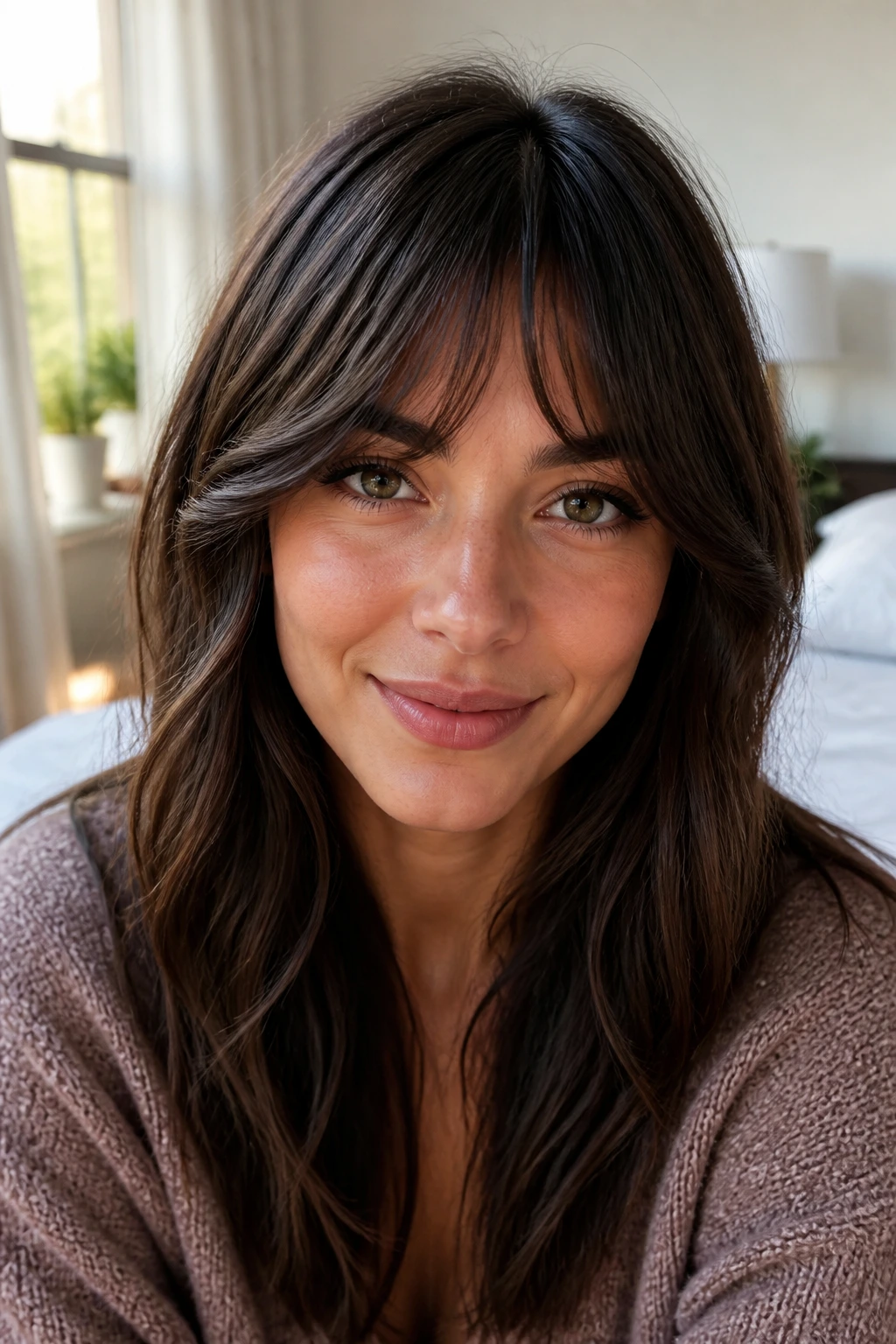
Heart-shaped faces often have a wider forehead and a narrower chin. The goal is to minimize the width of the forehead.
The Solution
Curtain bangs that are cut slightly thinner on the sides and heavier in the center are perfect. This visually narrows the forehead and brings balance to the chin. Avoid bangs that are too short, as they will emphasize the width of your upper face.
26. The Updo-Friendly Bang
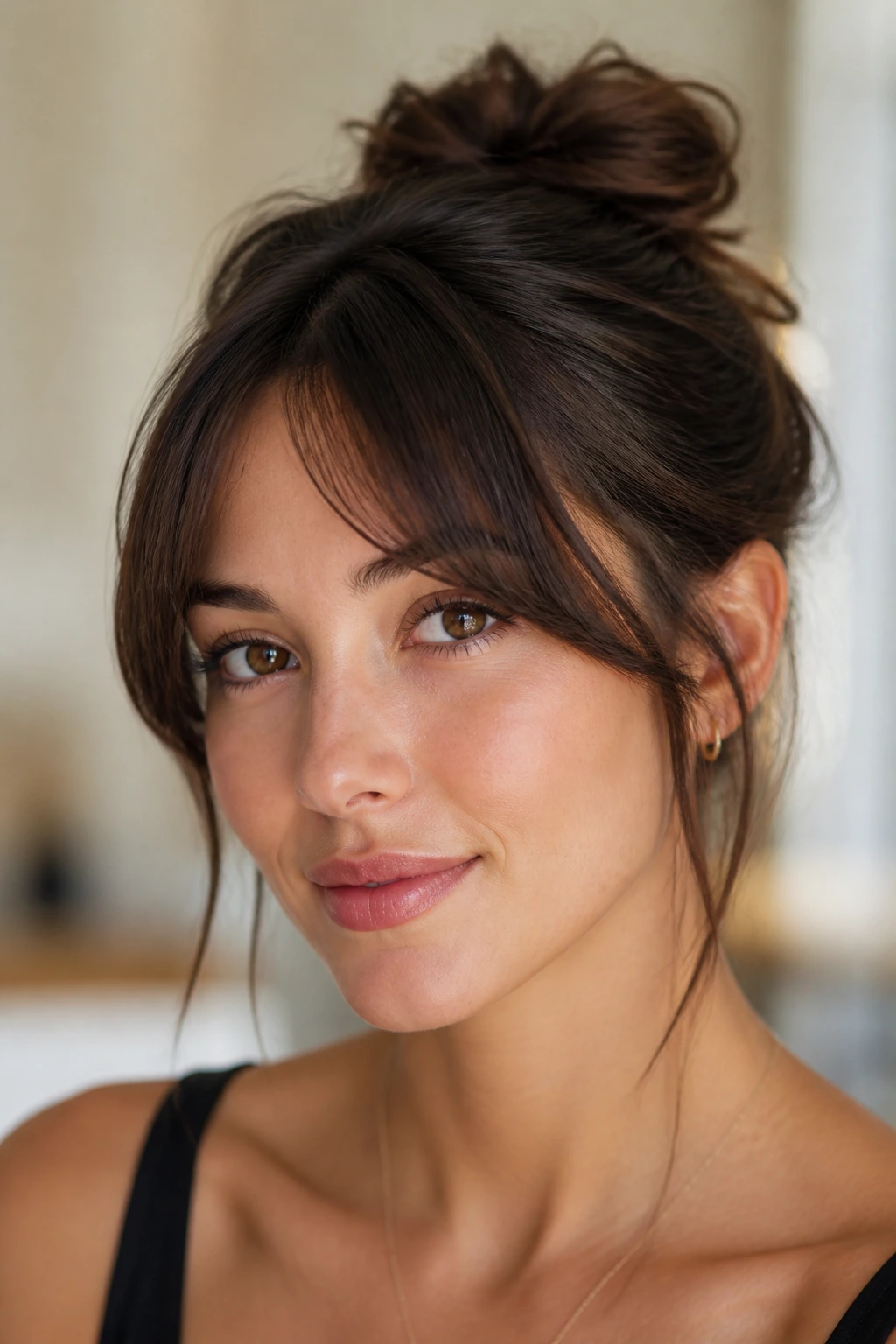
If you are someone who puts their hair up in a ponytail or bun every day, you need bangs that stand on their own.
The Cut
When your hair is pulled back, you don’t want the bangs to disappear. Ask for “tendrils”—pieces that are slightly disconnected from the main body of the bangs and sit closer to the ear. This frames the face even when the hair is tightly secured.
27. Ponytail Curtain Bangs
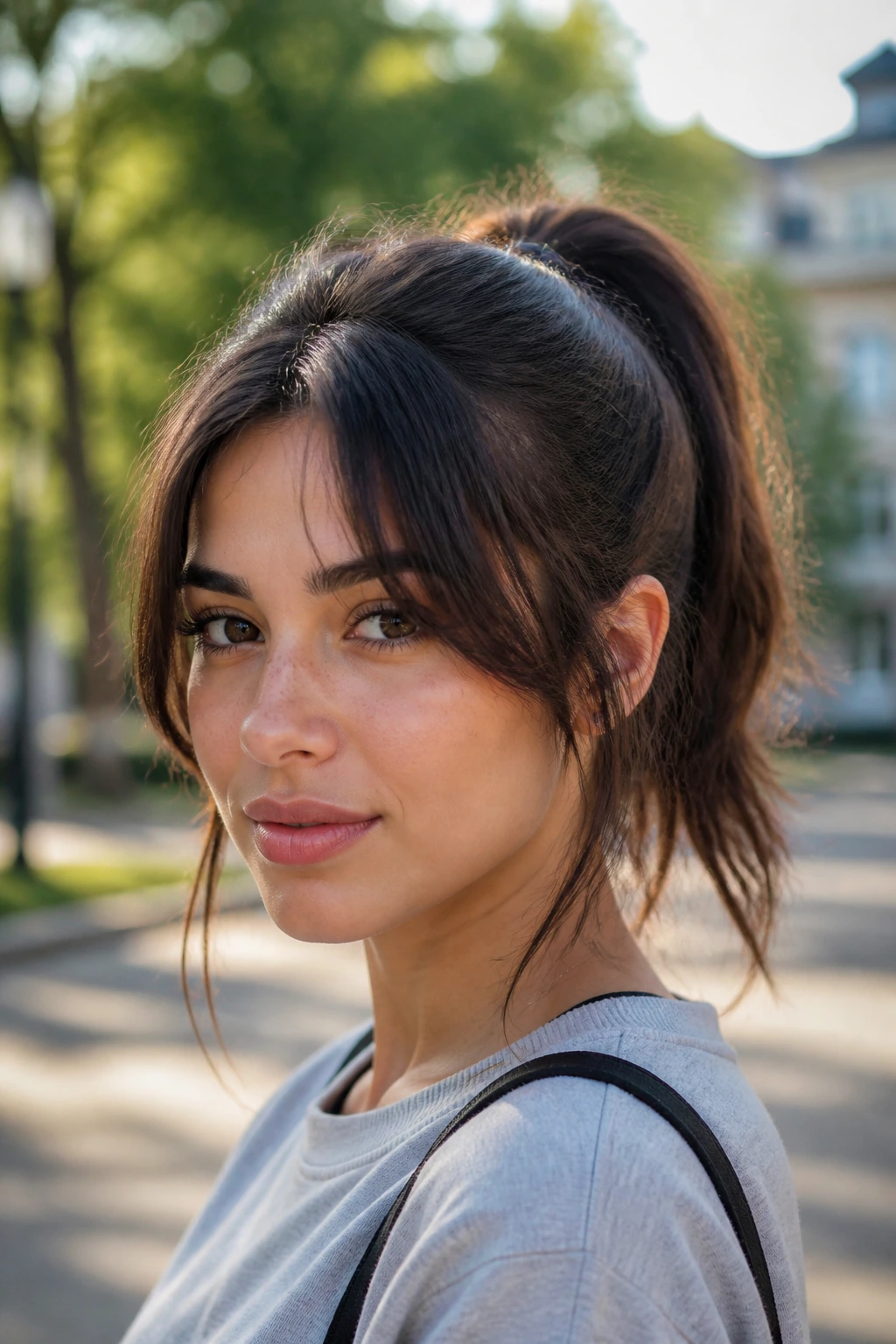
This style is all about pulling the hair up and leaving the curtain bangs out to frame the face. It’s a very casual, chic look.
The Styling Strategy
Leave a few extra strands around the ears when you pull your ponytail up. It softens the look of the ponytail and keeps it from looking like a gym hairstyle. Use a light texturizing spray to ensure the bangs don’t look limp against your scalp.
28. Age-Defying Soft Bangs
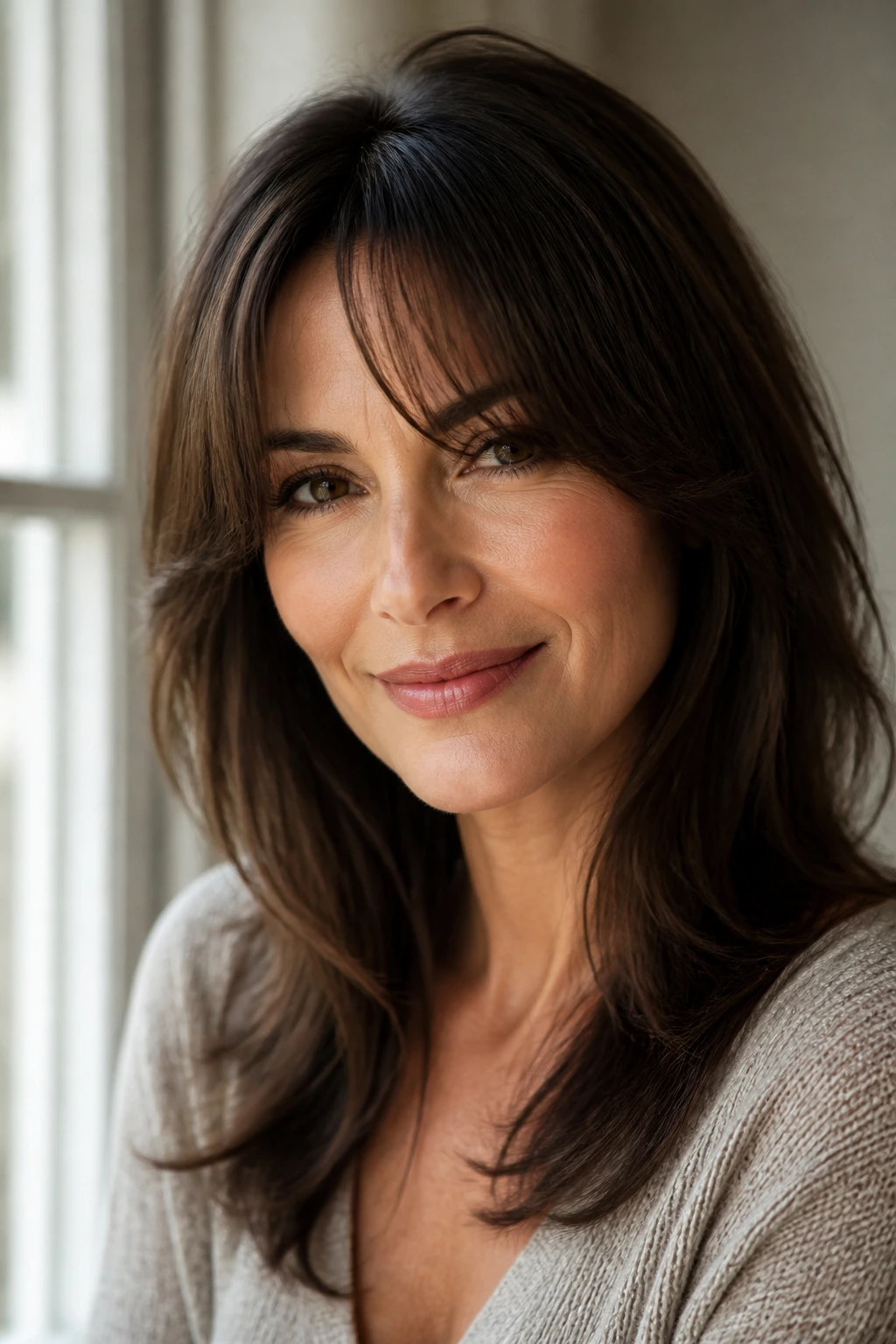
As we age, our features tend to soften, and our skin loses a bit of its elasticity. Harsh, straight-across bangs can look a bit severe. Soft, layered curtain bangs, however, are incredibly rejuvenating.
The Softening Effect
They add movement to the face and draw the eye away from fine lines around the eyes or forehead. The key is to keep them light and feathery—avoid heavy, blunt lines that will only highlight what you might want to soften.
29. Heavy, Blunt-Cut Curtain Bangs
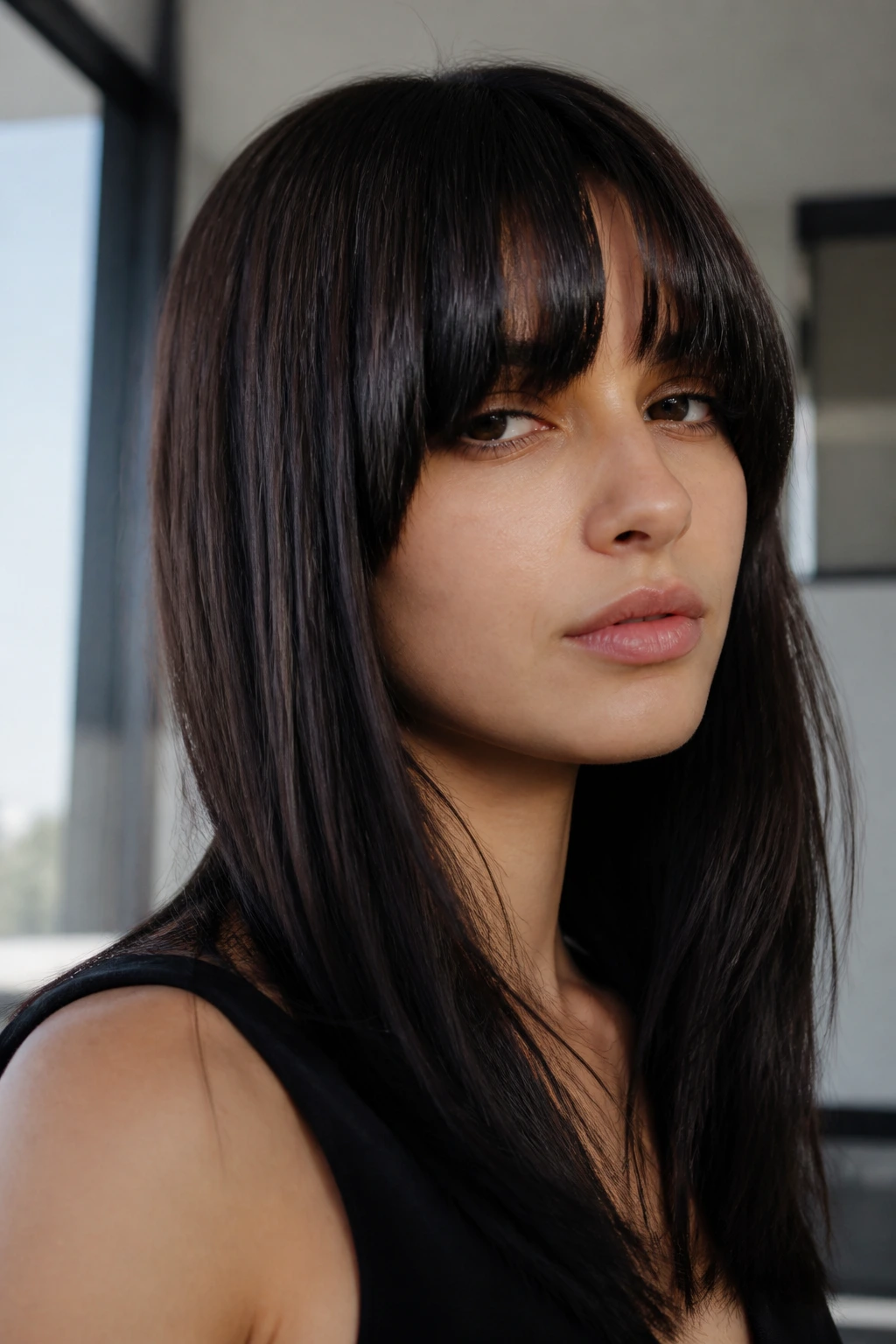
This is for the person who loves a dramatic, structural look. These bangs are cut with very little internal texture, creating a solid, bold line that frames the face.
The Impact
It is a very editorial style. It looks best on sleek, straight hair. If you have a lot of wave or texture, this style will require a flat iron every morning to maintain that crisp, blunt edge.
30. See-Through, Minimalist Fringe
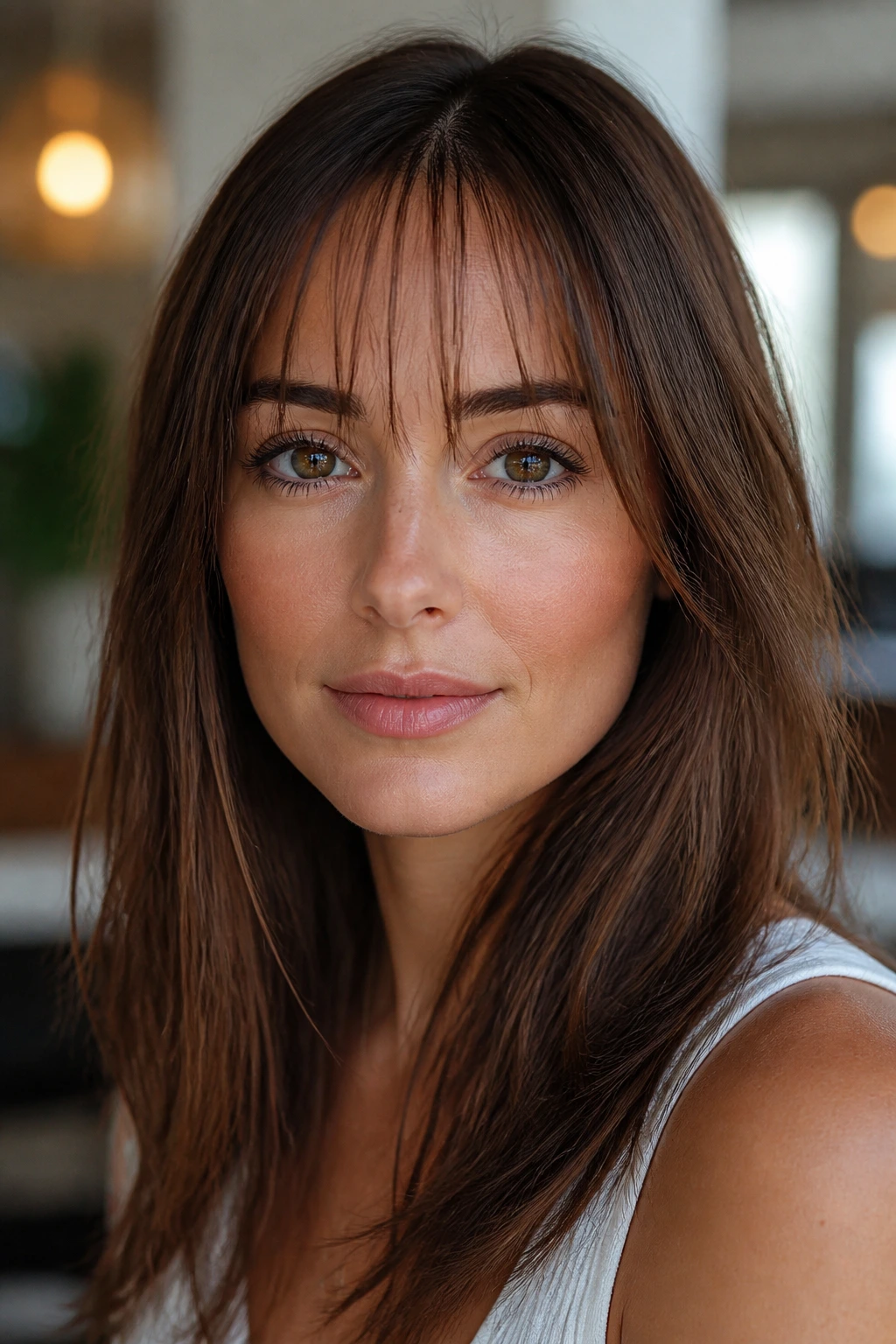
Also known as “peek-a-boo” bangs, these are exceptionally thin and subtle. They are barely there, providing just a whisper of framing without committing to a full fringe.
Who It’s For
Perfect for anyone who wants to test the waters of having bangs but is terrified of commitment. Because they are so thin, they blend back into your normal hair in a matter of weeks if you decide you don’t like them.
31. Curtain Bangs with Wolf Cut
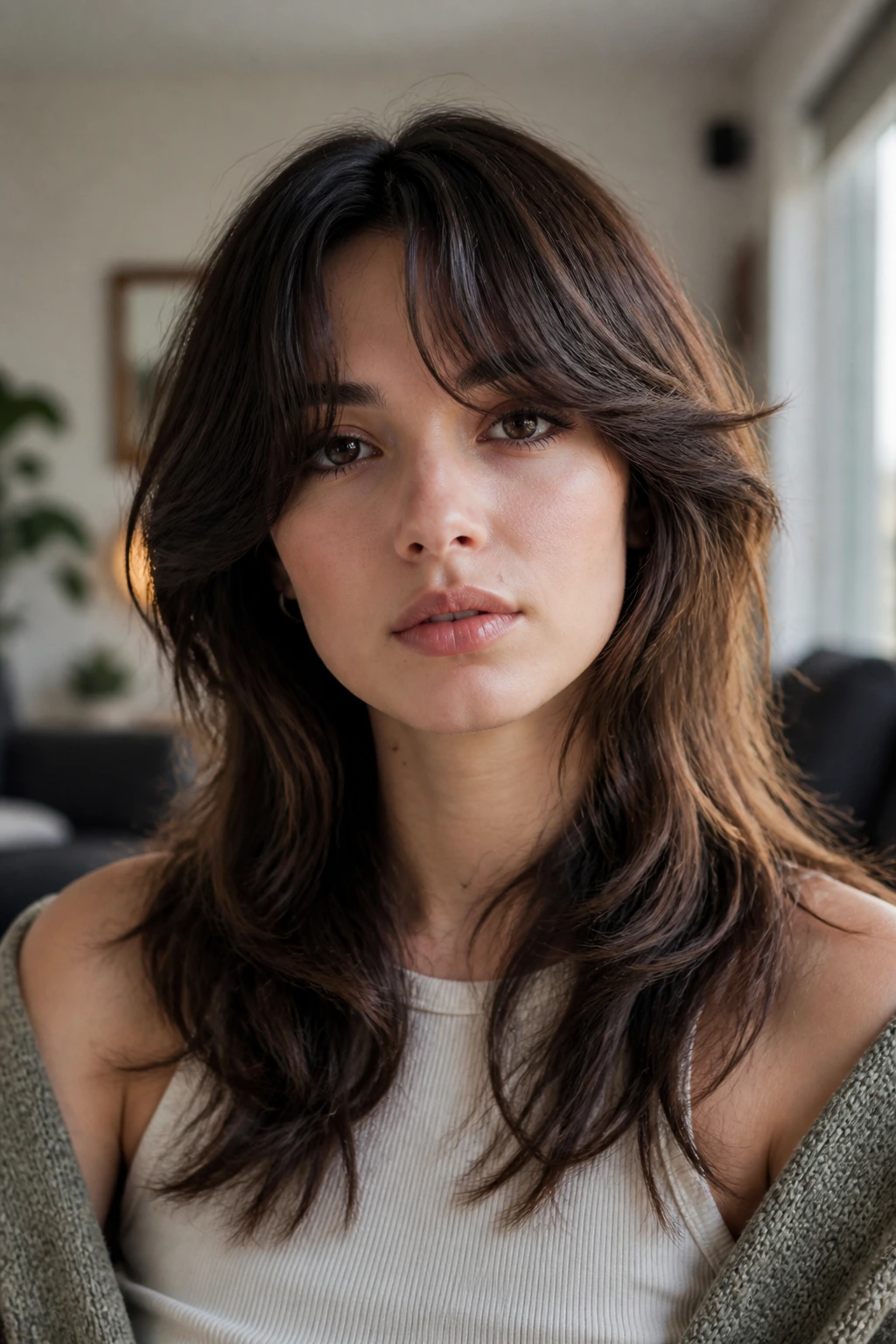
The wolf cut is a wild, shaggy, layered style that took the world by storm. Because it is so voluminous, the curtain bangs need to match that energy.
The Integration
The bangs should be part of the layers. They shouldn’t be separate. The transition from the short bang to the longer layers around the ears should be seamless and choppy. This is a high-energy style that demands volume.
32. Shoulder-Length Shag Bangs
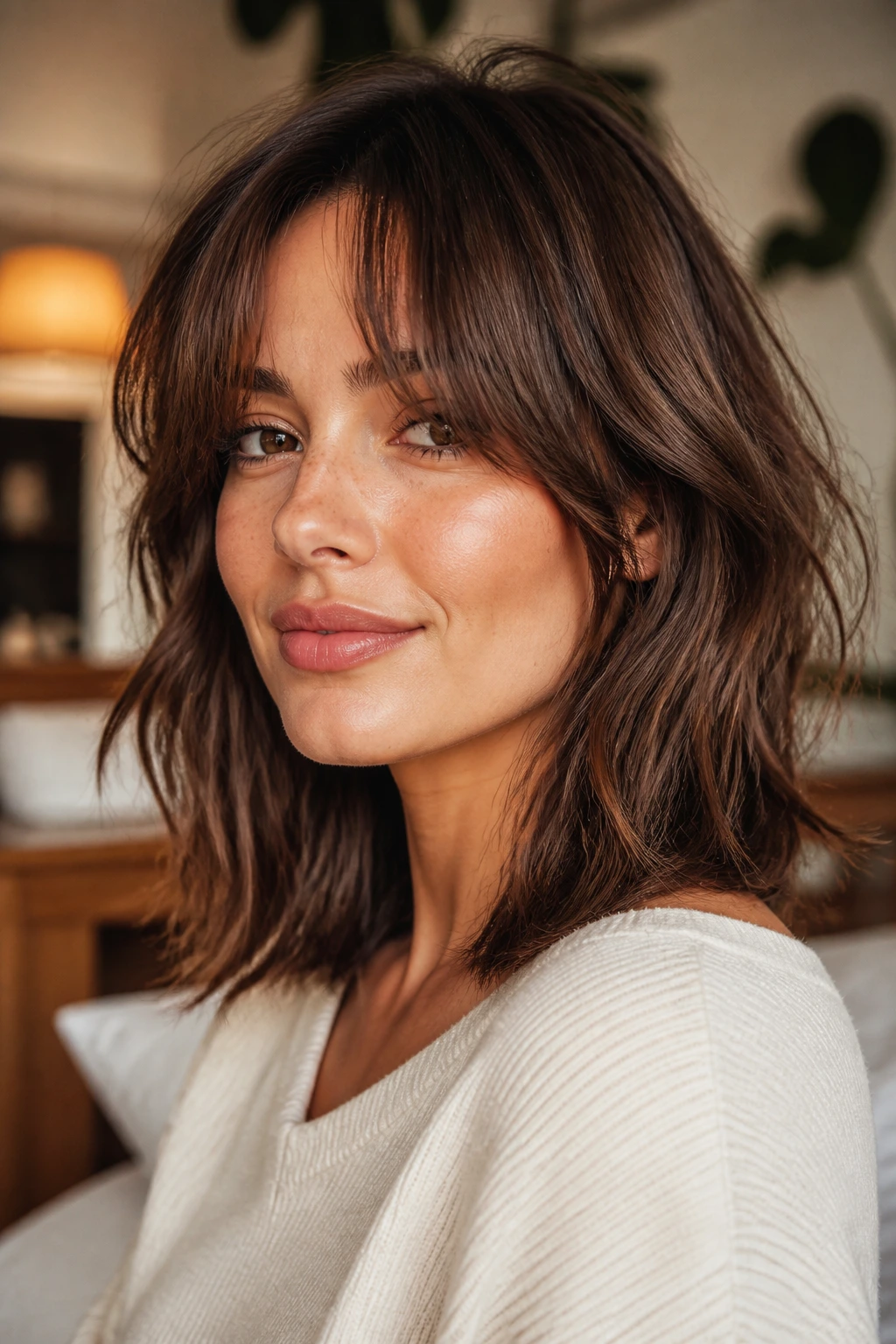
A shoulder-length cut can sometimes feel awkward. A curtain bang solves this by adding interest to the front of the face, preventing the hair from just hanging like a curtain.
The Balance
Keep the bangs slightly longer than usual. If they are too short, they will look disproportionate to the shoulder-length hair. You want them to feel like a natural extension of the cut.
33. Naturally Curly Texture Bangs
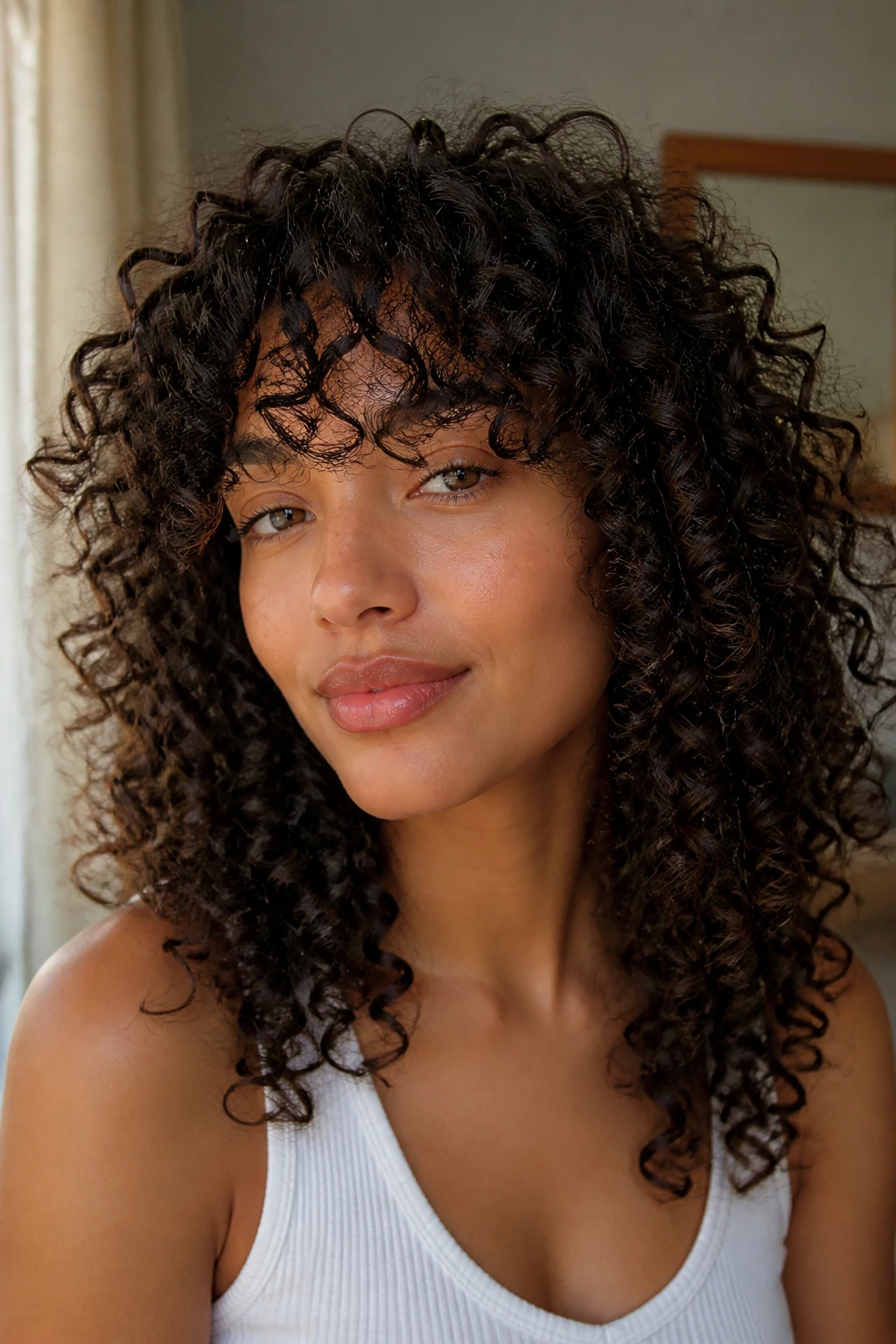
Let’s talk about the ringlet. If you have very tight, coily hair, your curtain bangs should be treated as individual ringlets.
The Strategy
Do not stretch them. Let them spring up. You want the curls to frame your face like a crown. Use a hydrating cream to define each coil. This creates a stunning, regal look that is impossible to replicate with straight hair.
34. The Curly Shag
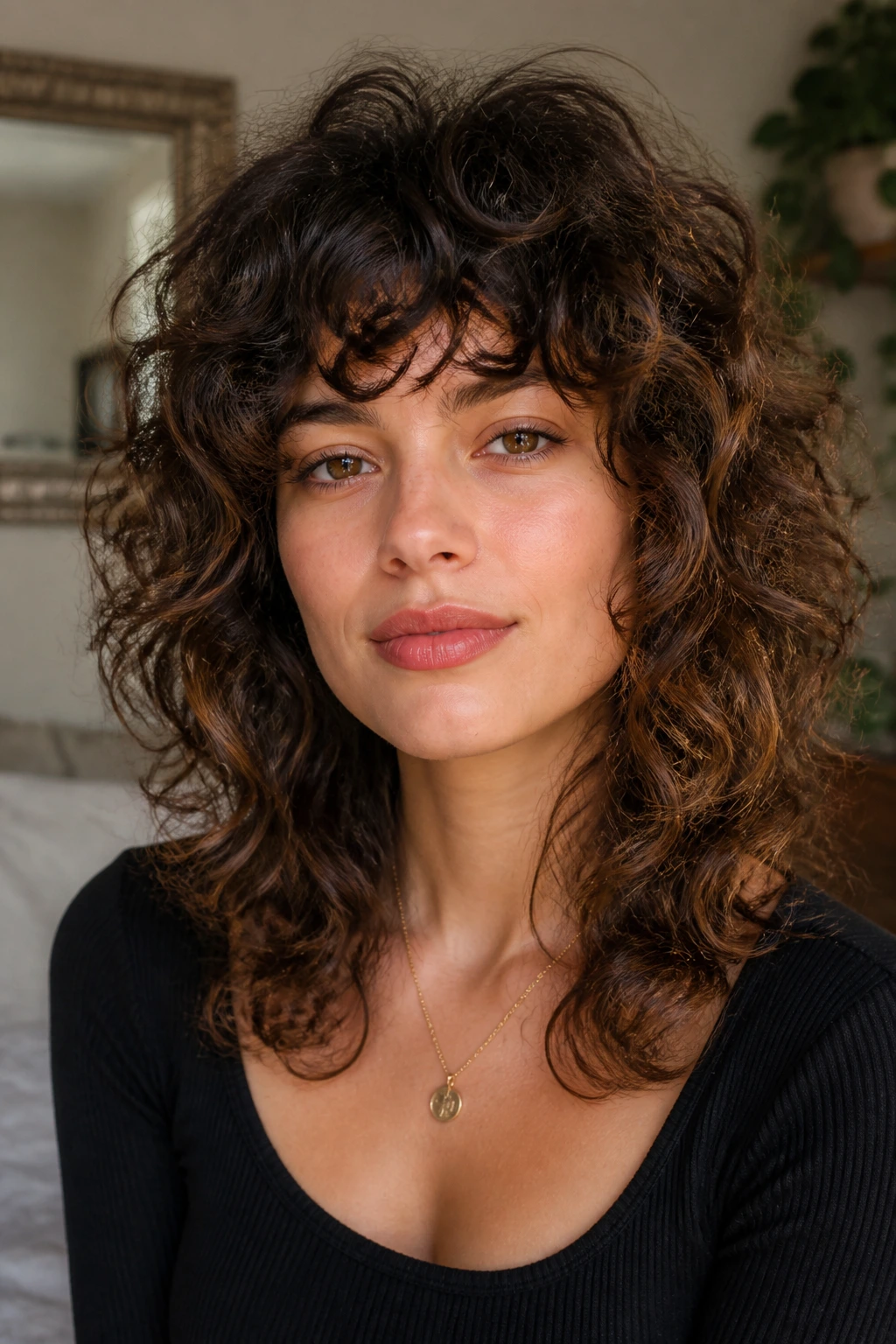
This combines the volume of a shag with the definition of curly hair. The bangs are a vital part of this look—they should be cut to be part of the overall chaotic, beautiful volume of the style.
Styling Tip
Use a diffuser. It is the only way to dry this style without creating frizz. Tip your head upside down and diffuse the roots first to get maximum volume, then let the bangs dry in their natural curl pattern.
35. Highlighted Curtain Bangs
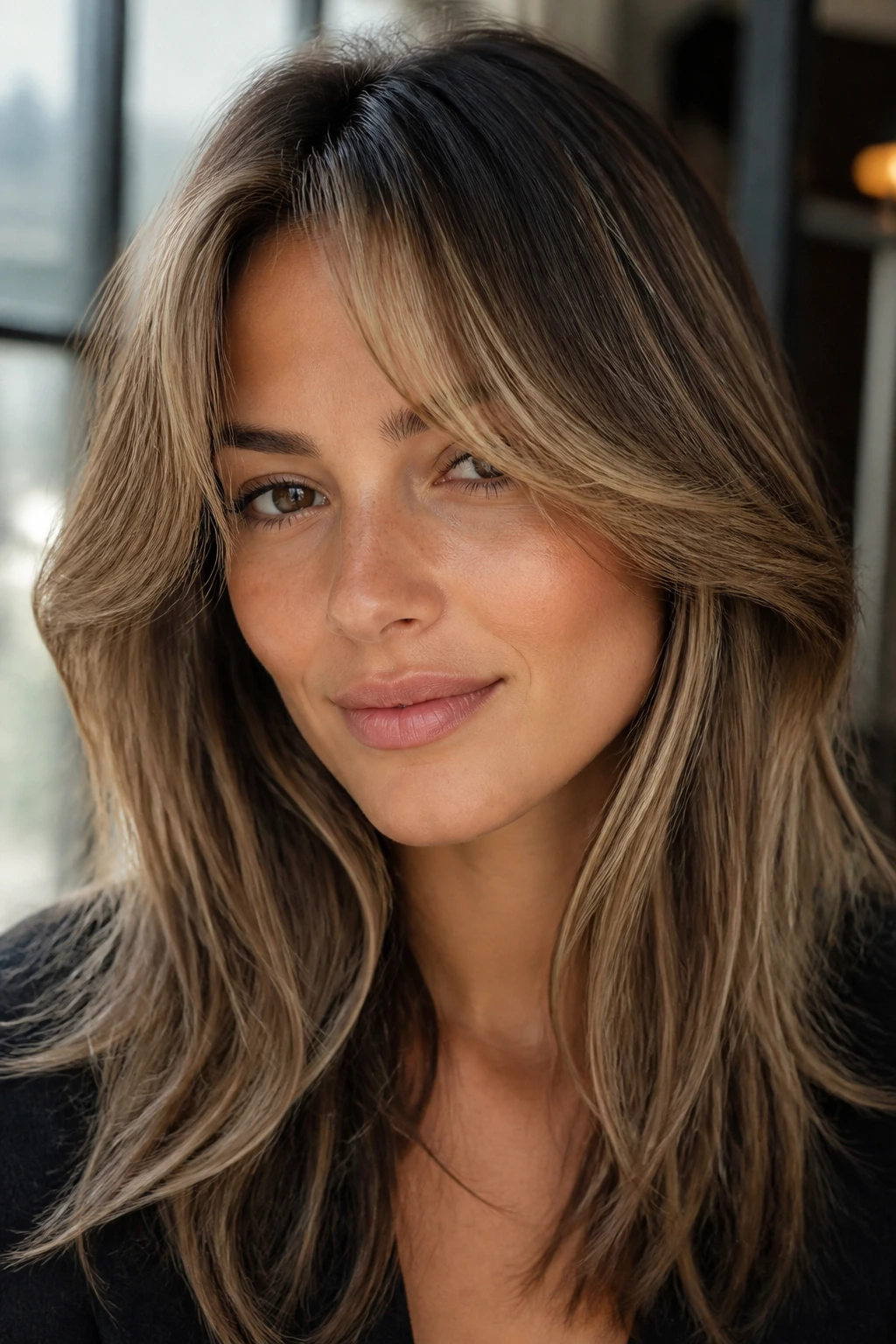
If you have highlights throughout your hair, ensure your stylist places some of that color in your bangs.
The Reason
If your bangs are a single solid color while the rest of your hair has dimension, the bangs will look like a solid block. Bringing those lighter tones into the fringe section adds depth and makes them look like they belong to the rest of the hair.
36. The Low-Maintenance Grow-Out
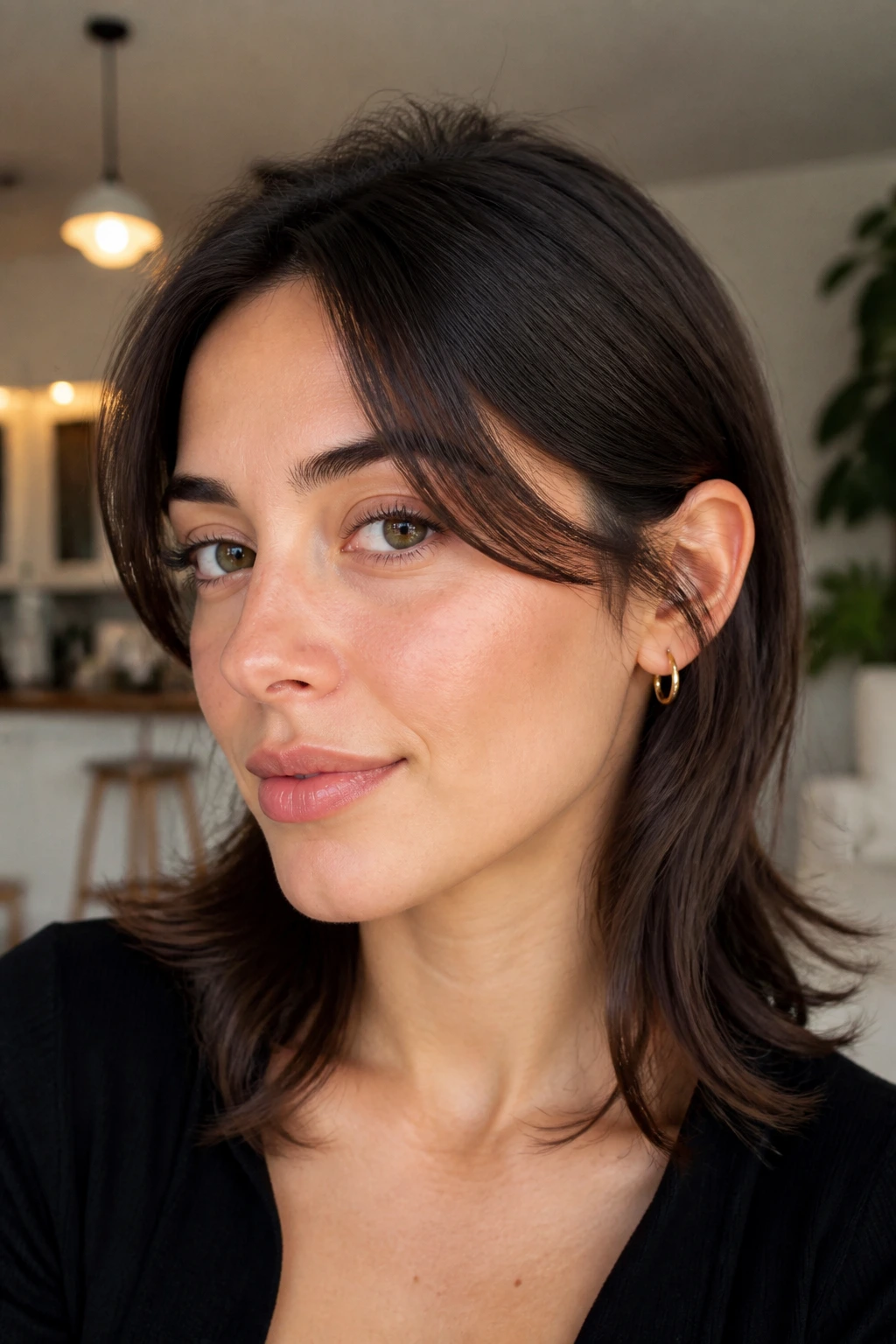
Eventually, you might want to grow your bangs out. The curtain bang is actually the easiest style to transition away from.
The Process
As they grow, simply start tucking them behind your ears. Because they are already layered and face-framing, they will seamlessly blend into the rest of your hair as they get longer. You won’t have that awkward phase where they are too short to tuck but too long to see through.
37. Curtain Bangs with Center-Part Layers
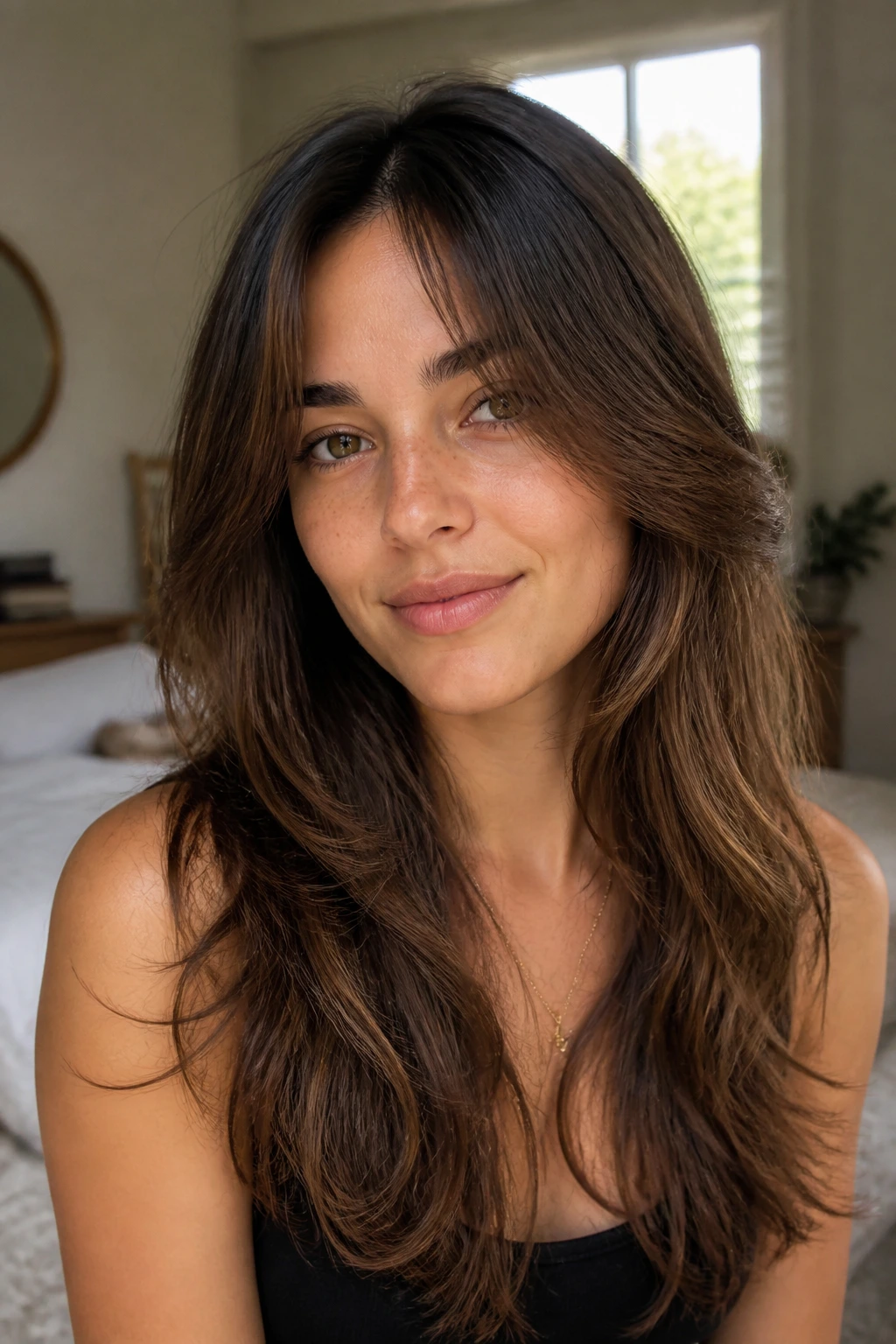
This is a sophisticated, everyday style. The bangs are part of a larger system of layers that start at the bangs and continue down to the ends of the hair.
The Cohesion
This creates a consistent shape from top to bottom. It is a very flattering, slimming cut that works for almost any hair texture. It is the definition of a “low maintenance” haircut that still looks styled.
38. Vintage Soft Wave Fringe
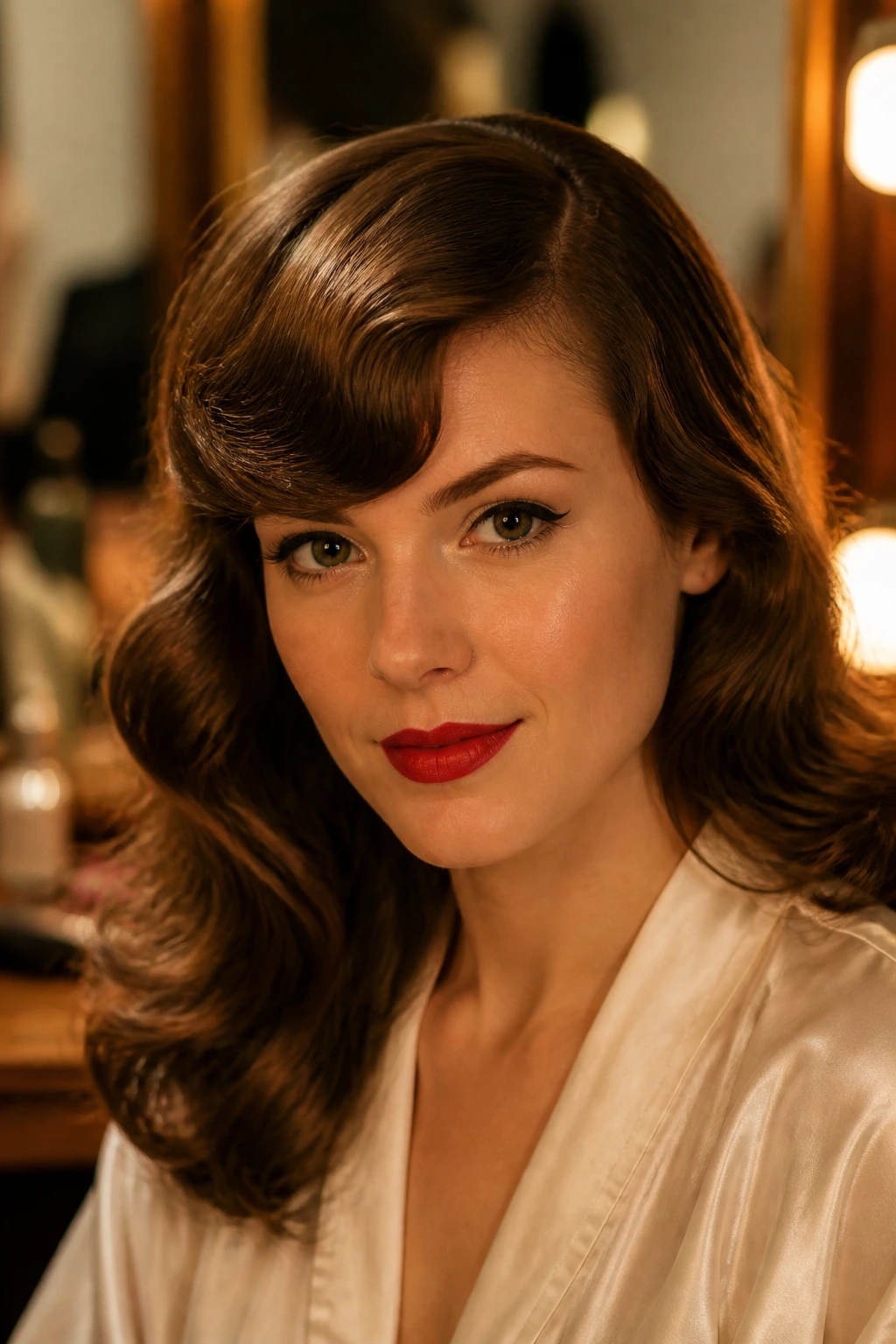
Inspired by the 1940s and 50s, this style features a soft, deep wave that curves across the forehead.
How to Achieve It
This requires a bit of setting. Use a large hot roller or a curling iron to create a deep C-shape. Let the hair cool while pinned in that shape, then brush it out gently. It is a glamorous, red-carpet-worthy look.
39. Frizzy-Hair Friendly Curtain Bangs
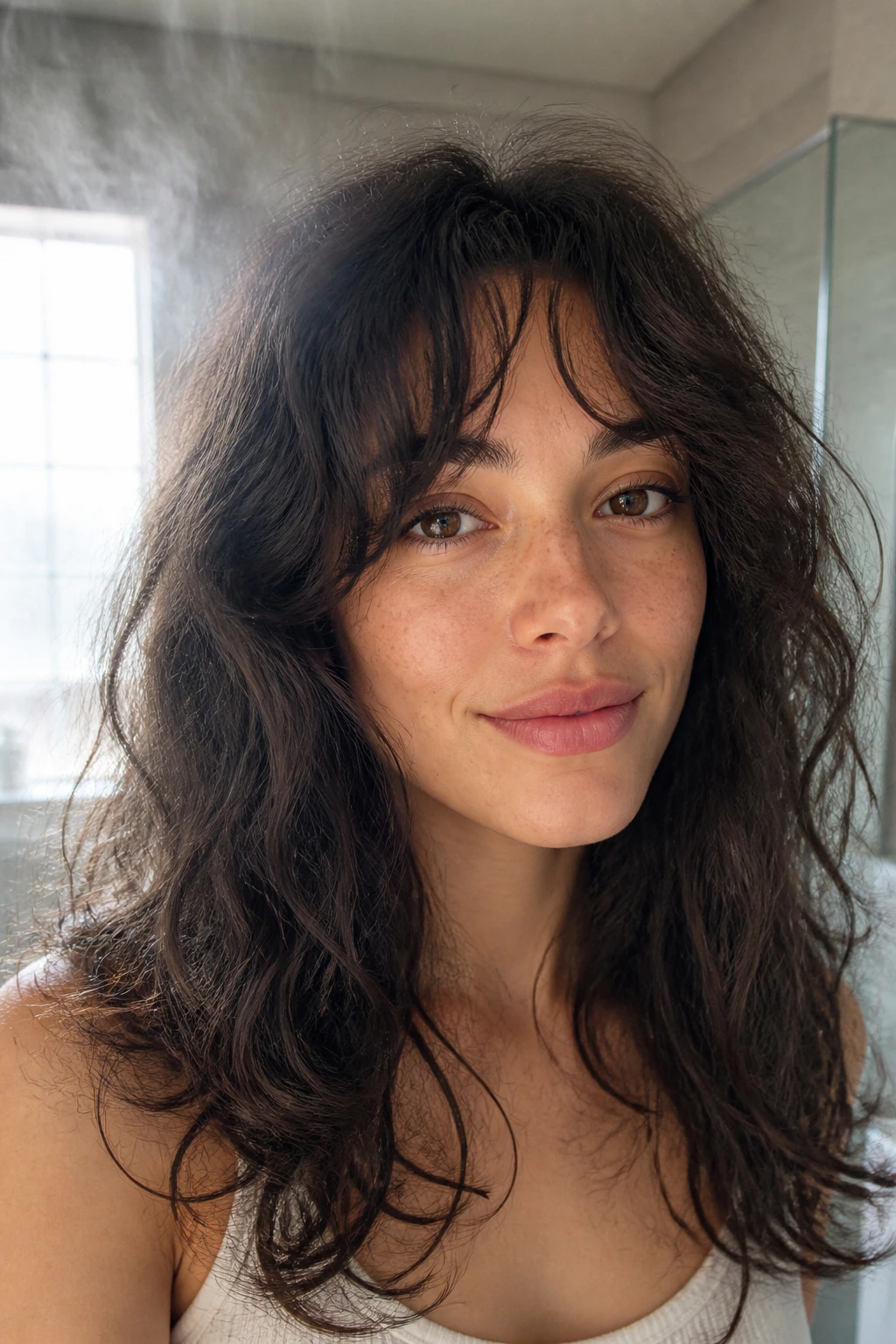
If your hair is prone to frizz, you can still have bangs. You just need to lean into the texture.
The Reality
Smooth, sleek bangs will never work for you if your hair is naturally frizzy. Stop fighting it. Get a cut that works with the texture—layering the bangs so they have a soft, lived-in feel. Use a humidity-blocking serum, but accept that your bangs will have some movement and fluff. That is part of the charm.
40. Braided Curtain Bangs
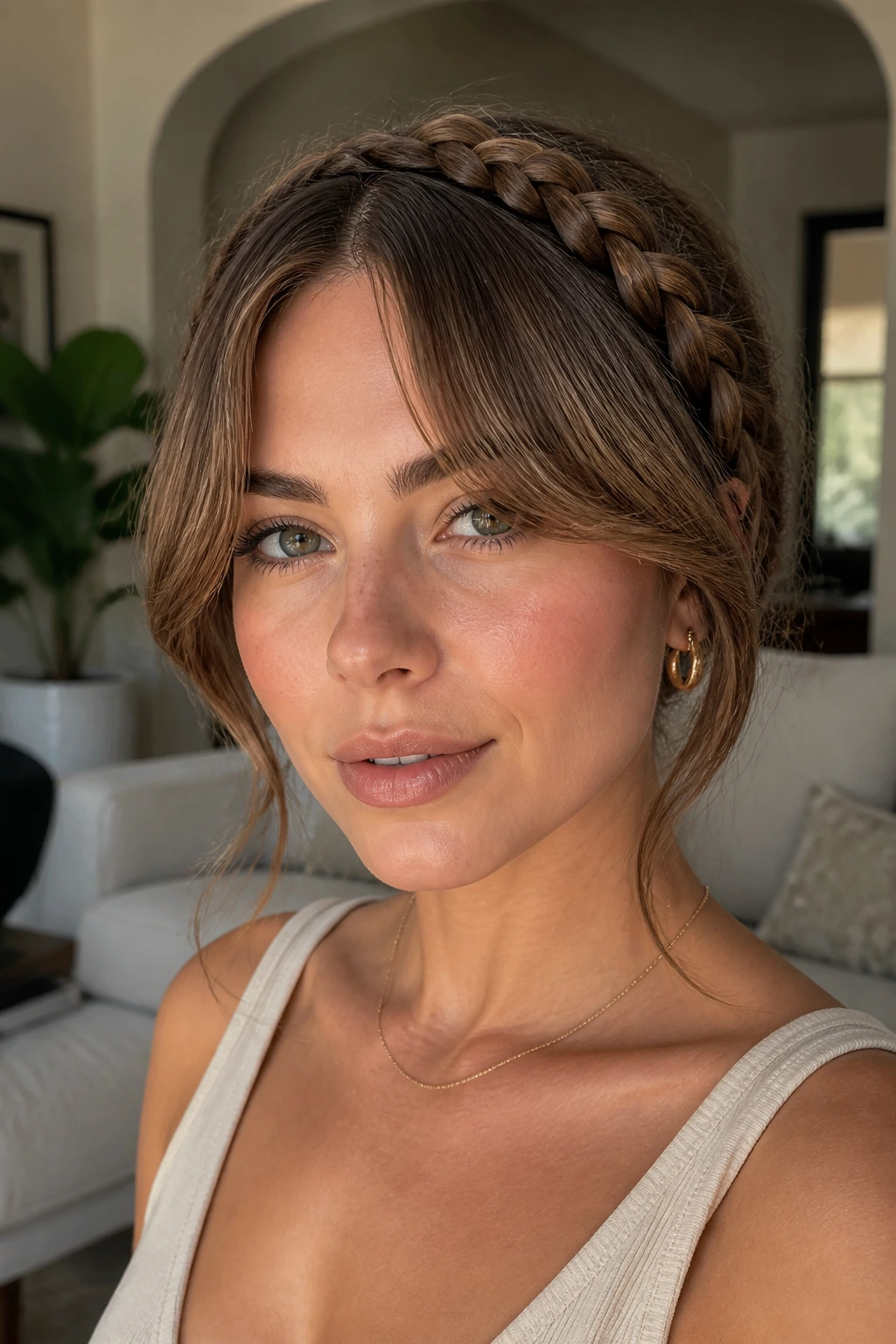
When you have a formal event or just want to get your hair out of your face, you can braid your curtain bangs.
The Technique
Take a small section of your bangs and a section of your long hair and do a simple Dutch braid along the hairline. It incorporates the bangs into an updo or a half-up style, keeping them secure while adding a decorative element to your hairline.
Final Thoughts
The most successful haircuts are the ones that fit your lifestyle, not just your aesthetic. If you are someone who hates styling, a high-maintenance, voluminous 70s feathered bang is going to frustrate you within a week. Be honest about your morning routine. If you are a “wash and go” person, opt for a longer, wispier cut that can handle some natural wave.
The beauty of the curtain bang is that it is fundamentally a frame. It is designed to work with your face, not cover it up. Whether you choose a dramatic, thick fringe or a barely-there, wispy layer, the goal remains the same: to highlight your eyes and create a soft, balanced silhouette. Don’t be afraid to take the length shorter over time, but start long. It is the safest way to ensure you actually enjoy the transition.
