



The decision to cut bangs is never just about hair. It’s an act of punctuation for your face. It changes how you see yourself in the mirror every morning and, frankly, how the rest of the world interacts with your features. When your hair is already short—whether you are rocking a pixie, a bob, or a lob—adding a fringe isn’t just a minor modification. It is a fundamental shift in your geometry.
People often fear the “bangs regret.” They imagine a high-maintenance disaster that requires hourly styling and constant trims. But short hair offers a unique advantage here: the balance is already built in. You aren’t fighting a long, heavy weight that pulls your face down. You are working with a canvas that is already light, airy, and primed for a little bit of drama. The secret, as any seasoned stylist will tell you, is matching the fringe to your natural texture and your daily patience level.
If you are standing in your bathroom with a pair of scissors and a very dangerous amount of confidence, stop. Put the scissors down. Take a breath. Look through these options instead. There is a version of bangs for every short hairstyle, and finding the right one is about understanding how your hair behaves when it’s trimmed to that length.
1. Blunt Micro Bangs
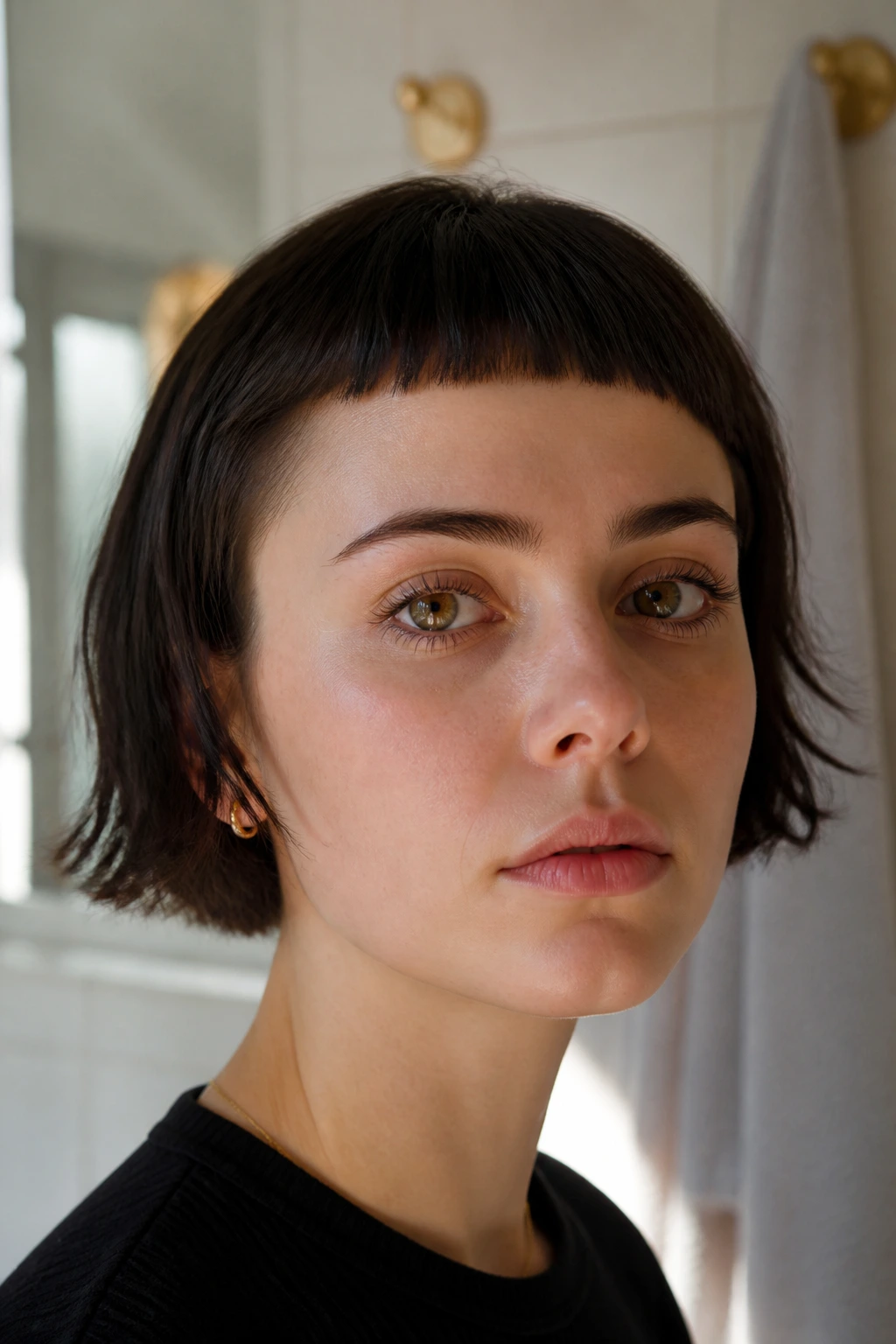
These are the bangs that make a statement the second you walk into a room. They hit significantly above the eyebrows, usually landing somewhere in the mid-forehead. When you pair this sharp, straight-across line with a short bob or a pixie cut, the effect is undeniably architectural. You are highlighting your eyes and your cheekbones, not hiding them.
Why This Style Works
It is a look that screams confidence. You cannot hide behind micro bangs; they force your face into the spotlight. If your hair is poker-straight, these will sit perfectly with minimal fuss. However, if your hair has a wave or a curl, be prepared to reach for the flat iron or a round brush. The maintenance here is the trade-off. They grow out fast, so you will need to get comfortable with trim appointments every three weeks.
Pro tip: Use a lightweight texturizing spray, not a heavy pomade. You want the bangs to look crisp, not greasy or piecey.
2. Wispy Curtain Bangs
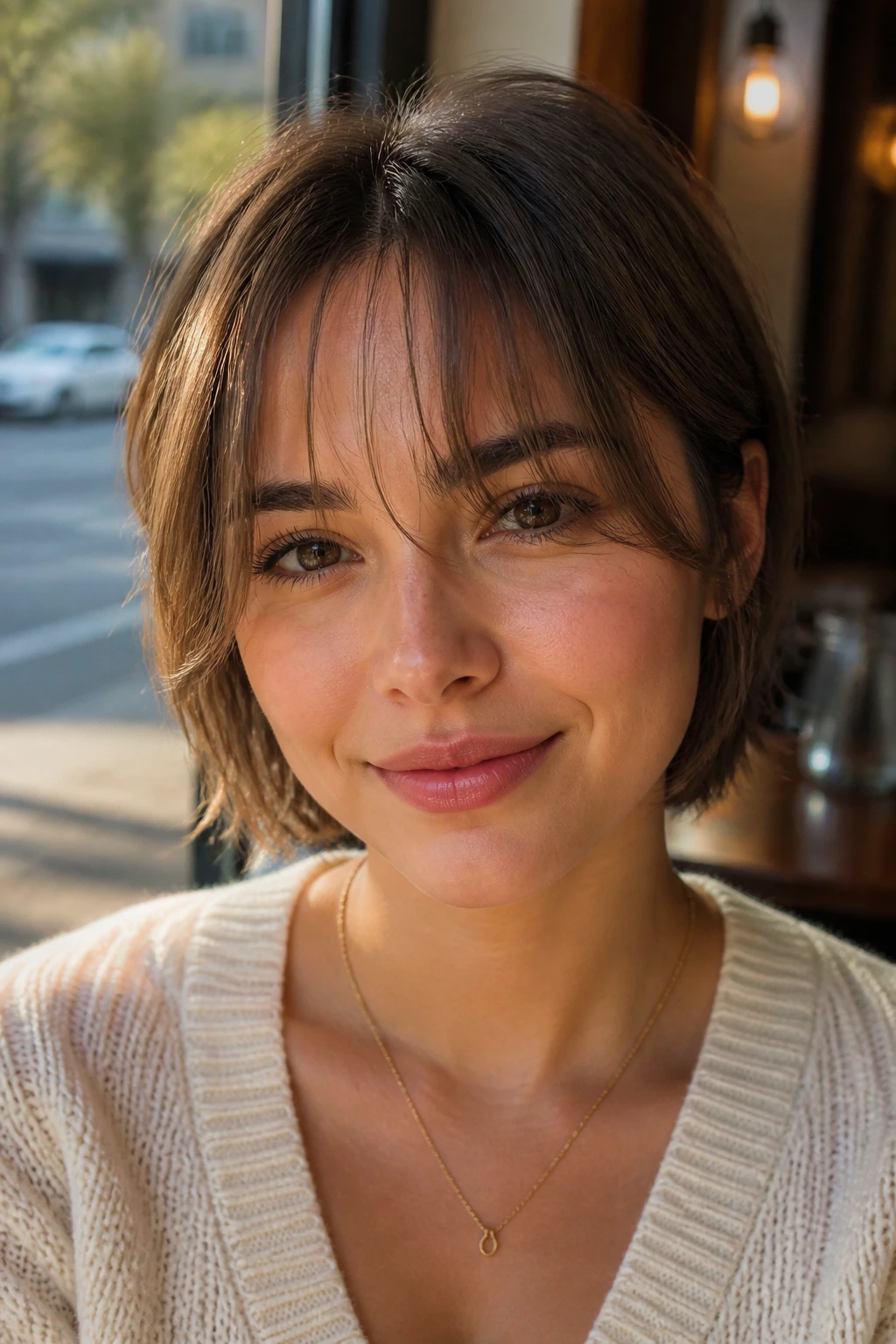
Think of these as the “gateway” bangs. If you are terrified of commitment, start here. Curtain bangs part in the middle and frame the face, tapering off into longer lengths that blend into your existing short haircut. They are incredibly soft and forgiving, which makes them perfect for someone who isn’t ready for a harsh, blunt line.
How to Style Them
You don’t need perfection with curtain bangs. In fact, they look better when they are a little bit messy. Use a large round brush when blow-drying to create that gentle “C” shape that flicks away from your face. If you have a bob, this softens the angle of your jaw. If you have a pixie, it adds a layer of femininity and movement that breaks up the short, blunt ends of the rest of the cut.
3. Choppy Shag Fringe
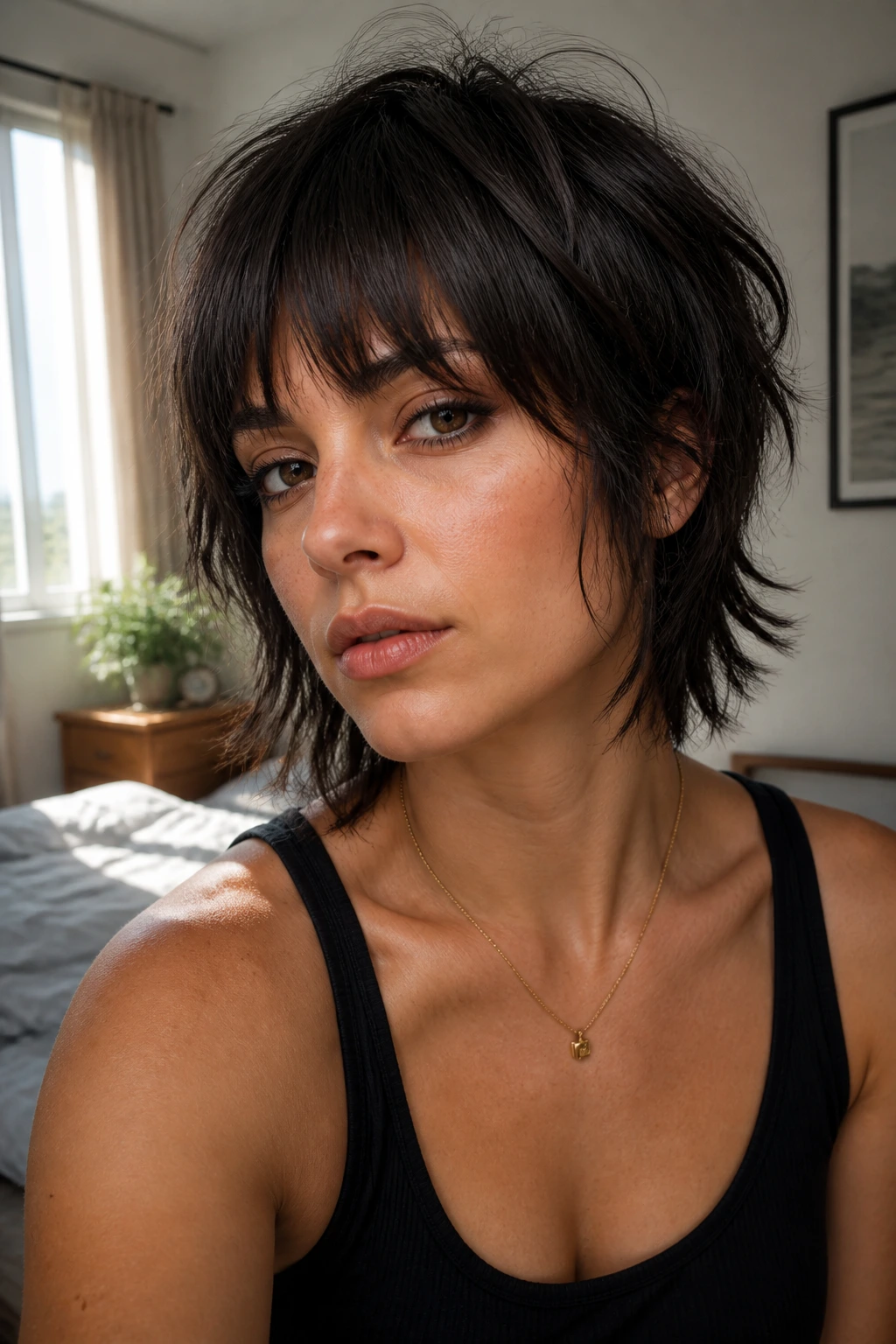
This is the ultimate “I woke up like this” look. It’s all about texture and deliberate imperfection. Instead of cutting a straight line, your stylist will use point-cutting techniques to create uneven, jagged edges. It feels gritty, it feels cool, and it works exceptionally well with messy, bedhead-style short hair.
The beauty of the choppy shag is that it’s low-maintenance by design. Because the ends are meant to be uneven, you don’t have to worry about them growing out unevenly. It looks just as good three weeks later as it did on day one. If your hair has a natural bend or a messy wave, lean into it. Let the bangs dry naturally, run a little sea salt spray through them, and you are done.
4. Curly Fringe
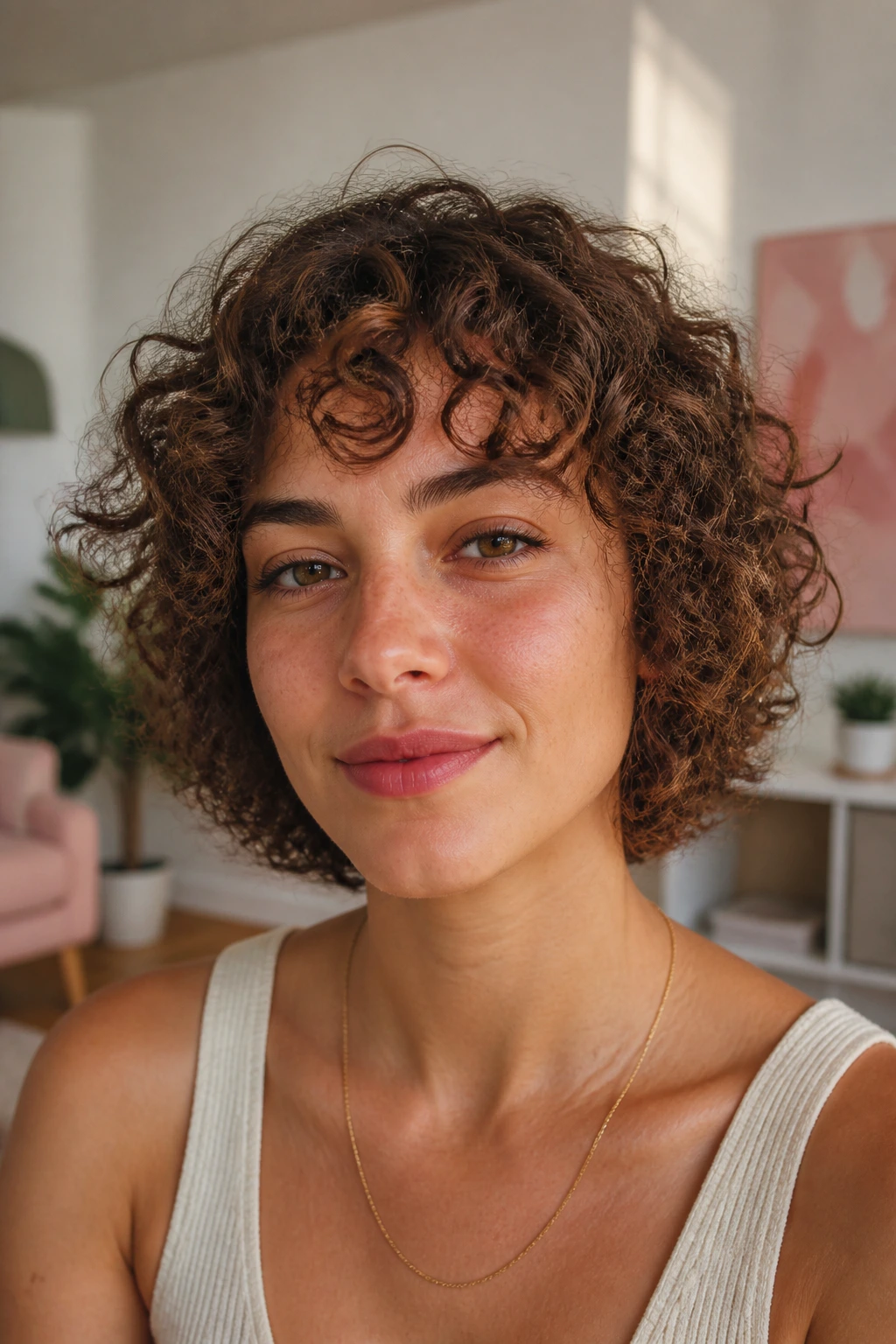
For a long time, the beauty industry told people with curly hair to stay away from bangs. They were wrong. A curly fringe, especially on a short cut like a shaggy bob or a curly pixie, is one of the most vibrant, expressive looks you can have. The bounce and volume of curls look fantastic when they frame your forehead.
The Golden Rule for Curls
Never cut curly hair wet. If your stylist pulls your curls straight to cut them, they will bounce up way higher than you expect. Always cut curly hair dry, in its natural state, so you can see exactly where the curl pattern lands on your forehead. You want a fringe that feels airy and light, not a heavy helmet of curls.
5. Side-Swept Long Bangs
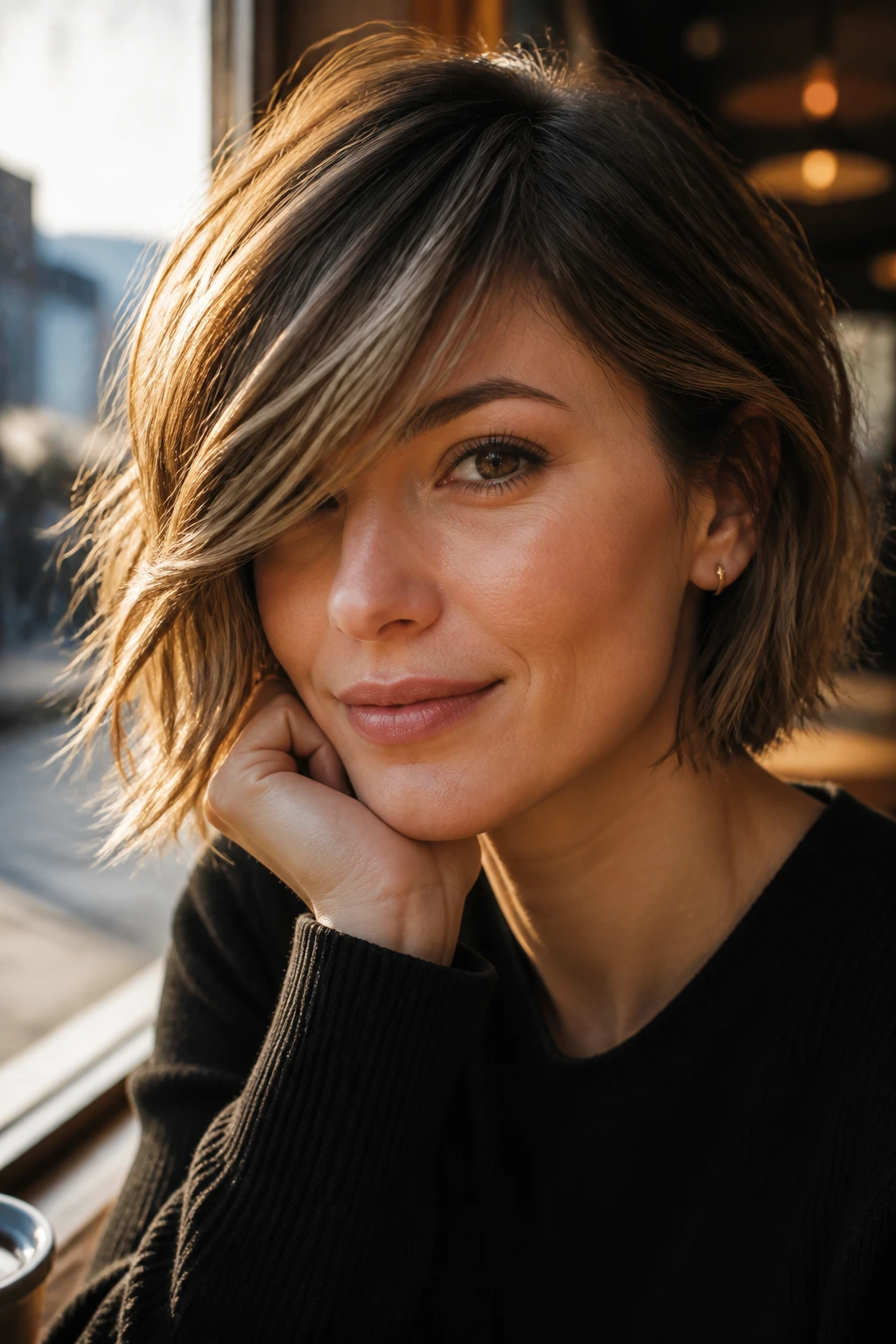
If you are worried that bangs will make your face look round or short, this is your solution. Side-swept bangs act as a diagonal line across your forehead, which visually elongates the face and creates a soft, approachable vibe. On short hair, like a textured lob, this creates a seamless flow from the crown of your head down to your cheekbones.
They are the most versatile option on this list. You can tuck them behind your ears when you need them out of your face, or you can use a bit of wax to piece them out for a more defined, stylized look. They are the perfect “everyday” bang.
6. Heavy Full Fringe
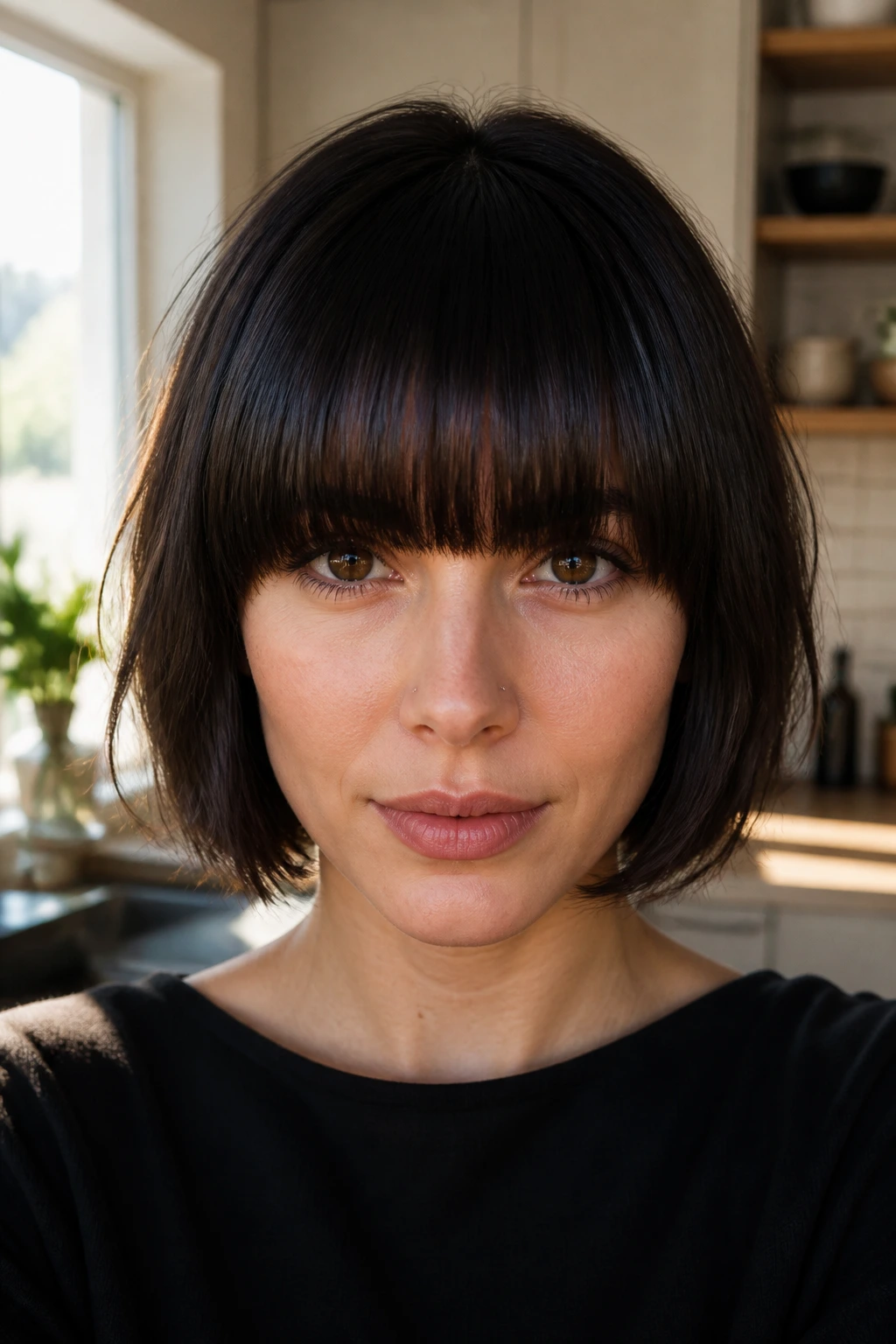
This is a bold, uncompromising look. These bangs are thick, dense, and cut straight across, usually hitting right at the eyebrow line. This style requires a significant amount of hair density to pull off. If you have thin or fine hair, this might overwhelm your face and make it look like you have no hair left on the rest of your head.
The Maintenance Factor
This is not a wash-and-go style. Because it is heavy, it attracts oil from your forehead much faster than wispy bangs. Expect to wash just your bangs on the days you don’t wash your whole head. A little bit of dry shampoo is your best friend here. Keep a mini bottle in your bag at all times to combat that midday flatness.
7. The Birkin Fringe
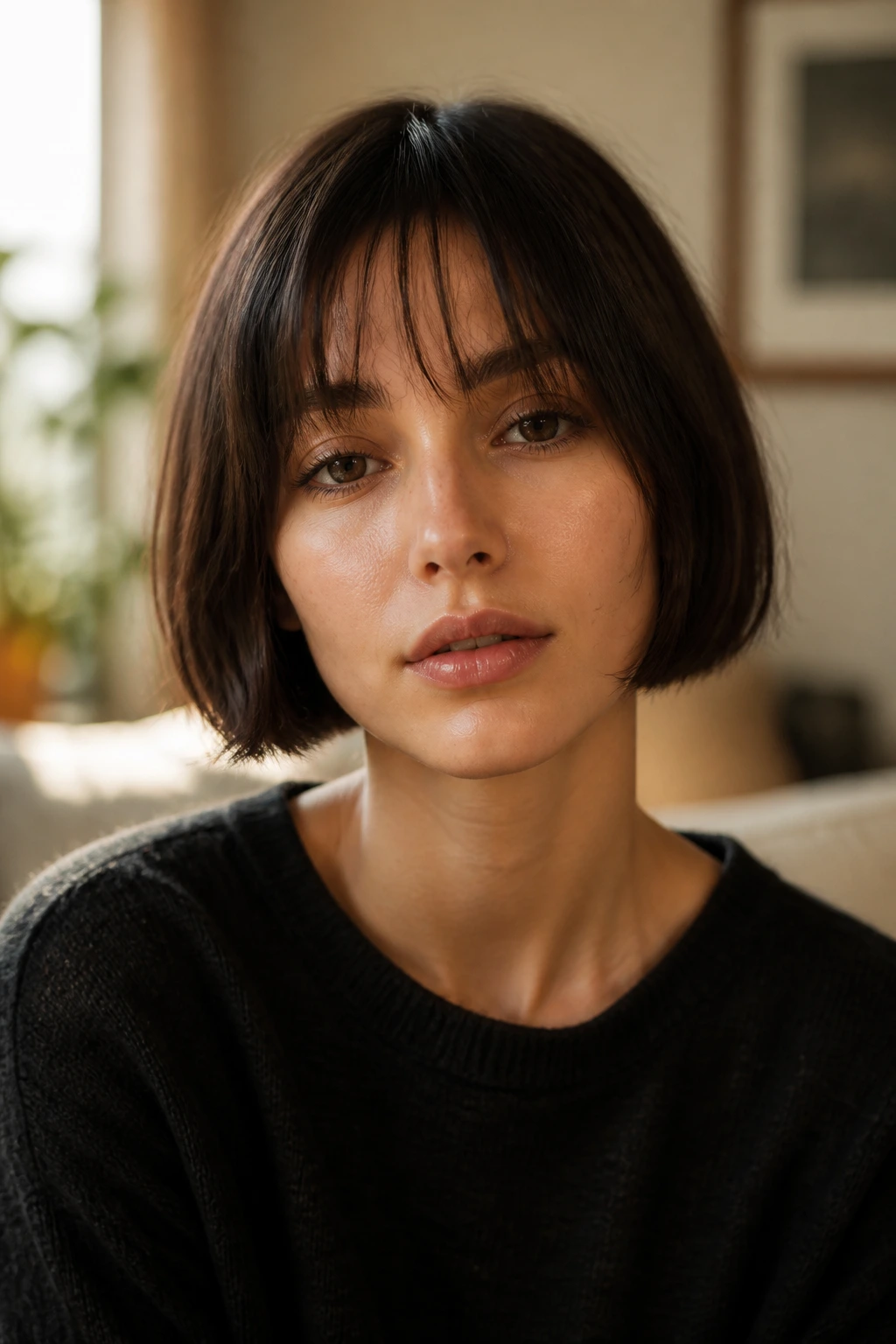
Named after Jane Birkin, this style is the epitome of effortless French-girl chic. They are thin, slightly uneven, and hit just below the eyebrows. They aren’t thick enough to be a “full” fringe, but they are substantial enough to be noticed. They look like you just pushed them aside with your fingers.
They are inherently romantic and soft. On a short, blunt bob, this fringe adds a touch of mystery. It isn’t trying too hard, and that is exactly why it looks so good. Don’t style these with a brush. Use your fingers. Let them fall where they want. If they separate a bit to show a sliver of forehead, that’s not a mistake—it’s part of the charm.
8. Asymmetrical Side Bangs
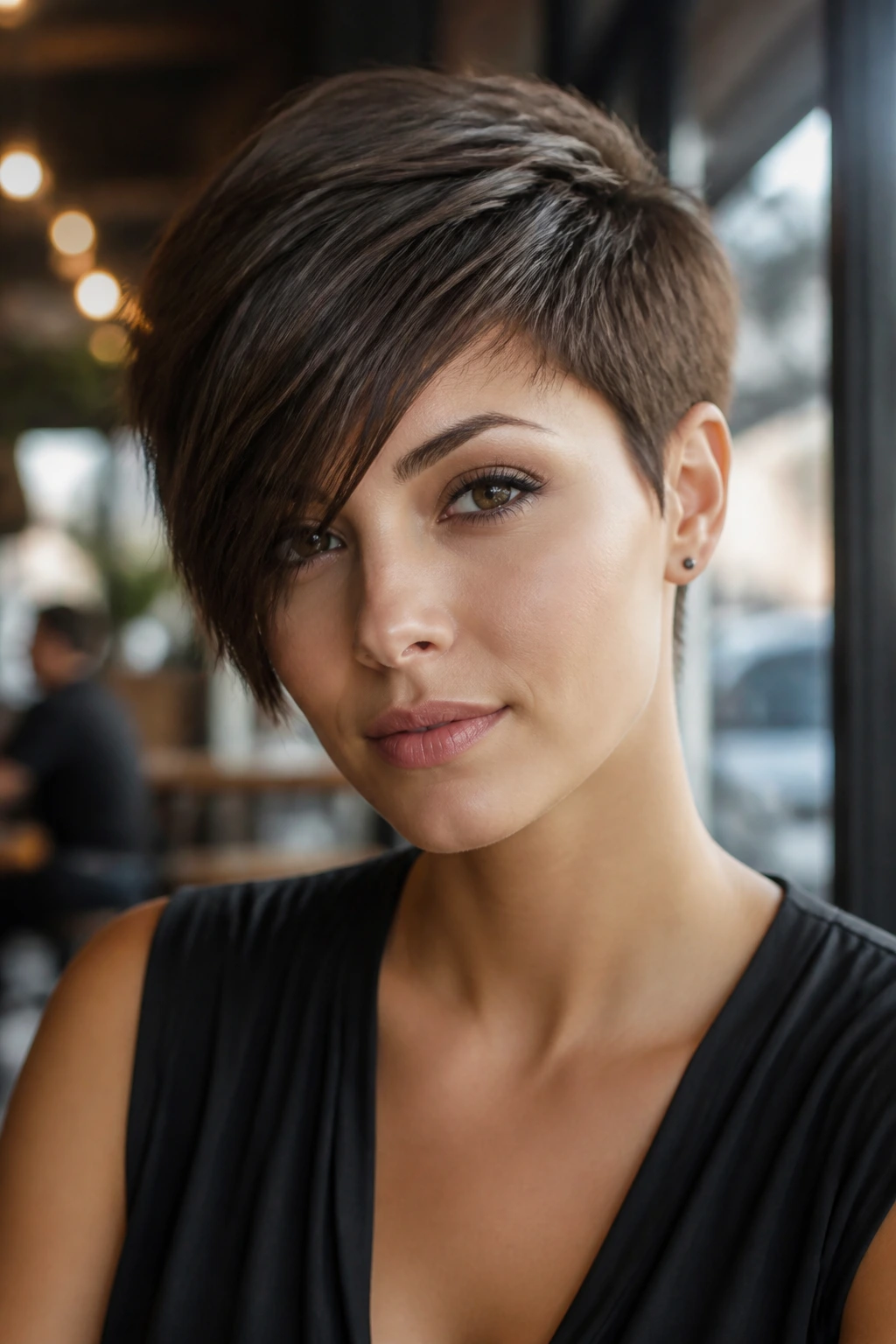
If you like an edgy, punk-inspired look, this is it. These bangs are cut at a steep angle, short on one side and getting longer as they sweep across the forehead. They are perfect for a short pixie cut where you want to add some interest and directional movement.
They draw attention to the eyes and cheekbones, acting like a built-in highlighter. You will need a bit of product—a pomade or a light-hold cream—to keep them laying flat and looking intentional. Avoid using heavy gels, as they will make the bangs clump together and look stringy.
9. See-Through “Air” Bangs
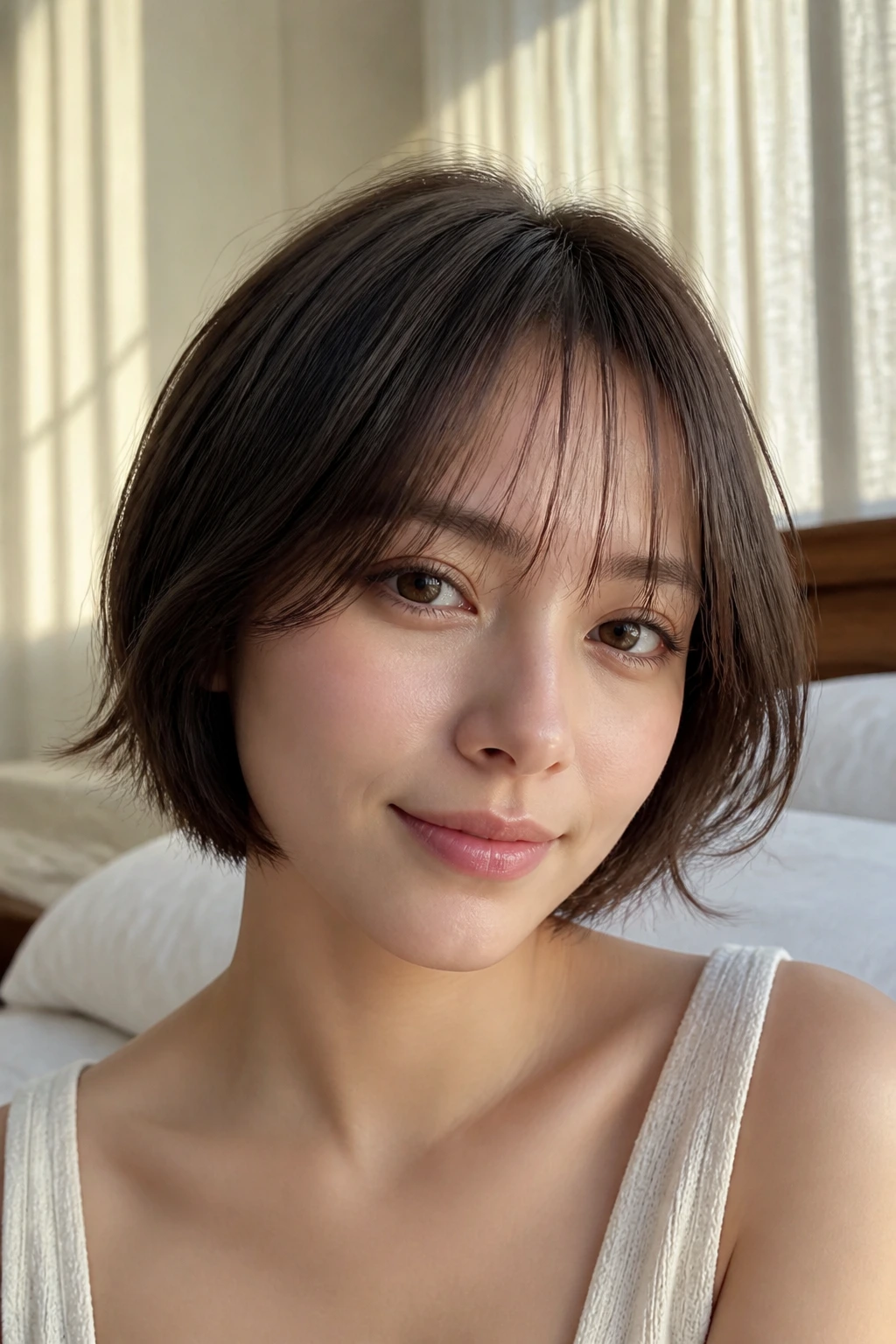
Popularized by trends from East Asia, these are extremely fine, wispy bangs. You can see your forehead through them. They are designed to soften the features without the heaviness of a traditional fringe. They are light as air, easy to grow out, and require very little styling effort.
Styling Tip
The secret to this look is the “curtain” effect. They should still be slightly longer at the edges to blend into your hair. Even if you have very thick hair, your stylist can cut these by isolating only a small section of hair at the front and thinning out the rest. It is a subtle change that makes a big impact on your overall aesthetic.
10. The Bottleneck Fringe
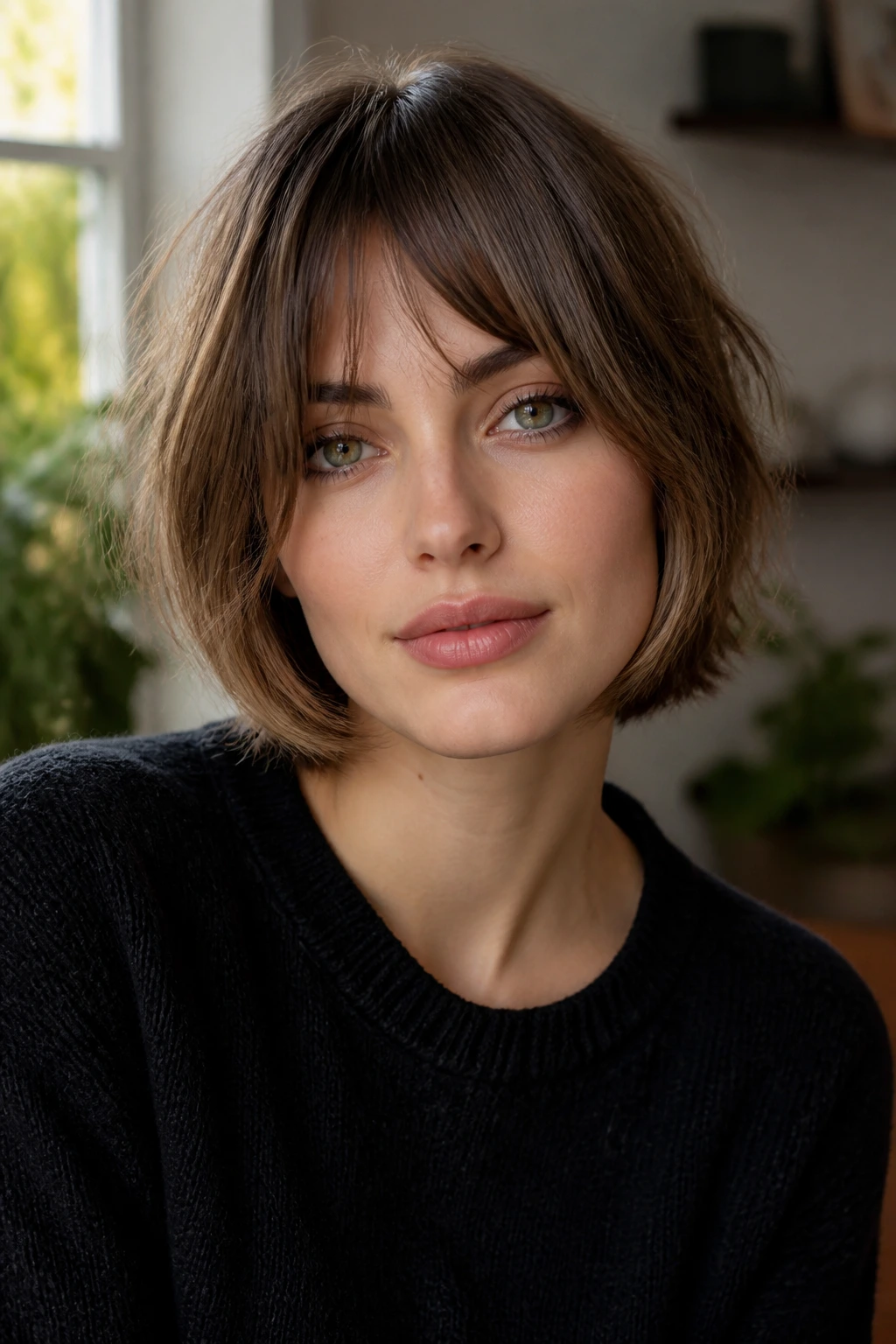
This is the “It” girl bang of the moment, though it is essentially a very strategic grow-out phase. They are shorter in the middle, longer around the eyes, and longest at the cheekbones. They mimic the shape of a bottle neck—hence the name. They are incredibly flattering because they highlight the eyes while framing the face.
They work beautifully on short hair because they bridge the gap between your bangs and your layers. There is no awkward “line” where the bangs stop and the rest of your hair begins. Everything just flows together in a soft, natural curve.
11. Feathered Fringe
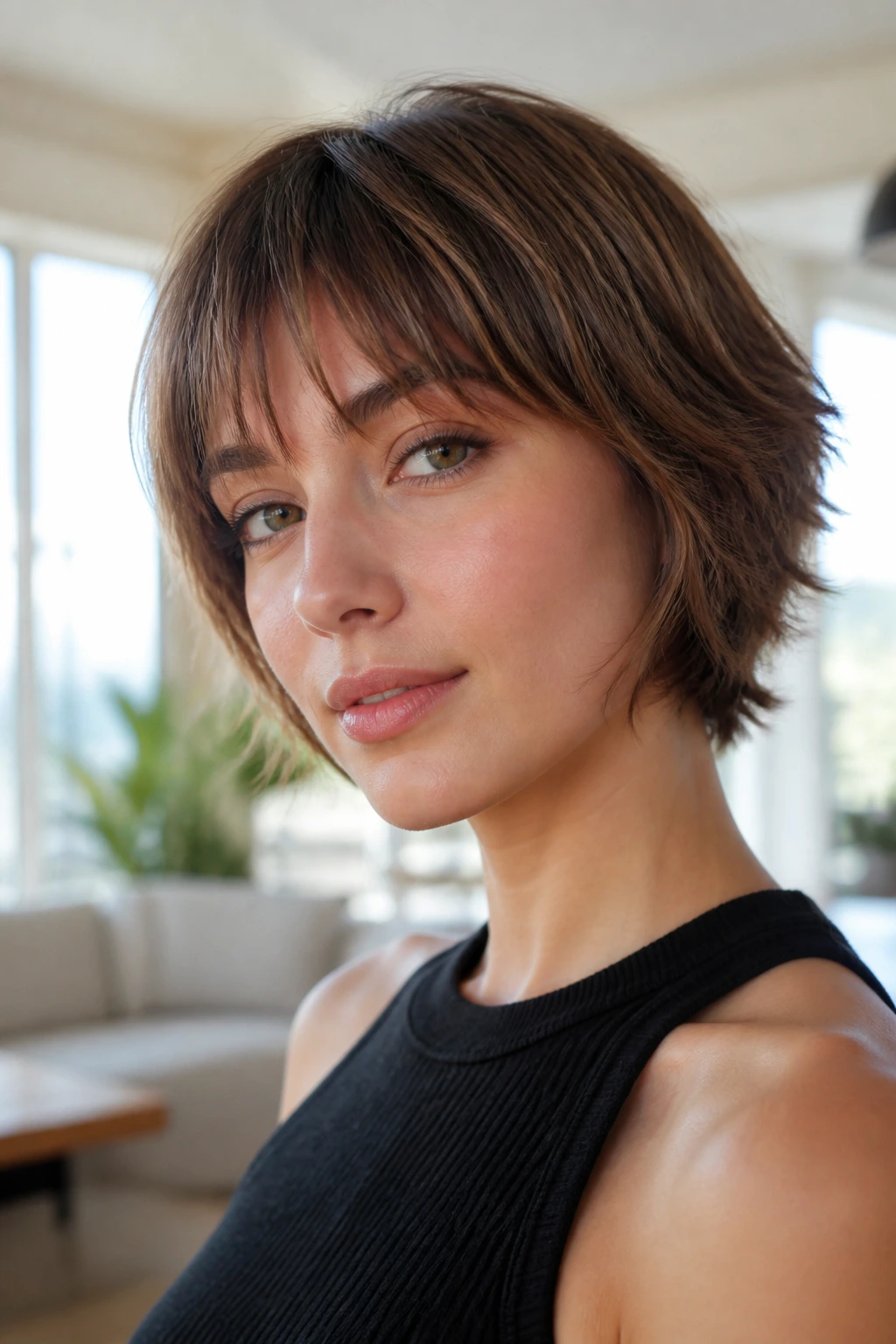
Feathering is a technique where the stylist cuts into the ends of the hair, removing weight and creating a soft, frayed effect. A feathered fringe is delicate and ethereal. It feels light on the face and doesn’t sit heavily on the forehead.
If you have a short, textured crop, a feathered fringe is the perfect partner. It keeps the cut from looking too severe or masculine. It adds a bit of whimsy to the look. Because the ends are feathered, they don’t grow out with a harsh, blunt line, which makes the maintenance slightly easier than a straight-across cut.
12. Blunt Bob Fringe
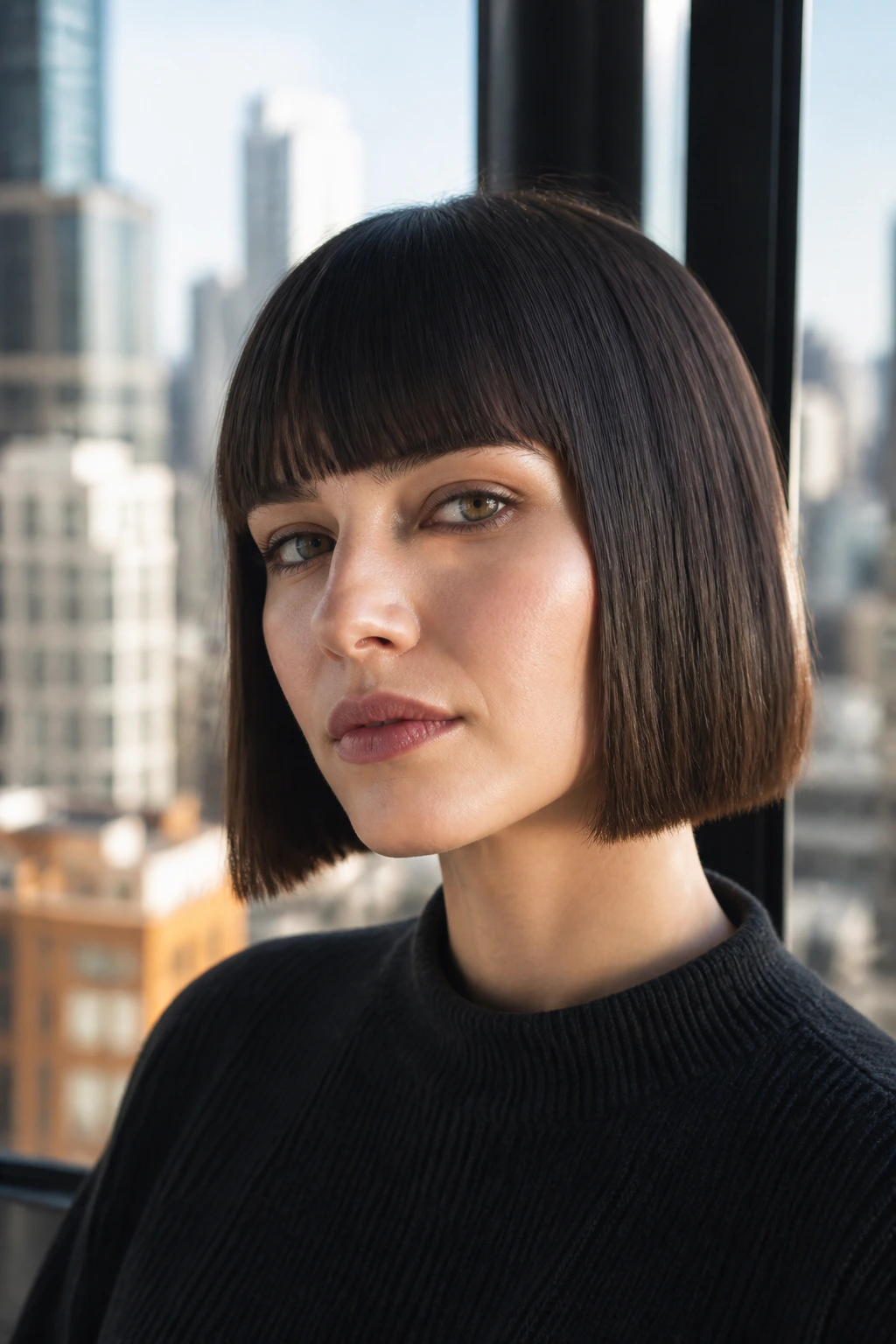
This is pure geometry. The bob is already a structured, blunt cut, and carrying that straight line up into the bangs creates a cohesive, high-fashion look. It is sleek, precise, and undeniably cool. It works best on straight hair that has a lot of natural shine.
The Reality Check
You need to be prepared for the maintenance. This is not a “wake up and go” style. You will likely need to use a straightener or a paddle brush every single morning to ensure that the line stays sharp. If you have even a slight kink in your hair, this style will show it off immediately. But if you have the time, the payoff is a polished, sophisticated look that stands out in a crowd.
13. Wispy Center-Parted Bangs
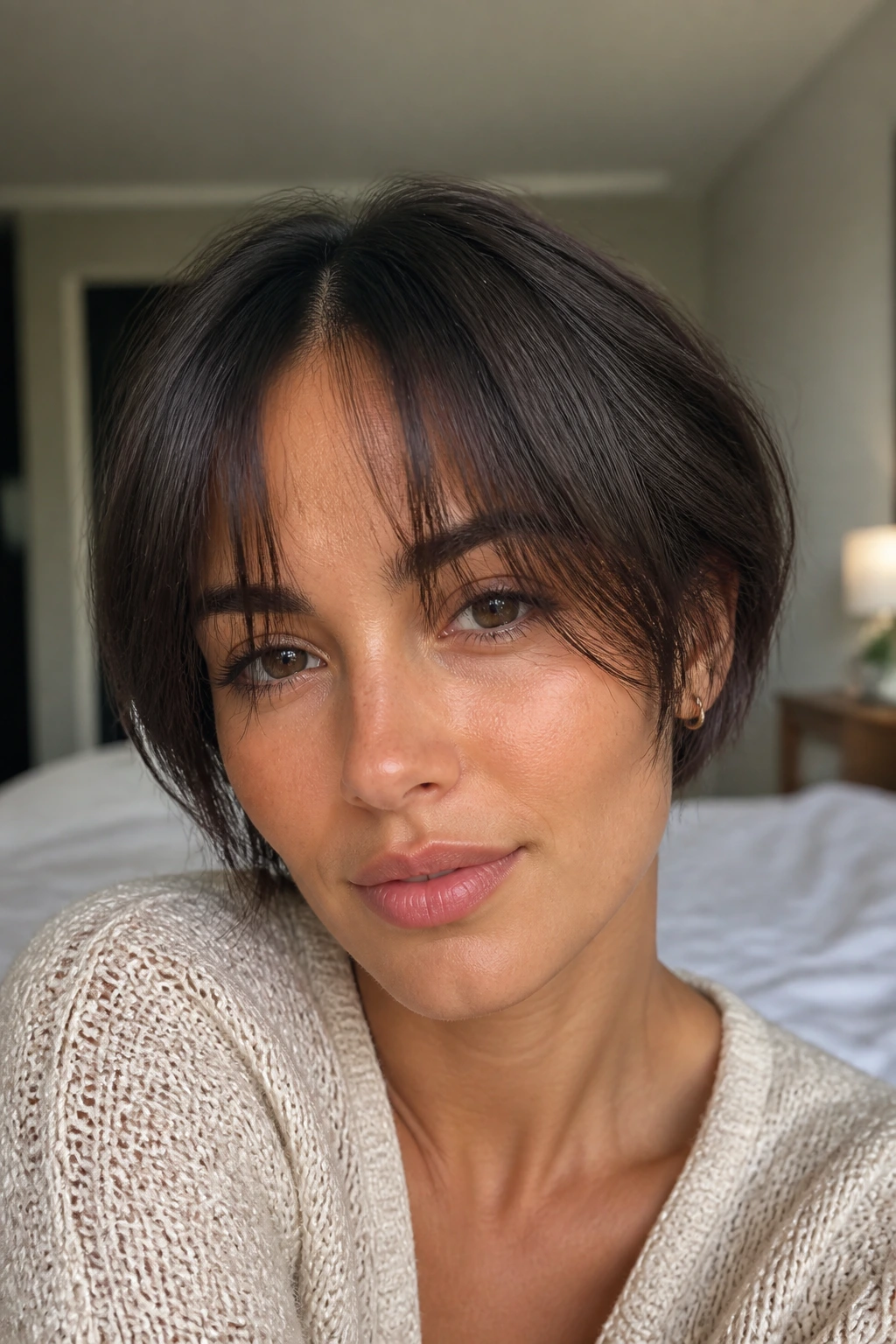
Sometimes, you don’t want a “full” bang. You just want a little bit of texture around your eyes. Center-parted, wispy bangs allow you to keep your part where you like it while adding interest to the front. They are the perfect solution for someone who hates having hair right in their line of sight.
They add volume at the roots, which is a massive plus if you have fine, flat hair. By lifting the hair away from the scalp at the front, you create the illusion of more fullness. Blow-dry these using a round brush, pulling them up and back, not down and across.
14. The Faux Fringe
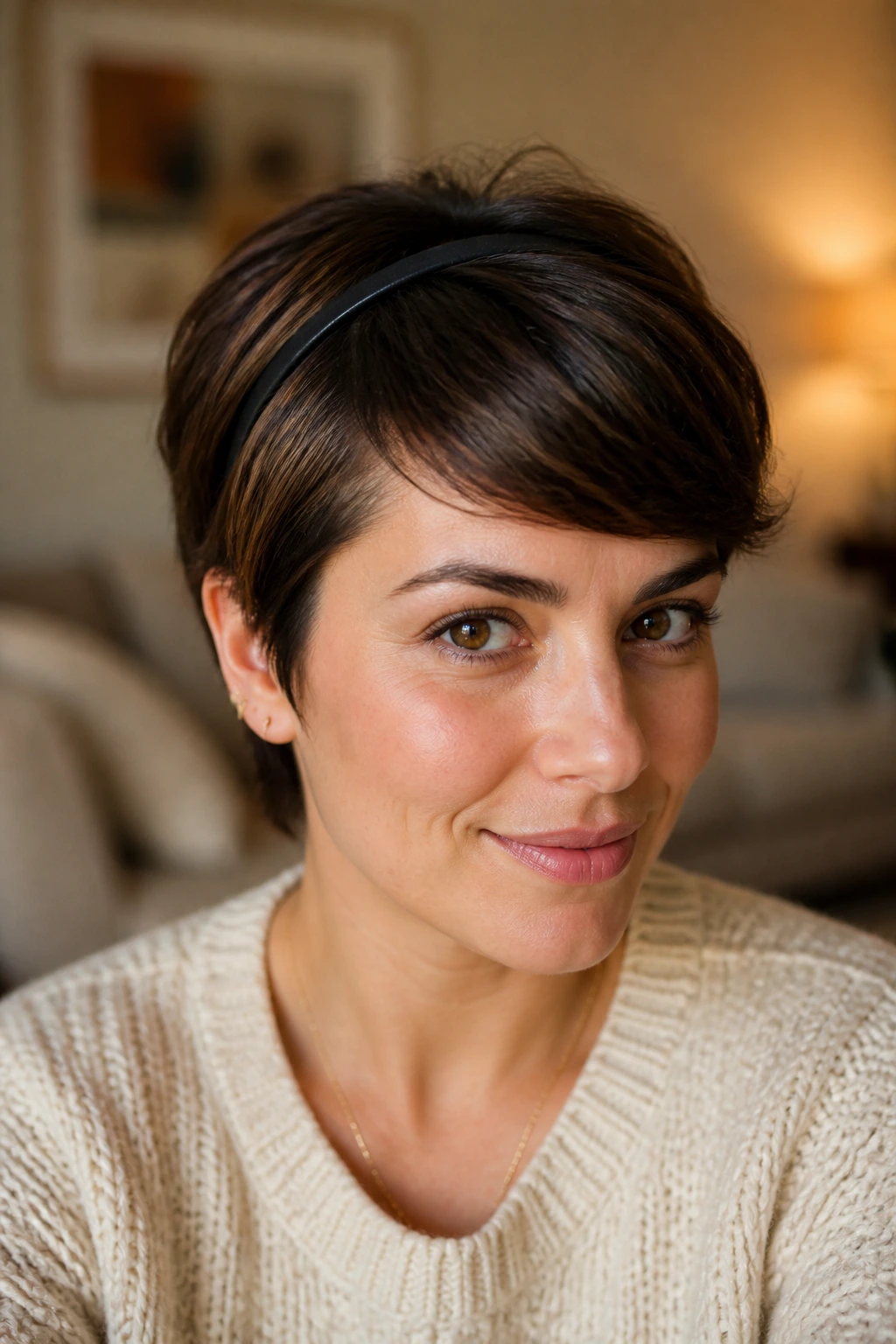
Not ready for the commitment of scissors? You can fake it. Use your own hair by pulling a section from the crown, bringing it forward to your forehead, and pinning it underneath the rest of your hair. Use a headband to cover the bobby pins and blend the “bangs” into your style.
It is a great way to “test drive” a fringe before you make the cut. Does it suit your face shape? Does it annoy you when it touches your skin? Is it worth the styling time? If you find yourself hating it by lunch, you can take it down in seconds. No harm, no foul.
15. Textured French-Girl Bangs
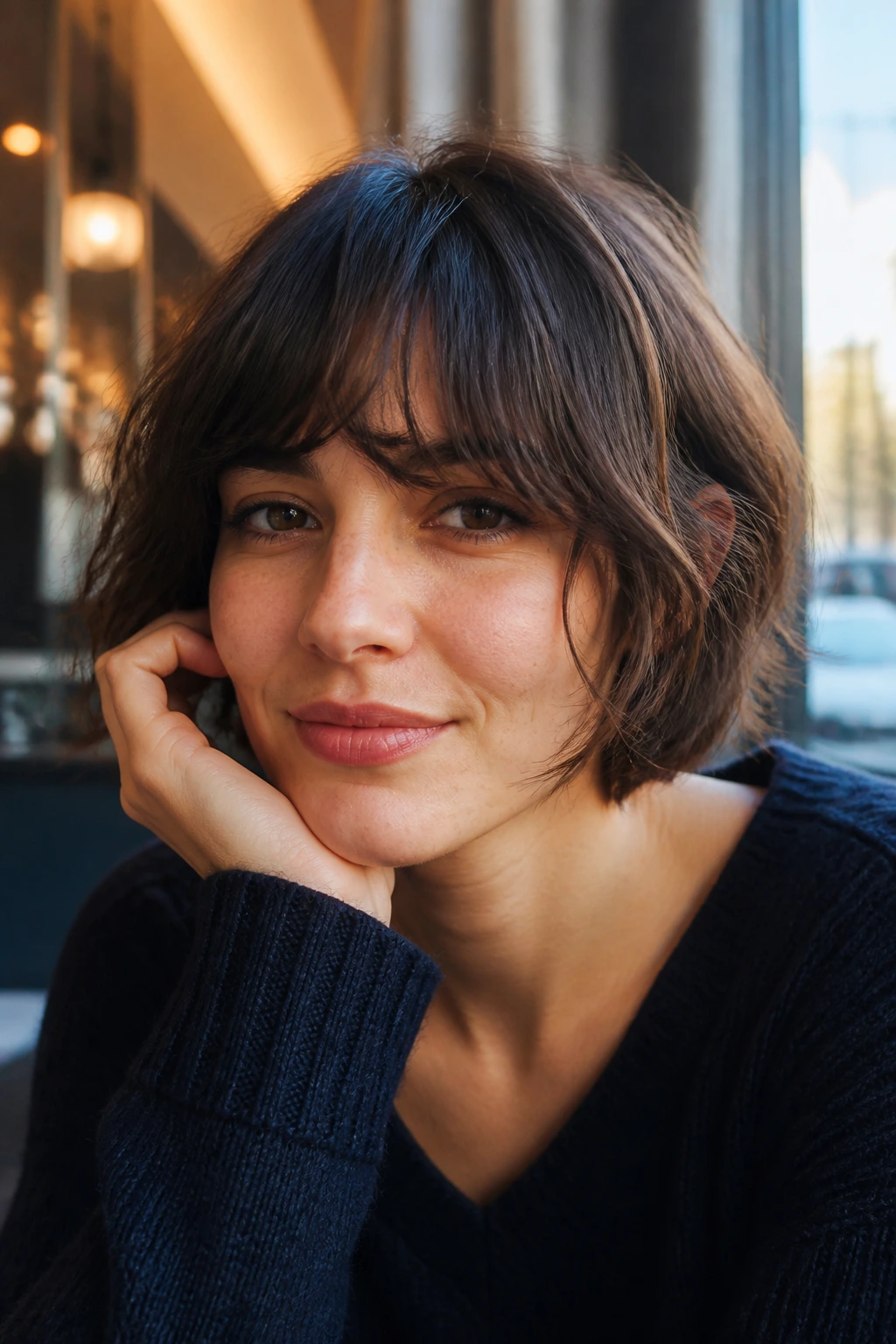
This style is all about being unbothered. The fringe is slightly too long, slightly too thick, and slightly messy. It looks like you haven’t brushed your hair in two days, but in the best way possible. It’s the kind of effortless cool that takes actual work to achieve.
On a short bob, this fringe adds a softness that counteracts the sharpness of the cut. It keeps the style from looking like a school uniform. Pair this with a red lip and you have the classic Parisian look down pat. Just add a little dry shampoo to the roots to give it that gritty, lived-in feel.
16. Face-Framing Taper
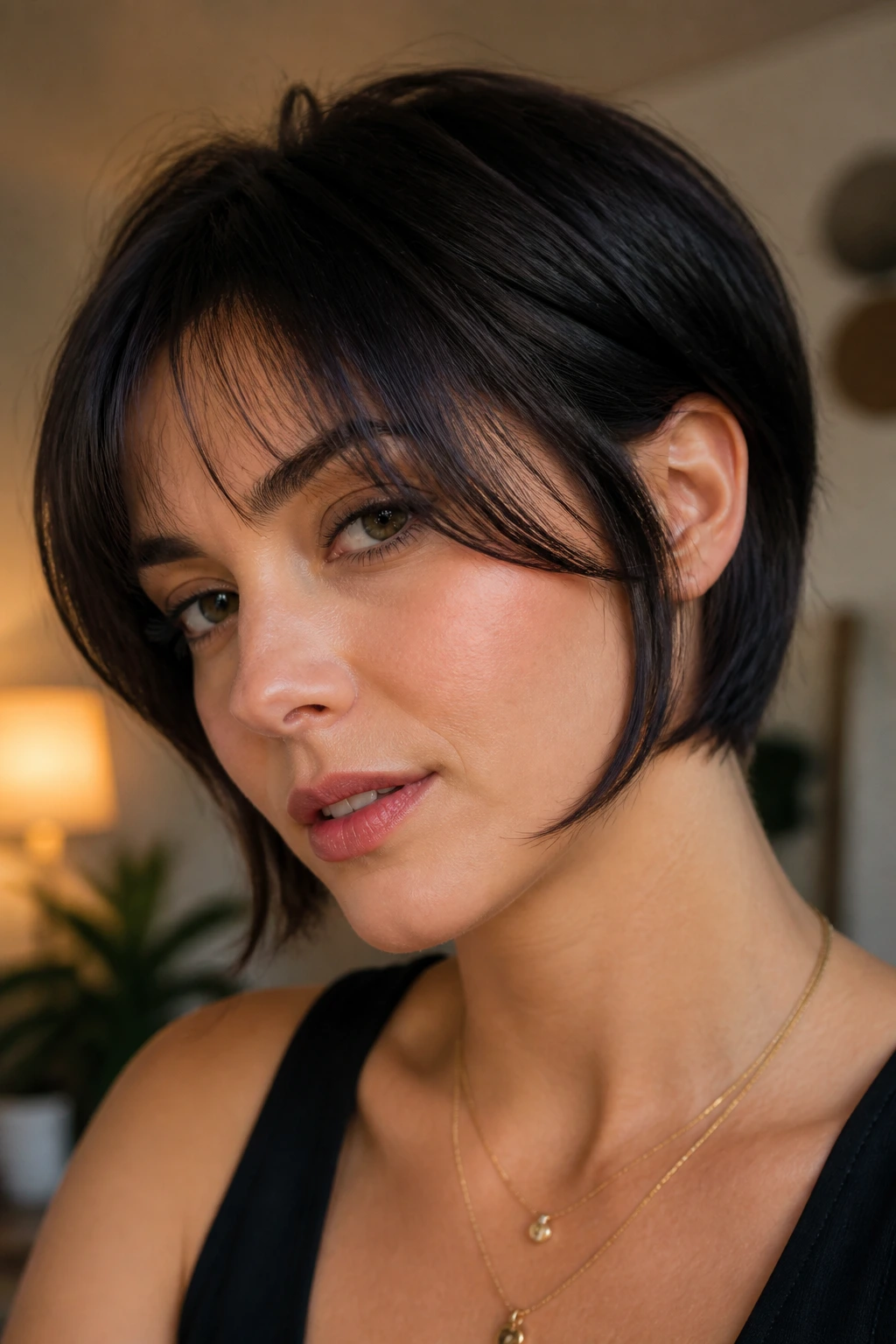
Are they bangs? Not really. But they serve the same purpose. This is where your stylist cuts the hair around your face in a gradient, starting shorter at the cheekbone and getting longer down toward the jaw. It frames the face and highlights your features without the maintenance of a true forehead fringe.
If you have short, choppy hair, this is a great way to soften the transition between your shortest layers and your longest ones. It makes the cut feel more deliberate and styled, even when you just let your hair air dry.
17. The Modern Mullet Fringe
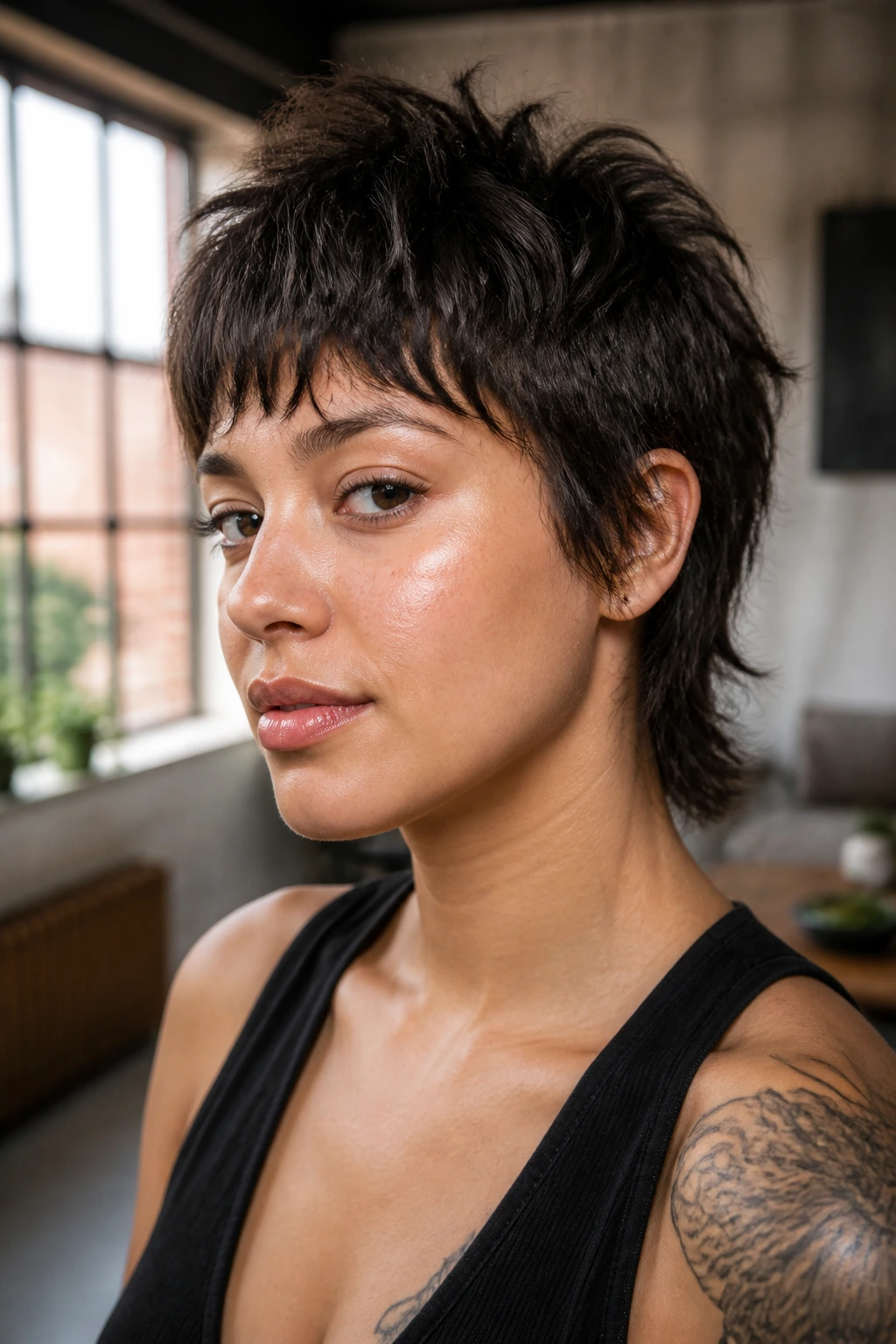
Yes, the mullet is back, and it’s actually a really stylish, textured look. The fringe here is usually short, piecey, and heavily textured, blending into shorter layers on the sides. It is a bold, artistic choice that says you aren’t following anyone else’s rules.
It works exceptionally well on hair with natural texture—wavy, curly, or coarse. If your hair is poker-straight, you might need a bit of texturizing paste to give it that “mullet” vibe. It is definitely not for everyone, but if you have the personality to carry it, it is incredibly liberating.
18. Retro Victory Roll Bangs
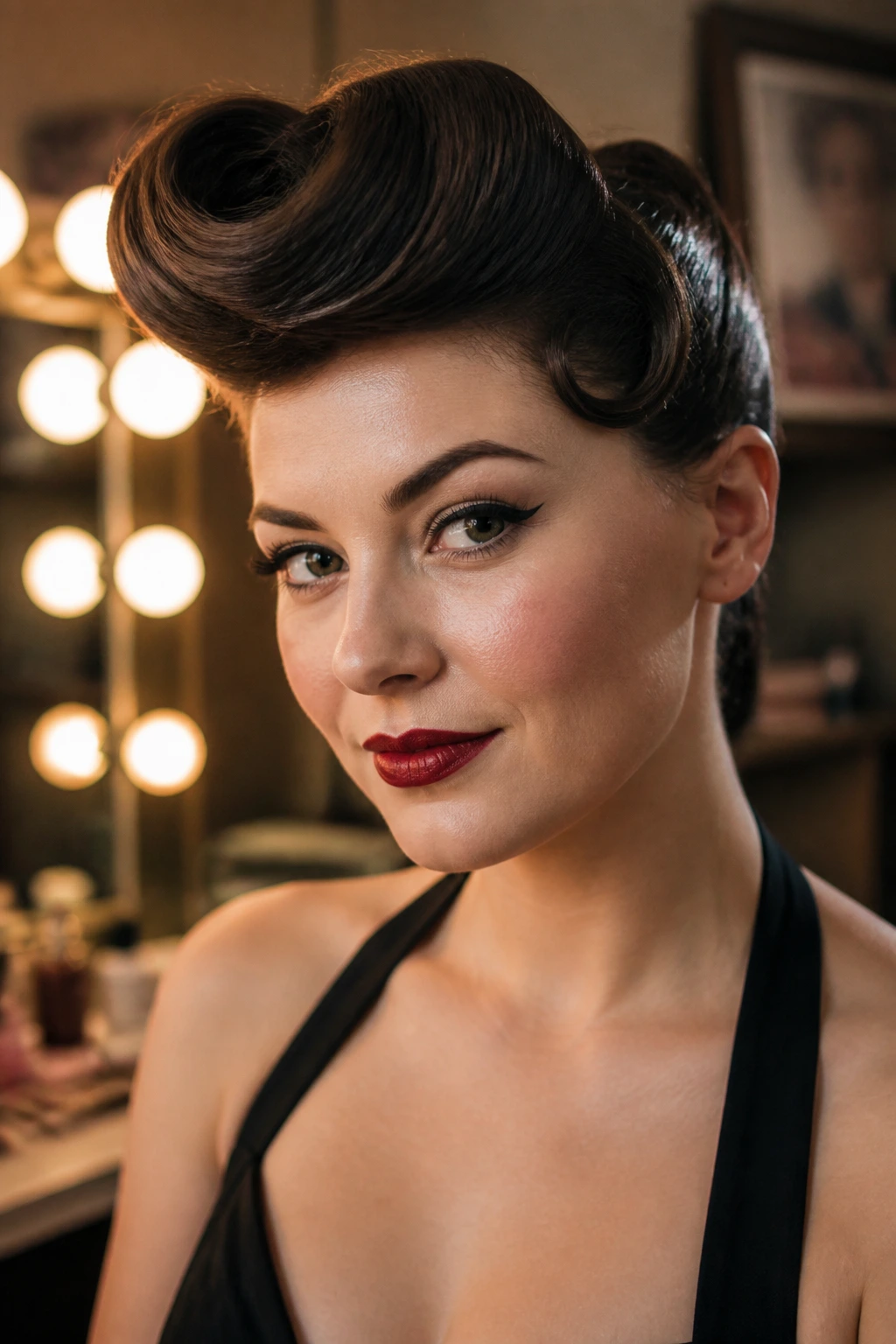
If you love the pin-up aesthetic, this is the ultimate move. You take a longer fringe and roll it into a voluminous, structured shape on your forehead, pinned securely. It is high drama and high maintenance, but it is undeniably stunning for special occasions or if you just love vintage style.
You will need a curling iron, a lot of bobby pins, and a decent amount of hairspray. This isn’t a daily look for most people, but it is a fun way to switch up a short, simple bob. Just make sure you practice the roll a few times before you have to be out the door.
19. Color-Blocked Bangs
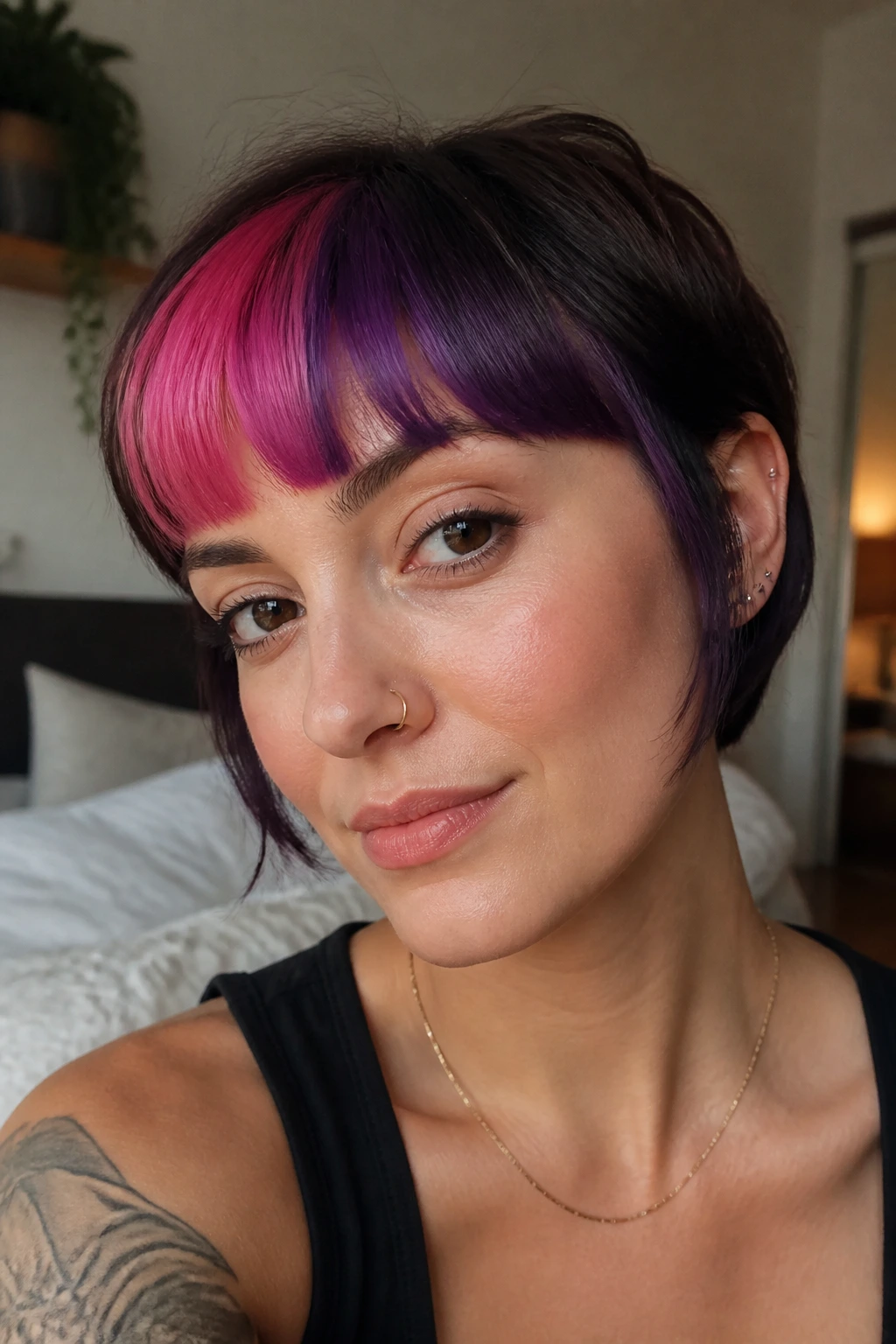
Who says your bangs have to be the same color as the rest of your hair? Using color is a fantastic way to draw attention to your fringe. Whether you go for a bright, bold fashion color or just a few shades lighter than your natural base, it highlights the cut and adds dimension.
Why It Works
It makes the bangs the star of the show. If you have a simple, one-length bob, adding a pop of color to the fringe transforms the entire haircut. It shows that you are thoughtful about your style and that you are willing to play with your look. Just be prepared for regular root touch-ups, as short hair makes regrowth very obvious.
20. The “Grow-Out” Fringe

We have all been there. You get a fringe, you love it for two months, and then you decide you want it gone. The “grow-out” fringe is actually a style in itself. You sweep it to the side, you braid it, or you use clips to pin it back.
The key to surviving this phase is to stop trying to force your hair to do what it did when it was short. Embrace the awkward length. Use headbands, silk scarves, or textured sprays to help blend the shorter pieces into the rest of your hair. If you treat this phase as a temporary style rather than a failure, you will be much happier.
21. Straight-Across Textured Bangs
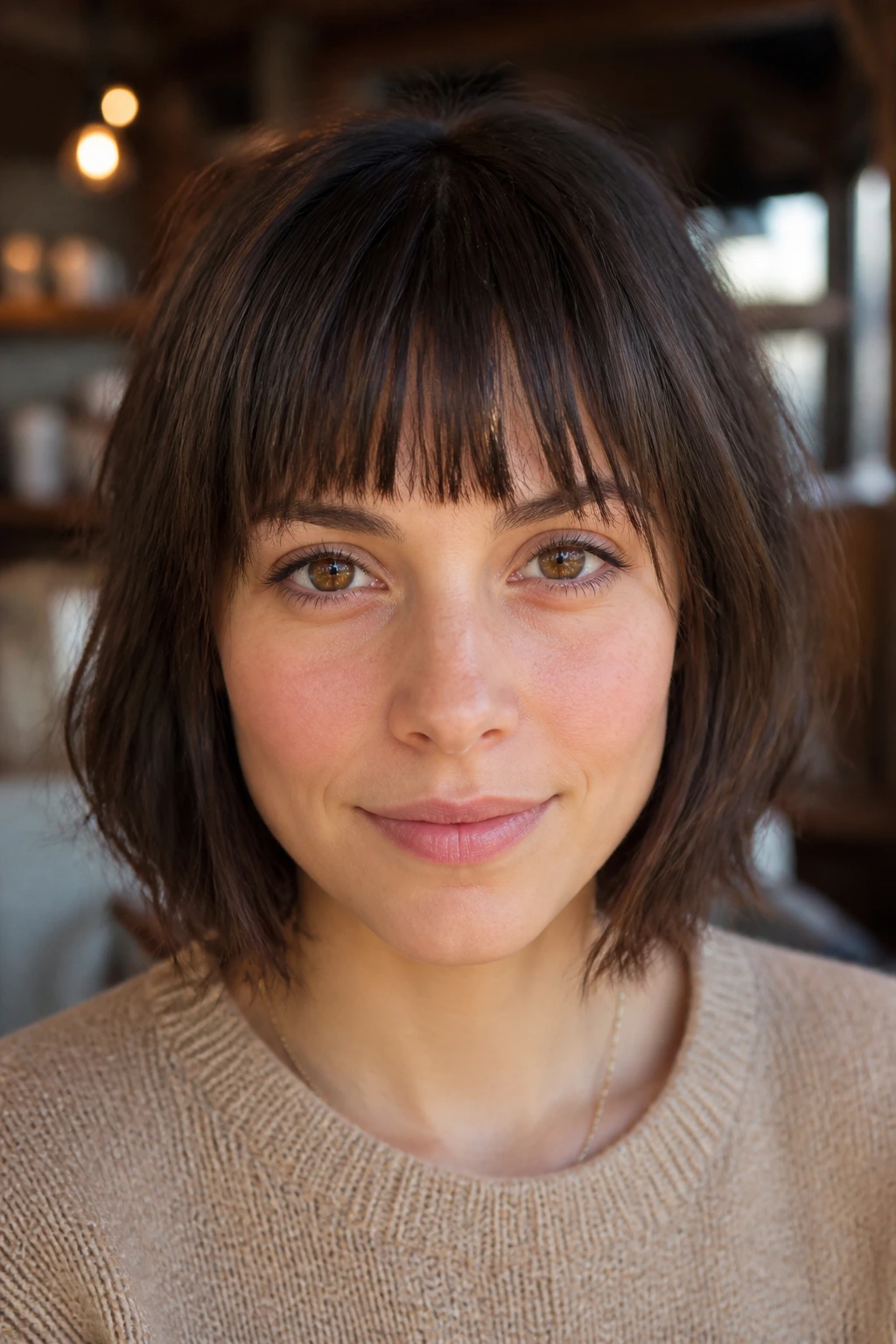
This is the “middle ground” of bangs. It has the straight-across shape of a blunt fringe, but the ends are soft and piecey rather than razor-sharp. It gives you the drama of a fringe without the severity. It’s accessible, wearable, and looks great on almost everyone.
You can achieve this look by asking your stylist for “point-cut ends.” It keeps the weight of the bangs consistent but prevents them from looking like a solid block of hair. It is a very flattering, modern take on a classic look.
22. Wispy Side-Swept Pixie Bangs
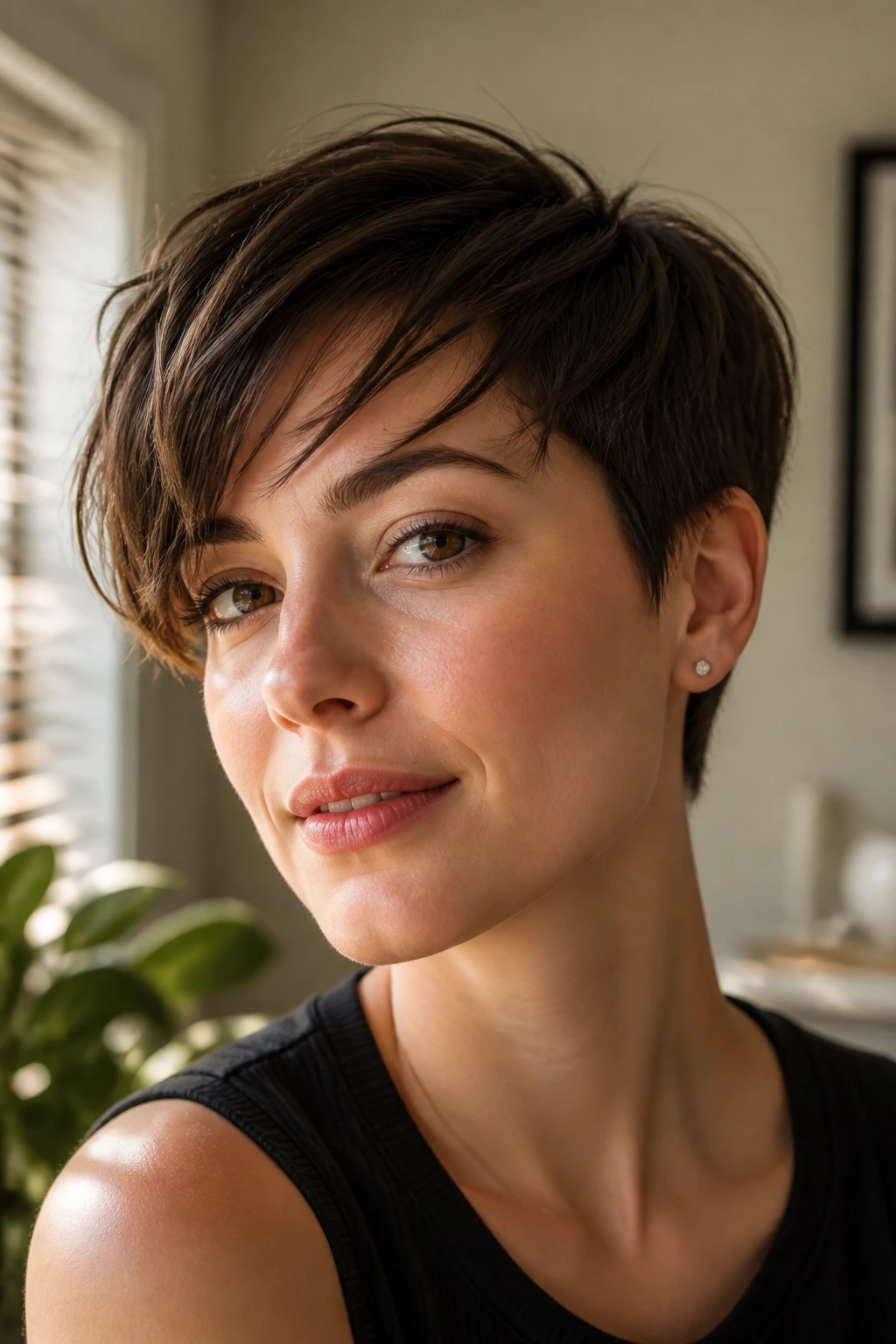
If you have a very short pixie cut, your “bangs” are really just the top layer of your hair styled to one side. By keeping these pieces longer and wispier, you create a beautiful sweep across your forehead. It softens the aggressive shortness of the sides and back.
Use a light pomade to separate the ends. You want them to look soft, not glued together. This style is incredibly easy to manage—a little bit of product, a quick swipe with your fingers, and you are ready to go.
23. Deep Side-Parted Fringe
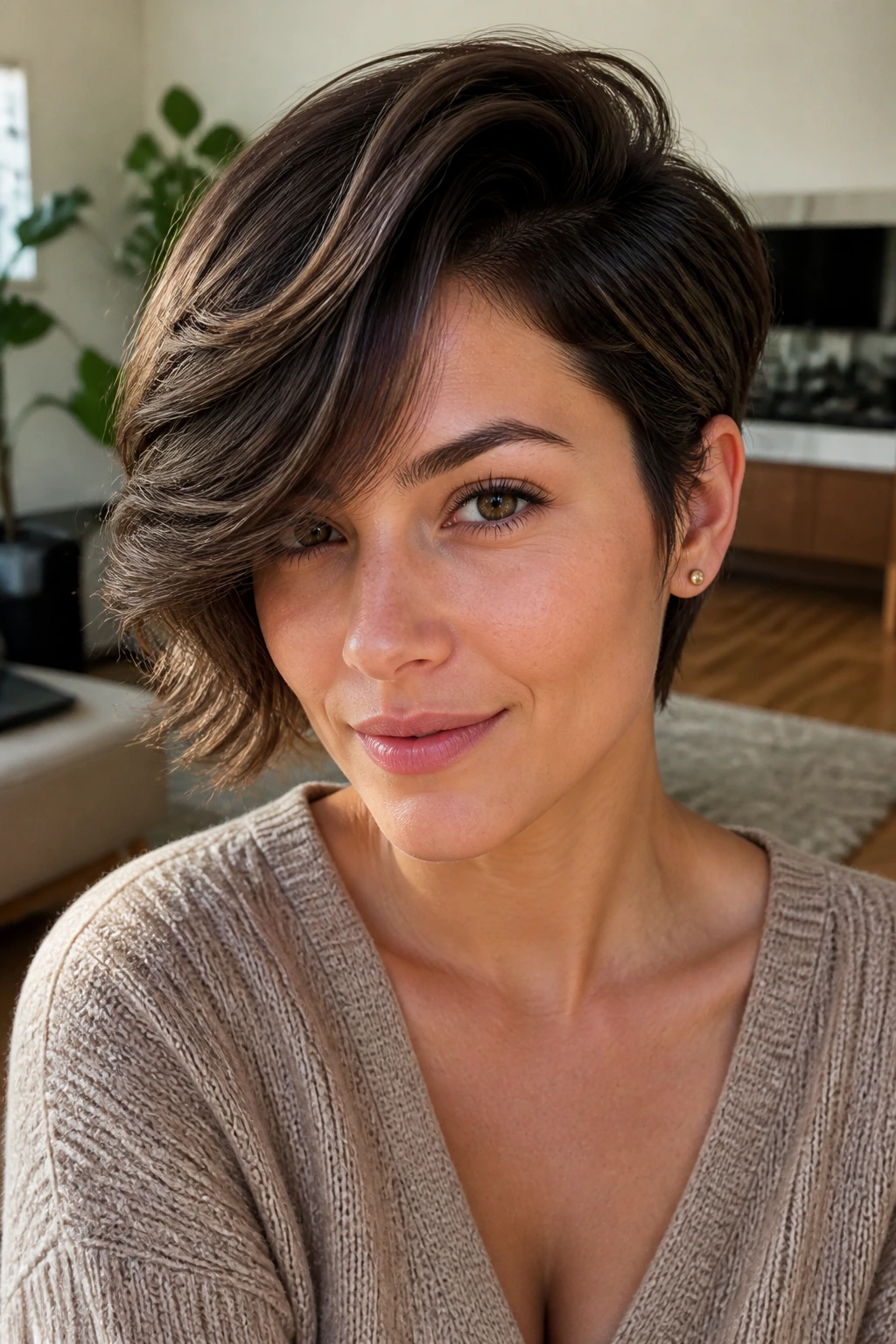
If you want volume, look no further. By cutting your fringe and styling it with a deep side part, you create instant height and drama. It’s perfect for adding volume to fine, flat hair.
You can achieve this by blowing your hair dry from the opposite side of where you want the part to fall. Once it’s dry, flip it over. The roots will have a natural lift that stays put all day. It’s a very elegant, classic look that works for both office settings and evening wear.
24. The Shaggy Middle-Part Fringe
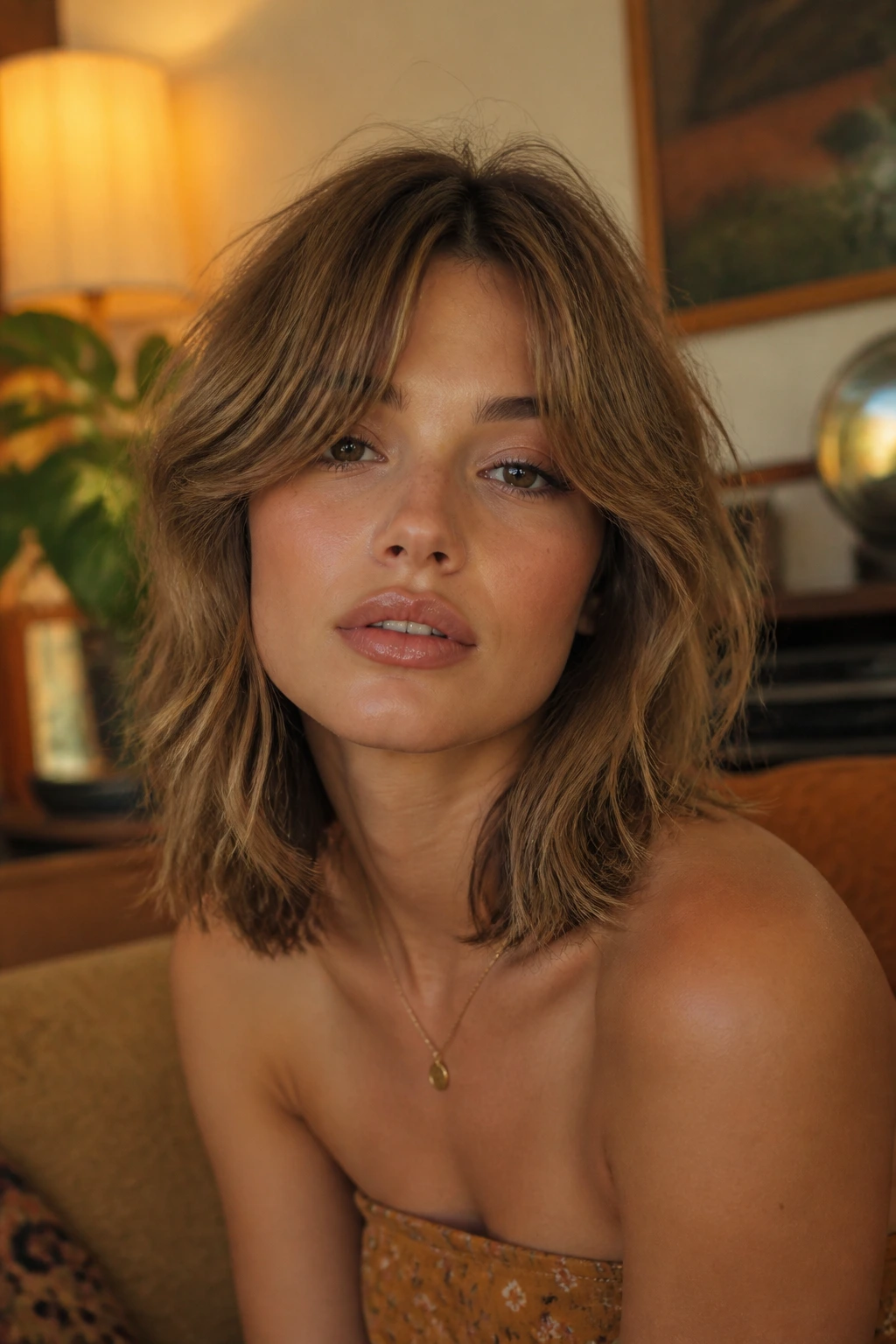
This is the 70s icon look. It is centered, it is shaggy, and it is full of volume. It doesn’t sit flat against the forehead. Instead, it has that signature “curtain” wave that starts at the roots and flicks out at the ends.
You need a bit of length for this, so it’s best paired with a lob or a long bob. Use a round brush to blow it out, concentrating on getting lift at the root. If your hair is naturally flat, use a volumizing mousse before you start drying.
25. Undercut Fringe Pixie
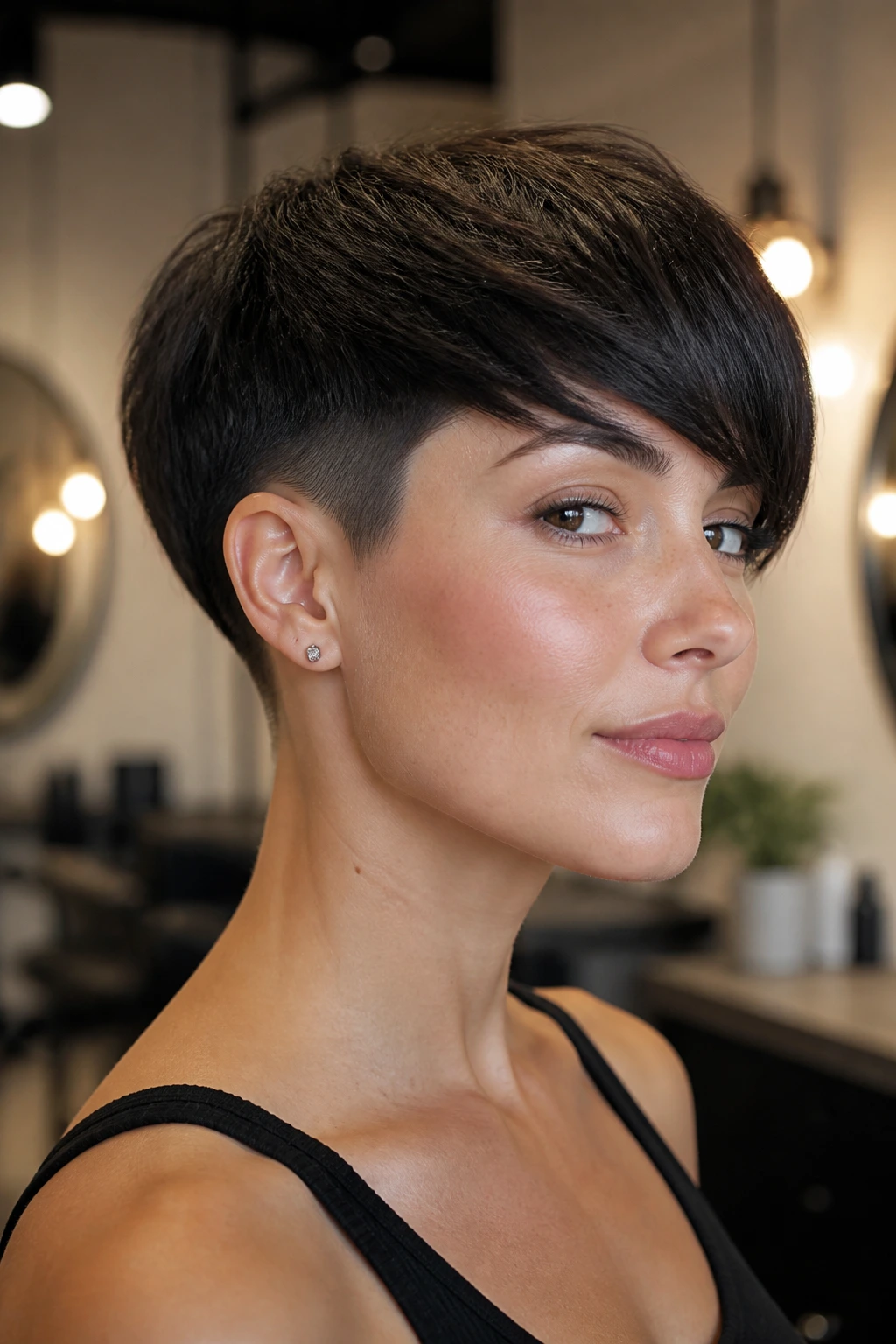
This is for the brave. An undercut involves shaving the hair at the nape of the neck or on the sides, but you can also do a “hidden” undercut under your fringe. By removing bulk, you can make your fringe lay flatter and cleaner.
It is a secret technique that makes styling much easier. If your hair is thick and cowlicks make your bangs poofy, an undercut can be the solution you never knew you needed. It removes the pressure from the hair above it, letting your fringe sit exactly where you want it.
26. Wispy Layered Bangs
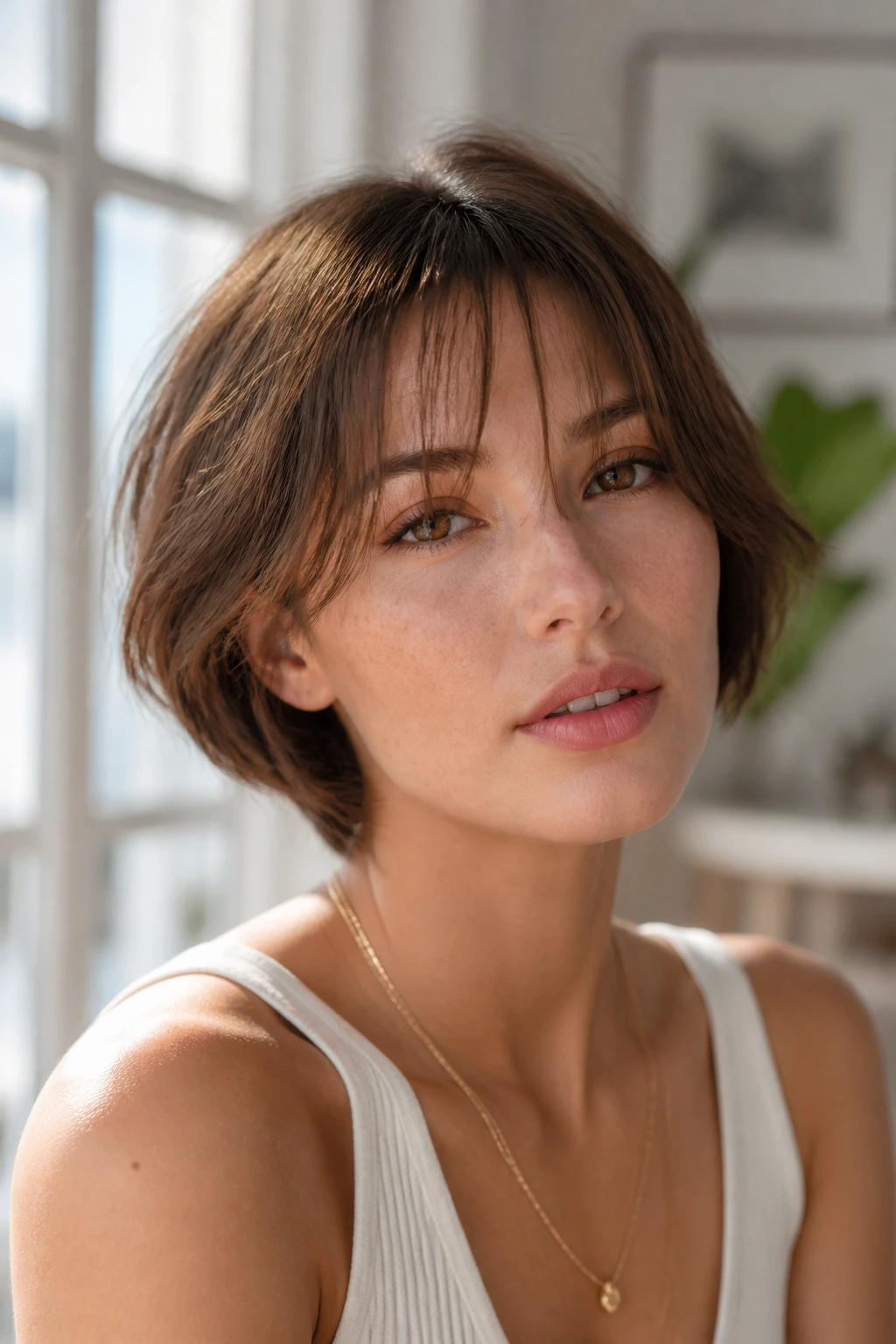
Layers aren’t just for the back of your head. Adding layers within your fringe creates movement and prevents the hair from just hanging there. It makes the bangs look like they are dancing with every turn of your head.
This is a great option for people who feel that bangs make them look “closed in.” The layers break up the wall of hair, letting a little bit of light shine through. It feels much less restrictive and more organic.
27. The Rounded Fringe
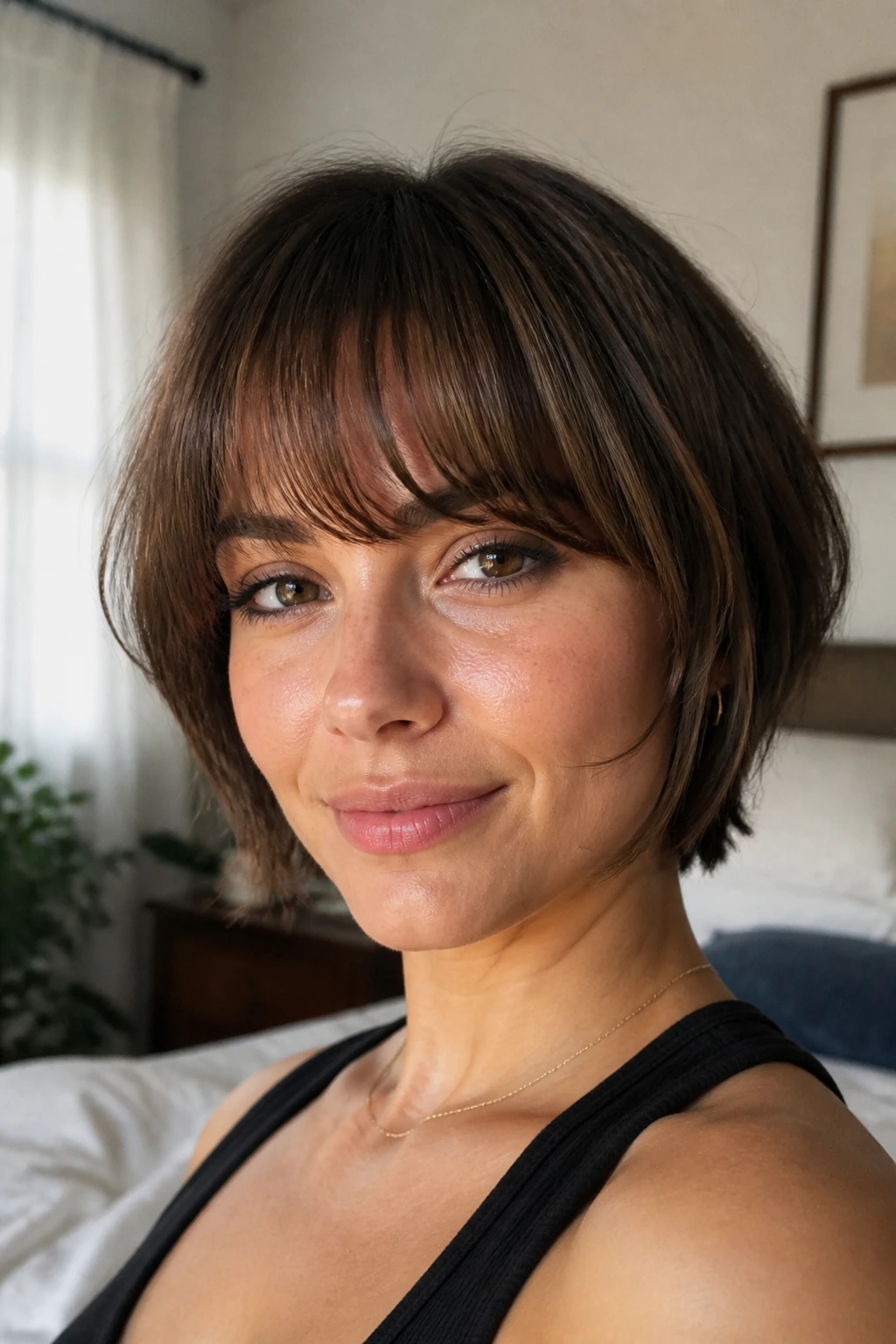
Instead of a straight-across line, this fringe curves gently to frame the face. It’s very soft and incredibly feminine. It creates a circular shape around your eyes, which draws attention to them and softens any sharp angles in your face, like a strong jawline.
It is a very precise cut, so don’t try this at home. You need a stylist who understands how to map out the curve so it doesn’t look like a mistake. When done correctly, it’s one of the most flattering bang styles you can get.
28. Choppy Piecey Bangs
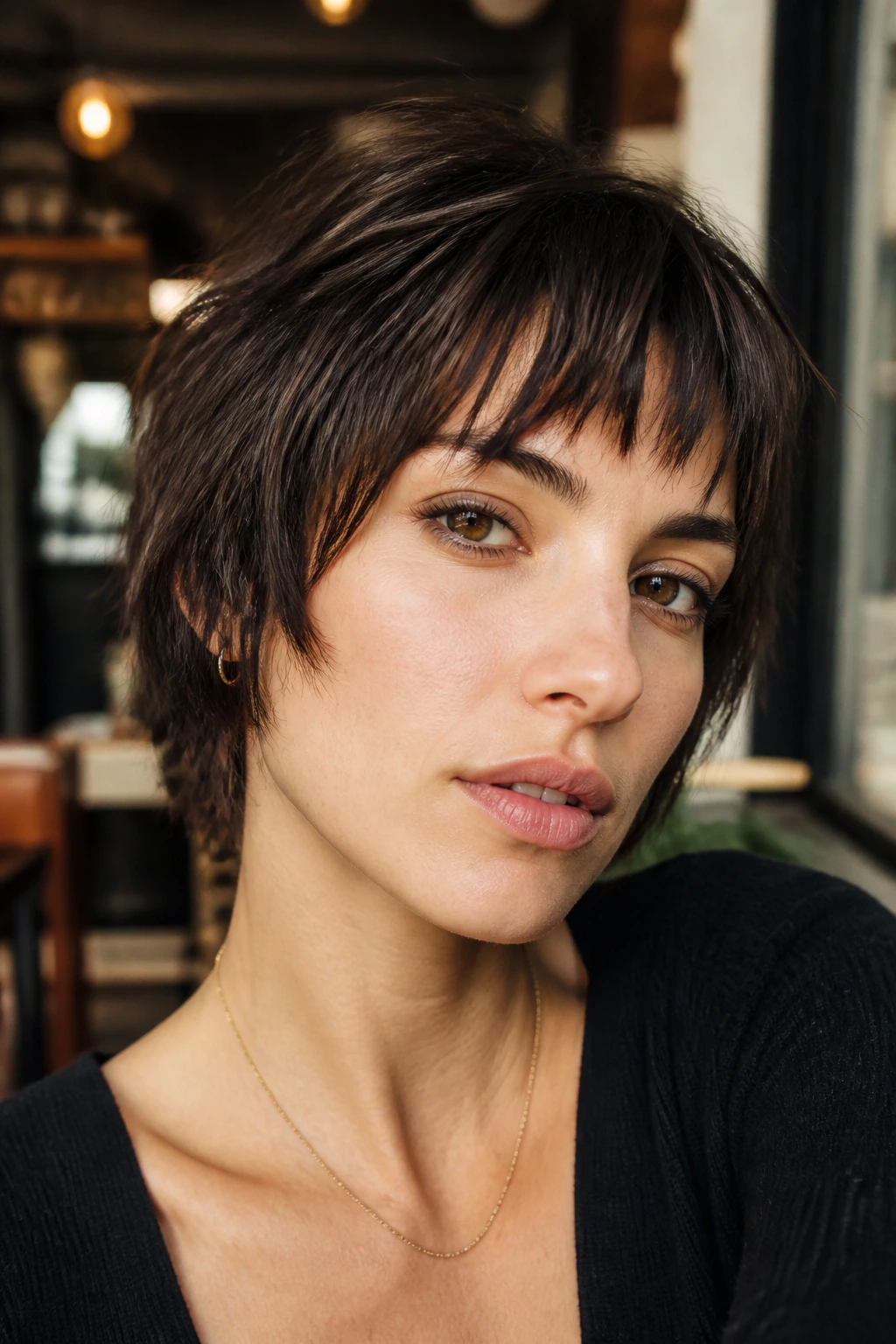
Sometimes you want your bangs to look separate, not like a solid curtain. Choppy piecey bangs are styled with a bit of texture cream or wax to define individual strands. It creates a cool, rock-and-roll texture that is messy but intentional.
This works best on hair that has a bit of natural body. If your hair is ultra-fine and silky, you will need a good texturizing spray to give the hair enough “grip” for the piecey look to hold. It’s a fun, youthful style that looks great with a short bob.
29. The “No-Bang” Bang
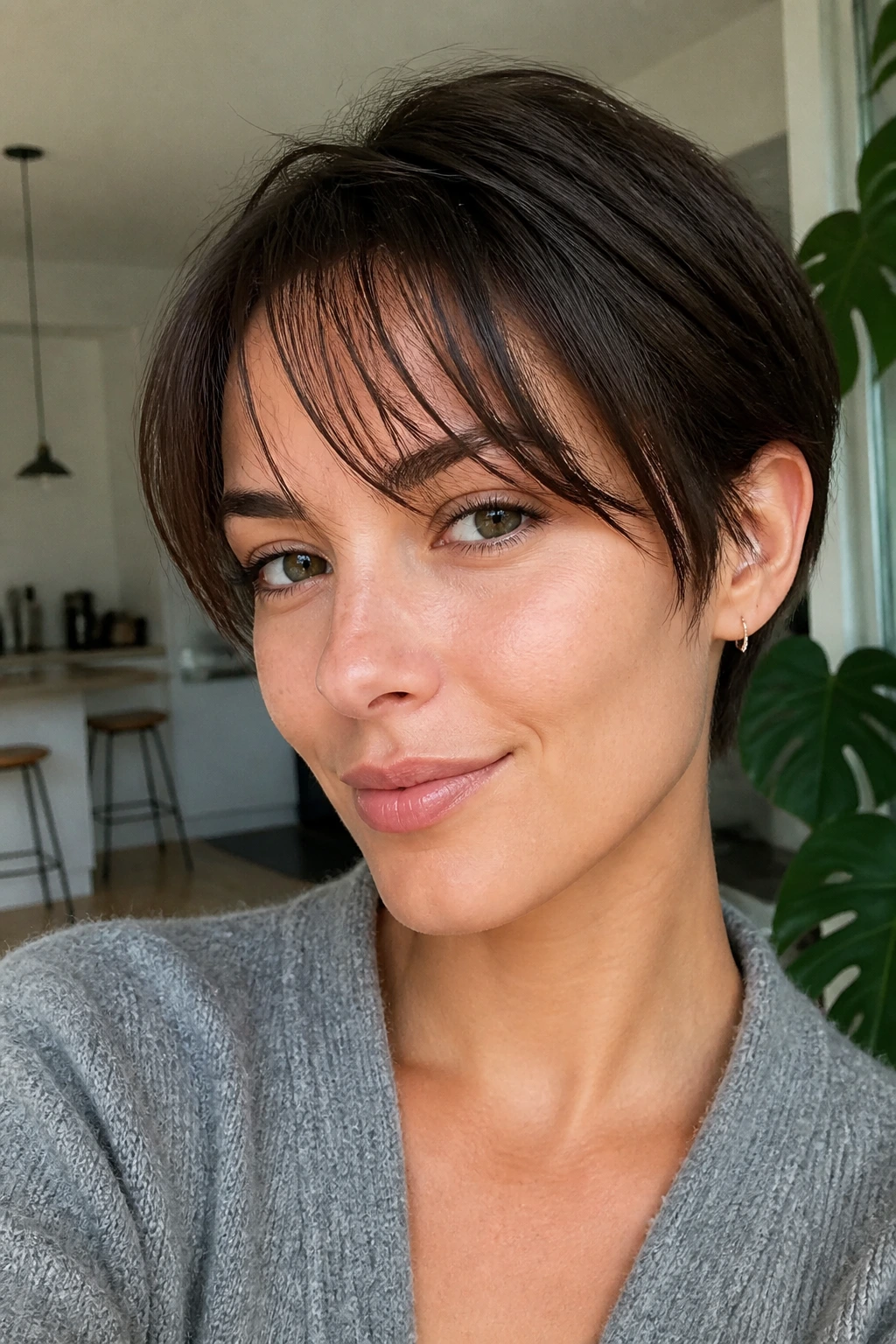
This is a styling technique. You take the front sections of your short hair and style them forward, but you use product to keep them wispy and separate. It’s not a cut—it’s a commitment to a look. It allows you to have the fringe vibe without actually cutting your hair shorter.
It’s great if you are trying to grow out a previous cut or if you just like to change your look daily. Simply apply a light cream, push the hair forward, and use your fingers to position the pieces. It’s effortless and low-risk.
30. The Voluminous 70s Fringe
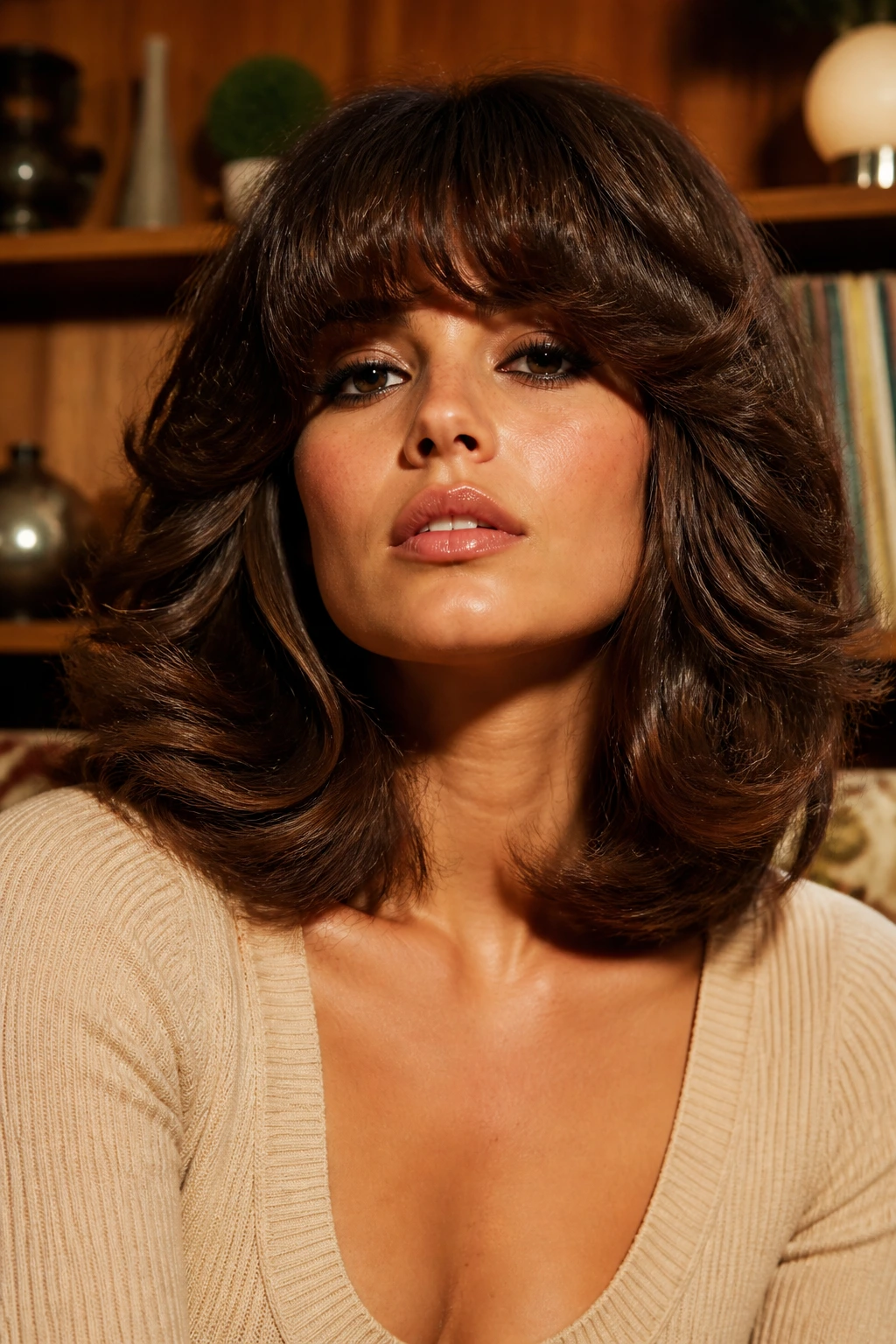
Big hair is back, and that includes big bangs. This style is all about height and width. It is rounded, bouncy, and takes up space. If you love that “Charlie’s Angels” era, this is your style.
You will need a large-barrel round brush and a bit of hairspray. The key is to over-direct the hair while drying it—pull it up and forward, away from your head. This builds volume at the base. Once it’s dry, let it cool in the brush for a few seconds before releasing it. The result is a fringe that has personality, bounce, and a whole lot of style.
Final Thoughts
At the end of the day, bangs are just hair. They grow. If you cut them and hate them, you will have a few weeks of awkward tucking and pinning, and then they will be gone. But the chance to completely reinvent your look in the span of a single haircut? That is rare.
Do not overthink the “rules” of face shapes or hair density. While guidelines exist for a reason, the best haircut is the one that makes you feel like the most confident version of yourself. If you are drawn to a look, try it. The worst-case scenario is a lesson in what doesn’t work for you, and the best-case scenario is a style that you fall in love with for years to come.
