



Short hair highlights work best when the color has a job to do. On a pixie, bob, or shag, a few well-placed lighter pieces can lift the face, break up a solid block of color, and make the haircut look fuller without adding bulk. The wrong placement does the opposite. It can make the cut look stripy, patchy, or flatter than it was before.
Short hair is unforgiving in a very specific way. You see every foil line, every soft root, every little jump between warm and cool tones. A money piece that looks gentle on longer hair can read loud on a chin-length bob, and a chunky ribbon near the temple can swallow the whole shape if the cut is already busy. Small canvas. Big consequences.
That also makes short hair exciting to color. A clean cut plus the right highlight pattern can make fine hair look denser, bring curls forward, and give a blunt bob some movement at the ends. Warm caramel softens sharp lines. Ash makes them feel cleaner. Copper wakes up chestnut brown in a way that never looks sleepy. Short hair highlights are all about placement first, color second.
The smartest ideas are the ones that match the haircut you actually wear. A pixie needs a different highlight map than a shaggy bob, and a curly crop needs a softer hand than a sleek angled cut. Some of the ideas below are subtle, some are bold, and a few are the sort of thing that looks even better after a few weeks of grow-out. That mix is the fun part.
1. Face-Framing Money Piece Highlights
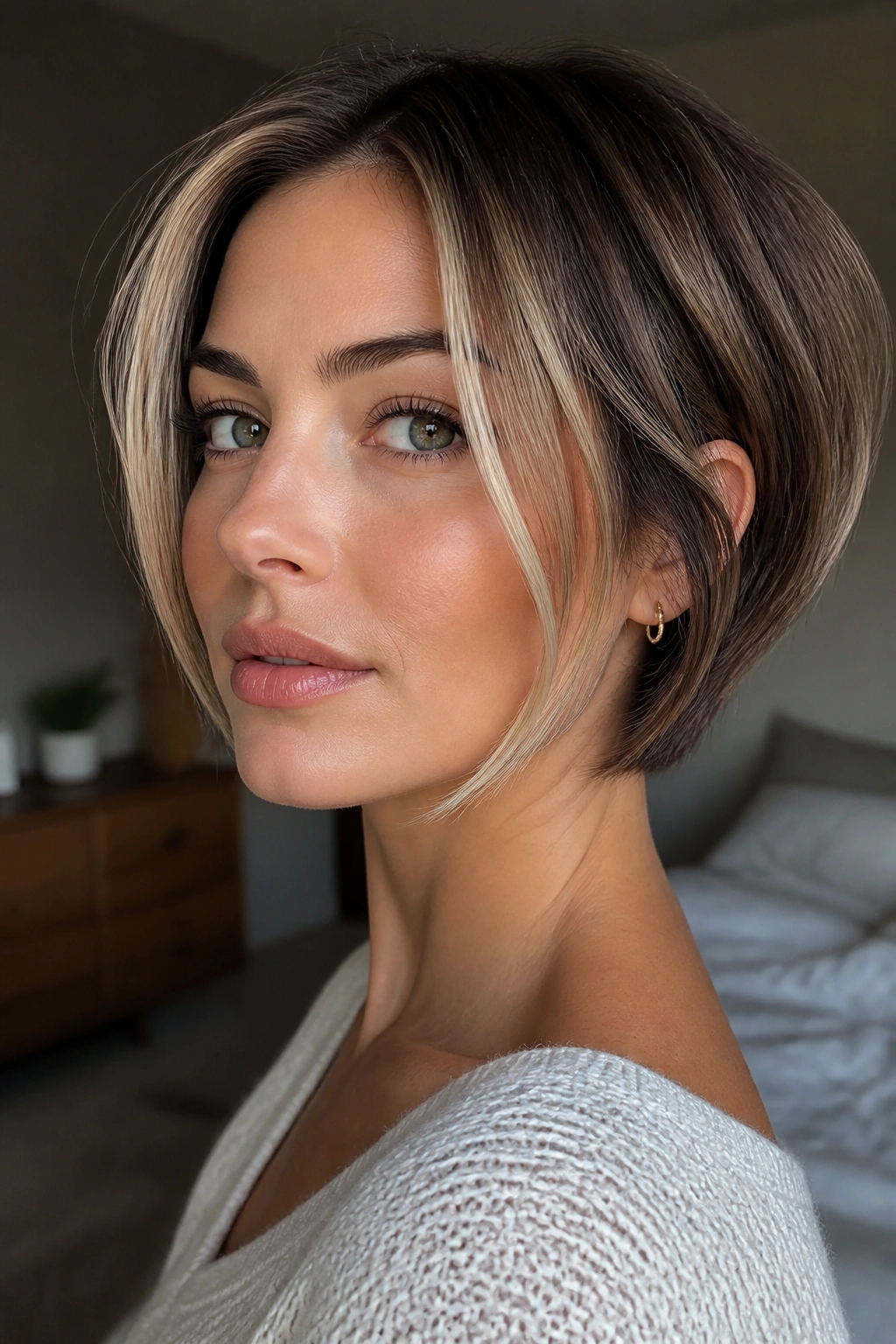
Money piece highlights are the bluntest tool in the box, and that is why they work. A lighter panel at the front can wake up a short cut in one shot, especially if your hair tends to fall flat around the cheekbones.
Why It Works on Short Hair
On a bob or pixie, the front section sits close to the face, so even a 1/2-inch to 1-inch lightened panel makes a real difference. Keep the root slightly softer than the mids if you want it to blend instead of looking like a stripe. That little fade matters.
- Best with a side part or deep off-center part
- Works well on chin-length bobs and grown-out pixies
- Ask for a soft weave, not a solid block
- A gloss over the front pieces keeps the tone from going brassy
Tip: If your hair is very short, stop the lightest point around the brow bone or cheekbone, not higher. The color should frame the face, not sit on top of it.
2. Micro Babylights on a Pixie Cut
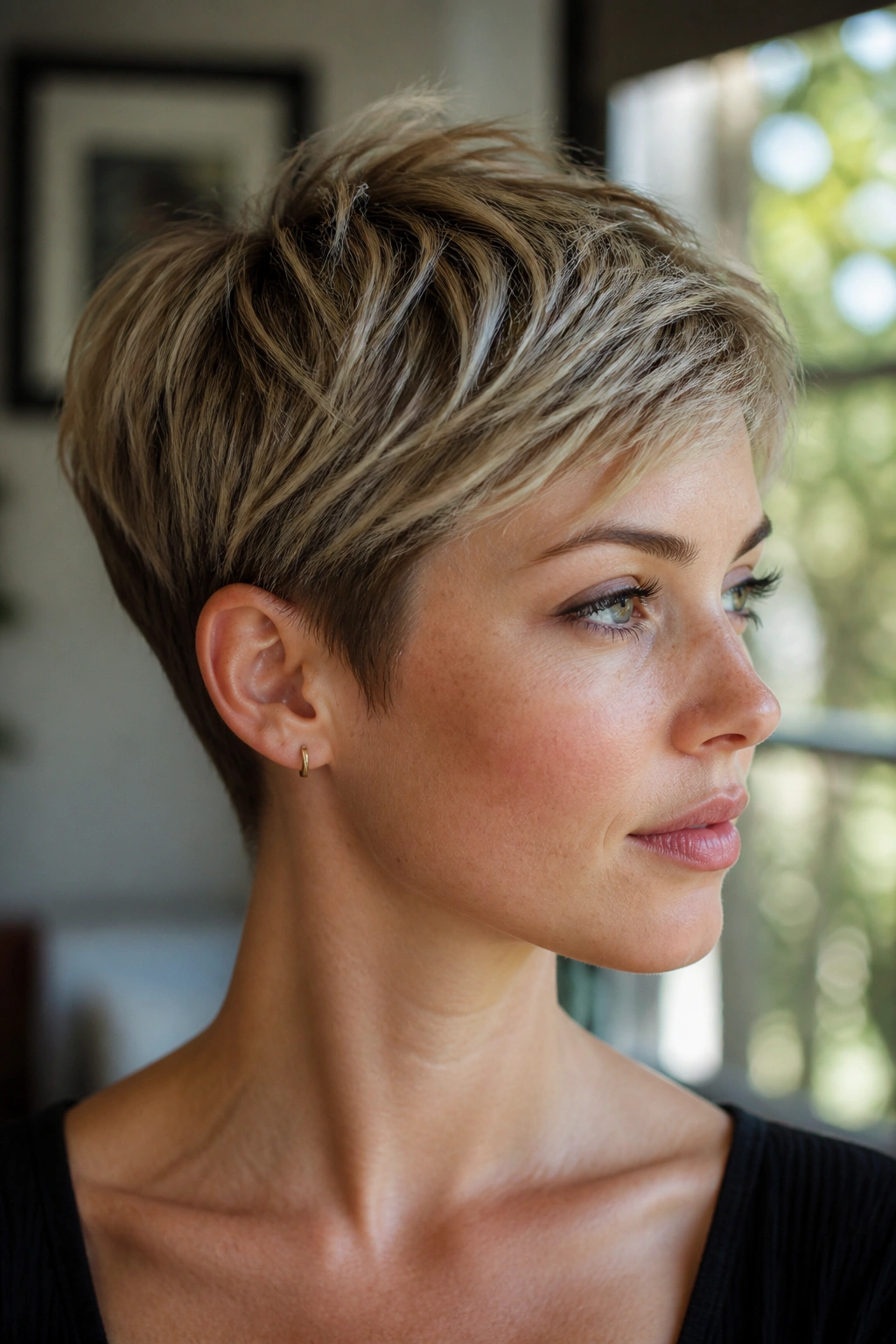
Why do babylights look so good on short hair? Because they behave like natural sun-lightening instead of obvious streaks. On a pixie, that softness keeps the cut from turning into a helmet of one flat color.
A colorist usually weaves tiny sections through the top and hairline, sometimes using foils that are barely wider than a pencil line. The result is gentle movement, not drama. That matters on a close crop, where too much contrast can look busy fast.
How to Ask for Them
Ask for fine, closely spaced highlights through the top, temple area, and fringe. If your pixie has longer layers, a few brighter pieces around the crown can fake extra lift. If it is very short on the sides, keep those areas darker so the shape stays clean. This is one of those styles where restraint pays off.
3. Soft Balayage Through a Blunt Bob
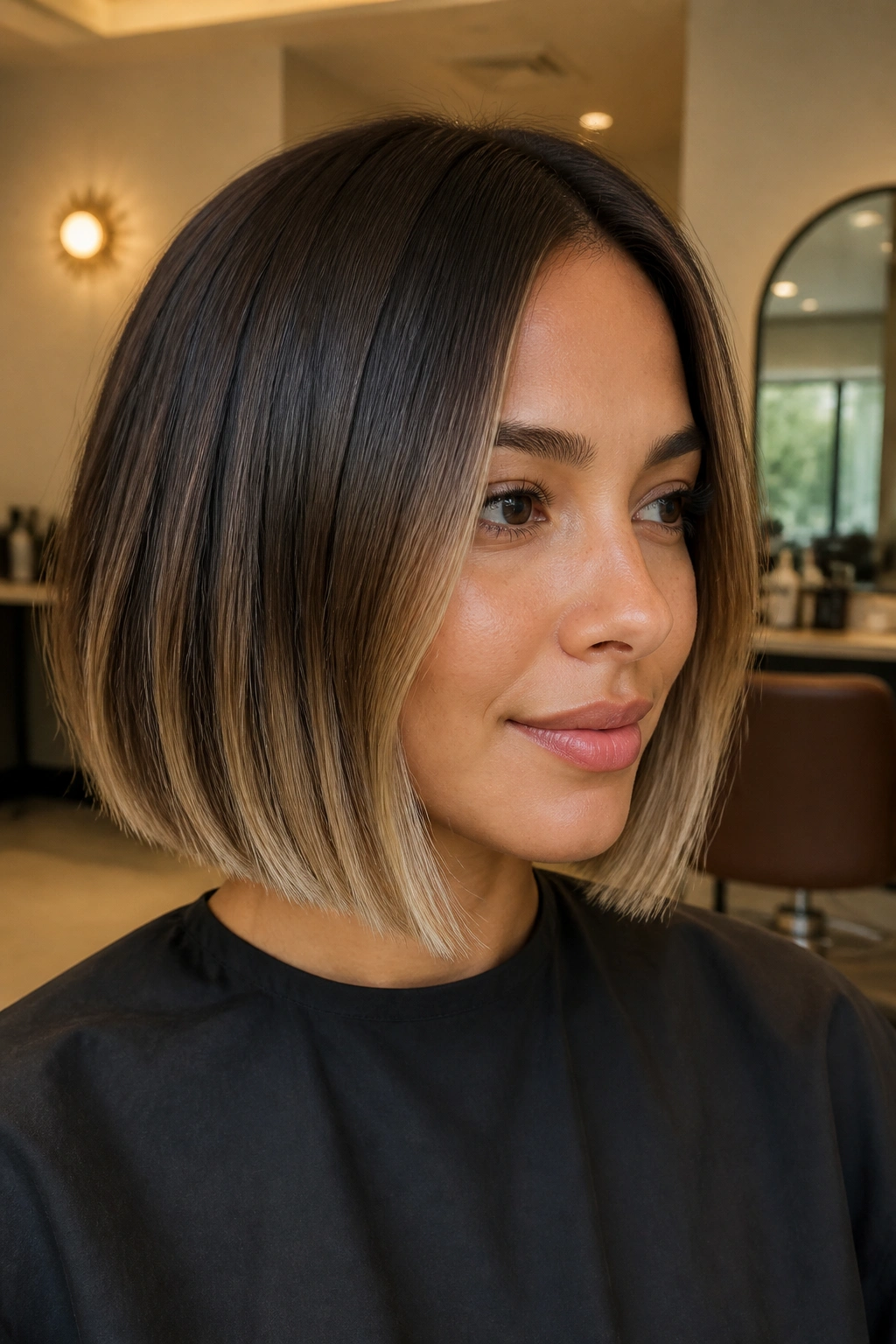
A blunt bob can look boxy when every strand sits at the same level. Soft balayage fixes that by putting light where the eye wants to move, mostly through the mids and ends.
I like this look on hair that lands anywhere from the jawline to the collarbone. The hand-painted pieces should feel scattered, not striped. You want the ends to look kissed by light, like the color showed up there on its own and didn’t ask permission.
The Cleanest Way to Wear It
- Keep the root shadow close to your natural base
- Paint the brightest pieces from mid-length to ends
- Leave a few darker slices under the top layer
- Finish with a beige or neutral gloss if the hair pulls too warm
The best part is grow-out. It stays tidy longer than a heavily foiled look, which is a gift if you hate obvious root lines.
4. Chunky 90s Ribbons on a Shag
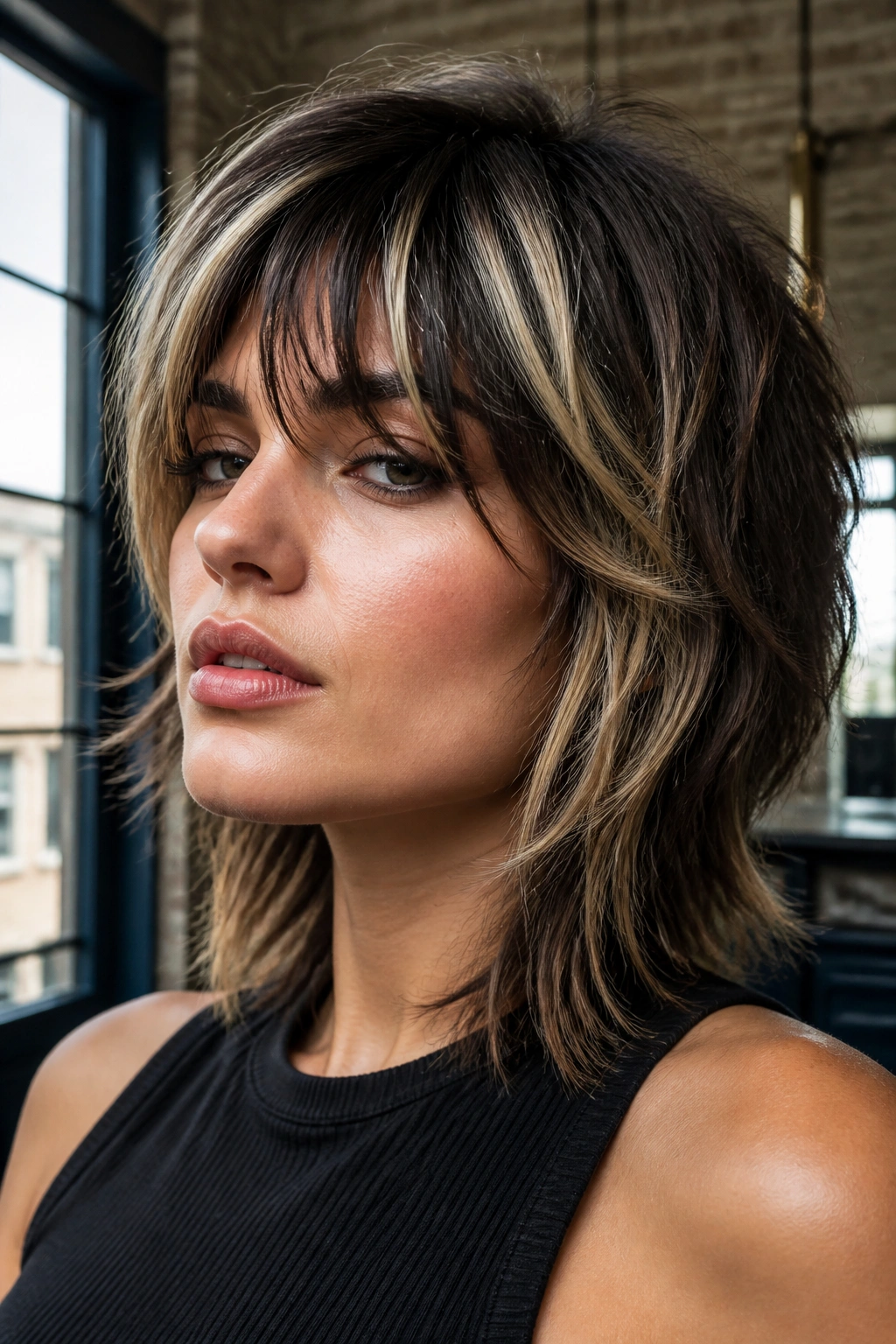
Unlike babylights, chunky ribbons are meant to be seen. On a shag, that can be a great thing because the haircut already has texture, layers, and a little attitude baked in.
Think bold, but not random. A few thicker foils around the fringe, temple, and crown can pull attention to the haircut’s movement. If the shag has a curtain bang, that’s where the color earns its keep. The lifted pieces make the fringe swing instead of disappearing into the rest of the cut.
This works best when the tone contrast is intentional. A dark brunette with warm blonde ribbons looks punchy. A soft copper base with lighter apricot ribbons feels playful. Either way, don’t scatter them everywhere. That ruins the point.
5. Caramel Highlights for Dark Brown Hair
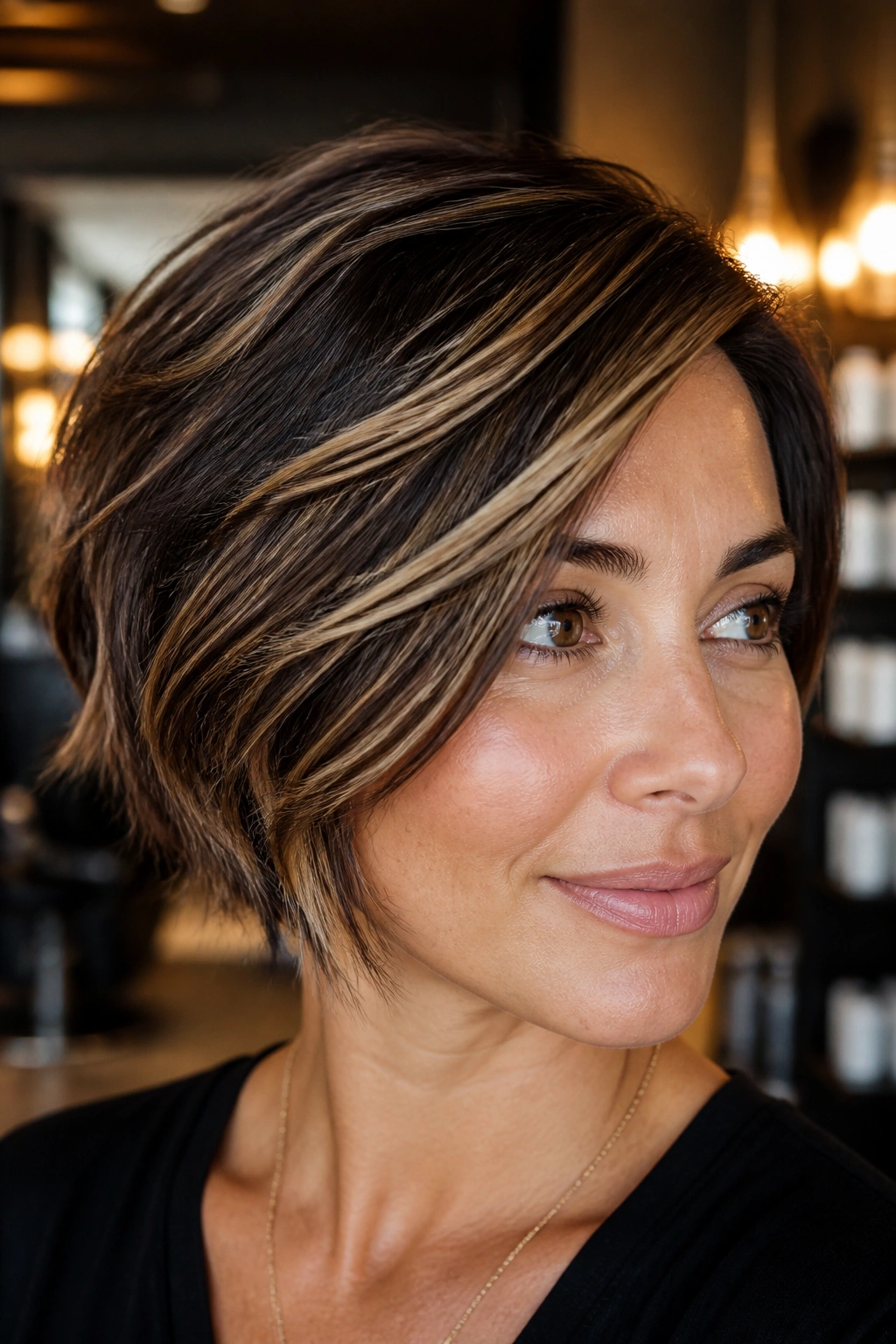
Caramel is the safe choice that never looks boring. On short dark brown hair, it gives warmth without the hard jump you get from pale blonde.
The trick is placement. Caramel highlights look best when they sit around the face, through the top layers, and just a bit on the ends. If every piece starts at the root, the cut can lose depth. If the brightest caramel stays below the surface, the hair keeps that rich, dark frame and still feels lighter.
This shade also plays nicely with blunt edges. It softens the line without muddying it. On a bob, that is a nice balance. On a pixie, it keeps the top lively.
6. Ash Blonde Veils for Cool Brunettes
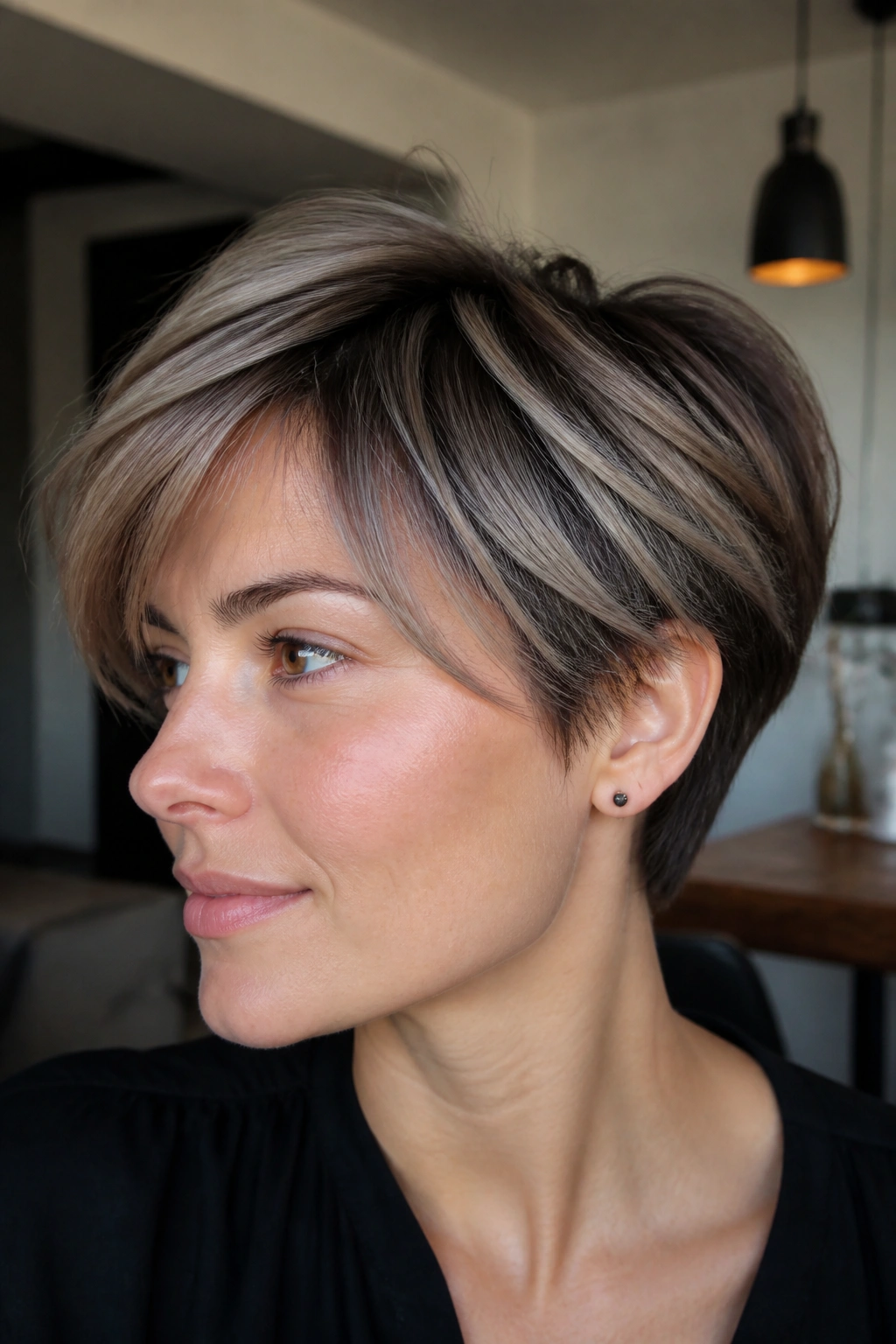
Cool blonde can be brutal on short hair if the tone goes too pale too fast. Ash blonde veils avoid that problem by staying smoky, soft, and a little muted.
What Makes It Different
This is not a sunny blonde. It has a quiet edge that works well on natural brunettes, especially if your skin tone looks better in silver jewelry than gold. The pieces should feel airy, almost like a veil of smoke over the dark base. You do not want yellow. You do not want gold. You want that clean, cool finish.
A gloss is non-negotiable here. Short hair shows brass quickly, and ash tones look best when they stay crisp. If your base is very dark, ask for a few brighter face-framing pieces and keep the rest more understated.
7. Copper Highlights on Chestnut Short Hair
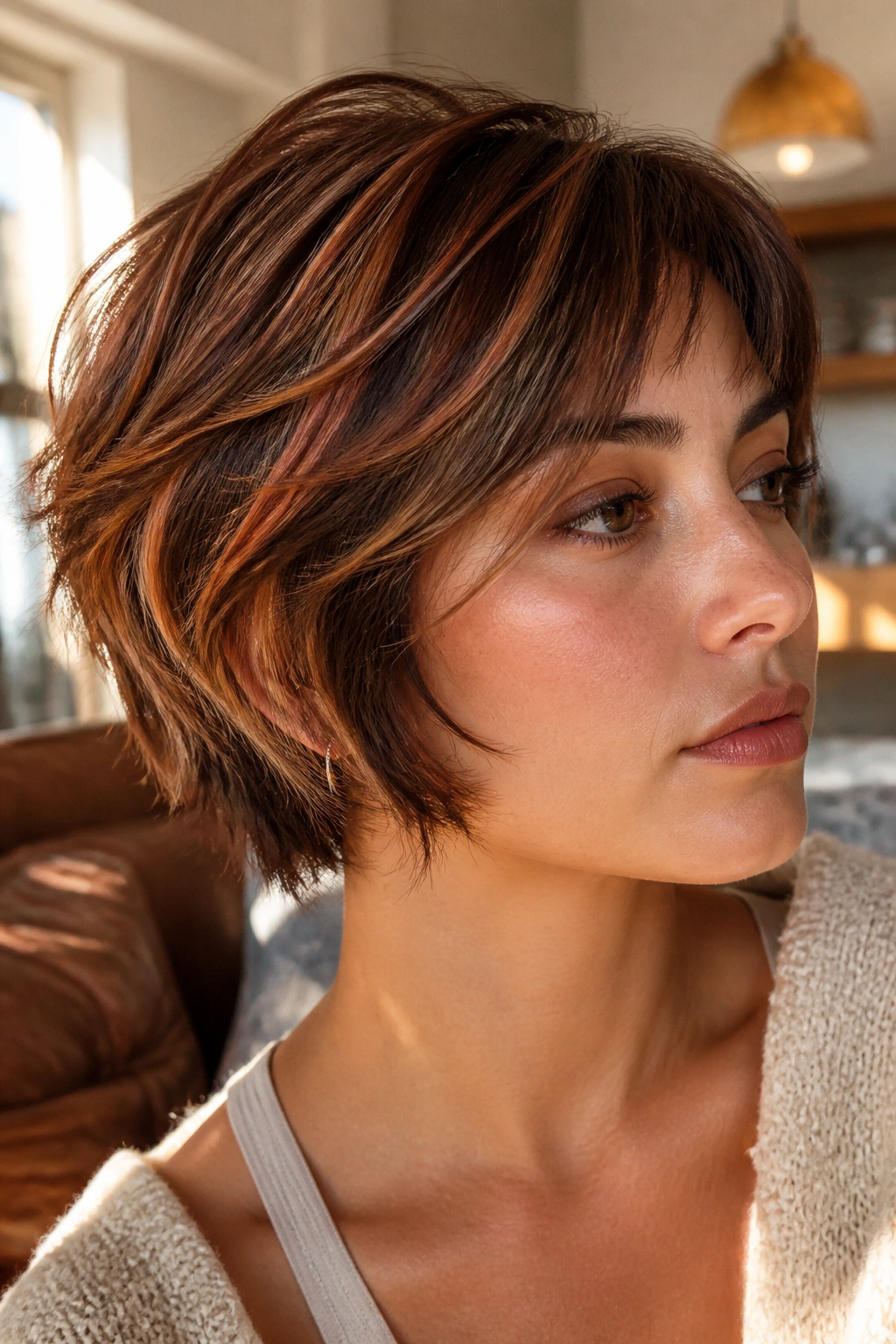
Copper on chestnut hair is one of those combinations that looks richer in person than it does in a flat photo. The warmth of the base and the warmth of the highlight do different jobs.
The smart way to wear it is through thin ribbons, not heavy panels. Copper can go loud fast, especially on a short bob or crop. When the pieces are fine and irregular, the hair catches flashes of red-gold every time you move. It feels alive. A little fiery, but still wearable.
Quick Notes
- Best on chestnut, auburn, and deep brown bases
- Works especially well in layered cuts
- Ask for copper, not orange-red
- A color-depositing gloss can keep the tone fresh between salon visits
8. Beige Blonde Ribbons on a Textured Lob
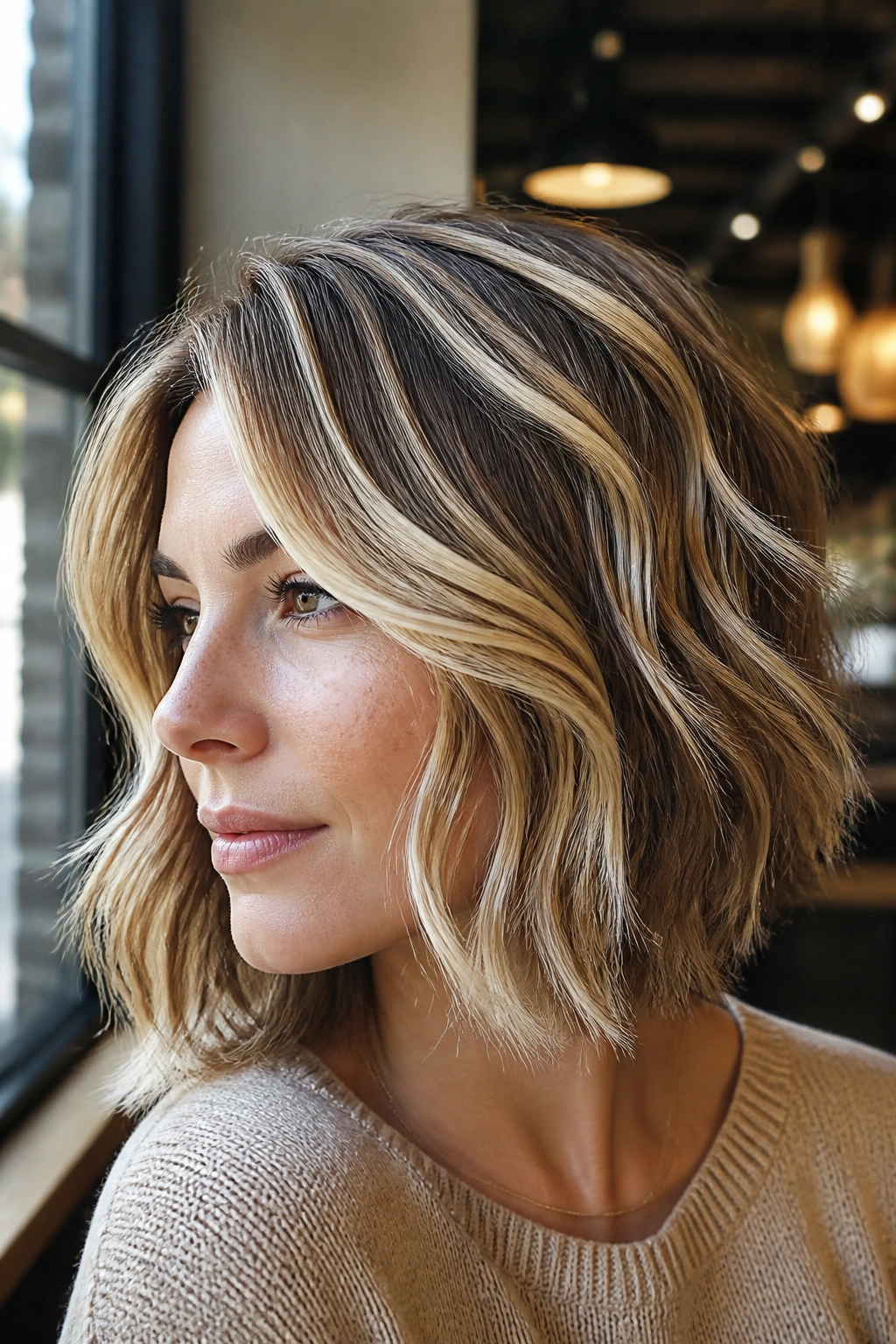
Beige blonde is the shade I reach for when someone wants blonde without the sharpness of platinum or the warmth of honey. On a textured lob, it gives just enough brightness to show off the cut.
This look depends on soft ribbons placed through the top and face area, with the ends left a little darker. That keeps the hair from looking washed out. The beige tone is the key. It sits between warm and cool, so it doesn’t fight the base color. It also tends to grow out with less drama than a very icy blonde.
If your lob has choppy layers, the ribbons will show each bend and flip. That is exactly why this one works.
9. Peekaboo Highlights Under the Top Layer
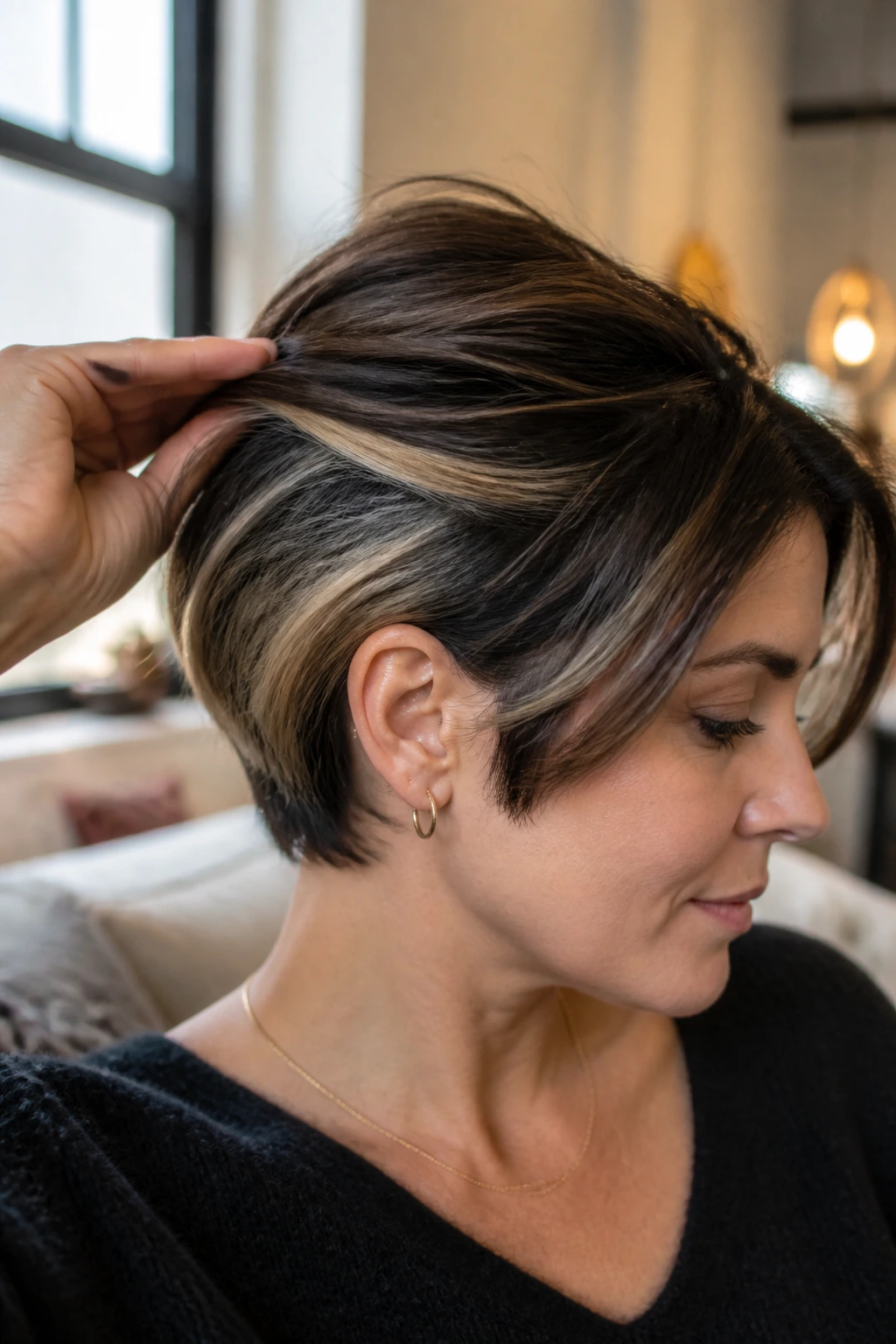
Peekaboo color is for people who want fun color without committing their whole head to it. On short hair, hidden panels make even more sense because the movement is constant.
You can tuck them under the crown, behind one ear, or just beneath the top layer so they show only when the hair swings. That little reveal is the point. It feels a bit secret, which is better than a loud all-over blast if you need the color to stay flexible for work or dress codes.
Where to Place Them
- Under the crown for movement
- Behind the ears for a tucked-back reveal
- At the nape for a surprise flash
- Under a fringe if you want color near the face without full visibility
Teal, rose, purple, or even blonde peekaboo pieces all work here. The placement does most of the talking.
10. Platinum Tips on a Cropped Pixie
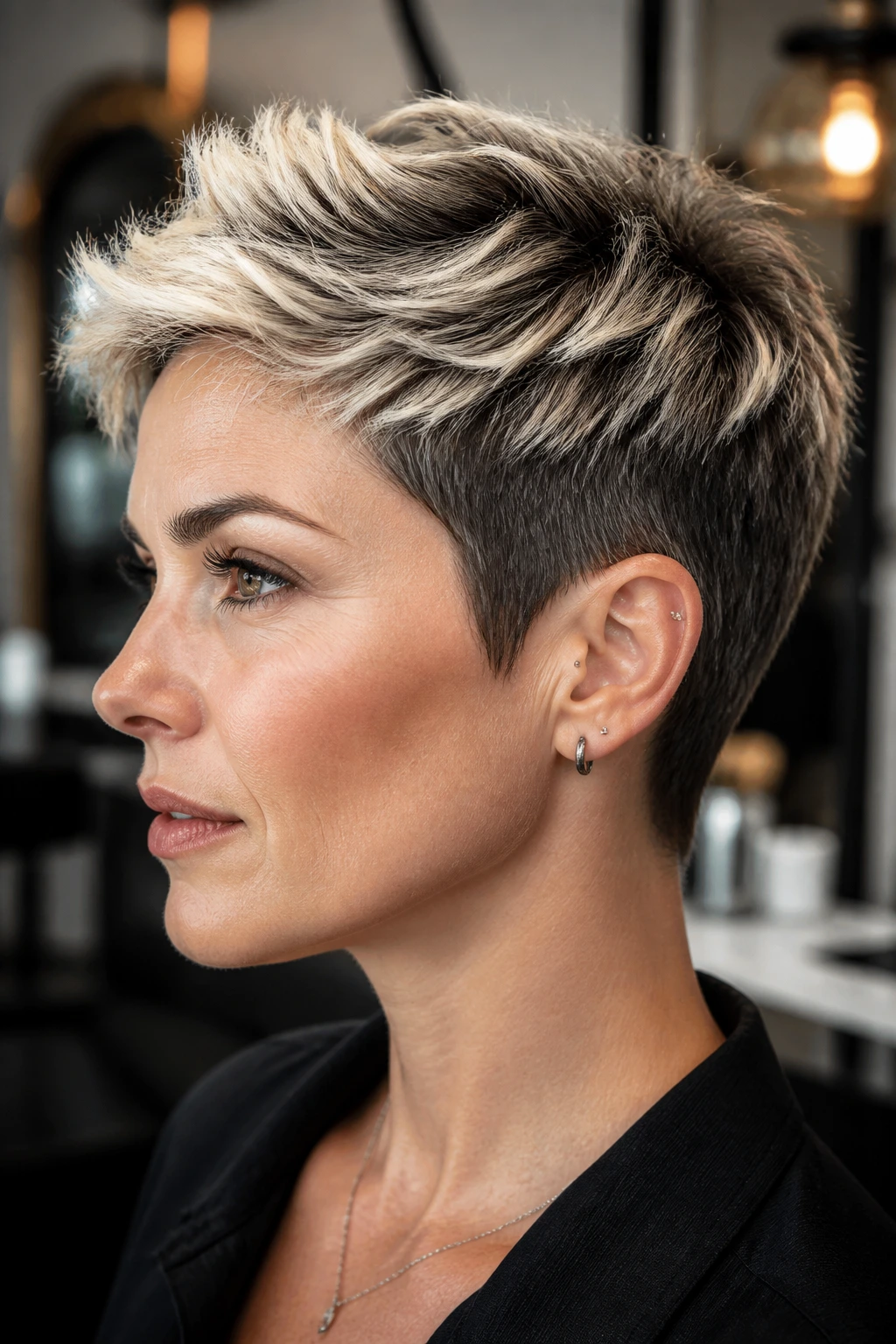
Platinum tips are not subtle. Good. A cropped pixie can handle that kind of contrast because the shape is already sharp.
The key is to keep the lightness at the ends and on the top layers, not all the way down into the sides. That keeps the head from looking like one solid pale mass. Platinum also looks better when the texture is a little piecey. A flat, helmet-like finish is the enemy here.
If your hair lifts stubbornly, ask for a long pre-lightening process rather than rushing it. Platinum should look clean, not yellow-white or fried. On a pixie, bad platinum is obvious from across the room.
11. Cinnamon Lowlights for Extra Depth
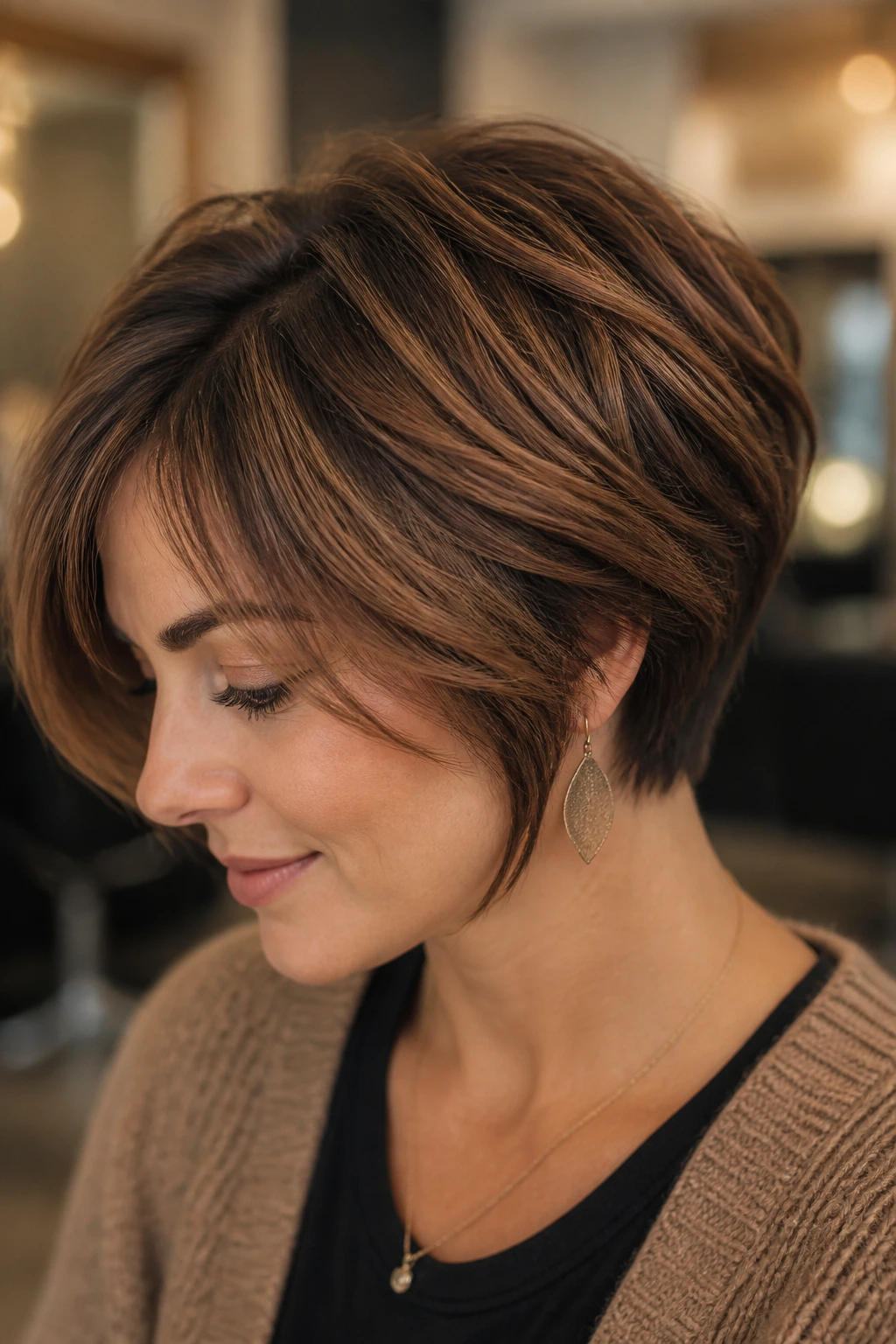
Short hair does not always need more brightness. Sometimes it needs depth, and lowlights are the better fix.
Cinnamon lowlights are a smart way to keep lighter short hair from looking over-processed or washed out. They add warmth and body through the interior, which is especially useful on fine hair that needs a little visual weight. A few cinnamon strands under the top layer can make a bob look thicker in the hand.
The shade should sit around soft brown-red, not brick. That gives you warmth without turning the cut heavy. I like this on blonde, beige, or light brown short hair that needs more shape.
12. Strawberry Blonde Pieces on Warm Bases
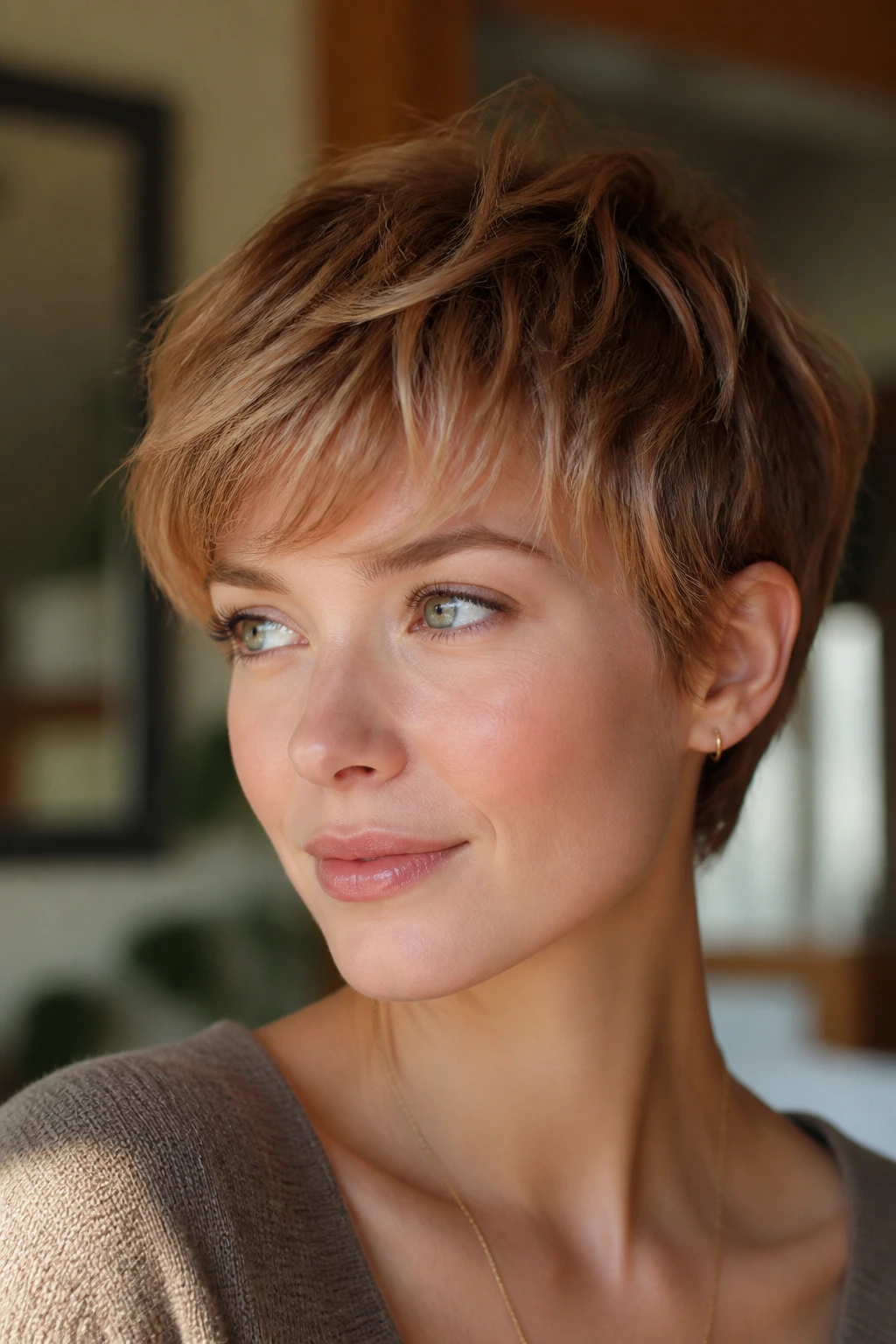
Strawberry blonde is a lovely middle ground when you want something sweeter than copper and lighter than auburn. On short hair, it reads fresh instead of fussy.
It works best on naturally warm bases: dark blonde, light brown, soft copper, or golden brunette. The color can sit through the fringe, around the temples, and in thin ribbons at the ends. Keep the pink note subtle. If it leans too rose, the whole cut starts to feel less natural and more costume-y.
This shade looks especially good on tousled crops and soft bobs. The movement helps the color look dimensional rather than painted on.
13. Silver Streaks on Salt-and-Pepper Hair
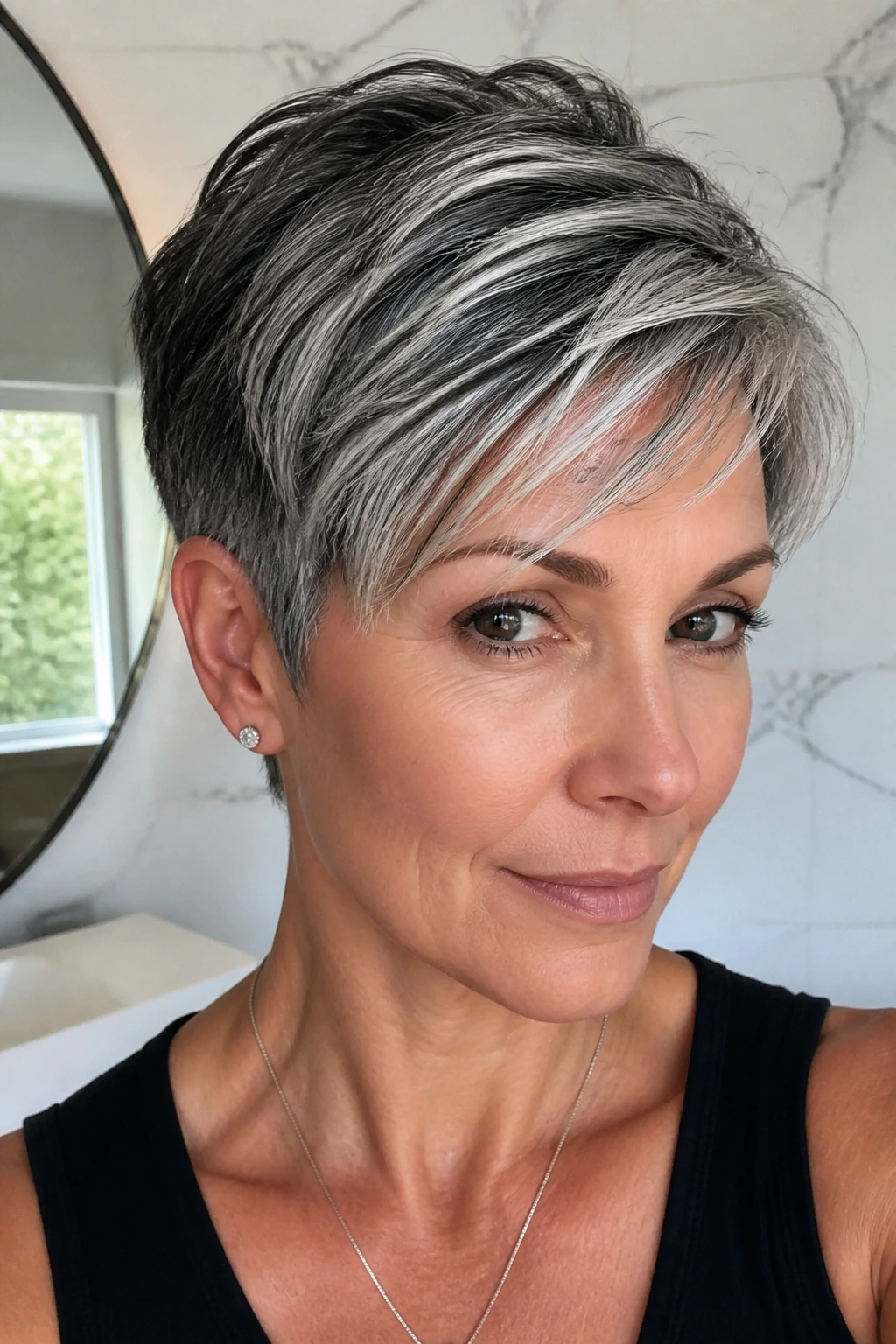
Silver streaks are one of the cleanest ways to make salt-and-pepper hair look intentional. On short cuts, that matters even more because the natural gray is often the prettiest thing going.
A few silver ribbons can connect the darker strands with the lighter ones so the grow-out feels smoother. You are not hiding the gray. You are shaping it. That is the right mindset. On a pixie or cropped bob, the silver can travel through the top and fringe, then stay softer on the sides.
If your natural silver is already strong, keep the added lightness cool and glossy. Yellowed silver is not the same thing, and it never looks as sharp.
14. Rooted Honey Blonde on an Angled Bob
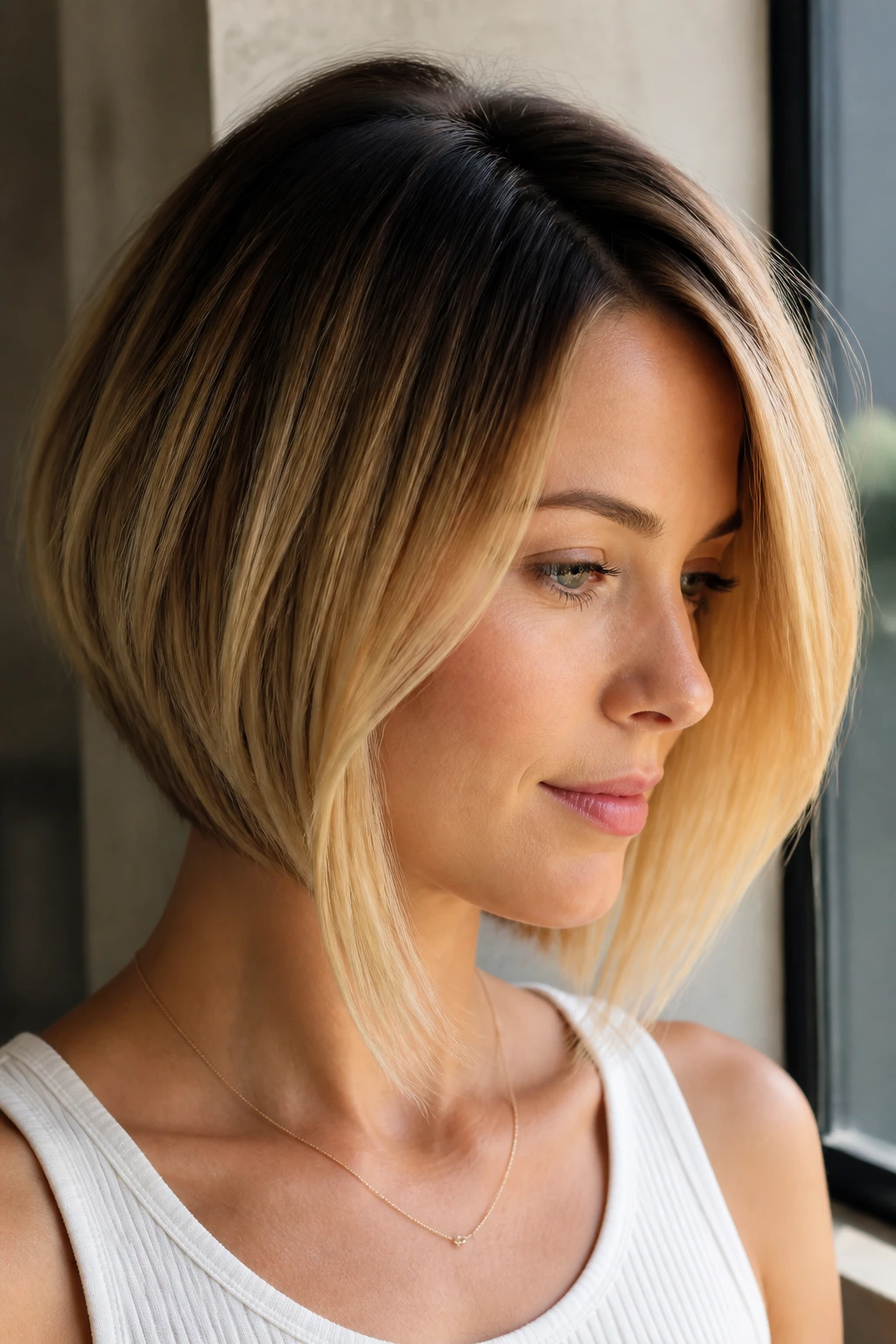
Rooted honey blonde gives you lightness up front and easier grow-out at the same time. On an angled bob, the slant of the cut helps the color look even more dynamic.
Why It’s So Easy to Wear
The darker root lets the blonde feel softer at the scalp, which matters on short hair because you see the base line fast. Honey is warmer than beige, so the finish looks sunlit instead of icy. That warmth can be especially nice if your hair tends to look flat in cool tones.
The longest pieces at the front can take the lightest honey, while the back stays a little deeper. That keeps the angle crisp and the color from looking one-note.
15. Rose Gold Highlights on a Sleek Crop
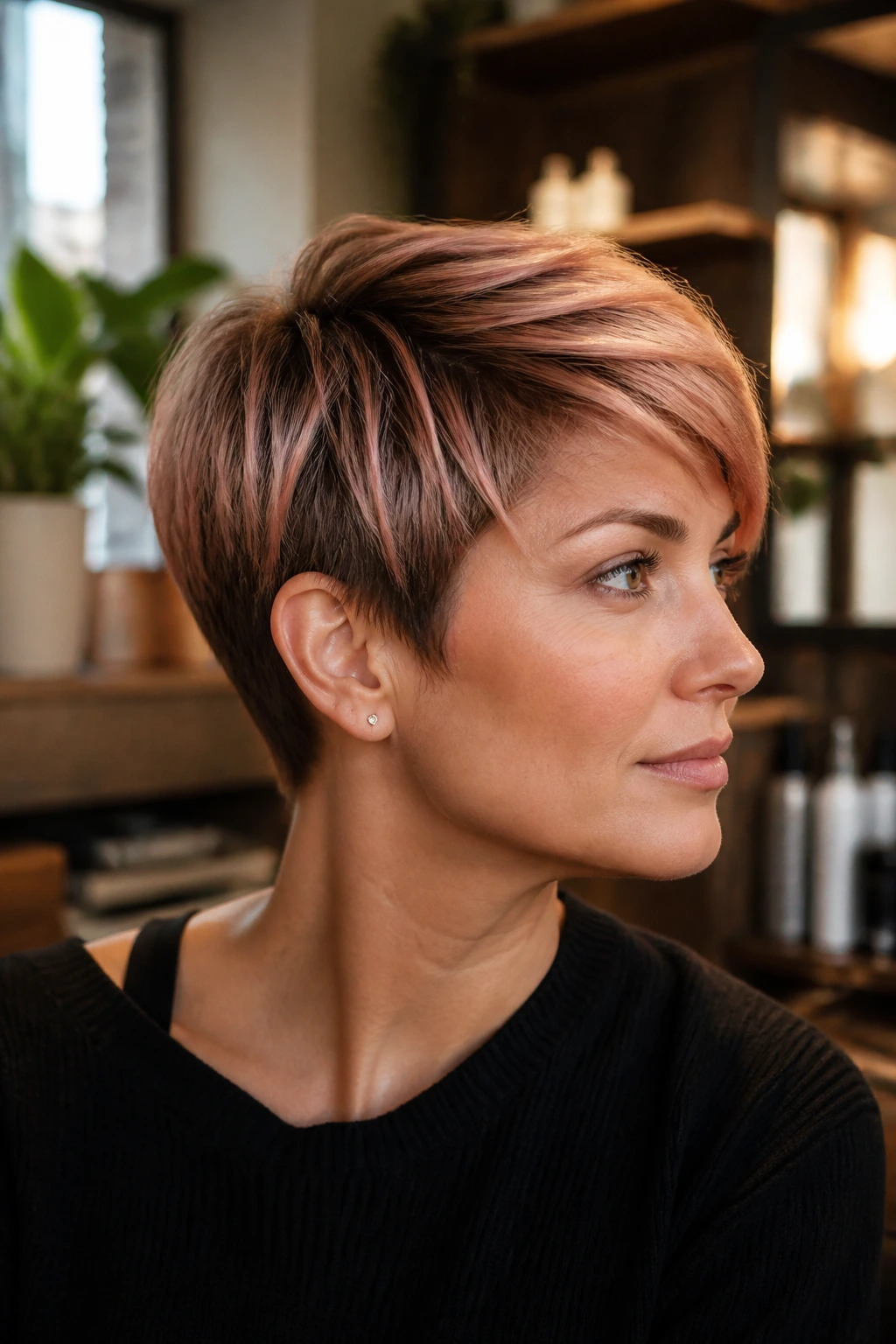
Rose gold on short hair can look chic if you keep the pink whisper-thin. Too much and it turns sugary fast.
This works best on sleek crops and polished bobs where the shine shows off the tint. A subtle rose-gold glaze over blonde or light brown strands gives the hair a soft blush without making it look cartoonish. The effect is warmer than silver, cooler than copper, and a little more interesting than beige.
One sentence: shine matters here.
Use a smoothing cream or light gloss spray after styling, because dull rose gold looks flat. The color needs reflection to land properly.
16. Sandy Surfer Pieces on a Choppy Bob
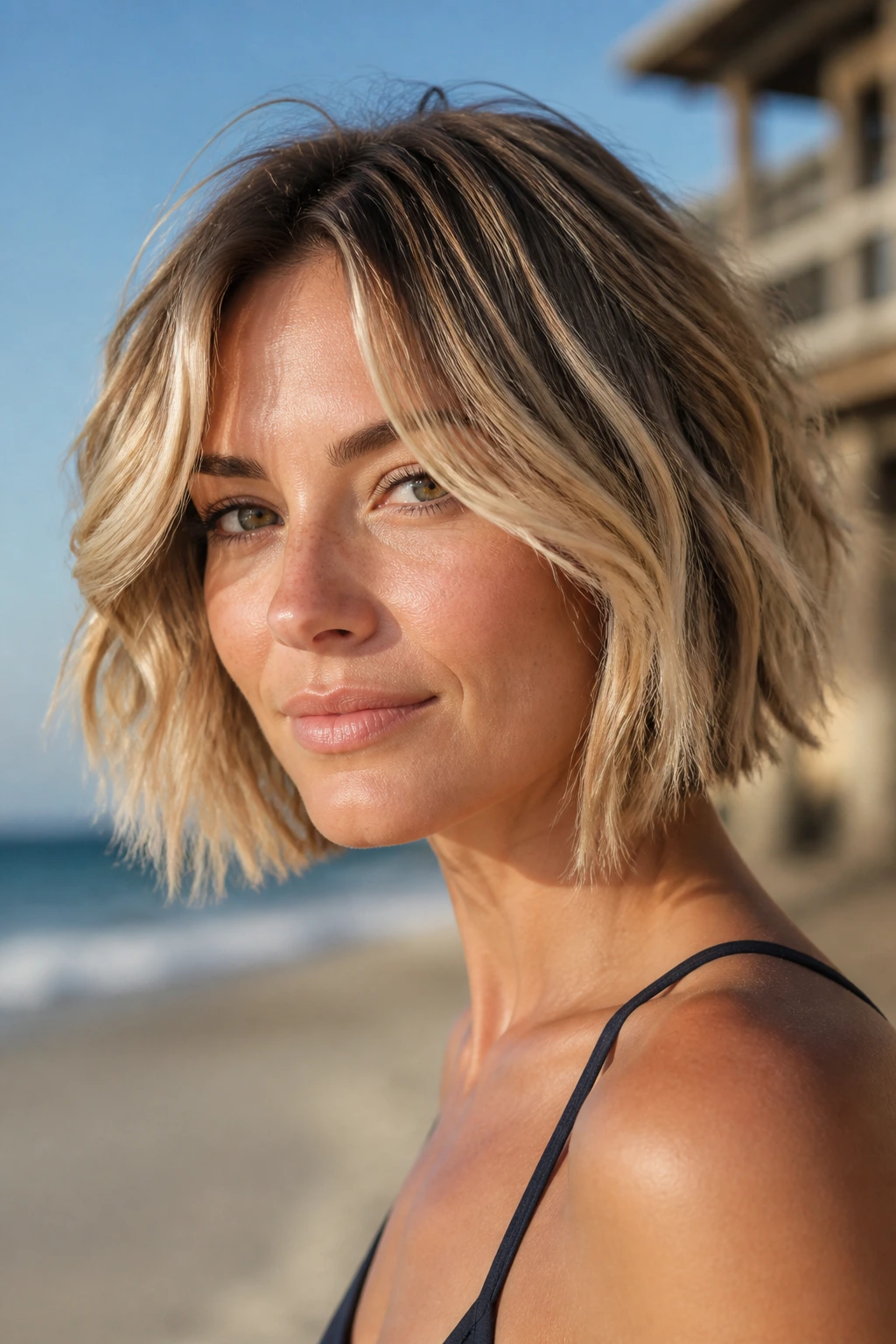
Sandy blonde highlights are for people who want hair that looks like it spent some time near salt air, even if it absolutely did not. On a choppy bob, that slightly sun-faded tone makes the layers look loose and easy.
The pieces should be irregular and soft at the ends. Leave a bit of natural depth at the root and through the underlayer. That contrast keeps the haircut from turning fuzzy. A sandy tone is usually less buttery than classic blonde, which is part of why it looks more lived-in.
This is a nice choice if you like texture spray, air-drying, and hair that does not look too perfect. It should feel undone on purpose.
17. Auburn Halo Highlights Around the Crown
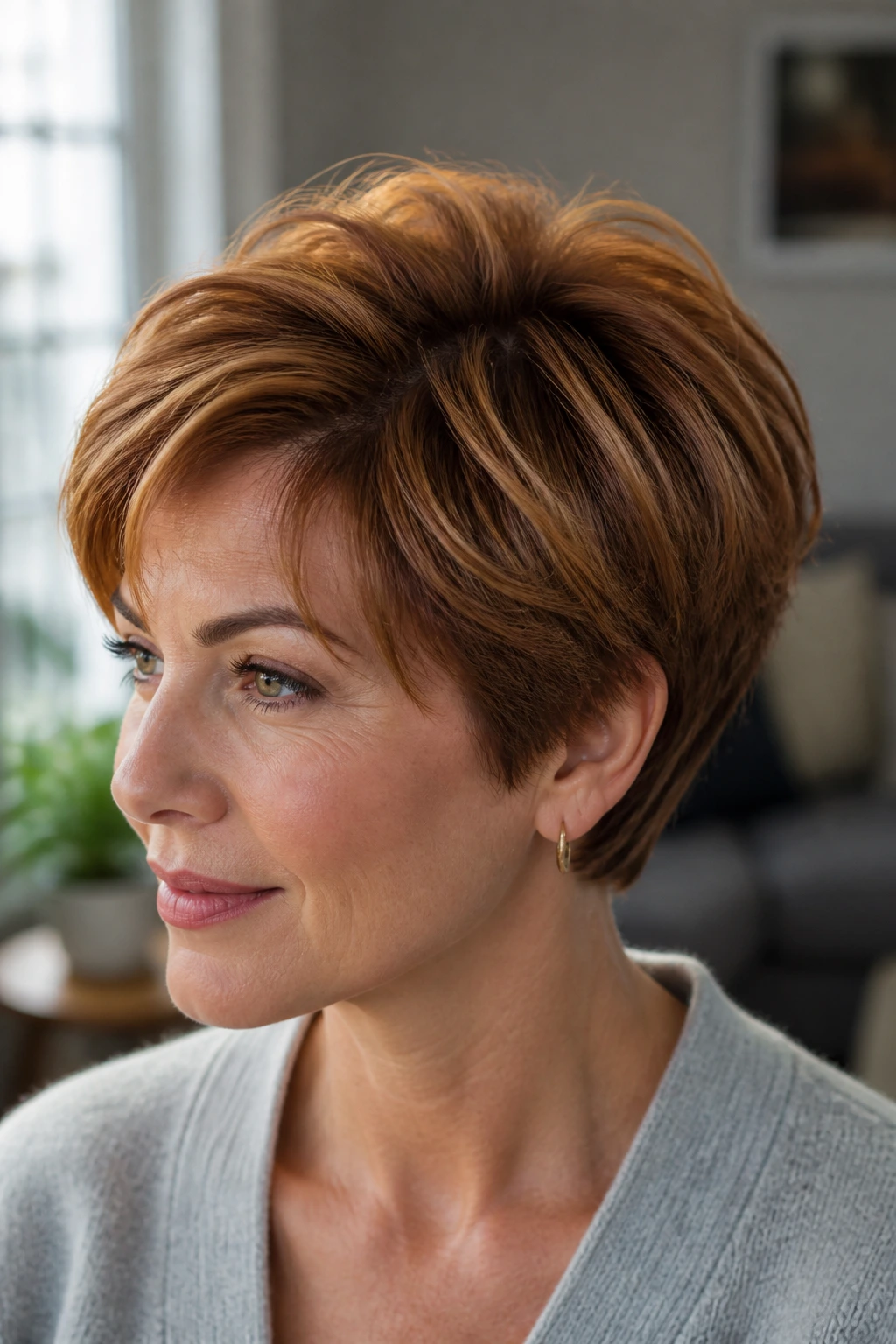
An auburn halo is a smart placement trick. Instead of scattering warmth everywhere, you circle the crown with lighter auburn pieces so the top of the haircut looks fuller.
That works beautifully on short hair with a little height at the top. The color catches light around the curve of the head and makes the style look rounder. It also keeps the ends from getting too busy. On a pixie, the halo can sit just above the temples. On a bob, it can wrap the upper layers and fringe.
Best Use Case
- Fine hair that needs lift
- Dark blonde or light brown bases
- Crops with volume on top
- Cuts that feel too flat at the crown
18. Champagne Ribbons on a Side-Part Bob
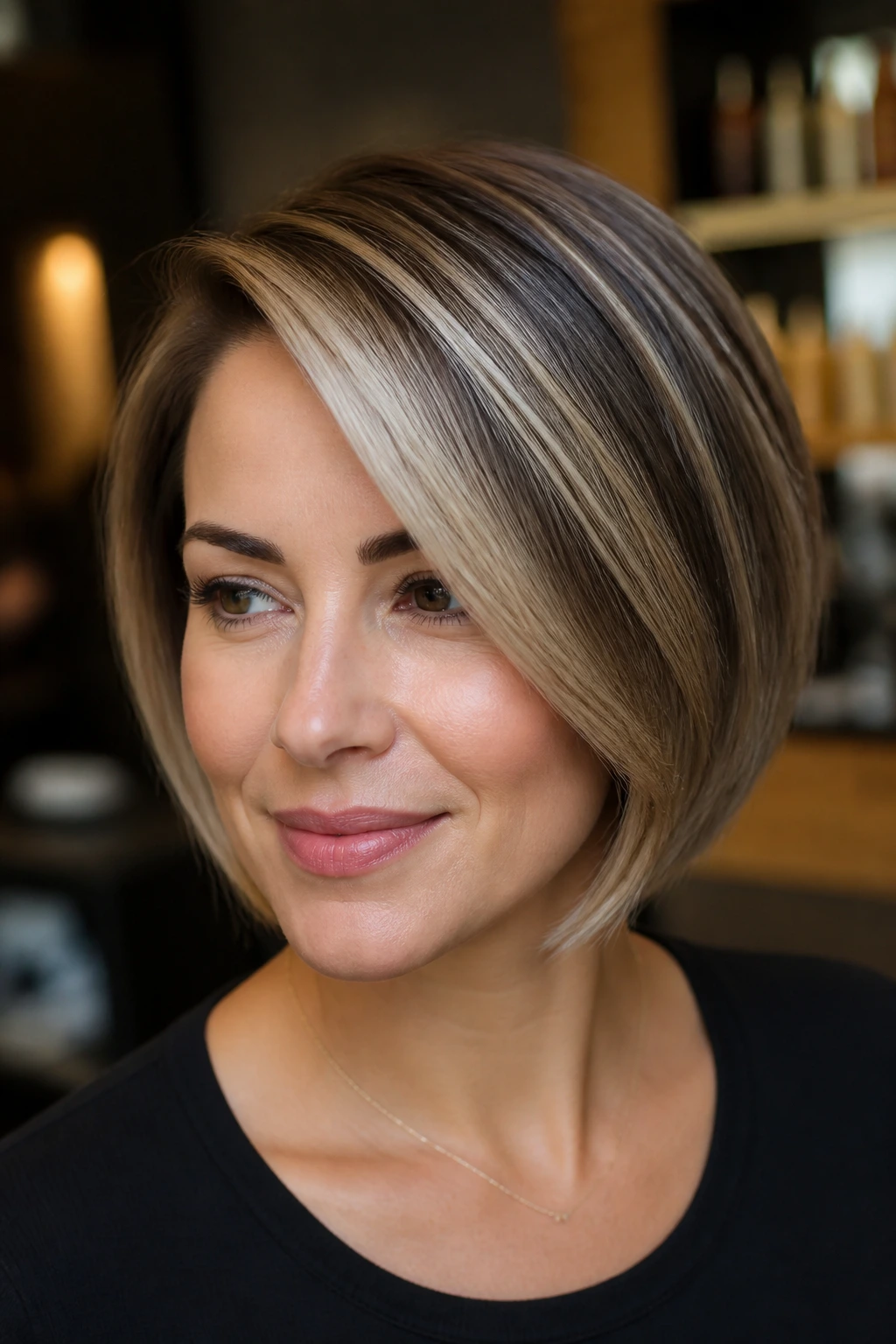
Champagne highlights sit between beige and pale gold, which makes them useful on short hair that needs brightness without harsh contrast. On a side-part bob, the sweep of the part helps the ribbons show off.
The tone should stay soft and creamy. Not icy. Not yellow. The front can carry a little more light, while the back stays understated. That keeps the cut balanced and stops the whole thing from looking overdone. I like this on chin-length hair because it makes the edges look airy instead of heavy.
If your hair has a smooth blowout, champagne ribbons catch the curve of the bend and look expensive without trying too hard.
19. Teal Peekaboo Panels for a Bold Accent
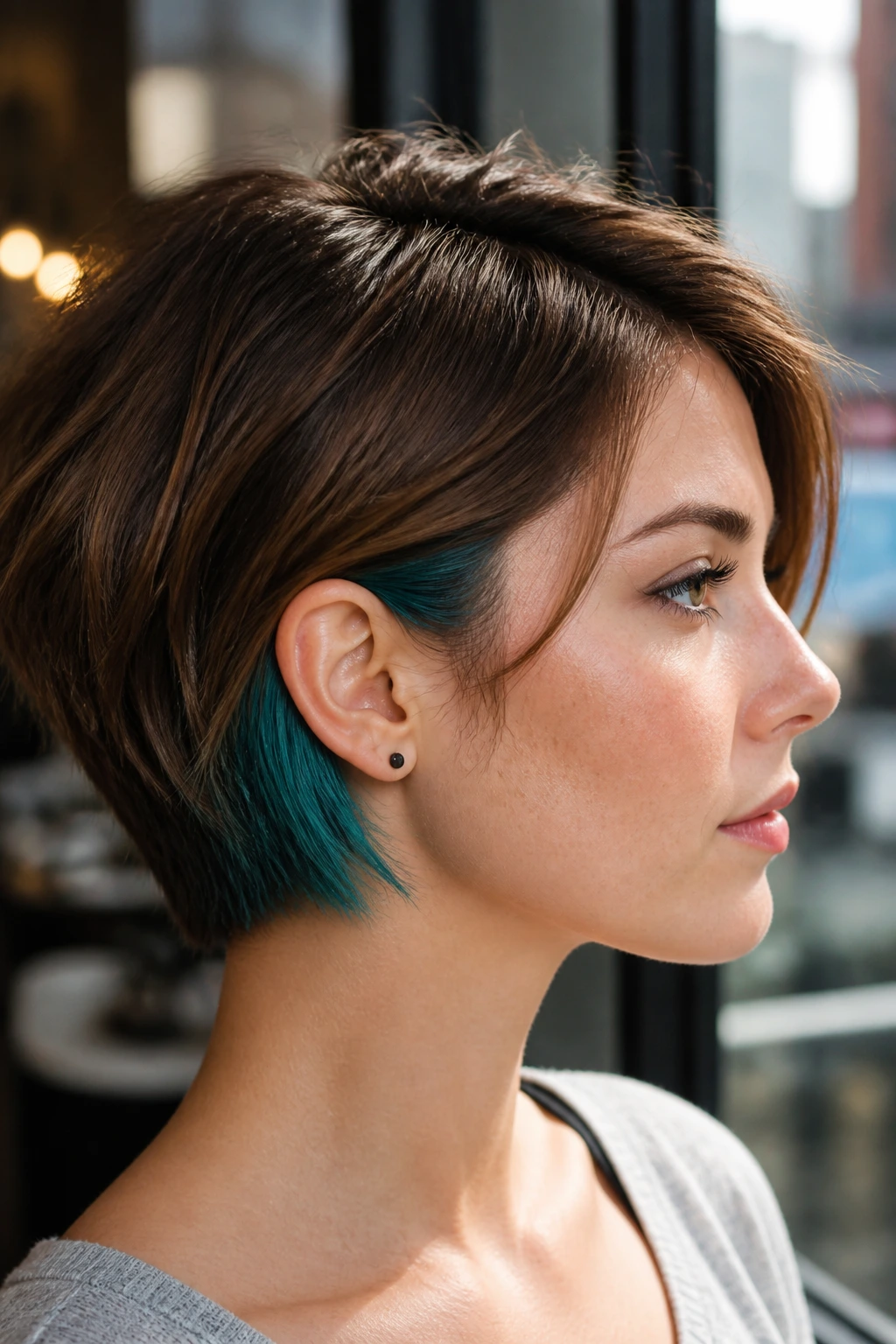
Teal peekaboo panels are for the days when you want the haircut to have a little hidden attitude. Short hair is actually a perfect place for that because the color flashes fast and disappears just as fast.
Keep the panels underneath the top layer or behind the ear so they appear when the hair moves. That makes them feel like a surprise, not a costume. Teal also plays nicely with dark brown and black hair because the contrast is strong without being neon. If you want the color to stay crisp, a sulfate-free shampoo and cool water rinse help more than most people think.
It is a fun look. Also practical, weirdly enough.
20. Bronde Ribbons for Brown Short Hair
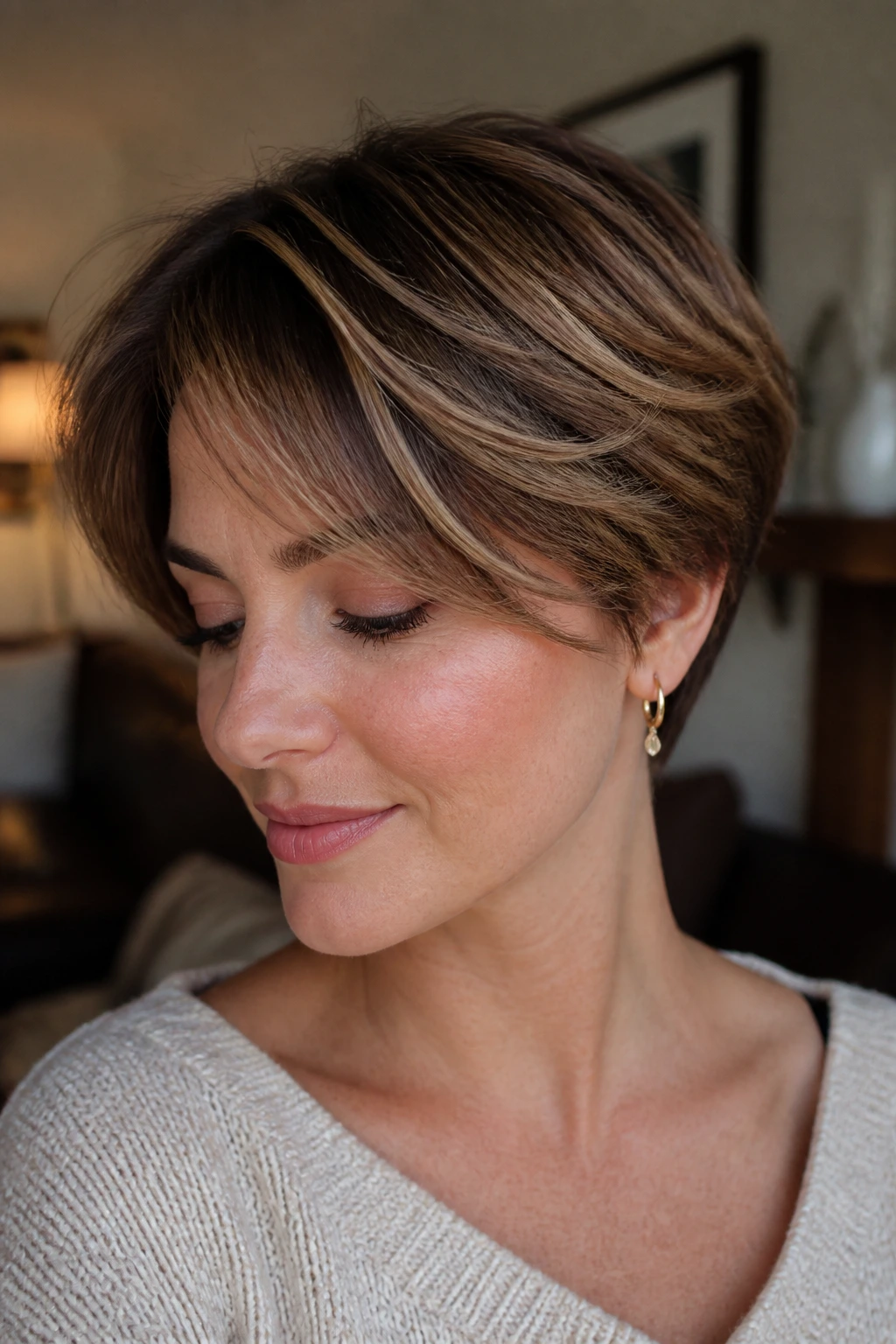
Bronde is the shade people ask for when they want lighter hair but not a full blonde commitment. On short brown hair, it gives dimension that reads expensive without being loud.
The color sits between brunette and blonde, so the final result feels believable. The ribbons can be wider than babylights but softer than chunky highlights. That middle ground is why this one works so well on short cuts. It keeps the shape visible without turning the head into a patchwork.
Bronde is also forgiving if you do not want to visit the salon every month. The grow-out tends to look lived-in rather than obvious.
21. Shadow-Rooted Blonde for Easy Grow-Out
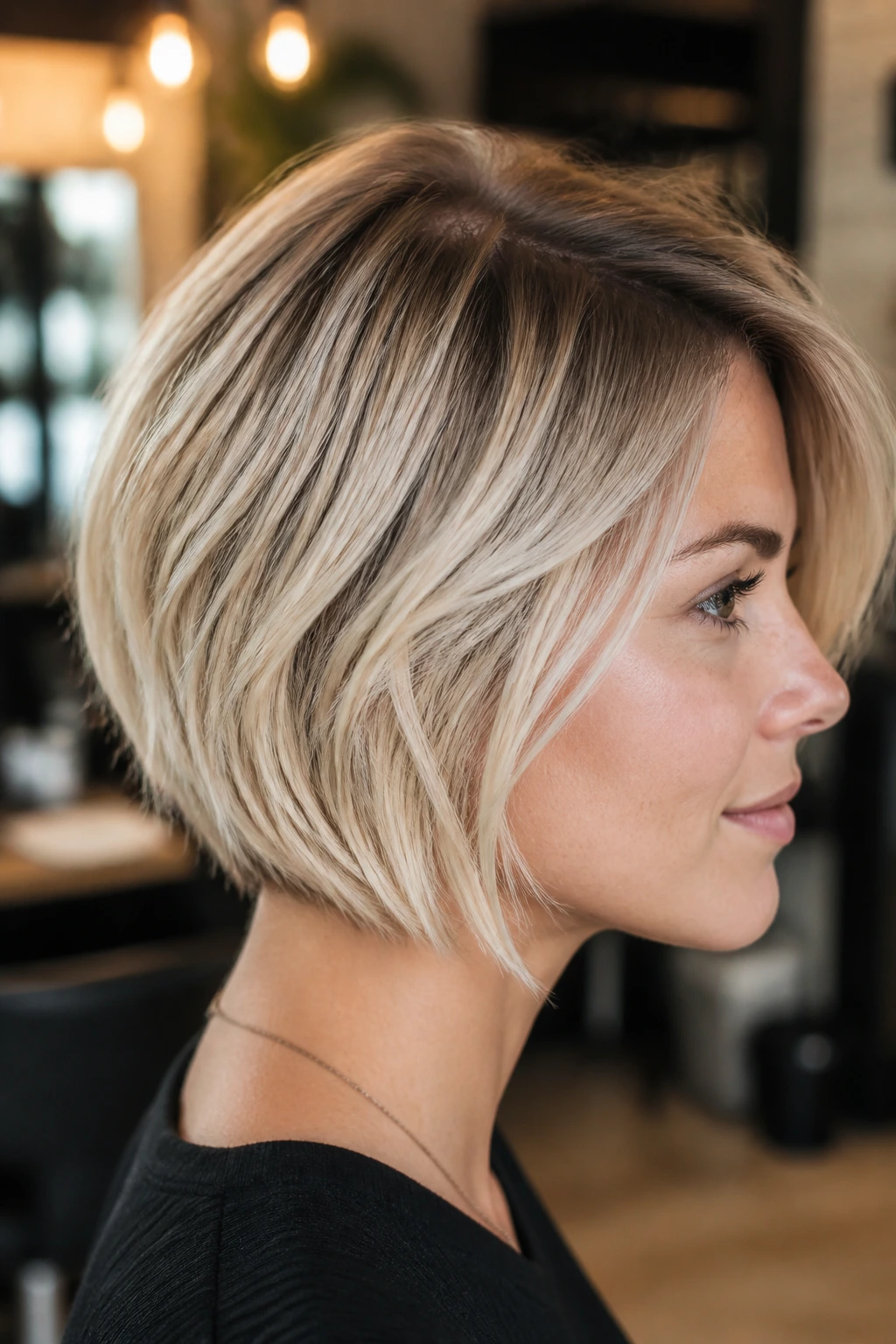
Shadow roots get a bad name from sloppy color jobs. Done well, they are one of the best things you can ask for on short hair.
A soft root melt keeps the blonde from starting too high and too bright. That matters because short hair grows fast in view. When the root is blurred into the blonde, the style stays polished longer and does not scream for a touch-up every time you look in the mirror. The blonde can be beige, honey, or icy, but the root needs to stay a shade or two deeper.
If you are trying to stretch salon visits, this is the one to consider first.
22. Buttercream Highlights on a Curly Crop
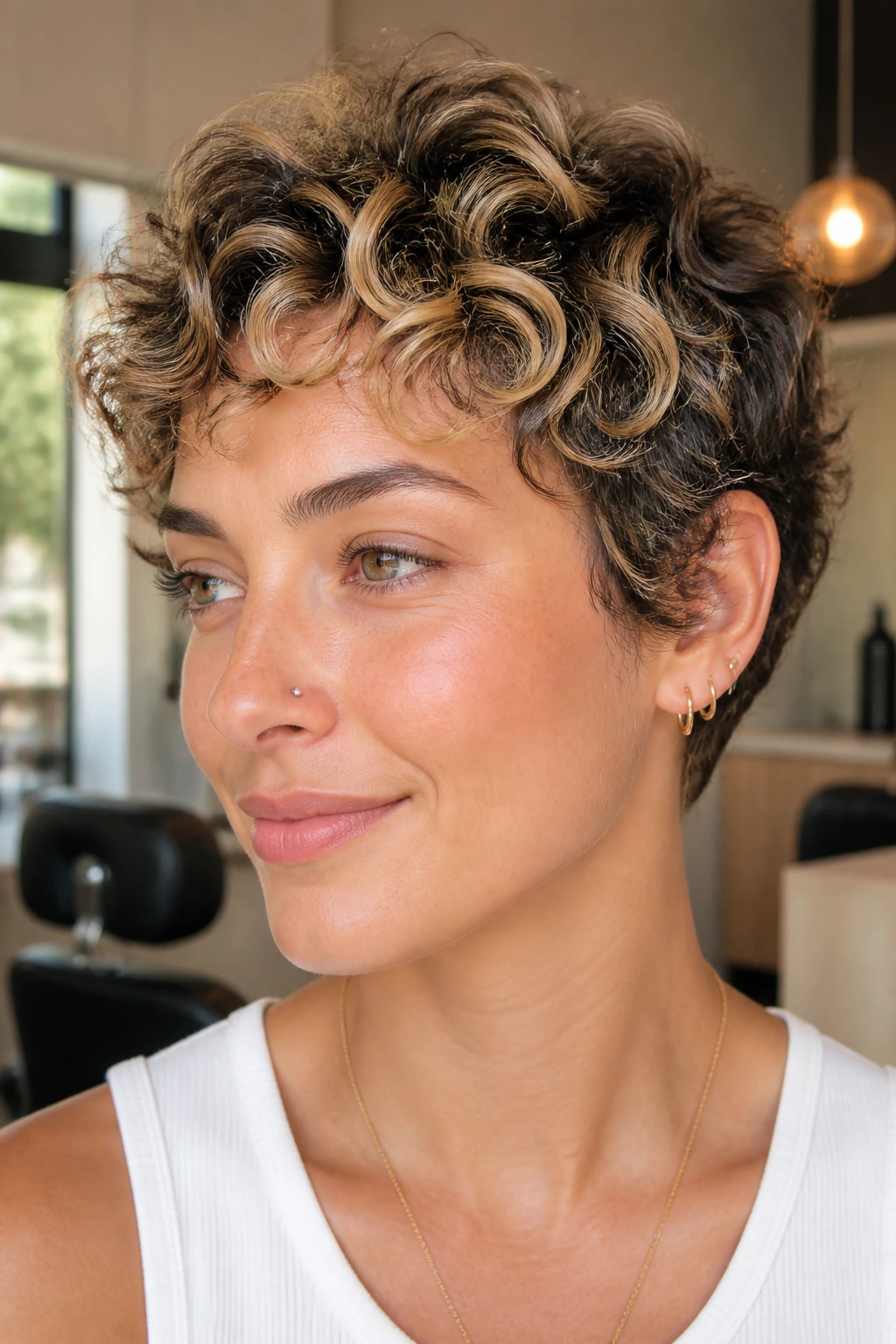
Curly short hair needs a softer highlight hand than straight hair does. Buttercream blonde is gentle enough to sit inside the curl pattern without making each coil look chopped up.
How It Changes the Shape
A few buttercream pieces placed where curls naturally spring open can make the whole cut feel lighter. Keep the lightening a little more diffused than you would on a straight bob. Hard foil lines can look harsh on curls, while softer painting lets the ringlets hold their shape.
- Best for curly pixies and cropped curly bobs
- Works well with golden-blonde or light beige tones
- Put the brightest pieces where curls stack
- Finish with a curl cream, not a heavy oil
That last part matters. Heavy product can bury the highlights.
23. Mocha and Toffee Contrast for Thick Hair
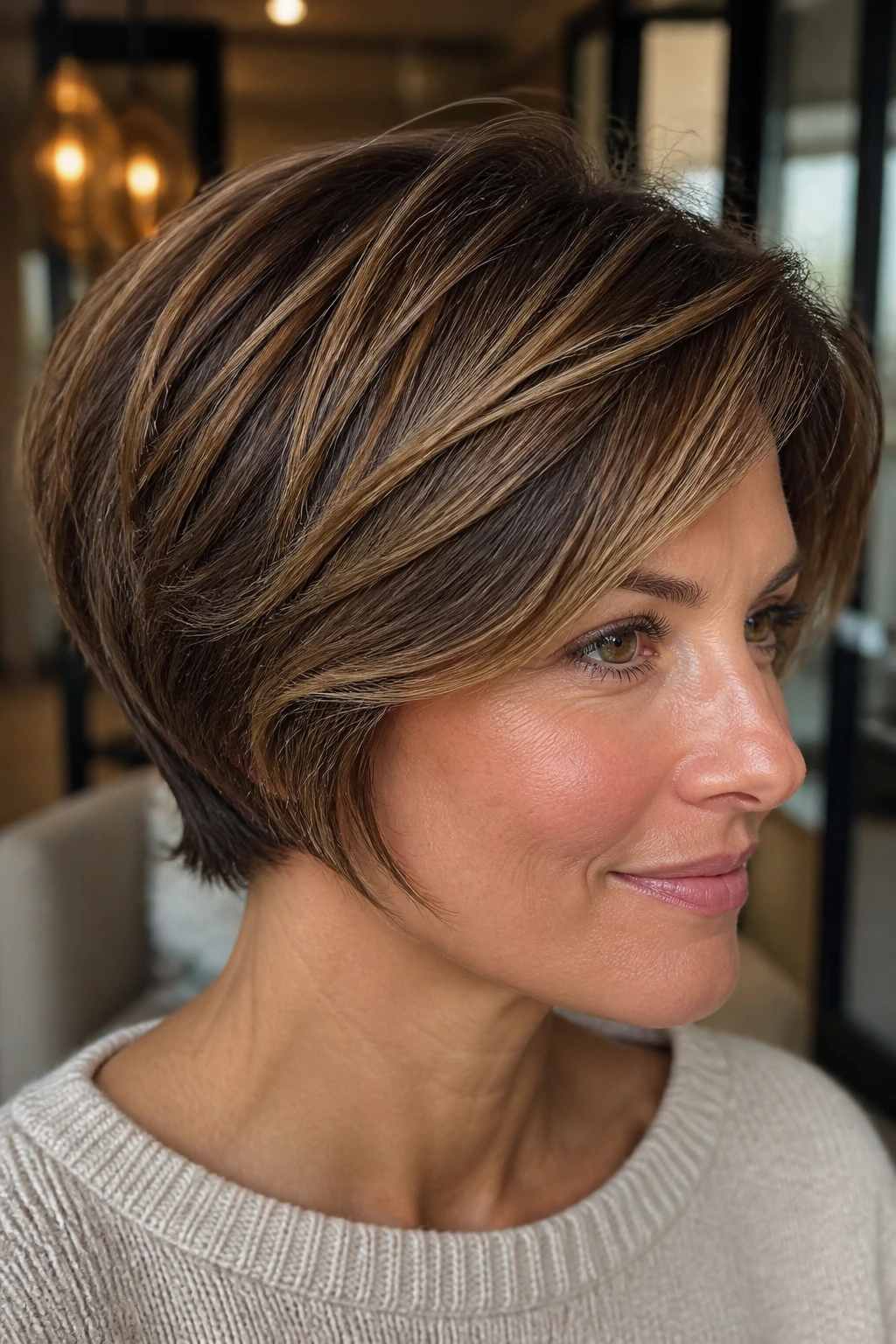
Thick short hair needs contrast or it can look like one heavy block. Mocha and toffee is a rich pairing that keeps the depth but breaks it up enough to show movement.
The darker mocha pieces can sit under the crown and in the interior, while toffee lights show up through the top layers and around the front. That two-tone push and pull is what gives the cut shape. On a thick bob, it stops the hair from looking too dense at the bottom. On a crop, it makes the texture easier to read.
This is a good choice if you like dimension more than brightness.
24. Underlayer Espresso Pieces for Hidden Lift
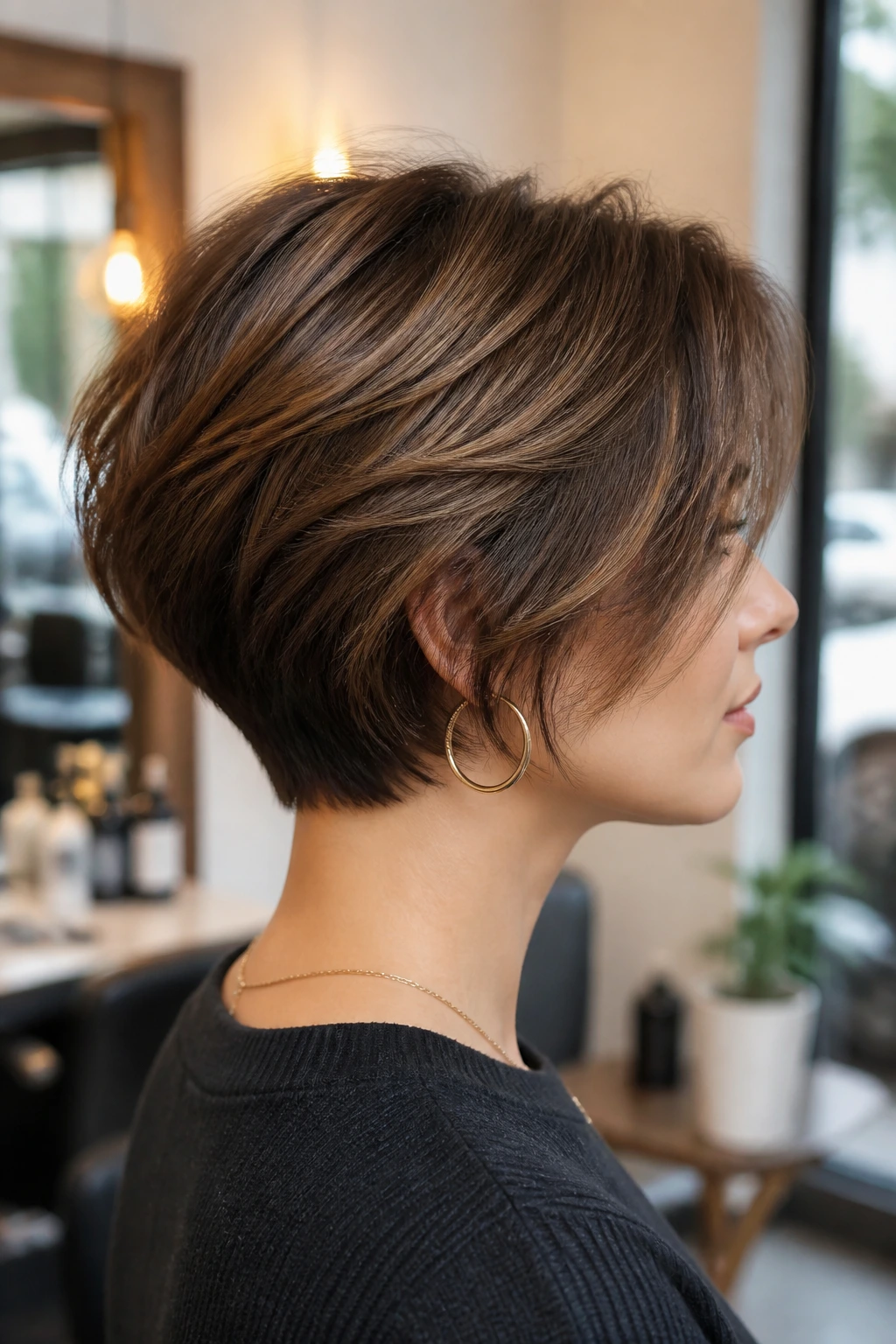
Short hair does not always need color where everyone can see it. Sometimes the smartest move is to put depth underneath.
Espresso pieces hidden below the top layer can make the surface color look lighter and the haircut feel more lifted. It is a sneaky trick. When the darker strands peek through at the nape or behind the ear, they outline the shape without stealing attention. On a blonde or caramel base, the result is stronger contrast and a little more swing.
Where It Helps Most
- Under a bob that turns inward
- Around the nape of a pixie
- Beneath a layered crop
- On very fine hair that needs structure
It’s subtle, and that’s the point.
25. Smoky Beige Streaks on a Sleek Chin-Length Cut
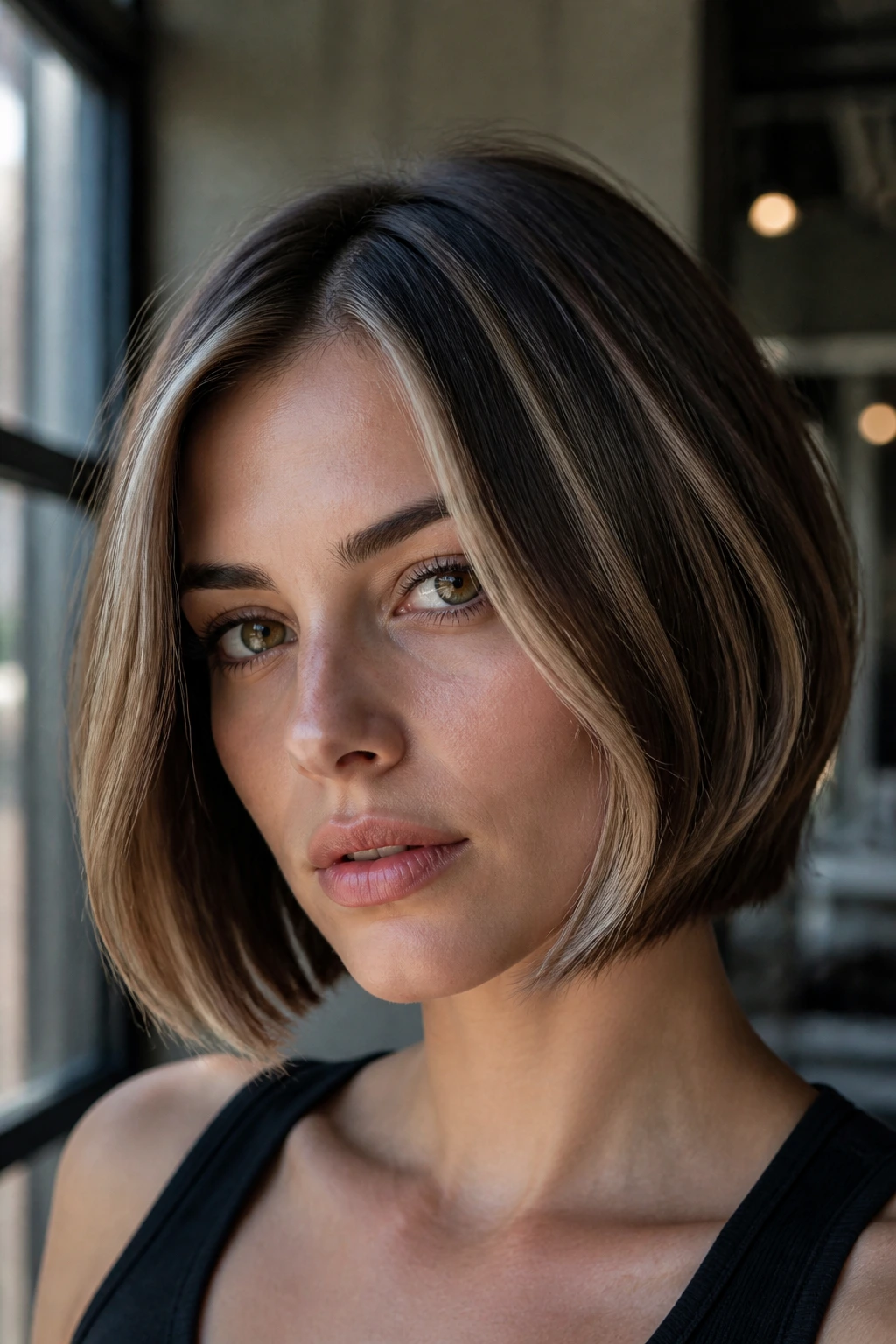
Smoky beige is the short-hair color I recommend when someone wants polish without shine overload. It sits softly on a sleek chin-length cut and keeps the line from looking severe.
The best version has a little ash in it, but not so much that the hair turns dull. A few smoky beige streaks through the front and top layers can make the cut feel tailored. You get brightness, but the finish stays calm. This is a good match for straight styling, center parts, and sharper edges.
A clean blowout helps, but the color does a lot of the work on its own.
26. Peach or Apricot Accents on Short Hair
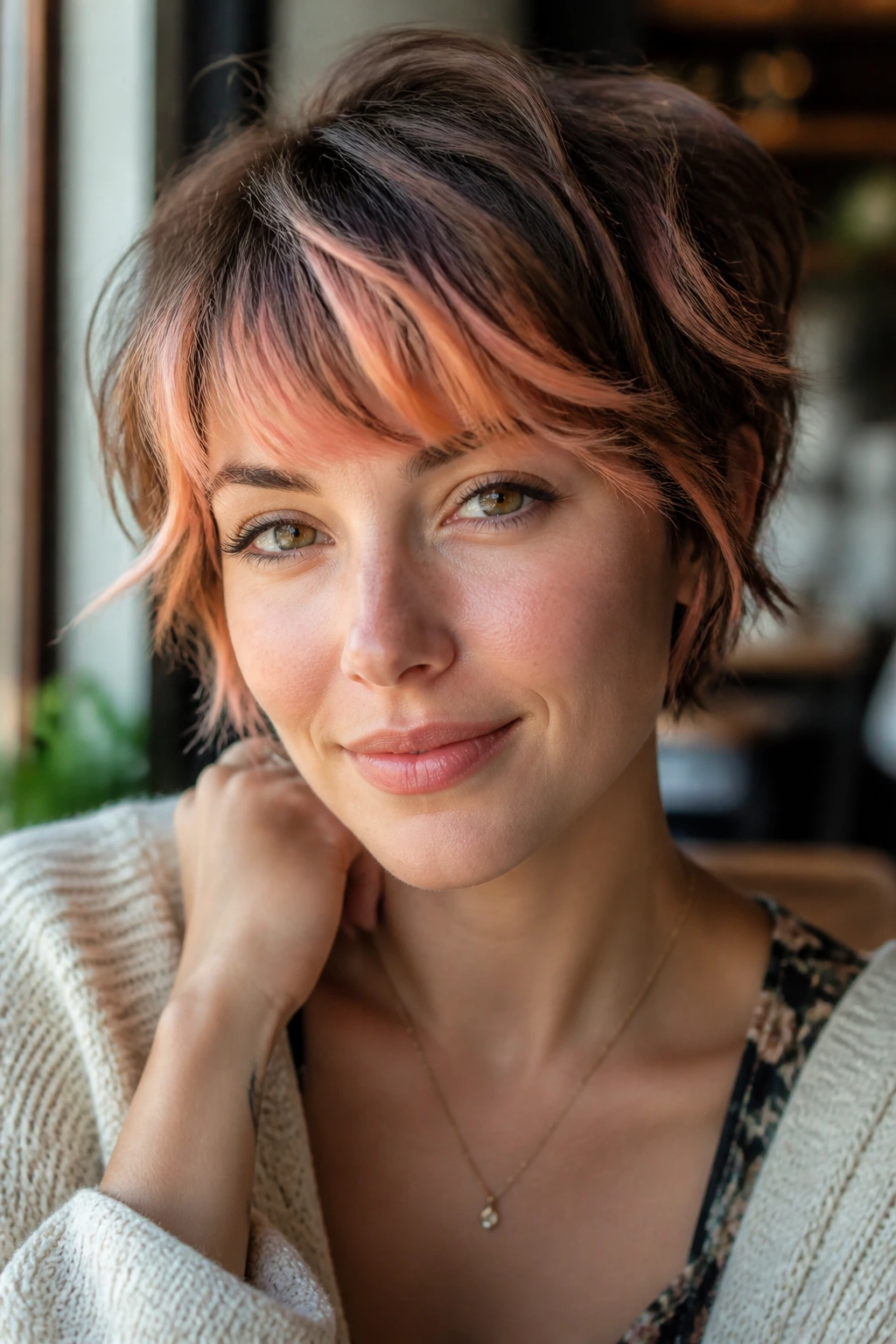
Peach and apricot accents are playful without feeling childish when they are done as a glaze or a few small panels. On short hair, that little hit of color can be enough.
These tones work best on pre-lightened blonde or very light brown hair. The warmth should stay soft. If peach gets too neon, it starts fighting the haircut. Use it near the fringe, at the ends, or tucked inside layers so the color moves in and out of view. That keeps the cut interesting without turning it into a full fantasy look.
I like this one for people who want a change that still feels light.
27. Frosted Tips on a Modern Mullet
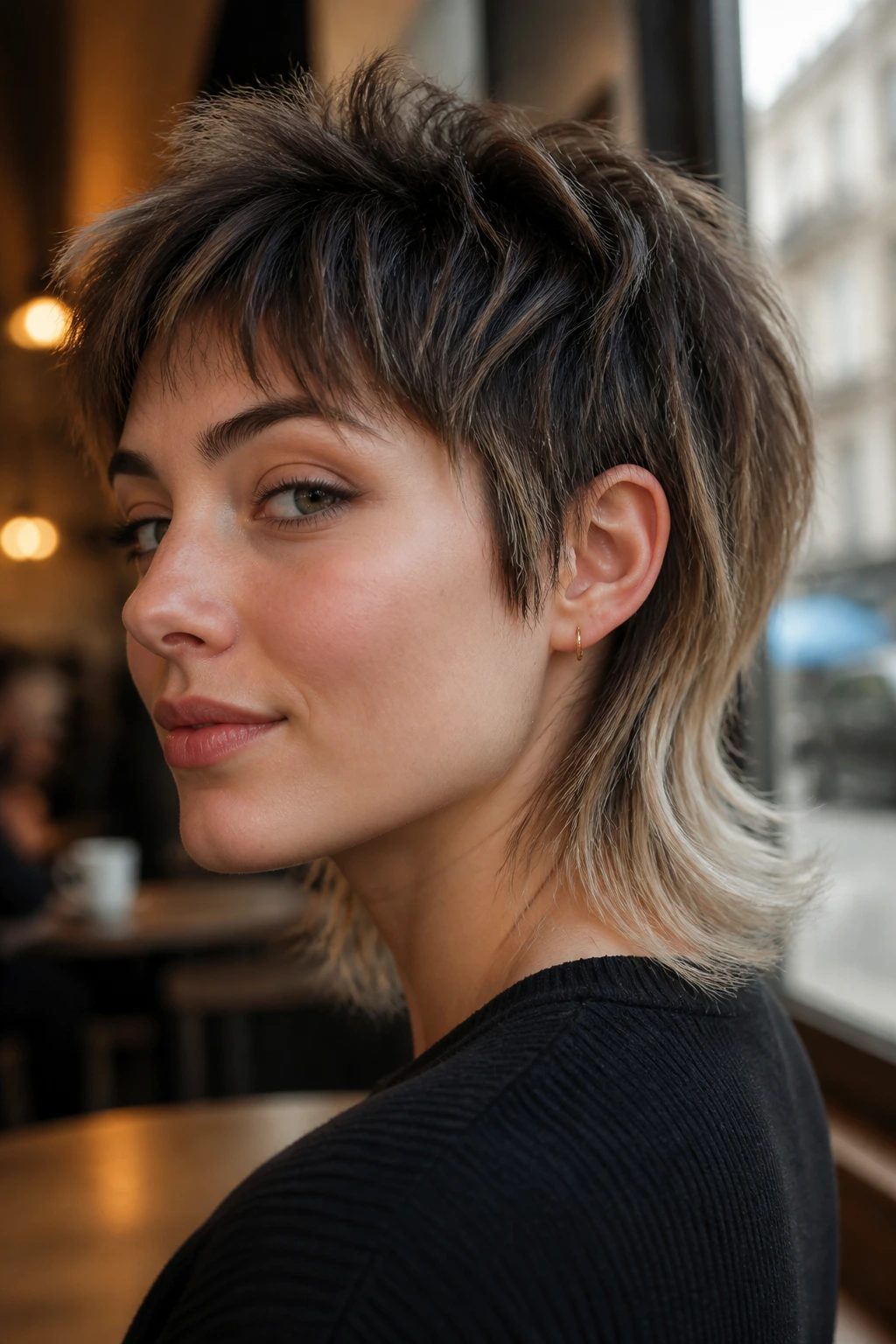
Frosted tips are back in a much better form. On a modern mullet, they bring edge to the longer back and keep the front pieces from looking heavy.
The trick is to lighten the very ends, not the whole strand. That gives the haircut that sharp, pointed finish the mullet likes. Leave the roots darker and the midsection softer so the tips feel deliberate. Too much platinum all over kills the shape. A few frosted ends, on the other hand, make the cut look finished.
If you like a little grit in your style, this one has it.
28. Soft Lilac Highlights on a Textured Pixie
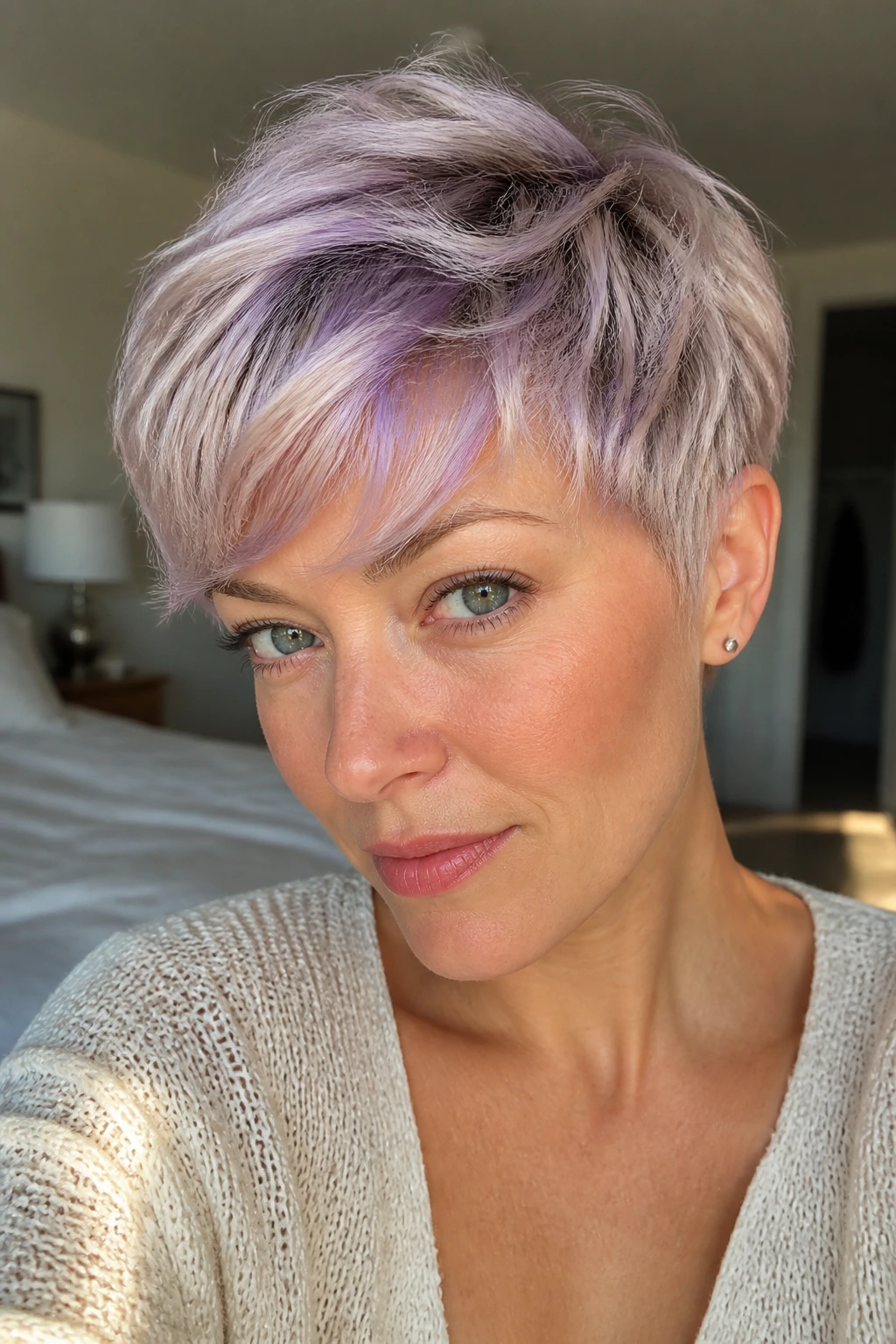
Lilac can go wrong fast if it turns chalky or too bright, so keep it soft. A textured pixie gives it the perfect home because the layers break up the pastel and stop it from feeling flat.
The color works best over pre-lightened pieces that are already pale blonde. Then a lavender or lilac toner can sit on top and give the hair that smoky pastel look. The result is delicate, not sugary. On a pixie, a few lilac pieces at the fringe and crown are usually enough. More than that and the color can start to blur the cut.
This is one of the more delicate options, but when it is right, it is lovely.
29. Dimensional Highlights for a Curly Shag
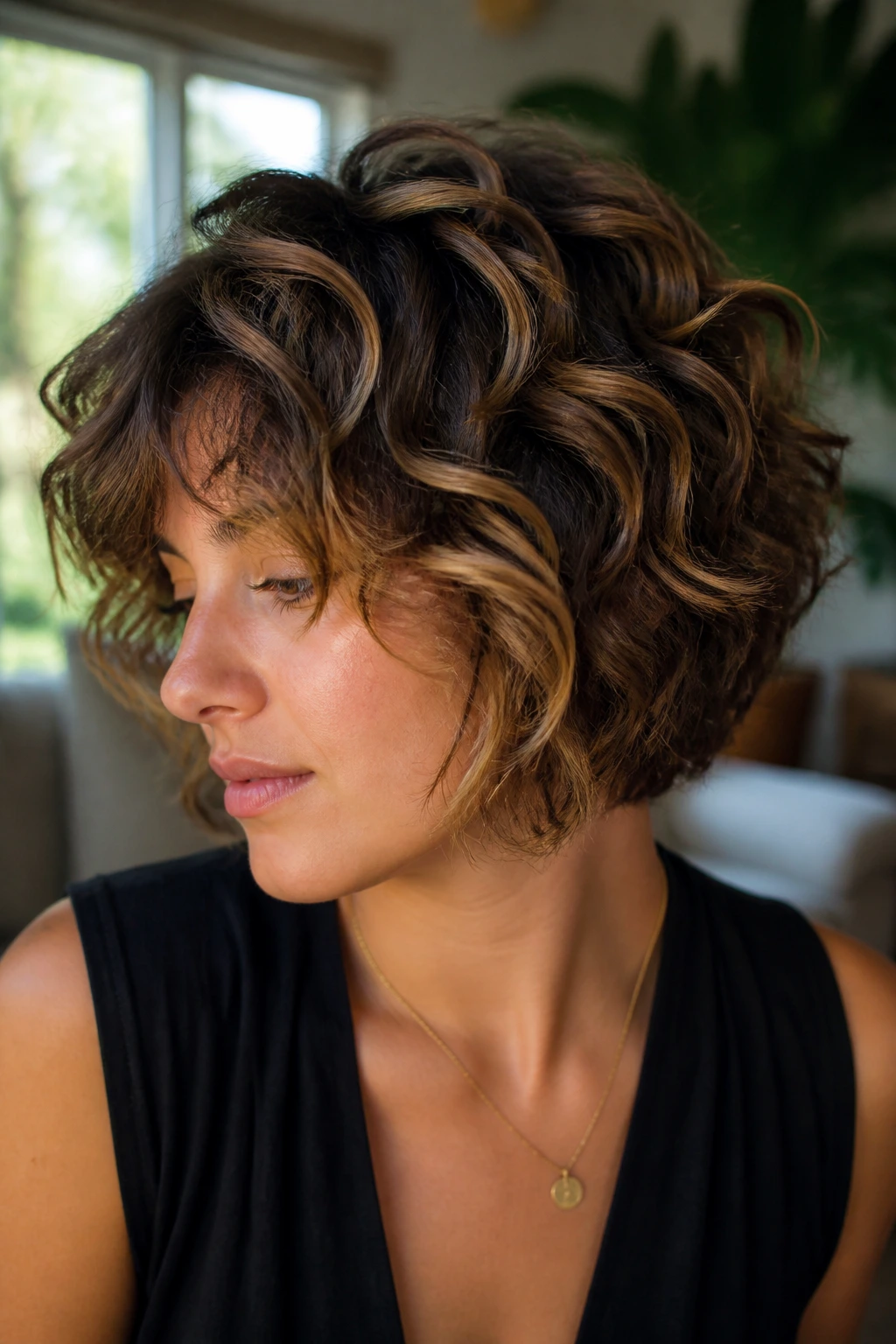
Curly shag haircuts thrive on dimension. A single flat shade can hide the layers, while multi-tone highlights let every curl do its own thing.
The Color Map Matters
Use a mix of light and medium tones rather than one bright blonde everywhere. A few warmer pieces near the face, some cooler strands through the crown, and a slightly deeper underlayer can make the curls pop in a way that looks natural. The goal is movement, not perfect symmetry.
- Keep lighter pieces where curls open
- Leave some depth under the top layer
- Mix tones so the shag does not look stripey
- Refresh with a gloss to keep the curl pattern bright
This is a color job that really rewards a good cut. The two should talk to each other.
30. Diagonal Ribbon Lights for Movement in a Bob
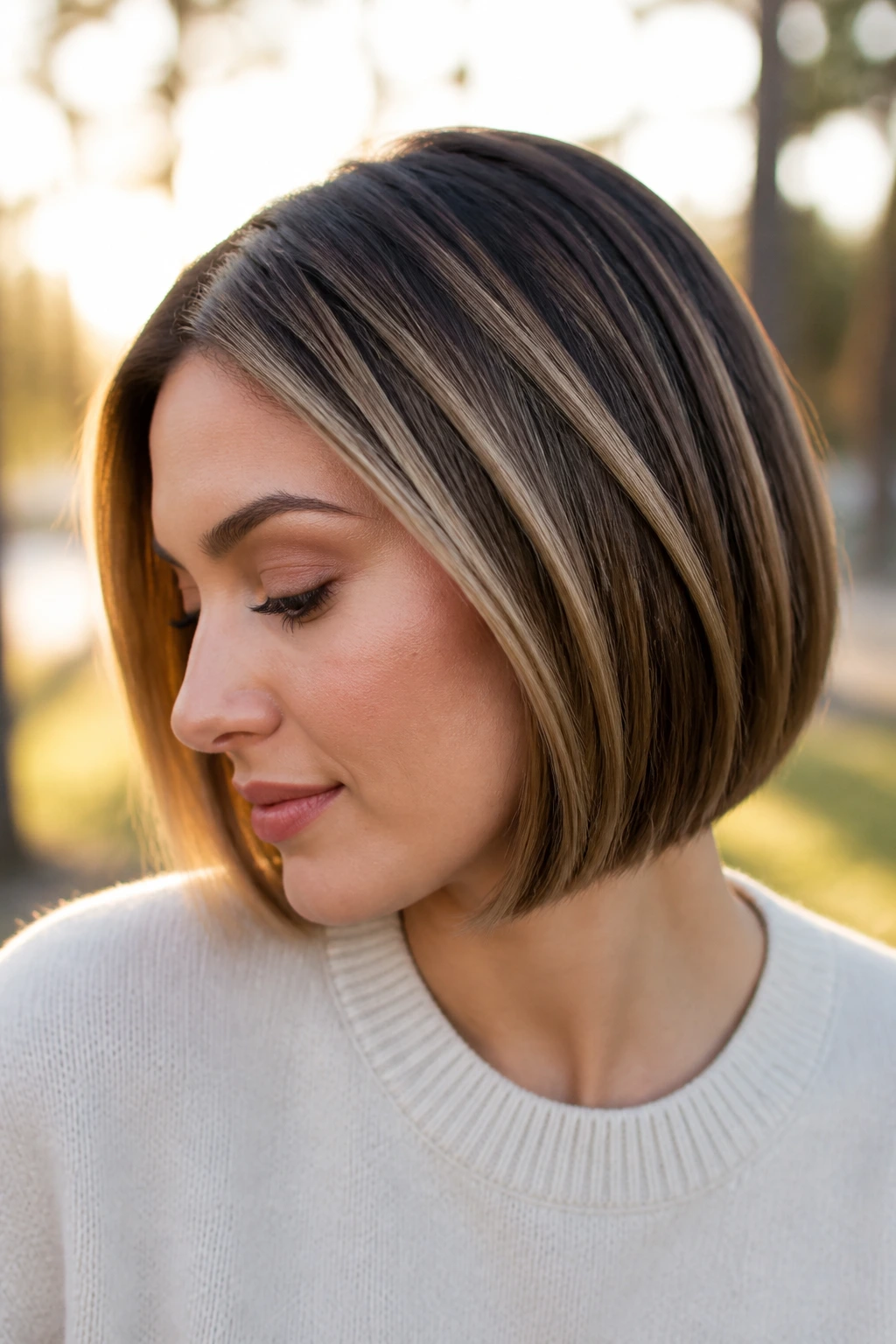
Diagonal ribbons are one of my favorite ways to give a bob motion without changing the haircut itself. The color runs at an angle instead of straight down, so the eye follows the line and the whole style feels more alive.
This works especially well on a one-length bob or a slightly angled cut. The ribbons can start near the temple and slide toward the nape, which makes the hair look like it bends even when it is lying flat. That matters on short hair, where a little visual movement goes a long way. If you want a highlight idea that is polished, easy to wear, and not overcomplicated, this is the one I’d start with.
