



Sometimes the fastest way to feel like yourself again is not a haircut. It is color.
A few foils in the right place, a gloss over dull ends, or a deeper shade that makes your eyes look sharper can do more than a dramatic chop ever will. That is why hair color ideas for women who want a refresh tend to land best when they work with the shape, texture, and base color you already have instead of fighting all of it at once.
The mistake I see most often is going too far, too fast. One appointment later, the hair is either louder than the person wearing it or flat enough to feel like a reset button was never hit at all. The sweet spot sits in the middle: movement at the front, shine through the lengths, and a tone that looks expensive because it fits your skin and your haircut.
That’s the lane these ideas live in. Some are warm, some lean cool, some are barely a change on paper and still look like a new head of hair in the mirror. The trick is choosing the one that makes your base shade look intentional, not accidental.
1. Caramel Balayage With Soft Face-Framing
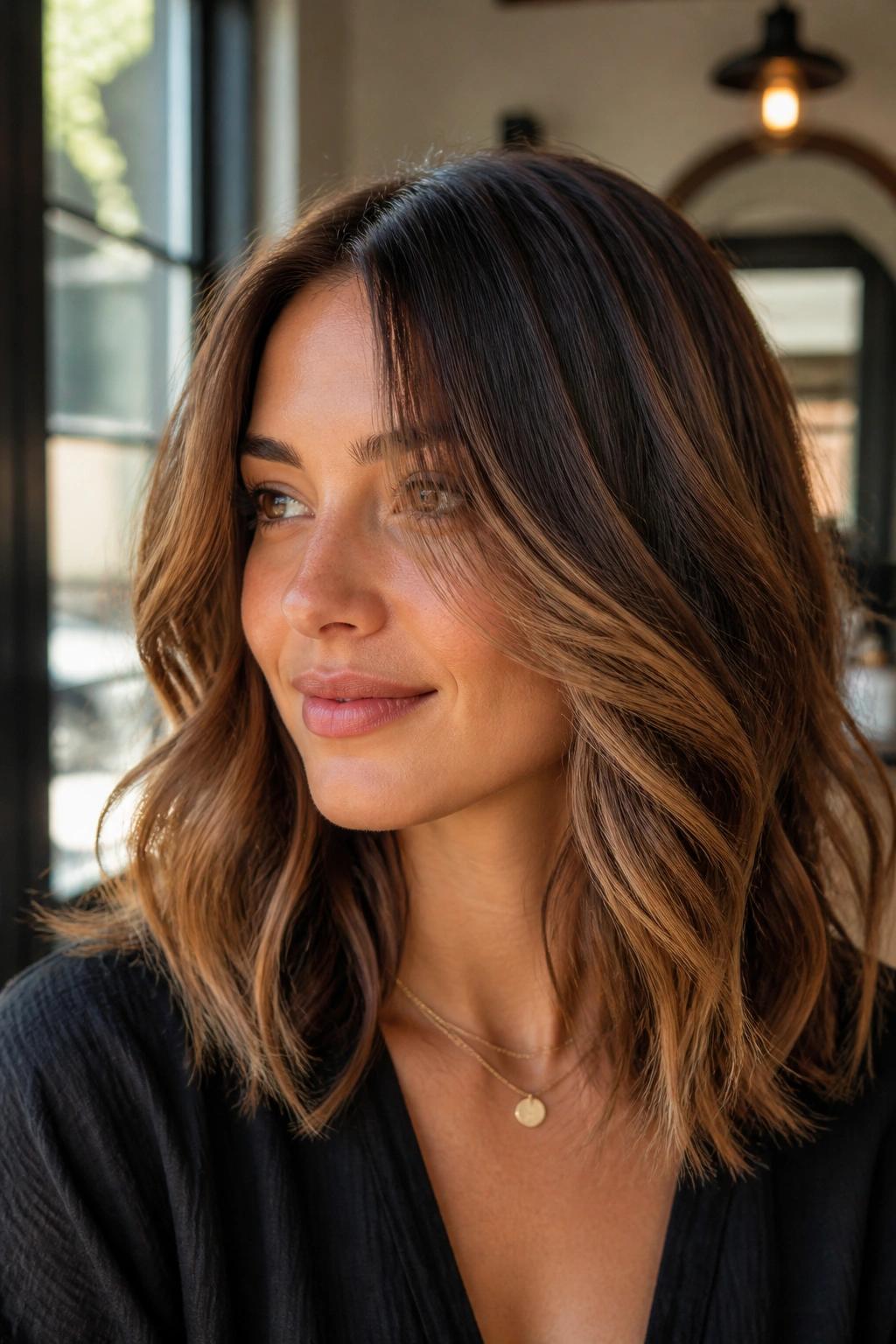
Caramel balayage is the one I reach for when someone wants lightness without the obvious striping that older highlight jobs used to leave behind. It’s warm, soft, and forgiving in grow-out, which is a nice combination if you do not want to live at the salon.
Why It Works
On medium or dark brown hair, caramel adds enough contrast to show movement, but not so much that the color starts shouting across the room. The painted placement keeps the brighter pieces from looking uniform, and that matters. Uniform can go a little flat on layered hair.
Ask for a level 7 to 8 caramel through the mid-lengths and ends, with a few lighter pieces around the cheekbones. If you want the result to stay easy, request a shadow root at the base so the regrowth line stays soft.
- Works well on wavy and curly hair because the lighter bands catch the bends in the hair.
- Needs a gloss every 6 to 8 weeks if you want the caramel to stay warm, not brassy.
- Looks especially good on long layers, where the light pieces move.
Pro tip: Keep the brightest caramel 1 to 2 inches away from the scalp. That small gap makes the whole color look more natural.
2. Espresso Gloss On Deep Brunette Hair
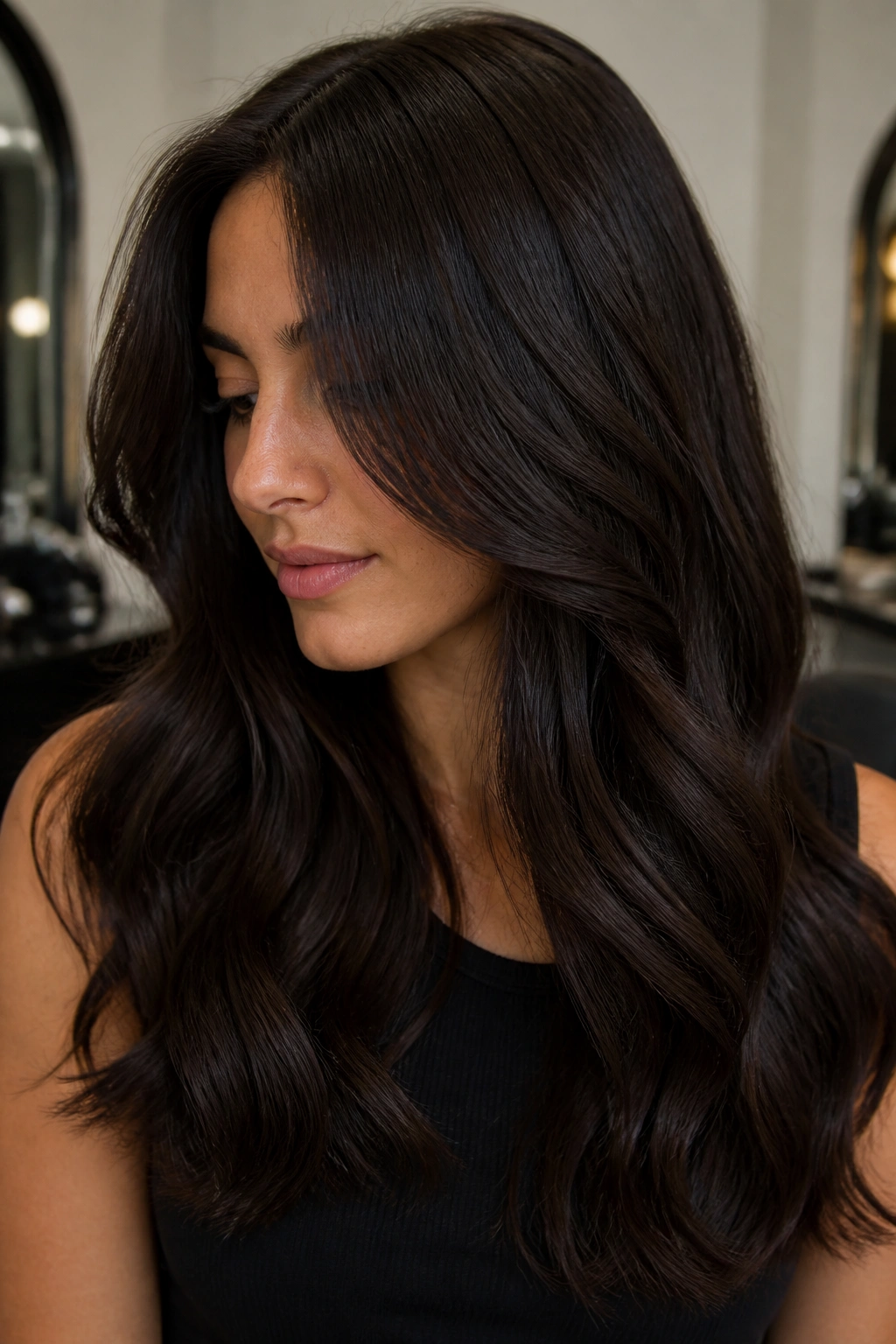
A deep espresso gloss is for the woman who wants a change that people can feel before they can name it. The hair gets darker-looking, cleaner-looking, and shinier, all in one appointment.
A gloss on a brunette base can pull out red or orange warmth that got too loud over time, which is why the finish often looks richer than a straight dye job. It is a smart move for dry ends, too, because a demi-permanent gloss usually lays flatter on the cuticle and gives that smooth, reflective look people chase with oils and serums.
What I like about espresso is how little it asks from the haircut. Even a blunt bob starts to look more deliberate with a cool, inky brown glaze. If your hair has been over-lightened or faded at the ends, this shade can make it feel put back together without going black-black.
A good salon note: ask for espresso with blue or neutral undertones, not warm brown. Warm espresso can drift muddy after a few washes, and nobody wants that.
3. Honey Blonde Ribbons Around The Face
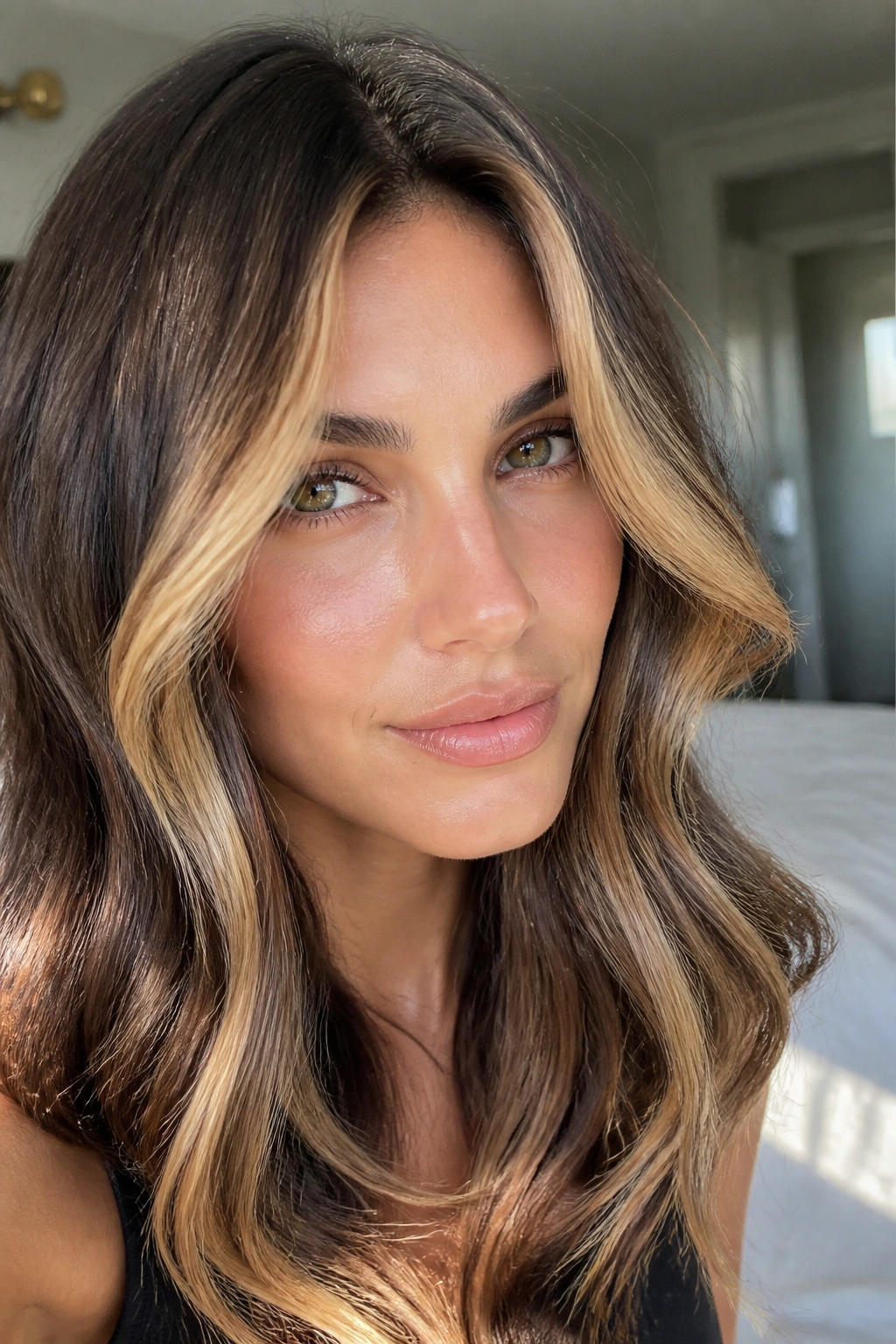
Why do honey blonde ribbons work so well? Because they brighten the face first and the rest of the hair second. That is the whole trick.
The look is softer than a full blonde change. You keep most of your natural base, then place warm blonde ribbons where light would hit anyway: around the hairline, through the top layers, and maybe at the ends if the cut is long enough. It feels fresh without the upkeep of a full highlight overhaul.
How To Ask For It
Tell your colorist you want warm honey pieces, not pale yellow blonde, and point to the front sections you want lightened. If your hair is medium brown, a level 8 or 9 honey tone usually gives enough lift without looking striped. On darker hair, the ribbons need a gentle lift first, then a tone that leans beige-gold.
- Best on shoulder-length cuts and longer layers.
- A toner every 4 to 6 weeks keeps the honey from turning orange.
- A few face-framing foils are often enough for the whole effect.
There’s also a practical bonus here: the grow-out is easy to live with. The root stays close to your base shade, so the color looks softer for longer.
4. Cherry Cola Brunette With Red Shine
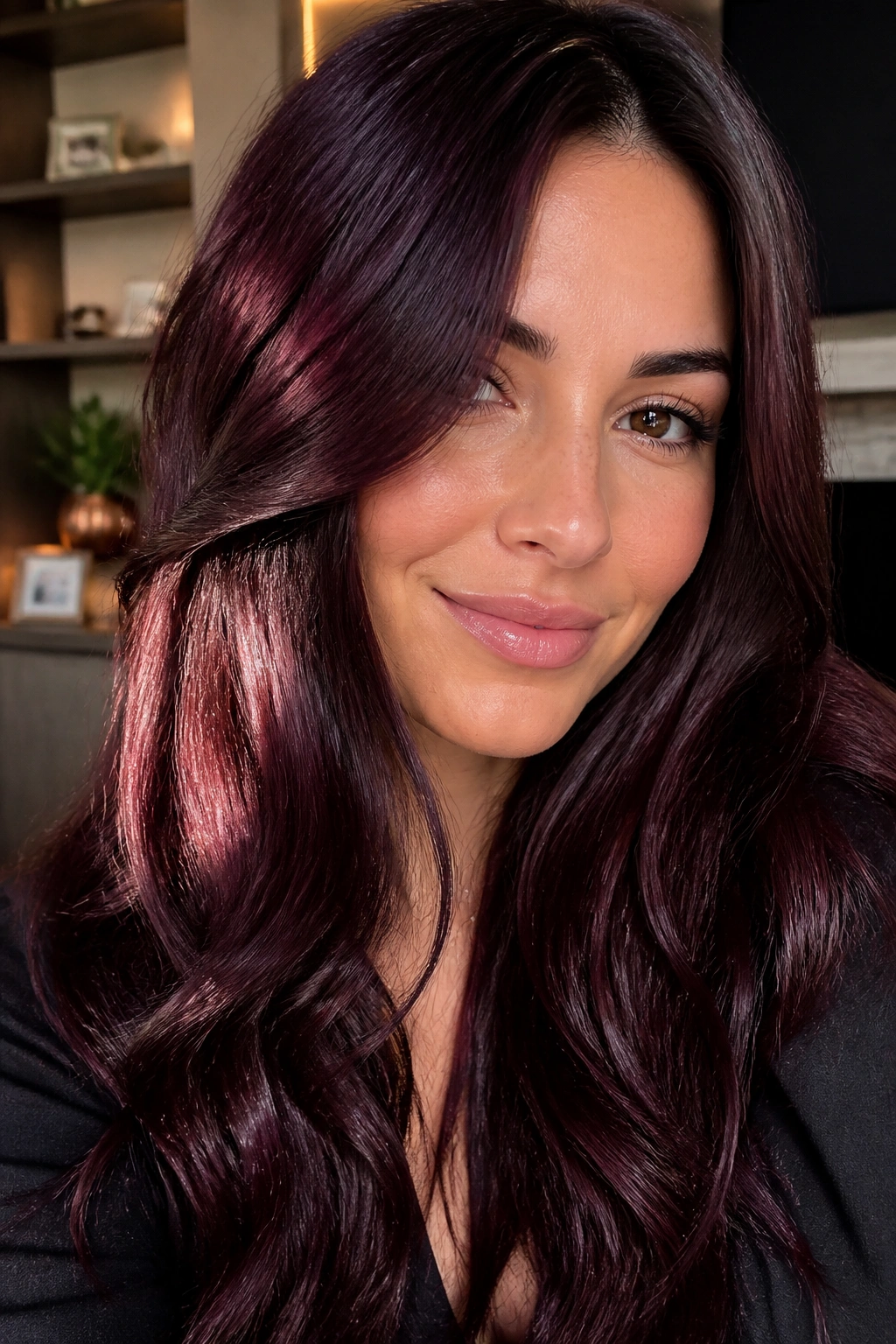
This is the shade I think people underestimate. Cherry cola brunette sounds dramatic, and it can be, but the real version is more wearable than the name suggests.
The magic sits in the undertone. You start with a rich brunette base, then layer red-violet or plum warmth through it so the color shifts in sunlight. Indoors, it reads like a polished dark brown. Outside, the red comes forward and the whole head suddenly has depth. That change in different light is what keeps it interesting.
What Makes It Look Expensive
The color should never look flat red. It needs brown in the mix, or it turns too bright and loses that dark, plush feel. The finish also benefits from a gloss or demi-permanent formula, because that shine gives the hair the same slick look you see in a fresh can of soda. A little shiny. A little moody. Not costume-y.
- Works best on natural brunettes or hair that already sits at level 4, 5, or 6.
- Pairs well with blunt cuts, because the color does the movement for you.
- Fades prettier than pure red because the brown base stays behind.
If you want a refresh that feels warmer but not copper, this is one to keep on the short list.
5. Copper Penny For A Bright Reset
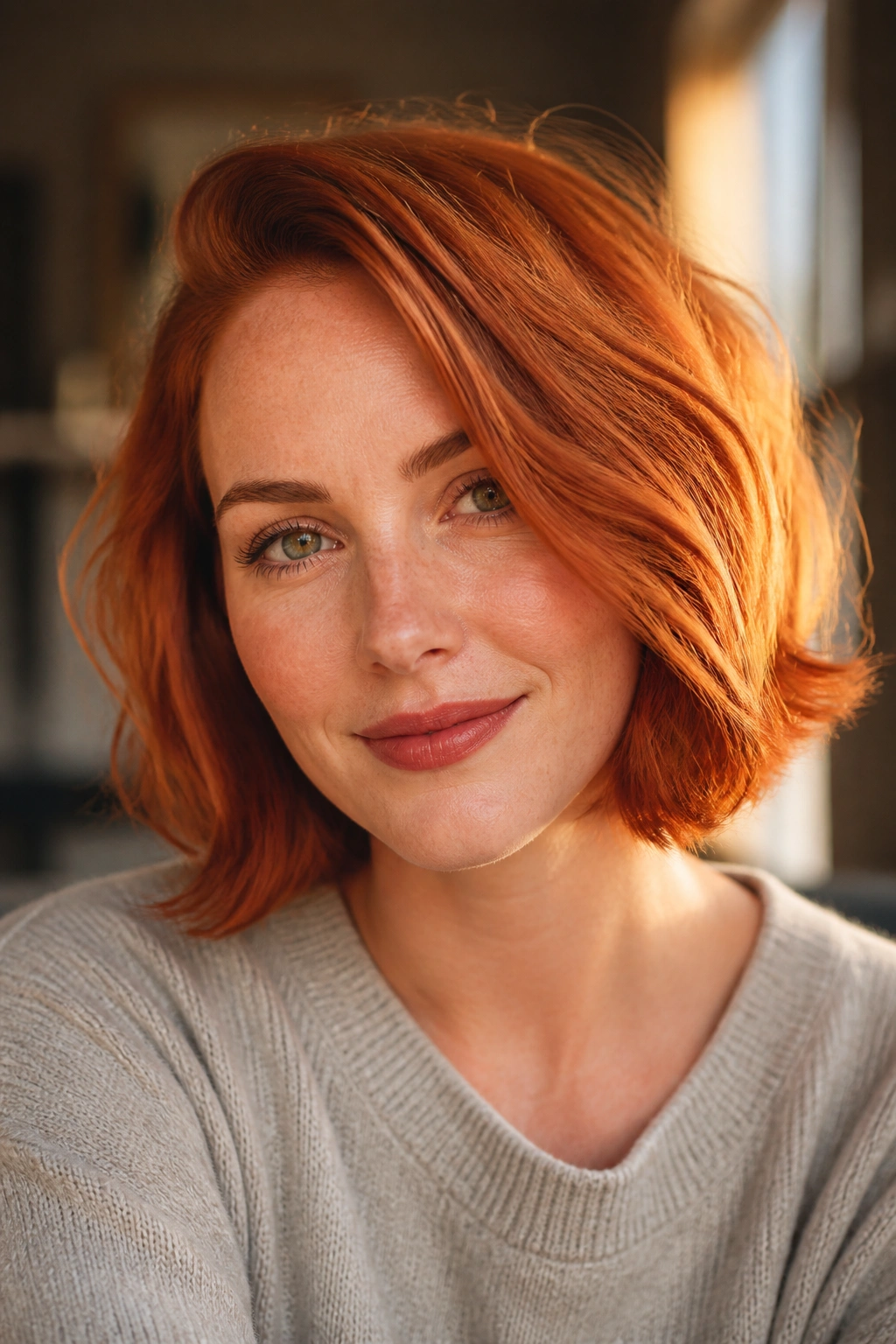
Copper penny hair is not shy. That is the point.
When a brunette goes copper, the entire face wakes up. Skin looks warmer, eyes look clearer, and even a simple tee shirt starts to look a little more intentional. The shade has a way of making hair seem thicker because the color reflects so much light off the strands.
The version I like most sits between true red and soft orange. Too orange, and it can look brassy. Too red, and it starts reading burgundy. The sweet spot is a bright penny tone with enough gold to glow, but enough red to keep it grounded.
A shorter cut can carry a brighter copper better than a long, heavy one because the color sits closer to the face. On longer hair, ask for copper from mid-lengths down with a softer root, so the grow-out doesn’t look harsh.
One thing people forget: copper fades fast if the shampoo is too strong. Wash it in cooler water, use a sulfate-free formula, and expect to refresh the tone with a glaze every few weeks. That is the tradeoff. Worth it, if you like a head-turning shade.
6. Mushroom Brown With Cool Beige Depth
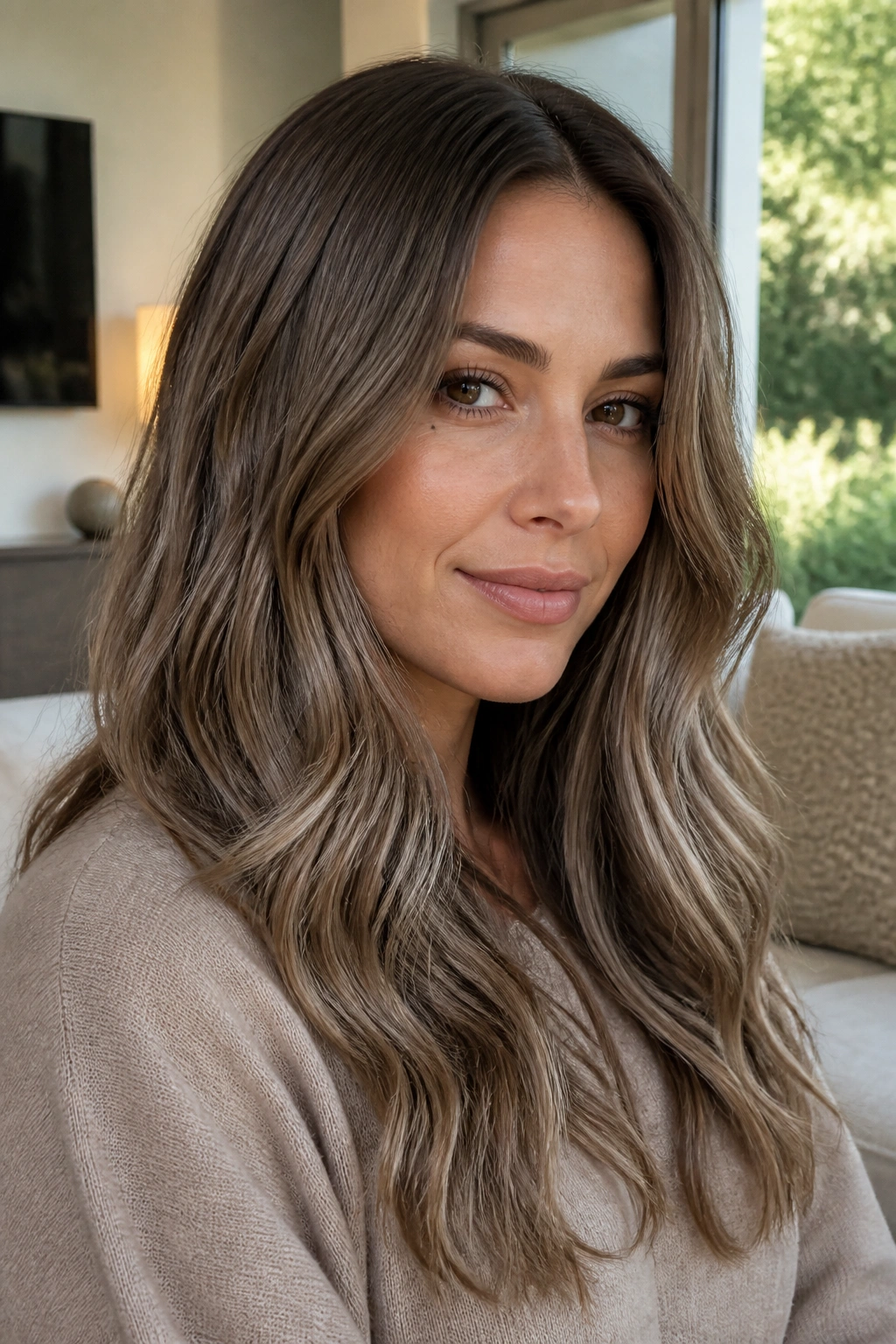
Mushroom brown is the quiet overachiever of brunette color. It looks understated at first glance, then you notice the smoky beige tones and realize why it feels so modern without being trendy in a brittle way.
Unlike warm chocolate or caramel shades, mushroom brown leans cool. Not ash-gray cool. More like soft taupe, beige, and a hint of bronze all mixed together. On hair that naturally pulls orange when lightened, this shade is a relief. It takes the warmth down and leaves behind something softer and more expensive-looking.
Why It Feels Different
The color works especially well if your skin has pink, neutral, or olive undertones. Warm brunettes can fight those undertones a bit; mushroom brown settles in beside them. On very dark bases, the effect shows up more as subtle dimension than a big color change, and that’s fine. Sometimes subtle is the whole point.
If you are asking for this in a salon, mention cool beige brunette with low contrast. Ask for a gloss rather than a harsh permanent color if you want the tone to stay airy instead of muddy.
It is one of the easiest ways to refresh brown hair without making it feel obvious.
7. Rose Gold On A Lob Or Bob
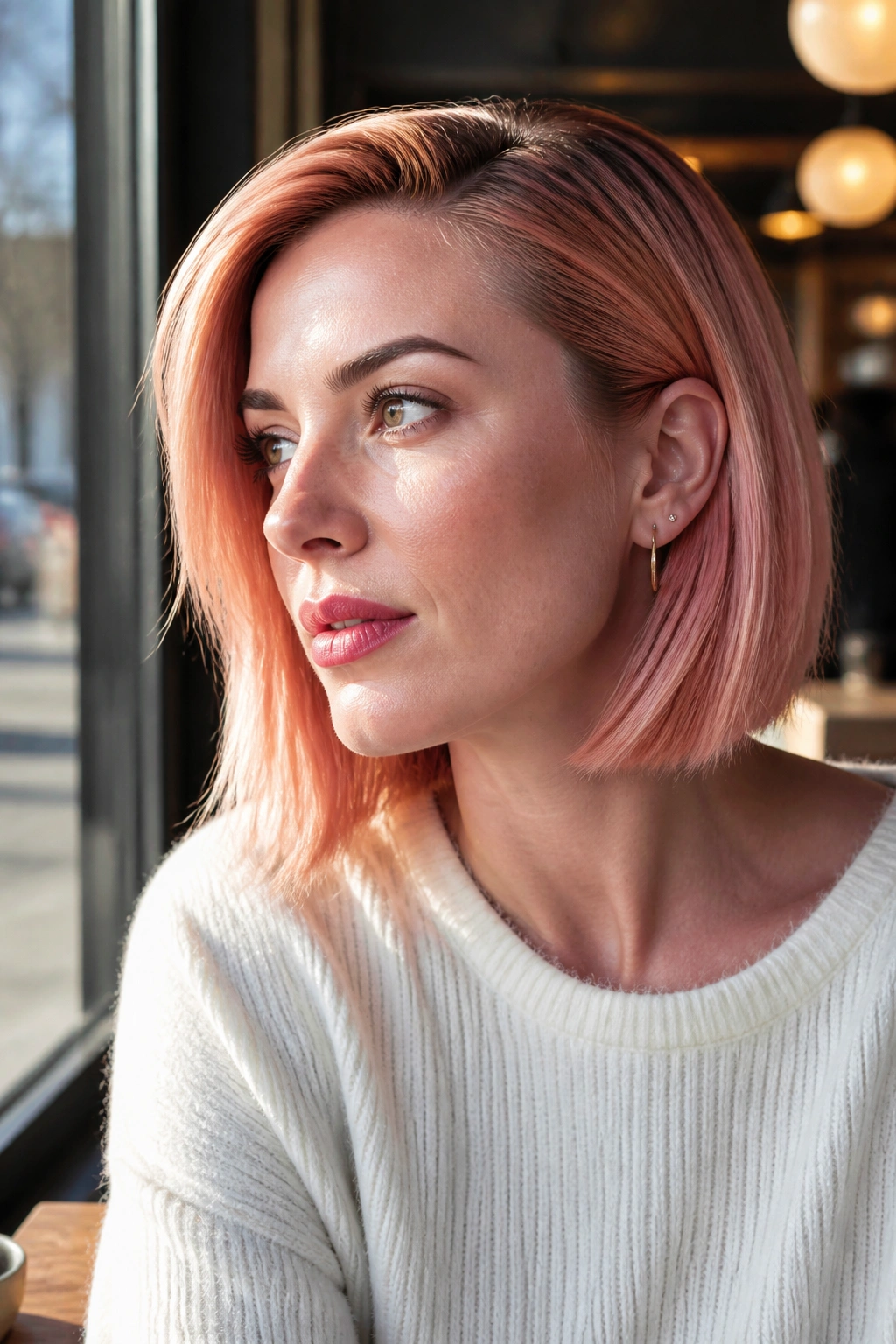
Rose gold can go wrong fast when it is too pink or too pastel. Done well, though, it’s gorgeous on shorter cuts because the shape keeps the color from wandering into bubblegum territory.
A lob or blunt bob gives rose gold enough structure to feel polished. The color itself usually lives somewhere between soft peach, warm pink, and a little bit of gold. It is prettier on lighter hair, but it can be built over darker blondes and light browns with the right lift first.
A Clean Way To Wear It
Ask for rose gold glaze over a pale blonde base if your hair is already light. If you’re starting darker, the lift needs to be gentle and even, or the pink tones patch out weirdly. That part matters. Pink is not forgiving on uneven blonding.
Rose gold also fades into a soft peachy beige, which is not a bad second life at all. It can look fresh for weeks, then mellow into something sweeter and less saturated.
- Best on hair that sits between level 8 and 10 after lightening.
- Needs a color-safe shampoo, or the pink washes out too quickly.
- Looks especially good with a side part and tucked-behind-the-ear styling.
If you’ve been blonde forever and want a change that still feels soft, this one has real charm.
8. Chestnut Brown With Cinnamon Lights
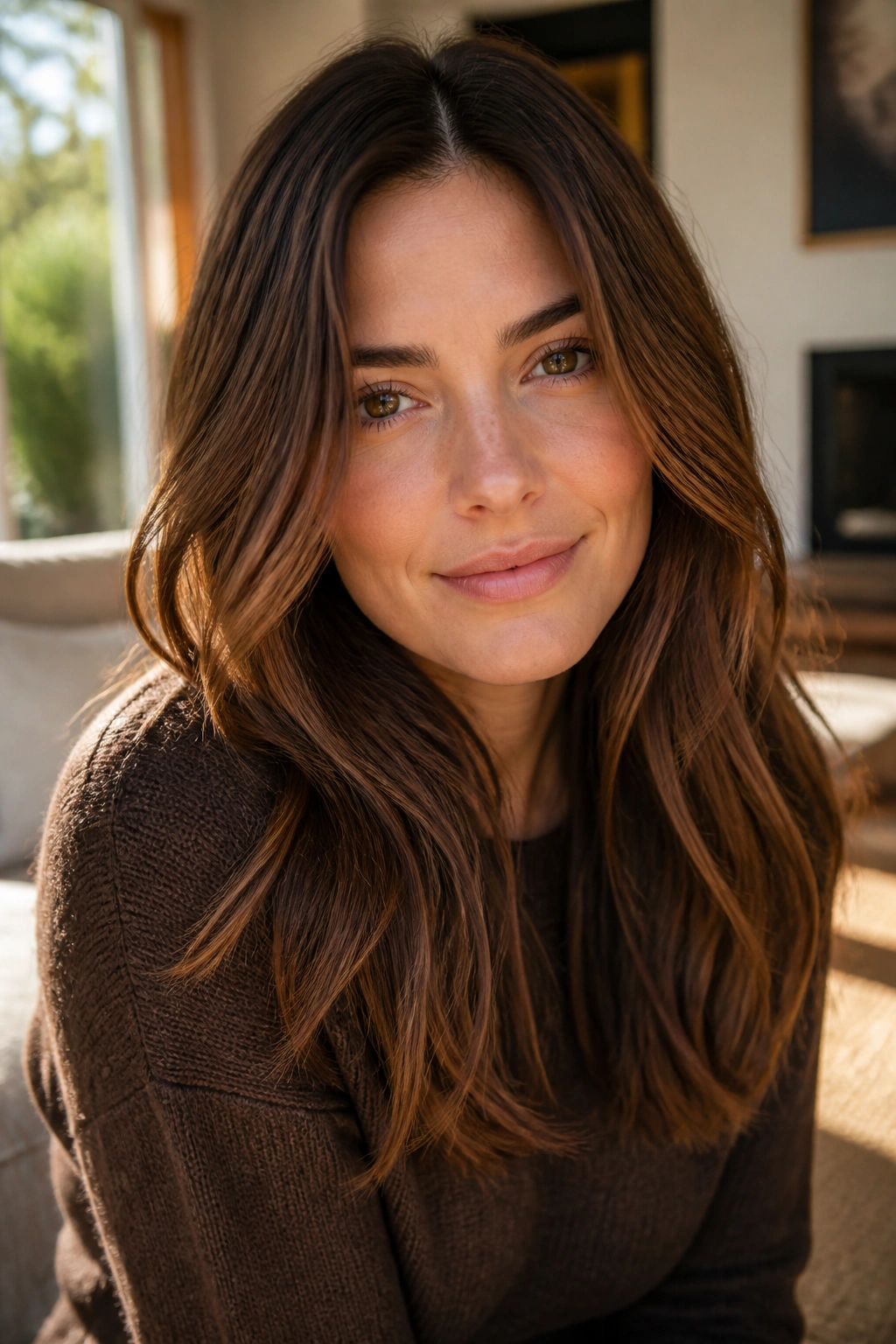
Chestnut brown with cinnamon lights is what happens when brunette hair gets a little more interesting without losing its depth. It’s warm, wearable, and nowhere near as loud as full copper or red.
The base stays chestnut, which gives you that nutty brown richness people usually want from a brunette refresh. Then a few cinnamon-toned pieces are woven through the top and around the face. The result is movement that reads in the mirror, especially when the hair is curled or blown out.
Small Details That Matter
The cinnamon should sit a shade or two lighter than the base, not miles lighter. If the contrast is too big, the whole style starts looking streaky. If it is too close, you lose the dimension and might as well skip the highlights.
A nice version of this color works on layered mid-length hair and shoulder-length cuts. The warm pieces peek out when the hair moves, which is where the color does its best work.
- Great for someone who wants warmth without copper maintenance.
- Easy to deepen later with a brunette gloss if you want to go darker.
- Looks especially good in natural light, where the cinnamon tones show their red-gold side.
This is a good one if you want comfort and change at the same time.
9. Champagne Blonde With A Soft Root Shadow
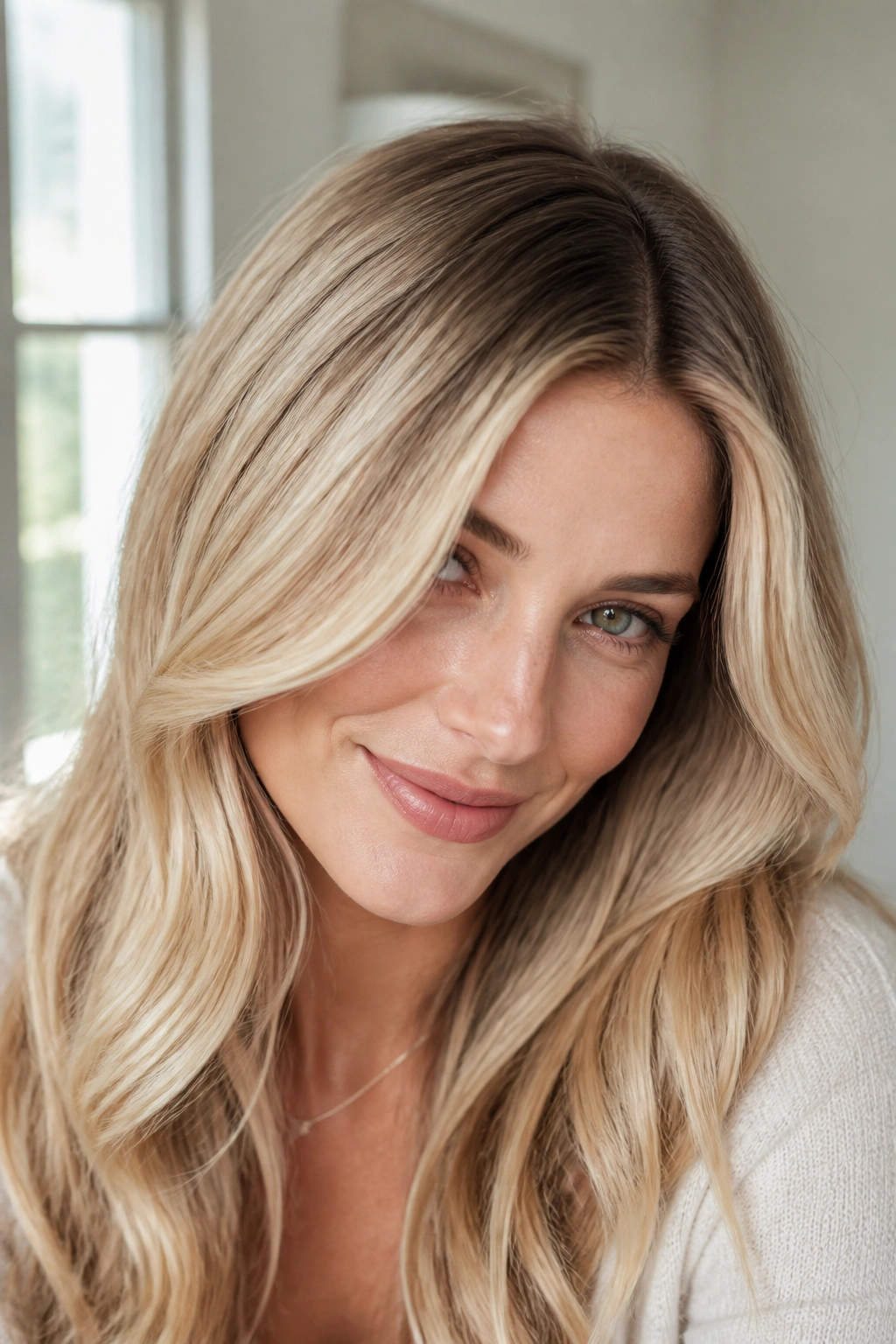
Champagne blonde sounds airy, and that’s exactly what it should feel like. Not icy. Not buttery. Clean, light, and a little bit soft around the edges.
What makes this shade special is the balance. Champagne blonde usually mixes beige, pale gold, and a whisper of pearl so the color stays bright without going chalky. The root shadow matters here, because it gives the blonde some depth at the scalp and keeps the grow-out from turning into a hard line two weeks later.
How To Ask For It At The Bowl
Tell your colorist you want champagne blonde with a level 7 or 8 root melt. That gives the base room to breathe and keeps the ends from looking overdone. If your natural color is darker, expect a gradual lift rather than a one-step jump. That is a good thing.
A gloss is usually non-negotiable with this shade. Champagne blonde loses its sparkle if the toner goes too flat, and then it starts reading beige in a dull way instead of shiny and light.
One more thing: this shade loves clean styling. Loose waves, a smooth blowout, or a tucked low bun all show it off better than crunchy texture products do.
10. Burgundy Wine For Rich, Dimensional Depth
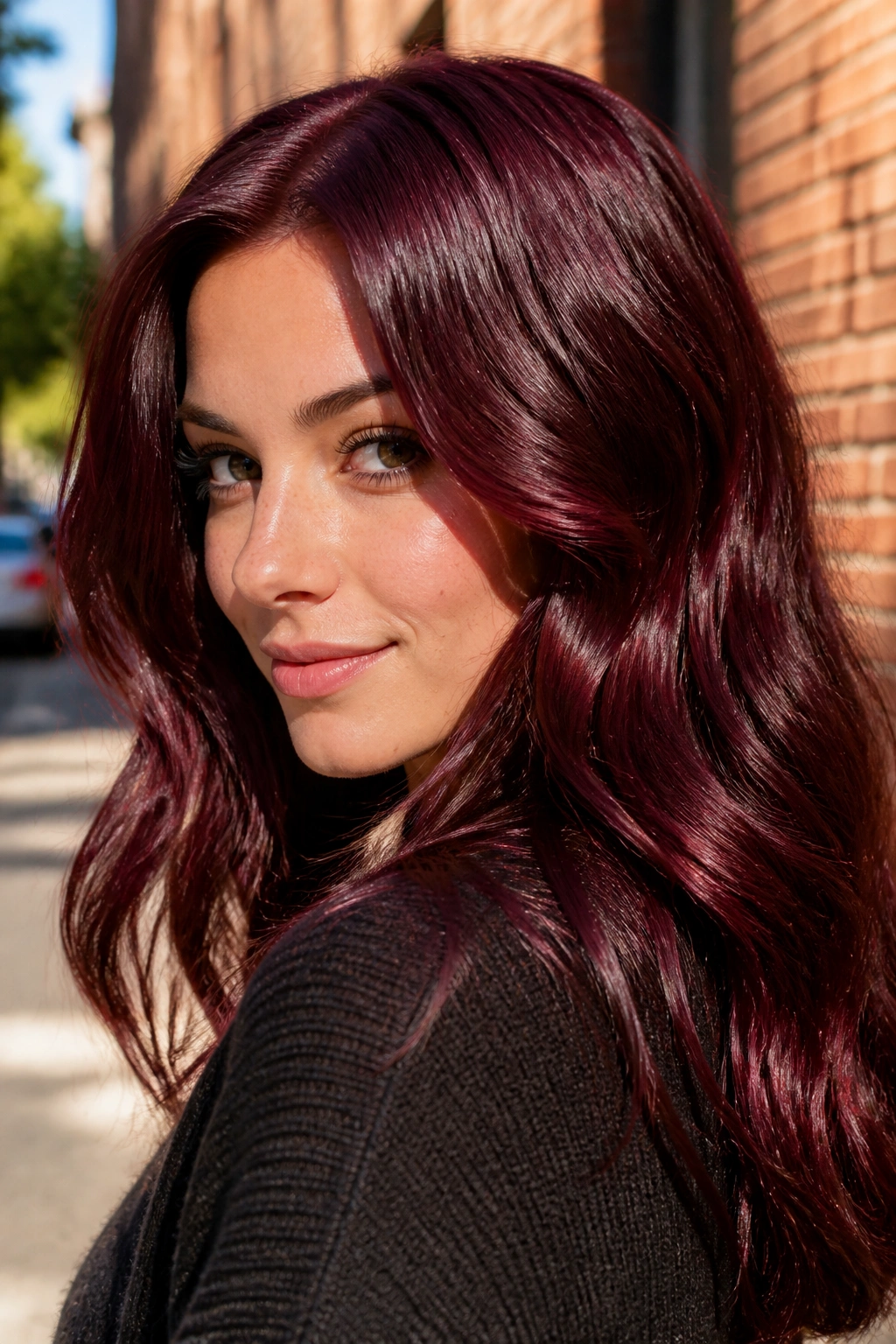
Burgundy wine is for the woman who wants darker hair but refuses to settle for plain brown. Good. Plain is overrated.
The color sits in the red-violet family, but the right version has enough brown or black base to keep it grounded. That keeps the hair from looking like a fashion wig under office lights. In sunlight, the burgundy appears deeper and richer, almost like velvet. Indoors, it feels more restrained.
The reason I like this color on women looking for a refresh is that it changes the whole mood of the hair without changing the cut. Straight hair looks sleeker. Curly hair looks denser. A layered lob suddenly feels sharper.
This shade is also one of the better options if you like darker hair but are bored by flat brunette. The pigment gives off a subtle shine that works especially well on smooth hair textures. If your hair has a lot of brass in it, the violet base helps cool that down a bit.
Ask for burgundy with brown undertones, not a bright cherry red. The brown keeps it grown-up and easier to live with.
11. Sandy Bronde With Lived-In Midlights
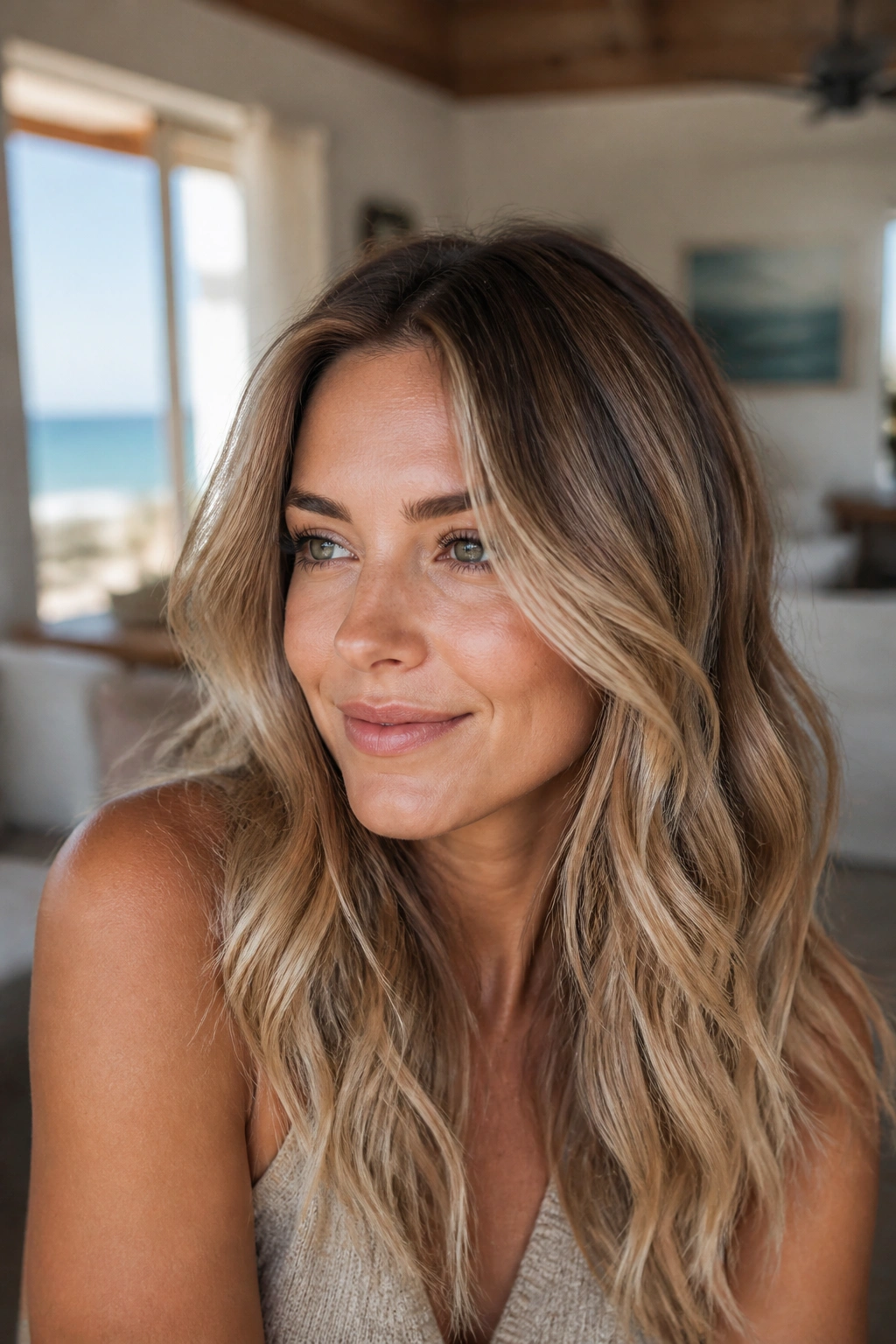
Bronde is still one of the smartest refresh moves for someone who does not want to argue with root regrowth every month. It sits between brown and blonde, which sounds vague until you see it in the mirror and realize how useful that middle ground is.
Sandy bronde leans soft and beachy without looking salty or over-lightened. The midlights are the key. They break up a dark base, then tie it into lighter ends so the whole head reads as one color family instead of three disconnected zones.
What Makes It Different From Full Blonde
Full blonde asks a lot: more lift, more toner, more upkeep. Sandy bronde gives you dimension with less of the fallout. It also works on hair that doesn’t want to sit pale. Some bases just fight being pushed to blonde, and bronde is the smarter answer.
- Good for someone with a level 5 to 7 base who wants visible change.
- The midlights should be beige, not yellow.
- A root shadow keeps the top from looking too bright against the face.
The best part is how easy it is to grow out. The natural root blends into the sandy middle, and that makes the whole style last longer between appointments.
12. Icy Beige Blonde With Clean Edges
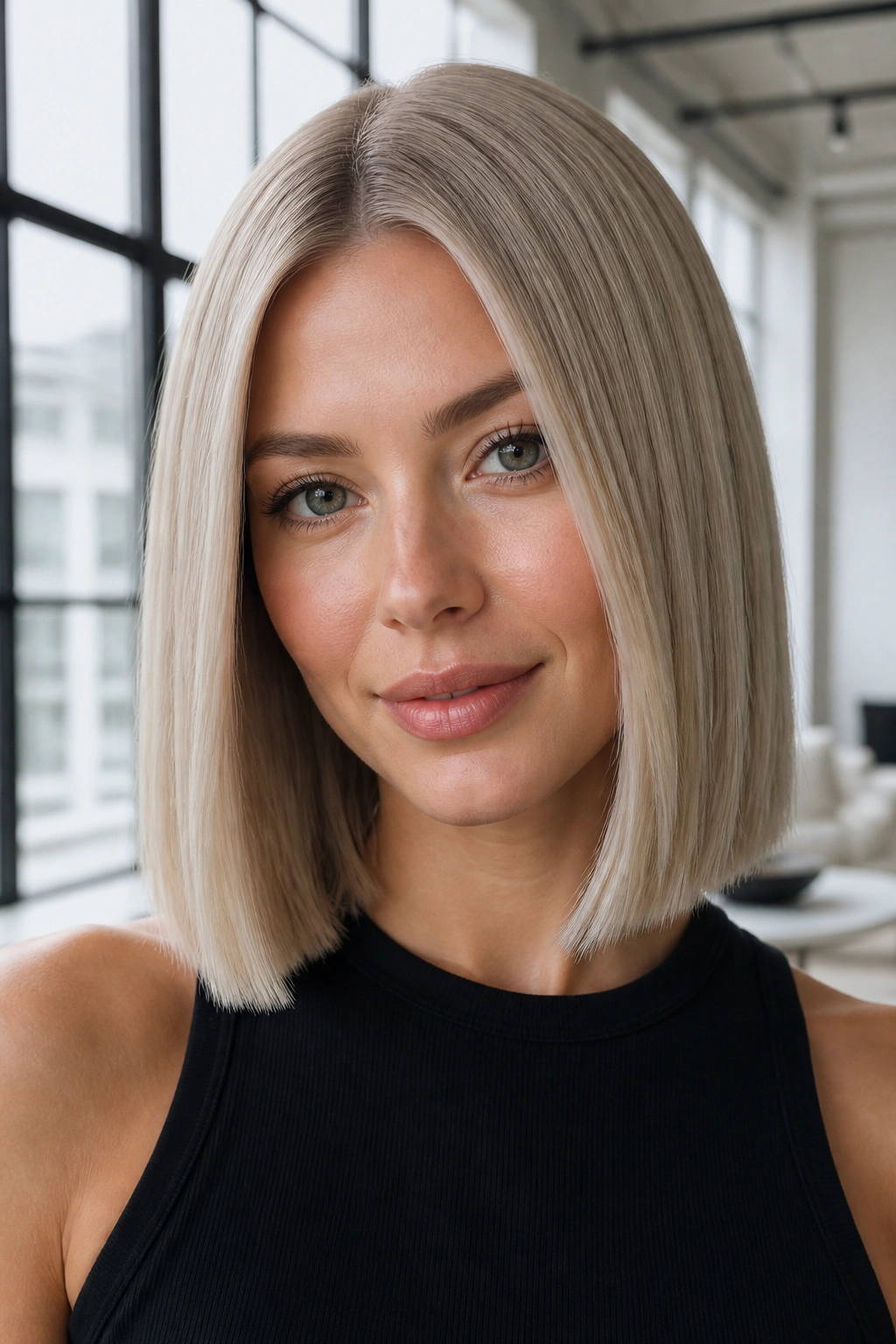
Icy beige blonde is the shade people ask for when they want their hair to look cleaner, brighter, and a little sharper. Not warmer. Not golden. Sharper.
The trick is keeping the blonde pale without making it flat or white. Beige gives the hair a soft base, and the icy tone cools down any yellow left after lightening. The result looks polished, especially on cuts with blunt lines or smooth layers. It can feel dramatic, but in a quiet way.
Keeping It From Going Flat
This color needs toner discipline. If the toner drifts too warm, the whole thing loses the icy effect. If it goes too cool, the hair can start to look dull. That middle ground is where the good version lives.
Ask for beige blonde with a cool toner finish, and be honest about how light your hair can safely get. If your hair is fragile, pushing to the palest blonde will do more harm than good. A slightly deeper beige blonde with a glossy finish often looks better anyway.
- Best on hair that can handle regular toning.
- Purple shampoo should be used sparingly, not every wash.
- Blow-drying smooth makes the shade look cleaner than air-drying does.
If you want bright hair that does not lean yellow at all, this is the move.
13. Smoky Mocha For A Soft Darken
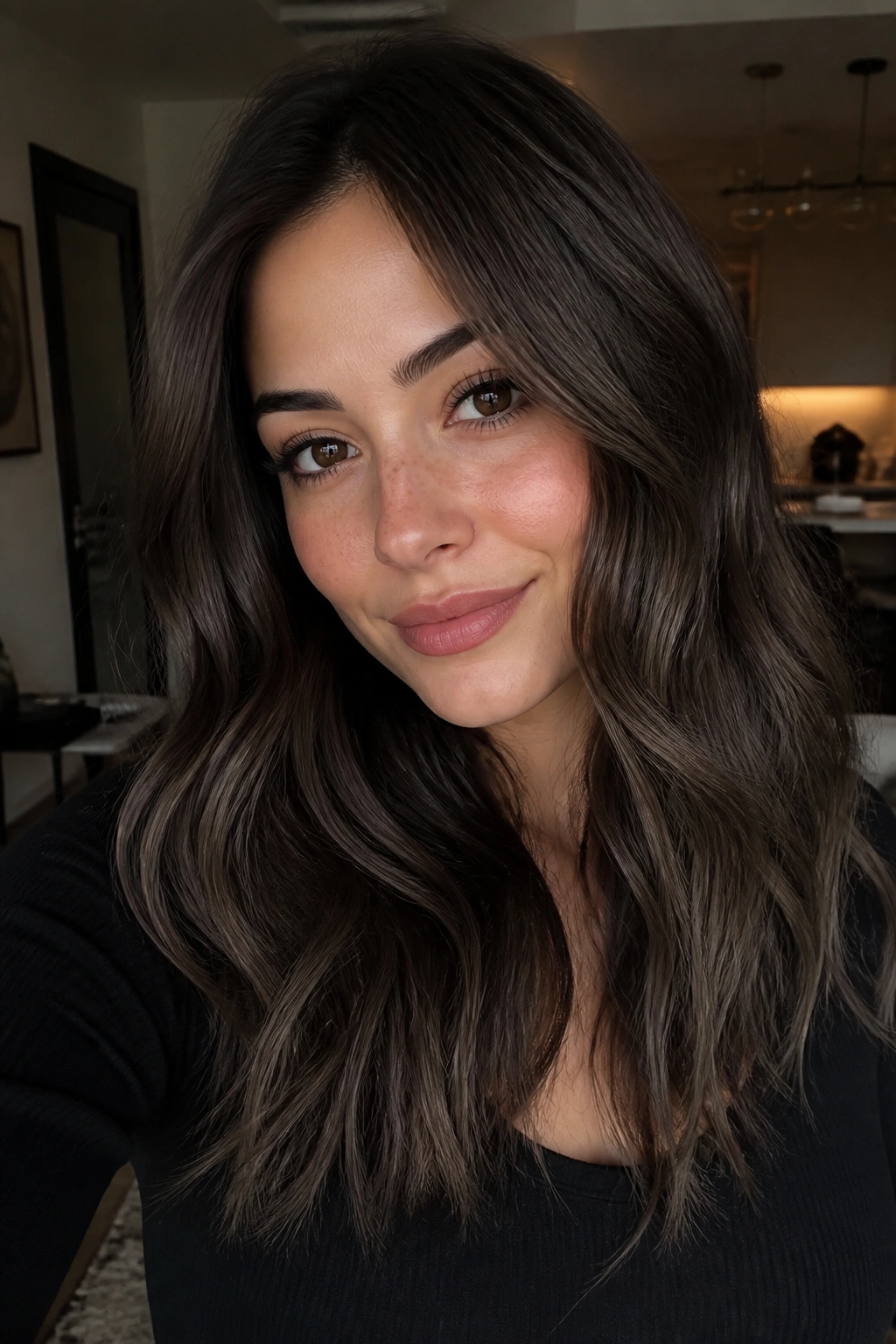
Smoky mocha is what happens when brunette gets a little cooler, a little richer, and a lot more wearable. It is not black. It is not flat brown. It lives in that nice middle zone where the hair looks deep without losing movement.
A color like this is especially useful if your ends are too light, too red, or too tired from old highlights. A smoky mocha glaze can pull the whole head back together and give it a smoother finish. The shade usually has a neutral-brown base with a faint ash or cocoa edge, which keeps it from looking orange as it fades.
Quick Notes Worth Having
- Works well on hair that has been lightened before and needs a visual reset.
- Looks strong on glossy straight styles and soft waves alike.
- Fades into a soft brown rather than a muddy black, which is the nicer outcome.
The thing I like most here is the low-stress maintenance. You can stretch appointments farther than you can with blonde or red, and the grow-out is gentle if the root stays close to your natural shade.
Smoky mocha is not flashy. It is better than that. It makes the hair look calm.
14. Strawberry Brunette With Warm Glaze
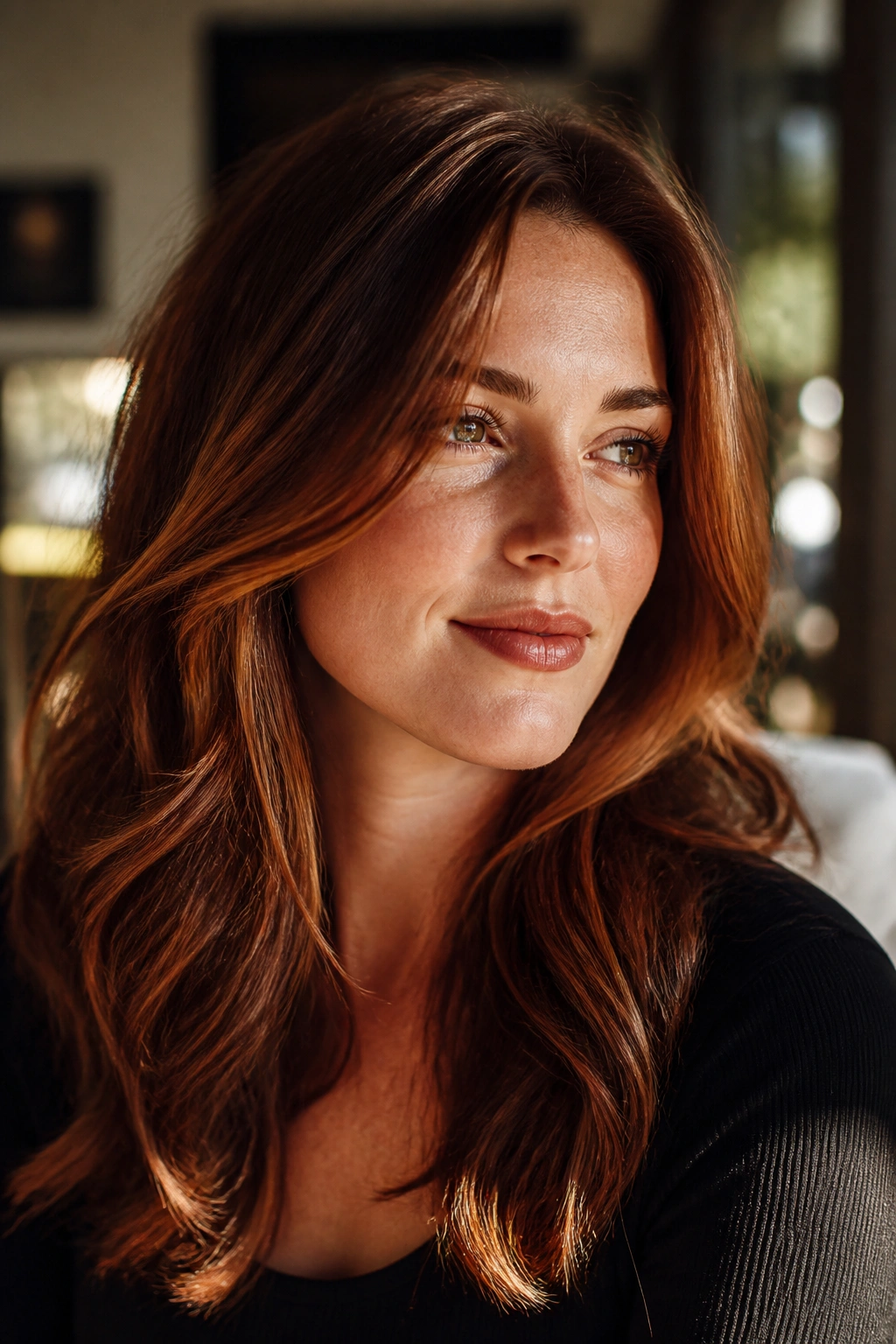
Is strawberry brunette red, blonde, or brown? A little of each, and that is why it works.
This shade sits on brunette hair that has been warmed up with a soft red-gold glaze. It is lighter and gentler than copper, but it still gives the face a lift. The red does not need to be bright. In fact, the prettier versions are usually restrained, almost like a warm blush threaded through brown hair.
Where The Red Should Sit
The warmer pieces should live around the face and through the top layers, where light hits naturally. If the red is shoved only into the ends, it can look disconnected. If it is everywhere, it gets loud fast.
A warm glaze can be a good first step if you are nervous about red hair. It lets you test the waters without making a giant commitment, and it fades in a softer way than a permanent copper.
- Best on medium brown or dark blonde bases.
- Looks especially good with waves, because the warm pieces bend and flash.
- Needs color-safe shampoo or the strawberry tone disappears too quickly.
It’s a nice pick if you want color that feels feminine, warm, and a little playful without going full redhead.
15. Face-Framing Money Pieces That Lift The Whole Cut
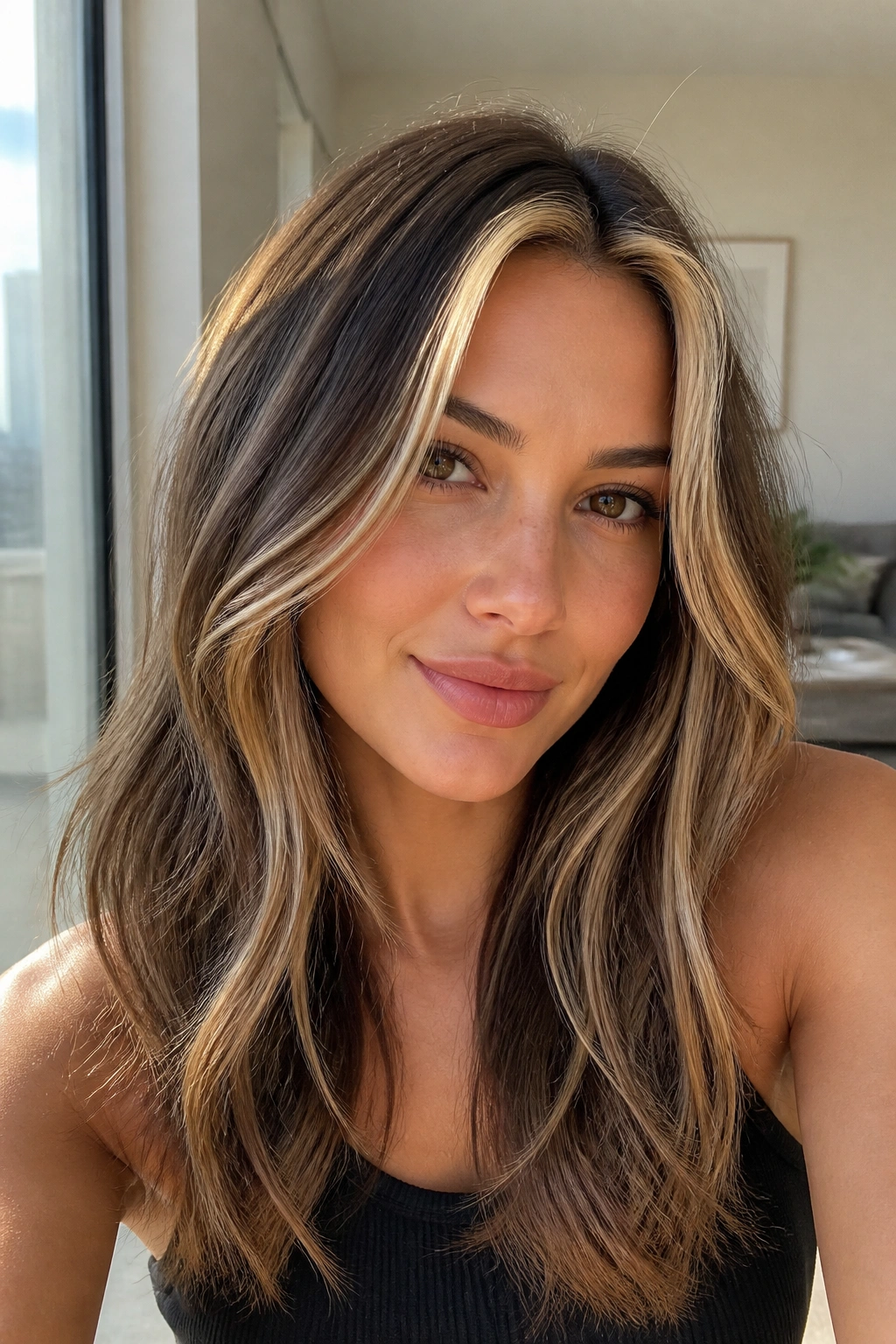
Money pieces can change a face faster than almost any full-head color service. That is not an exaggeration. A few bright strands at the front can make the whole haircut look cleaner and more awake.
The idea is simple: place your lightest pieces around the hairline, temples, and maybe the very top of the part. Everything else can stay close to the base color. Because the brightness sits right where the eye goes first, the refresh feels bigger than the amount of color used.
Where They Look Best
On long hair, money pieces work when they blend into the front layers instead of stopping in a hard stripe. On bobs and lobs, they can sharpen the cut and make the jawline look more defined. Curly hair gets a nice lift from them too, because the bright pieces catch on the coil pattern.
A good salon ask sounds like this: “I want bright face-framing highlights with a soft blend into my base.” That one sentence tells the colorist more than a vague request for highlights ever will.
- Choose warm blonde if your base is brunette and you want softness.
- Choose beige or icy blonde if you want more contrast.
- Keep the highlight width narrow if you want the result to look modern, not chunky.
If you only want one visible change, start here.
16. Auburn Gloss For Medium Brown Hair
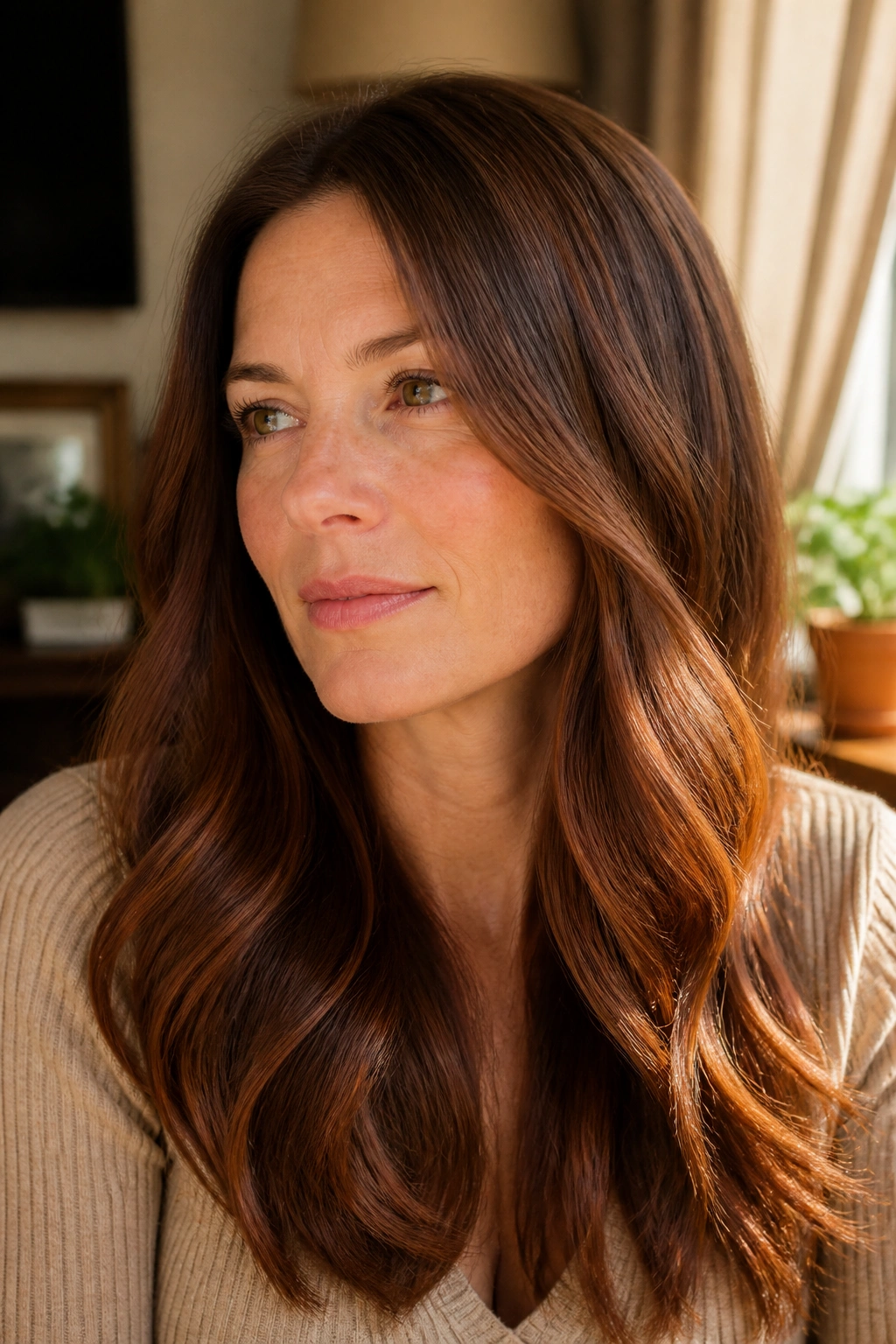
Auburn gloss is the easiest way to bring warmth into brown hair without making the whole head look red. It is subtle, and that is exactly why it works so well.
The gloss usually adds a brown-red overlay that shows most in the sun or under warm indoor light. From a distance, the hair still reads brown. Up close, you get that rusty glow around the mid-lengths and ends. It is a nice way to refresh tired color when you want movement without obvious highlights.
I also like this option on hair that has lost shine. A gloss can make the cuticle lie flatter, which gives the whole style a smoother finish. If the strands are porous, the auburn tone may grab quickly, so a strand test helps. Worth doing. Nobody enjoys a surprise that looks more orange than auburn.
The color is especially pretty on medium-length hair with layers, where the warm tone moves as the hair swings. It can feel cozy, but not heavy. That balance is the reason people keep coming back to auburn when they are bored with brown.
17. Platinum Peekaboo Panels Under Dark Layers
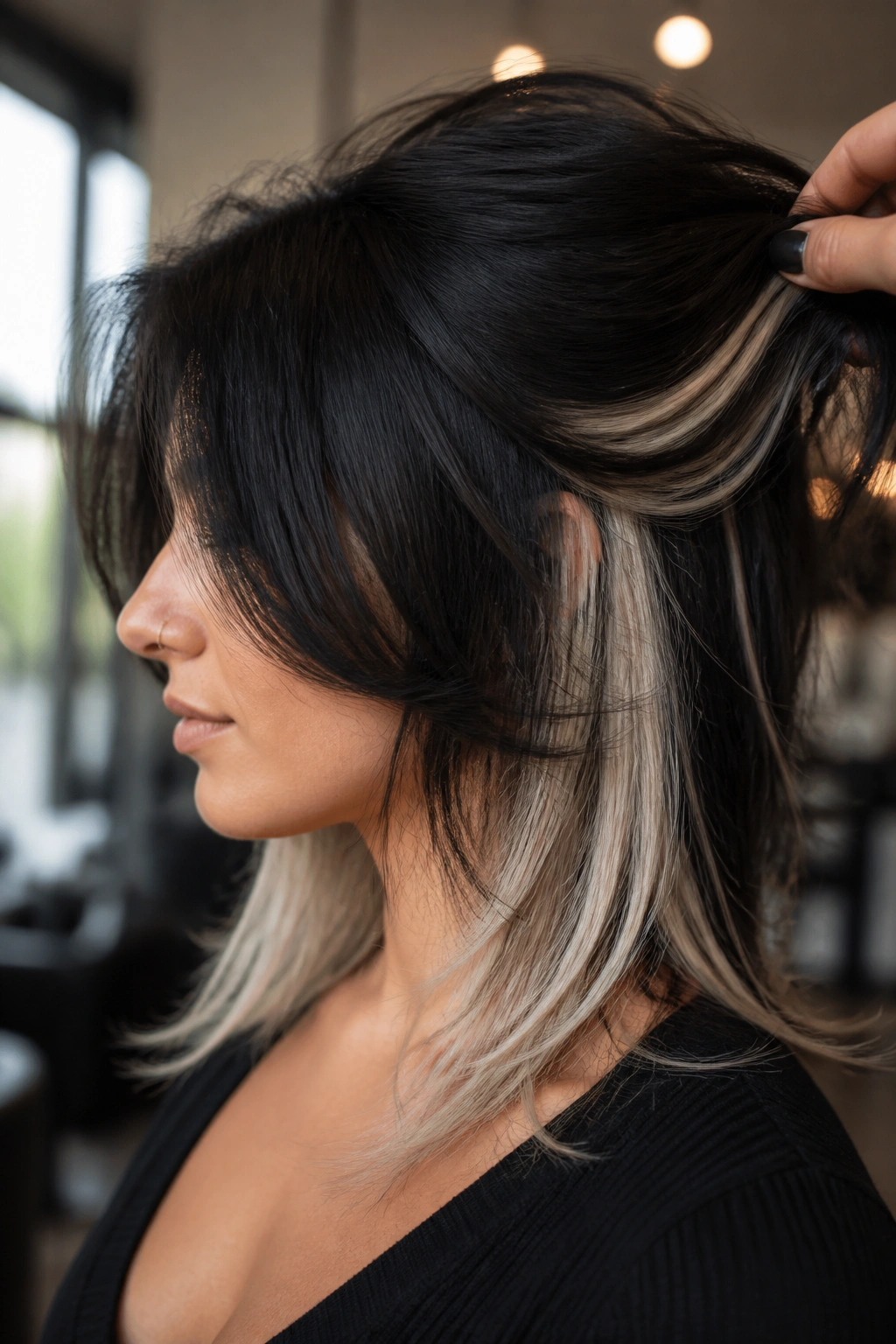
Platinum peekaboo panels are for the woman who wants a sharper edge without turning the whole head blonde. The contrast is the point, but the placement keeps it from taking over.
Instead of bleaching everything, the lighter pieces sit under the top layers or near the nape, so they show when the hair moves or is tucked back. It’s a cool trick on dark hair because you get the punch of platinum in flashes, not in a solid block. The color feels more custom that way.
Why It Feels Softer Than Full Platinum
Full platinum asks for high maintenance, regular toning, and more damage tolerance than most hair really wants to give. Peekaboo panels let you enjoy the effect with less exposure. The darker top layer also protects the lighter pieces from looking too harsh against the scalp.
- Great for straight bobs, shags, and layered lobs.
- Needs careful lightening because platinum only looks clean when the lift is even.
- A violet toner helps keep the pale pieces from yellowing.
If you want something bold but not all-in, this is a smart choice. It’s a little rebellious. Not reckless.
18. Golden Brunette With Sunlit Ends
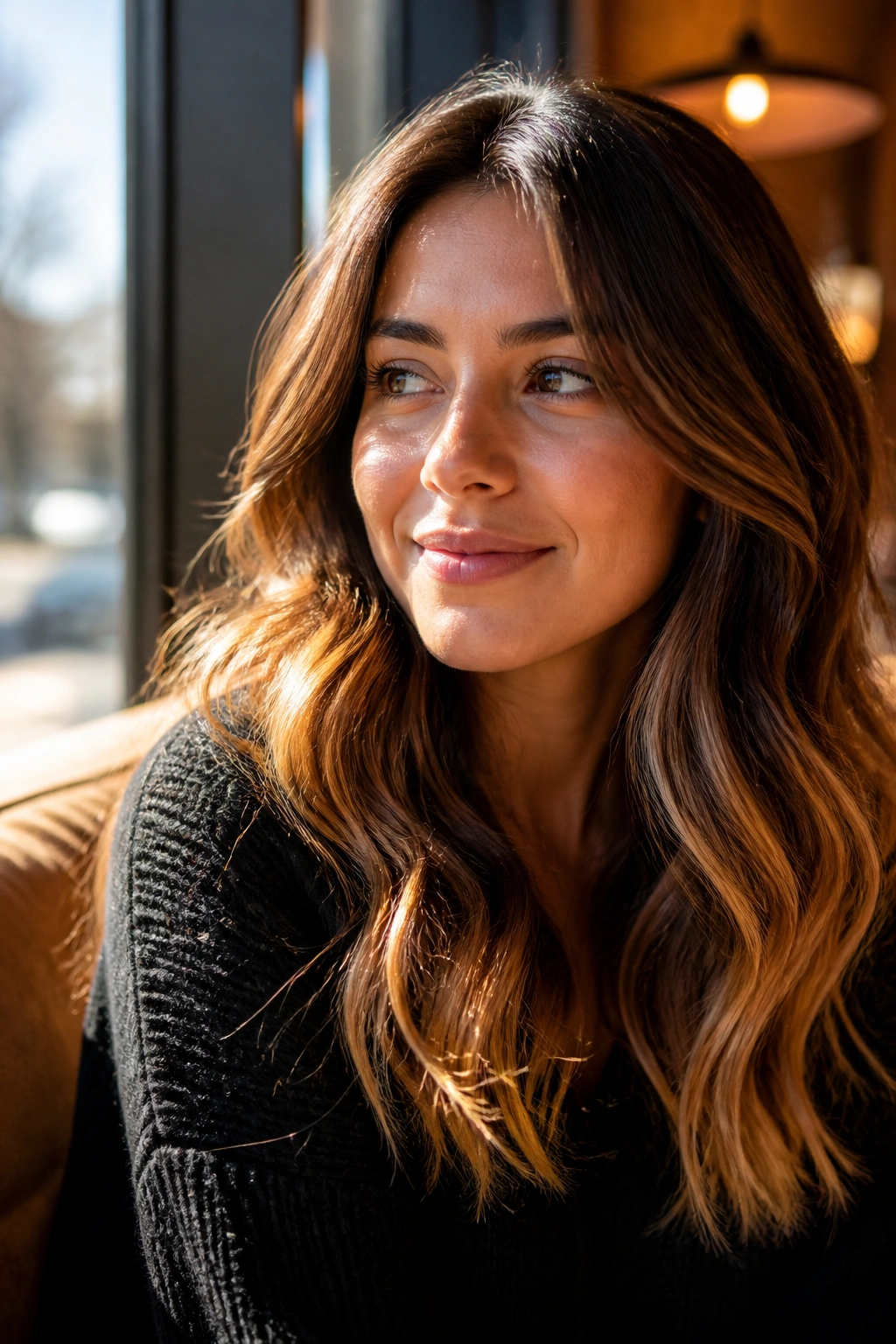
Golden brunette is the shade I recommend when someone says they want to look brighter but still want to feel like themselves in every mirror. It keeps the base brown, then adds warm gold through the ends and a few top pieces.
The effect is softer than caramel and richer than plain brunette. On curly hair, the gold catches on the bends and makes the shape pop. On straight hair, it gives the ends a healthier, lighter look that reads as movement rather than obvious highlighting.
A few practical notes matter here. The golden pieces should not sit too far from the base tone, or the contrast gets stripey. The color should also stay warm, not yellow. Yellow is where golden shades go to die. Gold is the goal.
- Works well with layered cuts and curtain bangs.
- A gloss can keep the ends looking shiny between salon visits.
- Nice option if you want warmth without copper or red.
It is a friendly shade. Warm, but not loud.
19. Plum Brown With A Soft Violet Cast
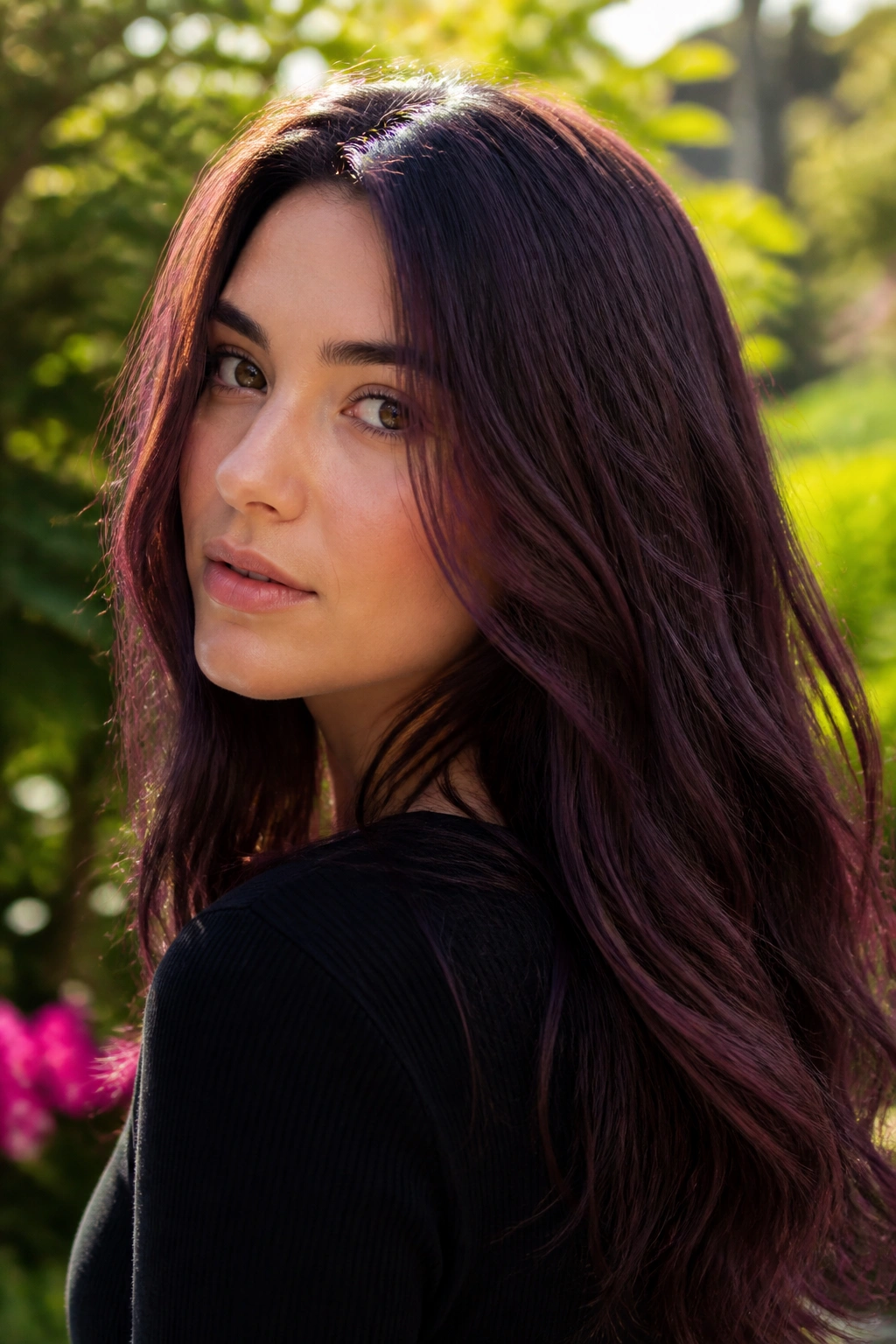
Plum brown is one of those shades people often skip because they imagine it will look purple in a loud, costume-like way. It doesn’t have to.
The prettier version keeps a deep brown base and adds a violet cast that shows up mostly in sunlight or on very smooth hair. Indoors, the color can look almost like an espresso brunette. Then you step outside and see a faint berry sheen. That shift is what gives it life.
How To Keep It From Going Muddy
Plum can lose its edge if the brown base is too warm or too red. The violet has to sit on top of a neutral brunette foundation, otherwise the color starts reading dull instead of rich. A cool glaze helps.
- Best on hair that already sits at a medium-dark level.
- Feels especially polished on blunt cuts and glassy blowouts.
- Fades into soft brown, which is easier to live with than a bright red fade.
This shade suits anyone who wants depth with a little mystery. Not gothic. Not flashy. Just a smarter kind of dark.
20. Blue-Black Shine With A Glassy Finish
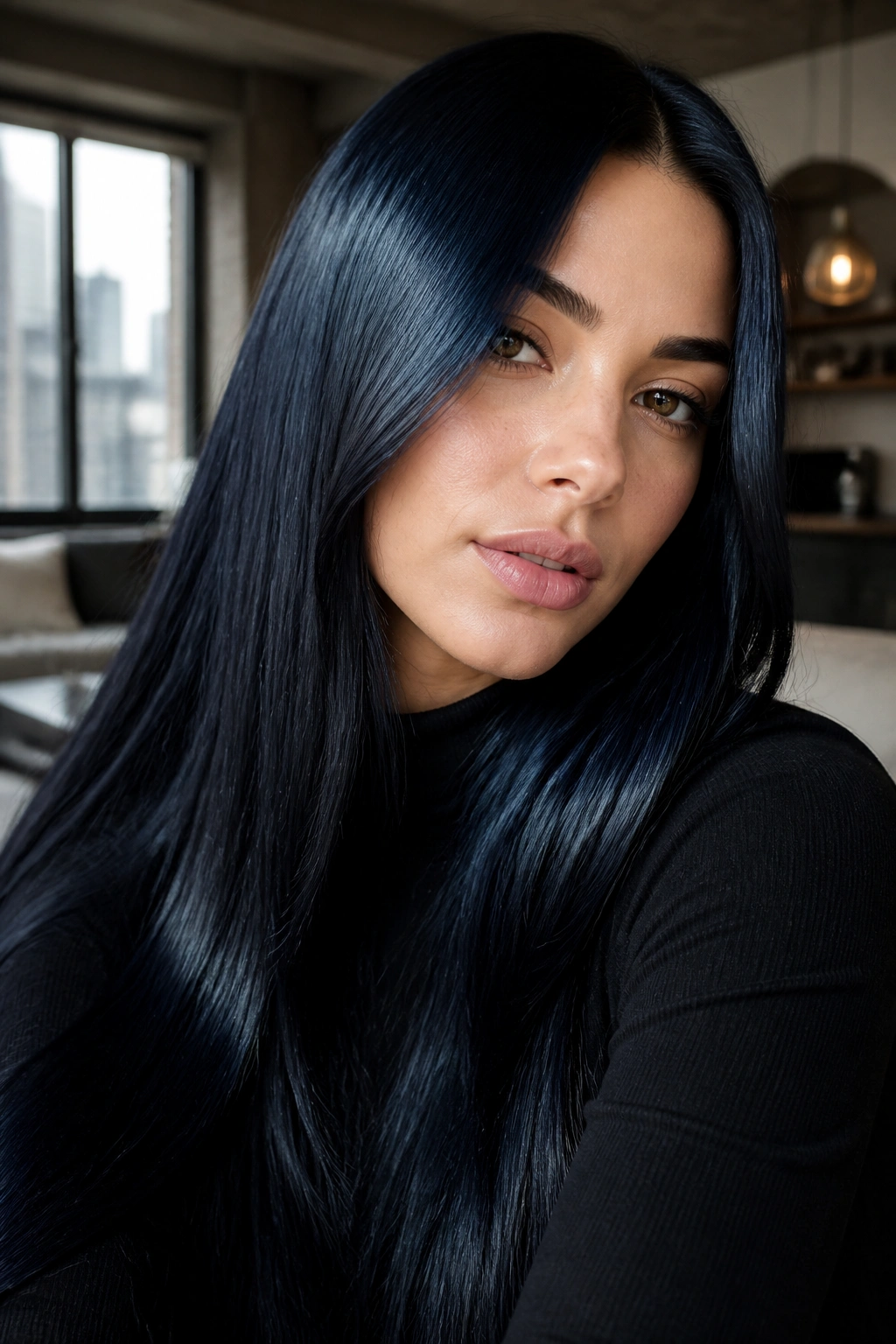
Blue-black is the color for a clean reset when you want the dark end of the spectrum, but you still want dimension. The blue tone keeps the black from looking flat, and that small shift makes a bigger difference than people expect.
A straight black dye can swallow the face if the skin tone is soft or light. Blue-black avoids some of that by giving the hair a reflective edge. It looks sharp on glossy lengths, neat bobs, and long layers that need a stronger outline. The shine matters more here than with almost any other shade.
The key is not to let the blue overpower the black. You want a dark base with a cool cast, not navy hair. That balance gives the hair a polished finish that holds up well when the roots start to grow in, too. If your natural hair is already dark, this can be an easy way to make it look deeper and cleaner without a huge chemical leap.
A good final thought: the color that feels most like a refresh is usually the one you can wear for weeks without picking it apart in every mirror. If it makes your face look brighter, your hair look healthier, and your root grow-out feel less annoying, that is a win.
