



The quickest way to make hair look sunlit is not to bleach every strand into the same pale shade. That usually looks flat, a little dusty, and weirdly less expensive than the hair started out. Sun-kissed highlights work because the light lands in different places — around the face, through the mid-lengths, and softly at the ends — so the color feels like it happened outdoors, not under a bright salon lamp.
A good highlight job usually changes only a few levels, then gets softened with toner or gloss. Push the lift too far and the hair starts fighting the skin, especially if the base color is warm, deep, or naturally reflective. That’s the part people miss when they bring in a photo of pale blonde hair and expect it to behave the same way on every head.
Different placement changes everything. Babylights give a whisper of brightness, balayage gives movement, foil highlights give lift where you want more pop, and a money piece can change the whole face in one shot. The right choice depends on your base color, your haircut, and how obvious you want the result to be.
1. Soft Caramel Balayage on Brunette Hair
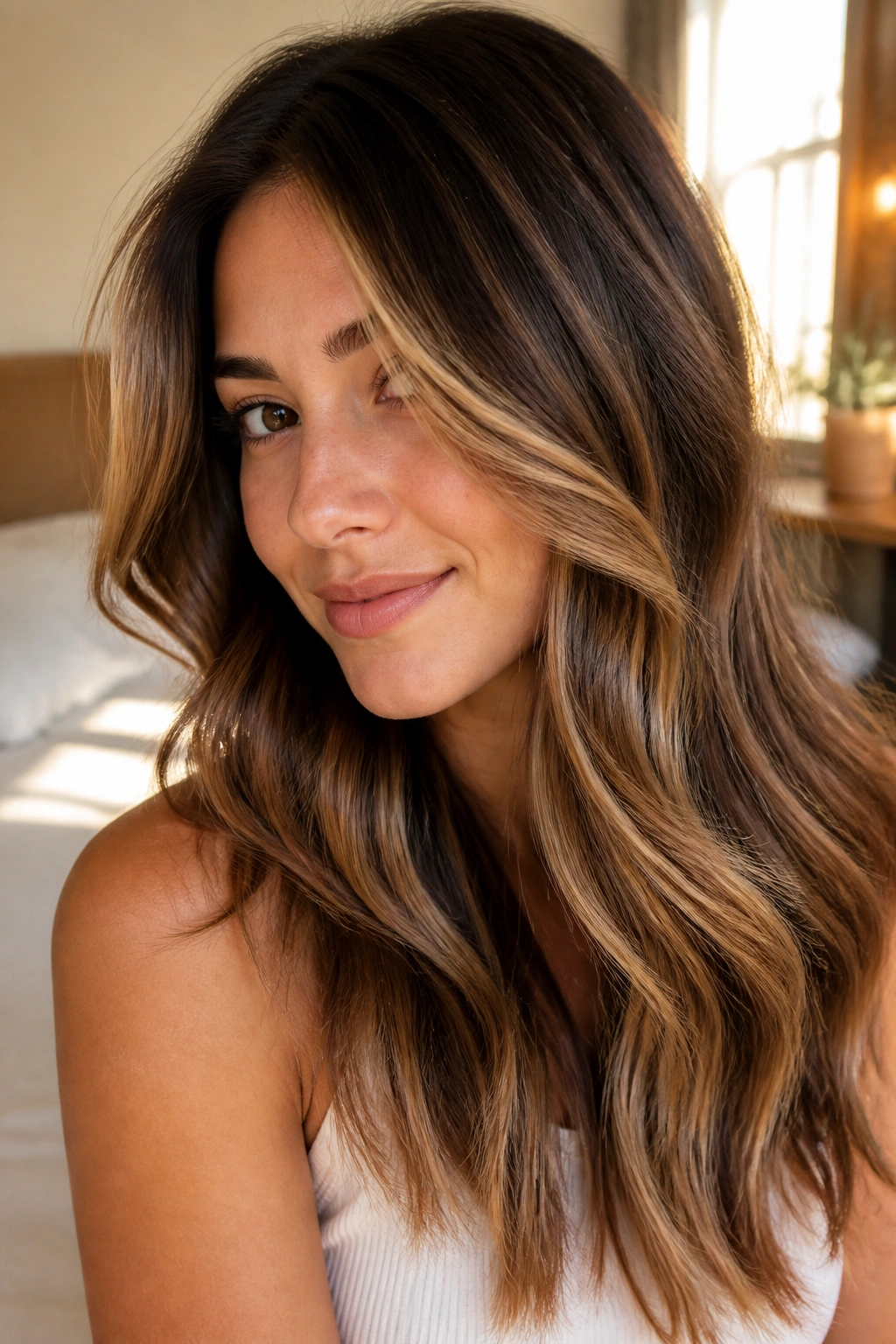
Caramel balayage is the workhorse of a sun-kissed look. It gives brown hair warmth without turning it into one big block of lighter color, and that matters when you want dimension instead of a loud contrast stripe. The hand-painted placement keeps the root area deeper, which is what makes the color look relaxed rather than freshly overprocessed.
Why It Works
Caramel sits in that sweet spot between gold and brown, so it plays nicely with medium brunettes, dark brunettes, and even black-brown hair that needs a little life. The lighter pieces should be soft at the ends and a touch brighter around the front, not scattered evenly everywhere.
- Best for hair that starts at level 3 to 5.
- Ask for mid-length and end placement first, then a few face-framing pieces.
- A gloss in a beige-gold tone keeps it from going orange.
Pro tip: leave the root at least 1 to 2 inches deeper than the lightest pieces so the grow-out stays clean.
2. Honey Babylights for a Gentle Glow
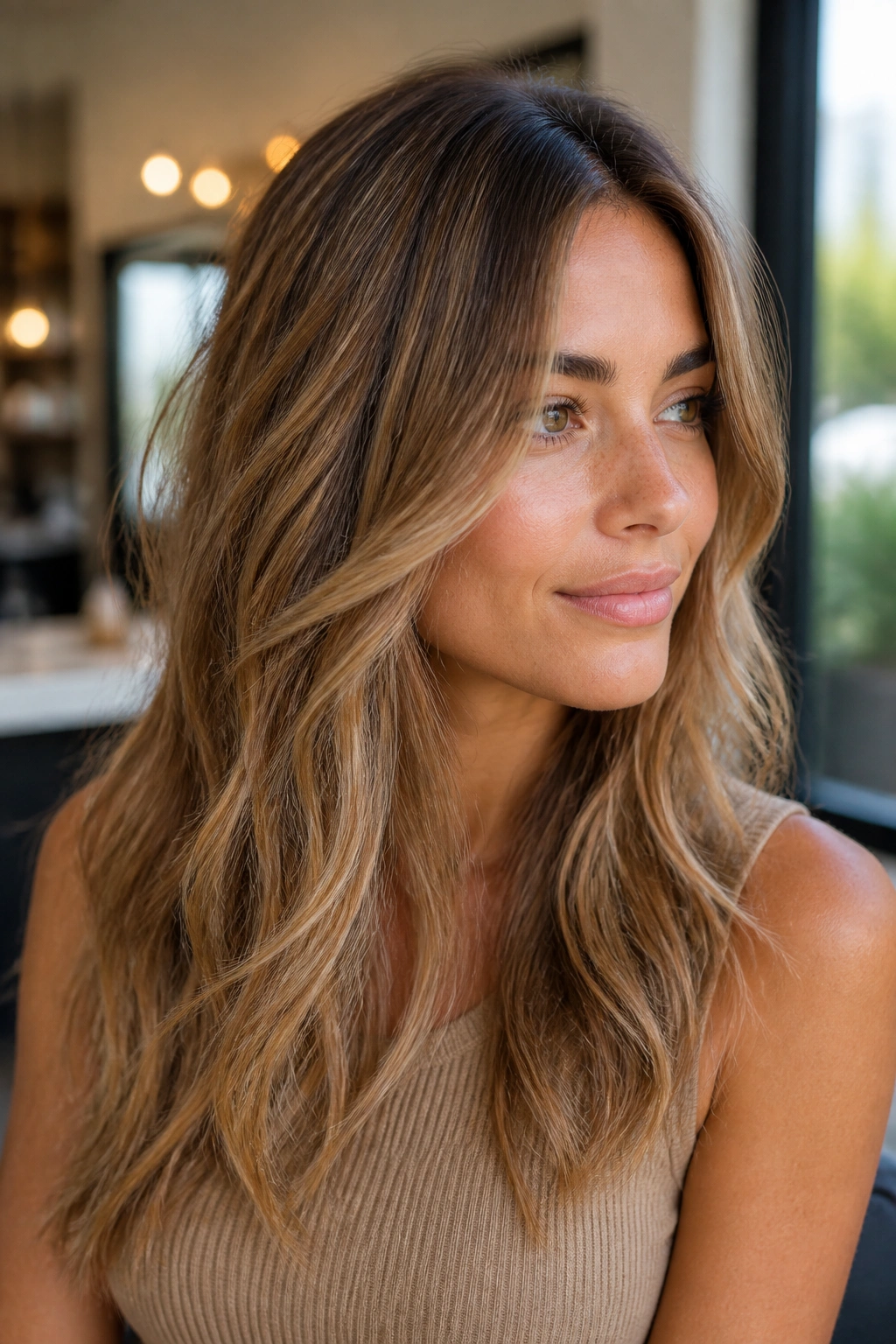
Honey babylights are for people who want brightness but do not want to look highlighted. The strands are sliced so fine that the color blends into the base instead of sitting on top of it like obvious streaks. On fine hair, that tiny shift can make the whole head look fuller.
The trick is in the size of the section. If the foil sections are too chunky, the effect changes fast and starts reading as old-school blonde stripes. Keep the lift warm, soft, and controlled. No hard lines. No chunky contrast.
A stylist who knows this look usually works with very fine foils through the crown and around the part, then adds a few barely-there pieces near the temples. It’s subtle, but it has a lot of payoff when the hair moves.
3. Beige Blonde Ribbons Through Light Brown Hair
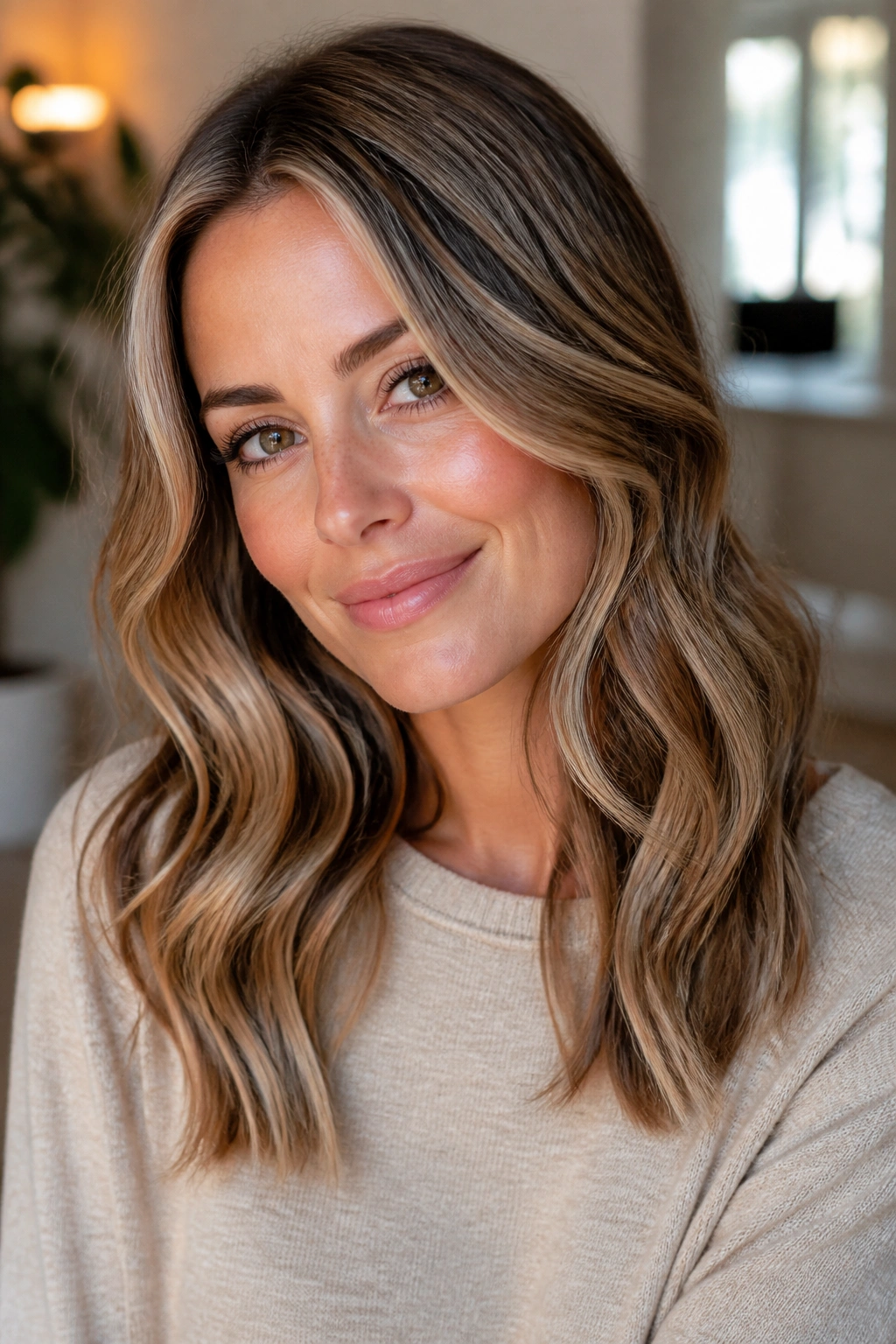
Why does beige blonde look softer than icy blonde on many people? Because beige sits between warm and cool, which takes the edge off brass without making the hair look chalky. On a light brown base, that middle tone gives you brightness that still feels believable.
This style works especially well if your natural color already has some warmth. The ribbons should be thin enough to bend with the wave pattern, not sit like stripes. If the hair is worn straight, the pieces should still look blended at the root and brighter toward the ends.
How to Ask for It
Tell your colorist you want beige-blonde ribbons with a soft root shadow. That phrasing matters more than people think.
- Ask for pieces that are no wider than a pencil in the front.
- Keep the tone beige, not platinum.
- Finish with a gloss that removes yellow, not all warmth.
4. Bronde Melt for In-Between Brunettes
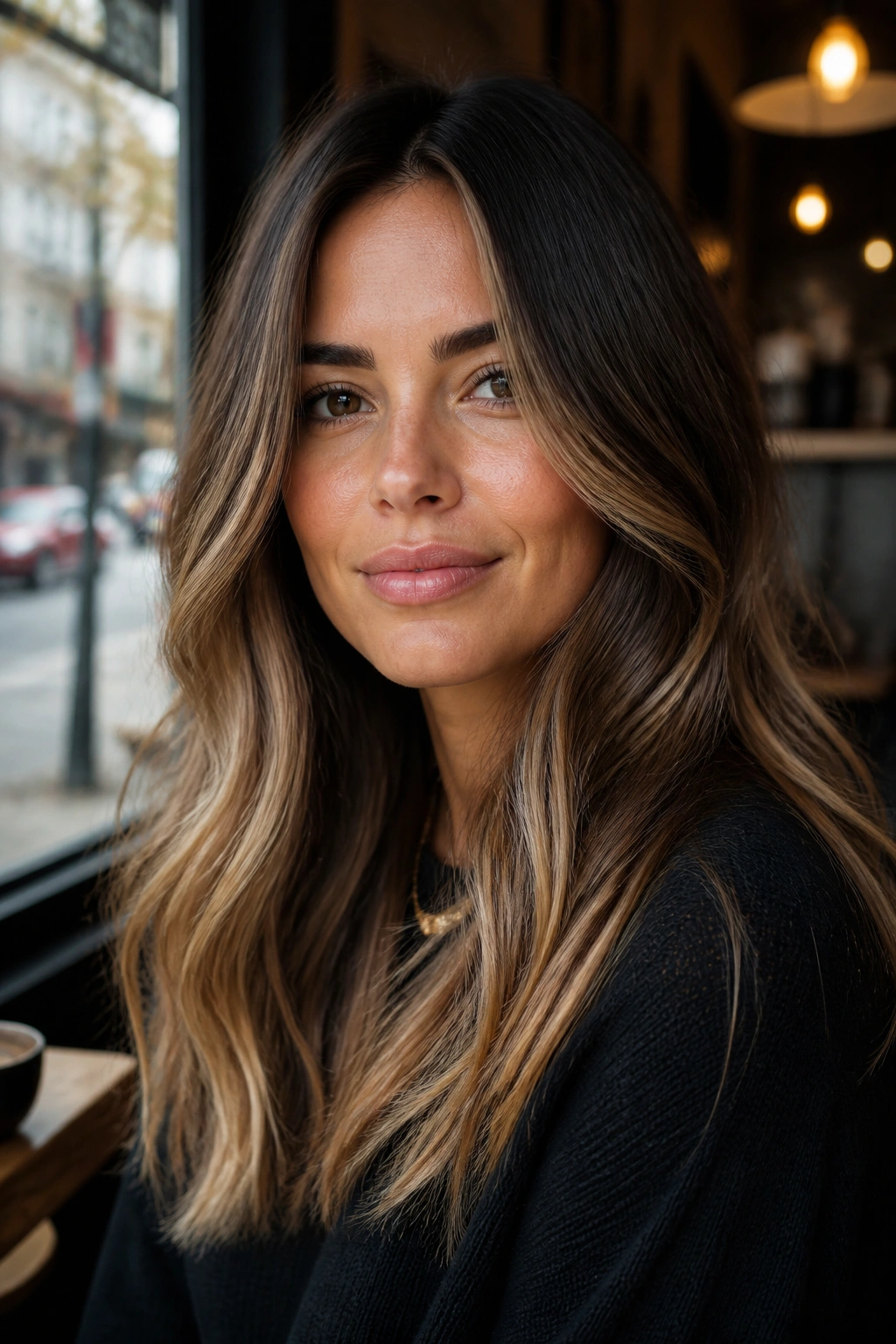
If your hair lives between brown and blonde, forcing it into one camp usually backfires. A bronde melt keeps the base rich and the lighter pieces soft, so the whole color reads as dimensional instead of boxed in. It’s one of the easiest ways to get a sun-touched look without a dramatic change.
The best bronde work doesn’t scream “highlights.” It looks like your own hair got hit by steady light over time. That means the transition from brunette root to lighter mid-lengths should be gradual, almost blurred. The ends can be a little lighter, but not so light that they separate from the base.
This is a smart pick if you want to keep some depth around the face. It also grows out better than high-contrast blonde because the root line is already part of the design.
5. Golden Money Piece Around the Face
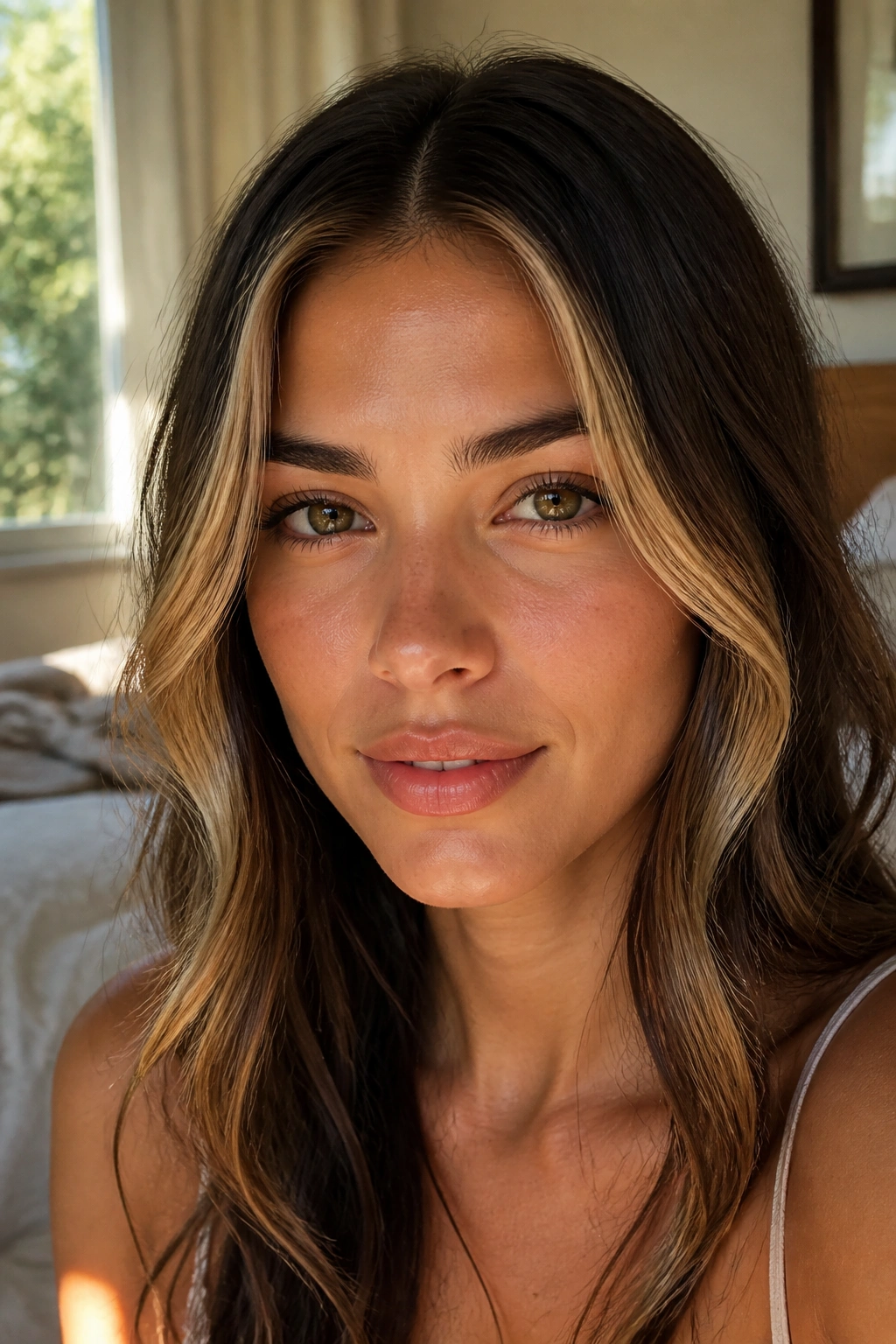
A golden money piece is the fastest way to fake a bright, lifted face. Two narrow sections at the hairline can change everything, especially if the rest of the hair stays softer and deeper. That contrast is what makes the eyes pop.
The placement matters more than the color. If the bright pieces start too far back, you lose the framing effect. If they’re too wide, the look starts to feel chunky. Keep the brightest parts right where hair naturally falls around the temples and cheekbones.
You can ask for a warm gold or soft amber tone instead of a pale blonde. That keeps the effect flattering on warm skin and avoids the harsh, almost icy look that can fight the rest of the color. It’s a small move with a big payoff.
6. Cinnamon Highlights on Chestnut Hair
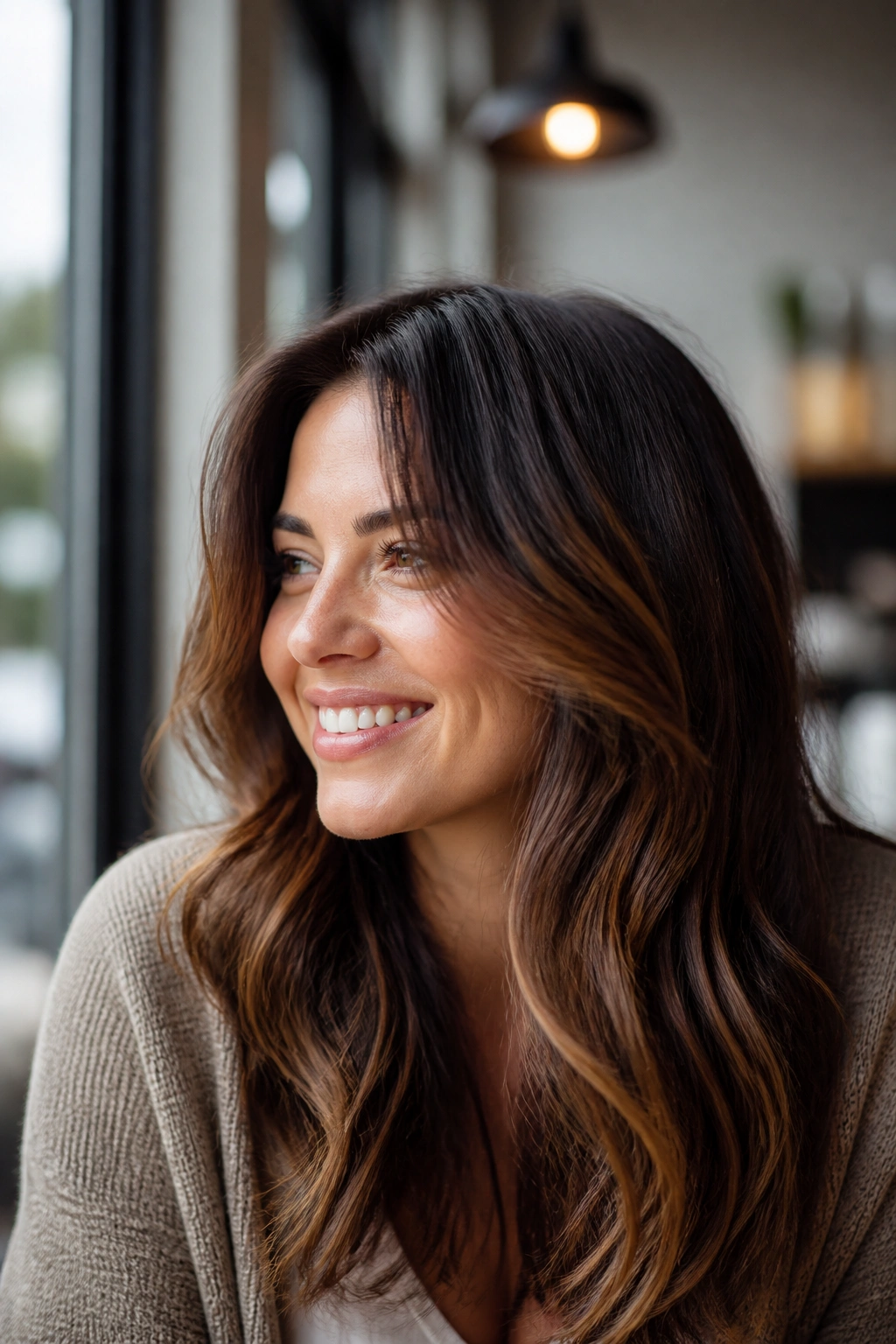
Cinnamon highlights are one of those shades that gets overlooked because people hear “sun-kissed” and jump straight to blonde. That’s a mistake. Warm red-brown light on chestnut hair can look even more natural than gold, especially when the base already has a little red in it.
This look should stay soft and sheer. You want the ends and a few face-framing pieces to pick up coppery warmth, not turn the whole head into one red tone. If the hair is very dark, the cinnamon needs to be faint or it can read too loud in indoor light.
The best version looks like autumn sunlight landed on brown hair for a few weeks and then drifted away. Not fiery. Not orange. Just warm enough to make the surface move.
7. Copper-Tinted Ends on Darker Hair
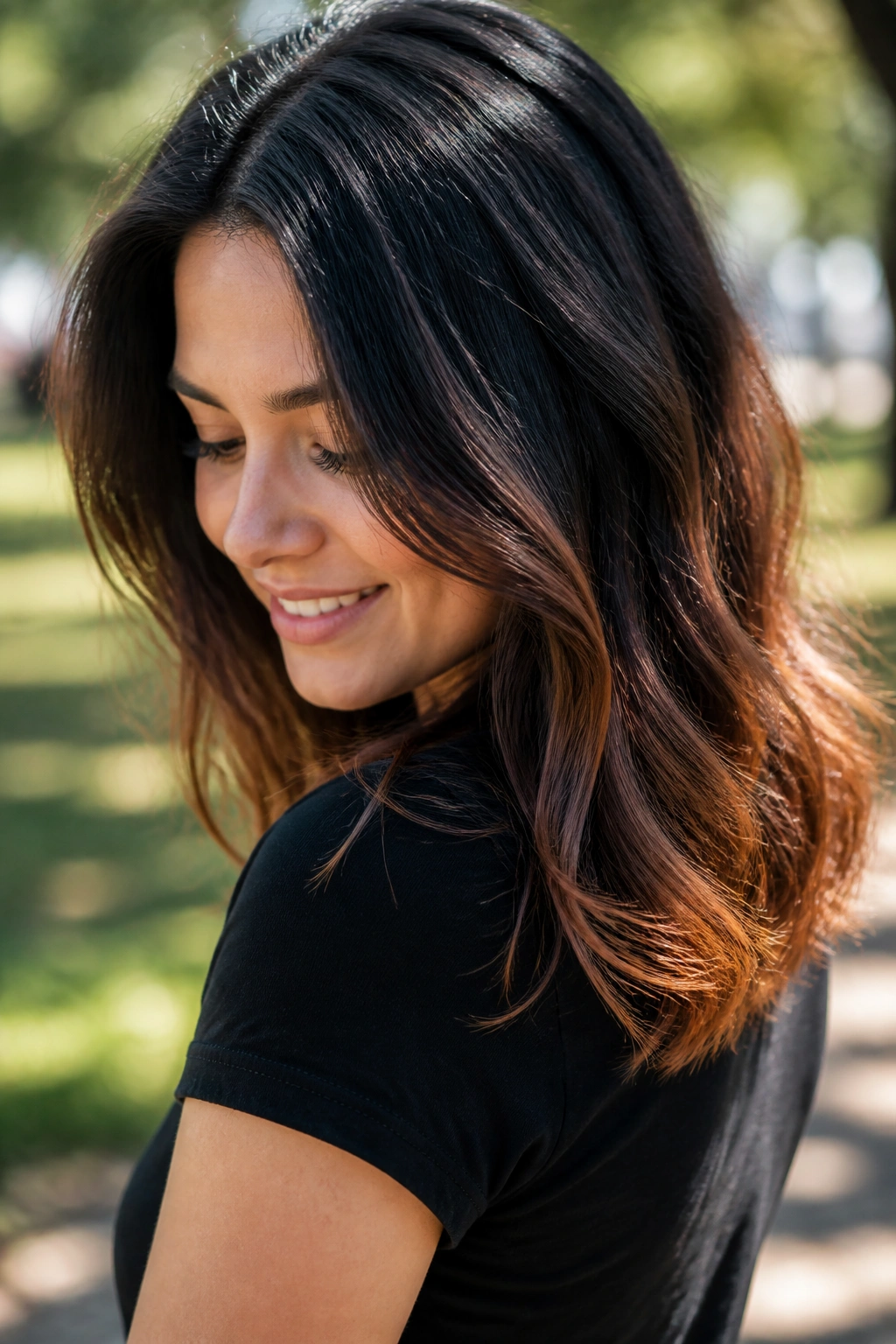
Copper-tinted ends are for someone who wants warmth without changing the root area much at all. Think of it as a sun-kissed fade with personality. The ends catch the brightness, while the root and mid-lengths keep the color grounded.
This works well on shoulder-length cuts and long layers because the lighter ends show movement as the hair swings. On a blunt cut, the effect is more graphic. That can be good, but it stops reading as soft and beachy if the copper goes too saturated.
What to Watch For
Copper is easy to overdo. A little goes a long way.
- Best on hair that already has red, auburn, or chestnut undertones.
- Keep the tone soft and translucent, not neon.
- Use a color-safe gloss every few weeks to keep the shine from dulling.
8. Mushroom Brown With Ash Ribbons
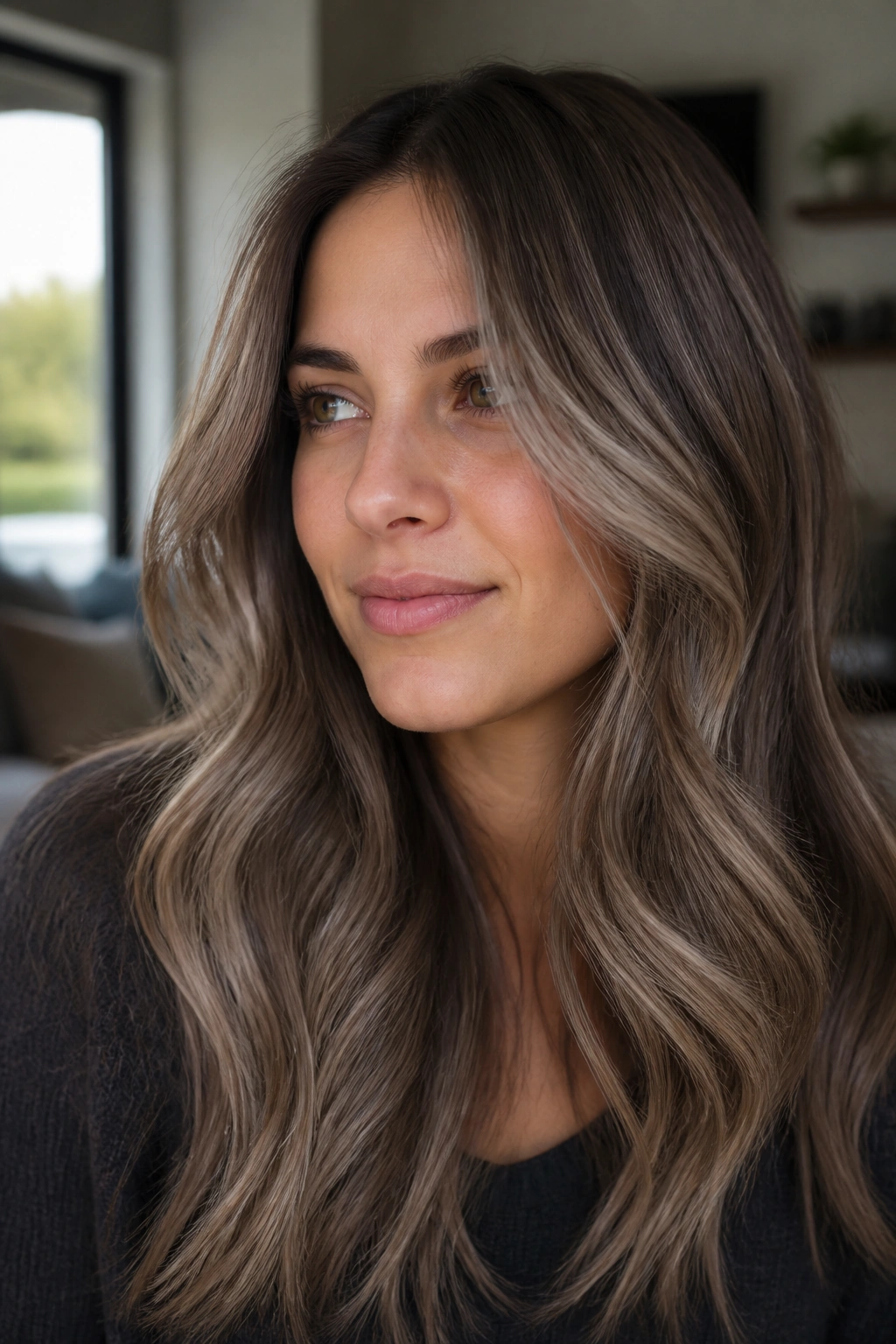
Cool-toned highlights can still look sun-kissed when the placement is soft. Mushroom brown with ash ribbons gives brunette hair a smoked, muted brightness that feels modern without screaming “blonde.” It’s a smart choice for people who hate warmth in their hair.
The key is restraint. Ash ribbons should be thin and blended, not streaky. They work best when the base has enough depth to keep the color from looking washed out. If the hair is very dark, a few ribbons around the crown and sides are better than brightening the whole head.
This look is one of my favorites for straight or slightly wavy hair because the contrast changes with movement. In flat light it reads subdued. In sun, the ribbons wake up.
9. Champagne Foil Highlights on Neutral Bases
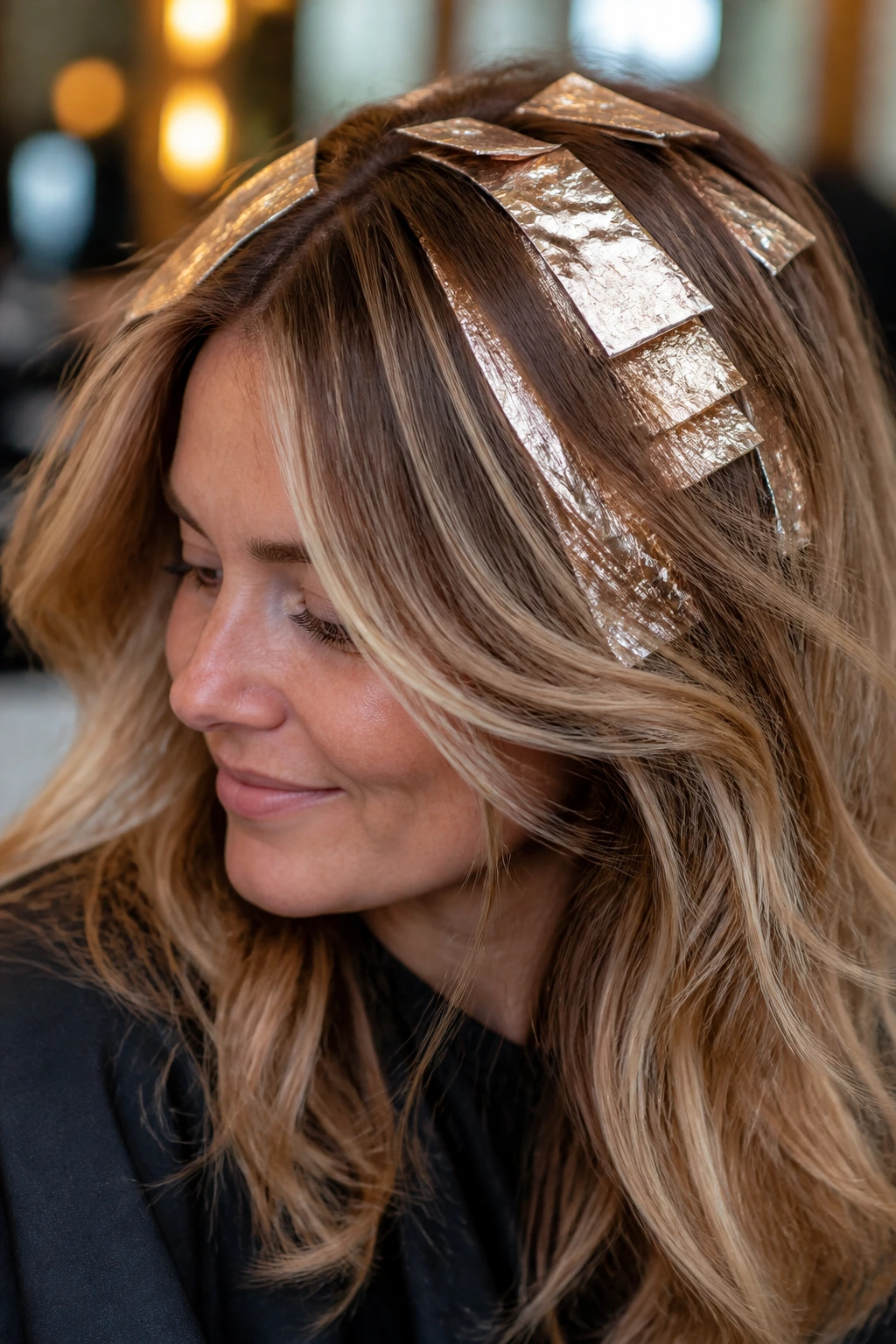
Champagne is not platinum, and that’s the point. It gives you a soft, bright lift with a barely rosy-beige edge that keeps the hair from looking stark. On neutral bases, it can look expensive in the nicest, least showy way.
Foils are useful here because they create more lift than balayage alone. That makes champagne tones show up cleanly, especially near the crown where the light naturally hits. The result is polished but not stiff.
If you like hair that looks bright but not icy, this is a strong pick. Ask for a toner that keeps the blonde creamy. If the color drifts too cool, the whole thing loses its warmth and starts to feel less sunlit.
10. Toasted Almond Foilayage for Extra Movement
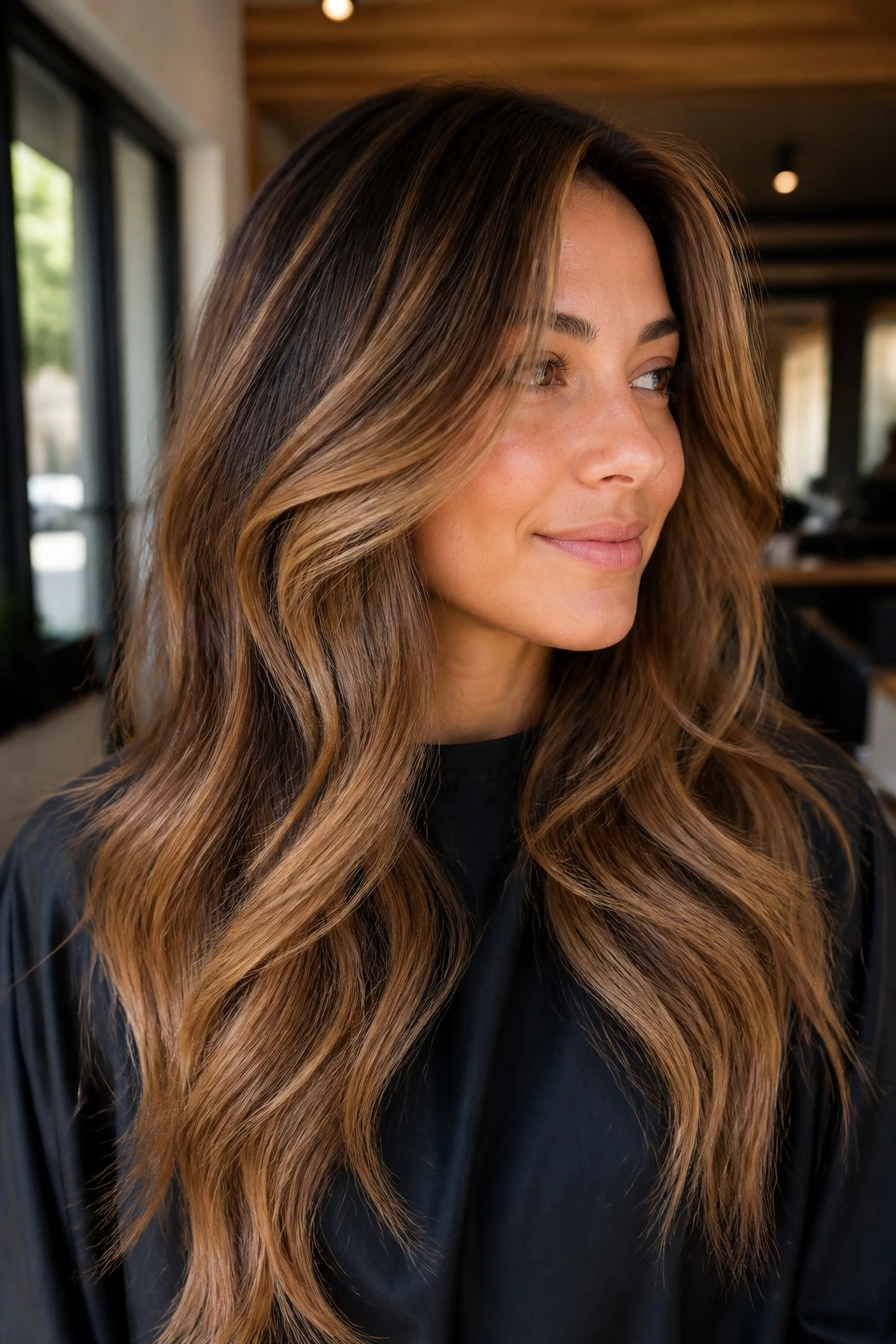
Foilayage is a hybrid technique: part foil highlight, part balayage feel. It gives you more lift where you want it, while still keeping the transition soft. Toasted almond is a beautiful tone for that method because it stays warm, dimensional, and easy to wear.
This style suits medium brunettes who want something a little more noticeable than a whisper highlight but not as dramatic as full blonde. The colorist usually paints the surface pieces, then folds some sections into foils to lift them more cleanly. That mix creates a soft, broken-up glow through the hair.
Why It Works So Well
The contrast is controlled. You get brightness without harsh banding.
- Best on layered cuts that move.
- Ask for a warm beige-almond toner.
- Keep some depth under the top layers so the shine has somewhere to land.
11. Sandy Brunette Highlights With Low Contrast
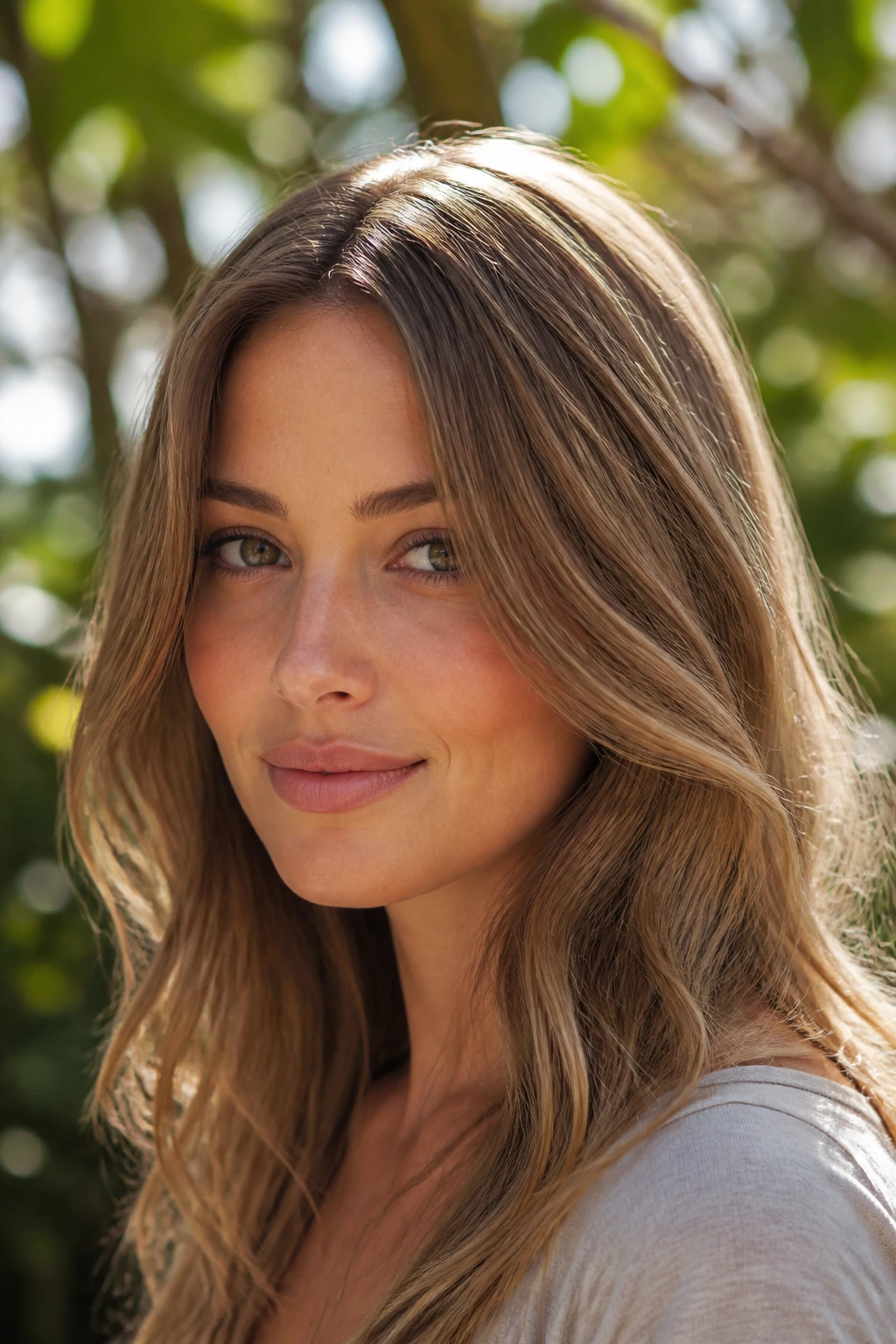
Sandy brunette highlights are the easygoing cousin of blonde balayage. The goal is to brighten the hair enough to make it look sunlit, but not enough to change your whole color identity. That’s why this look works so well on people who like natural hair, just a little better.
The highlight pieces should be close in tone to the base. You want a soft shift, not a jump. On wavy hair, the pieces separate just enough to show dimension. On straight hair, a good blowout or curl brush helps the layers catch light.
This is one of the best low-maintenance options on the list. Grow-out tends to stay soft, and the color doesn’t demand constant root touch-ups. That alone makes it appealing.
12. Strawberry Blonde Whisper Lights
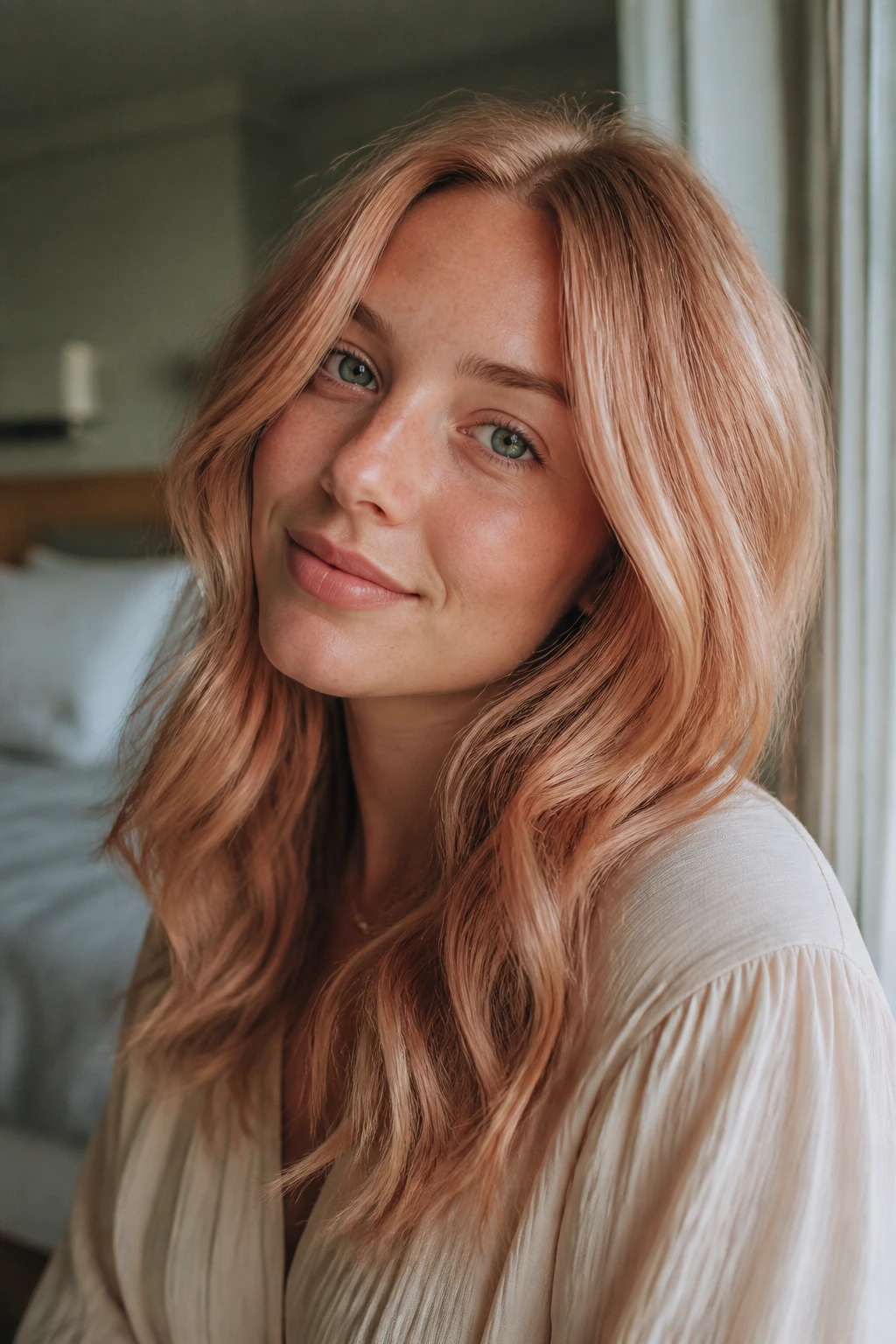
Can warm blonde look sun-kissed instead of coppery? Yes, if it stays light and thin. Strawberry blonde whisper lights are great when you want a little warmth around the face but don’t want to commit to full red or heavy gold.
This look works best on light brunettes and darker blondes. The lightest pieces should feel airy, almost pink-gold in certain light, but not so red that they overpower the skin. The secret is dilution. Too much pigment and the whole thing turns into a hair color statement instead of a glow.
A soft strawberry gloss over fine highlights can look beautiful on layered cuts, especially when the ends are bent with a round brush or curling iron. That movement helps the shade flicker instead of sitting still.
13. Root Shadow Blonde for an Easy Grow-Out
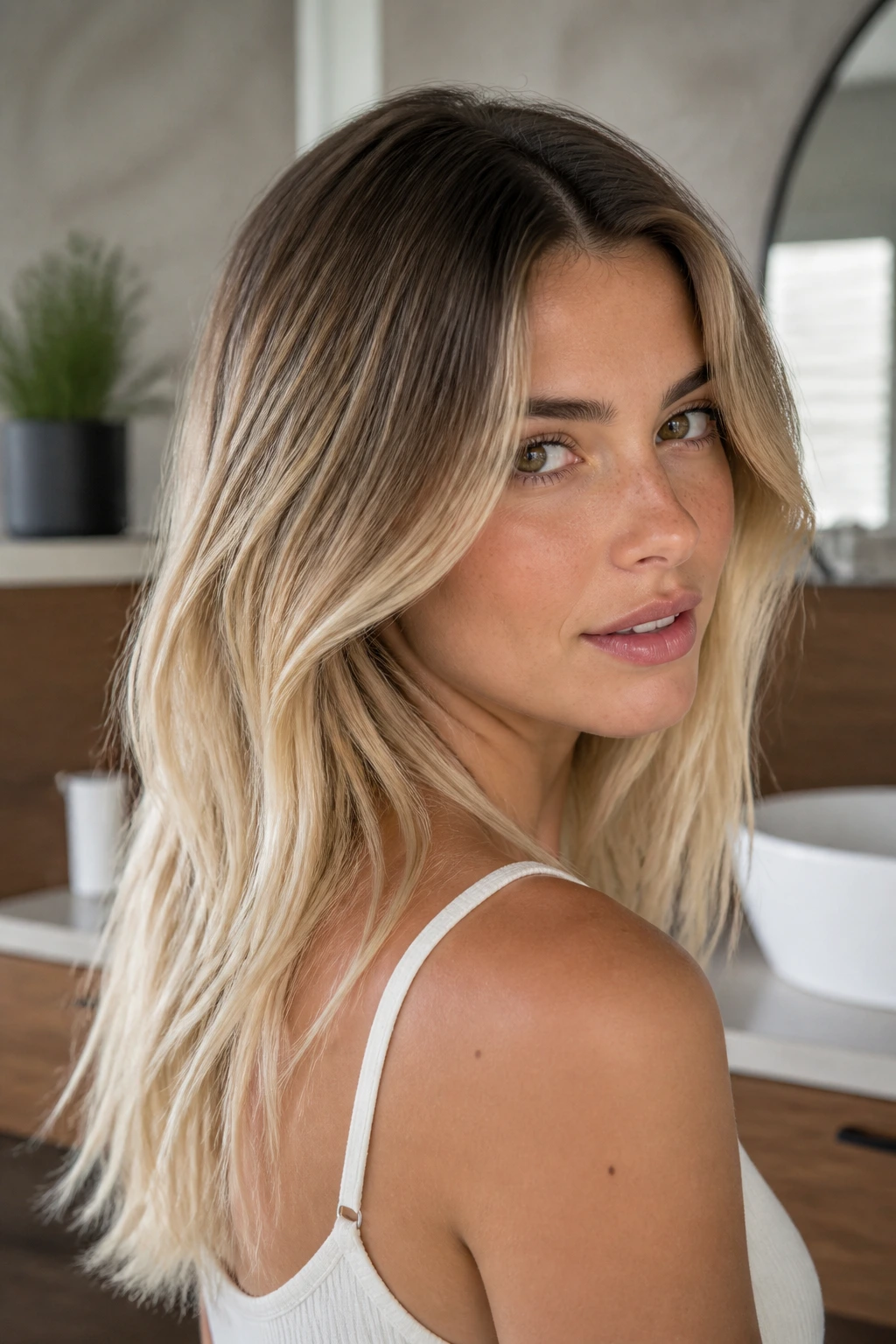
Root shadow blonde is one of the smartest ways to wear bright hair without looking freshly colored every three weeks. The root stays deeper, the mids are softened, and the ends carry the brightest blonde. The effect is clean and sun-warmed, not harsh.
What makes this style useful is the blur between colors. There should be no hard line where the natural root stops and the lightened section starts. A good shadow root looks like the color naturally grew there, even when you know it didn’t.
It’s especially good if you’re the kind of person who likes being blonde but dislikes the upkeep. The grow-out looks intentional, which buys you time between salon visits. Nice, right?
14. Ribbon Highlights on Black Hair
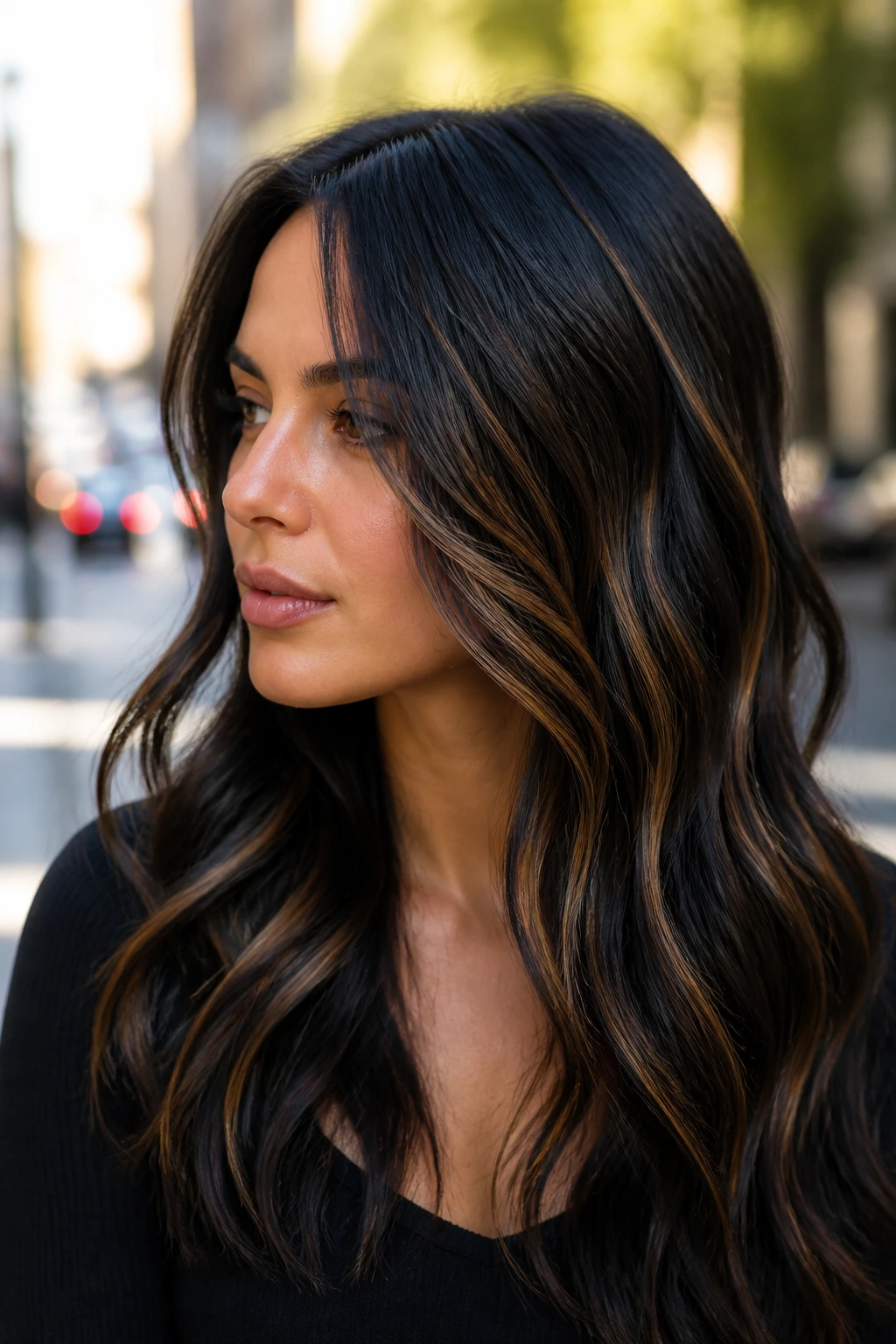
Dark hair can absolutely do sun-kissed highlights, but the color has to respect the base. On black or near-black hair, ribbon highlights should usually live in the caramel, bronze, or soft chestnut family. If they’re too pale, they look disconnected from the rest of the hair.
The best version uses slim, curved pieces that follow the hair’s natural fall. That gives the highlights a ribbon effect instead of a chunky stripe effect. Around curls and waves, the result can be gorgeous because the light catches just enough of the raised surface.
Who This Suits
This is a strong option if you want dimension without losing the depth you like.
- Good for thick hair that can hold contrast.
- Better with warm or neutral skin tones.
- Ask for pieces no lighter than a rich caramel if you want softness.
15. Face-Framing Contour Lights
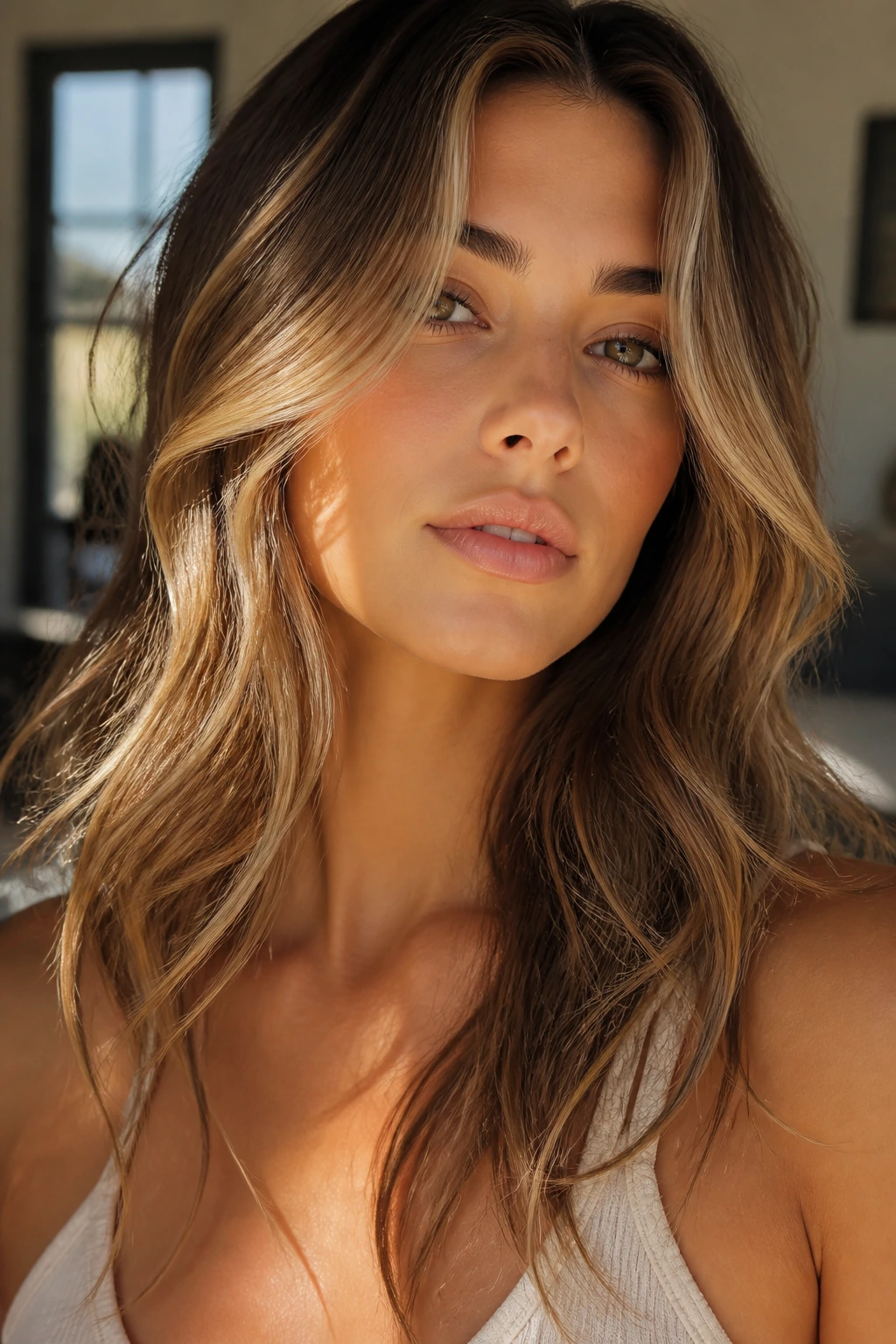
Face-framing contour lights do a sneaky amount of work. Two to four bright pieces around the hairline can make cheekbones look sharper, soften a heavy fringe, and pull attention upward. It’s one of the most efficient highlight ideas on the list.
The color itself can be warm blonde, beige, or golden brown. The placement matters more than the tone. Put the brightness near the temples, then feather it backward so it blends into the rest of the hair instead of stopping abruptly.
This look is especially good with layers and curtain bangs. The pieces move when you move, which is half the appeal. Static hair can hide the effect, so a blowout or bend at the front helps a lot.
16. Soft Ombré Melt From Root to Tip
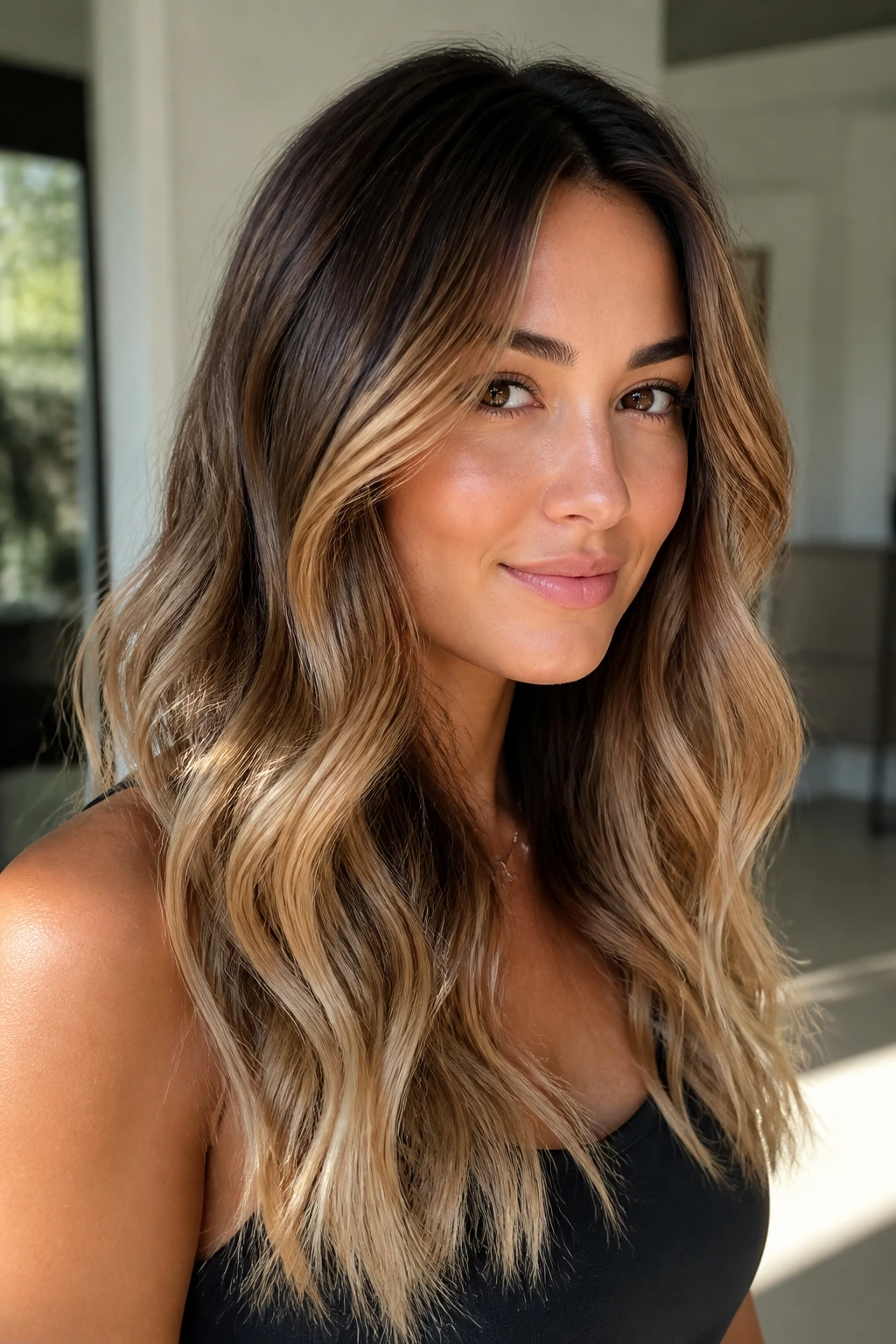
Ombré gets a bad reputation when the fade is too obvious. A soft ombré melt fixes that by making the transition gradual enough to feel like sunlight, not a color block. The root stays deeper, the mid-lengths lighten slowly, and the ends carry the brightness.
This works well if you want lower upkeep but still want your hair to feel lighter through the lengths. The difference between a good ombré and a tired one usually comes down to how many shades are used in the blend. Three or four soft steps usually look better than a sharp jump.
A wave or curl helps here, because the change in tone shows differently across the bend of the hair. Straight hair can still wear it, but the fade has to be very clean.
17. Mocha and Toffee Dimension on Dark Brunettes
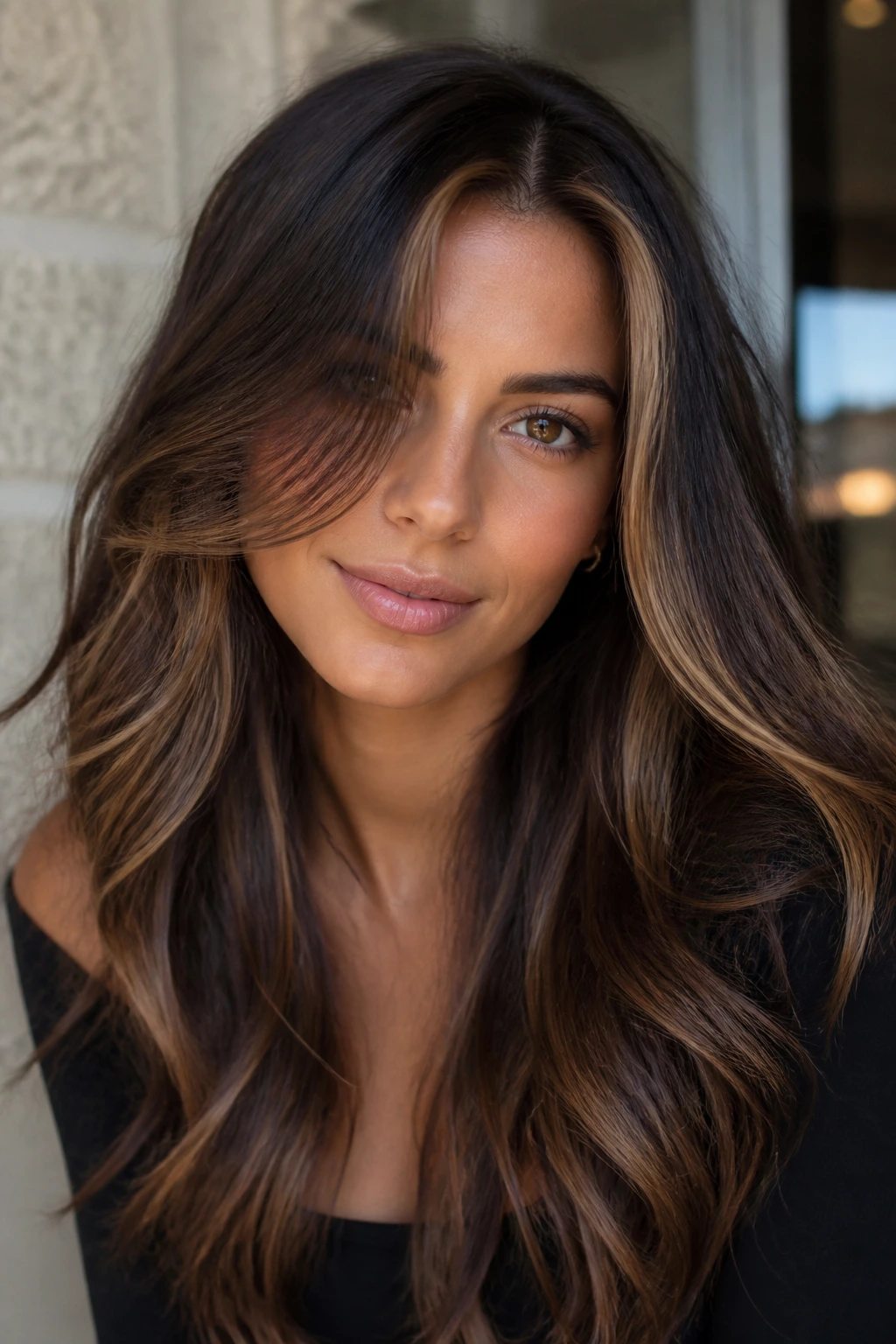
Mocha and toffee is the kind of color pairing that looks understated in the chair and rich in daylight. The mocha base keeps the color grounded, while toffee pieces add warmth and movement. No single strand needs to shout.
This style is good for people who want to see change without losing their dark hair identity. The lighter pieces should live mostly on the surface and around the face, not buried so deep that nobody sees them. That placement catches light naturally, which is the whole point.
There’s a reason this look ages well on grown-out hair. The contrast stays soft, and the depth near the root keeps the style from looking harsh between appointments.
18. Pearly Beige Blonde for a Soft Bright Finish
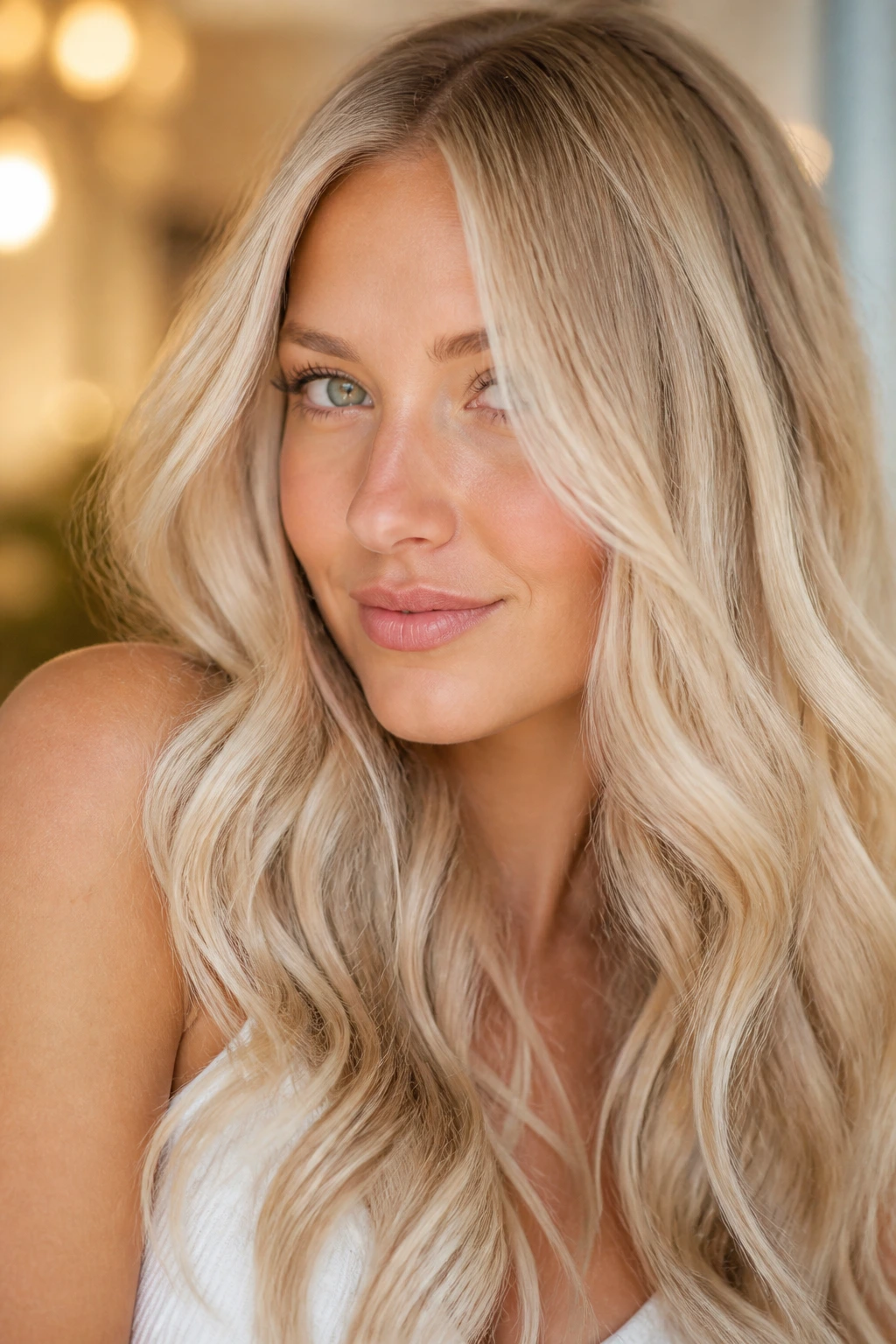
Pearly beige blonde sits in a nice middle ground. It’s lighter than sandy beige, softer than icy blonde, and less golden than honey. That balance gives the hair a clean, diffused brightness that still feels warm enough for a sun-kissed effect.
This shade works especially well on naturally lighter bases because it brightens without making the hair look stripped. On darker hair, it needs more lift to get there, so the process can take more than one step. That’s fine. A rushed pearl blonde almost always looks off.
A good pearl-beige tone should reflect light rather than glare. If the hair starts looking flat or chalky, the toner is too cool. If it goes yellow, it needs softening.
19. Peekaboo Rose Gold Panels
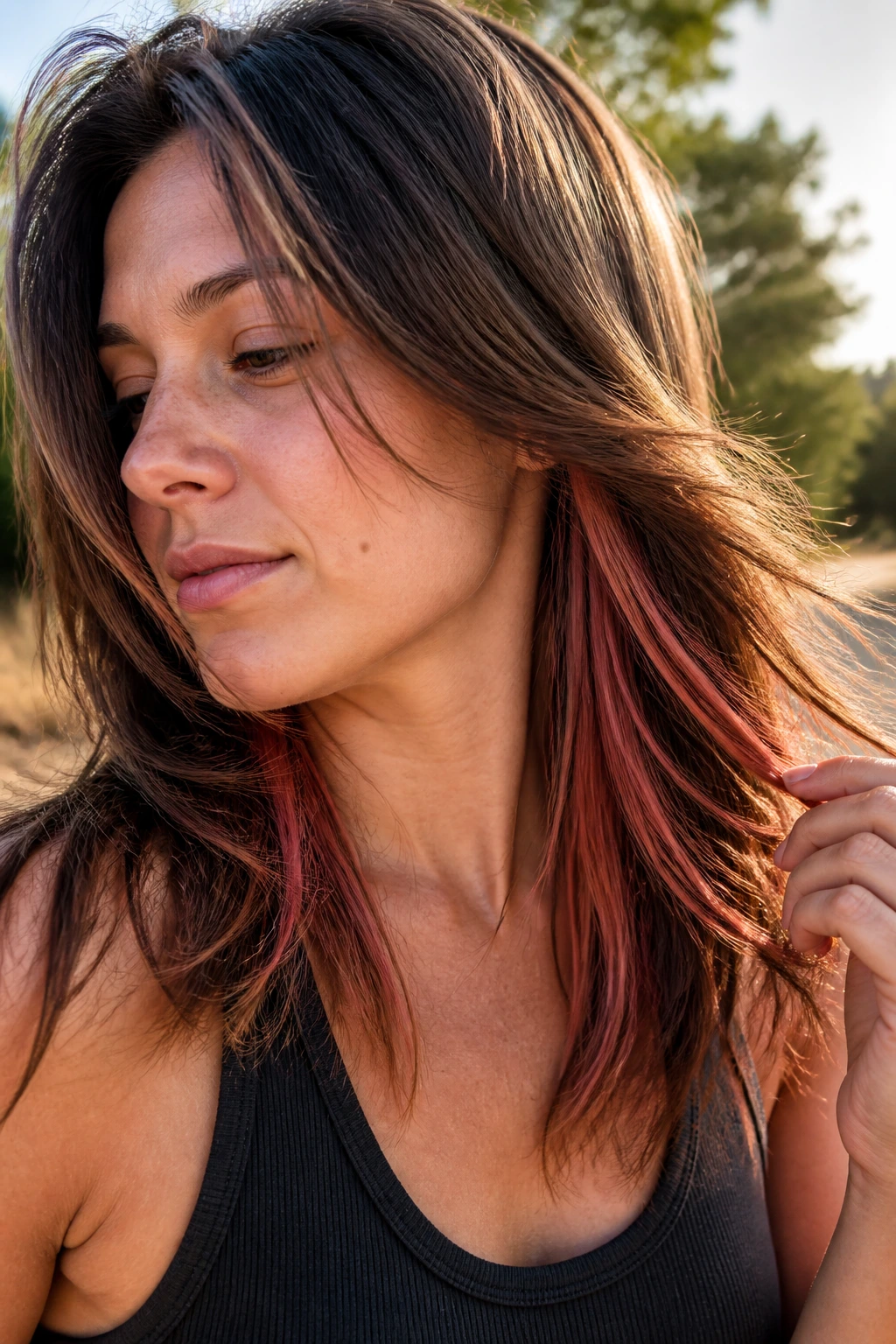
Peekaboo rose gold is for the person who wants a little personality tucked under the surface. The brighter color lives in hidden panels or lower layers, then flashes through when the hair moves or gets tucked behind the ear. It still reads sun-kissed, just with a playful bend.
This is not the most conservative look on the list, which is part of the charm. The rose tone should stay soft and translucent, not bubblegum bright. On light brown or dark blonde bases, it can look like sunset light hit the hair from underneath.
The placement gives you flexibility. If you wear your hair up, the color shows. If you keep it down, the effect stays quieter. That makes it easier to live with than people expect.
20. Frosted Caramel Fringe
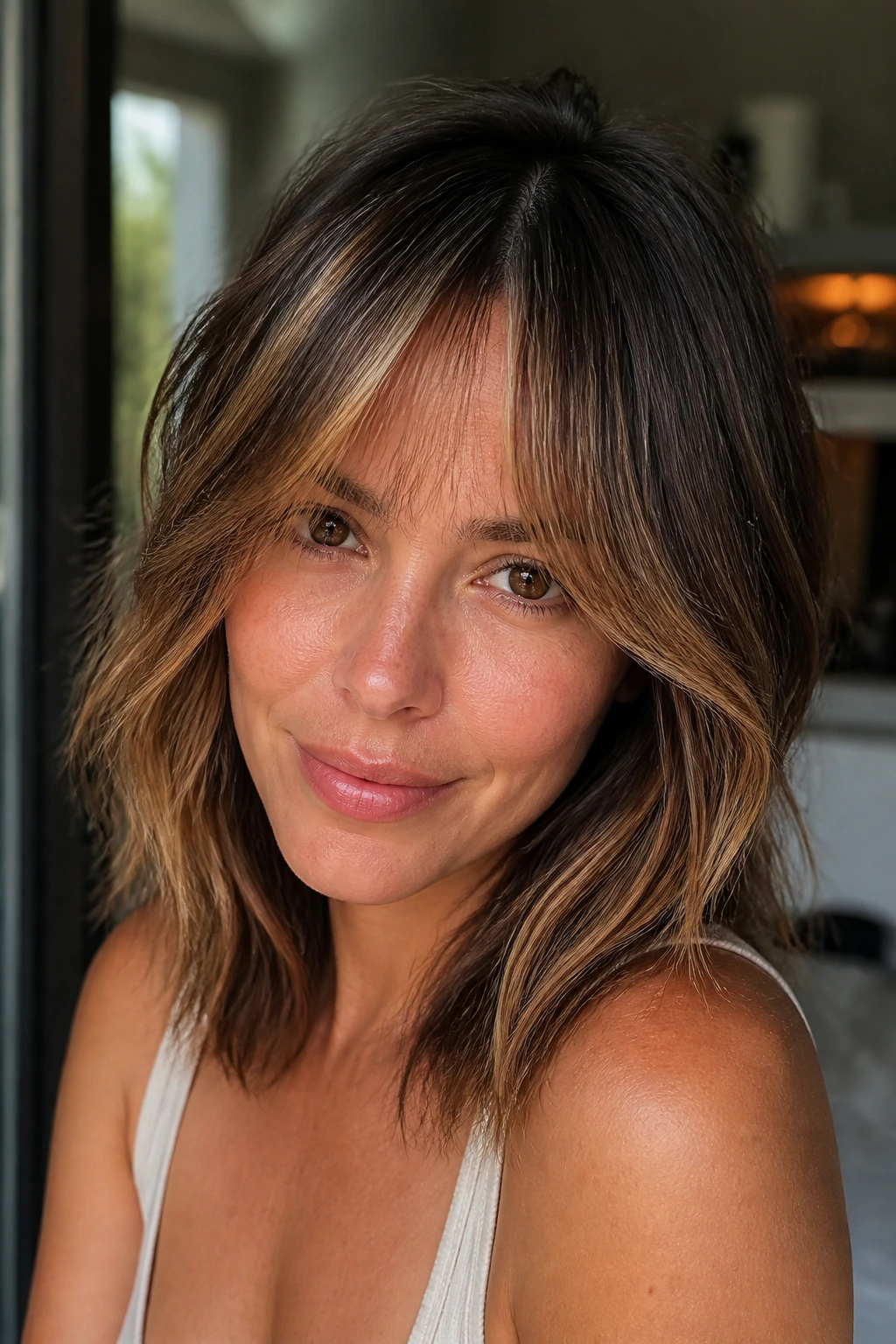
A frosted caramel fringe brightens the front without committing the whole head to lightness. It’s especially useful if you wear bangs, curtain pieces, or a heavy side sweep, because the bright bits sit right where the eye lands first. Tiny changes, big difference.
The caramel should stay warm and glossy, not too pale. Around the fringe, lighter pieces can frame the eyes and soften the forehead area. Keep the rest of the hair a little deeper so the front doesn’t float away from the style.
One warning: fringe highlights need a clean grow-out plan. Bangs grow fast, and bright pieces at the front can look sloppy sooner than you’d think if the cut is not maintained.
21. Sunlit Auburn Balayage
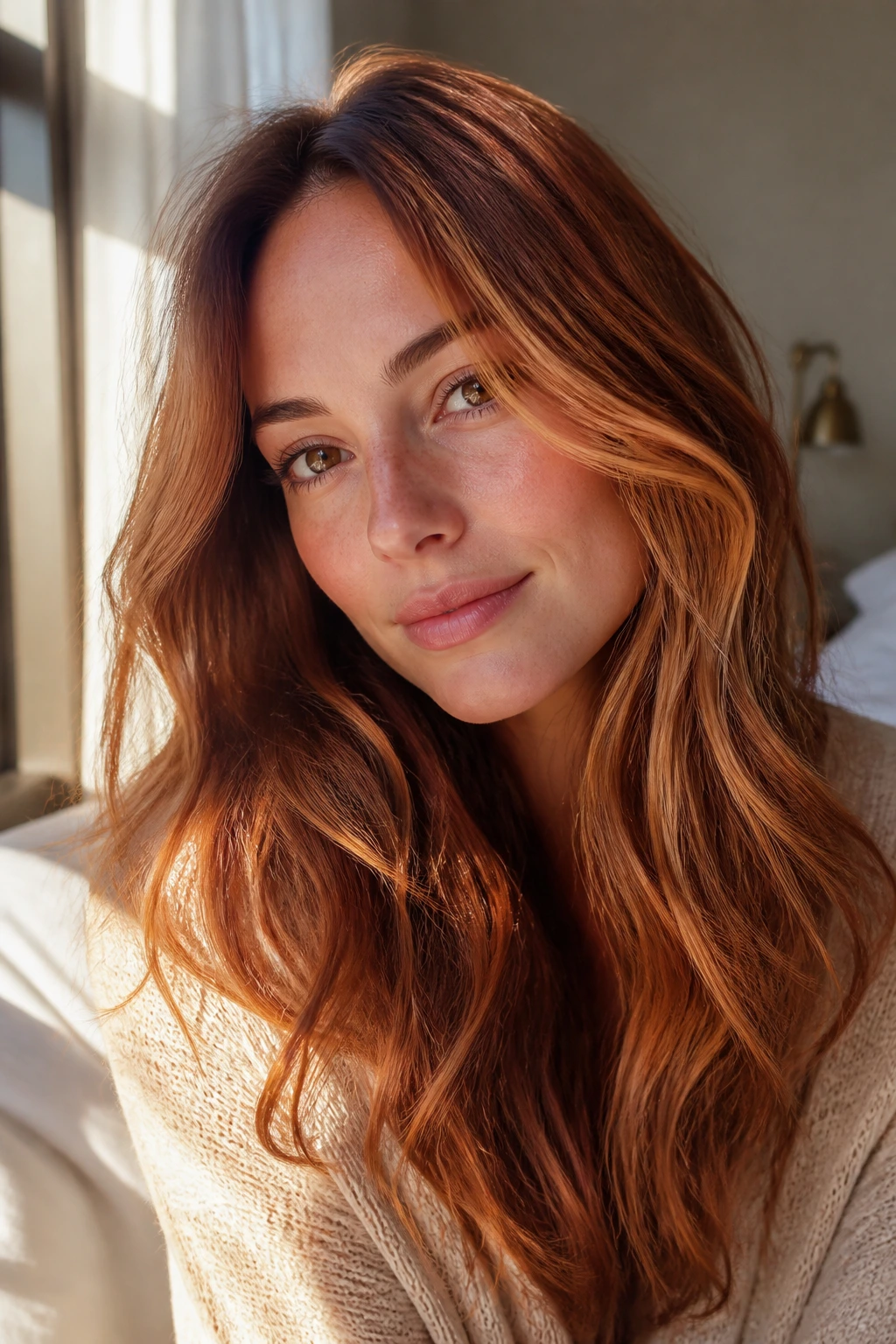
Auburn can absolutely read sun-kissed, and I think people forget that because they picture loud red hair. A soft auburn balayage sits between brown, copper, and rust, which gives hair warmth without turning it into one flat red color. It’s rich, not shouty.
This is a strong choice for natural redheads who want dimension, and for brunettes who want warmth without going blonde. The lighter pieces should be painted where the sun would naturally hit: crown, top layers, and the ends around the face. That keeps the color believable.
The finish should be glossy. Auburn loses its magic when it goes matte. A little shine makes the red-brown tones look far more dimensional.
22. Cream Soda Blonde on Light Brown Hair
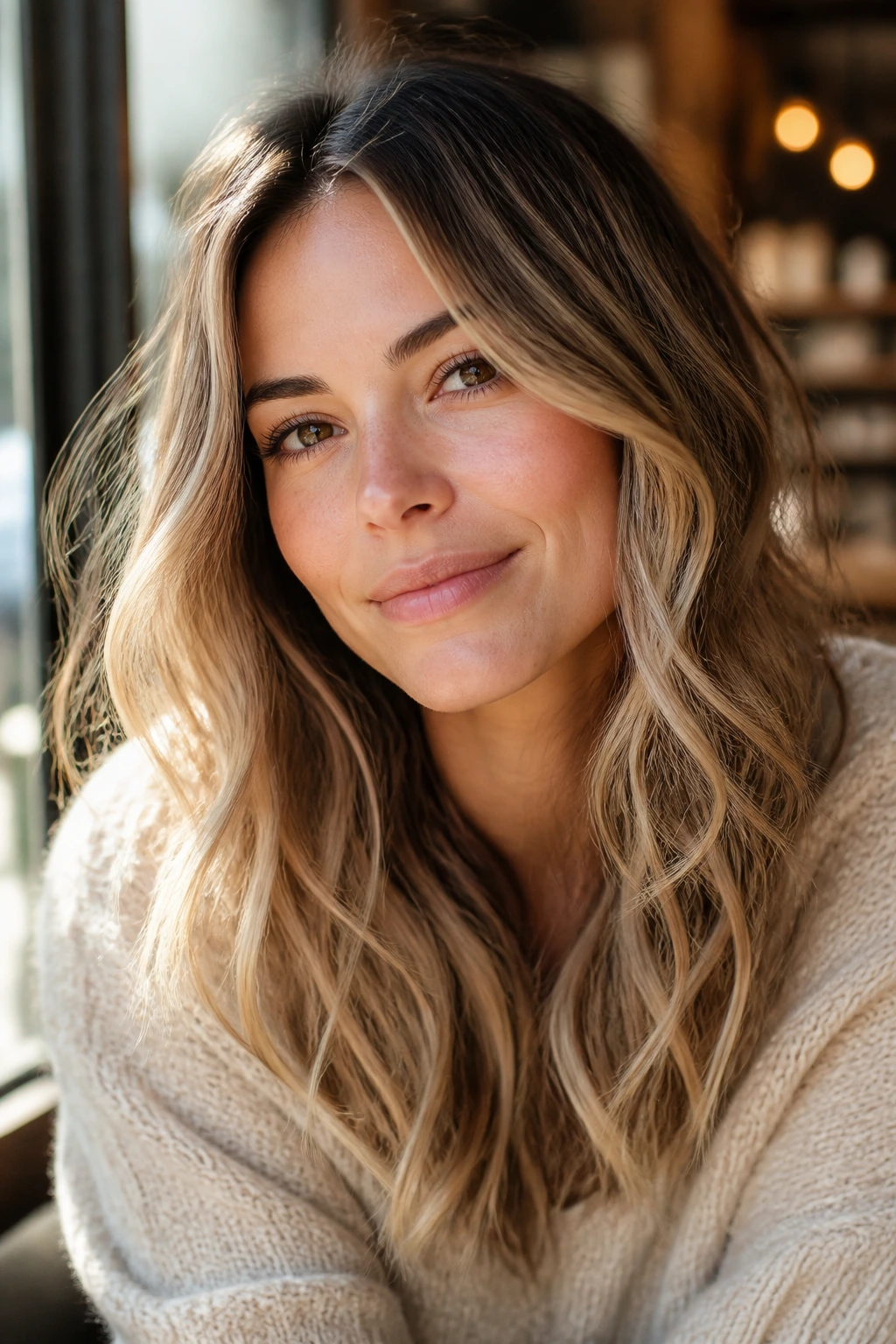
Cream soda blonde has a little vanilla, a little beige, and just enough warmth to keep it from going flat. It’s one of those shades that looks soft in low light and brighter in direct sun, which is exactly why it works so well for this kind of look.
This tone is lovely on light brown hair because it brightens the length without making the whole head icy. The root can stay slightly deeper, then the mids and ends get the creamier blonde finish. That contrast gives the color shape.
If you’ve ever felt like blonde on you looked too yellow or too white, this is the version to try. It sits in the middle and behaves better than the extremes.
23. Walnut Brown With Honey Veils
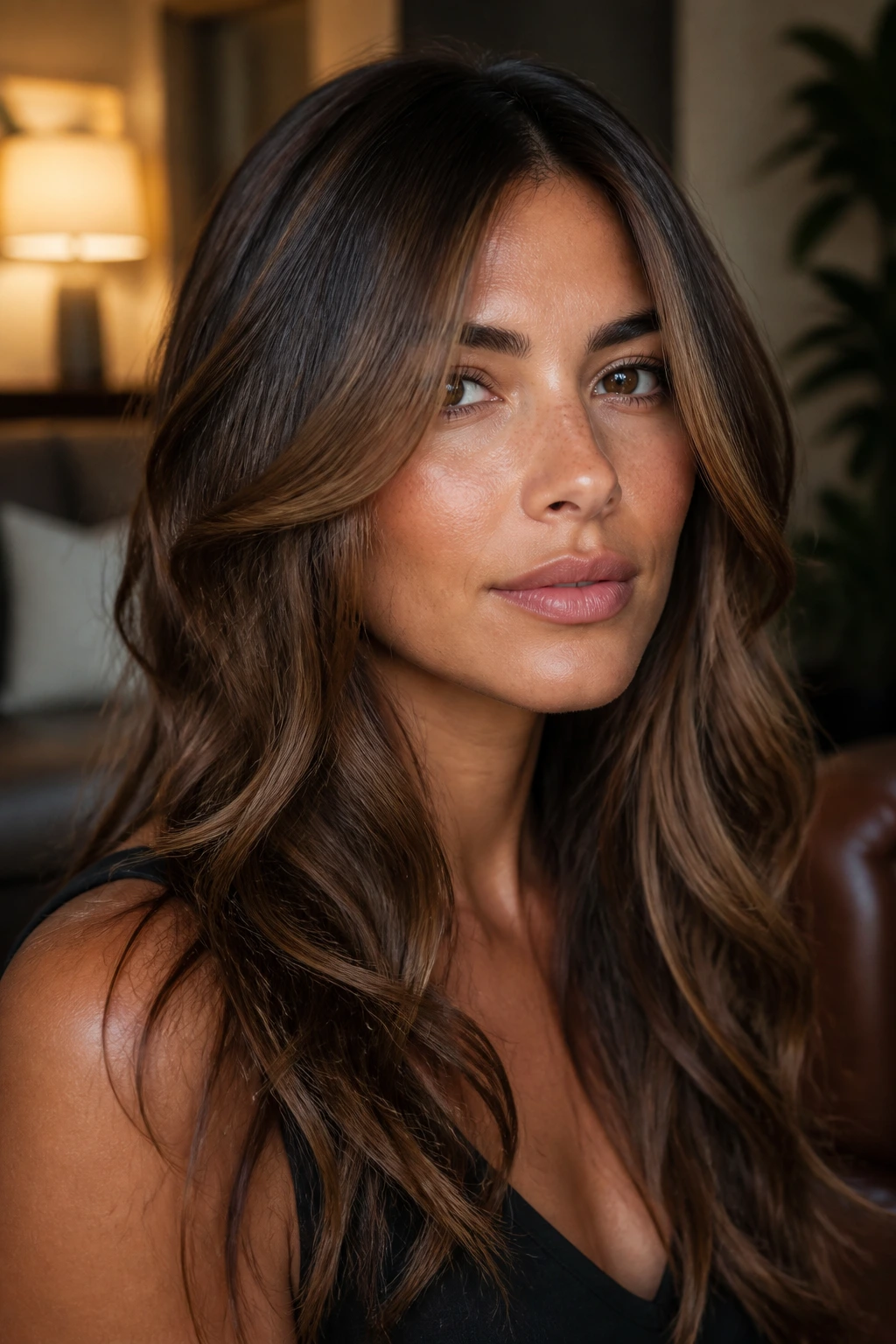
You do not need obvious blonde to look lighter. Walnut brown with honey veils proves that point. The base stays deep and glossy, while thin honey pieces skim the surface and catch light at the ends and around the face.
This style is one of the most wearable options for people who work in conservative settings or just prefer low-key hair. The effect is there, but it doesn’t announce itself from across the room. That’s the beauty of it.
The honey pieces should be placed sparingly. Too many and the walnut loses its depth. Too few and the effect disappears. That balance is the whole game here.
24. Vanilla Cream Tips on Layered Hair
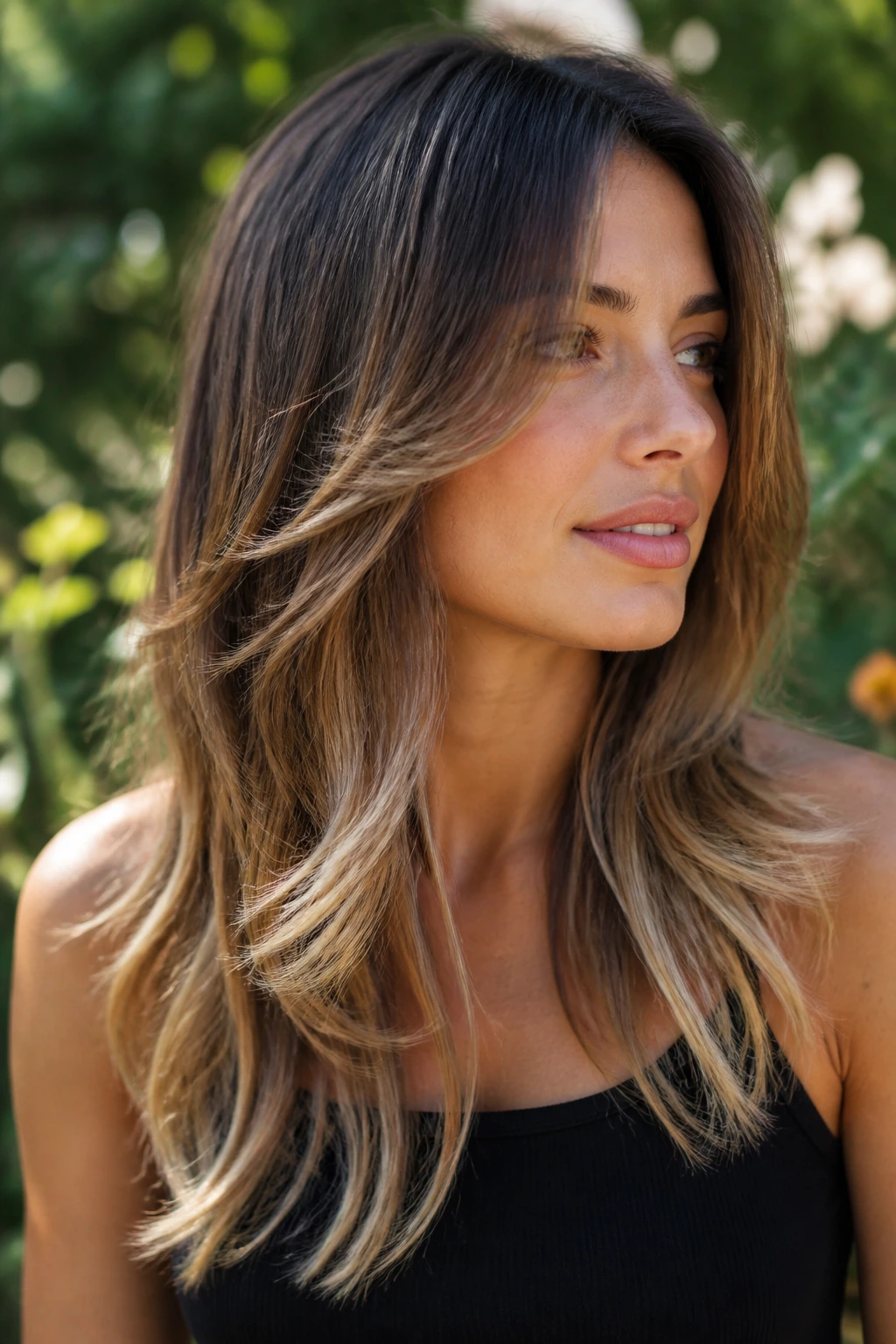
Vanilla cream tips are a softer, brighter version of ombré. The lightest color lives mostly on the ends, with a slow fade through the lower half of the hair. On layered cuts, the tips show through in different places, which keeps the style from looking heavy.
This idea is good if you like movement at the ends and want the hair to feel airy. It also works nicely on waves, because the lighter tips separate and bend in a way that looks natural. Straight hair can wear it too, but the transition has to be smooth.
A soft beige-vanilla tone is better than a stark white tip. The goal is brightness with warmth, not bleached-out contrast. That small choice changes the whole feel.
25. Micro-Babylights All Over
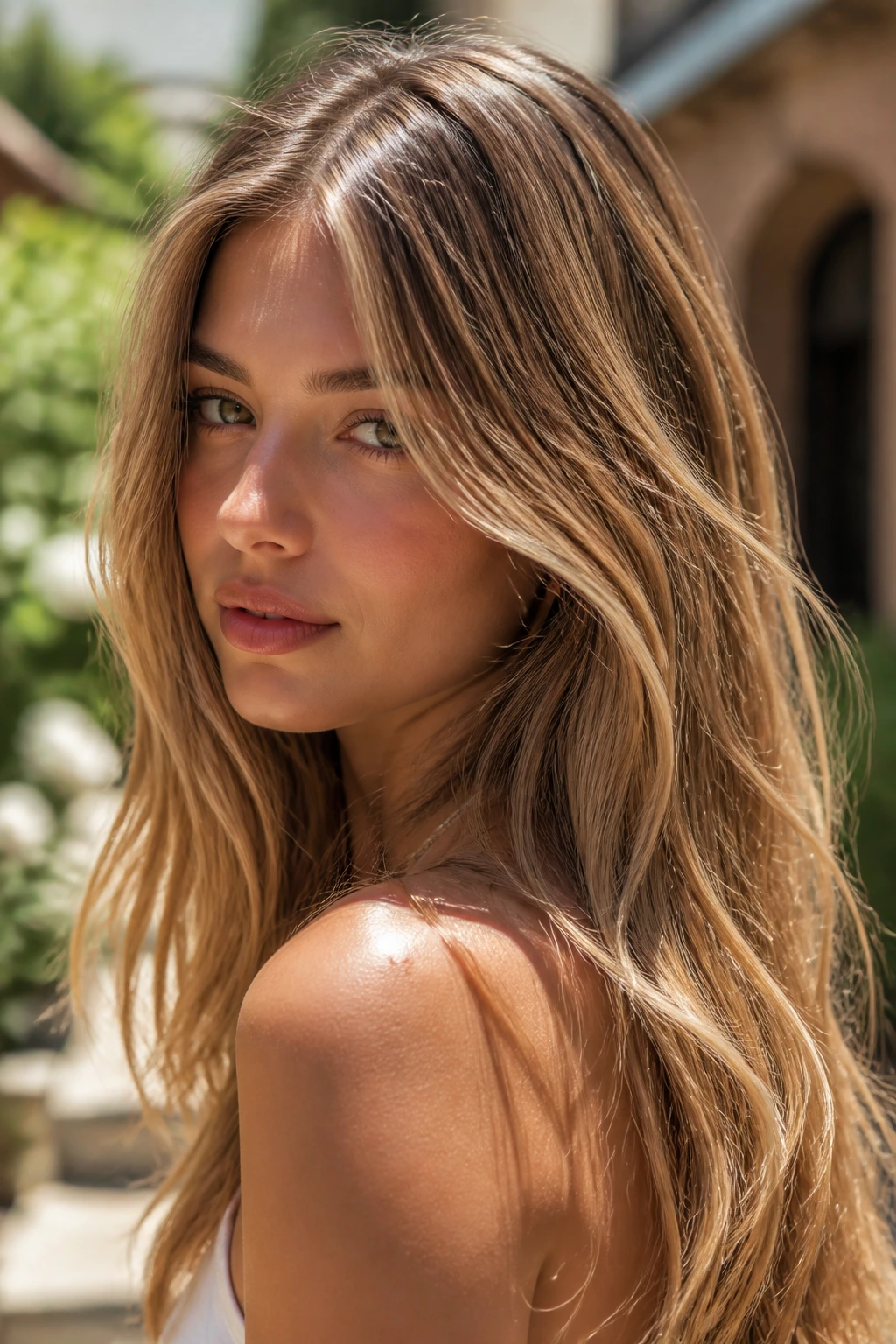
Micro-babylights are probably the quietest option here, and maybe the most convincing one. The pieces are so fine that they mimic the uneven way sunlight lightens hair over time. You don’t see stripes. You see shimmer.
This technique works on almost every base color, which is why stylists reach for it when someone wants a natural finish with a little more glow. On brunettes, it adds movement without flattening the depth. On blondes, it gives the hair that expensive, softly scattered brightness people keep trying to describe and rarely get right.
If you want the safest route to a sun-kissed look, start here. Ask for tiny, scattered pieces in a tone close to your natural shade, then build from there if you want more contrast later. That slower approach usually looks better than chasing brightness all at once.
