



Hair color trends for women over 30 work best when they look rich on day one and still make sense six weeks later.
That sounds obvious, but plenty of color falls apart fast. Too-flat brunettes read heavy. Too-bright blondes can make regrowth look harsh. Too-warm reds turn orange if the tone isn’t handled with care. The sweet spot is usually somewhere softer: dimension near the face, depth at the root, and shine that makes the whole thing feel intentional.
Flat color is the trap.
A good colorist knows this. They’ll talk about root shadow, babylights, balayage placement, glosses, and undertones before they ever talk about a “new shade.” That’s because hair after 30 often needs a little more strategy. Gray blending may matter more. Texture can be drier. And you may want a color that works with your haircut instead of fighting it every morning.
The 25 looks below lean on wearability, movement, and grow-out that behaves itself. Some are barely-there changes. Some are bolder. All of them can be adapted to real life, which is the part that matters when you do not want to live in the salon chair.
1. Hair Color Trends for Women Over 30: Mushroom Brown With Beige Ribbons
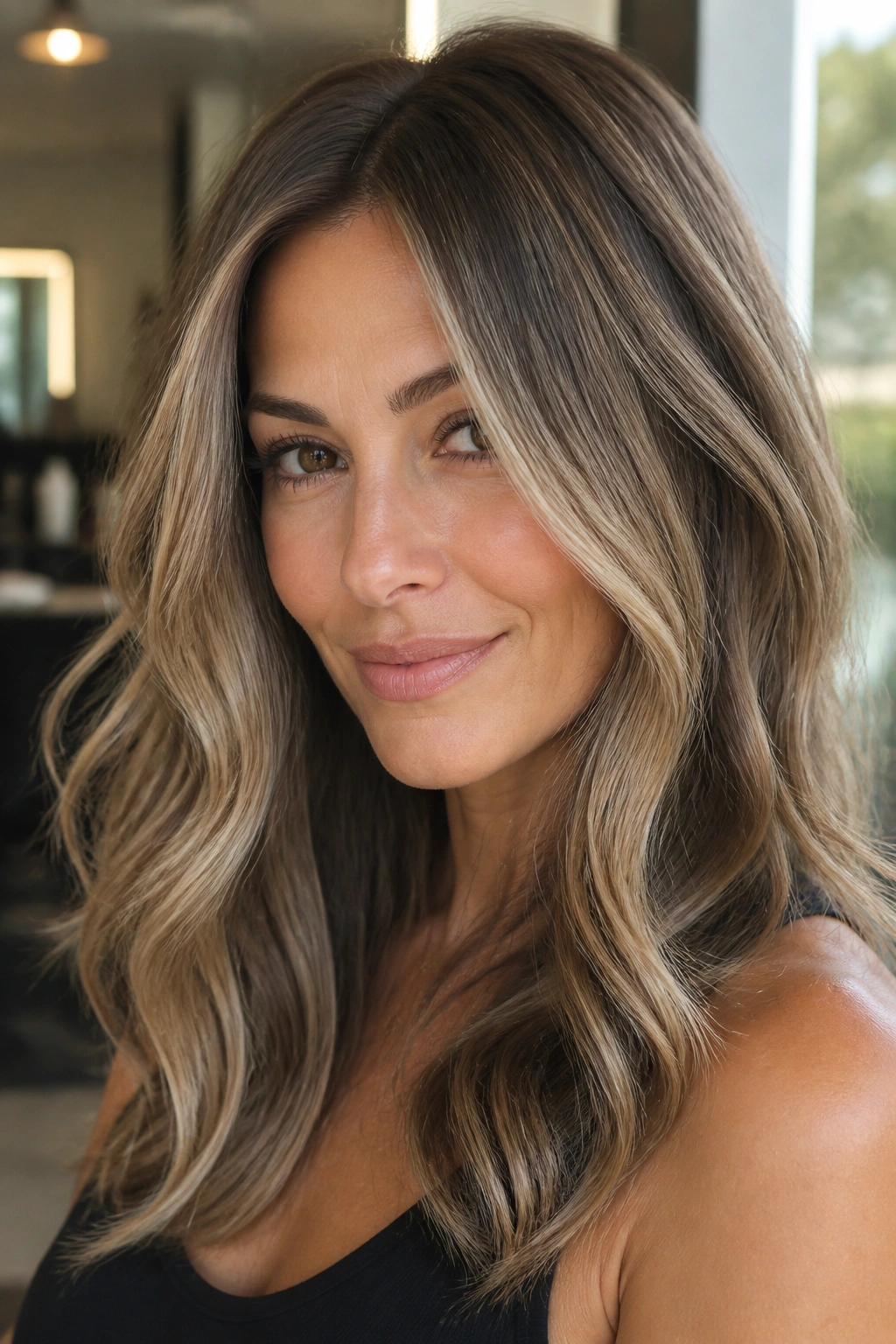
Mushroom brown is one of those shades that looks understated in the chair and expensive in daylight. The base sits in that cool taupe-brown zone, then the beige ribbons keep it from going flat or muddy. It’s a smart move if your natural hair lives between light brown and dark blonde and you want depth without heaviness.
Why It Reads Soft, Not Flat
The trick is contrast control. The light pieces should be only one to two levels lighter than the base, not streaky or chunky. That keeps the color soft around the face and lets the midlengths move when you curl or blow-dry them.
- Best on neutral to cool undertones
- Good for fine hair that needs a thicker look
- Ask for a shadow root and beige babylights
- Refresh the tone with a gloss every 6 to 8 weeks
Pro tip: If your hair pulls orange fast, ask for a cooler toner at the bowl stage and a beige finish, not icy ash.
2. Espresso Gloss Brunette
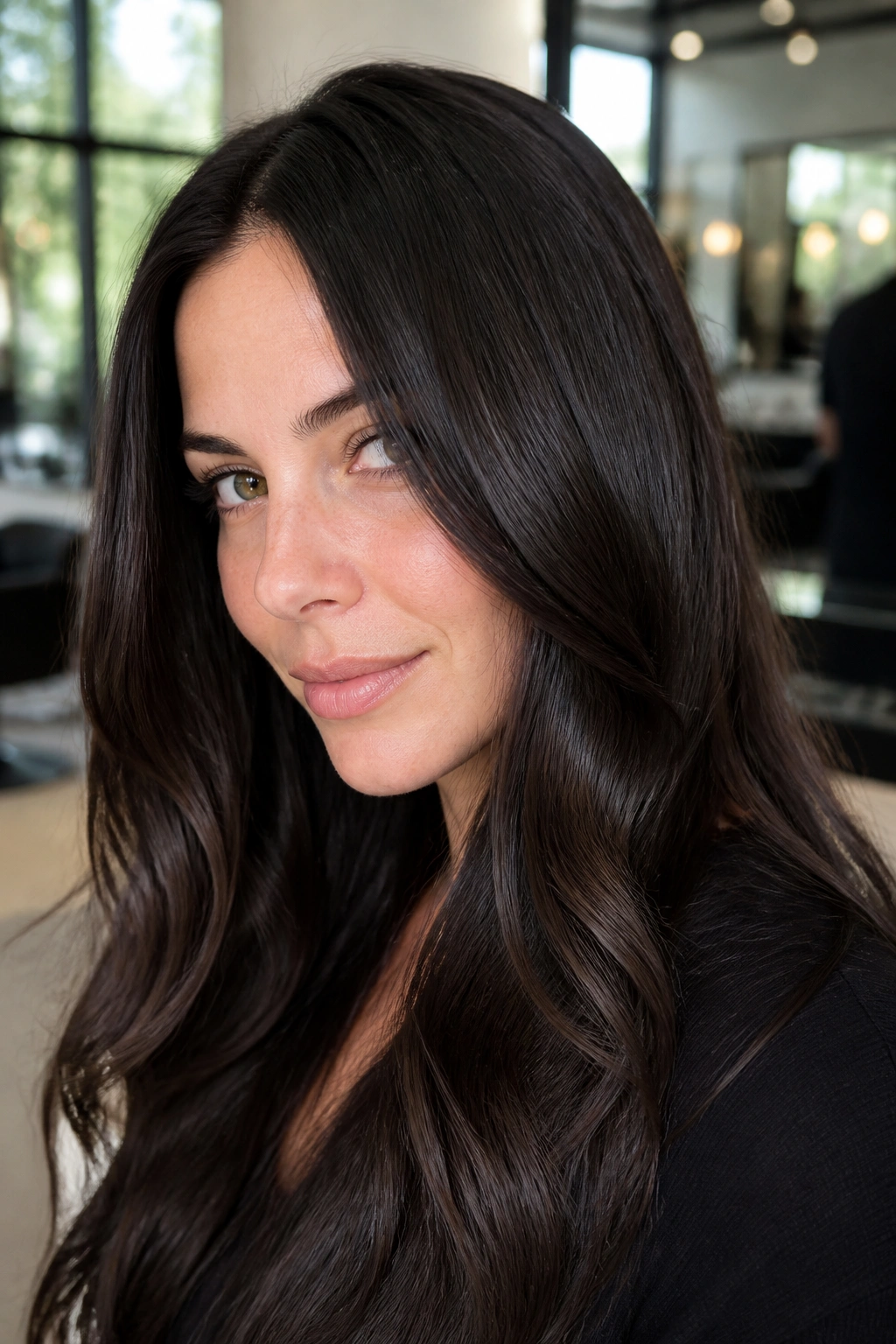
A deep espresso brunette with a clear gloss is the fastest way to make dark hair look denser. That shine matters. It catches stray light at the crown, which helps hair look healthier even when the cut is simple and the styling is minimal.
This shade works because it keeps the brown deep without turning it dead black. A good gloss adds reflection, smooths the surface, and tames those dry-looking ends that show up first on long hair. The best version has a neutral or softly cool base, then a clear or lightly tinted glaze over the top.
Wear it if you like polished, low-drama color and want something that plays well with blunt lobs, long layers, or a shoulder-length cut. Ask for a demi-permanent brown with a gloss refresh every 4 to 6 weeks. That keeps the color rich instead of inky.
3. Dimensional Bronde Balayage
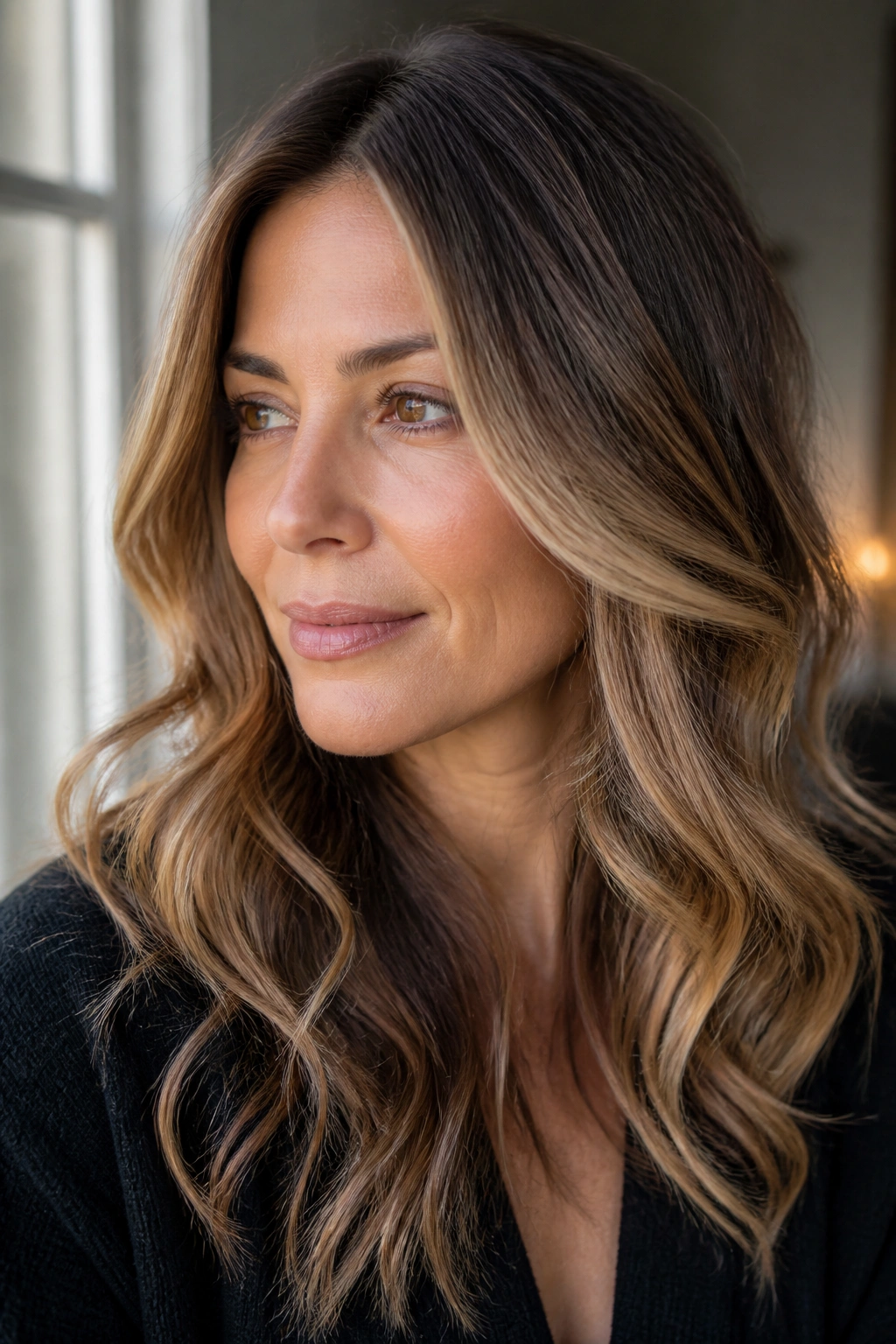
Why does bronde keep showing up? Because it solves a real problem: some people want brightness, but they do not want the obvious line that comes with a traditional highlight job.
Bronde sits between brunette and blonde, and the balayage technique keeps the lightness concentrated where hair would naturally catch sun. Around the face, it can open things up. Through the ends, it stops darker hair from feeling blocky. The whole thing looks softer when the root stays a shade or two deeper.
How to Wear It
Ask for a root shadow, then scattered lighter pieces through the midlengths and ends. The best bronde has at least three tones in it, not one flat caramel note.
- Keep the root area natural-looking
- Place brightness around the cheekbones
- Leave some darker pieces through the interior
- Plan for a tone refresh every 8 to 10 weeks
It suits people who want movement more than drama. That is the whole point.
4. Cinnamon Copper Face Frame
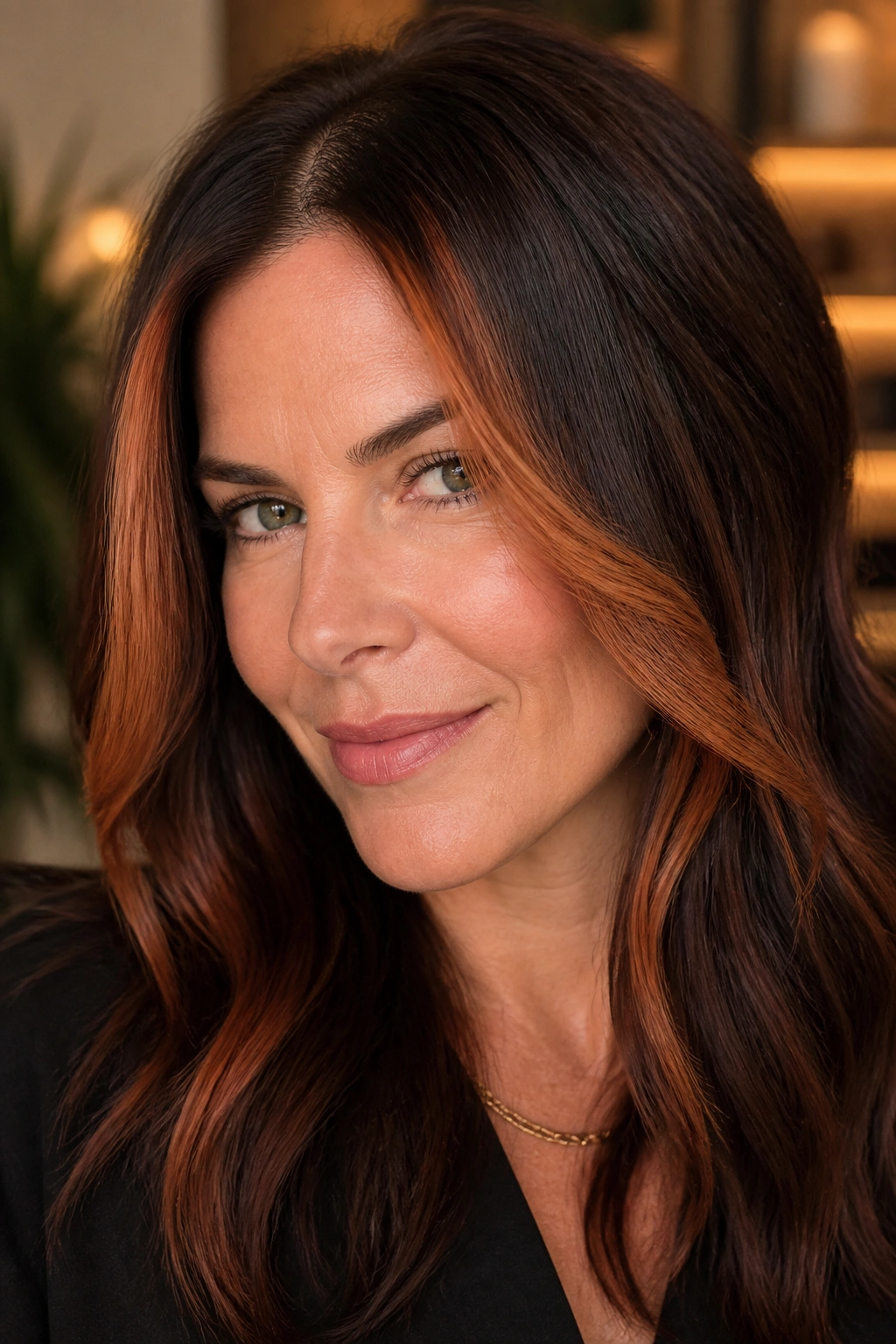
You know that moment when a client says, “I want copper, but not too much copper”? This is usually what they mean. Cinnamon copper puts warmth right where the face needs it, then keeps the rest of the hair a touch deeper so the color does not shout from across the room.
The face frame is the important part. A few cinnamon panels around the cheekbones and temple area can wake up the skin, especially if your hair has gone a little dull or your natural brown is starting to look tired. Copper can be bold, sure, but cinnamon copper stays wearable because it leans spiced instead of bright orange.
It flatters medium brown bases beautifully. It also photographs well under indoor light, which matters if your hair tends to disappear in dim rooms. Ask for a gloss-heavy finish, then protect it with color-safe shampoo and cool water rinses when you can.
5. Champagne Blonde Babylights
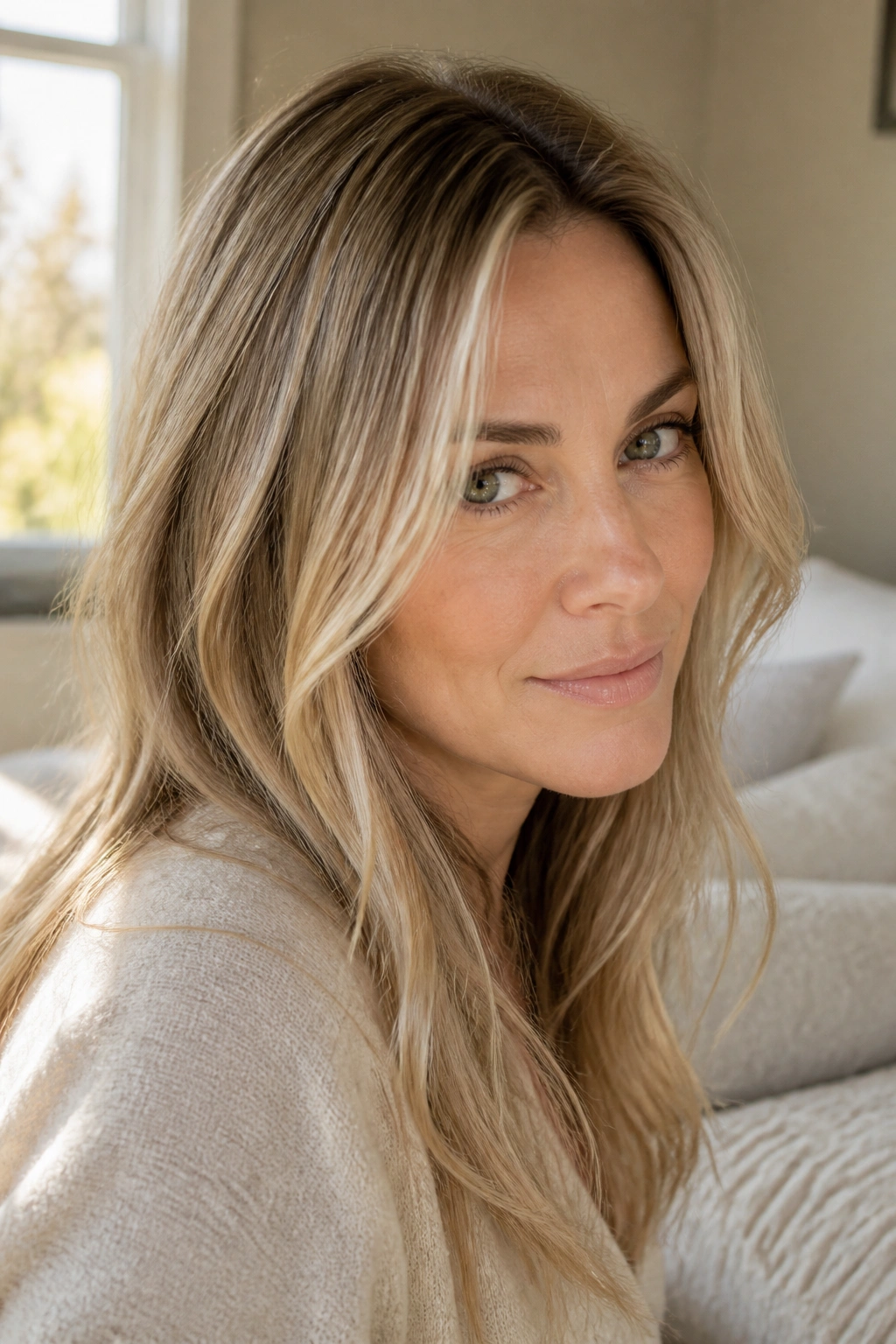
Champagne blonde babylights are for the person who wants brightness but refuses to wear stripy hair. The highlights are so fine they almost disappear at first glance, then suddenly the whole head looks lifted and airy.
That softness is why this shade works so well on finer hair. Heavy highlights can make fine strands look thinner by separating the surface too much. Babylights do the opposite. They create a delicate mix of light and dark that gives the hair more visual fullness, especially around the crown and hairline.
Champagne blonde also keeps the tone from going yellow or harsh. It sits in that pale beige zone with a faint pearly edge, which is easier to live with than an icy blonde that needs constant correcting. A toner every 6 to 8 weeks usually keeps it clean.
One small thing: this shade looks best when the haircut has movement. Even a soft bend in the ends helps.
6. Rooted Vanilla Blonde
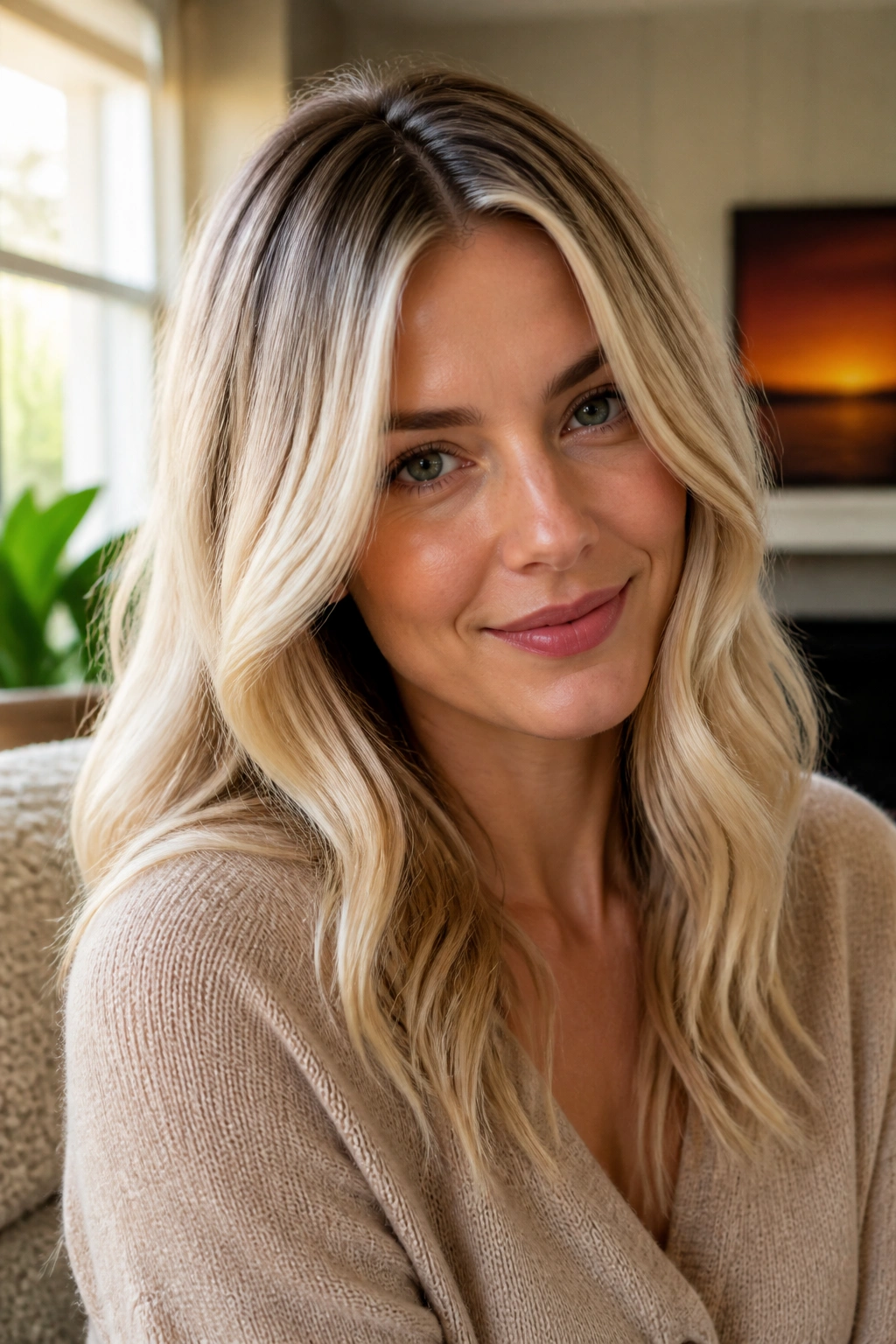
Compared with a full platinum blonding job, rooted vanilla blonde feels more forgiving. The root stays a little deeper, often one to two levels darker, while the lighter lengths hold a creamy vanilla tone instead of a harsh white-blonde finish.
That difference matters. A rooted blonde grows out better, and the regrowth line is softer when your natural color starts to show. If you have a medium brown base or a dark blonde base, this is often the smarter choice because it gives you brightness without requiring a perfect root every few weeks.
It also suits women who wear a lot of neutral clothing or like a soft, clean look. The color should feel creamy, not yellow, and the root should look intentional rather than grown out by accident. Ask for a shadow root melted into vanilla ends, then keep brass under control with a violet or beige-toning treatment.
7. Smoky Brunette With Ash Ribbons
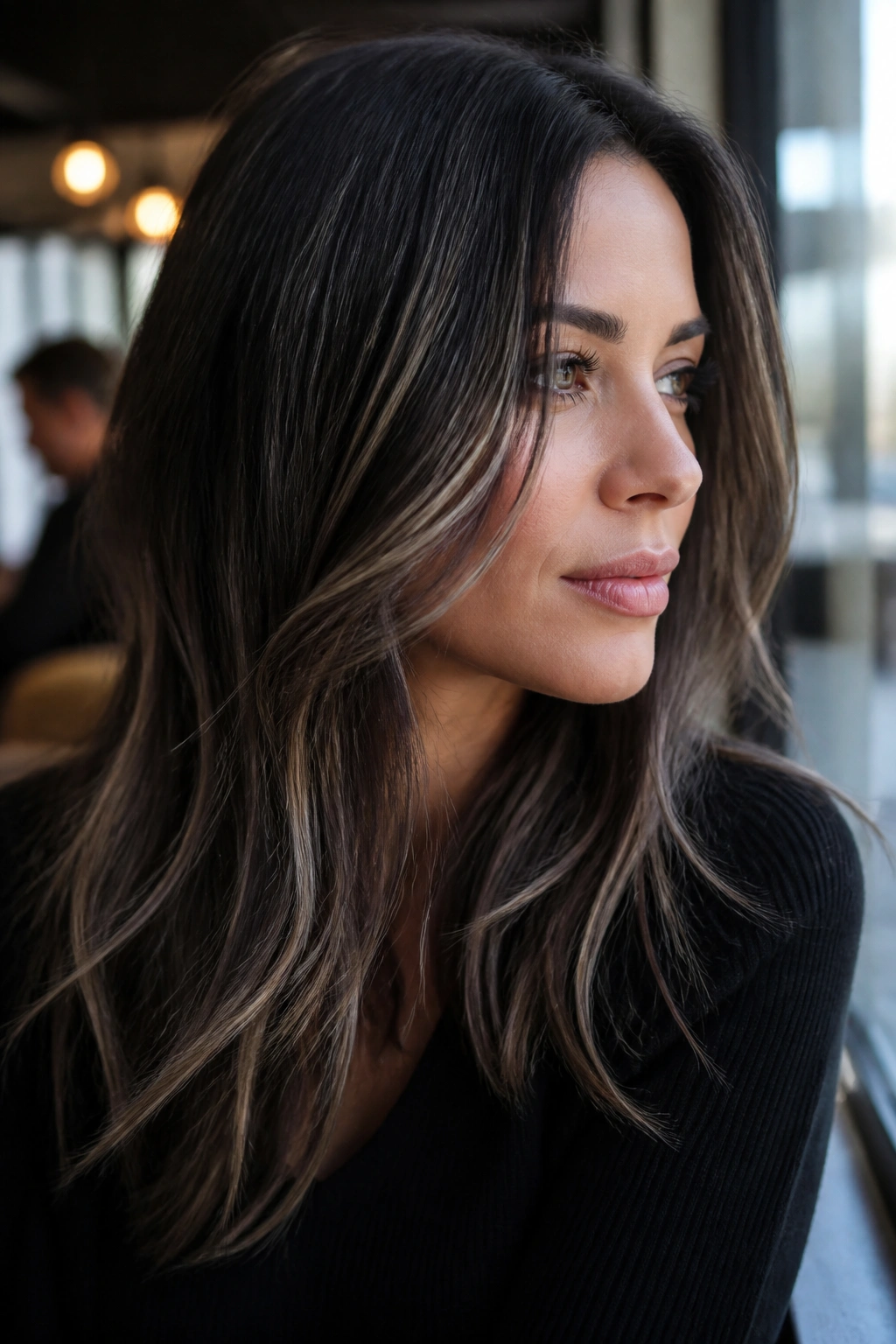
Smoky brunette is the answer for anyone who keeps saying, “I want dimension, but I hate warmth.” The base stays brown, but the ribbons through the mids and ends drift into cool ash territory, which keeps the whole look quiet and modern.
What Makes It Cooler
The ash pieces should not be stark. That is where people go wrong. You want smoky contrast, not gray zebra stripes. The best version uses thin ribbons in a cool beige or soft ash brown, mixed through the outer layers so the hair still moves.
How to Keep It Fresh
- Use a blue or green-toned shampoo only when brass shows
- Book a gloss when the ash starts to look dull
- Ask your colorist to keep the lightness concentrated on the surface
- Avoid over-highlighting the interior; it can make brown hair look dry
Best for: cool undertones, brown eyes, and people who want a polished brunette without gold.
8. Caramel Melt Balayage
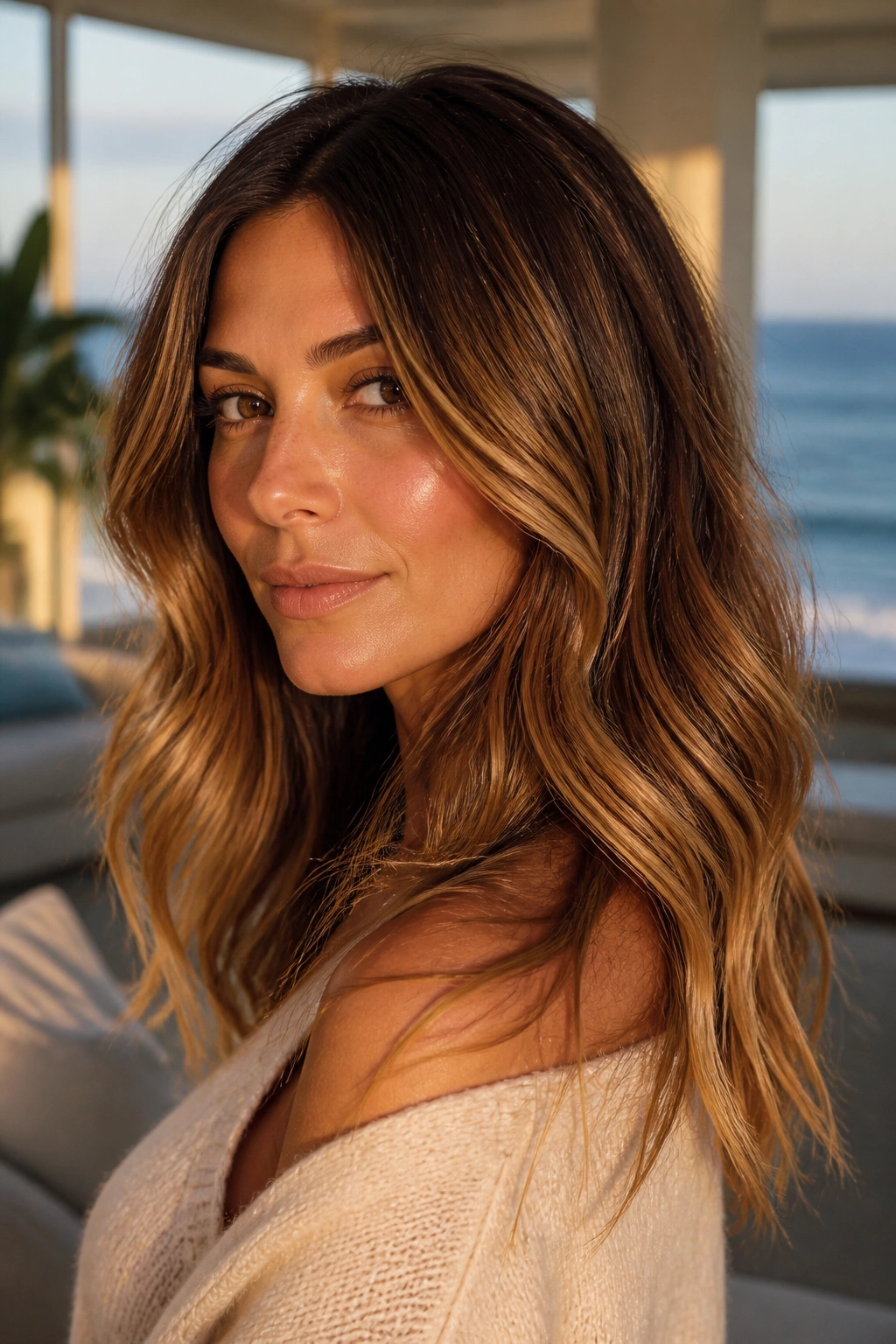
Caramel melt balayage is the shade that saves a brunette from looking blocky. The color slides from deeper brown near the root into warm caramel through the mids and ends, and the transition should feel blurred rather than painted.
That blur is the whole reason it works. If the lightness starts too high or the caramel sits too flat, the style loses that melted effect and starts looking stripey. A good colorist places the brightest pieces near the outer layers and around the face, then leaves enough depth underneath so the hair still has shape.
This is one of the easier trends to live with if you want warmth. It pairs well with waves, long layers, and blowouts that have a little bend at the end. Ask for a caramel blend with a low-contrast root, then plan on a tone refresh every 8 weeks or so.
9. Cherry Cola Brown
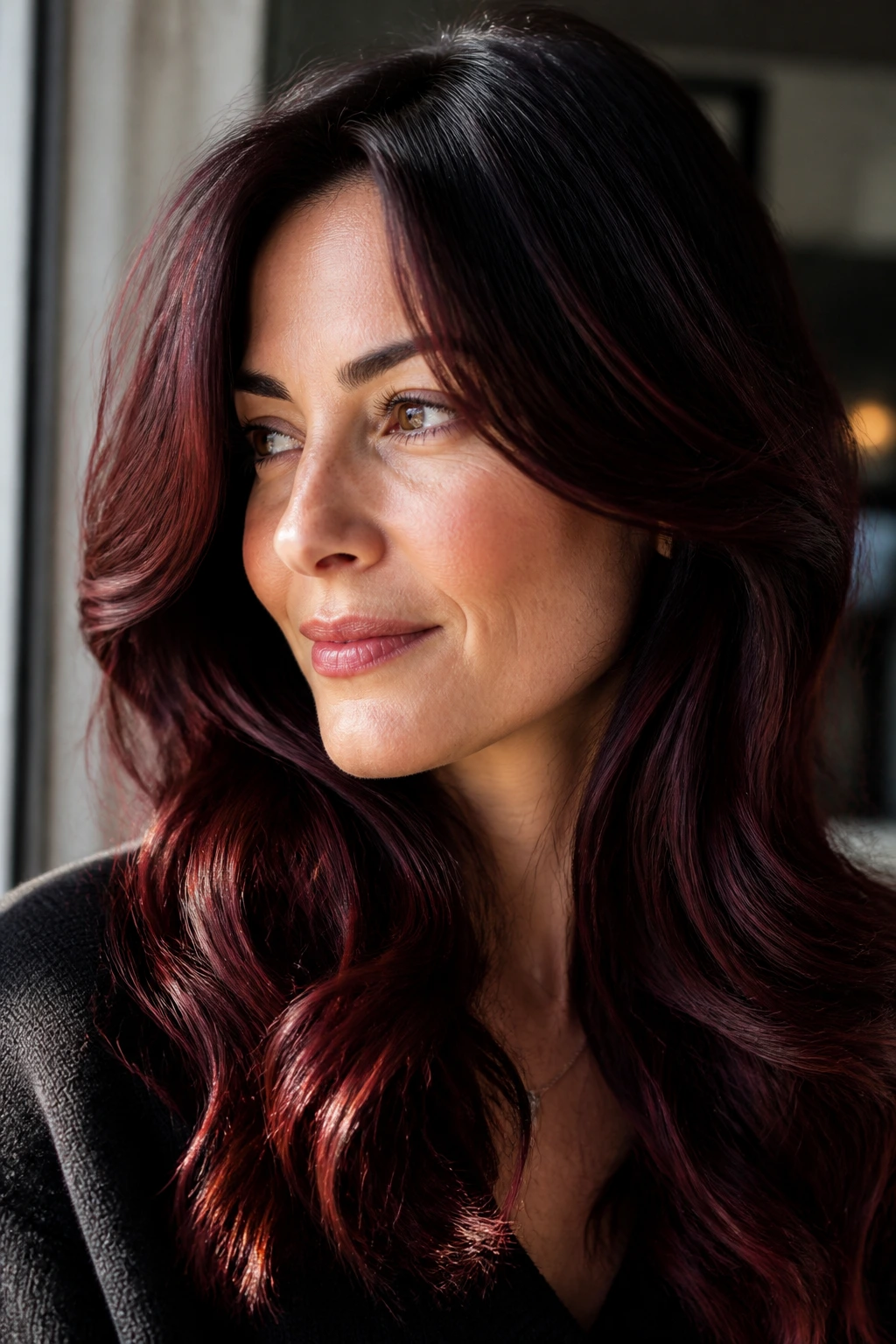
Why does cherry cola brown feel rich instead of loud? Because the red lives underneath the brown, not on top of it. You see the color most clearly when light hits the hair, which keeps it subtle enough for everyday wear.
The base is usually a deep brunette with burgundy, wine, or soft cherry tones folded in through the mids and ends. Indoors it can look like a glossy brown. Outside, the red appears and the whole shade gets warmer and more dimensional. That shift is the appeal.
How to Wear It
Cherry cola brown works best when the red stays deep and muted. If the red is too bright, it turns costume-y fast.
- Ask for burgundy or cherry undertones, not neon red
- Keep the base a shade deeper than medium brown
- Refresh with a red-safe gloss when the tone fades
- Pair it with soft curls or a polished blowout
It suits people who want depth with a little personality.
10. Strawberry Auburn
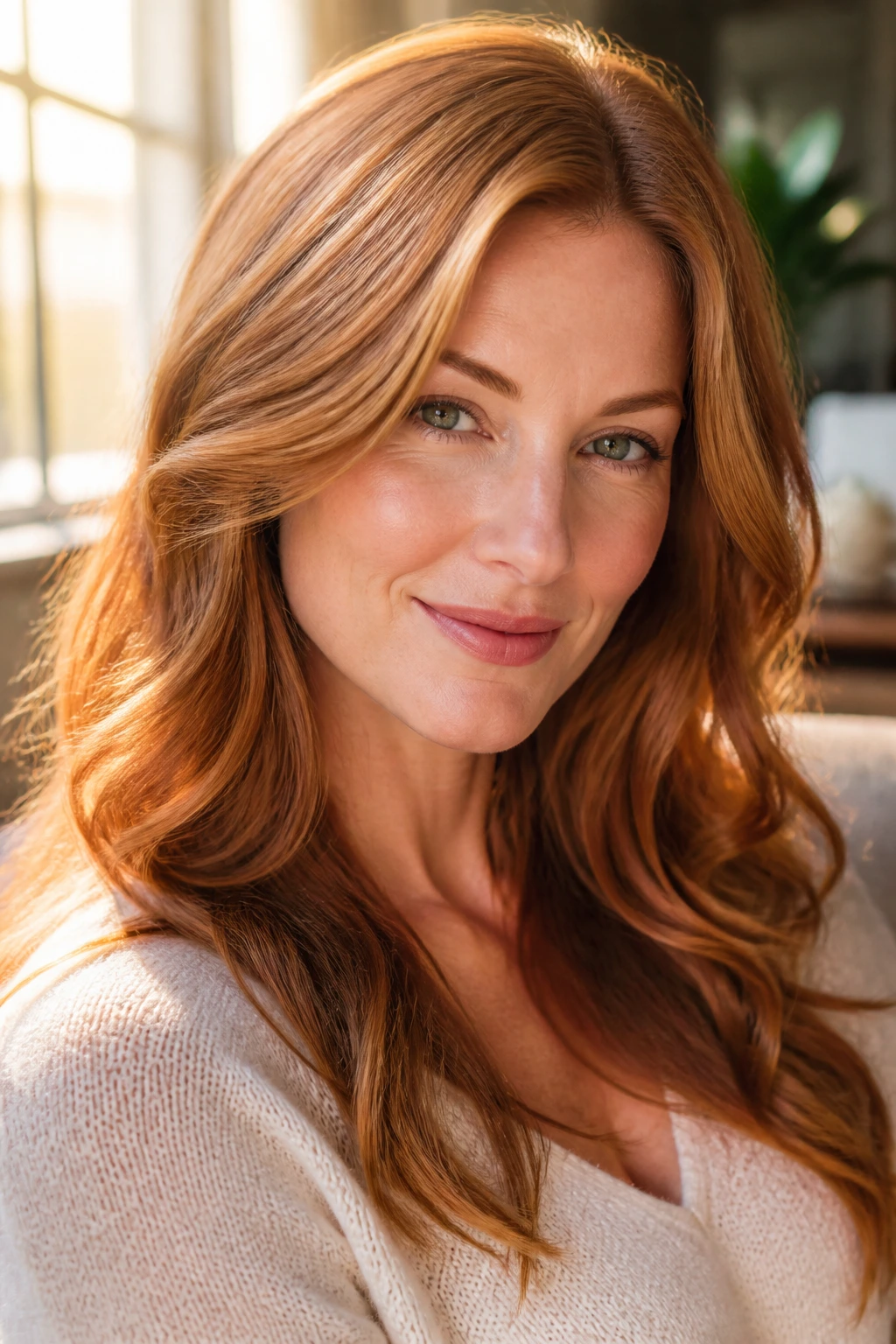
Strawberry auburn sits in that sweet middle space between copper and blonde. It looks less severe than a full red and less ordinary than a warm brown. The result is soft, warm, and just a little glowing without crossing into loud territory.
This shade makes sense when a richer copper feels too much but you still want warmth around the face. It also works nicely on lighter skin, olive skin, and even some deeper tones if the red stays muted and the blonde side is not too pale. The key is to keep the copper gentle and the gold restrained.
A gloss-heavy finish helps a lot here. Strawberry tones fade quickly if the formula is too porous or too bright, so plan on color-depositing conditioner between salon visits. That keeps the tone from washing out into plain gold.
11. Toffee Money Piece
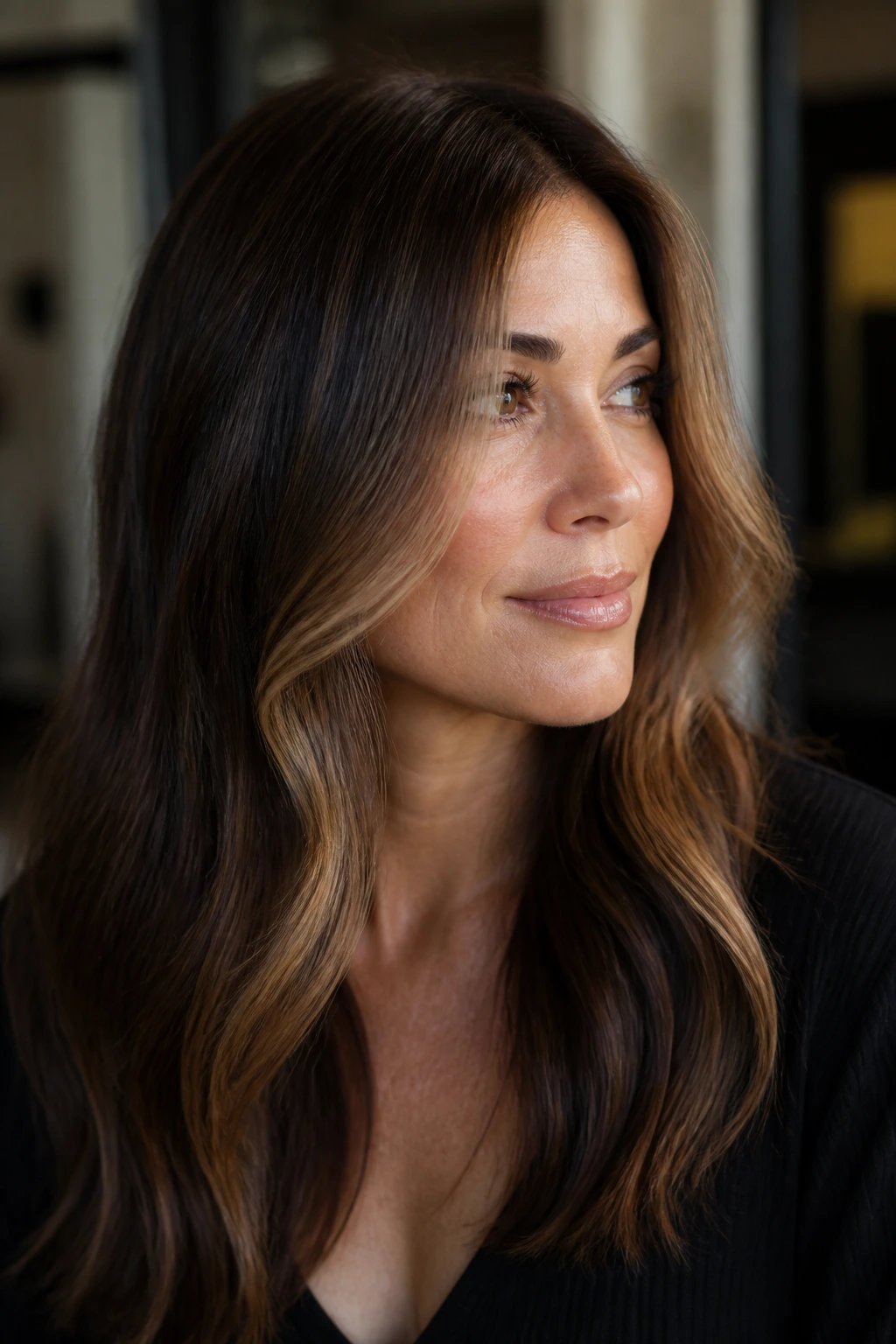
The money piece is still hanging around because it does one job well: it puts light exactly where the eye goes first. A toffee version keeps that brightness warm and flattering instead of icy or harsh.
You get a noticeable frame around the face, then the rest of the hair stays deeper and calmer. That contrast is especially useful if your haircut has movement near the front or if you wear your hair up often. Even a simple ponytail looks more finished with a toffee money piece.
Compared with full highlights, this is cheaper to maintain and much easier to grow out. It also gives brunettes a quick change without committing to an all-over color shift. Ask for the lightest pieces to sit around the cheekbone and jawline, then keep the rest of the dimension soft.
12. Soft Black With Blue-Black Shine
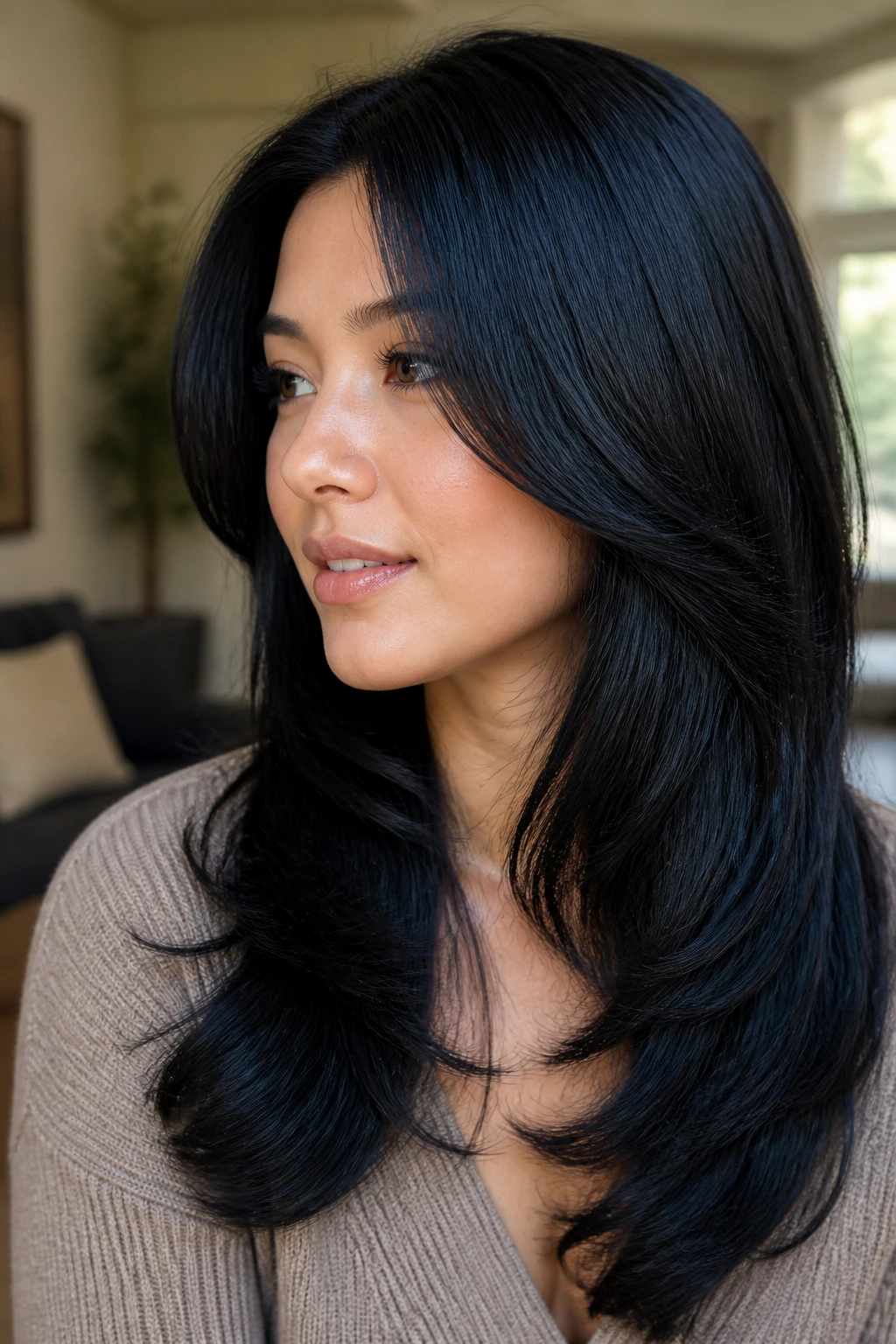
Unlike jet black, soft black with blue-black shine keeps the hair from looking flat. It still reads dark and dramatic, but the blue tone adds reflection instead of swallowing it. That matters if your hair is naturally very dark or if you want something bold that still looks polished.
The shine is the trick. Blue-black color can look harsh if it is painted on with no softness, so the better version uses a glossy finish and leaves a hint of dimension at the ends. If the cut has layers, even better. Layers stop dark hair from looking like one solid block.
This color is strongest on cool undertones and dark natural bases. It can be a little unforgiving on damaged ends, though, because dark pigment shows frizz and dryness faster than lighter shades. If you choose it, keep the ends trimmed and use a shine serum sparingly.
13. Hair Color Trends for Women Over 30: Beige Blonde
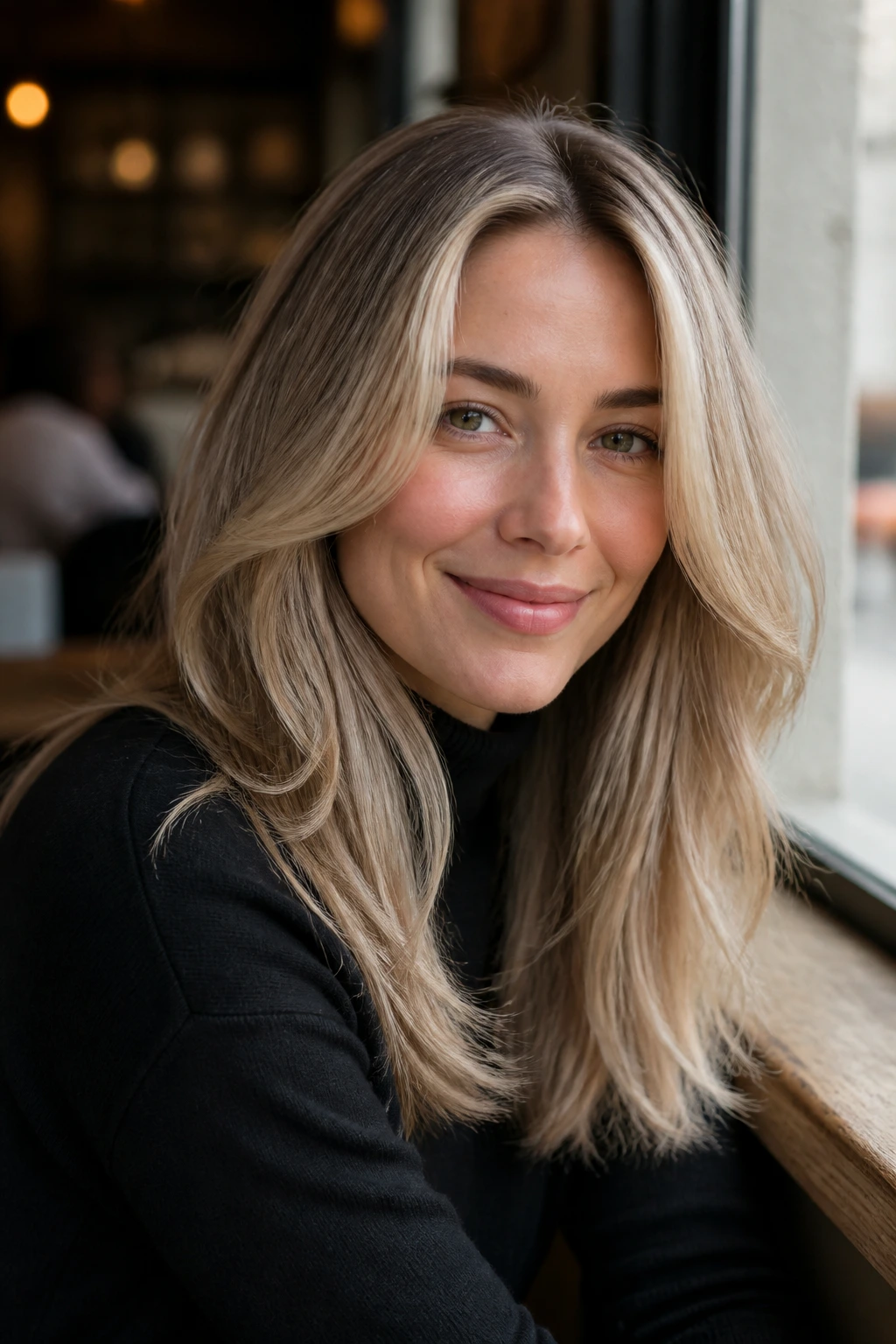
Beige blonde is the shade that makes blondes look a little calmer. Not dull. Calm. The tone sits between warm gold and cool ash, which keeps it from turning brassy on one side or chalky on the other.
What Makes It Wearable
The best beige blonde has a soft root shadow and enough warmth to keep the face alive. Too much ash can make skin look tired. Too much gold can drift into yellow. Beige sits in the middle and does the balancing for you.
What to Tell Your Colorist
- Ask for a beige toner, not an icy one
- Keep the root smudge within one to two shades of your base
- Use fine highlights rather than big panels
- Book a tone refresh every 6 to 8 weeks
Best for: neutral skin, gray blending, and anyone who wants blonde without the high-contrast look.
14. Walnut Brown With Cocoa Lowlights
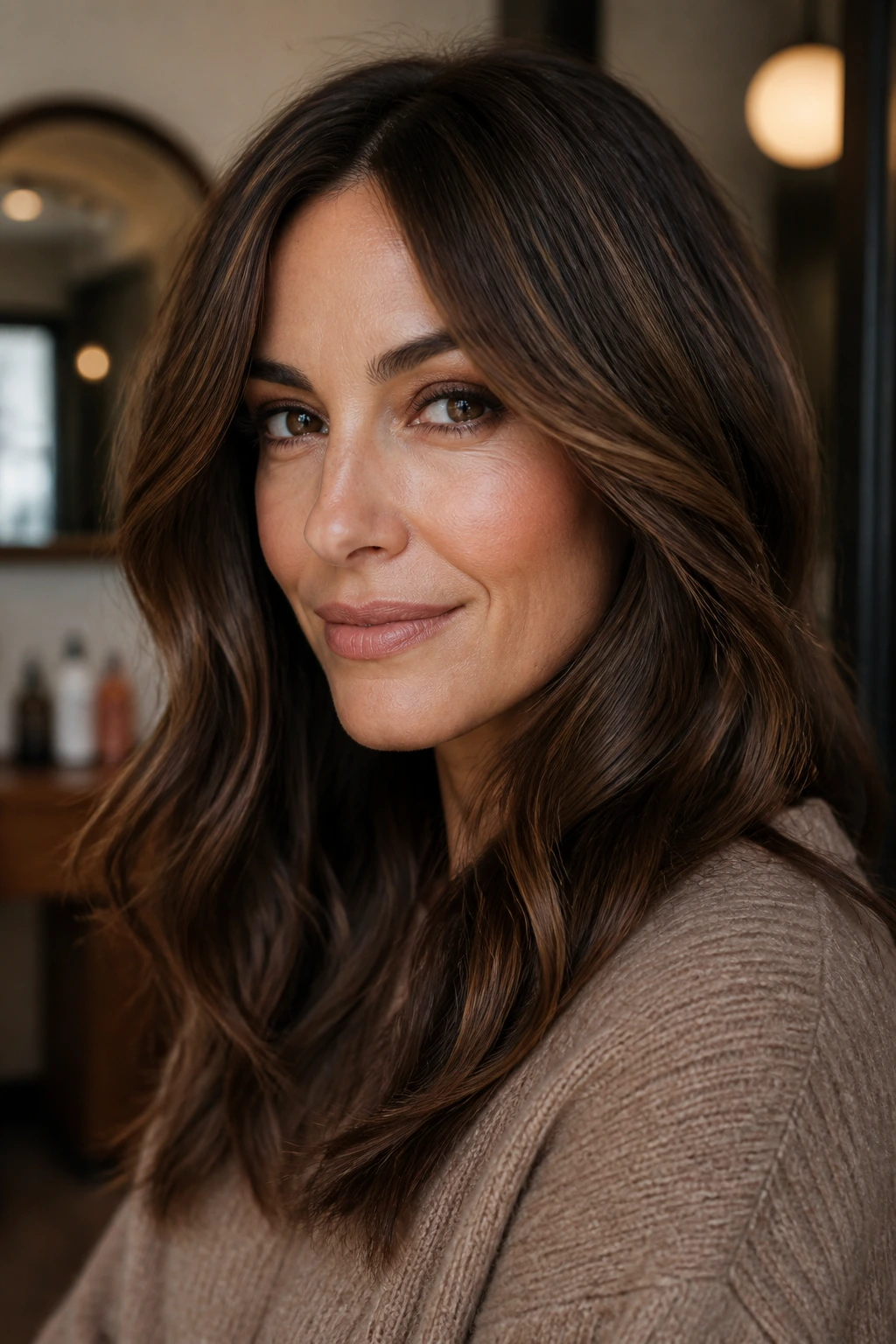
Walnut brown with cocoa lowlights is what fine hair should have been asking for all along. The darker pieces create depth, and depth makes the hair look fuller without needing a heavy styling routine.
This shade is quieter than caramel balayage and richer than single-process brown. The lowlights tuck into the interior layers, so the hair looks thicker when it moves. That matters more than people think. A one-tone brunette can look beautifully shiny, but it can also look a little flat when the light is harsh.
Ask for lowlights that are just a shade deeper than your base, not near-black. The point is to create dimension, not darken the whole head. Walnut brown does a nice job of keeping the look soft around the face while adding density through the ends.
15. Rose Brown
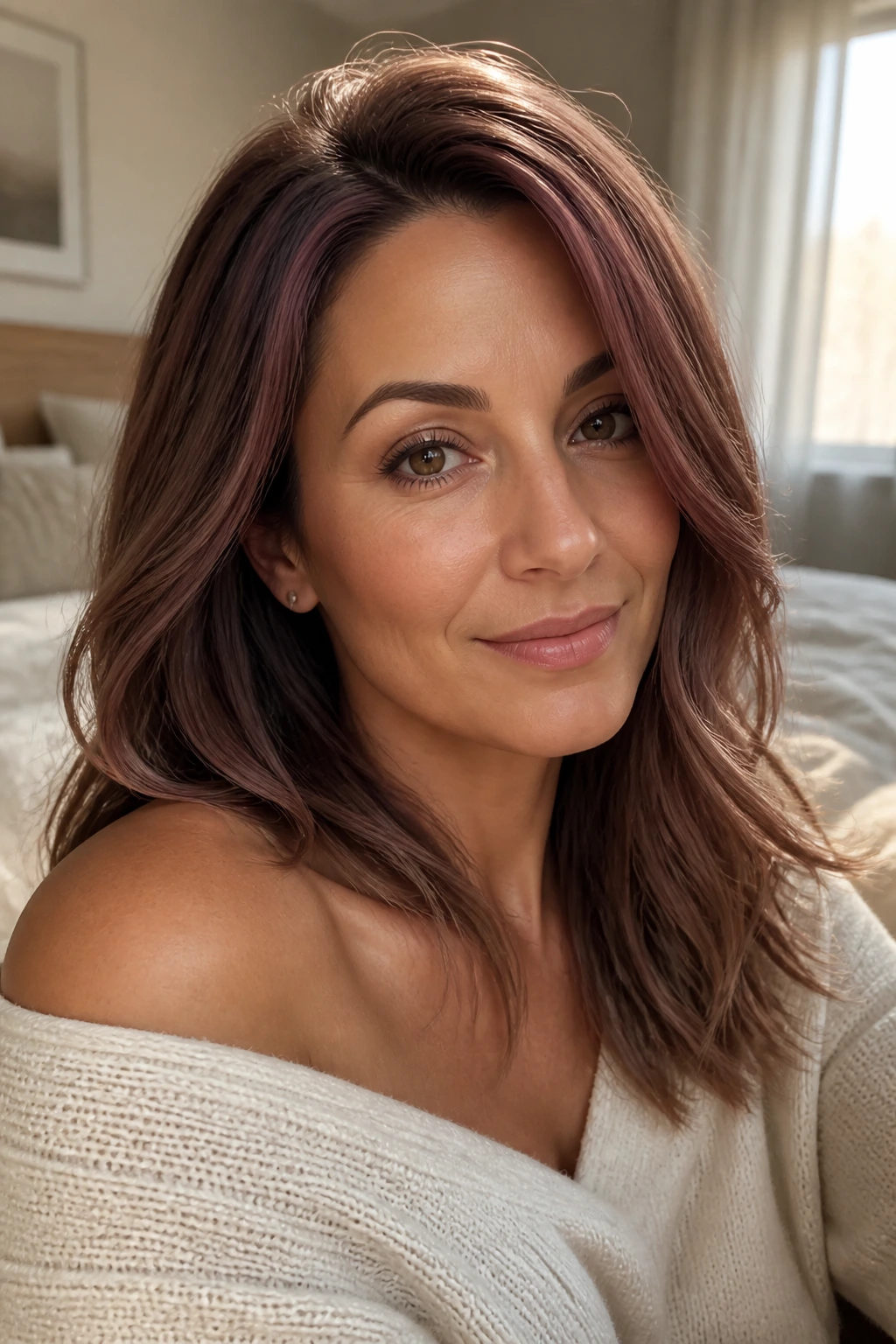
Rose brown is for the person who wants a little romance in the color without committing to pink hair. The brown base keeps it grounded, and the rosy cast shows up as a blush-like warmth instead of a loud pastel tone.
It tends to look best when the rose is muted. A dusty rose glaze over brunette hair can make the whole color feel softer and more expensive, especially if your base already has some red in it. If the pink is too bright, the color can turn toy-like fast. Nobody wants that.
What to Ask For
Ask for a brown base with a rose gold or dusty rose gloss, then keep the finish sheer. A demi-permanent formula usually gives the most wearable result.
It works well on medium skin tones, softer makeup looks, and layered cuts that move. The color is subtle in low light and more obvious when sun or indoor bulbs hit it, which is part of its charm.
16. Gray Blending With Silver Ribbons
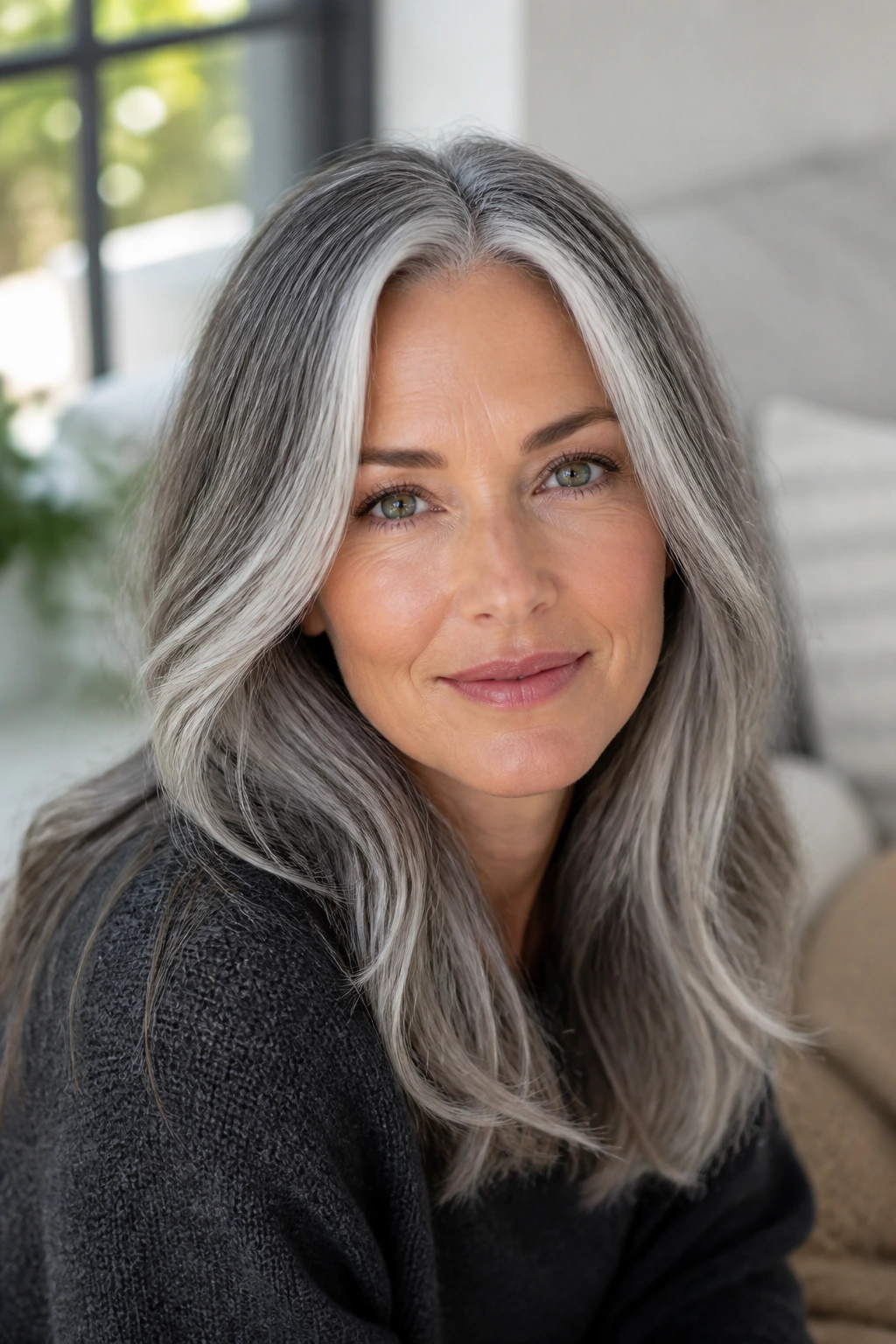
Gray blending is not about hiding every silver strand. It is about making the gray look deliberate, which is a much better deal when the regrowth starts showing up fast.
The most flattering blends usually mix highlights, lowlights, and a soft root tone. That combination breaks up the contrast between natural gray and dyed hair, so the grow-out line stops screaming for attention. Around the temples and part line, a few silver ribbons can look polished rather than patchy.
This approach works especially well if you have scattered gray instead of total white regrowth. It can stretch salon visits and keep the overall color looking softer for longer. The maintenance is kinder, too, because you are refreshing tone and dimension rather than covering a solid band every time.
A lot of people relax the moment they stop chasing perfect coverage. Sensible move.
17. Cream Soda Blonde
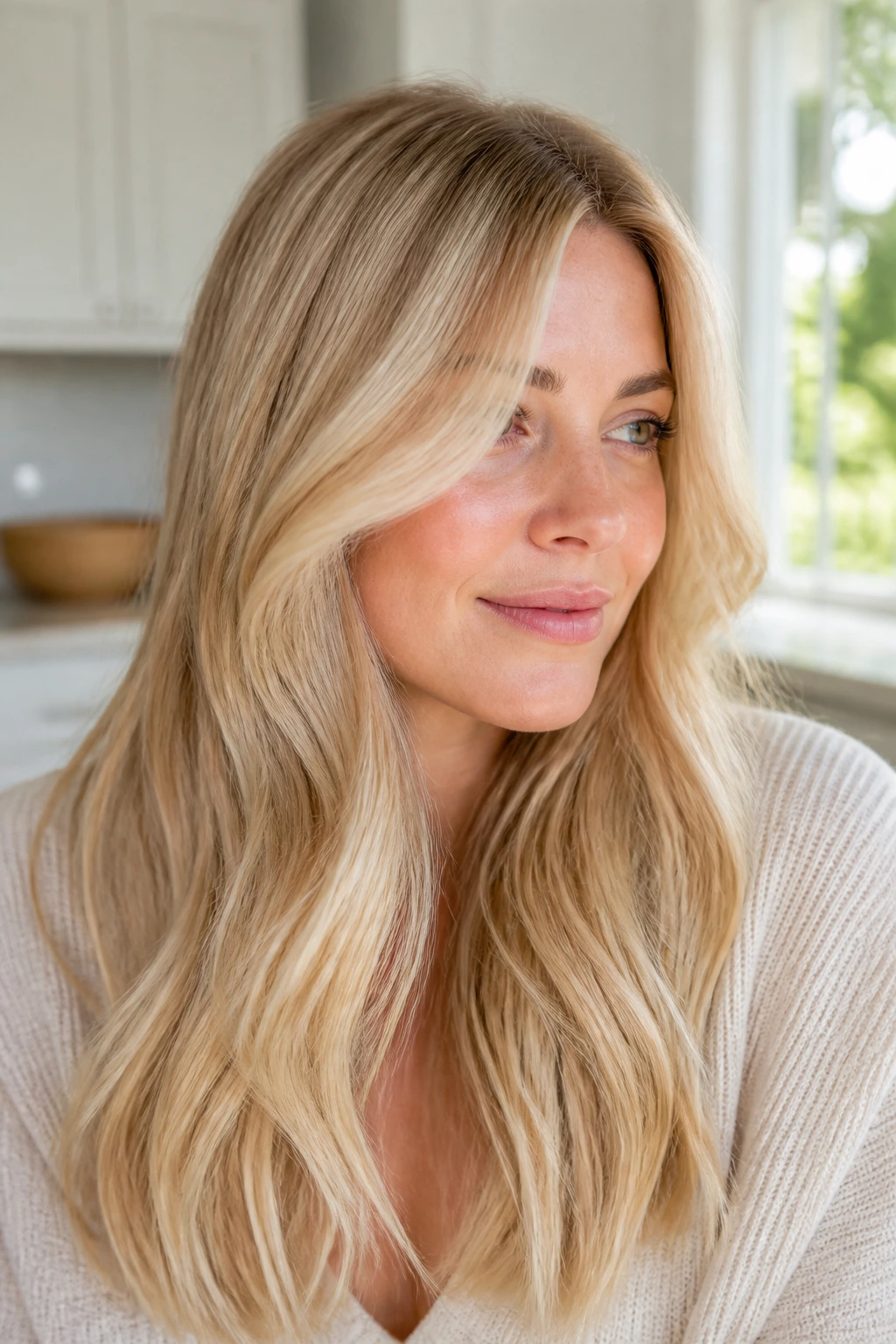
Compared with champagne blonde, cream soda blonde is a touch warmer and a touch softer. It sits in that pale beige-gold range that looks creamy instead of bright, and that makes it easier to wear against natural skin tones that are not super cool.
The shade gets its name from the soft, milky look of the blonde. It should never feel squeaky white. That is where it loses its charm. A clean beige base with a little gold in the highlights gives the hair a plush finish, especially on medium-length cuts.
This blonde is a nice option if you want brightness but do not love a sharp platinum line. Ask for a beige-gold toner and a root melt, then keep brass in check with a gentle toning mask when needed. The result is luminous without looking overprocessed.
18. Mocha Melt With Honey Ends
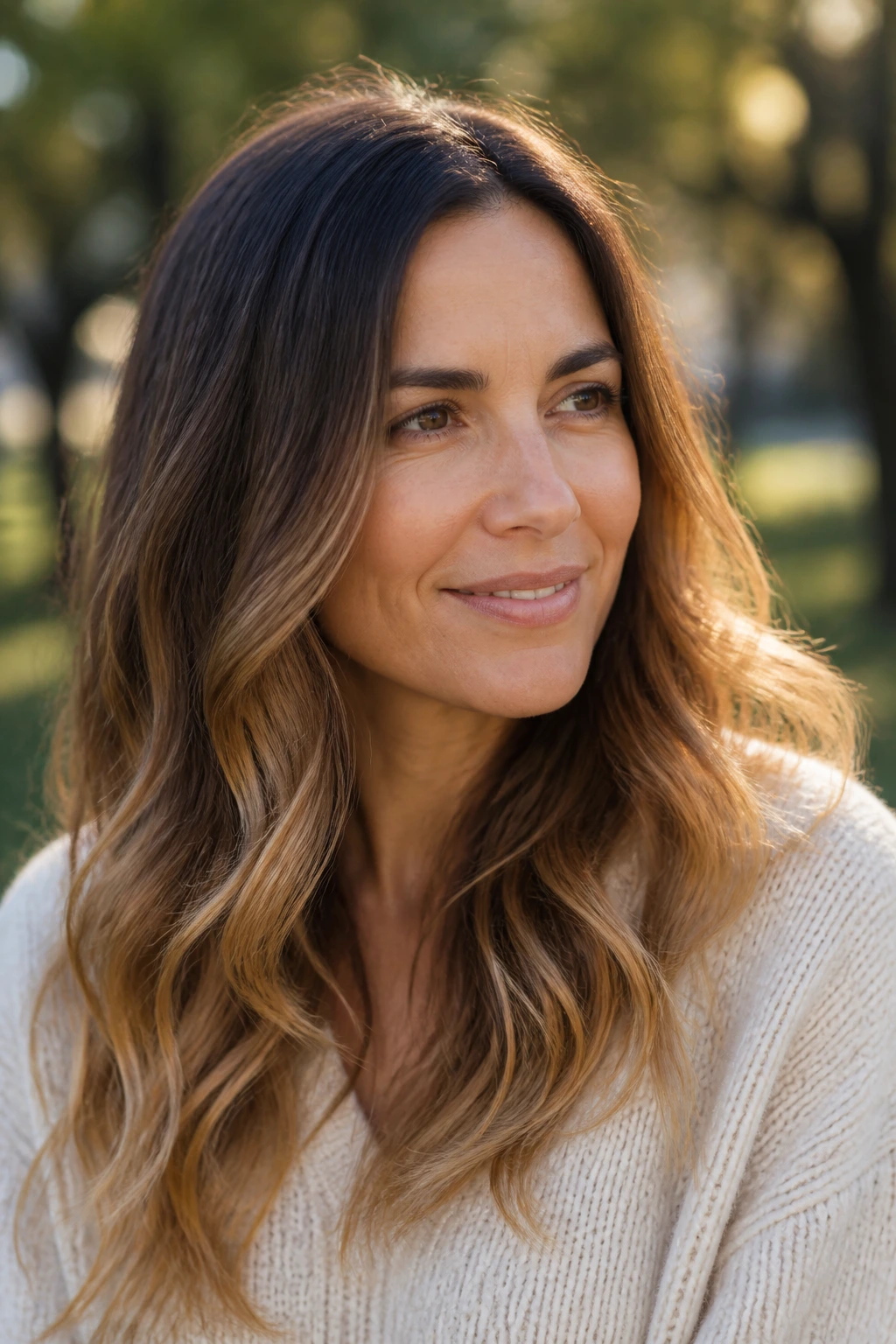
A mocha melt with honey ends gives brunette hair a little warmth without making it look orange. The root stays deep and cool enough to anchor the color, then the honey through the ends adds movement and softness.
Why the Melt Matters
The melt keeps the transition smooth. If the shades are too far apart, the hair looks striped. When the mocha and honey are blended properly, the color almost reads like natural sunlight moving through darker hair.
Quick Notes
- Best on medium to long hair
- Works well with waves and loose curls
- Ask for honey only on the outer layers if you want less upkeep
- A gloss every 6 to 8 weeks keeps the warmth clean
This one is a favorite for people who want brunette depth with a little glow.
19. Peachy Copper
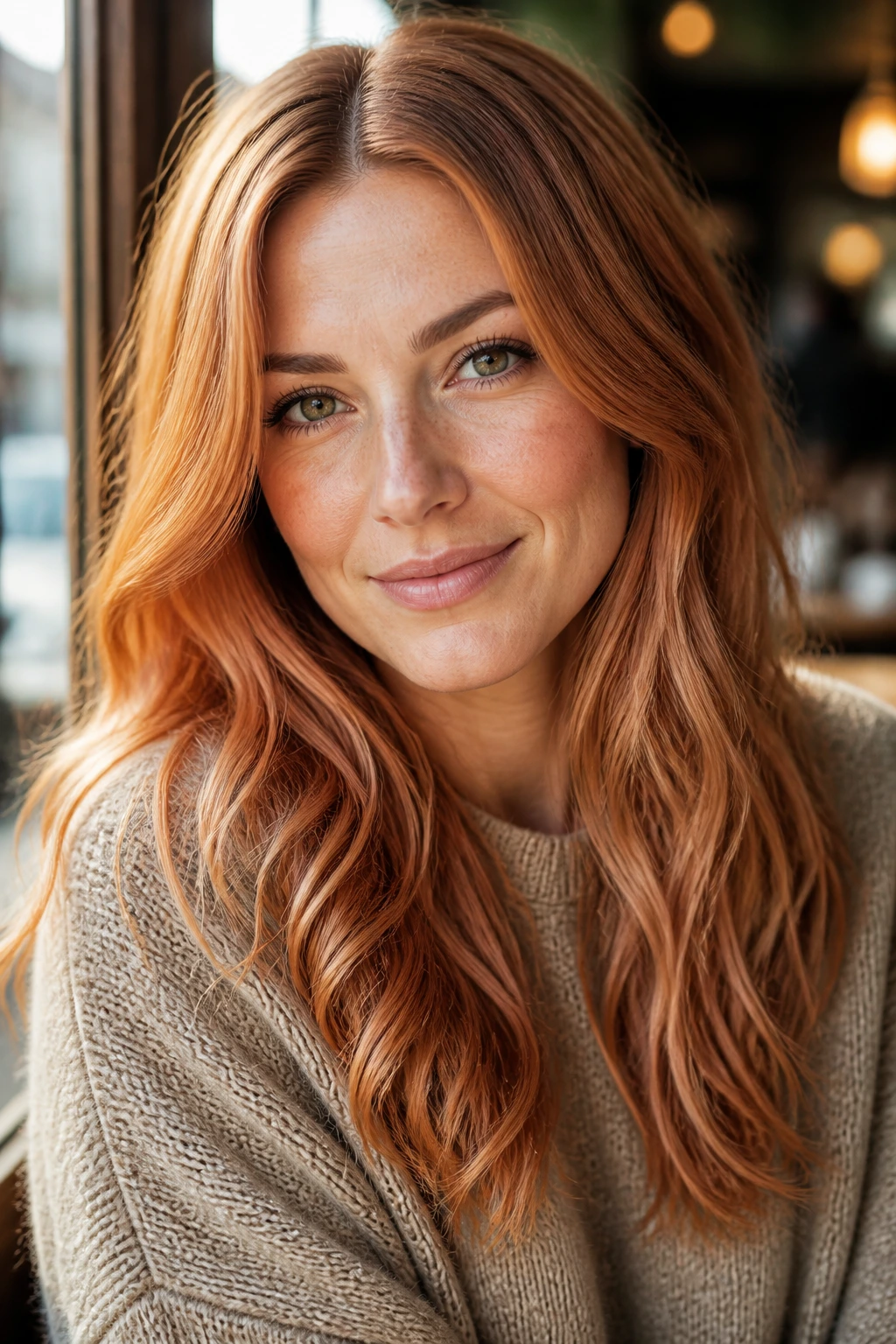
A brighter copper can be a lot. Peachy copper pulls that intensity back and makes the red feel softer, lighter, and a little more playful. It still has warmth, but the peach note keeps it from going too orange or too brick-like.
That makes it a good option for anyone who likes copper in theory but hesitates when it gets too bold in practice. Peachy copper can flatter freckles, warm skin, and even cooler complexions if the formula stays airy. It looks especially nice on shoulder-length cuts, where the color has room to move.
How to Keep It From Getting Loud
Use a color-depositing conditioner between appointments, and avoid washing with very hot water. Red tones fade fast, so a gentle routine helps more than people expect.
If you want something noticeable but not severe, this is a smart middle ground. It has personality without needing a full personality overhaul from the rest of your wardrobe.
20. Pearl Blonde
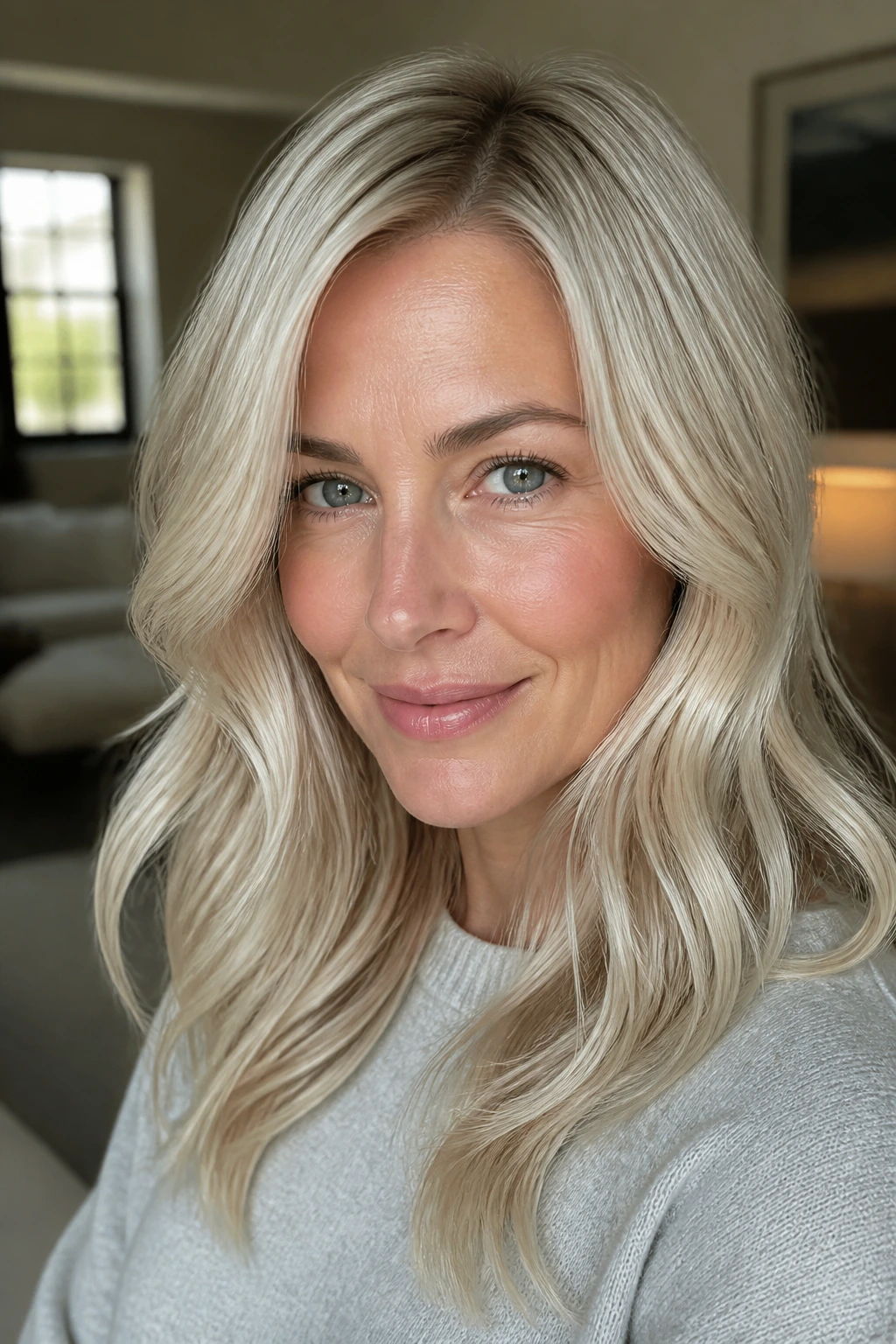
Why do some blondes look chalky while others look soft? Pearl blonde is the difference. It takes the cool side of blonde and smooths it with a faint creamy sheen, so the color reflects light without turning flat or white.
The look is delicate, but it needs a careful hand. Too much ash and the hair can go dull. Too much gold and it loses the pearl effect. The balance usually comes from a pale beige base with just enough cool toner to keep the brightness refined.
How to Ask for It
- Ask for a pearl or opal toner, not stark silver
- Keep the highlight pieces fine and blended
- Plan on a toner refresh every 4 to 6 weeks
- Use a shine spray lightly, not a heavy oil
It suits medium to fair skin tones beautifully, especially if you like soft makeup and clean lines in your clothes.
21. Chestnut With Caramel Veils
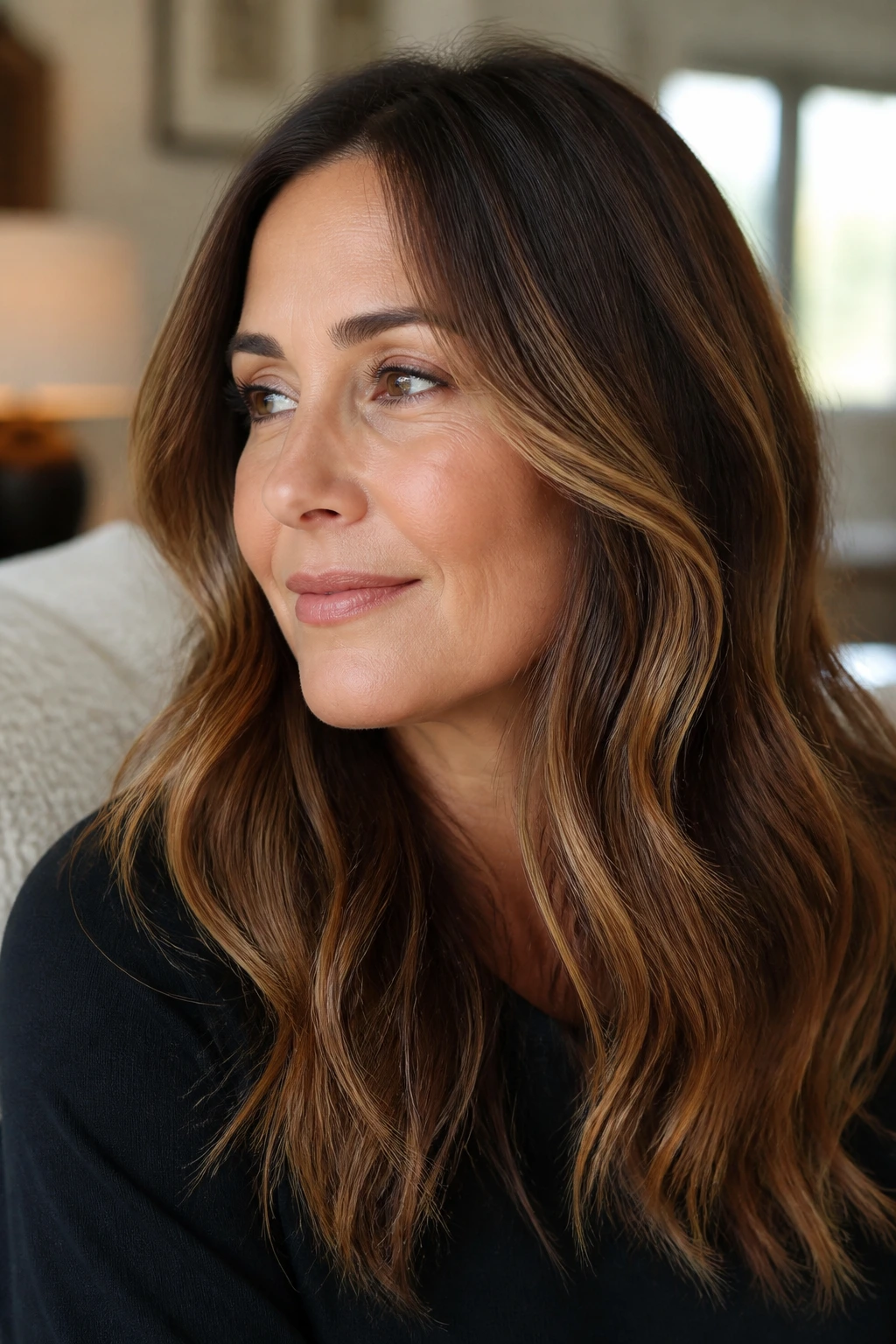
Chestnut with caramel veils is what happens when a brunette wants warmth but does not want to lose depth. The chestnut base stays rich and grounded, while the caramel is placed in thin, see-through layers rather than obvious stripes.
That veil effect matters. It gives the hair a lifted look when it moves and keeps the ends from feeling heavy. It also works well with layered haircuts because the lighter pieces show up at different lengths, which makes the whole style feel fuller.
This is a good pick if you want color that still looks natural from across the room. It is warm, but not loud. Dimensional, but not fussy. Ask for soft caramel placed through the top layers and around the face, then leave enough chestnut underneath to keep the shape intact.
22. Cinnamon Streaks Through Brunette Layers
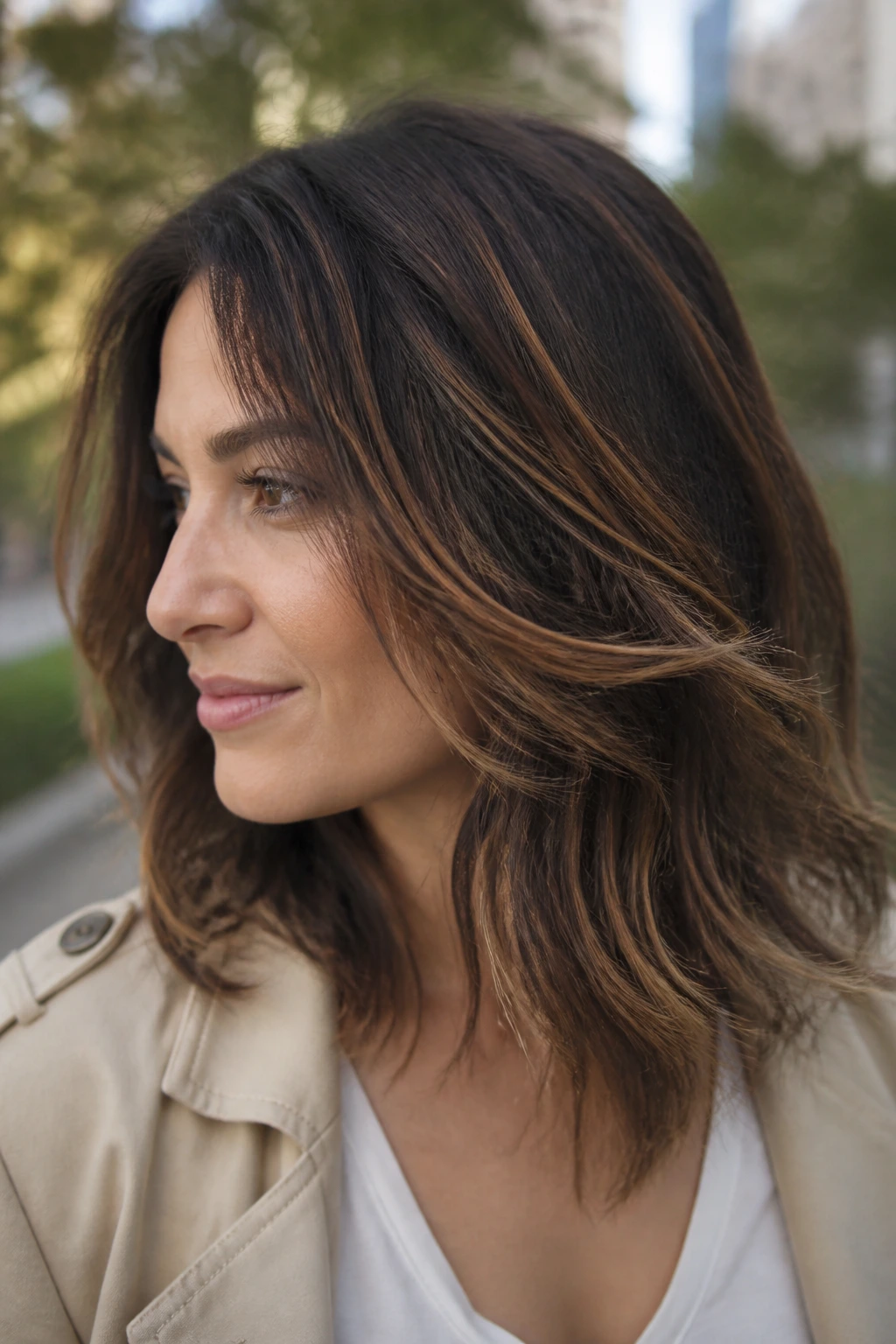
Cinnamon streaks are a smart way to wake up brunette hair without jumping into full copper territory. The warmth sits inside the layers, so the color moves when the hair moves. That is why it looks especially good on cuts with a little texture.
The streaks do not need to be thick. Thin, cinnamon-toned pieces can make brown hair look more alive than a chunky highlight job ever will. They also avoid the harsh contrast that can make darker hair look stripey and dated.
I like this look on shoulder-length cuts and long layers because the movement shows the color off. Straight hair can wear it too, but the effect is different — a bit cleaner, a bit sharper, less soft around the edges. If you want warmth without a big commitment, this is one of the easier ways in.
23. Bronze Balayage
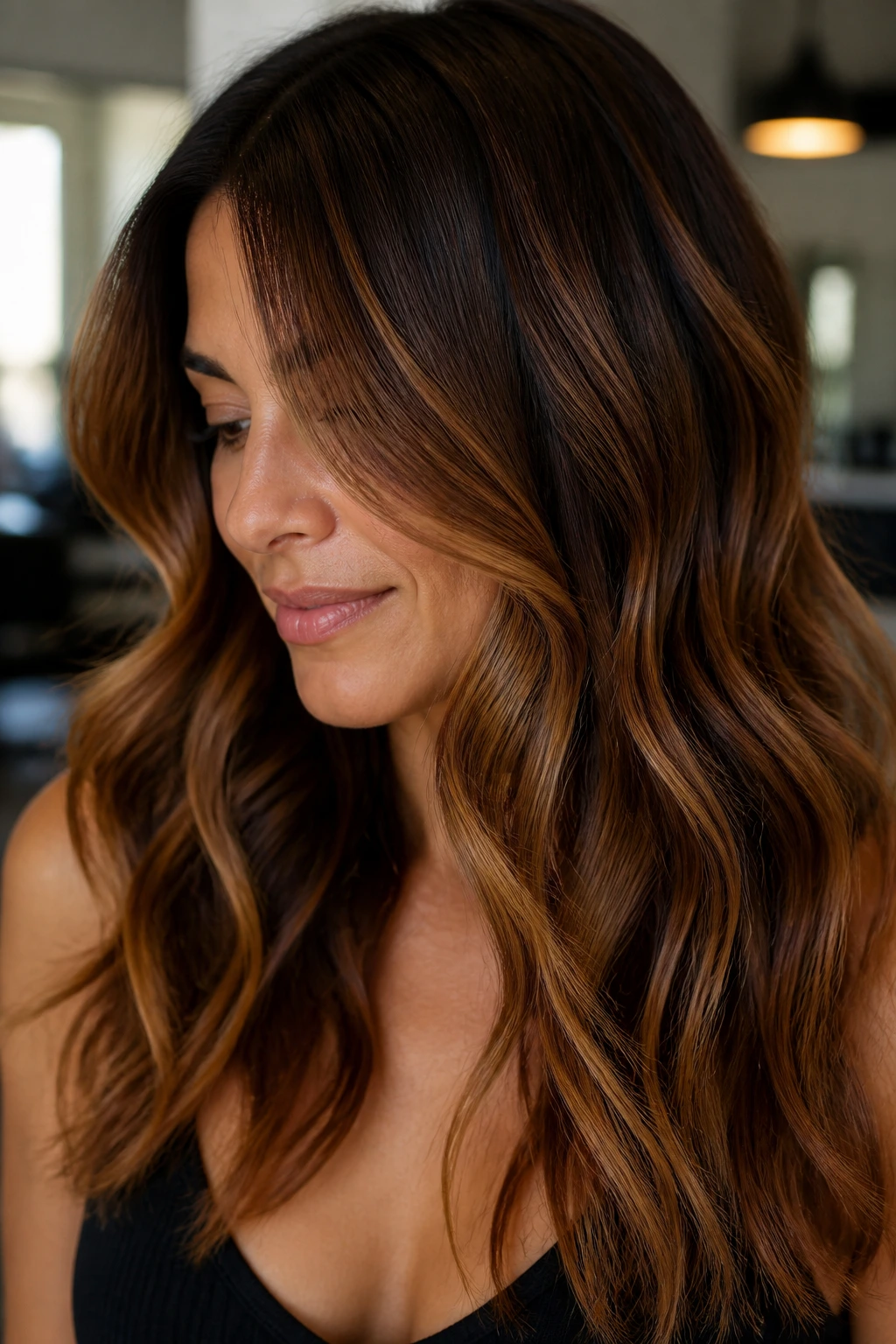
Bronze balayage sits between caramel and copper, which is why it works on so many people. It has the warmth of copper without the fire, and the depth of brunette without the weight. That middle position makes it easy to wear.
What Makes It Different
Bronze is richer than honey and less red than auburn. The finish should look metallic in the best way — not shiny like foil, but reflective and warm when the light hits it. On darker bases, that subtle glow can make the whole head look healthier.
Who It Suits Best
- Medium to deep brown bases
- Warm and neutral skin tones
- People who wear soft waves
- Anyone who wants lower upkeep than full copper
If you like warmth but do not want to be at the salon every few weeks, bronze balayage is a practical choice. Ask for a soft hand-painted placement and a gloss that keeps the bronze tone smooth.
24. Smoky Beige Blonde
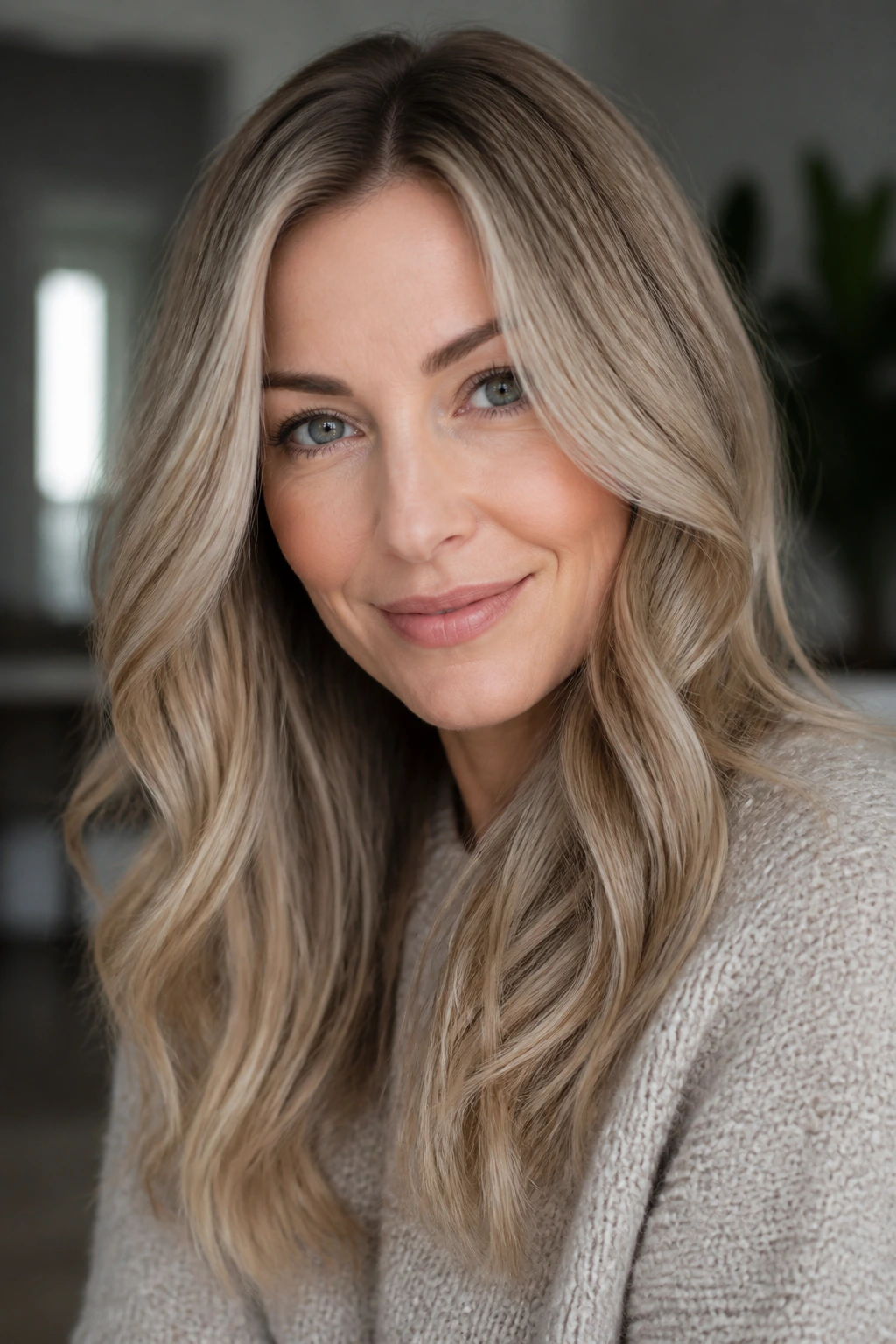
Smoky beige blonde is what happens when a blonde wants softness instead of shouty brightness. The color leans cool enough to stay clean, but beige keeps it from looking gray or harsh. That balance is harder to get than people think.
How to Keep the Tone Right
Beige blonde can go wrong if the ash level is too strong. Then it starts reading dull. On the flip side, too much gold turns it brassy. The smoky beige version lands in the middle, which gives it a much easier grow-out.
A soft root smudge helps here. So does a toner that leaves a little warmth in the hair instead of stripping it white.
Best for: neutral skin, finer textures, and anyone who wants a blonde that does not demand perfect styling every day.
It also pairs well with airy layers. Heavy cuts can swallow the subtle tone.
25. Hair Color Trends for Women Over 30: Rooted Platinum
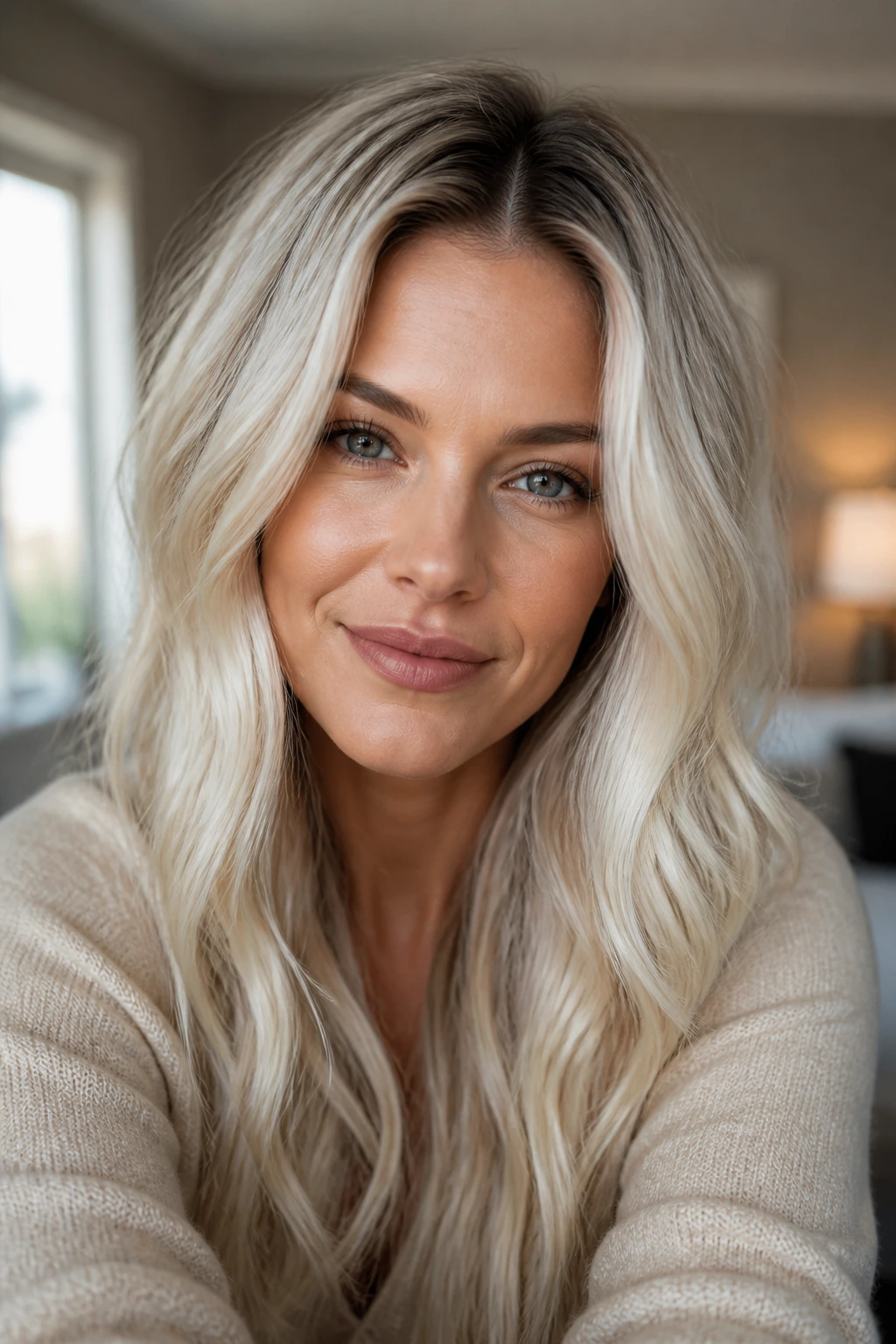
Rooted platinum is the blonding choice for people who want impact but do not want to stare at a harsh regrowth line in the mirror two weeks later. The root stays deeper, the lengths go bright, and the contrast is softened so the color looks lived-in instead of brittle.
That root shadow is doing a lot of work. It gives platinum more shape, makes the grow-out less obvious, and keeps the brightest pieces where they actually flatter the face. If the root is left one to two levels deeper than the lightest ends, the whole color feels more wearable. Harsh all-over platinum can be beautiful, but it is demanding. Rooted platinum is the version that understands real life.
It is a good fit for women who want a lighter look without giving up all the natural depth around the scalp. It also works well if your natural hair is darker and you are not interested in touching roots every few weeks. Ask for bright lengths, a soft shadow root, and a toner that keeps the blonde from going too icy or too yellow.
And that is the real rule behind the best hair color trends for women over 30: the shade should support your life, not run it. Brightness is nice. Shine is nice. But if a color needs constant fixing to look good, it stops being flattering and starts being a chore.
Pick the one that fits your maintenance level, your haircut, and the way you actually wear your hair. That is where the good stuff lives.
