



Soft blonde hair ideas work best when the color looks like it has lived on your head for a while, not like it was freshly painted on and left to shout about it. The shades people keep coming back to are the ones with a little depth at the root, a little creaminess through the mids, and enough brightness to catch daylight without turning harsh or stripy.
That’s the trick with a natural-looking blonde. Restraint matters more than brightness. A good blonde doesn’t need every strand lifted to the same level. It needs breathing room: a shadow root, a few lowlights, fine highlights instead of chunky slices, and a gloss that softens the whole thing so it moves instead of sitting there like a block of color.
I like blondes that look expensive in the quiet way, not the loud way. Beige, honey, champagne, oat, mushroom, cream soda — those are the shades that tend to age well between appointments because they blend instead of screaming for upkeep. And if your hair is dark blonde, light brown, or somewhere in that middle zone, you’ve got even more room to play without losing the natural feel.
The 20 ideas below each take that softness in a slightly different direction. Some are warmer. Some lean cool. Some work best with waves, some with straight hair, and some are all about keeping the face brighter while the rest of the head stays muted. The common thread is simple: dimension, softness, and believable grow-out.
1. Beige Babylights with a Soft Root
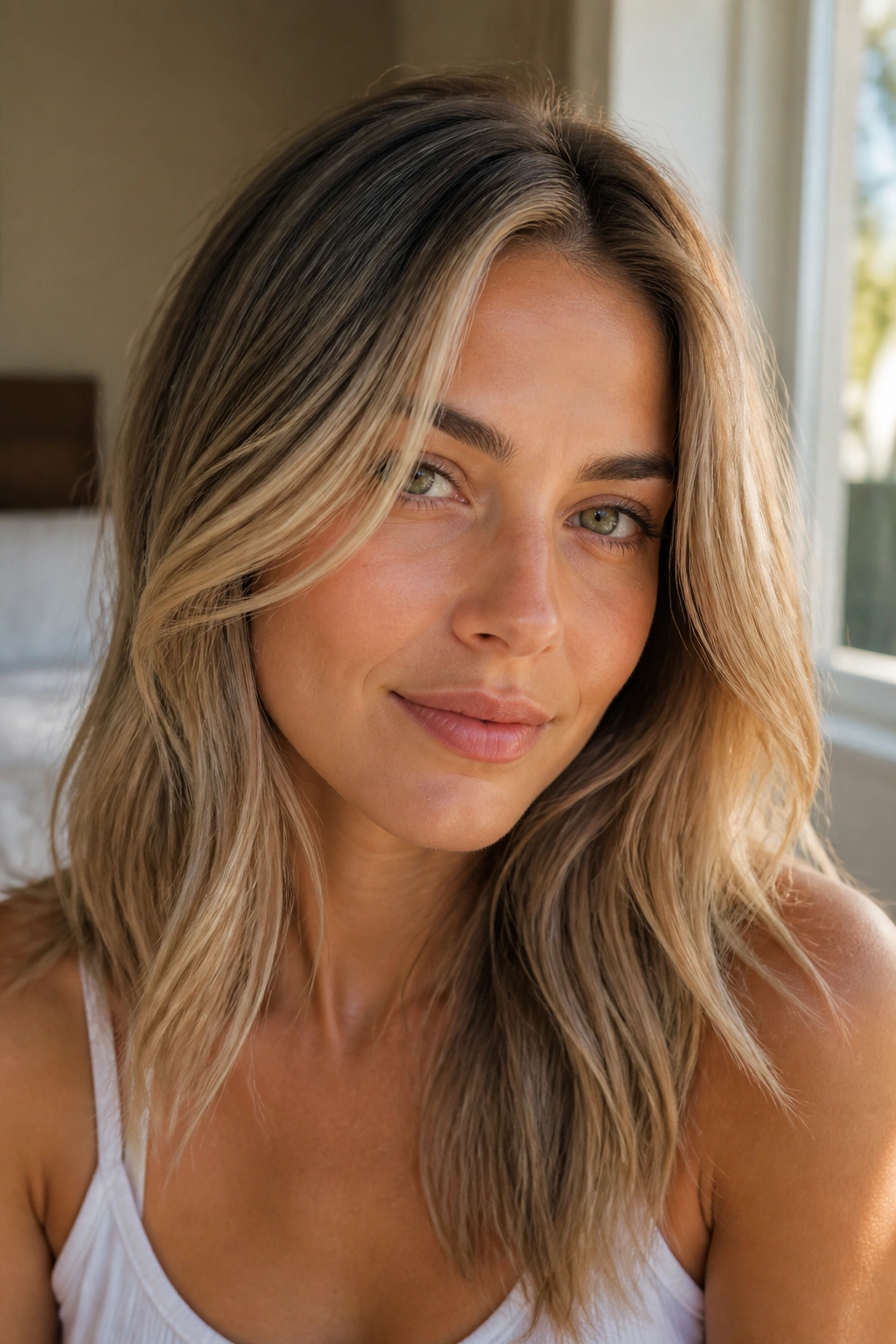
Beige babylights are what I reach for when someone wants blonde that whispers instead of announces itself. The highlights are ultra-fine, placed close together, and lifted only enough to look sun-touched, not streaky. Paired with a root that stays one to two shades deeper, the whole thing reads clean and natural.
Why It Looks So Easy
Babylights mimic the tiny, irregular lightening that happens to hair after long exposure to sun and water. They’re delicate by design. You do not get that ribbon-heavy look you see with chunkier highlights, which is exactly why this style works so well on medium brown and dark blonde hair.
Ask for:
- Fine highlight sections, not wide panels
- A beige toner instead of a bright icy one
- A root smudge that keeps the top soft
- Lightening concentrated around the face and crown
Best for: Straight, wavy, or loose-curly hair that needs movement without obvious contrast.
Watch for: If the highlights are spaced too far apart, the style loses its softness fast. Tiny placement matters here.
2. Rooted Champagne Blonde
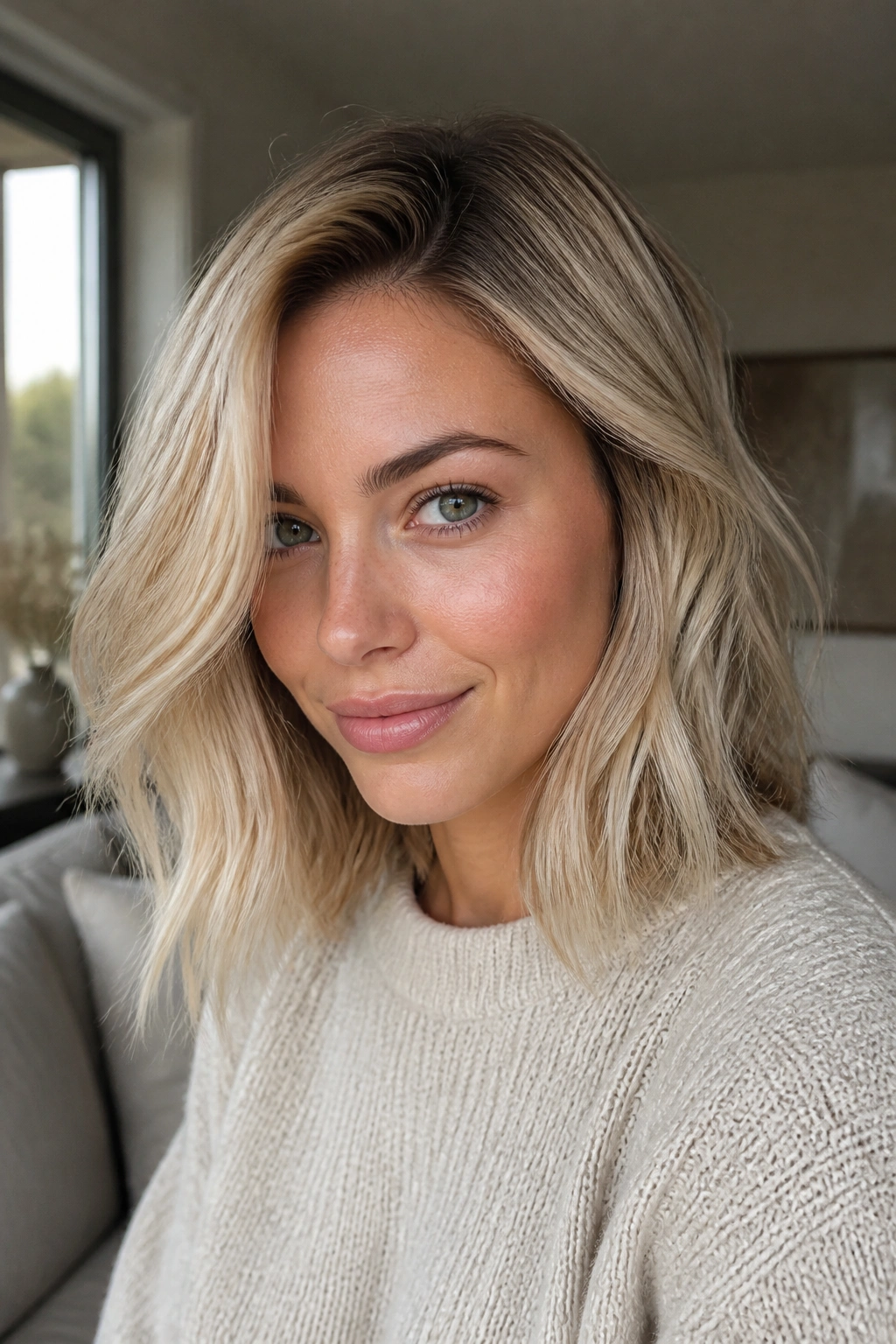
Champagne blonde has a little lift, a little warmth, and none of the brittle feel that some pale blondes can pick up. The rooted version is even better because the deeper base keeps the color from floating away from your natural hairline. It feels polished, not overworked.
The best champagne blonde has a slightly beige body with a soft golden edge. Not yellow. Not ash-heavy. Somewhere in between, where the hair looks bright but still believable. I prefer this on shoulder-length cuts and layered lobs because the color has room to move.
A good colorist will usually keep the crown closer to your natural shade and bring the brightness in through the mids and ends. That small decision changes everything. It makes the hair look fuller at the top and softer overall, which is the part most people want but don’t always know how to ask for.
3. Honey Beige Balayage on Long Waves
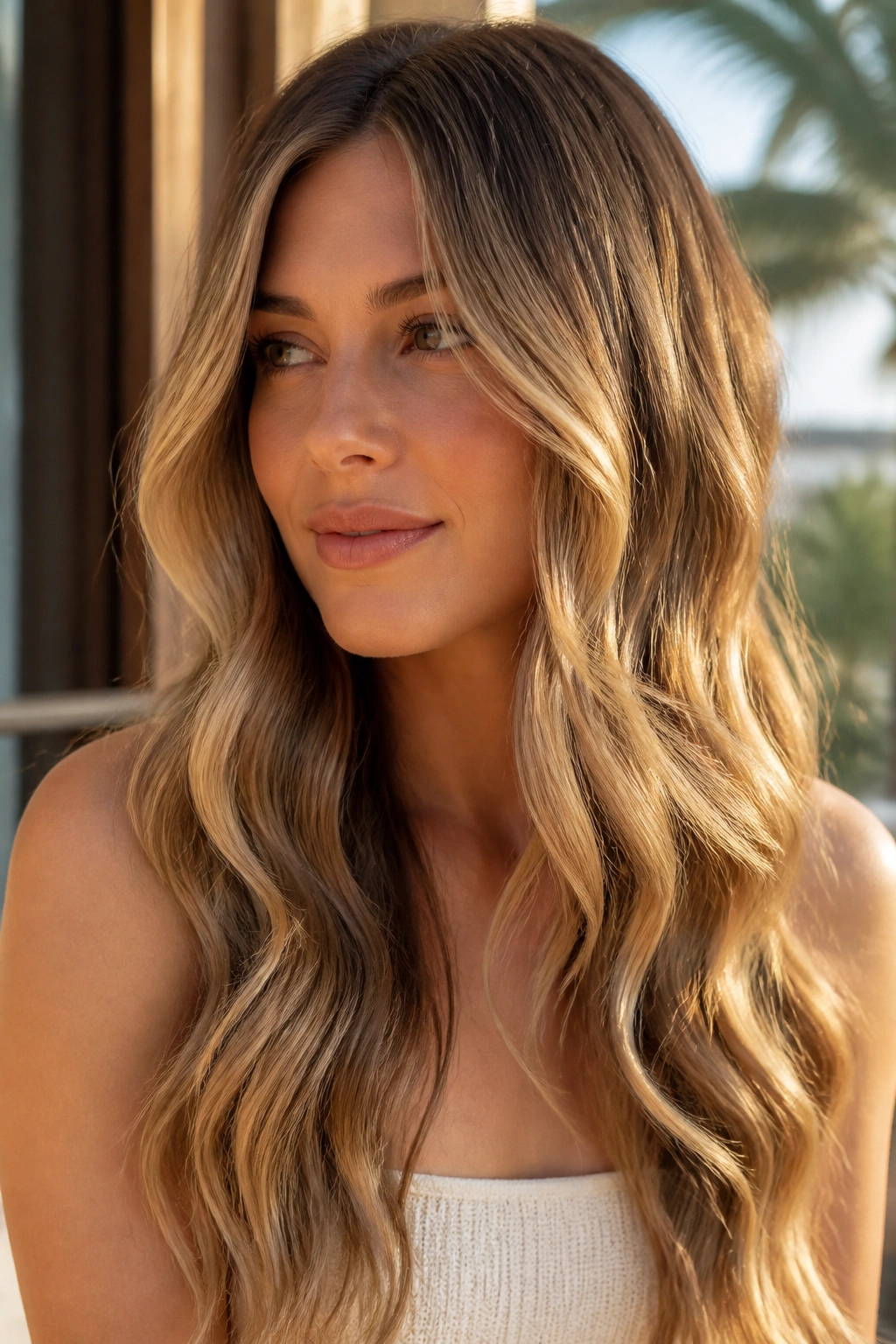
Why does honey beige feel softer than brighter gold? Because the warmth is muted and painted in ribbons instead of flooded across the whole head. On long waves, that matters. The bends in the hair catch the light, and the honey-beige pieces show up as movement instead of as blocks of color.
How to Keep It Natural
A balayage placement works best when the colorist leaves some of the deeper base visible between the lighter pieces. That space is doing a lot of work. Without it, the style can start to look flat and too bright on the ends.
What to Ask For
- Painted pieces through the mid-lengths and ends
- A lift that stays warm, not pale yellow
- A gloss that softens the finish after lightening
- A few darker strands left in the interior for depth
Pro tip: Style it with a 1 to 1.25-inch curling iron and brush the waves out once they cool. Tight curls make the blonde look louder than it really is.
4. Mushroom Blonde with Smoked Ends
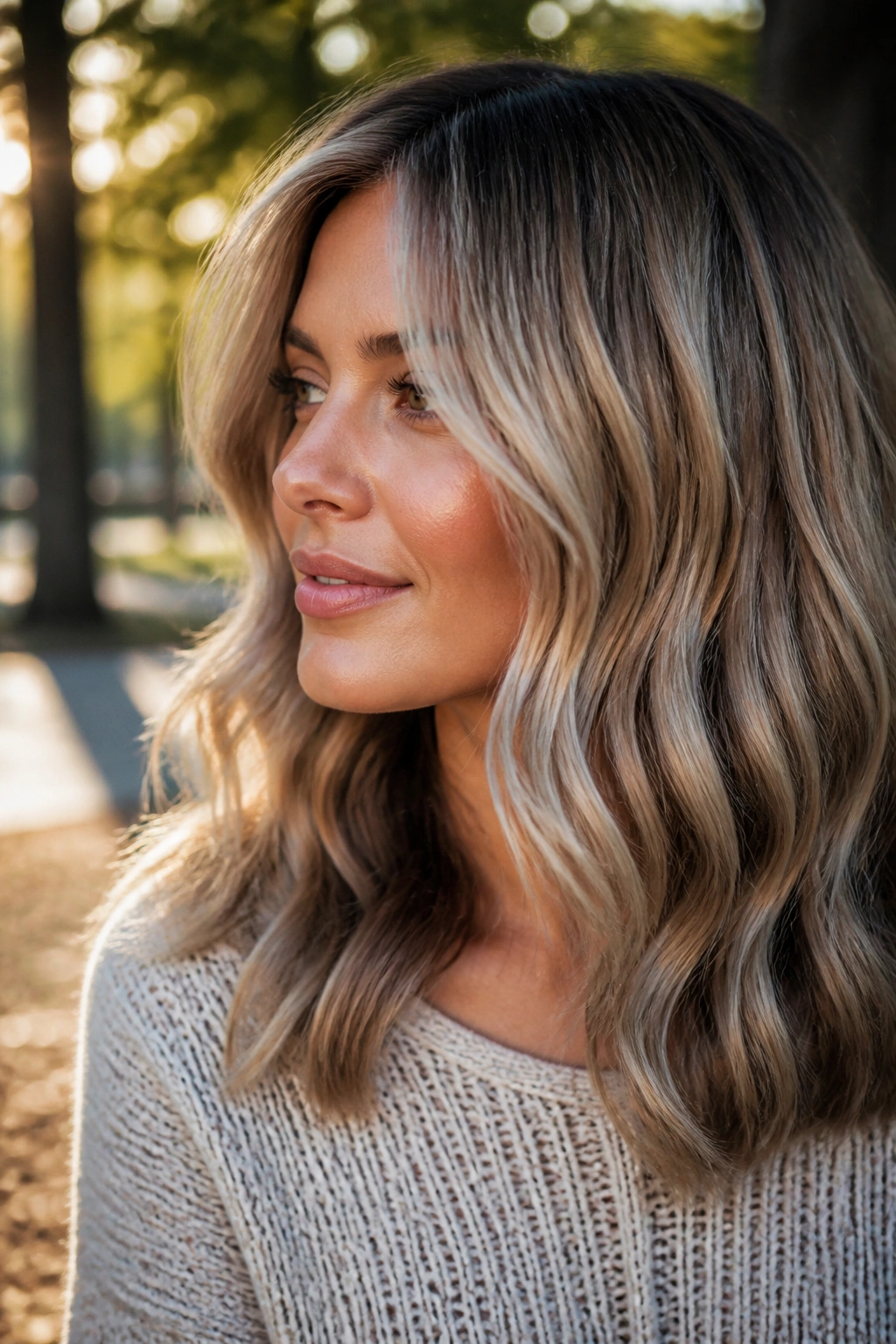
Mushroom blonde is the answer when you want something cool, earthy, and a little understated. It sits between beige and ash, with a soft brown-gray cast that keeps the blonde from going brassy or too sweet. On the right base, it looks expensive in a low-key way.
This shade shines on people who hate yellow tones but do not want silver hair either. The secret is balance. Too much ash and the hair starts to feel dull. Too much warmth and you lose the whole point. A few brighter ribbons near the face keep it alive.
A lot of mushroom blonde photos look glossy because the tone is controlled, not because the shade itself is dramatic. That’s the appeal. It doesn’t fight your skin or your wardrobe. It just sits there and makes the haircut look more considered.
5. Foilayage That Keeps the Crown Soft
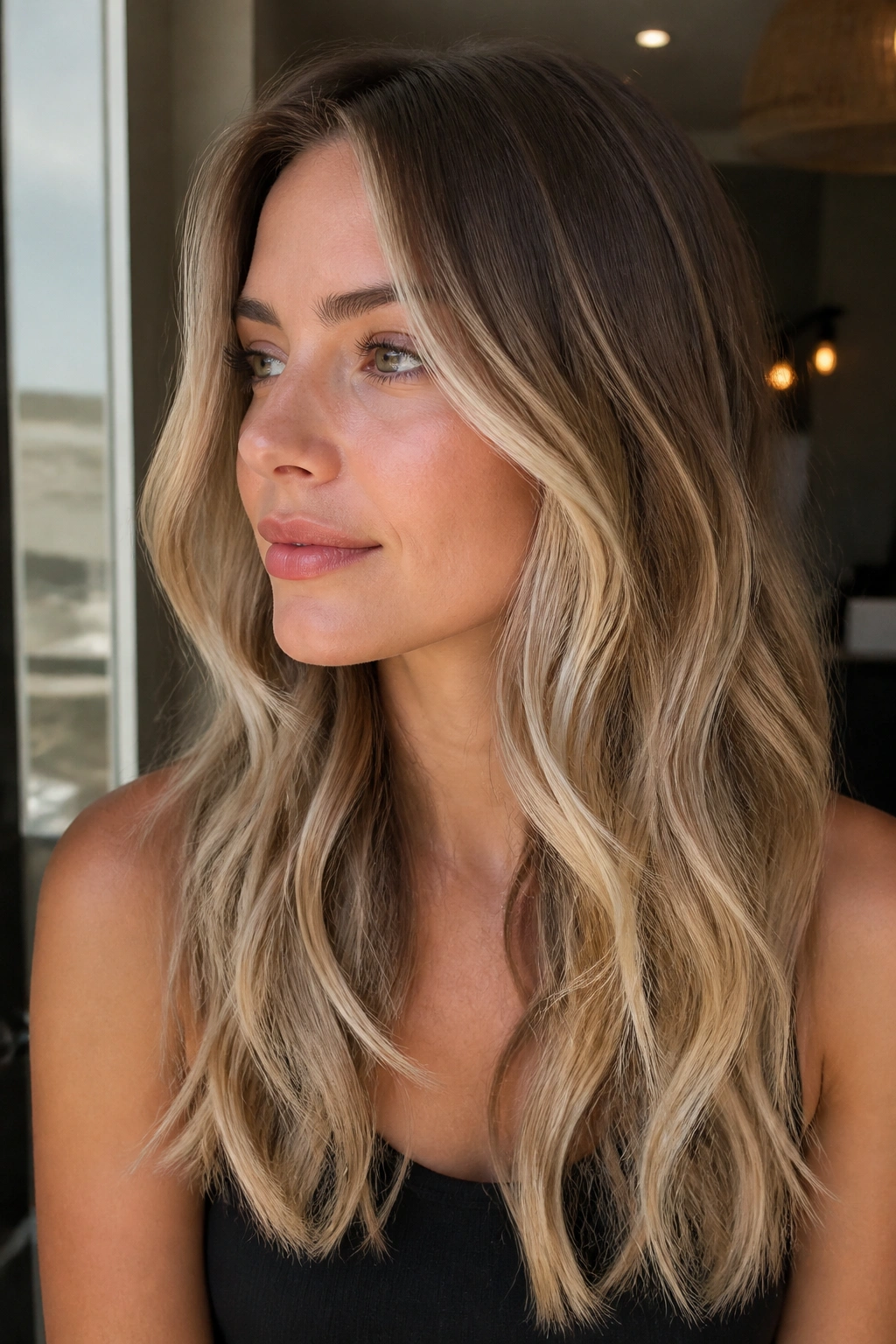
Foilayage is one of those techniques that sounds technical and ends up being a smart middle ground. You get the painted feel of balayage with the lift control of foil placement, which means brighter pieces where you want them and less brassiness where you don’t. The crown stays softer, and that’s a huge part of the natural look.
The reason this method works so well is simple: brightness is concentrated lower through the head instead of packed tight at the roots. You still get a noticeable blonde effect, but it grows out without that harsh strip at the scalp that can make hair look overdone after a few weeks.
If your base is medium brown and you want a blonde that still feels believable, this is one of the smartest options. It gives you room to lighten without forcing everything into the same level. And no, it does not have to look dramatic to be effective. A lot of the best foilayage is quiet.
6. Butter Blonde Face-Framing Pieces
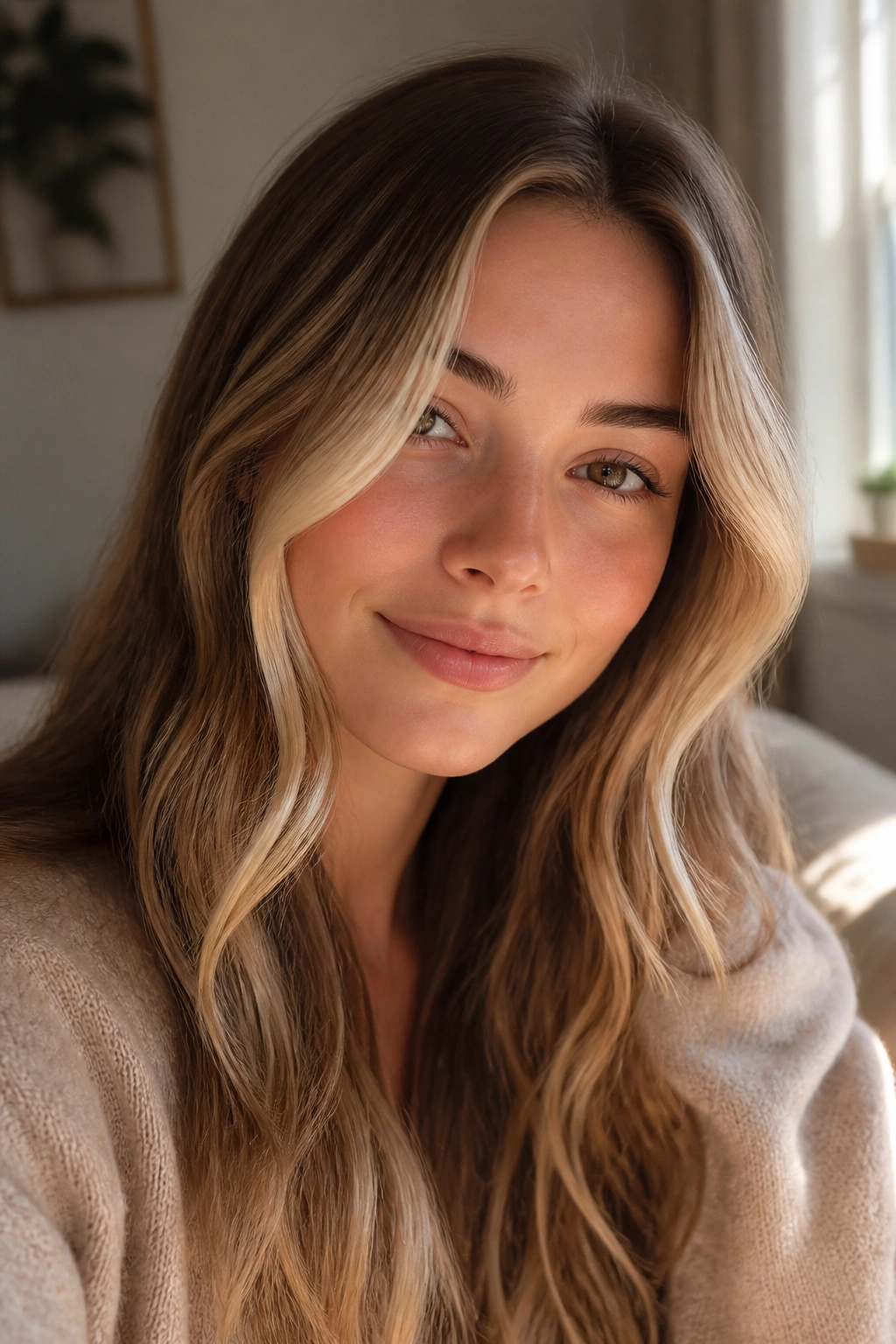
A face frame can do more for your hair than a full head of highlights if you want a softer blonde with low commitment. Butter blonde pieces around the face bring light exactly where people notice first, then let the rest of the hair stay closer to your natural color. That contrast is subtle enough to feel easy.
This style works especially well if you wear your hair in a ponytail, a half-up twist, or loose waves. The lighter pieces stay visible even when the rest of the hair is pulled back, which makes the color feel useful instead of decorative. I like that. It earns its keep.
Best when you want:
- Brightness near the cheekbones
- Lower maintenance than full highlighting
- A gentle shift without changing your whole base
- A blonde look that still lets your roots stay natural
The trick is to keep the money piece lighter than the surrounding hair, but not so light that it turns stripey. One shade brighter is often enough.
7. Sandy Blonde with a Shadow Root
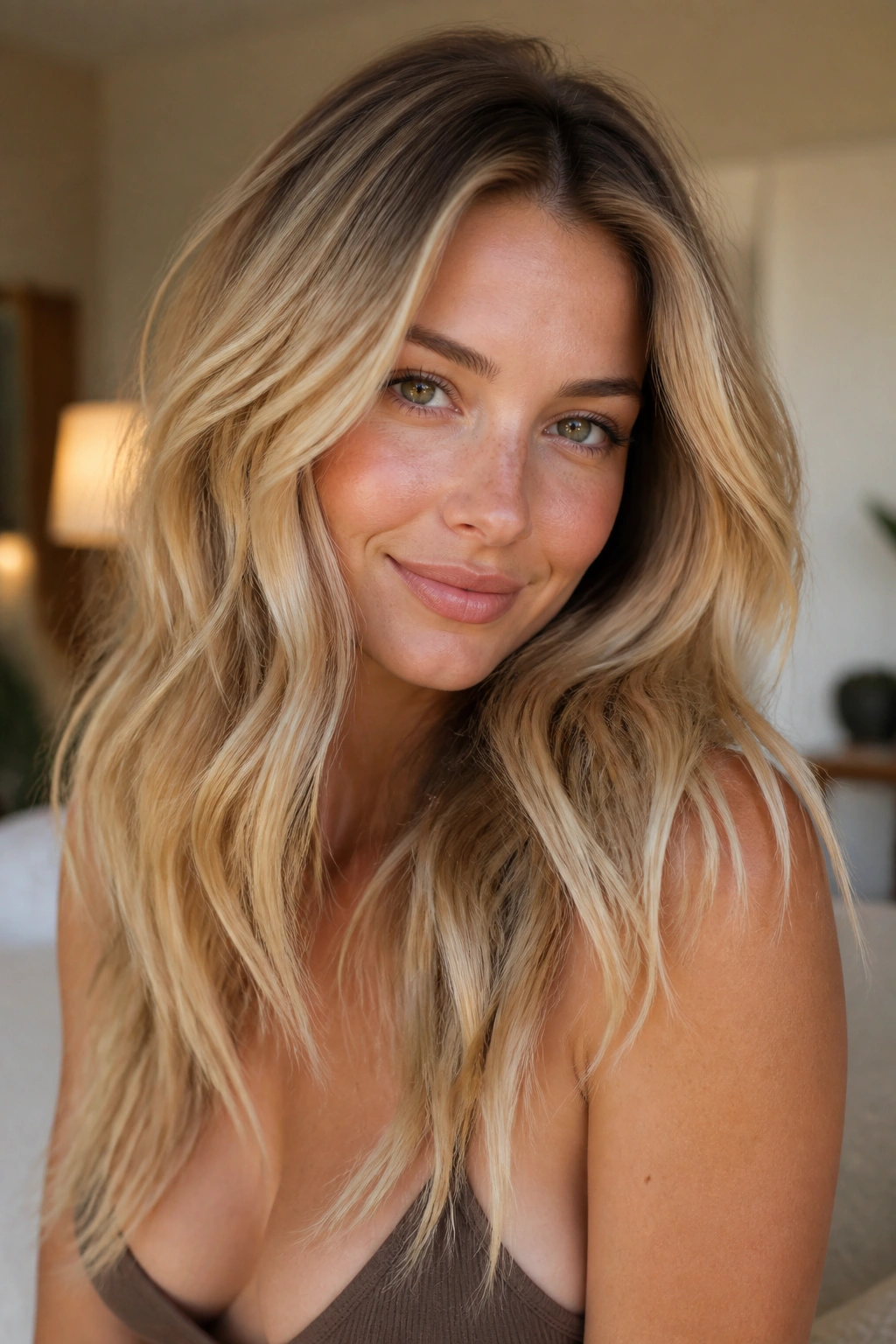
Sandy blonde sits in that sweet spot between beige and soft gold, which is why it tends to look easy on the eyes. Add a shadow root, and the whole color settles down even more. The top stays close to your natural depth, while the mids and ends carry the brightness.
What Makes It Soft
A shadow root removes the hard line that can make blonde feel salon-fresh in a bad way. It also helps the lighter pieces blend into the haircut instead of sitting on top of it. On layered styles, that matters even more because each layer catches a different amount of light.
A Few Things Worth Asking For
- Root depth that matches your natural color within one shade
- Sandy beige highlights through the ends
- A soft toner, not an icy one
- Slightly brighter pieces around the front for shape
Tip: If your skin leans warm, keep the sand tone creamy rather than yellow. If your skin is cooler, ask for a more neutral beige finish.
8. Vanilla Blonde on a Straight Lob
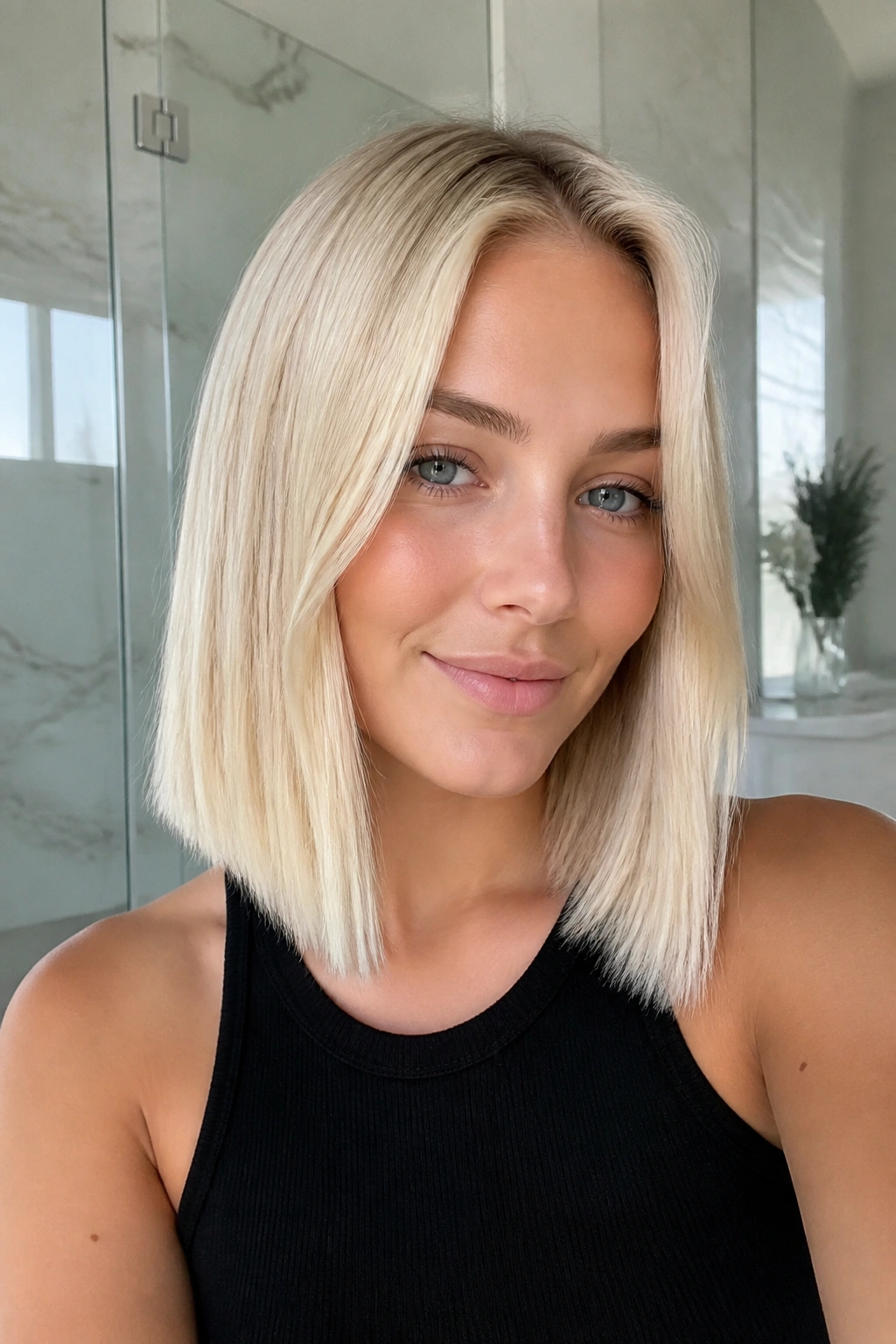
Straight hair shows everything. Every line. Every tone shift. Every mistake. That’s why vanilla blonde works so well on a sleek lob: the color is creamy and clean, but the cut keeps it from looking flat or blunt in the wrong way.
Vanilla blonde should feel soft, not chalky. The tone is pale and milky with just enough warmth to keep it from going gray. On a blunt cut, it reads crisp. On a lob with a slight internal layer, it reads polished without feeling severe.
I’d avoid heavy highlight blocks here. Thin placement and a smooth gloss are the whole story. A straight style has nowhere to hide, which sounds like a problem until you realize it also means the color looks expensive when it is done properly. Clean ends help a lot too. Split or dry ends will make even the best vanilla tone look tired.
9. Bronde With Blonde Ribbons
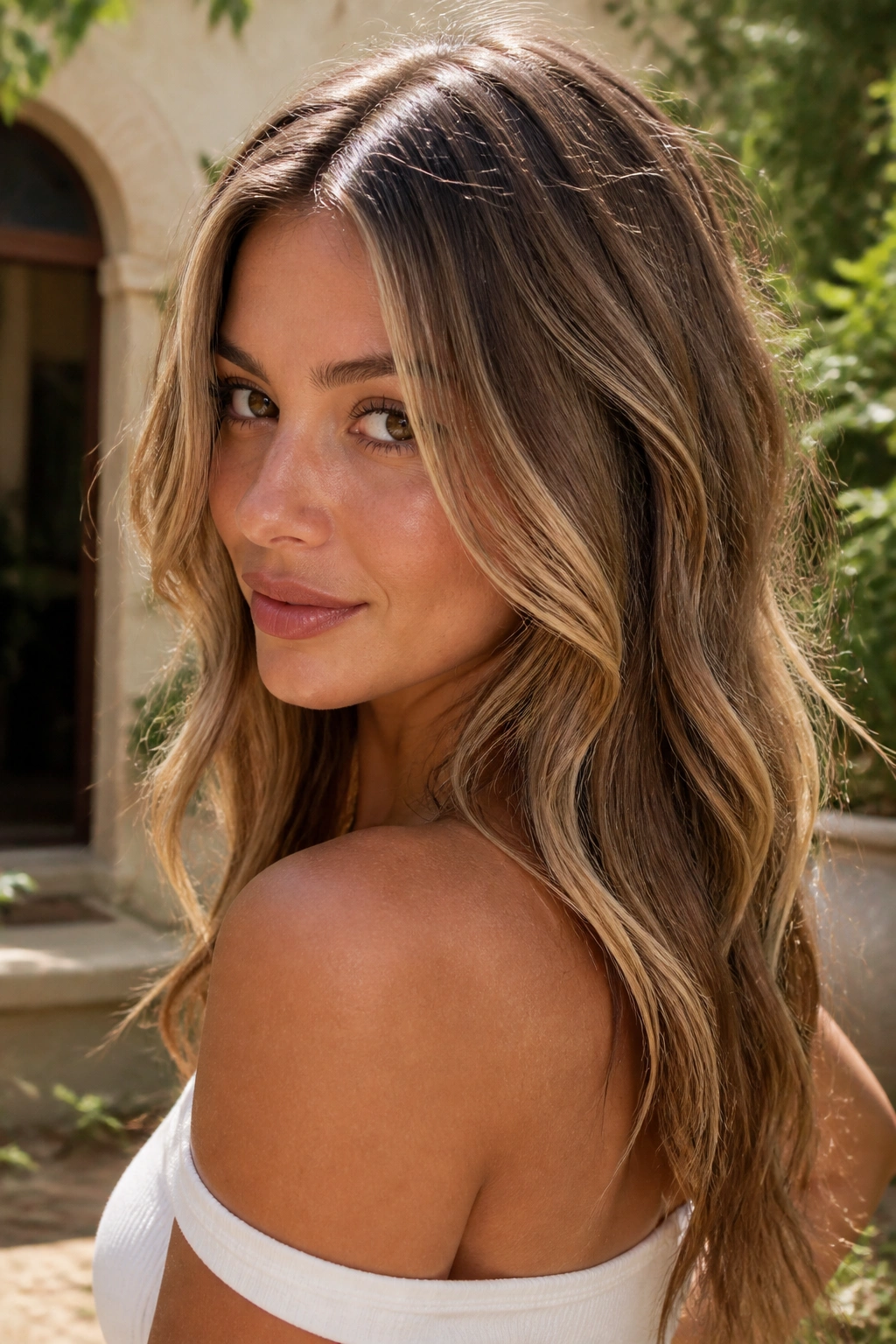
Can brunette and blonde coexist without looking confused? Absolutely. Bronde is the proof. The base stays brown enough to keep the hair grounded, while blonde ribbons thread through the mids and ends to add light and movement. It is one of the easiest ways to keep a blonde look believable on deeper hair.
Why It Works So Well
The brown base does the heavy lifting. It keeps contrast low, which means the blonde doesn’t need to be super pale to stand out. That’s useful if you want something softer than a classic highlight set but lighter than a full brunette color.
How to Wear It
- Keep the ribbons thin enough to blend into waves
- Leave depth underneath the surface layers
- Ask for beige or honey tones, depending on your skin tone
- Style with loose bends instead of tight curls
My take: Bronde is underrated because it grows out better than most lighter looks. It also gives you room to get blonder later if you want more brightness.
10. Cream Soda Blonde and Clean Ends
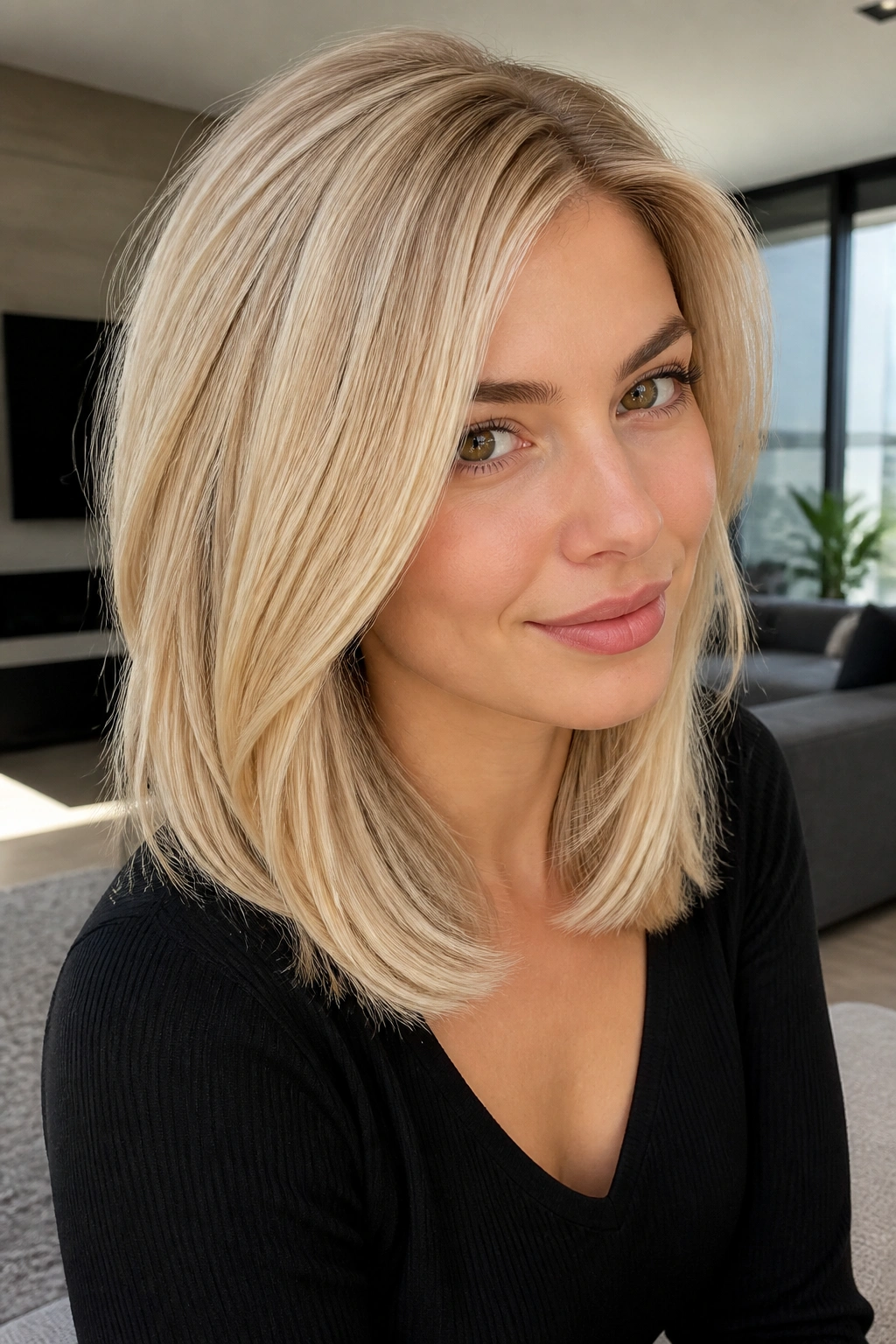
Cream soda blonde has that pale, fizzy warmth that makes hair look light without tipping into harsh yellow. It’s soft, creamy, and slightly luminous, which sounds vague until you see how nicely it sits on layered cuts. The finish matters here. Clean ends matter too.
What keeps cream soda from looking too bright is the balance between beige and warm gold. The shade should look like light filtered through glass, not like copper trying to pretend it’s blonde. That middle ground is what makes it flattering on a lot of skin tones.
This one looks especially good when the haircut is tidy. Dry ends pull your eye straight to the damage, and that breaks the illusion. A gloss every few weeks helps a lot, but a blunt trim does even more. People overlook that part. They shouldn’t.
11. Pearl Blonde with Cool Beige Toning
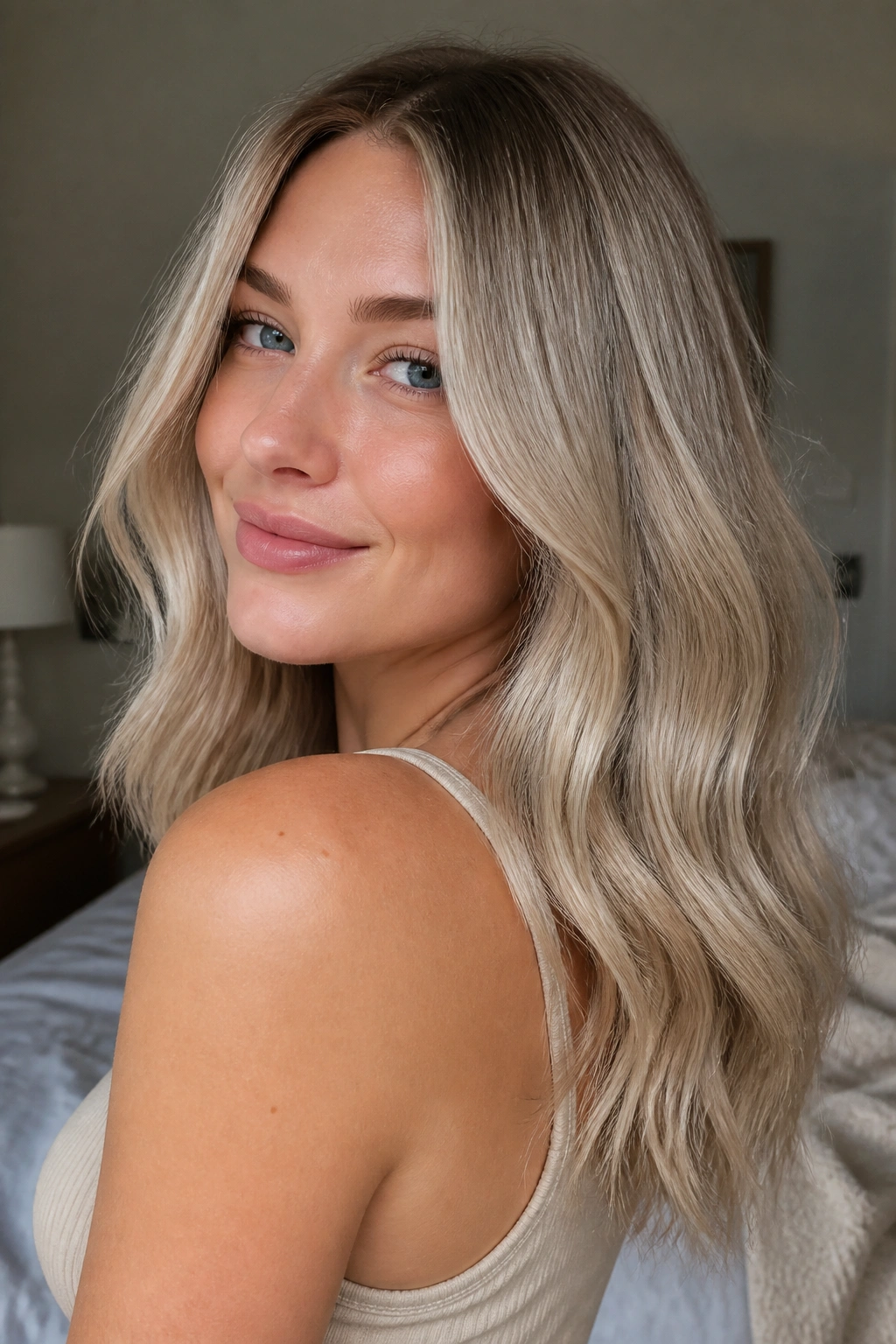
Pearl blonde gets tricky when people chase the word pearl too hard and end up with hair that looks too white. The better version is softer: cool beige, a little sheen, and enough depth to keep the tone from becoming flat. That balance gives you a blonde that feels airy instead of icy.
I like this shade on people whose hair naturally pulls warm during lightening, because the cool toning reins that in. It works especially well if your features are softer and you want the hair color to support the face rather than compete with it. Pearl blonde does that well when it stays understated.
The thing to ask for is control. Not brightness. A controlled lift, a gentle toner, and a gloss that leaves the hair with a soft satin finish. That’s the difference between a classy pale blonde and a color that looks like it is trying too hard. Hair should not look like a dare.
12. Caramel Blonde Blend for Depth
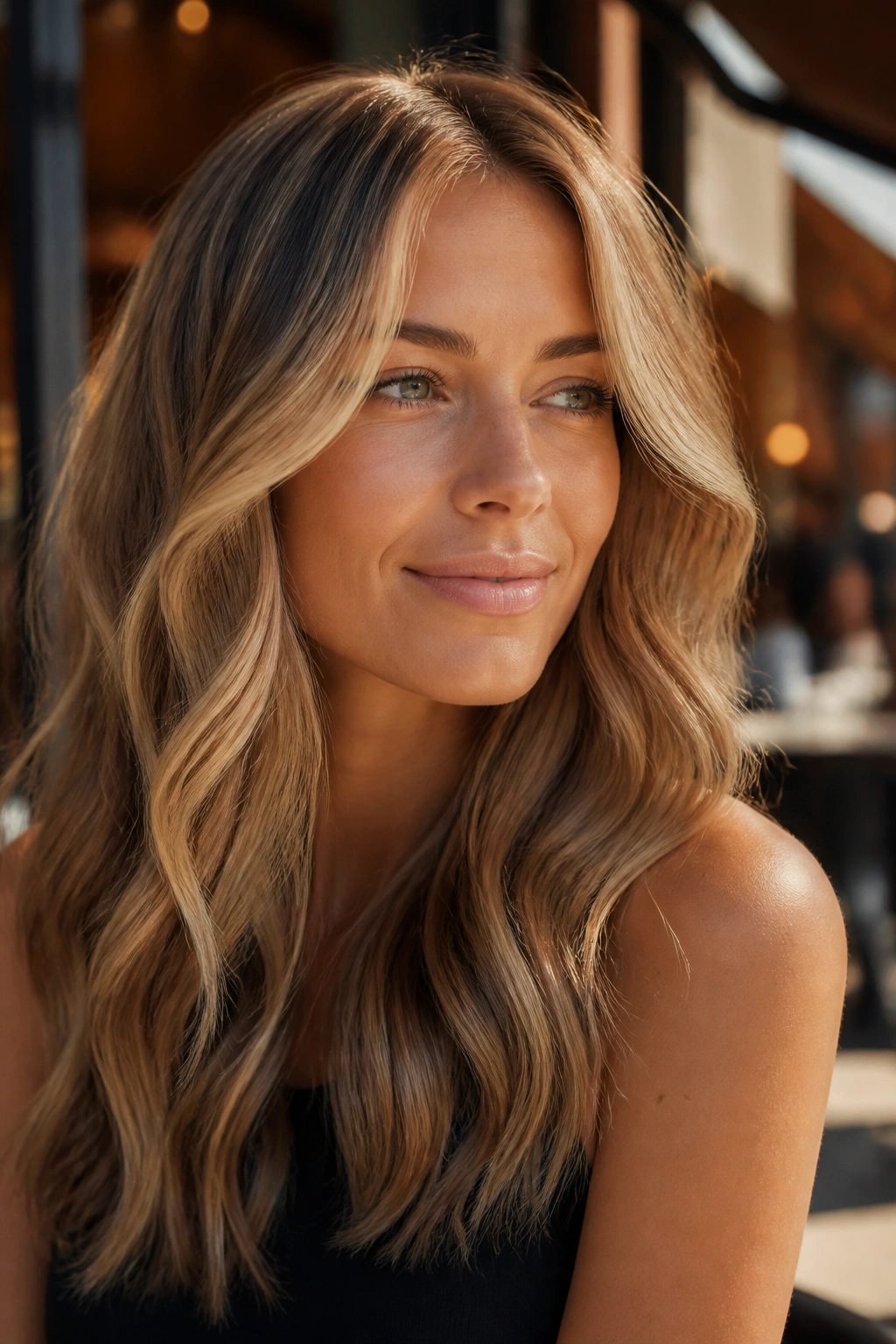
Caramel blonde blend is for people who want warmth, but not a warm block of color. The caramel sits deeper at the root and through the interior, while lighter blonde pieces break up the surface. That mix makes the hair look thicker and more dimensional, especially on medium to thick textures.
Unlike a single-tone caramel shade, this version has contrast built into it. Not huge contrast. Just enough to keep the hair from reading as one flat color under indoor light. That matters more than people think, because a lot of blondes only look good in bright windows. A good blend should hold up anywhere.
This is one of my favorite options for curly or wavy hair. The texture gives the lighter pieces places to land, so the color never feels stamped on. If you want something low-fuss and flattering, caramel blonde blend is a solid bet. It gives you softness without losing shape.
13. Sunlit Dirty Blonde with Microlights
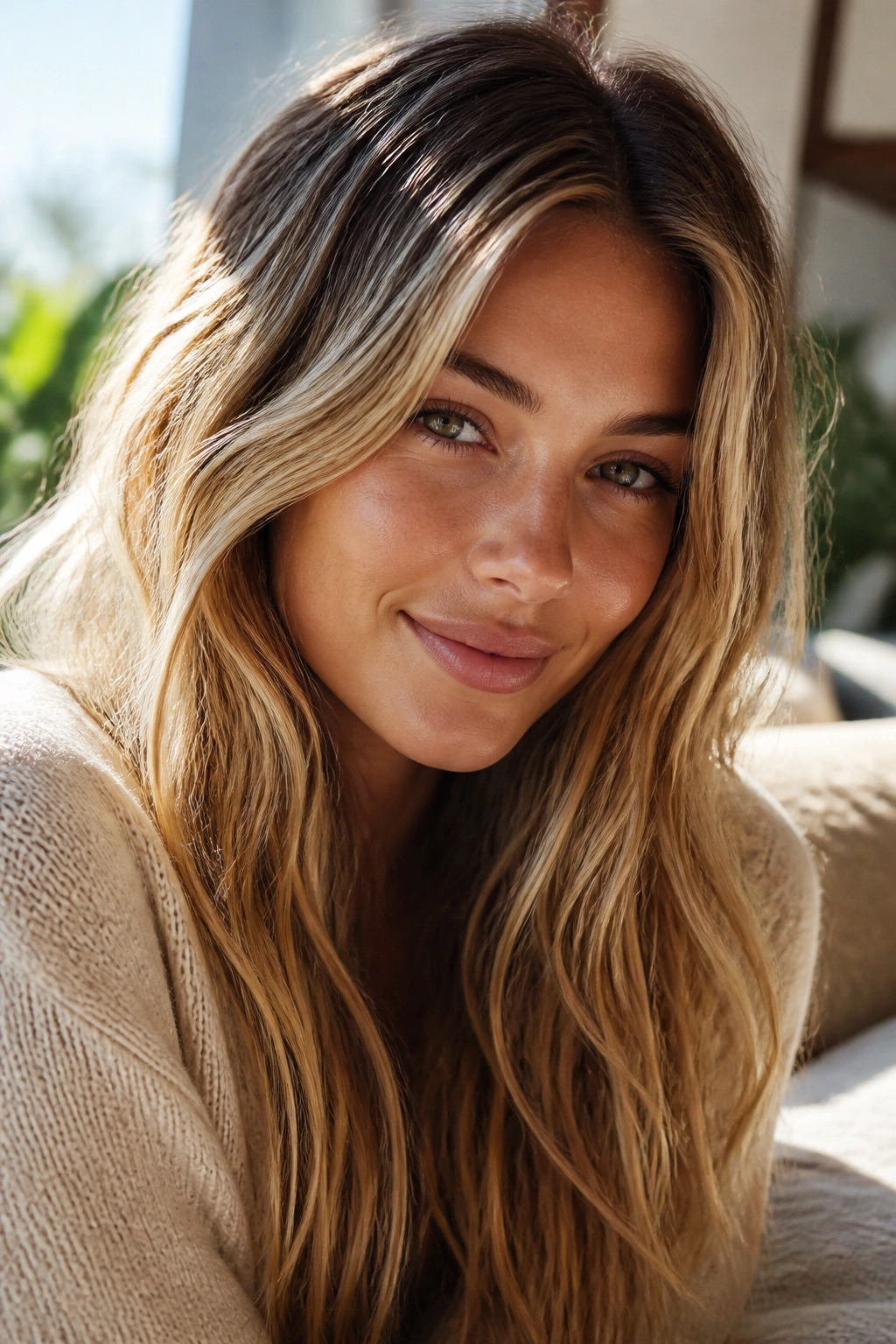
Dirty blonde has been unfairly treated. People say it like it’s a backup plan, when it can be one of the best natural-looking blondes around. The version that works best uses microlights — tiny, fine highlights that brighten the surface without erasing the base color underneath.
Where It Shines
- Medium blonde to light brown bases
- Hair with a bit of wave or bend
- People who want brightness without obvious maintenance
- Cuts with layers that can catch small shifts in tone
The best part is how subtle it is at the nape and interior, where the hair often gets overlooked. Brightness stays concentrated on the top layers and around the face, so the color looks intentional rather than scattered.
One thing to avoid: making the highlights too pale. Dirty blonde should look sun-kissed, not stripy. Keep the lift soft and the contrast low, and the whole style becomes much more wearable.
14. Oat Blonde on Collarbone Length
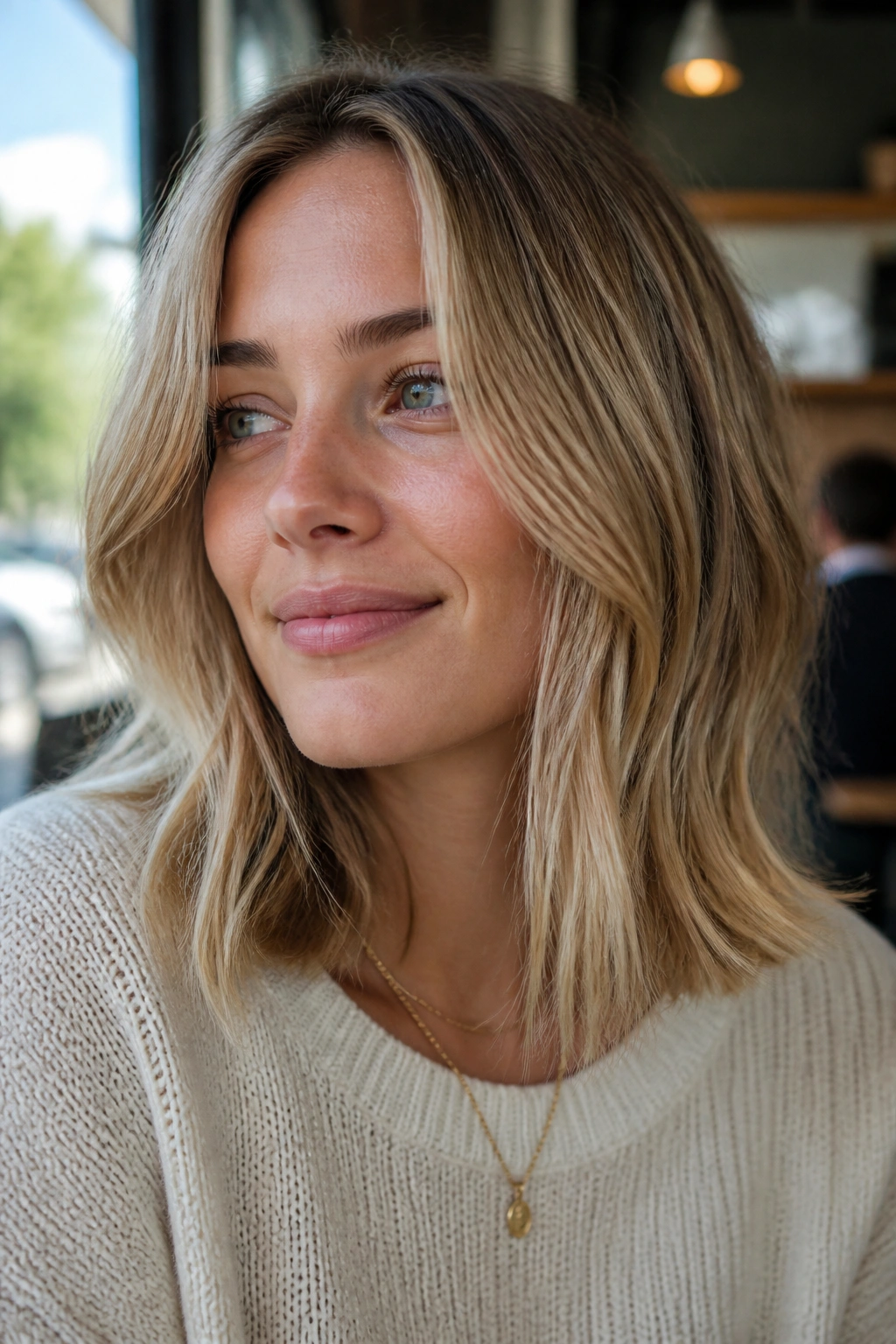
Oat blonde is the hair-color version of a soft knit sweater. It’s muted, neutral, and calm without being dull. On collarbone-length hair, it lands especially well because the cut gives the shade enough shape. Longer lengths can make oat blonde feel a little too spread out if the color isn’t layered with care.
This blonde works because it avoids extremes. No sharp gold. No hard ash. Just a creamy neutral tone that sits close to natural blonde territory. That makes it easy to wear, and even easier to grow out. If you want something that doesn’t fight with makeup or clothing, oat blonde is a smart choice.
A soft bend through the ends helps a lot. So does keeping the root a shade deeper. The cut and color need each other here. Without that balance, oat blonde can look washed out. With it, the whole thing feels grounded and polished.
15. Champagne Balayage on Curly Hair
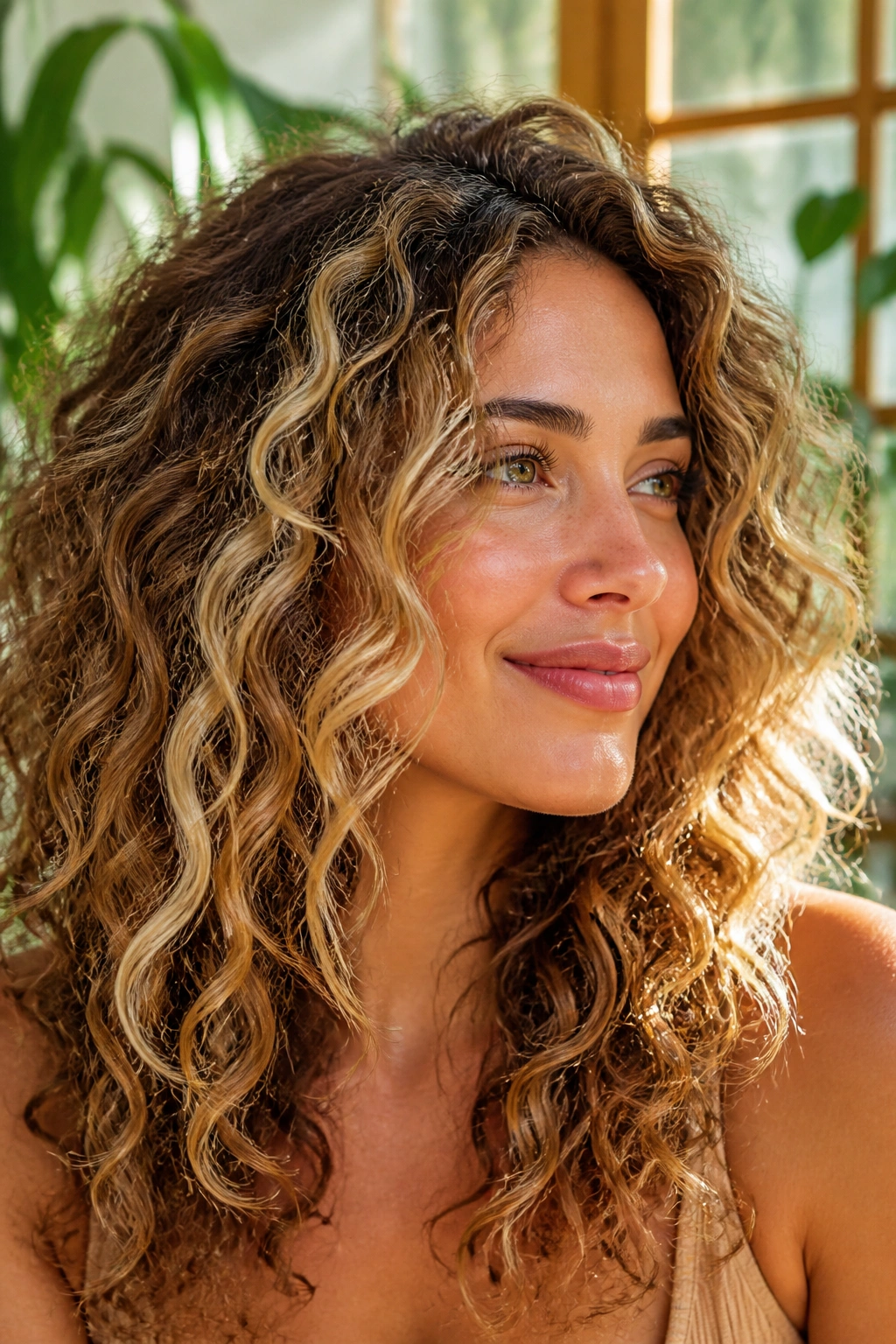
Why does curly hair need a different blonde approach? Because curls create their own pattern of light and shadow. If the color is too uniform, the curl pattern disappears a little. Champagne balayage keeps the brightness moving around the curls instead of flattening them out.
Placement That Works
The lightest pieces usually belong on the outer halo, along the top layers, and around the face. Interior sections can stay a touch deeper so the curl clumps keep their shape. That spacing stops the blonde from turning into a bright sheet when the curls stack on top of one another.
A Few Practical Notes
- Ask for balayage, not blocky highlights
- Keep the toner soft and creamy
- Leave some depth near the roots for shape
- Diffuse or air-dry to show off the ribboning
Champagne tones look especially good when curls have shine. A leave-in conditioner and a light styling cream go a long way here. Dry curls will dull even the nicest color.
16. Soft Scandi Hairline Blonde
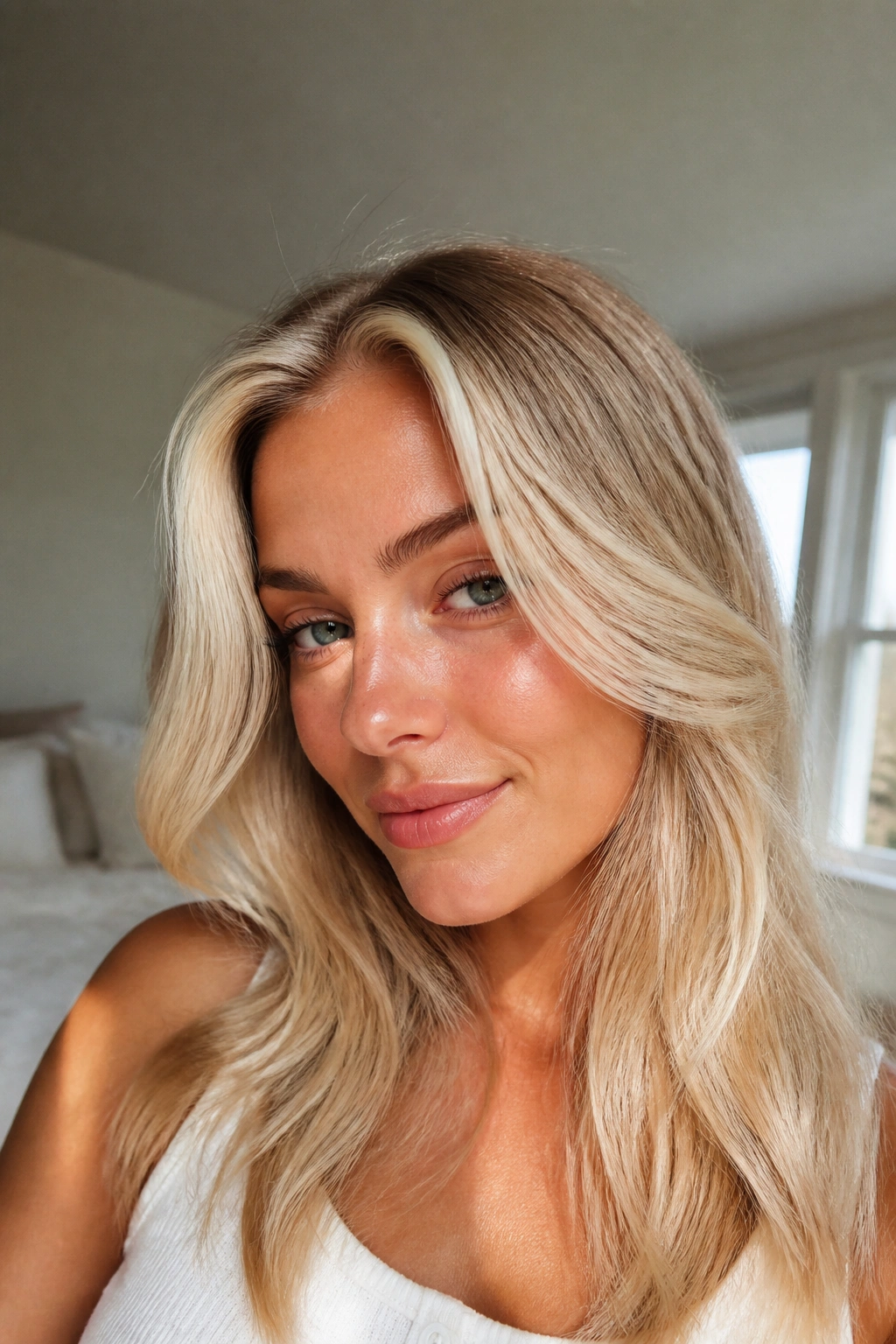
A soft Scandi hairline blonde gives you brightness right where you want it — along the edges of the face — while the rest of the hair stays more muted. The effect is light and fresh, not loud. I like it when the hairline pieces are kept narrow enough to blend into the rest of the cut instead of sitting on top like decoration.
This idea works best if you want face-brightening without committing to a full blonde transformation. The front pieces can be lifted a bit higher than the rest, then toned down so they stay creamy. The result is subtle, but it changes the whole expression of the haircut.
It helps to keep the brighter zone about half an inch to an inch wide on each side of the face, depending on density. Wider than that and the look starts to sharpen. Narrower than that and the effect can disappear. The best version has enough lift to show, but not enough to take over.
17. Wheat Blonde with Long Layers
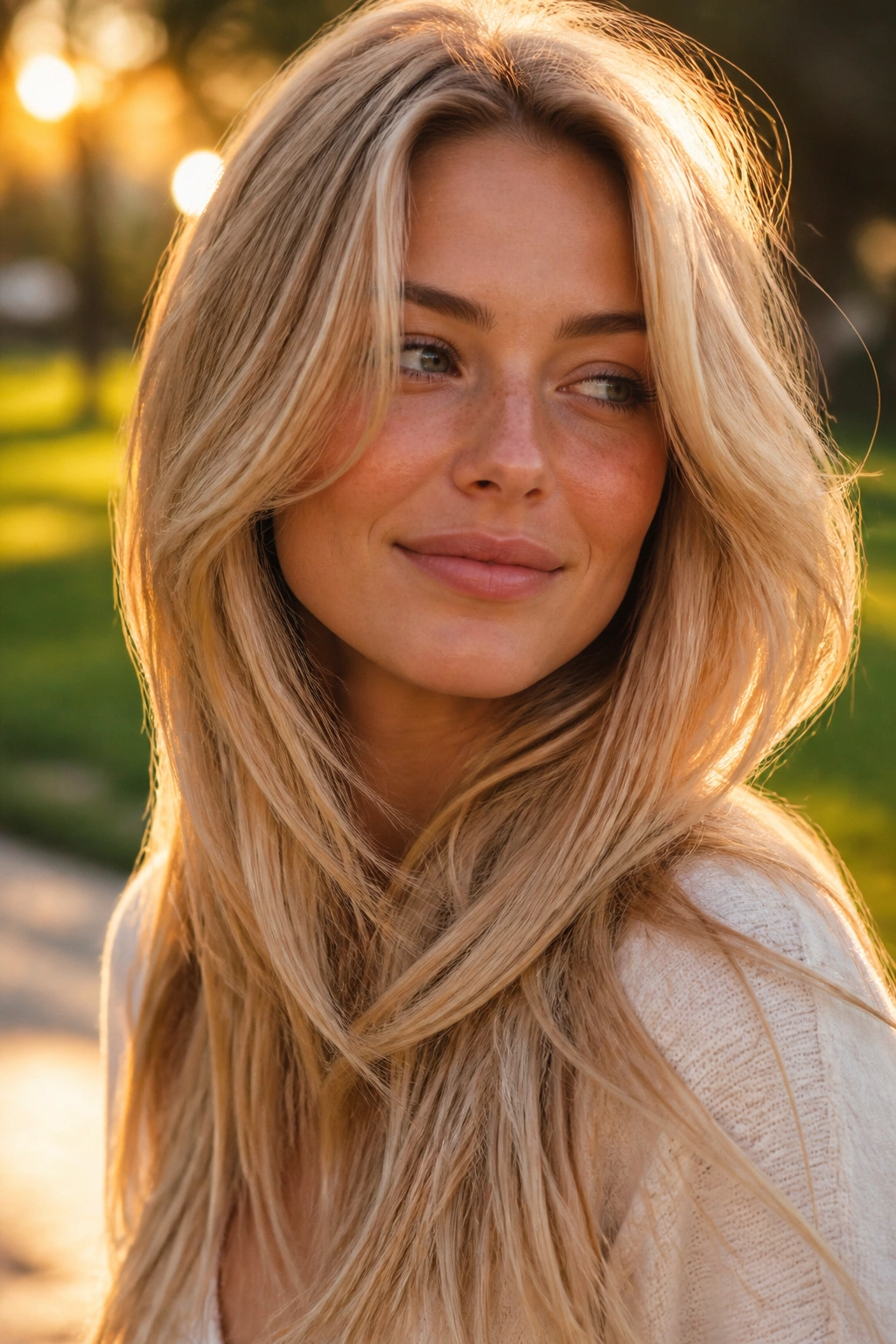
Wheat blonde is warm in a quiet way. Not gold. Not brassy. More like sunlit grain, with a soft dusty tone that flatters longer layered cuts. Long layers matter here because they stop the color from lying there in one even block.
The shade itself is forgiving, which I appreciate. It does not demand perfect styling to look good. A little movement in the hair is enough. The ends catch light, the mids hold depth, and the whole thing reads like a natural blonde that has spent time outdoors without looking fried.
This is a strong pick if your hair is naturally fine and you want it to look fuller. The softer warmth gives the illusion of thickness, while the layers keep the color from feeling heavy. Keep the tone creamy through the ends and you get that soft, touchable finish that people often want but rarely describe well.
18. Smoke Beige Blonde for Darker Bases
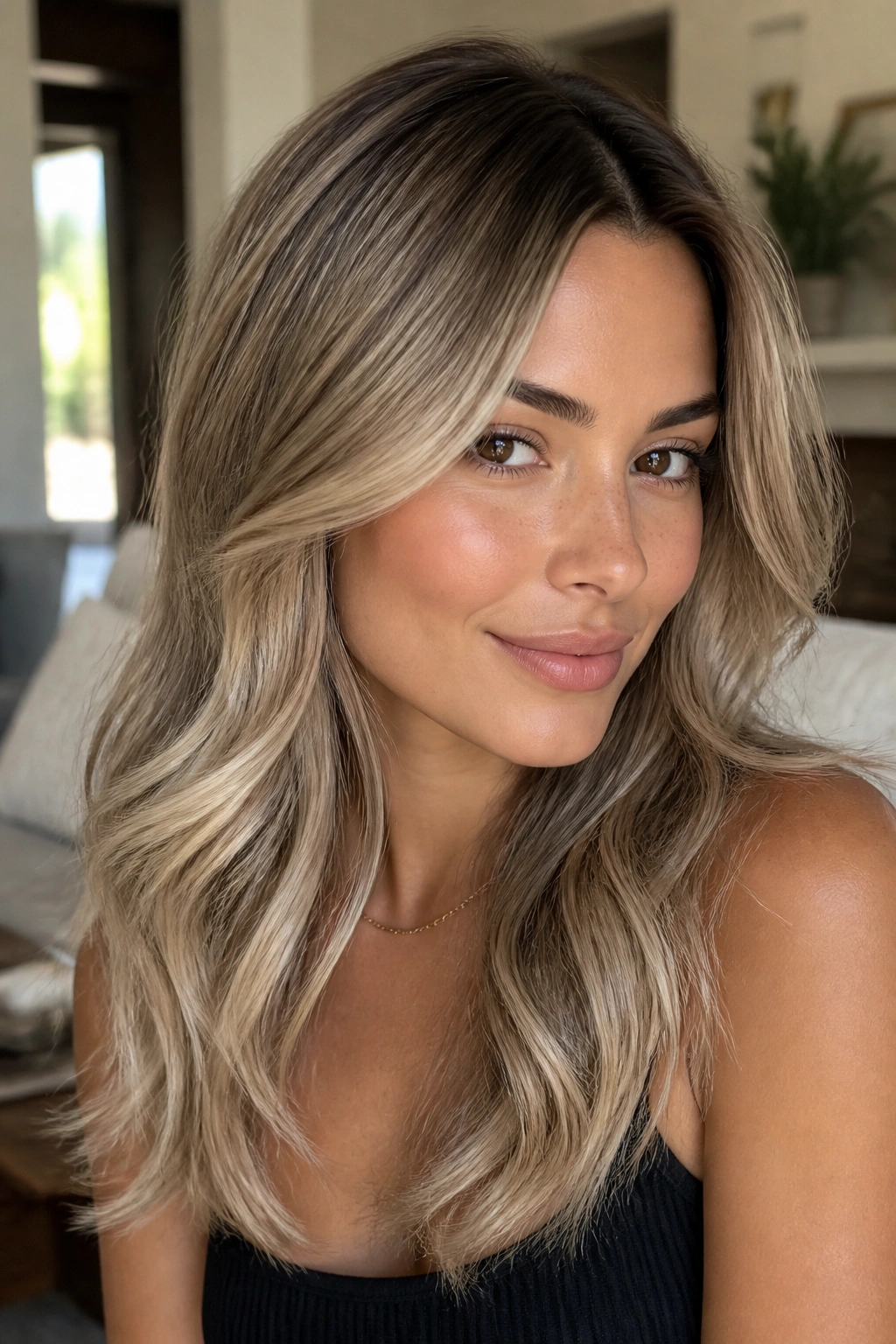
Smoke beige blonde is one of the better options for darker natural bases because it doesn’t fight the hair’s original depth. The ash-beige tone cools down the lift just enough to keep the color from turning orange or too sunny, which is the trap darker bases often fall into.
Unlike icy blonde, smoke beige doesn’t ask you to erase everything underneath. It builds on what’s already there. That makes the grow-out softer and the overall effect less severe. On medium-dark brunettes, especially, it can look far more believable than a pale blonde that sits far outside the natural range.
If you want this shade to stay flattering, ask for a gentle lift and a beige gloss rather than a silver-heavy toner. A little warmth in the finish keeps the color alive. Too much ash and it can start to look dusty. Too little and the whole point slips away.
19. Honeyed Pixie Blonde
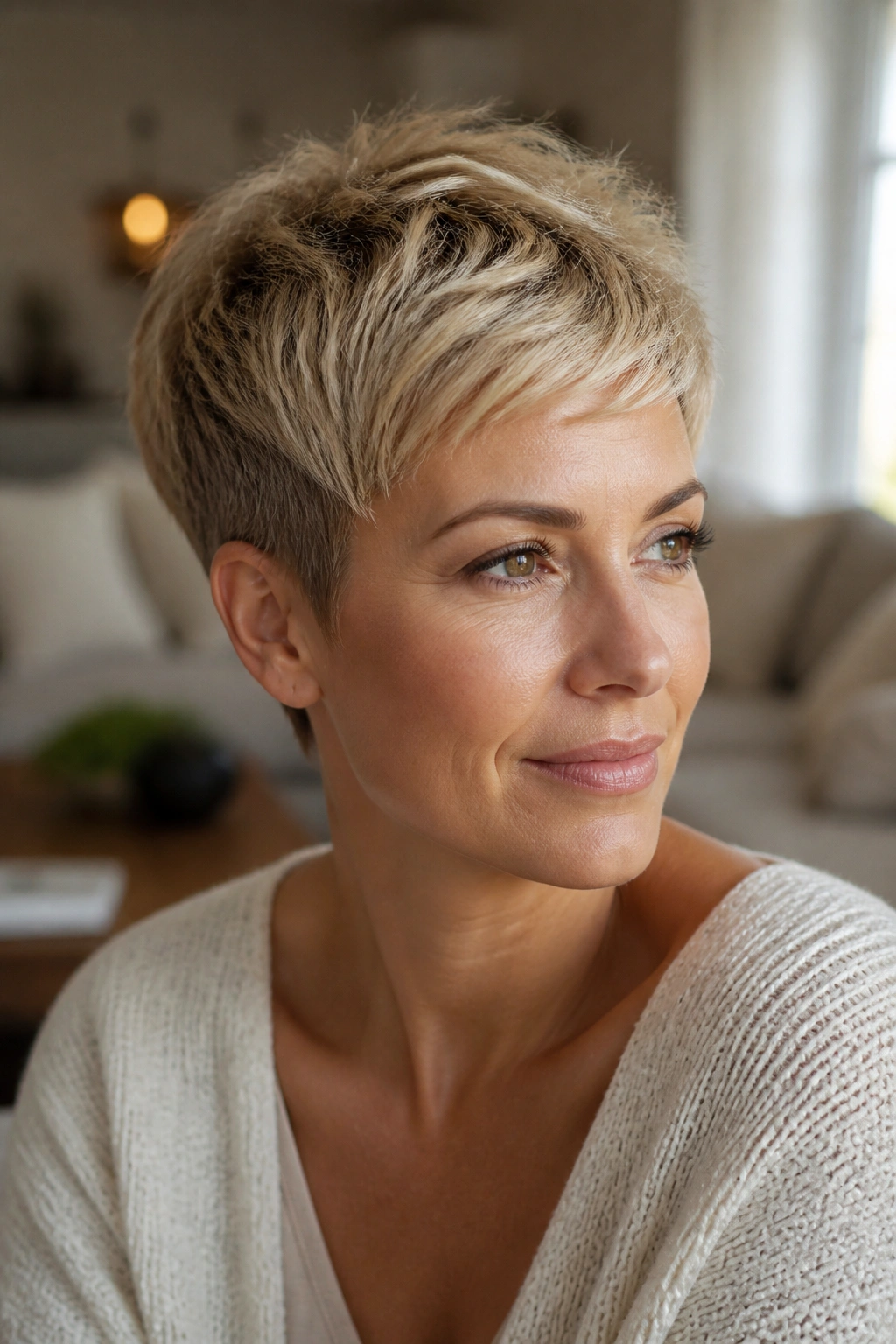
Short hair can be just as soft as long hair, maybe more so, because every strand matters. A honeyed pixie blonde uses warmth and texture to keep the crop from looking severe. The lighter pieces usually live on the top and front, while the sides stay a touch deeper for shape.
What to Ask For
- Soft honey tones, not bright gold
- Highlighting concentrated on the crown
- Slight depth through the sides and nape
- A matte or satin finish, depending on your styling habits
The reason this works is simple: short cuts need contrast, but not too much. Too much brightness everywhere and the pixie loses structure. A little depth underneath gives the cut weight, and the honey tones keep it from feeling sharp.
Best part: it grows out well. A pixie with soft blonde dimension can move through a few weeks without looking messy in a bad way. That is rare, and useful.
20. Dimensional Blonde Lob with a Soft Money Piece
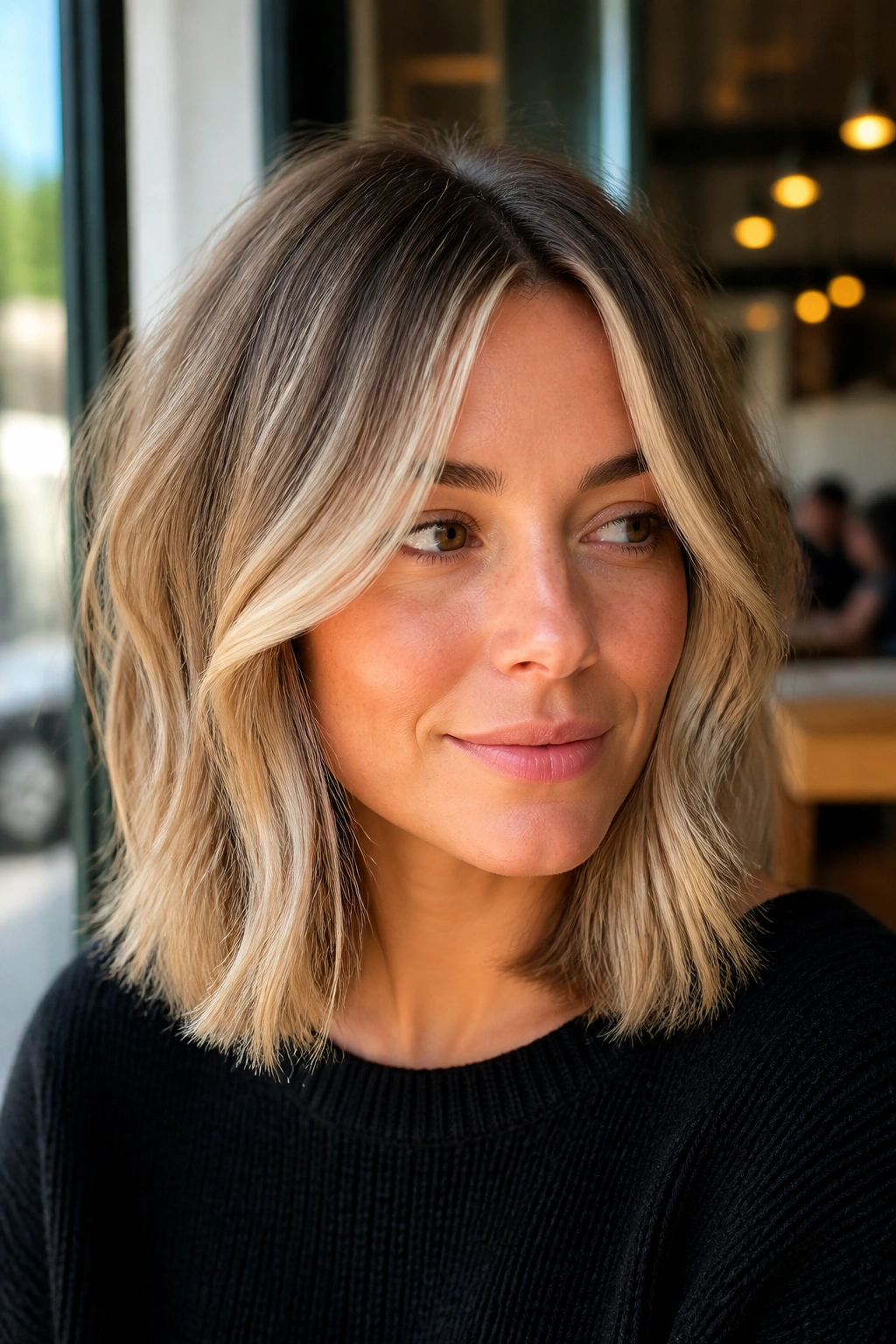
A dimensional blonde lob is the safest all-around soft blonde choice if you want one style that can handle most hair textures, most face shapes, and a decent amount of grow-out. The lob gives the color a clean frame, the dimension keeps it from looking flat, and the soft money piece brings light to the front without turning the whole head bright.
What I like here is the balance. The interior can stay a little darker, which helps the blonde pieces pop without needing extra lightening everywhere else. That means less risk of damage and a more believable result. The front can be just bright enough to lift the face, and the ends can stay creamy rather than ultra-pale.
If you want to keep the look natural, ask for a money piece that’s only one or two shades lighter than the surrounding blonde, not a full contrast strip. That tiny difference is enough. More than that, and you start losing the softness that makes this whole approach work so well in the first place.
