



Curly hair has opinions. Good haircuts listen.
The styles that work best on curls and waves do one simple thing: they respect the way the hair bends, swells, and shrinks once it dries. A shape that looks tidy on a hanger can turn into a triangle by lunchtime. A shape that looks almost too round while wet can land in the mirror looking balanced, soft, and full of life.
That is why curly hair trends keep circling back to shape, movement, and texture instead of trying to flatten everything down. A few well-placed layers can matter more than three extra inches of length. A clean part can change the whole face. A gel cast, a diffuser, or one good clip can turn an ordinary day into a good hair day without much drama.
So the smartest looks right now are not about taming curls. They are about giving them a better job to do. Some of these styles need scissors, some need styling products, and some only need a different way of pinning the hair up. Start with the one that matches your texture and your patience level, because those two things matter more than any trend name.
1. The Rounded Cloud Cut

A rounded cloud cut is what happens when a haircut stops arguing with volume and starts shaping it. The outline stays soft and circular, so curls can sit on top of each other instead of stacking into a pyramid. It is one of those shapes that looks easy, but the cut itself takes real thought.
Why It Works
The best version keeps weight at the ends while lifting the middle and crown just enough to avoid a boxy silhouette. That balance matters more on dense curls, where too many short layers can make the top explode and the sides go flat. A good stylist will usually cut it dry or at least finish dry, because the curl pattern needs to be seen where it actually lives.
- Ask for rounded layers, not choppy thinning.
- Keep the perimeter soft, especially at the sides.
- Leave enough length for curls to spring without sticking out in random places.
Best tip: bring a photo of a round shape, not a “big volume” photo. Those are not the same thing.
2. The Curly Shag With Hidden Layers

A curly shag looks messy only when it is cut lazily. Done right, it gives curls room to move while keeping the outline easy to wear on a normal Tuesday. The trick is in the hidden layers: they remove bulk inside the shape without leaving the ends see-through.
People with medium to thick curls tend to love this one because it lifts the crown without needing constant styling. Air-dried shag cuts have a slightly undone feel, but they can also look neat when diffused with a light hold mousse. The best part is that it does not ask the hair to behave in a stiff, uniform way.
What makes it different from a rounder cut is the edge. A shag has a little more attitude. The layers are visible. The texture is the point.
3. The Wolf Cut for Curls

Why does the wolf cut keep showing up on curly heads? Because it gives the hair a wild top section and longer, softer ends, which makes the whole shape feel alive. It is a more dramatic cousin of the shag, and that contrast is the whole draw.
The crown sits higher, the layers are shorter, and the bottom length hangs on long enough to keep the cut from looking frayed. That means it works best when the curl pattern already has some bounce. If your hair is very fine or low-density, too many chopped layers can leave the ends looking sparse. That is the part people forget.
How to Wear It
Keep the styling loose. A curl cream plus a light gel is usually enough. The cut already does the heavy lifting, and over-styling it can flatten the movement that makes it interesting.
4. Curtain Bangs That Blend Into Curls
Picture bangs that part in the middle, sweep to the sides, and melt into the rest of the haircut instead of sitting on top of it like a helmet. That is the appeal here. Curtain bangs have become a favorite because they soften the face without forcing curls into a blunt little fringe that shrinks up and fights back.
The smart version is cut longer than you think it should be. Curly hair bounces up after it dries, and bangs that look chin-length when wet can land right at the cheekbones later. The sweet spot is usually a shape that can fold back into the side layers instead of standing alone.
This is a nice option if you want a change without losing much length. It frames the eyes, opens the cheeks, and makes simple ponytails look more styled than they are.
5. The Curly Fringe With Extra Length

A curly fringe is not the same thing as tiny baby bangs. Thank goodness. The better version leaves enough length for the hair to collapse a little while still showing shape across the forehead, which is much kinder to curls that spring up fast.
This cut works especially well when the fringe is separated from the main body by a subtle shape, not a hard line. The front pieces need room to shrink, and they need enough weight to avoid sticking out like little springs in different directions. If you like an expressive face shape and do not mind a bit of daily styling, it can look fresh without feeling precious.
The maintenance is real, though. Bangs are the first place humidity shows up. They also dry fastest, which means they usually need a finger twist or a small diffuser pass before the rest of the hair is even close to done.
6. The Bixie Cut

A bixie is the haircut for someone who wants a little shortness without jumping all the way into a pixie. It keeps more length than a classic crop, but the shape is still light around the ears and neck, so the whole look feels sharp and current without being fussy.
Unlike a bob, the bixie exposes more of the face and neckline. Unlike a pixie, it leaves enough curl on top to show real texture. That middle ground is what makes it useful. It can look polished with a side part, or more playful with a bit of product scrunched through the crown.
It suits people who hate spending time detangling long hair and do not want a heavy shape hanging around the jawline. It also works well on curls that have good spring at the roots. Flat roots and a bixie are not best friends.
7. The Tapered Pixie
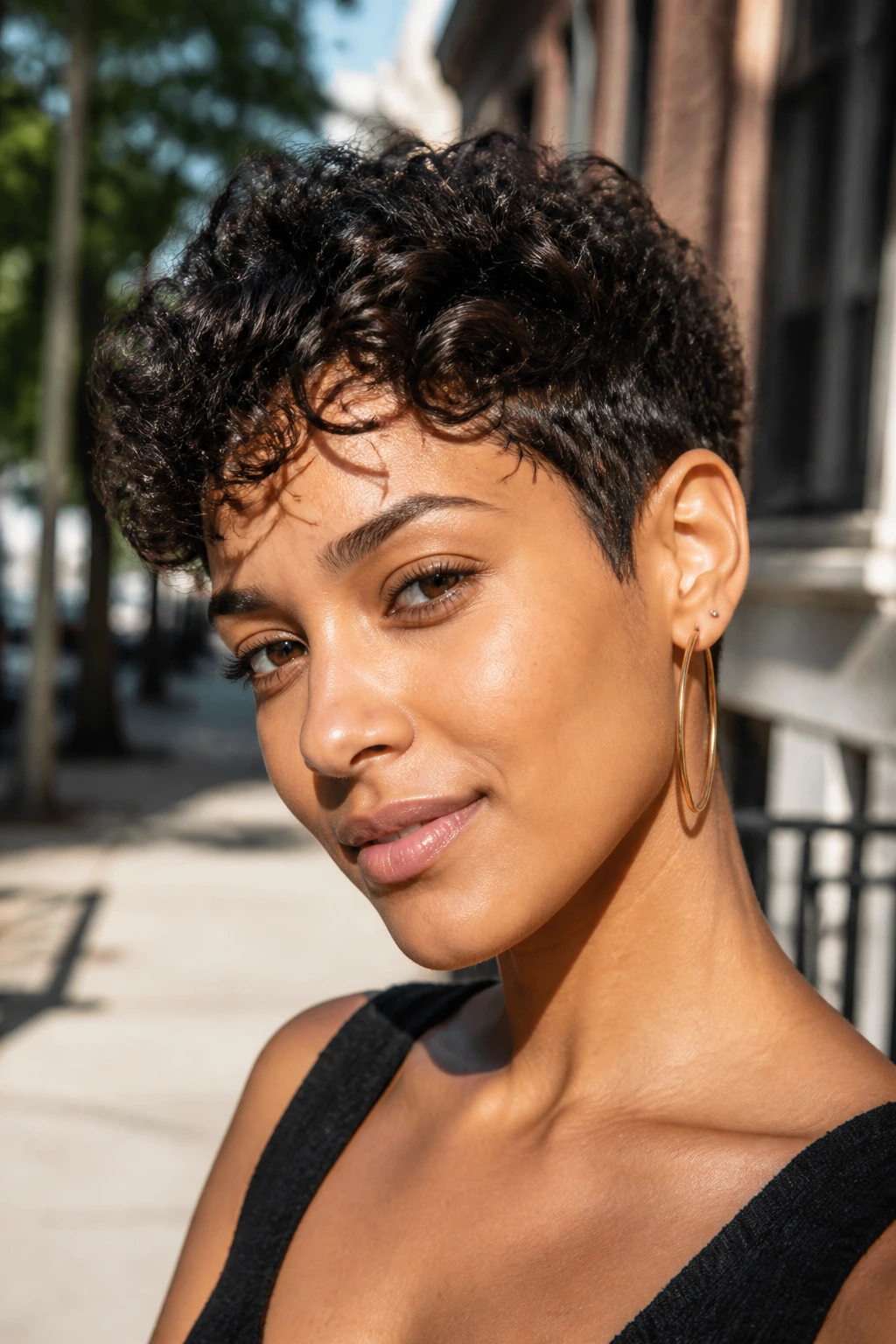
Short curls have a mood all their own. They sit close at the sides, lift at the top, and show off the neck and cheekbones in a way longer cuts never really can. A tapered pixie leans into that shape by keeping the sides and back neat while leaving the top fuller and more textured.
This is not a cut for someone who wants to hide in their hair. It is a cut for people who want the face front and center, with curls acting like punctuation instead of a curtain. The best tapered pixies have enough length at the crown to twist, finger-style, or diffuse into a soft lift.
Maintenance matters here. Edges grow out fast, and the shape loses its edge when the taper gets fuzzy. That is the trade-off. The upside is that your mornings get faster, and your curl pattern gets a lot of attention.
8. The Collarbone Lob With Soft Ends

A collarbone lob is the haircut people choose when they want to change everything without losing the ability to tie their hair back. It lands in that very useful zone between short and long, which means you can clip it, twist it, tuck it behind one ear, or leave it loose and still feel like you have options.
The soft part matters. A blunt edge at this length can make curls sit like a shelf, while a little bit of layering lets the hair fall with more shape. It also gives waves a better chance to show their bend, instead of collapsing into one heavy line. If you have ever grown out a bob and felt stuck, this length is a relief.
I like this cut for people who are nervous about going short. It gives movement, but it does not box you in. And that matters more than people admit.
9. The Blunt Curly Bob
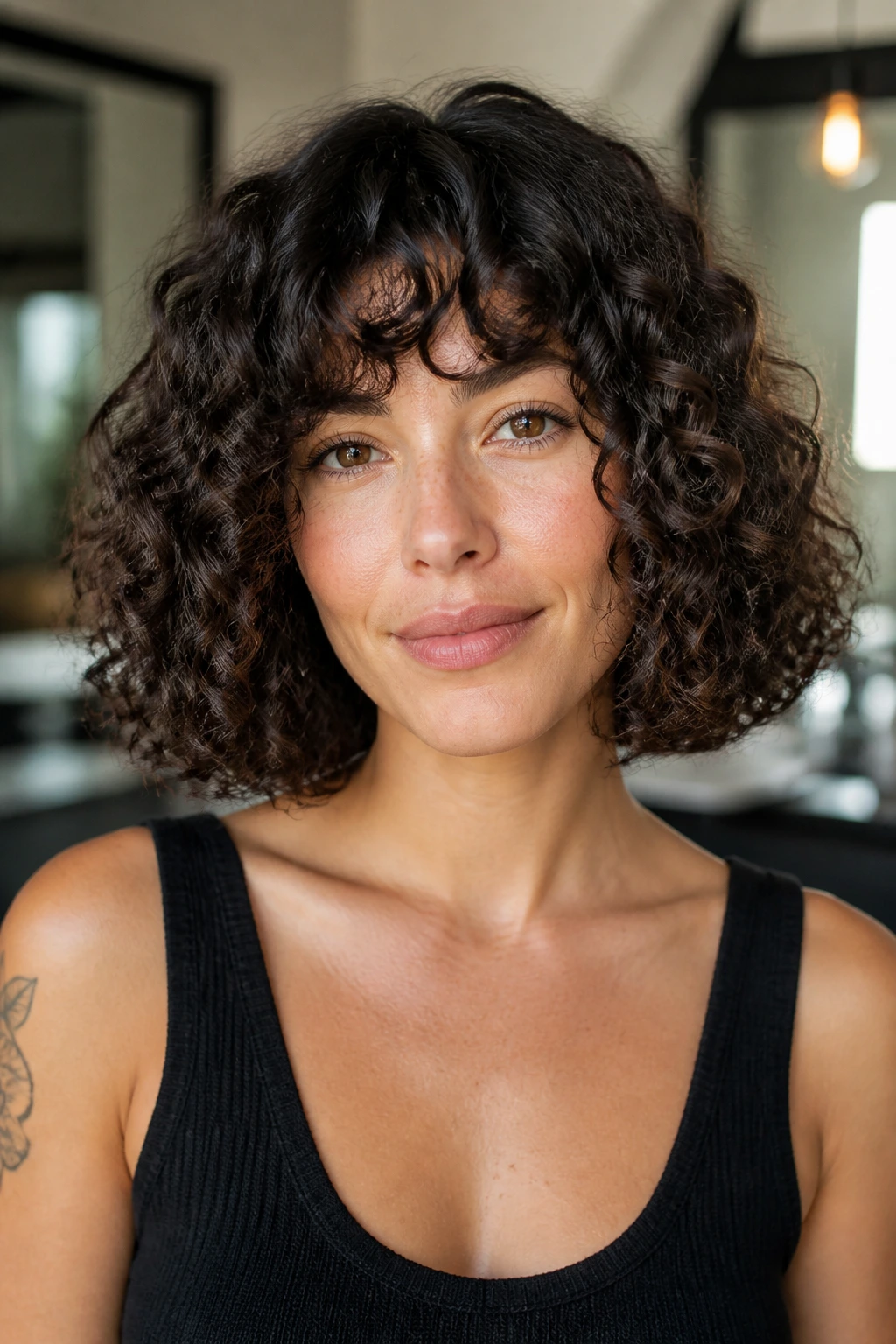
What makes a blunt bob work on curls? Shape, not weight. A clean perimeter makes the ends look fuller, which is a gift if your hair is fine, medium density, or a little fragile at the tips. The cut gives the illusion of thickness without asking the curl pattern to do tricks.
That said, a blunt bob needs honesty. If the curl pattern is very tight and the shape is cut too wide, it can turn into a mushroom. If the hair is thinned out too much, the ends look stringy. The sweet spot is a crisp line with enough internal structure to keep the bob from puffing out at the bottom.
This one looks especially good when the curls are defined but not stiff. A soft gel cast and a clean middle part can make it feel tidy. A side part can give it more swing.
10. Long Face-Framing Layers for Curly Hair
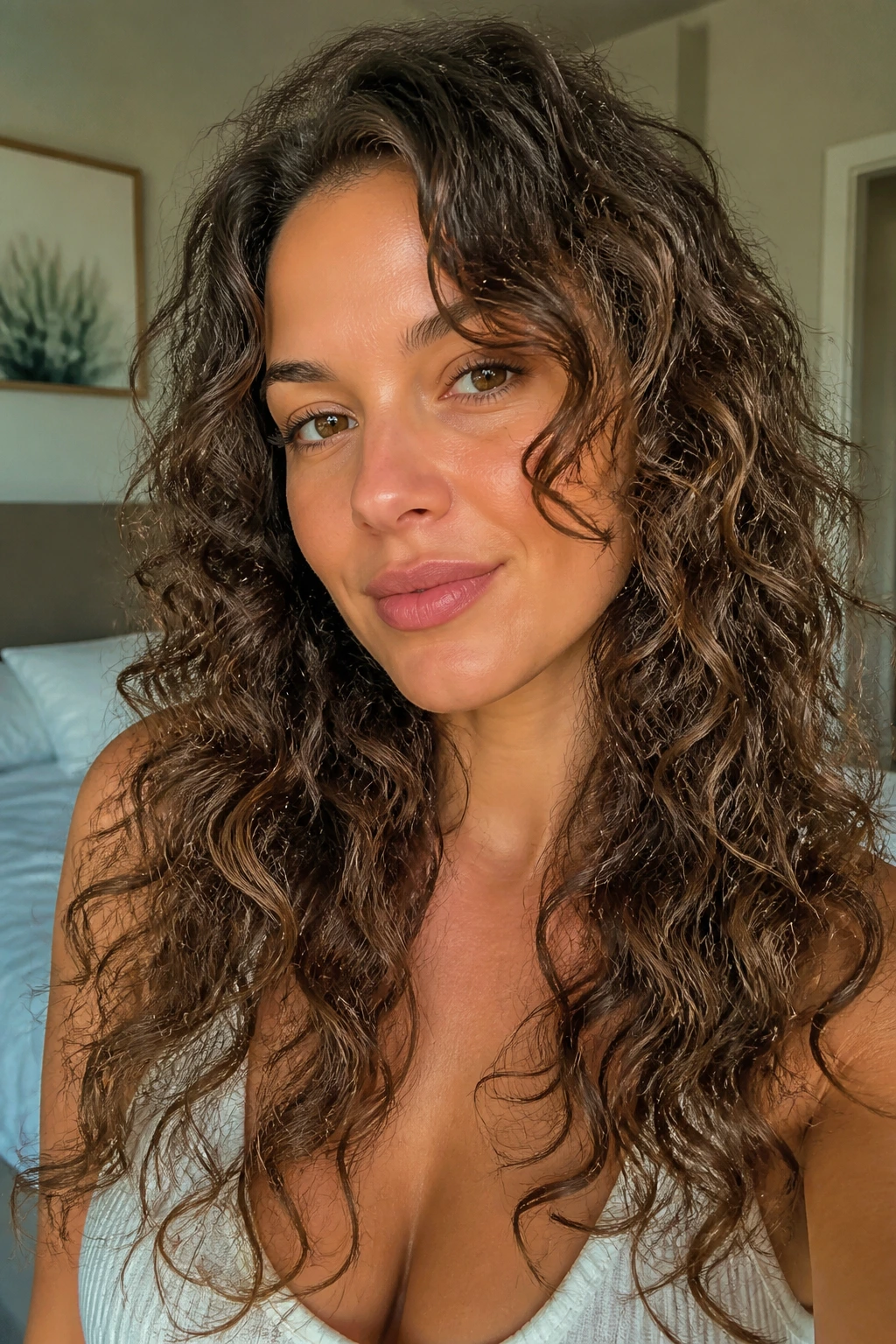
The longest layers in a curl cut should feel almost invisible when wet. That is usually the sign they are in the right place. Long face-framing layers keep the overall length intact while opening the front enough that the hair does not sit like one heavy sheet.
This is the move for people who like their length but want the face to come forward a little more. It can make a round face look a touch longer, but it also helps square and oval faces by softening the sides. The best layers usually start somewhere below the jaw, not at the chin, where they can spring up too high.
It is also a good fix for curls that look fine from the back but too blunt around the front. One or two better-placed layers can change that fast. No dramatic chop required.
11. The Wash-and-Go Cast
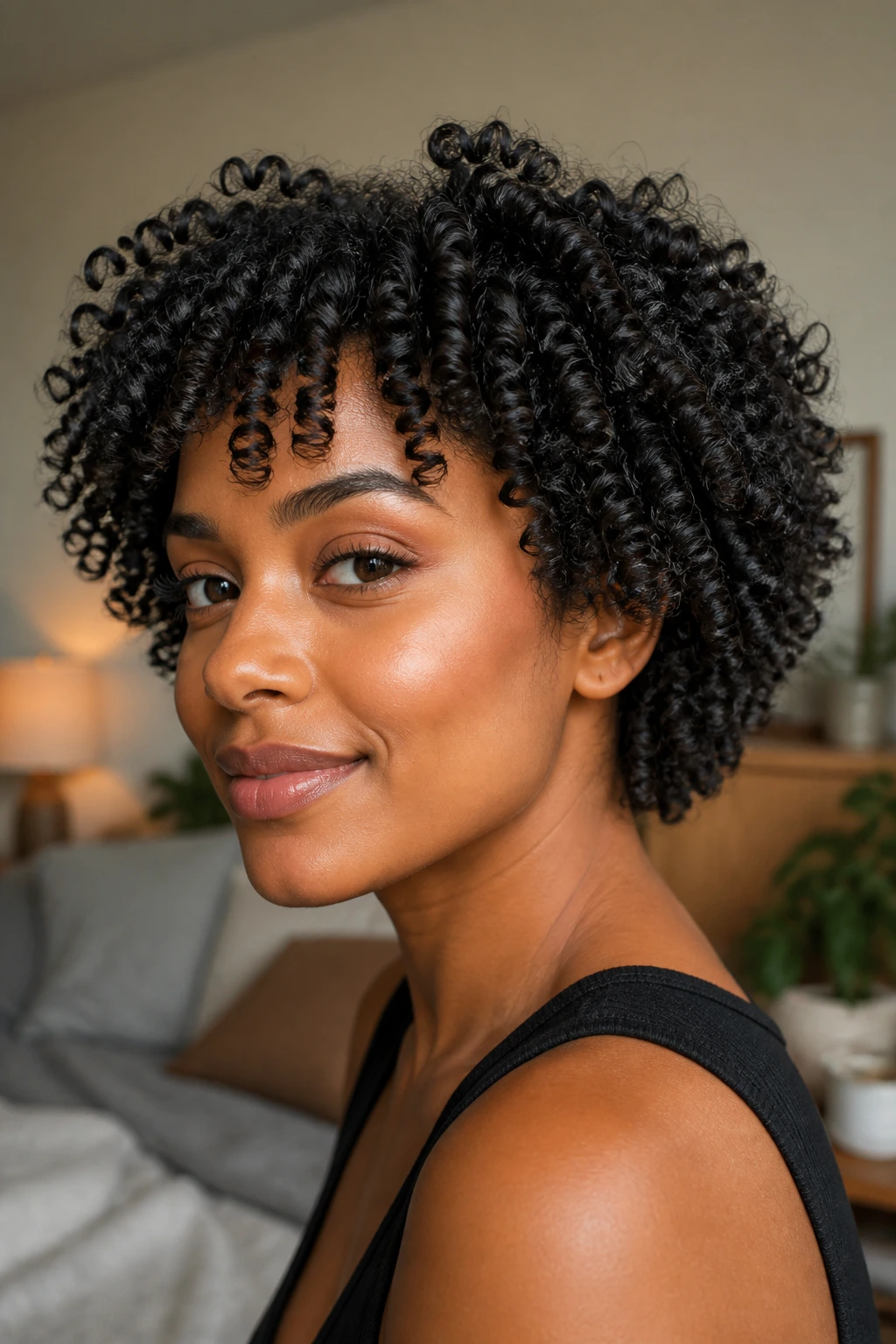
A wash-and-go only looks effortless after the work is done. On the hair itself, it is more about product order than luck: leave-in first, then a curl cream or mousse if the hair likes softness, then gel if the curls need hold. The goal is to form clumps before the hair dries into frizz.
This style has stayed popular because it lets natural texture stay visible. The cast can feel a little crunchy while the hair dries. That is fine. Once the hair is fully dry, you break the cast with clean hands or a tiny bit of oil, and the curls stay defined instead of puffing up immediately.
What to Watch For
If the roots dry before the ends, the top can go flat and the bottom can stay too soft. That is where a diffuser helps. Touch the hair less than you think you should. Seriously. Hands are the fastest way to break a good curl set.
12. Root-Lift Diffusing
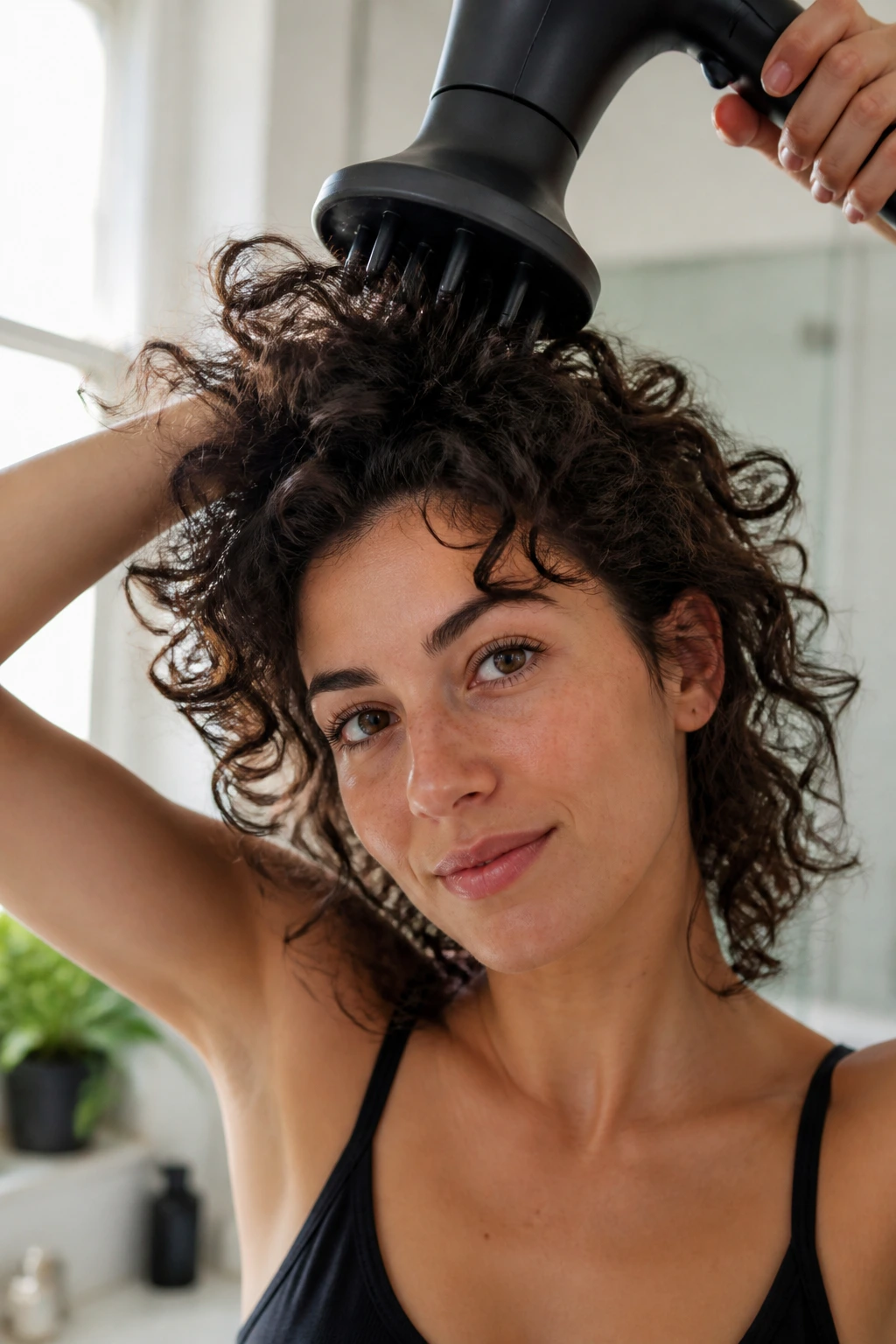
Some curls live for volume at the root. Others need help. Root-lift diffusing is the fix when the ends look fine but the crown collapses, which can make even a good cut feel heavier than it is.
The technique is simple, but the angle matters. Hold the diffuser close to the scalp, cup sections upward, and dry at low or medium heat until the roots set with a little lift. A few clips at the crown can help while the hair is still damp. That small move changes the whole silhouette.
Unlike air-drying, diffusing gives you more control over where the hair starts to rise. It is especially useful for medium-density curls that lose shape at the top. If the hair tends to frizz, use less airflow and more patience. Fast drying can rough up the cuticle and make the surface look fuzzy.
13. Wet-Look Sculpted Curls

Wet-look curls are slick, glossy, and a little unforgiving. That is part of the appeal. The finish puts the curl pattern on display and creates a clean, sculpted look that feels dressed up even when the outfit is simple.
The best version starts on soaking wet hair. A strong-hold gel goes on first, then the curls get smoothed into place with fingers or a wide-tooth comb. A side part often looks sharper than a center part here, and a tuck behind one ear can make the style feel deliberate. If the hair is long, the lengths should hang rather than fluff out.
This is not the lowest-maintenance look on the list. It shines when you want polish for a night out, a formal event, or any day you want the hair to look controlled in a very visible way. It can flatten if you sleep on it, so plan accordingly.
14. The Half-Up Claw-Clip Twist

A half-up claw-clip twist is the hairstyle version of getting your life together in three minutes. You lift the top half or top third of the hair, twist it loosely, and clip it high enough that the face opens up while the bottom curls stay loose.
The shape works because it gives the illusion of effort without asking the hair to hold a stiff structure all day. Medium and large claw clips work best on denser curls; small clips tend to slide. If the hair is fine, a light backcomb near the twist can give the clip something to grab.
I like this look for second-day hair, especially when the roots need a little lift and the lengths are still worth showing off. A few face-framing pieces keep it from looking too severe. That tiny detail matters.
15. The High Pineapple Puff
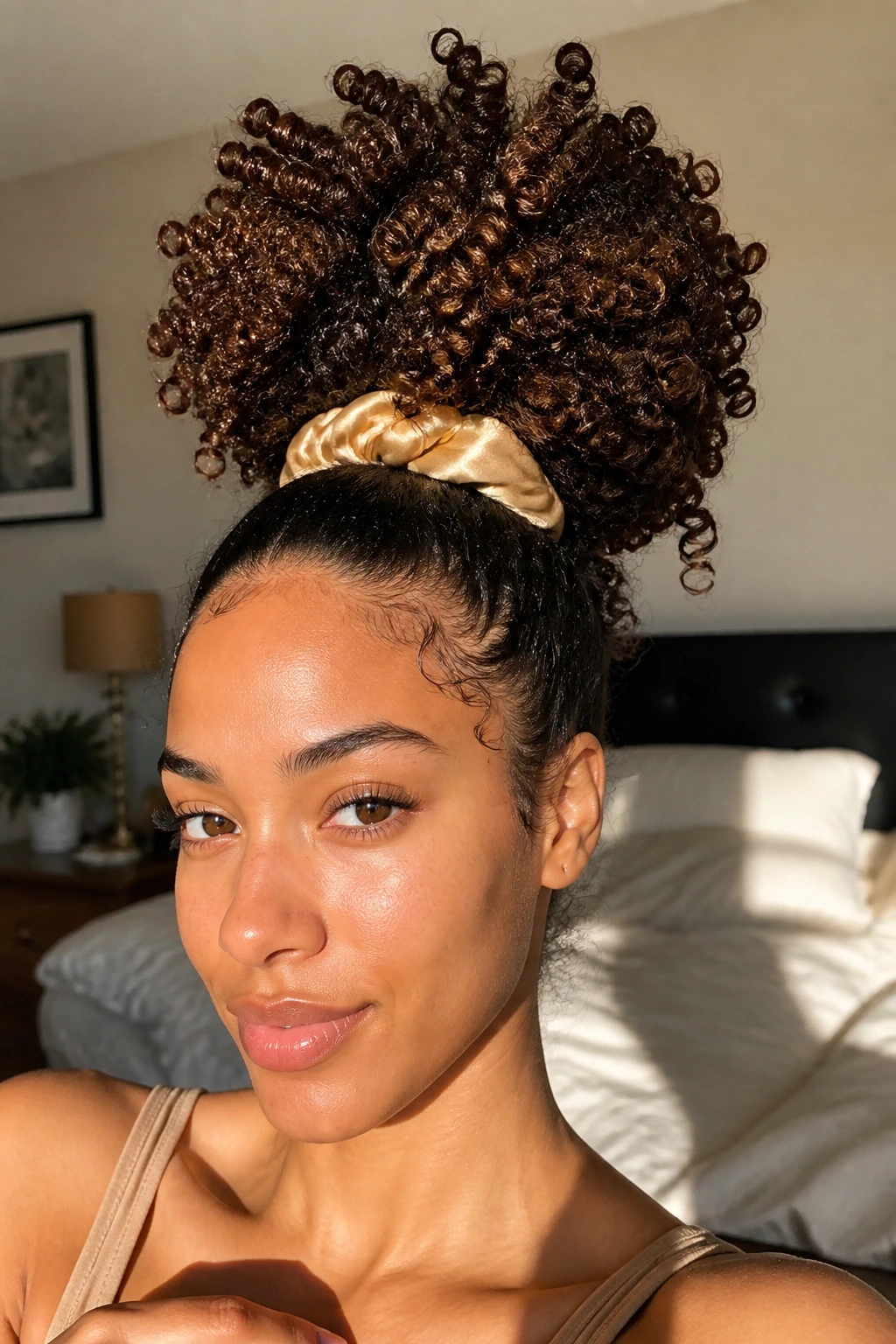
A high pineapple puff is half style, half damage control, and I mean that in the nicest way. The curls sit high on the head, usually gathered with a satin scrunchie or a soft elastic, which keeps the shape lifted and the ends visible instead of crushed flat.
It is one of the best looks for long curls that still have life on day two or three. The top feels playful, the face stays open, and the overall shape looks fuller than a low ponytail usually does. It also works well as a sleep preservation method, which is one reason it shows up everywhere.
If the hair is very thick, leave the pony loose enough that the base does not dent the curls. If it is medium or fine, do not pull it too high or the weight can make the pony collapse. Small adjustments, big difference.
16. The Deep Side Part
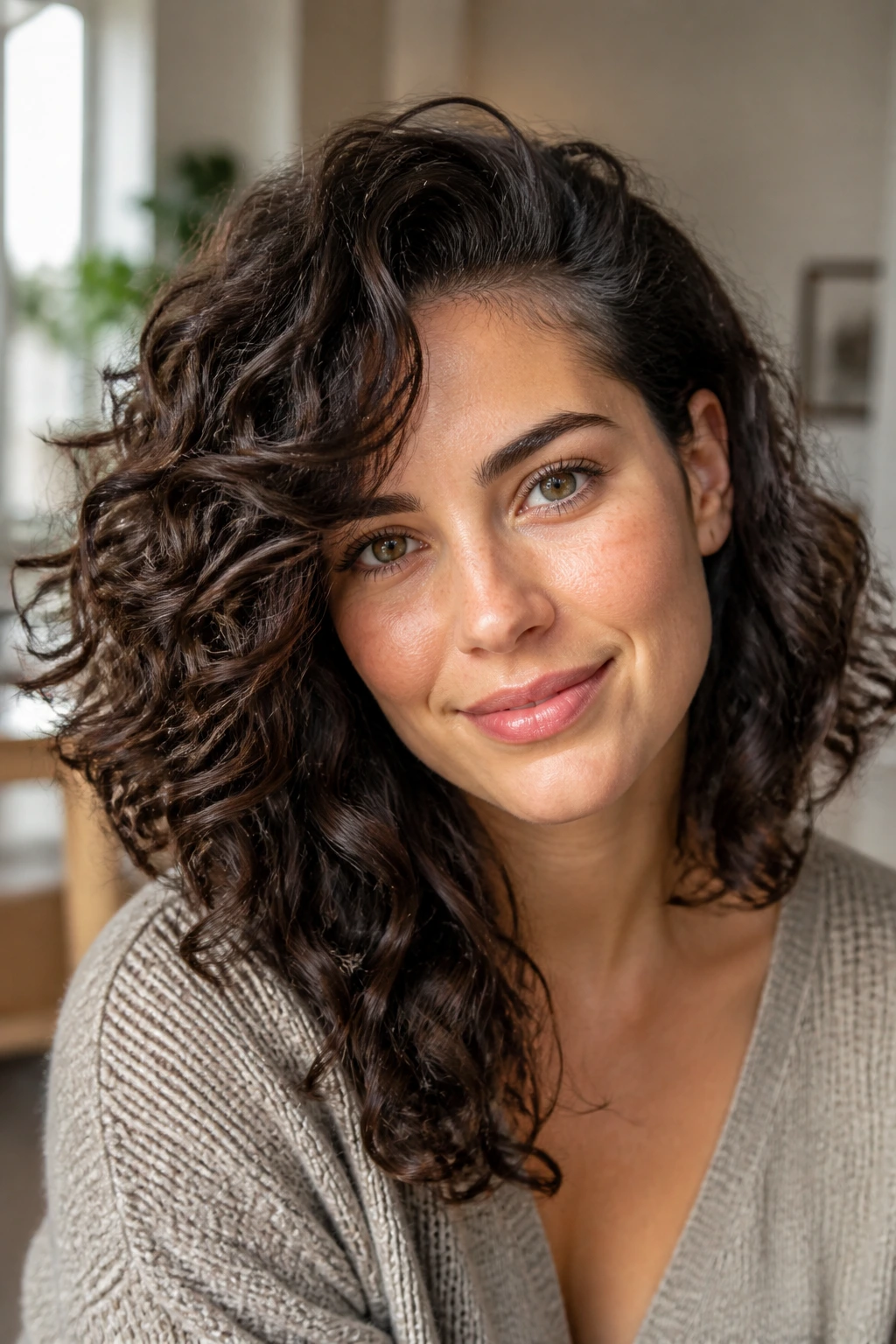
A deep side part can save a flat day. It shifts the balance of the haircut, gives one side more lift, and changes how the face reads without touching the length at all. That makes it one of the cheapest-looking changes with the highest payoff.
It works across curl patterns because it changes direction, not texture. A bob looks sharper with it. A lob looks a little more dramatic. Long curls get more movement across the front instead of falling straight down on both sides. If the roots tend to lie in one direction, part the hair while damp and clip the front away for ten minutes so it trains a little.
The nice thing about this trend is that it is low-risk. If you do not like it, part it back. No commitment. No regret.
17. The Crown Braid Halo
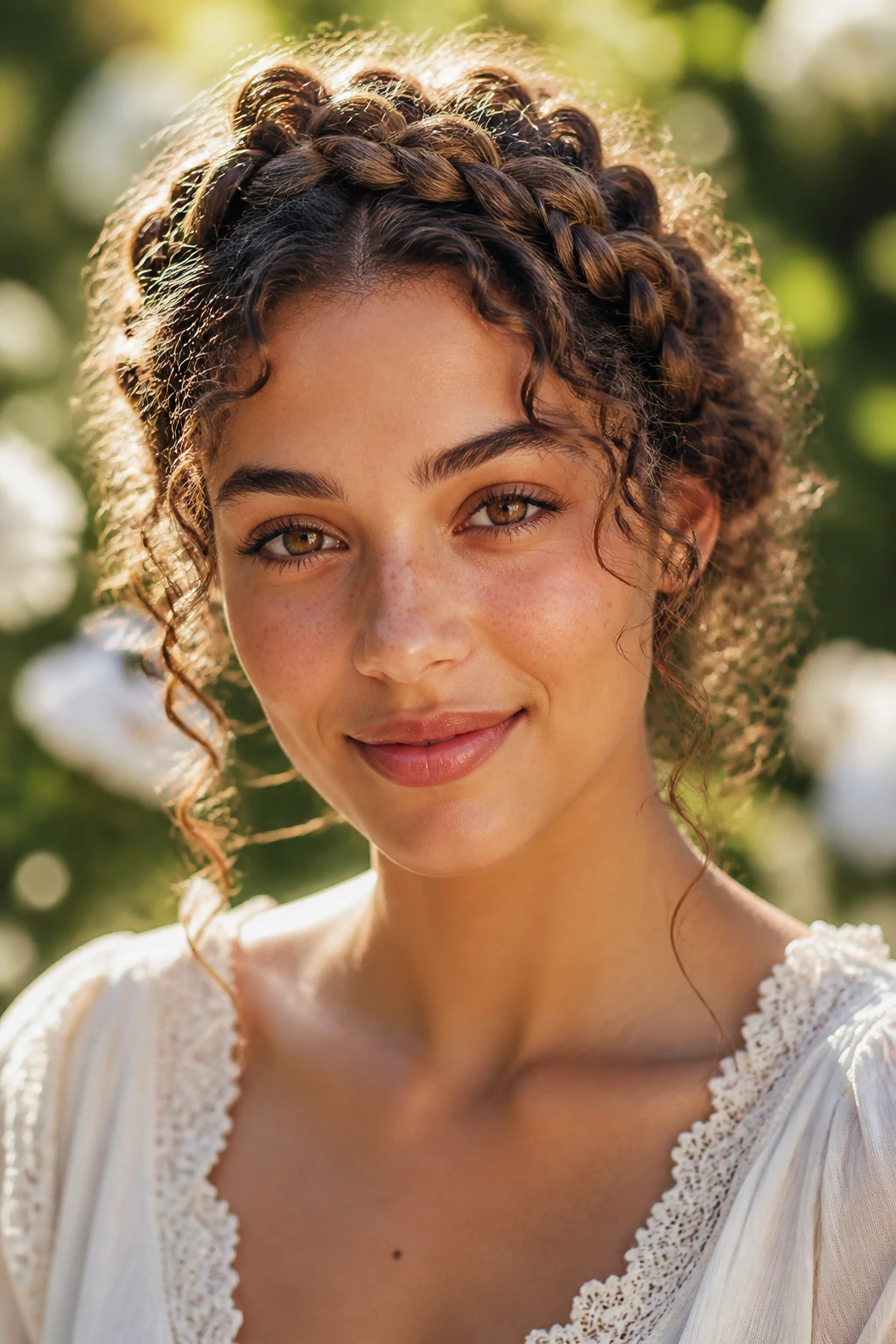
Braids around the hairline do more than look pretty. A crown braid halo keeps the front sections tucked away, controls frizz around the face, and gives textured hair a soft frame that feels romantic without being too neat.
The best version is loose enough to let the braid look like it belongs to the curl pattern. Tight braids can pull the scalp and make the style look severe. A slightly undone halo works better on curly and wavy hair anyway, because the texture helps the braid feel full instead of flat.
This is a good pick when you want hair off the face for a long day, a wedding, a concert, or a humid afternoon that keeps trying to ruin everything. It also pairs nicely with second-day curls, which have a bit more grip than freshly washed hair.
18. The Twist-Out With Stretch
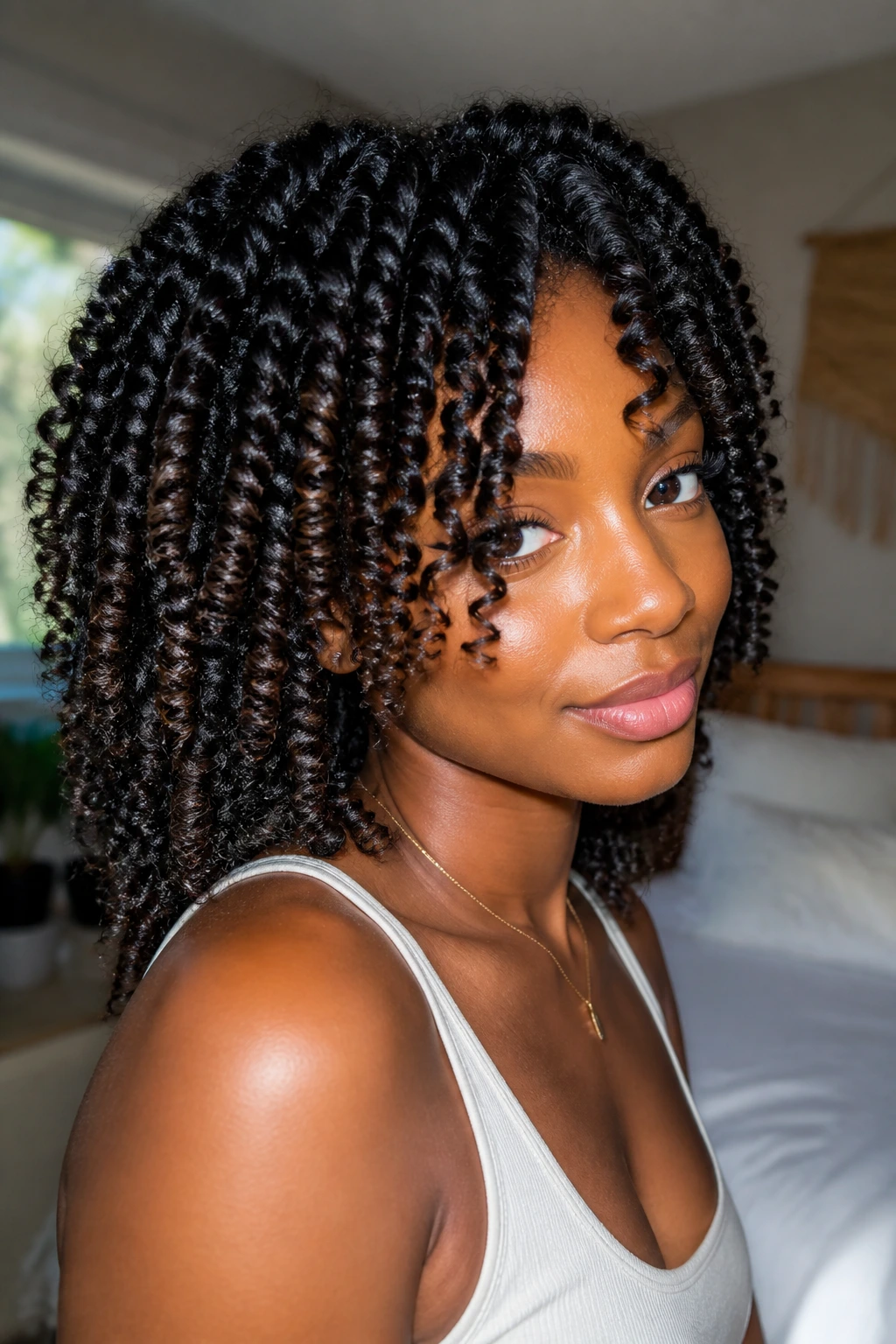
A twist-out works because the hair gets shaped before it fully dries, then keeps that shape when the twists come out. Two-strand twists give the curls a stretched, rope-like pattern, which means more length and less shrinkage than many wash-and-go sets.
The section size changes the result. Small twists give tighter definition. Larger twists create bigger, looser bends. Product matters too, but not in a flashy way — a cream for slip and a gel or setting lotion for hold are usually enough. If the hair is not fully dry before unraveling, the style can go fuzzy fast.
How to Wear It
Separate only after the set is dry, then oil the fingertips lightly so the curls do not frizz apart. Shake the roots, lift the crown, and stop touching it. That last part is harder than it sounds.
19. Finger Coils

Finger coils are tiny, patient, and a little obsessive. You wrap small sections of damp hair around a finger until each strand forms its own spiral, which creates a very clean, defined look on short to medium lengths.
This style rewards precision. The sections need to be similar in size, and the product needs enough slip that the hair can glide around the finger without snagging. It is one of the best choices for short curls that need definition more than volume. It also looks good on edges, bangs, and pieces that want a neat finish when the rest of the hair is looser.
The downside is time. Coils take longer than a simple scrunch-and-go set, and they need to dry fully before you separate them. Rush it, and the whole thing frizzes out. Let it dry, and the pattern looks deliberate from every angle.
20. The Bantu Knot Set
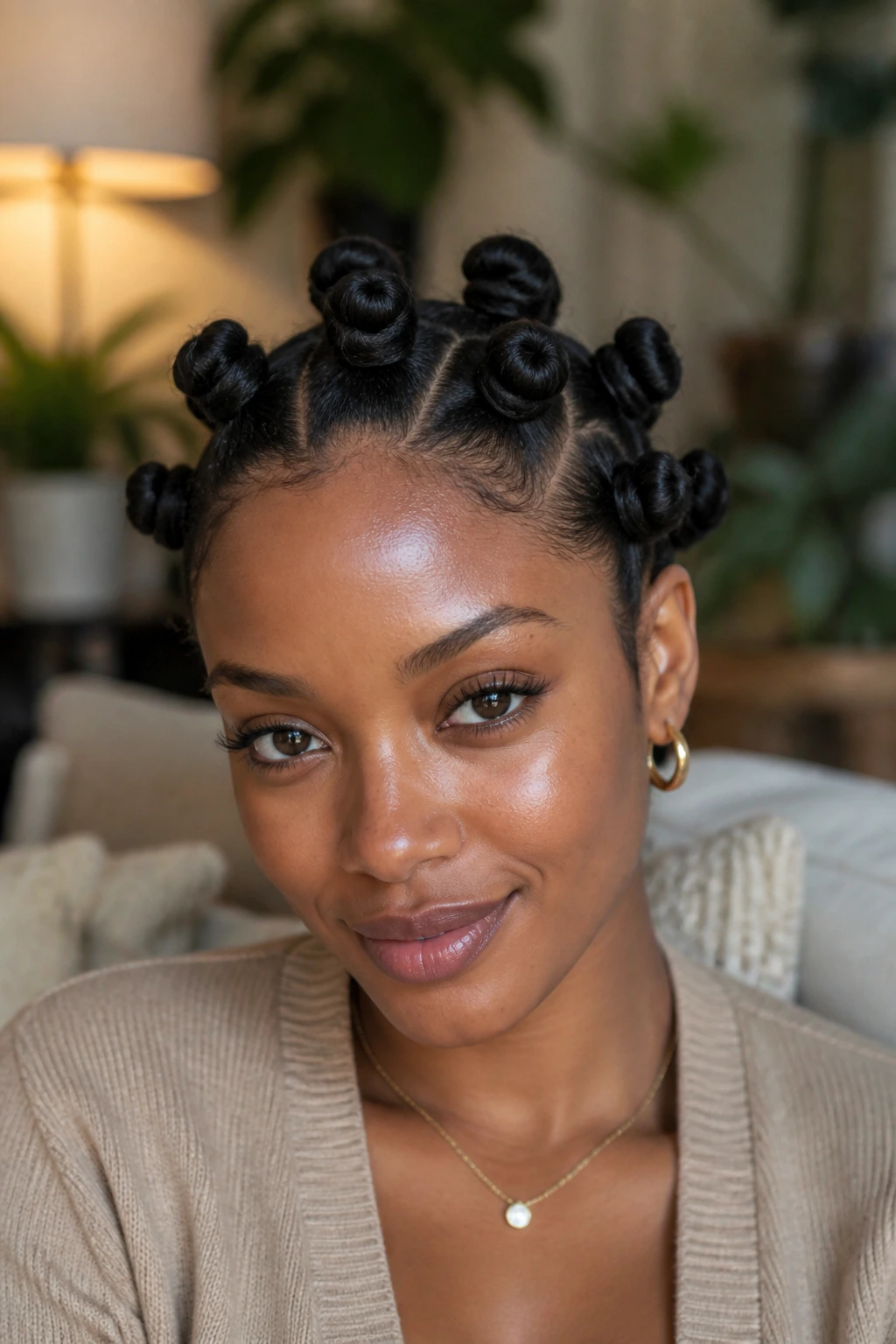
Bantu knots sit between style and set, which is why people keep coming back to them. You twist small sections into little knots, let them dry completely, then wear the knots themselves or unravel them into springy curls with a lot of body.
The look feels especially useful when you want two outcomes from one prep session. Wear the knots for a sculptural style. Take them down for a curly set with more stretch and bounce. Either way, the parting has to be clean enough that the knots sit evenly, or the result starts looking uneven fast.
This is not a quick fix. The hair needs to be dry all the way through, not only at the surface. If you unravel too early, the inside of the knot stays damp and the style falls apart in a few hours. Patience buys you shape.
21. Bubble Braids
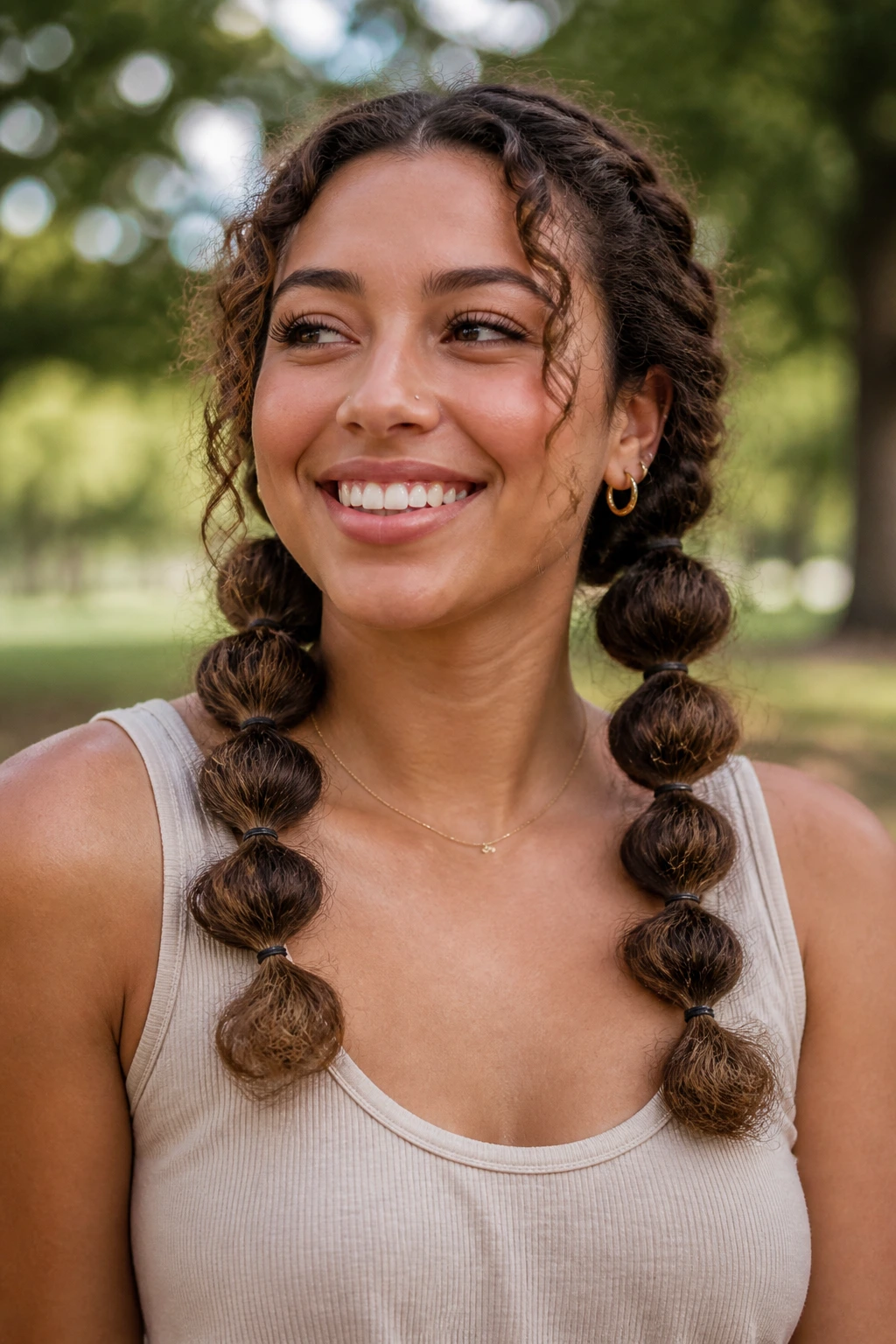
Bubble braids are not just for straight hair. On waves and curls, they can look even better because the sections puff out naturally and give each bubble more texture. The style starts with a ponytail or two, then small elastics go down the length every few inches.
The spacing changes the mood. Tight spacing creates little rounded bubbles that feel playful. Wider spacing gives a softer, looser look. A few strands left around the face keep the style from feeling too school-uniform, and the ends can stay curly instead of being tucked away.
This one is useful when you want something that feels styled but does not need hot tools. It works on medium lengths, longer layers, and even lob lengths if there is enough hair to catch under the elastics. Little effort. Good payoff.
22. The Slick Low Puff Ponytail
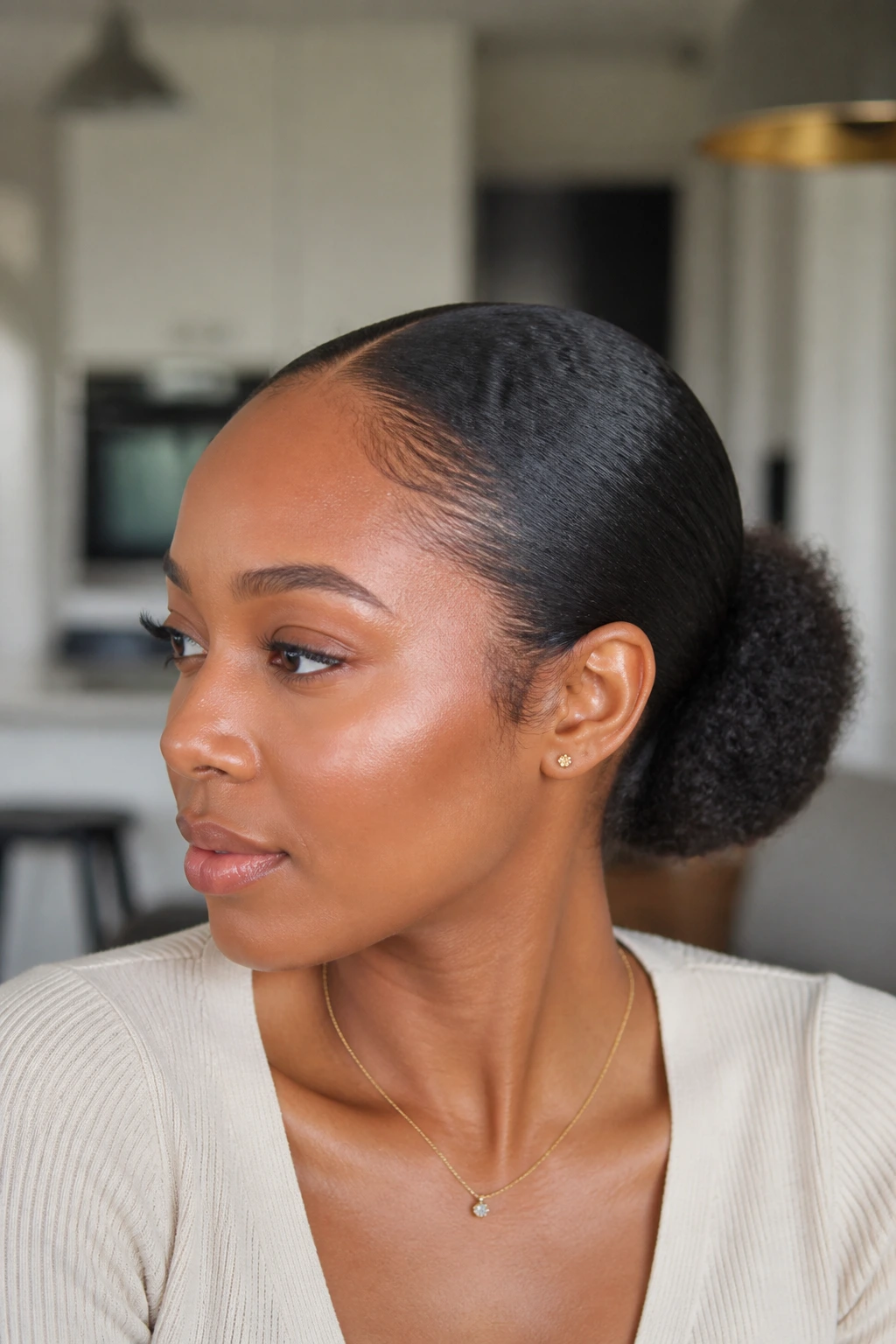
A slick low puff ponytail looks neat from every angle because it splits the job in two: the roots stay smooth, and the puff keeps the texture alive at the bottom. That contrast is the whole point. You get polish at the scalp without pretending the hair is straight.
Start by brushing the front and sides flat with a gel or edge control that does not flake. Then gather the hair low at the nape and let the textured pony sit loose enough to keep its shape. A center part feels crisp, while a side part feels softer. Both work.
This style is one of the safest bets for office days, dinners, or any moment when you need your curls to look controlled fast. It also protects the ends a little, which is a nice bonus when the weather or the schedule is not cooperating.
23. Mini Space Buns
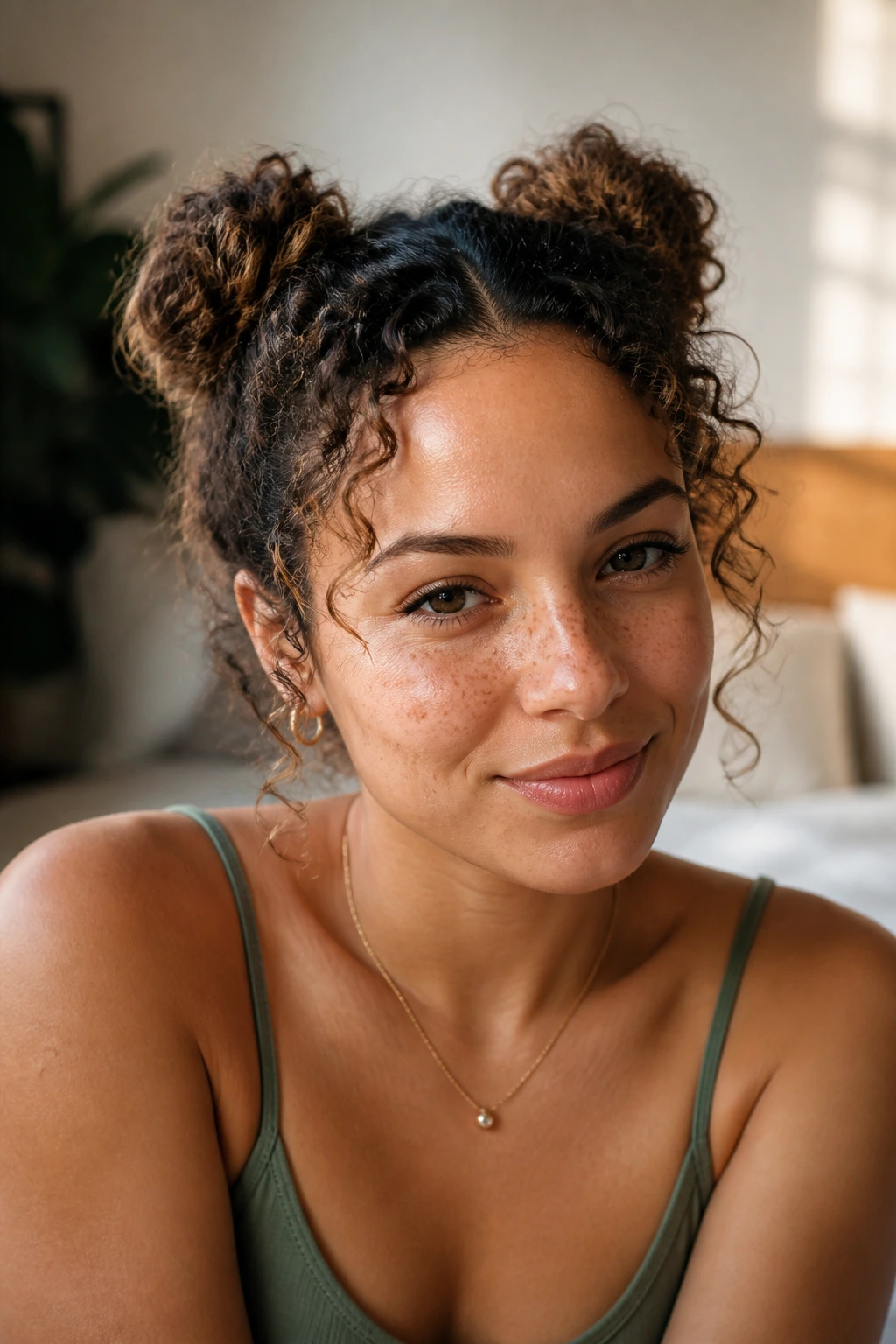
Mini space buns look playful, but they can be practical. Two small buns placed high or mid-head keep the hair off the face, make short-to-medium curls easy to manage, and leave the rest of the texture loose enough that it does not feel overdone.
The trick is not making them too perfect. Tiny asymmetry keeps them from looking rigid. If the hair is wavy, the buns can be softer and a little messier. If the hair is curly, let a few curls escape around the temples and neck so the style keeps some movement.
This is a smart option for weekends, workouts, concerts, or any day when you want hair to feel light. It does not need much product, and it does not ask the curl pattern to hold a complicated shape for hours on end.
24. Accessories That Dress Up Curly Hair
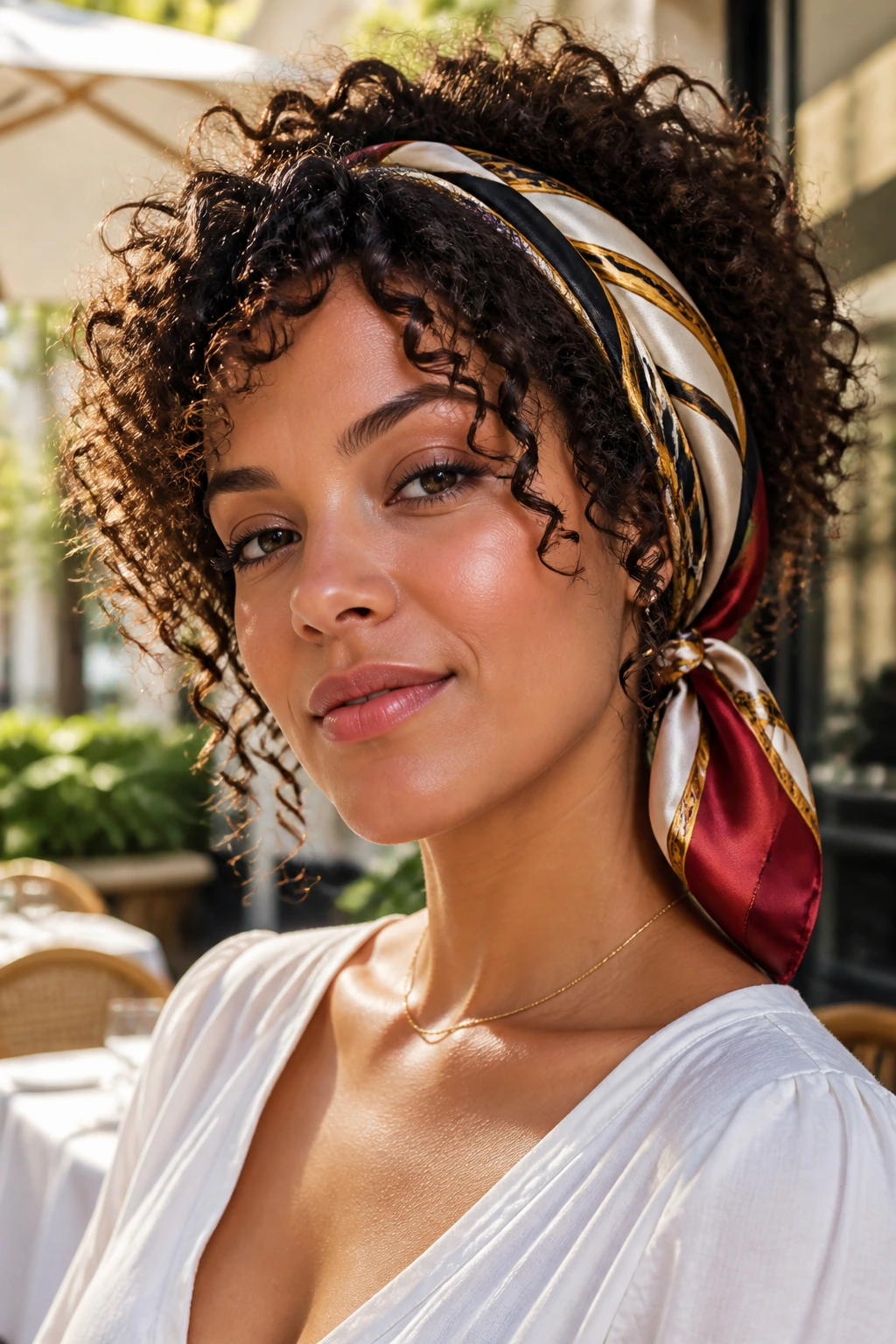
Accessories are the fast fix when your hair looks fine but your outfit needs a little more energy. A satin scarf, a wide headband, a few pearl pins, or one oversized clip can shift the whole feel of curly hair without changing the cut at all.
The best accessory is the one that serves a job. A scarf hides frizz at the hairline. A headband keeps curls off the face. Pins turn one side into a feature instead of an afterthought. Use one hero piece, not five competing ones. Too many pieces can make the hair look busy in a bad way.
What to Use
- Satin scarves help reduce friction and sit softly around the hairline.
- Metal clips work well on dense curls because they grip better than flimsy plastic.
- Pearl pins look sharp on short cuts, especially bobs and bixies.
- Wide bands are useful when you want structure without smoothing everything down.
25. Brush-Out Glam Waves
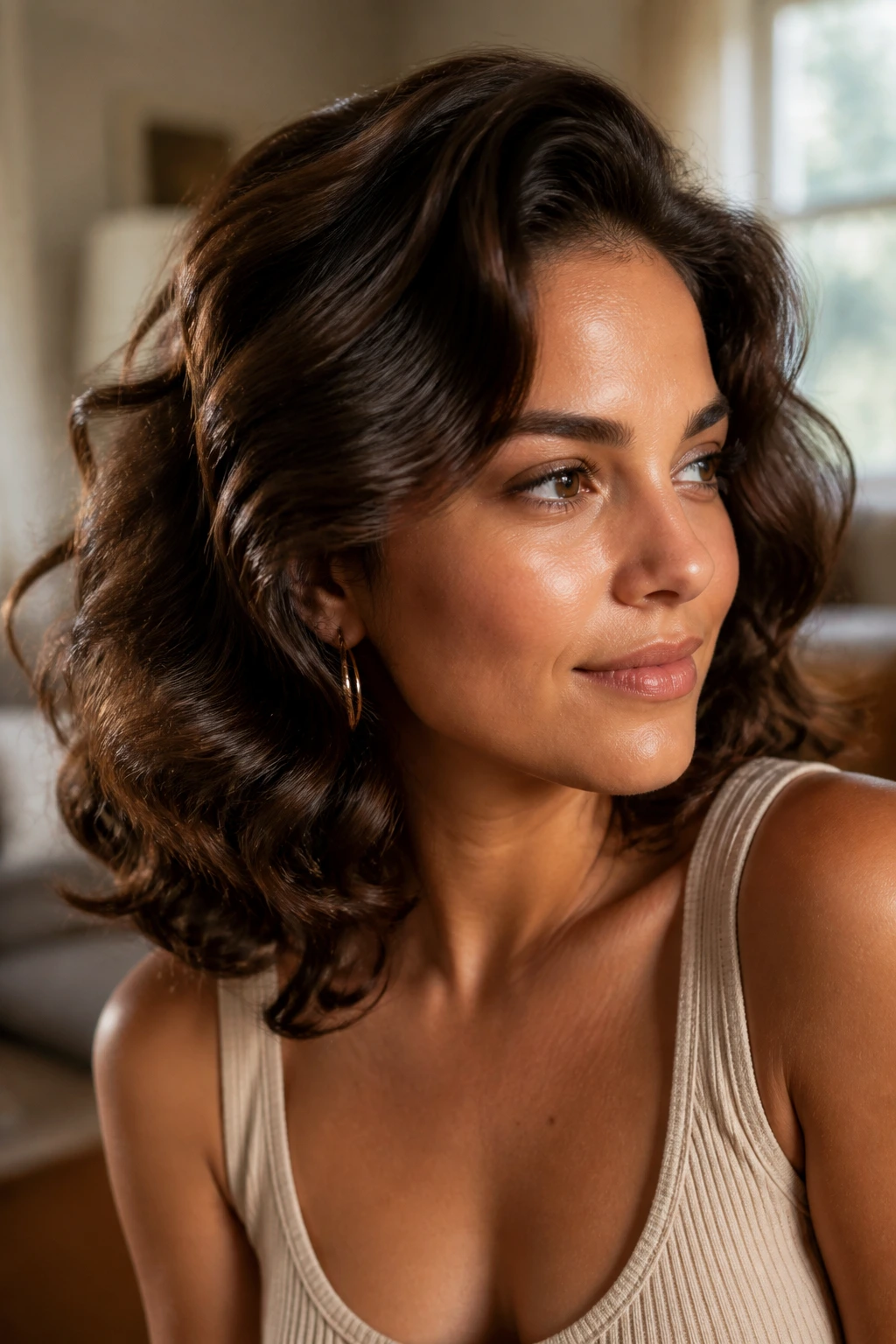
Brush-out waves take curl texture and soften it into something smoother, looser, and a little old-school. The set usually starts with curls or waves that have been diffused or rolled, then gets brushed out once fully dry so the pattern becomes wider and more flowing.
This style is a nice fit for people who like wave but do not want ringlets. It also flatters looser curl types that fall somewhere between curl and bend, because the brush unifies the texture without erasing it. A light serum on the ends helps, but too much product will collapse the shape.
The catch is hold. Brush-out waves need enough spray or setting support to stay alive through the day. If the hair is humid-prone, this is the kind of style that looks best for a few hours and then starts telling on itself. Still, when it works, it looks polished in a way that feels a little glamorous and not too precious.
Final Thoughts

The best curly styles do not ask the hair to become someone else. They give the texture a better outline, a smarter part, or a cleaner finish.
If you want the biggest change with the least risk, start with a part change, a claw clip twist, or a better set of face-framing layers. If you want a real haircut shift, the rounded cuts, bixie, and lob shapes are the ones that tend to hold up well in real life, not only in photos.
Bring a couple of reference pictures, but bring one that shows the shape and one that shows the finish. That tiny bit of clarity saves a lot of bad interpretations.
