



Fine hair can look expensive when it has shape, and utterly defeated when the cut is wrong. Limp strands hang in ropes, the crown goes flat after an hour, and a style that looked airy in the salon mirror suddenly clings to the head like it gave up halfway home. That is why short hairstyles for fine limp hair matter so much: the length, the line, and the texture all have to work together, or the whole thing collapses.
The tricky part is that fine hair isn’t the same thing as thin hair. Fine means each strand is small in diameter. Thin means there may be fewer strands overall. You can have a full head of fine hair and still feel like nothing holds a shape. You can also have plenty of hair that still goes limp the second it dries. That distinction matters, because the wrong amount of layering can make the ends look wispy fast.
A good short cut changes the physics a little. Less length means less pull, so the hair doesn’t drag itself down as hard. A blunt edge makes the perimeter look denser. A lifted nape or a bit of crown stacking builds height where fine hair usually loses the battle. And if you style it with a small amount of mousse or root spray while the roots are still damp, you get a little memory in the bend instead of that soft, flat slide back to the scalp.
Some short cuts are fussy. Some are a dream. The useful ones are the styles that give you body without asking for a wrestling match with a round brush every morning. Those are the ones worth paying attention to.
1. Blunt Chin-Length Bob for Fine Limp Hair
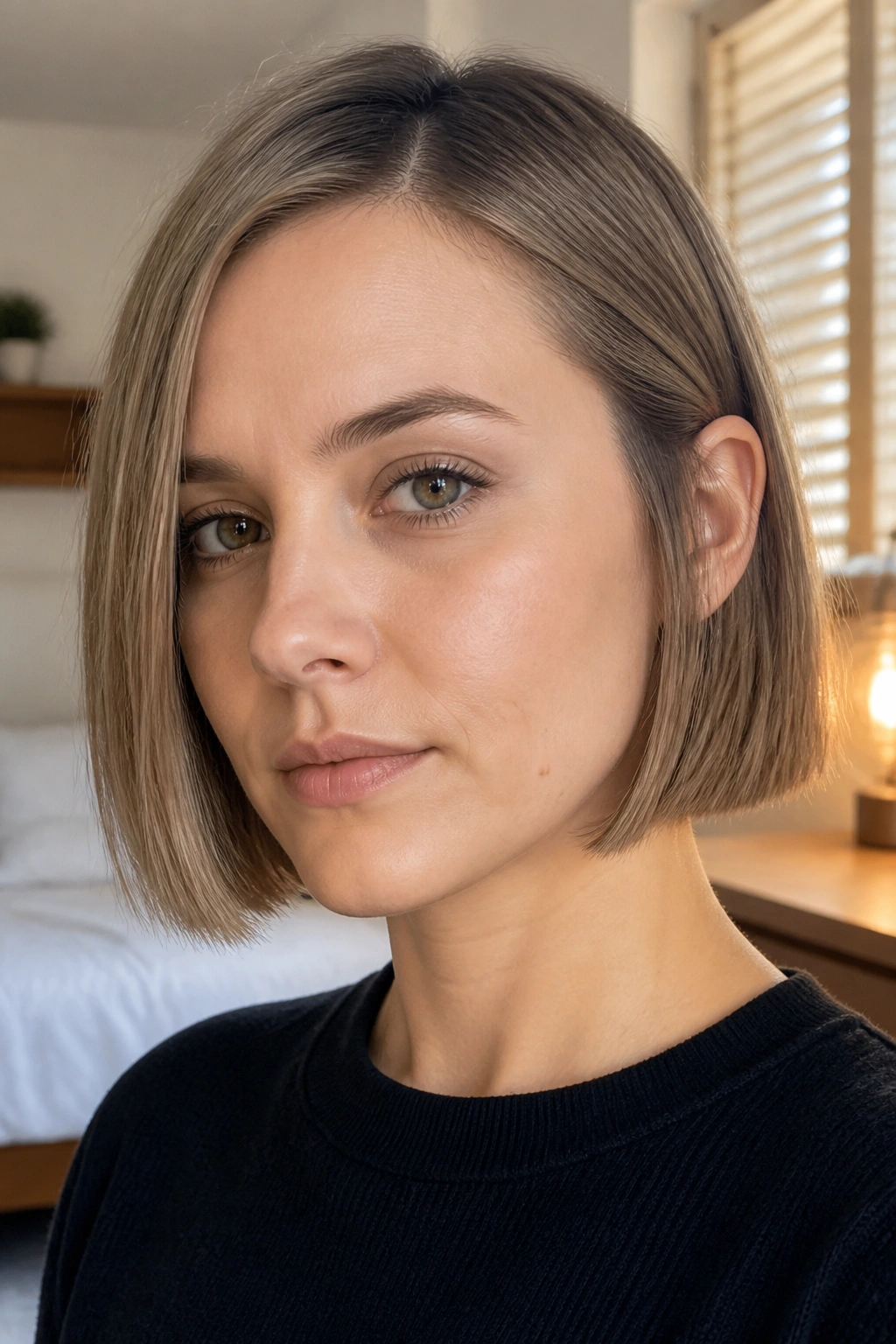
A blunt chin-length bob is the cleanest trick in the book when you want hair to look thicker fast. The line sits right around the jaw, which gives the ends a dense, deliberate edge instead of a see-through finish. On fine limp hair, that one choice does more than a pile of layers ever will.
Why It Works
The blunt perimeter makes the hair look like it has more substance. You are not trying to create volume everywhere; you are concentrating the visual weight at the bottom edge, where the eye lands first.
Keep the cut as even as possible, with the length grazing the chin or sitting just below it. If the ends are over-texturized, they can start to fray visually. That is the last thing you want.
- Best when your hair lies flat at the sides
- Easier to style with a quick bend from a 1-inch round brush
- Looks fuller when tucked behind one ear on one side only
Pro tip: Ask for the outline to stay blunt even if the interior gets a tiny bit of movement. That keeps the bob from thinning out at the edges.
2. French Bob with a Soft Fringe

Why does a French bob work so well on limp fine hair? Because it cheats in two directions at once. The short length gives lift, and the fringe pulls attention upward toward the eyes, which makes the whole style feel intentional even on a day when your roots are not cooperating.
A soft fringe is the useful part here. It should be light enough to move, but not so sparse that it splits into five tiny pieces by noon. I like it best when it skims the brows or sits a touch higher, especially if your forehead isn’t broad and you want the face-framing effect without a heavy curtain.
How to Style It
Rough-dry the roots first. Then use a small round brush or a vent brush to give the fringe a slight curve under, not a hard curl. A tiny mist of flexible hairspray is enough. Too much product on fine hair turns it stringy fast.
If you like hair that feels a little Paris, a little undone, this is the cut. No, it does not need to look perfect. That is the point.
3. Classic Pixie with a Longer Top

A woman sits in my head every time I think about this cut: the kind who wants her hair to look awake by 8 a.m. and not need a rescue mission by lunchtime. The classic pixie with a longer top is for that person. The sides stay neat, the top stays longer, and fine limp hair gets a place to stand up instead of lying down.
What Makes It Different
The magic is in the contrast. Shorter sides remove bulk where you do not need it, while the longer top gives you room to build height with your fingers, a dab of matte paste, or a little root spray. It works especially well if your crown goes flat first.
- Keep the top about 2 to 3 inches long
- Leave the fringe soft enough to sweep to one side
- Ask for the nape to be tapered so the cut hugs the neck cleanly
Practical note: If your hair is very fine, skip heavy waxes. They weigh the top down and kill the lift you’re trying to create.
4. Bixie Cut

The bixie sits between a bob and a pixie, and that middle ground is exactly why so many people with fine limp hair end up liking it. It gives you more shape than a pixie, but less drag than a bob. That matters when your strands collapse the second they get past the ears.
The cut usually has a bit of softness around the face and a lighter, feathered finish through the top. It does not need to look chopped up. If the layers are too short or too random, the hair can start looking fluffy in the wrong way, which is a different problem entirely.
What I like about a bixie is how forgiving it is on day two. The shape can hold a little product, a little bend, and a little mess without turning into a helmet. That is rare.
A pea-size amount of cream or paste, rubbed into damp hands and worked through the ends, is usually enough. Fine hair hates overloading. Keep the product light, and this cut does the rest.
5. Stacked Bob with a Lifted Nape for Fine Limp Hair

A stacked bob can rescue the back of the head in a way a one-length cut never will. If your crown falls flat and the nape looks heavy, this shape gives you lift where your hair needs it most. The back is cut shorter and slightly graduated, so the hair sits up instead of sliding straight down.
Why It Beats a Flat Bob
The stack creates built-in support. That means the hair at the back has somewhere to rest, and the top layers can drape over it without looking thin. On fine limp hair, that little bit of height is worth a lot.
A stacked bob is not the right move if you want a perfectly blunt, minimalist line. It is the better choice if you want the illusion of density from every angle, especially from the side and back.
What to Ask For
- Shorter graduation in the nape, not a dramatic wedge
- A smooth transition into the crown
- Ends that are clean, not shredded
- A length that stays near the jaw or just above it
If your hair grows out quickly, schedule trims every 5 to 6 weeks. Let it go too long and the stack loses its shape. Then you are back where you started.
6. Asymmetrical Bob

One side a touch longer than the other can make limp fine hair look more alive than a perfectly even cut. The asymmetry creates motion before you even style it. That tiny imbalance keeps the eye moving, which is useful when the hair itself wants to fall straight and still.
This cut works best when the longer side is only longer by a little — think subtle, not dramatic. A difference of half an inch to 1 inch is enough for most people. Go too far and the shape starts shouting for attention when the hair should be doing quiet work.
A deep side part makes the cut look sharper. So does tucking the shorter side behind the ear and leaving the longer side loose. That little contrast helps fine hair feel deliberate instead of accidental.
It’s a smart choice if you want something sleek but not severe. And yes, sleek is fine. Limp is not.
7. Micro Bob with Tucked Ends

A micro bob is short enough to wake up stubborn hair. That is the appeal. The hemline usually lands between the cheekbones and jaw, and the shorter length removes enough weight that fine strands can hold a bend instead of drooping under their own length.
The tucked ends matter more than people think. A micro bob that curves slightly inward looks denser than one that hangs straight. Use a small round brush or even a flat brush with a tiny wrist turn at the ends. You do not need a dramatic curl. You need a shape.
This cut is not shy. It draws attention to the face, neck, and jawline. If you like earrings, necklines, or a clean profile, it’s a strong pick. If you want to hide behind your hair, skip it.
A quick mist of heat protectant and a blow-dry focused on the roots is enough on most days. The cut itself does most of the heavy lifting. That is the whole appeal.
8. Shaggy Crop with Choppy Pieces

Does a shaggy crop sound risky for fine hair? It can be, if the layers are too aggressive. But a controlled shag with choppy pieces can also add texture where limp hair usually falls silent. The trick is to keep the layers soft enough to move, not so many that the ends disappear.
This is the cut for someone who likes a little mess. Not neglect. Mess. There’s a difference. The shape should look intentional even when it’s tousled, with short pieces around the crown and slightly longer bits near the face.
How to Wear It Well
Work a small amount of volumizing mousse into damp roots, then scrunch or rough-dry with your fingers. If your hair is almost straight, a 1-inch curling iron can add a soft bend to random sections, which keeps the style from reading flat.
- Good for hair that gets oily at the roots
- Better with a side part than a strict center part
- Needs a light texturizing spray, not heavy wax
I like this cut on people who do not want to look polished every minute. It has a bit of edge. Fine hair can wear edge well.
9. Side-Swept Pixie with a Deep Part

A deep side part changes the whole mood of a pixie. It gives the top a place to lift, then lets one side fall across the forehead in a way that looks fuller than it really is. That illusion is exactly what limp fine hair needs.
The side-swept fringe should be long enough to move, but not so long that it hangs in your eyes all day. A length that starts around the eyebrow and sweeps toward the cheekbone usually works. The rest of the cut can stay short and close to the head.
This is one of those styles that looks especially good when the roots are raised just a bit. Blow-dry the front in the opposite direction first, then sweep it back. That gives the hair a little memory. Small trick. Big difference.
The side-swept pixie also plays nicely with glasses, strong brows, and sharp collars. It has shape without bulk. And that matters.
10. Rounded Bob with Soft Curves

A rounded bob is one of the most underrated shapes for fine limp hair. Straight bobs can look crisp, sure, but a softly rounded outline gives the illusion of body because the hair follows the curve of the head instead of hanging straight off it.
That rounded shape is doing subtle work. It adds fullness around the sides and keeps the ends from looking sparse. If your hair naturally dries with a slight wave, this cut often settles beautifully with very little fuss.
Keep the interior layers minimal. Too much slicing makes the roundness fall apart. What you want is a smooth silhouette with enough weight to hold the curve. The styling should be light too — a bit of mousse at the roots, a medium brush, and a cool shot at the end.
It is calm hair. Not flashy. But calm hair can look rich when the cut is right.
11. Curtain-Bang Bob

Curtain bangs can help fine limp hair in a sneaky way. They frame the face, pull the eye up, and create a bit of extra structure around the front so the hair doesn’t seem to vanish into the scalp. Pair them with a bob, and you get movement without having to over-layer the rest of the cut.
Unlike blunt bangs, curtain bangs part down the middle or just off-center. That makes them easier to wear if your hair gets oily quickly at the forehead. They also grow out in a softer way, which is nice if you do not want to sit in the salon every four weeks.
The bob itself can stay jaw-length or just below it. Keep the ends clean. If the bangs are soft and the perimeter is blunt, the style looks fuller from the front and the profile at the same time.
A round brush around the fringe is enough. Don’t overthink it. A slight bend beats a polished curl here.
12. Feathered Wedge Cut
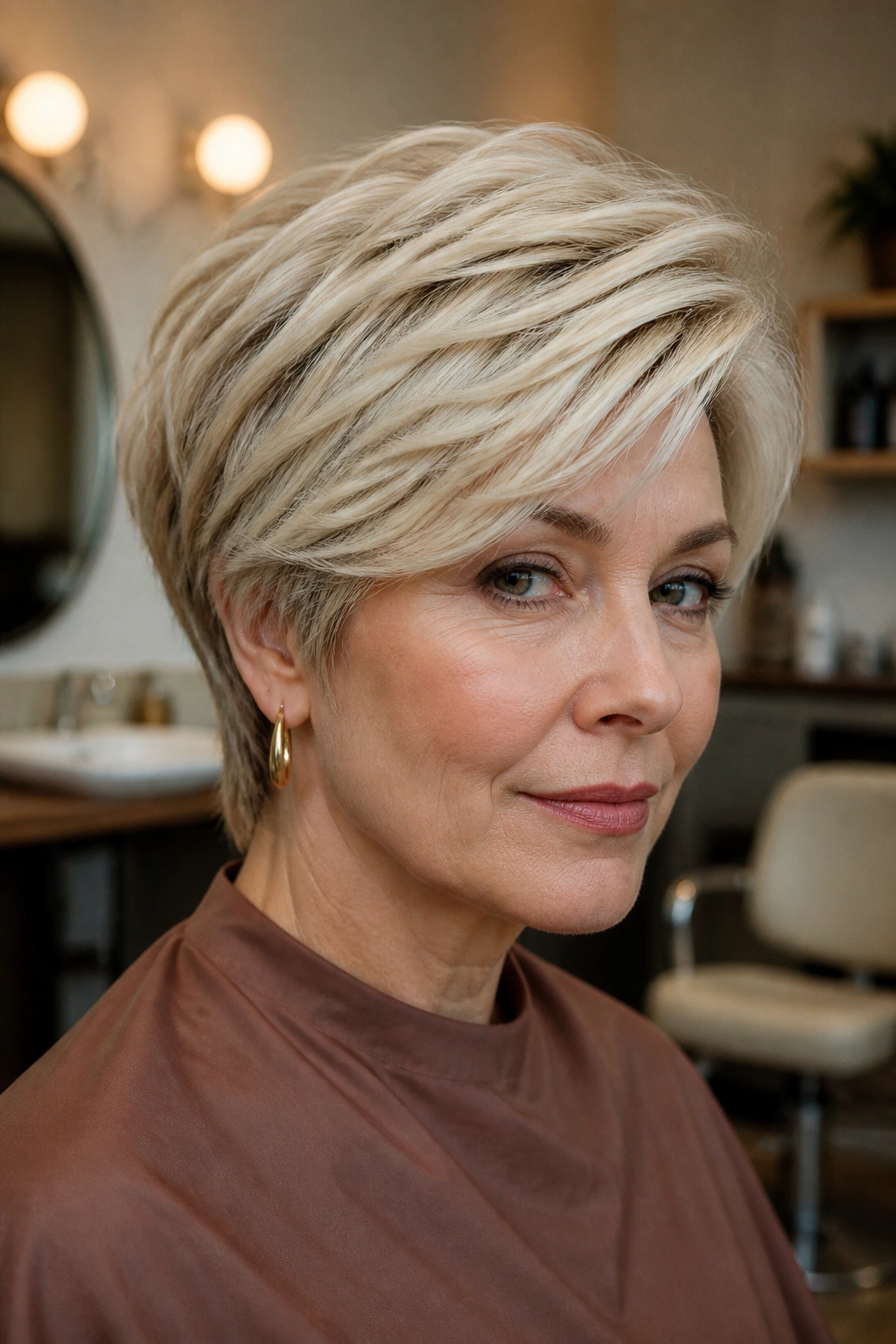
A feathered wedge cut has old-school bones, but it still works because the shape gives support to hair that wants to collapse. The back is built a little shorter, the top is left with more length, and the sides sweep gently forward. Fine limp hair often needs exactly that kind of structure.
Shape First, Texture Second
The shape matters more than the texture. If the feathering is too soft, the cut loses its backbone. If the graduation is too steep, it can look dated fast. The sweet spot sits in the middle — lifted crown, clean nape, and enough movement around the face to keep it from feeling stiff.
Who It Suits
- People whose hair falls flat at the crown
- Anyone who wants volume without a lot of daily styling
- Faces that benefit from height at the top and softness around the jaw
A wedge cut likes a blow-dry. Not a marathon blow-dry. Just enough to lift the roots with a round brush and set the back into place. A little root spray before drying helps more than piling on product afterward.
13. Ear-Length Crop with Crown Volume for Fine Limp Hair
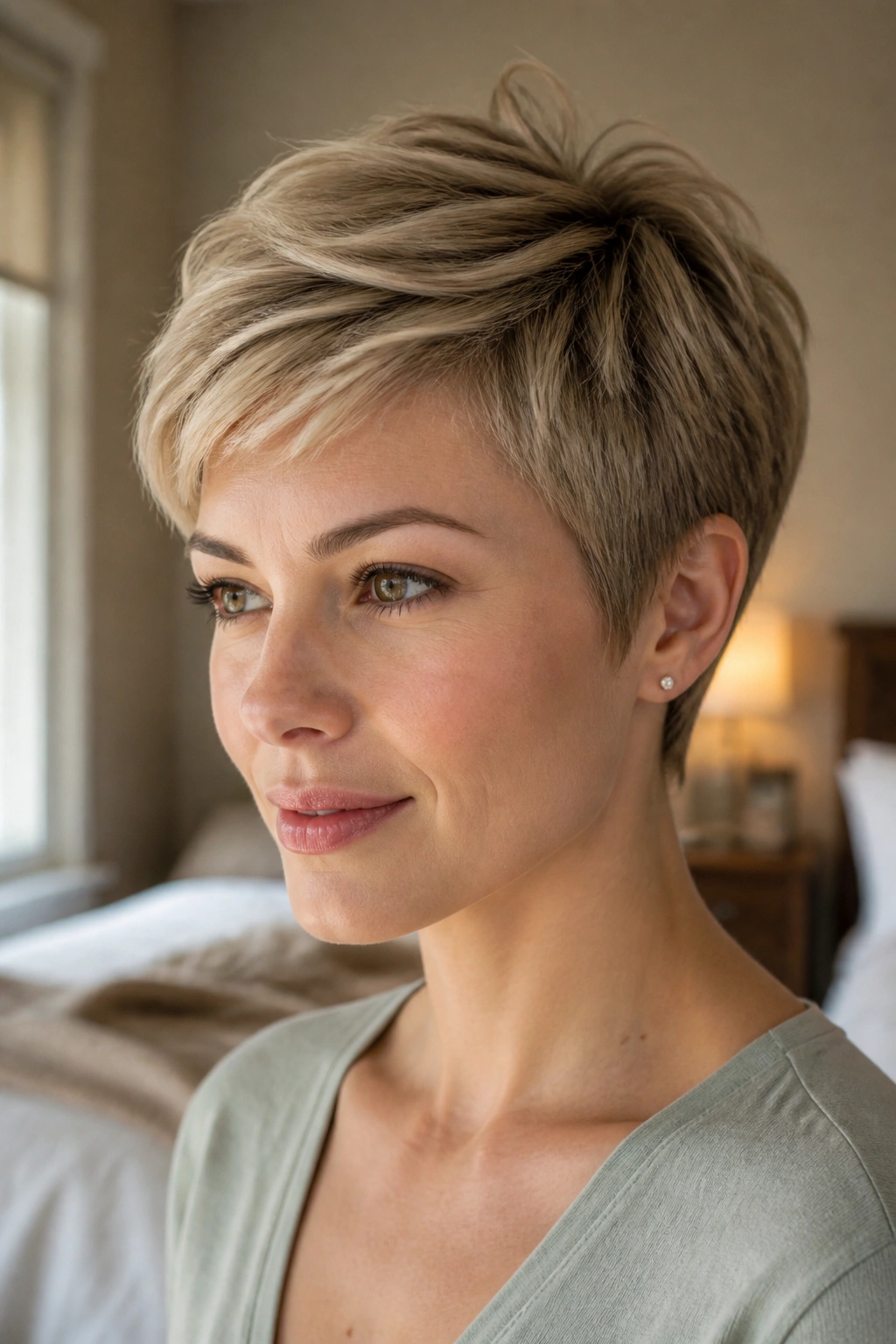
Shorter than a bob and less severe than a pixie, an ear-length crop is a sharp answer to hair that won’t hold a shape. Keeping the sides near the ears takes weight away from the ends, while extra height at the crown stops the whole look from sitting too close to the head.
The best version has a soft top and a tight neckline. That contrast gives the style a clean outline without making it look harsh. If your hair is super-fine, this cut can feel liberating because it removes the middle ground where limp hair often looks most tired.
Styling Notes
- Blow-dry the crown upward with your fingers first
- Use a lightweight mousse, about a walnut-size amount
- Finish with a touch of dry texture spray at the roots only
That last part matters. Put the spray where you need lift, not all over the ends. Otherwise the crop can start looking dusty and dry, which is not the look we’re after.
14. Tousled Bob with Hidden Interior Layers

A tousled bob sounds casual, but the useful version is carefully cut. The interior layers sit inside the shape instead of chopping up the outside line, so the bob still looks full at the edges while gaining a bit of bend and movement from within. That is a smart trade for fine limp hair.
I like this cut when someone wants softness without losing the density of a bob. The hidden layers do the lift, but they do not announce themselves. The outside still reads as a clean bob, which keeps the hair from looking stringy.
You can wear it air-dried if your hair has a slight wave, or you can give it a loose bend with a 1-inch curling iron and break it up with your fingers. Don’t brush it into submission. That destroys the texture.
A touch of light-hold spray at the crown keeps the lift alive. Heavy finishing spray can crush the whole idea in one pass. Annoying, yes. True, also yes.
15. Tapered Pixie with a Neat Neckline
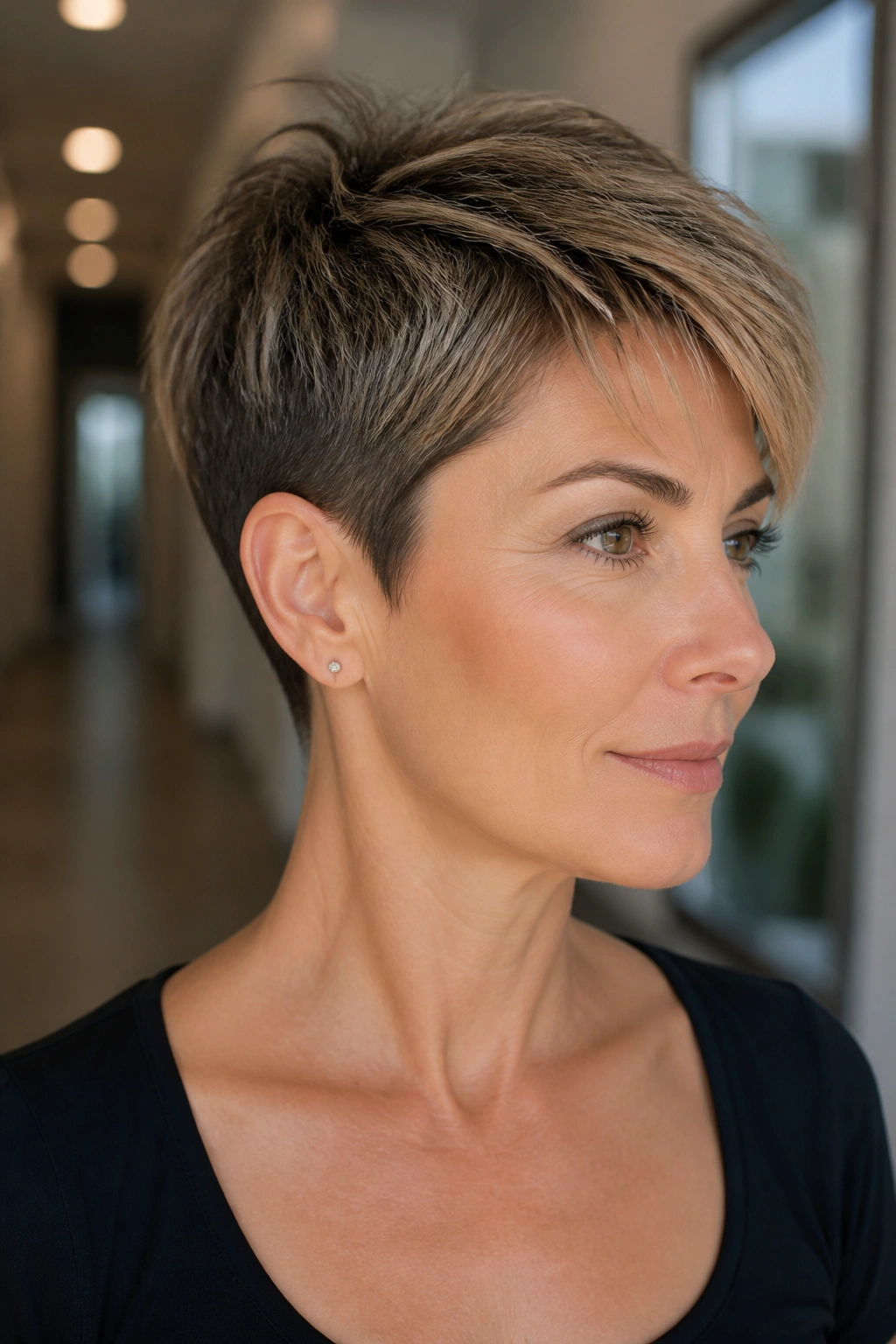
Why do tapered pixies flatter limp fine hair so often? Because they remove the weight that drags the style down, then keep enough length on top to create height. The neat neckline makes the whole thing look crisp, which matters more on fine hair than people realize.
The taper should be smooth, not shaved close unless you want that contrast. A soft taper at the sides and back helps the hair blend into the head shape instead of sticking out in odd little corners. The top can stay longer and piecey, or a bit softer if you want less edge.
This cut is especially good if your hair grows in a cowlick at the nape. A good taper can tame that better than a blunt collar line. It also stays tidy longer than some other short cuts, which is handy if you hate constant styling.
A tiny bit of paste on the fingertips is enough. Work it through dry hair, then pinch the top pieces into place. That’s it.
16. Jaw-Length A-Line Bob
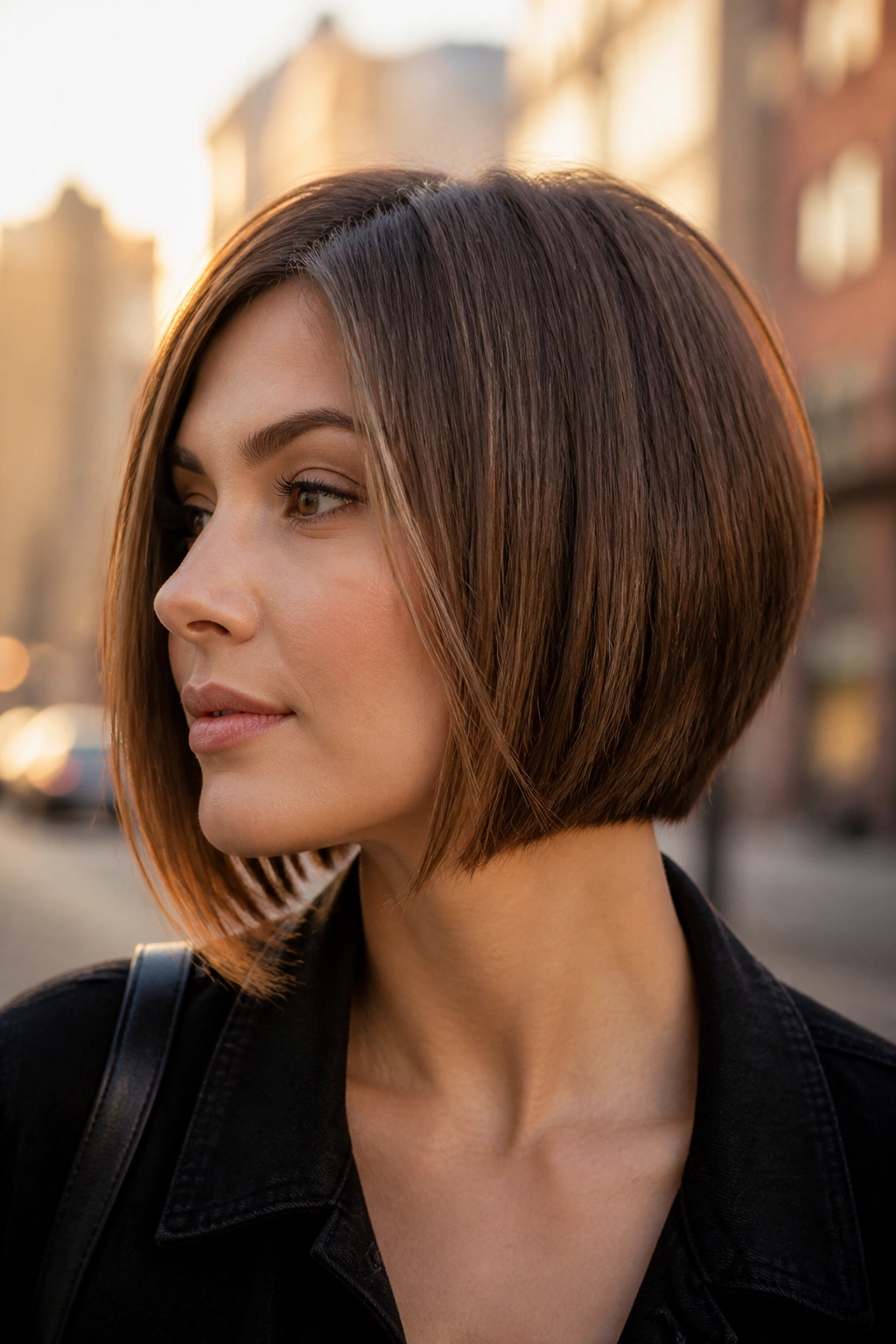
An A-line bob gives you shape without heaviness. The back sits a touch shorter, the front stays a little longer, and that diagonal line keeps fine limp hair from hanging in one flat sheet. The angle also helps the jaw look more defined, which is a nice bonus if you like structure around the face.
Compared with a straight one-length bob, the A-line feels a little more lifted and a little less static. It moves better when you turn your head, and that movement helps the cut look fuller. If your hair is very straight, this is one of the easier ways to fake some body without going full layered.
The angle should stay subtle. Too steep and the bob starts looking like a statement. Too soft and the effect disappears. A difference of roughly 1 inch between the back and the front is enough for many people.
Keep the ends blunt. That’s the part that protects the density. The angle gives motion; the blunt line keeps the fullness.
17. Soft Undercut Pixie
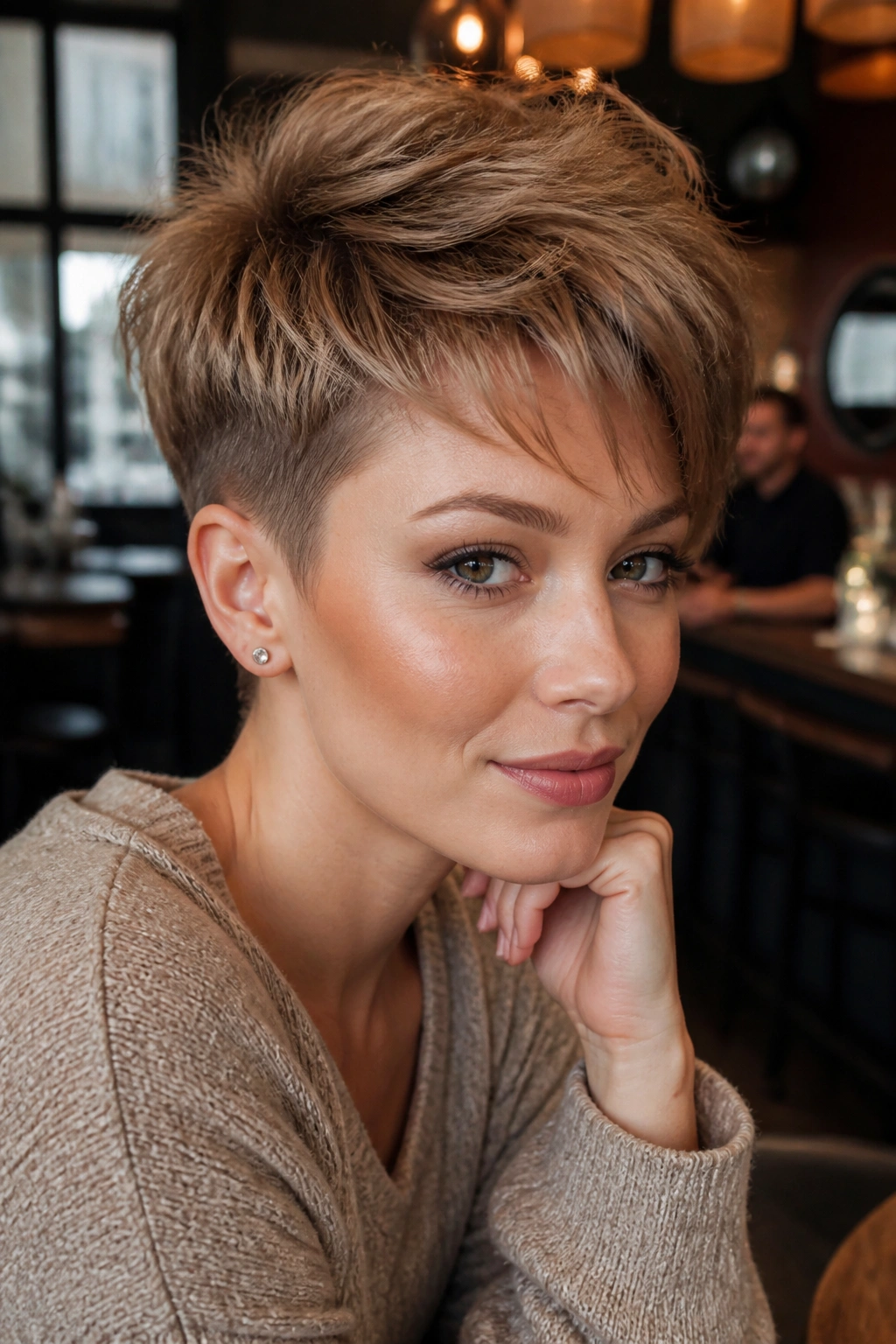
An undercut sounds bold, but a soft version can be a huge help when fine hair refuses to stay up. Removing some bulk underneath lets the top layer sit higher, which gives the crown room to lift. You do not need a dramatic shave to get the benefit.
The trick is keeping the undercut hidden enough that the overall shape still feels wearable. Shorter sides and back, longer top, clean lines around the ears — that combination keeps the cut from turning harsh. Fine limp hair often looks better when the bulk is controlled from below instead of being hacked away everywhere.
This style is useful if you love short hair but hate the feeling of too much fuzz at the neck. It dries fast. It styles fast. It also grows out in a pretty manageable way if the top is left long enough.
A little root-lift spray at the crown and a diffuser, if you have even a slight wave, can make the top float more easily. The undercut does the quiet work underneath.
18. Piecey Crop with a Long Top
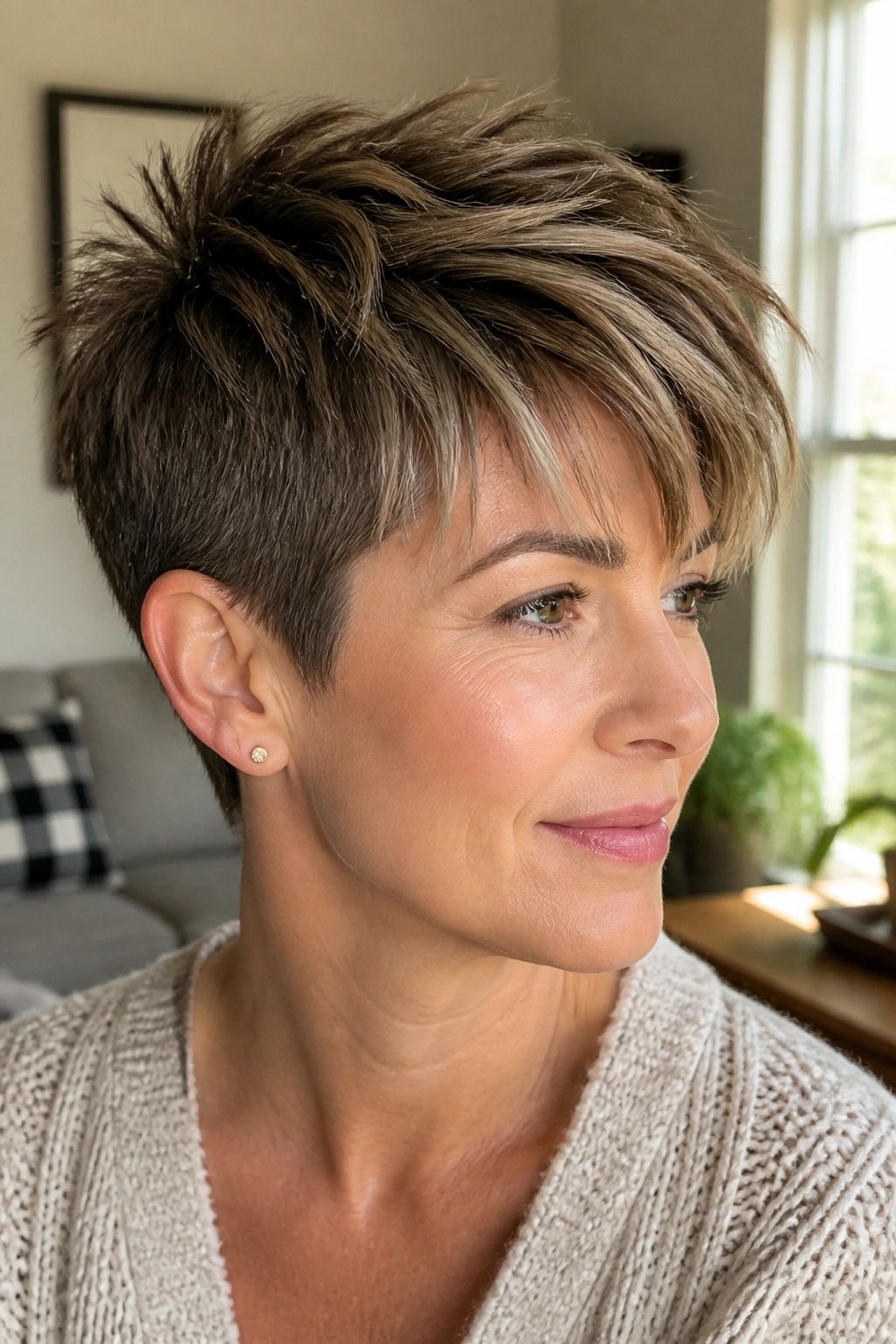
A piecey crop is not the same thing as a shaggy mess. The difference is that the top stays long enough to separate into defined sections, while the sides remain tighter. That gives fine hair a chance to show texture instead of just lying down flat and obedient.
What to Ask Your Stylist For
A top that’s about 2.5 to 4 inches long, depending on your face shape, works well. You want enough length to pinch into pieces with product, but not so much that the style collapses forward.
How to Wear It
- Blow-dry the roots first
- Twist tiny sections of the top while drying if your hair is straight
- Use a matte paste in a very small amount
- Separate only the front and crown pieces, not every strand
The result should look lived-in, not greasy. Fine hair shows product fast, so go light. This cut is one of those rare styles that gives you a bit of attitude without requiring a lot of daily skill. That alone makes it worth a look.
19. Layered Bob with Crown Lift

A layered bob can work on fine limp hair when the layers are placed with restraint. I am talking about crown lift, not a lot of chopped ends. The idea is to create height at the top and a little movement through the interior while preserving a strong outline at the bottom.
That balance matters. Too many layers and the bob goes see-through. Too few and it sits like a cap. The right version feels buoyant because the crown has room to rise while the perimeter still reads as full.
This is one of the best choices if your hair goes flat at the back of the head but you still want something that feels polished. It is a little less sharp than a blunt bob and a little more forgiving than a pixie.
Ask for layers that start higher near the crown and fade softly into the mid-lengths. If the stylist starts slicing through the bottom half of the bob, you lose the density you were trying to protect. Don’t let them do that.
20. Swept-Back Crop
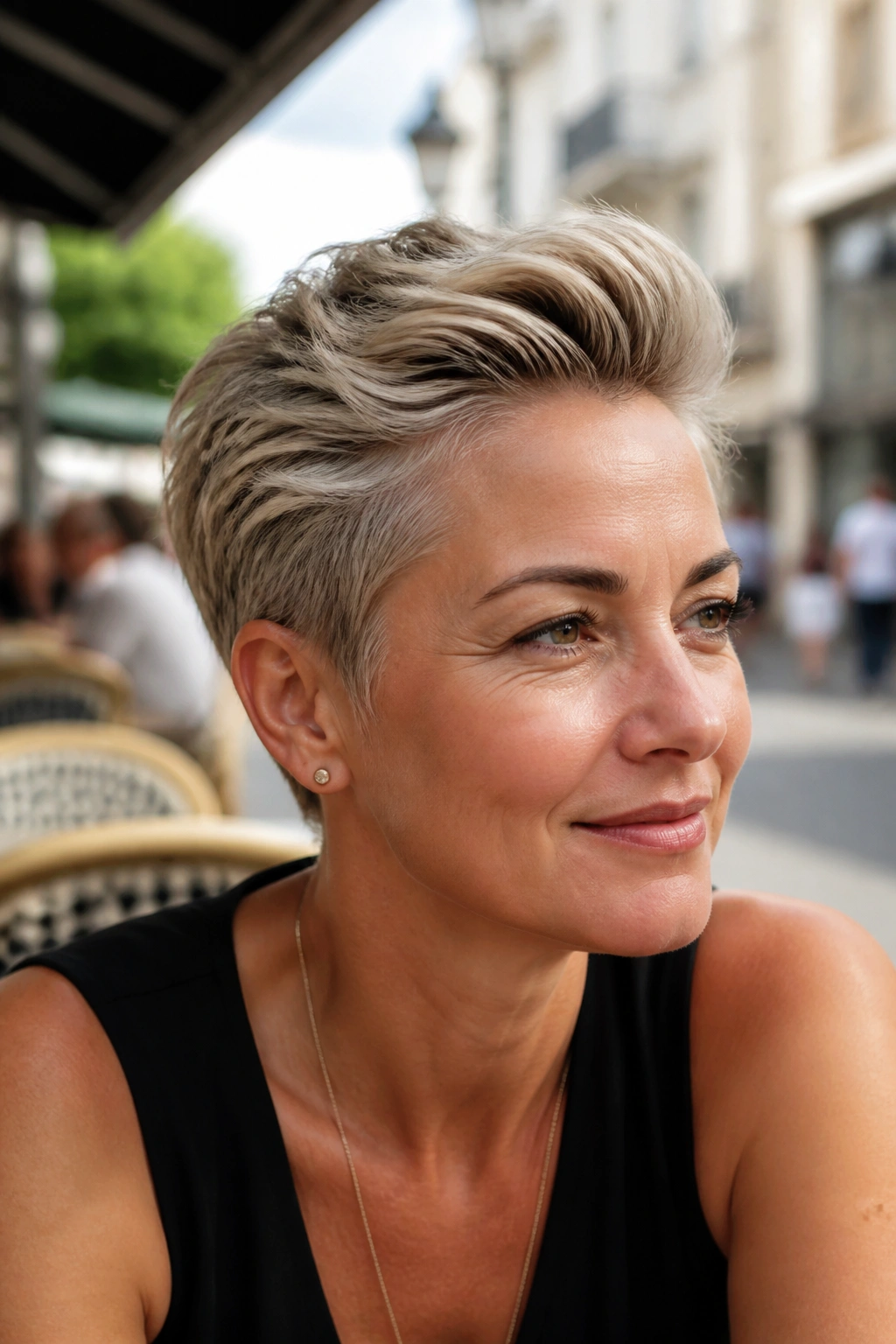
A swept-back crop gives fine hair height at the front, which is useful when your roots cling forward and your fringe area tends to fall in your face. The top is left long enough to push back with fingers or a small brush, and the sides stay short enough to keep the shape neat.
This is a cut with a little confidence in it. The volume sits up front and slightly off the face, so the style looks open and lifted. On very fine hair, that can be better than trying to create fullness everywhere. Focus the energy in one area. That is smarter.
It also works well if you like a low-maintenance morning. A bit of mousse at the roots, a quick blow-dry upward, and a touch of flexible paste through the top can hold the shape for the day. No elaborate routine required.
Some people call this polished. I just call it practical. Fine hair often needs practical more than pretty.
Final Thoughts
The smartest short hairstyles for fine limp hair do one of three things: they create a blunt edge, they build lift at the crown, or they remove weight where the hair is dragging itself down. If a cut does none of those, it usually looks soft in the wrong way. That is the part people keep rediscovering after a disappointing haircut.
A good stylist will talk about your daily routine, not just your face shape. That conversation matters. If you want wash-and-go hair, say so. If you’re happy to spend five minutes with a round brush, say that too. The right short cut should fit your life, not force you into a styling routine you already know you will hate by Tuesday.
And if your hair has been fighting you for years, start smaller than you think. A little shorter, a little blunter, a little more lift at the crown. That’s often where the best result lives.
