



A good blonde should look like it belongs there. Not loud. Not stripy. Just soft light, a little depth at the root, and enough variation to keep the color from turning into one flat yellow sheet.
That’s why the best natural blonde hair color ideas are never the brightest ones on the wheel. They usually sit somewhere between beige, gold, cream, and a touch of ash, with the right amount of darkness left in the root so the color can breathe. Colorists talk in levels for a reason; a level 7 or 8 blonde can look far more believable than a level 10 if the tone is right and the placement is smart.
The trick is balance, not bleach. A natural-looking blonde often depends more on where the light pieces land than on how pale the ends are. Fine hair, coarse hair, straight hair, curls—each one eats color differently, and that changes the whole plan. A good formula on paper can look wrong in the chair if the hair lifts too warm, too fast, or too evenly.
The shades below move from soft and creamy to dimensional and cool, so you can find a blonde that looks lived-in instead of processed.
1. Soft Wheat Blonde
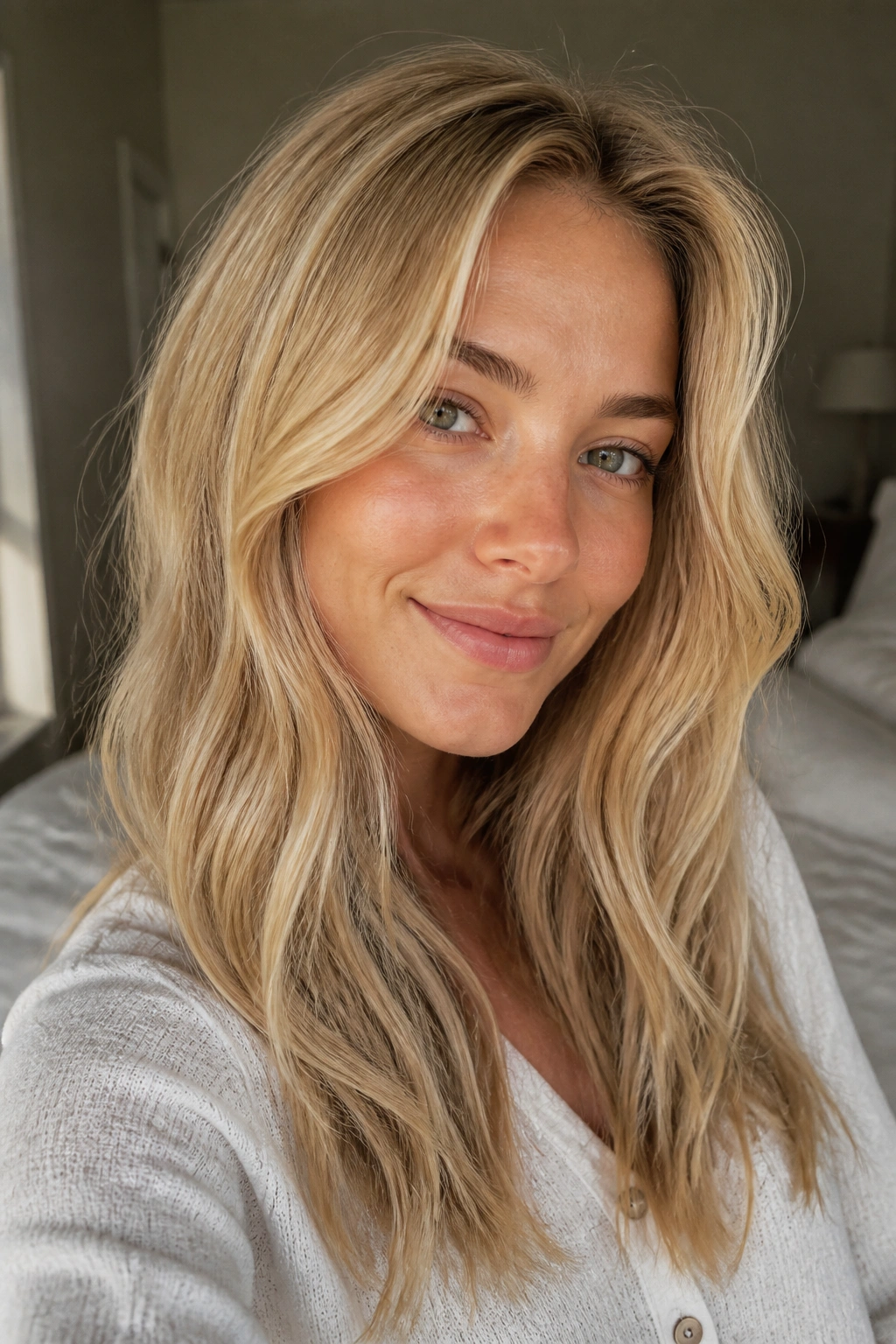
Soft wheat blonde is the shade that makes people squint and say, “Was she born with that?” That’s the whole point. It sits in that sweet spot between beige and pale gold, which keeps it from looking icy or flat.
I like this shade on medium bases that lift to a level 8 without much drama. A soft root shadow of half an inch to one inch keeps the color believable, and the ends should never look chalky. If the blonde is too even, it stops looking like sunlight and starts looking like paint.
Why It Feels So Natural
The best wheat blondes have a little movement through the mids. You want some pieces a touch brighter, some a touch deeper. That unevenness is what makes the color feel real.
- Best for: straight, wavy, or loose curly hair
- Best base level: 6 to 8
- Tone to ask for: beige-gold, not yellow
- Upkeep: gloss every 6 to 8 weeks
One good rule: keep the face frame slightly lighter than the back, not the other way around.
2. Creamy Beige Blonde
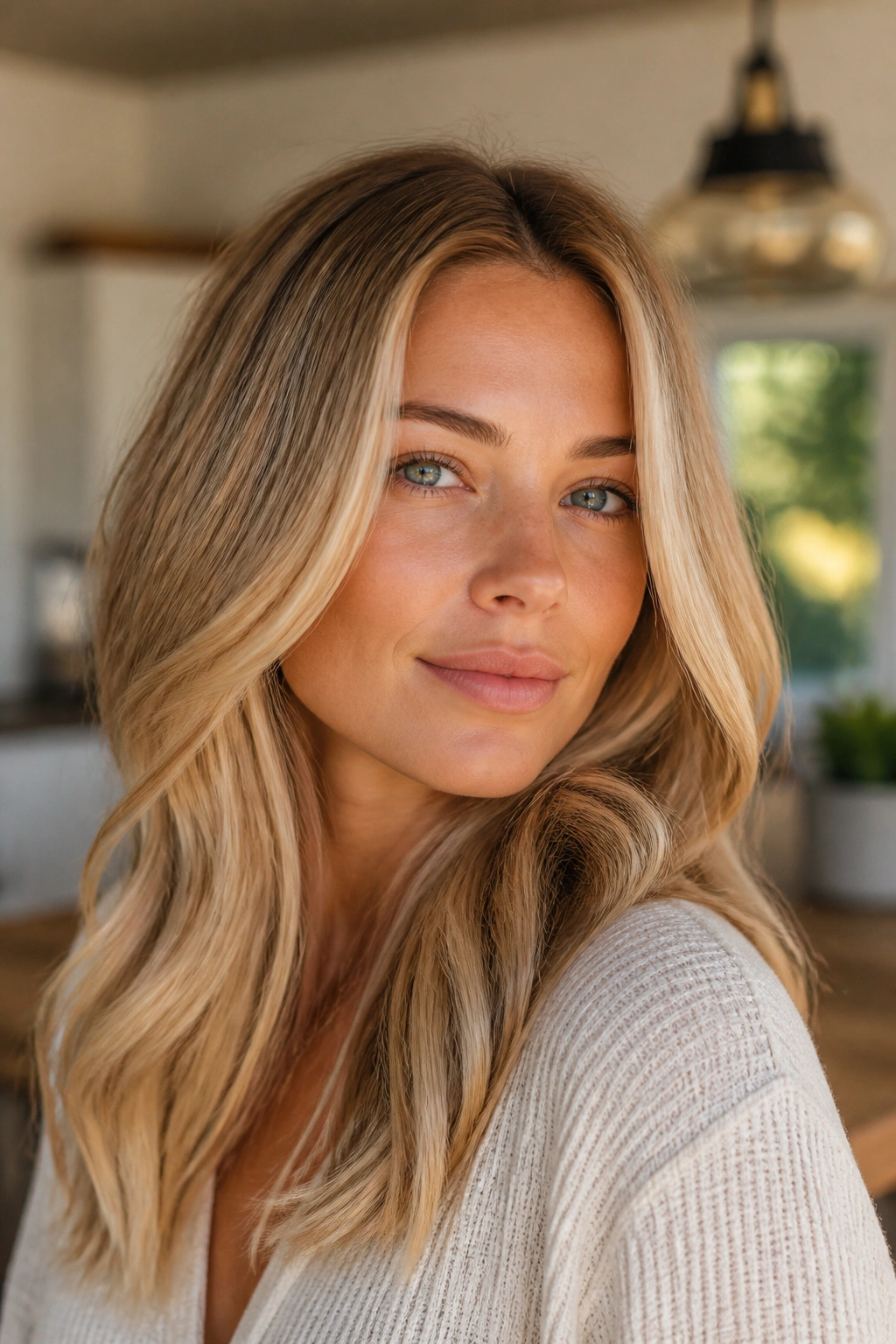
Beige blonde is the easiest natural blonde to live with. It doesn’t scream warm, and it doesn’t drift into that flat gray zone some cool blondes hit after a few washes. It just looks clean, soft, and expensive without acting like it’s trying too hard.
What makes it work is the tone. Beige blonde has a mix of warmth and coolness, so it doesn’t fight your skin as much as a super icy shade can. On real hair, that matters more than people think. A color that feels balanced at the bowl usually stays balanced on the head, too.
The nicest version is built with soft ribbons at the crown and a neutral gloss on the ends. I’d keep the root a shade deeper than the lightest pieces so the grow-out line stays gentle. If your hair tends to pick up brass fast, this is the shade that gives you room to breathe between appointments.
It’s a quiet blonde. That’s the charm.
3. Honey Blonde
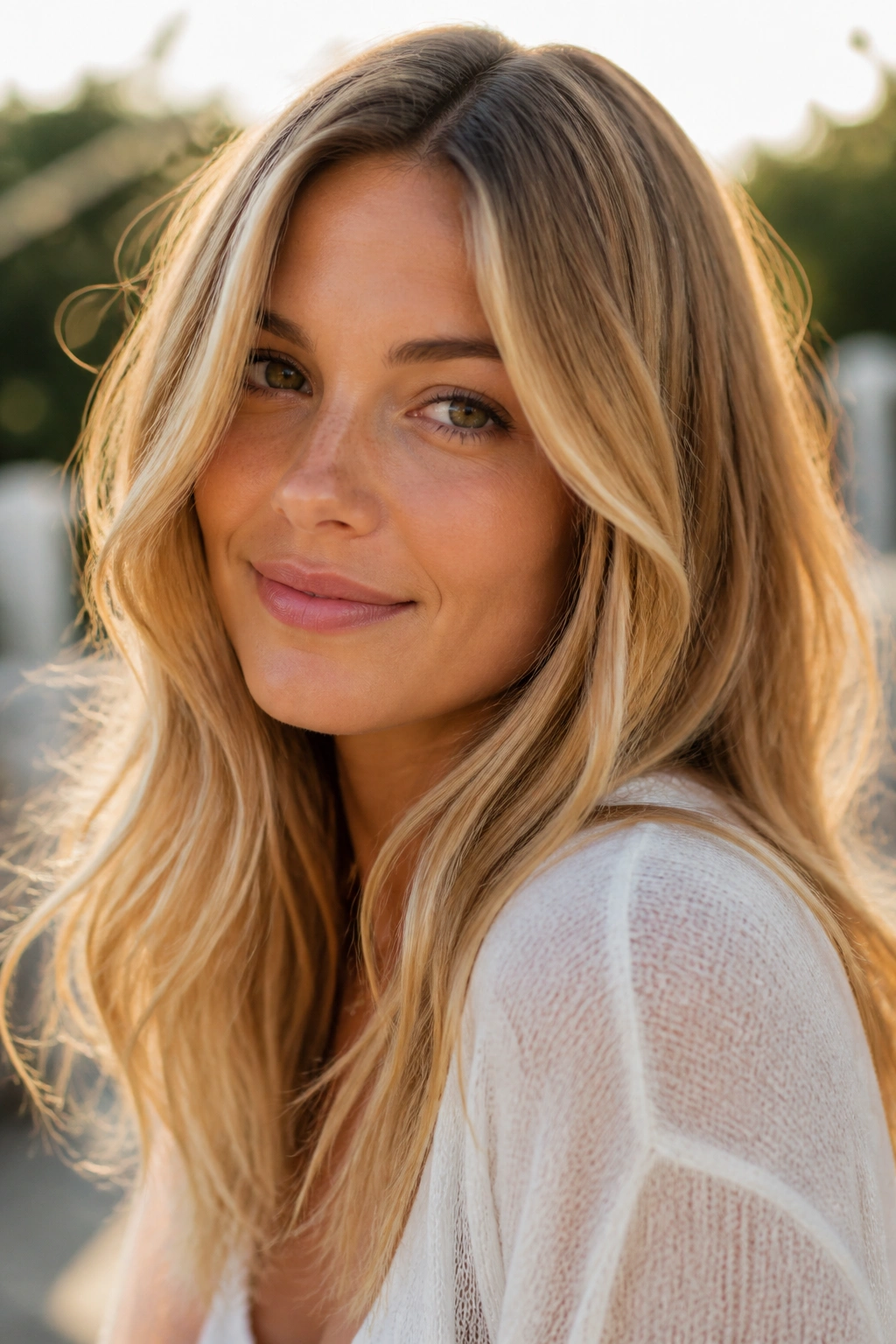
Honey blonde works because it holds warmth without looking orange. There’s a difference, and it’s a big one. Orange feels loud; honey feels soft and reflective, like the color has a little depth under the surface.
Where the Warmth Sits
Most honey blondes live around a level 7 or 8, which keeps them from getting too pale. They look best when the root is a touch darker and the midlengths carry the golden tone. That small shift gives the hair shape.
Quick Facts to Ask For
- Placement: brighter around the face, softer through the back
- Tone: gold with a hint of caramel
- Developer: often 10-volume for glossing, 20-volume only when lift is needed
- Maintenance: a color-safe shampoo and occasional glossing
Honey blonde is one of those shades that loves layered cuts. The movement helps the gold catch the light in different places, so the hair doesn’t look one-note. If you want warmth that still feels polished, this is the one I’d point to first.
4. Dark Blonde with Root Shadow
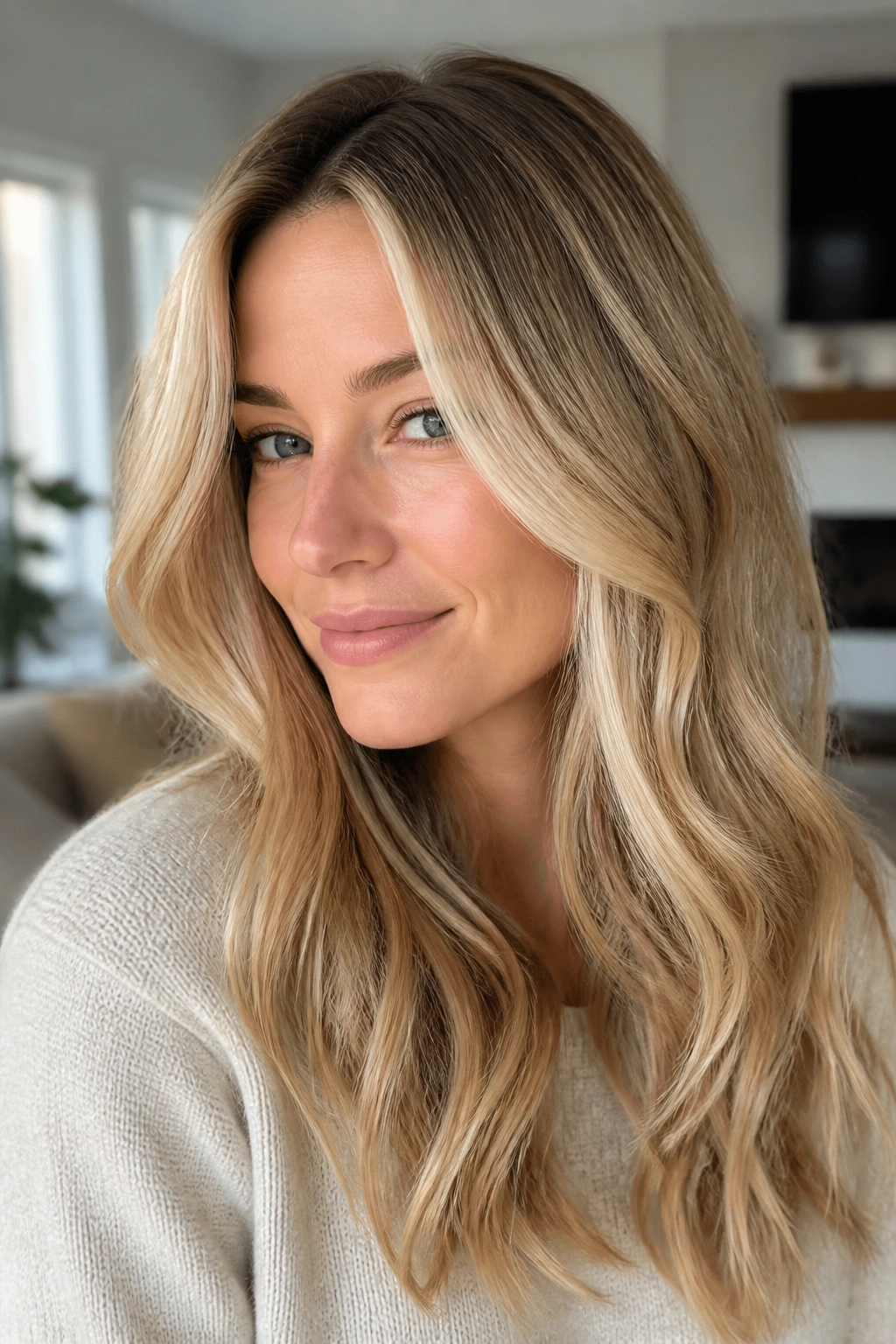
A root shadow changes the whole feel of blonde. Without it, even a lovely blonde can look too “done.” With it, the color relaxes. It starts to feel like hair instead of a project.
This idea is great if you want blonde but do not want a harsh grow-out line. The root stays a level 5 or 6, then softly melts into blonde mids and lighter ends. That contrast gives you dimension, and it also buys you time between salon visits.
Compared with an all-over blonde, dark blonde with root shadow is easier to wear on busy schedules. It hides regrowth better, handles natural gray more gracefully, and tends to look better on thicker hair, where flat color can feel heavy. If you want to keep the shade believable for longer, ask for a melt rather than a hard root tap.
A small detail matters here: the shadow should be soft, not muddy. If the root is too dark or too wide, the whole style loses lift.
5. Mushroom Blonde
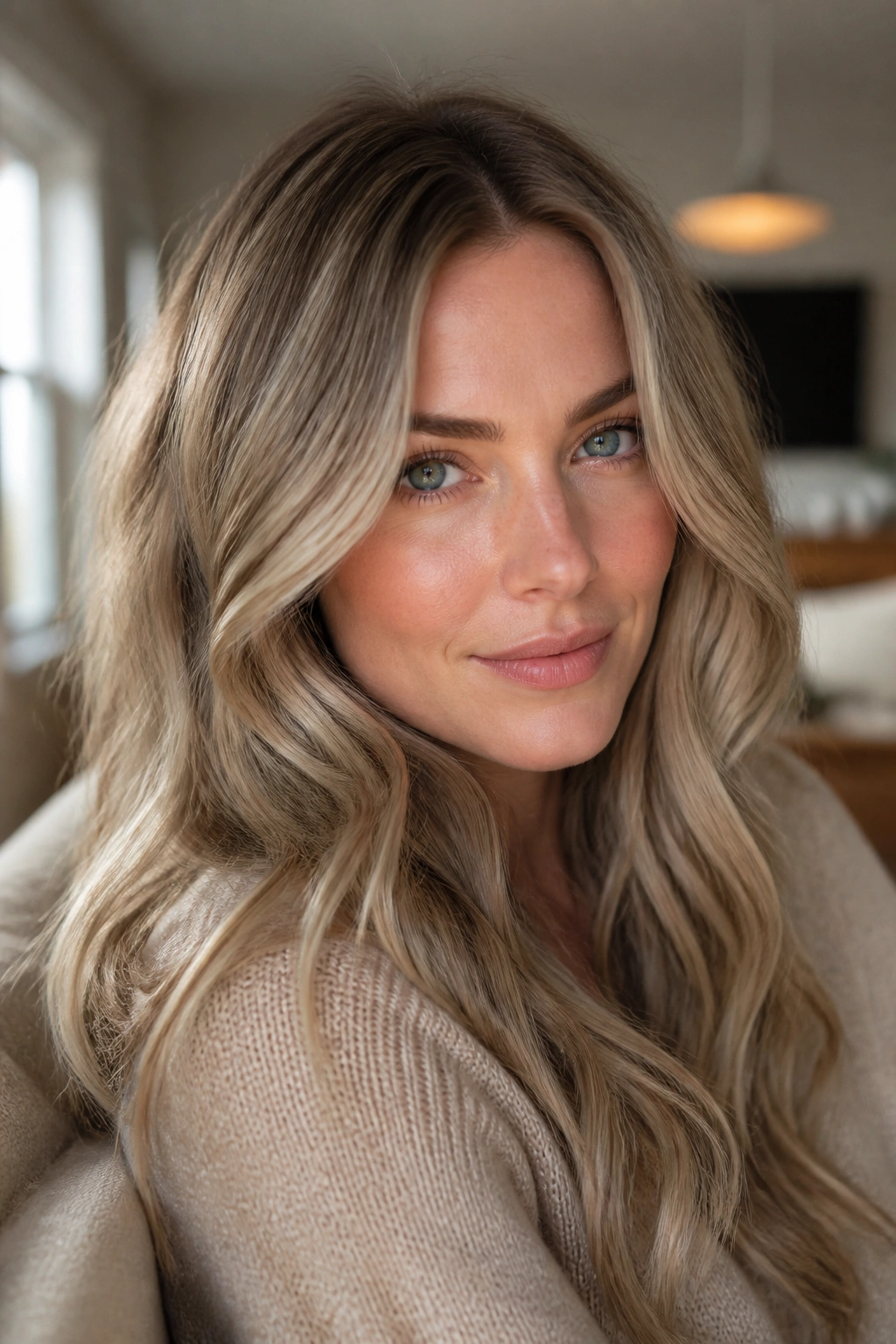
Why does mushroom blonde look so rich when so many cool blondes go flat? Because it lives in that weirdly pretty zone between taupe, beige, and ash. It never asks to be the brightest thing in the room.
This shade is a strong choice if your hair pulls orange fast or if you want blonde with a cooler edge that still feels wearable. Mushroom blonde usually sits around a level 6 or 7 with muted ribbons of lightness. The tone is soft and earthy, not silver. That difference matters.
How to Wear It
If you’ve got a blunt cut or shoulder-length layers, mushroom blonde looks especially good because the color gives the shape more movement. On curls, it can get even better, since the varied tone keeps the curl pattern from looking too uniform.
A colorist will usually keep the highlights a little sparse and glaze the whole thing with a beige-ash toner. Ask for a cool blonde that still has depth. That phrase does a lot of work here.
6. Baby-Lights Blonde
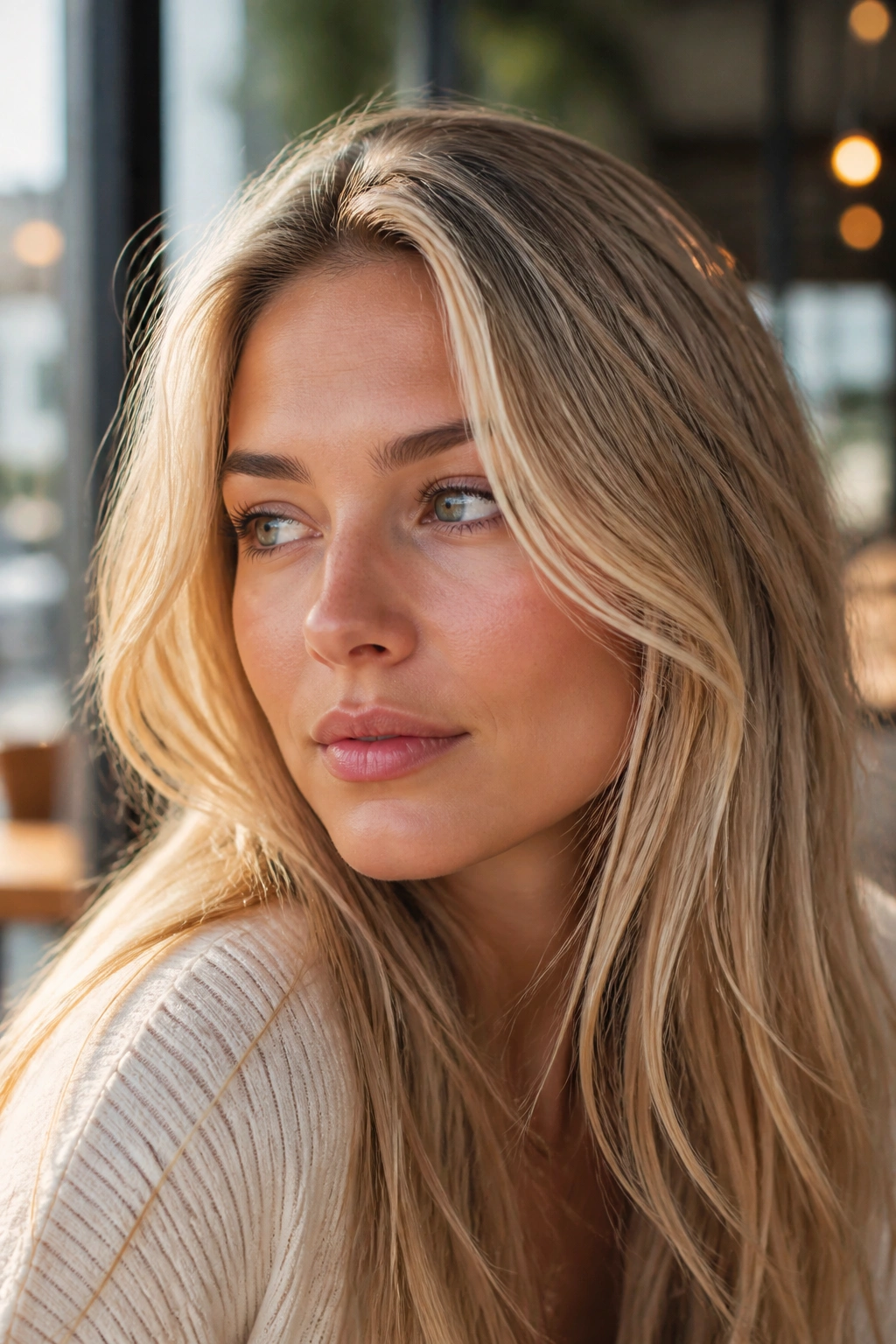
Baby lights are the secret weapon for believable brightness. Tiny foils, tiny sections, tiny color jumps. The result looks soft because there’s no obvious stripe of blonde sitting on top of the hair.
The technique matters as much as the shade. When the sections are thin—think 1/8 inch or smaller—the hair keeps some of its natural color between the lighter pieces. That spacing is what stops the blonde from looking chunky. It’s also why baby lights can make fine hair look fuller without making it look fried.
On a practical level, this is a smart option if you want to go lighter without a dramatic color line. It works especially well around the hairline, part, and crown, where sunlight would naturally hit first. The payoff is softness. Lots of it.
And yes, baby lights are more time-consuming in the chair. Worth it, though. They age better than heavy foils, and they tend to look good even when the root starts coming through.
7. Sandy Blonde
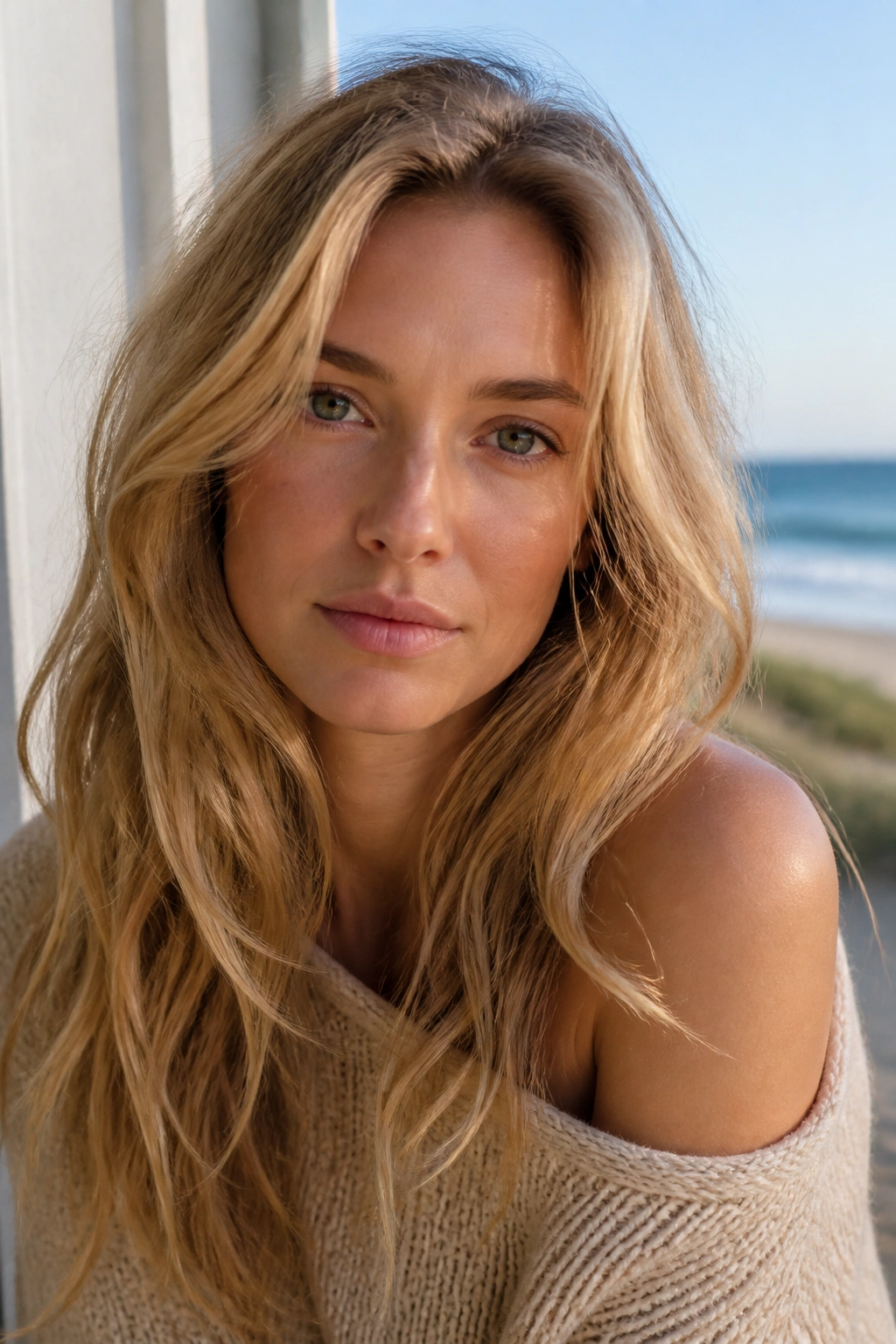
Picture hair that looks like it has spent years in soft light, not bleach. That’s sandy blonde. It sits between beige and muted gold, with enough grit in the tone to keep it from feeling too sweet.
This shade is easy to wear on shorter cuts, lobs, and layered styles because it adds texture without needing a huge amount of brightness. Sandy blonde can be built with a few brighter pieces around the front and a softer, slightly deeper body color through the back. That keeps the whole look grounded.
What Makes It Different
- Not as warm as honey
- Not as cool as ash blonde
- Best on hair that wants texture and movement
- Looks good with air-dried waves
- Needs less frequent toning than very pale blonde
I’d call this one a safe bet for anyone who wants a natural blonde that doesn’t chase perfection. A little depth is part of the appeal. Leave it there.
8. Butter Blonde
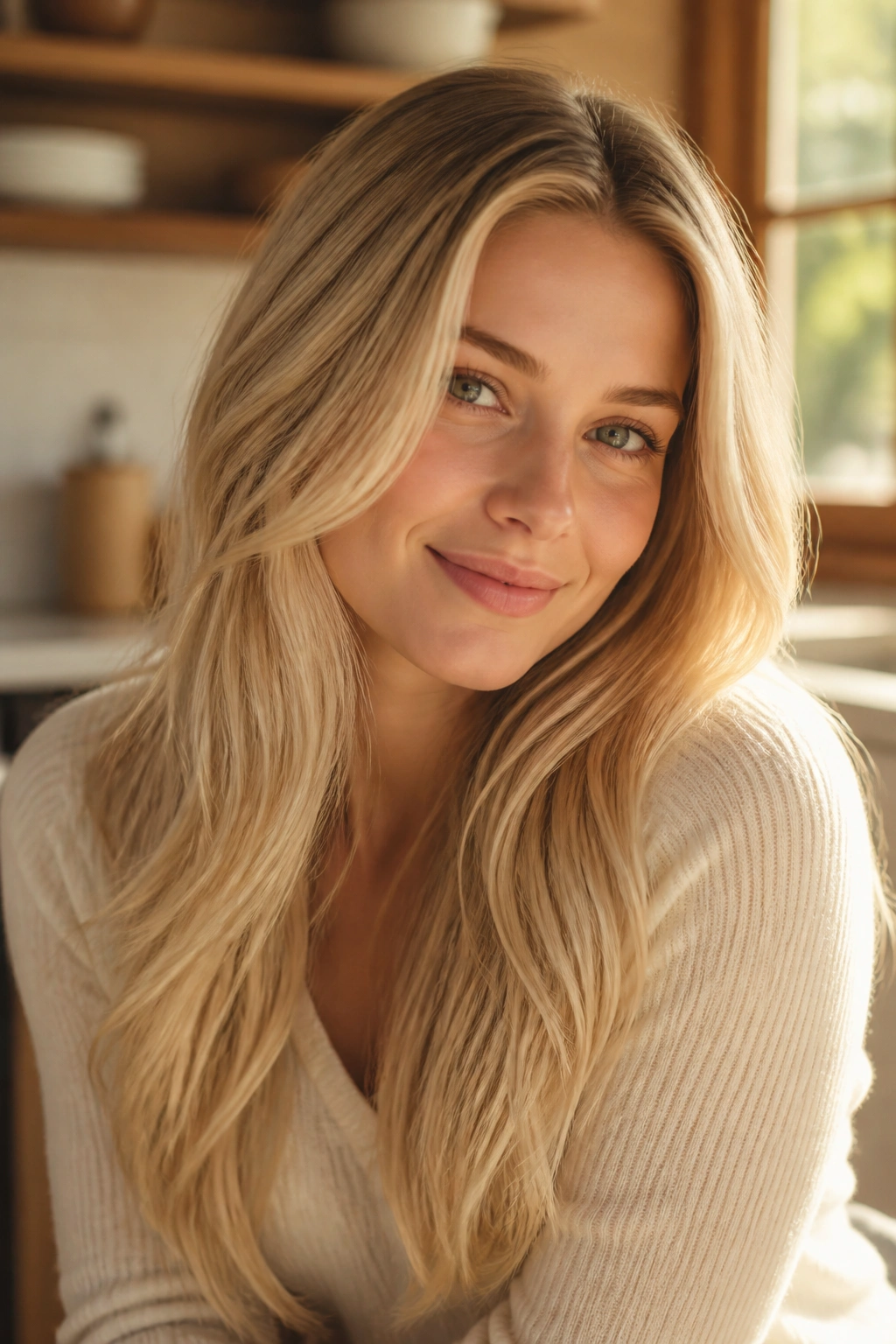
Butter blonde is warm, creamy, and much easier to wear than people think. The color sounds rich, and it is, but the best version still keeps enough softness to avoid that loud yellow cast some blondes pick up.
This shade tends to flatter hair that can lift cleanly to a level 8 or 9. If the hair is porous, the warmth can grab too strongly, so a gentle gloss becomes important. On smoother hair, though, butter blonde can look glossy in a way that feels almost effortless. It gives the hair a fuller look too, especially if the cut is layered or has a rounded shape.
I’m fond of butter blonde on medium-length hair. It has enough warmth to feel friendly, but not so much that it turns coppery after a few shampoos. The best versions always keep a soft beige undertone under the gold. That is what keeps the color from looking cheap.
9. Beige Balayage
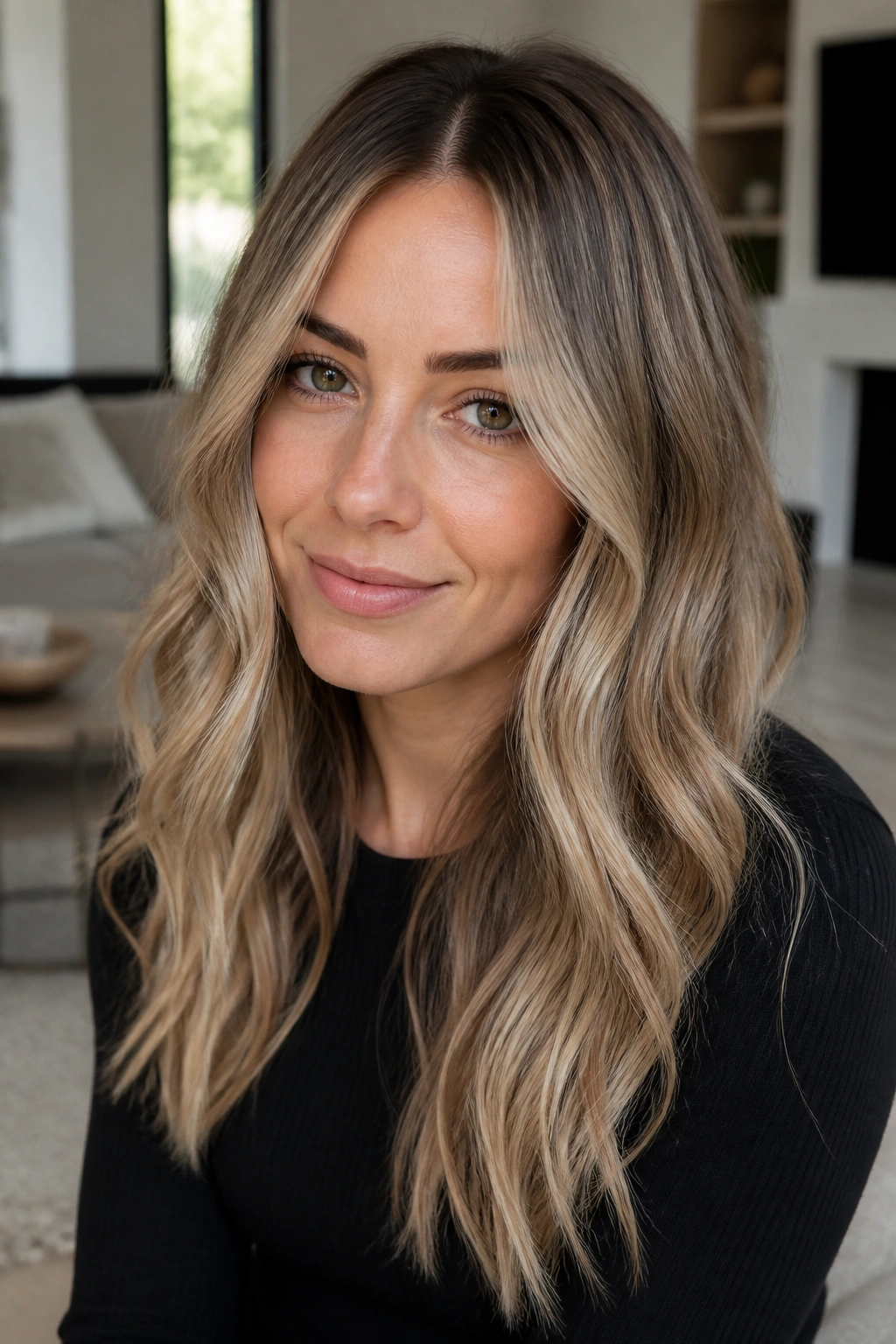
Balayage behaves differently from foils, and that’s exactly why beige balayage belongs on this list. Hand-painted lightening gives you softer edges, which means the blonde grows out in a way that feels casual instead of strict.
Compared with traditional highlights, beige balayage usually looks less striped and more blended through the mids. The lighter pieces are painted where sunlight would naturally hit—around the surface, the face frame, the ends. The beige tone keeps the contrast low, so the whole head feels soft.
This is the blonde I’d choose for someone who wears hair in waves, twists, buns, and loose ponytails. It still looks good pulled back. That’s a quiet strength.
Best Ask at the Salon
- Placement: painted pieces through the top and around the face
- Tone: neutral beige, not strong gold
- Root: soft, diffused, and one to two levels deeper than the ends
- Upkeep: easier grow-out than full highlights
If you want blonde without a hard schedule, this is a very smart place to start.
10. Golden Glaze Blonde
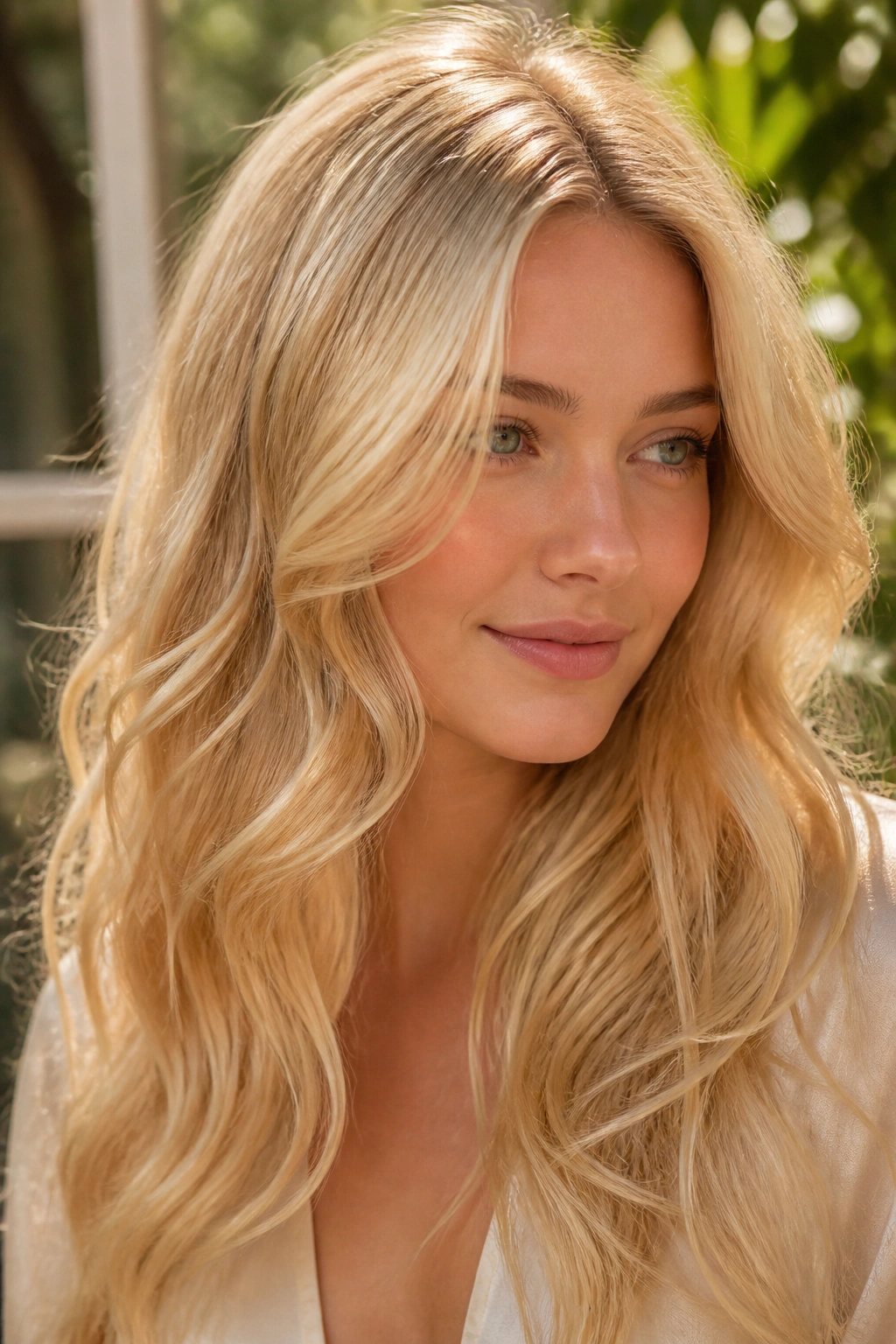
Can a gold-based blonde still look clean? Absolutely, if the gold is soft and the gloss is translucent. Golden glaze blonde works because it gives the hair shine first and brightness second.
The color is usually built on a pale base with a clear or lightly tinted glaze that leans warm. That keeps the shade from becoming opaque or heavy. You still see the hair, which is the whole point. Too much pigment kills the effect.
What Keeps It Glossy
A golden glaze blonde looks best when the tone is refreshed regularly, not rebuilt from scratch. A demi-permanent gloss every 6 to 8 weeks can keep the warmth controlled and the ends shiny. Keep heat styling moderate, too. Blasting this shade with a flat iron on high will dry out the shine fast.
This one is lovely on layered cuts and hair with natural movement. The color catches on bends and waves, so the warmth never sits in one place for too long.
11. Strawberry Blonde
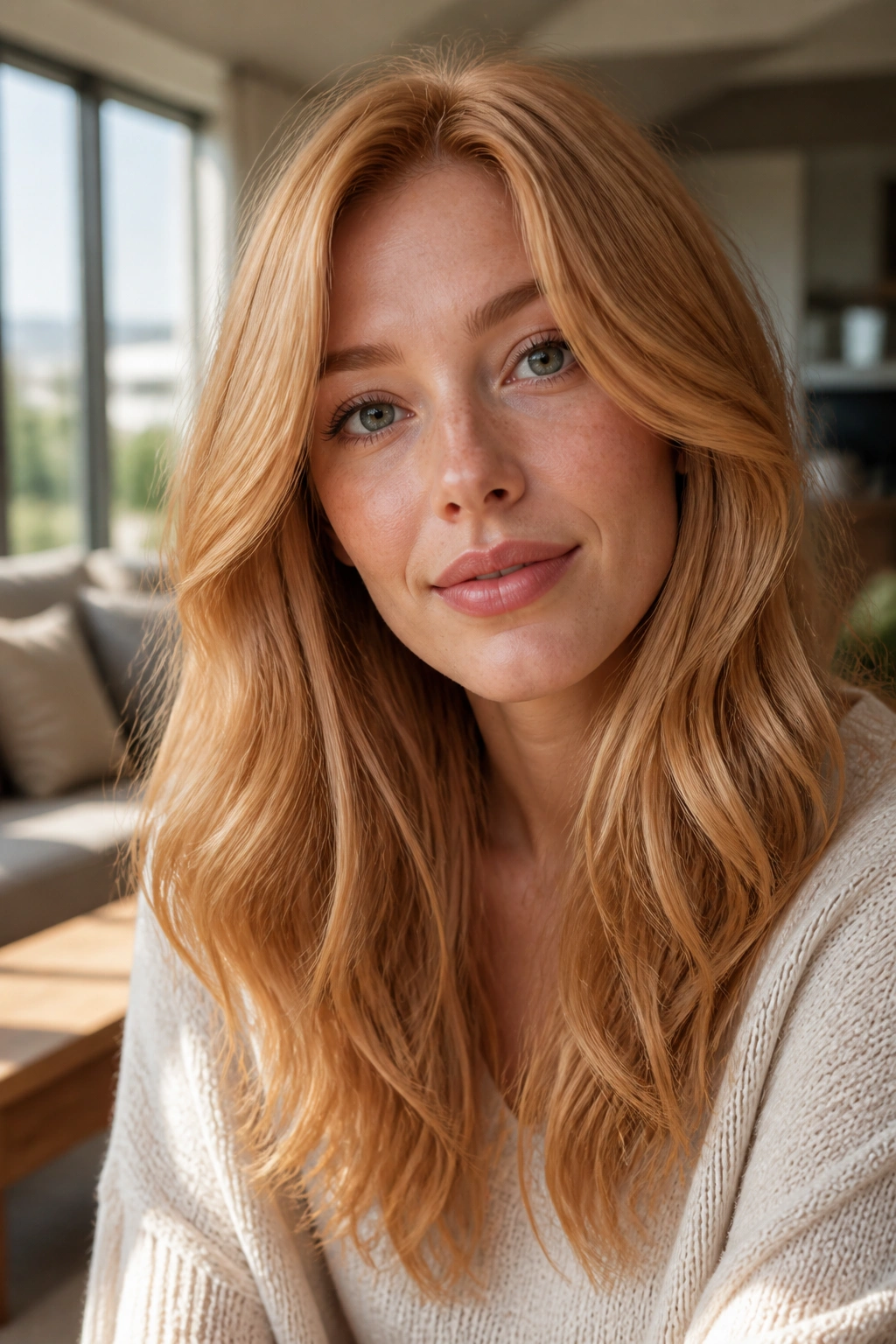
Strawberry blonde is one of the easiest shades to get wrong. Too much copper, and it goes red. Too much gold, and it loses the strawberry part entirely. The sweet spot is a soft peachy warmth sitting on a blonde base.
What makes it so pretty is the contrast between the lightness and the subtle warmth. You want the hair to feel sunlit, not dyed bright copper. A level 7 or 8 base with peach, gold, and a whisper of auburn reflection usually gets there. On darker natural blondes, a gloss can do the job. On lighter bases, a tint or glaze gives more control.
How to Keep It Soft
- Use a sheer formula, not a heavy red pigment
- Keep the root a touch deeper
- Ask for peach-gold rather than copper-red
- Pair it with freckles, soft brows, or natural makeup for balance
Strawberry blonde has a gentle edge when it’s done right. That’s why it’s so appealing.
12. Bronde
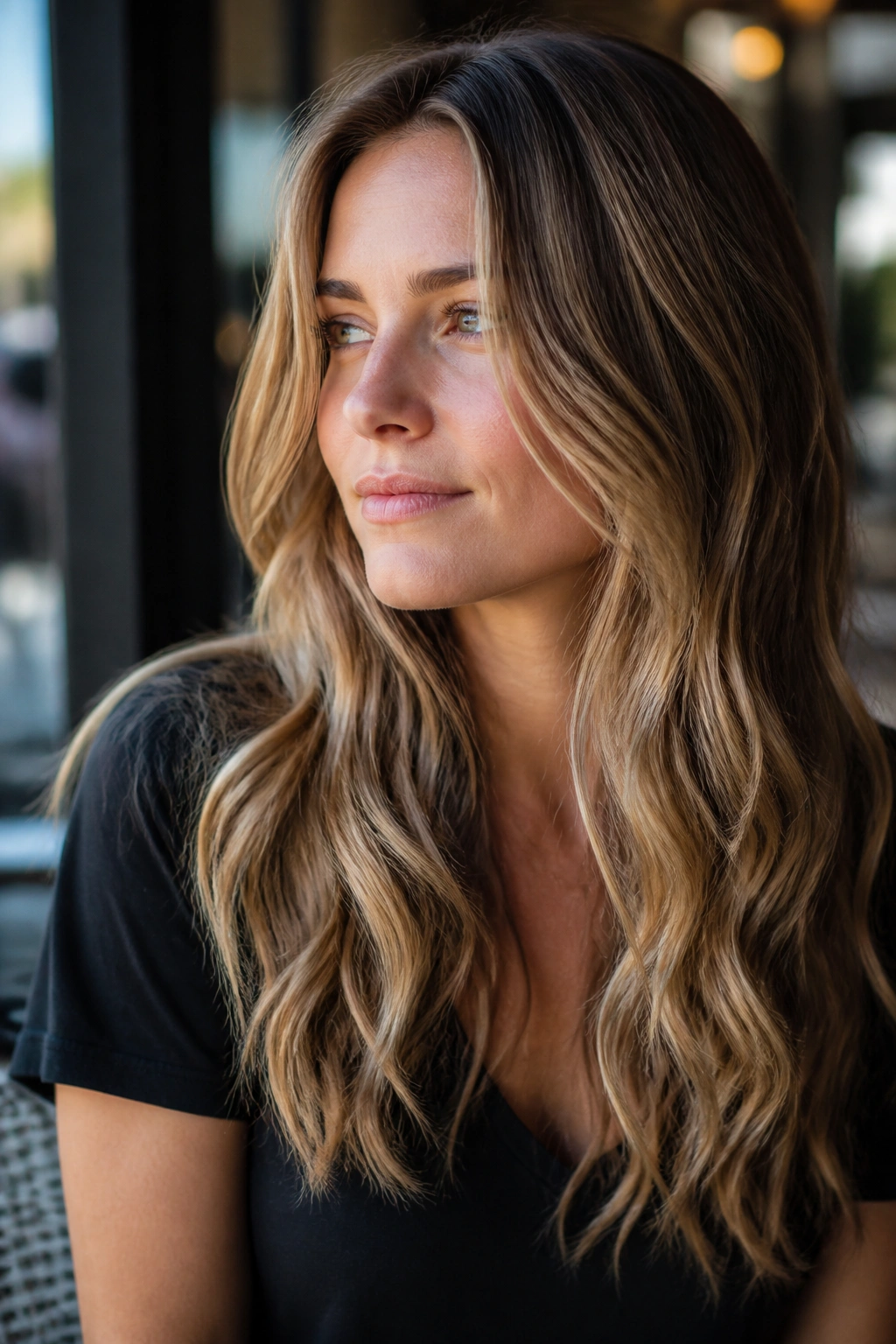
Bronde is the shade for people who want less fuss. It lives between brown and blonde, which means you get lightness without giving up the richness of your natural base.
The best bronde usually starts with a level 5 or 6 root and adds ribbons of level 7 or 8 around the surface and face frame. Because the contrast stays soft, the grow-out is easy. And that matters. A lot. If you wash your hair often, tie it up most days, or hate a hard retouch schedule, bronde behaves better than a high-maintenance blonde.
I also like bronde on thick hair because it stops the color from looking bulky. Those lighter ribbons break up the mass and give the cut some lift.
Bronde works when the blonde is an accent, not the whole story. That’s the part people miss. It isn’t a compromise; it’s a smarter color plan.
13. Face-Framing Blonde
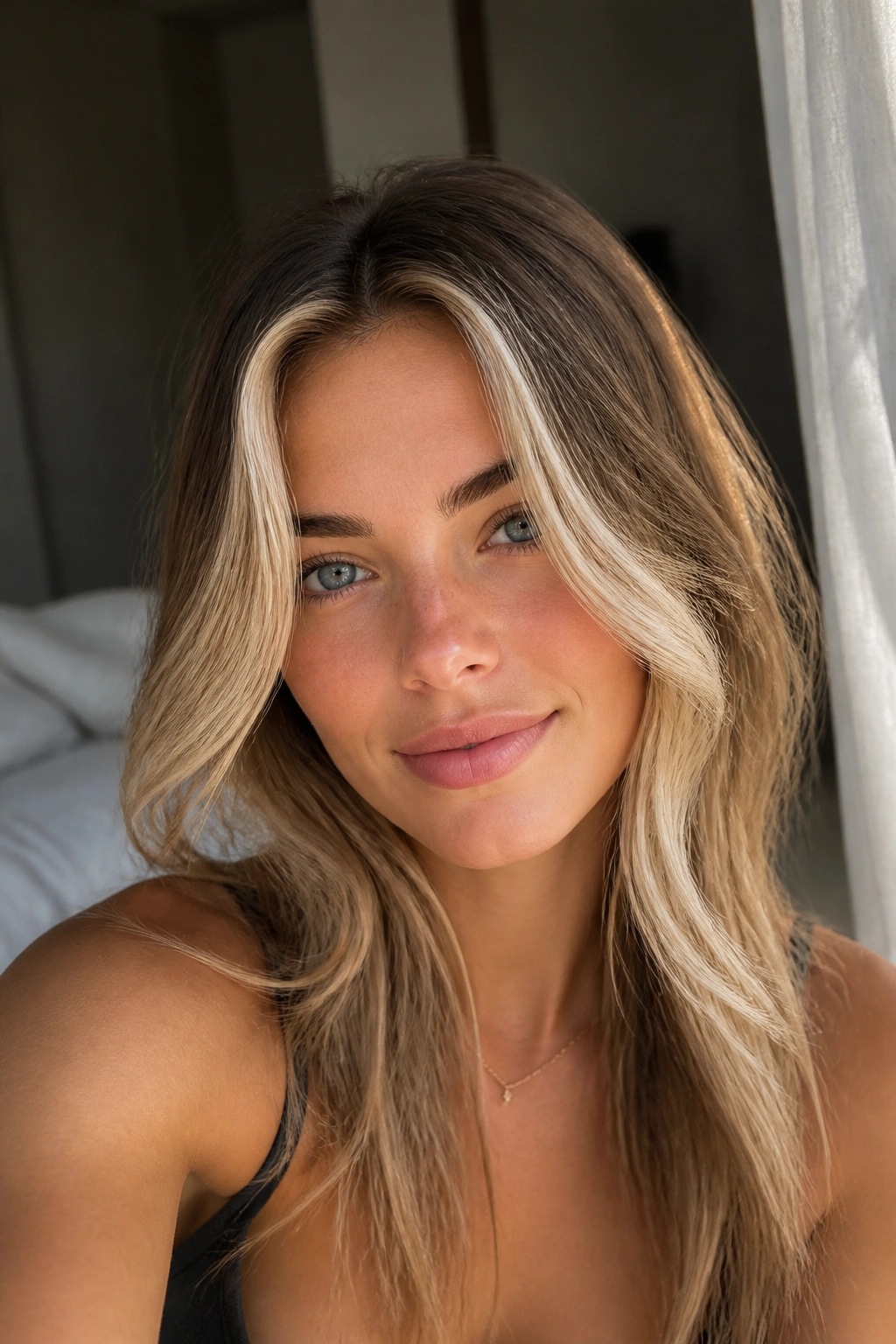
A few bright pieces around the face can change your whole haircut. That’s the magic here. You don’t need blonde all over to get the effect; you need the right pieces in the right spots.
Face-framing blonde usually starts at the cheekbone or chin and brightens the front panels just enough to pull light toward the eyes and jawline. The back can stay deeper. In fact, it often should. That contrast is what makes the front look brighter than the rest without turning the hair into a block of color.
What to Ask For
- Brightest pieces: around the hairline and front layers
- Depth: keep the crown and back 1 to 2 shades deeper
- Technique: foils, balayage, or a mix of both
- Best pairing: curtain bangs, long layers, face-framing cuts
This idea is especially good if you want impact without a full commitment. It’s fast, flattering, and easy to grow out. The front gets the attention; the rest stays calm. That balance is the whole point.
14. Foilayage Blonde
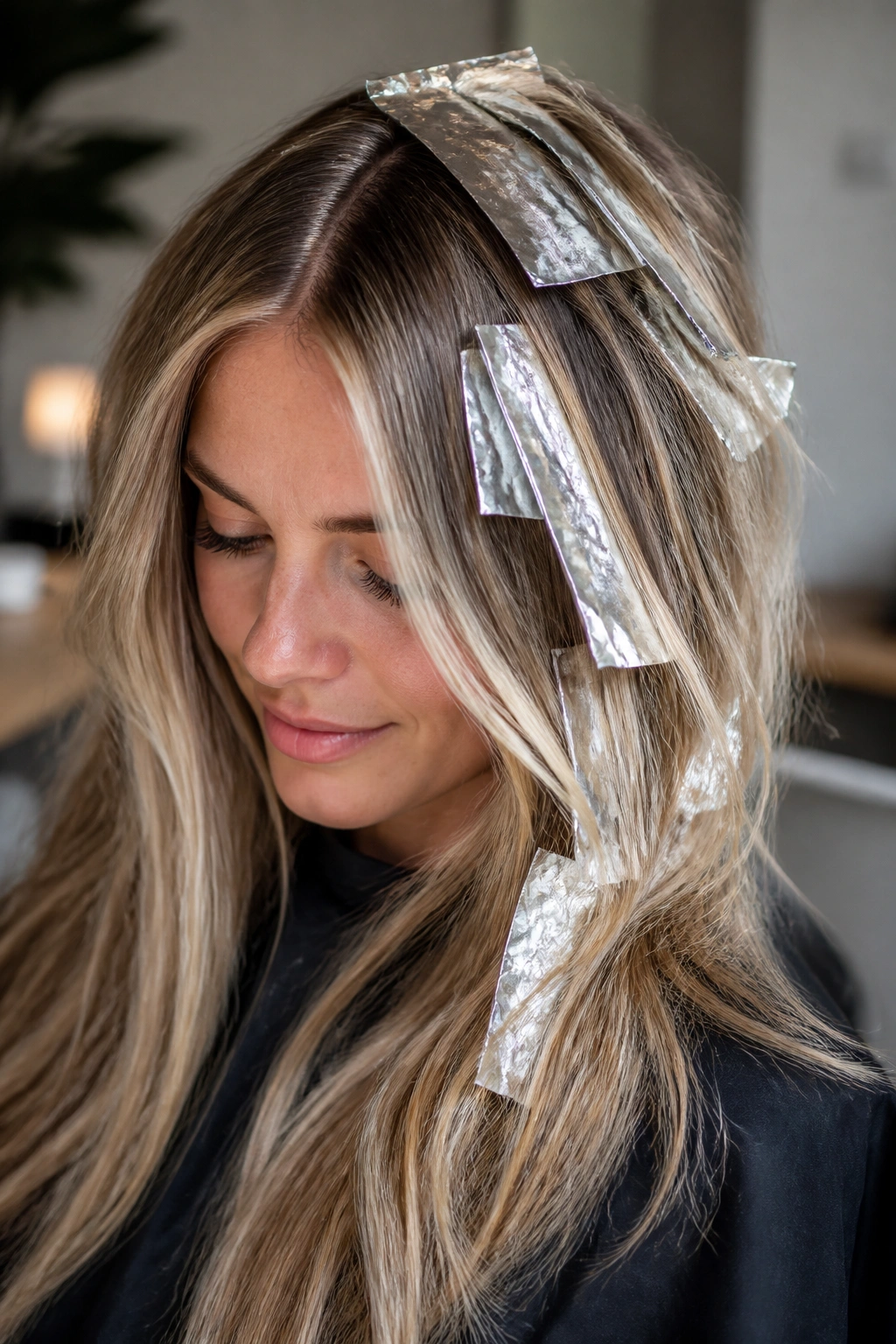
What happens when foils and balayage stop fighting each other? You get foilayage. The technique gives you the lift of foils with the softer blend of hand-painted color, which is why it looks so natural when it’s done well.
Foilayage is useful when you want more brightness than balayage alone can usually deliver. The painted pieces are wrapped in foil, so they lift more evenly and more strongly. That makes it a good choice on darker bases that need stronger lightening but still want a soft finish.
Where It Wins
Foilayage tends to look especially good on long hair, wavy hair, and layered cuts. The contrast shows up in motion. If the hair is straight, the ribbons should be placed a little more deliberately so the color does not flatten.
A good salon plan often uses 10-volume or 20-volume developer depending on the base and the hair’s strength. The goal is even lift, not brute force. That distinction saves a lot of trouble later.
15. Ash-Soft Blonde
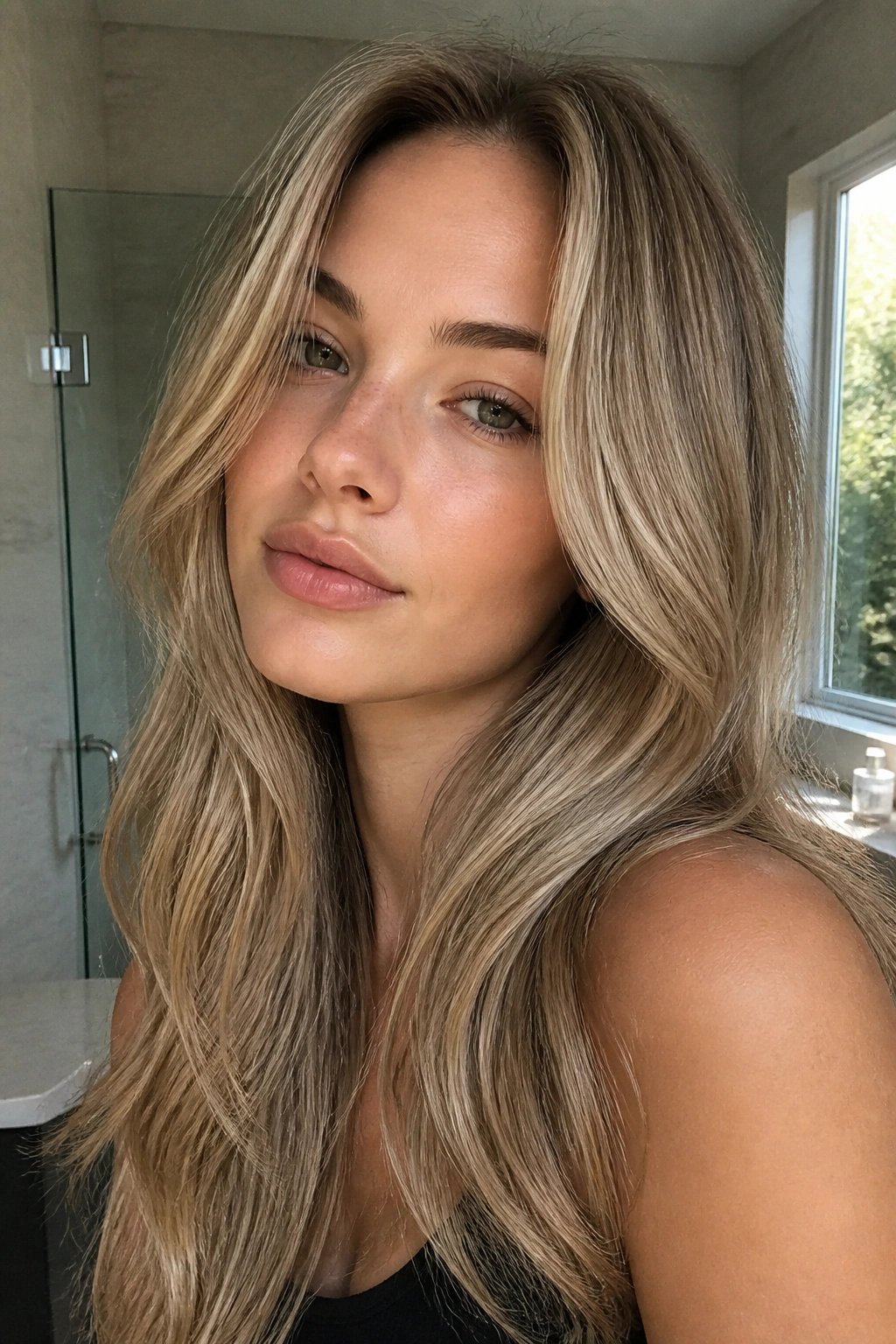
Ash-soft blonde sits in the narrow space between cool and muddy. That’s the part people get wrong. If the tone is too cool, the hair can look dull. If it’s too warm, the ash disappears and brass takes over.
This shade works best when the coolness is used like a filter, not a blanket. Think soft beige with a little smoke in it, not silver-gray. It’s a good match for hair that naturally pulls yellow or orange after lightening, because the ash helps steady the tone without killing the brightness.
I’d pick this for someone who likes their blonde quiet and refined. It’s especially strong on shorter cuts, blunt bobs, and straight styles, where the tone shows more clearly. The cut does half the work here.
How It Differs From Brighter Cool Blonde
Bronde keeps more brown. Ash-soft blonde keeps more light. That single difference changes the whole mood. If you want a cooler look without going pale, this is the safer lane.
16. Vanilla Blonde
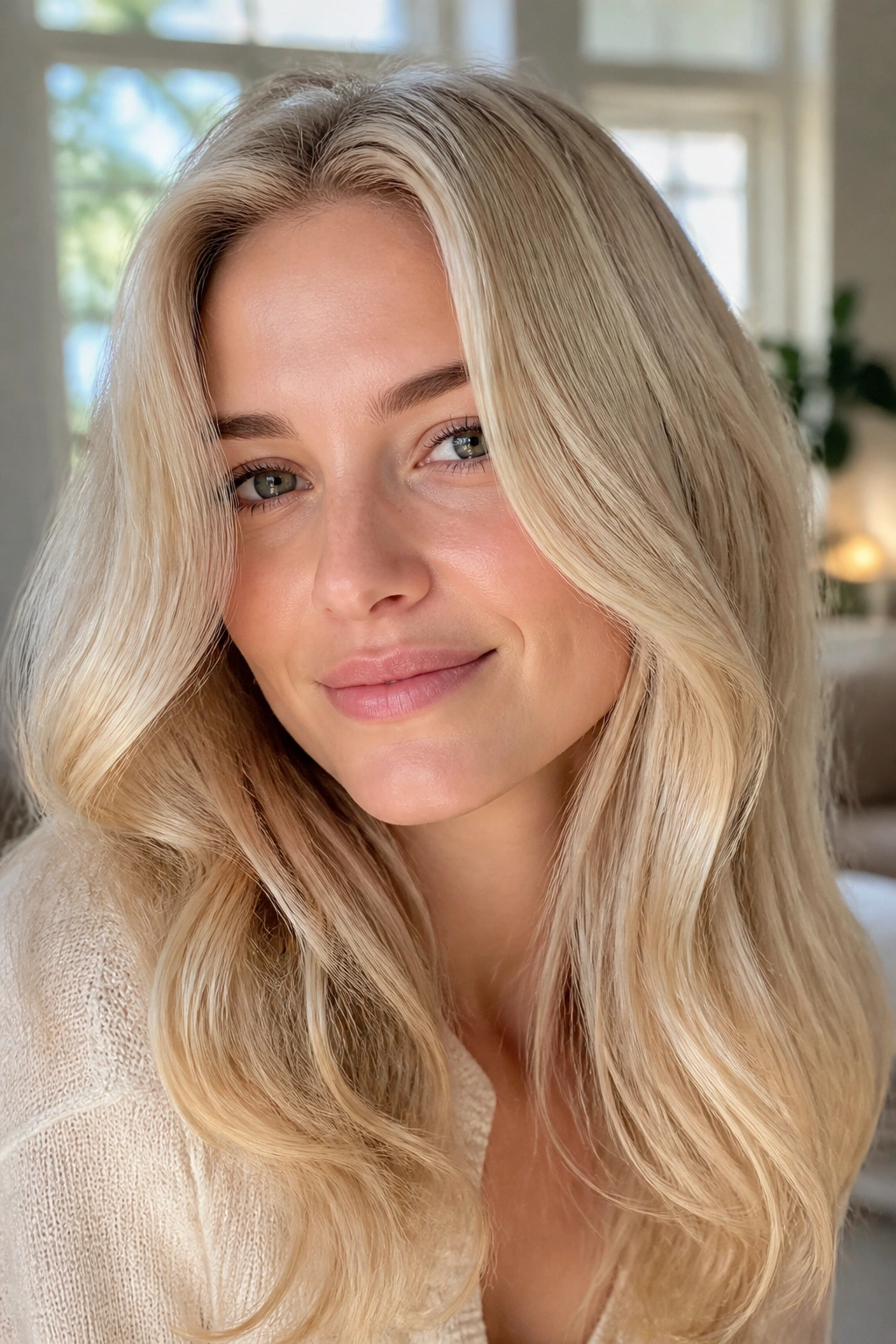
Vanilla blonde works because it refuses to look chalky. The tone is creamy, a little sweet, and not nearly as severe as white-blonde or ultra-ash shades can be.
The prettiest vanilla blondes usually have a beige veil over a very light base. That veil matters. It softens the brightness and keeps the ends from looking dry. Hair with good shine and medium texture wears this shade especially well because the light reflects off the surface instead of sinking into the tone.
One thing I like about vanilla blonde is how good it looks with movement. Loose waves, bends from a flat iron, soft blowouts—those styles make the color feel plush. It should look light, not frosted. That’s the line.
If you’re going this pale, the tone has to be watched closely. Even a little brass shows fast, so glossing matters more here than in deeper blondes. Still, the result can be lovely when the hair is healthy enough to carry it.
17. Oat Milk Blonde
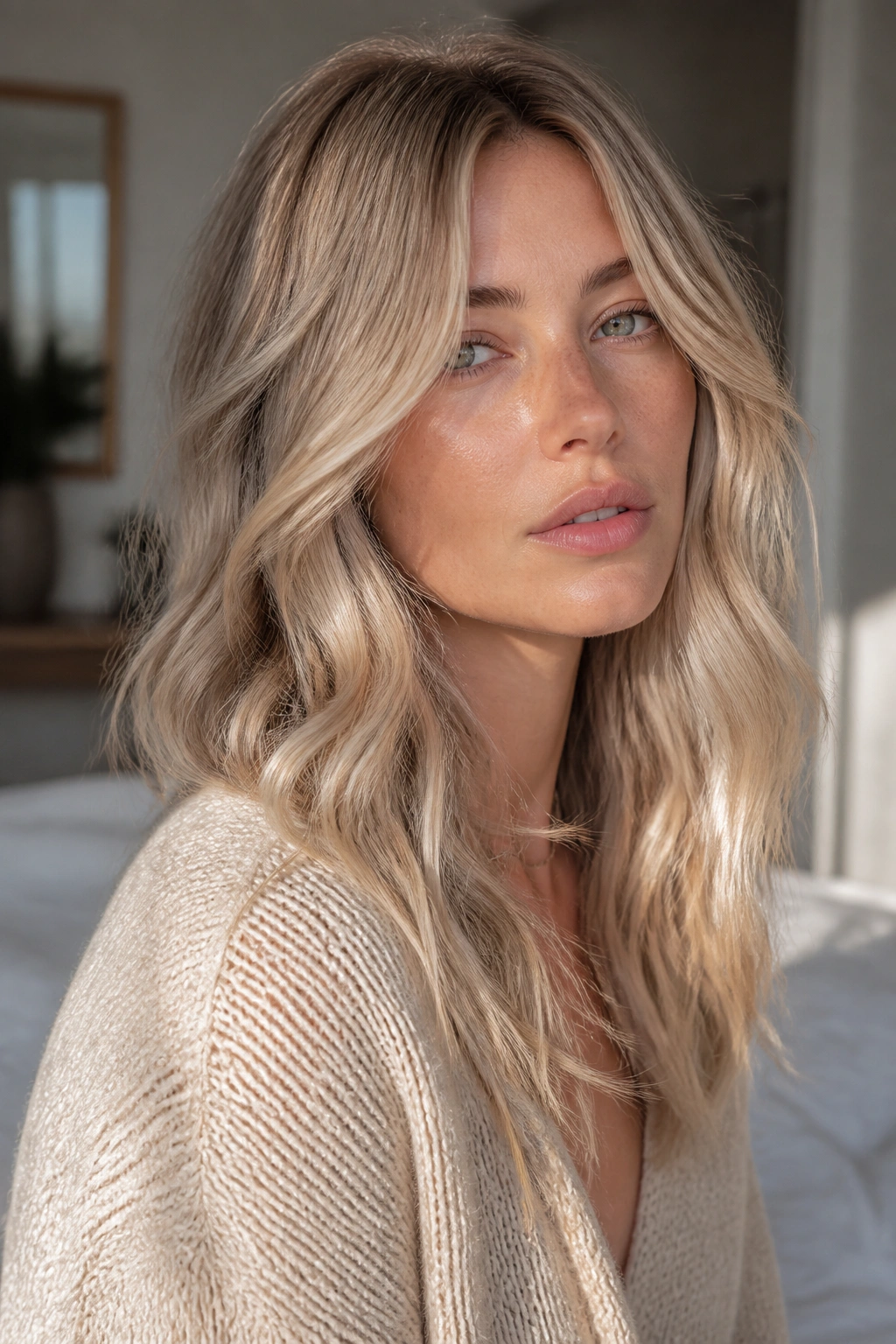
Oat milk blonde reads soft before it reads blonde. That’s why it works so well on people who want brightness but hate anything too yellow, icy, or obvious.
The shade sits in a neutral-beige lane, with a creamy finish that feels calm. It’s an especially smart option for porous hair, because a more neutral gloss can stop the ends from looking over-processed. On coarse hair, it can look plush rather than flat. On fine hair, it adds softness without stealing too much depth.
Best Uses for Oat Milk Blonde
- Subtle all-over lightness on level 7 to 8 bases
- Soft dimension for straight or wavy cuts
- Neutralizing warmth without pushing the hair gray
- Low-drama grow-out when paired with a shadow root
If you like minimal makeup and easy clothes, this blonde tends to fit right in. It doesn’t shout. It just sits there and looks expensive in a very quiet way.
18. Caramel Ribbon Blonde
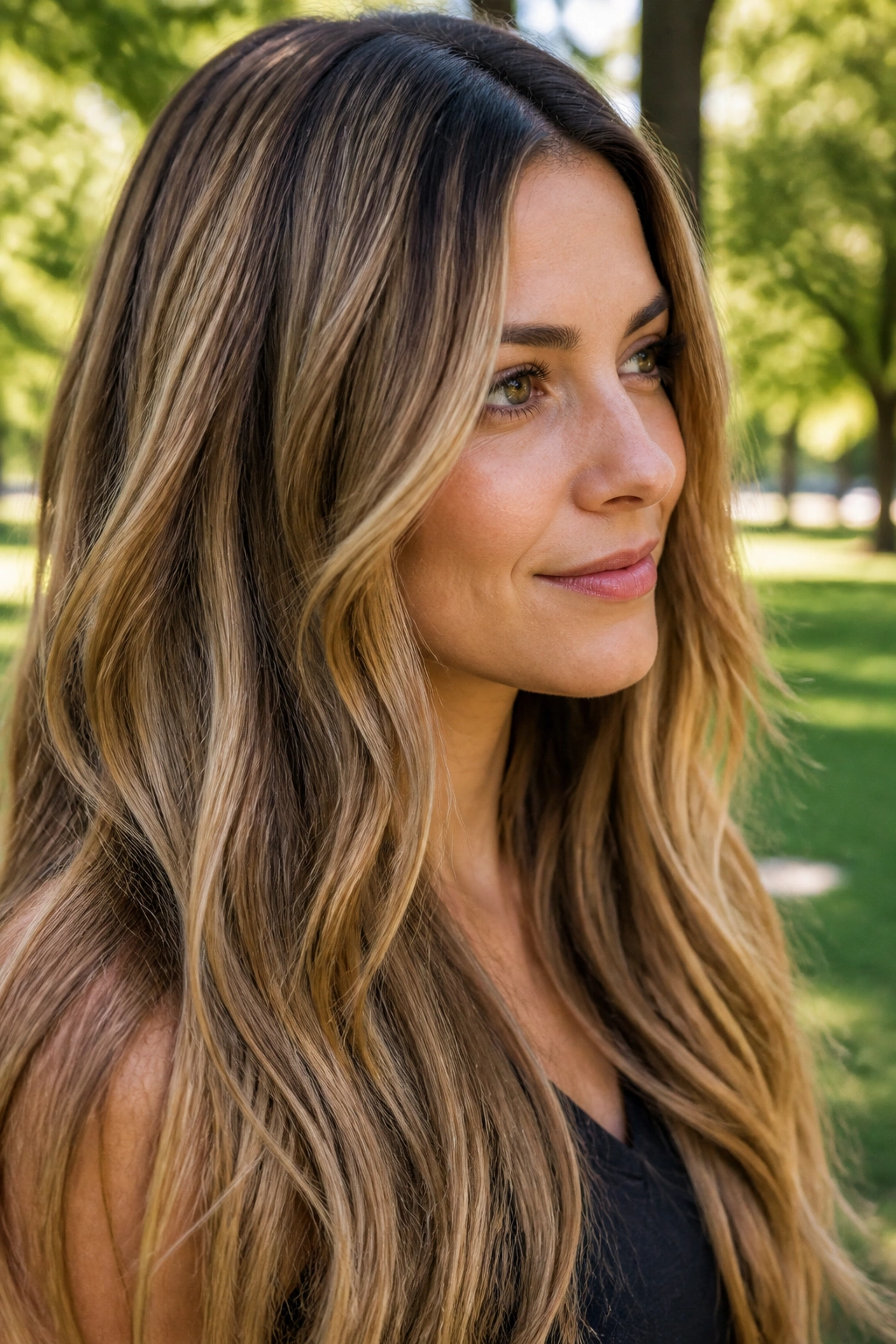
Caramel ribbon blonde is the shade I reach for when someone wants movement without a full reset. The base stays deeper, and the lighter strands come through in warm caramel ribbons that travel through the hair instead of covering it.
That makes it a strong pick for brunettes easing into blonde. You don’t have to lift every strand. You don’t even want to. The ribbons should be placed where the hair bends and falls, so they show up when the hair moves and disappear a little when it settles.
This shade works well on long layers, curls, and thick hair because the dimension keeps the cut from looking heavy. A few wider pieces underneath and finer ones near the top can give you that soft, natural weave of color people love.
It’s warm, but not sticky warm. There’s a difference. The caramel should feel like part of the hair, not sitting on top of it.
19. Champagne Blonde
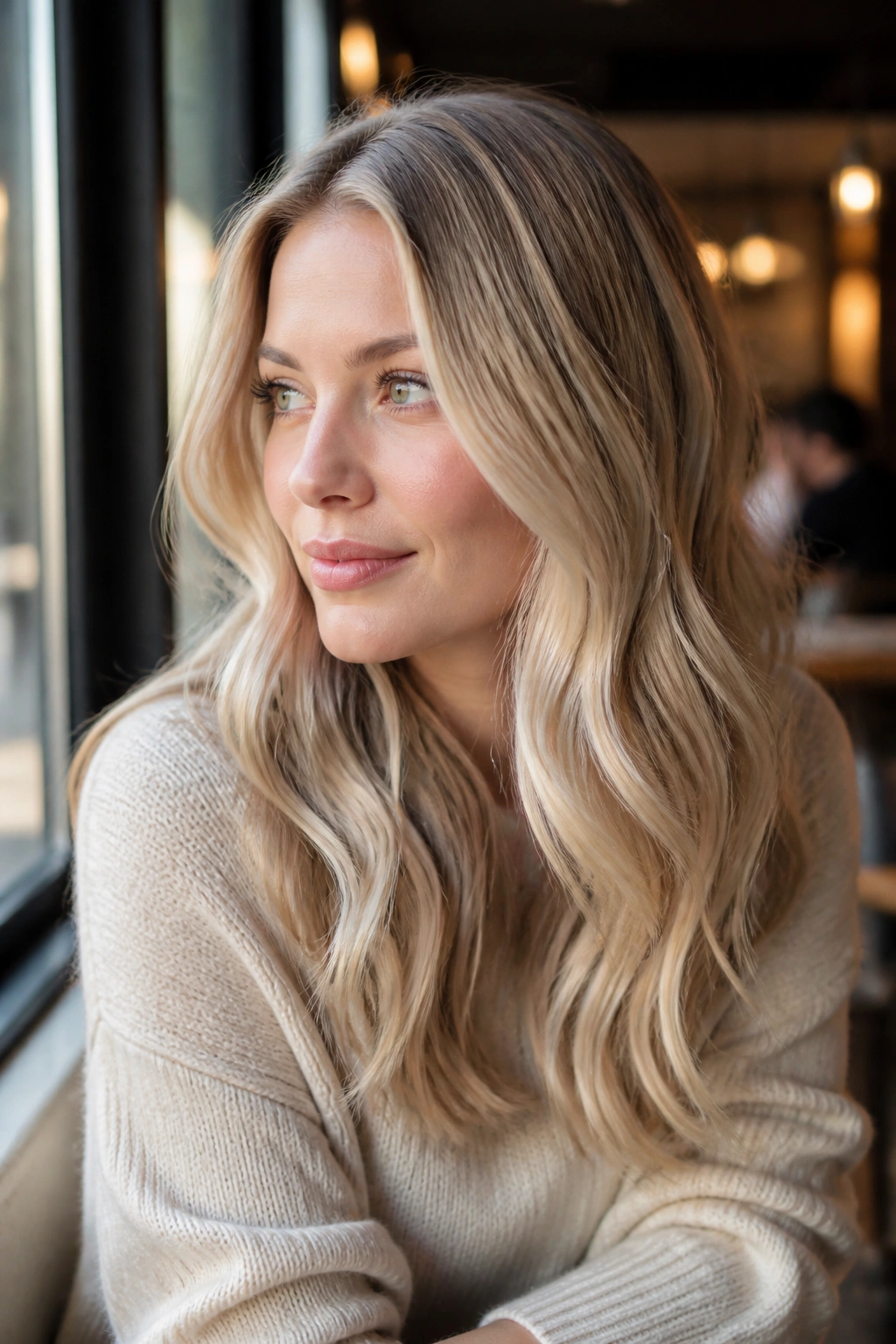
Champagne blonde looks best when it flashes rather than shouts. The tone has a pale, bubbly warmth with just enough coolness to keep the color polished. That balance is why it works on so many people.
I like this shade on medium-light bases that can lift evenly. It often needs a gloss to keep the tone smooth, and a few lowlights can help the blonde keep its shape. Without dimension, champagne blonde can slide into something a little too flat. With dimension, it has real lift.
A Few Things That Help
- Keep the finish glossy, not matte
- Use soft lowlights if the blonde feels too bright
- Ask for pale gold with a neutral edge
- Avoid heavy copper or pink tones unless you want a warmer version
Champagne blonde is one of those shades that works at dinner, in daylight, and in a loose ponytail. It has range. That’s rare.
20. Linen Blonde
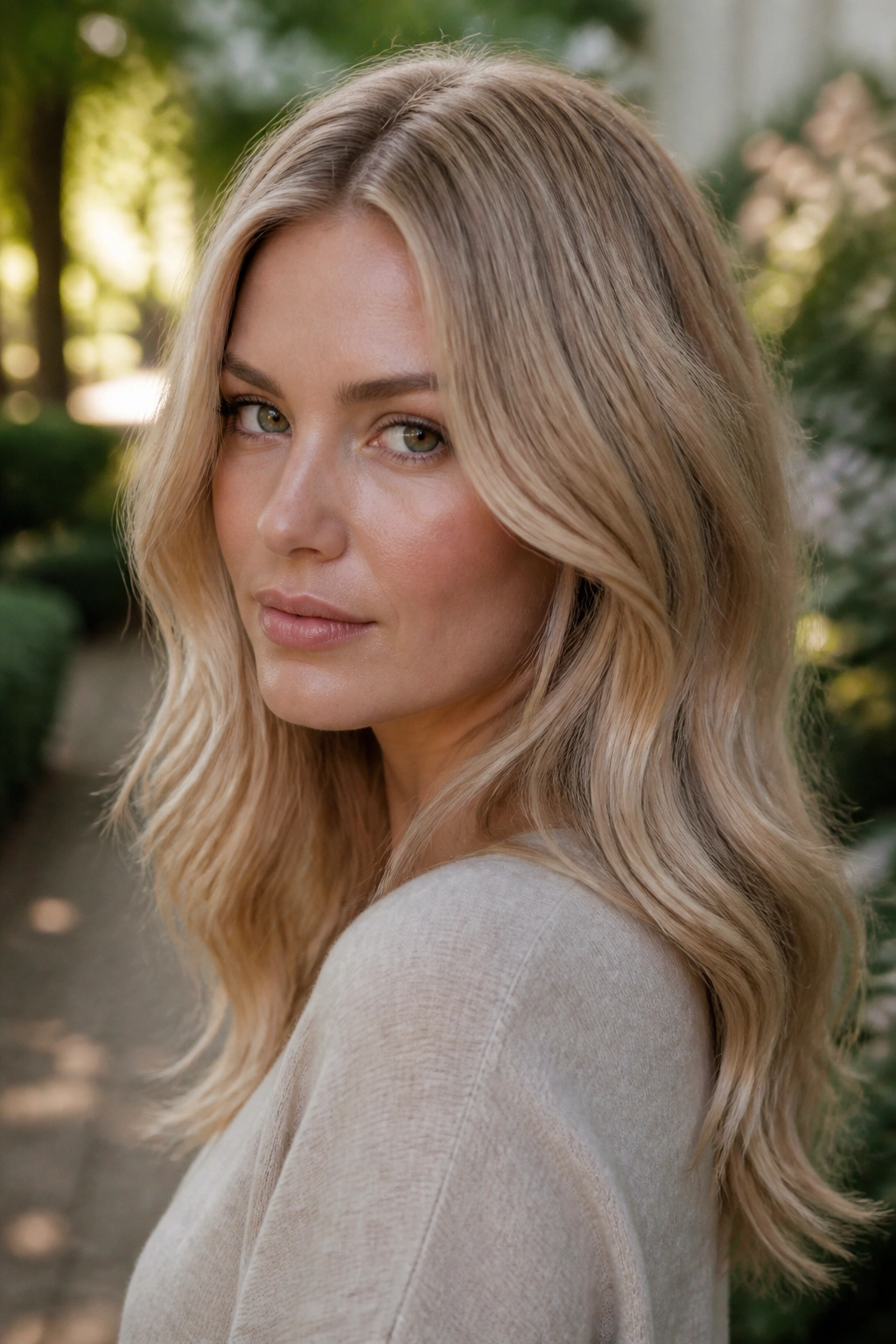
Linen blonde is different from the brighter blondes above it. It keeps a beige thread running through the whole head, which gives the color a soft, woven feel rather than a stark light one.
That’s why it looks so good on people who want something natural but still clearly blonde. The tone is light, muted, and a little airy, with no sharp yellow and no icy finish. A root that stays one level deeper than the mids makes the color even easier to wear, especially if you are not chasing a high-maintenance look.
This shade can be built with fine highlights, a neutral gloss, and careful placement around the part and face frame. The goal is softness from top to ends. No harsh contrast. No loud streaks. Just a calm, pale blonde that feels believable.
If I had to pick one shade from this list for someone who wants a softer, grown-out blonde that still reads polished, linen blonde would be high on my list. It is gentle in the best way, and it never looks like it’s trying to prove a point.
