



A French bob works because it doesn’t try too hard. That’s the whole charm, honestly. When the cut lands at the right spot — usually somewhere between the jaw and the chin — it gives you shape, movement, and a little attitude without needing a lot of styling drama.
The best versions also look expensive in a quiet way. Not stiff. Not helmet-like. A good French bob has a clean outline, but it still lets the hair breathe around the face, the ears, and the neck. That balance is what makes the cut feel fresh instead of severe.
People keep coming back to the French bob for the same reason they keep reaching for a crisp white shirt or a sharp pair of jeans: it does a lot with a little. Shorter lengths open up the neckline. Soft fringe can change the whole mood. A blunt edge can make fine hair look fuller, while a bit of texture keeps thick hair from turning into a block.
The tricky part is choosing which version of the French bob to ask for. Some look sleek and polished. Some look undone in the best way. Some are built around curtain bangs, some around a tiny fringe, and some rely on nothing more than a clean cut line and the right air-dry. The 20 ideas below cover the range, from classic to slightly rebellious, so you can find the one that matches your hair instead of fighting it.
1. Jaw-Length Blunt French Bob
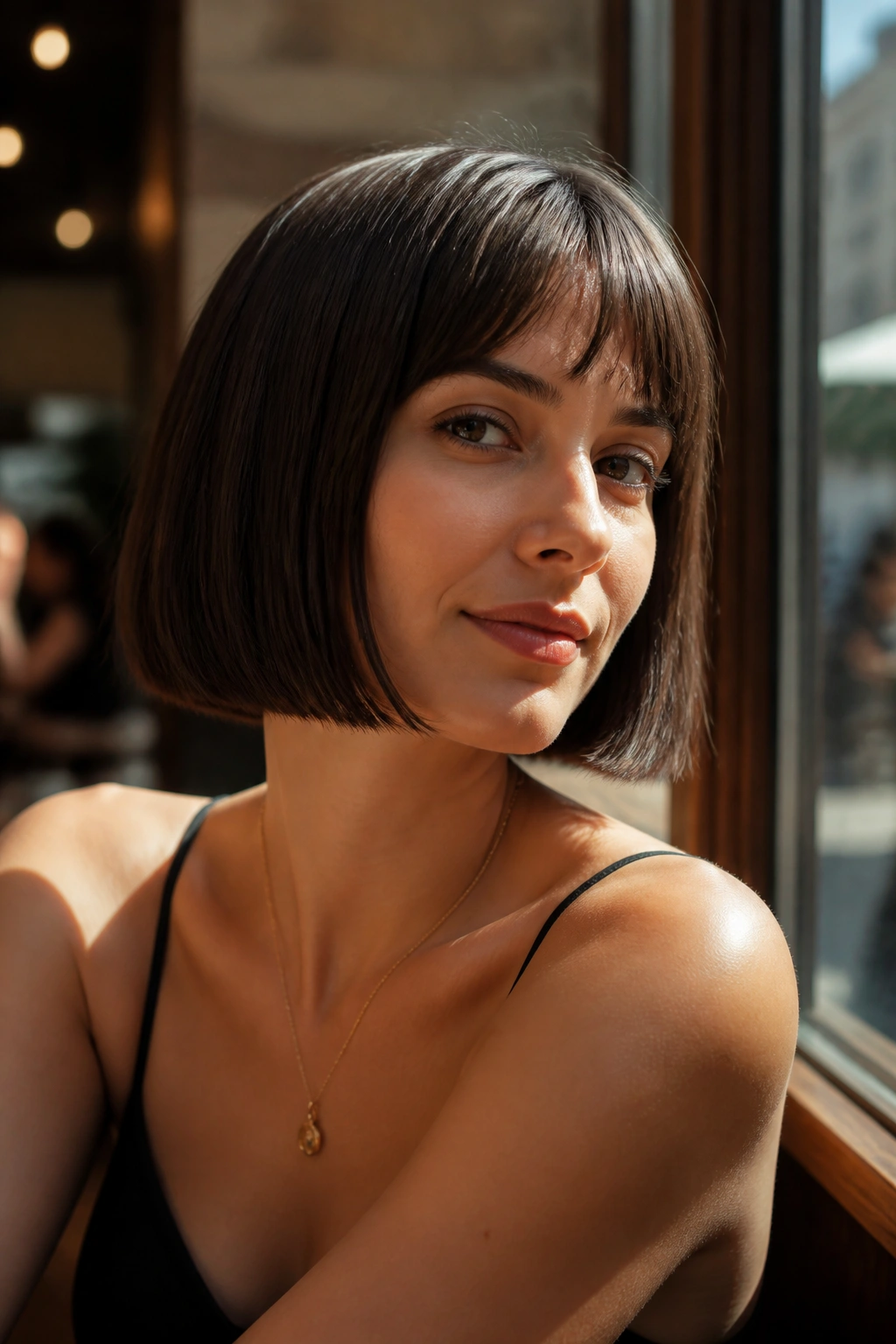
A jaw-length blunt French bob is the one that makes people notice your haircut first. The line sits close to the jaw, which gives the face a crisp frame and makes the whole look feel sharp without tipping into harsh.
Why It Feels So Clean
The blunt edge is doing most of the work here. There’s almost no softness at the perimeter, so the shape reads instantly, even when the hair isn’t styled perfectly. That’s handy if you like a cut that still looks good after a quick finger-comb and a touch of leave-in cream.
This version works especially well on straight to slightly wavy hair because the cut line stays visible. If your hair bends easily, ask your stylist to keep the ends full rather than thinned out. Too much texturizing can make the whole thing lose its punch.
- Best for: oval, heart, and long faces
- Styling move: tuck one side behind the ear
- Product choice: a light smoothing cream, not a heavy oil
- Mood: crisp, direct, a little Parisian without trying to be
Pro tip: Ask for the length to hit right at the jaw or a hair below it. That tiny shift changes how the whole face reads.
2. French Bob with Curtain Bangs
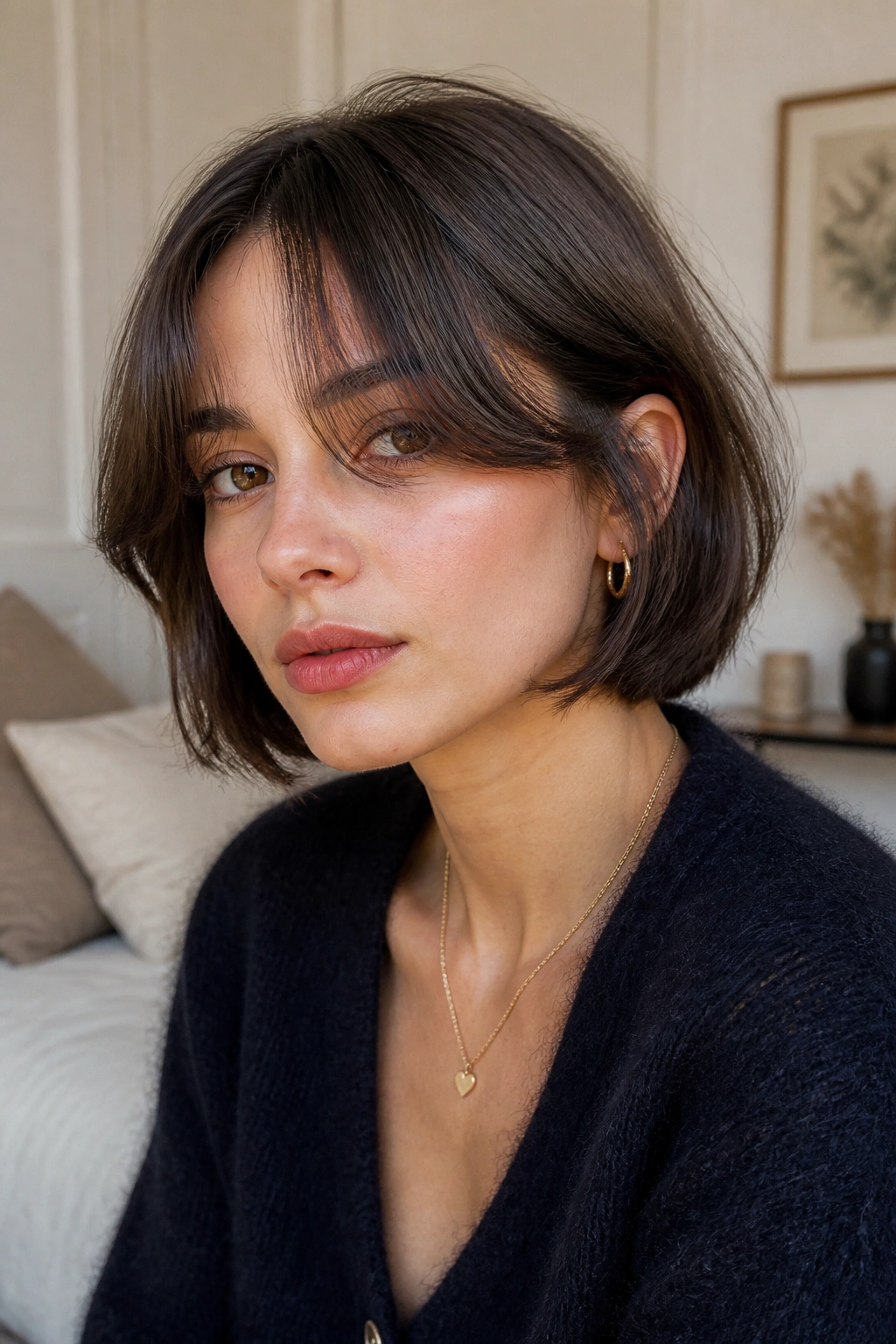
What happens when you soften a blunt bob with a split fringe? You get one of the easiest French bob ideas to live with. Curtain bangs open the face in the middle and sweep outward, which keeps the cut light around the eyes and cheekbones.
Why the Fringe Changes Everything
Curtain bangs make a short bob feel a little less severe. They also help if you like a center part but don’t want your hair falling flat on your forehead. The fringe can be blended into the front corners of the bob, so it doesn’t look like a separate piece sitting on top of the haircut.
The trick is length. Too short, and the bangs can feel jumpy. Too long, and they start to disappear into the rest of the hair. Most stylists keep the shortest point around the bridge of the nose or just below it, then let the sides drift longer.
How to Style It
Blow-dry the fringe first. Round brush, low heat, small lift at the root. Then bend the ends of the bob under slightly so the whole shape feels connected. If you let the bangs dry on their own while the rest of the hair gets attention, they usually split wherever they want.
This is a good pick if you want softness without losing that neat French bob outline.
3. Wavy French Bob with Hidden Layers

A client with naturally bent hair once told me she wanted a bob that looked like it had “better things to do” than sit flat. That is exactly where hidden layers make sense. They keep the cut from puffing out at the bottom while still preserving the short, easy shape.
What Makes It Different
Hidden layers sit inside the haircut, not on the surface. You don’t see stair steps, which matters a lot here. You just get movement — the kind that shows up when the hair swings, turns, or dries on its own.
This version is a smart move for hair that wants to balloon at the sides or collapse at the crown. A stylist can remove weight inside the shape, then leave the outer line clean enough to still read as a French bob. It’s a subtle job, and subtle is the whole point.
- Good for medium to thick hair
- Useful if your ends look bulky in a one-length bob
- Works with a sea-salt spray or a cream with soft hold
- Looks best when the bend is loose, not crimped
Watch this: Too many layers turn a French bob into something else. You want movement, not a shag wearing a bob’s clothes.
4. Chin-Length French Bob with Baby Bangs
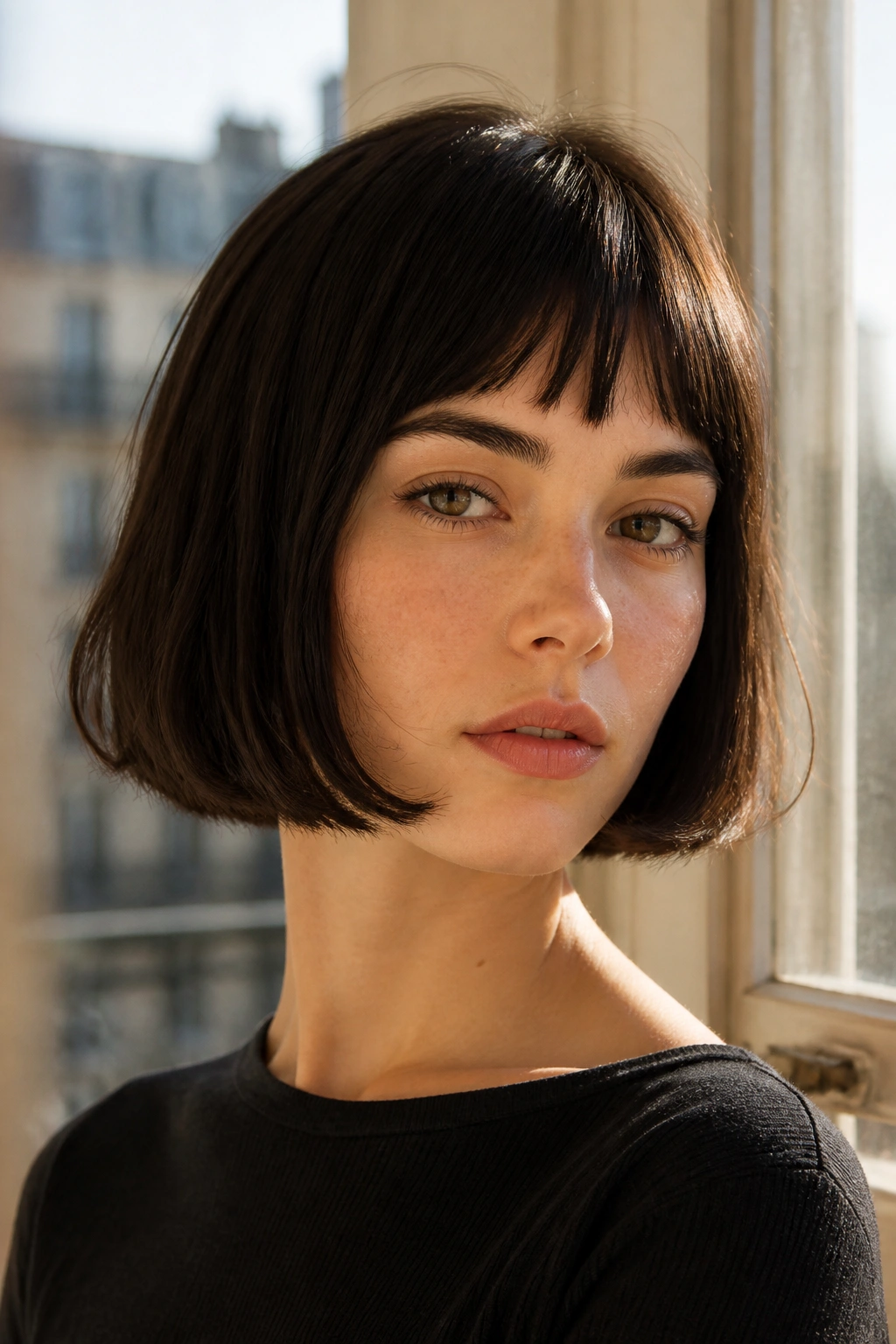
Baby bangs are not shy. They put the forehead on display and throw all the attention straight to the eyes. Paired with a chin-length French bob, they create a sharp little frame that feels graphic and deliberate.
This cut is a strong choice for people who like a bit of edge in their hair. It also suits straight or nearly straight textures, because tiny bangs can pop off in odd directions when the hair has too much curl or wave. The bob itself should stay clean and close to the head, with ends that sit neatly at the chin.
One thing I like about this combo is how fast it changes the mood of a haircut. The same chin-length bob with a longer fringe can feel soft and classic. Add baby bangs, and it turns crisp, almost editorial, without needing much else.
Don’t over-layer this one. The power comes from the contrast between the short fringe and the tidy bob line.
5. Side-Part French Bob with Soft Tuck

A side part changes the whole geometry of a French bob. Instead of drawing a straight line down the middle, you get a diagonal sweep that feels a touch more relaxed and a bit more flattering on rounder faces.
It’s also one of the easier ways to make a bob feel less expected. The asymmetry gives the haircut motion, even if the actual length stays even. One side falls forward; the other can tuck neatly behind the ear. That tiny bit of imbalance keeps the cut from looking too planned.
Who It Flatters Most
If your face feels widest at the cheeks, a side part helps draw the eye upward and outward. If your hair tends to lie flat on top, the part can give you a little lift without teasing or heavy products. And if you wear glasses, this shape sits well around the frames because the front pieces don’t fight them.
A light blow-dry at the roots is enough. Then bend the ends under with a round brush or a flat iron, depending on your texture. The result should look lived-in, not shaped within an inch of its life.
6. Sleek French Bob with a Blunt Edge

Can a French bob be polished? Absolutely. A sleek version with a blunt edge feels cleaner and a little more formal, but it still keeps that short, cool bob energy.
How to Get the Sleek Finish
This cut starts with a precise perimeter. The stylist should keep the line even and avoid taking too much weight out of the ends. After that, the styling matters more than people think. A heat protectant, a flat brush, and a blow-dry that directs the hair down will do most of the job.
Finish with a flat iron only if needed. A single pass from mid-length to ends is often enough. The hair should look smooth and controlled, but not pin-straight in a stiff way. A slight inward bend at the bottom keeps the bob from feeling boxy.
This is the French bob I’d pick for thick hair that needs discipline. It also works well if you like a sharp jawline moment and don’t want airy layers stealing the shape. Clean lines. Clear shape. No fuss.
7. Shaggy French Bob with Choppy Texture

A bob can be tidy and still have bite. This version proves it. The shaggy French bob keeps the short length but breaks up the edge with choppy pieces, so the haircut reads more casual and a little rocker.
Picture hair that has been cut with point cutting through the ends, then lightly rough-dried with a bit of cream. That’s the look. The perimeter stays short, but the surface has movement and texture instead of one solid wall of hair.
Key Details to Ask For
- Point-cut ends rather than a hard blunt finish
- Slightly shorter pieces around the crown
- Soft face-framing bits that stop around the cheekbone
- Texture that looks broken up, not frizzy
This version is handy if your hair feels heavy in a classic bob. It’s also forgiving on days when styling time is short, because the point is to look a little undone. Still, there’s a fine line between piecey and messy. Too much texturizing, and the bob loses its shape fast.
8. French Bob for Curly Hair
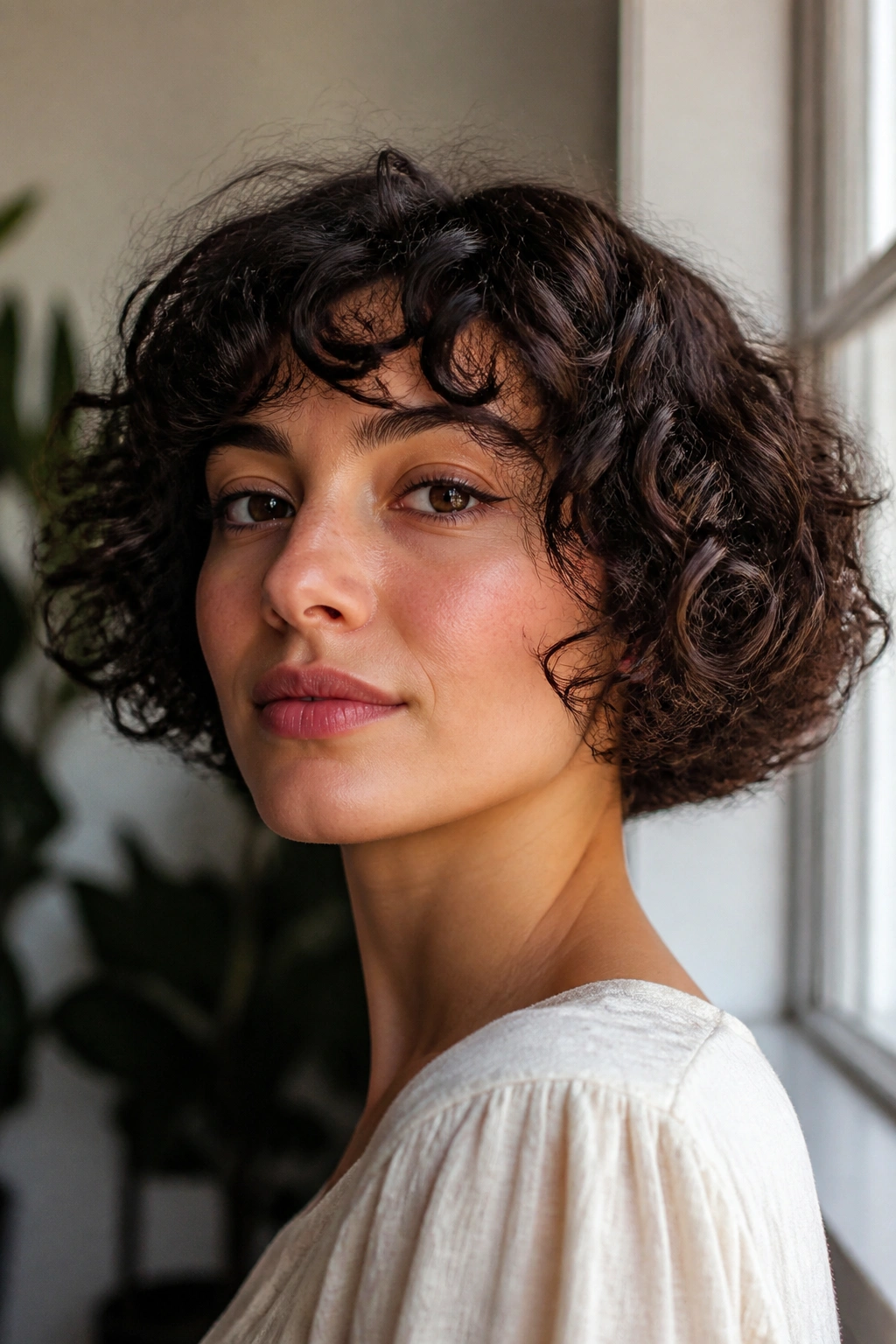
Curly hair and the French bob get along better than people expect, as long as the cut respects shrinkage. A curly French bob should be shaped when dry or mostly dry, because wet curls can lie and promise a length they will not keep.
The best version keeps enough length to let the curl pattern spring without swelling into a triangle. Around the face, the curls can sit just under the cheekbones or right at the jaw, depending on how tight your curl is. That way the shape frames the face instead of crowding it.
A cream with slip helps here. So does diffusing on low heat, then stopping before the curls get too soft and stretched. You want the bob to keep its roundness and bounce. If the ends look fuzzy, it usually means the haircut needs a cleaner outline or the moisture level is off.
This is one of those cuts that looks playful without needing much effort — once the shape is right.
9. Long French Bob with a Slight Bend
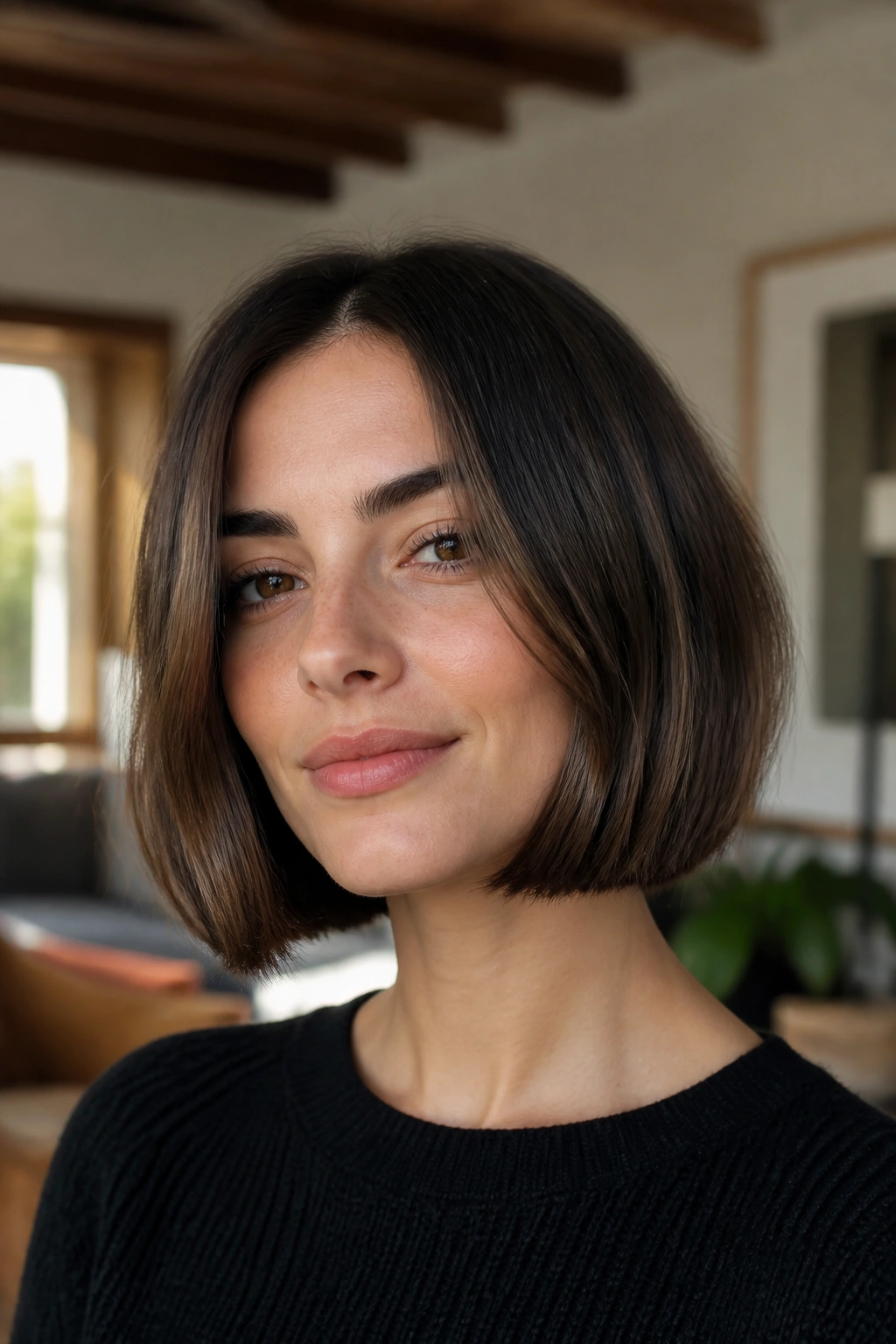
Some people want the French bob feeling without going fully short. That’s where the long French bob comes in. It sits closer to the chin or even a little below it, but the outline still feels bob-like because of the clean shape.
Compared with a classic chin-length version, this one is easier to grow into and easier to wear with ponytails, clips, and tucked styles. It also gives you room to add a slight bend through the ends, which keeps the haircut from feeling like a plain lob.
Why It Works
The length gives you breathing room. The shape keeps it from drifting into “just long hair.” That mix is useful if you’re unsure about a big chop or if your hair needs a little extra weight to behave.
It’s especially good for thick hair that looks better with some length left at the front. A center part can keep it modern, while a soft side part makes it feel more romantic. Either way, the key is a clear outline and a bit of polish at the ends.
If you want something that looks calm but not boring, this is a strong place to land.
10. Inverted French Bob with a Subtle A-Line
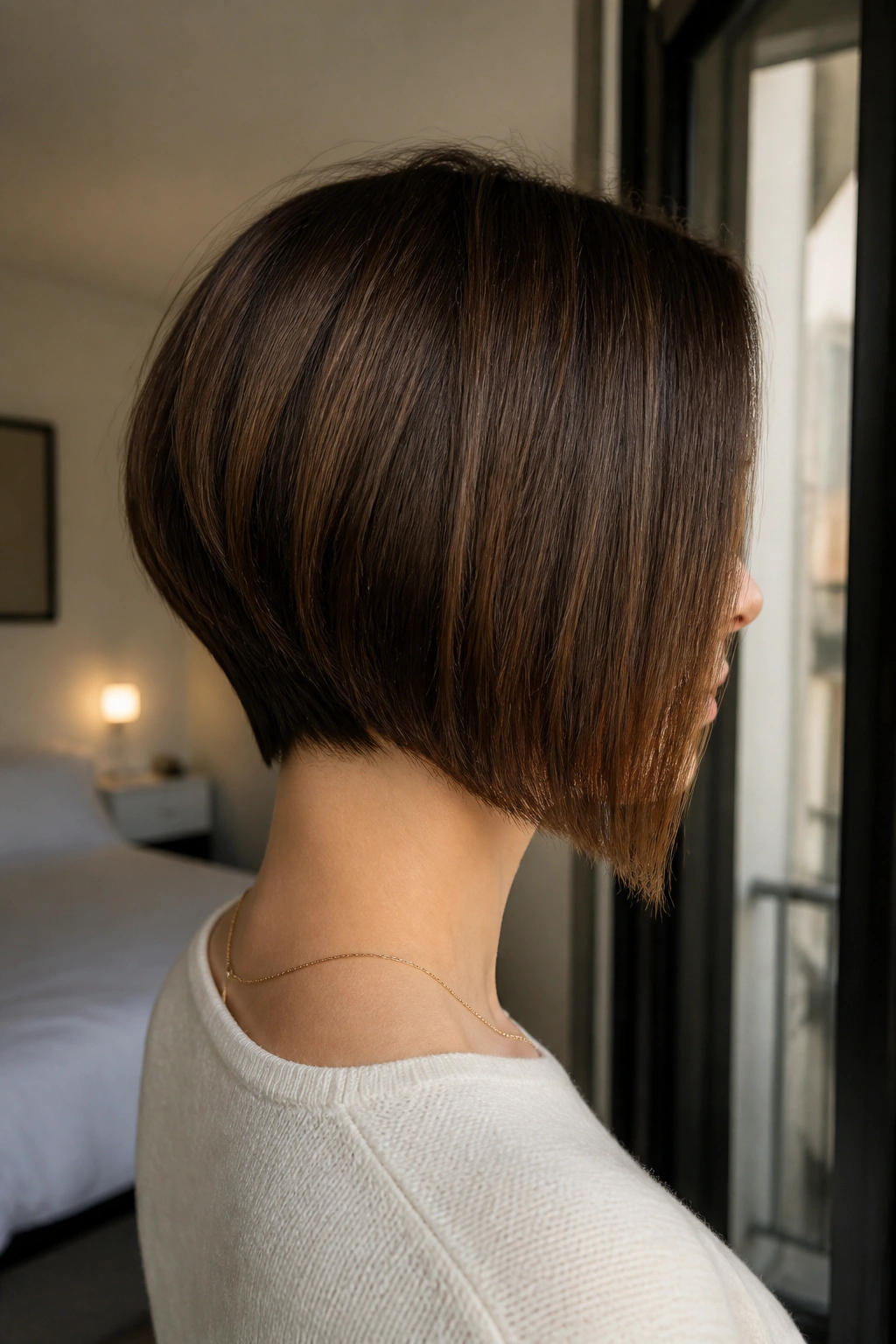
A tiny angle can change the whole haircut. The inverted French bob keeps the back slightly shorter and lets the front drift forward a touch, which makes the neck look longer and gives the face a slimmer frame.
What to Ask Your Stylist For
- A shorter nape that hugs the neck
- Front lengths that graze the chin or sit just past it
- A gentle angle, not a dramatic stacked shape
- Clean ends with a little internal weight removed
This is not the kind of bob that should announce itself from across the room. The angle should be subtle enough that you notice the shape rather than the architecture. That restraint is what keeps it French instead of severe.
It works well if your hair naturally flips out at the nape, because the shorter back can sit closer to the head. It also helps if you want a little lift without piling layers on top. The shape does the lifting. You just keep it tidy.
11. French Bob with Baby Bangs
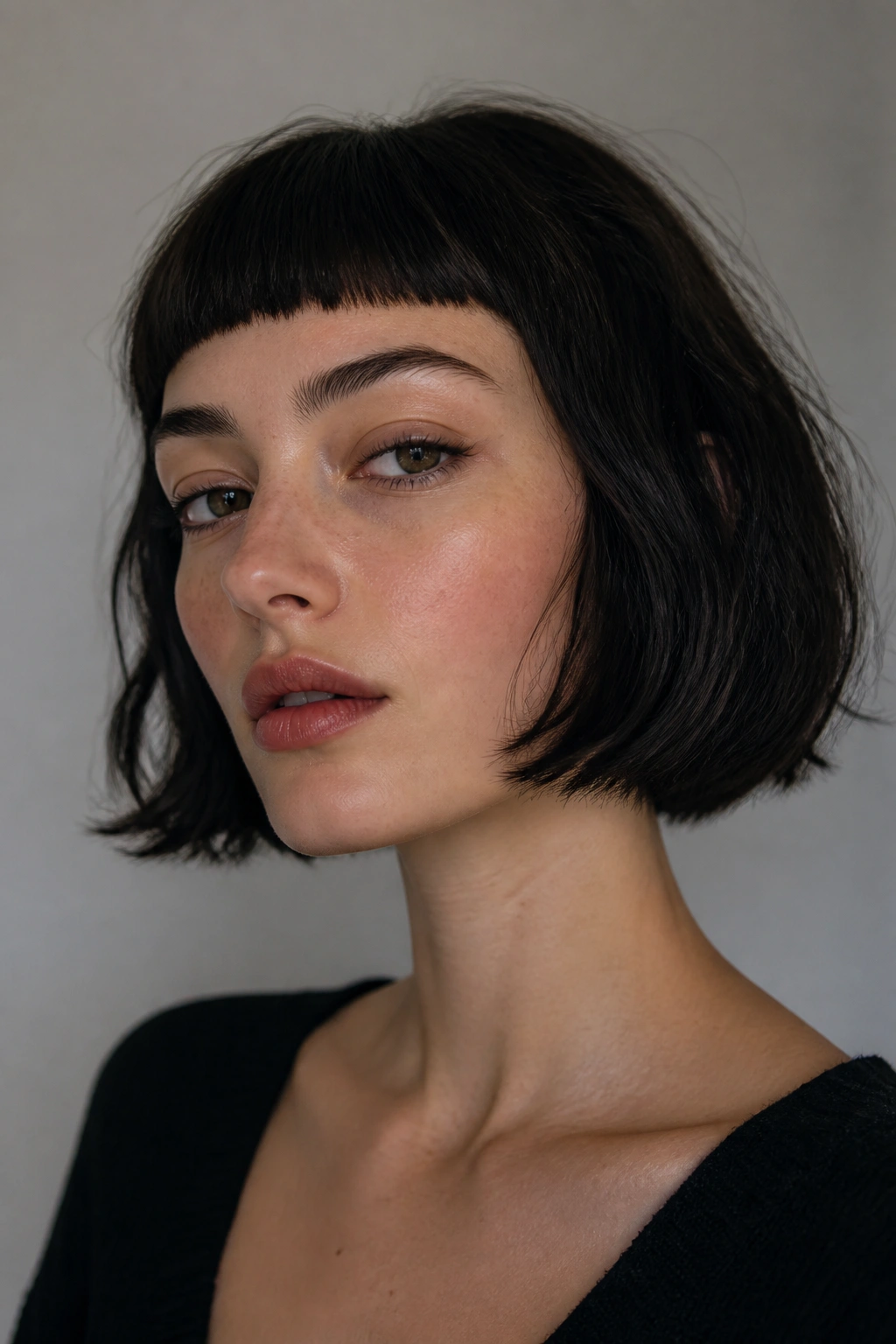
Do baby bangs sound extreme? They can be. They can also be fantastic when paired with the right bob length and texture.
What Baby Bangs Change
The fringe opens up the face by stopping well above the brows, which means your eyes and cheekbones get more attention. That creates a strong shape, especially when the bob itself stays compact and blunt. The combo feels a little artsy, a little sharp, and a lot more interesting than a plain chin-length cut.
Baby bangs need confidence and regular trims. If you hate visiting the salon every few weeks, this is not the easiest choice. They also need the right forehead balance; very short fringe can look amazing on one person and out of place on another.
How to Style Them
Dry the fringe first, before the rest of the hair, so it does not stick to the forehead. Use a small round brush or your fingers, depending on how straight the hair is. Then let the bob stay sleek or slightly bent under. The contrast between the tiny fringe and the fuller shape below is what makes this cut work.
It’s bold. It’s a little mischievous. That’s the appeal.
12. French Bob with Scandi Texture and a Soft Bend
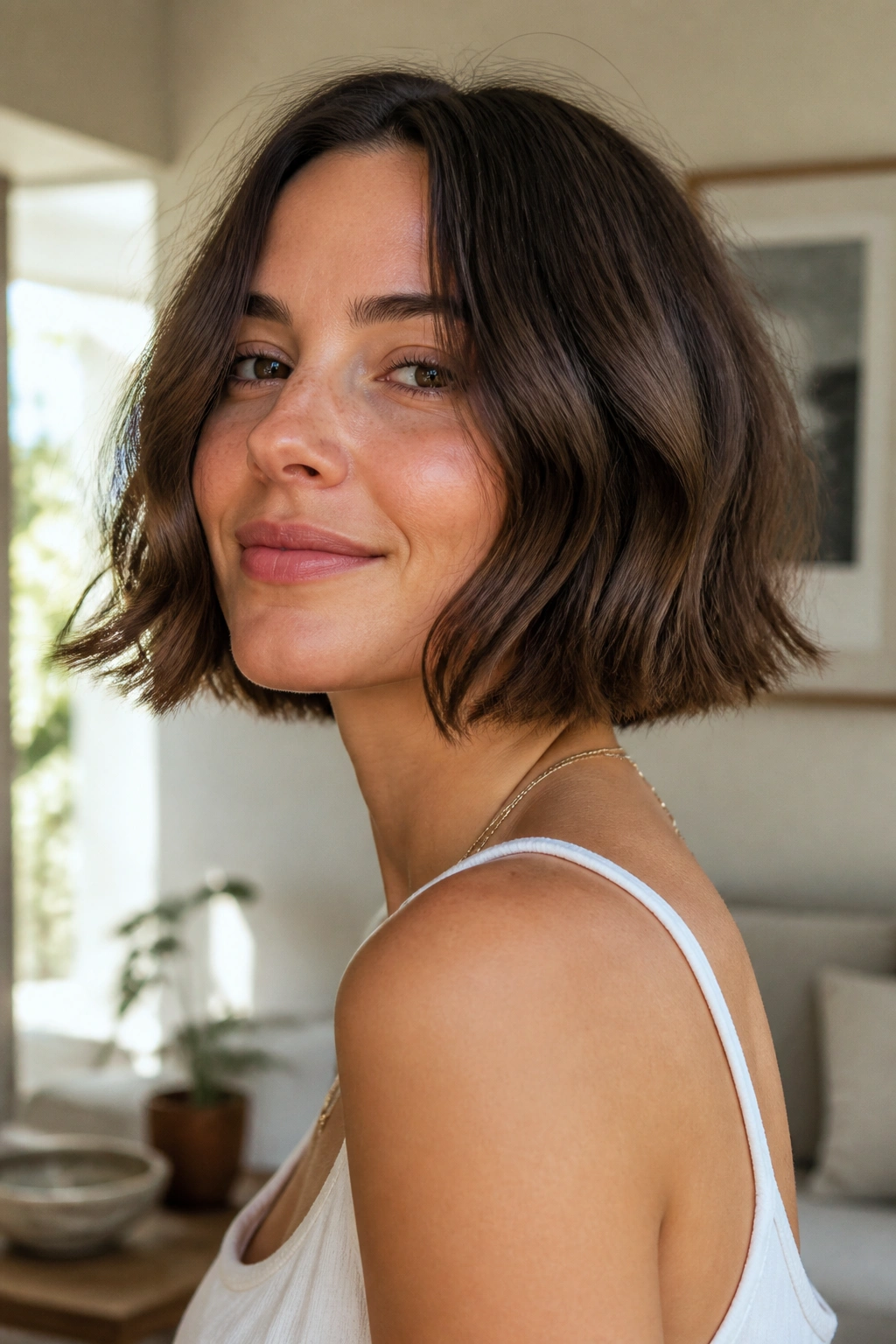
This version feels like the hair dried in a cool room after a walk and somehow landed exactly right. The texture is airy, the ends are soft, and the movement is loose enough to avoid anything fussy.
The cut itself usually sits around the chin or just above it, with very light texture on the ends. The styling is equally light. A tiny bit of cream, a rough dry with your hands, and maybe a pass with a medium barrel iron if the hair needs a touch of shape. Nothing overdone.
Things That Help It Work
- A center or slightly off-center part
- Soft bends at the mid-lengths
- Ends that stay clean, not frayed
- Minimal product so the hair stays touchable
This is a good option for people who like a quiet haircut with movement. It also suits finer hair that gets weighed down by too much layering. A soft bend keeps it from lying flat against the head, but the overall feel stays relaxed.
The cut looks easy. That does not mean it was accidental.
13. Rounded French Bob
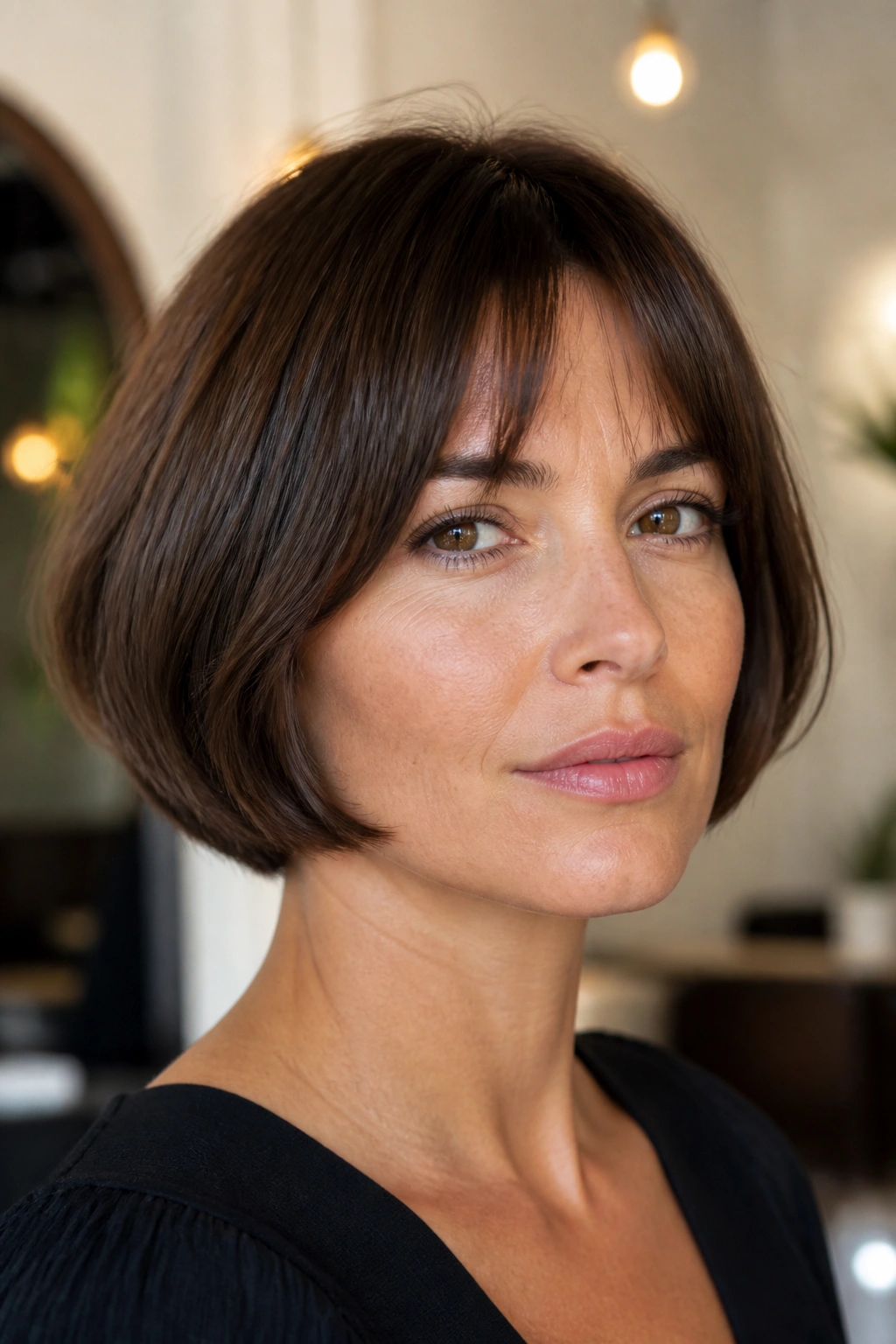
A rounded French bob has a soft dome shape that hugs the face instead of hanging straight down. It feels a little more romantic than a blunt cut, and it can be a smart fix for hair that naturally puffs at the sides.
The rounded shape works by keeping the perimeter fuller through the middle and slightly shorter near the nape. That lets the hair curve inward without turning into a helmet. A little curve at the cheekbone can be lovely here, especially if you want the haircut to melt into the face rather than sit away from it.
This style does best when the haircut is precise. If the shape is off, the roundness can look bulky. If it’s right, though, you get a neat, sculpted bob that still feels soft around the edges. It’s a good choice for someone who wants polish but doesn’t want a hard, graphic line.
A quick round-brush blow-dry can keep the curve visible, but even an air-dry can work if the cut is balanced.
14. Wet-Look French Bob
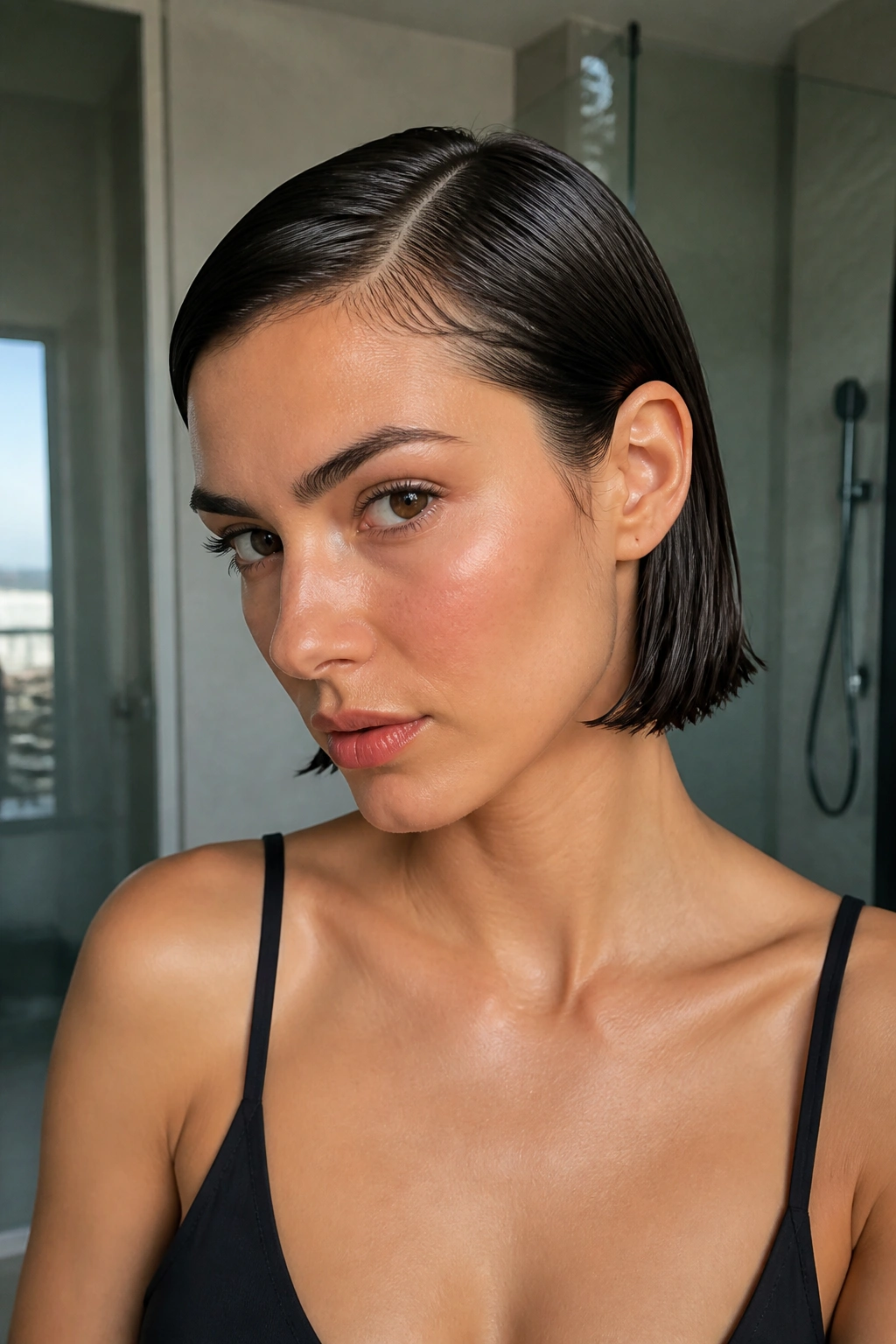
A wet-look French bob leans into shine and holds the hair close to the head. It’s a little dramatic, a little slick, and far easier to wear than people think when the product is used with restraint.
Compared with a fluffy textured bob, this one depends on clean separation. The hair should look damp-looking, not greasy. That usually means a light gel or styling cream applied through the mid-lengths and ends, then combed into place while still wet. The finish should have shine, but the strands still need some movement.
Best For and Best Avoided On
This shape works especially well on straight hair or hair that can be smoothed easily. It also pairs nicely with a deep side part or a center part if you want a cleaner line. Very coarse hair can do it too, but the prep takes longer and the frizz needs more control.
- Best for evening looks or sharper outfits
- Good if you like face-framing without volume
- Not ideal if you want a soft, airy finish
- Strong on jawlines and necks
It is a look with opinion. That’s half the fun.
15. French Bob with Invisible Layers

Invisible layers are one of those salon tricks that sound dull until you see what they do. In a French bob, they remove bulk from inside the shape while keeping the outer line looking even and full.
That matters most if your hair is thick, dense, or a little stubborn at the ends. A blunt bob on that hair type can feel like a box. Invisible layers stop that problem without making the haircut look choppy or over-styled. You get movement, but the shape stays clean.
What to Ask For
Ask your stylist to thin the interior lightly, not the perimeter. The ends should still feel solid when you run your fingers through them. If the outside line starts to look wispy, the layers went too far.
This cut is one of my favorites for people who want a low-drama bob that still behaves. It grows out well, keeps its outline, and tends to sit nicely with a quick blow-dry. The best part is that most people cannot point to the layer work. They just notice that the hair suddenly looks lighter and better shaped.
16. French Bob with Side-Swept Fringe
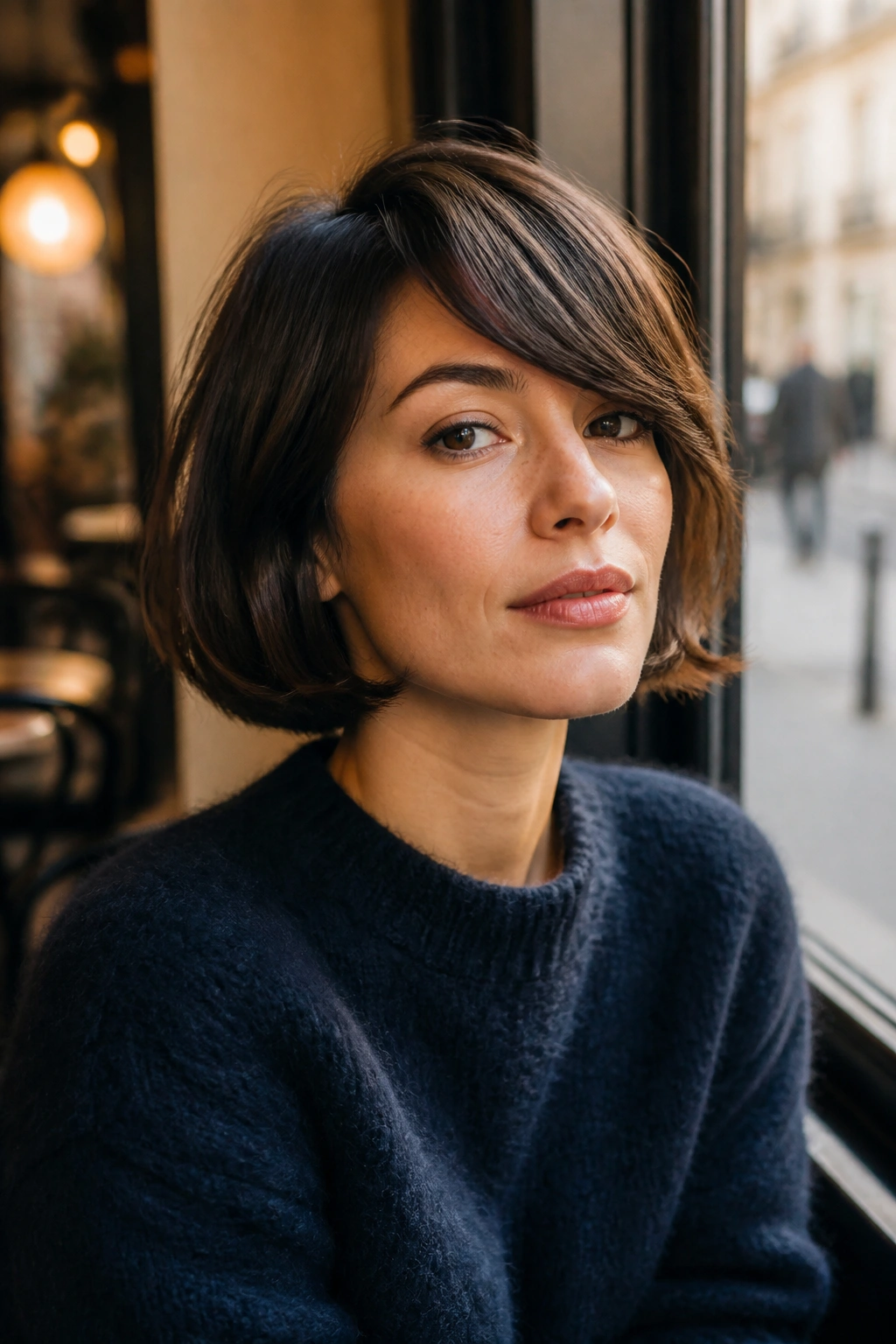
A side-swept fringe softens the front of a French bob without making the cut feel too sweet. It gives the face a diagonal line, which can be helpful if you want to soften a strong forehead or move attention away from a very straight hairline.
Why It Helps
The fringe drapes across the forehead instead of splitting in the middle, so the haircut feels a little more fluid. It also buys you flexibility when your bangs are growing out — which, frankly, is when a lot of people end up loving side-swept fringe the most. It looks intentional during the in-between stage.
How to Wear It
Dry the fringe in the direction you want it to fall, then use the flat side of a brush to smooth the roots. Keep the rest of the bob full and tidy around the chin. A side-swept fringe pairs nicely with a slightly tucked side, so the whole cut feels balanced rather than lopsided.
This is a gentle version of the French bob. Not timid. Just softer.
17. Grown-Out French Bob
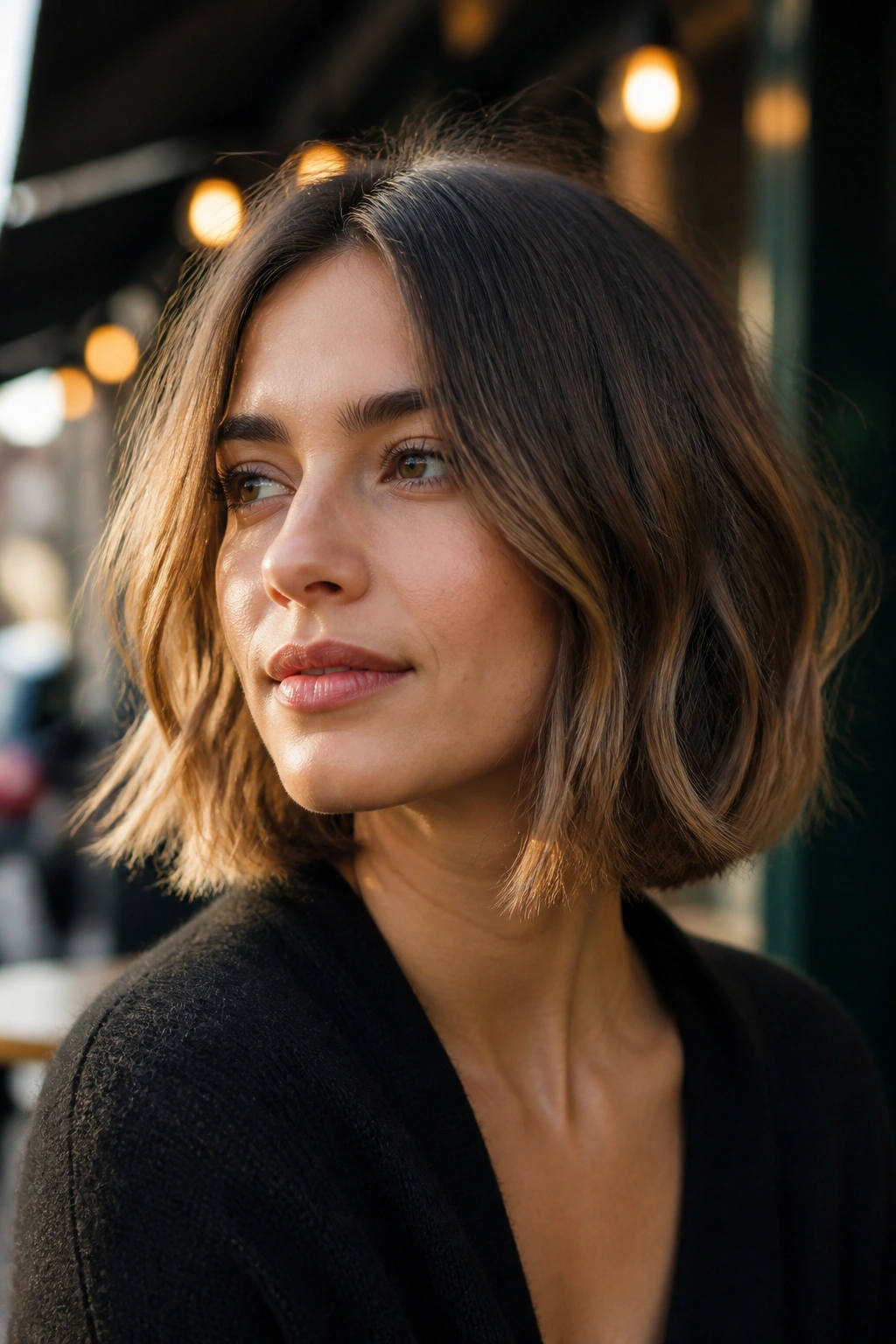
Sometimes the best bob is the one that sits between lengths. A grown-out French bob lands near the collarbone or just above it, but the shape still keeps the spirit of the shorter cut.
It’s a good choice if you like the French bob idea but don’t want a strict maintenance schedule. You can still wear it tucked, waved, or tucked behind the ear, and it keeps enough structure to look deliberate. The shape matters more than the exact length here. If the ends are clean and the face framing is right, it still reads as a bob.
Why People End Up Loving It
- Easier to tie back on busy days
- Less frequent trims than a classic bob
- More room for waves, bends, and clips
- Softer transition if you’re growing hair out
The downside is that it can drift into “in-between” territory if the ends get ragged. That’s why tidy trims matter. A grown-out bob should look planned, not abandoned.
18. Air-Dried French Bob for Fine Hair

Fine hair can look glorious in a French bob when the cut is smart. Shorter lengths give the hair more body, and a clean line makes it appear thicker than it really is.
The mistake people make is adding too many layers. Fine hair usually needs shape, not thinning. A bob that sits near the jaw with a little bend at the ends can do more for fullness than a heavily textured cut ever will. A touch of mousse at the roots and a pea-sized amount of cream through the ends is often enough.
This version is especially nice if you hate spending time with hot tools. Scrunch the hair lightly after washing, lift at the roots with your fingers, and let it dry where it wants to. If the top looks too flat, clip the crown for ten minutes while it dries. That small trick can save the whole shape.
It’s a practical cut. That’s not a downgrade.
19. French Bob with a Deep Side Part and Volume
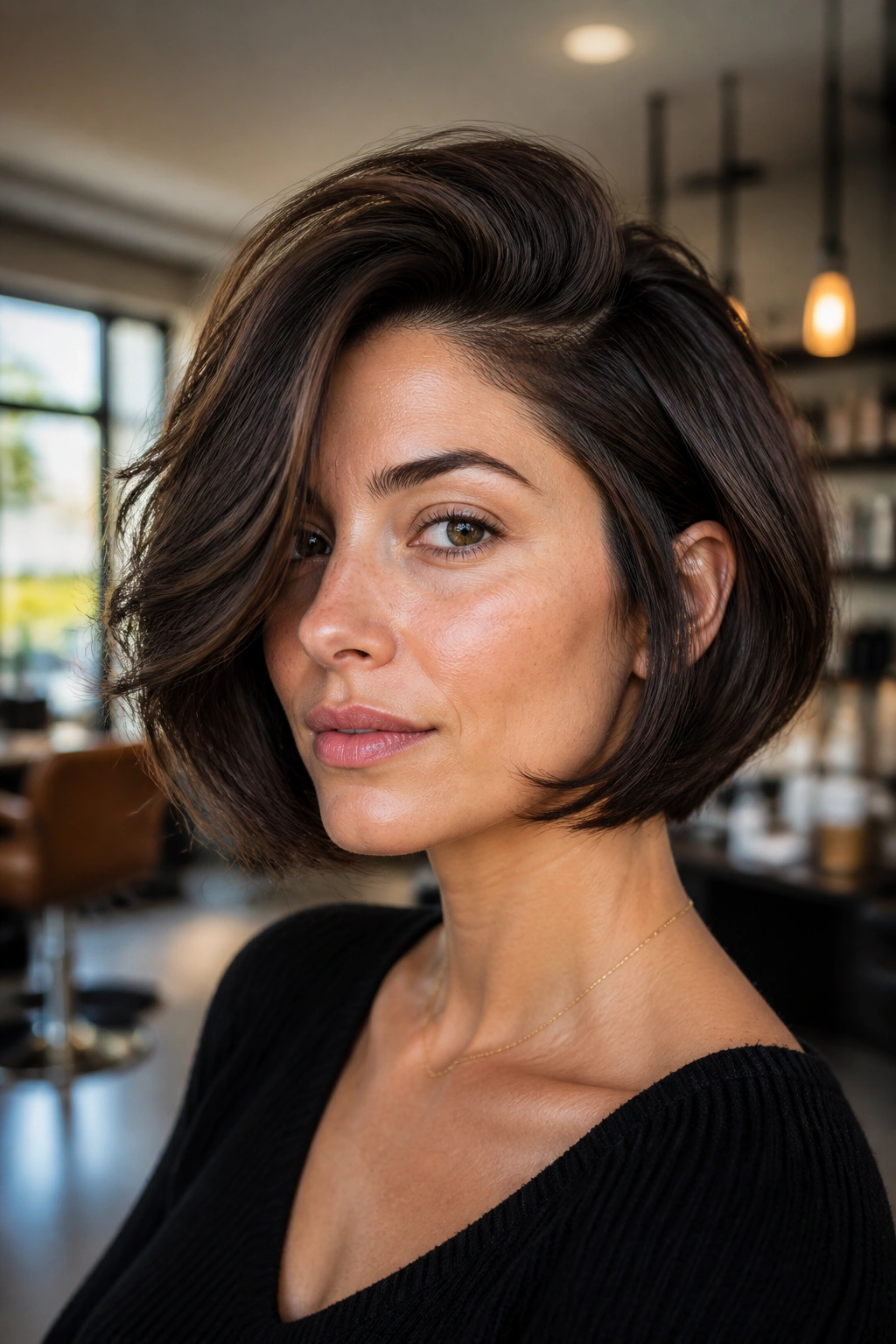
A deep side part turns the French bob into something with more lift and more drama. The crown gets height, the front swoops across the forehead, and the overall shape feels fuller on top.
Compared with a center part, this version can be a better fit for flat hair or hair that loses shape by midday. The part gives the roots a chance to stand up, especially if you set them with mousse and a quick blast of heat. The bob itself can stay chin-length or slightly shorter, but the volume changes the mood completely.
Who It Flatters
It’s especially nice for longer faces because the lifted crown balances the length. It also works for anyone who likes a little Old Hollywood energy without the full styling effort of a big blowout. The shape is polished, but it still has that French bob ease through the ends.
I’d use this one for dinners, events, or any day you want your hair to look a little more dressed up without adding extra length.
20. Soft-Grow-Out French Bob

The soft-grow-out French bob is the one I recommend to people who want the cut to live with them, not against them. It keeps the short-bob shape at the front, softens the nape, and lets the fringe or front pieces move a little longer so the whole thing grows gracefully.
That matters more than it sounds. A lot of short cuts look fantastic for six weeks and then fall apart. This version is built to keep working as it grows. The ends stay neat, the outline stays readable, and you can still tuck it, wave it, or leave it loose on a rushed morning.
A tiny bit of softness at the hairline helps here. So does a cut that respects your natural part and the way your hair bends when it dries. If the shape already works with your texture, the grow-out phase feels less like a problem and more like part of the style. That’s usually the sweet spot with a French bob anyway — clean enough to look intentional, easy enough to wear when you’ve got better things to do.
